QUEER EPISTEMOLOGY AND EPISTEMIC INJUSTICE
Courtney Bourn
1. Topic Discussion
★ Flaws of the binary
★ “Born this way”
★ “The Closet”
Courtney Bourn
★ Flaws of the binary
★ “Born this way”
★ “The Closet”
★ Featured theorists
★ Connection to crip theory and queers of color
★ Intersectionality and inclusive queer theory
★ Real world application
● Abnormal
● Sex/romance with and ONLY with members of same sex
● Heavily sexualized and “inappropriate”
● Unnatural


● The default
● Sex/romance with and ONLY with members of opposite sex
● Socially acceptable
● Natural
★ Binary ignores fluidity
★ Excludes other sexualities
★ Enforces labels and boundaries ★ Shuns exploration
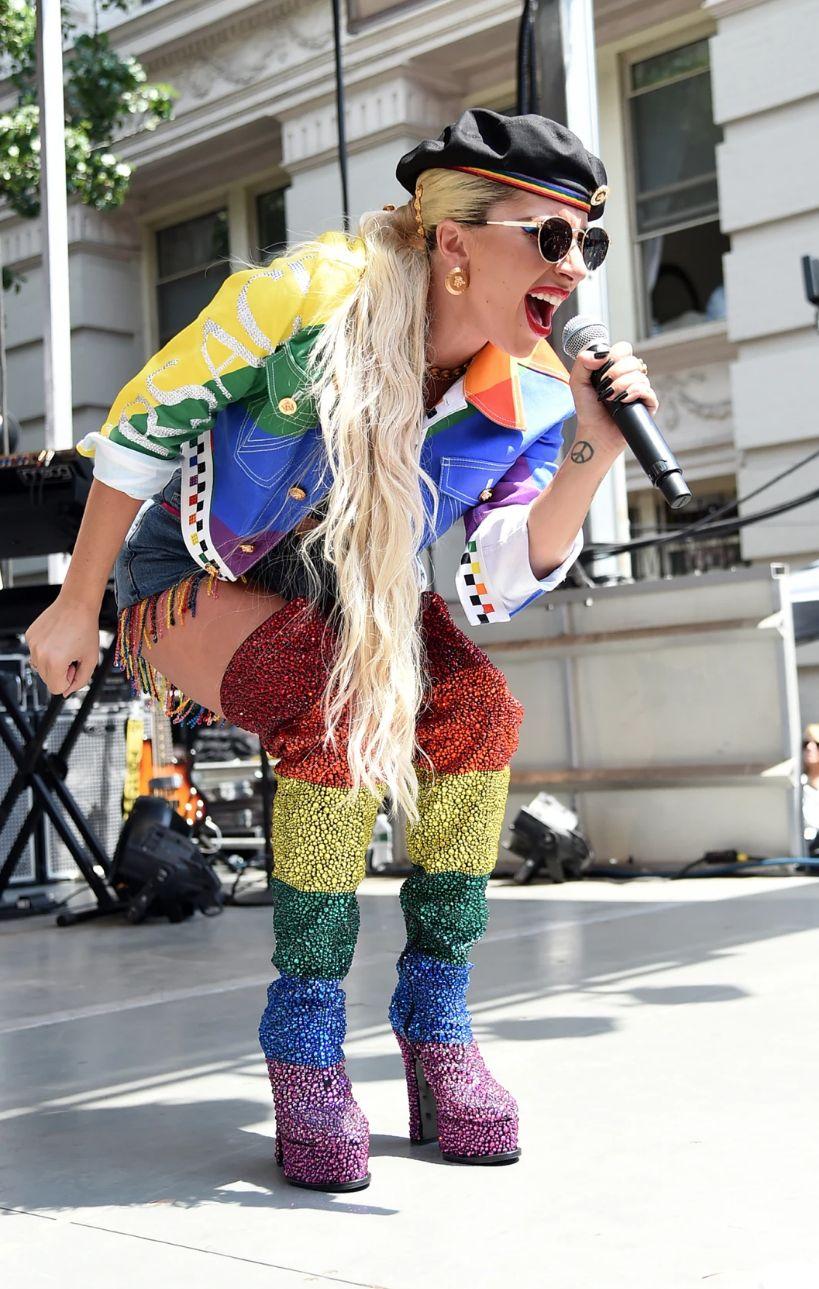
★ “Born this way” - disallows the shifting of identities
★ Sexuality as a choice
● Homosexuality is not natural and can be changed
● Main argument of anti-LGBT organizations (Serano, 2022)
★ Sexuality as natural and normal
● “Born gay” → political strategy that reinforces dominant discourse of sexuality and fuels surveillance, containment, and normalization that have oppressed all labeled sexually deviant, including “homosexuals” (Hall, 2017 p. 162)
★ Denaturalization of sexuality through queer theory
● Reveals that heterosexuality as “normal and natural” is a product of contingent powerknowledge networks (2017 p. 162)
● Queer self-knowledge - Identity is not fixed, innate nature
➔ Purported sexual truths do not mirror essential being (2017 p. 161)

★ “Coming Out” and make known one’s sexual identity → fraught epistemic terrain in which the epistemic authority of sexually minoritized people is contested .
● A site of epistemic injustice and harm (Hall, 2017 p. 160)
★ Surveillance
● Every minute aspect of one’s behavior, appearance, and interests are taken as signs of the truth of one’s sexuality (2017 p. 159)
★ “Coming Out” is a privilege
● Family acceptance, danger of homophobia and violence, cultural norms, alienation (Mezey, 2008)
★ Queer theory and the closet
● Not historically inevitable - The identity one is forced to claim in a particular time and place can be replaced by a category that does not yet exist (2017 p. 161)

★ Reconceptualization of power as both repressive and productive (Hall, 2017 p. 158)
★ “Regime of power- knowledgepleasure” (2017 p. 159)
★ Sexuality is reconceived as a site of the operation of power and not merely an inner, repressed truth (2017 p. 159)
★ Genealogical approach to sexuality = sexuality is a problem for truth, not a fixed, innate truth of human nature waiting for discovery. (2017 p. 159)
★ Influenced by Foucault’s understanding of sexuality
★ Failure to critically contend with the homo/heterosexual binary = failure (Hall, 2017 p. 159)
★ “crisis of homo/heterosexual definition”
○ “minoritizing” and “universalizing” discourses of sexuality (2017 p. 160)
★ Absence of any claim to sexual identity
→ pressure to announce the truth of one’s desire (2017 p. 158)
★ Queer theory = attentive to the exclusions of identity categories BUT unacknowledged whiteness frames queer theory analyses
★ Epistemic exclusions even in queer theory
★ Disidentification“works on and against” identity (Hall, 2017 p. 163)
★ Mestiza consciousnessQuestions authentic identity and loyal that define membership (Hall, 2017 p. 163)
★ Borderlands = created by the emotional residue of an unnatural boundary (2017 p. 163)
○ Vague, shifting
★ Critical of norms that inform boundaries surrounding group identity (2017 p. 163)
★ Influenced by queer theory
★ Questions normalizing, neoliberal assumptions (Hall, 2017 p. 164)
★ Feminist queer cripistemology deconstructs the binary
★ Erotic unthinkability and ignoring sexual agency → injustice and stigma
★ Challenge norms and reconceptualize sex
★ No mention of the word (written in 2017)

★ Epistemologies as influencing one another, yet separating them from queer theory (i.e. queer theory vs. queers of color)
★ Still embodies a Western-centric perspective of sexuality
★ Briefly acknowledges queer theory’s whiteness, then rushes past it
★ Real life application?
★ Well-organized
★ Supported by theorists
★ Evidence is relevant to arguments and serves purpose
★ Still very white and Western-centric
★ Lack of realities beyond an academic analysis
Hall, Kim Q. “Queer Epistemology and Epistemic Injustice.” In Kidd, Ian James, José Medina, and Gaile Pohlhaus, Jr. (eds)., The Routledge Handbook of Epistemic Injustice (2017).
Serano, J. (2022, June 17). Is "Born this way" still a useful phrase in the fight for LGBTQ rights? Salon. Retrieved November 8, 2022, from https://www.salon. com/2022/06/17/its-time-to-rethink-born-this-way-a-phrase-thats-been-ke y-to-lgbtq-acceptance/
MEZEY, N. J. (2008). THE PRIVILEGE OF COMING OUT: RACE, CLASS, AND LESBIANS’ MOTHERING DECISIONS. International Journal of Sociology of the Family, 34(2), 257–276. http://www.jstor.org/stable/23070754