Midland Farmer is a controlled circulation magazine published monthly for farmers and growers in the Midlands (Derbyshire, Herefordshire, Leicestershire, Lincolnshire, Northamptonshire, Nottinghamshire, Shropshire, Staffordshire, Warwickshire, West Midlands and Worcestershire) or companies supplying goods and services to the sector. To be included on the circulation list, a farmer must have a minimum of 70 acres of land, or 50 dairy/beef stock, or 50 breeding sows/250 growing stock, or 15,000 laying hens/broiler chickens. Intensive horticulture units are required to have a minimum of two hectares.
If you no longer wish to receive this magazine, please email your name, address and postcode as it appears on the wrapper to gemma.mathers@micropress.co.uk
Published by Countrywide Publications, Fountain Way, Reydon Business Park, Reydon Suffolk IP18 6DH T: 01502 725800
Printed by Micropress Printers Ltd T: 01502 725800
OPINION Johann Tasker
Why we must ‘go it alone’ in 2026
Agriculture enters 2026 with little room for polite euphemisms. Government ineptitude is piling pressure on farmers and the coming year will expose the gap between Westminster rhetoric and the reality in the field.
Government ministers rightly highlight UK agriculture as the best in the world. Yet they do little to support the industry. Growers and livestock producers know this contradiction all too well. Food is undervalued and so too are those who produce it.
Trade deals continue to undercut domestic production, sucking in imports that bypass the high standards met by British farmers.
Politicians promise a rosy future. Yet they struggle to deliver it. The reopened Sustainable Farming Incentive – expected in the first half of 2026 – will signal a long-overdue shift from warm words to accountability. But it will be leaner and stricter.
More for less
Focused on measurable outcomes, farmers joining the revamped SFI will need to provide hard data on soil, carbon and biodiversity. In return, the Treasury promises timely payments and stability.
Whether that will be delivered remains to be seen. Past schemes were slow and fragile. Trust must be rebuilt. The next 12 months will reveal whether Whitehall can deliver a credible long-term framework – and the functioning IT system to administer it.
Climate pressures have also moved past theory. English growers have endured seasons that shred-
ded drilling plans, drowned margins, and exposed how brittle the system becomes when water – too much or too little – takes control.
Resilience planning is now the only serious business strategy. Crop choices, rotational discipline, flexibility, input efficiency and soil structure are no longer matters of optimisation but survival.
Commodity markets will keep farmers restless. Grain prices will swing with geopolitics – and input volatility will remain a stubborn companion. Yet volatility also rewards those who read the market early and diversify with purpose.
Renewables
Energy generation, including controversial solar developments, will prove tempting. After all, who wouldn’t trade the vagaries of global markets for a guaranteed income over the next 30 years?
The blunt truth is that 2026 will not bring comfort. But it will offer opportunity to those farmers willing to confront the contradictions: a government demanding environmental delivery while wavering on food security.
At the same time, the market is hungry for traceable food even if it remains reluctant to pay for it. British farmers have weathered tougher odds. The task now is to cut through the noise and shape a future that government policy alone will not deliver.
Johann Tasker Editor
New SFI scheme ‘in first six months of 2026’
• Defra ‘working hard’ on options
• New scheme will see trade-offs
• Details well before launch day
Arevamped version of the Sustainable Farming Incentive will open for applications within the first six months of 2026, the government has suggested.
Defra secretary Emma Reynolds said the government was working hard to revise the scheme, which was closed to applications from farmers after all the budget was allocated in March 2025.
Work was underway to reform the SFI offer, Ms Reynolds told last month’s Country Land and Business Association conference in London. This work was “urgent, but also complex,” she told delegates at the QE2 Centre, Westminster.
Budget and timings
Any planned changes would be an “evolution, not a revolution,” Ms Reynolds added. “Full scheme details, including the budget, timings, and eligibility criteria will be published well ahead of launch.”
CLA president and farmer Gavin Lane asked when the scheme would be unveiled. Ms Reynolds said getting the offer right was a priority and the intention was for it to launch during the first half of 2026.
Speaking later to reporters, Mr Lane suggested this could mean that successful applicants might not receive any payments from the scheme until 2027 – which would do nothing to help farm cashflows.
Actions
making a valuable contribution.
‘Encouraging signs’
Improved budgetary controls are also expected to help SFI money reach more farmers and focus on the most impactful actions to benefit the environment and complement farming businesses.
But Ms Reynolds warned that there would be trade-offs. The scheme could be altered to better support sustaina-
Ms Reynolds highlighted Defra statistics showing showed that average farm incomes increased by £21,500 to £71,200 in the past year. These figures included a 17% increase in average income from diversification.
But that performance is unlikely to be repeated this year following a difficult harvest, the almost
£10.5 billion in flood defences. This complements an investment of over £1 billion for a new national biosecurity centre at Weybridge. The investment is designed to protect livestock from diseases that can devastate businesses overnight, she added.
The government’s Farming Profitability Review, led by Baroness Batters, would be published before Christmas, said Ms Reynolds. It would be followed by the Land Use Framework and Farming Roadmap early next year.
Government needs to ‘step up’ for farmers
Clarity and stability needed, say suppliers
Farm productivity could double with the right policy framework, say agricultural suppliers – but progress is being hampered by the lack of a clear, coordinated government strategy.
“
We need government to match our ambition
Angela Eagle: Promised a long-term framework for farming
Fully restored Massey Ferguson 550, 1981 model, brought back to the highest standards. This classic workhorse has been professionally refurbished throughout, combining original MF character with modern reliability. Fitted with a robust 4-cylinder Perkins diesel engine, it delivers dependable power for all types of farm work. PTO, hydraulics, and gearbox are all in excellent working order. A tidy, field-ready tractor ideal for both livestock and arable operations. Ready to go straight to work or add to a collection. Call Peter on 07570 206360
£6,000
De Sangosse to Spotlight Margin-Boosting Innovations at LAMMA CropTec 2026
De Sangosse is set to bring a practical, margin-focused message to LAMMA CropTec 2026, with demonstrations and technical guidance designed to help growers get more from key inputs this spring.
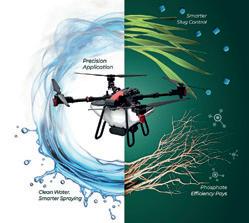
Visitors to Stand 11.436 will find a clear emphasis on three areas that have the biggest impact on establishment, efficiency and cost control: water quality, phosphate efficiency and slug management.
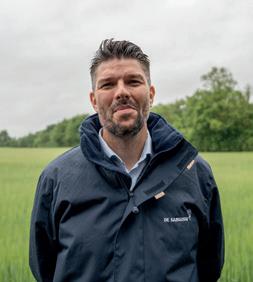
“Growers are under real pressure to protect margins, and that starts with making sure every application performs as intended,” says Rhodri Morris, Commercial Director at De Sangosse.
“Across the country we see hidden losses – glyphosate and other systemic herbicides going into hard water, as much as 90% of phosphate becoming locked up, and slug pellets failing to spread accurately and control slugs effectively. These are small details, but they cost growers money every day.”
On the stand, De Sangosse will run live water hardness testing and conditioning demonstrations throughout the event. “Hard water
remains one of the biggest, and least visible, factors reducing glyphosate activity,” says Rod. “Even at moderate hardness, a proportion of the active is tied up before it reaches the leaf. Conditioning the water is simply part of making sure every litre does the job it’s paid to do but doing that effectively means knowing how hard your water actually is.
“We’ll be handing out free water hardness test meters and will show how fixing water quality is one of the simplest, highest impact wins a grower can make for more cost-effective weed control.”
The stand will also showcase the company’s protected phosphate fertiliser technologies and soil nutrient activators, developed to maintain P availability in soils, improve early rooting, and protect yield potential.
“Phosphate lock-up is predictable, measurable and avoidable,” Rod notes. “When the crop can access P from day one, establishment is quicker, rooting is stronger and this helps crops access more nutrients in the soil, rather than farmers throwing more fertiliser at the
problem. These are margin-building efficiencies that can ultimately improve profitability and help prevent avoidable losses.”
De Sangosse’s market-leading ferric phosphate pellets will also feature, with emphasis on spread integrity to 36 meters, rainfastness and field persistence - three parameters that heavily influence slug control success but are often overlooked.
Seminar: Tank to Target - Making Every Glyphosate Spray Count 14th January · 11:15am-12pm · CropTec Theatre
De Sangosse will also host a practical session on getting the most from glyphosate this coming spring, led by farmer and agronomist David Felce, Roger Bradbury (Bayer CropScience), John Cussans (ADAS) and Rob Suckling (De Sangosse).
The interactive session will cover water quality, product compatibility, and best practice application techniques - from tank to target - to help spray operators make the most of every application.
“We’re excited to welcome visitors to our stand in January and to showcase the solutions we have to support smarter inputs and stronger margins in 2026,” concludes Rod.
100 years in business 1924-2025
Arable
‘New era’ for crop science as gene-editing law takes effect
• Pivotal moment for UK farming
• Scientists and farmers together
• Promise of new crop varieties
Anew regulatory regime for gene-edited crops heralds a pivotal moment for agricultural innovation – which could benefit growers, say experts.
After five years and a change of government, the Genetic Technology (Precision Breeding) Act came into force on 13 November – a move research leaders say has far-reaching implications for farmers.
Precision breeding allows targeted changes within a plant’s existing DNA – alterations that could occur naturally or through conventional breeding –but delivered more accurately and far more quickly.
Faster breeding
The new rules are expected to shorten breeding cycles, bringing improved varieties to the market faster and reducing reliance on costly fertiliser, pesticides and crop protection inputs.
If the pipeline materialises as scientists predict, growers could gain access to higher-yielding, more resilient crops that cut waste, withstand extreme weather and lower production risk.
The legislation replaces what scientists and breeders viewed as a rigid inherited framework. Instead, it introduces a science-based system intended to speed up crop development crop improvements.
Innovations
NIAB chief executive Mario Caccamo described the act as a historic milestone. “It will help accelerate the development of improved crop varieties with potential benefits for farmers, consumers and the environment,” he said.
Prof Caccamo added: “This is the first time in a generation that legislation has been brought forward which seeks to enable, rather than restrict,
The new regime is set to speed up plant breeding – delivering benefits faster
the use of advanced genetic technol ogies in UK agriculture.”
Niab believes the first wave of products could include disease-resistant sugar beet and potatoes, higher-yielding wheat and high-lipid barley designed to cut methane emissions when fed to livestock.
Fewer inputs
“These innovations are already in the pipeline,” Prof Caccamo said. “They show how precision breeding can help us produce healthier food with fewer inputs, while reducing food waste,
“
This
is a historic milestone
ening food security.”
He welcomed the government’s commitment to protect the act in any future SPS agreement with the EU, arguing that its adoption under a Labour administration underscores “strong, cross-party political support” for the technology.
Prof Caccamo also cited a global Ipsos survey showing majority public backing, calling the shift a “oncein-a-generation opportunity” for the UK to lead in science-based, sustainable farming.
Farmers and scientists have welcomed news that the Genetic Technology (Precision Breeding) Regulations now come into force.
The regulations, which only apply to England, cover marketing, food and feed authorisation, public registers and enforcement of crop varieties created through precision breeding techniques including gene editing.
Applications can now be made for precisionbred varieties to be approved for use and sale. They include PROBITY, a 12-partner project bringing together scientists, food processors and farmers to explore the potential of precision-bred cereal crops.
The project will bring precision-bred varieties into trials on commercial farms in England for the first time. Precision-bred varieties within PROBITY will be grown under a closed contract with all
produce remaining the property of the project partners.
Project lead and managing director of the British On-Farm Innovation Network (BOFIN) Tom Allen-Stevens said: “For farmers this update is a major step forward giving us access to the resilient, productive and sustainable crops that we so urgently need.
“Within the project our scientists can now apply for approval of the PROBITY varieties, and we look forward to seeing how they perform in the field, and how farmers, food manufacturers and consumers respond to them.”
Professor Nigel Halford of Rothamsted Research said: “It is encouraging to know that the innovative varieties currently confined to laboratories and research farms can now start to make a difference on farms and across the food chain.”
Rape seed sales boom as revival continues
Growers return to oilseed rape with fewer beetles seen this autumn
Sales of oilseed rape seed have increased by 25% following a bumper season for the crop.
The rise marks renewed confidence in oilseed rape – on the back of low cabbage stem flea beetle numbers, decent yields for many growers and better prices – particularly in comparison with other crops.
Farmer-owned cooperative United Oilseeds says the resurgence reflects not only improved growing conditions but also the wider momentum created by the OSR Reboot initiative, which has helped restore faith in rape across the industry.
The initiative’s stem larvae survey and yellow trap monitoring have provided valuable data confirming lower flea beetle pressures, further supporting grower optimism and planting in-
Market trends
Commenting on seed market trends, Managing Director James Warner said: “I’m extremely pleased to see the growth in seed sales this year. It feels like everything has aligned to deliver this strong uptick.
“We’ve worked hard and invested heavily in the OSR Reboot, which I hope has, in some part, contributed to this renewed confidence and the positive momentum we’re now seeing across the industry.”
“We’ve worked hard and invested heavily
With the increase in seed sales the cooperatives market share remains solid at well over quarter of the certified seed market. Strong varieties and a dedicated, committed team have both helped to maintain this excellent market position.
Delving deeper into segments of the seed market, the shift from conventional to hybrid varieties continues, as growers increasingly recognise the value hybrids offer and the progress breeders have made in developing trait-loaded, resilient genetics.
Seed varieties
Conventional seed now represents just 10% of the total market, with PI Pinnacle the clear leader, commanding 56% of that segment.
Within the hybrid market, Adapt has taken the industry by storm to become the number one variety. With a full UK recommendation and an excellent agronomic profile, it is well-
PI Pinnacle now commands 56% of the conventional variety market
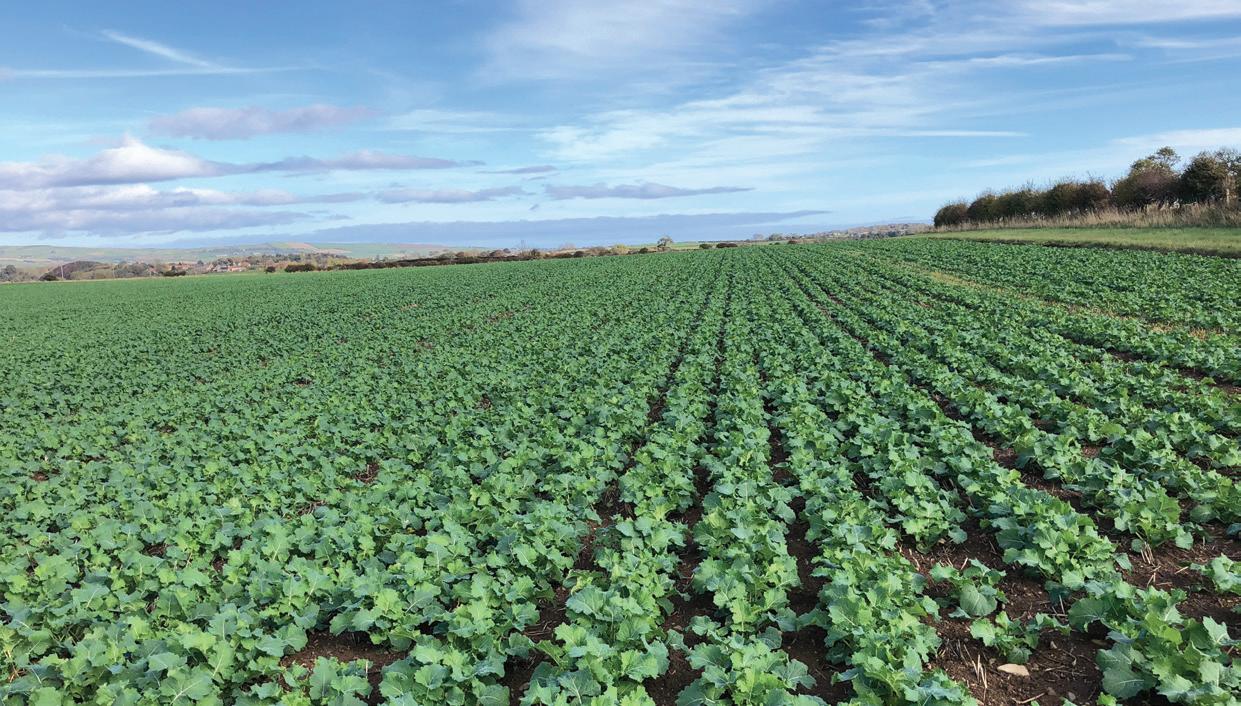
Top: Oilseed rape crops have established well ahead of winter
Left: James Warner: cautiously optimistic for crop
positioned to retain its top spot in the years ahead.
While Aurelia held the leading position for many seasons, the growing strength and diversity of new hybrids have finally edged it from the top. Overall, demand across most market segments is on the rise, with the notable exception of specialist HEAR varieties, which have been constrained by a reduction in export demand for industrial and technical uses of rape oil.
Policy failures ‘undermine UK rape’
United Oilseeds has been vocal in highlighting the need to restore UK oilseed rape to sustainable production levels – not only for the benefit of farmers, but for the wider economy, biodiversity, and national food and feed security.
Over the past decade, the decline in cultivation of the crop has contributed to a £1 billion negative swing in UK trade, eroding domestic self-sufficiency and pushing more reliance on imports.
Yet oilseed rape remains one of the UK’s most valuable break crops, supporting onfarm rotation, providing a vital source of homegrown protein for livestock feed, and underpinning food security in edible oils –now just 15–20% domestic supply.
From an environmental perspective, OSR Reboot data suggests that bee numbers are up
Looking ahead to Harvest 2026
to five times higher in oilseed rape fields than in legume fallow, reinforcing the crop’s biodiversity benefits and its role in supporting pollinator populations.
‘Perverse outcome’
But United Oilseeds contends that a series of policy failures continue to undermine the competitiveness of UK growers. These include oilseed rape imports produced using methods that are illegal in the UK, including neonicotinoid treated seed.
United Oilseeds managing director James Warner said: “These policies don’t
Winter rape has established well this autumn – with losses totalling just 1.5% compared to 4% last year and 10% the year before.
Although rape can be a deceiving crop – especially in the early growth stages, United Oilseeds chief executive James Warner remains cautiously optimistic, while acknowledging that good establishment doesn’t always mean a good harvest.
But he adds: “I am hopeful that with the noticeable lower flea beetle levels and the industry wide collaboration on the 10 strategies for managing the pest, we will see positive establishment turn into increased production next harvest.”
The crop area is forecast to rebound to 283,000ha. This would produce a likely crop of almost 1m tonnes, a huge improvement on last year. But a further 1m tonnes would still need to be imported to satisfy UK demand.
Profits rise with solid financial performance
United Oilseeds achieved a profit of £1.22m for the financial year 2024-25 – against the backdrop of the smallest UK oilseed rape harvest in 40 years. Despite the challenging conditions and a reduction in annual turnover to £97,601,396, the co-operative strengthened its financial position, with net worth increasing to £17,500,142.
Speaking about the results, managing director James Warner said: “Given the challenging backdrop for oilseed rape and the wider arable markets, during the marketing year in question, this is a very solid performance.”
The team had delivered exceptionally well, demonstrating resilience and focus in what was a difficult trading environment – despite well-documented pressures within the oilseeds sector, said Mr Warner.
tation in the name of environmental stewardship, countries like Brazil have quadrupled their oilseed rape production in just five years, says Mr Warner.
“Brazilian rape yields are half those of the UK, meaning that for every one hectare we remove from production here, two hectares must be cultivated elsewhere to produce the same volume – exacerbating the deforestation picture.
“It’s a perverse outcome that undermines climate goals, economic growth, productivity and domestic food security.”
A sensible, joined-up policy is now criti-
‘Modest recovery’ follows smallest rape crop
“United Oilseeds has strengthened its financial position, achieving an impressive profit of £1.2 million.
“These results highlight our ability to adapt to shifting market conditions while continuing to deliver value for our members.”
Trading volumes were lower due to a smaller national crop for harvest 2024, with United Oilseeds’ commodity tonnages traded down 17.87% to 310,258 tonnes, compared with 377,770 tonnes in the previous year.
Financial return
Despite the drop in volume, the co-operative delivered a strong financial return, achieving its second-best margin per tonne since 2016 – a testament to a strong operational performance in a highly challenging year.
The cooperative continues to expand into a broader range of break
Provisional figures suggest UK oilseed rape production for 2025 is reached 892,000 tonnes, representing a 7% increase on 2024.
While this marks a modest recovery, it follows what was the smallest UK rape crop since 1983. The rise in output has been driven by a 29% improvement in yields, which helped to offset a 17% reduction in planted area.
United Oilseeds managing director JamesWarner said: “There’s no doubt that it was a good year for oilseed across the UK. Harvest was recorded as the earliest since records began and in the main crops came off well.
“I was particularly pleased with our performance in terms of moving crops this year, with plenty of our members congratulating us on our expedient movements which really helped them to manage farm level logistics.”
crops, generating more revenue from commodities other than rape than ever before.
After the results are audited, United Oilseeds will make a profit re-distribution payment to trading members, which on will add about £1-£2 per tonne to each load of oilseed rape.
Confidence has been buoyed by low cabbage stem flea beetle numbers
Prescription fertilisers help you optimise yields and maintain soil indices at target levels. Applying NUTRI-MATCH gives the right prescription fertiliser for your requirements - with no excess, no deficiency, no compromise.
• NUTRI-MATCH is an infinite range of prescription fertilisers where analyses are formulated to match specific soil and crop nutrient requirements
• NUTRI-MATCH is made from a choice of up to 15 nutrients: Nitrogen, phosphate, potassium, sulphur, sodium, boron, calcium, cobalt, copper, iron, magnesium, manganese, molybdenum, selenium and zinc
• NUTRI-MATCH provides targeted nutrition aimed at improving soil, crop and animal health
• Selecting the correct nutrients is more important than if it is applied as a complex or blended compound
Spilsby, Lincolnshire Tel: 07961538107 or 01754890683 Email glynnbourne@btinternet.com
360 excavators 8-20 tonne + 15m long reach
How fertiliser manufacturers keep agriculture moving
Ordering fertiliser in good time for next spring will help secure supplies on farm
Farmers who haven’t yet done so are being urged to secure their fertiliser supplies sooner rather than later.
Fertiliser manufacturer Yara says it is working hard during the winter months to ensure next spring’s deliveries reach farms on time – from planning vehicle fleets to managing driver rosters.
This includes solid and liquid fertiliser, environmental solution liquids, feed and technical grade urea, animal nutrition products and nitrates, says Helen Manship, Yara’s UK sourcing and transportation manager.
“We transport everything from bulk loose solid product and bulk liquid to palletised goods, IBCs and big bags,” she explains. “It’s an all-yearround operation.” But spring is when things really hot up.”
While Yara works with approximately 100 hauliers across its oper-
ations, the spring season presents unique challenges – and preparation is key because no two seasons are the same.
“We’re weather dependent. And in the UK, spring can kick off early, like it did in 2025. Then we can have 40,000 tonnes of orders on the book, all required at exactly the same time rather than spread over a month or two.”
Driver shortages
This unpredictability, with a sudden rush on demand, creates significant pressure points. During peak spring season, Helen may need to request 60 to 75 vehicles per day from hauliers.
However, when the season ends, that volume disappears. For hauliers, obtaining new drivers with the correct qualifications for just a few months each year presents a problem in itself.
The entire haulage sector has a shortage of drivers. While salaries
Spring is when things really hot up “
for driver roles have increased by 4% in over the past year, vacancies have risen by 33%. At the same time, there has been a 20% drop in the number of HGV tests taken.
There’s another looming problem too. “Currently, about 55% of HGV drivers are aged between 50 and 65 years old,” says Helen. “Over the next decade, we’ll lose just over half the workforce currently doing this job.”
The situation affects not only Yara’s regular drivers but potential subcontractors too. Moreover, every haulier operating on UK roads must be FIAS certified and regulated by the Agriculture Industries Confederation – adding complexity to fleet management.
Rising costs
Operational costs for hauliers – excluding fuel – increased by 5.95% last year, according to the Road Haulage
Arable
Association. And with average profit margins of around 1.6% to 2%, this doesn’t leave much room for manoeuvre.
“A vehicle standing for one week has high cost implications,” says Helen. “You’ve got the driver’s wage and the vehicle itself – you’re still paying for it even if it’s not on the road earning money.”
Sustainability
The impact shows in the statistics: over 450 haulage businesses closed over the past 12 months, on top of the 500 closures the previous year. This makes close communication with hauliers throughout the year essential.
Yara works with commercial teams and global planning to forecast volumes ahead of the season, then provides regular updates during spring to help hauliers allocate drivers and vehicles efficientlyhe push towards sustainability adds another dimension to logistics. The government has promised that 100% of new HGVs entering the market to be zero-emission vehicles by 2040.
But alternative fuel sources – and electric vehicles – initially cost more, pushing up delivery rates and operational costs, making transport more expensive and less competitive in the short term.
Alternative sources
“The infrastructure for supporting these alternative sources simply isn’t quite there yet,” Helen noted. “Efficient planning and backloading become essential to optimising vehicles to their complete capacity.”
Understanding the impact of empty running on hauliers, Yara prioritises loading at the closest site to where hauliers completed their last drop-off. If there is no backload, hauliers source different products to move – whether
How farmers can become part of the team
The Agricultural Industries Confederation encourages farmers to order fertiliser early for spring 2026. By identifying requirements for first and second applications well in advance, farmers can help reduce delivery bottlenecks., it says. Another critical area concerns ensuring easy vehicle access. Yara has seen a high volume of damaged curtain-siders where trees weren’t cut back, vehicles got stuck and needed towing or being forced into dangerous manoeuvres.
Equally important is answering the haulier’s phone call. When coordinating double-drop deliveries, haulier offices must contact both farmers involved to ensure they can both receive deliveries on the same day.
If one farmer cannot take delivery, the office must contact the first farmer again to reschedule –creating delays and inefficiency. This means good communication is key – not just between farmers but with with hauliers too.
Farmers can help reduce delivery bottlenecks by working well in advance.
bricks, paper or other goods.
Winter weather can cause additional complications – and a domino effect on everyone, including farmers. With customers waiting, commercial teams stressed and lost earnings for hauliers who depend on completing two to three loads per day.
“The dream for hauliers is to collect, drop at a farm, return to site, reload and head out again,” says Helen. Of course, that’s not always possible.
Behind every Yara fertiliser delivery lies extensive coordination between terminals, customer service, transport coordinators, commercial teams, agents, merchants and hauliers. They all share one main goal: getting the product to the customer.
“By the busy periods, it feels like I’m on a treadmill that someone keeps speeding up,” says Helen. “But collaboration and communication are key to keeping the wheels turning.”
Due
Principally we operate across East Anglia but all areas within
6LW will be considered
Livestock
FOCUS ON PIG & POULTRY
Beef and sheep farmers to baseline their business
• Goal to measure soil and water
• Aim to create national framework
• Resilience will be key to success
Tesco has launched a new scheme to help beef and lamb farmers measure soil, water and nature data at scale for the first time.
Delivered in partnership with Soil Association Exchange (SAX), the scheme will support 360 beef and lamb farmers from Tesco’s Sustainable Farming Groups to capture soil, water and nature data at unprecedented scale.
Britain’s biggest supermarket chain unveiled the move as it called for a national data baselining framework to safeguard food security and end what it described as a patchwork approach to data collection.
It aims to establish clear baseline measurements over the initial 12 months, providing farmers with tailored advice to strengthen their resilience – and accelerate progress towards a more sustainable food system.
More than 350 farmers will take part in the project
“Farmers are the backbone of our food system
‘Working together is way forward’
Former NFU president Minette Batters says working across the supply chain was vital for food security. She added: “Farmers are working hard to feed the nation sustainably, but they cannot do it alone.
Establishing and supporting a consistent national baselining framework was essential to build resilience. “The whole industry must work together to support farmers in this transition and ensure UK agriculture can thrive in the years ahead.”
The new initiative builds on recommendations set out in Tesco’s Greenprint for UK Farming Report, which called for standardised data to help farmers futureproof their businesses and reduce their environmental impact.
Soil Association Exchange Joseph Gridley, CEO, said: “This partnership is an exciting opportunity to show how consistent data, expert advice and targeted funding can drive real change on UK farms.”
Producers needed to have clarity and support to take action with confidence, said Mr Gridley. “Farmers are already doing incredible work to be more sustainable — but they need a joined-up supply chain behind them.”
It follows new a survey which found that an overwhelming 91% of livestock producers want to improve their farming resilience – but feel unable to make much progress because of a lack of government support.
Some 68% of farmers said they wanted to make their farms more environmentally friendly – but 96% of farmers cite inconsistent environmental standards and data reporting as a key barrier.
A further 73% reported difficulties trying to improve efficiency, resilience and sustainability. Soil health, critical to farm productivity and the ability to grow food was called out by 64% of farmers as a a concern.
Pressure
The programme builds on Tesco’s financial incentives scheme, which it launched in August. The scheme included more than £800,000 to support Tesco dairy farmers to assess and establish a baseline for soil and water health on their farms.
“British farmers are the backbone of our food system but they face unprecedented pressure, from rising costs and climate shocks to uncertainty over government policy.
Framework
“They tell us data is vital to measuring and driving improvements in sustainability and efficiency on farms, but the patchwork approach to data across the UK has resulted in a lack of a unified or standardised framework.”
Mr Prasad added: “Our new programme will give farmers the data and tools to build resilience and it’s vital farmers are provided with a clear and consistent reporting framework to reduce the burden they face.”
This would make it easier to measure and scale progress.” This is fundamental to creating a stronger future for UK agriculture and protecting the country’s ability to reliably grow highquality, homegrown food, now and for the future.”
Tesco UK chief executive Ashwin Prasad said:
MOBILE FEED MILLING AND MIXING SERVICES FOR ALL BREEDS OF ANIMALS AND POULTRY
GLYN HAMER MILL MIX LTD
WE PROVIDE MOBILE FEED MILLING AND MIXING SERVICES FOR ALL BREEDS OF ANIMALS AND POULTRY, FROM STRAIGHT ROLLED CEREALS OR HAMMERMILLED PULSES TO COMPLETE MIXED RATIONS AND FEED BIN TRANSFERS.
With numerous suction and discharge options including directly into feed bins or separate bunkers, we are able to provide an efficient, traceable and consistently high standard of service for our customers.
Based in the West Midlands we run a fleet of modern ‘Tropper’ machines specifically built for precise mixing and accurate weighing operated by our experienced, friendly drivers.
To discuss your farm’s requirements please give us a call on:
James - 07584 582 598
Glyn on 07976 548766 / 01568 750 183
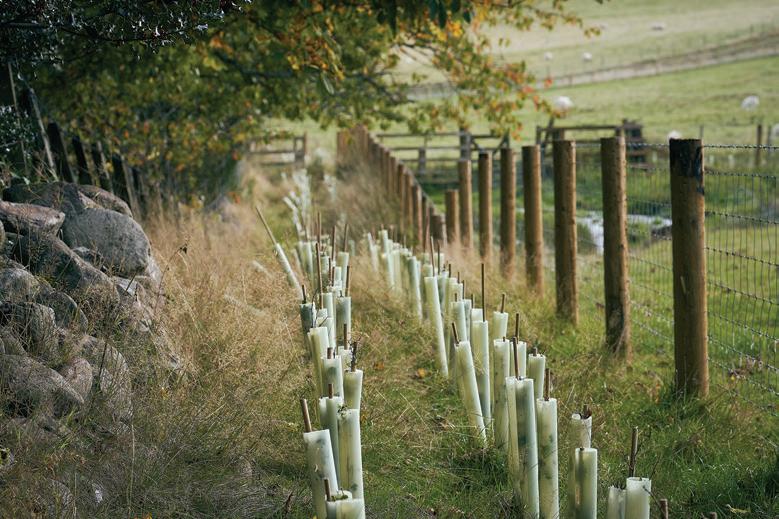
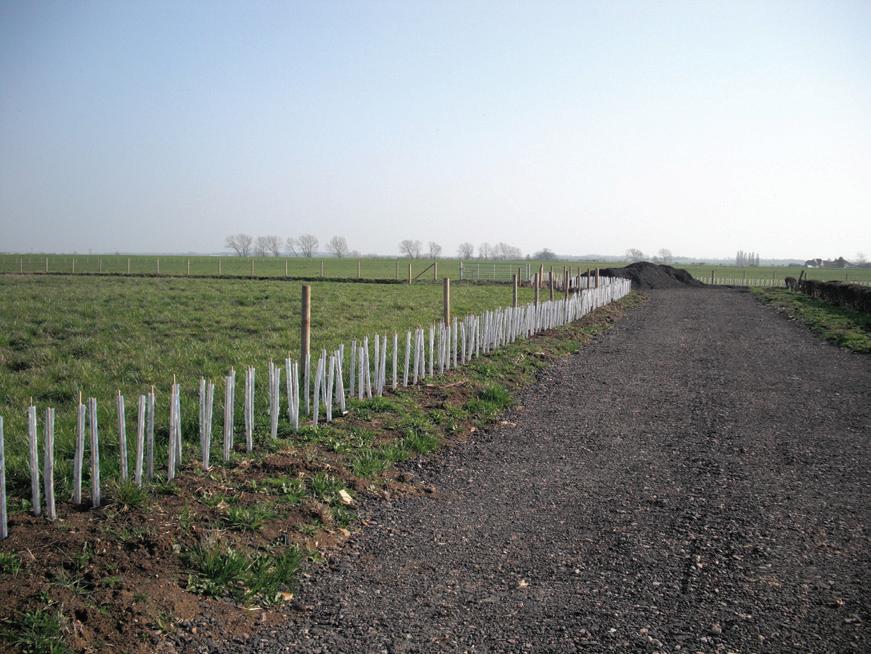
Planting native-species hedgerows creates habitats for pollinators and birds while also helping capture carbon. A condition of BN11 is to prevent livestock and grazing animals from damaging the
tech tree shelters and planting sundries protect new hedging plants from wildlife, shield against herbicide spray drift, and create ideal growing conditions for faster establishment.
Ask about our BN11 Hedge Protection Packages
Everything you need to protect your investment and future-proof your land.
ZIEHL FANS
Check forage quality and ewe condition before lambing
Fodder and ewe condition variable
Mixed forage quality and varia ble ewe condition scores this year are putting extra pres sure on sheep flocks ahead of lambing.
Grass growth nationally was 20% lower than average from March to Au gust. But significant regional varia tion depending on rainfall and soil type means forage quality has also varied greatly.
While dry matter levels are higher than average across the country, me tabolisable energy (ME) values range from 10.0 in the East Midlands to 10.9 in the West Midlands and Scotland.
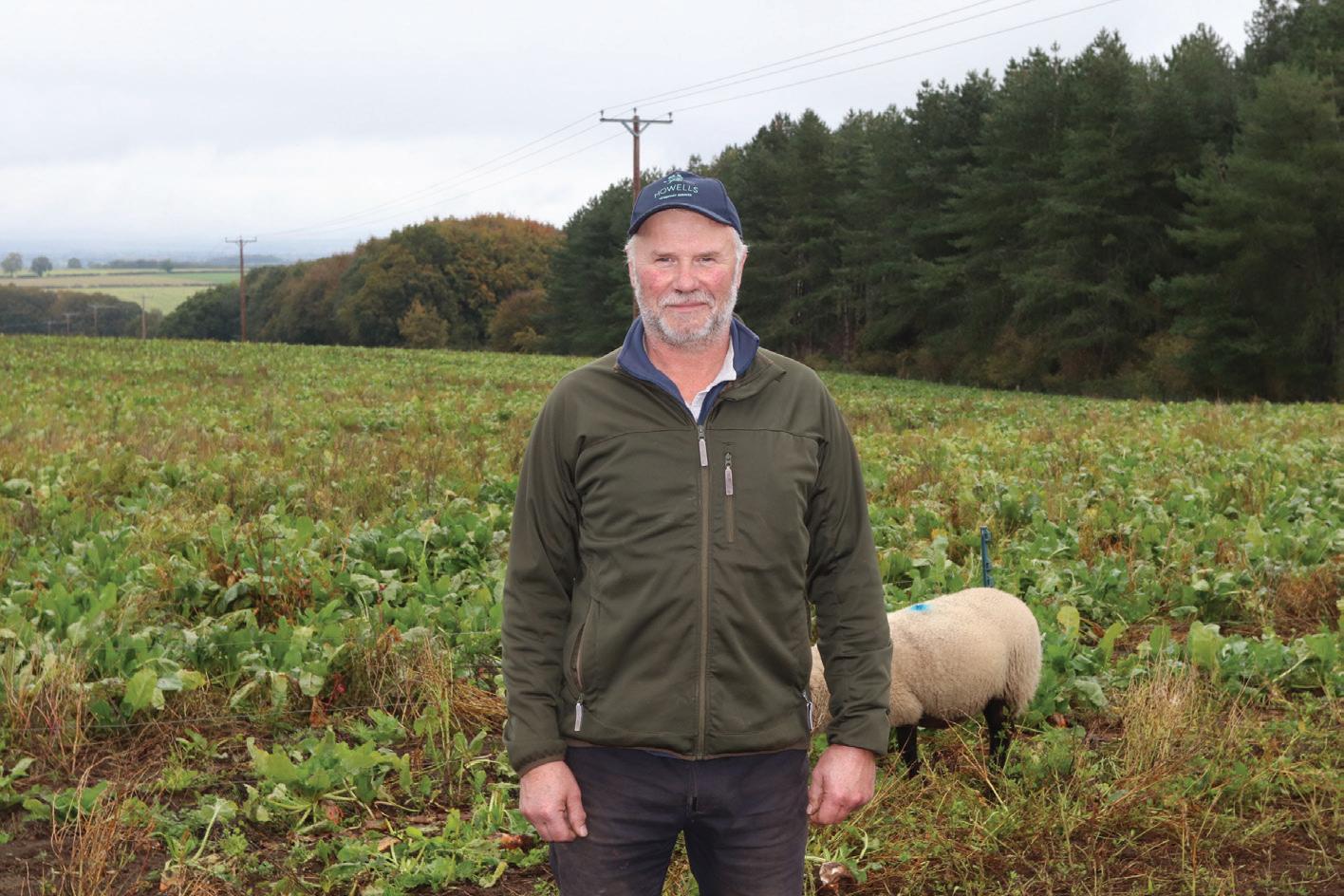
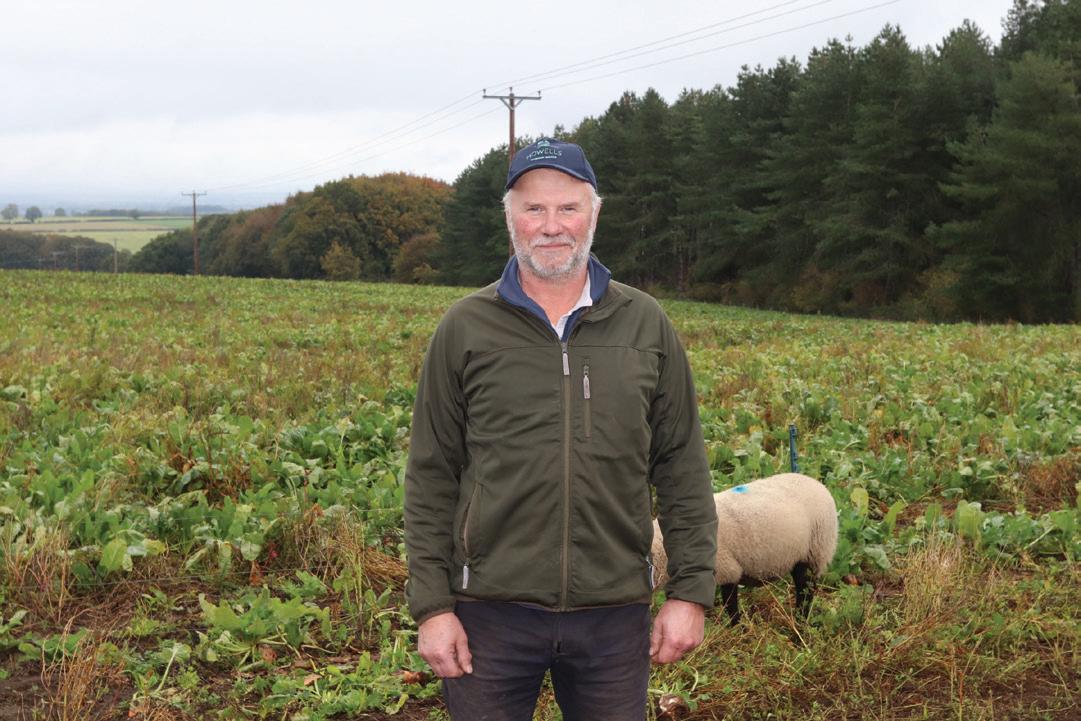
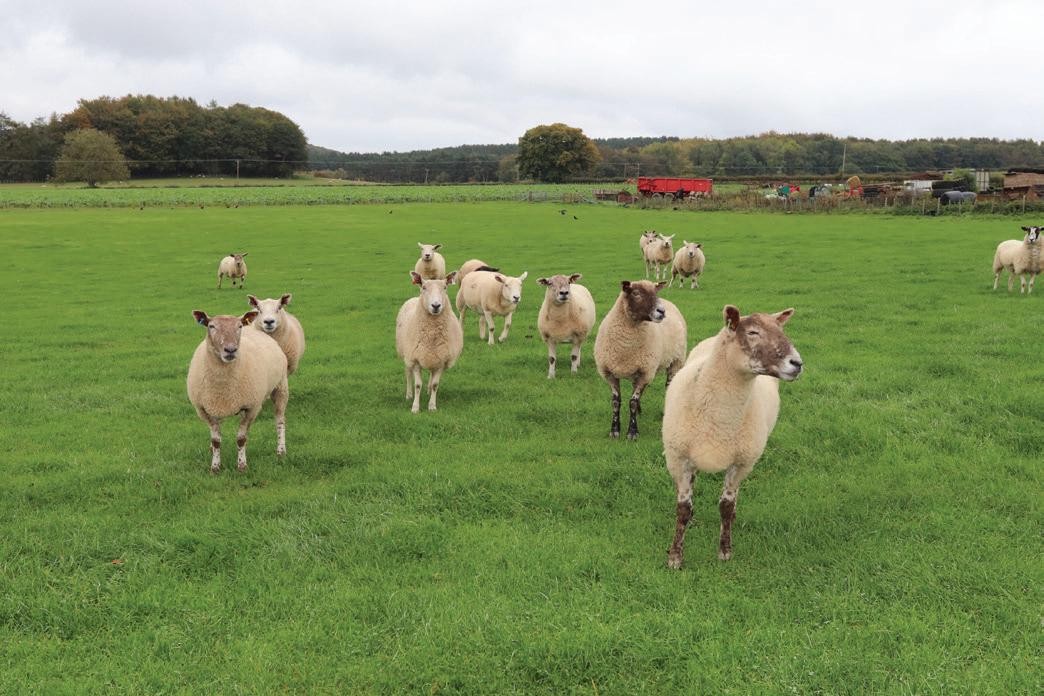
Sheep farmer Tim Kelsey runs 440 Suffolk mules, Charollais mules, and North Country mules near Helmsley, North Yorkshire. He has reduced numbers lambing next year by 50–60 due to forage shortages.
Fodder beet
Ewes graze 17ha (43 acres) of fodder beet over winter. But early lambers – due in February – were turned onto it three weeks earlier than usual due to lack of grass. Mr Kelsey also lifts some beet to feed at lambing, but
“If the short ribs feel sharp and easily distinguishable, like your finger ends, the ewe is too thin. As fat cover increases, the bones feel more like knuckles or the wrist joint, indicating better condition.”
Dr Wright stresses the importance of grouping ewes according to condition and understanding forage quality – so feed can be accurately tailored to condition and litter size. Feeding should be a high priority, she adds.
“Getting the balance of energy, protein, and trace elements right is essen-
Protein deserves closer attention
A livestock feed might say 18% crude protein on the label – but that can mean very different things, says sheep consultant Nerys Wright.
Questions to ask include whether protein is urea or soya-based? A reputable manufacturer should also be willing to confirm metabolisable energy (ME) value. Any compound feed should include a mix of starch,
Nettex technical manager Nia Williams advises farmers to conduct a full forage analysis at least two months before lambing, including trace elements. This is crucial this season, as the drought may have caused lock-up of some nutrients.
In ewes, deficiencies in cobalt, copper, iodine, and selenium can be serious, causing stillbirths, weak lambs, poor growth, and impaired immunity — so farmers need to know exactly what they are dealing with. Options such as Endurabol boluses or Sheep Conditioning Drench from Nettex, can help support ewe health ahead of lambing where trace element deficiencies are
Where ewes may need extra energy and protein in their diet, Rumevite from Rumenco offers a high-energy, high-protein supplement to support forage utilisation and maintain condition during early and mid-pregnancy.
Ewes graze fodder beet over winter, says Tim Kelsey
Biosecurity warning as swine dysentery cases climb
Arise in swine dysentery cases has triggered calls for better biosecurity on UK pig farms.
Confirmed cases of swine dysentery have increased from just eight in 2021 to 54 in 2024 – with numbers rising year-on-year, according to the GB Pig Surveillance Dashboard, run by the Animal and Plant Health Agency and SRUC.
The Significant Diseases Charter, run by Agriculture and Horticulture Development Board, has also reported 12 cases of swine dysentery in seven counties up to 11 September this year, including one in Scotland.
Swine dysentery is an infectious bacterial disease that affects growers, finishers and younger breeding stock. It remains a major concern for the pig industry due to its welfare, production and financial impacts.
Breakdown
Biosecurity specialist Nigel Bennet from Roam Technology says the increase highlights a breakdown in biosecurity both within and between pig units — and urges farmers to take immediate action.
“We all know that African Swine Fever is knocking at our door,” he says.
“This data shows there are already biosecurity weaknesses that are allowing diseases like swine dysentery to spread. Every movement of people, vehicles or animals has the potential to bring new infections in or spread them around the site.”
The AHDB recently relaunched its Muck Free Truck campaign to reinforce the importance of clean vehicles entering farms and to give producers confidence to turn away those that aren’t.
Work together
AHDB’s Lauren Turner agrees that the industry must work together to raise biosecurity standards. She is encouraging producers to rise to the challenge and be open and transparent about the problem.
“There’s still stigma around reporting swine dysentery — nobody wants to be ‘that one’ — but we need to tackle this as an industry. The earlier we can alert others, combined with good biosecurity, the better,” she says.
Better biosecurity
Strict visitor protocols
Vehicle controls
Clean water supply
Dirty area separation
All-in, all-out systems
Rodent and wildlife control
Quarantine new stock
Monitoring and diagnostics
Bird flu is in danger of stretching government resources, say MPs
To help farmers identify weaknesses, AHDB has also obtained a 12-month licence for a BioCheck tool, used by vets to assess individual farm biosecurity and highlight areas for improvement.
Veterinary surgeon Annie Davis from The George Vet Group says they have also seen an increase in mild or subclinical cases where clinical signs are less obvious.
“In less dramatic cases, you might just see loose stools, particularly in slatted systems,” she says. “The only way to know what you’re dealing with is to test — and that’s what we’re encouraging all farmers to do.”
Prompt diagnosis
Prompt diagnosis is vital so that control measures can be implemented quickly to limit spread both within and between farms.
“Internal biosecurity is just as important as external,” adds Dr Davis. “Look closely at pig movements, shared equipment and medication protocols. Where disease pressure is too high, partial depopulation or repopulation may be the only effective option.”
Good biosecurity isn’t just about stopping swine dysentery - it’s about protecting the overall health, productivity and reputation of your farm, says Mr Bennet.
“By keeping infectious diseases out – or stopping them spreading – producers can safeguard pig welfare, reduce antibiotic use and protect their bottom line.”
UK ‘poorly
prepared’
for animal disease outbreaks
The government must do more to prepare for a severe animal disease outbreak, MPs have warned. In a report on resilience to animal diseases such as bird flu, the Public Accounts Committee (PAC) said that government would find responding to such outbreaks would be extremely stretching.
Defra had worked hard to manage the ongoing fiveyear-long outbreak of bird flu, said the committee. But the government was in semi-permanent response mode and resources had been diverted from other important work. Combined with the post-Brexit loss of access to the EU’s animal diseases intelligence system, this had caused a reduction in vital surveillance to help detect new and re-emerging disease threats quickly and stop their spread.
Another limiting factor was the Animal and Plant Health Agency’s struggle to recruit and retain enough vets, with a vacancy rate of 15% in September 2025. This was limiting the nation’s ability to protect itself.
Issues driving the vet shortage include mental health challenges around activities such as culling animals; pay and conditions; and working hours. A veterinary workforce strategy would help to address the shortage, says the committee.
‘Deepest concern’
Public accounts committee chairman Geoffrey Clifton-Brown MP said: “The bill for the major foot and mouth disease outbreak in 2001 ran into multiple billions for the public and private sector.
“Serious animal disease outbreaks pose a severe threat to wildlife, and the farming sector, and in the case of zoonotic diseases, to human health. Our latest report should therefore be of the deepest concern to all of us.”
Hard work had been done to respond to the current outbreaks of bird flu and bluetongue virus, said Sir Geoffrey. But more resources were needed to prepare for future threats – which should be treated as a matter of when, not if.
A full strategy was needed to ensure preparedness for such events. The government had been strongly focused on immediate-term threats – it must now develop the bandwidth to look to the long-term as well.
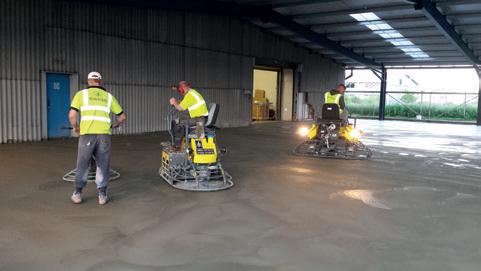
Concrete Floor ing Specialist
See us at Agri Expo -March 7th •INDUSTRIAL,
•STEEL FIXING
RUSH, TAMP OR POWER
FLOATFINISHES
•FOUNDATIONS
POULTRYUNITS AND STABLE YARDS
• POULTRYUNITS AND STABLE YARDS
MATERIAL ADVICE AND COSTING •SILO BASES
MATERIAL ADVICE AND COSTING
•SILO BASES
Wisbech, Cambs
YARDS • MATERIAL ADVICE AND COSTING •SILO BASES
PRONS &SHED FLOORS
RONS &SHED FLOORS
•APRONS &SHED FLOORS
•ANAEROBIC DIGESTION
NAEROBIC DIGESTION TANK BASES •GRAIN, POTATO& MACHINERYSTORES •PATHS, PATIOS AND DRIVEWAYS •GROUNDWORKS & PREPARATION
DIGESTION TANK BASES •GRAIN, POTATO& MACHINERYSTORES
TANK BASES
•GRAIN, POTATO& MACHINERYSTORES
•PATHS, PATIOS AND DRIVEWAYS
•GROUNDWORKS & PREPARATION
RAGT-Strube as your fodderenergy beet partner in 2026!
Following another highly successful season with highly satisfied customer feedback on our fodder beet varieties in 2025; we offer our well proven varieties for the UK fodder and energy beet markets for 2026: Clemens, Degas and Gahan.
Fodder beet offer a highly valuable constituent in ruminant diets. The combination of highly digestible fibre with the natural sugars in ‘beet provide an excellent feed that supports stability of rumen pH and in turn encourages dry matter intake for optimised daily liveweight gain or milk quality.
Dietary inclusion can easily exceed 6 months a year, ranging from early harvested crops in October through to later lifted and well stored crops to March and beyond.
Our varieties offer dry matter of c.19-21%, and in combination with a seed rate of 1.1-1.2 units per hectare (110-120K seeds) can produce yields in excess of 100t/ha under UK conditions in well managed crops, equivalent to c.20 t/ha dry matter or more.
All of this can be grown using no more than 120kg of applied nitrogen per hectare, making for a very nitrogen efficient crop. When grown in combination with the use of organic manures, this rate can be reduced accordingly.
A spring sown break crop such as fodder beet may bring additional benefits when planning farm rotation to help with the management of other agronomic challenges, such as pernicious grass weeds.
Furthermore, because of our fodder beet seed is treated with the same fungicide and insecticide treatments as applied to UK sugar beet seed*; these in combination with excellence in our seed quality and vigour ensure rapid, uniform emergence, high field establishment and early canopy development to maximise intercepted solar radiation that is essential for root yield optimisation.
Varieties for 2026: For early planting and on colder soils, Clemens may be the seed choice as it comes with the added benefit of seed priming advancement; although Degas and Gahan have consistently proven themselves over the past four years in the UK and Ireland, delivering exceptional performance. All three are ‘low bolting’ and suitable for sowing from mid-March onwards.
As plant breeders, we are driven by continuous improvement, renowned for delivering consistently high performing varieties combined with excellence in seed quality. Now, as we transition into the RAGT Group, more than ever we will be your partner for varietal selection, delivering innovative agronomy to meet the challenges of today and tomorrow, and for sustainability.
*Note: Tachigaren seed treatment has approval for sugar and fodder beet use, but not energy beet use.
For more information, contact: Richard Cogman, Strube UK Ltd 07983 314424 r.cogman@strube.net strube.net/en
Exhibitors gear up for machinery showcase
Over 600 exhibitors at UK’s largest machinery show
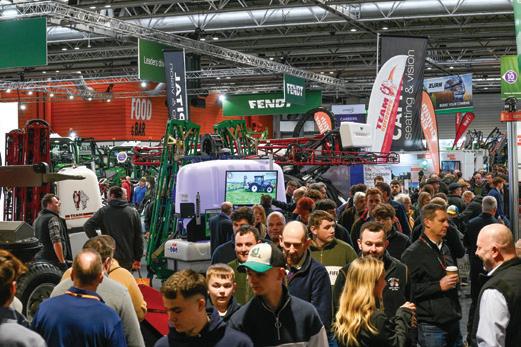
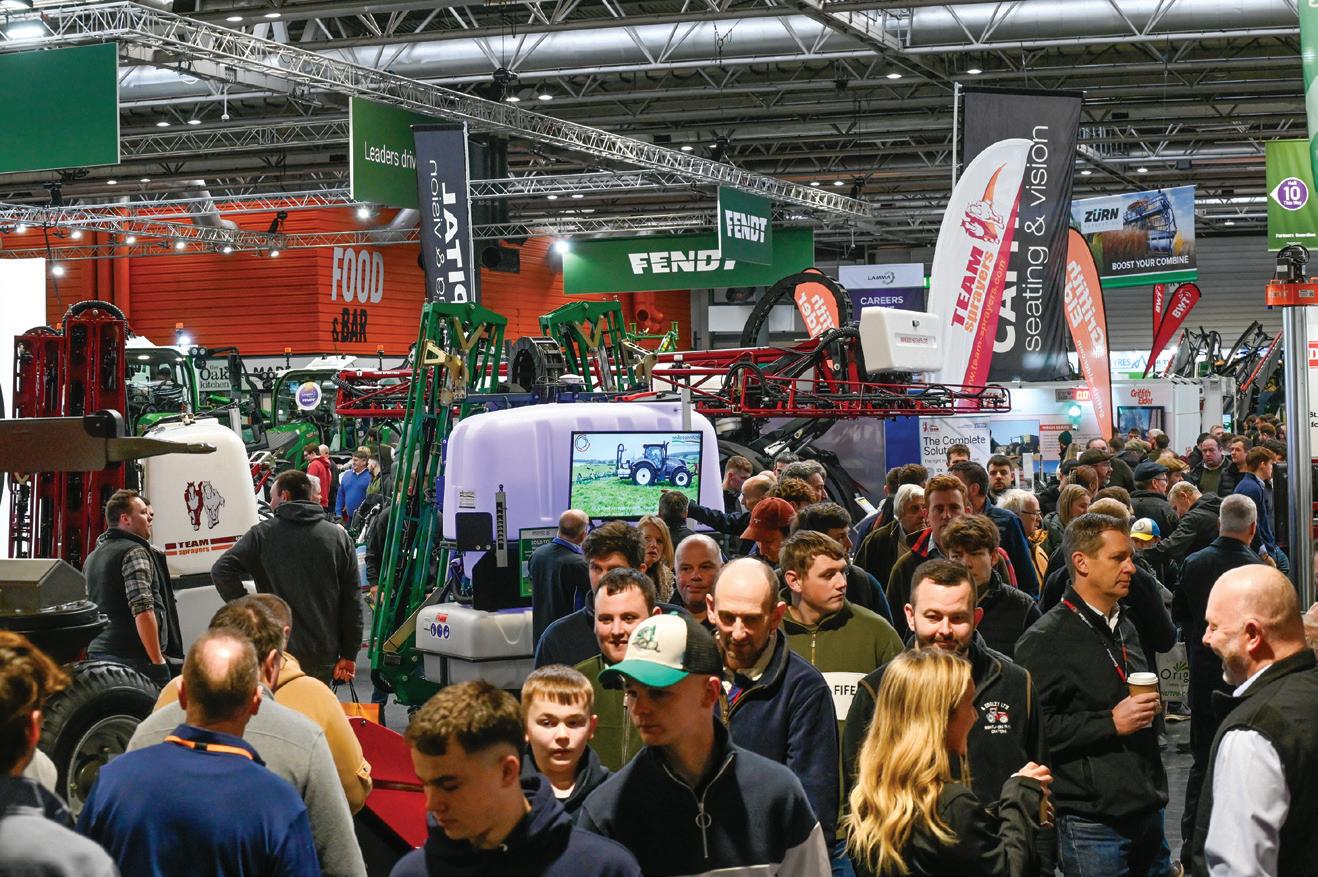
Final touches are being put in place for next month’s LAMMA event, which takes place at the Birmingham NEC on 14-15 January.
More than 600 exhibitors will showcase the the latest innovations in tractors, combines, arable and grassland machinery, say organisers, giving visitors the opportunity to see a range of new technology, services and tools.
Agricultural machinery manufacturers and farm technology companies are preparing for LAMMA 2026, with the sector approaching the new year focused on efficiency, labour-saving equipment and clear returns on investment.
The annual event remains the largest machinery showcase in the UK and is expected to draw strong attendance from growers and livestock producers weighing their capital spending plans for the season ahead.
The conversation in 2026 is markedly more pragmatic than in past cycles – understandable when farmers are scrutinising running costs, finance terms and in-field performance more closely than at any point in the past decade.
Higher interest rates and uneven commodity markets have sharpened the emphasis on kit that reduces labour demands, trims fuel and fertiliser use, or delivers operational consistency in unpredictable weather.
Technology
This shift is reflected in the exhibitor line-up, with manufacturers prioritising incremental improvements – better telemetry, simpler servicing, more adaptable implements – over headline-grabbing prototypes.
Manufacturers will use the show to set out how their products fit into a tightening regulatory landscape. Machinery designed to support soil health, reduce compaction or enable controlled-traffic systems is expected to feature prominently.
Precision technology will remain a steady draw as growers explore ways to reduce inputs without compromising output. The demand is less for futuristic concepts and more for tools that can slot seamlessly into existing systems.
Farm energy
Energy now sits closer to the mainstream within the show. Several firms plan to present equipment aimed at on-farm power generation and energy management, reflecting wider interest in diversification as a buffer against market volatility. Battery-ready machinery, hybrid tractors and lower-emission engines continue to develop steadily, though few in the industry expect a rapid transition away from diesel in the near term. Dealers will use LAMMA to gauge buying sentiment ahead of the spring order window. Many expect farmers to delay decisions until they have greater clarity on commodity prices, environmental scheme payments and the wider economic picture.
2026
When: 14-15 January
Where: Birmingham NEC
Details: www.lammashow.co.uk
Event brings three shows together
Lamma 2026 will be co-located with two other key shows – giving visitors the opportunity to visit three events in one location.
The Low Carbon Agriculture Show and CropTec are both taking place at the NEC on the same two days – two separate but complementary events likely to be of interest to many farming visitors.
The Low Carbon Agriculture Show is the UK’s only event dedicated to showcasing low-carbon practices, cutting-edge technology, and energy solutions for a sustainable farming future.
It aims to bring together forwardthinking farmers, landowners, and industry operators to explore how the agricultural sector can contribute to UK Net Zero goals in a way that is good for their farm businesses and the environment.
Practical advice
The CropTec show will feature three keynote theatres focusing on Innovation, Knowledge and Profit, to provide visitors with practical advice to futureproof their arable farm businesses.
Organisers say they’ll be shining a light on the industry’s key topics, including crop varieties, eco-friendly fertilisers, pesticide regulations, disease management, crop rotations and diversification.
Growers from across the UK will share their experiences in adopting different farming systems for their business, their arable best practices and the learnings that farmers can take from each other.
More than 600 exhibitors have booked stand space for Lamma 2026
Birmingham debut for four new tractor series
Preview of new 500 and 800 series
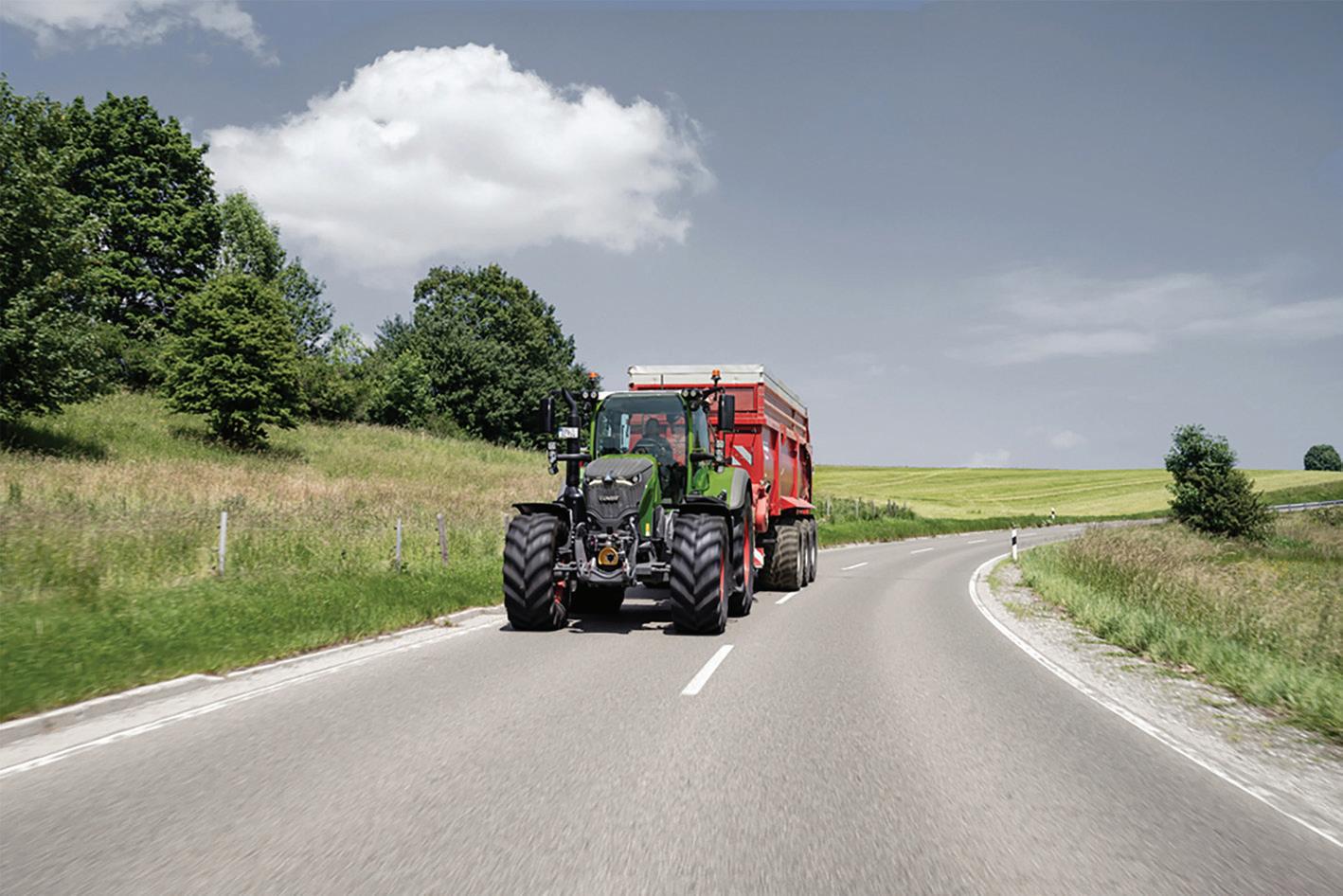
Fendt will bring four new tractor series to the UK for LAMMA in January – following a flurry of new releases. The 500 Gen4, 700 Gen7.1, 800 Gen5 and 1000 Gen4 series will all be showcased at the twoday show.
The most anticipated series is likely to be the 700 Gen7.1 Vario. It sees the 720, 722, 724 and 726 receive Fendt‘s DynamicPerformance power concept – adding 20hp to the range, a feature previously only available on the most powerful 728.
“The 700 Vario range now offers from 203 to 303hp,” says Fendt’s Ed Dennett. “With Power, Power+, Profi and Profi+ specifications, this offers operators a sliding scale of specifications that sit between the recently introduced 600 Vario and the newly released 800 Vario.”
Specifications
The 600 Vario pushed the boundaries of four-cylinder tractors when it was launched in 2023, with the top 620 model offering 220hp. The boosted Gen7.1 offers a range that starts
namicPerformance to give a boost of 23 horsepower.”
“New to the 800 is the single-stage Fendt VarioDrive drivetrain with permanent, independent four-wheel drive that provides maximum tractive power without manual shifting when switching between field and road.”
Preview
A new 500 Vario will be available in the UK in 2026 and will be previewed at LAMMA. The new Gen4 includes four models, the 513, 514, 515 and 516, with power outputs ranging from 134 to 164hp.
Fendt‘s DynamicPerformance which will offer a boost of 10hp and. Like the larger tractors, it will also benefit from the new single stage VarioDrive, says Mr Dennett.
“The 500 Vario now offers even greater versatility. It has a low overall weight of 11.75 tonnes and a high payload of 4.9 tonnes. This means it can be flexibly ballasted front and rear.
Clockwide from above: the FendtONE operating system; Fendt’s 700 Gen 7.1 Vario; and the updated MY26
the 1040, 1044, 1048 and 1052, offering 426 to 550hp.
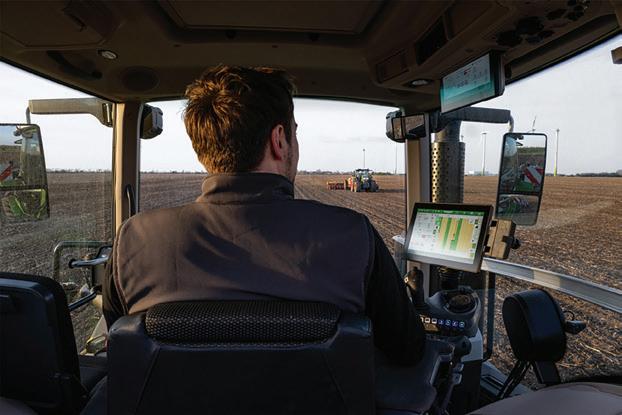
In addition to the new tractors, a special area of the Fendt exhibition stand will be dedicated to technology, namely the FendtONE operating system.
“While horsepower is always going to play a part, Fendt also offers the technology to optimise the output of our tractors to make every task more efficient.”
FendtONE enables connected work groups, ways to monitor and report on tasks, data sharing including waylines and the wireless exchange of ap-
There will be an interactive area on the LAMMA stand for visitors to see how this technology can help improve
Further machinery at LAMMA will include the latest Rotana baler with semi-automatic net to film baling and
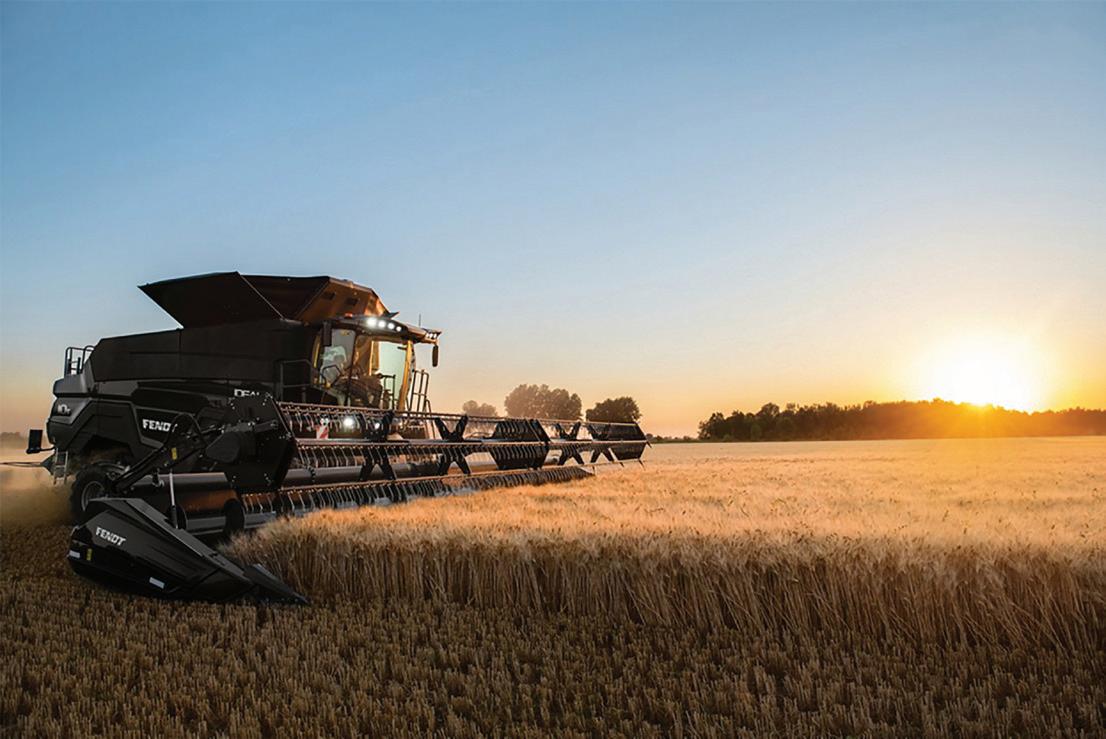
Fendt’s updated MY26 Ideal combine, with CyclonePlus cleaning, will also be on display. It features an improved slope performance kit which will help distribute and clean the crop on undu-
“It is an exciting year for Fendt and one that will bring our UK customers groundbreaking technology and more efficient machines that can save time
“We look forward to welcoming visitors to LAMMA and our team will be
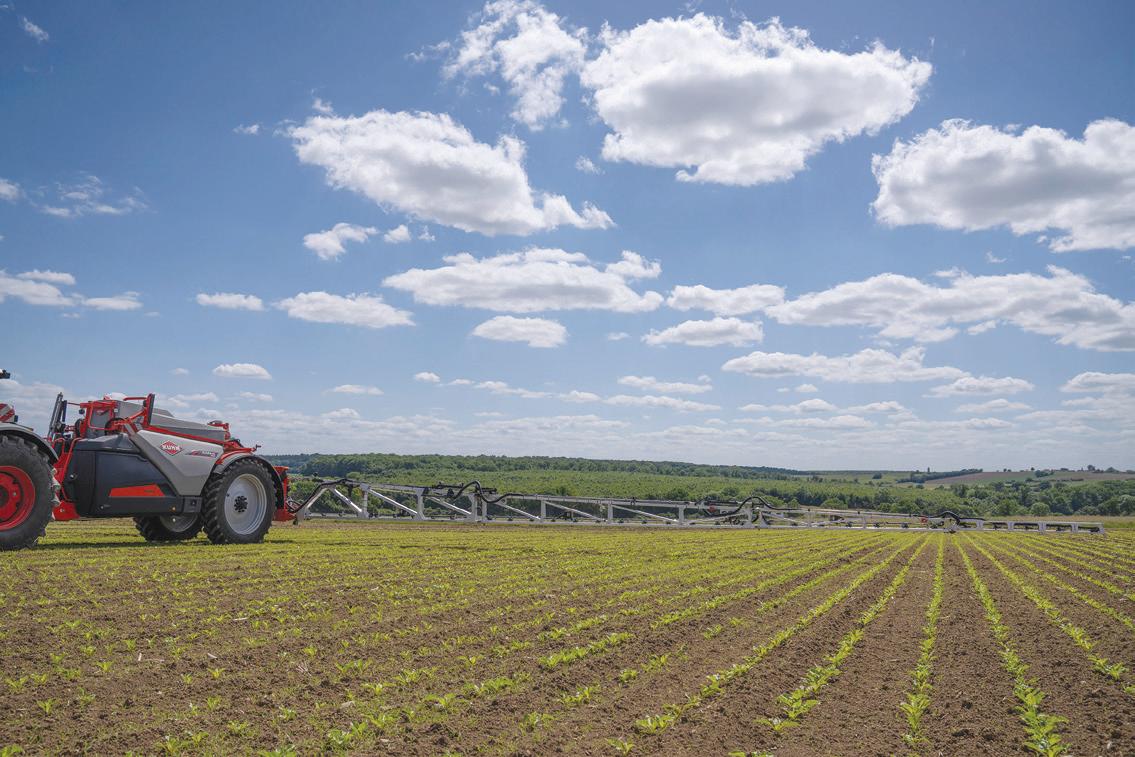
New trailed sprayers soon on demo
Kuhn Farm Machinery has unveiled the Karan high-capacity trailed sprayer range aimed at farmers and contractors requiring high daily spraying outputs.
Initially available as the mid-range Power model featuring steel and aluminium boom width options from 24 to 39 metres, the Karan boasts innovative technology to improve application accuracy.
The Karan range will extend to basic and high-end models, offering boom widths from 18m to 45m, and tank capacities of 4,500 to 8,000 litres – with configurations compatible with the simplest operations and most advanced requirements.
Extensive testing
Kuhn arable product specialist Edd Fanshawe says: “The new Karan has been four years in development, with extensive field testing, to ensure we’re bringing a product to users that will compete at the high-capacity end of the trailed sprayer market.”
The design of the machine is 99% new and is specifically aimed at maximising spraying time and accuracy, says Mr Fanshawe.
Central to the new range of Karan trailed sprayers is Kuhn’s new Eagle1 automatic contour control system –an advanced technology package that uses ultrasonic sensors to constantly monitor and adjust boom position in
spraying at speeds of up to 25kph. It integrates with other Kuhn innovations on the Karan sprayer, including 25cm nozzle spacing and I-Spray spot application technology.
The Autoset solution system enables tank filling at 900 litres/minute and spraying at up to 500 litres/minute, whilst rapid and thorough main tank cleaning is made possible by twin 360-degree rotating nozzles.
A newly developed induction hopper is included as standard, offering a rapid intake capacity of up to 220 litres/minute. This system can be en-
“It’s been four years in development
zle control and maintains consistent droplet size.
Ease of handling and manoeuvrability were key considerations in the development of the Karan, with an unladen weight of 5,690kg and a compact overall length of 5m on the 5200 and 6000 models.
An integrated winch allowing pump removal in just 15 minutes, and a removable sump and tank roof providing access to internal components without entering the tank, eases routine maintenance.
A centred vertical hydraulic stand
Booms can be specified up to 45m wide
The Kuhn Karan is available with an 8000-litre tank
Linseed
Exclusive Brown and Yellow varieties with straight forward buy-backs
Combinable Peas
Large Blues, Marrowfats & Maples
Milling Oats
Latest varieties and buy-back contracts available
Malting Barley
Distilling and Brewing varieties contracts to suit all
Beans
Wheat futures based contracts with premiums available
LAMMA 2026 Preview
New launches showcased across MF range
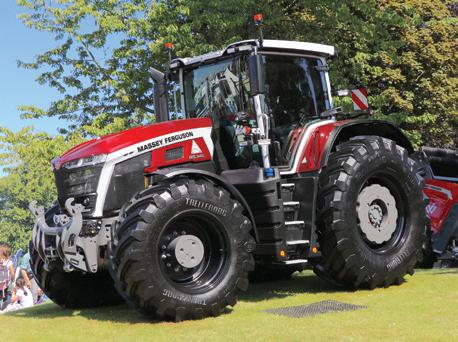
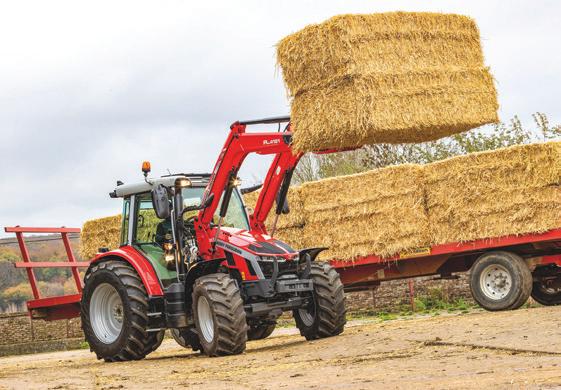
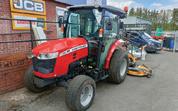
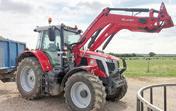
Massey Ferguson will showcase its recently launched MF 8S Xtra at LAMMA –alongside the brand-new MF 5S with Dyna-VT transmission option.
Returning to the show for the third year running, the focus will also be on the compact MF 1M and MF 1700e models alongside the headline launches. These machines are suited to the smaller farming jobs, as well as equine and amenity works.
Both the recently launched MF 1M and the popular MF 1700e will highlight the options available to users, with a mid-mounted mower deck and scraper attached to the tractors on display at the show.
MF will exhibit the MF 5S range, which now has the Dyna-VT (DVT) continuously variable transmission option, says Massey Ferguson advertising manager Lindsay Haddon.
Launched at Agritechnica in November, the MF 5S still has the Dyna6 and Dyna-4 gearbox options but the DVT offers users the comfort and ease of use provided by a continuously var-
iable transmission.
“The DVT option has been a request from many MF 5S users, and we’re delighted to bring this to market at a crucial time for farmers and growers to improve efficiency and comfort of all operations.”
Customisation
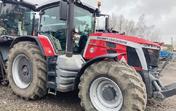
The full lineup of MF machines will be represented at the show, including the MF 9S.425 which has been treat ed to the MF By You customisation studio and finished in striking metal lic red livery.
The MF 9S also features black coated wheel rims, athermic window tints to reflect the sun’s radiation away from the cab and the operator, smartphone armrest holder, and Fo cal speaker upgrade.
“Tractors are very personal to op erators, and spending a lot of time in the cabs means upgrades to make life easier are essential,” adds Ms Haddon.
“It’s also a great way to build busi ness recognition by having a bespoke colour scheme for all tractors.”
IN THE FIELD WHEN YOU ARE
RAPID REPAIRS
Book our 24/7 HoseExpress vans, we come to you.
ON-SITE SUPPORT
Mobile workshops and branch network at your service.
LESS DOWNTIME MORE PRODUCTIVITY
Keep your daily operations running smoothly.
HEAVY-DUTY HOSES & FITTINGS
Engineered for demanding equipment and harsh outdoor conditions.
SPEAK WITH AN EXPERT
Better connectivity for standalone remapper
Anew remapping device reduces the number of tools required to improve the performance of agricultural machines.
Launched by Avon Tuning HD, the Genius remapping device also provides a slicker user interface and improved rural connectivity when on farm. It replaces the New Genuis and New Transdata units employed across the agent network.
ATHD is the biggest provider of Dimsport remapping equipment across the UK. Managing director Gareth Jones says the changes will provide several benefits to agents, farmers and contractors.
Advanced hardware
“While the two existing devices have been reliable and efficient, the Genuis is much easier to use and navigate, features advanced hardware and rural connection, and has technical support options via a VPN connection.”
All of this aims to make life easier when carrying out remapping on farm, while reducing the time machines are out of action for a remap to be installed. A laptop is no longer required for any of the ECU reading or writing processes.
Quicke r and easier
The Genius has upgraded software and firmware updating processes, making it quicker and easier to use than its predecessors, says Mr Jones.
Furthermore, the Genius allows engineers to carry out OBD tuning and bench tuning – the two types of connection that are required to remap agricultural machines – which previously required separate devices.
A further benefit for engineers on farm the remote VPN connection option. It allows ATHD technical support staff to remotely access the device, which will significantly improve the effectiveness of field support and
The Genius remapper boasts a slicker user interface
solve any issues as they arise.
“Farms and tractor cabs aren’t ideal places for laptops, so having a single tool that engineers can use to access machines – regardless of the connection required – is going to improve the efficiency of each job and save the farmer downtime.
“Having real-time VPN access, so our technicians in the UK can access an agent’s screen, will ensure we maintain our high standards and any issues are resolved quickly,” adds Mr Jones.
To promote ATHD’s existing agent network to upgrade, Dimsport is offering a cost-effective trade-in deal for current users. ATHD will have several Genius devices in hall 7, stand 600, at LAMMA for agents to test.
Handlers reach new heights at LAMMA
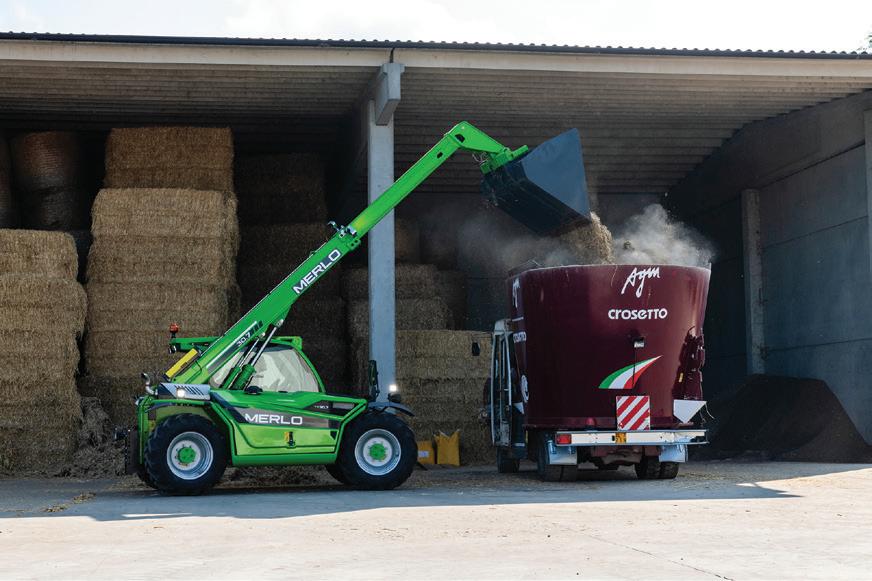
Astrengthened line-up will be on show at LAMMA from Merlo – highlighting the brand’s commitment to energy-efficient highperformance machines.
From compact handlers for smaller operators to high-capacity equipment for the largest arable and contracting operations, the company says it will have something for everyone on offer at the Birmingham NEC.
Compact machines
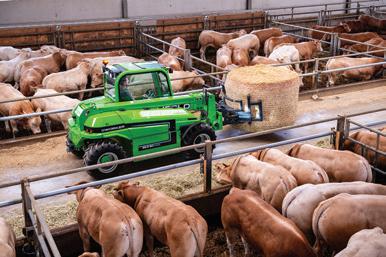
Two of Merlo’s most popular compact telehandlers – the TF27.6 and TF30.7 – will take centre stage for farmers who need high performance in confined environments. They have low cab heights, tight turning circles and excellent visibility.
Merlo says these two models are ideal for dairy farms, traditional yards and livestock enterprises where agility is essential. Despite their size, both machines deliver decent lift capacities and smooth, precise control.
Medium capacity
For mixed and larger farms, Merlo will showcase the TF35.7 CS 140 in a bespoke livery, offering a 3.5-tonne lift capacity and 7m lift height.
Equipped with advanced loadsensing hydraulics and powered by a 136hp Deutz Stage V engine, the TF35.7 CS is fitted with Merlo’s Cab Suspension (CS) system to ensure operators remain comfortable across rough ground.
CVT Innovation
Farmers needing even more lift and reach will be able to explore the TF45.11T CS CVT HF – a high-capacity telehandler featuring continuously variable transmission.
This results in smooth, fuel-efficient driving and effortless torque delivery. Fitted with Merlo’s ASCS system, the TF45.11 delivers real-time load monitoring and attachment recognition for enhanced operating safety and efficiency.
Telescopic Tractor
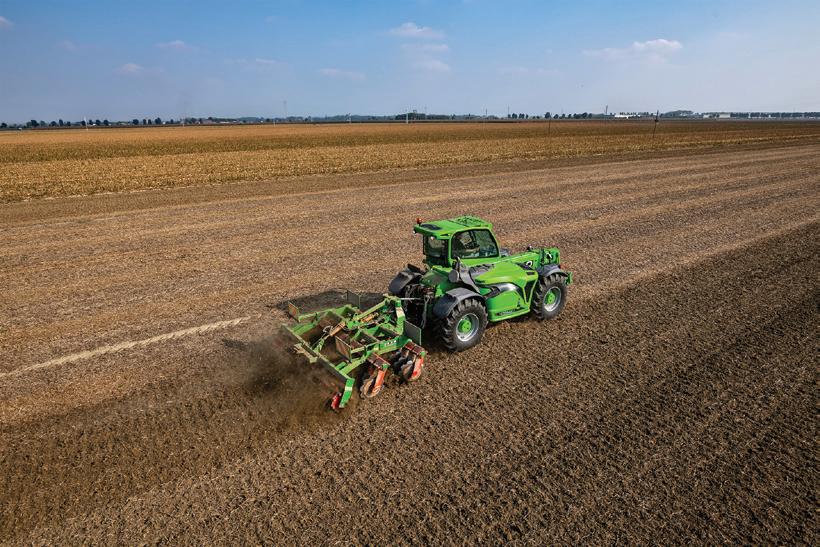
The MF34.7 combines telehandler
functionality with tractor capabilities. Powered by Deutz 136hp Deutz Stage V engine, it has a 7m lift height, 3.4 tonne capacity, rear three-point linkage, 54-/1000rpm PTO and a hydraulic pick up hitch.
Merlo’s telehandler/tractor hybrid, the MultiFarmer 44.9 CS CVT, will also feature at LAMMA. Combining PTO, three-point rear linkage and hydraulic pick-up hitch with telehandler capability.
Electric innovation
Rounding off the line-up, Merlo will present the award-winning 100% electric eWorker. It offers a 2.5-tonne
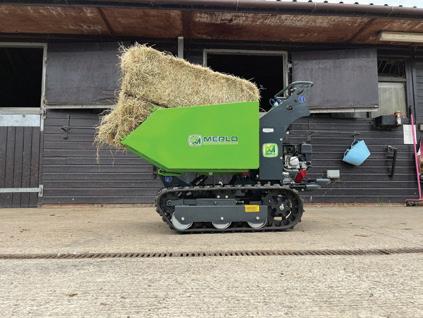
Clockwise from top: The TF30.7 telehander; Cingo 500M eWorker; MF44.9in the field; and Merlo eWorker Agri
lift capacity, a 5m lift height, and an 8-hour battery life and is ideal for lowemission zones and indoor use.
Joining it will be two compact tracked carries: the Cingo 500DM, with a narrow width of only 690mm – ideal for equine and landscaping operations and the Cingo M12.3 EVO Handler 400, this tracked carrier transforms into an ultra-compact telehandler.
With a lift capacity of 400kg and lift height of 3.4m it has multiple uses in agriculture and landscaping offering safe, stable transport and handling in tight, uneven, or hard-to-access environments.
A. Perry Ltd. Unveils QuickClip –The Smarter Alternative to Timber Fencing
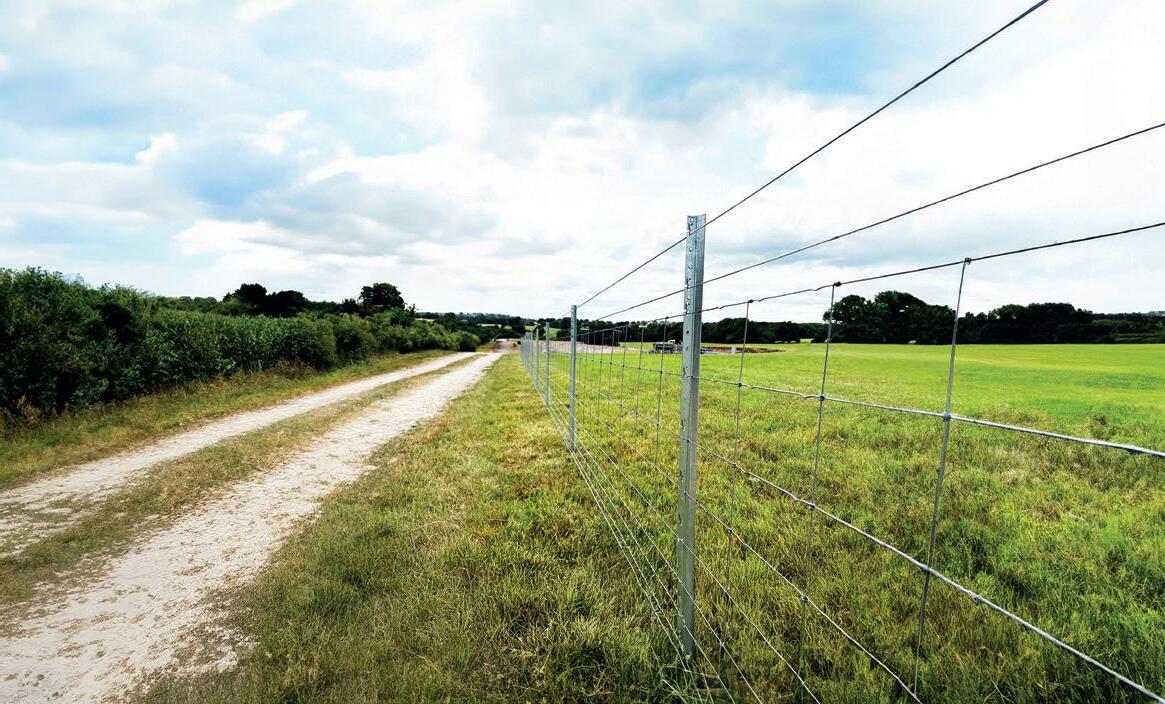
A. Perry Ltd. has launched QuickClip, the nextgeneration steel fencing system that combines strength, install speed, and longevity to set a new benchmark for agricultural fencing. Developed over two years, the system offers a smarter, more sustainable, and cost-effective alternative to traditional timber posts.
Engineered for strength and designed for speed, the QuickClip posts are made from fully formed high-tensile steel, with a reinforced plate for exceptional strength, outperforming typical welded alternatives. Each post is hot-dip galvanised to BS EN ISO 1461, providing an industry leading 40-year lifetime guarantee against corrosion and ensuring consistent, long-term performance.
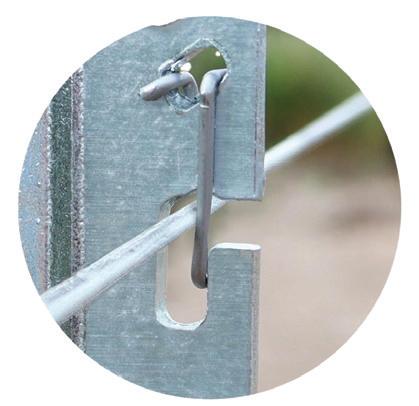
The innovative clip-on wire system allows fencing wire to be secured easily by hand, with no tools required. This simple yet effective design makes installation significantly faster while maintaining a secure hold for high-tensile agricultural fencing. QuickClip posts are compatible with the most popular wire types and include pre-drilled holes for electric wire insulators, making them a practical, all-
“QuickClip has been developed to solve real challenges faced by fencing professionals –combining ease of installation, exceptional strength, and lasting performance,” said Guy Perry, Managing Director of A. Perry Ltd. “We wanted to create a system that saves contractors time on site without compromising on quality or reliability.”
The QuickClip system will be showcased at LAMMA 2025, taking place at the NEC Birmingham on 14–15 January on Stand No. 8.842, where visitors can see the system in action and speak directly with the Perry team.
LAMMA launch for new slurry equipment
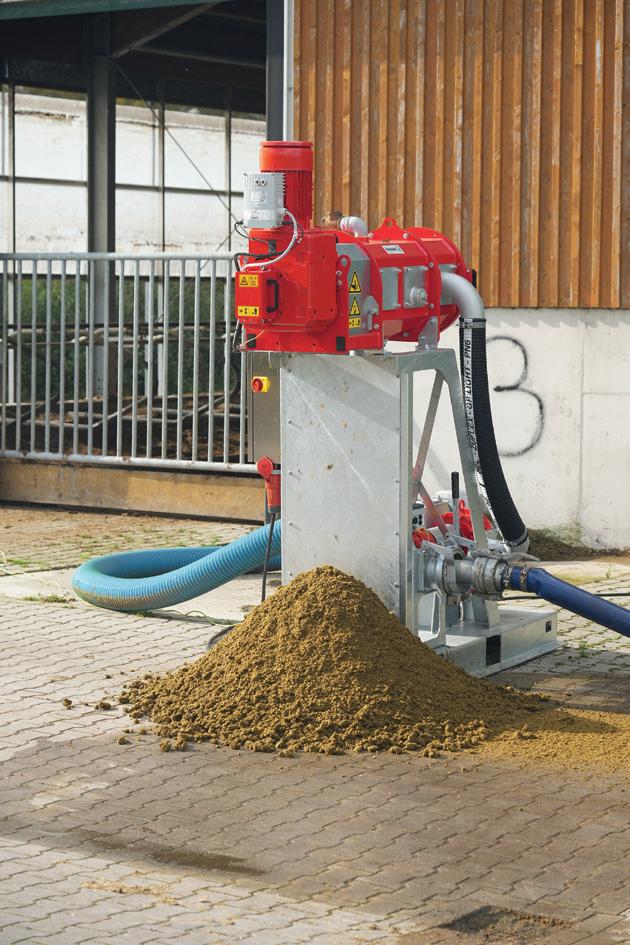
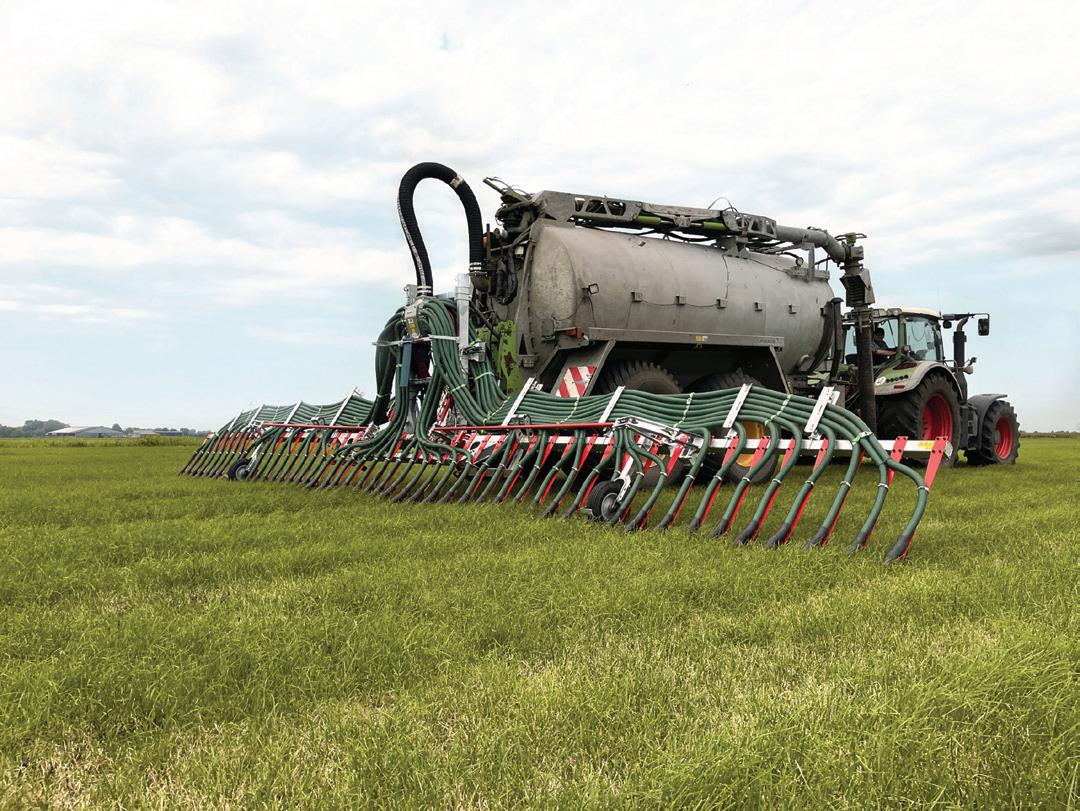
Vogelsang has announced it will launch a new UniSpread model at LAMMA, alongside a new super-scale separator.
The new 12-metre UniSpread will join the existing range to offer an additional one fifth working width. The new XSplit XS30-80 separator offers a throughput capacity of 175 cubic metres per hour.
“The new UniSpread is aimed at farmers and contractors who need a compact solution for spreading liquid manure close to roots,” ,” explains Vo-
gelsang’s Andy Hayhurst.
“The linkage is available as a dribble bar and trailing shoe and features Vogelsang’s tried-and-tested folding mechanism behind the drum, making it an easy retrofit to any size of tanker,” he adds.
Better accuracy
The trailing shoe model of the 12m UniSpread will be on show at LAMMA and will showcase the brand’s DoubleFlow trailing shoe design. DoubleFlow halves the row spacing 12.5cm, enabling more slurry to be applied more accurately.
The new model features two side support wheels to ensure optimum guidance, and operators can specify an optional piping kit. The UniSpread also benefits from the long- established ExaCut precision distributor.
Vogelsang has developed and launched a range of XSplit separators in recent years. The entry level
•Quality agri seats for the OEM and aftermarket
•Leading suppliers include Grammer, KAB and United Seats
•Retrims, parts and spares
From top to bottom:
The new Rancher seat, plus the CS85/H90 and W700 from United Seats, Grammer’s Maximo Professional and KAB’s SCIOX Super
Compact has a 10m³ per hour capacity and weighs just 875kg. At the other end of the scale, the largest XS3080 separator has a capacity of 175m³ per hour.
“The XSplit XS30-80 is specially designed for use in large biogas plants and agricultural operations. As the largest model in its range, it offers users who need to separate large quantities of digestate or liquid manure a reliable and needs-based solution.”
The XS30-80 offers a maintenance friendly design with shorter service times than conventional screw press separators. The modular, three-part sieve enables just the worn part to be replaced.
Meanwhile, the VarioAdjust hydraulic adjustment system allows the contact pressure to be flexibly adjusted during operation to reduce wear and tear. There is now a separator in the range for every size of farming operation.
“Our specialists will be on hand at LAMMA to explain how the separators, pumps and applicators can help make slurry and digestate handling and application more efficient,” says Mr Hayhurst.
Left to right: The new super-sized separator; Vogelsang XSplit range to help reduce storage and improve slurry application; and new 12-metre UniSpread.
3
3
3
3
3
3
3
•
•
•
Professional Services
FOCUS ON DIVERSIFICATION
Farming families still lack succession plan Take
• Only 38% of farmers plan for future
• Changes due to take effect in April
• Take advice now rather than delay
Almost half of farmers still have no plans in place outlining how they will hand their farms to the next generation – despite proposed changes to inheritance tax.
New figures from NFU Mutual show that almost 18% of farmers know it is important to put plans in place for their business – but have done nothing about it.
A further 32 % of farmers questioned in NFU Mutual’s annual Voice of the Farmer research said they did not believe drawing up a plan was relevant or important to them – despite facing a hefty inheritance tax bill.
Unique approach
Identifying who might take over when a farmer takes a step back is an important but emotional stage of farm succession planning. Each farming business is different and requires a unique approach, says NFU Mutual.
Many farmers work past state pen sion age because they see farming as a way of life, rather than a job. In 2025, 40 % of all farmers were aged 65 years and over. Just 5% were aged under 35, according to Defra figures.
Planning a farm succession var ies on a case-by-case basis and usual ly takes into account farm size, type and how many generations are work ing on the land. But only 38% have such a plan in place, according to the NFU Mutual study.
The research also found some varia tions – such as 57% of cattle, sheep and livestock farmers hadn’t got around to having a farm handover plan or didn’t see this as relevant or important.
Major shake-up
The survey findings come ahead of a major shake-up of inheritance tax an nounced in last year’s autumn budg et which has sparked huge concern in
Many didn’t see it as relevant “
the farming community and prompted many farmers to seek financial advice.
The proposed changes will cap agricultural and business property relief from April 2026 and will also bring unspent pensions within the inheritance tax net from April 2027 – a significant move for farmers who want pass on wealth to the next generation.
‘’Before the inheritance tax proposals were announced, the approach of many farmers was to gradually hand over more of the day-to-day management to the younger generation while holding onto the ownership of the assets until a later date.
Seven-year rule
NFU Mutual chartered financial planner Sean McCann, said: “This change will prompt many to pass on the assets at an earlier stage, because if they live seven years, they would normally be free of inheritance tax.
advice before using pensions and savings
NFU Mutual’s Voice of the Farmer 2025 survey also found that 70 % of farmers said they had a pension and 64 % had investments and savings.
Mr McCann said pensions could provide an independent source of income for older farmers, giving them the freedom to take less from the farm. But it was important to seek advice rather than acting alone.
“This can be particularly important when two, and sometimes three, generations are relying on the farm for their livelihood.
"Because of the range of options when it comes to taking money from pensions, it’s important to take advice to ensure you don’t pay more tax than you need to.”
Source: TIAH
nership with them, reduce their profit share to reflect the new ownership.’’
Only 38% of farming families have a
‘’For that to work it’s important that the farmer doesn’t continue to benefit from the assets they give away.
“If they intend to continue in the business, they’ll need to pay a mar
“It’s important to involve the whole family when planning succession to understand what role each member of the family will play in the future, and how assets will be owned in the short,
Higher electricity bills pile pressure on farm businesses
• Hefty price hikes due in early 2026
• Seasonal increases ‘considerable’
• Major review into cost allocation
Soaring electricity bills are expected to pile the pressure on farm businesses over the coming months, say analysts.
Fixed charge increases are expected to increase by between 60% and 130% on a like for like basis, says Barry Crossan, head of utilities at the AF Group. This will be seen in fixed charges on business electricity bills rising from April 2026.
“While the wholesale cost of electricity has remained relatively flat in the last 12 months, and forward markets currently look equally stable at similar to slightly lower levels, this is the only good news.
‘Sizeable uplift’
“Delivered cost of electricity will increase due to a sizeable uplift in the non-commodity costs, with higherthan-expected increases in projected costs of maintaining and upgrading grid structure to deliver on government renewable targets.”
Fixed costs could ramp up even higher for farm businesses where the electricity supply is also reassessed and allocated to a higher band based on recent historic usage or capacity arrangements, says Mr Crossan.
“Spread across a very large consistent annual consumption the percentage increase in kWh cost will be less significant – but for smaller and more seasonal usage the increases will be considerable.”
Energy watchdog Ofgem announced major review into how costs are allocated across the energy system earlier this year. This includes looking at whether the system of a standing change and a unit rate is fair.
Ofgem chief executive Jonathan Brearley said the transition to a more secure energy system meant unit costs could decrease but fixed costs – such as those needed to upgrade the energy network – could rise.
“Customers have real concerns about fairness and transparency in
their bills, especially around fixed costs. That’s why we’re asking big questions about how and where these costs are shared – and whether there are better, fairer ways to do it.”
Ag-inflation index
The ongoing increase in overall farm input costs is revealed in the latest AF Agricultural Inflation Index. It shows that average costs increased by 0.77% in the year ending 30 September 2025. But this is only part of the story.
Six of the nine input categories monitored by the AF index showed cost increases. Fertiliser rose by almost 11%; contract and hire by over 6%; and machinery, fuel and electricity all by almost 3%.
The lowest price rises were for rent, interest, property and office up (+0.7%); and labour (+0.2%). The remaining three input categories showed price falls: chemicals (-11.2%); animal feed and medicines (-7.4%); and seed (-1.2%).
The AF Group says its utilities team is working hard to highlight the most likely significant increases to its farmer-members ahead of energy costs being finalised in the New Year.
Infrastructure investment means standing charges are increasing – so electricity bills will be higher
Farm and retail gap narrows – but only very slightly
The gap between farm input costs and retail prices has narrowed – but only very slightly, suggests the AF Group.
The total food Retail Price Index (RPI) for a basket of foodstuffs has risen over the past year by just over 5%, which is more than the upward trend of the previous two years. This trend is certainly being felt by food shoppers.
But AF Group agriculture chief John Barrett says the numbers warrant a closer look.
“While the crop input ag-inflation figures seem quite modest, if you look at how much the value of crops such as wheat and sugar beet has decreased, combined with increased costs of production, the impact to farmers is profound.”
Feed wheat prices have dropped 7% in the past year, milling premiums are down 66%, feed barley is down 12%, and malting premiums down roughly 50%. The sugar beet price is down 7.5% from last year and will be 15% lower next year.
“For the 2026 harvest, we’re looking at seed costs down 15%,” says Mr Barrett. “At the same time, we are seeing an increase in use of home-saved seed to reduce costs.”
The AF Group is forecasting that ag-deflation will continue in crop protection products aligned with a rise in generics.
Nitrogen fertiliser costs have risen by 18% since the start of the season, pushing up wheat costs by about £26/ha for 2026.
Chance to diversify into free-range eggs
Rising demand is tightening supply in Britain’s free-range egg market – creating opportunities for farmers to diversify.
Driven by strong retail and foodservice demand for trusted, high-welfare production, the free-range egg market is forecast to grow by more than 10% by 2030, says Matthew Falk, of egg producers Stonegate.
Free-range eggs have already increased their share of UK retail sales from 70% to 83.4% in the past five years and the category shows no sign of slowing, says Mr Falk. The freerange market value has risen by more than 50% since 2022, he adds.
Farmers wanted
To meet projected growth, Stonegate estimates the UK will need to produce tens of millions more free-range eggs annually and is calling on more farm-
ers to join its producer network to help secure future supply.
Stonegate says it is particularly keen to hear from arable, beef, sheep and dairy farmers looking to enhance their farm businesses by producing eggs for the company. It says it has long-term partnerships with a number of big retailers.
Egg production fits naturally alongside many existing enterprises, says Jim Turner, head of new producer recruitment. Strong returns make egg production it an attractive option for both established poultry producers and those looking to diversify, he adds.
“We know diversification can feel daunting, which is why we support producers every step of the way, helping farmers build sustainable, profitable, welfare-led enterprises.”
With process linked to a cost of production model, Stonegate says it pro-
free-range eggs is soaring past supply
vides full-lifecycle support to its producers, from greenfield site planning and pullet finance through to daily operations and welfare certification.
Producers also benefit from avian influenza insurance, grading data, and ongoing technical support from
the company’s national team, says Mr Turner.
“Our approach is transparent and partnership-driven,” he explains “We invest in our farmers because their success underpins the long-term health of the category.”
Collaborate to unlock farm data potential, industry leaders told
Leaders across UK food and finance are calling for cross-sector collaboration on farm data collection – seeing it as vital for the industry.
High-quality, consistent and trusted information is the foundation for both resilience and environmental progress, delegates at a roundtable event hosted by data specialists Map of Ag in London last month.
Panellists included NFU president Tom Bradshaw, Sophie Throup of the Myton Food Group, Kate Hosking of Barclays UK, and Arla board director and Arla UK area chairnan Arthur Fearnall.
“We need to agree on a set of common metrics and act on them,” said Ms Throup. “We’ve done a lot of measuring, but the real benefit comes when we use that data to inform onfarm decisions and actions.”
Ms Throup said it was vital to make better use of data already available on farms. Technology such as AI could simplify processes, support emissions reduction and reduce the hassle factor for farmers.
She also emphasised the need for a trusted, central and independent place to govern farm data – something that would help build confidence and encourage wider data sharing across the industry.
Mr Bradshaw added: “Data on its own is valueless unless it’s brought together, analysed collectively, and used to inform change. Farmers need to know there is a purpose – and a reward – for contributing their information.”
Farmers diversify as arable incomes tighten
More farms are expected to diversify as they seek to remain profitable amid tightening arable margins, say analysts.
Falling profits and high costs mean many farmers – especially arable farmers – will be dependent on their diversified activities this season, says Graham Redman, editor of the Nix Farm Management Pocketbook.
“The modern farmer is increasingly aware that food security is not their responsibility, but making a profit from the farm is. If that means reallocating resources to non-farming activities, then so be it.”
Challenging
Diversification is a growing area of farm profitability, having been on the rise for over a decade, says Mr Redman. Policy and market changes – and increasingly challenging weather extremes, means farmers look at their resources differently.
The 2026 edition of the pocketbook has a lengthy section on diversification. Although livestock enterprises are more profitable than cropping ones, it suggests all farm businesses need to consider diversification.
Some 32% of farms have already diversified, according to 2025 Voice of the Farm-
er report by rural insurer NFU Mutual. It says 30% of those expect the importance of non-farming activity to grow over the next five years.
“In an effort to boost their incomes and make sure their farms remain sustainable, farmers are seeking innovative ways to use their assets to create diverse revenue streams and spread risk.”
With so much uncertainty and increasing financial pressure on farmers, now has never been a more important time to explore diversification opportunities to futureproof business, says NFU Mutual.
Farm shops from across the region are among those vying for prestigious national recognition as finalists in the Farm Retail Awards 2026.
Thriving farm shops, farm cafés, restaurants, butcheries, farmers markets and pick-your-own businesses based across the home nations have been shortlisted as the best in their
industry by the Farm Retail Association (FRA).
Eight categories include a Rising Star Award to champion business development and industry newcomers. The other categories include: Farm Shop Butchery of the Year; Large Farm Shop (turnover over £1.5m) and Small Farm Shop (turnover under £1.5m).
Shortlist
Finalists include the Welbeck Farm Shop – based on the 6,000ha Welbeck estate in Nottinghamshire. Shoirtlisted fior the Large Farm Shop of the Year, it works with the estate’s farmers sourcing vegetables, dairy and livestock – in addition to goods sourced from resident good producers, including a bakehouse, brewery and cheesemaker.
In the running for Small Farm Shop of the Year is Lower Clopton Farm Shop in Warwickshire. A family-run business at the foot of Meon Hill, it produces award-worthy, traditionally farmed British meat.
Other finalists include Denstone Hall Farm Shop and Denstone Hall Farm Shop (both Staffordshire), and Croots Farm Shop (Derbyshire).
Farm Retail Association chair Emma Mosey said: “Each of our finalists represents the very best of British farm retail, from outstanding farm shops and skilled butchers to welcoming cafés and the dedicated businesses that support them.
Food campaign
The association’s More Than Food campaign highlights the role of farmers markets, farm shops and pickyour-own enterprises in providing outlets for exceptional produce and hubs for local communities.
“Together, they showcase the innovation, passion and community connection that define our sector. Farm retail matters – it’s about people, provenance and pride in doing things the right way.”
Finalists will undergo a three-stage judging process including visits from fellow farm retailers. Winners will be announced glittering awards ceremony on 11 March at the Cedar Court Hotel in Harrogate.
Winners will be announced at a special awards night in Harrogate next March.
Save up to 20% on wearing parts
Discover how much AF will save you on your farm inputs:
FINAL SAY Clodhopper
‘Let’s stick it to the lairds!’
Land reform is almost as bad in Scotland as it is in England, says Clodhopper
My school days were long ago – so long ago in fact that I struggle to remember whether Hadrian’s wall was put in place to keep the Scots in Scotland or the English out.
It’s bad enough that this meddling Labour government is hell bent on introducing new inheritance tax rules this side of the wall – but things aren’t so good over the border either. Why not? Becayse the Scottish government has passed another land reform act.
The law affects land holdings bigger than 1,000 hectares. In truth, the Scottish government introduced the reform to help reduce the amount of land falling into fewer hands – the concentration of rural land ownership.
Just like our own Westminster government, it seems the Scottish government just cannot abide a very few people owning a large area of land.
Net zero
The new rules allow ministers to stop the sale of large estates and break the land up into lots – particularly if doing so is deemed to be in the public interest.
Large holdings are also now obliged to prepare management plans with fines up to £40,000 for breaching net zero measures and biodiversity targets
Estate owners have called the new reforms the junk law. Had the government stopped to think about what they were doing, then maybe they would have considered the huge benefits that not only in Scotland but here to the huge economic, social and environmental benefits that rural estates generate. These estates create income for the economy and support for over 50,000 jobs in Scotland alone.
Access rights
Of course, not all land reforms have been duds. The two previous bills passed by the Scottish government encouraged ownership transparency and access rights.
These reforms have mostly been accepted by the Scottish landowners and have not caused any major concerns. These days though, it’s similar to here – basically a case of “Let’s stick it to the lairds!”
As public support grows here in England for farmers, so the Scottish public view the land reforms as a low political priority and meddling by the government. And with the forced lotting process of land sales, the Scottish government now wants to act as estate
agent and law maker at the same time.
This could lead to court challenges which in turn have a detrimental effect on land prices. On both sides of the wall, politicians have convinced themselves that the laws they so desperately want to change are for the good of the communities they serve.
Old battles
But there seems to be little sign that most people want the state to own vast areas of land. Once again, the minority have the say over the majority.
The continued interference by governments towards landowners will only create uncertainty and the possibility of lower land prices. Our government seems to want to fight long decade old battles that have skimmed under the surface for too long.
It’s about time they realised that the farming industry is vital to this countrynot only for the food supply but continued management of the rural countryside.
My father once told me that farmers prospered under a labour government. That certainly doesn’t seem to be the case today.
Once again, the minority have their say “
NEW & USED STOCK
Bogballe Broadcaster, 3300 Litre, Hopper Cover, LED Lights, 20-24m Spread, Mud Flaps, Electric Headland Kit, Hopper Screens, High Output 650kg/Min, Isobus £21,750