Information given in Broadcaster may have changed since the time of compilation. Please check details with places you plan to visit.
Grid references mentioned throughout Broadcaster (for example C2) refer to the map on page 6.
4
Explore the Broads
You’ll find many people offering activities listed here but there are many others…
4 Take care of the people, places and things you love…
6 Visiting map – grid references mentioned throughout Broadcaster (for example C2) refer to this map
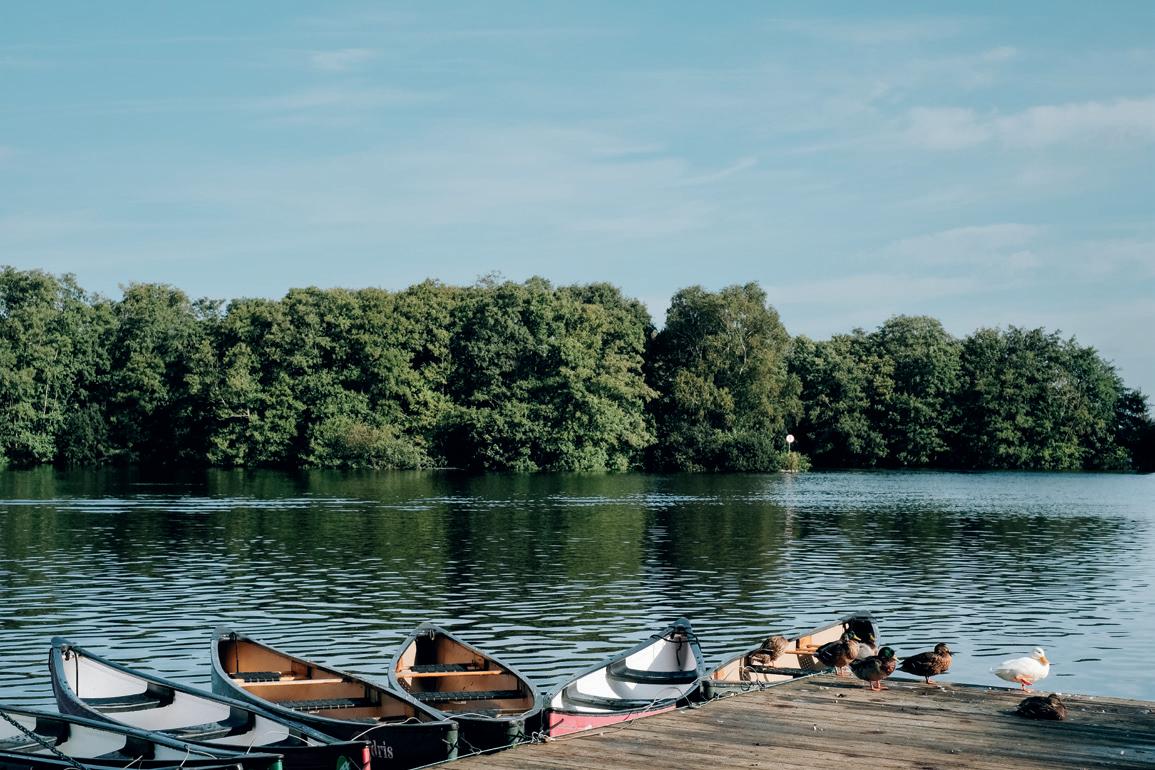
7 Get a duck’s-eye view
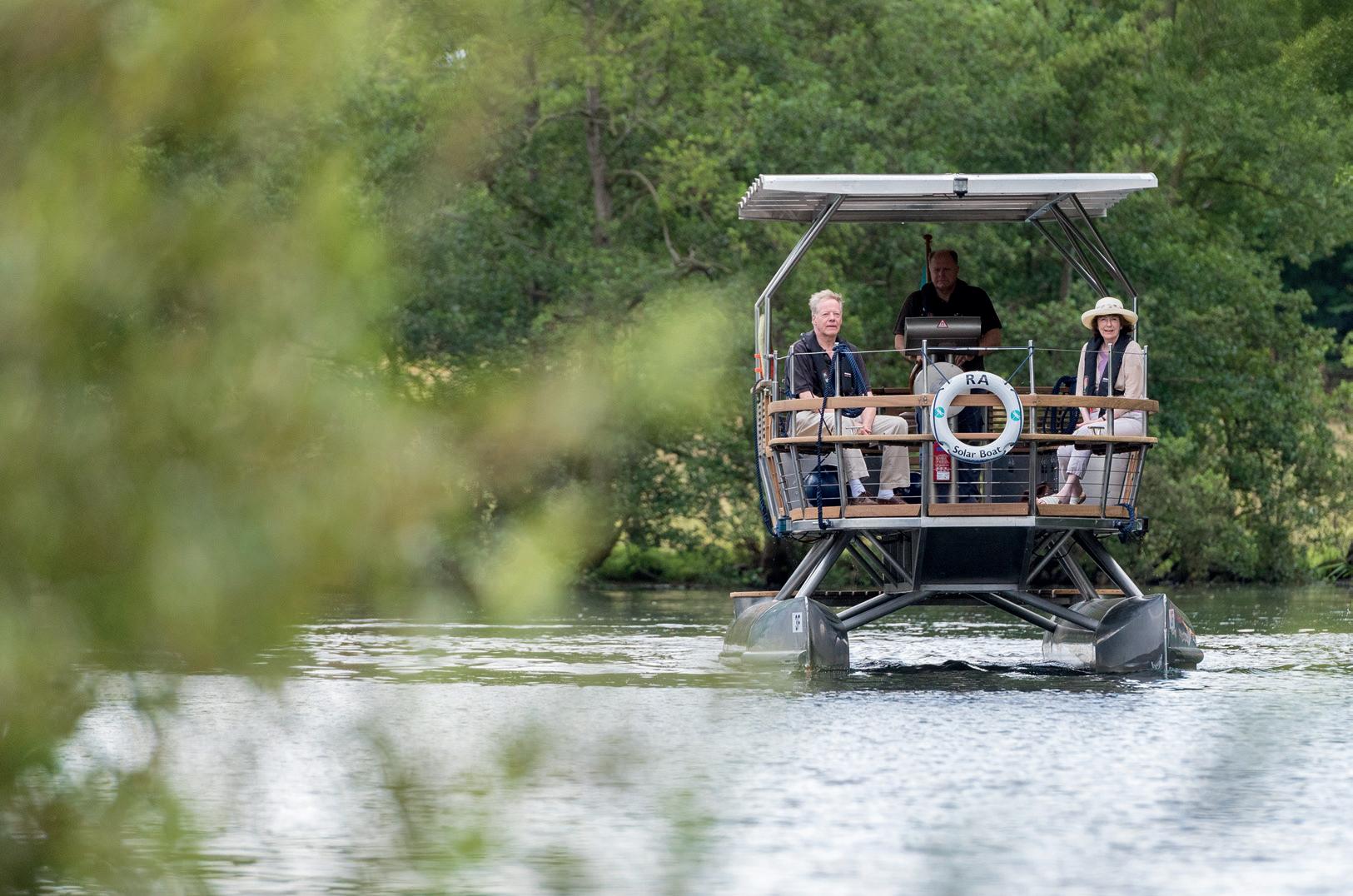
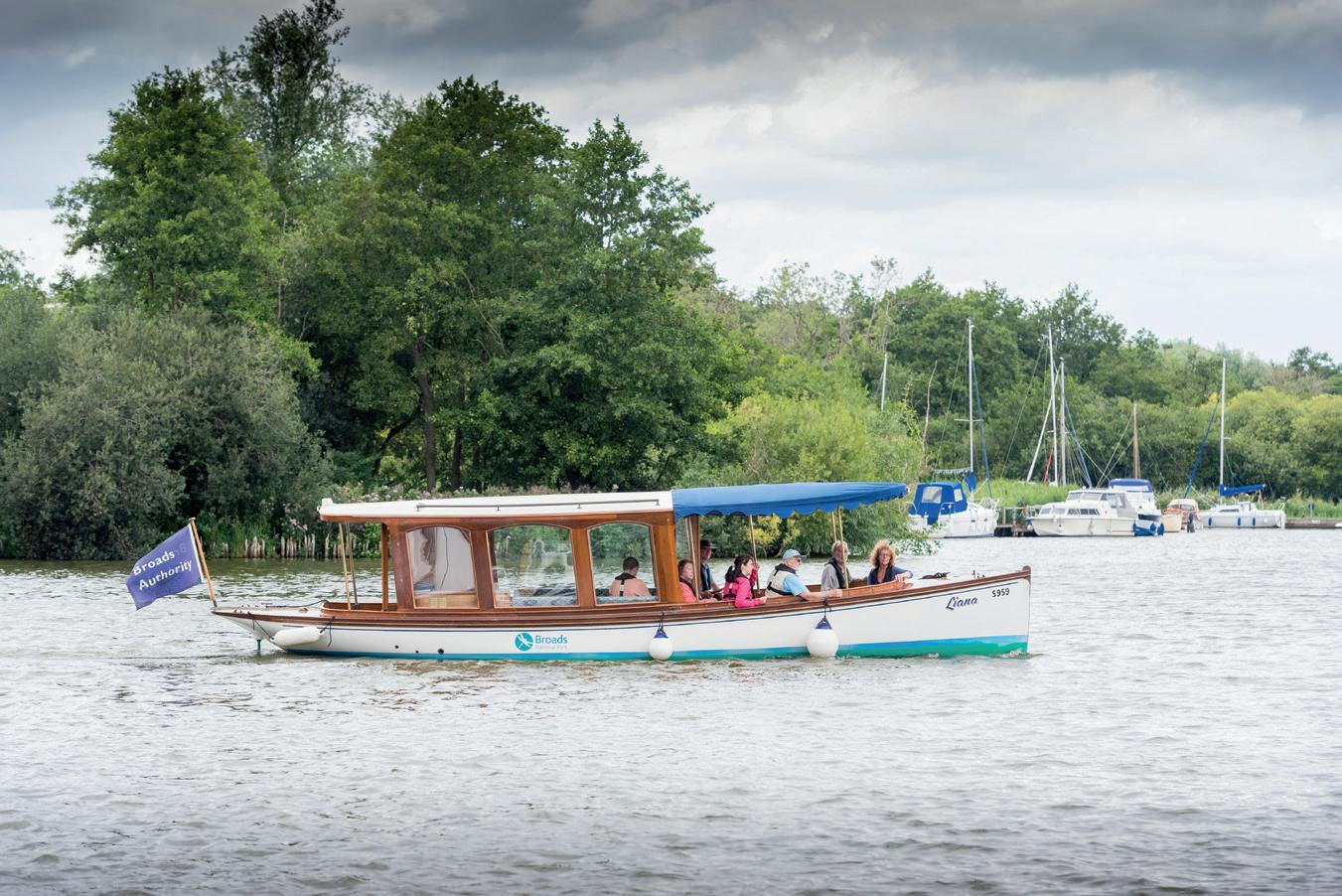
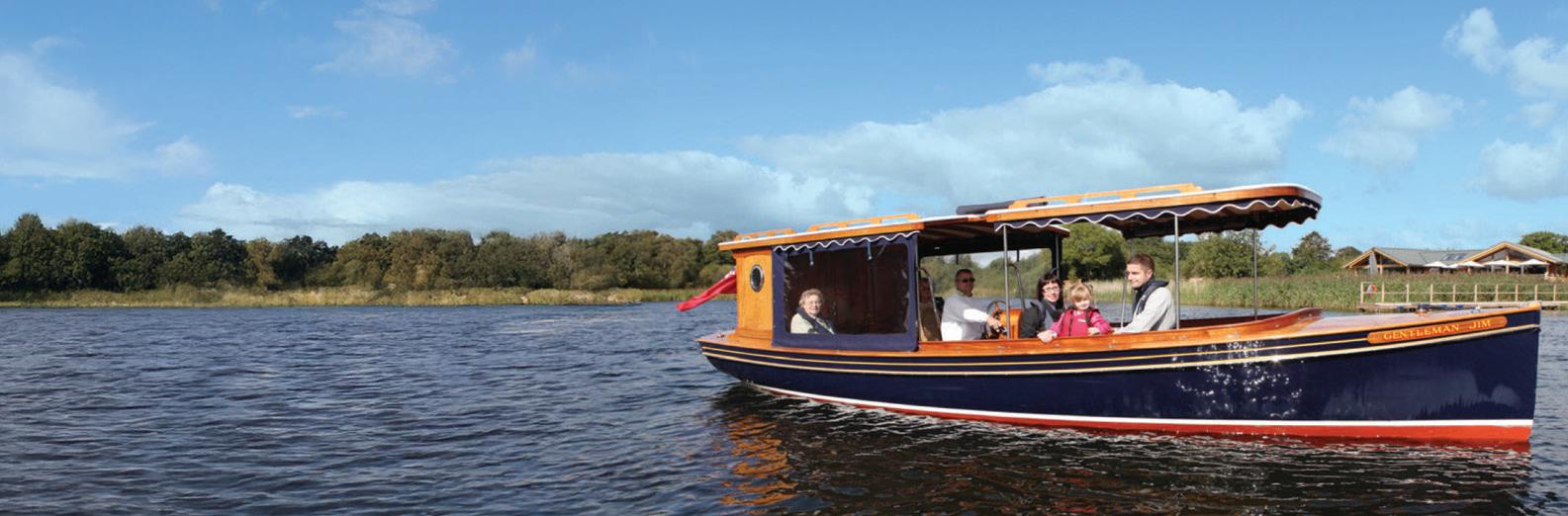
Solar-powered boat trips from Hoveton on Ra Electric boat trips from Ranworth on Liana
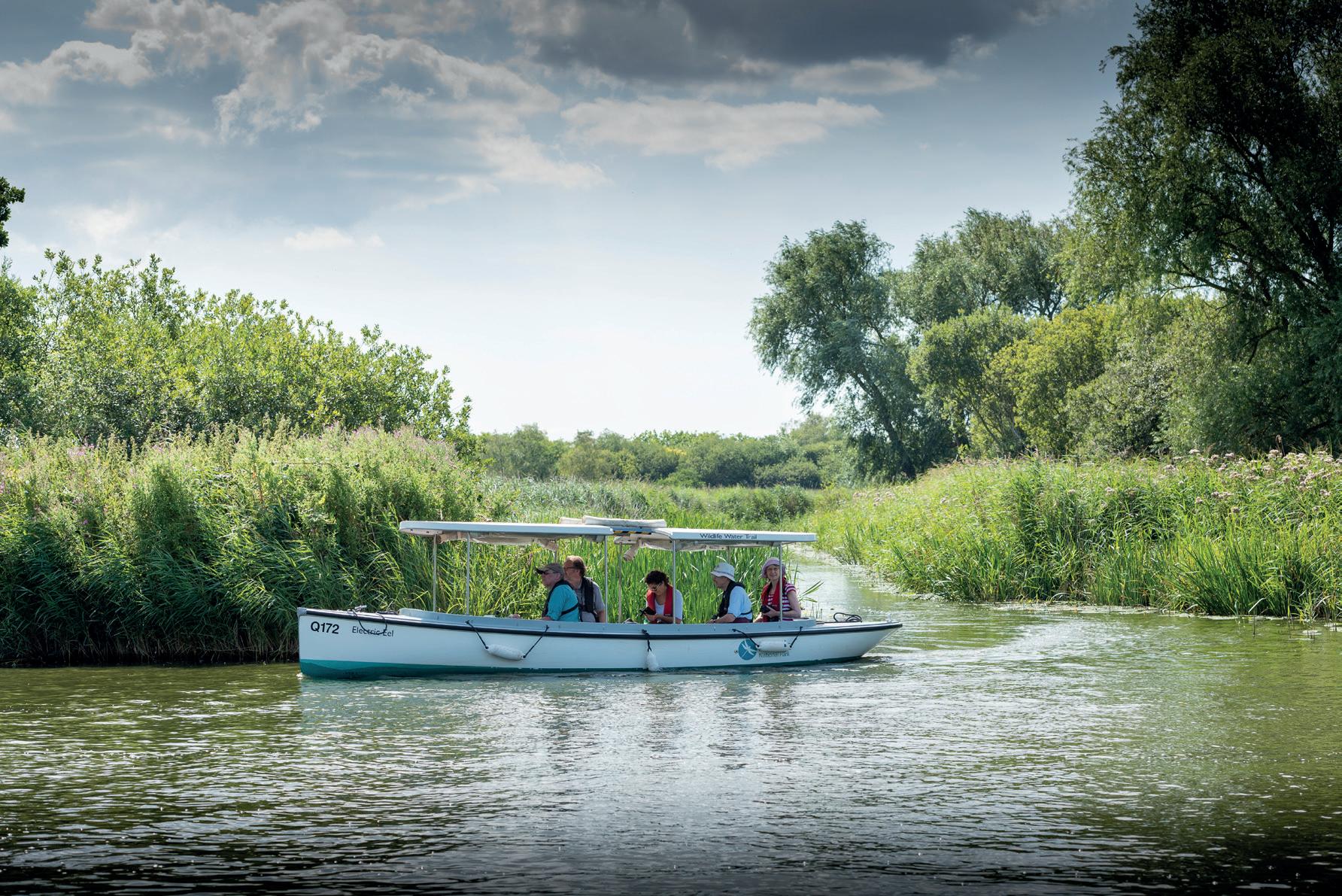
How Hill National Nature Reserve and Electric Eel boat trips
12 An electric day out
Welcome to the Broads National Park
…and a selection of all that there is to see and do
14 10 Things to do –
River Bure and River Yare
16 Accessible visits: walking, boating and angling
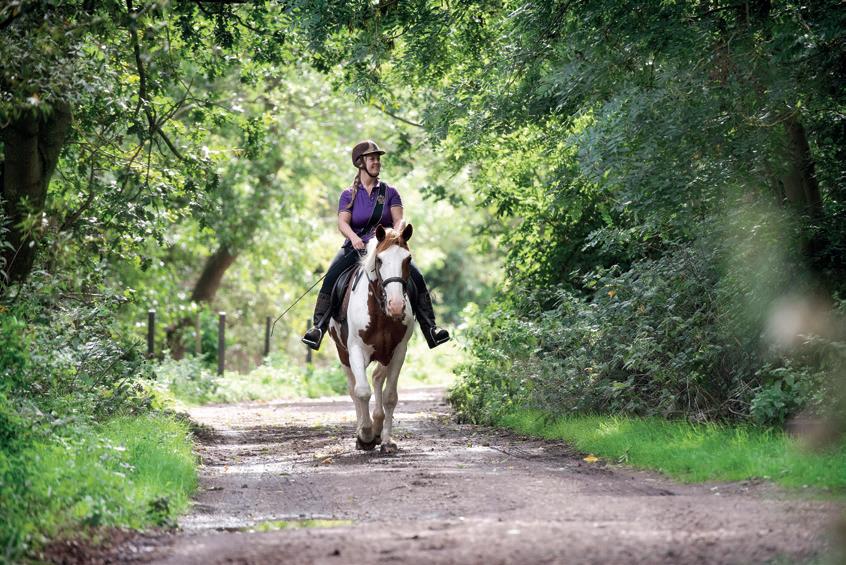
18 Pedal power, electric power and horse power
Wind power…for sailing
20 Paddle power
22 Active Travel
Catch the ferry or wherry…
24 Broadswalks
25 Relax by the water
27 Broads Society
46 Free things to do
47 History and mystery
48 Unexpected recreations
29
Boating basics
8-page essential guide to Boating Basics and Water Safety
29 Yacht stations
30 Top 10 boating tips
31 Emergency info Bridge heights
Please don’t do that
No one wants a long list of dos and don’ts, but in many situations a few guidelines can be helpful, especially when you’re in an unfamiliar place and maybe doing an activity that’s new to you…
Broadcaster brings together lots of the things that make the Broads special – that we’d like you to share and enjoy, whatever your interests. It could be sailing, maybe even competing in the Three Rivers Race (Europe’s toughest inland sailing race), or it could be relaxing by the water with a drink. Whatever it is, please do it responsibly, including safely.
In the Broads, you’re always in a water environment, so our Boating Basics section (pages 29-36) has lots of guidance and safety advice for everyone, whether it’s about the emergency services
32 Boating map
34 How to cross Breydon Water
35 Tide tables Info file
36 Journey times Waste disposal
Project news
50 Connecting with the Broads
52 Wildlife is relocating
Take care of the people, places and things you love…
or doing the washing up on board a boat. And for the key points about staying safe on the water, see page opposite.
Other sections in Broadcaster have helpful guidance and advice too – such as for canoeing and paddleboarding, avoiding car travel, respecting wildlife, angling, and visiting with a dog.
Lots of the activities in Broadcaster can help you learn and enjoy more about the environment and caring for it – you could go on one of our Broads National Park boat trips (see page 7) or join in with our events (see page 55).
If you’re not sure about what’s responsible or safe –please ask. Our contact details are on page 6.
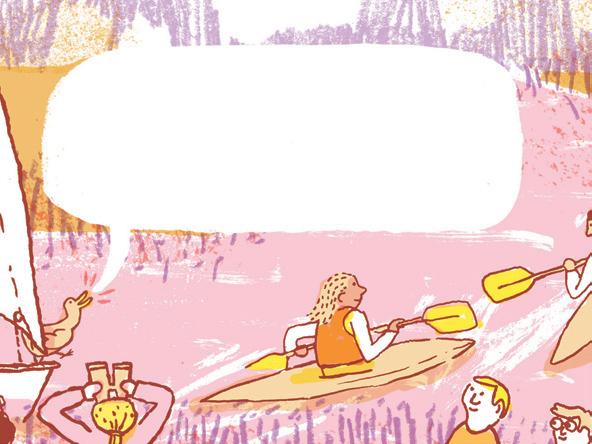
Let’s all look after the Broads
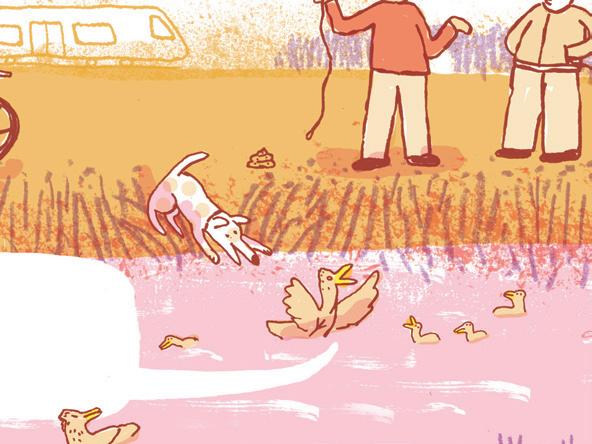
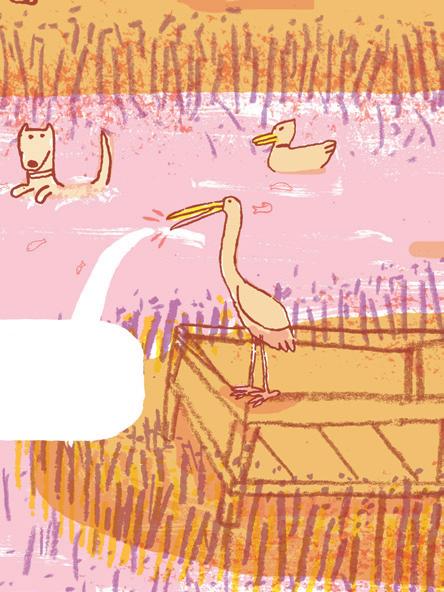
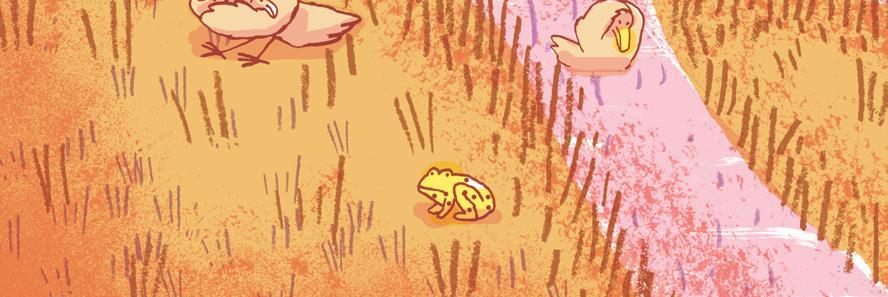
Watch your pets! We are easily scared by strangers. Don’t let your four-legged friends stray too far.
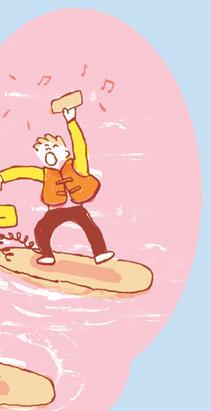
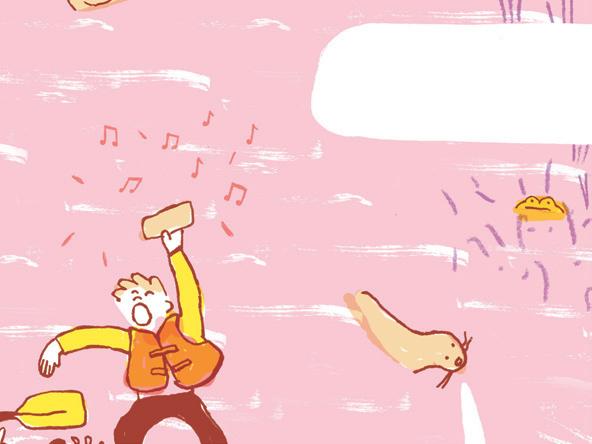
Keep loud noises to a minimum. We can be startled easily, even if you think we might like your taste in music.
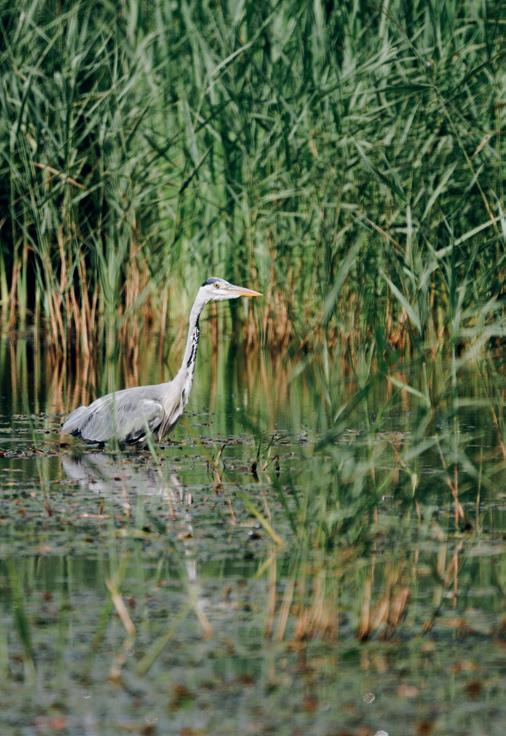
Respect wildlife, plants and farm animals – we live here, you see.
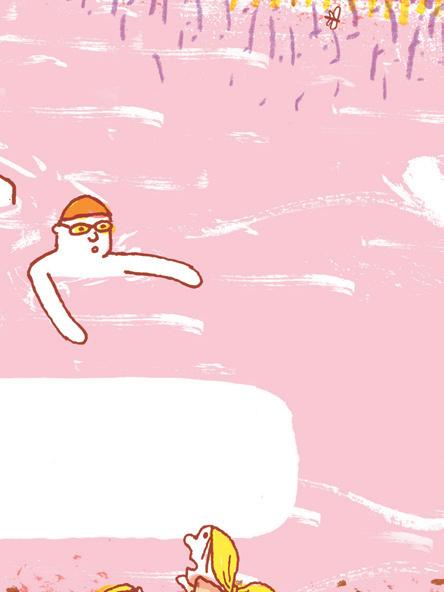
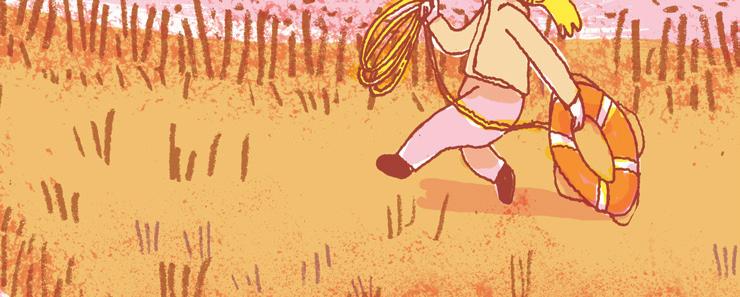
Follow safety guidance on or near water, and don’t get into the water here. Leave the swimming to us birds, fish and otters.
Follow boating rules and advice. Don’t swamp us or anyone else with your boat wash.
We want you to have a great visit to the Broads National Park by land and water – it’s what national parks were set up for. Part of having a great time is for everyone and everything to feel safe and valued, so please help us to look after the Broads and its wildlife, and to look after you too. And please let us help you to enjoy the Broads! We need to enjoy the national parks if we’re going to value them and so care for them…
Walk, cycle or go by bus, train or boat if you can – even us ducks sometimes like to hitch a lift on a boat. Remember not to drink and drive or sail.
Please be responsible and considerate, respect private areas of land or water, and put safety first and last for everyone and everything. Thanks for listening!
Visiting map
We hope that you enjoy reading Broadcaster. It is produced by the Broads Authority – looking after the Broads National Park for visitors and its community. If you would like a copy of Broadcaster sent in advance of your next visit, please contact the Broads Authority. Visit our information centres or yacht stations for more details on anything included in Broadcaster. Grid references mentioned throughout Broadcaster (for example C2) refer to this map.
by
Rampton tobyrampton.com Broadcaster online Go to our website for a digital version and a selection of articles Broads Authority, Yare House, 62-64 Thorpe Road, Norwich NR1 1RY 01603 610734
The visitor website for the Broads also has all you need to know about where to go and what to do, where to stay ashore and afloat, where to eat, boating, special events and everything else you need to enjoy the Broads by land and water.
Get a
duck’s-eye view
on our wildlife boat trips
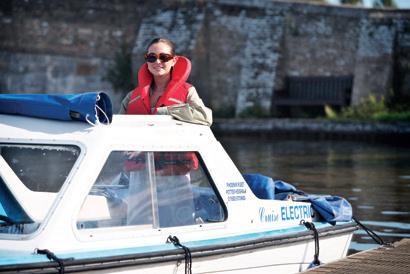
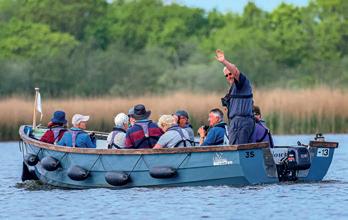
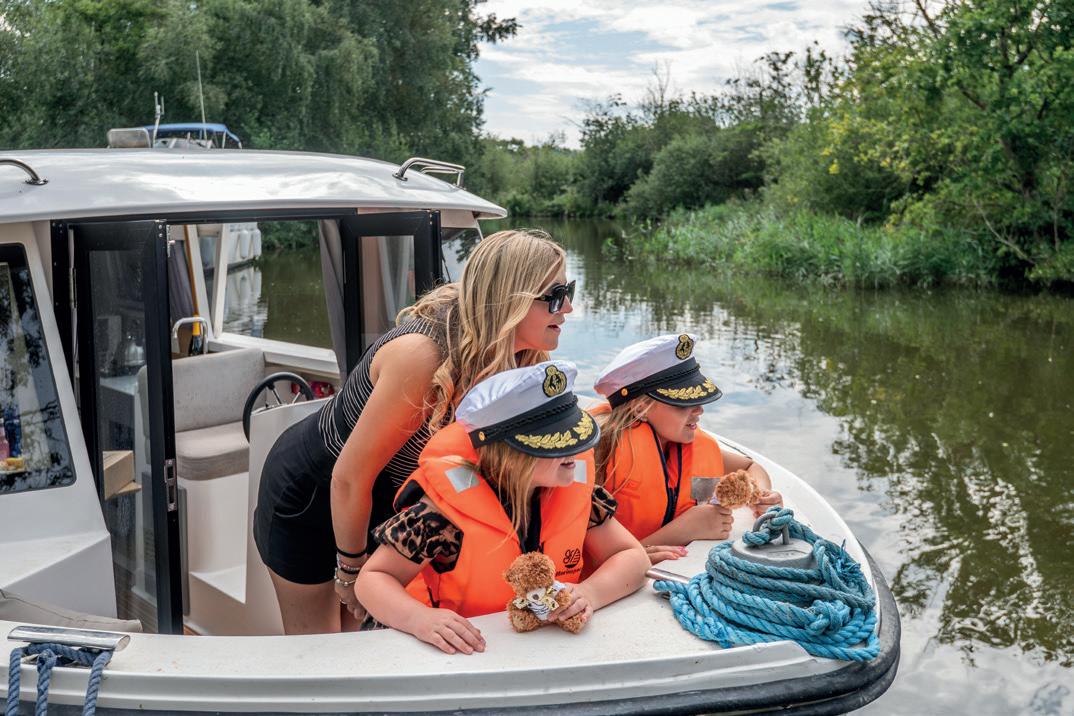
Our three small and friendly wildlife boat trips are fun for everyone, and will give you a duck’s-eye view of the Broads. Experience nature’s secrets in tranquillity – the boats, Ra, Liana and the Electric Eel are all quiet, thanks to electric power. Our expert staff will ensure your safety and comfort, and will share their knowledge and love of the Broads with you on these special trips. Whether you’re a new or returning visitor, there are discoveries to be made, whatever your interests. And thanks to funding from BMW’s Recharge in Nature project (read more about it on page 51), Ra and Liana’s engines will have improved reliability and will be even quieter.
Before you go on these three trips…
• You may find it convenient to book your boat trip in advance at holiday times when trips may be busy; as well as booking direct, you can also book at any Broads information centre
• Family tickets are for up to two adults and two children
• We are sorry we cannot take dogs, except assistance dogs, on any of these trips
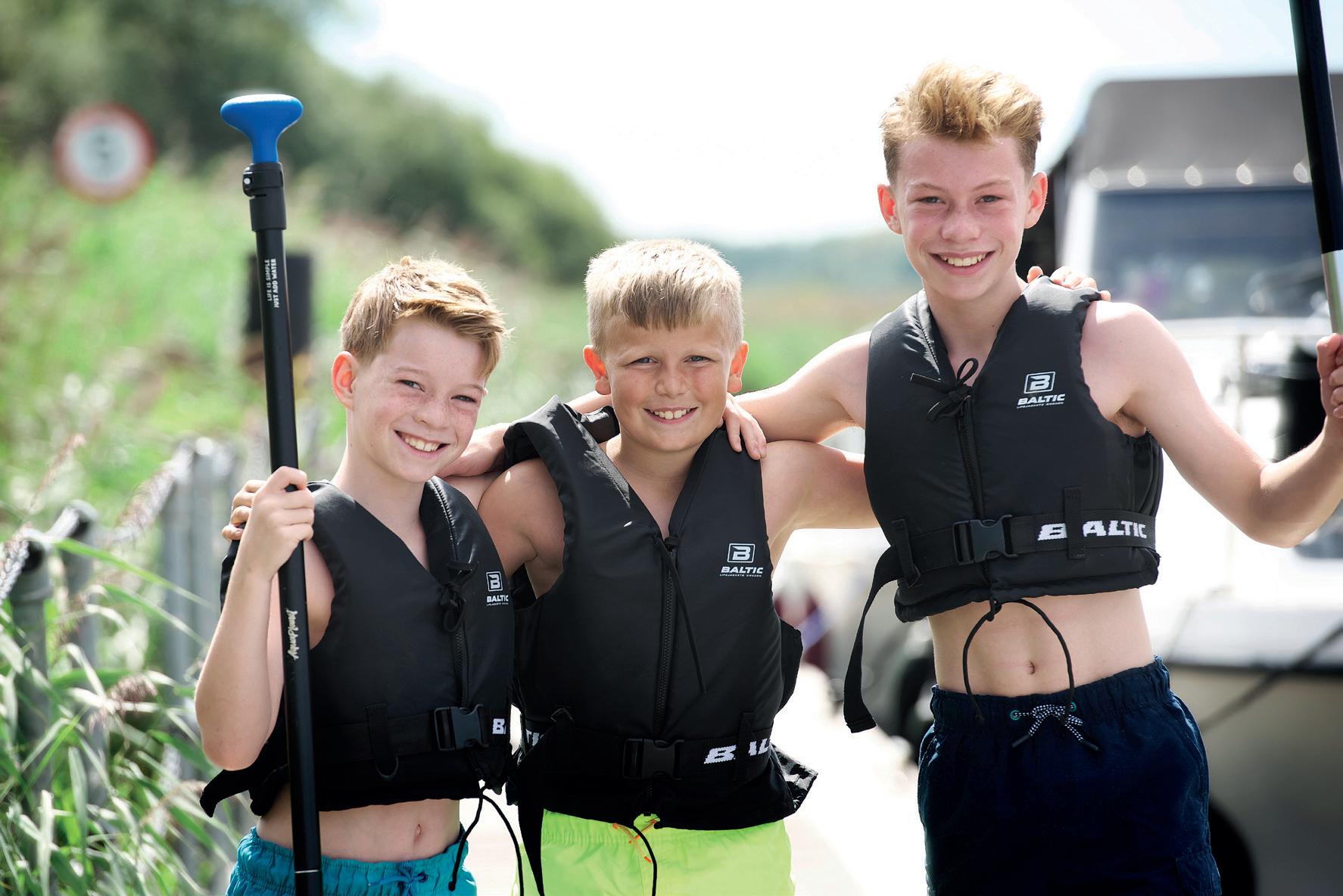
• All passengers must wear the life jackets provided
• For spring and autumn trips bring warm, waterproof clothes
• Group bookings also available, including special dawn and evening trips – please ask for details
info
Ra boat trips at Hoveton
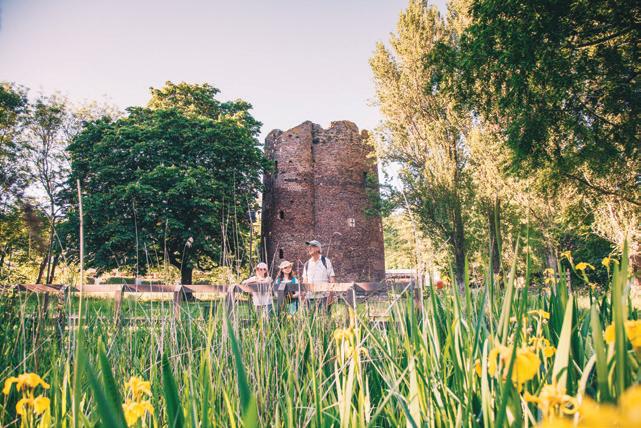
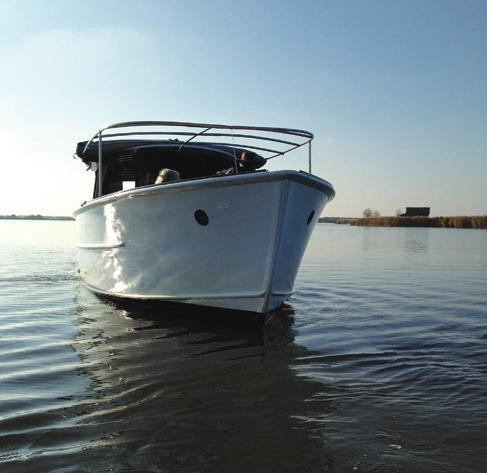
Hoveton and Wroxham (B2/B3) lie either side of the River Bure. Take to the water here on Ra, named after the Egyptian sun god, and you’ll find yourself drifting into another world, transported along a beautiful stretch of the river, going to Caen Meadow on the short trip and into Bridge Broad and along to Belaugh on the long trip. Ra sits high on the water, so offers great views, and you can listen to the birdsong and relax in a green world, with meadows and wet woodlands on either side that can’t be explored by land. It’s hard to believe that you’re just minutes from the bustling centre of Wroxham. Ra was the first solar-powered passenger boat in the UK, so you can also find out about solar power, and how the Broads Authority and partners are developing the greener next phase of boating on the Broads.
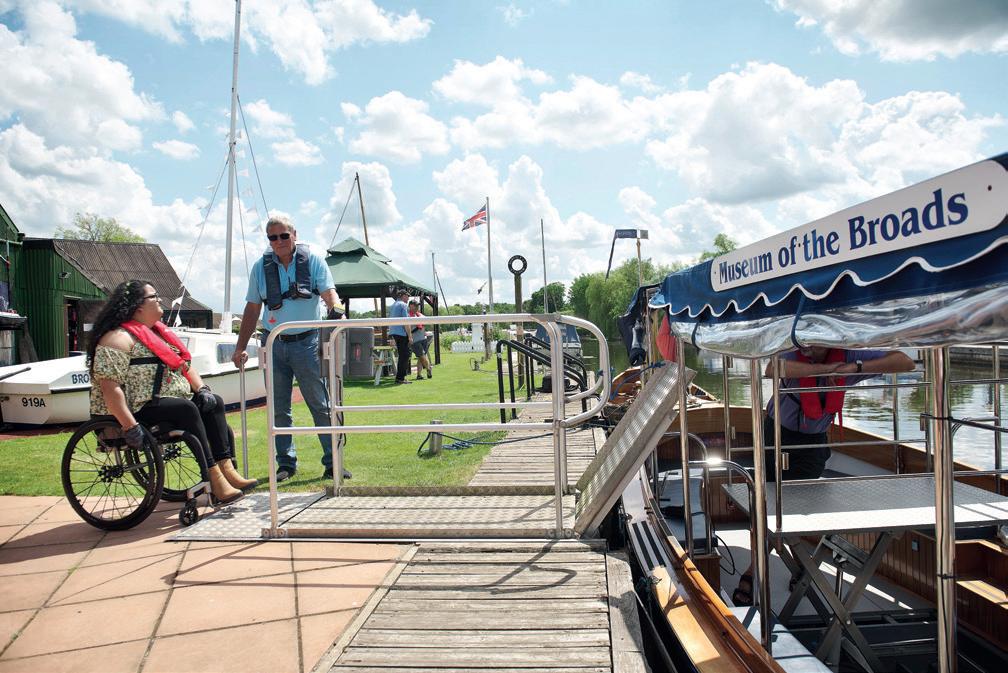
These trips depart from Hoveton Riverside Park on Station Road, close to Hoveton Broads Information Centre, Hoveton & Wroxham Railway Station (on the Bittern Line between Norwich and Sheringham) and the Bure Valley Railway’s Wroxham Station (see page 14). Parking and free 24-hour moorings are close by too. Ra is accessible to wheelchair users via a ramp. Any remaining refurbishment work at Hoveton Riverside Park will be completed this season.
Boat trip details and bookings
• 1 hour or 2 hours, up to nine passengers (at driver’s discretion) including up to four wheelchair users –
please check when booking as number depends on the type of wheelchair
• April, May, October: weekends, bank holidays, Easter week and local half-term only 10am (short trip), 11.15am (long trip), 1.45pm (long trip), 4pm (short trip)
Cost: Short trip £12 adult, £10 child, £38 family; long trip £15 adult, £12 child, £50 family
Bookings: Hoveton Broads Information Centre, 01603 756097
Hoveton Broads Information Centre Station Road, Hoveton NR12 8UR 01603 756097
hovetontic@broads-authority.gov.uk
Open (free entry)
• 28-31 March, April, May, October, 1 November: Monday-Friday 9am-1pm and 1.30-5pm; Saturday-Sunday 9am-5pm
• June-September: daily 9am-5pm
More to explore at Hoveton
Expand your day out with a visit to Wroxham Barns for crafts and children’s activities, or Hoveton Hall Gardens (both about 1½ miles away), or BeWILDerwood children’s woodland adventure park (about 2 miles away). The Bure Valley Path is close by – see page 14.
Hoveton has toilets on Station Road, and plenty of shops and places to eat.
wroxhambarns.co.uk
hovetonhallestate.co.uk
bewilderwood.co.uk
JAMES BASS
Liana boat trips at Ranworth
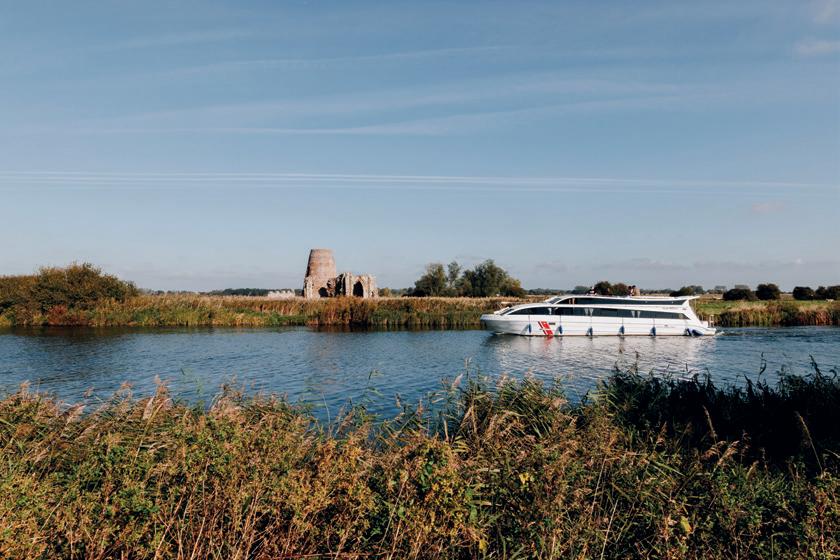
Set off on a voyage of discovery from Ranworth (C3) on board Liana, our Edwardian-style electric launch. As we cross Malthouse Broad, the activity of birds at the staithe subsides and there’s a wonderful view of St Helen's Church, known as the cathedral of the Broads. We go past the entrance to Ranworth Broad (the broad and marshes are part of the Bure Marshes National Nature Reserve) and if we’re very lucky, we may catch a glimpse of an otter or two as we pass along Ranworth Dam on our way to join the River Bure, heading towards Cockshoot Dyke. Birds peer out of the reed fringes at us, a kingfisher may be zipping across the water and look up too, a marsh harrier could be soaring overhead. These trips depart from Ranworth Staithe, where you’ll find moorings (with charge during the summer season, see page 29) and free parking.
Boat trip details and bookings
• 55 minutes, up to eight passengers (at driver’s discretion)
• April-October: daily 10.30am, 12pm, 2pm, 3.15pm Cost: £12 adult, £10 child, £38 family Bookings: Ranworth Broads Information Centre, 01603 756094
BOATGIFTSTRIP
Give your friends and family the experience of one (or more!) of our wildlife boat trips. Full details from our staff at Hoveton (Ra trips), Ranworth (Liana trips) and How Hill (Electric Eel trips).
Ranworth Broads Information Centre
The Staithe, Ranworth NR13 6HY 01603 756094
ranworthtic@broads-authority.gov.uk
Open (free entry)
• 28 March to 1 November: daily 9am-5pm
More to explore at Ranworth
At the information centre you can enjoy extracts
from archive films about the history of Broads holidays. Expand your fun day out with a free visit to Norfolk Wildlife Trust’s floating Broads Wildlife Centre (follow the boardwalk from the staithe, taking you through the nature reserve). They also run a ferry service from the staithe (with charge) and boat trips. There are toilets near the staithe and refreshments available, including a tea shop at the church’s Visitors’ Centre.
JAMES BASS
10 Explore the Broads
How Hill
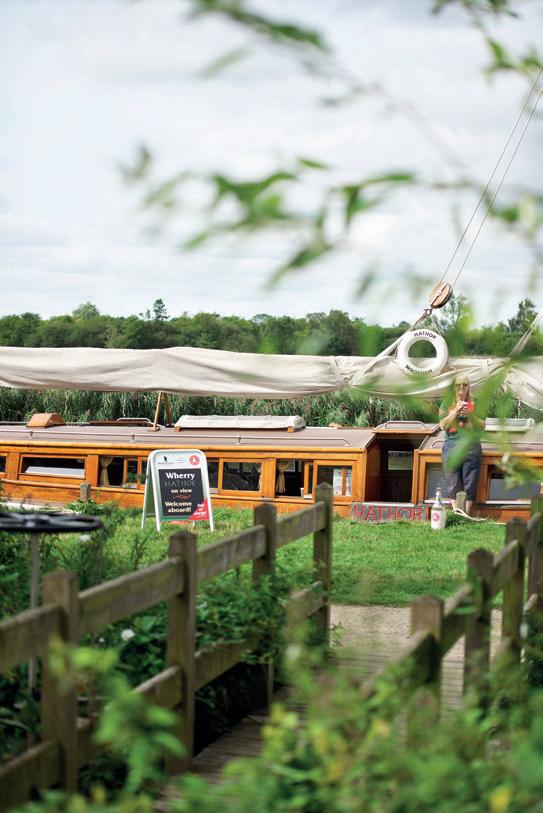
How Hill (C2), close to the village of Ludham, has something of everything that makes the Broads special, and this year marks 20 years since its launch as a National Nature Reserve (NNR) by Chris Packham in May 2006. NNR is a government designation to protect important habitats, species and geology, and to provide ‘outdoor laboratories’ for research. The River Ant runs through the How Hill reserve and there are reedbeds, grazing marshes, wet woodlands and even a broad – all full of wildlife for you to discover. Visit Toad Hole Cottage, lived in by generations of eel catchers, and imagine home life on the marshes in Victorian times. Look out for the curious tools used for working on the marshes. Then take a boat trip to see where the marshmen worked. How Hill is still a working marsh – reed and sedge are cut for thatch, so you could see a ‘modern marshman’ at work. Explore the Wildlife Walking Trail, Secret Gardens, riverside walks and maybe even Hathor – one of the Broads sailing wherries. Entry to the site is free, there are public footpaths, a car park (open all the time, free, but How Hill Trust does welcome donations) and 24-hour free moorings. Toilets, including an accessible toilet, are open during the summer season. Visitors with disabilities may find it helpful to telephone in advance to check if How Hill is sufficiently accessible for you. In the summer and autumn you may find it helpful to bring an insect repellent for the How Hill trails.
Saturday-Sunday 10.30am-5pm
• June-September: daily 9.30am-5pm
Wildlife Walking Trail
Electric Eel boat trips at How Hill Step on board at How Hill Staithe, leave the River Ant behind and enter a tranquil, secret world, where reeds and flowers fringe the narrow dykes. Glide along until we stop for a short walk to a bird hide overlooking Reedham Water. The changing seasons bring changing wildlife. In May, when the sun shines, the hidden warblers are in full song. June sees many butterflies and dragonflies on the wing, such as the Norfolk hawker dragonfly. Summer is the season for flowers, including water lilies. In autumn, the birds are on the move again. The summer visitors leave for warmer climes and soon, duck including teal and wigeon will arrive from the north, as the marsh moves towards winter.
Boat trip details and bookings
• 50 minutes, up to six passengers (at driver’s discretion)
• April, May, October: weekends, bank holidays, Easter week and local half-term only 11am, 12pm, 2pm, 3pm
Cost: £12 adult, £10 child, £38 family (not suitable for children under two)
Bookings: Toad Hole Cottage, 01603 756096
Toad Hole Cottage
How Hill, Ludham NR29 5PG 01603 756096
toadholetic@broads-authority.gov.uk
Open (free entry)
• 28-31 March, April, May, October, 1 November: Monday-Friday 10.30am-1pm and 1.30-5pm;
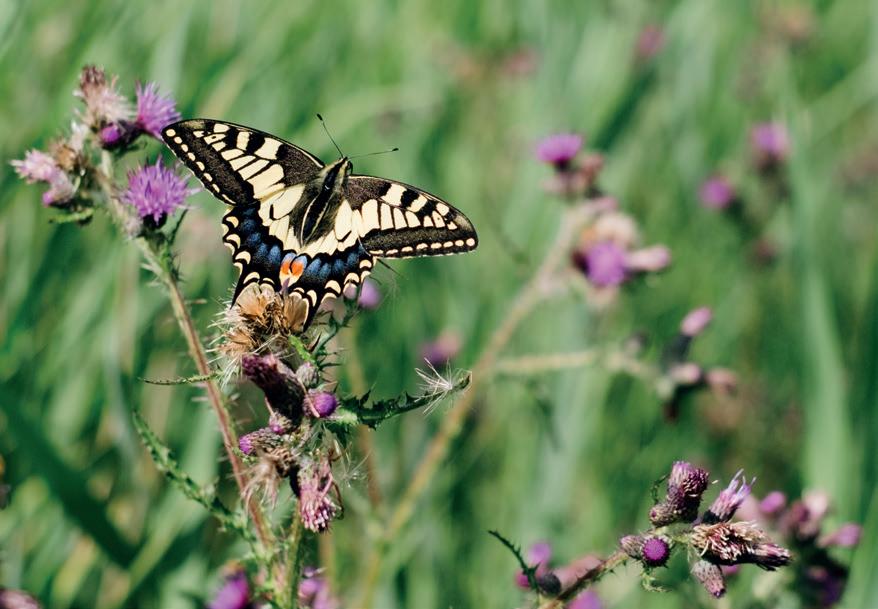
Explore the trail to see wildlife for all seasons. In June look out for huge and very rare swallowtail butterflies; sometimes there’s a second brood in August. On the way you’ll find Crome’s Broad. Like other broads it’s the remains of a medieval peat digging. Assistance dogs only on the trail please. Group bookings also available.
Open
• April, May, October: daily 10.30am-5pm
• June-September: daily 9.30am-5pm
Cost: £3 adult, £1.50 child, includes guide booklet
Combined tickets
New for 2026, you can buy a combined ticket for the Electric Eel boat trip and the walking trail: £14 adult, £11 child, £40 family
Visit Wherry Hathor
Pleasure Wherry Hathor is based at How Hill Staithe from May to September and except when sailing
WILDLIFE BOAT TRIPS
Buy one ticket and get 25% off another one!
Buy a ticket for Ra, Liana or the Electric Eel and get 25% off the same type of ticket (adult, child or family) for one of the other trips. See left and pages 7 and 9 for details of trips. Please present this voucher and your original ticket on arrival.
will usually be on view, when you’re welcome on board for a free look round. We suggest you check in advance by emailing jk@wherryyachtcharter.org if you want to be sure of visiting Hathor. Find out more about wherries in Puzzleland – see page 59. 01603 781475 wherryyachtcharter.org
Riverside walks
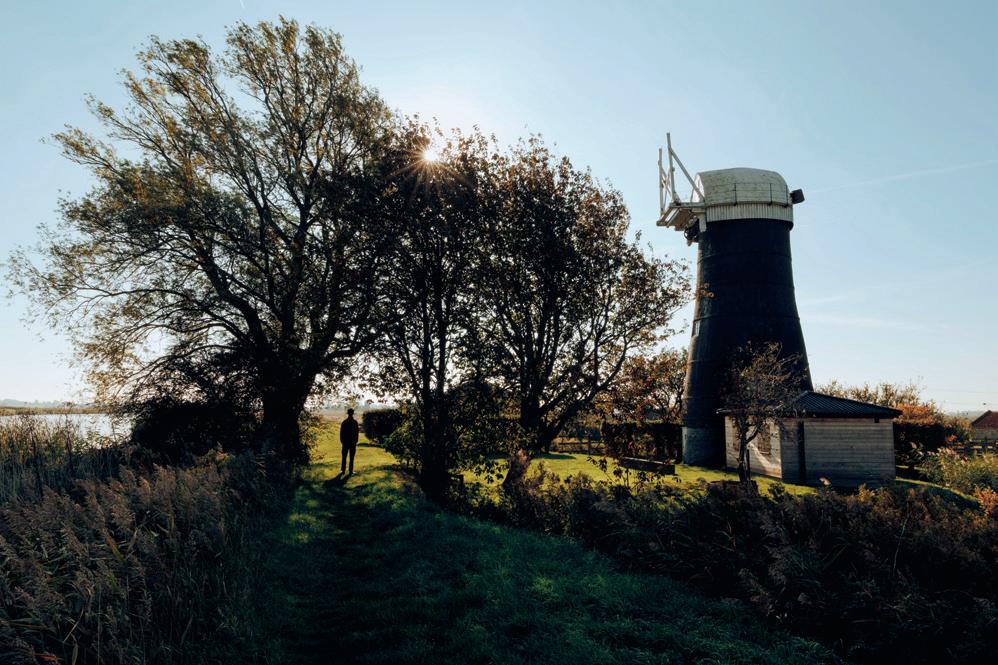
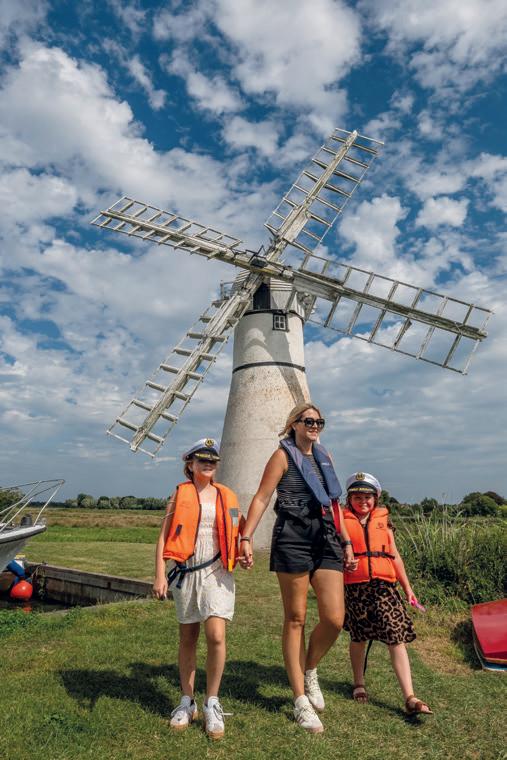
From Toad Hole Cottage the riverside footpath continues downstream to Ludham Bridge and St Benet’s Abbey – see page 24. Or you can take a short stroll upriver, past the boat shed, to Boardman’s Mill. The path then goes on to Clayrack Mill and Sharp Street. There’s a third mill, Turf Fen, on the opposite bank, going towards Ludham. Restoration work will be taking place on it this year.
Marsh refreshments
After last year’s very successful start, these popular refreshments are returning for 2026. Pop into Toad Hole Cottage garden for hot and cold drinks, plus delicious savoury and sweet snacks from Natural Rise, including paninis, cakes and pancakes.
How Hill gardens
Explore the Secret Gardens, usually open every day during the summer season, entry by donation. These water gardens were created in the 1920s by local architect Edward Boardman for his family home at How Hill, which dates from 1905. The gardens are always lovely and secluded, and in early summer there are spectacular displays of azaleas and rhododendrons. Follow the signs from the car park, moorings and main house. The formal gardens surrounding the house are sometimes open too –please check in advance for details. 01692 678555 howhilltrust.org.uk
JAMES BASS
JULIAN CLAXTON
THE BROADS HAVE IT ALL AND SO DO WE
Find your perfect boating spot
Dreaming of life on the water? Whether you need a secure mooring or the perfect boat to explore the Broads, we’ve got you covered. Visit our marinas, browse our boats & start your adventure today!
Stay, play & make the Broads your own
From
12 Explore the Broads
Who's calling?
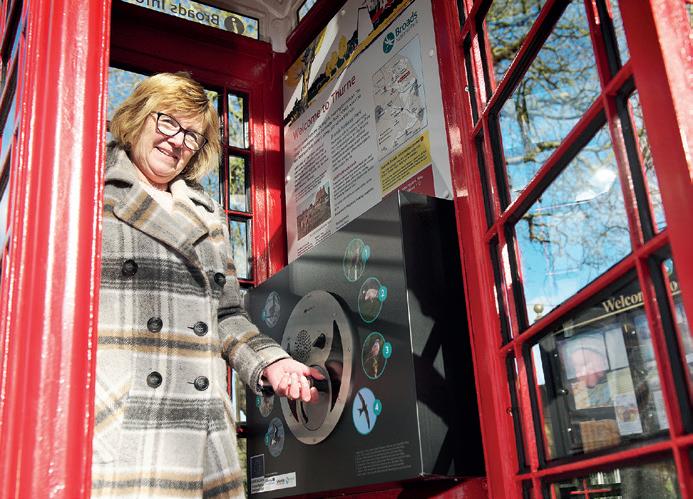
Thurne
Come and visit possibly the smallest national park information centre in the world – inside a former telephone box! Find out about Thurne and the Broads, then listen to recordings of Broads birds to hear who’s calling.
The Street, Thurne, NR29 3AP Open daily (calls are free)
An electric day out
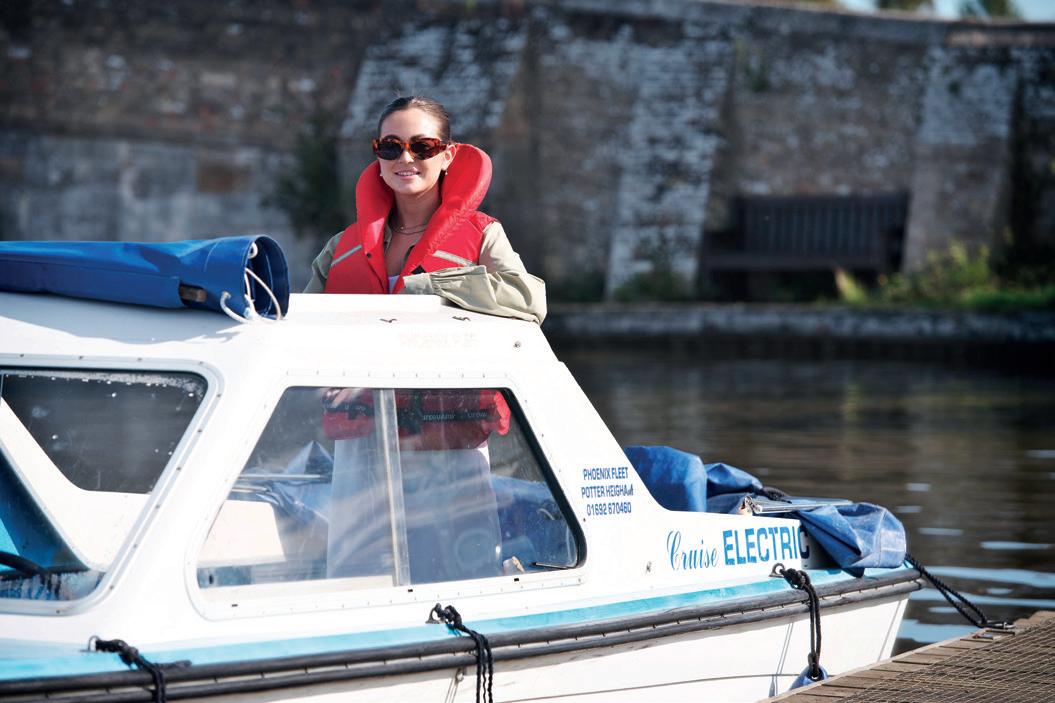
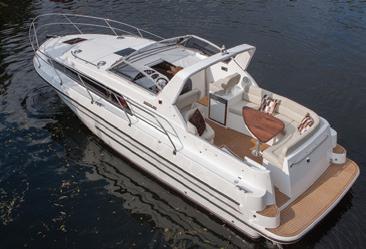
iring a day boat, for an hour, a few hours or all day, is a fun way to get out on the water, and if you’re thinking about a boating holiday, it’s a good way to get the feel for it. Many day boats are electric – better for the environment, with a smaller carbon footprint, and quieter, so more relaxing, and you can get closer to the wildlife. On a day boat there’s no need for recharging. Please wear the life jackets provided. If you can, think about how you get to the Broads, too. For example, taking the train (instead of driving) from Norwich to Wroxham to
hire a day boat cuts the CO2 produced during the journey by 80%.
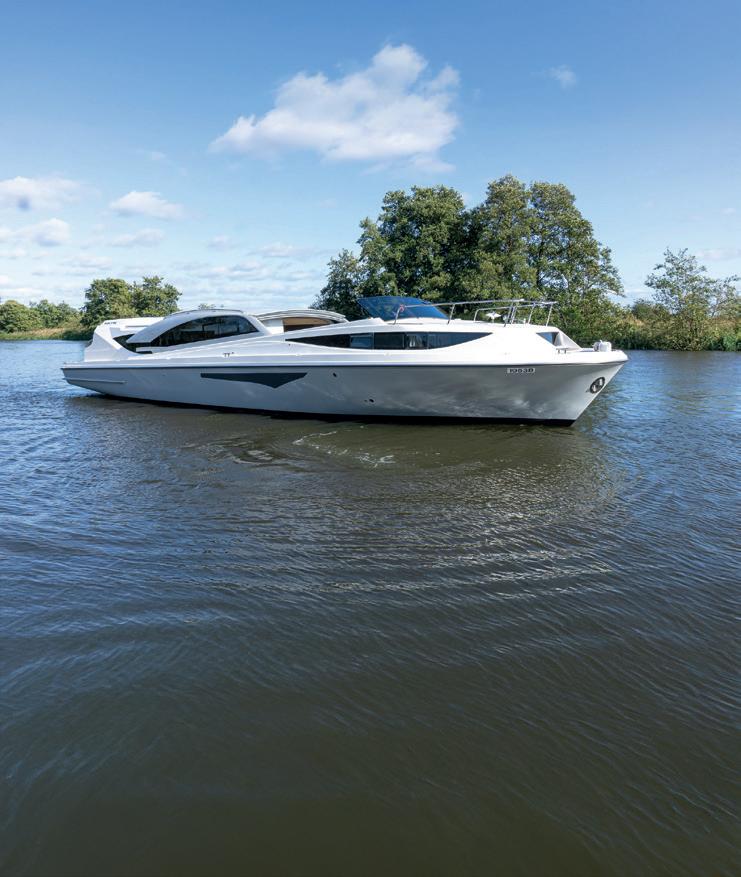
The small but growing fleet of hybrid cruisers can top up their batteries overnight at our network of charging points. We are working with partners to support the development of fully electric holiday hire cruisers and with private owners to enable them to move to greener fuels.
broads-authority.gov.uk/looking-after
Find out more about the UK national parks’ contribution in the Race to Zero on page 50.
JULIAN CLAXTON
14 Explore the Broads
10 THINGS TO DO…
Medieval churches
…just before the River Bure leaves the Broads
Coltishall, Horstead and Belaugh
Conservation areas
B2
1
Coltishall, Horstead and Belaugh include conservation areas, all good for an enjoyable village wander. These are areas of special architectural or historic interest that should be protected, where needs for the future must be balanced with the need to care for the past. Local architectural styles and materials, the landscape and waterways, all create a local distinctiveness – something special about these areas. Wherries were Broads cargo boats, with a shallow draught and a single huge sail. They carried goods such as corn, coal and timber. Coltishall was home to boat building from the early 1800s and Allen's boatyard was in Anchor Street. The last trading wherry, Ella, was built here in 1912. The river was navigable as far as Horstead Mill and was canalised to Aylsham using locks. See page 22 for more about wherries. At Belaugh, the history and geology of the area have shaped the village’s layout and buildings. broads-authority.gov.uk/planning/other-planningissues/conservation-areas
2
Like many Broads churches, several in these villages have medieval origins and the north wall at St John the Baptist's Church, Coltishall (one of the thatched churches), even contains Roman brick. In later times, St Peter’s at Belaugh was the inspiration for the poet John Betjeman’s fascination with churches. He lived 1906-1984 and as a child had family boating holidays on the Broads. In two of his poems he recalls the River Bure and Horsey Mere. The steep Pilgrims’ Path leads down from the church to a tiny staithe (mooring place). At All Saints’, Horstead, there’s a range of stained glass by late 19th and early 20th-century workshops, including work by Edward Burne-Jones for the William Morris workshop and a window depicting Julian of Norwich, the first woman known to have written a book in English. VisitTheBroads.co.uk/things-to-do/ culture-and-heritage
3 Horstead Mill
The Domesday Book (1086) recorded local mills. The remains of the watermill buildings that we see today date from the late 18th century. The mill continued operating until 1963 when it was destroyed by fire. The site of a lock keeper's cottage is still visible and you can have a wander on an accessible route around the remains of the mill. Please don’t enter the water – we don’t recommend swimming anywhere in the rivers and broads except as part of an organised event. horstead-pc.gov.uk
4
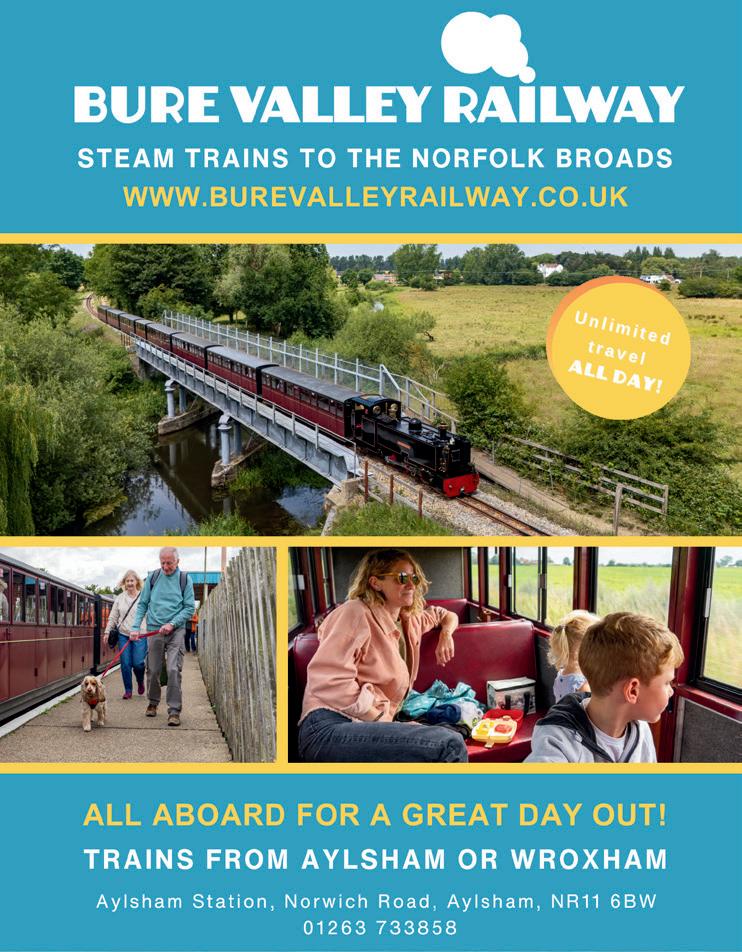
Bure Valley Railway
The narrow-gauge Bure Valley Railway runs from Wroxham to Aylsham. There are
request stops at Coltishall, Buxton and Brampton. When boarding the train, tell the guard if you want to get off at a request stop. To board at a request stop, stand in the middle of the platform, well back, and raise your arm for the train to stop. If there’s space for you, pay exact cash (or phone in advance to pay by card). The railway is accessible by wheelchair, please book in advance. Rover tickets are also available, with unlimited travel all day. If you’re taking the train to Wroxham, you’ll find lots of boating opportunities to enjoy the Broads from the water too. From there you can also link up with the Bittern Line, part of the national rail network –see page 22. 01263 733858 bvrw.co.uk
Bure Valley Path
5
This is a walking and cycling route of about 9 miles, running beside the railway. For bike hire see page 18 and if you’re starting from the bike hire centre at Horning, a route along country lanes will take you to this path. The trains carry bikes if there’s space. A village and river walk of about 6 miles explores Coltishall Common, Horstead Mill and the Bure Valley Path. Look out for geese, ducks, grey wagtails, yellowhammers, jays, even a barn owl or a kingfisher, and listen out for skylarks too. Go to VisitTheBroads.co.uk/walking. For a circular route taking in Coltishall, Belaugh and Wroxham, take the Bittern Line Railway Ramble 3, through water meadows and farmland, and along the Bure Valley Path. norfolk.gov.uk/trails
To explore by paddlecraft from Coltishall go to VisitTheBroads.co.uk/canoe-hire and see page 20.
Coltishall
Explore the Broads
…near the River Chet and across the River
Yare at Reedham
Reedham D5
Chedgrave C5 and Loddon C6
History still working
6
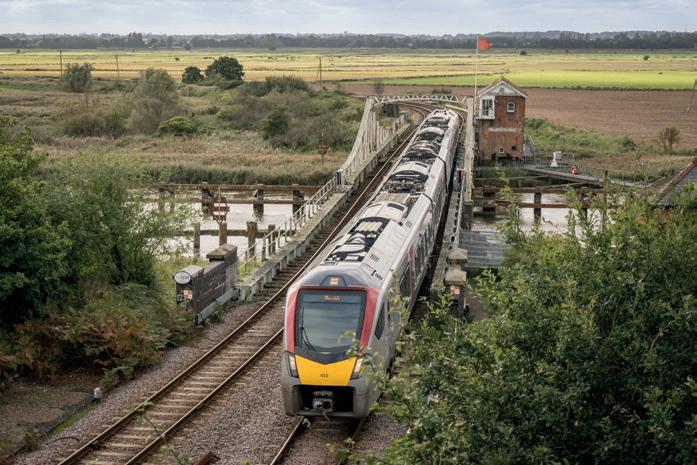
The River Chet flows out from Loddon and Chedgrave and joins the River Yare just upstream of the chain ferry at Reedham. The ferry is one of the few remaining in the Broads and even takes vehicles. There’s been a crossing at Reedham since the early 17th century and the original ferry’s main users were horse-drawn vehicles. In 1949 the ferry was still hand-wound across the river, but early in 1950 it became motorised. The railway swing bridge is also an important part of the working history of the Broads. Like those at Somerleyton and Oulton Broad, it dates from the early 1900s. They operated without today’s technology and until recently the internal components hadn’t been replaced in more than 100 years. For the ferry and train travel see page 22.
Polkey’s Mill
7
At the Polkey’s Mill site, cared for by the Norfolk Windmills Trust, you can see the whole chronology of drainage mill development. The site is visible from the Wherryman’s Way (see page 25), with wonderful views of the marshes. Follow the Wherryman’s Way signs from just by
the Ship Inn at Reedham, going along Holly Farm Road and along the riverbank towards Polkey’s Mill. From Reedham, it’s about 45 minutes each way. The site is also known as the Seven Mile Site, after the distance by river to Great Yarmouth. norfolk.gov.uk watermillsandmarshes.org.uk
8 More churches
Records show that a church, founded by Bishop Felix of Dunwich (on the Suffolk coast) has stood on the site of St John the Baptist’s at Reedham since the 7th century. The Wherry Lines Railway Ramble 4 will take you to the church. norfolk.gov.uk/trails
Loddon and Chedgrave is another conservation area. The staithe and Church Plain are both focal points in Loddon, with the mainly 15th-century
buildings including a former watermill. From behind the church you can explore Loddon Marshes. VisitTheBroads.co.uk/walking
All Saint’s, Chedgrave has a thatched tower and the east window contains stained glass said to have been brought from Rouen in France in the late 18th century. From behind the church an access tested path will take you to Chedgrave Staithe and back (about 1.5 miles return). A walk that isn’t accessible continues to a view of Hardley Flood (about 2.25 miles). norfolk.gov.uk/accesstested
9 Hardley Mill
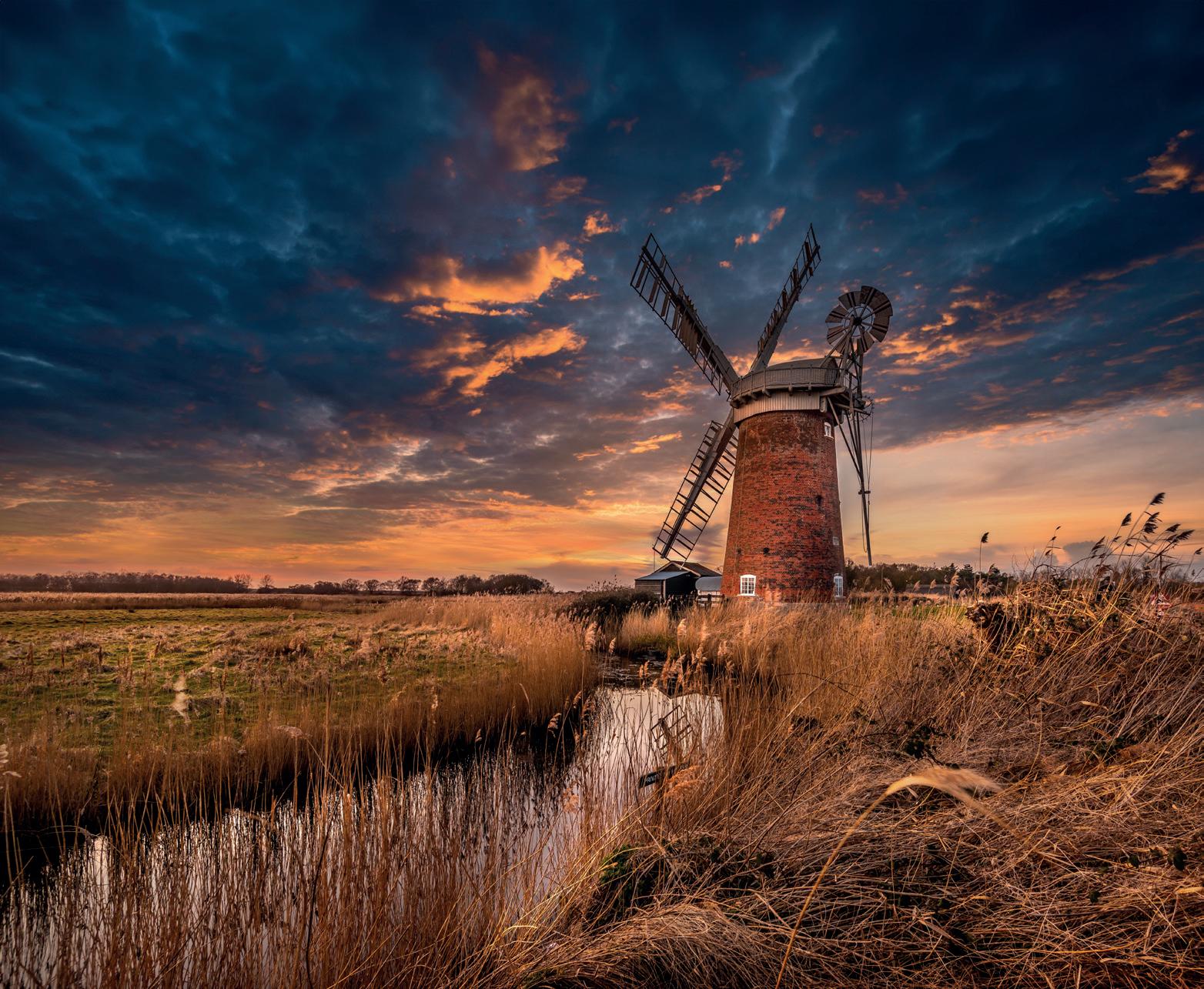
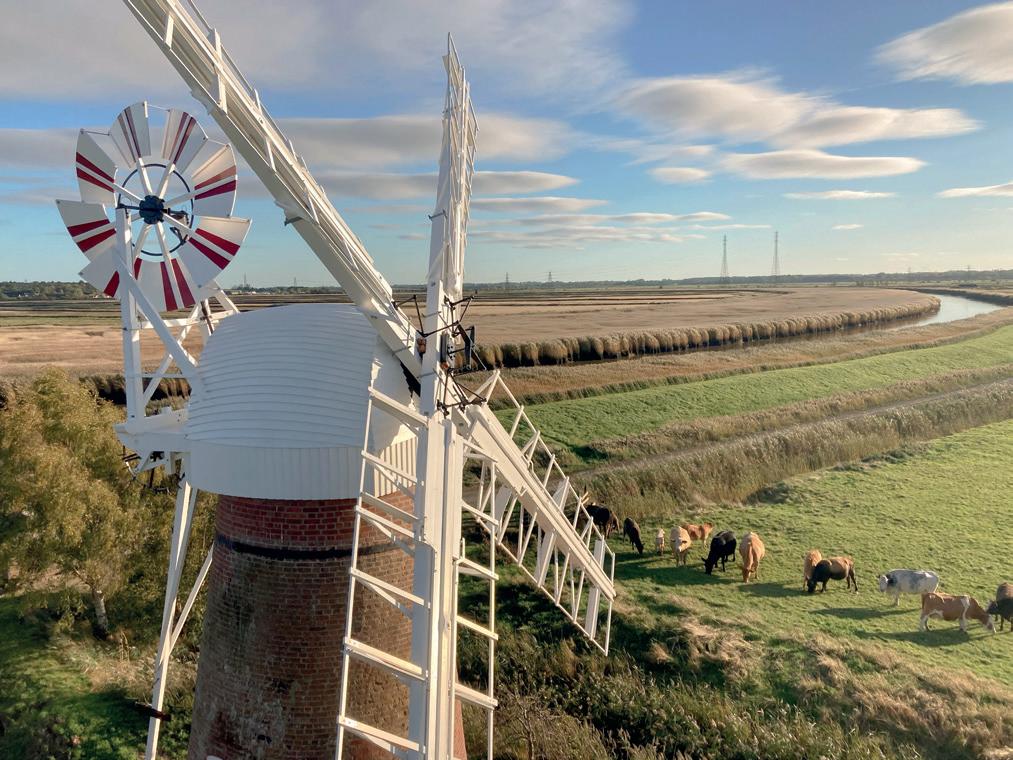
On the Chet side of the Yare, further upstream is Hardley Mill, fully restored and open to visitors (it also offers public events). “If the sails are turning – we are open.” The mill was built in 1874 by Ludham millwright Daniel England. The drainage mills were built to drain the marshes dry enough for keeping cattle. Hardley Mill operated until around 1950 when it was badly damaged and replaced by an electric pump. You can walk to it from Hardley Dyke along the Wherryman’s Way (which changes to the south bank of the Yare at Reedham).
hardleywindmilluk.org
10 Events
Many Broads towns and villages have markets and Loddon is lucky enough to have two. On the second and fourth Saturday each month the Loddon Farmers’ Market is held at The Jubilee Hall, George Lane, 9.30am-1pm, with lots of local produce. southnorfolkandbroadland.gov.uk
Loddon Country Market takes place every Tuesday 10-11.30am at The Hollies, High Street. Look out for homemade cakes, savouries and preserves, and homegrown fruit, vegetables and flowers. Eggs and milk come from a local farm, and there are locally made crafts. facebook.com/LoddonCountryMarket
New for this year, Loddon and Chedgrave Arts Festival takes place 3-5 July, with arts and crafts things to see or do in and around Loddon and Chedgrave. There are workshops and events for all to enjoy, including an arts and crafts environment trail and quiz.
loddonandchedgraveartsfestival.uk
River Yare
Hardley
JAMES BASS
JAMES
BASS
16 Explore the Broads
Accessiblevisits
National parks are for everyone and the Broads is no exception. In fact it offers many options for an accessible day out. Grid references (for example C2) refer to the map on page 6.
Easy access paths and boardwalks
These are often the best way to explore the marshy areas of the Broads and many are on nature reserves. They are suitable for wheelchair users and people with pushchairs.
• Acle to Acle Bridge D3
This path has been refurbished, with Access for All government funding. It’s now 1.5m wide and provides much better access than previously. 01603 756094
• Barton Broad C2 (see page 46), Filby Broad E3, Hickling Broad D2 and Ranworth Broad C3 01603 625540 norfolkwildlifetrust.org.uk
• Beccles Marsh Trail D7 (see page 24)
• Burgh Castle E5 (see page 46) norfolk.gov.uk/accesstested
• St Benet’s Abbey, near Ludham D3 (see page 24) More details on both these historic sites from norfarchtrust.org.uk
• Whitlingham Country Park whitlinghamcountrypark.com
Two-mile fully accessible path around the broad, great for wheelchairs, mobility scooters, bikes and buggies. Off-road mobility scooter available to hire (£5 for 3 hours, book a time slot through the website) for use on the path around the broad and in most areas of the woodlands. The flint barn toilets include a changing places toilet with shower.
For more accessible ways to visit the Broads by land, see page 18 for cycling and horse riding, and page 22 for train travel.
Boat trips, boat hire and other boating activities
Please check with operators for details of wheelchairs and weights they can accommodate.
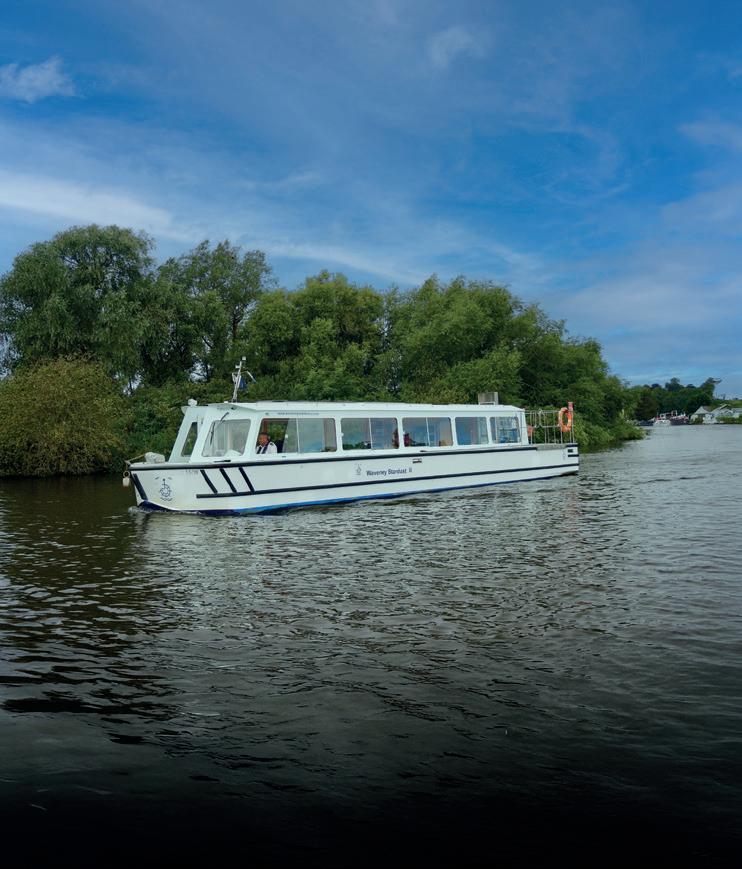
• Beccles – River Waveney – Waveney Stardust D7 Private cruises for groups with at least one person who requires accessible facilities. Single-deck cruiser with ramp and hydraulic lift, designed for wheelchair users and people with other disabilities, for groups of up to 12 passengers, up to six in wheelchairs. Skipper and crew included, galley and accessible toilet, other starting point (Brundall) may be available, book in advance.
07817 920502 waveneystardust.co.uk
• Horning – River Bure – Southern Comfort C3 Takes up to five wheelchair users on its scheduled trips and private sailings. Please book. 01692 630262 southern-comfort.co.uk
Daily trips on a classic boat, based at Martham Boats. Good access for those with limited mobility and room for one wheelchair user. Small group size allows commentary to be tailored to individual needs; popular with visually impaired visitors. Book in advance (by text is best); on the day, you may be able to book at departure point.
07791 526440 wildlife-boat-trips.co.uk
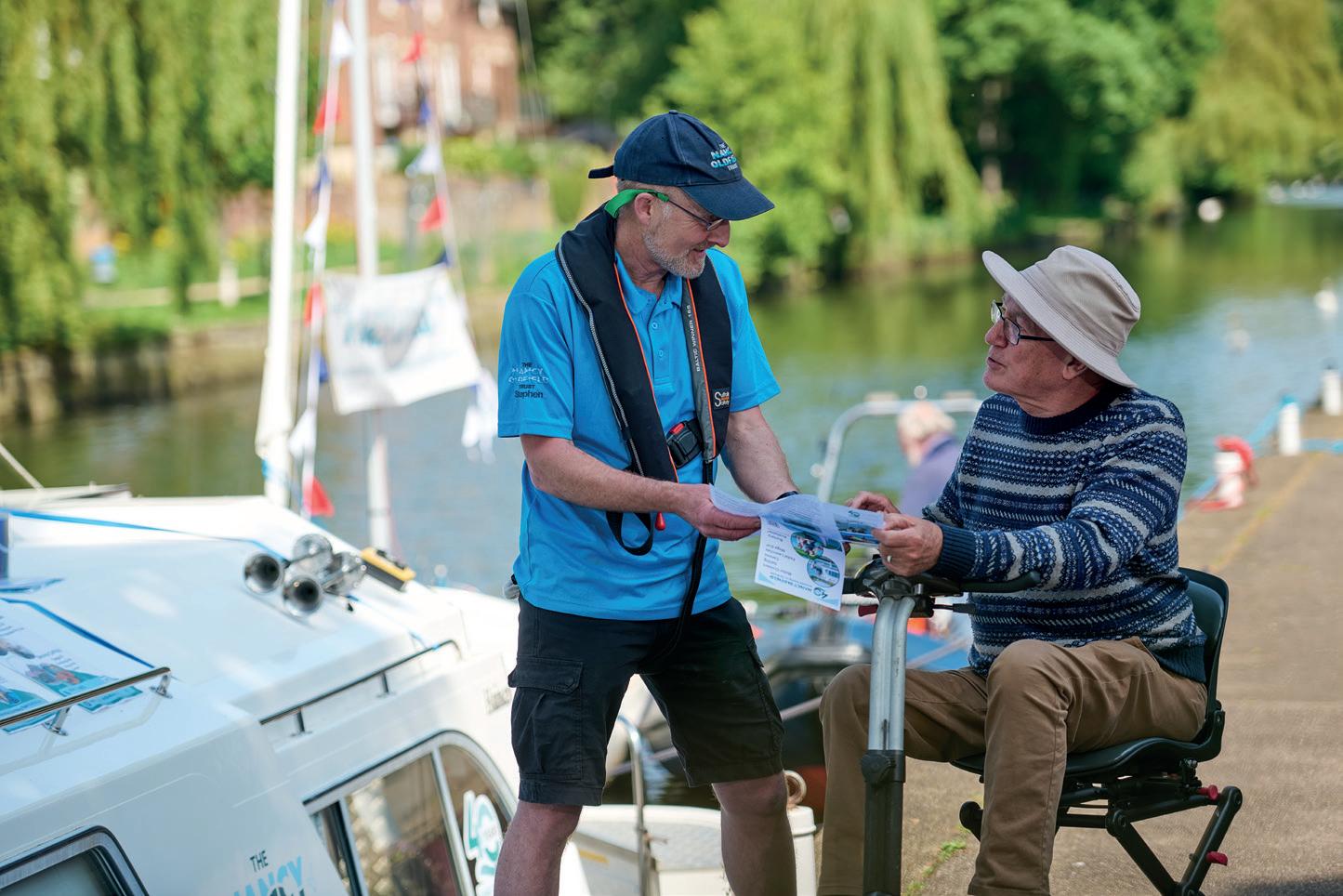
• Neatishead – River Ant – Nancy Oldfield Trust C2 (see picture above right, visiting Norwich). Day activities for disabled and disadvantaged people. 01692 630572 nancyoldfield.org.uk
Let’s hear more about what they offer from the Centre Manager:
“We provide facilities whereby anyone who is disadvantaged in any way, or who has a physical, intellectual, or emotional disability, either temporary or permanent, can enjoy a range of water-based activities. We also offer well-being on the water and there’s lots of wildlife to spot too, including kingfishers, otters and even the elusive bittern!
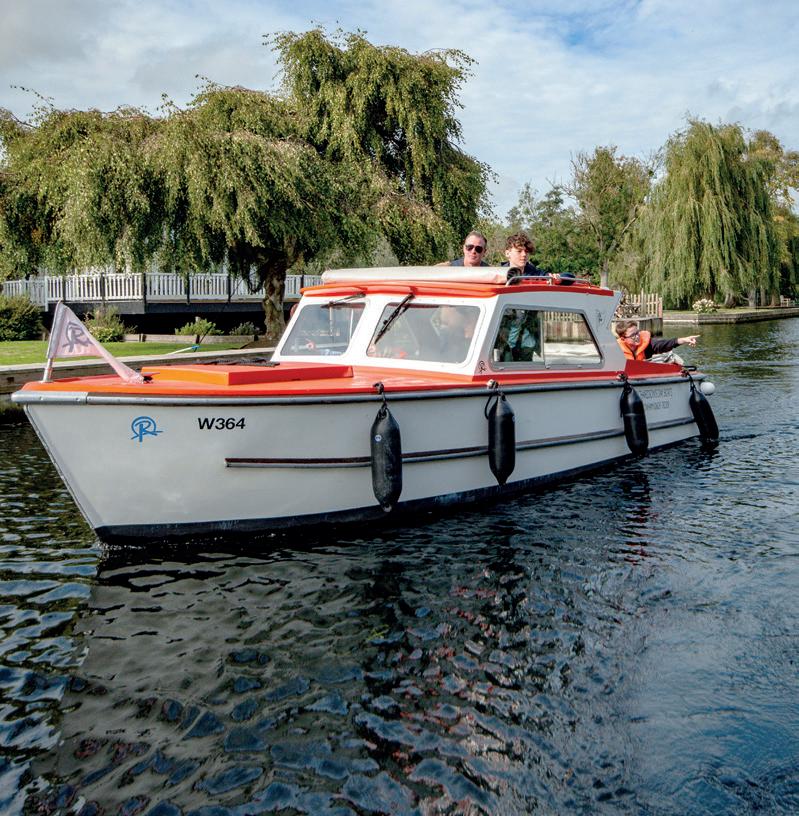
“We have four accessible motor cruisers, two of which are electric. One is at our base in Neatishead, two are at Ludham Bridge and our new electric cruiser, Hazel, is based at Richardson’s boatyard at Stalham, with very easy access for our visitors. All
the rivers Ant, Bure and Thurne, so they are many and varied – they can take in Hunsett Mill on the way to Dilham, How Hill for an ice cream, or go further afield towards St Benet’s Abbey and the hustle and bustle of Horning.
“Our strong sailing fleet (we’re an RYA Training Centre) enables a group of individuals to sail together, improving coordination, communication and team building. Dinghies can all be adapted with supportive seating to enable anyone to sail. Canoes, pedal boats and a mega paddleboard can all be used with supportive seating if required.
“We also have two self-catering holiday houses, designed for guests with physical disabilities. The bungalow at Neatishead sleeps up to 10 people, for weekends and short breaks.
“No one is excluded from any of our water activities, and we welcome both individuals and groups for one-off visits and regular bookings. Family, friends and carers are very welcome too.”
Here's what just one 2025 visitor had to say: “Thank you so much for arranging the boat trip from Stalham on your new boat on Tuesday 12th August at 1.30pm with Georgie and John. I had an amazing experience which is hard to find the words to describe. Being able to move around in my wheelchair without
truly wonderful.”
• Oulton Broad – River Waveney – Waveney River Tours F7
Some capacity for manual wheelchairs – book in advance.
01502 574903 waveneyrivertours.com
• Oulton Broad – River Waveney – Waveney Sailability E7
Club for people with disabilities, offering the opportunity to sail in specially adapted dinghies. 07914 057678 waveneysailability.co.uk
• South Walsham – River Bure – Primula C3
Wheelchair-accessible boat trip (additional charge, book in advance) when you visit Fairhaven Woodland and Water Garden. For best prices, book in advance. 01603 270449 fairhavengarden.co.uk
• Stalham – River Ant – Marsh Harrier C1
Boat trip on an Edwardian-style electric launch, with space for two wheelchair users, based at the Museum of the Broads (see page 47). Booking essential. 01692 581681 museumofthebroads.org.uk
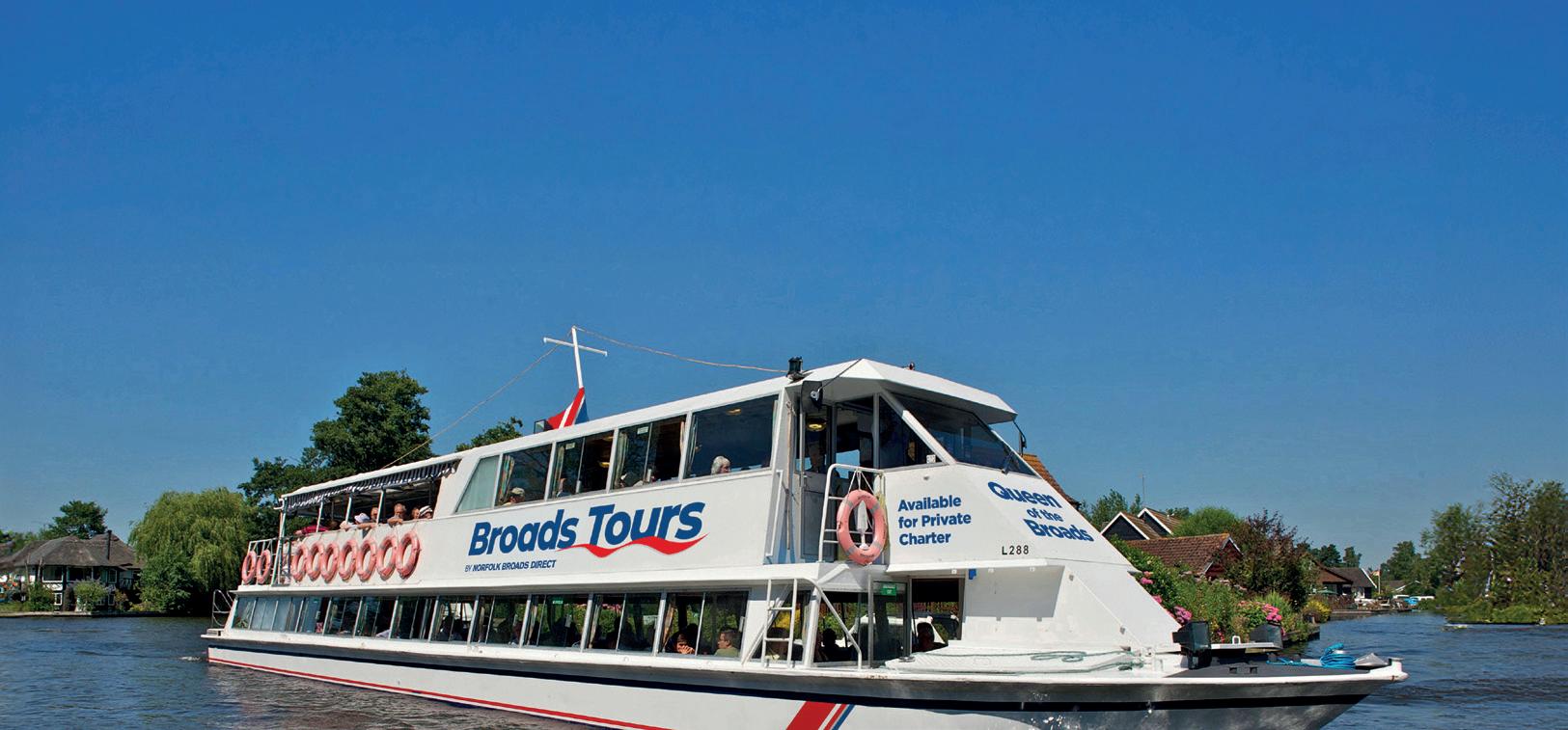
• Wroxham – River Bure – Broads Tours B3
Two river trip boats, one with one manual wheelchair space and one with two spaces. Pre-booking essential. Wheelchair users are situated on the top deck, where there is an accessible toilet on both
boats. There’s also an accessible day boat available for three hours or more, for up to five people, including one wheelchair user.
01603 782207 broadstours.co.uk
Moorings
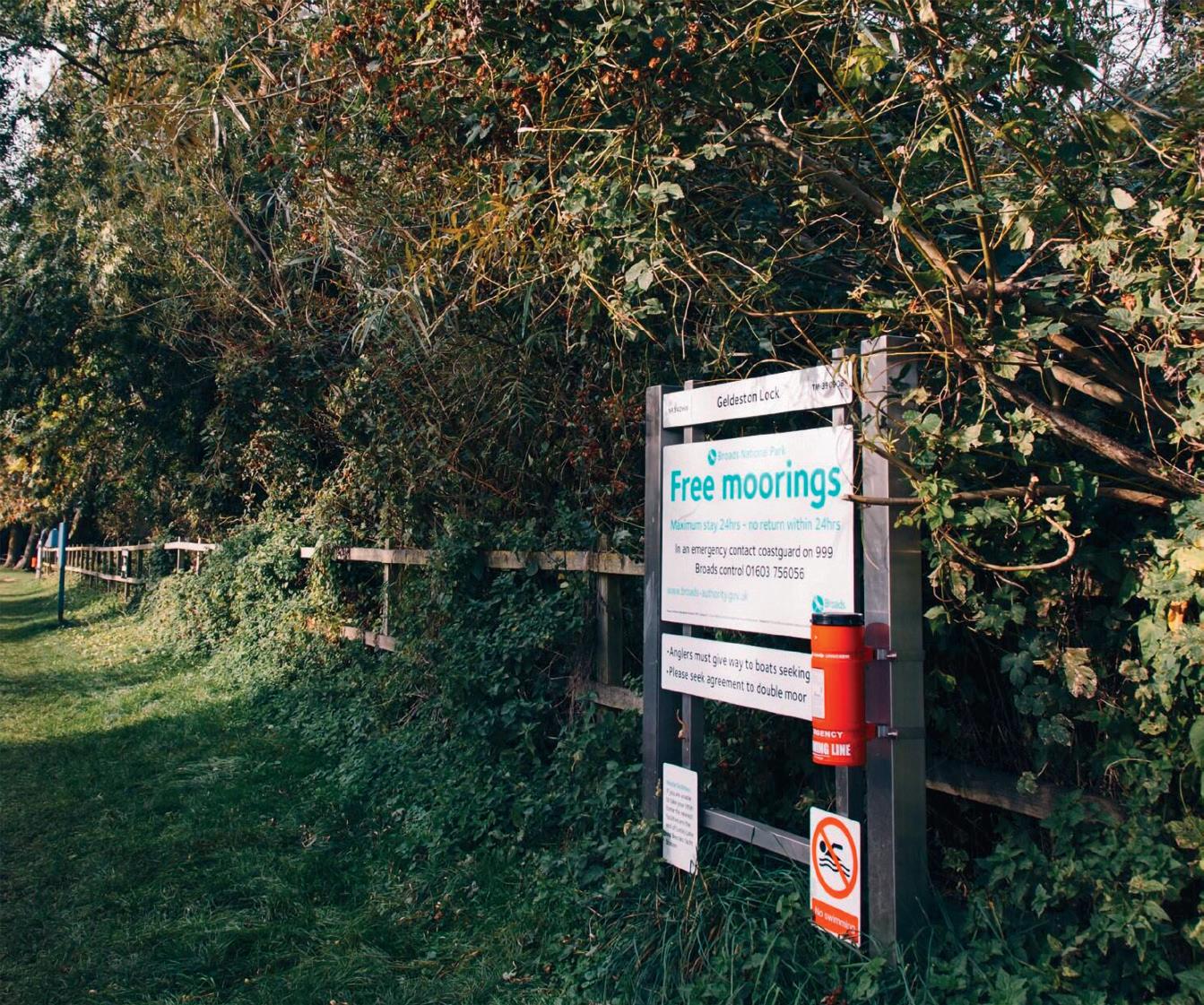
Most Broads Authority 24-hour moorings are level and without steps.
Angling
These places have platforms or other access suitable for wheelchair users. They are free or for use with day tickets. For more angling info see page 25 and these sites:
broads-authority.gov.uk/angling
VisitTheBroads.co.uk/angling
River Yare
• Buckenham Ferry C5
• Postwick – platforms upstream of Ferry Lane B4
River Waveney
• Bungay Cherry Tree Angling Club C7 – membership and day or week tickets from Angling Direct, Beccles 01502 713379 and other local outlets; membership is required for some accessible sites bungaycherrytree.co.uk
• Ellingham – 1 platform C7
• Worlingham Staithe – platforms E7
River Bure
• Upton Dyke D3
River Thurne
• Ludham – Cold Harbour Farm D3
• Martham Pits E2 – day tickets from Co-op shops in Martham – The Green, 01493 740230 and Repps Road, 01493 740190 marthamdistrictac.weebly.com
• Potter Heigham – south-east (Martham) bank, upstream of the New Bridge – 10 platforms D2 Trinity Broads
• Filby Broad – on one boardwalk E3
• Rollesby Broad E3
VisitTheBroads.co.uk/access
Accessible days out – on video
Watch our video highlighting some of the more accessible places to visit in the Broads National Park – it’s available on YouTube youtube.com/watch?v=4KvfMlZ416g or scan the QR code to watch.
JULIAN CLAXTON
18 Explore the Broads
Pedal power
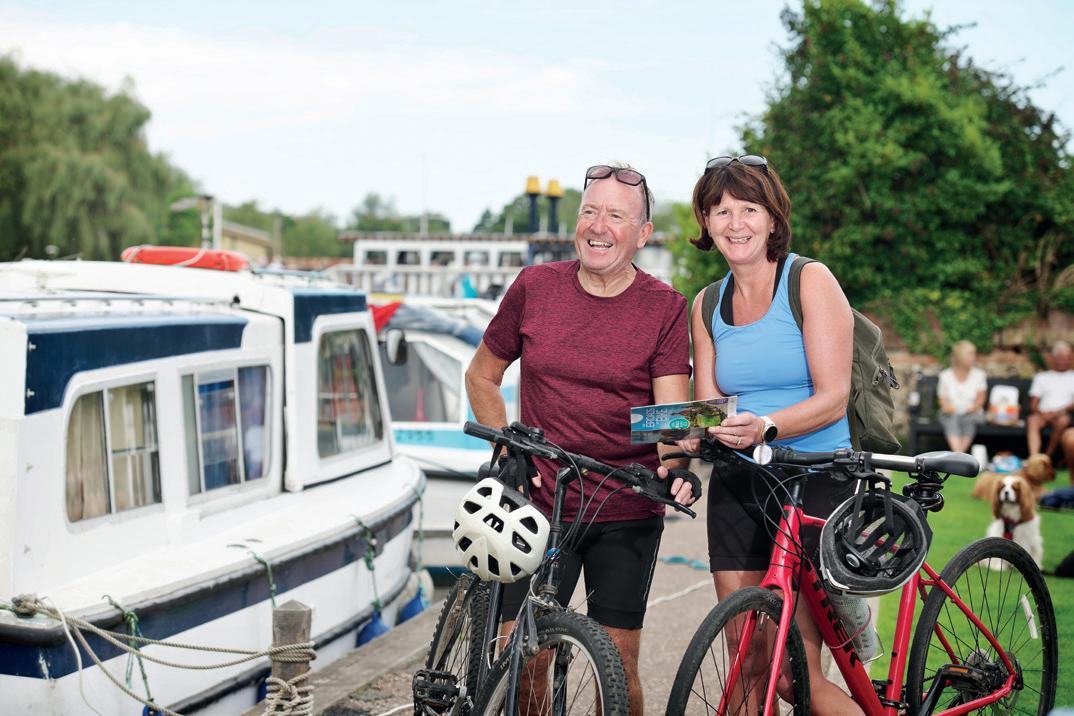
With beautiful countryside, gentle slopes and quiet lanes, the Broads is perfect for cycling, whether you have your own bike or you’re hiring. Most bike hire centres are open from Easter or April to October. They may have tandems and electric bikes. If you have an electric bike, hired or your own, there are secure, lockable, solar-powered charging points (bring your own charger) available at Salhouse Broad (B3), Reedham Ferry (D5) and Carlton Marshes (E7). Consider what clothing, footwear and equipment you may need. Hire centres may supply maps.
Bike hire centres
Clippesby Hall 01493 367800 clippesbyhall.com D3
Coltishall – Bure Valley Cycle Hire, Bure Valley Railway Station 07824 992513 burevalleycyclehire.co.uk B2
Horning – Norfolk Broads Cycling Centre at BeWILDerwood, delivery service, 07747 483154 norfolkbroadscycling.co.uk C2
Somerleyton Cycles, lifts from moorings and rail station, 01502 732004 somerleytoncycles.com E6
Bure Valley Railway and Path B2
Find out about the path for walkers and cyclists on page 14.
Wind power… for sailing
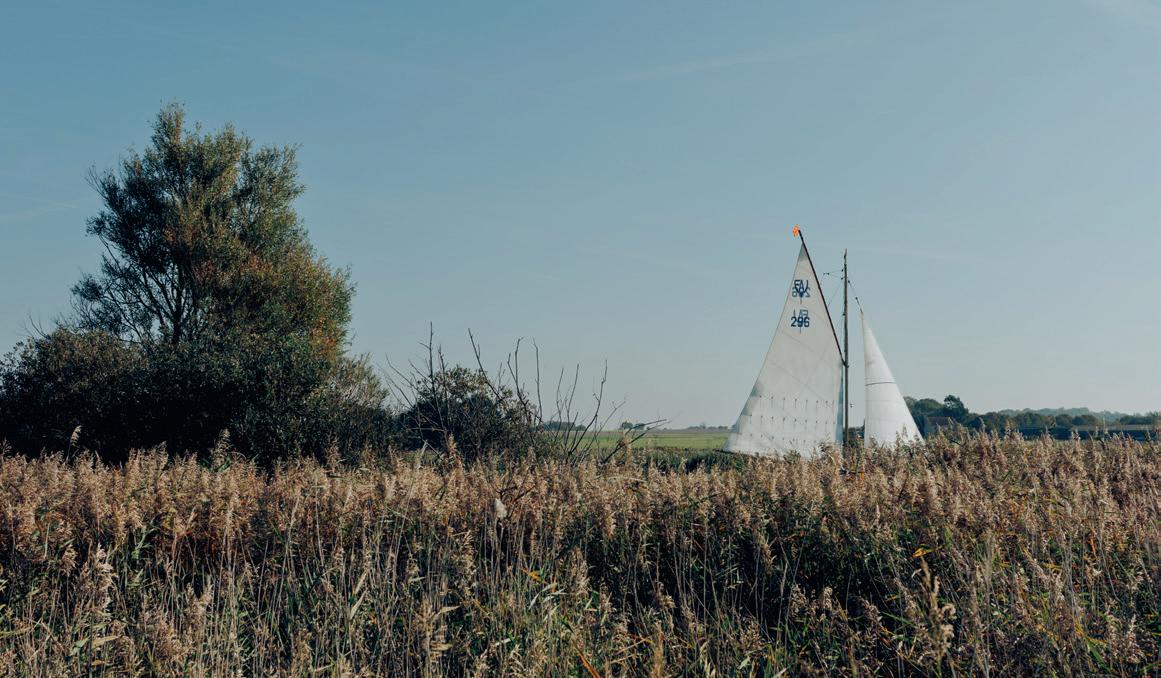
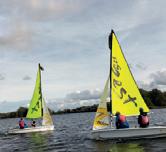
Aday out or a visit to the Broads is a great opportunity to have a go at sailing and experience the energy of the wind. Training centres and sailing clubs are keen to welcome you and share their love of the open water.
The RYA (Royal Yachting Association) also has lots of information about taster sessions, courses and clubs to help you get started with sailing, windsurfing and other activities. Places listed are all RYA Training Centres or otherwise affiliated to the RYA. More details from 023 8060 4100 or rya.org.uk
• Barton Turf Adventure Centre 01692 536411 btac-services.co.uk C2
• Norfolk Broads Yacht Club Wroxham 01603 782808 nbyc.co.uk B3
• Norfolk Punt Club
Barton Turf puntclub.co.uk C2
• Norfolk Schools Sailing Association Filby nssa.co.uk E3
• Oulton Broad Water Sports Centre 01502 558487 obwsc.co.uk F7
whitlinghamadventure.org.uk B4
Taster sessions, courses, craft hire, group activities, outdoor learning and clubs – activities include sailing, windsurfing, paddlesports, raft building, climbing, orienteering, team challenges, first aid and water safety
VisitTheBroads.co.uk/sailing
JULIAN CLAXTON
JULIAN CLAXTON
PRE-BOOKED CRUISES ONLY
Choose
Any
Groups of up to 12 people of all ages and abilities are welcome. At least one person must meet our eligibility criteria (di culty using a standard boat) to qualify for subsidised rates •
Any time between 9am-3pm
Private Charters are available 7 days per week incl. evenings.
Charter groups do not need to meet our eligibility criteria.
Waveney Stardust is a charity run completely by volunteers. We welcome your application if you would like to join us.
20 Explore the Broads
Paddle
power
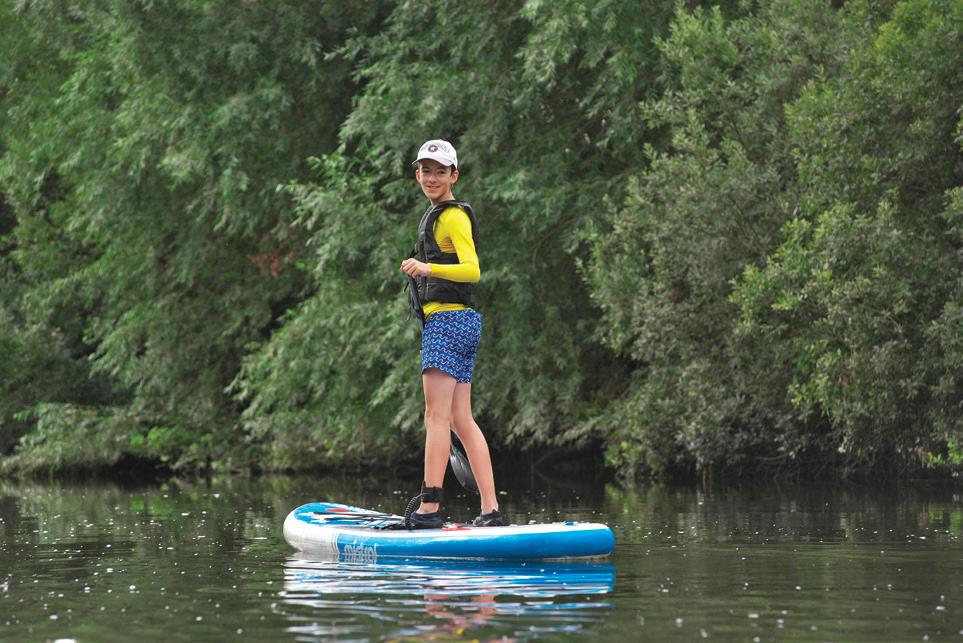
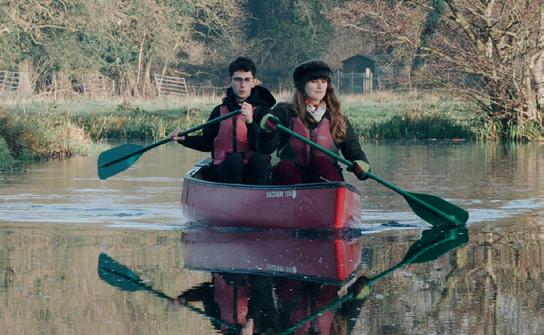
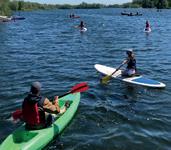
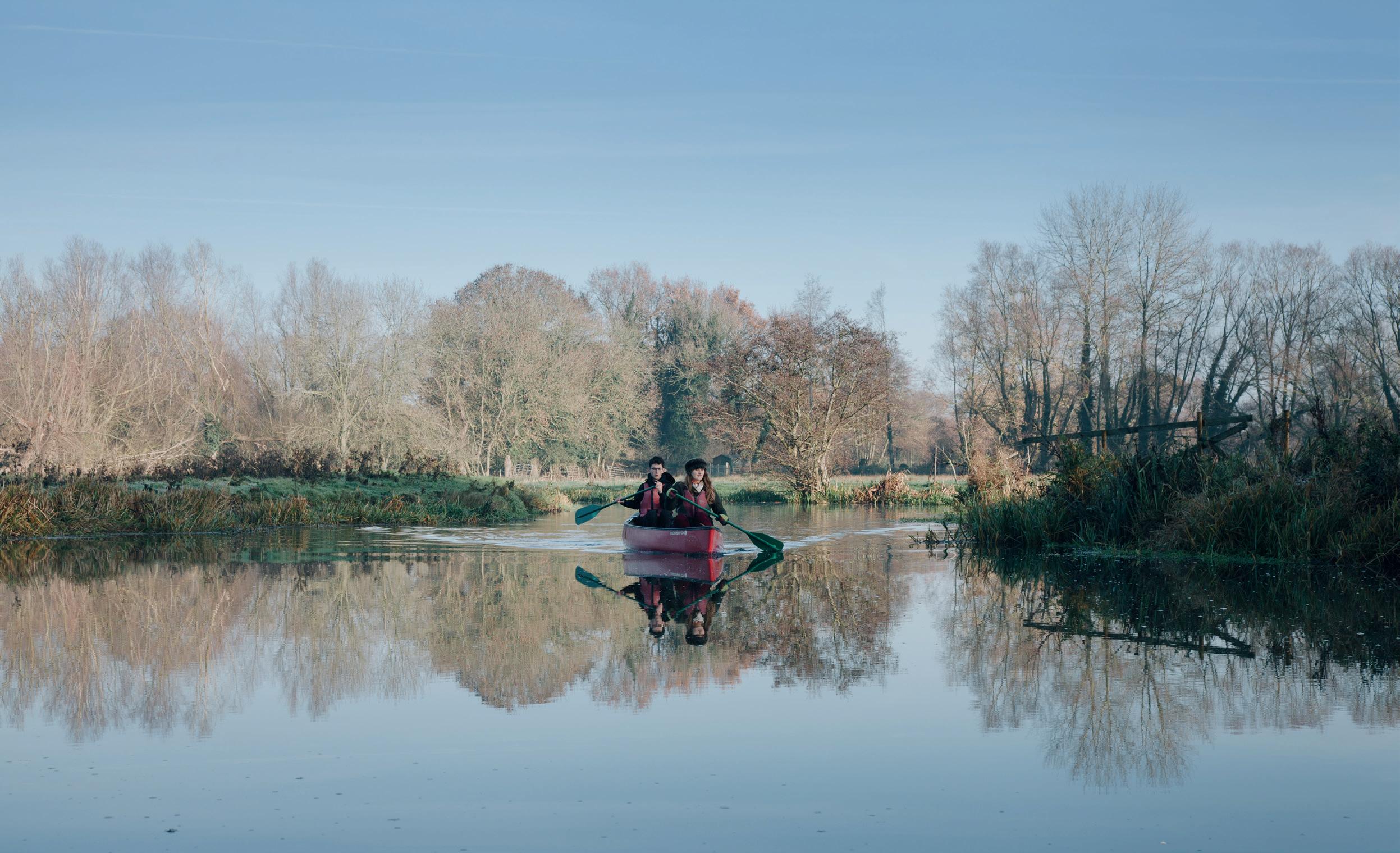
Exploring by paddlecraft (paddleboats, canoes, kayaks and paddleboards, including inflatables) is a great way to discover this fragile wetland and get closer to the wildlife, and canoeing on the Broads is suitable for all the family. Whether you’re hiring or have your own craft, please put safety first – always.
• Read the Boating Basics guide in Broadcaster, see page 29, for advice relevant to all. It includes a map on the centre pages. Wherever you are on the Broads, you must take account of local conditions at the time and put safety first.
• Watch our Boating Essentials video guide to paddlesports broads-authority.gov.uk/boating-essentials
• Stick to the right-hand side of the waterway and if you’re in a group keep together, unless it’s unsafe to do so
• For one-hour, three-hour and six-hour return trails go to VisitTheBroads.co.uk/canoe-hire
• Paddle UK also has routes, together with lots of other interesting and useful info and advice for all types of paddlecraft, on gopaddling.info
• We recommend all paddlecraft keep off the lower reaches of the rivers (which have stronger currents and tides, and more powered boats). The lower reaches are the stretches of river approaching the sea at Great Yarmouth, so, beyond Acle Bridge on the Bure, beyond Reedham Bridge on the Yare and beyond the Broads Authority moorings at Somerleyton on the Waveney. If you do canoe downstream beyond these places, you need to be extremely experienced, fit and able.
• Paddlesports allow exploration of the headwaters (less tidal waters). Please respect nature reserves and private land, as most smaller channels leading
off from the rivers and broads do not have a public right of access. In the spring and summer, please paddle away from the edges of waterways to minimise disturbance to breeding birds.
TAKE CARE EVERYONE!
• All paddlers should wear a buoyancy aid
broads do not have a public currents
Hire centres
• All paddleboarders should wear a buoyancy aid and a safety leash
• During warmer spells you may see a blue-green colouration on the water. This can indicate the presence of toxic bacteria. Don’t paddle in areas where bluegreen algae may be present and avoid coming into contact with it or ingesting it, as it can lead to unpleasant symptoms and diseases. Be aware of local signs and instructions. One waterborne disease to be aware of is leptospirosis (Weil's disease). You can reduce the chance of becoming ill by covering open wounds, avoiding swallowing the water, washing your hands before eating or drinking and showering after paddlesports. If you start to feel unwell after taking part in paddlesports, please seek urgent medical advice.
• Paddleboarders, please be aware that you are especially vulnerable to winds, currents and tides. You are also more likely to fall into the water.
• For canoe hire centres (mostly open from Easter or April to October) go to VisitTheBroads.co.uk/canoe-hire
• Canadian canoes usually carry two or three adults, but please check with the centre, where they will also advise you on routes
• Some centres offer paddleboards and other paddlecraft, plus related activities and facilities
Builders of bespoke river, estuary and coastal cruisers
Mooring, winter storage, refurbishment, craning, servicing, full valeting
Thorpe Marina, Griffin Lane, Thorpe St Andrew, Norfolk NR7 0SL
• All centres are monitored for safety by the Broads Authority as part of the licensing agreement
• Don’t deliberately capsize
If you have your own paddlecraft
These points apply to all canoes, kayaks and paddleboards (including inflatables) that are used on the Broads.
• You must have an annual or short visit licence for your paddlecraft. Visit broads-authority.gov.uk/tolls. Alternatively, if you are a member of Paddle UK, you can paddle for free on the Broads and other UK waterways, provided you are able to show proof of your membership. paddleuk.org.uk
• Follow the canoe manufacturer’s guidance on carrying capacity
• Be aware of biosecurity and help stop the spread of invasive species. Check out the Check Clean Dry
Wild swimming
The Broads Authority does not recommend swimming in the Broads, except as part of an organised event. For more information please go to broads-authority.gov.uk/boating/navigating-thebroads/outdoor-swimming
JULIAN CLAXTON
22
Explore the Broads
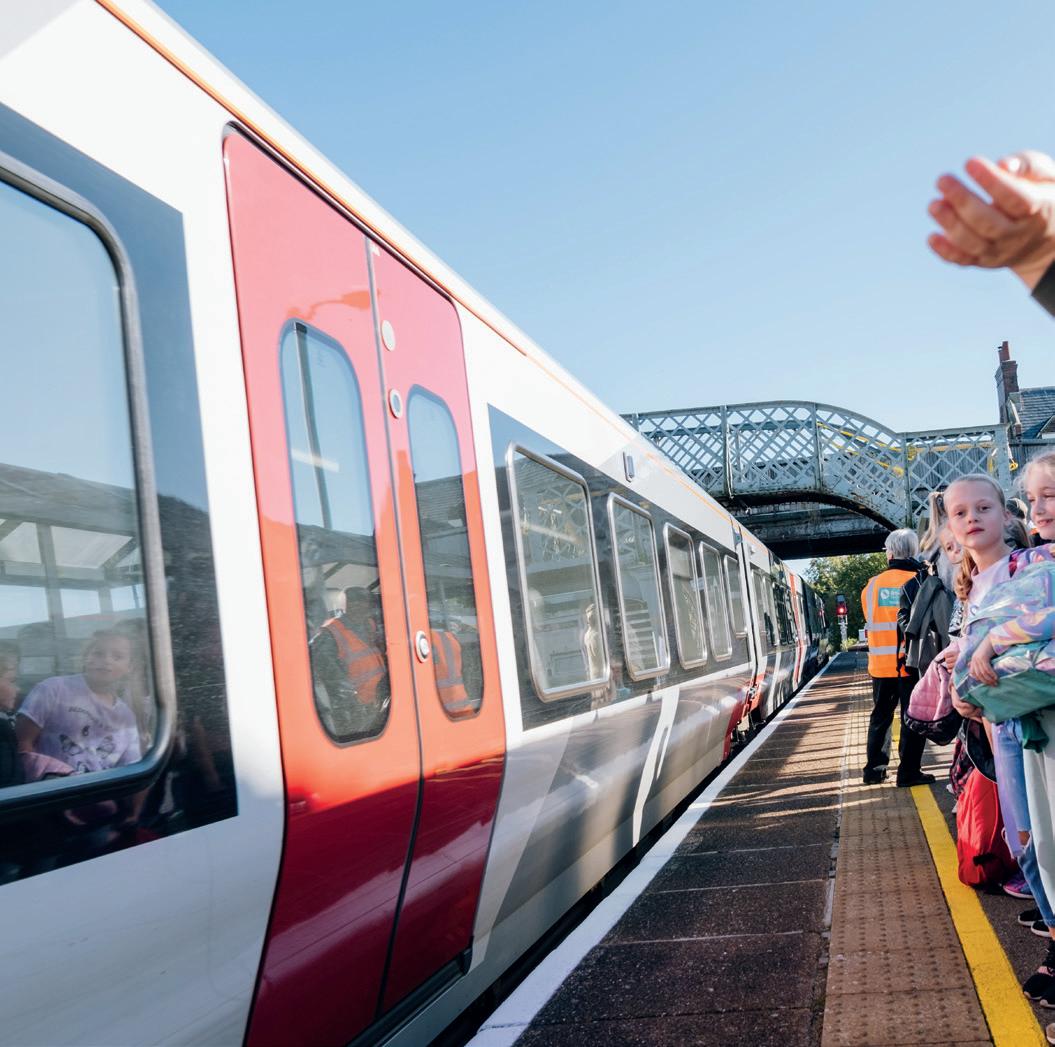
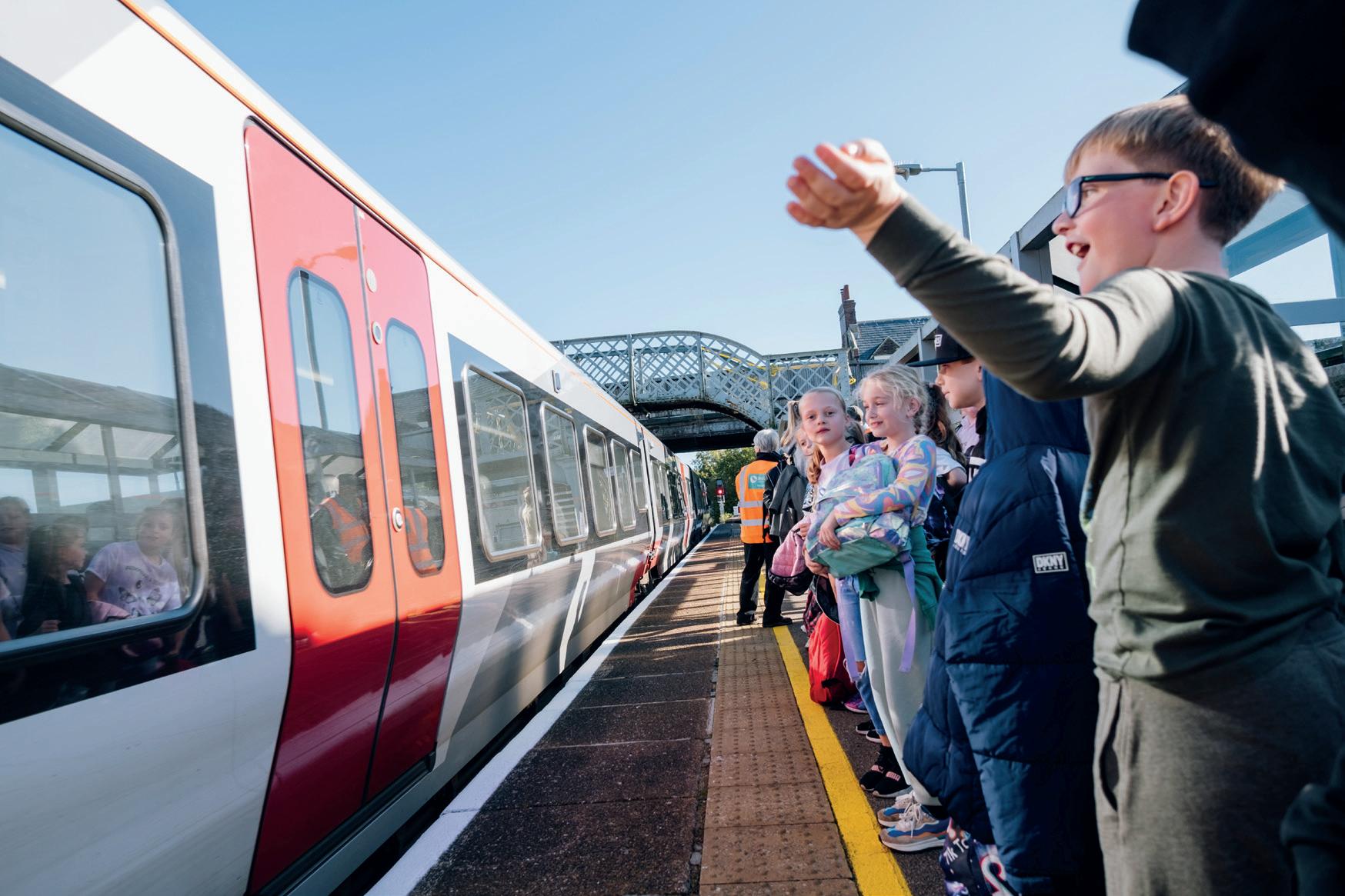
Last year hundreds of school students enjoyed trips to the Broads by train to highlight rail as one of the easiest and most environmentally friendly ways to visit this protected landscape, with free travel provided by Greater Anglia, working with the Bittern and Wherry Lines Community Rail Partnerships.
Students from Norfolk and Suffolk primary and secondary schools and colleges enjoyed trips by train to explore nature reserves, open marshes and riverside paths, with the opportunity to see some of the area’s rare wildlife – soaring marsh harriers, otters playing in the water, kingfishers diving from riverside branches, dragonflies, damselflies and even the incredibly rare swallowtail butterfly. The project was part of the National Park Capability Fund, supported by Active Travel England. activetravelengland.gov.uk
Now it’s your chance to make the journey part of your holiday or day out with travel by rail.
So many Broads destinations can be reached by rail, from the city and the coast to small villages like Worstead (home of worsted cloth, woven in the village during the Middle Ages) and Somerleyton (with Somerleyton Gardens to visit). We also have one of the most remote stations in England – the tiny Berney Arms, a ‘request’ stop. You can see how the landscape changes as you travel and if time is short, you can see a lot of the Broads even on a day trip. Seven of our local stations were recognised in Greater Anglia’s 2025 Station Adopter Awards, thanks to the work of community volunteers.
The bitternline.com, wherrylines.com and eastsuffolklines.co.uk sites have lots of walks and ideas for places to visit from stations (some may require a walk to reach them), with links to greateranglia.co.uk for timetables and tickets. Please check timetables very carefully, as service times vary throughout the day, may be infrequent and may change. Fares may also change. You’ll find
Catch the ferry or wherry… and other small boat trips
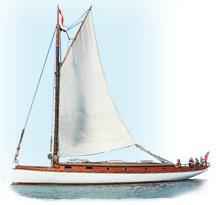
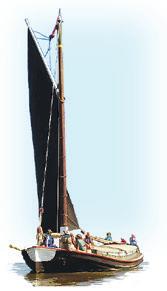
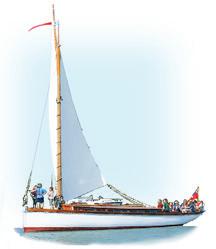
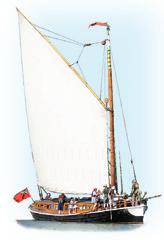
Ferries and other small boats are part of the history of the Broads – they were essential for getting people and goods around. Wherries started out as cargo boats, later some were converted to leisure use and then pleasure wherries and wherry yachts were built.
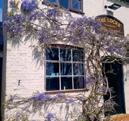
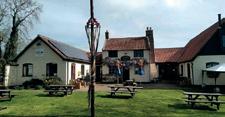
Beccles – trips along the River Waveney between Beccles Lido and the Locks Inn, Geldeston 01502 801891 bigdogferry.co.uk D7
Burgh St Peter – ferry across the River Waveney between Waveney River Centre and Carlton Marshes Nature Reserve 01502 677343 (enquiries) or 07500 571232 (on demand service) carltoncolvilletowncouncil.gov.uk E6
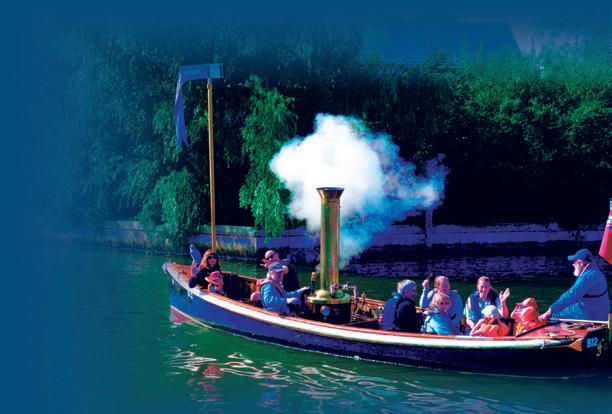
Hoveton/Wroxham – Ra B2 – see page 7
How Hill, Ludham – Electric Eel C2 – see page 10
Martham D2 – see page 16
travel Active
walks from many Bittern and Wherry Lines stations under Railway Rambles in Short and circular walks on norfolk.gov.uk/trails
The Bittern Line goes north from Norwich to Sheringham on the North Norfolk coast, passing through the northern Broads, while the Wherry Lines
Reedham – vehicle chain ferry across the River Yare to the Loddon and Chedgrave area 01493 700999 reedhamferry.co.uk D5
Rollesby Broad – trips from The Waterside 01493 740531 thewatersiderollesby.co.uk E3
South Walsham – trips on board Primrose (additional charge) when you visit Fairhaven Woodland and Water Garden 01603 270449 fairhavengarden.co.uk C3 and see page 17
Stalham – C1 see pages 17 and 47
go east and south, one branch to Great Yarmouth and the other to Lowestoft, from where the East Suffolk Lines continue to Beccles and then further into Suffolk. The map on page 6 shows lines and stations and for public transport details, see page 60. Why Bittern and Wherry? The bittern is one of
What better time to take a trip on Hickling, the largest of the broads, than in this, the 100th anniversary year for Norfolk Wildlife Trust (NWT)?
You can also enjoy walks on the reserve and see Stubb Mill. Or take the Weavers’ Way from Potter Heigham. It skirts the south side of the broad and passes the last eel sett in the Broads at Candle Dyke. norfolk.gov.uk/trails
You can celebrate further at NWT’s very own pub – the Pleasure Boat Inn at Hickling. thepleasureboathickling.com
Wherries
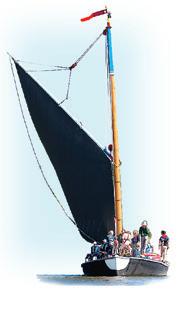
Enjoy public visits and sailing trips, or hire a whole wherry for a day, a weekend or holiday. Volunteers are always welcome, to keep the wherries and their history afloat. Find out more about wherries in Puzzleland – see page 59.
• Albion and Maud are based at Ludham wherryalbion.com wherrymaudtrust.org D3
• Hathor, Ardea, Olive, Norada and White Moth are based at Wroxham, 01603 781475 wherryyachtcharter.org B3
VisitTheBroads.co.uk/boat-trips
JULIAN CLAXTON
TOM BARRETT
Explore the Broads 23
the rarest Broads birds – it moves silently through reeds looking for fish and in spring the males make a booming noise. Wherries were the traditional cargo boats used on the Broads and many travelled to and fro between Norwich and Great Yarmouth (find more about wherries in Puzzleland, page 59).
Three places to explore from stations
Norwich on the Bittern Line and the Wherry Lines
The present station building (which dates from 1886) is full of historic interest and is right opposite the River Wensum, part of the Broads where it flows through the city. If you’re exploring by boat rather than train, our Norwich Yacht Station is close by, see page 29. The river was at the heart of the very development of the city – vital for defence and trade. The Riverside Walk will help you explore. The grounds of Norwich’s Anglican cathedral adjoin the river and it’s a short walk to the historic market, museums and more medieval churches than in any other city in Western Europe north of the Alps. visitnorwich.co.uk
Berney Arms for Halvergate Marshes on the Wherry Lines
This is a great station for walkers – it’s on the Wherryman’s Way and Weavers’ Way (see page 25), as well as the River Yare. Use the adjacent stations on the line at Great Yarmouth or Reedham to journey by train one way and walk the other way, explore the Halvergate Mills Trail (Berney Arms Mill is close to the station) or just enjoy the expanses of the marshes and their wildlife, including the RSPB’s
Berney Marshes and Breydon Water nature reserve (see more on page 27). If you want to get away from it all, this is a place for you, but please plan your visit carefully, there is no road access. For boaters, there are moorings at Berney Mill. watermillsandmarshes.org.uk rspb.org.uk
Oulton Broad
Oulton Broad North is on the Wherry Lines and Oulton Broad South is on the East Suffolk Lines There are boat trips (see page 17) and day boats for hire, or you can explore Lowestoft Museum in Broad House, within Nicholas Everitt Park on Bridge Road. It’s probably best known for its important collection of 18th-century Lowestoft porcelain. More recently, the park hit the headlines when it was one of several locations to attract Banksy artworks during his ‘Summer Spraycation’ in 2021. “We’re all in the same boat” can still be seen on a bridge in the park. You can also see Mutford Lock, close to the park. It was constructed in 1828 as part of a scheme to provide Lowestoft with a direct route to Norwich, avoiding the high tolls charged by Great Yarmouth at the time. The scheme included opening Lake Lothing to the North Sea to provide a harbour. The lock connected Lake Lothing with Oulton Broad, providing controlled navigational access on to the broad and now provides access for private boats between the North Sea at Lowestoft and the Broads. From either station you can take a walk to Suffolk Wildlife Trust’s nature reserve at Carlton Marshes (about 20 minutes from the South station and about 40 minutes from the North station). It has good accessible routes and a visitor centre with cafe.
thesuffolkcoast.co.uk suffolkwildlifetrust.org
Independent boatyard with boating holidays starting on the Southern Broads at Loddon
Two berth up to 8 berth • Pets welcome
01508 520321 • Competitive prices & personal service • All cruisers proudly maintained
BILL SMITH
TOM BARRETT
Dream, Explore, Discover
High quality Giclée prints of the ethereal & atmospheric paintings by David Dane.
Explore the Broads
Here’s a taste of some long, short and medium walks to get you started. See More info on opposite page for many more walks on the websites listed. For guided walks and other outdoor events, have a look at What’s on, see page 55.
One step at a time
• Staff at our information centres at Hoveton, Ranworth and How Hill (see pages 7, 9 and 10) have lots of guides and Ordnance Survey maps to help you. Check routes and local conditions before you set off.
• Consider what clothing, footwear and equipment you may need – see the What’s on page for basic guidance.
• If you’re taking your dog walking, please read the guidance on page 60, where you’ll also find public transport info.
• If you’re on a path please keep to it (walkers can also use bridleways), and follow signs or other guidance for gates, gateways and car parks.
Broadswalks
Rivers Ant and Bure
How Hill to St Benet’s Abbey circular walk, about 7.25 miles, C2
Go to VisitTheBroads.co.uk/walking for a map of the walk and shorter options.
Start: Toad Hole Cottage, How Hill, Ludham NR29 5PG (see page 10); moorings at How Hill, Horning Marshes and St Benet’s Abbey. The very small car park at the abbey has spaces for disabled visitors: St Benet’s Abbey, St Benet’s Road (off Hall Common Road), Ludham NR29 5NU.
The abbey was the only one in the country never to be formally dissolved and the Bishop of Norwich is still the Abbot of St Benet’s. An annual open-air service takes place at the abbey on the last Sunday in July (26 July 2026 at 3.30pm) and everyone is very welcome to attend. The bishop
arrives for it on board a sailing wherry – the flotilla is expected to arrive about 3.20pm. There are guided tours of the abbey at 2pm on Wednesdays and Saturdays from June to September. norfarchtrust.org.uk
Wildlife to look out for: Raising water levels at Buttle Marsh (on the route) will restore peat forming conditions and make it a more valuable fen habitat, as attractive as possible for wildlife. Buttle is an old local name for a bittern.
River Bure
Upton Broad and Marshes, about 4.5 miles, D3 You’ll find maps on norfolkwildlifetrust.org.uk and watermillsandmarshes.org.uk
Start: Upton Staithe car park, Boat Dyke Road,
This is a lovely walk, with both woodland and riverbank views. You can go into Norfolk Wildlife Trust’s nature reserve, see its clear waters and explore its mysterious fen and woodland. It’s a place that feels a bit of a hidden world of its own. The bird hide is a good vantage point. On the walk you’ll have views of several drainage mills: Palmer’s, St Benet’s Abbey (and the abbey itself), St Benet’s Level, Thurne, the Tall or Upton Black, Oby and Clippesby, and you’ll get a real feel of how they influenced the landscape. Mills were sometimes named after the level or flat area of land they drained. Wildlife to look out for: grebes on the water and lapwings on the marshes, also marsh harriers, Chinese water deer, water voles, butterflies and dragonflies, including the Norfolk hawker
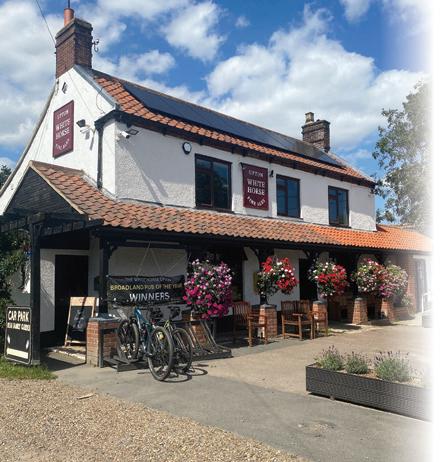
From Upton Dyke you can also walk south along the River Bure to Acle Bridge. Cross over the bridge for refreshments from Twin Bakes, based at the Acle Bridge moorings (with refurbished toilets). The team looks forward to welcoming visitors with a range of hot drinks and tasty food. For more Upton walks, starting from the White Horse community pub, go to whitehorseupton.com/services-8
River Waveney
Beccles Marsh Trail, about 4 miles, D7
Go to VisitTheBroads.co.uk/walking for a map, including a shorter accessible route.
Start: Beccles Quay car park, Fen Lane, Beccles NR34 9BB or the car park on the northern side of the A146 roundabout; moorings at Beccles South Bank; there are toilets and refreshments at Beccles Quay.
The marshes are grazed by cattle and are crisscrossed by small dykes. You’ll also pass the site of an Iron Age causeway on the route. Causeways constructed of faggots or gravel were maintained to provide access for wheeled carts. The causeway also
TOM BARRETT
TOM BARRETT
Explore the Broads
More info
The Broads has over 190 miles (300km) of footpaths for you to explore. Whether you’re looking for accessible paths (see page 16), village or town strolls, walks from moorings, walks with a historic site to explore, walks for wildlife (including many on nature reserves), walks for dogs, walks linked to public transport or walks that take in many of these elements and more, you’ll find them in the Broads.
VisitTheBroads.co.uk/nature-reserves norfolk.gov.uk/trails (long-distance routes and other walks)
Long-distance routes
has evidence of later Roman additions. If you want a longer walk, the Angles Way continues along the River Waveney from Beccles to Suffolk Wildlife Trust’s Carlton Marshes Nature Reserve. You can catch a train back to Beccles from Oulton Broad South Station.
• The Weavers’ Way passes though the northern Broads and then goes on to North Norfolk
• The Norfolk Coast Path takes you through the Broads at Horsey and Winterton
• The Wherryman's Way follows the River Yare from Norwich to Great Yarmouth
Relax by the water
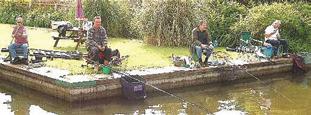
The Broads is a great place to try angling and the Angling Trust anglingtrust.net has lots of information to help you get started. The coarse fishing season runs from 16 June to 14 March every year and you must have a current Environment Agency licence, available from gov.uk/fishing-licences. Bream, perch, pike, roach, rudd, tench and eel are the likely catches. You’ll find many local fishing tackle shops and if you’re a beginner they’ll be happy to advise you. Take unwanted tackle home. Discarding it can cause problems for wildlife. For disposal facilities go to broads-authority.gov.uk/waste
You can fish from the bank or from platforms, or you can hire a boat. Some boatyards hire day boats specifically for fishing and you’re allowed to fish in most of the Broads waterways provided there is public access. Please remember, you are not allowed to fish from a moving boat under motor power or sail. Angling is allowed from most Broads Authority 24-hour moorings (see map on
Wildlife to look out for: in spring coots, moorhens and swans nest in the dykes; birds of prey such as kestrels, harriers, buzzards and owls may be hovering, looking for small mammals 01502 712109 becclestowncouncil.gov.uk 01502 359480 suffolkwildlifetrust.org centre pages) but please make way for boaters and canoeists if you’re at a mooring. For accessible fishing locations suitable for wheelchair users see page 17. For more angling details go to our websites: broads-authority.gov.uk/angling (includes map) VisitTheBroads.co.uk/angling
• The Angles Way goes south from Great Yarmouth and into the Suffolk Brecks discoversuffolk.org.uk alltrails.com komoot.com outdooractive.com
JULIAN CLAXTON
TOM BARRETT
TOM BARRETT
Broads Society
We can all be part of the ‘Broads Society’ –anyone who loves the Broads. The beautiful and diverse Broads National Park offers so much to see and do for everyone.
It’s resilient and adaptable, but also fragile, and needs everyone’s support to safeguard its future for generations to come. The Broads Society is a local charity aiming to do just that, welcoming support from visitors, local people and local businesses.
As one of its projects the Broads Society is creating a network of discovery hubs for visitors, linked by footpaths, cycle routes and waterways. The hubs aim to inspire, inform and initiate adventures, highlighting the best ways to discover the landscape, wildlife and history of the Broads sustainably. The first three hubs opened at Salhouse Broad (B3), Beccles Quay (D7) and South Beach Parade, Great Yarmouth (F4). The Salhouse hub includes a stargazing net where you can lie back and discover the dark skies and bright stars over the Broads, thanks to the low levels of light pollution. salhousebroad.org.uk
The latest hub to open is at Great Yarmouth Railway Station (F4) – you can travel sustainably to the Broads, then find more inspiration for your visit, using sustainable travel to get around. Rail travel is closely linked with the early development of the Broads as a holiday destination back in Victorian times. For more about train travel see page 22.
Great Yarmouth sits on the edge of Breydon Water, part of the RSPB’s Berney Marshes and Breydon Water nature reserve. The wet grassland, intertidal mud and saltmarsh are ideal places for waterfowl and wading birds to shelter, feed and rest. Thousands of ducks, geese and swans visit throughout the year, with winter especially busy as huge flocks arrive. Look out for pink-footed geese,
wigeons and black-tailed godwits on the water, as well as redshanks, avocets and lapwings feeding in the mud.
rspb.org.uk
Great Yarmouth is also full of historical interest. A circular walk from the station takes in sections of the town wall, thought to be the second most complete medieval wall in the country, with seven largely intact towers. For more places to explore the town’s history see page 47.
visitgreatyarmouth.co.uk
And please support the Broads Society and its projects – you’ll be helping to keep the Broads special for everyone.
● Traditional Carvery
Evenings during the season
● Breakfast Served
& Sundays
Daily during mid-season
● Large Riverside Garden & Children’s Play Area
Visit us by Boat customer mooring for up to 60 boats, small overnight charge fully refundable on Food Purchases
TOM BARRETT
The Ferry Inn - Horning
Situated on the picturesque Norfolk Broads with easy access by water and road. The marina, now part of the NYA group provides secure pontoon berths with electric, water, Wi-fi, laundry and toilet/ shower facilities. Excellent boatyard and workshop services with sales, hardstanding and 50 tonne hoist lifting boats up to 70ft.
Boating Basics and Water Safety
Your 8-page guide packed with essential information and navigation advice
Welcome to our Yacht Stations
The quay rangers at our yacht stations are happy to help with all your boating questions, and to give advice about places to visit and things to do. The yacht stations aren’t just for boaters –land-based visitors are very welcome too!
• 143 metres of moorings, double-alongside allowed
• Mooring charges - £6 during the day (until 5pm), and £12 for combined daytime and overnight (until 10am) or overnight only (until 10am)
Ranworth (C3 - map page 6)
The Staithe, NR13 6HY 01603 756094
ranworthtic@broads-authority.gov.uk
• Staffed from 28 March to 1 November, 9am-5pm
• Water
• 132 metres of moorings, stern-on allowed
• Mooring charges - £6 during the day (until 5pm), and £12 for combined daytime and overnight (until 10am) or overnight only (until 10am)
• Day boats – £4 to use dinghy dyke
• Please pay in the information centre
Great Yarmouth (F4 - map page 6)
Tar Works Road, NR30 1PU 01493 842794 / 07766 398238
yarmouthyachtstation@broads-authority.gov.uk
• Staffed from 28 March to 1 November, 8am-8pm (or dusk if earlier)
• Water, toilets, showers and life jacket lockers
• 478 metres of moorings, double-alongside allowed
• Mooring charges - £8 during the day (until 6pm), and £18 for combined daytime and overnight (until 10am) or overnight only (until 10am)
There are also yacht stations at Beccles (D7, 01502 712225 / 07938 845744, becclestowncouncil.gov.uk, Beccles Town Council) and Oulton Broad (F7, 01502 523408, yachtstation.co.uk, East Suffolk Council) on the River Waveney.
JULIAN CLAXTON
Boating Tips...
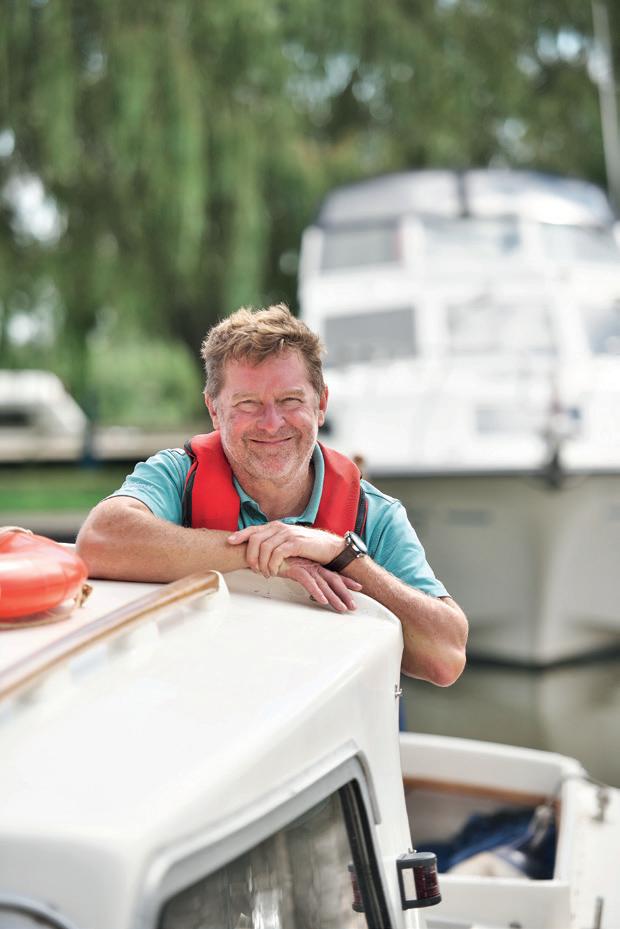
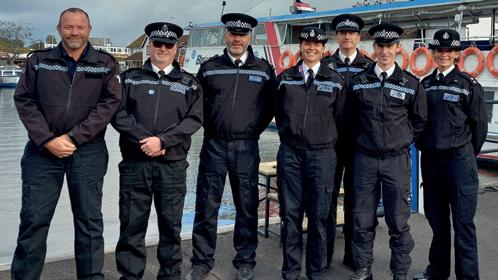
Stay safe – follow the advice from the Broads rangers, who work on the Broads all year round. Colin Hart (left) is now our Senior Ranger for the northern Broads
Wear it
1
Before you go...
Read your skipper's manual – if you’re on a holiday cruiser, your boatyard should supply one on board.
• Our ‘essential guide’ boating videos have lots of practical boat handling and navigation advice for all (broads-authority.gov.uk/boating-essentials). The videos cover Preparing for Your Holiday, Staying Safe, Mooring Up, Ropes and Knots, Man Overboard, Navigating Bridges, Crossing Breydon Water, Paddlesports, and Dealing with Accidents. The boating section of our website also has all you need to know about boating, including tide tables.
• Navigation maps (published by Heron Maps) and Broads tide tables are on sale at our information centres and yacht stations.
• You can get boating advice from your boatyard or yacht stations (see page 29) or by calling the Broads Authority’s Broads Control, staffed daily 9am-5pm (6pm from April to October) on 01603 756056. The rangers, who you’ll see out and about, are always happy to help too.
Boating
Boating videos
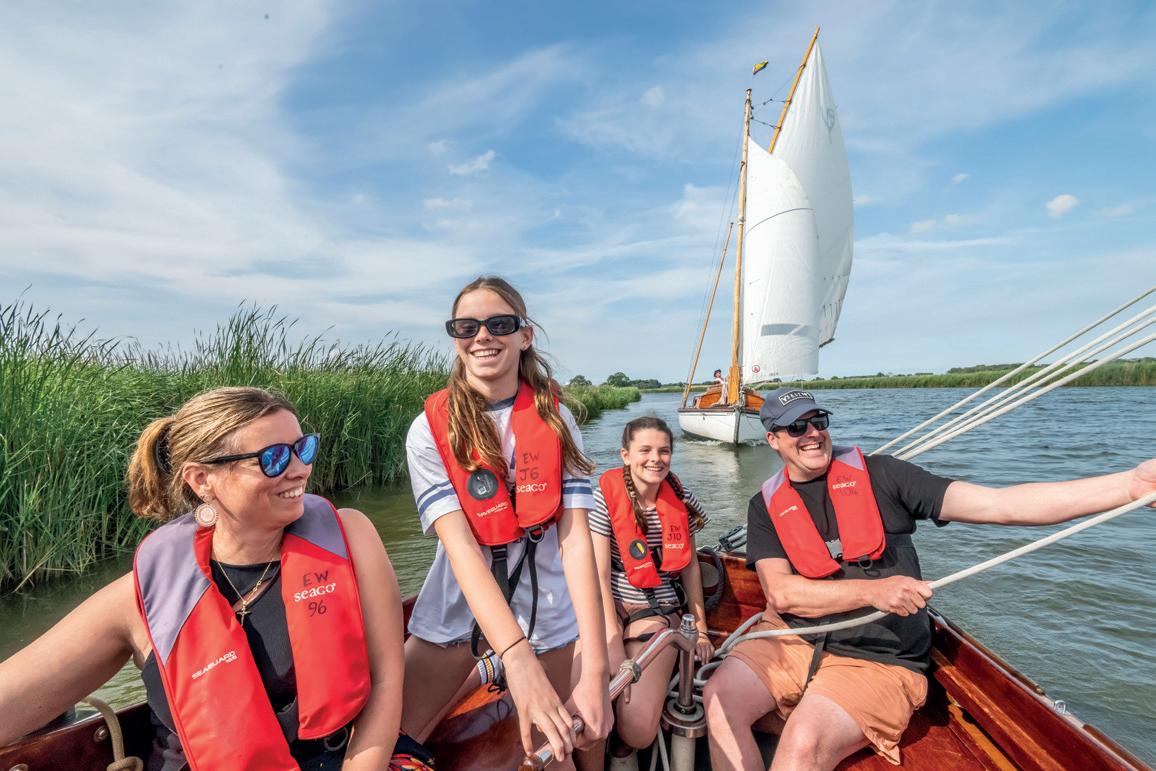
Always wear your life jacket when you are on deck, getting on and off or tying up your boat – even if you can swim. It's especially important at Great Yarmouth. Step ashore, never jump, and wear shoes with a good grip. hildren should wear life jackets even when your boat is moored.
• A life jacket will help you float. Try to relax and float on your back before trying to get out.
• Don’t forget to put a life jacket on your dog, too. Dogs are just as susceptible to cold water and other hazards as people. You can buy dog life jackets from boating suppliers and some hire boatyards provide or rent them for customers’ pets. Never enter the water to rescue a pet – you are putting your own life at risk. See page 60 for more about visiting with your dog.
3
Plan ahead
Plan your journey before setting out.
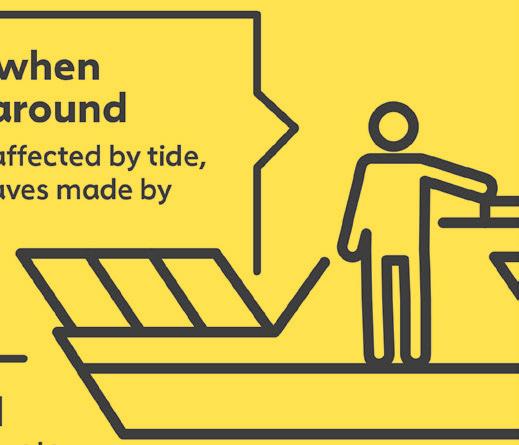
• Keep a note of the important points for your journey. Water is always moving and your boat may be affected by wind and tides. Check the weather, the day’s tides for where you’re going, and sunrise and sunset times – that’s what we do. Hire boats are not allowed to navigate before sunrise or after sunset as they have no navigation lights.
• Always keep track of where you are on the waterways and make sure others on board know where you are too. They also need to know what to do in case of an emergency.
• Keep a phone charged.
• broads-authority.gov.uk/boating
• broads-authority.gov.uk/yacht-stations
• broads-authority.gov.uk/ boating-essentials
• broads-authority.gov.uk/safety
• broads-authority.gov.uk/bridges
• broads-authority.gov.uk/ boating-news
• VisitTheBroads.co.uk
- with Digital Pocket Guide app
• what3words.com - app to help the emergency services find you
4
Be vigilant
Keep an eye on everyone on board at all times (especially small children).
• Don't let children sit on the front of a boat, or play at the back or on the roof unsupervised, especially when a boat is under way.
• Never allow anyone to travel in any kind of boat or inflatable that your boat is towing.
• Drive on the right-hand side, about 2m or 6’ away from the bank.
• Hold on to your boat when moving around it.
• Look out for paddlecraft, rowing boats and swimmers in organised events. Reduce speed and allow them plenty of space.
• Keep out of the way of sailing boats – slow down and if you need to, pass behind, never in front.
• Keep away from maintenance boats and other large vessels.
• Keep out of the way of water skiers and other fast boats on the rivers Waveney and Yare and on Breydon Water.
Mooring must-dos
Always have your ropes ready and drive into the flow of the water when mooring.
• Watch our essential guide to mooring, see point 1, left. Our website guidance will also help you.
• Don't jump – always step aboard and ashore carefully. Beware of hazards on the quay such as ropes, posts and wet or other slippery surfaces. Everyone involved should always keep a good handhold during casting off and mooring, and don’t use arms or legs to stop your boat hitting the quay or another boat. Make sure ropes are ready and that everyone knows what to do. Everyone not involved should stay off deck.
• Always approach a mooring against the tide or flow of the river, with a careful hand on the throttle. You’ll then be able to hold the boat stationary heading into the tide and approach the mooring sideways under control. If necessary, go past the mooring and turn the boat around so you can approach against the flow. If you approach the mooring with the tide or flow of the river you will have little or no control at low speeds.
• The fittest adult should step ashore once the boat has stopped. Tie the front rope first – this is especially important in areas with strong tides. We recommend that you moor at signed moorings only. Other areas are not maintained and there may be no posts. Never moor under bridges. Make sure that your boat is securely tied up. Take a torch and spare batteries if you will be returning to your boat after dark.
Boating Basics and Water Safety 31
6
Keep your head down
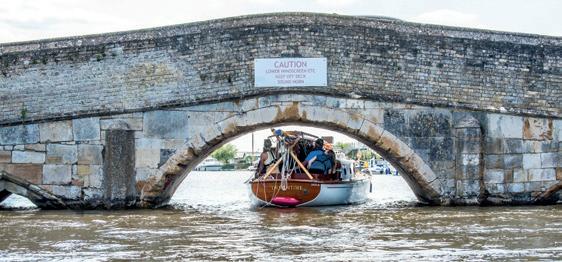
Mind your head at all bridges.
• Think ahead for bridges. Tides go up and down so be very careful. Check how high your boat is with the canopy down. Check the clearance boards that tell you the height above water under the bridge.
• Take down your canopy and windshield, get everyone off deck and make sure that all hands, feet and heads are inside the boat. Make sure you have the boat well under control before the bridge, especially if there’s a strong current.
• Watch carefully for signs of other boats coming through – usually the boat travelling with the current has right of way as it’s more difficult for it to manoeuvre. Never stop or moor under bridges.
• Keep hands, feet and heads inside the boat until you are well clear of the bridge, and if things go wrong, don’t try to fend off using your hands or feet.
Bridges
• Remember that bridge clearances given in our table are averages, based on normal tides. But tidal levels can vary considerably and so affect the figures. For bridges in the Port of Yarmouth and Lowestoft areas please refer to their websites.
• At railway swing bridges a single red flag indicates bridge in service/operable. Two red flags indicate bridge out of service/inoperable. Take note of the electronic signage at each bridge. If you are unable to pass under due to water levels, approach the bridge, give three blasts on the horn and follow the instructions on the illuminated signs on the bridge. You can contact these swing bridges on VHF radio Channel 12 or the following telephone numbers: Oulton Broad
Hoveton Viaduct 15'10" 4.83m
••• Wroxham Road 7'2"
• Acle 12'1" 3.68m around Great Yarmouth
•• Yarmouth/Bure Road 7'9" 2.36m
•• Yarmouth Vauxhall 7'3" 2.22m
Breydon Fixed Span 14'6"
• Breydon Lifting Span 13'5" River Thurne
Potter Heigham New 7'7" 2.32m
••• Potter Heigham Old 6'4" River Ant Ludham 8'6" 2.60m
•• Wayford 7'1" River Wensum
• Norwich Railway Trowse 9'
• Norwich Carrow 13'8"
• Norwich Novi Sad 16'1" 4.90m
• Norwich Lady Julian 12'8" 3.87m
Norwich Foundry 10'2" 3.09m
• Norwich Bishop 10'6"
7
Stay aboard
We don’t recommend swimming in the rivers and broads, except as part of an organised event (see page 21).
• You’ll never see a ranger swimming – it’s too dangerous, no matter how hot the weather is or how good a swimmer you are. There are currents and obstructions and cold water can be dangerous.
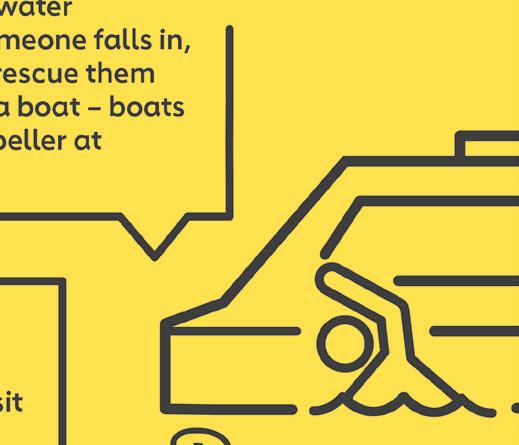
• If someone falls in, throw them a lifebuoy and pull them to a bank or ladder. If you have to bring someone up on to your boat from the water, make sure the engine is switched off as they get close. Never reverse towards them and keep them clear of the back of the boat – this where the sharp propeller blades are. Never put yourself in danger by entering the water.
8
Bon appetit
Take care with barbecues.
• Don’t light fires and avoid all risk of fire. Only use barbecues on slabs provided at moorings or in other areas with similar provision, where fire risk is low. Never light or use barbecues on deck or anywhere else on your boat, or on wooden moorings.
0330 852 5351, Reedham 0330 858 4655, Somerleyton 0330 858 4656; Trowse 01603 675297 or 01603 763440 (seven days’ notice required for openings). In hot weather, you may like to check ahead to see if Somerleyton Bridge is working as
9
Keep your wits about you
Don't drink and drown.
• We recommend that people do not drink alcohol until their boat is moored for the evening and even then take particular care when moving around the boat.
10
Slow down and relax
Stick to speed limits and check your wash (the waves made by your boat).
• Always look behind your boat – there should be no big waves (they damage banks, disturb wildlife, rock moored boats and can even capsize small craft).
Emergency!
• Call 999 or 112 from any type of phone for coastguard, fire, police or ambulance services.
• Ask for the coastguard if you are on or next to the water – they’re not just for the sea. They will call the other services if needed.
• Tell the emergency services or your boatyard where you are.
Boating Map
This map is intended as a guide only - please do not use for navigation See also visting
Moorings
1
Broads Authority 24-hour free moorings
Additional visitor moorings (charges may apply)
Approximate lengths of moorings in metres are shown in brackets below. Some sites allow double-alongside and stern-on mooring.
River Ant
1 Dilham Staithe (47)
2 Wayford Bridge (52) Wayford Marine (2 spaces)
3 Stalham Staithe (46)
4 Sutton Staithe (227) Sutton Staithe (2 spaces)
5 Paddy’s Lane, Barton (157)
6 Neatishead (136)
7 Gay Staithe (52)
8 Irstead Staithe (15)
9 How Hill Staithe (286)
23 Catfield Staithe (27)
Deep Dyke (194)
White Slea (21)
Deep Go Dyke (74)
West Somerton (118)
Potter Heigham (146) (Martham Bank) 29 Potter Heigham (149) (Repps Bank) 30 Womack Island (41)
Womack Dyke (136)
10 Horning Marshes (227)
River Bure
11 Coltishall Common (219)
12 Belaugh Staithe (22)
13 Hoveton Viaduct (315)
14 Hoveton St John (61) Barnes Brinkcraft (6 spaces)
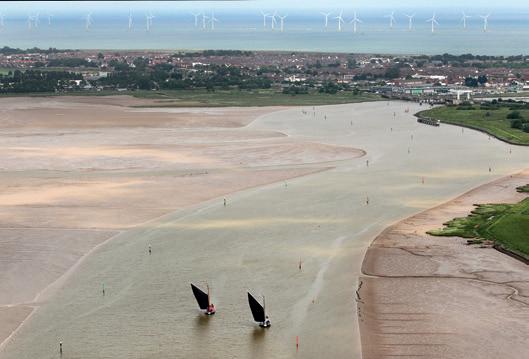
Beautiful Breydon Water, on the edge of Great Yarmouth, is an internationally important site for water birds. A cruise across it takes you to and fro between the northern and southern rivers. It can be challenging, so you need to prepare and take care.
Follow our guidance here for a safe crossing.
1
Think about your journey well ahead. You can contact our staff at Great Yarmouth Yacht Station on 01493 842794 or 07766 398238 (see page 29). They’ll work out the best time for you to cross and give guidance. If anything’s not clear to you, ask again. Leave a message if necessary (with your telephone number) and they will get back to you.
2
Plan your crossing so that you can go under Great Yarmouth bridges at slack water, which is about an hour after low water. The tide will be less of a hazard and you’ll have maximum clearance under the bridges. Larger vessels (with an air draft over 2.32m or 7’6’’) may need to cross at low water rather than waiting for slack water – please contact Great Yarmouth Yacht Station for advice. The tide tables on page 35 give the times of low water. Crossing at other times is inadvisable. There are two bridges close together. The old metal railway bridge, Vauxhall Bridge, is 15.24cm (6”) lower than the concrete road bridge, Yarmouth/Bure Road Bridge. You should be passing under bridges with at least 30cm (a foot) to spare.
3
Work out the time you need to leave your previous mooring by working backwards from the time you need to be in Great Yarmouth. It will take about 2¼ hours to get to Great Yarmouth from Acle and about 2 hours from Reedham or St Olaves. Make sure that you won’t be navigating in the dark – hire boats are not allowed to navigate before sunrise or after sunset as they have no navigation lights. Check the weather forecast – don’t cross if visibility is poor or there are strong winds.
Berney Arms Reach Broads Authority
24-hr free moorings for 8 boats
Berney Mill and Berney Mill 2 Broads Authority 24-hr free moorings for 12 and 6 boats
River Yare to Reedham
Take care here Always stay in the channel between the red and green posts.
4
Always wear life jackets when on deck. Have your canopy or mast lowered ready for passing under the bridges. Before going under any bridge check your boat height (shown on a plate in the cockpit or in the skipper’s manual). Check the bridge clearance boards to make sure that your boat will fit under the bridges. Don’t steer your boat from the outside steering position – if something goes wrong you are vulnerable.
5
Check the map here to make sure you know what to do. Keep everyone inside the boat or cockpit during the crossing. Concentrate on what you are doing. The channel has some bends in it, but don’t take shortcuts. Never go outside the red and green navigation posts. If you get stuck, try and reverse. If that doesn’t work, call your boatyard.
Crossing Breydon Water at slack water – note how the navigation channel runs through extensive mudbanks
MOORING - tie the front rope first. Be aware of the rise and fall of the tide in this area (about 2.2m or 7’) and adjust your ropes and fenders.
In an emergency call the coastguard on 999 or 112
River Bure to northern Broads
Shallow corner - go around yellow post
Great Yarmouth Yacht Station Moor against tide –quay rangers will help when possible
North Quay Mooring for emergencies and demasting only
Burgh Castle Broads Authority
24-hr free moorings for 28 boats, electric charging points
and Oulton Broad
Watch out for water skiers in the central straight of Breydon Water – see signs on posts
Bridge Clearance
Clearance at average high water during the summer is given below but always check the bridge clearance boards (pictured right). Look out for additional advance bridge clearance boards as you approach Breydon Water and also on the Lower Bure. The river is narrow and tides can be strong. Lower your canopy in plenty of time. Make sure everyone is down inside the boat.
1 Breydon Bridge 4.41m (14’6”) Go through the right- hand side span.
Navigate between the two arrows on the bridges.
This map is intended as a guide. Do not use for navigation.
2 Vauxhall Bridge 2.22m (7'3")
3
Yarmouth/Bure Road Bridge 2.36m (7'9")
Shallow water and mud
mooring Demasting structure River Waveney to St Olaves
Shallow water and mud
Shallow water and mud
Boating Basics and Water Safety 35
Low water predictions for Great Yarmouth Yacht Station (corrected
Use these tables to work out when to cross Breydon Water, see page opposite. Slack water is about 1 hour after low water at Great Yarmouth Yacht Station.
for BST)
1
05:24 17:26
19 Su 06:05 18:06
20 Mo 06:45 18:48
21 Tu 07:23 19:33
22 We 08:04 20:33
23 Th 08:56 21:44
24 Fr 10:01 23:00
25 Sa 11:15
26 Su 00:18 12:31
27 Mo 01:30 13:46
28 Tu 02:31 14:47
29 We 03:21 15:33
1 Fr 04:43 16:53
2 Sa 05:18 17:31
3 Su 05:50 18:05
4 Mo 06:11 18:33
5 Tu 06:22 18:57
6 We 06:47 19:27
7 Th 07:22 20:09
8 Fr 08:06 21:04
9 Sa 09:00 22:14
10 Su 10:08 23:30
11 Mo 11:27
12 Tu 00:41 12:46
13 We 01:39 13:49
14 Th 02:32 14:42
15 Fr 03:21 15:32
16 Sa 04:09 16:20
17 Su 04:55 17:08
18 Mo 05:40 17:58
19 Tu 06:24 18:51
20 We 07:09 19:45
21 Th 07:56 20:42
22 Fr 08:48 21:41
23 Sa 09:45 22:42
24 Su 10:45 23:48
25 Mo 11:50
26 Tu 00:52 12:57
27 We 01:52 14:02
28 Th 02:45 15:00
29 Fr 03:31 15:50
30 Sa 04:11 16:34
30 Th 04:04 16:13 am pm hr:min hr:min
1 Mo 05:07 17:48
2 Tu 05:21 18:17
3 We 05:48 18:47
4 Th 06:25 19:24
5 Fr 07:06 20:09
6 Sa 07:52 21:00
7 Su 08:44 21:56
8 Mo 09:43 22:56
9 Tu 10:49
10 We 00:00 12:01
11 Th 01:03 13:11
12 Fr 02:00 14:12
13 Sa 02:51 15:07
14 Su 03:42 16:03
15 Mo 04:30 17:01
16 Tu 05:21 17:59
17 We 06:10 18:52
18 Th 06:58 19:43
19 Fr 07:45 20:33
20 Sa 08:32 21:23
21 Su 09:19 22:15
22 Mo 10:09 23:10
23 Tu 11:05
24 We 00:10 12:11
25 Th 01:11 13:24
26 Fr 02:06 14:36
27 Sa 02:56 15:34
28 Su 03:37 16:21
29 Mo 04:06 17:02
31 Su 04:45 17:14 am pm hr:min hr:min
More details on all these points from our yacht stations and information centres
Moorings
• For Broads Authority 24-hour free moorings see map on centre pages
• Broads Hire Boat Federation (BHBF) operators allow other member companies’ boats to moor in their boatyards free of charge, subject to availability; look out for the BHBF logo at boatyards or check your skipper’s manual
• Many other places also provide moorings
Tides
• All Broads rivers are close to the sea so are all affected by tides (or are tidal)
• Consideration of tidal flow may be important as journeys by boat are harder and slower when the flow is against you
1 We 04:54 18:09
2 Th 05:31 18:43
3 Fr 06:13 19:21
4 Sa 06:56 20:02
5 Su 07:39 20:45
6 Mo 08:24 21:31
7 Tu 09:10 22:22
8 We 10:02 23:21
9 Th 11:08
10 Fr 00:26 12:34
11 Sa 01:29 13:48
12 Su 02:25 14:53
13 Mo 03:19 15:59
14 Tu 04:13 17:01
15 We 05:08 17:54
16 Th 05:58 18:42
17 Fr 06:43 19:28
18 Sa 07:26 20:12
19 Su 08:06 20:56
20 Mo 08:48 21:41
21 Tu 09:30 22:28
22 We 10:19 23:21
23 Th 11:24
24 Fr 00:22 12:54
25 Sa 01:25 14:21
26 Su 02:21 15:21
27 Mo 03:05 16:07
28 Tu 03:36 16:45
29 We 04:06 17:18
30 Tu 04:25 17:37 am pm hr:min hr:min
30 Th 04:43 17:52
• Rise and fall of the tide is on average about 2.2m/7’ at Great Yarmouth and Reedham, while at Norwich it’s about 60-90cm/2’-3’ and at Wroxham it’s about 15cm/6’’
• There are usually two high tides and two low tides each day but times vary daily
• Knowing when high and low tide times occur can be important for getting under bridges, and tides can create strong currents in certain areas
• If you are staying on a holiday boat, your skipper’s manual may include tide tables
Broadcaster tide tables
• These show times for low tide at Great Yarmouth Yacht Station, close to Breydon Water
• We include these times because at Breydon Water it is essential to pay careful attention to the tide in your planning
• Read the instructions for crossing Breydon Water on page 34
Posts
• Where there are red and green posts, keep in the main channel between them
• Red and green posts and buoys don’t mean red for danger and green for go – they mark the edges of channels
1 Sa 06:06 19:05
2 Su 06:45 19:42
3 Mo 07:22 20:21
4 Tu 07:57 21:00
5 We 08:34 21:45
6 Th 09:17 22:38
7 Fr 10:16 23:46
8 Sa 12:06
9 Su 01:00 13:36
10 Mo 02:05 14:51
11 Tu 03:05 15:59
12 We 04:04 16:53
13 Th 04:56 17:39
14 Fr 05:40 18:23
15 Sa 06:21 19:04
16 Su 07:01 19:45
17 Mo 07:39 20:24
18 Tu 08:16 21:03
19 We 08:53 21:42
20 Th 09:35 22:21
21 Fr 10:36 23:10
22 Sa 12:23
23 Su 00:26 14:02
24 Mo 01:42 14:56
25 Tu 02:36 15:37
26 We 03:15 16:12
27 Th 03:53 16:48
28 Fr 04:33 17:24
29 Sa 05:12 18:02
30 Su 05:51 18:39
31 Fr 05:24 18:27 am pm hr:min hr:min
1 Tu 07:00 19:51
2 We 07:31 20:25
3 Th 08:06 21:03
4 Fr 08:52 21:55
5 Sa 10:06 23:12
6 Su 11:58
7 Mo 00:36 13:30
8 Tu 01:50 14:47
9 We 02:57 15:45
10 Th 03:51 16:33
11 Fr 04:36 17:16
12 Sa 05:16 17:57
13 Su 05:57 18:36
14 Mo 06:36 19:13
15 Tu 07:12 19:48
16 We 07:46 20:18
17 Th 08:15 20:39
18 Fr 08:49 20:58
19 Sa 09:45 21:42
20 Su 11:24 22:50
21 Mo 13:15
22 Tu 00:38 14:07
23 We 01:54 14:48
24 Th 02:43 15:29
25 Fr 03:27 16:09
26 Sa 04:08 16:50
27 Su 04:48 17:30
28 Mo 05:27 18:09
29 Tu 06:03 18:45
31 Mo 06:27 19:15 am pm hr:min hr:min
1 Th 07:11 19:51
• Yellow posts usually mark a hazard – keep well clear and keep to channel
Water
• For water points at Broads Authority moorings see map on centre pages (some are seasonal, such as Gay Staithe and West Somerton)
• Water points are available at many other moorings and boatyards (small charge)
• Boil water from all water points before drinking
• Waste water from boats, except sewage, empties into the waterways, so use biodegradable washing-up liquid and other cleaning products, and use only small amounts
• Pump-out services available at many boatyards throughout Broads
• Absorb oil on to kitchen paper and put paper in bin
Paddlesports
• See page 20
Sailing events
If you find yourself on the water during a regatta:
• Keep close to the right-hand bank and slow down as you pass through
• Sailing boats have right of way
• If they are zigzagging across the river to catch the wind, slow down and try to pass behind them
• Make your course clear – do not weave about
• Watch for indications on when to pass, but do not put yourself or others in danger, or just moor up to watch
• Where channels are provided for safe passage, stay in channel
• Listen to and follow advice from rangers or safety patrol boats
2 Fr 07:51 20:30
3 Sa 08:49 21:30
4 Su 10:22 22:51
5 Mo 11:53
6 Tu 00:14 13:17
7 We 01:29 14:25
8 Th 02:34 15:20
9 Fr 03:25 16:06
10 Sa 04:09 16:48
11 Su 04:51 17:27
12 Mo 05:32 18:05
13 Tu 06:12 18:39
14 We 06:47 19:04
15 Th 07:16 19:10
16 Fr 07:37 19:29
17 Sa 08:10 20:06
18 Su 09:04 20:57
19 Mo 10:24 22:05
20 Tu 11:58 23:33
21 We 13:07
22 Th 01:03 13:58
23 Fr 02:03 14:45
24 Sa 02:52 15:30
25 Su 02:37 15:15
26 Mo 03:21 15:57
27 Tu 04:02 16:37
28 We 04:42 17:15
29 Th 05:22 17:51
30 We 06:37 19:18 am pm hr:min hr:min
30 Fr 06:05 18:27
31 Sa 07:01 19:15 November 1 Su 08:12 20:21
Oulton Broad racing
• Races held Thursday evenings, bank holidays and some Sundays
During powerboat racing:
• Do not enter or leave via main body of broad where event is taking place
• Keep speed down and follow instructions from patrol boats, rescue boats and yacht station staff for safe passage and mooring North Walsham and Dilham Canal
• For small craft only, charge or donation payable to the trust nwdct.org
Peace and quiet
• Be sensitive to your neighbours –don’t leave your engine idling late at night or early in the morning
• Be aware of radio and TV volume too, especially when the roof of your boat is open continued on page 36
Boating Basics and Water Safety
Journey times in the Broads (in hours)
Times are a rough guide only. When planning your journey remember traffic, tide and weather may make it take longer.
River Bure
Coltishall
Wroxham
Horning
Ant Mouth
Thurne Mouth Acle
Stracey Arms Mill
Great Yarmouth
River Thurne
Potter Heigham
Hickling Staithe
River Ant
Stalham
electric charging points during this year
• See link below for details on where to find electric charging points, how to use them and how to make payments
Mutford Lock
• Between Oulton Broad and Lake Lothing at Lowestoft –limit of hire boat navigation
• Not for use by hire boats
• For private boats, call 01502 523408 or 01502 531778, 24 hours ahead, to book a passage (£17)
Info file
• broads-authority.gov.uk/moorings
• broads-authority.gov.uk/tides
• broads-authority.gov.uk/tolls
• broads-authority.gov.uk/slipways
• broads-authority.gov.uk/charging-points
• broads-authority.gov.uk/overseas
BROADS BEAT
• Now in its 31st year, Norfolk Constabulary Marine Team (Broads Beat) consists of RYA-trained police officers and support staff who oversee the seven rivers and many broads (125 miles or 200km of waterways). They provide a police presence for local communities and visitors all year, preventing and detecting crime, gathering intelligence, reducing anti-social behaviour and promoting water safety.
• The team works with the other emergency services and agencies, including the Broads Authority, RNLI, Border Force, Inshore Fisheries and Conservation Authority, and Environment Agency. Broads Beat is supported by many businesses and is the UK’s longest-running police and public sponsorship scheme.
• Contact them through 101 (non-emergencies) or 999 in an emergency, or use the Norfolk police online reporting form at norfolk.police.uk/ro/report/ocr/af/how-to-report-acrime
Barton Broad
Rivers/ Broads
River Yare
Norwich YS
Thorpe Green
Brundall
Cantley
Loddon (River Chet)
Reedham
Berney Arms
Great Yarmouth ★
Burgh Castle St Olaves
Oulton Dyke
Oulton Broad YS Beccles
Geldeston
WASTE DISPOSAL
• Recycling and other waste disposal facilities are often near moorings or in towns and villages
• Be careful with waste –don’t leave bags at the back of boats where they could easily fall into the water
• Dispose of litter and other waste at proper sites – don't leave bags at sides of moorings or adjacent roads and don't overload bins or leave bags by bins if bins are full
• If necessary, hang on to waste till you reach the next site
• Discarded litter and fishing tackle can entangle and kill wildlife
Boat waste facilities on each river (available at time of compilation)
Wensum •Yare• Chet
Norwich Yacht Station
Brundall: Broom Boats, Silverline Marine (both hire craft only)
Information Centre; Barnes Brinkcraft, Norfolk Broads Direct (both hire craft only)
Salhouse Broad
Horning: Ferry Marina (hire craft only); Swan Inn
Ranworth Staithe
Acle: Acle Bridge Moorings car park;
Bridgecraft (hire craft only)
Great Yarmouth
Yacht Station
Ant
Stalham: Richardson’s (hire craft only)
Barton Turf Staithe car park
Neatishead Staithe
Irstead Staithe
Ludham Bridge
Staithe
Thurne
Hickling: Pleasure
Boat Inn
Horsey Mill
Repps Staithe
Potter Heigham: Staithe; Herbert Woods (hire craft only)
Ludham: Womack
Staithe
Waveney
Geldeston: Locks Inn
Beccles Yacht Station
Burgh St Peter: Waveney River Centre (hire craft only)
Oulton Broad Yacht
Station
Somerleyton
Burgh Castle
Waste
• broads-authority. gov.uk/waste
Visit the Broads is a membership organisation championing local businesses and celebrating the unique experiences that make the Broads
National Park one of the UK’s most special destinations. We hope our guides help you get the most out of your visit.
Into the Wild
Broads Adventures on Water, Wheels and Foot
Whether you're paddleboarding through twisting rivers, cycling rugged trails, or sailing into uncharted waters, this guide highlights the best ways to get your adrenaline pumping. Here’s everything you need to plan your ultimate adventure in the Broads National Park.
Master the Waters
Why walk when you can paddle? Go Paddle offers stand-up paddleboards, kayaks, and canoes for those ready to take on the Broads’ waterways. Why not take on their escape room on the water – will you lift the curse of the River Bure?
Sail Like a Pro
Turn your holiday into an unforgettable adventure by learning to sail with Eastwood Whelpton Sailing Holidays. Their family-friendly courses and hire boats make it easy for everyone, from kids to grandparents, to enjoy the thrill of being on the water.
For an extra challenge, embark on a multi-day adventure, plotting your own course and choosing remote spots to moor every night. Whether you’re a seasoned sailor or a first-time skipper, this is the kind of hands-on adventure that will get your heart racing.
Escape on Your Own Adventure
Put yourself at the helm, chart your own course through the serene beauty of the Broads.
Perfect for day trips, Phoenix Fleet offers hourly rentals on day boats that accommodate up to 12 people, including your four-legged friends! The Electric Classic Launch offers a touch of vintage charm, with seating for up to four passengers.
Dreaming of a full-on holiday on the water? Spend your nights under the starry skies of the Broads National Park aboard your own cruiser. Pacific Cruisers provides a range of hire options and ensures even first-timers are fully prepared with a comprehensive tutorial when you pick up your floating home.
Barnes Brinkcraft offers an exclusive fleet of high-end cruisers. Each boat is equipped with modern amenities, from plush interiors to spacious sun decks, ensuring a first-class experience as you explore the Broads.
For those who truly fall in love with life on the water, Norfolk Yacht Agency offers an exclusive selection of boats for sale. From sleek modern yachts to classic river cruisers, their team will help you find the perfect vessel to call your own. Owning a boat on the Broads is the ultimate way to enjoy this stunning destination year-round.
Conquer the Trails
Experience the region’s diverse landscapes with Explore Norfolk , who offer tailor-made walking and cycling holidays. From the historic Peddars Way to the stunning Norfolk Coast Path and the exciting Rebellion Way, these are immersive experiences backed by expert local knowledge.
Rent a bike for a half or full day adventure from Bure Valley Cycle Hire in Coltishall, which offers mountain bikes for riders aged 8+. Take on the challenge of the 9-mile Bure Valley Path, connecting Wroxham with Aylsham, where you’ll cycle right next to narrow-gauge steam trains.
Dare to Camp
Adventurers need a basecamp, and camping in the Broads offers the perfect mix of rustic charm and outdoor excitement.
Three Rivers Camping is ideal for thrill-seekers. Paddle directly from your riverside campsite pitch, then set out on a new adventure the next morning. They have a variety of boats available for hire including kayaks, paddleboards and day boats, or you can bring your own.
Wardley Hill Campsite offers a wilder experience. Stay in tree hammocks or on spacious off-grid pitches and wake up to a world of exploration. The surrounding woods and meadows are perfect for orienteering, geocaching, or just seeing how far you can wander before stumbling upon a new discovery.
Adventure is waiting and the Broads is ready to deliver your next unforgettable story.
TNature’s Haven
Discovering the Wildlife Wonders of the Broads
he Broads National Park is one of Britain’s most biodiverse regions, home to rare species, unique ecosystems, and breathtaking landscapes. Whether you're watching otters glide silently through the waterways, spotting a rare swallowtail butterfl y, or taking a tour aboard a historic wherry, the Broads National Park is a sanctuary for wildlife enthusiasts and curious explorers alike.
Discover Hidden Habitats
For an immersive experience of the Broads’ unique ecosystems, Suffolk Wildlife Trust is an essential destination. Their nature reserves, such as Carlton Marshes, serve as sanctuaries for rare and diverse wildlife. Enhance your adventure by joining expert-led guided tours, engaging birdwatching events, or simply exploring these breathtaking habitats at your own pace.
Up Close with Wildlife
If you’re looking to experience exotic and native wildlife up close, Thrigby Hall Wildlife Gardens offers an unforgettable day out. The park focuses on conservation and features species from Asia alongside local favourites. Walk high above tiger enclosures on the Jungle Bridge or peer into the ponds of wading birds.
Wildlife Explorations
Discover the wonders of Norfolk’s wild spaces with the Norfolk Wildlife Trust . Drift across Hickling Broad on a gentle wildlife cruise and look for some of the UK’s rarest species, such as the shy otter and the delicate swallowtail butterfl y. As evening falls, guided bat walks and stargazing sessions offer a peaceful way to discover the beauty of the night. NWT celebrates 100 years of caring for Norfolk’s nature in 2026, and visitors can look forward to special events across their sites.
Nature from the Water
To see the Broads’ wildlife in its most natural setting, hop aboard a Broads Tours boat trip. Their wildlife-
LUDHAM BRIDGE STORES
Timeless Broads
Exploring a Landscape Shaped by History
The Broads National Park isn’t just a treasure trove of natural beauty – it’s also a living museum of history and heritage. From ancient boats to tales of wartime innovation, this iconic region has a fascinating past that continues to shape its present. The Broads offers countless ways to uncover its rich heritage.
A Window into the Past
Located in Stalham, the Museum of the Broads is the ultimate starting point for exploring the history of the region. This engaging museum chronicles life on the Broads, from its medieval origins to its industrial and recreational evolution. The museum offers a captivating experience for visitors of all ages.
As you journey through the Broads, you'll encounter numerous mills, each a testament to the region's rich heritage. These iconic structures, once crucial for draining the marshlands, now serve as picturesque landmarks, blending history with natural beauty. From the commanding presence of Berney Arms Mill to the charming allure of Horsey Mill, these mills enhance the magic of your exploration, offering glimpses into the area's storied past at every turn.
Secrets of Wartime Innovation
Dive into the Broads’ role in wartime history with a visit to the RAF Air Defence Radar Museum in Neatishead. Situated in a former radar station, this unique museum showcases the pivotal role radar technology played during World War II and the Cold War.
Journey Through Time
Experience the Broads as they were in the early 20th century with Hunter’s Yard Heritage Fleet. This fleet of traditional wooden sailing yachts, lovingly restored and maintained, offer visitors the chance to sail aboard vessels that have graced these waterways for nearly a century. It’s a serene yet exhilarating way to connect with the region’s past.
focused tours take you along the River Bure and beyond, with expert guides pointing out species like grebes, herons and kingfishers. Larger animals, such as otters and deer, often make appearances along the riverbanks.
Experience timeless elegance aboard a Herbert Woods cruiser, a perfect holiday for wildlife lovers, featuring panoramic windows and external sundecks –ideal for spotting herons, kingfishers and otters in their natural habitats. Set sail on a bespoke journey through the Broads National Park, where the waterways and lush reedbeds teem with life.
Explore the southern stretches of the Broads with Waveney River Tours. Their guided tours offer unrivalled access to serene marshes and remote waterways, perfect for spotting rare species like bitterns and the marsh harrier. It’s a magical experience for wildlife lovers and photographers alike.
Aldiss Boat Hire have self-drive day launches available to hire by the hour or daily and are suitable for 6-9 persons. Equipped with a folding canopy to
Step into a world of traditional boatbuilding at Martham Boat Building & Development Co, a family-run business preserving the art of wooden boat restoration and hire. Operating for over 70 years, the yard offers visitors the chance to sail on beautifully restored craft, each steeped in history.
Experience the charm of vintage rail travel aboard the Bure Valley Railway, Norfolk’s longest narrowgauge steam railway. This historic railway offers scenic journeys between Wroxham and Aylsham, providing a unique way to see the stunning landscapes of the Broads.
Sailing a Piece of History
Discover the story of the Norfolk wherries, with their distinctive black sails, that were used for transporting goods such as coal, reed and timber. These flatbottomed vessels were designed for the shallow waters of the Broads.
Join Wherry Maud Trust on one of their sailing trips or heritage days to learn about life aboard these historic vessels, from their cargo-hauling days to their current role as cultural ambassadors for the Broads.
Another vital organisation preserving the legacy of wherries is the Norfolk Wherry Trust. Their meticulously restored wherry Albion offers an authentic sailing experience that transports you back to the Broads’ heyday when it was used as a trading vessel.
Historical Stays
Tunstead Cottages offers a unique way to immerse yourself in the Broads’ history. These beautifully restored cottages retain much of their original character, offering guests a cosy retreat steeped in heritage. Surrounded by picturesque countryside and close to many historic sites, Tunstead Cottages offer a peaceful stay in the north of the Broads National Park.
Summer Craft in Wroxham is a long established, family-run company that has been offering Broads holidays for more than 75 years. Guests can choose a comfortable cottage break with a personal day launch included for exploring the rivers and broads or hire one of their cruisers designed for couples and small families of up to four people.
protect you from the sun or rain. Perfect, whether you want to relax and enjoy a quiet fishing session or stop by a local pub for some refreshments.
A Heartwarming Experience
A visit to Redwings Horse Sanctuary at either their Caldecott or Aylsham centres is an inspiring way to connect with rescued animals and learn about their rehabilitation journeys. Home to rescued horses, ponies and donkeys, a visit makes for a heartwarming day out where you can meet the friendly residents, hear their stories, and explore the beautiful countryside settings.
Accessible Wildlife Adventures
Nature should be for everyone, and Nancy Oldfield Trust ensures that it is. Specialising in accessible boating, this charity encourages people of all abilities to enjoy the wonders of the Broads. Gliding through the waterways is perfect for approaching shy species like otters and water voles.
Stories that Bring History to Life
Step into the past with Paul Dickson Tours, reveal fascinating tales of the people, places and events that shaped the Broads National Park. Whether you're exploring medieval churches, learning about the legacy of wherries, or hearing stories of industrial innovation, Paul provides a deeper appreciation for the Broads’ rich heritage.
A Broads Legacy
No exploration of the Broads’ heritage is complete without a visit to Roys of Wroxham, the "world’s largest village store" and a local institution since 1895. This family-run business has deep roots in the Broads, providing everything from groceries to hardware.
Begin your journey and uncover the stories, landmarks and traditions that make the Broads a place where history lives on.
Wild Nights Under the Stars
For a truly immersive wildlife experience, spend a night at Whitlingham Broad Campsite. Wake up to the sound of birdsong, explore nearby trails teeming with wildlife. Evenings at the campsite are just as magical, with opportunities for stargazing or spotting bats as they dart across the night sky.
Protecting Nature While You Explore
If you care deeply about the Broads and its future, you could consider becoming a member of The Broads Society. The Society brings people together to explore, debate and engage with everything that makes this wetland landscape so special. From heritage buildings and historic boats to sites rich in ecology and scientific value, the focus is on restoration, conservation and the enjoyment of this remarkable place.
Pack your binoculars and your curiosity, then let the Broads show you why it is one of Britain’s most captivating national treasures.
Explore Together
Pitch Up
TFamily Fun Across the Broads
he Broads National Park is the perfect playground for families, offering an incredible mix of outdoor adventures, fun attractions and exciting activities. Whether your family loves animals, water sports, or just spending quality time in the great outdoors, the Broads has something for everyone.
Go Wild and Explore
Get lost in an adventure at the Wizard Maze, a giant maize maze at Melton to the north of the Broads. Perfect for families with curious kids, the maze offers hours of entertainment as you work together to solve riddles, crack codes, and navigate twists and turns. It's a great way to combine outdoor fun with problem-solving skills and plenty of laughs.
Make a Splash
When the weather’s warm, cool off at Beccles Lido, a fantastic outdoor swimming pool on the River Waveney. Kids will love splashing around in the heated pools, while parents can relax on the terrace or take a leisurely swim.
Wagging Tails Welcome
Explore the Broads with Your Dog
Turn your family trip into a memorable camping adventure at Outney Meadow Caravan Park, on the River Waveney. There's plenty of space for tents, caravans and motorhomes, along with direct access to beautiful walking and cycling trails. Enjoy the relaxed atmosphere and stunning natural surroundings, it’s the perfect way to unwind after a day of exploring the Broads.
Farmyard Fun
Wroxham Barns is the perfect family destination, blending a working farm, craft shops and fun-filled activities. Kids can meet and feed animals at Junior Farm or enjoy rides, mini-golf and pedal tractors at the Fun Park. Meanwhile, parents can explore boutique shops and savour local treats at the on-site cafe. There’s also a summer season campsite and luxury bell tents on site too.
Take to the Water
With Norfolk Broads Direct, you can hire a self-drive cruiser or day boat and explore the Broads at your own pace. The modern, easy-to-operate boats are equipped with all the amenities you need, ensuring comfort and safety for families, even with younger children. Imagine
Cottages. These handpicked, pet-friendly holiday homes offer everything from spacious gardens for off-leash play to cosy interiors for snuggling up after a day of exploring the Broads.
Why leave your beloved pet behind when the Broads National Park is the perfect destination for both you and your four-legged companion?
With pet-friendly accommodation, welcoming pubs, and plenty of outdoor activities, the Broads is a haven for animal lovers who want to share the joys of a holiday with their pets.
Tail-Wagging Adventures
Make your pup feel like royalty with a stay at Canine
East Ruston Cottages with their award-winning, dog-centric cottages are designed with your pup in mind. From fully enclosed gardens and dog showers to welcome packs that include treats and toys, they’ll make sure your pet feels at home.
Nestled in the heart of the Broads, Norfolk Holiday Lodges Ltd offer pet-friendly lodges where your dog can enjoy the holiday as much as you. Each lodge provides plenty of space for your pet to roam, with nearby walking trails perfect for morning or evening strolls.
The villages of Coltishall and Horstead are on the
gliding along the serene waterways, spotting wildlife and enjoying picnic stops at scenic villages.
Martham Ferry Boatyard has a small fleet of quiet electric day and picnic boats for hire. Enhance your adventure with one of their luxurious wicker hampers, brimming with gourmet treats, and enjoy a tasty picnic at your favourite spot along the way. There’s a café on site too, with fantastic views over the water.
Access for All
Waveney Stardust is a purpose-built motor cruiser, designed to offer people who would not be able to use a traditional boat the opportunity to use the Broads National Park’s waterways. Access to the boat is by way of a lift and there are no steps to negotiate. A hoist is available for use by passengers with limited mobility and their carers.
Trips can be booked for family groups where one or more members are unable to access and board a self-hire craft.
Adventure Time
Enjoy a brilliant day out at Tingdene Caldecott Hall Country Park, with foot golf, rugby golf or disc golf for all ages, plus real golf for those who prefer the classic game. Take a dip in the pool set inside an 18th-century Grade II
listed barn, which also features a steam room. You can even browse the luxurious lodges and caravans for sale if you’re thinking about buying your own holiday home. Redwings also have their largest visitor centre here, almost 100 horses, ponies, donkeys and mules to make friends with.
Fabulous Places to Stay
Combine the Broads’ charm with classic seaside fun at Richardson’s Holiday Complex in Hemsby. Just a short
northern River Bure and make an excellent base for exploring the area with your four-legged friend. Horstead Cottages sleep up to four, with a private garden area to keep your dog safe whilst you enjoy a BBQ.
Dining with Your Dog
No need to leave your pup behind when dining out, The Swan Inn Stalham welcomes pets with open arms. This traditional pub combines delicious local fare with a warm, dog-friendly atmosphere.
As its name suggests, The Dog at Ludham is a very pet-friendly spot. This charming pub is a favourite for its cosy atmosphere and dog-welcoming vibe. It’s the perfect place to relax after a day of exploring nearby walking trails to St Benet’s Abbey and How Hill.
Boating with Your Best Friend
Why not bring your dog along for a day on the water?
Horning Pleasurecraft offers pet-friendly boat hire, so you and your pup can cruise the Broads together. Their spacious boats provide plenty of room for dogs to relax while you take in the stunning scenery.
Ferry Marina sits on the riverside in Horning, alongside the River Bure, offering boat-hire and holiday accommodation, ideal for exploring the Broads. Their fleet of day-cruisers and larger holiday boats cater for couples, families and pets. If you prefer to stay on dry land, they also offer apartments and riverside cottages, perfect for relaxing while watching boats drift past.
With beautiful walks, cosy stays and dog-friendly dining, the Broads is the perfect place to make memories with your four-legged companion.
Escape Together
Romantic Retreats in the Broads
There’s something undeniably romantic about the serene waterways and lush landscapes of the Broads. Whether it’s the gentle ripple of the rivers, the timeless charm of historic cottages, or the intimate dinners under starry skies, this unique corner of England offers countless opportunities for couples to connect.
Chic Comfort and Countryside Charm
Tucked away in the charming village of Loddon, Farthing Green Apartments offer stylish, selfcontained accommodation. These cosy apartments are ideal for lazy mornings with breakfast in bed or evenings spent relaxing after a day of exploring.
For couples seeking a countryside escape, Worstead Estate Accommodation offers an idyllic retreat. These luxurious cottages blend rustic charm with modern elegance.
Take a romantic stroll through the estate’s picturesque landscapes or enjoy a quiet evening by the fire. The estate also hosts weddings, if you want to take the romance to the ultimate next step!
A Historic Escape
Step back in time with a stay at Hoveton Hall B&B, a historic Georgian home surrounded by stunning gardens. Don’t miss a leisurely walk through the Hall’s renowned gardens, especially beautiful in the spring and summer months.
For a taste of historic luxury, the Maids Head Hotel in Norwich is the perfect choice. Dating back over 800 years, this award-winning hotel blends timeless
drive from the Broads, this family-friendly resort has indoor pools, evening shows and kids’ clubs. Enjoy beach days or explore the waterways. If you are in the southern Broads, their Family Entertainment Centre in Lowestoft offers bowling, soft play, game zones and family dining all in one place.
Pack your sense of fun and set out to explore a landscape where every day brings new discoveries for the whole family.
charm with modern comforts. After a day exploring, unwind in style with dinner at the WinePress restaurant, or afternoon tea served in the comfort of the lounge. The ideal blend of city exploration and water adventures.
Riverside Romance
For an unforgettable experience, book a stay at Hippersons Boatyard in Beccles where you can choose to stay on houseboats or quirky glamping pods, perfect for couples looking for something a little different. Wake up to the tranquil sounds of the river, enjoy a romantic paddle together, or take a day boat out for your own private adventure on the water.
Elevate your romantic escape with Riverside Rentals, offering a range of luxurious waterside cottages and lodges. These stylish properties come with stunning river views, great to enjoy a scenic breakfast, a glass of wine as the sun sets, or a peaceful boat trip straight from your doorstep.
The Waveney Inn & Hotel, nestled in the southern Broads, offers the perfect escape for a romantic break. Its picturesque riverside setting provides an idyllic backdrop for couples seeking a blend of adventure and relaxation. Enjoy intimate dining, explore the nearby nature reserve, or make use of the on-site swimming pool to unwind together.
Explore the Water Together
Discover the magic of the Broads with boat hire from Maycraft Boat Services allowing you and your partner to explore hidden corners and experience the beauty of the Broads at your own pace.
Take the time to slow down, savour the moment, and fall in love with the Broads, and each other.
Feast on the Broads
A Culinary Adventure
The Broads National Park isn’t just a feast for the eyes – it’s a feast for the taste buds too. With its vibrant local produce, traditional pubs, artisan bakeries and celebrated breweries, the Broads offers culinary experiences to delight any foodie.
Historic Riverside Dining
Tucked along the River Waveney, The Bell Inn at St Olaves is one of the oldest inns in Norfolk, blending history with modern gastronomy. Their menu showcases fresh, locally sourced produce.
Award-Winning Local Ales
Continue your foodie adventure at Humpty Dumpty Brewery in Reedham, a must-visit for craft beer enthusiasts, famous for its wide range of ales, from classic bitters to creative seasonal brews. Take a tour, sample their beers, and don’t forget to grab a few bottles to enjoy at home.
No trip to the Broads is complete without a visit to Woodforde’s Brewery & Feather in Woodbastwick has been crafting exceptional beers for over 40 years, including the renowned Wherry Ale. Enjoy a pint alongside their seasonal menu of hearty pub classics, which feature locally sourced ingredients.
Artisan Perfection
Indulge in a selection of fine cheeses, charcuterie, and artisan goodies at Willow Tree Delicatessen at Wroxham Barns. Perfect for stocking up on picnic essentials, this deli offers a range of local products that capture the flavours of Norfolk.
The Angel Inn in Loddon is a foodie haven, blending a continental cafe with a craft ale house. Enjoy freshly made baps, customisable English breakfasts, or Lowestoft smoked kippers. With free-range eggs, organic milk and rare-breed pork sourced locally, every bite is a treat, plus there's a lovely beer garden!
Rustic Charm Meets Great Food
Right beside the historic chain ferry across the River
Yare, the Reedham Ferry Inn offers a truly unique dining experience. This pub serves everything from hearty pub classics to innovative specials crafted with seasonal ingredients. There is even a 4-acre camping and touring park on site, as well as the historic chain ferry across the River Yare.
Nestled on the River Waveney, The Locks at Geldeston is a charming riverside pub. Their seasonal specials, craft beers, and cosy vibe make it a perfect spot for a leisurely lunch or enjoying their many live music events. Arrive by boat, bike, or foot, and soak up the serene atmosphere that perfectly complements the delicious food.
The White Horse pub and shop, a short walk from Upton moorings, is a vital stop-off for locals and holidaymakers alike, boasting a welcoming bar, superb restaurant, and numerous events throughout the year including live music, quiz nights and festivals.
Farm Favourites and Sweet Treats
Buy the freshest local produce at A G Meale & Sons, a family-run farm shop in Stalham. Stock up on their high-quality meats, fruits and vegetables, perfect for a BBQ or picnic, or for cooking your own feast at your holiday accommodation.
For a sweet pick-me-up, Vera’s Coffee Shop is on the same site. Known for its friendly service and delightful homemade cakes, Vera’s is the ideal spot for a midmorning coffee or afternoon treat – perfect fuel for the rest of your Broads adventure.
Waterside Delight
For a dining experience with breathtaking views, head to Filby Bridge Restaurant Ltd on the edge of Filby Broad. Known for its welcoming ambience, this restaurant offers locally sourced seafood, meat, and vegetarian options, as well as weekly takeaway menus to eat back at your accommodation.
Add a touch of modern elegance to your journey The White Heron in Brundall. This stylish gastropub is in a perfect spot right on the river for a leisurely lunch or romantic dinner.
Located in the bustling hub of Wroxham Hotel offers sleek interiors and stunning views over the River Bure. Enjoy fine dining at The Waterside Terrace restaurant, known for its creative dishes and locally inspired menu. Wake up to the sight of boats moored just outside your window.
The Greyhound Inn Hickling, where friendly locals, hearty portions, and an ever-changing menu make this pub a favourite among foodies. Known for its excellent Sunday roasts and fresh fish dishes, it’s the kind of place that feels like a home away from home. in Beccles offers a flavour filled stop on any Broads foodie journey, with artisan chocolate, fresh bakes and smooth house roasted coffee. Visitors can even take part in their hands-on Chocolate Making Experience, a chance to discover how their signature treats come to life. It’s a warm and welcoming place to pause, taste and enjoy local craftsmanship at its finest.
Follow your taste buds through the Broads and uncover a world of fresh produce, craft drinks and warm hospitality.
Making Memories
Group Escapes in the Broads
Whether you’re planning a reunion, a milestone celebration, or a memorable escape with friends, the Broads National Park is the perfect destination for group adventures. From spacious accommodation and group-friendly activities to vibrant towns and tranquil retreats, there’s something for every kind of group.
Adventures for All
For an unforgettable group experience, charter a cruiser from Broom Boats Ltd. These vessels are spacious and well-equipped, making them perfect for groups wanting to explore the Broads in comfort and style. Navigate the waterways together, moor up at picturesque villages, and enjoy evenings onboard with friends and family.
Whether you’re looking for a day trip or a longer adventure, Sutton Staithe Boatyard has you covered with its fleet of hire boats. Their cruisers and day boats are perfect for groups wanting to explore the Broads together.
Smaller groups with a passion for sailing will love Swallowtail Boatyard. This family-run business offers traditional yachts and sailing boats that are perfect for creating lasting memories on the water. Whether you’re seasoned sailors or novices, Swallowtail ensures your group has an adventure to remember.
Gateway to Adventure
Located in the heart of Oulton Broad, this yacht station is a great place to moor. Enjoy water sports, or simply relax by the water while taking in the vibrant atmosphere. With nearby pubs, cafes and picnic spots, Oulton Broad Yacht Station is ideal for a day of fun and exploration with your crew.
Land-Based Accommodation
Check out Waterside Breaks Ltd, who offer a variety of properties across the Broads, from large cottages to riverside lodges, designed to cater to groups. Enjoy stunning views, spacious living areas, and easy access to activities like fishing, boating, and hiking.
Stay in style at Poolside Lodges, where your group
can enjoy exclusive accommodation with private swimming pools. These lodges are perfect for groups looking to relax and have fun in their own space. Spend your days exploring the Broads and your evenings unwinding by the pool. What better way to bond with friends and family?
Hall Farm Cottages near Horning are perfect for group holidays, offering spacious, pet-friendly selfcatering accommodation surrounded by stunning countryside. Ideal for family gatherings or celebrations, they provide easy access to boating, walking and wildlife in this picturesque area.
Elevate Your Stay
Perfect Pamper offers mobile spa services, bringing luxurious treatments right to your accommodation. Choose from massages, group sessions, facials and beauty treatments for a truly indulgent experience that will leave your group feeling refreshed and relaxed.
A Shopper’s Delight
No trip to the Broads is complete without a visit to Lathams of Potter Heigham. Known for its fantastic deals and unique finds, this department store offers everything from homeware to fishing gear and souvenirs. It’s a great place for your group to pick up essentials or discover treasures to remember your trip.
Fishing Fanatics
Cobbleacre Park in Hevingham is home to fi ve multipurpose fishing lakes, 15 holiday homes and spacious touring pitches. Whether you’re a beginner or an experienced angler their fishing lakes cater for all abilities.
A Charming Riverside Town
Make Beccles a centrepiece of your group’s itinerary. This bustling market town offers a mix of boutique shopping, historic streets and riverside dining. Stroll
along the River Waveney, explore quirky shops, or relax with a coffee while taking in the town’s charm. Beccles is also a great base for accessing nearby attractions and boat hire options.
Natural Playground
Salhouse Broad is a haven for nature lovers and adventurers alike. Ideal for groups, this beautiful broad offers opportunities for kayaking, paddleboarding, or simply relaxing by the water. Take a group walk along the nature trails or enjoy a picnic under the trees to take in the serene surroundings. You could even stay at the on-site camping site.
Behind the Scenes
The Unsung Heroes of the Broads
Visit the Broads promotes the Broads National Park as a premier holiday destination. Our campaigns, events, and initiatives highlight the unique attractions, activities, and accommodation our 100+ members provide, ensuring visitors from around the UK and across the globe discover and fall in love with this spectacular region.
If you have a leisure or tourism based business in the area, we would love you to consider becoming a member. Email membership@visitthebroads.co.uk for more details.
Our three Corporate Partners help provide invaluable support to our membership campaigns. Hoseasons: A leading holiday provider offering a wide range of self-catering accommodation across the Broads, from charming cottages to cruisers.
Howes Percival: A trusted legal firm providing support for businesses in the tourism and leisure sector.
Waterways Holidays: Experts in boating holidays,
offering easy booking for relaxing escapes on the scenic waterways of the Broads.
With thanks to our service provider members and local councils
Camplings Limited provide expert cleaning and hygiene services, ensuring that accommodation, restaurants, and other facilities meet the highest standards.
Holray Systems Ltd provides cutting-edge IT and technology solutions.
Resolve Network created our amazing Visit the Broads App ensuring that residents and visitors alike experience the best of the Broads.
Broadland District Council and South Norfolk Council both play key roles in balancing growth and conservation in the Broads.
East Suffolk Council oversees infrastructure, attractions, and community development.
Together, these organisations ensure that visitors can enjoy the unparalleled beauty, rich history, and diverse activities of the Broads, all while supporting its long-term sustainability.
Our Corporate Partners provide invaluable support to our membership.
RSPB Strumpshaw Fen
RSPB Strumpshaw Fen
Where Bitterns sneak through reedbeds.
Where Bitterns sneak through reedbeds.
A jewel of a reserve, only 20mins from
A
Discover and enjoy nature.
Discover
Find out more rspb.org.uk/days-out
/reserves/strumpshaw-fen
Lunch, Dinner & Drinks at Larry’s
■
■
■
■
Explore the Broads
Free thingsto do
Whatever you enjoy, the Broads is full of great free things to do!
We asked Broads Authority colleagues for some of their favourites, with no special equipment needed, so here are suggestions from people working in planning, communications, operations, education, and our ranger and volunteer services.
Depending on where you are and where you want to go, you’ll obviously probably need to travel by some means to reach these, on foot, by bike, by train, by bus, by water or by car, and you may need to pay for mooring or parking. But apart from that – these places to visit and things to do are all free! Some places may ask for or appreciate a donation.
For climbers
Climb the tower at the cathedral of the Broads –that’s St Helen’s Church at Ranworth (C3). Take in the amazing view towards the coast, making this one for photographers too. You’ll need to negotiate 89 uneven steps, two ladders and a heavy trapdoor – but it’s worth it! You’ll get a marsh harrier’s-eye view of the Broads – can you spot boats sailing on the rivers Ant and Thurne? ranworthchurch.com
For boardwalkers
Barton Broad Boardwalk (C2) is one of the best. It offers many contrasts, disappearing into mysterious
Winterton-on-Sea
dark and swampy wet woodland, known as carr woodland, before emerging to a huge expanse of water, the second largest of the broads. Start from the car park on Long Road, Irstead or from the car park for disabled visitors, which is at the start of the boardwalk on Irstead Road, Irstead. norfolkwildlifetrust.org.uk
For naturalists
Visit Wheatfen (B5), formerly the home of Ted Ellis, naturalist, writer and broadcaster. Writing about the East Anglian countryside he said: “Let us remain a breathing space for the cure of souls.” The dykes at Wheatfen are full of dragonflies, damselflies, frogs and small fish. Swallowtail butterflies and Norfolk hawker dragonflies also live there. The reserve is a typical freshwater wetland, and the paths take you close to the river and two small broads, as well as through mysterious woodland. wheatfen.org
For gourmets
For time travellers
Do you enjoy fresh, seasonal, local produce? If so, what could be better than foraging? Searching hedgerows for juicy blackberries in late summer and early autumn is perhaps the most familiar foraging activity, but elderflowers and their berries, wild garlic, common nettle, crab-apples, sloes, sweet chestnuts and fungi are just some of the easy but rich pickings to be had. Please remember to follow safety guidelines and respect ownership. woodlandtrust.org.uk/visiting-woods/things-to-do/ foraging
Burgh Castle Fort (E5) is one of the most impressive Roman buildings to survive anywhere in Britain. Dating from the third century, it was one of the chain of Saxon Shore forts, built to defend the coast of south-east England. Burgh Castle overlooks Breydon Water, which in Roman times was the Great Estuary, when the sea came much further inland. Explore this accessible site and enjoy one of the best views in the Broads over the rivers Waveney and Yare, and Halvergate Marshes. norfarchtrust.org.uk
For boating spectators
The 3 Rivers Race, taking in the Bure, Ant and Thurne, is a Broads tradition dating back to 1961. It’s organised each year by Horning Sailing Club and takes place over 24 hours, Saturday-Sunday 30-31 May this year, with many competitors sailing through the night. One of the best places to watch the fun and the skill is the old bridge at Potter Heigham (D2) or try the moorings at Acle Bridge (D3). If you miss the 3RR there are many other races and regattas – the Norfolk and Suffolk Boating Association’s Green Book site has all the details. 3rr.uk
thegreenbook.org.uk
For art lovers
The Broads landscape has inspired many artists of all kinds – and it still does. Some of the best known are the painters of the early 19th-century Norwich School of Artists, such as John Crome, who were part of the wider development of landscape painting at the time, exemplified by Constable (who painted what is now Dedham Vale National Landscape on the Suffolk-Essex border) and Turner. You can still see the landscapes that inspired Norwich School artists and if you’d like to see contemporary local art in all media ‘open studios’ events are perfect for you. See Festival time on page 56 to find out more.
Burgh Castle
BILL SMITH
For detectives
Try geocaching. All you need to get started on this treasure hunting is a suitable phone (or GPS device if you have one). Go to geocaching.com to create a free account, choose the geocache you want to find, then make your way to its location. Some are linked together to take you on a circular walk and some
History and mystery
For Broads history and mystery of all kinds, the Museum of the Broads at Stalham (C1) is one of the best places to visit. What are some of those things and how did they work?! The museum can reveal all, and introduce you to many Broads objects and characters, from Nutty Slack to Renato Molinari.
What's on at the flicks?
New for 2026, it has a purpose-built little cinema area showing Broads holiday films. There are 1950s and 60s promotional films, as well as family holiday films. There’s also a new display showing the museum’s wonderful collection of postcards, holiday scrapbooks and souvenirs – wish you were here! The Victorians first ‘discovered’ the pleasures of an outdoor lifestyle, sailing the waterways, and from the 1920s onwards the advertising industry was keen to promote the attractions of East Anglia – the ‘drier side of Britain’.
The museum also offers boat trips on Falcon, an original Victorian steam launch and accessible boat trips on an Edwardian-style electric launch (see picture and page 17). There are lots of special events too, from Easter trails to Heritage Open Days in September (see page 57).
take you to hidden places that you might never discover by yourself.
For navigators
Whitlingham Country Park (B4) has orienteering courses that are suitable for children and adults, and they offer something for everyone, from absolute beginners who just want to have fun, to experienced orienteers. The aim is to visit all points marked on a map, deciding on the best route to complete the course in the quickest time. Go at your own pace, walking or running, and along the way you’ll learn how to read maps and navigate. The only equipment you need is a pen or pencil. whitlinghamcountrypark.com
For stargazers
These are all good places for stargazing: How Hill National Nature Reserve near Ludham (C2), Catfield (C2), Horsey Windpump (E2), West Somerton (E2), Thurne Mill (D3), St Benet’s Abbey Moorings (D3), Geldeston Lock (D7), Beccles Marsh Trail (D7) and Herringfleet Mill (E6). Salhouse Broad (B3) is another great place to try it – see page 27. If you have binoculars, they’ll help you see more. Please take extra care after dark, especially near water. norwichastro.org.uk
For beach enthusiasts
The Broads is very close to the Suffolk coast at Lowestoft and the Norfolk coast at Great
Explore the Broads
opportunities. Please see page 60 for guidance about seals, adders and dogs. And please take care in or near the sea – this part of the coast can be particularly dangerous. rospa.com/water-safety/water-safety-code nationaltrust.org.uk (for Horsey) wintertononsea.co.uk
For history seekers
If you like to seek out the history and the stories woven into landscapes, buildings and boats all around you, you’ll be sure to enjoy Heritage Open Days. See Festival time on page 57 to find out more.
For racegoers
Watch the Great Norwich Duck Race, organised by the 1st Norwich Sea Scouts and taking place on Sunday 12 July on the River Wensum (A4). To find out more go to 1stnorwichseascouts.co.uk
For explorers
Would you like to visit hidden away parts of the Broads? Would you like more fresh air and exercise, with new activities to try? Would you like to make new friends and do something to help others? If the answer’s ‘yes’ to any or all of these – what about joining our volunteers? You don’t need to make a commitment straightaway – we organise ‘volunteer action days’ so you can have a go and see if it’s for you. If time is short but you’d still like to be involved,
The museum is open Easter to October, Tuesday-Sunday and bank holiday Mondays, 10am-4pm. 01692 581681 museumofthebroads.org.uk
More places for history and mystery:
Stalham Firehouse Museum C1
RAF Air Defence Radar Museum, Neatishead C2
Toad Hole Cottage, How Hill, Ludham C2 (see page 10)
St Benet’s Abbey near Ludham D3 (see page 24)
Wind Energy Museum, Repps-with-Bastwick and Thurne Mill D3
Ranworth Church – cathedral of the Broads C3
Norwich Castle Museum and Art Gallery – new medieval gallery with items from the Broads, and
Broads paintings by the 19th-century Norwich School of Artists A4
Dragon Hall, Norwich – medieval trading hall on the River Wensum A4
Time and Tide Museum of Great Yarmouth Life F4 –including holidays, this time at the seaside Burgh Castle – remains of a Roman fort, close to Great Yarmouth E5 (see page 46)
St Olave’s Priory ruins E5
Lowestoft Museum, Oulton Broad E7 (see page 23)
Beccles Museum – find out about Nobel prizewinning scientist Dr Dorothy Crowfoot Hodgkin, educated in Beccles D7
JULIAN
Unexpectedrecreations
in and around the Broads in the 19th century
Work outside and inside the home predominated for many in the 19th century, but there was some time for recreation. Though we often think of marshmen, reed cutters, thatchers, millwrights, eel catchers, wherrymen and others in terms of their working life, they and their families must have been involved in other activities too, if not actually participating, then watching the unexpected goings on such as…
Camping
Camping matches, as practised in the Broads, had nothing to do with tents! Camping was a violent ball game, the precursor to football, or rugby, or both. It was peculiar to East Anglia from the Middle Ages onwards and was still being ‘played’ in the Broads until the early 19th century.
The rules are vague. Certainly, the object was to propel the ball into the opponent’s goal, but nobody is quite sure whether the ball was kicked, thrown or punched. However, what is known is that it was perfectly permissible to kick, throw or punch your opponents! Players were usually referred to as ‘combatants’, and ominously, only unmarried men were allowed to participate. Teams could be centred on a parish or village. Indeed, some parishes had designated camping fields, usually close to the church.
In 1815, a crowd of between 2,000 and 3,000 spectators watched a 24-a-side match held at
Ranworth. They must have left disappointed, as it was reported that “neither party goaled the ball, and it was decided by a bye.” More of a flavour of the game comes from a press report of a camping match at Ranworth in 1822, describing “half an hour’s excellent sport, which produced some good set-tos and a few bloody noses.” In June 1822, 10 men from Ranworth, playing at home, took on a team of 10 men from the neighbouring parishes. Clearly the Ranworth men were formidable as Ranworth won! Indeed, Ranworth was somewhat the centre of the sport.
But if Ranworth was the home of camping then the premier side of the time were the men of the Blofield Hundred. The Blofield Hundred was all the parishes north of the River Yare from Thorpe to Limpenhoe, including Brundall, Cantley and Strumpshaw. They had got off to a shaky start though. In 1806, they were scheduled to meet the men of the Taverham Hundred, away from home at Crostwick, for the grand prize of a hat worth 10s 6d for each winning combatant. But the affair ended in an easy victory for Taverham “owing to the absence of the Blofield men.”
Blofield’s arch-rivals were the men of the Tunstead and Happing Hundreds, which comprised fellow Broadsmen from Stalham, Hickling, Ludham and Potter Heigham. In July 1822, Blofield meet Happing in front of a crowd of 6,000 at Ranworth. The result is indecisive. As the press had it, “so closely were the men (ten a side) matched for strength, courage, skill, and activity that the ball was nearly in the centre of the ground when time was called and play stopped”.
Clearly a re-match was called for. So, in September 1822, Blofield and Happing meet again, this time at Worstead. And the winners were… Blofield! The excitement was so intense that one of the crowd died on the spot.
But by 1831, Blofield have lost their fire. In August of that year they meet Norwich at Norwich… and Blofield give up! The press aren’t impressed, reporting “neither the camping nor the subsequent wrestling were either of them well contested.” And sadly, that is the last we hear of the grand Broads tradition of camping matches.
Perhaps the combatants finally realised that the injuries just weren’t worth it, to the great relief of mothers and sweethearts. Interestingly, I haven’t come across any photos of camping, perhaps because it seems to have come to an end around the time of the beginnings of photography.
Ballooning
During the balloon craze that swept the country following the first manned flight of 1783, the Broads area was popular with balloonists, not for balloon ascents but rather balloon descents. One of the first British balloonists was Major John Money of Trowse, near Whitlingham on the edge of Norwich.
The aspiring ‘aeronaut’ would launch his or her balloon from one of the many pleasure gardens in Norwich or Great Yarmouth, where they were guaranteed a large, presumably paying, crowd of spectators (actual participation in ballooning was
definitely an activity usually only indulged in by wealthier people). Then, with luck or skill, they were nearly guaranteed an unobstructed landing amongst the flat, treeless marshes of the Broads, or in the open parks of the manorial halls that were scattered throughout. There were balloon descents at Beighton and Brundall in 1825; on the marshes at Oby in 1831; at Coldham Hall in 1849; on Mautby Marshes in 1852; and at Wroxham Park and the marshes at St Benet’s Abbey in 1862.
What the local people thought about these great gas-filled monsters cascading on their marshes is sadly not recorded.
Velocipedes and more…
On 16 January 1869, Messrs Jolly and Son, coachbuilders in Norwich, announced in the Norfolk Chronicle that they had taken delivery of some of the newly invented velocipedes, direct from their French manufacturer.
A velocipede was an early bicycle, the main difference being that the pedals were fitted to the axle of the front wheel. They were made almost entirely of wood, or with a wrought iron frame and wooden wheels. Consequently, there was very little in the way of suspension, and for this reason the velocipede quickly became known as ‘the boneshaker’.
Undaunted, Mr Jolly decided to promote his new purchases by riding a velocipede from Norwich to Great Yarmouth by way of Acle. The excursion took two-and-a-half hours, including the 15-minute stopover at Acle. He argued it would have been much less but for high winds… and the roughness of the roads… Clearly the boneshaker was living up to its reputation.
Nevertheless, the velocipede caught on. Jolly and
Son began manufacturing them and, at a race meeting in May of the same year, a Mr Kent of Beccles rode his velocipede to Norwich, won his race, and rode back home to Beccles again. The European bike craze of the 1860s had finally reached the Broads!
The velocipede went through many evolutions, no doubt with many thrills and spills, and scaring of horses. Front wheels got larger until the high-wheeled ‘penny farthing’ became the thing to have. But it was not until the invention and commercial success of the ‘safety bicycle’ after 1885, that cycling really began to have an impact in the Broads.
The safety bicycle was very similar to a modern bicycle. Its pedals turned a chain which drove the back wheel. It was called the safety bicycle because the rider sat closer to the ground, so if you did fall off you had a shorter distance to drop than if perched up on top of a penny farthing. It almost instantly became popular with men, women and children.
Through cycling, people became much more mobile and independent. Some went out to show off their new bikes, while others used their bikes to spread their ideas further afield, but probably the most significant impact of cycling in the Broads (as elsewhere) was its role in the development of the tourism industry. In 1900, the Railway Hotel in Stalham advertised itself as a ‘Headquarters of the Cyclist’s Touring Club’.
In the 1870s there was even a vehicle called a ‘water velocipede’, later known as a water bicycle. The rider pedalled as on a bicycle and power was delivered to the water by a propeller or paddles. The Museum of the Broads at Stalham has a water bicycle dating from 1947. Visit the museum (see page 47) to find out more and discover many other aspects of Broads history.
Explore the Broads 49
Before leaving cycling in the Broads, it is perhaps worth mentioning that in 1954, the Reverend Harold E Winter wrote an article in the Norfolk Magazine asking why there were so many tricycles to be found in Hickling? Catfield and Potter Heigham, he states, have only one or two but Hickling has as many as 20! The answer, he sadly concludes, is that “it must go down as an unsolved mystery….”
Ice skating
Before we talk about the past, please remember that the Broads is never suitable for ice skating now. Please keep away from all frozen waterways, however small, or flooded areas that have frozen – they are dangerous.
Now, back to the golden age of skating in the Broads, at the end of the 19th century. From 1890 to 1895 it froze hard every winter, with a temperature as low as minus 19°C in Blofield. Skating during these years is rather routinely reported in the Norfolk Chronicle as “everywhere general”, but in January 1895 so large were the numbers of skaters on Wroxham and Surlingham Broads that it made the papers!
Skating was now very much an event, even the focus of a holiday. The practice of flooding grazing marshes in the winter created safe and shallow ice rinks when they froze. Farmers cashed in by replacing the wheels on their carts with runners, ‘bumbling’ their horses’ hooves (wrapping them in sackcloth), so that they didn’t slip, and offering sleigh rides. Entrepreneurs set up booths on the ice with fires inside (Suffling reports the ice as being three feet thick in some years). The booths were open-ended, so that the skater could skate straight in, take a seat on an upturned barrel, purchase roast steak and ale, and skate on out again when suitably refreshed. Parties went on tours of local villages, skating along the frozen rivers, and it seems that the Diss Mere ice carnivals were copied on a smaller scale at many localities.
Such was the appeal of skating in the Broads at this time that fashionable skaters living in London were encouraged to visit. Hickling Broad was always recommended, both for its emptiness and the clarity of its ice. If the weather was right, they were advised to take the earliest train from Liverpool Street to Norwich, with their skates packed and ready…. So, in many ways, perhaps cycling and skating (if not camping matches and ballooning) were nearly as important to the development of the Broads as a holiday destination as boating.
Robin Jeffries, Visitor Services Officer
Sources
• East Anglian Magazine, volume 21, 1962
• The Handbook to the Rivers and Broads of Norfolk and Suffolk by George Christopher Davies, Jarrold, 1882
• Kelly’s Directory 1900: Stalham
• The Land of the Broads by Ernest R Suffling, Upcott Gill, 1887
• museumofthebroads.org.uk
• Norfolk Annals: A Chronological Record of Remarkable Events in The Nineteenth Century (compiled from the files of the Norfolk Chronicle) by Charles Mackie; volume I, 1801-1850; volume 2, 1851-1900
• The Norfolk Magazine, July-August 1954
• picture.norfolk.gov.uk
IMAGE COURTESY OF WWW.PICTURE.NORFOLK.GOV.UK
ConnectingBroads with the
The Broads is all about connections and balance – nothing happens in isolation. Projects connect across the Broads Authority’s three responsibilities for conserving and enhancing the Broads, promoting understanding and enjoyment, and protecting the interests of navigation. Here’s news of a small selection of partnership projects. To find out more about all our projects go to broads-authority.gov.uk
Race against time
We often talk about the merits of slowing down, but this is one aspect where we need to keep pace and if possible, speed up.
The UK’s national parks became the first parks in the world to join the Race to Zero initiative, in summer 2024, committing to drive action to halve carbon emissions within their landscapes by 2030 and become significant net carbon sinks by 2050. Nature-friendly management across all 15 parks, and significant increases in the use of sustainable travel, renewable energy and sustainably produced food are all helping. UK national parks are committed to becoming beacons for a sustainable future, using their partnerships and convening powers to help meet the UK’s climate change commitments while also supporting thriving rural communities, helping to restore lost biodiversity and improving food security.
Race to Zero initiative (global net zero emissions by 2050) a decade early in 2040. The Broads Authority’s work towards achieving net zero spans our entire operations, from decarbonising the works programme, to helping local farmers to reduce carbon emissions from peat soils (see right) and working with local authority partners and the tourism industry. We’re also working to manage the impacts of climate change within the Broads area through the wider Broadland Futures Initiative.
Medieval to modern
Back in medieval times, peat was at the heart of the very formation of the Broads. Now we recognise its importance for the future.
From around the 12th-14th centuries peat was dug to provide fuel for heating and cooking. Rising water levels later flooded the peat diggings, forming the broads. Deep peat layers lie beneath a third of the national park, storing carbon and, when managed well, helping to combat the effects of climate change. The Broads Authority is working with farmers and landowners to raise water tables to return areas to peat forming conditions, secure water for wetland wildlife, lower emissions and capture carbon.
We want to encourage nature-rich farming and wet crops such as reed for thatching, particularly as water levels rise and winters get wetter. This is known as wet farming, or paludiculture. We’re increasing reed harvesting for thatch, and also enabling development of innovative products from wetland plant fibres, including new building and clothing materials. You can find details of our peat projects in a new section on our website all about peat (link below) and you can see one of our peat projects on a walk to Buttle Marsh (see page 24).
A report published in 2024 by Small World Consulting details the carbon footprint of the UK’s 15 national parks and lays out a path to enable the
For full details on all the national parks read the Small World Consulting report on our website. broads-authority.gov.uk/news/broads-and-uknational-parks-join-world-race-to-zero
We have received funding from the Department for Environment, Food and Rural Affairs (Defra) for our peat projects, including our Broadly Speaking podcasts.
This small area shows how important local projects are as a part of the whole. Cary’s Meadow Local Nature Reserve is owned by the Broads Authority and is on the edge of Norwich at Thorpe St Andrew. It’s open all the time for short walks, angling and access to the River Yare for paddlecraft, and is looked after by our rangers. The meadow is named after an earlier owner, Walter Cary, a dairy farmer and bookmaker. It was also used in the past for watching Thorpe Water Frolics, ice skating, exercising racehorses and greyhound racing. Now a small number of cattle graze there again. They belong to a local farmer and by grazing they help to stop the meadow getting too overgrown and keep it open for walking. A new project will provide additional information for people visiting the site.
VisitTheBroads.co.uk
JULIAN CLAXTON
Landscape Connections
Nothing illustrates Broads connections better than this major project for the future.
Following completion of the Broads Landscape Partnership Scheme: Water, Mills and Marshes in 2023, the Broads Authority has been in discussions with the National Lottery Heritage Fund on their Landscape Connections strategic initiative. The funding is open to those who care for or can form partnerships with National Parks and National Landscapes in England and Wales, Areas of Outstanding Natural Beauty in Northern Ireland, and National Parks and other world-class landscapes in Scotland.
The aims of the Landscape Connections initiative are to improve biodiversity, increase public access to nature and strengthen these areas as vibrant, working heritage landscapes. Key priorities include ensuring universal access to natural spaces, making landscapes more inclusive, delivering ambitious projects with measurable outcomes, supporting local communities and landowners, accelerating nature recovery and fostering innovative partnerships.
To support this work we were awarded a grant in autumn 2025 to deliver a project in 2026 entitled Broads Heritage Partnership: A Vision for the Future,
which will help to bring together a new partnership that will develop our bid to the Lottery. Unlike our previous Landscape Partnership Scheme, this new partnership will range across the entirety of the Broads National Park and includes a partnership with the Suffolk and Essex Coast and Heaths National Landscape, to better join up our two areas south of the River Waveney.
We have already engaged many existing and new partners across many sectors, including the environment, culture, education, business and health. Many different sorts of organisations are involved, from government agencies such as
Toft Monks Mill
This project demonstrates how a private project can have benefits for conservation and public enjoyment too.
In autumn 2024 the Broads Authority’s Planning Committee received an ambitious application to restore this drainage mill to working order. It’s a listed building, on Haddiscoe Island, one of the remotest parts of the Broads, where the land is surrounded by the rivers Yare and Waveney, and the New Cut. It’s almost a complete island, with a footpath around its edge. Only a handful of properties exist on the Island, along with several listed mills. Toft Monks Mill probably dates from
the mid-19th century and like other Broads mills it drained the marshes dry enough for grazing cattle. It continued working until the 1930s-40s, when steam and then electric pumps took over. A steam pump engine shed on the site is also being rebuilt and its machinery restored. When the work is completed, the shed will become a small museum to welcome visitors. Three millwrights have worked on the project, Alex Hunter, Gary May and Paul Kemp, with design and building work by Luke Bonwick and Damian Burton-Pye. Owners of the mill, Adam and Jill Singer, are opening it to the public for National Mills Weekend – see page 56.
broads-authority.gov.uk/about-us/committees
Natural England to local organisations such as the Broads Society and Norfolk Archaeological Trust. We hope that our projects will be major contributors to the aims of many of our internal and partner strategies, including the Broadland Rivers Catchment Plan, Broadland Futures Initiative, Broads Nature Recovery Strategy, Integrated Access Strategy, Biodiversity Strategy, Education Strategy, Recreation and Tourism Strategy, Volunteer Strategy and others. watermillsandmarshes.org.uk heritagefund.org.uk/funding/strategic-initiatives/ landscape-connections
Additional funding
These projects connect many Broads Authority responsibilities.
In spring 2025 we received news of an additional £1.3m of capital funding from Defra, to be spent within the year, so in time for the visitor season 2026.
Several of these major projects relate to visitors, including improvements to Great Yarmouth Yacht Station, enhanced facilities at Acle Bridge and upgrades to 40 Broads Authority electric charging points at moorings.
A project to install solar panels for our Dockyard at Thorpe St Andrew will help in reducing our carbon footprint.
The funding is also supplying equipment to support management work to look after the Broads, including dredging equipment attachments, a new fen harvester to help maintain fenland, a remotecontroller mower for tackling hard-to reach areas and some pontoons to help move equipment around the Broads.
Over the winter, separate funding from BMW’s Recharge in Nature project, which has supported the 15 UK national parks, enabled us to replace the electric drivetrains on two of our trip boats, Ra and Liana (see pages 7 and 9), to improve their reliability and reduce noise levels on board. The work was carried out by Landamores, who go back to the early days of Broads holidays, when in 1923 they began hiring rowing skiffs and half-deckers. The BMW scheme has also funded additional electric charging points for boats at Norwich Yacht Station and an electric vehicle charger at the Pleasure Boat Inn at Hickling.
The £359,500 three-year Broads Responsible Recreation Programme focuses on safeguarding the Broads internationally important wetlands from the growing pressures resulting from development around the Broads. Reducing environmental impacts from visitor activity while supporting sustainable enjoyment of the Broads is our focus.
broads-authority.gov.uk/looking-after
TOM BARRETT
Wildliferelocating is
Grazing marshes and fens are being restored and managed to provide habitat for what may sound a bit like the ingredients for a witch’s cauldron…
A quarter of the UK’s rarest wildlife species live in the Broads. Some of the key wildlife we’re helping includes the fen raft spider, Norfolk hawker dragonfly and swallowtail butterfly, as well as toads, bats, grasshoppers, snails, snakes and fen plants. Research, habitat restoration and wildlife translocations are boosting resilience in many species, and preparing the Broads for a changing climate.
A general diversity of flowers benefits insects and other pollinators. Clean, well-managed ditches provide habitat for aquatic wildlife including dragonfly larvae, space for nursery webs for spiders and bat foraging paths. Waterbody edge structures provide areas for bats to feed, dragonfly perches and butterfly basking areas. Ponds provide habitat for amphibians as well as fish, which then provide food for bitterns and similar birds.
Collaborative projects, many long-term, are being carried out across the Broads by the Broads Biodiversity Partnership. The Broads Local Nature Recovery Strategy (LNRS) was published in autumn 2024, and the Norfolk and Suffolk LNRSs in autumn 2025, all providing guidance for nature recovery into the future.
What wildlife is benefiting and how?
Fen raft spider
The Broads National Park has seen remarkable success in rescuing the fen raft spider from possible extinction. Starting in 2010, conservation partners reared spiderlings in captivity – often in test tubes –before translocating them (moving or reintroducing a species into the wild) to restored grazing marsh habitats across Castle Marshes, Carlton Marshes, Mid Yare Marshes and Ludham Marshes. These sites, characterised by lovely clear-water ditches and rich vegetation, allowed spiderlings to thrive. By 2020, established populations had increased from three to seven.
Today, work continues thanks to a partnership that includes experts from Natural England, the Suffolk and Sussex Wildlife Trusts, the Broads Authority, the British Arachnological Society and the RSPB. The programme also includes research into the molecular ecology and evolution of this species, carried out initially at the University of East Anglia and, more recently, at the University of Nottingham’s SpiderLab. This work will improve understanding of genetic diversity, guide conservation and future translocations, and help assess broader ecosystem health.
What are we doing?
Creating and restoring grazing marshes and their ditches to benefit fen raft spiders and other wildlife. We’re supporting translocations to mitigate low genetic diversity and enhance long-term resilience to threats such as salt incursions and drought. Formal consent from Natural England and often other organisations is required for translocation.
Norfolk hawker dragonfly
Once restricted to the Broads, the Norfolk hawker has expanded further across the UK in recent years. In 2025 this included sites in Cambridgeshire, Kent, Oxfordshire, Herefordshire, Glamorgan (Wales), Dorset, Devon and even as far as Northumberland, close to the Scottish Borders. Its improved range is attributed to enhanced water quality, habitat restoration (such as at Whitlingham Broad) and warmer temperatures linked to climate change. What are we doing?
Monitoring dragonfly colonisation in restored sites –this helps track early indications of wider ecosystem recovery. Restoration work we’re doing for the fen raft spider also benefits dragonflies.
Swallowtail butterfly
The Broads remains the only British site where this subspecies thrives, laying its eggs almost exclusively on milk parsley, food plant for its caterpillars. The
ALL IMAGES TOM BARRETT/BROADS AUTHORITY
butterfly depends on well-managed fen habitats, such as at How Hill, Hickling and Strumpshaw.
What are we doing?
We are assessing the 16 swallowtail breeding sites in the Broads and supporting a funding bid for species recovery. Volunteers are growing and planting milk parsley in restored fens. A Milk Parsley Seed Collection Project, funded by the Broads Authority and the Otter Trust, is propagating seeds collected across Norfolk at Earsham Wetland Centre. The aim is to produce 10,000 plants over the next three years, with additional plants made available for other projects. Non-native deer (particularly Chinese water deer) feed on milk parsley, which could be having an impact on swallowtail butterfly populations – the Norfolk Deer Strategy is addressing this.
Natterjack toad
Natterjack toads are not commonly found in the Broads these days, but are an important species of the UK’s coastal dunes and heathlands. They need open terrain with sandy soils for burrowing, shallow pools for breeding and sparse vegetation for movement.
What are we doing?
Plans are in place to translocate natterjacks as part of a reintroduction project at Winterton Dunes. The project will start when water levels are high enough in the dune pools.
Nathusius’ pipistrelle bat
In the UK, this rare migratory bat appears to be expanding, but there’s a lot more we need to know about it. The National Nathusius' Pipistrelle Project (2011-2022) collected thousands of records, revealing breeding colonies in the Broads, Kent, Surrey, the London area and Northumberland. There were even occasional records of bat migration over the North Sea to the Netherlands and beyond, for example to Latvia and Spain. This bat loves waterbodies, so the Broads is an ideal and important site.
What are we doing?
Wetland habitats within the Broads that are close to riverbanks and waterbodies are ideal foraging and roosting areas – so we’re surveying these. The Norfolk and Norwich Bat Group is monitoring for these bats at bat boxes around waterbodies such as Whitlingham Broads and the Trinity Broads. Studies using radio telemetry have traced bat movements between the UK and mainland Europe.
Large marsh grasshopper
The return of the UK’s largest grasshopper to wetlands across Norfolk has been a major success story.
What are we doing?
Since 2019, about 6,500 captive-reared large marsh grasshoppers have been released into six sites in Norfolk, including Chedgrave Common in
the Broads. We’re continuing reintroductions at additional locations in Norfolk to restore this species to its former range.
Little whirlpool ramshorn snail
This tiny (5mm) snail acts as a living indicator for ditch health. If it’s present, the ditch is in good condition; if it’s absent, something’s gone wrong. Once found at around 15 sites across south-east England, its range has now shrunk dramatically. Today, it’s largely confined to just three areas: the Broads, and the Arun Valley and the Pevensey Levels in Sussex. Thanks to the Back from the Brink project (2017-2021), we now have a much clearer understanding of how to manage ditches to support this rare species. The project showed that clearing ditches in rotation (rather than large areas all at once), as we do in the Broads, effectively maintains populations of this and other rare minibeasts. The Waveney Valley and other parts of the Broads remain strongholds, with beautiful clear-water ditches, rich in aquatic plants.
What are we doing?
Collaborating with the Department for Environment, Food and Rural Affairs to ensure that farmers are supported to continue traditional, low-intensity grazing that maintains healthy ditch systems. We’re also improving water quality and addressing
54 Project news
continued from page 53
flow issues to sustain snail populations and wider freshwater biodiversity.
Adder
Adders are an important indicator of healthy landscapes but have declined across the UK. Norfolk and Suffolk have some lovely habitat for adders, but surprisingly few records of them, so adder recovery is a high priority.
What are we doing?
A new Adder Population Genetics Project is underway across Norfolk and Suffolk, including sampling from Hickling Broad, Winterton Dunes and Broadland Country Park, with additional samples planned from Haddiscoe Island and Calthorpe Broad. This will help assess genetic diversity and connectivity of populations across the Broads. Adder workshops have been held in Norwich to review adder distribution maps produced by species experts and data modellers, and to identify opportunities to enhance habitat corridors connecting fragmented populations. We’re exploring funding for habitat creation.
Fen plants
The Broads has around 1,700 hectares of wildlife-rich open fen – the largest expanse in lowland Britain. The Broads fens are home to species such as the rare fen orchid, marsh orchid and crested buckler fern.
What are we doing?
By 2010 the fen orchid was only found at four UK sites (three in East Anglia). Since then, thanks to the English Fen Orchid Conservation Strategy (with partners including the Broads Authority) there are now 10 UK sites and it’s no longer classed as endangered. We’re modelling future climate conditions to identify areas most likely to remain suitable for fen species. We’re translocating small turfs of fen vegetation, such as from Sutton Fen to Leighton Moss in Lancashire, to safeguard species
under changing conditions. We’re also assessing the upper reaches of the Broads for future restoration and translocation potential.
What can we all do?
• Care for nature: Do not disturb wildlife, damage plants, or interfere with farm machinery.
• Control your dog: Keep dogs under close control, especially around farm animals and during nesting seasons. Bag and bin dog waste in public bins or take it home.
• Take your litter home: Leave no trace of your visit and do not light fires unless signs permit it.
• Help keep wildlife healthy by allowing ducks, geese
and other animals to rely on their natural diet.
• Citizen scientists (that can be anyone!) can contribute valuable data via various platforms – if you see a Norfolk hawker you can join in the monitoring by reporting it on the iNaturalist app.
• Many of the organisations listed below (including the Broads Authority) welcome volunteers and depend on them to carry out projects. So do get in touch if you’d like to help, or if you’d like more information about what else you can do to help wildlife, now and for the future.
Broads Biodiversity Partnership
Broads Authority
Environment Agency
Natural England
Norfolk County Council
Norfolk Biodiversity Information Service
Suffolk County Council
Water Resources East
Broads Internal Drainage Board
Norfolk and Norwich Naturalists’ Society
Norfolk Wildlife Trust
Suffolk Wildlife Trust
British Dragonfly Society
Butterfly Conservation
Norfolk and Norwich Bat Group
RSPB (Royal Society for the Protection of Birds)
Swallowtail and Birdwing Butterfly Trust
NFU (National Farmers’ Union)
Norfolk Farming and Wildlife Advisory Group (FWAG)
Suffolk FWAG
Broads Society
Local universities and other research institutions
Local conservation volunteers and community groups
Join these Broads Authority events with people who know and love the Broads. There are boat trips, activities and walks, including the chance to discover the glowing world of biofluorescence.
For all bookings please go to broads-authority.eventbrite.com
For booking enquiries and help please call 01603 756056 except where stated. Please take appropriate clothing and footwear for the season, time of day, weather and conditions. You’ll be in an exposed environment on possibly wet, uneven paths, with vegetation close by. You may need boots or wellies. You may also need something to eat and drink, sunscreen and insect repellent.
While the spring and summer are lovely times to visit, autumn and winter are also great seasons in the Broads. The colder months are wonderful times for walking and wildlife, especially birds, and many places stay open throughout the year.
You can find full details of what’s on, as well as places to visit and things to do, at VisitTheBroads.co.uk
April
Wednesday 8 April
10.30am-12.30pm ST BENET’S ABBEY GUIDED WALK
Ludham Bridge Car Park, Norwich Road, Ludham NR29 5NX
Join us for a walk from Ludham Bridge, following the scenic path towards the historic St Benet’s Abbey, before looping back to the bridge. This peaceful route takes you along a mix of grass paths and sections of road, offering beautiful views across the Broads landscape. Along the way, you’ll have the chance to get up close to the impressive ruins of the abbey and the striking Cross of Peace, two iconic landmarks rich in history and atmosphere. Perfect for anyone who enjoys gentle exploration, heritage and wide-open Broads scenery, this walk offers a rewarding blend of nature, stories and stunning views. Join us and discover one of the area’s most atmospheric sites. Under 16s must be accompanied by an adult.
Cost £6 each, booking essential Monday 13 April
8.30-10pm
DISCOVER THE MAGICAL WORLD OF BIOFLUORESCENCE
How Hill Visitor Car Park, How Hill Road, Ludham NR29 5PG Through the captivating phenomenon of
biofluorescence, certain organisms emit light in different colours from the ones they absorb, turning the world of colour upside down. Join us at this National Nature Reserve for an enchanting, 2-mile walk as we reveal another, glowing side of the natural world. It’s a hidden world that surrounds us all and very few of us have ever seen it. We’ll let you into the secret! Suitable for 8+ years; all children must be accompanied by an adult; no dogs.
Sunday 26 April 11am-1.30pm DEMYSTIFYING BREYDON WATER
Burgh Castle Marina, Burgh Castle, Great Yarmouth NR31 9PZ
Meet at the far end of Porter’s Loke road (near entrance to Fisherman’s Inn pub and Goodchild Marine). There is parking on Porter’s Loke (please note that there are two roads named Porter’s Loke, follow the signs and park on the road leading to the Fisherman’s Inn/Burgh Castle Marina and Holiday Park, opposite entrance to Folkes Plant & Aggregates). What3Words – ///miles.shortcuts. duplicity
Step aboard the Spirit of Breydon (no seating) and join Broads National Park rangers for an exclusive trip across Breydon Water – one of the UK’s most impressive and internationally important wetland sites for birds. Designed especially for boaters, this hands-on session will guide you through everything
you need to know to cross Breydon Water safely and confidently. The rangers will talk you through bridge heights, tidal conditions and safe mooring spots, and share invaluable hints and tips drawn from years of on-the-water experience. Whether you’re new to boating or have been navigating the Broads for years, this friendly session offers useful tips, fresh insights and a unique opportunity to explore Breydon Water alongside the rangers who help look after it. Not suitable for under 16s.
Cost £12 each, booking essential
Tuesday 28 April 8-10pm
RANWORTH BAT WALK
Ranworth Staithe Car Park, Farm Lane, Ranworth NR13 6HY
Discover the secret world of bats on a special circular walk from Ranworth, led by an expert from the Norfolk and Norwich Bat Group, in partnership with the Broads Authority and Natural England. As dusk settles, we’ll explore the surrounding landscape, scanning and listening for bats using specialist detectors. You’ll learn how to identify different species, understand their behaviours and even take part in real bat recording to support local conservation efforts. Whether you’re a wildlife enthusiast or simply curious about these fascinating night-time flyers, this immersive, hands-on experience offers a rare chance to see bats in a whole new light. Join us and uncover the hidden nightlife of the Broads! Under 16s must be accompanied by an adult.
Cost £6 each, booking essential
May
Saturday 16 May 4.15-6am
NORTH COVE AND RIVER WAVENEY DAWN CHORUS WALK
North Cove Nature Reserve, North Cove NR34 7QG
Enjoy a gentle stroll with rangers around the reserve and surrounding area, taking in the cacophony of birdsong. We’ll talk about the different species that are singing and discover why they sing. We may see other wildlife too and if it’s clear we’ll witness the beautiful sunrise across the marshes. The walk is on uneven and potentially wet ground so please bring appropriate footwear. The vegetation can encroach in places so please wear appropriate clothing too. Car parking is free, but donations can be made to North Cove Wildlife Group, which manages the site. Suitable for 7+ years. Cost £10 each, booking essential
Saturday 23 May 4-6am
CARY’S MEADOW DAWN CHORUS WALK
Cary’s Meadow, Yarmouth Road, Thorpe St Andrew, Norwich NR7 0EB
Join our rangers for an early-morning walk around the meadow to experience the magic of the dawn chorus. As the meadow comes to life, you’ll learn how to recognise different bird songs, identify key species and discover more about the birdlife that thrives in this special habitat. Rangers will share insights into the behaviour of birds at >>
TOM BARRETT
BILL
SMITH
Ranworth
How Hill
Festival time
Horning Boat Show
2 May
Motor cruisers, yachts and launches on display, plus many other exhibitors, discover sailing with Horning Sailing Club, charity stalls, entertainment and food court. Parking at BeWILDerwood, with shuttle bus service. horningboatshow.com
Norfolk & Norwich Festival 8-24 May
This is one of the oldest festivals in the UK – its origins go back to a concert in 1772. Now it includes music, theatre, literature, visual arts, circus, dance and free outdoor events. nnfestival.org.uk
National Mills Weekend 9-10 May
This weekend event takes place each year, and owners and volunteers are keen to share their enthusiasm for these buildings with you. spab.org.uk
dawn and the importance of Cary’s Meadow for wildlife. A peaceful and rewarding start to the day for nature lovers of all levels. Suitable for 7+ years. Cost £10 each, booking essential
Wednesday 27 May
ST BENET’S ABBEY GUIDED WALK
For details see 8 Apr.
Wednesday 27 May
12.30-3pm
DEMYSTIFYING BREYDON WATER
For details see 26 Apr.
June
Wednesday 17 June 10am-3pm
CARLTON MARSHES BOOT AND BOAT
Carlton Marshes Nature Reserve Visitor Centre, Burnt Hill Lane, Carlton Colville NR33 8HU
Start your day at this Suffolk Wildlife Trust reserve, before setting off on a unique journey on foot and by boat. We’ll walk to Peto’s Moorings to meet the Waveney ranger patrol launch, where the group will split – six people will board the boat and six will continue on foot along the scenic Angles Way to North Cove. After lunch, everyone swaps over so you can experience both parts of the adventure. Along the route, rangers will share stories of local history, point out wildlife hotspots and offer insights into the landscapes of the Waveney Valley. From the trail you’ll enjoy peaceful riverside views, while the boat trip provides a fascinating boater’s-eye view of Oulton Broad and the upper Waveney. This mix of walking, boating
Beccles Food and Drink Festival 23 May
Returning for its 11th year! becclesfoodfestival.co.uk
North Norfolk Open Studios 23 May-7 June
Studios all over North Norfolk are open to show art of all kinds, plus there are art trails to help you explore. northnorfolkstudios.co.uk
Out There International Festival of Outdoor Arts and Circus
28-30 May
Experience dance, performance and comedy, all taking place in the open spaces of St George's Park, The Golden Mile and Great Yarmouth town centre. outtherearts.org.uk/out-there-festival
Suffolk Open Studios
6-7, 13-14, 20-21, 27-28 June
Studios all over Suffolk are open to show art of all kinds, plus there are art trails to help you explore. suffolkopenstudios.org
and discovery offers a memorable and immersive way to explore one of the most beautiful stretches of the Broads. Join us for a varied and rewarding day out in nature. Suitable for 15+ years. Cost £10 each, booking essential
Sunday 21 June
Drop in 10am-3pm
INATURALIST BIOBLITZ
Cary’s Meadow, Yarmouth Road, Thorpe St Andrew, Norwich NR7 0EB
Become a nature detective as you explore the meadow and uncover the incredible wildlife that calls it home.
Using the iNaturalist app you’ll identify and record the plants and animals you discover – adding to real conservation data as you go. Rangers will be on hand throughout the day to guide you, help with species identification and share fascinating insights about the meadow’s hidden inhabitants. Perfect for families, beginners and anyone curious about the natural world, it’s a fun and hands-on way to learn, explore and contribute to citizen science. Drop in any time from 10am to 3pm and get involved. Under 16s must be accompanied by an adult.
Cost Free
Sunday 21 June
7.30-9.30pm
BARTON BOARDWALK SOLSTICE
NATURE WALK
Barton Broad Main Car Park, Long Road, Irstead NR12 8XP
Celebrate the longest day of the year with a special summer solstice walk, guided by Jerry Simpson, a Broads Authority volunteer. As the evening light lingers over the landscape, Jerry will lead you on a gentle and atmospheric walk, sharing his
Woolly Weekend, Dilham 13-14 June
Worstead is famous for weaving –find out more with its Guild of Weavers, Spinners and Dyers. worsteadweavers.org.uk
First Light Festival 20-21 June
Join performances and events in Lowestoft, the UK’s most easterly town, for a shimmering solstice celebration. firstlightlowestoft.com
Royal Norfolk Show 24-25 June
Visit the Broads Village at this agricultural show just outside Norwich, where you’ll find all kinds of organisations, including the Broads Authority, to help you discover, enjoy and understand the Broads. royalnorfolkshow.co.uk
Ludham Open Gardens 28 June
Discover the village and 15 gardens, plus lots more! Explore on foot, or, as many gardens are waterside, there are 10 ferries to take you around, including accessible ferries from Nancy Oldfield Trust (see page 16). ludham.org
knowledge of the local wildlife, habitats and seasonal changes that make this time of year so magical. With beautiful views, expert insight and the unique serenity of a midsummer evening in the Broads, this walk offers a memorable way to mark the solstice and connect with nature at its most vibrant. Under 16s must be accompanied by an adult.
Cost £6 each, booking essential
July
Saturday 11 July
12.30-3pm
Wednesday 22 July 10am-3pm
BECCLES TO GELDESTON BOOT AND BOAT
Beccles Quay Car Park, Fen Lane, Beccles NR34 9BB
DEMYSTIFYING BREYDON WATER
For details see 26 Apr.
Wednesday 22 July
10am-3pm
EEL SETT GUIDED WALK
St Nicholas’ Church, Potter Heigham NR29 5LL
Join a Broads National Park ranger for a guided walk from Potter Heigham Church, following the Weavers’ Way to the traditional eel set. This 4.5-mile route takes you along a mix of peaceful footpaths and quiet sections of road, offering plenty of chances to enjoy the rich wildlife and wide-open landscapes that make this area so special. Along the way, you’ll hear stories about the Broads. Perfect for those who enjoy relaxed exploration, local heritage and discovering hidden corners of the national park, this walk offers a rewarding and insightful journey through the heart of the Broads. Under 16s must be accompanied by an adult.
Cost £6 each, booking essential
Starting at Beccles Quay, enjoy a unique day out exploring the River Waveney on foot and by boat. Walk along the beautiful riverside or board the Waveney ranger patrol launch for a scenic trip to Geldeston – then swap over after lunch so you get to experience the journey from both perspectives. Along the way, our rangers will share stories of local history, point out key landmarks and help you spot the wonderful wildlife that thrives along the river. Please bring a packed lunch and plenty to drink, and wear sturdy shoes. This memorable mix of walking, boating and discovery offers a fantastic way to experience the Waveney and learn more about this special part of the Broads. Suitable for 16+ years. Cost £10 each, booking essential
September
Sunday 6 September 10.30am-1pm
DEMYSTIFYING BREYDON WATER
For details see 26 Apr.
Wednesday 23 September 6.30-8pm
BAT WALK AT CARY’S MEADOW
Cary’s Meadow Car Park, Yarmouth Road, Thorpe St Andrew, Norwich NR7 0EB
Enjoy a walk around the meadow with a bat expert from the Norfolk and Norwich
TOM BARRETT
What's on 57
Bat Group, and Broads Authority rangers. We’ll be looking for and recording bats in the area. Learn how to use bat detectors and take part in bat recording. The time the walk will take is approximate and the distance is about 1.5 miles.
Cost £6 each, booking essential
Wednesday 30 September 6-8.30pm
RANWORTH BAT WALK
For details see 28 Apr.
October
Wednesday 28 October
10.30am-2pm
EEL SETT GUIDED WALK
For details see 22 Jul.
Saturday 31 October 5-7pm
HALLOWEEN NATURE WALK
Barton Broad Main Car Park, Long Road, Irstead NR12 8XP
Join our rangers for a spooky nature walk to Barton Boardwalk, where the Broads’ wildlife and woodlands take on a whole new character as daylight fades. As we follow the trail, you’ll uncover the sights, sounds and stories that bring this eerie, atmospheric landscape to life. From night-time creatures to rustling reeds and shadowy silhouettes, this walk offers a fun and family-friendly way to experience the Broads after dark. Perfect for those who enjoy a touch of mystery and a dash of adventure, this memorable evening walk invites you to explore Barton Boardwalk in a whole new light. Under 16s must be accompanied by an adult.
Loddon and Chedgrave Arts Festival 3-5 July
See page 15. loddonandchedgraveartsfestival.uk
Wonder of Wherries, How Hill, Ludham 18-19 July
A fantastic opportunity to experience the magic of wherry sailing with Wherry Yacht Charter or a free guided tour of their flagship Egyptian-themed pleasure wherry Hathor and their wherry yachts. Entertainment including Morris dancers and vocalist Sandra B will ensure fun on the water and ashore. wherryyachtcharter.org
Black Shuck Festival, Bungay 31 July-2 August
A festival that celebrates folklore, imagination and storytelling. blackshuckfestival.com
Heritage Open Days
11-20 September
This is England’s largest annual festival of history and culture. Stories are told, traditions explored and histories brought to life. It’s your chance to see hidden places and try out new experiences –and it’s all free! heritageopendays.org.uk
Wild for Woods
Cost £6 each, booking essential
Join Jon Tyler and Broads Authority staff for all things wild – wild night walks, wild food and wild fungi. Jon’s interest in the natural world and its food began at an early age munching blackberries and sorrel leaves from the hedge at the bottom of his garden. He’ll show you the stars in a different light, encourage you to tuck into plants you’ve never thought of as food and help you discover the mysteries of one of the most diverse organisms on Earth. For details and bookings go to broads-authority.eventbrite.com
JULIAN CLAXTON
Broads Wherries
Wherries were the traditional cargo boats used on the Broads. As waterborne trade started to decline (in favour of rail and road transport) and the holiday business started to develop, some wherries were converted to leisure use in the summer months. Later, pleasure wherries and then wherry yachts were built. Only eight wherries survive, those pictured here, which all belong to trusts, and one other, a pleasure wherry called Solace, which was built in 1903. For info about wherry trips and help with the quiz, see pages 6, 10, 18 and 22.
D RAW A WH ERRY or another wooden boat you’ve seen
Which wherries do these mast tops belong to?
You’ll find some more Broads puzzles in the Learning pages on our website. Go to broadscurriculum. org.uk and then to Online resources.
trading wherry wherryalbion.com
When the Norfolk Wherry Trust formed in 1949, it tried to start ALBION sailing again with cargo, transporting timber, grain and sugar beet on the route between Norwich and Great Yarmouth.
Which broads are very close to one of the wherry bases?
pleasure wherry wherryyachtcharter.org
The last wherry ever built, ARDEA crossed the Channel in 1958 and was moored on the River Seine in Paris opposite the Eiffel Tower, among houseboats, returning to the Broads in 2005.
wherry yacht wherryyachtcharter.org
Built by Ernest Collins, NORADA was designed with a more slender hull than previous wherries, allow it to pass under the low bridges at Ludham and Potter Heigham.
Answers:
a)Ormesby, Rollesby and Filby
b)Wroxham, Hoveton Great and Salhouse
c)Horsey Mere, Breydon Water and Lake Lothing
Which bridge is closest to the other wherry bases, travelling by water?
a)Potter Heigham Old Bridge
trading wherry wherrymaudtrust.org
MAUD’s cargoes included timber for Jewson, timber merchants in Great Yarmouth, and it finished work carrying dredgings for river contractors JS Hobrough and then May Gurney.
wherry yacht wherryyachtcharter.org
WHITE MOTH was the last wherry yacht built, with all the latest design features of the time. It joined Ernest Collins’ hire fleet in 1921.
pleasure wherry wherryyachtcharter.org
Commissioned by members of the Colman family (of mustard fame) and named after the Egyptian goddess of love, HATHOR is decorated with ancient Egyptian hieroglyphics and carvings.
Competent Crew are great!
Remember, Competent Crew always wear life jackets for getting on and off or mooring their boat. Competent Crew never get into
wherry yacht wherryyachtcharter.org
In 1906 Harry Blake hired a wherry from Ernest Collins and shortly after launched the first Broads booking agency. OLIVE appeared in the second issue of Blake's catalogue in 1909.
b)Ludham Bridge
c)Wroxham Bridge
Which wherry spends the summer at How Hill?
a)Albion b) Maud c) Hathor
One wherry’s name is an alternative name for a Broads bird, the heron. Which do you think it is?
a)White Moth b) Olive c)Ardea
Which are the oldest and youngest wherries?
a)Albion and Ardea
b)Olive and White Moth
c)Maud and Norada
Where is Hunter’s Yard? It has wooden sailing boats from the 1930s.
a)Lowestoft b) Ludham c)Great Yarmouth
the water. Competent Crew always plan ahead, listen to instructions when they arrive, follow advice and go slowly while boating.
If you’re wearing a life jacket when you see a ranger or quay ranger at a Broads National Park yacht station, ask them for a sticker. Show this completed page at NationalBroads Park information centres or yacht stations (see page 60) and collect a small prize.
WHI C H W H ER RY?
Photos: James Bass, Bill Smith, Wherry Maud Trust archive, Wherry Yacht Charter
VisitTheBroads.co.uk
The visitor website for the Broads is mobilefriendly, and has all you need to know about where to go and what to do, where to stay ashore and afloat, where to eat, boating, special events and everything else you need to visit the Broads by land and water. Our inspirational blog is full of ideas for your visit. Or find us on Facebook: Visit the Broads
There’s also a Visit the Broads app available for your mobile device…just search Visit the Broads in your usual app store.
For all the latest news, offers and events from the Broads National Park, sign up to our newsletter mailing list: VisitTheBroads.co.uk/newsletter
If you organise special events, you can submit events for the website at any time – go to VisitTheBroads.co.uk/whats-on and go to the ‘What’s on’ tab along the top of the page.
If you have a business in the Broads and would like to add or update your company information on the site, please contact us – see page 6. Find out how to join Visit the Broads, which works in partnership with the Broads Authority to provide a strong voice for Broads tourism-related businesses, at VisitTheBroads.co.uk/business
You can also find the Broads National Park on:
Bluesky @broadsnationalpark
Facebook Broads National Park
Instagram @broadsnationalpark
X @BroadsNP
Broads National Park information centres
For a warm welcome and expert local advice whatever your enquiry, visit the Broads National Park information centres, where our knowledgeable staff will help you make the most of your time in the Broads. You’ll find the centres at Hoveton, Ranworth and How Hill. See the telephone directory and pages 7, 9 and 10 for more details. The map on page 6 and the boating map on the centre pages will also help you to find your way around. Grid references mentioned throughout Broadcaster (for example C2) refer to the map on page 6.
The centres stock leaflets and sell an extensive range of maps, guides, books, cards, souvenirs and locally made ice cream. They have lots of boating info to help you too, including tide tables and navigation maps. You can book for Broads National Park boat trips and buy short visit boat licences.
For guidance on drone use go to broadsauthority.gov.uk/drones
We look forward to seeing you! VisitTheBroads.co.uk/information-centres
Broads Briefing
Sign up for our Broads Briefing newsletter, which covers all aspects of our work broads-authority.gov.uk/newsletter
UK National Parks and Landscapes nationalparks.uk national-landscapes.org.uk
See page 22 to find out about visiting the Broads by train.
Weather
metoffice.gov.uk/weather/weather-app
Visit the Broads with your dog – on land or water
• Dogs are allowed on public rights of way (footpaths, bridleways and byways) under effective control
• During the nesting season (April to July), protect nesting birds by keeping dogs on short leads. Ground-nesting species rely on camouflage for survival, making them vulnerable to predators and human disturbance.
• On areas known as open access land, dogs must be kept on a lead no more than two metres long between 1 March and 31 July to protect ground-nesting birds, and all year round near farm animals
• Routes called permissive paths may not allow dogs and many nature reserves don’t allow dogs
• Dog owners must not allow pets to ‘worry’ or attack farm animals
• Dogs may be restricted on beaches so follow local guidance. At Winterton and Horsey keep dogs on a lead. Little terns breed on the beach, and other ground-nesting birds are on the dunes and heathland behind the beach, where you should also watch out for adders, particularly on cool days when they may be slow to get out of the way. Seals may be on the beach, mainly in the winter. Keep at least 10 metres away from them. friendsofhorseyseals.co.uk
• Restrictions on dogs shouldn’t unreasonably affect access for assistance dog users. If you have a problem, contact the local authority or the Royal Kennel Club. 01296 318540 royalkennelclub.com
• For places to visit try thebarkingbugle.co.uk
• For boating with dogs, see Boating Basics, starting on page 29
Please
• clear up after dogs
• keep dogs close by, under effective control (on leads if necessary) and in sight
• check access for dogs with places you plan to visit and respect restrictions on dogs
• don’t let dogs disturb people, wildlife or farm animals, or wander near them
• if you or your dog are bothered by farm animals, let go of their lead so that you can both get to safety
• never enter the water to rescue a pet – you are putting your own life at risk gov.uk/government/publications/ the-countryside-code
Telephone directory
Emergencies – coastguard, fire, police, ambulance 999 or 112
Bridges
Potter Heigham Bridge pilot
• Phoenix Fleet boatyard 01692 670460
Swing bridges – you can also contact these bridges on VHF radio Channel 12
Broads Control – Broads Authority navigation advice and incidents 01603 756056
Environment Agency – incident hotline 0800 80 70 60 – use this for pollution incidents. During the day you can also call Broads Authority Broads Control on 01603 756056 or for serious pollution incidents outside office hours you can also call the coastguard on 999 or 112.
Hospitals
• James Paget University Hospital (Gorleston, Great Yarmouth – 24-hour casualty) 01493 452452
• Norfolk and Norwich University Hospital (Norwich – 24-hour casualty) 01603 286286
Information centres – Broads National Park
• Hoveton / Wroxham (see page 7) 01603 756097
• Ranworth (see page 9) 01603 756094
• Toad Hole Cottage, How Hill, Ludham (see page 10) 01603 756096
Mutford Lock 01502 523408 / 01502 531778
NHS 111 – call 111 for 24-hour urgent but non-emergency medical help 111.nhs.uk
Police – non-emergency 101
Tourist information points – may be seasonal
• Beccles: Beccles Books, 1 Exchange House, Exchange Square 01502 716806; Beccles Station Cafe, Station Road; Library, Blyburgate; Quay, Fen Lane
• Bungay: Bigod’s Kitchen, 10 Castle Orchard; Library, Wharton Street
• Loddon: Library, 31 Church Plain
• Lowestoft: Kirkley Centre, 154 London Road South; Library, Clapham Road South; Railway Station, Denmark Road
Yacht stations – Broads National Park – see page 29
• Great Yarmouth 01493 842794 / 07766 398238
• Norwich 01603 612980 / 07747 065378
• Ranworth 01603 756094
• Reedham 01493 701867 / 07733 102566
Yacht stations – other providers
• Beccles 01502 712225 / 07938 845744
• Oulton Broad 01502 523408
Broadcaster is produced on behalf of the Broads Authority by Countrywide Publications. While every effort is made to include accurate and up-to-date information at the time of compilation, the Broads Authority and Countrywide Publications do not accept responsibility for any errors or omissions. If you find any inaccuracies please let us know. Inclusion of an advertisement in Broadcaster does not imply any recommendation or approval by the Broads Authority or Countrywide Publications.
If you would like to advertise in Broadcaster 2027, please contact Countrywide
2Hungate,Beccles,
A
2
Delicatessen
2
Hickling NR12 0YA
Filby Bridge Restaurant
WHERE TO STAY IN THE BROADS
Contact the Broads National Park information centres (see page 60) for help with finding places to stay, whether you want to enjoy outdoor living with nights almost under the stars, or a stay in a historic hotel, or something in between, or go to VisitTheBroads.co.uk/where-to-stay
The Moorhen Bed & Breakfast
Horning
Neil
Email:
45 Lower Street, Horning, NR12 8AA
Broad Farm Caravan & Camping Park
Broad Farm, Fleggburgh, Great Yarmouth, NR29 3AF 01493 369273
Situated on the A1064, between Acle and Caister-on-Sea close to Trinity Broads. Facilities include shop within walking distance, new toilets and shower block for seasonal guests, disabled facilities, laundrette, children’s play area, clubhouse serving food with live entertainment every weekend over high season, amusements, and outdoor pool. Facilities open every weekend during low season and every day during high season (weather permitting), the clubhouse is only open Friday night and Saturday during low season. We offer seasonal pitches for both touring and static caravans with camping for tents and small camper vans. We also offer static caravan sales.
Bookdirectforbestrates
Bookdirectforbestrates
Manor Farm Retreats
Scan
www.firstlighthotel.co.uk Bookdirectforbestrates
Bookdirectforbestrates
Scan
Scan to book and view our amazing bedrooms
Stay here and explore the Norfolk Broads
Stay here and explore the Norfolk Broads
and
Adults-only shepherd’s huts a short walk from the edge of The Broads, and a 20-minute drive from both Norwich and the coast. Kingsize bed, ensuite shower room, kitchen, underfloor hearting and woodburning stove. Soak up the rural peace on your private outdoor eating area with views over pasture.
Stay here and explore the Norfolk Broads
Stay here and explore the Norfolk Broads
Nestled in the peaceful village of Pakefield on the outskirts of Lowestoft.
Nestled in the peaceful village of Pakefield on the outskirts of Lowestoft.
Manor Barn, Hall Road, Cantley, Norwich, Norfolk NR13 3SF 07866 215112 | immibudd@icloud.com Or find us on
www.firstlighthotel.co.uk
Nestled in the peaceful village of Pakefield on the outskirts of Lowestoft.
Nestled in the peaceful village of Pakefield on the outskirts of Lowestoft.