Headlight Herald
(EVCNB) had a comprehensive exhibit on how to build a go-bag. This should contain the essentials to survive an emergency: water, food, firstaid materials, and compact sleeping bags, for a start.
The EVCNB table had examples of their preferred go-bag style. It was compact enough to be worn comfortably as a backpack, but it also had wheels and an extendible handle to allow you to roll the bag alongside you if you have to leave your home.
One crucial suggestion for building your go-bag: start small but start soon. You don’t necessarily need to acquire everything all at once (though you certainly can); EVCNB recommends that you do one thing at a time, typically using items already in your home. Then, set aside a little time each week to add gear and supplies.
In addition, EVCNB recommends an under-thebed kit if you’re awakened in the middle of the night. If windows, glassware, or other
■ See SCOTT, Page A6
Parents work hard to protect their children’s health. They take their children to medical appointments, teach them how to practice good hygiene, encourage physical activity, introduce healthy foods, and prevent underage substance use and gambling. Underage substance use and gambling are associated with short- and long-term health consequences. In addition, underage youth who use substances and gamble have an increased risk of developing a dependency in adulthood. One way parents can work to prevent underage substance use and gambling is to have conversations. Parents should begin these conversations early on in a child’s life and continue into early adulthood. For the best results a parent should plan to integrate information about substances and gambling into daily conversations. In the conversations parents should ask their children what they know about substances and gambling, provide information, dispel myths, remind them of family rules, ask them how they would decline substances or an invitation to gamble, and let them know they can come to you with questions. One way parents can prepare for conversations about substances and gambling is to create a ‘prevention toolbox’. The toolbox doesn’t need to be fancy; it could be a folder you have laying around the house, a notes document on your phone, or a folder on the computer. Parents should plan to fill the toolbox with current and age-appropriate prevention information from a trusted source. There are many great places to get prevention information, some of my favorites are the Substance Abuse and Mental Health Services Administration (SAMHSA), Oregon Health Authority (OHA), National Institute of Health (NIH), Oregon Problem Gambling Resource (OPGR), and The Centers of Disease Control and Prevention (CDC). Continue reading to learn about resources you may want to add to your toolbox.
SAMHSA’s Talk They Hear You Campaign: The ‘Talk They Hear You’
campaign website is a good resource for parents. The website has a variety of resources including fact sheets, downloadable brochures, videos, phone applications, and a podcast. One of my favorite resources on the website is the ‘What Parents Are Saying’ podcast. The podcast features real parents who share tips that they personally used to prevent underage substance use. The podcast has covered a variety of topics, including opioids, grandparents raising grandchildren, parenting in recovery, and protecting the developing brain. The ‘Talk They Hear You’ resources can be found at www.samhsa.gov.
NIH’s National Institute of Drug Abuse’s (NIDA) ‘Mind Matters’ Series: This series is a great resource for parents of children 5th to 8th grade. There are 9 factsheets in this series including mari-
WRITE TO US
LETTERS TO THE EDITOR
We want to hear from you and encourage you to write letters to the editor.
Because of space limitations, shorter letters have a better chance of being printed. We may edit your letter for style, grammar and clarity, although we do as little editing as possible. Letters longer than 300 words will not be printed. Letters can be on any topic, but letters on local issues will be given preference.
Letters to the Editor that attack or challenge private individuals or private businesses will be refused. Challenges to public officials may be permitted. Only one letter per writer will be published on a single topic each month.
Thank you letters are limited to mentioning individuals and non-commercial organizations and cannot exceed 200 words. Letters need to be submitted by Thursday at noon the week prior to publication.
We also welcome longer guest editorials. These might be columns written
juana, alcohol, and opioids. I like this series because each fact sheet is condensed and it shares an overview of the substance, short term, and long-term effects (physical and mental health) and provides places that they can go for support. The ‘Mind Matters’ series can be found on www.nida.nih.gov.
SAMHSA’s ‘Tips for Teens’ Series: The ‘Tips for Teens’ fact sheet series is a great resource for parents of teens. This series has 14 factsheets, topics include opioids, marijuana, alcohol, heroin, and methamphetamine. Each factsheet has an overview of the substance, facts to dispel myths about substances, short term and long-term health effects, and common warning signs. This series can be accessed at www.store.samhsa.gov.
NIH’s NIDA “Why are Drugs so Hard to Quit?”
Video: Some children have questions about addiction. Learning about addiction can help a parent answer these tough questions. One resource that I recommend to for parents to learn about addiction, is the NIH’s “Why are Drugs so Hard to Quit?” video. People who watch this video will learn the basics about addiction. This video can be found at
■ See TOOLBOX, Page A6
by newsmakers, public officials or representatives of local organizations. These can run a little longer in length.

To verify authenticity, all letters and guest editorials must be signed and include your address and daytime phone number. We won’t print your street address of phone number. Any guest opinion may appear on the Headlight Herald website. While we strive to publish all viewpoints, Headlight Herald and Country Media reserve the right to refuse to publish any letter or guest editorial.
OBITUARIES
Obituaries need to be submitted by Thursday at noon the week prior to publication.

SUBMISSIONS
Submissions may be sent in by:
• Email:

Editor Will Chappell at headlighteditor@ countrymedia.net

• Mail: Headlight Herald P.O. Box 444, Tillamook, OR 97141

• Stop by our office: 1906 Second St. Tillamook, OR
CONTACT ELECTED OFFICIALS
U.S. SENATORS
• Ron Wyden (D) 221 Dirksen Senate Office Bldg. Washington, D.C. 20510
Phone: (202) 224-5244, e-mail: use form at wyden.senate.gov
• Jeff Merkley (D) 313 Hart Sen. Office Bldg. Washington, D.C. 20510
Phone: (202) 224-3753 senator.merkley@senate.gov
• U.S. Rep., Fifth District Kurt Schrader (D) 2431 Rayburn HOB Washington, D.C. 20515
Phone: (202) 225-5711 e-mail: use form at schrader.house.gov
• State Senator, District 16 Betsy Johnson (D-Scappoose)


State Capitol 900 Court St. NE Room S-318 Salem, OR 97301
Phone: (Capital) (503) 986-1716 (District) 503-543-4046 sen.betsyjohnson@state.or.us
• State Rep., District 32 Tiffiny Mitchell (D-Cannon Beach) Room H-285
900 Court St. NE
Salem, OR 97301
(503) 986-1432 rep.tiffinymitchell@ oregonlegislature.gov


• State Senator, District 5 Arnie Roblan (D-Coos Bay)

Room S-417 State Capitol
900 Court St. NE
Salem, OR 97301
Phone: (503) 986-1705
rep.arnieroblan@state.or.us
• State Rep., District 10 David Gomberg (D-Otis)
Room H-471
State Capitol
900 Court St. NE
Salem, OR 97301

Phone: (Capital) (503) 986-1410
(District) (541)-921-2038
rep.davidgomberg@state.or.us
• County Commissioners
Courthouse
201 Laurel Ave.
Tillamook, OR 97141
Phone: (503) 842-3403
Fax: (503) 842-1384
• David Yamamoto, Chair dyamamoto@co.tillamook.or.us
• Bill Baertlein; Vice-chair; bbaertle@co.tillamook.or.us




• Mary Faith Bell
mfbell@co.tillamook.or.us
Page A5 www.tillamookheadlightherald.com Tuesday, April 25, 2023
Weather
The Headlight Herald is part of the Country Media family of newspapers. Publisher: David Thornberry The Headlight Herald is published weekly by Country Media, Inc. at 1906 2nd St., Tillamook, OR 97141 • USPS 238-300 (503) 842-7535 Deadline for Display Ads, Classified Liners and Legals: Thursdays at Noon Stephania Baumgart Graphic Designer sbaumgart@countrymedia.net Katherine Mace Advertising Account Executive headlightads@countrymedia.net Siah J. Kennedy Office Manager/ Classifieds & Legals classifieds@orcoastnews.com Will Chappell Editor headlighteditor@countrymedia.net Annual subscription rates: $70 in Tillamook County $90 out of county POSTMASTER: Send address changes and notice of undelivered copies to Headlight Herald, P.O. Box 444, Tillamook, OR 97141. Periodicals Postage paid at Tillamook, OR 97141 and at additional mailing offices. © 2023 by the Headlight-Herald. No portion of this newspaper may be reproduced in any manner without prior written permission from the publisher. All rights reserved. ABOUT US
Forecast
FENCEPOSTS
Seaside
Cannon Church, $10 free.
Check out next week’s poll at TillamookHeadlightHerald.com Stay connected to us! Are you planning to vote in the May elections for special districts in Tillamook? 0 33 66 99 92 11 Yes No Maybe What elections? 7 2 Results from our online poll:
FENCEPOSTS
The story of the City of Bayocean never fails to captivate, especially for those of us living by the sea. Now we have a new book that explores its destruction, “Bayocean: Atlantis of Oregon.” Author Jerry Sutherland spent the last eight years researching the Oregon resort town and its inhabitants, and he has put together a unique chronological narrative with numerous maps, pictures and diagrams. Jerry will be at the Tillamook County Pioneer Museum April 28 and 29, from 1-4 p.m., autographing his book. You may purchase a copy there anytime, online
ELLEN STEEN 503-842-8608 ellensteen2@gmail.com
through Amazon, or check out a copy from the Tillamook Library. We just received our copy and are so looking forward to reading it. Find out more at www.bayocean.net. The Cape Meares Com-
munity Association (CMCA) elected two new board members at the April 10 board meeting. Aaron Cope is assistant treasurer and Donna Letho assistant secretary for CMCA. Congratulations— and thank you in advance for your time and help, Aaron and Donna.
Ten individuals from Cape Meares attended the Tillamook Fire District’s annual awards banquet on April 15, honoring volunteers and staff.
Aaron Cope was recognized for being a new recruit for the Cape Meares volunteer firefighting team, joining Mike Smith, Olli Ollikainen,
Dave Audet, and Kent Martin in protecting our community. Mike Smith received a 10-year length of service award. Earlier that same day, Dave Audet and Kent Martin had passed training for their Emergency Medical Responder (EMR) certification, making it four on our team with that training (Olli and Mike being the other two). Congratulations, guys, and heartfelt thanks for your service!
Pete Steen and Kevin Burke put on an enlightening emergency preparedness seminar called “Tech Prep” on April 15. They covered the
dos and don’ts of generators, including a discussion of the wattage of individual appliances and how to preserve and rotate fuel. They talked about how your vehicle can be an additional source of energy for your household; what devices are available to charge your cell phones and computers; the importance of having battery-powered tools and back-up batteries; ham radios and satellite phones; and options for fold-up solar panels. Around 18 individuals were in attendance, and the lively question-and-answer exchange showed their high level of interest. Thank you, Pete and Kevin, for taking time to educate the Cape Meares community on this important subject.
We saw a good idea for
Nathan “Finn” Findling Garibaldi Fenceposts Columnist

She pressed her pointer nail to her thumbnail til each tip bent & let slip the slightest chalkboard screech.
“We’re this close to hopeless.”
That’s how Garibaldi’s new Finance Director / Assistant City Manager Marni Johnston summarized the City’s financial situation to me. But this is not another tale of the City’s woes.
Sure, in the April ‘23 City Council meeting, Johnston pointed out the City couldn’t even lease a vehicle with the state of their financial audits. And, sure, Garibaldi Fire & Rescue Division Chief Paulsen has had to partner with neighboring Fire Departments when submitting grants because of said audits. Again, this is not another tale of the City’s woes. When Johnston gave me her assessment, she did so without fear or trepidation. She wasn’t just another new employee creating as big of a safety net for herself as possible. No-no. This was different.
Marni Johnston isn’t one who likes to be the subject of interviews. She isn’t here for the media visibility that accompanies the City’s financial situation. Office
■ SCOTT
Continued from Page A5
items have shattered, as can happen in an earthquake, a set of sturdy shoes can prevent you from becoming a casualty while you walk through your darkened home.
Other items for under the bed include lightweight clothing, a pair of leather-palmed gloves, a flashlight with fresh batteries, a small prybar in case of stuck doors or windows, and a map to your local evacuation route if you’re not already familiar with it. And for me, I’m seldom without a Swiss army knife or Leatherman tool.
Two solutions we’re fond of for flashlights: we keep a selection of small lights of the size you can clip on a keychain (and we make sure to have one on each keychain). Better yet, clip one of these lights to a lanyard for
■ Toolbox
Continued from Page A5
www.nida.nih.gov/videos/ why-are-drugs-so-hard-toquit.
OPGR: The OPGR website has a section that is dedicated to problem gambling prevention. The prevention information on this website includes problem gambling warning signs, responsible gambling guidelines, and conversation tips. My favorite prevention resource on this website is the Brain Connection’s video titled ‘Gambling as an Addiction’, this video provides an overview of how gambling
bird lovers on our walk the other day. A six-foot tall pole had a bird feeder at the top and an upside-down, five-gallon bucket positioned halfway up the pole. What a clever way to stop squirrels from eating all the birdseed!
The Barbara Bennett Community Center annual cleanup is this Saturday, April 29. Volunteers will start at 9:00 a.m. and end by noon. There will be inside and outside jobs to do this year. Building manager Patti Smith hopes to see you there!
Condolences from the Cape Meares community to Kristi Ostroff and her family on the recent passing of her father. May warm memories from his long life comfort them now.
politics don’t capture her attention. Spend but five minutes talking with her about this job and you’ll realize exactly why she’s here: Garibaldi’s finances are a puzzle. An intriguing, complicated, mysterious, telenovela of a puzzle giftwrapped in a box of rain. One so compelling, it drew her in like a moth before a flame.
Already, Marni’s finding out that this old puzzle has some missing pieces, but such incongruities appear to make this challenge all the more worthwhile for her.
Add to that fact she’s running unopposed this Spring for a seat on the Tillamook County Transportation Board, and Marni Johnston has hit the county’s puzzle paydirt.

You can find her initial report in the April ’23 Council Meeting packet on the City Website in the City Council section.


Johnston’s hiring brings some long overdue relief to the over-allocated admin team. A few days after her hire, City Manager Pro Tem Jay Marugg announced during the April ’23 Council meeting that the search for the next City Manager hit a snag. The city had narrowed in on a candidate, all the way ■ See GARIBALDI Page A8
everyone in your household. The dangling flashlight illuminates the ground in front of your feet, leaving your hands free to work tools or otherwise ensure safety. Another hands-free lighting solution: consider a headlamp. We have several of these which came in very handy during the December power outage.
The EVCNB Web site has tips on food planning, camping at home, wildfire preparedness, sanitation, and more. Browse to http://evcnb. org for details.
There were more exhibits, including EMTs, the Forestry Department, and even a drawing for door prizes, presided over by former mayor Sue Wilson. I was thrilled when she presented me with a compact sleeping bag, a water filtration system, and a very sweet pop-up lantern for illuminating a room or camp site. They’re a great start to our own go-bag—along with our favorite flashlights, of course.
can impact the brain. On the website, OPGR notes that gambling has a similar effect on the brain as substances (alcohol, opioids, and marijuana). The OPGR website can be found at www.opgr.org.
CDC’s ‘Now Is the Time to Stop Drug Overdose Deaths’ materials: The information on this website can help a parent become informed on the dangers of fentanyl, dangers of poly substance use (mixing substances), naloxone (reverses overdose), and how they personally can reduce stigma. This page can be found at www.cdc.gov.
If you have questions about this column, please feel free to send me an email at Janeanek@tfcc.org.

Page A6 www.tillamookheadlightherald.com Tuesday, April 25, 2023
CAPE MEARES
Larry James Rogers
November
14, 1942 ~ February 10,2023



ation, Larry served in the National Guard and attended Clatsop Community College.



Larry married Marde in 1965. They had two children, Nicki, and Brad.
Larry started his career with Crown Zellerbach. He was the purchase manager for the Tillamook division.


Crown closed down in the mid 80’s and Larry ended his working career with OS Forestry leading incarcerated crews on reforestation projects. Larry was very active in Rogers Greens.

Larry loved his family, camping, fishing, and anything to do outdoors.
Larry was predeceased by his parents Howard and Hazel, his wife Marde and son Brad. He is survived by his daughter Nicki Hurley (Jack), grandsons Dustin, Garrett, and Cooper (Emilee) Hurley. Great Grand Children Brylee James and Charlee Hurley. His beloved dogs Corky and Lacey
Larry James Rogers passed away on February 10, 2023 in Salem, OR from injuries sustained from an automobile accident.



Larry was born November 14, 1942, to Howard and Hazel Rogers in Portland OR. He graduated from Astoria High School. After gradu-
Mardell Ann Rogers
April 21, 1947 ~ February 8, 2023

displayed Marde’s Christmas wreaths.

Marde spent many years as cook in Tillamook. She started a 4-H dorm food program in the mid-80’s. Many families spent mealtimes with Marde at the county fair.



M






ardell Ann Rogers


75, of Tillamook OR, passed away February
8, 2023 after a brief battle with pancreatic cancer.
Mardell was born April 21, 1947 to Ted and Dorthy Elliott in Portland OR. Mardell graduated from Seaside High school, June of 1965. She married Larry Rogers in July, the couple had two children, Nicki and Brad.
Marde dedicated her life to being a wonderful mother. It was during these years that she founded Rogers Greens as a way to make extra money during the holidays. Many in the community



The family requests that donations be made to Tillamook County 4-H program in lieu of flowers. There will be a celebration of life on Saturday, May 6th at 1:00 pm at Alderbrook Hall Tillamook.


OBITUARY POLICY: The Headlight Herald has three options for submitting obituaries:



BASIC OBITUARY: Includes the person’s name, age, town of residency, and information about funeral services – No Cost.
















CUSTOM OBITUARY: You


choose the length, the wording of the announcement, and if you want a small photo included – Cost is $75 for the first 200 words, $50 for each additional 200 words.


PREMIUM OBITUARY: Often used by families who wish to include several photos and a longer announcement, or who wish to run a thank-you list of names – Cost varies by length of announcement.


Please provide a digital version of text and photographs by email, CD or USB Drive, if possible. All obituaries are placed on tillamookheadlightherald.com/obituaries at no cost

Marde loved quilting, camping, flowers and her grandsons!

Marde was predeceased by her parents, Ted and Dorthy, her husband Larry and son Brad. She is survived by her daughter Nicki Hurley (Jack), grandsons Dustin, Garrett and Cooper (Emilee) Hurley. Great Grand Children Brylee and Charlee Ann Hurley
The family requests that donations be made to Tillamook county 4-H program in lieu of flowers. There will be a celebration of life Saturday, May 6th at 1:00 pm at Alderbrook Hall Tillamook.

Scott James Blount
Scott James Blount, of Tillamook, Oregon died on April 17, 2023 at the age of 40. A service will be held at a later date.









Celebration of Life Terry Watts
Our family invites you to celebrate the life of this kind, generous, fun-loving man. Terry loved his family, friends and the community he lived in for 64 years. At Terry’s request this is to be a true celebration of his life with love and laughter. Bring your favorite “Terry” story and memories to share.

The Celebration will take place on Saturday April 29th, noon-3 PM at Neah-Kah-Nie High School, lower gym (NEW LOCATION) 24705 US Hwy 101, Rockaway, Oregon Food and drinks will be served. Terry requested no flowers but rather a donation to one of the local animal shelters, i.e. (Tillamook Animal Shelter, United Paws, Tillamook K9 Rescue or Animal Haven by the Sea Rescue) or to an animal shelter in your city or town.

Page A7 www.tillamookheadlightherald.com Tuesday, April 25, 2023 OBITUARIES
H21150
H21867 NEW LISTING NEW LISTING PENDING 4785 Netarts Hwy W Netarts OR 97143 (503) 965-9777 (503) 842-9090 (503) 842-9092 Pacific City (503) 965-9777 Tillamook (503) 842-9092 Main Office Netarts - Oceanside (503) 842-9090 4785 Netarts Hwy W Netarts OR 97143 (503) 965-9777 (503) 842-9090 (503) 842-9092 Kristi Bertrand 503.812.2471 Steph Poppe 503.812.8087 Kristi Moore 503.801.4533 Sarah Dentel 503.812.2816 Debbie Carr 503.812.8728 Jacqueline Huseby 503.812.2321 Jen Strohmaier 503.812.6078 Dusty Trost 503.801.2326 Cyndi Lewis 503.842.0254 Macy Thompson 503.812.7669 Fabulous Riverfront Cabin! Walk to the river! This unique studio type Cabin is located behind a locked gate on .74 acres overlooking the Trask River from the property. MLS#23-78 Call Kristi B $319,900 Built in 2007, this craftsman beach home has SO MUCH to offer! Upstairs boasts gracious master suite, open kitchen and living room with vaulted ceilings, wood floors, granite counters, SS appliances and peek-a-boo ocean view deck. MLS#23-137 Call Dusty $500,000 This stunning home was constructed in 2020 and offers the perfect blend of modern amenities and coastal charm! Spacious open floor plan, desirable master suite, low maintenance yard and private back patio. MLS#23-111 Call Macy $469,000 Fantastic price on this ‘’like new’’ one-level home which exudes quality and craftsmanship. Beveled cedar siding is sturdy and timeless setting the expectations of what’s inside. MLS#23-132 Call Cyndi $385,000 H21941 NEW LISTING Plenty of room to spread out! Nice one level home located near schools and shopping. This 4-bedroom home would be ideal for your big family or multi-generational living! Amazing spot for entertaining. You must see to appreciate this quality ranch home! Come take a look! MLS#23-149 Call Kristi M. $420,000 Caring for our Clients and the Community www.RobTrost.com Brand new custom built home in Garibaldi, with a stunning view of the Tillamook Bay. Luxury vinyl plank flooring throughout, covered front porch and an attached garage. MLS#23-85 Call Sydney $538,950 NEW LISTING Coley Trost 503.812.0791 Sydney Collett 503.812.1786 Morgan Eastin 503.812.7536 NEW LISTING VISIT www.RobTrost.com Check out our new LIVE BEACH CAMS overlooking Netarts Bay and the Three Arch Rocks in Oceanside Headlight Herald Saturday, April 30 9 am to 4 pm Sunday, May 1 11 am to 4 pm FREE ADMISSION at Tillamook County Fairgrounds Tillamook Beekeepers Association is Presenting Bee Day 2022 Citizen North Coast Sat. & Sun. April 29-30, 2023 Saturday 9 am to 4 pm • Sunday 11 am to 4 pm at the Tillamook County Fairgrounds Tillamook Beekeepers Assoc. is Presenting Bee Day 2023 Cosponsored by Tillamook County Solid Waste FREE ADMISSION FREE PARKING For more info call the Headlight Herald office at 503-842-7535 H44758 Our staff provides caring, professional assistance
a wide range of personal and
Serving the community with locations in Tillamook, Rockaway Beach and Pacific City.
• 1-800-962-2851 Visa and MasterCard Accepted & Accepts Most Major Insurance Main office located at
Tillamook, OR
for
family needs.
503-842-8201
906 Main,
TILLAMOOK 1845 Main Avenue N., (503) 842-7555 Valid only at above location. Present coupon at time of service. One per vehicle. Not valid with other offers. Not valid on Select Conventional oil. Expires 5/2/23 TILLAMOOK 1845 Main Avenue N., (503) 842-7555 Valid only at above location. Present coupon at time of service. One per vehicle. Not valid with other offers. Not valid on Select Conventional oil. Expires 5/2/23 AUTOMATIC TRANSMISSION FLUSH, POWER STEERING FLUSH OR GEAR BOX SERVICE FAMOUS 20-POINT FULL-SERVICE OIL CHANGE Save $10 Save $7 H21872 Get your vehicle ready for Spring adventures with these money saving coupons! Call 503-842-7535 www.tillamookheadlightherald.com Headlight Herald
Neah-Kah-Nie baseball notches big win against Banks


The No. 4 ranked NeahKah-Nie High Pirates
Class 3A baseball team recorded its biggest win of the season with a Special District 1 4-1 victory over the No. 2 ranked Banks High Braves April 18 at Hops Stadium in Hillsboro.
For Neah-Kah-Nie (7-0 SD1, 10-5 overall), guided by eighth-year Coach Rob Herder, a win over Banks (4-1 league, 10-2 overall), which was ranked No. 1 prior to the game, solidifies the Pirates position as one of the top contenders in the nine-team league.
“We’ve had some really good games, but this was a huge win for us and we had a game plan that we put together for Banks and fortunately, we were able to stick to it,” said Herder. “Banks has a really good team, with big, strong kids that are fast. We were able to execute our game plan and stick with it. We played good defense, we had good pitching and we had some timely hitting, so all
those were key factors for us. They (Braves) had their No. 1 pitcher on the mound for a majority of the game. So, for us to get a high number of hits off a quality pitcher like that is saying quite a bit.”



Senior Eddie Loza tossed a five-hitter with six strikeouts while pitching the complete game to help lead the Pirates to the huge win. Loza threw a total of 97 pitches.
“Eddie has pitched a number of really good games this season, but we limit his pitching sometimes, because he’s a very important member of our pitching staff,” said Herder. “We have other guys who can pitch well too. Eddie had such good stuff and his location was so good that we let him go the whole game. With his ability to locate pitches, it allows us to shift our defense a couple of different ways based on the location of the pitches. Eddie does a good job of pitching the ball to where players have to hit to the teeth of our defense.”
After Banks went up 1-0 in the first inning, Neah-KahNie responded with a threerun rally to take a 3-1 second
inning advantage. The Pirates added a run in the fourth for a 4-1 lead and the last three innings were scoreless.
The Pirates offense, led by junior Johnny Burch (2-for3) and senior Hunter Lane (2-for-3), produced a total of nine hits and all nine starters each had at least one hit.
Neah-Kah-Nie is undefeated against Class 3A squads and the Pirates recorded two nonleague wins (8-1, 15-8) earlier in the season over the Class 5A Parkrose High Broncos (2-5). Their only losses were to three teams they played in March during a Spring Break tournament in Arizona and to the Class 4A Cascade High Cougars (2-11). The three Arizona schools that Neah-Kah-Nie played each had pitchers throwing nearly 90 miles per hour fastballs.
“When we came home, we saw guys throwing in the 80 miles per hour range, who are high quality pitchers from other area schools here and now it seems like they are not invincible pitchers to us,” said Herder. “The way we hit the ball versus Banks is just a by-
Cheesemakers in middle of baseball playo push

Midway through their 12-game Class 4A baseball Cowapa League schedule, the Tillamook High Cheesemakers are a top contender for one of the three of the available playoff spots in the five-team league.

The No. 16-ranked Mooks, guided by second-year Coach Matt Strang, have some momentum for the upcoming final six games after getting a nonleague 5-4 win over the Class 5A Parkrose High Broncos (2-5) April 17 at Milwaukie High School. The win snapped a two- game losing streak that included a 5-0 loss April 14 to the No. 3 ranked Scappoose High Indians (4-0 league, 10-2 overall).
“We really needed the win over Parkrose to help give us some momentum,” said Strang. “We’ve been kind of up and down and in our two league losses to St. Helens and Scappoose, we faced two pretty tough pitchers. St. Helens has a pretty solid ace who throws pretty hard. Scappoose has one of the best pitchers (senior Wyatt Anicker) in the state, who also throws pretty hard. He locates well and he throws a lot of strikes, so we really had a tough time with him.”
Tillamook was seeking to get a third straight win over the Astoria Fishermen (0-4 league, 4-10 overall) Tuesday at Astoria High School. Tillamook plays its next contest Friday at 4:30 p.m. at home versus the No. 18 ranked St. Helens Lions (2-2 league, 5-10 overall), followed by a May 2 6:30 p.m. rematch against the Lions at Hillsboro Stadium.
“We have pitcher Parker Mckibbin back now after he recovered from and injury and he’s going to be really valuable for us in going forward,” said Strang. “Cade Ross filled in really nicely on the mound when Parker was out and he pitched complete game wins against Astoria (a 6-1 win April 4) and Seaside (a 5-0 win April 11). We have two really solid starting pitchers in our rotation now. The guys are working hard in practice and they’re well focused on trying to run through the second half of league with a winning streak.”
There’a a close battle in the Cowapa League standings among the top-four teams, who are all hoping to reach the state playoffs next month, but only three of them will qualify.
“If we play the way we should, then I think we’ll continue winning some games,” said Strang. “I think we’re just as talented as anyone in our league. We have one of the best hitters in the state in senior Trevor Leonnig and we have one of the best catchers in the state too in senior Bryce Hamerl. I think once everything starts to click, which will hopefully happen soon, then I think we’ll be really tough to beat.”
The Mooks are a contender to take either second or third






place when the regular season concludes May. 10. The Mooks have one of the most experienced (eight seniors) and talented squads in the


league and they’re focusing on reaching the OSAA state playoffs for a second straight season.
product of seeing those really strong teams in Arizona and it gave us a chance to face some outstanding teams before our league season started.”
The matchup between the two SD1 league contenders included two teams who were in different OSAA levels a year ago. Banks, a Class 4A state playoff team last year, moved down to 3A this season after the reclassification.
Neah-Kah-Nie, which was a Class 2A/1A state playoff team last season, moved up to Class 3A for the first time ever this year.
The Pirates were hoping to extend their win streak when they faced the Horizon Christian High Hawks (3-3 league, 7-7 overall) Monday in Tualatin. The Pirates play their next game Wednesday at home at 4:30 p.m. versus the
Corbett High Cardinals (0-4 league, 2-5 overall) followed by a 4:30 p.m. matchup Friday against the Rainier High Columbians (1-3 league, 2-6 overall) at Nea-Kah-Nie High School in Rockaway.
The Pirates are seeking to reach the OSAA state playoffs for the fourth consecutive season after reaching the Class 2A/1A playoffs the previous three years.
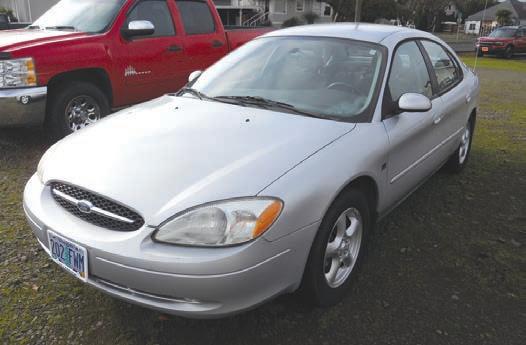
Page A9 www.tillamookheadlightherald.com Tuesday, April 25, 2023 LEVERETTE ML E V r E a yR for TILLAMOOK COUNTY TRANSPORTATION DISTRICT PAID FOR BY MARY LEVERETTE. WWW.MARYLEVERETTE.COM Drive A Little Save A Lot! 501 & 708 Main Avenue, Tillamook • 503-842-4475 • 800-927-4476 Tillamook Ford North • Next To Pizza Hut On Hwy 101 in Tillamook • 503-842-1202 www.tillamookmotors.net TILLAMOOK FORD H21932 C10V C9V T20U T45U PT24V PT27V **Sale price does not include license, title and doc. fees. Available financing is subject to lender credit approval. Not all buyers will qualify. Sale vehicles are subject to prior sale. Sale Price expires 04/28/2023. Contact Dealer for complete details. 2015 JEEP PATRIOT SP 4X4 List Price $13,995.00 Reduced Price $10,675.00 2020 FORD ESCAPE SE AWD List Price $31,995.00 Reduced Price $24,875.00 2019 FORD F-150 XLT 4X4 List Price $42,995.00 Reduced Price $39,275.00 2003 FORD TAURUS SES 3.0L V6 List Price $5,995.00 Reduced Price $4,975.00 2012
List Price $16,995.00 Reduced Price $ $13,075.00 2018 FORD ECOSPORT SE AWD List Price $30,995.00 Reduced Price $ $22,275.00
CADILLAC SRX LUXURY COLLECTION
Mike Weber for the Herald
H21898
hr@tillamookbaycc.edu Details and application packet available at: https://tillamookbaycc.edu/ about-tbcc/jobs/ TBCC is an equal opportunity educator and employer.

Hallco Industries is looking for Production Entry level personal. Wage depending on experience. Medical, Dental, etc. 401K after one year. Call 503-842-8746
Estate Sales 706
ESTATE SALE

MAY 5-6-7 9-5
FULL HOUSE MUST BE SOLD!
Many antiques 6155 Dew Pointe Dr. Bay City, OR H21929


Farm Equipment 746
2017 John Deere commercial ZTrak mower with a 4 foot deck and bagger assembly. It is capable of handling a 5 deck. It has a little over 2,000 hours on it $12,000.00 Call: 503-888-0031
Apts Unfurnished 804 Duplex For Rent Till2bd, 2ba, Lg deck, Valley View, water/garbage provided, garage. $1100/month 503-812-2527
Independent Living Apartments

With Independent Living, you get to live life on your terms while we take care of the details. Say goodbye to cooking and cleaning, and spend more time pursuing your interests and passions! Call (503) 842-0918 or visit prestigecare.com/fiverivers
Houses Unfurnished 808
4/bed 2/bath triple-wide on 5.6 acres of trees, fruit trees, creek & wildlife on quiet dead-end road. close to town. $460,000. terms possible 503-801-2785
1999 skyline HS single-wide
$22,695 OBO 503-812-6618 7120 Kennedy Mobile Home Park #29
County, State of Oregon, to discuss the budget for the fiscal year July 1, 2023 to June 30, 2024, will be held in the month of May. The first meeting will be held May 3, 2023 at 9:30 a.m. for the GURA, and for the City to follow. All meetings will be held at Garibaldi City Hall in the Community Hall, located at 107 Sixth St., Garibaldi, Oregon via Zoom * Go to zoom. us / join. * Meeting ID: (503) 322-3327 * Password: 97118 * Call in Number: (253) 215-8782
* Meeting ID: (503) 322-3327 * Password: 97118. The purpose of the first meeting is to receive the budget message and comment from the public on the budget. A public hearing will also be held to discuss the use of State Revenue Sharing. The second meeting is tentatively scheduled on May 10, 2023 at 9:30 a.m. for GURA, and for the City to follow, and will take place on an as needed basis. Public Comment for Virtual Meetings: If you wish to provide public comment for this virtual meeting, you must submit it by 5:00 p.m., one day prior to the meeting, to city@garibaldi. gov. All written comments received by the deadline will be distributed to the committee and the appropriate staff prior to the start of the meeting. The written comments will be included in the record copy of the meeting. You may also request to speak during this virtual meeting. You must submit it by 5:00 p.m., one the day prior to the meeting, to city@ garibaldi.gov. Public Comment may be taken at the beginning of the meeting. A copy of the budget document may be inspected online, on or after April 21, 2023 at the City’s website: www.garibaldi.gov. These are public meetings where deliberation of the budget committee will take place. Any person may provide comment at the meetings. Notice of publication is also available at www. garibaldi.gov. Garibaldi City Hall is handicapped accessible. Any person requiring special accommodations to attend the meeting should contact the City Hall by Monday, May 2, 2023.
HH23-145
NOTICE OF BUDGET COMMIT-




TEE MEETING
A public meeting of the Budget Committee of the City of Manzanita, Tillamook County, State of Oregon, on the budget for the fiscal year July 1, 2023, to June 30, 2024, will be held on Monday, May 8, 2023, at 4:00 p.m. via zoom teleconference. The purpose of the meeting is to receive the budget message and budget document. A copy of the budget document may be inspected or
obtained on or after May 2, 2022, at http://www.ci.manzanita.or.us. On Tuesday, May 9, 2023, at 4:00 p.m. via zoom, an additional Budget Committee meeting will be held if needed. These are public meetings where deliberation of the Budget Committee will take place. On Wednesday, May 17, 2022, at 6:00 p.m. via zoom, the Budget Committee will hold a public hearing to take public comment, including public comment on proposed uses of State Revenue Sharing. Any person may appear at this meeting to provide public comment on the proposed programs with the Budget Committee. Log in information will be posted on the City’s website one week in advance of each meeting. You may also contact the City of Manzanita at cityhall@ ci.manzanita.or.us to obtain log on information. This notice is also posted on the City’s website http://www.ci.manzanita.or.us.
HH23-93 NOTICE OF BUDGET HEARING

MEETING
A public meeting of the Budget Hearing of the Twin Rocks Sanitary District, Tillamook County, State of Oregon, to discuss the budget for the fiscal year July 1, 2023 to June 30, 2024, will be held at 18005 Hwy 101, the Twin Rocks Sanitary Building. The meeting will take place on the 11th of May, 2023 at 9:00 am. The purpose of the meeting is to Adopt the budget and to receive comments from the public on the budget. A copy of the budget document may be inspected or obtained on or after May 1, 2023 at 18005 Hwy 101, the Twin Rocks Sanitary Building between 10:00 am and 2:00 pm. Contact phone is 503-355-2732. This is a public meeting where deliberation of the Budget will take place. Any person may appear at the meeting and discuss the proposed programs with the Budget Committee. All Board Meetings of the Twin Rocks Sanitary District are open to the public and accessible to the disabled. Anyone who is wanting or needs special accommodation or remote attendance
should contact the District Office at least 48 hrs. in advance at 503355-2732
HH23-148 NOTICE OF SOLID WASTE SERVICE DISTRICT BUDGET COMMITTEE MEETING

A public meeting of the Solid Waste District Budget Committee will be held on May 2nd, 2023, at 3:00 p.m. at the Tillamook County Courthouse, 201 Laurel Avenue, Commissioners Room 106 to discuss the budget for fiscal year July 1, 2023, to June 30, 2024.
The Solid Waste Service District Budget Committee provides opportunities for public participation during meetings via the options below. Audio capabilities are listen-only and are offered on a best effort for the public. Workshop: Dial 971-254-3149, Conference ID: 736 023 979#. Any person may provide public comment at publiccomments@ co.tillamook.or.us. A copy of the agenda and the budget document may be obtained on or after April 25, 2023 at Solid Waste Budget | Tillamook County OR. This notice is also posted on Tillamook County’s website at: https://
Job Opening City Manager

Posted April 12, 2023
The City of Bay City is accepting applications for a full-time City Manager. This position requires a bachelor’s degree in public or business administration, engineering, finance, or closely related field. At least 7 years of progressively responsible municipal administrative or management experience and at least 5 years of previous experience as a City Manager, Chief Executive Officer, or closely related position. The City Manager serves as the Chief Executive Officer of the City, accountable to the City Council and responsible for enforcement of all City codes and regulations, the conduct of all financial activities and the efficient and economical performance of the City’s operation. The ideal candidate has good customer service skills, ability to write and manage grants, familiar with municipal budgeting, understand design, operation, and contracting of infrastructure projects, understands Oregon Land Use goals, and human resource functions. This candidate should have a history of leading teams to success. The salary range for this position is $93,439 - $125,220.

The job description and application are available online at www.ci.bay-city.or.us or can be picked up at Bay City Hall at 5525 B Street, Bay City, OR 97107. This position closes on May 10, 2023 at 4:00 pm. All applications, resume and supplemental questions must be submitted to Bay City by the position close date and time at 5525 B Street, Bay City, OR 97107 or emailed to Liane Welch at lwelch@ci.bay-city.or.us by May 10, 2023, by 4:00 pm.
This institution is an equal opportunity provider and employer. In accordance with Federal law and the U.S. Department of Agriculture policy, this institution is prohibited from discriminating on the base of race, color, national origin, religion, sex, age, disability, or familial status.


HH23-141 Notice of Budget Committee Meetings
Two public meetings of the Bud get Committees of the Garibaldi Urban Renewal Agency (“GURA”) and City of Garibaldi, Tillamook
Page A10 www.tillamookheadlightherald.com/classifieds LISTINGS ARE UPDATED DAILY AT TILLAMOOKHEADLIGHTHERALD.COM CLASSIFIEDS Services, etc. Jobs Autos 100 - 400 500 600 700 800 900 Items for Sale Rentals Real Estate To place an ad Call 503-842-7535 Or go to www.tillamookheadlightherald.com Headlight Herald Deadline for display ads, Classified liners and legals: Thursdays at noon Tuesday, April 25, 2023 103 Yard Work R & R LAWN SERVICE (503) 812-7469 We know the needs of your lawn • General lawn cleanup • Mowing, edging • Brush & shrub trimming/removal • Weeding, pruning • Yard waste removal • General tree care • Pressure washing • Gutter cleaning H21717 Landscape Maint. 111 Pacific Lawn Service: Pruning, cutting, yard cleanup & haul away, power wash, gutter cleaning. Free estimates (503)8017948 Accepting new customers Misc Services 150 Grupo Focal de vivienda justa para la Comunidad Latin@ Únete a nosotros para la cena y la conversación el 3er martes del mes hasta junio en La Mexicana 5:00pm- 6:30pm PO Box 569, Lincoln City, OR 97367 (541) 614-4333 www.pelicangaragedoors.com CCB#238172 Providing garage door repair, sales, service and installation in Lincoln & Tillamook County H21860 Personals 302 Corvette owners getting close to good riding weather if interested call 503-812-4915 ask for Dan Full-time Position HR Director Compensation: $65,535.31 - $93,437.70 Excellent Benefits Full Employer Paid PERS Contact Human Resources (503) 842-8222, ext.1022
Public Notices 999
Public Notices 999 Public Notices 999 Public Notices 999 Public Notices 999 INSIDE More Help Wanted & Real Estate Employment Opps 515
H21954
Visit our office or wernerjerky.com to fill out an application today! Werner’s is an equal opportunity employer. WE’RE HIRING! Werner Gourmet Meat Snacks and Werner Beef & Brew are located at 2807 3rd Street, Tillamook, OR 97141 503-842-7577 • hr@wernerjerky.com CASHIER Starting at $15.00 per hour + tips DISHWASHER Starting at $14.00 per hour + tips PACKAGING & PRODUCTION Starting at $16.00-$17.00 per hour. WHEN: Saturday April 29 from 9am – 3pm WHERE: Bay City Hall Community Center TO DONATE please bring items to City Hall on Friday, April 28 from 9am – 2pm. Only clean usable items please. No TVs, furniture or large items. Cash, credit cards & checks accepted. H21916 BAY CITY UNITED METHODIST CHURCH RUMMAGE & BAKE SALE ATTENTION!! tillamookheadlightherald.com Tillamook Beekeepers Association Presenting 2018 Garden& Artisan Vendors Wanted Tillamook Home & Garden Show April 29 & 30 Contact us to find out about our special low rate for small businesses: 503-842-7535 headlightads@countrymedia.net Vendor booths now 1/2 price!
www.co.tillamook.or.us. This is a public meeting where deliberation of the Budget Committee will take place. Shawn Blanchard County Treasurer & Budget Officer
HH23-147 NOTICE OF BUDGET COMMIT-
TEE MEETING
A public meeting of the Budget Committee of the Tillamook School District #9, Tillamook County, State of Oregon, to discuss the budget for the fiscal year July 1, 2023, to June 30, 2024, will be held on Tuesday, May 9, 2023, at 5:15 p.m. The meeting of the Budget Committee will be conducted at the District Administration Office, 2510 1st Street, Tillamook, OR, with a virtual option via Zoom. The meeting notice and link will be published on the district website, www.tillamook.k12.or.us at least 5 days prior to the meeting. The purpose of the meeting is to receive the budget message and to receive comments from the public on the budget. This is a public meeting where deliberation of the Budget Committee will take place. Any person may appear at the meeting and discuss the proposed programs with the Budget Committee. The budget document will be available electronically to requesting parties and may be obtained on or after May 4, 2023, by contacting Shannon Farrier, Finance Director, via email farriers@tillamook.k12.or.us or phone 503.842.4414, ext 1025.
HH23-146 NOTICE OF BUDGET COMMIT-
TEE MEETING Port of Garibaldi
A public meeting of the Budget Committee of the Port of Garibaldi, Tillamook County, State of
SECTION 00020
Oregon, to discuss the budget for the fiscal year July 1, 2023 to June 30, 2024, will be held at the Bay City City Hall, 5525 B Street, Bay City, Oregon. The meeting will take place on Wednesday, the 3rd day of May, 2023 at 6:00 p.m. The purpose of the meeting is to receive the budget message and to receive comment from the public on the budget. A second meeting if needed will be held Wednesday, May 10 at 6:00 p.m. A copy of the budget document may be inspected or obtained on or after May 3rd, 2023, between the hours of 10:00 p.m. and 3:00 p.m. on the week days Monday through Thursday. This is a public meeting where deliberation of the Budget Committee will take place. Any person may appear at the meeting and discuss the proposed programs with the Budget Committee. This notice is also available at www.portofgaribaldi. org. Michael T. Saindon, Budget Officer
HH23-149 NOTICE OF BUDGET COMMITTEE MEETING
A public meeting of the Budget Committee of the Hebo Joint Water & Sanitary Authority, Tillamook, State of Oregon, to discuss the budget for the fiscal year July 1, 2023 to June 30, 2024, will be held at the Hebo Fire Hall at 30710 Highway 101 S. Hebo, OR 97122. The meeting will take place on May 09, 2023 at 7:00pm. The purpose of the meeting is to receive the budget message and to receive comment from the public on the budget. This is a public meeting where deliberation of the Budget Committee will take place. Any person may appear at the meeting and discuss the pro-
SECTION 00020-1
INVITATION TO BID
posed programs with the Budget Committee. A copy of the budget document may be inspected or obtained on or after May 10, 2023 at the District Office, 30960 Highway 101 S. Hebo, OR 97122, between the hours of 10:00am and 1:00pm.
HH23-152 NOTICE OF BUDGET COMMIT-
TEE MEETING
A public meeting of the Budget Committee of the Cloverdale Water District, Tillamook, State of Oregon, to discuss the budget for the fiscal year July 1, 2023 to June 30, 2024, will be held at the Sanitary District Office 34540 Highway 101 S Cloverdale, OR 97112. The meeting will take place on May 08, 2023 at 7:00pm. The purpose of the meeting is to receive the budget message and to receive comment from the public on the budget. This is a public meeting where deliberation of the Budget Committee will take place. Any person may appear at the meeting and discuss the proposed programs with the Budget Committee. A copy of the budget document may be inspected or obtained on or after May 09, 2023 at the CSD District Office 34540 Highway 101 S. Cloverdale, OR 97112, between the hours of 10:00am and 1pm.
HH23-153 NOTICE OF BUDGET COMMIT-
TEE MEETING
101 S Cloverdale, OR 97112. The meeting will take place on May 10, 2023 at 7:00pm. The purpose of the meeting is to receive the budget message and to receive comment from the public on the budget. This is a public meeting where deliberation of the Budget Committee will take place. Any person may appear at the meeting and discuss the proposed programs with the Budget Committee. A copy of the budget document may be inspected or obtained on or after May 11, 2023 at the District Office 34540 Highway 101 S. Cloverdale, OR 97112, between the hours of 10:00am and 1:00pm.
HH23-157 IN THE CIRCUIT COURT OF THE STATE OF OREGON FOR THE COUNTY OF TILLAMOOK Probate Department Case No. 23PB02838 NOTICE TO INTERESTED PERSONS In the Matter of the Estate of Donald Signer, Deceased. NOTICE IS HEREBY GIVEN that the Janet Muller and Jeanine Garrett have been appointed Co-Personal Representatives. All persons having claims against the Estate are required to present them, with vouchers attached, to the Co-Personal Representatives at: 1530 SW Taylor Street, Portland, OR 97205,
within four months after the date of first publication of this notice, or the claims may be barred. All persons whose rights may be affected by the proceedings may obtain additional information from the records of the Court, the CoPersonal Representatives, or the attorneys for the Co-Personal Representatives. Dated and first published on April 25, 2023. /s/ Janet Muller and Jeanine Garrett Co-Personal Representatives. CO-PERSONAL REPRESENTATIVES: Janet Muller and Jeanine Garrett. ATTORNEYS FOR CO-PERSONAL REPRESENTATIVES: Scott Howard OSB No. 790583 Kivel & Howard, LLP 1530 SW Taylor Street, Portland, OR 97205 Tel: 503-7960909 Fax: 503-802-4757 Email: showard@k-hlaw.com
HH23-158 NOTICE OF BUDGET COMMITTEE MEETING A public meeting of the Tillamook County Budget Committee will be held on May 10, 2023, at 3:00 p.m., at the Tillamook County Courthouse, 201 Laurel Avenue, Commissioners Room 106, to discuss the budget for fiscal year July 1, 2023 to June 30, 2024. The Budget Committee provides opportunity for public participation during meet-
ings via the options below. Audio capabilities are listen-only and are offered on a best effort for the public. Workshop: Dial 971-2543149, Conference ID: 736 023 979#. Any person may provide public comment at publiccomments@co.tillamook.or.us. The purpose of this meeting is to receive the budget message and to receive comment from the public on the budget. A copy of the agenda and the budget document may be obtained on or after April 26, 2023 at https://www.co.tillamook. or.us/treasurer/page/budget. This notice is also posted on Tillamook County’s website at: https://www. co.tillamook.or.us/news. This is a public meeting where deliberation of the Budget Committee will take place. Shawn Blanchard County Treasurer & Budget Officer
HH23-139 IN THE CIRCUIT COURT OF THE STATE OF OREGON FOR THE COUNTY OF TILLAMOOK CASE No. 23PB03379 NOTICE TO INTERESTED PERSONS In the Matter of the Estate of: DONALD ALLEN OSBORNE, JR., Deceased. NOTICE IS HEREBY GIVEN that Anne L. O. Harting has been appointed Personal Representative. All persons having claims against the Estate are required to present them, with
Tillamook School District No.9 9
Tillamook School District No. 9
Tillamook County Transportation District (the Project) for a general existing office building and their Transit Center. The Project is funded by Transportation District. Transportation District will administer the funds and Planning Solutions Architecture, In General the Project consists of two parts to be completed: Breakroom, Paint the ~ 460 sf hall, and remodel the ~230 sf dispatch square foot single story wood framed office building The project location is Oregon. waiting and office area s of the existing 775 sf Transit Center. Exterior extruded building lettering on the East façade, adding HVAC cooling to replacing a damaged decorative streetlight and removing the sculpted The project location is 204 Laurel St., Tillamook, Oregon Contractor to be familiar with all state and federal rules and Transit Administration (FTA) construction p rojects, and local and state requirements. Minority, Women and Emerging Small Businesses are encouraged bidding documents electronically
Certified:
Classified
• ELA Teacher .5 FTE @ Wilson River School (50T-23)
• Eaglet Program Child Care EA, .5 FTE @ Wilson River School Campus (38-23)
SECTION 00020-1
A public meeting of the Budget Committee of the Cloverdale Sanitary District, Tillamook, State of Oregon, to discuss the budget for the fiscal year July 1, 2023 to June 30, 2024, will be held at the District Office 34540 Highway
INVITATION TO BID
• 2nd or 3rd Grade Teacher, 2023/24 School Year- 2 Positions @ South Prairie (13T-24)
• English Learner Development EA, 1.0 FTE @ Tillamook High School (84-22)
• Bilingual Campus Connection Coach, 1.0 FTE @ Tillamook High School (63 -22)
• 5th Grade Dual Language Teacher, 2023/24 School Year @ East (14T-24)
• Title I EA, .5 FTE @ Liberty Elementary School (03-23)
• 3rd Grade Dual Language Teacher, 2023/24 School Year @ South Prairie (15T-24)
Bids are being solicited by the Tillamook County Transportation District (the Project) for a general contractor to remodel their existing office building and their Transit Center. The Project is funded by Tillamook County Transportation District.
Tillamook County Transportation District will administer the funds and Planning Solutions Architecture, Inc. will administer the Project. In General the Project consists of two parts to be completed:
PART 1: Remodeling the ~240 sf Breakroom, Paint the ~ 460 sf hall, and remodel the ~230 sf dispatch area of an existing 11,000 square foot single story wood framed office building. The project location is 3600 Third St., Tillamook, Oregon.
PART 2: Remodeling the ~430 sf waiting and office areas of the existing 775 sf Transit Center. Exterior work includes replacing the extruded building lettering on the East façade, adding HVAC cooling to the waiting/office areas, replacing a damaged decorative streetlight and removing the sculpted bench at 2nd St. and Laurel Ave. The project location is 204 Laurel St., Tillamook, Oregon
It is the sole responsibility of the Contractor to be familiar with all state and federal rules and regulations related to Federal Transit Administration (FTA) construction projects, and local and state building codes and requirements. Minority, Women and Emerging Small Businesses are encouraged to participate. Prime Bidders may obtain bidding documents electronically or hard-copy beginning Thursday, April 20, 2023 at Precision Images (call ahead to order).
-
and
by appointment only A refundable Bid Document Deposit of $150 is required for hard-copy bid documents with checks made payable to “Tillamook county Transportation District Bid Document Deposits will only be refunded for unmarked, complete sets returned in good condition. Additional sets may be purchased directly from Precision Images, 900 SE Sandy Blvd., Portland, Oregon 97214, (503) 274-2030. Only bidders that obtain a complete set of bid documents from Precision Images will be consider ed a Plan holder of Record, included on TCTD’s Plan Holders’ list and will receive any addenda issued. Please do not contact the Owner, Owner’s representative or Architect for Bid Documents. Sub-bidders and suppliers may obtain bidding documents beginning Thursday, April 20, 2023at Precision Images by paying the cost of reproduction; however, it is the responsibility of those obtaining Bidding documents in this manner to obtain any and all addenda. Addenda will be issued to plan Centers and Prime bidders only.
addenda issued. Owner, Owner’s representative or Architect for Bid Documents. obtain bidding documents beginning Thursday, April 20, 2023at cost of reproduction; however, it is the responsibility of those this manner to obtain any and all addenda. Addenda will be issue d bidders only. sets of the contract documents may be examined at the following
Beginning Friday, April 21, 2023 sets of the contract documents may be examined at the following locations:
Tillamook County Transportation District
3600 Third Street, Tillamook, Oregon
Transportation District
• Contractor Plan Center
5468 SE International Way, Milwaukie, Oregon
• Daily Journal of Commerce Plan Center
SECTION 00020
• Eugene Builders Exchange
2460 W 11th Ave, Eugene, OR 97402
SECTION 00020-2 INVITATION TO BID
• Southwest Washington Contractors Association (SWCA) Plan Center 360.694.7922 7017 NE Highway 99, Suite 116, Vancouver, WA 98665
• Social Studies Teacher, 2023/24 School Year @ Tillamook Junior High (16T-24)
• Title I EA, .5 FTE @ South Prairie Elementary School (25-23) General Educational Assistant, .5 FTE @ South Prairie Elementary (18 -23)
• 6th Grade Dual Language Teacher, 2023/24 School Year @ East (17T-24)
• General Educational Assistant, 1.0 FTE @ South Prairie Elementary (19 -23)
• General Educational Assistant, .5 FTE @ Liberty Elementary School (04 -23)
• Kindergarten or 1st Grade Dual Language Teacher, 2023/24 School Year @ Liberty (20T-24)
• SpEd/Special Care Ed. Assistant, 1.0 FTE @ Multiple Schools
• Special Education Teacher, 2023/24 School Year @ South Prairie (22T-24)
Extra Duty
Classified:
• Head Tennis Coach @ Tillamook High School (16X-23) Drama Club Advisor @ Tillamook High School (17X-23)
• Childcare Coordinator- Ed Tech, 1.0 FTE, 2023/24 School Year @ Wilson River School (01-24)
• Custodian, 1.0 FTE @ East (03-24)
• Volleyball Coach @ Tillamook Junior High School (07X-23)
To view job details, qualifications and more job postings visit our website www.tillamook.k12.or.us
• General Educational Assistant- OYC, 1.0 FTE @ Wilson River School (77-23)
• General Education Assistant, 1.0 FTE @ East Elementary (89-23)
• Title I EA 3.75 hrs/day @ Liberty Elementary (51-23)
Questions? Contact: Renee Aufdermauer aufdermauerr@tillamook.k12.or.us (503) 842-4414, ext. 1200
• Title I EA, .5 FTE @ South Prairie (25-23)
• SpEd/Special Care Educational Assistant, 1.0 FTE @ East Elementary School (83-23)
• SpEd/Special Care Educational Assistant, 1.0 FTE @ South Prairie Elementary (61-23)
• SpEd/Special Care Educational Assistant, 1.0 FTE @ Tillamook High School- 2 Vacancies

• Custodian, 1.0 FTE @ Tillamook High School (86-23)
Extra Duty
• Head Volleyball Coach @ Tillamook High School (01X-24)
• OYC Summer Crew Leader- 2-3 Positions (02X-24)
• Assistant Wrestling Coach @ Tillamook High School (07X-24)
• JV 2 Basketball Coach- Girls @ Tillamook High School (08X-24)
• Volleyball Coach @ Tillamook Junior High School (09X-24)
• Head Girls Basketball Coach @ Tillamook High School (10X-24)
• Summer Paint Crew Member, 2-3 Positions (11X-24)
• Head Swimming Coach @ Tillamook High School (15X-23)
• Oregon Youth Corps (OYC) Summer Crew Member, 8 Positions Available ( 16X-24)
To view job details, qualifications and more job postings, visit our website www.tillamook.k12.or.us
Questions? Contact: Hannah Snow Roberts, snowh@tillamook.k12.or.us, (503) 842-4414, ext. 1200
Full time employees are entitled to excellent benefits, including health insurance and retirement benefits (PERS). Tillamook School District is an equal opportunity educator and employer. All employees must pass a criminal background/fingerprint check.
POSITIONS:
District-wide
Neah-Kah-Nie High School
Garibaldi Grade School
• Salem Contractors Exchange 503.362.7957 2256 Judson St. SE, Salem, OR 97309
00020-1
Tillamook County Transportation District
00020-1
Interested Contractors are Strongly Encouraged to attend a pre-bid conference to be held on Wednesday, May 3, 2023 from 2:00 pm to 3:00 pm at Tillamook County Transportation District, 3600 Third St., Tillamook Oregon. General Contractors wishing to bid are Strongly Encouraged be present. Bids shall be made upon the provided Form of Bid. Before submitting a bid, bidders shall carefully examine all contract and project documents. Bids must be received by Tillamook County Transportation District before 2:00 pm on Wednesday, May 17, 2023. First-tier subcontractor disclosure forms must be received by 4:00 pm on Wednesday May 17, 2023. Bids after these times will be considered non-responsive and returned unopened.
Bids and First Tier submittals may be scanned and emailed to: bvitulli@tillamookbus.com
All bids shall be opened and read aloud at 2:05 pm on Wednesday May 17, 2023. Award decision will not be made at bid opening. Only the name of the Bidder(s) and the total basic bid amount will be read.
Any bid that does not comply with prescribed public procurement procedures and requirements, including procedures and requirements made herein may be rejected.
Bids will not be considered unless accompanied by certified check, or surety bond made payable to Tillamook County Transportation District in an amount equal to ten percent (10%) of the lump sum bid. Interest will not be allowed on bid security.
It shall be understood and mutually agreed by and between the Contractor and Owner that the date of beginning and time for completion of the project are essential conditions of the contract and that the time for beginning and comp letion of the project shall be considered by the Owner in making the award of the contract.
The Tillamook county Transportation district reserves the right to (1) reject any or all Bids not in compliance with all public bidding procedures and requirements, (2) postpone award of the Contract for a period not to exceed sixty (60) days from the date of bid opening, (3) waive informalities in the Bids, and (4) select the Bid, which appears to be in the best interest of the Tillamook county Transportation District. The Tillamook County Transportation District is an equal opportunity employer.
Authorized by:
Brian Vitulli
Nehalem Elementary School 23-24 Sp Ed Teacher, $47,086-$94,168, #471
Neah-Kah-Nie Middle School 23-24 Sp Ed IA, $19.42 per hr, #472
SUBSTITUTES NEEDED – PLEASE CONTACT ESS.COM
Teacher Substitutes
Classroom, Secretarial, Cafeteria, and Custodial Substitutes Needed
To apply for any substitute position please go to ESS.com, click on Job Seeker, then type in Neah-Kah-Nie School District and follow the application process.
To apply for any of the positions, except for substitute positions, go to TalentEd at https://neahkahnie.schoolrecruiter.net/
For More Information Contact:
Kathie Sellars, Administrative Assistant
Neah-Kah-Nie School District PO Box 28/504 N. Third Avenue
Rockaway Beach, OR 97136
Phone (503) 355-3506
Vacancy announcements can be found on our website at www.nknsd.org
Neah-Kah-Nie School District is an Equal Opportunity Employer

Click on this QR code to go straight to our current vacancies.
END OF SECTION

Page A11 www.tillamookheadlightherald.com/classifieds Tuesday, April 25, 2023 Public Notices 999 Public Notices 999 Public Notices 999 Public Notices 999 Public Notices 999 Public Notices 999
INSIDE More Help Wanted & Real Estate
Full time employees are
excellent benefits, including health
retirement benefits
Tillamook
District is an equal opportunity educator and employer All employees must pass a criminal background/fingerprint check
entitled to
insurance and
(PERS)
School
Precision Images: • MAIN OFFICE: 900 SE Sandy
Hours
Blvd. Portland, OR 97214 503 274 2030
M-F 7:30am
9:00pm
weekends
503.815.8283
503.650.0148
503.274.0624
541.484.5331
or hard -copy beginning Thursday, April (call ahead to order). Sandy Blvd. Portland, OR 97214 503 274 2030 9:00pm and weekends by appointment only Deposit of $150 is required for hard-copy bid documents with checks county Transportation District ” Bid Document Deposits will only be complete sets returned in good condition. Additional sets may be ion Images, 900 SE Sandy Blvd., Portland, Oregon 97214, (503) 274 -2030. complete set of bid documents from Precision Images will be consider ed a on TCTD’s Plan Holders’ list and will receive any
503.815.8283
Tillamook County Transportation District 541.484.5331
Tillamook, Oregon 503.650.0148 Way, Milwaukie, Oregon Commerce Plan Center 503.274.0624 Exchange
Eugene, OR 97402
HH23-155
General Manager Tillamook County Transit District
vouchers attached, to the Personal Representative c/o Seaside Attorneys, 842 Broadway, Seaside, Oregon 97138, within four months after the date of first publication of this notice, or the claims may be barred. All persons whose rights may be affected by the proceedings may obtain additional information from the records of the Court, the Personal Representative, or the lawyer for the Personal Representative, Jeremy Rust. Dated and first published on April 18, 2023. Jeremy Rust /s/ Jeremy Rust, OSB No. 094927 Seaside Attorneys 841 Broadway, Seaside, Oregon 97138 Attorney for Personal Representative.
HH23-130 TRUSTEE’S NOTICE OF SALE
TS No.: 110583-OR Loan No.: ******5061 Reference is made to that certain trust deed (the “Deed of Trust”) executed by ROBERT EVERETT MICKEY AND SANDRA MAE MICKEY, AS TENANTS BY THE ENTIRETY, as Grantor, to FIDELITY NATIONAL TITLE COMPANY OF OREGON, as Trustee, in favor of MORTGAGE ELECTRONIC REGISTRATION SYSTEMS, INC., AS DESIGNATED NOMINEE FOR LOANDEPOT.COM, LLC, BENEFICIARY OF THE SECURITY INSTRUMENT, ITS SUCCESSORS AND ASSIGNS, as Beneficiary, dated 4/4/2022, recorded 4/13/2022, as Instrument No. 2022-02431, in the Official Records of Tillamook County, Oregon, which covers the following described real property situated in Tillamook County, Oregon: LOTS 13 AND 14, BLOCK 15, TILLAMOOK BEACH, IN THE COUNTY OF TILLAMOOK, STATE OF OREGON. APN:
357214 / 1N1005BC10903 Commonly known as: 635 S CORAL ST ROCKAWAY BEACH, OR 97136 The current beneficiary is: loanDepot.com, LLC Both the beneficiary and the trustee have elected to sell the abovedescribed real property to satisfy the obligations secured by the Deed of Trust and notice has been recorded pursuant to ORS 86.752(3). The default for which the foreclosure is made is the grantor’s failure to pay when due, the following sums:
plained of in the Notice of Default by tendering the performance required under the Deed of Trust at any time not later than five days before the date last set for sale.




Without limiting the trustee’s disclaimer of representations or warranties, Oregon law requires the trustee to state in this notice that some residential property sold at a trustee’s sale may have been used in manufacturing methamphetamines, the chemical components of which are known to be toxic. Prospective purchasers of residential property should be aware of this potential danger before deciding to place a bid for this property at the trustee’s sale.
In construing this notice, the masculine gender includes the feminine and the neuter, the singular includes plural, the word “grantor” includes any successor in interest to the grantor as well as any other persons owing an obligation, the performance of which is secured by the Deed of Trust, the words “trustee” and “beneficiary” include their respective successors in interest, if any. Dated: 3/23/2023
CLEAR RECON CORP 1050 SW 6th Avenue, Suite 1100 Portland, OR 97204 Phone: 858-750-7777 866-931-0036 Hamsa Uchi, Authorized Signatory of Trustee
HH23-127 SUMMONS BY PUBLICATION Case No.: 23CV09356 IN THE CIRCUIT COURT OF THE STATE OF OREGON FOR THE COUNTY OF TILLAMOOK WILMINGTON SAVINGS FUND SOCIETY, FSB, NOT IN ITS INDIVIDUAL CAPACITY BUT SOLELY AS TRUSTEE FOR RELIANT TRUST, SERIES HPP, Plaintiff, vs. UNKNOWN HEIRS AND DEVISEES OF IMOGENE CAMELLI AKA IMOGENE LANE CAMELLI AKA IMOGENE L CAMELLI; JEFFREY HERR; CHRISTOPHER MOLINAR; UNITED STATES OF AMERICA; OCCUPANTS OF THE PROPERTY, Defendants.
To: UNKNOWN HEIRS AND DEVISEES OF IMOGENE CAMELLI AKA IMOGENE LANE CAMELLI AKA IMOGENE L CAMELLI and OCCUPANTS OF THE PROPERTY, You are hereby required to appear and defend the Complaint filed against you in the above entitled cause within thirty (30) days from the date of service of this summons upon you, and in case of your failure to do so, for want thereof, Plaintiff will apply to the court for the relief demanded in the Complaint. NO-
TICE TO DEFENDANT: READ
THESE PAPERS CAREFULLY!
3202 gchu@mccarthyholthus. com Of Attorneys for Plaintiff IDSPub #0185058
HH23-140 CITY OF BAY CITY NOTICE OF BUDGET COMMITTEE MEETING
A public meeting of the Budget Committee of the City of Bay City, Tillamook County, State of Oregon, to discuss the budget for the fiscal year July 1, 2023, to June 30, 2024, will be held in the Bay City Hall, 5525 B Street, Bay City, Oregon. The meeting will take place on May 1, 2023, at 5:30 p.m. The purpose of the meeting is to receive the budget message and to receive comments from the public on the budget. The Budget Committee will then begin a review of the proposed FY 2023-2024 budget.
A copy of the budget document may be inspected or obtained on or by April 27, 2023, at City Hall, 5525 B Street, Bay City, Oregon, Monday through Thursday during regular office hours. This is a
public meeting where deliberation of the Budget Committee will take place. Any person may appear at this meeting and discuss the proposed programs with the Budget Committee.
HH23-142


A public meeting of the Budget Committee of the Tillamook Fire District, Tillamook, State of Oregon, to discuss the budget for the fiscal year July 1, 2023 to June 30, 2024, will be held at TFD St. 71 Meeting Room 2310 4th Street. The meeting will take place on 4/27/2023 at 6:00 p.m. The purpose of the meeting is to receive the budget message and to receive comment from the public on the budget. This is a public meeting where deliberation of the Budget Committee will take place. Any person may appear at the meeting and discuss the proposed programs with the Budget Committee. A copy of the budget document may be inspected or obtained on or after 6/13/2023 at Station 71, between the hours of 8:00 a.m. and 5:00 p.m.
North County Recreation District is hiring!

Fitness Director • Fitness Supervisor
Fitness Attendants • Custodian
Lifeguards • Aquatics Instructors
Complete details and applications at ncrd.org or stop by 36155 9th Street, Nehalem.
Questions? Contact 855.444.6273
HH23-144 NOTICE OF BUDGET COMMIT-





TEE MEETING
A public meeting of the Budget Committee of the Garibaldi Rural Fire District, Tillamook, State of Oregon, to discuss the budget for the fiscal year July 1, 2023 to June 30, 2024, will be held at Garibaldi City Hall, Garibaldi, Oregon. The meeting will take place on May 2, 2023, at 6:00 p.m. The purpose of the meeting is to receive the budget message and to receive comment from the public on the budget. A copy of the budget document may be inspected or obtained on or after May 9, 2023 at Garibaldi City Hall, between the hours of 9:00 a.m. and 5:00 p.m.
HH23-131
COUNTY
Probate Department Case No. 23PB03054 NOTICE TO INTERESTED PERSONS In the Matter of the Estate of: PEGGY LOUISE RENZ, Deceased. The Circuit Court of Tillamook County, Oregon has appointed Rourke John Wendeborn as personal representative of the Estate of Peggy Louise Renz, deceased, Case No. 23PB03054. All persons having claims against the estate are required to present them, with vouchers attached, to the personal representative in care of the lawyer for the personal representative, Aarti Gujral, 4085 SW 109th Ave., Suite 100, Beaverton, OR 97005, within four months after the date of first publication of this notice, which is April,
As CHS continues to grow, we have many opportunities available.
Feed Mill Operator (Operations Specialist)
Tillamook, Oregon ACTIVE FULL TIME
CHS Animal Nutrition has an opening for a Feed Mill Operator (Operations Specialist) position. You will work extensively with Country Operations Cooperative Customers in ensuring they are provided the highest level of service. You must be customer focused, be hard working, and have excellent communication skills, both verbal and written. This position has the opportunity for growth. To view full description and complete the online application visit www.CHSinc.com/careers
CHS is an EO/AA/M/F/V/D employer. H21932 H21953





HH23-150
By reason of the default, the beneficiary has declared all obligations secured by the Deed of Trust immediately due and payable, including: the principal sum of $363,038.74 together with interest thereon at the rate of 4.75 % per annum, from 9/1/2022 until paid, plus all accrued late charges, and all trustee’s fees, foreclosure costs, and any sums advanced by the beneficiary pursuant to the terms and conditions of the Deed of Trust
Whereof, notice hereby is given that the undersigned trustee, CLEAR RECON CORP, whose address is 111 SW Columbia Street #950, Portland, OR 97201, will on 8/8/2023, at the hour of 10:00 AM, standard time, as established by ORS 187.110, ON THE NORTHERN ENTRANCE

STEPS ON LAUREL AVENUE
TO THE TILLAMOOK COUNTY COURTHOUSE, 201 LAUREL AVE, TILLAMOOK, OR 97141, sell at public auction to the highest bidder in the form of cash equivalent (certified funds or cashier’s check) the interest in the above-described real property which the grantor had or had power to convey at the time it executed the Deed of Trust, together with any interest which the grantor or his successors in interest acquired after the execution of the Deed of Trust, to satisfy the foregoing obligations thereby secured and the costs and expenses of sale, including a reasonable charge by the trustee. Notice is further given that any person named in ORS 86.778 has the right to have the foreclosure proceeding dismissed and the Deed of Trust reinstated by payment to the beneficiary of the entire amount then due (other than the portion of principal that would not then be due had no default occurred), together with the costs, trustee’s and attorneys’ fees, and curing any other default com-
You must “appear” in this case or the other side will win automatically. To “appear” you must file with the court a legal paper called a “motion” or “answer.” The “motion” or “answer” (or “reply”) must be given to the court clerk or administrator within 30 days of the date of first publication specified herein along with the required filing fee. It must be in proper form and have proof of service on the plaintiff’s attorney or, if the plaintiff does not have an attorney, proof of service on the plaintiff. If you have questions, you should see an attorney immediately. If you need help in finding an attorney, you may call the Oregon State Bar’s Lawyer Referral Service at (503) 684-3763 or toll-free in Oregon at (800) 452-7636. If you are a veteran of the armed forces, assistance may be available from a county veterans’ service officer or community action agency. Contact information for a local county veterans’ service officer and community action agency may be obtained by calling the 2-1-1 information service. Additionally, contact information for a service officer appointed under ORS 408.410 for the county in which you live and contact information for a community action agency that serves your area can be found by visiting the following link: https://www.oregon. gov/odva/services/pages/countyservices.aspx and selecting your county. You can also access a list of Veterans Services for all Oregon counties by visiting the following link: https://www.oregon.gov/odva/Services/Pages/ All-Services-Statewide.aspx. The relief sought in the Complaint is the foreclosure of the property located at 35235 BAYSIDE GARDENS ROAD, NEHALEM, OR 97131. Date of First Publication: McCarthy & Holthus, LLP s/ Grace Chu _ John Thomas OSB No. 024691 _ Grace Chu OSB No. 220848 _ Michael Scott OSB No. 973947 920 SW 3rd Ave, 1st Floor Portland, OR 97204 Phone: (971) 201-3200 Fax: (971) 201-
Page A12 www.tillamookheadlightherald.com/classifieds Tuesday, April 25, 2023 Public Notices 999 Public Notices 999 Public Notices 999 Public Notices 999 Public Notices 999 Public Notices 999
Delinquent Payments: Dates: 10/1/2022
3/1/2023 Total: $12,522.66 Late Charges: Total: $166.96 Beneficiary Advances: Total: $585.00 Total Required to Reinstate: $13,274.62 TOTAL REQUIRED TO PAYOFF: $373,368.82
-
5/2/2023
4/18/2023 4/25/2023
5/9/2023
CIRCUIT COURT OF THE STATE OF OREGON
THE
INSIDE More Help Wanted & Real Estate
IN THE
FOR
OF TILLAMOOK
FREE INTERNET Qualify today for the Government Free Internet Program CALL TODAY (877) 390-0458 YOU QUALIFY for Free Internet if you receive Housing Assistance, Medicaid, SNAP, WIC, Veterans Pension, Survivor Benefits, Lifeline and Tribal. Bonus offer: 4G Android Tablet with one time co-pay of $20 ACP program details can be found at www.fcc.gov/affordable-connectivity-program-consumer-faq EXCLUSIVE LIMITED TIME OFFER! Promo Code: 285 FINANCING THAT FITS YOUR BUDGET!1 Subject to credit approval. Call for details. FREE GUTTER ALIGNMENT + FREE GUTTER CLEANING* SENIORS & MILITARY! YOUR ENTIRE PURCHASE + 20%% OFF OFF 10 *For those who qualify. One coupon per household. No obligation estimate valid for 1 year. **Offer valid at time of estimate only. 2The leading consumer reporting agency conducted a 16 month outdoor test of gutter guards in 2010 and recognized LeafFilter as the “#1 rated professionally installed gutter guard system in America.” Manufactured in Plainwell, Michigan and processed at LMT Mercer Group in Ohio. See Representative for full warranty details. Registration# 0366920922 CSLB# 1035795 Registration# HIC.0649905 License# CBC056678 License# RCE-51604 Registration# C127230 License# 559544 Suffolk HIC License# 52229-H License# 2102212986 License# 262000022 License# 262000403 License# 2106212946 License# MHIC111225 Registration# 176447 License# 423330 Registration# IR731804 License# 50145 License# 408693 Registration# 13VH09953900 Registration# H-19114 License# 218294 Registration# PA069383 License# 41354 License# 7656 DOPL #10783658-5501 License# 423330 License# 2705169445 License# LEAFFNW822JZ License# WV056912 CALL US TODAY FOR A FREE ESTIMATE BACKED BY A YEAR-ROUND CLOG-FREE GUARANTEE 1-855-536-8838 Mon-Thurs: 8am-11pm, Fri-Sat: 8am-5pm, Sun: 2pm-8pm EST Now’s the Right Time Take advantage of the new 30% Solar Investment Tax Credit (ITC) with PWRcell, Generac’s fully-integrated solar + battery storage system. PWRcell will help you save money on your electric bill and be prepared for utility power outages. Plus it’s compatible with most existing solar arrays. SAVE 30% Call to request a free quote! (844) 989-2328 ^Consult your tax or legal professional for information regarding eligibility requirements for tax credits. Solar panels sold separately. WITH THE SOLAR TAX CREDIT
Tuesday, April 25, 2023


11, 2023, or the claims may be barred. All persons whose rights may be affected by the proceedings may obtain additional information from the records of the Court, the personal representative, or the lawyer for the personal representative, Aarti Gujral. Date of first publication: April 11, 2023
/s/ Aarti Gujral, Lawyer. PER-












































SONAL REPRESENTATIVE:
Rourke John Wendeborn 17501
NW Fieldstone Drive Beaverton, OR 97006 LAWYER FOR PER-
SONAL REPRESENTATIVE:

Aarti Gujral, OSB #120935 4085 SW 109th Ave., Suite 100 Beaverton, OR 97005 (503) 6080207 aarti.gujral@lawyer.com
HH23-85 TRUSTEE’S NOTICE OF SALE
T.S. No.: OR-23-953515-BB Reference is made to that certain deed made by, GREGORY G STILL, AN UNMARIRED PERSON as Grantor to TICOR TITLE COMPANY OF OREGON, as trustee, in favor of MORTGAGE
ELECTRONIC REGISTRATION
SYSTEMS, INC., AS NOMINEE FOR CALIBER HOME LOANS, INC., A CORPORATION, ITS SUCCESSORS AND ASSIGNS, as Beneficiary, dated 12/20/2019, recorded 1/2/2020, in official records of TILLAMOOK County, Oregon as fee/file/instrument/microfilm/reception number 2020-00004 and subsequently assigned or transferred by operation of law to CALIBER HOME LOANS, INC. covering the following described real property situated in said County, and State.





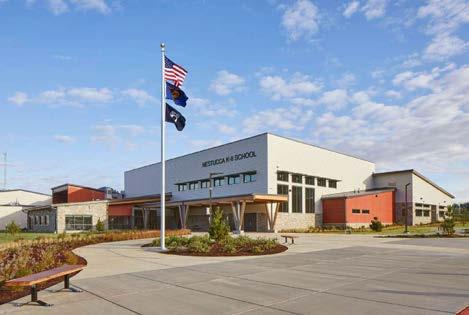
APN: 61925 3N1028-CA-00600
LOT 6, SEA FOREST, SITUATED IN THE NORTHEAST QUARTER OF THE SOUTHWEST QUARTER OF SECTION 28, TOWNSHIP 3 NORTH, RANGE 10 WEST, WILLAMETTE MERIDIAN, COUNTY OF TILLAMOOK, STATE OF OREGON, RECORDED JULY 13, 1979 IN PLAT BOOK 3, PAGE 79, TILLAMOOK COUNTY RECORDS. Commonly known as: 35595 CLIPPER CT, NEHALEM, OR 97131-9642 The undersigned hereby certifies that based upon business records there are no known written assignments of the trust deed by the trustee or by the beneficiary, except as recorded in the records of the county or counties in which the above described real property is situated. Further, no action has been instituted to recover the debt, or any part thereof, now remaining secured by the trust deed, or, if such action has been instituted, such action has been dismissed except as permitted by ORS 86.752(7). Both the beneficiary and the trustee have elected to sell the said real property to satisfy the obligations secured by said trust deed and notice has been recorded pursuant to Section 86.752(3) of Oregon Revised Statutes. There is a default by grantor or other person owing an obligation, performance of which is secured by the trust deed, or by the successor in interest, with respect to provisions therein which authorize sale in the event of such provision. The default for which foreclosure is made is grantor’s failure to pay when due the following sum: TOTAL REQUIRED TO REINSTATE: $8,405.79 TOTAL REQUIRED TO PAYOFF: $153,686.20 Because of interest, late charges, and other charges that may vary
from day-to-day, the amount due on the day you pay may be greater. It will be necessary for you to contact the Trustee before the time you tender reinstatement or the payoff amount so that you may be advised of the exact amount you will be required to pay. By reason of the default, the beneficiary has declared all sums owing on the obligation secured by the trust deed immediately due and payable, those sums being the following, to- wit: The installments of principal and interest which became due on 10/1/2022, and all subsequent installments of principal and interest through the date of this Notice, plus amounts that are due for late charges, delinquent property taxes, insurance premiums, advances made on senior liens, taxes and/or insurance, trustee’s fees, and any attorney fees and court costs arising from or associated with the beneficiaries efforts to protect and preserve its security, all of which must be paid as a condition of reinstatement, including all sums that shall accrue through reinstatement or pay-off. Nothing in this notice shall be construed as a waiver of any fees owing to the Beneficiary under the Deed of Trust pursuant to the terms of the loan documents.
Whereof, notice hereby is given that QUALITY LOAN SERVICE CORPORATION F/K/A QUALITY LOAN SERVICE CORPORA-


























































































TION OF WASHINGTON, the undersigned trustee will on 7/19/2023 at the hour of 9:00 AM, Standard of Time, as established by section 187.110, Oregon Revised Statues, At the Front Entrance to the Tillamook County Courthouse, located at 201 Laurel Avenue, Tillamook, Oregon 97141 County of TILLAMOOK, State of Oregon, sell at public auction to the highest bidder for cash the interest in the said described real property which the grantor had or had power to convey at the time of the execution by him of the said trust deed, together with any interest which the grantor or his successors in interest acquired after the execution of said trust deed, to satisfy the foregoing obligations thereby secured and the costs and expenses of sale, including a reasonable charge by the trustee. Notice is further given that any person named in Section 86.778 of Oregon Revised Statutes has the right to have the foreclosure proceeding dismissed and the trust deed reinstated by payment to the beneficiary of the entire amount then due (other than such portion of said principal as would not then be due had no default occurred), together with the costs, trustee’s and attorney’s fees and curing any other default complained of in the Notice of Default by tendering the performance required under the obligation or trust deed, at any time prior to five days before the date last set for sale. Other than as shown of record, neither the beneficiary nor the trustee has any actual notice of any person hav ing or claiming to have any lien upon or interest in the real prop erty hereinabove described sub sequent to the interest of the trustee in the trust deed, or of any successor in interest to grantor or of any lessee or other person in possession of or occupying the property, except: Name and Last Known Address and Nature of
Great opportunities at Tillamook
Cheese Operator (swing) Tillamook
Compensation $20.50
Utility Operator (Boardman)
Compensation $17.32/hr
Packaging Sanitation-graveyard (Tillamook)
Compensation $22.21/hr
Packaging Operator (Tillamook)




Compensation $19.95/hr
Commercial Truck Driver (Tillamook)
Compensation $26.14/hr






























Ice Cream-swing (Tillamook)
Compensation $21.91/hr
Please check out our website for more information on these and other great opportunities www.tillamook.com or contact latha.meyer@tillamook.com
H21949
Right, Lien or Interest GREGORY STILL 35595 CLIPPER CT NEHALEM, OR 97131 Original Borrower For Sale Information Call: 800-280-2832 or Login to: www. auction.com In construing this notice, the singular includes the plural, the word “grantor” includes any successor in interest to this grantor as well as any other person owing an obligation, the performance of which is secured by the trust deed, and the words “trustee” and “beneficiary” include their respective successors in interest, if any. Pursuant to Oregon Law, this sale will not be deemed final until the Trustee’s deed has been issued by QUALITY LOAN SERVICE CORPORATION F/K/A
QUALITY LOAN SERVICE CORPORATION OF WASHINGTON. If any irregularities are discovered within 10 days of the date of this sale, the trustee will rescind the sale, return the buyer’s money and take further action as necessary. If the sale is set aside for any reason, including if the Trustee is unable to convey title, the Purchaser at the sale shall be entitled only to a return of the monies paid to the Trustee. This shall be the Purchaser’s sole and exclusive remedy. The purchaser shall have no further recourse against the Trustor, the Trustee, the Beneficiary, the Beneficiary’s Agent, or the Beneficiary’s Attorney. If you have previously been discharged through bankruptcy, you may have been released of personal liability for this loan in which case this letter is intended to exercise the note holders right’s against the real property only. As required by law, you are hereby notified that a negative credit report reflecting on your credit record may be submitted to a credit report agency if you fail to fulfill the terms of your credit obligations. Without limiting the trustee’s disclaimer of representations or warranties, Oregon law requires the trustee to state in this notice that some residential property sold at a trustee’s sale may have been used in manufacturing methamphetamines, the chemical components of which are known to be toxic. Prospective purchasers of residential property should be aware of this potential
Busy
danger before deciding to place a bid for this property at the trustee’s sale. NOTICE TO TENANTS: TENANTS OF THE SUBJECT REAL PROPERTY HAVE CERTAIN PROTECTIONS AFFFORDED TO THEM UNDER ORS 86.782 AND POSSIBLY UNDER FEDERAL LAW. ATTACHED TO THIS NOTICE OF SALE, AND INCORPORATED HEREIN, IS A NOTICE TO TENANTS THAT SETS FORTH SOME OF THE PROTECTIONS THAT ARE AVAILABLE TO A TENANT OF THE SUBJECT REAL PROPERTY AND WHICH SETS FORTH CERTAIN REQUIRMENTS THAT MUST BE
QUARTER OF SECTION 32, TOWNSHIP 1 SOUTH, RANGE 10 WEST OF THE WILLAMETTE MERIDIAN, COUNTY OF TILLAMOOK AND STATE OF OREGON, BEING MORE
PARTICULARLY DESCRIBED














































AS FOLLOWS: BEGINNING AT THE SOUTHEAST CORNER OF SAID BOOK 355, PAGE 809, SAID POINT ALSO BEING THE NORTHEAST CORNER OF PARCEL 3 OF THE DULY RECORDED PARTITION PLAT NO. 1995-46; THENCE NORTH
00°23’42” EAST, ALONG THE EAST LINE THEREOF AND THE EAST LINE OF SAID BOOK 289, PAGE 720, 198.00
FEET TO THE NORTHEAST CORNER OF SAID BOOK 289, PAGE 720; THENCE NORTH
88°37’01” WEST, ALONG THE NORTH LINE THEREOF, 415.19


































FEET TO A POINT IN THE EAST
RIGHT-OF-WAY LINE OF NETARTS-OCEANSIDE HIGHWAY; THENCE SOUTH 18°52’50”

EAST ALONG SAID EAST RIGHT-OF-WAY LINE THERE-
OF, 70.34 FEET TO THE SOUTHWEST CORNER OF SAID BOOK 289, PAGE 720; THENCE SOUTH 88°37’01” EAST, ALONG THE SOUTH LINE THEREOF, 170.97 FEET; THENCE SOUTH 00°23’42” WEST, 132.00 FEET TO A POINT IN THE SOUTH LINE OF SAID BOOK 355, PAGE 809,: THENCE SOUTH 88°37’01” EAST, ALONG SAID SOUTH LINE THEREOF, 221.00 FEET TO THE POINT OF BEGINNING. EXCEPTING THEREFROM ANY PORTIONS LYING WITHIN PUBLIC RIGHTS-OF-WAY. The court case number is 22CV03216, where LONGBRIDGE FINANCIAL, LLC, is plaintiff, and THE ESTATE OF DEAN POPPENHAGEN; THE UNKNOWN HEIRS, ASSIGNS AND DEVISEES OF DEAN POPPENHAGEN; CHERYL B POPPENHAGEN; DEEANN HANCOCK; THE SECRETARY OF HOUSING AND URBAN DEVELOPMENT; and ALL OTHER PERSONS OR PARTIES UNKNOWN CLAIMING ANY RIGHT, TITLE, LIEN, OR INTER-
Bilingual Certified Peer Support/Recovery Mentor (English/Spanish)

F.T. 40-Hours/week Position
Office, 5995 Long Prairie Road, Tillamook, Oregon, the defendant’s interest will be sold, subject to redemption, in the real property commonly known as 4920 NETARTS HIGHWAY W, TILLAMOOK, OREGON 97141- A CERTAIN TRACT OF LAND BEING THAT TRACT AS DESCRIBED IN BOOK 289, PAGE 720 AND A PORTION OF THAT TRACT AS DESCRIBED IN BOOK 355, PAGE 809 OF TILLAMOOK COUNTY DEED RECORDS, SITUATED IN THE SOUTHWEST ONE-QUARTER OF THE SOUTHWEST ONE-
Must be able to multitask, great communication skills and be a team player. Email resume to pioneervethospital@gmail.com OR bring into Pioneer Veterinary Hospital, 801 Main Ave, Tillamook, OR 97141.

Tillamook Family Counseling Center is currently looking to add a bilingual peer specialist to our Prime+ program. The mission of the Prime+ program is to prevent acute life-threatening outcomes of substance use which include reducing overdose morbidity and mortality by providing harm reduction centered overdose prevention education and facilitating access to Naloxone. We also strive to reduce injection-related infections by providing harm reduction centered infection prevention education and facilitating access to safer use supplies. The Prime+ program supports linkage to care, diagnosis and treatment of substance use related conditions and substance us related infections.

This position includes training that leads to state certification according to OAR 410-180-0305 (12) and (13). As a certified Peer Specialist, you will be a living example and role model of recovery life. As a peer you will be a provider of the life wisdom gained through your own lived experience of recovery as well as a change agent for hope.
Benefits: Dental Vision and Medical-prescription coverage. HSA and FSA plans. 9 paid holidays a year, paid sick leave and vacation time. Vacation starts out at 8 hours a month with increases over time. Generous retirement program: non-contributory 403(b), we put in 9% of your salary and you are vested after 6 months.
H21781
BOOKKEEPER ASSISTANT
$19.87 (start) $21.87 (after introductory)


Must have prior experience with AP/AR, Quickbooks, and Excel.
Bookkeeper Assistant will provide support to Bookkeeper with AP/AR, services billing, assistance with payroll, and various other duties to support in daily office operations.
Full Time
Monday-Friday 8:00 am to 4:00 pm
Competitive Benefits Package: Paid Vac/Sick/Holiday Leave Generous 401K Plan

Paid Health Dental, Vision, Hearing Ins.
Employee Assistance and Wellness Program
Interested Applicants 1800 Front Street Tillamook, OR 97141
Contact: Rene Straessle 503-842-2539 ext 2000 for more information
H21900
To see our complete job description and to apply go to http://tfcc.bamboohr.com/jobs. Be sure to submit an online application and upload your resume. Any questions, please visit us online at http://tfcc.org or contact us at jobs@tfcc.org H21939 H21900
Page A13 www.tillamookheadlightherald.com/classifieds
ANT IN ORDER
AFFORDED PROTECTION, AS REQUIRED UNDER ORS 86.771. TS No: OR-23-953515BB Dated: 3/7/2023 Quality Loan Service Corporation f/k/a Quality Loan Service Corporation of Washington, as Trustee Signature By: Jeff Stenman, President Trustee’s Mailing Address: Quality Loan Service Corporation f/k/a Quality Loan Service Corporation of Washington 2763 Camino Del Rio South San Diego, CA 92108 Toll Free: (866) 925-0241 Trustee’s Physical Address: Quality Loan Service Corporation f/k/a Quality Loan Service Corporation of Washington 2763 Camino Del Rio South San Diego, CA 92108 Toll Free: (866) 925-0241 IDSPub #0184539 4/11/2023 4/18/2023 4/25/2023 5/2/2023
On May 9,2023, at the hour of 2 P.M. at the Tillamook County Sheriff’s
COMPLIED WITH BY ANY TEN-
TO OBTAIN THE
HH23-123
Public Notices 999 Public Notices 999 Public Notices 999 Public Notices 999 Public Notices 999 Public Notices 999 INSIDE Real Estate
preferred.
vet practice needs full time Veterinary Technician, experience
H21629
EST IN THE REAL PROPERTY
COMMONLY KNOWN AS 4920
NETARTS HIGHWAY W, TILLAMOOK, OREGON 97141, is defendant. The sale is a public auction to the highest bidder for cash or cashier’s check, in hand, made out to Tillamook County Sheriff’s Office. For more information on this sale go to: www. oregonsheriffssales.org
HH23-121
On May 9,2023, at the hour of 10:30 a.m., at the Tillamook County Sheriff’s Office, 5995 Long Prairie Road, Tillamook, Oregon, the defendant’s interest will be sold, subject to redemption, in the real property com-
monly known as 36760 UPPER NESTUCCA RIVER RD, BEAVER, OREGON 97108PARCEL
CORDS. The court case number is 18CV06463, where THE BANK OF NEW YORK MELLON FKA THE BANK OF NEW YORK, AS TRUSTEE FOR THE CERTIFICATEHOLDERS OF THE CWALT, INC., ALTERNATIVE LOAN TRUST 2006-OC11, MORTGAGE PASS-THROUGH CERTIFICATES, SERIES 2006OC11, is plaintiff, and ANTHONY C. BARNETT and DORIS M. BARNETT, husband and wife; DECISION ONE MORTGAGE COMPANY, LLC; and ALL OTHER UNKNOWN PARTIES CLAIMING ANY RIGHT, TITLE, LIEN OR INTEREST IN THE REAL PROPERTY COMMONLY KNOWN AS 36760 UPPER NESTUCCA RIVER RD, BEAVER,
Hope & Caroline - Figaro & Tigger
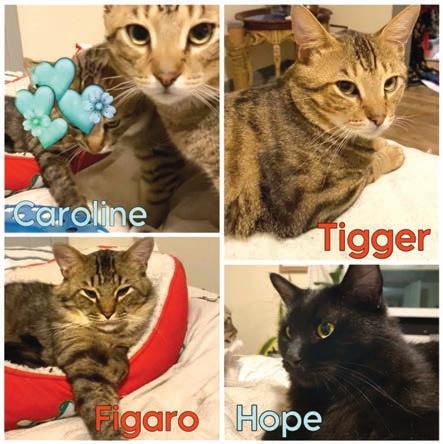
They are waiting for you to adopt them. What started as a group of 11 cats that had been caged for months, dehydrated, hungry and ill, are now a group of four. They were so timid and unsure of even stepping out of their cages and have now started to blossom into trusting loving pets. Is there room in your home and your heart?
Just fill out the online adoption application.
Tillamook County Church Services
Bay City
BAY CITY UNITED METHODIST CHURCH
A warm and friendly congregation.
5695 D Street, Bay City, OR, (503) 377-2679, Pastor David Hurd.
Worship Service 10 a.m., Fellowship downstairs afterwards.
https://www.facebook.com/BayCityOr-
egonUMC Open Hearts, Open Minds, Open Doors! Cloverdale
ST. JOSEPH’S CATHOLIC CHURCH
34560 Parkway Dr., (mailing: P.O. Box 9) Cloverdale, OR 97112
(503) 392-3685
Pastor: Rev. Angelo Te
Mass Schedule: Saturday No Mass
Sunday (10:30 a.m.)
Weekdays: Friday (11 a.m.)
Confessions: By appointment
WI-NE-MA CHRISTIAN CHURCH
Wi-Ne-Ma Campground. 5195 Winema Road, 7 miles south of Cloverdale
Kyle French, Minister. (971) 237-2378 info@winemachurch.net
Sunday School 9:30 a.m.
Worship 10:45 a.m.
Garibaldi
NORTH COAST CHRISTIAN CHURCH
309 3rd St., (503) 322-3626
Pastor Sam McRae
Sunday Worship Service 10:30 a.m.
We invite you to join us.
HIS GATHERING
111 Driftwood Ave Garibaldi, OR 97118
www.hisgathering.net
Sundays at 10:30 a.m.
Nehalem
NEHALEM BAY UNITED METHODIST CHURCH 36050 10th Street, Nehalem, OR (503) 368-5612 Pastor Celeste Deveney + Sunday service 11 a.m. Food Pantry
Open Friday, Saturday & Monday 10 a.m. to 2 p.m. Wednesday March - October 2 p.m. to 6 p.m.
November - February noon to 4 p.m. Nehalem Senior Lunches

Tuesday & Thursday served at noon email: nbumcnsl2020@gmail.com
NETARTS FRIENDS CHURCH 4685 Alder Cove Rd. West, (503) 842-8375. Pastor Aaron Carlson,

Adult
&
Sunday Worship: 9:30 a.m.
Sunday School 11:15 a.m. Website: pacificcoastbiblechurch.com All are welcome!
Rockaway Beach ST. MARY BY THE SEA
CATHOLIC CHURCH
275 S. Pacific St. (mailing: P. O. Box 390) Rockaway, OR 97136 (503-355-2661) e-mail: stmarys1927@gmail.com
Administrator: Fr. MacDonald Akuti Mass Schedule: Saturday (5 p.m.) Sunday (8:30 a.m.) (10:30 a.m.)

Weekdays: Monday (9:30 a.m.) Wednesday thru Friday (9:30 a.m.) Confessions: Saturday (4 p.m.)
Tillamook
BETHEL BAPTIST CHURCH (CBA) 5640 U.S. 101 South 2 miles south of Tillamook (503) 842-5598 https://bbc-tillamook.faithlifesites.com
9:45 a.m. Sunday School for all ages
11a.m. Morning Worship 6 p.m. Evening Service Nursery provided for all services
Everyone Welcome
CHURCH OF CHRIST TILLAMOOK
2506 1st Street, (503) 842-4393
Preacher: Larry Owens
Sunday: Adult Classes & Children’s Sunday School 10 a.m. Worship Service: 11 a.m. Everyone is welcome! Enter to worship…Leave to serve.
TILLAMOOK NAZARENE
2611 3rd, (503) 842-2549
Pastor Josh Myers
Sunday: Growth Groups: 9:30 a.m.
Worship Service and Children’s activities: 11 a.m.
Tuesdays: Celebrate Recovery 5:30 p.m.
Wednesdays: Youth Group 6:30 p.m. - 8 p.m. A place for the whole family to Connect, Grow and Serve.
REDEEMER LUTHERAN CHURCH (LCMS)
302 Grove Ave. (503) 842-4823


Sunday Services:
9:30 a.m. Adult Bible Class and Sunday School
10:30 a.m. Divine Worship Where love transforms hearts and lives.
LIFECHANGE CHRISTIAN FELLOWSHIP
3500 Alder Lane, Tillamook, OR 97141 (503) 842-9300 www.lifechangefellowship.com
Pastor Brad Smith
Bible Study 9:30 a.m. Sunday morning followed by Worship and Message at 11 a.m.
Come worship with us, enjoy the live music. Bible studies and an assortment of activities throughout the week. Let’s worship our Lord together. We will show you how much WE CARE!
ST. PETER LUTHERAN CHURCH (ELCA) 401 Madrona at 4th Street (503) 842-4753
Pastor Mary Peterson 10 a.m. Worship

Everyone is Welcome
EMMANUEL MISSIONARY BAPTIST CHURCH
Sunday Services 10 a.m. to 11:30 a.m.
Meeting at 1113 9th Street, Tillamook, OR 97141
Bible Study Thursday 10 a.m. to 11:30 a.m.
1113 9th St., Tillamook, OR 97141


Pastor Sterling Hanakahi (503) 842-7864
FIRST CHRISTIAN CHURCH
2203 4th St., (503) 842-6213
Senior Pastor: Dean Crist
Sunday Prayer at 8:45 a.m.
Worship Celebration at 9:15 a.m.
Classes for all ages at 11 a.m.
Casual attire. Nursery facilities and handicapped accessible.
Programs available for youth of all ages. Travelers and newcomers welcome.
OCEAN BREEZE BAPTIST CHURCH
2500 Nielsen Road, (503) 842-1446
Pastor Kevin Birdsong
Sunday School 10 a.m.
Sunday Morning Service 11 a.m.
Sunday Evening Service 6 p.m.
Wednesdays: Prayer Meeting, King’s Kids and Teen Power Hour 6 p.m.
“The end of your search for a friendly church.” www.oceanbreezebaptist.com
ST. ALBAN’S EPISCOPAL CHURCH
Co-Rectors: The Revs. Ali and George Lufkin 2102 6th St, Tillamook, OR 97141 (503) 842-6192
email: stalbans.tillamook@gmail.com
10 a.m. Worship Sundays & Wednesdays
Everyone is welcome; Bienvenidos
CHRISTIAN CENTER 701 Marolf Loop Rd, Tillamook, OR 97141 (503) 842-6555 www.tillamookchristiancenter.com 9:30 a.m. Sunday School 10:30 a.m. Worship Service (Sunday) 3 p.m. Bi-Lingual Service (Sunday) Bible Studies and small groups available during the week.
TILLAMOOK SEVENTH-DAY
Angelo Te
Page A14 www.tillamookheadlightherald.com/classifieds Tuesday, April 25, 2023
1, PARTITION PLAT 1994-51, RECORDED OCTOBER 12, 1994, IN PLAT CABINET B-416, PARTITION PLAT RECORDS FOR TILLAMOOK COUNTY, AND BEING SITUATED IN SECTION 3, TOWNSHIP 4 SOUTH, RANGE 8 WEST OF THE WILLAMETTE MERIDIAN, IN TILLAMOOK COUNTY, OREGON. EXCEPTING THEREFROM THAT PORTION CONVEYED TO TILLAMOOK COUNTY, A POLITICAL SUBDIVISION OF THE STATE OF OREGON, BY INSTRUMENT RECORDED JULY 26, 1993, BOOK 352, PAGE 822, TILLAMOOK COUNTY REPublic Notices 999 Public Notices 999 Public Notices 999 Public Notices 999 Public Notices 999 Public Notices 999
Youth Worship
a.m.
Sunday School:
a.m. Nursery
Small Groups
All are welcome! Pacific City
Weekly Bible study group Fridays at 10 a.m. Open communion the first Sunday of each month Regular services Sunday 10 a.m. Everyone is welcome PACIFIC
Netarts
Service: 9:30
Children’s
9:30
available Handicap Accessible
Website: www.netartsfriends.org
NESTUCCA VALLEY PRESBYTERIAN CHURCH 35305 Brooten Road, (503) 965-6229 www.nestuccavalleypc.org
COAST BIBLE CHURCH 35220 Brooten Road (Adjacent Post Office) Pastor Dan Mason (503) 926-8234
ADVENTIST CHURCH 2610 1st St., (503) 842-7182 tillamookadventist.net Pastor Tim Mayne Kid’s Program: Saturdays 10 a.m. Sabbath Service: Saturdays 11 a.m. or live on church FB page Weekly Bible Study: Tues 7 p.m. Lower Level & on FB Community Services: Tues & Thurs, 10 a.m.-2 p.m. Christian Radio Station: KGLS-LP 99.1 FM Handicap accessible All are Welcome!! SACRED HEART CATHOLIC CHURCH 2411 Fifth St. (mailing: 2410 Fifth St.) Tillamook, OR 97141, (503) 842-6647 email: sacredheart2405@gmail.com www.tillamoooksacredheart.org
TILLAMOOK
Rev.
Mass Schedule: Saturday (5 p.m.) Sunday (8:30 a.m.) Spanish (12:30 p.m.)
Tuesday (5 p.m.) Wednesday thru Friday (9:30 a.m.) Wednesday (Spanish) (5 p.m.)
Saturday each month: (10:30 a.m.) Confessions: Saturday (3:30 – 4:30 p.m.) ST. JOHN’S UNITED CHURCH OF CHRIST No matter who you are or where you are on life’s journey, you are welcome here.” 602 Laurel Ave., Tillamook, OR 97141 (503) 842-2242 Sunday Worship 10:30 a.m. Office Hours Mon-Thurs 9 a.m. to 2 p.m. Follow us on Facebook: St. John’s UCC Tillamook Handicapped accessible TILLAMOOK UNITED METHODIST CHURCH Sunday Service 11 a.m Pastor Alegro (AJ) Lynwe 3803 12th St., (503) 842-2224 Office Hours: Tue. / Thurs 10 a.m. to 2 p.m. ADA accessible. Contact the church office (503) 842-2224 if transportation is needed. Worship online www.TillamookUMC.org. All are welcome and cherished here. Call 503-842-7535 or email headlightads@countrymedia.net to list your church in this directory
Pastor:
Weekdays:
First
T.C.C.A. FARM STORE Front & Ivy Tillamook (503) 842-7566 Hwy. 101, Cloverdale (503) 392-3323 Service • Furnaces • Heat Pumps Call, email or stop by the office today to set up an appointment. FREE ESTIMATES! 503-842-7765 “A Tillamook Family Tradition since 1974” Licensed • Bonded • Insured CCB#144376 customerservice@pandlheating.com 2711 3rd Street • Tillamook, OR H43805 ADVERTISE YOUR BUSINESS HERE Call 503-842-7535 or email headlightads@ countrymedia.net for details Cell (503) 812-2520 judysbythesea@gmail.com 1812 3rd St, Tillamook, OR 97141 Judy Sours HomeSource H20145
Crossword answers on page A15
https://unitedpaws.wordpress.com/adoption-application/













































Page A15 www.tillamookheadlightherald.com/classifieds Tuesday, April 25, 2023 Public Notices 999 Public Notices 999 Public Notices 999 Public Notices 999 Public Notices 999 Public Notices 999 Plumbing License #219524 waldropconstructionllc@gmail.com Jacob Waldrop owner/operator 807 4th St. Tillamook, OR 97141 503-750-1638 •New construction •Remodels •Interior trim & moldings •Windows, doors & siding •Flooring •Decks & patios H21434 Construction Roofing Highlight of the Week Business Service Directory & Real Estate Kourtnie Zwald (503) 801-0272 Odger Rawe Jr. (503) 260-0534 Carolyn Decker cell (503) 801-0935 42 years of personalized service and professional representation. Your patronage is never taken for granted. Our aim is to please and satisfy your real estate needs. WE CARE! 615 Main Tillamook (503) 842-8271 MEMBER OF BETTER BUSINESS BUREAU E-mail: 2deckerrealestate@gmail.com www.deckerrealestate.net H20610 H43646 • Barkdust (Fir & Hemlock) • Bark Nuggets • Red Rock • Compost • Potting Soils • Flagstone U-Haul or Delivered 5755 Alderbrook Loop Road 503-801-1214 or 457-6023 H40846 CCB#202914 Engineering H40844 20 Years Experience in Tillamook County 503-801-6016 Recycling and Auto Facility Don Averill Recycling Auto Facility H40973 Certified Dismantler Serving Tillamook County 503-457-6023 503-842-4588 Flooring Astro &Odie FREE ESTIMATES MARMOLEUM•LAMINATEFLOORS CORKFLOORING•BAMBOO RECYCLED(Polyethylene)CARPETS WOOLCARPETS•CERAMIC/PORCELAINTILE NATURALSTONETILE OpenTuesday-Friday10-5•Saturday10-4 653ManzanitaAvenue•ManzanitaCCB#128946 N20571 503-368-5572 H64713 36180 HWY 101, Manzanita • CCB#128946 MARMOLEUM • LAMINATE FLOORS CORK FLOORING • BAMBOO RECYCLED (Polyethylene) CARPETS WOOL CARPETS • CERAMIC/PORCELAIN TILE LUXURY VINYL FLOORING Computers Tillamook Computer Sales Service Solutions Apple 503 815 8433 TillamookComputers.com Droid Gilbert Davis M.C.S.E. A VETERAN OWNED BUSINESS Insurance Auto/Home/FArm CommerCiAl/WAterCrAFt r eCreAtionAl VeHiCle Safeco Insurance Company Liberty Mutual Oregon Mutual • Progressive • Foremost Locally owned and operated since 1953 1700 FourtH Street • P.o. Box 298, tillAmook 503-842-4407 TONY VELTRI INSURANCE SERVICES H49694 ProteCt Your Future Electrician Heating & Sheet Metal H40971 Haltiner Heating Tillamook Fireplace 503-842-9315 503-842-5653 1709 1st Street • Tillamook • www.haltinerheating.com Open Mon-Fri 8am - 4:30pm • Sat 10am - 2pm • Traeger BBQ’s & Accessories • Custom Flashing • Continuous Gutters • Trane Heating Systems • Mitsubishi Ductless Systems • Wood, Pellet and Gas Stoves • Energy Logs and Pellets • Full Service Department Painting Full Color Paint, LLC Bonded-Insured CCB #208834 Interior/Exterior Painting Drywall Repair Pressure Washing FREE ESTIMATES 503-801-0757 fullcolorpaint2480@gmail.com H46894 H49697 Call 503-544-2716 Call 503-842-7535 or email headlightads@countrymedia.net to sign up or renew your 52 weeks in the Business & Service Directory! Excavating John Malcom Site Prep • Utilities • Land Development and Clearing Septic Systems • Demo • Retaining Walls • Concrete CCB# 187215 Licensed • Bonded • Insured JM Excavating, LLC Email • Malcom.10@live.com 503•801•5599 John Malcom Site Prep • Utilities • Land Development and Clearing Septic Systems • Demo • Retaining Walls • Concrete CCB# 187215 Licensed • Bonded • Insured JM Excavating, LLC Email • Malcom.10@live.com 503•801•5599 H63957 DEQ Installer #38804 John Malcom Site Prep • Utilities • Land Development and Clearing Septic Systems • Demo • Retaining Walls • Concrete CCB# 187215 Licensed • Bonded • Insured JM Excavating, LLC Email • Malcom.10@live.com 503•801•5599 Call 503-842-7535 or email headlightads@ countrymedia.net to sign up or renew your 52 weeks in the Business & Service Directory! H20379 Prepare for power outages today WITH A HOME STANDBY GENERATOR *To qualify, consumers must request a quote, purchase, install and activate the generator with a participating dealer. Call for a full list of terms and conditions. REQUEST A FREE QUOTE CALL NOW BEFORE THE NEXT POWER OUTAGE (877) 557-1912 $0 MONEY DOWN + LOW MONTHLY PAYMENT OPTIONS Contact a Generac dealer for full terms and conditions FREE 7-Year Extended Warranty* A $695 Value! 1-855-450-9581 SCHEDULE YOUR APPOINTMENT TODAY! *Requires purchase of annual plan. Special price is for first Lawn application only. Requires purchase of annual plan, for new residential EasyPay or PrePay customers only. Valid at participating TruGreen locations. Availability of services may vary by geography. Not to be combined with or used in conjunction with any other offer or discount. Additional restrictions may apply. Consumer responsible for all sales tax. †Purchase of annual lawn plan required forTruGreen Lawn Assessment, which is performed at the first visit. Guarantee applies to annual plan customers only. BBB accredited since 07/01/2012. ©2023 TruGreen Limited Partnership. All rights reserved. In Connecticut, B-0153, B-1380, B-0127, B-0200, B-0151. Your First Application 50% OFF Save now with Get the most out of your lawn this spring. Call today and receive a FREE SHOWER PACKAGE PLUS $1600 OFF With purchase of a new Safe Step Walk-In Tub. Not applicable with any previous walk-in tub purchase. Offer available while supplies last. No cash value. Must present offer at time of purchase. CSLB 1082165 NSCB 0082999 0083445 1-833-395-1433 SPECIALOFFER
OREGON 97108 , is defendant.
The sale is a public auction to the highest bidder for cash or cashier’s check, in hand, made out to Tillamook County Sheriff’s Office. For more information on this sale go to: www.oregonsheriffssales.org
HH23-107 NOTICE OF TILLAMOOK COUNTY HOUSING COMMISSION MEETING
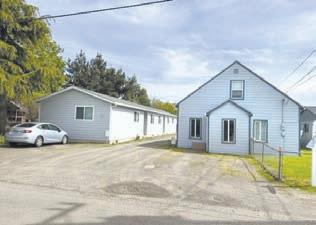
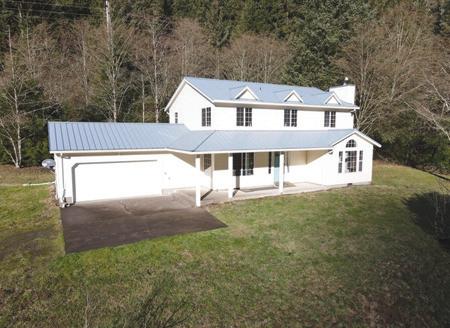



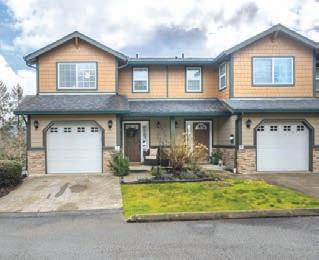
Notice is hereby given that the Tillamook County Housing Commission will hold a regularly scheduled meeting the first Thursday of every month beginning at 9:00am at the Port of Tillamook Bay Conference Center, 4000 Blimp Boulevard, Tillamook, Oregon. The public is welcome to attend. Meeting materials including a link to attend the meeting virtually and teleconference access information can be found at the Tillamook County Housing Commission webpage, located at https://www. co.tillamook.or.us/gov/comdev/ housingcommission/housing.

htm. A public comment period is held at the end of every meeting. Contact Thomas (TJ) Fiorelli, Housing Coordinator, at (503) 842-3408 ext. 3419 or tfiorell@ co.tillamook.or.us if you have any questions regarding the meeting or if assistance is needed to ac-

Page A16 www.tillamookheadlightherald.com/classifieds Tuesday, April 25, 2023
cess the meeting. Public Notices 999 Public Notices 999 Public Notices 999 Public Notices 999 Public Notices 999 Public Notices 999 2507 Main Ave. N. Suite A Tillamook, OR. 97141 KING REALTY KING REALTY All land or lots, offered for sale, improved or unimproved are subject to land use laws and regulations, and governmental approval for any zoning changes or use. VIEW MORE PROPERTIES @ www.KingRealtyBrokers.com (503) 842-5525 www.KingRealtyBrokers.com Call Patti Tippett, Real Estate Broker @ 503-812-6508 H21940 Call Marilyn Hankins, PC, GRI, CRS, Principal Broker @ 503.812.8208 Or Dylan Landolt, Real Estate Broker @ 503.457.8725 Call Marilyn Hankins, PC, GRI, CRS, Principal Broker @ 503.812.8208 Or Dylan Landolt, Real Estate Broker @ 503.457.8725 Call Dylan Landolt, Real Estate Broker @ 503.457.8725 Or Marilyn Hankins, PC, GRI, CRS, Principal Broker @ 503.812.8208 13150 D Street 7, Nehalem, OR 97131 MLS#23-76 $439,000 Custom 3 bedroom, 2 1/2 bath townhome! Easy living in this well maintained home with lovely mountain and valley views! Located in a quiet gated community just minutes from Manzanita village, beach and from the Nehalem downtown for nearby shops and restaurants! Nehalem river boat launch nearby for fishing and kayaking! This home has hardwood floors, granite countertops, vaulted 16 ft ceilings, and a loft off the master bedroom. Full or part-time living at the coast you choose! Just a little over an hour from Portland! 11100 Sollie Smith Road, Tillamook, OR 97141 MLS#22-611, $830,000 World Class Fishing out your front door on this unique riverfront acreage with home & shop. Create your own hunting and fishing lodge on over 43 acres of pasture, woods and the Wilson River. Located at end of road behind locked gate makes for privacy and seclusion. Over 3000’ of river frontage. Home features 4 bedrooms, 2.5 baths and over 1900 sq ft on two levels. Spacious 42 x 50 shop with power, water, concrete floor and your own loading dock. Acres of pasture perfect for horses or beef. Listed below Tillamook County market value. Call today to schedule a private showing of this amazing property. 37840 Upper Nestucca River Road, Beaver, OR 97108 MLS#23-12 $999,000 Beautiful river frontage! Custom home on 35 acres of private and secluded forest. This property is an outdoorsman’s dream w/many trails running throughout the forest to enjoy on your motorcycle, horse, or even a good hike. The 3500 plus square foot home has many custom features such as granite counter tops, stainless steel appliances, 2 ductless heat pumps, a tankless propane hot water heater, and so much more. The large bonus room with the kitchenette would be great for entertaining guests. Extra storage throughout the house, plus in the shop and barn. Two water sources serve the property, a well (6.5 gpm) and a spring water system. A Star Link Internet system is included in the sale along with 2 big screen smart TV’s. Newer John Deere riding mower also included. 3413 Maple Lane, Tillamook, OR 97141 MLS#22-340 $875,000 Great investment opportunity! This is your chance to own a nice duplex, a well maintained home, and a double wide manufactured home. 3501 is the duplex built in 2003 with a total of 1860 sq ft (930’ per unit). Rents are $1,250 & $1,150 per month. 3413 is an older home built in 1930, updated to the 70’s with 1966 sq ft and 4 bdrms, 2 baths. Rent is $1250. The back unit, 3417 Maple is a 1999 manufactured home w/ 2 bdrm, 2 bath and is a separate parcel w/ driveway access between the two units in front. Rent for the manufactured home is $1,350 per month. Seller pays sewer, water and garbage for all units. Front parcel is .24 ac and back parcel is .09 for a total of .33 acre. Requires 24+ hours for showing appointments.


































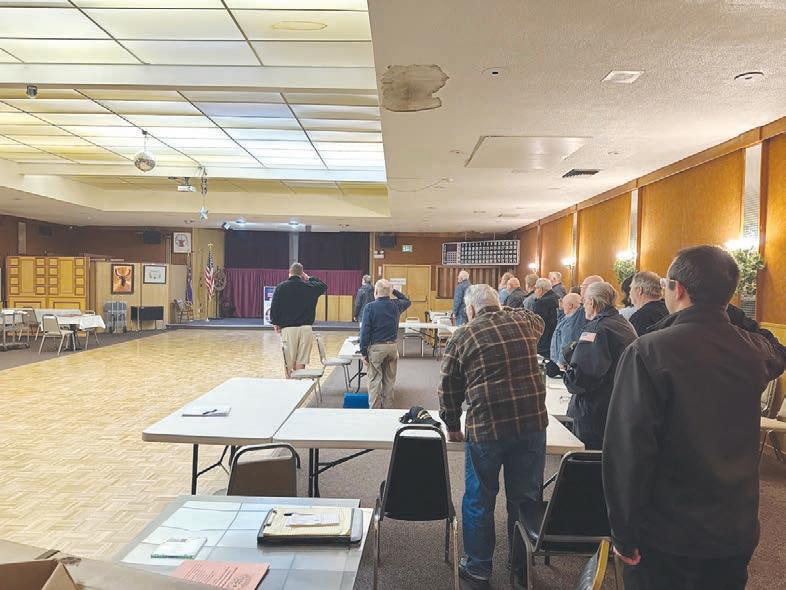
















 Will Chappell Editor