What the Coaster Theatre means to Cannon Beach: A vision brought to life celebrates 50 years
 Deb Atiyeh Reporter
Since 1972, the Coaster The atre has entertained locals and visitors to Cannon Beach and the north Oregon coast, and this year is celebrating 50 years of bringing performing arts and cultural expression to Cannon Beach.
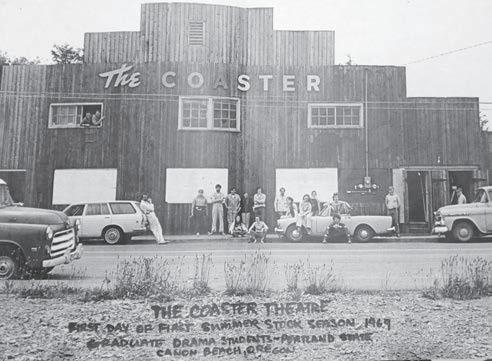
Built in the early 1920’s by Ray Walker, it was operated as a skating rink from the 1930’s into the 1960’s. In it’s earliest years the skating rink was also used once a week as a silent movie theatre, with Miss Weeks playing the piano. Folding chairs were placed on top of the rink for seat ing. Admission was 15 cents for adults and 10 cents for children.
In the 1960’s, Richard and Margaret Atherton purchased the building with a dream of turning it into a theatre. The transforma
tion was a full time job with over 55 people in town working on this project. Violinist Paul Bel lum, then director of the Portland Chamber Orchestra, was the first to perform on the new stage. Tickets were $5 for a family.

Classical guitarist John Carr and “tune strummer” Bill Steidel fol lowed in Bellum’s footsteps. Paul Revere and the Raiders rented the theatre for $15 a night and raised the roof!
In 1968 Atherton, along with Stan Glarum, the musical director of Lewis and Clark College in Portland, and Fred Kline, head of Portland State Arts Department, were instrumental in starting Portland State University’s (PSU) Haystack Program in Cannon Beach. PSU’s Summer Stock Company was a feature of the program at the theatre, and so began a long history of PSU The atre Arts Department productions in Cannon Beach, directed by Asher Wilson, Jack Featheringill, William Tate, and Tom Hill.
Beginning in 1969, PSU play ers performed one play a week, rehearsing in the morning, again in the afternoon, and performing in the evening, spending day and night at the theatre and sleeping in the theatre loft.
Maurie Clark, a Portland patron of the arts, purchased the building in 1972, and hired Ray Watkins and Bill Campbell to de sign and remodel both the interior and the exterior. Upon comple tion, Maurie Clark presented Cannon Beach with the Coaster Theatre Playhouse as we know it today. Maurie supported it with his time, talent and financial resources. Upon Maurie’s death in 2001, the Coaster Theatre
became a non-profit theatre, and is now supported by wonderful volunteers, sponsors, donors, and patrons like the Clark Founda tion.
Culture is the life blood of a vibrant community; it inspires creativity and gives us a sense of well being. Going to the Coaster Theatre enhances our quality of life and contributes to the magic of our existence. We go to be entertained, to laugh, sing, dance, act, tell stories, listen to poetry, to play, imagine, celebrate art and music, and to dream. It connects the people of our community and enriches our lives.
With sincere gratitude to the Coaster Theatre for all that it has contributed to our community for the past 50 years. Thank you.
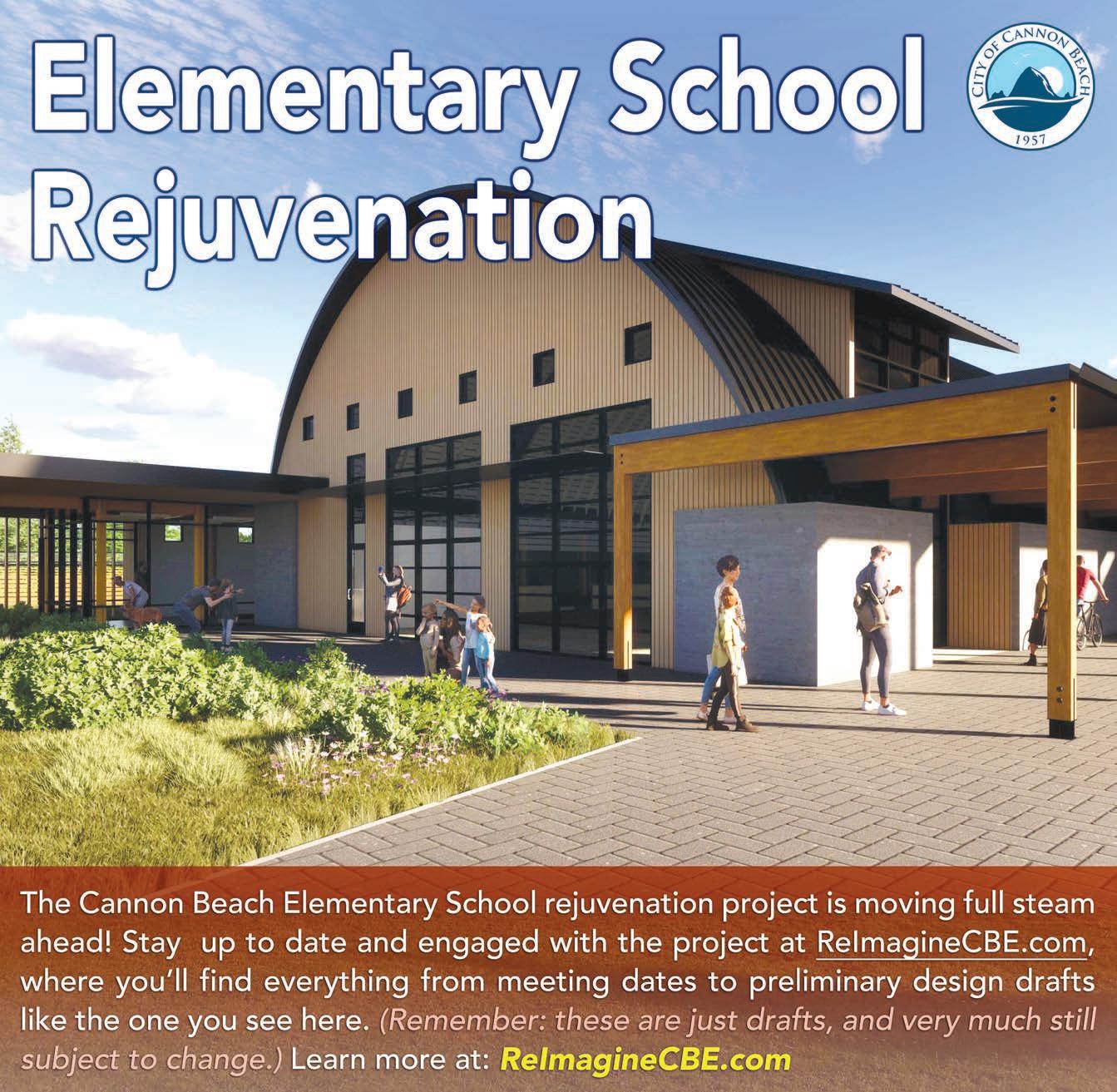
The Elementary School rejuvenation project - A dream of real possibilities
Deb Atiyeh Reporter
As one nears Cannon Beach, one sees the presence of Haystack Rock. On the road into town, one sees the river that winds into the sea; the sky meets the sea becoming infinity, and the anticipation of natural wonder invites us. As we cross the bridge, the old grade school comes into view, and the bridge to possibility awakens us. In the early 1800’s, several members of the Lewis & Clark expedition, accompanied by their young Shoshone inter preter Sacajawea and her infant son, visited the Clatsop-Nehalem village at this site alongside Ecola Creek. In their spirit, what will we create? Remember it is nature that brings us here, and in the spirit of community we will gather to grow, learn, and flourish in the possibilities that we dream.
As the dream begins to be realized, the first of three sche matic design community outreach meetings for the Cannon Beach Elementary School Rejuvenation Project Community Outreach was held at Cannon Beach City Hall on September 14th. City leaders, along with the architect design team from CIDA, presented the preliminary design concepts for the re-development of the ele mentary school at NeCus’ Park. A member of the Clatsop-Nehalem Confederated Tribe was present, and it was well attended by local residents. The architect and City are collaborating with Clat sop-Nehalem tribal members on all aspects of this project.
A Clatsop-Nehalem tribal member, who is an architect, reported that the tribal leadership favors keeping the Cannon Beach Food Pantry on site because wel coming guests is part of the native tradition of feeding people. He explained that it is an integral part of their culture and community.
Cannon Beach residents in at tendance were enthusiastic about the initial plans. One resident ex
pressed the desire to optimize the gym for the mental and physical well being of the community, as that is something that is currently missing in Cannon Beach.
Another resident said that elk should be able to roam the prop erty, as they were here first and should be tolerated. Many resi dents said that they don’t want a fence or wall around the community heritage garden; preferring an open setting where the elk could continue to roam.
One resident said that this is a “go big moment, a once in a generation op portunity to get it right. If we need to spend more to get it right then we should do it. Go big with the ideas”, he said.
Another resident said that the dynamic of the experience is important, and that

Conversation on Wetlands at Coffee with the Councilors
Protection of local wetlands, including the proposed devel opment next to the wetlands at Forest Lawn and Hemlock was the main topic of discussion at the September 19th “Coffee with Councilors”.
Resident Betty Gearen talked about hydrology concerns related to develop ment next to wetlands. “Hydrology is the study of the distribution and move ment of water both on and below the Earth’s surface, as well as the impact of human activity on water availability and conditions.” Gearen told about the construction of houses on a wetland in her neighborhood between Washington and Taft along Hemlock Street, and how it took a dozen or more concrete trucks to fill in the wetland. Gearen feels that the City should do a compre hensive hydrology study along with an assessment and inventory of all of the City’s wetlands, opposes any develop ment on wetlands before a comprehen sive plan is in place, and believes City codes should be updated before any development occurs on wetlands. She asked how the proposed developments will upgrade or degrade the future en vironmental benefits that the wetlands provide.
Councilor Robin Risley commented that a comprehensive hydrology study should be done by the City to protect our underground water.
Resident Betsy Ayers asked if the City could put a moratorium on wetlands development until the current City code audit is completed. Many of the codes are old and should be updated to better reflect current knowledge.
Cannon Beach City Manager Bruce St. Denis replied that the City code is not strong on protecting wetlands, and the codes to protect wetlands need to be addressed.
Resident Jan Siebert Wahrmund believes that the City code on wetlands needs to be enforced, and that we must protect what we have before it’s too late. She feels that our codes must be strengthened to protect our remaining wetlands, especially with the current reality of climate change.
access to Ecola Creek should be open to people with canoes and kayaks.
Residents who attended were engaged and committed to involvement with this project, and the creative opportunity for this community gathering place. City leaders are reaching out to
the residents of Cannon Beach to hear what we want this place to become. Help shape this future vision at the next community out reach meeting on October 19th.
Visit the City of Cannon Beach website under “Meetings” for full details and pictures of the archi tectural designs.
Resident Lisa Kerr, attorney and for mer member of the Planning Commis sion, said she studied this issue thor oughly with the Planning Commission. She added that our current City codes do not clearly address wetlands, and questioned if we should “sacrifice our wetlands for luxury housing”. Kerr said that the Cannon Beach city code on wetlands is out of date and very old in relation to today’s environmental con cerns. According to Kerr, the “Oregon Coast Alliance” (ORCA) has weighed in against the development next to the wetlands at Forest Lawn and Hemlock. ORCA looks at the effects of Oregon’s forest practices and the impact on local wetlands, streams, and riparian areas.
According to the U.S. Environ mental Protection Agency, “wetlands play an integral role in the ecology of the watershed. Wetlands are a critical part of our natural environment. They reduce the impacts of floods, absorb pollutants, and improve water quality”.
The State of Washington has a com bination of natural and permit buffers, and can require as much as a 300-foot setback from a wetland. Wetland set backs in Clatsop County generally run 35 to 50 feet, while the City of Cannon Beach requires a 5-foot setback. The State of Oregon generally requires a 50-foot setback from wetlands, but it is a complicated mix of codes and regula tions. The State wetland codes are not black and white, as there are different classes of wetlands. There are currently 3 separate wetlands being considered for development in Cannon Beach.
Deb Atiyeh For the Gazette
Beginning in 1969, PSU players performed one play a week, rehearsing in the morning, again in the afternoon, and performing in the evening, spending day and night at the theatre and sleeping in the theatre loft. Photos courtesy of Coaster Theatre
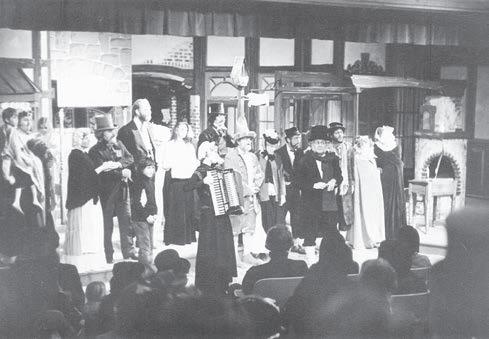
1970s era production of A Christmas Carol.
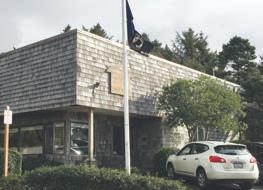
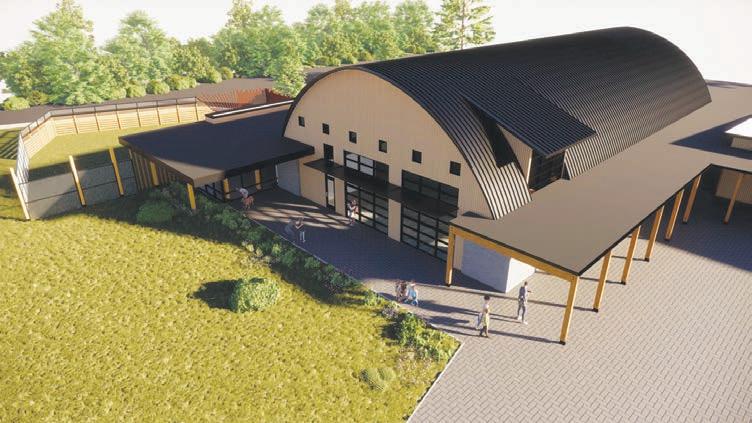
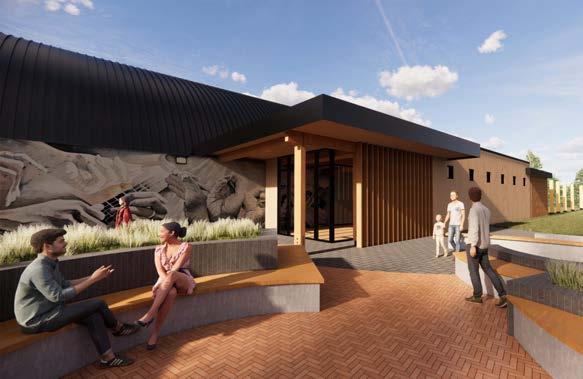
An architectural rendering of proposed Elementary School rejuvenation project.
Courtesy image City of Cannon Beach
VOL. 46, ISSUE 20 FREE CANNONBEACHGAZETTE.COM September 30, 2022 Election Q&A Pages 2-4 New Partners in Hospitality PAGE 4 Concerts at Cannon Beach Community Church PAGE 8
Cannon Beach Candidates

Gazette hosts Q & A with local candidates
Live forum slated for Oct. 16 at Coaster Theatre


Staff
In Cannon Beach, Mayor Sam Steidel and City Coun cilor Mike Benefield are com pleting their second, four-year terms and are unable to run again because of term limits.
Barb Knop, a retired teacher who serves on the Planning Commission, and
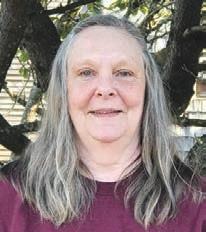

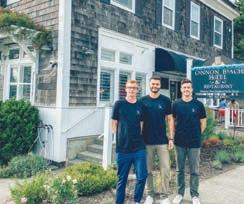
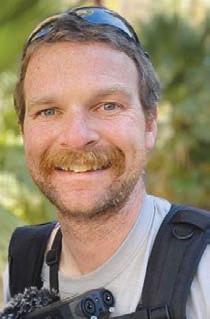
Erik Ostrander, a hotelier, will be on the ballot running for Cannon Beach’s next mayor.

Along with the mayor’s race, there are two at-large slots open on the five-member City Council, which go to the top two vote-getters.
City Councilor Robin Ris ley, who was elected in 2018, will run for reelection.
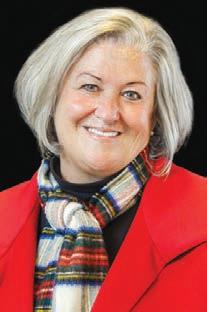
The other contenders are Lisa Kerr, an attorney and former planning commission; Gary Hayes, the owner of a media and marketing firm; Deanna Pauli-Hammond, the owner of Cannon Beach Bakery; Laurie Simpkins, the owner of Healthy Hub Mas sage & Wellness in Seaside; and Jenee Pearce-Mushen,

who works for a Gearhart security company and is a member of the city’s public works committee.
Cannon Beach citizen, Timothy Ramey who started a email and Facebook group with over 250 followers sent candidate questions to all those running for local city offices to get their stance on

Candidates for Mayor
Erik Ostrander, Candidate for Mayor – I manage a small family-owned hotel, am a volunteer firefighter, and the vice president of the Cannon Beach Chamber of Com merce board. Among other reasons, I feel that I am the best candidate for mayor as I represent those who live and work in town who feel unheard.
I see the code audit as ex citing and necessary; it will give the Cannon Beach’s citizens an opportunity to shape our community to what we all would like to see and align it more closely with the goals in our com prehensive plan.
As a birder, good habitat is near and dear to me.
Cannon Beach is known for its beautiful environment and big trees. The parks committee drafted a heritage tree ordinance which is a great step towards provid ing robust tree protections.
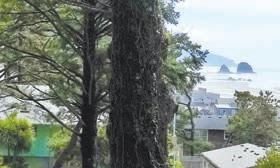
Establishing incentives to encourage new and existing property owners to protect trees on their property rather than just removing the exist ing trees and replanting just the minimum would encour age preservation of these trees. Furthermore, the code audit needs to address some of the disconnect from our comprehensive plan, such as providing stricter protections for habitat like wetlands. Many of us are under the
issues facing our elected offi cials. Some did not respond, so the Cannon Beach Gazette put out the same questions to our candidates and are print ing all statements so you can get a better understanding on where these candidates sit on the local issues.
In an expanded effort to bring our Gazette readers as
Erik Ostrander Barb Knop
and it is my hope that any future council will demand that businesses are better supported.
We have many services in our community that work to support our local busi nesses. I believe in working with those organizations and listening to business owners about the needs they have to achieve mutual goals. As a business owner myself, I will add my perspective from the lodging commu nity.
Barb Knop, Candi date for Mayor – I am running for mayor of Cannon Beach. I have been a proud resident of Cannon Beach since June of 1982 when we came for a summer and never left. I am a retired teacher, and my last teaching position was at Broadway Middle School in Seaside.
impression that wetlands are legally protected, but what we have found over the last year is that our current code is lacking.
The Prepared Food Tax was initially proposed to fund emergency services and then morphed into what we have today. Before it was passed on to voters, I commented to council that the vote should be separated into its two components to increase transparency. Addi tionally, the businesses were promised resources and help for implementation which has not happened, leaving them feeling unsupported. We will not know until November how much was collected, only then we will be able to see how much this funding source will actually accrue. I believe the city has failed the restaurants
Attainable housing is a clear and desperate need in our region. Incentives need to be offered for ADUs to be used for long-term rentals which could allow workers to live in Cannon Beach, rather than adding to the short-term rental pool.
The restrictions on housing size is nuanced; currently house sizes are restricted by the FAR and lot coverage requirements in our zoning code. Larger homes are more expensive, but smaller homes are not necessarily suitable for multigenerational families. Rather than size, we should be talking about design. Many existing homes are large and would violate the restrictions proposed months ago, but they are designed to fit in as a “Cannon Beach Cottage”.
I ask for your support for Mayor, Erik Ostrander

After my retirement from teaching, I became involved in our community. I first joined the Parks and Com munity Services committee. I chaired the committee before my 8-year term came to an end. I waited my year and then rejoined the committee. I am currently the chair of the Parks Com mittee. I also joined the Planning Commission and currently serve as vice chair of the commission.
The Planning Commis sion is very involved in the code audit process, and it has been a great experience working with the consulting firm and our council and De sign Review board. I will be up to speed on the process, and I am excited to continue and complete the code audit and necessary revisions.
My work on the Parks Committee involved com pleting the application each year for our Tree City USA designation and the commit tee developed our evolving Heritage Tree program. I believe that we need to try to have a balance between tree preservation and home de velopment. I would love to see a plan that for every tree removed a new tree would be planted in the city.
The prepared food tax is a necessary step in creating a mechanism for funding infrastructure projects in the city. Tourists have a major impact on our infrastruc ture. I think after the tax has been collected for a couple of quarters, the city and businesses that are collect
much information to make an informed decision, we are publishing these responses in their entirety and will host a live forum in person from 6 to 8:30 p.m. at the Coaster Theatre on Sunday Oct. 16. The forum is co-sponsored by the Cannon Beach Chamber of Commerce.
ing the tax should meet and evaluate how the new tax is working.
I am confident that the strong relationship between the city and the Chamber of Commerce will continue. I think communication is key to helping businesses and will strive to be a good com municator with all Cannon Beach businesses.
I believe that through the code audit process we will address changes in our or dinances that relate to home size, ADUs, work force housing, etc. I see ADU’s as potentially helping with pro viding work force housing.
I feel wetlands should be protected to the fullest ex tent possible. I would favor stronger restrictions.
Finally, as mayor of Can non Beach it is my hope that I can help restore a sense of civility among our residents. I think that we have an amazing city staff that works hard to make Cannon Beach great and that residents need to respect and honor the city staff commitment to making Cannon Beach the treasure that this community has the privilege to be a part of.
Council Candidates
and pay for a new city hall/ police station, thereby shifting the tax burden from prop erty owners to visitors. It is imperative these projects stay within budget. When the first set of numbers come in November, we must sit down with the restaurants to evaluate the results, as we did with the hotel owners a few years ago.
I support our local busi nesses.
Early in my career, I re ceived an Economic Devel opment Award from Oregon’s Governor.

Isupport the Code Audit.... we must get it right!
The code must be clear and objective. We must remove redundancies, fix loopholes and achieve unambiguity. I am 100% on board with these goals, with these three provisos:
*This is not a once-in-amoment project. We cannot anticipate all future scenarios.
*We must never disal low hardship variances for exceptions and these variances must be decided by an elected body, not an individual hired manager.
*We must never censor our citizen’s voice by outlawing their rights and legal path to challenge government deci sions. This would be a threat to our democratic process and I would be opposed.
I am a strong advocate for trees.
I have been a member of (and have Chaired) the Parks Committee for almost 20 years and have been involved in tree planting ceremonies for Earth Day.
I have supported our Tree City USA designation since adoption. I support strengthen ing our code to better protect our trees. I am fully behind the Heritage Tree Program for ROW trees and for future protections.
I recognize our need for adequately funded emergency services.
Those who voted for the food tax believed it would support the Fire Department
I agree that businesses are the “life blood” of Cannon Beach and the Chamber provides their voice. Hav ing served on our Chamber Board for many years, I know communication is the key. We must work to develop a vehicle for this to happen.
Housing Cannon Beach is in great need of affordable and work force housing. During the two-year code audit, we will be working on many options, such as ADUs. I am confident that additional solutions will come from our discussions.
Wetlands
I support tightening our code on wetland preservation. Wetland areas are critical to our ecosystem and our stew ardship of them must not fail. House size
Restricting house size was a hot topic at the beginning of the year and there will be a good deal of additional discussion. Whatever the ul timate decisions are, we must not lose our village character. How homes fit into that char acter and our landscape plays an undeniable role in this. I am firmly committed to being a good listener, championing citizen input and being a good steward. The work is very rewarding to me because I get to live in the results.
I love Cannon Beach and it has been a privilege and honor to serve on our City Council. I am excited to continue and ask for your vote so that we can do great things together.
Robin Risley
September 30, 20222 CannonBeachGazette.com | Cannon Beach Gazette 503-842-7535
H20939 CUSTOM WEST PRESIDENTIAL HOME $2,474,500 15 ACRE GEARHART FARMSTEAD WITH NEW HOME $799,000 BREAKERS POINT OCEAN VIEW CONDO $899,000 MULTI-USE CANNON BEACH COMMERCIAL PROPERTY $3,150,000 COZY BEACH COTTAGE $779,000 OCEANFRONT HOME ON 2 LOTS$3,275,000 VACANT CANNON BEACH LOT, ZONED R3 $394,500 CANNON BEACH OCEAN VIEW LOT $249,000 What is RMLS? As the Northwest’s largest REALTOR®-owned Multiple Listing Service(MLS), RMLS serves approximately 10,000 Real Estate Professionals in over 2,200 offices licensed in Oregon and Washington. All brokers listed with firm are licensed in the state of Oregon 296 N. Spruce St. • Cannon Beach • (503) 436-0451 www.duanejohnson.com Active Members of & A VALUED AND TRUSTED RESOURCE WITHIN OUR COMMUNITY AND THE #1 OFFICE SINCE 1990. Duane Johnson - Principal Broker Jeff EtchisonPrincipal Broker, GRI Michael HendersonManaging Principal Broker Chris ChildressPrincipal Broker, GRI Jeremy YoungquistBroker BEAUTIFUL 4.1 ACRE PARCEL WITH STUNNING PANORAMIC OCEANVIEWS! $4,900,000 SOLD VACANT CANNON BEACH LOT, ZONED R3 $364,500 SPECTACULAR OCEAN FRONT HOME $3,100,000 NEW PRICE ARCADIA VACANT LAND, 16 TAX LOTS, 8.64 ACRES $1,685,000. NEW LISTING SALE PENDING NEW LISTING
Read the Gazette on line for free cannonbeachgazette.com
Cannon
Council Candidates
Deanna Hammond Gary Hayes
Iam a proud 5th gener ation Oregonian. My family has been frequenting the beautiful Cannon Beach community for over 70 years. It’s no surprise I chose this community to be home for myself and my business for the last 5 years.
We live in one of the most beautiful places on earth, as both a resident and a local business owner, I realize the importance of maintaining a good balance between the businesses, residents and tourism.
If only our forefathers had a crystal ball…
The code audit is imper ative for our City and I am enthusiastic about forward motion.

As Oregonians we need to protect and preserve natural areas, forests, wildlife and riparian habitats. Not only are they part of the make-up that keeps our village unique, old growth trees make up for 42% of above ground carbon storage. Carbon storage is essential for our ecosystem and to help prevent climate change. Residents, new home owners and developers should be educated about the importance of our old growth trees and incentivized for tree retention.
The wetlands not only
bring joy and peace to many of us, they also bring bal ance to our ecosystem. Our children, grandchildren and tourists deserve to be able to continue to enjoy the natural beauty of Cannon Beach. I absolutely believe we need to do everything in our power to protect our precious wetlands.
I am a strong proponent for modification to rectify short falls surrounding the Food Tax. The spirit of the Food Tax was largely misrepre sented to our residents. Their campaign push represented emergency services and then transformed to what it is to day. Foremost, if we need to keep the tax, it must be mod ified so the City will not be able to move to eliminate the Fire Districts pro-rata share of the tax being collected.
Keeping in touch with our village feel is extremely valuable to the character of our City. I am not opposed to restricting home size in a rea sonable way. If a home is on an existing parcel, or one that covers 2 parcels, the home should be able to be replaced or remodeled as needed without placement issues or size reduction. For new construction, I feel strongly the home should fit the feel of the neighborhood the lot is in and should not restrict the surrounding homeowners views or comfort.
Affordable work force housing is clearly lacking, we need to continue City and County efforts to rectify. Incentivizing existing second home owners, who are not in the short term rental pool, to create ADU’s or convert their homes to a long term rental is one option.
Small businesses and Hoteliers are absolutely the lifeblood of our community, providing substantial income for City projects, maintenance and jobs. Though the frustra tions during the busy summer months we seem to forget what role the businesses play in our community. Nothing in a thriving City is perfect, we simply need to learn to work better together.
Jeneé Pearce-Mushen

• The Code Audit – the City has invested a lot of time and money to get where we are today but it will be the new council that moves this forward. Are you on board?
I believe it is imperative that the new council move forward, the current code was adopted more than 20 years ago; it is time to revisit all. Yes, I am on board.
• Trees – There is a lot of energy in our community to preserve trees in Cannon Beach, how far would you go?

We need clear tree policies in place; we should continue to educate, promote, and encourage planting of native trees and plants. It might be possible to provide residential code variance or incentives to assist in saving trees. City council will soon pass either a resolution or ordinance to save our Heritage Trees on the city’s right-of-ways. This will be a great start to educate and preserve the trees on city property. I will follow city policies and promote sound policy in the future.
• Food Tax – This is now working for the city, would you leave it as it stands or seek to modify it? If so, how?
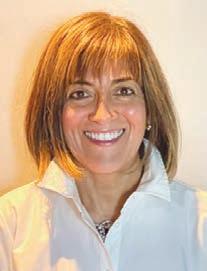

The food tax policy can be amended by the city council. I will vote to continue to sup port our emergency services, Fire Department and continue to pay down our infrastruc ture debt. Effective communi cation is essential.
• Businesses – What steps would you take to make life easier for our businesses, which we all must agree are the lifeblood of Cannon Beach?
Business owners and res idents of Cannon Beach have
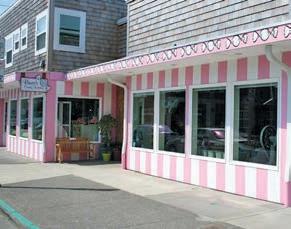


similar concerns; parking, traffic, trees, safety, reducing pollution, etc. Remember, the more our American city looks just like every other city, the less reason there is to visit.
Cannon Beach has one of the last “mom and pop” main streets and I’m proud of that. The more our community acts to protect and enhance our unique character the more people will visit. Tourists are attracted to places that are different, unusual, and unique. Let’s work together to preserve and maintain our uniqueness.
• ADUs, affordable hous ing, multifamily housing – it is clear that we don’t meet State mandates or mandates in our own Comprehensive plan here. What would you do?
Supporting the City of Cannon Beach Task Force along with Clatsop County to find ways to provide afford able housing for our valuable workforce. A percentage of the food tax could support this endeavor. Broadening our pursuit of affordable property to include the entire county could result in a successful outcome for all stakeholders.
• Protection of wetlands –our code is pretty generous at present to development near
wetlands. Would you favor greater restrictions?
We are not understanding the definition of wetlands There are loopholes in the city code that are currently being revised. We need to make sure that the revised code protects the wetlands in line with our community values.
• Restricting single family home size – this issue had some energy at the start of the year – what do you see as appropriate here?
By updating residential zoning to reflect predominant neighborhood traits we can maintain our “village feel”. For example, if a neighbor hood has always had larger homes, new large homes could continue to be permit ted. Similarly, neighborhoods with smaller homes could have a size limit that would retain the character of the neighborhood. In this way, developers can replace old homes, but only if the new home does not increase the impact on the surrounding community and neighborhood environment.
My Final Statement
Successful communities use communication, outreach, and education to encourage volunteerism, and illustrate the need for and even reduce regulation. Citizens and businesses don’t embrace what doesn’t make sense. Informing the citizens of the city’s needs and the reason ing behind council actions is paramount; an informed citizenry benefits all. We have a right to choose the future; truthful and factual commu nication will give citizens a vision of how today’s choices may affect the future of Can non Beach.
Gary Hayes, Candidate for City Council –With 25 years as a full-time resident, a small business owner and professional back ground in destination manage ment, I believe that I have the perspective and experience to be a voice for realistic, balanced solutions needed for Cannon Beach’s future. I have a proven track record of working in collaboration with others to achieve extraordi nary, solution-oriented results within our community and coastal region.
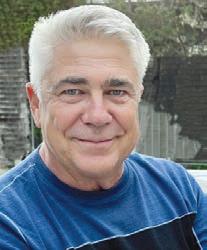
The Code Audit – I be lieve our city deserves high marks for creating excep tional small-town character and our code audit should look to address a few areas where we are falling short. I will support code changes that incentivize Accessory Dwelling Units that would be a step toward increasing longterm rentals. I will pursue code changes or elimination of parking requirements for commercial buildings in the downtown core to assure that our downtown becomes even more pedestrian friendly and does not result in more of our downtown core being paved.
Trees – I will be an advocate for expanded parks, trails and public open space that maximize the retention of trees within and surround ing our community. I would support an increased degree
of flexibility built into code that would allow city staff to swiftly address modest requests for variances when the intention is to save trees, avoiding a drawn-out plan ning commission process that might discourage homeown ers from pursuing options to tree removal. I would consider increasing fees for tree removal on new building sites to encourage alternatives to tree removal with funds go ing toward support of parks, public lands and tree planting efforts.
Food Tax – I would not support repealing the existing food tax however I would re sist efforts to increase the tax.

Businesses – I would address overcrowding and parking issues that result in diminishing returns for businesses. As part of an overall solution to our sea sonal parking issues, I would support seasonal time-limited
downtown street parking so that parking would be used by patrons of local businesses rather than those who park all day and only spend their time on the beach. I would support the continued use of parking spaces that were converted into outdoor dining areas during the pandemic. I would resist efforts to increase taxes on local businesses.
ADUs, affordable housing, multifamily housing – With the code audit in process, I will be a strong voice for incentivizing ADUs and mul ti-family housing toward the goal of increasing the number of long-term rentals and hous ing diversity our Compre hensive Plan outlines. I will support and facilitate partner ships with local businesses and adjoining communities to address workforce housing.
Protection of wetlands – I have been an advocate for wetlands preservation for over 30 years. We likely need to consider greater restrictions as we proceed with the code audit.
Restricting single family home size – With possibly some exceptions toward greater limits on larger lots, I will oppose building code further restricting home size that will only exacerbate our current issues including lack of workforce housing, de creasing full-time households, and lack of housing diversity.
1) The Code Audit – the City has invested a lot of time and money to get where we are today but it will be the new council that moves this forward. Are you on board?
The Code Audit will be extremely helpful with all of the following questions. It will shed light on who is benefitting, who is burdened and what is confusing and needs tweaking. Definitely on board.
2) Trees – There is a lot of energy in our community to preserve trees in Cannon Beach, how far would you go? First thoughts should be preservation, but it’s not always possible. Again, the Code Audit will reveal if what we already have in place needs to be strengthened.
3) Food Tax – This is now working for the city, would you leave it as it stands or seek to modify it? If so, how? It remains to be seen if the
Food Tax is working, as it seems to be causing some confusion. All aspects of the workings of this tax need to be more transparent. The first quarter of reporting by restau rants is due in October and will shed more light on future success or frustration.

4) Businesses – What steps would you take to make life easier for our businesses, which we all must agree are the lifeblood of Cannon

Beach? I would like to visit the possibility of taking the burden of parking mainte nance off businesses and charge for parking seasonally with employee exceptions.
5) ADUs, affordable hous ing, multifamily housing – it is clear that we don’t meet State mandates or mandates in our own Comprehensive plan here. What would you do? Protection of wetlands –our code is pretty generous at present to development near wetlands. Would you favor greater restrictions? Restrict ing single family home size –this issue had some energy at the start of the year – what do you see as appropriate here?
All of these incredibly important items already have ordinances in place and are being considered in the Code Audit, including the Com prehensive Plan. Looking forward to seeing the final recommendations soon.
Cannon
Laurie Simpkins
September 30, 2022Cannon Beach Gazette | CannonBeachGazette.com 3 cannonbeachgazette.com Check out the
Beach Gazette FREE Online! Keep up on the latest news at www cannonbeachgazette.com
Beach Candidates Downtown Cannon Beach 256 N. Hemlock St • www.brucescandy.com SHOP ON OUR WEBSITE AT BRUCESCANDY.COM WE CAN SHIP CANDY DIRECTLY TO YOU! FALL IS SWEET! Visit us for all your Halloween Treats, Carmel Apples & Great Decorations! H20833
Rick Gray Cannon Beach
Between February and August of this year, I was a candidate for the Oregon House of Representa tives. I dropped out, reluc tantly, for practical reasons. My present intention is to learn the lessons of an unsuc cessful effort, and run again in a few years.
But for now, I have time to study other elections –especially those for Cannon Beach’s Mayor and City Council. These races promise to be fascinating. With a majority of our five-member Council to be chosen, there’s an abundance of options. A candidates’ forum is sched uled for October 16, at the Coaster. Soon, there will be mailers, door-knocking, yardsigns and – inevitably, in our little town – a certain amount of scurrilous whispering.
My hope is that everyone who cares about Cannon
Vote for Logan
Logan Laity is running for House Representative of Dis trict 32, and I will be voting for him in November.
Logan is a small business owner which provides ser vices for seniors and non -profit agencies, by recruiting and training volunteers and providing technical support services. His also works with the Emergency Corps of Nehalem Bay.

Logan has worked as a pa tient coordinator/advocate in a local dental office. Part of his job was to help patients navi gate their dental insurance.
Logan volunteered to sup port the Oregon Health Plan as a community supporter.
Logan lobbied for Measure 101 to help protect the Ore gon Health Plan.
While President of Tillamook Bay Community College Student Associa tion, Logan also lobbied the
Beach will seek out the candi dates and listen to their ideas, talk with thoughtful neigh bors and community leaders – and ignore the scurrilous whisperers. Or do what I do – find out which candidate the whisperers favor – and vote for someone else.
I offer that advice, and also this: In choosing a new Council majority, vote with the future in mind.
In a lifetime of studying history – and volunteering in campaigns – one thing I’ve learned is that voters tend to focus on everything but the future. Which gets us into trouble.
Too many focus on the past. Some, for example, vote based on party loyalty, supporting weak or unworthy candidates simply because – years ago – they chose a party which made sense for them back then. Brand loyalty makes little sense when ordering a draft beer. It makes absolutely no sense
Oregon Legislature for the Student Success Act during the 2019 legislative session. He also worked with a group to help start and support the food and hygiene pantry, led the Student Association lobbying efforts with both the College’s Board of Education and the state legislature and represented student issues to TBCC administration.
Currently Logan is a direc tor on the Tillamook Urban Renewal Agency (TURA) and President of TURA’s Budget Committee. TURA board of directors oversees planning and the execution of urban renewal projects and activi ties. Their goal is to enhance economic development and improve the quality of life for Tillamook’s citizens.
Logan has shown he has the experience and dedication to represent House District 32, and I hope he has your vote also.
Letters
Thinking Anew
when you’re choosing people to write your laws and spend your tax dollars.
Another example is voting based on old grudges. For example, one still hears grumbling about our prepared foods tax, which is not at issue in 2022. City Council put the tax on the ballot. We voted. The tax is being col lected. If there’s one thing to consider about that issue, in 2022, it’s that elections can be very close. Your vote counts.
Whatever the reason, if you find yourself thinking in terms of the past, consider the future instead.
For many years to come, one reality certain to impact public policy will be the climate crisis. Anthropogenic (human-caused) climate change has been going on for generations, but one fact has changed recently. Most Americans now understand the danger, and are becoming alarmed enough to demand solutions from their elected
Debbie Boothe-Schmidt Warrenton
Vote Erik Ostrander for Cannon Beach Mayor
We encourage all Can non Beach voters to elect Erik Ostrander mayor in the upcoming election. Erik has the integrity and work ethic to be an asset to city govern ment. He understands the importance of protecting Can non Beach for its residents, while managing the influx of tourists.
We have known Erik for 18 years, he has impressed us with his positive attitude, the ability to compromise, unify and to see all sides of an issue. He is a person to act, not just talk.
Erik is committed to the Cannon Beach community as a Cannon Beach Rural Fire Protection District volunteer
representatives.
While gathering signatures for my recent campaign, I learned this - up close and personally. The climate crisis was my top issue, and I said so. What amazed me was how many citizens shared my concern. Recent national polls have confirmed my experience. Most Americans – regardless of party – now recognize the threat, know that we humans caused it, and realize that we have limited time in which to address it.
What most of us don’t realize, yet, is how many Americans agree. We now constitute a substantial majority. As we realize that, we will feel empowered to demand solutions.
The City Council members we elect will this November will serve until 2027. By then, we will live in a very different reality – fighting, you might say, for our sur vival. With that in mind, it’s not too soon to think of even
fire fighter and EMT, vice president of the Chamber of Commerce Board, home owner and as part of the local working population.
As an internationally recognized birder, Erik is an advocate for the environment and wildlife. He participates in free environmental edu cation for the public through guided bird walks and star gazing parties.
Erik Ostrander putting unity back in community.
Bev and Matt Buschert Cannon Beach
I support Erik for Mayor
I will be supporting Erik for mayor this November. Erik has been part of our family for nearly 20 years. During his summer breaks from high school and college, Erik would work In Cannon Beach at Fultanos and our
a local election in terms of the climate crisis.
Consider over-tourism.
The flocks of folks driving here for a day at the beach now appear as a parking prob lem. Soon, they’ll be seen as an environmental threat – as will everything involving non -essential use of the internal combustion engine. It’s time to consider environmentallyfriendly ways of attracting tourists. Just to our south, the Salmonberry Trail – a hiking and biking trail from the Portland exurbs to Tillamook – will soon link that county’s beach towns to growing numbers of environmentallyconscious visitors. We must keep pace, or lose out.
In a future with heavier rainfall and drier summers, our housing codes must be strengthened to protect our remaining wetlands from greedy developers. We need programs to catch and con serve water – perhaps starting with a city-wide drive for
family owned Sea Breeze Court. He and his wife Han nah. have been managing Sea Breeze for the past 4 years. He is VP of the Chamber and a volunteer fireman.
. He and Hannah are avid birders and naturalists. During their spare time they have been restoring their 1947 cabin on Taft Street. Al though Erik and I rarely talk politics, I suspect he will not be too favorable to Cannon Beach continuing to spend money hiring OUTSIDE EXPERTS/CONSULTANTS to address our challenges given the intelligence and generosity of our residents and second home owners.
If we want to get back to the peaceful successful village we miss, Erik is my choice.
Ken Quarles Cannon Beach
We believe
residential rainwater barrels.
We might even look into acquiring the ugly stumplands above our town for rewild ing – as an attractive barrier against wildfires.
Of course, not every public policy question will connect directly with the climate crisis – but most involve the future. We desperately need more middle-income housing. Only a bold, creative City Council can curb excessive short-term rentals, while opening housing to work ers who call Cannon Beach home.
My point is something Lincoln said much more eloquently, in 1862: “The dogmas of the quiet past are inadequate to the stormy present… As our case is new, we must think anew and act anew. We must disenthrall ourselves, and then we shall save our country.”
Sage advice for times like these.
Erik would be a good Mayor
We would like to recom mend Eric Ostrander for Mayor of Cannon Beach.

Having known him for many years and witnessed the professional manner that he and Hannah have operated the Sea Breeze court for the last four years, we believe that his management and personnel skills would apply well to the Mayoral position.
In addition to having volunteered for the Cannon Beach Fire Department, Erik has always found time to assist friends and neighbors with their needs.
Erik believes in solving problems without fanfare and expects the same from others. As such, we believe he is an excellent candidate for the position.
John and Aleene Sundstrom Cannon Beach
Did you know the Cannon Beach Gazette is free to read online?

September 30, 2022Cannon Beach Gazette | CannonBeachGazette.com 5
and Columns
Keep up on Cannon Beach news at www.cannonbeachgazette.com
At the Library
Three exceptional Pacific Northwest authors
Phyllis Bernt Library Board President
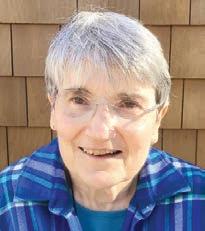
The Pacific Northwest is blessed with many accomplished authors, as will be evident this October as readers enjoy the work of three exceptional writers.
The members of the Can non Beach Reads book club will meet in-person at 7 p.m., Wednesday, October 19, at the library, 131 N. Hemlock, to discuss “Ricochet River” by Robin Cody. This is the group’s first in-person meet ing since the spring of 2020.
“Ricochet River” is a coming-of-age story set in Calamus, a fictional logging town along the Calamus (actually Clackamas) River during the 1960s.
Wade Curren, the book’s narrator and star of the local high school baseball and football teams, tells the story of the friendship that develops among himself, his smart, strong-willed girlfriend Lorna and Jessie Howl, an irreverent, athleti cally gifted Native American teenager who shakes things up when he moves to Cala mus from the Klamath Warm Springs Reservation.
“Ricochet River” was selected by the Oregon State Library as one of the 150 Oregon Books for the Ore gon Sesquicentennial. Noted Oregon author Brian Doyle described the book as a classic, noting his “pleasure”
and “gratitude” that “such a book will jazz readers’ hearts and souls for many years to come.”
Robin Cody is a native Oregonian. After teaching in France and serving as Dean of Admissions at Reed College, Cody became a freelance writer and teacher. His other books include “Voyage of a Summer Sun,” which received the Oregon Book Award.
John Markham will lead the discussion which will be gin at 7 p.m. on Wednesday evening, October 19, at the library. A Zoom link will also be available for those who cannot participate in person, contact Joe Bernt at berntj@ ohio.edu for the link.
The second NW Author Speakers Series talk will begin at 2 p.m. on Saturday, October 15, at the library, when Callum Angus, Port land writer and editor, will discuss his short story collec tion, “A Natural History of Transition.”
Nominated for the Oregon Book Award, the eight stories in “A Natural History of Transition” use magical realism, alternative history and the supernatural to demonstrate the continual transitions experienced in the natural world, and also in the lives of trans people, who, according to Angus, are not limited to one transfor mation.
Critics have found “A Nat
ural History of Transition” a “beautiful and mystifying collection of stories” that offer the reader “a joyride for the brain,” and Angus an author with “a mind full of marvels and an ear to match.”
Callum Angus holds an MFA in fiction from the University of Massachusetts Amherst and an undergradu ate degree in geography from Mount Holyoke. He has worked as a bookseller, fish monger, barista, reporter and advocate for trans youth. He is the founder and editor of the journal “smoke + mold.”
Angus’ in-person talk at the library also will be live streamed on Facebook Live. Come to the library for Cal lum Angus’ presentation or watch him virtually through the library’s Facebook page or website (www.cannon beachlibrary.org).
The library recently added another short story collec tion by a Pacific Northwest
author: “The Angel of Rome and Other Stories” by Spo kane native Jess Walter.
Walter is the award-win ning author of seven novels, two short story collections and a nonfiction account of the events at Ruby Ridge. His novel “The Zero” was the finalist for the National Book Award and “Citizen Vince” was awarded the Ed gar Allan Poe Award for Best Novel. The library has most of Walter’s books, including “Beautiful Ruins,” which was a New York Times num ber one best seller.
In “The Angel of Rome” Walter offers the reader 12 short stories about char acters who break through the expectations of parents, family members or society in general to learn who they are and what they value.
Walter explores this theme from the first story in the collection, “Mr. Voice,” in which 14-year-old Tanya re alizes that she can write her own story and not just relive her mother’s life, to the last story in the collection, “The Way the World Ends,” in which Jeremiah, a “short, smart black kid from Shel ton, Louisiana, with glasses and terrible hair” finds the strength and bravery to fight for a gay rights parade in Starkville, Mississippi.
Along the way Walter creates a raft of memorable characters, especially in the title story “The Angel of
Get Ready Clatsop County!! Emergency Readiness Fair 2022
Staff
Cannon Beach emergency man ager Rick Hudson would like to invite everyone to the 2022 Get Ready Clatsop County-Emergency Readiness Fair. Due to COVID, the last time an event was held was in 2019. Hudson says it is extremely important for people to see what the county is doing for emergency preparedness, and for residents to be fully prepared should a natural disaster
occur.
This free Get Ready event is sched uled from 11 a.m. to 2 p.m., Saturday October 8, in Warrior Hall at Camp Rilea in Warrenton.
The event will include outdoor dis plays with more than 25 exhibitors fea turing a broad range of disaster-related resources. Preparedness presentations and raffle drawings will take place every 30 minutes beginning at 11:30 AM.
A free barbecue lunch with a vegetar
ian option will be provided to the first 300 attendees, and the first 100 families will receive a free preparedness item.
Event sponsors are NW Natural, Clat sop County Emergency Management, City of Seaside, American Red Cross, Clatsop County Citizen Corps, Clatsop County Department of Public Health and Tongue Point Job Corps.
For more information, contact clatsopemd@co.clatsop.or.us or call 503325-8645.
Rome.” Jack Rigel is a shy, sheltered college senior from Omaha, Nebraska, who, in an effort to create a new and more exciting identity, lies his way into a Knights of Co lumbus scholarship to study Latin in the Vatican.
During his adventures in Rome, Jack is befriended by a hard-drinking, brash Amer ican actor hoping to resurrect his career; a pedantic, seem ingly humorless monsignor who teaches Latin, but is an unabashedly starstruck film and television buff; a nun who is a self-appointed judge of what qualifies as com edy; and a beautiful, Italian actress who, after being lam pooned for her exaggerated Italian accent in an “awful” American vampire movie, proves she isn’t a moron by learning to speak English with a British accent.
Walter has a keen sense of the absurd, and many of these stories are often down right funny. In “Mr. Voice,” Tanya’s exceptionally beauti ful mother collects five or six boyfriends at a time and then eliminates them “like murder suspects.”
In “The Way the World Ends,” two climate scientists interviewing for the same academic job become so overwhelmed by the hope lessness of fighting climate change that they get roaring drunk and play strip namethat-tune, to the surprise of two members of the inter
view committee who have braved a freak ice storm to bring them dinner.
Jack Rigel in “The Angel of Rome,” despite his very limited grasp of Latin and Italian, is hired as a translator by an American actor who, Jack suspects, thinks Italians speak Latin. Jack’s transla tions are often hilarious. He translates his employer’s efforts to apologize for inap propriately kissing a beau tiful, young starlet as “You are beautiful and in America, kissing is ugly.” To reassure the young starlet that she will someday meet someone closer to her age, Jack tells her “No be sad. Is good get old.”
Jack is keenly aware of his shortcomings as a translator, but he argues that translation is the art of imprecision, be cause a translator can never get it exactly right. Instead, he claims, accuracy is not as important as the feelings that are conveyed.
An older, wiser Jack applies this same principle in his eventual career as a successful television writer, contending that, instead of a screenwriting formula, feel ings are what really matter. As he puts it, “You’re just trying to create feelings, it’s what works on the page. On screen. In life.” Judging by these 12 short stories, Walter has mastered how to do just that.
September 30, 20226 CannonBeachGazette.com | Cannon Beach Gazette The Cannon Beach Gazette is FREE to read online
Keep up on Cannon Beach news at www.cannonbeachgazette.com
Phyllis Bernt
The Cannon Beach Gazette welcomes letters that express readers’ opinions on current topics. Letters may be submitted by email only, no longer than 300 words, and must be signed and include the writer’s full name, address (including city) and telephone number for verification of the writer’s identity. We will print the writer’s name and town of residence only. Letters without the requisite identifying information will not be published. Letters are published in the order received and may be edited for length, grammar,

spelling, punctuation or clarity. We do not publish group emails, open letters, form letters, third-party letters, letters attacking private individuals or businesses, or letters containing advertising.

Deadline for letters is noon Thursdays.
The date of publication will depend on space.
Email letters to jwarren@countrymedia.net
Marine toxin domoic acid keeps Clatsop beaches closed to razor clamming
The Oregon Department of Agriculture (ODA) and the Oregon Department of Fish and Wildlife (ODFW) closed all razor clam harvesting from the Washington border to Cascade Head (just north of Lincoln City). Domoic acid, a marine toxin, is above the human health limit, delaying the opening of the popular Clatsop beaches.
Reopening the annual Clatsop beaches razor clam summer conservation closure will occur when two consec utive tests show domoic acid levels are below the human health closure limit.
Razor clam harvesting is open from Cascade Head to the California border.
Mussel harvesting remains closed from the Columbia River to the north side of the Yachats River for elevated levels of the marine biotoxin paralytic shellfish poison.
Mussel harvesting is open from the south side of the Yachats River to the Califor nia border.
Recreational bay clam and crab harvesting remain open along the entire Oregon coast. ODA tests for shellfish toxins twice per month, as tides and weather permit. Reopening
an area closed for biotoxins requires two consecutive tests with results below the closure limit.
Domoic acid and paralytic shellfish toxin are produced by algae and originates in the ocean.
For more information call ODA’s shellfish bi otoxin safety hotline at (800) 448-2474, the Food Safety Division at (503) 986-4720, or visit the ODA Shellfish Biotoxin Closures webpage. Contact ODFW for recre ational license requirements, permits, rules, and limits.
The Coastwatch challenge set for Oregon beaches
This challenge is an Oregon coast community science effort to motivate the public to learn about our coast’s animals, plants, and algae for ten days from September 23 to October 2, 2022. From the Winchuck River in Curry County on the Oregon-California Border to Fort Stevens State Park at the mouth of the Columbia River in Clatsop County, the shoreline is waiting for you to find its wild occupants!
This project encourages volunteers and the public to make and share observa tions on rocky shores, sandy


beaches, dunes, and nearshore estuaries all along the Oregon coast while learn ing how to use iNaturalist. This event was inspired by Snapshot Cal Coast, where for two weeks every year starting in June, the Califor nia Academy of Sciences mobilizes and organizes partners along the Califor nia coast to make and share observations of as many species as possible to build an annual snapshot of biodi versity along the California coast.
Create a free iNaturalist account and find our project, “CoastWatch Fall Challenge

2022” (https://www.inatural ist.org/projects/coastwatchfall-challenge-2022). When the challenge begins, go to the coast, take pictures of all the species you observe, and use iNaturalist’s image recognition software to help you identify them. iNatural ist is available as a free app and accessible through any web browser.
Two participants will earn a Pacific 2023 Northwest Tidelog—prizes will go to whoever submits the most observations and the individ ual who observes the highest number of species through out the challenge.

The
If
ACCOUNTING/PAYROLL SPECIALIST


FT w/benefits
Monthly Range $3,707 to $5,566
Plus Sign-On Bonus
Open Until Filled
ACCOUNTANT
FT w/benefits
Monthly Range $5,065 to $7,602
Plus Sign-On Bonus Open Until Filled
SUPPORTIVE EMPLOYMENT SUPERVISOR FT w/benefits
Monthly Range $4,118 to $6,173
Plus Sign-On Bonus Open Until Filled
SUPPORTED EMPLOYMENT SPECIALIST FT w/benefits
Hourly Range $17.42 to $26.08
Plus Sign-On Bonus Open Until Filled
CERTIFIED PEER SUPPORT/RECOVERY MENTOR
FT w/benefits
Hourly Range $17.42 to $26.08
Plus Sign-On Bonus Open Until Filled
REGISTERED NURSE (RN)
24 Hours Weekly w/benefits
Hourly Range $29.00 to $39.00
Plus Sign-On Bonus Open Until Filled
DRUG SCREEN COLLECTION SPECIALIST 20 Hours Weekly w/benefits
Hourly Range $17.42 to $26.08 Open Until Filled
http://tfcc.bamboohr.com/jobs
jobs@tfcc.org
TFCC
OBITUARIES
The Cannon Beach Gazette has several options for submitting obituaries.

• Basic Obituary: Includes the person’s name, age, town of residency, and information about any funeral services. No cost.

• Custom Obituary: You choose the length and wording of the announcement. The cost is $75 for the first 200 words, $50 for each additional 200 words. Includes a small photo at no additional cost.
• Premium Obituary: Often used by families who wish to include multiple photos with a longer announcement, or who wish to run a thank-you. Cost varies based on the length of the announcement.
All obituary announcements are placed on the Cannon Beach Gazette website at no cost.
Email obituaries to classifieds@orcoastnews.com

 This bull elk, dubbed Eli the Elk was shot by a hunter and wandered into a res ident’s yard this weekend. The Elk was laboring to stay alive. As of press time ODFW, State Police and local police were trying to locate the elk to see if they could help the large animal. If you have any information call the Cannon Beach Police Dept.
September 30, 2022Cannon Beach Gazette | CannonBeachGazette.com 7 cannonbeachgazette.com Let us help you promote your business throughout the Columbia-Pacific Region • Print Media • Website Advertising • Social Media Marketing • Fibre/Cyber Packages • Website Development & Hosting For your free consultation contact Katherine at 503-842-7535 or email headlightads@countrymedia.net Classifieds Please reserve your Classified ad by Noon Tuesday, before each edition. Contact Katherine at 503-842-7535 headlightads@countrymedia.net. ABOUT US CANNON BEACH GAZETTE The Cannon Beach Gazette is published biweekly by Country Media, Inc. 1906 Second Street, P.O. Box 444, Tillamook OR 97141 PHONE 503-842-7535 • FAX 503-842-8842 cannonbeachgazette.com Member Oregon Newspaper Publishers Association (ONPA) © 2022 by the Cannon Beach Gazette. No portion of this newspaper may be reproduced in any manner without prior written permission from the publisher. All rights reserved. Katherine Mace Sales 503-397-0116 headlightads@countrymedia.net Hilary Dorsey Reporter headlightreporter@countrymedia.net
Cannon Beach Gazette is part of the Country Media family of newspapers. Joe Warren General Manager jwarren@countrymedia.net LETTER POLICY
503-842-7535 Garage Sale Twin bed, new mattress. Free. Stickley type Morris chair w/ ottoman $150. Mahogany buffet $100. Townie bicycle w/ electric hillclimb add on $150. Contact at djolli ver206@gmail.com. Apply in person at the Mill at 202 S. Seventh Street in Garibaldi or submit your resume and cover letter by mail to Northwest Hardwoods, c/o Roby Lane, PO 217, Garibaldi, OR 97118. Northwest Hardwoods, Inc is an Equal Opportunity/Affirmative Action employer. NOW HIRING Pallet Chain/ Green Chain Puller $20.80 per hour H20507 Now Hiring Lead Window and Soft Washing Technician $20 per hr starting wage Benefits include health, vision & dental-50/50 match after 6 mo, Aflac supplemental, PT0 & 401K. Quarterly bonuses determined by performance. APPLY AT https://seawindowsclean.com/job-listings Or email application or resume to: Jonathan@seawindowsclean.com support@seawindowsclean.com H20869 H20860
you are interested in any of these positions, please apply online at
. Be sure to submit an online application and upload your resume. Any questions, please visit us online at http://tfcc.org or contact us at
is an equal opportunity employer
Stephen Beus returns to Cannon Beach for concert at Cannon Beach Community Church
Stephen Beus, classical pianist returns to Cannon Beach to perform a Memo rial Benefit Concert, 7 p.m., Saturday, Oct. 8, at Cannon Beach Community Church, 132 E. Washington St., Can non Beach.
Donations received at the door to benefit Helping Hands. Stephen Beus, a Steinway Artist, will perform music by Stravinsky, Ravel, Barber, Griffes, at Cannon Beach Community Church, on a 7-foot Steinway Grand Piano.

Beus will be joined by his son, Isaac, performing works by Vivaldi on violin. This concert is being held in mem ory of the CEO of Escape Lodging, Tom Drumheller, who died in Cannon Beach
September 2017.
Dr. Stephen Beus teaches Piano Performance at Brigham Young University. Dr. Beus is an internation ally acclaimed concert pianist, with recitals and performances across the United States as well as in Kazakhstan, Russia, Finland, Denmark, United Kingdom, Switzerland, Germany, Georgia, China, France, Italy, Portugal, the Czech Republic, and Morocco.
Fanfare magazine writes: “His playing is strikingly original and . . . he has an interpretive voice all his own. . . Above all, his playing is so natural as to seem effortless and the sound he produces has extraordinary richness and depth, not quite like any
one else’s.”
For more info on Dr. Stephen Beus, see his web site at Stephen Beus. This concert is part of the 5th Annual Cannon Beach Piano Concert Series hosted by Cannon Beach Community Church. Upcoming concerts: David Robinson, Melodies in the Storm: Solo Piano and Stormy Nature Photo show, during Stormy Weather Arts Festival, 7 p.m., Friday, November 4th; Northwest Piano Trio (Piano, Cello, Vio lin), 3 p.m., Sunday, Novem ber 20, 2022.
September 30, 20228 CannonBeachGazette.com | Cannon Beach Gazette Council rejects proposed development near wetlands


Staff
The Cannon Beach City Council unanimously re jected an appeal to partition three lots near the wetlands on the corner of Forest Lawn Road and Hemlock Street.
The Council met Sep tember 19th to review the Patrick/Dave LLC’s appeal of the Cannon Beach Plan ning Commission’s earlier unanimous decision to deny the partition.
The Planning Commis sion’s denial of the appli cation for a partition of the property was based on four main findings, with the first finding being the primary reason the Council unani mously denied the appeal;


ultimately upholding the Planning Commission’s decision.
Due to a “plat restriction” which was placed on the property during a 2000 parti tion, “access to parcels 1, 2, and 3 is restricted to Forest Lawn Road only, until such future time that said restric tion is modified by the City of Cannon Beach”. Road access from Hemlock Street to the three parcels where development was proposed would be in violation of this “plat restriction”.
If the applicant modi fies their current plan, and provides access to the three parcels from Forest Lawn Road, this access road would most likely require crossing the wetland area.
Successful events touted


The American Red Cross Blood Drive was held at the Cannon Beach Chamber of Commerce on September 13th. The 29 blood donors exceeded their goal of 25. Thanks to all of you who donated.

SOLVE
The SOLVE Beach Cleanup was held September 17th. 84 participants collected approximately 150 pounds of debris from Les Shirley Park all the way to Arch Cape. Dog poop bags are a big issue. Please deposit pet waste in the garbage cans and not on the beach. “Please Don’t Litter” signs are available that can be placed on private property. Send a text to 503-970-8066 if you’d like a sign. Thank you to everyone who partic ipated in the SOLVE Beach Cleanup.
If you struggle with mental health or substance use issues, please know you’re not alone. Our providers are ready to help with counseling, substance use and recovery treatment, and more. And if you’re a Columbia Pacific CCO member, it’s free.
 Oregon
Death Notice
William Ray David March 27, 1944 - Sept. 10, 2022
William ‘Bill’ Ray David passed away September 10, 2022, in Mexico. He lived
in Cannon Beach for many years.
Stephen Beus at his Steinway. Photo provided
Oregon
Death Notice
William Ray David March 27, 1944 - Sept. 10, 2022
William ‘Bill’ Ray David passed away September 10, 2022, in Mexico. He lived
in Cannon Beach for many years.
Stephen Beus at his Steinway. Photo provided
Welcome back to having someone to talk to. colpachealth.org/care Every Day Counts in the life of a child in foster care. Citizen Review Board members are needed in Clatsop County. You can help children and families in your community by volunteering to serve on the CRB. Oregon Judicial Department Citizen Review Board For information on becoming a volunteer contact: Volunteer Resource Coordinator Citizen Review Board Ph: (503) 986 5901 E mail: crb.volunteer.resources@ojd.state.or.us www.courts.oregon.gov/crb
’s Foster Care Review Board H20762
Did you know the Cannon Beach Gazette is FREE to read online? Keep up on Cannon Beach news at www cannonbeachgazette.com