An Experience of Elusive Wildness
 By DEB ATIYEH
“We need the tonic of wildness...at the same time that we are earnest to explore and learn all things, we require that all things be mysterious and unexplorable, that land and sea be indefinitely wild. We can never have enough of nature”
Henry David Thoreau
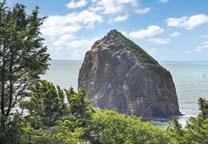
On Sunday morning July 16th, two photographers arrived early at Haystack Rock to take photos of puffins and were surprised by the sudden appearance of a cougar on the north side of the iconic rock. These photographers happened to be at the right place at the right time. It was a moment that few of us would have been aware of
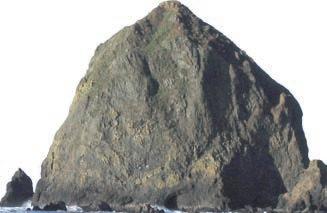
without seeing their incredible photos, and these two photographers enabled the world to see a cougar on Haystack Rock. Photographer Andy Woo said that “we came for the Tufted Puffins but stayed for the cougar. I can’t help but think that the cougar also came for the puffins but ended up stuck because of the humans. As soon as we arrived at Haystack Rock we noticed something on the rock that wasn’t a bird. At the same time, another photographer (Khula Makhalira) came up to us and told us he thought he saw a mountain lion on the rock. Once I realized what we were looking at, I still couldn’t believe what we were seeing. I think the
cougar was just as surprised, and even startled. As soon as it realized that it was being watched by the three of us it shrunk back into the shadows and tried to leave the rock by swimming through the surf. It soon gave up on that idea and returned to the rock, disappearing onto the other side away from the humans on the beach.”
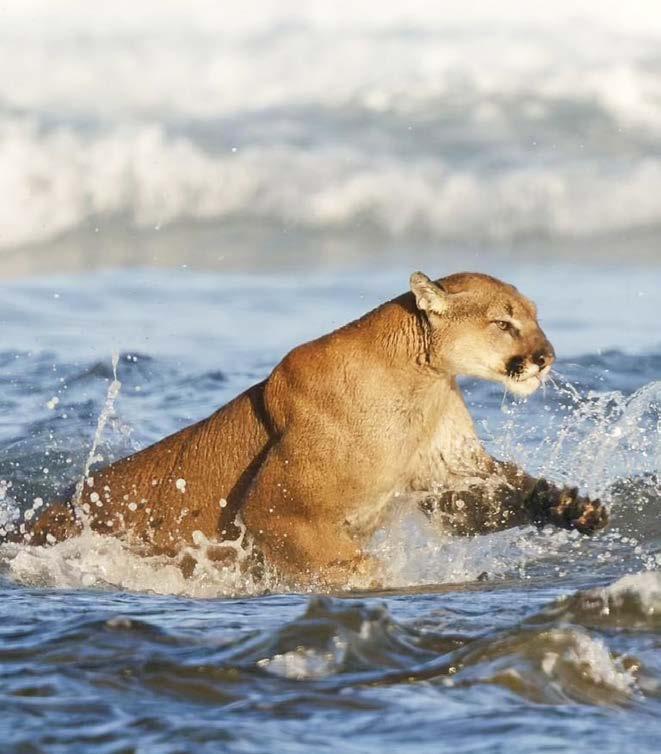
The cougar story was quickly posted on social media. The presence of a large charismatic apex predator, that the vast majority of people have never seen in the wild, spending the day on one of the most iconic landmarks in Oregon sparked the interest of local, regional and national media. People love wildlife and were captivated
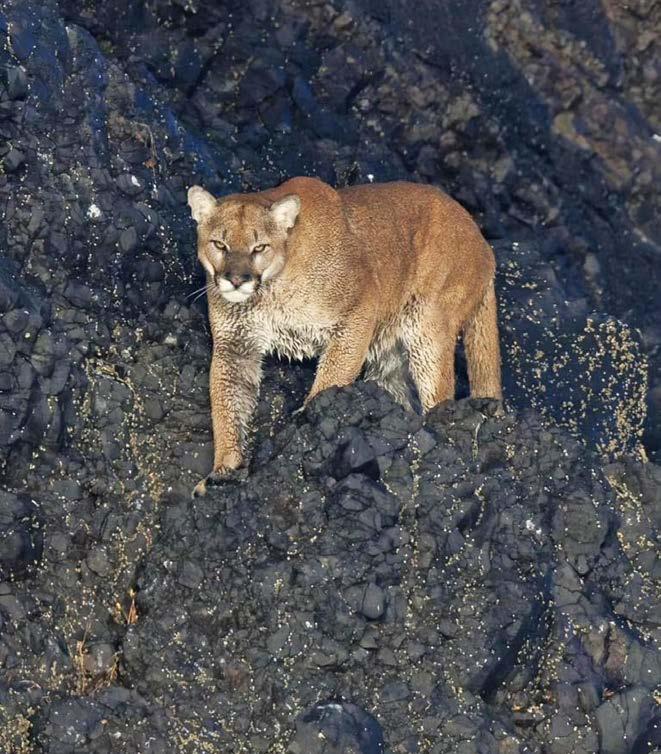
by the news of the cougar. Faces lit up when they saw the photos. People responded with “how cool” and “that is amazing”; with many in silent awe as they contemplated the presence of a large elusive cat that symbolizes wildness. Cougars are secretive and normally avoid highly visible locations in the presence of humans. The cougar slipped away from Haystack Rock under the cover of darkness and the next day a cougar with an injured leg was spotted in the Ecola Creek area.
Some Native American tribes say the cougar walks in moccasins that no one can hear and is a symbol of secrecy, while many believe the cougar serves as a
guide that helps you on your spiritual journey. Members of the Cherokee Nation revered the cougar (Klandagi), with the owl and cougar the only animals to reach the seventh highest level of purity and sacredness. The Navajo named the cougar Nashdoitsoh, who was a protector and guide. The Zuni and Hopi tell stories of a guardian spirit named Toho who takes the form of a mountain lion and provides protection and good luck. The Hopi see the cougar as a powerful and sacred being; as the strongest and most fearless hunter as well as a protector of the tribe. The ancient Incas viewed the puma (cougar) as a doorway between worlds. We are blessed to live in
a place like Cannon Beach where one can explore nature and find wild beauty everywhere. Seeing a herd of elk, hundreds of nesting birds on offshore rocks or a glorious sunset over the ocean gives many people a sense of wonder. Thank you Khula Makhalira and Andy Woo for sharing the magic of that morning.
“We need another and a wiser and perhaps a more mystical concept of animals. In a world older and more complete than ours they move finished and complete, gifted with extensions of the senses we have lost or never attained, living by voices we shall never hear”. Henry Beston: The Outermost House
Coastal Birds Face a Growing Threat
By ALLISON ANHOLT
Coastal Community Science Biologist for Portland Audubon

Oregon Coast beaches show many seasonal trends. In the spring, breeding birds seeking safe, quiet places with abundant food resources return to the coast to nest and raise young on the sand and rocks, beginning breeding in April or
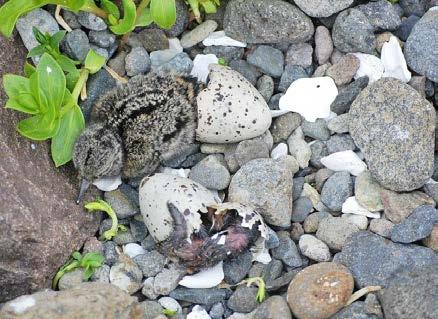
May and ending in August.
Among these are birds that many Oregonians, even those that don’t identify as birders, know and love: artwork all over coastal towns depicts the Tufted Puffin, Common Murres gather in massive nesting colonies that are easy to view, and Black Oystercatchers have such loud voices you can’t help but notice them. But other spe cies depend on our beaches
and aren’t so easy to notice. For example, threatened Snowy Plovers are perfectly adapted to spending their entire lives in the narrow stretch between the high-tide line and the dunes on open, sandy beaches.
After Memorial Day, the Oregon Coast sees another season- al trend. Vacation sea- son kicks off smack dab
the breeding season for these birds, at a very vulnerable time, when eggs and chicks are most subject to disturbance by people. Disturbance means the action of intentionally or unintentionally keeping birds away from their nests or chicks. Forms of disturbance include tidepooling; flying drones, kites, or paragliders; bringing dogs to the beach; or even hiking in the sand in the wrong spot—basically, a lot of the fun things we like to do at the beach. The vulnerable birds that use our coastline have evolved over thousands of years to deal with the hazards of near-constant wind, rip tides and storm surges, hot and cold weather, and predators stealing eggs and young. Only in the last century have they had to deal with a high volume of people recreating directly within their nesting areas. To a bird, a dog mimics a coyote, a natural predator.
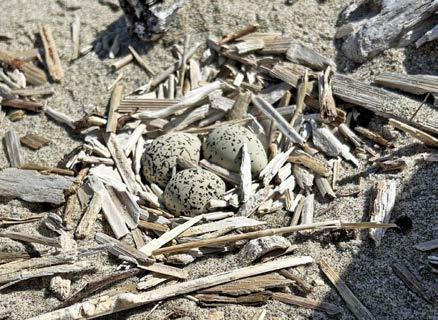
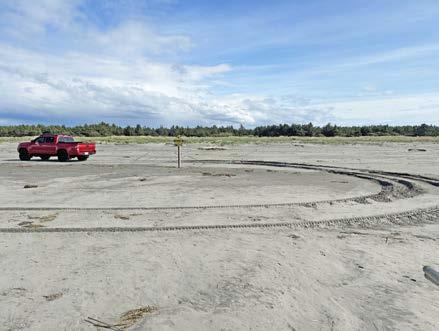
Kites or drones remind them vaguely of aerial predators like Peregrine Falcons or Great Horned Owls. Vehicles driving on beaches become an extra hazard to sandnesting birds like Snowy Plovers because the chicks can fall into tire tracks and often can’t scramble out fast enough to avoid another vehicle. Even less active forms of recreation such as tide-pooling or hiking in nesting areas can result in nest failures. Nests are well camouflaged, speckled eggs and chicks can be near invisible, and thus all are at risk of accidental trampling.
In addition to the risk of injuring or killing an adult, chick, or nest, with these actions, disturbance takes a more insidious form. When presented with disturbance, birds will initiate a fight-orflight response—they may fly or walk away from their nest, hoping that camouflage prevents the nest from being spotted, or they may perform elaborate distraction displays in an effort to lure the perceived predator away from the nest or brood of chicks.
Either response takes energy and attention, which allows “real” predators access to the eggs or chicks. Crows, ravens, and gulls in particular are extremely intelligent and readily take advantage of an easy meal. Nearly two-thirds of all nests monitored in our Snowy Plover Patrol program fail due to predation, even on beaches with relatively few people. Too many disturbance interactions can cause entire colonies of seabirds like Common Murres to collapse, or fail, for the breeding season. This can have not only immediate impacts, but long-term consequences for the entire population.
Because the height of the breeding season coincides with the busiest tourist season, we have an obligation to share the beach. We have a right to enjoy vacations with our families, just as these birds have a right to raise their families. So how can we all successfully use the same space?
• Obey Signage and Posted Rules: Fortunately for
INTRODUCING SUCCESSFUL WOMEN 2023 INSIDE Citizen Headlight Herald inside Tillamook Mary County Commissioner Executive Successful Celebrating women of the north coast who a difference in our communities Business Civic | Non-profit CarolynMuseum’s VOL. 47, ISSUE 16 FREE AUGUST 4, 2023 CANNONBEACHGAZETTE.COM
Cougar on Haystack Rock • PHOTOS BY ANDY WOO PHOTOGRAPHY
Black Oystercatcher Hatching PHOTO BY ALLISON ANHOLT SEE COASTAL BIRDS PAGE A4
COASTAL BIRDS CONTINUED FROM PAGE A1
Truck driving through plover area
people, birds are not equally distributed across the entire coastline. Snowy Plovers, for example, are far more likely to be at river inlets and in areas where the beach is particularly wide and flat. Most of these areas are protected by the Habitat Conservation Plan, a legal document outlining the path forward to increasing their population and de-listing these birds from the Endangered Species Act.
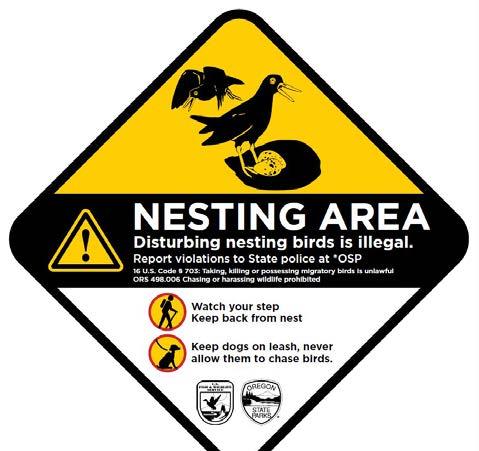
These areas stretch in small sections across fifteen sandy river inlets on the Oregon Coast, each of them marked by Oregon Parks and Recreation Department (OPRD) with diamond-shaped signs restricting human recreation to passive forms such as hiking or horseback riding in the wet sand, where plovers won’t nest. Black Oystercatchers, conversely, only nest on rocky outcroppings.
New this season, Portland Audubon and partners at OPRD and U.S. Fish and Wildlife have worked to design signs that will be placed near particularly vulnerable Black Oystercatcher nests, identified by volunteers in our Black Oystercatcher Monitoring Program, in order to reduce human disturbance.
• Leash Your Dog: Since birds don’t read signage (though we wish they
would), we can’t predict exactly where they will show up and protect all possible areas. Dogs not only mimic coyotes and scare adults, they use their powerful noses to scout out camouflaged eggs and chicks. Other wildlife also benefit from leashed dogs: flocks of migratory shorebirds, creatures found in tidepools and on the tideline, and loafing seals.
• Pay Attention to
Signals: If you see a bird running or flying around you and peeping, be alert. This distraction display is performed only if you’re right next to a nest or a chick.

If you see this behavior, try to back away carefully (while looking down at your footprints!) and give them a buffer of at least 100 feet.
• Take Trash with You: Crows, ravens, and gulls are just as happy to raid bird

nests as they are to eat trash left by people. Trash on beaches attracts these predators and results in a disturbance response.
As you recreate this summer, please think of the birds that depend on our coastline. Our resident breeding birds thank you!
Get ready for the Tillamook County Fair


The Tillamook County Fair will be taking place from August 9 to 12, at the fairgrounds, offering a plethora of entertainment, rides, races, food and shopping for the whole family.
This year’s theme is “Let Freedom Ring,” and the fan favorite offerings will all be returning, from the Pig n’ Ford races to Saturday’s Demolition Derby.
Fair gates will open at 10 a.m. each day and remain open until the end of the
evening’s entertainment at 10 p.m. Vendors and exhibitors will be setup across the fairgrounds, while agricultural competitions take place in the FFA and 4H pavilion during the day.

Rainier Rides will bring a compliment of rides to the fair, operating from noon to 10 p.m. daily. Those interested can check Rainier Rides’ website for a list of which rides will be coming to Tillamook and purchase passes, with a discount available for prepurchase.


General admission tickets











for the fair cost $10 per day, with a 4-day pass available for $30. Parking will cost $5 and benefit the Lions Club of Tillamook.

For the price of admission, fairgoers will not only have access to more than 70 vendors and exhibitors, and more than 2,600 exhibits from local residents ranging from photography to floral arrangements, but also to a wide variety of entertainment.
During the day, local musicians, dance groups and other entertainers, including








Godfrey the Magician, will perform on the Courtyard Stage at the fair’s center. Then, at 5:30 p.m., the show will move to the grandstand for the rest of the night.

The much-anticipated Pig n’ Ford races will start the night off, lasting from 5:30 to 8 p.m. each evening, with qualifying heats taking place Wednesday through Friday and the championship on Saturday. In the onlyin-Tillamook tradition, five competitors from the Model T and Pig Association will dash to grab a pig and secure it in their vintage automobile following the blast of a starter’s pistol. After securing their swine and starting their engines with a hand crank, competitors will navigate one lap of the Tillamook track before swapping their hog for
a new one and completing a second lap.
After the races are over, musical acts will headline the evening’s entertainment Wednesday through Friday, starting at 8 p.m.
On Wednesday Home Free will perform, on Thursday Tom Petty cover band, Petty Fever is on tap and Elvie Shane rounds out the week on Friday.
On Saturday, the musical acts cede the stage to another Tillamook County Fair crowd-favorite, the demolition derby. Courtesy of Tillamook’s own Havoc Productions, and cosponsored by the Headlight Herald, the derby will treat spectators to an octane fueled night of fun under the lights.
Horse races, another Tillamook County Fair staple,
will take place starting at 1 p.m. daily, ending around 5 p.m. with parimutuel betting available. Other highlights will include a demonstration of the Tillamook Fire Department’s equipment on Wednesday at 7 p.m., the working milking parlor in the dairy barn processing and sending milk to the creamery all week and Fair Acres, an agricultural area geared towards kids, featuring Brad’s World of Reptiles, the Old Iron Club of Tillamook and displays from local schools. Check the fair’s website or next week’s edition of the Herald for a full schedule of events and get ready to have a fun time at the Tillamook County Fair.
Mexican consulate visits Tillamook




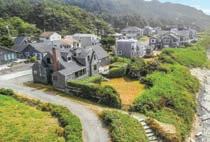


According to Angelica

Jazmin Godinez Garcia, around 120 people scheduled appointments with the consular officials across the two days. Mexican nationals were able to obtain original copies of birth certificates, passports, identification cards and register to vote at the event.
Godinez Garcia said that the appointments on offer had filled quickly, owing to a buildup in demand for services throughout the pandemic that has made getting appointments at the consulate difficult. Owing to the lack of consulates in other nearby
states, people traveled from Washington, California and Idaho to the event.
A range of local and statewide agencies also attended the event, including the Oregon Human Development Corporation, the University of Oregon, Oregon State University, the Oregon Health Insurance Marketplace and the Oregon Latino Health Coalition.

Godinez Garcia said that the Nehalem Bay Health Center was committed to serving the Latino community in Tillamook County in a welcoming environment.


August 4, 2023 A2 CANNONBEACHGAZETTE.COM | CANNON BEACH GAZETTE
PHOTO BY ALLISON ANHOLT
Example of camouflage
PHOTO BY ALLISON ANHOLT
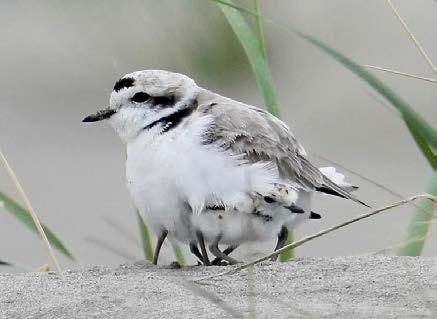
Plover dad with chicks
PHOTO BY TERRI NEAL
STAFF REPORT
EMPLOYEE OWNED. OREGON GROWN. EMPLOYEE OWNED. OREGON GROWN. Thank you for voting McKay’s! Best Produce Favorite Customer Service Favorite Food Store Like us on Facebook and Follow us on Instagram! www.mckaysmarket.com Serving our community for 74 years! EMPLOYEE OWNED. OREGON GROWN. EMPLOYEE OWNED. OREGON GROWN. Thank you for voting McKay’s! Best Produce Favorite Customer Service Favorite Food Store Like us on Facebook and Follow us on Instagram! www.mckaysmarket.com Serving our community for 74 years! WILL CHAPPELL For the Gazette Officials from the Mexican Consulate in Portland spent two days in Tillamook on July 22 and 23, offering a range of services to residents from across Tillamook County and the Pacific Northwest. The event was hosted by the Nehalem Bay Health Center at the Tillamook County Fairgrounds and takes place annually to offer more convenient access for families in Tillamook County.
MULTI-USE CANNON BEACH COMMERCIAL PROPERTY $3,150,000 OCEANFRONT HOME ON (2) OCEANFRONT TAX LOTS $2,969,500 CANNON BEACH OCEAN VIEW HOME NEW PRICE $1,550,000 PERFECT WEST GEARHART LOCATION NEAR GOLF COURSE $525,000 Michael HendersonManaging Principal Broker Reid PetersonBroker Jeremy YoungquistBroker Duane Johnson - Founder H22424 ELEGANT, OCEAN VIEW BEACH HOME $2,795,000 SOLD BEAUTIFUL 4.1 ACRE PARCEL WITH STUNNING PANORAMIC OCEANVIEWS! $3,999,000 CANNON BEACH E PRESIDENTIAL 2 SEPARATE LIVING QUARTERS $949,000 1/12TH SHARE OWNERSHIP 3 BED 2 BATH CONDO $99,000 What is RMLS? As the Northwest’s largest REALTOR®-owned Multiple Listing Service(MLS), RMLS serves approximately 10,000 Real Estate Professionals in over 2,200 offices licensed in Oregon and Washington. All brokers listed with firm are licensed in the state of Oregon 296 N. Spruce St. • Cannon Beach • (503) 436-0451 www.duanejohnson.com Active Members of & A VALUED AND TRUSTED RESOURCE WITHIN OUR COMMUNITY AND THE #1 OFFICE SINCE 1990. BEAUTIFUL ARCH CAPE CUSTOM HOME ON OVERSIZED LOT $890,000 SOLD SALE PENDING NEW PRICE NEW PRICE SOLD Did you know the Cannon Beach Gazette is free to read online? Keep up on Cannon Beach news at www.cannonbeachgazette.com
School Advisory Committee to Meet With City Council on August 8th
By DEB ATIYEH
The Cannon Beach Elementary School Rejuvenation Project Research Committee held their fifth meeting on July 24th while continuing to work on their recommendations for the City Council regarding future use and management of the Ne’cus facility. The committee voted unanimously on the adoption of the following updated management statement:
“The City will contract with a non‐profit organization formed with the intention of managing and operating the Ne’Cus facility. The non‐profit will be fully
responsible for the staffing, programming, fundraising, scheduling, maintenance and operation of the facility.”
“The City should facilitate the formation of the non‐profit by naming a steering committee (that could be the existing advisory committee or another group) representing the interests of the community. This steering committee will be an ad hoc committee whose purpose is creating a mission statement, assisting in organization of the non-profit board, and facilitating initial documentation for the non-profit organization.”

“Once the non‐profit board is in place they will hire an



Executive Director who, under their guidance will help identify all operational needs and hire staff with the aim to be ready to operate and manage the facility upon completion.”
“The City Council will need to assess how it will enact oversight of the facility, assuring it meets all legal requirements as a tourism facility by developing a comprehensive lease/use contract that guides the operations, philosophy and permitted functions of the facility.”
“The City Council and non‐profit board will finalize policies which will satisfy the challenges of operating the facility, such as the
lack of immediate parking, considering how best to limit peak season impact and other concerns.”
Two members of the research committee met separately and created a tentative operating budget that the group approved, realizing that this could change as the project unfolds.
The group has been successful in establishing the facility’s use and how it will be managed, along with an operating budget that can be revised at the City Council’s discretion.
The group discussed having an additional meeting or
Clatsop and Tillamook State Forests 50th anniversaries celebrated

WILL CHAPPELL
For the Gazette
Foresters and residents gathered at the Tillamook Forest Center on July 22, to celebrate the Tillamook State Forest’s 50th anniversary with a group photo, family activities, cake and appearances by Smokey Bear.
The event marked 50 years since Governor Tom McCall declared the Tillamook Burn the Tillamook State Forest on July 18, 1973 and also celebrated the 50th anniversary of the Clatsop State Forest.
District Forester Kate Skinner briefly addressed the group that assembled for the occasion, recalling McCall’s speech in 1972, calling the Tillamook Burn a permanent memory for Oregon. The burn refers to a series of four fires that took place between 1933 and 1951, destroying 355,000 acres of forest in Til-
lamook, Clatsop, Washington and Yamhill Counties.
During the 1930s and 1940s, as landowners in the forests defaulted on their properties’ taxes allowing them to revert to county ownership, the counties entered into an agreement with the Oregon Department of Forestry to manage those lands.
Over the decades following the burn, the forest was replanted, with 72 million seedlings being planted by hand by volunteers, many of them school children, and many more being dropped from helicopters.
Skinner praised the vision and dedication of those who helped to replant the forest following the burn, allowing it to return as a healthy and productive forest.
The Clatsop State Forest was the first of Oregon’s state forests to begin to take shape as timber companies
that elected to exchange their land with Clatsop County for property tax payments starting in World War I. In 1936, Clatsop County deeded its forestlands to the state government, becoming the first county to do so. The Clatsop State Forest covers 154,000 acres in Clatsop and Columbia counties.
Today, the forests generate timber revenue for counties and special districts, offers a variety of trails and other recreation opportunities and stores large quantities of carbon dioxide.
Skinner, who has worked in the Tillamook State Forest for 26 years, said that the Tillamook Forest has yet to reach its maximum potential, as forestry science continues to evolve and trees continue to mature.
The group of attendees first had a photo opportunity with Smokey Bear, did crafts in the education pavilion at
Visiting Ecuador During the Summer Solstice
KORAYMA LLUMINQUINGA LAPHAM
For Country Media, Inc.
Hello everyone! My name is Korayma Llumiquinga Lapham (they/ them) and I am the Communications Specialist for the Olalla Center, a nonprofit organization that works to heal and strengthen all members of the Lincoln County community. In addition to working with Olalla, I am also a member of Chayag en Familia, a local family band that performs Andean and other traditional South American rhythms. I was born and raised mostly here in Lincoln County but as I grew up, I was lucky enough to have been able to periodically visit and live in Ecuador with my family. This summer, I had the opportunity to return to Ecuador for the first time since the beginning of the pandemic and it was a whirlwind adventure of music, family and food.
Our travel day began at 10 AM on Saturday, June 17th when we set out from our house on the coast and drove up to PDX to catch our first of three flights. Our first layover lasted over 8 hours and by the time we arrived at the Quito airport, it was 12:30 PM the next day (a full day and then some after we started our journey). A whole troupe of family members were there to greet us and although we were exhausted, we spent the rest of the day catching up on all the things we had missed since we’d left last time.
We spent the next few days getting acclimated to the altitude difference and the change in environment since it’s always strange to go from being in a small town on the Oregon Coast to a bustling city in the middle of the Andes. Thankfully, our family was super welcoming and they made us feel at home like they always do everytime we visit. One of the ways they do that is through comfort foods like
colada morada and pristiños, a hot fruit punch and deep fried dough rings. This stuff is absolutely amazing and I always make colada for Día de los Difuntos (an Ecuadorian holiday similar to Day of the Dead), no matter where I am as a way of remembering those who came before me as well as my cultural background.
The timing of our visit couldn’t have been better considering that it was nearing summer solstice and the celebration of Inti Raymi (Kichwa for the “Sun Festival”). This time of year is important to indigenous communities up and down the Andean region as they celebrate with music, dance and festivities. My family got to participate and witness several iterations of this, beginning with the day of the solstice itself. The very first one took place in the middle of Quito at the Parque El Arbolito where students from several of the local universities gathered alongside groups of indigenous people to partake in ceremonies, listen to speakers and celebrate! It was my father and I who played music that day and it felt incredible to be a part of something we feel is very much a part of us.
On the following Sunday, we got to attend another summer solstice event that some family friends were hosting at their new cultural event center: Casa Kuntur (you can check them out on Facebook and Instagram). There was a ceremony that day as well and afterwards several groups, including my family, performed as the celebration lasted the whole afternoon.
The following week, we escaped to the countryside for a few days, heading up north a couple hours to the towns of Otavalo and Cotacachi.
the forest center and visited with representatives from ODF, the Oregon Fire Marshall and the Tillamook Forest Heritage Trust. They then moved to the plaza in front of the forest center for a group photo, before returning to the education pavilion for Skinner’s remarks and a cake cutting ahead of a second appearance from Smokey.
The forest center lies 22 miles east of Tillamook on Highway 6 and features a replica forest lookout tower, 250-foot pedestrian suspension bridge over the Wilson River and museum with permanent and rotating exhibits. The center is open from Spring to Fall, Wednesday through Sunday, from 10 a.m. to 5 p.m. between Memorial and Labor Day and 10 a.m. and 4 p.m. before and after.

Our Goal Is To Be Your Valued Financial Partner


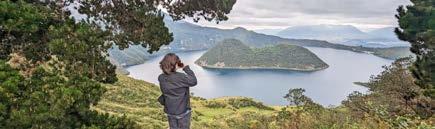
Our Airbnb was located in the community of La Calera, right outside of Cotacachi, where many locals have been working on promoting and maintaining local and sustainable tourism. We loaded up onto a truck the next day and hiked around Cuicocha (“Guinea Pig Lake”, so named because of the islands in the middle that look vaguely like said animals) for 12 kilometers. The first few kilometers were brutal as we climbed and climbed in altitude but pretty soon we hit our stride and the weather was practically perfect for hiking.
That Thursday morning it was already time to go back to the city but first we went to see hordes of men making their way down the street, playing music on their way to Cotacachi as part of that region’s Inti Raymi festivities. As you can see in the photos, they wear these furry chaps made with llama fur and giant hats that identify them as being from that particular community.
The following week went by in the blink of an eye and as we started to pack our bags, we organized a farewell party for that Thursday before we left. Several of my father’s old bandmates from his teenage days came over and played music while everyone danced and enjoyed the delicious food that our family helped us make. It was a beautiful moment and I won’t forget how much we laughed and sang that night…
Visiting Ecuador this past month was a beautiful and fulfilling experience and there’s nothing quite like being somewhere where the love and support of my family is always there. I really can’t believe that I’ve been back in Minnesota for a
SEE ECUADOR PAGE A6
August 4, 2023 CANNON BEACH GAZETTE | CANNONBEACHGAZETTE.COM A3 trashbirds coastline. betting the Department’s at milk and the of have Fair UniOregon Latino in a Scott Thompson is a LPL Financial Advisor with Fibre Financial Group, located at TLC, a Division of Fibre Federal Credit Union. He’s available to consult with you at no cost! Call: 360.575.5705
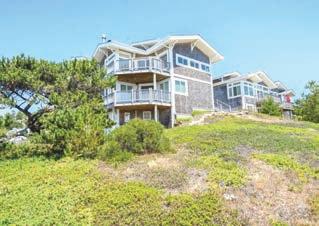
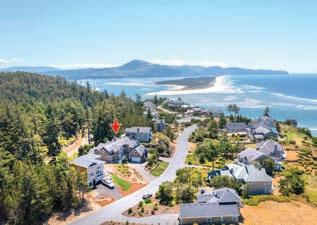
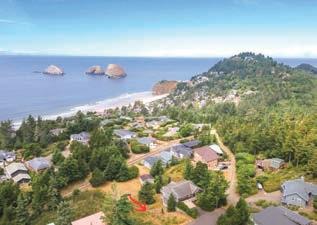
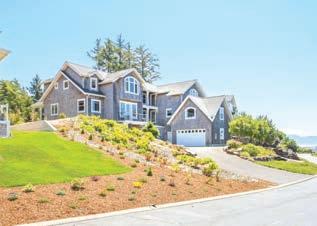
Securities and advisory services are offered through LPL Financial (LPL), a registered investment advisor and broker-dealer (member FINRA/SIPC). Insurance products are offered through LPL or its licensed affiliates. Fibre Federal Credit Union and Fibre Financial Group are not registered as a broker-dealer or investment advisor. Registered representatives of LPL offer products and services using Fibre Financial Group and may also be employees of Fibre Federal Credit Union. These products and services are being offered through LPL or its affiliates, which are separate entities from, and not affiliates of, Fibre Federal Credit Union or Fibre Financial Group. Securities and insurance offered through LPL or its affiliates are: Not insured by NCUA or Any Other Government Agency Not Credit Union Guaranteed Not Credit Union Deposits or Obligations May Lose Value QUARTER ACRE homesite with direct view to waves crashing onto Three Arch Rocks plus a wide expanse of blue water ocean. Gated community with dues of $300 per year for road and gate maintenance. Quiet neighborhood, approx. 1/3 mile pedestrian access to beach using the hidden “Tire Trail.” Sewer, water and power are all stubbed to the lot. Asking $275,000. MLS 23-17. DAZZLING WHITEWATER ocean view from this 1794 sq ft attached home in a quiet gated community. Located 2 doors from the beach trail. Open floorplan with decks on 2 floors, vaulted ceiling, views from every room. Wood burning fireplace, kitchen island, jetted tub in one of 2 ensuites. 3rd bedroom option in the den. 3rd full bath on main floor. Oversized garage with room for 2 small cars plus workshop area. Asking $859,000. MLS 23-331. Pam Zielinski, Principal Broker Berkshire Hathaway Home Services Northwest Real Estate Desk: 503-906-4903 Cell: 503-880-8034 www.PamZielinski.com PANORAMIC OCEAN VIEWS… available in Oceanside, Oregon TEN GABLES OCEANVIEW HOME custom built by Coaster Construction. 6356 sq ft on .38
2-story basalt custom fireplace. Asking
MLS 23-334. H22423
acre on quiet street in gated community. The kitchen takes up 4 rooms with oceanview walk-in pantry lined with custom hardwood cabinetry and built-in desk, hardwood floor, plus the main kitchen with 6burner high BTU range, pot filler, island, sea glass tiles, Subzero frig plus 4 additional
refrigerators, 2 sinks, 2 dishwashers, prep room, sitting room for planning and staging memorable events.
$2,750,000.
SEE ADVISORY PAGE A6
Bluebelle
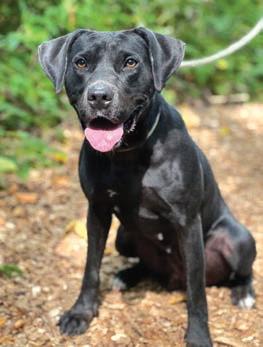
Bluebelle is our play group all-star. Because she does so well in group with all of our dogs she is considered a greeter dog, meaning she patiently teaches the other dogs respect and corrects them in a positive way and polite way. This sweet, happy four-year-old lab mix loves to run and play with toys. She knows basic commands and is very food motivated and trainable. Bluebelle has lived with other dogs before but like all of our shelter dogs will need to meet any other canine family members in advance. If you think Bluebelle might be a good fit for you, stop by the shelter today to meet her. http://clatsopcounty.animalshelternet.com/adoption_animal_details.
cfm?AnimalUID=288107


Pet meet and greets are by appointment, so if you’d like to meet Bluebelle, call the shelter at 503-861-7387 or stop by the lobby to set up a time. The shelter is open 9:30 to 4:00 Tuesday through Saturday, closed 12:30 to 1:30 for lunch. You can also fill out an application at the shelter’s Adopting a Pet page: https://www.clatsopcounty.gov/animalcontrol/page/adopting-pet
Scroll to the bottom of the page for the application or go directly to it here https://www.clatsopcounty.gov/media/38475 and email it to ac@ClatsopCounty.gov


That’s a wrap! 21st Annual Summer Art Camp
Cannon Beach, OR –July 24, 2023: The Cannon Beach Arts Association (CBAA) hosted its 21st annual Summer Art Camp last week at the Cannon Beach Community Church. The program is designed to appeal to all age groups, preschoolers, and school aged children.
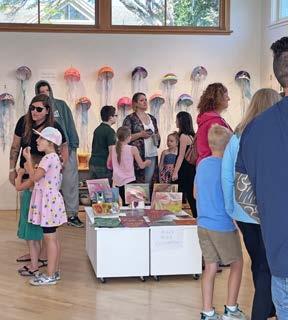

The CBAA’s Summer Art Camp brings North Coast art professionals into the classroom for a week-long intensive that is both handson and fun.
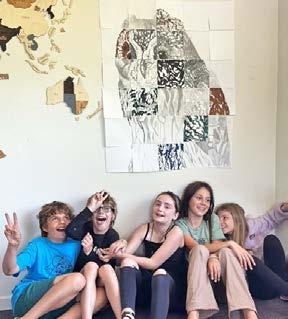
The following classes took place, Kid’s Yoga with Karen Meili (ages 4 – 12) ; Coastal Treatures – Shapes, Textures & Colors of the North Coast Landscape with Lori O’Neil (ages 8 - 12); Handmade Letters with Rebecca Read (ages 5 - 10); Project Off the Grid with

AT THE LIBRARY
By PHYLLIS BERNT Library Board President


Creative Women and Tiffany Glass
Participants in this year’s summer reading program, the theme of which is ‘Find Your Voice,’ will have a chance to ‘Find Your Oregon’ at 2 p.m. on Saturday, August 5, at the library (131 N Hemlock in downtown Cannon Beach).

Portland children’s author and illustrator, Andy Bauer, will read from and discuss his book “ABC’s of Oregon.”
In addition to discussing Oregon geography, Bauer will talk about writing and illustrating children’s books. Participants of all ages are welcome.
Anna Kaufman & Denise Monaghan (ages 7 - 12); Eco Mosaics with Loni Sanders ( ages 9 - 15); In addition, the following classes will be held from 1pm - 3pm daily. Quirky Watercolor Characters (ages 8+); Mixed Media celebration of color with Karen Weiss (ages 8-12); Sumi Watercolors with Tom Grogg (ages 12 & up); Make, Imagine, Explore with Marchi Wierson (ages 5 –6); Watercolor Animals and Flowers with Monica Hanlin (Ages 6 – 8+).

We finished the week with a Kid’s Pop-up art exhibition at the Cannon Beach Gallery from 10 – 12:30pm.

Current Exhibition: Belluschi, White, Conley

The Cannon Beach Gallery is proud to announce “Belluschi, White, Conley.” This exhibition features
from other people and their problems, but instead takes on an assortment of odd, entertaining and often needy passengers who join him in a series of adventures.

Brian Doyle was an award-winning writer, longtime editor of Portland Magazine and a book reviewer for the Oregonian. His other books include “Mink River,” “Martin Marten” and “Chicago,” all of which Cannon Beach Reads has discussed in previous years.
Kathleen Bell will lead the discussion. The Zoom link for the meeting is available by emailing Joe Bernt at berntj@ohio.edu. Coffee and cookies will be provided at the library. New members are always welcome.
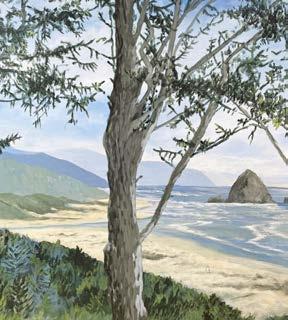
paintings by Chris Belluschi, Frankie White, and Martin Conley, on view July 28 – September 3, 2023. Artist Frankie White’s contemporary impressionistic style captures the spirit of the natural world. This current collection of 15 paintings is inspired by the varied landscapes of the north Oregon coast. These scenes and subjects are diverse, ever changing and always inspiring. This collection of sculpture by Chris Belluschi, is inspired by archaeological artifacts, in particular those of cultures in and around Mediterranean. These contemporary works evoke the profound beauty that can exist in objects far removed from their days of peak splendor. Martin Conley has been working with wood for over 40 years, both as
a sculptor and a carpenter. Martin likes to fined misshaped and unusual pieces of wood, letting the wood guide the process to a finished product.. Join us Friday July 28, 2023 from 4:30 – 6:30 for our artist reception, meet the artists, enjoy refreshments, and view the new collection.


The Cannon Beach Gallery is open 7 – days a week from 10 – 4PM and located in Mid-Town Cannon Beach 1064 S Hemlock St. Cannon Beach, OR 97110. A 501(3) (c) nonprofit organization, CBAA was founded with the intent to bring a wide variety of programs to members of our community and to visitors to the Pacific Northwest coast. See more Summer Camp photos for free at cannonbeachgazette.com
some creative latitude and were relatively well paid.
One such woman was Clara Driscoll, the manager of the so-called Women’s Division. Not only was she one of the highest paid women in New York City, she was also the designer of some of the most iconic Tiffany designs, including the dragonfly and wisteria lamps.
H22426
Fans of Brian Doyle can discuss his work by joining this month’s meeting of the Cannon Beach Reads book club. The group will meet at 7 p.m., Wednesday, August 16, to discuss Doyle’s “The Plover.” This will be a hybrid meeting; participants can come to the library or Zoom in to the discussion.
Doyle tells the story of Irishman Declan O Donnell, who sets out to sea in his boat, the Plover, to get away
The library recently added two works of historical fiction about extraordinary women whose stories have been lost to history. Readers of this column may remember a review a few weeks ago of “Good Night, Irene,” by Luis Urrea. Urrea tells the largely forgotten story of the ‘Donut Dollies’ who provided soldiers at the front with coffee, donuts and a sympathetic ear during WWII.
Another author hoping to resurrect stories about women forgotten by history is Shelley Noble (pen name of Shelley Freydont), a former
professor and dancer who now writes historical novels, mysteries and beach reads. In her recent work of historical fiction, “The Tiffany Girls,” Noble tells the story of the women who helped create the exquisite windows, beautiful lamps and decorative glass pieces that made Louis Comfort Tiffany famous.
“The Tiffany Girls” is set in 1899, a year that lends itself to a discussion of, as Noble puts it, women who changed things, “not famous women . . . just everyday working girls . . . who set the way for professional women to come.” In 1899, though things were gradually changing, there were very few opportunities for women to do creative, satisfying work that paid a decent wage.
The Women’s Glass Cutting Department at Louis Tiffany’s Tiffany Studios was the exception. Women in that department were allowed
Until Driscoll’s letters were found in 2007, the common wisdom was that Louis Tiffany created all the designs at Tiffany Studios, and little was known of the work in the Women’s Division. That changed with the discovery of Driscoll’s letters, which describe the working conditions and accomplishments of the Women’s Division in great detail, not only shedding new light on the history of Tiffany Studios, but also providing Shelley Noble with material for “The Tiffany Girls,” as she acknowledges in her author’s notes.
Noble, however, chose not to make Driscoll the main focus of her novel. While Driscoll is an important supporting character, the main characters of “The Tiffany Girls” are Emilie Pascal, a highly gifted, aspiring artist who seeks out the Tiffany
SEE AT THE LIBRARY PAGE A5
August 4, 2023 A4 CANNONBEACHGAZETTE.COM | CANNON BEACH GAZETTE BUSINESS DIRECTORY ADVERTISE YOUR BUSINESS HERE TO CREATE TOP OF-MIND-AWARENESS CALL 503-842-7535 OR EMAIL HEADLIGHTADS@COUNTRYMEDIA.NET TODAY! ARBORIST - TREE CARE ISA Certified Arborists ISA Board-Certified Master Arborist ISA Tree Risk Assessment Qualified Comprehensive Service, Pruning/Removal, Stump Grinding/Hazard Evaluations (503)791-0853 www.arborcarenw.com Care for Your Trees H22358 CCB#171855 LCB#9343 WA#ARBORCI909RW BoB McEwan construction, inc. Excavation • undErground utiitiEs road work • Fill MatErial sitE PrEParation • rock owned and operated by Mike and Celine MCewan Serving the paCifiC northweSt SinCe 1956 • CC48302
34154 Hwy 26, Seaside, OR P.O. Box 2845, Gearhart, OR CONSTRUCTION
Farm Laurelwood Compost • Mulch • Planting MacMix Soil Amendments 34154 HIGHWAY 26 SEASIDE, OR 503-717-1454 YARD DEBRIS DROP-OFF (no Scotch Broom) H49573 LANDSCAPING
503-738-3569
Laurelwood
PHOTO SUBMITTED BY SUMMER PETERSON
Art Camp Pop-Up Show
PHOTO SUBMITTED BY SUMMER PETERSON
Frankie White: Painting
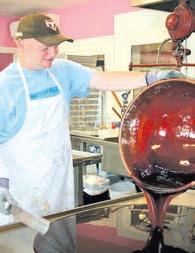
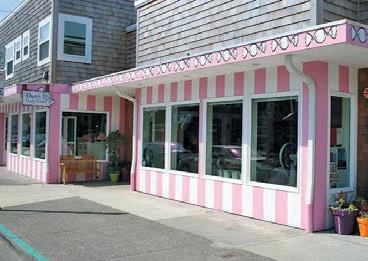
Founded in 1976 ASSE International Student Exchange Program is a Public Benefit, Non-Profit Organization. For privacy reasons, photos above are not photos of actual students Host an Exchange Student Today! (for 3, 5 or 10 months) Hanna from Germany, 17 yrs. Enjoys spending time with her family and younger siblings. Hanna plays volleyball and is excited to learn new sports while in America. Giorgio from Italy, 16 yrs. Loves to play baseball and spend time with his dogs. Giorgio also plays the guitar, and his dream is to join a drama club at his American high school. Make a lifelong friend from abroad. Enrich your family with another culture. Now you can host a high school exchange student (girl or boy) from Belgium, France, Germany, Ukraine, Scandinavia, Spain, Japan, Italy or other countries. Single parents, as well as couples with or without children, may host. Contact us ASAP for more information or to select your student. Amy at 1-800-733-2773 (Toll Free) host.asse.com or email info@asse.com Founded in 1976 ASSE International Student Exchange Program is a Public Benefit, Non-Profit Organization. For privacy reasons, photos above are not photos of actual students Call Heather at 1-708-421-7976 or Amy at 1-800-733-2773 (Toll Free) host.asse.com or email info@asse.com www.brucescandy.com • 503-436-2641 Freshest Homemade: Saltwater Taffy Chocolates Caramel Corn Making Sweet Memories for over 60 Sweet Years! H22352 The only saltwater taffy made in Cannon Beach! Downtown Cannon Beach Visit our online store and shop for Sweet Treats from Cannon Beach WE SHIP!
PHOTO SUBMITTED BY SUMMER PETERSON
500 EMPLOYMENT
Licensed Practical Nurse [LPN]
Part time position (24 hours weekly) w/excellent benefits.


Tillamook Family Counseling Center (TFCC) seeks a Licensed Practical Nurse [Part Time 24 Hours per Week] as a health provider for its Assertive Community Treatment Team (ACT). The LPN provides health care coordination, client support, and triage in home and community settings to adults presenting with severe and persistent mental illness.


Tillamook Family Counseling Center is a drug free workplace and equal opportunity employer.

If you are interested in this position, please apply online at http://tfcc.bamboohr.com/jobs. Be sure to submit an online application and upload your resume. Any questions, please visit us online at http://tfcc.org.
AT





Compensation: $29 - $39 Hourly, DOE



Church Services by the Sea Cannon Beach to Nehalem

We are looking for Personal Assistant to perform a variety of administrative tasks. Please send resume for more details via email to: excellenceservicess@ consultant.com
Don Osborne
Art Give-away





August 19


Tolovana Hall 3779 S. Hemlock St. Cannon Beach, OR 97110 10am-5pm Original work, posters and art supplies. Everything is free. As part of the giveaway Don’s family requests that attendees bring a nonperishable food item for the local food banks.

Lite refreshments will be served. H22427
THE LIBRARY
Studio after fleeing Paris and the shadow of her cruel, art-forger father, and Grace Griffith, a fiery-tempered idealist who wants to be a political cartoonist, but who works in the Women’s Division out of financial necessity.


Noble follows Emilie and Grace, two girls in their late teens, as they pursue their dreams of professional success despite society’s limitations. Grace, for example, is forced to sign her cartoons with her initials because no newspaper will publish political cartoons created by a woman. Despite her obvious talent, Louis Tiffany is ready to fire Emilie on the spot if she gets married or engaged, a fate awaiting any woman in the Women’s Division.
“The Tiffany Girls” is admittedly light reading; the character development is at times simplistic and the plot is predictable. But the novel is entertaining and worth reading because it presents a convincing glimpse of life at the turn of the twentieth century, fascinating descriptions of the glassmaking process and information about a group of women whose creative contributions should be remembered and admired.
During July, the library added the nine fiction titles “The Wind Knows





My Name” by Isabel Allende, “The First Ladies” by Marie Benedict and Victoria Christopher Murray, “Flags on the Bayou” by James Lee Burke, “Counterweight”


PUZZLES

CONTINUED FROM PAGE A4
by Djuna, “Robert Ludlum’s The Treadstone Rendition” by Joshua Hood, “The Glass Chateau” by Stephen P. Kiernan, “Queen of Exiles” by Vanessa Riley, “Somebody’s Fool” by Richard Russo and “Welcome to Beach Town” by Susan Wiggs.

The eight mysteries added were “The Lock-Up” by John Banville, “The Housekeepers” by Alex Hay, “Unnatural Ends” by Christopher Huang, “The Survivor” by Iris Johansen, “The Stolen Coast” by Dwyer Murphy, “ A Disappearance in Fiji” by Nilima Rao, “The Collector” by Daniel Silva and “Dead Fall” by Brad Thor.
And finally five nonfiction titles added to the collection were “The Heat Will Kill You First: Life and Death on a Scorched Planet” by Jeff Goodell, “Random Acts of Medicine: The Hidden Forces That Sway Doctors, Impact Patients, and Shape


Our Health” by Anupam B. Jena and Christopher Worsham, “Young and Restless: The Girls Who Sparked America’s Revolutions” by Mattie Kahn, “American Whitelash: A Changing Nation and the Cost of Progress” by Wesley Lowery and “The West: A New History in Fourteen Lives” by Naiose Mac Sweeny.
CLASSIFIEDS PUZZLES ABOUT US

Advertising Deadline: Noon Mondays week of publication




Deadline for letters, press releases and other submissions: Noon Mondays week of publication, will depend on space. Email to headlighteditor@countrymedia.net classifieds@orcoastnews.com


August 4, 2023 CANNON BEACH GAZETTE | CANNONBEACHGAZETTE.COM A5
Methodist Church
Nehalem,
Sunday service 11 a.m. Food Pantry Open Friday, Saturday & Monday 10 a.m. to 2 p.m. Wednesday March - October 2 p.m. to 6 p.m. November - February noon to 4 p.m. Nehalem Senior Lunches Tuesday & Thursday served at noon email: nbumcnsl2020@gmail.com To feature your spiritual organization on this panel: Contact Katherine at (503) 842-7535, headlightads@countrymedia.net H22117
Nehalem Nehalem Bay United
36050 10th Street,
OR (503) 368-5612 Pastor Celeste Deveney +
CANNON BEACH GAZETTE The Cannon Beach Gazette is published biweekly by Country Media, Inc. Publisher, David Thornberry 1906 Second Street, P.O. Box 444, Tillamook OR 97141 PHONE 503-842-7535 • FAX 503-842-8842 cannonbeachgazette.com Member Oregon Newspaper Publishers Association (ONPA) © 2023 by the Cannon Beach Gazette. No portion of this newspaper may be reproduced in any manner without prior written permission from the publisher. All rights reserved. Katherine Mace Advertising Account Executive 503-842-7535 headlightads@countrymedia.net The Cannon Beach Gazette is part of the Country Media family of newspapers. LETTER POLICY The Cannon Beach Gazette welcomes letters that express readers’ opinions on current topics. Letters may be submitted by email only, no longer than 300 words, and must be signed and include the writer’s full name, address (including city) and telephone number for verification of the writer’s identity. We will print the writer’s name and town of residence only. Letters without the requisite identifying information will not be published. Letters are published in the order received and may be edited for length, grammar, spelling, punctuation or clarity. We do not publish group emails, open letters, form letters, third-party letters, letters attacking private individuals or businesses, or letters containing advertising. OBITUARIES Email obituaries to: classifieds@orcoastnews.com The Cannon Beach Gazette has several options for submitting obituaries. • Basic Obituary: Includes the person’s name, age, town of residency, and information about any funeral services. No cost. • Custom Obituary: You choose the length and wording of the announcement. The cost is $75 for the first 200 words, $50 for each additional 200 words. Includes a small photo at no additional cost. • Premium Obituary: Often used by families who wish to include multiple photos with a longer announcement, or who wish to run a thank-you. Cost varies based on the length of the announcement. All obituary announcements are placed on the Cannon Beach Gazette website at no cost.
J. Kennedy Office
Classifieds
Legals
Siah
Manager/
&
1973: A Different Kind of Road Trip
some guys my age heading home to the east coast after spending their vacation in the mythical golden land of California. A thousand-mile ride was the holy grail of long-distance hitchhiking and we cruised east through the vastness of Nevada and Utah and Wyoming all the way to Nebraska over the next few days. Stopping at a small cafe in Nebraska, all conversation stopped as everyone in the place stared at us as we entered and sat down; this group of young shaggyhaired strangers. It was an omen of what was to come.
By BOB ATIYEH
This is the story of a different kind of road trip; the type of road trip that doesn’t exist in 2023. But fifty years ago in the summer of 1973, it was just another way to travel. The world was a far different place. The journey and this story end on the north Oregon coast.
In 1973, America’s long military involvement in the Vietnam War was ending and the congressional Watergate hearings were just beginning, with the resignation of President Richard Nixon still a year away. This was a time before personal computers, smart phones or the internet. No cable TV and no CNN or Fox News. We all heard the same news from the same people like Chet Huntley, David Brinkley or Walter Cronkite (the most trusted man in America). Americans had a choice of about five different TV stations, which they watched from televisions with “rabbit ear” antennas and no remote controls. Everyone who owned a phone had a landline or you could make calls from a public phone booth that took coins. Oregon had become the first state to decriminalize possession of small amounts of marijuana. The population of Oregon and the population of the world were half of what they are now, and the population of the U.S. has grown more than 50% since 1973. A Motel 6 cost $6, gas was 39 cents a gallon and inflation was over 6%. The middle class was thriving and America was a more egalitar-
ian society with less disparity of wealth. The world’s oceans and beaches were free of plastic debris and microplastics. No warming or acidification of the world’s oceans, and no massive wildfires or endless days of thick wildfire smoke. A few scientists were warning about the possibility of future “global warming”. Americans owned guns, but they were handguns, shotguns and hunting rifles. Far fewer people owned semiautomatic firearms and mass shootings were rare. The NRA was a mainstream lobbying organization focused on sportsmanship, safe gun handling and common sense gun regulations. The Supreme Court had ruled in favor of abortion rights in Roe v. Wade and the recently completed twin towers of the World Trade Center in New York were the tallest buildings in the world. Americans were more trusting of each other and their government. Congress was passing bipartisan landmark legislation. But 1973 was not an entirely idyllic time; the U.S. was still locked in a cold war with the Soviet Union, and the country had just emerged from the tumultuous 1960’s scarred by the assassination of political leaders, racial tensions boiling over into violence and mass protests against the Vietnam War dividing the country. There was lead in our drinking water, our paint and our gasoline. Gas guzzling trucks and cars spewed pollution into the air. Women and people of color were finally beginning to feel
ADVISORY CONTINUED FROM PAGE A3
developing a steering committee that would include some of the current members. The steering committee will delve into the broader scope of issues and planning.
They concluded it was best to meet with the City Council on August 8th to discuss how to proceed and to present a summary of their progress.
empowered, but our political, judicial, business and professional worlds were still dominated by white males.
This was the world I graduated into from high school at the age of 17 in the early summer of 1973; feeling truly free for the first time in my life. I climbed to the summit of Mt. Hood a week after graduating. My older brother and sister were both married within a few weeks of each other early that summer, and I planned to hit the road and explore the country using my thumb. Hitchhiking was a common way of getting around all the way through the 70’s into the 80’s, and relying on the generosity of strangers was a much different way to travel. The interstate highway system was new, with parts of it still under construction, and the open road called.
A friend dropped me off at an I-5 freeway entrance ramp south of Portland. I quickly caught a ride and the adventure began. I headed south that first day, all the way through Oregon into California; leaving I-5 and heading east towards Lassen National Park in the Cascade Range, where I was told by a not-so-friendly park ranger that hitchhiking was not allowed in the park. After spending my first night camped in the forest around Lassen Peak, I headed for Reno. I was quickly learning the best ways to catch a ride, about hitchhiker etiquette and the unspoken code of honor among fellow hitchhikers. East of Reno on I-80, I caught a ride with
I parted company with my long-distance friends the next day and once again put my thumb out on the shoulder of the interstate, slowly realizing that it wasn’t as easy to catch a ride in Nebraska. Cars swerved at me as they approached, bikers gave me the finger and empty beer bottles and obscenities flew my way as drivers passed me by. But I made it out of that state in one piece and into Iowa on a Sunday morning, after sleeping in a cornfield that night. Cornfields are not hard to find in that part of the country and waking up in a cornfield smells like waking up inside a bowl of cornflakes.
Though I had feared for my life in Nebraska, the good folks of Iowa could not have been nicer. I was picked up by a preacher headed for his Sunday church service that morning, and the good luck continued as I headed east. I had vague plans to visit a woman my age who lived in Indiana, but fate intervened. By this time I was in Illinois as I-80 passed through the southern suburbs of Chicago. I’d been dropped off in the middle of a freeway interchange where I wasn’t supposed to be. A state cop pulled up and asked what I was doing there. I explained that I was just trying to get out of there as fast as I could. He said I couldn’t be there as he kicked my pack with the toe of his boot before ordering me into the back of his patrol car. He drove me off the freeway and told me to get out. As I walked away and looked around, I quickly realized I was the only white person. I had been dropped off in the city of Markham, south of Chicago. People looked at me with a curious “WHAT are you doing HERE?” I ducked into a fast food restaurant and ordered lunch, trying to figure out what to do next. But there was only one thing to do, and that was to go back out onto the road and stick my thumb
ECUADOR CONTINUED FROM PAGE A3
couple weeks now but I feel like I have been slowly figuring out a schedule that works for me, balancing work, hanging out with friends and maintaining my family
connections. I have a lot to look forward to, especially since I have the privilege of being able to work virtually with the Olalla Center and its many wonderful programs as
out. I was quickly offered a ride by a couple driving a van full of furniture. The man apologized for not having any money to give me, saying he was so short of money he had to sell some of his furniture. I told him it was OK; I just appreciated the ride. Some of the nicest people I’d ever met.
I’d had enough of the Midwest. The allure of the Rockies and the vast open spaces were pulling me west, back through the gauntlet of hostility in Nebraska and into Wyoming. I remember meeting some interesting characters along the way; people you wouldn’t normally tend to cross paths with. Some were lonely, driving for hours on the interstate; just wanting to talk to someone to help pass the endless miles. A few told me their darkest secrets; the kind of secrets they never would tell their spouse or closest friends. People would offer a sandwich or a beer or share a joint. A young mother with an infant offered me a ride. Some drivers were laconic and others loquacious as they regaled me with their stories. I was eating only once or twice a day, but I was young and didn’t care, as I was having the best adventure of my life.
Making my way into Yellowstone National Park, I spent the night in the forest on the edge of Norris Geyser Basin; listening to the geysers erupt on a moonlit night while hoping that one of the local grizzlies didn’t discover me or the food in my pack. Through Yellowstone and into the Tetons. The area around Jenny lake was incredibly quiet with very few people around. I decided to hike up to Amphitheater Lake at the base of the Tetons and spent a miserable night under a plastic tarp as a cold front moved through. Back through Yellowstone and into Montana. Cruising along I-90, the person who had given me a ride was extolling the beauty of Glacier National Park, so I impulsively headed north off the freeway. I remember being in awe of the spectacular mountains on Going-to-the-Sun Road on the way to Logan Pass. Heading east off the continental divide towards the Blackfeet Reservation, a grizzled old rancher driving a beat-up pickup offered me some chew, telling me “whatever you do, don’t swallow any of it”, which was exactly what I did. Waves of nausea hit and it was all I could do not to puke in his truck.
Across the Idaho panhandle and into Spokane, where
well as contributing articles like these to The News Guard. I want to thank Robyn and Alex for encouraging me to write for this article for the Cultural Corner and
I couch-surfed for a few nights on my newly-married sister’s couch. She and her husband had just moved to Spokane so he could attend law school, and it felt good to be with family for a few days. Back on the road and into the hellish late-July heat of eastern Washington, heading west across the spectacular North Cascades highway to the Olympic peninsula. I remember riding in a red corvette around the peninsula through the beauty of the rainforest, and log truck drivers laughing at me as they passed the long-haired kid trying to hitch a ride out of Forks, but it was nothing compared to the hostility that had been hurled at me in Nebraska.
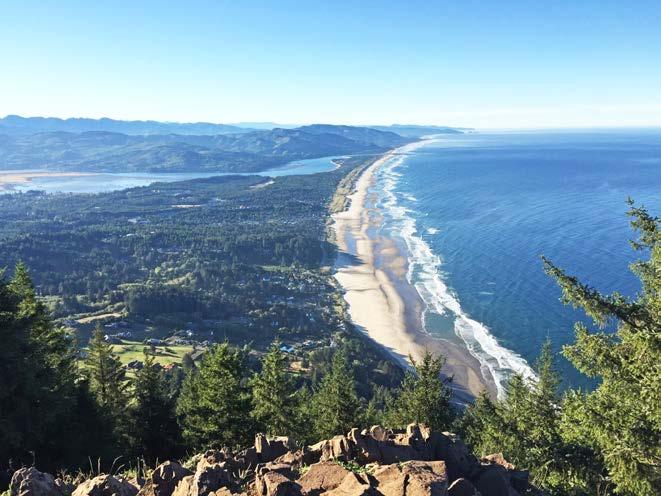
Crossing the newly constructed bridge over the Columbia River into Astoria, I felt like I was home for the first time in weeks. Some people from the Midwest exploring the Pacific Northwest in a motorhome offered me a ride. I guided them to Ecola State Park and we pulled into the viewpoint. This was their first view of the Pacific Ocean, or any ocean. Overwhelmed by the view and taking it all in, they didn’t say much for a few minutes. After being dropped off at the Neakahnie Mountain trailhead, I spent the night near the summit, looking out over the Pacific and reflecting on the journey. I wasn’t the same 17 year-old that started out that first day on I-5 south of Portland. I was just a few weeks older but maybe a few years wiser. A few epiphanies popped into my young head along the way that have stayed with me over the years. The incredible generosity and kindness of complete strangers and the fact that there are far more good people than bad in the world. How the climate and landscape shape the culture of an area and the diversity of cultures within the vastness of our country. That if you stepped outside your comfort zone with an open mind and a sense of adventure, you just might have a life-changing experience. I took other hitchhiking trips in the 70’s to British Columbia, Yukon and Alaska; catching rides with altruistic strangers on trips covering thousands of miles. But looking back half a century later with the perspective of an old guy, this was one of the transformative journeys that shaped my view of the world during a restless and rebellious youth.
if you’d like to read more about my experiences as an Ecuadorian-Oregonian going to college in Minnesota, be sure to check out my blog at lifesomewherenew.blog
Your Mitsubishi and Daikin Ductless Heat Pump Headquarters.
Purchase a new system by September 1st for an extra $350 off when you mention this ad!
We are also offering $25 off of tune-ups and maintenance services for furnaces, air conditioners, heat pumps, and fireplaces scheduled and completed in August. Take advantage of rebates available through Energy Trust of Oregon and lower your electric bill when you upgrade to high-efficiency heating and cooling.

August 4, 2023 A6 CANNONBEACHGAZETTE.COM | CANNON BEACH GAZETTE
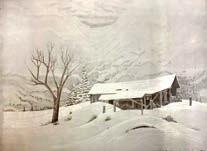
Looking South From Neakahnie Mountain
PHOTO BY BOB ATIYEH
H22349
