The History of the Oregon Beach Bill
 By BOB ATIYEH
“No local selfish interest should be permitted, through politics or otherwise, to destroy or even impair this great birthright of our people.”
Oregon Governor Oswald West, 1913
Oregon’s public beaches are sacrosanct bastions of egalitarianism; a place where social or economic status matters not at all. The vast ocean, wide sandy beaches and open sky are the great equalizers; it doesn’t matter if you’re young or old, rich or poor, what language you speak, what god you pray to (or don’t) the color of your skin, sexual orientation or political beliefs; the beaches are free and open to everyone.
But it all could have turned out much differently in the early summer of 1967, when the public’s right to use the dry sand areas of Oregon’s
beaches hung by a thread during a bitter political fight; becoming the hottest issue of the 1967 Oregon legislative session. Signed into law by Governor Tom McCall 56 years ago on July 6th, 1967, this is the story of how the Oregon Legislature decided the fate of the Oregon “Beach Bill”. But first we need to go back 110 years to early 1913, when a young Oregon governor named Oswald West, fearful of land speculators despoiling the pristine Oregon coast, convinced the Oregon legislature to designate Oregon’s beaches a public highway, from the Columbia River to the California border, from the low tide line to the high tide line.
Generations of Oregonians considered Oregon’s public beaches as their birthright and recreational playground, and in 1947 the Oregon legislature changed the wording of Oswald West’s law from public “highway” to “recreation area”. For over half a
century, Oregonians considered all areas of the beaches open for their use. But the flaw in West’s bill was that it didn’t mention the dry sand areas, and by 1967, over 110 miles of the dry sand areas of Oregon’s beaches were in the hands of private owners, who held title to the land and paid taxes on it. In the summer of 1966, Portland real estate broker Bill Hay, owner of the Surfsand hotel in mid-town Cannon Beach, decided to fence off the dry sand area in front of his hotel, putting up signs saying “Surfsand Guests Only Please!”. The fence prevented anyone from walking along the beach north or south of the Surfsand during high tide.
An outraged citizen named Larry Bitte wrote to thenSecretary of State Tom McCall asking if this was legal. McCall turned it over to the State Highway Commission headed by Glen Jackson. After lawyers discovered the flaw in West’s bill and with Jackson realizing the issue
was beyond his authority, the State Highway Commission sent a proposal to the Oregon Legislature with a recommendation to allow public recreational use of the dry sand areas of the beach based on the concept of Common Law, since the public had used these areas for generations. House Bill 1601 (HB 1601) later known as the “Beach Bill”, was born. The summary of HB 1601 “recognizes the public rights to easements in shore lands.... between the vegetation line and ordinary high tide line. Designates such lands as public recreation areas and directs State Highway Commission to protect and preserve such areas.” But this obscure bill soon turned into a divisive political battle.
Grants Pass State Representative Sid Bazett, Chairman of the House Highway Committee which was holding hearings on HB 1601, supported the bill, but lacked the votes in his committee to move it to the floor
of the Oregon House for a vote. During early hearings, the only people testifying before the Highway Committee were coastal developers and motel owners. Some conservative Republican committee members viewed the bill as a property rights issue and wanted to either kill it or amend it, with their proposed amendments being even more restrictive of public access to Oregon’s beaches. House Bill 1601 remained stalled in committee, with most Oregonians blissfully unaware of the bill or what was at stake. State Treasurer Bob Straub, a strong supporter of the bill, testified before the Highway Committee stating that “the tone and the temper of the objective of the amendments is to shrink the public interest on the beach and to enlarge the private interest. It think that these amendments if adopted would be a real sellout of the public’s right to enjoyment of the beach and
Oneday in May of 1967, Australian Tony Knight, head surf lifeguard in Cannon Beach, and I surveyed the surf and shoreline from the lifeguard tower situated at the foot of Cannon Beach’s Ecola Ramp. I had been hired as a beach lifeguard for the summer during my hiatus from teaching duties at Seaside High School. Just to the north of us, the recently constructed Surfsand hotel perched on the ocean embankment above the sand. Below the resort, the owner, a Mr. Bill Hay, had commissioned construction workers to construct a de facto beach lounging area for the resort’s guests. Large posts defined the area. Cabana boys placed windbreaks and lounge chairs in the semi-enclosed beach each morning. During the day, they also provided the guests with refreshments.
Suddenly, as Tony and I observed the coastline, the thrashing of rotor blades signaled the arrival of a small commercial helicopter which promptly set down on the wet beach sand. The pilot and a tall, imposing, fashionably dressed gentleman exited the aircraft, followed by a coterie of men with cameras and notebooks. They proceeded to Hay’s resort enclosure and examined it.
In the days that followed, newspaper photos revealed the gentleman who visited Cannon Beach that day to have been Oregon Governor Tom McCall. As a consequence of his visit, the Oregon Beach Bill was passed, guaranteeing public access to the dry sand areas of Oregon’s beaches.
(Cannon Beach resident Peter Lindsey is the author of “Comin’ In Over The Rock” and “Just Movin’ the Water Around”)
VOL. 47, ISSUE 14 FREE JULY 7, 2023 CANNONBEACHGAZETTE.COM
SEE BEACH BILL PAGE A6
Photos by DEB & BOB ATIYEH
By BOB ATIYEH
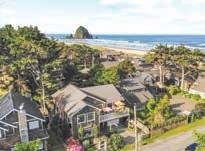
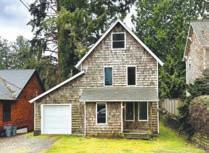
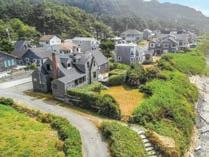
Slowly driving by, I notice that the cottage in Seaside where we spent part of every summer is still standing, but in bad shape. The walk to the beach is longer now after six decades, with a path meandering through the beach grass.
Once on the beach, I walk to the edge of the wet sand. The beach is eerily quiet and deserted. I close my eyes,
by RICK GREY
This month, I’ll meet my best friend in Ontario to catch six plays at the Stratford Shakespeare Festival. The highlight promises to be King Lear, starring Paul Gross, the Canadian leading man who’s a cult hero among Shakespeareans for his starring role in the Canadian series, Slings & Arrows, a comic drama set at a Shakespeare festival suspiciously like Stratford.
We first visited Stratford last October, and quickly fell in love. It’s much like Ashland used to be – when it was still about Shakespeare. (A topic for another time). But with more venues and more authentic pubs. Last year’s Hamlet was excellent,
North Coast Memories
feeling the cool ocean breeze and warm sun on my face. Old memories flood back, as clear as yesterday. Playing for hours on the beach with my brother, sister, mother, grandmother and family dog. Wading in the ocean and jumping the waves. My father would join us on weekends and dig holes in the sand deep enough for us to disappear in when we were small. Riding the ferry across the Columbia River from
Astoria to Washington before the bridge was built. Driving on Cannon Beach in the family station wagon with the windows down on a warm summer afternoon, all the way past Silver Point before turning around to beat the incoming tide. Ecola Point before the 1962 landslide. Dinner at the Crab Broiler. The ferris wheel on Broadway in Seaside and the old natatorium at the turnaround where the WorldMark hotel
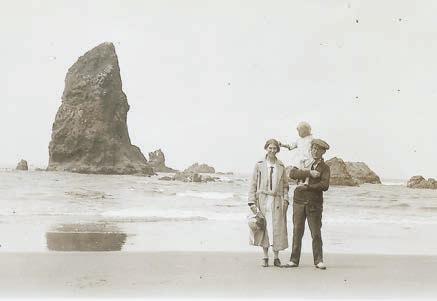
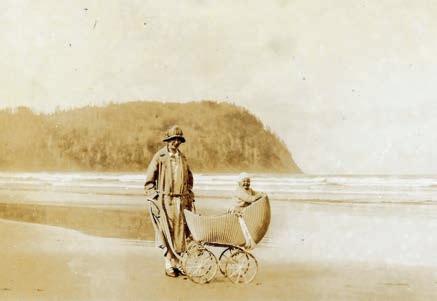
now stands. Bumper cars and the Seaside Aquarium. I open my eyes and the mists rising from the wet sand are like spirits drifting in the soft breeze. My mother began her visits to the north Oregon coast as an infant in the summer of 1924, when the family would spend their summers in a rented cottage, with her father riding the “daddy train” from Portland, down the Columbia through Astoria to Seaside every weekend.
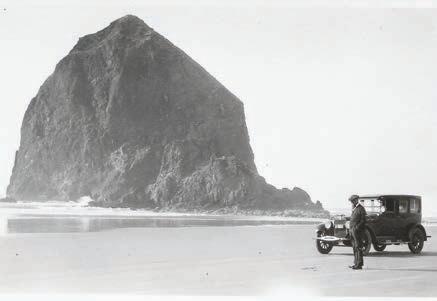
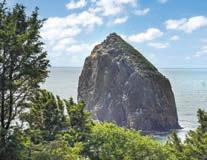
My mother ’s memories of the endless turns in the old highway dropping down from Tillamook Head into Cannon Beach; of driving their family Buick on Cannon Beach, past Haystack Rock and over the old wagon road blasted out of Hug Point. Every summer, through the Great Depression and World War II and into the 1950’s, when she started bringing her own children to stay at the same cottage, she never missed a summer;
“I Am Too Old to Learn”
and All’s Well was even better. But King Lear should provide lifetime memories.
In my acting days, I performed in twelve Shakespeare plays, including three different Hamlets – two as The Ghost. I’ve dreamed of doing Lear, though I’m probably too old to play Kent, the faithful lord who – banished by the unstable King – returns in disguise to serve him. My favorite of Kent’s lines - which I have used often in life – is, “I am too old to learn!”
Truth be told, I’m a dedicated lifelong learner. But Kent’s line is spoken to Cornwall, an arrogant lord who hopes to “teach him a lesson” by clapping him in the stocks.
Kent – a far better man – rejects the notion that Cornwall

has anything to teach him about duty and honor
For me, that line comes in handy when confronted by “enlightened” – but ignorant –sorts who believe they possess the solution to all of society’s woes. Like Kent, I have little time for the arrogant “true believers” who think the world will yield to bright ideas and quick fixes. If I’ve learned anything, it’s that solutions to real-world problems require study, patience, ingenuity, and usually, compromise.
I am, indeed, “too old to learn” the latest nonsense. But not important things.
Moving to Cannon Beach has placed me in a community of lifelong learners. I am continually running into people – of all ages – com-












mitted to some project of selfeducation. It’s not surprising, really. Since well before the Revolution, Americans have been a people who loved learning new things.
That said, though, our technological age tends to make learning more and more individualized. Lonelier. At present, for example, I’m studying several things. To learn something about Modern Art –which I’ve long ignored – I’m solving 1000-piece jigsaws of outstanding works, purchased online. (Jigsaws make you focus on every detail.) I’m also learning about 20th century orchestral music –through lectures downloaded from The Great Courses, plus YouTube videos of important works in performance. Finally, I’m learning about the history of Ukraine from videos of Timothy Snyder’s Yale undergraduate course –available free online.
All of this is very satisfying but – as noted – solitary. I have my projects. Friends and neighbors have theirs. But some things cry out for learning together
This January, hoping to


meet part of that need, I convened The Ponderous Tome Book Club – a club devoted to non-fiction. With the hospitality of the Tolovana Arts Colony, we first met to discuss Stacy Schiff’s new biography of Samuel Adams. In subsequent monthly meetings, we examined Colin Woodard’s American Nations a look at how eleven groups of early settlers shaped the widely diverse cultural regions within the US, Canada, and northern Mexico; Excellent Sheep, William Deresiewicz’s 2014 critique of elite higher education; Only Yesterday, Frederick Lewis Allen’s cultural history of the Roaring Twenties; and The Impending Crisis, David M. Potter’s Pulitzer Prize-winning political history of the thirteen years before the Civil War.
The book club started strong, with eight or nine members attending – an ideal number. But it soon became apparent that we’d chosen an awkward time – Tuesday afternoons. Attendance dwindled, and last month, after discussing The Impending Crisis, we decided to take
until one year well into her 90’s, she was no longer able to make her annual trip to the beach. After 99 years, she left this world peacefully on a warm June night, almost a century after her first trip to the north Oregon coast. Compared to the landscapes where our lives play out, our time in this world is a brief flicker of existence. People come and go, but the beach, the ocean and the sky remain.
a break for the summer. We’ll resume in September – probably on Saturday mornings. In the meanwhile, we’ll reach out to friends and others, with a goal of twelve or so members. Non-fiction book clubs can work – I started a strong one in Virginia in 2004 – but they require a core group large enough to count on around eight members at each meeting. We’re halfway there.
I hope some who read this will decide to join us. I also encourage folks in Cannon Beach and neighboring towns to consider organizing more groups to study together. I know there are birding groups in town, but there are many other possibilities. Personally, I’d be interested in a foreign language group which met for conversation in another language. Or a play-reading group. Maybe even a chess ladder. The possibilities are legion.
Like Kent, I realize that I am not truly “too old to learn”. I’m perfectly happy to study most things on my own. But some things are better learned together.
Building and Strengthening Disaster Readiness Among Your Neighbors

List of Essentials“Go-Bag”
Go-Bag List on the City of Cannon Beach website: go-bag_list_recommendation.pdf (cannon-beach.or.us)

The goal is to be able to stay alive and reasonably comfortable for 12 to 24 hours
• 1 - Rain Gear or Poncho: Staying dry is key to staying alive
• 2 - Layers of Extra Clothing: Preferably synthetic fleece or wool
• 3 - Stocking Cap or Hat: A large percentage of body heat can be lost through the head
• 4 - Gloves: Keep hands warm and protected from cuts and scratches

• 5 - Dry Socks: Keep feet warm
 by DEB ATIYEH
OnSaturday, June 24th
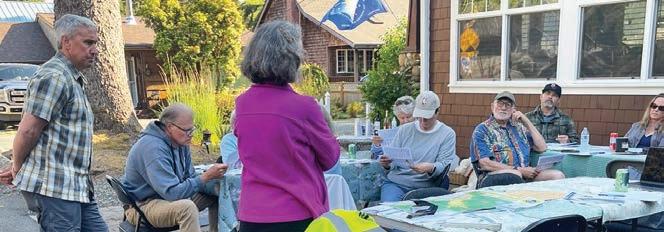
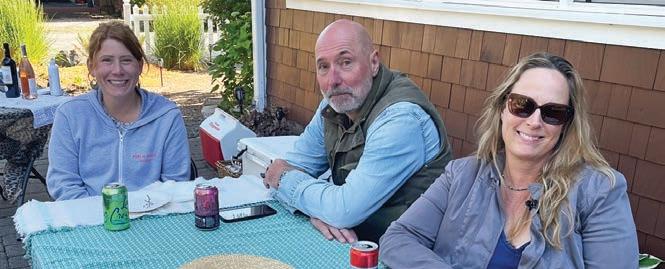
the Van Buren street neighborhood gathered for a potluck and kicked off the first “Get to Know Your Neighbor Prep Event” with the Cannon Beach Community Emergency Response Team (CERT). Neighbors gathered in the host’s yard to learn about how to “know your neighbors” in the event of a disaster.
One on-duty Cannon Beach police officer and the code enforcement officer, along with the Cannon Beach Fire Chief, two firefighters, and Rick Hudson, the Cannon Beach Emergency Manager were in attendance to answer questions. Mary Beth Cottle (CERT coordinator) and Rick Hudson introduced the program, with flyers and other helpful information handed out to all who attended.
A neighborhood coordinator was appointed, and the group discussed who to contact, who to check on, who needs extra help, and established a phone tree contact list with updated information. Evacuation routes and Go-Bags were confirmed and explained. Important questions like who in the neighborhood has specialized skills, how important it will be to look out for each other, who lives here full-time, who does not live here full-time, who has pets, and who is elderly and will need help
were discussed. In the event of a Cascadia Subduction Zone earthquake and tsunami, you will have a maximum of 20 minutes from the beginning of the earthquake to get to high ground, and knowing the fastest evacuation route could save your life. Your chances of making it to high ground are likely to be better if you walk or run instead of trying to drive. Be aware that there could be 8,000 to 12,000 people in Cannon Beach on very busy days, with a combination of residents, second homeowners, hotel guests, RV park trailers, rental homes, and day visitors. They too will be evacuating by car and foot in a state of panic. Have GoBags ready in your car and your house. It does not hurt to have a few extra ready to go and grab. You can also get a barrel to store more longterm essential supplies at the City cache sites, which are extremely important to learn about.
One knowledgeable resident who has lived through an emergency evacuation said to always carry cash in small bills, as credit cards will not be useful.
It is important to know that it could be up to two weeks before any outside help arrives in Cannon Beach, depending on weather, landslides, wind, fire, bridges, and available routes of access.
The priority for the fire
and police department personnel will be getting all of their vehicles to high ground before attending to other emergencies. Be aware that only seven fire fighters (volunteer and paid staff) live in Cannon Beach, and only one or two police officers could be on-duty in the City at the time of an emergency.
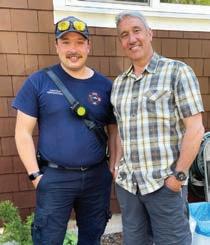
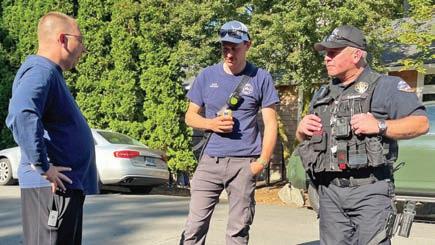
The Medical Response Team (MRC), the Community Emergency Response Team (CERT) and the Disaster Animal Response Team (DART) will be dispatched to help if they are in town and available. They will be at the assembly sites to assist. It is important to know the evacuation assembly site nearest to you and the fastest way to get there.
It is very important to make sure you are registered on Nixle through the City website so that you will be notified in case of an emergency. Sign up to receive messages from Cannon Beach Public Safety at nixle. com
Most important is to “Be a Part of the Solution.” Be prepared and help those around you to the best of your ability.
There are plans to come to each neighborhood in Cannon Beach for a potluck or coffee/tea gathering. If you would like to host a gathering in your neighborhood, please contact Mary Beth Cottle at (503) 436-8099 or cannonbeachCERT@gmail. com
• 6 - Tarp or Sheet of Heavy Plastic: When you get to a safe place this may be the only possible shelter
• 7 - Compact Foil Emergency Blanket: Helps Retain Body Heat. Windproof and Waterproof
• 8 - Fire Starter Material with Lighter or Waterproof Matches: Staying warm is key to staying alive
• 9 - Water Bottle (minimum 32 ounces) Water Filter or Water Purification Tablets
• 10 - Food: Protein Bars, Nuts, Dried Fruit, Trail Mix, Jerky
• 11 - Small Flashlight or Headlamp: Include extra batteries
• 12 - First Aid Kit: Bandages, Antibiotic Ointment, Medications, Hand Sanitizer, Small Folding Scissors
Other Items to Consider
• Small Folding Knife or “Leatherman’s Tool”
• 25-50 feet of Heavy-Duty Nylon String or Twine
• Small Roll of Duct Tape
• Sanitizing Wipes, Toilet Paper, Paper Towels
• Large Plastic Garbage Bags: Keep Clothes Dry, Improvised Poncho, Ground Cover
• Foam Pad: Protection from cold, wet ground
• Chemical Hand Warmers
• Glow Sticks and Whistle: Will allow you to be seen and heard
• Map of Area: Waterproof or Laminated
• Compass or GPS: Ability to Navigate
• Personal Documents, ID, Cash, Eyeglasses, Cell Phone, Plastic Zip-Lock Bags
Don’t make your Go-Bag too heavy too large, or too difficult to handle
Cannon Beach Welcomes New Community Development Director
working with and overseeing other planners and staff for 20 years. With Sheboygan’s location on Lake Michigan, Steve sees some similarities with Cannon Beach with how these bodies of water impact the livability our communities.
 by DEB ATIYEH
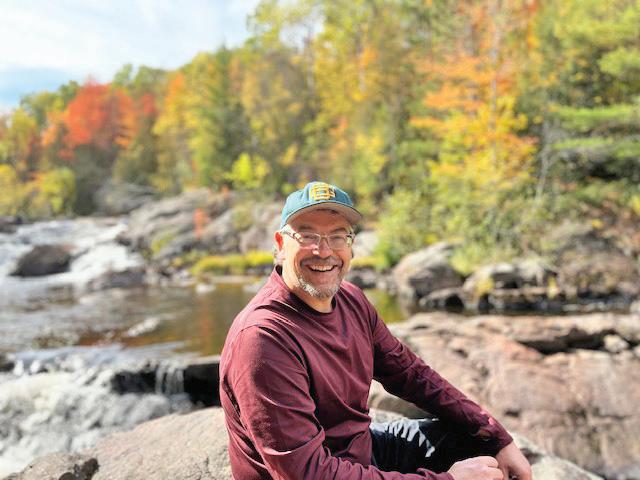
Cannon Beach welcomes our new Community Development Director, Steve Sokolowski, who started in his new position on June 12th. Steve comes to Cannon Beach from Sheboygan, Wisconsin, the “Bratwurst Capitol of
AT THE LIBRARY
By PHYLLIS BERNT Library Board President
Music for Kids, Ken Kesey & WWII Donut Dollies
Summer is in full swing, and so is the library’s Summer Reading program. The program is open to all residents and visitors, from pre-k to young adults. Participants can sign up any time this summer, either in person at the library (131 N Hemlock) or through the library website (www.cannonbeachlibrary.org).
The theme for this year’s program is Find Your Voice, and participants can find their musical voices from 11 a.m. to noon on Wednesday, July 19, when musician Gabrielle Macrae will lead a children’s music program. Target age group is pre-k to 11 but everyone is welcome.
Church Services by the Sea Cannon Beach to
At 2 p.m. on Thursday, July 27, the library will present a bilingual storytime. Iolanda Ramirez will read stories in English and Spanish, providing a chance to explore words and language. The target age group is zero to eight, but all ages are encouraged to participate.

The lazy days of summer may be a good time to get acquainted, or reacquainted, with an iconic Oregon writer. The members of the Cannon Beach Reads book club will meet at 7 p.m., Wednesday, July 19, to discuss “Sometimes a Great Notion,” by Ken Kesey. This will be a hybrid meeting; participants can come to the library or Zoom in to the discussion.
Ken Kesey is perhaps best known for writing “One Flew Over the Cuckoo’s Nest” and for living a life filled with LSD parties and psychedelic bus trips, but he also wrote “Sometimes a Great Notion,” a novel he regarded as his magnum opus.
The novel tells the story of the Stamper clan, a family of almost pathologically stubborn loggers in an Oregon coastal community, whose creed is to “never give an inch,” an attitude that explains their fraught relationship with both man and nature.
Volunteers Help With Cannon Beach Library Annual Book Sale
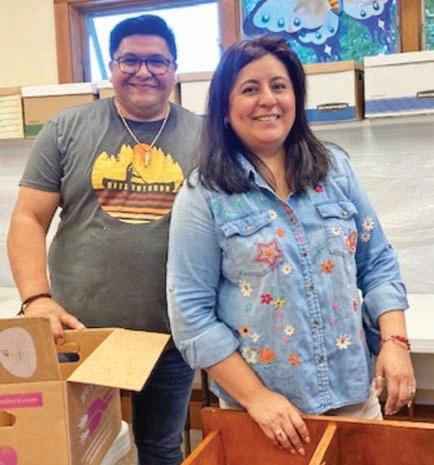
Over 120 volunteers from within the community came together to support the Cannon Beach library’s “Annual Fourth of July Used Book Sale”, their largest fundraising event of the year. This book sale raises funds to help with operations of the non-profit library that serves not only the residents of Cannon Beach and Arch Cape, but also the thousands of visitors
who visit the area. The dedication of both new and returning volunteers makes this event possible. Pictured here are new volunteers Iolanda and Germaín Ramirez. Iolanda also volunteers to lead bilingual Story Time (Spanish/ English) for children as part of the library’s Summer Reading Program. For more information, visit www.cannonbeachlibrary.org
the World.” Sitting on the shore of Lake Michigan with a population of 50,000 residents, Sheboygan is located 60 miles north of Milwaukee, Wisconsin.
Steve worked for the City of Sheboygan as the Manager of Planning and Zoning in the Community Development Department,

Arthur Broten will lead the discussion, which will start at 7 p.m., Wednesday, July 19. The Zoom link for the meeting is available by emailing Joe Bernt at berntj@ohio. edu. Coffee and cookies will be provided at the library. New members, whether inperson or online, are always welcome.

Kesey’s title “Sometimes a Great Notion” comes from a line in the song “Goodnight, Irene.” Coincidentally, the library recently added a book titled “Good Night, Irene” by Luis Alberto Urrea. The two novels have little in common, but for someone writing a column and looking for a way to move on to a discussion of Urrea’s novel, this transition was too good to pass up.
“Good Night, Irene” is Urrea’s fictional account of his mother, Phyllis Irene Urrea’s experiences as a Red Cross “Clubmobiler” in WWII, brave women who were sometimes disparagingly called “Donut Dollies.”

During the war, the U.S. Army did more than create Auxiliary Surgical Groups (precursors to MASH units) to bring medical care to the troops on the front lines, they also worked with the Red Cross to bring “mini USOs” to the front.
Forty GM 2 ½ ton trucks were converted into coffeeand-donut dispensaries on wheels so that 250 young American women could keep up troop morale by providing donuts, coffee, board games, music and reminders of home dangerously close to the fighting. Urrea’s mother was one of those women.
Urrea had hoped to write a well-researched nonfiction book about the Red Cross Clubmobiles. Unfortunately, Clubmobile records were destroyed in a fire in the 1970s. Undaunted, Urrea, an award winning poet, novelist and essayist, decided to write a fictional account of his mother’s experiences.
Urrea spent twenty-five years researching the WWII Clubmobilers, poring over his mother’s letters, scrapbooks and diaries; reading letters in the ARC Clubmobile Archive at Harvard; interviewing his mother’s best friend Jill Pitts Nappenberger; and reading Marjorie
Steve and his wife are the parents of two children, with the youngest graduating from college this summer. They had always thought about moving to the Oregon coast, so when the job posting in Cannon Beach appeared, the timing was perfect. They are hoping to settle in Cannon Beach for the long term.
When Steve arrived for his interview, he loved Cannon Beach and the beauty of the natural surroundings. It is the type of place they would seek out to explore when they were on vacation. The City staff appeared to be a cohesive team; looking after one another and having each


other’s back, which was an attractive selling point for him during the interview process.


Steve’s wife Dawn is a project manager who is able to work remotely, so living in Cannon Beach works well for both of them. They are looking forward to living and working in such a beautiful town located on the Pacific ocean, exploring the area, and being a part of the community.
Cannon Beach will benefit from the wisdom and experience that Steve brings from his 20 years of experience in the city planning department in Wisconsin, and he is eager to learn and understand the needs of Cannon Beach and it’s citizens.
Cannon Beach warmly welcomes Steve and Dawn Sokolowski to Cannon Beach.
Lee Morgan’s self-published collection of interviews with the Clubmobilers who were still living in 1982.
The result is “Good Night, Irene,” whose primary details are based on historical facts and, according to Urrea, whose fictional elements are true to those facts.








The novel recounts the experiences of Irene Woodward, a character based on Urrea’s mother, and Dorothy Dunford, a character based on his mother’s best friend Jill.
Ultra-feminine, stylish Irene, who is working in her mother’s swanky New York City antique store and who has a socially prominent, but physically abusive fiance, decides to escape her aimless, unhappy life and contribute to the war effort by becoming a Clubmobiler.
Dorothy Dunford, a sixfoot-two tomboy, is an Indiana farm girl who has lost her parents, her brother and the family farm, and who joins the Clubmobile program in hopes of avenging her brother’s death in combat.
The two women forge an unbreakable bond as they dole out coffee and donuts, provide a supportive and sympathetic ear and remind weary, often-frightened soldiers of home. All while the two experience the dangers and horrors of war during the runup to D-Day, the siege of Bastogne and the liberation of Buchenwald.
According to Urrea, “[s] ometimes a fable is the surest way to see the truth of the past.” Irene’s and Dorothy’s experiences, though fictional, have a great deal to tell us about the terror and inhumanity of warfare, as well as the bravery and compassion often exhibited by the men and women who, each in their own way, contributed to the war effort during WWII.
The courage, “can-do”



attitude and patriotism of American women during WWII has come to be symbolized by Rosie the Riveter, who gamely did a “man’s job” to win the war Maybe it’s time to add Irene and Dorothy, the Clubmobilers who bravely performed seemingly trivial tasks under harrowing and dangerous conditions. After all, Rosie did her crucial war work in the relative safety of home.
Urrea’s novel provides a unique angle on WWII by highlighting a group of women forgotten by history. With its powerful descriptions of warfare, compelling characters and moving account of an enduring friendship, “Good Night, Irene” is well worth reading.
During June, the library added twenty new titles. The ten works of fiction that were added are “Tom Clancy Flash Point,” by Don Bentley, “The Paris Daughter” by Kristen Harmel, “The Five-Star Weekend” by Elin Hildebrand, “Loot” by Tania James, “On Earth as It Is on Television” by Emily Jane, “Bad Summer People” by Emma Rosenblum, “Lady Tan’s Circle of Women” by Lisa See, “Cassandra in Reverse” by Holly Smale, “The Mythmakers” by Keziah Weir and “The Road to Roswell” by Connie Willis.
The six mysteries added are “The Peacock and the Sparrow” by I.S. Berry, “All the Sinners Bleed” by S.A. Cosby, “The First Death” by Kendra Elliot, “Killing Me” by Michelle Gagnon, “The Chateau” by Jaclyn Goldis and “Zero Days” by Ruth Ware.
And finally four nonfiction titles were added: “The Rediscovery of America: Native Peoples and the Unmaking of U.S. History” by Ned Blackhawk, “Battle of Ink and Ice: A Sensational Story of News Barons, North Pole Explorers, and the Making of Modern Media” by Darrell Hartman, “A Most Tolerant Little Town: The Explosive Beginning of School Desegregation” by Rachel Louise Martin and “Graveyard of the Pacific: Shipwreck and Survival on America’s Deadliest Waterway” by Randall Sullivan.
Costa Ricans Arrive in September in Cannon Beach
By JEANIE MCLAUGHLIN Cannon Beach Day Coordinator for Partners of the







Americas
I f the six night homestay Sept.5-10 is too long for a host home in Cannon Beach, we now have permission to divide it up in two three day segments, Sept. 5th, 6th, and 7th, and another time period of Sept. 8th, 9th, and 10th. A smooth transition between




the host couples or individuals would be ideal. Perhaps two friends or two couples or a combo of both in Cannon Beach will make this happen.
Cannon Beach Day will be Wednesday, Sept. 6, part of the first three days. The 11 Costa Ricans and their NW Coast hosts will arrive in Cannon Beach at 10:30 AM at the local chamber of commerce reception room for a slide presentation by Lisa Habecker of Haystack Rock Awareness Program.

The final activity of the Cannon Beach Day Sept. 6 will be after a short hike and photo opportunity at our beautiful Ecola State Park. The eleven Costa Ricans and NW Coast hosts will enjoy chicken and beef taco dinner with the Costa Ricans’ favorite black beans at 5 or 5:15 PM in a local resident’s home. If you want to be the host for the taco dinner on Wed., Sept.6, please call Jeanie McLaughlin at (503) 436-2412 or e-mail Jeanie at: jeaniem-
claughlin139@gmail.com


Pura vida, as the Costa Ricans or ticos (affectionate name for Costa Ricans) say when they are having fun!
CANNON BEACH
July 7, 2023 4 CANNONBEACHGAZETTE.COM | CANNON BEACH GAZETTE
Nehalem Nehalem Bay United Methodist Church 36050 10th Street, Nehalem, OR (503) 368-5612 Pastor Celeste Deveney + Sunday service 11 a.m. Food Pantry Open Friday, Saturday & Monday 10 a.m. to 2 p.m. Wednesday March - October 2 p.m. to 6 p.m. November - February noon to 4 p.m. Nehalem Senior Lunches Tuesday & Thursday served at noon email: nbumcnsl2020@gmail.com To feature your spiritual organization on this panel: Contact Katherine at (503) 842-7535, headlightads@countrymedia.net BUSINESS DIRECTORY ADVERTISE YOUR BUSINESS HERE TO CREATE TOP OF-MIND-AWARENESS CALL 503-842-7535 OR EMAIL HEADLIGHTADS@COUNTRYMEDIA.NET TODAY! ARBORIST - TREE CARE ISA Certified Arborists ISA Board-Certified Master Arborist ISA Tree Risk Assessment Qualified Comprehensive Service, Pruning/Removal, Stump Grinding/Hazard Evaluations (503)791-0853 www.arborcarenw.com Care for Your Trees H20157 CCB#171855 WA#ARBORCI909RW BoB McEwan construction, inc. Excavation • undErground utiitiEs road work • Fill MatErial sitE PrEParation • rock owned and operated by Mike and Celine MCewan Serving the paCifiC northweSt SinCe 1956 • CC48302 503-738-3569 34154 Hwy 26, Seaside, OR P.O. Box 2845, Gearhart, OR CONSTRUCTION
Nehalem
Farm Laurelwood Compost • Mulch • Planting MacMix Soil Amendments 34154 HIGHWAY 26 SEASIDE, OR 503-717-1454 YARD DEBRIS DROP-OFF (no Scotch Broom) H49573 LANDSCAPING
Like
on
Gazette
us
able well and combenefit experiin department eager and



Bilingual Certified Peer Support/Recovery Mentor (English/Spanish)


F.T. 40-Hours/week Position
Tillamook Family Counseling Center is currently looking to add a bilingual peer specialist to our Prime+ program. The mission of the Prime+ program is to prevent acute life-threatening outcomes of substance use which include reducing overdose morbidity and mortality by providing harm reduction centered overdose prevention education and facilitating access to Naloxone. We also strive to reduce injection-related infections by providing harm reduction centered infection prevention education and facilitating access to safer use supplies. The Prime+ program supports linkage to care, diagnosis and treatment of substance use related conditions and substance us related infections.
This position includes training that leads to state certification according to OAR 410-180-0305 (12) and (13). As a certified Peer Specialist, you will be a living example and role model of recovery life. As a peer you will be a provider of the life wisdom gained through your own lived experience of recovery as well as a change agent for hope.
Benefits:
Dental Vision and Medical-prescription coverage. HSA and FSA plans. 9 paid holidays a year, paid sick leave and vacation time. Vacation starts out at 8 hours a month with increases over time. Generous retirement program: non-contributory 403(b), we put in 9% of your salary and you are vested after 6 months.
To see our complete job description and to apply go to http://tfcc.bamboohr.com/jobs. Be sure to submit an online application and upload your resume. Any questions, please visit us online at http://tfcc.org or contact us at jobs@tfcc.org
Licensed Practical Nurse [LPN]
Part time position (24 hours weekly) w/excellent benefits.

Compensation: $29 - $39 Hourly, DOE
Tillamook Family Counseling Center (TFCC) seeks a Licensed Practical Nurse [Part Time 24 Hours per Week] as a health provider for its Assertive Community Treatment Team (ACT). The LPN provides health care coordination, client support, and triage in home and community settings to adults presenting with severe and persistent mental illness.



Tillamook Family Counseling Center is a drug free workplace and equal opportunity employer.



If you are interested in this position, please apply online at http://tfcc.bamboohr.com/jobs. Be sure to submit an online application and upload your resume. Any questions, please visit us online at http://tfcc.org.
H21629
July 7, 2023 CANNON BEACH GAZETTE | CANNONBEACHGAZETTE.COM 5
H22117
ABOUT US CANNON BEACH GAZETTE The Cannon Beach Gazette is published biweekly by Country Media, Inc. Publisher, David Thornberry 1906 Second Street, P.O. Box 444, Tillamook OR 97141 PHONE 503-842-7535 • FAX 503-842-8842 cannonbeachgazette.com Member Oregon Newspaper Publishers Association (ONPA) © 2023 by the Cannon Beach Gazette. No portion of this newspaper may be reproduced in any manner without prior written permission from the publisher. All rights reserved. Katherine Mace Advertising Account Executive 503-842-7535 headlightads@countrymedia.net The Cannon Beach Gazette is part of the Country Media family of newspapers. LETTER POLICY The Cannon Beach Gazette welcomes letters that express readers’ opinions on current topics. Letters may be submitted by email only, no longer than 300 words, and must be signed and include the writer’s full name, address (including city) and telephone number for verification of the writer’s identity. We will print the writer’s name and town of residence only. Letters without the requisite identifying information will not be published. Letters are published in the order received and may be edited for length, grammar, spelling, punctuation or clarity. We do not publish group emails, open letters, form letters, third-party letters, letters attacking private individuals or businesses, or letters containing advertising. OBITUARIES Email obituaries to: classifieds@orcoastnews.com The Cannon Beach Gazette has several options for submitting obituaries. • Basic Obituary: Includes the person’s name, age, town of residency, and information about any funeral services. No cost. • Custom Obituary: You choose the length and wording of the announcement. The cost is $75 for the first 200 words, $50 for each additional 200 words. Includes a small photo at no additional cost. • Premium Obituary: Often used by families who wish to include multiple photos with a longer announcement, or who wish to run a thank-you. Cost varies based on the length of the announcement. All obituary announcements are placed on the Cannon Beach Gazette website at no cost. Advertising Deadline: Noon Mondays week of publication Deadline for letters, press releases and other submissions: Noon Mondays week of publication, will depend on space. Email to headlighteditor@countrymedia.net classifieds@orcoastnews.com Siah J. Kennedy Office Manager/ Classifieds & Legals PUZZLES www.cannonbeachgazette.com Read the Cannon Beach Gazette FREE ONLINE CB Mini Storage 10x10 Unit Available Call 503-350-3214 or 503-878-0925 For pricing H22260 H22260 H22288 503-842-7535 500 EMPLOYMENT We are looking for Personal Assistant to perform a variety of administrative tasks . please send resume for more details via email to: excellenceservicess@ consultant.com Like us on CANNON BEACH Gazette
CLASSIFIEDS PUZZLES
Capturing the Wonder: A Photography Exhibition by Kyle Genin


Join the Cannon Beach History Center & Museum on July 15th between the hours of 11:00 a.m. – 4:00 p.m. as they open their latest art exhibit featuring the talents of local photographer extraordinaire, Kyle Genin. View the incredible imagery of Cannon Beach and the Oregon coast taken from Genin’s point of view as he captures the wonder of this beautiful coastal town.
Kyle Genin is a Cannon Beach-based nature and travel photographer. Born in Tacoma, WA, Kyle spent his childhood in Puyallup and Chehalis, WA, and received his first camera when he was 13 years old. Photography classes and a few Ansel Adams’ prints later, he graduated to Olympus and Canon cameras and hasn’t looked back (unless for a great capture.) He has lived on the North Coast of Oregon for the past ten years - after living here previously for nine years in his early career. He remains enamored by the beauty found here, as well as the solace and contentment provided by his daily walks on the beach, which deliver an ever-changing panorama of colors, textures, and unexpected surprises. As a lover of travel, Kyle draws inspiration from the history and architecture of other countries.
He also enjoys using social media to share the beauty of our world, a passion that grows stronger with each new adventure. Italy’s Florence is his favorite international destination for photography. Kyle can most often be found on the beach, but you can also find him on Facebook and Instagram at @KyleGPics. Kyle hopes his images help his audience feel the transformative power of travel, and ignite a shared sense of wonder, discovery, and reverence for nature.
Capturing the Wonder: A Photography Exhibition by Kyle Genin opens on Saturday, July 15th and will be on display through October 14th.
NE’CUS PROJECT



phasizing (but not limited to) arts, culture history, and ecology. After hours or on special occasions, the gym, facility lobby and classrooms may be used for events, festivals, or meetings emphasizing arts, culture, history and ecology. After hours or on special occasions, the gymnasium, facility lobby and classrooms may also host third party private events such as organizational retreats, meetings, classes, or receptions at fees to be determined. The Ne’Cus facility gymnasium
20th Annual Cannon Beach Cottage Tour: Tickets available now!
CANNON BEACH, Ore. – The “best autumn event in Cannon Beach,” according to Sunset Magazine returns for a weekend of fun-filled events from September 8 – 10 with the tour of homes taking place only on Saturday 9th.






Come celebrate our 20th year of opening the doors to historic cottages, beach dream homes, and architectural wonders. For the past 20 years, the Cannon Beach Cottage Tour, a cherished fundraiser for the Cannon Beach History Center & Museum, has showcased dozens of homes throughout Cannon Beach, many of which have been featured in The Oregonian and Oregon Home Magazine
While the tour of homes is the main event, start the weekend off right on Friday, September 8th for the Opening Night Benefit Bash at the Cannon Beach History Center & Museum. As soon as the doors are open at 5:30pm, beautiful bossa nova music by Pacific Northwest duo BELEZA! will fill the air. Come as you are and explore the unique history of Cannon Beach through the museum’s exhibits, enjoy hors d’oeuvres, sample local brews
CONTINUED FROM PAGE A3
may be open for recreational use as the schedule allows.”








In the conversation regarding the management and operations of the new facility, committee members discussed other Cultural Centers that included Lincoln City Cultural Center and the Columbia Gorge Discovery Center. The group discussed a variety of management models including setting up a dedicated non-profit that would operate the facility under a contract with the City. Other management models
BEACH BILL CONTINUED FROM PAGE A1
I hope this committee will very forcefully reject these amendments.”









Larry Bitte, a biochemistry graduate student at the University of Oregon Medical School in Portland and the person who wrote the letter to Secretary of State Tom McCall that triggered the investigation of public access to the dry sand areas of the beaches, was aware of HB 1601 but hadn’t heard of any progress. After contacting Chairman Bazett, Bazett explained to Bitte that there was no public interest in the bill. Bitte’s friends urged him to contact Dr. Bob Bacon, Professor of Anatomy at the Medical School, who was extremely interested in the Oregon coast and in preserving public access to Oregon’s beaches. Together they drove to Salem and met with Bazett, who welcomed them and asked them to return to the hearing room that afternoon. After being introduced to the other committee members, some of whom weren’t happy to see them there, Bitte and Bacon provided the first public com-
ments in favor of HB 1601, essentially saving the Beach Bill from political oblivion. Afterwards, Bazett asked them to organize enough public support to keep the bill alive.
Strongly supporting HB 1601 and growing increasingly impatient with the stalemate, newly-elected Oregon Governor Tom McCall sent a message to the House Highway Committee saying that “we cannot afford to ignore our responsibility to the public of this state for protecting the dry sands from the encroachment of crass commercialism”; with McCall later leaking his message to Capitol reporters.
Organizing a helicopter tour of the Oregon coast on May 13th, McCall and his entourage of surveyors, oceanographers and legislators accompanied by the press landed at several areas along the coast. Landing in Cannon Beach, McCall stood at the log barrier placed in front of the Surfsand hotel, glaring up at the hotel and cursing Bill Hay under his breath. The purpose of this trip was to es-
being considered are having the City operate the center, or having both working together. Committee members agreed that a non-profit would provide more options for the Ne’Cus facility to secure grants. They discussed hiring an Executive Director and who that person would work for and the responsibilities of job. The committee agreed that a nonprofit would likely be part of the solution whether for fundraising, programming or complete management of the
tablish a line allowing public recreational access to the dry sand areas of the beach at a point sixteen feet above sea level, and to warn Oregonians what was in danger of being lost. McCall’s tour succeeded, and the public began to take notice.
On the same day that McCall was taking his helicopter tour, Republican Lee Johnson and Democrat James Redden, two astute Oregon legislators and lawyers, forged a compromise bill. Realizing that the state didn’t need to actually own the dry sand areas to control them, they rewrote the Beach Bill as a zoning law giving the state the power to zone any beach area it didn’t own, and to prevent any development not allowed by the State Highway Commission.
State Treasurer Bob Straub called a press conference explaining that neither he, McCall and other supporters of this bill “were interested in abusing private property rights, but the public playground is on the dry sand sections of the beaches, and this is what is being

poured by the experts at Pelican Brewing Company and local wine by The Wine Shack, and place winning bids on soughtafter items in our second annual silent auction. Bid on an evening at the Governor Oswald West Log Cabin or a beautiful art piece from Icefire Glassworks, among other incredible auction items.
The tour of homes is a oneday only event on Saturday, September 9th and goes from 12pm – 5pm. To commemorate the 20th anniversary of the Cottage Tour, tour goers will have the opportunity to revisit over a dozen historic cottages and dream homes from years past in a “Greatest Hits Tour.” Locations on the tour will range from Tolovana to the Presidential Streets. One of the town’s most iconic and memorable homes on the tour this year is the home of former Governor Oswald West. Oswald West paved the way to ensure Oregon’s beaches remain public for all. A shuttle will be provided this year and will have designated stops along the tour route so tour goers will not have to drive and park to each location. During the tour and the rest of the weekend, have
facility. No final decisions were made and research will continue on this subject and will be discussed at future meetings.
The Ne’Cus project was made possible by funding from tourism-dedicated revenue generated by Clatsop County’s 1% Transient Lodging Tax (TLT) increase, with 30% dedicated to funding the county jail and 70% dedicated to the City of Cannon Beach. The remaining funding will come from the planned increase in the City
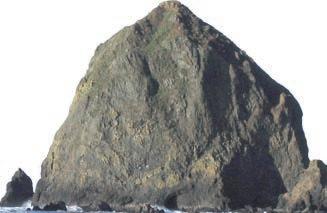
threatened by a few, a very few, commercial developers down on the coast. We’re at a crossroads in Oregon in regards to our beaches and if the legislature turns it’s back on passing this needed legislation you won’t recognize the Oregon coast a few years from now.” Secretary of State Clay Myers also expressed his support and began to lobby for the bill. With the top three state officials supporting HB 1601, a reporter for the Associated Press named Matt Kramer wrote the first major stories about the bill, calling it the “Beach Bill”, and the name stuck. Ancil Payne, general manager of Portland TV station KGW wrote a strong editorial supporting HB 1601; at one point showing a photo of Haystack Rock with a fence all the way to the ocean’s edge, telling viewers that “if you don’t want this to happen, contact your legislator.” Highway Committee Chairman Sid Bazett, a conservative Republican and strong supporter of the bill, found himself aligned with environmentalists, preservationists, conservationists and the “liberal press.” A citizen committee formed by Bitte and Bacon threatened a ballot initiative if the legislature failed to act.
The Beach Bill was suddenly front page news. In the largest public response to any legislative issue, Oregonians called and wrote their legislators by the tens of thousands, with over 35,000 letters and telegrams flooding into the State Capitol. Committee hearing rooms were packed, the political tides turned, and any legislators who had defiantly opposed HB 1601 ran for political cover under the tsunami of overwhelming public support.
House Bill 1601 easily passed the House 57-3, with the only opposition coming from coastal legislators opposing the bill at all costs. After passing the House and sailing through the Senate, Tom McCall signed the landmark Beach Bill on July 6th, 1967, just six months into his first term as Oregon’s governor. Immediately after signing HB 1601 into law,
fun taking advantage of the Out on the Town perks where you will receive discounts to local businesses, included in the cost of your home tour ticket.
Tour goers are encouraged to purchase tickets in advance this year as the price will increase on tour day. Maps for the tour are not distributed until noon on the day of the tour.
Don’t forget to stick around on Sunday, September 10 at 11am for our upgraded and popular event, High Tea by the Sea. Enjoy delicious tea and delectable treats from Cannon Beach Bakery and Cannon Beach Chocolate Café while taking a watercolor art class led by Nicole Poole. Nicole is an artist living in the Pacific Northwest. She currently teaches art demonstrations, workshops, and classes at Oregon Society of Artists. In this art class you will use professional watercolor paints and follow along with Nicole’s step-by-step process of sketching and painting beautiful flower centerpieces. Seating for this event is extremely limited and is expected to sell out.
Tickets for each event are available to purchase now. The Opening Night Benefit Bash is
TLT to complete funding for the new Police Department and Emergency Operations Center outside of the tsunami inundation zone; and the new City Hall at the current midtown site. By state law, any increase in TLT requires that 70% of the funds must be used for destination marketing or qualifying tourism projects. “The growing statewide and regional approach to spending those tourism dedicated funds has been to invest in destination improvement projects,
McCall delivered a short statement: “I think this bill looms as a momentous accomplishment of our 1967 legislature, one of the most far-reaching measures of it’s kind ever enacted anywhere in the nation. This bill guarantees that Oregon’s coastline will remain secure for generations to come, and in so doing will enable Oregon to meet it’s burgeoning needs for recreation far into the future. Oregonians can take a great deal of personal pride in this bill, whose enactment was the product of a groundswell of public support that arose from every corner of the state; a groundswell that in my experience was of unprecedented intensity. And the news media, they deserve to be singled out and commended on their efforts in focusing the public’s attention on this vital concern. I would say that without the intense attention of the press, House Bill 1601 may have died an ignominious death in committee. Far from being a partisan product, the passage of this bill reflects the cooperative efforts of Republicans and Democrats, and an impressive array of scientists and technicians from throughout the state. The overriding consideration of all concerned was that Oregon’s beaches be preserved and protected for posterity, and under this bill they will be.”
The signing of House Bill 1601 should have ended the controversy of public access to the dry sand areas of the beach, but it didn’t. Coastal developers challenged the legality of the Beach Bill in Clatsop County Circuit Court, eventually appealing all the way to the Oregon Supreme Court, which ruled unanimously in 1969 that the public had the right to use the dry sand areas of the beaches for recreational purposes because they had done so for generations. Surfsand hotel owner Bill Hay later challenged the ruling in the Federal Ninth Circuit Court of Appeals, who affirmed the Oregon Supreme Court decision.
Shortly after passage of the Beach Bill, a group of


by donation, the tour of homes tickets is $45 (we encourage tour goers to purchase tickets in advance as ticket prices will increase $50 on the day of the tour), and the High Tea by the Sea tickets are $30. Museum members: don’t forget to ask about your special discount. Tickets are available to purchase by phone at 503-4369301, in person at the museum, or through the online gift shop at www.cbhistory.org/shop
The Cannon Beach History Center & Museum is a private non-profit organization that was created to collect and preserve the history of Cannon Beach and Arch Cape. Admission to the museum continues to remain donation-based so anyone can visit regardless of the ability to pay. Proceeds from the Cannon Beach Cottage Tour weekend of events go directly to funding the museum’s lecture series, field trip program, exhibits, and day-to-day operating costs. For more information about tickets or other event information, contact the Cannon Beach History Center & Museum at 503-436-9301 or by email at info@chbistory.org
especially those that promote sustainability and stewardship in an effort to preserve what makes a place like Cannon Beach so desirable,” said committee chair Hayes. “I believe the Ne’Cus facility will be one of the premier examples of that statewide trend.” The next two research advisory committee meetings will be at 5:30 PM on July 6th and July 24th. Please feel free to attend or watch via Zoom, as your comments are always welcome.
citizens organized by Oregon Treasurer Bob Straub collected 90,000 signatures for a ballot initiative. Ballot Measure 6 would have enshrined public access to all of Oregon’s beaches in the State constitution, and placed a penny-per-gallon tax on gasoline sales that would have raised tens of millions of dollars to purchase the dry sand areas of the beaches from property owners and create additional state parks along the Oregon coast. In the aftermath of the passage of the Beach Bill, polls showed a strong majority of voters supporting the ballot measure before a gas industry lobbyist named Ken Rinke began running negative campaign ads, “Beware of the Tricks in Measure 6”, distorting the message and confusing voters. Despite strong initial support, Ballot Measure 6 failed by a wide margin.
Anyone who spends time on Oregon’s public beaches owes a debt of gratitude not only to a couple of charismatic and visionary Oregon governors, Oswald West and Tom McCall, but to State Treasurer Bob Straub, Secretary of State Clay Myers, House Highway Committee Chairman Sid Bazett, Lee Johnson and James Redden, along with dozens of other state legislators, Matt Kramer and Ancil Payne and all of the media who sounded the alarm, and Larry Bitte and Bob Bacon along with the tens of thousands of Oregonians who pushed their legislators to vote for the Beach Bill. If not for citizens getting involved and taking a stand, it all could have turned out much differently for Oregon’s public beaches in the summer of 1967.
Additional articles about Oswald West and Tom McCall and their fight to preserve public access to Oregon’s beaches can be found in the February 3rd and May 12th editions of the Cannon Beach Gazette, which can be accessed online at cannonbeachgazette.com. Click on the link for the current edition, then look for the link below to the “E-Edition Archive”.
July 7, 2023 6 CANNONBEACHGAZETTE.COM | CANNON BEACH GAZETTE EMPLOYEE OWNED. OREGON GROWN. EMPLOYEE OWNED. OREGON GROWN. Thank you for voting McKay’s! Best Produce Favorite Customer Service Favorite Food Store Like us on Facebook and Follow us on Instagram! www.mckaysmarket.com Serving our community for 74 years! EMPLOYEE OWNED. OREGON GROWN. EMPLOYEE OWNED. OREGON GROWN. Thank you for voting McKay’s! Best Produce Favorite Customer Service Favorite Food Store Like us on Facebook and Follow us on Instagram! www.mckaysmarket.com Serving our community for 74 years!