
2025-26





Dearstudents,
Anotherexcitingschoolyearisjustaroundthecorner,and asever,thereisanenormousamounttobeexcitedabout! Notonlyaswewelcomingnewteachersandfriendsfrom allaroundtheworld,thereisamultitudeoffacilities developmentsdesignedjustforyouopeningfrom September!
InWrocław,thisincludesanewsportsbuilding,aDesign& Technologysuitecompletewith3Dprinting,newScience laboratoriesandclassroomsandablack-boxtheatre!On topofthis,wewelcomeournewpeersandcolleaguesin KrakówtotheCosmoCommunity,andoverthecourseof theyearIlookforwardtoallofusspendingtimetogether andgettingtoknowoneanotheronourupcomingSkiand GreenCamps.
Iamconstantlyimpressedbyallyouhaveaccomplished andcontinuetoachieve.Yourdedicationmakesourschool aremarkableplacetolearnandanurturingcommunityin whichtothrive.
Remember,thisisyourschool,andourstrengthcomes fromeachofyourcontributions.Iencourageyouallto makethemostofeveryexperience;treasureevery friendship,andapproachtheworldwithcuriosityand openness,readytoexplore,question,discover,and understand.
Iwishyoualltremendoussuccessintheyearahead!

MrLewis ExecutivePrincipal



CONTENTS:
Equipment
Schedules
How we learn
Polish lessons
Foreign languages
Snacks & lunch
Sport
Uniforms
Clubs & activities
Wellbeing
Communication


Reports & conferences
School holidays

EQUIPMENT
Everything you need to be successful in your learning is provided by the school, but you may also like to bring some of your favourite stationery with you.
Preschool
You don’t need to bring anything with youall materials and art supplies are available in the classrooms. Students only need to have appropriate shoes to wear indoors and outside and a water bottle.
Primary
Books, paper, art supplies, pencils, pens and colours are all available in classrooms. You’re welcome to still bring your own pencil case and stationery if you’d prefer to use your own materials. Students need their own refillable water bottle.



Secondary
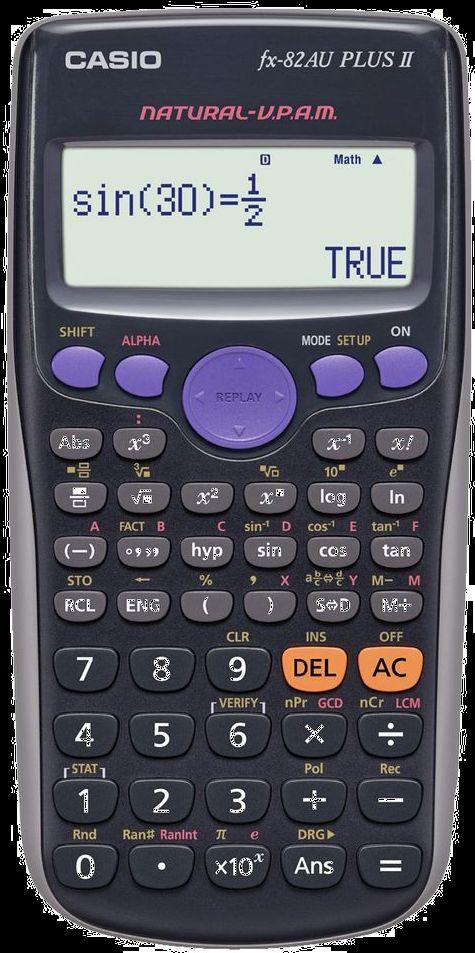
Secondary students should bring their own pencil cases and stationery. You will also need your own scientific calculator for maths lessons, and a water bottle to refill during the day. Technology is available for all students to use in lessons, and all students will be issued with their own Chromebook to use during the school year.
Chromebooks should be brought to school everyday, charged up and ready for learning.

SCHEDULES
You’ll follow an exciting timetable which includes Art, Music, Sport and language lessons with our specialist teachers. From Y7 upwards, you will have a different teacher for each subject area.
Before School
School opens at 7:30 each day for supervision for our younger students. Older students are also welcome to come into school to catch up on any revision or homework.
Lesson Time - Primary
Classrooms open at 8:00 for a soft start in which you can catch up with your teachers and lessons begin at 8:30 and run until 15:00 with a snack break and lunch in between.
Lesson Time - Secondary
Classrooms open at 8:00 for tutor time in which you can catch up with your teachers and lessons begin at 8:15 and run until 15:30 with a snack break and lunch in between.
We have 5 lessons in Primary and 6 in Secondary (each lasting 60 minutes) and some are occasionally scheduled as ‘double’ lessons so you can really become immersed in your learning.
After School
From 15:15 - 16:00 we run afternoon clubs and activities (more details to follow) and school closes at 16:30.
School Office
Administration services are available from 08:00 - 16:00 Monday-Friday. Absences should be sent by email to either wroclaw@cosmo.edu.pl or krakow@cosmo.edu.pl

How we learn

Enquiry
Enquiry is both a subject and an approach to learning. You will be enquiring in all subject areas, which means asking questions, forming hypotheses and investigating to find out for yourself in authentic ways.
In the subject “Enquiry”, we’ve combined Science, History, Geography and a couple of other areas into one really exciting thematic block which you will have for around 8 lessons a week.
Connections
Your learning will focus on finding connections between different subject areas and using new learning from one area to apply to a fresh context. This is a really important skill in modern life and one that helps you dig deeper and really discover what’s going on.
Collaboration
Learning happens together, instead of in isolation. You will work with your friends and teachers to solve problems and find solutions.
Learning by doing
We don’t really like to use worksheets or textbooks, instead it’s much better for students to get involved and be hands on with their learning.
“Tell me and I will forget; Show me and I may remember; Involve me and I will understand.”
-
Confucius



POLISHLESSONS
Everyone will learn Polish at a level that suits them. So whether Polish is your first language or you can only say a few words, or something in between, you will follow a course that’s right for you.
Język polski


Native speakers of Polish and students who already speak Polish will follow the Język polski programme which is the same level of depth and complexity as that followed in public schools. This means students’ development of their mother tongue will continue by exploring stories, poetry and different written functions at an age-appropriate level, exploring exciting contextual links to the guiding enquiry theme. Students will also take the same exams as students in public schools in the 8th Class (Y9).
Polish Language Development
Don’t worry if you’ve never learnt Polish before. Our Polish Language Development curriculum develops your language proficiency through hands-on and highly motivating contexts, while also exploring cultural activities to acquaint you with life in Poland. We run a wide range of Polish groups at the same time, meaning you will be placed at the level right for you.
Did you know
that the longest word in Polish has 54 letters? Dziewięćsetdziewięćdziesięciodziewięcionarodowościowego means “of nine-hundred and ninety-nine nationalities”.
LANGUAGES
In addition to learning Polish, you also have a choice of learning French, Spanish or German.

Making your choice
You should think carefully about which foreign language you will be learning as it is expected that you continue with one language until you finish school.

Over the summer, you’ll be asked to make your selection and give details of any previous study so you can continue at an appropriate level if you have already started learning French, German or Spanish.
Language Classes
You’ll have foreign language classes two or three times a week, depending on your age. Lessons will introduce you to culture as well as language structure and use the same fun, authentic contexts as other areas of learning.
Language Clubs
After school you can also take part in language and cultural clubs to immerse yourself more fully in your chosen language of study.

Food


Snacks
Fruit and healthy snacks are available in the dining room. Most students chose to bring their own snack box for morning break, but you are always welcome to ask for a snack from the kitchen, or help yourself to the selection.
If bringing your own snack box from home, remember it must be healthy - this means no sweets or chocolate!
Lunch
Lunchtimes are a big occasion with students and teachers gathering to share a meal together. Our lunchtime is more like a family meal you have at home and is a chance to spend time with friends and teachers from other classes.
Bringing food from home

We aim to accommodate all different tastes and dietary requirements within our meal programme and you should not therefore need to bring any food from home for lunch. If there is a particular reason for doing so, you should discuss this with your teacher first. All food must follow the school’s dietary policies.
Poland’s first vegetarian school
We’re proud to be the first school in Poland with a solely vegetarian diet. There are a few reasons for this: we want to do our part to be more sustainable in our food choices, and giving up meat for one meal a day is a great way to do this. Secondly, we believe it is important for everyone to share the same food at lunchtimes as we are one community, meaning all religions and dietary needs are included.


Clubs & Activities

Our clubs and activities are a chance for you to try out something new or pursue an area of interest to hone your talents. Our ECA programme is led by our teachers and is also a chance for them to share their passions and hobbies with you. We will be running over 50 different activities after school. This includes sports and creative activities, but also charity projects, gardening, cookery, tech pursuits and much more.
We change our programme of clubs each term and re-run popular options if needed. You will be required to sign up for your clubs and activity choices at the start of each term by completing a Google Form, which will be shared with you via email.

Sporting
Football (younger)
Football (older)
Basketball (younger)
Basketball (older)
Taekwondo
Gymnastics
Tag Rugby
Hockey
Tennis
Yoga
Technological
Robotics
Production Team
Junior Coding
School Magazine
Inventors' Club
Intellectual Chess
Board Games
MUN & Debating

Creative
Ballet
Contemporary Dance
Sculpture
Arts & Crafts
World Cinema
Drama & Theatre
Crash & Bang Club
Ensembles
Community Choir
Singing Club
Experiential
Cooking & Baking
Gardening
Mindfulness
Photography



Green Entrepreneurs

Textiles & Fashion
Service
Animal Shelter
Community Outreach




ECAs
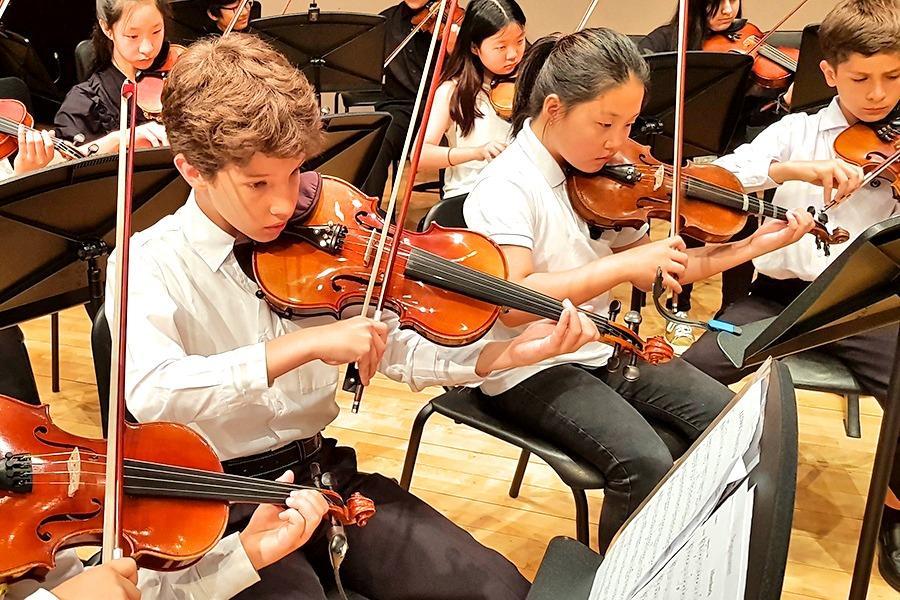
Werunawiderangeofextracurricularactivities(ECAs) withapproximatelyeighttakingplaceeachafternoon. You’llbeabletosignupforsports,creative,technological inthetwoweekspriortoeachterm.


SPORT

PE Classes
You will have PE lessons twice a week. During these lessons, you’ll learn a range of skills and fitness techniques, while also honing your abilities in team and individual sports.

Swimming
Students in Year 2-6 will also have a unit of swimminglessonstaught duringtheschoolyear lastingforapproximately six weeks..
UNIFORMS:-


School Uniform
All students should wear a Cosmo polo each day of school, and a Cosmo jumper or hoodie in colder weather. A range of designs proposed by students is available to purchase online.
Students can choose their own trousers, appropriately-lengthed shorts or skirts as well as shoes. Please be considerate of our multicultural atmosphere with clothing choices.


You should have a set of “indoor shoes” that you change into when you get to school. All footwear must be closed for safety reasons. Jewellery including watches and earrings should be removed for PE lessons.
You should wear the school sports kit for all PE lessons as well as sports activities before or after school. Our PE kit uses comprises a jersey-style shirt available in junior, male and
Appropriate sports shorts or sports trousers, and shoes (trainers) should also be worn.



Pastoral Support
You’ll have a Form Tutor as your first point of support or help. In Primary, this will be your class teacher and in Secondary, every year group will have an assigned Form Tutor. In addition, we have a School Counselor who is available for individual meetings if there is something you would like to discuss in private or feel you need help with. All your teachers are here to support you so you should always feel able to seek help and guidance when you need it.
Wellbeing Lessons
Every class has one lesson a week of Wellbeing in which you’ll explore techniques to be mindful and in-tune with your emotions. As you get older, you’ll also learn about personal, social and health issues in these lessons with a view of leading a healthy, wholesome and responsible lifestyle.
Our whole-school wellbeing curriculum applies Positive Psychology and the PERMAH model of wellbeing within schools:
Positive Emotions
Boost resilience by lowering stress, and mindfully navigating emotions.

Engagement
Improve confidence and creativity by developing strengths and passions.
Relationships
Develop positive interactions and stronger connections with the people around you.
Meaning
Find and develop your purpose in order to experience a sense of flow.
Accomplishment
Build the confidence that you can be successful and celebrate achievements.
Health
Make time for fitness, enjoyment and healthy eating habits.

Communication
There are several different ways to communicate with your teachers and the school. Promoting home-school dialogue is key to a successful school community and a thriving learning experience.
Everyone, students and teachers, will have a school email address powered by Google Education so you’ll always be able to get in touch. You’ll use the same email account to access online tools and documents. Your teachers’ email addresses will be their first initial and their last name. For example glewis@cosmo.edu.pl for Mr Graham Lewis.
Seesaw

You’ll be using an online portfolio application to keep records of your learning and finished pieces of work. These are securely stored and allow parents to also access and comment on everything you achieve during the school day. Seesaw promotes communication between students, parents and teachers through comments and interactions on students’ photo and video posts.
Soft Start
We don’t have bells at school, instead your classrooms and teachers will be available 30 mins before the official start of lessons each day in case you would or your parents would like to discuss anything.


SchoolReports
Reports
School Reports are a chance to celebrate everything you’ve achieved with your parents and an opportunity to set targets for the next term. You’ll receive a written report towards the end of term (December, February, June) with an overview on your progress in each area of the curriculum. In June, you will actually receive two reports - one in English which includes comments, and an official świadectwo szkolne which look the same regardless of where you went to school as the format is set by the government.
Our reports include QR codes to access video and photo examples of your best work to show off to your parents, grandparents, university or next school if you’re leaving Poland.
Parent Conferences
Between each school report (during October and again in March), we will organise three-way conferences between teachers, parents and students to discuss targets arising from the comments, as well as sharing successes from the previous block of learning.
In addition to these conferences, parents are always welcome to book a meeting with any teacher if they would like to discuss something specific outside of the conferences.
Will my work be graded?
We don’t think grades are very effective in motivating students to do their best work. Instead, comments from your teachers and discussing targets with them give you the most information on how to improve and refine your learning. In bigger projects, you’ll have a rubric so you can review your own work to make it the best it possibly can be by identifying next steps.

IGCSE exams and practice tests will be graded to familiarise you with the format. We also have to include a mark from 1-6 on your school reports by law, but we have linked these to our unit rubrics to make them a motivating and informative tool.


SCHOOL HOLIDAYS
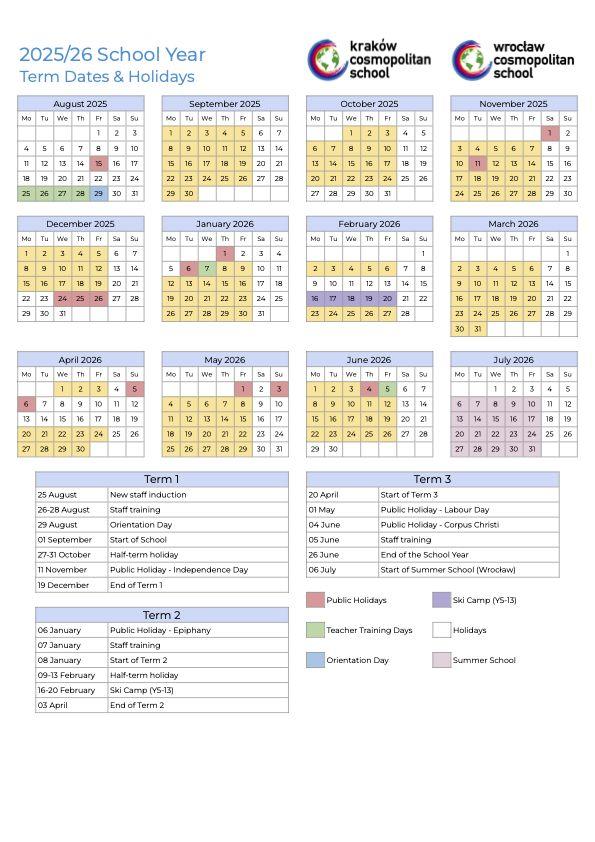
Our calendar covers the required number of content weeks in Polish law and is designed to balance the needs for all members of our school community.
Terms
Our school year is split into three “terms” which is the system predominantly used in international schools and in the UK. Term 1 runs from September until Christmas, Term 2 from January until Easter and Term 3 until the end of the school year in June.
We have half-term breaks during the first two terms, and have opted for an extended Christmas holiday and a shorter “ferie” (winter break) to allow families to travel back to their home countries for the holiday period.
Ski Camp
We hold a Ski Camp in February, just before our shortened winter break. This will be an opportunity to experience the mountains and hone your skiing and snowboarding abilities.
Further details and arrangements will be shared in the first half of Term 1. Ski Camp will be offered for all Secondary and Upper-Primary students.







See you in September!