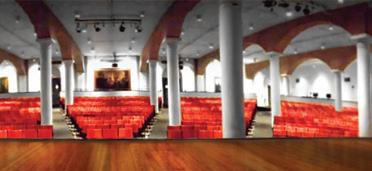
2024 | 2025 SEASON

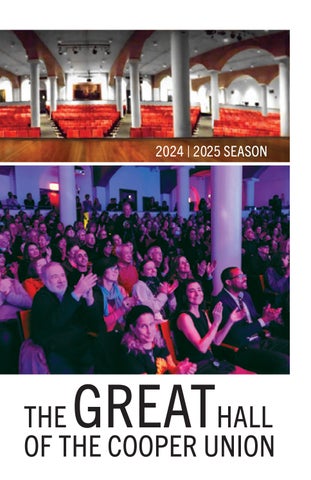
2024 | 2025 SEASON
SEPTEMBER 27, 2024
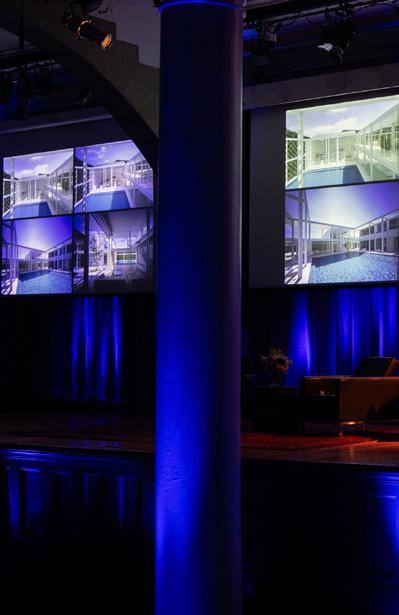
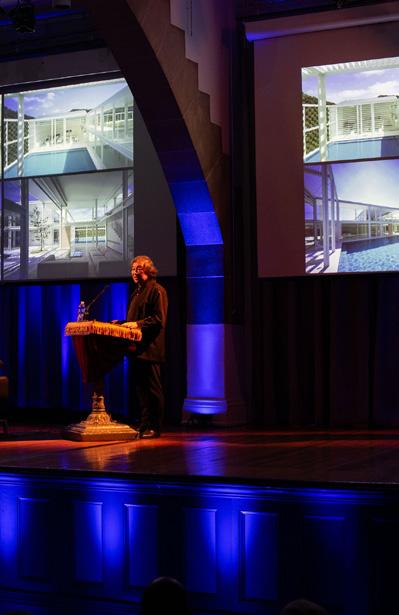
THE IRWIN S. CHANIN SCHOOL OF ARCHITECTURE
YC FOUNDATION LECTURE
PRITZKER PRIZE-WINNING ARCHITECT, HUMANITARIAN, AND COOPER UNION ALUMNUS
BALANCING ARCHITECTURE WORKS AND SOCIAL CONTRIBUTIONS
8,
PRESENTED IN PARTNERSHIP WITH THE
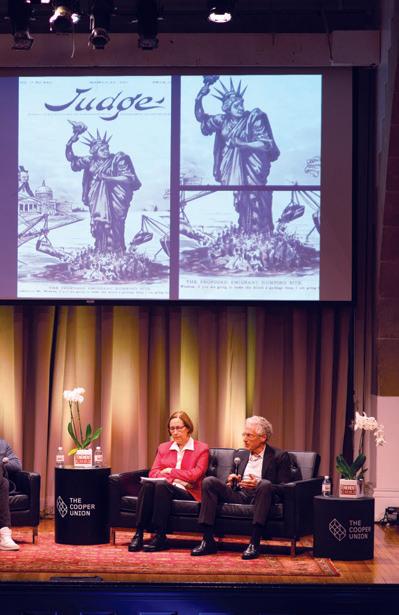
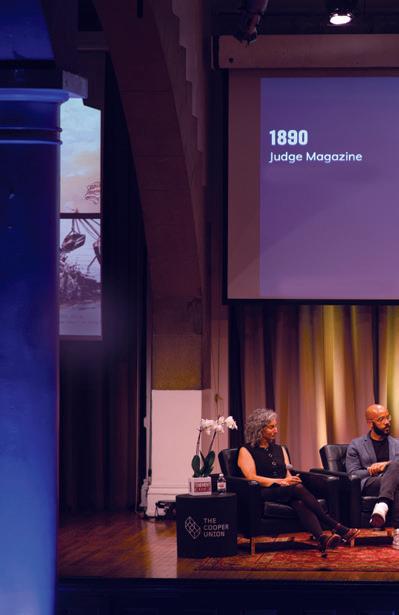
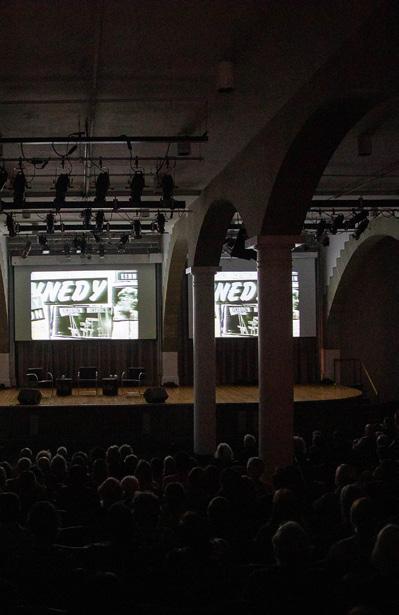
When the Statue of Liberty was installed with great fanfare, speeches, and a celebration of close to one million in 1886, no one mentioned immigration, nor did they mention abolition. The association with immigration only came with the passage of decades, and the arrival of millions of immigrants. The formative connection to abolition, the original inspiration for the Statue, was barely known at the time and had long been obscured.
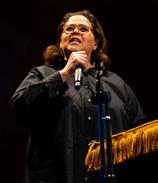
AWARD-WINNING ACTRESS AND PLAYWRIGHT
CLINT SMITH WRITER
EDWARD BERENSON
HISTORIAN
NANCY FONER SOCIOLOGIST
MODERATED BY DR. ANNIE POLLAND
PRESIDENT, TENEMENT MUSEUM
“At one point, the Port of New York was the second largest slave port in the country after Charleston, SC. In 1860, on the eve of the Civil War, the mayor, Fernando Wood, actually suggested that New York City secede from the Union alongside the Confederacy because the political, social, and economic landscape of this city were so deeply entangled in what was happening in the South. The Statue of Liberty is not only the symbol of immigration, it’s something that has come to represent the tensions and the contradictions and the hidden histories of how slavery existed in New York and also exists, or doesn’t, or fails to exist, in our collective memory.”
“It’s, for me, the discovery of the chains, of the fact of the chains and the evolution of how the chains were moved [to her feet] that represents this idea that, even when things are moved or shifted or purposefully meant to be less conspicuous, whether in a statue or in our education system, the discovery of them can be incredibly clarifying. And in that clarification, there is a sort of liberation.” —Clint Smith
“One of the most fascinating things about history is not always what we remember but what we forget. That idea about the abolition of slavery was very quickly forgotten. When I was doing research for my book, I discovered a wonderful book written in the 1970s by an art historian named Marvin Trachtenberg. As far as I know, he was the first person to discover those early sketches that showed the broken chain. Before that, essentially nobody remembered that the Statue of Liberty was originally designed to commemorate the end of slavery.” —Edward Berenson
“There is a wanting to alter the museum at Ellis Island to not just focus on the European immigrants who came 100 or 120 years ago, but also immigrants who have come from Asia, Latin America, and from all over the world. And in regard to the huddled masses, I love the poem and think it’s great, but the immigrants today are not all huddled masses. Thirty-five percent of immigrants in the US have a bachelor’s degree or higher.” —Nancy Foner


FEBRUARY 25, 2025
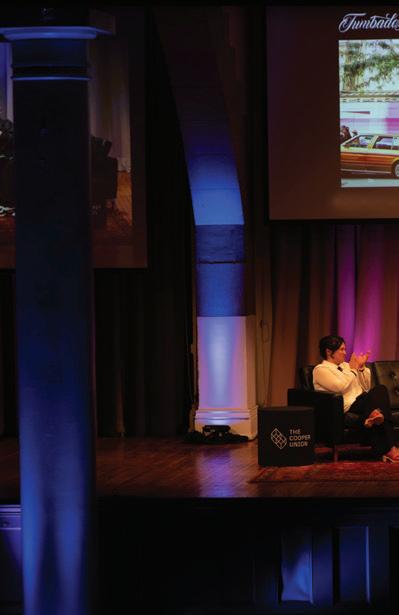
HER
PRESENTED BY THE IRWIN S. CHANIN SCHOOL OF ARCHITECTURE WITH THE STOREFRONT FOR ART AND ARCHITECTURE
NATALIE DIAZ, PULITZER PRIZE-WINNING POET
ESTEVAN ORIOL, ARTIST AND KEYNOTE SPEAKER
ROCÍO ARANDA-ALVARADO, SENIOR PROGRAM OFFICER, FORD FOUNDATION
RAQUEL GUTIÉRREZ, ARTS CRITIC AND EDUCATOR
RAFA ESPARZA, ARTIST, FRIEND, AND COLLABORATOR OF ROSALES
LETICIA ALVARADO, ASSISTANT PROFESSOR OF AMERICAN STUDIES, BROWN UNIVERSITY
MODERATED BY RITA GONZALEZ, CURATOR, LOS ANGELES COUNTY MUSEUM OF ART
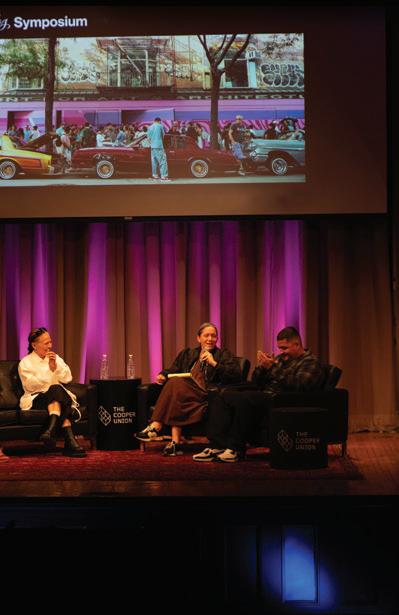
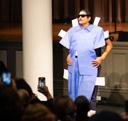
PERFORMANCE BY RAFA ESPARZA
FEBRUARY 27, 2025
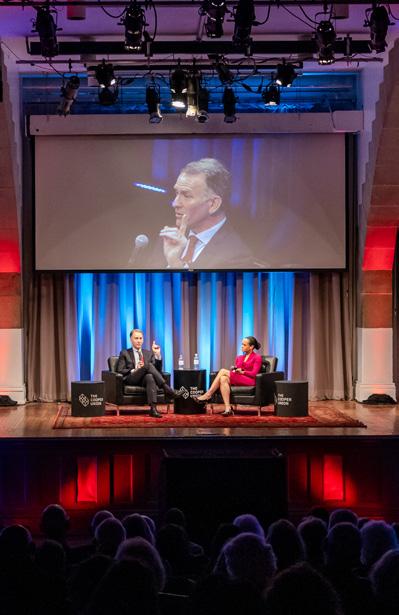
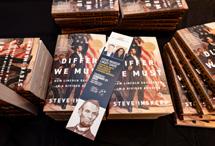
DIFFER WE MUST: HOW LINCOLN SUCCEEDED IN A DIVIDED AMERICA
AUTHOR AND COHOST OF NPR’S MORNING EDITION IN CONVERSATION WITH ABC NEWS ANCHOR LINSEY DAVIS
SPECIAL GUEST APPEARANCE
BY EMMY-WINNING ACTOR
RICHARD THOMAS
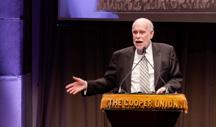
Harold Holzer, author and Lincoln Scholar
“The [Cooper Union] speech did not earn Lincoln a single Republican convention delegate from New York. No one converted from favorite son, William Seward. And when he ran for president in November, he lost New York City by more than two-to-one. Then why do we call it the speech that made Lincoln president?
Because he proved here that he was not only a politician, a theoretician, a magnetic personality, and a gifted writer and orator, he was also a brilliant marketer.” —Harold Holzer
“If we all agreed, this would be a totalitarian society. And I don’t think any of us would like it very much. It is in the disagreement, it is in the diversity, that we find better ideas, that we refine our ideas, that we test our ideas.”
“We have a system that has lasted close to 250 years, that has evolved over that time, and it is up to us to insist on it, whichever side of the divide we might be on. We have rights as free citizens, and we need to insist upon them. This is a time of fear for many people, and I understand that, but even those of us who are afraid need to insist upon our rights as citizens.”
—Steve Inskeep
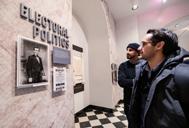


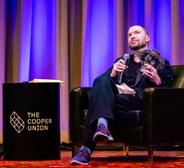
IN CONVERSATION WITH KIT
NICHOLLS DIRECTOR, THE COOPER UNION CENTER FOR WRITING AND
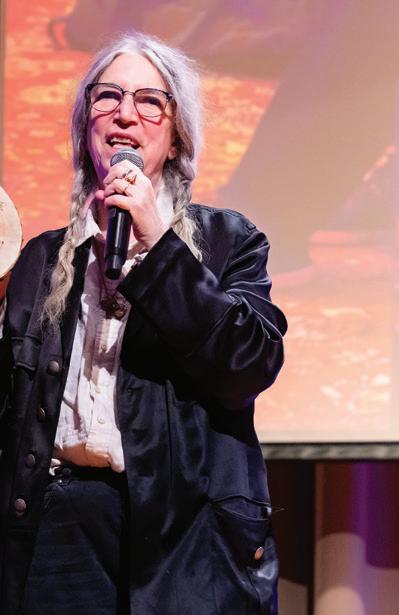
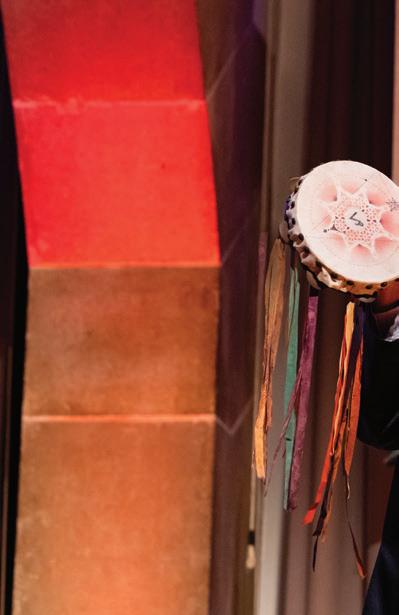
“I always think the process of doing anything is sacred, because that’s what belongs to the artist, whether it’s the painting, or writing a poem or writing a song, whatever you do, your process is yours. It’s when it belongs to you. But once you put it together, once you print it, once you have a cover, once you put it out in the world, it belongs to the people.”
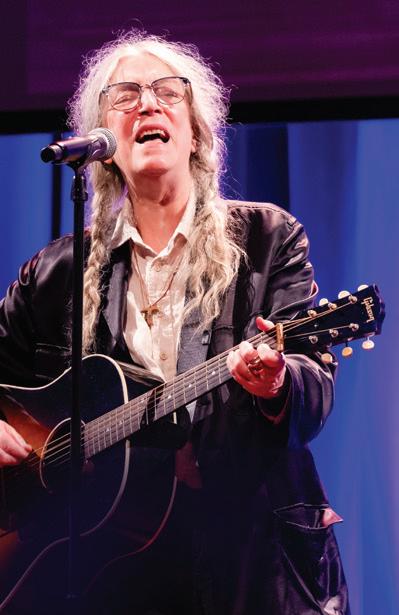
“Everything for me in my life, in terms of my work, has started with poetry…I wasn’t interested in being a musician. I just wanted poetry readings to be more exciting. So you add a little electric guitar, and then a piano, and another guitar, and then a drum —and all of a sudden, it’s a fucking rock and roll band.”
—Patti Smith
28,
APRIL 4, 2025
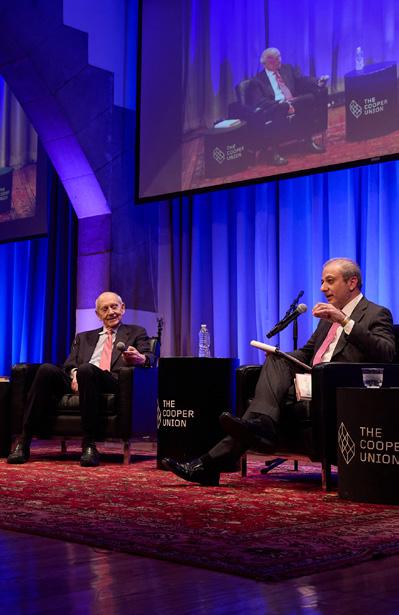
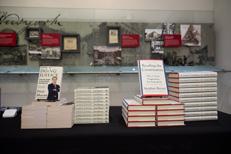
“it’s important, I think, right now to understand that the Supreme Court is not politics. Look, it’s 100% politics when there’s a vacancy and a politically oriented group tries to get the president to suggest somebody. But judges don’t think that they’re deciding by politics. The judges think that they’re deciding, for example, by using certain theorems of originalism or textualism or some other approach.”—The Honorable Stephen Breyer
FORMER U.S. ATTORNEY
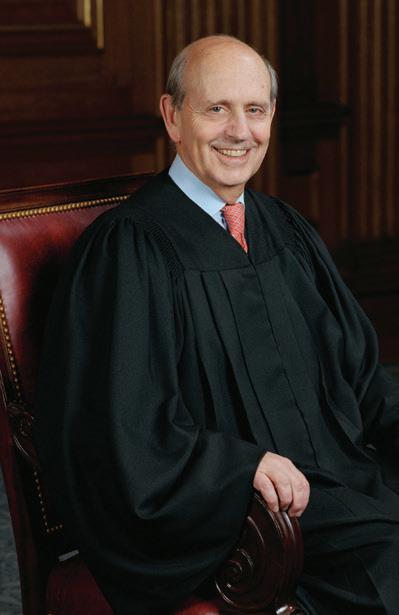

“I try just to follow the law, but the law is not computer science. The law is not just a set of rules. The law is one instrument to help us live together more peacefully and more productively.”
—The Honorable Stephen Breyer
APRIL 7, 2025
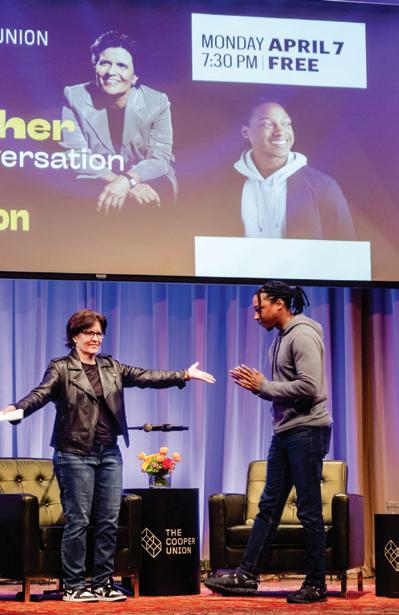
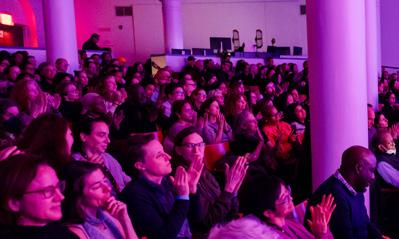

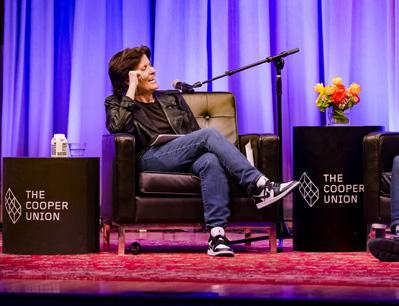
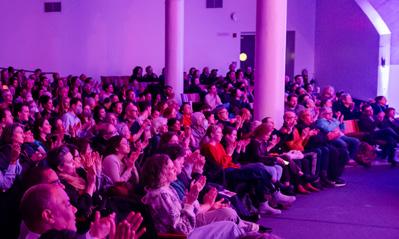
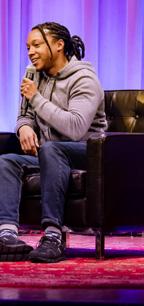
“I think that we, because of how individualistic we’ve become and how we’ve been socialized to think about our own upward mobility, we deeply underestimate the power of cooperation and community. Not only do I think that is the only way forward, but I think there’s a lot of hope in the fact that we have not yet seen its powerful impact in our lifetime.”
—Josh Johnson
APRIL 30, 2025
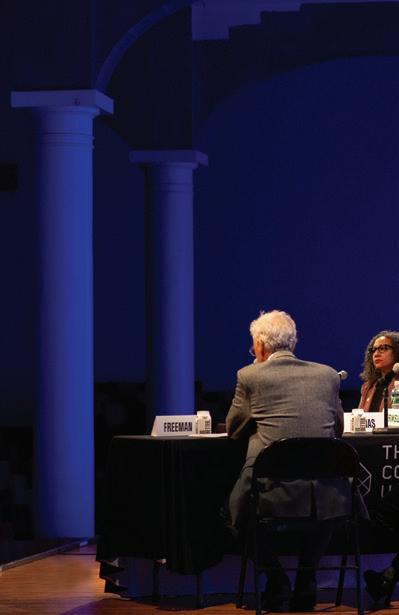
NKOSA BARRETT, WOMEN’S COMMITTEE PRESIDENT, PLUMBERS LOCAL 1
HARRY DONAS, FIRST VICE PRESIDENT, CIVIL SERVICE TECHNICAL GUILD LOCAL 375 AND COOPER UNION ALUMNUS
CHRISTOPHER ERIKSON, BUSINESS MANAGER, IBEW LOCAL 3
THELMA-LOUISE FERNANDES, EXECUTIVE BOARD MEMBER, SHEETMETAL WORKERS LOCAL 28
ZISHUN NING, CHINESE STAFF AND WORKERS’ ASSOCIATION
REMARKS BY JOSHUA B. FREEMAN, LABOR HISTORIAN
MODERATED BY CLAUDIA IRIZARRY APONTE, SENIOR REPORTER, THE CITY
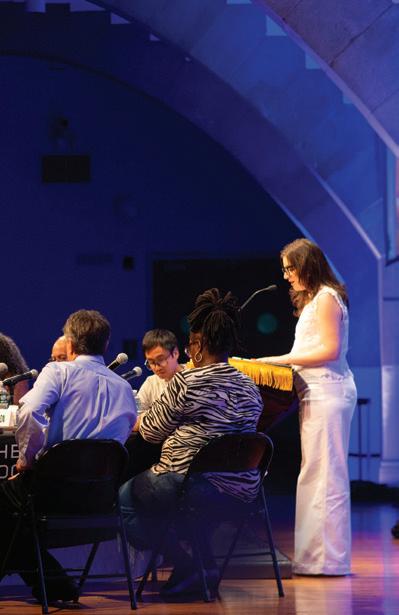
“The key thing to me is letting people know that unions provide a collective voice and power for their members. ” —Thelma-Louise Fernandes “Today, we’re here to gather on a day that is both rooted in American soil and celebrated across the globe. May Day, or International Workers’ Day echoes with the voices of working people from every corner of the world.” —Christopher Erikson
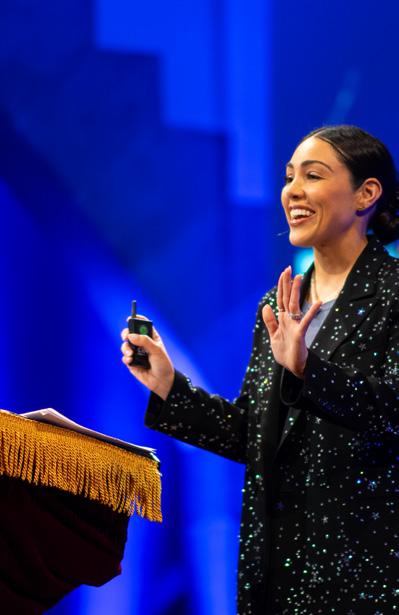

ASTRONAUT AND TIK TOK STAR
KELLIE GERARDI
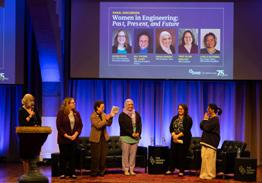
AND A PANEL OF COLLEGIATE AND PROFESSIONAL MEMBERS OF THE SOCIETY OF WOMEN ENGINEERS SHARING STORIES OF WOMEN IN ENGINEERING PAST, PRESENT, AND FUTURE.
JILL TIETJEN SWE PAST PRESIDENT
INAAS DARRAT SWE PRESIDENT-ELECT
TROY ELLER ENGLISH SWE ARCHIVIST
LIZELLE OCFEMIA PRESIDENT, THE COOPER UNION SWE STUDENT CHAPTER
MODERATED BY CURRENT SWE PRESIDENT
KAREN ROTH

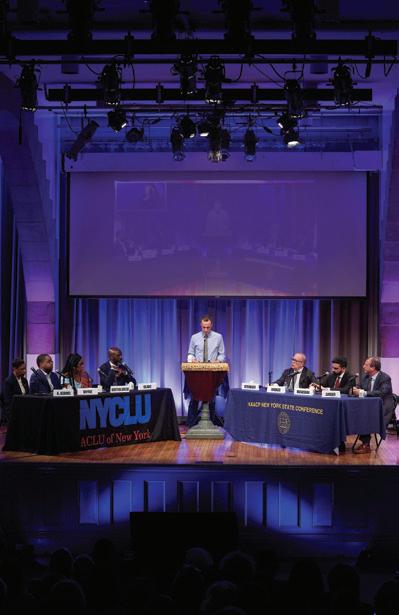
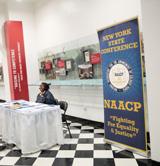
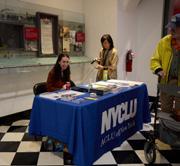
ADRIENNE ADAMS
DR. SELMA BARTHOLOMEW
MICHAEL BLAKE
BRAD LANDER
ZOHRAN MAMDANI
ZELLNOR MYRIE
JESSICA RAMOS
SCOTT STRINGER
MODERATED BY BEN MAX
HOST, MAX POLITICS PODCAST




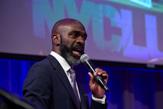






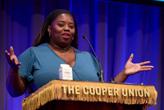


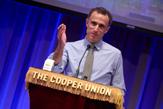

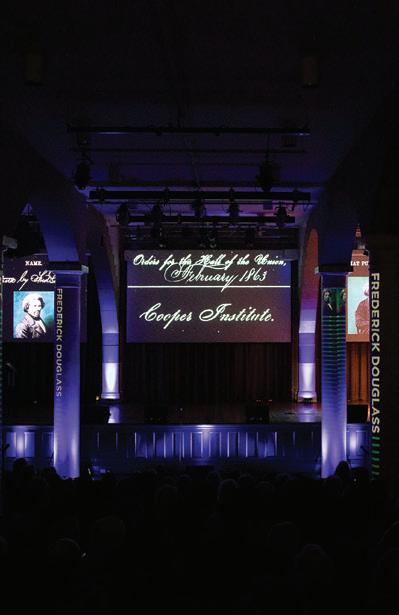
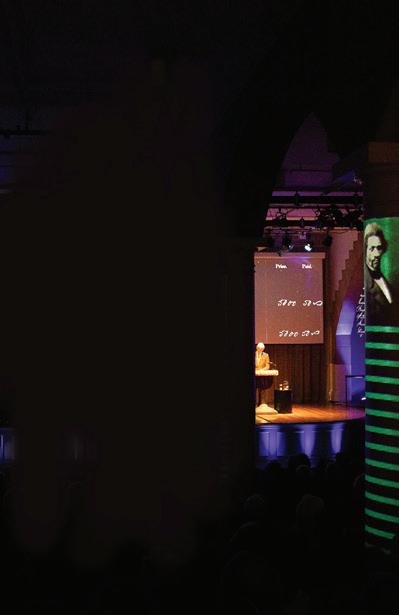
An extraordinary resource has been created to make available all of the known audio and video recordings that originated in the Great Hall from 1941 to the present day as well as more than 8,900 objects, such as photographs, tickets, and flyers, related to more than 3,000 Great Hall programs dating to 1859. Called Voices from the Great Hall (greathallvoices.cooper.edu), the growing collection is a digital archive, free and accessible to anyone, and generously supported by The Robert David Lion Gardiner Foundation, that tells the history of New York and the nation.
The archive is home to recordings of some of the most renowned thinkers and leaders from across disciplines, including Presidents Barack Obama and Bill Clinton and nine other presidents— either before or during their administrations; Frederick Douglass and Chief Red Cloud; Supreme Court Justices Thurgood Marshall and Stephen Breyer; feminists and activists such as Gloria Steinem, Betty Friedan, and Bella Abzug; Congressional leaders like John Lewis and Adam Schiff; cultural anthropologist Margaret Mead; architect Louis I. Kahn; psychologist and writer Timothy Leary; author Arundhati Roy, and filmmaker Orson Welles.
The Cooper Union is grateful for the Gardiner Foundation’s leadership and commitment to preserving essential New York history. Their support has made this digital Great Hall archive possible, making available again the very speeches and arguments as they were originally presented here and providing the framework for preserving the programs that are still to come.
Dear Friends,
If you enjoy the Great Hall’s free public programs, please consider a gift to The Cooper Union today. Your contribution will help sustain the important legacy of the Great Hall, which has stood since 1858 as a NYC destination for leading academic, civic, and cultural conversation.
Thank you.