

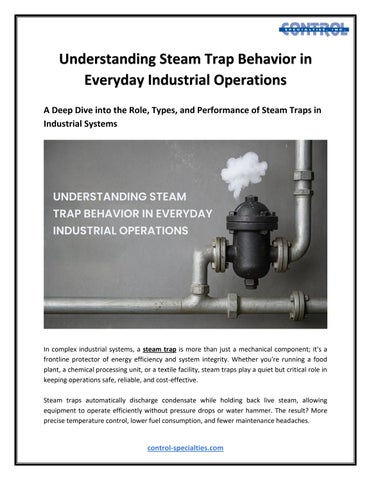

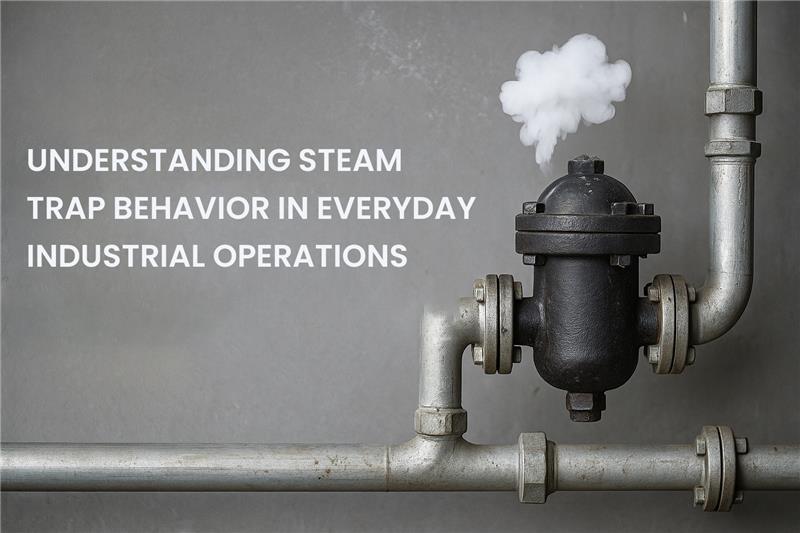
In complex industrial systems, a steam trap is more than just a mechanical component; it's a frontline protector of energy efficiency and system integrity. Whether you're running a food plant, a chemical processing unit, or a textile facility, steam traps play a quiet but critical role in keeping operations safe, reliable, and cost-effective.
Steam traps automatically discharge condensate while holding back live steam, allowing equipment to operate efficiently without pressure drops or water hammer. The result? More precise temperature control, lower fuel consumption, and fewer maintenance headaches.
Neglecting this small yet vital device can lead to long-term operational inefficiencies, production losses, and even equipment damage. For B2B environments where production volume, regulatory compliance, and ROI are closely monitored, a properly functioning steam trap can make a significant difference in performance and profitability.
To fully appreciate their role, it's important to understand what steam traps actually do. In any steam-based system, steam delivers energy in the form of heat. As it loses this energy whether through a heat exchanger, sterilizer, or reboiler it condenses into water (condensate). This condensate must be removed to maintain consistent heating and avoid damaging components.
A steam trap acts like an automatic valve. It senses differences in temperature, pressure, or mechanical movement to detect condensate and then open or close accordingly. The challenge lies in discharging condensate without allowing live steam to escape.
There are several types of steam traps based on their operating principle:
● Mechanical (e.g., float & thermostatic)
● Thermodynamic
● Thermostatic
Each type has specific strengths depending on the application, operating pressure, and responsiveness required.
Industrial systems are not one-size-fits-all and neither are steam traps. Selecting the correct type involves more than just matching pressure and pipe size; it requires a deep understanding of your process requirements, flow conditions, maintenance access, and environmental demands.
For instance:
● Float & thermostatic steam traps, such as those from Spirax Sarco, are highly efficient in applications where rapid condensate discharge and air venting are necessary like heat exchangers and process vessels. These traps operate using a float mechanism that rises
control-specialties.com
● In environments with strict hygiene standards such as pharmaceutical or food-grade systems stainless steel steam traps are often the trap of choice. Their resistance to corrosion, ease of cleaning, and long lifespan make them ideal for applications where equipment must meet strict sanitary codes.
● For systems demanding ultra-pure steam, clean steam traps are the gold standard. These are typically found in biopharmaceutical manufacturing, sterile packaging, or fermentation processes. Designed to eliminate crevices and prevent microbial contamination, clean steam traps help meet regulatory standards such as FDA, USP, or EHEDG compliance.
Matching trap performance to system demand ensures not only efficiency but also product safety and reduced energy loss key concerns in most industrial and utility-driven environments.
Steam traps are found throughout various process industries, often performing behind the scenes. Below are examples of their use in real-world industrial settings:
Pasteurizers, cookers, sterilizers, and clean-in-place (CIP) systems all rely on steam for consistent thermal performance. In these setups, steam traps help ensure product quality, minimize energy loss, and maintain hygiene by effectively draining condensate and preventing contamination.
Many chemicals are heat-sensitive, requiring precise control of temperature during reactions. Steam jackets and coil heaters use traps to regulate heat transfer and avoid issues like overboiling or heat exchanger fouling due to waterlogging.
In dyeing machines and drying ovens, steam traps control fabric moisture content, support uniform coloring, and prevent staining caused by condensate accumulation. Inconsistent trap performance can lead to significant quality rework.
control-specialties.com and falls with condensate levels, while a thermostatic element vents air during startup. They're especially effective in processes with varying loads and temperatures.
Clean steam systems power sterilizers, autoclaves, and mixing tanks. Using high-purity steam traps ensures condensate doesn’t compromise critical operations, which could risk entire batches of medication.
Sterilization, humidification, and space heating in hospitals often use steam systems. Reliable steam traps support uninterrupted sterilizer operation and keep building systems efficient.
Even well-designed systems can run into performance issues over time. Understanding these common failures allows maintenance teams to take preventive steps.
● Blow-through: The trap leaks live steam continuously due to worn valve seats or poor maintenance.
● Blocked trap: Dirt or debris blocks the valve, preventing condensate discharge and leading to flooding.
● Stuck closed: The trap fails to open, backing up condensate and reducing system efficiency.
● Water hammer: Slugs of condensate moving at high velocity cause shockwaves and pipe damage often a result of failed or missing traps.
● Audible banging or hissing sounds in piping
● Inconsistent heating or slow warm-up times
● Excess energy bills or fuel consumption
● Visible leaks from vent pipes or overflow drains
● Temperature fluctuations in product lines or equipment
Routine observation, thermal imaging, and ultrasonic testing can help detect problems before they escalate.
For industrial systems running 24/7, proactive trap maintenance is essential not just for efficiency but also to avoid unplanned downtime. Here are key best practices used in high-performing B2B operations:
1. Create a Trap Survey Program
Set a schedule to audit and test all traps using ultrasonic or infrared tools. Record failures and track trends to identify systemic issues.
2. Standardize on Trap Types
Reduce inventory and complexity by standardizing trap models across similar applications. This simplifies training, spares management, and replacements.
3. Install Isolation and Test Valves
Installing valves before and after traps allows for quick testing and maintenance without shutting down the entire line.
4. Use Strainers and Dirt Pockets
Upstream strainers protect traps from rust, dirt, and pipe scale that could damage internal parts or cause blockages.
5. Plan for Lifecycle Replacements
Most traps have a lifespan of 3–10 years depending on the operating conditions. Replacing traps as part of preventive maintenance prevents energy losses and sudden failures.
Modern systems increasingly incorporate digital trap monitoring solutions. These smart devices provide real-time data on trap condition, temperature, and flow, often integrated into facility management platforms.
control-specialties.com
Benefits of trap monitoring include:
● Predictive alerts for worn or leaking traps
● Energy usage insights
● Enhanced compliance tracking
● Reduced labor costs from manual inspections
In B2B environments managing multiple facilities or high-value production lines, such tools offer significant ROI and help shift maintenance from reactive to predictive models.
Steam traps are also central to sustainability initiatives. A single failed trap can waste hundreds or thousands of pounds of steam per hour equating to massive annual energy losses.
By keeping traps in optimal condition, industries can:
● Lower carbon emissions
● Reduce fuel or utility costs
● Improve steam cycle efficiency
● Meet ISO 50001 or ESG reporting targets
Traps that fail silently can erode the gains from more visible energy-efficiency projects, making steam systems a critical focus for facility engineers and energy managers alike.
For any industrial operation, steam traps are a vital but often underestimated component. They quietly enable energy efficiency, protect valuable equipment, and uphold product quality standards. Whether you're dealing with batch processing or continuous flow systems, getting the trap type and installation right makes all the difference.
A well-maintained trap strategy contributes to reduced downtime, improved safety, and measurable cost savings. From selecting robust stainless steel steam traps for harsh environments to integrating Spirax Sarco float & thermostatic steamtraps for variable load systems, careful planning ensures reliable performance.
control-specialties.com
And for high-purity environments, clean steam traps provide essential protection where contamination or moisture cannot be tolerated. Ultimately, steam trap performance is not just about fluid control it’s about operational excellence.
Source: https://medium.com/@controlspecialtiesga/understanding-steam-trap-behavior-ineveryday-industrial-operations-3c7c2ceb321c
control-specialties.com