


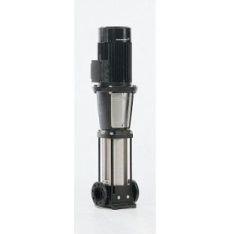
In industrial systems, pump efficiency isn’t just a technical metric, it’s directly tied to operating costs, energy consumption, and equipment lifespan. For engineers, maintenance teams, and plant managers, understanding how to optimize pump performance can lead to substantial savings and a more sustainable operation. Grundfos pumps are known for reliability and innovative engineering, but like any system, they must be implemented and managed correctly to deliver peak results.

This blog explores how to get the most out of your Grundfos pump systems, based on frequently asked questions and real-world scenarios. Whether you’re working with water supply, HVAC, wastewater, or industrial processing, the goal is the same: reduce energy use, prevent downtime, and extend equipment life.
Before diving into strategies, it’s worth addressing the bigger picture. Why obsess over pump efficiency in the first place?
control-specialties.com
Because pumps consume nearly 10% of global electricity. In many facilities, they are among the top three energy consumers. And more than 30% of this energy can often be saved with better pump selection, operation, and maintenance.
Improved efficiency means:
• Lower energy bills
• Reduced wear on components
• Fewer breakdowns
• Better process control
So, every step toward improving pump performance is a step toward a leaner, more costeffective plant.
One of the most common missteps in system design is over-sizing. It’s tempting to build in a performance buffer “just in case,” but oversizing leads to inefficiencies, especially under low-load conditions.
When evaluating a system, ask:
• What is the actual flow rate and head requirement?
• Are there variations in demand over time?
• Can variable-speed control match these variations?
For example, when selecting a Grundfos booster pump for a high-rise building, make sure the system is designed around actual usage patterns not theoretical peaks. A well-sized booster pump with pressure sensors and VFD (variable frequency drive) can dramatically cut energy use.
Yes, and in most cases, they’re essential.
control-specialties.com
Grundfos pumps with integrated VFDs can modulate speed based on real-time demand. This not only saves energy but reduces mechanical stress, extends service life, and stabilizes output pressure.
Let’s say your application involves a chilled water system for process cooling. During off-peak hours or seasonal changes, your flow needs to drop. Rather than throttling a valve (which wastes energy), the pump can slow down saving power and maintain performance.
When integrated with smart controls, variable-speed Grundfos pumps offer automated adjustments that track demand patterns over time.
For a closer look at how Grundfos booster technology can solve real-world water pressure challenges, you may find this helpful: What Is a Grundfos Booster Pump and How Does It Work?
Optimization doesn’t stop at installation. Ongoing monitoring and proactive maintenance are key to sustained efficiency.
Use digital tools like Grundfos GO or SCADA systems to:
• Track operating hours and duty cycles
• Analyze trends in flow rate and power usage
• Set alerts for abnormal vibrations or temperatures
These insights help you shift from reactive repairs to predictive maintenance. For instance, if a Grundfos submersible pump in a wastewater pit begins cycling more frequently, it might indicate a clog, a sensor issue, or a failing non-return valve. Early detection means faster fixes and less downtime.
Surprisingly, a highly efficient pump can still underperform if the surrounding system isn’t optimized.
control-specialties.com
Consider these questions:
• Are your pipe diameters appropriate for the flow rate?
• Are there unnecessary bends or restrictions increasing friction loss?
• Are isolation or check valves properly installed and maintained?
A clean, well-designed hydraulic path reduces energy loss and helps the pump operate at its best efficiency point (BEP).
Absolutely. Net Positive Suction Head (NPSH) is critical in avoiding cavitation, which can destroy pumps quickly.
Make sure your suction conditions meet the NPSHr (required NPSH) of your pump model. For Grundfos wastewater pumps in particular, improper suction conditions can lead to bubbles forming and collapsing inside the pump damaging impellers and seals.
Check:
• Suction pipe length and elevation
• Presence of entrained air
• Temperature and vapor pressure of the fluid
A small design tweak upstream can prevent major repair costs downstream.
Often, yes. Retrofitting is a practical approach when you can’t overhaul an entire system but still want gains in performance.
Here are some upgrade paths:
• Replace outdated motors with high-efficiency models
• Add VFDs to fixed-speed pumps
control-specialties.com
• Install modern sensors and control interfaces
• Use Grundfos’ energy check or pump audit tools for diagnostics
These steps help align your current system with modern efficiency standards without massive capital investment.
Good question. The answer lies in regular performance evaluation. Compare actual performance data to design specs. If your power consumption is rising or output fluctuates, something may be off.
• Noise or vibration increases
• Declining flow or pressure
• Unexpected cycling or motor overheating
These may indicate issues like impeller wear, clogged filters, or motor inefficiency. Taking action early prevents larger failures and keeps things running smoothly.
While this blog isn’t promotional, it’s worth understanding the philosophy that drives pump technology.
Grundfos Pumps Corporation emphasizes sustainability, lifecycle cost analysis, and digital integration. Their R&D prioritizes not just energy efficiency but also intelligent operation and system-level harmony.
As a user, this means you can expect future-ready tools smart pumps that adapt, communicate, and optimize automatically.
control-specialties.com
Optimizing pump efficiency isn’t a one-time task, it’s an ongoing mindset. It involves:
• Matching the right pump to the job
• Monitoring and adjusting operations regularly
• Investing in smart upgrades
• Maintaining your system proactively
Whether you’re managing chilled water systems, boosting domestic pressure, or handling aggressive fluids, taking time to understand your pump’s behavior will always pay off.
And remember, efficiency is never just about energy, it’s about uptime, reliability, and peace of mind.
Source: https://medium.com/@controlspecialtiesga/how-to-maximize-efficiency-withgrundfos-pumps-e1168a4adc5d
control-specialties.com