
Africa’s leading construction journal


Africa’s leading construction journal
Producers jostle for market share


Wind Power
Meeting energy demand
Lazizi Premiere
Nairobi's airport accomodation































MANAGING
COUNTRY
Kenya - Francis Makari
Uganda - Samuel Bujingo
Nigeria - Boladale Ademiju
WRITERS
Elaine Young, Newton Mthethwa, Lindsay Wagner
WEB & GRAPHIC DESIGN
Augustine Ombwa
Frankline May
ADVERTISING
Kenya
William Mutama, Fred Okoth, Frances Lagoussis (Mombasa), Trizah Njoroge, Faustine Salleh
South Africa: Manoko Thosago, Shepherd Mthethwa, Winnie


Ghana:
The editor accepts letters and manuscripts for publication from readers all over the world. Include your name and address as a sign of good faith although you may request your name to be withheld from publication. We reserve the right to edit any material submitted .
Send your letters to: info@constructionreviewonline.com
Construction Review is published eleven times a year and is circulated to members of relevant associations, governmental bodies and other personnel in the building and construction industry as well as suppliers of equipment, materials and services in Africa, the Middle and Far East. The editor welcomes articles and photographs for consideration. Material may not be reproduced without prior permission from the publisher. The publisher does not accept responsibility for the accuracy or authenticity of advertisements or contributions contained in the journal. Views expressed by contributors are not necessarily those of the publisher.
© All rights reserved.

Download
Ugaandda O Office
SMMG U Ugannda Limmiteed Kammukkammu P Plazza, Enttebbbe R Road d Kammpaala-UUgaandda, TELL: + +256 6 7774 0 079 8044, Emmail: ugaanda@@grooupaafriccapuubliishinng.ccom m
Chiina a Offfice e Hanngzhhou u Ovverssea A Advvertiisinng Lttd 55-3-7003 G Guaan L Lanee, H Hanggzhoou, Zheejianng 3 31000033, Chhina Tel: +886-5571- 8770633843 Faxx: +11-9228-77522-68886 (rettrievvablle w worlldwiide) ) Emmail: chiina@@grrouppafrricappubblishhingg.com m
Maalawwi O Office
Cenntre e for r Meedia a Addvoccacy
P.OO. Boox 1 17322, B Blanttyree, M Malawwi Tel: 2665999548854 4
E-mmaill: m malawwi@@groouppafriicappubllishiing.com m
Souuth h Affrica a O Officce Colllege e Puublissheers C CC 1st Floor, 267 7 Oaak A Avennue, Oaakfieelds, Raanddburrg, Johhannnesbburg g Tel: +227 11 7881 4 4253 3 I F Fax: +27 7 11 1 781 1 42287 Emmail: souuthaafricca@@grooupaafriicappubliishiing..com
Banking on Efficiency, Good Management and Creativity
Excellence and efficiency have been the driving force behind AD Design Architects since its inception in 1997. The founder of the firm, Arch. Arnold Deche has developed an individual, modern and unconventional approach to architectural designs.
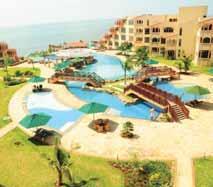
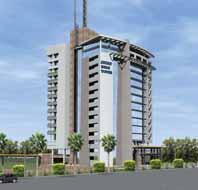
The Jomo Kenyatta University of Agriculture and Technology Staff Retirement Benefits Scheme (JKUAT SRBS) is set to construct a multi-billion shilling commercial project targeting high end clients in the affluent Kilimani area of Nairobi.
The surge in demand for cement in Africa has continued to hold in the past few years and has been buoyed by economic growth, urbanization and infrastructure development.
Indications are that this growth is set to continue for the foreseeable future and this has attracted the attention of key players in the industry who have scrambled to increase production and set up new plants in key economic hubs in West, East and Southern Africa.
On the whole increased production capacity is good for Africa because it means lower importation bills which mean savings of precious foreign exchange and more competitive prices for consumers.
Despite the high demand projected, there has been talk of the threat of over capacity which could result in reducing viability of some plants especially given the high cost of power.
For now however its still a mad rush to expand and the picture seems rosy for decades to come
Gathara & Partners has eyes set on the
Robert Barnes
Ethhioppia a Offiffice e Hayymi i Addverttisiing S Servvicees
22 M Mazzoriia, G Gennet B Bldg g 4th h Fllr
P.OO. Boox 1 1316 6 - 1 1110 0 Adddis Ababa a
Tel: +2251 118 955 8555 I Celll: + +251 1 9330 0 099 152
Emmail: ethhioppia@@groouppafriicappublishhing.com m
Bottswwanna O Offifice
Caddline (PPty) Ltdd.
P/BBag 494 4 Gaabooronne, B Botsswanna.
Tel: +2267 318 8 71101 I Faxx: + +267 7 3118 1002
E-mmaill: bootswwanna@groupaafriccapuubliishinng.ccom m
Kennya a Offficce
Norrthwwest t Veentuures s Ltd d
P.OO. Boox 1 164114 N Nairrobi i 00100
Tel: +2254 20 26779809 I 2667988088, 200913305 5
Emmail: kennya@@ggrouupaffricaapubblishingg.coom
Tannzaania a Offficce
Daaas A Agennciees L Ltd
P. O O. B Box 960061
Dar r es Sallaam
Tel: (0022) ) 212243328
Faxx: (0022) 211244328
E-mmaill: taanzaaniaa@ggrouupaffricaapubblishhinng.coom
Zimmbaabwwe O Offifice
CMMC M Meddia P Pubblicaationns (PPvt) Lttd, P.OO. Boox 4 48288, H Haraare, , Zimmbaabwwe E-mmaill: zimmbaabwwe@@grooupaafricappubliishiing.com m
Ghhana a O Officce
Imaage Connsorrtiuum
1st Floor, TheeEccobaank Buiildinng, Tessano o
Tel: 2333(00)30 0 2223 2 2728 I F Fax: : 2333(0)24 4 8882 8 8286 6
Emmail: ghaana@ggrouupaffricaapubblisshing.coom
Niggeriia O Offifice
Rahhma a Asssocciatees
B233/244, A Aishetu u Emmoewwa P Plazza
1966, Iju u W Water W Workks R Roadd, Ifakko Ij Ijaye e Lgga,AAgegge, L Lagoos. Tel: 2334-11-734478860
Emmail: niggeriaa@grouupaafriccapuubliishinng.ccom
Rwwannda Office
Kollline e & Hemmed d Innc., B B.P. 33328, , Kiggali, Rwwandda Tel: +2250 03 7488106
E-mmaill: rwwandda@@grrouppafriicappubblishhingg.com m Webebsitte: w wwww.kkollinnehhemeed.oorg
CEO of Turkish Eren Holdings has signed an investment agreement that will see the company undertake a new project, involving construction of a new cement production plant in Cameroon. The agreement was signed recently between the CEO and government of Cameroon. The new cement plant will be constructed by Eren, through its local subsidiary, Medcem Cameroon. Expected to be operational in 2015, the cement production plant will, at start, produce 600, 000 tones. Its installation and operation are also set to benefit from incentives exceptions established Act of 18 April 2013. The cost of the new cement production plant has not been revealed. The company will be joining earlier entrants in the market, including French group Lafarge. The latter is already producing 1.6 million tones via its Cameroon subsidiary, Cimencam. Others are Morocco’s Addoha, operating through Cimaf brand name (and producing 500,000 tones), and Dangote Group that will be commissioning a onemillion capacity new cement plant in Douala this October. Reports indicate Cameroon is recording a demand of cement of about 2.8 million tonnes per year. Official projections indicate that the demand for cement in Cameroon is high, with official projections standing tall at 8 million tonnes annually by 2020. This will likely attract more new entrants in the cement market in Cameroon.
Liberia Airport Authority (LAA) has, invited eligible international firms to express their interest in the expansion and renovation of the current Roberts International Airport (RIA), into a state-of-the-art airport facility. This will help handle the number of passengers at the airport, expected to grow to at least 450, 000 in coming years, as projected by LAA. Renovations into a state-of-the-art airport facility will offer advantage to Liberia by becoming a key hub for air transport in the West Africa region.
The construction works will entail setting up of a cargo handling facility, cargo storage and processing facilities. The state-of-the-art airport will also have fuel supply terminals and parking garages. The LAA expects that the contractor will set up facilities that meet relevant ICAO Standards. Other facilities to be included in the design include modern hotel/conference center/complex and a “free zone” manufacturing complex. No date for completion has been set since the qualifying firm is supposed to submit proposals for timeline, as well as source funds for the project.
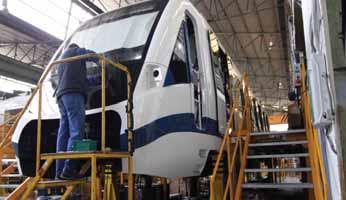
Construction of 600,000m2 Alstom-led Gibela train manufacturing facility in Ekurhuleni in Gauteng is set to begin mid 2015 as opposed to February 2015 as announced earlier, with the construction phase set to take up between 20, 000 and 30, 000 local people as contractors and subcontractors. The Gibela train manufacturing facility will form part of US$ 0.09bn 75ha Business Park with the inclusion of 36ha of integrated site. This will enable the facility to manufacture 580 trains over a period of ten years, 62 trains each year. Also included in the manufacturing facility is a motor site, traction and bogie and 25ha supplier park for component train manufacturing.
This project is part of a US$ 4.53bn contract that Passenger Rail Agency of South Africa (PRASA) and Gibela signed, and would last for 18 years. Gibela would supply the metrorail service with 600 trains, 3600 cars and technical support. It will also supply spare parts to the firm. According to the MD of Alstom Transport South Africa Yvan Eriau, the project will help in the transfer of skills and development, with US$79.90m already set aside for training of individuals working in the manufacturing facility.
US $80m cement plant be completed by 2016
Construction of a cement plant in Zimbabwe, will be completed by 2016 according to PPC Zimbabwe division. The plant will cost US$ 80m upon completion. The company’s managing director Mr Njombo Nekula said Environmental Impact Assessment for the Zim Plant project was already approved, and construction has begun. The new Zim mill in Harare will give a competitive advantage to the company, and help reduce production costs since the company was importing cement manufactured away from the main market in Bulawayo. PPC also operates other cement production plants at Cementside in Bulawayo and Colleen Bawn in Matabeleland South. “The EIA for the project has been approved and construction has started and we are expecting the plant to be functional by March 2016,”said Mr Nekula. The construction of Zim plant will see the company add a 100 tonnes per hour cement production facility. He said the Zim plant project will be funded through corporate loans. PPC Zimbabwe recently announced that it had secured about US$ 18million to finance the construction project. The company has also launched Surebuild, a new cement product that targets brick makers. Nekula has also indicated that the product will help the firm consolidate its position as a leading producer of cement.
Mtwara Port set for a major upgrade
The discovery of oil and gas in the Mtwara and Lindi regions in Tanzania is the main reason for the upgrade process Mtwara port is to undergo. The two regions have the largest share of the 43 trillion cubic feet of natural gas discovered in Tanzania. Mtwara port manager, Musiba Fikili, said that the port management will undertake two major steps in order to deal with the rise in number of cargo the port handles annually. The management hopes that the amount of cargo handled would rise to 28 million tons annually from the current 400,000 tons. The first step would be to expand the port, while the other would be to improve infrastructure and working equipment like cranes and tractors. US$ 1.7m will be used for the infrastructure.
Kenya
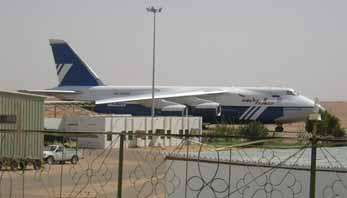
Two airports to be constructed in Darfur, Sudan
Khartoum Airports Holdings has signed a contract with the Defense Ministry of Sudan for construction of two airports in Central and East Darfur. The two airports to be constructed are Zalingei and Ed Daein airports, and will cost of US$25m. Zalingei is the capital of Central Darfur while Ed Daein is the capital of East Darfur. The signing of the agreement relating to construction of Zalingei and Ed Daein airports took place on Sunday in the presence of several dignitaries from Darfur, and signing was between the Commander of the Engineers corps, Major General Eng. Saad Mohamed Al-Amin for the Ministry of Defense, and the director of the Khartoum Airports Holdings Company – Engineer Mohamed Abdul-Aziz. Dr. Al-Tegani Al-Sessi, the head of the Darfur Regional Authority (DRA), indicated during the signing ceremony that the move to construct Zalingei and Ed Daein airports among other facilities was important to improving movement of people in this region.
Ethiopia
- Architectural Association of Kenya
- Institute of Quantity Surveyors of Kenya
- Institute of Engineers of Kenya
- Association of Consulting Engineers ofKenya
- Association of Professional Societies of East Africa APSEA)
- Kenya Property developers Association
- Institution of Surveyors of Kenya
South Africa
- ASAQS
- SAICE
- South African Council for the Quantity Surveying Profession
- Khuthaza ( Women for Housing)
- Concrete Manufacturers Association
- Green Building council of SA
- South African Property Owners Association
- Master Builders South Africa
Uganda
Institute of Surveyors of Uganda
- Association of Ethiopian Architects
- Ethiopian Association of Civil Engineers
Botswana
Institute of Botswana Quantity Surveyors
Ethiopia
Construction Contractors Association of Ethiopia
Zimbabwe
- Zimbabwe Institute of Quantity Surveyors
- Zimbabwe Institute of Engineers
- The Construction Industry Federation of Zimbabwe (Cifoz)
Ghana
- Ghana Institute of Engineers
- Architects Registration Council
- Ghana Institute of Surveyors
- Ghana Green Builders Association
- Ghana Institute of Planners
- Association of Building and Civil Engineering
Contractors of Ghana
Windhoek mass housing project to be completed in 2016
The Windhoek mass housing project in Namibia, which was launched by President Hifikepunye Pohamba at Otjomuise in November 2013 has not yet begun. The project was under Afrikuumba Construction, who were supposed to build up to 1191 houses. The first phase of the Windhoek mass housing project is expected to be done by end of 2015, with 9000 houses being built, and 10 200 plots serviced nationwide at a fee of US$ 0.15b. Last month, some workers were seen in the construction work site digging foundations for the houses and installing electricity cables. Out of the 38 companies that went for the tender, Afrikuumba was able to win the bid for building the houses in various parts of the country.
Institute of Namibian Quantity Surveyors Association of Consulting Engineers of Namibia
Tanzania
- Tanzania Institute of Quantity Surveyors
- Construction Regulation Board (CRB)
- Tanzania’s Registration Board of Architects and Quantity Surveyors (AQSRB)
- Association of Consulting Engineers Nigeria
- Association of Professional Women Engineers Of Nigeria
- Council of Registered Builders of Nigeria
- The Nigerian Institute of Architects
- American Association of Petroleum Geologists Africa Region
- Nigeria Society of Engineers
- Nigeria Institute of Architects
- Building and Construction
Skilled Artisans Association of Nigeria(BACSAAN)
Goscor Hi-Reach has introduced the Genie SX-180, the tallest self-propelled Super Boom aerial access equipment and lifting machine in Africa – it reaches higher with a remarkable working height of 57m. “As the official distributor of the wellknown Genie range of equipment in Southern Africa, we are very pleased to bring this exciting new lifting solution to the market,” says George Landsberg, CEO of Goscor Hi-Reach, a leading supplier of premium brand work-at-height lift and aerial access equipment and allied services and part of the Imperial Group. “The Genie SX-180 is also immediately available to the Southern African market as a rental option from Goscor Access Rental,” according to Managing Director, Dean Jones.
“As a specialist Rental Company, our comprehensive rental fleet of versatile Mobile Elevated Work Platforms is suited to a wide range of aerial access applications.” The SX-180 next generation telescopic boom lift and aerial access equipment has been specially engineered to meet the highest work-atheight installation, erection and maintenance requirements across a broad market spectrum, from general construction and chemical industries to utilities, airports, harbours and refineries.
The design of the Genie Super Boom is centred on extensive customer feedback to meet the demand for rugged reliability, fast manoeuvrability, and easy maintenance and transport.
www.goscorhireach.co.za
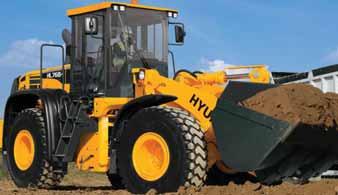
High Power Equipment Africa – HPE Africa – hosted a working demonstration recently of the new Hyundai wheel loader HL 760-9 series, which is an upgrade on the previous -7 series. “These robust wheel loaders, which were launched in South Africa last year, have been designed for efficient performance in arduous working conditions in mining, construction and agriculture,” says Alex Ackron, managing director, HPE Africa (a division of the Capital Equipment Group, Invicta Holdings Limited). “These versatile machines, with an operating weight of 18,400 kg and heaped bucket capacity of 3,1 m³, are suited to the terrain and load of every specific application.”
Hyundai -9 series wheel loaders, fitted with fuel efficient, low noise Cummins 2 tier engines, have an in-line fuel pump that delivers more power at high injection pressure, for cleaner combustion and lower emission. The fully automatic transmission system is designed for durability, minimum power loss, low noise and improved travel speed. The new clutch control design and reduced shifting shock, ensure a smoother ride when travelling. The automatic transmission system of the -9 series of Hyundai wheel loader also allows the operator to customise automatic transmission shift timing and clutch cut-off, based on operating conditions and personal preference. These variable operating modes – which contribute to improved productivity, reduced fuel consumption and enhance operator comfort.
www.hpeafrica.co.za
Tile Africa Contracts has introduced new and specialist tiles suitable for various requirements and applications at Interbuild Africa 2014. The new ranges now form part of its core offering to designers, specifiers and architects and includes the Interbau range of extruded stoneware products extensively used in commercial kitchens, breweries, dairies, abattoirs and warehouses; the trendy Concrete glazed porcelain range with a very high MOHS rating suitable for high traffic areas such as shopping centres; the Vintage Wood-Look glazed porcelain range available in a variety of colours with matching decor pieces that is suitable for light, medium and high traffic areas as well as the Johnson Tiles Fusion range of ceramic inkjet tiles that are locally manufactured and allows for the development of bespoke designs and exclusive products for commercial customers. Tile Africa Contracts offers an extensive range of technical and aesthetic products that cover every requirement and application.
The complexity of different soil types makes quality compaction a challenge. Too little compaction and the soil may settle, causing structure failure. Too much compaction leads to unnecessary machine wear and downtime. Over-compaction can also cause some soils to “crack” under increased pressure. The compaction indicator on the Atlas Copco LG500 reversible plate measures the vibration patterns in the plate and shows how well the soil is compacted beneath the surface. The compaction indicator is mounted at the centre of the handle and the system communicates via a clear system of indicator lights.
The three lights; yellow green and red, signal the different stages of compaction. When the red light flashes the particular soil type has reached maximum compaction and it is time to stop. By combining compaction indicator-technology and operator’s knowledge, the risk of over- or under compacting is much reduced. The combination will save the operator’s time and increase uptime for the reversible plates. This is thanks to less servicing, due to machine wear. To get an even safer compaction experience, the Atlas Copco’s CompBase provides detailed compaction data and capacity information based on full-scale tests.
www.atlascopco.se

Date: 13th - 14th November 2014
Venue: Tanzania, Dar Es Salaam
Contact: Mimi Oyelana
Email: mimi.oyelana@ energynet.co.uk
Website: www.poweringafricatanzania.com
The Minister of Energy & Minerals Tanzania, Hon Sospeter M. Muhongo, TANESCO Managing Director, Engineer Felchesmi Mramba and Ewura general director, Felix Ngamlagosi will be attending the event once again to discuss the reform of the state utility TANESCO and the impact this will have on investment within the country. The agenda topics

for the November meeting will aim to facilitate the dialogue between Government and the private sector investors, exploring the evolving political and regulatory landscape to help present sustainable solutions for harnessing Tanzania's natural resources, in order to meet the rapid domestic and regional energy demands.To be added to our mailing list or for more information, please email mimi. oyelana@energynet.co.uk
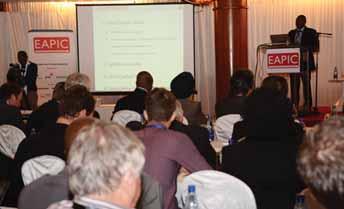
The 16th East African Power Industry Convention (EAPIC) that took place in Nairobi in September 3rd and 4th has proven that it is still the most important gathering for quality discussions on where the power sector in the region is going. We look forward to taking the event to the next level next year with a strong push towards a much larger exhibition model. This is according to East African Power Industry Convention (EAPIC) programme director, Irene Ochem. She adds that there was “general consensus at East African Power Industry Convention (EAPIC) about the need to increase generation, update transmission and distribution networks, reduce cost of generation, increase access to rural dwellers, improve efficiency, capacity building and customer service, as well as having an appropriate power generation mix. There is also a need for more reforms and improved regulation, coordinated and enhanced regional efforts to ensure regional power interconnection and integration.” EAPIC gathered more than 700 participants from 31 countries, including from the region’s leading power utilities, large industries and investors as well as 47 technology and service providers who showcased their products at the exhibition.
Date: 25th -26th November 2014
Venue: Laico regency hotel, Nairobi, Kenya

The intensive two days 4th Annual Effluent & Water Management Conference is scheduled to be held in Nairobi Kenya on 25th -26th November 2014. Building on the success of the 1st, the 2nd and the 3rd edition, both held under the patronage for the National Environment Management Authority Kenya, the Effluent &Water Management Conference and Exhibition - EWMC 2014 provides a platform that will steer and transform the water and sanitationsector in African countries by offering a more comprehensive conference and trade show on Africa‘s water industry bringing together the entire value chain of water, wastewater and recycling on one platform. Key themes at EWMC 2014 will focus on the efficient conservation, provision and management of water in all forms.
Date: 2nd - 4th May 2015
Venue: KICC, Nairobi, Kenya
Contact: Gene M.
Website: www.expogr.com/ expokenya/
Exhibitors from over 30 countries participating at Kenya’s Biggest Int’l. MultiSector Trade Exhibition The largest international trade exhibition in Africa for multisector products, equipment and machinery, will take place in Nairobi, Kenya at the KICC from The 03 – 05 of October

with record breaking numbers. Exhibitors and trade visitors are said to increase by 27% and 24% respectively at the 18th edition of the Kenya International Trade Exhibition (KITE).
The exhibition has grown in stature from its inception 16 years ago, as the key networking and sourcing platform for the industries. As the largest event of its kind, it ensures direct access to over 150 exhibitors from 30 countries and more than 12,000 trade visitors. With an amazing array of products and services from all over the world, it gives visitors the opportunity to source cutting edge products and services as well as learn about and discuss the latest market trends. There is no other related trade exhibition in East Africa that delivers the same quality & quantity and variety of buyers and distributors.
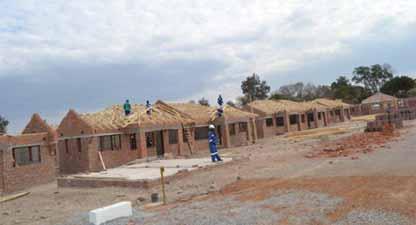
Zimbawe’s leading construction company, Radar, has expressed interest in fully entering into, and controlling Zimbabwe’s construction sector. The company wants to grow into a complete construction company as part of this plan. This is according to Radar Properties Chief executive Elias Hwenga. The company is a manufacturer of clay bricks, a material used as a major cladding material in Zimbabwe houses. This means that the performance of the brick manufacturing sector is determined by trends in the new housing development and construction.
The company, however, will face internal pressures from substitute materials in the construction sector such as cement manufacturers and informal brick makers. The company seeks to evolve in order to survive a highly competitive market. The company has also indicated the need to expand into manufacturing other construction materials such as tiles, and timber, and later move to property development and realtor. Use of efficient technologies is likely to positively affect production cost, since construction bricks is a labor-intensive and energy-intensive industry.
Bobcat Equipment South Africa (Pty) Ltd extends sales and service support to customers in Zimbabwe with the appointment in March 2014 of Harare-based SRTC (Southern Region Trading Company) as its official dealer in the region. Bobcat Equipment South Africa, part of the Goscor Group of Companies and the Imperial Group, has, for over 25 years, been a trusted partner to the local construction, mining, industrial, utility, governmental, agricultural and landscaping markets with the supply of its internationally esteemed range of Bobcat compact machines. “Delivering superior service to customers is as important as delivering quality products,” comments Bobcat Equipment South Africa Managing Director, Les Lothian. “To maximise our customers’ uptime and production, our comprehensive product range is supported by a team of highly trained technicians located throughout our national well-stocked branch network.”“The appointment of SRTC expands our capabilities so that we are able to deliver our product and service offering right to the doorstep of our customers across our border,” asserts Lothian.
NIRAS has been appointed the consultant for a new oil terminal in Mombasa, which will replace the 50-year-old existing terminal. With this, the capacity of the terminal will be quadrupled. NIRAS won the job to plan and design a new oil terminal in the Kenyan seaport Mombasa. The terminal is to replace the 50-year-old existing oil terminal, which is suffering from decay after a service life of 50 years. The existing terminal has only one berth, accommodating carriers up to 100,000 tons DWT. The new oil terminal, on the other hand, will accommodate four ships of 150,000 tons DWT. Back in 2012, NIRAS conducted the first relocation study and with Kenya Port Authority it was agreed that the new terminal should be placed off the existing port terminals. Since then NIRAS has been in close contact withKPA.
Siemens to install Egypt’s Suez Thermal Power Plant
Siemens will now supply electrical components for the Suez Thermal Power Plant in Egypt. The plant was supplied by East Delta Electricity Production Company. Siemens has also been tasked with the installation and commissioning of equipment supplied by this company. The 650MW Suez Thermal Power Plant is located in Suez in Egypt, and will be commissioned in 2016. Part of the electrical components to be supplied by Siemens include cables and uninterruptible power supply. The plant uses natural gas and heavy oil as fuel. In addition,the electrical components will also enhance performance of the thermal plant.
TAL exhibits at Interbuild Africa 2014
TAL exhibited its tiling, waterproofing and building solutions ranges at Interbuild Africa 2014. Amongst the products exhibited was the TAL X-Calibur X-Tech DecoQuartz range of flooring systems. The range consists of decorative colour quartz epoxy and polyurethane systems as well as abrasion, chemical and heat resistant floor screeds. The TAL X-Calibur X-Tech DecoQuartz range is available in a wide range of colours and offers seamless, hygienic and extremely durable floors that are easy to maintain. The X-Calibur Construction Chemistry forms part of the TAL building solutions range and consists of construction product solutions with an emphasis on flooring and surface treatments, concrete repair and protection as well as screeds, anchor groutings and fixings, e.t.c
Mainstream to acquire Ghana’s first utility-scale
Mainstream Renewable Power has entered into a US$ 525m deal with Swiss wind farm developer, NEK Umwelttechnik that will see it purchase the 225MW Ayitepa Wind Farm, Ghana’s first utility-scale wind farm. The agreement is expected to reach a financial close next year, while the wind farm will start generating power by 2016. The two companies will, in the meantime, co-develop the facility until the financial close is reached. Mainstream Renewable Power will then take over the development and operation of the project which is located 40 kilometres from Accra. The wind farm will generate approximately 10% of Ghana’s total electricity generation capacity.
Date:9th October, 2014 Venue: South Africa



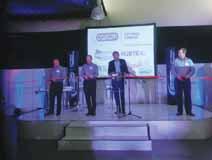
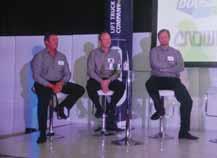
Date: 9th October, 2014 Venue: Johannesburg City Library, South Africa



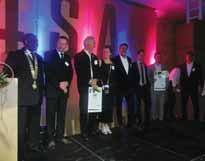
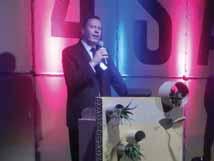

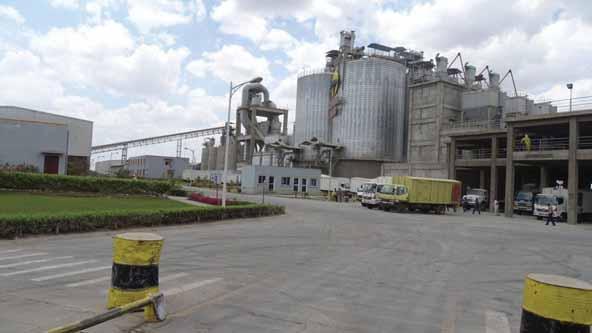
Kenya’s sixth cement manufacturer, Savannah Cement Limited, is determined to take advantage of the current boom in the construction industry to drive up its sales and capture a bigger share of the market. Francis Makari recently visited the company.
Cement production and consumption are some of the biggest indicators of the state of the construction industry at any one time. Subdued manufacture and slow moving stocks almost always hint at a depressed state while rapid production and consumption reflect robustness of the sector. The construction industry in Kenya has experienced an unprecedented growth rate in the last decade with cement production and consumption rising exponentially.
Cement consumption increased by more than a fifth in the first half of this year compared to a similar period last year. Latest figures from the Kenya National Bureau of Statistics show 2.4 million tonnes of the commodity was consumed in the period, 22.5 per cent higher than the 1.96 million sold by mid-last year. Going by these figures, consumption is likely to hit and surpass 5 million tonnes by the year’s close. The buoyant real estate sector in the country has been a major contributor to this growth and all indications are that the momentum is likely to be sustained at least in the short term. Government spending on massive infrastructural projects such as roads and huge commercial and industrial investments by the private sector look set to keep the cement sector thriving.
aggressive marketing and cost cutting. One of the new comers to the market is Savannah Cement. Based at Athi River about 30km south of Nairobi where many of the other players also have grinding plants, the company has put up a state of the art plant with a capacity of 1.5 million tonnes per year. Mr Ronald Ndegwa is the man tasked with growing Savannah Cement’s market share in Kenya and across the greater East Africa region. A civil engineer by training, Mr Ndegwa assumed the position of Managing Director in December 2013 and has since overseen steady growth of the two-year old company. From a market share of eight percent in 2013, the company is currently at 12 percent and aims to close the year at 14 percent. “In the short term, we would like to command 20 percent market share”, says Mr Ndegwa.
At the moment, the country has six manufacturers with two new players expected to join the market soon. Competition is therefore intense and survival in this sector will be largely determined by innovative products, competitive pricing, aggressive marketing and cost cutting.
The devolution process that is still under implementation in the country has also opened up new opportunities for growth among players in the industry. County governments are now in charge of their development budgets meaning that decisions will be made faster as each county races to turn around its economic fortunes. At the moment, the country has six manufacturers with two new players expected to join the market soon. Competition is therefore intense and survival in this sector will be largely determined by innovative products, competitive pricing,
Already, the company has managed to bag exclusive projects in the private and public sectors. “We are supplying our products to Kenya Airport Authority’s Greenfields Terminal, Ruiru and Dandora Sewerage project, University of Nairobi Towers, Garden City Mall and Madiba Mall to name a few ”, reveals Mr Ndegwa. The company is positioning itself to take advantage of county projects by ensuring distributor presence in all the major regions. Savannah’s external markets include South Sudan, where, according to the Chief Executive, the company commands 90 percent of the cement market. Other markets are Tanzania, Uganda, Rwanda, Burundi and the Democratic Republic of Congo.
Currently, Savannah Cement manufactures two types of cement – 32.5R and 42.5R. According to Mr Ndegwa, these are unique and are the only cement types in the local market with “R” Classification. Other
manufacturers produce “N” classification. “R” connotes rapid strength development. It means that these cements achieve hardness or strength much faster than their competitors. “This is from independent laboratory tests conducted by reputable agencies such as the Kenya Bureau of Standards (KEBS), Ministry of Transport and Infrastructure and the University of Nairobi”, says Mr Ndegwa. This rapid strength development attribute translates into reduced project time. “So your productivity as a contractor can significantly outpace that of your competitor purely on the choice of cement.”
Savannah 32.5R cement is engineered to provide a reliable solution to a wide range of every day concrete and mortar works. 42.5R is premium ordinary portland cement developed for extra high strength applications. Because of its unique formulation, it exhibits excellent concrete cohesion and is therefore less prone to segregation. This provides a stable concrete mix. The company is also planning to roll out its third product – Hydraulic Road Binder (HRB) – a high performance and versatile product for soil stabilization and improvement in road, rail, airport and other infrastructural works. The product is a result of a call by Kenya’s Infrastructure and Transport Ministry for players to come up with ways of reducing construction costs. In March this year, the Principal Secretary in the Ministry convened a cement industry stakeholders meeting and explained the Government’s intention to construct 10,000 kilometres of roads over the next few years.
“To facilitate this”, explains Mr Ndegwa, “the players were expected to come up with ways of reducing costs. One of the main costs identified was cement for soil stabilization”. He says that both the Principal Secretary and the cement manufacturers were aware that in developed countries, cement was in fact not used for this purpose – hydraulic road binder was.
Less than two months after this challenge, Savannah Cement produced a product and submitted it to KEBS and the Chief Materials Engineer at the Ministry. In July, KEBS certified that the Savannah product met European standard for road binders (KEBS is still working on a local standard). “The Chief Engineer has finalized tests and we are awaiting formal communication but given the results from KEBS, we are confident that the results will be positive”, says Mr Ndegwa.
If given the green light to begin commercial production, Savannah Cement will become the first company in the region to produce this product, giving it a significant head start over its rivals. The binder will be 40 percent cheaper than regular cement and will therefore offer significant savings in road construction. Mr Ndegwa is undaunted by the possibility of Savannah Cement’s competitors developing similar products – whether cement or the hydraulic road binder. “If you give several ladies the same ingredients to make a meal, you can be sure of getting different tasting meals”, he quips. For now, the company is focused on thorough marketing through regular interaction with construction industry stakeholders among other strategies. The company is also looking forward to putting up its own clinker plant within the next year.
According to Mr Ndegwa, the main challenges facing his company include pushing the Savannah brand to give cement users a reason to change from their regular product, intense competition, logistics of reaching farflung markets and high energy costs. He is confident of surmounting these challenges and is especially optimistic of cheaper and stable electricity supply following an assurance by top Energy Ministry and Kenya Power officials during a recent visit to the plant.
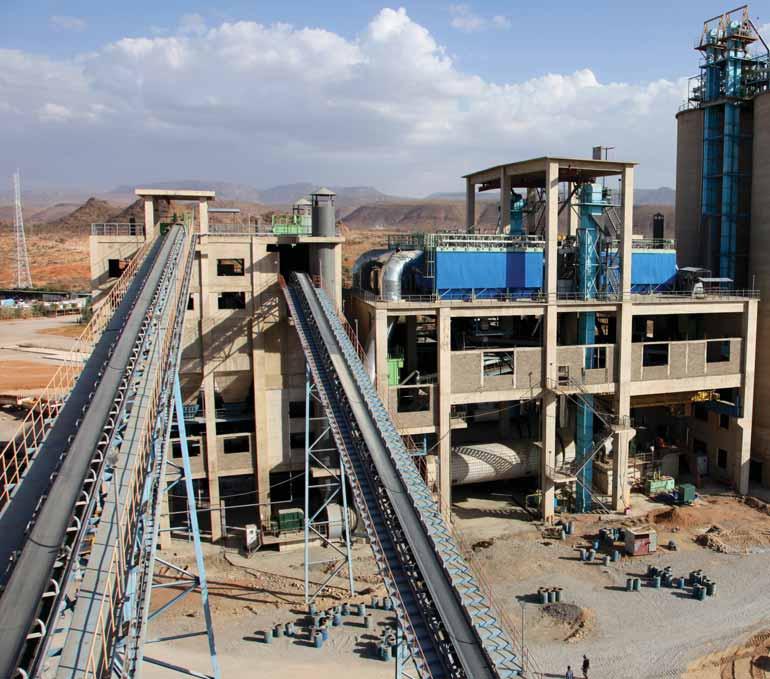
Africa’s cement production sector has realized its strongest sustained growth in history and attracted many new entrants at the same time, according to a recent reports. Africa’s cement production hit a 5% growth rate cumulatively over the past decade. Despite this, some believe that Africa is yet to fully exploit its cement resources as evidenced by the fragmentated nature of the cement market around the continent. Most of the cement produced is consumed locally, and as an exporter, Africa only exports cement on a small scale; African countries together managed exports worth US$ 700mn in 2012. Amidst large consumption of cement around the continent due to much activity in the
construction sector, Nigeria tops the list as the largest cement consumer in the region, and together with South Africa, consumes half of the cement produced in the SubSahara region, while Angola is the largest consumer of cement in Central Africa.
Expansion of the construction sector means increased cement consumption, and research provides evidence that this is pushing the high demand for cement. The public construction sector is experiencing an expansion as more governments launch new infrastructure projects or improve on roll out of already announced programs as an initiative to expand economies, provide social services to expanding population and to tap on new/modern economies.
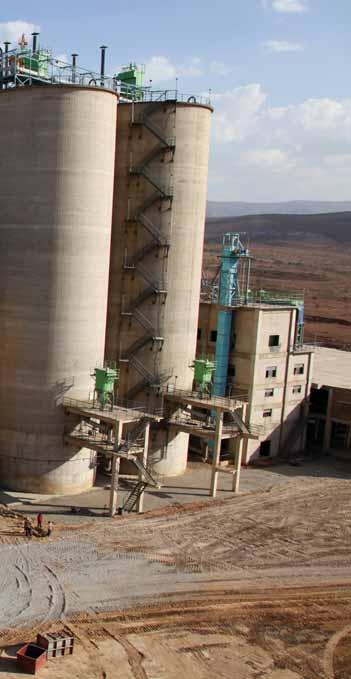
The private sector as well is experiencing an expansion as more companies flock to tap into Africans’ improved spending power and growing middle class. While the top cement producers in Africa were also the highest cement consumers it is noteworthy that they are set to enjoy the largest construction sector expansion. These include Nigeria, South Africa, Angola and Ethiopia. High cement consumption in these countries provided new entrants an opportunity for investments into the local industry.
Sub-Saharan Africa has alone recorded growth in purchasing power and rising investment, which has fueled a plethora of government infrastructure projects and housing projects, according to an Ecobank report. The region presently manages cement consumption of 100 kg per capital, which is below 560 kg the world’s average. Nigeria, South Africa & Ethiopia lead the way in production of cement in the continent, but as a whole Africa is still only produced 116mn MT of cement in 2013.
Demand for increased infrastructure is also being pushed by Africa’s increasing population and demographic change. The continent is expected to reach 865mn people by 2050. This is against the backdrop of rising housing shortages reported all over the continent.
Africa’s construction industry is projected to grow at 6.5% this year, a figure set to even surpass the overall global economic growth rate in 2014, as many countries push to develop more infrastructure to stimulate economic growth. The expectation is great and it is expected that growth of urbanization and population will further push growth in construction sector activity in the future. This will further push up demand for cement, among other construction supplies. A look at Nigeria’s construction and mining sector shows that it accounted for 20% of the country’s GDP. Nigeria is the largest economy in Africa, making this significant.. In May this year it was reported that GDP will grow by 12% over 10 years. In South Africa the construction sector has already reported a growth of 5.0% in Q2 of this year an awakening from past years of malaise. Even Zimbabwe is set to get its share of construction sector growth by 3.29% over 2014 to 2023.
Massive on-going projects such as the expansive South African US$847b infrastructure programme; the aggressive US$24bn LAPSSET project to connect Kenya, Ethiopia, Uganda and South Sudan; the US$12 billion Standard Gauge Railway project to be undertaken in Kenya; a massive US$5.3b Link Zambia road project; are only some of the projects expected to fuel demand for cement and related services further.
Construction sector growth is also being driven by need for housing. South Africa has, this August, reported that it will be spending US$ 0.47b in housing development to meet a housing shortage which the government this June reported stood at 2.1 million units in 2012 amidst a growing middle class segment. Namibia recently launched a $73.3m housing project that is aimed at reducing housing shortage, while Algeria, is executing a 6, 000 housing units project through Arab Contractors. Egypt has also launched a 3000 housing units project too. Nigeria alone requires 18million additional houses to meet the housing demand shortage. The country is alone expected to realize a doubling demand of cement of up to 35mn tons by 2020.
Nigeria has surpassed South Africa as the regional leader in cement production, producing a total of 28.3mn MT/ year compared to South Africa’s output of 9mn MT /year. Recently, the country’s Vice President, Namadi Sambo,
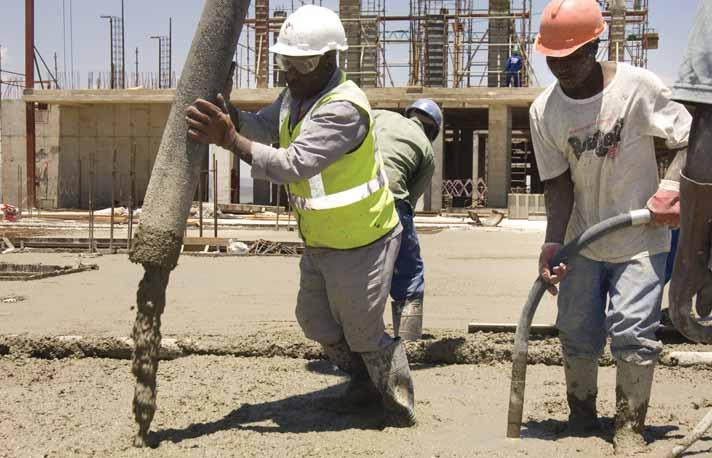
said the country can produce 39.9 million metric tonnes of cement, meaning this is still an unexploited resource. In West Africa, Ghana managed an output of 6.7mn MT/ year and Senegal gave 6.5mn MT/year according to last year’s data. The main exporters of this high cement consuming region are Senegal and Togo. In East Africa, Ethiopia has outdone Kenya by producing 12.6mn MT/ year, compared to Kenya’s 7.4mn MT /year. Uganda also joins Kenya as a top exporter in the region.
Central Africa region managed an output of 1.6mn MT/year, with Angola leading the production. The country consumed all its produced cement. Countries that do not have massive cement production activity are, however, relying on cement importation. Ghana, for instance, recorded a 112% rise in cement imports. Others relying on imports are Cameroon, Congo- Brazzaville and Burkina Faso. Uganda and Togo export surplus and re-export to neighboring countries. Restrictions on importation of cement has created some shortages and encouraged demand for locally produced cement, with Ethiopia alone recording a 75% slump in importation of cement in 2 years. Nigeria has cut its importation of cement by more than a half to US$139mn in just 2 years. Mozambique and Angola are also planning to restrict importation of cement.
The main competitors of cement production in Africa are seeking to expand markets, but for the largest
producers, battle fields remain Nigeria, South Africa and Kenya. This growth in the construction industry in Africa has seen global construction firms such as Hill International a US based company, take on a keen interest in the local construction industry. The New York Stock Exchange -listed firm has recently announced it will set up its first office in the Sub-Saharan market in Nairobi, Kenya. Major global palyers have not lost sight of Africa’s potential and have in the recent past become more aggressive in their expansion strategies. Holcim, a global Swiss-based company that manufactures building materials and aggregates, is planning to take control of Kenya’s Bamburi cement. New entrants are also considering venturing in new production factories on an all-alone basis.
Apart from forming partnerships, taking control of local independent cement manufacturers and all-alone ventures, another tactic employed by global firms is increasing activity through their local subsidiary. Already, Sanghi Group, a cement manufacturer based in India, is planning to construct a cement plant in West Pokot County – Kenya, at a cost of US$136m, through its Kenyan local subsidiary Cemtech. At the helm of transforming the cement sector in Africa is Dangote Cement, a Nigerian-based producer, which has also set plans to expand in the UAE and Europe, among other markets in addition to expanding in Africa. Despite the company’s production capacity in Nigeria alone rising to 20.7mn MT/year, the market remain under-supplied.
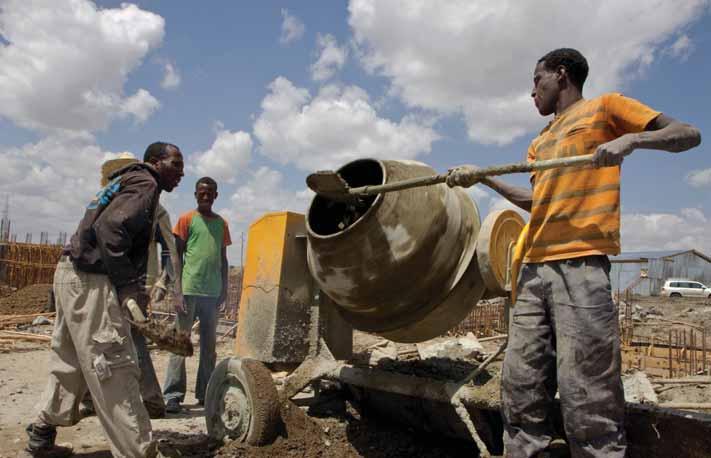
Dangote has said it will be doubling capacity at the Nigeria’s UNICEM cement plant. . The company is the largest producer of cement in the region. The company has also invested in two cement plants in Nigeria – Ibese and Obajana – to be commissioned this year. The company also wants to be shipping clinkers to regional grinders. It basically seeks to become the largest pan-African cement company. Dangote Cement is planning to open a US$ 400m plant in Kenya that will see 5,500 tonnes of cement added to the local production capacity daily.
In the recent past, the dominant player Lafarge/Holcim has also showed strong presence in Africa – most strongly in West, Southern & East Africa. The company is present in Nigeria, Cameroon, Benin, Kenya, Uganda, Tanzania, Malawi, Mozambique, Zambia, Zimbabwe, Botswana, and South Africa. In Kenya Lafarge owns Bamburi Cement, which leads in the Kenyan cement market, and also owns part of East Africa Portland Cement (EAPCC), a third-largest cement producer in the country. Local players in the domestic cement market have their role too. South Africa’s Portland Pretoria Cement (PPC) is willing to expand to external markets beyond South Africa, hopefully to counter the effects of entry of Sephaku (a JV) and Dangote. PPC is in a drive to get 40% of its sales from the rest of Africa by 2017, from about 22% now. The successful completion of four projects will get the group to that goal.
The projects include a joint-venture plan for a 2-million-tonnes-a-year plant in Algeria, announced in
February, while PPC is also building cement plants in Ethiopia, Rwanda and the Democratic Republic of Congo. ARM Cement is holding the second largest cement market share in Kenya and is pulling through an expansion drive into Kigali by controlling local Kigali Cement, and by constructing a 1.2m tones cement plant in Tanzania. ARM, a Kenyan cement company, is planning to start a new US$300 m production plant in Kitui region – Kenya. This plant will produce 8,000 tonnes/day of cement.
UNICEM Cement Factory has recently launched a new factory in Nigeria, a move that will see the company add more cement into local and global market. Other notable players with expansion potential include iments de l’Afrique (CIMAF) in the west of Africa, which has gone into Guinea, Côte d’Ivoire, Cameroon and Gabo, in addition to the Morocco market.
Africa only exports cement on small scale, and together managed exports worth US$700mn in 2012. Uganda, Kenya and Tanzania were key suppliers to the East and Central Africa markets, while Senegal and Togo have remained historical leading exporters in West Africa. Zambia is the major exporter in the Central of Africa –especially the DRC. Research projects that players in the West and East Africa cement markets could encounter competition in the future, from emerging hubs in Nigeria and Ethiopia.


This could also lead to cheap cement as competition increases. As Africa invests more on cement production, it is expected that it will contribute more into the global construction sector. Cement price wars and dumping issues await players, without even considering the ever challenging infrastructural network and high production factor costs. South Africa cement production has already surpassed the demand in 2013 - 12.2mn MT/year against 19mnMT/ year, although demand actually rose by 5.3%. The demand in South Africa could rise following the country’s announcement of its intension to roll out infrastructure programs faster – programs that had lagged behind.
South Africa has already alleged that cement was being dumped at a lower price from Pakistan, while Kenyan manufacturers have opposed Dangote’s move to double its production capacity for its Kenyan plant to 3 million tons per year, indicating that it may affect prices. Nigeria’s cement production has also surpassed demand by 10mn MT/year. Consumption of cement in Ethiopia also lagged supply by 5.4mn MT/year in 2013. However, production surplus could be negated, following recent announcement of expanding of construction sector in the region at 6.4% above the global economic growth. Control of dumping and expansive importation could also reduce surplus.
In conclusion, more investment in cement production is the way forward for Africa to support the ever expanding construction sector. It is likely that Africa could experience a greater rise in cement demand as the middle class grows and governments push to renew or establish more infrastructure in order to tap economic potentials and reduce pressure on existing infrastructure due to population rise. Already, many mixed-use megacities in different African countries are either under construction or proposed, among other infrastructure projects. Africa could play a significant role too in supplying cement to other continents in the future through export, when its cement production sector picks up.




























































,
By Dorcas Kang'ereha
In the 19th century, wind mills were designed to grind grain and pump water. Today it has become one of the fastest growing renewable sources of electricity generation since wind is widely available and in abundance in many parts of the world. As wind energy industry flourishes power generated has more than quadrupled between 2000 and 2006. Currently the global capacity is more than 70,000MW. According to the Industry experts who speculate that if the pace of growth continues, the answer to one third of the world’s electricity needs will be found blowing in the wind by 2050. The call for clean and renewable energy is increasing as the world urgently seeks alternatives to predetermined supplies of oil, coal and natural gas. As the cost of wind power declines, due to technology improvements and better generation techniques wind power is increasingly becoming a practical source of electricity and mechanical power.
Wind turbines work efficiently, when the wind speeds is at 12-14 miles per hour, which runs the turbines fast enough to generate electricity. The turbines generally generate about 50 to 300 kilowatts of electricity, which can typically light ten 100watts light bulbs. A major consideration when selecting wind power site is the proximity of the wind tower to the home or the business. In most cases the wind tower is attached to the building itself because of both noise and structural vibration considerations. However, if the tower is too far, chances are very high to incur momentous costs in running the power line from the tower to where the electric meter is or the batteries. Ronald Gdovic, the
CEO of WindStax Company based in Pittsburgh in the USA, who design and manufacture quality brands of unique plug-and-play wind power systems for residential and commercial off-grid, microgrid, and supplemental stationary power requirements, says, average annual wind density determines the amount of electricity to expect from the systems and that wind density depends on variables like heat, humidity, and elevation above sea level. Another important factor he mentioned is to determine the amount of electricity needed and for what duration. Topography is another consideration. If the site is in a hilly area, take the advantage of the hills and gain additional height for the tower. Avoid locations on the leeward (protected) sides given that it will cut off the wind. When putting up the tower before building a residence, consider as well the collision the structure will enclose on the wind patterns. Similarly, wind turbines can be used as standalone applications, or combined with a photovoltaic (solar cell) system.
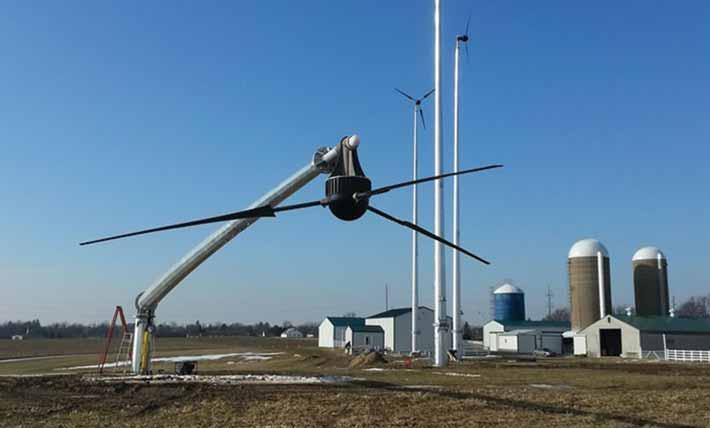
For utility-scale sources of wind energy, large numbers of turbines are usually built close together to form a wind plant. Quite a number of electricity providers today use wind plants to supply power to their customers. Wind turbines of any size need to be located where there is enough consistent wind for effective power production. The required tower height will be determined after a site evaluation is performed. Consulting with a local installer who is experienced with wind turbine siting and installation is also recommended says Jonathan Peters, Sales Manager from Ventera Wind Company based in Ohio in the USA. They design, prototypes and offer field testing. Altitude is also among the considerations. Wind
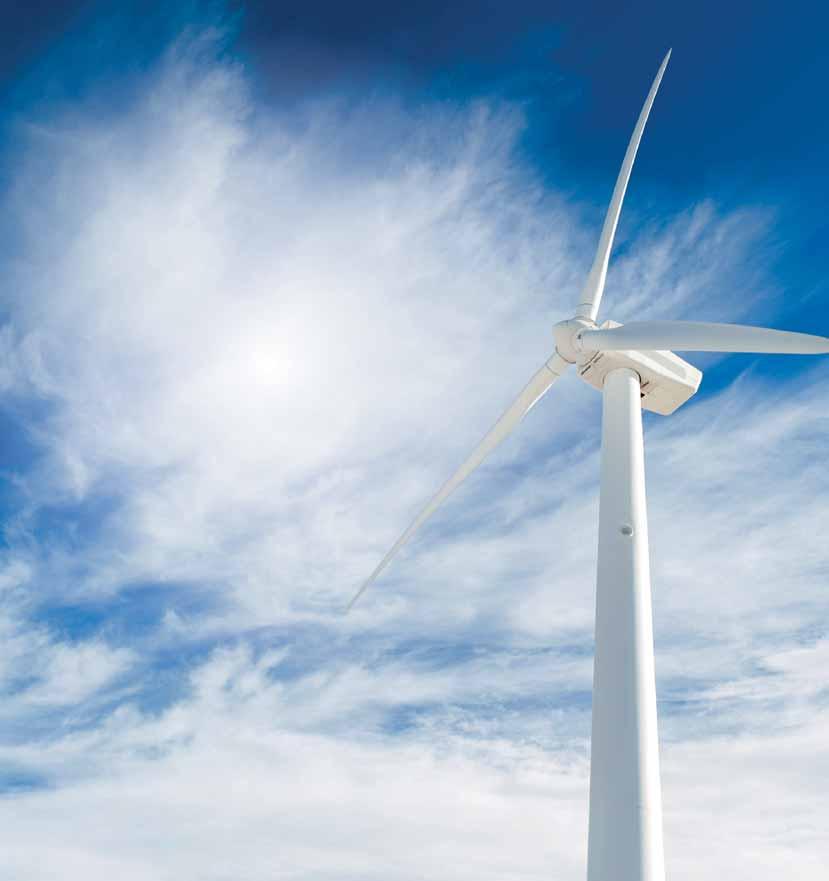

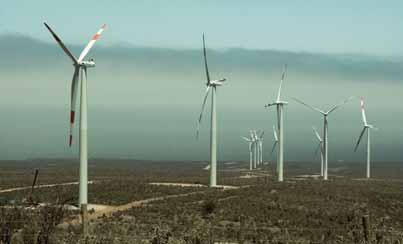
blows faster at higher altitudes due to reduced influence of surface haul and lower air viscosity. The boost in velocity with altitude is the most spectacular aspect near the surface and is affected by topography, surface roughness, and upwind obstacles such as trees or buildings.
In general, the increase of wind speeds with increasing height results to a wind profile power law, which calculates that wind speed rises proportionally to the seventh root of altitude, doubling the altitude of a turbine, hence increasing the expected wind speeds by 10% and the expected power by 34%. Rajarshi Sen, the Director and CEO of Luminous Renewable Energy Solutions Pvt Ltd, based in India suggests that, in order to install small wind turbines one need to check the annual average wind speed at that area and ensure the location does not have any obstacle to wind flow like tall trees, buildings etc. He noted that, there are many windy locations in Africa, where a wind turbine can generate double the electrical energy as compared to solar power at the same investment.
Cost is another significant factor to be put into consideration. Wind power is classified as a major contributor of global energy and it decreases dependency on unsustainable energy sources whilst reducing the cost
XZERES
Eve Frankel EFrankel@xzeres.com www.xzeres.com
WindStax Power Systems
Ronald Gdovic ron@windstax.com windstax.com
Ventera Wind
Jonathan Peters jpeters@venterawind.com www.venterawind.com
Bergey Windpower Company
Britton Rife sales@bergey.com bergey.com
Luminous Renewable Energy Solutions
Rajarshi Sen
rsen@luminousrenewable.com www.luminousrenewable.com
Urban Green Energy info@urbangreenenergy.com
of power. This renewable energy has been embraced by more than 90 countries and growing at an annual rate of more than 25% a year. It is apparent that wind power will remain a reliable source of power for both utilities and distributed wind initiatives for generations to come. Even in African countries electricity demand is expanding even as natural resources are becoming depleted. Following improvements in turbine technology, wind energy has no fuel cost, allowing electricity consumers and utilities to lock in stumpy, affordable electricity rates through 20 to 30 year contracts called Power Purchase Agreements (PPAs).
Britton Rife, Sales and Customer Service from Bergey Windpower Company based in the USA, recommends a research on a product before purchasing to make sure it has a good track record. Also investigate the wind resource before investing in the wind turbine. They manufacture small horizontal axis wind turbines for homes, farms, and small businesses. The production cost of wind energy has decreased progressively over the last few years. The main cost is the installation of wind turbines, besides they take up less space than the average power station. They only have to occupy a few square meters for the base, and allow the land around the turbine to be used for many purposes, for example agriculture. Also, when combine with solar power, it provides cheap, reliable, steady and great source of energy for the developed and developing countries.
One should seek the value and lifetime support from the provider and not the lowest upfront cost expenditure that can be eliminated with the financing structures, and systems often paid after a short period of time says Robin Carol, Communication and Culture Manager from Urban Green Energy Company based in New York, in the USA. They design and create the most durable and versatile vertical axis wind turbines says. Nonetheless, energy budget should be establish to help define the size of turbine required, given that energy efficiency is commonly less expensive than energy production. Anemometers are small hand held and simple devices able to verify not only speed, temperature and humidity, but also the wind conditions in different parts of the location.
The company designs, manufactures, and distributes high quality distributed small wind turbines (2.4kW -10kW). Their grid connected and off grid wind turbine systems, consist of their 2.4kW and 10kW devices and related equipment, are utilized for electrical power generation applications and markets such as residential, micro-grid based rural electrification, agricultural, small business, rural electric utility systems, as well as other private, corporate infrastructure and government applications.
To read more and to comment on this story visit http://www.constructionreviewonline.com


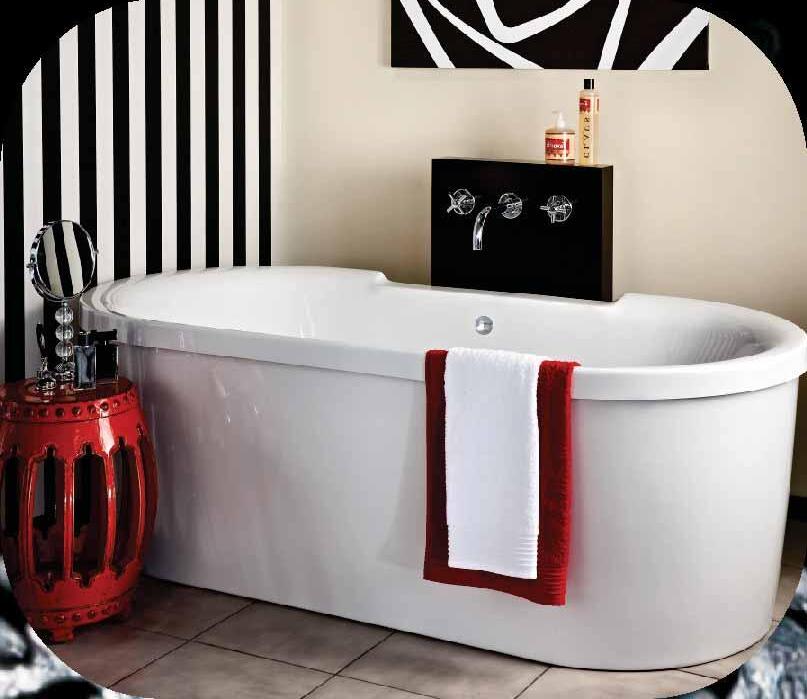


High quality, aesthetically pleasing, functional products that set the trend. Vaal, Libra and Plexicor have a product for every taste. functional that set the trend. Libra and Plexicor have a for ever y taste.
High quality, aesthetically pleasing, functional products that set the trend. Vaal, Libra and Plexicor have a product for every taste.
Telephone: +27 16 360 6000
Website: www.vaalsan.co.za Website: www.librabath.co.za
www.plexicor.co.za
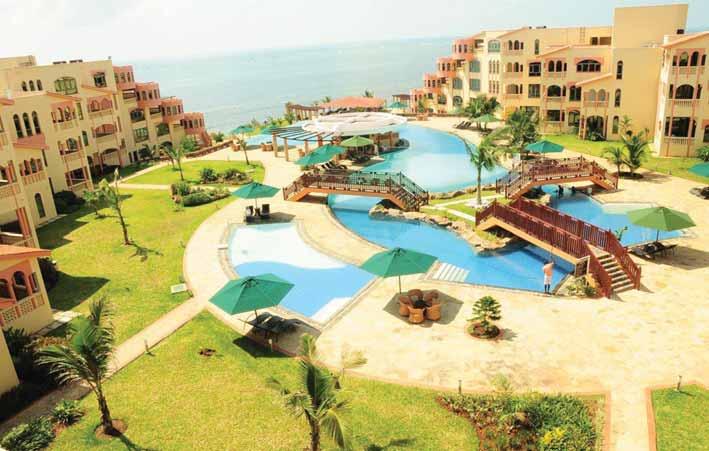
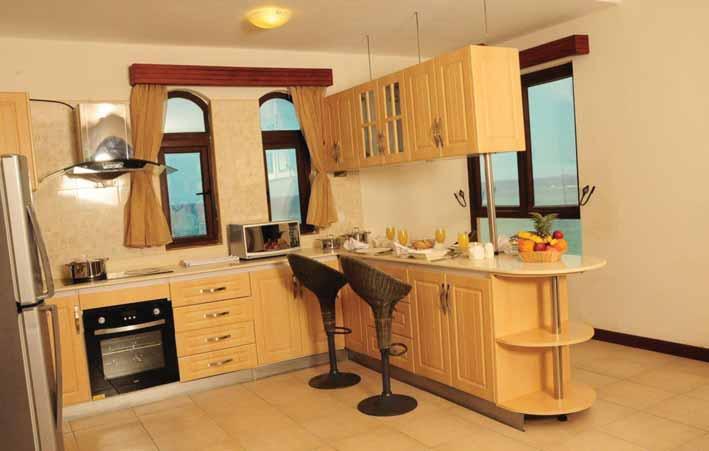
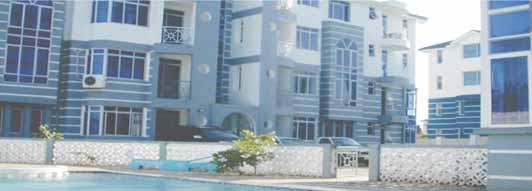
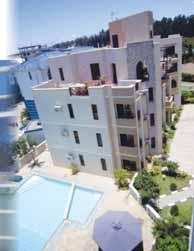
Excellence and efficiency have been the driving force behind AD Design Architects since its inception in 1997. Amidst challenges to break through the market, the founder of the firm, Arch. Arnold Deche, developed an individual, modern and unconventional approach to architectural designs. The practice now has grown from one architect to a staff of three architects, four technicians and support staff. Located in Ganjoni area of Mombasa, AD Design got its
big break in 2003 when it was commissioned to design Papweza Beach Suites in Bamburi. The hotel sits on a narrow beach plot with a unique coastal architectural design with all the rooms facing the sea. The practice is now known for designing luxurious beach apartments. Other major projects which followed were: Pangoni Beach Apartments, Eden Beach Apartments and Spa, Royal Beach Apartments, Shaza Beach Apartments and Spa, Milele luxurious Apartments and HillPark Tiwi
Mucai Drive Road, Off Ngong Road.
P.O. Box 2646-00202 Nairobi,
Kenya. Tel: 020 2726929/39, 2573927
Email: chinazhongxingk@hotmail.com


Beach Resort. Pangoni was awarded the best Architectural design in Africa by AREHF Academy in 2012.
The practice believes that each project is an opportunity to explore new grounds and test new ideas in terms of space arrangements, façade designs, materials and technology. Each Architect is given the freedom to explore his creativity individually and then review as a team; this gives AD Design an opportunity to test various design approaches and styles. They believe that in architecture, there must be enjoyment so that there is pleasure for the client at the end of the day. “After completion of the project, we want a friend and not somebody who is disgruntled”. Most of their clients have commissioned them more than one project. The relationship with the

clients has seen the practice engaged in projects beyond their locale. They have projects in Nairobi, Kisumu, Malindi, Kwale and even Kampala. “We are looking forward to stretch our services to the East Africa region at large”, they say. The practice has been able to do several architectural and interior designs ranging from churches, private houses, estates, apartments, beach hotels, office buildings, shopping malls, schools, hospitals etc.
AD Design Architects are ambitious and determined to produce successful projects. It is the belief of the practice that their efficiency, good management, creativity and interpersonal skills take their architecture outside the standard framework.


East Africa’s leading paint manufacturer, Crown Paints Group, has announced its entry into the Tanzanian paint industry. The Group, which was established in 1958, intends to invest USD$3.6million in the next 18months to build a market leading paint company that will transform the lives of Tanzanians. Crown Paints has also opened Tanzania’s first ultra-modern paint showroom located in Dar es Salaam. The company, which has major operations in the Nairobi, Kigali, Kampala, Arusha, Mwanza and Juba, also announced that Dar es Salaam will become the headquarters of Crown Paints Tanzania, enabling the company to expand into other provinces in the country. Listed on the Nairobi Securities Exchange, Crown Paints specialises in decorative paints, protective, automotive, and innovative products such as Amourcoat, Acryline, Flowcrete amongst others. Crown Paints has grown to become a company with an annual turnover of USD 61.2million and is now producing 2.3 million litres of paint
per month. Mr Rakesh Rao, CEO of Crown Paints Group, said: “This is our second step into the Tanzanian paint industry, since we have already established a mini plant in Arusha and distribution depots in Arusha and Mwanza. We want to build a strong long-term partnership with the people and government of the Republic of Tanzania. We also want to help build a thriving paint industry that will transform lives of Tanzanian citizens. We have an ambitious vision for this business. We want to make it the leading paint company in Tanzania. And we will be making Dar, the hub for our Tanzania operations, providing a strong base for our expansion into other provinces in the country.”
Speaking at the launch, Crown Paints Group Vice Chairman, Hussein Ramji, revealed that the firm is set to expand into other markets. Mr Ramji explained that export market was a key contributor to the group sales volume. “Our export markets sales volume increased by 50pc in 2013.
These export markets included Southern Sudan, Rwanda, Burundi and Tanzania. With a robust marketing and distribution in place, this year, we hope to maintain growth in these countries,” he said.
Dr. Abdallah O Kigoda, Minister for Industry & Trade said, “We are excited to welcome Crown Paints Tanzania. Crown Paints Group is a highly rated company in EA. And the announcement made here today, will create job opportunity for our youthful population and offer training for painters across the country.” The Tanzanian construction sector is also among the very important sectors that contribute hugely to the Gross Domestic Product (GDP). Last year, it accounted for 11.9% of all the wealth that was generated in the country. The sector also employs about 9 % of the workforce in Tanzania. The sector is expected to continue its strong growth path in the near future.















“For the discerning client who craves a serene, scenic, lakeside ambience away from all the bustle of town, but close enough to all the amenities that modern living has to offer” – Mr. Njoroge Ng’ang’a, CEO Home Afrika, on Lakeview Heights’ inspiration.
By Uddi Benkiff
Home Afrika Limited (HAL), a real estate development company listed on the Nairobi Securities Exchange, has become synonymous with the concept of gated living in Kenya; from the Migaa golf community in Kiambu to the coral paradise of Llango in the South Coast. Fresh from last year’s listing on the Nairobi bourse, the company is set to hit another milestone with its latest development in Kisumu County - Lakeview Heights. C.E.O Njoroge Ng’ang’a is modest about the strides the company has made since its inception as an investment club back in 2008. “The founding members always had a very clear vision of where they wanted the company to be in 5 years and real estate was the plan, in line with our mission of providing affordable housing for Africa.”
HAL seeks to help plug the housing deficit Kenya currently experiences (about 200,000 homes annually) while at the same time engaging in ventures that generate regular cash flow. “The Capital Markets trade has opened up new opportunities for us. We are seeking both individual and institutional investors that see the long-term value and potential of our projects”, says Mr. Ng’ang’a. HAL conducts intense market research, while at the same time engaging the best value consultants locally. This ensures that all its projects are commercially viable.
HAL is best known for its gated developments which are usually found in close proximity to metropolitan areas with
high population. These span several counties including Kiambu, Machakos, Mombasa and recently Kisumu. The company has also developed town houses for sale. HAL’s masterpiece headquarters, Morningside Office Park, is the developer’s first commercial undertaking.
Lakeview combines hotel, conferencing and urbane living in a unique and ambient lakeside setting to create the ultimate in luxury and affordability. With Kisumu’s stature as a tourism/conferencing hub on the rise in recent years, Mr. Nganga’ says this investment was justified. The groundbreaking was in June this year, and HAL expects to complete the development by late 2016.
Lakeview sits on 92 acres of prime land, with scenic views of the RIAT Hills, L.Victoria and the Kisumu city. Temperatures here are also relatively cooler than those of the surrounding lakeside. The site is easily accessible from the Kisumu-Kakamega and Kisumu-Busia Roads, at the foot of the RIAT market, right off Kisumu International Airport.
There are 140 serviced plots with less than 40 left at the time of this interview. About half of the space is dedicated to lush greenery, as the developer wanted to create an ambient and aesthetically pleasing living space. Investors can buy either serviced plots or homes pre-developed by HAL.
Project Team
Client:
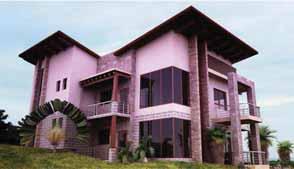
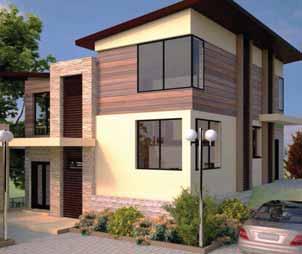
Units are designed with large windows for proper fenestration, increased natural lighting and panoramic effect. Earth material is to be employed on the exterior to give a rustic feel blending well with the terrain, and also to reduce maintenance costs. Plots are demarcated by low hedges (about 1.2m high) to make the setting look as natural as possible.
• Water supply from council mains and boreholes.
• A dedicated power supply to service the expansive project area.
Residential Units
PLINTH AREA (SQM)
Studio 55
1Bedroom Apartment 60
2Bedroom Apartment 80
2Bedroom Apartment with DSQ 105
3Bedroom Apartment 110
3Bedroom Apartment with DSQ 127
Lakeview Heights Development Ltd.
Project Manager:
Home Afrika Ltd.
Architect:
E.D.G & Artelier Architects
Quantity Surveyor:

BeeQue Consultants Ltd.
Civil/Structural Engineers: Finix Consulting.
Electrical/Mechanical Engineers: Feradon Associates Ltd.
Land Surveyors:
Geomeasure Surveyors Ltd.
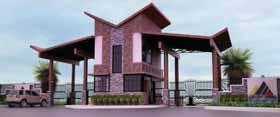
• A perimeter fence for the entire project.
• A club house accessible to all residents
• Security-Two gatehouses currently under construction will be manned full-time and will also serve as part of the management office.
• 7 Commercial Private Developer Site (PDSs) – Each over an acre are demarcated for office blocks and malls, strategically placed near the main entrance to attract non-residents as well.
Home Afrika selected E.D.G & Atelier Architects to lead the project team. The Kenyan architectural studio handles all architectural undertakings including master planning, project management and interior design. Their projects span hospitality, commercial, residential, institutional and educational sectors. Established in July 1994, the firm has offices in both Nairobi and Mombasa, with the following notable projects under its belt:
• Best Western Premier, Hurlingham.
• Westwood Office block, Westlands.
• Mvuli Suites, Ngara.
• Flamingo Towers, Upper Hill.
Environmental Consultant: Geo Plan Consultants.
Boundary-Wall Contractor:
M/S Alew Contractors & Suppliers Ltd.
Gatehouse Contractor:
M/S Sten-Go Construction & Engineering Services

We are proud to be associated with Home Afrika on the


#19, Beeque House, Golf Course, Mbaruk Road, P.O. Box 3280 – 00200 Nairobi.
Tel:+254722667146,+254733734537
Email: info@beeque.com; beequeconsult@yahoo.com
Project viability studies & developers budgets.
Budgetary Construction Cost Estimates & cost plans. Tender documents/Bills of Quantities. Pre-tender cost estimates.
Procurement advice, tender action & process.
Contract formulation.
Construction cost management – cost monitoring, controls & cash flow projections.
Interim valuations for Contractor’s payment certificates.
Measurements and valuation of variations, financial appraisals, contract claim management & final accounts.
Dispute resolution and management services.
OUR MISSION ON PROJECTS: to ensure our clients gets best value for their money, spent on building/construction projects and completing within agreed budgets.
We are proud to be associated with Lake View Heights Kisumu – A Home Afrika Project –as the project consultant Quantity Surveyors.
Traditionally, twisted bars were used in building construction projects. However, globally twisted bars have been banned due to their inconsistency in quality. The new generation steel bars - namely Deformed Bars, also known as ‘Ribbed Bars’are now being used all over the world. In Kenya, Apex Steel was the pioneer in bringing to the industry deformed bars, manufacturing them locally but to international standards. Apex Steel was the first to introduce deformed bars, be awarded a KEBS approval for deformed bars and attain the ‘Diamond Mark of Quality’.
The Kenya Bureau of Standards (KEBS) requirement is Grade 460. However the deformed bars manufactured by Apex Steel are of Grade 500 (British Standards BS: 4449). Apex Steel’s deformed bars are trademarked as ‘APEX TMX’ and every one meter of the deformed bar has this name inscribed on it. The manufacture of this superior steel bar began in 2007. ‘APEX TMX’ being strong and malleable steel gives shape to a developer’s vision or a fabricator’s concept. You drive several feet above the ground on the Thika Superhighway because of Apex Steel’s assured quality of construction steel bars. You relax in the Villa Rosa as the concrete is held together by the deformed bars manufactured by Apex Steel, and you swim with confidence at the Hotel Sankara because it’s ‘APEX TMX’, the high quality steel from Apex Steel, that gives you the assurance that the building is secure.
In addition to Thika Superhighway, Villa Rosa Kempinski and the Sankara Hotel, Apex Steel has been used in several projects. A few of these are Delta Towers, CFC Bank, Purshottam Place, 9 West, One West, 14 Riverside, Hotel Radisson, Riverside Park, Mombasa Port expansion, English Point Marina, Tsavo-Emabakasi Transmission Line, Tana River Hydro Power Plant, Southern bypass, Northern Bypass, Sondu-Miriu Dam, Kwale Base Titanium and Tsavo Transmission Lines. Apex Steel’s endeavor continues to be meeting international standards with localized availability.
P.O. Box 4508-40103
Kisumu, Kenya
Email: stengo53@yahoo.com
For more information, email: sales@apex-steel.com.

Gathara & Partners has eyes set on the larger Eastern Africa region
This year, Gathara & Partners, a firm of consulting Civil and Structural Engineers, is marking thirty years since inception.
Established in 1984, Gathara & Partners has over the last three decades provided a full range of Civil, Structural, Environmental and Geotechnical engineering consulting services from their two offices in Nairobi, Kenya. The firm has three partners. The founder of the firm, Eng James Gathara is the Principal Engineer and Managing Partner. Eng Gathara holds a Bachelors degree in Civil Engineering and a Masters degree in Structural


Engineering. He is a Registered Professional Engineer, a Registered Consulting Engineer and a corporate member of the Institute of Engineers of Kenya (IEK). The other partners are Eur Ing.
Sheila W. Mwarangu and Michael M. Muriuki. Eur Ing. Mwarangu holds Bachelor of Engineering and Masters degrees in Structural Engineering from Imperial College, London. She is a chartered Engineer and a member of the Institution of Civil Engineers (ICE), Institution of Structural Engineers as well as the European Association of Civil Engineers. She is currently studying for Executive MBA on a part-time basis. Eng. M.M. Muriuki holds Bachelor of Engineering and Masters Degrees in Civil Engineering. The three partners and three associates make up the professional team of three structural and three civil engineers. This team is assisted by a technical team of five technicians and five support staff.
At Gathara and Partners, the client is put at the center of every project. Hence the firm’s mission is: To ensure that we understand the client’s objective and requirements and

to ensure that we achieve those objectives by providing the client with consulting services of the highest standards that result in projects which are safe and serviceable, durable, economical in construction and maintenance and are completed in time.
The firm aspires to be the first preferred choice for Civil and Structural Engineering services in Kenya and East African region at large.
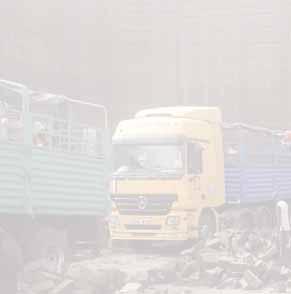
Gathara & Partners offer technical project appraisals, feasibility studies, geotechnical investigations, design of civil engineering projects (roads, airport runways, water and sewerage works), design of structural engineering projects on reinforced and prestressed concrete structural steel, timber and other materials. Other services include supervision of construction, contract administration, maintenance strategies and programmes, structural audit, research and investigations.
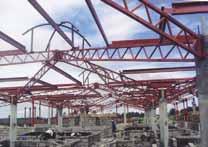
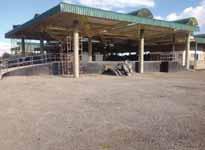

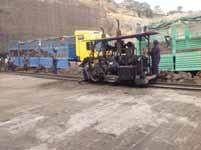

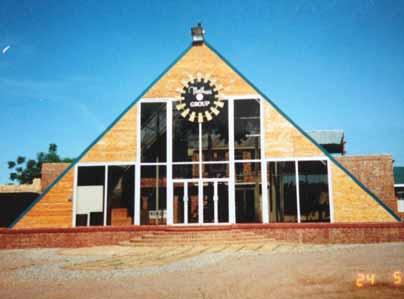
Gathara and Partners undertake varied projects which include but not limited to residential, commercial, industrial, and religious buildings, access roads, aircraft aprons, dams, fresh and foul waste, reticulations for estates, geotechnical investigations as well as structural audits. The firm has rendered quality professional services to the government, corporate organizations, public and
Muthaiga View Place, Murang’a Rd P.O. Box 73604-00200
Nairobi
Tel: +254 20 6767022, 6764282
Fax: +254 20 6762819
Email: aberdare_eng@yahoo.com

private companies, religious bodies as well as individuals Although the firm has offices only in Nairobi, it has done several projects in Kampala and Jinja in Uganda as well as in Tanzania. In keeping with its vison, the firm has intentions of operating in the East African region. In the near future the firm will explore possibilities of practicing in countries like Uganda, Rwanda and South Sudan.
Managing Partner Eng. Gathara foresees expansion of the firm on various fronts in the next ten years. He expects the scope of services to include more civil work e.g. rural and urban roads, airports and airstrips, dams and irrigation, water and sewerage networks as well as planning. He also anticipates the client base to encompass mainly national and county governments. Eng. Gathara further projects that over that period, human resources at the firm will include more specialist engineers to undertake the expanded scope of services. There will also be an enhancement of physical resources in terms of larger working spaces to accommodate increased be staff and equipment. The engineer also expects areas of operation to include other countries in the region and beyond.
On legislation to guide the industry in Kenya, Eng. Gathara feels that the absence of effective control of the building industry has had adverse effects e.g. collapse of buildings as well as early failure and deterioration of infrastructure services. These have led to heavy financial losses. He says there is an urgent need to institute strict legislations to regulate the industry effectively. On the business climate in the country, Eng. Gathara stresses that political stability is necessary for a conducive business climate. “Regional integration and limitation of foreigners to only areas which lack local capability would further enhance business climate”, he adds.
He reckons that simplified registration procedures by the government are necessary to enhance the capacity building of professionals and contractors. He adds: “Tendering methods should be reformulated to ensure that all qualified stakeholders benefit from government contracts.” He says the government should also stipulate a legal requirement that all foreign firms must incorporate local stakeholders. On professionalism, Eng. Gathara says all stakeholders of the construction industry should exercise maximum professionalism and diligence in the course of their duties in order to achieve the objectives of safety, serviceability, durability and economy of the projects that they undertake. On their part, enforcing agencies should set up mechanisms to ensure that all parties concerned are professionally qualified and that they uphold professional ethics at the time of registration and beyond through continuous appraisal.
The engineering firm has overseen numerous projects since inception. A few of these are enumerated below.
Buildings - Civil/Structural Engineers Offices:
• Head office for National Water Conservation and Pipeline Corporation on Dunga Road, Nairobi.
• Hydroplaza at Kindaruma for Kengen.
• Diana Centre, Nyeri.
• Extensions for All African Conference of Churches, Nairobi.
• Offices and Warehouses at Moi International Airport, Mombasa
Commercial:
• Stores and Archives for Barclays Bank, Nairobi.
• Laboratories and Offices for Regional Centre for Surveying, Mapping and Remote Sensing at Kasarani, Nairobi.
• Cylet Plaza
• Paressia Hotel, Nyeri,
• Madhvani Exhibition Pavilion, Kampala, Uganda.
Educational:
• Institute of Philosophy, Langata, Nairobi for Consolata Missionary.
• Extensions of FADD building, University of Nairobi
• Global Institute of Management, Karen Nairobi.
Residential:
• Junction Heights, Riara Road Nairobi
• Tropical Towers, Wood Avenue, Nairobi
• Andrews Apartments, Westalands, Nairobi.
• Wood Avenue Apartments, Wood Avenue, Nairobi.
• Lavington Solo Villas, Lavington Nairobi.
• Sunrise Estate, Doonholm, Nairobi
• Manga Gardens, Kitisuru, Nairobi
Civil Works – Roads and Allied Work:
• Aircraft aprons, access road and parking at Moi International Airport, Mombasa.
• Estate roads and parkings at various housing estates e.g. Sunrise, Manga Gardens and Lavington Solo Villas in Nairobi.
• Rehabilitation of gravel roads at Tsavo East National Parkfor Kenya Wildlife Service.
• Gravel roads at Kakira Sugar works, Jinja, Uganda.
Water Works:
• Koisaget Dam, Nandi Hills.
• Trunk Sewer for Jokemo Enterprises, Embakasi, Nairobi.
• Fresh and foul water reticulations at various housing estates.
Geotechnical Investigations
• 300km long 400KV power transmission line from Isinya Kenya to Arusha, Tanzania.
• 500km long 400KV power transmission line from Iringa to Mbeya, Tanzania.
Exclusive serviced, furnished and unfurnished apartments on long and short term basis
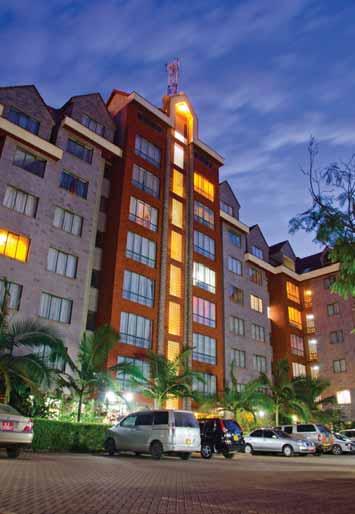
We congratulate Gathara and Partners Consulting Engineers, who are our Civil and Structural engineers, on their 30th Anniversary.

Deluxe Homes Apartments are located within the highly sought after area behind Nakumatt Junction, Riara Road, Kilimani. It is an exclusive, lavish 13 storey development comprising of 27 three-bedroomed apartments with DSQ, 18 two-bedroomed apartments; and 5 luxurious both internally and externally using natural materials. The development comes with a swimming pool, gym, steam, sauna, high speed lifts, internet, DSTV, borehole and generator.
We congratulate Gathara and Partners Consulting Engineers, our Civil and Structural engineers, on their 30th Anniversary.
Deluxe Homes Apartments Mararo Avenue, off Riara Road, Kilimani
Email: sales@deluxehomes.co.ke
Web: www.deluxehomes.co.ke
Tel: 0705 443359 / 60

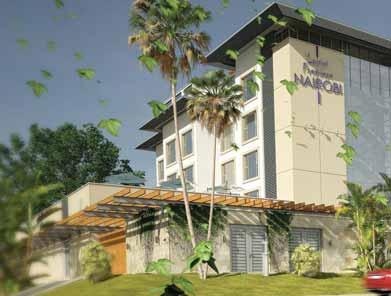
Kenya has one of the most diverse accommodation facilities in Africa. From luxurious beach hotels and cottages to wildlife lodges and five-star city centre hotels, the country has it all. However, a missing element is airport accommodation. Travellers in transit, airline crews and other visitors intending to avoid traffic en route to the airport have not had much luck as most hotels are still quite a distance from the main international airport in the capital city. But this is soon changing with new developments such as the Lazizi Premiere.
The Lazizi Premiere hotel is conveniently located close to the Jomo Kenyatta International Airport, and is designed to be the best and most luxurious hotel in
the area. Interestingly, the hotel has also been carefully designed following Vastu principles. This ensures that all the spaces within and around the hotel work properly together, merging with the earth’s natural energies, and also ensuring spiritual integrity and financial success.
Led by Beglin Woods Architects, the Project Team is composed of some of the best and most experienced consultants in Kenya: Varsani Associates Mechanical and Electrical Engineers, Engplan Structural and Civil Engineers, Jabbal Chartered Quantity Surveyors, and Studio 62 Interior Designers. Sarovar Hotels, a very successful Hotel Group based in India, will manage the hotel.
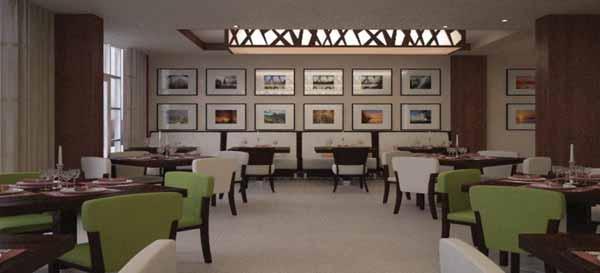

Blue Violets Plaza, Kindaruma Road
P.O. Box 17845 Nairobi 00100 Kenya
Tel: +254 20 2402962, +254 735 440979
Email: info@engplan.com
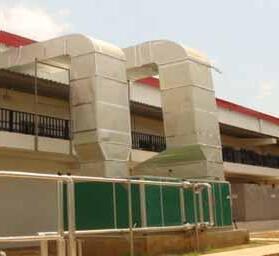

We are proud to be appointed the Interior Design Consultants for the Lazizi Premiere, Nairobi



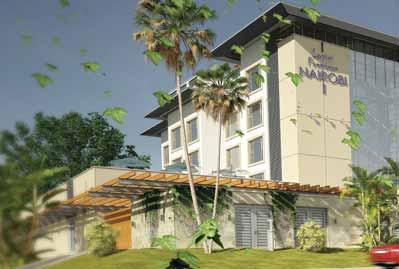



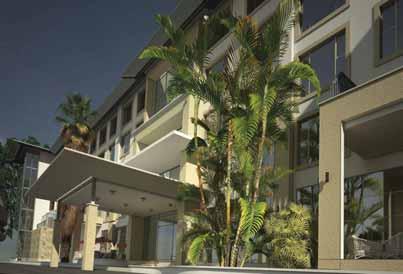
Set on a one acre plot, The Lazizi Premiere Hotel is targeted to accommodate guests who are in quick transit or who wish to stay close to the Jomo Kenyatta International Airport without having to battle traffic on the way to their departing flight. The hotel is therefore primarily aimed at business and transient guests who need to stay within the immediate proximity of the airport for their own convenience. Airline crews will also be accommodated in the hotel, as it is minutes away from the terminal buildings. The Lazizi Premiere is destined to be a highly successful business venture, with 150 rooms, comprising


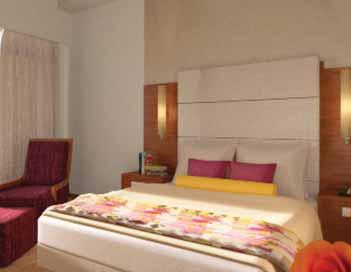
suites, interconnecting rooms, double and twin rooms, convenient for those who travel with either their families or on their own. For those who wish to relax as they await their flight, there is a beautiful infinity pool and spa where one can freshen up ready for the next stage of the journey. For those looking to keep fit and healthy, there will be a well equipped gym. The hotel is also fully equipped with restaurants, a coffee shop, a bar, a health club, and a swimming pool deck located on the roof. Well landscaped gardens surround the hotel. A conference centre is provided with a variety of sizes of meeting rooms, and a small business centre is provided for instant internet access. A shop is provided in the lobby, for convenient shopping of essential items and Kenyan artifacts. The project broke ground in October last year, and will open its doors to the public by early 2016.
Architects: Beglin Woods Architects Ltd
Quantity Surveyor: Jabbal Chartered Surveyors
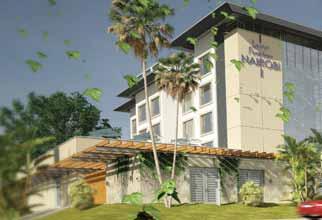
Structural & Civil Engineer: Eng Plan Engineers
Mechanical & Electrical Engineer: Varsani Associates
Interior Designer:
Studio 62
Main Contractors:
Samani Construction Ltd/Orbit Enterprises Ltd
Electrical Sub Contractor
East Africa Infrastructure
Services Ltd.
Air Conditioning Sub Contractor
North Star Ltd.
Plumbing Sub Contractor
Central Plumbing Ltd.





13 Chiromo Lane, P.O. Box 49604-00100, NAIROBI Mobile: 0711 768883, 0738 768883 Email: info@orbitentltd.com We are proud to be associated with Beglin Woods Architects on the Lazizi Premiere Hotel






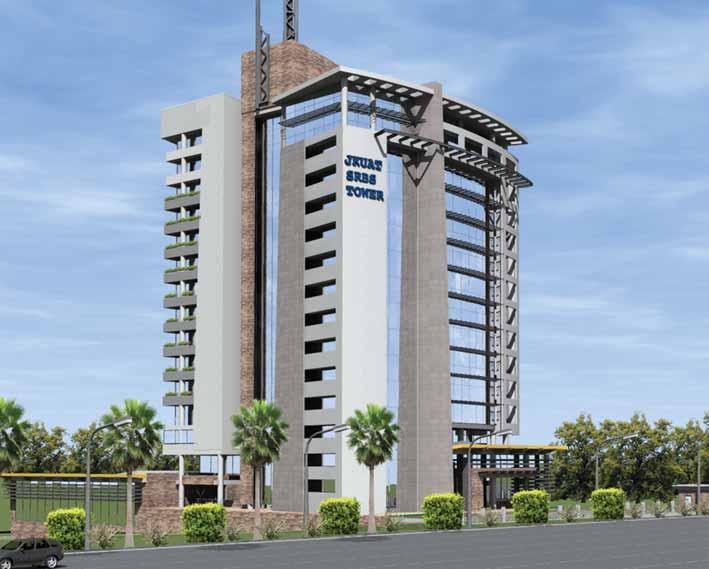
The Jomo Kenyatta University of Agriculture and Technology Staff Retirement Benefits Scheme (JKUAT SRBS) is set to diversify its investment portfolio following the acquisition of land to set up a multi-billion shilling commercial project targeting high end clients in the affluent Kilimani area of Nairobi.
The development, which Aaki Consultants was commissioned to undertake after successful competitive bidding, was designed based on the client’s requirement to bring up a commercial-cum-office tower of premium grade class A with sufficient lettable and/or sellable office space, adequate parking and high security in light of the terrorism threats in the city. The development would also be expected to incorporate green
sustainable architectural design and also maximize on the allowable building ratios as provided by the Nairobi City County building regulations. The project commenced in May 2014 and is projected to end in mid 2016. Projected to cost Ksh 1.5b (US$16.8m), the building has 15 stories and 4 levels of basement parking. The typical office floor in the tower is divided into two individually wings leasable to corporate clients. The ground and first floor are
more adapted to commercial functions.Architecturally, the tower has adopted a more sculptural form richly articulated with recesses, which also serve to shade the building’s fenestrations from incident sunshine. The building’s curvilinear north and south facing façades provide a wide field of view to the immediate environment.
The building has maximum glazing on the northern and southern façades to capitalize on daylight and minimize direct solar heat gain. The western façade is largely solid and where glazing is provided for office space, adequate solar glass and sun shading devices have been provided. The provision of a full height atrium will ensure there is adequate natural ventilation through a stack effect, keeping the building cool throughout the day. The building is also using readily available natural stone finishes which will minimize on the carbon footprint and are also easy to maintain over the course of the building’s life.
To further reduce the concrete hardscape, the design has incorporated green roofs and terraces and further adopted green trellises for the open car parks. The building also has a Building Management System (BMS), which will manage building utilities, ensuring efficiency in their use and subsequently reduced operations costs.
Each office floor wing has its own secluded and fully fitted out ablution facilities, with provisional areas for kitchenettes and executive washrooms should occupants wish to install them. The office spaces have basic finishes to give users flexibility in the choice of interior design. In addition, the development has provided sprinklers
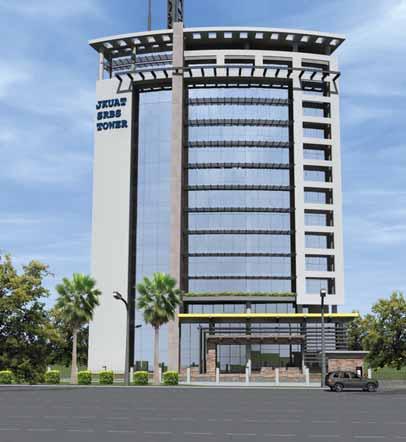
in every office wing to enhance fire-fighting capability. The common areas i.e. the lobbies and staircases will be finished in high quality granite floor and wall tiling and superb designs for the ceilings. The offices will be provided with ICT backbone infrastructure with points in the office wings for flexibility.
The building has four parking levels below ground level which can accommodate approximately 390 cars and whose proposed management system will ensure high efficiency parking for the tenants. The building further has four high-speed lifts to cater for user traffic within

Innovative Building Systems Center
12 Ralph Bunche Road, Kugeria Court, Suite No. 4
Tel: +254 20 2715748, Tel/Fax: + 254 20 272 5429
Mobile: +254 722 759236
Email: info@triple9.co.ke
Web: www.triplenineassociates.com
the building. A stand-by generator has been provided to fully service the entire building for its premium grade occupants’ needs during power outages. The development, in cognizance of the water issues common in Nairobi, has provided for a borehole and a large capacity tank to cater for domestic water consumption and fire fighting needs. In response to the high security requirements for a development of this class and also in recognition of the terror threats in the city, the design has catered for a high caliber security system to fully monitor the building.
The development is located along George Padmore Road and is accessible from Ngong Road and Argwings Kodhek Road. It is in close vicinity to the Yaya Shopping Centre commercial district.
Challenges encountered by the project team
The project has encountered a few setbacks, primarily the hard rock strata, a problem experienced on other developments coming up in the Hurlingham area. This has caused some delays but the team still expects to complete the project within the anticipated time frame.

Lion Place, 4th Floor, Waiyaki Way, P.O. Box 69641-00400 Westlands, Nairobi, Kenya.
Tel : +254 20 4445380/1 Wireless: +254 020 3286100 Mobile. +254 707 963094, +254 786425729
Email : nairobi@ymr.co.ke Website: www.ymr.co.ke
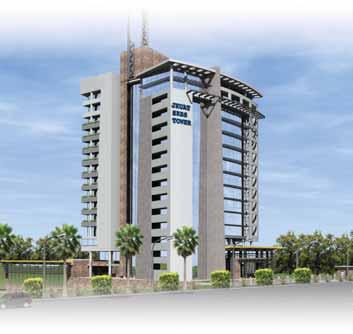
Project Team
Client:
JKUAT Staff Retirement Benefits Scheme (JKUATSRBS)
Project Manager:
Armstrong and Dancan (K) Limited. (ADAK)
Architects:
Aaki Consultants, Architects and Urban Designers
Quantity Surveyors:
Integrated YMR Partnership Ltd.
Structural and Civil Engineers:
Coopa Consultants Ltd.
Services Engineers:
Geomax Consulting Engineers Ltd.
Main contractor:
Landmark Holdings Ltd.
Electrical Sub-contractor:
Mehta Electricals Ltd
Plumbing and Drainage Sub-contractor:
Yogi Plumbers Ltd
ICT sub-contractor:
Ultimate Engineering Ltd.
Mechanical Ventilation Subcontractor:
Clean Air Systems Ltd.
Generator Sub-contractor:
Avery East Africa Ltd.
Building Maintenace Sub-contractor:
Triple Nine Associates
Voltage Stabilizer Sub-contractor:
Computer Techniks Ltd.
Electric Fence Sub-contractor:
Astra Secom Enterprises Ltd.
Fire suppression sub-contractor:
HF Fire International Kenya Ltd.
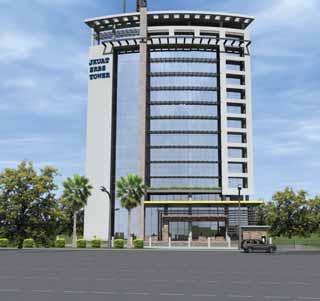


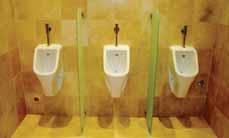
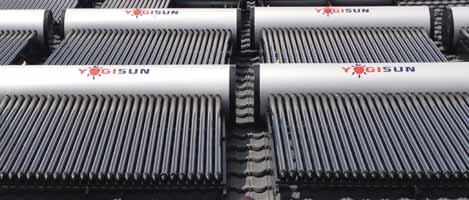
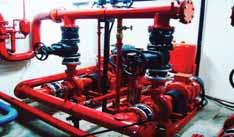
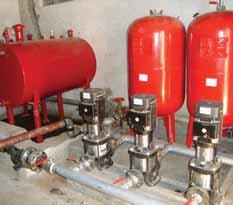





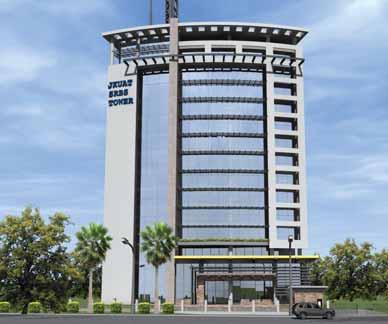



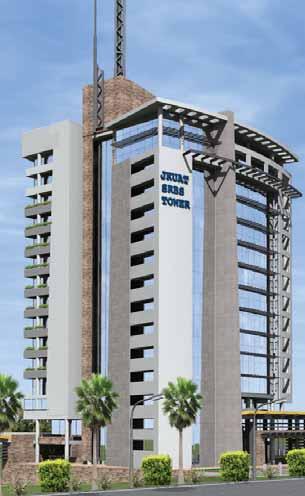


For all your construction requirements.
TBS does not just offer various standards on building and construction, but also provides testing of various building and construction materials through its material testing laboratory (MTL) which has three sections:



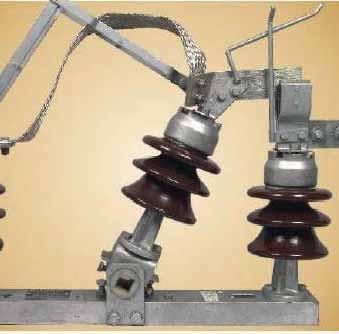
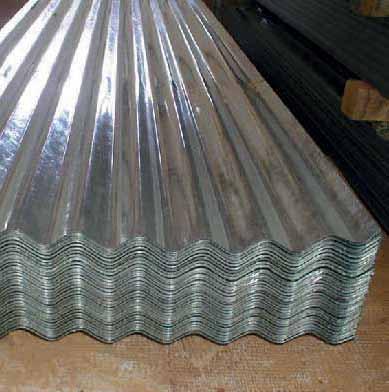

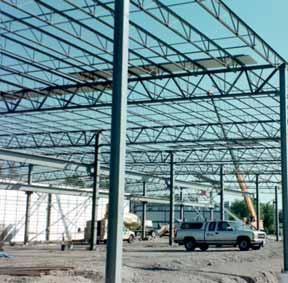


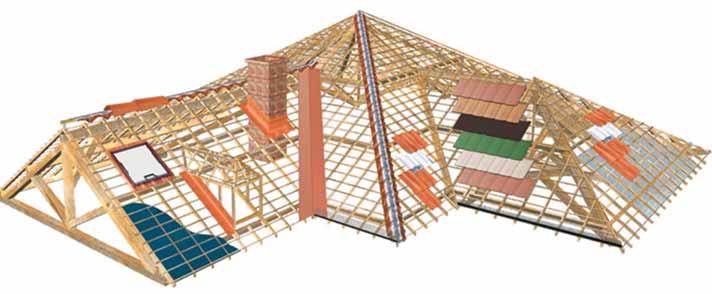
There are many reasons not to neglect your roof. Obvious or unforeseen roof problems are a pain and undoubtedly a significant expense. One of the most common is roof leaks that can cause untimely failure of the roof systems.
If you have water stains that extend across ceilings or run down walls, the cause is likely a roof leak. Roofs commonly leak due to flashing (waterproofing) details that weren’t fastened properly during installation, or underperforming flashing material. Often, wind-driven rain comes in, especially around roof windows, dormer walls and through cracks. Flashing around chimneys can rust through if it’s galvanized steel. Water penetrates these areas and works its way behind the flashing into the house.
Over a short time, small leaks can lead to big problems, such as mold, rotted battens, spoiled insulation and damaged ceilings. It is suggested to fix leaks immediately to prevent major damage to the roof structure. Being wise to the products used on your roof and the problems that may arise, is key to prevent their escalation.
Traditionally metal or lead flashing is used to seal junctions on the roof. These methods take time to install, the material is inflexible and requires an expert roofer to install it, not to mention regular maintenance thereafter. Coverland provide a high performing lead-free alternative to traditional solutions, EasyFlash abutment seal.
EasyFlash rolls are easy and quick to install made of a self-adhesive, high stretch (up to 60%) material with performance CH butyl glue for extreme adhesion to the application surface.
Applicable to all tile profiles, galvanised sheeting or metal surfaces, EasyFlash provides a solution for additional application areas, such as an apron for skylights, solar panels, walls, chimneys and other rising structures. Even under extreme weather conditions, like long-term high temperatures, heavy rain and high winds, EasyFlash increases the durability of a roof, thanks to its outstanding weather resistance. EasyFlash application includes Coverland Connection Strip, fastened securely to the upper edge of the EasyFlash to provide additional sealing against water ingress.
Advantages at a aglance :
• All weather durability for 15 years used in conjunction with Connection Strip
• Maintenance-free
• Over 50% quicker installation time
• Save more than 50% of costs over lifespan
• Can be painted with any PVA paint to match surface Available at leading hardware stores nationwide or contact
Coverland: info.sa@monier.com or contact one of our branches nationwide www.coverland.co.za.

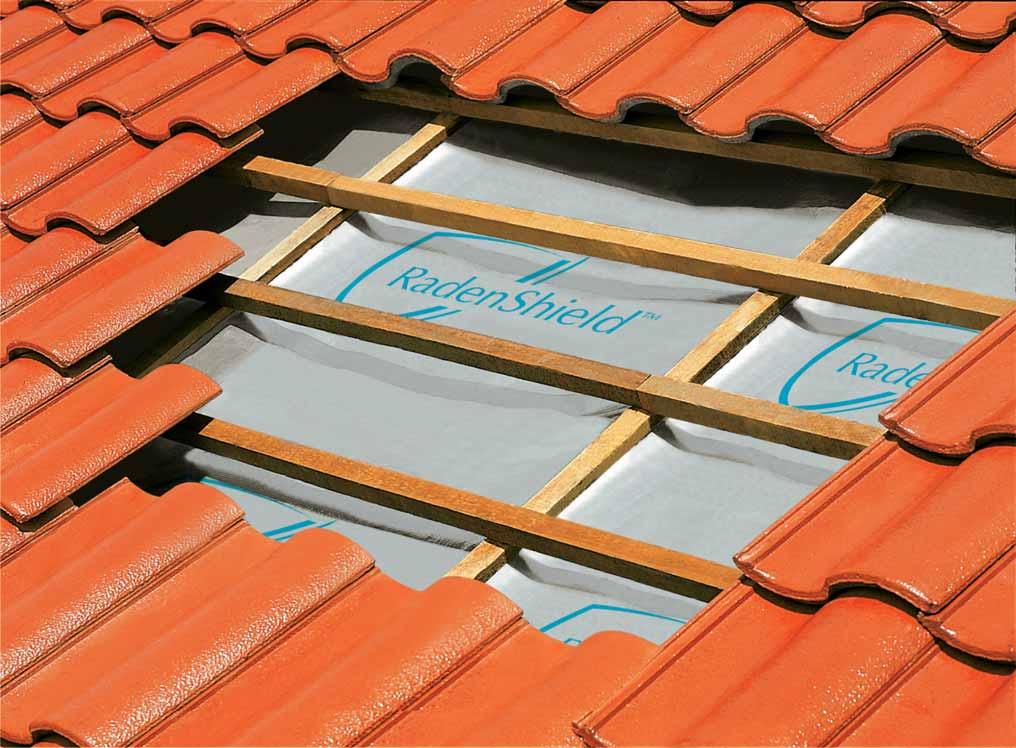

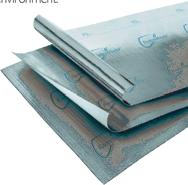
Arcelormittor...........................................21
Astra
Avery
Bauma ConExpo .....................................18
Builders ...............................................OBC
Beeque
China
CIBEX
CSP
Mukafra
To advertise with us: Send Email to info@groupafricapublishing.com or contact your nearest agency for more information.





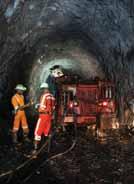






























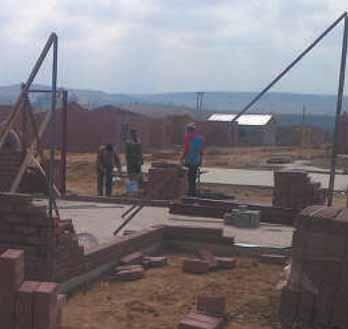



Builders has partnered with Tusk Construction Services to provide building materials, bridging finance and performance guarantees to more than 30 low cost housing projects for this year.
Over the last five years, Builders has supplied building materials to more than 200 housing projects across the country and continue to work together with Tusk and other service providers, such as Standard Bank, to offer building materials as well as value added services such as bridging finance, performance guarantees and construction support to small and medium sized contractors.
Builders, your project partner to Get It Done!