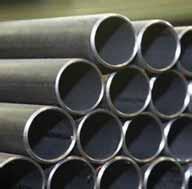
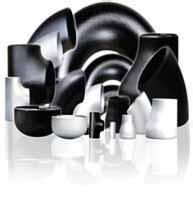
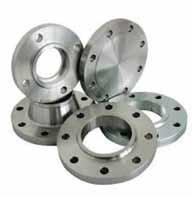
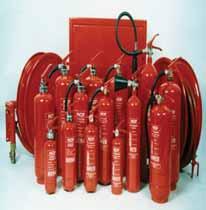
Tech Hard Building Materials LLC, established in Dubai, U.A.E since the year 1998, is a major Exporter of Building Materials & Oil and Gas Equipment supplies within GCC Region, East & Central African, Southern Africa Region and CIS countries.
We source and supply directly from USA, Mexico, European Union , U.K., Ukraine, Korea, Japan, Turkey, South Africa, India Egypt (Comesa), Malaysia, Taiwan, China and ready stock items from Dubai.
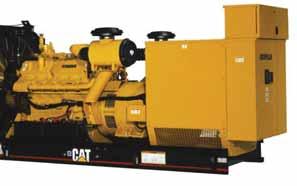
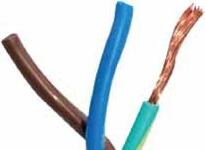
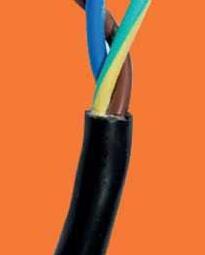
Plywood and MDF Boards, Power Tools, Construction Equipments, Lighting Poles Electrical Cables, Transformers, Gypsum Boards and Accessories, Generators & Compressors, Lifting slings, Industrial Safety Items, Shackles, Spare Parts for Machineries/Equipments, etc.
For more information visit: www.tech-hard.ae
Email: sales@tech-hard.ae
P.O.Box 33985, Dubai, U.A.E.
Tel: +971-4-3477714 Fax: +971-4-3472188
MANAGING EDITOR
Robert Barnes
COUNTRY EDITORS
Kenya - Francis Makari
Uganda - Irene Kabuzire
Nigeria - Boladale Ademiju
WRITERS
Irene Kabuzire, Elaine Young, Emmanuel Onsomu, Newton Mthethwa, Lindsay Wagner
WEB & GRAPHIC DESIGN
Augustine Ombwa
Frankline May
Moses Ngunjiri
ADVERTISING
Kenya
William Mutama, Fred Okoth, Frances Lagoussis (Mombasa), Trizah Njoroge
South Africa: Christine Tamukedde, Manoko Thosago, Prince Moyo
The editor accepts letters and manuscripts for publication from readers all over the world. Include your name and address as a sign of good faith although you may request your name to be withheld from publication. We reserve the right to edit any material submitted
Send your letters to: info@constructionreviewonline.com
Construction Review is published eleven times a year and is circulated to members of relevant associations, governmental bodies and other personnel in the building and construction industry as well as suppliers of equipment, materials and services in Africa, the Middle and Far East. The editor welcomes articles and photographs for consideration. Material may not be reproduced without prior permission from the publisher. The publisher does not accept responsibility for the accuracy or authenticity of advertisements or contributions contained in the journal. Views expressed by contributors are not necessarily those of the publisher.
All rights
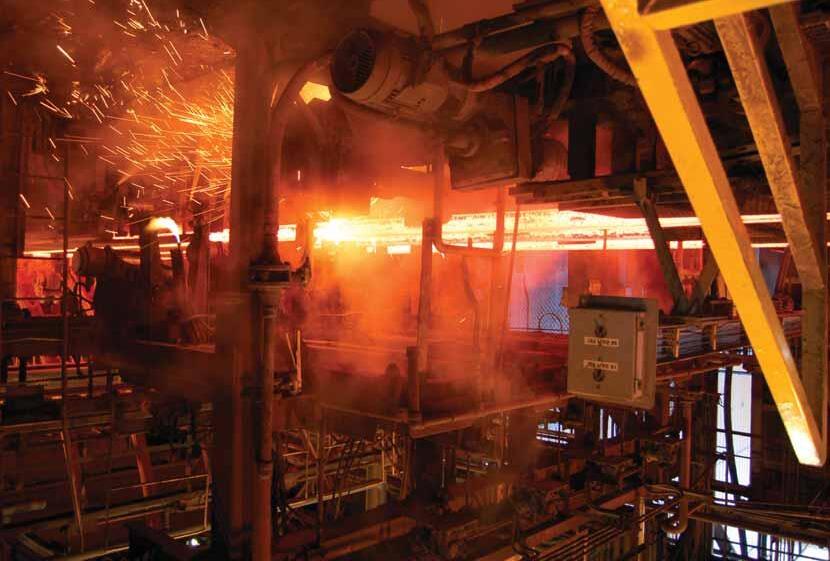
The upsurge in infrastructure development has driven demand for steel all across Africa resulting in more steel rolling mills either being established or upgraded to meet this demand.
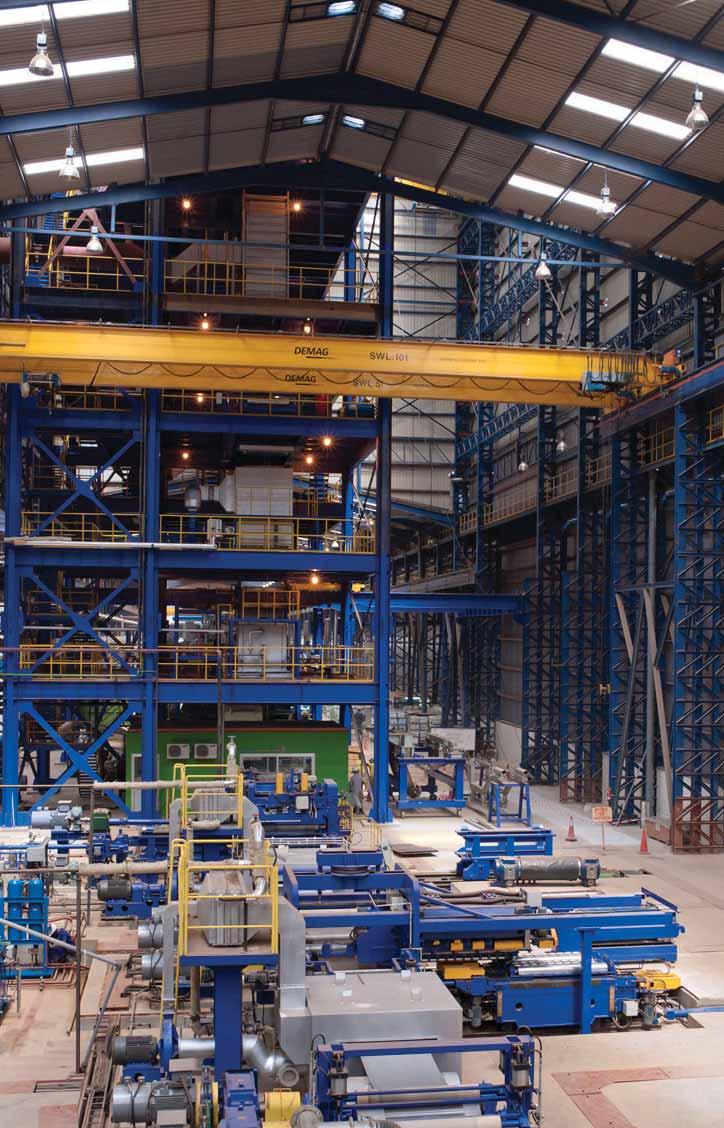
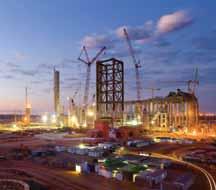
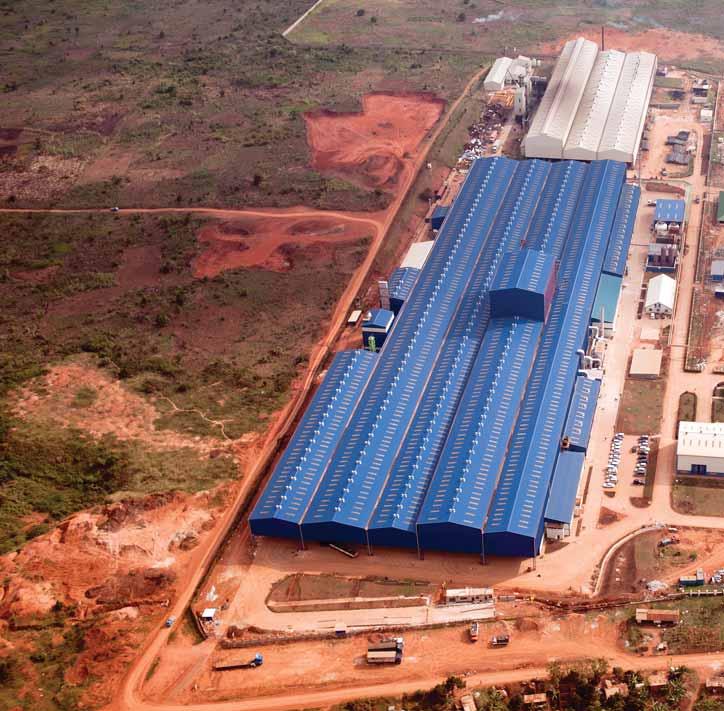
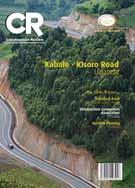
Cover Picture: Roofings Rolling Mills new Pickling, Cold Rolling, Batch Annealing, Galvanizing and Color Coating plant in Uganda.
Published by Group Africa Publishing Ltd
Ugaandda O Office Trinne M Meddia L Ltd 2nd Floor G Greeenlaand Towwers, Kammpaala R Roaad, U Ugaanda a P.OO. Boox 3 376990, Kammpaala Tel: 2556 4 414 3 34003944/ 3 312 2 2877770 Faxx: 2556 4 414 3 3400393 Emmail: ugaandda@@grooupaafriccapuubliishinng.ccom m
Chiina a Offfice e Hanngzhhou u Ovverssea A Advvertiisinng Lttd 55-3-7003 G Guaan L Lanee, H Hanggzhoou, Zheejianng 3 31000033, Chiina
Tel: +886-5571- 8770633843 / F Fax: +11-9228-7752--68886 (rettrievvablle w worlldwiide) ) Emmail: chiina@@grrouppafrricappubblishhingg.com m
Maalawwi O Office
Cenntre e for r Meedia a Addvoccacy
P.OO. Boox 1 17322, B Blanttyree, M Malawwi Tel: 2665999548854 4
E-mmaill: m malawwi@@groouppafriicappubllishiing.com m
Souuth h Affrica a O Officce Colllege e Puublissheers L Ltd 1st F Flooor O
TENTS
Editor's Comment
The Port of Mombasa Towards a world class seaport
To remain responsive to the global shipping trends and work towards realization of Kenya Ports Authority’s vision – world class seaports of choice – the organization has initiated a number of projects that are at different stages of completion.
SteelAwards 2013
This year was the 32nd edition of Steel Awards which recognises excellence in the use of structural steel in various construction projects. Steel Awards is hosted by the Southern African Institute of Steel Construction (SAISC).
Africa should tap its green energy potential
Africa’s potential for renewable energy development has attracted world attention in the recent past as investors seek a new clean energy frontier. With abundant solar and wind resources, Africa could become a bastion for renewable energy. A World Bank report released recently provides further evidence of the continent's potential. The report says Sub-Saharan Africa could provide more than double the region's current installations, through 3,200 "low-carbon" energy projects, such as combined heatand-power, biofuels production, mass transportation, and energy efficiency.
The continent has seen various initiatives geared towards tapping its clean energy potential. During a meeting at the recent Africa Carbon Forum in Senegal, UN officials, World Bank specialists and business leaders exchanged strategies for "Clean Development Mechanism" (CDM) projects on the continent that industrialized countries can support as a way to compensate for their excess emissions. The US African Development Foundation has also teamed up with GE Africa to launch the Power Africa Off-Grid Energy Challenge seeking to award grants to African companies and organizations providing off-grid solutions that deploy renewable resources and power economic activities.
If these and many other ongoing initiatives come to fruition, African nations would benefit significantly in terms of reliable power, lower power tariffs, job creation and lower carbon emissions.
Robert Barnes
Ethhioppia a Offiffice e Hayymi i Addverttisiing S Servvicees
Kollline e & Hemmed d Innc., B B.P. 33328, , Kiggali, Rwwandda
Tel: +2250 03 7488106
E-mmaill: rwwandda@@grrouppafriicappubblishhingg.com m
Weebsitte: w wwww.kkollinnehhemeed.oorg
NEWS ZimbabweEthiopia
U.S$300 Million for Victoria Falls theme park
The Zimbabwean government is planning to set up a US$300million theme park in Victoria Falls to exploit full potential of the resort town. Tourism Minister Walter Mzembi said that the government had acquired land to construct the park he described as the "Disneyland in Africa." The Victoria Falls Park would house among others shopping malls, banks and entertainment facilities such as casinos. Speaking during the United Nations World Tourism Organisation (UNWTO) general assembly co-hosted by Zambia and Zimbabwe from Aug 24 to 29 Mzembi said they have reserved 1,200 hectares of land near the Victoria Falls International Airport to construct hotels and convention centres.
Mzembi said the Victoria Falls was not benefiting the country financially at present as it was being used as a transit zone by tourists who flew in to visit the falls and left without spending much in the country. He hoped that the park would help ensure Victoria Falls town attracts and retains capital in the country adding that they want to create a free zone with a banking centre where even people living outside Zimbabwe can open bank accounts. With Victoria Falls declared a cyber city, Mzembi said that the government is also planning to expand the town's airport to provide easy access to larger aircraft.
Addis Ababa light railway nears completion
Addis Ababa is busy constructing roads and light railway to increase the coverage of the city's infrastructure up to 25 percent. With funding from Chinese banks, Ethiopia is building a light rail network in its capital, Addis Ababa. Once complete, the network will cover almost 70 Kilometers across the city, over which some an estimated 60,000 passengers will move, every hour.
The project is 43 percent complete and it is due to go online in 2015. Currently, Addis Ababa's road coverage stands at 15 percent as for figures from the City Administration. The Light Railway is expected to come to end at the end of 2014. According to the Ethiopian Railway Corporation, Ethiopian engineers have been involved to help facilitate skills transfer.
Addis Ababa in the just begun fiscal year has set to invest 3.6 billion Birr (US$190.8million) to continue increasing the road coverage of the seat of the African continent, Addis Ababa. Two years from now Addis Ababa's road coverage may stand at 20 percent.
Nigeria Kenya
GE, USADF partner in Power Africa OffGrid Energy Challenge
The US African Development Foundation (USADF) has teamed up with GE Africa to launch the Power Africa OffGrid Energy Challenge in Abuja, Nigeria.
The US$2 million, three-year programme will award 20 or more grants of up to US$ 100,000 each to African companies and organizations providing off-grid solutions that deploy renewable resources and power economic activities. The Challenge is part of Power Africa, the White House-led initiative to boost growth by increasing access to reliable, affordable, and sustainable power by helping to ensure responsible, transparent and effective management of energy resources. Nigeria and Kenya are the first countries to benefit from the initiative but other countries like Ghana, Uganda, Tanzania and Ethiopia could be included over the next 3 years.
Speaking at a news briefing in Abuja to announce the call for proposals, President and CEO of GE Nigeria Lazarus Angbazo said GE has embraced the move to be associated with this initiative, which will benefit rural and urban populations in Nigeria and Kenya currently under served by existing utility companies.
Hardly two years after Nairobi realized its dream of the first eight-lane highway, another big project is in the offing; the first double-decker highway. The new highway, which will be completed in four years, is expected to cover the traffic bottleneck stretch between the Nyayo Stadium roundabout and Westlands. Kenya National Highways Authority director general, Meshack Kidenda, says that the design of the road, which is funded by the World Bank and which is expected to overcome the traffic congestion between the airport and Rironi in Limuru, is being finalized.
The World Bank has loaned Kenya Ksh25.5 billion (US$291.2million),while the government is expected to provide Ksh9.5 billion (US$108.4million) towards the projects. Waiyaki Way will be expanded to create an extra lane for commuter buses up to Rironi. The new road will transform Nairobi’s infrastructure set-up to that of a modern city, with service lanes allowing for rapid movement of commuter buses and connections with other transport services like railways and airports.
Nairobi’s first double-decker highway
South Africa
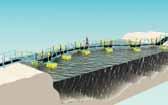
Innovative floating bridge solution unveiled
Local engineering solutions
company SureGO has unveiled an innovative floating bridge solution for the engineering and mining industries, which aims to improve the safety of walkway bridges. The SureGO Walk is designed with uninterruptible flooring, railing and roofing for any position even when the bridge changes direction.
This assists with water applications, as the bridge can change direction horizontally to 360º while adapting to changing water levels. It can be used during the construction of roads and bridges to cross sand, mud or swamp surfaces.
Kenya
Kenya
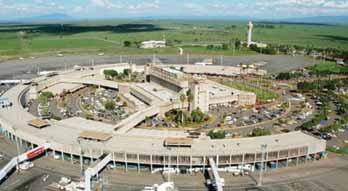
US$ 24 million for JKIA Interim Terminal
The Board of the African Development Bank (AfDB) Group has approved to finance the construction of an interim terminal at the Jomo Kenyatta International Airport (JKIA) to the tune of Ksh2.3 billion (US$ 24 million).
This is part of the emergency recovery measures undertaken by the government following the August 7 fire accident at the airport, which destroyed the international arrivals terminal. According to AfDB's Regional Director for the Eastern Africa Resource Centre, Gabriel Negatu, the financing is part of savings made from recently completed bank-financed projects funded under the concessionary window, Africa Development Fund.
Negatu said the interim terminal will be a 10,000 m2 facility and will have a capacity to handle annual traffic of 2.5 million for international and domestic arriving and departing passengers. The total cost of the project is Ksh2.35 billion and the Kenya government will finance the remainder.In September, AfDB also approved a Ksh84.7 million (US$1 million) grant to enhance security at the airport.
Association
- Master Builders South Africa
- Architectural Association of Kenya
- Institute of Quantity Surveyors of Kenya
- Institute of Engineers of Kenya
- Association of Consulting Engineers ofKenya
- Association of Professional Societies of East Africa APSEA)
- Kenya Property developers Association
- Institution of Surveyors of Kenya
South
Africa
- ASAQS
- SAICE
- South African Council for the Quantity Surveying Profession
- Khuthaza ( Women for Housing)
- Concrete Manufacturers Association
- Green Building council of SA
- South African Property Owners
Namibia
Institute of Namibian Quantity Surveyors Association of Consulting Engineers of Namibia
Uganda
Institute of Surveyors of Uganda
Botswana
Institute of Botswana Quantity Surveyors
Ethiopia
Construction Contractors Association of Ethiopia
Zimbabwe
- Zimbabwe Institute of Quantity Surveyors
- Zimbabwe Institute of Engineers
- The Construction Industry Federation of Zimbabwe (Cifoz)
Government, Badea pen U.S$10 million road construction deal
The Rwandan government has received a concessional loan of Rwf6.7 billion (US$10 million) from the Arab Bank for Economic Development (Badea) to finance the rehabilitation of Huye-Kitabi road in Southern Province.The agreement was signed by the Permanent Secretary in the Ministry of Finance and Secretary to the Treasury, Pichette Kampeta Sayinzonga and Abdelaziz Khelef, the Director General of Badea. Addressing the media after the signing, Khelef said the infrastructure project would facilitate trade between Rwanda and regional countries like Burundi and the Democratic Republic of Congo.
The construction of the 53 kilometre road will be supervised by the Ministry of Infrastructure and it is expected to be completed by 2017.
Ghana
- Ghana Institute of Engineers
- Architects Registration Council
- Ghana Institute of Surveyors
- Ghana Green Builders Association
- Ghana Institute of Planners
Tanzania
- Tanzania Institute of Quantity Surveyors
- Construction Regulation Board (CRB)
- Tanzania’s Registration Board of Architects and Quantity Surveyors (AQSRB)
Nigeria
- Association of Consulting Engineers Nigeria
- Association of Professional Women Engineers Of Nigeria
- Council of Registered Builders of Nigeria
- The Nigerian Institute of Architects
- American Association of Petroleum Geologists Africa Region
Just Bathroomware announces a new range of thermostatic mixers from Hansgrohe. To be available from Just Bathroomware later this year, the Metris Ecostat E thermal mixer by Hansgrohe has been recently approved for use in Australia.
Designed for concealed installation with a shut-off/ diverter valve, the Metris Ecostat E thermal mixers deliver elegance as well as more space in the shower.
Hansgrohe’s wide range of thermostats can be used to regulate the water volume, water pressure and water temperature, enabling the user to have a comfortable shower without unpleasant temperature fluctuations.
The Metris Ecostat E thermal mixer is fitted in the wall, so that only the control regulator is visible externally. Concealed installation thermostats are a good option while carrying out an extensive bathroom renovation or when installing two or more showers.
Hansgrohe Metris Ecostat E thermostatic mixers come with two outlets, safety lock at 40°C and a flow rate of 26 l/min.
Ductox installs air diffusers
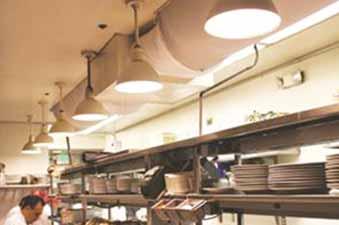
Ductox Corporation Headquartered in Peosta, Iowa, is a manufacturer of commercial and industrial fabric air dispersion products for open ceiling architecture, critical environments, and under floor applications. The fabric systems are cost effective, aesthetically attractive alternative to metal ductwork and diffusers. They are easy to install, have low material waste on the jobsite and offer many other Green advantages.
Different from conventional metal, fabric products are engineered and manufactured for each project. DuctSox designs can be simple, straight systems or very intricate layouts which incorporate fittings such as radius elbows, Ts, and transitions. Sections are zippered together to form extended lengths with diameters from 6 to 80 inches. Whether industrial, retail, education, commercial, government, warehousing, laboratory, food processing, temporary or permanent, DuctSox offers a proven choice.
Website: www.ductsox.com
Model RD6536 Skid-Steer
The 2,700-lb. Model RD6536 skid-steer pump attachment features a universal design compatible with any skid steer. The 3-in. hydraulic squeeze pump is suited for ICF, block fill, form and pour, driveways, basements and various shotcrete applications. It is able to pump 3/8-in. aggregate shotcrete and 3/4-in. aggregate concrete mixes. A hydraulic agitator is included in the receiving hopper to keep the mix well blended.
The unit offers variable speed from 0 to 25 cu. yds. per hour. Vertical pumping distance reaches 50 ft. with the use of a rubber delivery line, while horizontal distance can reach up to 250 ft. The 48-in.-wide frame is narrow enough to fit any job and weighs 2700 lbs.
XCMG launches largest XCMG wheel loader
XCMG Africa has launched the largest XCMG wheel loader currently available in Southern Africa. “The new LW900K wheel loader, which was introduced to the local market at Bauma Africa 2013, is an exciting development for XCMG, to support the development of diverse industries, including the construction, mining and infrastructure sectors,” says Martin von Gericke, CEO, XCMG Africa, part of the global XCMG Group. The new electronically controlled Cummins QSM 11 engine has a power rating of 250 kW at 2100 rpm and is supported by Cummins South Africa. A cyclone type pre-filter, combined with a double filtering system, prevents the engine from damage in dusty environments.
The ZF 4WG 310 transmission, backed by ZF South Africa, has ZF electro-hydraulic shifting and is designed for improved working efficiency. The functions of neutral gear start protection, shifting locking and the KD gear, are easy to operate. The single handle pilot control system reduces operating force and enhances operator comfort.
An added safety feature on the transmission is a neutral starting facility and a gear shift lock out. The transmission is also equipped with a KD function.
www.xcmgafrica.co.za
Website: www.
justbathroomware.com.au
Website: www.blastcrete.com
28-inch-diameter D-shaped KitchenSox fabric diffusers installed in the kitchen of Bridges Restaurant & Bar, Danville, California.
Totally Concrete Expo 2014
Date: 26th - 28th May, 2014
Venue: Sandton Convention Centre, Jo'burg, South Africa
Contact: Rose Setshoge
Email: rose.setshoge@hypenica. com
www.totallyconcrete.co.za
The Totally Concrete Expo 2014 is the definitive African educational and networking platform for insights into the latest developments and technologies associated with the concrete and construction industry. The event is designed to address the challenges that come with industry growth and change such as market demand
and client demand driving green initiatives in the African built environment, the entry of new and foreign cement manufacturers into the marketplace, internationalisation, and significant new opportunities for improved profitability through cross-border deals. Highlighting the macroeconomic factors and global trends that are now shifting the face of Africa’s construction industry, the TotallyConcrete Expo 2014 will provide you with access to Africa’s most influential project owners and tools and solutions to help manage large infrastructure projects and deliver them on budget and on time.
Swimming Pool Constructors Association
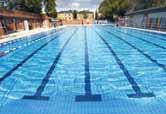
Swimming pool construction in Kenya is set to be revolutionized with the launch of the Swimming Pool Constructors Association (SPOCA), the first of its kind in East Africa.
The association seeks to establish and promote ethical and professional standards in swimming pool construction, at a time when the industry is unregulated and below par swimming pool work can cost customers dearly. Terence Munyasia, the Chairman of SPOCA said over the years, there has been no single body in Kenya that governs the standards in the design and construction of swimming pools which has continually exposed customers to substandard workmanship. The Association therefore, seeks to ensure quality assurance in the construction of swimming pools.
Established on 19th February, 2013, SPOCA is working closely with the National Construction Authority (NCA) which oversees the construction industry and coordination of its development. SPOCA will set regulations and guidelines on how swimming pools should be constructed and maintained.
As SPOCA seeks to position itself as a market leader in ensuring state of the art swimming pool construction in the country, it will be working closely with Davis and Shirtliff Group, which is the leading supplier of water related equipment in the East African region.
PPP AFRICA 2013
Date: 3rd-5th December, 2013
Venue: Sandton Convention Centre,Johannesburg, South Africa
The Leading High level international pan African PPP strategy and infrastructure partnering conference will be held in South Africa this year. After the resounding success of the 4th Africa Public Private Partnership conference held in Abuja, Nigeria, which attracted 190 delegates 50 speakers from 21 countries the APPP 2013 conference is fast approaching and promises to deliver a programme comprised of the industry’s most accomplished and distinguished leaders.
Building on the experience of PPPs in parts of Africa and other emerging countries the event will provide valuable insights focusing on the principles needed to establish legal and economic framework to implement such initiative, APPP 2013 will continue to provides a unique platform to discuss ways to mobilise PPPs to develop much needed infrastructures in the Africa region.
By attending you will gain insight into medium and long term outlook for PPPs across Africa, meet and learn from the leading players and experts, find out what the AFDB and national governments are doing to encourage PPP projects among others.
Powering Africa: Ethiopia
Date: 28th-29th November 2013
Venue: Ethiopia, Addis Ababa
Contact: Amy Offord
Amy.Offord@energynet.co.uk
Website: www.energynet.co.uk
The Powering Africa Ethiopia Executive Meeting aims to connect Ethiopia’s government and energy ministries with international and local power and infrastructure developers and financier’s seeking new investment opportunities within the region.
The meeting aims to bring together public and private sector energy officials to learn about the environment for investment and to discuss opportunities which will enable successful projects to flourish, achieving sustainable growth and development. This private sector-led meeting will be formatted as a series of open dialogues in order to promote the sharing of knowledge and project partnerships that will support government’s energy and economic strategies going forward.
Discussions will shed light on the key barriers to private sector participation in Ethiopia’s power market, whilst government provides clarity on the policies and regulations that are guiding private participation in Ethiopia’s projects. At the announcement of the government’s partnership with Reykjavik Geothermal to develop one of the world's largest geothermal power projects, Prime Minister Hailemariam Desalegn was clear on Ethiopia’s vision for the country’s requirements for power provision.
Feasibility study to begin for US$3million museum
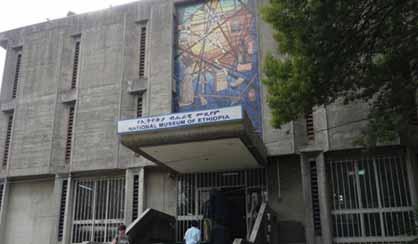
The Authority for Research & Conservation of Cultural Heritage (ARCCH) is embarking on a feasibility study for the construction of a new 251 million Br (US$3million), 10-storey museum facility, with the assistance of the European Union (EU).
The construction of the building was indicated in a July 2012 project proposal involving scholars from Ethiopia, France, Italy, Spain Portugal and Germany. It was funded by the EU and assisted by the United Nations Educational, Scientific and Cultural Organisation (UNESCO).
According to Yonas Desta, general director of ARCCH, the Authority has received 4,000m2 of land across the road from the National Museum at Amist Kilo, on King George Street, in Arada District, free of lease price. EU has agreed to provide 20 million Birr (US$1million) to be spent on a feasibility study for the museum as well as on developing the paleontological sites of the lower Awash and Omo Valleys. The project aims to boost Ethiopia’s position as a tourist destination and the origin of mankind.
Air Products air separation unit on track
Industrial and specialised gas producer Air Products has started to clear the site for its new R300million (US$30million) air separation unit (ASU) in Zone 3 of the Coega Industrial Development Zone (IDZ), in the Eastern Cape.
Air Products has designed and will construct the high-efficiency, reliable plant that will produce liquid oxygen and nitrogen. The company will also install strategic product-storage facilities for important customers in the Eastern Cape.
Air Products MD, Mike Hellyar, says the commissioning of the plant is scheduled for the third quarter of next year and the first phase will bring stability to the local gas sector. He adds that the investment makes business sense, given the industrial growth in the Eastern Cape. The new ASU is sized to cater for market expansion and demand and is the first of its kind in the province.
US$42million Power transmission project under way World class Hilton Hotel for Harare
The Kenya Electricity Transmission Company (Ketraco) has awarded Spainbased international sustainable energy company Abengoa a contract for the construction of a 132 km electricity transmission line between Kenya and Uganda. The Ksh3.7 billion (US$42million) project is an extension of existing substations in Lessos, Kenya, and in Tororo, Uganda. The African Development Bank is funding the entire project.The project forms part of the Interconnection of Electric Grids of Nile Equatorial Lakes Countries project, which is being developed in Africa and involves the construction of about 769 km of transmission line in Kenya, Rwanda, Burundi, Uganda and the Democratic Republic of Congo.
Maputo port to handle 50Mt by 2020
The Maputo port was expected to handle around 18 million tons of cargo this year, up from 15 million tons last year, and 12 million tons in 2011, says Grindrod CEO Alan Olivier. Olivier says the port handled 15 million tons at its peak and then dropped to a couple of million tons before they took over. JSElisted bulk handling and shipping group Grindrod operates the Maputo port in partnership with Dubai Ports World and the Mozambique Ports & Railways Company. The original plan was to take the port to 50 million tons a year by 2025 but now the operators are hoping to do this by 2020, noted Olivier.
A US$145 million world class five-star Hilton Hotel is to be built in Harare, Zimbabwe. This is according to Streamwalk Arcade director Mr. Farai Jere whose company is spearheading the project in conjunction with his partners Hilton Worldwide and Aecom.
According to Mr. Jere the project, which will be constructed along Samora Machel Avenue in Eastlea, Harare, is scheduled to begin in April next year and be completed in 2016. Mr. Jere said the project would consist of a retail component whose construction is expected to cost US$7. 6 million, office component costing US$38 million, the hotel at US$57 million and basement parking costing US$11 million, among other costs.
US$2.4billion Savanna City in the offing
Construction group Basil Read and the Housing Impact Fund of South Africa (HIFSA) have signed the final approvals for South Africa’s largest privately initiated integrated, mixed-use housing development, Savanna City.Basil Read development director, Davina Piek, says construction on the R24.5 billion (US$2.4billion) developments, to be located 35 km south of Johannesburg’s business district, is expected to start before the end of this year, and would stretch over a ten-year period. The 1,462 ha development would include 18, 486 housing units, with a minimum of 60 percent of the units being in a category that meant government’s ‘Breaking New Ground’ strategy was advanced.
Architect Olufemi Majekodunmi
D.Arch, FNIA, ARIBA
When the history of Architecture in Nigeria is written, one of the names that will stand out, among those of his peers in the profession, is that of Arc. Olufemi Majekodunmi. Born in Lagos 73 years ago, he is probably the only Nigerian Architect that has turned his practice, FMA Architects (formerly Femi Majekodunmi Associates), into a multinational company, with offices in Nigeria, Botswana and South Africa.
Architect Majekodunmi had his early education at St. Gregory's College in Lagos and later, from 1960, commenced the study of architecture at the Kingston College of Arts in the United Kingdom, from where he obtained a Diploma in Architecture in 1966. Later in 1969, he was admitted as an associate member of the Royal Institute of Architects (ARIBA), and in the same year, became a member of the Nigerian Institute of Architects (MNIA).
Institute of Architects. He is also a past Vice President for Africa, and later President of the International Union of Architects.
He holds full membership of the following architectural organisations:
Member: Royal Institute of British Architects
Fellow: Nigerian Institute of Architects
Member: Zimbabwe Institute of Architects
Member: Botswana Institute of Architects
Member: South African Institute of Architects.
He also holds honorary membership of the following architectural organisations:
Fellow: American Institute of Architects
Member: Bulgarian Institute of Architects
Member: Kenyan Institute of Architects
Member: Trinidad & Tobago Institute of Architects
Architect Olufemi
Majekodunmi brings worldwide perspective to his designs, demonstrating an ongoing commitment to working with various architectural organizations to advance the study and practice of architecture in all countries of the world, but particularly in Africa.
At the age of 32, in January 1973, he established the architectural practice of Femi Majekodunmi Associates, which has since grown into a multidisciplinary and multinational entity with offices in four locations in three countries in Africa. The offices are in Lagos and Abuja in Nigeria, Gaborone in Botswana, and Pretoria in South Africa. Femi Majekodunmi is a collaborative architect with years of professional experience garnered from working with various firms in London, the United Kingdom and Washington DC in the USA, before his returning to Nigeria in February 1969. Arc Majekodunmi brings worldwide perspective to his designs, demonstrating an ongoing commitment to working with various architectural organizations to advance the study and practice of architecture in all countries of the world, but particularly in Africa. This commitment has led him to become very much involved in various architectural associations worldwide, within which he has held various offices and positions.
He was the first Secretary General of, and among the founding fathers of the African Union of Architects. He is a past Secretary General and later President of the Nigerian
Member: Indian Institute of Architects
Member: Spanish Organization of Architects
Member: Mexican Institute of Architects
In addition, he is also statutorily registered to practice as an architect in Nigeria, Botswana and South Africa. In order to assist in the training of architects, and improving on the quality of the architectural graduates from Nigerian universities, Arc. Majekodunmi was offered and accepted the position of a part-time lecturer in the Department of Architecture at the University of Lagos, as an Associate Professor of Architecture, in 2005.
This was in keeping with his desire to share some of his knowledge and experiences of professional architectural practice, spanning more than 40 years. On the occasion of his firm’s 40th anniversary, Arc. Majekodunmi reminisced on the growth and development of the profession in Nigeria and his experience as founder of FMA Architects. He spoke to Construction Review`s Seni Bello in his Lagos office.
Architect Olufemi Majekodunmi
4th East & Central Africa Roads & Rail Infrastructure Summit 2013
Date: 20th - 21st August 2013, Venue: Serena Hotel, Dar es Salaam, Tanzania
Bauma 2013
Date: 18th - 21st September 2013, Venue: Gallagher Convention Centre Johannesburg, South Africa
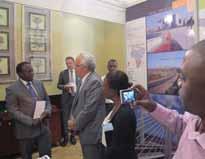
Maggie Tan, CEO, Magenta Global Pte Ltd & Omar A Chambo, PS, Ministry of Transport, Tanzania with other VIP Guests.
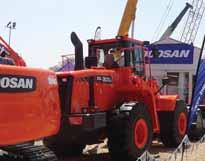
Doosan equipment on display
Ismael Gaspar, Chairman, Africa, MotaEngil with Hon Dr Harrison G Mwakyembe MP, Ministry of Transport, Tanzania.
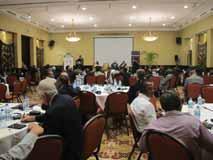
Conference Hall
Exhibition Hall
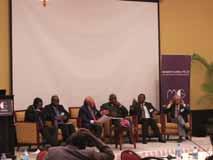
Guest speaker panel
Sanjay Jain, MD, Bitumina Dubai, Jose Costa, VP Operations & Sales, Hon Dr Harrison Mwakyembe & Maggie Tan, CEO, Magenta Global Pte Ltd.
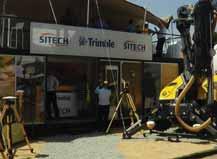
SITECH Trimble equipment on display
Looking at the future of Smart Buildings
By Torah Onyango, Yvonne Andiva and Eric Mongare
In recent years greater demand for energy savings through optimization of building processes has led to an acceleration in the growth in the building automation systems (BAS) industry that was erstwhile simply lumbering along. Green buildings and environmental concern has also put pressure for more effective systems. Some reports indicate that over the next five years the building automation services market will grow to US$43 billion, up from US$35 billion this year.
Smart is the word that best describes a building fitted with BAS. The system allows the control and monitoring of most mechanical and electrical processes. This can include air-conditioning, lighting, alarms and even access control. New developments in connectivity offer greater opportunity for BAS’s from new sensors and actuators through to cloud application management and data
Smart is the word that best describes a building fitted with BAS. The system allows the control and monitoring of most mechanical and electrical processes.
analysis. New soft wares are constantly being developed that expand the reach of BAS offering definable benefits as well as financial savings.
Currently, HVAC controls contribute to more than 33% of the global building automation and controls market. However, the security & access controls are estimated to contribute the highest by the end of 2018. In this article we look at the players in this exciting industry that bring us closer to the realm of science fiction.
SkyFoundry
It is a leading technology company in the automation industry focusing on data analytics to help owners and operators gain maximum value from their building automation systems. The company’s software product –SkySpark analytics – automatically identifies patterns in data that represent equipment faults, deviations from proper operation and other opportunities for savings.
The software discovers patterns related to facility characteristics including age, usage, type of equipment, energy performance versus benchmarks and industry metrics. To do this it combines asset data (such as the date of construction or in-service date for equipment) with energy consumption data and equipment and sensor data. This need for data from multiple sources beyond the control systems themselves highlights the need for analytic solutions that operate above the control system and are capable of synthesizing diverse data.
Effective analytics solutions are able to combine data from multiple sources, all of which are likely to have different formats. This requires that the software can deal with what is often referred to as multi-structured or semistructured data. SkyFoundry boasts over 4500 buildings consisting of over 250M sq ft currently using its software in applications ranging from Government facilities to multi-site retail operators.
BECKHOFF
Beckhoff implements open automation systems based on PC Control technology. The product range covers Industrial PCs, I/O and Fieldbus Components, Drive Technology and automation software. Products that can be used as separate components or integrated into a complete and seamless control system are available for all industries. The Beckhoff “New Automation Technology” philosophy represents universal and open control and automation solutions that are used worldwide in a wide variety of different applications, ranging from CNC-controlled machine tools to intelligent building automation. PC-based control technology from Beckhoff, which has already been used successfully for almost three decades in all areas of industrial automation, has become an integral component of intelligent building automation. The demands on the intelligence of buildings have increased constantly in recent years, such that the energy efficiency as well as a good “return on investment” is the priority.
The idea of a “green building” based on sustainable, energy efficient construction and building use can be realized with intelligent, integral building automation. Beckhoff offers a universal, scalable building automation control system covering PC- and Ethernet based controllers and a modular I/O system for logging all data points in buildings. Beckhoff supplies the right Industrial PC for every application. High-quality components based on open standards and the rugged construction of the device housings mean that the Industrial PCs are ideally equipped for all control requirements. Embedded PCs make modular IPC technology available in miniature format for DIN rail mounting. In addition to their application in automation, Beckhoff Industrial PCs are also ideally suited to other kinds of tasks – wherever reliable and robust PC technology is required.
Savant Systems, LLC
Savant Systems designs, develops and manufactures a complete suite of integrated solutions that has defined the modern age of home and commercial automation. Savant’s Apple®-based platform cohesively addresses control, audio/video, telephony, digital display, energy management and the media integration needs of today’s most advanced environments. Through its relationship with Apple, Savant has leveraged the familiarity and intuitive nature of the iPad® and iOS family of devices to address the control and automation needs of today’s consumers. Unlike competitive solutions, Savant’s revolutionary RacePoint Blueprint™ software platform enables the rapid configuration of systems without the need for low-level programming. Through ongoing innovation, Savant continues to define the future of control and automation for residential and commercial applications. Savant SmartSystems are sold globally through a network of authorized dealers within residential properties and into a number of different commercial markets including: Corporate/Business, Education, Government, Arenas & Events, Healthcare, Multi-Dwelling Units & Hotel, Transportation & Marine, Retail, and Houses of Worship.
LIST OF CONTRIBUTORS
John Petze: john@skyfoundry.com, www.skyfoundry.com
Though Africa is arguably the most endowed continent in the world when it comes to mineral wealth one would be mistaken to think otherwise given the low production and consumption of most mining production. Take the example of steel. Steel comes from iron ore and South Africa is the seventh-largest producer of iron-ore and has also traditionally been the fourthlargest exporter worldwide, feeding the fast growing Chinese economy.
A focus on exports has meant that despite the fact that Africa does produce iron ore, it's consumption of crude steel has been pegged at a mere 2 percent of global consumption while producing just about the same percentage of crude steel. Steel is essential in both construction and industry as a whole and Africa’s low consumption is an indicator of her poor economic health.
The picture is not as grim as it appears because with GDP growth figures in the range of 5 percent, this is fast changing and this is evident from the growth in the steel rolling industry which is a logical entry point into establishing an end to end steel industry.
But what has fueled this growth in the steel industry? Indicators point to the global economic crisis which has presented Africa with a silver lining as the last few years of loose monetary policy in the West has made Africa more attractive as an investment destination spurred by attractive return to be made in housing and infrastructure development. This truth can be found in foreign direct investment(FDI) into Africa with Ernst & Young
forcasting that FDI will reach US$150 billion by 2015 from US$84 billion in 2010, driven by strong growth in new projects.
Trends
The upsurge in infrastructure development has driven demand for steel all across Africa resulting in more steel rolling mills either being established or upgraded to meet this demand. The mills produce galvanized wires, roofing sheets, nails and reinforcement bars for concrete while giving birth to other downstream industries which fabricate wheel barrows, farming implements and water tanks among a myriad of other products.
The establishment of the steel rolling mills has meant the creation of jobs both directly and indirectly while local production of finished steel products has meant that hard currency that would have gone into importing the products has been saved. Take for instance the case of Nigeria where annual consumption is estimated at 1.5 million tons, this year a new steel rolling mill was established with a capacity to produce 65 percent of this consumption.
Western Metal Product Company Limited (Wempco Group) established the plant at a cost of US$1.5billion. Additional benefits that stemmed from this was the establishment of a gas fired electricity generating plant to meet the power needs of the plant with obvious benefits to the local community.
The trend in the East African region is the same. Kenya’s annual demand for steel is estimated at about 480,000
tons to 600,000 tons and it imports about 20,000 tons a month according to some estimates. Last year saw the establishment of a US$1.3billion plant in Mombasa to supply the local industry with 84,000 tons of steel per annum.
This added to about four other big names in the local industry. Statistics by the Trade ministry show that metals and steel products are currently Kenya’s largest manufactured goods exported within the Common Market for Eastern and Southern Africa (Comesa) and East Africa Community (EAC) regions. Here again reducing the steel import bill which stands at over Ksh5billion(US$60million) annually will be a great boon to the economy.In Uganda Roofings Rolling Mills has upgraded its existing facilities with the establishment of a Pickling, Cold Rolling, Batch Annealing, Galvanizing and Color Coating plant at a cost of US$100million.
The plant has a capacity of 150,000 tons per annum. Roofings Rolling Mills is now the largest plant of its kind in East Africa. (see story on page 20). In Uganda just as everywhere else in Sub Saharan Africa demand is growing and opportunities lie in both supplying the local market as well as satisfying regional markets. With the development of the steel rolling industry the hopes of vertical integration into actually mining iron ore are almost a reality. In Nigeria the new plant will depend on imported steel billets for raw materials until it can work out how to transport iron ore from Itakpe in Kogi State where it is mined.
In Uganda and Kenya where ore deposits have been discovered, the governments are encouraging investments in mining of iron ore. In Kenya deposits of iron ore and limestone have been found in large quantities in Homa Bay, Kitui , Kakamega and Taita Taveta. In Uganda Roofings Rolling Mills is seeking to be granted a mining license which would enable it lower the cost of raw
material while saving the country vital foreign exchange. Mining is currently not heavy with a government report on iron ore indicating that in 2009, the country produced 971.95 tonnes, down from to 3,794.74 tonnes in 2010. In all these instances the inhibiting factors are the high cost of power and poor transportation infrastructure. Until this is sorted out limited progress is likely to be made.
Challenges
To establish a steel rolling mill in Africa one has to contend with the twin challenges of poor road networks and unstable power supply which increases the cost of doing business, however as more governments focus on eliminating these impediments by engaging in improving roads and investing in power stations these factors will play a less significant role in the future and offer better returns. Not forgetting the fact that the very development
Downstream industries fabricate wheel barrows, farming implements and water tanks among a myriad of other products.
of infrastructure is a ready market for the mills products.
In addition to infrastructure challenges, cost of imported raw materials and competition from cheap imported low quality finished products also pose grave challenges. Perhaps the single most challenging factor is the stiff competition from scrap metal export dealers.
The steel rolling industry relies heavily on recycling scrap metal but attractive export prices mean that scrap metal finds its way out of the country forcing mills to either pay more for the scrap metal or import it altogether. In recent times this bruising battle between the exporters and the steel mills has been played out across the continent and the steel mills are winning.
Countries such as Ghana, Nigeria, Ivory Coast, Kenya, Cameroun and Zimbabwe have passed legislation to ban scrap metals. In South Africa at the beginning of August the Department of Trade and Industry published the policy directive that gives the International Trade Administration Commission the power to regulate the exportation of
scrap metal by barring exports if the metal has not first been offered for local beneficiation at a price discount of 20 percent.
The arguments advanced by the proponents of exports are that it creates jobs for idle youth and earns hard currency while the opponents say that it acts as a barrier to industrialisation while impeding the growth of auxiliary industries downstream. What is evident however is that the steel rolling industry is a critical pillar of job creation directly and indirectly. A darker side to the scrap metal business on the other hand involves the theft of signage, manhole covers and cables which are then sold as scrap.
In Kenya the local power utility looses almost 3000 transformers every year and about 200,000 metres of cable placing a heavy toll on the very infrastructure that is being developed. Africa will need to accelerate the development of infrastructure if it is ever to fully realize its potential to become industrialized and reduce its reliance on imported steel products. The savings in terms of hard currency and the creation of semi-skilled jobs in the steel industry would far outweigh any benefits derived from being net importers of cheap steel product from the East.
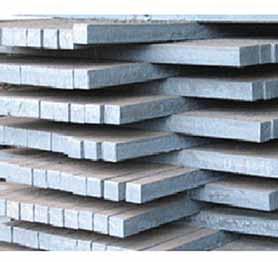
Imported steel billets for rolling mill and forging operation
Signs & Billboards
Roofings Rolling
A new dawn for steel manufacturing in East Africa
Roofings Group has been operational in Uganda since 1994 with the inception of Roofings Limited in Lubowa. Roofings Limited is the market leader in Uganda in the manufacturing of a wide range of steel and plastic construction materials used throughout the East and Central African region.
Founded by Chairman, Mr. Sikander Lalani, Roofings Group has recently completed its ambitious expansion plan by commissioning Roofings Rolling Mills (RRM) limited, a Ush320 billion (US$127 million) mega project which is set to change the face of steel manufacturing in the East African Region.
This state of the art complex is located in Kampala Industrial Business Park, Namanve. The complex consists of 3 production units which in combination will have a production capacity of 250,000 tons per annum doubling the group’s total capacity to produce steel to the tune of 500,000 tons per year, making it the largest in East-Africa.
Further to expanding the supply of steel in the regional market, the project has the added advantage of engaging in backward or vertical integration, which substitutes high value imports with value addition within the Ugandan economy and the region at large.
Vertical integration is a process by which a producer of a finished product diversifies upstream to produce its own raw materials.
Undeniably having a massive impact on the economy though value generation and job creation, ultimately improving the balance of trade and thereby allowing economic wealth to remain within a country or regions boundaries.
The project has been funded partly through private equity (Roofings Limited) combined with financing from a consortium of 6 banks, including International Finance Corporation (IFC) amongst others. In its third production unit (or cold rolling mill complex), RRM has Yodogawa Steel Works, a Japanese based steel manufacturer as its equity partner.
concreting of structures all over the region. The process involves melting of steel scrap at 1,400 degrees centigrade until fully liquid, after which billets are casted and finally rolled in their hot state to re-enforcement bars ranging from 8mm to 32mm in width. RRM bars were the first in Uganda to conform to British Standard, BS 4449. Another unique aspect of this plant is the Air Pollution Control system which is installed in the melt shop. At full capacity, this system captures and recycles about 6,000 million kilograms of ‘burn losses’ of CO2 during the melting process. Even now, it is the only functioning system in Uganda.
Phase 3: Pickling, Cold Rolling, Batch
Annealing, Galvanizing and Color Coating plant -US$100 Million, 150,000 tons/ annum capacity
Mills (RRM)
Project scope
RRM Namanve plant has established the following three production units:
Phase 1 was commissioned in early 2010 and houses a modern wire galvanizing plant unlike any other in SubSaharan Africa.
The highly advanced machinery was manufactured and imported from Canada, Germany and Italy and applies a patented high turbulence pickling system with economically friendly processes with the capacity to produce 12,000 metric tonnes of galvanized wire per annum. Galvanized steel goes through a chemical process to keep it from corroding/rusting.
The steel is coated in layers of zinc so that rust will not attack its protective metal. For countless domestic and industrial applications, galvanized steel is an essential building component. Thanks to the quality and efficiency of the operation, RRM prides itself that this material is re-exported to Mombasa, after paying the transport cost from Mombasa to Kampala.
Phase 3 is the largest part of the works and was commissioned in July 2013. In this plant, RRM has acquired technical assistance and equity participation from world renowned Yodogawa Steel Works (YSW) from Japan. YSW has over 75 years of experience in the manufacture of Galvanized and Color Coated coils and has been supplying Roofings limited, Lubowa GI and PPGI coils since 1994 to make metallic roofings sheets. The success of Roofings Limited is accredited to the use of world class raw materials, combined with modern machinery and trained manpower to achieve the best quality output.
Phase 2: Hot rolling Mill - US$15 million, 72,000 tons/annum capacity
Phase 2, commissioned in 2010 is a hot rolling mill with the capacity to produce 72,000 tons of billets and thereafter high tensile TMT bars widely used in the
Generators
An alternative power source
The use of generators, despite being expensive is the most reliable of all alternative sources of power. Generators are the second best option to hydroelectric power energy. Generators come in handy as back up energy sources. With reliable generators, a business would be independent of the vagaries of the local grid. However, the generator market is plagued with counterfeits originating from China. Thankfully in Uganda the National Bureau of standards is now monitoring generator imports to improve and check the quality.
Considerations
Before one acquires a generator, there are essential considerations to be made. From the onset, one needs to consider the purpose for which the generator is required. This depends on the equipment to be run and the utility power supply. 1 phase generators can go up to 35 kVA and are ideal for buildings with 1 phase equipment such as computers and photocopiers. Most industrial machinery is 3 phase, and after 35 kVA all generators are generally 3 phase.
The principle consideration is the load the generator will be expected to take up. Power is measured in amps or watts. All equipment has specifications showing how much power it uses. Any reputable company selling generators should be able to advise on the size of generator. Having established the load, it is necessary that one gets a reputable supplier who will not only offer a genuine product but also after sales service.
The location of the generator is dictated by the physical conditions on site. A good location for a generator is one that allows it to receive as much aeration as possible to prevent overheating. Generators that will be situated in residential areas should certainly have sound-proof canopies to avoid disturbing neighbours, but they are not necessary in rural or industrial areas. However, an open set cannot be left outside – it needs at least a roof over it.
Automatic vs. key start
Unless automatic starting is essential, such as in a hospital, Mantrac Uganda recommends key start. In general there are less problems with key start and the advantage is that routine maintenance is less likely to be
overlooked.
Mantrac has been a major supplier of generators to companies and individuals throughout Uganda for the past several years. They are proud to supply Caterpillar Engines and Power generators. Caterpillar is the world's largest manufacturer of medium speed engines, as well as one of the largest manufacturers of high-speed diesel engines, with ratings available from 54 to 13,600 hp (40 to 10,000 kW). We also supply Caterpillar and Olympian generator sets (10 kVA to 220 kVA) that provide electrical power systems, giving both primary and stand by power for a variety of uses.
Terrain Plant is another reputable company in Uganda that supplies brand new generators from the UK for both domestic and commercial purposes. They offer a range of larger sets up to 2000 kVA, with Lister Petter, Perkins or John Deere engines, and occasionally Cummins or Volvo. Their generators have genuine Honda petrol or Yanmar, Lister or Perkins diesel engines.
Teltec Uganda supplies a wide range of repair parts and generator consumables in form of filters (oil, air and fuel) from several manufacturers in the world for Engines like Lister, Perkins, John Deere, Kubato, Yammer, Kohler, Cummins, Caterpillar, Stamford, Volvo, Yanmar,Mitsubishi and FG Willson. Their supply provisions range from classified parts that are not readily available in the market which include VR SX 460, RS 230/250, RG 26 and FWR 120-10, Auto Start Modules N521R and N521K, Chargers S100 12V and S100 24V and Various Solenoids.
Common Pitfalls
One should always plan ahead and consult a professional in order to avoid these common problems such as counterfeits. It is also important to see the workshop where the aftersales service will take place. Mantrac has a fully fledged workshop and after-sales team to provide turn key services to our clients covering all stages of the power systems project including system design, engineering, testing, installation, commissioning, training, field service, long term maintenance and repair.
In case of round the clock use, avoid buying a standby generator of 3000rpm and go for a 1500 rpm diesel generator which won’t overheat. Any generator bought in Uganda should have a frequency of 50 Hz and give 240 volts (1 phase) or 240/415 volts (3 phase). Terrain Plant stocks Heavy Duty 1500 rpm diesel generators up to 200 kVA, both open build and in soundproof canopies.
Lastly look for a supplier who will offer maintenance or a least contact a professional for expert advice on how to service their generators.
Studio Partners Architects
Studio Partners is an architectural firm based in Nairobi, Kenya. Established 12 years ago, the studio aims at providing integrated consultancy services in building and infrastructure. Mr. Wachira Njuguna is the firm’s founder and serves as Chairman and Managing Partner. He is assisted by Mr. Babu Sunday who is Head of Design and also manages the firm on a day to day basis. Overall, Studio Partners consists of three architects, two technicians, one intern and two support staff.
The firm is registered with the Board of Registration of Architects and Quantity Surveyors (BORAQS) and is a member of the Architectural Association of Kenya (AAK).
Services
As one would expect from a highly dynamic practice, Studio Partners provides a comprehensive range of services to clients. These include Project conceptualization
and development, Project feasibility studies, Project management , Project finance procurement, Project finance structure and management, Project facilities management and Project management of ownership structures
Projects
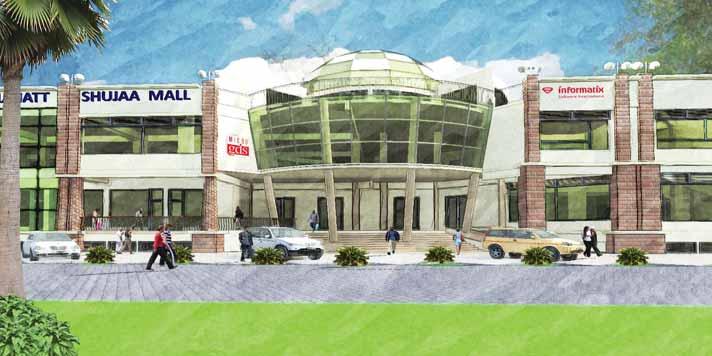
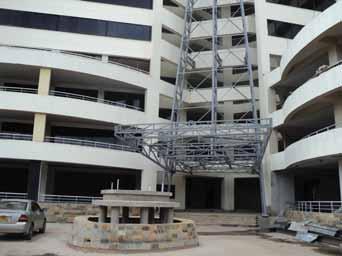
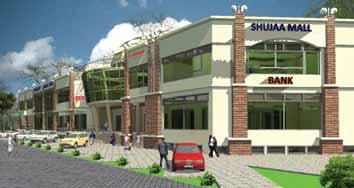
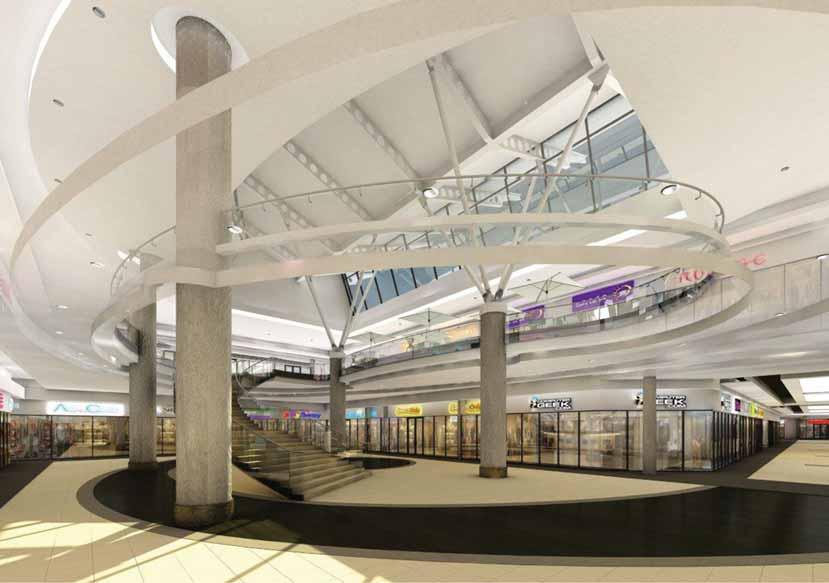
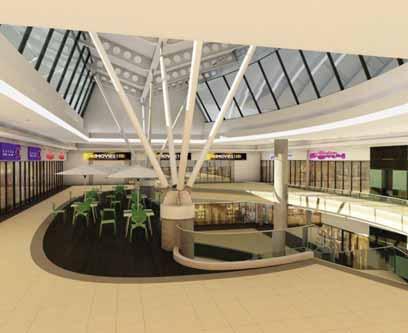
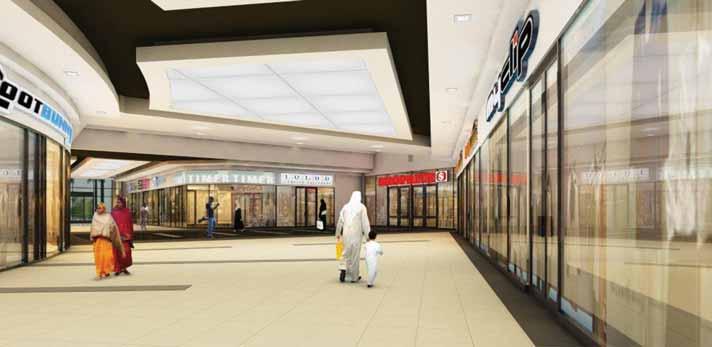
The firm has the capacity to handle a variety of projects and therefore does not specialize in any genre. Since its establishment, Studio Partners has handled several projects. A few of these are: Inception and ongoing supervision of two Office Blocks for Kenya Railways Corporation, Inception supervision and completion of the DoD Recruit Training School, Eldoret, Inception and completion of demountable Bank branches for Barclays Bank PLC, Shujaa. The good life! Mall Nairobi, Proposed Middle income housing at Ruaraka Nairobi, Kenya Institute of Business Training (HQS) Ministry of Trade Industry & Ministry of Roads and Public Works , Co-
operative bank branches Karatina, Mombasa, Kericho, Digo branches Mariakani and 24 no. flats along Ngong Road. Of these projects, Studio Partners singles out Kenrail Towers as a particularly challenging project that also gives the firm immense pride.
Challenges
Among the challenges the team has had to encounter are difficult ground conditions, site restrictions and unique design requirements to reflect the client needs.
Vision
Although the firm is currently operating within Kenya, its medium term vision is to have a presence in the greater East Africa region to take advantage of opportunities accruing from increased integration of the East African Community. The firm is also actively engaged in business development.
In this regard, it has diversified to undertake Build Operate and Transfer (BOT) projects as demonstrated in one of its major projects –the Shujaa Mall in the Eastlands suburbs of Nairobi. Studio Partners is also pursuing Public Private Partnerships (PPPs) and positioning itself to be a player in project finance and development.
Industry
According to Studio Partners management, the Kenyan construction industry faces several challenges among them lack of strict enforcement of building regulations especially the Building Code.
Electrocom Power International Ltd
The business climate is still not very conducive for the building industry. They note that mortgages, which have a huge impact on the pace of property development, are still beyond reach of common citizens. In addition Government also needs to do more to provide affordable housing to Kenyans. On professionalism, they reckon that the country is producing qualified professionals, who strive to do their best by upholding quality standards despite myriad challenges facing them.
JUMBA ENGINEERING SERVICES
Adventis Inhouse
Adventis Inhouse Africa (AIA) Limited is a firm of Consulting Architects, Interior Designers & Project Managers with offices in Nairobi, Kenya. AIA was incorporated as a Limited Liability Company in February 2005 following the merger between In-House Architects and Adventis Limited. Both of these firms brought together an extensive combined experience in designing and supervising a wide range of projects.
The founding partners are Benson Sande Ndeta, Douglas Omondi Ochong’, Evans Gitobu, Kinyua, Isaac Lajos Ong’ondo Ogai, Lee Muchiri Waititu, Mohammed
Khamis Munyanya and Osman Oduka Abunge. All are holders of Bachelor of Architecture Degrees, Members of the Architectural Association of Kenya (AAK) and registered Architects with the Board of Registration for Architects & Quantity Surveyors (BORAQS).
They each possess a wealth of experience acquired through various positions held in major architectural firms and projects carried out in Kenya, Uganda, Rwanda, Tanzania, Southern Sudan and Somaliland. AIA technical personnel include 8 Architects, 1 Graduate Architect and 7 Technicians. The company also employs administration and support staff.
Mission
Through a single point of contact, AIA Ltd aims at providing comprehensive design and project management service to efficiently deliver high quality service and value to its clients and stakeholders.
The firm handles all categories of projects within the built environment. This effectively means the firm is capable of undertaking commercial, residential, industrial and other cadres of projects.
Services
AIA provides architecture, planning and other services. In architecture the services include, Office Buildings, Commercial / Shopping Centres, Banking / Financial Institutions, Hospitality, Recreational Facilities, Housing / Residential, Industrial Facilities, Health-care Facilities, Educational Facilities, Community Centres and
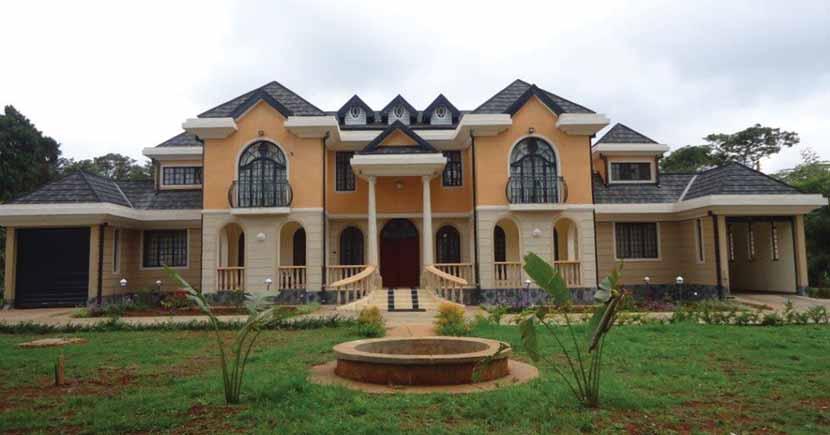
Residential house in Karen
Stima Mall Perspective
Africa (AIA) Ltd
Institutional Facilities
In planning the firm offers Site planning and analysis, Space Audits and Pre-design feasibility studies. Other Services other services include Interior Design, Project Management, Landscape Design, Environmental Design and Design and Build.
Major Projects
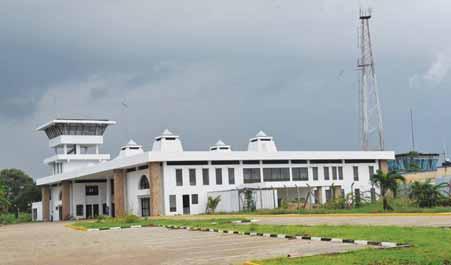
Since inception, AIA has handled numerous projects such as Passenger Terminal Building at Malindi Airport; Passenger Terminal Building at Manda AirstripKenya Airports Authority; Office block and godowns for Goldrock on Mombasa Road; Cement Factory and Offices– Savannah Cement; Jacaranda Gardens; SCB Pensions Scheme Ambassadorial Houses in Muthaiga; Renovations to KRA Staff Housing in Langata; Nyanza Club, Kisumu and; Ridgepark Villas, Riat Hill, Kisumu. Out of these projects, AIA is especially proud of Ridge Park for a number of reasons, among them being the fact that the Villas have been designed to take advantage of the RIAT Hill slope which offers residents stunning panoramic views of Lake Victoria as well as Kisumu City and the development has incorporated the latest ultramodern infrastructure and employs green technologies in areas such as lighting and water management to make each resident feel catered for.
Industry Concerns
According to AIA, there is need to update the building code to reflect the current technological developments in
MITS ELECTRICAL COMPANY LIMITED
Methodist Ministries Centre, Block B. P.O.BOX 76187, NAIROBI, KENYA. Tel: +254 203862432, +254202157936 Email: info@mitselectrical.com
We are proud to be associated with ADVENTIS INHOUSE AFRICA ARCHITECTS
-
Goldrock godowns
the building industry. The company also feels that statutory approvals (architectural, structural plans etc) should be streamlined to ensure there are no delays in commencing projects.
Regarding the business climate prevailing in Kenya today, the firm feels that the climate has favoured the construction industry. There has been a marked improvement in access to financing, allowing many people to become property owners.
On government support to stakeholders, the company says it has noticed a significant improvement, citing measures such as the reduction in the percentage of withholding tax, nomination of professionals from the industry to state organs that deal with the build environment, changes to the procurement act following recommendations by AAK regarding provision of architectural services, and enactment of bills aimed at streamlining the building industry.
AIA is also upbeat about the quality of professionals, noting that many of them are increasingly gaining valuable skills through exposure to the more advanced techniques used in other parts of the world.
However, fresh architecture graduates still face challenges in the work place since many of them are not adequately prepared for challenges. They therefore take time to gain practical knowledge.
Future
AIA is intent on becoming one of the leading architectural houses not only in Kenya but across the whole African continent in the years ahead.
Denmar Solar Systems Ltd
Solar water heating and lighting systems, Solar panels and associated accessories, Power back up systems and Batteries Baricho Road Choices Building, 1st floor, Suite 3B P.O Box 12796-00400 Nairobi. Tel: 020-2326126 Cell: 0723635911 Email: info@denmarcontractor.com
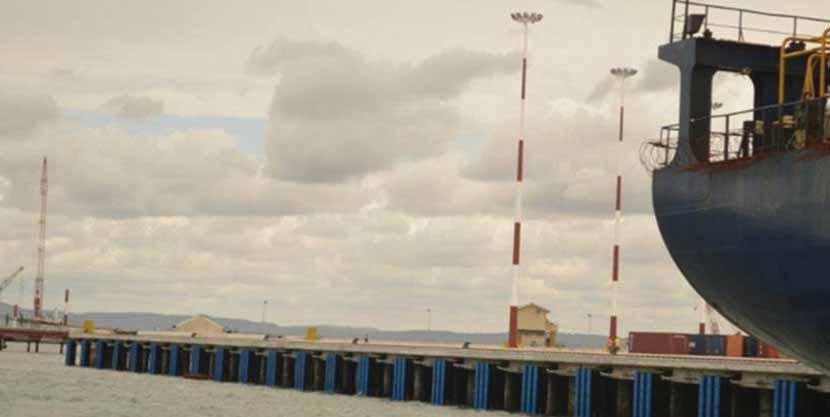
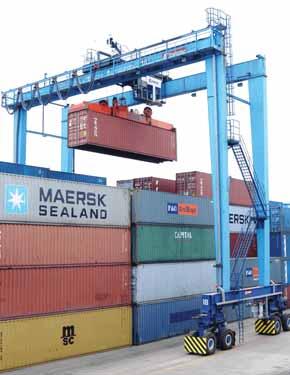
To remain responsive to the global shipping trends and work towards realization of Kenya Ports Authority’s vision – world class seaports of choice – the organization has initiated a number of projects that are at different stages of completion. The projects include the just completed and commissioned berth 19, ongoing construction of second container terminal, the integrated security system, upgrade of the ICT system and fast tracking development of Lamu Port, among others. KPA completed dredging of the channel and widening of its turning basin last year.
Construction of Berth No. 19
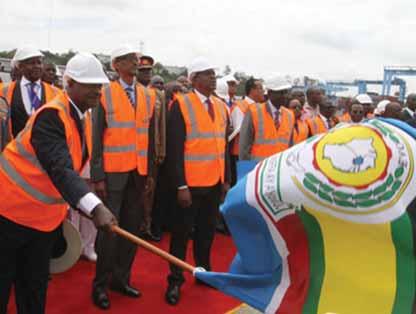
Berth No. 19 was commissioned by His Excellency President Yoweri Kaguta Museveni, the President of the Republic of Uganda and Chairman of the East African Community on 27th August 2013. He was accompanied by His Excellency Uhuru Kenyatta, President the Republic of Kenya, and His Excellency Paul Kagame, President of the Republic of Rwanda. The commissioning of the facility marked the first phase of part of the vision 2030 flagship projects that are being undertaken by KPA.
Berth No. 19 is an addition of 240 meters quay to the existing 600 meters quay Container Terminal, to make it 840 meters in length. With this terminal, KPA can now berth three panama vessels of 270 meters long each with much ease. It will therefore play a critical role in enhancing port competitiveness and stimulating national and regional economic growth in tandem with KPA’s vision.
Second Container Terminal
The ongoing project involves construction of a new container terminal west of Kipevu Oil Terminal on 100 hectares of reclaimed land and with a capacity to handle 1.2 million TEUs annually when completed. Phase 1 of the new container terminal which is now close to 50 percent complete, involves the construction of three berths that measure 230, 320 and 350 metres, with a total capacity of 450,000 TEUs per year. Completion of phase 1 is expected in March 2016.
The second and third phases are expected to commence in 2016 and end in 2021 to provide a total capacity of 1.2 million TEUs once complete or 15 million tons to the Port. With a dredged depth of 15 meters the terminal is expected to handle post-Panamax vessels of 6000 TEUs capacity making it the largest terminal on the East African Seaboard. The Second Terminal is being constructed by Toyo Contractors of Japan and is funded by the government of Japan to the tune of Ksh 22.5 billion (US$265 million).
Berth No. 19 completed
Cranes at work
This is a STEP loan to the Kenya Ports Authority. The terminal will have its own access road via Port Reitz and Airport Road, and another to link the Southern By-pass and join the Nairobi-Mombasa Road at Miritini. It will also have its rail sidings to facilitate quick cargo handling.
Integrated Security System
The system includes high definition CCTV cameras, an electric fence, and other ultra-modern security surveillance systems within and around the Port. The state of the art system will be commissioned soon.
Upgrade of the SAP System
This year, KPA completed the technical and functional upgrade of the SAP System which is the Enterprise Resource Planning System that it has been using since 2002. The functional upgrade streams that have been deployed in Phase 1 of the implementation include, New General Ledger, Financial Supply Chain Management(FSCM), Employee and Manager Self Service(ESS MSS )and Supplier Relationship Management (SRM).
The upgrade has significantly enhanced speed of documentation. Additional lanes at the Gates to enhance cargo off take. To enhance capacity and efficiency in the delivery of cargo through the gates, KPA is finalizing construction of two additional traffic lanes, a roof canopy and associated security fittings at gate No.18. The civil works that begun in November last year are expected to be completed in December this year.
Upgrading of Power Systems
KPA is currently putting up a power sub-station at Kipevu to upgrade the electricity supply from 11Kv to 132 Kv from the national grid. Commenced in August last year, the project is expected to be complete by February 2014.
Development of Crude Oil handling facility
A new modern Oil Terminal to replace the now old Kipevu Oil Terminal will be built at a newly identified site within the harbour and construction is expected to commence next year.
Lamu Port and New Transport Corridor to Southern Sudan & Ethiopia (LAPSSET) .
The port is planned for 32 berths and dredged entrance channel done to -18 meters to enable it to accommodate ships of 100,000 tons.
The cost for the Short-term Plan for Lamu Port Project, including the first 3 berths, is estimated to be US$ 664 million. The development is expected to be completed by 2016/17. For now, the administration block and other supportive facilities are nearing completion.
Increasing Market Share In Transit Markets
Recently, KPA opened a new liaison office in Kigali to serve Rwanda. Situated at the Kigali Central Business District, Grand Pension Plaza on the 6th floor, the office shall be linked to Mombasa electronically and customers will be able to pay port charges directly from Kigali and secure the release of cargo instantly. Plans are underway to open another liaison office in Bujumbura Burundi this year.
Presidents Yoweri Museveni, Paul Kagame, Uhuru Kenyatta commissioning Mombasa port Berth 19.
We congratulate Kenya Ports Authority for your sustained efforts to improve and expand port infrastructure
FBW GROUP
CELEBRATING 15 YEARS OF EXCELLENCE
FBW Group, a British-based design, architecture and engineering-led multi-disciplinary consultancy, celebrated its 15 year Ugandan anniversary at the British High Commission in Kampala.
Established in the UK in 1995, the company first started operations in Tanzania with the aim of providing professional building services throughout East Africa. The Group has since made its mark in the East African region and now plans to extend its services to the wider African continent. With their East African base established in Kampala, this UK based company has operations centres in the Netherlands, Rwanda and Tanzania and has spread its wings to expand services throughout Eastern Africa over the last 15 years.
The company offers a wide range of in-house professional building and technical services, including
pre-design services, development consultancy, building appraisals and condition surveys, project management, architecture, civil and structural engineering, MEP engineering, telecommunication engineering, and other building consultancy services. FBW has a respected reputation for delivering impressive, responsive and highvalue construction projects to international standards. Their international background and experience gained by operating in a multicultural environment allows FBW to provide services in a number of African and European languages which include English, German, Dutch, Italian, Danish, Luganda and Swahili.
FBW has highly trained and skilled professionals whose expertise in modern planning and design enable the company to create people-friendly and flexible working spaces in an iconic architectural language, while
British High Commission
maintaining international standards and ensuring value for money.
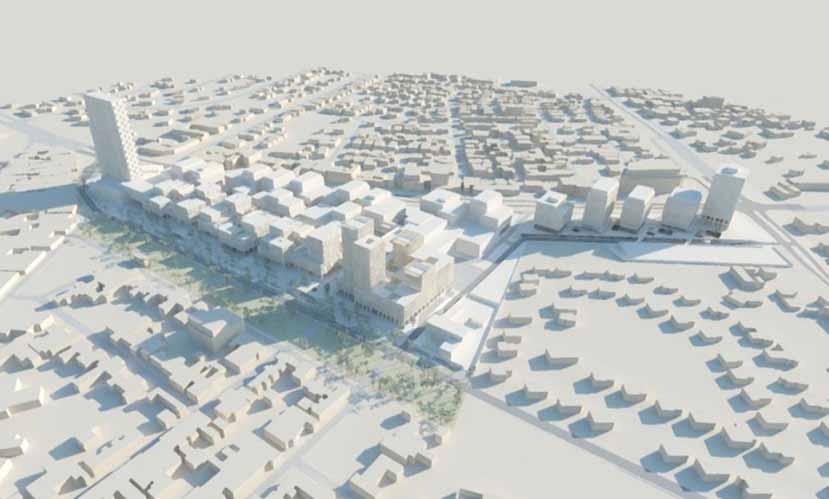
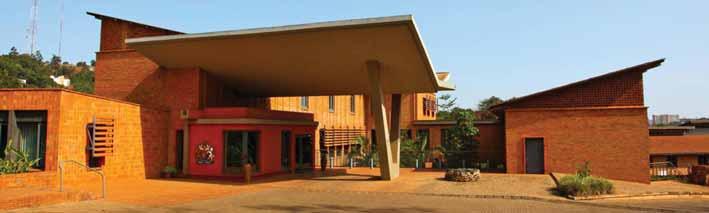
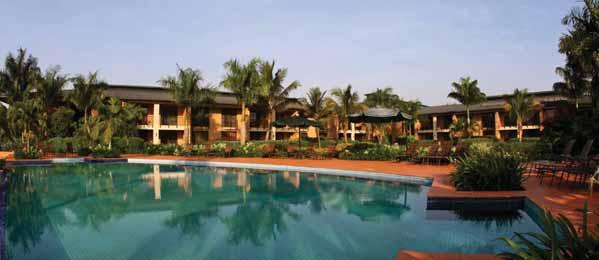
Under the directorship of Paul Moores a registered architect in both Uganda and the UK and a founding director of FBW Uganda since 1998 the Group has completed a number of prestigious projects ranging from health centers, hotels, and educational centers to residential, retail and mixed-use office developments. Their expertise and vast experience in robust, reliable and compliant design and project delivery, has been employed on their many construction projects in various East African cities. Amongst these in Uganda are the British High Commission offices, a new urban center in Kingdom Kampala’s 120,000m2 mixed-use retail, leisure, hotel and office development currently under construction, showrooms and offices for Motorcare Uganda, Kampala International School Uganda, Hamu Mukasa Library at UCU, Munyonyo Commonwealth Resort, Ambrosoli International School, the Emin Pasha Hotel, Lake Victoria Hotel, the Ndere Centre, Virika Hospital, Hospice Africa and several high profile commercial office towers in the city.
The British High Commission in Kampala, where the event to commemorate their 15 year anniversary in
Uganda was held, was completed in 2006 in association with Cullum & Nightingale architects from London. The building won the prestigious RIBA 2008 International Award and was shortlisted for the 2008 Lubetkin Prize.
In Tanzania, Mara Oysterbay City, a 300,000m2 mixeduse development encompassing retail, housing, offices and hotels, will change the face of Dar es Salaam. Other notable projects include Ras Kutani and Mtoni Marine resorts, Msasani Slipway retail mall, and the development of Turiani and Mtinko hospitals.
In Rwanda, Downtown Kigali, a 90,000m2 mixed-use retail, commercial and transport hub is currently under construction. Projects such as new commercial offices for Prime Excellent, a new signature library building for the Kigali Institute of Science and Technology, and the refurbishment of the Umubano Hotel are among other FBW accomplishments.
In addition, FBW has completed various engineering works for UMEME, Century Bottling Company (Coca Cola), Celtel, Bralima Breweries for Heineken, the Tanzania Cigarette Company, Skol Brewery and others.
The FBW group is known for providing international expertise and local knowledge in Uganda and throughout the wider Eastern Africa region. As a demonstration of
Specialises in general construction and fitting of high quality Granite and Marble solutions.
its continuing commitment to providing a region-wide presence to its clients, the company expects to soon establish offices in Kenya, with the aim of extending their footprint as leading providers of professional building services within the region.
FBW Group and its senior professional personnel are registered with a number of associations including the Royal Institute of British Architects, Architects Registration Board UK and Uganda, Institute of Structural Engineers UK, Uganda Society of Architects, Uganda Institute of Professional Engineers, Uganda Engineers Registration Board, Architectural Association of Kenya,Tanzanian Engineers Registration Board, Architektenregister, Netherlands, Charted Institute of Building Service Engineers and the Institute of Engineering and Technology UK amongst others.
We congratulate FBW Uganda for making 15 years and we are proud to be associated with you
We are the sole suppliers of Granite and Marble used on projects listed below.
It is FBW’s major aim to provide clients with the highest standard of professional services. To support this objective, FBW has an in-house quality assurance system to meet the requirements of the relevant national and international standards. Such a quality policy aims at satisfying, among others goals; client satisfaction consistent with professional standards and ethics, continuous improvement of the services,consideration of the requirements of society and the environment and efficiency in providing the services.
Understanding the importance of environmental protection, FBW is cautious when planning and designing projects in sensitive environments. With their team of experienced master planners and designers, the company focuses on the long-term sustainability of its projects utilizing locally available materials and low impact solutions that focus on energy-efficiency and the environment.
Congratulations to FBW on achieving their first fifteen years milestone in Uganda and best wishes for their continued growth and support in developing the built environment in East Africa.
We congratulate FBW on their continued success over the last 15 years.
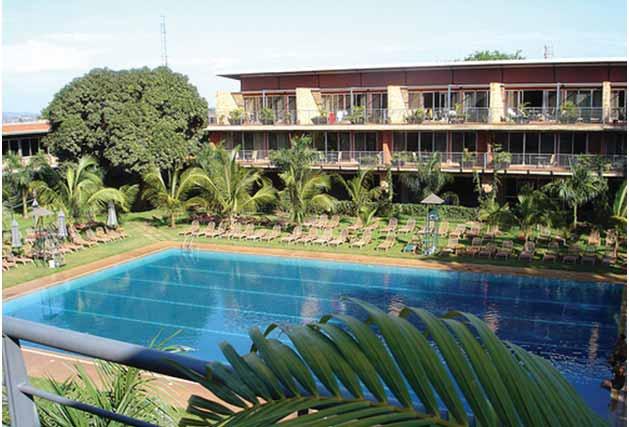
Kabira Country Club, Kampala, Uganda
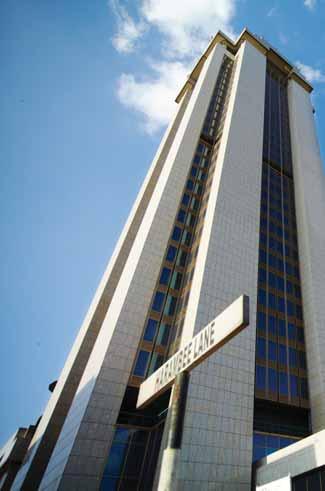
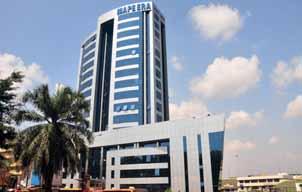
MAPEERA HOUSEUGANDA
20 Nakasero Road
Another outstanding edifice graces the heart of Kampala City
The construction industry in Uganda has strived over the last couple of years with architects and other consultants alike collaborating to change the face of Kampala’s built environment. Plot 20 Nakasero road is yet another development that has taken the notch higher The developer Hoid Establishments has graced Nakasero road with a magnificent piece of art, architecture and real estate that will have you turning your head. The US$7million project commenced in May 2011 and was completed in August 2013.
According to the architects & project Managers Symbion Uganda, the development is a U-shaped office block enclosing a covered courtyard in the middle to allow passive cooling of the building while promoting social interaction on the ground floor. It is sited on 0.79 acres of land and offers a total of 4,963m2 of lettable space. 20 Nakasero Road has 816 m2 of retail space at the ground floor, 940 m2 of office space on each of the 4 floors above as well as 385 m2 for two penthouse offices along with usable terrace area on the 5th floor.
Each of the 5 floors from ground to fourth floor are open plan offices, but can also be potentially utilized as two or four spaces. The development has attracted into the neighborhood a bank, the agribusiness development trust ABI, and HOID establishments the property managers.
Structure & design
The contemporary design of the building is basically a bowed block with a sheltered courtyard modeled to meet the needs of a modern working environment as well as reflect a strong cooperate image of the occupants. According to Pius Muli of Symbion Uganda, this sprang out of the need to satisfy the client’s instructions to maximize lettable space with an eye on environmental social responsibility.
Not only does the covered courtyard define the entrance but also creates a cozy social space where people can interact without interference of the elements. It also performs an environmental function of cooling the offices while protecting the fully glazed sides from direct sunlight. This eliminates the need for cooling and heating of the building hence qualifying it as environmentally friendly.
Symbion Uganda describes the layout to be advantageous in a way that it allows for strategic location of service cores at the minimum distances from all corners of the floors.
In addition, the structural grid allows for multiple office layouts and all sides are perfectly and naturally lit and well ventilated. The building has a parking space that can contain 130 cars, a courtyard, an external building maintenance system as well as two 300KVA standby generators. Furthermore, the building has two 16 passenger
lifts, wet and dry fire fighting systems, and voice/fax & data backbone with trunking provisions as well as full air conditioning among others.
The electrical and mechanical services for the project were provided by GEM Engineering as well as the design and supervision. This group of young and talented engineers took all precautions to ensure timely delivery of the ultra-modern facilities in this building.
The mechanical services performed included plumbing and drainage, fire fighting installation, sanitation and water supply services, external water and drainage reticulation, air Conditioning and lift installations.
The electrical services incorporated mains/ standby power supply designed for the entire load; power distribution, lightings, CCTVs installation, fire detection and alarm system as well as lightning protection and
Project team
Architects: Symbion
Main Contractor: Seyani International
Quantity Surveyors: Buildcost associates
Structural Engineers: Proman consults
Mechanical &Electrical Engineers:
Gem Engineering Co Limited
earthing systems. According to Gem Engineering, The standby power covers the entire project load. The building is beautifully lit internally and externally, with emergency lighting covering all escape routes and corridors in case of power failure.
GEM Engineering conducted a series of value engineering exercises throughout the project implementation to ensure that the project cost is kept to minimum, and close to the original contract amount.
The finishes are remarkable with the exterior comprising of a combination of aluminium panel cladding and low energy solar glazing for cool interior temperatures. High quality porcelain tiles can be seen inside the building, granite tiling to the walls and floors and aluminium ceiling tiles to tenant areas. There is effect lighting in the lobby areas which creates a pleasant and welcoming ambience.
Electrical
Installations:
Patronics (U) Limited
Mechanical installations:
Allied plumbers (U) LTD
Air conditioning: Airmac (U) limited
Lift installations: ROKO technical services
Commercial Development, Plot 20, Nakasero Road
South Sudan
2D/E Nakasero Hill Road, P.O. Box 22809, Kampala (Uganda) Tel : +256- 414 -258 380 Fax: +256- 414 -341092
Conference & Exhibition
17–19 March 2014
Cape Town International Convention Centre Cape Town, Republic of South Africa www.powergenafrica.com www.distributechafrica.com
EQUIPPING AFRICA’S ENERGY FUTURE
POWER-GEN Africa combines with DistribuTECH Africa for the first time to provide an extensive coverage of the power needs, resources, and issues facing the electricity and water generation, transmission and distribution industries across sub-Saharan Africa.
Together POWER-GEN Africa and DistribuTECH Africa will bring together world leading power and water equipment suppliers, operators and developers from government utilities, commercial, manufacturing and consulting sectors as well as officials and ministers tasked with energy policy in this dynamic region of the world.
The three day event will feature multi-track conference sessions and an extensive combined exhibition featuring the leading suppliers from both the International and African power sectors.
Leon Stone
Exhibition Sales
Rest of the World
Phone: +44 (0) 1992 656 671
Email: leons@pennwell.com
Andrew Evans
Exhibition Sales
Africa
Phone: +27 (21) 913 5255
Email: andrewe@pennwell.com
Tom Marler
Exhibition Sales
Renewables & Hydropower
Phone: +44 (0)192 656 808
Fax: +44 (0)192 656 700
Email: tomm@pennwell.com
TO ATTEND NOW AT www.powergenafrica.com www.distributechafrica.com
UAP NAKAWA BUSINESS PARK
UAP Nakawa Business Park is an iconic grade A office development that offers modern detailed planning of tailored office accommodation. The recently completed project defines anew the existing standards for quality office developments in Uganda and East Africa. Located at the intersection of Jinja Road and new Port Bell Road, on the eastern edge of Kampala, the site is just 4 kilometers from the Kampala CBD, an ideal location for any business to thrive.
The developer, UAP Properties Ltd commissioned Symbion as the project architects and Acorn as project managers and with their wide experience and capacity in handling projects across several countries, the UAP Business park has emerged as another outstanding feature to grace the Kampala skyline.
This first class business environment allows occupants to enjoy a wide range of high quality facilities, amenities and services set in a beautiful and natural landscape.UAP Nakawa Business Park is the first of its kind in Uganda and spreads over approximately 40,000m2
The project consists of 4 blocks of 8 storeys each, covering approximately 23,000m2 of prime office space and 13,000m2 of basement parking. The architecture of UAP Nakawa Business Park transforms experience of a corporate office, with state-of-the-art finishes and fittings designed with maximum flexibility to meet occupier expecatations.
Construction works on this US$27million project began in 2011 and involved developing a new ultra modern office complex complete with parking amenities. China National
Aero Technology International Engineering Corporation (CATIC), a leading international engineering contractor with strong competitiveness in the global regional markets was the main contractor of the project.
Together with a strong project team of competent surveyors, engineers and material suppliers, they started on the construction of what now stands as a unique business park, the first of its kind in Uganda. “This particular project had a unique design compared to all other office developments we have handled before and our relationship with other project team members was one of the smoothest ones leading to the successful completion of the project” remarked Paul Habyarimana the project managers representative.
The project has raised the bar in sustainable building ahead of its time. Constructed from concrete bricks with a steel frame, glass windows and doors, aluminium door frames, galvanized and pre-painted iron sheets and conmix exterior façade, the building was built to blend well with the already existing structures and meet current building requirements.
Features of the new building include 24-hour security including access control systems and integrated CCTV surveillance and 24-hour backup generator for office users to continue working. Modern passenger lifts have also been installed in the building. Pressurized water system, firefighting sprinkler system and fire alarm, ICT backbone system, 60,000 litre capacity water reserve tanks and air conditioning ducts have also been installed.
Effect lighting at the reception area gives the place a great ambiance. It is hoped that the construction of UAP Nakawa Business Park in addition to the already existing Makerere University Business School and Capital shopper’s shopping center will further reduce on the congestion in the city center.
“We feel the project will fit in well with the already existing business activities in the Nakawa division,” remarks Paul. The main challenge faced by the contractor on this project was the culture differences which were
made worse by the language barriers. This was however overruled by the excellent working relationship among the other project team members. In August 2013, the project was completed and CATIC, the main contractor is looking forward to passing on their knowledge and expertise to other professionals in this field.
Kenya 33 Parklands Rd, Opp. Impala Hotel Nairobi Kenya
P.O. Box 976-00606
Tel: 3756381/3757381
Fax: 3756280
Email: info@masterpowers.com
Founded in 1980, China National Aero-technology International Engineering Corporation (AVIC-ENG ) is a large state-owned enterprise affiliated to Aviation Industry Corporation of China (AVIC, a Fortune 500 company). Our main business covers international engineering contracting, overseas real estate development, domestic engineering, and trade and labor services.
Today, the firm is conducting key business in Africa, the Middle East, South Asia and Southeast Asia, we have established more than 10 branches and subsidiaries in countries including the United Arabic Emirates, Tanzania, Algeria, Sri Lanka, Kenya, Uganda, Zambia and Malaysia, etc. In recent years, we are growing healthily and rapidly with our long-time accumulated international operation experience and global market development capability. Now, we have successfully built a unique mode for strategic cooperation and a marketing network with profound value.
Proudly Associated to be the main contractor of
NAKAWA BUSINESS PARK
We have a dedicated management team and employees who are loyal to international engineering and willing to devote themselves to building the brand of AVIC-ENG (CATIC-ENG). Following our vision of “To be a leading international engineering contractor with strong competitiveness in the global regional market” and the operation mode of “prioritizing key regions, integrating resources for cooperative development, and balancing the development of comprehensive services”, we adhere to our philosophy of “conducting first-class engineering projects with honesty and excellence” for mutual benefits and win-win results with our clients.
Head office - dd :
5th Floor, Huibin Plaza, 8th Beichen East Road, Chaoyang District, Beijing, China
Tel : (86-10)64994382 Fax : (86-10)84970337/84970338
Each year, a theme is selected to guide the AED conference and in particular the Learned Discourse, depending on the major engineering challenges facing the nation in realizing its development agenda. The theme for AED 2013 is “The Impact of Globalization on Engineering Practice in Tanzania”.
11th Annual Engineers Day
The Impact of Globalization on Engineering Practice in Tanzania
The Engineers Registration Board has since 2003, been organizing an annual event namely the Annual Engineers’ Day (AED). The main purpose of AED is to give opportunity to engineers to exchange experiences through discussions in a Learned Discourse, exhibit engineering related products and services to the public, as well as awards to best final year engineering students from various institutions in the country. The latter is intended to encourage Tanzanian engineering students to excel in their studies.
SYLCON BUILDERS LIMITED
BUILDING AND CIVIL ENGINEERING CONTRACTORS
P.O. BOX 79038, DAR ES SALAAM.
TEL: 0712-935483, 0767-935483
E-mail: sylconbuilders@gmail.com.
- Design - Construction - Maintenance
Each year, a theme is selected to guide the AED conference and in particular the Learned Discourse, depending on the major engineering challenges facing the nation in realizing its development agenda. The theme for AED 2013 is: “The Impact of Globalization on Engineering Practice in Tanzania”. During the event various papers were presented in the Learned Discourse on the selected theme. These papers covered areas related to “Globalization” and sort to identify its impact in Engineering Practice in Tanzania. The proceedings contained chapters in the following
areas: Engineering Capacity Building, Professional practice, Procedures and Regulations, Mining Industry and ICT. A Keynote Paper on the Impact of Globalization on Engineering Practice in Tanzania was also included to guide the discourse. Participants had an opportunity to contribute to the papers during the conference for the purpose of enriching and enhancing their content.
This year’s Annual Engineers’ Day was held on 5th September 2013 at Mlimani City Conference Centre and Prof. Samuel Wangwe the Executive Director of REPOA gave a key note address; a paper on the aspects of
The theme for AED 2013 is: “The Impact of Globalization on Engineering Practice in Tanzania”.
Globalisation and its impacts on Engineering Practice in Tanzania. To begin with, the paper outlines the definitions and perceptions associated with the general context of Globalisation. The positive and the negative effects of Globalisation are narrated in detail in the paper.
In addition, the challenges are identified and therefore used to systematically recognise areas of opportunities for engineers. Some of the available opportunities include employment, technological development and industrialisation, regional and international cooperation.
The paper concludes by emphasising that Globalisation
The Engineers Registration Board is a statutory body established under the Engineers Registration Act, No. 15 of 1997. The Board has been given the responsibility of monitoring and regulating engineering activities and the conduct of the engineers and engineering consulting firms in Tanzania.
is a complex phenomenon and multi-dimensional which impacts different societies differently. The process of globalization and its effects should be understood in order to form a basis for action to promote positive effects and mitigate the negative implications.
Eng. Prof. Idrissa B. Mshoro also presented a paper on Globalization and Engineering Capacity Building. This paper analyses the opportunities and challenges brought by globalisation, and scans the available Engineering capacities in the country to suggest some strategic directions for capacity building for global competiveness, touching base with the widely acceptable norms and standards.
Other pages presented can be read in full at www.erb.go.tz
The Engineers Registration Board is a statutory body established under the Engineers Registration Act, No. 15 of 1997. The Board has been given the responsibility of monitoring and regulating engineering activities and the conduct of the engineers and engineering consulting firms in Tanzania. through registration of engineers and
engineering consulting firms. Under the law, it is illegal for an engineer or an engineering firm to practice the profession if not registered with the Board.
The Board has also been given legal powers and has the obligation to withdraw the right to practice from registered engineers if found guilty of professional misconduct or professional incompetence. Registration with the Board is, thus, a license to practice engineering in Tanzania.
Engineering is among the noble professions that have the privilege and responsibility of self regulation. The Board has worked out a Code of Ethics which aims at regulating the engineering activities and conduct of engineers and engineering consulting firms.
The Code thus forms the basis and framework for responsible professional practice as it prescribes standards of conduct to be observed by engineers and engineering consulting firms. The Code is based on broad tenets of truth, honesty and trustworthiness, respect for human life and welfare, fairness, openness, competence and accountability; engineering excellence, protection of the environment and sustainable development.
Bachstrasse 56, CH-8200 Schaffhausen I Fax: +41-52-632 08 21 I Phone: +41-52-632 08 20
E-Mail: sbi-ag@bluewin.ch
The SBI group operates through its subsidiaries and branches on three continents;
- West Africa: Nigeria, Ivory Coast, Ghana, Togo, Benin Republic - East Africa: Uganda, Kenya, Tanzania.
- Central America: Guatemala, Costa-Rica, El-Salvador, Honduras.
- Central Europe: Romania.
- Asia: Azerbaijan
- USA: Construction Equipment procurement activity.
- PPP/BOT Projects in Central Europe.
The Group also has the capacity to create Stand-alone Engineering and management teams through its wide network of resources.
Higher professional grade adhesives and sealants reduce costs
The adhesives industry runs hand in glove with the construction industry so demand has been slightly depressed in South Africa as opposed to the rest of the continent, says Michael Berg, National Sales and Marketing Manager for Den Braven. Candice Santana, Marketing Consultant for Mapei, concurs with Michael Berg that, “infrastructure development and new construction in sub-Saharan Africa has led to high demand for adhesives and sealants”.
There is a call for higher professional grade sealants and adhesives in the market in order to minimise future remedial work, thus reducing costs. The sealants industry and products have grown over the years to become a force to reckon with in the construction industry. Existing buildings are being face lifted with glass and natural stone facades and new buildings erected where structural glazing is used, not only for aesthetics, but for insulation and sound dampening.
In addition, the concept of “fixing and sealing elements” as emergency repair is no longer true, sealants and adhesives have become a permanent construction solution, explains Santana.
Good and durable adhesives
Professional and quality sealants have to comply with various ISO norms, DIN, BS or ASTM standards. They need to show excellent adhesion and resistance to temperature extremes and also require good resistance to water, UV-rays, ozone and corrosion, adds Berg. Long service life, compatibility, environmental friendliness, bond strength and versatility are also very important.
The purpose of sealants is to seal assemblies and joints or gaps, so they must have sufficient adhesion to the substrates and resistance to environmental conditions to remain bonded over the required life of the assembly. If sealants are used between substrates or surfaces having different thermal coefficients of expansion or different elongation under stress, they need to have adequate flexibility and elongation. In addition, sealants generally contain inert filler material and are usually formulated with an elastomer to give the required flexibility and elongation and have a paste consistency to allow filling of gaps between substrates. Sealant pastes cure (RTV - room temperature vulcanisation) to form durable and tough rubbery seals.
Surface preparation
It is very important that the surface is thoroughly prepared before applying the sealants. The substrates must be free of contaminants such as grease, oil and dust and they should be sound, clean and dry. In addition, metal, glass and other surfaces should be cleaned with the recommended solvent. If the joint is not primed, where required, or cleaned properly, adhesive failure (where the sealant does not stick to the sides of the joint) or cohesive failure (where the material breaks or cracks from within, promoting moisture ingress over time and the growth of mildew and rot) can take place, explains Berg.
Why cohesion and adhesion failures occur
There are two main reasons for cohesion failures on sealants. The first is where the joint formulation is
incorrect. Triangle shape joints with connections at various building elements cause the most problems and can be avoided by using a bond breaker. The second cause for failures is where high temperature differences occur during sealant curing referred to as "early tear occurrence".
Where this happens, the skin is not capable of taking up the large movement and will tear. As a result, the total sealant will tear, with early evidence of this occurring within 24 hours of application. In general, the sealant tears in a diagonal direction and this situation can be avoided by not sealing on days with large temperature variations.
Important considerations
It is important to use only the correct product for the specific application and there should be no compromise. In addition, factors such as shrinkage on cure, adhesion, capacity of joint movement and sealant dynamic design loads are just some factors that need to be carefully considered, adds Berg.
Den Braven: world leader in professional sealants
Den Braven South Africa is a world leader and supplier of professional sealants with sales and distribution outlets nationally in Johannesburg, Durban and Cape Town. The company has a wide product selection ranging from silicone, hybrids, polyurethane, modified silicones and acrylic sealants to applicators - as well as glass and glazing accessories. High Tack, Mirrorfix-MS, Super Glue and Fix-O-Chim (a chemical fastener) are some of the products manufactured by Den Braven. In addition, Den Braven offers a range of fire retardant sealants and an instant high track adhesive suitable for sticking a variety of substrates, including natural stone and mirrors with weights up to 23 kg.
Den Braven sealants meet the requirements of the Green Building Council of South Africa’s standards for architectural sealants and can contribute to green star ratings in buildings. The environmentally friendly Hybriflex is a new superior joint sealant which supersedes traditional polyurethane sealants.
Mapei: Market leader in the construction chemical industry
Mapei is the market leader in the construction chemical industry with a worldwide footprint and annual turnover of more than €2.2 billion. The company’s research and development department is constantly developing and enhancing its product range performance, especially adhesives used in conjunction with composite structural systems where service life is unlimited.
Mapei manufactures low VOC epoxy, polyurethane, bituminous, vinyl, acrylic, silicate, silicone and polyester and all adhesives have a shelf life of two years. In addition, Mapei’s products are designed to have correct shear strength and adhesion to prevent the substrates from parting. The products are effective in temperatures ranging from -40°C to 130°C and every application is investigated before subscribing a solution.
Keraforce “Ceramic” adhesive
Keraforce is a new adhesive in a class of its own. Most adhesives are elastic, whereas Keraforce is a highly rigid material with ceramic-like properties. The ceramiclike properties include hardness, rigidity, fire resistance, ultraviolet radiation immunity, stability, chemical resistance and water resistance. Keraforce is used to stop movement. It is used for example where brickwork has come loose.
In most applications Keraforce is used as a composite with a carrier. The carrier is usually a geotextile; strong non-woven fabric. The fabric is selected for its thickness and hence carrying capacity. In some cases fibreglass is used for extra strength and rigidity.
This composite; “Ceramiglass” has many advantages over conventional GRP fiberglass. Apart from its durability, it is much easier and cleaner to work with.
Keraforce is also used to seal and harden surfaces. For instance it can be painted onto chipboard or OSB. The next day it can be sanded smooth and after 2 weeks it is so hard that sandpaper makes no impression on it. Keraforce composite with geotextile is excellent for repairing rotten wood. For example rotting roof trusses can be straightened with props, then wound with strips of textile soaked in Keraforce. The repaired timber is stronger than the original trusses!
Keraforce wrapped around expanded polystyrene makes a marvelous material; cheap, very light, hard and slightly more rigid than steel. Building panels with polystyrene cores are super light and easy to handle.
A small house can be factory built in modules, taken to site on the back of a bakkie and assembled in one day. Everything is glued together with Keraforce strips. The only steel used is the door hinges, slider and their bolts. Roofing panels have been made 3.2m long, 1.2m wide and up to 120mm thick.
These huge panels weigh only 30 kg. They satisfy the extreme insulation requirements of the new building regulations. Their strength and rigidity can be used to eliminate trusses altogether. Their extreme insulation also eliminates the need for ceilings. Keraforce was developed by Keramicalia Research and Development, and panels are sold by Biohabitat. Some items made from Keraforce.
Testing a roof panel at Technopol. It broke at just under one ton load.
Erecting a “Biohouse”
Coating a large roof panel, 120mm thick weighing 30kg.Chimney brickwork repaired with Keraforce.
Steel Awards 2013
Yet another successful year for the steel construction industry
Fifty entries of projects completed in 2012 were received this year and Spencer Erling, SAISC Education Director and convener of the Steel Awards judges, said that although the number of entries this year was less than those in the bumper years of 2009 and 2010, it was still a significant amount considering the industry has experienced a significant slowdown since then.
“However, the quality of entries this year makes up for the lack of quantity. I am constantly amazed how the standard of entries seems to improve each year. Considering the history of high-level work that has been entered into Steel Awards over the years, it is most encouraging that the bar is raised on such a consistent basis,” Erling says. This year was the 32nd Steel Awards, which recognises excellence in the use of structural steel in various construction projects. Steel Awards is hosted by the Southern African Institute of Steel Construction (SAISC).
Medupi Wins Overall and Mining and Industrial Category Awards
The main frame and boiler grid supports project at Medupi Power Station is the Mining and Industrial category winner as well as overall winner for Steel Awards 2013. The judges said: “The boiler support structures
really exhibit excellence in the use of structural steel. It is a classic heavy engineering project of spectacular proportions. It is heavy engineering at its best. The structures look so clean and simple, especially before all the rest of the steelwork, platforms, boiler casings and piping bundles, and other equipment enclose them. And don’t be fooled - these four legged braced monsters soar 105 metres into the sky!” The main sponsor of Steel Awards 2013, which was held simultaneously in Johannesburg, Cape Town and Durban on 19th September, was Aveng Steel (Aveng’s steel cluster consisting of Aveng Trident Steel, Aveng Steel Fabrication, formerly DSE, and Aveng Steeledale).
Other sponsors were: Macsteel (Table Décor); Cadex SA (Photo Competition); The Association of Steel Tube and Pipe Manufacturers of South Africa (Tubular Award); Stewarts & Lloyds (Light Steel Frame Award) and partner sponsors: ArcelorMittal SA; B&T Steel; Eazi Sales & Service; Genrec Engineering; NJR Steel; Peddinghaus; Tubular Holdings; Vital Engineering. The fabrication of the Medupi structure is worthy of special mention.
The major boxed column and beam components are fabricated to the extremely exacting dimensional tolerance requirements - 2 millimetres on those massive chunky pieces of steel. The boxed columns have extensive
diaphragm and stiffening requirements making it difficult to meet the ‘squareness’ requirements, especially taking the distortion resulting from the welds into account.
The boiler support grid at the 105 metre level is critical to the success of the boiler house structures. It consists of 110 structural elements. A structural failure at this level could result in the release of super-heated steam which could be disastrous in terms of loss of life to people in the vicinity! “The enormously high standard of engineering at every level in the process - structural design, connection design, detailing of the structures, fabrication and erection and the comprehensive checking to ensure that the demanding requirements are fully met – are therefore completely justifiable,” the judges said.
Louis Breckenridge, a judge representing the Constructional Engineering Association, said that it is difficult to grasp how impressive they are until you get close to these gigantic objects.
”These structures demonstrate clearly the capability of South African fabricators to supply and erect very sophisticated, heavy structures on a par with any country in the world. The quality of the workmanship, particularly the welding and fit up, is exceptional. This project is a deserving winner of the overall prize at Steel Awards 2013,” he concluded.
NTT Audi New Showroom Wins Light Steel Frame Building Category
Audi’s new showroom in East London has won the Stewart and Lloyds Light Steel Frame Building (LSFB) category. One of the judges, Peter Curr, representing the Association for Steel Tube and Pipe Manufacturers of South Africa, said that over the past few years the entries for the LSFB category have been predominantly for residential structures.
“This however was a top-end motor showroom, which was certainly a departure from the norm and certainly required closer inspection. It came through with flying colours demonstrating the unique attributes of LSFB. In this case instead of straight and square lines, we were treated to dramatic curves that illustrated the versatility of the product,” he said. As expected, the interior of an upmarket car showroom must be unique and classy to, after all, show off one of the most respected German-made car brands. The client wanted curved walls and bulk heads to get the right effect and usually this would have been done in concrete. But, as with most retail and commercial projects time is money and the LSFB method was the perfect solution given this scenario.
Due to the very tight project programme as well as the size and height of the curved walls, the LSFB method was the perfect system to use in place of standard dry-walling. Furthermore the use of preassembled structural beams and joists allowed for very quick on-site erection of curved walls with the added advantage of consistent sizes and accuracy. The judges said that in every aspect of this technically challenging project, LSFB performed as we have come to expect from this versatile building method.
“This is a deserving winner of the Stewarts and Lloyds light steel framing category award,” they concluded.
Alexander Forbes Head Office, Sandton
Project Team LSFB Winners
Developer/ Owner:
Audi VW East London
Architect: Alchemy Architects
Structural Engineer:
Endecon Ubuntu
Quantity Surveyor:
Cater & Associates
Project Manager:
Dewing Construction
Main Contractor:
Dewing Construction
Steelwork Contractor LSFB: Shospec
LSFB Manufacturer:
Steel Frame Developments
Detailers/ Detailing Company: Shospec
Standard Bank Wins Tubular Category
The Standard Bank Rosebank building, known as 30 Baker Street, located on the corner of Baker and Oxford Roads in Rosebank, Johannesburg has won the Tubular Category. One of the judges, Franco Mordini, representing the Association of Steel Tube and Pipe Manufacturers of South Africa, the category sponsor, said this project used tubes in an aesthetically pleasing and effective manner both from an architectural and engineering point of view while the quality of fabrication also impressed.
The architectural vision was for an “institutional building” with a transparent exterior that reflected Standard Bank’s desire for transparency with its client base. To this end steel and glass played an instrumental role in ensuring that this was achieved. Although open web sections were used in the construction of the roof elements that form a modern take on a traditional ‘saw tooth roof form’, tubular steelwork in the form of principally square hollow section tubular members were used extensively in
the construction of the facades and atria.
For the façade the structural engineers wanted to incorporate very large panes of glass in the end walls of the atria so that the external envelope gridding was large in proportion thereby reflecting the large space that was the atrium itself. Because of steel’s superior stiffness and strength over aluminium it was possible to use nearly a full standard stock sheet of glass in the gridding of the facades.
This gridding is also successfully applied in the eastern and western atria. The judges said that tubular frame that supports the glass facade was well designed and constructed. The north-south atrium is brilliantly transparent when viewed from a distance as well as from within and achieves the effect the architect was seeking. The strength and stiffness of tubular steelwork was instrumental in achieving this.
The building has achieved a Five Star Design rating with the Green Building Council and intends on achieving a similar rating for its ‘as built’ operation. The building generates its own power with a tri-generation plant and has many innovative features.
SPECIALISTS IN ARCHITECTURAL STEELWORK
Images supplied by Paragon Architects/Andrew Bell
The judges complimented the project team and said that the building was a worthy winner of the Tubular category
Project Team Tubular Winner
Developer/ Owner: Standard Bank Architect: GLH Architects
Structural Engineer: Pure Consulting
Quantity Surveyor: Norval Wentzel Steinberg
Project Manager: Standard Bank Real Estate
Main Contractor:
Wilson Bayly Holmes – Ovcon (WBHO)
Steelwork Contractor: Tass Engineering
Steelwork Subcontractor (part of the central atrium roof trusses): Omni Struct Nkosi
Detailers/ Detailing Company:
Precise Structural Modelling
Erector: On Par Steel
New Alexander Forbes Head Office Wins Architectural Category
The new Alexander Forbes head office has won the Architectural category at Steel Awards 2013. The judges said that the building confirms a new maturity in the South African built environment. “We can do whatever is done elsewhere in the world and we can do it better. This shows that we have a unique South African style and that we do not need to copy overseas designs,” they said.
It was important to Alexander Forbes that the design of the new building reflected the values of the company. These include: transparency, which is reflected in the huge volumes of natural light and glazed layering; and trust, which is portrayed throughout the design elements of the building revealing not only the mores of the company but also enriches the lives of its employees. Since the health and well-being of staff is one of the central design mandates, it combines plant-filled outdoor areas, natural light, and energy efficient lighting. The circulation of fresh air and temperature control were also key considerations. As such, numerous pause or break areas are incorporated into the design.
It was therefore natural that environmental sustainability was crucial to the design of the building, which has been accredited by the Green Building Council of S.A. as a four-star Green Star building. “Not only is the building an aesthetic masterpiece, it is also ground breaking in its
approach to energy, water, waste and material usage,” the judges said.Architecturally the building features a continuous design of fluid curves. Sections of the facade incorporate s-shaped scallop walls, while wavy, flowing lines and patterns are further integrated throughout the interior of the building. Everything radiates out from the centre of the building – clearly shown by the shape of the bridge links.
Bathroom facilities are concentrated around the central core of the building and occupants are never more than a 20m walk from these facilities. Steel was used extensively in every form throughout the project especially in the following aesthetic elements: the bridges and roof lights; the spiral staircase and the cladding. “From a structural steel design perspective the Alexander Forbes building exhibits excellence in a very sensible way supporting architectural designs that demand more than the norm. This is a most worthy winner of the Architectural category,” concluded the judges.
Steel Frame Developments (S.F.D.) was the first company in SA to import the prestigious FrameMaster rollforming and software solution over 8 years ago. SFD has grown substantially over the years and is now an established, licensed manufacturer and supplier of high quality, sustainable and environmentally-friendly structures to the building industry on a cost and time effective basis utilising internationally proven and revolutionary building technologies. SFD believe that our superior service levels and genuine customer-care relationships are the secret to our
“SFD – Winners of the South African 2013 light
Please enquire about our revolutionary new certified solid-wall building system today!
High quality, aesthetically pleasing, functional products that set the trend.
Vaal, Libra and Plexicor have a product for every taste. functional that set the trend. Libra and Plexicor have a for ever y taste.
High quality, aesthetically pleasing, functional products that set the trend. Vaal, Libra and Plexicor have a product for every taste.
Telephone: +27 16 360 6000
Pipes and valves
Taking a look at piping systems that are leak free and durable for long term use
The pipe and valve industry has been fairly quiet because of the economic slowdown in South Africa and some parts of the world, however the potential for growth is great since the Minister of Water Affairs and Forest promised that the government intends to spend billions of rands over the next ten years on infrastructural expansion and renovations in the areas of water and sewer related projects, says Bevan Richardson, Product Specialist, Marley Pipe Systems.
Pipes, whether plastic, concrete or steel, play an integral part of the infrastructure development, mainly to convey substances which can flow such as liquids and gases, slurries, powders, masses of small solids and, also for structural applications.
But before embarking on a decision on which pipe to buy, remember that each pipe whether plastic, steel or concrete has its unique properties, and it is therefore very important that the best material for a specific application be considered.
Some of the most important considerations if you are to get the most out of the pipe is its application, cost, strength, reliability, service life and joint integrity, installation and inspection, sustainability, material competition and engineer’s knowledge of materials.
Plastic Pipes
South Africa is waking up to the fact that water is fast becoming a critical problem. Quantity and quality are under severe pressure aggravated by fast increasing demand and huge loses in distribution. The focus is sharply on piping systems that are leak free and durable for long-term use and also on the rehabilitation of old mines. HDPE and PVC pipes answer these calls with distinction, commented SAPPMA Chairman, Jan Venter.
Polyvinylchloride (PVC) and Polyethylene, especially in the form of PVC-U, PVC-M, PVC-O and PE100 are some of the common plastic pipe materials used in South Africa. Pipes sizes currently range from 16 mm to 1000mm for pressure pipes and up 1 800 mm for non-pressure pipes. The advantages of used plastics pipes stems from properties such as; Outstanding corrosion resistance; High flexibility and toughness; Energy efficiency; Increased resistance against many chemicals; Low frictional resistance, with properties remaining in virtually unchanged over all of the pipe’s life; Light weight and ease of handling; Ease of jointing and Availability in a wide range of sizes and pressure ratings.
According to SAPPMA the plastic pipes industry is dynamic, and this is due to high-level of research and
development by polymer manufacturers, the properties of pipe are continually being improved. Plastic pipe in South Africa is regulated by National Standards which are completely in line with international standards thus limiting deviations and short cuts in terms of pipe design, performance and mass of material used.
Steel Pipes
The advantages of steel piping systems set it apart from other competitor materials and it offers resistance to ultraviolet rays, thermal expansion and contraction, high pressures and stresses, mechanical damage and veld or forest fires.
Marley Pipe Systems: A True Value Partner
Marley Pipe Systems a member of the Aliaxis International, is a leading manufacturer and distributor of plastic pipes and fittings for reticulation systems, serving the key market segments of plumbing and building industries as well as the infrastructure sector through sub-Saharan Africa. Marley supplies a comprehensive range of PVC, HDPE and PE pipes and fittings for a wide range of applications in the plumbing and building as well as civils, mining, irrigation and industrial sectors of Sub-Saharan Africa.
Marley Infrastructure has continued to grow with a number of success stories in South Africa and Africa. Recently the company successfully supplied over 98 km of 630mm PN6 HDPE pipes as well as about 2km of 630mm PN10 HDPE for the Angola Cunene Water Project, supplied pipes to Zambia and DRC especially in the
DISTRIBUTOR WANTED
Copperbelt region for irrigation, irrigation pipes to the Mozambican government, supplied pipes and fittings to the Leadwood Big Game Estate, Hoedspruit area, South Africa, successfully replaced the old existing water mains infrastructure with new HDPE pipelines in Woodstock, Cape Town and the rehabilitation process involved Trenchless technology, a technique that eliminates the need for conventional open trenches.
After the acquisition of Bates Torkers, Marley now supplies the Weholite HDPE pipes, utilizing a unique, profiled-wall pipe structure that makes it possible to manufacture pipes in diameters up to 1.8m for stormwater and culverts. It provides all the advantages of solid wall polyethylene pipe with substantial savings in weight for increased ease installation and cost effectiveness, Says Richardson.
DPI Plastics
DPI Plastics- a leading manufacturer of water reticulation, drainage and pipefitting systems in South Africa has begun the production of its new 630 mm bore PVC pipes following the installation of a new Krauss Maffei extrusion line.
According to DPI Plastics technical and product manager Renier Snyman, the new extrusion line will open up new avenues of growth for PVC as a competitor in the bulk water, stormwater and sewerage industries, which are currently dominated by materials such as steel and concrete. “PVC is more cost effective and boasts a longer life expectancy, when compared to industry standard steel and concrete”.
Synman explains that steel and concrete are often prone to significant corrosion damage over extended periods. “In addition to having superior corrosion resistance properties, PVC is highly durable, with low frictional resistance and low wave celerity, thereby ensuring resistance to surges”, he adds. DPI Plastics will be manufacturing a total of three 630 mm PVC piping products using the new krauss Maffei extrusion line, namely: a SANS 966 approved uPVC with pressure ratings up to 9 Bar, a SANS 966 approved m PVC pipe with pressure ratings up to 12 Bar and a SANS 791 approved underground sewerage and drainage pipe, which is available in both standard duty and heavy duty options.
In addition to be readily available in South Africa, Synman indicates that the entire new 630 mm PVC piping will be exported into Africa too. Our clients in Africa have shown considerable amount of interest in the 630 mm PVC piping range. With continued infrastructural development taking place across the continent, I am confident that the new range can obtain measurable market share within a relatively short period of time”.
At the end of the day different types of pipes are suitable for different conditions and remember poor installation, adverse conditions such as flooding, drought, changing soil conditions, heavy traffic, and veld fires have negative effects on the life of a pipe. Using the right pipe for the correct purpose, trench design, and choice of backfill, quality of compaction and methods of joining are paramount to the performance of pipes.
Fiberpipe Tailor-Made Pipe Systems for your Application
Fiberpipe (Pty) Ltd, is a leading supplier of pipe systems and accessories for water, sewage and industrial applications, and the only fibre reinforced (FRP) pipe manufacturer in Sub-Saharan Africa with a product range that includes Flowtite and Vectus. Fiberpipe manufacture and supply FRP pipes and fittings to users, owners, installers, traders and utility managers in civil engineering, mining, industrial, and agricultural market segments located in Sub-Saharan Africa as well as Indian Ocean Islands. Fiberpipe’s products are manufactured in accordance with internationally accepted standards and meet the requirements of the ISO 9001: 2008 and also adhere to all relevant SABS specifications.
Fiberpipe’s Product Range
FlOWTITE TM is Fiberpipe’s leading product for water, sewage and industrial applications. The FRP systems are a cost effective piping solution and are corrosion free, with a proven resistance to acidic environment in water and sewage systems. They are lightweight and therefore easy to handle. They are suited to different applications such as portable water transfer, firefighting, sea and desalinated water, power plants, chemical and industrial wastes, and sewer and irrigation. In addition, the product can be found in siphon lines or equally in seawater outfalls, bridge de-watering, and desalination projects or as protection line cables. Standard and special fabricated fittings such as bends, tees and reducers.
VECTUS- the VECTUS pipe system is manufactured from fibre reinforced polyester and vinylester. The production method is a discontinuous double helix reciprocal filament winding process that gives the pipes a balanced combination of axial and hoop mechanical properties.
The VECTUS pipe systems are free of corrosion, lightweight and a well-documented product with good references worldwide. In addition to the civil and industrial markets, the pipe systems are also used in the oil and gas, shipbuilding and offshore industries. Within the industrial market the pipe system is widely used as a cost effective solutions due to biaxial pipe systems with well locked joint solutions.
These locked joint systems are also successfully used in municipal water, cooling water and pressure sewerage systems in combination with FLOWTITETM pipes to avoid thrust blocks. The VECTUS pipe system also includes a complete range of standardised specialised fittings.
VOIDFORMERSANDPILECASINGS
Development
The Superlite Void Former has been developed to provide the South African construction industry with a low cost, lightweight and robust cell former. They are designed to meet the stringent performance requirements imposed by local design and on-site conditions. They are spirally locked, seamed and swaged for maximum strength and resist the full hydrostatic pressure of concrete and all loads associated with the compaction or vibration of concrete during placing.
ProductCharacteristics
Superlite cell formers are available in uncoated or galvanised mild steel. Standard material thicknesses are 0,6; 0,8; 1,0 and 1,2 mm but other thicknesses can be catered for if the need arises. The standard maximum length of the cell former is 6 m, but special longer lengths are available on request. Where extra long lengths are required, the cell formers may be supplied in split lengths and fitted with a system of spigot and socket joining collars to enable the contractor to achieve any length that may be required.
Stop ends can be provided if required to prevent the ingress of concrete, if the cell is to be used as a void former. Timber braces can be provided to minimise the risk of distortion during transport action especially where long distances are involved.
We strive to be the leading specialists in the supply and manufacture of corrugated steel pipes used mainly as stockpile tunnels and culverts for roads.
Our extensive knowledge gained over multiple decades of operation has allowed us to market and sell our products with the utmost confidence ensuring that the required design parameters are adhered to with the necessary factors of safety.
Our product range has been used extensively by mining houses, contractors and consulting engineers globally due to the numerous advantages offered by the product. The cost savings are extremely attractive when comparing Armco structures against conventional designs and the ease of installation ensures a quicker completion time.
Your professional partner in steel tunnels and culverts.
Email: boomgate@global.co.za • www.boomgatesystems.co.za 18 Minerva Avenue, Leaglen, Florida, Roodepoort, SOUTH AFRICA
BOOMGATE SYSTEMS CAPE TOWN
Tel: +27 21 551 0849
Unit 2 Crest Park, 12B Longclaw Drive, Montague Gardens, Cape Town, 7441
7 YEAR WARRANTY TURNSTILES W
2 YEAR WARRANTY TRAFFIC BARRIERS
VEHICLE ACCESS CONTROL
Automated Traffic Barriers – GeniusTM Range
Manual Barriers – MasterTM
Reusable Rubber Traffic Islands
Canti-lever Gates – Glide MasterTM (up to 10m)
Bi-Folding Speed Gates
HIGH SECURITY - VEHICLES
Spike Barriers - ScorpionTM
Single Directional Spike Barrier - ScorpionTM
ANTI-TERROR PRODUCTS - VEHICLES
Road Blockers (Rising Curb) – WarriorTM
Hydraulic Bollards – WarriorTM Anti Ramp Posts
PEDESTRIAN ACCESS CONTROL
Turnstiles - TornadoTM Industrial Full Height
Turnstiles - HurricaneTM Industrial Mantrap
Turnstile - TwisterTM Waist Height
Turnstile - CycloneTM Full Height Glass
Turnstile - CycloneTM Waist Height Glass
Revolving Glass Doors - CompassTM
Drop Arm Pedestrian Barriers – Euro’s & Square shape
Special Needs Swing Gates (90º and 180º)
Speedstile – Pro WingTM
Security Booths / Mantraps
Walk Through Metal Detectors
ACCESSORIES
Goosenecks (custom made)
Bollards – static & removable
Reserve Parking Posts
Ballustrades
Camera Poles (up to 9m)
Magnetic Locks
Enclosures (metal) – custom made
25-27 NOVEMBER.
The Honourable Minister of Water Resources and Rural Development, Mrs Sara Reng Ochekpe, will open the Exhibition at 10am on Monday, 25 November 2013. The Honourable Ministers from the Federal Ministry of Works, the Federal Ministry of Lands, Housing & Urban Development and the Federal Ministry of the Environment will also be in attendance.
2013 Seminar, Monday, 25 November 2013
Water Africa
Topics being discussed: Accelerating water infrastructure development through publicprivate partnerships in Nigeria
Achieving bankability in water and sanitation public –private partnerships “Water Banking” (i.e. RWH + SUDS) in the context of climate change impacts management (Migration and Adaption) in Nigeria
Challenges facing South Africa’s water and sanitation sustainability in North West Province
An assessment of the models for financing water and sanitation projects in the marginalized communities of Nigeria
Effective ways to rehabilitate damaged old water mains using modern HDPE plastic pipes and fittings
Physiochemical characterisation of borehole water in the vicinity of public health facilities in Nasarawa State, Nigeria
Role of NGOs in water and sanitation delivery in rural areas: Case study of PRONET in Nadowli District, Northern Ghana
Environment. 29. Federal Ministry of Lands, Housing and Urban Development. 30. Federal Ministry of Water Resources. 31. Federal Ministry of Works.
Topics being discussed: The advantages of the role of PPP’s in infrastructure projects in Nigeria
How to reach Millennium Development Goals for Housing in Nigeria and how to encourage the private sector
How the Federal Ministry can enhance and modernise the construction industry
Financing infrastructure through the Nigerian Capital Market
Affordable housing –The role of building industry manufacturers
Low cost housing, optimum plumbing solutions
Compressed stabilised earth blocksA high performance building material
Healthy and safe living in a mosquito free environment
Safety culture: Effective approach to ensuring health and safety regulation compliance in Nigerian construction industry
Versatility and reliability of a modern PP-RCT water distribution system for old and new buildings
The provisional programmes are available on our website at www.ace-events.com where your can also download your free invitatio n to the exhibition and seminars.
A limited amount of exhibition space is still available at this exciting international event. Please visit our website at www.a ce-events.com to download a brochure, floor plan and application form or contact me to discuss the business opportunities available.
Transforming Ghana’s construction industry through partnerships
Ghana is touted as one of the fastest growing economies in the world by multinational organisations such as the World Bank Group and the International Monetary Fund (IMF). This is due to the fact that the country discovered oil and gas in commercial quantities in 2007 which led to phenomenal economic growth and according to the World Bank GDP for 2012 reached 7.9 percent. This has sparked a wave to undertake some infrastructural development projects in the areas of hotels, roads, among others as many investors prepare to invest in the country and expect good delivery of services.
Many international construction firms have taken note and have partnered with other Ghanaian firms to undertake projects in construction. International construction firms have teamed up with local Ghanaian construction firms to undertake international projects thereby transferring international expertise to the local firms. Some of the success stories include Co-Arc International Architects and M. Barbisotti& Sons Limited.
M. Barbisotti & Sons Ltd
M.Barbisotti & Sons Ltd (MBS), an Italian company has been working in the building sector in Ghana for a good 50 years. The Barbisotti family, through commitment and great passion, has contributed to the development in the building sector and in other fields where it has been able to expand its activities.
MBS does not work only in the sector of civil, industrial and state building but, thanks to a constant growth and the great synergy with other subdued companies, has been able to establish itself in many other fields as well such as production of high quality aggregates used as building materials by the company itself to the realization of gardens, green areas and pools.
MBS is currently partnering withTekton Consult, a Ghanaian architectural company to construct the Labadi Beach Towers, as well as the Movenpick Ambassador Hotel in Accra.
La Beach Towers
The construction of the La Beach Towers located on the shores of the most popular beach in Ghana, showcases the development of Ghana’s ocean front which has not witnessed development over the years.
The development of La Beach Towers took into consideration the issues of rust and corrosion. In view of that the engineers and consultants took into consideration issues of humidity, salinity and wind speeds of the environment. Due to this, the selections of materials are based on non-corrosive and rust proof nature.
There are three towers expected to be completed in 2015, with the first tower, the Oceanic tower under construction. The Oceanic tower offers good viewing of the ocean, providing fresh healing breeze of air from the sea. The Oceanic Towers which will be Ghana’s first beach luxury
apartment comes with a mix of three bedroom apartments with boys’ quarters(better known as ervant quarters) as well as four en-suite bedroom penthouses. The apartments will also have four en-suite bedroom sky villas plus entertainment room, study and boys quarters, which will rival beachfront developments such as the Dubai’s Marina and India’s GC Grand.
Mövenpick Ambassador Hotel
MBS employing 700 Ghanaian workers also led the construction of the Mövenpick Ambassador Hotel in Accra, Ghana, which officially opened in 2011. The 260room Mövenpick Ambassador Hotel was originally built by the British government and presented to Ghana as a gift after Ghana gained independence. The hotel merges the very best of modern excellence alongside original artwork from contemporary Ghanaian artists with stunning wooden carvings of animal, artefacts and design features. The lobby’s striking chandelier and the rich hues and colours of the hotel’s tapestries and paintings evoke the magic and mystery of West African culture.
This mesmerising collection of over 1,500 pieces of art adds to the unique quality of the Mövenpick Ambassador Hotel Accra. Majority works from the original hotel have been lovingly restored and displayed in the main lobby and behind the reception area. The portrait of Ghana’s first president, Kwame Nkrumah, which dates back to 1956, are included, while two large murals are displayed at either end of the ballroom, superbly done, maintain the link of the hotel’s heritage.
One of Ghana’s distinguished artists Kofi Antubam, one of the founders of Ghana’s National School of Painting, undertook the paintings. Each room has at least two original paintings by local artists and the corridors on each floor feature works from more of Ghana’s prominent artists. Mövenpick Ambassador Hotel Accra guarantees the ideal balance between work and play. A flexible 750 m2 ballroom can be sub-divided to requirements, while four meeting rooms are also equipped with the latest audio-visual equipment. Leisure facilities include two floodlit tennis courts, jogging track and a health and fitness centre offering cardio and weight training, sauna and massage rooms.
Co-Arc International Architects
Co-Arc International Architects was founded in 2005 after the partners of Meyer Pienaar Architects and Urban Designers and a group of young talented architects and designers in the practice came together to establish an international practise founded on collaboration and cooperation with other practices.
Meyer Pienaar Architects has been known as one of the leading architectural and design firms in South Africa since the early sixties and the new practice now has operations around the globe. Co-Arc as a Johannesburg based South
African architectural practice with local and international associations brings together extensive experience in a broad field of architecture, particularly in civic facilities, urban design, hotel and resort developments, commercial apartments, low cost housing, industrial parks, corporate offices, educational facilities and private residences.
Around 2007, Co-Arc International Architects partnered with Ghana’s Orthner Orthner Architects to work on a number of projects in Ghana, including the design for the new IFC/ World Bank offices in Accra and the Labadi Beach Hotel in Accra.
IFC/ World bank Offices
The design of the new IFC/ World Bank offices on a brownfields site in Accra , by Co-Arc International Architects in collaboration with Orthner Orthner Architects, gives an expression to an underlying approach to sustainable, green building. The articulation of the building makes reference to a modern take on cultural forms of expression.
Additionally, the use of timber decking as shading and sunscreen reiterates the rich local flavour of the architecture. The A-grade, green building depicting various symbols representing diverse Ghanaian heritage sits on a raised level in order to ventilate the entire surface of the courtyard in which a prominent tree acts as a focus to the entire building. Incorporated in the environmental friendly design are the use of proximity lighting, use of solar water heating, use of recycled material in elements such as carpets, and recycled water- water is treated to potable standards.
The development makes use of an energy recovery scheme , addressable variable refrigerant volume airconditioning, excellent shading and passive climate control and the first green roof in Ghana. Bricks from the demolished houses
were used to build a children’s playground, while indigenous trees were protected and the entire site planted to reduce heat island effects.
Labadi Beach Hotel
The scope of the project done in numerous phases entailed the refurbishment and extensions of the Labadi Beach Hotel, for Legacy Group Holdings. The renovation of 104 existing rooms and construction of new block consisting of 60 new rooms, including presidential suites, a SPA and a new 500 seat conference venue, all of these including the complete revamp of the central facilities needed to be completed while the hotel was fully functional.
The use of shingle roofs and timber detailing draws on the rich tradition of timber work in Ghana. New functional requirements such as air-conditioning, fire requirements and sprinklers have been carefully integrated into the existing buildings during the complete reconstruction of the interiors.
Orthner Orthner Architects supervised the construction work for both projects. The sophisticated projects have revitalised skills in an industry that has been quiet for some time and having experienced skills transfer, the local artisans are now able to work with modern materials. Some were trained on specialist waterproofing for the 1000m2 roof garden. The architects believe that Ghana construction has the potential to grow further and there are number of projects that are still waiting for funding before they go on tender.
Building Construction and Civil Engineering Works.
(General Contractors)
We service a wide range of industry segments. Our skill base and experience places us far ahead of our peers in; Building Design, Construction & Civil Engineering, Project Management, Electrical Installations, Procurement.
Crystal Arch Limited has been growing since its establishment in the year 2004 and is supported by dedicated teams including Dynamic Managers, Engineers, Marketers, Purchasing and Safety Officers.
OFFICE LOCATION: Crystal Arch Limited
#W1191 - Community 17, Lashibi - Accra
POSTAL ADDRESS: Crystal Arch Limited P. O. Box CE 11809, Tema - Ghana, West Africa
Tel:+233.24.471.5372, +233.30.299.8923
Mob: +233.24.406.5008
info@crystalarchghana.com
Boet Pretorius Electrical cc Service over and beyond
Boet Pretorius Electrical CC, a member of the Electrical Contractors’ Association (SA,) with offices in Tzaneen, Limpopo Province, and in Midrand, Gauteng Province, specialises in large electrical installations. The company has grown from strength to strength over the past 25 years.
From humble beginnings, it all started on a rather quiet evening in Pretoria — where the Pretorius family was on holiday, having a braai. The company, led by the late Boet Pretorius with more than 30 years’ experience as an electrician, has grown to the extent that they can now undertake any job in electrical installations. This is summed by their motto “Service over and beyond”.
Boet Pretorius Electrical has been in operation for more than 25 years, and currently employs approximately 80 people. Boet Pretorius Electrical with expertise in complete electrical installations, has in the past successfully undertaken jobs for the Department of Public Works, several hotels and lodges, shopping centres, warehouse and factories, hospitals, schools and colleges, township developments, housing, generators and UPS installations.
In addition the company offers their clients an electrical auditing service, enabling them to determine risk and available power. The company has successfully completed electrical installations for the following projects: Kwagga Plaza, Maake Plaza, Setsing Crescent, Nzhelele Shopping Centre, Solly’s Discount World inPolokwane, Tiger Brands Ltd in Modjadjiskloof, Robertson’s Spices in NkowaNkowa, Tzaneen Fruit Packers, Tzaneen Medi-Clinic, Van Velden Hospital (both in Tzaneen), Tshilidzini Hospital in Venda, Letaba School for the disabled, Sir Val Duncan College, Northam Comprehensive School, Xikundu Water Purification Works, Inyaka Purification Works, Nandoni Purification Works, Carlswald Lifestyle in Midrand, Waterfall Country Estate in Midrand, Ndzalama Wildlife Reserve and many others.
Boet Pretorius has recently completed the Dihlabeng Mall in Bethlehem and the infrastructure for the Waterfall development in Midrand. Potential clients can contact them on 0877511248
Boet Pretorius Electrical CC Boet Pretorius Electrical CC Service
over & beyond
Ado Bayero Mall a world class shopping complex
The Ado Bayero Mall is evidence that the Nigerian shopping experience is fast experiencing a revolution as major cities in the country have continued to witness the constructon of mega shopping centers to cater for the budeoning middle class.
The world class Ado Bayero Mall is soon to be commissioned in Nigeria. The mall which will be the biggest shopping complex in Nigeria with a gross built area of 31,600m2 entirely sourced locally is a development set in an area measuring 10 hectares in the heart of Kano. The total cost of the project is around US$100 million, entirely sourced locally.
The Ado Bayero Mall is evidence that the Nigerian shopping experience is fast experiencing a revolution as major cities in the country have continued to witness the constructon of mega shopping centers to cater for the budeoning middle class. The economy of the country has grown at an average rate of 7 percent in the last 15 years despite insecurity, mismanagement, extreme corruption in high places and unstable power supply thus, enabling of the rise in the number of people entering the Nigerian middle class. Shopping malls are springing up everywhere in Nigeria to cater for the purchasing power of this fastgrowing class.
Shopping centers, malls or plazas are the modern adaptation of the historical marketplace. The mall is a collection of independent retail stores, services, and a parking area which is conceived, constructed and maintained by a separate management firm as a unit.
They may also contain restaurants, banks, theatres, professional offices, service stations and so on. Prior to the arrival of SPAR, Park n Shop, The Palms, Polo Park Mall, Ikeja City Mall, Kwara Mall, Enugu Shopping Mall, Tinapa and several others scattered around major cities in the country, shopping places like Kingsway, Leventis, Dominos and Chellarams had existed in the 70s and 80s. As the small department stores in the country gave way, local and bush markets particularly in areas like Agege, Mile 12 – both in Lagos, Abeokuta and several others began to boom. Even the rich had no alternative as these
rural markets became the only choice for shoppers and traders.
Location
Currently at 80 percent completion stage, Ado Bayero Mall is located in the heart of Kano, Nigeria’s second most populous city, and is expected to be the first of its kind in Northern Nigeria and as such is poised to trigger a host of innovative developments in urban planning in and around the sub-region.
This high-profile location guarantees easy access and visibility for all tenants and shoppers. It is also expected to offer specialist facilities to department stores, banks, fast food outlets & restaurants, salons and any other tenant with specific needs.
The owners of the mall, Beverly Development and Realties Limited (BDRL) will be responsible for the management of the mall through a world class facility management firm.
While the mall constitutes the first phase of the development on the site, it is the intention of the owners to embark on a second phase comprising a 4-5 star hotel and an amusement park – thus providing the customers a unique blend of shopping, entertainment and hospitality experience.
Unique aspects of the project
The shopping complex will form part of an integrated entertainment and hospitality offering including a 150200 bed 4 star hotel and an amusement centre anchored by Shoprite , Game and Film House Cinemas as part of the second phase scheduled to kick off in 2014.
Some of the line shops which will be in the mall include Samsung, Adidas, Swatch,TM Lewin, Levi/Converse, Lego, Storm, Maybrands, Casa Bella, Healthpluss, Ruff N Tumble, Electromart, Lifemate, Airtel, Etisalat, DaViva,Office Everything etc.
The centrally air-conditioned mall with all the bells and whistles will be comparable to any modern shopping mall in major capitals of the world, its developers say. According to its promoters, Alpine Investment Services Limited, the management intends to make the mall one of the top three highest grossing shopping centers in the country as measured by sales per square meter and also promote the super regional mall as the biggest family oriented shopping and entertainment attraction in Northern Nigeria. The mall is expected to provide a broad range of other offerings including restaurants and media stores.
As a family oriented relaxation center, it will also cater for an indoor play area for young children in addition to its 80 customizable shop spaces and ample parking for over 1,000 automobiles.
Benefits
The location of the mall at Kano provides a suitable position as a major commercial hub that dates back to the days of the trans-saharan trade. The centre will create opportunities for local farmers and industries to join the value and supply chain of the tenants.The mall will further consolidate Kano state’s ranking as Nigeria’s second largest economy as confirmed by global investment banking firm- Renaissance Capital in their May 2013 report titled “Nigeria Unveiled”.
Challenges
The major challenge experienced during the construction period was ensuring full compliance with the very detailed and specialised specification of the anchor tenants (Shoprite and Game) noting that the tenants were
A list of professional team, contractors and sub contractors:
• B. Stabilini&Company Limited- Main Contractor
• Etco Nigeria Limited- Engineering and Technical Contractors (Sub)
reviewing and upgrading their specifications. Another challenge was to coordinate the approval process for the construction drawings of the anchor tenant spaces with their consultants who were based outside Nigeria.
Placing Kano on the shopping map
The opening of the mall for business in the last quarter of 2013 will put Kano on the global retail shopping and entertainment map, with catalytic effect on tourism in the state. Kano State has revealed plans to construct a residential accommodation and vocation centre in a new town project named Ado Bayero Royal City which upon completion will comprise 1,270-units of various housing types, including one to four bedroom apartments on three floors and luxury villas.
FMA Architects was established in 1973 by Architect Femi Majekodunmi and has since then grown to a large, interdisciplinary practice with full presence in three African nations: Nigeria, Botswana and South Africa. The practice offers full professional services in planning, policy formulation, architecture, project management and interior design. All FMA offices collaborate and share resources as necessary to expand each team`s expertise and capacity. The firm has also collaborated with international firms in the USA, Canada, Spain, and South Africa to implement highly complex projects.
FMA Vision
According to the Managing Partner, Architect Olufemi Agboola, “FMA Architects’ forty years of existence has been a dedication to design excellence; a concept which integrates function, aesthetics, sustainability and cost criteria. Our expertise incorporates cost effective and contextually responsive designs for government
agencies, universities, private and commercial operations throughout Africa. The practice, having been part of Nigeria’s infrastructural growth for four decades has sizeable magnificent projects dotting the country’s landscape. A spinoff of this is reflected in the firm`s presence in the continent`s emerging economies of South Africa and Botswana. It has been forty years of fulfillment and loyalty to the vision of the founding fathers of the practice” concludes Arc. Agboola.
In spite of its age and projects portfolio, FMA still considers itself as a learning organization, where analytic, research-based design process, coupled with a formal in-house professional development program provides continuous project and process improvement as well as meaningful staff participation, growth and advancement opportunities.
Driving Forces
The practice Chairman, Arc. Olufemi Majekodunmi is a collaborative architect and
planner with years of professional experience garnered from working with firms in the United Kingdom and United States of America.
He founded FMA in Nigeria in 1973, and since then grown the practice to a large, interdisciplinary practice with four offices in Nigeria, Botswana and South Africa. He was the first secretary of the African Union of Architects and a past Secretary and President of the Nigerian Institute of Architects. He is also a past President of the International Union of Architects.
The practice current Managing Partner is Arc. Olufemi Agboola. He holds two Masters degrees in Architecture and Construction Management and has worked full time as an Architect gathering experience in both the Public and Private sectors. A full member of the Nigerian Institute of Architects, he joined FMA in 1997 as a Senior Architect and was made a Partner in 2000. Over the years, he has worked with clients in the financial services sector, retail, manufacturing, oil and Gas, Telecoms and Housing enforcing the practice vision of design excellence.
The practice also boasts of technology driven Architects, planners and designers in its employment to provide quality services to her clients.
Commitment to professional development
FMA invests in the professional development of all staff, providing weekly in-house continuing education programs
and participation in out-of-office training and education opportunities.
FMA pays the annual subscription fees to Nigerian Institute of Architects (NIA) as well as renewal registration fees to the Architects Registration Council of Nigeria (ARCON) for each employee. The aim is to generate commitment to the company’s goals as well as contribute to the career progression of each staff.
Core competence
With over 500 projects completed over the last forty years, FMA Architects have acquired proven experience in the design of functional buildings of the highest aesthetics quality, which are commercially viable and cost effective.
Some of the private sector projects involve the development of briefs, programming and space planning through to construction documentation and contract administration, collaborating with clients, consultants and contractors to plan and implement projects as a seamless team.
Project profile
FMA architects have completed a variety of projects spanning the whole spectrum of the economy, including housing, shopping complexes, office buildings, factories, mobile communication switch centers, banking, hotels, resort centers and educational institutions facilities at the primary, secondary and tertiary levels in all the three countries it is currently operating.
In Nigeria, Commercial projects include:
1) MTN Switch and Call Centre, Asaba
2) MTN Switch and Data Centre, Ojota, Lagos.
3) Federal Ministry of Finance Headquarters in Abuja, Federal Capital Territory.
4) St. Nicholas House, Lagos,
5) Total Nigeria Head office, Lagos.
6) Standard Chartered Bank Head office, Lagos.
7) Bank PHB Head office, Lagos.
8) Sterling Towers, Lagos.
In the Educational Sector, FMA projects include:
9) Christ the Cornerstone International School, Ogun State
10) Various Federal Schools of Arts and Science
Its Residential Projects include:
11) UPDC Estate, Lekki
12) Residential Development at Adiva Plain Fields & Lakowe, Lekki
13) Various Residential Developments in Ikoyi & Victoria Island Lagos.
In the Industrial Buildings, FMA designed
14) G.Z. Industry, Agbara, Lagos
15). MTN Switch Centre, Enugu.
Notable Places of Worship in its design portfolio include:
FMA Architects also designed the Master Plan for the following high brow housing estates:
18) Twin lakes Estate, Lekki, Lagos.
19) Nicon Town Estate, Lekki, Lagos.
20) Summerville Golf Estate, Lekki, Lagos.
In Botswana, FMA Architects have handled the underlisted projects:
Commercial projects:
1) BPC Customer Service Centre, Gaborone
2) Refurbishment and Conversion of Hardware House, Gaborone
3) Mafenyatlala Shopping Centre in Molepolole
In the Educational Sector, FMA projects include:
4) Mogoditshane Senior Secondary School, Gaborone
5) Botswana Police College at Otse, 50km South of Gaborone
6) International Law Enforcement Academy at Otse, 50km South of Gaborone
7) University of Botswana Multi-Disciplinary Classroom Block, Gaborone
8) Command and Defence College at Botswana Defence Force Glen Valley Camp, Gaborone
9) Maun Junior Secondary School
10) Maun Centre for Children with Severe and
Multiple Disabilities
11) Block 8 Primary School & Teachers Houses, Gaborone
12) Block 5 Primary School & Teachers Houses, Gaborone
13) University of Botswana, Gaborone Brief Project
Its Residential Projects include:
14) Houses for Members of Parliament and House of Chiefs –Gaborone
15) 20 no. Doctors houses at Maun District Hospital
16) 324 Flats for Botswana Housing Corporation at Plot 59716, Block 7, Gaborone (Pre-Contract only)
17) University of Botswana Vice Chancellor’s House, Gaborone
18) Rural Police Station and Housing at Kachikau, Chobe District
In the Industrial Buildings, FMA designed
19) Laundry Block for University of Botswana, Gaborone
20) Botswana Power Corporation Distribution Depot at Mahalapye
FMA Architects also designed the Master Plan:
21) University of Botswana Masterplan, Gaborone
22) Botswana Police College at Otse, 50km South of Gaborone
Health Facilities
23) Maun District Hospital
24) Nutrition Rehabilitation Centre at Princess Marina Hospital, Gaborone for CDC Botswana, American Embassy
25) Construction of Clinic Laboratories Throughout Botswana for the American Embassy – Tlokweng, Block 9 –Gaborone, Mogoditshane for CDC Botswana.
26) University of Botswana Clinic Expansion
27) Clinic at Kachikau
28) Clinic at Botswana Defence Force Glen Valley Camp, Gaborone
29) Clinic at Tsabong
30) Clinic at Werda
31) Clinic at Lehututu
32) Clinic at Hunhukwe
33) Block 6 Clinic for Gaborone City Council
34) Block 9 Clinic for Gaborone City Council
35) American Embassy Voluntary Counseling & Testing Centre for Gaborone, Mahalapye, Maun, Francistown, Mochudi, Molepolole and Lobatse for Botusa Botswana.
Office Buildings
36) ICC Office Park in Gaborone
37) Office Development for Victoria Properties – Victoria House, Plot 132, Gaborone
38) Office Development for FGH (Pty) Ltd, Gaborone
39) Department of Information and Broadcasting Regional Office in Serowe
Refurbishment Projects
40) Fairground Holdings Refurbishment and Alterations
41) Project Management Services for Bank of India (Botswana) Head office, Gaborone
42) Design & Refurbishment of Water Utilities Corporation Mahalapye Customers Service Centre
43) Design of Partition Layout for Botswana Unified Revenue Service (BURS) South Regional Office in Lobatse
44) Office Partitioning Design Layouts – New offices for Tertiary Education Council, Tholo Building, Fairgrounds, Gaborone
45) University of Botswana Refurbishment of Existing Students Centre into Humanities Facilities, Gaborone
Keeping to the promise of delivering houses even before set target dates and exceeding expectations has given Brains & Hammers the edge over its peers in Abuja’s real estate market
Incredible!
In hardly three years, having started operation in 2011, Brains & Hammers, a young dynamic company, has already established itself as one of the leading estate development companies in the Federal Capital Territory (FCT), steered by young, imaginative Nigerians, under 40.
Distinctly, it is now the reference point for those that want to own quality houses built with attention to detail and tastefully finished.
Managing Director, Umar Abdullahi, informs Construction Review that Brains & Hammers’ primary objective is to deliver buildings that give true value for money, for the mid to high-end market and it aims to be the real estate developer that peers will emulate.
Mission and vision
Says Abdullahi: “Brains & Hammers is driven by the mission to provide top quality residential and commercial buildings for a select market in Nigeria, using only world class standards, delivering on time and on budget while always growing its reputation for quality, integrity and total satisfaction.”
The company’s vision is to remain committed to being a construction firm that would be known for quality, integrity and resourcefulness, with a promise that everything it does would be based on honesty, integrity and the creation of mutual value.
Built to standard and specification
Persuaded to reveal what makes the company a cut above the rest, Abdullahi explains that the company ensures that each of the residences
within its estates is built to the client’s standard and specification.
Timely delivery
Brains & Hammers is renowned for the timely delivery of buildings, which, most remarkably, explains why the company has been able to build and deliver over 200 luxury homes in the last three years of its operation in Abuja.
A portfolio of luxurious estates
To date, the Brains & Hammers has three estates to its name: Apo Estate, located about 10 to 15 minutes from the capital city; Life Camp Estate, located just five minutes from the Gwarinpa/Life Camp Roundabout and; an estate which is under early stages of construction in Apo 2. Overawed, observers have glowingly described the estates as ‘serene and secure and ‘a luxury to behold’.
Keeping the promise Who would have thought?
For once, there is an estate developer who is keeping to its promise of delivering houses even before set target dates and exceeding expectations, and its name is Brains & Hammers.
What’s the point of treating your water only to store it in tanks that will re-contaminate it all over again minutes later?
ThamesHudson’s vision is of an Africa where everyone has access to safe water. We bring to you state of the art FTC FRP/GRP water tanks that are extensively tested and certified and comply with the world’s premier certifications, namely, NSF 61G (USA), AWWA D121-12 (USA), US Green Building Council, and, WRAS (UK).
FTC tanks are
Virtually maintenance-free. They have no coatings and no internal structural tie-rods. Non-corrosive.
Insect-free and non-supportive of the growth of algae and bacteria. Free of sedimentation/sludge buildup. They drain completely.
Leak-free by design.
3 times lighter and 240 times less heat conductive than steel tanks. Eco-friendly and have a service life of over 40 years.
“You deserve to be safe... and when it comes to water, we think tank!”