Africa's leading construction journal



Africa's leading construction journal
Off-grid renewable energy
Concrete curing systems
Modular building systems
ABOUT SHEFFIELD
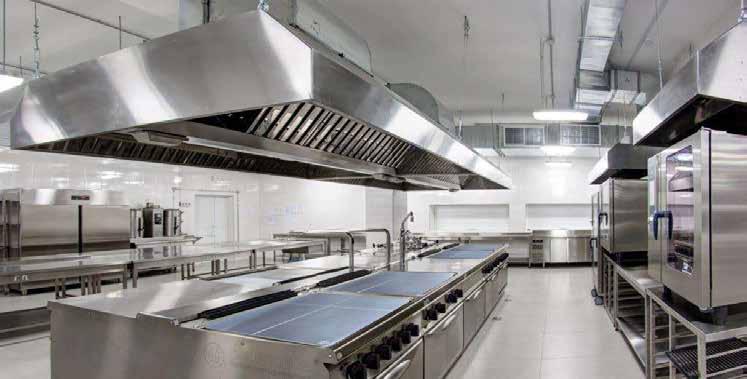
Sheffield Steel Systems is a leading supplier of commercial kitchen equipment and related solutions and services in the East Africa region. Our expertise includes consulting, design, manufacturing, installation of commercial kitchen equipment and stainless steel equipment for all industries.
HVAC SOLUTIONS
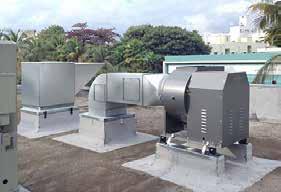
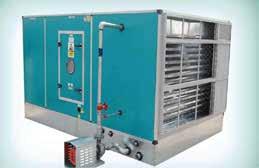
At Sheffield Steel Systems Ltd the customer always comes first. We have earned a premier reputation by tailoring HVAC (Heat Ventilation and Air Conditioning) solutions specifically to each customer’s needs. Our team of licensed and certified heating and air conditioning experts will study your project and expectations carefully and then design and install the perfect heating or cooling system for you.
COLD ROOMS SOLUTIONS
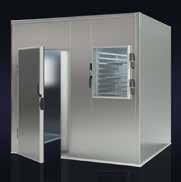
We are a leading provider of pre-fabricated modular walk in Cold rooms in the region. We opened our factory in 2016 that manufactures PUF cold room panels suitable for the African market. From design through to supply and installation and provision of after sales services we offer you the best support.

LAUNDRY SOLUTIONS
At Sheffield, we offer complete laundry planning services to meet your business needs. We not only design a laundry's layout and workflow, we provide suggestions for equipment mix and programming to meet your operation's specific production and labor requirements. Once we've installed your new laundry equipment, we go a step further and offer in-depth training and support you with after sales services.

ELONGATION 12% - 26%
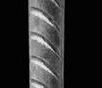







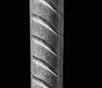




EAST AFRICA’S NO. 1 CHOICE OF DEFORMED BAR

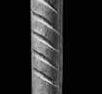


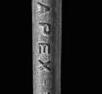

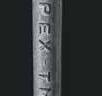


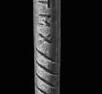


Apex means the top, or the highest point of something, the pinnacle. That was the goal we set for our structural steel in East and Central Africa. It was attained through constant innovation and an obsession with quality.

As proof, Apex Steel was the rst steel manufacturing company in Kenya to make deformed bars, BS 4449. First to earn KEBS certi cation. First to be awarded ‘Diamond Mark of Quality.’ First and only to awarded LEED certi cation. First and only to achieve Superbrand status.
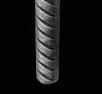
To maintain this position, we begin every day committed to earning the trust of our customers by living up to our name.

MANAGING EDITOR
Robert Barnes
FEATURE EDITOR
Dennis Ayemba
SUB - EDITOR
Lubwa Leonard
COUNTRY EDITORS
Kenya - Anthony Kiganda
Uganda - Betty Nabakooza
Nigeria - Boladale Ademiju
South Africa - Jimmy Swira
WRITERS
Yvonne Andiva, Christine Siamanta, Erick Mongare, Dorcas Kang'ereha, Pascal Musungu
WEB & GRAPHIC DESIGN
Augustine Ombwa, Bonface Kimunyi, Caleb Larum
Sales and Marketing Manager Ken Okore
ADVERTISING
Kenya: William Mutama, Fred Okoth, Trizah Njoroge, Joseph Mwangi,
South Africa: Thuli Nkosi, Winnie Sentabire, Angeline Ntobeng, Uganda: Nobert Turiyo, Selina Salumah Namuli
Botswana: Dickson Manyudza, Gerald Mazikana
Ethiopia: Haimanot Tesfaye, Ruth Girma
Tanzania: Tom Kiage
Malawi: Anderson Fumulani
Ghana: Samuel Hinneh, Caleb Donne Hadjah
Zambia: Susan Kandeke
Zimbabwe: Chiedza Chimombe
Rwanda: Collison Lore
Nigeria: Seni Bello
China:Weng Jie
The editor accepts letters and manuscripts for publication from readers all over the world. Include your name and address as a sign of good faith although you may request your name to be withheld from publication. We reserve the right to edit any material submitted .
Send your letters to: info@constructionreviewonline.com
Construction Review is published eleven times a year and is circulated to members of relevant associations, governmental bodies and other personnel in the building and construction industry as well as suppliers of equipment, materials and services in Africa, the Middle and Far East. The editor welcomes articles and photographs for consideration. Material may not be reproduced without prior permission from the publisher. The publisher does not accept responsibility for the accuracy or authenticity of advertisements or contributions contained in the journal. Views expressed by contributors are not necessarily those of the publisher.
© All rights reserved.


Uganda Agent Projects Unusual Uganda Ltd. Jemba Plaza, Luwum St. Kampala,

Download free QR Readers from the web and Scan this code with your smart phone to access more stories on the CR website
The length of adequate curing is dependent on a number of factors among them mixture proportion, specified strength, weather conditions and future exposure conditions.
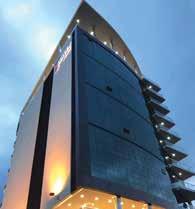
The rise of parklane construction limited
Parklane is determined to make a difference in the construction industry by injecting fresh ideas and providing cutting edge services to become the contractor of choice for all categories of clients.
At least a third of Africa’s population has no access to electricity and this figure is even higher for the rural populations who have to rely on kerosene and candles to light their homes. The fact that for the rural folk the cost of lighting is far higher than for those in urban areas despite the fact that incomes in rural areas are far lower only exacerbates an already dismal situation.
Electricity is a pre-requisite for economic development, improvement of health and even education but getting on-grid power to rural areas that are often remote is costly and the most viable option is off-gri d systems. Off-grid power has the advantage of lighting homes in remote areas cost effectively and sustainably, when the source is solar or wind; and governments need to make more concerted efforts to promote this.
Smart
Celebrating 10 years of professional practice
Betts Townsend: Quality at its best
In addition, governments should support organizations that are now offering to finance rural households to own and draw power from solar power units with billing systems that rely on mobile payments Overnight communities have been converted by these efforts into vibrant economic regions with gainful activities continuing into the night, and healthcare centers having better facilities that can store medicines in refrigerated units; and students that can read comfortably into the night.
Ethiopia Office
Haymi Advertising Services
22 Mazoria, Genet Bldg 4th Flr
P.O. Box 1316 - 1110 Addis Ababa
Tel: +251 118 955 855, Cell: +251 930 099 152
Email: ethiopia@groupafricapublishing.com
Ghana Office
Image Consortium
1st Floor, The Ecobank Building, Tesano.
Tel: 233(0)30 223 2728 I 233(0)274807127 I +233(0)206299159
Fax: 233(0)24 882 8286
Email: ghana@groupafricapublishing.com, Calebhadjah@gmail.com
Kenya Office
Northwest Ventures Ltd
P.O. Box 16414 - 00100 G.P.O
Nairobi, Kenya
Tel: +254 20 2679809 I 2679808, 2091305
Email: kenya@groupafricapublishing.com
Nigeria Office
Rahma Associates
B23/24, Aishetu Emoewa Plaza, 196, Iju Water Works Road, Ifako Ijaye Lga,Agege, Lagos.
Tel: 234-1-7347860
Email: nigeria@groupafricapublishing.com
Rwanda Office
Kolline & Hemed Inc., B.P. 3328,
Kigali, Rwanda
Tel: +250 03 748106
E-mail: rwanda@groupafricapublishing.com
Website: www.kollinehemed.org
Zambia Office
Dayflex Limited, 4th. Floor Tazara House
Dedan Kimathi Road, Lusaka, Zambia.
Tel: +260 211 230 529 / +260 977 756 663
Email: makukasue@mail.com, dayflex06@gmail. com
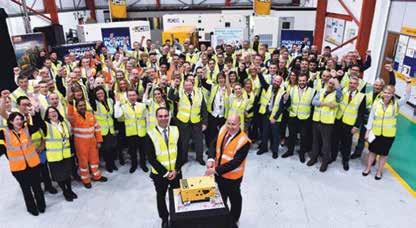
It is 10 years since Power Products produced and sold the first JCB generator to coincide with the launch of the JCB engine. It is also a year since the acquisition of major UK producer of diesel generators Broadcrown Ltd was completed. JCB Power Products was established in 2006 following the launch of the innovative JCB DieselMax. The company offers an extensive range of high specification generators to meet customer requirements for any power application globally; into residential, rental, construction, quarrying and mining sectors. In 2015, global equipment manufacturer JCB acquired generator manufacturer Broadcrown, which was established in 1976; to strengthen and extend its own range of generators and power supply equipment. Following the acquisition of business and assets of Broadcrown, JCB Power Products began to integrate generator ranges to help increase JCB’s penetration of the generator market.
Danish company Kamstrup is set to deliver 40,000 intelligent water meters to help boost water supply in Ghana. The project which is one of the first in intelligent water measuring in Ghana, is a good sign that the water deficiency challenges currently facing most African countries are leading to an increased demand for more sustainable solutions. According to Jacob Kahl Jespen, export advisor with the Danish embassy in Ghana, the country has seen a rise in demand for more efficient services in both the private and public sectors. Having a middle-income status as a nation, with rising urbanization, globalization and increased foreign investments; this seemed to be the right time to come in.
EOH, Steag unite forces to enhance energy services in
JSE-listed technology solutions provider EOH Industrial Technologies recently got into a strategic joint venture (JV) with German energy group Steag Energy Services to expand EOH’s operations services offering in South Africa. The JV will handle all aspects of power project developments, from the beginning to viability study, project development; construction, operation and maintenance and the optimization of plants that are already running. Talking at the signing ceremony on the sidelines of the Africa Energy Indaba in Johannesburg, EOH CEO Zunaid Mayet said the two companies decided to honor their years-long relationship. EOH managing executive Jayesh Ranchod said the change in South Africa’s electricity generation mix had alerted EOH to the necessity to cover all its bases to tackle this mix.
We are in 2017 and there is no doubt that this generations; is quite different from past generation, therefore the working style has to change due to evolution and technology. It is no secret that the generation an employee is from dictates their work style and ethic.
“Baby Boomers” – born 1945 -1963 – prefer detailed directions and guidance, striving to complete the task as quickly and efficiently as possible. They work well in teams, value meetings and look for guidance when necessary. In contrast, many millennials – born since 1991 – believe that a task naturally evolves and changes along the working timeline; and focus more on positive customer interaction and experience rather than expediency of completion. They are more independent, working alone but collaborating on tasks where
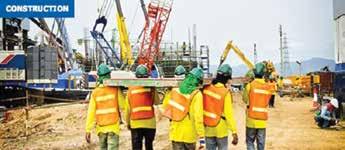
necessary. As a manager you have to know how to deal with each of the age group. Here are some actionable tips:
1. Develop a Mentorship program
Have a mentorship program at your work place where the different generations can learn from each other. Older generations have a rich real-world experience in any industry that no amount of time in a classroom will impart.
2. Utilize Appropriate Leadership
Different generations have different ideas of what a leader should be. For anyone managing a multi-generational team, a one-size-fits-all approach to leadership will not work. Tailor your management style as appropriate for each staff member’s individual skills, personality and work ethic.
3. Communication is Key
Communication is important, especially in a multi-generational team. Open and clear communication prevents details getting lost in translation, avoiding potential conflict between staff members. This is applicable both in the abstract and the physical. Cubicles and solo offices are great for when someone needs no distractions, but they hinder communication and co-operation.
Sarec welcomes Zuma’s support for
The South African Renewable Energy Council (Sarec) has saluted the Presidency’s support for the nation’s Renewable Energy Independent Power Producer Procurement Programme (REIPPPP). During his State of the Nation address, President Jacob Zuma announced that state owned Eskom would sign the outstanding power purchase agreements (PPAs) for renewable-energy projects that had been acquired during the latest rounds of the REIPPPP.
Renewable-energy independent power producers (IPPs) have through the initial vastly successful rounds of the REIPPPP , established their dedication to invest in producing power at increasingly lower cost; and to build stronger communities where their plants are situated.
“More than US$1.13bn of investment will surge in the short term and jobs will be generated once outstanding power purchase agreements are signed,” said Sarec chairperson Brenda Martin.
"Up to 15 000 jobs associated with the power procured in 2015 are presently not being realised ," Martin stated. Local solar PV Company Solar Capital said that it was pleased that the standoff between Eskom and IPPs was approaching a conclusion.

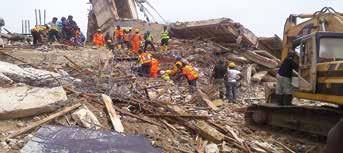
Members of the Nigeria Society of Engineers (NSE) have decried the activities of quacks and novice in the Engineering profession; saying quacks are responsible for 80 percent of the collapse of buildings in Nigeria. Led by Engineer Isa Emoabino in an interview at the branch meeting of the Association recently, Emoabino cited the recent building collapse in Port Harcourt; saying the building was found to have been constructed by a pharmacist. Also, Engineer Oginni M. Alade lamented that quacks have taken over engineers’ jobs which he said is responsible for collapse of buildings in the country. Engineer Alade who is also a consultant at Net Construct Nigeria Limited in Abuja condemned the activities of quacks who pose as contractors and cut corners to get engineering jobs. According to him, factors including poor workmanship, use of substandard building materials, illegal alterations of design and faulty construction methodology among others are responsible for collapse of buildings. While he described quacks and non professionals as evil collaborators, he also suggested that clients or project owners found to have engaged nonprofessionals or refused to adhere to approved design specifications should be charged for non compliance or stiff penalties meted on them so as to serve as a deterrent to others.
South Africa’s built environment body Bepec extends its base
The Built Environment Professions Export Council (Bepec) has extended its membership platform to take in the construction services sector, in an attempt to have a united South Africa Inc expand into the rest of Africa. The council’s widened base opens all the Bepec export promotions and export-enhancing offerings of the Department of Trade and Industry (DTI) and Trade Investment Africa to companies working in the construction services sector and will allow the utilization of numerous opportunities outside South Africa’s borders. This recently expanded export council will be taking the joint approach to aid the industry access a continent with a US$93bn infrastructure market. With aspirations of capturing 1% of overall universal exports by value by 2030, it is becoming increasingly vital for South Africa to organize joint trade and execute what is embedded in South Africa’s economic strategy. "In line with this, it made, “complete sense,” to have the extended membership base,” said Bepec CEO Con Korsten, pointing out that it made for more effective securing and execution of projects as SA Inc; and smoothed the way to the formation of consortia of joint disciplines for such projects.
The Association of Building and Civil Engineers Contractors of Ghana (ABCECG) has stressed the need for a regulatory body to control the activities of practitioners in the industry. The Association said the establishment of a regulatory body will help to weed out unprofessional practitioners in the industry, especially as the activities of such people could result in serious consequences. Mr Martins Kwasi Nnuro, National President of Association of Building and Civil Engineering Contractors of Ghana (ABCECG), noted that cases of poor quality of work on some projects has exposed the lack of commitment or low capacity of contractors involved, thus necessitating the need to regulate and sanitize the industry. Mr Nnuro said the Association’s focus is on fostering partnerships with its relevant associations, government entities and the private sector for the development of the construction sector. Mr Martin GanyoNukpezah, Managing Director of Martgaza Limited and member of ABCECG expressed concern about the award of construction contracts to government and political sympathizers as a mode of ‘payment’ for their support, saying the activities of such contractors could not be monitored as they are not part of any association.
The 7th China International Roof, Façade, Waterproofing Exhibition
The 7th China International Roof, Façade, Waterproofing Exhibition will take place between May 12th and 14th, 2017 at the Poly World Trade Center Expo. Guangzhou, China. Among the products to be showcased are bituminous waterproofing membrane, roofing systems, wall materials, waterproof paint, sealing material, metal roof system, waterproofing construction equipment and application technology among others. As the core thematic exhibition in China International Integrated Housing Industry Expo, Roof China focused mainly on roof bounding system; involving new building materials which have different functions, such as water and moisture proofing, sunshaded decoration etc.
Kenya
- Architectural Association of Kenya
The 20th edition of BUILDEXPO Kenya; East Africa’s largest building and construction show is all set for another massive event with over 350 exhibitors signed up from 44 countries including: Germany, China, India, Turkey, Italy, UAE and Greece along with leading construction firms from East Africa. BUILDEXPO Kenya, organised by Expogroup Worldwide, a pioneer in the trade show industry in East Africa for the past two decades, will take place at the Kenyatta International Conference Centre (KICC) from the 20th to 22nd April, 2017. The massive China pavilion at BUILDEXPO Kenya will comprise of a delegation of over 80 companies looking to expand the country’s ever growing presence in the building and construction sector in the region with innovative, cost effective materials, products and services.

- Institute of Botswana Quantity Surveyors
Ethiopia
- Institute of Quantity Surveyors of Kenya
- Institute of Engineers of Kenya
- Association of Consulting Engineers of - Kenya
- Association of Professional Societies of East Africa APSEA)
- Kenya Property developers Association
- Institution of Surveyors of Kenya
South Africa - ASAQS - SAICE
- South African Council for the Quantity Surveying Profession
- Khuthaza ( Women for Housing)
- Concrete Manufacturers Association
- Green Building council of SA
- South African Property Owners Association
- Master Builders South Africa
Uganda
Institute of Surveyors of Uganda
Uganda Institute of Professional Engineers (UIPE) & Uganda society of Architects
Botswana
The 2017 edition of the Argus Africa Roads is set to feature the Road Construction and Maintenance Summit, as well as a “Highway to Success” Road Show. Argus Africa Roads 2017, is a high level roads construction maintenance event that brings together senior executives from African governments, international donors and investors; national road agencies, construction companies, asphalt and bitumen producers and refineries, among others. At this year’s event, there will be a Leaders’ debate where governments, bitumen and asphalt producers and construction companies will debate important factors affecting the industry. Scheduled industry speakers include; Dave Bennet, Group Five Civil Engineering; Christophe Jacquet, Total; among others.
- Tanzania Institute of Quantity Surveyors
- Construction Regulation Board (CRB)
- Association of Ethiopian Architects
- Ethiopian Association of Civil Engineers
- Construction Contractors Association of Ethiopia
- Zimbabwe Institute of Quantity Surveyors
- Zimbabwe Institute of Engineers
- The Construction Industry Federation of Zimbabwe (Cifoz)
Ghana
- Ghana Institute of Engineers
- Architects Registration Council
- Ghana Institute of Surveyors
- Ghana Green Builders Association
- Ghana Institute of Planners
- Association of Building and Civil Engineering Contractors of Ghana
Institute of Namibian Quantity Surveyors
Association of Consulting Engineers of Namibia
- Tanzania’s Registration Board of Architects and Quantity Surveyors (AQSRB)
- Association of Consulting Engineers Nigeria
- Association of Professional Women Engineers Of Nigeria
- Council of Registered Builders of Nigeria
- The Nigerian Institute of Architects
- American Association of Petroleum Geologists Africa Region
- Nigeria Society of Engineers
- Nigeria Institute of Architects
- Building and Construction Skilled Artisans Association of Nigeria (BACSAAN)
Zambia
- Zambia Institute of Architects (ZIA)
- Association of Building and Civil Engineering Contractors (ABCEC).
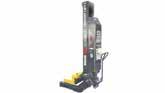
Rotary’s new Mach Flex powered by RedFire wireless mobile column lifting system puts the ability to lift more than 150,000 lbs. right in the technicians’ hands with a patent-pending remote control. Using the remote control the technician is able to move around the vehicle while operating the lift from anywhere in the bay for maximum visibility and flexibility. With Mach Flex, technicians are no longer tied down to operating the lift while standing at a single column. In some shops, especially those servicing buses or other long vehicles, two technicians often work together to operate mobile column lifts — one to run the lift and the other to walk around and check that everything is going smoothly. Thanks to Mach Flex’s industrial-grade remote control, a single technician can operate the lift while walking around the vehicle and the bay, keeping an eye out for any obstructions or other issues. Setting up the Mach Flex lifting system is simple. The remote control guides the technician step by step, eliminating the need to stay at each column to sync it before moving to the next, which reduces setup time.
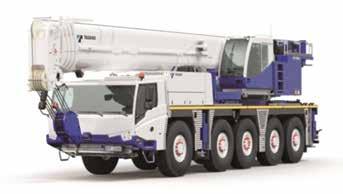
Tadano’s 121-ton-capacity ATF110G-5 has been upgraded with several new and enhanced features such as multiple counterweight configurations and the AML-F load moment system with full onboard diagnostics. This popular Tadano 121-ton (110mt) crane has been upgraded to include several new and enhanced features including multiple counterweight configurations for ease of transport and the new AML-F load moment system that includes full on-board diagnostics. The ATF110G features a 170-foot 6 inch 5-section formed boom and a jib configuration ranging from 12.5 feet (3.8m) to 105 feet (32m). The jib includes an integrated heavy lift jib. Tadano continues to expand the GR Series rough-terrain crane lineup that now includes seven models ranging from 15 to 160 tons. The crane fills the gap between the GR1000XL and GR1600XL models. Cranes manufactured by TADANO are mobile cranes, that is, self-propelled vehicles called carriers mounted with a hydraulic crane mechanism.
SANY launches 20 ton and 22 ton hydraulic single drum rollers
SANY recently launched the 20 ton and 22 ton hydraulic single drum rollers that give operators access to new technology and make work more efficient. The new SSR200AC-8 and SSR220AC-8, both with 83.6inch width, are equipped with Bosch Rexroth vibration pump, which feature large volume pump delivery and stable power transmission, shortening the starting time of oscillation to only 3 seconds. The new dual frequency and double amplitude vibratory mode is adopted to generate more excitation force and better compaction performance. The WeiChai WP6G200E331 engine is deployed to provide 147 kW (197 hp) power, greatly improving the gradeability, and keeping the fixed speed even in the high altitude area. The Dynamic Systematic Thermal Conduction Control Technology ensures the roller to continuously operate in high temperature up to 46 degrees Celsius.
The Tier 4 Final version of the 80Z7 wheel loader has been released by KCM Corporation. Equipped with a 4.2 -cubicyard general purpose bucket, the loader is powered by a 200-gross-horsepower Cummins QS86.7 engine. The machine has no diesel particulate filter (DPF), which eliminates the possibility of plugging or DPFrelated servicing. Instead, the loader uses a diesel oxidation catalyst and selective catalytic reduction technology and diesel exhaust fluid to meet emissions standards. The loader features the KCM IntelliTech Operating System, which controls all loader systems. The system includes a variable-speed reversible fan that minimizes parasitic power drain while providing maximum cooling as needed. A lock-up transmission clutch gives better hill climbing, faster acceleration and greater fuel efficiency. The cab features a standard superwide angle rear view camera to help operators monitor activity outside of the machine. Two control systems are available: a conventional steering wheel with a tilting/telescoping column, or joystick steering. The KCM Global e-Service telematics system monitors and collects operating data and alerts. Kawasaki-KCM loaders have a rich heritage of quality, technology and outstanding support with a long history dating back in 1962.


Emma Xie He is a climate and energy graduate research fellow at Worldwatch Institute. She is interested in energy markets, renewable energy, international development, and market based approaches to protect and restore ecosystems.
The East African country of Tanzania faces a serious electrification challenge. Only 2 percent of rural households have access to electricity, and most of the rural population relies on expensive, hazardous, and low-quality fuels such as kerosene for lighting and charcoal for cooking; yet off-grid renewable energy can play a major role in boosting electricity supply in the country. Access to electricity and other modern energy services is fundamental to human well-being and to a country’s social and economic development.
In many countries, electrification through off-grid applications has become a costeffective alternative to conventional grid expansion in remote areas. Already in Tanzania, energy systems based on wind, small hydropower, biomass, and solar resources are being used successfully to meet energy demand in isolated villages. By integrating these renewable-powered off-grid systems, rural communities are increasing their access to affordable energy supplies while contributing meaningfully to climate change mitigation. In 2013, per capita electricity consumption in Tanzania was 89 kilowatt-hours (kWh), one of the lowest rates in the world and only onequarter of the average electricity use rate in sub-Saharan Africa (itself a region with record-low electrification). Among the main challenges faced by Tanzania’s energy sector are rising demand for rural electrification and the unreliability of electric utilities.
between 2010 and 2035, to 472 kWh. Currently, Tanzania’s national electrification rate is 11.5 percent, with a wide discrepancy between urban areas (40 percent) and rural areas (only 2 percent). To close the gap, the government has set aggressive electrification targets, aiming to achieve 75 percent electrification by 2035. The vastnesses of the country coupled with low population density in some regions will likely present barriers to electrification. The existing transmission line system fails to cover most of western and southern Tanzania and grid extension would be uneconomical for many difficultto-reach areas. The growing demands for electricity and for electricity access require the government to devise cost-effective electrification plans that could reach the rural population in a short amount of time.
Tanzania depends heavily on large hydropower (36 percent), and on fossil fuels such as oil and natural gas (62 percent) for its electricity generation. In recent years, Tanzania Electric Supply Company; (TANESCO), the main electric utility company, has suffered from poor management of grid maintenance and financial resources. Changing meteorological patterns and recent droughts have dramatically reduced generation capabilities from large hydropower, and the prolonged water shortage continues to cripple hydropower production.
Access to electricity and other modern energy services is fundamental to human well-being and to a country’s social and economic development.
The demand for electricity is expanding rapidly in Tanzania, driven by factors such as population growth, increasing household consumption, and booming mining activities. In 2012, the Ministry of Energy and Minerals estimated that per capita electricity consumption would increase fivefold
TANESCO’s financial situation has been exacerbated by petroleum price volatility in the international market, and by the need to acquire costly emergency and peak demand generators; hampering the company’s potential to invest in grid extension. The over-reliance on large hydropower and fossil fuels has raised concern among electricity industry stakeholders in Tanzania. It also has opened an opportunity for significant uptake
of micro-scale electrification schemes, which involve the participation of smaller power producers and require much less capital investment.
The World Bank estimates that the cost of grid extension in developing countries ranges from US $6,340 per kilometer in densely populated regions to as much as US $19,070 per kilometer in regions with dispersed populations. The high cost of grid extension in remote areas presents enormous opportunities for off-grid electrification. In most cases, a single renewable technology will be insufficient to reliably meet electricity demand over long periods. To overcome this barrier, off-grid integrated renewable energy systems have been proposed to meet the growing demand from remote areas with locally available renewable energy resources. Tanzania is a perfect candidate for offgrid integrated renewable energy systems, given the high cost of grid extension to its vast and often sparsely populated rural areas and the risks associated with grid unreliability. Off-grid systems can create a portfolio of highly diversified clean power sources with a wide geographical spread. Fortunately, Tanzania is home to immense and high-quality renewable resources. Aside from large hydropower projects, most of these resources including: solar, wind, small hydropower, and biomass have yet to be harnessed.
Solar: Situated in the world’s “solar belt,” Tanzania receives abundant sunlight year-round, ranging between 2,800 and 3,500 hours of solar radiation per year and an average radiation of 4–7 kWh per square meter per day. Solar resources are particular rich in the central region of the country. To make solar photovoltaic (PV) systems a more affordable and more attractive option, the government has removed the value-added tax (VAT) and import tax for the main solar components. Wind: Large areas in Tanzania are known for average wind speeds of 5–7 meters per second. More than 10 percent of the country, an area the size of Malawi, has areas of high wind power potential, and Tanzania’s overall wind potential exceeds that of the entire U.S. state of California in both wind speed and coverage. To date, four companies have expressed interest in investing in wind energy in the country, and many regions are being assessed for their wind potential. Small hydropower: The assessed potential of small hydropower in Tanzania is around 480 megawatts (MW). Currently, the installed small hydro projects that are connected to the grid amount to only 15 MW. According to analysis from the National Electrification Program Prospectus, 141 hydropower sites have been identified that could supply electricity to more than 300 areas with populations over 1 million. The estimated capacity at two-thirds of these hydro sites is less than 1 MW, and at the remaining sites it varies between 1 and 10 MW. These are perfect values for small-scale electrification.
Biomass: Biomass-based fuel accounts for 88 percent of the primary energy supply in Tanzania, and approximately 80 percent of this biomass energy use—primarily wood and charcoal—occurs in rural areas to meet residential cooking (and some heating) needs.
To read more and to comment on this story visit http://www.constructionreviewonline.com

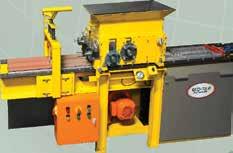
THE ONLY EQUIPMENT MANUFACTURER IN THE SOUTHERN HEMISPHERE PRODUCING HIGH SPEED CONCRETE TILE EXTRUSION PL ANTS
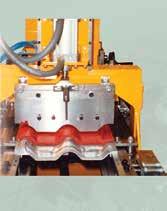
EXTRUSION MACHINES C APABLE OF MULTI-PROFILE PRODUCTION

OVER 100 CONCRETE ROOF TILE PL ANTS INSTALLED IN AFRIC A
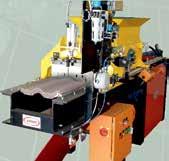
OVER 1000 DIFFERENT SPARE PARTS SUPPLIED DIRECTLY FROM OUR STORES IN SOUTH AFRIC A
Construction models widely established in many countries generally ignore the environmental, social and economic impact which can result as a consequence of their activities. In the medium to long term, unsustainable building may compromise future needs. One of the priorities of the construction sector should therefore be to develop and implement solutions aimed at maximizing sustainable development. At the moment, of all the building certification systems, the one which has the greatest international presence is the LEED certification system. The pilot project which was developed by the U.S. Green Building Council (USGBC) was launched in 1987. LEED promotes sustainable building whereby priority is given to a balance between existing concepts and emerging technologies. It provides a tool for recognizing projects that implement strategies aimed at minimizing the associated environmental
impacts. The LEED system certifies buildings rather than companies’ environmental aspects, products or materials.
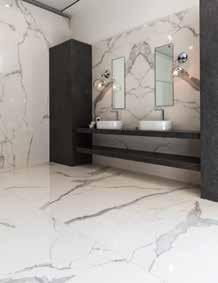
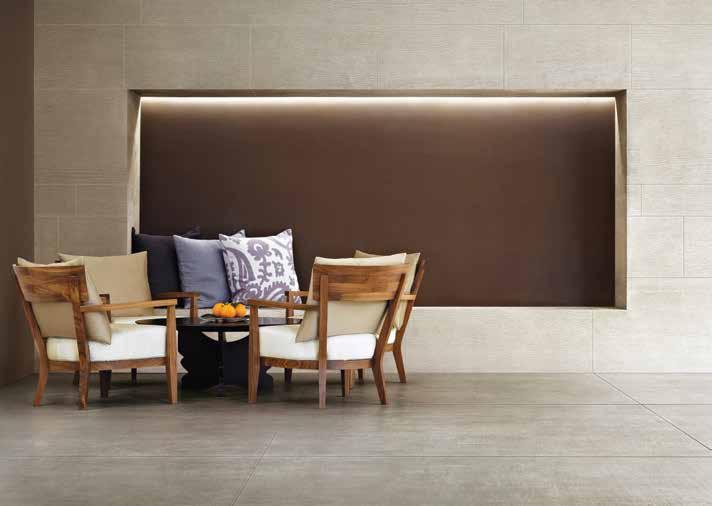
The commitment to sustainable construction is of particular importance for the ceramic tile industry as a producer of construction materials that contribute to the achievement of third-party environment certifications. By their very nature, ceramic tiles can contribute to the acquisition of LEED credits in: Materials and Resources: reuse of the building (MR credit 1.2), management of construction and demolition waste (MR credits 2.1 and 2.2), recycled material content (MR credits 4.1 and 4.2), and regional materials (MR credits 5.1 and 5.2).
Since ceramics are materials that have the same longevity and lifetime as the building, they can contribute
to obtaining 1 point with credit MR 1.2 by helping to meet the demands of this credit in terms of maintaining the nonstructural interior elements in the reuse of a building. It is also important to stress that ceramics, being inert materials, can be used as a filling material after the useful life of the building, so that if a building is recycled or if 50 or 75% of non-hazardous construction and demolition waste is recovered, 1 or 2 LEED points will be obtained respectively.
In the category of recycled material, it should be noted that the LEED requirements require the builder to use materials with recycled content such that the sum of post-consumer recycled content plus one half of the pre-consumer content constitutes at least 10% (which would provide 1 point) or 20% (2 points), depending on the cost, of the total value of project materials. The value of the recycled content of the manufactured product is determined by weight. The recycled fraction of the product is then multiplied by the cost of the product in order to determine the recycled content.
In the opinion of Riccardo Montanari of Casalgrande Padana S.P.A, recycling water, gas and raw material for production of tiles is quite important to ensure the earth remains green. “It is also important to respect all the social and labor regulation because they all contribute to sustainable development,” he added. Casalgrande Padana has been producing advanced ceramic materials for over 50 years; innovative and environment friendly solutions for the creation of coatings, floors and coatings. “We have a unique capacity production for many different products and this aspect permits the architect to select and combine in the same projects many different products, always keeping the highest Italian quality,” he said
Royal Ceramics is a manufacturer of ceramic and porcelain tiles for Nigeria and other West African countries. “Our product is one of the few porcelain/ vitrified tiles manufactured in Nigeria. We have finishes of various types which help the construction industry especially architects, builders and real estate developers; from normal small size ceramic tiles to glaze finishes, for both walls and floors,” he said.
“We are a 100% indigenous company which uses local resources in Nigeria thus greatly contributing to the mining sector,” added Mr. Mohanty.
For the LEED programme it is important to reduce the heat island effect that occurs in urban areas due to accumulation of heat, so as to reduce the temperature difference between developed and undeveloped areas. Among the different strategies that LEED presents for this section is the use of paving materials with a Solar Reflectance Index (SRI) greater than 29, which would provide 1 point. For example, light-colored ceramic products can replace traditional exterior paving materials on pavements, patios or parking
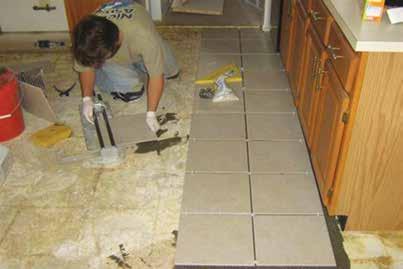
ceramics can be used as a filling material after the useful life of the building
areas, since they have a high SRI that minimizes heat absorption or the heat island effect.
According to Ruth Renwick Owner of Renwick Handmade Tiles, there is some kind of bonding liquid used in the making of the grout. “tiles are a perfect medium for heat island effect as they are made with high heat. They stay cool longer than other building materials and are easy to keep clean; plus they retain their color and shape.,” she said. Renwick Handmade Tiles make a wide range of Victorian, patterned and plain tiles. “We not only make them available to in South Africa and other African countries but to other continents; anywhere there is a courier service we can send them. Furthermore we create our designs using several different methods from hand carving to hand painting. I always say that we have an artist that can paint your mothers face on a tile. But we did get commissioned in Austria to paint portraits for a grave yard. We can create a tile with company logos on them,” she said.
“I am excited to see geometric shapes coming in. We are busy with a job in Kenya that combines a carved geometric design on a subway tile. I Love it,” said Mrs. Renwick. “Our classic Victorian tiles always remain a
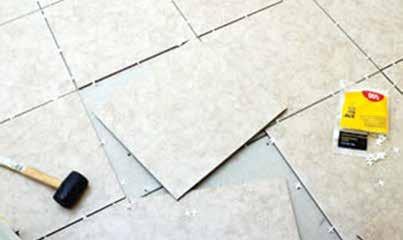
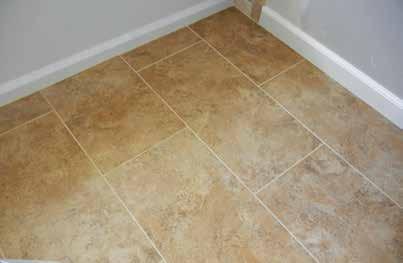
favorite, but we are using much more vibrant colors in them these days,” she added.
There is growing concern about the impact that Volatile Organic Compounds (VOCs) may have on people’s health. For this reason, LEED seeks to reduce the amount of indoor air in a building that is irritating or dangerous to the health and welfare of users due to the vaporization of carbon compounds by using materials that release no VOC emissions or low amounts of these. Therefore, the use of ceramic tiles as a general lining on the inside of a building will be awarded the highest score in this section, 1 point. According to Dewald Viljoen of Johnson Tiles, they manufacture glazed ceramic tiles which are inert to VOC’s and therefore have no dangerous emissions.
Johnson Tiles has a proud history rooted in the design and manufacture of high quality wall and floor tiles since 1901. With companies on five continents it is one of the largest manufacturers of ceramic tiles in the world. “We manufacture according to ISO 13006:1998 and SABS 1449:1996 standards. An on-site technical laboratory conducts quality checks daily at every stage of the
manufacturing process to ensure our products reach the market at the highest quality standards. “We also have an in house design team who are highly trained with a great deal of experience in design. These designers are up to date with the latest trends and travel regularly to international and local design shows,” he said.
“Recently, there has been an economic slowdown in retail sales across the manufacturing industry as well as the importation of cheaper, lower quality tiles from overseas. In that case, we advise that when purchasing a tile the buyer should ensure that the tile being purchased is suitable for the area it is going to be installed.
One of the ways to do this is by checking the PEI (Porcelain Enamel Institute) rating. The higher the PEI rating the more suitable a tile is for commercial use,” said Mr. Viljoen. Mr. Abdul Patel of Lifestyle Ceramics is of the opinion that, one should not focus only on price but try to find a balance between environmental quality, price, and design. “It is advisable to choose products that are green and comply fully with international health regulations and safety measures,” he said.
Lifestyle Ceramics are authorized dealers of Roberto Cavalli luxury tiles, Versace Ceramics, Valentino tiles, Villeory and Boch bathroom ware. “These brands are only available at a handful of selected locations on the African continent,” said Mr. Patel. “We are suppliers of a huge range of ceramic and porcelain tiles from Italy, Spain, Brazil and the Far East We regularly do projects in Botswana, Zambia, Malawi, Mozambique, and Zimbabwe,” he added.
“Take your time and carefully select the correct materials. Tiles are an investment into your home and the value of property always increases in the long run,” advised Mr. Abdul.
Exceeding the credit requirements and/or proposing a project strategy not covered by LEED that provides measurable environmental benefits is rewarded with a maximum of 5 points. In this sense, the ceramics

industry has made significant progress in reducing the environmental impact of its production process and launching on the market products that are innovative in terms of sustainable building materials, such as ceramics with a photo-luminescent coating that accumulates incident light and returns it by shining in the dark; or incorporating a catalyst glaze which, in the presence of sunlight and humidity, causes pollutant emissions (NOx and HNO3) in urban areas to react, transforming them into substances that are harmless to human health (nitrates); or tiles that are resistant to dirt; self-cleaning tiles; among others. On the authority of Elisabetta Costi of Gardenia Orchidea designing of tiles should be geared towards producing environmentally friendly products.
Gardenia Orchidea Group is one of the leading producers of ceramics, special pieces and decors; based in Italy “We sell high quality products and we have a very special range signed by Versace well known all over the world. Our products are present in some South African show rooms,” she said.
“Whereas there is a challenge in selling good products for comfortable houses, we advise the customers to buy according to their taste,” she added.
“Now Africa requires high quality tiles not only the product, but also new technologies; like in particular the innovative systems for external facades and swimming
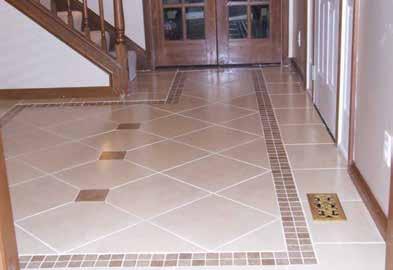
Tiles are the most important factor for finishing a house or commercial space in the modern day.
pool. This is why we have an engineering department that strives to give our clients the necessary technical support in cooperation with Litokol; one of the world leaders in the production of adhesive, grout and material for laying tiles in any destination,” he affirmed.
According to Shakti Mohanty of Royal Ceramics, tiles are the most important factor for finishing a house or commercial space in the modern day. “Use of tiles gives great finishes at a lesser cost than natural stone,” he said.

Cast acrylic baths, manufactured by Libra Bathrooms, are far superior and last much longer, due to the excellent chemical, UV and weathering properties they contain.
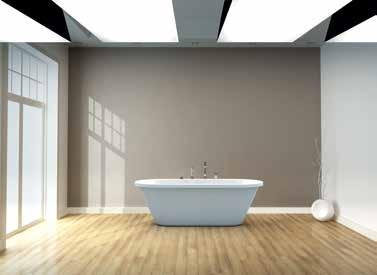
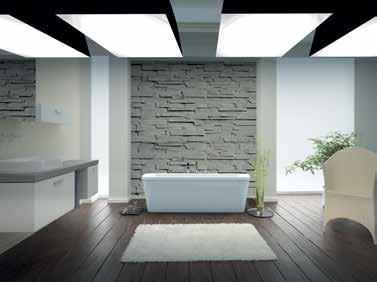
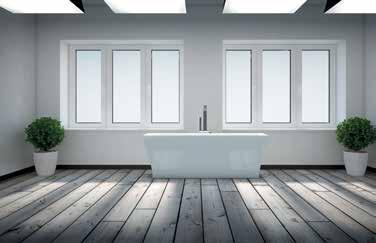
In the acrylic bath industry, two major additives feature as focus in production namely, Cast and Capped Acrylic. These fundamental components have significant differences even though at first glance they might appear very similar. The Cast Acrylic sheets used during production are manufactured from 100% Polymethyl methacrylate (PMMA), compared to Polymethyl methacrylate (PMMA) known as capped ABS that is made up of an Acrylic and Styrene mix.
“The effect of Acrylic measure in the sheets used to manufacture sanitary-ware determines the actual thickness of the Acrylic in the finished product. In short, the thickness of the Cast Acrylic in bath and bath tray products ranges from 3 - 5mm. Capped Acrylic products only reach 0.3mm to 0.5mm thickness. This in turn has an immense influence on quality and durability of the finished items. Cast acrylic products are far superior and last much longer, due to the excellent chemical, UV and weathering properties it contains,” says J.J De Waal, General Manager at Libra Bathrooms, part of the GROHE DAWN WATER TECHNOLOGY (GDWT) and Lixil Group.
According to De Waal, besides the premium finish and lasting durability, Cast Acrylic Baths have the following advantages:
1. Cast Acrylic does not discolour over time.
2. Cast Acrylic has a much higher tensile strength (capacity of a material to withstand loads tending to elongate).
3. Cast Acrylic has a higher resistance to crazing (when a network of very small cracks form) and when exposed to solvents.
4. Cast Acrylic has a much higher scratch resistance.
5. Cast Acrylic can be repaired and polished back to its original glossy finish.
6. Cast Acrylic has a superior glossy surface finish.
7. The quality and standard of Cast Acrylic products simply exceed any other.
At the heart of all manufacturing activities at Libra Bathrooms lies its dedication to ensuring that all products are manufactured to the highest standard. Coupled with its premium finish and luxurious quality is ensuring customer satisfaction all the time. That is why they can offer a 10 year warranty on all baths and even a 1 year warranty on contract baths. Libra Bathrooms only manufactures acrylic sanitary-ware using Perspex® Cast Acrylic sheets as opposed to many other acrylic sanitary-ware manufacturers who use lightweight PMMA/ABS (Polymethyl Methacrylate capped ABS).
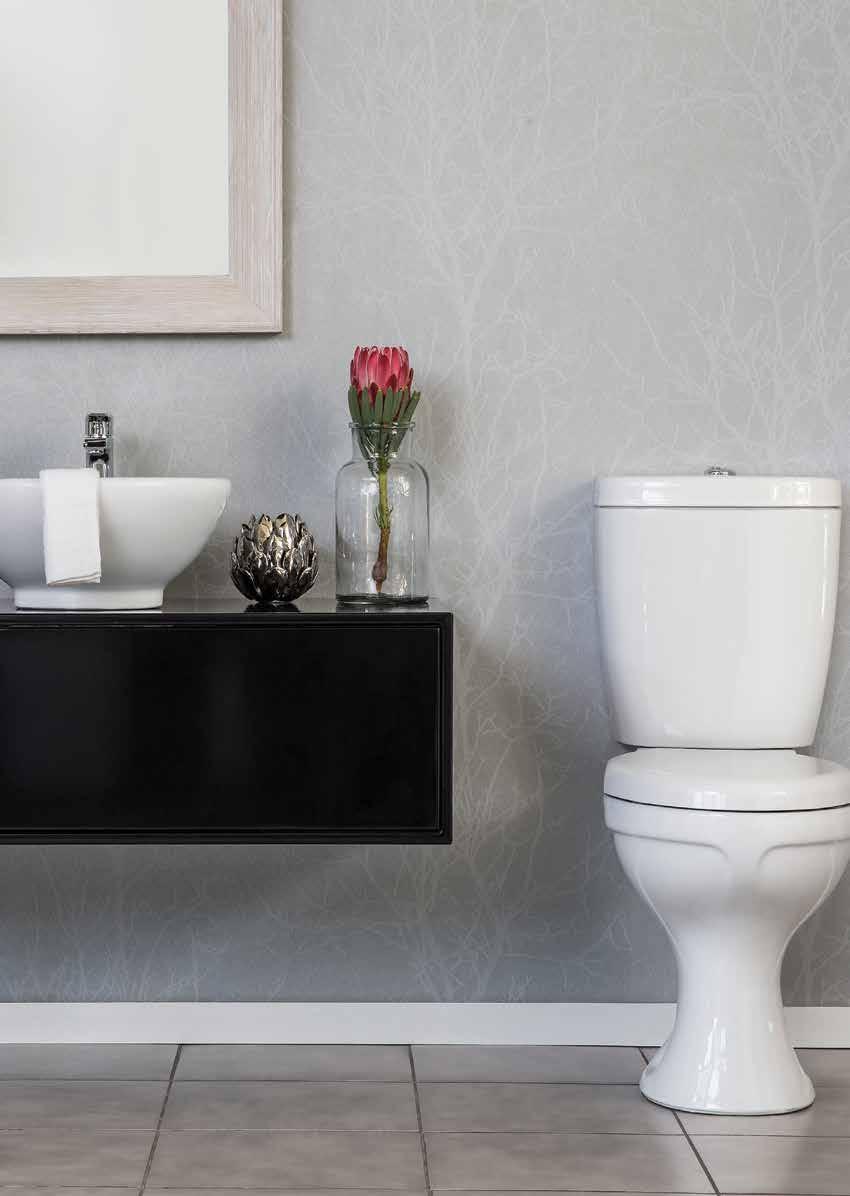
Our specifying expertise makes us the partner of choice for big brands in the hotel, hospital and shopping mall industry.
Apex Steel, the pioneers in the manufacture of Deformed Bars that meet international standards of BS: 4449 and conform to local ISO standards – Kenyan ISO 6935-2 are making inroads in the distribution of their Deformed Bars into the Kenyan retail market.
With the new KEBS regulation, twisted bars will not be sold in Kenya with effect from 1st April 2017. This new directive will now ensure that even the smallest of structures will have the opportunity to be built with the steel that conforms to global standards and design.
APEX TMX is manufactured under technical license from German Engineering. This high end process ensures the Deformed Bar Steel meets the highest specification of international standards. As a consequence of the consistency in the quality of product manufactured and supplied, iconic sites including infrastructure projects, residential complexes and the independent home builder continue to subscribe to APEX
TMX as it delivers against the promise of ‘Quality’.
Apex Steel prides itself in staying ahead by providing sustainable solutions for Construction and Engineering. APEX TMX is the only Deformed Bar that is ‘LEED’ (Leadership in Energy and Environmental Design) certified, making it the only steel in East and Central Africa that is ‘Green Steel’. The French Embassy, for example, is a Green Project where APEX TMX was used. Other developers and consultants who seek materials for Green Projects are using APEX TMX.
Apex Steel has another ‘first’ to offer; a facility that is not commonly available within the region. ‘Cut and Bend’ services on all the Deformed Bar sizes including the D 40mm can fast track construction projects; saving time and money. Information available from contractor experiences suggests that based on sizes and designs, the use of ‘Cut and Bend’ ensures the overall requirement of steel is reduced by approximately 11%.
One can imagine the financial impact of this facility when high-rise structures are being built. More and more contractors are seeking this service that Apex Steel is able to offer within 48 hours - precision ‘Cut and Bend’ as per the BBS (Bar Bending Schedule)delivered to site.
Apex Steel has now pioneered the supply of Bartec Couplers for Deformed Bars. Couplers are an effective and an efficient alternative to the conventional ‘overlap’. This has several structural benefits on concrete compacting - transfer of load, integrity of the continuity, safety at the site and time savings in terms of speed of execution and savings of upto 15% in some of the Coupler sizes when compared to the overlaps. Some progressive developers and engineers have chosen to introduce couplers for their projects in place of the conventional approaches.

Ngao roofing systems Ltd is a leading manufacturer and supplier of economical metal stone-coated roofing tiles, Ngao solar water heater and MGO Board air ceilings. Since its inception the company looks back on a successful story of growth and product development. Having supplied numerous roofing products to prestigious projects, the firm has grown into one of the leading manufacturer and supplier of quality building products in the world construction industry. Joseph Mburu Muigai the founder of Ngao Roofing Systems Ltd, attributes his journey with roofi¬ng tiles to a trip he took to South Africa back in 1993. He attended a building Expo and came across metal-stone coated roofing tiles manufactured by Harvey Roofing Products PTY Limited. The firm has collaborated with world renowned company in China, Linyi Jinhu where he acquired an OEM (Original Enquiries Manufacturers) agreement after doing an intense research on the raw materials; it comes after raw materials (steel) went up in South Africa and that led to his loss of Market share in the industry as he was competing with international brands.
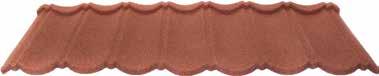
Ngao roofing systems offers various unique roof profiles that range from the Ngao Roman tile, Ngao Classical tile, Ngao Wave tile, Ngao Shingle tile and Ngao Thatch (Makuti) tile; all of which create a strong , weather-tight , environmentally-friendly roofing products that will beautify and protect virtually any property for years to come. The product allows you to choose the look that’s right for your home and it won’t curl, break or burn and is essentially maintenance free. The blending of Stone on metal creates a tough barrier against the elements, offering long-life performance and protection for your home. Stone coated roofing tile strips are available in various colors or Slate with a range of accessories and are the ideal DIY roofing material for a wide variety of applications. They are well suited for reroofing of old buildings or new buildings and they are also perfect for all standard roofing
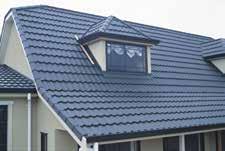
structures, including wooden and metallic battens, and wooden and concrete decks. With their light and flexible materials, the tiles fit seamlessly with all types of diverse roof shapes and sizes, including light and uneven roof structures.
What accounts metal stone-coated products to be considered the best roofing materials:
1. Economical efficiency.
Ngao roofing tile is light in weight. Consequently, it saves the costs on additional stractural support , workmanship, and installation. On top of this, it’s lighter than traditional roofing products, which makes for simpler, more efficient transportation as well as less waste at construction sites.
2. Comfort without Compromise Insensible of benefits to thermal comfort and acoustic performance, life goes on even during extreme heat or rain; Ngao tiles are tested weatherproof and sound proof as well. Stones prevent heating thus overlapping and therefore no air-elation which leads to heat balance. These coupled with the superior sound reduction and thermal insulation, grants you the luxury to enjoy any weather. If you live in an earthquake-sensitive area, you can rest assured that the Ngao roof will shield you.
3. Easy instalation and handling
They can be cut, bent, and shaped to meet the most demanding roof design . You only have to install the tiles on a continuous deck; simply nail the tiles and no glue needed – just a hammer, nails and cutter will do. Install your roof quickly with little effort, and save time.
4. Re-roofing
Metal stone-coated tiles, can give you a brand new roof in a matter of days since it is designed to be easily installed over an existing roof, therefore saving you a
considerable amount on cost and installation time without interfering with the structure.
5. Durable & Built to Last
They are designed and manufactured to withstand all kinds of severe weather such as extremely hot and cold weather , strong wind , and heavy rain generally their colors do not fade as they are covered with UV resistant coating. Unlike other roofing materials, a metal stone – coated tile offers superior durability. The interlocking design when roofing makes it resistant to heavy rain, freeze and snow. The durability of a stone-coated tile will remain consistent over time, offering superior protection for many decades to come.
Since its inception, Ngao roofing systems has successfully undertaken several works for various clients ranging from government institutional facilities to private and commercial clients. They have a large database of satisfied clients. American Embassy Residential houses, International School of Kenya, Nakumatt Nyali Mombasa, Diani Reef beach hotel, Travelers’ beach hotel among other commercial and residential properties. Furthermore, the company has signed a contract with Great Rift Valley Railway to re-roof sport club in Naivasha. The company maintains a long standing rapport between themselves and the clients after completion of the projects by visiting the sites, providing professional advice which provides the comfort of knowing they stand behind their job.
“Our objective is to get fresh technical/ polytechnic college students with skills in timber and steel, says Muigai; this will enable them to develop other new skills easily. The company is looking forward to start a training & research centre on use of raw material. Besides, they have been attending construction, build and home expos to constitute exposure of their products for instance in August 2014 they attended 1st expo in Nigeria this enhances the product to be accepted in the market.
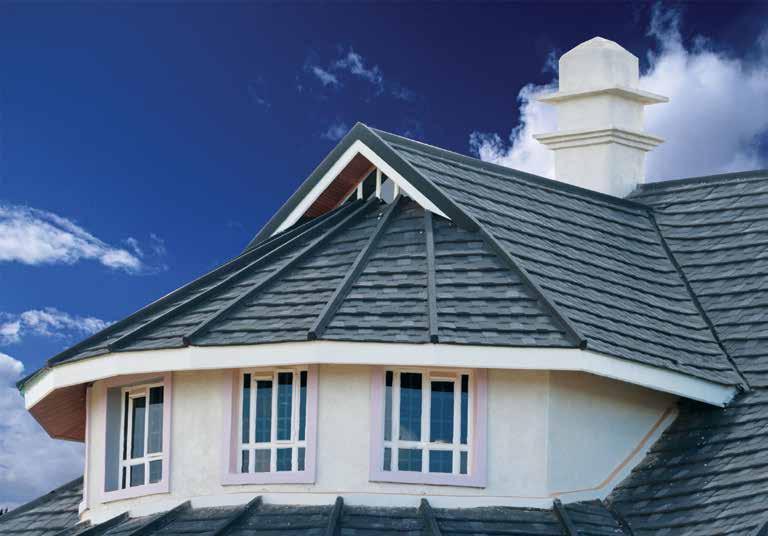
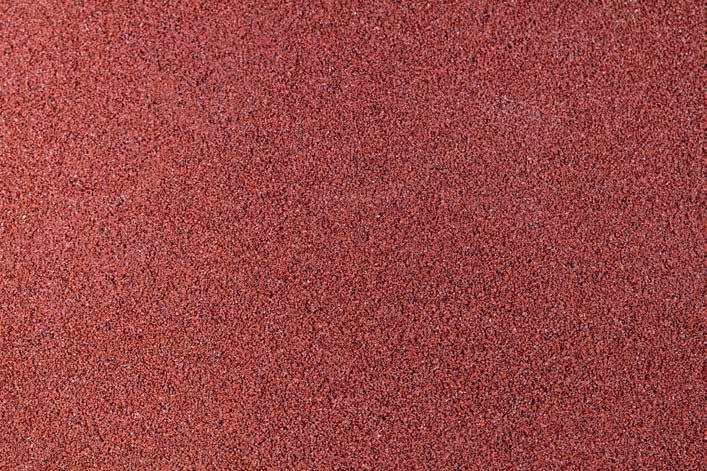


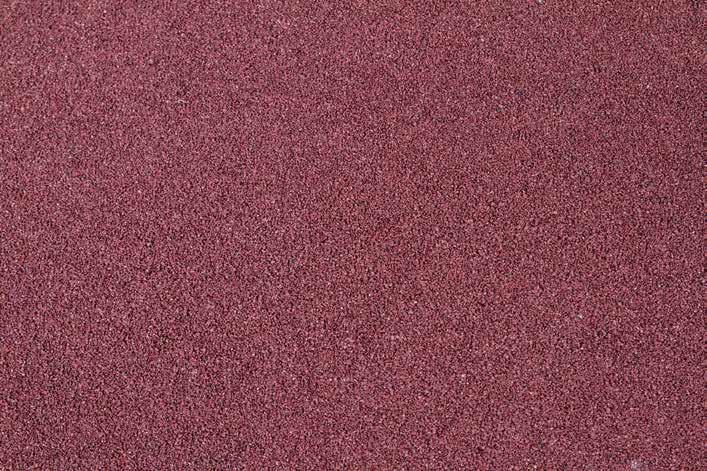
Manufactured from green building materials which are certified by China National Research Centre of Testing Techniques for Building Materials and all other International Standards. Our competitively priced products come in a variety of designs and colours to satisfy our clients desires.
We are committed to client’s satisfaction from the time of contact through to the installation stage. Providing our customers with high quality products is our greatest core value.













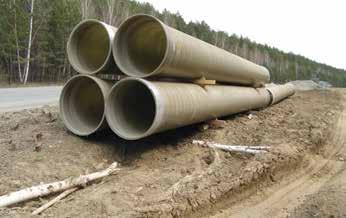
There are different types of water pipes designed to transport water. The varieties include large diameter main pipes which supply entire towns, smaller branch lines that supply a street or group of buildings or small diameter pipes located within individual buildings. Materials commonly used to construct water pipes include cast iron, polyvinyl chloride (PVC), copper, steel or
concrete. If the water is treated before distribution or at the point of use depends on the context. In well planned and designed water distribution netwoeks, water is generally treated before distribution and sometimes also chlorinated, in order to prevent recontamination on the way to the end user.
Pipes come in several types and







sizes. They can be divided into three main categories: Metallic pipes, cement pipes and plastic pipes. Metallic pipes include steel pipes, galvanized iron pipes and cast iron pipes. Cement pipes include concrete cement pipes and asbestos cement pipes. Plastic pipes include plasticized polyvinyl chloride (PVC) pipes.
Steel pipes are comparatively expensive, but they are the strongest and most durable of all water supply pipes. They can withstand high water pressure, come in convenient lengths than most other pipes and thus incur lower installation/transportation costs. They can be easily welded.


Concrete cement pipes are expensive but non-corrosive by nature. Their advantage is that they are extremely strong and durable. However, being bulky and heavy, they are harder and more costly to handle. Install and transport.
Galvanized steel or iron is the traditional piping material in the plumbing industry for conveyance of water and wastewater. Although still used throughout the world, its popularity is declining. The use of galvanized steel or iron as a conveyer for drinking water is problematic where water flow is slow or static for periods of time because it causes rust from internal corrosion. Galvanized steel or iron piping may also give an unpalatable taste and smell to the water conveyed under corrosive conditions.
Cast iron pipes are quite stable and well suited for high water pressure. However, cast iron pipes are heavy, which makes them unsuitable for inaccessible places due to transportation problems. In addition, due to their weight they generally come in short lengths increasing the costs for layout and jointing. Concrete cement and asbestos cement pipes
PVC pipes are non-corrosive, extremely light and thus easy to handle and transport. Still, they are strong and come in long lengths that lower installation and transportation costs. However, they are prone to physical damage if exposed overgroiund and become brittle when exposedto ultraviolet light. In addition to problems associated with the expansion and contraction of PVC, the material will soften and deform if exposed to temperatures over 65 oC
Installation costs make up a major part of the total cost of a project. Differences in the cost of the actual pipe do not change the total cost of the project much. However the following factors should be considered concerning installation cost and the choice of pipes.
• Weight of the pipe. A pipe that is lightweight can be handled easier and faster.
• Ease of assembling. Pushon joints can be assembled much faster than bolted joints.
• Pipe strength. If one type of pipe requires special bedding to withstand external pressures while another pipe does not, the choice can impact installation costs significantly.
At FNB Insurance Brokers, we understand the risks in the construction and engineering industry. Our qualified Commercial Brokers conduct a 360° needs analysis of your business before tailoring a short-term insurance solution for you.
As experts in risk management, we offer both asset protection and short-term insurance risk management solutions, so that you’re not underinsured should any unforeseen events result in loss, damage or a delay in production. Our Construction and Engineering product not only minimises risk and business interruptions, but also maximises your peace of mind.
So, whether you’re a contractor or sub-contractor in building or civil works, contact one of our Brokers for a unique solution that will protect your business.
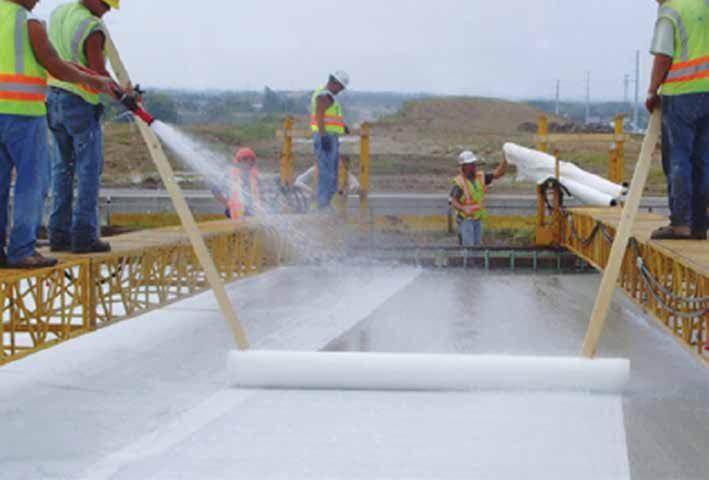
The strength of concrete is affected by a number of factors, one of which is the length of time for which it is kept moist. Curing of concrete entails providing adequate moisture, temperature, and time to allow the concrete to achieve the desired properties for its intended use. The process takes place immediately after concrete placing and finishing. Properly cured concrete has an adequate amount of moisture for continued hydration and development of strength, volume stability, resistance to freezing and thawing, and abrasion and scaling resistance. The length of adequate curing is dependent on a number of factors among them mixture proportion, specified strength, weather conditions and future exposure conditions.

Concrete curing methods fall into three broad catagories: those that minimise moisture loss from the concrete, for example by covering it with a relatively impermeable membrane, those that prevent moisture loss by continuously wetting the exposed surface of the concrete and those that keep the surface moist and, at the same time, raise the temperature of the concrete, thereby increasing the rate of strength gain.
Leaving formwork in place is often an efficient and costeffective method of curing concrete, particularly during its early stages. In very hot dry weather, it may be desirable to moisten timber formwork, to prevent it drying out during the curing period, thereby increasing the length of time for which it remains effective. It is desirable that any exposed surfaces of the concrete like the tops of beams be covered with plastic sheeting or kept moist by other means. It should be noted that, when vertical formwork is eased from a surface its effectiveness as a curing system is significantly reduced.
Plastic sheets, or other similar material, form an effective barrier against water loss, provided they are kept
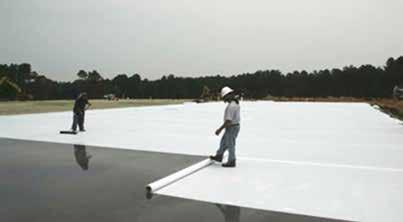
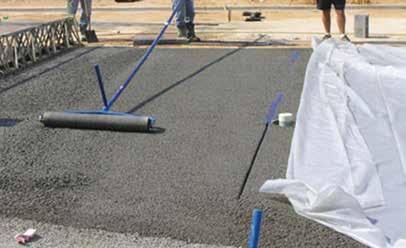
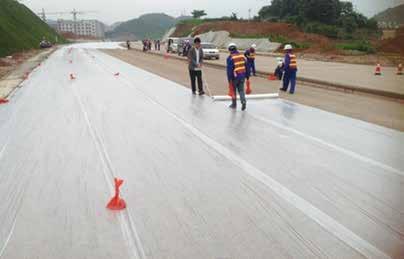
securely in place and are protected from damage. Their effectiveness is very much reduced if they are not kept securely in place. The movement of forced draughts under the sheeting must be prevented. They should be placed over the exposed surfaces of the concrete as soon as it is possible to do so without marring the finish. On flat surfaces, such as pavements, they should extend beyond the edges of the slab for some distance, eg or at least twice the thickness of the slab, or be turned down over the edge of the slab and sealed.
For flat work, sheeting should be placed on the surface of the concrete and, as far as practical, all wrinkles smoothed out to minimize the mottling effects (hydration staining), due to uneven curing, which might otherwise occur. Flooding the surface of the slab under the sheet can be a useful way to prevent mottling. Strips of wood, or windrows of sand or earth, should be placed across all edges and joints in the sheeting to prevent wind from lifting it, and also to seal in moisture and minimise drying. For decorative finishes or where colour uniformity of the surface is required sheeting may need to be supported clear of the surface if hydration staining is of concern. This can be achieved with wooden battens or even scaffolding components, provided that a complete seal can be achieved and maintained. For vertical work, the member should be wrapped with sheeting and taped to limit moisture loss. As with flatwork, where colour of the finished surface is a consideration, the plastic sheeting should be kept clear of the surface to avoid hydration staining.
Care must also be taken to prevent the sheeting being torn or otherwise damaged during use. A minimum thickness is required to ensure adequate strength in the sheet; ASTM C 171 Sheet Materials for Curing Concrete specifies 0.01 mm. Plastic sheeting may be clear or coloured. Care must be taken that the colour is appropriate for the ambient conditions. For example, white or lightly
coloured sheets reflect the rays of the sun and, hence, help to keep concrete relatively cool during hot weather. Black plastic, on the other hand, absorbs heat to a marked extent and may cause unacceptably high concrete temperatures. Its use should be avoided in hot weather, although in cold weather its use may be beneficial in accelerating the rate at which the concrete gains strength. Clear plastic sheeting tends to be more neutral in its effect on temperature but tends to be less durable than the coloured sheets, thereby reducing its potential for re-use.
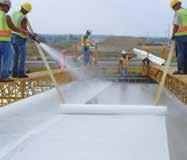
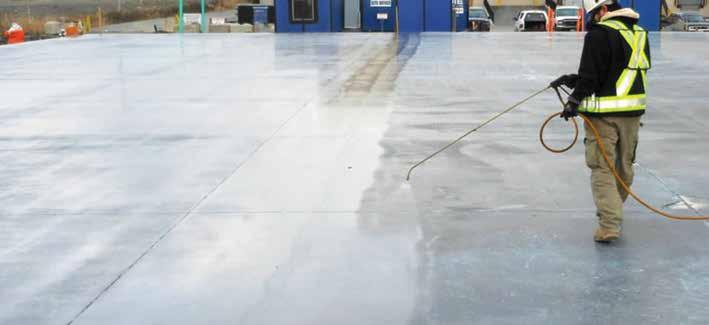
Curing compounds are liquids which are usually sprayed directly onto concrete surfaces and which then dry to form a relatively impermeable membrane that retards the loss of moisture from the concrete. Their properties and use are described in AS 3799 Liquid Membrane-forming Curing Compounds for Concrete. They are an efficient and costeffective means of curing concrete and may be applied to freshly placed concrete or that which has been partially cured by some other means. However, they may affect the bond between concrete and subsequent surface treatments.
Special care in the choice of a suitable compound needs to be exercised in such circumstances. The residue from some products may prevent the adhesion of flooring products and tiles onto the concrete surface. It is extremely important to check the subsequent floor finish. Most curing compounds must be removed before the application of any applied floor finishes such as direct stick carpet and vinyl, epoxy or polyurethane coatings and ceramic tile adhesives. Finally, it should be noted when using curing compounds that are solvent-based adequate ventilation must always be provided in enclosed spaces and other necessary safety precautions taken. Manufacturer’s recommendations should always be followed.
These are incorporated into the concrete as an admixture hence known as internal curing compounds. They inhibit moisture loss and thereby improve long term strength and reduce drying shrinkage. Internal curing compounds are relatively new and care should be taken when utilised. They have been used in tunnel linings and underground mines to provide at least partial curing when traditional methods are difficult or even impossible to employ.
Water curing is carried out by supplying water to the surface of concrete in a way that ensures that it is kept continuously moist. The water used for this purpose should not be more than about 5°C cooler than the concrete surface. Spraying warm concrete with cold water may give rise to ‘thermal shock’ that may cause or contribute to cracking. Alternate wetting and drying of the concrete must also be avoided as this causes volume changes that may also contribute to surface crazing and cracking.
Flat or near-flat surfaces such as floors, pavements, flat roofs and the like may be cured by ponding. A ‘dam’ or ‘dike’ is erected around the edge of the slab and water is then added to create a shallow ‘pond’. Care must be taken to ensure the pond does not empty due to evaporation or leaks. Ponding is a quick, inexpensive and effective form of curing when there is a ready supply of good ‘dam’ material, a supply of water, and the ‘pond’ does not interfere with subsequent building operations. It has the added advantage of helping to maintain a uniform temperature on the surface of the slab. There is thus less likelihood of early age thermal cracking in slabs that are cured by water ponding.
Using a fine spray or fog of water can be an efficient method of supplying additional moisture for curing and, during hot weather, helps to reduce the temperature of the concrete. As with other methods of moist curing, it is important that the sprinklers keep the concrete permanently wet. However, the sprinklers do not have to be on permanently; they may be on an intermittent timer. Sprinklers require a major water supply, can be wasteful of water and may need a drainage system to handle run-off. The alternative is to have a ‘closed’ system where the water is collected and recycled. Sprinkler systems may be affected by windy conditions and supervision is required to see that all of the concrete is being kept moist and that no part of it is being subjected to alternated wetting and drying. This is not easy to achieve.
Fabrics such as hessian, or materials such as sand, can be used like a ‘mulch’ to maintain water on the surface of the concrete. On flat areas, fabrics may need to be weighed down. Also, it is important to see that the whole area is covered. Wet coverings should be placed as soon as the concrete has hardened sufficiently to prevent surface damage.
To read more and to comment on this story visit http://www.constructionreviewonline.com



Kenbro Industries Ltd, formerly known as Kenya roofing contractors has consolidated its footprint as one of the largest manufacturers and importers of concrete admixtures and waterproofing products. From humble beginnings in 1968 as Roofing and Building Contractors, the company can look back on a successful story of growth and product development. In 1988 Shantilal K. Varia and other directors formed Kenbro Industries Ltd where they opted to turn into manufacturing of their own roofing and flooring products. The wide product range that the company offers services to protect a building during and after construction. The company supplies its variety of construction materials which include roofing and flooring products, adhesives for building industry, concrete paving blocks, concrete admixtures, construction chemicals, cement interlocking tiles, bitumen primers and coatings; directly to builders, contractors and Hardware merchants in smaller retail pack sizes. Polytape which is a versatile repair tape used mostly for leaking roofs-the brand also works conveniently on other surfaces like concrete, metal, plastic, wood, glass. The firm has introduced other various products in the market, particularly:
Hyseal® waterproof cement, the product is cement based waterproofing compound with active chemicals and additives to

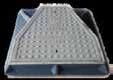
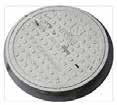
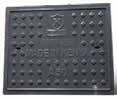
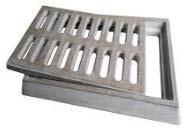
Poly-synthetic manhole covers with high strength, water proof, weather proof and non-corrosive. Takes a load of 1.5 tons - 40 tons. Available in different shapes and color.
improve the water resistance of concrete structures. It works well when applied on positive of the surface. Hyseal® 501 is most active where moisture is present in the concrete. Field tests have proven outstanding when mixed with mortar and applied as a render on stone and concrete block wall surfaces, can be applied to all water retaining and water excluding concrete structures.
Besides, Hyseal® 501 penetrates the concrete to whatever depth water can penetrate; it hardly influences the reinforced steel in the concrete. Hyseal® 505 is mainly used to stop water leakages from any concrete structure right away. Hyseal® 505 is certified where water is spouting or streaming out from any concrete structure, in situation where water oozes out from unsteady concrete or cracks in the concrete, it acts as a water plug. Furthermore, the product is too convenient since it can withstand the pressure of water, it is safe to use in water retaining structure for human utilization.
According to Mr.Varia this product has been introduced in the market to succeed APP product. As it is jointless and therefore continues lining, flexible, UV resistant and can be colored to your choice. Kenseal® is water based elastomeric liquid coating specially formulated from various chemicals which enables it bond to all concrete surfaces. It establishes the complete water tightness of the roof and many other building elements. It can be applied to provide a water proof lining to gutters, parapet walls, water features as well. The product gives long lasting protection against water ingress, it is flexible i.e. it can be used in areas with very high or low temperatures without affecting performance, coating can be applied on any complex profile unlike others which can’t take shape of difficult profiles. Kenseal 550K brings a hard wearing, seamless waterproof membrane for roofs and foundation protection thus providing effective barrier to waterborne salts and atmospheric gases. It is advisable for internal and external waterproofing.
Kenseal® Primer is applied as a primer on the concrete surfaces before application of Kenseal waterproofing. Kenseal sealer being colourless, the product neither changes the surface outlook nor makes it glossy. It works well in fresh concrete, as well as dry concrete. As a sealer, it has high curing efficiency and is none degrading. It penetrates the pores of the surface it is applied on and seals it off completely. Applied on clay bricks it stops the white leaching effect you see on many sites.
Kencoat® Is applied externally to give a long lasting and most durable protection to any structure and internally give you that appealing finish which doesn’t wear off. Application does not require any sort of priming or elaborate surface preparation nor does it require any curing after application.
Rapid population growth is leading to a major demand for new infrastructure in many large cities in Africa, South America, and India, which all have a housing shortage of tens of millions of apartments. People need safer and more comfortable places to live, and prices need to be reasonable. Precast construction is a cost-efficient, fast and sustainable building technology for large housing projects that do not compromise on quality.
In rapidly urbanizing areas, land has become a scarce commodity. Many governments aim to improve the situation by investing in infrastructure renewal. “In Kenya for example, the government is committed to ensuring every citizen has access to affordable housing. Investing in precast technology means long-lasting, secure and comfortable homes for those in need,” says Ismo Kallio, Vice President, Salesat Elematic.
A modular and efficient building system
Precast is a modular building system based on readymade, factory-manufactured components and intelligent connections. It provides a way to design and construct a
Do you have building projects that should deliver high-quality, sustainable and affordable housing with great outlooks? If yes, precast concrete offers a smart solution. It is a cost-efficient way to build any type of buildings safely, with less raw materials and long building lifetime.
Elematic offers everything you’ll need to start a precast concrete factory, from concept design to lifetime support and beyond. And always the best match to the needs of your project.

sufficient number of suitable homes to meet the needs of city dwellers in a reasonable timeframe and at a reasonable cost. “It is a smart and industrialized way to construct cost-efficient buildings,” says Prakash Shah, Head of Technical Support at Elematic. The competitive and proven precast solutions result in controlled quality, along with a long service life and low maintenance costs, and flexibility in design. Compared to traditional cast-in-situ, precast uses less cement, water, steel, and labor. Most of the work is transferred from the site to a safe and controlled, automated factory environment. This results in improved productivity and minimal logistics: precast products can be transported to a site ready-to-install.
Any type of element with just one investment
Modern precast concrete production plants are scaled to meet the need; the deliveries always take possible future capacity expansion into account. The same production line allows the manufacture of precast products from affordable to high-end housing, as well as for factories and office complexes. "The production lines are very versatile with a nearly unlimited palette of options – just change the type of the element, or the surface material. You can start with elements for more affordable buildings, for example, and later change to another product type for the project at hand or market needs," says Kallio.
Savings in concrete and energy
Precast buildings are well-suited to hot climates. Both the thermal and sound insulation properties of precast are very advanced. Precast



concrete buildings absorb and store surplus heat and slowly release it back into the air. Precast can also be used for buildings in seismic areas, when the specific local requirements are taken into account in analysis and design. Demands for precast connection types vary among different precast products, local building conditions, occupancy requirements, and loads. A building can be fully or partially precast, depending on the local construction conditions and requirements.
One of the most common precast products, the hollow-core slab, is a versatile pre-stressed concrete element typically used in floor construction in multi-story buildings. The weight is only 50 to 60 percent of a solid slab. “Hollow-core slab is one of the most sustainable construction materials, enabling savings in concrete, cement and reinforcements. Concrete is used only where it is actually needed,” Kallio explains. The slabs meet the strict requirements for airborne sound transmission.
The most common precast products include
• hollow-core slabs
• wall elements from sandwich to gray walls
• partition walls
• building foundations with precast concrete piles
• beams and columns for structural frames
Design and engineering play a key role in the successful implementation of precast technology. A professional structural engineer can find the most practical and cost-efficient solutions for any type of precast building. This is not the case with traditional cast-in-situ construction because the projects are often deficient in preliminary planning and proper calculations. The pre-stressed precast system adds to architectural planning. “The hollow-core slabs enable long spans in a range up to 20 meters. This is longer than the typical 6 to 10 meters used in affordable residential buildings,” says Kallio. It is easy for residents to change the room layout according to their current needs and circumstances. “Thanks to the longer span, there are fewer load-bearing walls – therefore most rooms in an apartment can be formed by partition walls in accordance with individual needs,” Kallio explains.
Every activity in construction is planned carefully; including the building’s structural system, connection details, precast element design, execution schedule, precast production, storage, and transportation. This also applies to the material and manpower required. All this adds up to awareness of the total cost and makes the building safer to live in. Residents will also know well in advance when it is possible to move in. “When most of the work is carried out in a precast plant, controlling the amount of waste becomes easy. Precast has a positive impact on air quality as it decreases the amount of dust from the construction site,” Kallio says.
”Modern precast technology is the most efficient way to build highquality houses that are affordable,” says Kallio. Although precast has
long traditions, it is a new technology to many rapidly urbanizing countries. Elematic has delivered precast plants to several African countriesover the years, including Angola, Ghana, Nigeria, South Africa, Tunis, Algeria, and Morocco.
Elematic Oyj
Elematic Oyj is a world-leading manufacturer of precast concrete plants and production lines. In our more than 50 years of operation, we have supplied technology to over 100 countries and to every continent. Turnover is approximately 100 million euros, of which exports generate 95%, and the company employs roughly 230 people. Elematic has subsidiaries and sales offices in the USA, Germany, China, Russia, India, Hong Kong
and the United Arab Emirates ,aandagents in over 20 countries. The company headquarters is located in Akaa, Finland, and its production units are in Finland and India. Elematic hasan ISO 9001 certified quality system and the international quality certificate Investor in People for the development of personnel.
For more information, please contact:
Nina Lehtonen
Marketing Manager, Elematic Oyj
nina.lehtonen@elematic.com
The one stop shop for all your steel and construction requirements. Fine engineering works was established in 1979 at Kirima Market in 1200sqft with a staff of 4 persons by Mr. Ahmed N. Elias with a capital of Kshs.100,000/- In its 38 years of existence, the company has experienced many highs and lows but it has now firmly been established as an institution providing highest quality products and construction services to many different clients all over Kenya. Fine engineering is a wholly locally owned family oriented business which now has the third generation qualified young professionals being trained to take over the helm of the company to guide it to even greater heights of professionalism and prosperity.

The company started with manufacturing school furniture and has since become a dependable supplier of furniture to educational institutions all over the country. Last year the company won the tender to supply bunk beds to the Kenya Defense Forces and look forward to continue providing them with the highest quality
and the best services in the future. Our construction department has grown by leaps and bounds in the last 7 years and we now undertake road construction as well. We have successfully completed many construction projects. Our flagship project is the Al Huda Mosque and school in South B. We now occupy over 25000sqft in Industrial Area and have a staff of over 150 persons not including the various subcontractors working on our sites. The focus of all our endeavours has always been the customers. We believe that the customer should always be given the best value for money.Our existence in highly competitive market for the last 38 years is testament to our commitment to providing the highest quality to our esteemed customers.

Although only a few years old, this Kenyan construction company is now playing in the big league.
Parklane Construction Limited is a reputable civil contractor based in Nairobi. Although established only a few years ago, the company has quickly established itself as one of the top players in the industry. It is already registered by the National Construction Authority (NCA) as NCA1 which is the highest category by the government regulator. This classification qualifies Parklane to undertake construction works of unlimited value.
The fast rise of Parklane can largely be attributed to the leadership of Mr Ghanshyam Patel. Mr Patel, who holds a Bachelors degree in Civil Engineering from Gujrat University, is an immensely experienced professional with at least 25 years working in the construction industry in Kenya. He is therefore conversant with virtually every aspect of construction, including a deep understanding of contracts, government regulations, labour laws and customer relations. He is also adept at engaging other professionals in order to realize his goals.
Prior to establishing Parklane, Mr Patel was a project manager at NK Brothers, another contractor playing in the top league. During his more than 20 years with the company, Mr Patel was responsible for the day to day running of projects, with particular emphasis on workmanship and materials control. It was also his duty to ensure the growth of the company by attracting new clients while retaining old ones. His other duties included cultivating the company’s reputation in the industry, leading and motivating the management team, developing business plans, liaising with government departments and keeping control of expenditure among many other major responsibilities.
Among the projects Mr Patel successfully handled while with NK Brothers include NHIF Building, Teachers Service Commission Headquarters and Commercial Bank of Africa, all of which are major landmarks in the Upper Hill area of Nairobi. Other include Ngara Civil Servants Housing, NHC Langata, Bishop Gate and Awori Centre.
It was therefore no surprise that when Parklane Construction Limited was established, it almost instantly began enjoying a steady flow of jobs. Mr Patel’s reputation and his numerous contacts with other professionals such as architects, quantity surveyors and
engineers came in handy for the young firm.
The consultants he has had a chance to work have clear faith in him as demonstrated by their testimonials. Tectura international’s Dr Reuben Mutiso says: “He is dependable and honest. We unreservedly recommend him”. “We find Mr Ghanshyam to be competent, sincere and effective”, says another architectural firm, Harbans Singh Associates.
Parklane has therefore been able to establish itself as a formidable contactor and has bagged multiple multi-million Ksh projects since inception. These include Relocation Units and Safety Infrastructure for R.A.P. Project at Kibera (worth Ksh 580,000,000), office block in Nakuru for Gilani’s Supermarket (Ksh 347,000,000) and factory and godowns in Thika for African Spirits (more than Ksh 295,000,000. Others are extensions to Premier Academy in Nairobi and interior works at Delta Corner in Nairobi.
The company is currently engaged in one of its largest projects so far – the construction of BATUK Units at Nanyuki for the British Army. This contract is worth more than 1.2 billion shillings and construction works are expected to take at least 104 weeks from November last year. Another large ongoing project is the Airmac Hotel at Jomo Kenyatta International Airport. The contract sum is more than Ksh 622 million. Other large projects underway include a community centre in Loresho, a mixed use development for Henkel Kenya, Avenue Healthcare Hospital and a pharmaceutical plant, all running into hundreds of millions in Kenya shillings.
Good management is by no means the only prerequisite for success in the work of a contractor. The company must also invest heavily in equipment and skilled staff to be able to take on sizeable projects without straining.
Parklane Construction Limited’s equipment includes tower crane, site lifter crane, hoist, bar cutters and benders, backhoe loaders, rollers, dumpers, water bowser, concrete mixers, concrete batching plant, generators, welding machines and grinders. Others include power float machines, sanding machines, floor cutters, block making machines, drills and many others, all owned by the company. The company also owns several containers as well as a gowdown in Embakasi.
In terms of personnel, the Managing Director oversees a large workforce that includes a Projects Manager, Quantity Surveyors, Chief Finance Officer, Chief Accountant and Accounts Assistants. Others are Site Supervisors and Foremen, Site Secretaries, Office Messenger, Drivers, Artisans and general workers.
The workforce has been structured in such a way that it facilitates a seamless workflow ensuring that all staff work harmoniously to guarantee client satisfaction through timely delivery of projects while observing the highest standards of workmanship.
Parklane is determined to make a difference in the construction industry by injecting fresh ideas and providing cutting edge services to become the contractor of choice for all categories of clients.
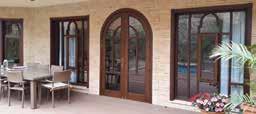


Specialists in:
• Aluminium Windows and Doors
• Office Partitions
• Acoustic Ceilings
• Hunter Duglar Ceilings
• Frameless Shower Cubicles
• Frameless Doors and Partitions


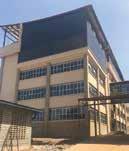

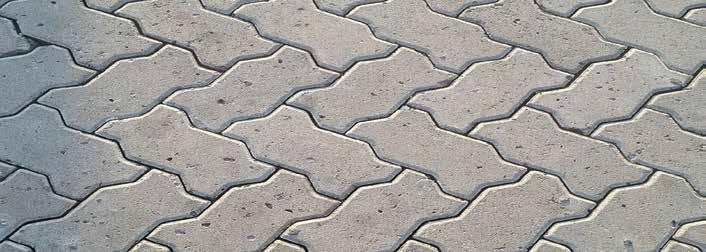
ROOFING: Hydrotech Membrane, APP Waterproofing, Poly Urea, Elastomeric, Tiles Roof
FLOORING: Epoxy, Terazzo, Tiling
CIVIL WORKS: Paved and Tarmac Driveways
METAL FABRICATION: Structures, Doors, Windows and Burglar Proofing RENOVATORS AND BUILDERS
P.O. Box 32341-00600. No. 6 Solai Road, Off Baricho Road, Nairobi, Kenya. Office Tel: 020 2432909 / 2442909, Fax: 020 2452909 Mobile: 0735 442909, 0715 088909. E-mail: info@kirti.co.ke
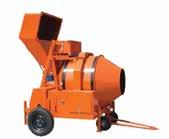


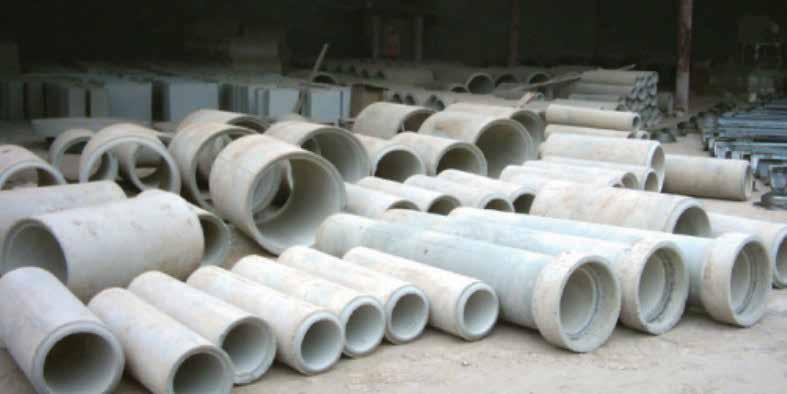
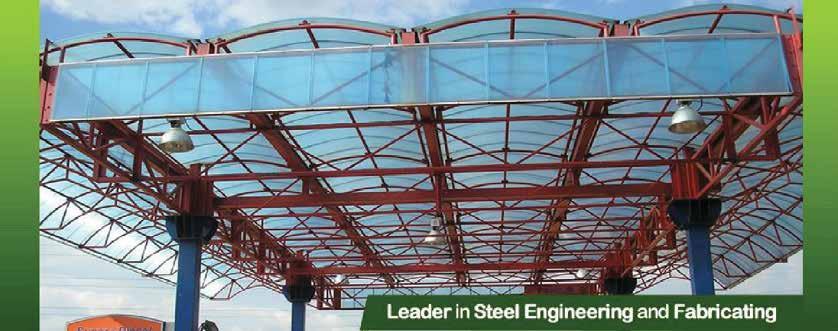















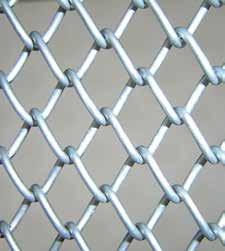
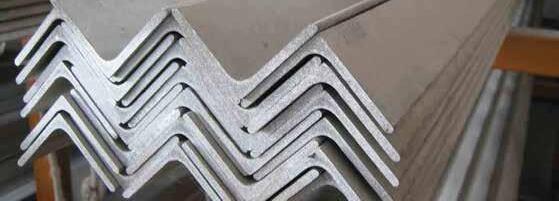
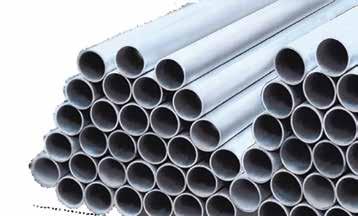
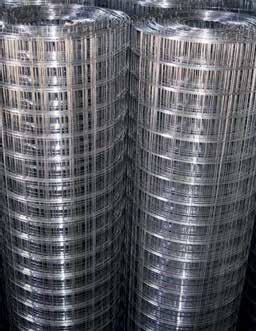
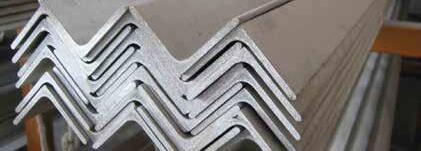
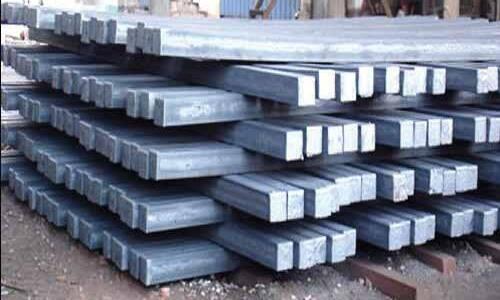
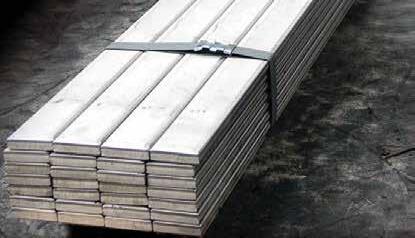
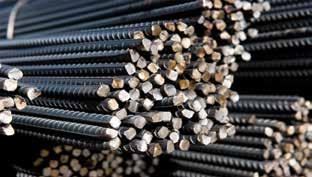
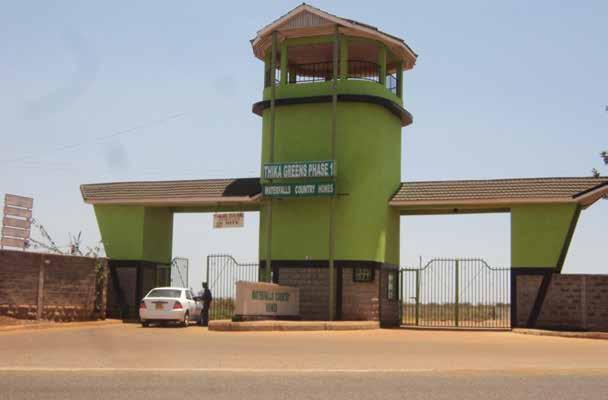
PSRM Consultants provides specialist and general project management work in a range of areas, utilising experienced staff and in-house capabilities to offer a reasonably priced tailored service
PSRM Consultants is an independent practice providing services in the categories of Project Management, Program Monitoring and Evaluation, Baseline Surveys, Customer Satisfaction Surveys, Policy Analysis, Research Design Development and Management, Business Research, Strategic Management, Project Audit and Risk Assessment.
Established 10 years ago, the firm also offers high quality technical services in the disciplines of Occupational Health and Safety Audits, Environmental Impact Assessments (EIA), Environmental Auditing (EA) and Compliance Audits of Properties on current and pending legislation. PSRM Consultants is registered as a Firm of Experts with the National Environmental Management Authority (NEMA). PSRM assists stakeholders in capital design and
construction programs in understanding how project teams are selected, procured/contracted, and coordinated for successful project delivery.
“Since our inception in 2007 we have managed to amass considerable experience when it comes to handling a wide range of large and small projects for the government, public, donors, aid agencies, non-governmental organizations, commercial and private clients,” says Eng. Dr. Anthony Moire director of PSRM Consultants.
One of the mega projects that PSRM has been involved in as project managers is Thika Greens, a development that is being carried out in phases. It is envisaged to deliver up to 4,000 new homes in the area and the cost of the project
is estimated at Ksh.40 billion. The Construction activity commenced in August 2009.The entirety of the project is composed of three estates developed on about 1,700 acres.
PSRM has also been involved in the construction of ICPAK Project along Thika road. The project entailed the construction of an office complex that included a 5 star hotel, swimming pool, offices and conference halls.
Also among its growing list of portfolio is the construction of World Agro-forestry Centre. The project entailed the building of a café for the World Agroforestry Centre; this is an organisation that is part of the alliance of the Consultative Group on International Agricultural Research (CGIAR) centres.The cost of the project was estimated at 8 million.
However, the company’s market advantage and differentiators derive from far more than simply the projects they have carried out. “I think it comes down to a number of things,” says Dr Moire. “First and Foremost is our staff. We ensure that we have the best in-breed graduates in the market through screening of anyone we employ. We provide challenges which ensure growth and development of our staff together with continuous motivation reinforced by regular appraisal and counseling.”
“Another aspect is high quality and personalized service that we offer. Offering top notch services is part of our culture and this has really helped us in getting repeat business,” says DrMoire.
We have especially mastered the art of Effective project management together with strategies, tactics, and tools for managing the design and construction delivery process and for controlling key factors to ensure the Client receives a facility that matches scope and quality expectations,”he adds.
According to Dr Moire Successful project delivery requires implementation of management systems that will enable project delivery teams to control changes in the key factors of scope, costs, schedule and quality.
Also at the core of its business are audits. PSRM conducts audits in safety & health Policy occupational health & hygiene conditions in all properties. PSRM also offers customer satisfaction research solutions using cutting edge live agent, web, interactive voice response (IVR) and integrated service surveys to systemically improve customer interactions.
Companies collaborate with PSRM to capture powerful customer insights used for anything from process management to customer satisfaction measurement.
“At PSRM we go beyond collecting data from your customers; we ask the right questions, the right way, at the right time. Our research on your customers will provide the information your company needs to advance in today's competitive market,” Dr. Moire explains.
The firm offers a wide range of innovative surveying methodologies to help companies reach their customers effectively.
“Our methodologies include phone interviews, interactive voice response and Web Surveys.”
PSRM Consultants is able to apply its expertise to such a wide range of areas, and this no doubt helps secure a long and successful future for the company. All of its work is based upon providing its clients with exceptional quality, which is focused around what each client requires, while also retaining a professional and ambitious approach.
PSRM’s services will no doubt be in demand for many years to come especially within the wide range of building consultancy services it offers brings.
“Over the past ten years we have been offering high quality services, tailored to our clients’ needs. We intend to continue with the same spirit going forward. We know that our staff is vital to our business and we will ensure that we continue to attract top caliber professionals to our company,” Dr.Moireconcludes.
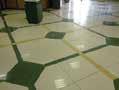
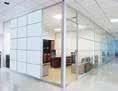

Since its formation in South Africa 20 years ago, project management firm Betts Townsend has gained a proven track record in delivering bespoke construction projects.
Since its formation in South Africa 20 years ago, project management firm Betts Townsend has gained a proven track record in delivering bespoke construction projects. The company is a merger between Betts Projects and highly esteemed project management guru, John Townsend. Over the years, it has grown from strength to strength and expanding across Africa. Apart from the superb projects that the firm has successfully carried out, the company has also been massively expanding with foothold in South Africa, Mauritius, and East Africa. However, the Company’s market impetus and distinction come from far more than simply their projects.
Alternate director of Betts Townsend Ken Oigo who is stationed in Kenya says that giving them a major momentum to easily navigate the African market is the fact that they
are 100 per cent African-owned firm. “Being an indigenous company means that we know the market terrain on the continent. We understand the pitfalls and challenges of the market and we are well prepared to face those heads on. In 2014 our managing director relocated to Nairobi in order to be at the forefront of business development here as well as be close to the clients as possible,” explains Oigo.
“Secondly, we are a firm that is motivated by a strong entrepreneurial spirit and results-orientated family culture. We have spent a significant amount of time training our in-house staff thus giving us an impetus when it comes to managing large scale projects,” he adds.
“Another facet is quality. The reason why we have so much repeat business and so many strong client relationships is that we are noted for the quality and consistency we deliver.”
Also giving Betts and Townsend a competitive edge
in the market is the high level of experience they have been able to amass for themselves over the years. The firm has particularly unrivalled experience when it comes to commercial construction project management. But of significant importance to the firm when it comes to timely delivery of projects is their ability to be involved in every stage of construction. In this regard they make sure that they have a project management office at every single site.
Notably, Betts Townsend has focused on construction of some of the largest shopping malls in Africa for instance the Bay West Mall in South Africa and the Hub Karen in Kenya.
“Food and entertainment will always be a vital part of people’s lives from a social perspective and as a result of the emergence of the middle class, retail malls are becoming a popular destination. We have noticed a steady increase in both the number and scale of malls in South Africa in particular. This trend is also replicated elsewhere on the continent particularly in Kenya,” shares Mr Oigo.
Mr Oigo’s observation is not farfetched. Last year, a report by Knight Frank titled The Shop Africa 2016 named Nairobi as one of the top five cities in Sub-Saharan Africa, having the largest shopping centre development outside of South Africa. According to the report Nairobi has the largest mall development hotspot with around 470,000 square metres of shopping centre space in the pipeline.
The current wave of development is creating modern malls that are setting new standards for the market in terms of size and quality. Also, among the new projects, there is a clear trend towards mixed-use development – as opposed to pure retail – as office, residential and leisure facilities converge.
“We have had a phenomenal run of business in this sector, which reflects well in the high-profile institutional clients that we have formed relationships with, where news of our successful partnership is spread by word of
mouth,” says Mr Oigo.
In Kenya, say Oigo, one of the notable projects they have successfully delivered is the Hub Karen. The commercial complex comprise specialist shops, a “green supermarket”, 2,000 square metres central open space (community and social space), a blend of leisure options such as cinema, gym, spa, jogging track, lake with fishing activities, orchid garden and extensive green areas, amphitheater, over 1,000 vehicle parking slots among others.
“The hub Karen is one of the largest projects we have under our belt in Kenya. Our aim was to bring international standards to the country in malls development while exhibiting a feel of local touch,” he explains.
An exciting point for Betts Townsend at the moment is East Africa across Uganda, Kenya, Tanzania, Rwanda and Ethiopia. “We are really excited about this hub and are putting a lot of time, effort, investment and key staff members into this region.”
While Betts Townsend has for many years relied on retail developments for much of its income, today the company has a more diverse offering spanning recreational, commercial and industrial projects.
The firm has also made inroads in the hospitality industry where Betts Townsend has worked with the majority of national and international players in operation across Africa, in a whole host of project and development management roles.
Looking into the future, Oigo believes the next few years will be important to identifying the best opportunities in these markets, and growth will be based on successful delivery of current projects.
“Our projects are normally huge in size for this reason they are constantly in the limelight, therefore we can never compromise on quality,” says Mr Oigo “Our strategic vision for the future is to better understand the market to be in a strong enough position to weather any external factors outside of our control,” he ends.