Africa goes shopping
Airports: JKIA, Nairobi undergoes a major facelift
Architectural Practice: We profile 2 of East Africa's major Architectural firms
Machinery: Synthetic oils the smoother way for your equipment

ECO-FRIEND LY LUBR I CANTS WIT H


Airports: JKIA, Nairobi undergoes a major facelift
Architectural Practice: We profile 2 of East Africa's major Architectural firms
Machinery: Synthetic oils the smoother way for your equipment
Lubriplate’s environmentally responsible lubricants have been formulated to help reduce their impac t on our environment without sacri cing lubricant per formance. Their use can also help our customers comply with the ever increasing environmental regulations for equipment operating in environmentally sensitive areas.
• An ECO -Friendly, NLGI #2, Multi-Purpose Grease for use on All Types of Equipment Operating in Environmentally S ensitive Areas.
• Excellent For Marine Applications including Ar ticulated Tug Barge (ATB) Equipment, Deck Above Screws, Drive and Ram Coupler face, Inter Notch Rudder Shafts, Cables, Port Equipment, Cranes, Barges and Oil Platforms
• Meets U S. EPA Vessel G eneral Permit ( VGP) Requirements.
• Passes U.S. EPA Static Sheen Test 1617.
• Passes U.S. EPA Acute Toxicit y Test LC-50.
• Ultimately Biodegradable (P w1) Base Fluid – 75 2%
• ECO -Friendly Hydraulic Fluids formulated for use in All Types of Equipment Operating in Environmentally S ensitive Locations.
• Meets U.S. EPA Vessel G eneral Permit ( VGP) Requirements.
• Advanced synthetic Polyalk ylene Glycol (PAG)-based formulas.
• Provides long ser vice life and operating reliability, lower maintenance costs, and reduced overall downtime.
• Excellent Anti-Wear Per formance - R ated as anti-wear (AW ) uids according to ASTM D7043 testing and FZG testing
•
• All Season Per formance – High viscosity indices and low pour points, allowing year-round usage
• Biodegradability – Readily biodegradable according to OECD 301F.
• Non-Sheening – Does not cause a sheen or discoloration on the sur face of the water or adjoining shorelines.
• “Practically Non-Toxic ” to sh and other aquatic wildlife according to the U.S. Fish and Wildlife Ser vice hazard classi cation.







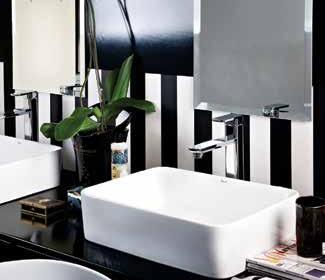
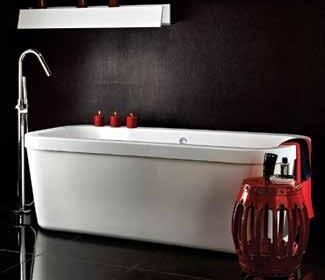
High quality, aesthetically pleasing, functional products that set the trend.
High quality, aesthetically pleasing, functional products that set the trend.
Vaal has a product for every taste.
Vaal has a product for every taste.




MANAGING EDITOR
Robert Barnes
COUNTRY EDITORS
Kenya - Francis Makari
Uganda - Betty Katongole
Nigeria - Boladale Ademiju
South Africa - Newton Mthethwa
WRITERS
Jimmy Swira, Thunile Alletta Nkosi
Lindsay Wagner, Yvonne Andiva
Erick Mongare, Dorcas Kang'ereha
WEB & GRAPHIC DESIGN
Augustine Ombwa Bonface Kimunyi
ADVERTISING
Kenya
William Mutama, Fred Okoth, Trizah Njoroge, Joseph Mwangi
South Africa: Manoko Thosago, Happy Mokoena
Shepherd Mthethwa, Winnie Sentabire, Angeline Ntobeng, Nqobile Ndlovu
Uganda: Dan Nsalasata,Bill Collins Musaazi
Botswana: Dickson Manyudza, Gerald Mazikana
Ethiopia: Haimanot Tesfaye, Ruth Girma
Tanzania: Tom Kiage
Malawi: Anderson Fumulani
Ghana: Samuel Hinneh
Zambia: Susan Kandeke
Zimbabwe: Chiedza Chimombe
Rwanda: Collison Lore
Nigeria: Seni Bello
China:Weng Jie
The editor accepts letters and manuscripts for publication from readers all over the world. Include your name and address as a sign of good faith although you may request your name to be withheld from publication. We reserve the right to edit any material submitted .
Send your letters to: info@constructionreviewonline.com
Construction Review is published eleven times a year and is circulated to members of relevant associations, governmental bodies and other personnel in the building and construction industry as well as suppliers of equipment, materials and services in Africa, the Middle and Far East. The editor welcomes articles and photographs for consideration. Material may not be reproduced without prior permission from the publisher. The publisher does not accept responsibility for the accuracy or authenticity of advertisements or contributions contained in the journal. Views expressed by contributors are not necessarily those of the publisher.
© All rights reserved.

Download

Africa goes shopping
Virtually
The



Uganda Agent Projects Unusual Uganda Ltd. Jemba Plaza, Luwum St. Kampala, Uganda Tel: +256 776 883181 bettykatongole@yahoo.com
Beglin Woods Architects
We profile one of the leading architectural firms in Kenya that started from humble beginnings in 1992 and over the years has added many complex and innovative buildings to their portfolio


Founded in 1980 in Kenya as a small company with the aim of becoming the best architectural practice in the region, Symbion International Architects and Interior Designers founded by Jon Anthony Cavanaugh, has grown to become one of the leading architectural practices in Sub-Sahara Africa.
Airports 34
A new terminal 1A arrivals and an international arrivals terminal (Terminal 1E) are currently being constructed at JKIA, Nairobi.
Cement 44
Bamburi Cement, Innovation at its best!
South Africa Office
College Publishers CC
1st Floor, 267 Oak Avenue, Oakfields, Randburg, Johannesburg
Tel: +27 11 781 4253
Fax: +27 11 781 4287
Email: southafrica@groupafricapublishing.com
Ethiopia Office
Haymi Advertising Services
22 Mazoria, Genet Bldg 4th Flr
P.O. Box 1316 - 1110 Addis Ababa
Tel: +251 118 955 855, Cell: +251 930 099 152
Email: ethiopia@groupafricapublishing.com
Ghana Office
Image Consortium
1st Floor, TheEcobank Building, Tesano.
Tel: 233(0)30 223 2728
Fax: 233(0)24 882 8286
As Africa’s middle class continues to grow no one can deny the fact that their taste for the good life is growing and fueling the demand for a richer and more diverse living experience. Electronics to brand name clothing and accessories to fine dining and all things imported are beginning to surpass the more basicexpectations of life. 90 percent of Africa’s population is below 45 and half of those are below 15 which means that the future is bright as far as new, impressionable shoppers is concerned. In addition to this only 30 percent of Africa do their shopping in malls and when this is compared to South Africa where the average is 60 percent the scope for growth is clearly evident. This fact has not been lost on global retailers and many are increasing their presence in Africa in a bid to ensure they have a place in this growing market.
The result has been a demand for A-grade retail space in Africa’s major capital cities and satellite towns. The trend has also moved from simple shopping centres to large malls that offer a broad range of shopping and entertainment that is slowly edging out the smaller mom and pop stores. As the competition to attract foot traffic to new malls has increased, developers are moving towards constructing ever larger establishments covering over 50, 000 square metresinitially that offer eating, shopping, entertainment and living experiences with some promising to phase construction over time to reach mega mall proportions of over 100,000 square metres of retail space.The construction industry is busy providing for this new phenomena and when you look around there remains a huge scope for development across Africa as the malls effect moves from South Africa and Egypt to other countries in eastern, central and western Africa.
Email: ghana@groupafricapublishing.com
Kenya Office Northwest Ventures Ltd
P.O. Box 16414 - 00100 G.P.O
Nairobi, Kenya
Tel: +254 20 2679809 I 2679808, 2091305
Email: kenya@groupafricapublishing.com
Nigeria Office Rahma Associates
B23/24, Aishetu Emoewa Plaza, 196, Iju Water Works Road, Ifako Ijaye Lga,Agege, Lagos.
Tel: 234-1-7347860
Email: nigeria@groupafricapublishing.com
Rwanda Office
Kolline & Hemed Inc., B.P. 3328, Kigali, Rwanda
Tel: +250 03 748106
E-mail: rwanda@groupafricapublishing.com
Website: www.kollinehemed.org
Zambia Office
Dayflex Limited, 4th. Floor Tazara House
Dedan Kimathi Road, Lusaka, Zambia.
Tel: +260 211 230 529 / +260 977 756 663
Email: makukasue@mail.com, dayflex06@gmail. com
Russia’s national nuclear corporation Rosatom will commence the construction of the first nuclear power plant after signing an agreement. In the contract signed, the construction of the power plant will begin early 2016. According to the press release given by the company the construction of the nuclear power plant will commence in the first quarter of 2016. “The plan will be actualized after the contract for the construction of the power plant is signed and this will be a great achievement to Egypt as the construction will be the first ever done by Russia in Egypt” the release said.
In early November 2015 Russia and Egypt signed an intergovernmental agreement on construction of a nuclear power station in El Dabaa to be equipped with four 1,200 MW reactors. The project that was agreed on will cost $25 billion and outline the parameters of the Egyptian nuclear power plant to be built with the use of Russian technologies and further steps to develop nuclear infrastructure in Egypt. It also provides for the NPP’s supply with nuclear fuel, commitments of operation, technical maintenance and repairs of the power units. The document prescribes how to handle spent nuclear fuel; train the nuclear power plant’s personnel; help Egypt to improve its rules and regulations in the nuclear power industry and nuclear infrastructure. Moscow and Cairo also signed an agreement for granting a state export credit for the NPP’s construction.
The Kenyan oil industry is set to receive a financial boost of US$1.3bn from the American Government as they have expressed interest in funding the construction of an oil pipeline in Kenya that will link the northern oil fields to Lamu. The US$ 2.3bn development is a positive and tremendous project as South Sudan and Ethiopia will be linked up to the Lamu port. The US Ambassador to Kenya, Mr. Robert Godec confirmed the reports and said that US$ 1.3bn will be provided by his government and help accelerate the oil pipeline in Kenya. The US is also keen on making the project a reality as they had pledged to export oil and provide Kenyan citizens with cheap electricity that is on high demand. Energy Cabinet Secretary, Mr. Alfred Keter was pleased with the news and said that the remaining funds will be sourced from the Export-Import Bank. “Commercially viable oil reserves were discovered in 2012 but to date nothing has come out of it which makes Kenyans wonder what happened. We are confident that the Power Afrika initiative will help us realise our pledge to Kenyans,” said newly appointed Energy Cabinet Secretary Alfred Keter.
The construction of Ruzizi III hydropower plant which is a 147MW plant on the Ruzizi River has received US$ 138m funding from the African Development Bank (AfDB) Group. The funds will cater for the construction of a river dam between DRC and Rwanda on Ruzizi River and also for the erection of a 147MW power plant and distribution station that will serve three countries namely; Rwanda, DRC and Burundi. This initiative will assist the countries in meeting their immense energy needs by providing reliable and affordable electric power. The hydropower plant is anticipated to increase access to electricity by 300% in the named countries and thereby contributing to the sustainable socio-economic transformation of the region. Henceforth, as a regional project, the electricity generated will also feed into the East African Power Pool (EAPP). “At least US$139m will be borne by the AfDB’s public sector window and US$50m by the private sector window,” said a statement from AfDB. Implementation of the project will be carried out at a total cost of US$ 625m.
Construction of Inga 3 hydroelectric project gets new impetus
The DRC government now hopes to launch the construction of long-delayed Inga 3 hydroelectric project in DRC and hopes work can start by early 2017, the country’s prime minister has announced. Augustin Matata Ponyo told the media in London on the sidelines of an African investment conference in London that the construction of Inga 3 hydroelectric project in DRC is in very advanced stages and that the government was in the selection process to decide who will be the main players in this project.
Congo’s government has said it would choose a developer for Grand Inga from three groups of companies: China Three Gorges Corp. and Sinohydro Corp.; Posco and Daewoo Corp. of South Korea in partnership with Canada’s SNC-Lavalin Group Inc.; and Actividades de Construccion Servicios SA, based in Madrid, and Spain’s Eurofinsa SA. The project, to be built along the river Congo, would be an expansion of two existing Inga hydroelectric dams, making it potentially the world’s largest hydropower site. The $12 billion project will produce about 4,800 megawatts and represent the first phase of the larger Grand Inga project, a hydropower complex that would span the Congo river and produce as much as 50,000 megawatts of power when complete, according to the World Bank. The government had originally hoped to start construction by October 2015, but the selection process has faced delays.
Tema Port expansion project to kick off this year
Ghana’s Tema Port expansion project is expected to kick off any time this year, Marketing and Public Relations Manager Paul Asare Ansah, has announced. The US$1.5bn project will start off with phase I which will take about 3 years to complete. Upon completion, the port will handle thrice its current traffic of about one million Twentyfoot Equivalent Units (TEUs). He further revealed that the construction will expand the capacity of the port to handle even 3.5 million TEUs, far in excess of the projections that have been made. In June 2015, the Meridian Ports Services and the Ghana Ports and Harbours Authority (GPHA) signed a US$1.5bn to boost the efficiency of the port and make it more competitive.
Since its first construction in 1962, Tema Port has had a 1.4km quay for 4 container berths with 16m draft and a 3.85km breakwater within a dredged port access channel, 19m deep and 250m wide to accommodate larger vessels. The project will also include a railway terminal for the movement of containers by rail to and from the port. The Accra-Tema Motorway will as well be expanded into a six-lane expressway with service lanes on either side to accommodate the traffic that will come along with the Ghana’s Tema Port expansion. Seven bids were opened by the GPHA, a couple of years ago from corporate entities and joint-venture companies, including a Ghanaian company, which expressed its interest to partner the GPHA for the Port expansion.
The Zambian Airports Corporation (NAC) has contracted Chinese state corporation AVIC International to conduct feasibility studies at the site already set aside for the construction of a modern international airport in Zambia. The manager for Simon Mwansa Kapwepwe International Airport Joseph Mumbi, said the studies set to be carried out for a period of 21 days is aimed at establishing the suitability of aviation operations in Ndola where the airport will be constructed. “We have engaged AVIC international to carry out feasibility studies in readiness for the construction works expected to start in March next year. The demographic survey is also progressing well and so far only 14 days are remaining for a full report to be ready,” he said. The modern airport would be built in Chichele area near the NdolaKitwe dual carriageway. Mr Mumbi said the airport would have modern facilities that would meet international standards. Over 700 families would be moved to pave the way for the construction of the international airport in Zambia, but those with documents would be compensated. However, those who would be found without proper documents will not be compensated.
Ethiopian Roads Authority has begun the construction of what it says will be a major expressway which, upon completion in five years, will help ease traffic that has been forecast for the next 21 years. The country says in 21 years time the population would have increased significantly and that there was need to boost roads in urban areas. The construction of an expressway in Ethiopia has been in the pipeline for years. The Modjo-Hawassa Expressway in Ethiopia will have a million new trees flanking it on both sides. Prime Minister Hailemraim Desalegn has already presided over the official launch of construction of the first four phases from Modjo to Meki, The entire project is estimated to cost US$700m. China Railway Engineering Corporation was awarded the contract to construct the expressway. CREC was the largest construction company in the world in 2012, according to 2014 data compiled by Fortune Global 500. The African Development Bank (AfDB) will also help in financing the project. Techniplan International Consulting, an Italian Engineering firm, designed the full length of the expressway and reviewed by EthioInfra Engineering Plc, a local company.

Construction work at Nnamdi Azikiwe Airport to resume 2016
Construction work at the Nnamdi Azikiwe Airport in Nigeria is expected to resume in 2016. Senator Rabiu Musa Kwankwaso, the chairman of the Senate adhoc committee on Aviation has announced. The second runway of the airport will be in the budget list of 2016, as part of the recommended projects. Besides being in the budget list, the project is also expected to be completed as scheduled with no further delays. According to the Committee Chairman, further recommendation will be made concerning the airport project particularly the maintenance of the second runway and the construction equipment to be used.
Regarding the maintenance, it will be conducted on both minor and major one. The senate committee has seen the need to intervene with the project situation and make remarkable amendments in favor of the aviation industry. The planning of the airport has been developed in phases without serious interruptions to operations. Currently, phase 1 and the presidential wing of the airport has been developed while construction work on phase 2 which is ongoing. Phase 1 is made up of the cargo terminal, which at the moment is being used as the domestic terminal, the control tower, air traffic control, and the runway. The presidential wing comprises of the Presidential Hanger, guest chalet and the Presidential Lounge fully developed and a taxiway linking the runway.
Construction of US$ 94m stadium to commence soon
The Ethiopian government has signed a US$ 94m agreement that will see the commencement of the construction of a 60,000 seat modern national stadium that will enable the country host the Olympic Games in the future. Minister for Youth and Sports, Mr. Redwan Hussien confirmed the reports and said that the sports sector is fully committed to the project and that it will be carried out within 900 days by the Chinese State Construction Engineering Corporation (CSCEC).
“We as the sports ministry are fully supportive to this mega project and we anticipate that it will enable us host the Olympic Games in future,” Mr. Hussein said. He further said that the Chinese company was selected based on its quality service and its experiences in similar projects in other countries. The stadium will be enormous as it will have the capacity to have parking for about 10,000 cars at a time and the upper part of the stadium will have a fiber glass structure. This is not the only stadium that is set to change Ethiopia’s look; Bahir Dar, Hawassa, Makalle, Nekemte, Assosa, Woldia, Dire Dawa and Gambella are among the stadiums which have already began hosting national and international tournaments. According to the Public Relations Ministry, various sports academies and facilities are also under construction and much focus is also given to the construction of sports training centers and academies in GTP II. CSCEC is one of the most integrated construction and real estate conglomerates in China.
Davis & Shirtliff creates Kenya’s first interactive water playpark at Garden City Mall
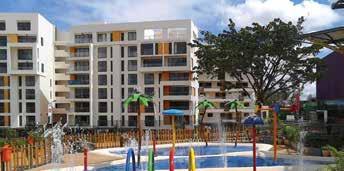
"The combination of slides, rides, and dancing fountains is a recent phenomena that has been developed at, so far, fewer than 20 children's playgrounds worldwide, but has been shown to be a source of huge entertainment and children's delight," said Alec Davis, CEO of Davis & ShirtliffEast Africa's leading supplier of water and energy equipment. The new fountain water play park is part of a three acre site at the Garden City Mall with play areas for children. The water spurts in an orchestrated sequence erupting at different heights, seeing children chase across the area as the pop-out jets shoot higher and higher before it all goes momentarily quiet, and then the fountains begin to bubble over again. “Thewater park area has also been equipped with state of the art water toys, water jets, cascade water features and a water play area with soft flooring to prevent kids from slipping and getting injuries,” said Davis & Shirtliff Pools Manager Stephen Muhia. The water from the park is circulated througha Dayliff water treatment system to the water jets, which fire the water through various nozzles into the air and it is then collected and send back to the pump room, where it is filtered, treated and pumped afresh to the water play area.
Plans to construct a million houses to curb shortage
Egypt plans to construct a million houses for the poor and low income earners to curb the current housing shortage being witnessed in the country. According to Egyptian housing minister Mustafa Madbouly the mega project is expected to cost almost US$20 billion over the next five years in order to ease a crunch that has seen slums and unlicensed buildings spread since the 2011 revolt. In Egypt the current population stands at about 90 million and the government officials have projected the population to exceed 120 million by the year 2050. Currently many Egyptians live in sprawling slums and the country is struggling to build enough houses for the poorest in society. So many people live in a network of tombs in Cairo that the area has become known as the City of the Dead. Housing Minister Mustafa Madbouly in a statement said that the country needs to construct about 500,000600,000 new homes a year to keep up with demand, 70 percent of which should be aimed at the poor. The social housing project will see 200,000 new homes built each year, meeting over half the annual demand for cheap housing.
Nobelia Tower construction project accorded Green Star
The proposed 19-storey Nobelia Tower construction project in Rwanda has been awarded a 6-Star Green Star building rating by the Green Building Council of Rwanda. This comes after the completion of the final design of the planned 11,469m2 building, making it the first Rwandabased development to achieve the highest certification in green building standards.
The project owner, WSP Parsons Brinckerhoff, a multidisciplinary engineering firm was currently lobbying for funding to proceed with construction. “We are very proud of the 6-Star rating achievement. At the beginning of the project, the owner’s brief was to produce a design that would set the bar for green buildings in the country and we have certainly done this,” said Eloshan Naicker, Green by Design sustainability consultant. Eudes Kayumba of Green Building Council, Rwanda said that the building would be a model for future sustainable development. During the commencement of the project, the Green Building Council of Rwanda was still at its infancy therefore a local context report had to be initiated in a bid to establish the groundwork for the Green Star and put in place the right standards for the climate and environment in Rwanda.
Ethiopian Airlines to construct the proposed four star Hotel
Ethiopian Airlines which is the country's flag carrier is set to commence on the construction of a four star hotel, this is after it conducted negotiations with international companies for the design, construction, vendor, finance and management. The mega project which will be constructed by China National Aero-Technology International Engineering Corporation and designed and supervised by a joint venture between a local firm, Sileshi Consultant and international and Molen Associates, a Hong Kong-based company will be developed and handed over in 720 days.
“We will commence on the project and hand it over in the next 720 days,” said the Chinese Company responsible for the construction.The four Star hotel will be built on 40,000sqm of land located in front of Millennium Hall, Africa Avenue on Bole Road. The project that has been uncertain for long has finally broken earth for construction. The last phase bid floated almost three years ago in February 2013, attracted companies from China, South Africa and the United States.
China National Aero-technology International Engineering Corporation is a large stateowned enterprise affiliated to Aviation Industry Corporation of China (AVIC, a Fortune 500 company). Their main business covers international engineering contracting, overseas real estate development, domestic engineering, trade and labor services.
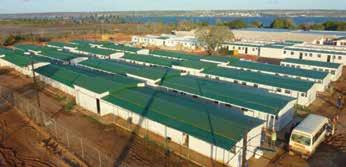
Kwikspace Modular Buildings is boosting affordable housing in Mozambique after heavy rains and major flooding left areas of Mozambique in a devastated state last year. Major infrastructure such as roads, bridges and rail networks were damaged. In addition, significant damage to the powerline leading to a well-known minerals mine occurred, leaving it in a situation where it had to rely on diesel generators and product inventory to counteract the negative effect of the resultant power cuts. Now, as the repair of infrastructure is carried out, South African-based company, Kwikspace Modular Buildings (Kwikspace), who further has two factories and a strong presence in Mozambique, has played a supporting role to the progress of this project, through the provision of prefabricated buildings ordered by Conco. A company responsible for electrical power distribution system construction, Conco required four prefabricated units for various purposes at a remote location on the mine site, where it is contracted to install new overhead power towers. Comments Nick Alexander, Director of Business Development for Kwikspace Modular Buildings in Africa: “The conditions were tough; bridges we needed to cross had been washed away and roads were impassable."
Orascom Construction Limited is now set to construct two power plants in Egypt after signing contracts to convert two power plants, in Assiut and West Damietta, from simple cycle to combined cycle. According to the reports from the Ministry of Electricity Orascom Construction stands to earn a reported $420m in the deal. The spokesperson of the Ministry of Electricity Mohamed El-Yamani stated that OC’s contract is with the Egyptian Armed Forces and will be carried out by the company. The contract will see an increase of power production by about 505 to reach 2250MW as currently Assiut power plant produces 100MW while West Damietta’s capacity factor is 500 MW. This comes barely after the Ministry of Electricity launched its long term plan to increase the power production in the country. Orascom Manager of Investors Relations Hesham El-Halaby said the construction of the plants began in mid-December 2014 and was finalised in the third quarter of 2015. The company said: “both plants will be completed on an EPC [engineering, procurement and Construction] + Finance basis whereby OC helps arrange a competitive financing package.
Zimbabwe gets help from Eskom to curb power shortage
South African power utility firm Eskom has continued to provide Zimbabwe with electricity in the wake of acute shortage facing the country. Reduced water capacity brought about by falling water levels at Zimbabwe’s Kariba dam has lead to load-shedding in the South African. The decision by Eskom to help Zimbabwe emerge from a near power crisis initially raised eyebrows, but Eskom moved with speed to quell fears that the deal with the country was fishy. The deal with Eskom to provide immediate power relief to the country has broken a long spell in which the country experienced prolonged load-shedding during the last quarter of last year.
This comes at a time when China has reportedly come to the aid of the ailing energy sector in the country by agreeing to release US$1.2billion for the refurbishment and expansion of Zimbabwe’s Hwange Thermal Power Station. According to the Sunday Mail, a state-run newspaper, Chinese President Xi Jinping signed the release of the funds and the loan now awaits a formal approval by Zimbabwe’s Parliament. The power deal coincides with further reduction of water levels at Zimbabwe’s main power source, the Kariba dam. The Zimbabwean power crisis, attributed to declining water levels in the Kariba Dam, has worst hit industry, farmers and domestic consumers in Zimbabwe. Some urban residents have even gone without electricity for more than 18 hours a day.
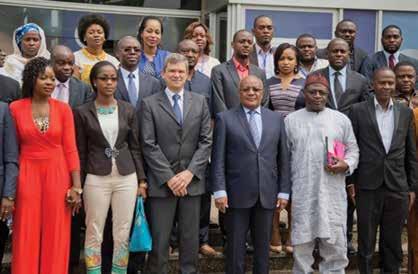
Water treatment firm Biwater awarded US $152m contract in Cameroon
Water treatment firm Biwater has signed a US $152m contract with the Cameroon Water Utilities Corporation (Camwater) to refurbish and extend water supply infrastructure to address acute ongoing potable water shortages. Included in the project scope, is the design, build/refurbishment and extension of potable water production, storage and distribution infrastructure across 14 locations in Central and Southern Cameroon. In conjunction with the project, Biwater will also be delivering a water asset management (WAM) programme, which will include training and skills transfer, to improve network efficiencies and project sustainability. Commenting on the contract award, Giles Jackson, Biwater Regional Director for Africa, said, “We are delighted to share news of this contract award in a new and important market ahead of the New Year. This turnkey project will see both urban and rural areas across Cameroon benefit from network enhancements, plant refurbishments and the construction of new water infrastructure.”
An Export Credit financial package is being arranged by Biwater to cover the entire project, subject to the necessary due diligence. Biwater provides large-scale water and wastewater solutions for clients across the world. Since its inception in 1968, Biwater has gained recognition for its innovative approaches aimed at overcoming the world’s most pressing water-related challenges. Throughout its history, the company has grown to meet the demands of many waterstressed countries and their burgeoning populations. It has a successful record of accomplishment, having completed over 25,000 projects in over 90 countries – financing, consulting, process engineering, designing, constructing, operating, maintaining and owning water facilities – in both rural and urban environments. Biwater, through its Group and acquired companies, have been involved in over 300 water infrastructure and construction projects within the African continent over a period of 80 years, with the first regional project being recorded in Egypt in 1932. Since this time, Biwater have been bringing the benefits of water infrastructure solutions and project finance to countries right across Africa, gaining an unparalleled track record.
Ghana's leading steel manufacturer undergoes massive restructuring
Leading steel manufacturer in Ghana has announced that it was undergoing what it said is ‘a historic restructuring’ aimed at ensuring that the firm stays ahead amid stiff competition.
The Western Steel and Forging Limited, the first indigenous steel manufacturer in Ghana, is currently undertaking a major restructuring. The new strategic vision is meant to transform and modernize its operations. According to Mr. Bhupen Achavya, the General Manager, Operations and Projects, the company is being overhauled in line with the changing trends and to meet the international standards. Mr. Achavya further revealed that various heavy machines have already been shipped into the country such as Continuous Casting Machines (CCMs).
Siemens clinches six substations construction deal
A consortium comprising of Siemens and El Sewedy Electric T&D are expected to construct six state of the art substations in Egypt after signing a contract with Egyptian Electricity Transmission Company (EETC) . The project which is located at El Minia, El Beheira, Qalubia, Assiut and Kafr El Zayat governorates, the 500/220kV substations will transmit power generated by the new Siemensbuilt power plants in Beni Suef and Burullus into Egypt’s power grid. In the contract signed the German based Siemens will be able to design, supply and commission the new substations in 2016.
Murray &Roberts subsidiary buys Merit Consultants International
Murray and Roberts Limited subsidiary Cementation Canada Inc. has completed the acquisition of Merit Consultants International, a project and construction management services group. Merit which has worked with clients in the mining and resource industry worldwide providing project and construction management services, successfully participating in projects in the USA, Canada, Australia, China, Turkey, Philippines, Papua New Guinea, Chile, Guyana, Myanmar, Peru and Portugal. Merit’s head office is located in Vancouver, BC, Canada. Jay Collins will continue as President of Merit. “We have known Jay and his team for many years and recognise Merit has a great reputation and solid performance record in the industry.
As project management is a core competency in our business, we look forward to further advancing this area with access to Merit’s specialised project management skills. We are fully committed to the West Coast mining industry and our presence there will help us better support our current and future clients.”
Said Roy Slack, President of Cementation. This acquisition establishes a Canadian West Coast presence for Cementation to provide further access and support to the mining industry in the region. This transaction provides Merit with a depth of engineering and technical support and their clients with the option of additional services.
Women engineers in Kenya have been challenged to embrace technology and innovation instead of striving to compete with their male counterparts. Speaking during an event organized by the Institution of Engineers of Kenya (IEK) women chapter in Nairobi to sensitize women engineers on their role, Chairperson Eng. Rosemary Kung’u said women in the profession should be creative and at ease in adopting technology to boost their skills.
“As women engineers we should be in the forefront in regards to using computer aided engineering software in a bid to stay relevant in the current fast changing world,” She said. urging women engineers to register massively as members of the Institution of Women Engineers, Eng. Kung’u said their strength relied on their numbers. “Together we stand divided we fall,” she cautioned. She urged women engineers from all over the country to come out and enjoy their profession despite all the responsibilities that surrounds them especially at family level. The event sponsored by the Kenya Roads Board and Safaricom Foundation was aimed at gauging the level of awareness on the current technology trends among women engineers in Kenya.

African Road Maintenance Funds Association has appointed a new president following the expiry of Lusaka’s Benedict Tembo two-year term. National Road Fund Agency chief executive officer Anthony Mwanaumo handed over the presidency to Ethiopian Road Fund manager Rashid Mohammed who was elected unopposed during the annual general meeting that took place in the Democratic Republic of Congo (DRC) capital city. Joining Mr Mohammed in the new executive are Mr Siandou Fofana, the director-general of the Ivory Coast as first vice-president who replaces Fulgeny Bamaros Lobota of the DRC and Atanga Bikote, the chief executive officer of the Cameroon Road Fund as second vice-president. Until their election Mr Mohammed was focal group chairperson for East Africa, Mr Siandou was the focal group chairperson for West Africa. Julius Juma from Zimbabwe who is chairperson of the Southern African focal group was elected auditor, taking over from Franklin Awuku of Ghana.
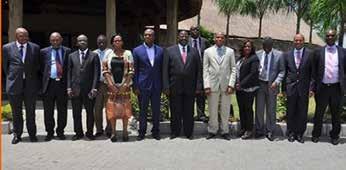
The Nigerian Society of Engineers (NSE) has urged the governments at all levels to partner with the private sector on the development of capacity of institutions and personnel for a sustainable implementation of the proposed 30 year master plan tagged National Integrated Infrastructure Master Plan (NIIMP). The association has commended the Federal Government for the initiative to develop the master plan expected to tackle the infrastructural deficit and create millions of jobs for the Nigeria’s crowded population. The association has also urged professional bodies, regulatory bodies, academia and the industry to foster functional linkages in order to acquire and deploy technology to support the implementation of NIIMP. However, the regulatory bodies for tertiary education has been requested to partner with professional bodies to review the curricular for the various academic programmes in polytechnics, universities, technical centers and vocational institutions to generating the right mix of skilled manpower to execute the different programmes and projects under NIIMP.
Egyptian Federation for Construction and Building Contractors (EFCBC) is now set to partner with other specialized construction firms from Morocco so that they can push the growing sector in the two countries. Speaking during a special meeting with Morocco’s Minister of Housing and Urban Policy, Nabil Benabdallah EFCBC Chairman Hassan Abdel Aziz said they are looking into strengthening the current relationship the two countries are having and that will be simply achieved through the bilateral cooperation that the two countries will agree on.
The chairman added that the Egyptian entrepreneurs are in to see that they establish long lasting partnerships between construction companies in Egypt and Morocco, in order to implement large projects in Africa. Africa’s construction industry is on the rise and partnership between the countries in Africa is a key step to ensure that we support each other since the African market is promising and has a lot of job opportunities into which a powerful Egyptian-Moroccan partnership could enter instead of foreign firms,” added Hassan Abdel Aziz. The Moroccan partner Benabdallah stressed the importance of deepening the partnership between Egyptian and Moroccan firms, adding that the partnerships will help both countries’ companies get international projects.

Putzmeister America, Inc. (Putzmeister) has announced updates to its BSA 2109 and 2110 Trailer-Mounted Concrete Pumps that will improve easeof-use and allow increased parts commonality among other Putzmeister products. The new generation pumps now feature a one-piece of C-frame, instead of two, in order to increase the ground clearance. Its supporting legs are bolted, instead of welded, to allow quick and easy parts replacement. Previously, the steel and the new aluminum hydraulic suction filter matches the BSF line, which results in increased parts compatibility. However, the filler neck for the diesel tank on both the BSA 2109 and 2110 models has been moved to allow easy access. The manual lube pump is now mounted on the hopper itself, for convenient operation. The two machines have also received new paintwork to align with the look of Putzmeister’s Thom-Katt® Trailer Pumps. According to Rico Heinz, Putzmeister Director of Engineering, the improvements are aimed at helping to make the operation and service of the pumps as easy as possible for the users. He further added that, the changes bring the company one step closer to its goal of reengineering the complete large line trailer pump product line to fulfill the Tier4 final emission standard.

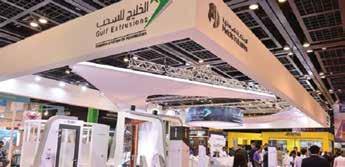
Gulf Extrusions (Gulfex), a leading manufacturer of extruded aluminium products has launched ‘Safaa’ a new range of specialty powder coating specifically developed for the unique architectural demands during the Big 5 International Building and Construction Show, in Dubai, UAE. The product comes with a wide range of design and colour choices for architects, contractors, engineers, and property owners. Besides the launching of the Safaa powder coating, the company has as well unveiled a new software for the optimization of estimated time of completion and structural calculation, The new solution will help in reducing production and estimation time by 50% as well as preparing structural and u-value calculations. However, the software will as well showcase solutions that meet and even exceed performance criteria for fire safety and acoustics in building envelopes, while noise reduction is an increasing priority for buildings, fire safety solutions ensure a safer built environment. The company also conducts Professional Development (CPD)-certified workshop on ‘Fire Safety in Facades’, as well as organizing a live demonstration of the best practices in façade installation, accessory and firefighting equipment during its participation at the show.
The BASF Canada Inc., a Canada based company has launched its HP+TM Wall System XR Series product at the Construct Canada expo. The product is part of its commitment to provide innovative materials for the construction industry. The HP+ Wall System XR Series allows builders to use a system with improved structural integrity, reduced air leakage and superior thermal efficiency, while potentially reducing the amount of materials used in construction. The product can as well be used to construct walls that are no thicker than conventional walls, with seamless integration into conventional construction projects. The product has been described to save time and allows builders to remain consistently ahead of schedule. The new product also offers competitive edge for the construction professionals. According to BASF Canada Inc. Business Development Manager, Pierre Couture, Builder training is conducted directly on their site since a three-storey condominium building using the system has already been successfully implemented in multiple homes. The System has been designed to meet or exceed requirements for a nominal R-value of up to 45.8.
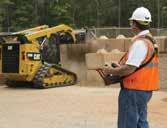
At a year-end press briefing held at the Edwards Demonstration and Learning Center, Caterpillar and TORC Robotics announced the availability of the RemoteTask remote control system, designed for integration into 16 models of the Cat D Series skid steer, multi terrain and compact track loaders. The system enables operators to precisely control the machines, as well as more than 200 work tools, from outside the cab and from as far away as 1,000 ft. “We wanted to provide our customers a solution to get an operator out of a machine in hazardous or dangerous applications,” states Jeff Griffith, senior market professional for Caterpillar. “Not only that, but in applications where you need a better line of sight.” He cites trenching as an example. “On a skid steer, you operate a trencher in reverse. So why not have the operator outside the machine monitoring the trench?” he asks. The RemoteTask controls have virtually no lag in machine response time. “When I use the RemoteTask controller, the machine response is instantaneous,” says Bob Shoop, product demonstrator/instructor for Caterpillar. “The feel and response mirror the operator controls of the machine itself. Remote controls I’ve tested previously often had a delayed response.”
Construction contractors in Ghana awarded
Construction contractors in Ghana have been awarded under the theme-‘Celebrating Excellence for National Development’. With the construction sector contributing about 12 per cent to Ghana’s GDP, organisers believe, the awards would be a major motivation for construction companies to excel and break new boundaries. The awards would also serve as an incentive to other companies in the industry to improve on service delivery, professionalism, health and safety among others. Speaking at the event Akin Naphtal, CEO of InstinctWave, organisers of the Ghana Construction Awards said: ‘We warmly congratulate all those honoured today, we are very proud to be the pioneer of celebrating a vital industry like construction.’
- Architectural Association of Kenya
Date: 22-284 February 2016
Venue: Dubai, UAE
Website:www.kwppp.com.
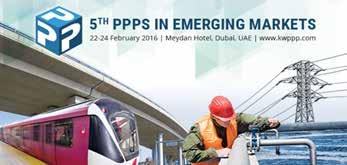
The 5th PPPs in Emerging Markets Summit will be hosted on 22-24 February 2016 in Dubai, UAE and July in Bangkok, Thailand. The Theme: ‘Moving from theory to practice to achieve infrastructure goals’ – The conference series gives access to emerging markets from across Africa, Americas, Asia Pacific, Europe & the Middle East for a programme of capacity building and networking with Project Finance leaders across government agencies, investors, project sponsors, EPC’s and consultants. The programmes are interactive and based around panel discussions with Case Studies sharing expertise from global thought leaders. To date the PPPs in Emerging Markets Summit series has hosted over 700 Government participants allowing access to capacity building, sharing of expertise and investment directly to emerging markets, to register visit the official website: www.kwppp. com.
- Institute of Botswana Quantity Surveyors
- Institute of Quantity Surveyors of Kenya
- Institute of Engineers of Kenya
- Association of Consulting Engineers of - Kenya
- Association of Professional Societies of East Africa APSEA)
- Kenya Property developers Association
- Institution of Surveyors of Kenya
South Africa - ASAQS - SAICE
- South African Council for the Quantity Surveying Profession
- Khuthaza ( Women for Housing)
- Concrete Manufacturers Association
- Green Building council of SA
- South African Property Owners Association
- Master Builders South Africa
Uganda
Institute of Surveyors of Uganda
Ethiopia
- Association of Ethiopian Architects
- Ethiopian Association of Civil Engineers
- Construction Contractors Association of Ethiopia
- Zimbabwe Institute of Quantity Surveyors
- Zimbabwe Institute of Engineers
- The Construction Industry Federation of Zimbabwe (Cifoz)
Ghana
- Ghana Institute of Engineers
- Architects Registration Council
- Ghana Institute of Surveyors
- Ghana Green Builders Association
- Ghana Institute of Planners
- Association of Building and Civil Engineering Contractors of Ghana
Institute of Namibian Quantity Surveyors Association of Consulting Engineers of Namibia Tanzania
Date: 10th May 2016
Venue: Gallagher Estate, Jo'burg, South Africa
Contact: christine.barrow@ access-africa.org
Website: www.access-africa.org
Access Africa is an exclusive platform focused on providing essential information on the investment climate and opportunities in key economic sectors across Africa. Access Africa specializes in bridging the gap for governments, investors and industry players in Africa’s key economic growth sectors. The Captains of Construction projects builds on the foundation that has been laid at the first annual event and publication in 2015. The project is two-fold, comprising the Captains of Construction Leadership Forum and the Captains of Construction Leader’s Book.
- Tanzania Institute of Quantity Surveyors
- Construction Regulation Board (CRB)
- Tanzania’s Registration Board of Architects and Quantity Surveyors (AQSRB)
- Association of Consulting Engineers Nigeria
- Association of Professional Women Engineers Of Nigeria
- Council of Registered Builders of Nigeria
- The Nigerian Institute of Architects
- American Association of Petroleum Geologists Africa Region
- Nigeria Society of Engineers
- Nigeria Institute of Architects
- Building and Construction Skilled Artisans Association of Nigeria (BACSAAN)
- Zambia Institute of Architects (ZIA)
- Association of Building and Civil Engineering Contractors (ABCEC).

Michel D Hanna, an MBA from Cass Business School, UK joined SPEED HOUSE GROUP, UAE in 2005. He has been working with clients and innovating client centric sales and marketing strategies ever since. Construction Review recently interviewed him on current and future trends inthe prefabrication and modular building industry:
CR: How have construction projects evolved with the inclusion of prefabrication construction modules over the last two years?
MDH: The concept of off-site construction followed by on-site installation is very popular as it offers temporary as well as permanent solutions alike. This concept has rapidly evolved because of its dynamism and versatile applications. The prefab concept is so dynamic that it caters to the needs of Oil & Gas, Power & Energy sectors on the one hand and Real Estate and Health Care Sectors on the other, just to name a few. The advantages of factory fabrication and regular quality inspection by well-trained professionals are some of the top reasons that has given a fillip to its evolution.
CR: How is prefab and modular construction helping developers in project delivery within the stipulated timelines?
MDH: Unlike conventional method of construction, prefab and modular construction requires more time in planning but less time in execution, that too; in better controlled working conditions. It allows the project engineers and managers to simultaneously monitor and get other activities executed at the project site for successful project delivery. If there is a systematic cooperation from the end-users, suppliers and material coordinators, project delivery can be ensured 15%-35% faster as compared to the conventional method of on-site construction.
CR: Prefabrication construction has seen a slow adaptation in the construction industry. What are drawbacks which deters large scale absorption of this construction method?
The prefabricated buildings are much more flexible and user friendly because they can be customized as per requirements.
Yes, it is true that architects and society in generalhave in the past viewed prefabricated buildings as insignificant structures. However, what has been noticed in the last 2-3 years is that architects are experimenting with modern designs and technical specifications in line with changing business scenarios. As there is a huge discussion about climate change taking place in every nook and corner across the globe, prefab industries have come up with green materials for eco-friendly finishes. The prefabricated buildings are much more flexible and user friendly because they can be customized as per requirements. You will be surprised to know that McDonald’s the hamburger franchise started use prefabricated units as outlets which remain open for 13 hours a day at a stretch. The days are upon us to see the prefab concept entering all the industries cutting across their industrial profiles and requirements.
MDH: It is true to say that the adoption of prefabricated buildings have been slower in the Middle East and Africa. Lets us talk about Asia Pacific, US and Europe where prefabricated houses play a very significant role. As per the industry report published in 2012, Asia Pacific tops the list with 49% of global market share valued US$90.1 billion. As for modular housing, as it is popularly known in the west; the size of the market in Europe is pegged at US$ 31.5 billion with Italy taking the lead with a market share 25.4%.
The prefab market in North America stood at US$ 10.2 billion with the US accounting for the largest share with 75% stake. The Middle East is one of the smallest markets and only accounts for 3.25% of the global market. However, the situation is fast turning around because of the construction boom in the region. The major drawback deterring its mainstream absorption is perception.
To read more and to comment on this story visit http://www.constructionreviewonline.com













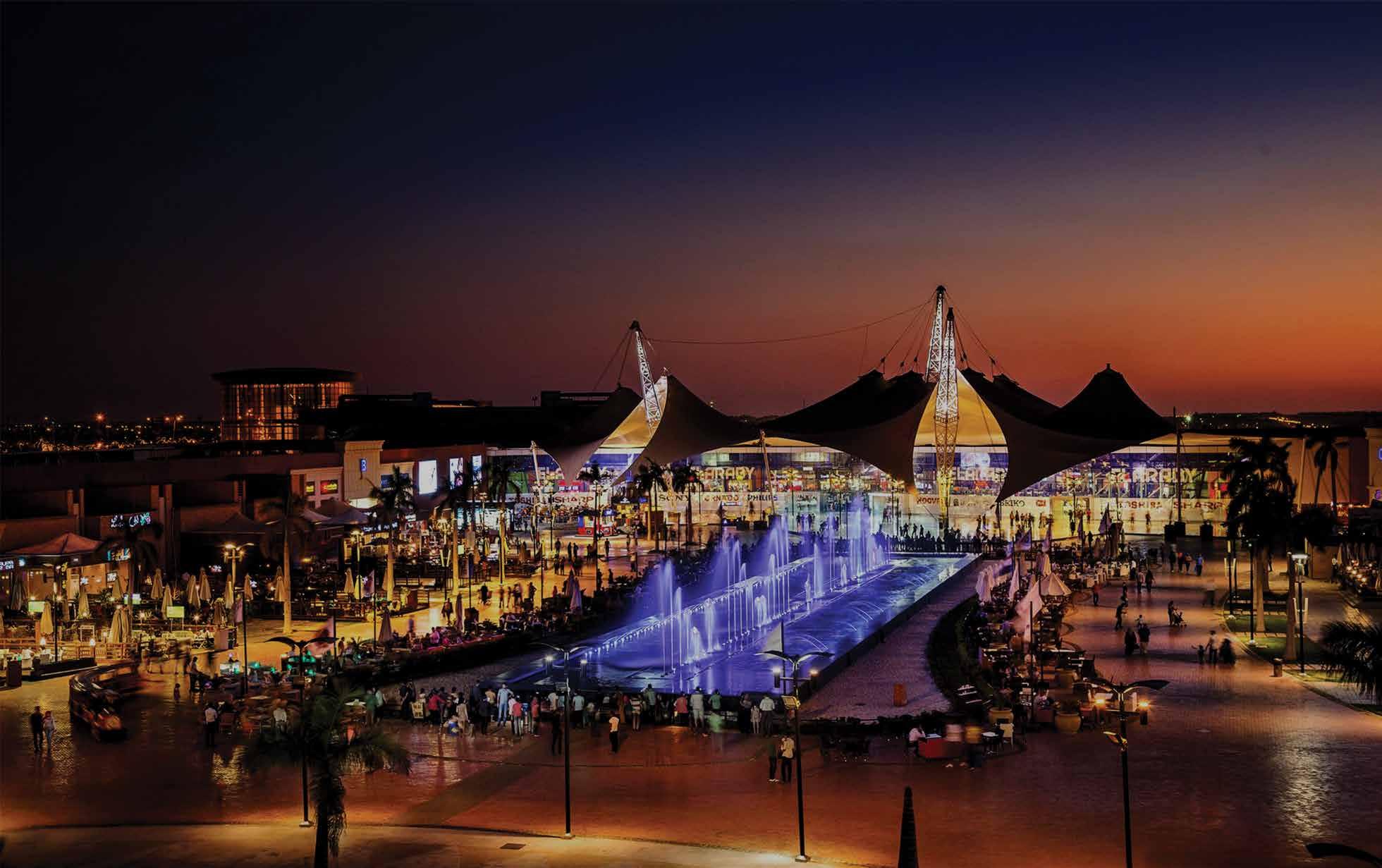
Constructing malls in Africa has become the newdarling for many global investors given Africa’s expanding middle class and its insatiable appetite for the good life; from fine dining, to the thirst for anything imported including clothes, home appliances and groceries.
Virtually every major store chain and fast food franchise is beating a path to Africa spurring a demand for quality retail space. It may not appear so now but in a decade Africa will be as large as Asia in population and every major brand name worth speaking of realizes this and is staking a claim in the region. The flurry of developments of malls in Africa’s major capitals such as Cairo, Lagos, Johannesburg and Nairobi is therefore not a surprise and research has shown that this trend is set to continue for the foreseeable future. Indeed the demand for shopping malls has taken on a life of its own and each new
development is more lavish than the last as they seek to meet the need for a growing retail experience in Africa.
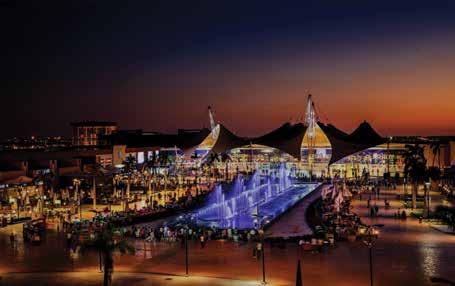
Over the last decade the number of mega malls with retail space over 1.5 million square feet has increased more so in North Africa which boasts 5 of the largest malls in Africa 4 of which are in Egypt either under construction or recently completed. Mall of Arabia in Egypt (2.87million square feet) is the undisputed largest mall in Africa while Morocco Mall in Morocco holds the second spot slot at 2.7 million square feet. Size aside malls ranging about 300,000 square feet with about 50 stores are the more popular sized malls that have begun to dot every major city in Africa with some having plans for phased increase in size over time.
The demand for retail space is set to grow in coming years. A recent study by CBRE confirms these facts and shows that
the African market has begun to receive growing interest from European retailers with South Africa being at the top of the list. CBRE is a global commercial real estate services and investment firm. The combined effect of China’s slowing economy and a growing middle class in Africa has made constructing malls in Africa attractive but the shortcomings surrounding infrastructure has been the only blight in this rosy picture and this has stimulated the construction industry to respond.
South Africa remains the most attractive market for retail space development because wealth is more favorably distributed in the various cities as compared to other African countries where it is mainly concentrated in the capital city. Needless to say the more sophisticated population and the improved

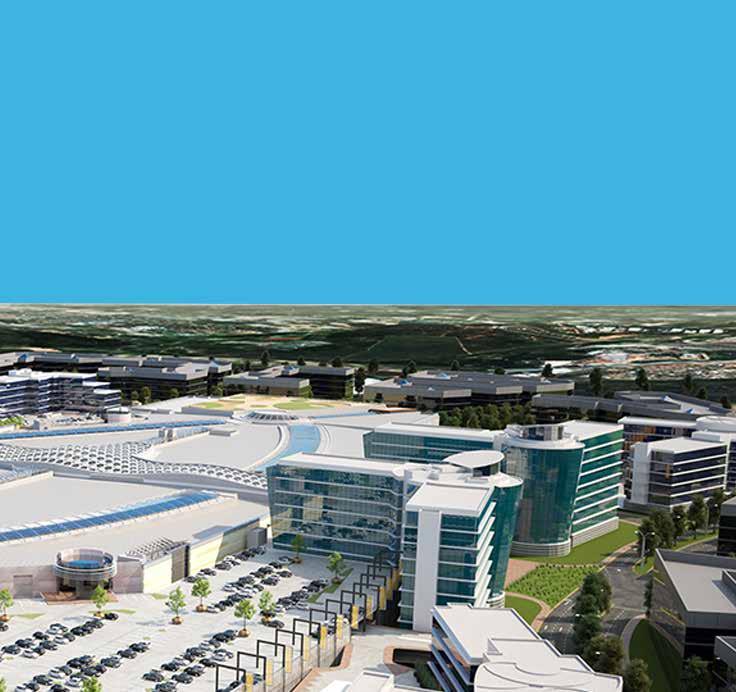
infrastructure in South Africa are added attractions. On the cards in South Africathe 1.4 million square foot Mall of Africa is nearing completion. Located in Midrand the mall is touted as the largest mall in Africa ever to be built in one phase. This is significant because in most cases malls are built in phases stretching over several years in order for investors to limit their exposure and begin to get a return in a shorter period. The mall will have four shopping courts inspired by different parts of the continent with its features intended to bring out the character of Africa’s different climatic zones.
Just as an indication of the demand, out of about 300 shops only about 10 remain to let out at the time of going to press and it appears by the time it opens at the end of April this year, the mall will be fully let out with a mix of both local and international brand names who have setup flagship stores.
In response to South Africa’s persistent water shortage the mall has installed a water treatment plant that recycles grey water for use to flush toilets and for irrigation. Water storage tanks are located in the basement parkade with a capacity of 540,000 square metres. The mall is described as boasting an abundance of natural lighting and high shop fronts
Nigeria has also seen its own flurry of mall constructions with several currently under construction in Lagos, Abuja and Ibadan. Currently the one that holds the mantle of being the largest mall in Nigeria is the Ado Bayero Mall located in Kano, Northern Nigeria. The mall covers an area of 260,000 square feet and was completed in 2014. The mall has about 50 stores and parking for about 1000 vehicles. By most standards the mall is small though there are plans to build a second phase that will consist of a hotel and amusement park. Soon to take over the distinction of being the largest mall in the country is the Palms Mall. Currently the mall covers an area of 210,000 square feet but once the current extensions are completed the mall will have a total of 645,000square feet of lettable spacewith a 420,000 square feet multi-level parking lot making it the largest in the country.
Despite the social upheavals in Egypt the country has also seen its share of mall developments in the recent past. Worth mentioning here are the Mall of Egypt and the Mall of Arabia both of which will boast over 1 million square feet and when
completed will range amongst the largest malls in Africa. The Mall of Egypt is a 1.7 million square feet mall being developed by Majid Al Futtaim (MAF) Properties in Cairo. The US$800 million project will mirror the Mall of the Emirates in Dubai and will feature international fashion and lifestyle retail brands, a ski park, a 17-screen cinema, a family entertainment centre and over 50 food and beverage outlets.MAF incidentallyhas exclusive rights on the giant French franchise Carrefour in the MENA region and Central Asia. The first phase of the Mall of Arabia opened in 2011, while the second phase is expected to open soon.The Mall of Arabia is touted as Egypt's biggest mall in terms of space and store numbers covering 2.69 million square feet.
In Kenya East Africa’s largest mall is set to open soon. Two Rivers which will have 660.000 square feet of commercial space while not even half the size of the Mall of Africa or the two largest malls in Egypt will none-the-less set the bar higher for any future entrants in the East African region as developers keen on attracting foot traffic set out to outdo their predecessors. This mall it is said will feature the ubiquitous water feature

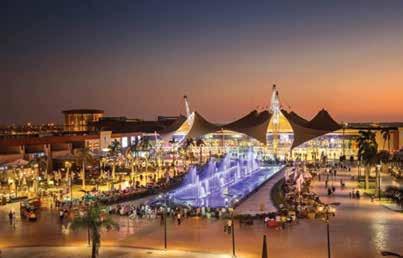
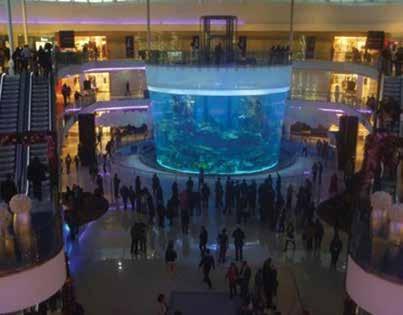
when it comes to malls but an exception is that it will have dolphins to boot.
Other recently opened malls are the Garden City Mall, which is half the size of Two Rivers, the Waterfront and a number of smaller ones in satellite towns outside Nairobi. In Uganda Acacia Mall is arguably the largest mall in the country with a floor space of about 370,000 square feet.
Interestingly enough according to studies done, in South Africa over 60 percent of shopping is done in malls compared to less than 30 percent on average in the rest of Africa and so the general thinking is that as both increase in the size of the middle class and the trend towards experiencing retail therapy continues to rise, the development of malls will continue with pressure being exerted on developers to build ever larger and more exciting establishments in order to attract global brand names. It has become all about size and attractions and so incorporating amusement parks of one sort or another is par for the course along with boasting some kind of green star rating for use of renewable energy and recycling water.
Name: Mall of Arabia
Country: Egypt
GLA m2: 267,000
First opened: 2010
Name: Mall of Morocco
Country: Morocco
GLA m2: 250,000
First opened: 2011
Name: Gateway Theatre of Shopping
Country: South Africa
GLA m2: 220,000
First opened: 2001
Name: Sandton City
Country: South Africa
GLA m2: 215,000
First opened: 1973
Name: Cairo Festival City
Country: Egypt
GLA m2: 160,000
First opened: 2013
Company
Business





Building automation generally begins with control of mechanical, electrical, and plumbing (MEP) systems. For instance, the heating, ventilation, and air-conditioning (HVAC) system is almost always controlled, including control of its various pieces of equipment such as: Chillers, Boilers, Air Handling Units, Roof-top Units (RTUs), Fan Coil Units (FCUs), Heat Pump Units (HPUs), Variable Air Volume boxes (VAVs). Lighting control is likewise, low-hanging fruit for optimizing building performance.
Other systems that are often controlled or brought under a complete automation system include: Power monitoring, Security, Close circuit video (CCTV), Card and keypad access, Fire alarm system, elevators or escalators and plumbing and water monitoring. Building automation has come a long way since the 1960s when pneumatic control systems were being installed in buildings. Today most modern building automation systems depend on wireless connectivity to ease installation and allow fast modifications or expansion. However, there are a few trends influencing this sector.
The wireless technology is beginning to replace traditionally wired BAS infrastructure. Thus far, however, the wireless technology is limited to sensor-type devices and suffers from issues including a lack of clear wireless standard, short battery life, and communication challenges through various types of building structures and materials. Other than that, the enterprise-level initiatives are making the communication protocol of the Building Automation less important and while it is quite common to replace a pneumatic control system with a direct digital control (DDC) system, pneumatic-to-DDC bridging strategies also exist.
More controls are coming to the construction site, factory pre-mounted to equipment and hardware and software continues to be augmented by energy-related visuals. There has also been tremendous consolidation
among BAS manufacturers, leaving relatively few independent players (such as KMC Controls).
Another trend suggested by Andreas Schneider, Chief Marketing Officer, EnOcean GmbH in Germany is, those sustainable wireless building automation systems which do not require maintenance or changing batteries will become state of the art for modern buildings, even for retrofit projects. These solutions offer the needed price/ performance ratio, flexibility, reliability and system sustainability that are required to meet governments’ ambitious goals of significantly reduced energy consumption in buildings (newly constructed and existing ones). Rick Schuett, Chief Commercial Officer at Autani Corporation also suggests that the costs will continue to drop for hardware. More and more emphasis will be placed on the value of the software within the building controls and monitoring space. Those firms that have their own in-house software developers (such as Autani) will be able to move faster and stay ahead of client needs and expectations than companies that choose to outsource most of their software and hardware development. There are many trends that are especially important to the building automation market. Melinda Corley from indusoft in the US says that energy monitoring and metering is growing in importance, as the push toward sustainable buildings increases. Building automation systems will need to be able to incorporate cost-saving measures such as predicting and monitoring energy consumption, and predictive maintenance of equipment. Smart technologies will also become very important. Smart technologies can be used to measure facility occupancy and temperatures to better regulate cooling and heating, or can be used for building security and tracking the flow of people throughout a building. The Internet of things will allow smaller systems within a building, such as elevators and thermostats, to communicate with the building automation system for better efficiency.
Also emerging markets will see the huge benefits of implementing wireless technologies in buildings. Cornelius Berns from a German company, Thermokon Sensortechnik GmbH says that in a digital world, it is inalienable to disregard the technological shift from standard wired automation towards a digital automation based on RF-technology. Consumers want to have a “onecontrol-all” solution from anywhere they are.
To read more and to comment on this story visit http://www.constructionreviewonline.com






VEHICLE ACCESS CONTROL
Automated Traffic Barriers – GeniusTM Range
Manual Barriers – Master®/Low Cost
Reusable Rubber Traffic Islands
Cantilever Gates – Glide MasterTM (up to 10m)
Bi-Folding Speed Gates
HIGH SECURITY - VEHICLES
Spike Barriers – ScorpionTM
Single Directional Spike Barrier
– ScorpionTM
ANTI-TERROR PRODUCTS - VEHICLES
Road Blockers (Rising Curb) – WarriorTM
Hydraulic Bollards – WarriorTM
Anti Ramp Posts
PEDESTRIAN ACCESS CONTROL
Turnstiles – TornadoTM Industrial Full Height
Turnstiles – HurricaneTM Industrial Mantrap
Turnstile – TwisterTM Waist Height
Turnstile – CycloneTM Full Height Glass
Turnstile – CycloneTM Waist Height Glass
Revolving Glass Doors – CompassTM
Drop Arm Pedestrian Barriers – GeniusTM
– Euro’s & Square shape
Special Needs Swing Gates – TyphoonTM (90º and 180º)
Speedstile – Pro WingTM
Security Booths / Mantraps
Walk Through Metal Detectors
ACCESSORIES
Goosenecks (custom made)
Bollards – static & removable
Reserve Parking Posts
Balustrades
Camera Poles (up to 9m)
Magnetic Locks
Enclosures (metal) – custom made





















Lubrication of moving parts in construction equipment relies on the knowledge and expertise of the operator or the maintenance team this is because without proper application of lubricants in the engine it would probably seize up and the inconvenience of downtime would become a reality.In Africa virtually all plant and equipment used in construction is subjected to extreme working environments in which dust, water and high temperatures are more the rule than the exception. This makes proper maintenance and care of the equipment all the more critical if you are to enjoy lower down time and increase the lifespan of the equipment. Replacement cost of equipment is high and so the savings to be obtained by postponing this event by ensuring proper maintenance cannot be casually overlooked. A proper oil and lubrication system for construction equipment is one of the sure fire ways to ensure that the machinery will run efficiently and this translates into savings in fuel consumption as well as maintenance costs, however even here using the right oil and lubricants can make the difference between extended useful life or a problematic working life for your machinery.
Now that we agree that the right oils can provide substantial savings for plant operators then the first place to start when getting serious about your oils is to debunk the long held belief that all oils are made the same and work the same way no matter the manufacturer. This is because recent developments in the oil and lubricants industry has seen the emergence of specialised oils that are far more superior than conventional oils in ensuring your equipment remains well lubricated at all times.
Synthetics are clearly superior in the extreme zone where temperatures, high loads or flammability are overriding factors. They also perform well in applications where needs are specific and complex. Synthetics are engineered to meet targeted performance benchmarks, and a synthetic formula can be engineered for almost every combination of properties used in industry.
Lets take a look at what can be referred to as your normal oil. The more conventional oils that are popularly used in machinery today are produced from refined crude oil but even after the refining process, several compounds still remain such as oxygen, sulfur and nitrogen. These compounds cause oxidation and acidity particularly at high temperatures and even encourage the formation of sludge. You may not have known this but in addition to these problems the varying molecules in these lubricants have different shapes and these molecular irregularities means greater friction within the oil itself which reduces the oils efficiency and the overall efficiency of the machinery.
Unlike conventional oils that are refined from crude oil, synthetic oils are engineered from chemical reactions in a controlled environment producing a product that consists of a blend of compounds that are uniformly consistent and therefore offer superior performance that translates to a greater life cycle value for the machinery owner. There are several advantages that synthetic oils have over the conventional oils.
Firstly the purity of the synthetic oils coupled with the stronger bonds developed between molecules means that there is less risk of oxidation. This means that synthetic oils can perform better at higher temperatures. Compare this to conventional oils which because they contain impurities oxidation tends to occur at high temperatures which breaks down the oils integritycreating the need for more frequent oil changes.
Secondly on the other end of the scale conventional oils are also compromised under low temperatures because of the presence of paraffin which reduces the fluidity of the oil. After a long cold night starting up a cold diesel engine to begin the work of the day is a time when greater engine wear and tear is likely to occur. This is because most of the engine oil has settled at the bottom and so it offers less lubrication for the moving parts. Since conventional oils tend to be less fluid after a cold night this characteristic leads to greater wear and tear on an engine since it takes longer for the oil to circulate throughout the engines parts
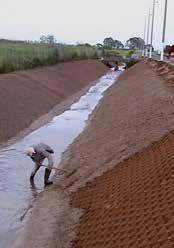
Geotechnical Solutions:
• Retaining walls
• Reinforcement of road sub base
• Asphalt reinforcement
• • Erosion control
Geotechnical produc ts:
• Geotextile ( Woven / Non woven)
• Geogrids
• Honey comb structure - Neoweb®
• Gabions/ Mattresses
• Drainage mats
• Geomembrane - H.D.P.E / L.D.P.E
Contact in Uganda
Mr. Jonathan Tugume Dynaco Limited
Tel: +256 772630834
jtugume@gmail com
office@admir.co.il ww w.admir-geo.com

from a cold start position. Synthetic oils work better here because they maintain their viscosity even at low temperatures which translates to better prevention of wear and tear for cold engine startups.
We have already lookedat the improved viscosity of synthetic oils owing to their uniform molecules as compared to conventional oils. In an engine this can be translated to greater efficiency as the oil is more fluid remaining so even at extreme temperatures on both ends of the scale. This means less frequent oil changes and lower running costs. In a world that is becoming ever more conscious of environmental pollution, it is worth noting that the purity of synthetic oils means that they contribute less to pollution of the environment by reducing harmful engine emissions.
When engine temperatures rise too high it can cause the machine to explode or catch fire with thepossible resultant risk of fatalities but certainly serious damage to equipment. In some instances this can be caused by poor lubrication of the moving parts. Synthetic oils have a distinct advantage here because they have higher flash point meaning that the temperature at which they can ignite is much higher than that of conventional oils thus contributing positively to safety.
To read more and to comment on this story visit http://www.constructionreviewonline.com

The new energy efficient Agrivaal building in Pretoria’s Tshwane Central Business District is using advanced natural ventilation and smoke control solutions from SE Controls Africa to maintain a comfortable indoor environment while improving safety by ensuring escape routes are smoke-free in the event of a fire. Designed by PKA Architects for the National Department of Public Works (DPW), the new 10-storey office blockintegrates with the original 75 year old Agrivaal building, a site of national heritage importance, with the final structure providing 21,650 square metres of rentable space, as well as a restaurant, coffee shops and545 underground car parking spaces.
The new building incorporates a range of energy saving technologies as part of its design and construction, including recycled materials, water harvesting, energy efficient lighting and the use of natural ventilation, which enabled it to achieve a prestigious 4 Green Star rating from the Green Building Council of South Africa.
SE Controls worked closely with the project’s fire and engineering consultants WSP Consulting Engineers from the initial concept stage, as well as ventilation contractors, Robertson Ventilation Industries, to develop the combined high level smoke and natural ventilation solution for the building. The system incorporates an NVLogiQ carbon dioxide sensor and environmental monitor fornatural ventilation, as well as a SHEVTEC smoke control panel and 10 SECO N 24 40 chain actuators, which automatically open and close the centre pivot windows in the atrium to vent stale air or smoke from the building.
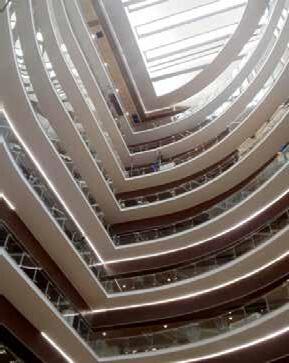
In normal operation, NVLogiQ sensor monitors the temperature, carbon dioxide levels and relative humidity and signals the actuators to incrementally open or close the windows, if the parameters go beyond preset points. In the event of a fire, the SHEVTEC control panel takes a signal from the building’s fire and smoke alarm system, which overrides the natural ventilation system and triggers the actuators to fully open the window to vent smoke from the building.
Further information on SE Controls’ products, solutions and projects can be obtained by visiting www.secontrols. co.za or calling +27 31 466 1857.



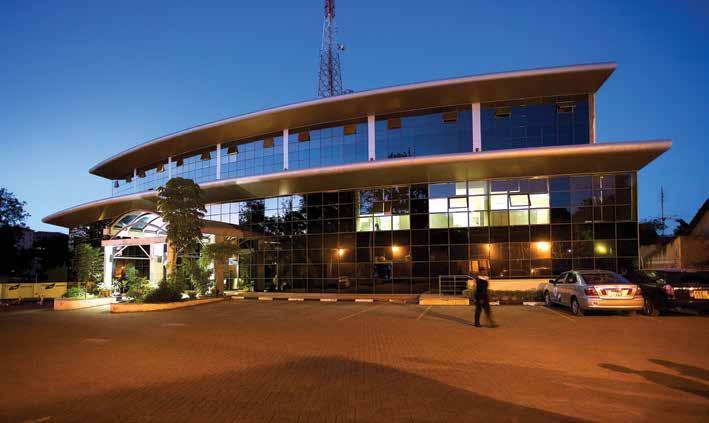
Beglin Woods Architects opened for business in1992. David Beglin and Simon Woods had practiced separately for over 15 years in Kenya before that.
We started in a basement flat on Riverside Drive in 1992 having previously worked in various offices in Kenya, so we are actually celebrating over 40 years of practice as architects in Kenya. The celebration must be shared with our families, friends and colleagues who have patiently and supportively watched our progress.
We look back in time, and into the future with equal interest. The work and work methodology of the past is now quite beyond belief in 2015. We recall the days that no office could afford a photocopier or printer and all originals went out in the afternoon and prints returned the next day. All letters were typed in triplicate with carbon paper and mistakes corrected in white-out. Computers were unheard of in offices, drawings were made in pencil or ink on tracing paper and lettered by stencil.
Major projects were given one water colour illustration by an artist. That was often the first time we saw in 3 dimensions what our building looked like. We did our

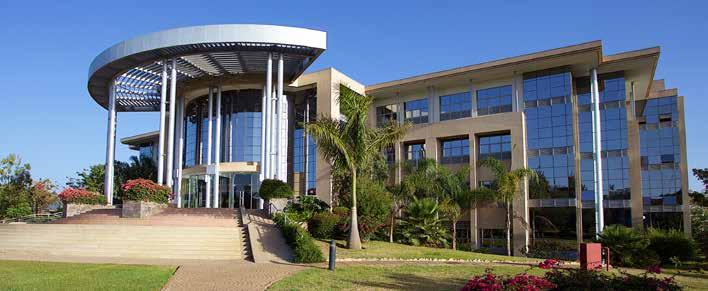
own sketches and made our own models, but we still produced dozens of well thought out, innovative and complex buildings in a year. Almost nothing was imported. Project Managers were unheard of. The architect designed, sourced and supervised most of the work. Now our staff look at old tracings and cannot believe how they were made. Looking back 400 years earlier, St. Paul’s Cathedral was drawn on linen with a quill pen and 400 years earlier than that there were no drawings at all.
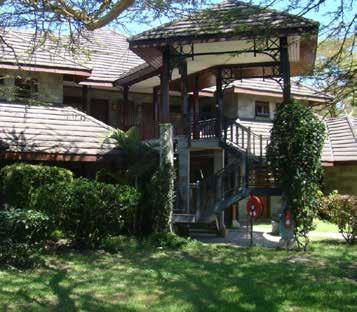
Now we look forward into a future that creates buildings with no distinction between walls and roofs, where nothing inhibits the imagination of the designer and where the entire world is the marketplace. A chair from France now sits on a rug from Bali in a Hotel room in USA, with a lock from Sweden and an air conditioner from Israel. Architects have always worked Internationally. Maxwell Fry and Jane Drew worked with Le Corbusier from 1947 on the new City of Chandigarh in India. Louis Khan built in India 45 years ago and F. L. Wright built in Japan 20 years before that. Now the big

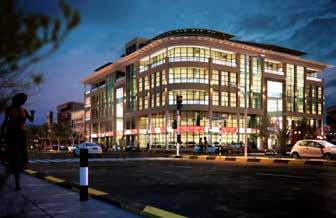
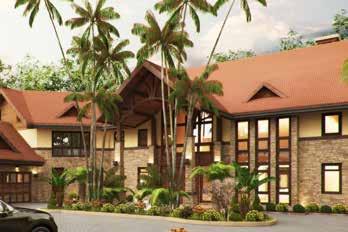
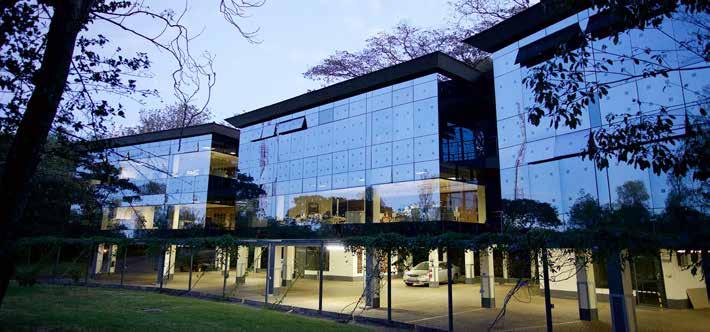

offices have branches in 10–15 different countries, and building components come from all over the world. International standards are now being developed to ensure compatibility with building components and materials so that almost everything fits together. Large-scale manufacturers of building components, large contractors and architectural firms are already coming to Kenya and will combine to produce buildings of the same scale as those in Singapore, China, the Middle East and United States.

Computers continue their existing and relentless pursuit of faster, smarter and more exciting ways of producing information, and of integrating the work of many consultants at the same time. Today a technician in Sweden can work on the same drawing as an architect in


and the design can be sent to Vietnam for an illustration and to China for a model. Project management is becoming stricter, and monitoring of deadlines and deliverables is becoming more vigilant, frequently involving penalties. The Cities and Towns around Nairobi are joining in the race for development. Soon Kisumu, Mombasa, Nyeri, Nanyuki and Isiolo will have projects as large and expansive as Nairobi.

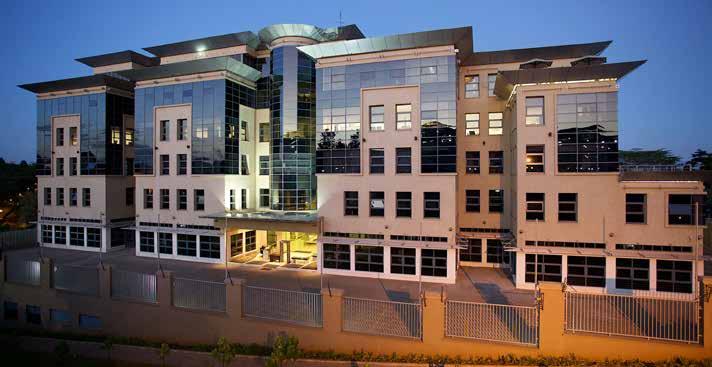

Architecture has always been a contributor and an ally to technological development, and the future of architecture will grow exponentially with the developments in technology and finance. Taller residential buildings have to proliferate to ease the pressure on land prices. More sophisticated and economical building techniques must evolve. Builders must embrace the 24 hour day and the 365 day year. There will be more specialist subcontractors.

House,
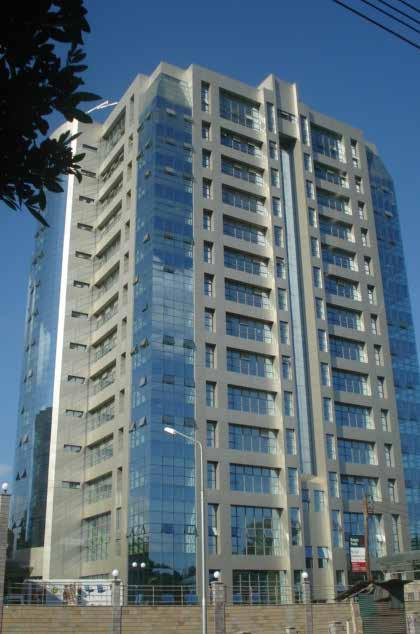
Sustainability will be a huge issue in the future, but only if legislation assumes more responsibility. If a law were passed tomorrow to never cut down another tree until the current environment crisis was over, the world would survive. The industry would use post formed doors, laminated MDF and synthetic wood. It’s hard to find an excuse for destroying the earth’s forests at the expense of the world’s overall health. We must all ensure that sustainable technology aides the planets survival rather than its destruction.
As a Practice, we have lived through these vast technological changes over the last 23 years, and we have had to evolve and develop our skills accordingly. Emails are now expected to be answered instantly, when years ago it was accepted it would take several days to expect an answer from a letter. The range of building products continues to grow at an exponential rate, and information on anything is available instantly on the Internet, without having to go to a library.
Clients now rarely proceed with a project unless they see several optional photorealistic renders of their project, and unless they see fully worked out financial returns on their investments, together with an array of priced options for services, materials and finishes.
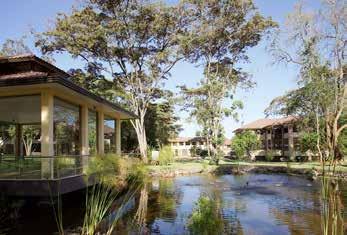

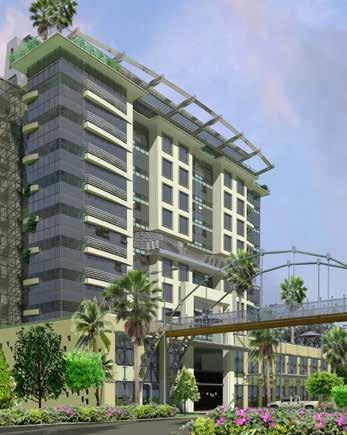
It is therefore tempting for architects to copy and paste their more successful designs from one site to another, but we have endeavoured to develop different styles of architecture over the years, and whilst we have watched with some amusement other firms copy some of our buildings, we remain committed to developing our ideas and styles, so that our clients can remain confident that they are receiving unique and ground breaking building designs from our firm.
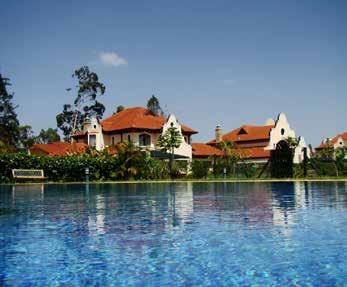
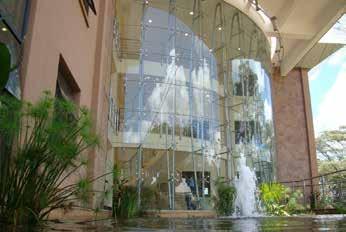
We hope that the architects of the next generation will continue in innovative and exciting ways, and will continue contributing to making the world a better place for those who love being in it, and that the present issues of security and international conflict are temporary and will soon be gone.
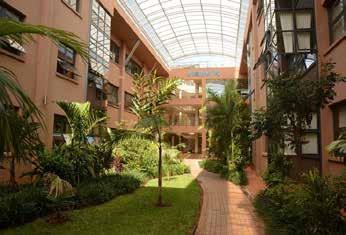





We look forward to many more creative years to come, and must thank our clients, our staff, and our contractors and suppliers, for helping us make our dreams come true over the last 23 years.
‘There is much to celebrate!”


















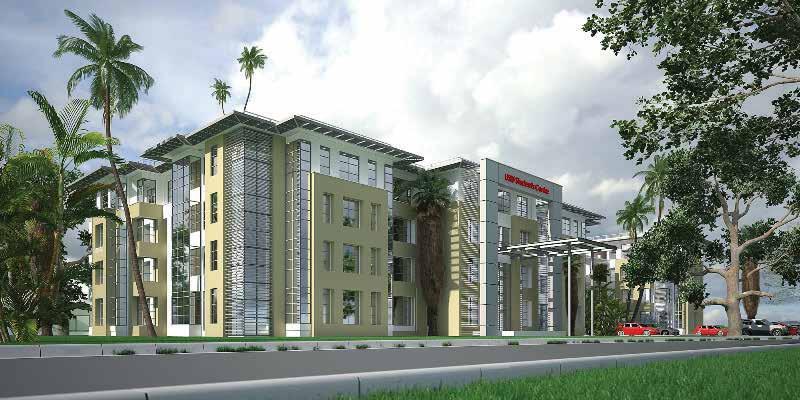
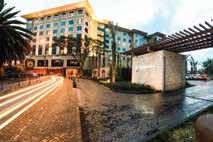





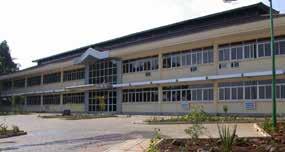


By Elijah Miano
The development of airports has a direct impact on a country’s overall economic development due to the close correlation between movement of people and goods across boundaries and economic fortunes of a country. The quality of airport infrastructure can improve or dent a country’s international competitiveness and even affect the flow of foreign investment. It is this reality that has largely driven Kenya to undertake multi-million dollar projects to revamp and expand her main international gateway – the Jomo Kenyatta International Airport – as well as other facilities around the country.
Kenya Airports Authority (KAA) is the state organization mandated with managing the country’s airports and isbehind the current program to expand and
modernize Nairobi’s Jomo Kenyatta International Airport (JKIA) and re-position it on the aviation map as a key aviation hub in Africa. The expansion and modernization of JKIA has been designated as a flagship project in Vision 2030, Kenya's long term economic development blueprint. KAA is simultaneously undertaking improvements in other airports and airstrips in the country that fall within its mandate.
The initial design capacity of JKIA was to serve about 2.5 million passengers per year but over the years, passenger volumes have shot up to over 6.5 million. The aircraft transport movement (ATM) has also increased to reach over 72,700 aircraft per year and is predicted to reach
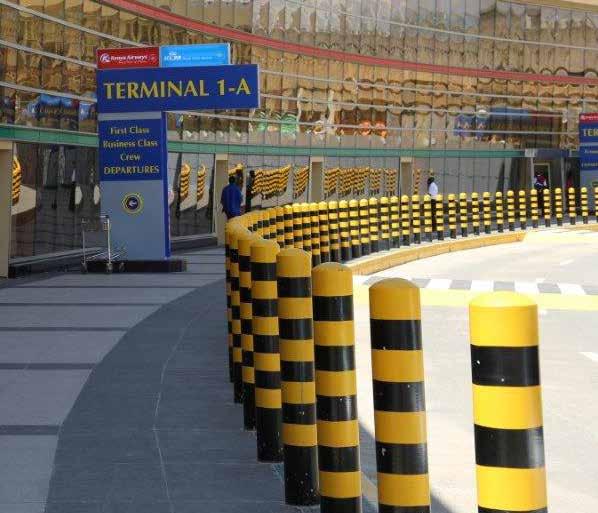
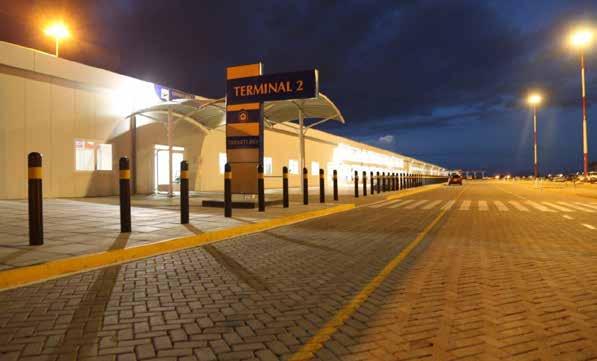
over 195,000 aircraft per year by the year 2030. ATM is a term used to measure the capacity of an airport and refers to the number of arrivals and departures. The current cargo handling capacity is estimated at 252,000 tons having increased by over 50,000 tons over the last seven years alone. The number of flights handled at the airport has also increased by almost 45% in seven years. So far,the organization has completed JKIA’s Terminal 1A Departures and Terminal 2. This has injected an additional annual capacity of 5 million passengers at the airport bringing the total annual capacity to 7.5 million passengers.
The new terminal 1A arrivals, currently under development, is expected to be complete in early 2016 while an international arrivals terminal (Terminal 1E) is also in the works and is set to be operational early this year as well. This terminal will have a capacity of 2.5 million
passengers per annum. It has a total floor area of 6,200 square metres and will feature 18 Immigration counters, 6 Customs desks, 5 baggage reclaim belts and support offices for security, customs and immigration. Terminal 1E also houses departure lounges spanning 3,600 square metres. It will also have a Transfer Area for screening passengers arriving at this terminal. There will also be two airline lounges measuring 390 and 320 square metres as well as a bussing lounge.
In this project, the scope of works for the Terminal building included:
• Construction of terminal building with an approximate floor area of 400m2
• Mechanical and Electrical works and associated
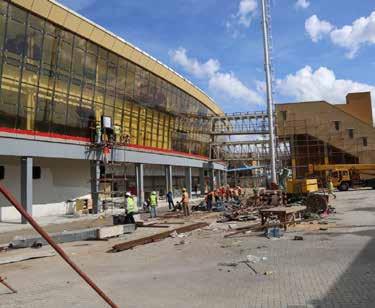
IT
• Provision of 3 no. airline office and administrative offices
• 2 No. check-in counters
• Complete separation between departing and arriving passengers
• A lounge with a capacity to sit up to 57 passengers
The project commenced in January 2014 and is complete awaiting hand over.
Phase 1 involved construction of a 1.4km long runway. This was completed and commissioned in Feb 2013 by H.E former president MwaiKibaki. Phase 2 works commenced in March 2013 and the scope includes:
• Construction of a passenger terminal building of approximately 5600m2 floor area with a capacity of about 700 passengers an hour . The facility when complete will handle both international and domestic departures and arrivals.


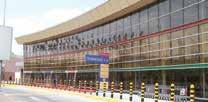


Lion Place, 4th Floor, Waiyaki Way, P.O. Box 69641-00400 Westlands, Nairobi, Kenya. Wireless:
Email : info@ymr.co.ke Website: www.ymr.co.ke


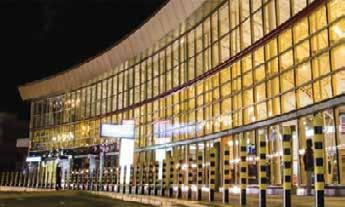
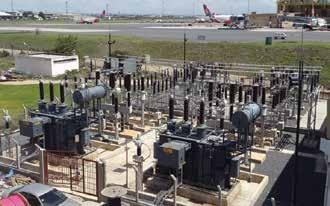

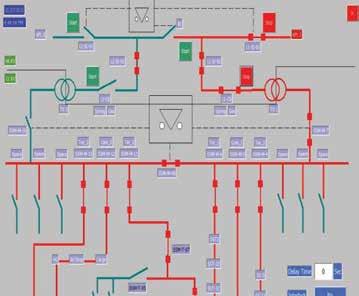
• Construction of a car park able to handle at least 200 cars.
• Construction of an office block to house offices for airlines, KAA and other agencies.
• Construction of a waste treatment plant to enable recycling of waste water for reuse like e.g. watering.
Phase 2 is scheduled for completion by the end of the year.
Works for phase 3 started in November 2014 and the scope includes:
• Construction of internal roads network at the airport and associated civil works
• Construction of the main access road to the airport
• Drainage works and associated mechanical and electrical works.
• Expansion of the existing apron adjacent to the terminal building.
Phase 3 is scheduled for completion by the end of the year to enable commissioning of the airport.
The writer is a Corporate Affairs Officer at Kenya Airports Authority
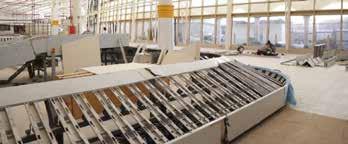



We are proud to be associated with Kenya Airports Authority on their Modernization of Jomo Kenyatta International Airport
Head Office
P.O. Box 20014-00200, 22 Factory Street, Industrial Area, Nairobi, Kenya
LANDLINE: +254 20 5010000 FAX: +254 20 650343
MOBILE: +254 738 865076 EMAIL: info.ke@eaecl.net
Apex Steel are the pioneers in the manufacture of deformed bars, BS: 4449, in Kenya. Through innovation and leadership, this company has transformed the construction and fabrication domain in Kenya. Traditionally, twisted bars were used in building construction projects. For the past three decades, twisted bars have been banned the world over due to their inconsistent quality. The new generation steel, called ‘deformed bars’, also known as ‘ribbed bars’ or ‘rebars,’ became the new global standard.
In 2007, Apex Steel revolutionized the way steel is made in East Africa, and became the first local company
to manufacture steel to international standards. Apex Steel makes Grade 500+ Deformed Bars - BS: 4449 at its technologically advanced manufacturing unit at Athi River. Every metre of the deformed bars bears the trademark, ‘APEX TMX’ that’s how customers know they are getting the genuine best steel.
Apex TMX - Kenya’s most trusted steel, is used in iconic projects. The prestigious Thika Superhighway was built entirely using Apex Steel. A few of the other major projects where Apex TMX steel has been used are Delta Towers, Hotel Sankara, Westgate Mall, Hotel Villa Rosa
Kempinski, Standard Chartered Bank, CFC Bank, Purshottam Place, 9 West, One West and KAM Headquarters.
Others include 14 Riverside, Hotel Radisson, Riverside Park, Mombasa Port Expansion, English Point Marina, Tana River Hydro Plant, Southern Bypass, Northern Bypass, Sondu-Miriu Dam, Kwale Base Titanium and Tsavo Transmission Lines. Across the border in Uganda, the bridge over the River Nile, the bypass expansion in Kampala, was made using Apex Steel.
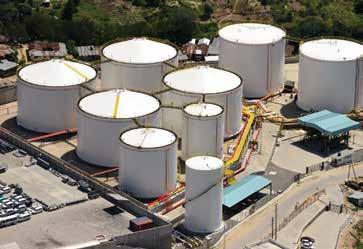
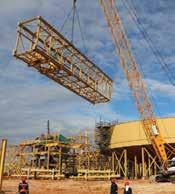
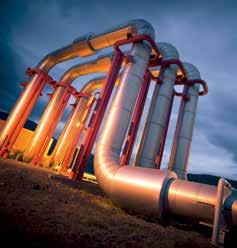
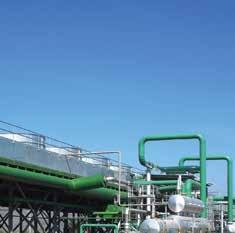

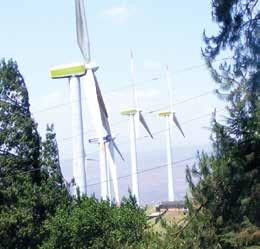
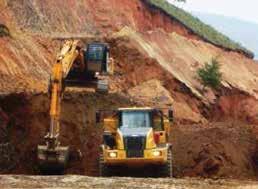
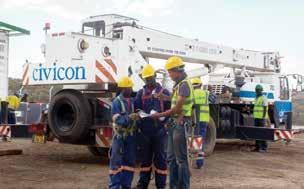
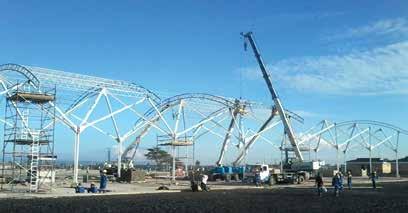
Over the last 40 years, Civicon Group Engineering has established itself as the regions leading Mechanical Engineering, Civil Engineering and Contracting firm in East and Central Africa. The company has a dynamic management team with over 30 engineers and technicians, a staff base of 2000, a large asset base of 5 fully equipped workshops across Eastern Africa and over 350 pieces of heavy equipment. The group also provides out-of gauge Logistics, Cranage and Erection services.
Mechanical Engineering: Greenfield Titanium mine in Kenya. The scope included: Structural, Mechanical, Plate work and Piping (SMPP).
Civil Engineering: Road construction, maintenance of 113 KM, Yei Juba Road, South Sudan.
Logistics: Transport of brewery vessels, Uganda.
Cranage & Erection: Development of Heavy Fuel Oil Power Plants across East Africa. Mining: Turnkey projects to develop Greenfield Titanium Mine (Kenya) and Greenfield Gold Mines (DRC).
Oil and Gas: Building of well pads and associated infrastructure for leading Oil & Gas E&P companies.
Demand for Engineering continues to grow, driven by:
• Development of Power generation and transmission facilities in the region.
• Investment by regional governments to develop new roads and maintain Existing ones.
• Private sector’s Investment in oil storage facilities across the region and Exploration for oil and gas. Development of mining in the DRC and Tanzania


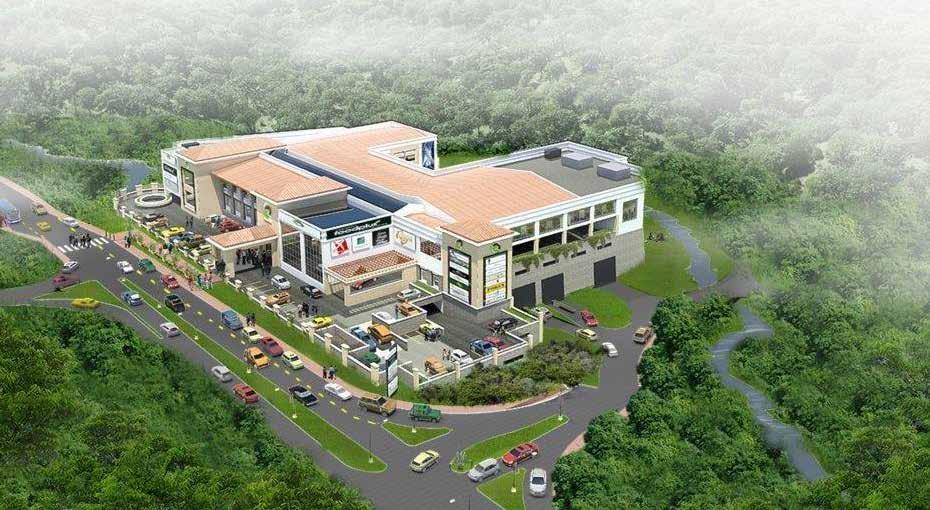
An expanding middle class and a growing interest in investment opportunities in Kenya by foreign brands have continued to spur development of high end malls in Kenya. So far, Nairobi has witnessed the biggest share of new shopping malls although the trend is rapidly catching on in other cities and even smaller towns across the entire country. In fact, Nairobi is slowly earning itself the title of “Mall Capital of East Africa”. Rosslyn Riviera Mall is one of the latest such developments in the peripheries of Nairobi. Set on a 4.5 acre piece of land in the affluent Rosslyn suburb, the development promises to be a major convenience for residents of nearby estates

including Runda, Nyari, Muthaiga and Ruaka. According to the developer, MrPeterGethi, the concept of Riviera Mall is neighbourhood convenience.
“The idea was to move away from the ‘high octane’ malls and give the customer an opportunity to shop without the hassles of inadequate parking and associated inconveniences”.
Mr Gethi says that proximity to the Ruaka River was meant to give shoppers an opportunity to unwind with nature in the well manicured and landscaped gardens. Projected to cost US$ 27 million, the mall is essentially a retail centre where retail units will be accommodated on lower and upper ground floors. However, the first floor will contain semi-retail units that can be converted into offices. Each tenant will be provided with a grey shell which they can then proceed to fit out and decorate as desired within the constraints of set standards.
The Riviera Mall design emphasises on natural light via light wells using atriums. A ‘village square’ resembling a courtyard opens out to the skies giving customers a chance to sit and enjoy the sunshine and fresh air. The floor plan is created with the customer in mind and provides clear visibility for the shops.All the mall-ways will make use of natural ventilation with cross ventilation occurring through

louvered panels in all the shops. To further save energy, LED lights will also be used throughout the building. All light control systems will be centrally located, allowing regulation of lighting depending on specific requirements. Automatic sensor switches will be used in all washrooms to reduce energy wastage.
In addition, any mechanical and AC equipment will only be used where necessary. This equipment will be nonCFC (chlorofluorocarbons) based. This has been informed by the fact that the release of chlorofluorocarbons (CFCs) from refrigeration equipment destroys ozone molecules in the atmosphere harming the earth’s natural shield from incoming ultraviolet radiation.Rain water harvesting is also a major feature in the overall design. biological waste water treatment system will be used to clean water to a non-potable standard for reuse. This will allow water recycling for use in toilets and irrigating the lawns.
The centre will have a modern state-of-the-art 24-hour security system. The bulk of the parking will be in the
basement on two levels to protect the vehicles from the elements in secure surroundings. Key to the development is ample parking to ensure customer convenience is maintained from entry to exit. Lifts and escalators will be strategically provided in addition to access ramps on all levels to cater for the disabled. Back-up water and power will be availed by way of a borehole and stand-by generators respectively to allow for seamless operations. There will be a physical security barrier along the full perimeter of the premises coupled to prevent any unauthorized access.
Entry will be from an access road that is being constructed off Limuru Road to facilitate uninterrupted movement of traffic along the highway. This access will allow for through traffic from RundaKigwaru Estate, Karura Community Chapel and Runda Mimosa to the Northern bypass. Construction of the mall began in July 2014 and is expected to be complete mid this year.
Akamba Flats M1, Woodlands Lane, Hurlingham P.O. Box 45156-00100 Nairobi, Kenya
Tel: +254 20 2710720
Wireless: +254 20 3534946
Email: help@stranaconsult.com
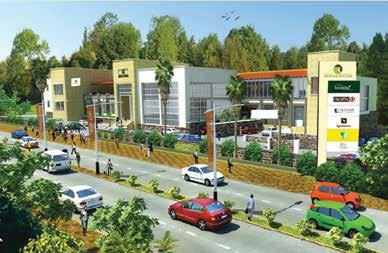
Civil & Structural Consulting Engineers
Established in 1995
Wendy Court, off David Osieli Road, Westlands
P.O. Box 66636 Nairobi 00800 Kenya
Tel: +254 721470536
Email: info@struvilafrica.co.ke
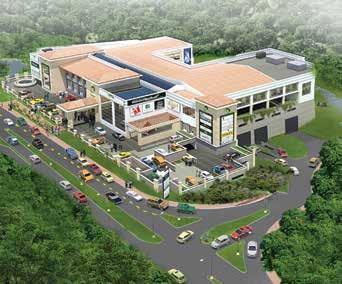
We are proud to be associated with Rosslyn Riviera Mall
Waridi Court, Door No. 3
Rose Avenue, of f Lenana Road
P O. Box 44114-00100 G P O Nairobi, Kenya
Tel: 020 2692252/3, +254 0717347450
Email: donn@donnconsultants.co ke P O. Box 7775-40100 G P O Kisumu, Kenya 2nd Floor, Sifa House Kibuye Road
Tel: 0706 760794, 0773 058661
Email: donn@donnconsultants.co ke
Project Team
Project Manager:
Barker & Barton Kenya
Architects:
Planning Systems Services Ltd.
Quantity Surveyor:
YMR Integrated Partnership
Structural Engineer:
Strana Consultants Ltd.
Civil Engineer: Struvil Africa.
Mechanical Engineers:
Loadline Engineering Services.
Electrical Engineers:
Donn Consultants.
Retail & Management Consultants:
Knight Frank Kenya Ltd.
Main Contractor: Parbat Siyani Construction Ltd


We are proud to be associated with Rosslyn Riviera Project
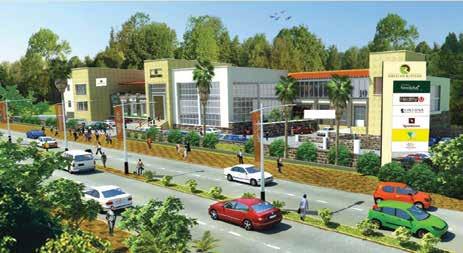

Integrated YMR Partnership
Lion Place, 4th Floor, Waiyaki Way, P.O. Box 69641-00400 Westlands, Nairobi, Kenya. Wireless: +254 020 3286100 Mobile. +254 707 963094, +254 786 425729
Email : nairobi@ymr.co.ke
Website: www.ymr.co.ke
We are proud to be associated with Rosslyn Riviera Mall as the Quantity Surveyors

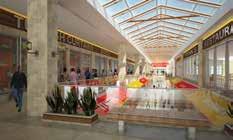






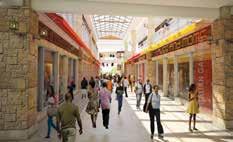
PARBAT SIYANI CONSTRUCTION LTD
P.O. BOX 10748-00100, 1st Parklands Avenue, Parklands, Nairobi, Kenya | Tel: +254 20 2658134/5, Mob: +254 731 337001/40 | Fax: +254 20 2658136, Email: pscl@seyani.com
PARBAT SIYANI INTERIORS LTD
P.O. BOX 10748-00100, Nairobi, Kenya
Tel: +254 20 2658134/5 | Mob: +254 731 337001/40, Fax: +254 20 2658136 | Email: psi@seyani.com


SEYANI BROTHERS & CO. (U) lTD
P.O. BOX 2175, Plot 469, Ggaba Road Nsamya, Kampala Tel: +256 41 4266142/4266218 | Mob: +256 755 789000 Fax: +256 41 4267097/4266142 | Email: sbcu@seyani.co
SEYANI BROTHERS & CO. (R) lTD
P.O. BOX 399, Plot1027, Kimihuria, Gasabo District, kigali|
Tel: +250 788 308883, +254 788 622700, +254 788 843844
Email: sbcr@seyani.com, Web: www.seyani.com
SEYANI BROTHERS & CO. (T) lTD
P.O. BOX 105464, Plot 41, Mikocheni Light Industry, Dar Es Salaam, Tanzania | Telefax: +255 222 773 285
Email: sbct@seyani.com

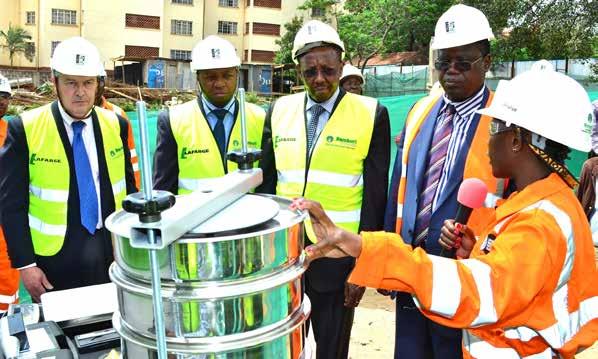
New cost effective materials, energy conservation, design approaches, as well as advances in digital technology, are creating a wave of innovation within the construction industry. Bamburi Cement Ltd leads the way in continually looking to build on this innovation platform. Coming hot on the heels of the introduction of the first highest strength Grade cement in Kenya; Powercrete – with 52.5 MPa strength, is the recent launch of the Bamburi Mobile Concrete Laboratory.
In what is a first in the Kenyan construction industry, the Bamburi Mobile Concrete Laboratory is a service that has been provided as a value added service to its customers,
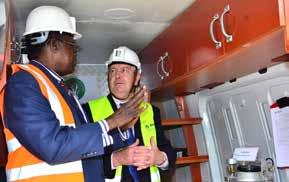
enabling them to conduct on-site testing to measure the consistency and workability of concrete, as well as offer solid technical advice at various construction sites across the country. This investment reaffirms Bamburi Cement’s continuous efforts to innovate, evolving from a building materials supplier to an all-round construction solutions provider. The Mobile Concrete laboratory, in which Bamburi Cement has invested over Kshs. 20 million, is fitted with state of the art equipment for conducting onsite tests. The laboratory offers flexibility and convenience to users who would otherwise have been forced to go to stationary concrete laboratories for tests. The mobile approach thus reaches out to a much greater geographical sphere with regard to far off sites that have limited or no access to concrete testing facilities.
The Bamburi Mobile Concrete Laboratory aims at ensuring that the quality of concrete and its constituent materials used at construction sites meet the specifications of standards stipulated by Kenya Bureau of Standards and requirements of the National Construction Authority which will ultimately result in overall improvement of construction and safety standards in the construction and building industry. The Mobile Concrete Lab will conduct the following tests among others at construction sites;
• Aggregate analysis – flakiness Index, Particle size distribution
• Testing of fresh concrete – workability, consistency and air content
• Testing of hardened concrete – density, compression strength of concrete cubes and non destructive tests on in situ structures
• Soil stabilization tests for road works – density measurements
Customers will be able to know the quality and adequacy of their aggregates, sand and concrete mix designs. Users will additionally benefit from expert technical advice from Bamburi on concrete optimisation and best construction practices. Bamburi Cement advocates for the use of quality materials in construction for achievement of the best results. This new value added service to users of our products, is designed to provide quality testing and convenience to our customers.
The latest innovation by Bamburi comes at a time when the country is experiencing rapid developments in the construction industry due to increased investment by government and private sector in infrastructure and housing. With this immense growth, there have been several challenges with building capacity and improving the level of professionalism in construction practices in Kenya.
The construction sector in Kenya recorded a $235 million (Sh24.6 billion) loss in 2013 according to the National Construction Authority (NCA), which it blamed on low and poor quality workmanship. The Bamburi Mobile Concrete Laboratory augments Bamburi’s ongoing country wide initiative dubbed Builders Academy that has been offering free training to construction workers aimed at improving their skills, professionalism and safety in the building and construction industry. This is in line with its advocacy in improving construction and building standards in the country. Bamburi has trained over 200,000 masons over the last 13 years with an additional 1,600 masons trained across the country in 2015 alone.



quality, right at your site!






Our new state of the art Bamburi Mobile Concrete laboratory has been launched to offer technical support services to our customers at their construction sites. The services include testing and quality evaluation of aggregates (sand and ballast), fresh and hardened concrete as well as technical advice on all concrete works before, during and after casting.
For on-site tests, Call: +254 020 8091109 E-mail: ke-customer.service@lafargeholcim.com Website: www.lafarge.co.ke



By Nakisanze Segawa
Founded in 1980 in Kenya as a small company with the aim of becoming the best architectural practice in the region, Symbion International Architects and Interior Designers founded by Jon Anthony Cavanaugh, has grown to become one of the leading architectural practices in Sub-Sahara Africa. Its growth over the years has seen the company expand to other African countries with clients that are willing to adopt best practice in architecture and value in building design and construction. Currently, the company has offices in Kampala, Uganda; Karen and Mombasa,
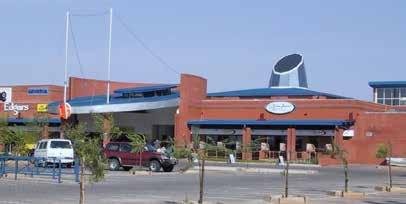
and;
in
The various offices of Symbion work together and individually, sharing an accrued skill set acquired by professionals over the years. Originally a limited liability partnership, the organisation was transformed into a company in 2008 and today employs over 200 skilled employees spread across the four countries amongst which include architects, project managers, interior designers and technicians. With these qualified and skilled staff the company offers creativity, innovation and an understanding of their clients and thus offers them exceptional services.
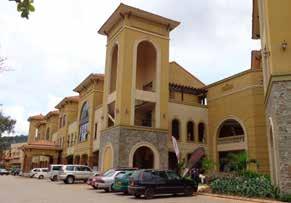

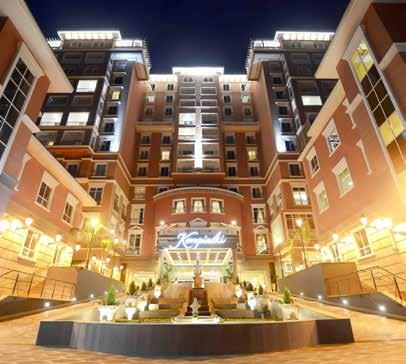
The managerial team comprises of twelve directors and six associates who are spread out in offices in the five locations across the four countries all united with one vision and offering the same quality performance.
Symbion has its head office in Keny where it started of and in 1986 to 1995, the company delivered projects in Seychelles.
In 1993 it opened its office in Uganda, 1994 in Tanzania and in 1998 Symbion was established in Gaborone Botswana where it acquired Conscom. This expansion has enabled the company to deliver projects outside its established five locations to other countries which include Rwanda, Ethiopia, Mozambique and South Sudan for the past 35 years.

Symbion’s network of resources provides the company’s clients with access to and delivery of a vast range of professional services which include urban design, architecture, project management, interior design and contract management.
As a longstanding architectural practice, Symbion has encountered and worked with a number of key players in the construction field. To undertake and complete large scale projects, teams of consultants are brought together including designers, engineers, surveyors, subcontractors and suppliers. Over time Symbion has engaged and consulted with specialists both locally and internationally

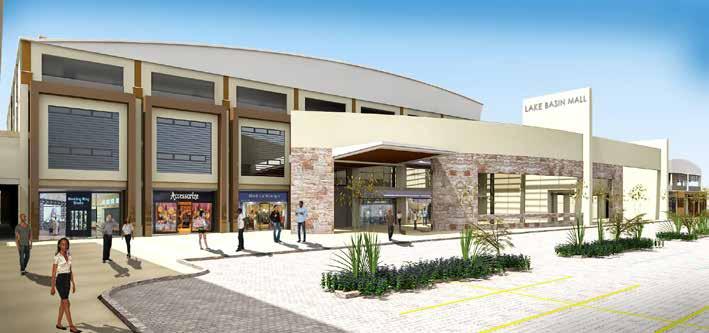
which has enabled timely delivery and quality finished work. Maintaining good working relationships with various professionals has been a conscious effort on Symbion’s part- which inevitably provides a good reference point for future projects and potential business.
Within the company, a group of proficient administrative, support staff, architects, project managers, interior designers and technicians collaborate in order to maximize the skills available. All technical staff undergo training and Continuing Professional Development; that in turn provides a competitive edge in terms of the use of new technologies, construction methods and general product knowledge.
Symbion advocates for sustainable architecture that is relevant to our society and contemporary era. The firm consistently pushes the boundaries of design and
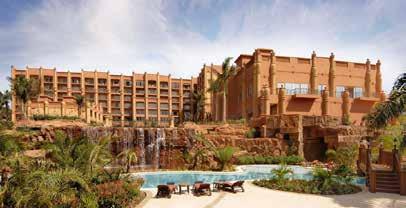
architecture which is to the benefit of the clients. A number of factors have contributed to the growth and sustenance:
• Symbion aims to design with conviction, to the highest of standards, in a sustainable manner that provides both client and user with what they need, within a realistic budget and within a time scale agreeable to all.
• Symbion works with the best consultants across the regions they operate in and where certain expertise is lacking collaborate with construction professionals alike across the globe. Together the firm strives for excellence and endeavours to achieve it, in their creativity, professionalism and ethical obligations.
• Symbion is committed to a CSR policy that positively contributes to the local communities and environment of the respective countries, both ecologically and socially.

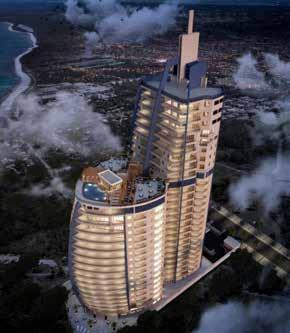

Challenges faced over the years
Symbion has been privileged to work with knowledgeable, experienced and involved clients, but also on smaller scale projects with tight budgets.
However that hasn’t stopped the company from experiencing some challenges. The company faces challenges related to availability of local skilled labour/ manufacturers and procurement of building materials. Some quality building materials cannot be procured in the local market and have to be imported. This sometimes delays delivery, and tends to be costly.
Quality of workmanship is the biggest challenge in most projects. Some projects require specific expertise which can not be gotten within the locally available labour, which pushes the company to look outside its location and employ labour from outside the continent which can delay service delivery. To overcome these challenges, Symbion is able to identify required suppliers at the onset, and

develop a methodology inclusive of regular inspections and site supervision which strives to maintain an excellent standard of work produced and essentially the desired outcome once a project is complete.
Mission, vision and way forward
Symbion is dedicated to understanding the needs of clients, problem solving and delivering good architecture for the benefit of society. As a practice Symbion looks to inform the built environment in which it operates through considered yet innovative design, capturing both the poetry of the firm’s client’s imaginations and the desire to create something sublime.
In doing so, Symbion strikes a balance between the ambitions of a project against the practicality and responsibilities of bringing it to fruition, assessing the issues involved and providing appropriate solutions. Symbion believes the power of architecture can shape the



communities, communal memories and communal ambitions beyond the dimensions of individual buildings. Symbion believes architecture creates an opportunity to make life better. Symbion Group has grown from strength to strength through the years and has expanded its operations to more than fourteen countries across the continent, with more markets now opening up to those willing to explore.
• Studio 54, Fursys Ltd
• Build Cost Associates
• Tuner and Townsend.
• MultiKonsults Ltd
• Gem Engineering
• IMK Ltd
• OZT Ltd
• Trasat Ltd
• Kaburu Okello Consulting Engineers Ltd.
• Proman Consult
• Armstrong Engineers
• Figueras Ltd.(Turkey)
• Roko Construction Ltd.
• Seyani international
• Seyani brothers
• Krishna Construction Ltd
• Cementers Uganda Ltd
• Landmark Ltd
• Landscape designs Ltd.
• Allied Plumbers
• Davis & Shirtliff
• Patronics Services Limited
• Tile Centre
• Stema Associates
• Kone Elevators Business Associates
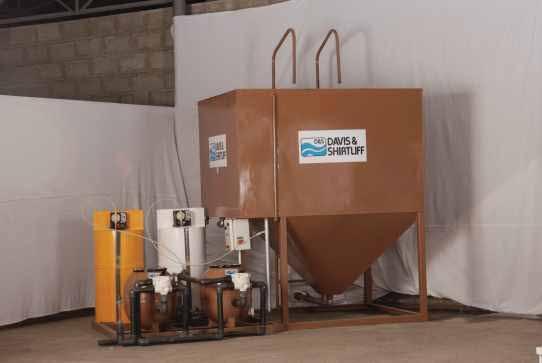


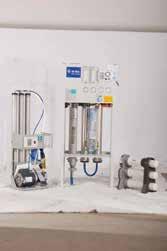
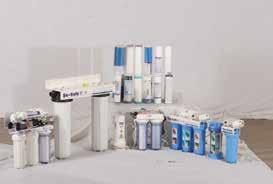
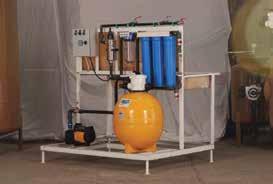

Plot 160A Bombo Road, P.O. Box 172, Kampala, Uganda, Tel; +256 414 567305, +256 414 567331, (New Tel No.) +256 312 203110, +256 393 203110 Fax: +256 414 567784, +256 312 203111, Email: roko@roko.com, Website: www.roko.com th
We congratulate Symbion Group on their 35 anniversary. We are proud to be associated with you.
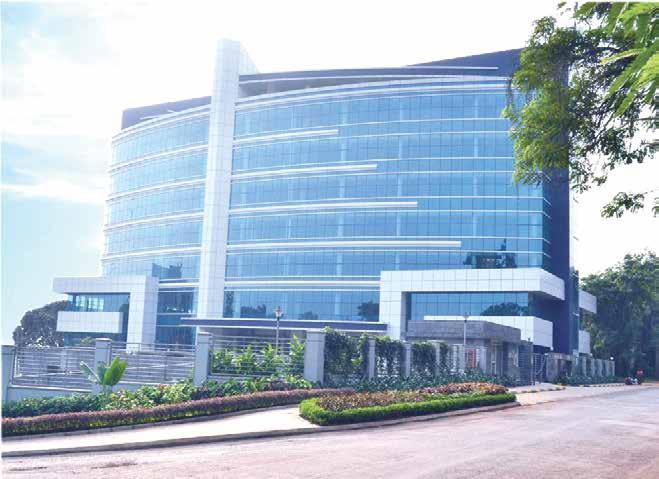
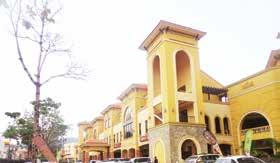
Village Mall Kampala - Uganda
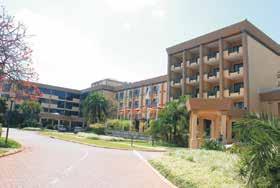

Congratulations SYMBION UGANDA LTD On completing 35 YEARS of Design & Construction Services in Africa


CEMENTERS UGANDA LIMITED
Plot 130, 6thStreet Industrial Area, P. O. Box 22766, Kampala Tel: +256 312, 346847,2 62168, +256 414 346847, Fax: +256 414 346848 Email: uganda@cementers.com, Website: www.cementers.com
gin eers & Techni ca l Pl an ners
agement & Staff of Multi-Konsults Ltd with Symbion Group as they mark 35 onstruction Services in Africa.


Som e of the m ajor projects Multi-Konsults Ltd has designed and supervised Mechanical, Electric al & Plum bing (MEP) Services in association with Sym bion Group
Plot 29, Clement Hill Road P.O. Box 5390 Kampala, UGANDA Tel: (256-414) 341 321 Fax: (256-414) 232 836 E-mail: mkvolts@imul.com, mkvolts@utlonline.com, multkonsults@multkonsults.com, Website: www.multkonsults.com

Now in East Africa, KONE is one of the global leaders in the elevator, escalator and doors industry with more than a century of experience in delivering pioneering solutions KONE’s comprehensive support ensures that planning and installation is as efficient and safe as possible, and that the equipment delivers top-class ride comfort from day one.
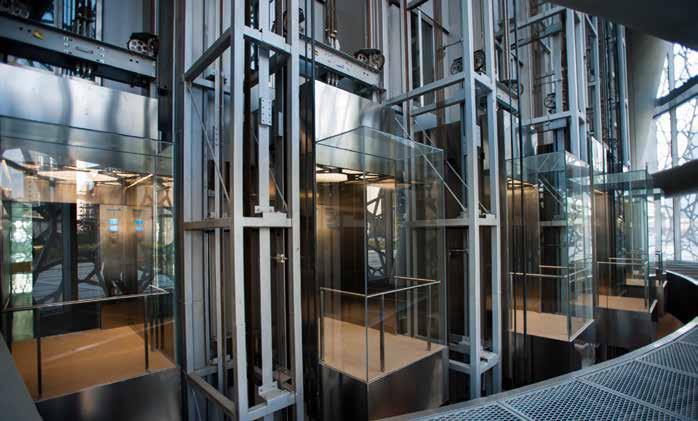
For more information on elevator and escalator installation service in East Africa contact us on: Uganda: +256 031 2370855 ; Kenya: +254 20 262 2412/ 15 Website: www.kone.ug ; www.kone.co.ke

Plot 195-197, 6th Street Industrial Area, P.o. Box 72905, Kampala-Uganda,Tel: 0414 234093, Fax: 0414 234 094
Email: alliedplumbers-ug@jandu.biz www.jandu.biz
KENYA | UGANDA | RWANDA
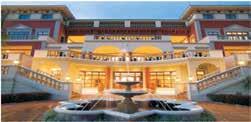

MULTI CHOICE UGANDA
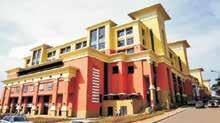

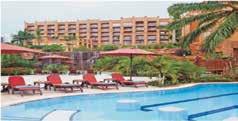

“Congratulation Symbion Group, we are proud to be associated with you”.


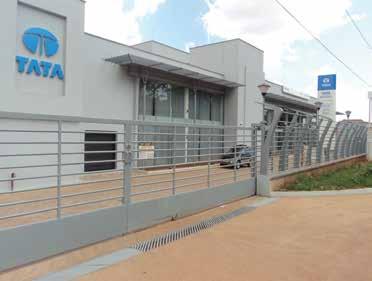
‘’We congratulate Symbion Group upon making 35 years of good service and we are proud to be associated with you as the Electrical & Mechnical Engineers on various Projects’’
STEMA ASSOCIATES LTD.
Electrical and Mechanical Contracting Engineers
Plot No. 2527, Kiwatule Road, Ntinda P.O. Box 12536 Kampala - Uganda
Tel: 0414286390, 0772698426 Fax: 0414-287167, Mob: 0712-691237
Email:ste m a@utonline.co.ug / enoch@stemaassociates.com.



Construction Co. Limited Civil Engineers and General Contractors
“We congratulate Symbion Group for making 35 years of good service and we are proud to be associated with them”


Plot 213/217/0219, 6th Street, Industrial Area P.O.Box No. 8743, Kampala, (UGANDA) Phone No. :+256 393 261677/ 414 346477, Fax No. : +256 414 252977
E-mail : dharmesh@krishnaconstruction.co, Log on to: www.krishnaconstruction.co


Quantity Surveyors & Building Economists
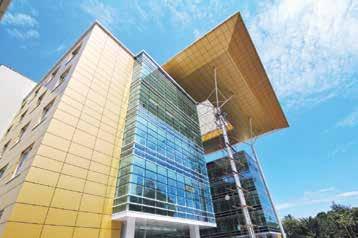
Our Services:
● Curtain walling and structural glazing
● Aluminium doors and windows
● ACP Wall Cladding
● Skylights
● Shop fronts
● Partitions
● Security shutters
● Ceilings
● Tiles
● Sanitary Ware
“Congratulations Symbion Group on your 35th Anniversary We are proud to be associated with you” P.O. Box 4009, Kampala, Uganda, Plot No. 91/93, 6th Street, Industrial Area Phone: +256-414-348232/3/4. Fax: +256-414-342388
We congratulate Symbion Group for making 35 years of good service and we are proud to be associated with them since
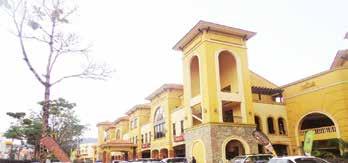

Email: buildcost@africaonline.co.ug, Website: www.buildcost.co.ug our inception in 2000 on various successful projects as quantity Surveyors

BUILDCOST ASSOCIATES
Plot 62, Bukoto Street, Kamwokya, P.O. Box 29835 Kampala, Uganda, Tel: +256 414 259 386 /