
Technology in Construction
Utilizing drones in Africa

Importance Of Construction Insurance
Wastewater management Solutions
Structured Cabling Systems
Choosing a solar Inverter

Utilizing drones in Africa
Importance Of Construction Insurance
Wastewater management Solutions
Structured Cabling Systems
Choosing a solar Inverter



























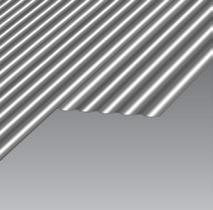
















HIGH PERFORMANCE







ALUMINIUM FOIL INSULATION FOR USE UNDER TILE AND METAL ROOFS
Reflects 97% of heat coming from the roof covering Keeps your house cooler by up to 10°C in summer
Wind driven rain runs down the foil and out the eves



MANAGING EDITOR
Robert Barnes
Robert Barnes
DEPUTY MANAGING EDITOR
Francis Makari
Francis Makari
FEATURES EDITOR
FEATURES EDITOR
Dennis Ayemba
Dennis Ayemba
COUNTRY EDITORS
COUNTRY EDITORS
Kenya - Anthony Kiganda
Uganda - Betty Nabakooza
Uganda - Betty Nabakooza
Nigeria - Boladale Ademiju
Nigeria - Boladale Ademiju
South Africa - Jimmy Swira
South Africa - Jimmy Swira
WRITERS
WRITERS
Yvonne Andiva, Dorcas Kang'ereha, Pascal Musungu, Moreen Gakii
Yvonne Andiva, Dorcas Kang'ereha, Pascal Musungu, Nita Karume, Moreen Gakii

WEB & GRAPHIC DESIGN
WEB & GRAPHIC DESIGN Margaret Atieno
Margaret Atieno
Sales and Marketing Manager
Sales and Marketing Manager Ken Okore
Ken Okore
ADVERTISING
ADVERTISING
Kenya: William Mutama, Trizah
Kenya: William Mutama, Trizah Njoroge, Lilian Khavosa, Fredrick Otieno
South
South Africa: Thuli Nkosi, Winnie Sentabire, Angeline Ntobeng,
Uganda: Nobert Turiyo, Selina Salumah Namuli
Botswana: Dickson Manyudza, Gerald Mazikana
Ethiopia: Haimanot Tesfaye, Ruth Girma
Tanzania: Tom Kiage
Malawi: Anderson Fumulani
Malawi: Anderson Fumulani
Ghana:
Ghana: Samuel Hinneh, Caleb Donne Hadjah
Zambia:
Zambia: Susan Kandeke
Zimbabwe: Chiedza Chimombe
Rwanda: Collison Lore
Nigeria: Seni Bello
The editor accepts letters and manuscripts for publication from readers all over the world. Include your name and address as a sign of good faith although you may request your name to be withheld from publication. We reserve the right to edit any material submitted .
Send your letters to: info@constructionreviewonline.com
Construction Review is published eleven times a year and is circulated to members of relevant associations, governmental bodies and other personnel in the building and construction industry as well as suppliers of equipment, materials and services in Africa, the Middle and Far East. The editor welcomes articles and photographs for consideration. Material may not be reproduced without prior permission from the publisher. The publisher does not accept responsibility for the accuracy or authenticity of advertisements or contributions contained in the journal. Views expressed by contributors are not necessarily those of the publisher.
China:Weng Jie Published by Group Africa
Head Office and for all enquiries: Consolidated Bank House, 4th floor, Koinange Street, Nairobi 00100 Kenya, Tel: +254 772642042, +254-20-2213607 Email: info@groupafricapublishing.com

© All rights reserved.
Uganda Agent Projects Unusual Uganda Ltd. Jemba Plaza, Luwum St. Kampala, Uganda Tel: +256 776 883181 bettykatongole@yahoo.com
Botswana Agent Cadline (Pty) Ltd. P/Bag 494 Gaborone, Botswana.
Tel: +267 318 7101, Fax: +267 318 102 E-mail: botswana@groupafricapublishing.com
South Africa Agent College Publishers CC 1st Floor, 267 Oak Avenue, Oakfields, Randburg, Johannesburg Tel: +27 11 781 4253, Fax: +27 11 781 4287 Email: info@collegepublishers.co.za
Ethiopia Agent Haymi Advertising Services 22 Mazoria, Genet Bldg 4th Flr P.O. Box 1316 - 1110 Addis Ababa Tel: +251 118 955 855, Cell: +251 930 099 152
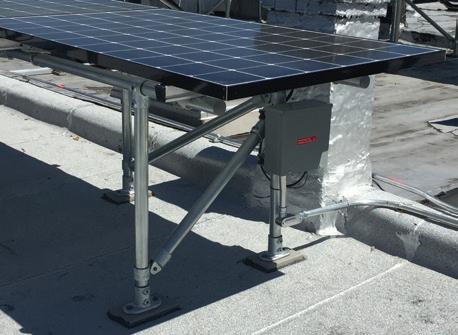
Choosing the right Solar Inverter
With numerous models and options, choosing the right inverter for your application is quite essential. Construction Machinery:
Technology is changing the construction industry in Africa
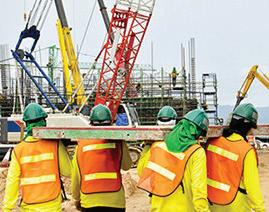
Like just about every other industry today, the construction industry is changing and being shaped as a result of new technologies.Most construction industry professionals in Africa have already acknowledged that increased adoption of technology is in their future.
Why Construction Insurance is essential
The cost of construction projects often runs into millions or billions of shillings. The risks associated with these projects are also significant. Insurance is one of the tools most often used to manage risk in connection with construction projects.
The introduction of new materials and new design approaches in the construction industry is creating a wave of innovation that brings with it a lot of benefits like reduction of costs, proper project management, minimizing wastage of building materials and construction timelines. Basically, as construction practices adapt to the latest technology, possibilities open up for better structures built more efficiently and with fewer errors.
However, these benefits can only occur through understanding the most significant of the individual applications and devices that are currently available, and realizing how these technologies work together to ensure a successful construction project.
Email: ethiopia@groupafricapublishing.com
Ghana Agent
Image Consortium
1st Floor, The Ecobank Building, Tesano.
Tel: 233(0)30 223 2728 I 233(0)274807127 I +233(0)206299159
Fax: 233(0)24 882 8286
Email: ghana@groupafricapublishing.com, Calebhadjah@gmail.com
Kenya Agent
Northwest Ventures Ltd
P.O. Box 16414 - 00100
G.P.O
Nairobi, Kenya
Tel: +254 20 2679808
Email: kenya@groupafricapublishing.com, info@northwest.or.ke
Nigeria Agent
Rahma Associates
B23/24, Aishetu Emoewa Plaza, 196, Iju Water Works Road,
Ifako Ijaye Lga,Agege, Lagos.
Tel: 234-1-7347860
Email: nigeria@groupafricapublishing.com
Rwanda Agent
Kolline & Hemed Inc., B.P. 3328, Kigali, Rwanda
Tel: +250 03 748106
E-mail: rwanda@groupafricapublishing.com
Website: www.kollinehemed.org
Zambia Agent Dayflex Limited, 4th. Floor Tazara House
Dedan Kimathi Road, Lusaka, Zambia. Tel: +260 211 230 529 / +260 977 756 663
Email: makukasue@mail.com, dayflex06@gmail.com
Tanzania Agent
J. G. Enterpreneur Co. Ltd
P. O. Box 15714 Dar es Salaam
Tanzania
Tel: + 255 752 059663
Email: - tomkiage@yahoo.com

Kohler Event introduces two new product ranges to Kenya
Within its growing East African base, sought after global bathroom and kitchen manufacturer Kohler set down roots in Nairobi, Kenya a year ago by joining in partnership with Kitchens & Beyond.
Having cultivated a loyal following among the architecture and design industry there, the multi award winning brand has become the chosen supplier for bathroom and kitchen fixtures and fittings.
Tapping into their ongoing passion for the arts, Kohler and Kitchens & Beyond kicked off the year with an event held at Nairobi’s Swish Capital Club. The event, called Kohler.Bold.Art, is one of a number hosted in key cities globally and was the first to be held in East Africa, with future art and craft inspired events planned for the region.
The Nairobi chapter of Kohler.Bold.Art
The Nairobi chapter of Kohler.Bold.Art focused on elevating talented Kenyan artists and musicians, bringing prominent business people and design leaders together whilst enjoying the sultry sounds of Nairobi’s finest live music act, the Blue Motion Band.
With the best of the industry in attendance, Kohler released two of their newest products to the market in a thoughtfully curated installation.
BITZER opens service centre in Kenya
BITZER, the world’s largest independent manufacturer of refrigeration compressors, has opened an authorized service centre (ASC) in Nairobi, the capital city of Kenya, and therefore now offers its partners more services.
; Faster and reliable repair of reciprocating compressors.
; Customers have access to the global service, maintenance and original spare parts network.
; Protection against product piracy.
Just 14 months after establishing the Kenya office, BITZER is increasing its presence in Nairobi by opening an authorized service centre in cooperation with its local partner RepElectric. Both the office and service centre in Kenya are structurally affiliated with and receive support from BITZER Middle East.
“Kenya is a strategically important growth region for BITZER,” said Stefan Leitl, Managing Director of BITZER Middle East.
Increased prosperity and growth in population have led to greater demand for reliable refrigeration and air conditioning. Our ASC allows us to offer our partners in Kenya a brand new, authorised range of services. Because we have a BITZER team in the region, we can now respond much quicker to all requests,” he said.
Biwater commissions Wastewater Treatment Plant in Morocco
A fast-growing and popular tourist destination in Morocco welcomes a new state-of-theart wastewater facility that will cater for current and future development needs.
Set amid rolling hills and facing the Atlantic Ocean, the town of Aourir in Morocco is a popular destination for tourists wanting to experience Morocco’s beaches and golf resorts.
With an expanding local population, as well as a thriving tourist industry, the town required a wastewater treatment facility to meet current and future development needs.
Biwater has completed the construction of a new wastewater treatment plant that will serve 60,000 local residents and existing hotels.
However, the plant has also been built to cater for future needs with a design horizon of 2030 and a total treatment capacity of 19 million litres per day (MLD).
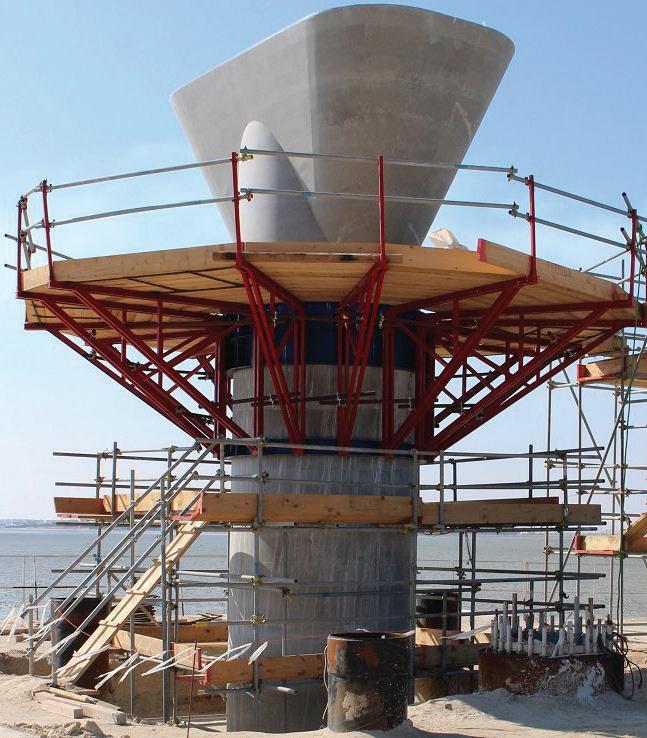
Fibertex Controlled Permeability Formwork (CPF) liners for concrete surface enhancements - pile head
Fibertex geosynthetics solutions encompass Controlled Permeability Formwork (CPF) liners, designed for concrete surface enhancement in bridges and tunnels, marine structures, water treatment plants, drinking water tanks, as well as dams and sluices.
Functions of Formtex® CPF liners
Main functions of Formtex® CPF liners are to improve the durability of the concrete structure, extend its service life and to reduce maintenance costs.
Formtex is a two layer CPF liner, consisting of a drainage layer that allows water and air to escape and a filter layer with a pore size designed to retain cement particles. When surplus water and air is drained from the surface of the freshly poured concrete during compaction, the water/ cement (w/c) ratio in the concrete cover is reduced. This results in a denser and stronger
concrete, with a blemish- free surface.
“An exciting project for the global organization, Fibertex Nonwovens, is the supplier of 1,800,000m2 of Formtex CPF liners, to ensure high quality and durability of concrete being used in the world’s largest bridge projects, currently underway in Kuwait,” says Clive Hitchcock, CEO, Fibertex SA. Formtex CPF liners are being used in the casting of the actual concrete elements of the 36 km concrete bridge being built across the bay between Kuwait City and the Subiyah region.
“Degradation of concrete structures is normally accelerated by the effects of salt water, high temperature and increased CO2 levels in the air. However, Formtex design features will ensure that project requirements, demanding a service life of concrete of more than 120 years, are adhered to," he adds
NCA announces a 50% drop in building projects
The National Construction Authority (NCA) has announced a 50% drop in building projects in Kenya.
According to the NCA Manager for Regional Offices, Stephen Mwilu, only 1,330 new building projects came into the pipeline in the first half of the current financial year, setting the stage for slower growth at the close of the year.
This is a 50% drop from the 2,300 building projects that were approved in a similar period in the previous financial year, meaning at least 1,000 extra projects need to come into the pipeline to match the performance.
Despite the election situation experienced in the country, the 2016/17 financial year saw 4,732 new construction projects.
NCA, which began collecting data on new projects in the middle of the 2014/15 financial year, estimates that an average of 4,000 projects stream into the pipeline each year.
Over the period, there were 1,712 new construction projects while in the 2015/16 financial year, there were 6,817 new and existing projects. The GDP figures for the third quarter last year saw the construction sector grow modestly by 4.9%compared to a growth of 7.8% previously experienced..

SAWEA tears into NUMSA and Transform SA’s ‘misleading’ arguments against PPA conclusion
SAWEA tears into NUMSA and Transform SA’s‘misleading’ arguments against PPA conclusion.
The South African Wind Energy Association (SAWEA) has termed the arguments cited by NUMSA and Transform SA in their interdict application against renewable power purchase agreement (RE PPA) conclusion, as misleading.
According to Brenda Martin, CEO of SAWEA, the attempt to halt conclusion of 27 duly procured Renewable Energy PPAs by NUMSA and Transform SA this week is based on questionable data and does not sufficiently take into account the long-term interests of South Africans.
“The imminent closures of Eskom’s old coal fired power stations are inevitable and unrelated to the renewable energy procurement programme. The coal plants have reached the end of their useful lives and are now directly stranded by the new coal-fired capacity being brought online by Medupi and Kusile,” explained Martin

ASRBin Tanzania directed to incorporate with LGAs
The Ministry for Works, Transport and Communication in Tanzania has directed the Architects and Quantity Surveyors Registration Board (ASRB) to incorporate their activities with the Local Government Authorities (LGAs) to ensure the country's planning requirements are realized.
The Minister for Works, Transport and Communication, Prof Makame Mbarawa issued the directives during an inauguration of the seventh ASRB board in Dar es Salaam.
According to the minister, local government authorities have been issuing building permits without considering essential factors significant for the city plan because they are not experts in the area."If ASRB experts are incorporated into the local government's authorities, the country's city and town planning will be realized," he said.
ACEN appoints Eng. Akindayomi as national president
The Association for Consulting Engineering in Nigeria (ACEN) has appointed Eng. Charles Akinyele Akindayomi as its 17th national President.
The acting president was installed in full capacity, to run the affairs of the association for two years; as a replacement for the outgoing president Eng. Suleiman Adamu who was appointed as Minister of water resources.
In his acceptance speech, he pledged to move the association forward by collaborating with the government in areas of project procurements and advocate for strong government support, while ensuring that only ACEN registered consultants are used through the enforcement of the regulatory policies of the Council for the Regulation of Engineering in Nigeria (COREN) Act.
He further urged the government to embrace industrialization and give Nigerian Engineers the space to create a prosperous country.
According to him, a country without any form of industrialization will not have an economy that is sustainable. “The time is now right for our government to set up support and develop light industries to produce household items.
This will mop up all our graduates and unemployed engineering graduates. We can only create the country we dream of, when we give our Nigerian engineers the space to create solutions for different areas of human life,” he said.

In five years, the East Africa Property Investment Summit (EAPI) has become the leading property event for the entire region’s real estate market. Driven by passionate professionals, fast growing economies and exciting projects; the real estate sector provides potential and opportunity for the educated and savvy investor or developer.
Designed by property professionals to provide insight, debate, deal-making and networking opportunities through an intensive and collaborative two-day agenda; the EAPI Summit plays a pivotal role in deconstructing the regional markets and providing transparency and insight for the industry for both private sector and public-sector stakeholders. With bespoke networking events, exhibition areas and consistent press coverage; the summit offers a perfect opportunity for brands to gain traction in an evolving and growing market.
East Africa Property Investment Summit
24 – 25 APRIL 2018 RADISSON BLU, NAIROBI KENYA
info@apievents.com
+27 (11) 250 2260
- Architectural Association of Kenya
- Institute of Quantity Surveyors of Kenya
- Institute of Engineers of Kenya
- Association of Consulting Engineers of - Kenya
- Association of Professional Societies of East Africa APSEA)
- Kenya Property developers Association
- Institution of Surveyors of Kenya
This is the one of the most needed products in Nigeria and we are getting support from the ministry of water in Nigeria. So all the municipalities will come to the show and they will look for producers who can handle their projects.
In addition to the exhibitors, WAWE Expo will host a comprehensive educational programme of workshops. The importance of this new annual event was underlined and officially opened by speakers from the delegations including the:
NIMECHE, ASHRAE, SON-Standard Organization of Nigeria ABDAS and municipalities etc.
Marketing Highlights;
• 100.000 flier & VIP invitatations were distributed.
• 140 adverts placed in local & International trade websites.
• Promotional radio adverts were aired in Nigeria: CLASSIC FM, INSPIRATION FM, COOL FM and etc
- Association of Ethiopian Architects
- Ethiopian Association of Civil Engineers
- Construction Contractors Association of Ethiopia
- Zimbabwe Institute of Quantity Surveyors
- Zimbabwe Institute of Engineers
- The Construction Industry Federation of Zimbabwe (Cifoz)
South Africa - ASAQS - SAICE
- South African Council for the Quantity Surveying Profession
- Khuthaza ( Women for Housing)
- Concrete Manufacturers Association
- Green Building council of SA
- South African Property Owners Association
- Master Builders South Africa
Uganda
Institute of Surveyors of Uganda
Uganda Institute of Professional Engineers (UIPE) &
Uganda society of Architects
Botswana
- Institute of Botswana Quantity Surveyors
Ghana
- Ghana Institute of Engineers
- Architects Registration Council
- Ghana Institute of Surveyors
- Ghana Green Builders Association
- Ghana Institute of Planners
- Association of Building and Civil Engineering Contractors of Ghana
Institute of Namibian Quantity Surveyors
Association of Consulting Engineers of Namibia Tanzania
- Tanzania Institute of Quantity Surveyors
- Construction Regulation Board (CRB)
The 5th annual Manufacturing Indaba will be hosted at Sandton Convention Centre, Johannesburg from the 19 – 20 June 2018.
The event will comprise a twoday conference and exhibition and is hosted in partnership with the Department of Trade & Industry (DTI), the Department of Science & Technology, the Manufacturing Circle and the NCPC-SA.
The event is designed specifically for private and public company representatives to hear from industry experts as they unpack challenges and find solutions for growth across the manufacturing sectors and explore regional trade into Africa.
The 2015 event will launch the IoT / Industry 4.0 Conference aligned to the Manufacturing Indaba as an official side event.
For more info on this event, or to register for the Indaba, visit www. manufacturingindaba.co.za
- Tanzania’s Registration Board of Architects and Quantity Surveyors (AQSRB)
- Association of Consulting Engineers Nigeria
- Association of Professional Women
Engineers Of Nigeria
- Council of Registered Builders of Nigeria
- The Nigerian Institute of Architects
- American Association of Petroleum Geologists Africa Region
- Nigeria Society of Engineers
- Nigeria Institute of Architects
- Building and Construction Skilled Artisans Association of Nigeria (BACSAAN)
- Zambia Institute of Architects (ZIA)
- Association of Building and Civil Engineering Contractors (ABCEC).
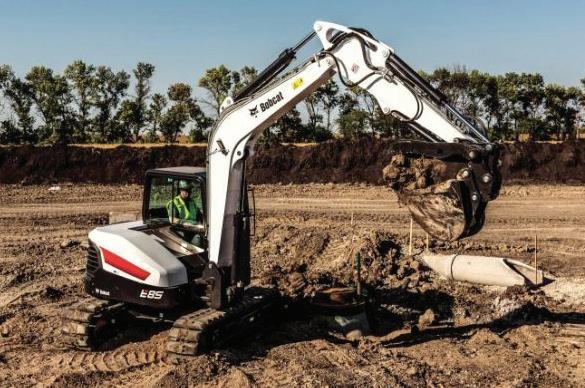
Bobcat updates E85 excavator with more power, redesigned cab
Bobcat has unveiled the latest version of its largest compact excavator, the 8.5-ton E85, which is part of the company’s R-Series lineup.
Its 66-horsepower Bobcat turbocharged diesel engine does not require a diesel particulate filter or selective catalytic reduction.
It is designed to work in tight spaces with 13 inches of tail overhang, and the boom frame stays within the width of the tracks as it swings. Bobcat also added a standard lift eye to help operators lift and place objects. An optional depth-check system allows the operator to measure depth and grade, within a half-inch of accuracy, without exiting the excavator. The system minimizes over- or under-digging, and it does not require a separate display screen, the company says.
The new E85 boasts a bucket digging force of 16,269 lb.-ft., a 12 percent improvement over the previous generation machine. Arm digging force is 8,253 lb.-ft. and lift capacity is 9,754 pounds.
The cab has been redesigned with more floor space. Travel pedals fold away. The top window, narrower side pillars, left and right mirrors and new sun visor are designed to improve visibility. A new tubularframe reinforced cab door is designed to keep out dust and dirt, and the cab is rate at Level 1 falling object protection. Automatic heating and air conditioning and a heated seat are optional.
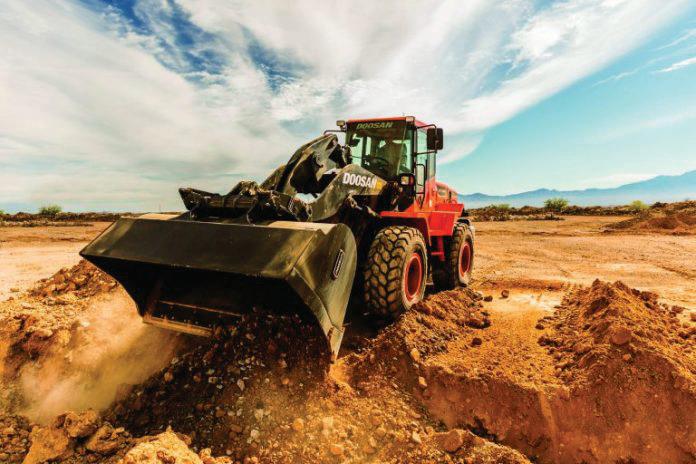
Attendees of the recent World of Concrete show got a sneak peek the new 172-gross-horsepower, 3.7-cubic-yard DL280-5 wheel loader from Doosan.
The new loader fits between the company’s DL250-5 and DL300-5 loaders. “The DL280-5 is a model line extension for us,” says Aaron Kleingartner, Doosan Infracore North America marketing manager. “It fits a gap that was created over time between model sizing and engine development.”
Aimed at two primary markets – general construction and scrap handling – the 34,262-pound loader features a wide fin radiator, which uses larger fin spacing for more effective cooling and less clogging. “This is especially good for heavy duty applications that have a lot of trash and debris,” Kleingartner says.
The machine also is the first Doosan loader to use its upgraded forward-neutral-reverse joystick. “The forward-reverse-functionality on the joystick is more intuitive and allows operators to be more productive,” Kleingartner explains. “Operators don’t have to move their hand off the steering wheel in order to change directions. They can keep one hand on the wheel and one hand on the joystick,” he adds.
Komatsu has introduced the latest model of its PC238 tight tail swing excavator, saying the machine offers higher productivity yield and a new camera system to enhance an operator’s jobsite awareness.
The new PC238USLC-11 is powered by a 6.69-liter Komatsu SAA6D107E-3 engine producing 167 net horsepower. The engine employs Exhaust Gas Recirculation (EGR), a diesel particulate filter (DPF) and Selective Catalyst Reduction (SCR) with diesel exhaust fluid (DEF) to meet Tier 4 Final requirements. Komatsu says the SCR catalyst does not require maintenance and is designed to match the life of the machine.
Engine performance is improved through a new viscous fan clutch which reduces parasitic load, while an auto idle shut down feature reduces nonproductive engine idle time and reduces operating costs, the company says.
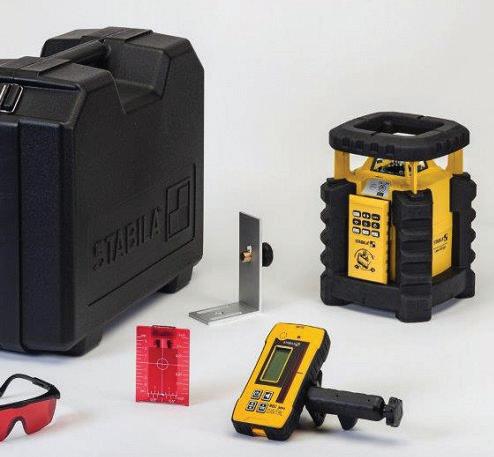
Stabila intros world's first motion control system for surveying
Upat, the official African distributor of Stabila products has recently launched the LAR 350 rotation laser; the world's first motion control system for surveying.
The system comprises of an intuitive remote control with an in-built movement sensor.
The LAR 350 rotation laser from Stabila, launched locally by official African distributor Upat, features a world-first motion control system comprising an intuitive remote control with an in-built movement sensor.
By turning the remote control to the right or left, the movement sensor accelerates or decelerates the chosen function.
This enables the user to intuitively control numerous functions by means of the inbuilt sensor, which detects every hand movement, and transmits this to the laser beam by means of infrared technology up to a distance of 80 m, Upat National Product Specialist Charl Weber explains.
Apart from motion control, the LAR 350 rotation laser also features an LED assist system showing the Y and X axis, which makes every levelling task easier, quicker, and more effective and reliable. The LED assist system enables visual monitoring of the X and Y axis from a distance.
“This prevents the user from having to continuously carry out checks at the position of the laser, thereby saving significant time,” Weber comments.
Petrisor Grindeanu is the General Manager of Sika Abyssinia PLC (Ethiopia) & Sika Djibouti FZE. He is a Professional with more than 15 years’ experience in the construction industry.
How does Sika see the African construction materials market?
Sika has been present in Africa since 1947; we have 19 companies on the African continent with 19 production facilities, and more than 700 employees. Sika is the first company to manufacture locally in many African countries and offers tailor made solutions to customer needs, along with technical and onsite support.
Regarding construction materials market in Africa, I can refer only to the markets in Ethiopia and Djibouti where I am the General Manager. In the case of Ethiopia, in 2014 Euro monitor International identified Ethiopia as one of the 20 market of the future that will offer the most opportunities for consumer goods companies globally.
The construction sector grew by 23.7% in 2014 and is expected to grow by two digits annually. Regarding the construction material market in Ethiopia, I can say that most of the products that can be found on the market are low quality. This is the reason that we strongly believe that Sika’s products will be very appreciated.

"Regarding Djibouti, there are a lot of projects for expanding the port, but also residential projects, so we consider that the construction material market has great potential.
What are some of the products that you are offering the Ethiopian market?
Sika Abyssinia produces locally a full range of Admixture products like accelerator, retarder, water reducer, plasticizer, superplasticizer and waterproofing. It also produces a full range of silicones and epoxy flooring systems.
We are also planning to expand production with other product ranges. In fact, more products will be launched at the beginning of next year, like roofing liquid applied membranes, hydrophobics, waterproofing mortars, tile adhesives, grouts and dry shakes.
What sparked the decision to venture into the Ethiopian market?
We choose Ethiopia for the expansion of Sika AG because it has a huge potential. It is the 2nd most-populous country in Africa with 102 million and an annual growth rate of 2.5% in 2016.
Now, it has become one of the fastest growing economies in the world for the past decade, averaging 10.8% per year to 2014/15. Ethiopia’s market is mostly characterized by consumer market.
Also, like I said before, in 2014 Euro monitor International identified Ethiopia as one of the 20 market of the future that will offer the most opportunities for consumer goods companies globally.
As I said, we think the whole construction market have a big potential. So, our products are designed for all kind of projects: residential, commercial, industry, infrastructure and so on.
What unique aspects does Sika bring into the market to ensure they have that competitive edge?
Through this investment, first of all, we provide jobs for local people; even as we speak about specialists or factory workers, with no specialization.
On the other hand, Sika wants to offer to the local market access to quality products, that are produced locally and that are perfectly adapted to the local
Ethiopia is the 2nd most-populous country in Africa with 102 million and an annual growth rate of 2.5% in 2016. It has become one of the fastest growing economies in the world for the past decade, averaging 10.8% per year to 2014/15.
needs, using as much local raw materials as possible.
The knowledge that we have is the most important thing that we offer to the local market, from the project phase, to the implementation and also to the operation phase. More than this, we can offer solutions that provide cost reduction. We have quality products and very important, we adapt our products to the local market. We have a laboratory here and we can test our products and be sure that they are suitable for the local needs.
We are working with local employees here while offering them trainings done by our specialists from other Sika companies. More than this, we support our employees to go for trainings abroad, mainly in Europe.
Also, our local employees do transfer their know how to the clients and partners.
What role can Sika as a big player in Africa’s construction industry take part in to ensure quality infrastructural development in Africa?
The most important role that we play is that we can offer to our client’s products that are suitable for their projects. Beside the production facility, as I said, Sika has invested in Ethiopia in a R&D laboratory and training facility. Those facilities were established both for our employees and also to support all our clients (direct or indirect ones). We can test in our laboratory all the products that we deliver in an infrastructure project and we can be sure that they can solve the challenges of the project.
Sika is a pioneer and, for sure, all the other international players will come on the local market. This means competition, progress and increase of the quality.
What are Sika’s plans for this particular market and Africa as a whole?
We will keep investing in the Ethiopian market. So, next year we will start the production of mortars and other ranges of products, like roofing liquid applied membranes, hydrophobics, waterproofing mortars, tile adhesives, grouts and dry shakes and of course, once we reach full production capacity, we plan to expand with a new facility.
Also, regarding Africa, Sika is taking into consideration a continued expansion.
Sika has a proven ability to penetrate and form successful branches in different parts of Africa by out-performing the competition through offering tailor made solutions to customers' needs, along with technical and onsite support. It currently has 19 companies throughout Africa.


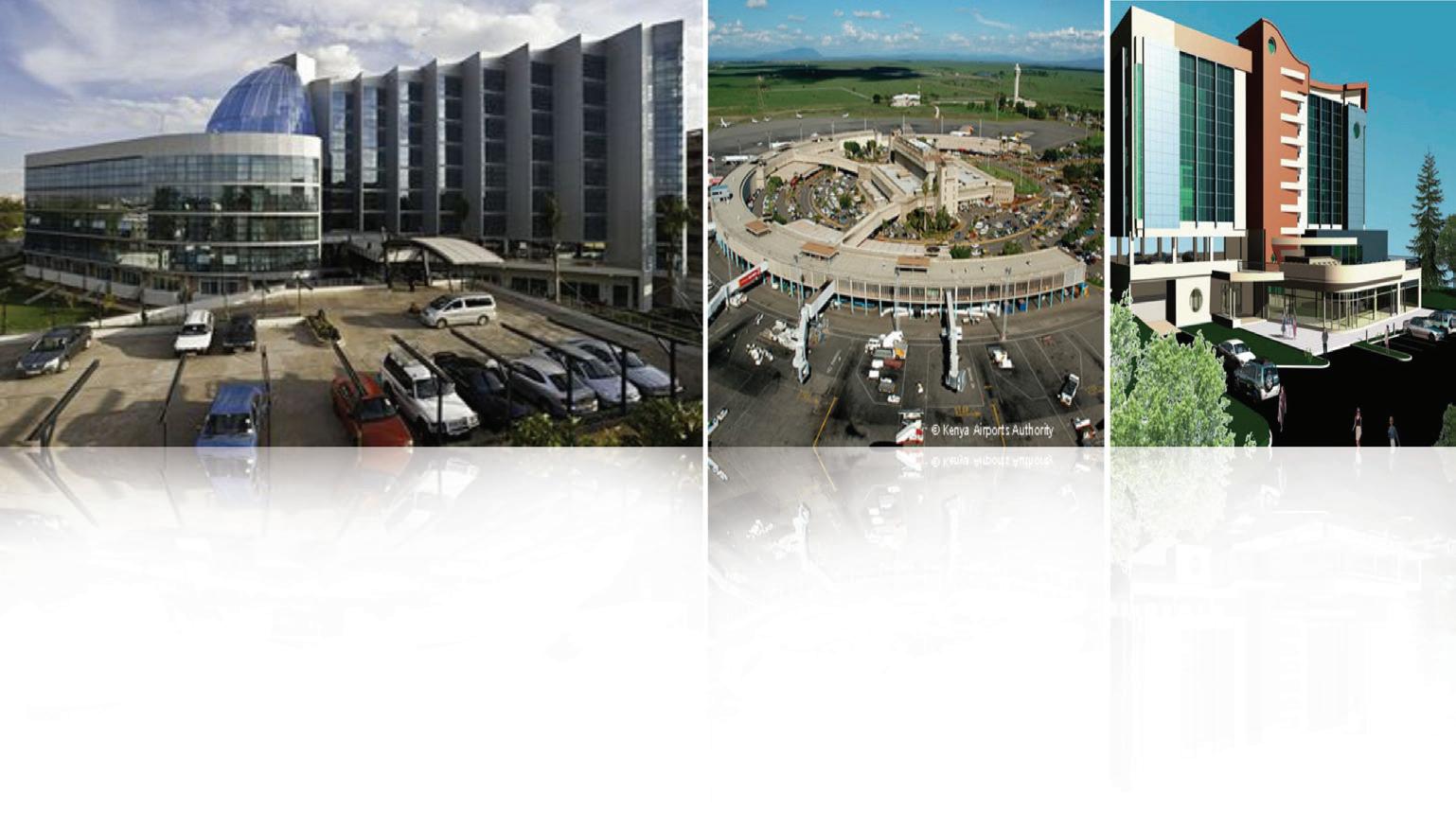
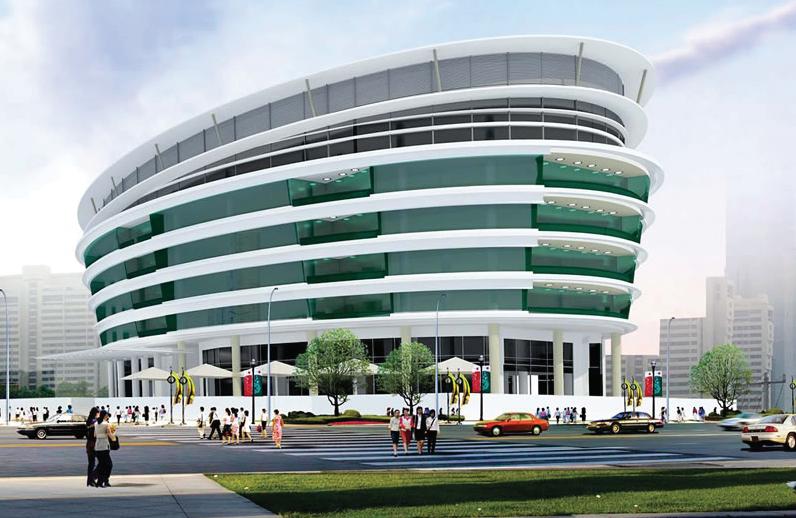
Drone technology owes its development to the military with greater public awareness being achieved with its use in the Afghanistan war in the 90s. Also known as unmanned aerial vehicles (UAVs), its entry into civil use was only a matter of time and its application in the construction industry today has changed forever how things are done. Drones have brought to the construction industry better communication, safety, and even marketing through the provision of real-time continuous imaging and they continue to find new and innovative uses as time goes by.
The sheer scale of the construction industry and the projects that are being undertaken on the African continent lend themselves to the effective use of drones which can only add value, provided they are implemented safely and correctly. According to Mr. Adam Rosman of AMS in South Africa, much like the cellular phone was to the landlines, drones have allowed Africa to leapfrog old and inefficient technology and embrace a new and effective technology to improve the construction industry in many ways.

In Africa the construction players have at their disposal a technology that can help improve performance and efficiency. As Ms. LéaBienaimé of Dronevolt in France observes, Africa is one of the newest continents to join the commercial drone market, the wide open spaces in Africa offer incredible opportunities for all types of commercial drone applications.
It is without doubt that UAVs with time will play an important aspect in the economic development in Africa. As Mr. Tomasz Firek of Versa drones in Ireland puts it, construction is a major aspect that contributes to the growth of the African economy hence digitization of the sector can contribute immensely in the development of the continent. For the construction industry UAVs mean cost savings and faster turnarounds for some construction activities. ChericeTorr of ALTIUAS in South Africa mentions that, one of the 3 biggest challenges Africa face in the construction industry is safety on site, rising project costs and lack of communication. There is an opportunity for drones or UAVs (Unmanned Aerial Vehicles) to help the construction industry to overcome these problems.
Drone technology can be used in construction in so many different ways. According to Mr. IbrarHaque the Technical Director at Drone Station from the UK
Most building surveys require visibility of the building’s roof to identify its condition and assess any defects.
In most instances getting access to a roof can be tricky and often involves the erection of a scaffold, use of a cherry picker or ladders. Which are both time consuming and costly.
Using a small drone to perform the survey can save time, money and reduce health and safety risks involved with surveying a roof and accessing tricky or hard to reach areas.
Carrying out site inspections on a busy construction site can dangerous and complicated at times.
The ability for a drone to carry out a visual inspection of high-risk areas can save time and reduce H&S risks. Drone footage can be recorded from the safety of the site cabin and then sent to project stakeholders in HD quickly and effectively. Site inspections can be undertaken more regularly and cover larger areas more efficiently.
Site inductions can often be a tedious and again a time consuming exercise. Often involving a premeditated talk in the site cabin or a pre-recorded induction videos. Using a drone to fly over a site can show new site operatives H&S risks in real-time. Enabling site managers to demonstrate moving vehicles, moving cranes, or active excavation areas etc. Each induction would be site specific outlining the risk that are relevant to that site and in return reduce the risk of accident or injury on each site.
Carrying out planned or reactive maintenance inspections of high-up structures such as bridges, towers, roofs and scaffolding, can often involve costly access arrangements, and site personnel working at height.
Drones can provide a quicker and easier way of carrying out the inspections, feeding back HD real-time footage to the engineer or surveyor from the ground at all times reducing cost but most importantly risk.
Construction progress reports are often prepared monthly to record site progress against the project programme. These reports include the surveyor or CA taking multiple photographs of various parts of the site.
A regular drone flight can be a speedy way to record and visualize project progress. Through a series of aerial shots and HD video project stake holders can gain a better insight into the progress that has been made without actually being on-site and have regular daily or weekly updates.




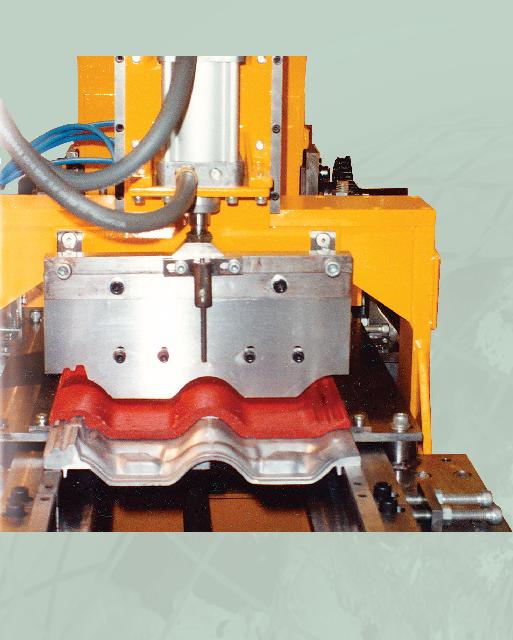

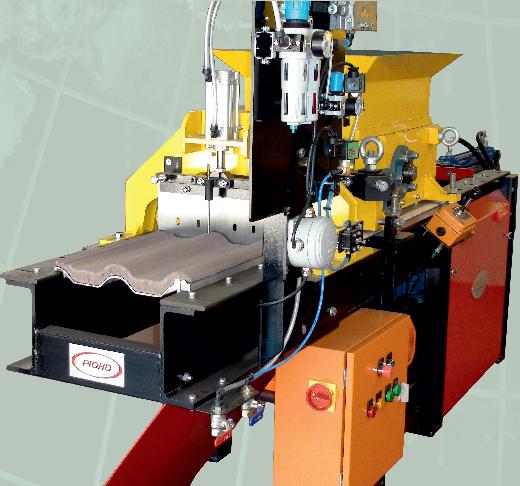

Impressive photography is becoming more and more important in the way construction organizations promote their business, especially as the use of social media is becoming more important as a work tool. The ability to capture impressive 4K HD video and photos from unique angles can provide an interesting insight into a project or building, making it great for marketing material.
In particular, this could be a great tool for estate agents looking to demonstrate impressive shots of a property or building they are looking to sell! The drones offer the opportunity to capture the real scale and size of a project in minutes.
When carrying out high risk work on-site it may be necessary for certain professionals to gain real-time updates on what is happening. Utilizing First Person View (FPV) technology, a drone camera can stream HD footage to the project team or project stakeholders in realtime. This experience could also be enhanced by the use of VR glasses.
Construction sites are ever evolving and the movements on-site do not always stick to the programme.
Drones can provide a real-time update of what is going on around the site. Carrying out a speedy flight around the site can give a good overview of potential issues to be aware of. For instance moving vehicles, machinery or cranes etc. again reducing risk and allowing key decision makers to make up to the minute, informed decisions on ever changing developing sites.
Often for a surveyor it can be hard to gain access to a suitable location to laser scan high up areas of a building, meaning the point cloud is returned missing vital information.
Laser scanning from drones has become a recognized method of capturing the exact detail of topography, buildings and cityscapes and can provide the missing piece of information.
Similar to laser scanning, drones can be used to take aerial thermal imaging recordings which can be used to assess potential cold spots in buildings or even heat spots in areas holding electrical components. This can give engineers and surveyors essential information when trying to identify and rectify building defects.
Compared to many other parts of the globe, most African countries have very little limitations and legislation on the use of drones. According to Marius Hough the director of operations at Dronezone in South Africa, for companies in the position to make use of these amazing high-tech vehicles it certainly spells the word ‘opportunity’. “In one sentence; the use of UAVs presents African construction firms the opportunity to benefit in a big way from first world technology Whoever gets in the game with drones and uses them to their full potential, will certainly reap the benefits and rise to the top. Drone technology can be used in a variety of applications around building
sites, from the monitoring of progress, to inspection, to security patrols (night or day), to delivery of small key items,” says Mr. Hough.
He further adds that, the use of drones is generally associated with the use of cameras. There is of course a myriad of different cameras with very specific applications. Thermal imaging or ‘infrared thermography’ is using a camera to detect heat radiation.
“Thermal cameras are also very effective for patrolling construction sites at night, clearly showing human activity and enhancing security measures to curb theft and illegal activities that take place under cover of darkness,” he affirms.
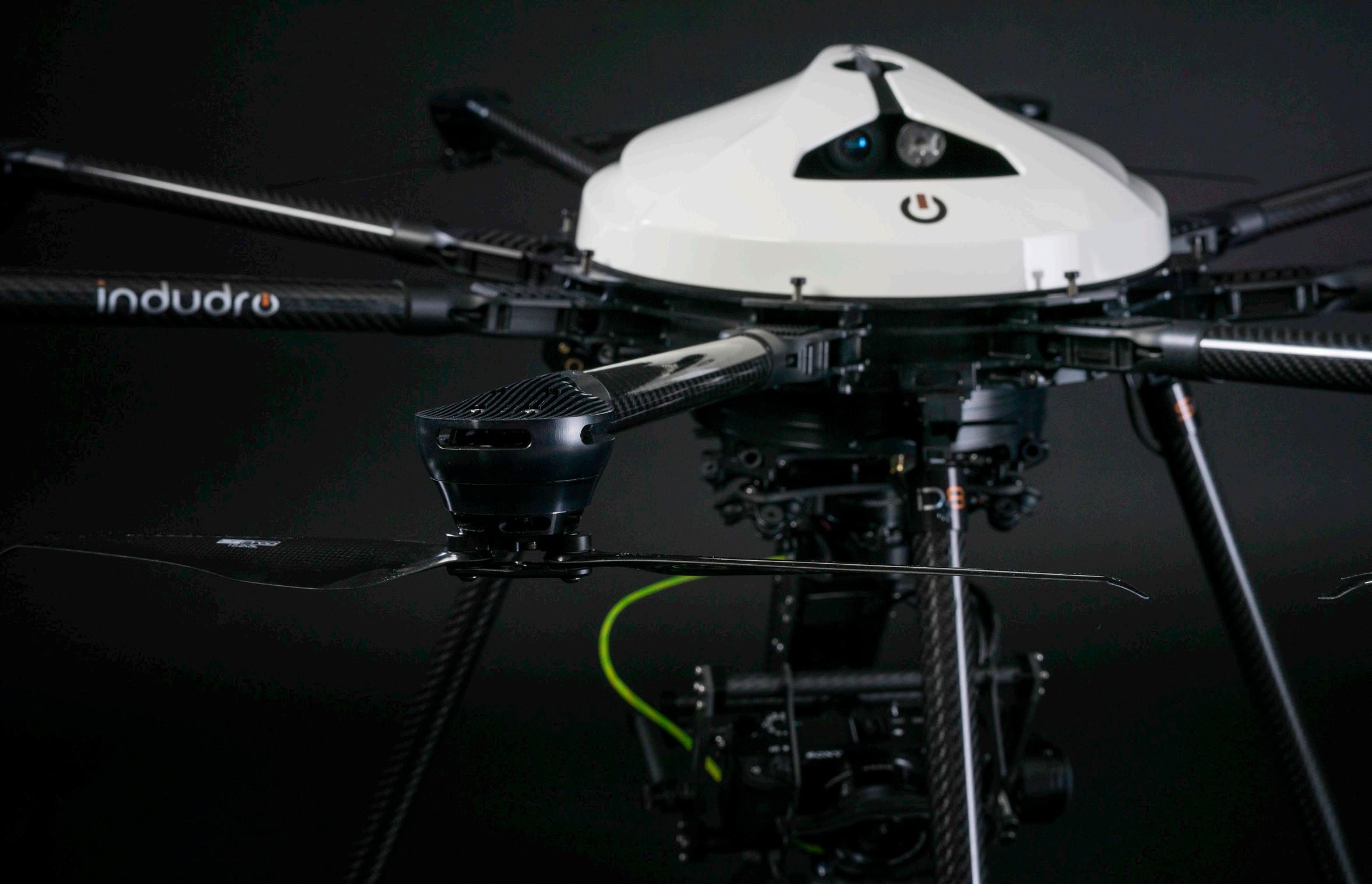
Mr. Robin Schardijn of Height Tech from the Netherlands recapitulates that, Drones can be seen as a tool to bridge the gap between a sensor and a target. Collecting accurate data on a safe, effective and efficient way. Opportunities in construction can currently be found in inspection, surveying and mapping applications.
“The future of drone technology will change using fully autonomous systems that can carry out flights on their own. No control needed, by planning a flight-mission the drone will work independently in combination with all available payload sensors to capture your objective the right way. Ground-breaking technologies like thermal imaging and LiDAR created new dimensions for enterprises to do business,” he says.
He further confirms that the opportunities are endless if provided with the right equipment for the right purpose.


We offer turn-key drone solutions for any application, supported with project management and specialized training. Starting with a Quick Scan, we analyze the possibilities for drone technology integrated in your workflow. Improving safety & efficiency and creating brand new opportunities for businesses, governments and organizations.
we operate
We act in the industrial, tactical, agricultural and mapping industry. Offering the best of all worlds available in drone technology. With a wide range of payload options that can be carried by at least one of our drone systems. Ranging from a 100 grams to 10kg payload capacity or 20 mins up to 10+ hours of flight time, we got you covered.
A global, full service company providing drone and sensor technologies for many industries. Delivering dedicated drone solutions through our extensive product portfolio as manufacturer and distributor.
Industrial applications
Gain better and new (business) insights on a safer and more efficient way. Equipped with advanced safety sensors and smart software, our systems can be used fully autonomously. By integrating the systems right into an existing workflow, we are able to get data from a whole new dimension.
Data is all that matters
In the end, we care about the data that is been captured by dedicated drones combined with high end payloads. HEIGHT technologies provides payload options consisting out of 5 different sensors:
Thermal sensors | Make critical decision making clear as day, by obtaining exact temperate measurements or detecting fugitive gasses. With thermal imaging systems supported by comprehensive & customized software.
LiDAR technology | Examine the earth and everything that has been built on it. Through our high end mobile lasers, we deliver the best point-density for your remote sensing purpose.
Tactical cameras | Surveying long distances or large surfaces and visualize every detail with our stabilized cameras featuring ultra-zoom capabilities up to x40.
Agricultural sensors | We maximize yield and get crop insights by integrating precision agriculture in a workflow. Using multispectral/thermal sensors and specialized software to create helpful maps & reports for businesses.
www.heighttech.nl
Request a free Quick Scan to discover drone opportunities for your business.

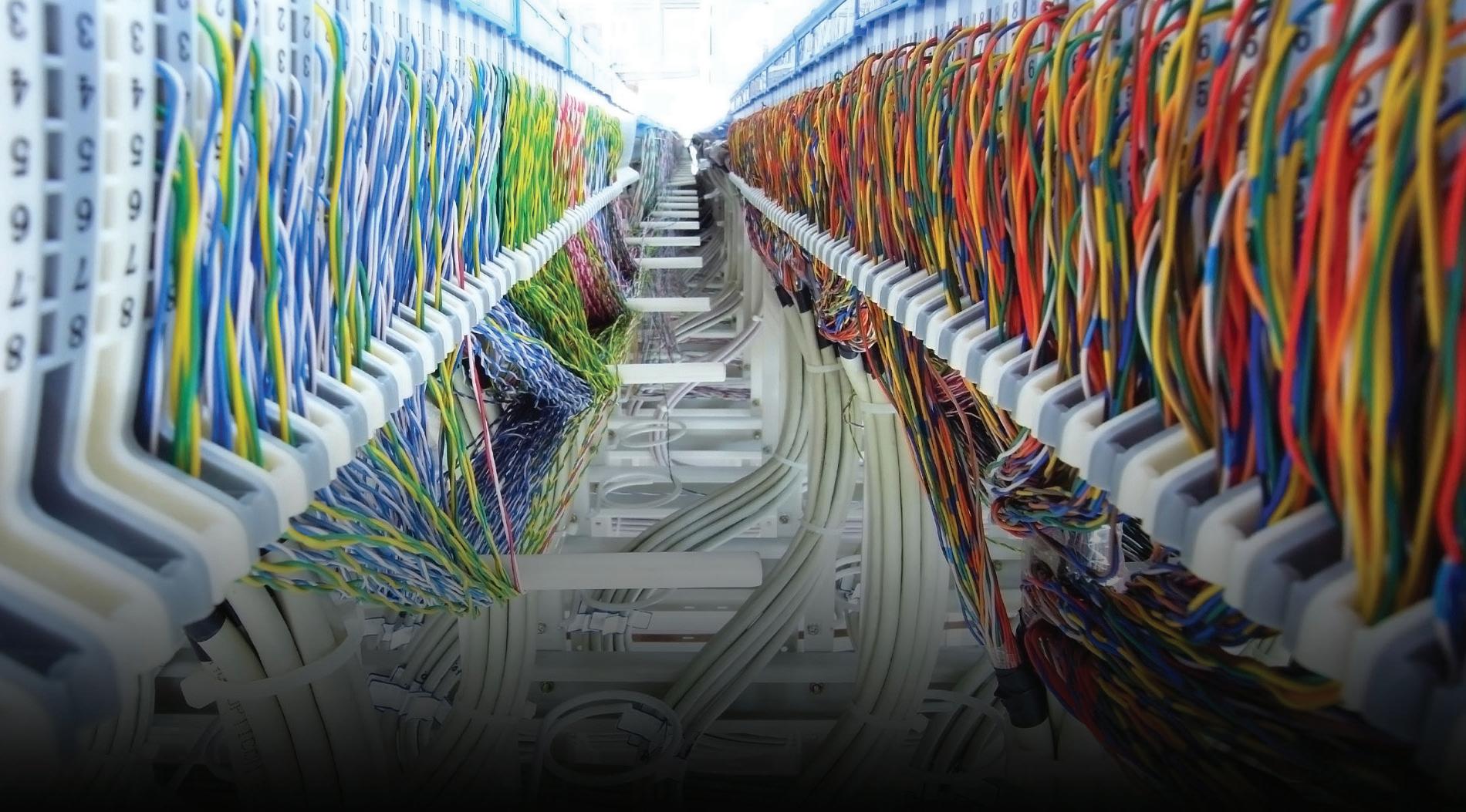
Nowadays mostly all firms work seriously on installation of advanced Ethernet network cable, phone wiring, premise wiring for secure and uninterrupted flow of data and information.
Organizations that have various branches situated in different countries and cities of the world, or companies with numerous departments with huge number of employees, require a proper and efficient networking system that connects to all their computers, printers, scanners etc. If the networking system is not properly installed it can create havoc in the organization. But with well-organized structured cabling system, all this has become very simple.
In this era of advanced technology, structured cabling is perhaps the best and most costeffective solution to a successful and efficient networking system. There are many firms that provide customized service cables and solutions including Structured Cabling, Data Cabling, Networking Cabling, Voice Cabling, CAT Cable, Cable and Fiber Optics Installation and Network Wiring.
The networking services are affordable, sustainable and dynamic to the changes that
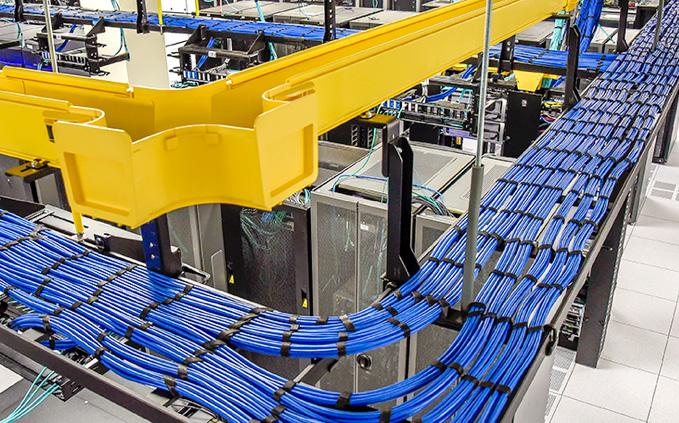
a business might experience with profitable growth and expansion. Nowadays most firms work seriously on installation of advancedEthernet network cable, phone wiring, premise wiring for secure and uninterrupted flow of data and information. They have dedicated teams of engineers who look after the type of cable best suited for the infrastructure and then plan and design networking cabling solutions to meet the specific business needs. Others simply use external consultants and contractors.
Today, the traditional structured cabling system is the foremost priority of all types of business enterprises. Companies even follow a few important guidelines before installing network cabling structure like:
• Fibre cable, Multi-mode and Single mode for smooth long distance calls and interactions that is interference free
• Ethernet network cable for office buildings, call centers, data centers, ware houses and small offices
• High quality Telco grade network wiring, patch panels and jacks
Whether it is an occupied office or an empty place, whether a large construction site or a high-rise building, whatever the situation or wherever the location, superior cabling networking system is the only answer for speedy and continuous data flow.
In Kenya, there is adequate expertise in
structured cabling with plenty of companies operating out of the major cities and even venturing into neighbouring countries.
One such company is Gadgetmend Limited. Founded in the United States in 2010 before moving to Kenya in 2013, the company offers various services in ICT, Security and Power back up solutions. Under ICT, Gadgetmend offers structured cabling, regional network development and web based development as well as security based software implementations. The company also deals in CCTV, intruder detection, access control, intercom, electric fencing, barriers and bollards, scanners, UVIS, Explosive detectors and home automation. It also offers Solar PV (on and off grid), inverters and generators.
Some of the projects the company has worked on include Two Rivers Mall, Garden City, KWFT Bank and Med Heal Hospital among others.
The Gadgetmend team is made up of electrical engineers, computer engineers and other graduate staff in the fields of computer science and networking.
According to Managing Director Murtaza Rajabali who is an ICT and Security Consultant, demand for bandwidth has grown drastically and will continue to do so. “As we go along to meet this demand, we find ourselves pushing for faster, bigger and better technology.”
Jo World is another major player in the industry. Established 20 years ago, the company offers Data Centre Solutions, Network Structured Cabling, Network Operations Centre, Telecommunications Mast Construction, Security Surveillance and Access Control Systems among others. Jo World is headquartered in Nairobi but with branches in Kisii, Mombasa and the United States. The company boasts a well qualified technical team consisting of degree holders in various IT and construction fields. The team continually undergoes training to keep up with the latest technologies and developments. The company has successfully undertaken numerous projects
including Moi University Pension Scheme Plaza, Kisii Bottlers, Ministry of Health, Kenya Power, Huawei Gateway House, Harleys Pharmaceuticals and Kenya Nuclear Electricity Board among others. Sarah Kariuki, the Office Administrator at Jo World, observes that skilled labour in this industry is readily available. She however notes that multi-specialization is hard to acquire due to the diversity of the field. Sarah also points out some of the challenges players face.








Among them are poor building architecture, delay in communication on changes related to scope of project, security of equipment especially in remote areas and delays in implementation of projects which leads to revision of costs. Other challenges include lack of bill of quantity from the client leading to under-budgeting and logistical problems associated with carrying out work in occupied premises.
Regarding the industry, she notes that cables keep evolving – from the days of CAT 5A through CAT 6E, CAT 6A and now CAT 7. Switches have also upgraded from unmanaged to managed switches with POE. “There is also a reduction of tools required on site due to changes in technology”, she observes, adding that many clients now require high-speed plans hence the change from regular cable to fibre.
Pong Agencies Limited is another major player in the sector.
Registered as an ICT and electrical contractor specializing in comprehensive ICT and power solutions, the company has 25 years experience in the industry. Under ICT solutions, Pong Agencies offers:
• Unified communications-electronic telecommunication solutions, intercoms
• PBX, hybrid IPBX, telephone wiring
• Structured cabling and computer networking solutions
• CCTV surveillance system design and installation
• Audio visual systems
• Video conferencing solutions (telepresence) and access control solutions
• Internet connectivity through SEACOM and Liquid Telecom
• Smart homes.
Pong has 15 permanent technical staff and over 20 temporary technical staff handling structured cabling. The project manager holds a masters degree and an undergraduate degree in computer science with over 9 years experience.
The company’s permanent staff have over 4 years experience working in busy environments backed by strong academic background, majority being graduates in computer science or telecommunication engineering with CISCO certifications.The rest holddiplomas in telecommunication engineering with CISCO certification and vendor training.
“We have completed over 50 projects, some with some contract sums amounting to US$ 1 million”, says Marketing Manager Kennedy Kariuki.
Another company that offers similar services is Superserve Technologies Limited. Formed in 2007, Superserve specializes in CCTV, Access Control, Intruder Alarms, Intercom Systems, Electrical Fences and Structured Cabling. It operates all over East Africa. Among the projects in its wide portfolio are Moi University Pension Scheme Plaza, Pacis, Fortis Park (Regus Offices) and Applewood Development.
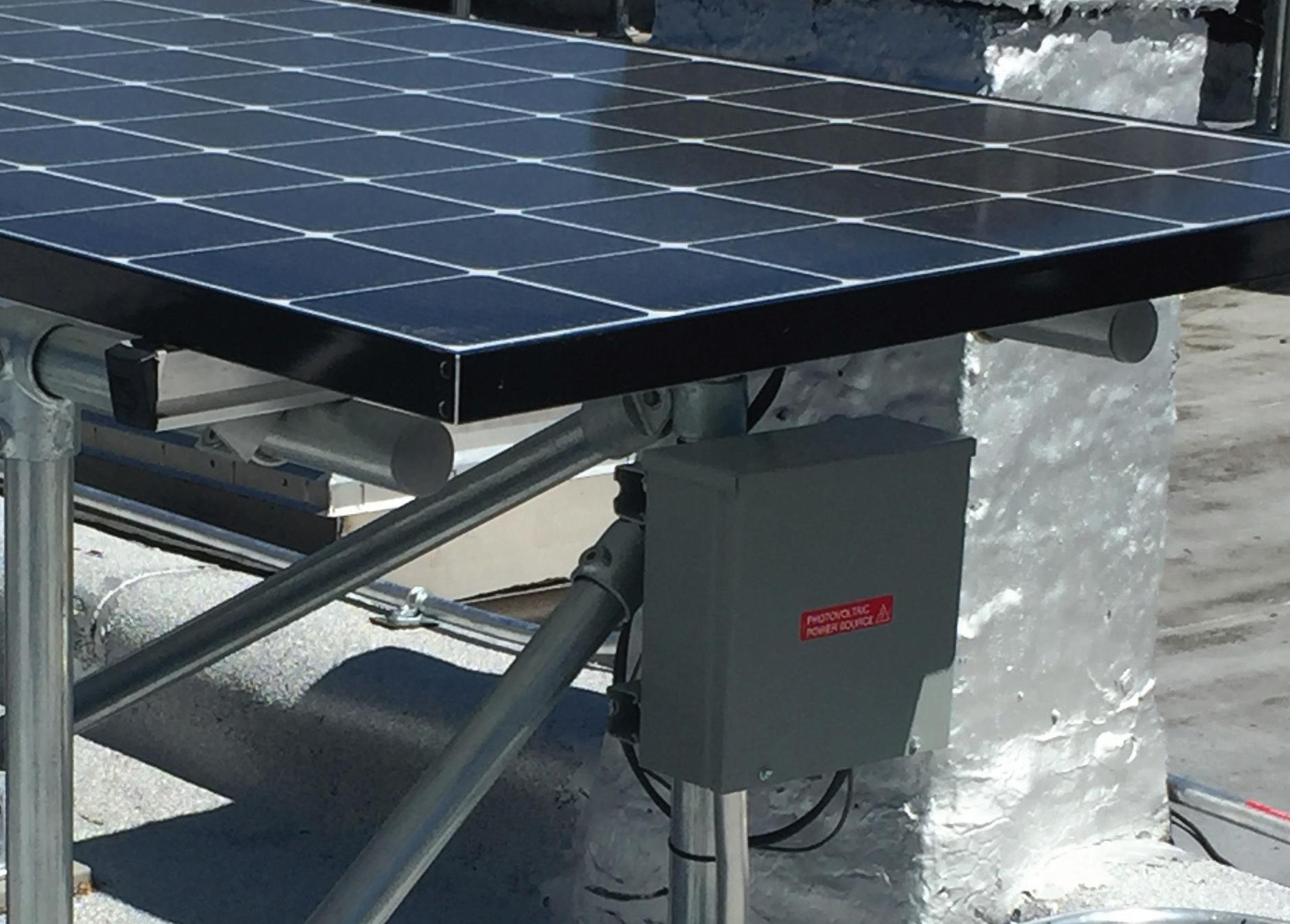
An inverter’s job is straightforward. They change PV-generated or battery-stored DC electricity into AC electricity that can be used by household appliances or sent back to the utility grid. The African market depends on inverter power when there are utility outages.
However, with numerous models and options, choosing the right inverter for your application has become a more challenging task. According to Mr. Jason Nicoll of PHD Powerhouse, making sure you have proper support and readily available spares with a great after sales service is paramount before purchasing a solar inverter. PHD supplies, installs and maintains tailor-made UPS systems, Inverters and voltage stabilizer solutions for all industries.
Purchasing the right product for a particular application is very important; this is according to Roy of power projects an inverter supplier in South Africa. Inverters are specific to whether your system will be grid-tied or off-grid, and whether your
system will include batteries, either for offgrid use or on-grid with battery backup. The temperature spec is very important as some cheaper inverters will produce less power when they are hot. Delta solar inverters only de-rate 50 Deg C ambient and have a much lower start up voltage than other inverters thus giving you more kWh which at the end of the day is the most important item.
AC Output Power: The inverter’s AC output power should be matched to the PV array. A PV array’s Standard Test Conditions (STC) power rating will provide a good idea of the minimum size of the needed inverter.
For instance, a 5 kW PV array will require an inverter with about a 5 kW power output. If the climate interferes with the array preventing it from reaching STC power, it is possible to “undersize” the inverter by 10 to 20%. In that case, undersizing would need a 4 to 4.5 kW inverter for that 5 kW PV array. The inverter may require ‘oversizing’ for arrays in higher elevated areas which are
colder and sunnier; this is to avoid power clipping. In addition, a larger inverter can capture random moments of high PV output, such as those from cold, sunny days or from ‘edge-of-cloud’ effect and possibly leave room for future expansion.
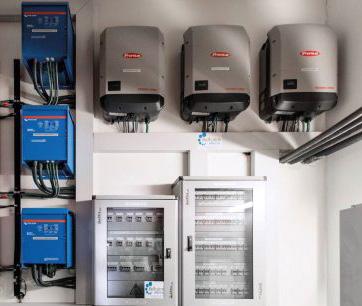
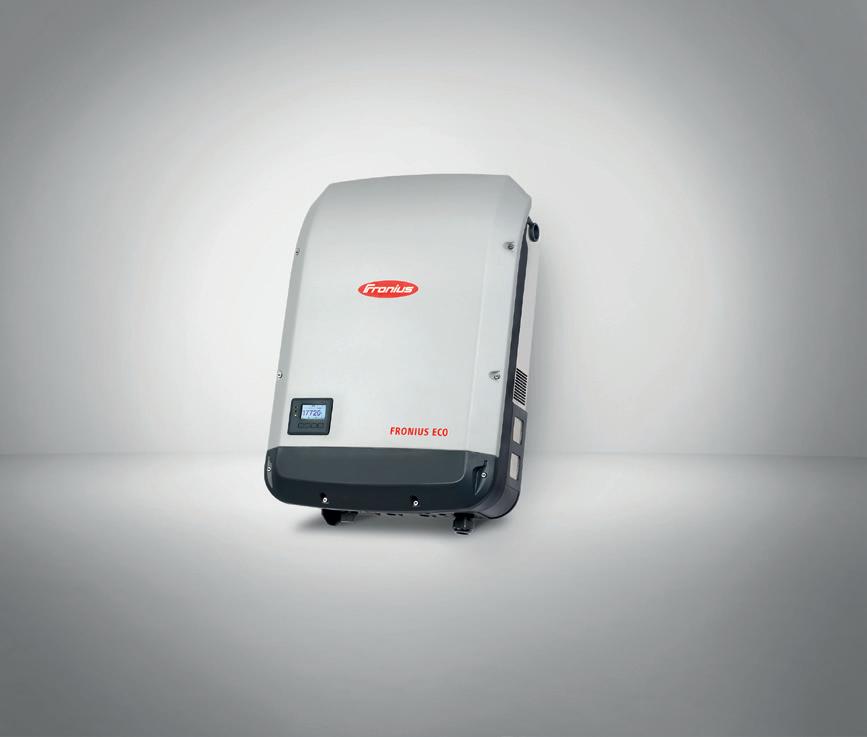
According to Wendeler Hannes of Fronius, the only on-grid inverter manufacturer providing a Fronius Service Partner program to allow on-site repair; among other things, the grid-tied inverter should have a standardized mounting system for quick and easy installation, maximum fault tolerance and a high system performance under all environmental conditions. “The consumer can be guaranteed of all these factors if he buys from suppliers who not only provide quality products but also have reliable after sales service,” he adds.
DC Voltage Input Window: This is the voltage range that the inverter will accept from the PV array. Local climate data and temperature coefficients will determine the maximum and minimum expected voltages. Exceeding the maximum voltage specification of an inverter may cause damage or fire in a worst case scenario; and while it is not dangerous, too low array voltage can cause the inverter to stop processing power.
Maximum Power Point Tracking (MPPT): All grid-tied inverters use some kind of MPPT, which enhances the PV array power output. Most inverters simply follow one MPP for the whole array as it keeps on changing all day, but some models can follow two series-string MPPs for a fairly better energy harvest for arrays with numerous orientations. AC modules, DC optimizers and micro-inverters, all offer the ability to track individual module MPPs.
According to Mr. Zhao Wei a Strategic Marketer at TBEA Xi’ a tech enterprise in China, inverter MPPT value to a great extent,
determines the output of a photovoltaic power station, especially in a power station where there are shadows and shade, different components and performance problems.
“Obviously, the more durable the MPPT is, the more the advantages. However, the input number of the inverter often determines whether a photovoltaic power station is easier to carry out with the intended design, and also saves the cable and other supporting materials,” he adds.
The AC output voltage of the inverter should match the building or service voltage where
it is interconnected. In most cases inverters are field-configurable for different output voltages, but for a few, this must be specified up-front.
An off-grid inverter must have enough AC output power to cover any AC loads that might run simultaneously. For instance, in case of 2,850 W of AC loads, then it is advisable to choose an inverter with 3,000 W of continuous output power. Any surge requirements common with compressors and motors, such as in refrigerators, or well pumps need to be checked against inverter ‘surge’ or ‘overload’ specs.
Since the inverter draws from a battery bank instead of the PV array; the DC voltage input needs to match the nominal battery bank voltage usually 12, 24, or 48 V. Inverter model numbers normally reflect both the AC power output and the DC battery voltage. For instance, the OutBack VFX 3648 can produce up to 3,600 AC watts progressively and works on a 48 VDC battery bank.
/ Perfect Welding / Solar Energy / Perfect Charging
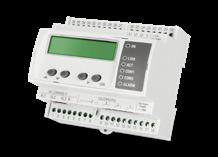
Most quality stand-alone inverters produce a pure sine wave. The utility AC electricity is a relatively clean sine wave form, and higherend inverters match or beat this quality.
Modified square-wave inverters are usually cheaper, but the power quality is fairly poor. Many appliances actually run fine on a modified square wave, but some loads, including thermostats, clocks, fans, and power tool battery chargers, might not function properly. Sine wave inverters are mostly preferred, as they will run motors more efficiently, and consumer electronics with less electrical interference and noise. However, as Mr. David Gitiba the Business Development Manager of Phocos in SubSahara Africa points out, it is very important to ensure you source the preferred product from a reputable manufacturer and supplier. Buying cheap, low quality products becomes very expensive in the long run.
To read more and to comment on this story visit: http://www.constructionreviewonline.com

/ With Fronius PV-Genset solution, you can combine your existing diesel generators with photovoltaic technology easily, saving fuel, minimizing energy costs and ensuring a reliable power supply in the process. Contact us pv-sales@fronius.com.
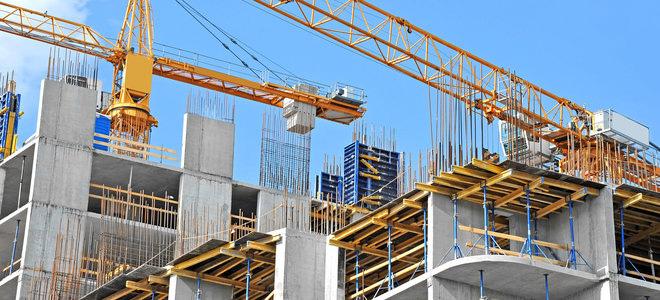
The cost of construction projects often runs into millions or billions of shillings. The risks associated with these projects are also significant. From a contractor ’s perspective, failure to cover oneself against potential hazards exposes the company to potentially crippling claims.
Insurance is one of the tools most often used to manage risk in connection with these projects. In determining insurance requirements for construction contracts, it is important to identify the risks associated with the project and make sure that the policy terms and limits are adequate to cover any potential losses.
Many insurance companies in Kenya now cover these risks in a policy known as Contractor’s All Risk Insurance (CAR). The goal of a CAR insurance policy is to ensure all parties are covered on a project, regardless of the type of damage to the property or who caused the damage. Risks often covered under a CAR policy include flood, wind, earthquakes, water damage and mold, construction faults and negligence. They typically do not cover normal wear and tear, willful negligence or poor workmanship. A CAR insurance policy also provides coverage against losses or damages caused to property by fire.
Typically, both contractor and employer jointly take out CAR insurance policies, with other parties such as financing companies having the option of being named to the policy. Because multiple parties are included in the policy, they each retain the right to file a claim against the insurer, although all parties have the duty of informing the insurer of any injuries and damages that may result in a claim.
By and large, CAR encompasses all the main risks pertaining to a project. Usually, there will be various sections, such as for public liability and another covering the dues under the Work Injury Benefits Act as well as employer’s liability. Any desired extensions can be negotiated and put in place.
CAR coverage may be extended to cover the interests of manufacturers, suppliers, contractors, and subcontractors. The policy can also be expanded to cover the following events:
• Debris removal
• Damage to surrounding property
• Earthquake
• Third-party liability
• Provision for escalation
• Terrorism
• Air freight
As with much in life, and especially with construction contracts and insurance policies, the devil is in the details. It’s natural that a contractor would want protection from losses as much as the employer. For example, if a fire causes damage during construction, the contractor would want some assurance that he will get paid for the extra work required to complete the project. Similarly, he would want compensation for damaged or stolen equipment. The employer would want protection from damage caused by wind and fire, but also by the contractor — for example, if roof trusses collapse because they were not properly braced.
To protect both parties and spell out who is compensated for what type of loss, the insurance policy and the construction contract have to work together. In Kenya, many insurance companies now offer various types of construction insurance as consumers slowly realize the importance of these covers.
Mayfair Insurance Company Limited is a leading construction and engineering business insurer, offering innovative insurance products. The company, that operates in Kenya, Tanzania, Zanzibar, Rwanda and Zambia, has been offering insurance products since 2005 and is rated rated A-(KE) by the Global Credit Rating (GRC) Agency on its Claims Paying Ability. Managed by a team of dedicated, experienced and skilled management team, Mayfair’s range of construction and engineering insurance products include:
1. Contractors All Risks Insurance –provides protection against loss or

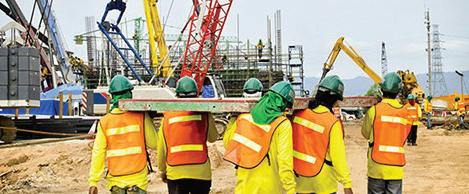
In construction contracts and insurance policies, the devil is in the details. It’s natural that a contractor would want protection from losses as much as the employer.
damage to building works, contract materials, third party liability and equipment involved in construction.
2. Erection All Risks Insuranceprovides protection against loss or damage to erection works, materials to be erected, third party liability and equipment involved in erection of power plants or other erection projects.
3. Advanced Loss of Profits [ALOP] –provides protection to project owners for the financial losses arising from
an insured physical risk in either a Contractors All Risk or Erection All Risk policy.
4. Contractors Plant and Machinery Insurance - Provides protection to contractors’ plant and machinery against any unforeseen and sudden physical loss or damage from any cause not specifically excluded.
5. Machinery Breakdown Insurance –provide protection against unexpected accidental breakdown of machinery.

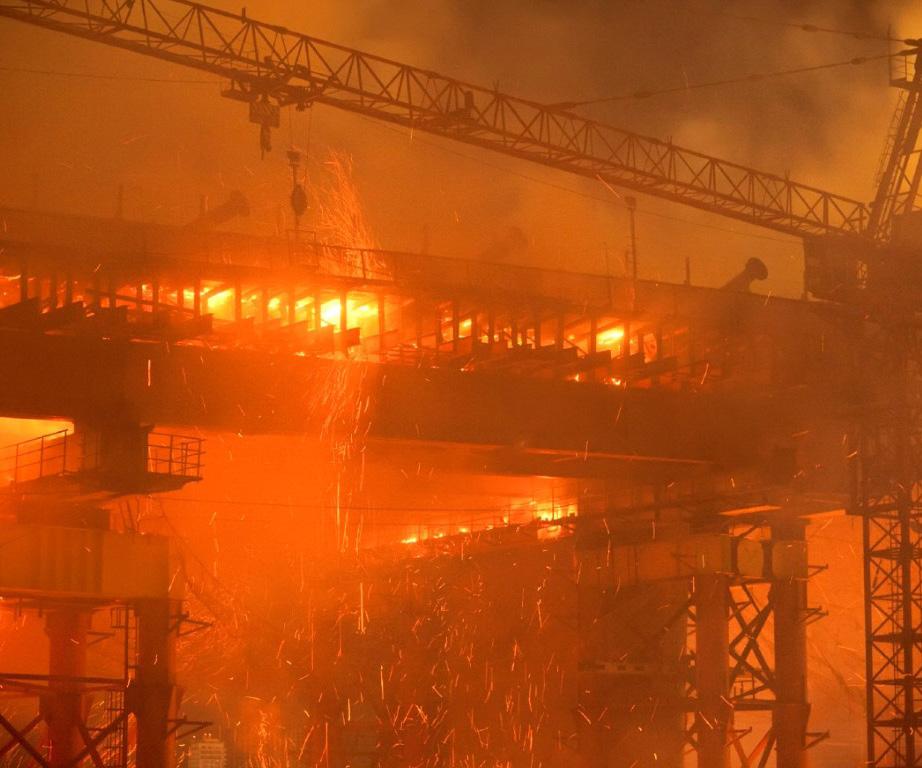
If a fire causes damage during construction, the contractor would want some assurance that he will get paid for the extra work required to complete the project.
6. Machinery Breakdown Loss of Profit Insuranceprovide protection against loss of profit due to the unexpected accidental machinery breakdown.
7. Work Injury Benefits Act (WIBA) – Provides protection to the employees for death, bodily injury or disease arising out of the course of their employment.
8. Employers Liability – Provides protection against legal liability for death, bodily injury or disease to an employee arising out of the course of their employment.
According to Managing Director Mr Joshua Chiira, the uptake of the Construction and Engineering Insurance product s has been remarkable and the stakeholders in the construction industry have realized the importance of having construction insurance solutions. He however notes that awareness levels are not as high as in other developed insurance markets. “Therefore, there is a
great opportunity to build capacity and inform the industry on the relevance and benefits of construction insurance.”
“As an industry leader, Mayfair Insurance bespoke covers are very significant given the high-risk nature of the Construction Industry”, he says. “They offer protection against potentially serious costs that may be incurred in making good any physical loss or damage from a cause occurring before completion and handover of the construction works.”
Since 1979, Gachichio Insurance Brokers has provided professional brokerage insurance services in the Kenyan market. The company has developed a reputation for providing efficient service delivery with a high level of trust and integrity as evidenced by its large portfolio of clientele.
Gachichio offers comprehensive and customized solutions for all insurance needs in line with each project’s unique requirements, ranging from the Liability risk to Engineering risk. These covers include Contractors All Risk, Machinery breakdown, loss of profit as a result of machinery breakdown, Motor insurance, Professional Indemnity cover, Public liability cover, WIBA (Work Injury benefit Act) and Employers Liability, Advance Payment Bonds, Security Bonds, Performance Guarantees and Customs Bonds.
The Nairobi-based brokerage firm has an extensive work relationship with the main insurance firms and as a result can compare the products available, negotiate competitive rates and benefits then make recommendations to their clients.
Manager Mercy Gachichio says the firm has an experienced team of experts to guide clients in selecting the products they need. She decries the relatively low uptake of construction insurance products especially those that are not compulsory e.g. WIBA and bonds. Nonetheless, through its team of experts, her firm endeavours to constantly help clients meet deadlines and deliver their projects within reasonable costs.
Geminia Insurance is one of the insurance companies offering products for the construction industry in Kenya in addition to life and general insurance. Its main customers are Small and Medium size Enterprises (SMEs) and corporates. According to Operations Manager Purvesh Shah, Geminia is a natural choice owing to its superior services and excellent claims record. He however states that the uptake of construction insurance products is low to medium. He attributes this situation to low levels of awareness.








As concrete becomes more versatile in the construction industry in Africa, the use of concrete products has expanded into areas other than its most basic use.The explosion of this industry has been aided by the importation of
machinery that are basic in operation and processing, so that it can be used in remote locations though more sophisticated machinery is available for mass production purposes.
The production of concrete is continuous precision work. A successful precast operation demands a proper understanding and management of concrete technology. Since concrete is the primary raw material for precast products and structures, it has an important influence on quality, production effectiveness and costs. The components
of a concrete mix must always be chosen according to the qualities required of the fresh and/or hardened concrete.
Concrete is the primary cost factor in most product groups. Other factors include the complexity of the production process, the amount of labor needed and eventual labor costs.A good concrete mix is essential, and it must be optimized continuously. In order to make strong and durable products, the aggregate volume should be maximized and the volumes of cement and water minimized.
Making the concrete mix starts with an evaluation of the local facilities and the
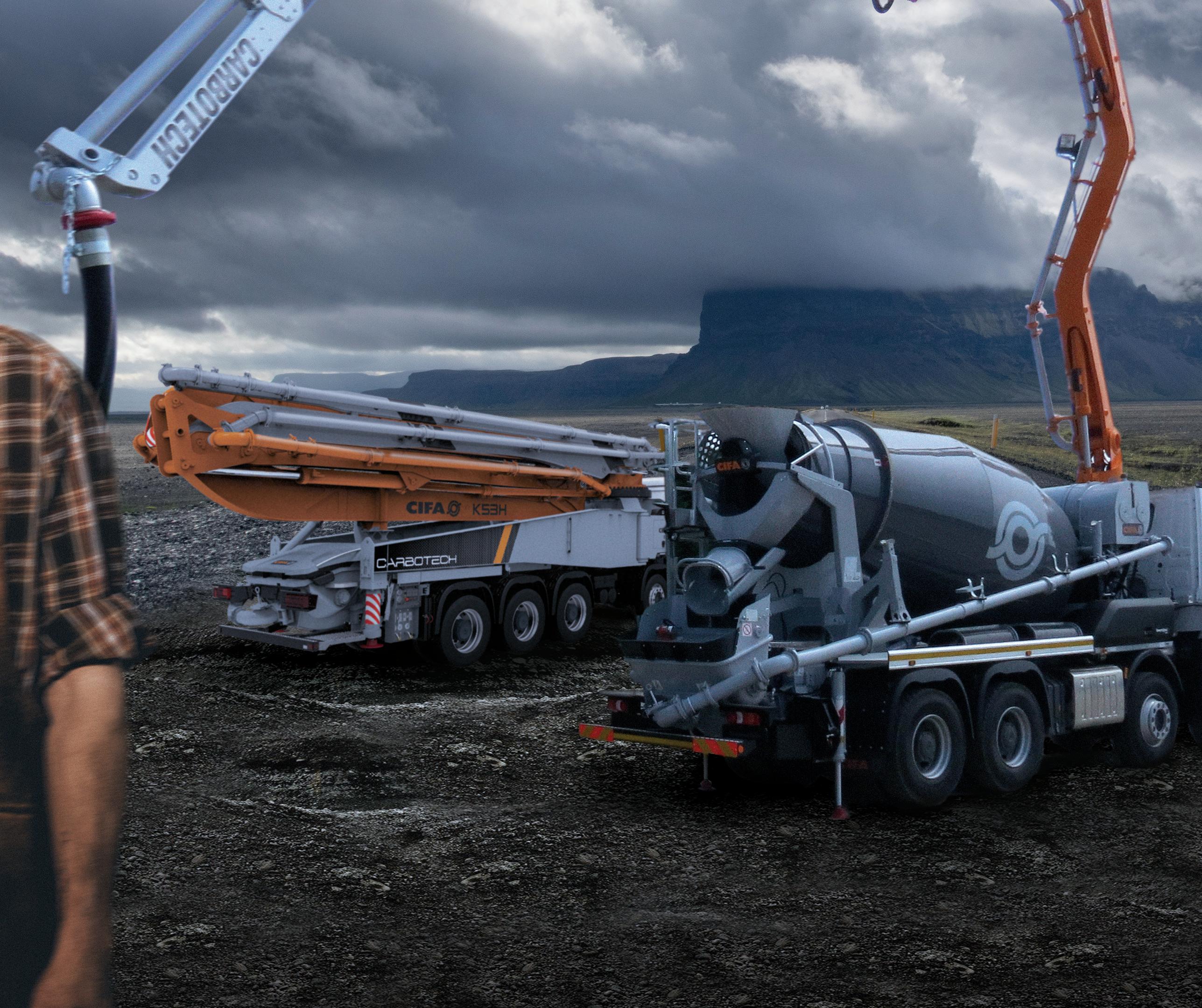
Since 1928 we develop solutions for the construction industry: a full range of equipments for concrete production, transportation and laying. Our focus on innovation, quality and respect for the environment is what led us here, ready for the next goal.
available raw materials, both of which have a great impact on your final product and the structural and aesthetic quality of concrete.
The advent of several new technologies and materials has dramatically changed the way concrete is produced and subsequently the way buildings are constructed in the continent. For large projects concrete machinery is found in use as batching plants, mobile mixers and concrete pumping plants. All these are designed to make the production, delivery and application of the concrete to be faster and cheaper while improving on quality.
Concrete making machinery is now a preferred choice these days. Rising awareness levels are also contributing to the changing
sustainable method of construction , which could not have come a day sooner, given the frequent economic crests and downs that have become commonplace.
Africa is a key emerging market for latest concrete product machinery following the pattern of other types of construction equipment. It all started with the manuallyoperated and semi-automated machines that used to dominate the market not so long ago.
The concrete product machinery market was still, to a very large extent, unorganized in Africa. It is during the early 2000s that the major overseas brands began to test waters in Africa, which in a way completely revolutionized the market. With scales of projects increasing, the old semi-operated machines are not enough and there is an urgent need for high capacity machines that should also easy to install, operate and maintain at the same time
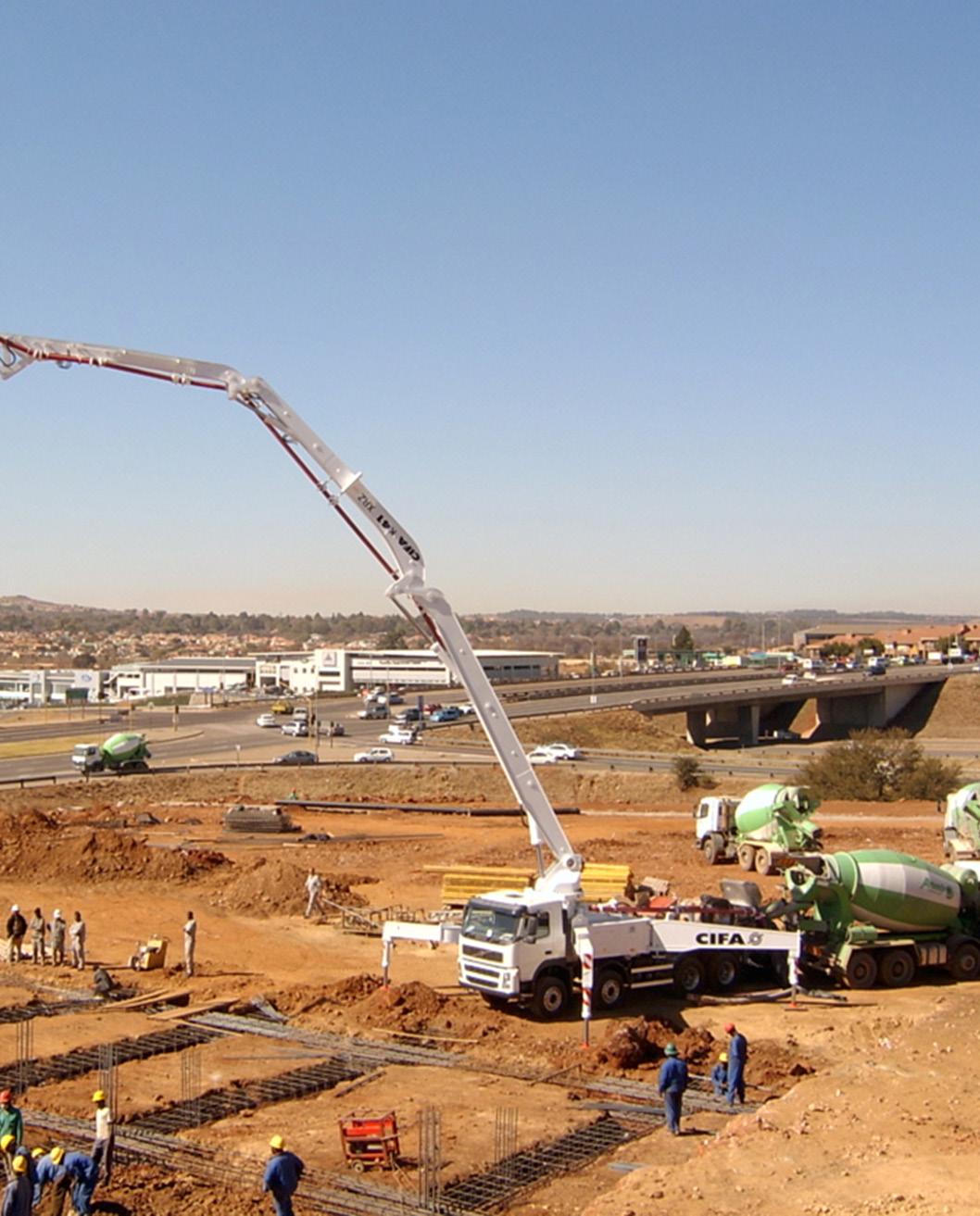
Africa is strategic for CIFA, because it is a continent in development. CIFA being one of the main players in concrete machinery in the World, delivers high performance machines for every kind of construction. The medium range of CIFA’s truck pumps range has a great appeal for the Sub-Saharan countries, thanks to the re known user-friendliness and reliability of its machines. The K36C and K42L models of the Classic and Steel tech series are the best sellers in the area for their competitive features: ease of use and the excellent price/quality ratio.
Their strength is proven by working for big public infrastructures in South Africa, Rwanda, Mauritius, Ghana, Nigeria, Ethiopia, and many others in the whole continentbridges, roads and sewers - and for private residential construction, thanks to their ability to be placed even in small jobsites.

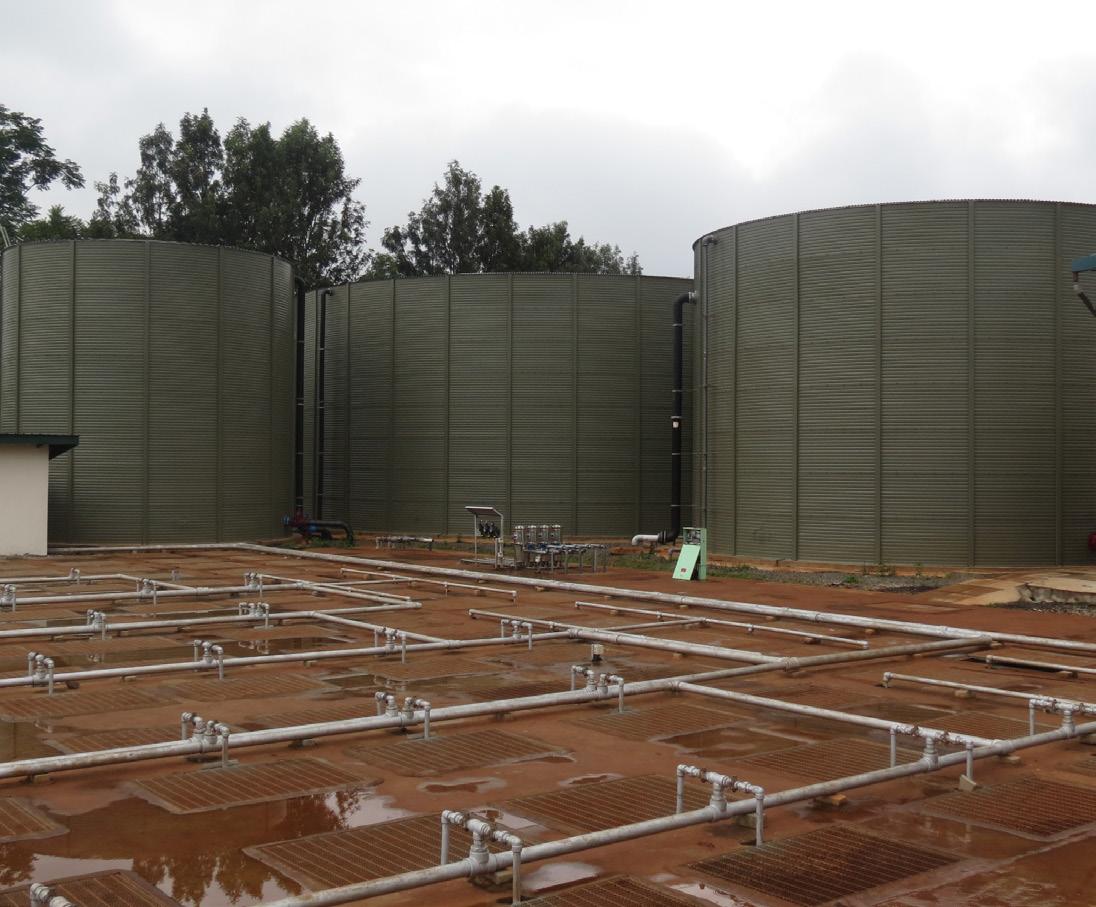
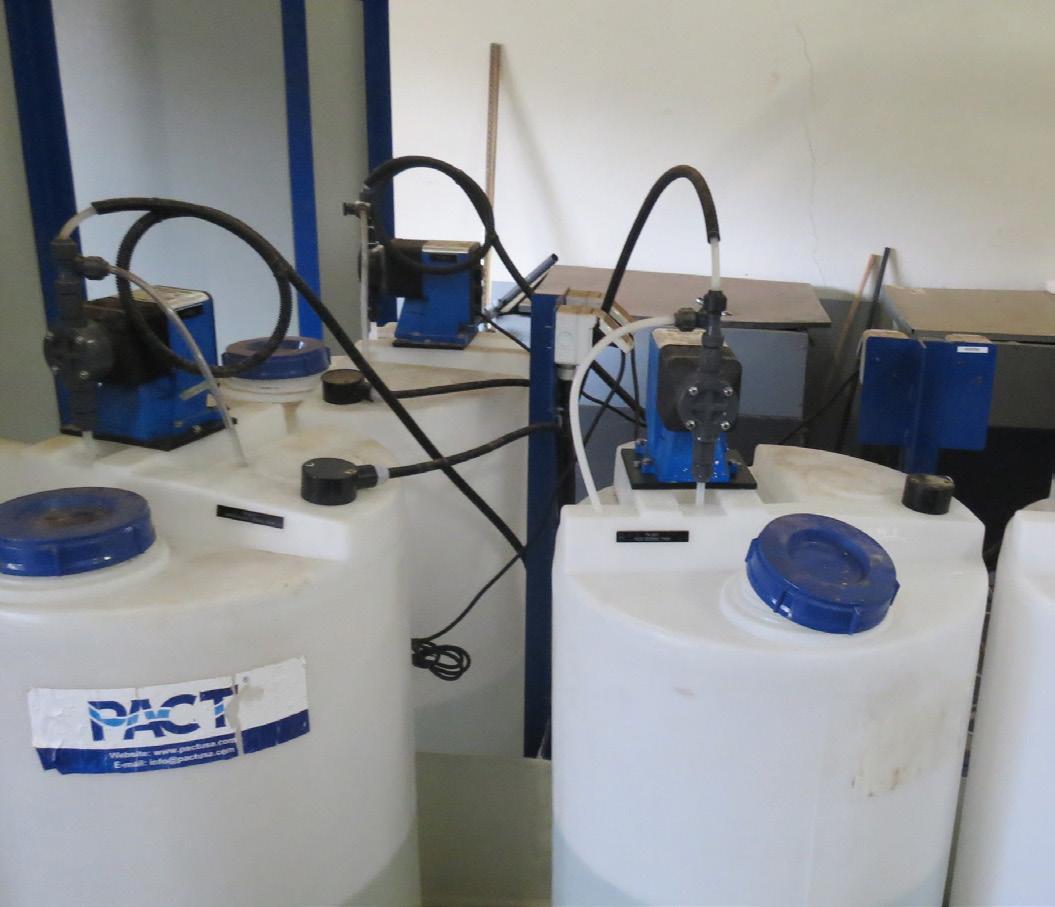
Eng. Christopher N. Gathini the CEO at CESP Africa, a wastewater and water treatment company says that, it is high time Architects start incorporating wastewater and water treatment plants in the design stage of buildings
By this summer, four million people in the city of Cape Town; one of Africa's most affluent metropolisesmay have to stand in line surrounded by armed guards to collect rations of the region's most precious commodity: drinking water.
Population growth and a record drought, perhaps exacerbated by climate change, is sparking one of the world's most dramatic urban water crises, as South African leaders warn that residents are increasingly likely to face ‘Day Zero’. That's the day, previously projected for mid-April but now mid-July, when the city says it will be forced to shut off taps to homes and businesses because reservoirs have gotten perilously low, a possibility officials now consider almost inevitable.
Now the UN reports that nearly 5 billion people could be affected by water shortages by 2050. According to the report, demand for water is expected to increase by nearly onethird by 2050, which puts quite a significant
number of the world’s population at risk of lacking the precious commodity. The big question now is: Is Cape Town’s water crisis just the beginning of a continental water crisis? Most countries in Sub-Saharan Africa have rainy seasons when they can harvest water for use during the dry seasons. Moreover, they can still collect the used water and treat it then re-use it to ensure no water goes to waste.
However, African countries are still lagging behind when it comes to proper water management. People in Cape Town have been using water in the past before they started to experience the drought. If only they collected the water and treated it for re-use; they wouldn’t be looking at ‘Day Zero’.
Consequently, Eng. Christopher N. Gathini the CEO at CESP Africa, a wastewater and water treatment experts mentions that, it is high time Architects start incorporating wastewater and water treatment plants in the design stage of buildings to ensure that proper installation of plants is done so that
none of this precious commodity goes to waste when the building is in operation.
Africa
Collaboration Engineering Solutions and Products (CESP) Africa Group is an international firm with headquarters in Nairobi, Kenya. The organization was started with an aim of addressing Africa’s challenges in the engineering field and more specifically in the water, energy and construction sectors. Having been in operation in Kenya for over 8 years, CESP has become an expert in wastewater and water treatment solutions in the East African region. Success of the business units in each country is based on CESP Africa’s ability as a whole to offer sustainable, innovative and useful engineering technologies in Africa and also be able to attract and raise appetite for the right technology partners globally.
Wastewater Treatment
CESP provides treatment solutions for both gray wastewater, black wastewater and industrial wastewater.
Since each wastewater treatment plant requirements are unique in a way, they take time to design each of their plants and provide solutions that are adaptable, economical in terms of initial investment, simple in operation and maintenance while guaranteeing longevity of the system’s service.
Customization of the solution includes providing plug and play systems and built in place solutions. The systems are also designed to allow modular construction so that capacity is increased as project develops.
The residential range of wastewater treatment systems is designed to cater for homes with a population between 6 and 25 people. So depending on the number of people in your home they are able to design a system that will serve your home with no extra expenses.
Features:
• Allows 100% water recycling from your home
• Neat underground installation
• Acceptable noise levels within a home – 33Db
• Low operation and maintenance costs
• Available spare parts and consumable
• Local expertise to install and maintain plant.
• Wide product range to choose from depending on site conditions
• Free design services with the treatment package
• Competitive pricing for high quality product
• Approved system by KEBS and NEMA authorities
• Compact unit – small installation space required
• Available as plug and play or build in place systems
CESP Africa has over fifty commercial wastewater installations in Kenya alone. They have successfully installed plants to serve schools, hotels, shopping malls, factories and multiple residential housing schemes.
Commercial wastewater treatment plant designs are very specific in nature hence need to have ability to have in-house design capability which CESP Africa has. Each of the commercial wastewater design is completed based on the findings of our feasibility consultancy team followed by a thorough detailing process by the design and engineering team. Resultant product design ensures that safe, economic and durable product is specified to the Client.
Features:
• Experienced technology partners – some of our technology partners have been in the wastewater treatment business for over half a decade
• Wide selection of product range to choose from
• Local design, fabrication and installation expertise
• Global technology partners with good track records
• Systems compatible with remote monitoring and building management platforms
• The treatment plants are approved by NEMA and KEBS authorities
• We have stocks of all spare parts and consumables for the plants we sell in country Compact units. Minimal space required plant installation
• Modular systems – can be designed to match your project phasing
• Low operation and maintenance costs
• Available as plug and play or built in place installation
• Free site supervision during installation to ensure error free installation
• Minimal human dependency as control panels can easily be hooked to SCADA and other building management systems
• Your project can earn green points on any green building rating criteria
• Local expertise available for operation and maintenance after warranty period
Safe domestic water supply is now a global subject of discussion and provision of the same is not guaranteed in many of the developing countries.
CESP Africa provides a range of potable water purification technologies: basic filtration, ultra filtration, reverse osmosis, sea water desalination and UV disinfection. In addition through their trading division they stock all chemicals related to water treatment works.
Having in-house capability to undertake system designs, CESP Africa is able to deliver turnkey potable water purification projects that meet KEBS (Kenya Bureau of Standards) and WHO (World Health Organization) standards.
The product range guarantees water treatment safe for drinking and other domestic uses. The products are plug and play units that will provide enough water for drinking purposes only or whole house solution that purify water volumes to meet 100% water demand for a family housing unit.
The range in this category of water treatment systems include basic filtration systems, softeners, domestic reverse osmosis systems and UV disinfection systems.
Using these products is a sure way to protect your family from excessive chlorine and heavy metals that may be present in the municipal water supply system in addition to improving the general taste of your water.
Features:
• Safe water readily available to drink from the tap, for washing fruits, salads and vegetables
• Easy to adapt to existing plumbing system in the house
• Competitive pricing for high quality products
• Spares and accessories readily available locally
• The system guarantees a short paybackperiod considering current cost of bottled water
• Family is sure of water quality and treatment process is in their hands
• Product selection available to suit available space in your house

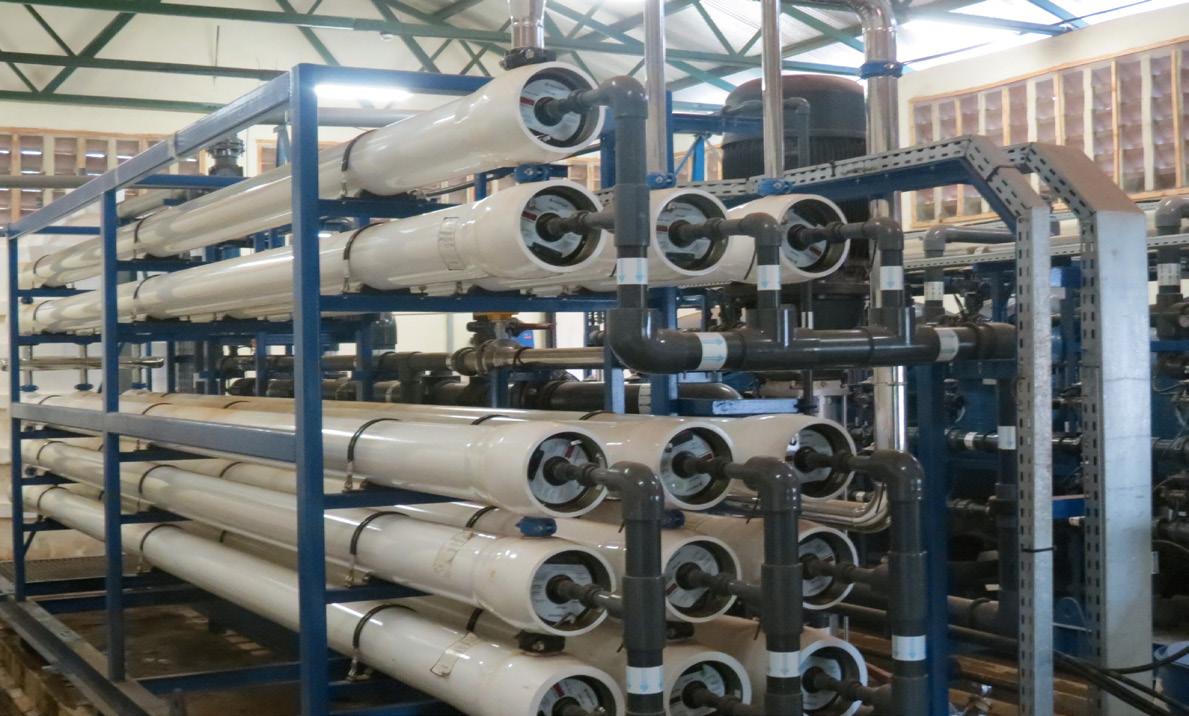
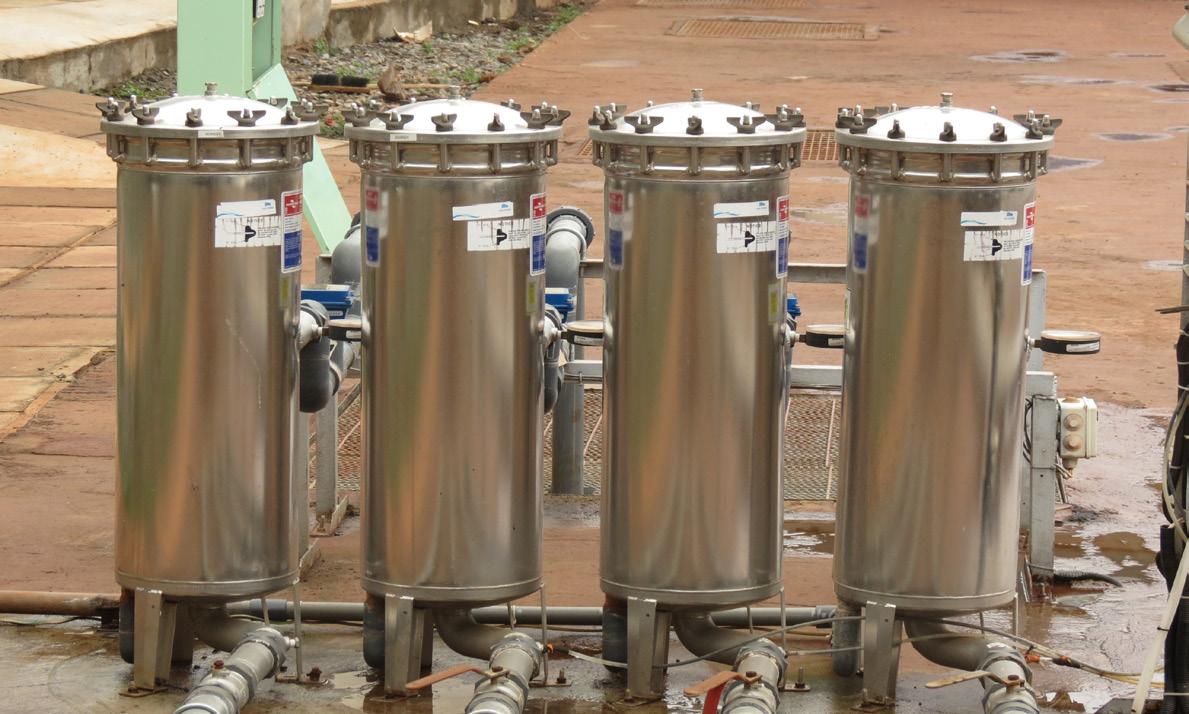
• Treatment capacities ranging from 200 liters to 3,200 liters per day
• Minimal operation and maintenance costs
• Products have the KEBS diamond mark of quality
• Water has enhanced taste due to passes over granular activated carbon
• Raw water supply is stripped off excessive chlorine, heavy metals and harmful organic materials
• Units are de-mountable and can be moved as customer shift houses
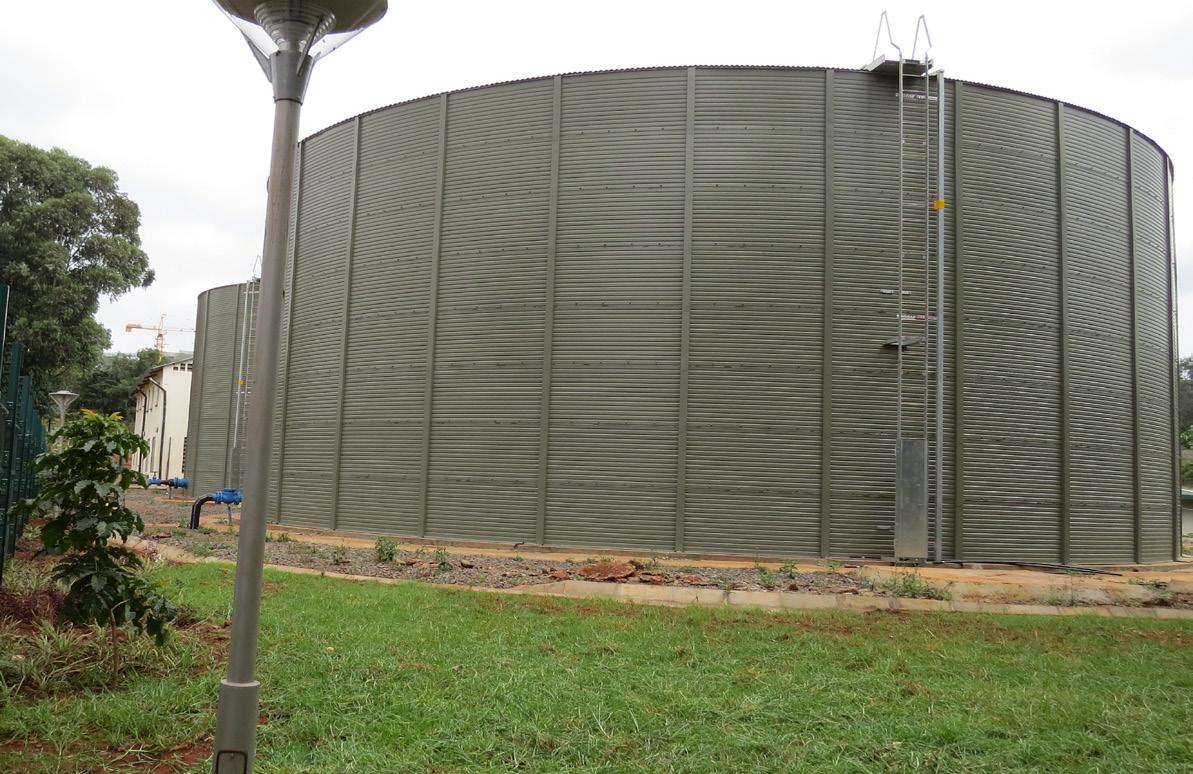
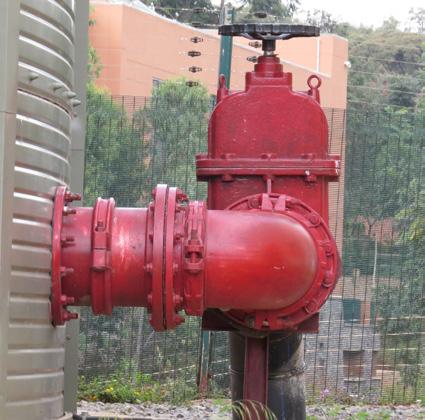
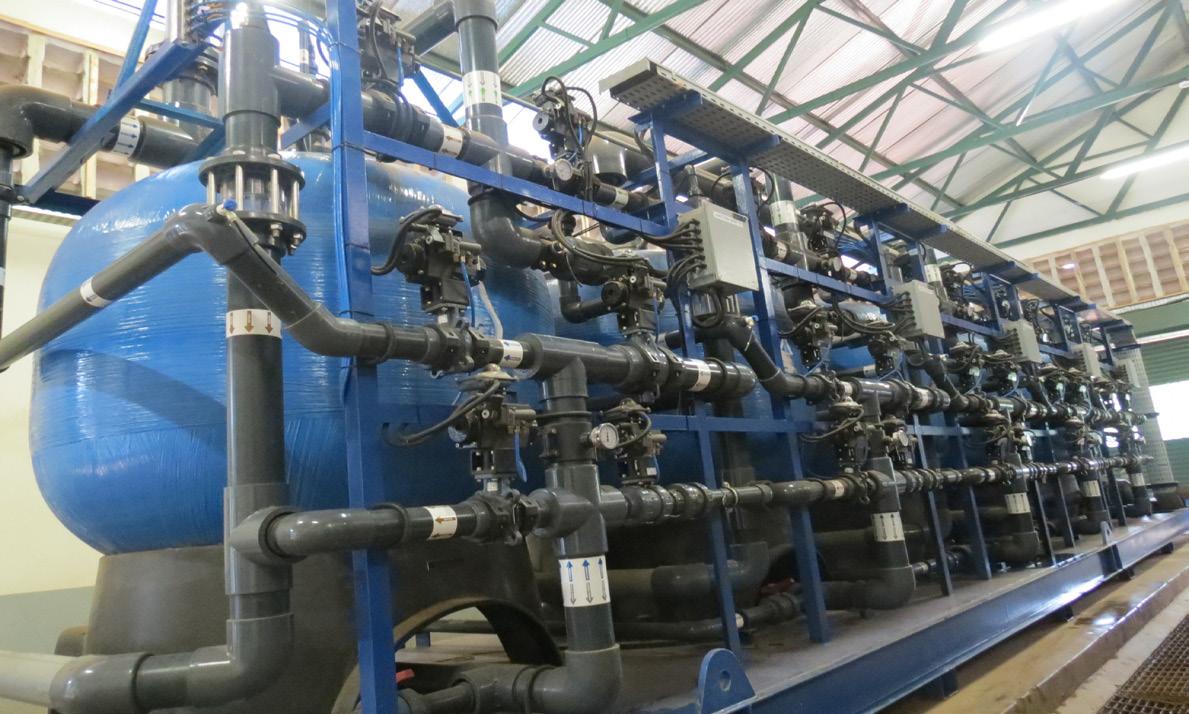
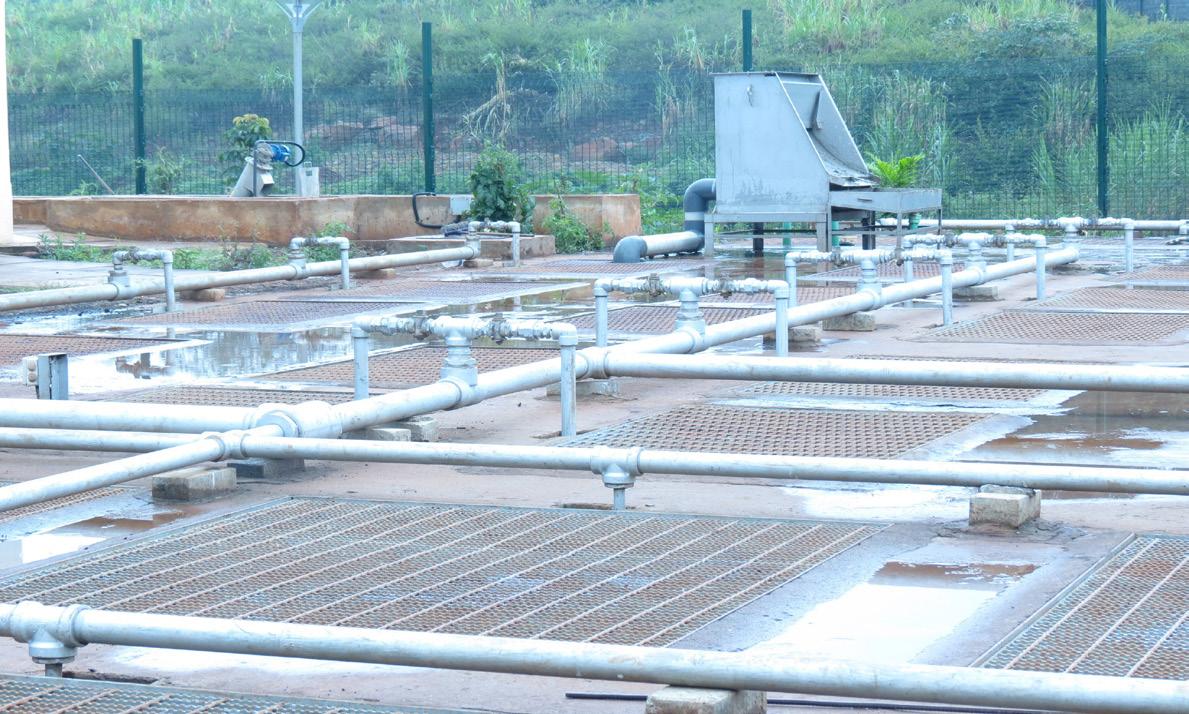
Regardless of the source of water (Sea, River, dam, borehole, and well) CESP Africa has a suitable water treatment solution for you. Through their feasibility and design teams they are able to analyze your water quality and prescribe the best sustainable solution for your application. Key consideration during design includes aspects such as power consumption, space requirements,
and complexity of operations, adaptability to project phasing and quality control and assurance.
Features:
• Optimized design to meet project water demand
• Modular design to match project development
• Regardless of the water source, all that is neededis the full chemical water analysis to custom make a treatment plant for you
• Treatment plant size custom designed to project requirements
• Local expertise for operations and maintenance after warranty period
• Availability of spare parts and consumables for the plants available locally
• Units are compact and can be designed to fit available space on site
• High power consuming systems designed with energy recovery system to reduce power consumption

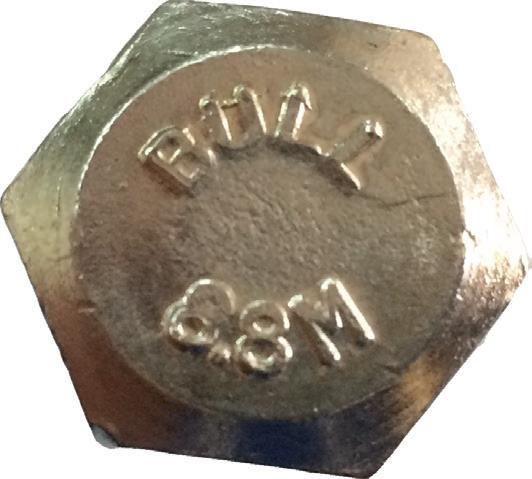
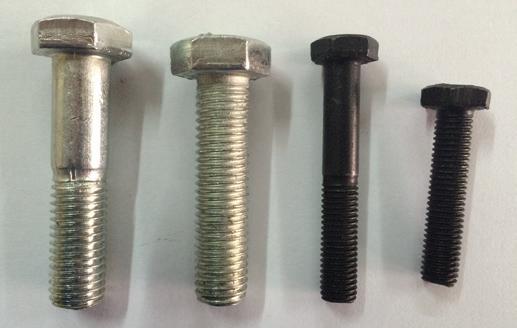
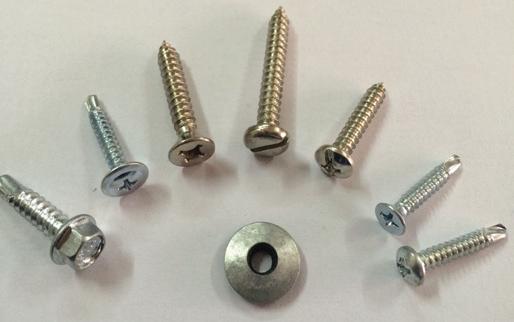
• Low operation and maintenance costs Solutions can be containerized to allow movement from one site to another
• Current local installations have production ranging between 1,000Liters per hour to 100,000Liters per hour
CESP has been involved in various high profile projects in Kenya including The Two Rivers Mall (The largest mall in Eastern and Central Africa) where they installed a Moving Bed Biofilm Reactor (MBBR) Aerobic Wastewater Treatment System; that, enables the mall to re-use 80% of all the water now and in the future creating a cyclic environment for the entire ecosystem. Other projects include: The Hub in Karen, Britam Towers, Garden city mall and the Nairobi Women’s Hospital. Water is life; and John F Kennedy denotes its importance to the people when he says: “Anyone who can solve the problems of water will be worthy of two Nobel prizes, one for peace and another one for science”.

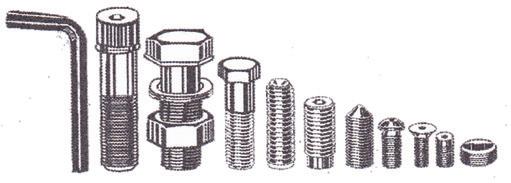
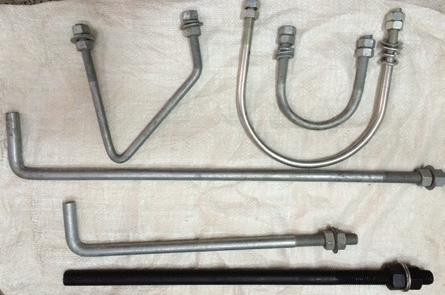
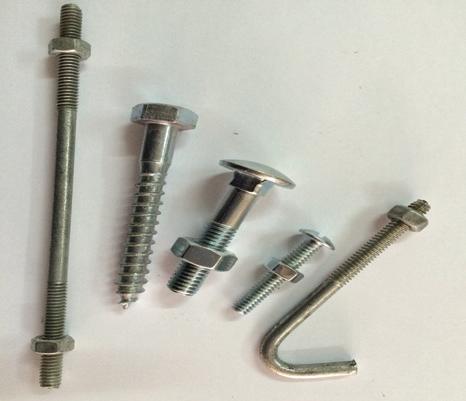
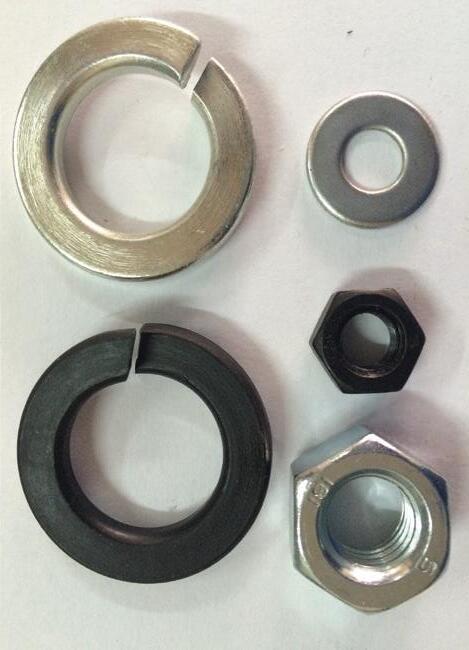
NHC was established by an Act of Parliament No. 45 of 1962. It was meant to be a centralized body which would deal with all aspects of the housing problem across the country. The aim was to improve housing conditions for the majority of the urban population, although it was not immediately clear how the massive amount of resources required would be raised.
The Act establishing NHC required it to construct houses or other buildings and carry out approved housing schemes. With inception of the five year plan (1964-1969), NHC was required to carry out minimum standard housing on a large scale and clear slum and squatter settlements to be replaced by development of modern houses. Modern houses were flatted accommodation of four to six rooms for multiple accommodations.
NHC was the first public body to be established by Mwalimu Julius Nyerere just a year after independence of Tanganyika as appreciation of Tanzanian’s need to have good settlements as one of the three basic human needs. The other basic needs cited by Mwalimu Nyerere were food and clothes.
Before 1973, when the Tanzania Housing Bank (THB) started, the NHC usedto get its funds for housing projects mainly from the Government of the Federal Republic of Germany (FRG) and government subventions.
From there on, it was supposed to carry out its projects using loans from thebank. The corporation could not cope with this new financing
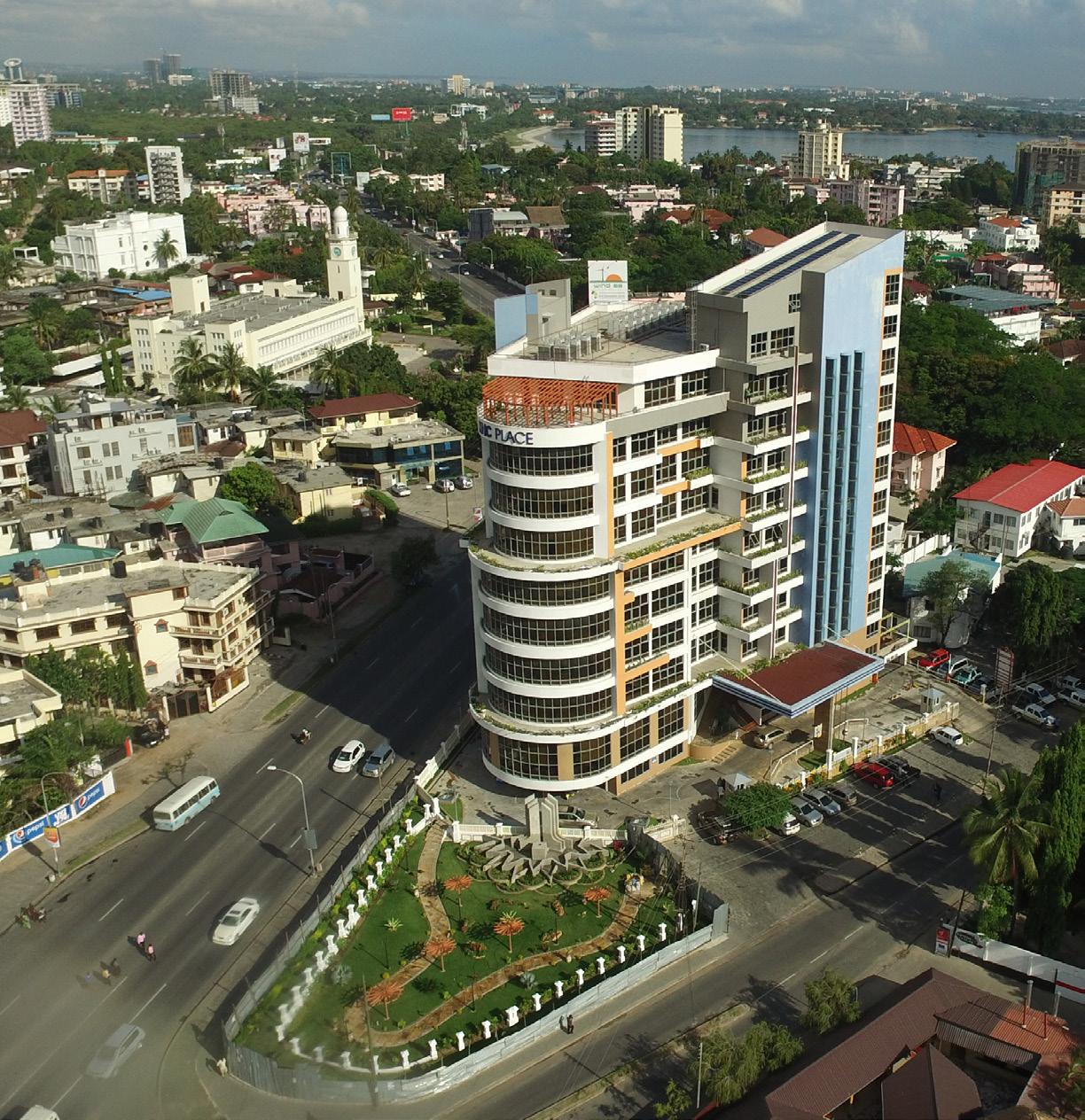
Before 1973, when the Tanzania Housing Bank (THB) started, The NHC used to get its funds for housing projects mainly from the Government of the Federal Republic of Germany (FRG) and government subventions.
system becauseit had to repay the loans with high interests which did not match the lowrental income it obtained from its rental properties and high administrative costs. Todate,National Housing Corporation accords priority to buildings for sale and very fewfor rental purposes.
From 1962-1975, NHC managed to construct 14,485 houses throughout the country, where most of them were built to replace slums with modern houses. About 90% of the houses built were low cost housing. In general term, NHC utilized 13% of its funding to finance the construction of the houses while the government provided 40% as subsidies and grants contributed to a total of 47% of the budget.
During the 70s and early 80s NHC failed to implement its intended task due to economic turmoil the world and the country faced despite being provided with grants and subsidies by the government and lenders. Sky rocketing oil prices in the world market and the Tanzania and Uganda war during Idi Amin rule reduced the government’s capability to subsidize the housing projects. In line with these crises many people were forced to migrate to the urban areas to seek a better life thus affecting the availability of houses to the urban population.
Due to the economic instability, the government and financial institutions were forced to adjust their economic structure; including suspending the provision of subsidies to the public institutions and NHC was not spared. Inflation also rose to 20% thus causing financial crisis for the NHC, hence reducing the construction of houses by
64%. NHC which was getting 80% of its income from its tenants was restricted from increasing rent inthe rent restriction laws no. 17 of 1984.
HOUSING PROGRAMME
NHC was reconstituted in 1990 through a merger of the National HousingCorporation (NHC) and the Registrar of Buildings (ROB) of 1971. ROB properties had been acquired by nationalization in the early 1970s and are
a mix of residential, commercial and a few industrial properties.
The Act forced the Registrar to take over all buildings which were nationalized by the government from the wealthy businessmen and individuals in urban areas all over the country. The two government entities were merged by the Parliamentary Act no.2 of 1990 to form one authority to solve the housing problems particularly in the urban areas.
The total number of units owned by NHC after the merger was 26,705. Approximately 5,000 non - performing assets have been disposed of to the sitting tenants since 1993. In order to ameliorate the situation, the Tanzania Parliament had to pass Act no.2 of 2005 to automatically enable NHC to run its business commercially in delivering housing. The Act necessitated the changes in the Tax Act leading to Land Act No. 4 of 1999, thereby restructuring housing sector in order to provide conducive environment on the development of the housing industry in Tanzania including prompt resolution of land and house disputes.
However, despite all the changes, the NHC was still unable to harness the potential of the restructuring process due to political and economic reasons.
The essence of the reformation of the laws in favour of the NHC and housing sector in general is to help significantly increase revenue collection from its tenants and also expand housing projects. The pace of construction cannot keep up with the great demand of approximately three million houses. The institution continues to face several challenges that include lack of credit facility for construction of houses and procurement of building materials coupled with strict rules for the NHC to get loans from financial institutions not to mention the low rents charged in its buildings compared to others landlords.

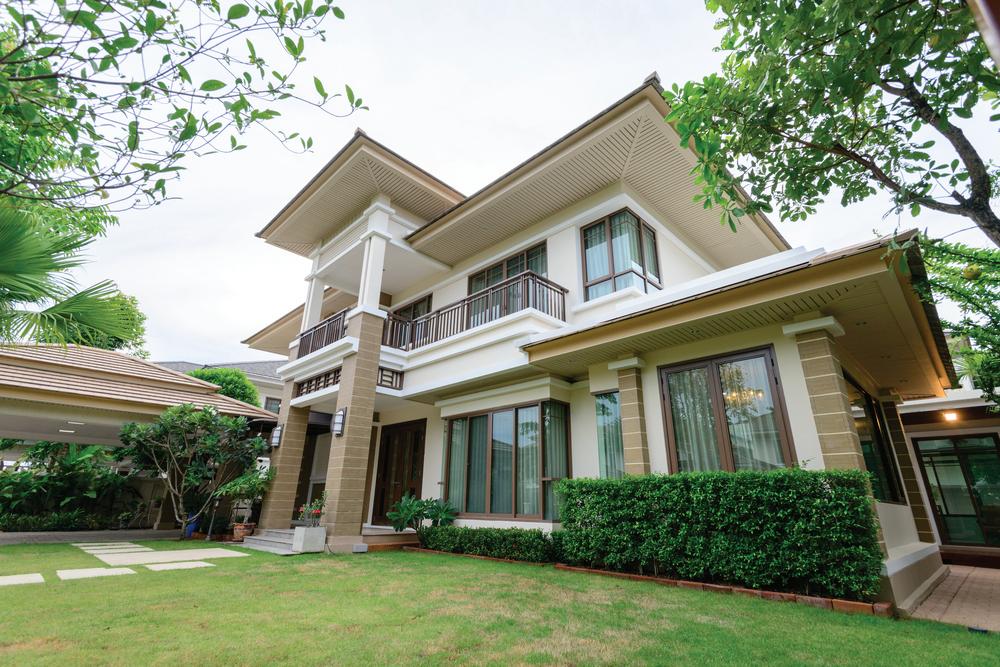

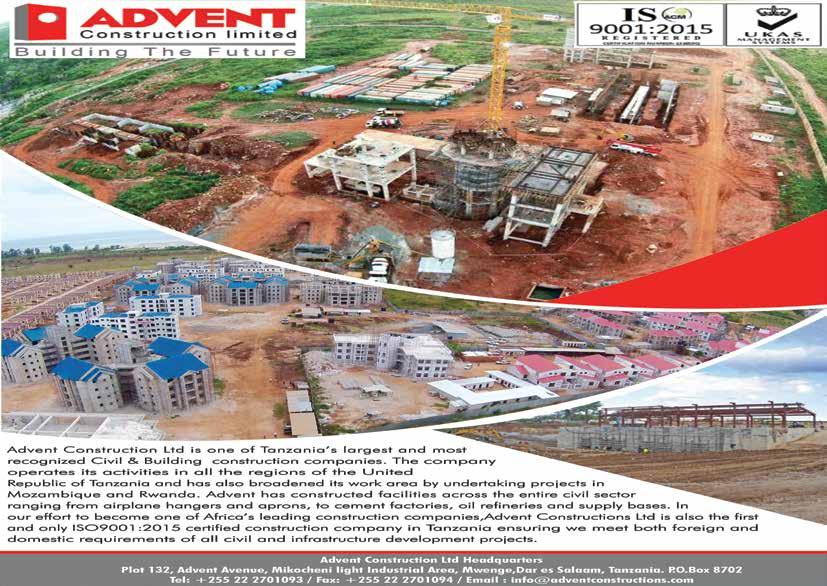
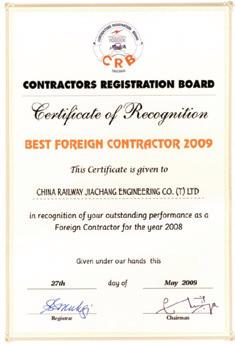
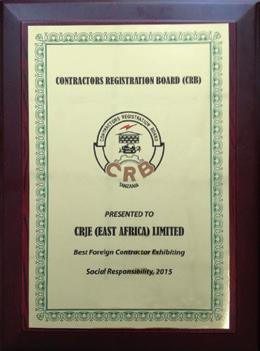

We, CRJE (East Africa) Limited, previously known as China Railway Jianchang Engineering Company Limited, was incorporated after the re-organization of China Railway Construction Engineering Corporation(directly under the Ministry of Railway of China) ,who have successfully executed the construction of the China aided Tanzania-Zambia Railway ,and registered with the Contractor’s Registration Board as a “CLASS 1” Contractor in the fields of Structural buildings, new construction of Railway lines, Investment of housing, Mechanical installation, Decoration, City planning etc. We are involved in design, execution and projects erection and supervision. We have permanent technical personals such as Engineers, Quantity Surveyors and Technicians trained specific to handle the activities carried out by our company. We have been issued by the ISO9001 of Quality Assurance System, ISO14001 for the Environmental Control System, and OHSAS18001 Health System.Our operation market has been expanded to cover Tanzania, Kenya, Uganda, Rwanda and South Sudan.

NYERERE BRIDGE AND ITS APPROACHING ROAD IN DAR ES SALAAM
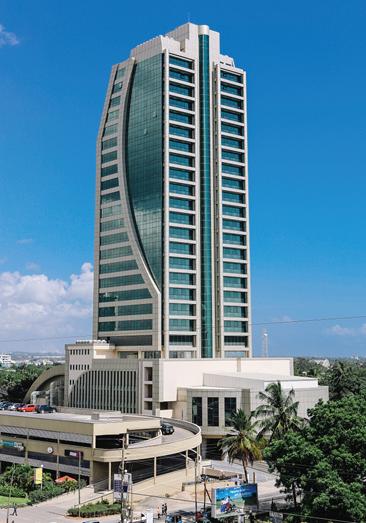
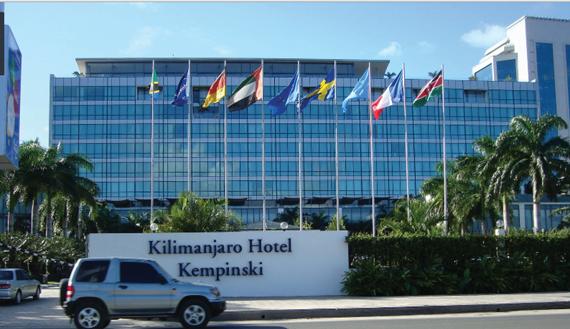
TOWER OF LAPF, DAR ES SALAAM
- Five Floors One Month
- Fastest Construction Record Maker
- Your all Infrastructures Service Provider
- The Leading Real Estate Developer in East Africa
- The Friendship Promoter between East Africa and China
- The Leading Luxury Hotel Construction Company in East Africa
- The Leading Construction Company of High Rise Building in East Africa

CRJE is also conducting a 66-million USD commercial complex within CBD area of Dar es Salaam -cooperating with the Mwalimu Nyerere Foundation.The project is 61,000 square meters build-uparea in total which includes a 256-rooms 5 star hotel, office, retail shops, parking and other facilities.
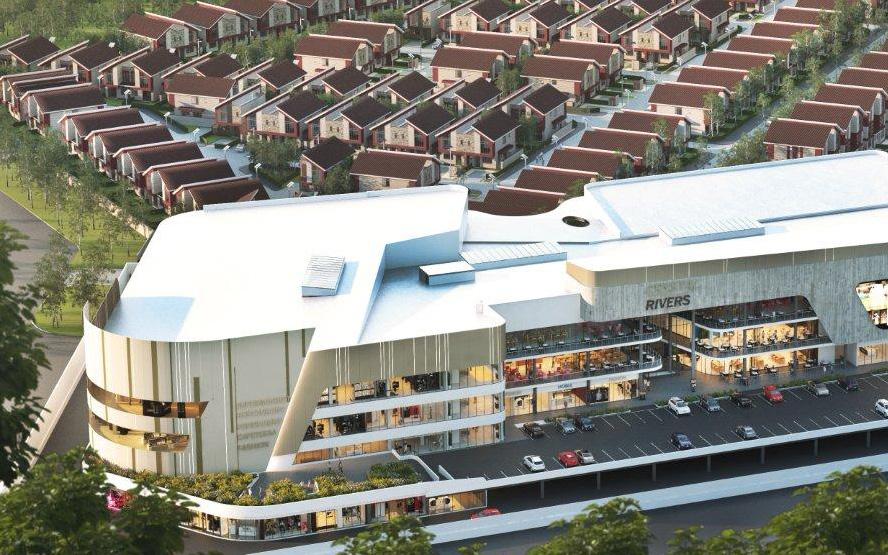
Safaricom Limited is Eastern Africa’s biggest commercial enterprise which manifests the winning possibilities of a partnership between local and global players. The affiliated Safaricom Staff Pension Scheme (SSPS) is one of Kenya’s largest and a prime player in the real estate sector. The Crystal River’s Mall & Gated Community (CRMGC) in Athi river, Machakos county is a Kes. 3.5 billion jewel-in-the-crown of SSPS’s grand ambitions, a 25 acre mixed-use development of 20,000 sqM lettable mall area that at once demands attention along Kenya’s main arterial thorough fare; the Mombasa-Nairobi highway that is a part of the great northern Cape-toCairo corridor. This is a focal landmark that articulates the rapid development story of Machakos county as a satellite of Kenya capital, Nairobi.
It was in this context that the client and lead consultants – Mutiso Menezes International of Kenya & Paragon Architects of South Africa–
sought a roof that would reflect the image, presence and functionality of this edifice.
Mabati Rolling Mills Ltd (MRM) did not disappoint. This was standing seam territory without a doubt. In their Newlok profile, MRM offered a perfect cover to match the class, safety and performance requirements at Crystal Rivers, indeed a new roof language for Kenya’s retail and prime commercial segment. Though Crystal Rivers was Newlok’s first major project deployment in Kenya, in MRM’s holding SAFAL Group lay the necessary pedigree steer such projects to success across any of the operative twelve East & Southern African countries. Their projects & operations teams dispensed with cross-borader transfer of the Newlok plant from its (then) Ugandan abode and mobilized at for profiling towards end 2017, having earlier supplied all the Colourplus steel coils. To deliver the immense promise of Newlok, the main contractor, the roofing subcontractor, the project consultants
and MRM worked well in tandem. Installation training for the contractor’s team and midwifing the installation process initially was given via an expert flown in from the group’s South African operation. The first of 22.3 metre long panels rolled off the mobile mill at 11.48AM on a cold, wet Saturday; the 18th of November to great excitement of the entire project construction team. Over the next fortnight, all sheeting to cover over 75% of the mall roof were ready as the installation team pushed hard to cover the over 8,000 square metres of roof area as finishing works held processing of the daunting 48.5M longest pieces for Zone C that would house the mall’s anchor tenant.
From initial baby steps, installation also gathered pace to cover over 70% of the roof area by new year, 2018. Newlok was now firmly part of Kenya’s mall aesthetic!
In Newlok, MRM introduces the construction project segment in Kenya to:-

The architectural aerial impression of the Crystal Rivers Mall & Gated Community, off MombasaNairobi highway, Athi river
• a standing seam, concealed-fix profile that is virtually leak-proof,
• can span up to 100 metres in single runs, eliminating the need for expensive, unsightly end-laps,
• possesses superior wind-uplift resistance to any other concealed-fix product regionally
• can be applied on roof slopes from a low of 1.5° off the horizontal with attendant design flexibility and
• promises a more aesthetic finish free of fastener dotting.
The great wheel of innovation at MRM continues to turn. With every cycle comes immense and industry-turning products and services which benefit the industry and our environment; the latter an area of considerable attention not just at MRM but for all stakeholders.
Following in the mantra of Kenya’s celebrated environmentalist and Nobel Laureate, the late Prof Wangari Maathai, all must focus on doing their ‘little thing’ for mother earth. At MRM, the next little thing constitutes metallic paint finishes with high solar reflectance, revamped rain-water harvesting and green energy installation systems that promise great rewards for green-energy and sustainable development experts.
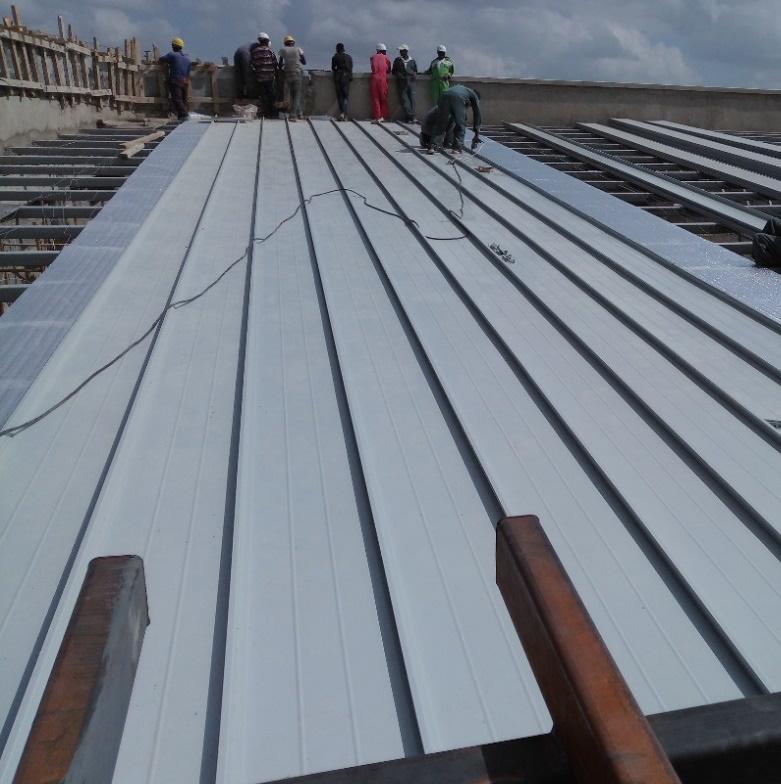
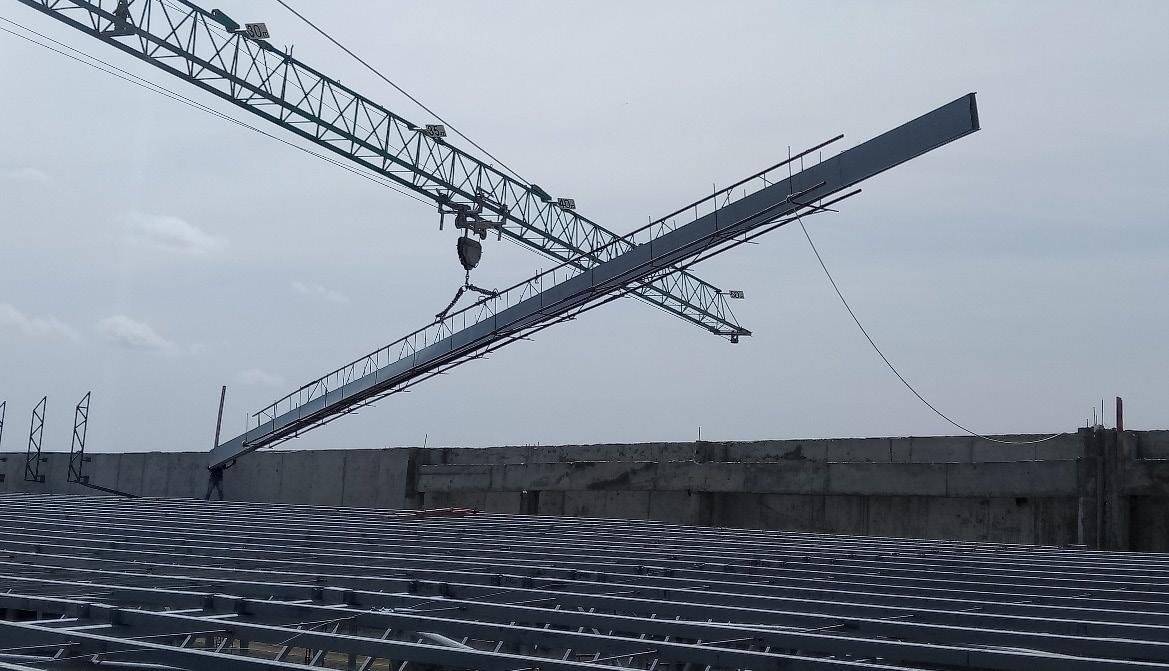
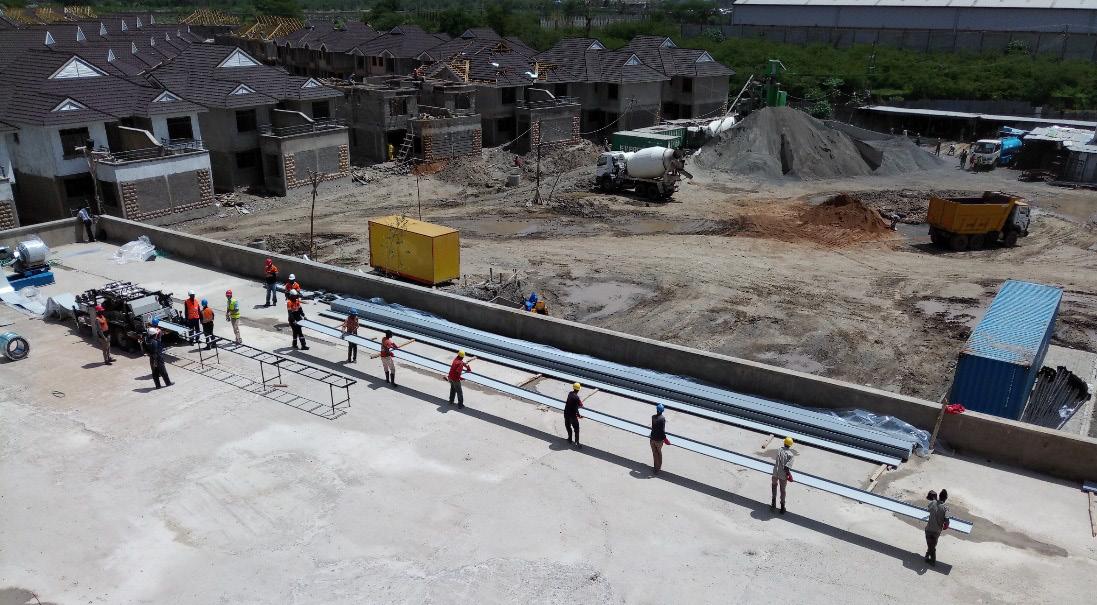
The first 22.3M long Newlok sheets in Kenya are site-profiled at Crystal Rivers, Athiriver
These and more are the stuff that puts gloss on MRM and SAFAL Group’s status as Africa’s largest roofing company.
VIVA MRM, VIVA SAFAL, VIVA NEWLOK!!!
The first 22.3M long Newlok sheets in Kenya are site-profiled at Crystal Rivers, Athi river


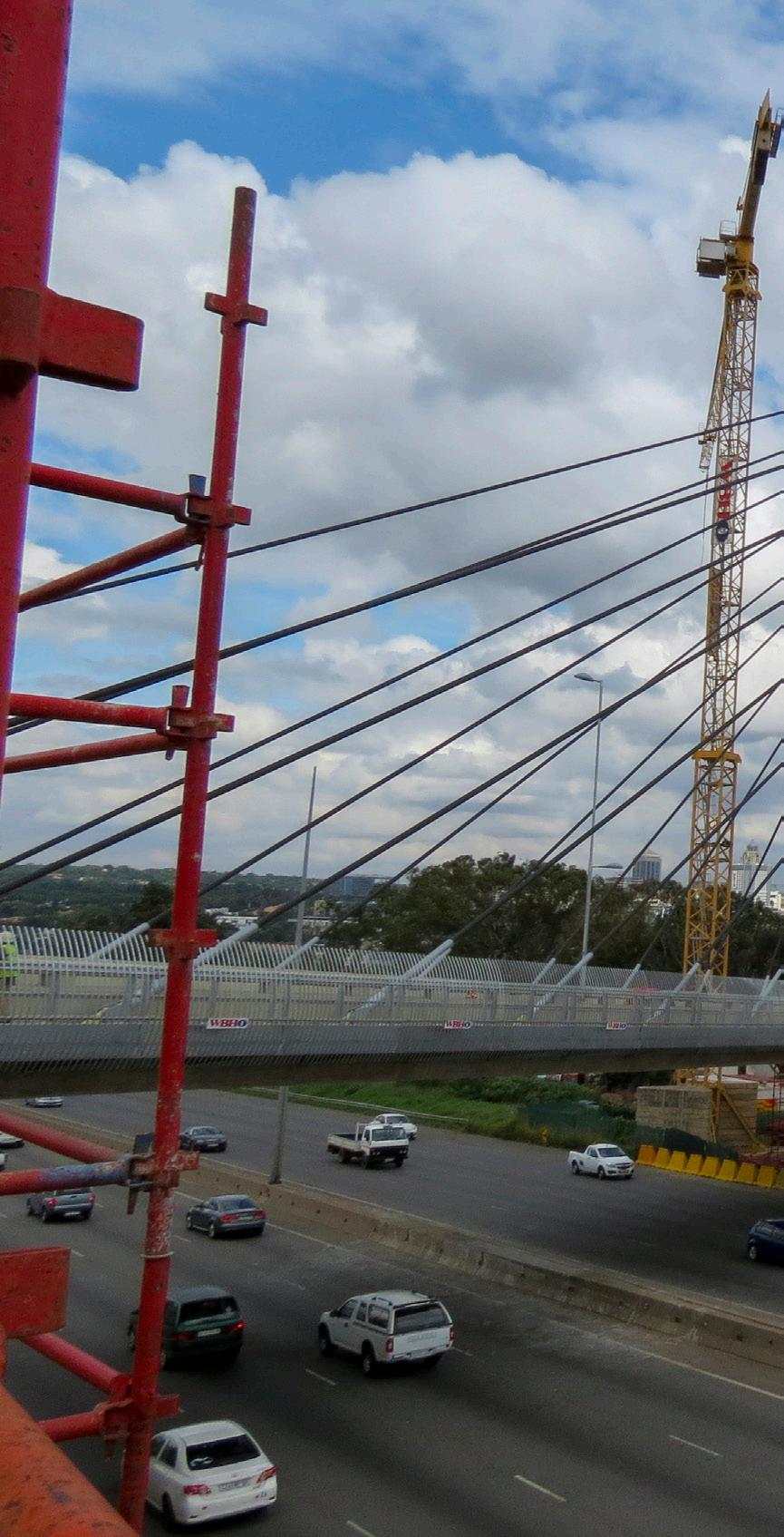
The Sandton Rea Vaya Bus Rapid Transit (BRT) project, for which Hatch, as the leading engineer, has provided design and construction supervision services, is nearing completion. This has been a particularly challenging project for the consulting engineer, as it involved both roadworks and an iconic cable-stayed bridge structure.

The Johannesburg BRT system, known as Rea Vaya, will link central Johannesburg, Sandton, and Alexandra. The Sandton section of the project is about 4 km in length, while the Louis Botha stretch is about 11 km. Apart from the iconic cable-stayed bridge over the M1 motorway, the project includes the major rebuild of the old two-lane Sandspruit Bridge, which could no longer accommodate the heavy traffic volume on Katherine Street between Grayston Drive and Marlboro Drive. This has subsequently been expanded to accommodate six lanes. The multi-million rand Sandton BRT bridge is, in fact, one of two new bridges being built over the M1 motorway between Alexandra and Sandton as part of the Rea Vaya network extension. The other, about
1.5 km south of the Sandton BRT bridge, is the cycling-pedestrian bridge that will run alongside the Grayston Drive bridge, according to the JDA.
The project was awarded to a Joint Venture (JV) partnership comprising Hatch, Royal Haskoning DHV, and Malani Padayachee & Associates (MPA). Hatch is the consulting engineer for the implementing agent - the Johannesburg Development Agency (JDA). The five contracts of the Sandton link are all being aligned for completion by end of April, and are being designed and supervised by Hatch exclusively. Cliff Weideman is Design Lead, Project Manager and Contracts Engineer on-site for Hatch. “Our scope of work focused on Section 8,
The cable-stayed bridge option was chosen partly because of its prominent position, but also for construction practicalities over South Africa’s busiest urban freeway.
which commences from the Gautrain Station in Sandton, down West Street and Katherine Drive, whereupon we cross the M1 motorway and rejoin Louis Botha,” Weideman highlights.
Construction commenced in March 2015, with the bridge itself largely completed in February this year. The new iconic landmark comprises the approach ramps, the cable-stayed bridge over the motorway, and the twin pylons climbing into the sky.
The cable-stayed bridge option was chosen partly because of its prominent position, but also for construction practicalities over South Africa’s busiest urban freeway. An architect was commissioned to develop the concept and aesthetic design, while Hatch carried out the structural engineering and detailed design. Commenting on the pavement specification used on the project, Weideman elaborates: “Obviously, the existing pavement cannot handle the bus loads, so we used a 150-mmthick bitumen treated base. In addition, at the BRT stations and intersection approaches, we used an open-graded asphalt containing cement. This is to strengthen the road surface, and make it more resistant to the acceleration and deceleration forces of the buses at the station.”
Hatch resident engineer, Trevor Nxumalo, explains that the western ramp for the Sandton BRT Bridge is about 1 km from Grayston
Drive, with the eastern ramp terminating on Lees Street in Alexandra. The ascending and descending ramp connections are supported by reinforced concrete bases that support the concrete cladding on the reinforced earth ramps on either side of the M1.
Accommodating the existing road infrastructure posed a major challenge, according to Nxumalo. In particular, with most of Alexandra and Sandton already highly developed, careful attention had to be paid to accommodating the new BRT lanes. In addition, there was existing water reticulation, electricity mains, and fibre optic cabling.
The first phase of the project was complicated by the fact that it was divided into five contracts, which meant five tender documents, adjudication reports, and five different sets of site meetings between the contractors involved. Relating to implementation, Weideman notes that the major challenges on this project have been traffic accommodation, relocation of services, and the involvement of SMMEs from the local community.
All in all, Weideman says, in general, it has been a good project. “This has been a fantastic project from an engineering point of view, as it encompassed roadworks, the iconic bridge, and related infrastructure, all in a live environment. It showcased our exceptional bridge design, project management, and construction supervisory capabilities,” he concludes.
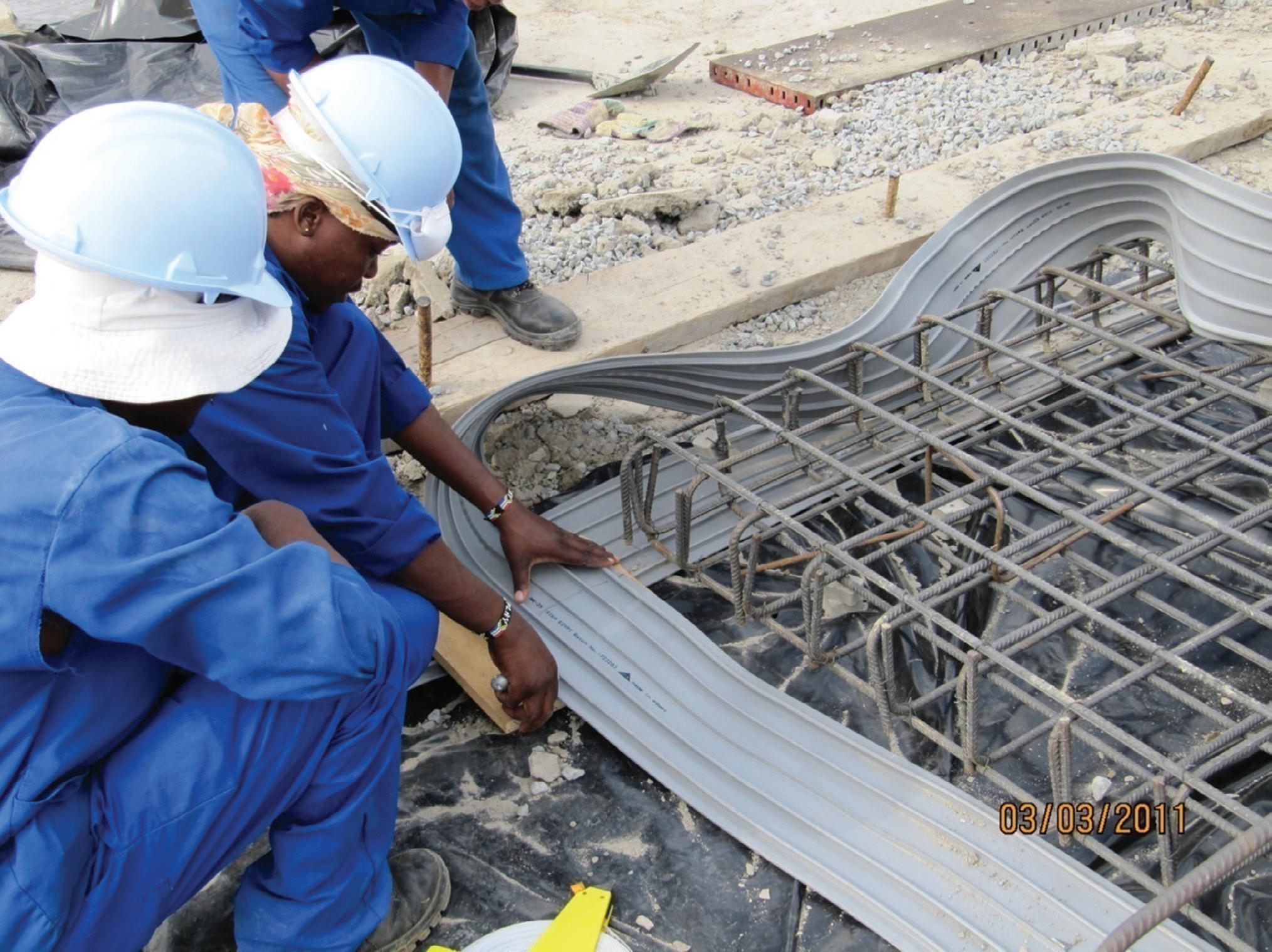


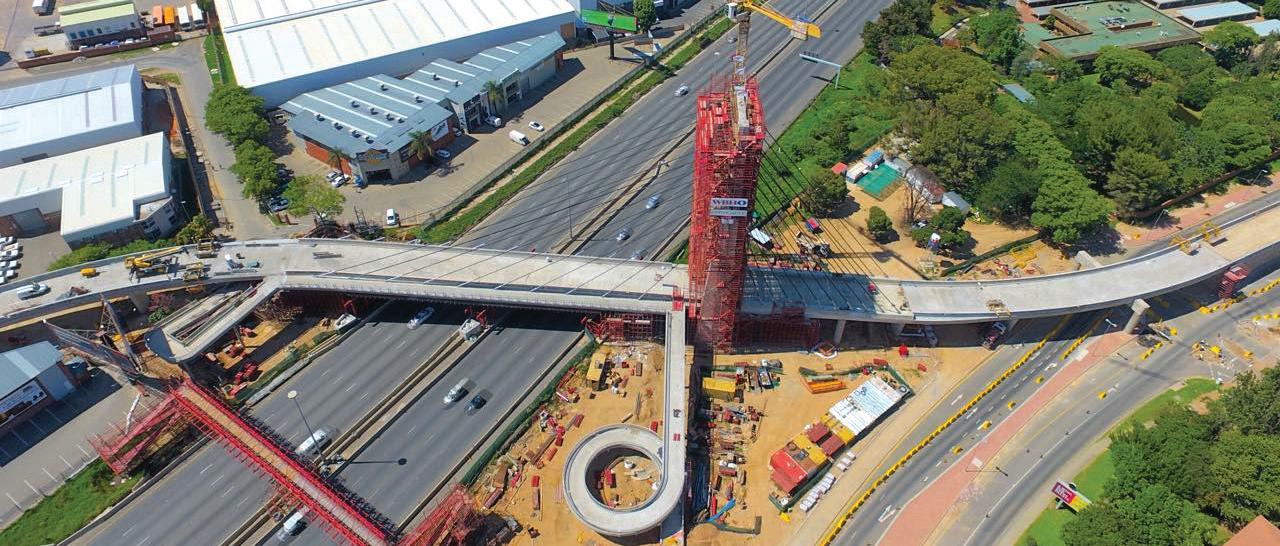

NEW STRUCTURES
a Cable-stayed structures
a Prestressing
a Construction methods
a Structural accessories
REPAIR
a Bridges and tunnels
a Buildings
a Water civil engineering structures
a Industrial structures
a Historic buildings