Since Construction Equipment Guide (CEG) last reported on Maine Department of Transportation’s (MaineDOT)
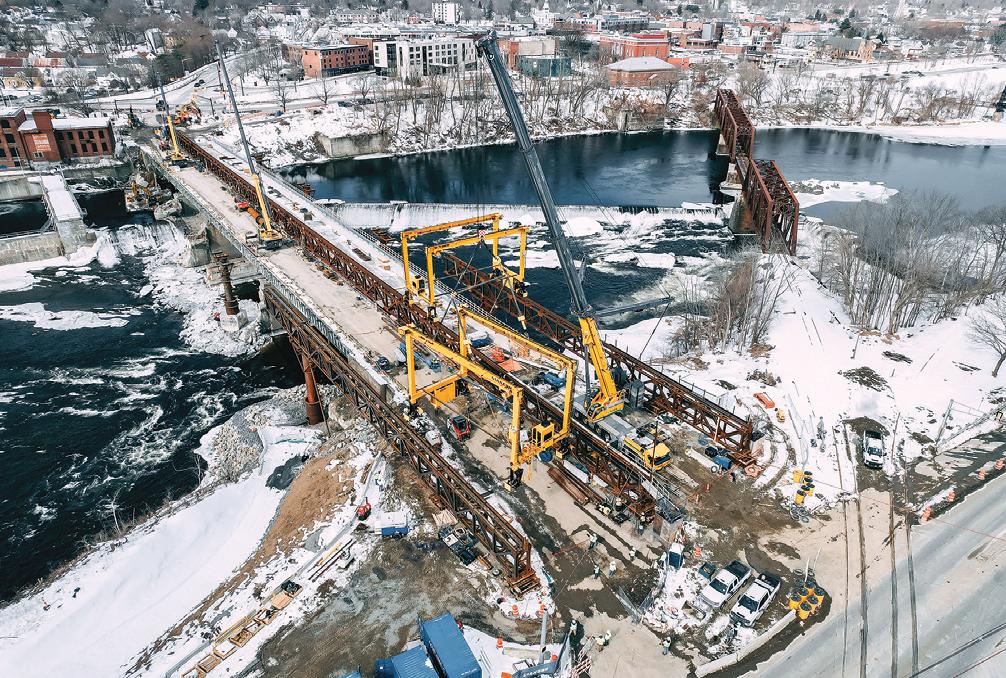
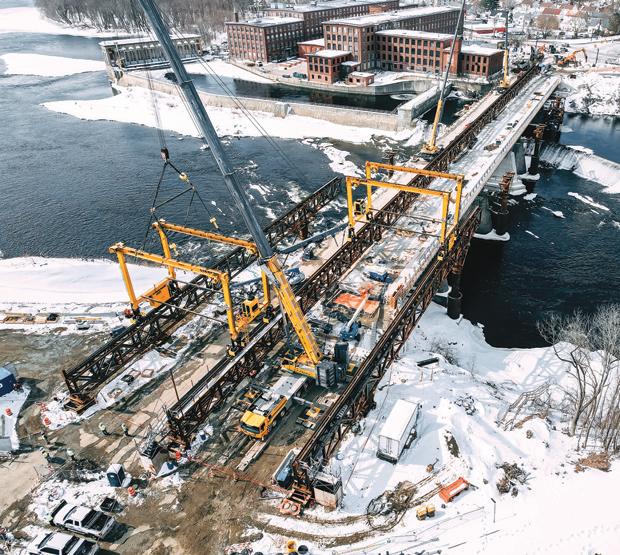
$52.85 million Ticonic Bridge Replacement Project in October 2024, Cianbro Corporation has advanced into Phase 2 of the initiative, which will link the communities of Winslow and Waterville, divided by the Kennebec River, with a targeted completion date of May 2027.
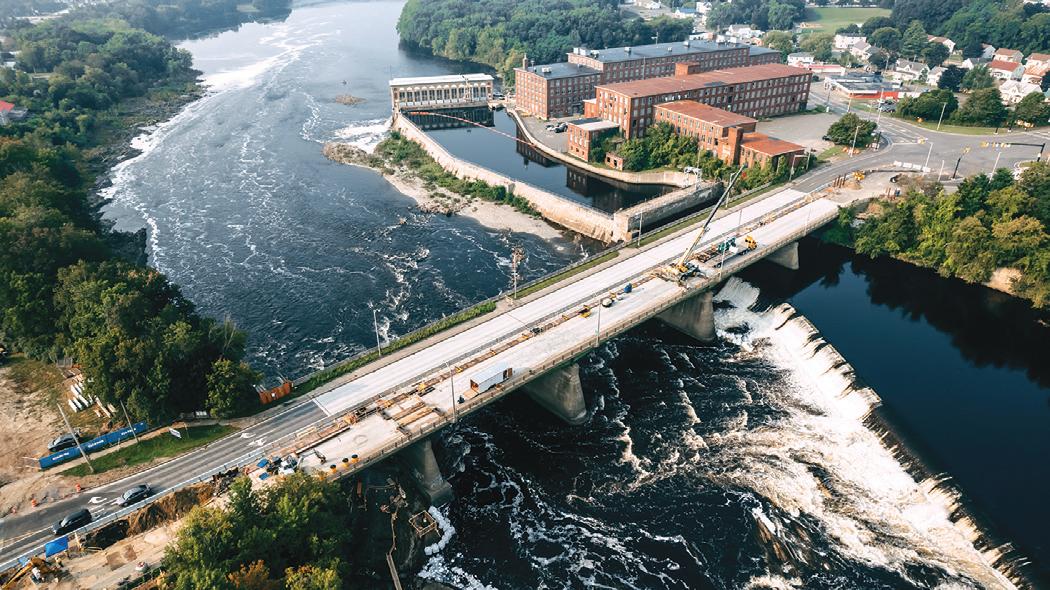
The new 566-ft.-long, five-lane bridge on Route 202 is being rebuilt on a new alignment as a two-span steel girder structure with a concrete bridge deck. A single concrete pier in the river and two abutments will support the new bridge. Streetscape improvements are designed to encourage walking and bicycling while enhancing the attractiveness and quality of life in the downtown area. These improvements include 5-ft. shoulders to accommodate bicycles, 6-ft. sidewalks for pedestrians and architectural lighting.
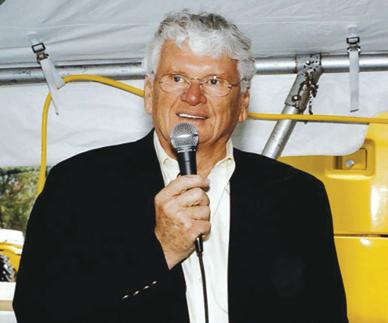
Robert S. Benard, 91, died on March 1, 2026.
He was born in Melrose, the son of the late Frank F. and Rose E. (White) Benard. Raised and educated in the Melrose School System, Mr. Benard graduated from Melrose High School, where he developed both his work ethic and his lifelong love of football.
Mechanically gifted from a young
age, Mr. Benard began working alongside his older brothers on cars and stockcars, eventually working at a nearby filling station throughout high school. That early hands-on experience sparked a passion that would shape the rest of his life. It led him to a position at a heavy equipment dealer, then joining
C.N. Wood photo
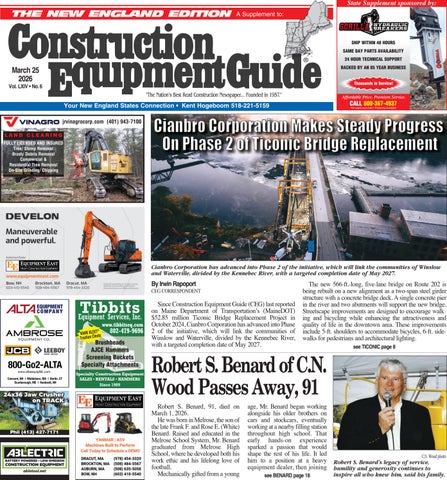
Cianbro Corporation has advanced into Phase 2 of the initiative, which will link the communities of Winslow and Waterville, divided by the Kennebec River, with a
OPRROOVVEN U WITH UPTI
PTIME IME KITS
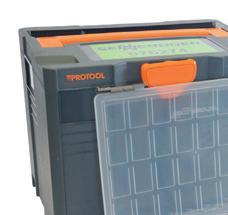
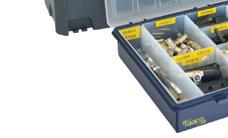
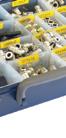
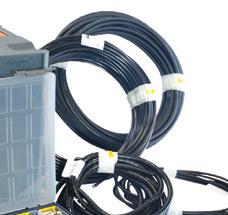
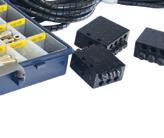
SENNEBOGEN, in kee philosophy to maxim created UPTIME Kits
eping with their mize uptime, has Whether you are a service technician i road, these kits have need for every service and PM task in one p created to save you t Managing hundreds o parts, from belts and and special tools bec single part number to n-house or on the everything you e, maintenance place. They were ime and money. of related service d nuts to O-Rings omes easy with a o order and stock
They are:
• Easy to order and ea t d t stock asy to s l
components and too
• Ideal for stocking se and trucks
Choose from the follo
• Central lubrication
• Preventive mainte
• O-Ring kits
• Electrical service k
• Hydraulic service k And the best thing is in stock and ready to built to match your m and series. Count on in-house. For more in UPTIME Kits, scan th s that these kits, go, are custommachine model SENNEBOGEN nformation on he QR code.
Hydraulic service k :kits shops ols ervice owing kits system kits nance service kits its kits
C BEYOND E H HE HIN D T MA virtual I ntime losellyt
NO North our in parts com with customers maxim commitment h about more Read ontract Demolition C st in parts repair the have virtu and I machine another in If back. to front every come t a have They echnician machine, wntim warehouse. American ready-to-ship of inventories plete for uptime izes aftersale Machine” he “Beyond our ow , Bloomfield Hills, MI or quickly. back unit the g I k they Since do no lose ally bring just [they] situation, a have I over go to month a once through wntime… ock. get theSENNEBOGEN
Equipment East Names Territory Sales Manager in Mass.
Equipment East has expanded its sales team with the addition of Patrick McDonald as territory sales manager, covering Bristol and Norfolk counties in Massachusetts.
McDonald, who joined the company at the beginning of January 2026, is based primarily out of Equipment East’s Brockton, Mass., branch and will work closely with contractors throughout the region.
McDonald brings eight years of construction equipment sales experience to his new role, with a background focused on helping contractors select the right machines and support solutions to keep jobs moving. Prior to joining Equipment East, he worked in a similar territory sales role for a major equipment dealer, gaining extensive experience in both new equipment sales and rental support across eastern Massachusetts.
In his current position, McDonald represents Equipment East’s full equipment lineup, including DEVELON excavators and wheel loaders, Yanmar compact equipment, ASV compact track loaders, Ammann compaction equipment, Chicago Pneumatic tools and breakers, Ramfos hydraulic hammers and a broad range of supporting products. While his primary focus is contractor sales, McDonald also will work closely with Equipment East’s internal teams to ensure
customers receive timely parts, service and rental support.
“My goal is to be the first call my customers make,” McDonald said. “Whether it’s purchasing a new machine, lining up a rental, expediting a part or helping coordinate service, I want to be the guy who helps get it done.”
McDonald emphasized that the role of a territory sales manager extends far beyond selling iron. He frequently acts as a liaison between customers and Equipment East’s parts and service departments, helping resolve urgent issues and minimize downtime — a critical concern for contractors.
“You’re only as good as the team behind you, and the parts and service departments here are second to none,” he said. “I’ve already seen emergency rentals turned around in a matter of hours. That kind of responsiveness is rare in this industry.”
Equipment East has expanded its sales team with the addition of Patrick McDonald as territory sales manager, covering Bristol and Norfolk counties in Massachusetts.
Serving Massachusetts and New Hampshire, Equipment East operates multiple locations, with its headquarters in Dracut, Mass., and additional branches in Brockton, Auburn and Bow, N.H. The company maintains one of the largest rental fleets in its market area and is known for its ability to quickly mobilize equipment when customers face unexpected needs, weather events or equipment failures, the company said.
“Downtime is the silent killer for contractors,” McDonald said. “If we can mitigate that — whether through rentals, fast service response or even swapping machines when something goes down — that’s real value for the customer.”
He also pointed to Equipment East’s ownership and leadership as a differentiator, highlighting a culture that prioritizes long-term relationships over short-term transactions.
“They genuinely care about their customers and they back it up with action,” McDonald said. “That kind of commitment is something contractors feel, and once they experience it, they don’t go anywhere else.”
A lifelong automotive enthusiast, McDonald spends his free time restoring and working on classic cars, with projects spanning multiple manufacturers and eras.
McDonald said he is excited about the opportunity to grow new relationships while continuing to support Equipment East’s established customer base. “I’m proud to represent this company,” he said. “The opportunity here is huge, and I’m excited about what we can do for contractors in this market.” CEG
CTDOT Announces Rail Freight Infrastructure Program Awards
The Connecticut Department of Transportation (CTDOT) announced the award of $20 million in grants through the Rail Freight Infrastructure Program, supporting projects that enhance safety, expand capacity and strengthen the long-term reliability of Connecticut’s freight rail network.
These new grant awards also are supplemented by nearly $4 million in private railroad investment, reflecting the strong public private partnerships that are central to maintaining an efficient statewide freight system. Together, these combined investments will help reduce highway congestion, support economic growth and improve freight mobility across Connecticut, according to CTDOT.
“Connecticut’s freight rail network is moving essential supplies and goods across the region that people and businesses rely on every day,” said Gov. Ned Lamont. “A strong economy depends on reliable infrastructure, and that’s exactly what these investments deliver. These grants reflect our strong partnership with the freight railroads and our shared commitment to safety and reliability.”
“Improving the state’s freight rail infrastructure is a critical component of strengthening Connecticut’s economy,” said Connecticut Department of Transportation
Commissioner Garrett Eucalitto.
“Investments in freight rail make the supply chain more resilient, create jobs and establish a strong system for future commerce. These improvements will allow more freight to be moved safely and more quickly, while reducing highway congestion and air pollution. I look forward to the continued partnership with the freight railroads as we keep the state’s and region’s economy moving forward.”
According to the American Association of Railroads (AAR), 2.6 million tons of freight originated in Connecticut in 2023, and another 1.6 million tons terminated in the state. Railroads in Connecticut move essential commodities including stone and aggregate, agricultural goods, municipal solid waste, construction materials, fuel products, metals, paper, heavy equipment and intermodal containers.
The Rail Freight Infrastructure Program grants awarded include:
• Connecticut Southern Railroad (CSO): $4,463,668. Work includes structural repairs to the Connecticut River Freight Bridge, a critical link whose rehabilitation will extend the life of the structure. CSO also will replace four grade crossing surfaces in East Hartford to enhance railroad and motorist safety, replace worn turnouts and
rail in its Hartford yard to improve switching operations and replace rail in Wethersfield to support more reliable train movements.
• Housatonic Railroad Company (HRRC): $2,636,382. Work includes replacing two grade crossing surfaces in New Milford, which will enhance railroad and motorist safety, as well as replace deteriorated ties along its corridor. The tie replacement, combined with ballast and surfacing work, will enhance the overall state of good repair of the line and reduce the risk of derailments.
• Naugatuck Railroad (NAUG): $4,571,673.30. Work includes a series of improvements including the replacement of four grade crossing surfaces in Torrington and upgrades to two crossing signals, both of which will significantly improve roadway safety. NAUG also will replace older worn rail, install new ties and switch ties, and construct a new customer turnout and a new public track turnout. Additional work includes adding new car storage track and replacing bridge ties. These projects will increase operational flexibility and support the railroad’s customer base.
• New England Central Railroad (NECR): $1,563,689. Work includes grade crossing improvements in Franklin and Windham, relocation of signal infrastructure, replacement of worn rail, and both bridge tie
and structural bridge repairs. These investments will improve safety, support higher capacity rail movements, and extend the useful life of key assets on the line.
• Providence and Worcester Railroad (P&W): $4,911,520. Work includes the replacement of rail on the Wethersfield Secondary, enabling it to accommodate 286,000-lb. freight cars, the current national industry standard. This upgrade will allow shippers to move more freight per railcar, improving efficiency and reducing transportation costs. P&W also will replace four grade crossing surfaces in Wethersfield and replace ties and switch ties with ballast and surfacing, strengthening both safety and reliability.
• Pan Am Southern (PAS): $1,853,047. Work includes rail replacement, bridge tie work, upgrades to crossing warning devices, and turnout improvements. These investments will enhance both train handling and public safety while improving the long-term performance of the corridor and complementing the railroad’s planned work.
Authorization of the funding for the Rail Freight Infrastructure Program is based on Connecticut General Statute §13b-236, with the state legislature approving $20 million in grant funding for this award cycle.
Designed by HNTB Corporation, the bridge features modern crashworthy bridge rails and corrosion-resistant construction materials intended to ensure a minimum lifespan of 100 years.
Prefabricated materials include steel girders up to 150 ft. long, weighing as much as 135,000 lbs., 96,000 lbs. and 51,000 lbs.
By October 2024, Cianbro crews had constructed the twolane section on the north side of the bridge and poured the deck that fall.
“This was a milestone for us, just beating the cold weather,” Tom Senior, Cianbro’s project manager, told CEG. “We also placed the concrete sidewalks and continued completion of the Stage 1 superstructure.”
Other completed elements at that time included bridge demolition, abutment construction and the start of temporary access installation.
The two-stage project replaces one-half of the bridge at a time.
In January 2025, Cianbro implemented its first full bridge closure to begin demolition work for Stage 2, which is scheduled to be finished this June.
“The first thing we did was the demolition of the old concrete arch, which began during the full closure between Stage 1 and Stage 2,” said Senior. “The demolition started from the top, along with excavation of the soil inside the arch and removal of the remaining utilities.”
J.E. Butler LLC was brought in to demolish the 600-ft.long concrete arch bridge. To remove the soil, the subcontractor used large Komatsu excavators and dump trucks to transport debris.
“They were staged on top of the Stage 2 deck where traffic was closed,” said Senior. “They removed the debris, loaded it into dump trucks and disposed of it.”
Once excavation was under way, crews began tackling the arch walls using excavators equipped with pulverizing heads.
“Once they reached the arch floor, they started using a hydraulic hoe ram to hammer the arch as much as possible,” said Senior. “The arch was known to be pretty unstable. The plan was to demolish it as much as possible from the top. At some point we knew the structure would fail and fall below — and that’s what happened to each of the four spans.”
Crews installed several protection systems below the structure and along the riverbed.
“We had a new pier that we constructed, and it was protected using traditional timber crane mats and rubber blasting mats to prevent damage to the new concrete bridge pier,” Senior said. “We also had a new Shugart barge built from several sections of barge pieces in the upper impoundment area behind the dam to catch debris from the arch.”
Extensive planning was required to safely bring down the arch, which was completed in January 2025.
“It was one of the pinnacles of the project,” said Senior. “From the time of the bid, we recognized this operation as one of the major challenges because of the unknowns. The plan was to stay clear from a safety perspective while the arch fell.”
Cianbro worked closely with J.E. Butler to plan the approach.
“It was great to work with J.E. Butler from day one and plan this operation,” Senior said. “We held regular meetings with our most experienced Temporary Construction
The new 566-ft.-long, five-lane bridge on Route 202 is being rebuilt on a new alignment as a two-span steel girder structure with a concrete bridge deck.
Structures Group and engineering design team members. Those discussions ensured the arch was brought down successfully.”
To assist with the demolition, Cianbro supplied a Cat excavator and hydraulic cranes.
Debris was removed by excavators and trucks traveling along a temporary access road across the river.
“The riverbed is generally bedrock and quite frequently exposed due to water elevation controlled by the dam’s operations,” said Senior. “The temporary access road was built using riprap and concrete debris from the arch. We also had a temporary bridge across the main channel.”
Both structures were constructed in accordance with environmental restrictions to protect Atlantic salmon and sturgeon.
“The bridge allowed us to bring equipment to the work site as did the temporary causeway, which we have operated since last September,” said Senior. “It supports the demolition work we are conducting this season for the existing piers below.”
Between April and August, the temporary causeway cannot be used due to water work restrictions. From Sept. 1 through March 31, crews can access the riverbed, which is essential for demolition operations.
“Since last September, we built the rest of the temporary causeway and installed a temporary bridge across the main channel,” said Senior. “We then moved concrete debris and clean rock that we imported. J.E. Butler then began demolishing the existing piers.”
The channel bridge built by Cianbro crews uses 79-ft.long girders and is covered with timber mats. Approaches were built with concrete blocks and large riprap.
For roads on either side of the bridge, Cianbro and J.E. Butler used Cat, Hitachi, John Deere and Komatsu excavators, along with trucks. A GHC 130-ton hydraulic crawler crane and additional cranes lifted and placed the bridge beams.
Cianbro places a strong emphasis on safety. Senior highlighted the temporary access road as an example.
“It is the closest to the water that we are working,” he said. “We have life rings and rescue boats available at all times, air horns in the event someone falls into the water, and a direct line of communication with the company that manages the flow of the river from the dam. We coordinate every morning regarding anticipated river flows.”
If water levels are expected to rise, crews are notified in advance.
“We also have safety boats, conduct regular water rescue drills and have a protocol to call 911,” Senior said. Crew members are required to wear life vests when working close to the river. Construction teams working above the dam follow the same safety regulations.
“Working adjacent to a dam can be dangerous when the turbines are operating because the suction at the gates can be fatal,” said Senior. “Every day we hold a morning meeting to discuss project activities and safety issues. There is constant communication.”
The project generally operates on a day shift schedule, with crews working year-round.
“Working in winter is one of the challenges we face when using temperature-sensitive materials like concrete,” Senior said. “We use forced hot air heating units and ground heaters to ensure the concrete is placed and cured according to specification and at the correct temperature.”
Cianbro primarily uses a 4,000-psi concrete mix for bridge decks and other concrete elements. Suncoast Reinforcing is installing the rebar.
Cianbro has been a leader in Maine’s construction industry for 76 years.
“Our relationship with MaineDOT is a long-standing one,” said Senior. “We work together closely, and especially on this project the relationship between our team and theirs has been great. We collaborate regularly and communicate
Phase Two Begins On Maine’s Ticonic Bridge Replacement
TICONIC from page 8
constantly. We share the goal of finishing the project safely without incidents and delivering a quality bridge.”
Cianbro completed work on the north side of the bridge once the arch demolition was finished. This required moving two Mi-Jack Products rubber-tired gantry cranes to the deck site. Keeley Crane, a Maine-based subcontractor, used a 500ton crane to lift and reposition the gantry cranes.
“We lifted the units, rotated them and set them down for the second phase,” said Senior. “We rotated them to keep the operator’s cab in the center, where access is best for exiting the gantry crane in an emergency. We have a long-standing relationship with Keeley Crane, and Cianbro Equipment & Logistics works closely with their team.”
Stage 2 Progress
Stage 2 work is moving forward. All remaining steel on the Stage 2 side was placed last summer and fall. The second bridge deck closure placement on the downstream side also has been completed, and crews installed sidewalks and curbs. Railings are now in place.
“This winter the team has been advancing with demolition of the base and removal of the piers, and the temporary causeway is in the process of being removed by the end of March,” said Senior. “All concrete work on the bridge is targeted to be completed in March. We have one deck placement remaining between the two phases — a three-footwide strip to bridge the gap between the two bridge decks.”
This work requires close coordination between the field team and the engineering staff, led by Senior Design Engineer Joe Orlando.
“We coordinate with our survey department and quality control team to ensure everything is located correctly and that materials meet specifications,” said Senior. “We also make sure the crews on the bridge have everything they need.”
Following completion of the bridge structure, removing temporary access systems will be a key step.
“We have a SafeSpan Fast-Flange access system installed between each girder that allows the team to walk underneath the bridge while completing finishing work, inspecting the underside and removing forms and panels,” said Senior. “Removing the access platform will be one of the final major steps in completing the bridge construction.”
Cianbro’s earthwork subcontractor, Ranger Construction, is expected to mobilize this spring to complete the remaining earthwork scope.
The project management team includes Senior Project Engineer Joe Marshall and superintendents Craig Holmquist and Clifford Albert.
“It’s a very positive group,” said Senior. “We all work together and focus on safety every day. Everyone is constantly looking for solutions and following the motto that ‘no one in this room is smarter than all of us.’”
The project also includes a younger workforce gaining experience from seasoned leadership.
“We have a young crew on this project guided by experienced leadership that is helping develop their carpentry, ironwork and equipment operation skills,” Senior said. “They’ve been working very hard in the field, following our safety principles and working together to do things right. Sometimes winter weath-
er makes it difficult, but they show up every day and give it their all.”
At peak activity, approximately 50 Cianbro employees and 10 subcontractor team members were on site.
Demolition and excavation operations are expected to
generate more than 8,000 cu. yds. of concrete debris. Cianbro maintains an internal equipment team whose mechanics service equipment both in the shop and in the field.
“There were times when they were here daily to repair equipment,” said Senior. “Our headquarters is about 25 miles from the job site. We’re experiencing normal wear and tear, especially with excavators. Two mechanics also worked regularly on our Mi-Jack gantry cranes. We work with Mi-Jack to obtain parts for hydraulic and electrical issues and to develop solutions that minimize downtime.”
Cianbro has a long history with the Ticonic Bridge.
“After more than 110 years of service, the Ticonic Bridge is being replaced due to structural deterioration,” a March 2025 Cianbro web page stated. “The new bridge is designed to last a century. The original steel truss bridge was built in the 1800s, followed by a concrete deck arch bridge. Damage during the 1936 flood led to repairs and widening. In 1970, Cianbro participated in another widening project. More than 50 years later, MaineDOT determined full replacement was necessary.”
Senior, who is witnessing the demolition of the existing bridge, said the previous work completed by Cianbro remained impressive.
“It was top-notch and in good condition for its age,” he said. “The concrete was in great shape, but the steel was starting to wear and the bridge deck was showing signs of deterioration.” CEG
(All photos courtesy of Cianbro Corporation.)
The project generally operates on a day shift schedule, with crews working year-round.
At peak activity, approximately 50 Cianbro employees and 10 subcontractor team members are on site.
NEW! Next Gen Crawler Excavators
Robert S. Benard, 91, Longtime Leader of C.N. Wood, Dies
with a small, struggling company with a contract to become an owner.
This was the birth of C.N. Wood Co. Inc. Within just two years, Mr. Benard and his partner, Paul McCarthy, were able to purchase the business. Over the next six decades, it has transformed into one of the most respected construction equipment dealers in the region. Under his leadership, the company grew to nine locations across Massachusetts, Connecticut, Rhode Island, New York and Maine, employing nearly 200 people. Mr. Benard spent 58 years guiding the company, assisting contractors and municipal clients with sage advice, dependable equipment and unwavering support.
Mr. Benard spent 58 years guiding C.N. Wood, assisting contractors and municipal clients with sage advice, dependable equipment and unwavering support.
Known for leading with his heart as much as his business sense, he built lasting partnerships and friendships that spanned generations. A true definition of a hard worker, Mr. Benard was often found at the yard on Saturdays, and sometimes Sundays, making sure every machine leaving the lot was ready to perform. Beyond his business success, Mr. Benard believed deeply in giving back. He supported trade organizations through scholarships and educational opportunities, quietly helped local charities and was known to many families in the Woburn and Burlington communities as a generous and anonymous “Secret Santa.”
His legacy of service, humility and generosity continues to inspire all who knew him, said his family. He was a founding member of NBM highway association, a member of Massachusetts Highway Association, UCANE, APWA-NE and many other industry associations. Mr. Benard was a member of the Ancient and Honorable Artillery Company of Massachusetts and member of the Wyoming Lodge of freemasons in Melrose.
Despite his remarkable professional life, Mr. Benard’s greatest pride was always his family. He shared a devoted and loving marriage with the love of his life, Paula (Toomey) Benard. The two met in high school and quickly became inseparable, the family said. Together, they built a life rooted in love, hard work and shared purpose, raising their children with steady guidance and devotion. Mr. Benard often credited his wife, Paula, as his strength and partner in every success and together, they ensured their fam-
ily always had what they needed and felt the security of their unwavering support. He enjoyed watersports, skiing, snowmobiles and relaxing on numerous boats, and a wonderful compound of homes. When not working, Mr. Benard was happiest with a project in front of him — building a go-cart, repairing bicycles and mini-bikes, golfcarts, building beaches and clearing the ice for winter skating. Even later in life, he would climb into his mini-excavator to transform the landscape at his Alton, N.H., property, to an artfully created natural environment. He also enjoyed watching football, a passion dating back to his playing days at Melrose High, and he took delight in analyzing coaching strategy and play-calling rather than just the action on the field.
Mr. Benard was predeceased by his brothers, Ernest S. Benard and Edward H. Benard; and a brother-in-law, Levon Maserian. He is survived by his wife, Paula (Toomey) Benard of Burlington; Debra Del Dotto and her husband, Ronald of Burlington, Paula Benard of Burlington and Cheryl MacIver and her husband, Dana of Burlington and Alton, N.H.; a sister, June Maserian of Haverhill; grandchildren, Paula Merva and her husband, Martin, Kelly Piper, Eric MacIver and his wife, Lauren, and Kristen MacIver and her fiancé, Shawn Power; three great-grandchildren, Piper Rose Merva, Alton Robert Merva and Hudson Arthur Merva.
In lieu of flowers, contributions in his memory may be made to People Helping People Burlington, P.O. Box 343, Burlington, MA 01803 or at peoplehelpingpeopleinc.org Condolences to his family may be made at www.sullivanfuneralhome.net.