K12 Digest www.k12digest.com is a global knowledge sharing digital platform published by Connecta Innovation Private Limited. All rights reserved. The opinions expressed in the content and pictures provided are those of the authors. They do not purport to reflect the opinions or views of Connecta Innovation Private Limited or any of its members and we do not assume any responsibility. The publisher does not assume any responsibility for the advertisements, its content, pictures, and all representation of warranties made in such advertisements are those of the advertisers and not of the publisher. K12 Digest www.k12digest.com is a Free Subscription and Free-to-read digital platform strictly not for sale and has to be strictly for internal private use only. Publisher does not assume any responsibility arising out of anyone modifying content and pictures, printing a copy of this digital platform in any format and in any country and all matters related to that.
The Work No One Sees, Yet Everyone Feels
In education, the most important work rarely comes with applause. It happens long before the school gates open and long after the corridors fall silent. Safeguarding protocols refined line by line. Governance meetings that stretch late into the evening. Accreditation reports reviewed with a red pen and an even sharper sense of responsibility. As editors and educators, we often celebrate innovation, results, and rankings, but the truth is simpler and tougher. School quality is shaped by hundreds of small, disciplined decisions made quietly, consistently, and without fanfare. Having spoken with school leaders across regions, one pattern stands out. When these foundations are weak, no glossy curriculum or smart classroom can compensate. According to global accreditation bodies, governance and safeguarding lapses remain among the top reasons schools face compliance challenges, a reminder that excellence is built from the inside out.
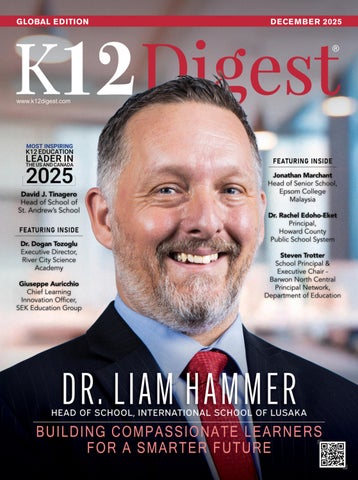
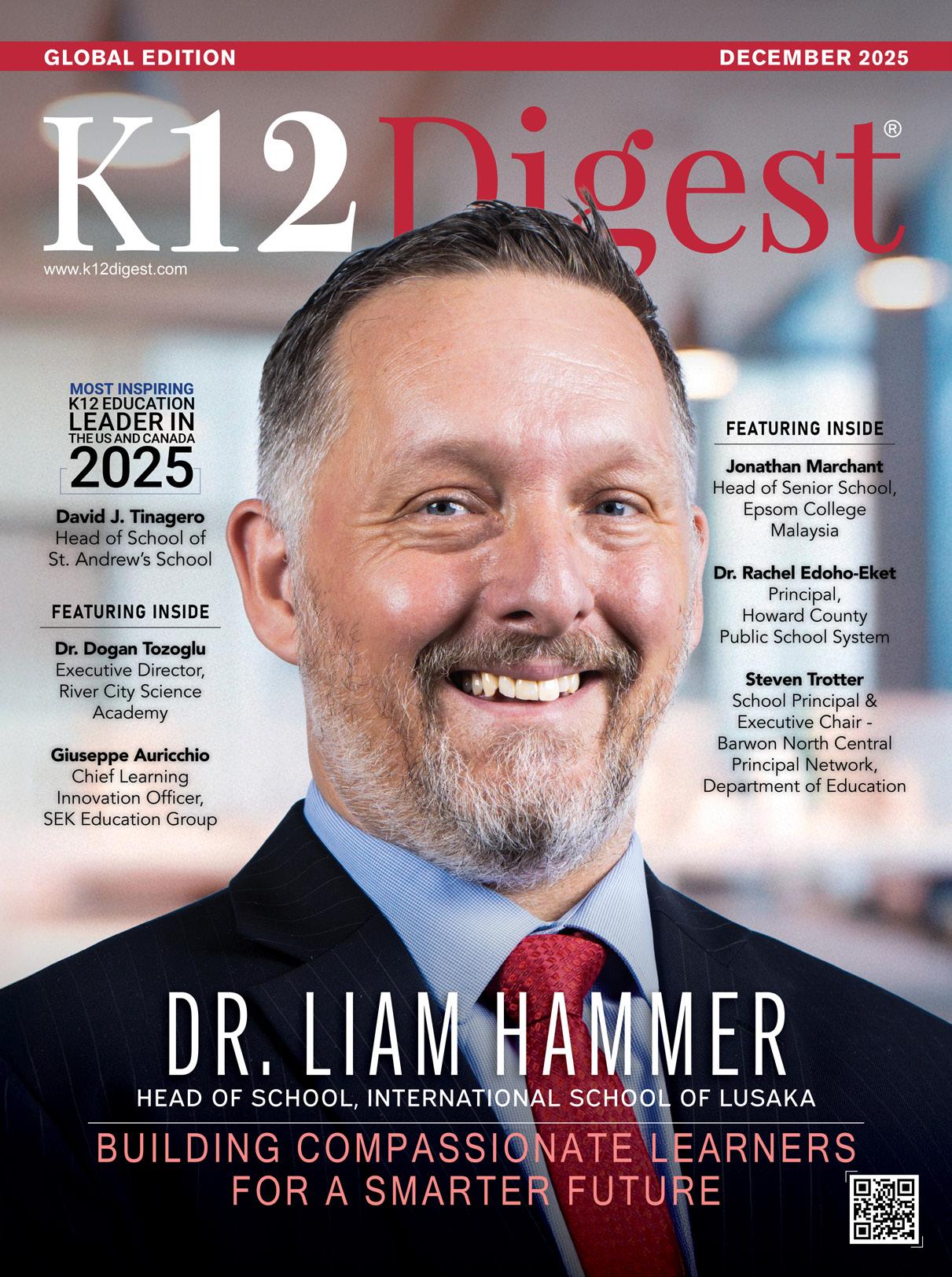
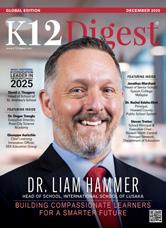
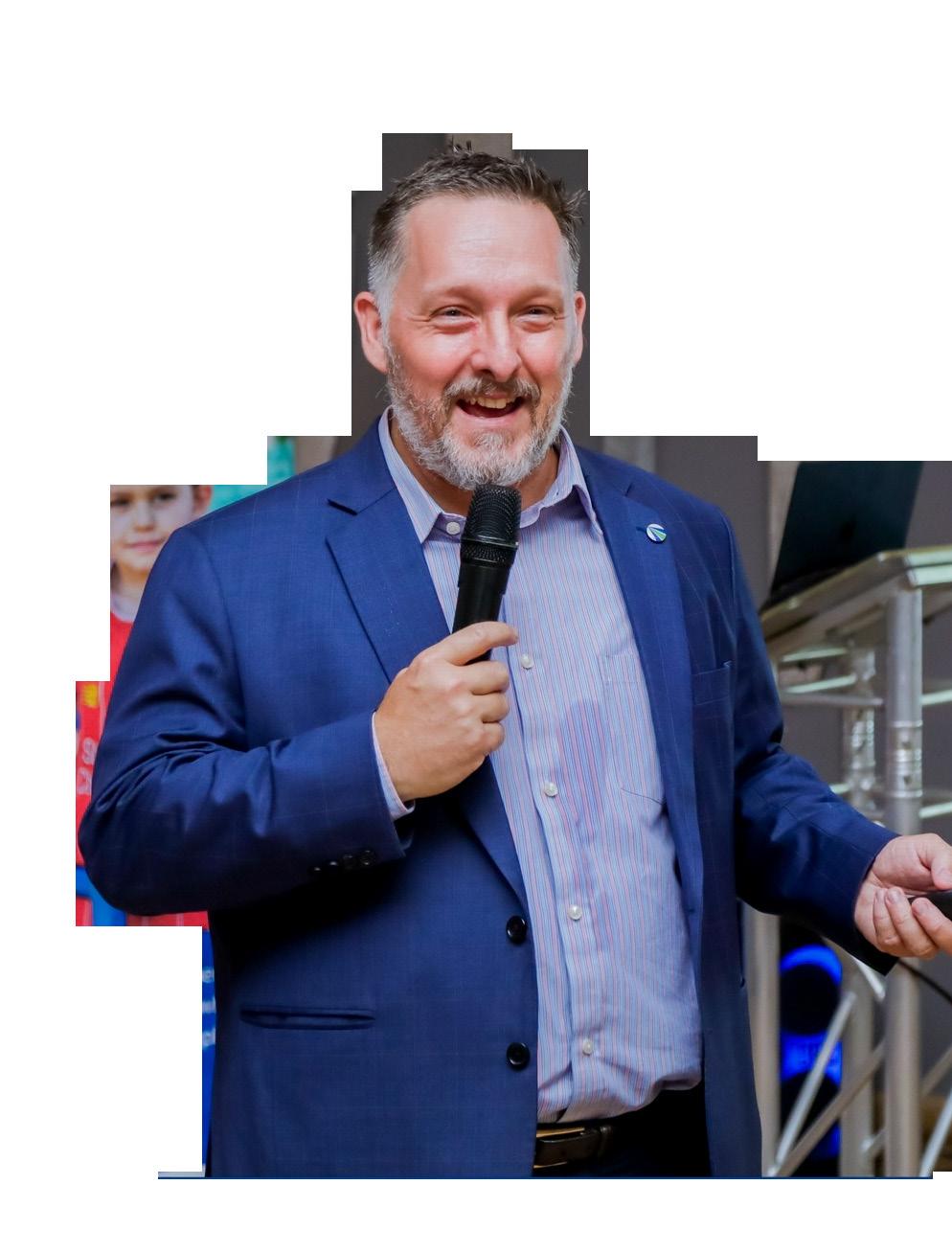
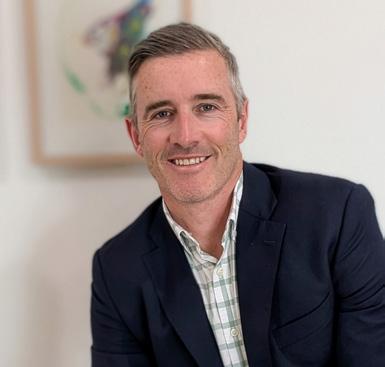
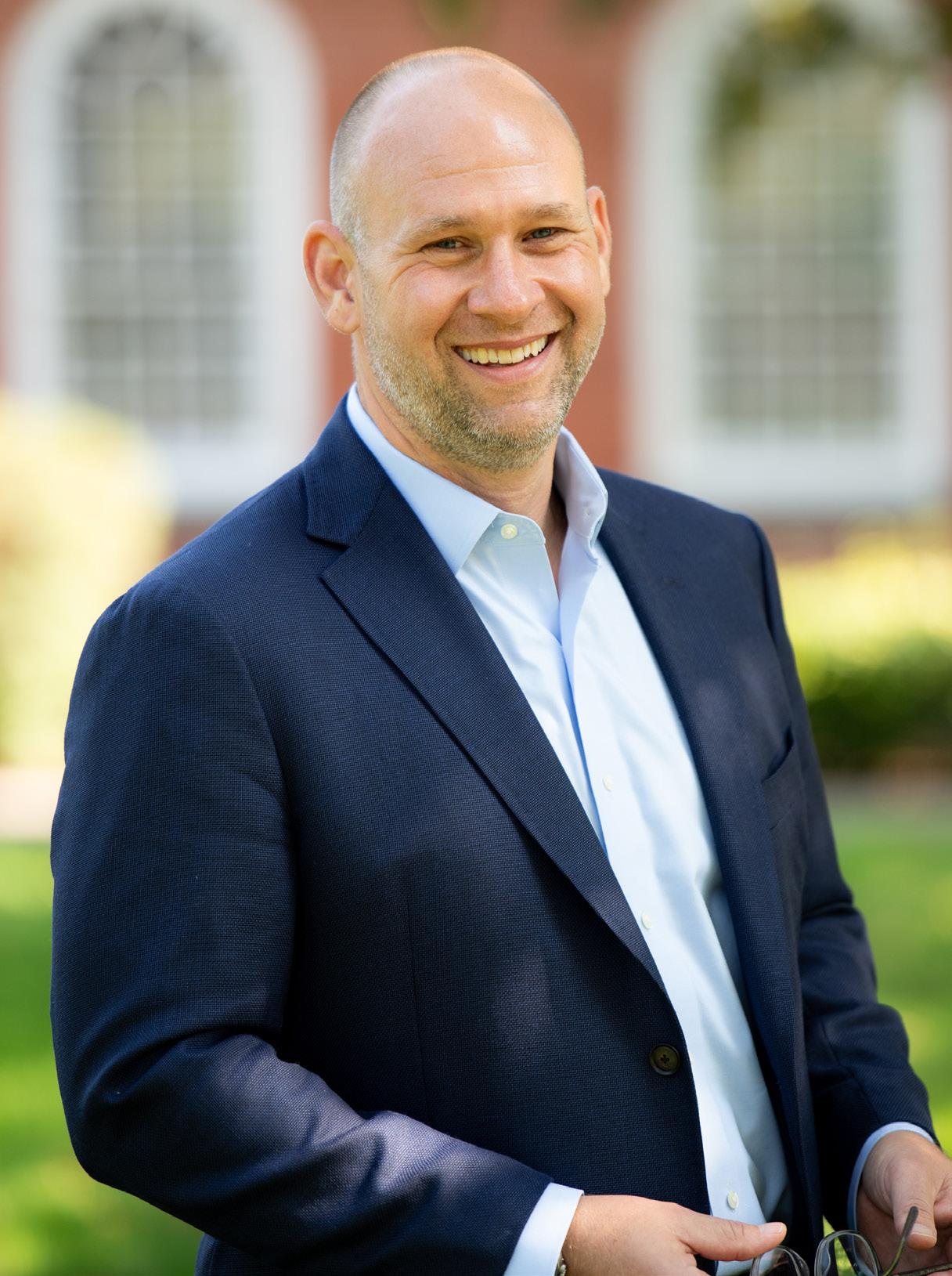
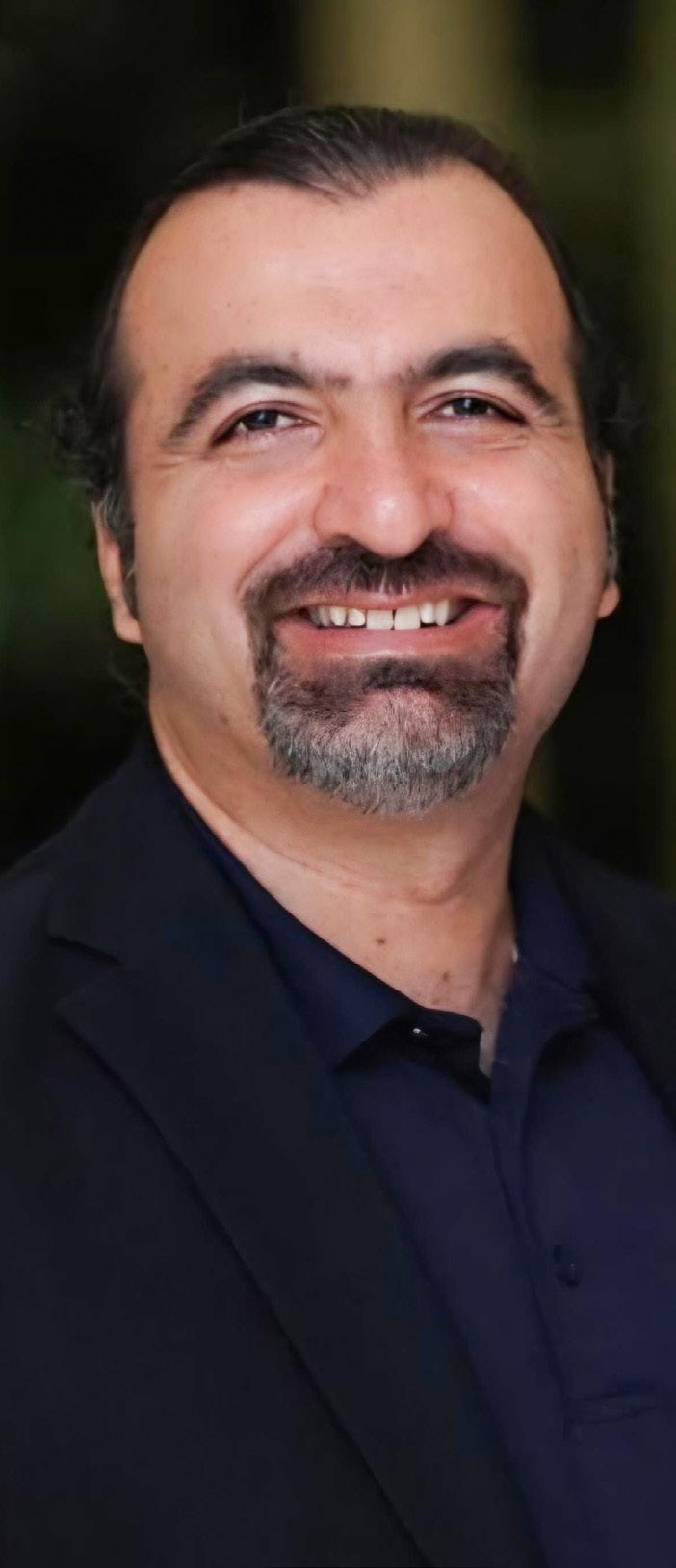
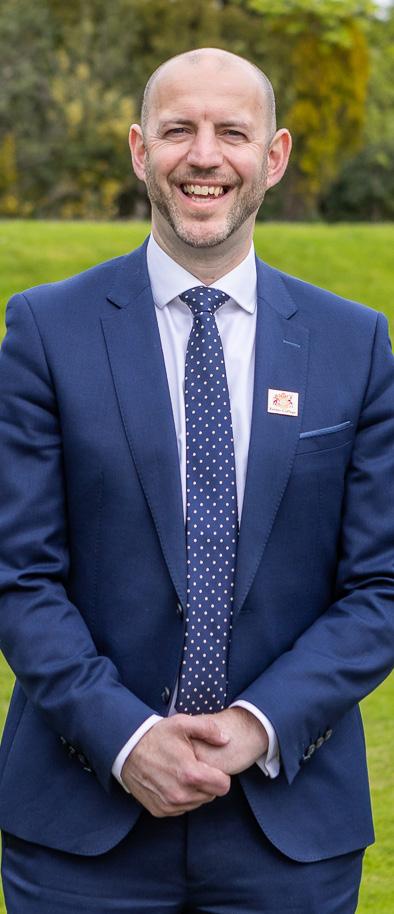
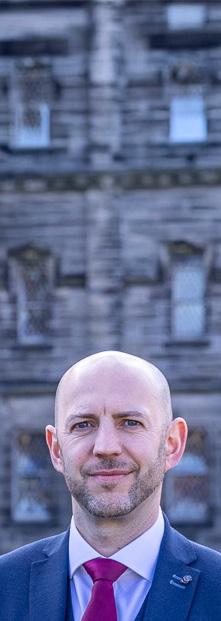
This is precisely why our cover conversation with Dr. Liam Hammer, Head of School at the International School of Lusaka, feels timely and necessary. With more than 25 years of international teaching and leadership experience across continents, Dr. Hammer brings a rare perspective shaped by classrooms, boardrooms, and evaluation visits alike. In our interview, he speaks candidly about the work that defines real leadership. From steering a major school redevelopment to embedding technology without eroding human connection, his priorities reflect a deep respect for process, people, and protection. His extensive experience as an examiner, curriculum writer, and accreditation evaluator lends weight to his firm stance on safeguarding and operational excellence. This is leadership practiced in the margins, where trust is earned and standards are upheld day after day.
Beyond the cover story, this issue of K12 Digest brings together diverse voices from the K12 ecosystem. Readers will find thoughtful perspectives on leadership, learning environments, innovation, and the evolving expectations placed on schools worldwide. Each piece adds a different lens, reminding us that education is strengthened when multiple viewpoints share the same table.
As you turn these pages, we invite you to slow down and notice the invisible architecture of great schools. The policies, conversations, and decisions that never trend online but shape lives in lasting ways. This issue is a tribute to that quiet work. Dive in, reflect deeply, and rediscover why what happens behind the scenes matters most.
Enjoy Reading.
Sarath Shyam
DR. LIAM HAMMER
HEAD OF SCHOOL, INTERNATIONAL SCHOOL OF LUSAKA
BUILDING COMPASSIONATE LEARNERS FOR A SMARTER FUTURE
ACADEMIC VIEWS
EMPOWERING EDUCATORS & STUDENTS TO DRIVE MEANINGFUL CHANGE
Dr. Rachel Edoho-Eket, Principal, Howard County Public School System, TEDx Speaker & 2x Bestselling Author
MOST INSPIRING K12 EDUCATION LEADER IN THE US AND CANADA
HEAD OF SCHOOL OF ST. ANDREW’S SCHOOL
Helping Learners See How Valuable They Are DAVID J. TINAGERO
ADMIN PERSPCTIVE CELEBRATING STEM THROUGH INNOVATION AND HUMAN CONNECTION
Dr. Dogan Tozoglu, Executive Director, River City Science Academy 28
ADMIN PERSPCTIVE
DRIVING EXCELLENCE IN TEACHING AND LEARNING
Steven Trotter, School Principal & Executive ChairBarwon North Central Principal Network, Department of Education
42
38
DESIGNING SCHOOLS FOR A LIFELONG LEARNING
Giuseppe Auricchio, Chief Learning Innovation Officer, SEK Education Group
PREPARING STUDENTS FOR GLOBAL UNIVERSITY SUCCESS
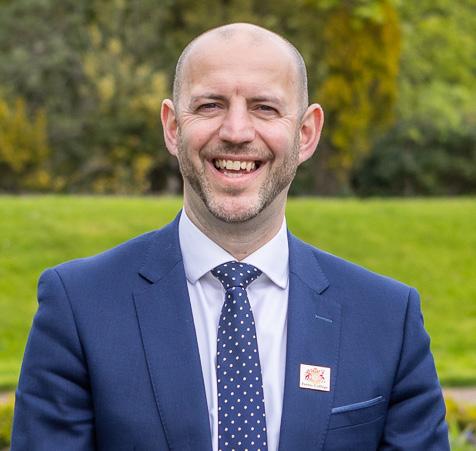
Jonathan Marchant, Head of Senior School, Epsom College Malaysia
48
DR. LIAM HAMMER
HEAD OF SCHOOL, INTERNATIONAL SCHOOL OF LUSAKA
BUILDING COMPASSIONATE LEARNERS FOR A SMARTER FUTURE
Dr. Liam Hammer is an experienced and highly accomplished educator with education qualifications from institutions in the UK, Australia and the USA. He boasts over 25+ years of international teaching and leadership experience across several continents using various curricula. Currently Liam is the Head of School at the International School of Lusaka in Zambia. He is also an examiner, curriculum writer, and workshop leader, and does school authorization and evaluation visits for a number of accreditation bodies. His research interests center around the structural inequities in international education and he has presented at a number of conferences on the issue of split salaries on the basis of passports. Outside of education Liam enjoys spending time with his family, traveling and playing golf.
In this conversation with K12 Digest Magazine, Dr Liam Hammer shares insights from his remarkable global career in international education. He discusses his strategic priorities at the International School of Lusaka, including a major redevelopment plan, technology adoption grounded in human relationships, and a firm commitment to safeguarding and operational excellence. Dr Hammer also highlights the importance of equity in international schools, purposeful innovation that aligns with core values, and building cohesive teams where diversity becomes a true strength. Below are the excerpts of the interview.
COVER STORY
You’ve had a rich career in international education. What inspired your journey into school leadership, and what experiences have most shaped your approach to leading diverse learning communities?
I had an epiphany at age 16. Like many teenagers, I had no idea what I wanted to do when I grew up. I liked animals, so perhaps I could become a zookeeper or farmer; I liked reading, so perhaps I could be an author or a newspaper journalist. Our school arranged an aptitude test (we still do this nowadays) and this particular test suggested that a career in geology might be for me. I had no idea what geology was, but my father took me to an open day at university and I thought that might work. After all, I liked science and the outdoors.
During a routine Tuesday assembly at my Catholic boys’ school, a visiting Brother stepped up to the podium. I was probably half-asleep in the back rows, like most 16-year-olds enduring yet another inspirational talk. He shared his life story, likely hoping to inspire some of us to consider a religious vocational life. I didn’t absorb that message, I only heard him mention one experience: teaching English at a school in Papua New Guinea, in a village that was a day’s walk from the nearest airfield.
Immediately, I thought, “Wow, that’s what I want to do!” Suddenly I knew I wanted to be an international schoolteacher. That single moment changed everything for me.
I spoke to my career counsellor straight away and found out that I needed a teaching degree and five years of experience in Australia. With that information, my path was clear. I enrolled in a Bachelor of Education, majoring in science
education. I was so keen to begin my career, I even managed to organise my own internship at an international school in Indonesia teaching maths, science and computers while still at university. Then, after graduating, I taught in Australian schools for the required five years. Finally, I went to a recruitment fair, got a job and moved to Thailand in 2001.
Schools have been chasing the latest shiny tech for the last 20-30 years and the crucial point is that human relationships are key, they cannot be replaced
Looking back, it’s remarkable how one offhand comment from a visiting speaker completely shaped the direction of my life and career.
As for leadership, I didn’t want to be a leader to start with. Opportunities came along that I took. Sometimes, I didn’t always get
them. But my leadership journey was kind of step by step. Head of Department to IB Middle Years Coordinator to Vice Principal Secondary to Principal & Head of School. Even the Head of School journey has seen me move from a small private Indonesian school, to an eastern European private IB school, to a large privately owned group of schools in Malaysia to a large international school in Africa.
What are some of the key priorities you’ve focused on since taking on your role as Head of School, and how do you measure success in a global learning environment like ISL?
You have to balance strategic with operational. Right now I’ve designed a 5 year masterplan rebuild for the school that is well underway. But at the same time we’ve developed our AI policy, strengthened our financial operations, our safeguarding processes and also hosted large events such as a Model United Nations or a 1500 strong PTA carnival and a colour run. You measure success against your strategic plan, set goals and work towards achieving them.
Technology continues to influence how schools operate. How do you see AI and digital tools transforming the way educators teach and students learn in the coming years?
Hmmm, this is certainly the key topic right now. Schools have been chasing the latest shiny tech for the last 20-30 years and the crucial point is that human relationships are key, they cannot be replaced. Tech for Tech’s sake is a mistake. Tech that supports how you work or do things,
that’s an improvement. So I really feel we need to get our heads around AI and PedTech but by the same token we need to use our Human Intelligence or HI to make the best of the AI. (thanks to Dr Nhekka Johnson for helping me learn about HI)
Leadership in education often involves balancing innovation with tradition. How do you ensure that ISL stays forward-looking while maintaining its core values and identity?
It’s about intentional evolution rather than change for change’s sake. At ISL, we ground everything in our guiding statements, they’re our compass. When we consider innovations, whether it’s implementing new technology, adjusting curriculum, or rethinking our spaces, we always ask: “Does this serve our core purpose of developing globally-minded, compassionate learners?”
Take our AI policy development, for example. We didn’t rush to ban it or blindly embrace it. We thoughtfully considered how it aligns with our values around academic integrity, critical thinking, and preparing students for their future. We signed up a team to complete the Middle States Association AI endorsement programme, and that realyl helped. We were purposeful, and intentional. Innovation should enhance, not replace, and that’s what makes us who we are.
I also believe in bringing the community along on the journey. Staff, students, and parents need to understand why we’re making changes and how they connect to our identity. Our 5-year masterplan isn’t just about new buildings: it’s about creating learning spaces
Diversity is your strength, not your challenge –but only if you actively cultivate inclusion
that better reflect how we believe learning should happen. That’s forward-looking while staying true to who we are.
The key is being selective. Not every trend deserves our attention. But when an innovation can genuinely improve learning outcomes or student wellbeing while respecting our values, we move on it decisively.
As a leader who has worked across different countries and cultures, what have you learned about building cohesive teams and fostering a shared vision among staff and students?
The most important lesson I’ve learned is that diversity is your strength, not your challenge – but only if you actively cultivate inclusion.
At ISL, we have staff from dozens of countries, students from over 60 nationalities, and a mix of expatriate and Zambian educators. That diversity brings incredible richness, but it can also create silos if you’re not intentional.
My research on salary disparities between expatriate and host country national teachers (published in several volumes with Dr. Megel Barker and Dr Robyn Hansen) really opened my eyes to the structural inequities that exist in international schools. You cannot build a cohesive team if some members feel undervalued or treated as second-class citizens. Addressing these issues openly and working toward equity has been crucial.
Practically, building cohesion means creating multiple touchpoints, formal and informal. Professional development that brings people together across divisions, social events that encourage mixing, collaborative planning time. I learned from my own experience playing sports in various countries that shared experiences outside the formal structure build the strongest bonds. That’s why I encourage staff to engage with the local community, not just stay in the expat bubble.
Communication is also critical. A shared vision only works if everyone understands it, sees themselves in it, and has opportunities to shape it. That means listening more than telling, and recognizing that good ideas come from everywhere, not just the leadership team.
Finally, model the behavior you want to see. If you want a collaborative, respectful culture, you need to demonstrate collaboration and respect in every interaction, especially when handling difficult situations.
Outside your professional role, what personal passions or interests help you stay grounded and bring balance to your life?
I advise new teachers that the instant community that international schools offer new teachers is great, because many other industries don’t have this. An engineer or geologist moving to a new country may not have the same support or number of expats in their new company and feel lonely to start with. But this instant community can also be a bit of a double edged sword. There’s a tendency to get stuck in an expat teacher bubble. For genuine longevity you need to look beyond. For me, I joined sports teams, I’ve played cricket, rugby, Aussie football, sailing and golf around the world and made some really strong friends as a result. These connections outside the school community keep me grounded and remind me there’s a whole world beyond the campus gates. Whether it’s a weekend golf game or watching cricket, these moments help me maintain perspective and recharge.
What advice would you share with young educators and aspiring leaders who dream of making an impact in international education?
Go for it, but don’t rush. I see many young teachers these days want to rush, but if you do get the promotion you may not have the toolkits or experience and knowledge to make it work. Everyone wants to be a CEO by 25, and schools are no different. I’m not saying it cannot happen, but in many cases a young leader is just applying for positions that they’ll never get and then feel discouraged or end up in a dumpster fire and get burned.
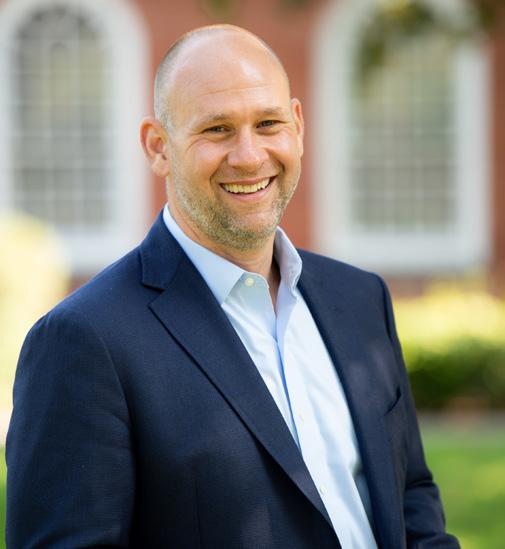
2025 DAVID J. TINAGERO
HEAD OF SCHOOL OF ST. ANDREW’S SCHOOL
Helping Learners See How Valuable They Are
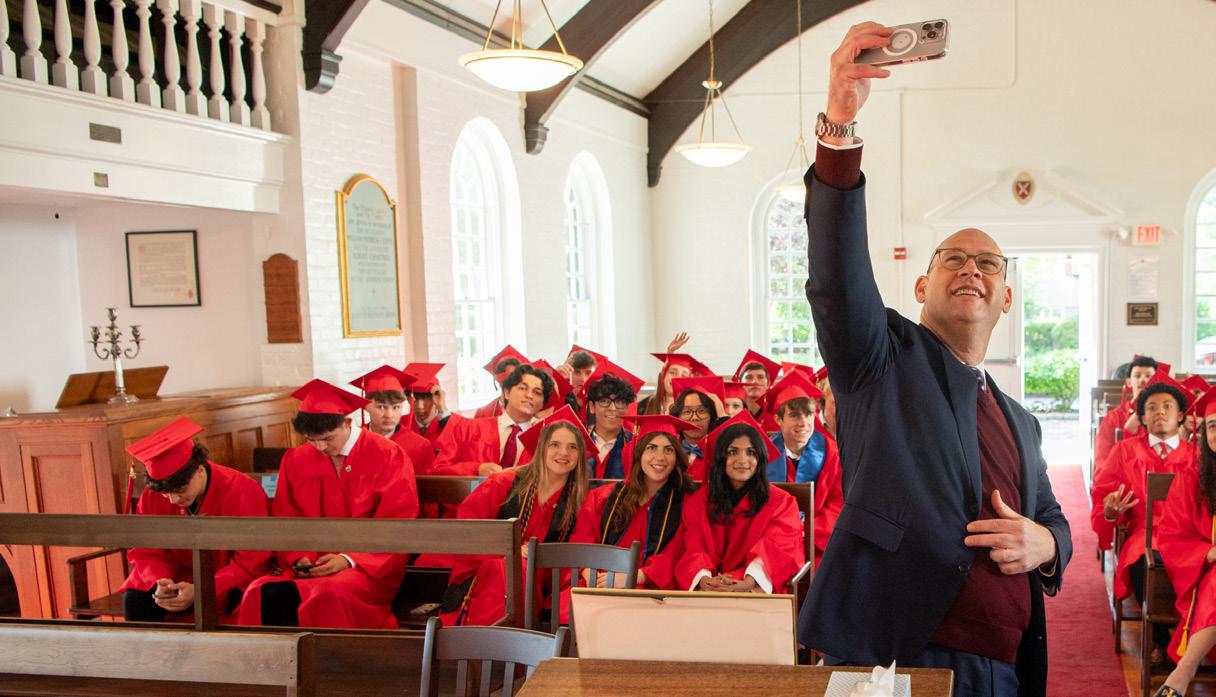
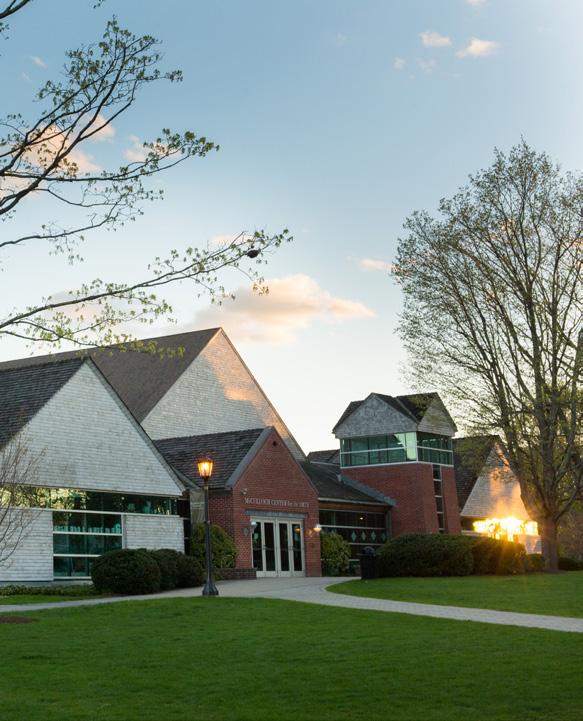
When David J. Tinagero arrived at St. Andrew’s School in 2015, he stepped into a campus with more than a century of history and a mission that continues to evolve with every generation. He has always believed that a school’s greatest purpose is to show each student how much they matter and how far they can go, and that belief has guided every chapter of his leadership. In his hands, St. Andrew’s School feels less like an institution and more like a community built on possibility, where belonging creates the confidence students need to take on real intellectual challenge.
The school’s past is not something he treats as nostalgia. It is living context. “St. Andrew’s
School was founded in 1893 as a school for orphan boys, and for more than seven decades it operated as a residential school dedicated to supporting boys facing hardship before evolving into a college preparatory school. That evolution has always been driven by a simple idea: St. Andrew’s School exists to meet the needs of its time,” Tinagero shares.
When Tinagero explored the campus for the first time, he found that spirit unmistakable. “What struck me when I first encountered the school was how deeply that origin story still lives in the people who represent it. The ideals of Reverend Merrick Chapin — service, action, and inclusion — remain visible in the daily life of the community. I was drawn to a school
with a long tradition of widening access and redefining what it means to educate young people well, and I felt immediately that St. Andrew’s School embodied both a powerful mission and a willingness to keep growing in service of that mission,” he explains.
Tinagero’s path to this role has never followed the predictable route. Before coming
to St. Andrew’s, he helped launch new schools in New York City, from co-designing the Mott Hall Charter School to becoming the founding principal of the Mott Hall Bronx High School. He later served as Associate Vice Chancellor of Student Affairs and Dean of Students at New York University Abu Dhabi, where he worked at the intersection of global education and student
development. Earlier in his career, he mentored teachers as a Regional Instructional Supervisor and started out exactly where he believes real leadership begins, in the classroom, teaching students across varied school environments.
His influence extends far beyond his own campus. He serves on the Board of Trustees at the Pingree School in Massachusetts and previously served as Vice President of the Association of Independent Schools of Rhode Island. Schools across New England often call on him to lead NEASC accreditation visits, a role that draws on both his strategic lens and his instinct for seeing what makes a school thrive.
A Community Shaped by Belonging and Challenge
At St. Andrew’s School, the mission is not an abstract aspiration but a lived commitment
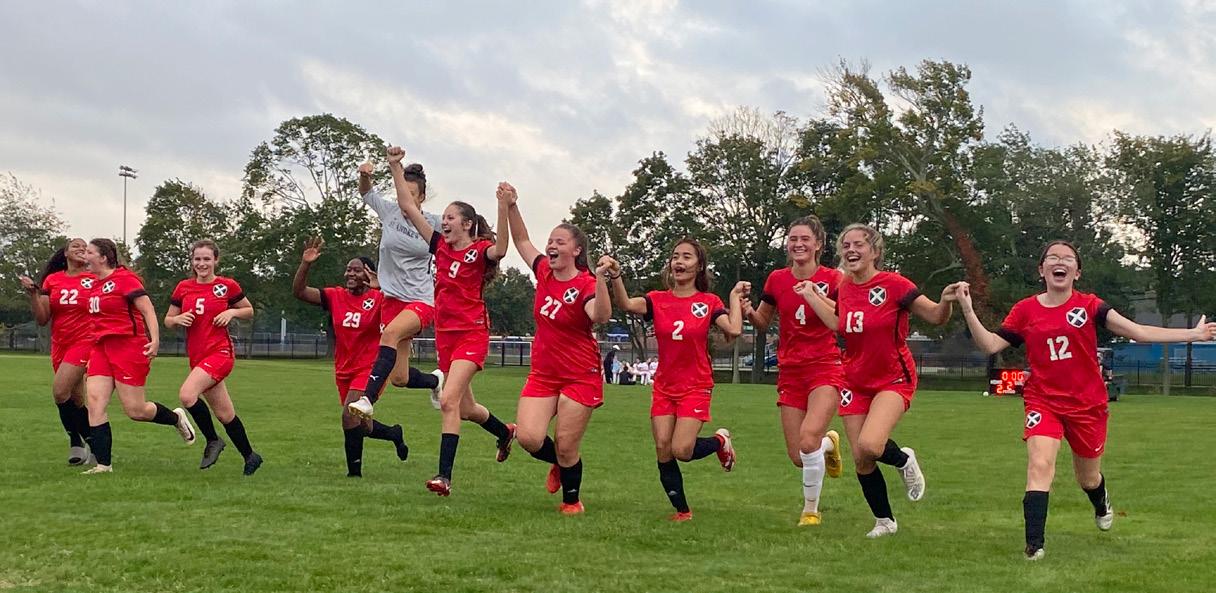
to show every student how valuable they are. Tinagero often points out that the school’s traditions are expressions of Reverend Chapin’s founding purpose. “Honoring Reverend Chapin’s founding spirit means sustaining traditions that reinforce belonging and perseverance, whether we are climbing mountains together or lining up at the start of an all-school race,” he says. These shared experiences bind the community and connect current students with generations of alumni who grew through the same moments of challenge and camaraderie.
That sense of belonging is intentionally cultivated. Faculty and school leaders speak openly about inclusion and diversity, not as programmatic goals but as essential conditions for learning. Tinagero explains, “Our faculty, administrators, and trustees are united around the idea that nurture and challenge are not opposing forces, they are mutually reinforcing.” The varied backgrounds, learning profiles, languages, and lived experiences of students are seen as
At
St. Andrew’s School, the varied backgrounds, learning profiles, languages, and lived experiences of students are seen as intellectual strengths
intellectual strengths. A community that thinks differently together builds a deeper and more resilient foundation for every learner in it.
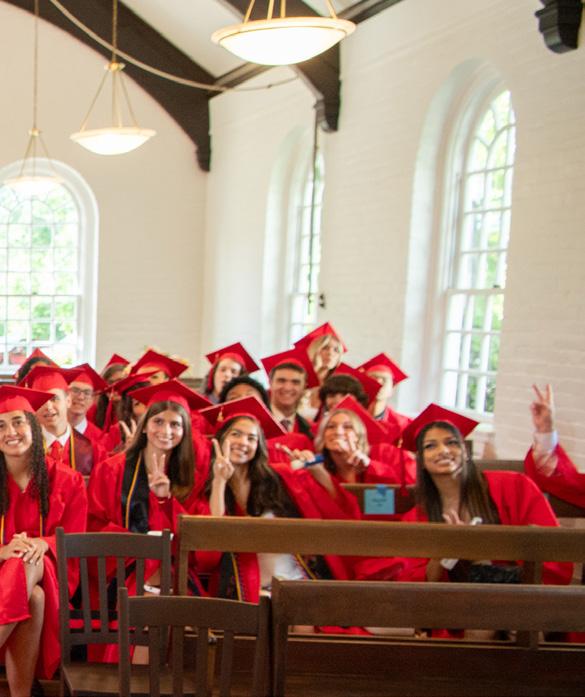
Holiday Vespers embodies this philosophy. Each December, the entire community gathers for an evening that celebrates the cultures and traditions that make the school feel both global and deeply personal. Students share family stories in their home languages and fill the room with music, dance, and reflections that reveal where they come from. Tinagero adds, “What makes it special is the feeling in the room, a sense of belonging, pride, and love that transcends difference. It is a reminder that community is not something we talk about here, it is something we practice.”
A Curriculum That Honors Ambition and Identity
St. Andrew’s School’s choice to pursue International Baccalaureate (IB) authorization was rooted in a clear understanding of who the school serves. “We understood that if we wanted to serve our students fully, especially those with diverse learning profiles and those joining us from around the world, our academic program needed to be recognized broadly as both rigorous and transferable,” shares Tinagero. The move challenged a common misconception that schools supporting varied learners must compromise academic depth. The school’s 18-month investigation confirmed that the IB offered both rigor and the flexibility their students needed.
The transition brought curiosity, energy, and the natural questions that accompany any major academic shift. Over time, the IB became part of daily life at St. Andrew’s School. It shapes classroom lessons, but it also extends to athletic fields, dorms, mealtimes, and performance stages because, as Tinagero often reminds his team, everything on campus
Faculty members of St. Andrew’s School share a unified professional vocabulary, which has strengthened collaboration and expanded the support they offer students
is curriculum. The program now feels less like an addition and more like another expression of the school’s experience.
Five years into implementation, students are pursuing ambitious goals within a structure that values reflection, choice, and growth. Faculty members share a unified professional vocabulary, which has strengthened collaboration and expanded the support they offer students. The school’s long-standing philosophy remains unchanged. Post-secondary planning is a match to be made, not a race to be won. The IB reinforces that mindset, while opening wider recognition for the depth and authenticity of students’ work.
Every potential initiative is tested against a core question. Does it honor who St. Andrew’s School is? Tinagero pinpoints, “Before adopting any new program, we examine its alignment with who we are at our core.” If something fails to place students at the center, welcome diverse learners, or expand global perspective, it does not move forward. For him, true growth requires clarity of identity. Evolution means expanding opportunity without losing the values that make the school what it is.
A School Growing Toward Its Future
St. Andrew’s School operates with a simple truth in mind. The world students are stepping into changes quickly, so the school must be willing to grow with it. Tinagero says, “The world changes quickly, and so do the needs of young people.” For him, embracing growth is an act of stewardship, not disruption. It guides decisions across academic design, residential life, and extracurricular programming. The school’s student-centered approach ties academic strength, emotional wellbeing, and
ethical grounding together as one connected experience. Nothing operates in isolation. This mindset extends to the adults as well. Faculty engage in ongoing professional learning, and the leadership team takes part in annual training and institutional self-reflection. These practices ensure that the school’s systems and policies stay aligned with its mission and remain responsive to the world students will inherit. Tinagero explains, “Preparing students for complexity means modeling adaptability, curiosity, and care.”
The school’s strategic plan has brought that purpose into sharper focus. The community now shares clear priorities, from broadening access to strengthening student pathways. The goal is steady and intentional growth that expands opportunities without losing the personal, relational experience families value. Investments in teaching and learning give faculty the support they need to push students forward. Investments in people and campus ensure the institution remains strong as it expands its reach. “Most importantly,
St. Andrew’s School’s studentcentered approach ties academic strength, emotional wellbeing, and ethical grounding together as one connected experience
we are determined to protect the spirit of our mission and remain a community where students feel known, supported, and prepared for what comes next,” states Tinagero.
Leading With Curiosity, Trust, and Purpose
Tinagero’s philosophy of leadership mirrors the way St. Andrew’s School approaches its students. “I believe leadership is an act of empowering others,” he says. Teachers are the heartbeat of the school, and he sees his role as ensuring they have the freedom, clarity, and encouragement to do their best work. Over the years, his leadership has grown more curious and more anchored in possibility. The question that often guides him is simple: what if? It is a way of thinking that helps the school balance preservation with growth, rooting progress in the values that have shaped the institution for more than a century.
He takes particular pride in leading the community through the development of its multi-year strategic plan. The process deepened
relationships across faculty, staff, and families, and it laid out a vision that expands programs, broadens the school’s reach, and strengthens its sense of community. For Tinagero, working alongside others to shape the school’s next chapter has become one of the great honors of his career.
Tinagero’s understanding of legacy comes from a grounded place. “I am humbled to be only the eighth Head of School in 133 years,” he says, a reflection shaped by the leaders who came before him and the responsibility of guiding a historic institution into its next era. He is not focused on accolades or accomplishments. “I hope my legacy is not a set of accomplishments, but rather my usefulness to the next Head of School,” he adds, pointing to the mentors who advised, encouraged, and listened throughout his own journey. That same spirit shapes how he thinks about the future. “If I can leave the school stronger than I found it, positioned for its next chapter, and remain a source of support for the person who follows me, I will consider that a legacy worth having,” concludes Tinagero.
Celebrating STEM Through Innovation and Human Connection
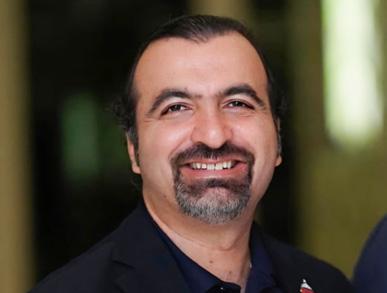
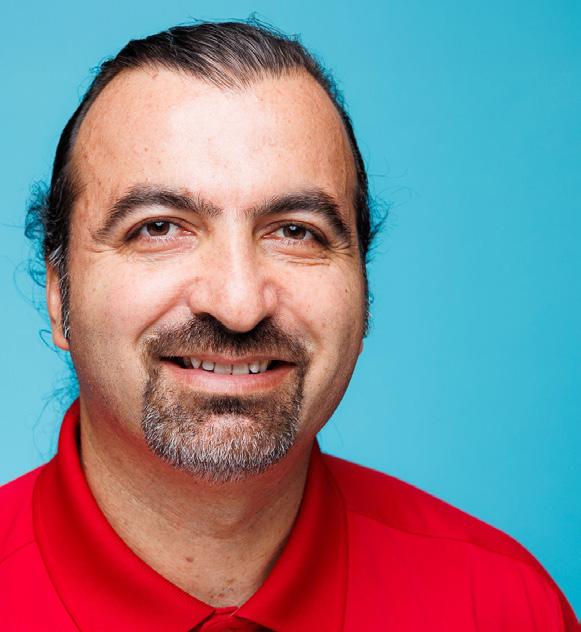
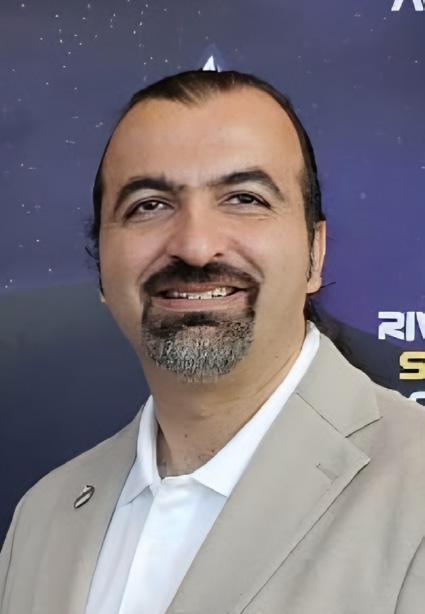
Dr. Dogan Tozoglu, Executive Director, River City Science Academy
Dr. Dogan “Dr. T.” Tozoglu is the founder and Executive Director of River City Science Academy (RCSA), the largest and highest-performing charter network in Duval County, Jacksonville. Since 2007, he has grown RCSA from a single campus into a six-school network serving over 5,000 students, with more than 600 employees and 4,000 students on the waitlist. Under his leadership, RCSA became the county’s first “A”-rated charter school and holds Cognia system accreditation and High-Performing Charter School System status from the Florida Department of Education. Dr. Tozoglu holds a master’s degree and Ph.D. in Instructional Systems from Florida State University and previously served at Leon County Schools’ Division of Teaching and Learning. A lifelong advocate for excellence, he is a graduate of Stanford EdLeaders, Leadership Florida Education, and Leadership Jacksonville. In an exclusive conversation with K12 Digest, Dr. Dogan Tozoglu talks about his journey into education and the purpose that led him to build a thriving academic community. He shares how River City Science Academy has grown over the years, the values that shape its culture, and his belief in blending innovation with strong human connection. Dr. Tozoglu also offers his perspective on how technology is reshaping classrooms and what true leadership means in today’s evolving education landscape. Grounded in service, driven by vision, and inspired by students and teachers alike, his insights offer a thoughtful look into the heart of school leadership. Below are the excerpts of the interview.
What inspired your journey into education, and how did it eventually lead you to your current role as Executive Director at River City Science Academy?
My journey into education did not begin in a classroom—it began in an engineering laboratory. I first trained as an electrical engineer, fascinated by how systems work, how problems are solved, and how innovation can improve people’s lives. Engineering sharpened my analytical thinking, built my discipline, and nurtured a mindset that every challenge has a solution if approached with patience and creativity. Yet something inside me kept pulling me toward a different
Leading RCSA has never been about a title; it has always been about serving students and honoring the trust families place in us
kind of impact, one that went beyond circuits and equations.
That shift became clearer when I pursued graduate studies in education, eventually completing my PhD. It was during that time that I realized education was not just an interest—it was a calling. The more I studied leadership, learning theory, and the psychology of schooling, the more I saw the potential to shape not only systems, but lives. My work at a school district further opened my eyes to the realities many families face: the barriers, and the deep desire parents have for a safe, challenging, supportive education for their children. That experience grounded me in the belief that the right school can change the future of a child, a family, and a community.
But the truth is, the foundation for all of this was laid long before I stepped into any professional role. Both of my parents were teachers. I grew up in schools watching them guide, support, and uplift students. My childhood was spent in classrooms, on school campuses, surrounded by books, chalkboards, and the steady example of educators who believed that teaching is more than a job, it is a service and a responsibility. Their influence stayed with me, even when I pursued engineering. It was as if life gently redirected me back to where I truly belonged. Growing up, I experienced how a strong school and dedicated teachers can change the trajectory of a young person’s life.
When we founded River City Science Academy, everything came full circle. My
The greatest challenge today is ensuring that innovation does not overshadow the human connections that make learning possible
technical background helped me design systems, understand STEM education deeply, and build programs that reflect rigorous, realworld application. My academic training in education shaped my leadership philosophy. My district experience helped me understand what families seek and how to deliver highquality learning environments. And my parents’ legacy taught me to lead with heart, humility, and a deep respect for the teaching profession. What inspired me then is what inspires me now. Becoming Executive Director was not a planned destination, it was the natural result of following a path guided by purpose. I came into education because I believed that every child deserves a school that prepares them for the future, honors their individuality, and fulfills the promises we make at every open house: to challenge them, support them, and help them belong.
I wanted to help build a school where students could walk through the doors and immediately feel that they matter, that they are part of something greater than themselves, and that their dreams, no matter how big, have a place to take root. Leading RCSA has never been about a title; it has always been about serving students and honoring the trust families place in us. Every open-house promise, every family conversation, every commitment made to a parent becomes a responsibility I carry proudly. This calling is what led me to my role today, and it continues to guide every decision I make.
Ultimately, my journey has been about answering a calling, one rooted in my family, shaped by my education, strengthened by experience, and inspired daily by the students
and teachers of RCSA. It is a privilege to serve this community and to continue building a place where dreams are nurtured, opportunities are real, and excellence is the expectation.
Over the years, RCSA has grown and evolved into a strong academic community. How would you describe this journey, and what moments stand out as turning points for the school’s success?
The journey of River City Science Academy has been nothing short of extraordinary, a story of perseverance, belief, and the dedication of a team that refused to settle for anything less than excellence. When we opened our doors in 2007, we made a commitment to families: give us your trust, and we will give your children our very best. Over time, that promise grew into a powerful partnership with our community. We promised families a place where academic rigor, character education, and belonging would come together to create real opportunity. Those promises became the pillars of everything we built.
One of the most defining moments in our history was becoming the first A-rated charter school in the district’s charter history. That achievement was not simply a letter grade, it was a message to our community that quality, innovation, and high expectations can thrive when a school is driven by purpose and teamwork. It was proof that public charter schools can excel, lead, and raise the bar for what students deserve. Achieving highperforming status from the Florida Department of Education, maintaining that A grade, and not only maintaining it but improving our performance every year, has been one of our
We focus on thoughtful instruction, strong teacher-student relationships, and engaging lessons that help students build confidence step by step
proudest accomplishments and validates our academic rigor and our commitment to quality. It reflects a culture where every staff member, from teachers to administrators to support teams, balances heart and discipline, always striving to be better for our students.
As we grew from a single campus to a network of schools serving thousands of children, the demand from families only increased. Year after year, the waiting lists grew. Parents told us they were choosing RCSA because of our reputation for quality, our commitment to STEM and character education, and the sense of belonging their children felt. Each expansion—each new campus—was a turning point in its own way, allowing us to open doors for more families seeking a school choice option they could trust. Our students winning state championships in
Science Olympiad, mathematics, robotics, and other competitions showed that excellence can flourish anywhere when students feel supported and challenged.
But perhaps the most meaningful turning points are found not in data charts or awards, but in our graduates. Watching students walk across the stage and step into the world with confidence, and then seeing them flourish, is a deeply emotional experience. I meet our former students everywhere I go: in hospitals, universities, businesses, restaurants, community events. They approach me with pride, stories, and memories of their time at RCSA. Those moments remind me that our work is not just about academic success, it’s about shaping lives, building character, and creating futures filled with promise.
The transformation of RCSA into a strong academic community is the result of countless hours of dedication, teamwork, and consistent faith in our mission. It is the story of teachers who stayed late, administrators who believed in the impossible, parents who trusted us, and students who worked hard and grew into scholars, innovators, and leaders. Our journey has been shaped by big milestones, but also by thousands of small victories that, together, built the culture we have today.
Ultimately, the turning points that define RCSA are tied to our identity: a school that keeps its promises, that serves with purpose, and that never stops improving. And as I watch our graduates succeed and represent RCSA in every corner of our community, I am reminded daily that this journey is not finished, it continues
with every child who walks through our doors, ready to build their own story of success.
Education today faces rapid changes in technology, learning models, and student expectations. From your experience, what do you see as the most pressing challenges and opportunities for schools today?
The greatest challenge today is ensuring that innovation does not overshadow the human connections that make learning possible. Students live in a world of constant information, evolving technology, and shifting expectations. They want relevance, purpose, and the feeling that school is preparing them for something meaningful. Families want a school choice option that provides not just academics, but character, safety, and opportunity.
The opportunity is profound. Schools now have the tools to offer personalized learning, expose students to global ideas, and open pathways to careers that did not exist a decade ago. The challenge is ensuring that all students—not just some—benefit from these advancements. It is also ensuring that teachers feel equipped and supported as they navigate this rapid change.
One of the most significant developments shaping this landscape is the emergence of artificial intelligence. AI brings both excitement and uncertainty. The challenge lies in ensuring students use AI responsibly, ethically, and in ways that strengthen—not weaken—their critical thinking and problem-solving skills. At the same time, AI offers enormous opportunity: it can personalize learning, support teachers by reducing routine tasks, and open doors to STEM fields and future careers. Schools that
thoughtfully integrate AI, while maintaining the human connection and character development at the heart of education, will be uniquely positioned to prepare students for the world ahead.
What gives me hope is the resilience of educators and the hunger of students for realworld learning. When schools are intentional, visionary, and focused on relationships, technology becomes a bridge rather than a barrier. The opportunity today is to build learning environments anchored in belonging, relevance, and purpose while embracing innovation with wisdom.
How is RCSA integrating new technologies and innovative teaching methods to prepare students for the future?
At RCSA, innovation is not a slogan, it is a daily practice woven into the fabric of our schools. We prepare students for the future by creating learning environments that reflect the world they will step into. Our classrooms emphasize meaningful, well-structured learning experiences that help students truly understand what they are studying. Whether they are practicing foundational skills, analyzing realworld examples, participating in guided science activities, or working together on classroom projects, students learn to connect academic concepts with practical applications. We focus on thoughtful instruction, strong teacher-student relationships, and engaging lessons that help students build confidence step by step. Technology enhances this work by helping teachers personalize instruction and use data to support each student’s growth. Yet what truly sets RCSA apart is our commitment to offering a
wide range of extracurricular activities—STEM clubs, athletics, science fairs, arts programs, debate programs, service-learning, and national competitions. These programs are not addons; they are part of our promise to families. At every open house, we tell parents we will expose their children to opportunities they may not find anywhere else—and year after year, we keep that promise.
Our goal is to ensure that every student, regardless of background, graduates with skills, confidence, and a sense of purpose. Innovation at RCSA is not only about technology; it is about empowering students to discover their passions, build resilience, and envision a future they can own.
As a leader, how do you define your approach to guiding both teachers and students? What values or principles shape your leadership style?
My leadership is grounded in service, belonging, and trust. I believe that people rise to their highest potential when they feel valued and part of a mission bigger than themselves. Teachers at RCSA are not simply employees, they are the heart of our school, the reason families choose us, and the individuals who keep our promises alive through their dedication.
I lead with the mindset that my role is to support the people who support our students. I listen, I stay present, and I make decisions guided by respect, compassion, and accountability. I also strive to model the commitment we ask of our staff: consistency, teamwork, and a relentless focus on doing what is right for children. I strive to cultivate a culture where teachers feel safe to innovate and students feel safe to take academic and personal risks. Our leadership culture is
one where collaboration is celebrated, success is shared, and challenges are faced together.
What strengthens this approach are the core values that define RCSA. Respect shapes how we communicate, with each other and with families, because every voice deserves to be heard. Compassion guides how we respond to challenges, reminding us to see the whole child and the whole teacher behind every situation. Self-confidence drives us to empower students and staff to believe in themselves, to take initiative, and to embrace growth. Accountability ensures that our words and actions match the promises we make, especially to parents who entrust their children to us every day. And at the foundation of it all is integrity, the principle that every decision must reflect honesty, fairness, and what is best for students.
When teachers feel respected, when students feel compassion, when everyone is held to strong yet fair expectations, the result is a school where people thrive
These values are not just posters on our walls, they are daily expectations that shape our culture, influence our decisions, and define who we are as a school community. When teachers feel respected, when students feel compassion, when everyone is held to strong yet fair expectations, the result is a school where people thrive.
When teachers feel supported and students feel they belong, everything else falls into place. That sense of belonging is one of the strongest pillars of RCSA’s identity, and it is the guiding force behind my leadership. My role is simply to keep that culture strong, consistent, and aligned with the values that have carried us from a small, hopeful school to one of the most trusted and highperforming charter networks in the region.
Outside of your professional work, what activities or personal values keep you grounded and inspired?
My family is my greatest source of grounding, perspective, and gratitude. Spending time with my
There is something powerful about speaking with a former student who once walked our hallways shy and uncertain, and now stands as a confident professional, leader, or college scholar
wife and children reminds me that success begins at home and that the simplest moments often carry the deepest meaning. I also draw strength from faith, from community involvement, and from moments of quiet reflection that help me appreciate how far we’ve come as a school. Another immense source of inspiration comes from our alumni. Seeing our graduates in the community, whether I’m visiting a university campus, walking into a business, attending a community event, or even collaborating with them professionally, reminds me what the true “fruit” of RCSA really is. These young adults represent years of hard work, sacrifice, partnership, and trust between families and our school. When they share their stories, talk about their careers, their families, or the dreams they are pursuing, it brings a kind of fulfillment that no award or title ever could. Both of my children are graduates of RCSA and are living examples, exemplary representations of our graduates’ success. They both attend prestigious universities in Florida. My son will graduate from the University of Florida this December, and my daughter is in her second year at the University of Central Florida. Both have achieved great success.
There is something powerful about speaking with a former student who once walked our hallways shy and uncertain, and now stands as a confident professional, leader, or college scholar. Some of our alumni have even returned to work with us, closing a beautiful circle, students becoming colleagues, learners becoming leaders. Every conversation with them reaffirms why we do this work: not for immediate applause,
but for the long-term impact we see years after graduation.
What inspires me most is knowing that these young people carry a part of RCSA with them wherever they go. They are living proof that our commitment to character, opportunity, and belonging truly shapes lives. These encounters, big and small, remind me daily that all the effort, all the challenges, all the long nights are worth it, because they lead to futures filled with promise.
Renewal comes from knowing that every effort, every meeting, every decision, every challenge, ultimately leads to moments like these: seeing our students become the adults they once dreamed of being. That, more than anything else, keeps me grounded, grateful, and inspired.
Finally, what message would you like to share with students and young professionals who are just beginning their journeys in education, science, or leadership? My message is one of hope and purpose. Believe in your potential, even when the path seems uncertain. The world needs your curiosity, your resilience, and your ideas. Do not be afraid to fail, failure is often the first sign that you are trying something meaningful. Stay open to mentorship, surround yourself with people who inspire you, and approach every challenge with integrity and a desire to serve.
As you begin your journey, remember that education is more than a career, it is one of the most powerful tools humanity has
to solve the problems we face. Education is the antidote to poverty because it provides individuals with the skills and opportunities needed to build better futures. It is the cure for ignorance because it opens minds, expands perspectives, and teaches people how to think critically and compassionately. And perhaps most importantly, education is the pathway to peace. Many conflicts in the world today stem from misunderstanding, lack of opportunity, fear, and division. Education breaks these barriers by fostering empathy, dialogue, and shared humanity. When you invest in learning, your own and others’, you are contributing to a more just, stable, and hopeful world.
Education, science, and leadership are not careers; they are lifelong commitments to growth and impact. The work you do may not always feel glamorous or immediate, but it will matter more than you know. Dream big, work hard, stay humble, and let your values guide your path. You have the power to shape not only your own future but the future of your community and the world.
Start small, persist through challenges, and always remember that your effort might be the spark that changes someone’s life. When you choose to lead with knowledge and compassion, you become part of the solution, and part of a brighter future that the world desperately needs. And above all, use your journey to serve others. When you make life better for even one person, you become part of a legacy much larger than yourself. That is how leaders are made, how communities are strengthened, and how the future becomes brighter for everyone.
ADMIN
Driving Excellence in Teaching and Learning
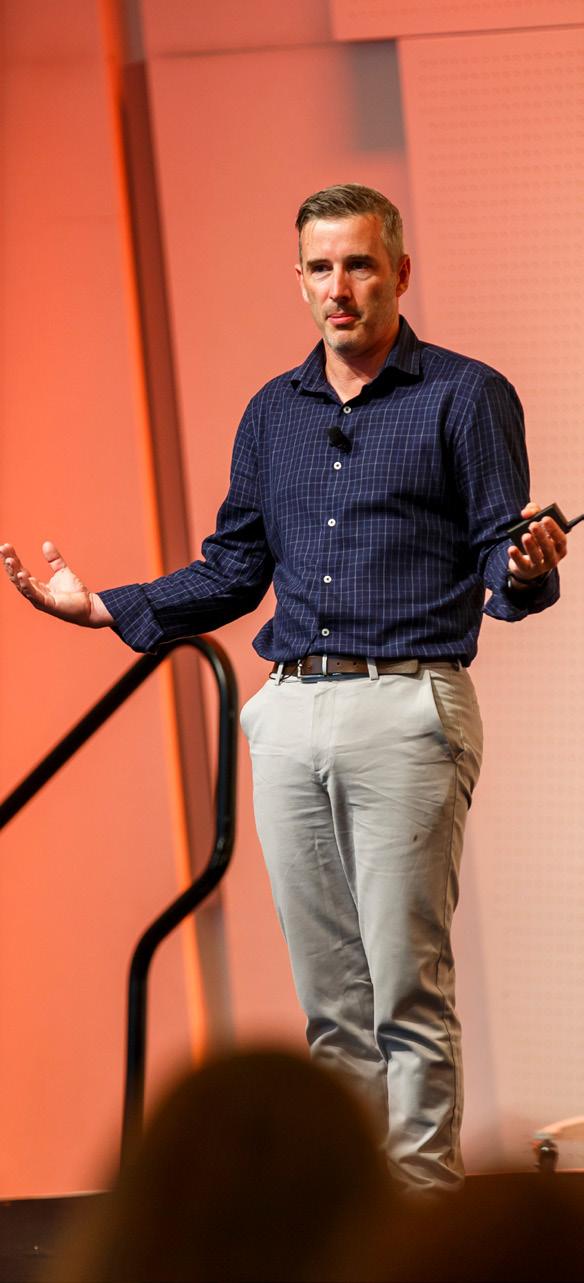
Steven Trotter, School Principal & Executive Chair - Barwon North Central Principal Network, Department of Education
Steven Trotter is a nationally awarded Australian educational leader, author and leadership specialist with more than twenty years in the profession. His career spans senior and executive roles across metropolitan, rural and residential settings, where he has built a reputation for strengthening teams, designing the conditions for sustained improvement and building the capacity of leaders and their teams to have a greater impact. Steven’s work centres on adult learning, leadership capability and the practical mechanics of leading change. Outside of his ‘day job’ as a school leader, Steven also coaches, mentors’ leaders, keynotes and runs workshops on leadership development and sustained impact on improvement. He continues to shape leadership thinking across Australia. Known for his clear process-driven approach and research-informed practice, Steven helps leaders move from overwhelm to intentional impact. Recently, in an exclusive interview with K12 Digest, Steven shared his professional trajectory, insights into the role of technology in enhancing teaching and learning, and how educational leaders can prioritize student well-being and success. He also shared his personal hobbies and interests, future plans, words of wisdom, and much more. The following excerpts are taken from the interview.
Hi Steven. Please tell us about your background and areas of expertise. I have worked in education for two decades and spent most of that time as a senior leader across diverse school contexts, from large metropolitan settings to small rural communities. My expertise sits in building strong teams, designing intentional leadership processes and helping adults grow their capability to lead sustained improvement. I have led and transformed multiple environments by articulating a clear
and aspirational direction, lifting collective confidence and shifting learning environments to be recognised as high performing.
What do you love the most about your current role?
The most complex part of my role is also the part I value most. People. I measure my success by the success of those I lead. Students are always at the centre, but my day-to-day work focuses on developing the adults who influence
Leaders who can sit comfortably with feedback, acknowledge their own gaps and respond with intention bring out the best in their teams
them. When leaders grow in clarity, confidence and capability, their impact on teaching and learning expands.
What role do you think technology plays in enhancing teaching and learning?
We have seen a significant shift in technology, however historically we have always had advances in new and exciting technological changes, some support education some add complexity. Technology should enhance learning, however we cannot and should not replace the human elements that matter most. Students need safe and meaningful exposure to digital tools, but deep thinking, cognitive development and problem solving still come from rich relationships between educators and learners. Technology supports learning, but it cannot replicate the connection, relationship, challenge and feedback that outstanding education environments provide.
How do you think educational leaders can prioritize student well-being and success?
Student wellbeing and learning are inseparable. Students need to feel safe and happy, but they also need stretch, rigour and opportunities to build resilience. I encourage my teams to shift their definition of success away from scores and towards effort, persistence and becoming comfortable with discomfort. When we celebrate effort and strong practice, confidence grows and academic results follow. We end up with a balanced high expectation work environment that celebrate effort and support a high level wellbeing environment.
What is your favorite quote?
I have many, but my current favourite is:
If I can help leaders shift perspective, reduce overwhelm and lead with greater impact, that is the work I want to keep doing
“Contrary to popular opinion, listening isn’t passive. It is one of the most active things a leader can do” Chris Voss – Never Split the Different: Negotiating as if your life depends on it. Harper Collins, 2016.
What do you think are some of the most important qualities or skills for education leaders to have, and why?
Educational leaders need a deep awareness of self. Without strong self-understanding and reflective habits, it becomes difficult to adjust behaviours, activate strengths or recognise the impact we have on others. Leaders who can sit comfortably with feedback, acknowledge their own gaps and respond with intention bring out the best in their teams.
Can you share a favorite hobby or interest outside of work that helps you recharge?
Running is my reset. I don’t need to go fast, but it clears my mind and helps me process ideas. Much of my first book was mentally drafted while running laps along my local river. My next book is coming together through clearing
my mind with a run. It is my space where energy settles and clarity arrives.
Where do you see yourself in the next 5 years?
In the next five years I want to expand my influence by supporting more leaders to sustain the work and thrive in their roles. I love what I do, and I believe the public narrative around schools and leadership undersells the profession. If I can help leaders shift perspective, reduce overwhelm and lead with greater impact, that is the work I want to keep doing.
What advice would you give to emerging leaders in education?
My advice to emerging leaders is to find a mentor who challenges you, not one who tells you what you want to hear. Build reflective habits and model them openly as a leader still learning alongside your team. Most importantly, invest time in understanding the people in your staffroom. They hold the greatest influence on the culture and learning environment, so know what type of leader each person needs you to be to help them thrive.
Designing Schools for a Lifelong Learning
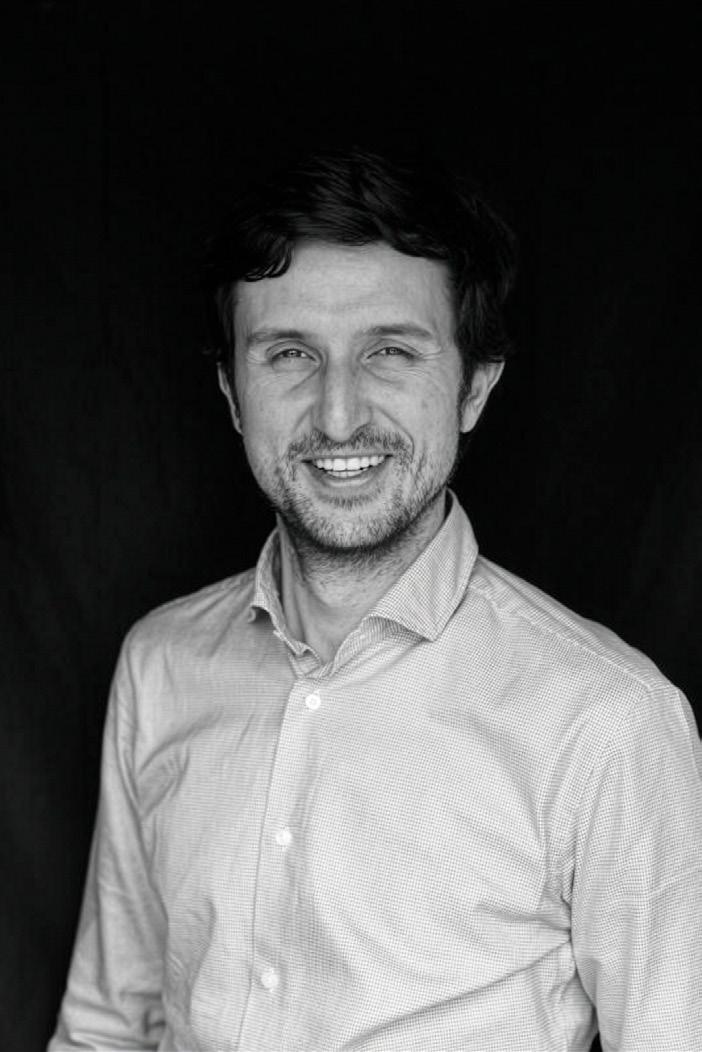
Giuseppe Auricchio, Chief Learning Innovation Officer, SEK Education Group
Giuseppe Auricchio is the Chief Learning Innovation Officer at SEK Education Group, leading transformation across SEK International Schools and Universidad Camilo José Cela. With over two decades of experience in reimagining learning and organizational growth, he focuses on integrating technology, pedagogy, and innovation at scale. He has spearheaded initiatives such as the world’s first fully online IB Diploma Programme, SEK’s Corporate Intelligence Office, and a group-wide Learning Experience Framework. Previously, he held leadership roles at Proeduca (UNIR) and IESE Business School. Giuseppe holds an Ed.D. from the University of Pennsylvania, an MBA from London Business School, and a B.Sc. from Georgetown University.
In an exclusive conversation with K12 Digest, Giuseppe Auricchio talks about his unconventional journey from finance to education, the pivotal moments that reshaped his understanding of how people learn, and the evolving role of innovation in school systems across geographies. Beyond strategy and systems, he speaks about the personal values that shape his leadership, his global perspective shaped by living across cultures, and the skills young professionals must cultivate to thrive at the intersection of education and technology. Below are the excerpts of the interview.
Walk us through your journey and the moments that shaped your worldview in education.
My path into education was not planned. I began in finance, working in derivatives at Deutsche Bank—an environment that was analytical, fast, and intellectually demanding. Yet even in those early years, I sensed something was missing. I found myself far more intrigued by how organisations learn, how people grow, and how leadership shapes performance than by the mechanics of the markets themselves.
That intuition led me to step away and pursue an MBA at London Business School. LBS broadened my sense of possibility and revealed how strongly I was drawn to environments where learning is the core product—not a side activity. It became a bridge between two worlds: the quantitative discipline of finance and the human-centred mission of education.
A pivotal turning point came when I joined IESE Business School. In my early roles designing programs for corporate clients, I experienced firsthand the transformative power
Schools face a paradox: the world around them is changing at extraordinary speed, yet the operating system of schooling remains largely unchanged
of learning. Watching executives reshape their thinking and their careers left a deep impression on me. During this time, I also enrolled in a Doctor of Education (Ed.D.) at the University of Pennsylvania. That experience changed me profoundly. It deepened my understanding of learning theory, adult development, and the role of reflection in leadership. It shifted my focus from “building programs” to “building learning experiences,” and from delivering content to shaping institutional innovation.
Another defining moment was joining Proeduca. The scale was completely different. Instead of serving a few thousand executives, we were reaching tens of thousands of students globally. It made me appreciate the power—and the responsibility—of accessibility: innovation matters only when it reaches the mainstream, not just the privileged few.
Today, at SEK, I have the privilege of working across K–12 and higher education. The most important insight I carry is that learning is not a phase of life; it is a lifelong journey. Institutions must be designed to accompany people through transitions, not simply deliver content. That belief guides everything I do.
What are the biggest challenges in school education today, especially for innovation across geographies? How have you dealt with resistance or inertia?
Schools face a paradox: the world around them is changing at extraordinary speed, yet the operating system of schooling remains largely unchanged. The challenge is rarely about knowing what to do—there is no shortage of ideas, technologies, or pedagogical models. The real difficulty lies in aligning strategy, governance, and culture so that innovation can actually take root.
Three obstacles appear again and again. First, structural inertia: schools are complex social systems, built for stability rather than reinvention. Second, fragmented capacity: different geographies and communities operate at different levels of readiness, which makes consistent implementation difficult. And third, the fear of losing what works: educators care deeply about students, and that often translates into caution when faced with change.
When you work across multiple countries, these challenges multiply. Readiness varies even more. Cultural expectations shift. The
We need new workflows, new teaching routines, new ways of orchestrating learning journeys that are no longer linear or uniform
pace at which you can move is uneven. And innovation cannot simply be copy-pasted; it has to be interpreted locally, in dialogue with the people it is meant to serve.
When I encounter resistance, I try not to interpret it as opposition. Most of the time, it is protection—teachers protecting their craft, families protecting their children, leaders protecting practices that have served them well.
I’ve learned to start small, create evidence early, and involve people in the design rather than presenting them with a finished solution.
Innovation moves when people feel respected, when they feel ownership, and when they see that change is not something being done to them, but something being built with them.
How do you see AI, adaptive learning, and data transforming daily practice in K-12? How is SEK preparing?
I believe AI will raise the bar on what a learning experience can be.
Over the next decade, we will see a fundamental shift: from teaching many students the same thing at the same time, to supporting each learner on a dynamic, personalised pathway.
AI will make it possible to generate and adapt activities in real time, offering each student the right challenge, at the right moment, in the right way.
Students will have AI companions that help them practise, reflect, and explore—tools that are attentive to their needs, responsive to their pace, and available whenever curiosity strikes.
Teachers, in turn, will gain a much richer understanding of how their students are learning. Instead of focusing mainly on outputs—tests, assignments, final products—they will be able to see the learning process itself: progress,
areas of growth, and moments of struggle that previously remained invisible.
Just as importantly, many routine tasks will be automated. This is not about replacing teachers; it is about freeing them. More time for relationships, for guiding critical thinking, for the formation of character and judgement. AI will not diminish the human role in education—it will elevate it.
For schools, this transformation requires preparation. We need new workflows, new teaching routines, new ways of orchestrating learning journeys that are no longer linear or uniform. It is an institutional shift as much as a technological one.
At SEK, we are approaching this through structured adoption. We have developed clear policies, created training pathways for teachers and leaders, launched pilots across multiple schools, and built a Corporate Intelligence Office to bring our data and AI capabilities under one roof. We are learning by doing—carefully, responsibly, and with a long-term view.
Our ambition is simple: use AI to make learning more humane, more personalised, and ultimately more impactful.
How do you lead teams, build a culture of experimentation, and measure impact? What principles guide you?
Innovation requires two things that often feel contradictory: ambition and humility. Ambition to imagine something better, and humility to accept that we will not get it right on the first try. That balance guides much of my work.
My leadership style is grounded in clarity and trust. I try to articulate the “why” and the destination, but I involve teams deeply in defining the “how.” I have found consistently that people support what they help to build. To make
progress, we work in short cycles—prototype, test, reflect, adjust. It keeps momentum high, but also allows us to learn quickly from reality rather than from assumptions.
For that to work, psychological safety is essential. People need to feel free to express doubts, challenge assumptions, and surface problems without fear of consequence. When that environment exists, experimentation becomes natural.
Measuring impact matters, but I try not to turn it into a bureaucratic exercise. We look at evidence of learning, and the lived experience of students and teachers. I prefer to think of our approach as “data-informed,” not “data-driven,” because intuition and professional judgement remain important compasses.
The hardest part of leading innovation is that institutions are not designed for it—they are designed for operating. Much of the work involves building bridges between today and tomorrow, creating the structures and routines that allow the organization to move forward without feeling destabilized. It is slow, patient work, but deeply rewarding when you begin to see cultural shifts take hold.
Outside work, what keeps you curious or energized? What personal values or experiences influence your work?
Curiosity has always been my anchor. I find joy in understanding needs and designing solutions around them—whether it’s a learning model, a new technology, or a recipe. Cooking, in particular, is a passion of mine. It has taught me a great deal about creativity and discipline. In many ways, cooking and learning design feel similar: both require balancing structure
with improvisation, respecting technique while leaving space for experimentation.
Another powerful influence has been living and working in many different countries. Over the years, I have lived in, or spent extended time working across, more than a dozen national contexts—North America, South America, Europe, the Middle East, Africa. This exposure has given me a deep respect for cultural nuance and the enormous role context plays in shaping learning. What feels intuitive in one country may feel foreign in another.
Finally, my children also shape how I think about education. Watching them grow reminds me that learning is emotional long before it is academic. Their questions, frustrations, and moments of discovery continually reshape my view of what schools must do—especially the importance of personalisation, and building confidence.
In the end, these experiences—family, curiosity, international work—have shaped a simple conviction: in education, nobody has all the answers. We are all learning—students, teachers, leaders alike. And the moment we stop learning, we stop serving.
What advice would you give to those entering the intersection of technology and education? What skills or mindsets are underrated? Three ideas come to mind.
First, learn to think across disciplines. Innovation in education happens in the spaces where fields intersect—where pedagogy meets psychology, where technology meets ethics, where data meets human judgment. If you box yourself into one domain, your perspective
The people who thrive are not those who always have the answer, but those who stay curious, question their assumptions, and adapt when new information appears
narrows. The most interesting solutions usually come from people who can connect ideas that do not normally sit together.
Second, become comfortable with ambiguity. This field moves quickly—especially now, in the AI era. The people who thrive are not those who always have the answer, but those who stay curious, question their assumptions, and adapt when new information appears. Flexibility is becoming as important as expertise.
Third, stay close to learners. It is easy to get absorbed by tools, frameworks, and strategies,
but the most meaningful insights come from watching how students actually learn and how teachers actually teach. The closer you stay to the real experience of the classroom, the better your innovations will be.
As for underrated skills: listening, writing clearly, and translating complexity into simple, practical steps. These capabilities often determine whether your ideas turn into action or remain elegant theories.
How do you envision SEK’s role evolving globally? What would success look like in 2030?
SEK has the ingredients to be a genuine global reference: a rich history, an entrepreneurial spirit, a strong international footprint, and the courage to evolve. Over the next decade, I see us becoming an integrated learning ecosystem—supporting students from early childhood through university and into adulthood, with a growing international presence, a coherent philosophy about how learning happens, and an innovation agenda powered by a strong digital backbone.
By 2030, success would mean that our learning model is not only distinctive and innovative, but truly lived. Students taking ownership of their learning. Teachers using AI and data seamlessly, as an unobtrusive extension of their craft. Schools collaborating across borders, sharing practices and insights. And our university and K–12 network advancing a shared vision of purposedriven, competency-based education.
But the real measure of success is simpler: our graduates. If they leave us with confidence, curiosity, and a genuine desire to contribute meaningfully to the world, then we will have fulfilled our mission.
Preparing Students for Global University Success
Jonathan Marchant, Head of Senior School, Epsom College Malaysia
With nearly two decades of experience in British and international education, Jonathan Marchant has held senior academic leadership roles at several of the UK’s most respected schools. Formerly Deputy Head (Academic) at Fettes College and Head of Sixth Form at Cheltenham Ladies’ College, he has led IGCSE, A Level, and IB Diploma programmes and helped students gain places at top global universities. Jonathan has also worked internationally, including in Japan and The Bahamas, and writes regularly on education, most recently for The Times on AI in schools.
Recently, in an exclusive interview with K12 Digest, Jonathan shared his professional trajectory, insights into the most pressing issue facing education today and how it can be addressed. He also shared his favorite quote, personal hobbies and interests, future plans, pearls of wisdom, and much more. The following excerpts are taken from the interview.
Hi Jonathan. Can you tell us about your career path and what led you to become a teacher and eventually a school leader? My route into teaching—and later into school leadership—was not the typical journey for someone who has spent more than a decade working in prestigious independent schools. I grew up attending my local state school, where I particularly excelled in History, and became the first in my family to go to university. After graduating, my then-girlfriend (now wife) was determined to move to Japan to teach English. She was a keeper—we’ve now been together 25 years—so I followed her.
Living and working in Japan was transformative. Experiencing a culture so different from our own helped us realise how much we enjoyed working with young people and set us firmly on the path toward teaching.
On returning to the UK, I completed my teacher training in Secondary History at the University of Bath, which I loved. I was fortunate to be given my first teaching post at Farmor’s School in Gloucestershire by Jim Speake, who took a chance on me. From day one I taught exam groups, including A Level students, which I relished. Drawing on my Master’s degree in History allowed me to
Working in international education is endlessly inspiring. You learn so much from students whose cultural backgrounds and perspectives are wonderfully diverse
enrich my classes and bring academic depth to my teaching.
I was soon promoted to Assistant Head of Sixth Form, supporting students with university applications—a part of the role I found particularly rewarding. Later, I became Head of History at Marling School, a selective grammar school, where I spent four years designing curriculum, leading a team, and overseeing competitive university applications. During this time, we saw remarkable success, including a rise in Oxbridge offers from one per year to nine in my final year.
These experiences gave me the confidence to apply for the Head of Sixth Form role at Cheltenham Ladies’ College, which remains one of the best professional decisions I have made. CLC introduced me to the International Baccalaureate and to working with students from all over the world, sparking my interest in international education.
After 15 years of working within a 20mile radius—across state, grammar, and independent sectors—my career took on a more global trajectory. I became Deputy Head (Academic) at Fettes College in 2021, working under Helen Harrison and helping introduce innovative programmes such as Engineering, Enterprise and Technology, while restructuring academic leadership. I was then headhunted to set up King’s College Bahamas Secondary School and subsequently appointed Founding Head of Senior School at Epsom College Malaysia.
From 2021 to 2025, my family and I have travelled thousands of miles, embraced new cultures, and grown through each experience. We have loved every moment.
Without strong relationships, even the most expert subject knowledge may fail to connect
What do you love most about your current role?
Working in international education is endlessly inspiring. You learn so much from students whose cultural backgrounds and perspectives are wonderfully diverse. I’ve also been deeply impressed by our EAL department, whose flexibility ensures students experience the right level of challenge while developing their English. Their ability to adapt to the wide range of learners they teach is exceptional, and the breadth of courses available allows students to thrive in ways that suit their individual strengths.
What do you think is the most pressing issue facing education today, and how can it be addressed?
The most pressing issue is the ethical and responsible use of AI. I’ve written about this for The Times (link provided). AI is reshaping learning, and we cannot ignore it nor simply ban it. Instead, we must teach students how to use it responsibly.
One of the best approaches is helping students understand prompt engineering. This encourages them to move beyond using AI to generate plagiarised work and instead use it as a tool for deeper inquiry, reflection, and support. When students learn to ask better questions, AI becomes an aid to learning rather than a shortcut.
What role should technology play in the classroom? How can it enhance learning?
Technology should be purposeful—not used for its own sake. The modern professional world is built on a combination of digital inking
and typing, and we would be doing students a disservice if we didn’t equip them to work in this way. Well-used technology enhances efficiency, creativity, and organisation.
AI, in particular, is incredibly powerful when given accurate, well-selected information. It is excellent at identifying common errors and offering suggestions. Like any system, the quality of its output depends on the quality of its input. Teaching students how to feed AI good information will make them stronger learners and, one day, stronger professionals.
What qualities and skills are essential for successful teachers, and how do you develop these in your staff?
Building rapport by meeting students at their level is fundamentally important. Without strong relationships, even the most expert subject knowledge may fail to connect. Teaching is, at its heart, an act of communication. The ability to adapt one’s communication style to suit the learners in front of you is—quite simply—gold dust.
In developing staff, I place emphasis on reflective practice, open dialogue, and encouraging teachers to understand not just what they teach, but who they teach.
What is your favourite quote?
“All that is required for the triumph of evil is for good people to do nothing.”
—Edmund Burke
Have you had any mentors or role models who influenced your career?
Eve Jardine-Young, who appointed me at Cheltenham Ladies’ College, has been
If you enjoy variety and want to make a genuine difference to the world our children will inherit, school leadership is an extraordinary path
enormously influential. She is an intellectual powerhouse, yet her emotional intelligence is what makes her leadership exceptional. From Eve, I learned that leadership isn’t about “command and control”—it’s about empathy, nuance, and reading the people around you.
What hobby or interest helps you recharge outside of work?
I love running, football, golf, History, and keeping up with current affairs and politics. Most importantly, I treasure time with my family. I’m currently working away from them, so this last one matters more than ever.
Where do you see yourself in five years?
I hope to be happily leading a school—or perhaps a group of schools—continuing to shape meaningful educational experiences for young people.
What advice would you give teachers aspiring to leadership roles?
If you enjoy variety and want to make a genuine difference to the world our children will inherit, school leadership is an extraordinary path. Few roles offer the ability to influence young lives so meaningfully. Invest your time in teaching the world’s children—there is little that is more rewarding.
ACADEMIC
Empowering Educators & Students to Drive Meaningful Change
Dr. Rachel Edoho-Eket, Principal, Howard County Public School System, TEDx Speaker & 2x Bestselling Author
Hi Dr. Edoho-Eket. What motivated you to pursue a career in education leadership, and what have been some of the highlights?
I’m a third-generation educator, so becoming a teacher always felt like a continuation of my family’s legacy. I grew up watching my family members invest time into their school communities, and that helped shape everything about who I am today. Some of the biggest highlights of my career have been watching my former kindergarten students graduate high
school and step confidently into college or their careers. It’s a reminder that the work we do in early childhood is truly meaningful across a lifetime. Another joy has been serving as a principal to two generations of teachers from the same family! That was a full-circle moment that continues to affirm just how deeply relationships anchor our work.
What do you love the most about your current role?
What I love most about being a principal is the privilege of serving an entire school community!
What I love most about being a principal is the privilege of serving an entire school community
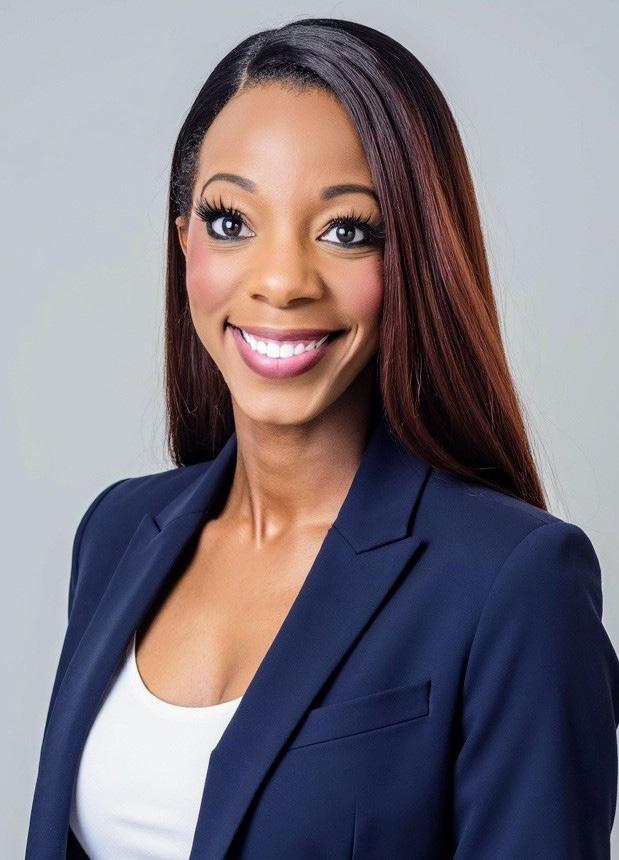
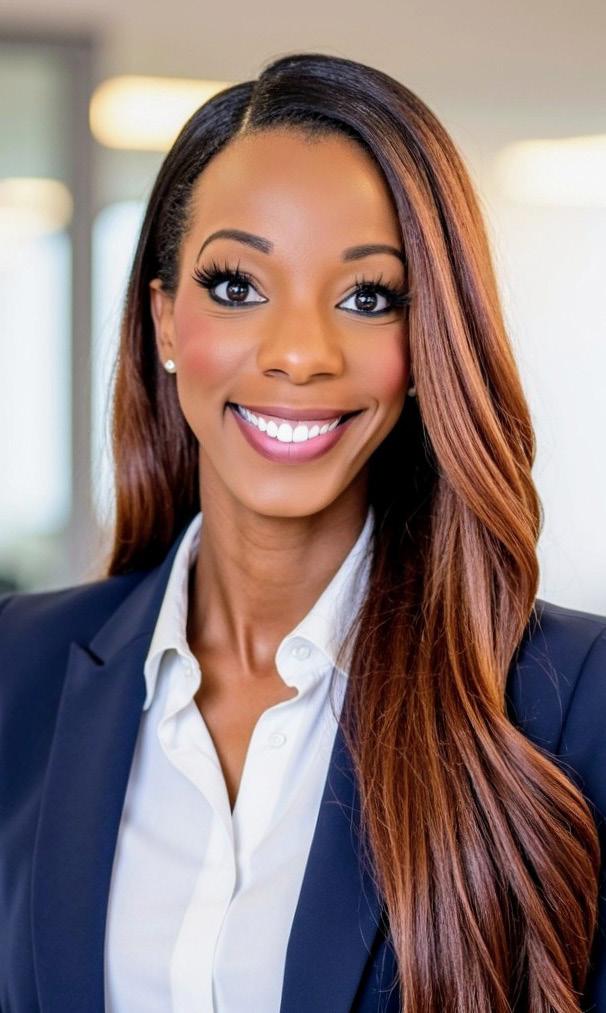
Dr. Rachel Edoho-Eket is a wife, mother, principal, author, speaker, and President of the Maryland Association of Elementary School Principals. She also is an ASCD Faculty member and serves as an adjunct professor at McDaniel College. Named a District Administration Top 100 Influencer in Education, she advocates to support all students, staff, and families in education. Her two best-selling books, The Principal’s Journey and Relational Intelligence, equip school leaders with practical tips and guidance for success. Her podcast, “Strong Start Sundays” fosters a vibrant community of school leaders. Dr. Edoho-Eket holds degrees in early childhood & elementary education, curriculum development, and leadership.
Recently, in an exclusive interview with K12 Digest, Dr. Edoho-Eket shared insights into her journey as a leader in education, her approach to building relationships, and her vision for empowering educators and students. She also shared her personal hobbies and interests, future plans, words of wisdom, and much more. The following excerpts are taken from the interview.
Our students, staff, and families bring immense joy to our building. Every day, I enjoy greeting students at arrival, celebrating our teachers and staff, and partnering closely with families to help their children succeed.
Additionally, serving as President of The Maryland Association of Elementary School Principals continues to be an incredible honor! This position has allowed me to connect with school leaders across our state of Maryland and nationally, to learn
with other leaders and to help contribute to important advocacy efforts within the field of education.
What do you think are some of the most significant trends or changes in education, and how do you think schools can adapt?
One of the biggest trends we’re seeing in education is the expanded use of AI, by teachers and students, and it’s changing how we think
about teaching and learning. I believe schools can adapt by approaching AI as a support, not a substitute, for strong instruction, creative thinking, and meaningful student engagement. When we help students use AI responsibly and critically, we’re preparing them for the future while giving them new tools to make their voices heard and expand their creativity.
Another major change is the renewed focus on children’s early literacy skills. The early years lay the foundation for everything that follows, and the shift toward structured, science-based reading instruction is critical. School systems can adapt by investing in high-quality materials, ongoing professional learning, and consistent coaching. Equally important is making sure that families understand how reading skills are developed and ways they can support learning at home. When families are partners at home, students benefit.
Teacher recruitment and retention continues to be one of our most urgent challenges. Educator pay and workload issues are frequent concerns, but additionally, many teachers are leaving the field because they may not feel
valued, supported, or connected. School leaders can adapt by creating a culture where teachers feel appreciated and trusted for their efforts. This is where relational intelligence becomes a non-negotiable. Leaders have to set the tone for belonging, safety, and open communication because when teachers are valued, they bring that same energy to their students.
Across all of these trends, one thing remains clear: student voice, family partnership, and strong relationships are at the root of every successful school. No matter how much the educational landscape shifts, our ability to connect with the people we serve will always be a priority.
How do you think education can be used to address some of the world’s most pressing challenges, and what opportunities do you see?
Education has always been one of the greatest tools we have for solving the world’s most pressing challenges because it shapes how young people see themselves, each other, and their place in the world. When we teach
No matter how much the educational landscape shifts, our ability to connect with the people we serve will always be a priority
students to think critically, communicate, and collaborate, we’re preparing them to address issues with skill and empathy.
One of the biggest opportunities is in helping students of all ages use the power of their voice. When students learn early on that their perspectives matter and their ideas can create change, we build a generation of problem-solvers who aren’t afraid to lead. Authentic projectbased learning, service learning, and real-world problem-solving gives students the chance to practice advocacy in meaningful ways.
Of course, none of this happens without supportive relationships. If we want students who change the world, we have to create school communities where they know they belong and where their perspectives and brilliance is recognized every day.
What do you think are some of the most important qualities or skills for education leaders to have, and why? The strongest education leaders are those who live in service to others. First, building trust, communicating, and creating a school culture of belonging is essential. I firmly believe that relational intelligence is the key to exceptional school leadership.
Strong leaders also need to be reflective. Schools are complex and students, staff, and families look to us for calm, consistent decisionmaking. Being able to pause, listen, and respond empathically makes all the difference.
Finally, leaders need to be adaptable. Education is changing quickly and leaders must be willing to learn, adjust, and guide our school communities through uncertain times. We also need to be credible instructional leaders,
The strongest education leaders are those who live in service to others
understanding teaching and learning well enough to support staff and move our schools forward. This is how we help our students succeed long term.
How do you stay connected to the broader education community, and what insights have you gained from your networks?
I stay connected to the broader educational community by being involved in several wonderful professional organizations, both locally and nationally. Serving as President of The Maryland Association of Elementary School Principals has given me the incredible privilege of learning from school leaders across Maryland and beyond. After hearing stories and sharing ideas, I realized that while each of our schools are unique, our challenges and hopes are the same. Additionally, I am an ASCD faculty member and enjoy staying engaged with other educators by speaking at conferences, publishing articles, and leading my podcast “Strong Start Sundays.”
One of the biggest insights I’ve gained from these networks is learning how much power there is in our collective knowledge. When leaders come together to learn, grow, and lift each other up, all of our schools improve. Staying connected reminds me that even on our toughest days, none of us are doing this work alone, and that brings me hope.
What is your favorite quote?
My favorite quote is, “Do something today that your future self will thank you for.” I love it because it speaks directly to the importance of goal setting and having a positive mindset.
Start by building positive relationships with your students, colleagues, and families because the trust you gain will carry you farther than any teaching technique or strategy
I’ve learned that growth doesn’t always come from huge leaps all it once. Instead, it comes from small, consistent actions that move us forward over time.
It also reinforces why it’s powerful to celebrate our progress along the way. When we stop to acknowledge wins, we build momentum, confidence, and joy. This quote encourages me to persevere and helps me lead with a level of excitement and anticipation for the future.
Can you share a favorite hobby or interest outside of work that helps you recharge?
One of my favorite ways to recharge is going for a long walk. It helps to clear my mind and gives me space to reset without distractions. I’ll also admit that watching reality TV is one of my favorite guilty pleasures! Sometimes the best kind of self-care is turning off the responsibilities of the day and watching an entertaining show! These hobbies help me decompress and return to school with more energy and joy.
Where do you see yourself in the next 5 years?
In the next five years, I see myself continuing to grow as a school leader while expanding
my influence in the field of education. I hope to keep supporting and mentoring school leaders, and creating spaces where educators feel seen, supported, and encouraged, whether through writing, speaking, or professional learning opportunities. Most of all, I want to stay closely connected with staff, students, and families because that’s where I find the highest level of joy and purpose. Wherever I am, my hope is to be serving in a way that adds value, builds community, and helps more school leaders thrive.
What advice would you give to earlycareer professionals looking to make a positive impact in education?
My biggest advice to early-career educators is to start by building positive relationships with your students, colleagues, and families because the trust you gain will carry you farther than any teaching technique or strategy. Additionally, remember to ask for feedback, seek mentors, and keep growing. Finally, celebrate your progress! You’re shaping lives every day, often in ways you won’t see until many years later. This is my 21st year in public education, and I still learn something new every day!