Dr. Christopher Kramer President, American College of Cardiology
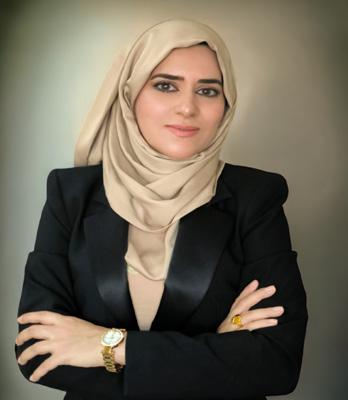
Dr. Asmaa Alkhazraji, Language Education Leader, British University in Dubai
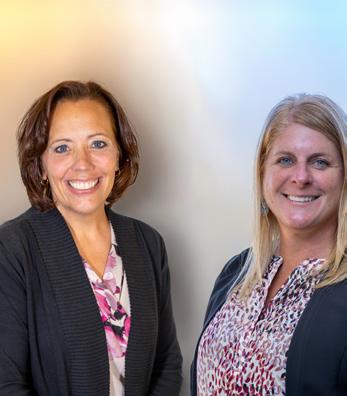
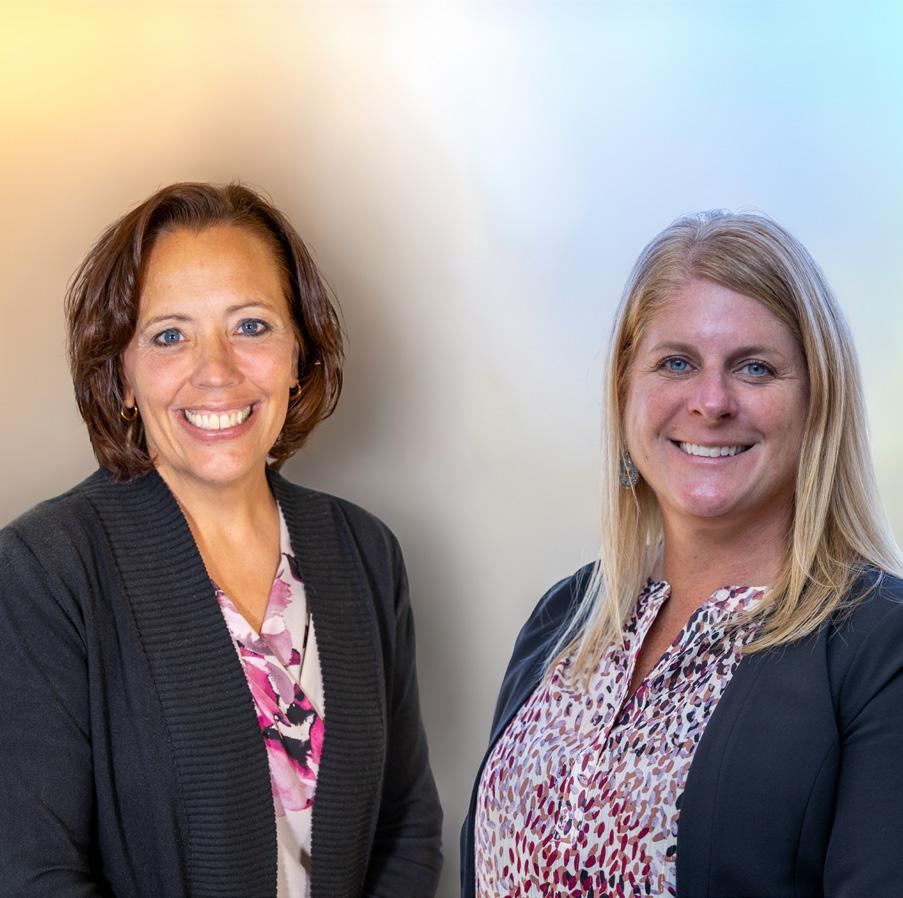
Dr. Kerri A. Golden Dean & Associate Professor, Saint Francis University
FEATURING INSIDE
Dr. Stephanie Ivory Chair, Saint Francis University
Iis Tussyadiah Dean, Surrey Business School
Julie Barker Chief Operating Officer, AUCSO
Professor Frances Corner OBE Former Vice-Chancellor of Goldsmiths, University of London
Managing Editor
Shyam
Consultant Editors
Dr. John Andrews
Emma James
Andrew Scott
Naomi Wilson
Stanly Lui
Joseph Alex
Creative Consultants
Charlie Jameson
Edwards Gonzalez
Branding & Marketing Partnerships
Jennifer Anderson
Alice Smith Lucy Jones Anna Elza
International Partnerships admin@highereducationdigest.com
Americas Europe Middle East & Africa Asia-Pacific Follow Us On www.linkedin.com/company/ highereducationdigest www.facebook.com/HigherEducationDigest
Higher Education Digest www.highereducationdigest.com is a global knowledge sharing digital platform published by Connecta Innovation Private Limited. All rights reserved. The opinions expressed in the content and pictures provided are those of the authors. They do not purport to reflect the opinions or views of Connecta Innovation Private Limited or any of its members and we do not assume any responsibility. The publisher does not assume any responsibility for the advertisements, its content, pictures, and all representation of warranties made in such advertisements are those of the advertisers and not of the publisher. Higher Education Digest www.highereducationdigest.com is a Free Subscription and Free-to-read digital platform strictly not for sale and has to be strictly for internal private use only. Publisher does not assume any responsibility arising out of anyone modifying content and pictures, printing a copy of this digital platform in any format and in any country and all matters related to that.
Sarath
When Algorithms Meet Empathy
Not long ago, I sat in a university strategy meeting where someone confidently declared, “AI will fix student success.” The room nodded. I paused. Technology can do many things. It can predict which students are at risk. It can recommend courses. It can automate feedback. But it cannot look a struggling learner in the eye and say, “I believe in you.”
We are living in a moment when artificial intelligence, predictive analytics, and digital learning tools are no longer experiments. They are becoming standard practice. According to recent industry estimates, institutions are investing billions globally in AI-driven systems to improve retention and outcomes. And yet, student completion rates and equity gaps remain persistent challenges. The issue is not whether we use technology. It is how we use it. Responsibly. Thoughtfully. Humanely.
That is why our February cover story feels so timely. In this issue of Higher Education Digest Magazine, we speak with Dr. Mark Milliron, President of National University, whose career has placed him at the intersection
of innovation and impact. From co-founding Civitas Learning to leading large, access-focused institutions, Milliron has long championed datainformed decision-making. But what stands out in our conversation is not just his belief in analytics. It is his insistence that technology must amplify human connection, not replace it.
This edition also brings together diverse voices from across the higher education landscape; leaders, practitioners, and thinkers who are grappling with the same fundamental question: how do we harness the power of digital tools without losing the soul of education? You will find perspectives that challenge assumptions, spotlight emerging models, and explore the future of learning with both optimism and caution.
As you turn these pages, I invite you to consider your own answer. In an AI-driven era, the institutions that thrive will not be those with the smartest systems alone, but those with the strongest sense of purpose. The future of student success will belong to those who remember that behind every data point is a dream.
Enjoy Reading.
Sarath Shyam
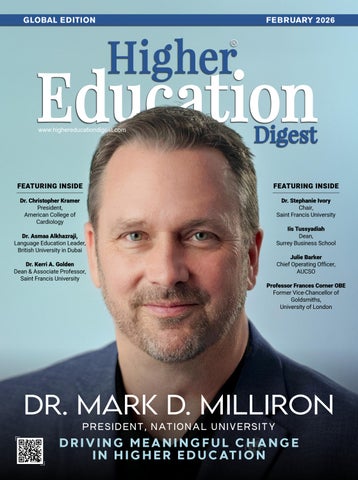
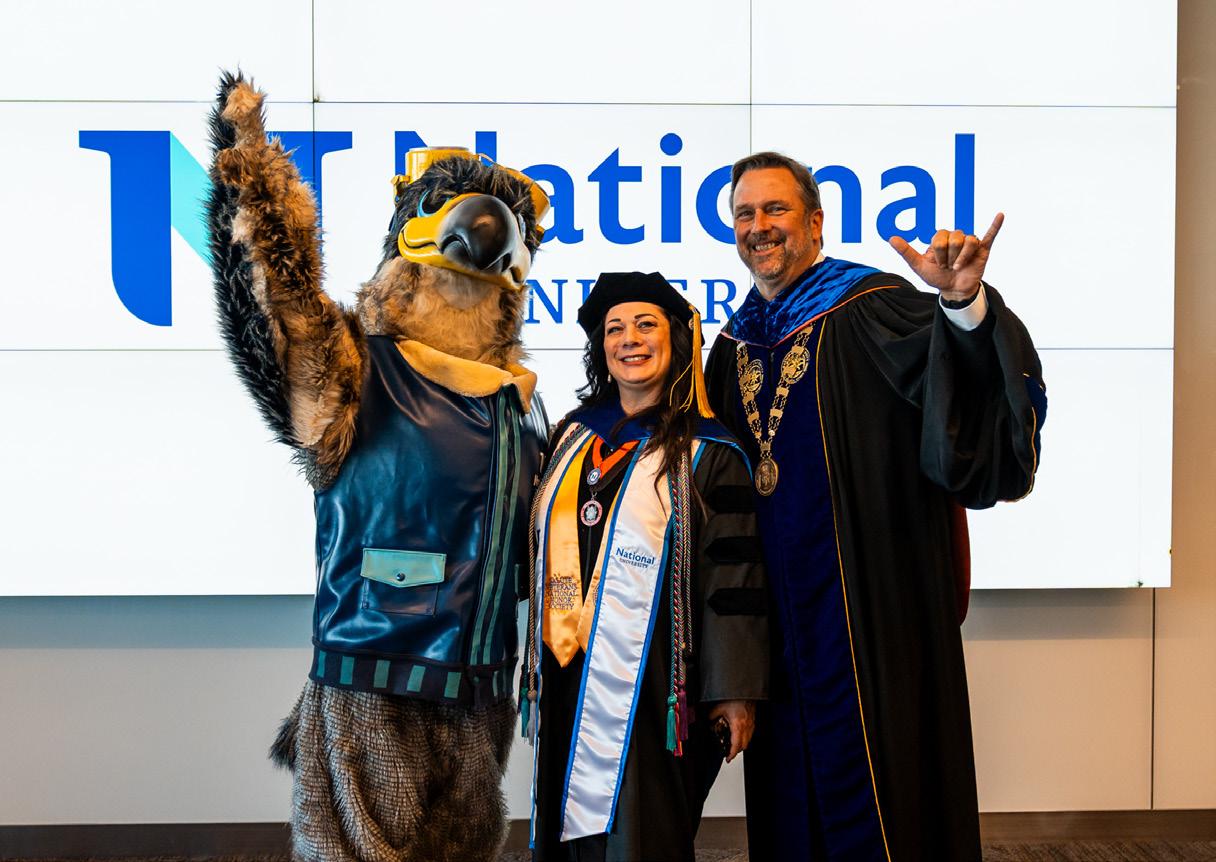
DR. MARK D. MILLIRON
PRESIDENT, NATIONAL UNIVERSITY
DRIVING MEANINGFUL CHANGE IN HIGHER EDUCATION
INDUSTRY PERSPECTIVE
BUILDING SAFER, SMARTER, AND MORE SUPPORTIVE CAMPUSES THROUGH COLLABORATION AND INNOVATION
Julie Barker, Chief Operating Officer, AUCSO
INSIDE THE EVOLVING WORLD OF CARDIOVASCULAR CARE
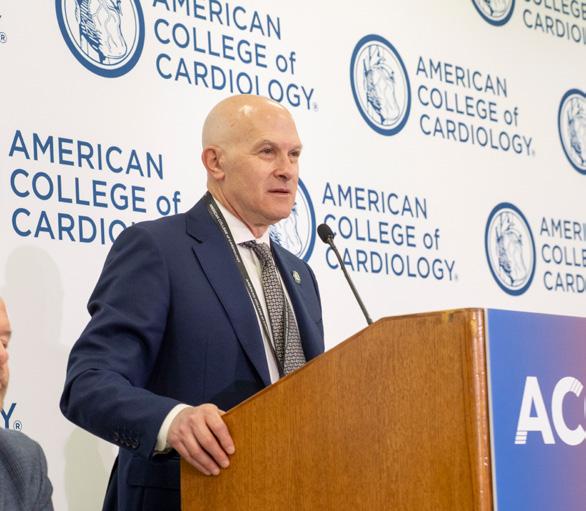
Dr. Christopher Kramer, President, American College of Cardiology
ACADEMIC VIEW
34
THE ART OF LEADING WITH IMAGINATION
Professor Frances Corner OBE, Former Vice-Chancellor of Goldsmiths, University of London 19
ACADEMIC VIEW
AI IN THE HIGHER EDUCATION CLASSROOM: FRIEND OR FOE?
Dr. Asmaa Alkhazraji, Language Education Leader, British University in Dubai Alumni, Dubai, UAE
LEADING WITH PURPOSE IN AN AI FUTURE
Iis Tussyadiah, Dean of Surrey Business School
SHORTAGE TO SUSTAINABILITY: HOW HIGHER EDUCATION CAN EXPAND THE TEACHER PIPELINE
Dr. Kerri A. Golden, (Dean & Associate Professor, Saint Francis University)
Dr. Stephanie Ivory, (Chair, Saint Francis University) 46
COVER STORY
DR. MARK D. MILLIRON
PRESIDENT, NATIONAL UNIVERSITY
DRIVING MEANINGFUL CHANGE IN HIGHER EDUCATION
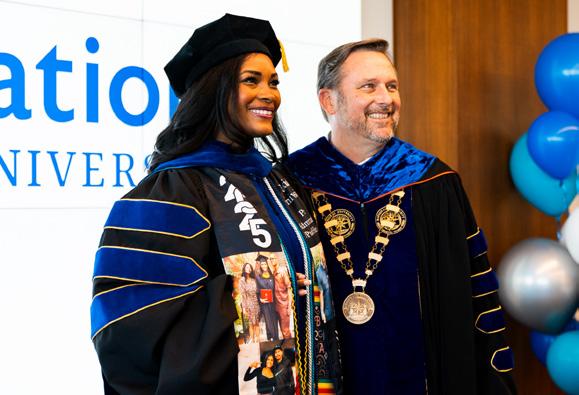
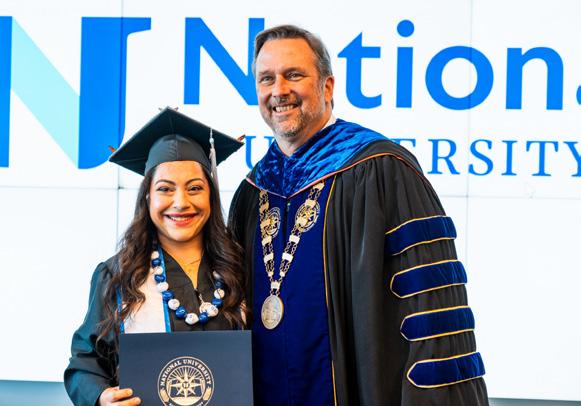
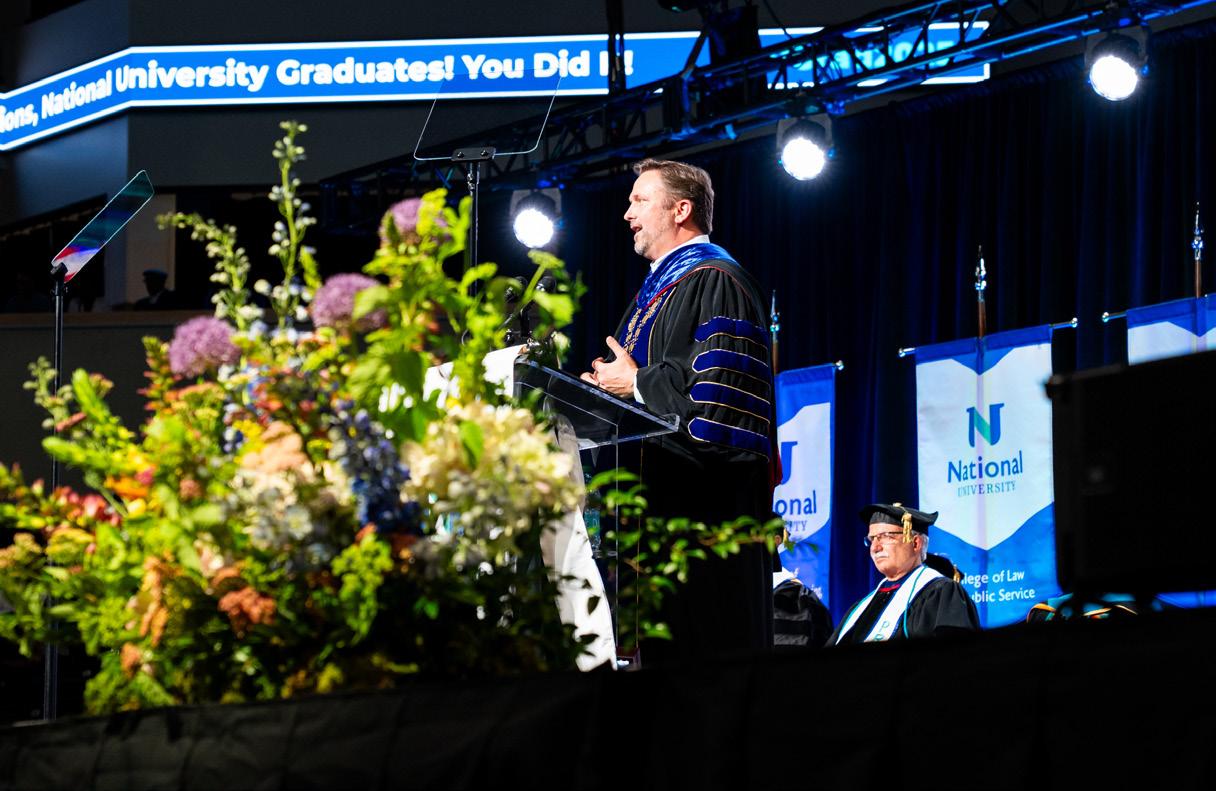
Dr. Mark Milliron is the President of National University, a role he took over in 2022. Previously, Milliron was the Senior Vice President and Executive Dean of the Teachers College at Western Governors University. Prior, he was the Chief Learning Officer of Civitas Learning, an agency he co-founded in 2011 and joined full-time in 2013. Milliron is an awardwinning leader, author, speaker and consultant who has worked with universities, community colleges, K-12 schools, foundations, corporations, associations and government agencies across the country and around the world. Prior to joining Civitas, Mark served in the education world in a number of leadership positions, most recently as founding Chancellor of WGU Texas. Prior to that, Mark held the role of Deputy Director for Postsecondary Improvement with the Bill & Melinda Gates Foundation.
Recently, in an exclusive interview with Higher Education Digest, Mark shared insights into his journey in higher education, motivated by the transformative power of education and a desire to make a meaningful difference. Mark predicts AI will reshape higher ed by 2030, integrating into curricula and student support, and sees online learning playing a central role in serving non-traditional students. He also shared his personal hobbies and interests, future plans, words of wisdom, and much more. The following excerpts are taken from the interview.
Hi Mark. What motivated you to pursue a career in higher education?
Early in my life, places like Mesa Community College, Arizona State University, and the University of Texas at Austin, institutions committed to access as much as they are to excellence, showed me how transformative education can be. I would not be here without them. Without the right people showing up at the right moments, my path would have looked very different. It felt natural to make that experience my purpose, to be the right person showing up at the right moment, and to help more learners have their lives changed by education. I’ve always been driven by a combination of curiosity and a desire to make a meaningful difference, and
higher education is where those two things truly come together.
What’s most rewarding about leading NU?
The most rewarding part is leading an institution that’s deeply aligned with the realities of students who work, military and veteran communities, student-parents, and other folks balancing education with the rest of their lives. We’ve taken to calling our students ANDers™ because they are going to college and raising children, or going to college and working a fulltime job. These learners represent the emerging majority of today’s students. Knowing that our mission is built around helping these learners
I’ve always been driven by a combination of curiosity and a desire to make a meaningful difference, and higher education is where those two things truly come together
earn meaningful credentials and create new opportunities for themselves and their families is profoundly meaningful.
How will AI reshape higher ed by 2030?
First, AI will be in the core curricula for the majority of programs in higher education–i.e., it will become a new basic skill for graduates. Second, AI will reshape higher education not by replacing educators in the teaching and learning process, but by further powering our ability to meet students where they are and guide them on meaningful learning journeys–and to do so at scale. Where it does automate human tasks, it should be the rote ones that too often get in the way of the real work we do with learners. By 2030, AI will be integrated into teaching, advising, and student support, but if higher education does this well, it will also be embedded across the entire student experience. Students won’t just encounter AI through a chatbot or be left to figure it out on their own. In short, students will learn about AI and with AI.
What’s the role of online learning in future education?
Nontraditional students are on the rise and online education already plays a central role in serving them. That role will only continue to grow. However, we have to remember that online and hybrid learning technologies and instructional models are diverse and changing. We’ll continue to leverage online learning and do the work of supporting policies, practices,
and partnerships that help us make the most of its possibilities. However, we’re not tied to any technology or technique; what matters to us is that our students learn well, finish strong, and launch confidently into their next adventures. Given this commitment, we’ll continue to innovate and explore different learning and service models with on ground, online, hybrid, metaverse, and more.
How do you stay updated on best practices in higher education?
I stay up to date by connecting with a wide range of leaders, researchers, teachers, service professionals, and especially students at National University, across the country, and around the world. Over the course of my career, I’ve been fortunate to work alongside some pretty inspiring people from K12 schools, colleges, universities, workforce education, philanthropic organizations, technology companies, and policy circles, and those relationships have stayed with me. Many of these folks are power learners, curators of content, and the best of
By 2030, AI will be integrated into teaching, advising, and student support, but if higher education does this well, it will also be embedded across the entire student experience
sharing partners. Moreover, you also get invited into meetings, conferences, projects and more as a result of these relationships. Having access to such diverse perspectives, especially from people who genuinely care about students, helps me stay humble and grounded in what’s working and where higher education is headed.
Are there any particular books, articles, or resources that have significantly influenced your thinking or approach?
I’m a big believer in having a broad learning aperture–synthesizing, analyzing, and usefully
stealing from lots of places. The recent book “Range” by David Epstein is a great read and captures the why of that perspective well. We’ve really pulled that into our culture here at NU. Learning together with a team is a power skill as you work to get better.
What is your favorite quote?
“This is the true joy in life, being used for a purpose recognized by yourself as a mighty one.
Being a force of nature instead of a feverish, selfish little clod of ailments and grievances, complaining that the world will not devote itself
Be curious, stay open, and always be willing to be a rookie again. Some of the most important learning happens when you step into unfamiliar territory and allow yourself to be a beginner
to making you happy. I am of the opinion that my life belongs to the whole community and as long as I live, it is my privilege to do for it what I can. I want to be thoroughly used up when I die, for the harder I work, the more I live. I rejoice in life for its own sake. Life is no brief candle to me. It is a sort of splendid torch which I have got hold of for the moment and I want to make it burn as brightly as possible before handing it on to future generations.”― George Bernard Shaw
What are some of your passions outside of work? What do you like to do in your time off?
Most of all, I enjoy spending time with my wonderfully rowdy family – four kiddos and an amazing wife; hiking in the Blue Ridge Mountains and on the beaches of San Diego; playing, coaching, and watching sports (basketball and tennis in particular); and taking
in amazing views, scenes, and moments in travel and in everyday life.
What is your biggest goal? Where do you see yourself in 5 years from now? The answer is really the same: working to make things better.
What advice would you give to someone just starting out in their career in higher education?
Be curious, stay open, and always be willing to be a rookie again. Some of the most important learning happens when you step into unfamiliar territory and allow yourself to be a beginner. Pay attention to people who do this vital work in education thoughtfully and with integrity, and learn just as much from missteps as from successes. Most of all, keep your focus on opening pathways to possibility for students. There’s deep meaning in this work.
ACADEMIC VIEW
The Art of Leading with Imagination
Professor Frances Corner OBE, Former Vice-Chancellor of Goldsmiths, University of London
Professor Frances Corner OBE is a respected leader in UK higher education, known for her tenure as Vice-Chancellor of Goldsmiths, University of London, the first woman to hold the role. With 30 years of senior leadership experience, she previously led London College of Fashion and served as Pro ViceChancellor at University of the Arts London. She chairs the Maudsley Charity, one of the UK’s leading mentalhealthfoundations,andservesontheboardofLondonAcademyofMusic&DramaticArt(LAMDA).
Professor Corner also sits on the Councils of Creative UK and the All-Party Parliamentary University Group, which advises UK lawmakers on higher education policy. In 2009, she was awarded an OBE for services to fashion higher education and widening participation in arts education. In 2024, Professor Corner was awarded the Freedom of City of London for services to Higher Education.
In this conversation with the Higher Education Digest, Professor Corner explores how universities can reimagine their role in an era of financial pressures, technological disruption, and shifting perceptions of value. From fostering philanthropy and social innovation to championing the arts as a force for change, Professor Corner shares thoughtful insights on the future of education, leadership, and human creativity. Below are the excerpts of the interview.
You have navigated a path from arts and design academia into senior institutional leadership. Looking back, what key decisions or turning points guided you toward the Vice-Chancellor role at Goldsmiths?
I’ve always believed that creativity and leadership are deeply connected. My early
work in art and design taught me to think critically, to take risks, and then in my teaching practice to lead with imagination. I’d say these attributes became more central to my practice as I moved into more senior roles. During those early years, I was also completing my doctorate at the University of Oxford, which focused on the role of art education, a pivotal moment, as
Leadership, for me, has always been about enabling creativity to flourish collectively and connecting the arts and humanities with the broader questions shaping society
it cemented my conviction that creative practice and pedagogy can drive wider social change.
Each step since, from my teaching roles through to leading the London College of Fashion, being Pro Vice-Chancellor of the University of the Arts London and then becoming Vice-Chancellor at Goldsmiths, has been guided by that belief. I realised early on that I could make a difference not just through my own work, but by shaping environments where others could thrive. Leadership, for me, has always been about enabling creativity to flourish collectively and connecting the arts and humanities with the broader questions shaping society.
Today, universities face rising cost pressures, shifting student expectations, and debates about the value of arts and humanities. What do you see as the single biggest challenge and the greatest opportunity for a university like Goldsmiths over the next five years?
The challenge is one of imagination. As universities face economic pressures, it’s easy to default to survival mode. But creative institutions thrive when they remain bold, when they trust in the power of creative and critical education to transform society. We operate in a system that often measures value narrowly, usually by salary outcomes rather than social or cultural impact. Yet, our graduates are shaping the creative industries, public life, and communities in profound ways.
However, the financial pressures in the UK are very real, and the reality is that they touch every part of university life. But the greater
challenge, I think, is one of perception. The opportunity lies in reframing the narrative: to show that the arts and humanities are not peripheral but essential to solving global challenges, from climate justice to digital ethics.
Over the next five years, the task for creative institutions is to connect that creativity with innovation, and ensure that the values of critical thinking, experimentation, and inclusion continue to drive real-world change.
In your view, how are artificial intelligence and emergent technologies reshaping creative disciplines and how should universities adapt curriculum, pedagogy or infrastructure in response?
It’s obvious that developments in tech are opening extraordinary possibilities for creative practice, from new ways of generating ideas to entirely new forms of expression. At the same time, they are also challenging all of us to rethink what it means to be creative and skilled. In response, universities must adapt not by abandoning traditional foundations, but by integrating these tools thoughtfully into curriculum and pedagogy.
Isn’t it our responsibility as educators to help students understand how the tools work, how to harness them, and also how to retain and deepen their own skills, rather than becoming overreliant on them? Creativity and critical thinking that come from mastering a craft, or ‘discipline’, cannot be replaced by technology. So, I’d say that for us as education leaders, it means designing learning experiences that combine technical proficiency, conceptual understanding, and reflective practice, supported by infrastructure
Over the next five years, the task for creative institutions is to connect that creativity with innovation, and ensure that the values of critical thinking, experimentation, and inclusion continue to drive real-world change
that allows experimentation and collaboration across disciplines. Let’s make technology an amplifier of human ingenuity rather than a substitute for it!
Among your many initiatives, which one do you consider your signature achievement at Goldsmiths, and why? What leadership lessons did you learn along the way?
It’s difficult to choose one initiative, but I think helping to lay the foundations for a culture of philanthropy at Goldsmiths is something I feel particularly proud of. When I arrived, there was extraordinary creativity and social commitment across the university, but we hadn’t yet connected that energy to the kind of long-term investment and belief that philanthropy can inspire.
Working with colleagues and partners, we began to show what’s possible when generosity and purpose align. Securing the major gift that helped establish the Migrant Futures Institute was one example. It wasn’t only about funding a new research centre but about demonstrating confidence in our shared values and the impact that creativity can have on society.
That work has also drawn on my experience leading “Making for Change” at the London College of Fashion, a project I helped to oversee that used fashion and craft to provide training and rehabilitation for women in prison and in the community. It deeply shaped my view of how education, creativity, and social justice can intersect to change lives.
For me, the leadership lesson through all of this has been that culture change is about trust, empathy, and storytelling. Whether you’re embedding philanthropy or championing social innovation, people have to feel invited into the story to see that their belief, their creativity, or their generosity can help bring about something transformative.
Beyond your institutional roles, you maintain strong ties to art, advocacy, and public engagement. How do your personal values inform your vision as a leader? How do you maintain balance and renewal?
My values have always been grounded in creativity, social justice, and care for people, ideas, and the world around us. Those principles
shape every aspect of how I lead. I’ve always believed that leadership should be an act of service: creating conditions in which others can flourish, take risks, and find their own voice. That commitment to enabling others comes directly from my background in art and education, where process, experimentation, and dialogue are central.
We need to break down barriers between disciplines, sectors, and life stages, and recognise that knowledge doesn’t reside solely within the academy
Staying connected to the arts and to public life helps keep me grounded. Whether it’s supporting creative practitioners, engaging in advocacy for sustainability, or simply finding time to be in spaces that nurture reflection, those experiences remind me why this work matters.
I’m a longtime admirer of Lady Edwina Grosvenor’s work, particularly her advocacy for criminal justice reform and her unwavering
commitment to supporting women affected by the system. Initiatives under her leadership, such as the Hope Street project, not only inspire, but also reaffirm and renew my belief in the transformative potential of principled philanthropy. When creativity, empathy, and collaboration converge, they can drive real and lasting social impact.
What advice would you offer to young people passionate about combining creative work with leadership or social impact? What skills or mindsets will be most valuable in the next decade?
I would say: stay curious, stay courageous, and stay connected. The world needs creative leaders who are not afraid to ask difficult questions and who understand that imagination is a powerful form of problem-solving. The most transformative ideas often emerge at the intersections, between disciplines, between cultures, and between ways of thinking.
But it isn’t just about mastering a creative skill. So much of learning within a creative discipline is about developing empathy; about learning to see and observe differently, to interpret the world around you, and to explore questions of identity, belonging, and place. These are all incredibly valuable skills for anyone aspiring to lead because they foster understanding, openness, and the capacity to navigate complexity.
So more and more, as we move forward, I’d say we need leaders who are not just curious, compassionate and courageous, but also have the ability to listen, to imagine alternatives, and to bring others with them in shaping a more creative and humane future.
What would you hope your legacy has been at Goldsmiths? And what do you see as the next frontier for higher education institutions in London or beyond?
Looking ahead, I believe the next frontier for higher education, not just in London but globally, is to fully embrace lifelong and life-wide learning. Creative education has always offered powerful pathways into study, sparking curiosity and confidence in people from all walks of life. It can ignite the desire to learn, participate, and grow regardless of background, circumstance, or stage of life.
Universities must evolve to support learning that is flexible, inclusive, and responsive. That means enabling people to engage with education whenever and however it’s most relevant to them, not as a one-time event, but as a continual act of renewal. We need to break down barriers between disciplines, sectors, and life stages, and recognise that knowledge doesn’t reside solely within the academy. It lives in communities, in creative practice, and in the shared work of shaping a better future.
If I were to reflect on any legacy, and I say this about any of the institutions I’ve been privileged to lead at, I would hope it’s been about helping to build cultures that value creativity, care, and connection. Building environments that invite people in, support bold ideas, and make space for transformation.
Whether through education, leadership, or advocacy, my aim has always been to foster places where imagination and purpose can thrive together.
INDUSTRY
PERSPECTIVE
Inside the Evolving World of Cardiovascular Care
Dr. Christopher Kramer, President, American College of Cardiology
Looking back, which moment or influence truly affirmed your decision to specialize in cardiology and, more specifically, cardiovascular imaging?
Becoming President of the Society for Cardiovascular Magnetic Resonance and later receiving the Gold Medal from the SCMR were defining moments for me. They validated my choice to focus on cardiovascular imaging
and confirmed that my work was making a real contribution to the field.
Can you walk us through one or two turning points, be it in research, leadership, or institutional transitions, that shaped your career trajectory?
Leading the Hypertrophic Cardiomyopathy Registry, funded by the NHLBI, was truly
Training has gotten too long and we are seeing workforce challenges that are due to this, at least in part, as we are losing approximately 500 cardiologists per year
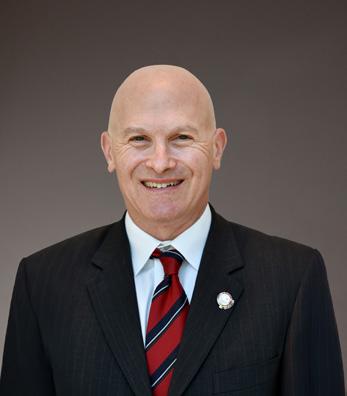
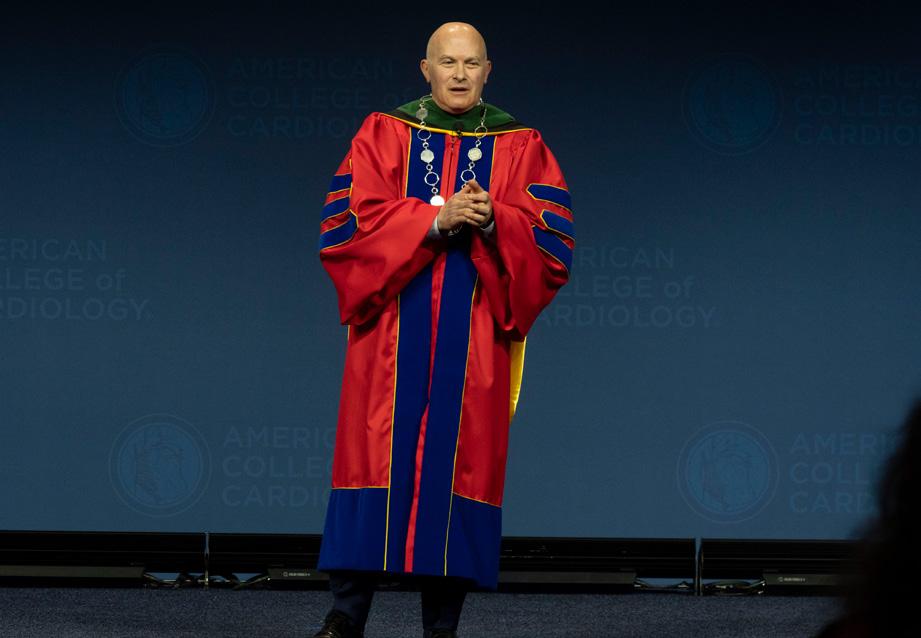
A distinguished physician, researcher, and educator, Dr. Christopher Kramer currently serves as President of the American College of Cardiology (ACC) and Chief of the Cardiovascular Division at the University of Virginia. A graduate of Harvard University and the University of California, San Francisco, he completed his residency and fellowship at the University of Pennsylvania. Over the years, Dr. Kramer has become a leading authority in cardiovascular magnetic resonance (CMR), publishing more than 320 peer-reviewed papers and authoring several books and chapters. His groundbreaking work includes co-leading a 44-site, six-country NHLBI-funded international registry on hypertrophic cardiomyopathy (HCM) and directing a NIBIB-funded cardiovascular imaging fellowship for two decades. His contributions have earned him the Gold Medal from the Society for Cardiovascular Magnetic Resonance and the Distinguished Mentor Award from the ACC.
In this exclusive interview, Dr. Kramer reflects on the pivotal moments that shaped his career, the evolving landscape of medical education, and the challenges facing the cardiology workforce. He also shares his thoughts on how AI and emergingtechnologiesaretransforming cardiovascular care and training, the principlesthatguidehisleadership,and how he maintains balance outside the hospital. His insights offer readers a thoughtful perspective on what it takes to lead, innovate, and inspire in modern medicine. Below are the excerpts of the interview.
career-defining. Coordinating a 44-site, sixcountry study taught me a great deal about collaboration and leadership. Being named Chief of the Cardiovascular Division at UVA in 2019 was another turning point. It allowed me to focus on mentoring and building strong teams.
Given your role in training fellows and faculty, what are the biggest gaps or systemic challenges you see in medical education (or health sciences education) today?
Training has gotten too long and we are seeing workforce challenges that are due to this, at least in part, as we are losing approximately 500 cardiologists per year. We need to find ways to shorten the training period so as to develop more cardiologists faster.
How do you foresee AI, machine learning, or imaging innovations transforming cardiovascular care and physician training over the next 5–10 years?
AI will make our work far more efficient. Tasks like image analysis, report generation, and data integration from wearables will be automated, giving physicians more time to focus on patients.
What guiding principles or habits have helped you lead large organizations like the ACC or UVA’s cardiovascular division, while balancing research, education, and administration?
Communication and accessibility are key. I stay connected with members, staff, and
Tasks like image analysis, report generation, and data integration from wearables will be automated, giving physicians more time to focus on patients
faculty, and I make it a point to respond quickly to emails. It helps build trust and keeps everything moving smoothly.
Outside your professional commitments, what passions, values, or routines sustain you?
I work hard on staying in shape and am fairly disciplined on making it to the gym while traveling. I enjoy hiking, biking, Peloton, and golf in my free time. My wife and I also enjoy live music.
What one or two pieces of advice would you offer to students, residents, or early-career researchers who aspire to combine clinical excellence, research, and leadership?
There are no shortcuts beyond hard work. And as one of my mentors said early on, “It’s a marathon, not a sprint.”
ACADEMIC
VIEW
Leading with Purpose in an AI Future
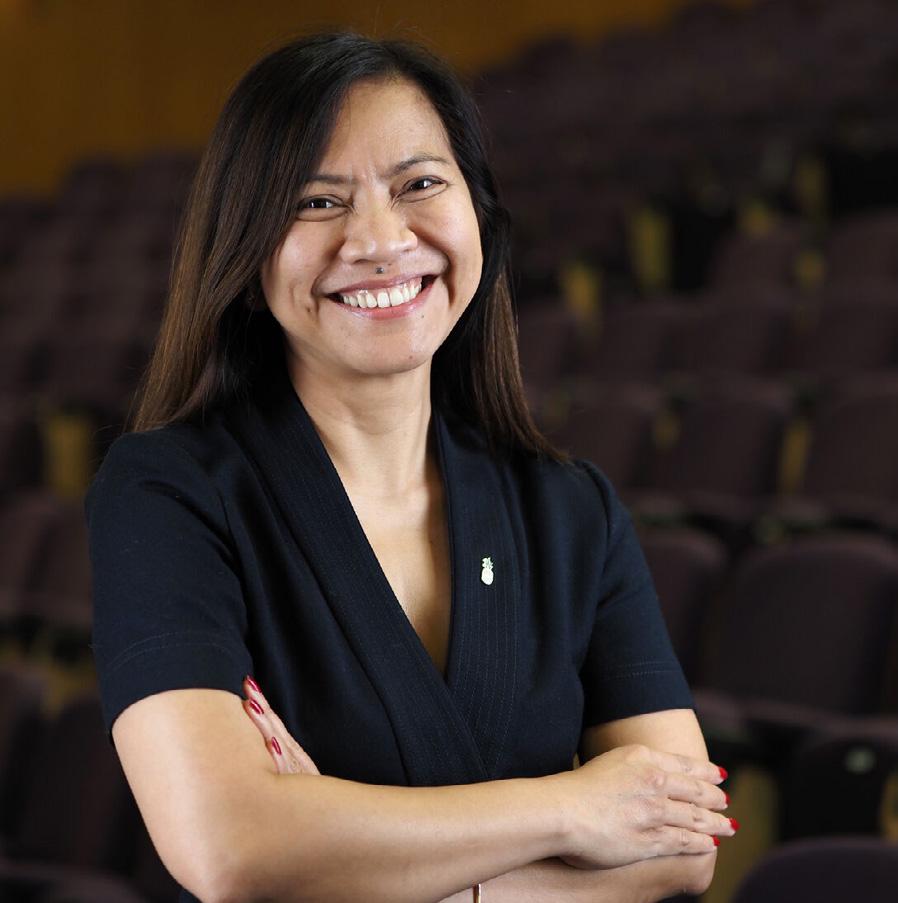
IisTussyadiah, Dean of Surrey Business School
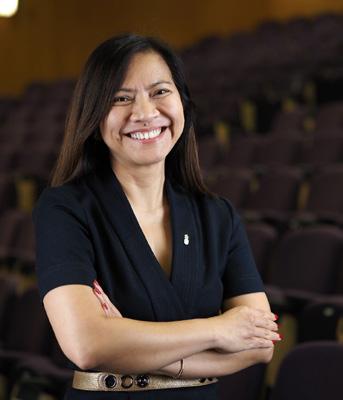
Professor Iis Tussyadiah is Dean of Surrey Business School and Fellow of the Surrey Institute for People-Centred Artificial Intelligence at the University of Surrey. An international leader in digital transformation in service, her research has influenced global and national policies on climate change mitigation, data ethics, digital employment, and tourism development. A firstgeneration university graduate, Iis is a strong advocate for education as a force for social mobility and innovation. Under her leadership, Surrey Business School’s Incubating Vibrant Futures strategy fosters purposeful education, impactful research, and deep collaboration with industry and society. Her vision is to harness technology and human creativity to shape responsible leadership and resilient organisations for an AI-driven, sustainable future.
In this insightful conversation with the Higher Education Digest Magazine, Professor Tussyadiah shares her journey from researcher to academic leader and her vision for shaping purposeful, tech-savvy changemakers. She reflects on how Surrey’s Incubating Vibrant Futures strategy bridges academic rigor with real-world impact through innovation, collaboration, and responsible leadership. From navigating the rise of generative AI to integrating sustainability and entrepreneurship into learning, her approach combines relevance with responsibility. Below are the excerpts of the interview.
You have had a remarkable journey from doctoral research to leading a full business school. Looking back, which turning points or roles do you consider most formative and why? I never planned to go into management in higher education. My original ambition was to
become a professor, lead my own lab, and build a strong research team. When I joined Surrey, it was to lead the newly formed Centre for Digital Transformation in the Visitor Economy, the youngest research group in the School. Together with a dedicated team of researchers and PhD students, we established it as a world-
Generative AI is the term of the season, and its rise challenges us to rethink what the businesses of the future will look like, and what skills our students need to thrive in them
class research centre. That experience of collective growth was my first real exposure to leadership that felt enabling and empowering rather than administrative. Later, when a search for a Head of Department didn’t go as expected, I was persuaded to take on the role myself. That decision set me on a new path — first as Head of the School of Hospitality and Tourism Management, and in 2024, as Dean of Surrey Business School. Looking back, each step was driven not by a plan to climb the hierarchy, but by a sense of where I could make the biggest difference, in creating environments where people and ideas can thrive.
What do you see as the greatest challenge for business schools today, especially in balancing academic rigor with industry relevance? How do you respond to it at Surrey?
The greatest challenge for business schools today is achieving true relevance without compromising academic rigor. At Surrey, we approach this by anchoring our work in two principles: relevance and agency. For us,
education is skills-based: we equip graduates not only to understand business but to act as change agents within it. Our research is solutions-focused: it advances knowledge while directly addressing the pressing challenges faced by business and society. This dual focus allows us to stay purposeful and responsible. It ensures that what we teach and research is not only intellectually robust but also meaningful in shaping a better, more sustainable future for the world we serve. We also emphasise collaboration: bringing industry partners to engage in education and research through initiatives such as executive-in-residence, founders circle, visiting industry fellows, and knowledge transfer partnership.
You work at the intersection of AI, services, and tourism. How is AI reshaping how you lead the business school, and what emerging technologies excite or worry you the most?
Generative AI is the term of the season, and its rise challenges us to rethink what the businesses
In academia, it’s easy to feel the pressure to publish or perform and end up feeding the machine, turning your work into a production line
of the future will look like, and what skills our students need to thrive in them. This extends into research training as well. When AI can perform literature searches and analyses in seconds, we must ask: how do we still cultivate great scholars: those who can think critically, question deeply, and create meaning from data?
We also ask how AI can enhance research while keeping it rigorous, novel, and impactful. These questions have led us to develop frameworks, guidelines, and open conversations across the School to ensure we approach AI responsibly and with agency.
Personally, I’m excited about the convergence of AI and quantum technology. The implications for business and society are profound. As these technologies advance, our role is to integrate them safely and intelligently into the fabric of what we do, leading by example in how technology serves humanity, not the other way around.
Under your deanship, Surrey Business School has embraced transformation themes like Incubating Vibrant Futures. What initiatives or achievements in your tenure are you most proud of and which ones are still a work in progress?
When I stepped into the deanship, my priority was to enhance the relevance and impact of what we do, ensuring that our education and research create tangible value for business and society.
I’m proud of several initiatives launched last year that are now flourishing. The B-Clinic engages students in experiential learning while helping businesses solve real problems. The Surrey Hatchery supports student entrepreneurship,
turning ideas into ventures. The Data to Impact Challenge develops our students’ analytical skills and awareness of the UN SDGs through real-world data projects. We also reorganised our academic groupings to position the School for future growth and to align our disciplines with emerging opportunities. Looking ahead, we are focused on expanding our non-degree portfolio, including executive education and summer programmes, and on growing our research income and strategic partnerships. At the heart of it all is a belief that ambition must go hand in hand with facilitation; creating the conditions for our people to thrive and perform at their best.
As a first-generation university graduate, you often emphasize education’s transformative power. How does that personal history shape your values as a leader? Outside academia, what interests or practices help you recharge?
Being a first-generation university graduate has deeply shaped my belief in the transformative power of education. I know firsthand how education can open doors, change trajectories, and create opportunities that once seemed out of reach. That experience grounds my leadership values: I want to create an environment where people, regardless of their background, can realise their potential and contribute meaningfully.
I’m also a creative type by nature. I enjoy designing and producing things, whether that’s a new framework, a visual identity, or a piece of writing. Outside academia, I find balance in activities that calm my mind and feed that
creative energy: gardening, painting, going to concerts or musicals, and sharing good food with friends. I also love writing and hope one day to devote time to something completely non-academic.
What one or two pieces of advice would you give to ambitious students or early-career professionals who hope to work in research, academia, or technology-driven business sectors?
My advice is to stay authentic and believe in the power of ideas, and the spirit of execution. In academia, it’s easy to feel the pressure to publish or perform and end up feeding the machine, turning your work into a production line. But genuine ideas matter. Pursuing them gives you energy, meaning, and distinction. At the same time, never underestimate execution. Ideas can be shared or even copied, but how you bring them to life (your craft, persistence, and integrity) cannot be replicated. And through it all, be kind. In research, business, and life, kindness sustains both creativity and collaboration.
Looking ahead 10 years, how do you envision the role of business education evolving and what should institutions do now to prepare?
There will always be a genuine need for the university experience, not only to prepare people for the workforce but to nurture informed, responsible members of society. What will evolve is how education and research are delivered, connected, and sustained. As technology accelerates change, universities must serve both first-time students
and lifelong learners: people upskilling, reskilling, or changing careers. This calls for flexible, modular learning pathways with multiple entry and exit points, non-degree offerings, and integrated partnerships with employers and communities. We need to create a full-circle experience, where alumni return to relearn and apply new insights, and students engage with business even before graduation. Research, too, must evolve. The most impactful universities will be those that connect fundamental scholarship with realworld problem-solving, using AI, data, and collaboration across disciplines to generate actionable knowledge. The next decade of business education will be defined by how well we integrate research and learning into a seamless ecosystem, where discovery, application, and societal benefit continuously reinforce each other.
INDUSTRY PERSPECTIVE
Building Safer, Smarter, and More Supportive Campuses through Collaboration and Innovation
Julie Barker, Chief Operating Officer, AUCSO
Your trajectory from TUCO into AUCSO is fascinating. Could you walk us through the key turning points or decisions that led you to move into campus security leadership and operations?
My journey from TUCO into AUCSO was shaped by a series of moments where I could see the bigger picture of how different functions on campus connect to create safe, supportive
communities. One of the most significant turning points came during Tony Blair’s ‘Respect’ agenda, when I was representing the university in discussions with the Sussex Police District Commander about student experience. At the time, my role as Director covered a wide range of student support services, from accommodation, conference and events to food and beverage, and even some facilities management.
Shifts
in the international landscape can have direct and indirect impacts on our campus communities, and we need to be prepared for those ripple effects
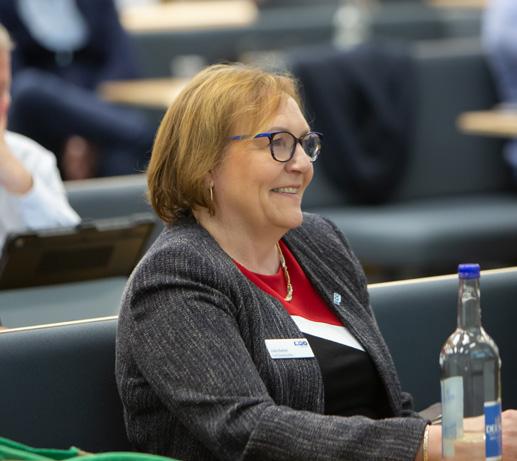
Julie Barker is a leading figure in public sector catering and higher education, renowned for her work in sustainability, student wellbeing, and professional development. She joinedTUCO in 1993, helping transform its purchasing frameworks to deliver millions in savings for universities, the NHS, and local authorities. As TUCO Chair from 2011, she led a merger, rebranded the organisation with the ethos “Learn, Share, Grow”, and launched initiatives including the TUCO Training Academy, MSC accreditation for sustainable fish, and collaborative sustainability awards.
At the University of Brighton, Julie pioneered campus security partnerships with Sussex Police, created wellbeing schemes such as free fitness packages, and supported cultural integration for international students, winning an International Book Award in 2018. Since 2021, she has been Chief Operating Officer at AUCSO, strengthening governance, launching free training and benchmarking platforms, and advising government on education sector security. Her leadership has been recognised with multiple lifetime achievement awards.
In this insightful conversation with Higher Education Digest Magazine, Julie Barker shares how data-driven benchmarking, emerging technologies like AI and analytics, and policies such as Martyn’s Law are redefining the future of campus safety.Shealsoreflectsonherleadership philosophy rooted in collaboration and continuous learning, offering valuable lessons on building cohesive teams and nurturing the next generation of higher education professionals.
From those conversations emerged a unique collaboration: a shared community engagement team that was, in many ways, viewed as the ‘fourth emergency service’ across the south coast. It was then I realised how strongly elements like food, nutrition, wellbeing, training, and safety interlink, and how, collectively, they enhance the experience of our campus communities.
I’ve always been a passionate advocate for professional associations. TUCO, CUBO and now AUCSO have each demonstrated how valuable collaboration and knowledge-sharing are for our sector. I feel genuinely privileged to have been part of these organisations, all of which share a common mission – to support our profession, strengthen our communities, and create environments where students and staff can thrive.
AUCSO’s Benchmarking Report 2025 is the first of its kind in the sector. What insights from the report stood out most to you, and how do you see them shaping the future of security in higher and further education?
The 2025 Benchmarking Report is a landmark for our sector; it’s the first time we’ve had such comprehensive data drawn together specifically for higher and further education security. What stood out most to me is the sheer breadth of responsibilities that campus security teams now shoulder. It goes far beyond the traditional view of ‘guards on gates’, today’s teams are deeply involved in safeguarding, wellbeing, crisis response, technology adoption, and community engagement.
The report also highlights the scale of investment institutions are making in training
and professional development, which underlines how seriously security is now recognised as part of the student and staff experience. For me, the real value lies in how this data can drive consistency, set benchmarks, and inform strategic planning, giving leaders the evidence they need to make the case for resources and innovation.
Ultimately, this report gives us a baseline to measure progress, share best practice, and elevate security as a professional discipline. I believe it will be instrumental in shaping the future of safer, more supportive campus environments right across the sector.
The higher education environment is evolving fast. Which emerging trends or risks (e.g. student mental health, campus safety, hybrid learning) do you see having the greatest impact over the next 5–10 years?
The higher education environment is evolving at pace, and I see several key trends shaping the sector over the next decade. First, the introduction of Martyn’s Law will be significant. Public place protection should be a right, and its framework will help ensure that campus safety remains paramount.
Equally important is how we engage with our communities. It’s not just about physical security; it’s about listening closely – having our ‘ears to the ground’, to understand the feelings, pressures, and needs of students and staff. That insight allows us to design the right education campaigns, mitigation strategies, and support processes so we can respond effectively to whatever challenges arise.
None of this can happen without well-trained, motivated, and engaged security teams. Their
Higher education is a complex ecosystem, and the real game changer is understanding how all the pieces of the puzzle fit together
role in fostering safe, supportive environments is crucial. Finally, we cannot ignore the global geopolitical situation. Shifts in the international landscape can have direct and indirect impacts on our campus communities, and we need to be prepared for those ripple effects.
In short, the future of security in higher and further education will depend on our ability to anticipate risks, engage meaningfully with our communities, and build resilience at every level.
AI, data analytics, and emerging tech are transforming security and operations. How is AUCSO integrating or planning to integrate these technologies into campus safety, risk assessment, or response?
AI, data analytics and emerging technologies are already beginning to transform the way
we think about campus security, but it’s fair to say the picture is still variable across the sector. Financial pressures inevitably shape investment decisions, and our Benchmarking Report makes clear that many institutions are weighing up how best to integrate new systems within already stretched budgets.
That said, we’re starting to see real progress in areas such as mass notification systems, which I expect to become more widely adopted. A key challenge, and opportunity, is ensuring that as legacy systems and equipment reach the end of their life, replacements are not just like-for-like, but are considered in the context of functionality, integration, IT security and whole-life cost. In this, it’s essential that security and IT departments work hand-inhand.
The sector also needs to keep pushing itself to think about open access versus the ability to ‘lock down’ building by building, should circumstances demand it. Martyn’s Law and the forthcoming statutory guidance will be an important catalyst here, focusing attention on how we adopt the right technologies and processes to keep our communities safe.
In short, technology is moving fast, and our role is to make sure adoption is thoughtful, integrated, and fit for the evolving risks our campuses face.
Leadership in associations and voluntary sectors often demands high collaboration. How do you define your leadership style, and which achievements or initiatives are you most proud of under your stewardship?
I’d describe my leadership style first and foremost as collaborative. I’ve always believed that the best results come when we bring people together, listen, mentor, and create the space
for others to thrive. I see my role as helping to unlock potential – both in individuals and in the organisations I’ve been privileged to serve.
Looking back, I’m most proud of a few things in particular. Procurement has been a real driver of change – using frameworks across the wider public sector has delivered greater value for money and raised standards far beyond higher education. Sustainability is another area close to my heart: I’m proud that we’ve been able to push the agenda so that HE food and drink is now ahead of most other sectors. The creation of the Green Gown Award for the sector and SRA accreditation were milestones in that journey.
And finally, training and development. I’m passionate about learning, and it’s been inspiring to see how far we’ve come – from the early days of bidding for funding through the Savoy Trust to developing a sector-wide training offer, and later collaborating with other public sector bodies. Today, we have a far richer landscape of L&D opportunities, and that’s something I feel proud to have helped shape.
How do your personal interests and values, beyond the professional, shape your vision for your work in higher education and security?
My passion for education and lifelong learning runs through everything I do. I’ve always believed that higher education should be a transformative experience, not only academically but personally. For me, it’s about ensuring that students feel supported, safe, and able to thrive throughout their journey.
I want every student to look back on their time at university not just for the qualification they gained, but for the positive experience
they had – the friendships, the opportunities, and the sense of belonging. That’s why, in my work around security and community wellbeing, my vision is always shaped by a desire to create environments where students can flourish. It’s about safeguarding the here and now, while also investing in the future generation’s confidence and success.
Finally, what advice would you give students and young professionals who aspire to lead in higher education operations, security, or public-sector associations?
My advice to students and young professionals is simple: don’t ever see silos. Higher education is a complex ecosystem, and the real game changer is understanding how all the pieces of the puzzle fit together. The more you appreciate how your work supports, and is supported by, other services, the more effective and impactful you’ll become.
Get involved in associations early. They are fantastic development opportunities, but you only get out what you put in. Active involvement will expose you to best practice, broaden your perspective, and help you build the kind of collaborations that really make a difference.
And finally – walk the walk. No two days in HE are ever the same, and that’s part of the joy. Each year may have a rhythm, but it brings new challenges and opportunities. The greatest reward comes on graduation day, when you see students cross the stage. In that moment, you know that in some small way, you’ve helped them get there, and that’s incredibly fulfilling.
ACADEMIC
VIEW
AI in the Higher Education Classroom: Friend or Foe?
Dr.
AsmaaAlkhazraji, Language Education Leader, British University in Dubai Alumni, Dubai, UAE
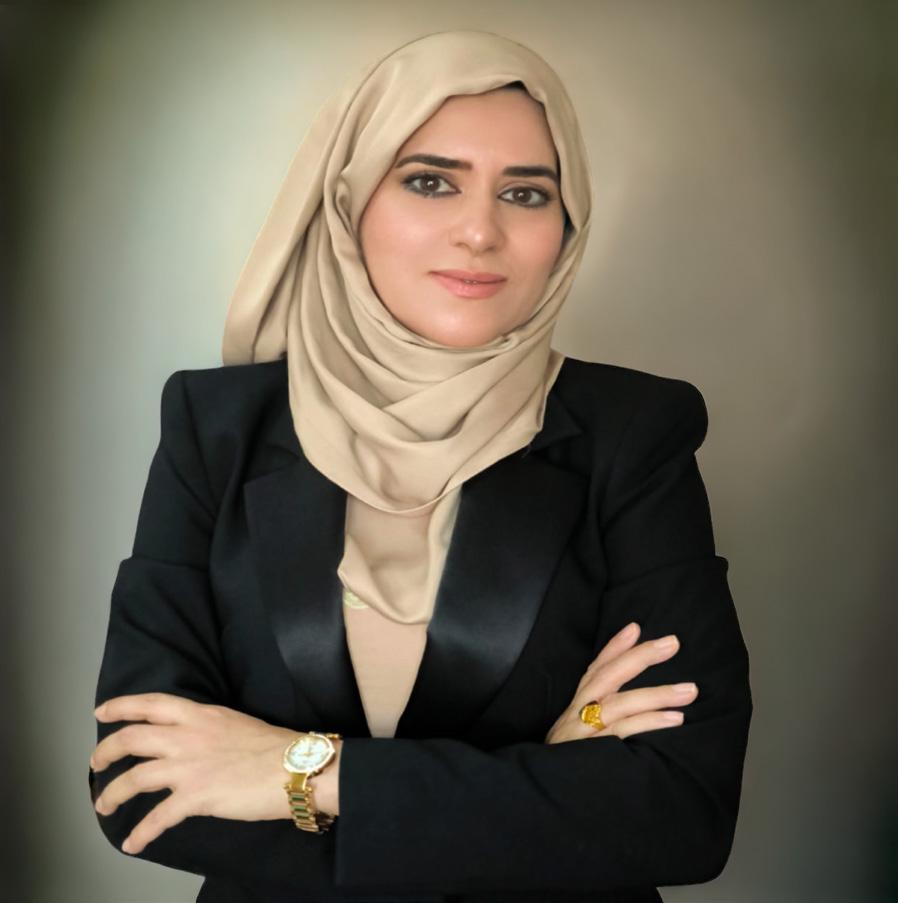
Dr. Asmaa Alkhazraji is a scholar specialising in applied linguistics, educational technology, and curriculum development, with significant experience in teaching, research, and academic leadership in the UAE. She holds a Ph.D. and M.Ed. in TESOL from the British University in Dubai, a B.A. in Education–English from the University of Baghdad, and advanced training in persuasive writing from Harvard University. Currently an Adjunct Instructor at the British University in Dubai, Dr. Alkhazraji also serves as a reviewer for leading international journals, including BJET, Springer, and JALT CALL, and as Associate Editor with IGI Global. Her work emphasises innovation, evidence-based practices, and the integration of technology in education to empower future generations of learners and educators.
Reframing English Language Teaching through Critical AI Integration
Artificial Intelligence (AI) is no longer a futuristic concept—it is a present-day force reframing the contours of higher education. From automated feedback tools to generative writing assistants, AI technologies are rapidly transforming the landscape of English language teaching (ELT), particularly within university settings. This article argues that rather than viewing AI as a threat to language instruction, higher
education must critically integrate AI tools to enhance learning, support linguistic equity, and reframe pedagogical practices. As educators, we are thus called to confront a pressing question: Is AI a friend or a foe to English language teaching—or something more complex? As educators, we are thus called to confront a pressing question: Is AI a friend or a foe to English language teaching—or something more complex? Thus, AI is neither friend nor foe, but a tool shaped by how we choose to use it.
Tools like ChatGPT, Grammarly, and Google Translate have become ubiquitous, raising concerns about academic integrity, student dependency, and the erosion of fundamental language learning
The Disruption: AI as a Game-Changer in ELT
To understand the current moment, we must first acknowledge how AI has disrupted the traditional pillars of English language education. Language educators have traditionally championed critical thinking, creativity, and linguistic nuance—skills that seem to be under threat in an era where chatbots can compose essays, translate idioms, and simulate human conversation. Tools like ChatGPT, Grammarly, and Google Translate have become ubiquitous, raising concerns about academic integrity, student dependency, and the erosion of fundamental language learning.
A 2024 Turnitin Global Academic Integrity Survey reported that 62% of instructors expressed concern that students’ use of generative AI tools could hinder the development of foundational writing skills.
However, AI’s growing presence in academic contexts invites not only caution, but also innovation.
To dismiss AI as a threat overlooks the broader opportunity: AI can be a powerful ally in reframing how we teach, assess, and engage learners in the English language classroom. At universities, instructors are beginning to integrate AI literacy into composition and ESL classes—not to replace instruction, but to support the development of writing strategies and critical digital skills.
AI as a Pedagogical Partner
Building on this potential, we now turn to how AI can actively support—and even enhance— pedagogical practice when thoughtfully integrated into the classroom.
AI need not be a competitor; it can serve as a co-teacher. AI-powered tools offer immediate
Tasks requiring creativity, voice, or metaphor remain beyond AI’s grasp. Human instruction remains vital for cultivating interpretive and expressive competencies
feedback on grammar and cohesion, allowing instructors to focus on higher-order skills like argumentation and style. A University of Hong Kong study (2023) found that students using AI feedback reported a 40% improvement in revision quality and greater writing confidence.
Consider Fatima, a bilingual student submitting an essay rich in ideas but flawed in grammar. With AI-generated feedback from tools like Write & Improve, she receives instant suggestions for clarity. Her instructor can then concentrate on refining her argument in one-onone sessions. The result: a stronger essay and a more confident writer. This example illustrates how AI can not only reinforce student confidence but also make teacher-student interactions more targeted and meaningful.
Generative AI also helps English language learners (ELLs) brainstorm, refine vocabulary, and practice conversation in low-stakes environments. Deakin University has piloted AI-assisted tools in EAP courses, enabling students to build oral fluency through immediate feedback.
Furthermore, AI can personalise instruction based on each learner’s proficiency and pace. This adaptability is especially valuable in diverse classrooms, supporting inclusion and autonomy. According to TESOL Quarterly (2024), adaptive AI tools reduced learner anxiety by 28% and improved participation.
Yet even as we highlight these advantages, we must remain attentive to the limitations and risks that come with AI implementation. Overreliance on AI and unequal access can deepen existing educational divides. Digital literacy gaps and resource constraints must be addressed to ensure equitable learning.
AI’s limitations must also be acknowledged. It often struggles with idioms, cultural references, and stylistic nuance—core elements of language fluency. Idiomatic expressions like “kick the bucket” or “barking up the wrong tree” may be mistranslated or misapplied in non-native contexts. Tasks requiring creativity, voice, or metaphor remain beyond AI’s grasp. Human instruction remains vital for cultivating interpretive and expressive competencies.
Reframing Assessment and Authenticity
In tandem with pedagogy, AI is also reshaping how we approach student assessment— prompting educators to rethink traditional models of evaluating language proficiency and learning outcomes. AI challenges traditional assessment models. If students can generate essays instantly, how do we measure authentic learning?
Rather than banning AI, educators must redesign assessments to emphasize process. At King’s College London, students annotate AI use and reflect on revisions, promoting metacognitive engagement. The 2024 JISC Survey found that 67% of faculty using AIintegrated assessments reported greater student engagement and reflection.
Such shifts also invite more meaningful engagement with writing as a recursive, reflective process. Alternative approaches like in-class writing, peer review, and reflective journals foreground students’ development and critical thinking. Incorporating AI literacy also cultivates responsible digital citizens. As the Educause Horizon Report (2024) shows, institutions that embed ethical AI use in curricula see heightened student awareness
of plagiarism and algorithmic bias. These changes point to a broader evolution of the educator’s role in a tech-mediated learning environment.
The Role of the Educator in the AI Era
As AI becomes more embedded in educational contexts, the role of the teacher must adapt—not by diminishing human input, but by expanding it into new dimensions of facilitation and ethical guidance.
Far from rendering instructors obsolete, AI reinforces the importance of human expertise in teaching. Educators are now curators, facilitators, and ethical guides. We must help students navigate the affordances and limitations of AI. The educator’s role, then, is not diminished—but redefined. This raises vital pedagogical questions: When is it appropriate to use an AI tool? How do we verify its output? What biases might it carry?
In English language teaching, this means guiding learners not just in what they write, but how they think about language, identity, and communication in a mediated world.
Toward a New Pedagogy of Possibility
After exploring AI’s effects on teaching and assessment, we can now look toward its future role in education. The age of AI challenges us to reframe not just what we teach, but how and why. It invites a shift from a deficit model— where we fear what students might “get away with” using AI—to a growth model, where we empower them to engage with technology critically and creatively.
While the pace of change may feel daunting, it also opens the door to reimagine
a more dynamic, adaptive, and studentcentered classroom. Educators have a unique opportunity to craft new learning environments that are not only technologically enriched but also pedagogically meaningful.
Ultimately, AI is neither a friend nor a foe—it is a tool. Its impact on the higher education classroom depends on the intentional, reflective practice of its users. For English language educators who are willing to adapt, collaborate, and innovate, AI provides a transformative opportunity to redefine learning in more personalized, responsive, and future-ready ways. Educators can take the first step by starting small, piloting low-stakes AI tools in formative assessments to explore their classroom potential without overwhelming instructional design.
At the same time, institutions should promote AI literacy by embedding it into both student curricula and faculty training, ensuring that all users develop the critical skills to engage with AI tools responsibly. Equally important is the need to advocate for institutional support and ethical frameworks that guide the integration of AI within pedagogical and assessment policies. Policymakers and curriculum designers also play a pivotal role in shaping sustainable, equitable AI integration by aligning educational standards with the evolving needs of a digitally mediated learning environment. By acting now on these fronts, we can ensure that AI becomes not a threat to language learning—but a catalyst for deeper engagement, equity, and pedagogical renewal. In the end, whether AI is a friend or foe depends not on the tool itself, but on how we—as educators—choose to wield it.
Wa n t t o S e l l o r fi n d
I nve s t o rs f o r yo u r
B u s i n e s s ?
ACADEMIC VIEW
Shortage to Sustainability: How Higher Education Can Expand the Teacher Pipeline
Dr. Kerri A. Golden, (Dean & Associate Professor, Saint Francis University) & Dr.StephanieIvory, (Chair, Saint Francis University)
Dr. Kerri A Golden is currently serving as the Dean for the School of Health Sciences and Education at Saint Francis University in Loretto, PA. Her priorities include connecting higher education directly to regional needs and priorities including the establishment of community partnerships to improve the quality of life for those especially in rural, west-central Pennsylvania in the areas of health care and education.
Dr. Stephanie Ivory, a long-time teacher and advocate of public education, is currently serving as the Chair for both Undergraduate and Graduate Education programs at Saint Francis University in Loretto, PA. She is deeply committed to strengthening rural education, advancing literacy development, and leading initiatives that inspire high school students to pursue careers in education.
School districts across the nation are experiencing a teacher shortage ultimately undermining education quality and stability, thereby impacting future generations. While this challenge is widespread, it is especially pronounced in rural settings due to smaller applicant pools, geographic isolation, lower compensation with less incentives, and limited resources, which directly impact recruitment and retention initiatives.
The reality is clear: with too few certified teachers, students are deprived of opportunity, and communities lose their foundation for future stability. Postsecondary education is well-positioned to respond to the challenge. Universities with state-accredited teacher preparation programs can serve a pivotal role in addressing workforce needs. Our institution is committed to addressing the shortage of teachers through a sustained, multilayered approach to recruiting and preparing new
Universities with state-accredited teacher preparation programs can serve a pivotal role in addressing workforce needs
teacher candidates, providing targeted support and professional development for current teachers, and strengthening collaborative partnerships with local school districts and educational organizations. Collectively, these efforts are designed to cultivate interest in teaching as a career, improve teacher retention, and equip classrooms with quality educators. This article highlights several initiatives that demonstrate how higher education can serve a vital role in navigating the teacher shortage.
Recruiting Future Teachers
Our initial action to acknowledge the teacher shortage is to encourage future generations. Emerging adults residing in rural areas often migrate to urban towns and cities in search of opportunities, leaving behind a persistent issue of inadequate teachers. By “cultivating our own” teachers within our community, we build a stable source of educators who are deeply grounded in, and dedicated to, our schools. Through collaborative efforts, our university created initiatives focused on engaging high school students and introducing them to teaching as a potential career.
Our “Future Educators” program offers dual-enrollment courses in high schools in our geographic area, taught by qualified district faculty, allowing students to transfer 12-24 credits into a 4-year teacher certification program, saving them a significant portion of their overall college tuition and fees.
Students enrolled in College in High School courses visit campus every semester to complete the midterm and final exam. A strategic schedule is planned for the day that includes a personalized tour led by Education faculty, a student-led panel offering insights into the daily experiences of education majors, and a summer camp program
Higher education cannot solve the teacher shortage alone. Strong partnerships with local school districts and administrators are essential for creating a teacher workforce that meets realworld needs
preview. Faculty and preservice teachers interact with high school students to share authentic perspectives and career pathways. When we plant these seeds early, we inspire students to pursue careers in education and increase the likelihood that they will return to serve the schools where their journeys began.
Opening Pathways for Paraprofessionals
While recruiting high school students is essential for long term sustainability, we also recognize the value of supporting those who already serve in educational settings. Paraprofessionals, N-3 staff, and Head Start employees work closely with children and families on a daily basis. Rooted in their communities and committed to supporting students, these individuals have a wealth of experience but may lack formal teaching credentials.
To overcome this obstacle, we developed accelerated programs that encourage paraprofessionals, day care employees, and others to advance their education, earn a degree, as well as teaching certification. By offering flexible scheduling, credit for prior learning, and tailored advising, we have reduced barriers, so these professionals may become credentialed as the teacher of record. This approach expands the pool of certified teachers while also strengthening schools by elevating individuals who are already familiar with the students, families, and culture of their districts and communities.
Strengthening Partnerships with School Districts
Higher education cannot solve the teacher shortage alone. Strong partnerships with local
school districts and administrators are essential for creating a teacher workforce that meets realworld needs. At our institution, we have been intentional about cultivating these relationships. The student teaching experience is enhanced by a seminar course entitled “Teacher as Reflective Practitioner” that mediates between student and professional. Local superintendents and principals conduct mock interviews with senior education majors during the seminar course. This authentic simulation provides invaluable practice, on-the-spot, genuine feedback, and a more accurate image of what schools expect from new teachers. For the districts, it provides an opportunity to meet promising candidates seeking future employment within a school setting. Through our REAL (Rural Education Alliance for Leadership) Institute, we established a network of superintendents and school leaders to collaborate on rural education concerns. Teacher recruitment and trends in the use of AI have been recurring issues. The advisory committee meets regularly to assess workforce needs, discuss challenges, and shape our curriculum to the evolving needs of the educational landscape. Innovative conversations ensure that our programs continue to be relevant and responsive, preparing graduates to step into classrooms with confidence.
Incentives and Retention Strategies
Recruiting teachers is only part of the equation; keeping them in the profession is equally important. Rural schools experience high turnover, with teachers transferring to higherpaying districts, transitioning to online teaching, or relocating to suburban settings. Recognizing
The shortage of teachers cannot be solved with a single intervention. It requires a systemic, holistic view of the teacher pipeline, from early inspiration to professional advancement
this, our university has taken steps to invest in retention as well as recruitment.
One strategy has been offering tuition discounts for graduate programs. By lowering the financial barrier, we offer economical options for current teachers to pursue advanced degrees, endorsements, or leadership credentials. This investment not only rewards teachers for their dedication but also equips them with refined skills and enhanced pedagogy to promote effectiveness and satisfaction. Our university also engages expert faculty in high needs areas such as science and anatomy to provide professional development and refresher workshops in our high-fidelity simulation lab using Anatomage and HoloAnatomy technology. These opportunities have been dually designed to meet certification needs of teachers as well as an opportunity for them to network with other educators.
Building a Sustainable Workforce
The shortage of teachers cannot be solved with a single intervention. It requires a systemic,
holistic view of the teacher pipeline, from early inspiration to professional advancement. Higher education has a unique advantage in connecting these stages, working in collaboration with schools, communities, and leaders to ensure that every child has access to a qualified, passionate teacher.
At our university, we have learned that the most effective methods are those of collaboration, innovation, and vision for the future. Whether inspiring high school students to consider the teaching profession, helping paraprofessionals advance in their careers, or recognizing current teachers for their dedication, each effort contributes to building a stronger, more resilient workforce.
Ultimately, the future of education is in the hands of the teachers we prepare today. Higher education has both the responsibility and the opportunity to help shape that future, to ensure local classrooms are filled with the skilled, committed educators our children deserve.