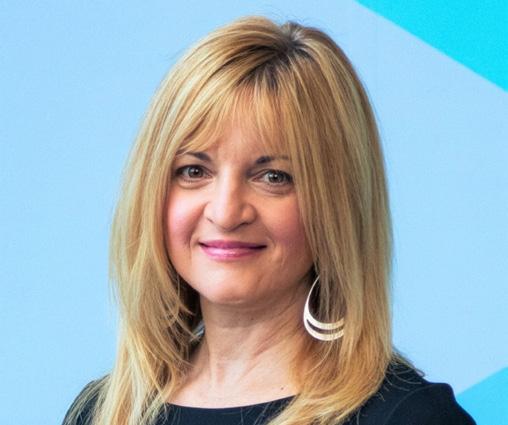
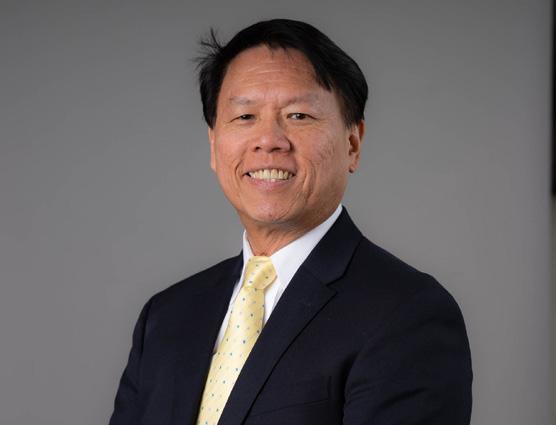
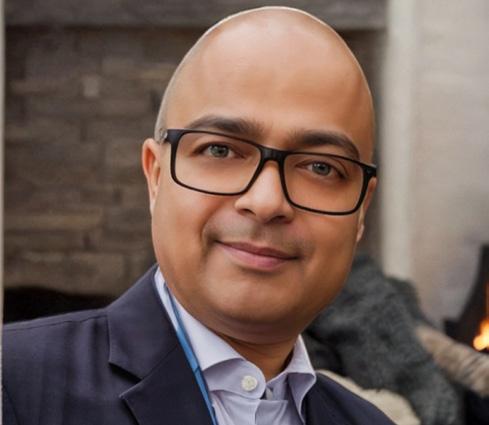
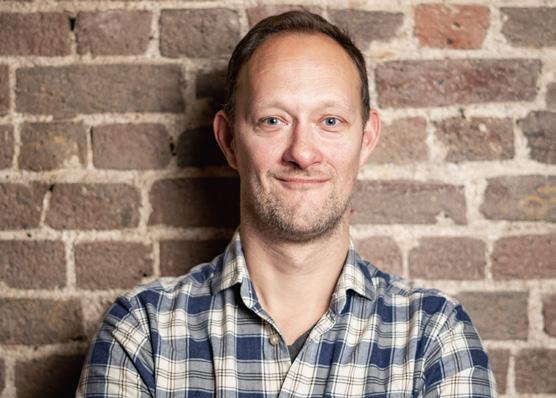
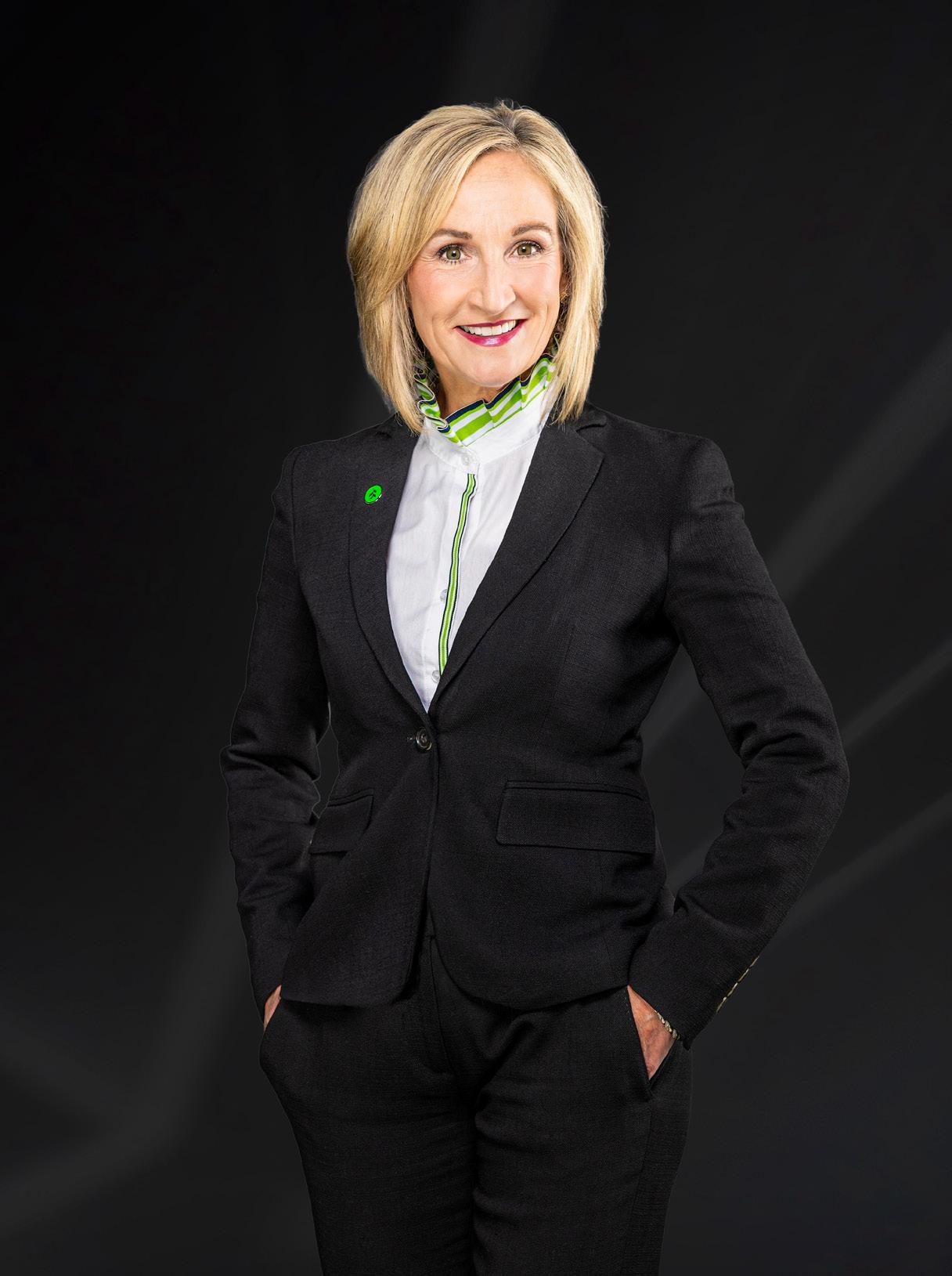
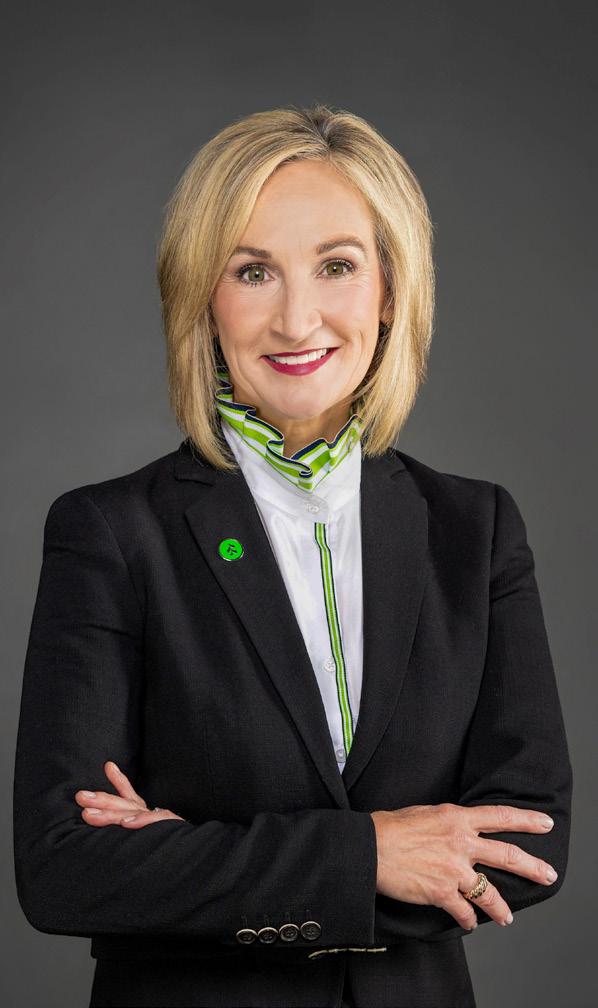
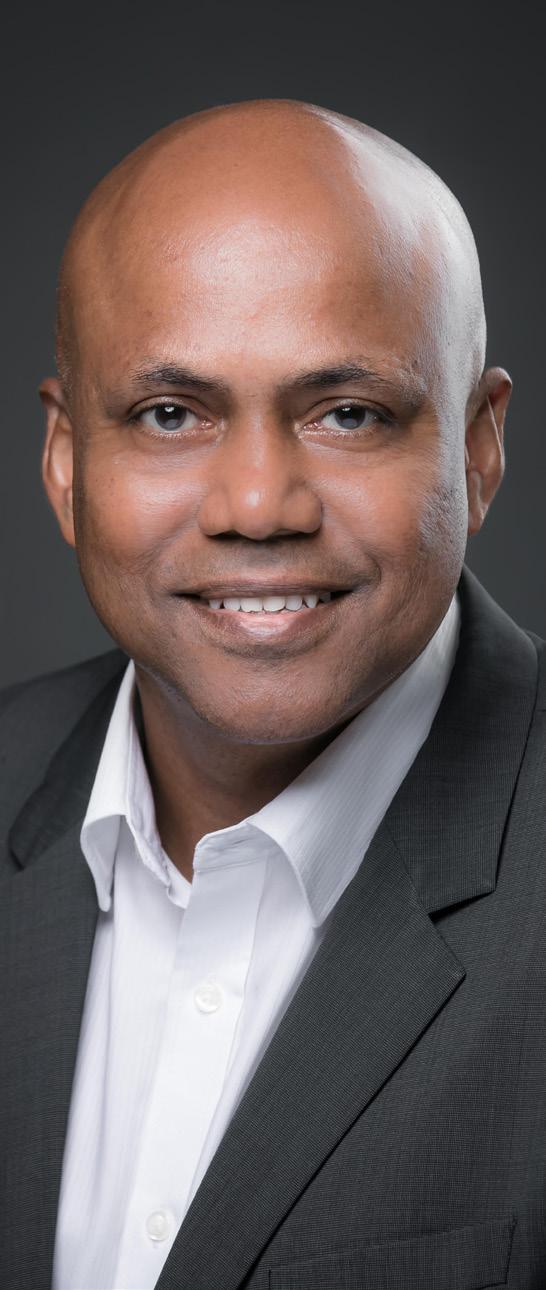
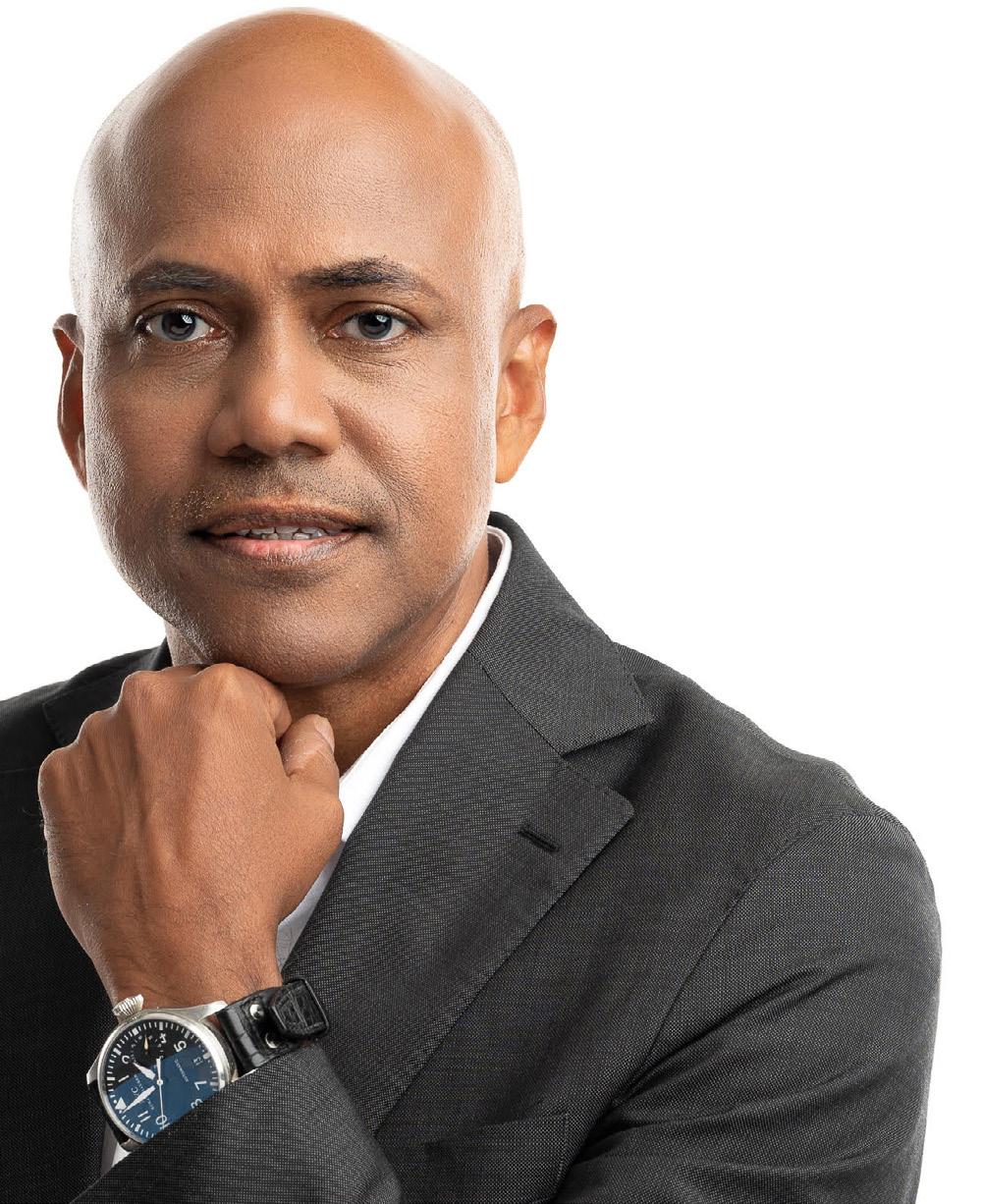
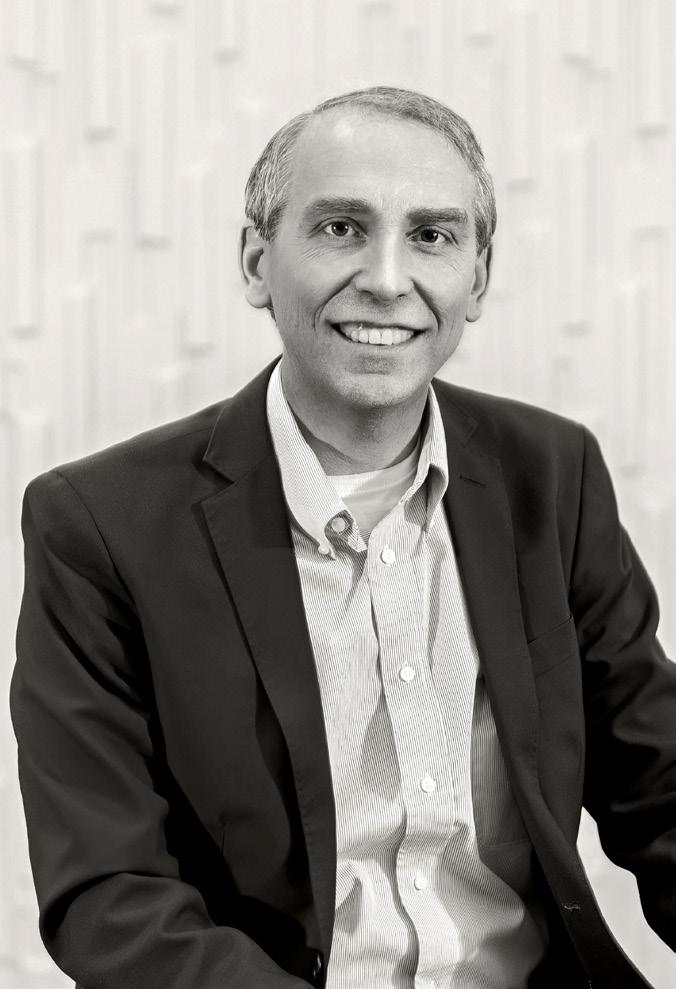
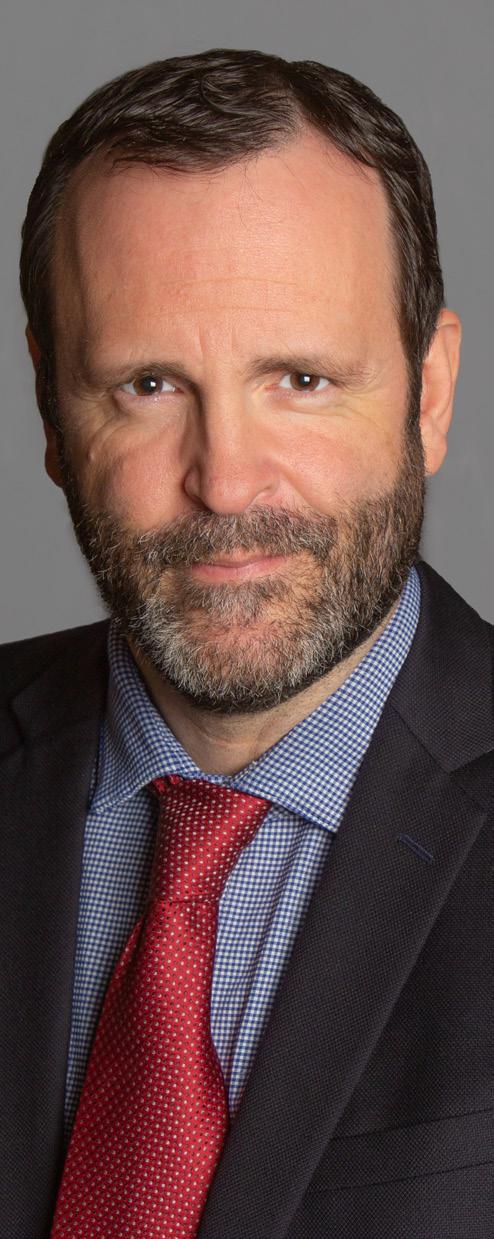
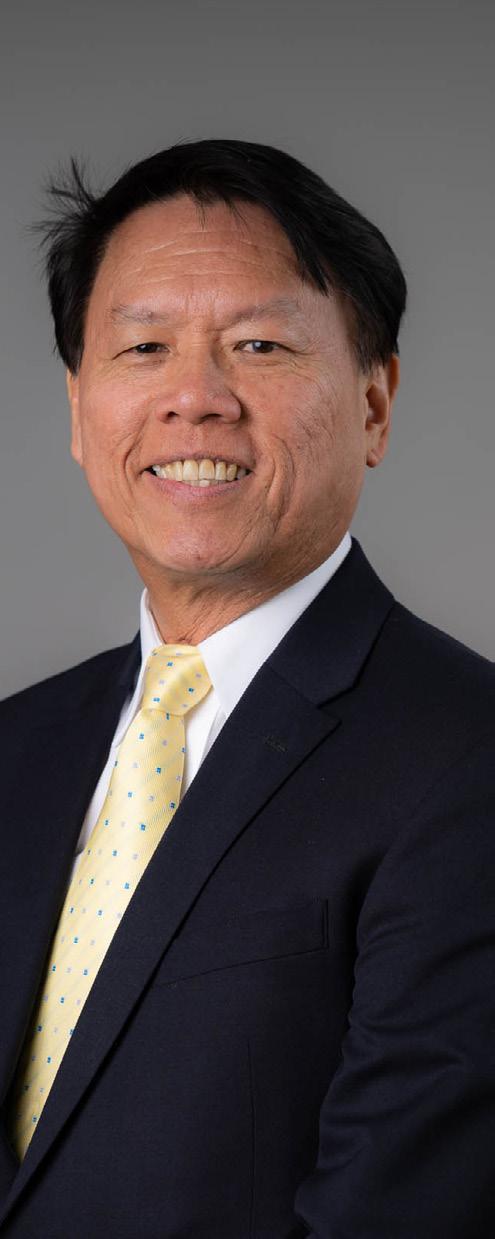
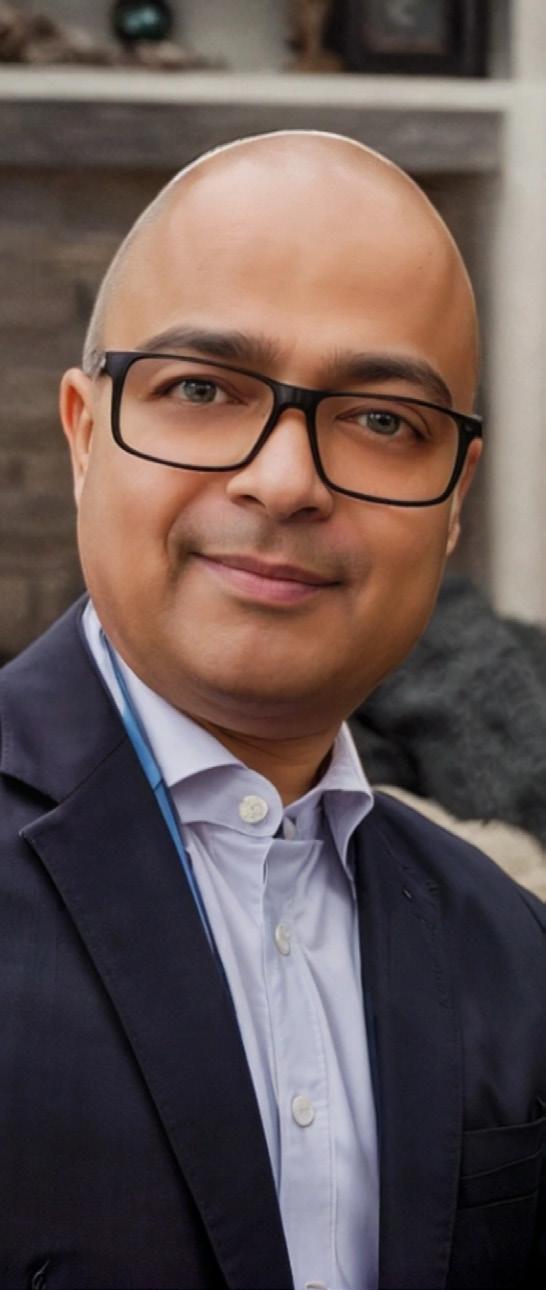
EVP, President of Associated Private Wealth, Associated Bank
Managing Editor
Sarath Shyam
Dr. John Andrews
Emma James
Andrew Scott
Sabrina Samson
Keith Alexander Consultant Editors
Naomi Wilson
Stanly Lui
Steve Hope
Shirley David Creative Consultants
Charlie Jameson
Louis Bernard
Branding & Marketing Partnerships
Jennifer Anderson
Monica Davis
Jessica Edword
Rachel Roy
Anna Elza
Stephen Donnell
Cathy Chen
Free Subscription
Free Subscription www.digitalfirstmagazine.com
International Partnerships
Americas Europe
Middle East & Africa Asia-Pacific
admin@digitalfirstmagazine.com
Follow Us On www.linkedin.com/company/ digitalfirstmagazine www.facebook.com/digitalfirstmagazine
Digital First Magazine www.digitalfirstmagazine.com is a global knowledge sharing digital platform published by Connecta Innovation Private Limited. All rights reserved. The opinions expressed in the content are those of the authors. They do not purport to reflect the opinions or views of Connecta Innovation Private Limited or any of its members or associates. The publisher does not assume any responsibility for the advertisements and all representation of warranties made in such advertisements are those of the advertisers and not of the publisher. Digital First trademark is owned by DFG Digital First Infotech Pvt Ltd. and Connecta Innovation Pvt Ltd. has permission to use Digital First brand name. Digital First Magazine www.digitalfirstmagazine. com is a Free Subscription and Free-to-read digital platform strictly not for sale and has to be strictly for internal private use only. Publisher does not assume any responsibility arising out of anyone modifying content and pictures, printing a copy of this digital platform in any format and in any country and all matters related to that.
Rebuilding Credibility in a Digital-First World
There was a time when trust was built across desks, over handshakes, and through years of familiar conversations. Today, it is built through screens, algorithms, dashboards, and digital footprints. The speed of digital acceleration has forced every leader to confront a hard truth: credibility can no longer rely on reputation alone. It must be engineered.
Over the past few years, I have noticed how even the most seasoned professionals pause before clicking “I agree.” Data privacy concerns, AI-driven recommendations, fintech disruption, and tightening regulations have changed the tone of business conversations. According to global consumer surveys, trust in financial institutions and tech platforms fluctuates sharply with every data breach or compliance failure. At the same
time, younger generations expect seamless digital experiences without compromising transparency. This is not a minor adjustment. It is a structural shift.
In this issue of Digital First Magazine, our cover story features Jayne Hladio, EVP and President of Associated Private Wealth at Associated Bank. Her journey from associate to executive leadership is not just a career progression. It is a reflection of how disciplined execution and integrity remain central, even in a tech-driven environment. Hladio leads with a client-centric, life- and goal-based planning philosophy, reminding us that digital tools may enhance advice, but they do not replace accountability. Her leadership offers a compelling example of how trust can be scaled without being diluted.
Beyond the cover story, this edition brings together diverse voices examining digital transformation from multiple angles. You will find perspectives that challenge assumptions, question overreliance on automation, and explore how institutions can balance innovation with responsibility.
As you turn these pages, I invite you to consider your own architecture of trust. In a world racing toward automation, the leaders who endure will be those who design credibility with intention. The future will not belong to the fastest adopters of technology. It will belong to the most trusted stewards of it.
Enjoy Reading.
Sarath Shyam
Driving Innovation through Cloud and Hybrid Solutions
Guna Chellappan, General Manager, Red Hat Asia Pacific
Transforming the World of IT
Infrastructure Services, One Customer at a Time
Shelley Westman, Vice President, Business Development & Go to Market, Kyndryl
Empowering a Secure Digital World
Bradley Schaufenbuel, Vice President and Chief Information Security Officer, Paychex
LEADER’S INSIGHTS
Building a Culture of Innovation and Excellence
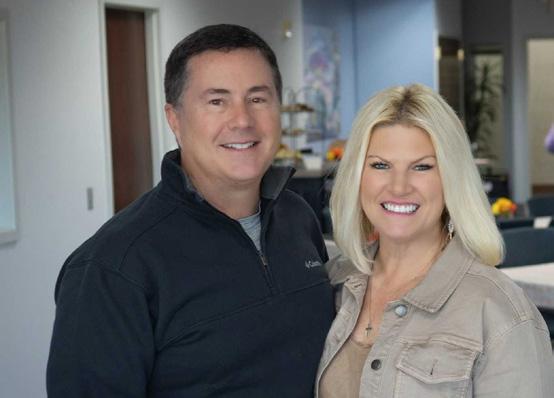
Lisa Nichols, CEO, Technology Partners, Greg Nichols, President, Technology Partners
38
Harnessing Digital Power for Business Success
Bryan Throckmorton, Managing Director, Global Digital Strategy & Transformation Segment Leader, Protiviti
Shaping the Future of Logistics through Data & AI
Patrick Chew, Vice PresidentAI & Data Science, AI Worldwide Logistics
Transforming Cybersecurity Strategies for a Digital World
The New Rules of Recruitment: Tech, Talent, and the Future of Work
Benjamin Donovan-Aitken, Chief Delivery Officer, Instant Impact
Wa n t t o S e l l o r fi n d
I nve s t o rs f o r yo u r
B u s i n e s s ?
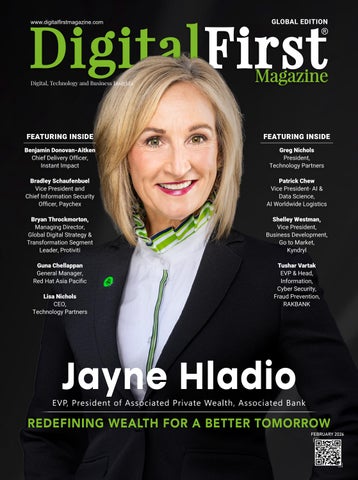
Jayne Hladio
EVP, President of Associated Private Wealth, Associated Bank
Redefining Wealth for a Better Tomorrow
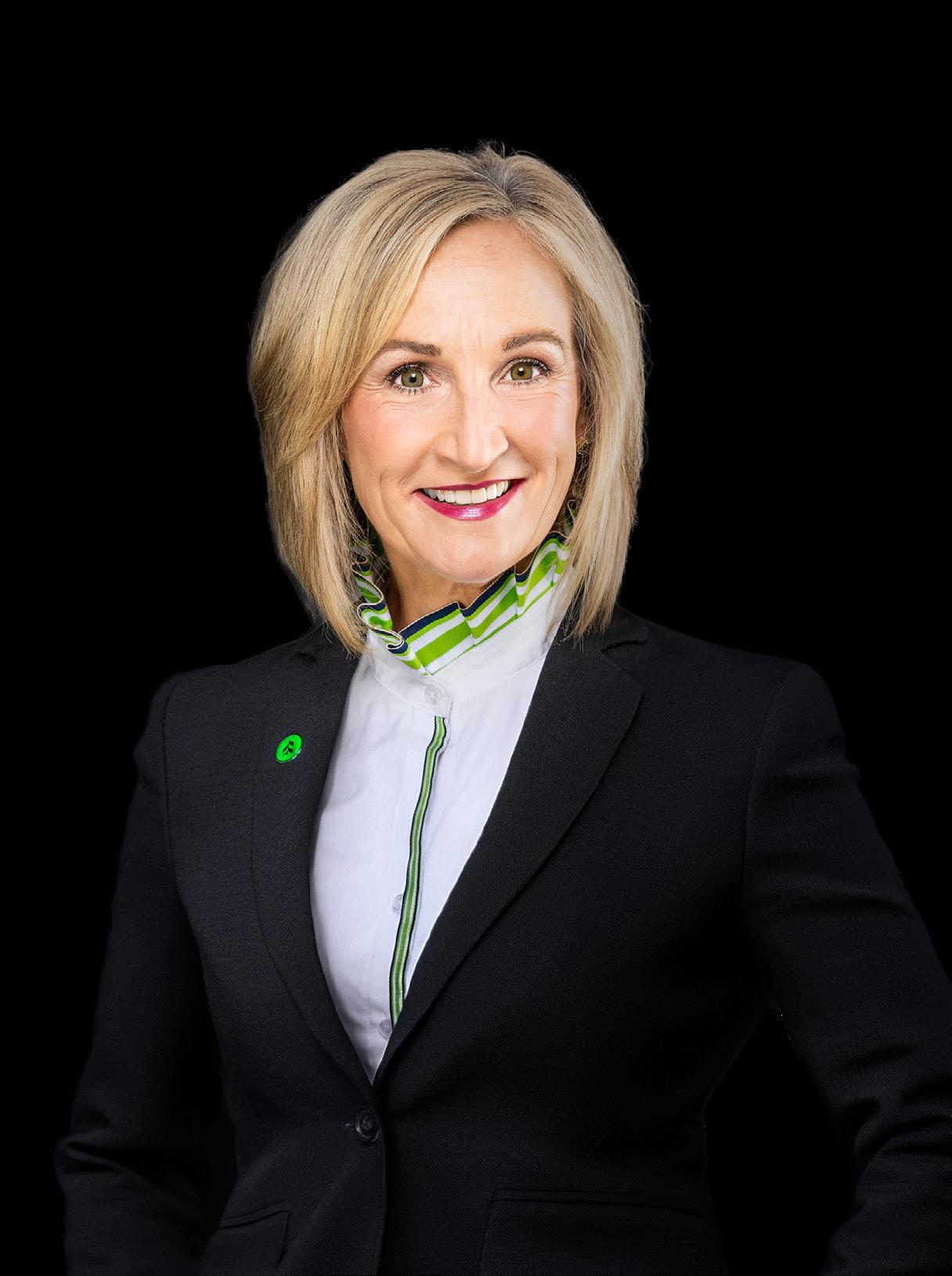
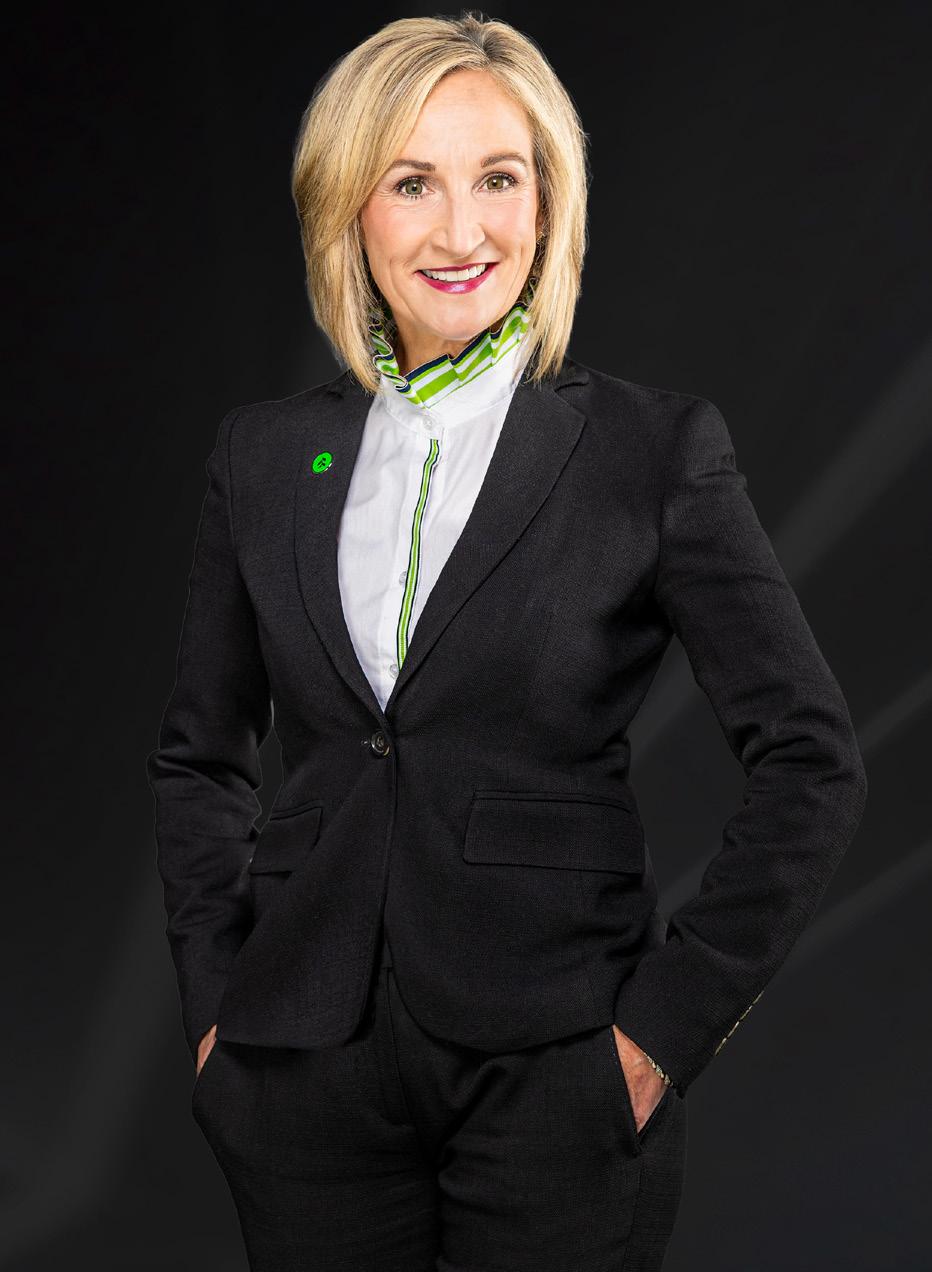
As President of Associated Bank Private Wealth and Trust Company for U.S. markets, Jayne Hladio leads a team of exceptional financial professionals who deliver comprehensive wealth planning and banking support for affluent clients. Hladio began her career as an associate and advanced into senior and executive leadership roles across the banking industry. She has led large-scale retail delivery and private wealth organizations, driving growth through client-centric, life- and goal-based planning. Known for her collaborative leadership style, Hladio is committed to building inclusive teams and elevating the standard of care through integrity, advocacy, and disciplined execution. She resides in Greater Milwaukee.
Recently, in an exclusive interview with Digital First Magazine, Jayne shared insights into her passion for financial services, sparked by her early experiences with her father and the impact of banking on her community. Looking ahead, Jayne sees AI and automation as enablers in financial services, enhancing client experience through hyper-personalization and efficiency. She also shared her personal hobbies and interests, future plans, words of wisdom, and much more. The following excerpts are taken from the interview.
Hi Jayne. What sparked your passion for financial services and wealth management?
My passion for financial services began early, and I credit my father for sparking it. When I was a child, he would take me to the bank with him. I witnessed firsthand the important role financial institutions and advisors play in creating opportunity. Community leaders and bankers saved the livelihoods of our farming community during a drought by providing community lending and charitable giving solutions. I understood even then that a bank is a place where meaningful work happens—where ideas turn into possibilities, and collective commitments shape the future.
As I grew older, I became even more intrigued by how powerful that impact can be when banking is done in the true best interest of clients and communities. Strong financial institutions don’t just provide products; they
enable commerce, fuel growth, and strengthen the viability of entire communities. This reciprocal benefit is a result of a co-dependent “mirroring effect;” when a bank does well, the community does well and that success creates a cycle of reinvestment and progress.
The exponential impact is what keeps me interested in wealth management. Unlike a traditional product with a single benefit, financial services help people and businesses “become” what they aspire to be. You’re not just managing money, you’re helping clients navigate transformation, build stability, and elevate their future. Being part of that kind of lasting, community-centered impact is what truly fuels my passion for this work.
What do you love the most about your current role?
What I love most about my role is growing leaders and creating client advocates. Wealth is
INVESTING IN THE NEXT GENERATION
OF
LEADERS TO BUILD AND SUPPORT
AMBITIOUS,
SUSTAINABLE,
AND ETHICAL BUSINESS
ENVIRONMENTS
FUELS AN ABUNDANCE MINDSET FROM WHICH EVERY HUMAN BEING CAN REALIZE THEIR POTENTIAL
a people-centered business at its core. Beyond any financial performance responsibility I lead, the most meaningful work is enabling others within our organization and in our communities to grow, lead, and thrive. Investing in the next generation of leaders to build and support ambitious, sustainable, and ethical business environments fuels an abundance mindset from which every human being can realize their potential. My favorite moments are experiencing a leadership pivot from “impossible” to “I’m possible” as individuals and teams realize their influence is “greater than,” not “less than” they thought.
Helping leaders reach their next level of excellence is where I find the greatest fulfillment. Not just the “what” but the “how” with integrity. Those moments matter because they build confidence, resilience, and intrinsic joy in the work. When people feel equipped to navigate uncertainty and challenge, they show up more fully for their teams, their clients, and themselves. Connectivity and care are basic needs of every human being. Respect and dignity have an important place not only at home and play, but in the workplace.
I also love inspiring belief. Being willing to lead with vulnerability and care allows people to practice heart-led leadership that drives extraordinary outcomes. That doesn’t mean sacrificing analytical rigor or technical competence, it’s about how you lead, how you elevate others, and how you move forward together.
When leaders grow, the impact extends far beyond the individual. It strengthens our business, our communities, and that virtuous cycle of doing what’s in the best interest of
others. Seeing that ripple effect is what makes this role so meaningful to me. I’ve certainly benefited from so many mentors and leadership experiences, and it is important to me to pay it forward.
You’ve worked in financial services for over 25 years. What shifts have you seen in wealth management and banking?
Over the last 25 years, three trends have emerged:
First, the biggest shift I’ve seen is a transition from a service economy to experience and now transformation. The world we live in migrated from simply selling products and services, to curating experiences that result in meaningful financial progress. Wealth management used to be very product and market results driven. Today, it’s much more about understanding a client’s life, their goals, and guiding them toward real outcomes that improve their financial wellbeing. This is enabled by wealth planning that invites clients to deeply understand their situation. Rather than an individual advisor or banker, a talented team surrounds them to provide integrated solutions that are highly correlated to their wishes, wants and needs. Advisors have become navigators who combine expertise, education, and technology to help clients change financial behaviors and achieve what matters most to them. That requires an integrated, end-to-end approach across a client’s lifetime, bringing together banking, investing, planning, and advice in a cohesive way. Wealth firms are in a race to that integrated business model that includes a multitude of solutions, unlike the unimodal format of the past.
Second, we’re also seeing rapid technological shifts towards significant digitization and agentic AI. Digital tools and multiple engagement channels have expanded access, allowing us to reach more clients in real time while still pairing technology with expert guidance. Hyper-personalized insights from data intelligence address the true behavior psychology at play. This is important to ensure the relevance of our advice and behavior actions to fulfill the roadmap for progress we help the client define.
And finally, there’s been a clear democratization of wealth management. More sophisticated solutions—once available only to the ultra-wealthy—are now accessible to a much broader range of clients. It’s no longer about how much money you have; it’s about helping people make the most of what they have. That shift has fundamentally changed the mission of our industry—and for the better. This is important amid the great wealth transfer among generational investors.
Looking ahead, how do you see AI and automation impacting financial services? What role would these technologies play in enhancing client experience?
I see AI and automation as powerful enablers in financial services—tools that elevate, rather than replace, the human side of our work. Their greatest impact will be streamlining low–value, process-driven tasks, allowing financial professionals to spend significantly more time on what matters most: advising clients and delivering thoughtful, high-value guidance.
IN MORE COMPLEX SITUATIONS—SUCH AS FINANCIAL PLANNING, TRUST AND ESTATE WORK, OR REGULATORY INTERPRETATION—
AI CAN SIMPLIFY DOCUMENTATION, REDUCE TIMELINES, AND RAISE THE OVERALL STANDARD OF CARE
As routine and administrative work become more automated, advisors will be able to focus on deeper conversations, anticipate client needs, and provide more meaningful recommendations. AI will also enable a new level of hyper-personalization. By leveraging data and insights, these technologies can help anticipate life milestones, identify emerging needs, and support advisors in consulting more proactively and accurately.
In more complex situations—such as financial planning, trust and estate work, or regulatory interpretation—AI can simplify documentation, reduce timelines, and raise the overall standard of care. The planning process becomes more insightful and comprehensive, not just based on what a client shares in the moment, but on embedded intelligence that helps paint a fuller picture.
Ultimately, AI and automation allow us to deliver a higher level of service with greater efficiency, creativity, and precision, while preserving the essential role of strong banking, wealth management, and community connection. When used thoughtfully, these technologies enhance the client experience by deepening relationships, improving outcomes, and reinforcing trust.
You’ve volunteered and worked to help women and people of color accelerate their careers. Why is empowering groups important to you?
Empowering women and people of color starts with a belief in the power of one—the idea that every individual’s potential deserves to be fully seen, supported, and realized. Inclusion isn’t an extra initiative or separate work; it’s
foundational to how we help people grow, lead, and contribute at their highest level. Inclusion ensures a higher degree of relevance overall.
When you focus on elevating individuals by helping them build confidence, aspire to more, and believe in what’s possible, you create stronger, more inclusive communities and economies. That belief is what unlocks opportunity and fuels progress. It’s how people begin to see themselves not just as participants, but as leaders and changemakers.
For me, this work is about honoring the potential in every human being and creating environments where that potential can thrive. Healthy communities are built when we lead with authentic inclusion and intentionally grow leaders in ways that reflect the diversity of the people we serve.
Ultimately, wealth isn’t defined solely by dollars, it’s defined by impact, purpose, and significance in people’s lives. Empowering others to realize their full potential is how we create lasting value, not just in business, but in the world around us. At Associated Bank Private Wealth, we refer to this as wealth care – a differentiated standard of care that helps you live your best life without limits.
Can you share a book, podcast, or resource that has inspired you recently?
One resource that has really inspired me recently is The Diary of a CEO by Steven Bartlett.
Beyond the book, his podcast has been especially impactful. What resonates most with me is his focus on vulnerability, mentorship, and mental wellness among CEOs and senior leaders— topics that often don’t get enough attention at that level.
Through conversations with a diverse range of leaders, he distills evidence-based insights on personal and professional excellence. These aren’t abstract theories; they’re grounded in real experiences—what leaders have faced, how they’ve grown over time, and what works. I appreciate how those lessons are practical, human, and deeply relevant, regardless of industry or role.
Steven Bartlett has quickly become one of the most compelling voices in leadership today, and his work reinforces something I strongly believe: sustainable leadership starts with selfawareness, care for others, and the courage to lead with authenticity.
What’s a favorite childhood memory that shaped who you are?
I have many meaningful childhood memories, but one that shaped me most actually comes from my daughter, Lindsey. It may not be my childhood in the traditional sense, but it was a moment that profoundly influenced who I am as a leader and a parent, and who she is as an emerging leader.
Several years ago, I was considering a significant career advancement move into a national executive role in wealth management. With that opportunity came doubts and questions about the risks involved, preparedness, and sacrifices it would require, especially time away from home. I remember standing by the back door explaining those challenges to Lindsey, who was very young at the time.
She looked up at me and said, “Mom, you’re a leader. I’m a leader too. You were meant to lead this so say yes—and I’ll lead while you’re gone.”
That moment stayed with me. Her belief and confidence reminded me how easily we can let capacity challenges, doubt or impostor syndrome take over when opportunities to grow present themselves. My daughter reminded me that I didn’t need to have all the answers, I just needed the courage to step forward, learn, and lead. While doing so, I was modeling the way for her! The risks were worth the growth and wound up being one of the most formative executive experiences of my entire career. It also concluded with a JD Powers awardwinning design for wealth delivery in the industry! Teamwork, listening, resourcefulness, and negotiating for investment, in addition to discerning when I needed to renew and be present for family all comprised the recipe for success, generating record outcomes.
That experience reinforced my commitment to leaning into uncertainty with conviction and curiosity. It’s okay to be a learner again, to make sacrifices, and to grow through the unknown. That moment—and her faith in me— is a constant reminder of why I do what I do: to grow leaders, inspire belief, and help others realize what they’re capable of becoming. Focus on impact over fear, growth over comfort.
What are some of your passions outside of work? What do you like to do in your time off?
Outside of work, my greatest passion is spending time with family and close friends. As I’ve gotten older, I’ve become much more intentional about being fully present— simply being together, disconnected from
MY BIGGEST GOAL IS TO HELP GUIDE THE WEALTH MANAGEMENT AND BANKING INDUSTRY
THROUGH ONE OF THE MOST SIGNIFICANT SHIFTS IT HAS EXPERIENCED IN GENERATIONS— AND TO ENSURE IT REMAINS RELEVANT, INCLUSIVE, AND DEEPLY HUMAN
distractions. That time grounds me and brings a lot of joy and perspective, especially when we visit destinations of beautiful memories and significant nostalgia.
I also have a deep love for music and the arts. I was a professional musician for many years, and that creative outlet continues to be an important part of my life. Music brings balance—it engages both the analytical and creative sides of the brain, which I find incredibly valuable for
holistic thinking and staying aligned as a leader. Finally, I’m a lifelong student of leadership. Whether it’s books, podcasts, leadership summits, or learning from others’ experiences, I’m always looking for ways to grow. Continuous learning fuels both my personal development and how I show up for others, and it’s something I genuinely enjoy in my time off. Golf, running, skydiving, and beach time and making time for acts of kindness are also favorites.
Free time invested in community service such as supporting the American Heart Association over the last 20 years is important to me as well. Board service has been incredibly fulfilling, whether for TEMPO Milwaukee Women’s Organization, Junior Achievement, Titan 100, or Discovery World Innovation Center...giving back is a form of gratitude in action.
What is your biggest goal? Where do you see yourself in 5 years from now?
My biggest goal is to help guide the wealth management and banking industry through one of the most significant shifts it has experienced in generations—and to ensure it remains relevant, inclusive, and deeply human. Over the next five years, I see my role as modeling a higher standard of care and helping redefine what wealth truly means. Of course, this includes ensuring our strategic plans as a top-performing regional bank are achieved and our mutual benefit to colleagues, clients, our community and stakeholders exceeds growth expectations.
For me, wealth isn’t just measured by numbers on a balance sheet. It’s about optimizing significance, meaning, and the legacy people leave behind. It’s about helping individuals, families, and businesses make real progress in their lives and communities. That requires shifting the mindset of our industry—from focusing solely on accumulation to enabling purpose, contribution, and long-term impact.
As we move from a service economy to an experience economy, and now into a transformation economy, the expectations of our clients, and our responsibility as leaders, have fundamentally changed. My goal is to cast an accurate vision for where we are and where
we’re headed, while preparing and empowering leaders to rise to that challenge and deliver meaningful transformation.
Success, to me, isn’t just growing a business. It’s building leaders who can carry that vision forward. Because people ultimately make or break any organization, my focus is on creating a standard of care that endures, evolves, and elevates others long after any one individual role.
What advice would you give financial professionals starting their careers?
First, build a strong and broad foundation. Be consistent but take the time to gain exposure across different areas of financial services. That breadth will give you perspective, credibility, and flexibility as your career evolves.
Second, cultivate a strong appetite for growth—not just feedback, but feed-forward. Seek counsel, ask for insight, and surround yourself with people who will help you see what’s possible and challenge you to grow into it. When you do that, your career path naturally aligns more closely with your strengths, passions, and values.
Finally, focus less on chasing a title or level and more on how you navigate your journey. The way you learn, lead, and adapt matters far more than any single role. We’re now operating in a transformation economy, where the greatest impact comes from helping people achieve better outcomes—not just better experiences.
If you stay curious, grounded in purpose, resilient, and committed to growing others alongside yourself, you’ll build a career that’s not only successful, but meaningful. And that is what you will most treasure and remember.
Driving Innovation through Cloud and Hybrid Solutions
Guna Chellappan, General Manager, Red Hat Asia Pacific
Hi Guna. What drives your passion for leadership and growth?
Simply put … leadership is a not a task but rather something that needs to be ingrained in leadership whereby you lead without thinking of it as a skill or responsibility. Working with people to deliver goals especially objectives that would not naturally be obvious or within reach. A natural leader inspires his team to greater goals. Nothing is more exhilarating than achieving goals that we once thought impossible.
What do you love the most about your current role?
Having worked in AsiaPacific roles for most of my career, I have seen how many organisations work in various parts of the world from Latin America to Eastern Europe to Asia. In my current role, as GM for Red Hat Singapore, I get to enjoy talking and working with Singapore organisations to bring my global experience to bear with local and regional organisations. Working with them on solving their challenges is something that gives me joy.
In my current role, as GM for Red Hat Singapore, I get to enjoy talking and working with Singapore organisations to bring my global experience to bear with local and regional organisations
Guna Chellappan has been in the IT software industry for over 30 years in various leadership roles. Currently, he is the general manager for Singapore at Red Hat, where he leads sales and business development activities in the country. Over the years, Guna has been extensively involved in the implementation of complex solutions such as hybrid multi-cloud platforms, customer experience and supply chain across the world in various industries ranging from financial services, government, manufacturing and retail.
Prior to joining Red Hat, Guna was the General Manager for Cloud & Cognitive Solutions at IBM Singapore. He also held global and regional leadership positions at IBM, JDA Software and Oracle. He has been contributing to the community as the VP, SCS Cloud Chapter. Conferred the title of Fellow for established reputation of eminence and authority in the field of tech and positive influence to the tech community. In addition, as the Past President of SGTech, he has worked towards the success of the IT Industry in Singapore. Guna graduated from the National University of Singapore with a Bachelor’s degree in Engineering (Honors). Guna is also an active NS Volunteer recognized with the National Commendation Medal and as a NS Man of the Year.
Recently, in an exclusive interview with Digital First Magazine, Guna shared insights on what drives his passion for leadership and growth, personal hobbies and interests, his favourite quote, future plans, words of wisdom, and much more. The following excerpts are taken from the interview.
What’s your perspective on the importance of cross-functional collaborations in driving business success?
No single organisation or even function can meet a customer’s requirement for a full solution to their challenges. We have to work across the organisation to bring forth the experience and knowledge to drive business success.
What personal or professional philosophies have contributed to your success, and how have you applied these principles in your career?
Collaboration and ensuring a win-win proposition has always taken an undue amount of focus in ensuring success in a cross organisational and functional engagement. A strong leadership style to bring all the parties to understanding, adopting and aligning to a common goal is critical to business success.
How do you stay ahead of the curve in the ever-evolving tech industry?
Read, Listen and Collaborate! Accepting that you are not the smartest person in the room and being able to absorb new technology has always helped me stay a step ahead,
What are some of your passions outside of work? What do you like to do in your time off?
A happy life leads to a positive attitude, I set aside time for both family and personal pursuits so that it gives me “downtime” to rest and recover. I personally like to do long runs up to 30-50km a week to be able to check out and reflect during these periods of reflection while I run.
It sounds like a cliche, but its AI. It’s not just about the technology but also about how we can harness the true power of AI while ensuring that the organisational risk is managed
What is your favorite quote?
It is said that I like to say “It is what it is”…. I keep reminding myself that there are some issues or boundaries that I have to respect. While its great to challenge the system, it may not be practical for the organisation to implement some of those ideas.
Which technology are you investing in now to prepare for the future?
It sounds like a cliche, but its AI. It’s not just about the technology but also about how we can harness the true power of AI while ensuring that the organisational risk is managed. It’s about people, process and then technology… not the other way around.
What are your long-term career aspirations, and how do you see yourself evolving as a leader over the next five years?
Personally, I don’t see a significant evolution of myself as a leader but rather, evolving as a leader who can contribute to the success of key Singapore brands. I want to leverage my
As a leader in a tech industry, then key attribute is to be always ready to listen and learn as it equips you to make an informed decision always!
experience in working with global companies to impart those leadership and business skills to Singaporean companies.
What advice would you give to aspiring leaders in the tech industry?
The tech industry is one of the most challenging as it’s ever changing. As a leader in a tech industry, then key attribute is to be always ready to listen and learn as it equips you to make an informed decision always! As they say…. “Resisting change in IT is like holding your breath… If you succeed, you die!”
Transforming the World of IT Infrastructure Services, One Customer at a Time
Shelley Westman, Vice President, Business Development & Go to Market, Kyndryl
Hi Shelley. What drives your passion for driving transformation and innovation within large organizations?
I read a book early in my career that really stuck with me. It was called Clockspeed, and the premise of the book is that all advantage is temporary and that organizations must transform or risk being left behind. There are countless examples of organizations that did not transform and ceased to exist. This really drove my passion for figuring out, at every level of the organization, how to keep your advantage and continuously improve.
What do you love the most about your current role?
I lead Go-to-Market for our Core Enterprise & zCloud practice at Kyndryl. Kyndryl is the world’s largest IT infrastructure services provider, serving thousands of enterprise customers in more than 60 countries. The company designs, builds, manages and modernizes the complex, mission-critical information systems that the world depends on every day. What I love the most about my current role is that there are so many facets of go-to-market which makes this exciting. Since
We are near an inflection point on AI and generative AI that will impact how organizations - and individuals - function
Shelley Westman is an accomplished executive recognized for her leadership in growth & transformation, cybersecurity, and her deep operational & execution skills. Currently serving as Vice President at Kyndryl, she was also a Partner/Principal at EY for 3 years. Prior to that, she spent 18 years at IBM, where she held various roles, including Vice President of Operations & Strategic Initiatives in IBM Security, and founded the Women in Security Excelling (WISE) group, which significantly impacted women’s involvement in cybersecurity. Shelley started her background practicing law and holds a JD from the University of North Carolina School of Law.
Recently, in an exclusive interview with Digital First Magazine, Shelley shared insights on the role of technology and innovation evolving in the future and what implications those will have for businesses and society, significant career milestone, her favorite quote, future plans, words of wisdom, and much more. The following excerpts are taken from the interview.
the role spans from strategy to messaging to enablement, I am always free to come up with new ideas to ensure that we are bringing our best ideas forward for our customers. I also love that this role allows me to work with my talented colleagues around the world to drive and grow the business.
How do you see the role of technology and innovation evolving in the future, and what implications will this have for businesses and society?
I think about this often. It is staggering to think about the rate and pace of technological changes. We are near an inflection point on AI and generative AI that will impact how
organizations - and individuals - function. I see the largest impact for organizations in terms of being freed up from doing manual, repetitive and detailed tasks, allowing organizations to focus their workforce on spending time thinking, innovating and dealing with complex issues.
Can you share your perspective on the importance of diversity, equity, and inclusion in the technology industry, and how you approach mentoring and advocating for women and minorities pursuing careers in the STEM field?
For much of my early career, I gave no thought to being a woman in technology. I did my job, I expected to be rewarded and was, in fact,
promoted many times. My personality is such that I am assertive and will stand up for myself, so I never considered that I was different from anyone else in the room. I did start to observe that not everyone feels comfortable speaking up for themselves. It really hit home for me when I reached the level of Vice President. I looked around and decided that if I don’t speak up and drive diversity and inclusion, who will? I want to be clear that it is not just diversity around gender and race. It has been proven time and time again that having diverse teams leads to better results. This includes diversity of thought, background and experiences. Therefore, I decided to be vocal and to double down on mentoring and advocating for women and minorities. While we have made progress, women and minorities are not yet at parity in STEM fields. Until this happens, I will continue to accelerate action to drive that parity. I am also a huge proponent
that we need more allies as we drive for more diversity and inclusion. I love that at Kyndryl, our KINs (resource groups) are open to anyone and that allyship is welcomed.
Who has been a significant influence or mentor in your career, and how have they helped shape your professional journey?
I can’t possibly answer this question by naming one person. I have worked for some of the best companies in the world and have access to so many people who have mentored and/or sponsored me – either formally or informally. Mentors are so important, but I will say that sponsors are even more important. These are the people who will vouch for you and recommend you for a role, knowing that you can do the job. I will be eternally grateful for those that took time out of their days to believe in me and help me.
Over the next 5 years I want to ensure that whatever I am doing, I feel that same passion. I also want to ensure that I am having fun at work
What has been your most careerdefining moment that you are proud of?
Without a doubt, it would be attending the closing bell ceremony at the New York Stock Exchange with Kyndryl in 2023! I had this on my bucket list for so many years and I literally jumped up and down when I found out I was invited to this event. It was such an exciting day, and I will always cherish this amazing memory.
How do you prioritize your well-being and self-care amidst a demanding career?
I just recently re-joined a gym, and I put the evening classes I want to attend on my calendar, so I remember to make time to work out. If it is not on my calendar, it does not happen. Additionally, we just moved to Sarasota, Florida, 3 years ago and the gorgeous weather (minus hurricane season) really motivates me to enjoy being outside. We were lucky to make so many new friends in Florida and I am really enjoying myself.
What is your favorite quote?
My favorite quote is really a motto I live by. “It is better to be 100% fast and 80% right.” This is actually my own quote and ties into the premise that all advantage is temporary. I like to try new things and if they don’t work, fail fast. If they do work, then I scale them out. This has really served me well in my career.
What are your long-term career aspirations, and how do you see yourself evolving as a leader over the next five years?
I have been so fortunate that I have loved working (once I left the practice of law!). I feel so fortunate that I have been so passionate about my career. Over the next 5 years I want to ensure that whatever I am doing, I feel that same passion. I also want to ensure that I am having fun at work. This is key to ensuring that every day you bring your best self to the role. I firmly believe that if you don’t like what you are doing, find something else. Life is too short to have a job you don’t enjoy. It is never too late to do something new and reinvent yourself.
What advice would you give to aspiring leaders looking to drive business growth and transformation?
Be bold and fearless. Speak up. Test ideas. Don’t be constrained by what has always been done. Be willing to take a risk. Volunteer for the project that no one wants to take. Become known for something. Lastly, never stop learning new things.
Empowering a Secure Digital World
Bradley Schaufenbuel, Vice President and Chief Information Security Officer, Paychex
Hi Bradley. What drives your passion for information security and governance?
I am driven by a fiduciary duty as an executive officer to my company and its shareholders to protect the organization against the crystallization of cybersecurity risks that exceed the organization’s risk tolerance. At a deeper level, I started college as a criminal justice major, as I wanted to be a police officer and serve and protect people against bad actors for
a living. But I also was a computer geek and loved technology. I was able to combine these two passions by joining the information security profession.
What do you love the most about your current role?
What I love the most about my current role is the people I am blessed to work with. We have built a team of some of the brightest and most
Artificial intelligence of all types is already being leveraged by attackers to improve the efficiency and effectiveness of cyber-attacks
Bradley J. Schaufenbuel is currently Vice President and Chief Information Security Officer at Paychex. He has over 28 years of experience in the information security field at companies in the financial services and technology verticals, has written numerous books and professional journal articles, possesses an MBA, a JD, and an LLM, maintains over two dozen professional certifications, serves as an advisor to multiple venture capital firms and cybersecurity startups,andregularlyspeaksatindustryconferences. Bradley was recognized as the Chicagoland CISO of the Year in 2018 as one of theTop 100 CISOs for 2024 by Cyber Defense Magazine.
Recently, in an exclusive interview with Digital First Magazine, Bradley shared insights on the role of artificial intelligence and machine learning in cybersecurity, the secret mantra behind his success, personal hobbies and interests, favourite quote, future plans, words of wisdom, and much more. The following excerpts are taken from the interview.
passionate cybersecurity professionals in the world. It is an honor for me to lead the team. I also feel fortune to work with an executive team and board of directors that understands the importance of my function and sets the right “tone at the top”. And finally, I am lucky to work with some of the best internal and external partners an information security leader could ask for. My colleagues “get it”, which makes my job easy.
What role do you think artificial intelligence and machine learning will play in cybersecurity?
Artificial intelligence of all types (e.g., machine learning, large language models, agentic AI, etc.) is already being leveraged by attackers to improve the efficiency and effectiveness of cyber-attacks. The same technology is being leveraged by defenders to detect and stop cyberattacks and improve the efficiency of security
Implementing scorecards, ensuring consistency in interview questions, and maintaining the same interviewers for a given role can help create a fairer process
operations. It is a perpetual “cat and mouse game” where every new technology is adopted by both attackers and defenders, with each side looking to gain an edge (albeit a temporary one).
Over the course of your career, you have been a recipient of various prestigious awards and accolades including Chicago CISO of the Year in 2018, as one of the Top 100 CISOs in 2024, and as the North America Information Security Leader of the Year in 2021. Our readers would love to know the secret mantra behind your success.
While I am very honored to have received many individual awards, the awards my team has received are much more important to me. Although I provided inspiration and support, I would have achieved nothing as a CISO without an incredible team executing my vision. For that reason, the awards I am most proud of are the ones bestowed upon the entire Paychex Enterprise Security team, including the “Financial Services Cyber Security Team of the Year” by American Cyber Awards and a “top ten information security team” globally by On Conferences.
How do you stay current with the latest cybersecurity threats and trends?
I stay current with the latest cybersecurity threats and trends by reading a lot of blogs, books, magazines, and professional journals, attending cybersecurity conferences, staying engaged in professional associations, and participating in CISO roundtables and summits. I build a “Sunday evening reading list” each week. The most valuable intelligence usually comes from peer CISOs who are experiencing the same problems as I am or who may have already solved them. The advice I receive from peers is also the most objective, i.e., free from bias.
What are some of your passions outside of work? What do you like to do in your time off?
Outside of work, I like to go bicycling or golfing with my daughter or travel internationally with my family. I also do a lot of work with cybersecurity startups and venture capital firms. I serve on the advisory boards of several venture capital firms, where I help select startups to invest in and then assist portfolio companies with bringing their products to market. I also serve
on the advisory boards of several cybersecurity startups, where I provide go-to market advice and assist founders with product direction.
What is your favorite quote?
My favorite quote is the Bible verse, “To whom much is given, much is expected” (Luke 12:48). It emphasizes that individuals who are blessed with more, whether in terms of talent, wealth, knowledge, or opportunities, are also held to a higher standard of responsibility and are expected to use these gifts wisely and for the benefit of others. As a person who is blessed with a great education, a fantastic job, a loving family, and material possessions, I have a great responsibility to mentor, develop, and give to those who are less fortunate than myself.
Which technology are you investing in now to prepare for the future?
The technology I believe holds the most promise for the future right now is agentic artificial intelligence. This is the first generation of artificial intelligence that emulates human thinking and is non-deterministic. AI agents hold the promise of performing many operational
security tasks within multiple domains, including security alert triage and investigation, vulnerability management, identity and access management, and IT compliance. It is still early and most of the organizations developing this technology are startups, but there his huge upside potential.
What are your long-term career aspirations, and how do you see yourself evolving as a leader over the next five years?
Traditionally, I have been a builder or a transformational security leader. Organizations have brought me in to build a cybersecurity program from scratch or to fix / transform a cybersecurity organization to better align it to the needs of the organization. What I thrive on in the long term are bigger challenges to overcome. Bigger challenges can come in the form of changes in my current organization, e.g., acquisitions or digital transformation initiatives, or from the assumption of the CISO role at a larger and more complex organization.
What
advice would you give to aspiring CISOs and cybersecurity professionals?
I would advise aspiring CISOs to obtain experience in multiple security domains (e.g., security operations, network security, cloud security, governance risk compliance, identity and access management, application security, security architecture, etc.), as the CISO must have a good working knowledge of them all. I would also suggest investing in general business and financial management skills, as managing a P&L is important to the success of a CISO and you need to be able to speak the language of your peers within the C-suite.
Building a Culture of Innovation and Excellence
Lisa Nichols, CEO, Technology Partners,
Greg Nichols, President, Technology Partners
What drives your passion for leadership and innovation, and how do you stay motivated?
Lisa: People. That’s what drives me every single day. Watching others grow, develop, and step into their full potential is what fuels me. Leadership is a privilege, and I take that responsibility seriously. I believe in creating environments where people feel valued, heard, and empowered to do their best work. I stay motivated by seeing the impact we make in the lives of our employees, clients, and community.
Who has been a significant influence or mentor in your career, and how have they helped shape your professional journey?
Greg: I’ve had several great mentors over the years, but the biggest influence has been my early experience in software engineering. That early experience taught me to think systematically, identify patterns, and search for elegant solutions to complex problems. I’ve been fortunate to work with people who challenged me to think bigger and push beyond
AI and automation will continue to transform industries, but the human element — our ability to connect, inspire, and lead with heart — will always be the differentiator
Lisa Nichols is the Co-Founder and CEO of Technology Partners, a nationally recognized provider of talent, technology, and leadership development solutions. Since launching the company with her husband, Greg, in 1994, Lisa has led with a faith-first, people-centered approach that has shaped the culture and fueled decades of growth. She is the host of the Something Extra podcast, now over 300 episodes, and was named a Most Influential Business Woman by the St. Louis Business Journal. Lisa actively serves on nonprofit and corporate boards and is a steering committee member for the Down Syndrome Association of Greater St. Louis.
Greg Nichols is the Co-Founder and President of Technology Partners, a leading technology solutions firm based in St. Louis. Since co-founding the company in 1994 with his wife Lisa, he has guided its evolution from a small IT consultancy into a nationally recognized provider of talent, technology, and leadership development services. Greg was named a 2024 Titan by St. Louis Titan 100 and currently serves on the advisory board for the College of Business and Entrepreneurship at Missouri Baptist University, as well as the Department of Operations and Information Technology Management at the Chaifetz School of Business at Saint Louis University. He is known for his strategic mindset, operational excellence, and unwavering commitment to client success.
Recently, in an exclusive interview with Digital First Magazine, Lisa and Greg shared their insights on leadership, innovation, and the future of technology, offering a glimpse into their vision for Technology Partners and the importance of peoplefocused leadership.
The most effective leaders I know combine deep expertise with genuine curiosity. They’re constantly learning, adapting their mental models, and helping others navigate change
my comfort zone, and that has played a huge role in how I lead today.
What inspired you to start the Something Extra podcast, and what lessons have you learned from your guests?
Lisa: The inspiration came from our daughter, Ally, who was born with Down Syndrome. From the moment she came into our lives, we knew she had something extra — both literally and figuratively. That extra chromosome has brought so much joy, perspective, and depth to our family. It made me start thinking: What’s the “something extra” that makes certain leaders truly exceptional? That idea turned into a podcast. I wanted to have real conversations with leaders who lead with integrity, kindness, and courage. And what I’ve learned from my guests is that leadership is less about position and more about presence. Everyone has a unique “extra”—something special that, when
embraced, can make a profound difference in the lives of others.
How do you prioritize your well-being and self-care amidst a demanding career?
Greg: I’m a big believer in structure and discipline. Just like in business, if you don’t have disciplines for your personal life, things can easily spiral. I make time for working on our land, for faith, and for family. Those three things keep me grounded. And I firmly believe that a leader who doesn’t take care of themselves can’t effectively take care of their team.
What sets Technology Partners apart from other market competitors?
Lisa: Technology Partners isn’t just another IT staffing and solutions company. We are truly a people-focused business. From day one, Greg and I built this company on a foundation of integrity, excellence, and a genuine love for
people. Our amazing teams work hard to create lasting partnerships that help businesses thrive. Our culture is different. We care deeply about our clients and consultants, and hopefully that care shows in everything we do.
What has been your most careerdefining moment that you are proud of?
Greg: Building Technology Partners with Lisa. Taking that leap, stepping into entrepreneurship, and growing this company from the ground up has been the most rewarding journey of my life. Watching it evolve, expand, and make an impact. Not just in the tech industry but in people’s lives. That’s something I’ll always be proud of.
How do you see the role of leadership evolving in the future, and what skills do you think will be most important?
Lisa: Leadership is changing. It’s no longer about top-down authority. It’s about influence, adaptability, and emotional intelligence. The best leaders of the future will be exceptional listeners, agile problem solvers, and deeply empathetic. AI and automation will continue to transform industries, but the human element — our ability to connect, inspire, and lead with heart — will always be the differentiator.
What are your long-term career aspirations, and how do you see yourself evolving as a leader over the next five years?
Greg: My vision extends beyond simply scaling Technology Partners. I want us to become the trusted partner that helps organizations harness technological change rather than be disrupted
by it. As AI continues transforming business landscapes, we’re positioned to guide that transformation with both technical expertise and ethical wisdom. Personally, I’m investing more in developing our leadership pipeline, creating systematic ways to transfer the knowledge and judgment that comes from experience.
How do you approach mentoring and supporting the next generation of women leaders?
Lisa: I love to take action. Whether it’s through one-on-one mentorship, speaking at women’s leadership events, or creating opportunities within Technology Partners, I am committed to lifting up the next generation. I want women to know they belong in leadership, that their voices matter, and that they have everything they need to succeed.
What advice would you give to someone looking to break into a leadership role?
Greg: Master the fundamentals of your domain, but recognize that technical excellence alone won’t propel you into leadership. Develop your capacity to communicate complex concepts simply, to understand the business context beyond your immediate responsibilities, and to build authentic relationships across organizational boundaries. The most effective leaders I know combine deep expertise with genuine curiosity. They’re constantly learning, adapting their mental models, and helping others navigate change. Don’t wait for leadership authority to be conferred — start solving problems that matter and bringing others along in the process.
Harnessing Digital Power for Business Success
Bryan Throckmorton, Managing Director, Global Digital Strategy & Transformation Segment Leader, Protiviti
Hi Bryan. What inspired you to pursue a career in digital transformation and strategy?
While I can’t say way back when I started my career I had this path in mind, even in the beginning of my career I was fascinated by trying to understand why one brand was picked over another, or why one company was successful but another one that looked on the outside very similar was not. As the digital landscape started to evolve rapidly, I wanted to be as close to the front line as I could in terms of understanding how the customer experience could be improved, and
eventually how the employee experience could be improved as well.
What do you love the most about your current role?
I really love being at the intersection of strategy, technology and innovation. My role gives me the freedom to look at a business problem from all of these different angles, and also to engage colleagues and partners who have additional expertise in an area that I might not have. Helping clients move faster than perhaps they thought they could is definitely one of my favorite parts. I get
Helping clients move faster than perhaps they thought they could is definitely one of my favorite parts
Bryan Throckmorton is a Managing Director at Protiviti and leads the Digital Strategy & Transformation Segment. Throughout his 20+ year career, Bryan’s work has been on the leading edge of technology powered business transformation. Through his unique background of proven leadership at pure start-ups, early-stage firms, and large companies, his blend of creativity, innovation and focus helps him continuously look for unique ways to deliver value to his clients. Bryan is an alumnus of Harvard Business School, and his passion continues to be helping businesses innovate to better compete in the digital age.
Recently, in an exclusive interview with Digital First Magazine, Bryan shared insights on the most pressing challenge facing digital transformation leaders today, the secret mantra behind his success, personal hobbies and interests, future plans, words of wisdom, and much more. The following excerpts are taken from the interview.
excited about doing everything I can to help them better compete!
What do you think is the most pressing challenge facing digital transformation leaders today?
For me it really comes down to speed…. how fast can we rethink business processes and redefine job roles utilizing technology and data. The pandemic forced everyone to move faster than they thought they could, but maintaining that speed is difficult when you factor in the change management required to look at business processes and jobs differently based upon the power of technology right now, much less looking ahead. It’s really pushing on the integration of disciplines around not only technology but also change management, communication, as well as core leadership and strategy.
How do you see the field of digital transformation evolving in the next 5-10 years, and what skills do you think will be most in demand?
Technology is moving at a speed right now that business operations are having a hard time keeping up with. The integrated thinking required to catch up is really difficult for most firms to come to grips with. I do think there will be a concentrated push to integrate AI/ Automation/Etc into every business process and business decision in the next 1-3 years. This is already happening for many, but likely not at the speed they need. Looking beyond that, I do think businesses will eventually have to re-imagine how they organize themselves based upon the value they deliver to customers. Example….customers don’t think about things
in terms of front office, mid office, or back office. Functions like Customer Experience and Supply Chain are tightly linked in delivering a value proposition…..a great digital customer buying experience falls apart if the product never makes it to destination. At least right now I’m thinking that 5-10 years out, business processes will have to change, as will job requirements, so that means a restructuring of the firm to maximize the potential of technology across customer and employee experience and the work itself.
How do you stay ahead of the curve in terms of emerging technologies and trends in digital transformation?
I try to connect with as many people as possible, certainly inside but also outside of my firm. One example is I try to participate in as many “art of the possible” or design thinking sessions with clients as I can, even if they aren’t in my particular area of expertise. I’ve always felt that really listening to a client and trying to look at a problem holistically is one of the best ways to get your mind activated. I also utilize linkedin a lot……..I have a ton of connections, and I love to see what they are reading or speaking about.
Congratulations on being recognized as one of The Top 25 Digital Transformation Consultants and Leaders of 2025. Our readers would love to know the secret mantra behind your success.
I mentioned the love of being at the intersection of business strategy, technology and data, and innovation. However, for a while this seemed to be viewed as a weakness…..companies didn’t know what to do with me or where to “put” me. But, as that was my interest, I kept pursuing roles that maybe didn’t make the most sense
Listening to a client and trying to look at a problem holistically is one of the best ways to get your mind activated
from the outside, but for me I was trying to learn and push the envelope a bit. Many times the most innovative answers to questions sit in the grey areas between disciplines. I was also very fortunate to have some great mentors along the way that invested in me and supported me, even when my choices didn’t necessarily make sense to them at the time.
What are some of your passions outside of work? What do you like to do in your time off?
In the consulting world, we spend so much of our time indoors – in offices, in airports, hotels,
conferences, etc. When I have free time I love to pretty much do anything outdoors: hunting, fishing, hiking, biking, canoeing, golfing, etc.
What is your favorite quote?
I think this quote was attributed to Mark Twain, but was actually someone else! Either way, I’ve never been afraid to go my own path, and I usually reflect on this quote before I take the plunge. “Twenty years from now you will be more disappointed by the things you didn’t do than by the ones you did do. So throw off the bowlines. Sail away from the
From being on the digital front lines for more than 25 years now, there are definitely patterns that tend to repeat themselves
safe harbor. Catch the trade winds in your sails. Explore. Dream. Discover!”
What are your long-term career aspirations, and how do you see yourself evolving as a leader over the next five years?
My goal is to keep doing what I’m doing as long as I find it as interesting as I do today. A little longer term, would love to find a way to share all of the lessons and learnings I’ve had over my career, as a way of paying it forward to all those who have helped me. From being on the digital front lines for more than 25 years now, there are definitely patterns that tend to repeat themselves.
What advice would you give to aspiring leaders looking to make an impact on digital transformation?
My advice would be to always try to expose yourself to the latest and greatest technologies, but in the mindset of how they fit into the most pressing business problems out there. Example, when I first got into the AI space more than 10 years ago now, there was so much hype it was hard to separate reality from science fiction. I found a couple of people who really knew the space well, and were upfront about what the technology could do well, and what it couldn’t do at an enterprise level. Armed with that information, it became a lot easier to see where AI could generate real business value. It’s a mindset I’ve had throughout my career, in that technology is great…..but only if is applicable to improve something.
Shaping the Future of Logistics through Data & AI
Patrick Chew, Vice President- AI & Data Science, AI Worldwide Logistics
Hi Patrick. What drives your passion for data strategy and digital transformation?
Data has long been described in powerful terms—our new currency, our digital gold. These analogies reflect their immense value, but value alone is not enough. As organizations pursue digital transformation, AI/ML, and Generative AI initiatives, the foundational integrity of data—its quality, consistency, reliability, and trustworthiness—becomes absolutely critical. Without this pristine core, even the most ambitious digital transformative efforts risk underdelivering on value and impact. For decades, organizations have grappled with the challenge of establishing
strong data foundations. Our recent pivot to AI movement created more distraction to our original intent of securing the data foundation. It’s a difficult, often underestimated endeavor—but one that has evolved into a non-negotiable component of any successful transformation journey. What drives me deeply is the understanding and passion that data, when treated and managed as a strategic asset, directly accelerates an organization’s ability to evolve, compete, and lead. The ability to contribute to that forward motion—through disciplined, value-driven data strategy—is both a professional passion and a purpose I find joy in because I am also good at it.
What drives me deeply is the understanding and passion that data, when treated and managed as a strategic asset, directly accelerates an organization’s ability to evolve, compete, and lead
Over the past 25 years, Patrick Chew has held senior data strategy and enablement roles, guiding F500 companies in making data-driven decisions at operational, tactical, and strategic levels. He has led major data initiatives at American Medical Association, ABN AMRO, Kellogg, and Caterpillar, and consulted across sectors including finance, manufacturing, consumer goods, insurance, and utilities at EY and Slalom. Patrick specializes in data strategy, emerging technologies, AI governance, data science, data management, business intelligence, analytics, and blockchain. He frequently speaks at industry events and serves on three advisory boards.
Currently, he is the VP of AI & Data Science at AIT Worldwide Logistics, overseeing Enterprise Data Strategy across three key areas: Data Governance, AI & Data Science, and Business Intelligence & Analytics (BI&A). A former NCAA soccer referee, he enjoys running, fishing, and traveling internationally with his family.
Recently, in an exclusive interview with Digital First Magazine, Patrick shared insights on the role of AI and data science in driving business innovation, personal hobbies and interests, his favourite quote, future plans, words of wisdom, and much more. The following excerpts are taken from the interview.
What do you love the most about your current role?
Our environment is fast-paced and everevolving—driven by ambitious growth targets and a leadership team seasoned in freight forwarding as a global company including navigating complex M&A initiatives. Each day brings a unique mix of business surprises, strategic challenges, and the need for swift, well-calibrated decisions. We foster a culture that thrives on creative thinking and active participation, where navigating ambiguity is not just expected, but embraced. Operating across a global, matrixed organization offers a compelling opportunity to engage with diverse perspectives and make meaningful contributions in real time. It’s a high-energy setting for those who are inspired by velocity, complexity, and the thrill of shaping what is to come.
What role do you think AI and data science play in driving business innovation?
AI and data science are no longer just optional enablers—they are central forces driving modern business innovation. In an increasingly complex and competitive landscape, staying ahead means embracing technology not as a tool, but as a core strategic lever. Organizations must move beyond simply acknowledging AI’s presence; they must fully integrate it into their DNA to solve problems, unlock insights, and lead decisively. AI enables businesses to translate bold aspirations into measurable outcomes by harnessing data-driven insights embedded within intelligent technology stacks. In this environment, data becomes not just an asset but a competitive weapon— one that, when paired with AI, transforms how decisions are made, how strategies are
formed, and how value is created. While many companies have mastered descriptive and, to some extent, predictive analytics, few have fully embraced prescriptive analytics—the level at which AI and data science actively recommend optimal actions. This is the frontier where true differentiation lies. As emerging technologies like Quantum AI accelerate, what is now a competitive edge will soon become a baseline expectation. We’ve reached a point where the conversation is no longer about whether to adopt AI. The mandate now is to understand it, use it, and apply it—deeply and routinely faster than your competitors. Before long, this fluency in AI will be a universal requirement, cutting across roles, industries, and functions. Those who act with urgency, and clarity today will define the market leaders of tomorrow.
Can you share any insights on using data visualization and business intelligence tools to drive business insights?
Data visualization and business intelligence (BI) tools are essential for translating data into business insights—but their true value is only realized when those insights lead to informed, decisive actions. For that to happen consistently, the underlying data must be pristine, rigorously governed, and universally trusted. The presentation layer—dashboards, reports, and visualizations—can only be as strong as the data foundation beneath that supports it. That’s why it’s critical that all consumers within the organization are working from a Single Version of the Truth (SVOT). When definitions, metrics, and context are aligned across business units, the insights generated carry both clarity and credibility. Conversely, Multiple Versions of the Truth (MVOT) or worse, ‘My Version of the
We’ve reached a point where the conversation is no longer about whether to adopt AI. The mandate now is to understand it, use it, and apply it— deeply and routinely faster than your competitors
Truth’—lead to confusion, misinterpretation, and, ultimately, flawed decisions. This inconsistency can be especially detrimental at the executive or strategic levels, where timely and accurate insights are critical. To mitigate these risks and build confidence in BI outputs, I’ve consistently embedded a structured signoff process within the analytics lifecycle. Data Domain Owners and Stewards validate the integrity, accuracy, and contextual relevance of data assets before they are released for broader internal or external consumption. This not only enhances trust and accountability but also ensures that every visualization or insight has a strong data foundation capable of supporting strategic action. In short, the end goal of any data insight is converting those insights into actions else it’s simply another well-dressed scorecard or dashboard. That’s why Data Ownership/ Stewardship coupled with a disciplined approach to data quality and governance must be the bedrock of every data & insight driven organization.
What personal or professional philosophies have contributed to your success, and how have you applied these principles in your career?
For me, success has always been rooted in two guiding principles: treating people well and focusing on meaningful impact. On a personal level, I believe in building strong, respectful relationships and fostering teams grounded in trust and collaboration. When people feel valued, they bring their best—and that energy drives results.
From a professional and organizational lens, I’m driven by the idea that our work should create real value. It’s not just about being busy—
it’s about achieving outcomes that move the needle for the business. Activities alone don’t define success; impact does. Always measure one’s output rather than input as the latter is most often deceiving. The real challenge—and reward—comes in balancing both: nurturing people while delivering results. I’ve also learned that fulfillment & success live at the intersection of three things—knowing what I’m good at, enjoying what I do, and making a meaningful contribution to the challenges we face.
How do you stay ahead of the curve in the ever-evolving tech industry?
For me, it comes down to a simple rhythm: read, apply, and share. Staying ahead isn’t just about consuming information; it’s about engaging with it actively and passing it on. In a way, it’s like how AI improves through Recursive SelfImprovement (RSI): you learn, evolve, and iterate continuously.
Reading and researching helps you stay informed and sharp—but real growth happens when you pair that with listening. Not just hearing others but truly listening—while staying grounded in your own perspective. It’s a balance many overlooked. Sharing knowledge—whether
through speaking engagements or collaborative work—has been one of my most powerful learning tools. Every time I prepare for a keynote, I uncover something new, sometimes even things I thought I already understood. That’s the beauty of sharing—it’s not just a one-way street. It deepens your own knowledge in unexpected ways. In today’s fast-moving tech world, staying ahead also means blending technical fluency with business acumen and emotional intelligence. That rare combination is what sets true leaders apart. I constantly challenge myself to push for that balance—because that’s how I create my differentiator. Figure out what your differentiator is.
What are some of your passions outside of work? What do you like to do on your time off?
In my time off, besides spending time with my family, I find joy in quiet moments that reconnect me with nature. Trail running—whether through forests or along the shoreline—is therapeutic. Each step brings a sense of clarity, and the rhythm of the run helps me appreciate the subtle beauty around me. Interestingly, many of my best ideas emerge during those peaceful strides—nature has
I
constantly challenge myself to push for that balance—because that’s how I create my differentiator. Figure out what your differentiator is
a way of unlocking solutions within me. I also enjoy fishing. It’s practice in patience building and presence appreciation. The stillness, the waiting, and then the sudden exhilaration of a strike—it’s a reminder of life’s quiet ebbs and unexpected sparks. Both pursuits, in their own way, ground me and offer a richness that goes beyond relaxation—they bring perspective, balance, and inspiration after all life is short and we will never pass this way again.
What is your favorite quote?
“Every morning when you wake up, you can either be a duck or an eagle. Duck quacks and complains. Eagle soars and take on life’s challenges afresh. Choose wisely”.
What are your long-term career aspirations, and how do you see yourself evolving as a leader over the next five years?
As we enter deeper into the AI era, I see the future of leadership evolving rapidly, especially across data, technology, and talent. My longterm aspiration is to expand further not just as a strategic leader, but as a mentor and coach who actively shapes the next generation of professionals. I want to help others bridge the gap between technical fluency and business acumen—cultivating leaders who are both analytically sharp and strategically grounded. In a world increasingly driven by technological advancement, this blend of capabilities will be essential. Over the next five years, I aim to deepen my impact by creating environments where people can thrive, experiment, and grow. Leadership, to me, is about lifting others— developing future-ready individuals who are
prepared not just to navigate change but also lead it. And one way is to continuously share my experiences and knowledge with them so they can be better informed and prepared with whatever is next on the horizon. After all, at the end of your journey, leadership is defined by how many followers you have rather than how many you have plowed over as you turn your head around.
What advice would you give to professionals looking to transition into data-driven roles?
In every industry, organization, and discipline, the role of data continues to grow more central and indispensable. Data forms the foundation of all informed decision-making—unlocking insights that drive meaningful action and measurable outcomes. For professionals aspiring to transition into data-driven roles, it’s important to go beyond the tools and techniques. While technical skills matter, the true differentiator lies in developing a mindset rooted in curiosity and purpose. Focus on asking “why”—not just “how.” Understanding the why behind the data—the business challenge, the stakeholder needs, the intended impact— gives context and direction to everything that follows. Once the why is clear, the how becomes more navigable. Clarity of purpose often helps overcome structural, process, or technological barriers that stand in the way. My advice: stay inquisitive, seek to understand the bigger picture, and commit to continuous learning. The journey into data is as much about mindset as it is about skillset—and those who lead with intent unselfishly will be best positioned to create lasting value.
Transforming Cybersecurity Strategies for a Digital World
What drives your passion for cybersecurity and risk management, and how do you stay current with the latest threats and trends?
Cybersecurity is not just a technical challenge but a critical pillar of trust in the financial sector. The evolving threat landscape, the sophistication of cyber adversaries, and the responsibility to protect financial systems that impact millions drive my passion. I stay current by engaging with industry peers, participating in threat
intelligence communities, following regulatory developments, and continuously researching emerging attack vectors. I also prioritize handson testing of new technologies and frameworks to understand their practical implications.
What do you love the most about your current role?
The ability to influence and drive cybersecurity strategies at a systemic level is what I find most fulfilling. In my role, I can shape policies
AI and automation will play a larger role in threat detection and response, but human expertise in risk-based decisionmaking will remain critical
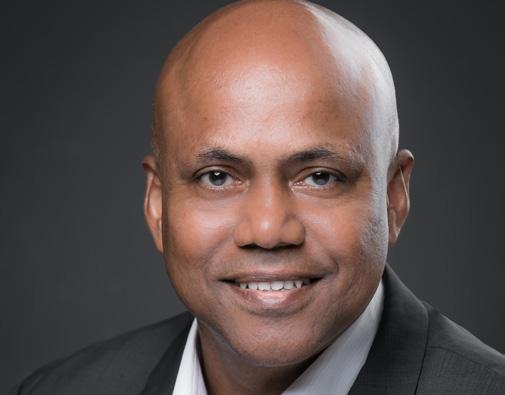
Tushar Vartak is a distinguished cybersecurity and risk management leader with over two decades of experience guiding global banks in cybersecurity, digital fraud prevention, and operational resilience. His expertise spans AI, blockchain, digital assets, and quantum computing. He has received global accolades, including The Asian Banker and ISACA’s CISO of the Year. A contributor to Forbes and the OWASP Penetration Testing Guide, he has written on postquantum cryptography and cybersecurity best practices. With a proven track record in regulatory compliance and threat mitigation, Tushar continues to shape resilient security strategies in an increasingly complex digital landscape.
Recently, in an exclusive interview with Digital First Magazine, Tushar shared insights on the role of cybersecurity evolving in the future, his favourite quote, personal hobbies and interests, future plans, words of wisdom, and much more. The following excerpts are taken from the interview.
that not only secure our organization but also contribute to the broader financial ecosystem’s resilience. Leading a team of dedicated professionals and mentoring the next generation of security leaders also adds a great sense of purpose to my work.
How do you see the role of cybersecurity evolving in the future, and what skills do you think will be most important?
Cybersecurity is rapidly shifting from a reactive function to a proactive, intelligence-driven discipline. AI and automation will play a larger role in threat detection and response, but human expertise in risk-based decision-making will remain critical. Future cybersecurity leaders will need a blend of technical acumen, regulatory knowledge, and business understanding. Skills in threat intelligence, AI-driven security operations, zero-trust architecture, and cloud security will be indispensable.
Can you describe your experience as a recognized thought leader in cybersecurity, and how you’ve influenced the industry through your work?
I have contributed to the cybersecurity discourse by advocating for practical, risk-based security approaches tailored to the financial sector. I have participated in industry panels, collaborated on regulatory discussions, and published insights on topics such as AI-driven fraud detection, operational resilience, and digital trust.
Additionally, I have authored articles on quantum-resistant cryptography, addressing the urgent need for post-quantum security strategies in financial institutions, and on security challenges posed by AI, exploring both the risks introduced by adversarial AI and the opportunities AI presents in enhancing cybersecurity defenses.
My focus has always been on bridging the gap between security and business objectives, ensuring that cybersecurity is seen as a business enabler rather than just a compliance requirement.
What are some of your passions outside of work? What do you like to do in your time off?
I have a strong passion for robotics and enjoy building toys out of Lego blocks with my six-year-old. I also spend time teaching him programming using MIT’s Scratch Junior. Additionally, I play badminton regularly to unwind.
What is your favorite quote?
“Security is a process, not a product. –Bruce Schneier
This quote resonates with me because cybersecurity is an ongoing discipline that requires constant adaptation rather than a one-time solution.
Which technology are you investing in now to prepare for the future?
AI-powered threat detection and response, zero-trust architecture, and quantumresistant cryptography are key focus areas. As cyber threats become more sophisticated,
As cyber threats become more sophisticated, investing in automationdriven security operations and regulatory technology (RegTech) is crucial for ensuring compliance and resilience at scale
investing in automation-driven security operations and regulatory technology (RegTech) is crucial for ensuring compliance and resilience at scale.
What are your long-term career aspirations, and how do you see yourself evolving as a leader over the next five years?
I aim to further shape the cybersecurity landscape by influencing policy, technology adoption, and workforce development. In the next five years, I see myself deepening my strategic leadership capabilities, driving cybersecurity innovation in the financial sector, and mentoring the next generation of security professionals. Additionally, I aspire to contribute more actively to global cybersecurity frameworks and industry collaborations.
What advice would you give to someone looking to break into the field of cybersecurity?
Start with a strong foundation in networking and operating systems, then build expertise in security fundamentals. Certifications like CISSP or OSCP can help, but practical experience is key. Stay curious, continuously learn from real-world security incidents, and engage with the cybersecurity community through forums, CTFs (Capture The Flag competitions), and open-source contributions. Cybersecurity is as much about mindset as it is about technical skills—be proactive, think like an attacker, and always question assumptions.
The New Rules of Recruitment: Tech, Talent, and the Future of Work
Benjamin Donovan-Aitken, Chief Delivery Officer, Instant Impact
How has recruitment evolved over the past decade, and what are the most significant changes you’ve witnessed?
There have been two significant changes in recruitment over the past decade. The first is the advent of recruitment technology (RecTech), which has become more pronounced in the last five years but began its impact about ten years ago. There is now far more recruitment technology available, not just improvements to platforms like LinkedIn, Indeed, and Xing, which have naturally evolved over the last decade, but also other technological advancements that have significantly influenced the industry. These advancements have primarily helped save time in sourcing, screening, and conducting
interviews, with the most notable improvement being in Applicant Tracking Systems (ATS).
The second major change is a shift in hiring preferences. There has been a notable movement away from hiring based on potential and instead focusing more on direct experience. Many mid-to-senior-level professionals now seek lateral moves rather than stepping into management roles for the first time. Companies increasingly prefer candidates who have already been managers rather than promoting someone into a managerial role. This shift in recruitment strategy may be driven by commercial pressures, as companies prioritize speed and prefer hiring a direct replacement rather than someone who is 70% ready and needs time to develop.
Many mid-to-senior-level professionals now seek lateral moves rather than stepping into management roles for the first time
Benjamin Donovan-Aitken is Chief Delivery Officer at Instant Impact, a leading RPO provider, where he drives the strategic delivery of scalable hiring solutions for high-growth companies. He also serves as a Board Member at Impact X, the firm’s executive search brand, helping shape its direction and support C-suite hiring. With deep expertise across talent acquisition, Benjamin is focused on building impactful, long-term recruitment partnerships.’ In a recent interview with Digital First Magazine, Benjamin Donovan-Aitken discussed his experience in leadership and innovation. He shared his views on the future job market, technological advancements and automation, the recruitment process, and many more.
What skills and qualities do you believe are becoming increasingly important for candidates to succeed in the future job market?
In the past, professionals spent most of their careers in office environments, where they learned through direct interactions with managers and peers. However, with the rise of hybrid and remote work, the ability to communicate effectively in these environments has become crucial. This doesn’t just mean being able to write a good email; it involves being succinct, concise, confident, knowing when to ask for help, and having strong self-awareness. Understanding one’s own limitations and recognizing the conditions that enhance productivity is also vital. Previously, it was generally assumed that working in an office from 9 to 5 was the most effective approach. Now, professionals should identify what work patterns suit them best, such as starting earlier if they are more productive in the morning.
What industries or roles do you see experiencing the most growth over the next five to ten years?
There are three industries that are expected to undergo significant changes, most of which will be positive. The first is sustainability. Despite some regions, such as the U.S., rolling back on sustainability initiatives, the field is not going to disappear. Large firms like PwC and EY are investing heavily in sustainability, even if some of their efforts are currently loss-making. The Big Five consulting firms often move in step with major global trends, so sustainability will likely continue to expand. More companies are also turning to technology platforms to find sustainability solutions, particularly Software as
a Service (SaaS) and other tech-driven platforms. From a roles perspective, there has also been an uptick in commercial roles, such as direct sales, customer success, and customer care. As SaaS and other tech platforms grow, businesses need professionals who can help customers successfully use these solutions. Additionally, training and upskilling roles are likely to expand as companies invest in developing their future workforce.
How should professionals future-proof their careers against technological advancements and automation?
The key to future-proofing a career is to stay proactive rather than reactive. Professionals should be aware of upcoming changes and challenges in their industry and take the initiative to learn new software and upskill independently. Staying informed and adapting to new technologies can provide a return on investment in terms of career security and advancement. Those who actively monitor advancements in their field are the ones best prepared for the future.
How has the rise of remote work changed the recruitment process, and what challenges or opportunities does it present?
At the start of the remote work era, recruitment processes became significantly faster compared to pre-COVID times. Previously, candidates had to take time off work or adjust their schedules for in-person interviews, which prolonged the hiring process. However, once remote interviews became standard, the process initially accelerated. Now, the pace has slowed again due to an over-reliance on virtual meetings, leading to
More companies are turning to technology platforms to find sustainability solutions, particularly Software as a Service (SaaS) and other tech-driven platforms
scheduling bottlenecks. Hiring managers often request to see more candidates because remote interactions sometimes feel less conclusive than in-person meetings. This hesitation stems from the lack of in-person data points, such as body language and handshakes, making managers more cautious in decision-making. Interviews have also become less structured in remote settings, which can create inefficiencies. However, companies that master the remote hiring process by ensuring well-structured interviews, clear employer branding, and efficient decision-making will have a competitive advantage in attracting top talent.
What advice would you give to companies striving to build a strong remote work culture while maintaining productivity and employee engagement?
Leadership teams need to have an honest and immediate discussion about what a strong remote work culture looks like. This involves defining what productivity and engagement mean for their organization and determining how to measure them effectively. Once these definitions are established, they should be communicated clearly across the company to ensure alignment and consistency in expectations.
How can organizations attract and retain top talent in an increasingly competitive job market?
The key to attracting and retaining top talent is running a strong and efficient hiring process. Many companies struggle with this, but those that get it right have a clear competitive advantage. Organizations that understand their culture, define productivity and engagement, and can articulate these aspects to candidates are more likely to succeed in hiring and retaining the best talent. Additionally,
Finding excellent talent and fostering a culture that enables their growth is more important than trying to secure every top candidate
companies should accept that the best candidates may not always choose them, and that’s okay. Finding excellent talent and fostering a culture that enables their growth is more important than trying to secure every top candidate.
What role does employer branding play in modern recruitment, and how can companies enhance their appeal to prospective employees?
Employer branding is less about widespread name recognition and more about how a company presents itself online. Many employees have never heard of the companies they ultimately join before applying for a job there. What matters most is how a company expresses itself through its website, Glassdoor reviews, and other digital platforms. These should provide a true and fair reflection of the company culture and work environment, giving prospective employees an accurate impression of what to expect.
What practical steps can hiring managers take to reduce bias and ensure equitable hiring practices?
Hiring managers can take several steps to minimize bias and promote equitable hiring. Implementing scorecards, ensuring consistency in interview questions, and maintaining the same interviewers for a given role can help create a
fairer process. Additionally, organizations should consider accessibility challenges, such as the assumption that every candidate has access to a laptop or a dual-screen setup at home. Providing options for in-person interviews can help accommodate different needs.
Companies should also be mindful of neurodiversity by making adjustments for candidates with dyslexia, ADHD, or other conditions. Another way to reduce bias is by implementing blind hiring for the initial stages of recruitment. This involves redacting identifiable information such as name, educational background, and previous employers to focus purely on skills and qualifications.
If you could offer one piece of advice to someone aspiring to thrive in the evolving world of work, what would it be?
Become a phenomenal problem solver. Every job presents challenges, and the ability to navigate these effectively is key to success. There are three ways to approach problems: ignoring them and hoping they disappear, tackling them head-on by researching and implementing solutions, or developing a plan and seeking feedback before execution. The best professionals are those who can logically analyze problems, take decisive action, and learn from mistakes. These individuals will thrive in the evolving job market.