Concordia Arthroplasty Research
Keeping Innovation in Motion
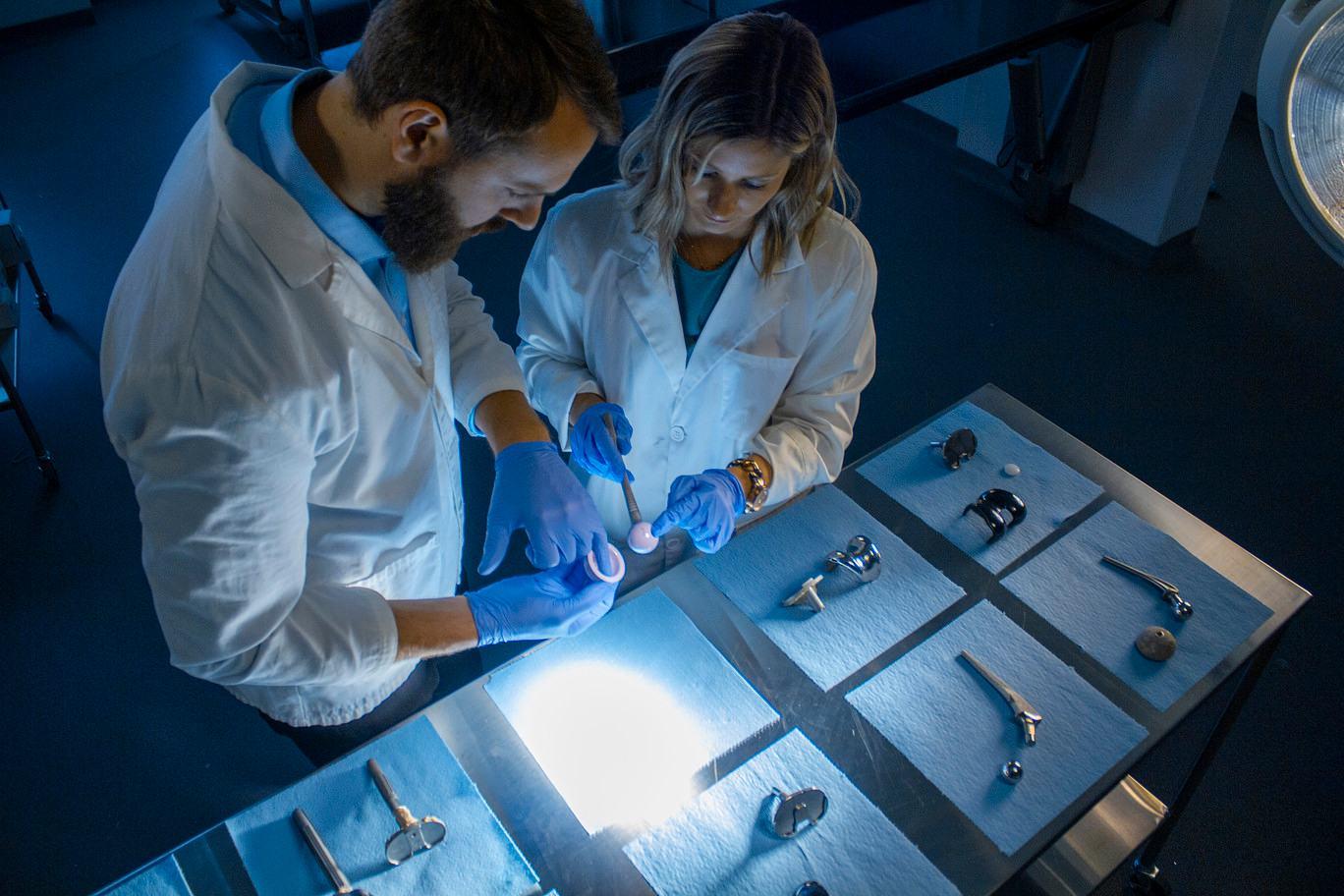

Anupam Kothari, Chair, Arthroplasty Research
Dr. Thomas Turgeon, MD, B.Sc., MPH, FRCSC, FAAOS
Dr. Eric Bohm MD, B.Eng., M.Sc., FRCSC Trevor Gascoyne, M. Sc., P.Eng Christiaan Righolt, Ph.D
Anupam Kothari, Chair, Arthroplasty Research
Dr. Thomas Turgeon, MD, B.Sc., MPH, FRCSC, FAAOS
Dr. Eric Bohm MD, B.Eng., M.Sc., FRCSC Trevor Gascoyne, M. Sc., P.Eng Christiaan Righolt, Ph.D
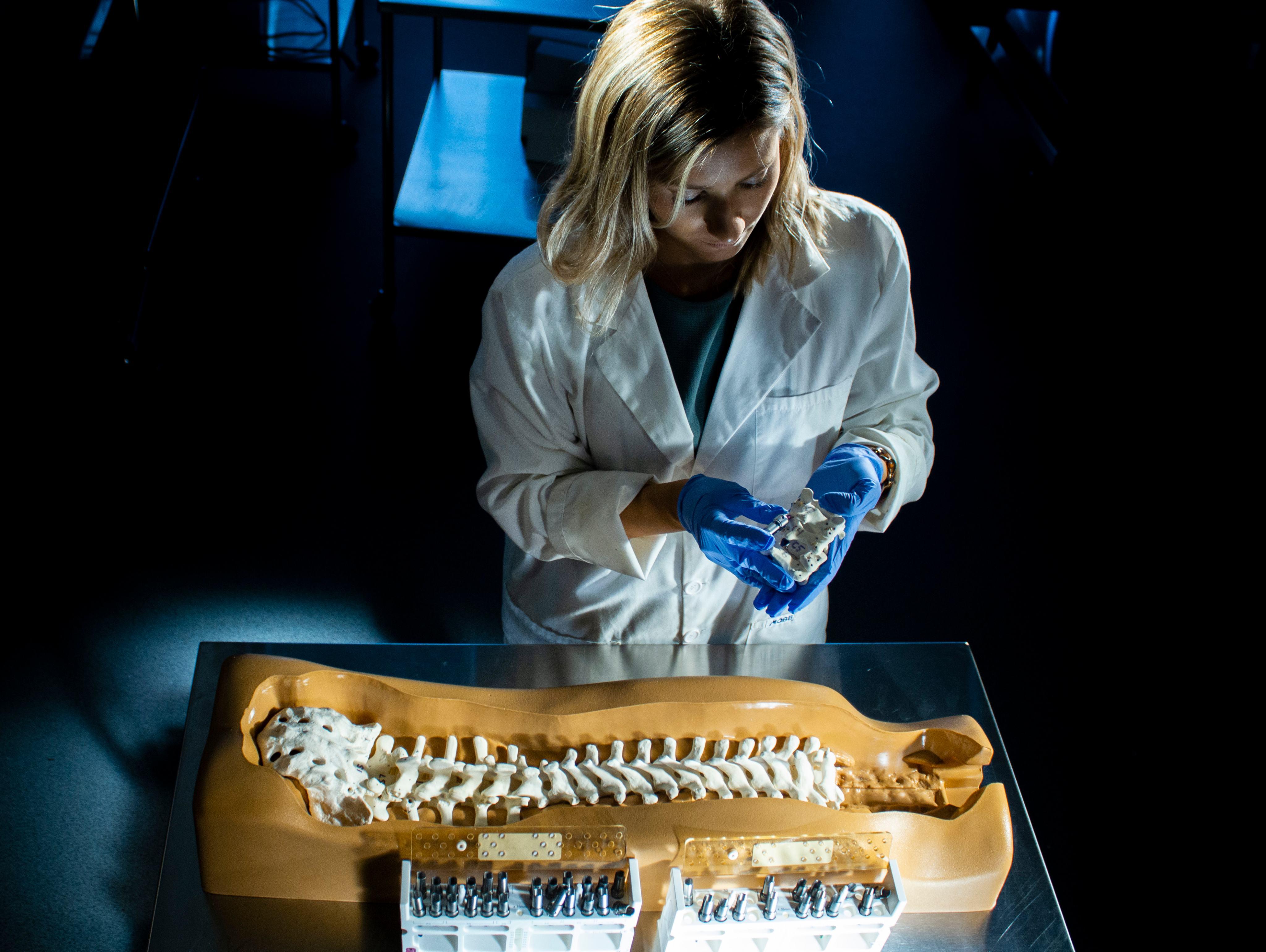
and spine implants — ensuring they’re safe, durable, and ready for patients around the world. They’ve served us well, but like any classic performer, they’re showing their age.
We’ve become experts at keeping them going, even designing replacement parts when none exist. But every hour spent fixing equipment is an hour we could spend advancing discovery. And with today’s new-generation machines, we could test more implants, take on more projects, and deliver results faster — for research partners in Canada and across the globe.
Our mission is simple: to keep pushing the boundaries of what’s possible in orthopaedic care. With renewed equipment and continued investment, we can make sure innovation never stops — and that every patient gets back on their feet, stronger than before.
When we have to delay work or turn it away, this means slower innovation and longer waits for patients who need safer, stronger implants.
Every test we run fuels breakthrough research at the Concordia Hip & Knee Institute — answering critical questions that shape patient outcomes:
· Why do some implants last longer?
· Which techniques deliver the best results?
· How can technology make recovery faster?
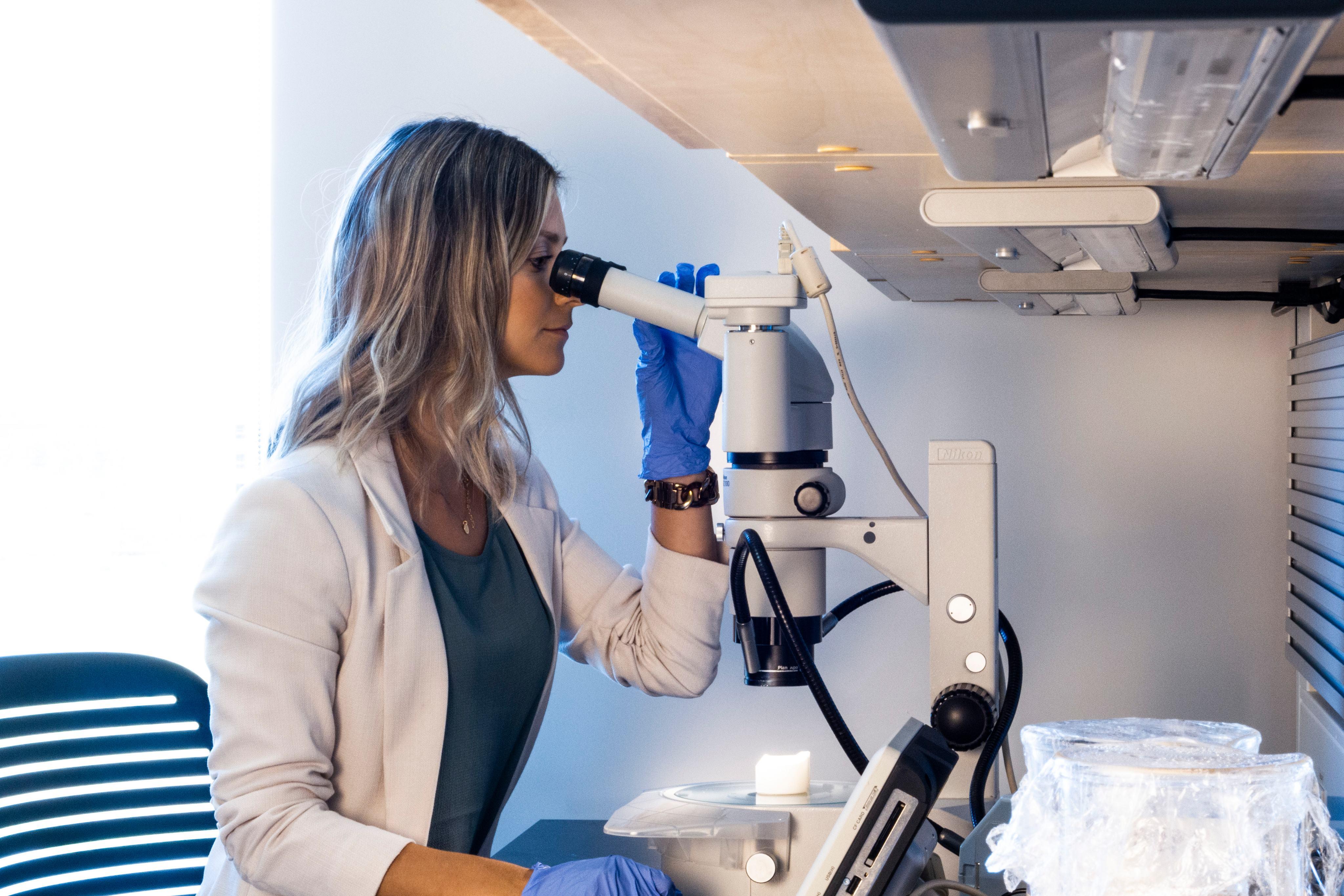
Long-lasting implants and fewer complications relieve pressure on healthcare systems. Research helps:
· Identify cost-effective implant designs
· Reduce readmissions and revision surgeries
· Improve pathways for patient recovery and rehabilitation
Modern arthroplasty research increasingly focuses on tailoring solutions to each patient’s:
· Anatomy
· Activity level
· Bone quality
· Unique risk factors
This leads to more predictable outcomes and greater patient satisfaction.
As new materials, technologies, and implants enter the market, research ensures they’re tested rigorously and ethically. This protects patients and supports evidence-based decision making.
Thank you for being part of our journey.
Sincerely,
Anupam Kothari, Chair, Arthroplasty Research
Dr. Thomas Turgeon, MD, B.Sc., MPH, FRCSC, FAAOS
Dr. Eric Bohm MD, B.Eng., M.Sc., FRCSC
Trevor Gascoyne, M. Sc., P.Eng
Christiaan Righolt, Ph.D
This research directly supports the Concordia Arthroplasty Research Chair (CARC) — a one-of-akind partnership that unites clinical research and engineering expertise to improve joint
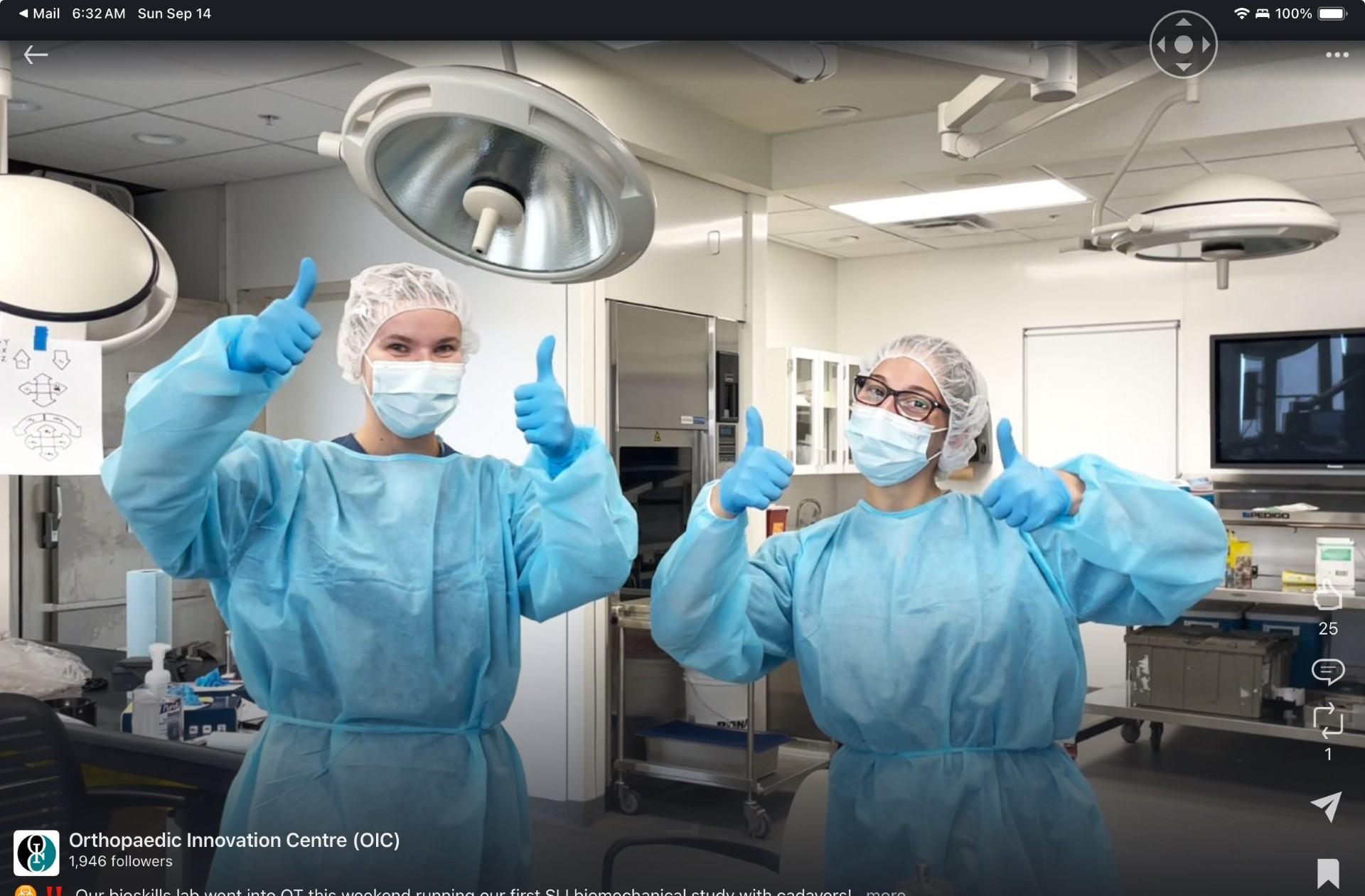
Together, we’re transforming bold ideas into better recoveries — for every patient, every step of
Fuel the research that turns bold ideas into better recoveries—for every patient, every step of the way.
We are growing fast — from four surgeons to seven, with an eighth on the way — and surgical volumes have more than doubled, from 1,500 to over 3,600 joint replacements a year. To keep up,
· A dedicated CT scanner to reduce patient travel and improve care.
· CT-guided robotics to make surgeries more accurate and recovery times shorter.
With these upgrades, we can accelerate discovery, strengthen our research pipeline, and help more patients get back on their feet — stronger than before.
The support you gave us this year powers world-class research, drives innovation, and directly improves patient care across Manitoba and beyond.
Together, we can make sure innovation never stops — and every patient walks again with strength, confidence, and hope.
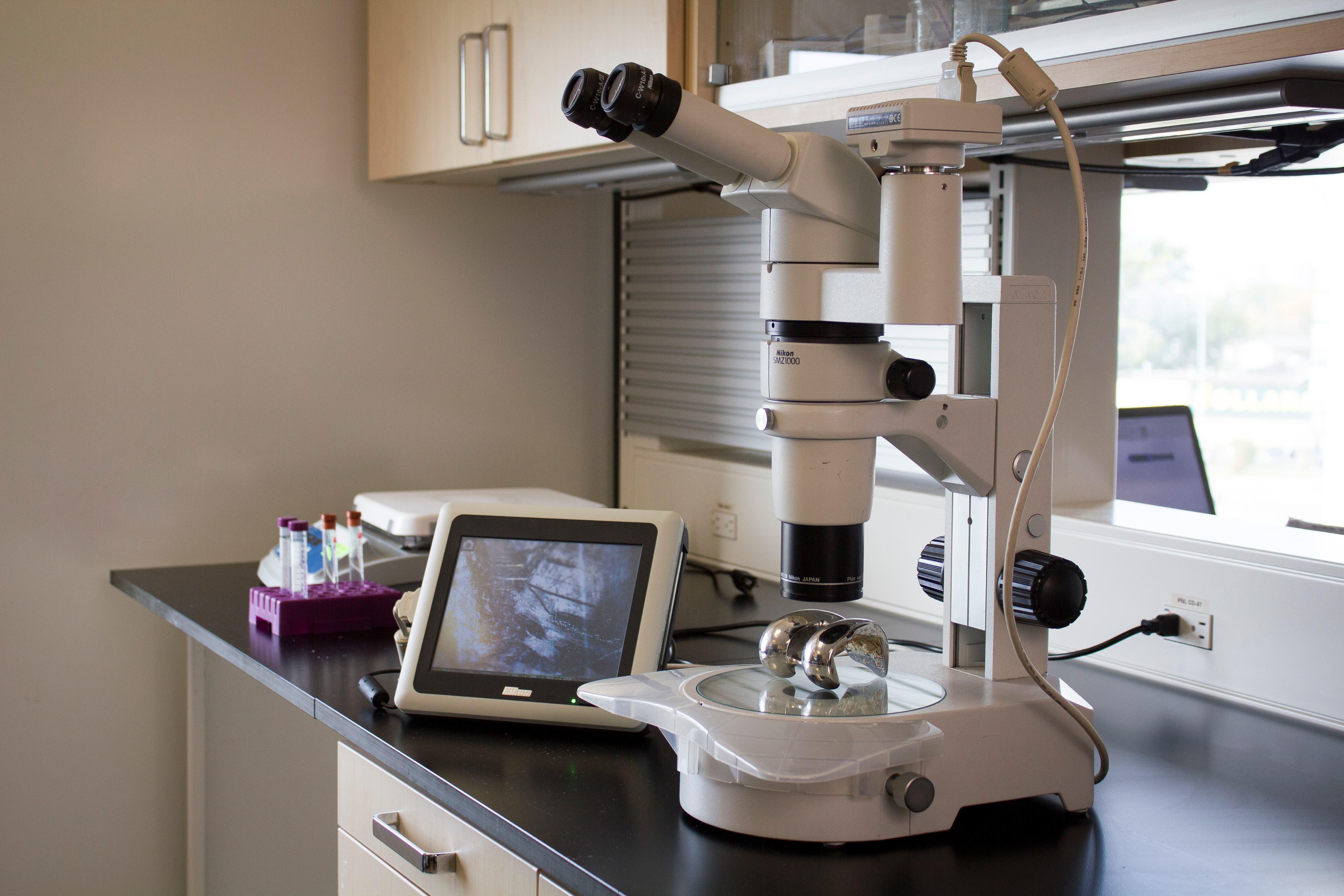
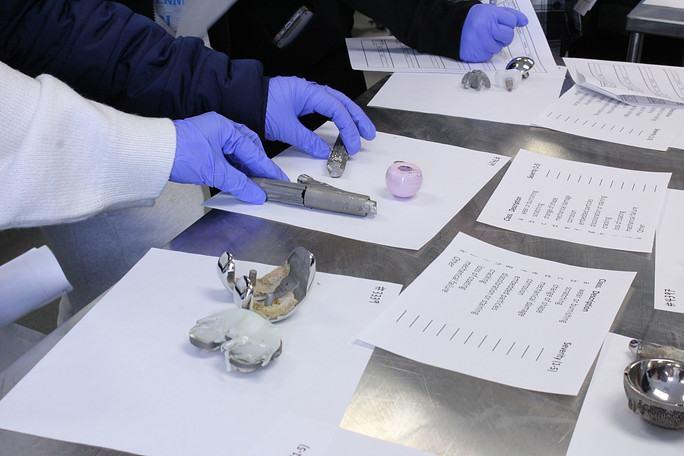
Building community partnerships, training the next generation of experts, and publishing high-impact research
The Concordia Arthroplasty (Joint Replacement) Research Program is dedicated to advancing hip and knee replacement surgery through integrated clinical and engineering research. Our program uniquely examines the full lifecycle of arthroplasty innovation—from benchtop to bedside and back again.
This past year, we have made significant strides in building community partnerships, training the next generation of experts, and publishing high-impact research that directly improves patient care and surgical outcomes.
Over the past three years, our team has grown alongside our expanding surgical group.
Our research program focuses on hip and knee arthroplasty, life-changing procedures that restore mobility and relieve pain for patients with severe arthritis or injury.
Over the past three years, our team has grown alongside our expanding surgical group.
Our interdisciplinary team comprises seven clinical research staff and nine engineering research staff, supporting eight surgeons who provide care for over 3,600 Manitobans annually.
Collaboration in research multiplies strengths, sparks innovation, and speeds discovery for a better tomorrow.
In partnership with Dr. Amanda Fowler-Woods, a First Nations health scholar, we established a First Nations Research Advisory Circle.
This council of ten volunteers, including patients, caregivers, and healthcare providers—guides our work to ensure it is culturally respectful and addresses real community needs.
Our first collaborative study is planned for launch in 2026.
We formed a volunteer group of past arthroplasty patients to gather direct feedback on their experiences with joint pain, surgery, and recovery.
Meetings in 2025 identified critical gaps in rehabilitation research and a need for improved patient education materials, ensuring our research remains patient-centered and relevant.
Our partnership with the Australian Orthopaedic Association’s National Joint Replacement Registry (Dr. Peter Lewis and colleagues) allows us to compare Canadian data with Australian datasets. This collaboration validates our findings on a global scale and is expected to yield 2–3 joint publications in 2026.
Mentoring the next generation of surgeons and researchers is central to our mission.
Mentoring the next generation of surgeons and researchers is central to our mission. Our hands-on training model advances our projects while building essential research capacity.
Our first Master’s student, Jessie Robertson, completes her degree in December 2025. She is the lead analyst or co-author on four research papers derived from her thesis and will continue her work with our group upon graduation.
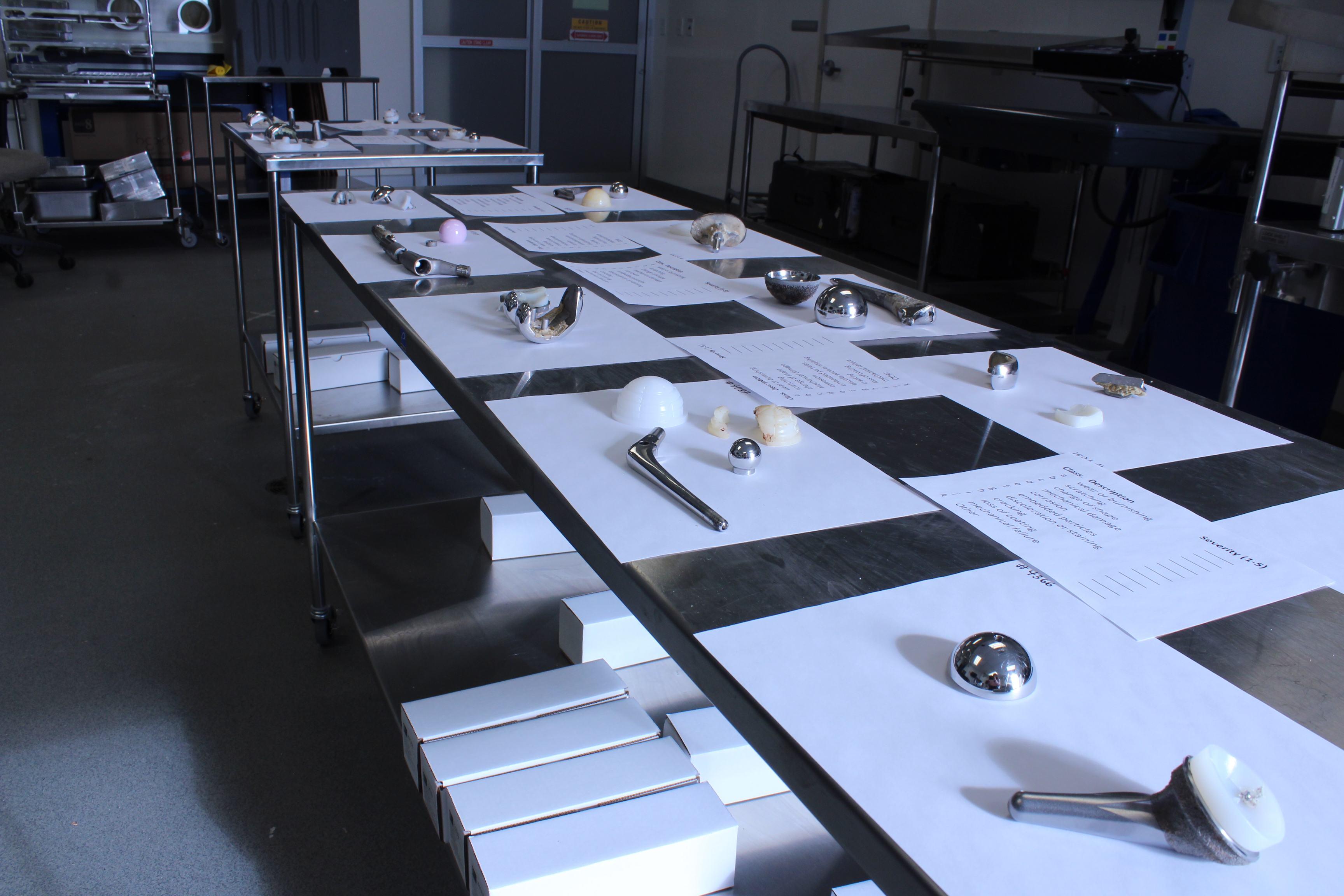
· Implant loosening using national and hospital datasets.
· The clinical utility of knee MRI scans.
· Validation of our provincial joint replacement dataset.
· Three ongoing projects using Radio stereometric Analysis (RSA) imaging to measure micromotion in implants, predicting long-term performance.
The Concordia Arthroplasty Research Program is a dynamic and productive hub of innovation.
Through strategic partnerships, dedicated education, and impactful research, we are translating discoveries directly into enhanced patient care.
We are poised to continue this trajectory, and we thank our funders for their essential support in advancing these advancements.
Arthroplasty research is vitally important because it directly influences the safety, longevity, and overall success of joint replacement surgeries—procedures that restore mobility and quality of life for millions of people each year.
Here are the key reasons why this field matters so much:
Joint replacements—hips, knees, shoulders—are among the most successful surgeries in modern medicine. Research helps ensure they continue to get better by:
· Reducing pain and recovery times
· Restoring mobility faster
· Improving long-term function and overall quality of life
Ensuring implant safety and longevity
Implants must function under constant mechanical stress for decades. Research helps:
· Understand why implants wear out or fail
· Develop new materials and designs that last longer
· Prevent complications such as loosening, infection, or dislocation
Every improvement can prevent a patient from requiring a revision surgery, which is more complex, costly, and risky.
As populations age, the demand for joint replacements is rising rapidly. Arthroplasty research enables healthcare systems to:
· Manage higher surgical volumes
· Improve efficiency in care delivery
· Prepare for the increasing burden of arthritis and mobility-related disability
Research fuels innovation in:
· Surgical navigation and robotics
· Patient-specific instrumentation
· Imaging and motion analysis (including RSA), which allows micro-level tracking of implant stability
· Minimally invasive approaches
These advancements make surgery safer and more precise.
Undergoing major surgery such as knee arthroplasty can feel overwhelming. The fear of the unknown—combined with the pain and uncertainty of recovery—often leads people to hesitate or delay the decision entirely. For some, however, the choice becomes unavoidable after years of persistent suffering. Such was the case for Eva Peters, whose journey reflects both resilience and hope.
Eva began experiencing knee pain in early 2015. Over time, the discomfort worsened, and everyday activities became increasingly complex. Like many patients, she was cautious about pursuing surgery. She tried everything she could—knee braces, pain medications, and a range of alternative treatments—but nothing provided lasting relief. After nearly a decade of unrelenting pain, she underwent her first knee replacement in 2023. Two years later, in early 2025, she had her second knee replaced.
When asked if there was a defining moment that pushed her to move forward with surgery, her response was simple yet profoundly meaningful:
“I wanted to live life.”
For individuals living with chronic joint issues, knee replacement surgery is far more than a medical procedure; it is a pathway to renewed freedom, independence, and dignity. Eva’s experience also highlights the emotional and mental hurdles patients often face. The fear of surgery, the uncertainties of recovery, and doubts about the outcome can feel daunting. Yet for her, the hope of reclaiming a life not defined by pain outweighed the fear. Recovery, of course, takes time. It involves perseverance, patience, and support.
With encouragement from her family and guidance from her physiotherapist, Eva navigated the difficult days and emerged stronger. She is clear in her reflection: it was hard—but it was worth it.
Thanks to advancements in surgical techniques and rehabilitation protocols, patients today often experience better outcomes and faster recovery than ever before. Still, it requires courage to take that first step toward healing. Eva’s story is a powerful reminder that people don’t have to live in pain; choosing hope over hesitation can be life-changing.
Special thanks to Dr. David Hedden, Orthopedic Surgeon at Concordia Hospital, for his exceptional care, and to Eva for sharing her journey.
Thanks to all of our orthopaedic surgeons at Concordia for their exceptional care and compassion.
The ongoing research at the Concordia Arthroplasty Research Lab continues to drive innovations in joint surgery—advancements that help give people their lives back. Learn more at: www.arthroplastyresearchchair.com
Charne Research Fund Legacy
Miriam Bergen Estate
Miriam Bergen
Gail Asper and Michael Paterson Family Foundation Grey Hill Capital Partners Research Manitoba
The Kothari Family Foundation Theresa Charne
Future Recruitment:
Eileen Ilene Hawkins Estate and Barbara Boes Michael Hrycenko Estate Grace McMurray
Youssef Mouzahem and Wendy Rymer
Najla Alazeh Arthroplasty Research Fund in Memoriam Montrose Investment Co. Ltd.
The Winnipeg Foundation
Johnson and Johnson Smith and Nephew Ossur Americas Ossur Canada Inc. University Medical Group University of Manitoba Zimmer Biomet
The Winnipeg Foundation Wawanesa
Steinbach Credit Union Stryker
Thank you to the over 500 individuals and donor-advised funds who gave this year to help our research program grow and help so many people.
We welcome visitors to our lab and facility to visit and see firsthand how your donations are at work. Please be in touch with us via email or phone to make arrangements.
Phone: 1-204-813-4354
Email: info@concordiafoundation.ca
The Concordia Arthroplasty Research Committee and the Concordia Foundation gratefully acknowledge gifts from our supporters who have made this critical research possible and impacted people all over the globe.
We gratefully acknowledge donors who have stepped forward to make the Arthroplasty Research Chair a reality.
Donating securities or mutual funds is an efficient way to support the Arthroplasty Research Chair.

The Concordia Foundation is a registered charitable organization in Canada that serves as the philanthropic arm for the Concordia Campus.
Registered Charity 13036 3336RR0001.