
34

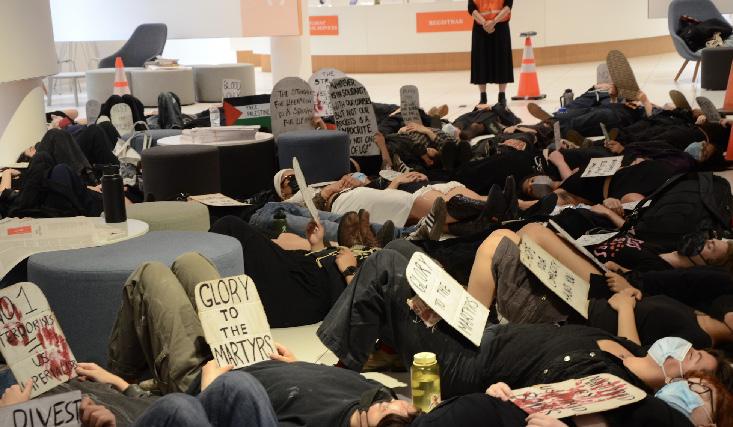
In November 2023, Heritage Series Programmers at the Brown Center for Students of Color proposed a collaborative teach-in on Palestinian liberation. University and BCSC sta were resistant to hosting the event with a refusal to take a stance on the genocide in Palestine. After compromising with BCSC sta to fit within University policies, the Heritage Series Programmers coordinated the “Showing Up for Palestine: Intercommunal Solidarity Building for Students of Color” event with over 60 students in attendance.
We began tracing the history of the BCSC to its roots in the 1968 Walkout, Black students walking out and demanding increased enrollment of Black students and more financial aid. In 1975, students of color took over University Hall to protest Brown’s proposed budget that would cut financial aid and cut back hiring faculty of color. A year later, the Third World Center was created and housed in the basement of Churchill House to serve as a space for students of color. In 1986, it moved to Partridge Hall on 68 Brown Street where it remains today.
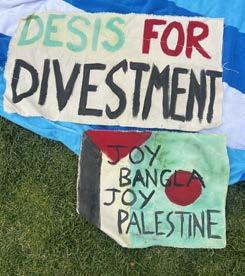
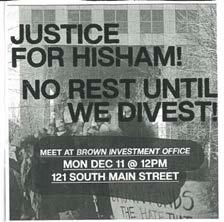
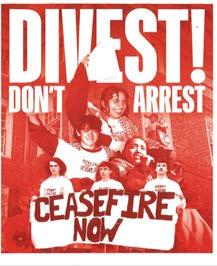
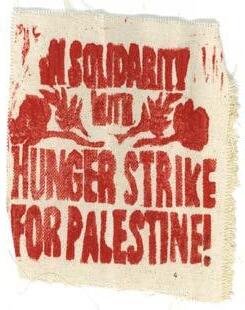
With this history in mind, we realized the BCSC was becoming depoliticized by the University, and forming a union was the clearest strategy to protect the legacy of the BCSC and its workplace conditions. For the next four months, organizers initiated conversations and gathered union cards. In February 2024, the Third World Labor Organization launched at a rally supporting the hunger strikers and their pleas for divestment from Israeli companies facilitating the genocide in Gaza. We delivered a letter to President Paxson and were met with voluntary recognition by Brown soon after. Now, May 2024, we are in the midst of bargaining sessions to secure a contract with the Brown administration.
Organizing with TWLO for the last 7 months has been an incredible learning experience. In the first few months of organizing, it was di cult. We were a group of 5 students trying to initiate conversations with our 53 person workplace around platforms of transparency, adequate pay and workload, and freedom of speech. Through finals season and winter break, we met weekly to hold each other accountable and track our progress. Every time someone signed a union card, it felt like a win. Launching our union and gaining recognition felt equally victorious. But it was just the beginning of the fight for a fair contract. In every meeting and bargaining session, I am proud to advocate for my co-workers and a better Brown Center for Students of Color.
Labor unions are key to resistance movements. Grounded in student activism, the Third World Labor Organization advocates for free speech protections, fair compensation, and transparency with administration. Based on my experience, here is a 10 step guide to unionize your workplace!
1. Talk to your co-workers discretely about your workplace conditions. Finco-workers that share your vision for the union and your workplace. Talk to folks on the encrypted Signal app. Do not use an email address owned by your workplace (Brown, RISD, etc).


a. Map out the workplace. How many people work there? Where do they work? Who has relationships with who? Is the workplace sub-divided into groups that interact with each other?

b. Identify leaders in your workplace. Who at the workplace do other people go to for advice? Has anyone shown they already stand up for their coworkers? Talk to them about unionizing and their thoughts. If they are on board, these people will be the core of your union organizing.

2. Create a plan to contact everyone else in your workplace and ask them to sign cards. Gather a group of co-workers to organize with, distribute labor, and keep each other accountable. Make a spreadsheet!

a. Try to find support from an established union, and someone who can meet with you in-person and help with 1:1 conversations.

b. Get a supermajority on membership cards secretly before going public and asking for recognition. Once the boss finds out, they will try to bust your union through spreading division, confusion, fear of retaliation, and a sense of futility.
3. Make Union Authorization Cards.
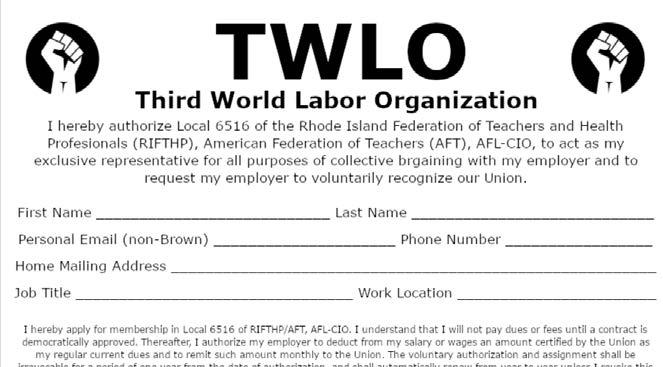
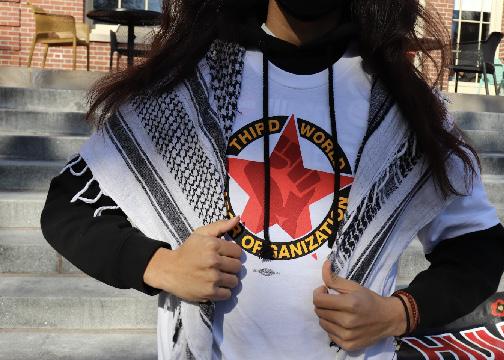
4. Organize Conversations. Set up 1 on 1 meetings with your co-workers. These should be in person but can be on facetime or zoom if needed.

a. In these conversations, spend most of the time listening to what they have to say. What are their hopes for the workplace and their workplace conditions? Draw connections between their answers and how a union can secure their jobs and allow them to have a say in their workplace conditions.

5. Inoculate 5. Inoculate them with how the administration may respond and retaliate to union bust. Ask them if they are willing to sign the card. Take notes of their responses and keep track of your progress.


6. Ask for recognition from your employer. After a supermajority of workers have signed cards, go public and send a letter to your employer asking for voluntary recognition. A third party should verify your cards and certify that a supermajority has signed.
a. If the employer refuses to recognize the union, go to the National Labor Relations Board and request an election.
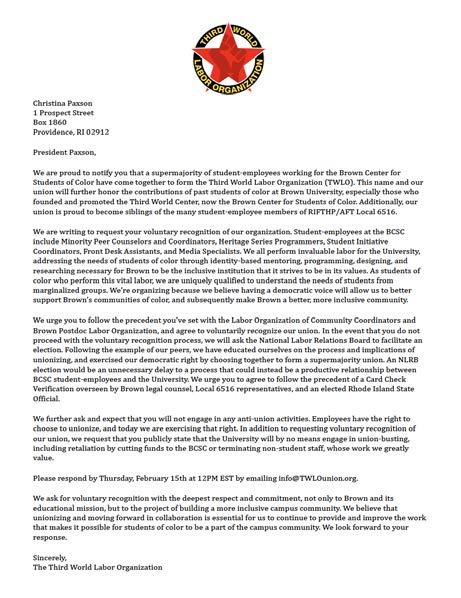
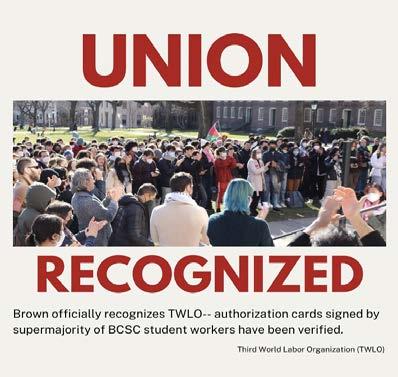
7. Meet with your bargaining unit! Congrats, you have been o cially recognized as a union. What now? Outline the main concerns and issues in the workplace, and brainstorm solutions together. Nominate workers to represent the union in future bargaining sessions with administration.


8. Set up Bargaining Sessions with your employer! Research! Draft proposals for the contract! Weekly/Bi-weekly sessions to advocate for proposals in the contract! Stand your ground and advocate for what is best for your union in a professional and cordial manner if possible.
a. For student worker positions, I highly recommend beginning with an interim 1 year contract to test how the contract should be adjusted. Then come back to the table, to make adjustments and bargain for a 2 year contract. Frequent bargaining is essential to maintaining the union with the way employee turnover revolves around students graduating in 4

9. Secure a contract and vote on it!
9. Secure a contract and vote on it! After the bargaining committee and administration have agreed to a contract, set up an election for the entire bargaining unit to vote on the contract.
10. Maintain the union 10. Maintain the union through union dues! As new workers are hired, reach out to them and organize them. Continue hosting General Body Meetings and caring for your fellow employees.

a. Repeat Steps 7-10 for the next contract!
Jo Ouyang Brown/RISD ‘26 wishes they had a union when they worked at Panera Bread in high school.
bas-relief, 24” x 36”, 2024

38”x48”, 2024

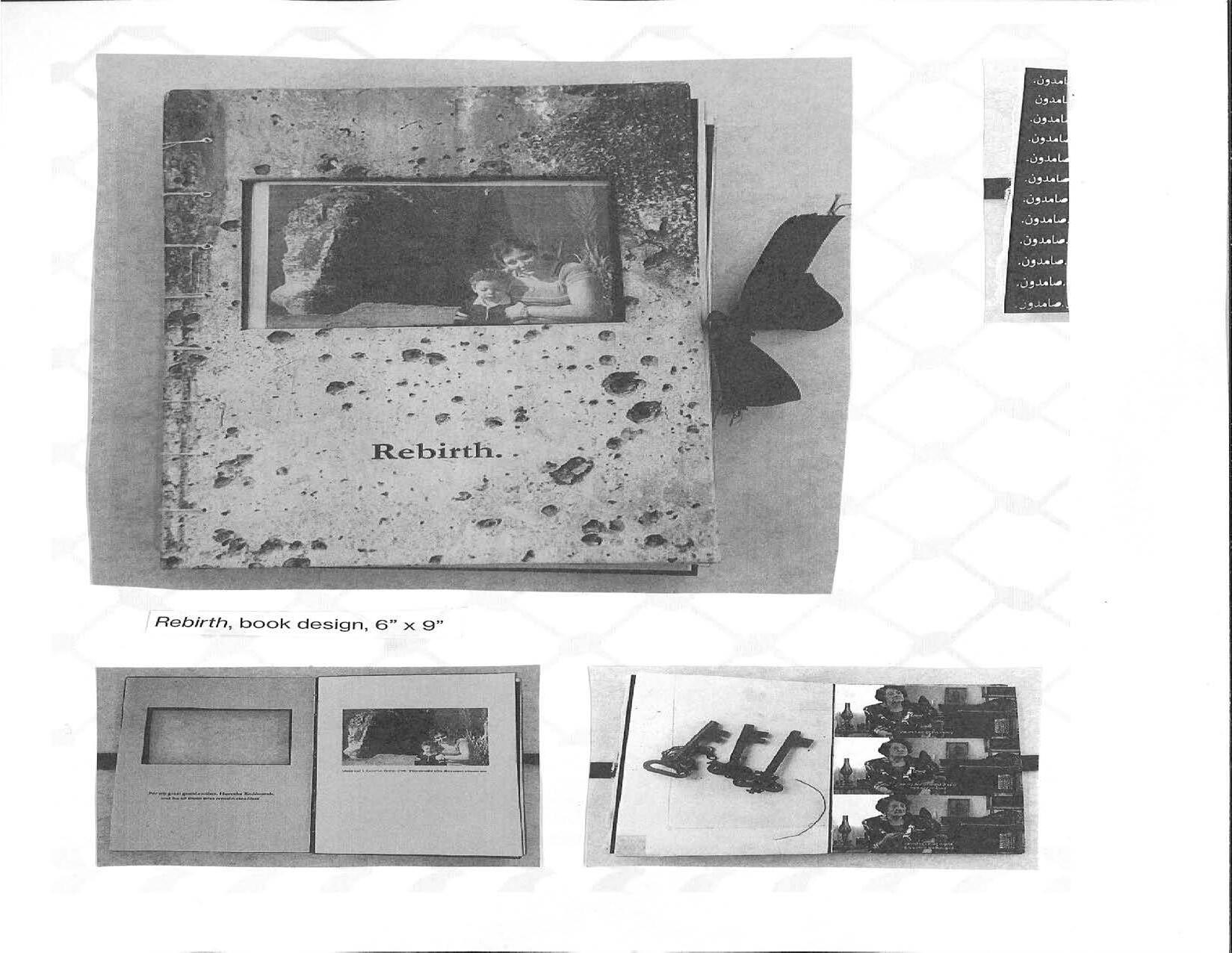
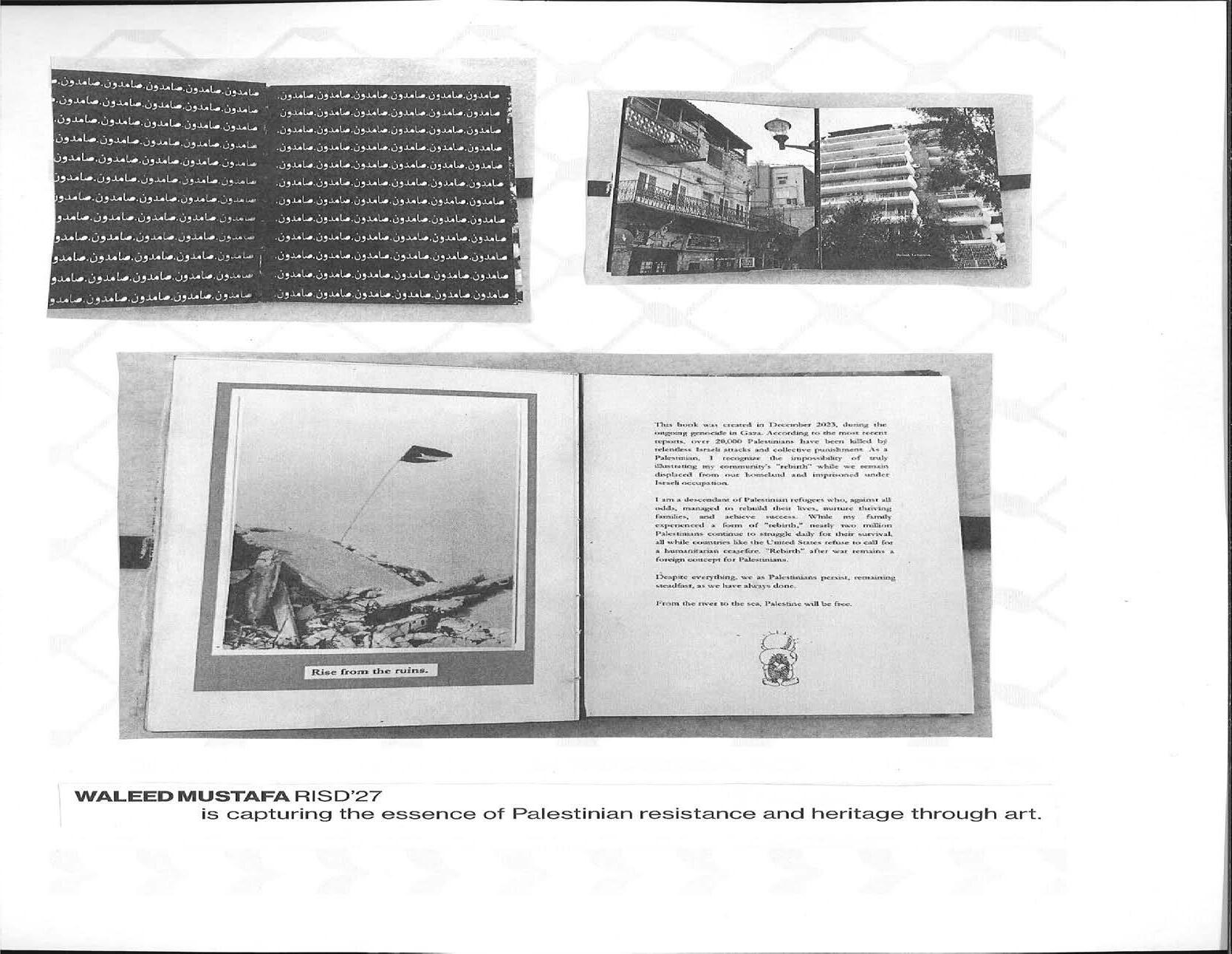
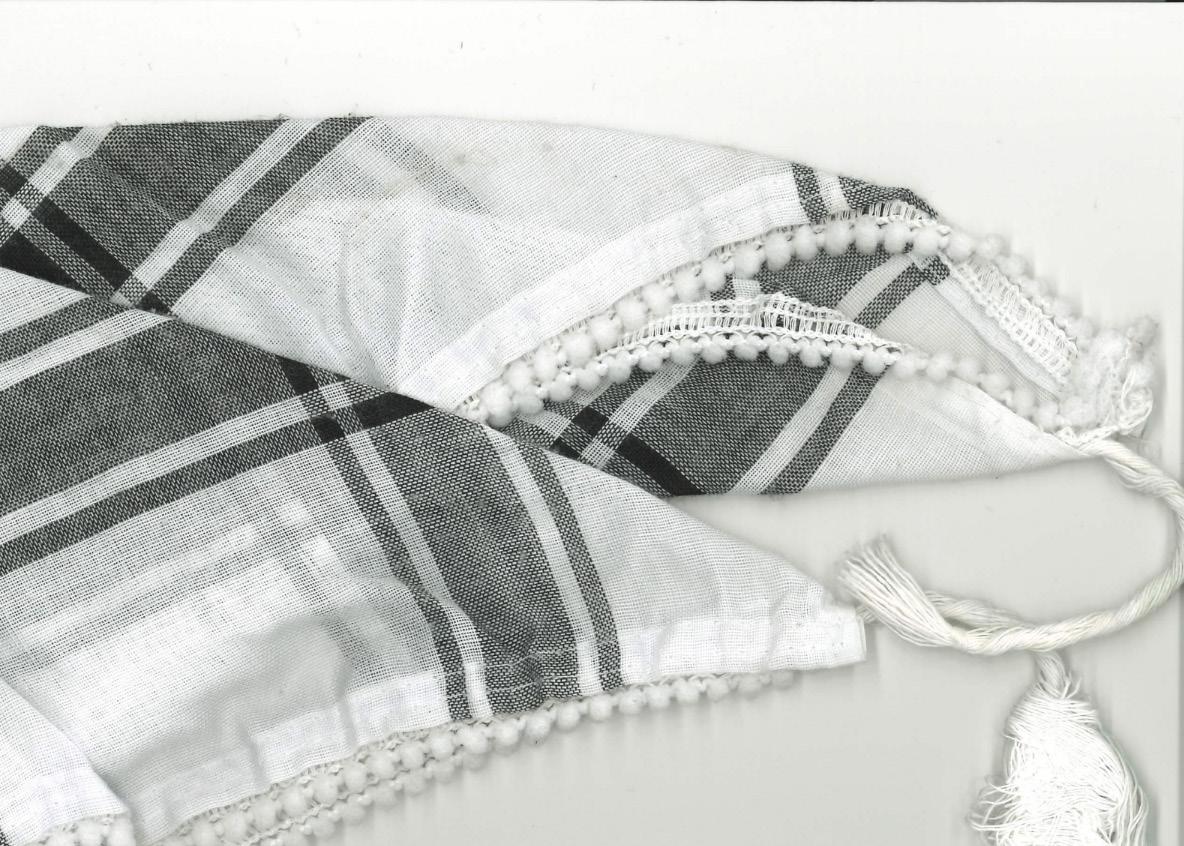
WALEED MUSTAFA R’27 (he/him) is capturing Palestinian resistance and heritage through art.

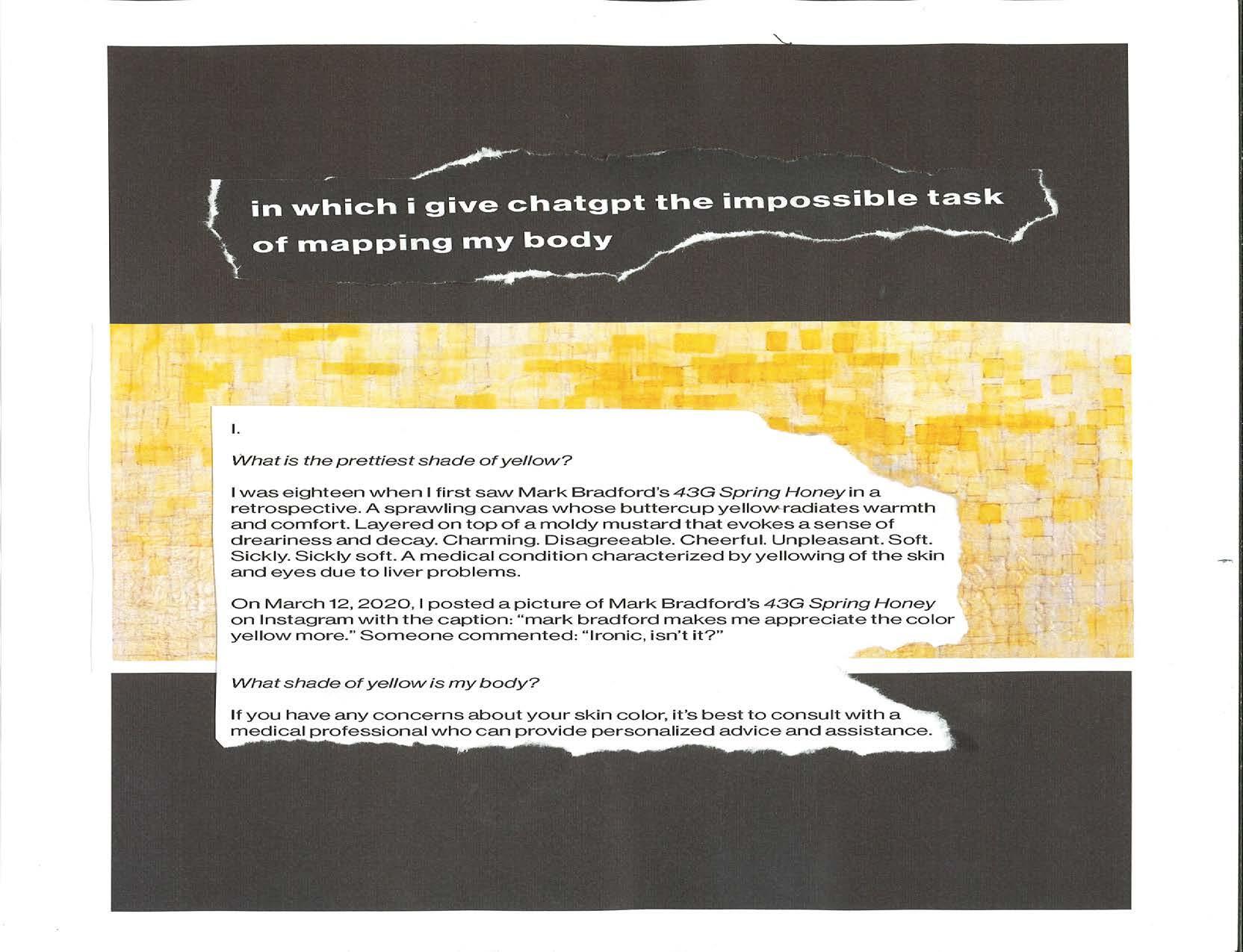








Jo Ouyang Brown-RISD ‘26 is finding their way home.