









JANAKAN SEEMAMPILLAI
AS the school year kicks into full swing for 2025, there is a major problem lurking in the classroom and playground.
It isn’t due to a health pandemic or lack of funding, but rather the fact the number of male teachers at the primary school level has plummeted to critically low levels, with some primary schools not having any men among their teaching ranks.
According to the Australian Bureau of Statistics (ABS), less than 18 per cent of teachers in primary schools across the country are male. In NSW, this figure falls to 14 per cent, and schools across Western Sydney mirror this concerning number. There has been a 50 per cent drop from the 1980s, when roughly one in three teachers were male.
Natalie Farrugia, who teaches at Widemere Primary School in Greystanes, Western Sydney, admits something needs to be done to fix this alarming trend.
“There is not one male teacher at the school I work at and it’s appalling,” said Farrugia, who is 23 and embarking on what she hopes is a long teaching career.
“It is such a wonderful and rewarding career, but it is a career that can be for anyone and everyone. It’s time to break the stereotype of teaching being a ‘female job.’
“Teaching needs to be promoted as a valued career for men. We need to see more men when advertising the education profession, including making male teachers more visible, especially for the lower age groups.”
This problem isn’t confined to Australia, with a number of western countries seeing similarly low numbers for male teachers. In the USA only 23% of primary school teachers are male, while in the UK it is only 15%.
Interestingly, at the secondary

“It is such a wonderful and rewarding career, but it is a career that can be for anyone and everyone. It’s time to break the stereotype of teaching being a female job.”
school level in Australia, nearly 39% of the teaching population are male, while in NSW it is nudging 41%.
There are various reasons given for males not pursuing teaching careers at the primary school level, from the thought that women are more nurturing with children, to the widely held view that men are concerned about working with younger age groups due to potential allegations that could be made against them.
Michael Walls
EXECUTIVE ASSISTANT
Rebecca Swaleh CONSULTANT PUBLISHER
Lora Cameron ASSOCIATE EDITOR
Julie Jackson
Farrugia believes the key to fixing this is to show men that working with young children has far more reward than risk.
“I think children would love to have more male figures and role models in their lives. Kids are so appreciative of those who give their time and attention to them,” Farrugia said.
Farrugia, who completed her teaching degree at Macquarie University, isn’t convinced the numbers will
increase any time soon.
“When I was studying only a few years ago, in a class of more than 30 students, we honestly had on average one male per class. As we got closer to the end, they were dropping like flies,” she said.
Farrrugia’s comments are sadly accurate, with only 28% of students enrolled in initial teacher education programs across the country identifying as male, but this figure incorporates secondary education as well as special education, for primary school it is thought to be much lower.
The pay rates for teachers makes for interesting reading. Primary school teachers in NSW expected to earn between $75,000 to $122,000, with the average sitting at just below $96,000 in 2024, which lines up with the average salary for employees across Australia for all industries based on ABS data.
PROPER nutrition is the cornerstone of a child’s physical and mental development. From boosting energy levels to supporting brain growth, what children eat profoundly impacts their health today and their potential for tomorrow. Unfortunately, with the rise of fast food, sugary snacks, and busy lifestyles, ensuring children receive a balanced diet has become a growing challenge. Understanding the importance of nutrition and making informed choices can help parents and caregivers foster a foundation of lifelong health.
Children experience rapid physical growth, particularly in their early years. During this critical period, nutrients such as proteins, calcium, and vitamins D and C play a vital role. Protein supports muscle and tissue development, while calcium and vitamin D are crucial for building strong bones and teeth. A deficiency in these nutrients can lead to stunted growth, weaker bones, and a higher risk of developmental delays. Iron is another essential nutrient, as it helps produce hemoglobin, which carries oxygen in the blood. Iron deficiency in children can cause fatigue, weakness, and difficulty concentrating. Including foods such as lean meats,
beans, spinach, and fortified cereals can help combat this issue.
Good nutrition is equally important for cognitive development. The brain undergoes significant growth and changes in childhood, and it requires a consistent supply of energy and nutrients. Omega-3 fatty acids, found in foods like fish, walnuts, and flaxseeds, are essential for brain health. These healthy fats aid in memory, focus, and overall cognitive function.
Additionally, zinc, iodine, and vitamins A and B-complex play key roles in enhancing learning abilities, problem-solving skills, and memory retention. For example, a breakfast rich in whole grains, fruits, and protein can improve a child’s focus and performance at school.
A well-balanced diet helps strengthen a child’s immune system, enabling them to fight off infections and illnesses more effectively. Nutrients like vitamin C (found in citrus fruits, strawberries, and bell peppers) and zinc (present in nuts, seeds, and beans) enhance the body’s ability to resist diseases.
Probiotic-rich foods, such as yogurt and fermented products, also support gut

health, which is closely linked to immunity. A healthy digestive system ensures better absorption of nutrients and a stronger defense against harmful bacteria.
Childhood obesity is a growing concern worldwide, with many children consuming calorie-dense, nutrient-poor foods. Over time, poor eating habits can lead to obesity, which increases the risk of chronic diseases such as diabetes, heart disease, and hypertension.
Encouraging balanced meals that
include whole grains, lean proteins, healthy fats, and plenty of fruits and vegetables can help children maintain a healthy weight. Teaching portion control and limiting processed foods and sugary drinks are also essential steps in promoting long-term health.
Establishing healthy eating habits early on is crucial, as children are more likely to carry these habits into adulthood. Parents play a pivotal role in modeling positive behaviors. Preparing meals together, involving children in grocery shopping, and teaching them about the nutritional value of food can foster a lifelong appreciation for healthy choices.
Creating a positive eating environment is equally important. Avoid forcing children to eat foods they dislike; instead, introduce new foods gradually and in fun, appealing ways. Presenting meals with a variety of colors and textures can make healthy eating more exciting.
Nutrition is the foundation of a child’s health, growth, and development. By providing a balanced diet rich in essential nutrients, parents and caregivers can help children reach their full potential, both physically and mentally. Prioritizing nutrition today ensures a brighter, healthier future for the next generation.


































EVERY stage of a child’s life is filled with opportunities for growth and development. From the moment they are born, children embark on a lifelong journey of learning, exploring the world, acquiring new skills, and developing their physical, emotional, and cognitive abilities. Understanding the key learning steps in a child’s life can help parents and caregivers provide the guidance and support needed to nurture their potential.
Infancy is a period of rapid development. During these early years, the brain grows at an incredible pace, forming neural connections that lay the groundwork for future learning.
1. Sensory Exploration: Babies learn through their senses. They touch, taste, see, hear, and smell everything around them, building an understanding of the world. Parents can encourage sensory learning by introducing a variety of textures, sounds, and visual stimuli.
2. Attachment and Emotional Learning: Forming secure attachments with caregivers is a crucial step during infancy. Positive interactions, such as cuddling, smiling, and responding to a baby’s needs, foster emotional security and trust. This emotional bond is the foundation for healthy social and emotional development.
3. Language Development: Though babies cannot speak, they begin to develop language skills by listening to voices and observing facial expressions. Talking, singing, and reading to infants helps build their vocabulary and communication skills.
The toddler years are marked by curiosity and the desire for independence. Children at this stage are eager to
explore their surroundings and assert themselves.
1. Motor Skills Development: Toddlers refine their gross and fine motor skills. Activities like stacking blocks, drawing, and running help them gain control over their bodies. Encouraging physical play is essential for their growth.
2. Problem-Solving and Creativity: Toddlers begin to solve simple problems, such as figuring out how to open a jar or complete a puzzle. This stage is ideal for introducing toys and games that challenge their critical thinking and spark creativity.
3. Social Skills: Learning to interact with peers is a key milestone. Sharing, taking turns, and understanding emotions are important social skills toddlers develop. Role-playing games and group activities help reinforce these skills.
4. Language Explosion: During this stage, children experience rapid language growth. They start forming sentences, asking questions, and expressing their thoughts. Engaging in conversations, reading books, and playing word games can further enhance their language skills.
In early childhood, children begin formal education and develop essential academic and social skills.
1. Cognitive Development: Preschool and early school years are when children develop critical thinking and problem-solving skills. They learn to count, recognize shapes and colors, and understand basic concepts like time and space.
2. Reading and Writing: Learning to read and write is a major milestone during this stage. Encouraging a love for books, practicing writing letters and words, and fostering a print-rich environment can boost literacy skills.
3. Social and Emotional Growth: As children spend more time with peers, they learn teamwork, em-
pathy, and conflict resolution. Structured activities like group projects and sports teach collaboration and leadership.
4. Developing Routine and Responsibility: Early childhood is the time to introduce routines and responsibilities. Simple tasks like packing their school bag or tidying up toys teach children organization and accountability.
Middle childhood is a period of skill development and self-discovery. Children become more independent and start identifying their strengths and interests.
1. Academic Growth: During this stage, children develop a deeper understanding of subjects like math, science, and language arts. Critical thinking and problem-solving skills continue to grow. Supporting their learning through homework help and educational activities is crucial.
2. Hobbies and Interests: Children often explore hobbies such as music, sports, or art. Encouraging these interests helps build confidence and allows them to develop talents.
3. Social Relationships: Friendships become more meaningful in middle childhood. Children learn to navigate complex social dynamics, build strong relationships, and resolve conflicts. Teaching empathy and communication skills is key.
4. Resilience and Coping Skills: As children face challenges, they learn to manage emotions and handle setbacks. Encouraging perseverance and a growth mindset helps them build resilience.
Adolescence is a transformative period marked by significant physical, emotional, and cognitive changes.
Teenagers begin to form their identity and prepare for adulthood.
1. Critical Thinking and Decision-Making: Adolescents develop higher-order thinking skills, allowing them to analyze, reason, and make informed decisions. Encouraging discussions and debates helps refine these skills.
2. Emotional Maturity: Teens experience a range of emotions and may struggle with self-esteem and identity. Providing a supportive environment where they feel heard and understood is vital for their emotional well-being.
3. Skill Development and Career Exploration: Adolescents begin to explore career options and develop skills for the future. Encouraging internships, part-time jobs, and extracurricular activities can help them gain experience and discover their passions.
4. Building Independence: Preparing for independence is a key focus during adolescence. Teaching life skills like budgeting, cooking, and time management equips teens for the challenges of adulthood.
At every stage of a child’s learning journey, parents and caregivers play a crucial role. Providing a safe, supportive, and stimulating environment helps children thrive. Encouraging curiosity, celebrating achievements, and guiding them through challenges fosters confidence and a love for learning.
Additionally, it’s important to recognize that each child develops at their own pace. Being patient and understanding while offering consistent support ensures that every child feels valued and empowered.
The key learning steps in a child’s life are the building blocks for their future success. By understanding the developmental milestones and providing age-appropriate guidance, parents and caregivers can nurture children’s physical, cognitive, and emotional growth. Investing time and effort in these early years creates a strong foundation for lifelong learning, resilience, and well-being.
ULLYING can have a profound impact on a child’s emotional well-being, self-esteem, and academic performance.
Unfortunately, many children do not openly discuss being bullied, either out of fear, shame, or a sense of helplessness. As a parent or caregiver, it is crucial to be aware of the signs of bullying and know how to approach the situation with sensitivity and support. Detecting bullying early can prevent lasting harseeing the signsm and empower your child to overcome the challenges they face.
Children may not always articulate their struggles, but their behavior often tells a story. The signs of bullying can manifest in various ways—physically, emotionally, socially, or academically. Here’s what to look for:
1. Emotional and Behavioral Changes
• Mood Swings: A child who is being bullied may exhibit sudden or unexplained mood swings. They might appear unusually sad, anxious, withdrawn, or irritable.
• Low Self-Esteem: Bullying often causes children to feel inadequate or unworthy. They may express negative self-talk, such as saying they are "not good enough" or "stupid."
• Avoidance Behavior: If your child is suddenly reluctant to go to school, participate in extracurricular activities, or engage in social events, it may be a sign of bullying.

• Sleep Disturbances: Nightmares, trouble falling asleep, or bedwetting can sometimes indicate underlying stress or fear caused by bullying.
• Unexplained Injuries: Cuts, bruises, or scratches that your child cannot explain might be a result of physical bullying.
• Damaged Belongings: Torn clothing, missing items, or broken school supplies could signal bullying, especially if your child seems hesitant to explain what happened.
• Frequent Illnesses: Stress from bullying can lead to psychosomatic symptoms like headaches, stomachaches, or fatigue. Your child may complain of feeling unwell as a way to avoid school.
3. Academic or Social Changes
• Decline in Academic Performance: Bullying can distract children from their studies, leading to lower grades, a lack of focus, or a reluctance to participate in school activities.
• Social Withdrawal: If your child begins to isolate themselves, avoids interacting with friends, or shows a sudden lack of interest in activities they once enjoyed, it may indicate that they are being excluded or targeted.
• Fear of Technology: In cases of cyberbullying, children might avoid using their phone, computer, or social media. They may also seem distressed after receiving messages or spending time online.

If you suspect your child is being bullied, it’s important to handle the situation delicately. Here are steps to take:
1. Create a Safe Space for Communication
Encourage your child to talk by creating a supportive and non-judgmental environment. Instead of directly asking, "Are you being bullied?" try open-ended questions like:
• "How is everything going at school?"
• "Have you had any problems with classmates or friends?"
2. Listen Without Judging
When your child opens up, listen attentively without interrupting or blaming. Reassure them that it’s not their fault and that you’re there to help.
3. Gather Information
Find out what’s happening, where, and who is involved. Keep a record of incidents if they are recurring. This information will be useful when addressing the issue with school staff or other authorities.
4. Involve the School
Contact your child’s teacher, school counselor, or principal to discuss the situation. Schools often have anti-bullying policies and can take measures to address the issue and ensure your child’s safety.
5. Teach Coping Skills
Help your child build resilience by teaching them strategies to handle bullying, such as assertiveness, avoiding the bully when possible, or seeking help from a trusted adult.
6. Monitor Their Online Activity
If cyberbullying is a concern, monitor your child’s online interactions and educate them about safe internet practices. Block or report bullies on social media platforms if necessary.
To prevent future incidents, encourage your child to build healthy friendships and participate in activities that boost their confidence and self-esteem. Being part of a supportive community can provide them with the strength to handle challenges and seek help when needed.
Detecting bullying in your child requires vigilance, empathy, and a proactive approach. By recognizing the signs, fostering open communication, and taking appropriate action, you can help your child navigate this difficult experience and emerge stronger. Remember, your support and understanding can make all the difference in helping them feel safe and valued.































https://subscribe.entertainment.com.au/fundraiser/969d779
THE
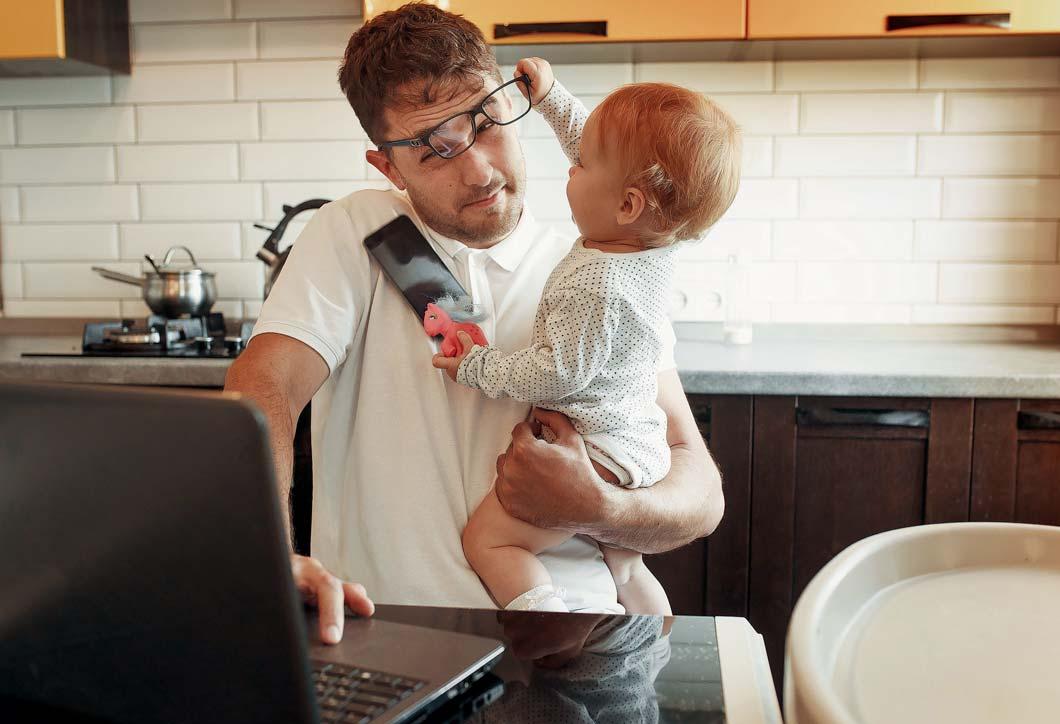
first five years of a child’s life are foundational, shaping their emotional, cognitive, and social development. While mothers often receive significant focus during this time, the role of a father is equally crucial. Fathers bring unique qualities to parenting that significantly contribute to a child's growth and well-being, creating a balanced and nurturing environment.
From birth, a father’s presence provides a sense of security and stability for a child. By actively participating in caregiving—such as feeding, diaper changes, and bedtime routines—fathers build a deep emotional connection with their child. This bonding fosters a sense of trust and safety, which forms the foundation for a child’s emotional development.
Children who feel secure in their father’s love and attention often display greater confidence, resilience, and independence. Even simple acts, like holding, playing, or reading to a child, communicate love and care, reinforcing the child’s sense of belonging and worth.
Fathers often engage with children in unique ways that stimulate cognitive and language skills. Research shows that fathers are more likely to encourage exploratory play, introduce new vocabulary, and ask thought-provoking questions during interactions. This dynamic style of engagement sparks curiosity and critical thinking in young children.
For instance, while a mother may focus on structured activities, fathers often engage in more spontaneous

and playful interactions, such as tossing a ball or building imaginative stories during playtime. These activities help children develop problem-solving skills, creativity, and adaptability—key cognitive milestones in the early years.
Additionally, fathers play a vital role in language development. Conversations during shared activities, such as fixing things around the house or playing outdoors, expose children to diverse vocabulary and communication styles, enhancing their linguistic abilities.
Young children often observe and imitate their parents' behavior. A father who demonstrates kindness, patience, and respect sets a positive example for their child to follow. Fathers who actively share responsibilities, communicate effectively, and show affection within the family teach children essential social and emotional skills. Moreover, fathers who express emotions openly and resolve conflicts constructively model healthy ways of dealing with challenges. These lessons
are particularly important for boys, who often look to their fathers as role models for expressing masculinity in positive and non-toxic ways.
Fathers often engage in more physical, active play than mothers, which helps children develop motor skills and body awareness. Whether it’s playing catch, wrestling gently, or chasing each other around the yard, this type of interaction helps children build strength, coordination, and confidence in their physical abilities.
Additionally, fathers introduce their children to social experiences outside the home, such as trips to the park or community events. These outings help children learn how to interact with others, manage new environments, and develop social skills that are crucial as they grow older.
Fathers bring a different parenting style that complements a mother’s approach. For example, fathers may encourage risk-taking and problem-solving, while mothers often focus on nurturing and protection. This balance allows children to experience both security and independence, fostering well-rounded development.
The role of a father in a child’s life during the first five years is irreplaceable. Fathers contribute to their child’s emotional security, cognitive growth, physical development, and social skills. By being present, engaged, and supportive, fathers lay the foundation for their child’s success in the years to come. Ultimately, a loving father creates an environment where a child feels valued, confident, and ready to explore the world.
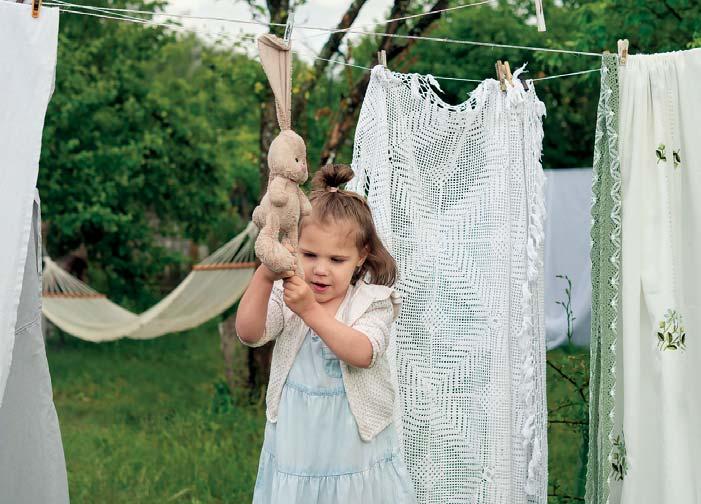
CHILDREN are like sponges, absorbing the world around them from a very young age. One of the most fascinating aspects of early development is how children begin to model the behavior of older people, especially parents, caregivers, siblings, and peers.
This modeling process lays the foundation for their social, emotional, and cognitive growth, shaping who they become as individuals.
Children begin modeling behavior earlier than most people realize. Even during infancy, babies observe the actions, facial expressions, and tone of voice of those around them. By as early as 6 months, infants begin to mimic simple behaviors, such as smiling when someone smiles at them or clapping their hands when encouraged.
By the time children reach 12 to 18 months, their ability to imitate becomes more sophisticated. They can replicate actions they see in adults, such as pretending to talk on a phone, stirring a pot, or sweeping the floor. This stage marks the beginning of symbolic play, where children use their imagination to mimic adult behaviors in creative ways.
Between the ages of 2 and 5, children’s capacity for behavioral modeling becomes even more pronounced. They are keen observers of social interactions and are capable of imitating not only physical actions but also emotional reactions, speech patterns, and problem-solving strategies. At this age, children are particularly impressionable, as they are actively learning how to navigate the world through observation and imitation.
Children model behavior through a process called observational learning, which involves four key stages: attention, retention, reproduction, and motivation.
1. Attention: For a child to model a behavior, they must first notice it. This is why children often mimic the actions of people they see frequently, such as parents, teachers, or older siblings. High-energy or emotionally charged behaviors are particularly likely to grab their attention.
2. Retention: Once a child observes a behavior, they store it in their memory. Children have an incredible ability to recall actions and replicate them later, even if some time has passed since they first observed the behavior.
3. Reproduction: After observing and remembering a behavior, children attempt to replicate it. For instance, a child might use a toy hammer to mimic a parent fixing something or repeat a phrase they’ve heard in conversation.
4. Motivation: Children are more likely to model behavior when they see it rewarded or when it aligns
with their goals. Positive reinforcement, such as praise or encouragement, increases the likelihood that a child will repeat a behavior.
Children model a wide range of behaviors, including:
• Daily Activities: Tasks such as cooking, cleaning, or getting dressed are often imitated during play. Pretend play, such as "playing house" or "being a teacher," reflects their observations of adult routines.
• Emotional Responses: Children closely watch how adults react to stress, joy, anger, or disappointment. If parents handle challenges calmly, children are more likely to develop similar coping mechanisms.
• Language and Communication: Speech patterns, vocabulary, and tone are quickly adopted. A child might mimic a parent’s expressions or even pick up their accent.
• Social Interactions: Watching how adults interact with others teaches children about kindness, respect, and empathy—or, conversely, negative behaviors like impatience or aggression.
Modeling behavior is a vital part of how children learn to understand and engage with the world. Through imitation, children practice new skills, develop social norms, and learn what is expected of them in different situations. This process also highlights the responsibility of older people, especially parents and caregivers, to act as positive role models. Children are highly perceptive and often imitate behaviors without distinguishing between good and bad actions. For example, a child who sees their parent handling frustration with patience is more likely to emulate that approach, whereas a child exposed to frequent yelling may adopt similar behaviors.
To foster healthy and constructive behavior in children, older people can take these steps:
1. Be Mindful of Actions and Words: Children notice everything, even when adults think they aren’t paying attention. Displaying kindness, patience, and respect sets a strong example.
2. Provide Positive Reinforcement: When children replicate positive behaviors, such as sharing or using polite language, praise and encouragement can reinforce those actions.
3. Model Healthy Habits: Children who see their parents engaging in healthy eating, regular exercise, or good hygiene are more likely to adopt these habits themselves.
4. Teach Emotional Regulation: Demonstrating how to handle emotions constructively—such as taking deep breaths when upset or talking about feelings—helps children develop emotional intelligence.
5. Encourage Observation in Varied Settings: Exposing children to diverse environments, such as schools, community events, or sports activities, broadens their opportunities to observe and model positive behaviors.
Children begin modeling the behavior of older people as early as infancy and continue to refine this skill throughout childhood. Observational learning is a powerful tool that helps them acquire the social, emotional, and practical skills they need to thrive. By being conscious of their actions and creating a positive, nurturing environment, adults can ensure that children are modeling behaviors that contribute to their growth, confidence, and success.

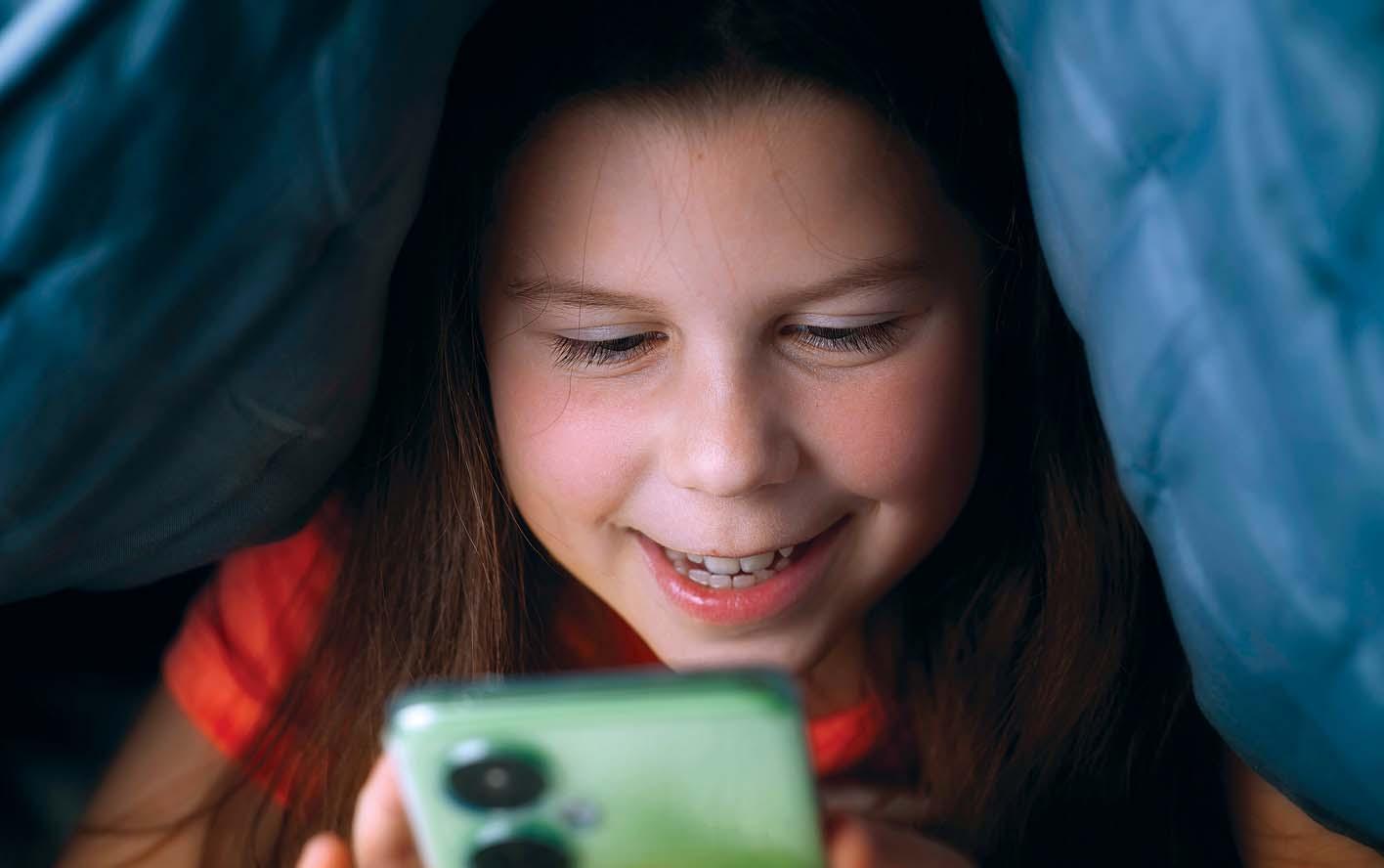
IN today’s digital age, mobile phones are ubiquitous, and their presence in the hands of young children has become a common sight. Many parents grapple with the question: Should children under 10 use mobile phones?
While technology offers undeniable benefits, there are also significant risks that need to be considered. This article Parenropia explores the pros, cons, and best practices surrounding children under 10 using mobile phones.
Educational oppor tunities
Mobile phones can serve as powerful learning tools. Numerous apps are designed to enhance children’s literacy, numeracy, and problem-solving skills. Interactive games and e-books engage young minds and make learning enjoyable, often supplementing traditional education.
Communication and safety
For children attending school or extracurricular activities, having a mobile phone
allows parents to maintain contact. In emergencies, children can quickly reach out for help, providing peace of mind for families.
Exposing children to mobile phones at an early age fosters digital literacy, a critical skill in today’s world. Learning to navigate technology responsibly can prepare them for future academic and professional environments.
Mobile devices can stimulate creativity through art and music apps, as well as provide entertainment during long trips or waiting periods. Moderated exposure to such tools can inspire young minds.
Screen time overload
Excessive screen time can lead to health issues, including eye strain, sleep disturbances, and a sedentary lifestyle. It can also detract
from physical activities, imaginative play, and face-to-face social interactions that are vital for a child’s development.
Despite parental controls, children can accidentally access inappropriate or harmful content. This includes violence, explicit material, or online interactions with strangers.
Young minds are particularly susceptible to developing habits of overuse, potentially leading to mobile phone dependency. Constant notifications and engaging apps can interfere with attention spans and focus.
Children are often unaware of online safety measures, making them vulnerable to privacy breaches, scams, or cyberbullying. Without proper guidance, they might inadvertently share personal information or interact with malicious content.
Set clear boundaries
Establish rules for when and how mobile phones can be used. Limit screen time and encourage a balance between online and offline activities.
Use parental controls
Leverage built-in features and apps to monitor and restrict access to certain content. This ensures a safer browsing and app usage experience for young children.
Teach responsible usage
Help children understand the potential dangers of mobile phones. Teach them about online privacy, the importance of not sharing personal information, and recognizing inappropriate content or behavior.
Lead by example
Children often mimic adult behavior. Demonstrating healthy mobile phone habits, like putting devices away during family time, sets a positive example.
Encourage alternatives
Promote activities that don’t involve screens, such as outdoor play, reading physical books, or engaging in hobbies like painting or sports.
Finding the right balance
Mobile phones can be both beneficial and harmful for children under 10, depending on how they are used. While the educational and safety aspects are appealing, the potential risks require vigilant monitoring and proactive measures from parents.
Ultimately, whether a child under 10 should use a mobile phone depends on individual family values, circumstances, and the child’s maturity level. By setting boundaries and fostering open communication, parents can ensure that technology enhances, rather than detracts from, a child’s development. In the end, the goal is to equip children with the skills and judgment they need to navigate the digital world responsibly while safeguarding their well-being.




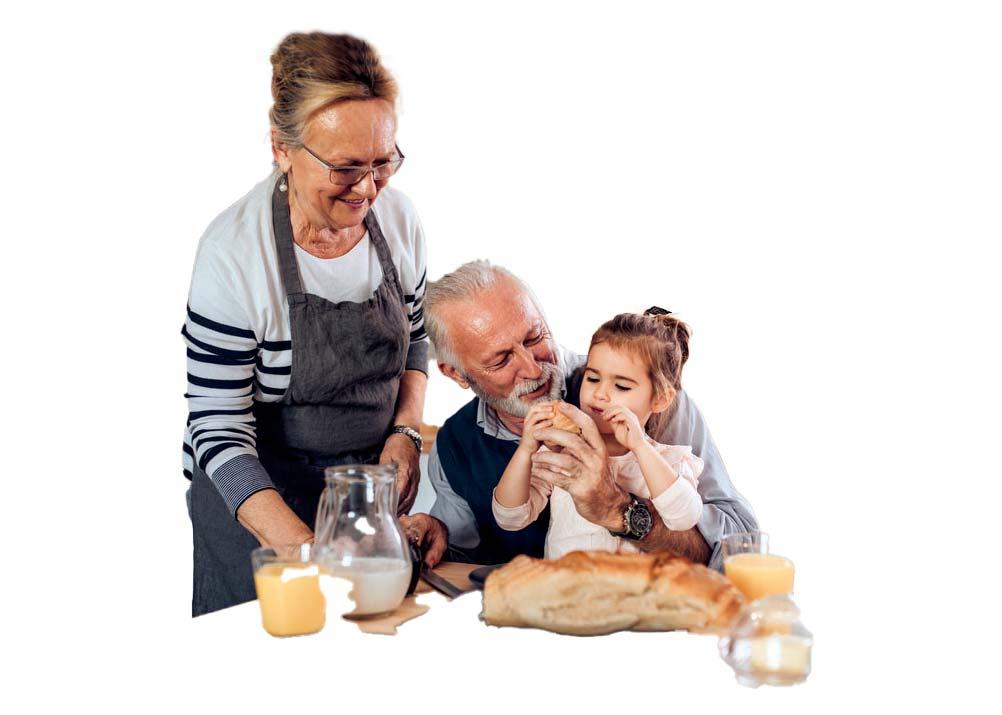
GRANDPARENTS hold a special place in the lives of children, offering a unique blend of love, wisdom, and support that plays a critical role in their upbringing.
As society evolves, the bond between grandparents and grandchildren remains a cornerstone of family life, providing emotional, social, and cultural benefits that contribute to a child’s overall development.
One of the most cherished aspects of grandparents is the unconditional love they offer. Unlike parents, who often balance affection with the responsibilities of discipline and day-to-day caregiving, grandparents can provide a more relaxed and indulgent kind of love.
This deep emotional connection offers children a sense of security and belonging. Grandparents are often seen as a “safe haven,” a place where children can share their fears, dreams, and feelings without judgment. This nurturing presence is particularly valuable during times of family stress or transitions, such as divorce, relocation, or the arrival of a new sibling.
Grandparents are living repositories of life experience. Their stories about the past help children connect with their family’s history and cultural heritage. These anecdotes provide valuable lessons about resilience, adaptability, and morality.
For instance, a grandparent’s tale about overcoming adversity can inspire children to develop a positive outlook on challenges. This perspective is especially important in a world where children face increasing pressures from school, peers, and social media.
Moreover, grandparents often model qualities such as patience, kindness, and empathy, which children absorb through observation and interaction. These traits are essential for building strong relationships and navigating life’s complexities.
Grandparents serve as a bridge between generations, fostering a sense of continuity and identity within the family. They help children understand their cultural roots, traditions, and values, which can be particularly important for
families living in multicultural or fastpaced environments.
Through activities like cooking traditional meals, celebrating holidays, or teaching old songs, grandparents pass down practices that preserve a family’s heritage. This connection to the past helps children develop a stronger sense of self and pride in their background.
For many families, grandparents are a vital part of the support system. They often provide childcare, freeing up parents to focus on work or personal obligations. This intergenerational involvement strengthens family bonds and creates a sense of community within the household.
Grandparents can also act as mediators during family conflicts, offering perspective and advice to both parents and children. Their calm demeanor and life experience can help resolve disagreements and foster understanding.
Grandparents often have the time and patience to engage in activities that stimulate a child’s imagination and creativity. Whether it’s gardening, crafting, storytelling, or simply playing
games, these shared moments are filled with joy and learning.
For children, these interactions are not just fun but also contribute to cognitive and emotional development. The slower pace and focused attention that grandparents provide contrast with the often hectic schedules of modern parenting, giving children a chance to relax and explore their interests.
The influence of grandparents extends well into adulthood. Children who have strong relationships with their grandparents are more likely to develop emotional resilience, a sense of identity, and an appreciation for family ties. These relationships leave a legacy of love and wisdom that shapes their character and values.
In a world that is increasingly fastpaced and fragmented, the role of grandparents is more important than ever. Their presence provides a grounding influence, reminding children of the enduring power of family and connection. By fostering these relationships, families can ensure that the invaluable gifts grandparents offer are cherished and preserved for generations to come.

THE NSW Government is helping improve access to essential mental health support for young people through a $17.M investment in Kids Helpline, providing greater access to free counselling services for children and young people facing emotional distress or mental health challenges.
Community organisation Yourtown which runs Kids Helpline will use the funding to recruit up to 28 additional full time equivalent (FTE) counsellors based in NSW, providing greater access to the service in response to increasing demaand.
The funding will help develop counsellors with additional practical skills to help them provide better support and strengthen the integration of Kids Helpline with local, area and state-wide services across mental health, child protection, education, employment and other social systems.
Kids Helpline (1800 55 1800) operates 24/7 and provides age-appropriate online and phone counselling and support for young people aged 5 to 25.
Last year, the national service took more than 40,000 calls, mostly from teenagers aged 15-18.
Children and young people reach out for a range of reasons, including support related to mental health, family problems, school and peer pressures, personal challenges or emotional distress.
Kids Helpline helps young people express their feelings and feel listened to, while providing ideas and support and often connecting them to local mental health services.
Mental health and emotional wellbeing remains the number one reason that children and young people


IDS Helpline is calling for urgent action to combat the rise in bullying among Australian teens, with their recent survey revealing 85% of young people have experienced bullying.
In the last year, over 3,000 of Kids Helpline counselling sessions were directly related to this issue, highlighting the need for more intervention. Australia ranks second highest for teen bullying among 24 OECD countries.
To tackle the issue, Kids Helpline has teamed up with Instagram to launch “How Do You Mean?” (kidshelpline.




contact Kids Helpline.
Kids Helpline Manager Tony Fitzgerald said:
“We are privileged to receive this very substantial funding support to continue Kids Helpline’s critical role within the wellbeing and mental health system.
“Specifically, this contribution will advance our work with up to 28 additional Kids Helpline counsellors being onboarded over the next four years to take meaningful action to improve support to New South Wales children and young people.”
Minister for Mental Health and Youth Rose Jackson said the 17M funding delivers on our election commitment and shows that the government is committed to supporting kids struggling with mental health issues.

Visit: www.kidshelpline.com.au
pline. e ed sub support to continue ritical role eing ystem. this l lors d over ars ful e South ndM s on mowsted alth issues pline.com.au




com.au/how-do-you-mean), a campaign to empower young people to recognise, report, and seek support for bullying.
The Instagram series features Australian content creators Ben McIntosh (@ benjmcintosh), Brock Valesini (@brockvalesinii), Sasha Tyers (@sashatyers) and Taz Zammit and Alessia Allfree (@tazandalessia), sharing their own experiences and practical tips to support young people experience bullying online and in their lives, with helpful tips on how to activate Instagram features to support wellbeing online.

Kids Helpline Virtual Services Manager Tony FitzGerald said education is key to helping teens understand, recognise, and respond to bullying.
“‘How Do You Mean?’ provides practical strategies and encourages open conversations to create more compassionate, safer spaces for everyone,” he said.
More than 178,000 individuals have accessed bullying-related information on Kids Helpline’s website this year.
Mr FitzGerald added the campaign is essential not just to educate young people but to reassure those experiencing bullying that there is a way through it.
“The mental health impact of bullying can be profound, impacting self-esteem and overall wellbeing, which is why it’s vital to remember that support is always available,” he said.
Meta’s Regional Director of Public Policy Mia Garlick said Meta recognises the importance of protecting the wellbeing and safety of young people on their platforms.
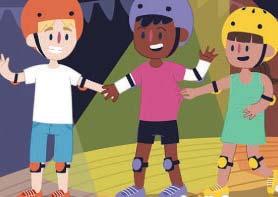
Kids Helpline’s practical steps for managing bullying:
• Get Social Support: Spend time with friends who value you for who you are or focus on building new friendships.
• Do What You Love: Engage in enjoyable activities to reduce stress.
• Focus on Strengths: Celebrate your uniqueness and talents, rather than letting bullying define you.
• Seek Professional Help: Experts can provide tailored advice and support.
• Report it: It’s important to report bullying to a trusted adult or through online tools. The only person who benefits from you not reporting is the person doing the bullying.
• Remember It Gets Better: Bullying is a temporary challenge - many have overcome it and so can you.
kidshelpline.com.au/how-do-you-mean Kids Helpline is available 24/7 for any reason. Young people can call 1800 551 800 or chat online at www. kidshelpline.com.au.
AFREE dental check for public schools across NSW is celebrating its 1000th public school visit this week, after the NSW Government expanded the program to more school children across NSW.
300,000 public school students have been offered the Primary School Mobile Dental Program since it began in 2019 with three local health districts added to the program in 2023.
New districts added include Far West, Northern NSW and Illawarra Shoalhaven LHDs which have collectively visited 38 schools, providing checks for almost 2,400 kids since being added to the program last year.
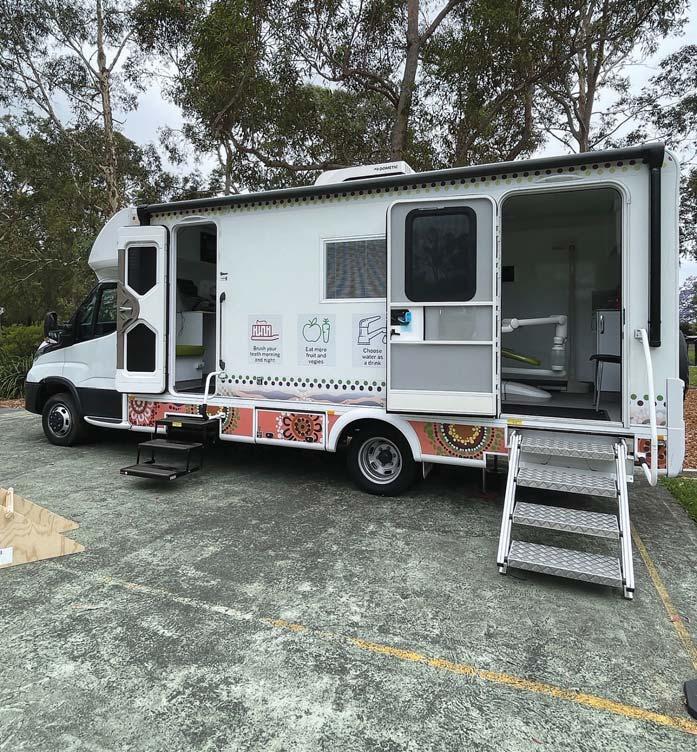
The mobile dental clinics visit participating primary schools across eleven Local Health Districts and provide on-site dental check-ups, cleans, x-rays and other preventive treatments, as well as education on good oral hygiene practices.
This initiative not only addresses immediate dental needs but also equips children with the knowledge to maintain their oral health.
If a child needs follow-up dental care, public dental service staff will contact parents and carers to discuss options for treatment, which may include further treatment at the school or a local dental clinic.
In addition to the Primary School Mobile Dental Program, all children under 18 years of age can access free dental care provided by NSW Health at public dental clinics.
This is part of the NSW Government’s plan to build a better NSW and ensure people have access to the essential services like education and healthcare that they rely on.
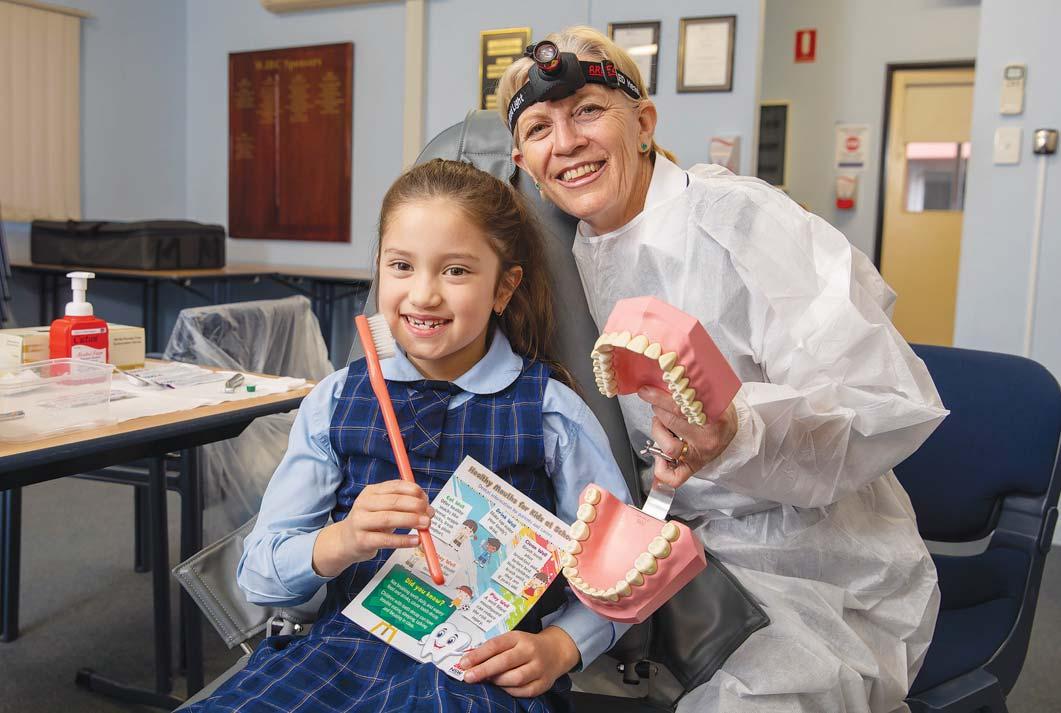
Deputy Premier and Minister for Education and Early Learning Prue Car said: “It is fantastic to see that the dental van has made 1,000 visits to public schools across NSW, offering free check-ups to many public school students.
“Providing free dental care is a win-win for parents, particularly in a cost-of-living crisis.
“The dental van is a fantastic program, that has given thousands of students access to free dental care, and helped public school students to learn healthy habits from an early age.”



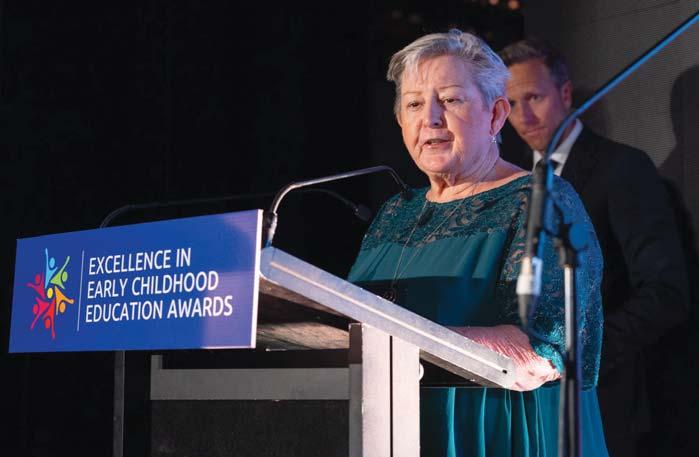
Scenes form this year’s awards gala event.
ON a beautiful Saturday night, November 2, 2024 the annual Excellence in Early Childhood Education Gala Awards Night was held at the Hyatt Regency, Sydney.
With a 344% increase in nominations and hence 700 guests in attendance, the Excellence in Early Childhood Education Awards has set a new NSW and national record of being the largest and the most sought after awards platform!
We congratulate again this year's finalists as they illustrate the best of the best that early childhood education and care offer to children, their families as well as NSW and Australia.
We also thank our important sponsors who were tremendously significant in ensuring the Awards' success, namely Guild Insurance, Guild Early Learning, KKTC, Huggies and Nova Employment.
Finally, congratulations to the following winners of the 2024 Excellence in Early Childhood Education Awards:
3 Bears Cottage Early Education Service (Coffs Harbour, NSW)
Outcomes for Children (Preschool) Excellence Award
All 4 Kids Kindergarten (Mulgoa, NSW)
Excellence in Environmental Program
Amigoss Spanish Bilingual Childcare (Glebe, NSW)
Excellence in Partnerships with Families
Busy Bees at Georges Hall (Georges Hall, NSW)
Metropolitan Business Excellence Award
Cambridge Hills Preschool (Rankin
Park, NSW)
Small Regional/Ruyral Business Excellence Award
Asma Niyaz of Clovel Childcare & Early Learning Centre (Blacktown, NSW)
Certificate III in Early Childhood Education & Care Trainee Excellence Award
Kate Nolan of Clovel Childcare & Early Learning Centre (Blacktown, NSW)
Female Educator Excellence Award
Devonshire Street Children's Centre (Chatswood, NSW)
Excellence in Multicultural Program Award
Fauna Place Early Education Centre (Kirrawee, NSW)
Excellence in Australian History & Culture Award
Gilgandra Preschool (Gilgandra, NSW)
Small Community Regional & Rural Service Excellence Award
Kristy Hyndes of Gilgandra Preschool (Gilgandra, NSW)
Educational Leader Excellence Award
Jess Kourembes of Gumnut Kidz (Narellan, NSW)
Young Female Educator Excellence Award
HazelGrove Early Education Centre (Baulkham Hills, NSW)
Outcomes for Children (Birth to 3 years) Excellence Award
Hunter Valley Grammar School Early Learning Centre (Ashtonfield, NSW)
Large Community Regional/Rural Service Excellence Award
Timothy Parkes of Jenny's Kindergarten - Emerald Hills (Leppington, NSW)

Young Male Educator Excellence Award
Junior Einsteins Flinders (Flinders, NSW)
Excellence in Children's Well-being & Health Award
Little Miracles (Tuggerah, NSW)
Excellence in Educational Program & Practice Award
Little Treasures Childcare (Greta, NSW)
Excellence in Food & Nutrition Award
Little Treasures Childcare (Greta, NSW)
Large Regional/Rural Business Excellence Award
Tenneal Gerardis of Liv2Learn Early Education (Thirlmere, NSW)
Service Support Person Excellence Award
Liv2Learn Early Education (Thirlmere, NSW)
Large Priuvate Regional/Rural Service Excellence Award
Meek's Preschool & Early Learning Centre (Berkshire Park, NSW)
Most Inclusive Employer Excellence Award
Milieu Early Education and Care (Condell Park, NSW)
Excellence in Food & Menu Design Award
Millthorpe Little Learning Centre (Millthorpe, NSW)
Team Excellence Award - Regional/ Rural Service
Narrabeen Children's Centre (Narrabeen, NSW)
Large Community Metropolitan Service Excellence Award
Oakville Preschool Learning Centre (Oakville, NSW)
Team Excellence Award - Metropol-

itan Service
Oakville Preschool Learning Centre (Oakville, NSW)
Employer Excellence Award
Bradley Campbell of Pied Piper Preschool (Wallerawang, NSW)
Male Educator Excellence Award
Randwick Open Care for Kids (Randwick, NSW)
Small Community Metropolitan Service Excellence Award
Rise and Shine Kindergarten (Summer Hill, NSW)
Large Private Metropolitan Service Excellence Award
Scribbles & Giggles Childcare Centre (Leppington, NSW)
Excellence in Inclusivity Practices Award
Sutherland Shire Council Children's Services (Sutherland, NSW)
Excellence in Inclusivity Practices Award
The Honey Tree Preschool (Bellbird, NSW)
Small Private Regiona/Rural Service Excellence Award
The Honey Tree Preschool (Bellbird, NSW)
Excellence in Community Involvement Award
Angelina Bainou of Young Academics Early Learning Centre (Harris Park, NSW)
Diploma of Early Childhood Education & Care Excellence Award
Young Academics Early Learning Centre (Woodcroft, NSW)
Small Private Metropolitan Service Excellence Award
For information/clarification, contact ACA NSW via 1300 556 330 or nsw@childcarealliance.org.au.

YLVIA Arotin was the inaugural winner of the prestigious NEiTA Trustees' Alumni Award in recognition of her ongoing excellence as a past NEiTA winner, and a $10,000 professional development grant from NEiTA Foundation.
As the owner and director of My Montessori Education Centre in Kellyville (NSW), an independent community-based early childhood school, Sylvia’s Trustees' Alumni Award follows her NEiTA Seed Award, which she won in 2023.
“Winning the NEiTA Award last year was transformative. It kickstarted a series of awards including an Australian Small Business Champion in Children’s Services Award and most recently Women Changing the World in Education Silver Trophy presented by The Duchess of York in London,” Sylvia said.
“It also lifted my profile to be able to host professional development workshops for other educators and also those in the medical field to help them understand how to communicate more effectively with children.
“The professional development grant from The NEiTA Foundation allowed me to re-open a classroom for our baby and toddler program, which had to close during the COVID-19 pandemic. Being able to restore this space for our community has been incredible.”
Sylvia is also the founder of Guide & Grow, an online platform designed to equip families with the resources and support they need to implement Montessori principles at home.
“Guide & Grow has more than 365,000 members globally,” Sylvia said.“I’m incredibly proud of what it has become. It’s rewarding to know I’m making a difference in homes around the world.”
Sylvia is on a mission to enhance outcomes for children by bridging the gap between school and home, ensuring Montessori principles can be effectively applied in both environments.“My Montessori
journey hasn’t been easy. It’s been long and lonely at times, however, it’s moments like this that make it all worth it,” Sylvia said.
“Recognition like this fuels my passion to continue making a difference in the way we shape our future generations.”
NEiTA Foundation Chair, Catherine O’Sullivan, said educators like Sylvia exemplify the power of exceptional teaching and leadership.
“Sylvia is a dedicated, compassionate, and transformative force in education,” Catherine said.
"As a remarkable teacher, Sylvia is influencing the trajectory of future generations and leaving an enduring legacy on the lives of countless students.
“The My Montessori School and the wider Western Sydney community, as well as the online Guide & Grow community, are enriched thanks to Sylvia’s ability to motivate, educate,
and inspire the next generation of young minds.
“Over three incredible decades, the National Excellence in Teaching Awards has recognised more than 1,100 exceptional educators and gifted more than $1.4 million in professional development grants and prizes.
"We are thrilled to honour Sylvia once again, she’s the perfect embodiment of what this esteemed alumni award is all about."
LOCALS from Sydney’s Northwest are future proofing their careers by upskilling in priority industries with TAFE NSW, including early childhood education and care.
According to the 2023 Australian Government Productivity Commission Report, nearly half of one-year-olds and about 90 percent of four-yearolds attend some form of early childhood education and care. Demand for skilled workers is forecast to grow 22 percent by 2026, and with the NSW Government’s recent $769 million pledge to build 100 preschools by 2027, TAFE NSW is delivering the hands-on training future educators need to gain
employment.
TAFE NSW Meadowbank graduate and Parramatta resident Jennifer Gerber chose to study the fee-free Certificate III and Diploma in Early Childhood Education and Care after being made redundant from her IT job within a school during COVID.
“I was particularly interested in working in an education environment,” Ms Gerber said. “I started by completing a Certificate III as a teacher’s aide and then I signed up Early Childhood Education and Care course. I have loved learning over the past couple of years at TAFE. All the teachers are knowledgeable and experienced in working in the
Early Childhood Education and Care Sector.
“Since graduating I’ve worked in casual roles at early learning centres and as a room leader within the Early Childhood Education and Care Sector. When the children are playing and learning, I love interacting with them to maximise their learning and growth.”
TAFE NSW Chief Delivery Officer, Janet Schorer said TAFE NSW is committed to delivering a pipeline of skilled workers to meet the growing demand in Sydney’s northwest region.
“Jennifer Gerber is an example of the high-quality graduates TAFE NSW
is training to meet skills demand now and into the future.
“Over the next 10 years, more than 9 out of 10 new jobs will require post-secondary qualifications. TAFE NSW is crucial not only for the future of the Sydney northwest regional economy but also for providing people with skills for current and future job markets.
“Semester 2 is about to start, making it the perfect time to explore the range of courses at your local TAFE NSW campus. Whether you prefer online, face-to-face, or teacher-led virtual classrooms, we have study options to suit your needs,” Ms Schorer said.
ALMOST 200 additional childcare
places will be created across far western NSW, as the NSW Government continues work to increase the local workforce and ensure children across the state have access to high-quality education and care.
Over the next 18 months, 44 additional childcare places will be created in Broken Hill, 40 in Bourke and 102 in Cobar – a total of 186 additional places
Broken Hill, Bourke and Cobar have some of the highest gaps in childcare services statewide. Not only does this impact local children but creates a barrier to parents returning to work and prevents skilled workers with young families moving to these areas.
Delivered through the Minns Government Regional Development Trust Fund’s Western NSW Workforce Activation Package, $5.6 million will be made available to successful service providers immediately.
A further $4.4M will be made available to further expand childcare places across western New South Wales early next year.
Busy Kids Childcare – Broken Hill
Over $1.4M be invested in Busy Kids Broken Hill to double the childcare’s existing capacity from 44 to 88 places for children aged 0 to 6 years old, creating nine additional full-time jobs.
This investment will support the construction of a new adaptable day-
care classroom as well as other necessary centre upgrades to increase its capacity and service delivery.
Further, this money will allow for the employment of additional staff and programs to support their professional development, wellbeing and retention.
102 additional childcare places, and 18 additional jobs will be created in Cobar, with over $1.3M being provided to Cobar Shire Council to support locally run childcare services.
This funding will support relocating Cobar Out of School Hours care from a shared hall to a dedicated facility at the Kubby House Childcare Centre.
Currently, the service operates in a rented church hall, causing frequent interruptions to the service to accommodate other users.
Cobar Shire Council will also undertake work to expand the number of Family Day Care Operations. Family Day Cares are trained and registered educators who provide childcare from their homes. The Council will use this Government funding to cover the costs associated with these operations including, CPR and First Aid training, working with children checks, public liability insurance and professional development sessions.
A comprehensive attraction and retention package will also be developed, which will include relocation
assistance, rental assistance and formal training plans.
$1.85M will be utilised by Bourke & District Children’s Services to created 20 additional childcare places for children aged 0-3, and 4 full time jobs.
This work will include the construction of a new childcare room to accommodate the children, with three child accessible bathrooms and two craft sinks.
To support staff recruitment and retention, relocation support will be offered to attract new staff and retention bonuses will be available to encourage long term service.
More than $900,000 is being invested to support Bourke & District Children’s Services establish a 20-place Out of School Hours Care program, operational five days a week for 40 weeks of the year.
Out of hours care offers care to school aged children before and after school.
Infrastructure improvements will be made to the services facility to ensure it is fit for purpose. This includes replacing the roof and installing a new kitchen for child food preparation.
A professional early childhood consultant will also be retained to ensure this new service is established to operate
at the highest possible standard.
Comprehensive training and development programs will be provided to upskill staff, as well as relocation expenses offered to attract staff and retention bonuses for long term care providers.
Premier Chris Minns said: “This program is a win-win, and one of the best things a government can invest in.
“Not only does it increase access for children in our state to quality care and education, it also removes one of the barriers facing parents who may want to re-enter the workforce or enter it for the first time.
“I’ve heard countless stories of essential and skilled workers with young families who had considered making a move to one of our fantastic regional communities but were concerned about being able to access childcare. My genuine hope is that news of these extra places helps them to take that leap.”
Prue Car, Deputy Premier, Minister for Education and Early Learning said: “The Government is committed to ensuring children across NSW can kick-start their education in high-quality facilities – no matter their postcode.
“Improving equity in access to early education and care in the regions is vital for young families, and ensures our youngest learners are given every opportunity to thrive.
“The Minns Labor Government is delivering a plan to build a stronger, more accessible education system, for families across the state.”
EMMA WILSON | GROUP TRAVEL EDITOR
THE vibrant city of Memphis is well-known for its iconic music, rich history, and world-famous food scene, making it the perfect destination for a family holiday.
With a wide range of museums, parks and plenty of outdoor and indoor activities, Memphis offers a variety of attractions for young minds to explore and discover.
Children’s Museum of Memphis
A great spot for families seeking fun, educational, and interactive experiences, this museum intends to inspire children to explore, imagine and create.
The Fire Museum of Memphis
Experience the excitement of firefighting at America’s premier interactive fire museum and, quite literally, Memphis’ hottest attraction. Children of all ages can dress up in fire coats and helmets, play on authentic fire equipment, put out a simulated fire, ride on an aerial platform and slide down a brass fire pole.
National Civil Rights Museum (ages 12+)
Bring the kids to explore a significant chapter of the U.S.
at the historic Lorraine Motel, where Dr. Martin Luther King Jr. spent his final moments. While a heavy subject to teach kids, it has been noted as one of America’s most important historical events and can be used as a dialogue-opener with the kids about oppressive racism in the US during that time.
A family guide can be found on the NCRM website here.
Graceland
Introduce your kids to the history of Rock ‘n’ Roll at the late Elvis Presley’s legendary home. This cultural icon offers kids (and parents!) the opportunity to delve into the life and legacy of Elvis, from his legendary music and lasting impact on pop culture.
Nicknamed The Birthplace of Rock’n’roll, the well-known recording studio offers families a thrilling journey into the history of rock' n' roll and soul music. While primarily geared towards older children and adults (ages 5+), kids can still immerse themselves in the recording process, explore vintage instruments, and discover the stories of legendary artists like
Shelby Farms Park
Located just 20 minutes from Downtown Memphis is this 4,500-acre playground, which is one of the largest urban parks in the country, five times the size of New York City’s Central Park. There’s an outdoor ropes course with ziplines, a Woodland Discovery Playground, horse-riding, and a Water Play Sprayground for those hot summer days and much more.
For a unique hotel stay in Memphis for families, The Peabody Hotel, with its daily duck parade will give the kids something fun to watch each day. The hotel is considered to be Memphis’ grandest and most legendary hotel, and it offers a unique family package in which your family becomes honorary Peabody Duckmasters for the day.
The Pyramid
The Cypress Lodge: Inside the big Pyramid located on the Mississippi River, you’ll find a massive outdoor-inspired luxury hotel. You can “camp out” in rustic cabin-style rooms overlooking a swamp with live alligators and a variety of fish and Cypress trees, giving a true wilderness vibe.
Explore more of Memphis here: www. memphistravel.com
WITH the end of the year fast approaching, almost half (49%) of Australian and New Zealand employees admit to experiencing feelings of burnout or exhaustion and with the festive season also known to cause stress for a lot of people, embracing Fiji Time might just be the way to help navigate this stressful time of year.
In a destination that boasts warm, sunny days throughout December and January, and as the home of some of the happiest people in the world, Fiji is the perfect escape for a stress-free and relaxed festive season. Just under a four-hour flight from Australia’s East Coast, there are myriad ways to end your year on the right note.
After a recent multi-million-dollar transformation, the resort intertwines luxury and Fijian tradition. With just 16 appointed vales nestled among the exclusive, adults-only island, privacy and serenity come hand in hand at Royal Davui.
Christmas: Guests will enjoy a long Christmas lunch on the 25th of December including a festive welcome cocktail, a Pure Fiji gift and an intimate carol performance by the staff. New Years Eve: The resort will be hosting an all-white theme gala dinner looking out onto Beqa Lagoon’s scenery and featuring a live band and fireworks to ring in the new year.

Situated in the picturesque Mamanuca Island group, this private resort has become an oasis for guests particularly families searching for a retreat off the beaten path.
Christmas: The resort will be offering a line-up of activities including a church service in the morning, Santa’s arrival (by water), a decadent Christmas Day feast including a Yasawa lobster; local delicacies, followed by gift giving and a performance of carols and Fijian hymns by the VOMO choir. News Eve: The kids remain a huge part of the festivities
beginning with a Little Mermaid-themed show performed by the Australian Gotcha Back Productions, followed by early fireworks and a disco in the resort’s dedicated Kids Village. While they are kept entertained, adults can indulge in a buffet spread, live band, dancing and fireworks at a Grecian-themed takeover of the Rocks Bar.
A rustic and intimate resort designed in a South Pacific beach cottage style, Malolo is perfect for both families and couples. Christmas: The program includes Santa’s arrival and parade with gifts, a performance by the Malolo Band, a treasure hunt with a 3-night stay prize, festive cocktails, and a Christmas buffet dinner in the kids club or Terrace restaurant, before finishing with carols by the Malolo Resort Choir.
New Year’s Eve: A buffet dinner and foam party at the kids pool lawn will keep them occupied for most of the night while adults will be treated to pre-dinner drinks hosted by the resort, several performances (including a fire dance) by the Ahura Dance Group, a buffet dinner, best-dressed awards and a fireworks display to finish. For more information on Fiji visit: https://www.fiji.travel * According to a recent survey conducted by Sonder.
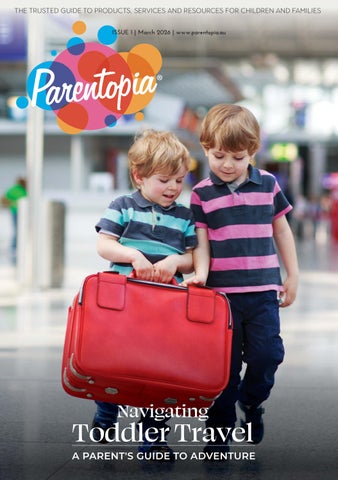
TRAVELLING with toddlers can be a thrilling yet daunting experience. From packing essentials to managing meltdowns, every parent faces unique challenges when embarking on journeys with their little ones. Fear not! With careful planning and a dash of patience, you can turn your family adventures into unforgettable experiences. Here’s your comprehensive guide to traveling with toddlers:
1. Preparing for the Journey:
Before you embark on your adventure, take time to prepare both mentally and practically. Create a checklist of essentials, including diapers, wipes, snacks, and a change of clothes. Pack favorite toys, books, and comfort items to soothe your toddler during moments of stress. Check the weather forecast and plan your clothing accordingly. Lastly, ensure your travel documents are in order, including passports, visas, and any necessary medical records.
2. Choose Toddler-Friendly Accommodations:
When selecting accommodations, prioritize toddler-friendly options that cater to your family‘s needs. Look for hotels or vacation rentals that offer amenities such as cribs, high chairs, and childproofing supplies. Consider booking accommodations with separate sleeping areas to ensure everyone gets a good night‘s rest. Research nearby attractions and amenities, such as parks or playgrounds, to keep your little one entertained during downtime.
3. Plan Around Their Schedule:
Toddlers thrive on routine, so try to maintain a sense of familiarity during your travels. Schedule flights or long drives during your toddler‘s nap times to minimize disruptions to their sleep schedule. Allow for plenty of breaks and opportunities for play to prevent restlessness and tantrums. Be flexible with your itinerary and be prepared to adjust plans as needed to accommodate your toddler‘s needs.
4. Pack Wisely:
Packing efficiently is key when traveling with toddlers. Opt for lightweight, easily transportable gear such as collapsible strollers and compact travel cribs. Pack a separate bag filled with essentials such as diapers, wipes, and snacks, and keep it easily accessible during your jour-


ney. Consider bringing a baby carrier or sling for hands-free carrying in crowded areas or on hikes. Don‘t forget to pack entertainment options such as toys, books, and electronic devices to keep your toddler engaged during travel.
5. Stay Healthy and Safe:
Prioritise your toddler‘s health and safety throughout your journey. Pack a first-aid kit with essential medications, bandages, and any necessary medical supplies. Research local healthcare facilities and emergency services at your destination in case of unexpected medical needs. Practice proper hygiene, including frequent handwashing and sanitizing surfaces your toddler may come into contact with. Ensure your toddler is up to date on vaccinations and take necessary precautions to prevent illness and injury.
6. Embrace Spontaneity and Have Fun:
While careful planning is essential, don‘t forget to embrace the spontaneity of travel and enjoy the journey with your toddler. Take time to explore new destinations, try new foods, and make memories together as a family. Be patient and

flexible when faced with challenges, and remember that unexpected moments often make the best stories. Cherish the precious time spent with your little one and savor every moment of your adventure together.
Traveling with toddlers may have its challenges, but with careful planning and a positive attitude, it can also be a
rewarding and enriching experience for the entire family. By prioritizing your toddler‘s needs, staying organized, and embracing the joy of discovery, you can create lasting memories that you‘ll cherish for years to come. So, pack your bags, embark on your journey, and get ready for an unforgettable adventure with your tiny explorer!

Try some the many popular day trip destinations in Sydney
Sydney offers a plethora of exciting destinations perfect for toddlers and their families. From vibrant parks to interactive museums, here are some of the best travel spots tailored to accommodate the youngest adventurers.
1. Taronga Zoo: Located on the shores of Sydney Harbour, Taronga Zoo provides an unforgettable experience for toddlers to get up close and personal with a diverse range of animals. The zoo offers child-friendly exhibits, keeper talks, and even a dedicated Kids’ Trail, making it both entertaining and educational.
2. Darling Harbour: This bustling precinct boasts a variety of family-friendly attractions, including the SEA LIFE Sydney Aquarium and the WILD LIFE Sydney Zoo. Toddlers will love exploring the underwater world and encountering native Australian wildlife.
3. Sydney Olympic Park: With expansive green spaces and playgrounds, Sydney Olympic Park is a haven for active toddlers. Families can enjoy picnics, bike rides, and water play areas, providing endless opportunities for outdoor fun.
4. The Australian Museum: Spark your toddler’s curiosity with a visit to the Australian Museum, where they can marvel at dinosaur skeletons, interactive exhibits, and hands-on learning experiences designed specifically for young children.
5. Bondi Beach: While known for its surf culture, Bondi Beach also offers gentle waves and a fenced-off children’s pool, making it an ideal destination for families with toddlers to enjoy a day by the sea.
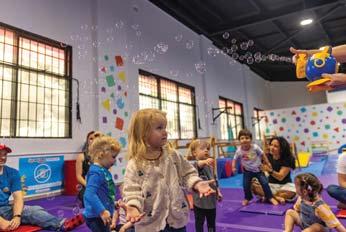
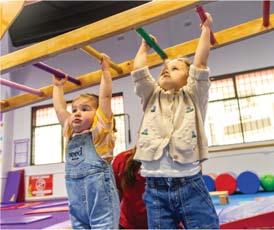
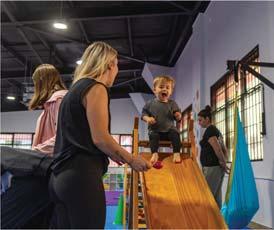





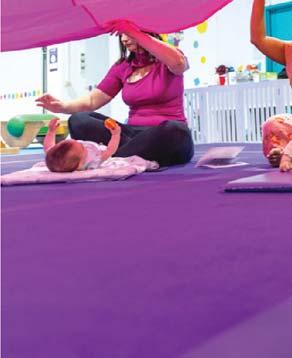
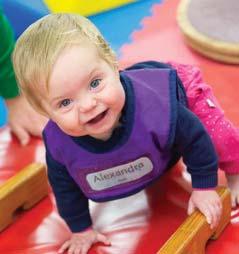
The experiences a child has in the first year lay the foundations for their future. Our classes teach you how to provide activities that help children learn about themselves and the world around them, thus supporting optimal brain development in preparation for future learning.
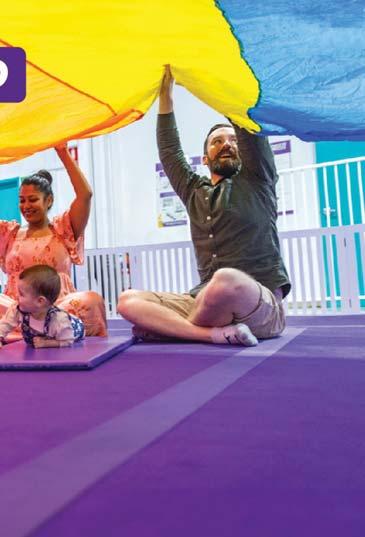
Theexperiences a childhas inthe first yearlay the foundations for their future. Our classes teach you how to provide activities that help children learn about themselves and the world around them, thus supporting optimal brain development in preparation for future learning. Enrolhere
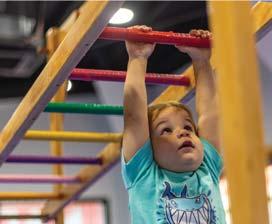
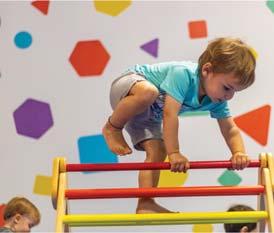
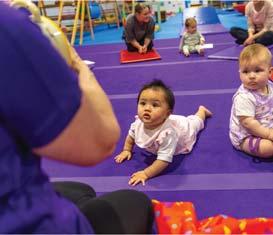
Our classes help children develop a wide range of movement-based skills through our dynamic program. All our classes follow a similar structure and include: FREE PLAY Time to have some fun and explore equipment




29MainSt, RouseHillTownCentre, RouseHillNSW2155 2Floor,AboveVinegarHill MemorialLibrary nd rousehill@gymbaroo.com.au 0439079783 0288833449
Enrolhere

MOVE•LEARN•SHINE




MORE than 63,000 children in NSW started Kindergarten this year and most families are expectedly anxious so here are some expert tips to help make their first time at the ‘big school’ a memorable one.
“Starting school is a rite of passage and a key transition point in education,” NSW education secretary Murat Dizdar said.
“Every student, parent and teacher will remember what their first day of school was like and it’s our goal to create these same memorable experiences for today’s students.
“It’s really important that our youngest students feel supported by their
school, their teachers and families, so they have a positive start to school and are ready and eager to learn.”
Denistone East Public School kindergarten teacher Yue Zhu and Nicholson St Public School assistant principal Lucy Norrish have gathered some of the most useful tips for parents.
Show them how to dress independently. Get your child to practise putting on and taking off school shoes, socks, jumpers and raincoats by themselves on school day.
Have some fun picnics before school starts where your kids can practise opening and closing their lunch boxes and food containers that require the skills of twisting, turning and pulling. Once school starts, provide lots of easy to open snacks and healthy food you know your child will eat.
Familiarise your child with their school bag. There is no need to buy the biggest bag because it will put a strain on their back. An overloaded bag can also mean kids pull out everything in their bag just to get to their lunchboxes.
Give your child plenty of opportunities to learn social skills by having cooperative play with other children. Practise sharing and taking turns and discuss how their own behaviour can affect others.
Good hygiene behaviours are absolutely important. Have discussions on how to use the toilet safely and appropriately and the importance of asking a teacher before they go. Make sure your child knows to always flush the toilet and wash their hands afterwards. Pack a spare pair of undies in the school bag, just in case.
Fine motor and gross motor skills. Practise using scissors safely and holding them correctly. Practise holding a pencil with control and encourage your child to hold it with the correct grip. Encourage your child to participate in a variety of
indoor and outdoor play and activities that foster balance and coordination.
Practise writing their first name. Children entering Kindergarten can practise writing their first name with a beginning capital letter and lowercase letters for the remainder. One of the biggest challenges for Kindergarten teachers is to ‘unteach’ the incorrect habit of capital letters in names.
Schools encourage parents to read with their children every day for 15 minutes. This helps children practise sitting still and listening. When you finish reading, ask your child questions about the stories, like ‘What happened?’ ‘What was your favourite part?’ Children who enjoy books are usually more eager to learn to read on their own.
The numbers’ game can be an exciting play by practising simple counting at home and if children are ready for it, practise counting backwards. Give your child opportunities to practise identifying numbers from one to 10 and count out corresponding amounts of objects. Encourage student advocacy. Reassure your child that it’s OK to tell the teacher and other school staff what they need and how they are feeling. Young children can get so excited, or nervous, that they have finally made it to ‘big school’ that they forget to advocate for them.














DO your children like Thomas the Tank Engine? Are you encouraging them to learn about science, technology, engineering and mathematics? Do you teach them to appreciate history too?
Well, you can do all of that at the Sydney Live Steam Locomotive Society’s Mini Trains at West Ryde! Just behind Coles West Ryde, on the third Saturday of the month, 3 miniature train tracjks with rides on trains pulled by miniature
and real steam locomotives come alive for children and families to enjoy.
The layout even includes bridges, hills and tight corners, and all the trains can carry 3 or 4 and even up to 30 people at a time. There are of course the mandatory switch points along the tracks, lights, signal box, a few stations and a guard tower.
For train lovers, there is a turntable and maintenance area where the Society’s volunteers tinker with their trains too.
Entry is about $4 per adult and $2 per child. Each ride is also $2 per person. Families can have children’s birthday parties there. And everyone must wear enclosed shoes.
Although there is a kiosk, there is plenty of space around for a picnic too.
Entry is via the corner of Betts Street and Anthony Road in West Ryde. And for more information, please visit http:// www.parraparents.com.au/things-to-do/ west-ryde-mini-trains/
If you are like so many other parents, Google can only help you go so far. But if you had a team of parents who have curated some of the best playgrounds across Sydney, you would think they are a Godsend, won’t you! And that is exactly what has happened.
The ParraParents have created just such a tool (see http://www.parraparents.com. au/parks-playgrounds/find-aplayground/). You can search by animal experiences, whether they are fenced or not, are they suitable for toddlers or teenagers, and would there be a café nearby, and what kind of season is best to use them! They even list what kind of play equipment are available and whether it is a dog-off leash area.
Commentaries for each playground are quite up-to-date, complete with pictures and useful information.


SPENDING more than three hours combined digital screentime at school and home has been found to be a recipe for children’s long-term vision and learning problems.
Latest eyecare research has found Generation Alpha, ages from 5 to 12, are most at risk as both parents and teachers search for prevention techniques to avoid vision damage while using digital screens.
The damaging impacts of prolonged computer use on children’s vision and learning abilities were highlighted by a World Health Organisation findings, citing myopia, or short sightedness, is on the rise globally among children.
WHO found 52 percent of the world’s
The YouGov research found one in three children under nine years of age, or 29 percent of children under nine, have never had an eye test before the age
of five.
child population will be impacted by myopia by 2050 if causes of eye strain from screentime are not detected early.
Australia’s Specsavers has commissioned the latest research and found that 90 percent of primary school teachers have witnessed signs of eye strain in their students.
The digital eye strain research conducted by YouGov was held last November with samples from 1,013 parents of children aged two to 12, and 206 primary school teachers.
The teachers said the students are often their rubbing eyes, have watery eyes, and complained of headaches, neck aches, blurry vision, and not wanting to read aloud.
Over half or 56 percent of these teachers say that they witness this at least every week and sometimes more often.
The findings also showed an overwhelming 98 percent of primary school teachers agree poor vision impacts the children’s ability to learn.

Ms Mikhaiel’s top tips to reduce digital eye strain:
Follow the 20-20-20 rule. This means, every 20 minutes remind children to shift their eyes to look at an object at least 20 metres away, for at least 20 seconds. The easiest way to do this is to take small ‘window’ breaks and look out at a faraway object to give tired eyes a break from the screen.
Take breaks outside and encourage outside play. Research shows us that spending 2 hours outdoors is a protective factor during daylight hours for children developing myopia or short-sightedness.
Remind children to blink. Blinking regularly keeps the surface of your eyes from drying out.
Keep a bottle of water close by. Your eyes dry out when you’re dehydrated so making sure children are drinking plenty of water throughout the day is important.
It is recommended that children of all ages get a routine eye test every two years unless directed otherwise by their optometrist.
These alarming vision problems must not be left untreated because early detection is the key to managing children’s healthy vision, Specsavers said.
Optometrists are calling on parents and teachers, and anyone with children in their care for extended periods, to be aware of safer screen practices, including limiting up-close tasks, taking regular screen breaks and regular eye tests.
With children being diagnosed with vision problems younger than ever before age three, eye health tests should be considered an essential element of the back-to-school routine.
The YouGov research found one in three children under nine years of age, or 29 percent of children under nine, have never had an eye test before the age of five.
Optometrist Merna Mikhaiel, of Westfield Specsavers, said: “While myopia is typically successfully managed with prescription lenses, if left undiagnosed, it can impact day-to-day life. Children’s eyes are still developing during their schooling years, and they can’t always tell you if they may not be able to see properly.
If your child complains about headaches, blurred vision, trouble focusing or any other issues with their eyes, I recommend booking an optometrist immediately rather than waiting until their next check-up.”

FOR whatever the reasons that you and your partner are considering enrolling your child to early childhood education and care, know that there is never just one reason. Whether it is for economic reasons, or that your child is ready to take on more education, or that you have one or more children at home that are too young for childcare, you are some of the millions of parents who face the question, “is my child ready for daycare?”
In Australia, there are many choices that are available to you. Fundamentally, they are:
Long daycare (typically from 7.30 am to 6.30 pm).
Community preschool (for 4- and 5-year-olds, normally usually from 9 am to 3 pm).
Family daycare (typically from 7.30 am to 6.30 pm).
Only long daycare and family daycare would attract the Federal Government’s Child Care Subsidy that would help reduce fees. Your combined household income has a direct influence over how much government subsidy you will receive (see https://www. humanservices.gov.au/individuals/ services/centrelink/child-care-subsidy/ how-much-you-can-get/your-incomecan-affect-it).
Which service should I enrol my child at?
Finding an early childhood education and care service provider will be your next challenge. This can be done via the Federal Government’s Child Care Finder (see https://www.child-
As much as the government wants you to think they are all providing the same kind of educational curriculum and care, the actual reality is that they do not and you will have to visit each of them to size each of them up.
carefinder.gov.au/) or Parentopia (see https://www.parentopia.com.au). Such sites will help inform you of where services are and whether they may have availability. Sometimes, depending on their respective published profiles, they may show their fees too.
Having said that, as much as the government wants you to think they are all providing the same kind of educational curriculum and care (using a government rating system since 2012), the actual reality is that they do not and you will have to visit each of them to size each of them up.
Which should I be looking for?
There is a myriad of things parents should look for in any early childhood education and care service. And since most services are different because they reflect the emphasis of their community as well as leveraging the strengths of their staff (ie educators and teachers), the bare minimum things you should be looking for are:
1. Do the educators and teachers know each child by their individual names without assistance (eg names on
hats)?
2. How do they handle unique needs of children under their care (eg medical issues, marital states)?
3. What kinds of mechanisms does the service use to engage with parents to communicate and discuss the needs of their children?
4. Can you see if they have an “open door” policy, not just when families can come and visit at any time, but also easy access to information?
5. Have they consistently leveraged other parents’ information about their children’s experiences and interests in and outside of their home in order to boost their children’s learning and awareness?
6. When there are problems with children (and there will always be), how are they handled?
7. What resources does the service provide to help you as parents when your children are back in your care?
These can be explored through interactions with the service’s staff, especially the approved provider, centre director and educational leader.
Conversations with and feedback from other parents can be found through site visits as well as their Facebook pages (although such online comments tend to be either effusively good or bad.)
A useful factsheet can be found via https://www.startingblocks.gov.au/atchild-care/preparing-to-start/
Once you have decided which service you would like to enrol your child at, you will be asked to provide the following information:
1. Your child’s birth certificate.
2. Your child’s Centrelink Customer Reference Number (CRN).
3. Your family’s contact details.
4. Contact details and information on who you authorise to collect your child from the service and who may be in contact in the event of an emergency and you cannot be reached.
5. Information about your child, including their eating and sleeping routines, interests, levels of abilities, past and current illnesses if any, allergies, as well as your child’s health care contacts (usually your General Practitioner).
Your child’s immunisation history (which is a statement from the Australian Childhood Immunisation Register on the Department of Human Services website (www.humanservices.gov.au).

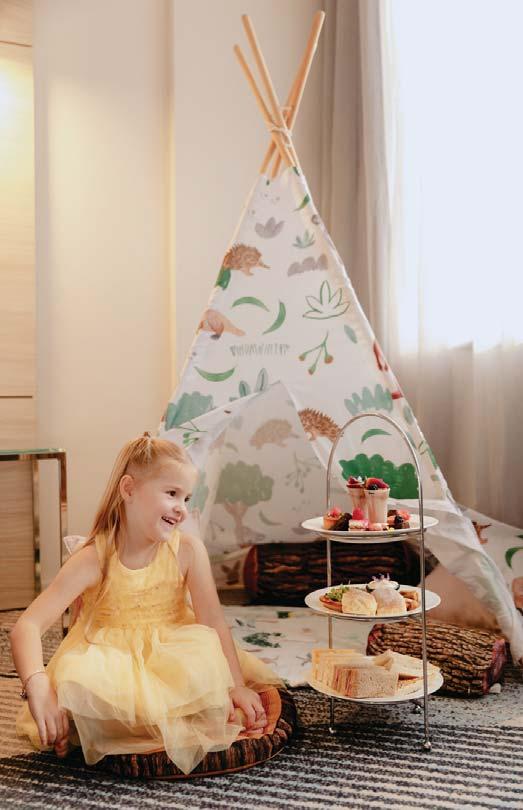



BY DI BARTOK
IS my child normal is a question parents often ask themselves, while deep down knowing that there is no “normal”.
But, when children display behaviour parents perceive as out of kilter with their peers, or are confronted with bullying and peer pressure, it is a difficult decision for parents to decide that the child may need professional help.
So, when should parents seek the help of a psychologist or a counsellor?
According to one child psychologist consulted for this story, children are more resilient than we realise - we just need to give them time to adjust.
If the “problem” is still affecting the child after about six months, then further action could be considered, says psychologist Michelle R.
“Most children will have some emotional or behavioural changes as a result of the natural ups and downs of life, such as family changes, bullying and the changing demands of school,” Michelle said.
“However, with love and support
at home, they will cope and adjust to most of these changes in the short term.”
Michelle said parents could seek advice from professionals if their child’s issue does not improve in six months’ time.
“Speak with your child’s teacher about what you have observed and obtain their feedback. Teachers have a good awareness of the varied age-appropriate behaviours of children.
“You can also speak with a paediatrician or general practitioner about any concerns you have for your child’s behaviour or emotional well-being.”
If parents still feel they need a psychologist for their child, your GP or paediatrician will refer you to one best suited to your child’s needs.
What can you expect from a psychologist?
Each psychologist will have their own process for how they manage referrals for children. In most cases, the psychologist will want to meet with the parents to discuss their concerns for their child and obtain more information on the child’s history.
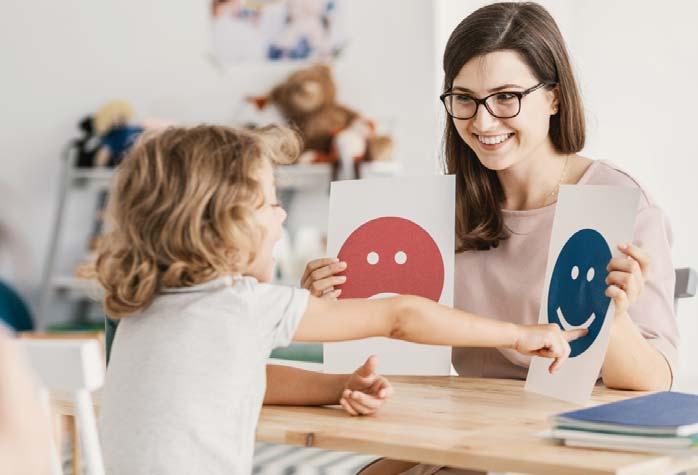
Michelle said psychologists working with children will incorporate play and make therapy activities fun and engaging.
“It is important that you are involved in the process and attend appointments with your child, even if you do most of the time in the waiting room,” she said.
But the real work begins at home
The psychologist may have recommendations for parents regarding behaviour management strategies to utilise at home, environmental changes to make the child feel more comfortable, as well as reminding the child to utilise the strategies taught directly to them in session.



BY CHIANG LIAM

IKNOW I know. Who would have thought that a state government would want to help young families. If you live in New South Wales, there actually happens to be several offers from the NSW Government that can be useful, for example:
• Energy Switch – comparing electricity and gas plans to help you save (see https://www.service.nsw.gov.au/ transaction/use-energy-switch-comparison-tool)
• $100 voucher per year for your children’s creative and cultural activities (see https://www.service.nsw.gov.au/ campaign/creative-kids)
• $100 voucher per year for your chil-
dren’s sport, fitness and recreation (see https://www.service.nsw.gov.au/ campaign/active-kids)
• Toll relief – free or half price car registration for frequent toll users (see https://www.service.nsw.gov.au/ transaction/claim-your-toll-relief)
• The Family Energy Rebate for those receiving Family Tax Benefit (FTB) for the previous financial year (see https://www.service.nsw.gov.au/ transaction/apply-family-energy-rebate-retail-customers)
• You can access a discount if you choose to install an energy efficient air conditioning system, or if you replace your old air conditioning system with a more energy efficient
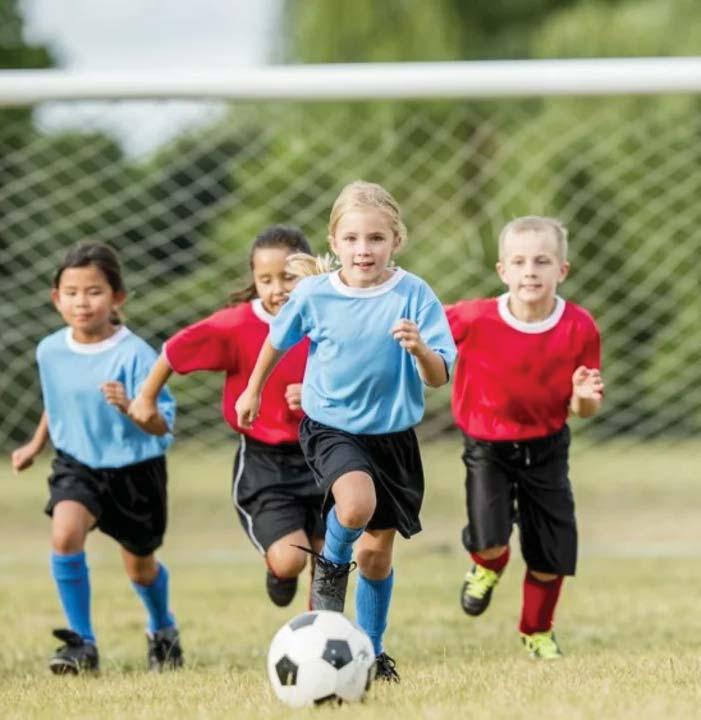
model. (see https://www.energy.nsw. gov.au/households/rebates-grantsand-schemes/household-energy-saving-upgrades/upgrade-your-air-conditioning).
service provider who is a member of the Australian Childcare Alliance NSW, you can also potentially save some significant electricity bills by submitting one of your most recent electricity bills
• 40% off the cost of a new fridge or 50% off the cost of a new television if you are a health care concession holder (see https://www.service. nsw.gov.au/transaction/apply-appliance-replacement-offer)
And if you have a child enrolled in an early childhood education and care
via a portal and someone will contact you without charge to advise whether you are already on the best rate possible or if you can save money by switching (again without charge).

An artificial intelligence app designed by the NSW Department of Education is being trialled in selected schools across the state starting this first term.
Called NSWEduChat, the department said it is recommended for navigating by teachers and students because it is a suitable teaching tool unlike other AI apps that parents and teachers are concerned about on cyber safety and ethical use.
“This trial is an important first step in safely navigating generative AI for use in schools, while upholding safety, security and best practice for our students and teachers,” deputy premier and NSW minister for education Prue Car said.
“As one of the world’s largest providers of public education, I am proud that NSW has developed NSWEduChat, a safe and secure tool with great potential to enhance learning and give students valuable hands-on experience with this game-changing technology.
Generative AI is rapidly evolving and offers both challenges and opportunities – and, like many sectors, education is already seeing the impact of new AI tools and practices.”
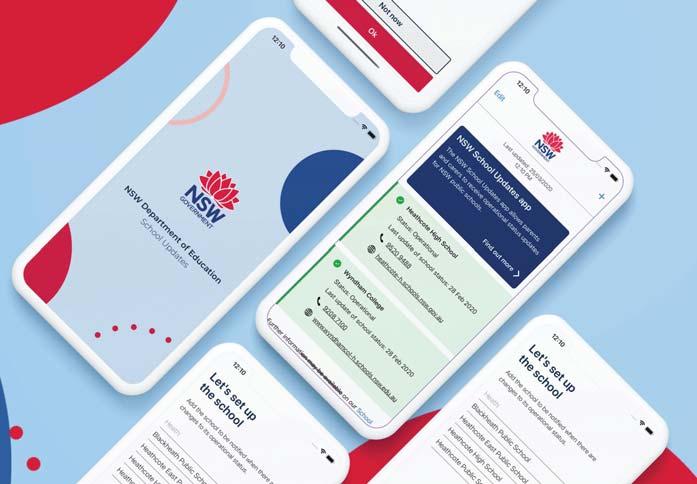
The department said the app was “designed to be safe and ethical for use in schools, directly relevant and appropriate” in classrooms. The app was developed following an agreement in October last year among education ministers in all states and territories that outlined the key principles in the Australian Framework for Generative Artificial Intelligence in Schools.
In NSW, 16 schools - 10 high schools, four primary schools, one School for Specific Purposes and one Environmental Education Centrewere selected to take part in the trial for the next two school terms this year. However, teachers make the decision how they will use the tool in their classrooms while students are given access to the app via the department’s student portal.
The app’s key features include:
• The app is secured, and data controlled and visible only to the department to ensure potential data security breaches.
• The department’s embedded controls means that the responses generated are aligned with Australian curriculums, values and policies.
• Only responds to students’ questions related to school activities and subject topics as part of content filtering and can delete any inappropriate content.
• Students are not given full answers to questions they have asked to encourage critical thinking, and instead prompted to feedback on the outcome.
• The app provided higher-quality and accurate support which are free to the users instead of paying as other AI tools require.
Those participating in the trial receive assistance and support from experts, technical resources and a virtual staffroom. The department expects the trial’s results to help inform the future direction of using AI in the state’s school system.









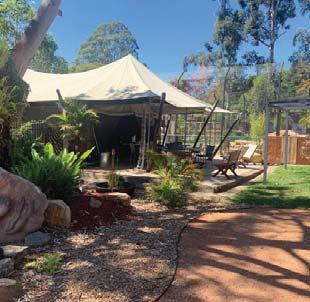

AUSTRALIA is an immigrant country. That has been the case since 1788. One in every two Australians are either from overseas themselves or has a parent who is from overseas.
You and your family live in Australia, but your parents do not. And as your children grow up, having their grandparents around would mean just the world to you.
So did you know that Australia has a Sponsored Parent (Temporary) Visa (subclass 870) that began in April 2019? This visa provides overseas-based parents to be with their children and grandchildren in Australia.
The application fee is $5,000 for a visa of up to three years and $10,000 for up to five years. Strangely, this fee is unclear as to whether it is for one parent or two.
Unlike other parent visas, the 870 visa does not require the parent to meet the Balance of Family test (see https://immi. homeaffairs.gov.au/visas/getting-a-visa/ visa-listing/contributory-aged-parent-864/balance-of-family-test). It also does not lead to Australian permanent residency.
For further information, consult your immigration agent.


AS a fellow parent, it is just easier to get everything new and from the shops. But unless you are on a pretty good wicket, we are all economising, especially young parents on a budget.
So how do modern, quality conscious, safety first parents balance their needs and their pockets? Enter Facebook Marketplace.
Interested in a Mountain Buggy Urban Jungle pram? Brand new, it can be $799. On Facebook Marketplace, you can pick one up for $200 in excellent condition.
How about a Boori Classic Cot for $719? Would you like a preloved one for $150?
What about a basic Oricom Video (Baby) Monitor SC720 for $229? Would you like $120 for one that is still in good working order?
Pretty much anything you want can be bought preloved on Facebook Marketplace. And most savvy parents know that once you have used them, you can also sell them on Facebook Marketplace and still get some money back.
Best of all, there are no fees or charges. And you can always have a peep into the seller’s profile on Facebook to see, maybe, what kind of parents they might be.

FAMILIES across NSW will benefit from a new initiative to enhance pregnancy care for women and their babies.
Minister for Health Ryan Park said the new Pregnancy Connect initiative will focus on improving early access to specialist maternity care, particularly for women in regional and rural NSW.
The announcement coincides with the First 2000 Days 2024 Symposium, hosted by NSW Health to explore the importance of a child’s early life experience from conception to age five.
Women who are identified as having the greatest risks to their health and wellbeing during pregnancy will be actively connected to antenatal care early and regularly.
This will include increased use of virtual care services and the safe trans-
“We know that the first 2000 days of a child’s life is a critical time for physical, cognitive, social and emotional health with a flow on impact throughout their life.
fer of women who require higher levels of care, to reduce the sense of dislocation often experienced by women and their families in this situation.
Recruitment is underway for 12 full time equivalent midwives and eight full time equivalent obstetricians to lead the program.
This will improve support for existing regional and rural maternity clinicians, with a team of specialist obstetricians that they can call on for advice – this will also reduce the sense of isolation for staff Pregnancy Connect will be supported by an ongoing annual investment of $6.19M.
Minister Park will announce the
initiative at the First 2000 Days 2024 Symposium.
The symposium is an opportunity for knowledge sharing and collaboration among NSW Health professionals and research as well as government agency partners, to ensure all NSW children and their families have what they need to thrive.
Another key focus of the symposium is ensuring consumer voices are reflected in designing and delivering services. This includes women with lived experience, Aboriginal families and families in regional areas.
Minister for Health Ryan Park said:
“The NSW Government is committed to building a healthy foundation that lasts
a lifetime.
“We know that the first 2000 days of a child’s life is a critical time for physical, cognitive, social and emotional health with a flow on impact throughout their life.
“Through Pregnancy Connect, we will improve access to specialist care close to home for women during pregnancy.
“This initiative is an investment in our midwifery and obstetric workforce and will see a boost to staff numbers in every local health district.
“By working together and directing our efforts to better support children and their families, we can make a big difference and improve long term health outcomes for everyone.”