In 2026, we will be marking 50 years since Michael Lerner and his co-founders Burr Heneman and Carolyn Brown stepped into the old RCA building on the cliffs overlooking the Pacific Ocean. The trees are taller, the poison oak thicker, the cliff a little closer, and the buildings are in better shape, but overall the visual landscape has not changed much. While this preserved piece of land has kept its beauty, the world has changed—the hippie and civil rights movements, rock and roll, nuclear détente, the Cold War, hip-hop, color TV, AIDS, the Internet, Ebola, smartphones, COVID, social media, and AI. Through all of this, the land held on to its beauty, and Commonweal held on to its calling of healing ourselves and healing the earth—guided by our commitment to healing, resilience, and justice.
Sometimes the past pales when compared to the present. For me, the present often feels more intense, more scary, and more beautiful than years before. My past consists of my memories of sensations, thoughts, and experiences that live in me, but the present is unfiltered, embodied, and real. We live in it; you can feel its breath on the back of your neck. And yet, this present moment feels different with the changes in regimes in the United States and other countries, new policies that trigger social and economic instability, and an unclear path ahead. Because of that complexity in the present moment, I want to commit to who I am and continue to reimagine the future.
As we end 2025 and approach our 50th anniversary, I invite you to join us in reimagining what the next 50 years might look like. Commonweal is home, a community that incubates the change and healing we need in the world. We deal with existential questions: increasing awareness about toxins in our environment; offering options for those living with cancer; supporting Bay Area teenagers; or amplifying the work of our OMEGA Resilience Award Fellows in India, Africa, and South America. Commonweal is a refuge for action and healing.
In this publication, we offer just some of the stories of Commonweal’s recent work.
In 2026, you will find many opportunities to engage with Commonweal. Join us however it feels right, but do find a way. We are building community to reimagine the world we want to live in, and the world for our children and their children. Join us in imagining our new world, while also taking action in manifesting its reality.
With deep gratitude,
I have been asked to write this brief note to you on Commonweal's 50th anniversary.
I am beyond grateful that the small vision I had 51 years ago of a center for healing ourselves and healing the Earth has borne fruit beyond what I could have imagined.
Today, with the guidance of Oren Slozberg and the Board of Directors, Commonweal is scaling heights it has never scaled before. We have more than 30 programs, more than 150 staff, and are touching human lives across the country and around the world.
Our core values are the same: kindness of heart, consciousness of mind, and complete dedication to service to humanity and the Earth.
Since I stepped down from the Board of Directors on the winter solstice last year, and gratefully turned over the burden of leadership to Oren and his close advisors, I have focused on the seven Commonweal projects where I believe I can still make a difference. They are the Commonweal Cancer Help Program, CancerChoices, Healing Circles, The New School at Commonweal, the Omega Resilience projects, the Commonweal History project, and my new Consciousness Research Project.
At heart, all of these projects stem from the vision I was given as I looked out at the Commonweal site on a cloudy morning in 1975 and saw a shaft of light fall on the main building. But now, that vision is infused with 50 years of actually doing the work. And it is transformed by a deeper understanding of the nature of consciousness.
I have become profoundly convinced that the materialist paradigm that remains dominant in our culture is radically insufficient. I have become certain that it needs to be balanced by a rediscovery of the ancient traditions that consciousness is not simply located in the human brain, but is, in fact, ubiquitous in the universe.
I will continue to expand on this in my writings and work elsewhere. But what it means is that the original vision of healing ourselves and healing the earth is even more profound and mysterious than I thought it was 50 years ago.
I hope to stay at this work with you at Commonweal for as long as I am able and as long as I am useful. I will simply say in closing that Commonweal is in strong, capable hands. And that we need your support to sustain our work in these times more than ever.
With love and gratitude,
The room fell quiet as a three-page document was passed around the circle. We were gathered in Pacific House—the largest of the three retreat center buildings we've restored at our home within Point Reyes National Seashore—for our annual in-house staff retreat. Someone had just unearthed a founding document from our newly developing archive, and we were reading it for the first time.
"Service and Research in Human Ecology," the title read.
The opening paragraph was striking:
"For the past ten years there has been an explosion of awareness in this country that humankind has the potential of rendering the earth inhospitable to life and that, with this country in the lead, it is the road we have been traveling. But as our awareness of the trend toward degradation of the planet grows, it becomes increasingly reasonable to expect this country to take the lead in finding another path."
The words could have been written yesterday. They felt urgent, contemporary, and alive. The document continued with a vision that seemed to speak directly to our current moment:
"In the near future, practical people will begin to build communities that work in ecological harmony with their surroundings. They will develop technologies that nurture the biosphere instead of depleting it. They will rediscover cycles of work and rest that do not result in premature disablement and death from degenerative disorders. They will recognize that health is more than the absence of obvious disease."
Then came the date: 1977.
This was written when Commonweal was only a year old. Nearly 50 years ago, Commonweal founder Michael Lerner had articulated the precise work we're doing today—building community resilience, developing healing practices, connecting human and planetary health, creating technologies that serve rather than deplete. The prescience was moving. But more than that, it gave us a sense of trajectory. We're not inventing something new. We're continuing work that was set in motion generations ago, work that remains as vital now as it was then.
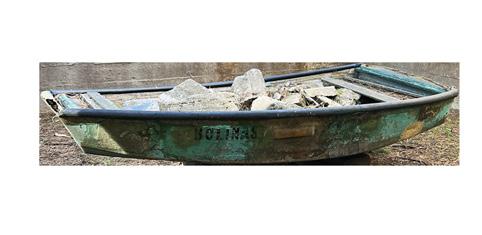
When we began our archive project in 2023—collecting and curating historical documents, publications, drawings, and other information from Commonweal’s
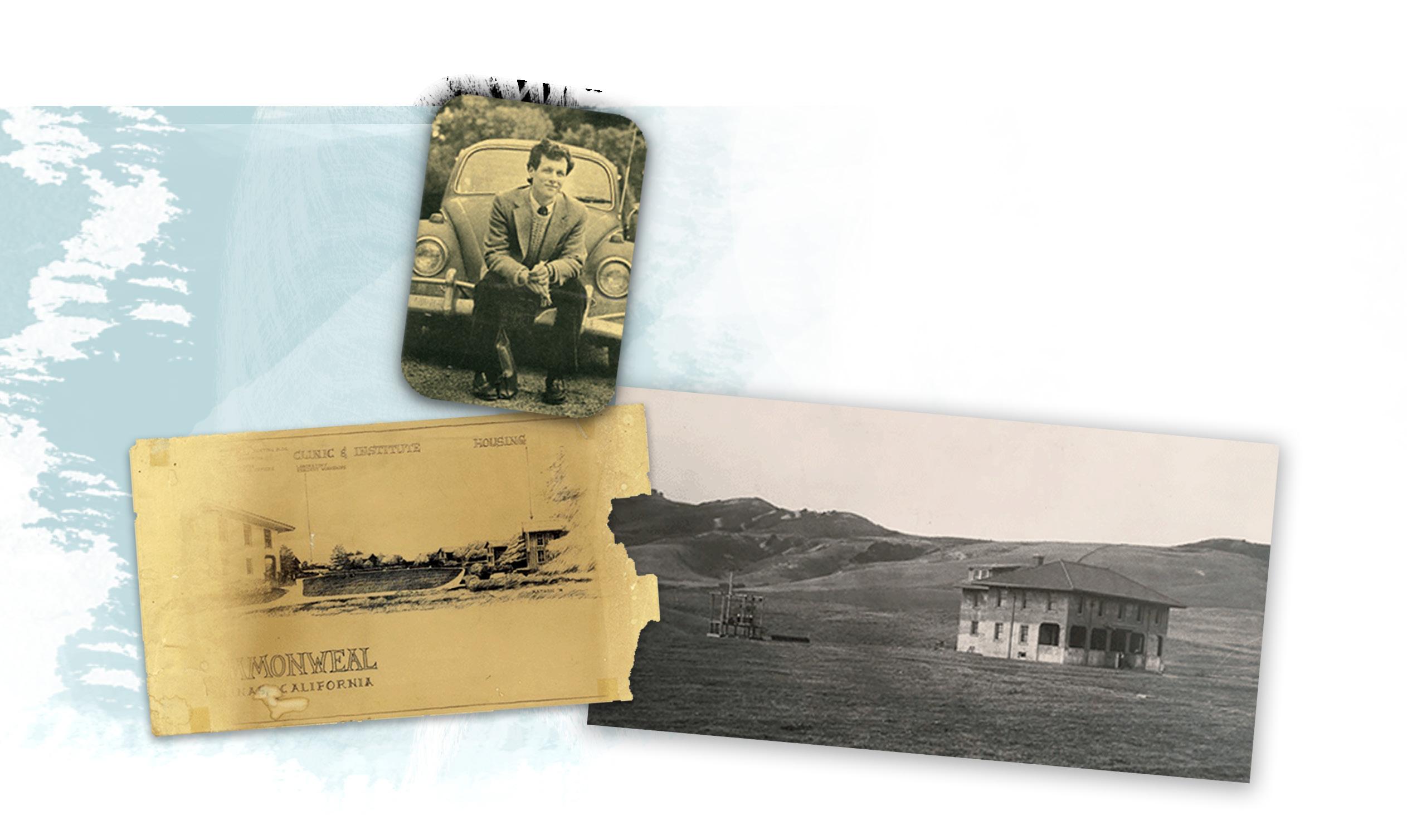
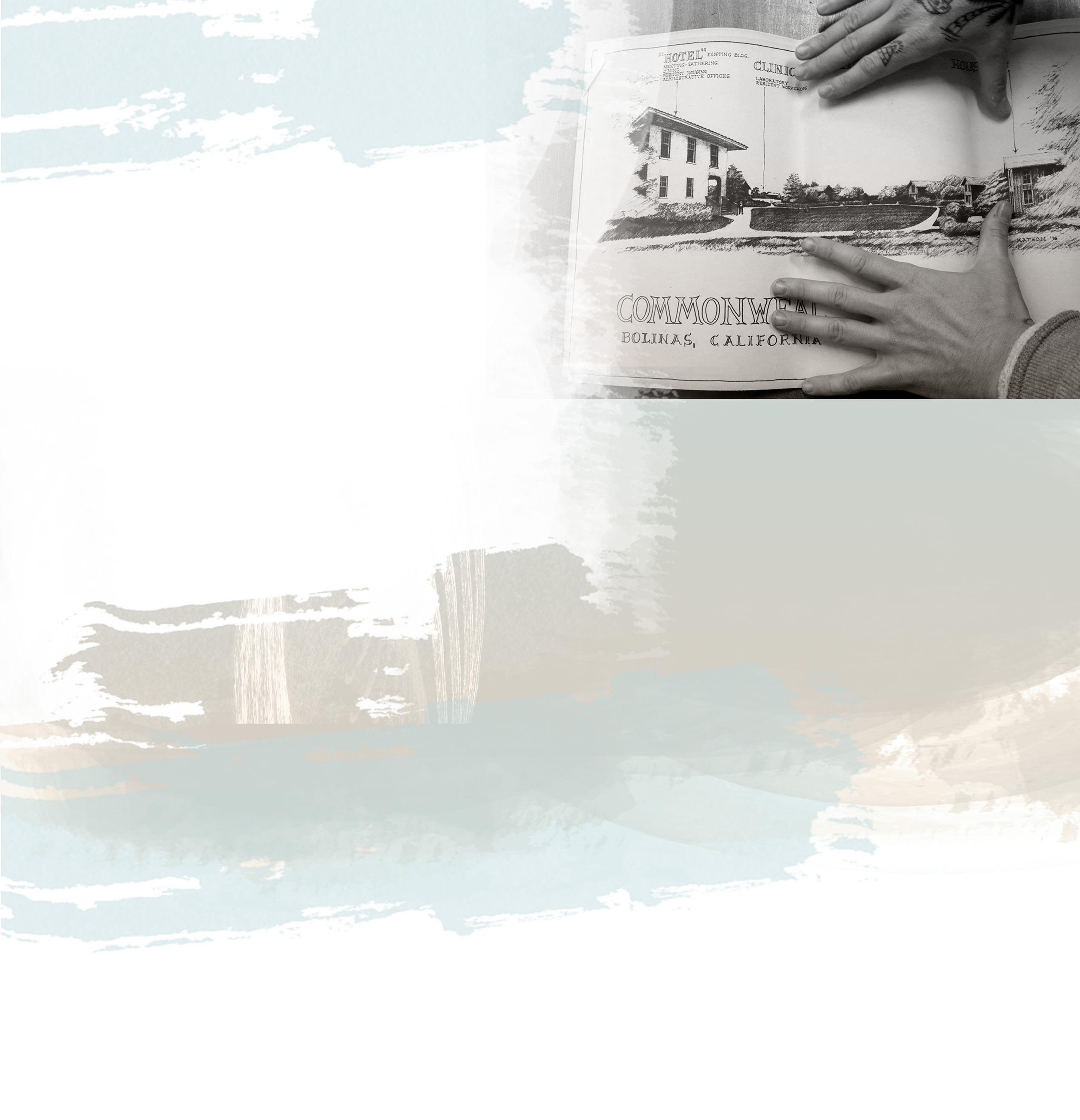
history—we knew it was an administrative duty, something we owed to history. Michael, still actively engaged in this work he initiated, has been helping us identify and preserve key documents, images, videos, and material objects that tell Commonweal's story. We wanted future generations to have access to this foundational material, perhaps to accelerate their own change-making work.
The project quickly became a source of inspiration rather than obligation. Each discovery reveals layers of continuity and evolution. We see where we've been faithful to our founding vision and where we've adapted to changing times. We understand that at this 50-year mark, with our founder still vital and our programs networked globally, we're only in the midst of our work. The archive is being designed for dual purposes. It is open to scholars for research, and actively used by our Commonweal community for guidance and grounding. It is being designed to house texts, images, video, and material objects—a living collection that serves both historical preservation and present-day innovation.
The archive has also sparked a revival of our publications work. We ran Common Knowledge Press for decades. Now we're relaunching our publications through The New School, Commonweal’s expanding learning community and podcast.
Six major publications are in development, many of them written by Michael Lerner, scheduled to launch over the next one to two years. These are not dusty historical documents—they are revealing themselves to be vital texts addressing the urgent questions of our time.
If you visit Commonweal, you'll see walls of books stacked everywhere. Yet somehow we manage this without being bookish. We never lose sight of the connection between head, heart, and hands. The printed word matters to us because it carries ideas that translate into practice. We believe that reflection leads to action, and wisdom is most alive when it becomes

The 1977 document concludes with words that could serve as our mission statement today:
"COMMONWEAL is without doubt a major piece of work. It is not a common thing to see such an enterprise born. For it to succeed, it must be well conceived and well administered. But above all it must meet a clear need in American life— the need for a multi-faceted center at which applied research on crucial questions of the inner and outer human ecology will be confronted. We believe that the time has come to meet that challenge."
Nearly five decades later, that challenge hasn't diminished. If anything, it's grown more urgent. Climate disruption, social fragmentation, health crises, and loss of community bonds aren't new problems, but their acceleration demands renewed commitment to the work that the Commonweal founders envisioned.
What the archive reveals is both humbling and energizing. We're part of something larger than any single generation. The work we're doing today builds on foundations laid before us and will support work we can't yet imagine. The documents we're discovering are seeds, carrying forward the DNA of an organization committed to healing ourselves and the earth.
The Commonweal Archive will be made accessible to scholars and researchers in 2026. Stay tuned as we reveal more throughout our 50th anniversary year.
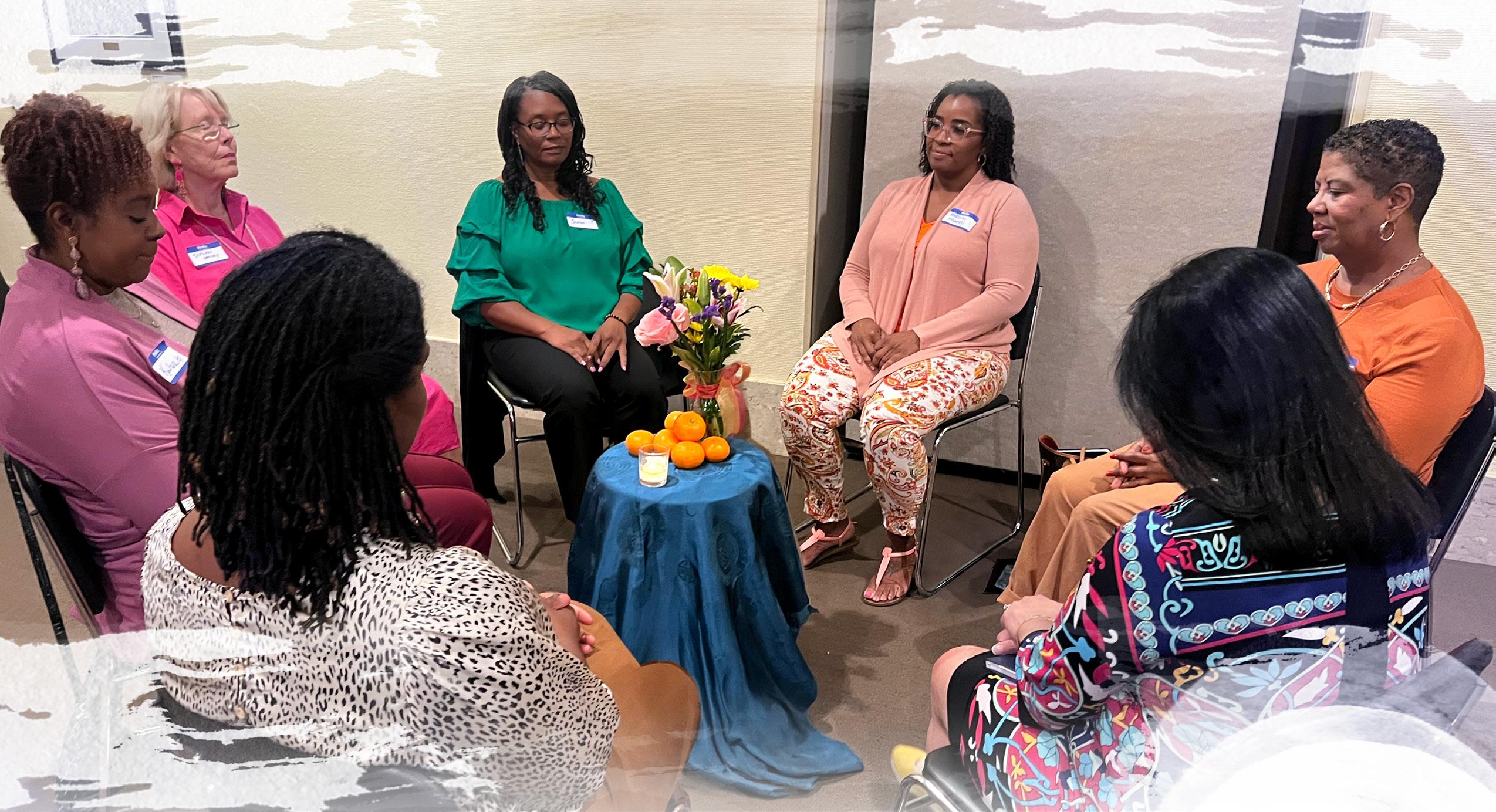
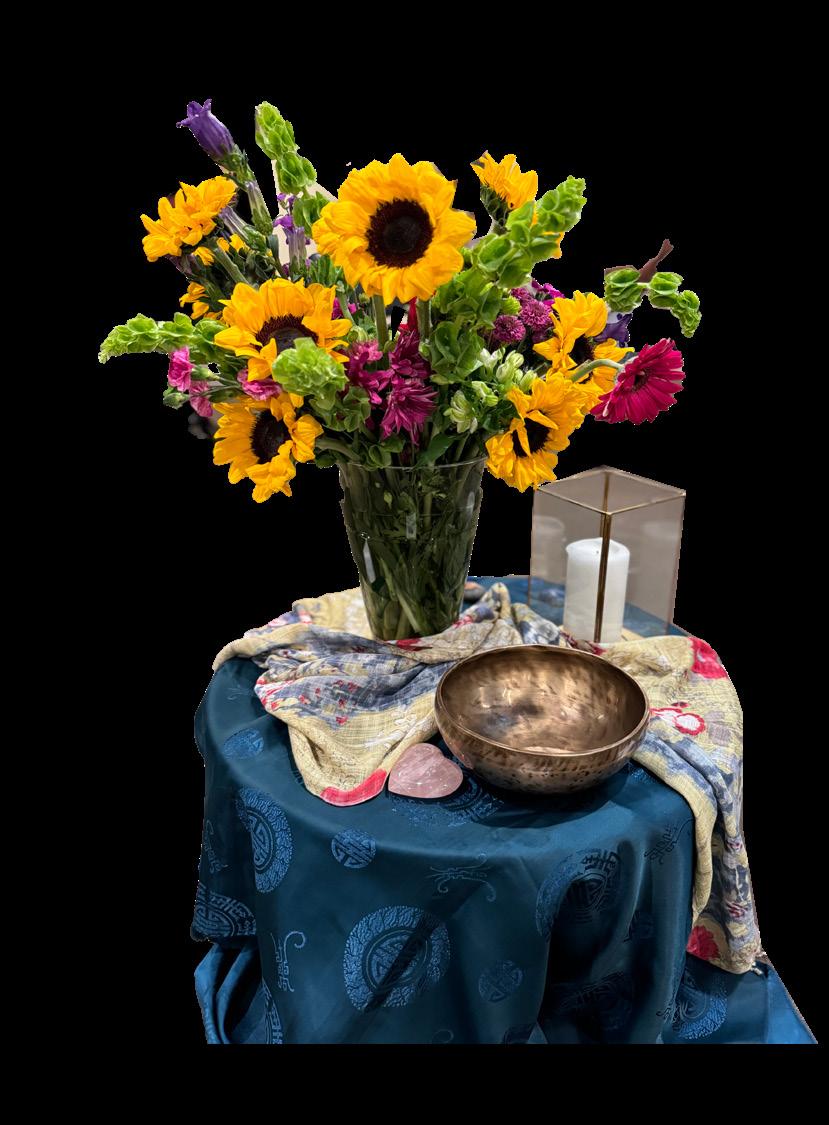
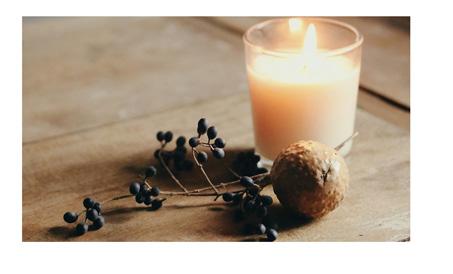
The candle is lit. A bell is rung. Silence holds the circle. This is the way a healing circle begins. Once members have landed together in the stillness, a poem is read. They are invited to share their stories, reflect, and listen deeply. Collective wisdom is harvested, and then the circle is closed. The process may seem simple, but the effects are profound. For the first time in a long time, if ever, someone may feel truly seen and heard.
When was the last time you were deeply listened to?
How did the experience change you?
Do you think it might change the world?
with your story without risking judgment or advice," says Elin Stebbins Waldal, program director of Healing Circles Langley. "The circle allows for that space."
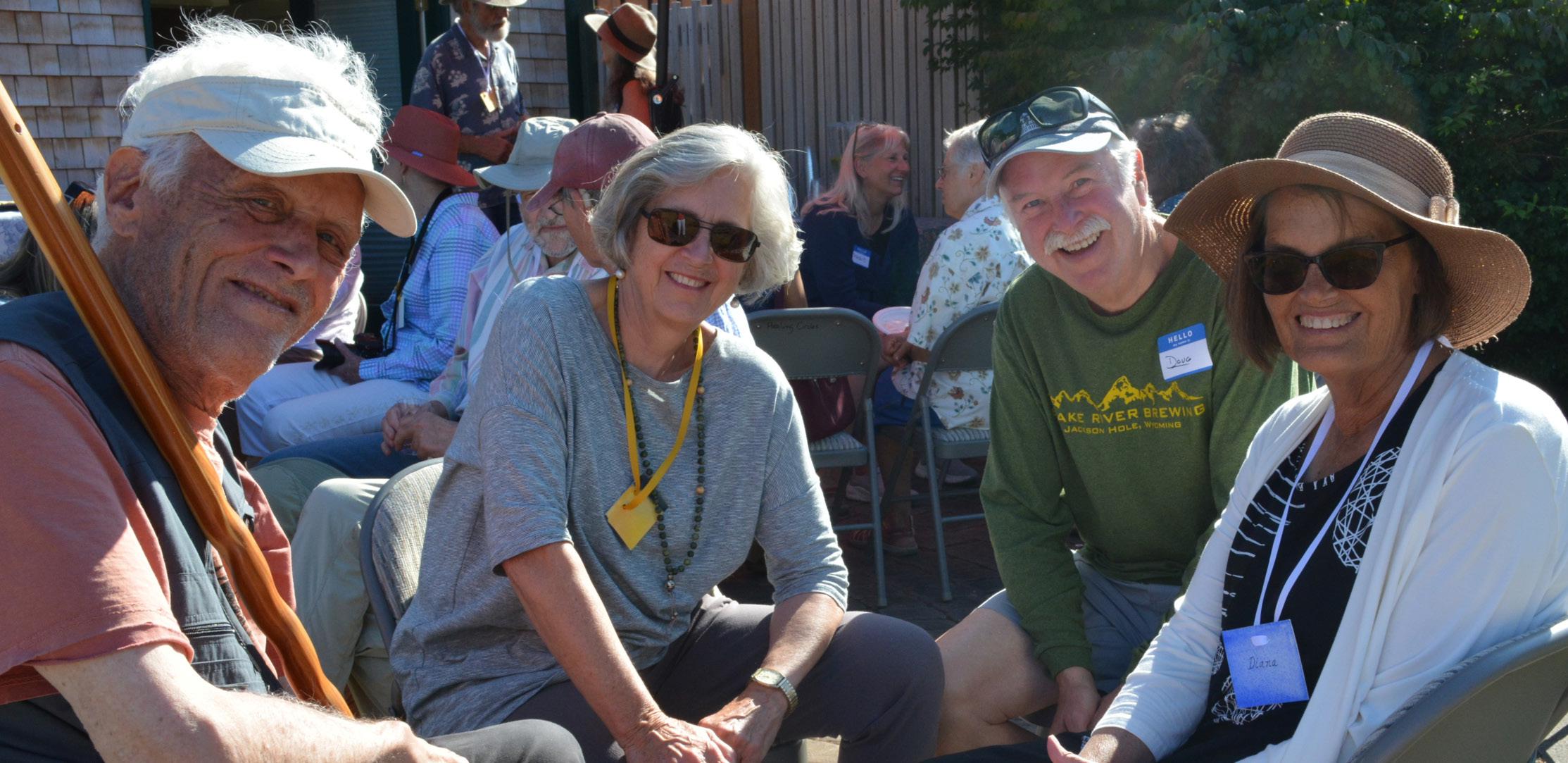
In the past year alone, Healing Circles Langley has hosted nearly a thousand circles, 181 classes, and 14 community events. A cohort of 38 people provided more than 1,900 volunteer hours to host community-wide conversations, women’s retreats, workshops for writers, wellness classes, and intergenerational events.
The practice of gathering in circle is rooted in ancient, cross-cultural wisdom traditions. The Healing Circles model is versatile and untethered to a particular belief system. A circle can be formed around all kinds of life experiences—living with cancer, navigating grief and loss, supporting healthcare providers, responding to climate and global crises, exploring creative expression through the arts, honoring identity and belonging, and so much more. Held by peers, each circle is an invitation into a listening space. "It’s pretty rare that you are invited as a person to be vulnerable
A global network of virtual circles has also become a lifeline of compassion and belonging. Borne out of necessity during the COVID pandemic lockdowns, Healing Circles Global has made leaps and strides in bridging the gaps in distance. The program has blossoming hubs in Houston, Texas; Washington, DC; Vietnam; and Europe. In just five years, more than 8,500 circles have served tens of thousands of participants across 48 countries. More than 130 volunteer hosts lead more than 149 circles every month.
Over the past year, Healing Circles has also seen a surge of interest in bringing circles into diverse community settings—from neighborhoods to restorative justice spaces, to healthcare systems to civic spaces. In response, the program has expanded and opened both virtual and in-person training programs to the public,
and has received an extraordinary response. This year, they joyfully returned to in-person training serving communities in Langley, Washington; Los Angeles, California; Bolinas, California; and Houston, Texas. In the past year, the Houston Veteran's Administration has also completed a train-the-trainer program to expand circles throughout the Veteran's Administration healthcare system nationally.
"What was most surprising about the training was this element of common unity," says Jim O., a training participant. "We take the word 'community' and break it down to 'common unity,' that we could be in a place of difference, we could come from different perspectives, we could come from different ways of seeing and knowing, and we can still sit in that space of common unity and witness one another."
As the world faces times of increasing crisis and division, Healing Circles offers an opportunity for people to come together, hear each other’s stories, and bond in a skillfully held space. "People come exactly as they

Commonweal Healing Circles is a worldwide movement rooted in compassion and authentic connection. Find out more:
are, wrestling with questions," Healing Circles CoDirector Lindsay Espejel comments, “and the circle provides a way to lean into those questions.”
This year, Healing Circles had the honor of presenting at three national healthcare conferences, underscoring the growing importance of this work. The program’s first peer-reviewed publication in Nursing Management— "Healing Circles: A practice of authentic connection and a path for nurse leaders"—marked a milestone in visibility. Early findings now affirm what participants have long known in their hearts: healing circles strengthen connection, build trust, and enhance well-being.
"Real, lasting, sustainable change starts in small communities," Lindsay agrees. "It starts in small steps made by small groups of people building community. It’s real. The change, the impact, the possibility is real." Healing circles is not just a practice. It is a way of being together—a way of practicing the world we long to see—one rooted in kindness, compassion, respect, and shared humanity.
Healing Circles Global: healingcirclesglobal.org
Healing Circles Healthcare: healingcirclesglobal.org/institute-healthcare
Healing Circles Houston: healingcircleshouston.org
Healing Circles Langley: healingcircleslangley.org
In the 1990s, an anonymous whistleblower brought documents from inside the tobacco industry to the University of California San Francisco (UCSF). The documents were put into circulation at the UCSF library. These courageous acts offered a first public glimpse into the industry’s efforts to influence public perception of tobacco’s effect on human health, sparking decades of litigation and greater transparency into tobacco and, eventually, other industries. With the help of a group of USCF and other organizations including Commonweal's Collaborative for Health and Environment (CHE), the library has evolved into the UCSF Industry Documents Library. In January 2025, the Center to End Corporate Harm was formed, an alliance of researchers committed to using the library to highlight ways corporations undermine public health.
Today, in a time when strong, independent science is more important than ever—and industry intimidation is a real threat to understanding how chemicals in our world actually affect our health—CHE has taken on an initiative to amplify the library’s resources and to help researchers counter intimidation from corporate actors. Since 2002, Commonweal’s CHE has been working to translate the latest research into actionable programs, policies, and practices through webinars, forums, partnerships, and collaborations—like the collaboration that resulted in the Center to End Corporate Harm.
Lisa Bero is an active participant in this CHE initiative. A professor at the School of Medicine at UCSF in the 1990s, Lisa was one of the first people that looked at the tobacco industry documents when they became available.
"It was astounding to me: they were flooding the market with fake studies, and aggressively countering real studies," she said. "These documents were groundbreaking: the research community—and the public—had never seen anything like this before."
Lisa went on to dedicate her career to developing and validating methods for assessing bias in the design, conduct, and dissemination of research on pharmaceuticals, tobacco, and chemicals. She is currently a professor at the University of Colorado Anschutz Medical Campus.
The UCSF library has been influential in her work to inform other researchers about the coordinated strategies that industries have used to suppress data on the harm of certain chemicals or to inflate data on their usefulness.

Two years ago, CHE hosted a webinar with researchers who had successfully pushed back against pesticide industry pressure. The conversation led to an initiative to help researchers who are studying the impact of chemicals on human health to be able to respond effectively when intimidated by corporate actors.
CHE Director Kristin Schafer says that they started by researching what resources were available already, and found that there was support for climate researchers, but few resources for researchers studying the impacts of toxic chemicals.
"We decided to jump in to help support these scientists," Kristin said. "We organized two convenings, bringing together leading researchers at all points in their careers—and from those conversations we developed a comprehensive menu of what’s needed to help support researchers who experience this kind of intimidation."
Kristin points out that young researchers are targeted in very specific ways. They may get heckled at conferences where they’re presenting their findings, or be recruited to lucrative industry internships so they don’t continue their research documenting the harms of chemicals. Both of the experiences can be very isolating and traumatic. There is also pressure on administration officials at universities to unseat both young and more established professors if they publish findings that degrade confidence in widely used chemicals—socalled "commercially inconvenient research."
CHE’s initiative is working to provide good information to journalists so that they understand what can be claimed as confidential business information, know about resources like the Industry Documents Library, and are armed with the best ways to ask questions to flush out bias. They are also working further upstream, looking for collaboration with environmental health science and journalism schools, creating public discussions that shine light on the issues.
They are also beginning to work on science communications toolkits requested by researchers— highlighting which messages land most effectively for talking about chemicals and human health.
In coming years, Kristin says that they hope to do even more. They plan to identify universities that excel at protecting their researchers under fire and share those tactics and policies, and to elevate existing awards that are already given to celebrate researchers doing courageous research.
They plan to create guidelines and support for researchers who want to be expert witnesses or affect policy through the legal system.
"This past year, I’m proud that we have been making great strides to provide researchers working on chemicals and health a place to gather and strategize," she said. "We want to shine a light on the problem of industry pressure on researchers—and offer a safe space for scientists working on these issues to collaborate to protect scientific integrity."


Grief does not want to take you hostage; it wants to be honored. Because to honor grief is to say that I dared to love, that love touched me, there are places in me that have not known love, the world is suffering, we have forgotten so much, and I’m carrying the ancestors as well. If we can have a little bit of faith in that, good things can happen.
Francis Weller, from the September grief ritual
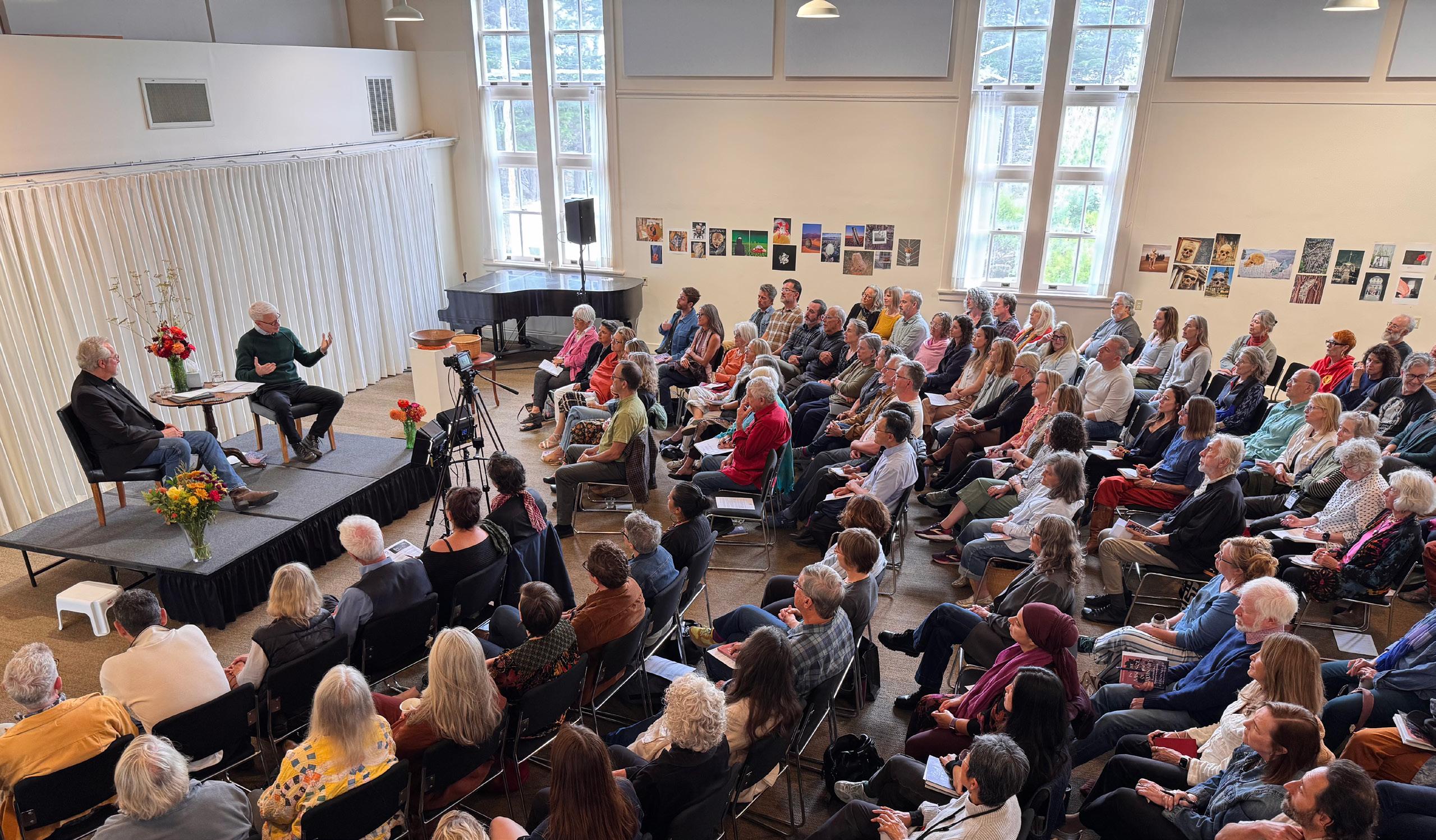
On a late September afternoon, more than 800 people gathered—200 in our Gallery at Commonweal and 600 more online—to share something we rarely make space for in our culture: communal grief.
Anderson Cooper sat across from Francis Weller on our stage, two humans who have each walked through profound personal loss, talking openly about what it means to grieve in uncertain times. The conversation was moving and beautiful. But then the work expanded out into the room.
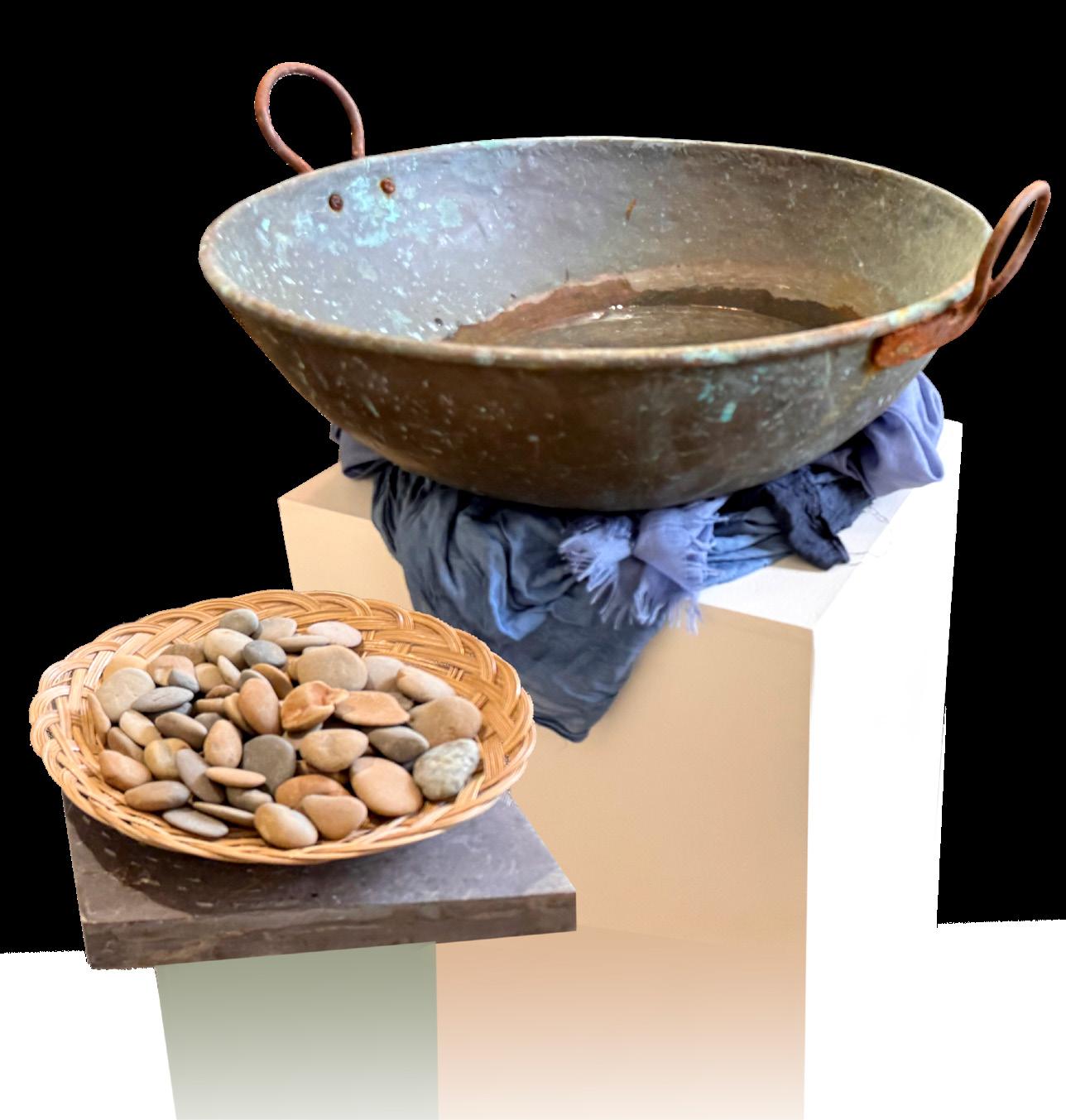
Francis invited everyone to participate in a simple stone ritual. Large bowls filled with stones were placed around the room. People could choose up to three stones, speak their sorrows into them, and place them in bowls of water—creating, as Francis described it, our "communal cup of grief."
The room filled with murmurs. People spoke of children suffering, the earth's wounds, personal losses, violence and unraveling. Some grieved climate catastrophe. Others named the deteriorating cultural fabric. The sound—a room of voices quietly naming what breaks their hearts—was a shared experience at the soul level. The room seemed to be holding our communal body, humming with tears and tenderness.
Although Francis is a highly regarded therapist, this wasn't therapy in the conventional sense. It was something older and more essential, a ritual that transcended our personal beliefs to acknowledge that our sorrows are shared. We all carry grief and we don't have to carry it alone.
At Commonweal, we've been holding space for grief and loss for 40 years through our Cancer Help Program, where Francis has served on staff for more than a decade. Through hundreds of retreats, we've witnessed how people with cancer and their loved ones find strength and healing in community.
This capacity to be present with what's difficult and honor our sorrows rather than bypass them is what we call inner resilience. It's one of the essential capacities we work to develop for navigating what Francis names the coming Long Dark.
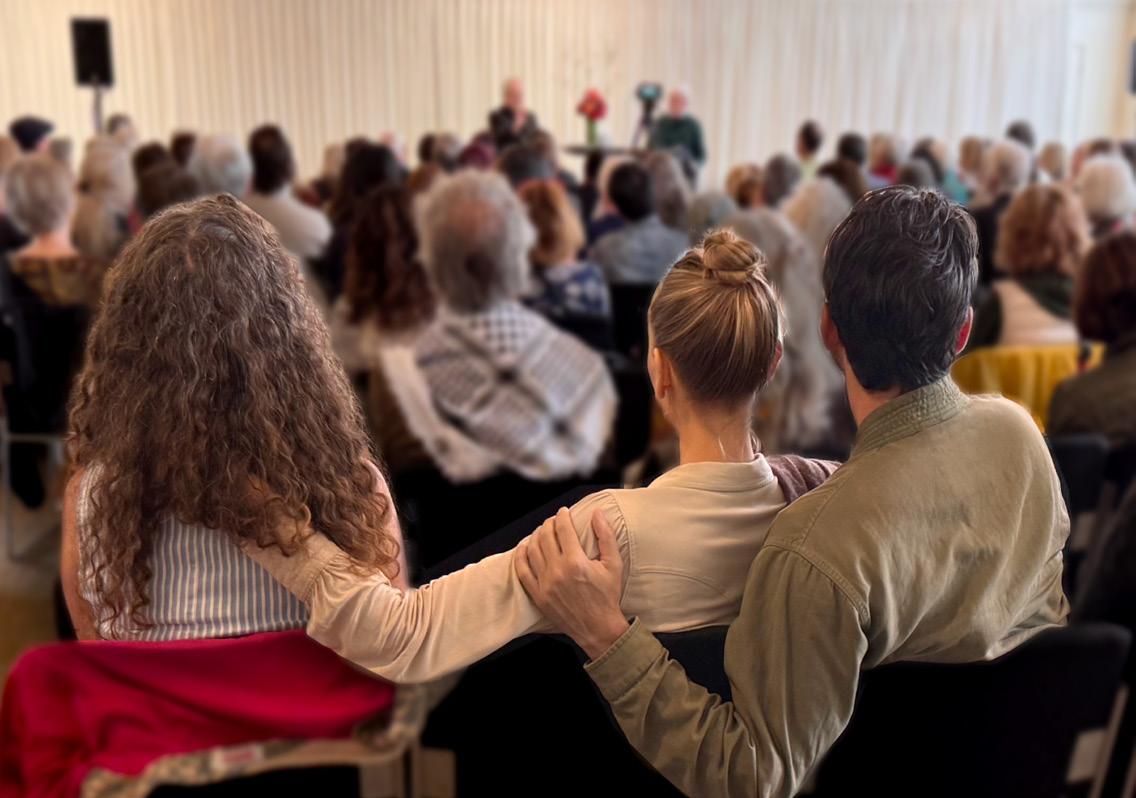
By the time the last stone was placed in our ritual that day, the room held something palpable; a reassurance and strength that comes from knowing we're not alone.
This kind of inner resilience represents one dimension of a larger resilience framework we've been developing across all our programs. In particular, our resilience and polycrisis work has revealed three interconnected capacities that help systems—whether individuals, communities, or organizations—navigate disruption and grow stronger.
Regeneration builds the deep, slow-growing assets like healing, trust, knowledge, and community bonds that sustain us through multiple challenges over time.
Learning develops our ability to sense emerging changes, integrate feedback, and adapt our responses as conditions shift.
Preparedness creates both material resources and social networks that enable us to improvise and respond when circumstances change suddenly.
Together, these three capacities work on different timelines—from immediate crisis response through generational resilience—and complement each other's limitations. A core belief at Commonweal is that our best healing work is done when rigorous thinking, deep values, and practical action work in communion. This resilience model reflects the head-heart-hands integration we've tried to practice for 50 years.
The grief ritual we shared in September was an expression of all three of these resilience capacities. As Franics wrote, "Only if we learn to grieve can we keep our hearts responsive and do the difficult work of restoring and repairing the world."
OMEGA: omega.ngo
Omega Resilience Awards: orawards.org

For a deeper exploration of the three resilience capacities and how to apply them in your own life and work, read the full article by Omega Program Director Stanley Wu on our news pages at commonweal.org/news.
Retreat Center Collaboration: retreatcentercollaboration.org
American Public Trust: americanpublictrust.org
Ma Earth: maearth.com
EarthKind Network: commonweal.org
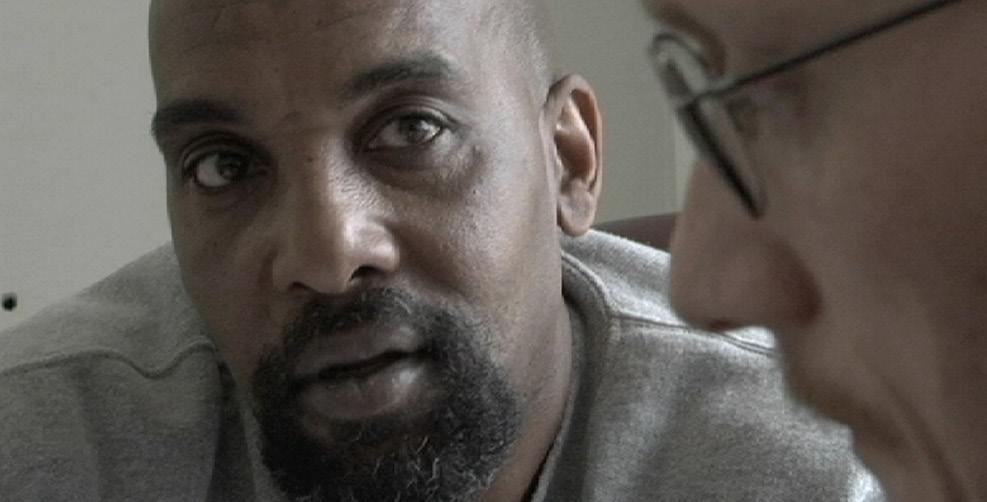
One of the most significant gifts a person can give is to be present for someone else’s dying. Not everyone dies surrounded by a loving community. Not everyone dies without pain. It’s a difficult and unknown threshold, and this reality is especially stark for incarcerated people facing a terminal diagnosis. In an overwhelmed and apathetic prison system, the Humane Prison Hospice Project (Humane) is seeking to change the way incarcerated people meet death by training peer caregivers. They have almost 10 years of experience changing the way people die in the California prison system—and this year Humane is marking a milestone: bringing their model from California to other states with pilot programs in Michigan, Washington state, and Oregon.
In Michigan, Humane has spent the year performing a thorough assessment of the state’s needs. They’re navigating the Michigan political and prison cultures. They’re learning what is and is not allowed, and how receptive patients are to peer caregivers. They’re listening deeply to find out how their program can best be of service.
"So far it’s going really great," says Humane’s Executive Director Lisa Deal. "We’ve had a warm reception from leaders in the Department of Corrections in Michigan."
Over the course of the next year, Humane is looking forward to working with in-state community partners, including a community-based hospice and individuals with expertise, to tailor the training curriculum to match local needs. Ideally, Humane hopes their community partners in Michigan will carry on the program after the pilot phase is complete. Versions of this pilot program will also be launching in Washington state and Oregon this autumn and winter.
The need is great. Out of more than 1,500 prisons in the United States, there are fewer than 100 prison hospice programs. Stress and lack of resources cause the incarcerated to age faster than the general population. "Due to harsh sentencing laws in the eighties and early nineties, there are a lot of lifers in prison who are growing very, very old and frail," Lisa explains, "and prison systems are not prepared to care for them."
Established in 2017, Humane has offered end-of-life care training in California prisons for almost 150 peer caregivers to date. The program facilitates monthly support groups at five California prison sites, and they continue to recruit and train new facilitators, with roughly 50 now.
Fernando Murillo, a program manager at Humane, is featured in "In This Prison, No One Dies Alone," a recent episode of the All the Wiser podcast with Kimi Culp. In the podcast, Fernando shares his own story of working as a peer caregiver and how the process has transformed him.
"No matter how tired I am or how much [the patient wants] to go to sleep, I’ll sit with them while they’re taking their last breaths," Fernando says. "The day-today operations there are difficult, but the reality is that we’re just extending our humanity to some of the most vulnerable citizens in our community." His story is a window into experiences that are otherwise hidden from public view. "People are coming from the outside world and want to learn more about [the program] because they're seeing these displays of humanity happening in such an inhumane place."
Humane is also broadening their reach with new partnerships. In Illinois, Humane will be working with Southern Illinois University of Medicine to develop hospice programming from the ground up for the Illinois Department of Corrections. Back home in California, Humane is championing housing and care options for terminally ill incarcerated patients who qualify for compassionate release. Patients lack places to go because they don’t have family or friends, or they may not be welcome due to their criminal background. To bridge the gap in care, Humane is working with The Francisco Homes, a transitional living community, and Guaranteed Hospice, a community-based hospice, to develop a pilot program in Los Angeles. Together, they hope to create a program that will set the gold standard for allowing people to be treated in community for end-oflife care.
It has been a year of opportunities and Humane continues to dive deep, learn more, and identify the best practices in their field. Five years down the road, they hope to become a center of excellence, bringing together a foundational body of knowledge that can be used to develop more programs in more states—while advancing their work rooted in California. For those suffering in bleak circumstances, Humane offers comfort and renewed hope.
Humane Prison Hospice Project is one of Commonweal’s programs that works toward justice. These Commonweal programs include:
Center for Healing and Liberation: centerforhealingandliberation.com
California Nurses for Environmental Health & Justice: calnursesforehj.org
Center for Ethical Land Transition: centerelt.org
GoCompassion and the Migrant Support Network : gocompassion.org
Humane Prison Hospice Project: humaneprisonhospiceproject.org
Somos El Poder: somoselpoder.org
We express our deep gratitude to the following organizations that have supported Commonweal this year:
Alameda County Arts Commission
Alberta S. Kimball – Mary L. Anhaltzer Foundation
Angell Foundation
Bay Area Young Survivors
Bernier McCaw Foundation at Northern Trust
Betlach Family Foundation
Biome Trust
California Arts Council
California Department of Corrections and Rehabilitation
Cavallo Point Lodge
Child Health & Development Studies/Public Health Institute/
California Breast Cancer Research Program
CLC Kramer Foundation
Cold Mountain Fund at RSF Social Finance
College Park Friends Educational Association
Commonground Fund at ImpactAssets
Dune Road Foundation
East Bay Community Foundation
EDL Northwest
Fetzer Institute
Fidelity Charitable Catalyst Fund
Firehouse Fund
Forsythia Foundation
Governor's Office of Land Use and Climate Innovation
GS DAF
Harbor Point Charitable Foundation
Healing Journeys
Humane America Animal Foundation
Jenifer Altman Foundation
John & Mildred Holmes Family Foundation
John D. and Catherine T. MacArthur Foundation
Jonas Philanthropies
Kaiser Foundation Research Institute
Kalliopeia Foundation
Kataly Foundation
Keeper Inc
Kolibri Foundation
Landing Justice Fund at Amalgamated Foundation
Landwell
LeBlanc Family Foundation
Maine Community Foundation
Marin Community Foundation
Marin Health Medical Center
McCune Foundation
Michigan Health Endowment Fund
Montecito Market Place Associates
North Bay Organizing Project
NoVo Foundation
Oak Foundation
One Project
One Small Planet
Orange Theory Fitness
Public Health Institute
Rise Up - Social Good Fund
Robert Wood Johnson Foundation President's Grant
Fund of the Princeton Area Community Foundation
Rockefeller Brothers Fund
Safeway Foundation
Scheidel Foundation
Schoepflin Stiftung Fund (Loerrach)
Silicon Valley Community Foundation
Soliii
So Hum Foundation
Standard 5-10-25 Cent Stores, LLC
Stuart and Benjamin Abelson Foundation
Sylvan C. Coleman Charitable Trust
Target Foundation
The Altman 2011 Charitable Lead Annuity Trust
The Bancroft Foundation
The Commonwealth Fund
The Denver Foundation
The Fund for Santa Barbara
The Heinz Endowments
The Hobson Family Fund
The Laney and Pasha Thornton Foundation
The Nathan Cummings Foundation
The Pincus Family Fund
The Rita and Alex Hillman Foundation
Tides Foundation
U.S. Bank
Uncommon Partners
University of California, San Diego
University of California, San Francisco
Valee Family Charitable Fund
Weeks & Irvine, LLC
West Marin Fund
Whidbey Island Center for the Arts
William and Flora Hewlett Foundation
Women's Earth Alliance
Working Theory Foundation
We offer special thanks and gratitude to the following Commonweal Friends for their generous contributions of $1000 and above during the last year:
Susanne Aaronson
Ariel Aaronson-Eves
Beatriz Acevedo
Dr. Frank Adams & Dr. Maureen Swenson
Judith Adams
Lisa Alumkal & Paul Markovich
Shannon Arndt
Barbara Babin
Robert & Carol Baird
Mary Lou Ballweg
Bill Barnes
Jen Benedetti
Doris Bilich
Penelope & Terry Bourk
Sarah Brightwood
Kristine Brown & Scoby Zook
Omar Brownson & Kim Pattillo Brownson
Bonnie Burt & Mark Liss
Steven & Krista Call
Alison Carlson
Ed & Leslie Carveth
Erlene Chiang
Henry & Mary Cisneros
Timothy Clark
Natalie Compagni Portis
Anne Conley
Daniel Conroy
Gun Denhart
Bob & Karin DeSantis
Catherine Dodd
James Dreyfous
Richard Eagan & Elizabeth Ostrow
Chandler & Molly Eason
Alice Erickson
Leo Farbman
Melissa & Andrew Felder & Family
Kristina Flanagan
Katherine Fulton & Katharine Kunst
Sid & Nancy Ganis
Matthew Gardner
Eleanor Goodman
Sally Goodwin
Cynthia Graham
James & Sharon Grant
D Austin Grose
Stasia Grose
David & Joan Grubin
Zac & Sarajane Guevara
Harry & Shirley Hagey
Jeannette & Grant Heidrich
Meg & Gary Hirshberg
Chris Hitt & C. Kay Briggs
Mary Beth Hogan & John Kenny
Naduni Holland
Rose Hom
Linda Hubbard Gulker
John Hunting
Milicent Johnson
Krystyna Jurzykowski
Richard Kantor
Rebecca Katz
Dana & Doug Kelly
Joel Kent
Marty Krasney
Trish & Larry Kubal
Alexander Kushner
Ellen Labelle
Harry Lasker
Tanya Lasuk
Susan Leonard
Diana Lindsay
Sarah Little
Lynnaea Lumbard & Rick Paine
Peter Lyman
Ayhana Mack
Jonathan MacQuitty & Laurie Hunter
Scott Mallan
Will Marshall
Chloe Martin
William & Leslie Mayo-Smith
Stella McEleney
Josephine Merck
Harrison Miller & Clare McCamy
Matthew Monahan
Bruce Morris & Cassandra Sagan
Lawrie Mott
Pete & Lois Myers
Judith & Richard Nagelberg
Jo-Anna Nakata
Leslie Neale
Carol Newell
Kathy Obersinner & James Gage
Angela Oh & Ming Tu
Anil Pal Kochhar
April Paletsas & Holly Strasbaugh
Eliza Perkins & Joseph Osborn
Charlie Pieterick & Marcie Rubardt
Jim & Caren Quay
Bonnie Raitt
Dale Reiger
David Rempel & Gail Bateson
Heidi & Bill Rielly
Adina Rose
Patricia Schade
Miyuki Scheidel
Pamela Schell
Larry Scherwitz
Ted Schettler
Judith Shaw
Michael J Shewburg
Meg Simonds & Mark Butler
Jesse Smith & Annice Kenan Smith
Mico Sorrel & Dinah Bachrach
Jim & Fawn Spady
Jane Spalding & Nicholas Fowler
David Spaw
Elin Stebbins Waldal & James Waldal
Aliyah Stein
Mary Stephens
Jenepher Stowell
Sara Stuart
Toby Symington
Donald Taylor
Peggy Taylor & Rick Ingrasci
Claire Theobald
Bob Thomas & Polly Hoppin
Candace Tkachuck & Donald Guthrie
Debora Valis & Steve Shapiro
Aimie Vallat & William Phillips
Sasha Vaynerchuk
Lucy Waletzky
Caroline & Fong Wang
Sharon Weil
Beverly Williams-Hawkins & Dora Robinson
Katharine Winthrop
Meg Wise & David Tenenbaum
LLoyd J. Withers & Sandra E. Campagno
Carol Wuebker
Paul Zeitz
Lucinda Ziesing & Desmond Fitzgerald
Stephen Zilber

California Nurses for Environmental Health & Justice
CancerChoices
Center for Ethical Land Transition
Center for Healing and Liberation
Collaborative for Health & Environment
Commonweal Archive Project
Commonweal Biomonitoring Resource Center
Commonweal Cancer Help Program
Commonweal Retreat Center
EarthKind Network
GoCompassion
Healing Circles Programs
Humane Prison Hospice Project
Innovative Learning and Living Institute
Commonweal Board of Directors
Katherine Fulton – Board Chair
Robert Mulhall – Vice-Chair
Steven Bookoff – Treasurer
Serena Bian
Omar Brownson
Catherine Dodd, PhD, RN
Jaune Evans
Milicent Johnson
Angela Oh
Lisa Simms Booth
Writers/editors:
Kyra Epstein
Susan Grelock Yusem
Erin McAuley
Design: Sienna Dawn

Kids and Caregivers
Ma Earth
Migrant Support Project
Natura Institute for Ecology and Medicine
The New School at Commonweal
Octavia Fund
OMEGA
OMEGA Resilience Awards
Partners for Youth Empowerment
Platform Impact Leaders Fellowship
Power of Hope
The Resilience Project
Retreat Center Collaboration
Somos El Poder
Syntropy Healing and Research
Taproot Gathering
Visual Thinking Strategies
West Marin Climate Action
West Marin Review
Join us all year for events, gatherings, publications, and art shows that celebrate work in healing, resilience, and justice. The New School, Commonweal's learning community and podcast, hosts 25-30 events a year with thought- and action-leaders of our time.



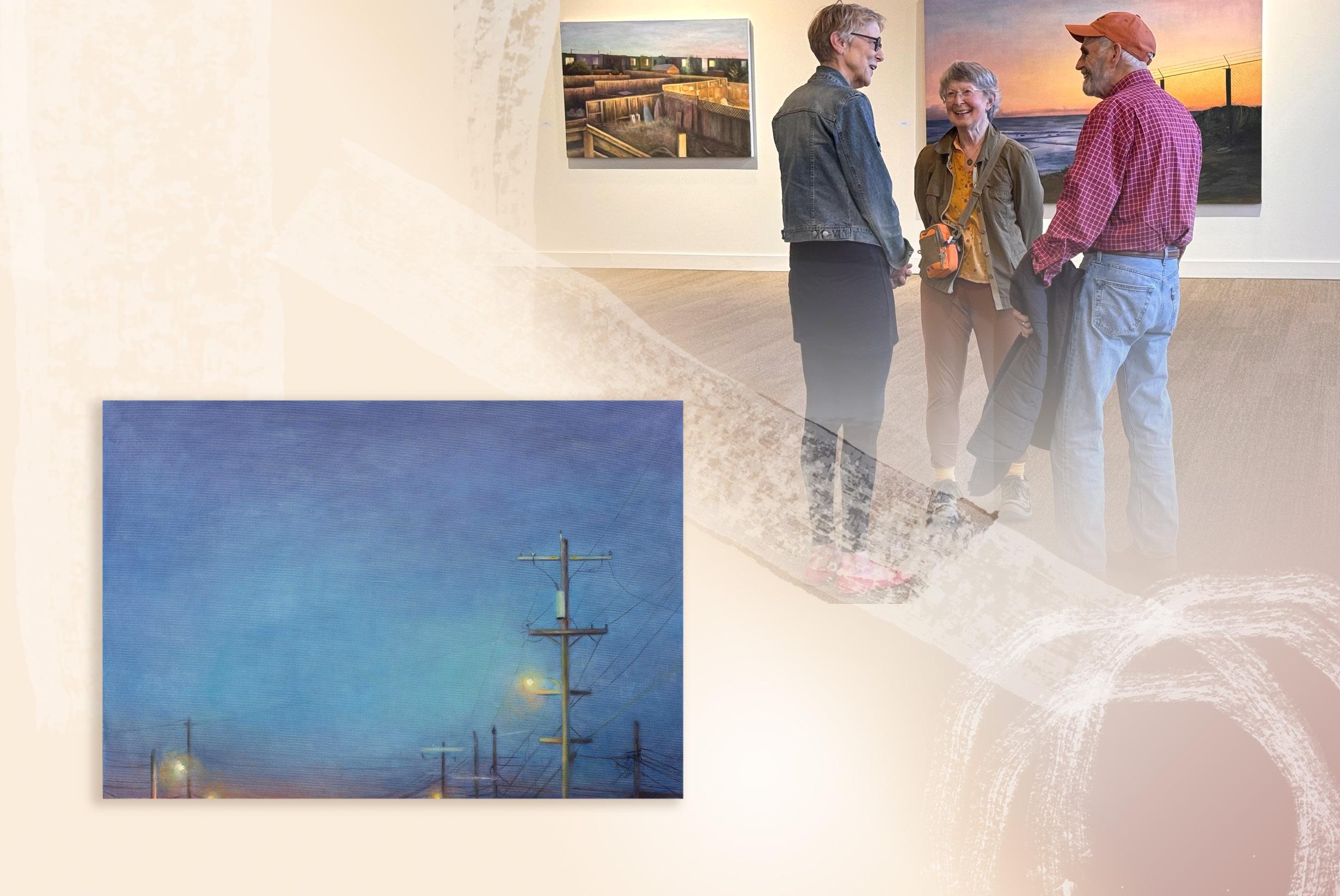
Visit Gallery Commonweal for healing art shows through the year
out more at commonweal.org/news
Subplots
Jessica Dunne
October 6, 2025 - January 2, 2026