The Local Nature Recovery Strategy (LNRS) identifies locations to create or improve habitats where they will deliver the greatest benefit to nature and the wider environment. The Herefordshire LNRS is one of 48 LNRSs, which together will completely cover England and support national policies for nature recovery.
The LNRS is made up of two elements, a written Statement of Biodiversity Priorities and a Local Habitat Map, which together will:
• Agree priorities for nature’s recovery;
• Map the most valuable existing areas for nature; and
• Map specific proposals for creating and improving habitat for nature and wider environmental goals.
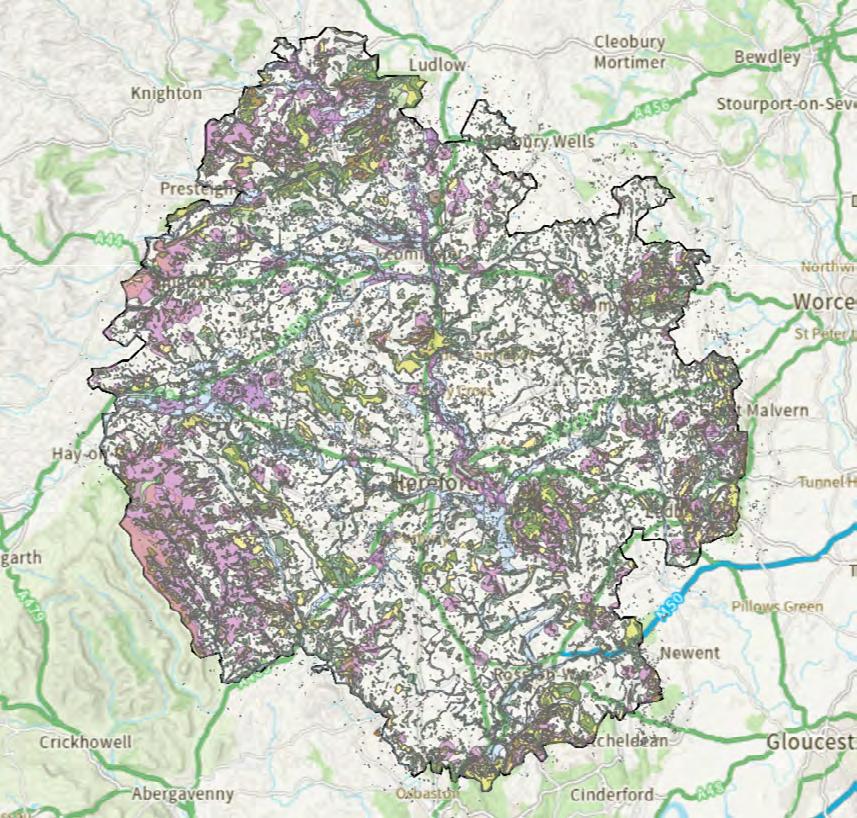
An example of the LNRS Habitat Map showing mapped measures for nature’s recovery.
You can view the interactive map on our website.
The LNRS has been developed using local knowledge and data to focus on the habitats and species that make Herefordshire so special.
Over the last two years Herefordshire Council has led the development of the LNRS. They have engaged with local partners across Herefordshire through in-person workshops, online webinars and visits to market towns as well as gaining valuable insight from an online public survey.
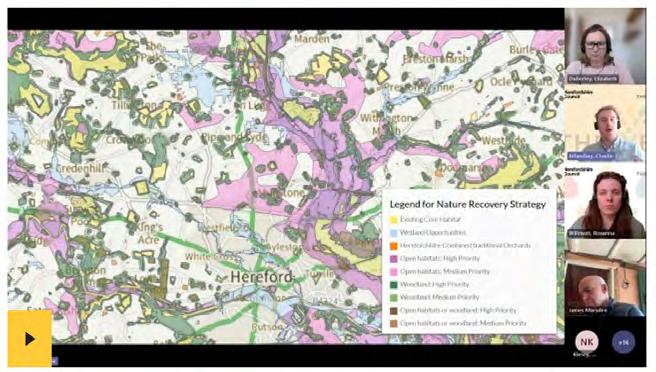
A total of 170 people responded to the online survey highlighting the importance of rivers within Herefordshire and for the LNRS. Woodlands and hedgerows were the next most important habitats to prioritise. Insects were the most important species group to prioritise followed by pollinators and birds. The key pressures or challenges for nature in Herefordshire are pesticides and habitat loss.
You can read more about the engagement results on our website WHO HAS BEEN INVOLVED IN THE LOCAL NATURE RECOVERY STRATEGY?







The Local Habitat Map is a key component of the LNRS as it identifies existing areas which are important for biodiversity. This includes national conservation sites, local nature reserves, local wildlife sites and irreplaceable habitats. These areas can continue to be safeguarded and enhanced. The map also identifies areas that could become important for biodiversity in the future, through delivering a measure or action at this location. By mapping these specific locations, nature recovery actions can be targeted to maximise the benefits to biodiversity, the environment and people.
Find out how the Local Habitat Map has been produced on our website View the local habitat map
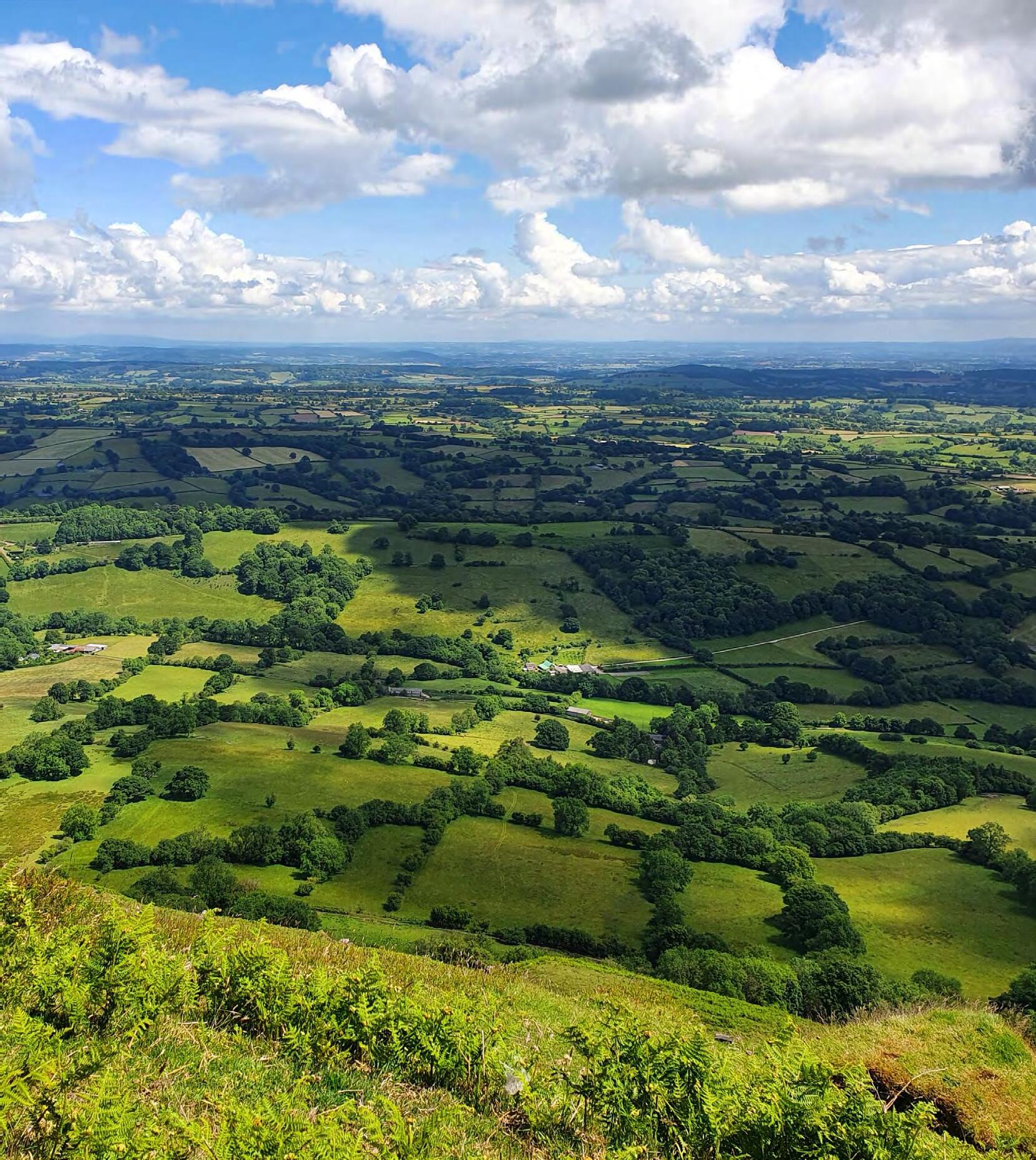
Herefordshire covers over 200,000 hectares and is a county recognised for its rural landscapes. From the floodplains along the River Wye valley, ice age ponds and traditional orchards, to the dramatic upland scenery of the Black Mountains and Malvern Hills, these landscapes support a variety of habitats and species unique to the county.
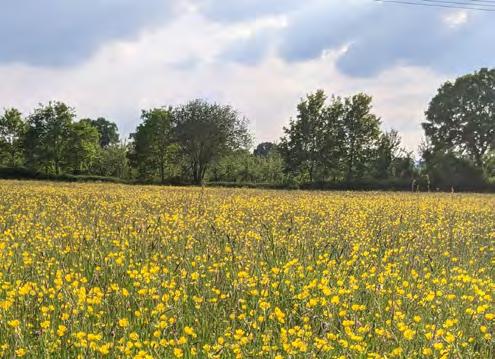
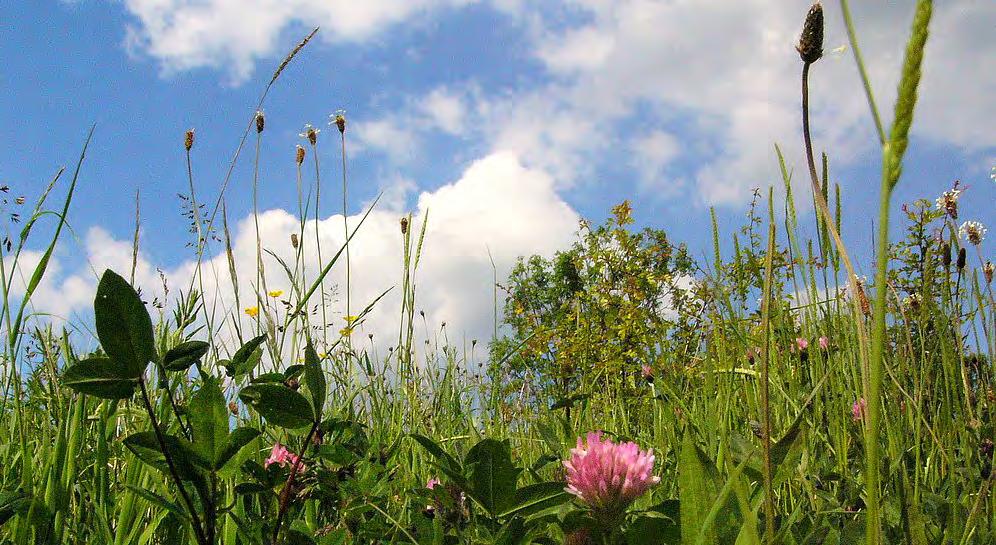
Herefordshire contains several species-rich grassland habitats which are formed depending on the soils beneath them, ranging from acid, neutral to calcareous. Neutral grasslands are the most abundant in Herefordshire, with the largest area at Lugg Meadows which contains two nationally scarce plants, the snake’s head fritillary and the narrow-leaved water dropwort. Wet or floodplain grasslands are also frequent across the county supporting many birds which visit over the winter period.
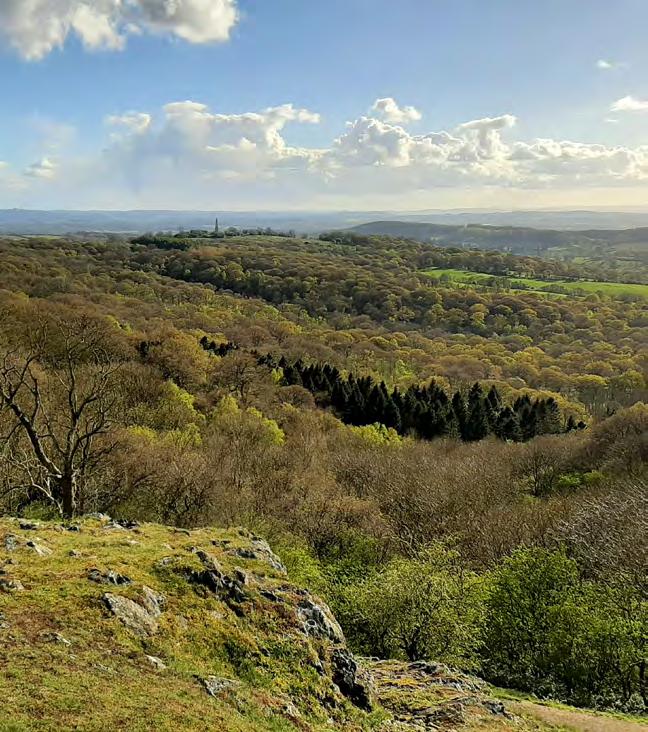
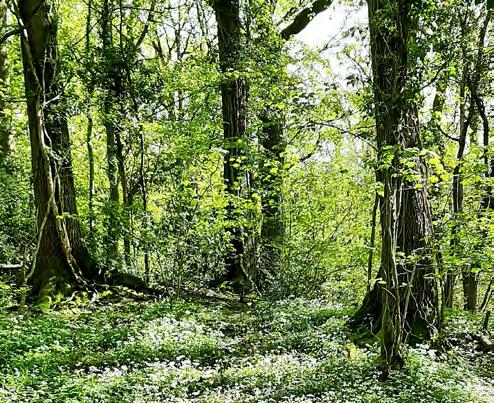
Tree and woodland habitats are an important part of Herefordshire’s landscape, home to species such as badger, hazel dormice and lesser spotted woodpecker. Almost half of the woodlands in Herefordshire are recorded as ancient woodland, as they have existed since at least 1600 AD. Herefordshire has a rich history of traditional orchards, characterised by fruit trees within grazed grasslands. Trees in orchards often also provide valuable deadwood habitats for specialist species such as the noble chafer beetle.
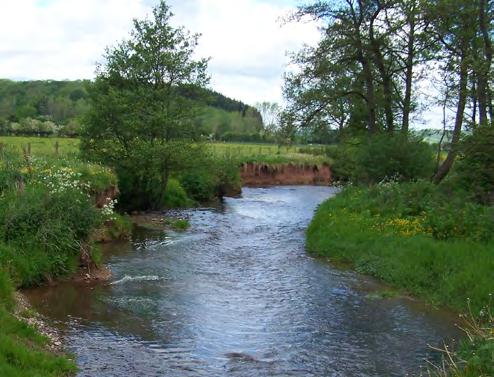
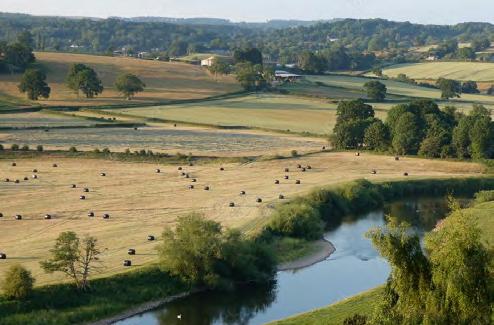
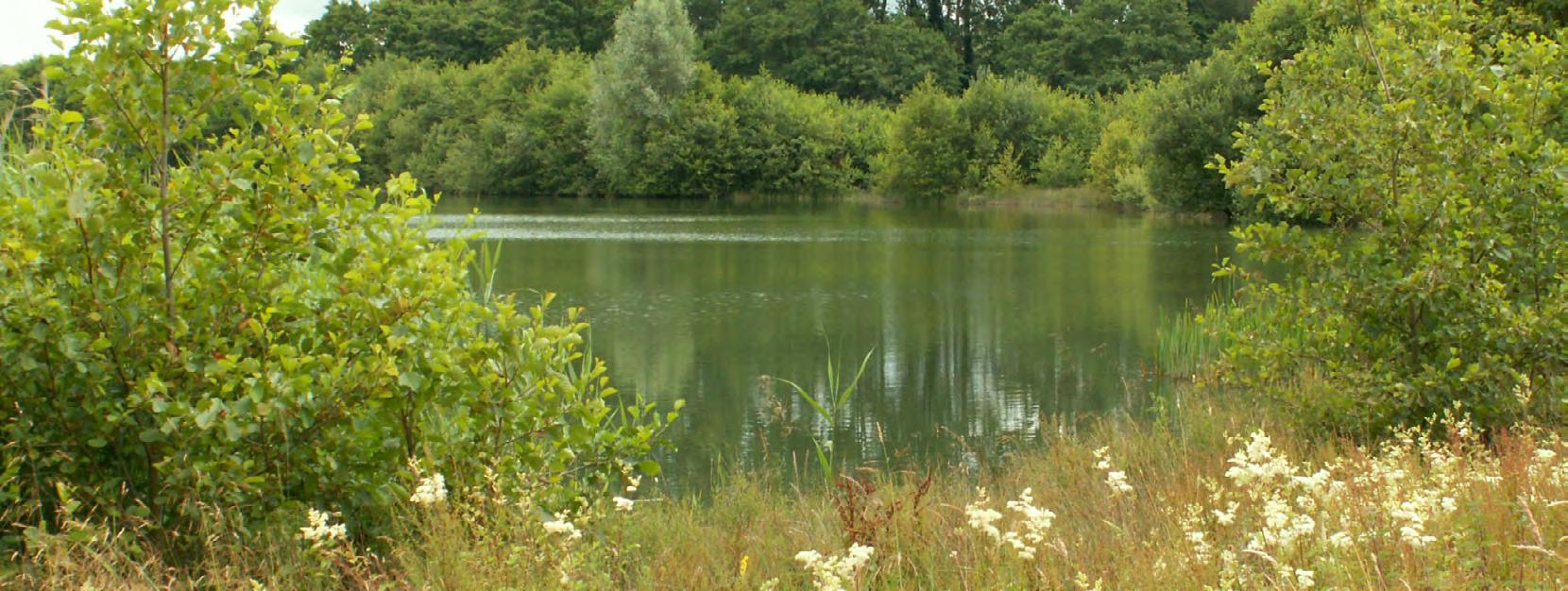
The majority of Herefordshire falls within the catchment for the River Wye, with tributaries from the River Arrow, Lugg and Frome. The River Wye is internationally designated for several fish species, otter and white-clawed crayfish. Alongside rivers, wetlands, ponds and lakes also provide valuable habitat for aquatic and semi-aquatic species. Ice age ponds, formed by glacial activity, are a unique feature for Herefordshire and act as strongholds for amphibians and wading birds.
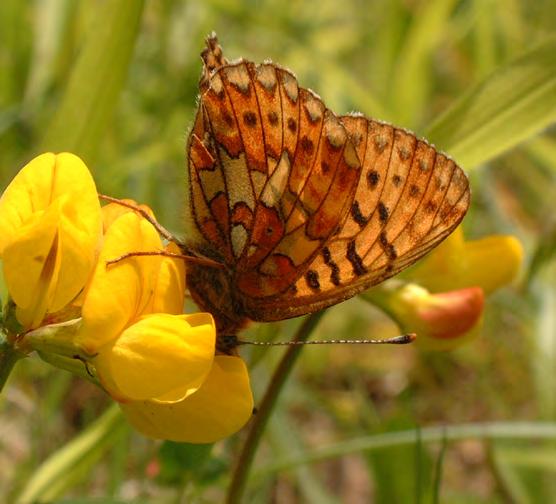
Scrub and mosaic habitats are often small areas found between woodlands, heathlands, and grasslands. They can represent transitional zones, where grassland gradually becomes woodland with smaller shrubs and saplings present in between. These transitional areas are favoured by butterflies such as the endangered pearl-bordered fritillary butterfly, in bracken and woodland clearings, and the wood white butterfly in scrub and woodland edge habitats with tall grasslands.
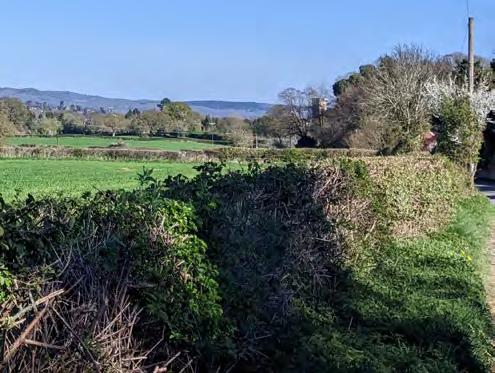
Hedgerows are one of the defining features across Herefordshire’s rural fields, often containing mature or veteran trees. They aid in habitat connectivity, providing linear strips of natural habitat connecting areas that otherwise may not be used by wildlife. Hedgerows are used by a range of species to travel along and feed, including birds, such as dunnock and bullfinch, bats and hedgehog.
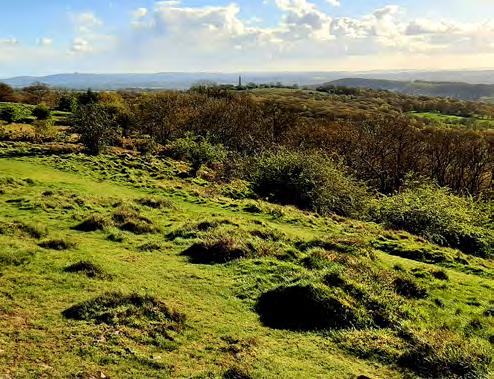
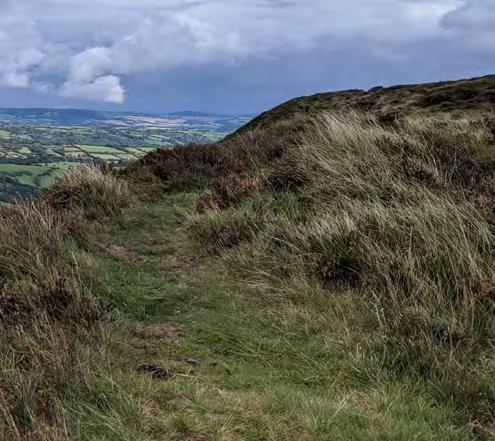
The Black Mountains and Welsh borders are home to upland habitats, which often occur in mosaics of blanket bog, scrub, heathland and woodland. Blanket bog is a type of peatland habitat dominated by mosses, cotton grasses and flowering plants, such as bog asphodel. These habitats support birds such as red kite and meadow pipit, and reptiles such as adder, common lizard, slow worm, and grass snake. Heathland habitats occur in small pockets across the county containing plants such as heather and gorse of varying heights and often on sites which were previously conifer plantations.
Farmland dominates much of Herefordshire, with livestock farming dominating the uplands, and mixed pasture and arable farming, commercial orchards and horticulture on the central lowland plain of the county. These habitats are valuable for farmland birds, such as skylarks, lapwings and yellowhammers, or brown hare utilising the open fields and field margins.
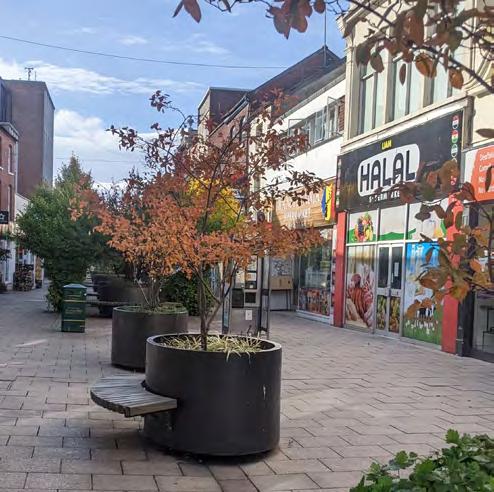
Herefordshire’s main urban areas include the city of Hereford and market towns of Leominster, Ross-on-Wye, Ledbury, Kington, and Bromyard. Urban environments can provide value for nature, often on smaller scales compared to the wider rural landscape. Parks, gardens, street trees and green roofs can all provide habitat for urban species, such as blackbirds, house sparrows and starlings. and when they are well connected, can create green corridors that aid in wildlife movement through cities and towns. Sparsely vegetated habitats often occur on derelict land, which can support specialist species such as the grizzled skipper butterfly.
You can read the full strategy area description on our website.
Nature within Herefordshire faces several pressures, reducing the ability for species to survive. Without nature, the ecosystem services (such as flood alleviation, pollination or carbon storage) that nature provides are reduced resulting in far reaching issues for both society and the natural world. The key pressures include:
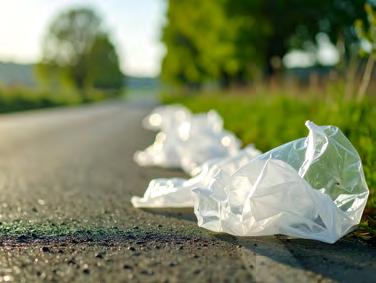
Tourism, urbanisation and development – damaging, degrading or removing habitats as well as increasing levels of disturbance to species;
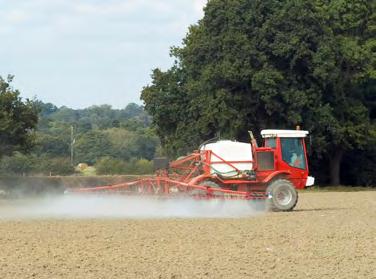
Agricultural intensification – loss of natural habitats, such as hedgerows, as land is maximised for productivity and increases in pollution of watercourses from run off and land from the application of pesticides and fertilisers;
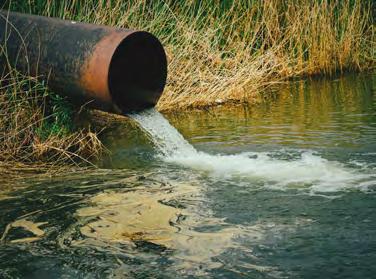
Pollution – increased levels of chemicals, such as phosphate and ammonia, from run off and sewage disrupting the natural balance of these chemicals across numerous habitats;
Climate change – hotter and drier summers, warmer and wetter winters with increases in extreme weather events and more frequent flooding affecting the life cycles of many species and where they can survive; and
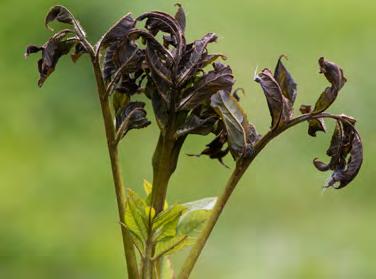
Disease and invasive species – spreading rapidly across habitats or species reducing survival rates and resulting in population declines, often of our native and unique species to the county.
Habitats and species across Herefordshire may face some, or all of these pressures simultaneously, making it even harder for nature to survive, let alone recover and thrive. Many of these pressures are within our power to reduce or remove and make a real difference for nature recovery.
By taking action for nature recovery in Herefordshire, wider environmental benefits can be experienced by everyone across the county. These include:


Increasing woodland cover would support wildlife, absorb carbon, improve air quality, reduce flooding, cool towns, boost wellbeing and raise property values;
Improving air quality would benefit public health and allow a more diverse range of habitats and species to survive;
Improving water quality would allow a more diverse range of aquatic and semi-aquatic habitats and species to survive and restore natural water ecosystems which could be used for leisure;
Increasing flood risk management would restore watercourse and floodplain functions using natural habitats and processes;
Reducing climate change impacts would increase resilience of nature to the impacts and ensure its longevity;

Supporting health and cultural services would allow nature to provide people with opportunities for education and recreation to benefit their mental and physical wellbeing;
Improving soil health would support nutrient cycling, reduce levels of erosion, make food production more sustainable and enhance carbon storage;
Controlling invasive species would protect our
Promoting nature friendly farming would reduce the reliance on chemicals and support a range of biodiversity alongside business productivity; native species populations and our infrastructure; and
Supporting food provision would benefit public health, reduce diet-related
illnesses and reduce carbon emissions associated with food miles by sourcing more local produce.
The LNRS includes a total of 37 priorities and 97 measures which cover those habitats and species most important to Herefordshire. These have been developed by local people and specialists to address the pressures faced by nature across the county.
The priorities for each habitat are listed below, each of which will be associated with several specific measures. You can read the full Priorties and Measures document on our website and view the local habitat map.
• Herefordshire’s species-rich grasslands are enhanced, expanded and reconnected
Tree and woodland habitats
• Herefordshire woodlands are wellmanaged and restored with woodland corridors created across the landscape
• Ancient woodlands are more extensive, and existing ones are well-managed and restored
• Traditional orchards are more extensive, and existing ones are well-managed and restored
• Freshwater habitats are safeguarded
• Freshwater habitats are expanded, restored and reconnected
• Natural hydrological functions are restored at a catchment scale
Scrub and mosaic habitats
• Scrub and mosaic habitats are safeguarded, restored and created
These are the end results that the strategy is seeking to achieve.
These are the practical actions that can be taken to achieve the priorities.
• Hedgerow networks provide core habitats for biodiversity and landscape character
Upland moorland and heathland
• Peatland habitats are restored and their condition is improved
Farmland
• Nature-friendly farming practices are widely adopted across Herefordshire
• Nature-rich areas within the built environment are accessible, climate resilient and biodiverse
• Ecosystem resilience to invasive species, pests and pathogens is strengthened
• Cultural sites are rich in nature while being well maintained for their heritage value
• The impact of pollution on habitats and species is reduced
Individual priorities for species and species assemblages (groups of species which occur in the same habitat and therefore benefit from the same measures) are listed below. These will also have associated measures in the strategy.
Grassland and farmland
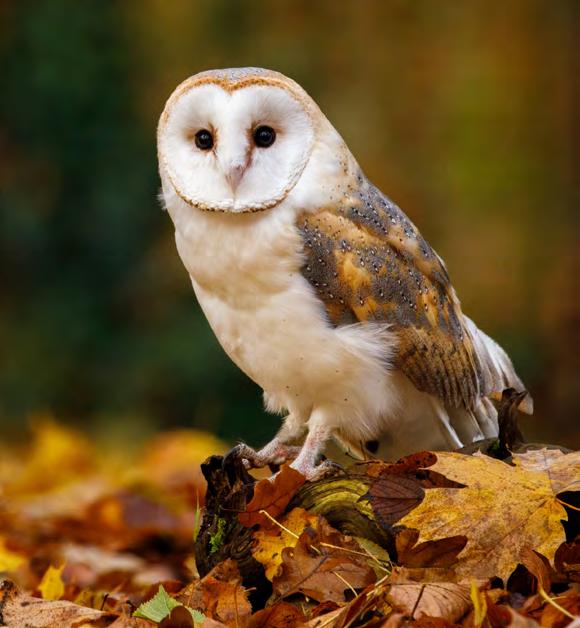
• Birds - Grey Partridge, Oystercatcher, Snipe, Curlew, Lapwing, Redshank, Barn Swallow, Kestrel, Barn Owl
Woodland species
• True Fly (Chrysosomopsis aurata),
• Moths - Little Thorn, Fletcher’s Pug, Beautiful Snout, Drab Looper, Scarce Prominent, Gold-base Tubic, Bilberry Pug
• Lichen - Witches Whiskers
• Insect - Jumping Weevil
Conifer clearfell / heathland species
• Birds - Nightjar, Woodlark, Willow Warbler
• Moths - Broom-tip, Lead-coloured Pug
Freshwater / riparian species
• Mollusc - Depressed River Mussel
• Jawless fish - River Lamprey, Brook Lamprey, Sea Lamprey
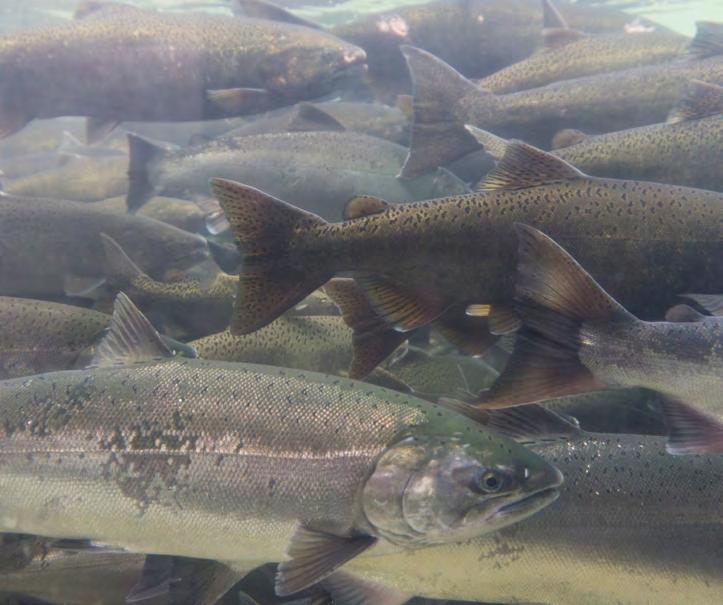
• Bony fish - Atlantic Salmon
• Crustacean - White-clawed Crayfish
• Birds - Little Ringed Plover, Dipper, Sand Martin
•
Hedgerow invertebrates
• Butterfly - White-letter Hairstreak
• Moths - Eupithecia denotata, Barred Tooth-striped
• Insect - Noble Chafer
Upland
• Birds - Lesser Redpoll, Tree Pipit,
• Butterfly - Dark Green Fritillary
• Moths - Yellow-ringed Carpet, Silurian
Urban
• Birds - Swift, House Martin, Greenfinch
• Western Barbastelle, Serotine, Bechstein’s Bat, Brandt’s Bat, Daubenton’s Bat, Whiskered Bat, Natterer’s Bat, Lesser Noctule, Nathusius’s Pipistrelle, Pipistrelle, Soprano Pipistrelle, Grey Long-eared Bat, Brown Long-eared Bat, Greater Horseshoe Bat, Lesser Horseshoe Bat
Individual Priority Species
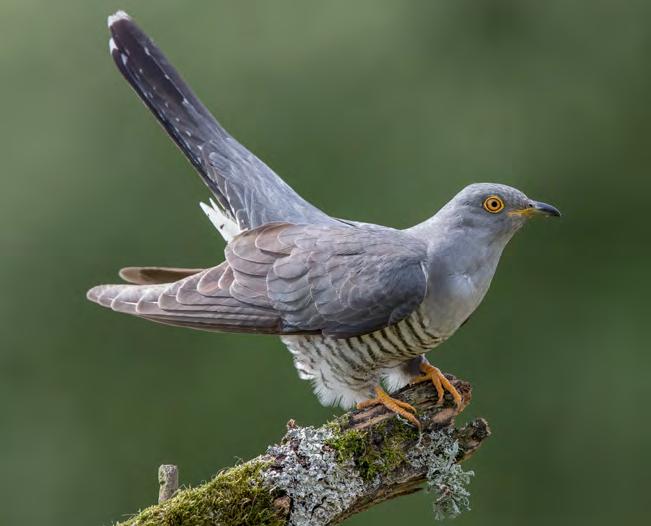
• Birds -Common Tern, Cuckoo
• True Fly - Ellipteroides alboscutellatus
• Moth - White-barred Clearwing
• Reptile - Adder
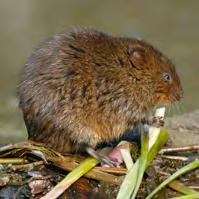
• Mammal - European Water Vole
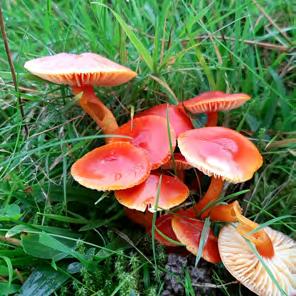
• Fungus - Sandy Stiltball, Orchard Toothcrust, Buglossoporus quercinus
• Fern - Pillwort
• Butterfly - Grizzled Skipper
• Moths - Liquorice Piercer, Chimney Sweeper
• Insect - Moccas Beetle
Certain species would benefit from reintroductions into the county, or between sites within the county, to support the recovery of their populations and so that they can contribute to the resilience of ecosystems. Some examples of these are:
• Moth - Forester
• Butterfly - Pearl-bordered Fritillary
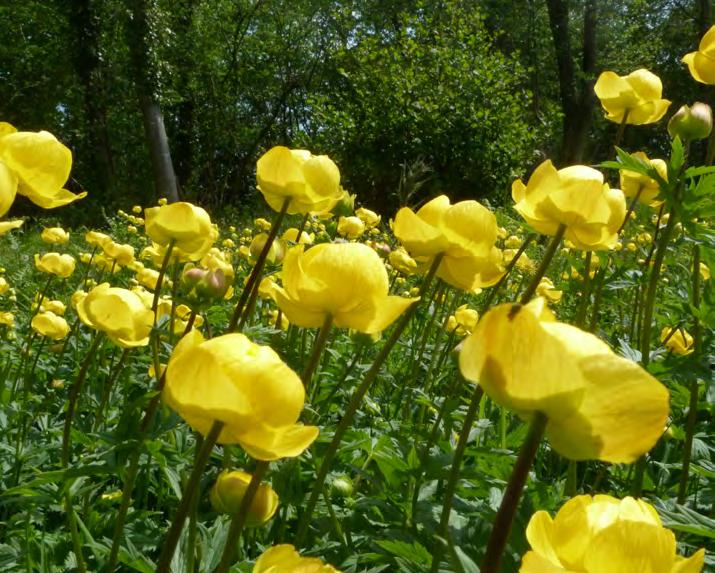
• Flowering Plants - Petty Whin, Narrowleaved water dropwort, Saw-wort, Globeflower, Wood Bitter-vetch
• Mammal - Beaver