

Introduction
What is Locality Planning?
Locality Planning means working together with local communities to create plans that make life better for everyone. Community Planning Aberdeen believes these plans succeed when shaped and delivered with the people who live here. Locality Planning will support the conditions for greater partnership working to maximise the strengths of our partners, communities, local groups, businesses, and faith organisations around common goals.
By law, Community Planning Aberdeen and the Health & Social Care Partnership must create plans for Aberdeen’s three localities: North, Central, and South. These plans show where we’ll focus our efforts and resources. . Times are challenging, we have less resources and funding at our disposal, we are an ageing society with growing health inequalities who have experienced significant disruption to our local economy caused by the oil and gas downturn, and we are all feeling the impact of climate change. Success depends on us all working together.
What are Priority Neighbourhoods and why do they require additional focus and resources?
Some neighbourhoods face bigger challenges and unfair barriers, so they need more support. Focusing extra resources in Ashgrove, George Street, Seaton, Stockethill, Tillydrone and Woodside helps make sure people who need the most help get it.
This targeted support sits alongside the universal services everyone can access:

What’s
the Central Locality Plan?
Our plan sets out what we want to achieve over the next 10 years to reduce inequalities and improve life for everyone in the Central Locality. It includes:
• Where we are now – facts, figures, and what communities told us matters most
• Our Ideas – the changes we’ll focus on
• How We’ll Deliver – working together with partners and communities
Developing the Central Locality Plan
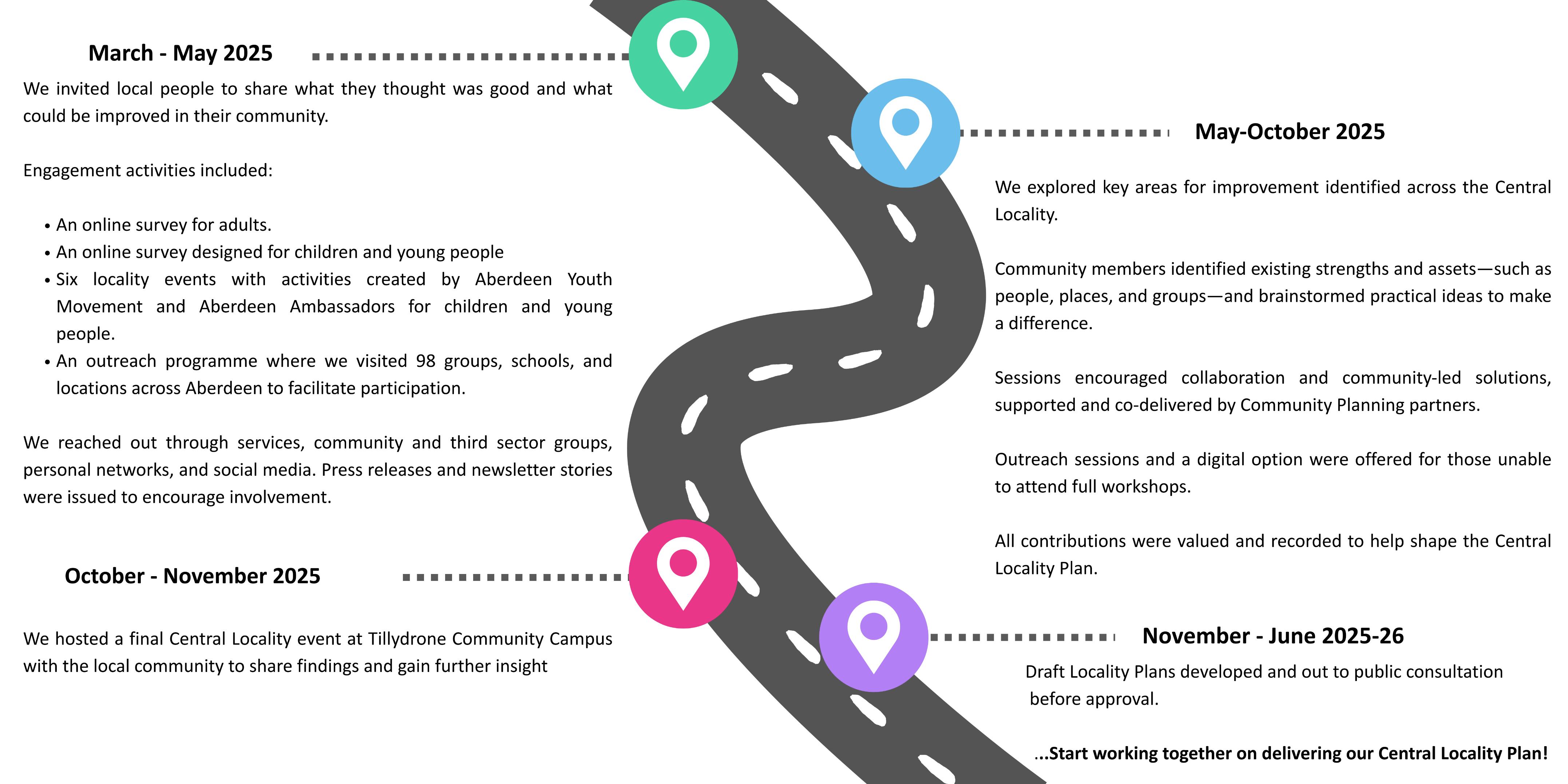
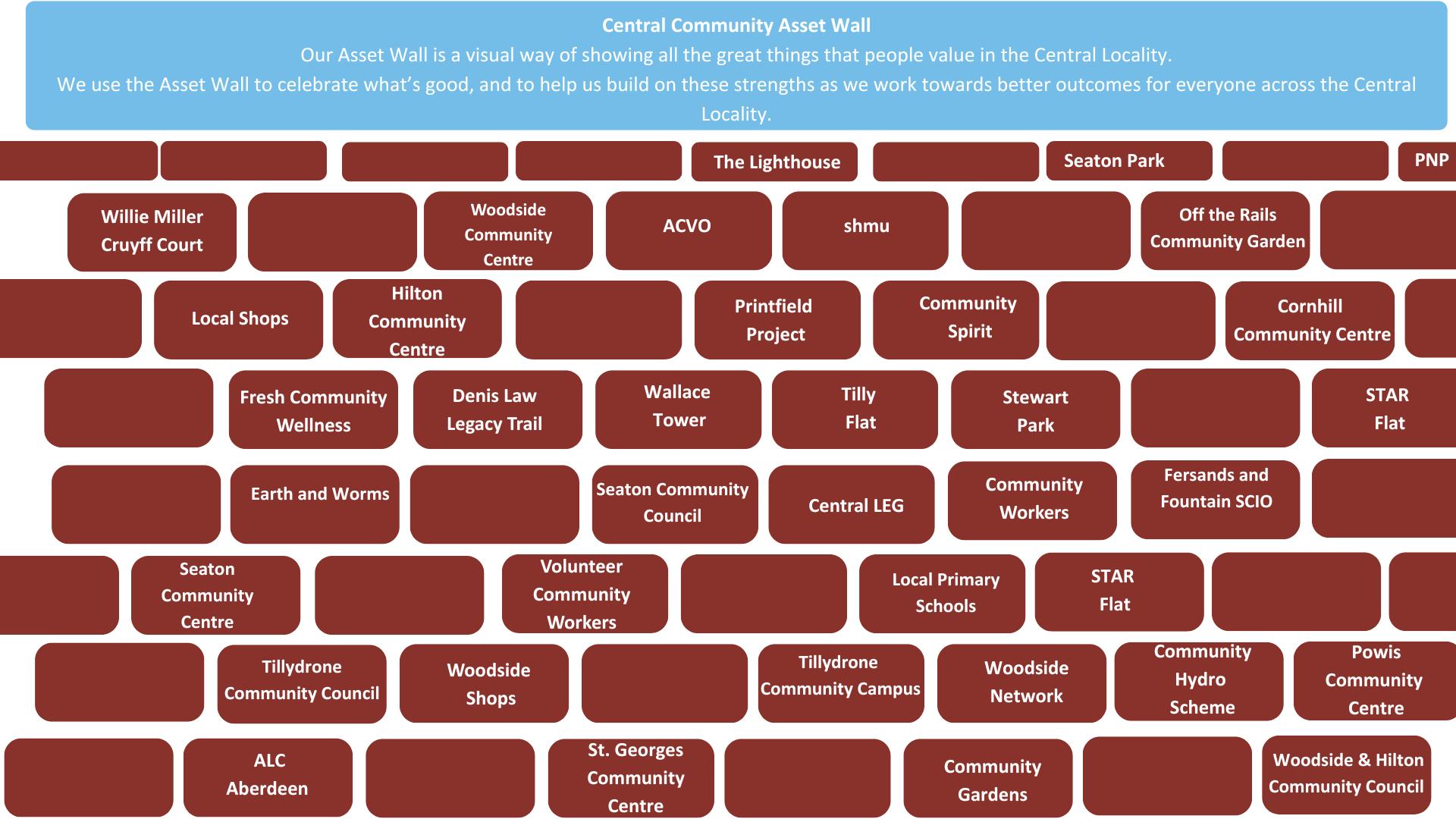
Our Priorities For the Central Locality
Following consultation and engagement with our communities across the Central Locality we have identified 6 priority outcomes and have aligned these to the Social Determinant of Health:
Economic Stability
Helping people feel more financially secure Health and Social Care
Making it easier for everyone to look after their health
Children, Families and Lifelong Learning
Helping people learn, grow and thrive at any age
Neighbourhood and Environment
Communities and Housing
Making sure the places people live feel safe, clean and enjoyable
Reduce the number of people living in Poverty
Improve mental health and wellbeing of population
What are the Social Determinants of Health?
Ensure people can access services in good time through a person centred approach
Maximise use of spaces in communities to create opportunities for people to connect and physical activity
Creating friendly, connected communities where people feel they belong
Create safe and resilient communities
Increase the number of people and groups involved in making improvements and decisions in their community
Social determinants of health are the everyday things in our lives that affect how healthy we are. They are not about hospitals or medicine, but about the conditions we live in.
People living in priority neighbourhoods may face more health-related challenges due to a range of reasons such as low income, poor quality housing, or a lack of access to community facilities. These communities often show great strengths, but can experience inequalities in access to healthcare, healthy environments, and other supports that influence wellbeing.
Why It Matters
Understanding social determinants helps us see that health is about more than just doctors and medicine. To improve health for everyone, we need to:
• Make sure people have good jobs, homes, and education.
• Support communities and reduce poverty.
Our Plan
Economic Stability
Priority 1: Reduce the number of people living in Poverty
What the data is telling us…
• Energy Insecurity: 21% of people in Central Locality worried they would not be able to heat their home compared to 26.3% of people living in Priority Neighbourhoods
• Unemployment: As at July 2025, there were 2610 unemployment claimants in Central Locality which is up 6.1% from July 2024
• Food Insecurity: 7.3% of people in Central Locality worried they would not have enough food to eat, compared to 8.1% of people living in Priority Neighbourhoods
• Children in low income households: 2,094 children under 15 years of age from Central Locality live in low income households
Our ideas about how we will achieve this together
or Targeted Provision Where we will test our ideas Community Partners we will work with (TBC)
Our Plan
Health and Social Care
Priority 2: Improve mental health and wellbeing of population
What the data is telling us…
• Drug related hospital stay rate in Central Locality is 248.5 people per 100,000 of the population, significantly higher than the City average of 181 people per 100,000
• Mental Health 15.9% of people in Central Locality are prescribed drugs for anxiety, depression or psychosis, this is lower than the Aberdeen City figure of 17.4%
• Life Expectancy in Central Locality for 2021-23 was on average 80.5 years for women, and 75.2 years for men
• Suicide The rate of death from suicide in Central Locality is 10.5 people per 100,000 of the population, this is below the Aberdeen City average of 11.1 people per 100,000 of the population
Our ideas about how we will achieve this together Universal or Targeted Provision Where we will test our ideas Community Partners we will work with (TBC)
Improve access to health and social care services by introducing community-based opportunities and providing clear information on where to access support following a medical diagnosis.
Increase outdoor exercise opportunities
Universal Woodside, Old Aberdeen, George Street Fersands and Fountain
Aberdeen Health and Social Care Partnership
NHS Grampian
Aberdeen Cyrenians
Universal Tillydrone, Seaton, Powis
Aberdeen Gurudwara Fersands and Fountain
Sport Aberdeen
Aberdeen Football Club Community Trust
Powis Residents Group (Health Improvement Fund)
Data that will tell us if we are improving Link to the Local Outcome Improvement Plan
Number of people receiving support at community assistance hubs
2031 LOIP Improvement Aim - By 2031, achieve a 17% increase in the proportion of adults reporting that they are able to manage their own health and wellbeing ‘very well’
Number of young people (by locality) using the safe spaces
% of 12-18 year old boys reporting sense of belonging or connection to peers.
% increase in walking and cycling
LOIP System Change: Safe, co-designed spaces for atrisk young people offering onsite support, person centred activities, and healthy relationship programme
2031 LOIP Improvement Aim :By 2031, achieve a 17% increase in the proportion of adults reporting that they are able to manage their own health and wellbeing ‘very well’
Our Plan
Children, Families and Lifelong Learning
Priority 3: Ensure people can access services in good time through a person centred approach
What the data is telling us…
• Youth Volunteering: 878 young people from Central Locality received a Saltire Award for volunteering
• Counselling: 100% of schools in Central Locality offer counselling and Active School activities
• Anti-Social Behaviour: 3,303 Youth Anti-Social Behaviour calls were reported to the police (2024)
• Crimes: The most common crimes and offences in Aberdeen City were crimes of dishonesty (234 offences per 10,000 of the population), Road Traffic Offences (4,769 offences per 10,000 of the population), and non-sexual crimes of violence (3,412 offences per 10,000 of the population)
• Road Safety: In 2023, there were 109 reported road casualties in Aberdeen City of which, 4 were fatalities and 53 were serious injuries. The number of people injured in road traffic accidents has increased in each of the last two years (up from 64 in 2021 which is a 70% increase)
Explore ways to make children feel safer walking to and from school, such as a Walking bus or more volunteer crossing patrollers
Targeted
More access to mentoring programmes for vulnerable young people
Targeted
Priority Neighbourhoods: Ashgrove, George Street, Seaton, Stockethill, Tillydrone, Woodside
Priority Neighbourhoods: Ashgrove, George Street, Seaton, Stockethill, Tillydrone, Woodside
NESTRANS
Aberdeen City Council Touch of Love
MCR Pathways Pathways
% increase in walking and cycling
LOIP
2031 Improvement Aim: Increase by 5% the number of young people who report always feeling safe in their school, community and home by 2031
% of 12-18 year old boys reporting sense of belonging or connection to peers
LOIP System Change: Safe, co-designed spaces for at-risk young people offering onsite support, person centred activities, and healthy relationship programme.
Our Plan
Neighbourhood and Environment
Priority 4: Maximise use of spaces in communities to create opportunities for people to connect and physical activity
What the data is telling us…
• Severe Weather 55.7% of people in Central Locality were worried about severe weather on their homes and local community. This compares to 46.9% of people who live in priority neighbourhoods
• Greenspace Satisfaction 87% of Central Locality respondents to the City Voice survey reported being satisfied with the overall quality of greenspace/open space compared to 81.2% of people living in Priority Neighbourhoods
Active Travel 13.1% of people in Central Locality cycled compared to the citywide average of 9.5%
Our ideas about how we will achieve this together Universal or Targeted Provision Where we will test our ideas Community Partners we will work with (TBC)
Explore a social enterprise to improve tidiness and cleanliness of local neighbourhoods
Encourage more local people, along with community groups and local payback schemes to improve and maintain public parks and greenspaces
Targeted
Priority Neighbourhoods: Ashgrove, George Street, Seaton, Stockethill, Tillydrone, Woodside Fresh Skills Development Scotland
Aberdeen City Council
Establish more community ice crews to increase community resilience against severe winter weather
Targeted Hilton, Midstocket, Ashgrove, Stockethill, Seaton Fersands and Fountain
Data that will tell us if we are improving Link to the Local Outcome Improvement Plan
Number of Co-operatives and Community Enterprises per SIMD 1 community
Number of residents (by locality) working in and/or supported by co-operatives and community enterprises
Number of neighbourhoods with community groups supporting nature & environment
% increase in green jobs and microbusinesses
No. of areas of new land for growing food
% of neighbourhoods with community groups supporting nature & environment
Number of community ice crews
LOIP System Change: Clear Routes Into Growth and In Demand Sectors and Network for Social Enterprises
LOIP System Change: City For Nature Movement - Expanding Access to Nature Through Pocket Parks, Growing Spaces and Green Travel Routes
LOIP 2031 Improvement Aim: Increase by 20% the percentage of people from Scottish Index of Multiple Deprivation 1 who (1) agree that their community has taken steps to prepare for climate change and (2) are able to and want to actively participate in making improvements for nature and climate by 2031.
Explore external funding opportunities to improve and open up walking pathways in Tillydrone
Support the local community to develop an activity/skatepark in Tillydrone
More community art projects in common spaces and greenspaces
Rosemount, Seaton, Sunnybank, Woodside
Value of external funding secured to support delivery of the walking pathway LOIP 2031 Improvement Aim: Increase by 5% the percentage of residents from Scottish Index of Multiple Deprivation (SIMD) 1 who report feeling connected to their neighbourhood and reduce by 10% the percentage reporting barriers to accessing nature by 2031.
LOIP
Increase by 5% the number of young people who report always feeling safe in their school, community and home by 2031
Number of new community art projects in public parks and common spaces
% Satisfied with local greenspace
LOIP 2031 Improvement Aim: Increase by 5% the percentage of residents from Scottish Index of Multiple Deprivation (SIMD) 1 who report feeling connected to their neighbourhood and reduce by 10% the percentage reporting barriers to accessing nature by 2031.
Our Plan Communities and Housing
Priority 5: Create safe and resilient communities
Priority 6: Increase the number of people and groups involved in making improvements and decisions in their community
What the data is telling us…
• Community Information: Just under half (48%) of City Voice respondents from Central Locality agreed they would know where to find information about what is happening in their community
• Identity and Belonging: Central Locality’s sense of identity and belonging scored 3.4 out of 7 during the Place Standard community engagement exercise (2025)
• Community Cohesion: 45.1% of City Voice respondents in Central Locality agreed they felt part of the community they live in
Our ideas about how we will achieve this together
Better utilise community assets for local groups and social use
Create community-led multi-cultural learning and skills programmes to strengthen inclusion and cohesion, with activities and campaigns that welcome and support people new to the area.
Support community groups to provide local transport to enable recreational trips
or Targeted Provision Where we will test our ideas Community Partners we will work with (TBC) Data that will tell us if we are improving Link to the
Number of people receiving support at community assistance hubs
Aberdeen City Council
Aberdeen Cyrenians
Aberdeen City Council Number of community conversation forums held
Number of people with diverse lived experience engaged
Number of recreational trips supported through the Stay Well Stay Connected programme
by 5% the percentage of residents from Scottish Index of Multiple Deprivation (SIMD) 1 who report feeling connected to their neighbourhood and reduce by 10% the percentage reporting barriers to accessing nature by 2031.
Increase proportion of people that who feel they have influence and sense of control by 7% by 2031
3031 Improvement Aim: By 2031, achieve a 17% increase in the proportion of adults reporting that they are able to manage their own health and wellbeing ‘very well ‘ and a 15% increase in the proportion of residents who report feeling safe in their communities.
Aberdeen City Council Aberdeen Cyrenians
Get Involved!
The Central Locality Empowerment Group and the Central Priority Neighbourhood Partnership are two ways we connect with our local communities in the Central Locality. As a member of a Locality Empowerment Group or Priority Neighbourhood Partnership you will be able to provide a voice on behalf of the people and communities across your neighbourhood.
What’s in it for you?
Our existing community representatives had this to say about what they get from participating
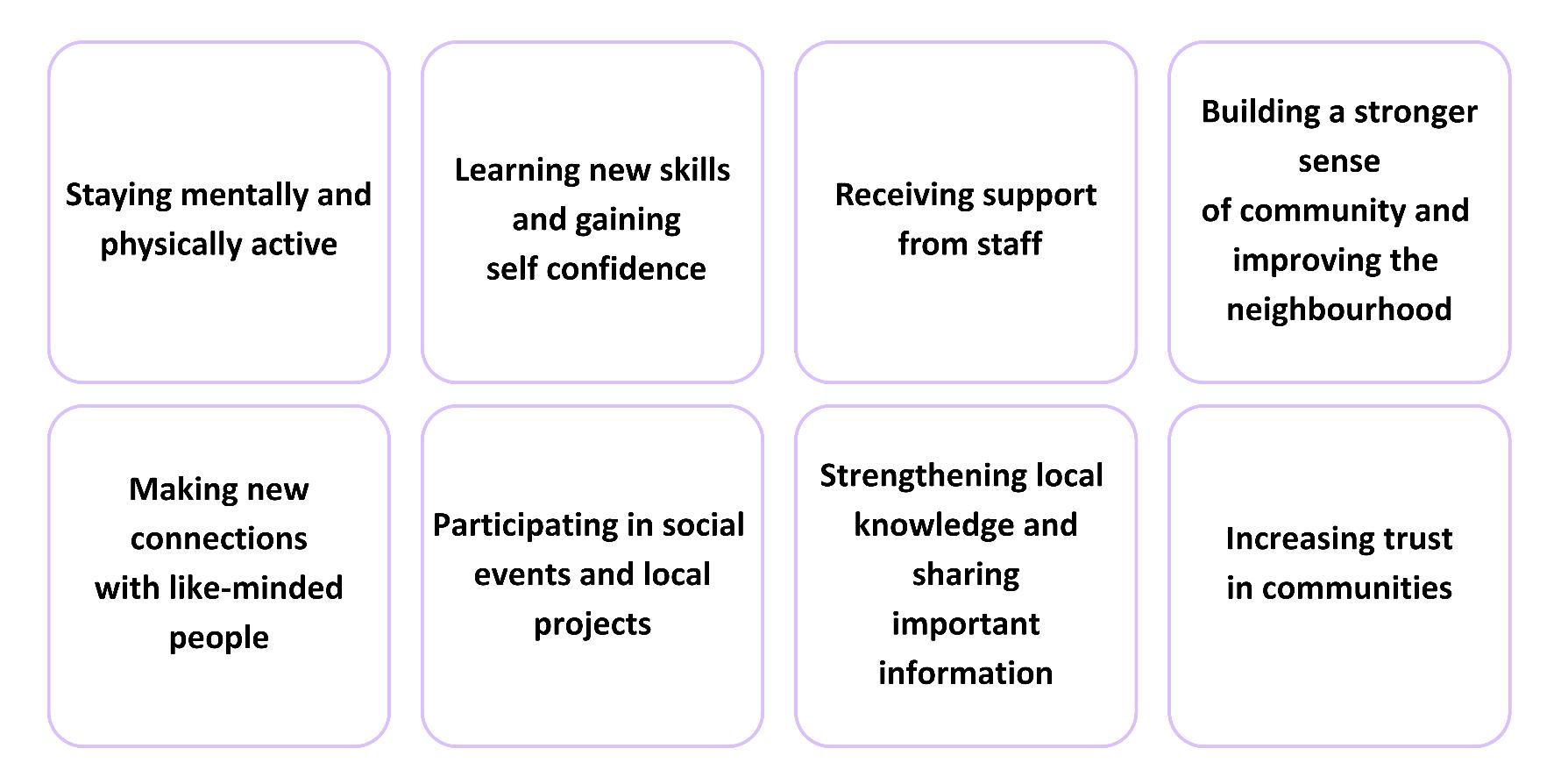
Interested in finding out more? Our Locality Planning Team are happy to help! contact us on:
Localityplanning@aberdeencity.gov.uk
Your Central Locality Planning Team
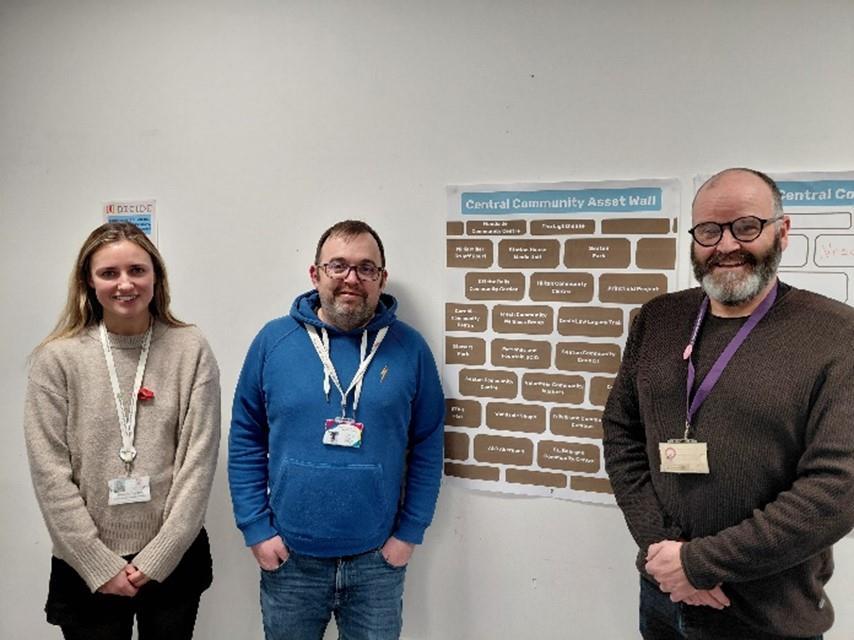
We understand the importance of working with communities to build a thriving environment for everyone. By engaging with local communities through our dedicated Locality Planning team, we aim to become more receptive, supportive and action oriented. Community input is extremely valuable to this work. The Locality Planning Team includes staff from Aberdeen City Council and the Aberdeen City Health and Social Care partnership working together to support improved outcome across all our localities and neighbourhoods. In the Central Locality your locality planning contacts are Suzanne, Chris, and Graham.
Chris Smillie Public Health Co-ordinator
Aberdeen Health and Social Care
Partnership Tel. 01224045735
Suzanne Thomson Health Improvement Officer
Aberdeen Health and Social Care
Partnership Tel. 01224069421
Graham Donald Community Development Officer
Aberdeen City Council 01224053321
Stay Updated!


Join the Journey!
There are a number of ways to stay updated on what is going on in your neighbourhood. You can find out more, including our performance data on our Community Planning Aberdeen website here you will find:

• How we report back on our progress
• How to get involved in your next local community meeting
• Minutes of previous meetings
• Annual Reports
• Information and support around getting involved and making a difference to your local community
You can find out what’s on your local area by visiting the ACVO Events Calendar or on Facebook by clicking here!


Supporting Information
Not every idea could be included, and here’s why:
• Some improvements are already happening we’ll let services know if people weren’t aware.
• Ideas outside the remit of locality planning were shared with the right teams, like citywide plans or education services.
• Others couldn’t progress yet due to limits on budget, time or resources, or they would impact on other plans for the City
Every idea matters - Even if something couldn’t be included this time, your input helps shape priorities and conversations for the future.
Local Place Plans – these are different to locality plans!
Local Place Plans give communities a say in shaping where they live, work, and play. Introduced by planning legislation, they let communities create their own plans to influence the next Local Development Plan. These plans set out local ideas and aspirations for how land is used and developed—and they’re created by the community, for the community.
It’s important to us that everyone’s voice is heard including our young people.
Through the Aberdeen Youth Movement, their ideas are not only reflected in the locality plan, but they’re also helping to drive real change across our city.
Want to find out more? Check out their Linktree!