Education
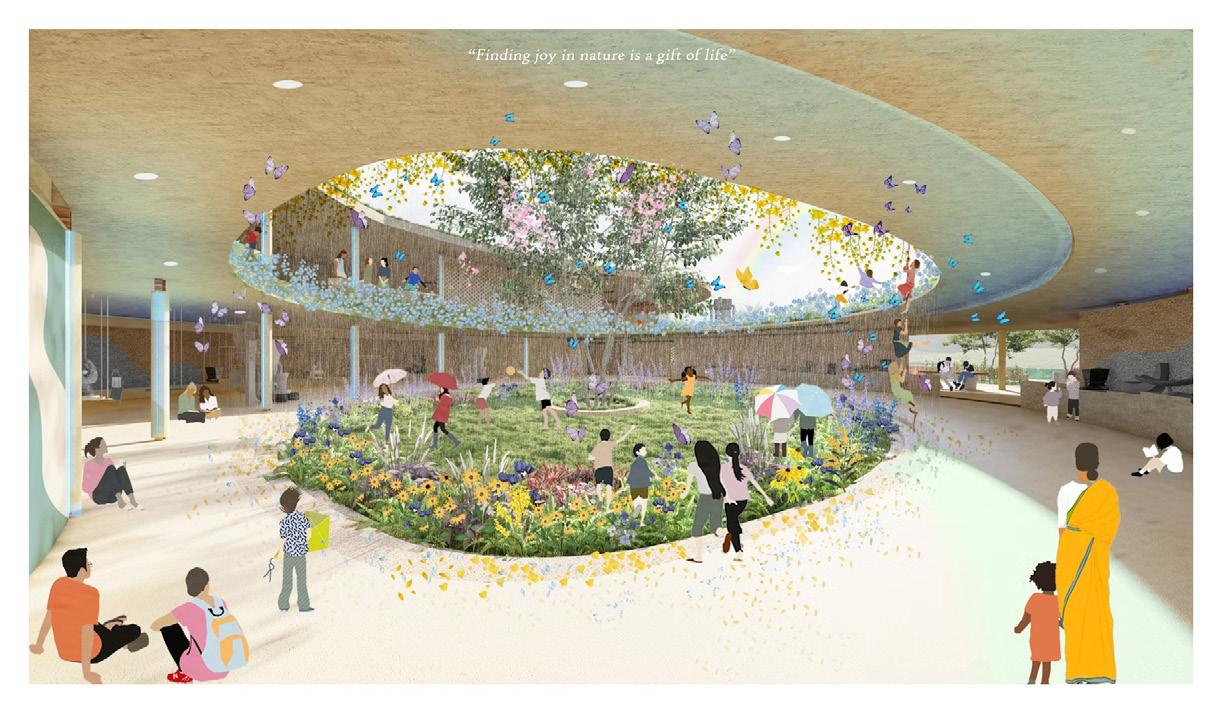
5. CAA Student Award: The CAA Student Award will recognise the work of students in Years 1 -3 which creatively addresses issues associated with social, economic, and environmental well -being in the context of the current biodiversity crisis and climate emergency.
6. CAA President’s Award : The CAA President’s Award will recognise the work of students in Years 4 , 5 & 6 which critically and creatively addresses the issues associated with social, economic, and environmental well -being in the context of the current biodiversity crisis and climate emergency.
ELIGIBILITY
Nominations for the CAA Lifetime Achievement Award are invited from CAA Member Organisations for a Commonwealth architect or architectural practice. CAA Member Organisations may nominate an individual or a firm in an other Commonwealth country, ie the nominee need not be located in the same country as the nomin ator , nor need they be a member of the Institute/Association responsible for nominating them.
Submissions for the CAA Environmental and Social Impact Awards and IFC Certified Project sub -category should have been designed and delivered by architects who are members of a CAA Member Organisation and are registered to practice in their country of residence and should be for work that has been completed and in use for between 1 and 5 years prior to the date of submission.
Entries for the CAA Student Award and for the CAA President’s Award sh all be nominated by their Head of Department and should have been produced by a student , or a team of students, from an accredited university in a CAA member country during the academic years 202 3-202 4 or 202 5-2026 . See here for a list of eligible architectural faculties.
Individuals or organisations directly involved in the administration, judging, or sponsorship of this awards programme are not eligible to enter. This includes, but is not limited to, employees, consultants, and immediate family members of the organising body, judging panel, and any affiliated partners or sponsors.
EVALUATION
CRITERIA
CAA Lifetime Achievement Award : Nominations for the CAA Lifetime Achievement Award will be assessed on the extent to which the y demonstrate advancement in one or more of the following areas:
• Design quality , that demonstrates skill and creativity, including environmental stewardship and social responsibility.
• Technical advancement , which may include innovation in construction methodology and/or in the use of materials.
• Academic contribution , which may include contribution to international / national architectural discourse including academic and educational benefits to students of architecture .
CAA Environmental and Social Impact Awards: Entries in these two categories will be judged on the extent to which they can demonstrate having made a significant impact in one of the areas referred to , together with t he following criteria:
• Design quality: Submissions should reflect design quality in terms of amenity, durability and resilience having regard to the method of construction, materiality, energy efficiency and intended lifespan together with usability, accessibility and adaptability having regard to its intended function. Projects should make a positive contribution to the context in which they are situated.
• Performance/Impact: The performance and/or impact of the project in use, in relation to the relevant award category and its underlying targets.
CAA Student Award and the CAA President’s Award : Entries in these two categories will be evaluated on the relevance of their submission to the award, on the depth of their understanding of the subject matter and the creativity they bring in terms of problem solving and design.
STAGES
The awards will be judged in a single stage and will be assessed on a regional basis reflecting the five regions of the Commonwealth , namely:
• Caribbean & Americas
• Europe
• Africa
• Asia
• Pacific
JURY
There will be one jury appointed for the Lifetime Achievement and Professional Practice categories and another for the Education category. The jury for the Education category will serve as the selection committee for an Online Exhibition of students work.
Professional Practice
• CAA Chair of Professional Practice : Ms Sui -Te Wu , (U nited Kingdom )
• Caribbean & Americas : Mr Bryan Bullen, (Grenada)
• Europe : Mr Chris Briffa, (Malta)
• Africa : Mr Christian Benimana (Rwanda)
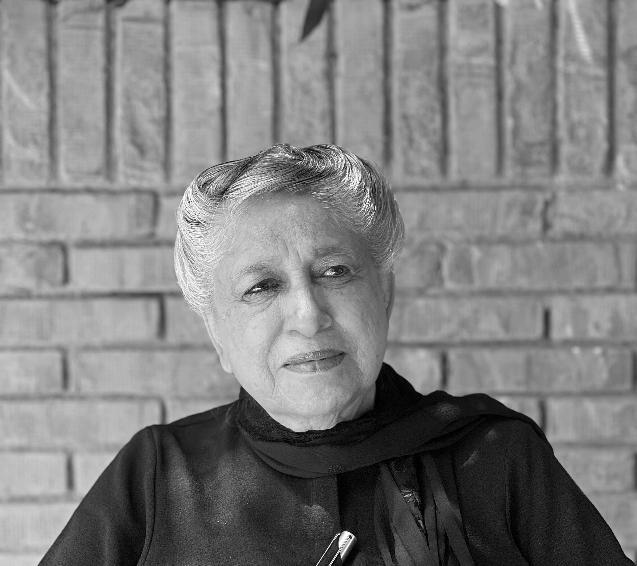
• Asia : Prof Dr Yasmeen Lari (Pakistan)
• Pacific : Ms Caroline Pidcock, (Australia)
Education
• CAA Chair of Education : Mr Umar Saeed (Pakistan)
• Caribbean & Americas : Ms Nooshin Esmaeili, (Canada)
• Europe : Dr Byron Ioannou, (Cyprus)
• Africa : Dr Hermie Delport, (South Africa)
• Asia : Prof Sajida Haider Vandal, (Pakistan)
• Pacific : Dr Charmaine ‘Ilaiū Talei , (New Zealand )
For further details of the jurors, see Appendix I. The decisions of the jury shall be final.
AWARDS
There will be one winner in each Category and each winner will receive a trophy and a certificate. The winners of the CAA Student Award and the CAA President’s Award will each receive a cash prize of £500.
The jury may also issue Commendations and/or Regional Awards at its sole discretion .
Entries selected in Categories 4 and 5 will be exhibited in an Online Exhibition hosted by the CAA for viewing by a global audience
AWARD S CEREMONY
The CAA will announce the winners of the 202 6 CAA Awards Programme at an Award Ceremony which will form part of its General Assembly . The General Assembly will be held in hybrid format and is scheduled to take place in early September 2026 at the Aotea Centre, Auckland, New Zealand.
PROGRAMME
The timeline for the 2026 award cycle will be as follows:
• Launch Award Programme : 10 December 202 5
• Deadline for Submission for Categories 1 , 2 & 3 : 02 June 2026
• Completion of Jury Assessment for Categories 1 , 2 & 3 : 23 June 2026
• Deadline for Submission for Categories 4 & 5 : 23 June 2026
• Completion of Jury Assessment for Categories 4 & 5 : 04 August 2026
• Announcement of Results and Award Ceremony : Early September 2026
SUBMISSION REQUIREMENTS
CAA Lifetime Achievement Award: Nominations for the CAA Lifetime Achievement Award shall include:
• N ame, postal address, and email address of the nominee.
• N ame, postal address . and email address of the nominator and their organisation.
• A written biography of the nominee (max 500 words)
• A testimonial explaining the achievements for which they have been responsible, having regard to the award criteria (max 500 words)
• Supporting information in the form of drawings, photographs, and/or videos, with accompanying explanatory notes, sufficient to illustrate the body of work (a m inimum of 3 and a maximum of 7 x high resolution images and a minimum of 3 and a maximum of 7 x A1 composite panels in .jpg format )
CAA Environmental and Social Impact Awards : Submissions for the CAA Environmental and Social Impact Awards shall include:
• Name , postal address and email address of the entrant and their organisation.
• Names of any other significant contributors to the project and their organisation
• Name of the project being submitted and its location.
• Award category for which the project is being submitted.
• Supporting information in the form of drawings, photographs, and/or videos, with accompanying explanatory notes, sufficient to illustrate the work ( A minimum of 3 and a maximum of 7 x high re solution images and a minimum of 3 and a maximum of 7 x A1 composite panels in .jpg format .)
• A description of the work and its impact in relation to the relevant award criteria (max 500 words)
• Submissions for the IFC EDGE certified category should tick the box to show that the project is EDGE Certified and should attach a copy of the original EDGE Certificate and the associated Audit Report Summary.
CAA Student Award and CAA President’s Award : Submissions for the CAA Student Award and Presidents Award shall include:
• Name , postal address, and email address of the Hea d of Department responsible for nominating the entrant(s).
• Name and email address(s) of the entrant (s) .
• Current year of study, ie Years 1 -3 or Years 4 -6.
• Award category for which the project is being submitted , ie CAA Student Award or Presidents Award
• Supporting information comprising 3 x high resolution images and 3 x A1 composite panels in .jpg format in the form of drawings, photographs, and/or videos, with accompanying explanatory notes, sufficient to illustrate the body of work
• A description of the work and its merits in relation to the award criteria (max 500 words)
Drawing Format
Drawings and sketches to be submitted in JPG format, 1920 x 1080 at 150dpi.
Photograph & Video Format
• High resolution images should be min 5MB.
• Each high -resolution image should be accompanied by an equivalent low -resolution file which should not exceed 500kb
• File f ormats accepted : EPS, TIFF, and JPEG
• Video quality: Full HD (FHD) 1080p 1920 x 1080
Language
All submissions must be in English.
Submission Procedure
All submissions shall be submitted electronically via the CAA online platform which can be accessed here: https://caaa.awardsplatform.com/ . The award s are free to enter.
DECLARA TION OF AUTHORSHIP AND RIGHTS OF USE
By lodging a submission, e ntrants declare that they are the authors of the work. The entrant is also expected to recognise any o ther significant contributors to its conceptualisation, design, and delivery . The copyright of all s ubmissions remain s the property of their authors as defined by the UK Copyright, Designs and Patents Act 1988. By submitting an entry, the authors give the CAA unlimited publication rights and use of all submitted material for the purpose of promoting the awards programme and in support of its work.
PROMOTION
The winners of the CAA 202 6 Awards Programme will be widely publicised among CAA Member Organisation’s and across the Commonwealth network . They will also be hosted on the CAA Website and circulated to international media and may be selected for inclusion in its archive of Good Practice Case Studies
The CAA extends its thanks to its media partner for the 2026 award cycle, ArchDaily, which is the world’s most visited architecture platform, reaching over 137 million professionals annually.
AWARD SPONSORS , SINTALI
The CAA is also pleased to recognise the sponsors for the 2026 Awards cycle, Sintali.
Sintali is a global sustainability certification company based in the UK and operating across 100 countries around the world. As a key global partner for IFC’s EDGE green building program , Sintali acts as a certifier for the EDGE standard, as well as a training provider that supports capacity building and accreditation for professionals in the built environment. Sintali offers both livestream and on -demand courses that cover the EDGE metho dology, software tools, certification protocols, sustainability measures, and guidance on growing businesses focused on sustainable design. With thousands of projects certified around the world and hundreds of professionals trained and accredited, Sintali is working towards transforming the built environment in a scalable and collaborative way.
FURTHER INFORMATION
For further information please contact Mr Jacob Mwangi, CAA Executive Director at awards@commonwealtharchitec ts.org .
A PPENDIX I, JURY MEMBERS
The CAA is pleased to confirm the following Jury Members for the 2026 Awards Programme:
PROFESSIONAL PRACTICE JURY
Ms Sui -Te Wu (United Kingdom) is a strategic design expert with deep experience in public sector architecture, strategic Client Advisory, and governance. She leads complex, multi -disciplinary projects, promoting collaboration, sustainability, and inclusion. Known for transforming organ isations and guiding major clients, she champions design quality, social impact and climate action. Her roles include Director of Lean BIM Strategies, RIBA Client Adviser Chair, and Climate Framework member. Career highlights include the Jubilee Line Exten sion, CABE Enabler, and leadership across BSF programmes and UK local authorities
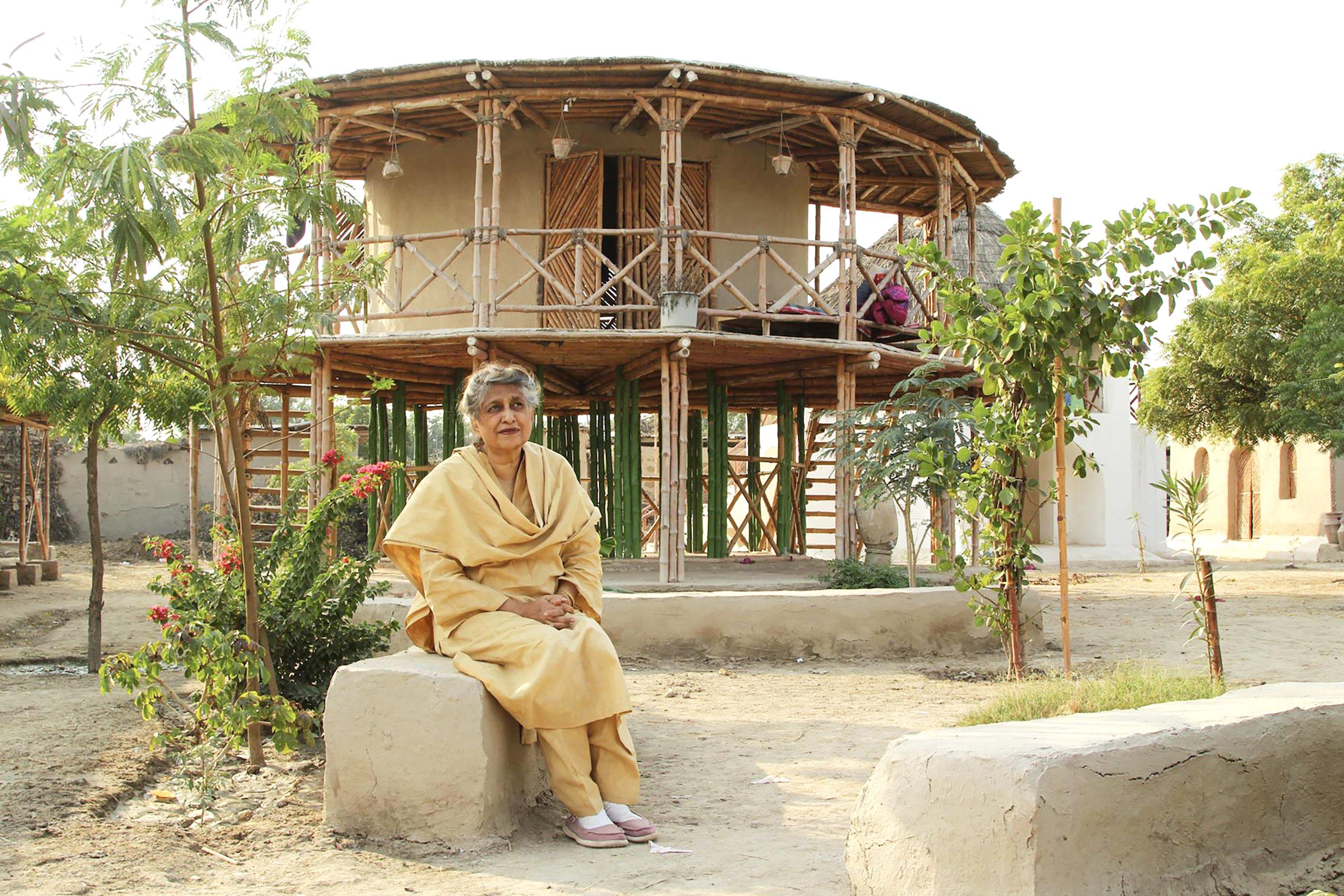
Prof Dr Yasmeen Lari (Pakistan) An architect, architectural historian, heritage conservationist and philanthropist, Yasmeen Lari is the recipient of national and international awards. She co -founded the Heritage Foundation of Pakistan, dedicated to the research and conservation of the architectural heritage of her country both the World Heritage Sites in Makli and Lahore, as well as everyday buildings. She is rewarded RIBA Royal Gold Medal architecture. Her works have been exhibited widely. She has devised barefoot social architecture for attaining social and ecological justice.
Mr Christian Benimana (Rwanda) is a celebrated architect, author and thought leader. He leads the Africa Studio at MASS Design Group based in Kigali, Rwanda. He founded the African Design Centre, a fieldbased apprenticeship that aims to equip the next generation of African designers w ith socially focused design principles. His extensive portfolio includes the Rwanda Institute for Conservation Agriculture, the Ellen DeGeneres Campus of the Dian Fossey Gorilla Fund, the African Leadership University, Ruhehe Primary School, and a range of other notable projects.


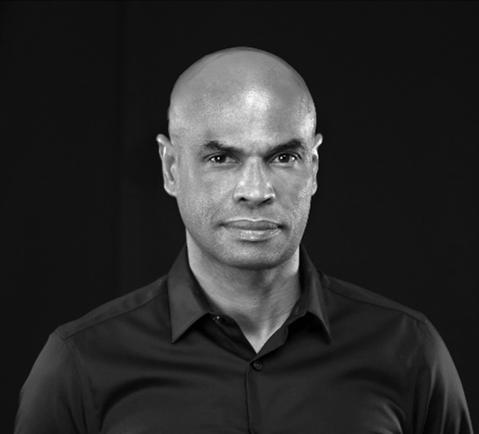
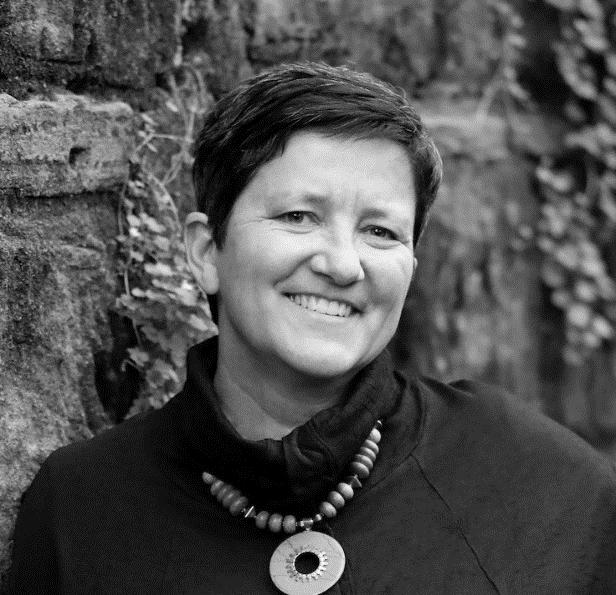
Mr Chris Briffa (Malta) is a leading Maltese architect and founder of Chris Briffa Architects, a studio acclaimed for minimalist yet contextually rich designs. Based in Valletta, his work spans residential, cultural, and hospitality projects, blending contemporary precsion with respect for Malta’s heritage. His portfolio includes award -winning buildings and interiors reflecting craftsmanship, sustainability, and urban sensitivity. Briffa’s contributions have been featured in international exhibitions and pu blications, and he remains an active voice in design education and public discourse, shaping the architectural narrative of the Mediterranean.
Mr Bryan Bullen (Grenada) is the recipient of the 2022 Commonwealth Association of Architects Design Excellence Award. Bryan has amassed an extensive body of work with a discourse that centres on the advancement of contemporary Caribbean architecture - exploring the perimeters of social, economic, and environmental change. He opened his own practice, Caribbean Office of Co -operative Architecture (COCOA) in 2000 since when he has been charting the way for Caribbean architecture with a voice that speaks for regional development.
Ms Caroline Pidcock (Australia) has been shaped by the lands and the water systems of the places in which she was born (Grafton) and raised (Sydney) in Australia. She is inspired by the creative capacity of architecture and finding ways to explore potential for regenerative ideas. Since starting her own architectural practice in 1992, she has focused on what sustainable architecture can be, both in practice and through contributing to a wide range of professional, academic and community organisations .
EDUCATION JURY
Mr Umar Saeed (Pakistan ) is an architect and educator, serving as Chair of Education and Validation at the Commonwealth Association of Architects (CAA) for 2024 –2026. He is also Deputy Chair of the ARCASIA Committee on Architectural Education and will become Chair in 2026. With 27 years of experience, Umar has delivered over 200 projects across Pakistan and the UAE. He leads Saeed Akhtar Studio, a Lahore -based practice noted for fine arts and institutional work. He contributes to education and policy, holding leadership roles with IAP and teaching at UOL.
Dr Hermie Delport (South Africa) is from the School of Architecture, Planning and Geomatics at the University of Cape Town. She has been practicing in architectural education for 20 plus years. Her doctoral degree focused on alternative learning and teaching practices for the architectur al studio, specifically on design -build as a collaborative design and learning space. Her educational approach focuses on the transformation of content, teaching, and learning to purposefully include socially relevant, contextual, and sustainable issues.
Ms Nooshin Esmaeili (Canada) is an architect and a PhD Candidate at the University of Calgary. Her research spans architecture, philosophy, environmental psychology, and neuroscience, focusing on human -environment interactions both internally and externally with an emphasis on spatia l poetics and transcendental architecture. As Chair of the Canada Chapter of the Academy of Neuroscience in Architecture (ANFA), she advocates for research in health and well -being in the built environment. Nooshin is also President of the Canada Graduate Students in a nationwide project aimed at improving Canada's built environment's quality, equity, social value, and sustainability.

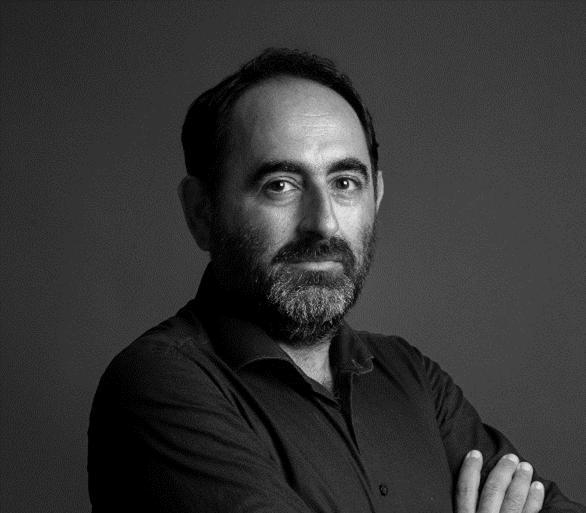
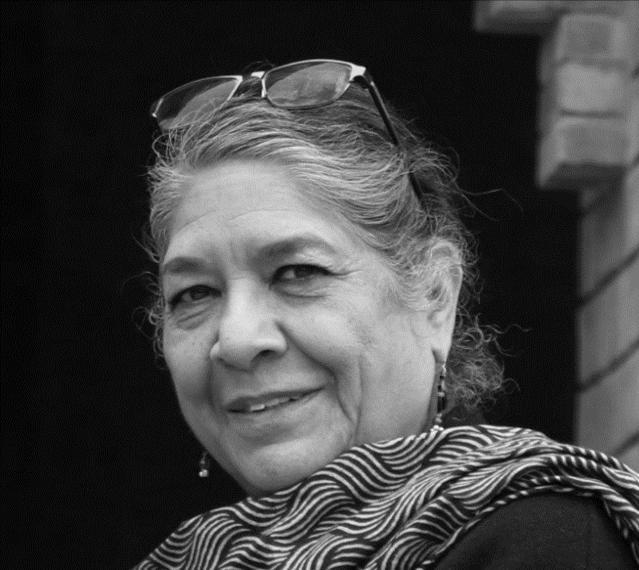
Dr Charmaine ‘Ilaiū Talei (New Zealand) is a Tongan Registered Architect, Researcher, and Educator at Waipapa Taumata Rau The University of Auckland. She coordinates Professional Studies and teaches Pacific architecture. Her practice spans Aotearoa New Zealand, Fiji, Tonga, Australia, and other Southwestern Pacific Islands As director of Charmaine ‘Ilaiū Talei Architecture, she leads research -informed projects for Pacific communities. In 2025, she was elected by Te Kāhui Whaihanga NZIA to co -lead the CAA Education Committee, representing the Pa cific region and advancing culturally grounded design and education across Oceania.
Dr Byron Ioannou (Cyprus) is an architect and a town planner, Head of the Department of Architecture at Frederick University, Cyprus, and Lead of the Urban Planning and Development Unit at the same institution. His research and publications focus on inclusive urban design, housing, urban mobility, and sustainable built environment. He has also been a practicing architecture with awarded proposals in international competitions in the Mediterranean basin. He studied architecture and planning at N.T.U. Athens.
Prof Sajida Haider Vandal (Pakistan) is an educationist, a practicing architect, and an author. She has been leading prestigious institutions in Pakistan which are interdisciplinary and recognize the deep nexus between the tangible and intangible culture. She is the current CEO of the NPO, THAAP, which is a UNESCO accredited organization under Convention 2003. Prof. Vandal is an alumnus of the University of New South Wales, Australia and the University of Engineering & Technology, Lahore, Pakistan.
APPENDIX II , SCORING GUIDE
Scoring Guide for Jury Members
Each evaluation criterion will be scored according to the following scoring guide:
• 9-10, Excellent : In the opinion of the evaluators, the Competitor’s response or information provided is exceptional or exemplary in relation to the project and the criterion being scored.
• 7-8, Very Good: In the opinion of the evaluators, the Competitor’s response or information provided addresses all requirements and exceeds the normal expectation in relation to the project and the criterion being scored.
• 5-6, Good: In the opinion of the evaluators, the Competitor’s response or information provided is acceptable and meets the normal requirement/expectation in respect of the project and the criterion being scored.
• 3-4, Satisfactory : In the opinion of the evaluators, the Competitor’s response or information provided barely reaches the normal requirement/expectation in respect of the project and the criterion being scored.
• 1-2, Unsatisfactory: In the opinion of the evaluators, the Competitor’s response or information provided does not adequately address the stated requirement/expectation in respect of the project and the criterion being scored.
• 0, Deficient: The Competitor fails to provide a response or provides information which in the opinion of the evaluators provides insufficient detail for evaluation, and/or does not address the requirements.
Guidance Notes for Jury Members
• It should be assumed that all submissions are complete as th ese will have been checked in advance by the CAA Secretariat.
• Each evaluation criteri on shall carry equal weighting.
• Each jury member will be invited to score each submission independently.
• The scores of the jurors will be aggregated.
• The jurors will meet to moderate the score and the decision of the jury shall be final.
• In the event of a tie, the Jury Chair shall have the casting vote.
• To be considered for an Award , submissions will be required to achieve 'Excellent' against at least one C riteria
• To be considered for a Commendation , submissions will be required to achieve 'Good' against all criteria and 'Very Good' against at least one criterion.