Anthropogenic
EDITOR-IN-CHIEF
CyndyHines chines@coloradocollege.edu
HEAD WRITER
DeliaFreliech
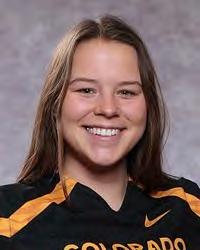
FROM:Wilton,Connecticut
MAJOR:Environmental ScienceChemistryEmphasis
HOBBY:Walking/hiking, ceramics,lacrosse
FUNFACT: TodayIlitalight bulbwithapotato.
GRAPHICS DESIGNER
SamwelMakyao
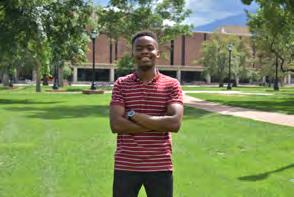
FROM:DaresSalaam,Tanzania
MAJOR:ComputerScience
HOBBY: Anything soccer and musicrelated
FUNFACT:Icanplayanysong byearacrossfourdifferent instruments.
VIDEOGRAPHER
Eric Ingram
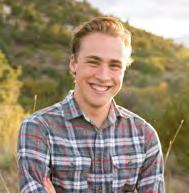
FROM:ColoradoSprings, Colorado
MAJOR:PoliticalScience &FilmandMediaStudies
HOBBY:Backpacking, filmmaking,CC'sMockTrial team
FUNFACT:Ihavecanoedinto bothMexicoandCanada.
CONTRIBUTING WRITERS
Marco Barracchia
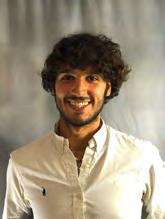
FROM:Trani,Italy
MAJOR:Anthropology
HOBBY:Dancing,kayaking, traveling
FUNFACT: Ihavelivedin7 differentcountries.
Other contributing writers: SamwelMakyao. EricIngram.
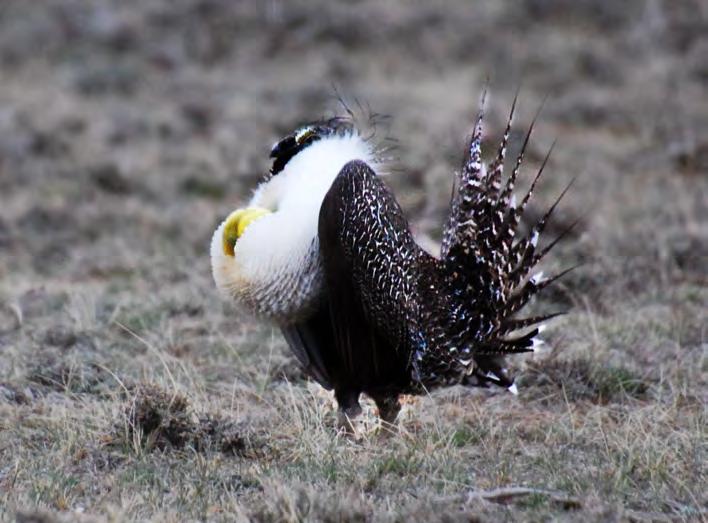
GREATER SAGE-GROUSE is pictured lekking, coupled with a signaturepoppingcallproducedbypuffingupandquicklydeflatingtheirbrightyellow airsacs(pictured).PhotobyMatthewNesselrodt'23inKremmling,Colorado.
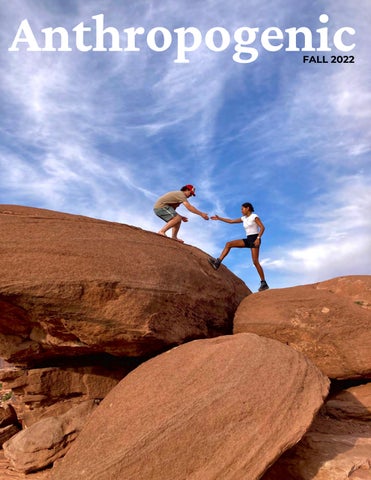
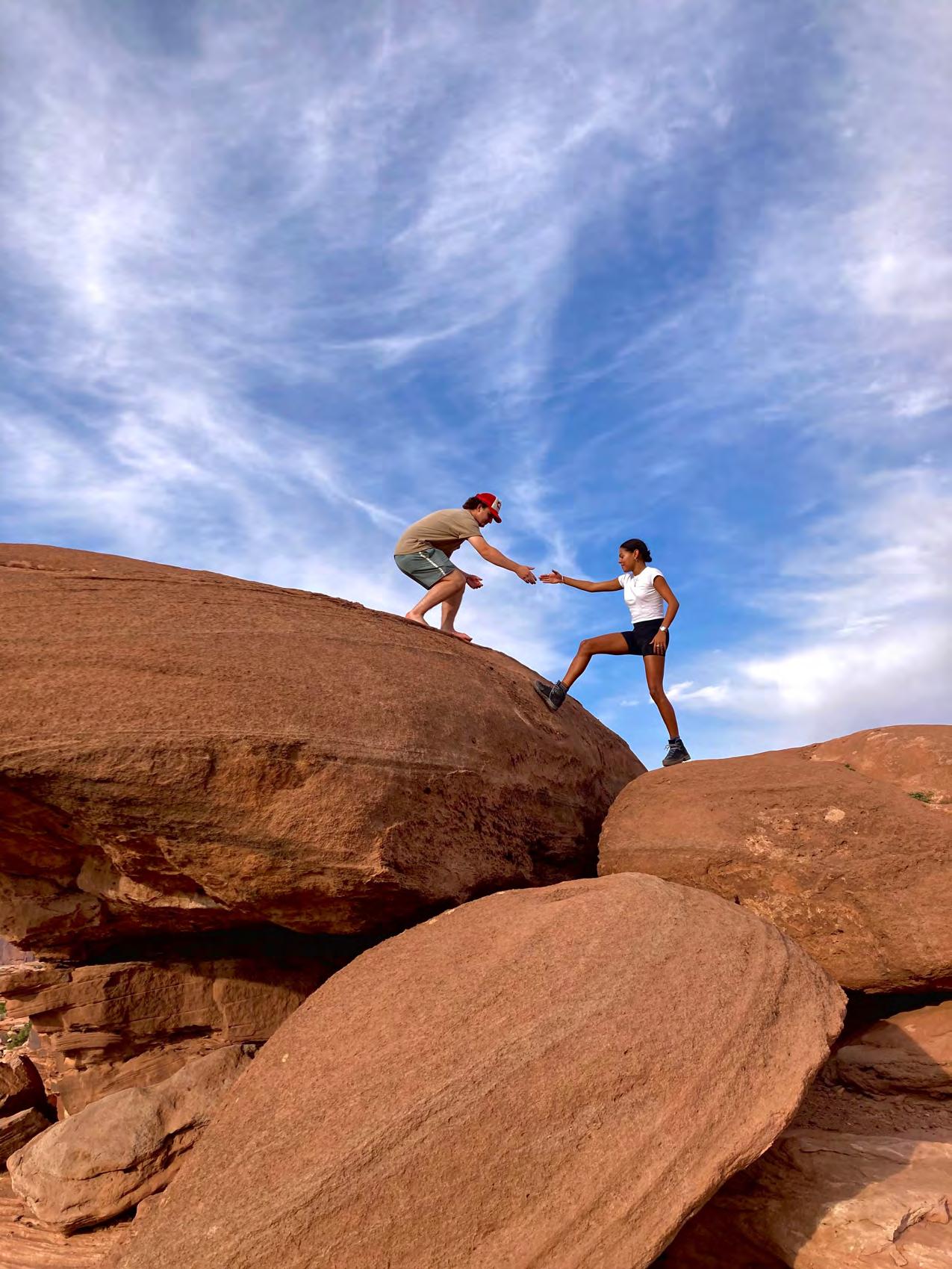
ON THE COVER: Moab in Utah as part of the 2022 Student Photo Contest.
SENSE OF RESPONSIBILITY photo taken by Jamilah Maronde '22
State of the Rockies Project
For a complete version of the magazine, visit: https://www.stateoftherockies.com
WHO WE ARE DIRECTOR'S NOTE
Greetings
It’sbeenafunandfulfillingyearattheStateoftheRockies.OurProgramSpecialist, Cyndy Hines, and I have worked with many terrific students on projects that furthertheirinterestsinthesocial,environmental,andpoliticalchallengesofliving in the Rocky Mountain West. In this edition of Anthropogenic, we share the exciting work of our students, ranging from photography exhibits of fires in the Rocky Mountain West - to mapping the dark skies of this region - to conference presentationsonourresearchontheoilandgasindustryinColorado.Ithinkyou’ll beamazedatwhatwe’veaccomplishedandtheimpactandreachwe’vehadinour communityandnationwide!
Lastfall(2021), we received a $385,000 grant from the William and Flora Hewlett Foundation to host the Conservation in the West poll and related projects. For example,overthesummerCCstudentstraveledtonationalparkstointerviewpark visitorsandlearnwhethertheiropinionsonconservationandsustainabilityreflect theresultsofdatacollectedintheConservationintheWestpoll.
Last spring (2022), the 50th Reunion Class chose the State of the Rockies for its fundraising campaign for an Endowed Fund for State of the Rockies Student Fellowships.The50thReunionClasswillshowcaseourfellows’researchandother projectsincludingourstudent-createdvintagepostersduringtheircelebrationthis fall.
Lookingaheadtothe2022-23academicyear,wewillstartmanynewprojectsthat focusontheenvironmental,social,andpoliticalchallengesoftheRockyMountain West. Keep an eye on our social media pages and the CC Handshake website for new opportunities. We are always looking for motivated students to work with us on our research projects, especially students who want to preserve the beautiful landscapeofourregion.
Thankyouforallofyoursupport,andenjoythiseditionofAnthropogenic!
Dr. Kat Miller Stevens DirectoroftheStateoftheRockiesProject
The Colorado College's State of the Rockies Project encourages students to further their academic interests in the ecological, social, and political challenges of living in the Rocky Mountain West. Students embark on interdisciplinary investigations around the region to discover the possibilities for balancing human activity without spoiling the natural environment.
OUR MISSION
The State of the Rockies Project enhances understanding of and action to address socioenvironmental challenges in the Rocky Mountain West through collaborative studentfacultyresearch,education,and stakeholderengagement.
WHERE TO FIND US
StateoftheRockies StateoftheRockiesProject rockies_project rockies@coloradocollege.edu
http://stateoftherockies.com/
ANTHROPOGENIC|2
By Delia Freliech
The
By Delia Freliech
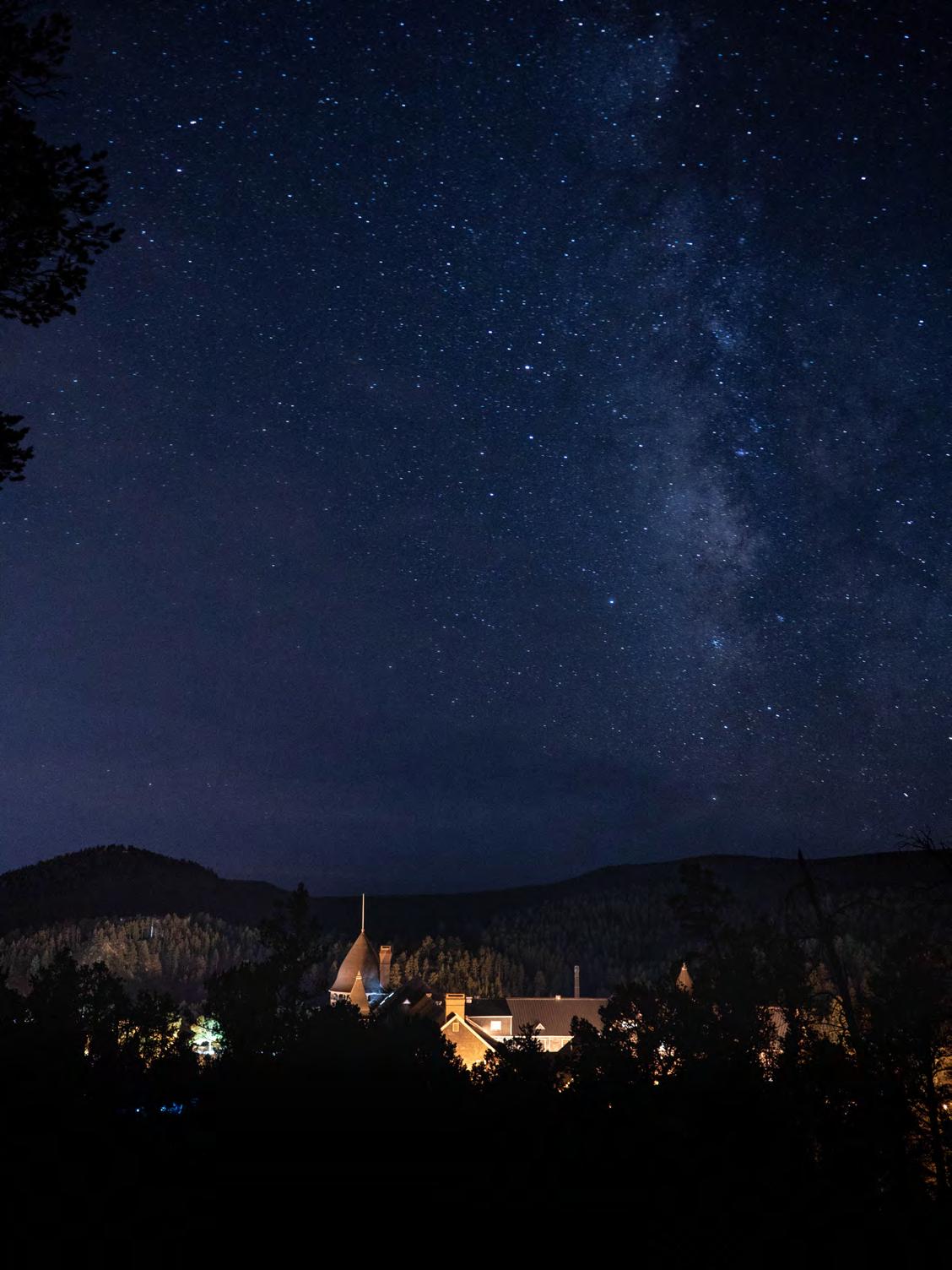
RestinginthePecosWilderness of Northern New Mexico, the Montezuma Castle serves as a school for 230 international students from over 100 different countries. A truly uniquemicrocosmoftheworld, the Montezuma Castle has alreadyburntdownthreetimes due to forest fires. Currently another fire rages in the Pecos, putting the castle and its diverse occupants at risk again. PhotobyBenCurry'25.
DeliaFreliechrevisitsherexperiencewiththeConservationintheWest PollInterns.
By Cyndy Hines
The Dark Skies Project: CC After Dark
Learn the importance of Dark Skies while reading how four CC students spent their summer developing unique projects to understand and increase public concern about darkskiesanddevelopwaystopreserveourDarkSkies.
By Delia Freliech
Anna Sofia Vera ’22 and Diellza Muriqi ’22 reflect on their internship with the State of the Rockies.
By Marco Barracchia | Photos by Marco Barracchia
A synopsis of the paper looking into the past to present future suggestions for Castle Rock Water written by Anna Sofia Vera ’22 and Diellza Muriqi ’22.
By Delia Freliech
An introduction to studying payment of water-based ecosystem services research conducted by Samwel Makyao '25 and Ewan Henderson '23, under the supervision of Professor Kat-Miller Stevens and Mark Eiswerth.
By Delia Freliech
Students create re-imagined Federal Public Lands promotional posters with contemporary conservation messages
By Delia Freliech
Samwel Makyao
By Cyndy Hines | Video Edited by Eric Ingram
FELLOWS -FACULTY RESEARCH
Understanding Policy Debates on the Future of Hydraulic Fracturing and Abandoned Wells in the Rocky Mountain West
Description
This is a faculty-organized summer research group. The overall goal is for the group to design and conduct research on the relationships among the oil and gas industry, advocacy coalitions, and policymakers in Colorado with 6 student fellows broken into 4 main research topics. This is the second year of State of the Rockies running thisproject.
Meet the Faculty
Kat-Miller Stevens, PhD
Kat-Miller Stevens is the State of the RockiesDirector and an associate professor of business at Colorado College, Katrina’s interdisciplinary research bridges the areas of public policy, social impact, and nonprofit studies. This research explores the ways in which social movements and collaborations create social change to influence policymakers, powerful industries, and institutions. Her work addresses environmental-focused social movements and their intersectionwithsocialjusticeandenvironmentaljusticeissues.Sheis especially interested in researching the sharing of knowledge and resources, leadership and governance issues, and community and environmentalimpactsofsocialmovementsandcollaborations.
Jonathan Pierce, PhD
, Visiting Professor
Jonathan Pierce is the Vice-President of Safeguard Marine, LLC. He is the lead scientist and project manager on research projects seeking to mitigate risks posed by shipping on the marine environment. Dr. Pierce received a Ph.D. in Public Affairs from the School of Public Affairs, University of Colorado, Denver (CU Denver) in 2012. He has taught undergraduate and graduate courses in public policy and administration at CU Denver, the University of Denver, and Seattle University. His research interests examine the motivations and advocacy efforts of actors in the policy process applied to natural resource development with a post-doctorate focusing on fracking in Colorado.JonathanisalsoanadjunctprofessoratColoradoCollege.
PROJECT ONE
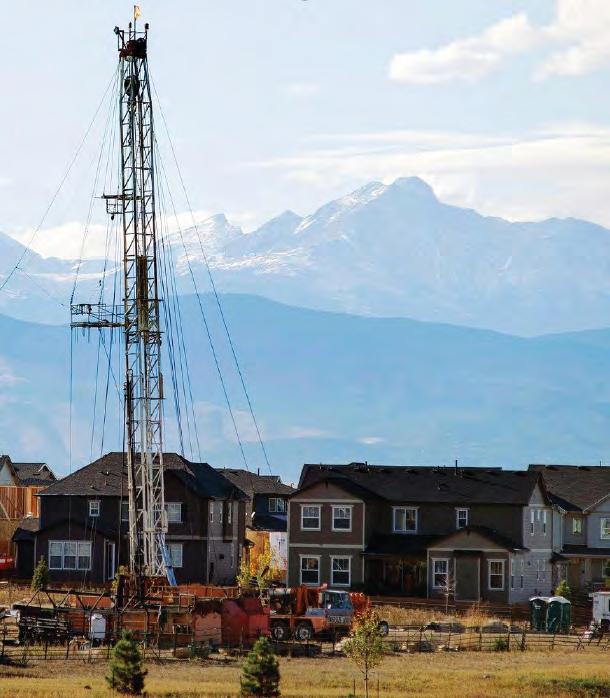
An Exploration of Individual Perceptions of, and Feelings Towards, the Use of Hydraulic Fracturing
Micah Arrison '23,
Research Fellow Research Fellow
Background Charlotte Toogood '24,
Thisteamiscodingandanalyzingqualitativedatafroma2019surveytestingthenarrativestrategyoflossframes around fracking with a control frame. This was used to receive how that impacts individual perceptions, beliefs, and emotions towards, the use of hydraulic fracturing. Control frames give the subject basic detail on how fracking is conducted by oil and gas companies. On the other hand, a loss frame focuses on the environmental and public health, and safety risks associated with fracking. The main responses to the survey found the use of lossframesasthemostinfluentialwaytopersuadebeliefsandemotions.
With these survey results, the fellows team coded 409 entries to document different responses coming from subjects who read the control vs the loss frame entries. The team made adjustments to the codebook as the process continued to reflect what they were finding and ensure responses would be lined up with the codebook. With this, they were able to have a 92% agreement with each of the codes. This is a very useful study as it shows that advocacy groupsagainstfracking are more likelyto influence the emotions of the general public ifthey use a loss-framenarrative withtheir messaging.Charlotte andMicahwillbeworking withDr.JonathanPierce thisfall tocompleteapaperonthefindingsofthisproject
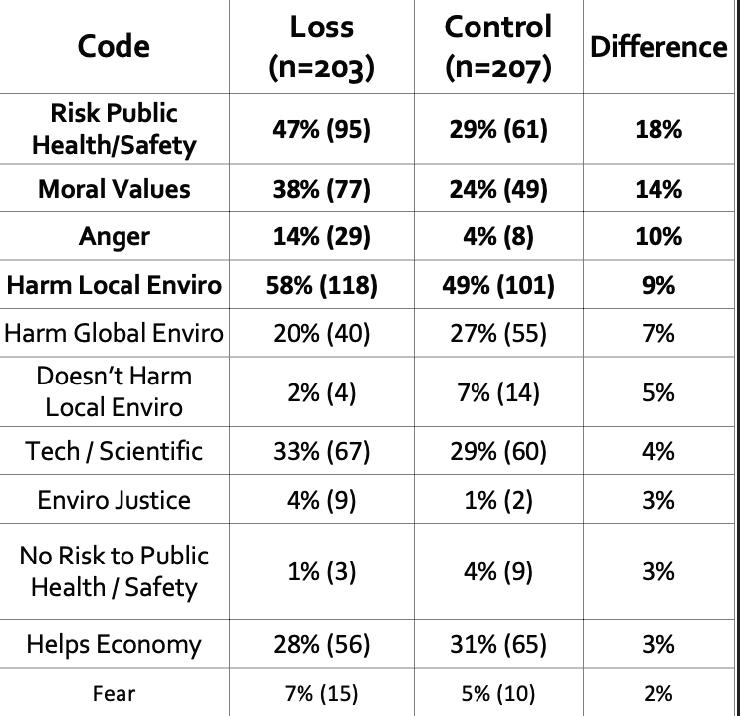
Thistableshowstheresultsoftheprojectwiththedifferencebetweengroups presentedlossorcontrolgroupsandwhatpercentwasconcernedwithspecific riskcodes.
Fellows' Profiles
MICAH ARRISON ‘23 is from Freeport, Maine, and just transferred from Drexel University. He is an International Political economy major interested in understanding effective policies for environmental protection and climate justice. He is inspired to work with the 2022 team of research fellows to investigate the institutions and coalitions involved infrackingpoliciesintheRockies.
CHARLOTTE TOOGOOD ‘24 from Paget, Bermuda, and is pursuing an environmental studies major and a political science minor. She is interested in environmental policy, justice, and sustainability. Charlotte wants to gain a deeper understanding of the local oil and gas industry anditsimpactsonthesurroundingcommunitiesandenvironments.
PROJECT TWO
Public opinion of climate change and the oil and gas industry before and after the Trump Administration
Zoey Roueche, '24,
Background Zoraiz Zafar, '25,
Research Fellow Research Fellow
Zoey and Zoraiz are analyzing longitudinal data from the 2018-2022 Conservation in the West Poll to explore public opinion over time on issues related to climate change and the oil and gas industry such as air and water pollution,economicimpactsofoilandgascompanies,andenvironmentalandsocialinjusticesoftheindustry.
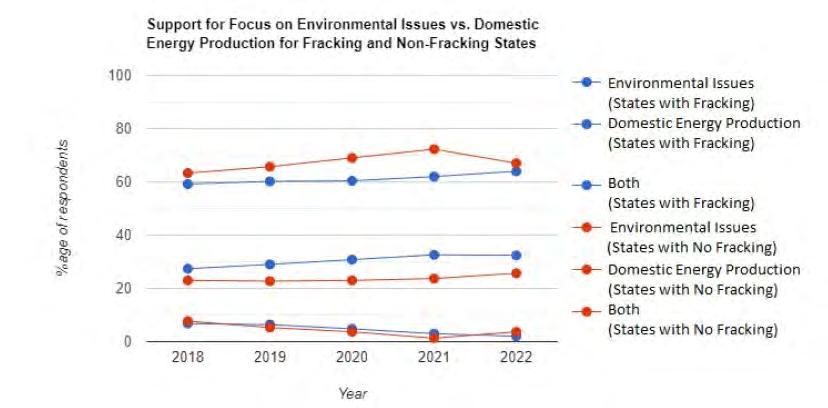
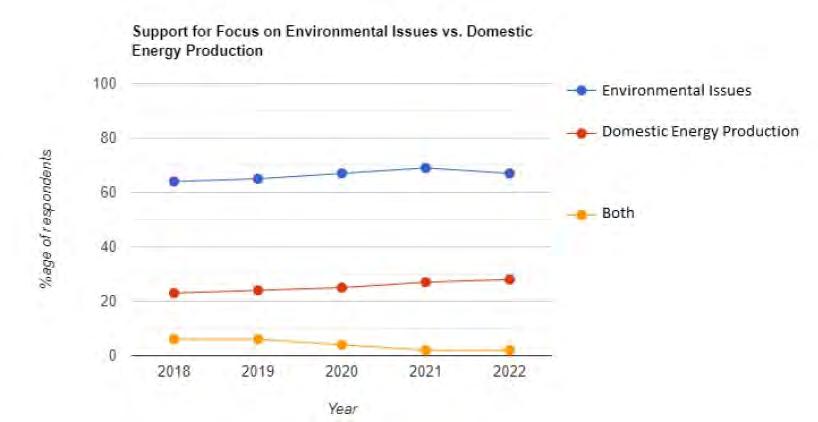
This team has been analyzing the data to gain an understanding of trends related to environmental policy. This poll reflects public opinion over time on issues related to climate change and the oil and gas industry such as air and water pollution, economic impacts of oil and gas companies, and environmental and social injustices of the industry.Specificquestionstheyhavebeenstudyinginvolvewhetherpeoplefeelcongressandtheadministration shouldfocusondomesticenergyproductionandgasorenvironmentalissues.
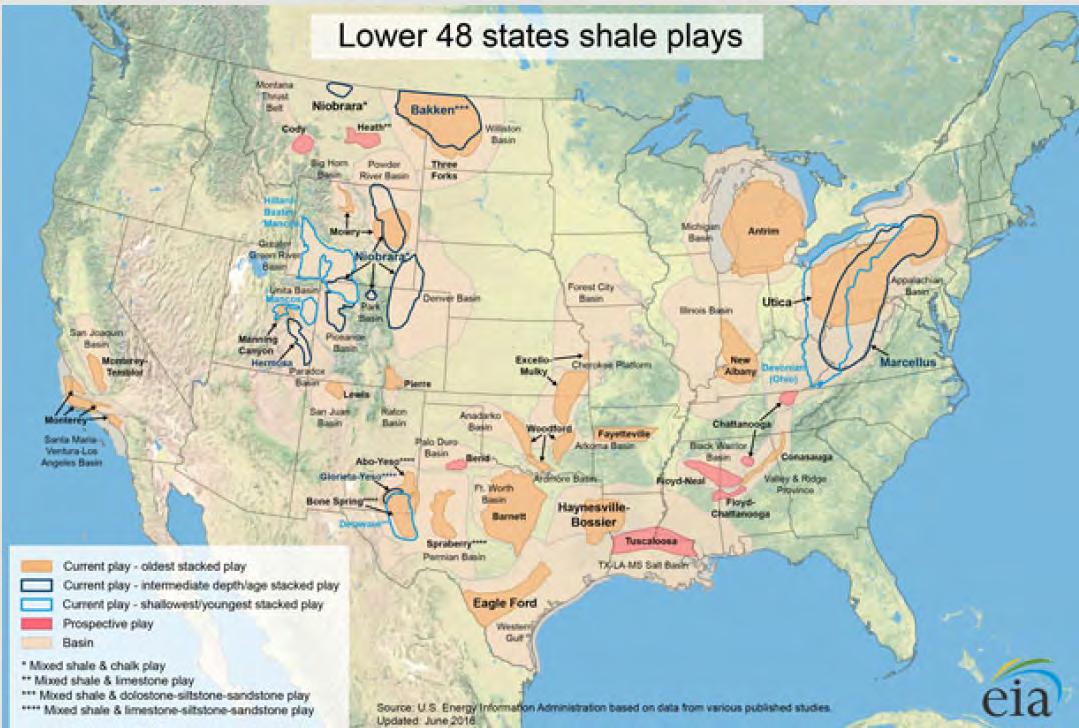
Outstanding trends depend on whether a voter comes from a fracking or non-fracking state (middle image) and the voters' gender (top image). There is more support for environmental issues over domestic energy production (bottom left image) in all Rocky Mountain West states except for Wyoming and female-identifying respondents are seen to support environmental issues over domestic production more than males (top image). Zoey and Zoraiz recently finished a paper analyzing policy changes on fracking and oil and gas between presidential administrations,findingthatthepartyinpoweraffectswhatfracking-relatedrulingscanbepassedaswellasthe persistenceofinconsistenciesinexecutiveordersfromthedifferentadministrations.
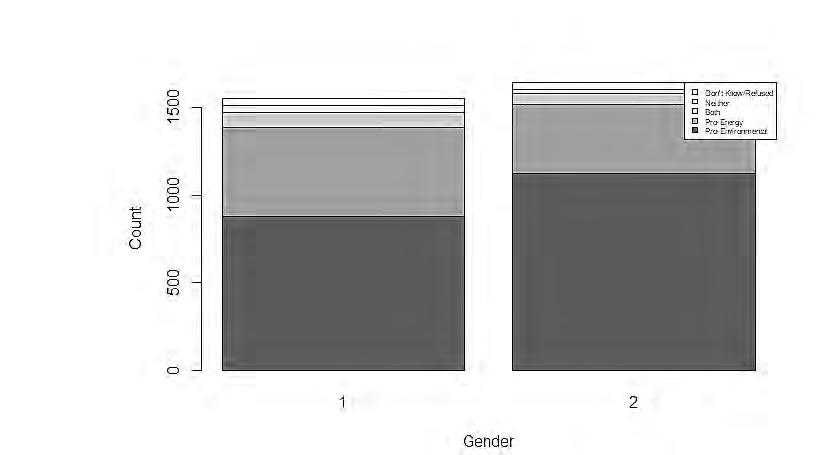
This graph shows disparity in 2020 Conservation in the West Poll with female-identifying respondents more in favor of focusing on environmental issues.
Fellows' Profiles
ZOEY ROUECHE ‘24 from Littleton, Colorado is an Environmental Studies and Political Science double major and a French minor. Zoey is passionate about environmental policy and issues of environmental justice. This project is a mix of Zoey’s two fields of study and allows her to focus on environmental policy something that she plans to pursue in law school after graduating from Colorado College. With this study, Zoey iscompletingmostofthepolicywork.
ZORAIZ ZAFAR ‘25 from Linkoping, Sweden, and Islamabad, Pakistan is pursuing a major in Mathematical Economics and aspires to attend law school one day. He is very enthusiastic about studying the quantitative aspects of the oil and gas industry by analyzing its socioeconomic and environmentaleffects.Zoraizisfocusingmostlyonstatisticsandanalysis ofdatafromtheSOTRpollforthisproject.
These graphs compare the percentage of correspondents supporting a focus on environmental issues vs. domestic issues from 2018 to 2022. The middle graph includes whether the respondent came from a state with or without fracking and the lower graph pools all respondents together.
PROJECT THREE
Ben Gibson, '23,
A GIS perspective of fracking in Colorado Background Dova Castaneda
Zilly, '23, Research Fellow Research Fellow
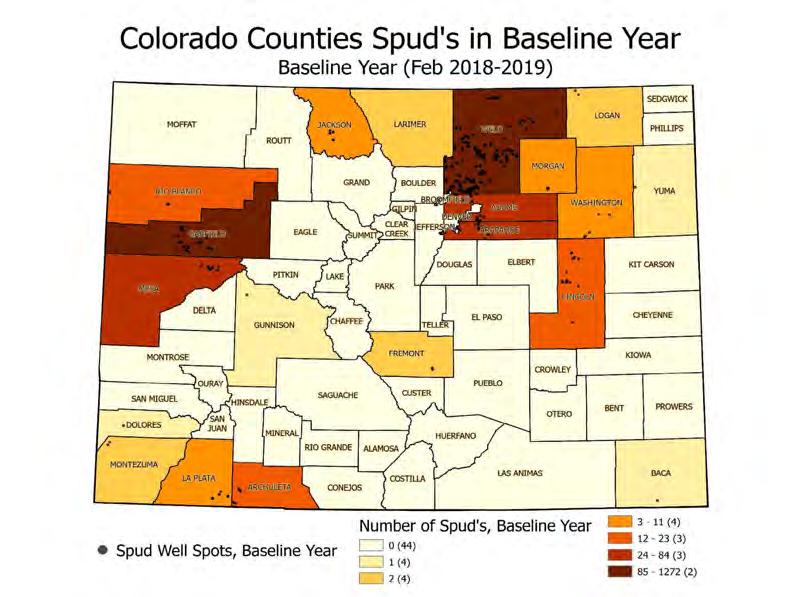
This team is investigating the geospatial distribution of policy actors’, their political behavior, and their proximity to fracking as a result of the 2019 SB19-181 (see project 4 for more information) throughout the state of Colorado. This team is using policy actors to observe trends on fracking, they are looking at which way people votedonquestionsrelatedtofrackingalongsidewheretheyarelocatedinproximitytothefrackingsite.Theyare alsolookingtofindtrendsrelatingfrackingopinionswithpartisanship,development,anddensityofthesites.
Sofar,theyarestillwaitingtoreceiveharddata,basedontheliteraturereadtheyhypothesizethatproximitywill be a big factor, and the people living closer to the fracking sites will be more opposed to the bill. They also expect that partisanship will have less of an influence on voters located near the fracking sites, meaning that all residents closer to the sites will be more opposed, and through further analysis, they believe that votes placed by peoplelocatedfartherfromthesites,willbemorepartisanwithdemocratsbeinglesssupportiveandrepublicans beingmoresupportiveoffracking.Thisisbecausepolicyactorslivingfartherawayaremorelikelytohaveformed opinionsalongthelinesoftheirpartisanaffiliation.
Recency is a final actor that the team has been tracking, although they noted that much of the literature thus far gives contradicting reactions out of locations with familiarity with fracking development. The pair hypothesized that Policy actors in places with a large amount of recent growth are more likely to have supported SB 19-181 while policy actors in places with historical growth are more likely to have opposed SB 19-181. Some literature states that areas with more recent rapid fracking development would have more objections due to their existing exposure, and some state that familiarity with more fracking would make the voters more supportive. This team planstocontinuetheirworkonthisprojectintothefall.
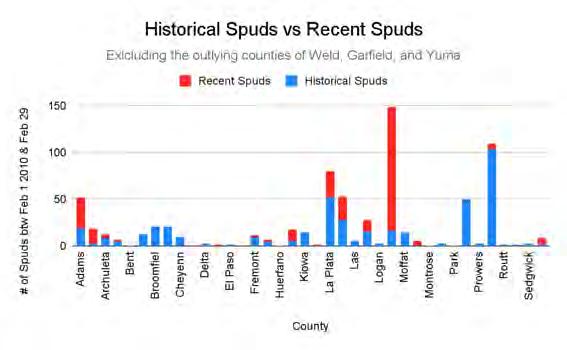
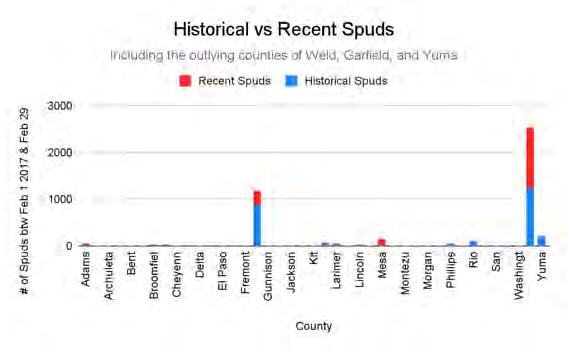
ThenumberoffrackingSpudsarethenumberoffrackingwellsstartedwithinagivenyear.
Fellows' Profiles
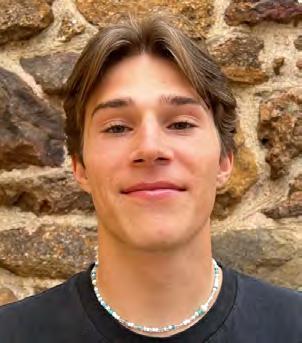
BEN GIBSON ‘23 from Essex, Massachusetts is an environmental study major with a specific interest in environmental law and policy. He was interested in the work that was already started for this project and is excited to help it move forward. Ben is interested in working alongside the other State of the Rockies fellows to develop a better understanding ofthetoolsutilizedbyadvocacycoalitionstoaffectthepolicyprocess.He has enjoyed the freedom as well as guidance they have received from Kat andJonathanastheprojecthastakenthemonmanyunexpectedturns.
DOVA CASTANEDA ZILLY ‘23 from Seattle, Washington, is returning for her second summer as a State of the Rockies Fellow. She is an Environmental Studies & Economics double major and is interested in studying the interconnections of those two disciplines to help preserve and conserve the environment. Her work from last summer and a class project using the data sets previously created inspired this project. Dova is excited to work with the new fellows and study the oil and gas industry’s relationship with the communities they are in the Rocky MountainWest.
Ben and Dova used ArcGIS to create this map depicting how Spud's are concentrated in the different Colorado Counties.
PROJECT FOUR
Research Topic:
An exploration of nonprofit advocacy tactics used to influence oil and gas policy
Coming this Fall
Background
While some of the teams will be finishing up their projects from the summer, other fellows will begin the school year with a new project that analyzes qualitative coding from transcripts of individuals representing nonprofit organizationsatlegislativehearingsonColoradoSenateBill19-181.
In the Summer of 2021, the fellows team analyzed all of the public testimonies on Colorado Senate’s 2019 Bill 19181. This bill changed how the state of Colorado governs the operation and development of oil and gas, becoming one of the most innovative bills of this nature in the nation. It ensures that the industry is regulated to protect “publichealth,safety,welfare,theenvironmentandwildliferesources.”
The testimonies were coded into separate keywords and phrases used now to establish numerical data. This data can then be compared alongside voter data from the State of the Rockies Conservation in the West Poll and used todeterminekeytermsrelevanttothissummersprojects.
This part of the project will add to last summer’s work on public testimony with coded reports of tactics used in hearingsofadifferenttargetgroup:representativesfromthenon-profitsector.
RESEARCH PRESENTATION
Rockies Fellows
Present at National Conference
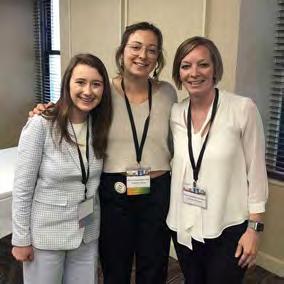
AttheendofBlockSevenStateoftheRockiesFellowsIzzieHicks,'22andDova Castaneda-Zilly , '23 traveled with Dr. Kat Miller-Stevens, director of the State of the Rockies Project, to the Midwest Political Science Association’s annual conference in Chicago, Illinois. Hicks and Castaneda-Zilly presented a paper from the State of the Rockies Project's 2021 summer fellowship titled “How AngerandFearInfluencePolicyNarratives:AdvocacyandRegulationofOiland GasDrillinginColorado”.
The paper was coauthored with Dr. Kat Miller-Stevens and Dr. Jonathan Pierce andtwootherStateoftheRockiesfellows,EvanRao,'23andSaigopalRangaraj , '23. Rockies fellow Greta Forseth , '23 also helped gather data for the paper. Hicks and Castaneda-Zilly presented the paper on a panel with three other academicpapersapplyingtheNarrativePolicyFrameworktoavarietyofpolicy arenas.
Feedbackfromtheconferencewillbeusedtorevisethepaperforsubmissionto an academic journal. The 2022 State of the Rockies summer fellows are continuing the project and willbe used to revise the paper for submissionto an academiajournal.
The 2022 State of the Rockies summer fellows are continuing the project and will produce a second paper to be presented at the annual conference of the Association for Research on Nonprofit Organization and Voluntary Action in Fall 2022. We are very proud toourfellows.
Khakhamian '22
Student-Led Resesarch
The "Think Tank" Approach
State of the Rockies’ social and natural science-based research and projects are aimed at finding ways to balance how we live with the responsibility of caring for our natural world. We provide students opportunities to build skills and apply classroomknowledgetopracticalsocial-andscience-basedprojectstohelppreparethemforlifeafterColoradoCollege.
Our climate-focused research takes us deep into the social and ecological dilemmas that shape our lives here in the West. We contemplate ways we can attenuate human environmental impact while addressing equity and inclusion issues. Our goal is for students to pursue their academic interests, or perhaps discover new ones, as they engage in inter-disciplinary researchandprojects.WorkingonaRockiesprojectenablesstudentstotakelearningbeyondthe3-1/2-weekblockplan.In the field, in the lab, and when interviewing and reporting, students apply their coursework knowledge, gain skills and practical experience, and consider how their work contributes to finding an equilibrium between human activity and ecosystemintegrity.
This summer, a team of Rockies students investigated the impact of light pollution on local environments and communities. Another project team surveyed visitors to national parks to see if their opinions matched those captured by the Conservation in the West Poll. Other recent projects include how Colorado Front Range city officials plan to supply water to a booming population as resources dwindle (Summer 2021); exploring the far-reaching effects of the 2020 wildfires(Spring2020),andinvestigatinghowachangingclimateischanginglivesinColorado(Fall2020).
Because art and science are inextricably intertwined, many of the projects we design require students to present research andusesomeformofcreativeexpressiondisseminatedacrossavarietyofplatforms,(e.g.,GIS;radio,print,andelectronic journalism;artanddesign,socialmedia,photography).Thisapproachtoappliedintegrateddesignandresearchappealsto studentsfromdiversebackgroundsacrossmanyacademicdepartments.
Werecognizetheimportanceofsharingresearchfindingsthroughacademicandcreativevehiclestoincreasethesizeofour audienceandthediversityofourparticipantswiththegoalofmotivatingotherstotakeinterestandaction.
Cyndy Hines StateoftheRockiesProjectSpecialist+ResearchDirector
WORKING FOR THE
WHAT OUR STUDENT WORKERS ROCKIES! SAY ABOUT
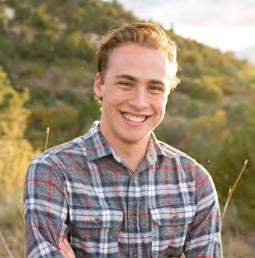
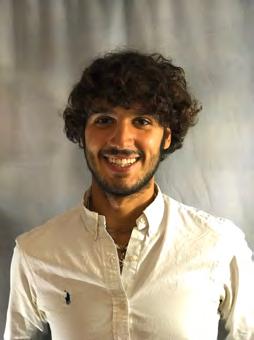
"Working with a professor in the Fellows-Faculty Research program isn't the only way to do research withtheState ofthe RockiesProject.Weemploy internsto do student-ledresearchin areasrelated to life and sustainability in the Rockies, but that is beyond the scope of our faculty's work. Cyndy Hines conducts this work as a project specialist and research director, but students are employed for their abilitytotaketheleadonthisresearch"
"My work at the State of the Rockies includes increasing community participation in events and opportunities on and off-campus via social media platforms by developing, leading, and promoting socio-environmental projects for the student/faculty body. Relevant projects my team helped promote, develop and execute include the Orange Skies and Dark Skies. We are committed to raising awareness of regional socio-environmental issues on campus through different digital platforms. As a team, we found different ways to engage the student body with the variety of opportunities we offer, including internships, volunteering, faculty-student research, and much more. We often documented students' work and found nuanced ways to reach to engage first- and second-year students. As creative producers, we helped with the production of posters, stickers, hats, water bottles, environmental guides and beyond. As promoters of change and active believers of a more sustainable future, we approach issues multi-disciplinarily and holistically and commit to environmental justice, using our unique digital, creative, graphic, video-producing, and ethnographic skills. The future is now; impossible is nothing at the State of the Rockies"
"I started with State of the Rockies after using data from the Castle Rock Then & Now project in my GIS half-block. From there, I expressed interest in working for State of the Rockies in the summer of 2022 but missed the application deadlines for all the positions. I was then able to develop my own position with SOTR eventually ending where I am today as a Rockies Assistant. I have been able to start research projects of my own interest, finish and edit previous research projects, follow different project groups to learn what they do, and develop this magazine! SOTR has allowed me to gain a massive amount of knowledge on different projects while also expanding on my own interests."
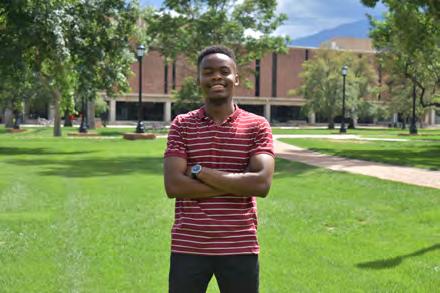
Samwel Makyao
"I started working with the State of the Rockies this summer as a research assistant for Professor KatMiller Stevens, Visiting Professor Mark Eiswerth and designing the digital magazine—Anthropogenic. What I love about the SOTR is teamwork and a collaborative approach to many things. I'm a huge fan of brainstorming ideas and coming to a conclusion as a team. So working at a place that has the same work philosophy and having fun at the same time, it's something that I would do over and over again."
Eric Ingram
Marco Barrachia
Delia Freliech
Going
Public with the Conservation in the West Poll
Together with Colorado College Outdoor Education Department and Journalism Institute, our interns visited parks and interviewed other visitors in the parks' surroundingareastoexplorethediversity,equity,andinclusionintheoutdoors.Delia Freliechsharesherexperiencewiththeinterns.
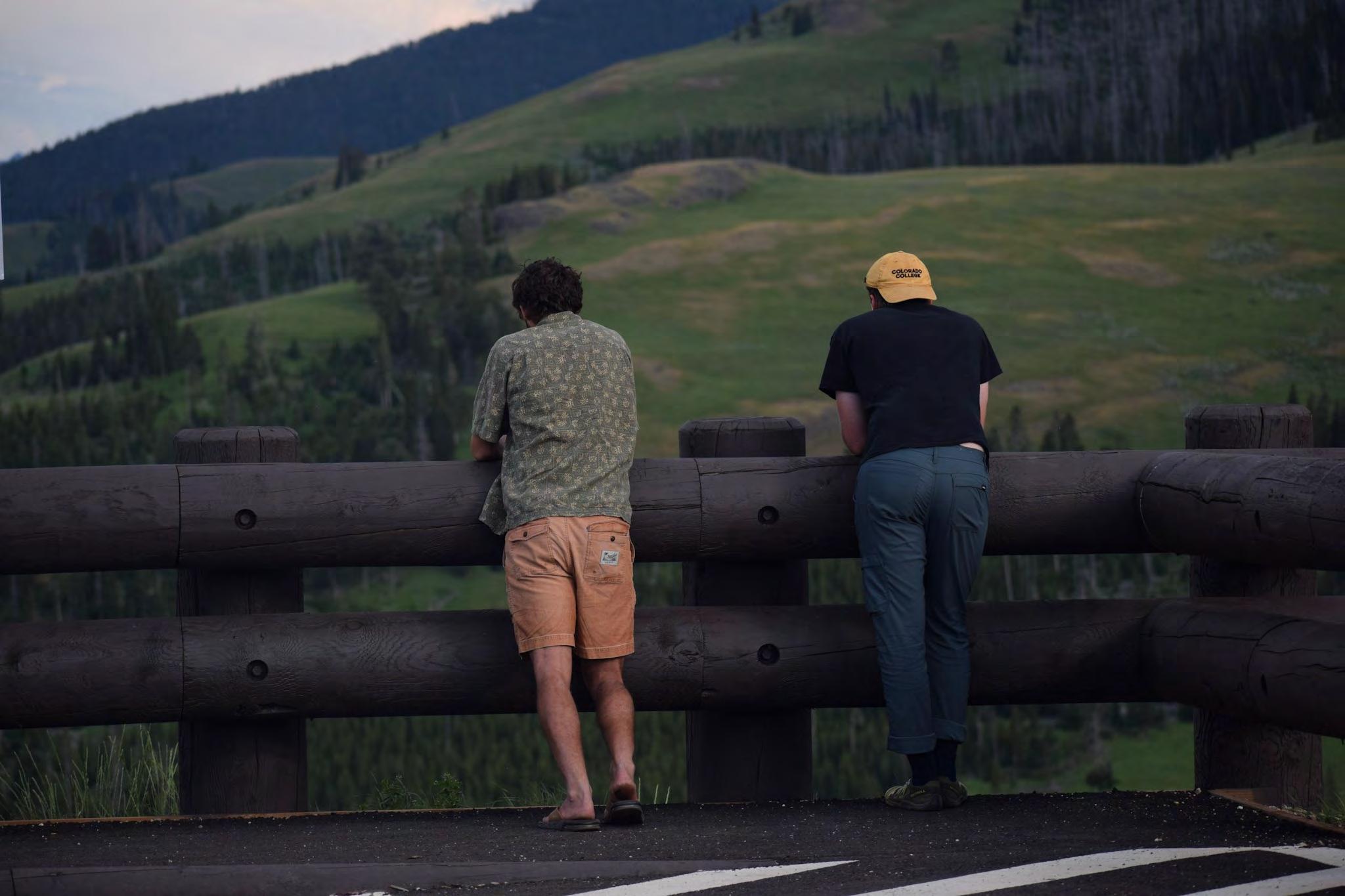
Image taken at Yellowstone National Park. Anil Jergens ‘23 (right) and Henry Hodde ‘24(left)byCeciliaTimberg‘24.
On the Road With the Rockies Public Lands Visitors Survey Team
By Delia Freliech
My experience with the Public Lands Survey team all began with an email from my boss. I was asked if I wanted to go on a 4-day trip to Colorado College’s Baca Campus and follow along with the team. The trip started with a lost wallet left miles behind at a gas station, then dinner in downtown Crestone (the closest town near the Baca Campus). This was whereIfirstgottoknowthefieldcrewandhearaboutwhattheyhadbeen upto.TheyhadrecentlyreturnedfromMoab,theirfirsttripoutinthefield, and everyone seemed excited to start up this next round of field work. But whatdidtheworktheyweredoingentail?Theanswertothisseemedtobe developing and changing throughout my 4 days alongside them and was stillevolvingwitheachtripthattheteamwenton.
Thejobdescriptiontheyhadreceivedwastogotopubliclandsandconduct journalistic style interviews to find out who was visiting those parks. This idea was all based off inspiration from Cyndy Hines, SOTR’s project specialist. About a year prior she had been looking through High Country News and came across an article about all the people that had beelined to the National Parks the summer following Covid19 lockdown. From this article, and many others on the same topic, there were images of massive lines of park visitors, many of those visitors appearing to be white. This realization conflicted with the results compiled from 12 years of SOTR Conservation in the West poll data which reflects a much more diverse population of park goers. Questions arose regarding... Who is visiting the parks? If we went out into the field and surveyed park-goers, would we get thesameresultsasthepoll?
All these questions created an initial project goal: can we go into the field and ground truth to see who we find using public lands. So, at the ground level, following Cyndy’s inspiration, a team of passionate and driven studentswasassembledtoperformareconnaissance-styleverificationonif the poll results are represented by who was found in the field. In this summer’s work, the initial phase, the team was given the assignment to figureoutwhois using ourNationalParks,theirrelationshiptotheParks,
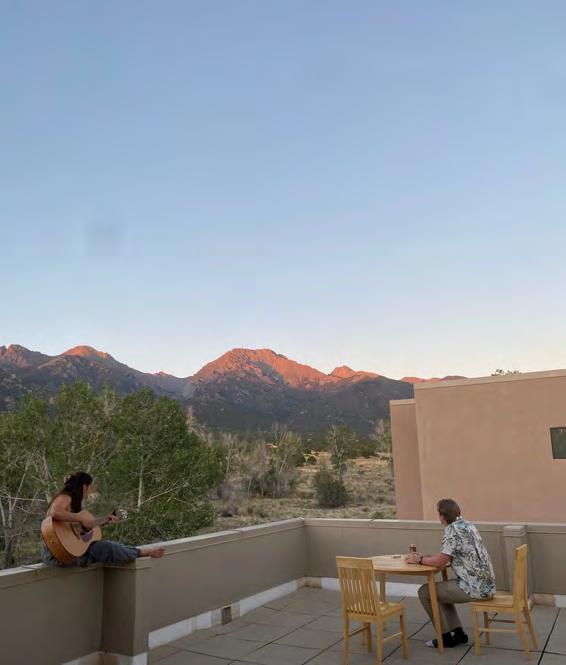
ThesunsettingatCC’sBacaCampusofAnilJergens ‘23(left)andCecilia Timberg‘24(right)takenbyDeliaFreliech‘23.
and why they are there. They were tasked with executing thissummerpilotstudytofurtherdefineanddevelopthis research project while learning the methods of a field journalist.
The team was built of 5 CC students. On our first night together,HenryandAnil,twooftheteammemberscarried a table outside to the roof deck of Baca and attempted to teachmethewaysofcribbageaswewatchedtheincredible sunset.AllthewhilewelistenedtoCeciliastrumherguitar and sing self-written songs. Sam, the last of the team membersonthistrip,wasoutinthemountainsbikinguntil theonlylightleftintheskywasfromthestarsstartingto emerge in the clear skies above us. That night, we took picturesoftheastonishingbeautythatistheSanLuisValley and watched as the moon rose from behind the striking SangreDeCristomountainswhichtheBacaCampusrests atthebaseof.Thefifthmember,Sama,workedfromhome contributingplanningandresearch.
WhenIfirstaskedtheteamwhattheywereupto,theyhad explained a focus on uncovering the nuances of the poll questions respondents are asked each year. In doing this, theywouldhopefullyfindifchangesshouldbemadetothe questions and give insight on what those changes should be. The approach shifted from the initial project as they continuedtheirwork.Curvesandchallengeswerethrown attheteam,andtheywereabletoadapttheprojecttobe
abletocontinueinthebestwaypossible.Indoingso,this changedwhattheoverallanswerstheymightgetfromthis summerwouldbe.
Abighitwasthattheywerenotallowedinnationalparks. My first morning with them was spent at the Great Sand DunesNationalParkand,notably,alltheinterviewswere conductedjustofftheNationalParksland.Afterattempting to gain permits, the Parks Service had not permitted the team to conduct surveys on park property. This led to a greateremphasisonthequestionstobemoreaboutpublic landsthanjustnationalparks.
Thequestionsthatwereaskedeverypersoninthesurvey were:name,age,wheretheyarefrom,whattheyaredoing there or what brought them there, had they been there before, and if so, what changes had they noticed, what wouldtheychoosetochange,andiftherewasanythingelse they want to add or ask? Those questions had little variationinwordingbetweeneachinterviewer,buteachof theteam-membershaddifferentcomfortlevels,experience in surveying, and personal interests, so the following questionstotheparkgoersdifferedslightlyinresponseto what was said. Each team member brought their own personal interests to those latter questions, framing the questionstofocusonpeoplesrelationshipswiththepublic lands. They had each mentioned some other, deeper perspectivequestionsthattheyhadenjoyedaskingthusfar: Henrymadeacommentonthefreedomthatpubliclands offer, Sam on people’s spiritual connection and how they engage with the land, Anil on what drew people to each location,andCeciliaonhowone’srelationshipwithpublic lands has changed over time. All of them had an overall objectivetodevelopquestionsinthemomentfeedingfrom theirinterviewees.
LittledidIrealizebeforethistrip:interviewingisdraining. Alldayyouarepushingyourselftofindtherightpeople,ask the right questions and adapt based on each person’s unique perspectives, and that’s hard. I noticed that the determination level, and overall mood fluctuations as a response to interviewing, affected the way that the team membersapproachedeachsurvey.
AttheSandDunes,wesurveyedareasoutsideofthepark thatseemedthemostpopulatedeventuallylandingatthe “Oasis”ageneralstoreadjacenttotheentrancesignofthe park. Anil and Cecilia sat outside the general store for an hourreceivingabout2interviewseach,thenHenryandSam sentanSOStextfromdownattheentrysign,stating“thisis prettytough.”
Thedaywasnotgoingastheteamhadexpected,butupon review, it was a good learning experience as the team observedandnotedtimestoapproachpeopleforinterviews thatmaybemoresuccessful,specificallynotaroundlunch andwhenitisscorchinghot,andpeoplearepreoccupied. They also were more aware of trying to recognize the intentionsofeachvisitorpriortosteppinguptothem.
The next morning there was a team meeting, they were askedtorefinethewaythattheyconductedtheinterviews. They were not getting enough. From here on out, an important distinction arose within the conversations that theteammembershadwithinterviewees.Theyalternated between acting as surveyors gaining information for comparisonwiththepollresultstoactingasinterviewers having deeper conversations and compiling information relativetotheirownpersonalinterests.
Inareflectionontheirwork,thegroupwaschangingfrom longer,morein-depthinterviews,toshorterchatssothey could increase the volume of interviews each day and hopefully gain more perspectives. It was still highly encouragedthatthestudentstesttheirjournalisticskillsby adapting throughout an interview and follow up when interesting threads arose -- this allowing for the team to understand the need for more quantity while retaining quality,depth,andinterestoftheirinterviews.
Becausetheteamcouldn’tobtaindatawhiletheywereon park land, they began to stop in towns where they could chatwithpeopletounderstandtheirrelationshipanduseof publiclands.So,wespentthenextmorninginCrestone.I spentalotofthemorningwithHenryandaftergoingupto different town members and explaining what he was interviewing for, people responded with discomfort and statementsbelievingtheywouldn’thavemuchtosayabout
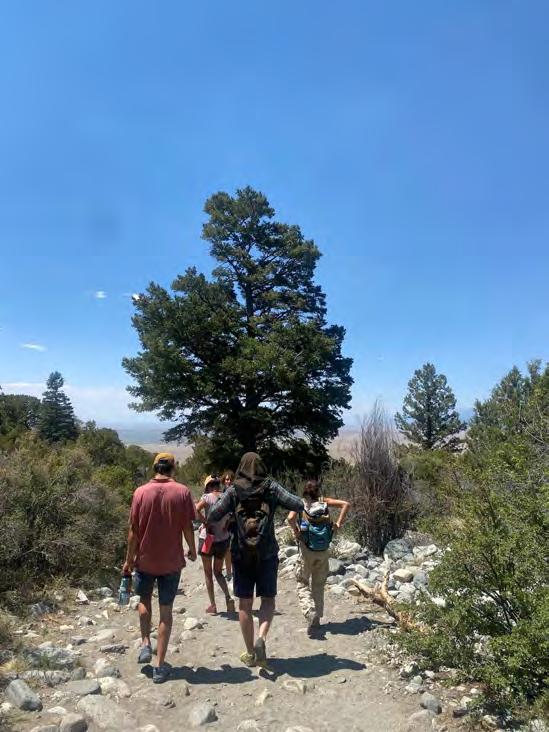
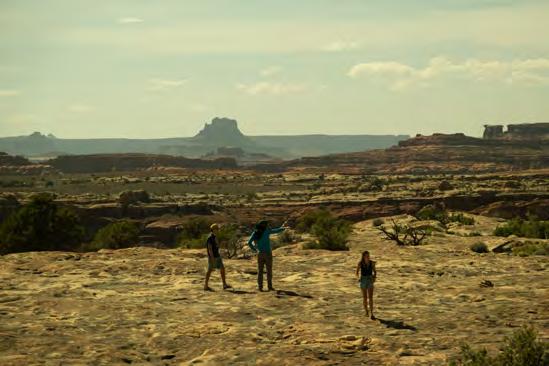
Upper image of the Public Lands Survey Team (from left to right: Henry Hodde, '24, Cyndy Hines, Sam Nystrom-Costales, , '25 Anil Jergens, , '23 andCeciliaTimberg,,'24hikingatZapataFalls,CObyDeliaFreliech,‘23. Lower image in Moab, UT of Cecilia Timberg, Anil Jergens, and Henry Hodde(orderedfromrighttoleft)takenbySamNystrom-Costales‘25.
Public Lands. So, Henry adjusted what he was asking to be about mountains of which we were standing at the base. This brought out conversations on how the residents use that space -- a space that is public land. The town members may not have considered the vast amount of time that they had spent in the mountains towering over their community as visiting public land, although the trails are managed by the BLM and the Forest Service. However, once he had changedhisquestioningtobemoreaboutthosespecific
areas, he was able to get more feedback relating to the resident’s relationships as public lands users. Another adaptationthatIwitnessedHenrymakeinhisinterviewing wasonourlastdayinBuenaVista,manypeoplehadtalked about the impacts of Covid on their perceptions of Public Lands.Afterthat,hebeganincludingquestionsaboutCovid inhisfollowinginterviews.
Both Henry and Sam expressed the value obtained when interviews would stray from the initial questions they broughtup.Althoughintheshifttosurveyingforquantity, the project moved from what Henry called “human to researcher,” they proved that a balance can be found in collecting necessary volume of data and personal stories. The team was to obtain a high quantity of interviews to fulfillareviewoftheexistingpoll,whileatthesametime immersethemselvesasjournalists.Henrylaterexpandedon thisbysayingHenrylatertoldmethat“Colorfulstoriesare created through details.” As the only team member with journalism currently a part of their path of studies, this summerpositionhashelpedtohavehandsonexperiencein understandingtheimportanceofhowtointerviewwitha goalofgettingnecessarydataandpushingforabitmoreas well. In doing so they all selected times to jump at the opportunitytohearacoolstoryorinterestingopinion.
In Crestone, Anil, Henry and I ended up sitting with the owner of a Café and his mother for over an hour, as they toldusaboutthehistoryandcommunityofthetown.Itwas experiences like this, sitting chatting with community membersinasmall-towncafe,whereIfeltthisprojectwas doing its main purpose as a survey to see if the previous polling questions were reflective of Public Lands visitors, but also an opportunity to connect with the communities aroundus.Samspokewithmeabouthowthisprojecthas helpedforhimtobuildasenseofcommunityandasenseof placebeyondjustColoradoCollege,andIcouldnotagree more.Laterthatdaywehoppedinthecarandheadedto Salida. A few people had told us about a rafting festival occurringandsaiditwouldbetheperfectplacetostop,not onlybecauseitissuperfun,buttherewouldalsobealotof publiclandsusersinattendance.
Salida and the FIBArk (First in Boating the Arkansas) Festivaldidnotdisappoint,soweendedupreturningthe next day as well. The team split up with a mission to get valuableinterviewsandexplorethetownanditsfestival. Evenoncetheyhadhittheirinterviewquotafortheday,we stayed to experience the stand-up paddleboard slalom, boxing competitions, and everything else FIBArk had to offer.
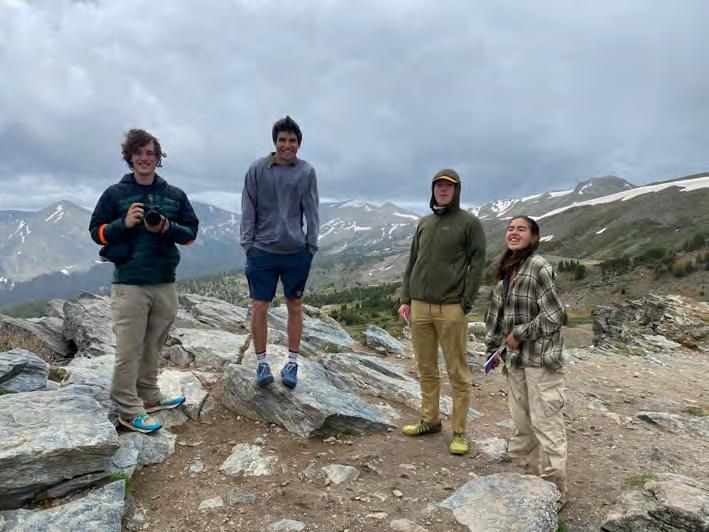
Sam Nystrom-Costales, ‘25, Henry Hodde ‘24, Anil Jergens, ‘23, and Cecilia Timberg, '24 (from left to right) at Cottonwood Pass Peak, 12,126 ft.PhototakenbyDeliaFreliech‘23.
Throughoutthistheteamwouldseesomeonewhocaught theireyeandapproachthemforanotherinterview.Thefirst night,wewereheadedtowardsthefestivalsmainstageto listen to some music and there was a booth advertising public lands. So, Cecilia went over and started talking, telling them about what we were doing, and got an interview. At that same venue, a woman running a coffee carthadbeentoobusytotalkwithSamearlierintheday, butsherecognizedhim,wavedhimover,gaveusallcoffees, andsaidthatshehadtimeforaninterviewnow.
WespentthefinalmorninginBuenaVistawhereeachof the team members went off on their own and I got to explorearoundthetown.Thetowncenterdoesnotspana largearea,soIkeptrunningintothem.Whiletheywereall solosurveying,thedifferenttypesofpeoplethateachteam member might be drawn to, or more likely to get an interview with became more obvious and also made me question: when they can each pick the people, they are surveying, does that add bias to the study? When I asked them,allofthemadmittedthereisbias.Samtendstogoup topeoplethatareseeminglymoreuniqueatthefirstglance. He said they are usually nice and more open to sharing storiesandtalking.Itwasalsointerestingtoseewhattypes of people each member of the team said that the others weremoredrawnto.CeciliasaidHenryhassomethingwith theladies;HenrysaidAnilismoreintoacademicswhocan give good depth, reasoning, and some insight on history; and Sam said Cecilia comfortably walks up to people confidentinawaymostpeoplefindeasytotalkto.
While ground-truthing and gaining a vast quantity of interviews,thegroupfolloweduponinterestingthreadsfor deeperperspectives.Withanobjectivetorefinethepollas
wellasgaininsightonwhatquestionscouldbeaddedthere wasbotharesearchandjournalismaspecttothisposition. At the end of the trip, we sat down with Journalist, Bruce Finlay,toreflect.Hewasabletodiscussandemphasizethe featstheteamhadaccomplishedwhiletryingtolearnand balancethechallengesoffieldwork.
The skills and approaches that the team members had developedallowedforthemtogaininsightastowhatthe publiclandsmeantoitsusersaswellastheirattitudesand opinions towards the land. From the most in depth to the simplestofinterviews,thethemostindepthtothesimplest ofinterviews,theteamwasabletolearnaboutthepeople onourpubliclandsandthedifferentmotivationsbringing them there, their concerns for the parks, the aspects they love,andthethingsthattheyhaveseenchangeorwantto change.
Inconnectingtheresultsfoundbythegroundstrutherstoif people of color are present on our public lands, they were seeminglynotrepresentedinthenumbersthatthepollhad reported.Thequestionsaskedbytheteamdidnotinclude racial identity, but rather asked about other personal informationonthepubliclanduserssuchasname,age,and wheretheywerefrom.Theracialdataobtainedthisyearis based off of how western society categorizes a person of color through appearances and judgements. The data did not blatantly ask about identity but rather was recorded observations based on societal catogorizations of race throughappearence.
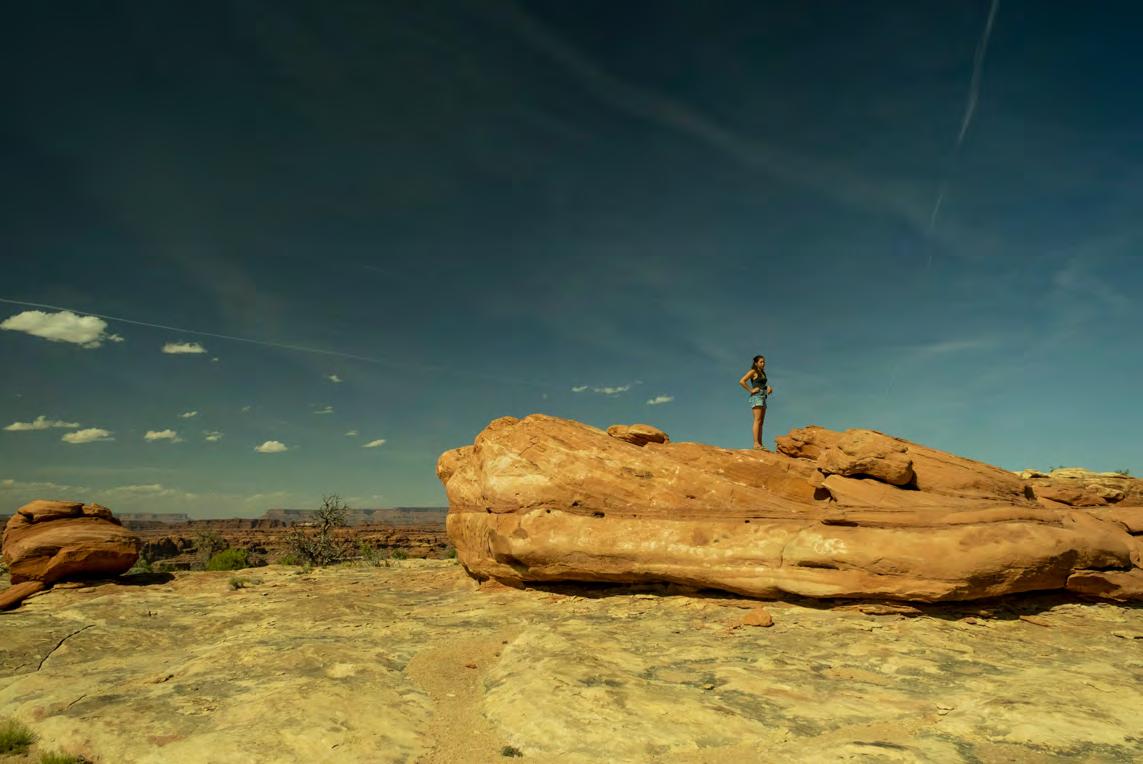
Photo by Sam Nystrom-Costales, ‘25 of Cecilia Timberg, ‘24 above a large formationin NeedlesDistrictMoab,Utah.
A REFLECTION : THE FIRST SUMMER OF THE PLS PROJECT
Henry Hodde'24
“The most poignant thing for me this summer was to see how public lands can be a unifying experienceforall,regardlessofpoliticalaffiliation,priorbeliefs,orpreconceivednotions.”
Cecilia Timberg'24
“My biggest takeaway was that public lands are a space people go to escape everyday life in an apolitical space, but recently it feels like there is polarization even in the conversations around protectingthelandscapeswealllove.”
Sam Nystrom-Costales '25
“One person I interviewed in Estes Park echoed Wallace Stegner’s famous quote: “national parks are the best idea we ever had.” I’m not sure if the person knowingly quoted Stegner, but her sentiment has stuck with me... We didn’t speak to a single person who hadn’t enjoyed their experienceonpubliclands,nordidwemeetasinglepersonwhowasopposedtoexpandingthem.
While there are certainly issues with public lands from both an accessibility and historical perspective, it was powerful to see how people from all different backgrounds can agree on how muchtheyloveourlands.”
Sama Zaman '25
“ThoughIamquiteupsetIwasnotavailableoverthesummertosurvey,Ihavelearnedalotabout people’sperspectivesregardingpubliclands,particularlyhowpeoplerecognizetheimportanceof being educated, and treating the lands with respect. It fascinated me to read about the different connections people have with public lands and helped me realize how this shared care of nature bringspeopletogether.“
Anil Jergens '23
“ThemostpoignantthingIlearnedisthatpeoplemoreorlesswanttheirpubliclandstostaythe same. They have complaints and they have things they would change, but they are happy with [the public lands] and enjoy them as they are. In response to the question ‘Overall, how would you describe your experience with public lands,’ I didn’t receive one negative response and the vastmajoritywereoverwhelminglypositive.”
THE TRIPS TAKEN BY THE PLS TEAM
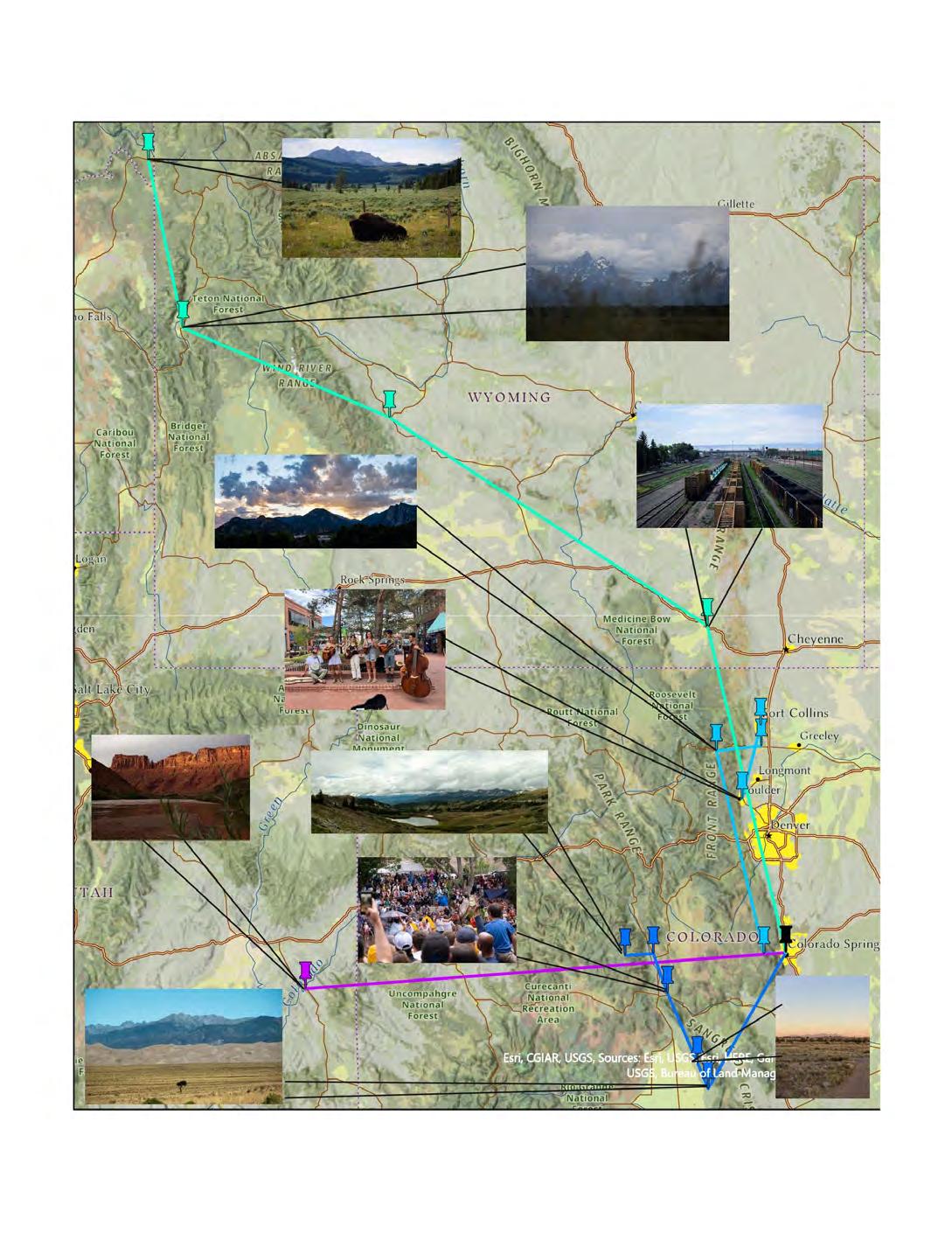
Trip 1:
Moab
Trip 2:
Trip 3:
Trip 4:
GreatSandDunes,Crestone,Salida,BuenaVista,Cottonwoodpass PikesPeak,EstesPark,Loveland,Ft.Collins,Boulder Laramie,Lander,Jackson,WestYellowstone
Photos by Sam NystromCostales ‘25 and Cecilia Timberg ‘24
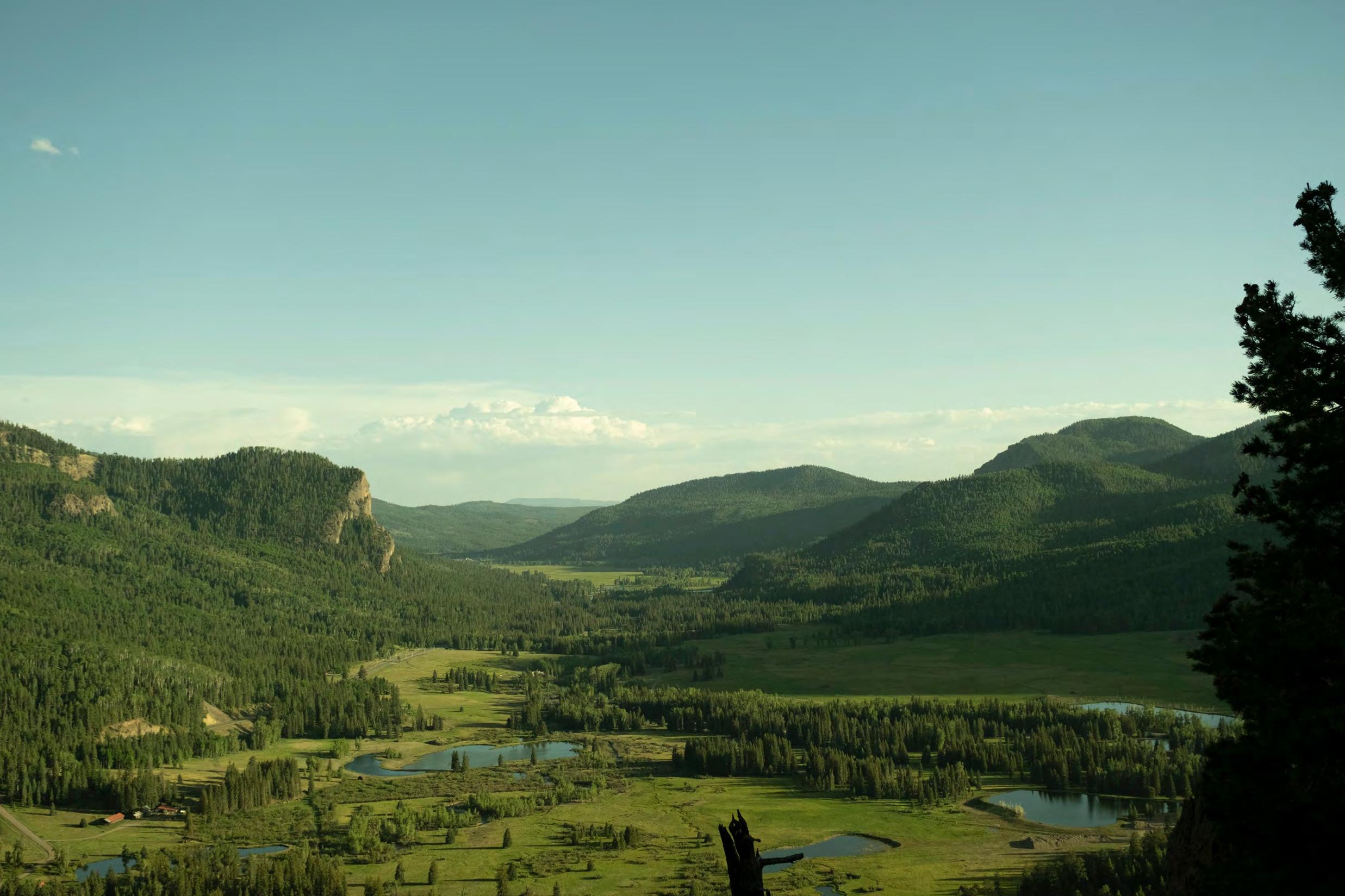
Image taken by Sam Nystrom-Costales ‘25 in Pagosa Springs, CO
The Dark Skies Project: CC After Dark
By Cyndy Hines
The significance of the cosmos to humans can be traced across our history. We evolved into diurnal beings; our brain development and function shaped by the rhythm of daytime and nighttime patterns and processes. Our perception of ourselves as Earthlings in relation to the universe helped mold our religious beliefs, life ways, and the location, re-location, and planning of societies, among otherimportantaspectsofhumanlifethroughouttheages.
“Why do dark skies matter? Should this topic be one of conservation concern? What can be done?” are central questions of the 2022 State of the Rockies Dark Skies/CC After Dark project which launched last spring. Students’ preliminary findings show strong community and individual support for dark skies conservation. Voices missing from the conversation are those of Indigenous residents of the region. Rockies' student interns will head back into the field in the summer of 2023 to record the attitudes of Indigenous people, whom we recognize and value as the source of original knowledge, toward public lands. Our intent is to share our research findings with conservation and policydecision-makers.
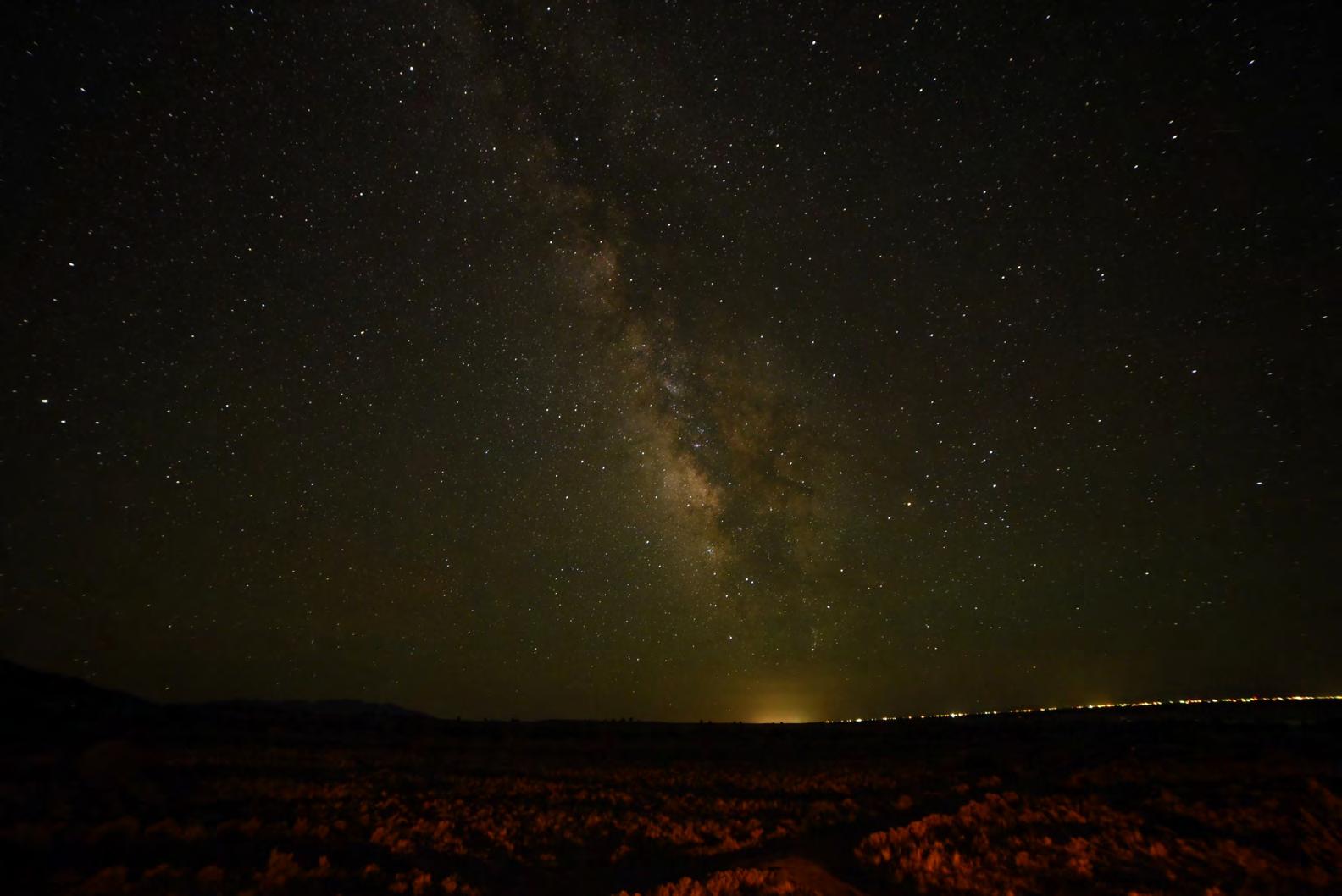
Rockies also has plans to further investigate spatial patterns of darkness across the region in relation to urban and rural communities. Where and what are the primary contributors to light pollution in Front Range urban and rural environments? Who is most affected by light pollution in these communities? In other words, are people of all socio-economic strata equally impacted by too much light at night? How will this compare to communities in designated dark sky communities? We aim toanswertheseandotherquestionsaddressingequityandlightpollution.
Image taken by Michael Braithwaite '24
Meet the Interns and Their Projects!
NIKO ROCHE '24 isstudyingmuseumscienceatCC.Duringherstudies, she has been able to experience much of the unique landscape that Colorado has to offer. Including experiences from this summer on the various trips throughout Colorado that the Dark Skies team undertook. Shehasalwaysbeeninterestedinastronomyandthenightsky,lookingup through her telescope in her home city of Chicago whenever she had the chance. Growing up in a city, light pollution has always been a concern. Her aim for this project is to leave a lasting impact on communities. In order the achieve this, a focus for this summer was to establish a website dedicated to sharing Dark Sky education and information. Specific projectsforthewebsitehaveincludedcreatingalightpollution101page,a personal responsibility guide, a dark sky reserve directory, an online dark skymuseum,andalightpollutionsurvey.
The bulk of her research this summer was to create a survey in which she can collect data from the Colorado populace on their emotions towards light pollution in the night sky. To conclude her work, Niko would like to use the survey to determine whether or not light pollution is a shared concernthatpublicrepresentativesshouldfocuson.
The night sky has guided and inspired humanity for hundreds of thousands of years yet, in the past century artificial light has contributed to the global dimming of the sky. With the night sky as part of humanity’s shared history, Niko was inspired to do this work to preserve that history foreveryone.
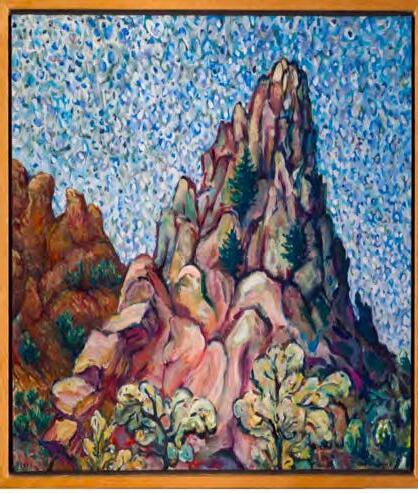
Arttitled"Kindergarten Rock-FallDay"byStephenJefferson Wood. This is one of the many pieces featured in Niko's dark skiese-museum(comingsoonin2023!).
MICHAEL BRAITHWAITE ‘24
lovesinterningwithSOTRbecausehefeels that the work he is doing will make a tangible change. Michael was inspired to work on the project after moving to Colorado from Boston, Massachusettss and seeing the Milky Way for the first time. He wants other people to be able to share the awe that he experienced at that moment.
In grappling with the challenge of making dark skies conservation more accessibleandincreasingpeople’sinterestinthetopic,Michaeldecidedto focus on CC's Baca Campus, which resides just outside the border of Crestone, a designated International Dark Sky Community. This means that the town of Crestone voted on self-imposed restrictions on the amount of artificial light that can be emitted into the night sky.The Baca campus is not technically within the town lines of Crestone, so does not have to follow the restrictions of a dark sky community. Michael noticed as a result of this, the Baca Campus appears very lit up at night compared to its neighboring properties. This project focuses on converting the exterior lighting fixtures at Baca Campus to LED lights. These lights will contain a wireless component, similar to Bluetooth, for home automation so that the lights can be controlled from a small computer. This computer can send signals programmed on the “home assistant” software so that the light will shine or dim at certain points throughout the night. Michael believes that this modification can be used as an example of how to take stepstowardpreservingthesanctityofdarkskies.
Figure on the right is a layout of the three apartments at Colorado College’s Baca Campus, highlighting the number and placement of all the exterior lights involved with the project. Antero is apartment A, Blanca is apartment B, and Crestone is Apartment C (also known as the faculty apartment,locatedabovethelibrary).Nottoscale.
Bottom right is the Colorado College Baca Campus by night, with only the automatic external nighttime lights turned on. The bottom left is by night, with many of its controllable external lights turned on in addition totheautomaticexternalnighttimelights.
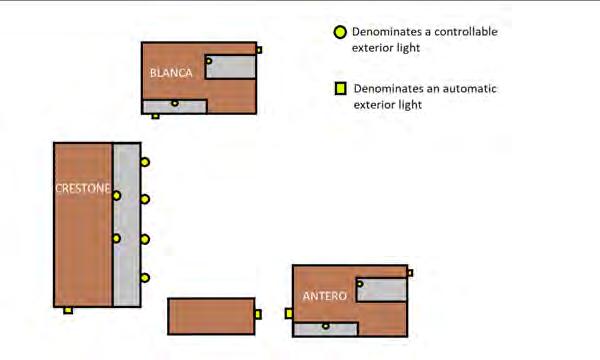
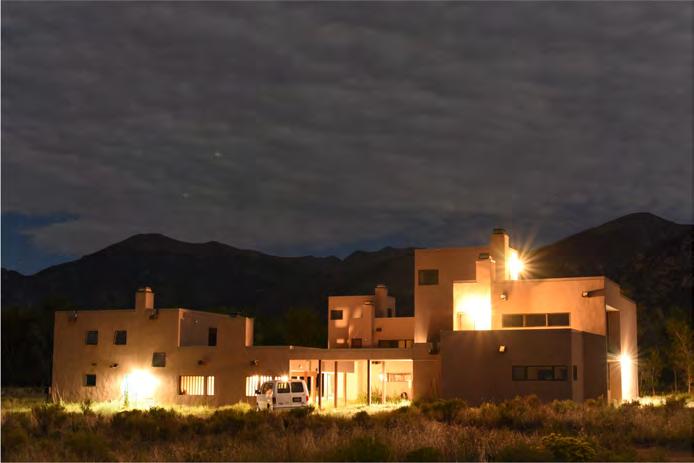
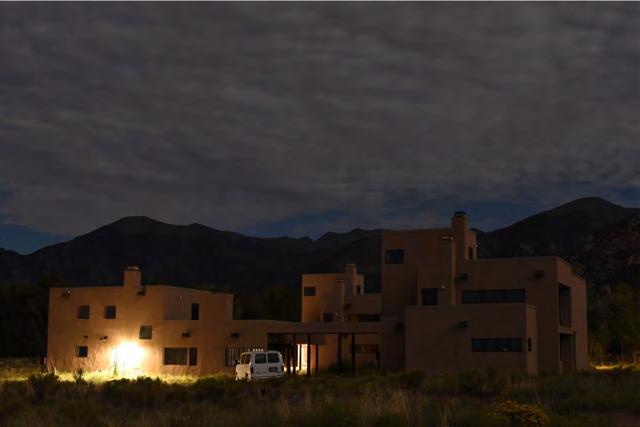
Image taken by Michael Braithwaite '24
Image taken by Michael Braithwaite '24
KATIE JOSLYN ‘24 grewupsurroundedbytheDark skies above corn fields in Wisconsin. She credits her aspirations in pursuing astrophysics, to the access that she had to those skies and a want for future generations to have the same opportunity to look up, be curious, ask questions,andfeelinspired.
Agoalofthisresearchwastogainanunderstandingofwhy peoplecareaboutthenightsky.Onceshecollectedbroader opinions, she used them to shape how awareness could be raised on the rapid disappearance of the night sky. With this targeted form of message framing to build a connection with the public, she hoped to provoke action andchange.
Alongsidethis,Katiewasabletointerviewassociatesofthe International Dark Sky Association (IDA) to gain insight into why preserving dark skies is important and what steps can be taken to do so. She also interviewed members of Tribal Nations throughout the Southwest to gain a greater understanding of the cultural and historical significance of thenightsky.
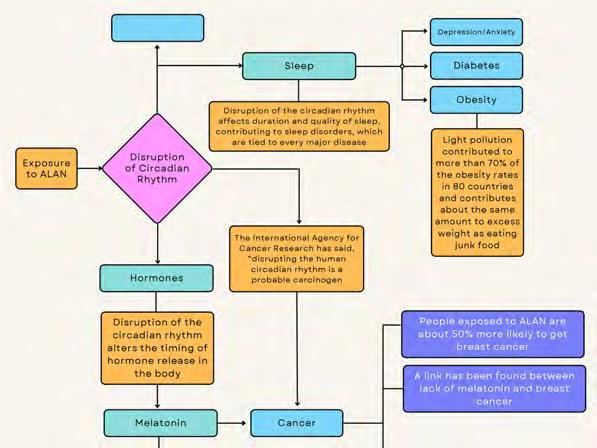
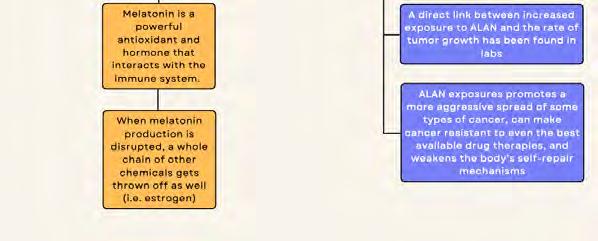
After combing through her interviews and research, she found that many people are not aware of the consequences lightpollutionposes.Katieisnowresearchingtheeffectsof light pollution on human health, wildlife, and heritage, in hopes of being able to educate others as a first step toward the positive development of this topic. Most importantly, this project has aided in giving Katie the information and inspiration to continue advocating for dark skies in the future.

DREW MANNING ‘22 graduatedlastspringaftercompletingboth both a physics and environmental studies major. Inspired by his childhood spent stargazing with his dad, Drew was inspired to take classes such as astrophysics and extragalactic cosmology, ultimately leading to him becoming a physics major. As his childhood neighborhood and town in the suburbs of Boston brightened, he could see light pollution impacting his stargazing experiences.
Drew was drawn to this internship to better understand the spread of light pollution and how to protect dark skies. He has taken the freedom this project offers as an opportunity to incorporate areas he is interested in exploring while learning skillsthathehasaninterestindeveloping. Fromthestartofthis project,hewantedtocreatesomeiterationofamapthatengages people with dark skies. Drew landed on using GIS and other design software such as Adobe Illustrator to create maps representing light pollution in Colorado and its greatest contributors and detailing a proposed Dark Sky Reserve in the San Luis Valley (see map below). He hopes for these maps to be anassetintheefforttoestablishadarkskyreservebyameansof communicatingwhattypeoflandisinthereserve,howdarkitis insidethereserve,etc.
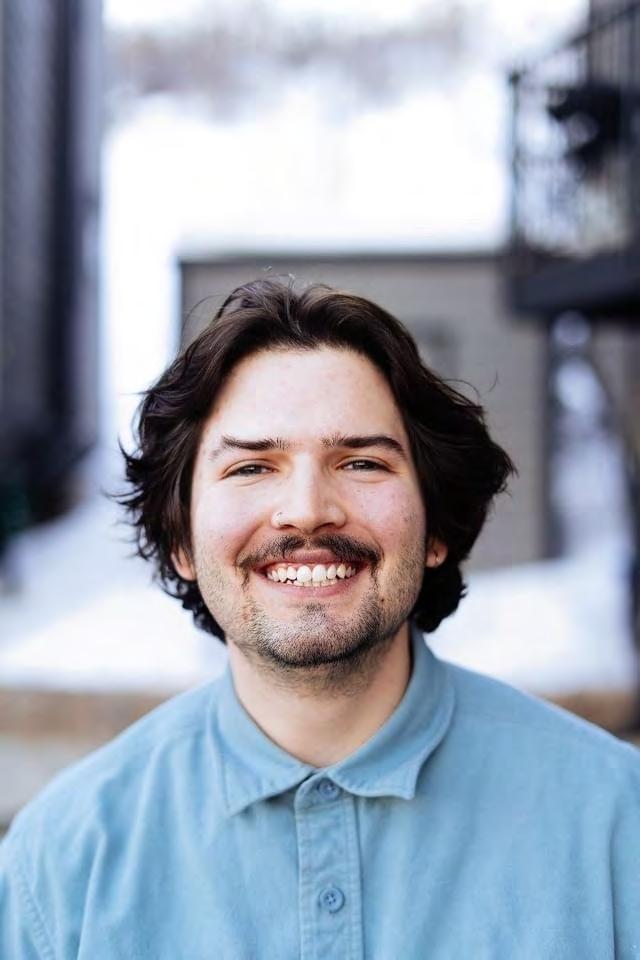
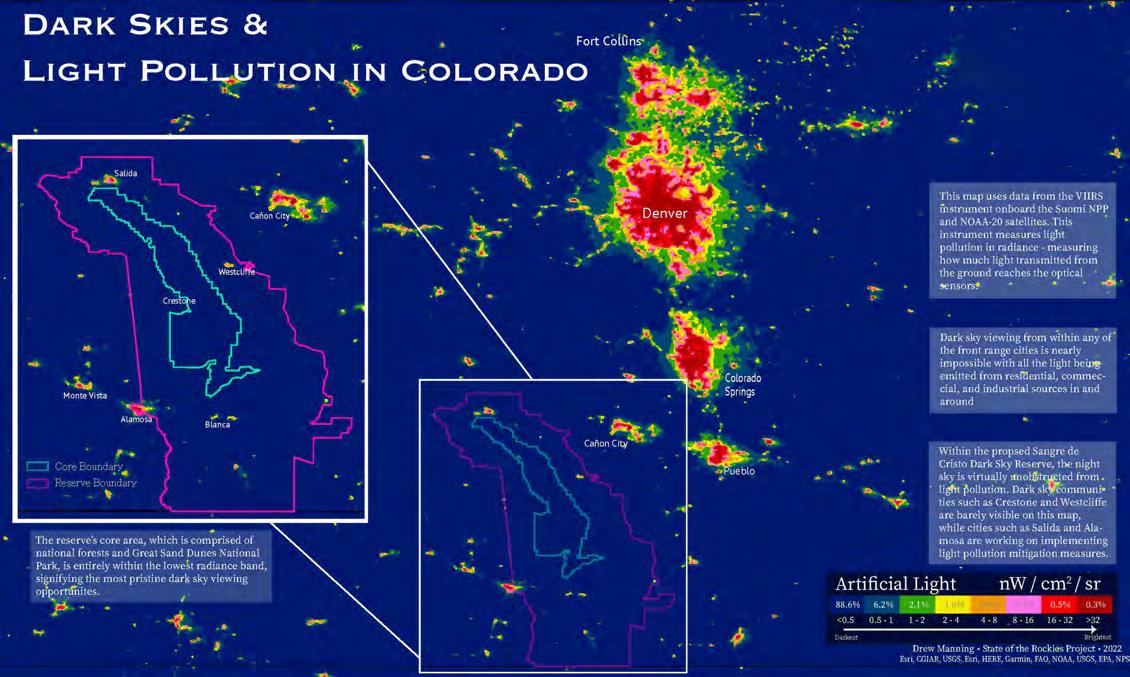
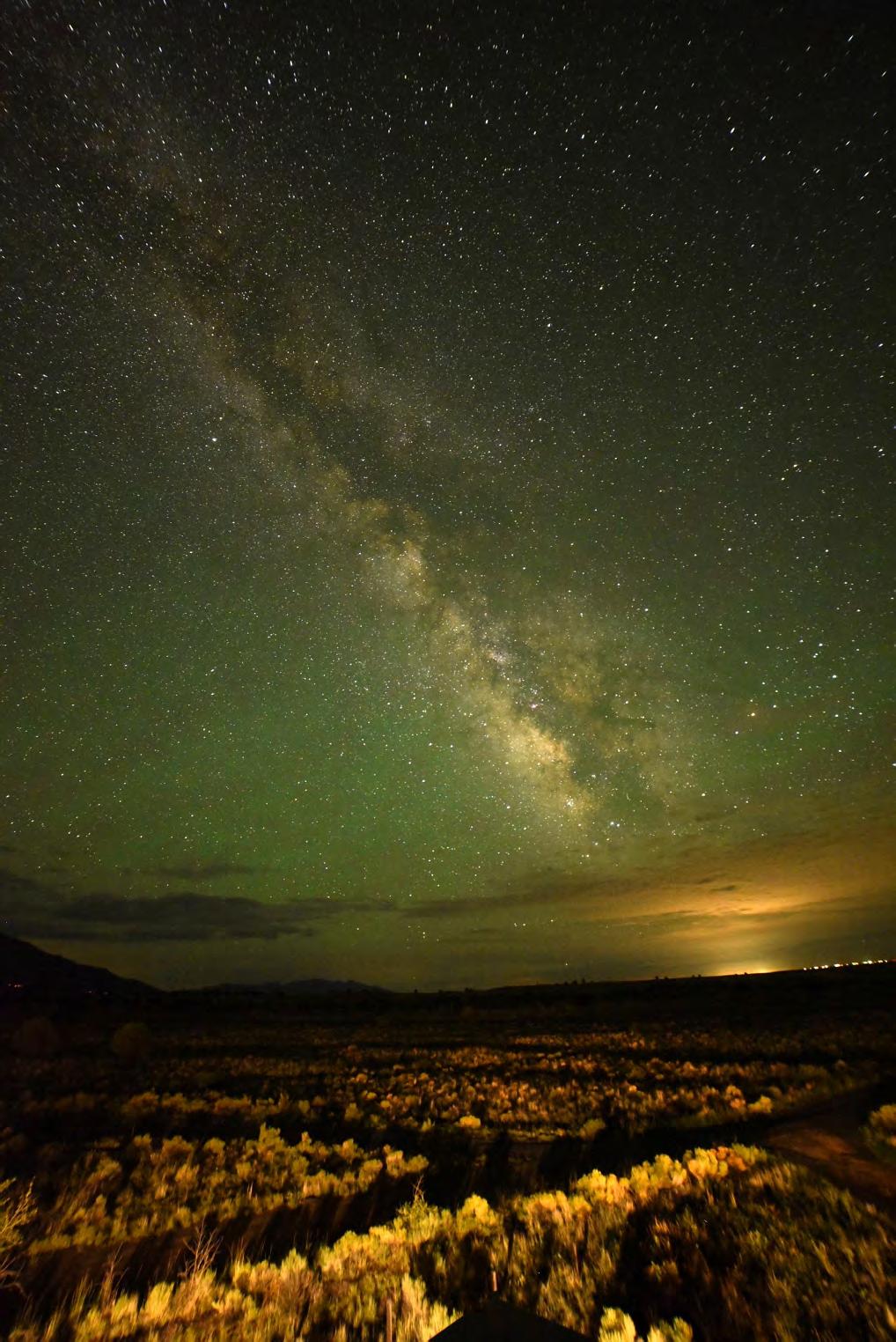
Image taken by Michael Braithwaite '24 at Colorado College's Baca Campus
'CASTLE ROCK' 'A Closer Look'
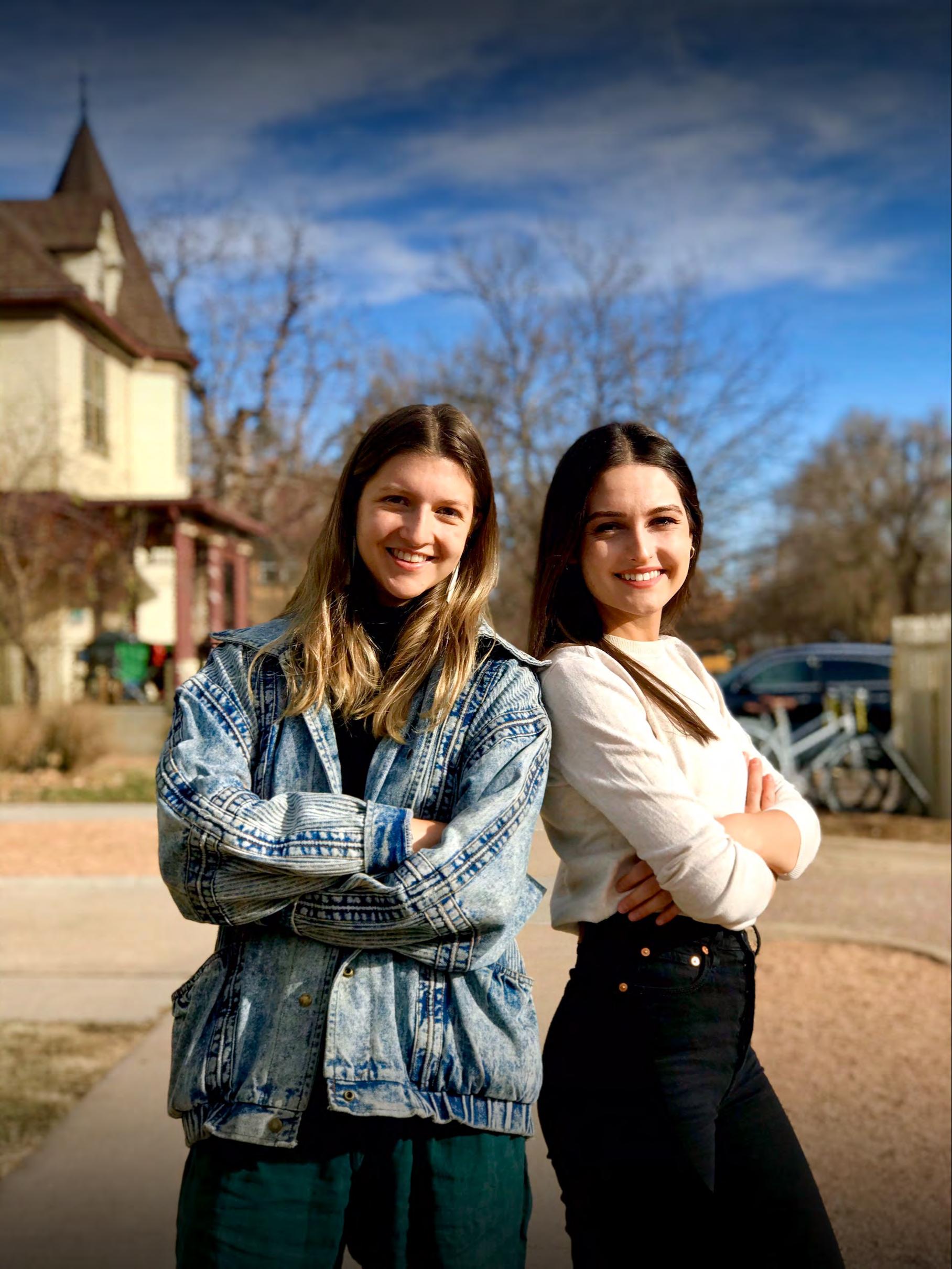
Anna Sofia Vera ’22 and Diellza
’22 interned at the State of the Rockies. They conducted a project titled “Water management in Castle Rock, Colorado: How a front range city is responding to groundwater uncertainty’’. The Environmental Science and EconomicsmajorinternssitwiththeAnthropogenictoreflectontheirresearchjourney. InterviewtranscriptionandphotosbyMarcoBarracchia.
Muriqi
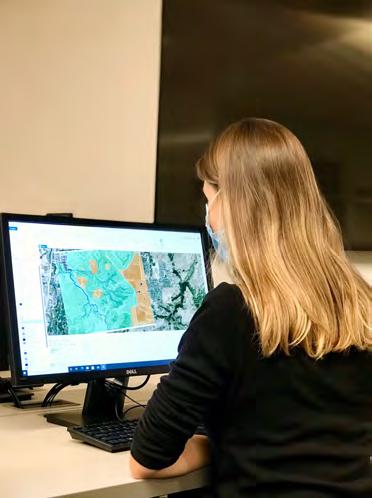
Our primary task was to research Castle Rock's past and present water management and plans to supply the citywithwater.Westartedthisresearch by looking at the history of the town's establishment, as well as the history of Native Americans on that land. We looked at the more scientific side of water management—how much groundwater is available in the Denver Basin, its structure, and composition— theprosandconsofAquiferStorageand Recovery as a potential future water management strategy for Castle Rock, tacticstocommunicateincreasingwater rates, and how to make them more equitableacrossthetown.
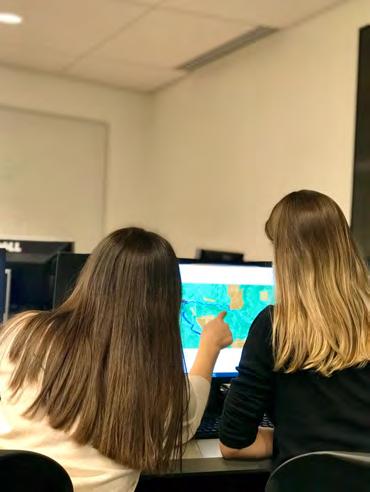
Together,wedigitizedtheaerialpictures of Castle Rock using Geographic Information System (GIS) software. After that, we manually digitized the images by selecting the pieces of land that were rivers, vegetation, agriculture, and built environment. The digitized imageswereusedtocalculatechangesin landuseinCastleRockfrom1937to2021 —when Castle Rock experienced a lot of growth and change. Our research methodswerevisitingCastleRock's
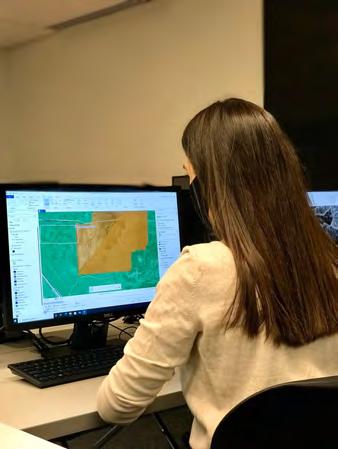
public library to review its archives, reading journal papers produced by experts and the city, and interviewing several people from Castle Rock Utilities, including their director and water management specialist. We also interviewed experts in different research organizations, some consultants on water management, and people from Centennial Water and SanitationDistrict.
Do we see ourselves doing something like this in the future? Probably. We do enjoy investigative work and having to find answers or put a puzzle piece together for a big question.
We appreciate being able to address our research question from a multidisciplinary approach. However,attimesitfeltlikewewere doingalotofdifferentthings,which were hard to connect and condense onto one paper. It's like we had multiple trains of thought going on simultaneously. We think research helpedusunderstandhowlongand
complex the process can be to establish a research question and how it feels to do something useful thatwouldbenefitthepopulation. We would have loved to do much more than we have achieved, but we only had one summer to complete everything. Digitizing was timeconsuming; however, we are delighted to have made studentfaculty and student-professional connectionsalongtheway.
In the end, we managed to digitize images, prepare one score poster, and write three papers:, one on the history of Castle Rock, its historic water management, and current water management strategies, another on analyzing the feasibility of Aquifer Storage and Recovery in Castle Rock, and another on strategiestocommunicateincreasing water rates and ways to make them moreequitable.
Images by Marco Barracchia
Castle Rock Then and Now
By Diellza Muriqui and Anna Vera Edited by Delia Freliech
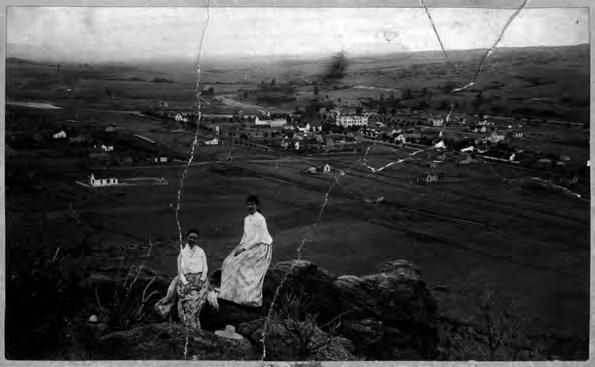
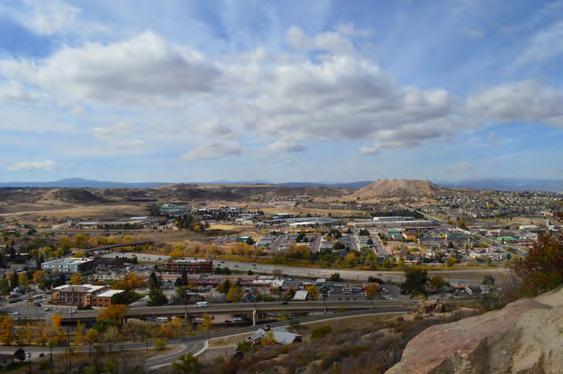
Starting in the summer of 2021 and into this past school year,DiellzaMuriqi‘22andAnnaSofiaVera‘22completed an extensive study on water management in Castle Rock, Colorado.TherapidlyincreasingpopulationinCastleRock, exposes the mounting water concerns facing Western US residents. Water scarcity is an issue in many cities and in seeing what has and can be done in Castle Rock, can serve asanexampleelsewhere.
Thisstudyinvestigatesthe“then&now”ofwatersupplyin Castle Rock to put forth recommendations for the town’s future. A review of Castle Rock's history was completed to fullyunderstandhowCastleRock’swaterissuesoriginated andarebeingexacerbated.AnnaandDiellzafoundthatthe surface and groundwater levels that have sustained the town for decades, are declining and can no longer support the future of the municipality, so other forms of water management were necessary to be considered. They then conducted literature reviews and interview processes to put forward multiple recommendations for future water management:
The best method for informing the public about rising water rates are feature-based messages that highlight sharedvaluesandsharestoriessothatpeoplearedriven beyondself-interest.
The town of Castle Rock can initiate equity programs to mitigate water utility cost increases for lower-income households through a variety of programs, ranging from toiletreplacementstomonetaryaid.
Aquifer Storage and Recovery (ASR) programs should be considered to mitigate the effects of increased temperaturesanddroughtsonsurfacewatersystemsand surfacestorage(reservoirs).

Toreadtheirresearchpaper,scanthe QR code on the left or read the paper here
Left is a woman sitting on Castle Rock summit from a SW perspective: in 1889. Courtesy of Douglas County Archives. Right is looking SW from approximately the same perspective from Castle Rock summit: 2020. Photo by Josie McCauley. CC Class of '21.
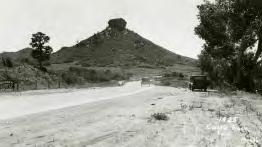
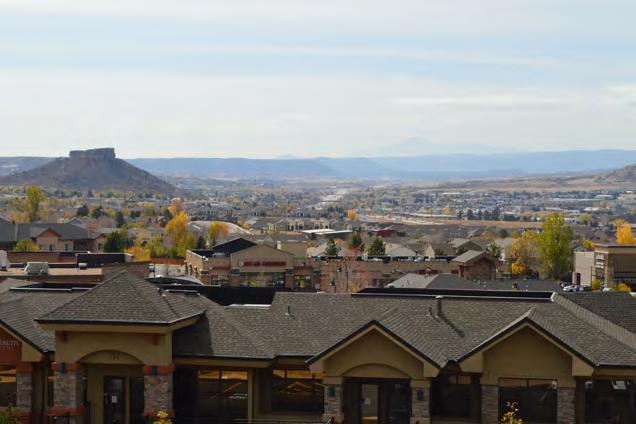
Aboveimages:LeftisaviewofCastleRock:1925.CourtesyofDouglasCountyArchives.rightisaviewofCastleRock:2020.PhotobybyJosieMcCauley. CCClassof'21.
Digitized Aerials of Castle Rock 1937 to 2021
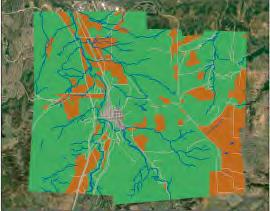
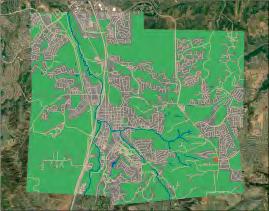
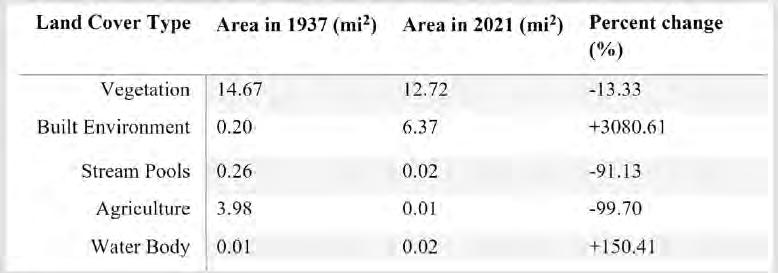
WiththehelpofCyndyHinesandMattCooney,GISTechnicalDirectoratColoradoCollege,DiellzaandAnnaidentifiedand quantifiedland-usechangesbetweentheyears1937and2021.Theyquantifiedanareaof6.5mi^2area-about19%ofthe totalCastleRockTownship,whichcapturesmuchoftheurbanareainthemunicipality.
In these images, aerial photographs of the landscape taken in 1937 and in 2021 were digitized to then summarize both the land cover change and road and stream length change. This data astoundingly presented the massive changes that have happenedalongsidesuchrapidpopulationgrowth.Itisimportanttoincludelanduseinthisstudyasitinextricablytiedto water use. It was expected that during a time of rapid population growth, town officials would result to altering the environmenttoaccommodatethetownresidents.
The image to the top left is 1937 and to the top right is 2021. Water bodies representbothreservoirsandpools.
Thelandcoverchangeissummarizedontheright.The most significant changes were a 3080.61% increase in the built environment and a 150.41% increase in the waterbodiespresentonthislandthatconsistsof1/5th thesizeofCastleRock’stotalsize.

The road and stream length change is summarized on the left. Notably, when compared to the land cover change, while the water bodies in the area increased, stream length decreased by 76.52%.
Researchers
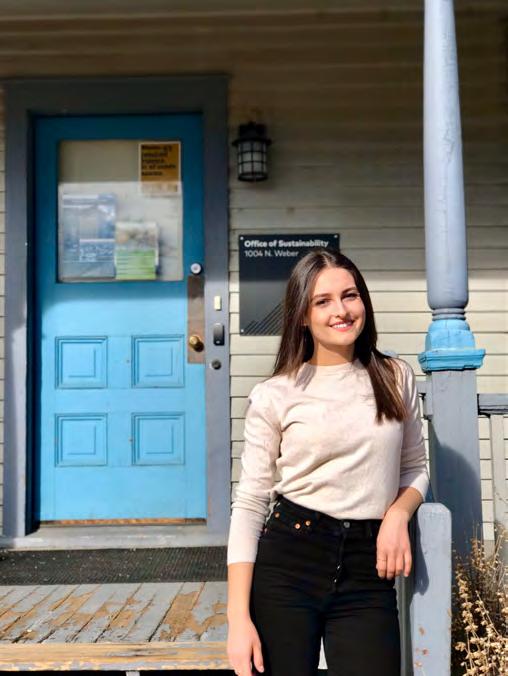
Anna Sofia Vera ‘22 is an Environmental Science major from Santiago, Chile. She joined this project because of her interest in using scientific tools to engage with a socioecological issue, namely, what is the future of water supply in Front Range cities where currently, demand exceeds availablewatersupply?
Diellza Muriqi ‘22 is an Economics Major from Kosovo. She isinterestedintheeconomicsandmanagementofwater.In her work with SOTR, she looked at what Castle Rock has done to manage water scarcity and the behavioral economics of communicating water rates. She used knowledgefromthisprojectforherseniorthesis,whereshe shifted the focus to learn more about what challenges Kosovofacesinthesamearea.
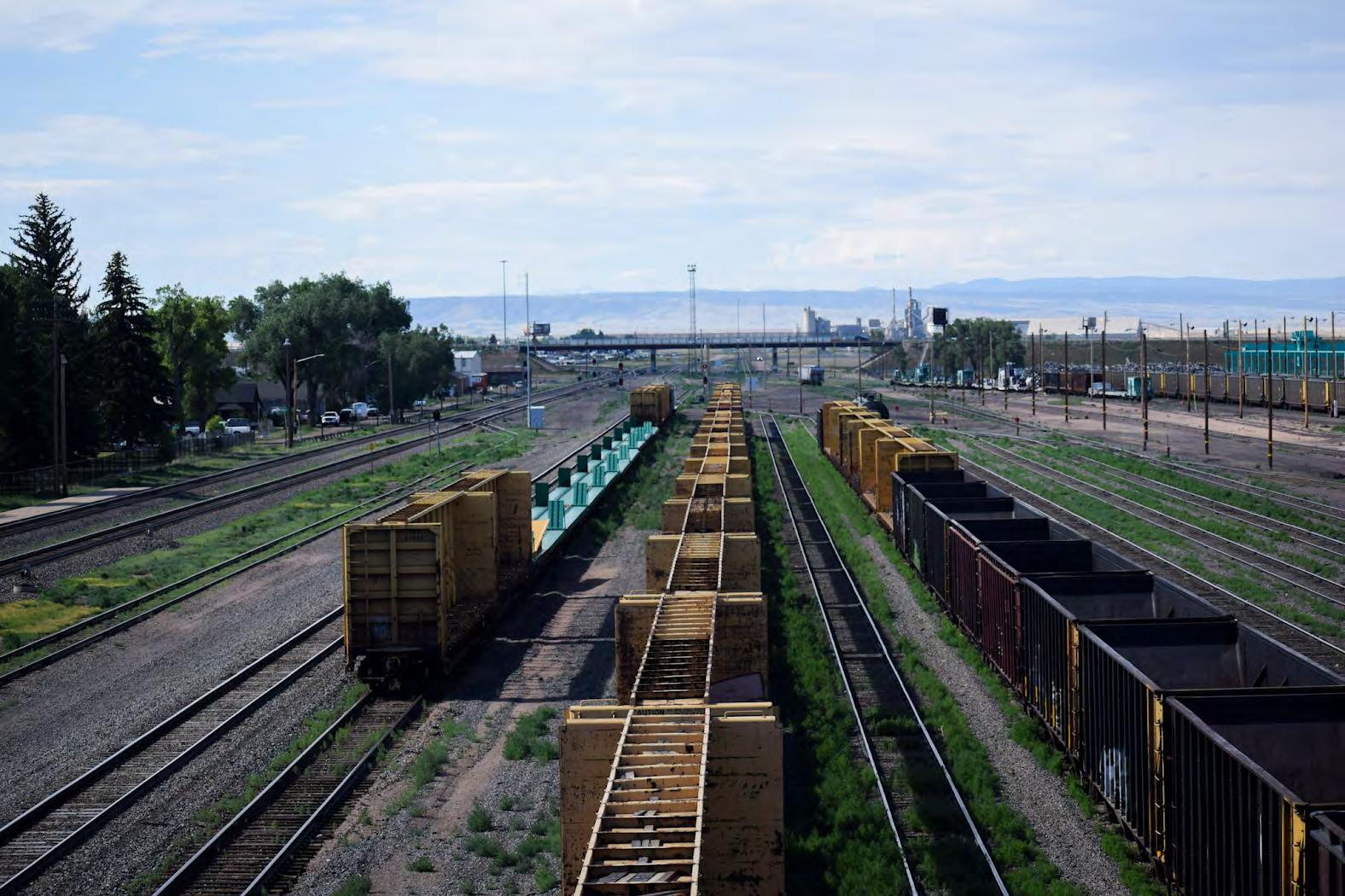
PhotoTakenbyCeciliaTimberg'24whileworkingonthePLSProjectinLaramie,Wyoming
'SOTR's Fresh Projects'
Watershed-based Ecosystems Services Project
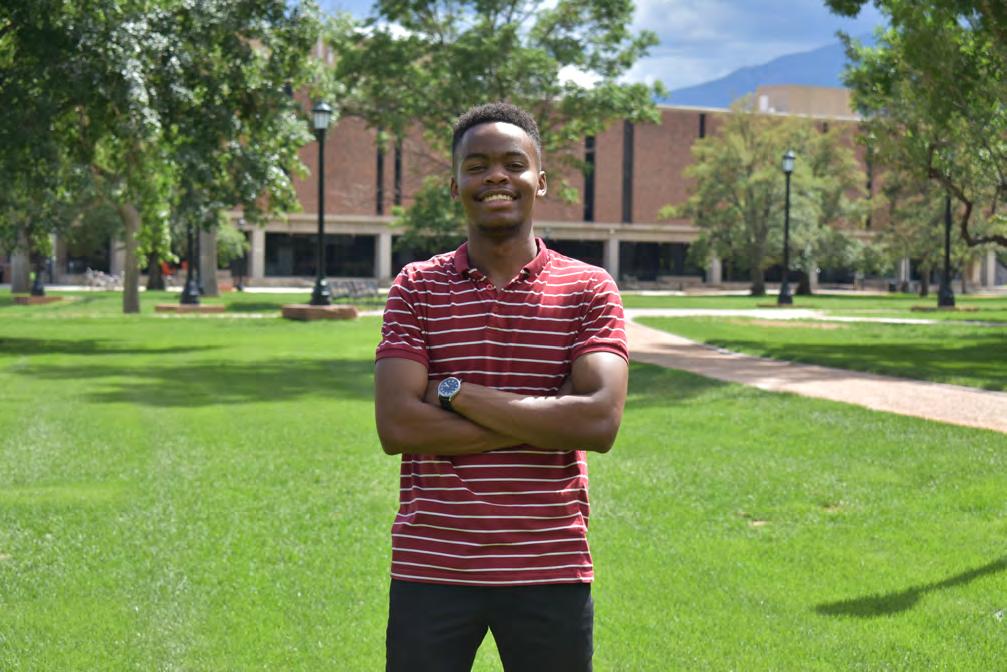
Ewan Henderson ‘23 (photographed left) and SamwelMakyao‘25(photographedabove)worked alongsideVisitingProfessorMarkEiswerthtostart the initial phase of this study in the summer of 2022.
This summer the team was able to start the development of a database that will compile all of the payments for water-based ecosystem services in the nation. Along with the database they have created a survey to send out to all of the organizations running these programs. The survey will collect a variety of information that can then be utilized to compare the different PWES programs. The survey includes questions on obstacles faced, opportunities for improvement, collaborative governance, scale, payments, and program effectiveness.
We
are working hard to collect information directly
— Visiting Professor Mark Eiswerth from the people who manage and run such innovative programs.
The universe of “payments for water-based ecosystem services” (or watershed investment/conservation) programs is growing rapidly worldwide. These programs generally represent alternative institutions and employ innovative approaches for protecting a suite of environmental attributes and functions including water quality and quantity, natural habitat, biodiversity, and watershed resilience. At the same time, the programs themselves are incredibly diverse in terms of how they go about pursuing their objectives, with approaches ranging from water funds to instream buybacks, mitigation of groundwater depletion, and the trading of credits for water quality improvement.
In this project, we are working hard to collect information directly from the people who manage and run such innovative programs. We want to gather expert practitioner insights on several questions, such as “What are the challenges faced in creating successful watershed conservation programs?” “What improvements can be made?” “In what types of collaborative governance do these organizations engage?” “What are some of the lessons learned from their experiences to date?” We hope that the insights we garner will provide useful knowledge for the expanding community of alternative, innovative programs and the researchers who study them.
A note from Professor Mark Eiswerth
Rockies News
Class of 1972 State of the Rockies Research Fellowship Gift + 2-year Hewlett Grant Award
Each year, the graduating class from 50 years prior, returns to CC for a reunion. These reunions are a time to come together, catch up and celebrate, as well as to present the 50th reunion project. This year, the committee for the Colorado College Class of 1972 selected their 50th reunion Class Gift Project to fund an endowment for futuresummerresearchfellowshipsaspartofSOTR.Thisgrantwill supportanumberofstudent-focusedprojectsandresearch opportunities. InOctober2023,wereceiveda2-year$800,000 grantfromtheWilliamandFloraHewlettFoundationtosupport newandon-goingstudent-directedresearchandprojects:
The Survey of Public Lands Visitors that addresses the primary conservation issues of concern of visitors of national and state parks.
DarkSkies/CCAfterDark which asks the question “Why do dark skiesmatterandshouldthistopicbeoneofconservationconcern?”
A20-yearRetrospectofTheWaldoCanyonFire where a team of students will explore the questions such as Will Ponderosa pines become “extinct” in some of the most severely burned forests and what species are returning? What does their presence or absence meanfromasocio-ecologicalperspective?
StudentArtistinResidence who will follow the team into Waldo Canyon field sites in the summer of 2023 to document scenes of forestregenerationandriparianregeneration.
Adventurous Spirit Films where students will produce a miniseries or film based on themes addressed by the 2023 Conservation intheWestPollthatinfluencesourliveshereintheWest.
Anthropogenic Digital and Print Magazine which is this publication! It is a student-faculty and student-led collaborative research publication building on topics in the Conservation in the WestPoll.
Colorado College Courses teaching Students about the Conservation in the West Poll and Conservation Issues. One course is offered that allows students to take a deep dive into conservation issuesaddressedintheConservationintheWestPoll(Seepage64).
PhotobyCyndyHines
us out at www.stateoftherockies.com Keep an eye out for these projects and other student opportunities!
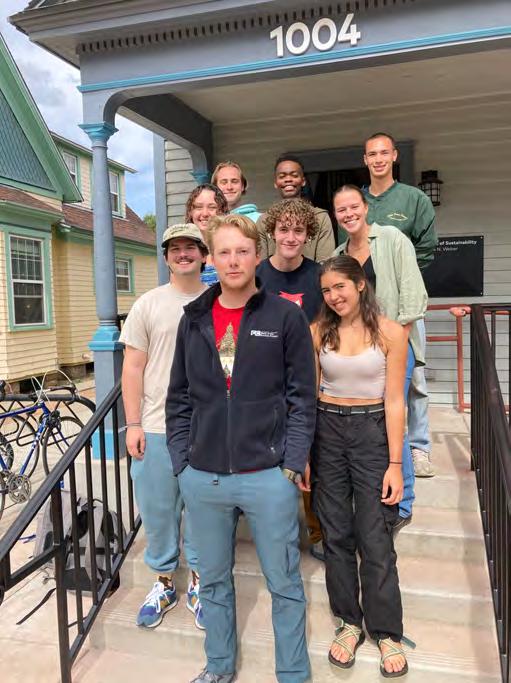
Above: The 2022 State of the Rockies team. Starting in back row from left to right Eric Ingram '23, Samwel Makyao '25, Ewan Henderson '23, Katie Joslyn '24, Sam Nystrom-Costales '25, Delia Freliech '23, Drew Manning '22, Cecilia Timberg '24, Anil Jergins '23. Not pictured: Henry Hodde '24, Sama Zaman '24, Niko Roche '24,MichaelBraithwaite'24.
Vintage Poster Competition
By Samwel Makyao
In January 2022, the State of the Rockies launched the first Conservation in the West student vintage poster contest in which students were invited to submit a digital image of a vintage-style poster of a national park, monument, or forest in the 8-State Rocky Mountain region that includes a contemporary message. Students’ posters were to include an explanation of how their contemporary conservation motto is relevant to the current conservation attitudes of the residents in the 8-state Rocky Mountains, to the national parks, monuments, or foreststheychoose.

KEEP IT IN THE GROUND
DESCRIPTION: I interned for the National Park Service near Flagstaff in 2021 and spent weekends hiking and camping in the Coconino National Forest. I chose this view of ponderosa pine forest below the San Francisco Peaks to illustrate wildfires, perhaps the most serious impact of climate change on public lands in the Rocky Mountain West. Coconino and many forests are experiencing prolonged drought and a higher incidence of severe wildfires. These impacts threaten not only biodiversity and protected species but millions of visitors' ability to recreate. The public supportstransitioningawayfromfossil fuels and making our public lands a net-zero source of carbon emissions.
The State of the Rockies survey found that 72% of Arizonans support prioritizing recreation and conservationoverfossilfuelextraction.
“Keep It In the Ground” is a national campaignbyNGOstoadvocateforthe cessation of all new oil, gas, and coal developmentonpubliclands.
POSTER BY: ISABEL DEVITO
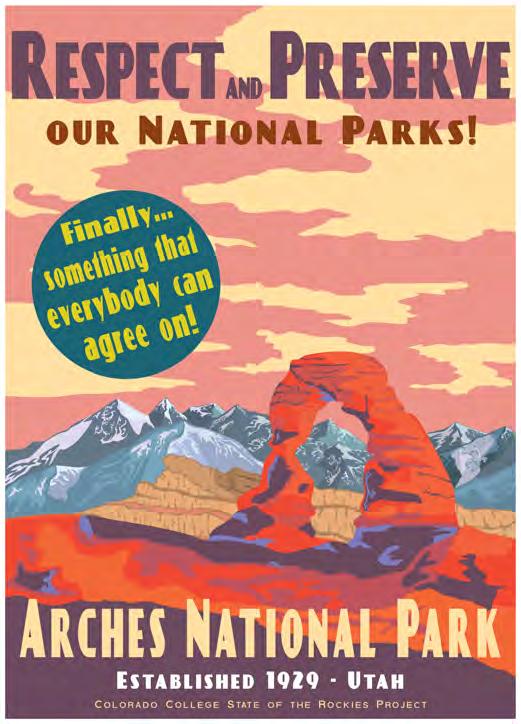
RESPECT AND PRESERVE
DESCRIPTION: I chose Arches National Park as my subject. I’ve visited several times and am awed by both the beauty and complexityofthearea.It’sanimportantsitebecauseit’ssowellknown and easily accessible, and therefore busier and more prone to destruction. By suggesting respect and preservation of the land, I hope to remind and enforce the idea of leaving no trace. Since climate change has become a politicized issue, it is important to stress that preservation and conservation are supported by “everybody”. Furthermore, by presenting this as commonknowledge,peopleshouldfeelmoreobligedtopartake in the effort. While issues like drought, use of public land, and indigenousrightsareintheUtahclimatechangeconversation,a simpleremindertorespectthelandandleavenotracecangoa long way for the over one million annual visitors of the park, especiallythenewones.
POSTER BY: CHARLIE
BRAGG
SAVE THE GLACIERS
DESCRIPTION: As highlighted in the Conservation in the West 2021 Survey, climate change is seen as one of the most serious problems facing the rocky mountain region, and support to reduce human contributions to climate change is high. Because of these attitudes, I chose to center the message of this poster around bringing awareness to some of the ramifications of a warming climate, as well as encouraging a feeling of responsibility to join the fight against climate change. What better way to present this than through Glacier National Park? Glacierhasnotonlyseenadramaticincreaseintourismsincethe pandemicbutalsohasoneofthemosttangibleexamplesofthe impactofclimatechange:rapidlymeltingglaciers.Thefutureof Glacieriseversotiedtothefutureofclimatechange,andhowwe mightalltakestepstominimizeitsconsequences.
POSTER BY: SOPHIE DUA
HonorableMentions
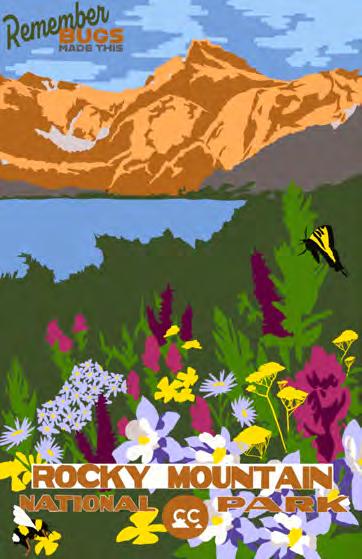
DESCRIPTION: The purpose of the original national Parks Posters was to motivate peopletotravelandvisitnationalparks.The art showed these places as idyllic and pristine with incredible landscapes and wildlife-andnobugs.Thesurveyrevealed that “63 percent of voters in the West believethelossofpollinatorsisanextremely or very serious problem” which proves a greater understanding of pollinators as architectsofourgreenspace.Thispollserves to reveal a social understanding of our climate crisis and establishes our priorities of preserving the natural world. Protecting pollinatorsisanactincurbingatmospheric carbon emissions which is a potential resultative effort to carbon emissions. I choseanationalparkIamfamiliarwithand specificallydisplayedBluebirdLakeasitisa great place to see the beautiful product of pollinators,andwildflowers.Iincludedbugs inmymottoandimagetobeexplicitabout whatisatstakewiththeirdisappearance
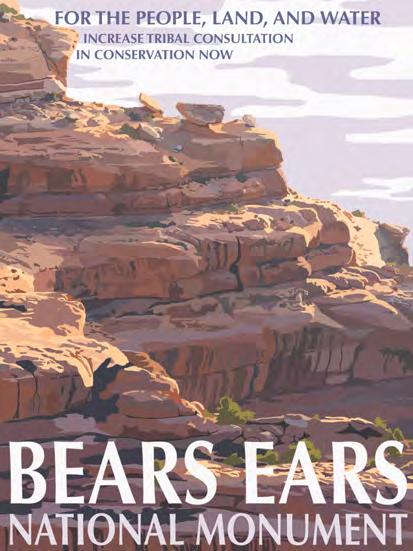
DESCRIPTION: Bears Ears National Monument is the first monument to be designated due to an intertribal committee proposing its designation to the president. Overgrazing and extractive industries put the land that is now Bears Ears at riskandinneedoffederalprotections.Asofright now, the five sovereign nations that have connections to the Bears Ears landscape— Hopi, Zuni,Ute,UteMountainUte,andDinePeoples— are working with executive agencies to draft a management plan that takes into account the ecological and cultural significance of the area. The Rocky Mountain West has made it clear that we need bold action on conservation efforts. Increasing consultation of Sovereign Nations in conservation plans could be the bold action that people say they want and need. These Nations have a historical, cultural, and spiritual connection to this land and have important insightsintothebestwaysinwhichtoconserveit
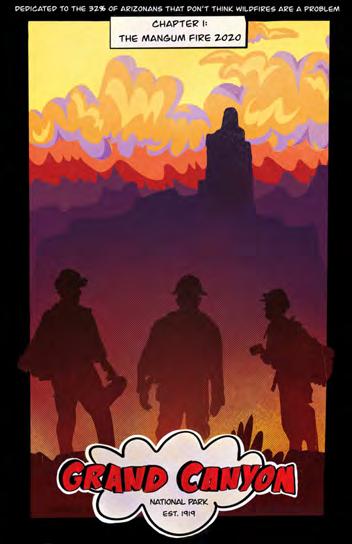
DESCRIPTION:chosetodoavintagecomic format because it gave an urgency and loudness to the composition that I really liked. It’s definitely not like the streamline vintageposters,butIthinkitworkswellto get the point across. I chose the Grand CanyoninArizonabecauseofthelargefire that happened there in 2020. According to the polls, Arizona was one of the lowest states that didn’t think wildfires were an issue. I think that highlighting this catastrophe,inconjunctionwiththebeauty and amazing colors the canyon exudes is a great way to draw attention to this. The bluntness of the title (motto) with the playfulcomicbooklayoutismeanttodraw youintolearnmoreofthestory.
ROCKY MOUNTAIN REMEMBER BUGS MADE THIS
POSTERBY:NATASHAYSKAMPLONG
BEARSEARS FORTHEPEOPLE,LANDANDWATER
POSTERBY:CASEYMILLHONE
GRANDCANYON, MAGNUM
POSTERBY:SOFIEMILLER
MeettheJudges
AARON COHICK
Is a book artist and publisher based in Colorado Springs, CO, where he runs the NewLights Press and The Press at Colorado College. Aaron's work, under both imprints, is held in public and private collections all over the world, including the Library of Congress, the New York Public Library, the Thomas J. Watson Library at the Metropolitan Museum of Art, Yale University, SFMOMA Library, the Letterform Archive, and the Tate Britain Library. He has taught workshops at Arrowmont School of Arts and Crafts, the Bemis School of Art, the San Francisco Center for the Book, Naropa University,andPenlandSchoolofCrafts.
KATJA RIVERA
Is the Curator of Contemporary Art at the Fine Arts Center at Colorado College. Recent curatorial projects include Ronny Quevedo: at the line (FAC), Harold Mendez: the years now (Logan Center, University of Chicago), and Traduttore, Traditore (Gallery 400, the UniversityofIllinoisatChicago).Priortojoining the FAC, Katja worked at the Reva and David Logan Center for the Arts at the University of Chicago and in the Department of Modern and Contemporary Art at the Art Institute of Chicago. Her projects have been supported by the David C. and Sarajean Ruttenberg Foundation and the Elizabeth Firestone Graham Foundation,amongothers.KatjaholdsanMAin Art History from the University of Texas at Austin and a Ph.D. Candidate at the University of Illinois at Chicago, where she specializes in modern and contemporary art with a focus on experimentalpracticesinMexico.

What makes a good poster?
Colorado College Vintage press printmakers share their ideas on what a winning poster should include. Learn what to include in your next poster design.
JEAN GUMPPER
Is an Artist in Residence and Senior Lecturer in the art department at Colorado College in Colorado Springs, Colorado. Her color woodcut prints are represented by William Havu Gallery in Denver, Davidson Gallery in Seattle; Ebo Gallery in New York; Groveland Gallery in Minneapolis; Olson Larson in Des Moines; and Open Studio in Toronto, Canada.Jean’sprintsareincollectionsofThe Art Bank at the Department of State, Washington D.C; in museums, universities, andartcentersaswellasincollectionsacross theUnitedStates,Canada,Finland,Germany, Japan, Nepal, and Sweden. Jean received an Individual Visual Artist Fellowship award fromtheColoradoCouncilontheArts.
Students Help Launch Vintage West Poster Contest
Colorado College students run campus letterpress producing vintage-style posters to help promote the college'sStateoftheRockiesConservationintheWest studentvintagepostercontest.
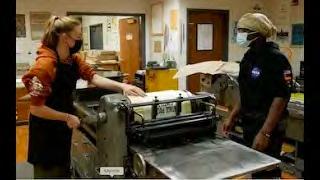
Videos by Eric Ingram '23
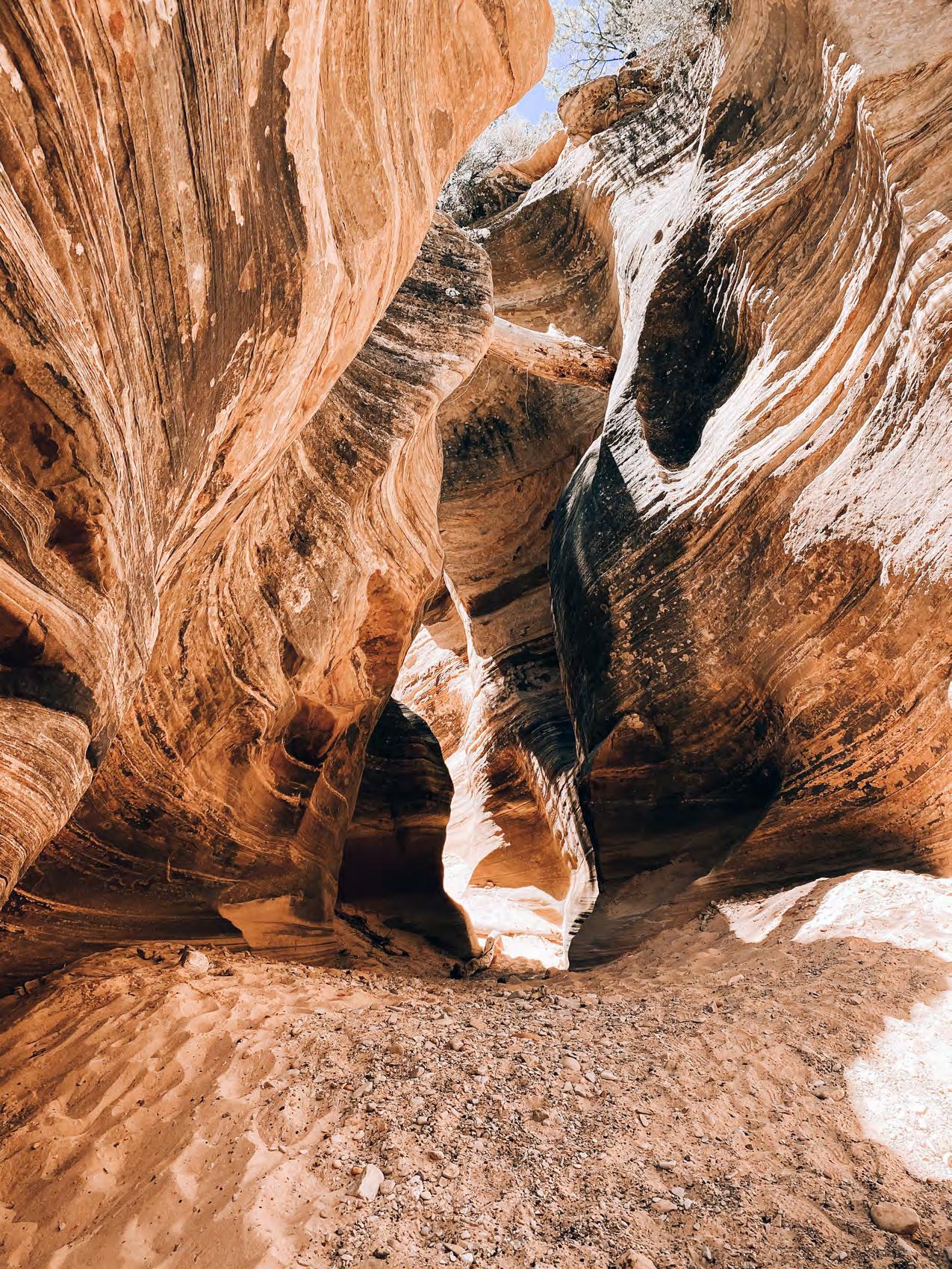
Photo Contest Conservation In the West
Student Photo Contest
By Samwel Makyao
Earlier this year, the State of the Rockies project invited students to submit up to three photos and a description of each photo(s) taken from the Rocky Mountain West. These photos aimed to remind us why, how, and what conservationeffortsarenecessarytopreserveandprotectnature.
Students were required to submit photos that addressed areas of concern for wildlife and habitat, outdoor recreation and diversity and inclusion in the outdoors, shifting climate patterns and processes, public lands, wildfires, water, and other conservation issues highlighted in the 2022 Conservation in the West Poll. A jury of staff expert photographers determined finalists, while the people's choice by popular vote was determined via vote-by-text.
Photo Contest Background
By Samwel Makyao
Colorado College’s 12th annual State of the Rockies Project Conservation in the West Poll showed a spike in concern over issues like drought, inadequate water supplies, wildfires, the loss of wildlife habitats and natural spaces,andclimatechangeamongvotersintheMountainWest.
ThepollsurveyedtheviewsofvotersineightMountainWeststates(Arizona,Colorado,Idaho,Montana,Nevada, New Mexico, Utah, and Wyoming) and found that 69% of voters were concerned about the future of nature: land, water, air, and wildlife. Against that backdrop, 86% of Western voters said issues involving clean water, clean air, wildlife, and public lands are important in their decision to support an elected official. Voters in the Mountain West felt deeply connected to the outdoor landscapes that surrounded them. 88% of voters surveyed visited national public lands like national parks, national forests, national monuments, and national wildlife refuges in 2021.
Similarly,93%participatedregularlyinoutdoorrecreationactivitiessuchashiking,camping,picnicking,birdand wildlife watching, biking, water sports, snow sports, hunting, and fishing. 74% said the presence of public lands in their state helped the local economy. At the same time, 48% of voters reported making changes to where or when they recreated outdoors because of crowding, and 26% adjusted plans because of changes in climate like fires, less snow, or less water. 53% of voters viewed the loss of natural areas as a very or extremely serious problem.YoucanlearnmoreabouttheConservationintheWestPoll here.
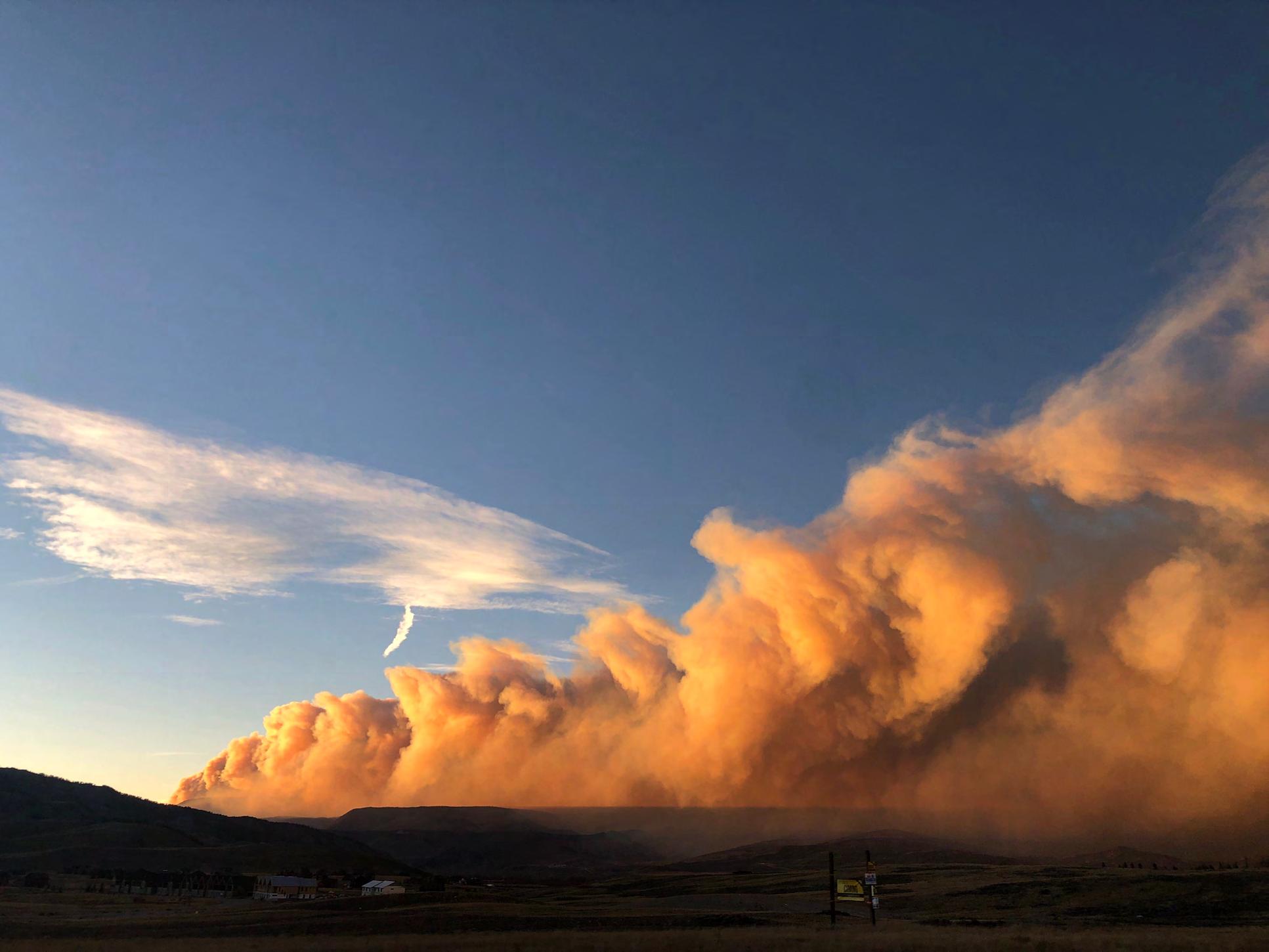
FRASER FIRE | FIRST PLACE
DESCRIPTION: PhotobyWillBurdette,'22 Aphotofromthe 2020William'sForkfirenearFraser Colorado. The beautiful clouds are actually a huge bank of smoke. The photo captures the massive scale of more recent wildfires and reminds us we need to do more to preserve theenvironment.
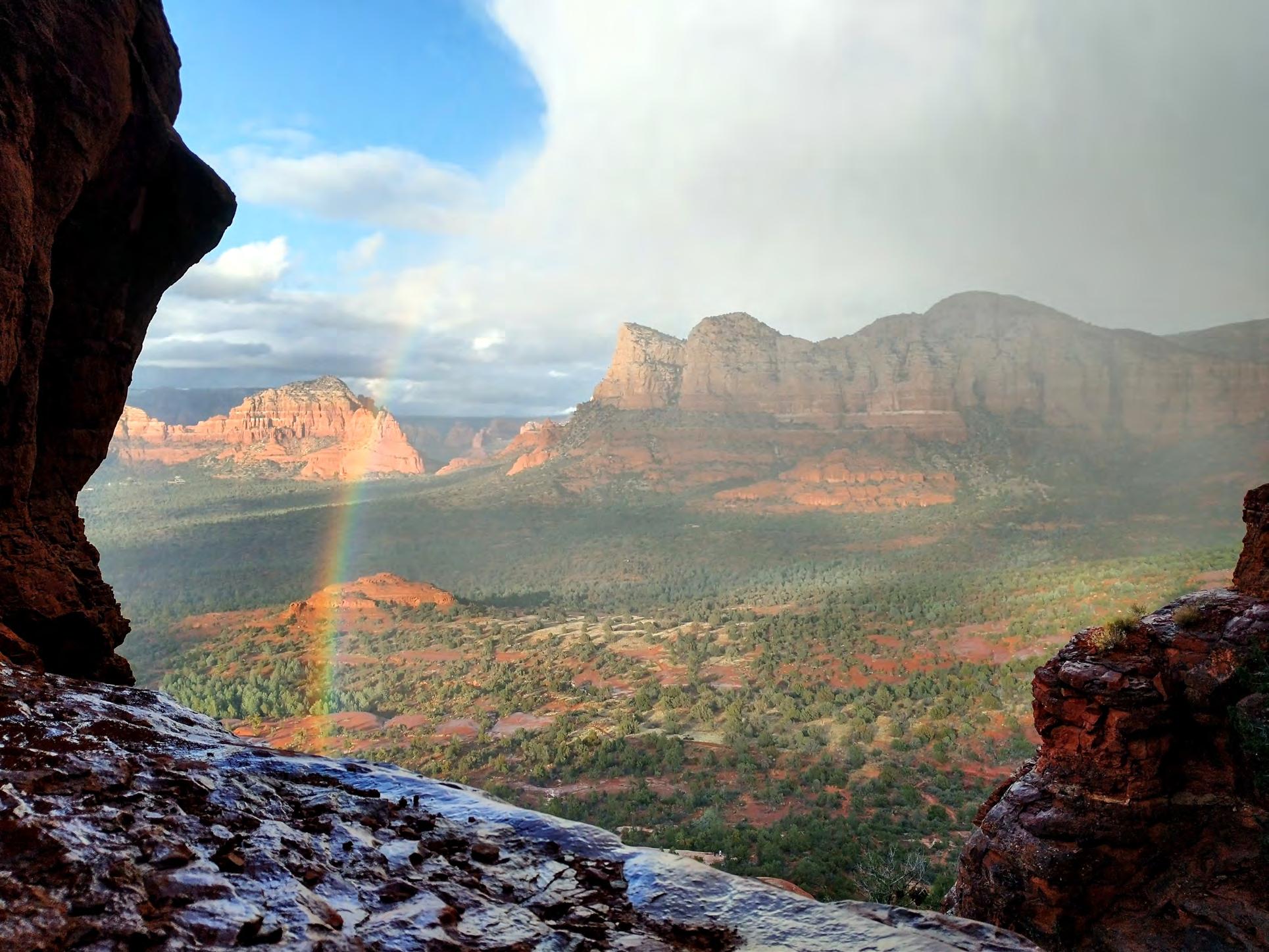
RED ROCK RAINBOW | SECOND PLACE
PhotobyGalileoDefandiChi,'22
DESCRIPTION:
A rainbow splits the sky above Sedona, Arizona as a much-needed rain shower wets the red rock and earth below. Sedona is a prime example of a populous desert town with water usage that exceeds what can sustainably be provided. As the Southwest becomes drier due to climate change, towns like Sedona will have even less access to water than they currently do, forcing residents to either move, or let their water usage cause exponentially more harm to the desert environment. Water is quickly becoming among the most valuable resources worldwide, and the Southwest United States, including Sedona, will be oneofthefirstplacestosuffer.
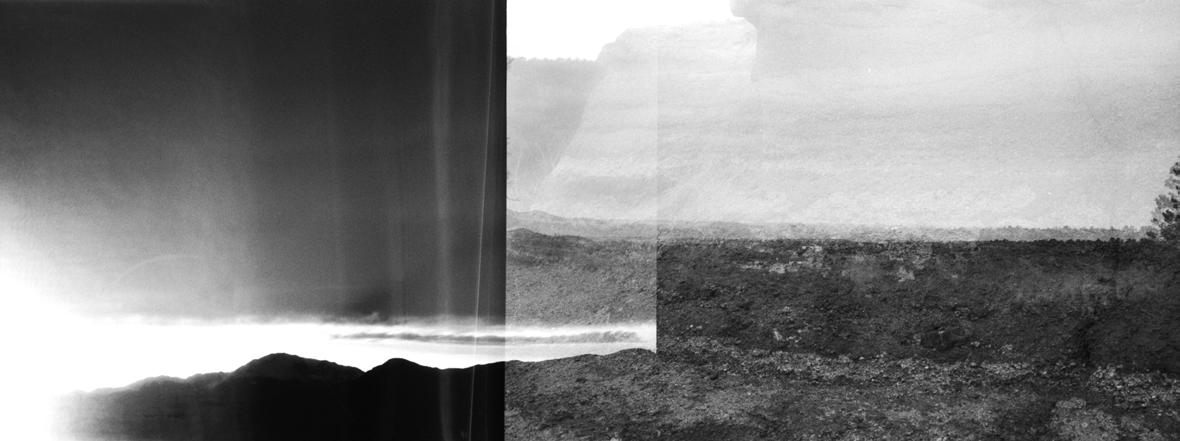
ROCKS ARE MOUNTAINS, MOUNTAINS ARE ROCKS | THIRD PLACE
DESCRIPTION: PhotobySidneyDerzon,'23 Doubleexposurefilmcreatesintentionalimagery,combiningdifferent views.Itslowsdowntheimage,showingapassingoftime.Thisimagewasdeveloped to show the contrast of mountains and rocks, juxtaposing the differences, but remindingmehowtheyaresointertwined.PikesPeakbecomestherockfromGarden oftheGods.Theywereallcreatedandareslowlychippingaway.
MeettheJudges
JOSH RAAB
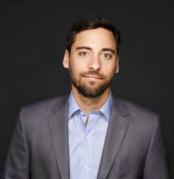
JoshRaabistheDirectorofInstagramatNationalGeographic.Previously,JoshworkedatTIMEasaPhoto andMultimediaEditor.HehasalsobeenanadjunctprofessorattheInternationalCenterofPhotography. Josh started out as a photographer covering the aftermath of the Boston Marathon bombings and Hurricane Sandy, then transitioned into editing by founding Jay Peg’s Photo Pub., an online and print publicationforemergingphotographers.
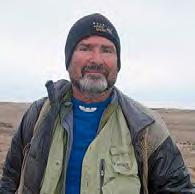
Stephen Weaver is an award-winning photographer with over 40 years of experience making images of the natural world. Formally educated as a geologist, Steve combines his scientific knowledge with his photographic abilities to produce stunning images that illustrate the beauty of the structure and composition of the earth and its natural systems. Stephen is the creator of Colorado College's State of the Rockies landscape images exhibited across campus over the years. He has been a member of the judges' panelforthepastfouryears.
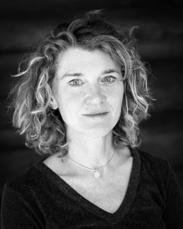
Andrea Jenkins Wallace is the Vice President of Artistic Affairs and Artistic Director of Photography and New Media at Anderson Ranch Arts Center in Aspen, Colorado. She is often an invited speaker to colleges anduniversitiesincludingPrattInstitute,theUniversityofDenver,andtheUniversityofSouthFlorida.In 2021, she co-taught a class entitled Photography, Race, and Gender at Colorado College. Her film, Rochell and Brian, a documentary about teenage pregnancy, premiered at the New York International IndependentFilmFestival.
STEPHEN WEAVER
ANDREA JENKINS
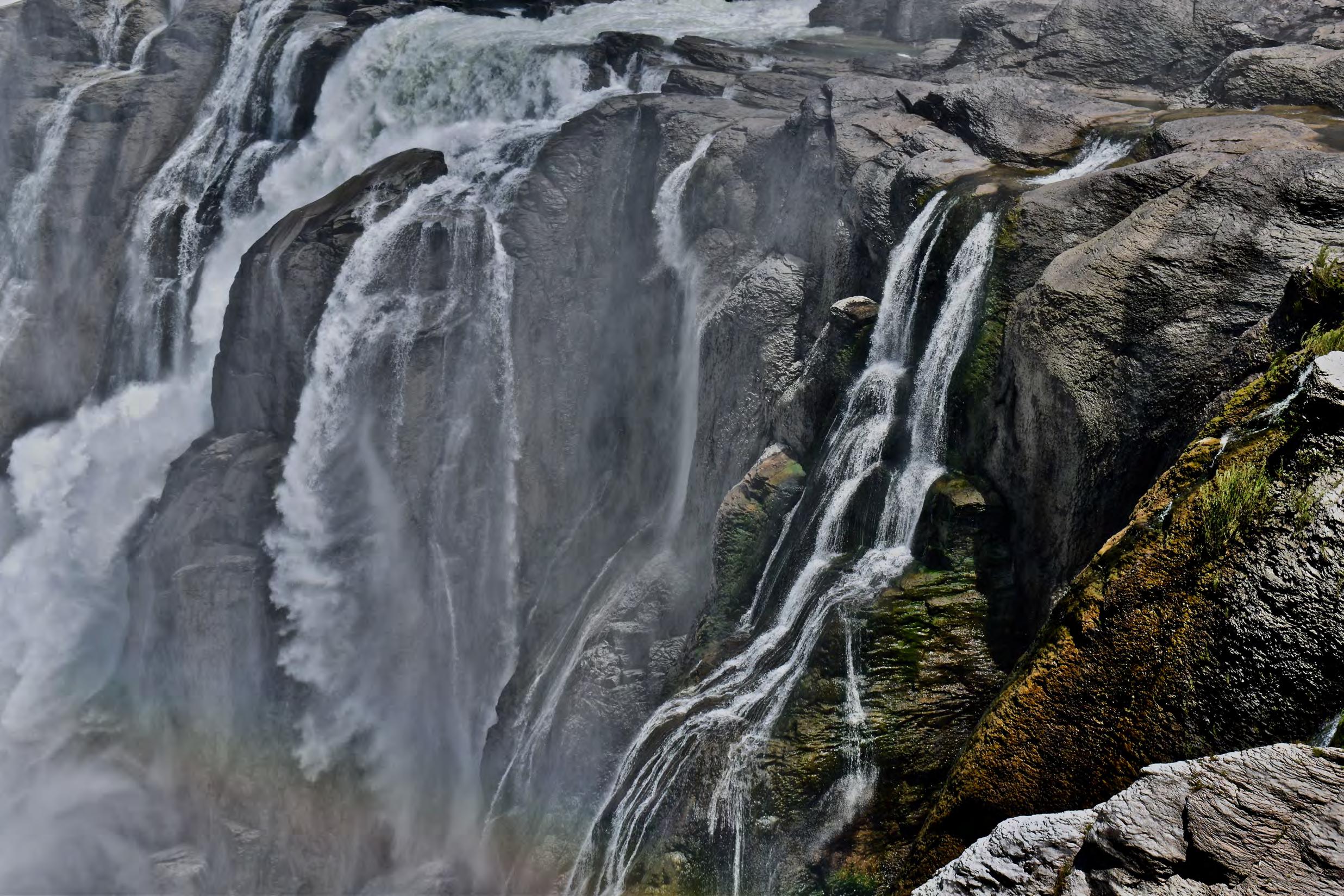
SHOSHONE FALLS | Idaho, Colorado | Image taken by Emily Dwyer '21
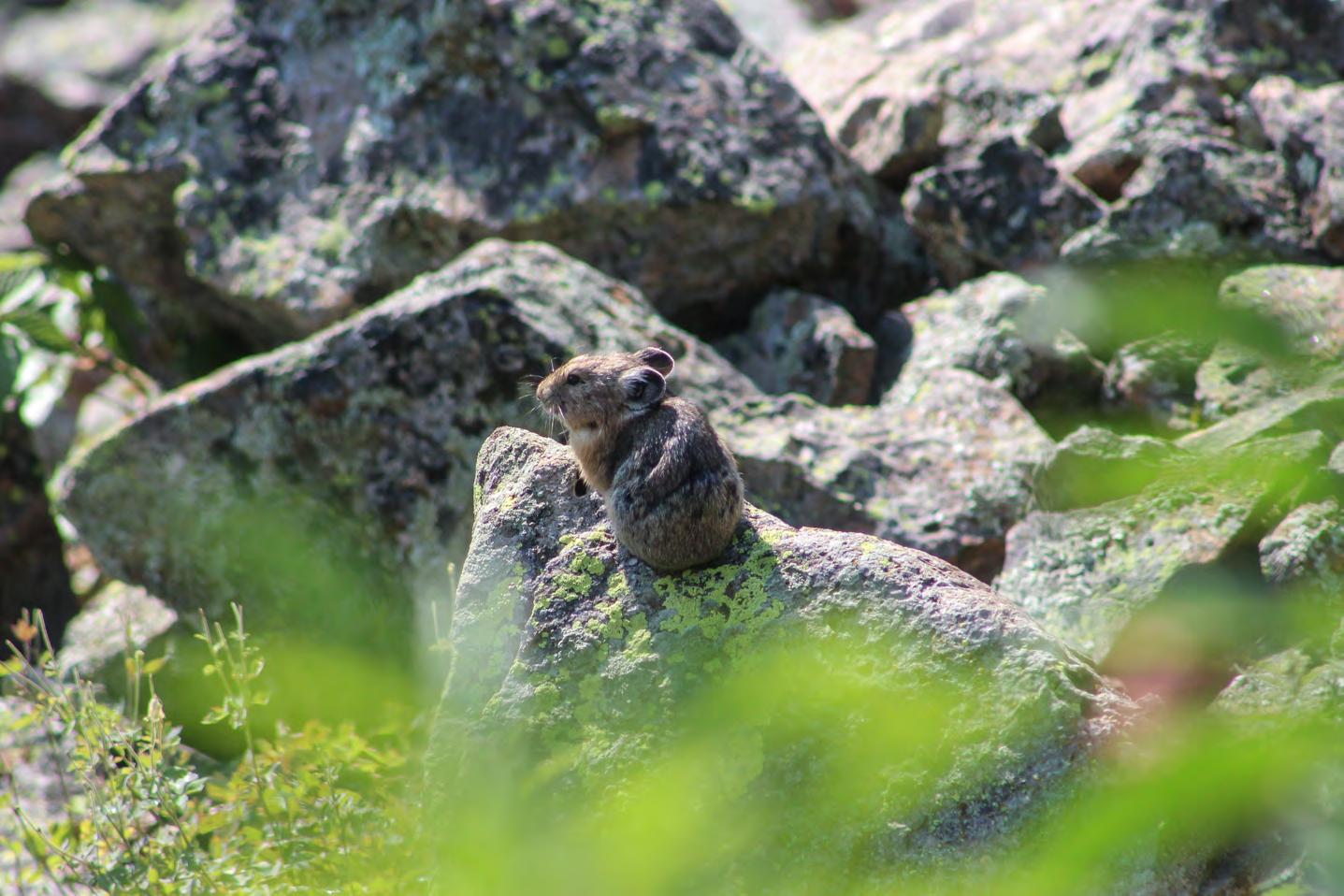
PIKA| PEOPLE'S CHOICE
POPULAR VOTE WINNER
PhotobyIsabelDeVito,'24
DESCRIPTION:
The American Pika is a small mammal found at high elevations throughout the Rocky Mountain West, and although they can be difficult to spot, many people will have heard their high-pitched calls reverberating through talus slopes and alpine meadows in the mountains of Colorado, Utah, Idaho, Montana and Wyoming. Pikasarewelladaptedtothecoldclimateattheseelevationsbutareextremelysensitive to climate change. They depend on heavy snowpack for insulation in the winter and the alpine plants they eat, and as climate change continues to impact precipitation patterns and alter plant distributions in alpine meadows, this iconic species will face increasing threats.
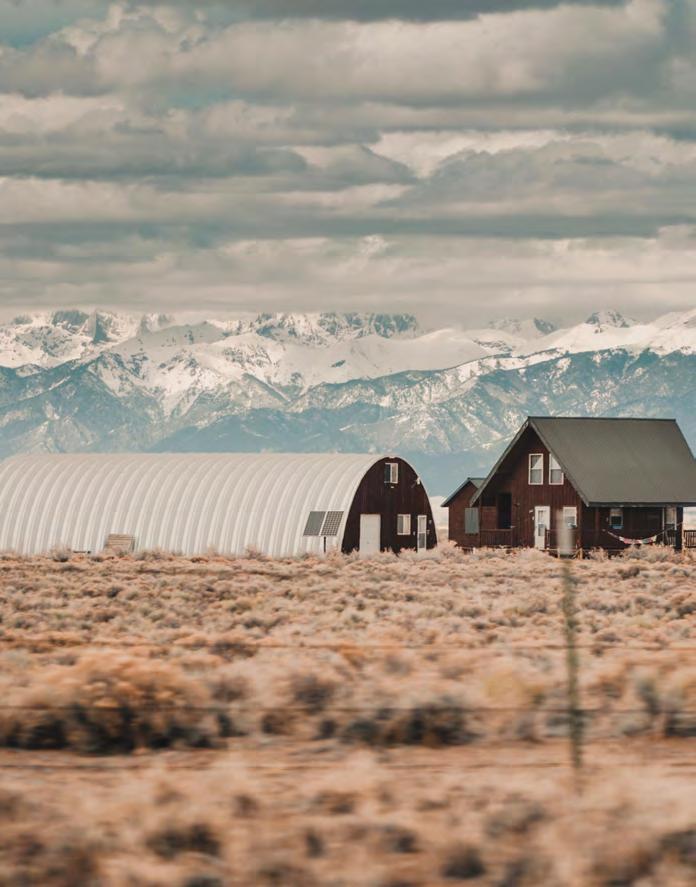
THIS
LAND
SECOND RUNNER UP
DESCRIPTION:
PhotobyLauraHoy Lauratookapictureofthese beautiful houses somewhere in Southwest Colorado.Oneoffivehomesshesawalongthe road in a 40-mile stretch of land. The land is everything for people in these rural communities'livelihood,lifestyle,andpride.
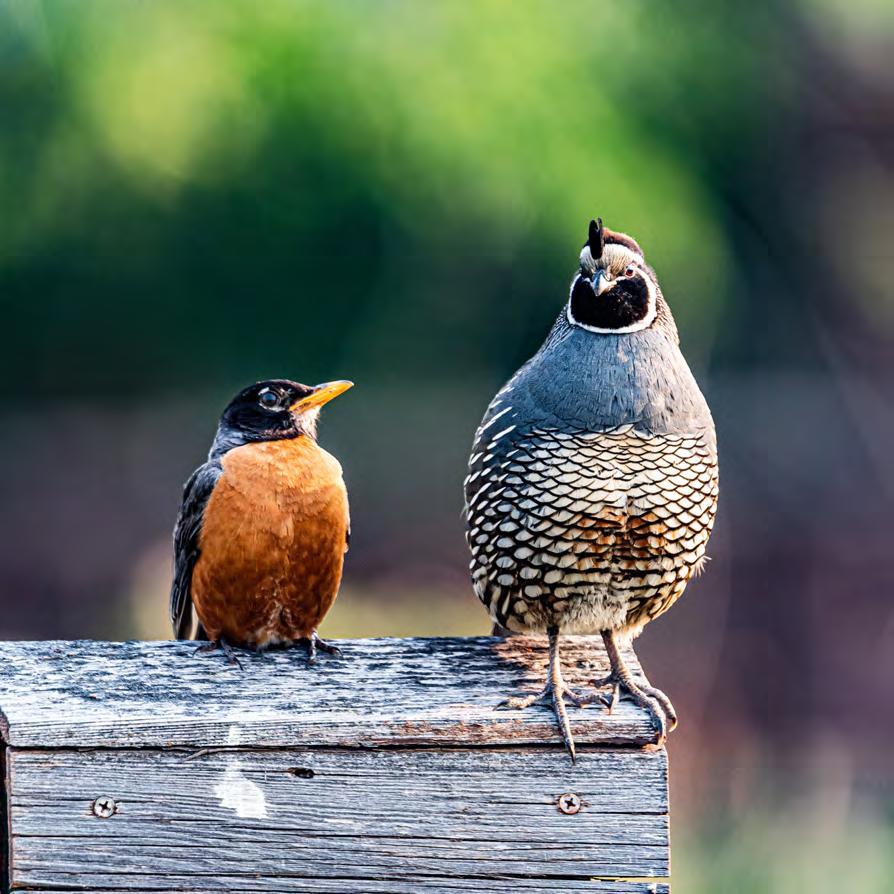
BROTHERS
THIRD RUNNER UP
DESCRIPTION:
PhotobyAnilJergens,'23 Anil found this pair on his grandparents'farm.Helovedthewaytherobin is looking at the quail, like he's the little brother looking up to his big brother. The unbothered,happyinterspeciesinteractionisa wonderful metaphor for how humans might live with all the other inhabitants of the Rockies.
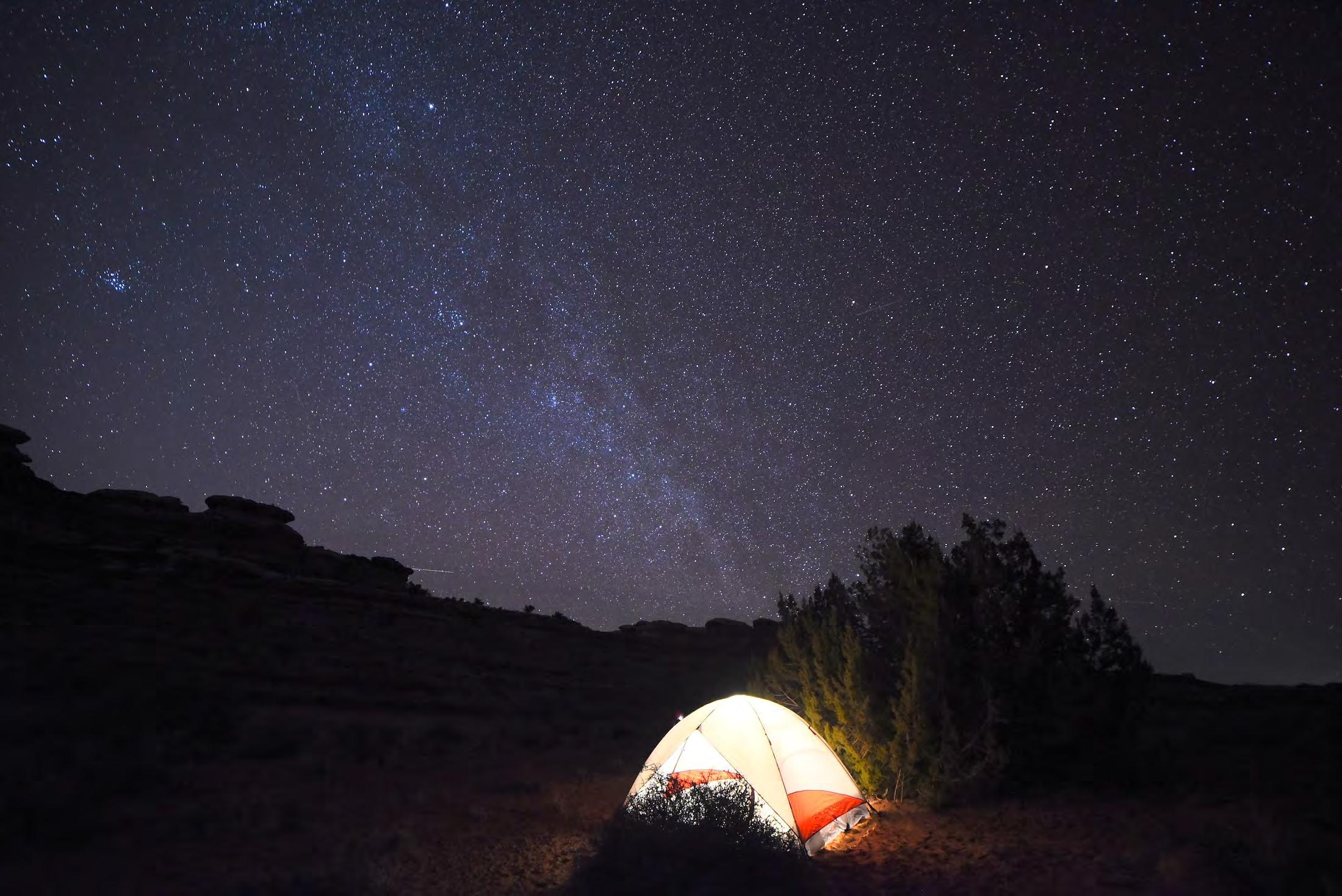
STARRY NIGHT | Moab, Utah | Image taken by Michael Braithwaite '24
THE OR
By Samwel Makyao
In 2020, record-breaking wildfires burned over two million acres of Colorado and Rocky Mountain West. This was again anotherimpactofclimatechange,anditisexpectedthatthere will be more and more enormous wildfires in the future. As climate change activists at heart, last year, Colorado College students began a project called Orange Skies to visually explorethefar-reachingeffectsofthesmokeandflamesofthe 2020fireseason.
In collaboration with the State of the Rockies project, Orange Skies looks at how we are drawn to the glowing smoky skies and billowing plumes rising from megafires into the atmosphere. The Orange Skies exhibit is an amassing of images of the 2020 wildfires as seen by residents around the region, including firefighters and professional photographers. Earlier that year, in partnership with Colorado Springs Pioneer Museum, the Orange Skies photographs of the 2020 wildfire season were displayed at the museum, calling attention to the impact of climate change. The student curators were Josie McCauley '21, Ada Evans '21, Nate Blower '21,andCalayaHudnut '22. Watch the narrated virtual tour of theexhibithere.
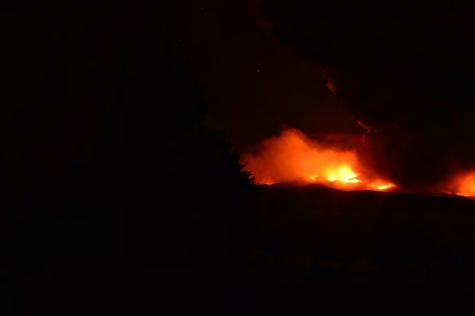
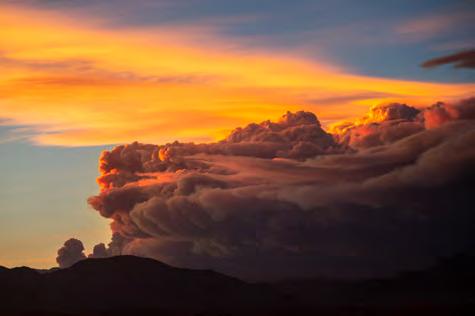
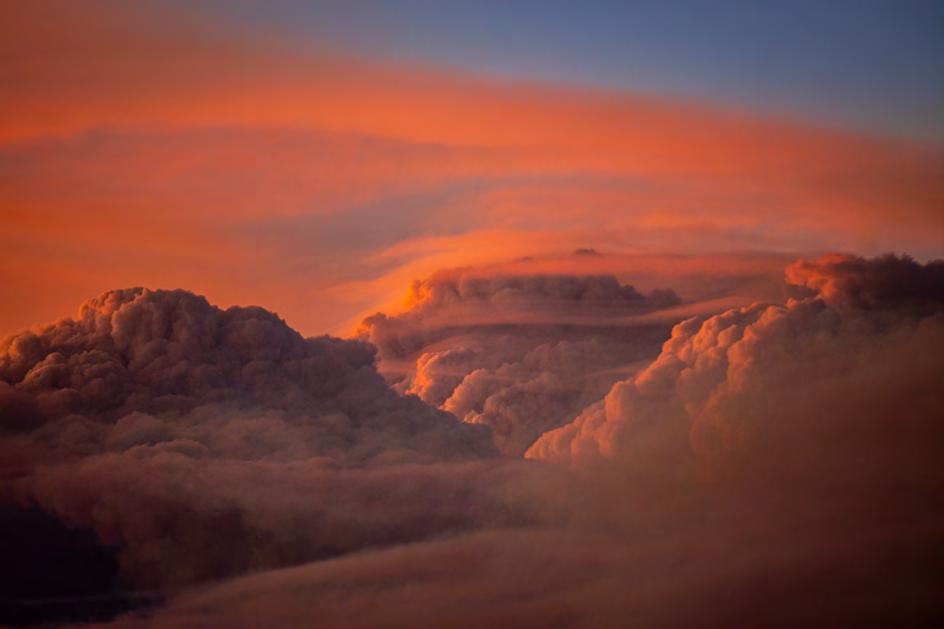
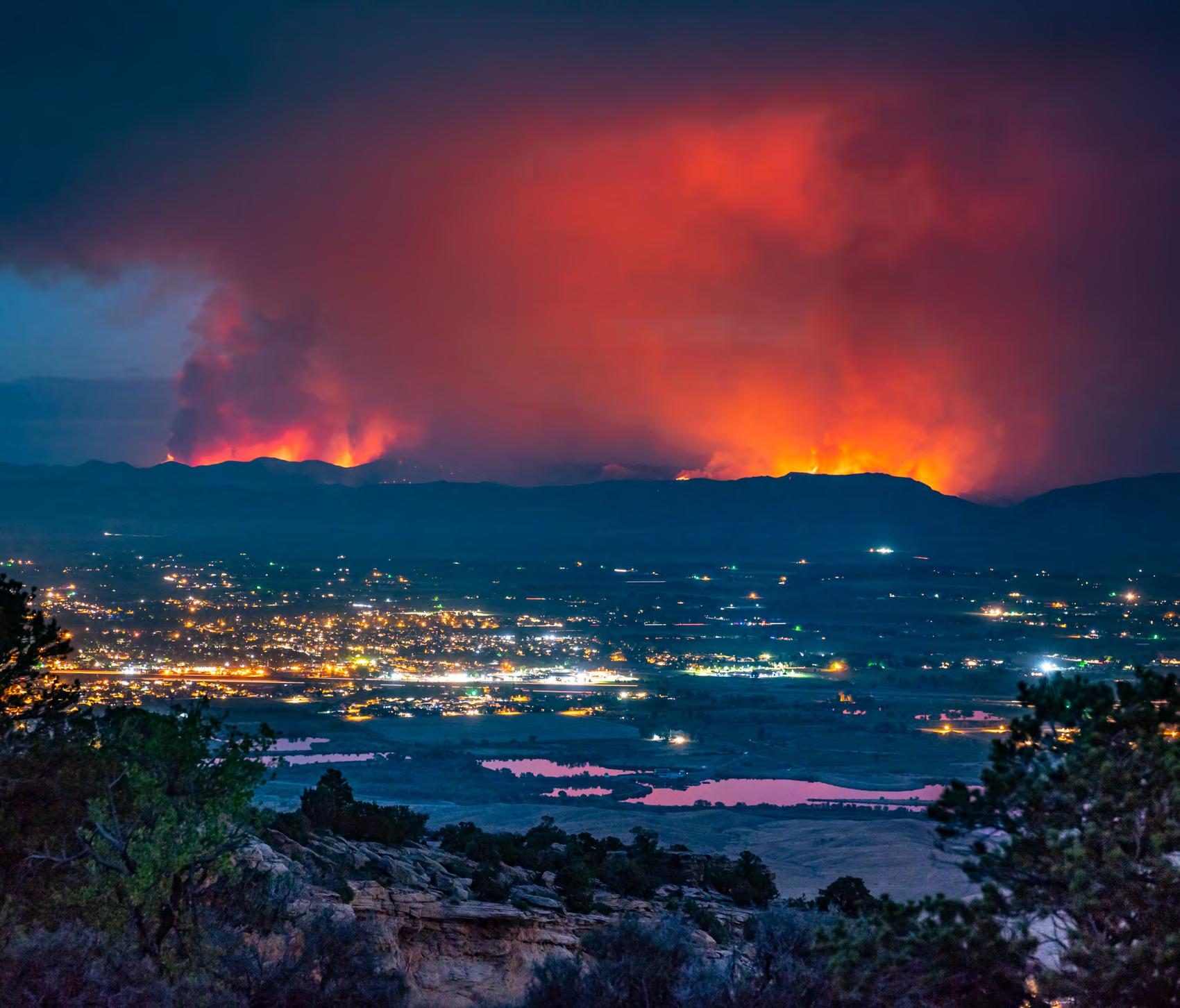
taken by Owen Braley
ANGE SKIES EXHIBIT
Fruita, CO | Pine Gulch Fire
Image taken by Kris Sanders
INTERVIEW | ORANGE SKIES STUDENT CURATOR
By Cyndy Hines
In spring of 2020, Calaya Hudnut '22 worked as a student curator for the State of the Rockies Orange Skies project. As a California resident, Calaya has experience living in a fire-prone ecosystem, but it was working on the project that helped her gain an understanding of the importantroleoffireinshapingwesternlandscapes.
After working on Orange Skies, Calaya appreciates the natural beauty and understands the function of fire in western US semi-arid ecosystems. insight into how the influence of hotter and drier climate conditions drives bigger and more frequent westernfires."WhilecreatingtheOrangeSkiesexhibit,I was in awe of how wildfire holds a multitude of dichotomies; the images of fire evoke beauty, destruction, loss, anger, rebirth, and hope. What angered me the most was how these recent megafires are yet another, impossible to ignore symptom of climatechangeandsettlercolonialism."says,Calaya.
Watch Calaya's interview on YouTube here informationontheOrangeSkiesvisitourwebsite
Around the Bend | Ink on paper | by Calaya Hudnut '22
Breathing | Ink on paper | by Calaya Hudnut '22
Time to Go Away | Ink on Paper | Print by Calaya Hudnut '22
INTERVIEW | PIONEER MUSEUM CURATOR
By Samwel Makyao
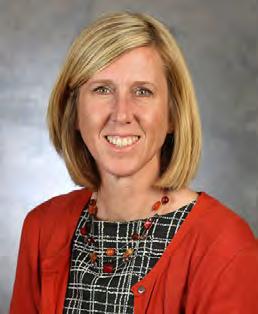
Curator of History of the Colorado Springs Pioneer Museum
How do you come up with such beautiful exhibits?
I work with a great team here at the museum, including a very talented exhibit designer and great collections folks to be creative. We have history, artifacts, and stories. However, themostchallengingquestionishowdowecreateanengagingexperienceforourvisitors?
So, in every new exhibit, we always think about what's the best message and method to convey this history. How can we be creative, imaginative and use digital technology to improve the visitor experience? Furthermore, how do we make an impact and ultimately helppeopleconnecttohistory?Someofourvisitorshavelivedherealltheirlives,andsome are Colorado College students who come from somewhere else, and our challenge is to create exhibits that are interesting to you as they are to someone who's lived here for 50 years because we're all part of Colorado Springs history and always look for stories. And thenit'smyjobtocollectthem,sharethemwiththepublic,andexhibitthem.
What was your first impression of the Orange Skies Exhibit?
WhenwegotthecallabouttheOrangeSkiesexhibit,itintriguedmeimmediatelybecause students have a fresh new perspective; they are creative and talented. We work with students a lot. We have work studies, and we currently have a Colorado College intern— QuinnJonesfromtheHistorydepartment—spendingthesummerwithusresearchingand workingoncollections. So,rightoffthebat,whenIhearditwasastudent-curatedexhibit, I thought this would be exciting. I was looking forward to seeing what students have put together.There'snotjustonewaytolookathistoryandevents,therearemultiplewaysto engage people, so I was very excited about the potential. When I saw the photographs, I was moved because they're so beautiful even though they depict horrific events. However, the fact that they were taken on by people's iPhones who are not professional photographersbutincrediblymovingandpowerful.Weknewimmediatelythatwewanted to share that with our audiences here. Climate change is an important topic. It is real and transformational. We wanted to create a space for difficult conversations, and if you can't have them here, where can you have them? So we were thrilled with the opportunity to bringinsuchanexhibit.
What do you hope for the partnership between the museum, and the State of the Rockies Project in the next few years?
I hope we can continue to be a place where the great work that the State of the Rockies projectproducescanbeexhibited.Itaddsanotherdimensiontoyourworkandourworkas well.I love the fact that we can provide our visitors,some of whom are tourists,residents, and school children, with these really unique, well-researched, and thoughtful studentcurated exhibits that are timely and are about important issues that we're all facing together.
Leah Witherow
GS 233 – A Writer’s Field Guide to Colorado Springs
In Block 7 of the 2021-22 school year, Visiting Assistant Professor Dot DeVisiting Devita taught GS 233 – A Writer’s Field vita Guide to Colorado Springs. The course was designed with the outcourse outcome of using SOTR poll data to furcome further feature pieces on topics of the ther students owninspiration.
Course Description:
Colorado Springs is our subject for this class, where we will explore, share, discuss,andwriteourmanyversionsof the city. We will each choose our own writing topics, for which the possibilities are endless: examples could include human behavior/interactions, pandemic reorganization of social life, local news stories, backyard culture, urban sprawl/renewal, accessibility, whitewashed histories, borders/boundaries, murals, city myths, backyard climate change, etc. CC’s State of The Rockies Project will also help to inform us on challenges facing our region, encouraging us “to explore critical environmental and social challenges in the Rocky MountainWest.”
Duringthiscourse:14ofthe15students were introduced to SOTR for the first time 2 weeks into the course, the students were to analyze the SOTR webpage in order to gain a greater idea of what the project is about, and they viewedthe68-slidepresentationthat
ByDeliaFreliech
had been put together by the surveyors. This presentation starts with the survey methodology, data on how the survey has grown in the past 12 years, and then the key findings from the 2022 survey data including comparisons to past yearsresults.
This was then followed by a discussion on how SOTR’s opinion poll might inspire ideas/prompts for our feature writing in this course, and/or based on what you are already interested in writing about and looking into? List possible subjects, topics, and writing forms. Then with this inspiration in mind project groups were asked to create a proposal for field research or site-specific writing for a Student-Designed and StudentLed Class later in the week. Thus, culminating in the final forthiscourse:ACollaborative
Field Guide Many of the students’ articles were inspired by or stemmed from SOTR’s poll data. The articles explored, reflected, commented on, confirmed, and contributed to SOTR findings with themes suchas:Increasinglydimviewofthefuture of nature, poorly planned growth and development,Pollutionofrivers,lakes,and streams, climate change, rising costs of living support for national public lands (and Open Spaces) enthusiasm for hiking andcamping.
The Future of SOTR in CC Classrooms for possible reiterations of this course, feature journalism courses, and place-based creativewiringcourseswere:Asocial‘Meet & Greet’ that introduces students to professors, staff, and students with prior experiencewithSOTR’sprogram.Showing examplesofpaststudentengagementwith SOTR or inviting a student to discuss their experience and project stemming from SOTR:
A point person in SOTR to answer studentquestions.
Follow-up with our point person in a wholeclasssetting.
Possible convergence class with anothercourseusingSOTRpolldata.
Possible field research or field trip planned around a concern that SOTR polldatahasidentified.
Mock poll with students using the SOTRmethods/survey,etc.
Reflection on what students feel is left outofpolldatafindings
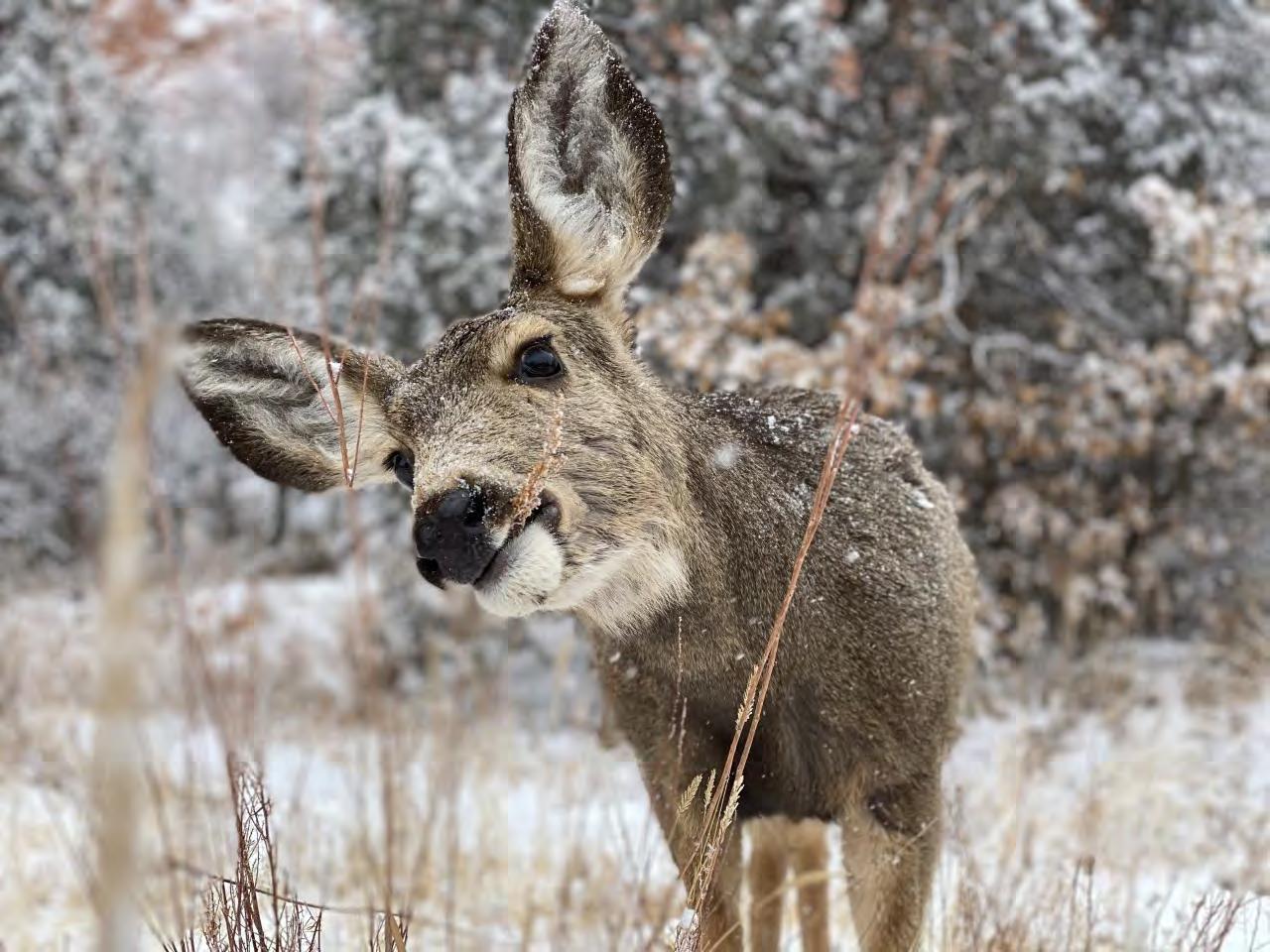
Morgann Farley