TRAINING SOUTH CANADIAN REPAIRERS HEAD TO MINNESOTA FOR 3M TRAINING
REMEMBERING SAM PIERCEY BUDD’S COLLISION HONOURS A LEGACY AT ITS ANNUAL PIG ROAST
SIMPLY AI HOW TO USE

TRAINING SOUTH CANADIAN REPAIRERS HEAD TO MINNESOTA FOR 3M TRAINING
REMEMBERING SAM PIERCEY BUDD’S COLLISION HONOURS A LEGACY AT ITS ANNUAL PIG ROAST
SIMPLY AI HOW TO USE
automotive painting.
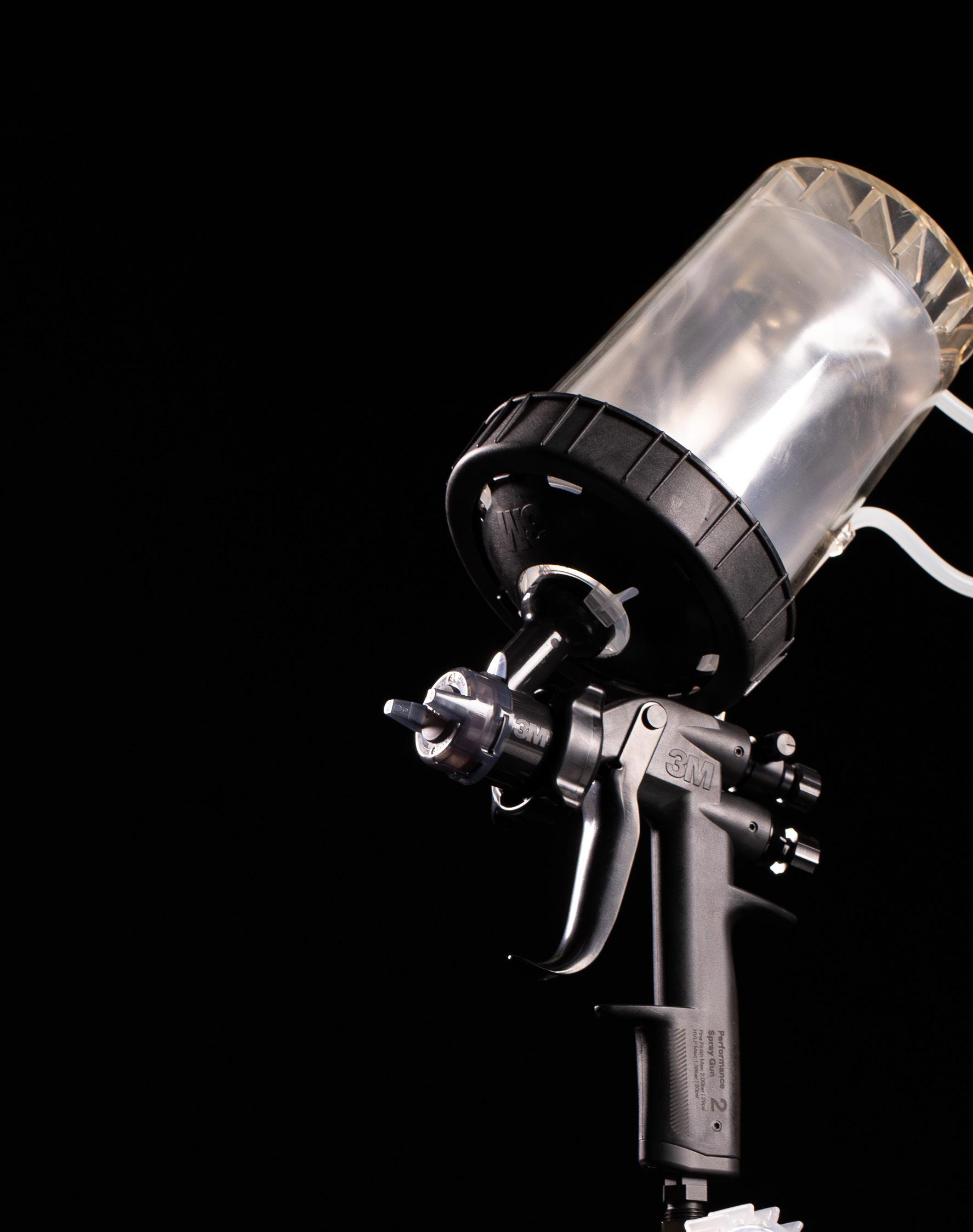
A new challenge is emerging for painters to now have to match texture, not only colour. All of these variations in texture across manufacturers require a high level of skill and experience to replicate. Even minor deviations can be easily detected.
Achieve a variety of tough-to-match undercoat and topcoat textures with the 3M™ Performance Spray Gun System equipped with the 3M™ PPS™ Type H/O Pressure Cup
Learn more today.


Even the best of intentions are nothing without effort
BY DARRYL SIMMONS
In the collision industry, progress is not driven by intention. It is driven by discipline. Today’s operators are working in an environment defined by rising complexity and rising consequence. The average insurancepaid repair in Canada now exceeds $5,500. Average cycle time sits at 13.3 days, while the top 10 percent of repairers consistently return vehicles to customers in fewer than six days. Touch time tells the same story. The average shop produces about 2.5 hours of productive work per day. The best exceed 4.5.
The practical response is clear. Measure your cycle time honestly and identify where vehicles stall. Track touch time and address the gaps between operations. Reduce delays caused by parts handling, approvals and poor repair planning. Invest in training before the repair demands force your hand. Build systems that produce repeatable outcomes rather than relying on individual heroics.
The shops pulling ahead are not doing more work. They are doing the work in the right order, with the right documentation and the right
THE PRACTICAL RESPONSE IS CLEAR. MEASURE YOUR CYCLE TIME HONESTLY AND IDENTIFY WHERE VEHICLES STALL. TRACK TOUCH TIME AND ADDRESS THE GAPS BETWEEN OPERATIONS. REDUCE DELAYS CAUSED BY PARTS HANDLING, APPROVALS AND POOR REPAIR PLANNING. INVEST IN TRAINING BEFORE THE REPAIR DEMANDS FORCE YOUR HAND. BUILD SYSTEMS THAT PRODUCE REPEATABLE OUTCOMES RATHER THAN RELYING ON INDIVIDUAL HEROICS.
Those numbers matter because they reveal where the real work is being done. The gap between average and exceptional performance is not effort. It is process.
This issue’s cover story, featuring Tony Morgese and ACX Montreal, reflects that reality. It is not about scale or shortcuts. It is about consistency. Following manufacturer procedures. Investing in the right equipment. Training technicians properly. Documenting work thoroughly. Standing by decisions because they are correct, not because they are convenient. Across the collision industry, shops are facing longer work-in-progress loads, higher repair severity and vehicles that demand precision at every step. Advanced driver assistance systems, mixed-material structures and calibration requirements have eliminated guesswork from modern repair. The work either meets the standard or it does not.
expectations. They are prepared for scrutiny because their processes can stand up to it.
This edition focuses on those realities. It looks at performance, workflow and leadership through the lens of what is actually happening on shop floors today. Not theory. Not promises. Practice.
The collision industry has never been short on talent or effort. What will define its future is the willingness to apply standards consistently and defend them with confidence.
That is the work that matters.
PUBLISHER
Darryl Simmons publisher@collisionrepairmag.com
ASSOCIATE PUBLISHER Orest Tkaczuk | orest@mediamatters.ca
ART DIRECTOR
Yvonne Maschke | yvonne@mediamatters.ca
ASSISTANT EDITOR
Mackenzie Grant | mackenzie@mediamatters.ca
INTERIM EDITOR
Gideon Scanlon | news@collisionrepairmag.com
AUDIENCE ENGAGEMENT MANAGER William Simmons | william@mediamatters.ca
VP OF INDUSTRY RELATIONS & ADVERTISING Gloria Mann 647.998.5677 | gd.mann@rogers.com
INDUSTRY RELATIONS ASSISTANT Wanja Mann 647.998.5677 | wanjamann1@gmail.com
DIGITAL OPERATIONS MANAGER
Cassie Doyle | cassie@mediamatters.ca
MEDIA PRODUCTION SPECIALIST
Dayna Dicuangco | dayna@mediamatters.ca
DIGITAL MEDIA INTERN
Natalie Dinh | natalie@mediamatters.ca
CONTRUBUTOR
Mike Anderson, Ranyer Firmino Stefano Liessi, Jay Perry
SUBSCRIPTION
Single edition $7.99 One-year $39.95 ( 6 issues)
Collision Repair™ magazine is published bimonthly, and is dedicated to serving the business interests of the collision repair industry. It is published by Media Matters Inc. Material in Collision Repair™ magazine may not be reproduced in any form without written consent from the publisher. The publisher reserves the right to refuse any advertising and disclaims all responsibilities for claims or statements made by its advertisers or independent columnists. All facts, opinions and statements appearing in this publication have been compiled and included with the permission, though not necessarily the endorsement, of the editor, or of independent columnist contributors, and are in no way to be construed as those of the publisher, or as endorsements of them.
PRINTED IN CANADA ISSN 1707-6072
CANADA POST CANADIAN PUBLICATIONS MAIL SALES PRODUCT AGREEMENT No. 40841632
RETURN POSTAGE GUARANTEED
Send change of address notices and undeliverable copies to: 317 Reid St., Peterborough, ON K9J 3R2

“We acknowledge the financial support of the Government of Canada”



Collision Repair magazine is published by Media Matters Inc., publishers of:







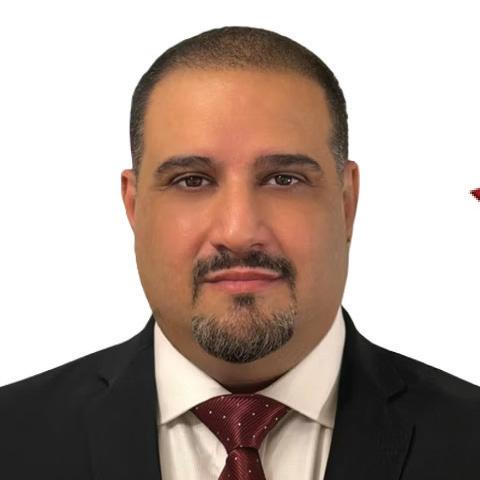
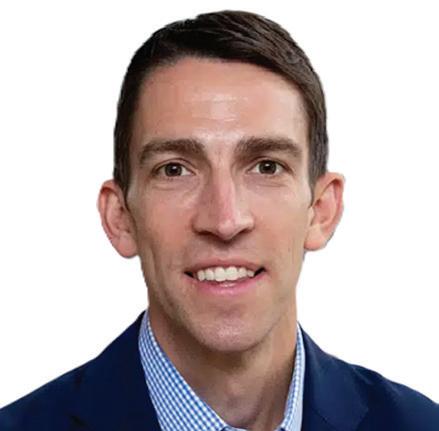
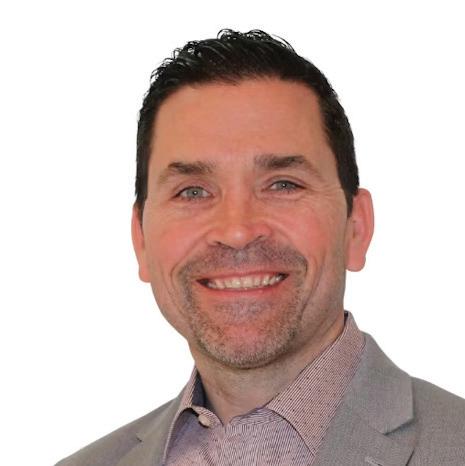
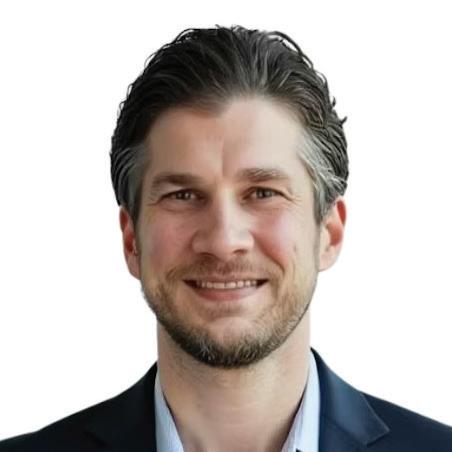
Fade Bouras has been appointed as the chief operating officer of AutoCanada, an automotive dealership group based in Toronto. In this role he oversees franchised dealership operations, marketing, used dealerships and the company’s broader used-vehicle strategy, reporting to interim CEO and CFO Sam Cochrane. Bouras brings more than 22 years of experience in automotive retail, having built his career at HGrégoire in sales, finance, business development and senior operational roles. “Fade is a proven operator with deep experience across every level of dealership operations,” Cochrane said.
collisionrepairmag.com/15775448
BRYAN WYNN
Bryan Wynn has been appointed as the chief executive officer of Dent Wizard International, an automotive reconditioning services company based in Bridgeton, Missouri. In the role he leads operations for a company providing paintless dent repair, wheel and rim repair, interior and exterior reconditioning and related cosmetic vehicle services across North America. Wynn joined Dent Wizard in 2022 as CFO and later served as president, following earlier experience as an executive vice-president at Bain Capital. “I step into this role with energy, optimism and deep respect for the people who built Dent Wizard into the leader it is today,” Wynn said.
collisionrepairmag.com/15801004
Ryan Ross has been appointed as the vice-president of member development of Square One Systems for Certified Collision Group, a collision repair network. In this role he will focus on expanding member value through strategic initiatives, collaborative programs and growth-focused engagement. Ross’s background spans sales, operations and consulting within the collision repair and automotive sectors, including experience scaling programs and driving performance improvements. “I am excited to join Square One Systems and the Certified Collision Group,” Ross said.
collisionrepairmag.com/news/15815207
Steve Fardelos has been appointed as the director of vendor management of Certified Collision Group, a collision repair network. In the role he oversees vendor strategy, partner alignment and program optimization to support affiliate success and long-term growth. His background in vendor relations and cross-functional collaboration is expected to strengthen partner programs. “Certified Collision Group has earned a strong reputation for supporting independent collision repairers through disciplined partnerships and long-term value, and I’m proud to join the team,” Fardelos said.
collisionrepairmag.com/15815207


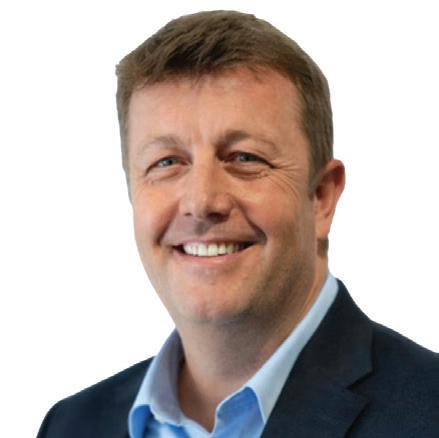

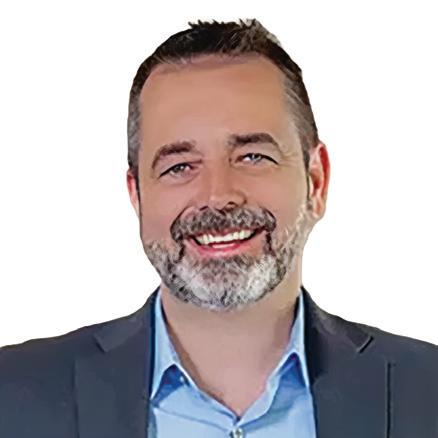
Mary Mahoney has been appointed as the president of the Collision Engineering Career Alliance, a nonprofit organization focused on developing future collision repair professionals. In her role she will lead efforts to grow partnerships with post-secondary institutions and advance workforce development initiatives. Mahoney spent 40 years at Enterprise Mobility, most recently serving as vice-president of the replacement and leisure division. “The collision repair sector is evolving rapidly — vehicles are more advanced, technicians need broader and deeper skills, and traditional pathways into the field are not keeping pace,” Mahoney said.
collisionrepairmag.com/15814879
DRIAAN DU TOIT
Driaan Du Toit has been appointed as the chief executive officer of AirPro Diagnostics, an automotive diagnostics and calibration services company based in Jacksonville, Florida. In the role he will lead strategic direction, operational execution and growth initiatives as ADAS complexity increases. Du Toit brings more than 20 years of leadership experience across automotive repair, fleet and insurance sectors. “AirPro sits at the intersection of safety, technology, and repair excellence,” Du Toit said.
collisionrepairmag.com/15814809
JESSICA SMITH
Jessica Smith has been appointed as the director of CRM sales and account management at Audatex, a Solera company providing automotive and collision repair software solutions. In the role she oversees CRM sales initiatives and account relationships while supporting customer engagement and performance. Smith brings more than 25 years of experience in sales and account leadership across multiple industries. “Even though my entire career by title has been sales, I’ve always had to wear the hat of customer service and performance management,” Smith said.
collisionrepairmag.com/15814656
Jason McDaniel has been appointed as the president and chief executive officer of the Insurance Corporation of British Columbia, a Crown auto insurer based in Victoria. In this role he leads the organization through continued transformation under the Enhanced Care insurance model, with a focus on service delivery, financial stability and customer experience. McDaniel joined ICBC in 2006 and previously served as vice-president of operations and chief legal officer. Board chair Catherine Holt said the decision was unanimous. collisionrepairmag.com/15814355




Boyd Group Services Inc. has completed its acquisition of Joe Hudson’s Collision Center after meeting all regulatory conditions. The transaction, first announced Oct. 29, 2025, adds 258 collision repair locations to Boyd’s network, primarily across the southeastern United States. Joe Hudson’s Collision Center is among the largest regional operators in the U.S. collision repair industry. Boyd previously valued the deal at about US$1.3 billion and expects the acquisition to generate annual run-rate synergies in the tens of millions of dollars as operations are integrated.
collisionrepairmag.com/15814327
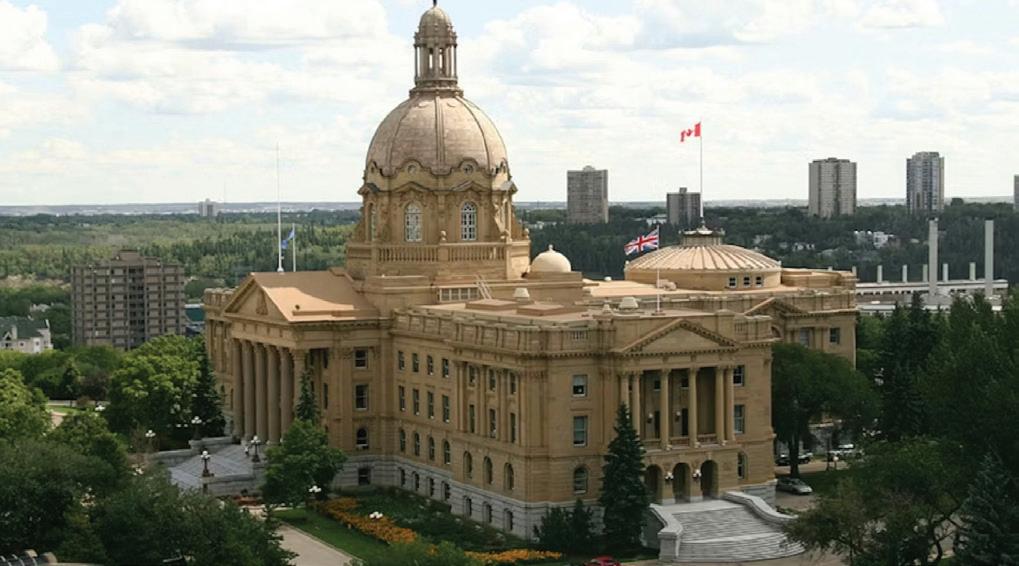

Auto insurers operating in Alberta lost about $1.2 billion in 2024 after paying out significantly more in claims and expenses than they collected in premiums, according to a government report released this month. The annual report from Alberta’s Superintendent of Insurance shows insurers paid roughly 18% more in claims and operating costs than they earned through premiums. Industry groups attribute the losses in part to Alberta’s auto insurance rate cap, which limits annual premium increases for “good drivers” to about 7.5%. The report notes insurer pullbacks are already underway, with Aviva Canada ceasing new auto insurance business in the province in 2024.
collisionrepairmag.com/15814358



A Quebec coroner is urging the Société de l’assurance automobile du Québec to expand winter driving education and strengthen how foreign driving experience is recognized following a fatal collision in Princeville. Coroner Nancy Bouchard investigated a Jan. 27, 2025 crash on Highway 116 that left a 29-year-old man dead months later. The driver held a valid Mexican licence and had passed Quebec’s written exam but not the required road test. Bouchard cited hazardous winter conditions and warned clearer processes and better preparation for new residents could help prevent similar deaths.
collisionrepairmag.com/15814434
Beneva and Gore Mutual have completed a merger first announced in early 2025, combining operations under Beneva’s Ontario-based subsidiary, Unica. Under the integration plan, Gore Mutual will ultimately operate as a standalone subsidiary under the Beneva brand, while Gore and Unica continue operating separately during the transition. The combined organization will continue offering personal and commercial insurance products through broker partners, including auto insurance. Andy Taylor assumed the role of executive vice-president, property and casualty Ontario and West at Beneva on Jan. 1, with responsibility for Gore and Unica. No changes to customer policies or broker relationships are expected during the transition.
collisionrepairmag.com/15814185





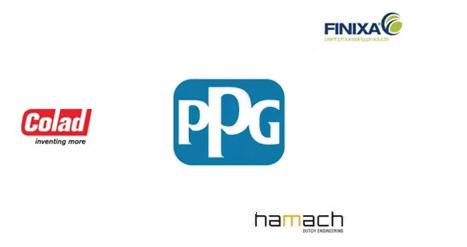

PPG Industries has completed the acquisition of EMM International, a Netherlandsbased provider of paint preparation, application and workshop systems used by automotive refinish and industrial customers. The transaction adds EMM’s Colad, Finixa and Hamach brands to PPG’s portfolio, expanding its offering beyond coatings into tools, consumables and equipment used throughout the refinishing process. EMM supplies products such as masking systems, refinishing consumables and spray booth equipment used in bodyshops worldwide. PPG described the acquisition as a strategic step in expanding its value offering to paint professionals. The terms of the transaction were not disclosed.
collisionrepairmag.com/15815048



A winter snowfall dropped more than 20 centimetres of snow across the Greater Golden Horseshoe on Jan. 15, triggering more than 400 collisions, according to Ontario Provincial Police. Police reported about 200 crashes by midday, with 125 vehicles awaiting tows. By evening, as snowfall continued, collisions and service calls exceeded 400. Several major routes were closed, including the Don Valley Parkway and Highway 400, where a transport truck collision sent one person to hospital with serious injuries. Toronto recorded 22 centimetres of snow, making it the snowiest Jan. 15 on record, while collision repair shops across the region braced for increased demand.
collisionrepairmag.com/15814884
Definity Financial Corporation has completed the purchase of the Canadian personal insurance business and most of the commercial insurance business of The Travelers Companies, Inc., excluding its surety operations. The transaction closed Jan. 2. The acquisition expands Definity’s scale and distribution across Canada, adding Travelers’ Canadian personal and commercial insurance operations to its portfolio. Auto insurance previously sold under Travelers Canada policies will now be underwritten within the Definity group, with no disruption to customer coverage. Definity sells auto, home and business insurance through brands including Economical, Sonnet, Family and Petline.
collisionrepairmag.com/15775178
CHARITY
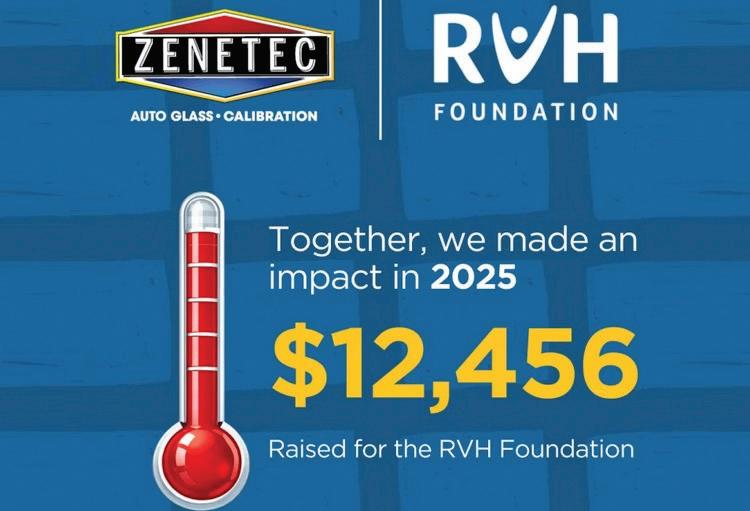
Auto glass and calibration provider Zenetec raised $12,456 for the RVH Foundation through its 2025 Stone Chip Campaign, with all proceeds supporting patient care at Royal Victoria Regional Health Centre. The fundraiser centred on stone chip windshield repairs, with Zenetec donating the full cost of each repair completed during the campaign. The RVH Foundation supports health care services across Central Ontario, including emergency, cancer, cardiac, mental health and trauma care. Zenetec operates collision repair, auto glass and ADAS calibration services in Central Ontario and the Greater Toronto Area and said the campaign offered customers a simple way to support local health care.
collisionrepairmag.com/15801402

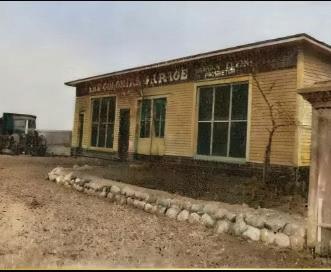
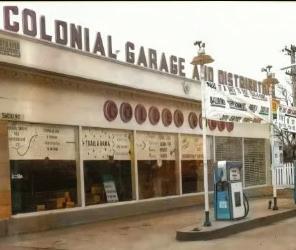
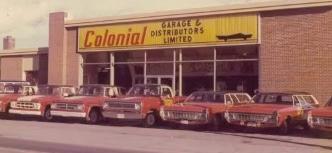

The Colonial Group is celebrating its 100th anniversary, marking a century since founder Gordon Elton opened a small garage in St. John’s in 1926. The family-owned automotive aftermarket business expanded over the decades from vehicle sales and repairs into parts supply, a bodyshop, machine and radiator services, and now operates through Colonial Auto Parts and A.P.M. Ltd. with 20 locations serving repair shops, fleets and retailers across Atlantic Canada. Leadership has passed through successive generations of the Elton family, and the company’s head office remains at its original St. John’s site. collisionrepairmag.com/15775072





































In the fast-paced world of collision repair, standing still is the same as moving backward.
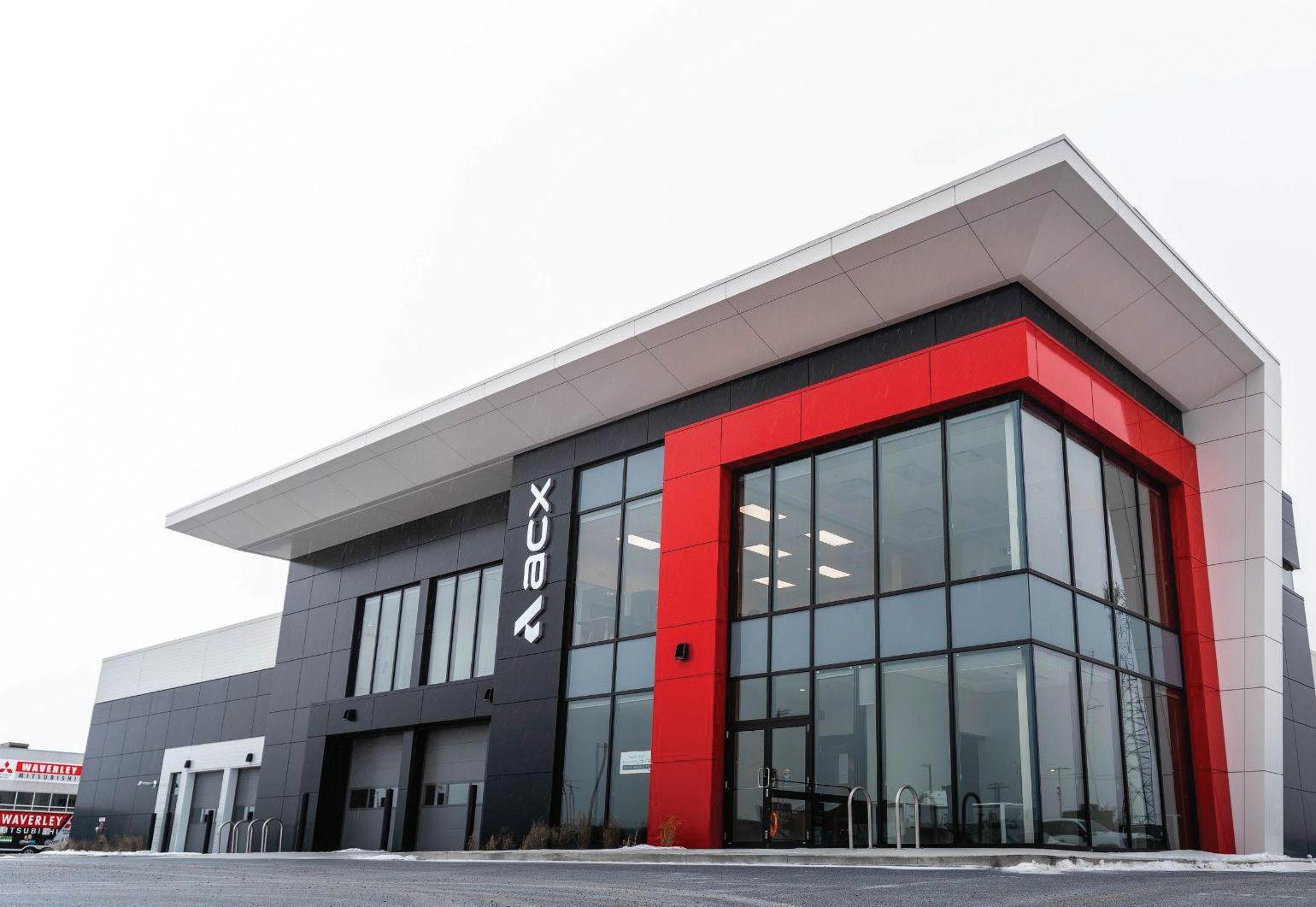
At AutoCanada, we have always been driven by a commitment to quality, safety, and industry-leading standards. Today, we are proud to announce a significant milestone in our journey: the official transition of our collision platform to ACX.
The launch of ACX isn’t just a new name or a fresh logo. It is a bold declaration of who we are, where we are going, and the elevated experience we provide to our customers, our partners, and our team members.
At the heart of ACX is a simple philosophy: we are trusted experts. We know that a vehicle collision is one of the most stressful experiences a person can face. Our mission is to be the knowledgeable friend who guides them through the process with sincerity and empathy.
Whether it’s through our proactive updates or our approachable atmosphere, we’re stripping away the intimidating jargon and replacing it with clear, educated communication; making the repair process transparent and human.
With 29 collision centres nationwide, supplemented by specialized hail operations and comprehensive auto services, ACX stands as a versatile leader in the automotive space. Our scale allows us to invest in the latest OEM certifications, cutting-edge equipment, and advanced technician training that independent shops often find out of reach.
However, despite our size, we maintain a lighthearted but professional culture. We believe that professional, high-quality repairs and a positive, optimistic workplace aren’t mutually exclusive — they are the secret to our success.
The transition to ACX marks a period of intentional, strategic growth. We are looking for partners and professionals who share our vision for the future of the industry.
• Shop Owners: If you have built a business on the values of honesty, quality, and community, and you are looking for an exit strategy or a partner to take your shop to the next level, ACX is interested. We offer the resources of a national MSO while respecting the legacy and local expert feel of your local business.
• Top Talent: We are looking for the best in the business — from master technicians to empathetic estimators. At ACX, you aren’t just a number in a corporate machine; you are part of a team that values your expertise, invests in your future, and fosters a supportive, kind environment.
The collision industry is changing, with vehicle complexity and customer expectations reaching new heights. ACX is our answer to that challenge. We are building a brand rooted in trust, backed by experience, and driven by a genuine desire to help.

We invite you to visit our new digital home at www.acx.auto to see how we are redefining collision excellence. Whether you’re looking to join our team or explore an acquisition, the future of collision repair is here.
Acquisition Contact: www.acx.auto/acquisitions
Careers: www.autocan.ca/ac-careers/ autocanada-collision-centres-careers/ Apprenticeship Program: www.acx.auto/apprenticeship

COLLISION CLINIC: MSO COMPLETES 22ND ANNUAL CHARITY CAR DONATION

Newfoundland’s Collision Clinic has announced the recipient of its annual Enriching Lives Car Giveaway, naming Alana Walsh as this year’s recipient. The announcement was made in a public LinkedIn post by general manager Sharon Wells. The initiative provides a safe and reliable vehicle to a local individual or family and is supported by staff, suppliers and community partners. This year marked the 22nd edition of the program, run by the MSO’s two bodyshops in St. John’s. More than 100 people applied, with the recipient selected by an independent committee unaffiliated with the business.
collisionrepairmag.com/15774091
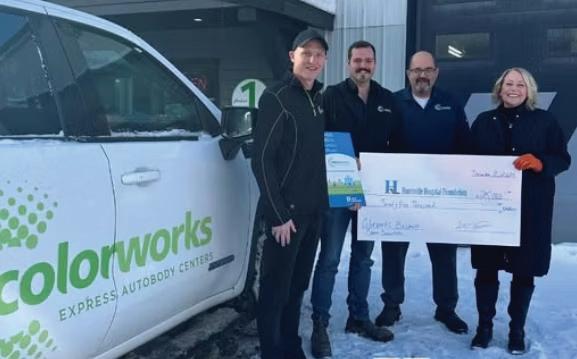
GIVING: COLLISION CENTRE RAISES $25,000 FOR MUSKOKA HOSPITAL

Colorworks Express Autobody has donated $25,000 to the Huntsville Hospital Foundation, joining its Business Cares Program, according to a statement from the foundation. The Huntsville-based bodyshop committed the funds to support medical equipment, technology and patient care at Huntsville Hospital. The foundation said the donation will help ensure access to advanced tools to support health-care services across Muskoka. Foundation CEO Katherine Craine welcomed Colorworks to the program, while owner Keith Oben said the contribution reflected the company’s commitment to social responsibility and the support it has received from the local community.
collisionrepairmag.com/15774087
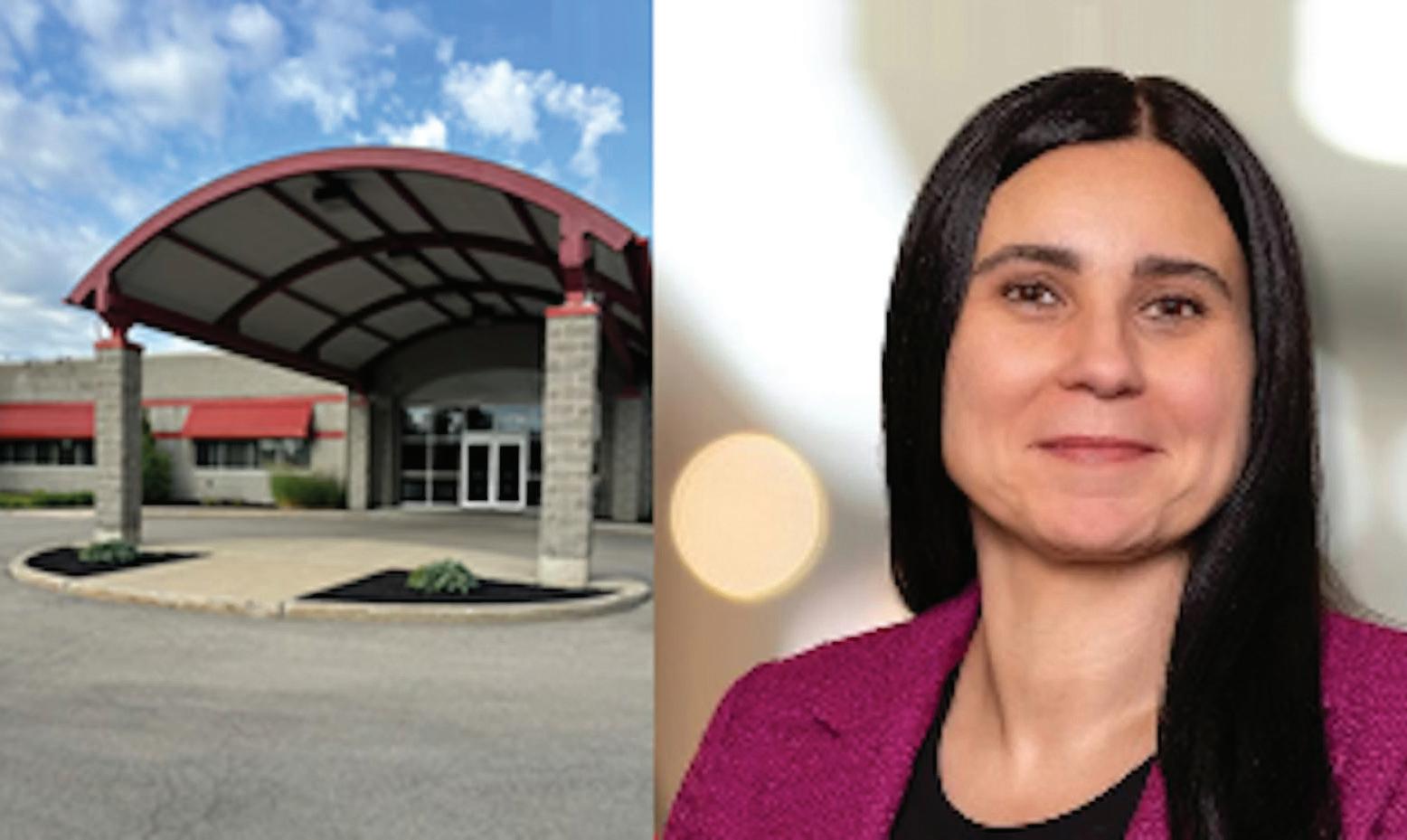

IAA has opened a new Montreal West branch in St. Eustache, expanding capacity for vehicle buyers and sellers across Quebec. The facility is located on a 24-hectare property and includes three purpose-built buildings, expanded storage and additional service areas to support growing remarketing demand. The site offers a full range of IAA services, including vehicle drop zones, high-capacity loading areas and covered inspection and storage space. The branch is managed by Magdalena Demydczuk, who has held leadership roles within IAA’s Quebec operations. IAA operates a global digital marketplace for total-loss and damaged vehicles.
collisionrepairmag.com/15773617
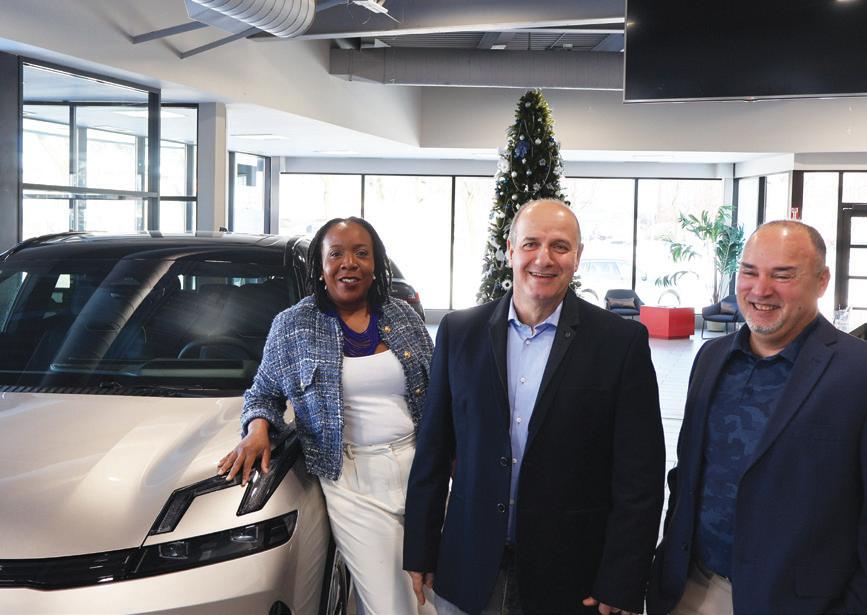
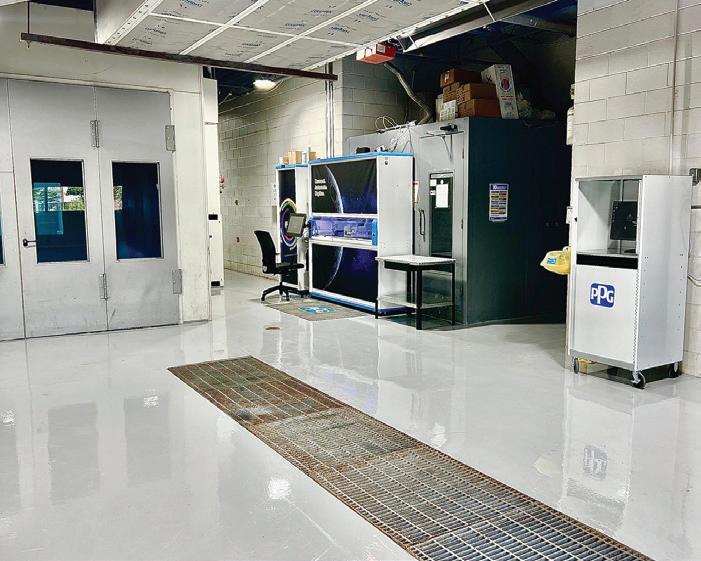
In an industry where precision, trust and innovation separate the good from the exceptional, MJ Auto Collision enters the Scarborough market with quiet confidence — built on decades of hands-on experience, a deep respect for the craft and a forward-looking vision for modern collision repair. Launched in 2025 by veteran automotive professional Jerry Yahya and his wife Monifa Williams Yahya, the operation represents both a professional milestone and a long-held family ambition.
For more than 30 years, Jerry Yahya has worked across nearly every corner of the automotive trade. His career began as an apprentice, where he developed a technical foundation in tool making, engine rebuilding, spray painting and collision repair — experience earned the old-fashioned way, on the shop floor.
That foundation became the backbone of his first entrepreneurial venture: an auto body shop established in 1996. Under Yahya’s leadership, the business evolved from a modest operation into a multi-level facility supported by a skilled workforce and a growing market reputation. Careful planning and financial discipline fuelled steady expansion, culminating in the development of a 2,000 m², state-of-theart facility designed to meet the demanding standards of the insurance industry.
After settling in Canada in 2010 Yahya continued to leave his mark on the collision repair sector. As an operations manager, he oversaw complex production workflows, strengthened insurer and supplier relationships and earned a reputation for reliability, technical expertise and people-first leadership.
Yet the pull of entrepreneurship never fully faded.
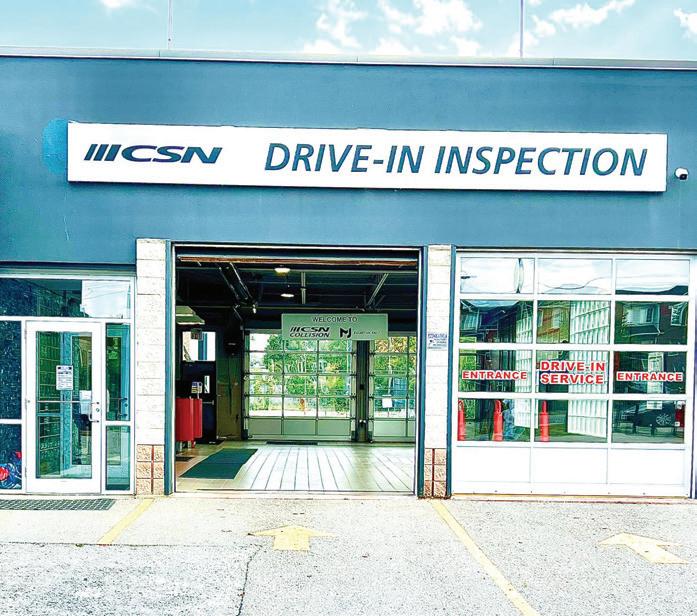
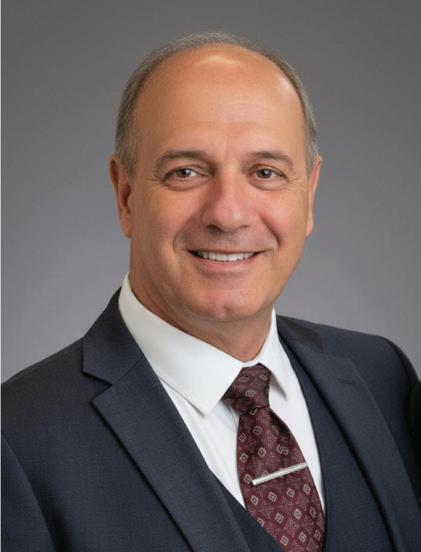

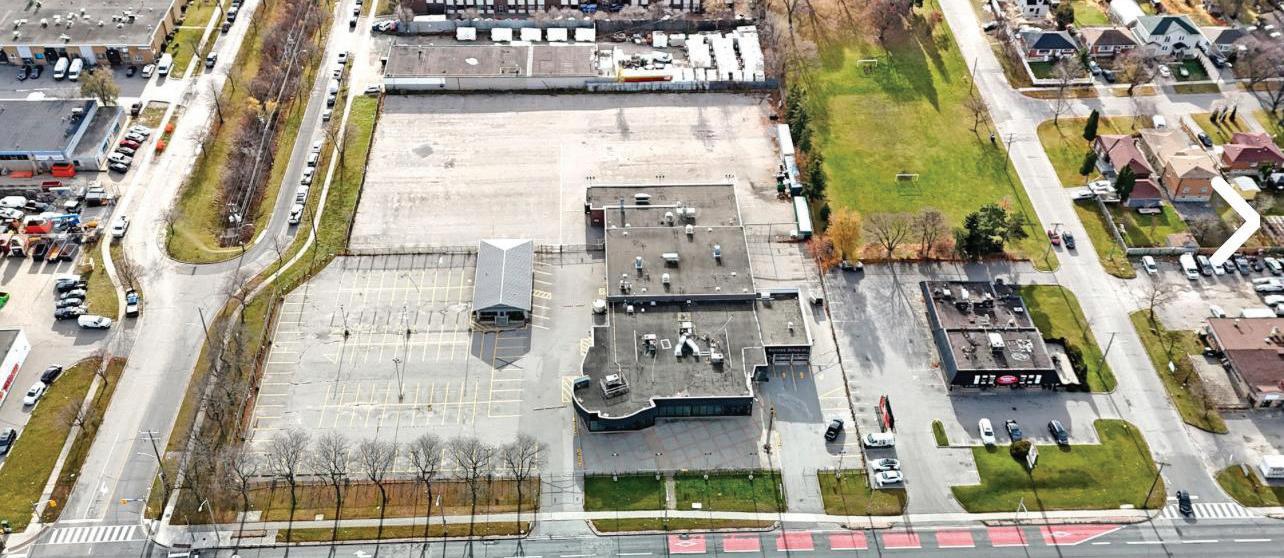
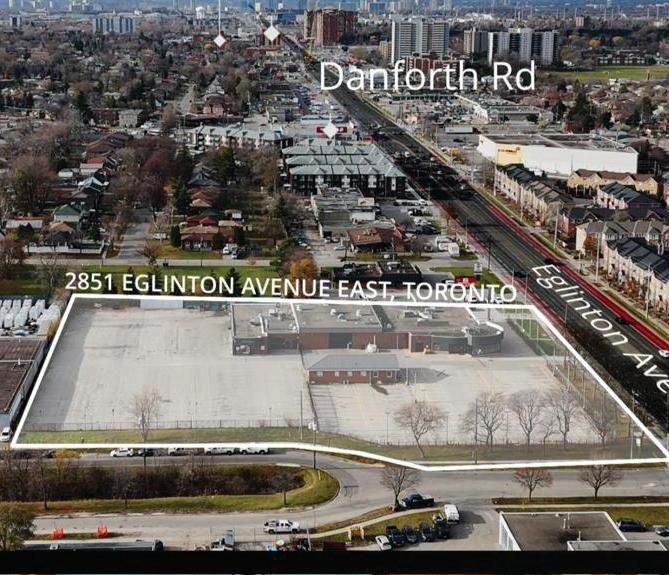
In 2025, Jerry and Monifa Williams Yahya transformed years of planning into reality with the launch of MJ Auto Collision, a 25,000 sq. ft. collision repair facility in Scarborough. From its earliest planning stages in 2024 through to opening day, the operation was designed with one reality firmly in mind: vehicles are becoming more complex, more computerized and less forgiving of shortcuts.
The property itself sets MJ Auto Collision apart. Formerly a new-vehicle dealership, the four-acre site offers scale and flexibility rarely

found in urban collision repair environments, including:
• Prime paved frontage along Eglinton Avenue East with capacity for approximately 100 vehicles
• A secured rear inventory lot capable of housing more than 400 vehicles
The combination of visibility, space and operational flow positions the facility as a compelling option for both customers and insurance partners.
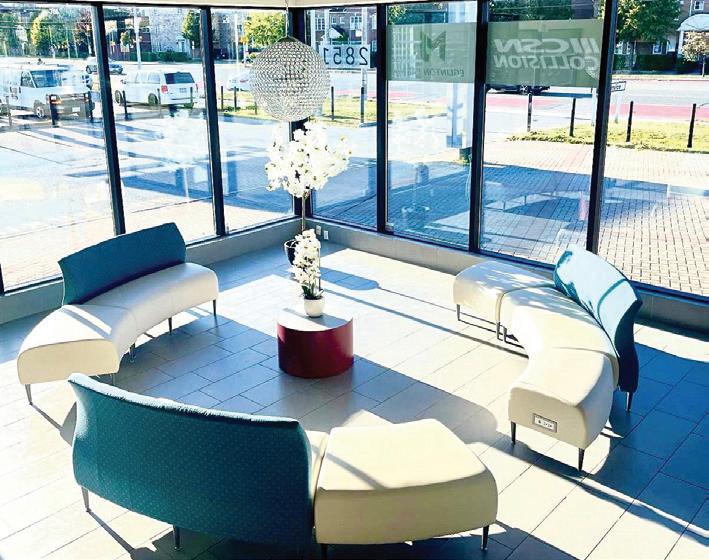
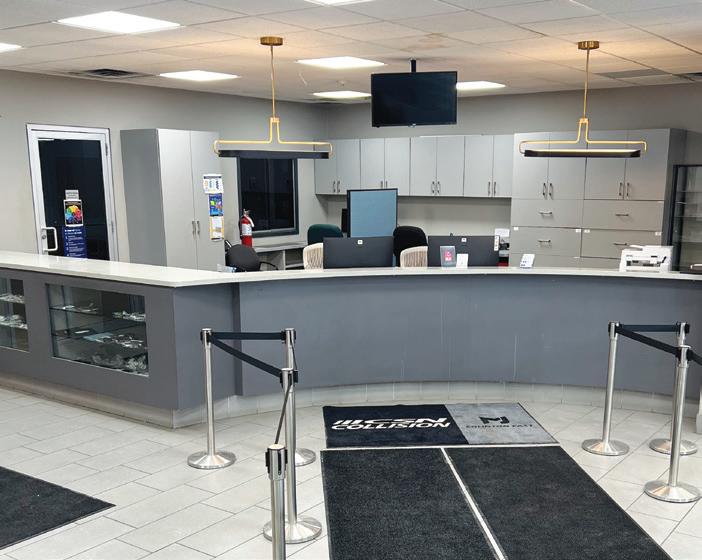
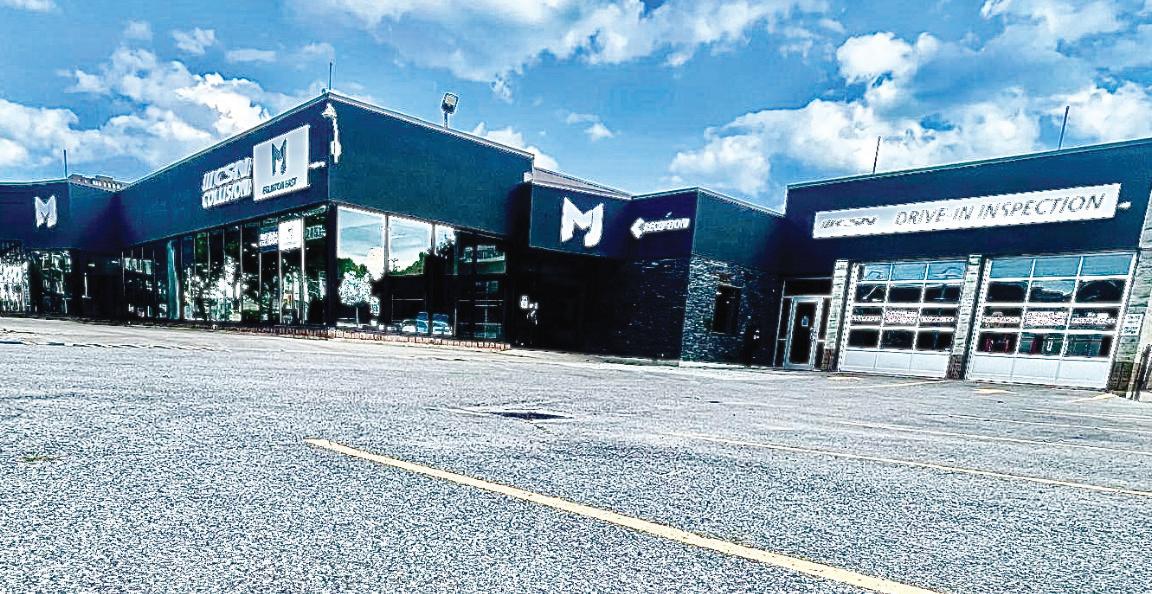
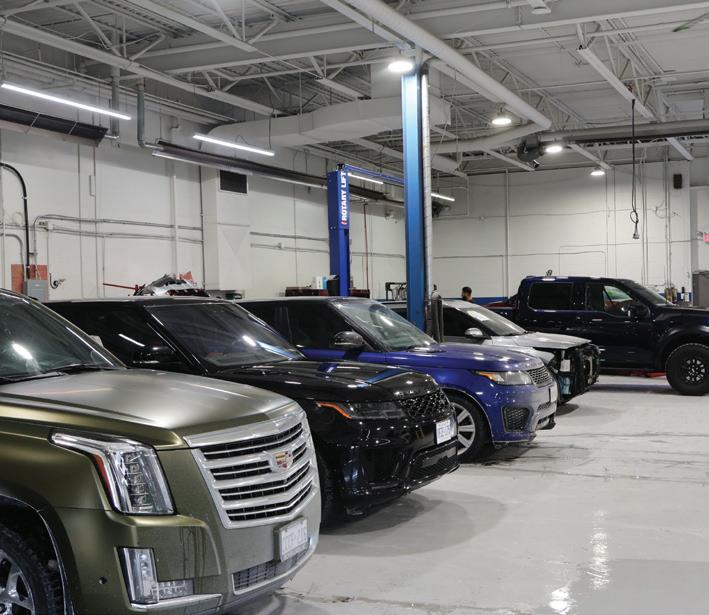
MJ Auto Collision is not simply large — it is intentional. Every square foot reflects decades of experience and an understanding of how modern collision centres must operate to remain competitive. Advanced repair technologies, streamlined production processes and a client-first philosophy are woven into the facility’s design.
From structural repairs and refinishing to insurance coordination and customer communication, the operation is built to minimize friction and maximize confidence. The focus remains on doing the work properly, keeping customers informed and maintaining consistency from start to finish.
Yahya’s professional journey — from apprentice to business owner to industry leader — forms the foundation of MJ Auto Collision. The business reflects not only technical expertise, but a belief that the


collision repair experience can be elevated without losing its human touch.
Looking ahead, the MJ Auto Collision team has outlined plans to establish a Collision Talent Incubation Hub aimed at developing new talent from underprivileged and underrepresented communities across Toronto. Central to that vision is creating pathways for young women who demonstrate aptitude and interest in collision repair, but lack access to mentorship, training or industry exposure.
For Jerry and his wife, the launch of MJ Auto Collision marks a new chapter, one rooted in experience and a long-term view of the business.
Wayne Faria joined MJ Auto Collision as interim managing director earlier this year, bringing 40 years of experience across the automotive and collision repair sectors. An interprovincially licensed collision repairer and painter, Faria has owned, operated and sold multiple collision centres throughout the GTA.

Over the course of his career, he has provided executive oversight to multi-location operations, including facilities generating annual revenues exceeding $23 million. His experience also extends to collision repair networks, where he worked with senior leadership teams to drive expansion — scaling one organization from approximately $36 million to more than $670 million — and advising on the launch of another prominent network.
Faria is a former board member of Motive Power for Ontario’s collision industry and a recipient of the Red Seal Canadian Standard of Excellence, awarded by the federal government for his role in co-authoring the current curriculum and harmonizing provincial and national standards for the motive power trade.
Having worked with banner shops and served as a former partner in Dealer Collision Centres in Toronto, Faria brings a practical understanding of how successful collision enterprises are built and sustained.
Aligned with MJ Auto Collision’s vision for innovation and reinvention, Faria sees the operation as a platform for rapid growth.
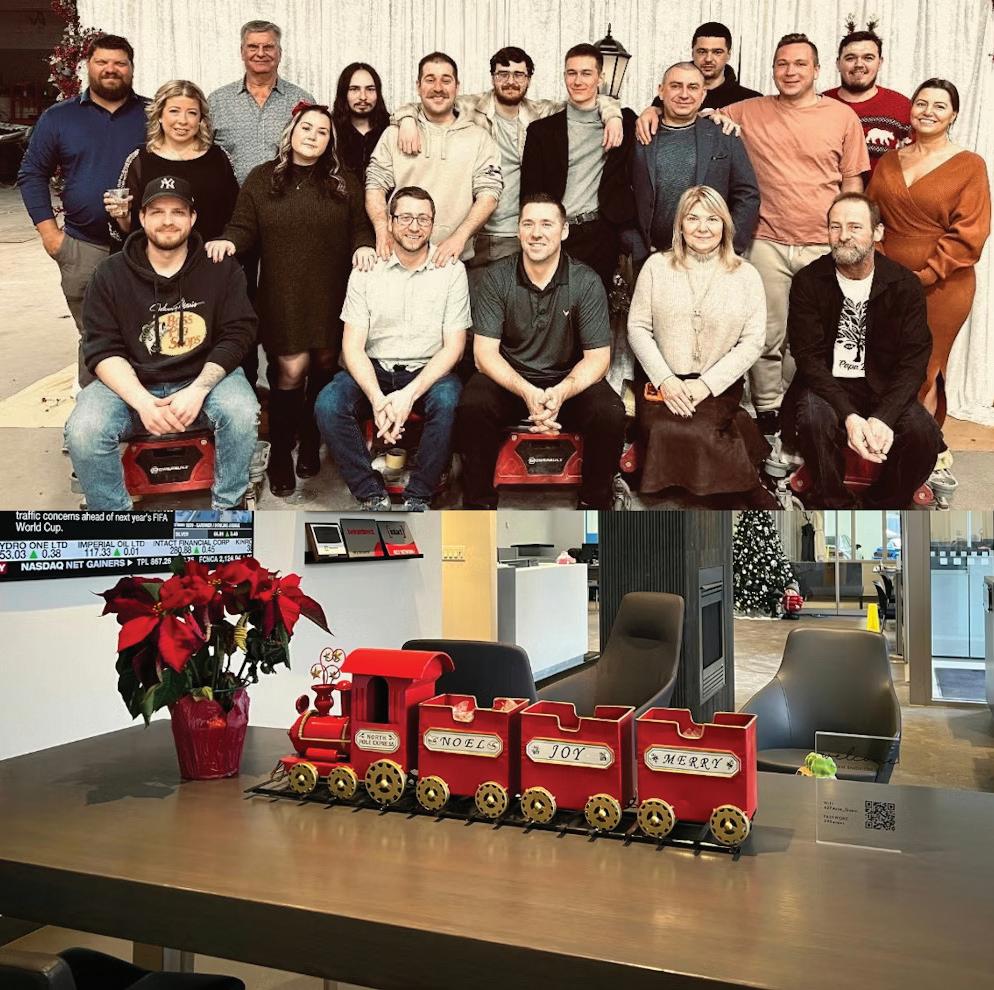
Collision repair shops across Canada celebrated the holiday season by decking their bays and offices with festive décor and hosting staff gatherings, Collision Repair reports. Shops submitted photos showing twinkling lights, themed displays and holiday parties that brought teams together for food, music and end-of-year celebrations. Among those taking part was CSN 427 Collision, which decorated its front office and shared seasonal cheer with its staff. Other featured shops included Chavez Auto Group and Gateway Autobody, each marking the season in their own way.
collisionrepairmag.com/15774793

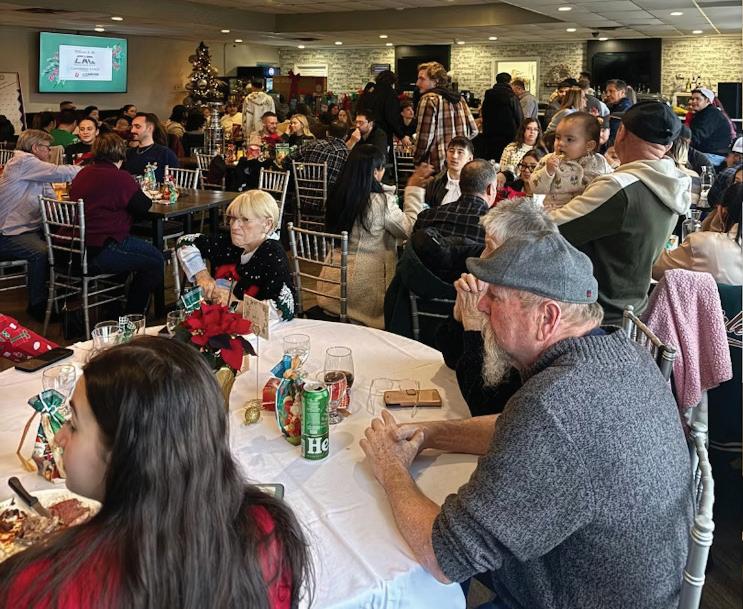
Staying ahead of evolving repair requirements is essential. As Canada’s most certified network, CSN Collision gives shops shared insight, collective experience, and practical support to strengthen operations and boost profitability.
Field Operations Support
Guidance to streamline processes and improve efficiency and quality
Marketing Support
Resources to strengthen brand presence and attract customers
Learning Management System
Ongoing, industry-leading training to keep teams up to date
Vendor Rebates
Access to preferred programs and cost-saving opportunities
OEM & Insurer Partnerships
Trusted relationships that help create more business opportunities
Recruitment Services
Support to attract and retain skilled technicians

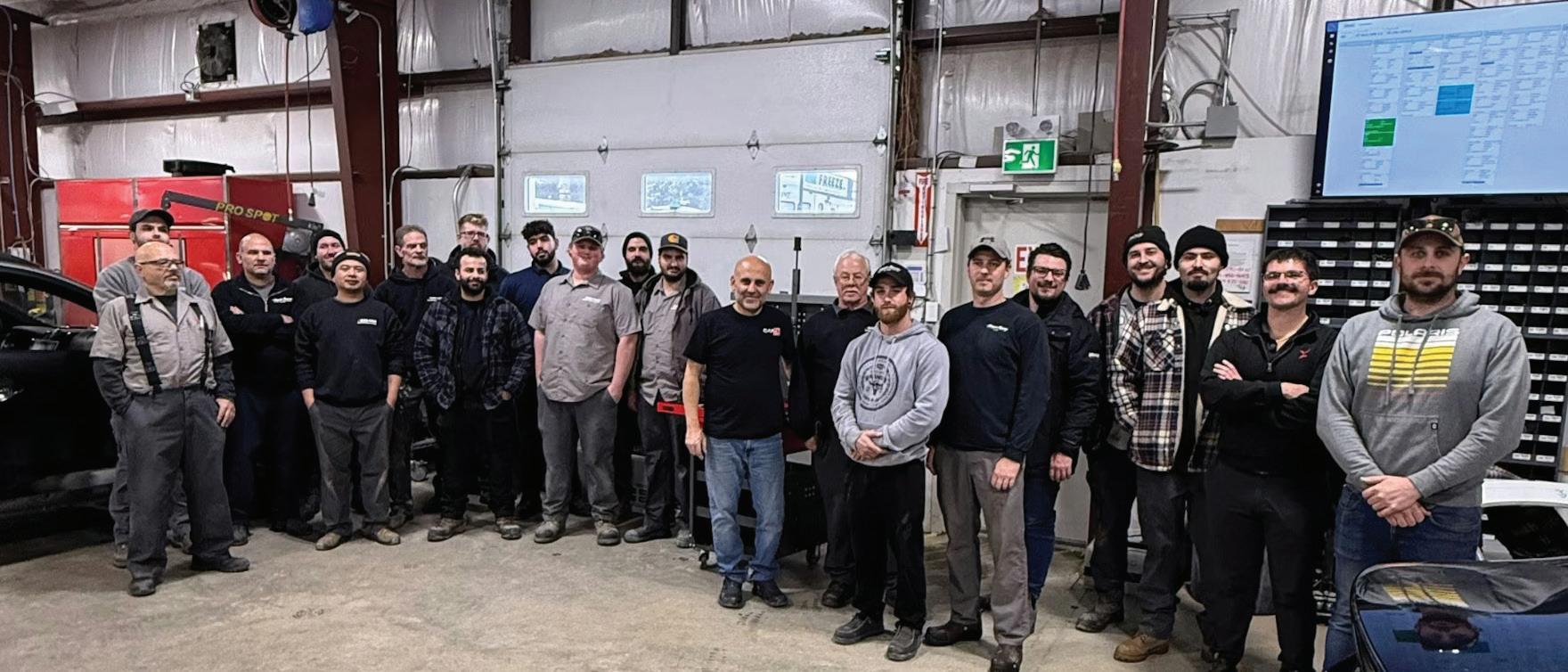

CARSTAR London Centre (Don-Mor) hosted a CAM Auto glue pulling training session at its London, Ont. facility on Dec. 16, bringing together technicians from CARSTAR London East and CARSTAR London West. The session focused on advanced glue pulling techniques used in modern collision repair and was led by CAM Auto CEO Charles Aoun. Training combined technical instruction with hands-on demonstrations using real-world repair examples, highlighting proper tool selection and disciplined repair processes. Jeff Brown, general manager of Don-Mor CARSTAR, and Collin Welsh, CARSTAR zone director, emphasized the value of collaboration and ongoing technician training to support consistent, high-quality repairs.
collisionrepairmag.com/15801390
DRIVE: FIX AUTO CANADA RAISES $70,000 FOR RMHC CANADA



Fix Auto Canada supported the Matthew Salsa Foundation’s annual golf tournament, which raised $70,000 for Ronald McDonald House Charities Canada. The funds will support RMHC Canada programs that provide accommodations, meals and other services for families with children receiving medical treatment, helping them stay close to hospitals during extended stays. RMHC Canada operates programs nationwide aimed at reducing the financial and logistical strain on families during hospitalizations. The Matthew Salsa Foundation’s tournament serves as its primary fundraising initiative, with proceeds from the most recent event directed entirely to RMHC Canada’s national programming.
collisionrepairmag.com/15774795

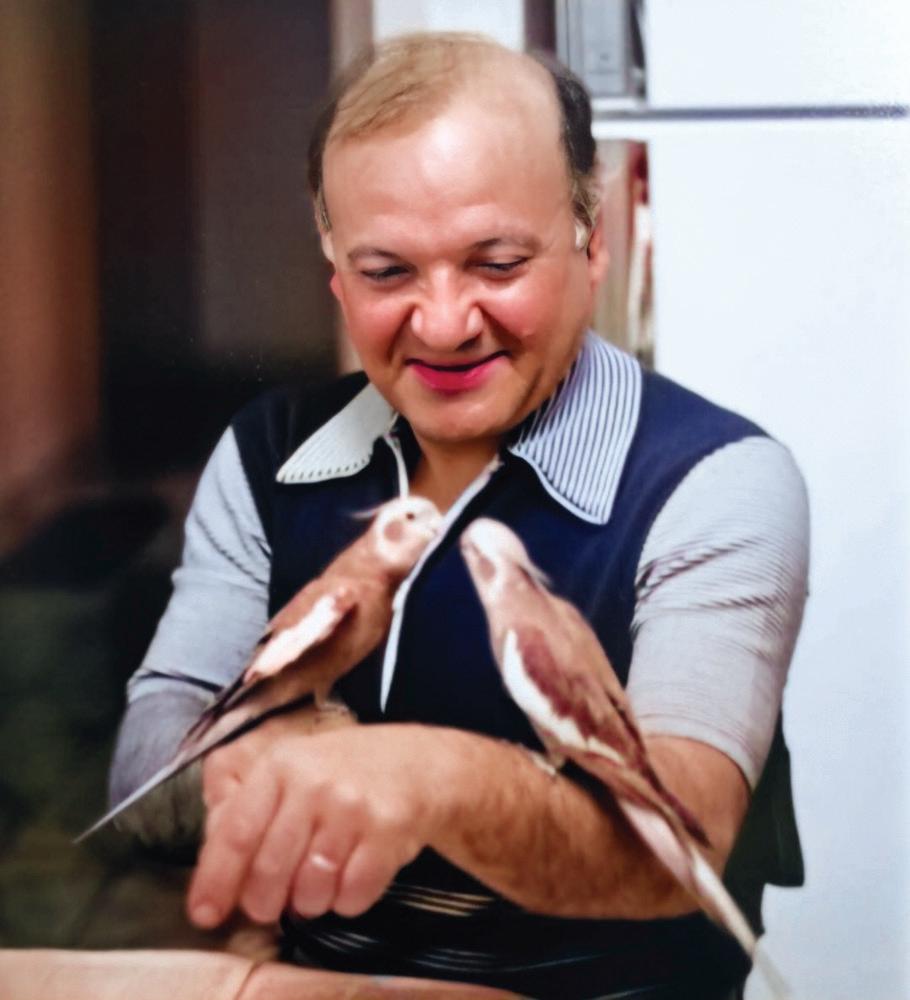
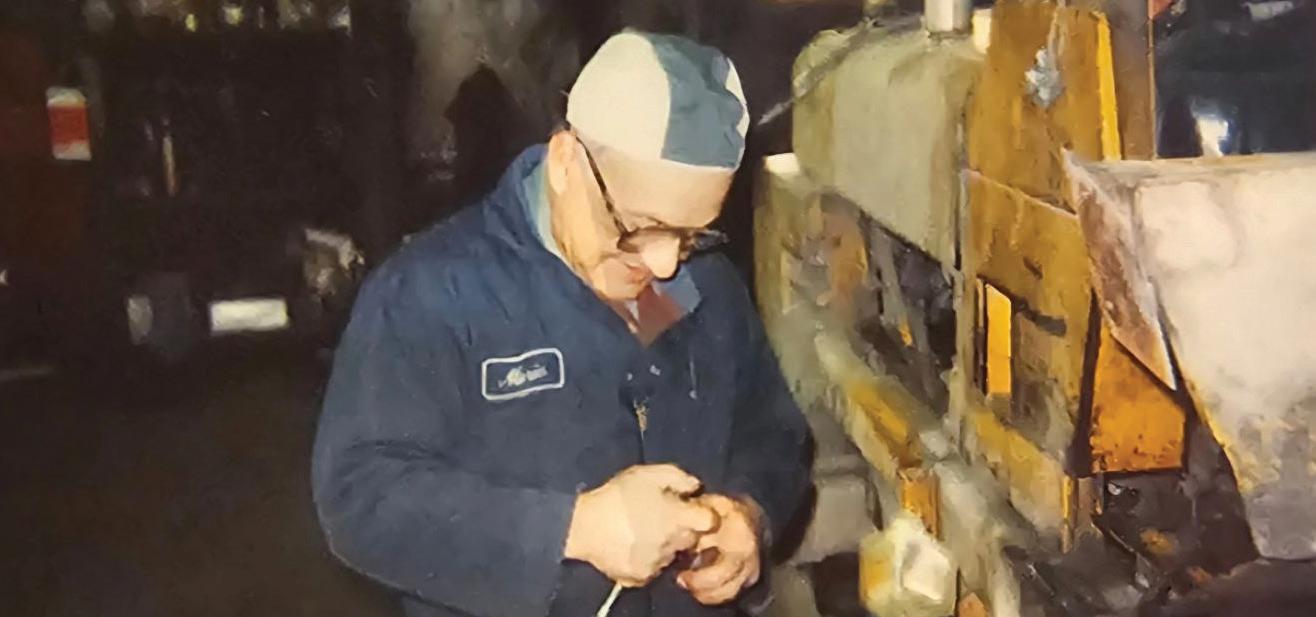
Mario Pellicciotta, a lifelong mechanic who spent much of his retirement helping his son build the Pellicciotta Group’s collision repair operations in Oakville, has died. He was 88.
“Everything I’ve built is rooted in what I learned from watching him work, solve problems and show up every single day,” his son Lorenzo, owner of the Pellicciotta Group said. “He worked hard his entire life as a mechanic and tradesman and that work ethic shaped everything I built.”
Born in Guardialfiera, Italy, Pellicciotta trained as an agricultural mechanic before emigrating to Canada with his wife Anna in 1959. He worked at Federated Genco for 30 years, where he became known for solving problems other mechanics couldn’t and fabricating tools when the right ones didn’t exist.
“We used to joke that he was our family’s MacGyver long before the show ever existed,” Lorenzo said. “Watching him problem-solve with his hands taught me more than any classroom ever could.”
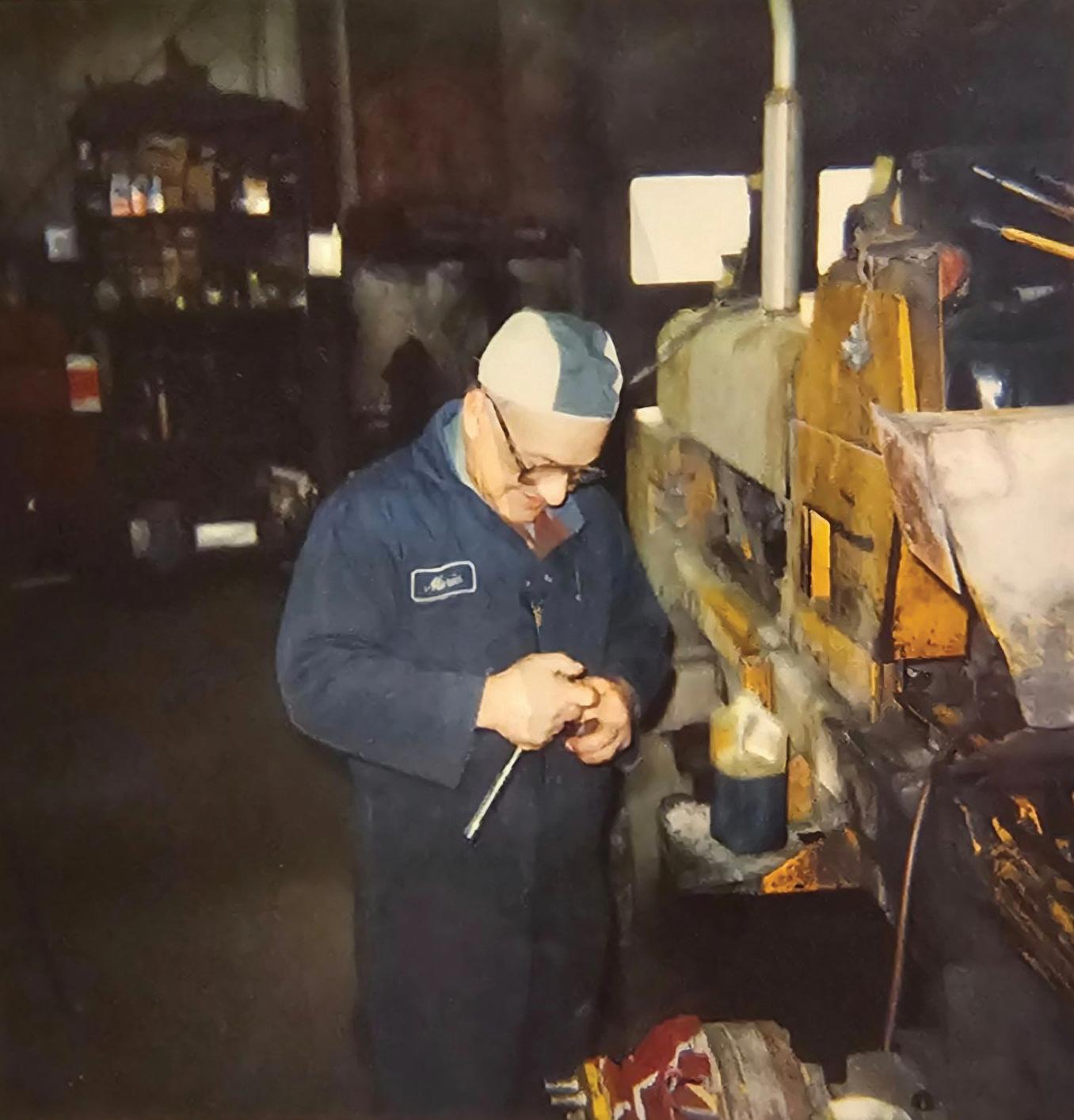
After retiring, Pellicciotta worked at his son Lorenzo’s shops — AUTOPRO Oakville and CARSTAR Oakville, which was one of the franchise’s first locations when it opened in 1995.
Mario’s approach to work was foundational to the success of the business. According to Lorenzo, he instilled the idea that repairs had to be done right, not fast, that accountability didn’t shift according to circumstances and that all people — be they customers or staff—deserved respect. He also encouraged the development of tools in-house when appropriate ones were not available.
“[He believed that] no matter what was going on, you showed up, did the job properly and stood behind your work.”
That philosophy became embedded in how the Pellicciotta Group operates — something that has earned the MSO considerable acclaim from within the collision community. Over the decades, it has earned multiple industry awards, including the CARSTAR Canada Ironman Award in 2022.
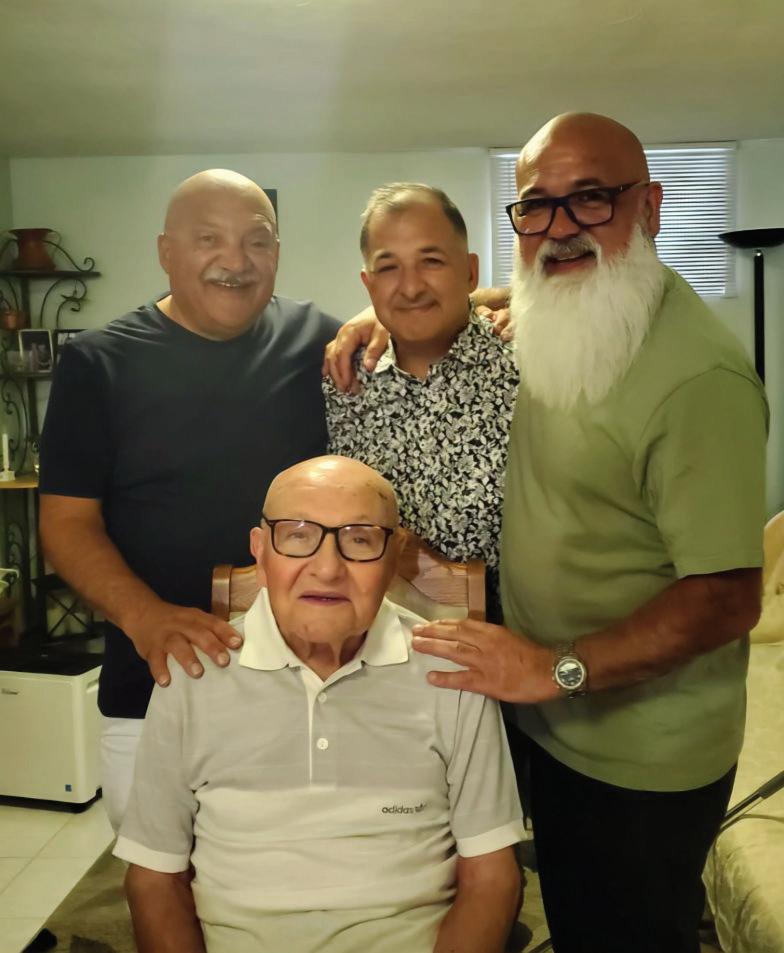
IT IS WITH GREAT SADNESS THAT THE FAMILY OF MARIO PELLICCIOTTA OF HAMILTON, ONTARIO ANNOUNCES HIS PEACEFUL PASSING.

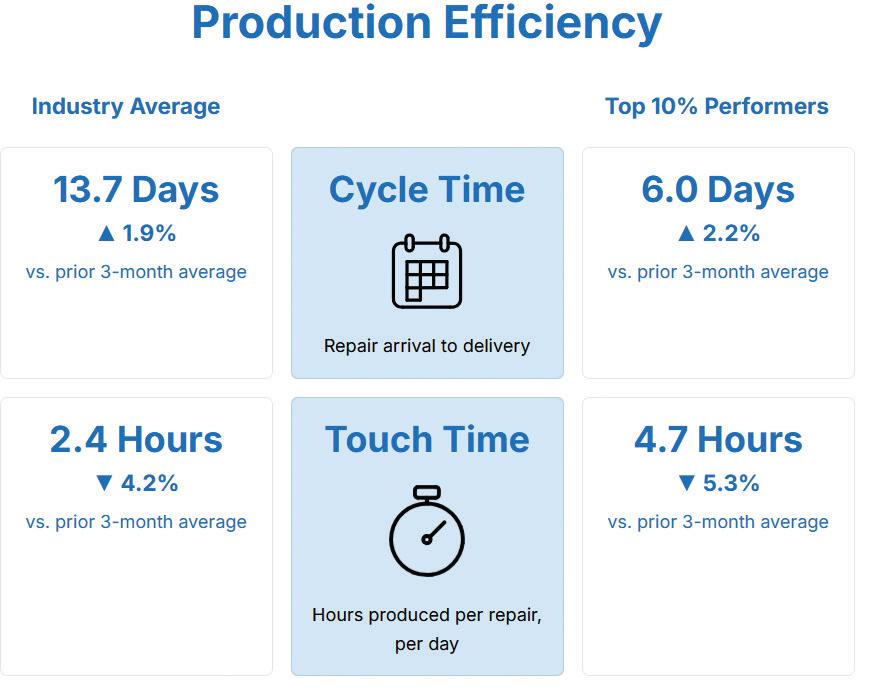
Average repair order values increased across Canada in December, according to the latest Pulse of the Industry data, while production efficiency metrics moved lower.
The average insurance-paid repair order rose by $272 compared with the prior six-month average. The average customer-paid repair order increased by $127 over the same period. These figures are measured against a six-month baseline to reflect longer-term trends.
Cycle time, measured from vehicle arrival to delivery, averaged 13.7 days across the industry, up 1.9 percent from the prior threemonth average. Among the top ten percent of performers, average cycle time was 6.0 days, up 2.2 percent.
Touch time declined during the period. The industry average fell to 2.4 hours per repair per day, down 4.2 percent from the prior three-month average. Top-performing shops reported 4.7 hours, down 5.3 percent.
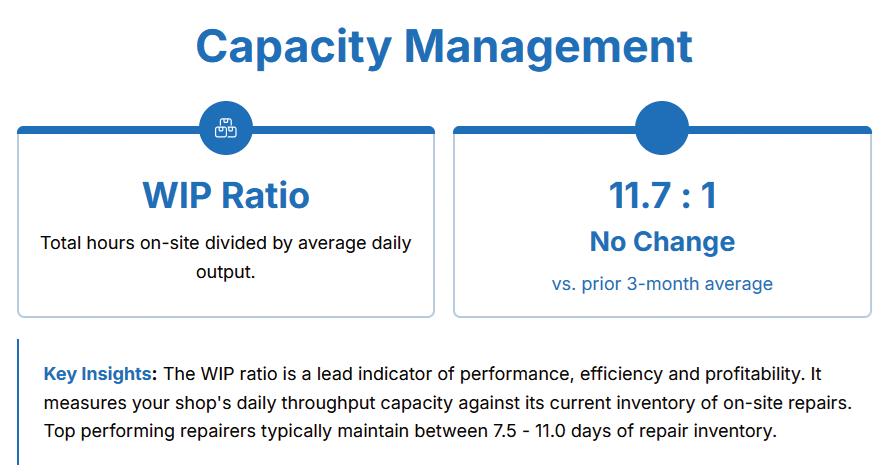
Capacity levels were unchanged. The average work-in-process ratio held at 11.7:1, the same as the prior three-month average. The work-in-process ratio measures total hours on-site divided by average daily output. Top-performing shops typically operate with 7.5 to 11.0 days of repair inventory.
“The December Pulse of the Industry report shows the industry is in uncertain waters,” said Darryl Simmons, publisher of Collision Repair. Those businesses that focus on reducing cycle times are likely to see that decision pay off over the course of the next year.”
The December 2025 Pulse of the Industry report is produced by Collision Repair in partnership with AutoHouse Technologies. The report is based on more than 60,000 monthly repair orders completed by Canadian collision repairers. All financial data is presented on a pre-tax basis, and results are normalized with variance thresholds applied to remove anomalies.

Our enhanced benchmarking tool compares your performance against national, provincial and regional peers. Using real operational data - not surveys - you can quickly identify where to improve efficiency, boost throughput, and grow profitability. Learn more to see if benchmarking is a fit for your business.
Learn more at autohousetechnologies.com/crmpulsereport
Pulse of the Industry is the result of a powerful collaboration between Collision Repair magazine, Canada’s leading collision industry publication, and AutoHouse Technologies, the nation’s foremost provider of real-time repair performance analytics. Compiled from over 60,000 monthly repair orders completed by Canada collision repairers. All information has been normalized, with variance thresholds applied to remove anomalies and ensure data integrity.
BY GIDEON SCANLON
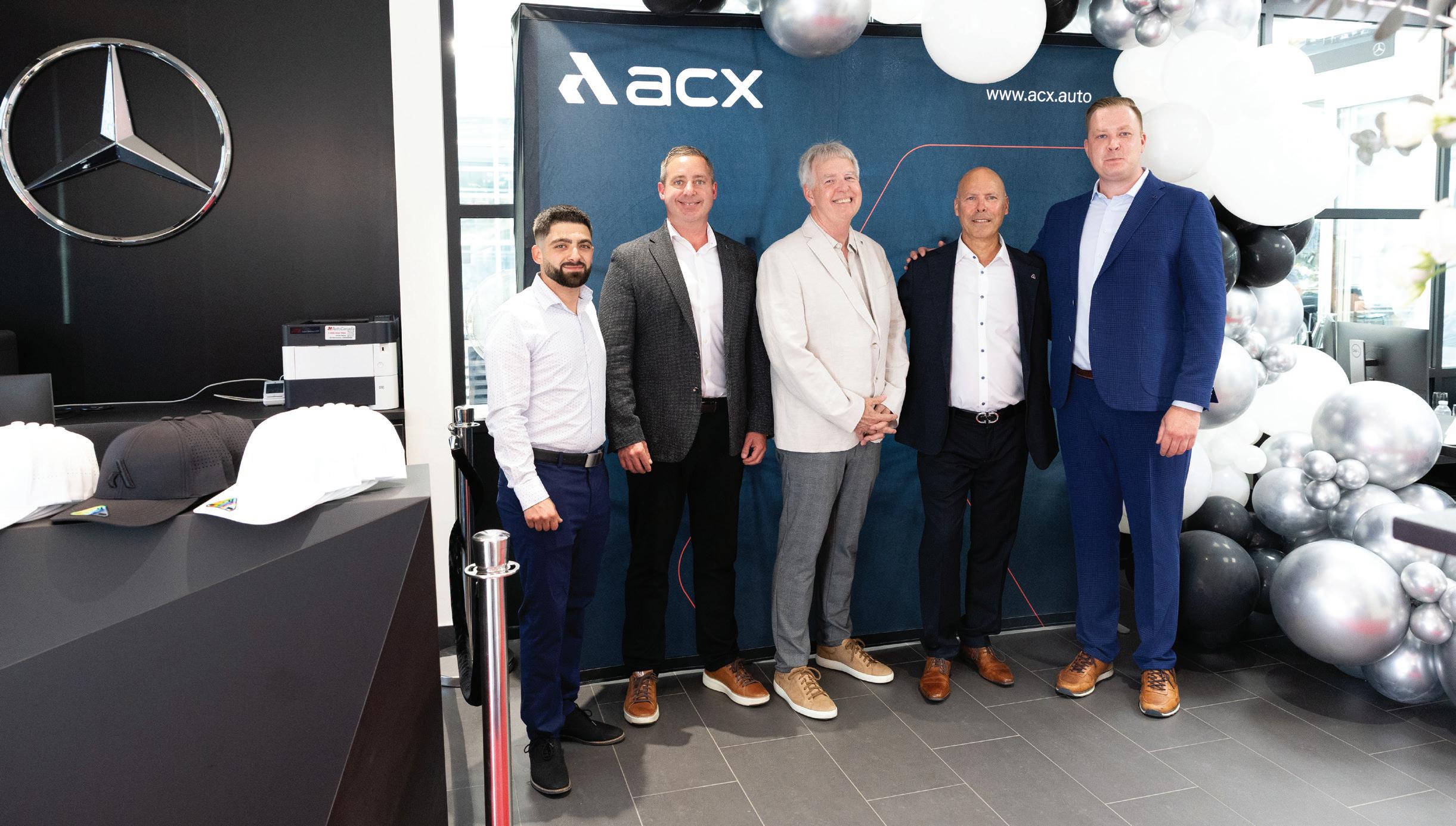
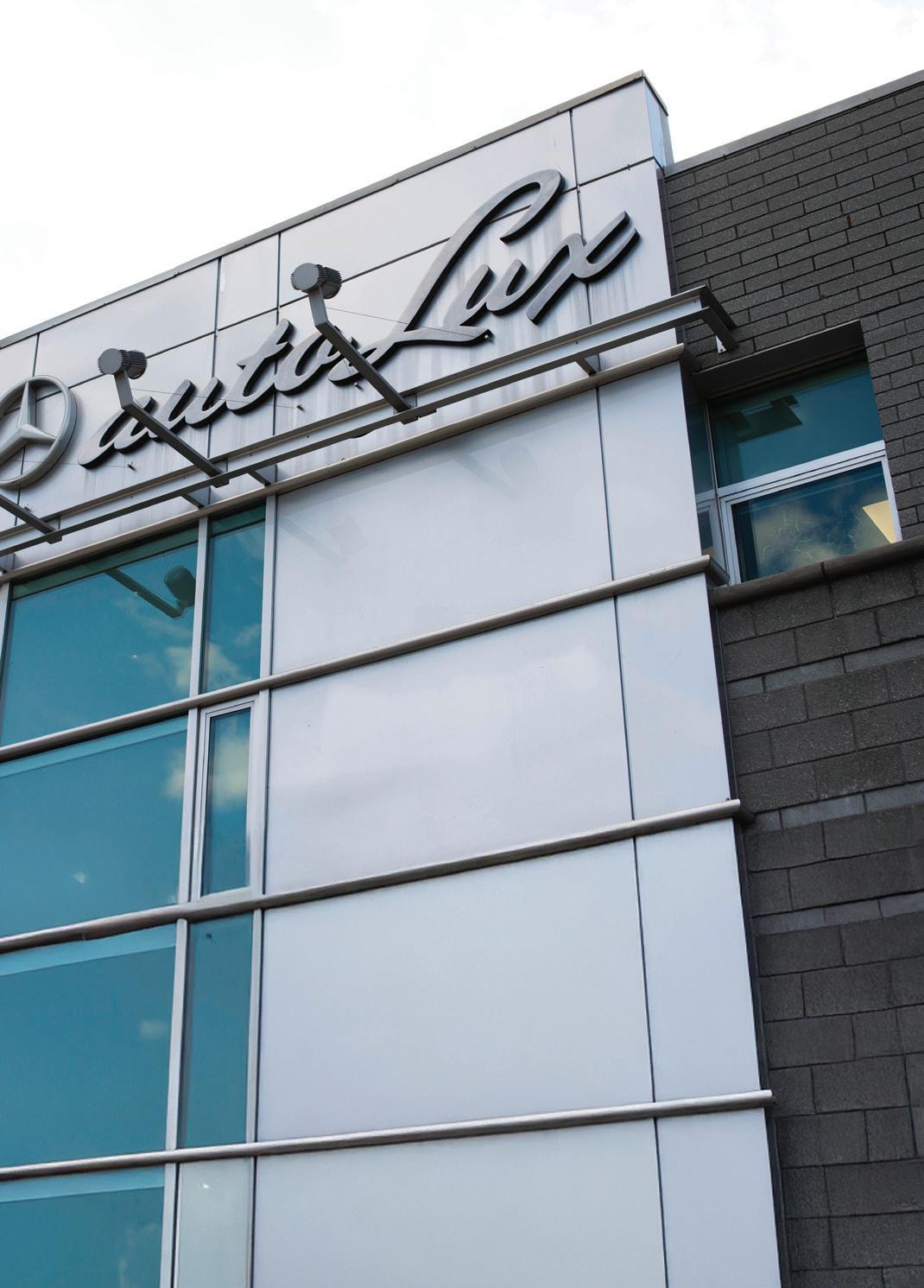
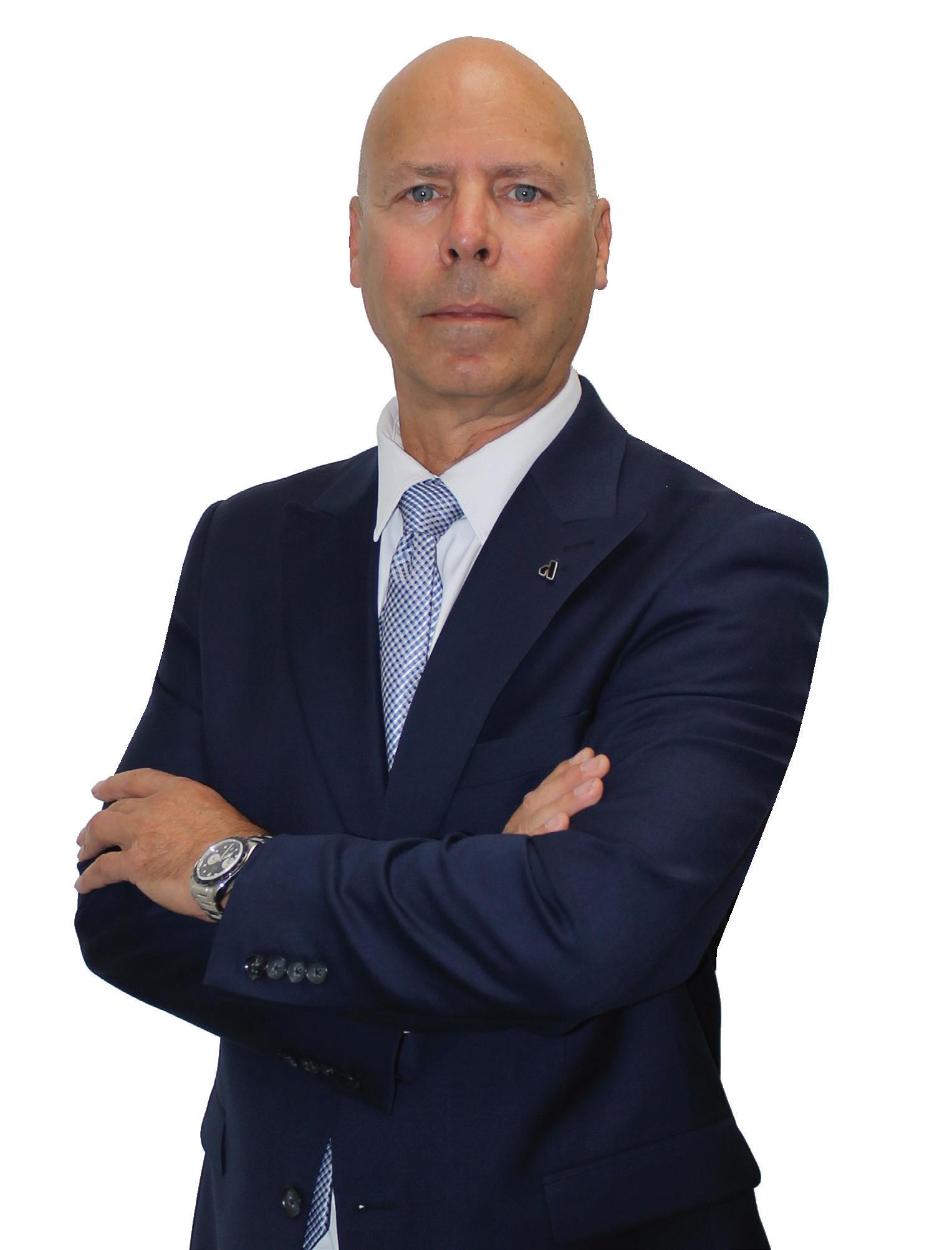
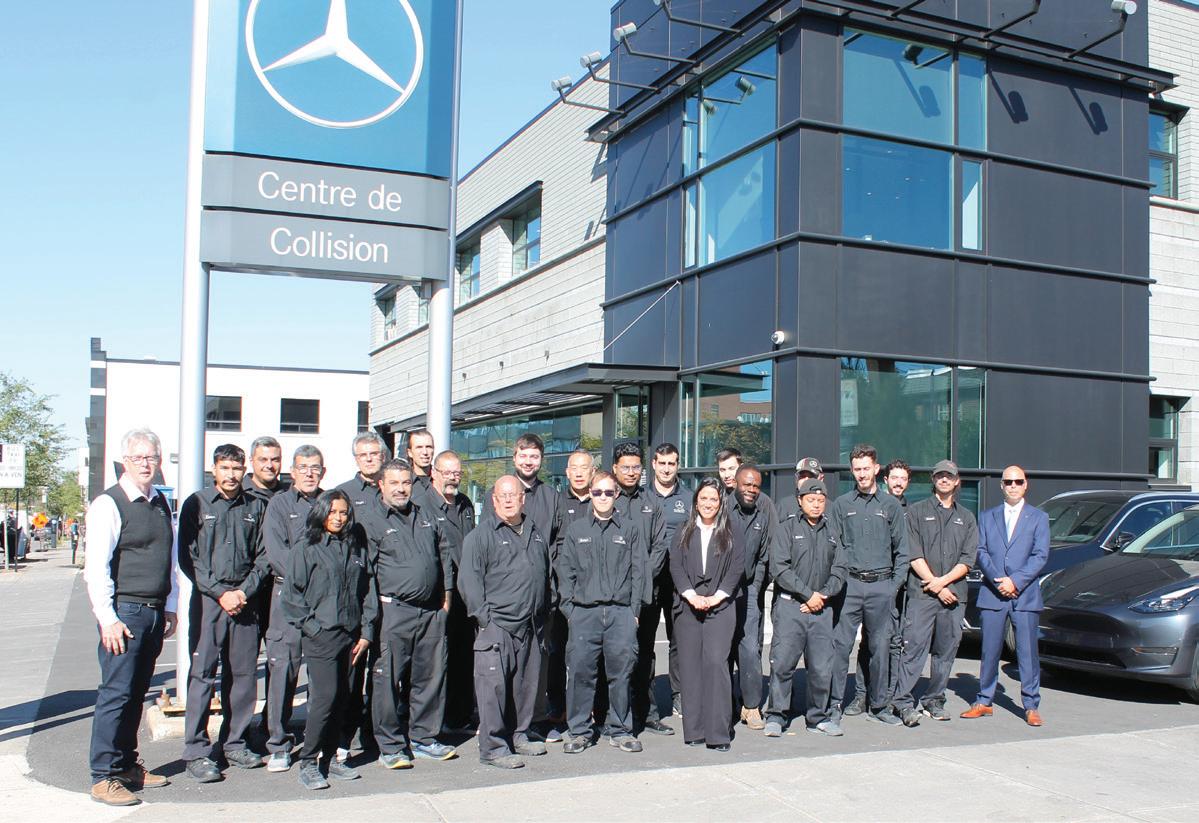
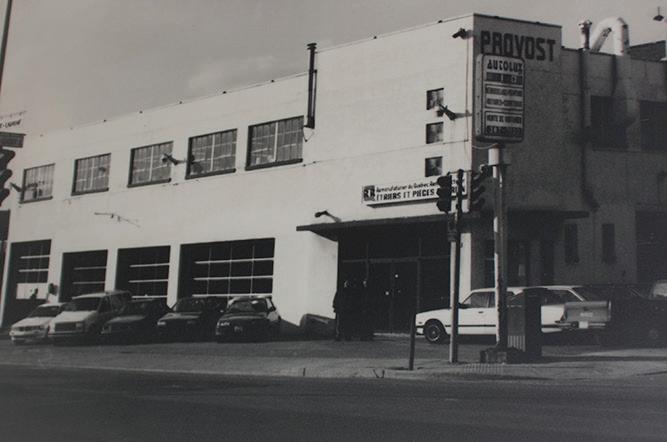
or the past 14 years, Tony Morgese has led one of Montreal’s most respected luxury vehicle collision repair facilities: ACX AutoLux.
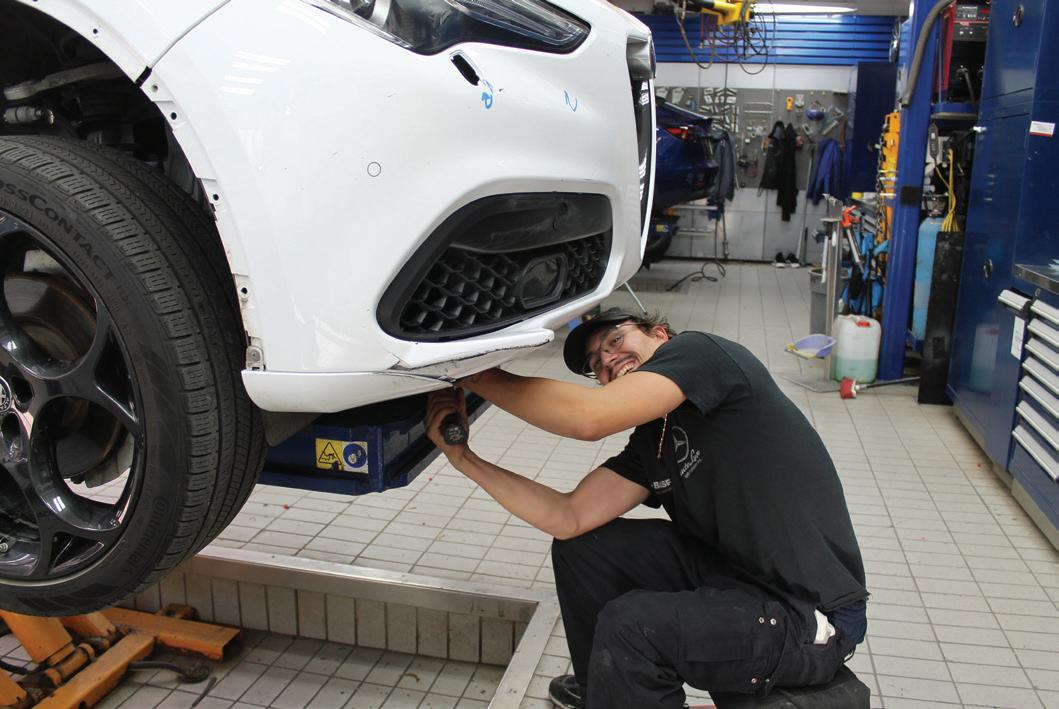
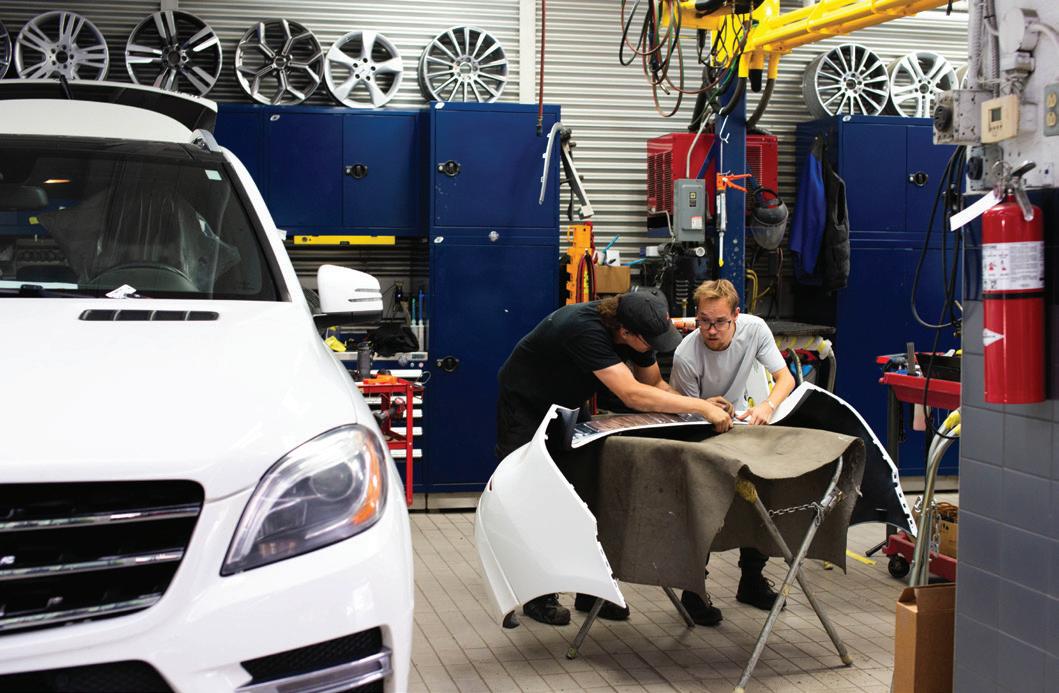
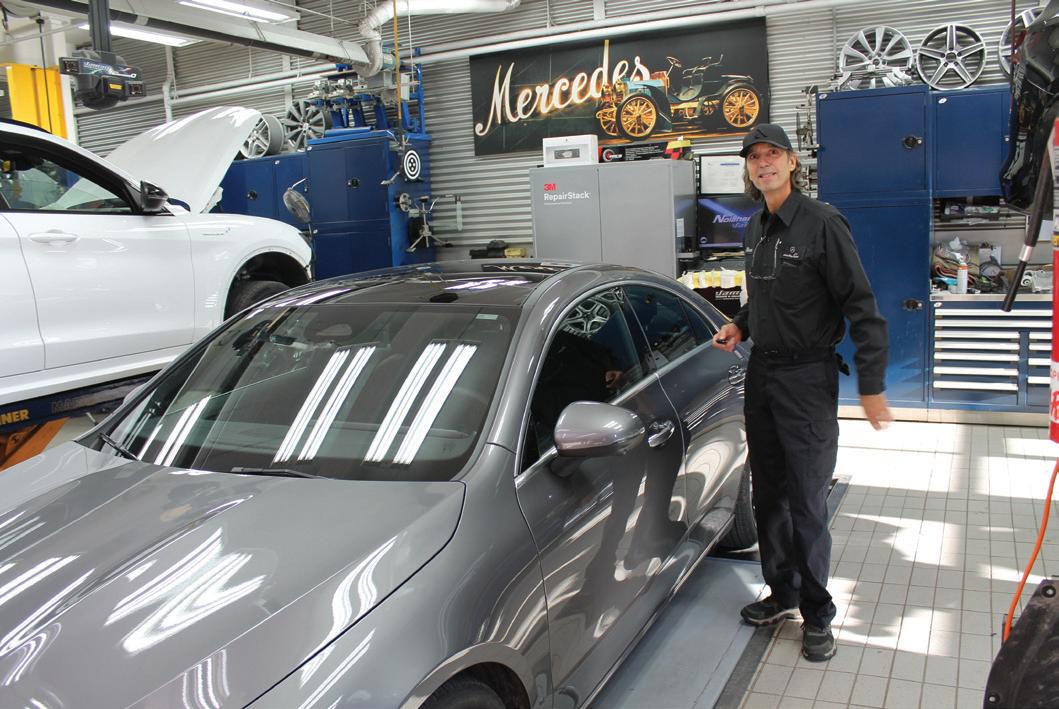
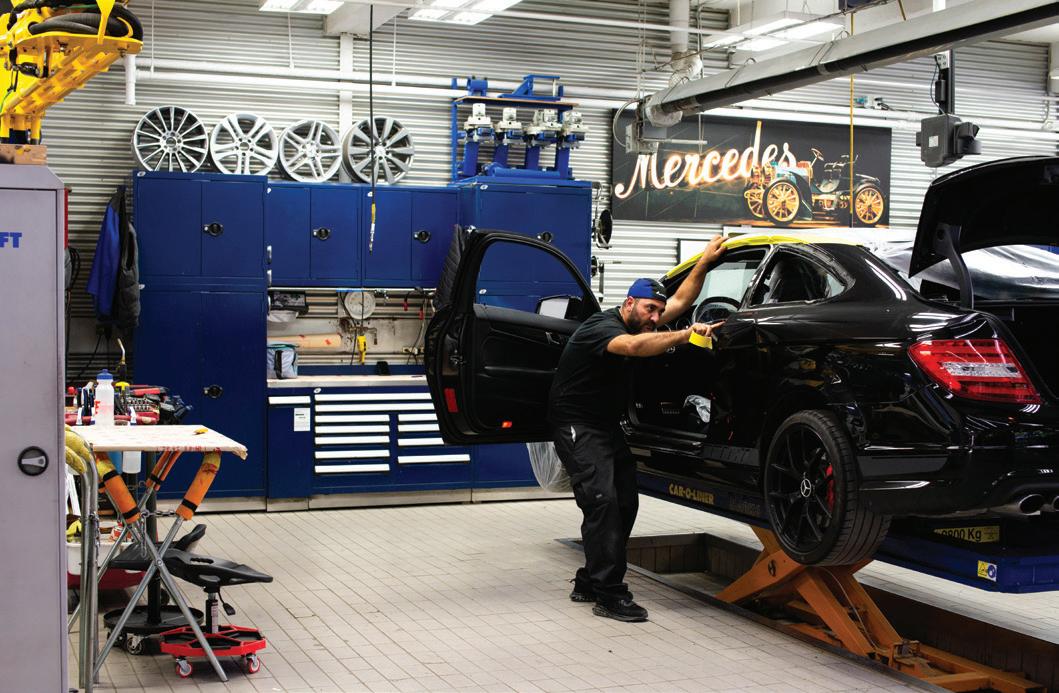
Under his leadership, the business quickly distinguished itself by securing MercedesBenz certification shortly after the automaker launched its program in 2017. As the only Mercedes-Benz-certified collision repair facility in the metropolitan region, AutoLux became the reference point for owners of the brand’s high-end vehicles.
“I strongly believe in OEM certifications,” Morgese says. “They help you fix the cars the right way. Once you’ve gone through a certification program, you know why they matter.”
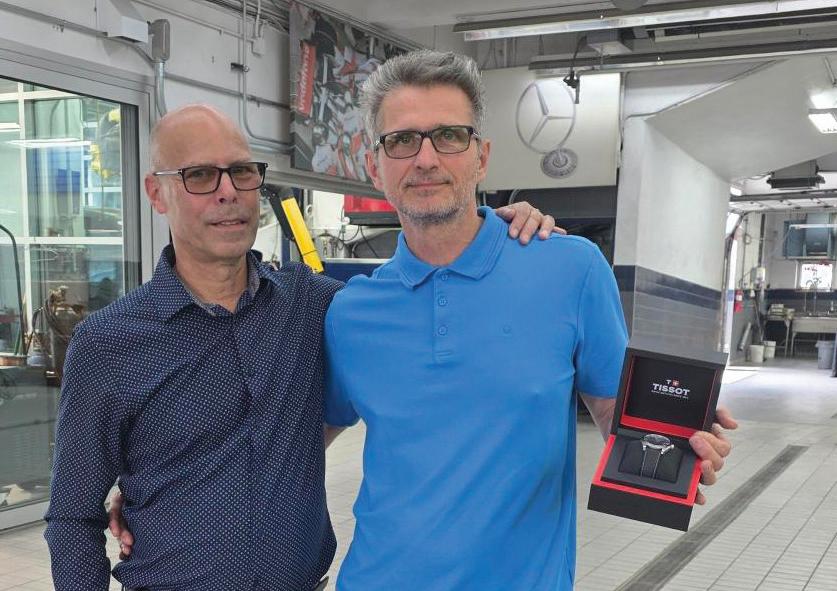
When AutoCanada acquired the business in 2021, Morgese sold his ownership stake but remained on as general manager. Initially wary of heavy oversight, he soon found the Edmonton-based consolidator favoured autonomy and support.
“Since AutoCanada bought us out, it’s better than ever for the team — and for me,” Morgese says. “They actually let us run the business the way we want to and support us 100 percent.”

“I STRONGLY BELIEVE IN OEM CERTIFICATIONS. THEY HELP YOU FIX THE CARS THE RIGHT WAY. ONCE YOU’VE GONE THROUGH A CERTIFICATION PROGRAM, YOU KNOW WHY THEY MATTER.”
— TONY MORGESE
The acquisition encouraged the shop to expand its certification portfolio. ACX AutoLux has since added BMW and Tesla certifications, with Audi certification currently underway.
“The tools are on order!” Morgese says.
That willingness to invest reflects both Morgese’s commitment to manufacturercompliant repairs and his understanding that luxury vehicle owners expect factorylevel restoration.
His conviction is rooted in experience. He recalls a Mercedes that arrived after being repaired at an uncertified shop.
“Once we diagnosed it, we realized it was a total loss,” he says. “It would have been dangerous — they welded everything inside and warped the metal.”
While that position has sometimes clashed with cost-focused insurance adjusters, Morgese says attitudes are changing.
“I think insurers are starting to realize the benefit of certified shops — though they’re still missing some of the benefits,” he says. “They’re already not paying the same rates to uncertified shops. In the next 10 years, they will fully wake up.”
Morgese began his career 35 years ago as a painter in a small, poorly equipped shop. He later moved through Uptown Volvo and BMW Canvec, advancing from supervisor to floor manager to production manager before joining AutoLux in 2011.
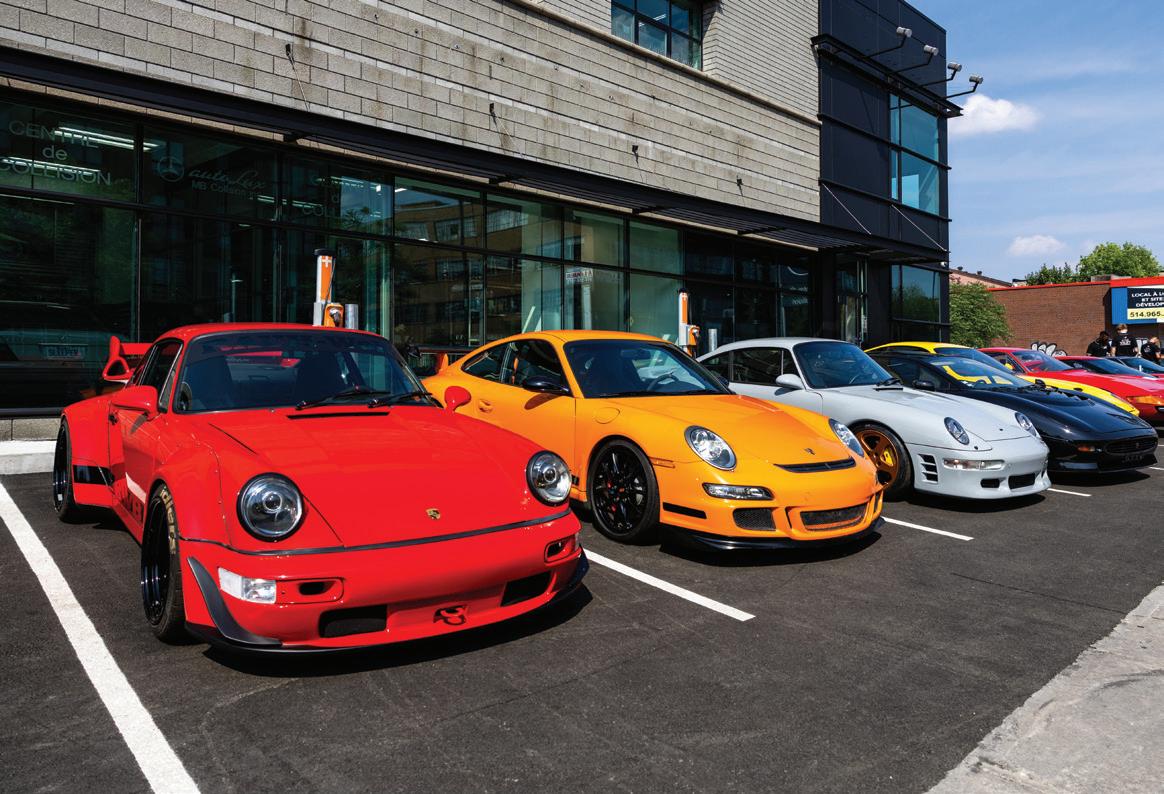
Today, the facility operates from a 1,300-square-metre space (14,000 square feet) equipped with built-in frame benches,
a dedicated aluminum repair room and 2 mechanical bays. A 27-person team processes about 25 vehicles per week.
To maintain certification compliance, technicians rely on OEM-mandated equipment.
“We’re really enjoying playing with all the new BMW tools,” Morgese says. “We’ve just received new rivet guns, welders and even an explosion-proof vacuum cleaner.”
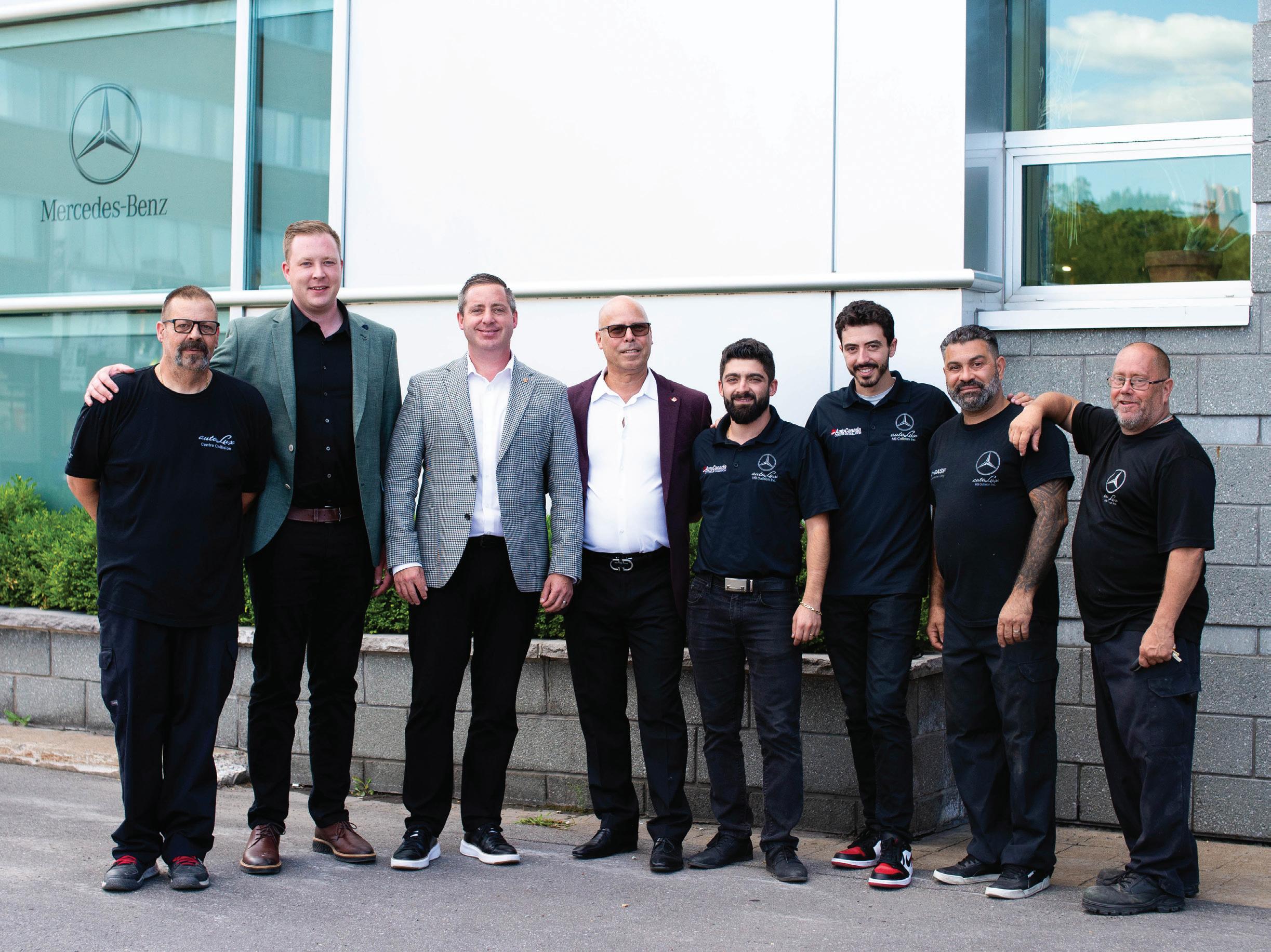
Beyond equipment, Morgese emphasizes workplace culture.
“I just treat my employees with lots of respect,” he says. “The most important thing is to listen and make them enjoy working with us.”
That philosophy was evident when he retained a hearing-impaired body technician
“I JUST TREAT MY EMPLOYEES WITH LOTS OF RESPECT. THE MOST IMPORTANT THING IS TO LISTEN AND MAKE THEM ENJOY WORKING WITH US.”
— TONY MORGESE

through a two-year cancer treatment, adapting the employee’s role as capabilities changed.
Morgese shares the same approach with apprentices.
“What I tell all my young apprentices: Don’t look at the money right away — do what you want to do and the money will come,” he says. “Otherwise, you’ll never be happy.”
Another milestone came in the summer of 2024, when AutoCanada rolled out its ACX brand identity. The facility’s grand opening in June generated immediate response.
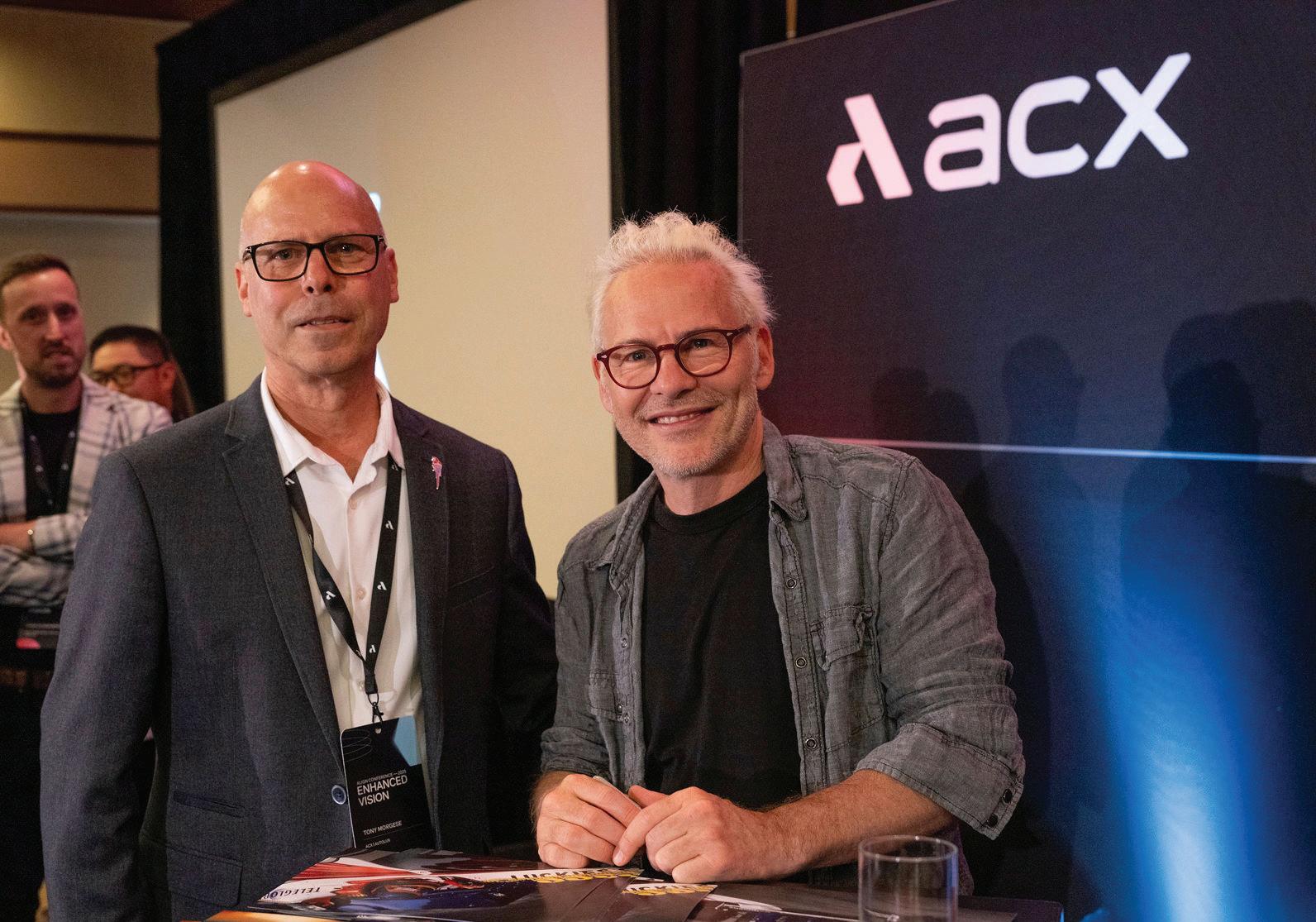
“We’ve noted a bump after the ACX rebrand,” Morgese says. “We’re helping out more customers. Several people have come in to find out about it.”
Customer service remains central. All vehicles are detailed before delivery, and Morgese is known for patience in difficult situations. When one customer became convinced her vehicle had been repainted — when it had only been polished — he drove her to the dealership to confirm the paint was original. Looking ahead, Morgese expects continued growth.
“Over the next decade, I’ll enjoy seeing the business grow bigger and bigger and achieving more and more certifications,” he says.
For those considering a career in collision repair, his advice depends on the workplace.
“At a shop like ours, with our working conditions — yes,” he says. “One like the place I started in — never. The field is now so much more of an art than a trade. At the right business, you can build a great career.”

BY WILLIAM SIMMONS
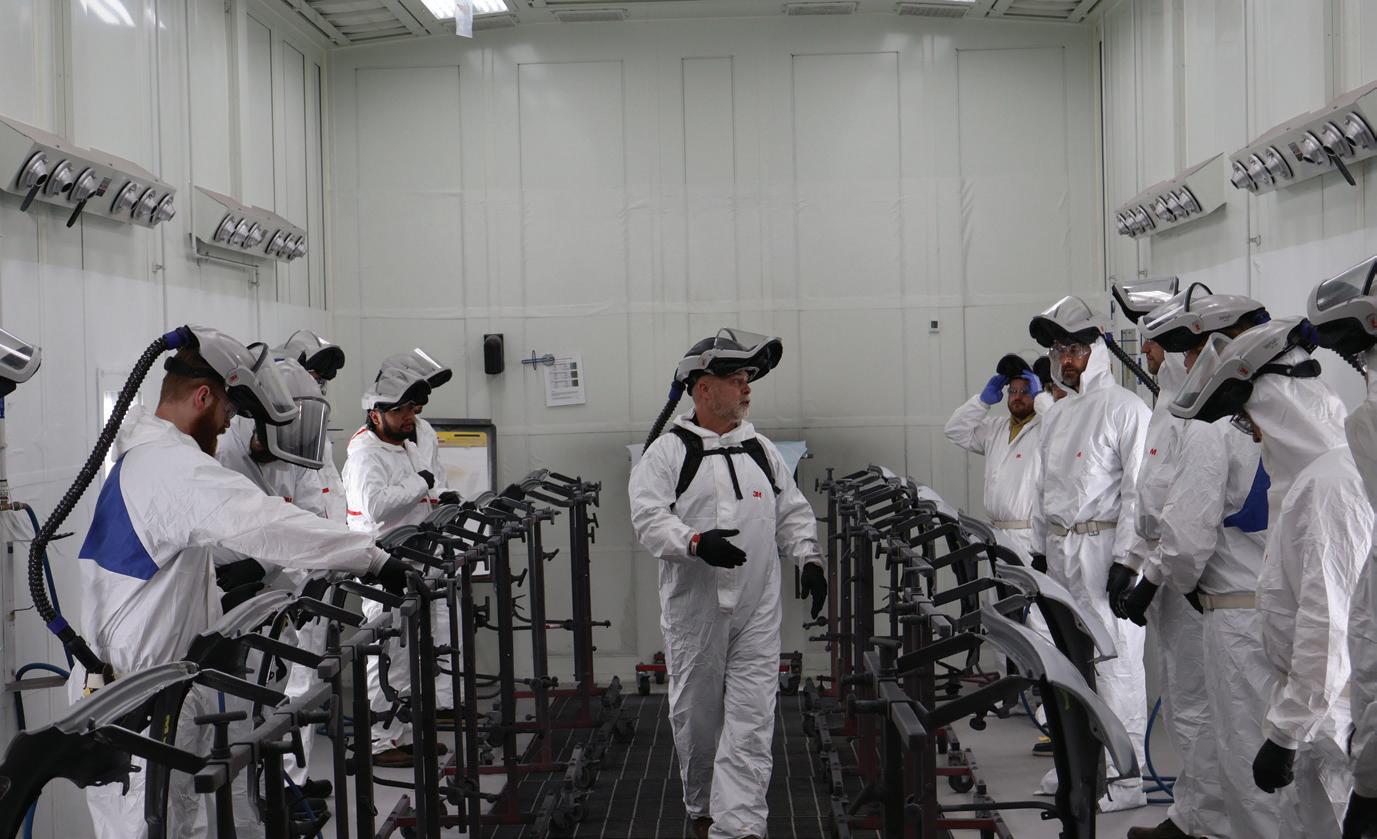
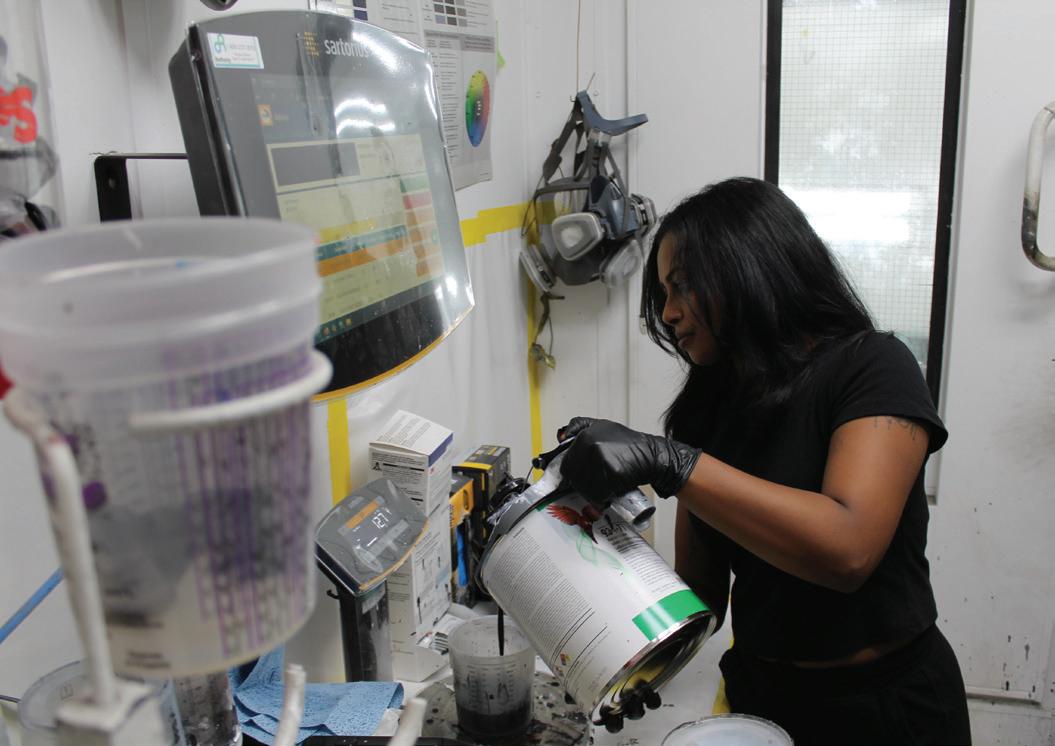
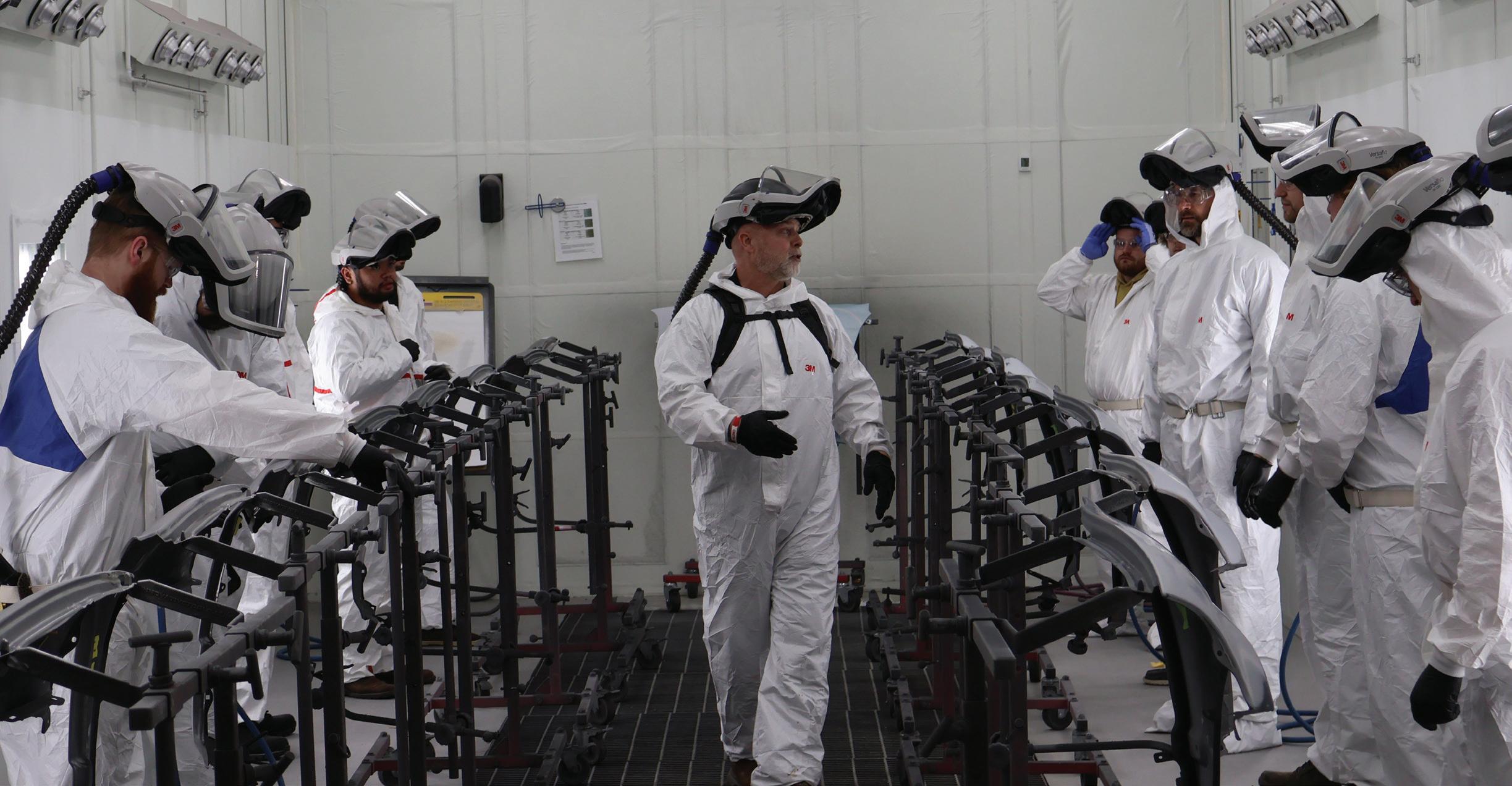
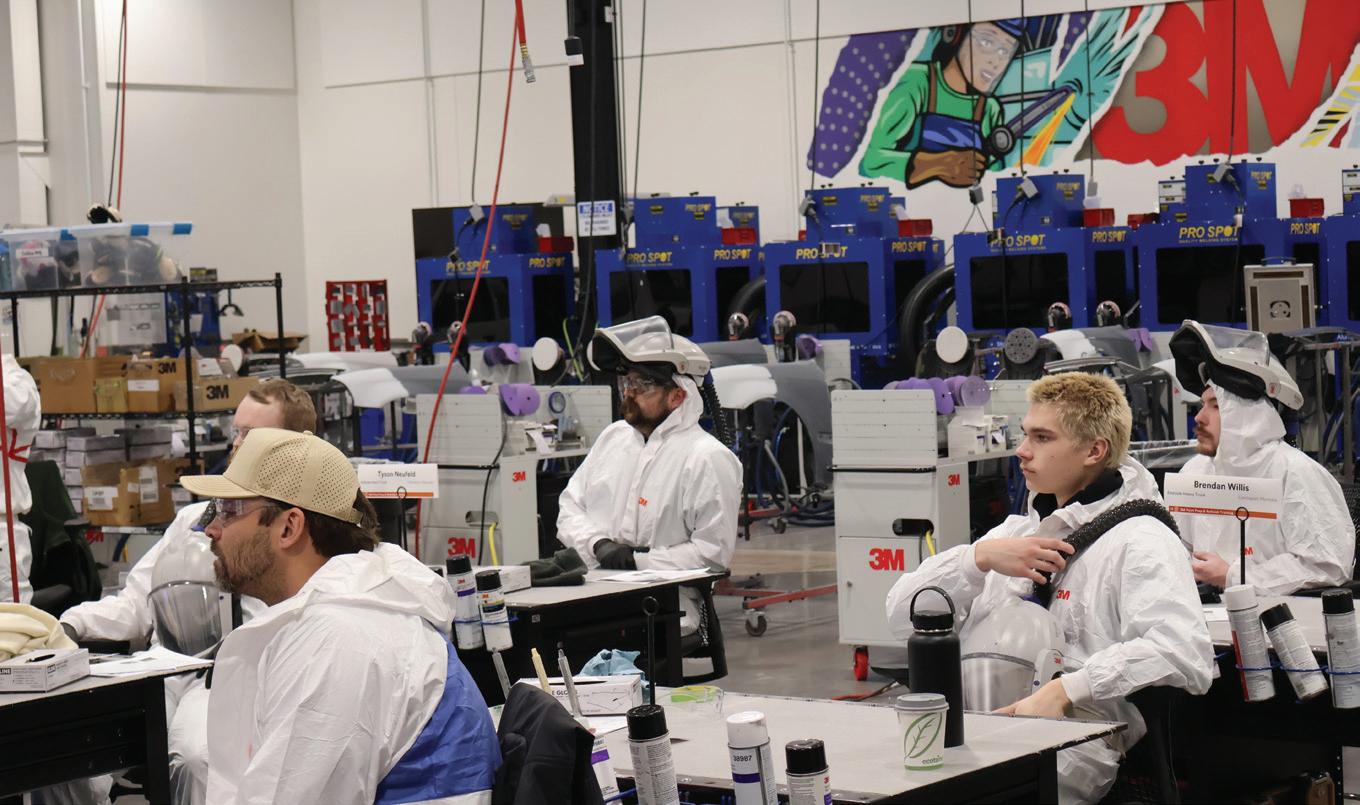
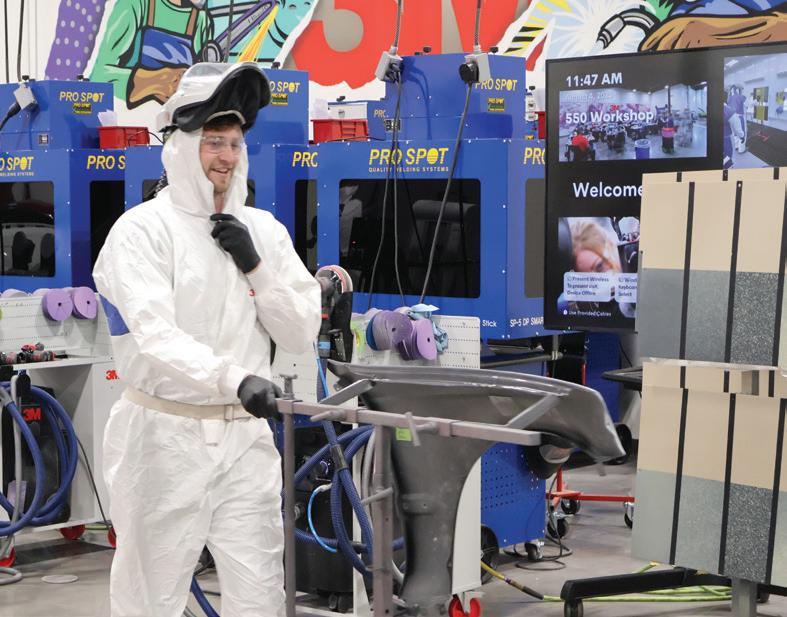
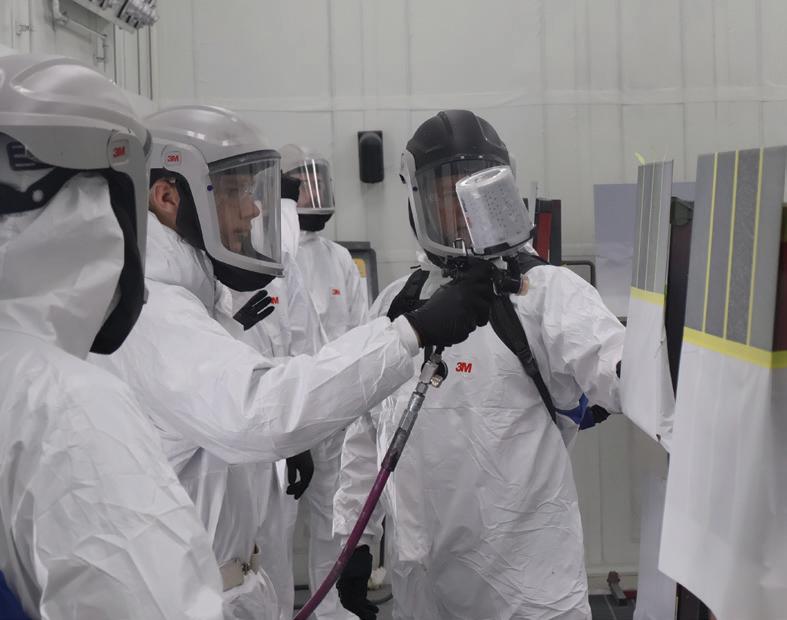
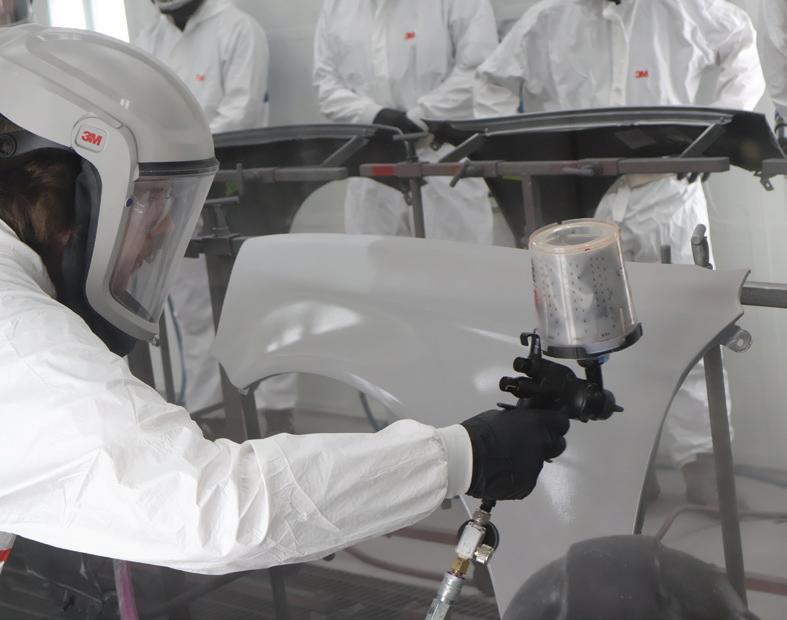
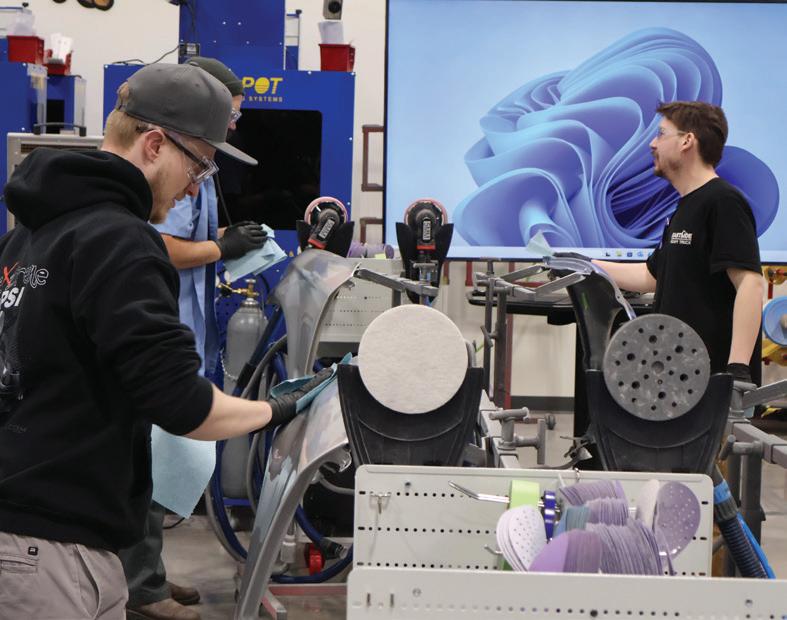
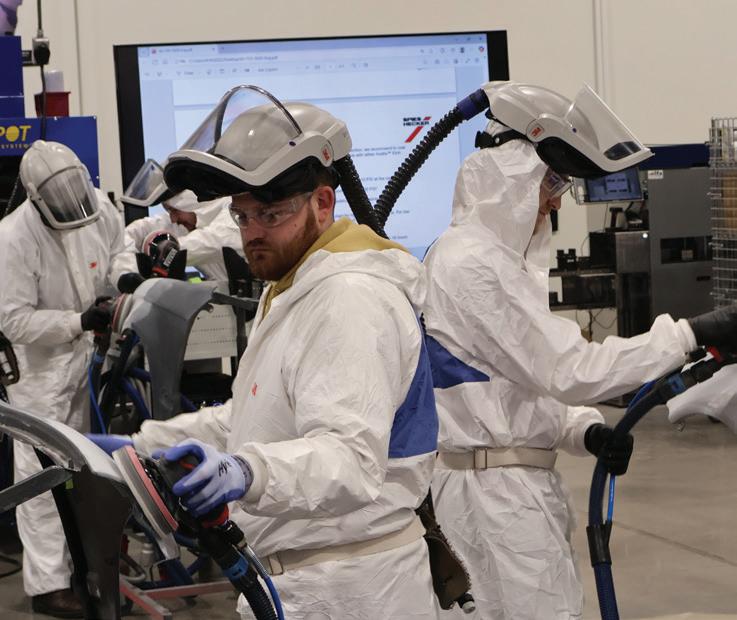
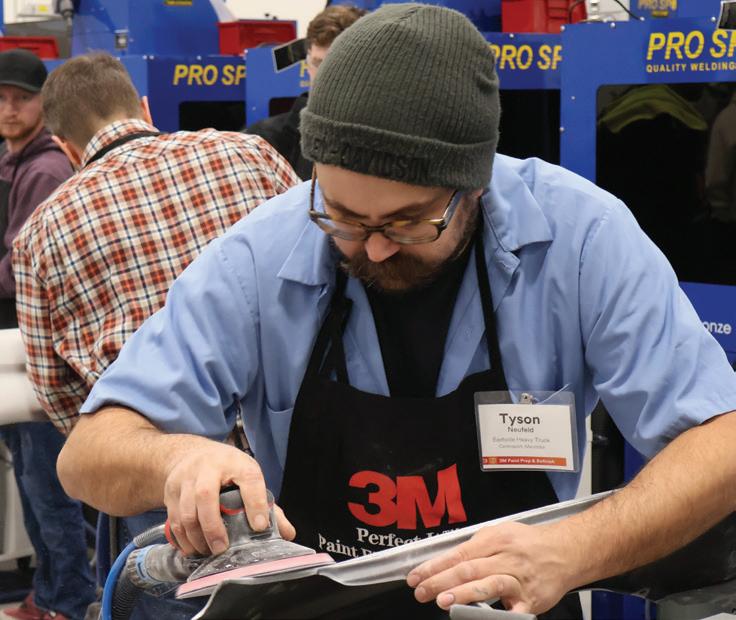
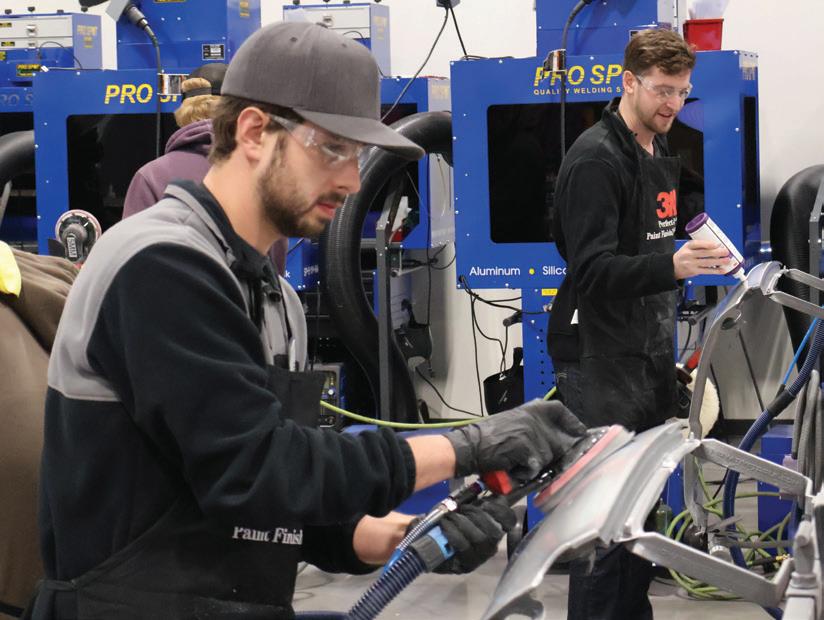
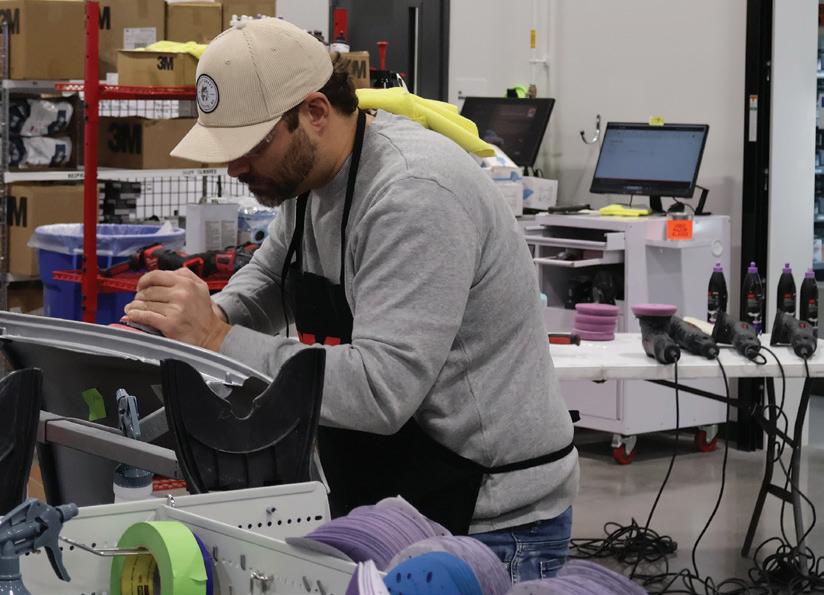
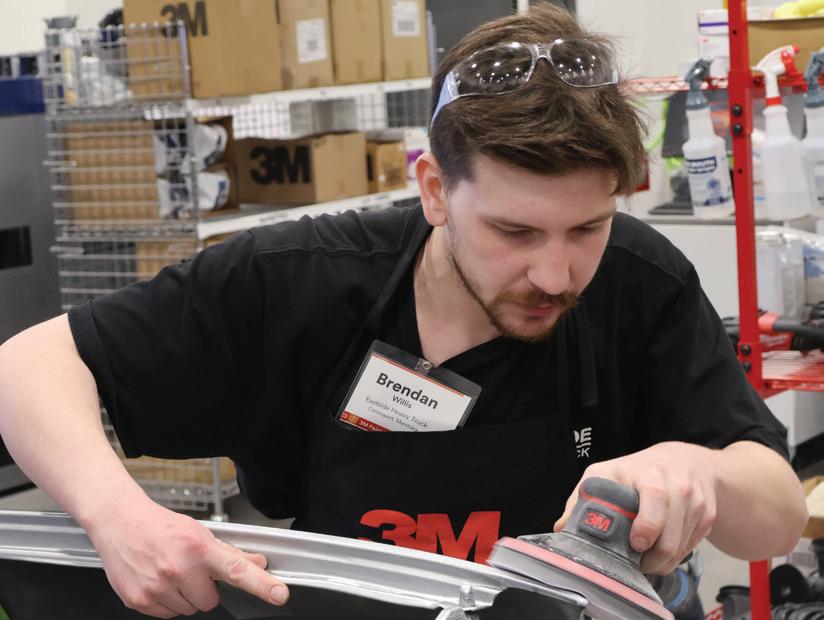
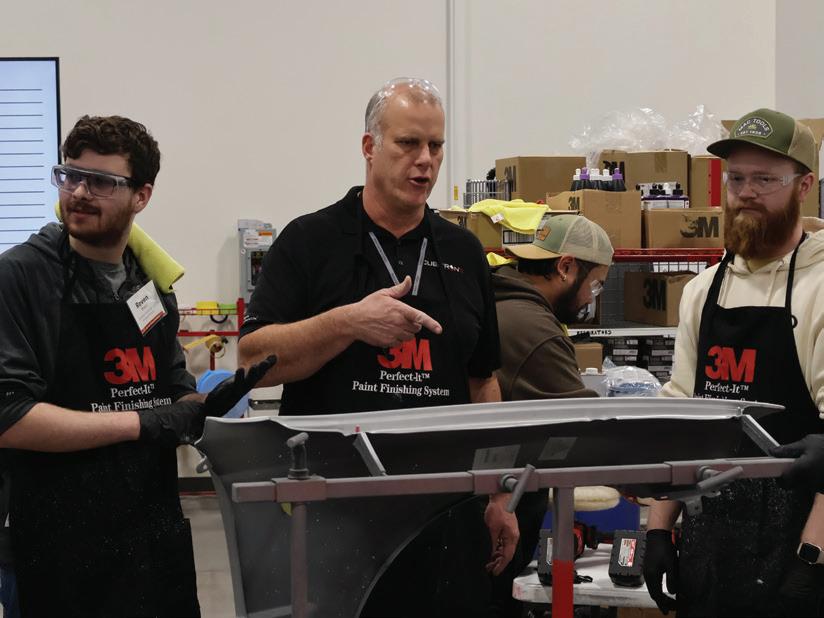
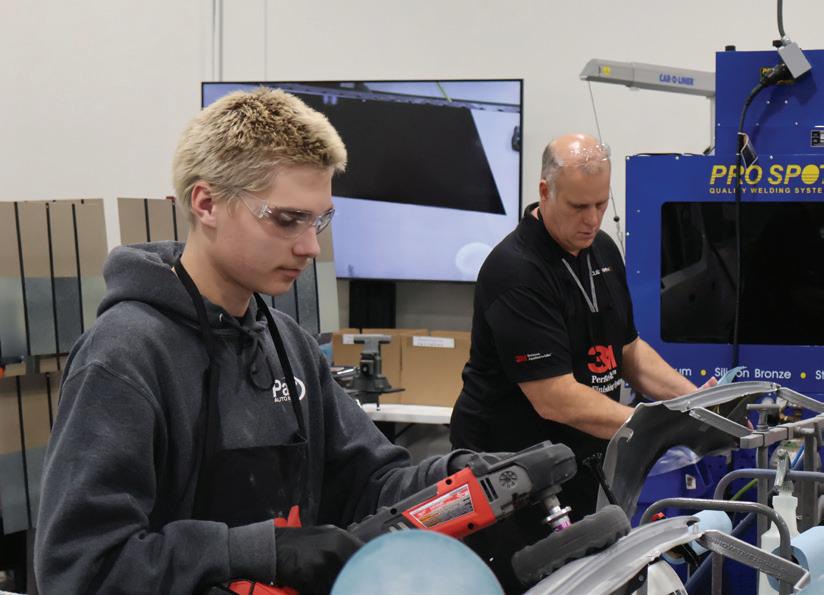
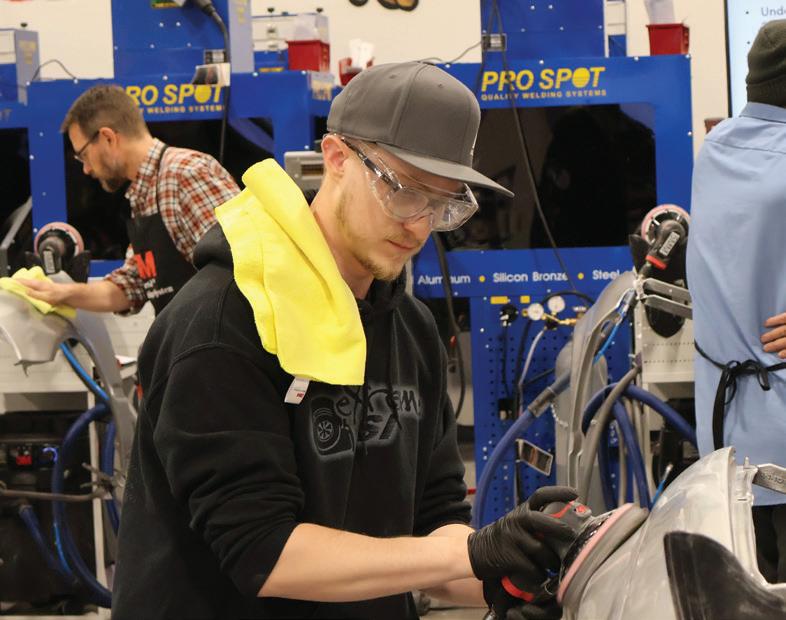
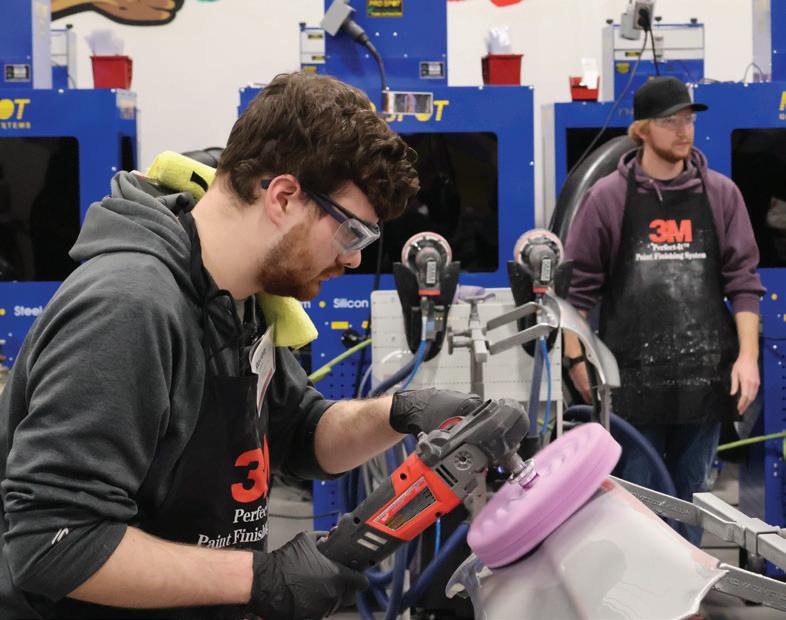
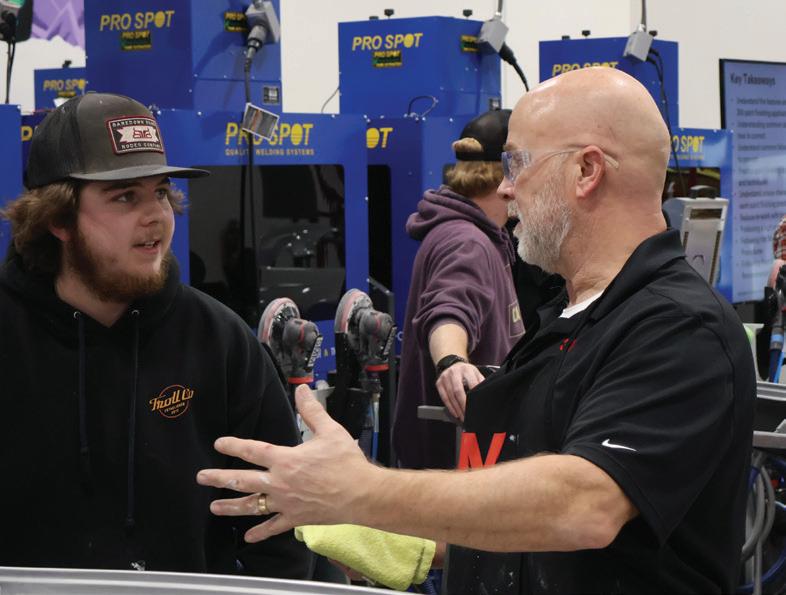
In December, a group of Canadian collision repair professionals completed a three-day paint prep and refinish course at 3M’s Skills Development Center, gaining hands-on experience with the techniques and processes that define modern OEM-compliant repairs.
“Being part of the course with the shops gives you a real appreciation for how detailed today’s refinish processes have become,” said Brett MacNeil, senior account executive at 3M. “Everyone here is focused on doing the job correctly and consistently, and that’s what drives better outcomes in the paint department.”
flickr.com/photos/40043123@N05/with/54985872881
The 1,394-square-metre (15,000-square foot) facility opened in October 2023. The first classes actually began in June 2023. Seventy percent of the space is dedicated to workshop environments.
At the heart of the centre sits a 10.7-metre (35-foot) GFS XL paint booth with three-stage filtration. It’s one of the largest automotive paint booths available and can accommodate 16 painters at once. The facility also includes 24 workstations equipped with electrical and air service drops and a dozen welding stations, each with its own fume extraction hood.
The centre occupies land that housed 3M’s first operations outside Duluth and Two Harbors. This marks more than a century of the company’s connection to St. Paul and the collision repair industry. Four Minnesotabased artists — Adam Turman, Rock ‘CYFI’ Martinez, Biafra and Wundr — created murals throughout the facility that reflect 3M history, local culture and the technicians the centre serves.
The course began with paint shop fundamentals. Participants started with proper personal protective equipment requirements before moving to quality
checks that ensure vehicles are ready for the booth.
The focus then shifted to hands-on work. Technicians practiced feathering, priming and blocking techniques — foundational steps that determine final paint quality. Throughout the day, instructors reinforced how prep decisions directly affect downstream results.
“In paint and refinish, small mistakes compound quickly,” said trainer Troy Knopik. “We stress that prep work isn’t just preparation — it’s the foundation of the entire repair. If it’s rushed or skipped, it shows in the final product.”
Primer application occupied much of the remaining time on the first day. Technicians practiced different techniques for various repair scenarios. The group also worked through full-vehicle masking exercises that emphasized efficiency, material selection and cleanliness.
“BEING PART OF THE COURSE WITH THE SHOPS GIVES YOU A REAL APPRECIATION FOR HOW DETAILED TODAY’S REFINISH PROCESSES HAVE BECOME.”
— BRETT MACNEIL
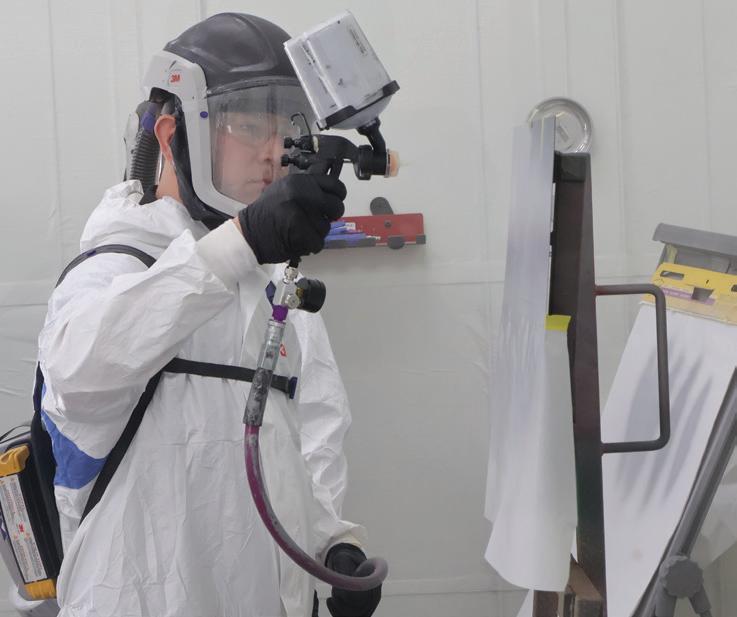
Day two moved participants back into the booth. The morning covered booth setup, spray gun adjustment and textured coating applications. From there, the course dove into colour selection, colour theory and tinting — topics that have grown increasingly complex as OEM finishes evolve.
“Matching colour today isn’t just about finding the right code,” said trainer Mike Nelson. “It’s understanding variants, lighting, spray technique and how all of that works together. We want technicians to leave confident in their decision-making, not guessing.”
The afternoon sessions focused on application work. Technicians spent extended time practicing sealer, basecoat and clearcoat techniques. The goal was building consistency and repeatability — critical skills when paint jobs need to meet OEM standards.
Like the first day, this session concluded with a Plus/Delta evaluation. Participants reflected on what worked and what didn’t,



discussing how those lessons would apply back at their shops.
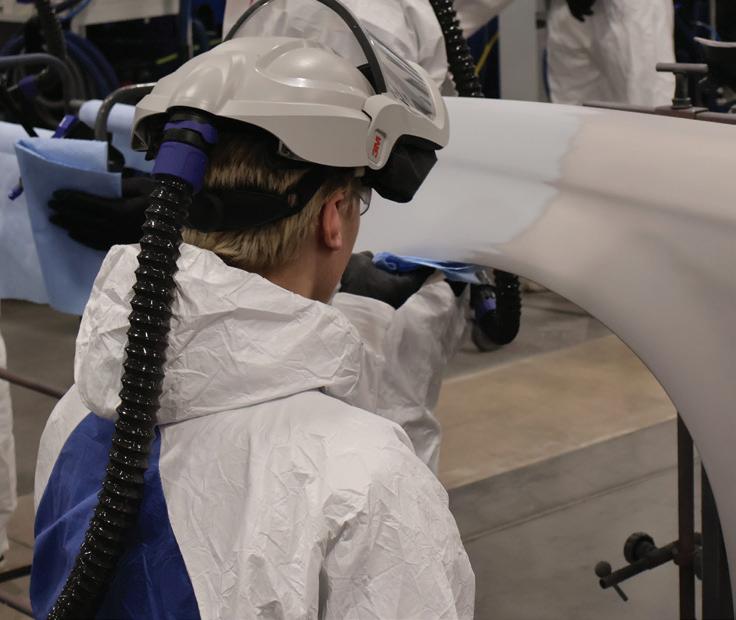
The final day addressed even more paint application opportunities, including blending, spot repair, as well as the finishing stages of paint work. Participants practiced blend techniques and spot repair methods, with an emphasis on achieving invisible repairs that match factory finish standards.
The course wrapped up with sessions on booth efficiency and buffing. These showed participants how to maximize throughput without sacrificing quality — a balance that defines successful paint departments.
Training extended beyond the classroom and shop floor. On Thursday evening, the group attended an NHL game between the Minnesota Wild and Dallas Stars. The outing gave technicians time to build relationships and continue conversations that started during the day’s sessions.
“Training like this isn’t just about the tools or the products,” MacNeil said. “It’s
about bringing people together, sharing best practices and raising the bar across the region. When these technicians go home, that knowledge goes with them — and it makes the industry stronger.”
The Skills Development Centre represents 3M’s response to growing workforce challenges in collision repair. Since opening, the facility has hosted thousands of technicians, front office professionals, shop leaders, distributors, paint companies, OEMs, industry trade groups, and high school and college students, amongst others, across nearly two hundred classes and events. Participants have come from nearly every US state and Canadian province, with nearly 80 percent traveling. Three core programs classes anchor the curriculum: body repair, and paint preparation/refinishing, and hands-on, front office (~estimator) training. Two of the three classes also include I-CAR® credits.
Each summer, vocational-technical instructors from across North America attend
week-long intensive courses covering OEM repair procedures.
The centre’s instructors bring more than 125 years of combined industry experience, including years on the shop floor. Their courses emphasize OEM-approved repair procedures at a time when the industry faces a projected shortage of over 100,000 collision repair technicians by 2026. Industry research shows 34 percent of shop owners cite finding qualified technicians as their biggest challenge.
The hands-on training complements 3M’s online Collision Repair Academy. Together, they help technicians stay current as vehicle technology and repair requirements continue to evolve. The facility’s modular layout allows it to adapt to different training needs and student groups, ensuring it can meet the industry’s changing demands.
flickr.com/photos/40043123@N05/with/54985872881
collisionrepairmag.com/15774925
In line with the 2026 conference theme ‘Connecting Changemakers’, IBIS Middle East is introducing a completely reimagined conference experience, designed to create deeper connection, sharper debate and more meaningful interaction across the collision repair and wider automotive ecosystem. For 2026, the event moves away from traditional panel sessions, placing the focus firmly on in-room expertise, real conversation and shared insight.
The new format features two distinct staging areas, supported by four dedicated environments for connecting and networking. Content will be delivered through highly focused sessions followed by chaired round-table discussions, encouraging open debate, practical discussion and active delegate participation. This structure is designed to bring decision-makers closer to the issues that matter most, while creating space for genuine collaboration and knowledge exchange.
All of this will take place in a brand-new venue, The Avery, Conrad Dubai, carefully selected to support the refreshed format and enhance the overall delegate experience. The agenda is now live, offering a first look at how IBIS Middle East is evolving to better connect changemakers across the region.

Join us on 10-11 February at The Avery, Conrad Dubai – beginning with a welcome reception on the 10th, followed by a day of insight, debate, connection and transformation on the 11th.
To view the conference agenda, visit ibisworldwide.com/ ibis-middle-east-2026/ibis-middle-east-2026-agenda/
To register your attendance, visit ibisworldwide.com/ ibis-middle-east-2026/registration/
For the latest updates, visit www.ibisworldwide.com or follow IBIS Worldwide on LinkedIn and Twitter (@IBISworldwide).



BBY MACKENZIE GRANT
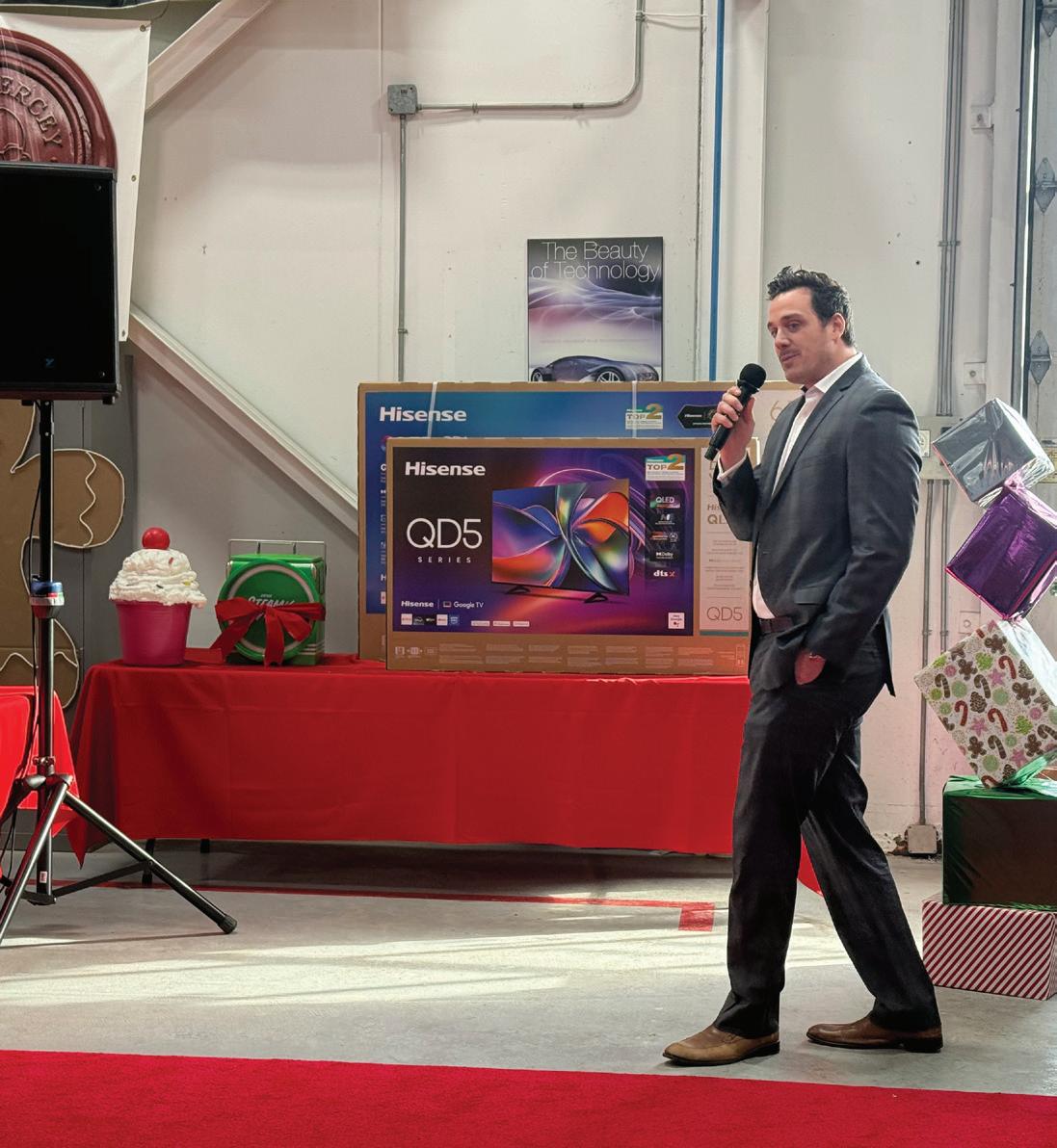
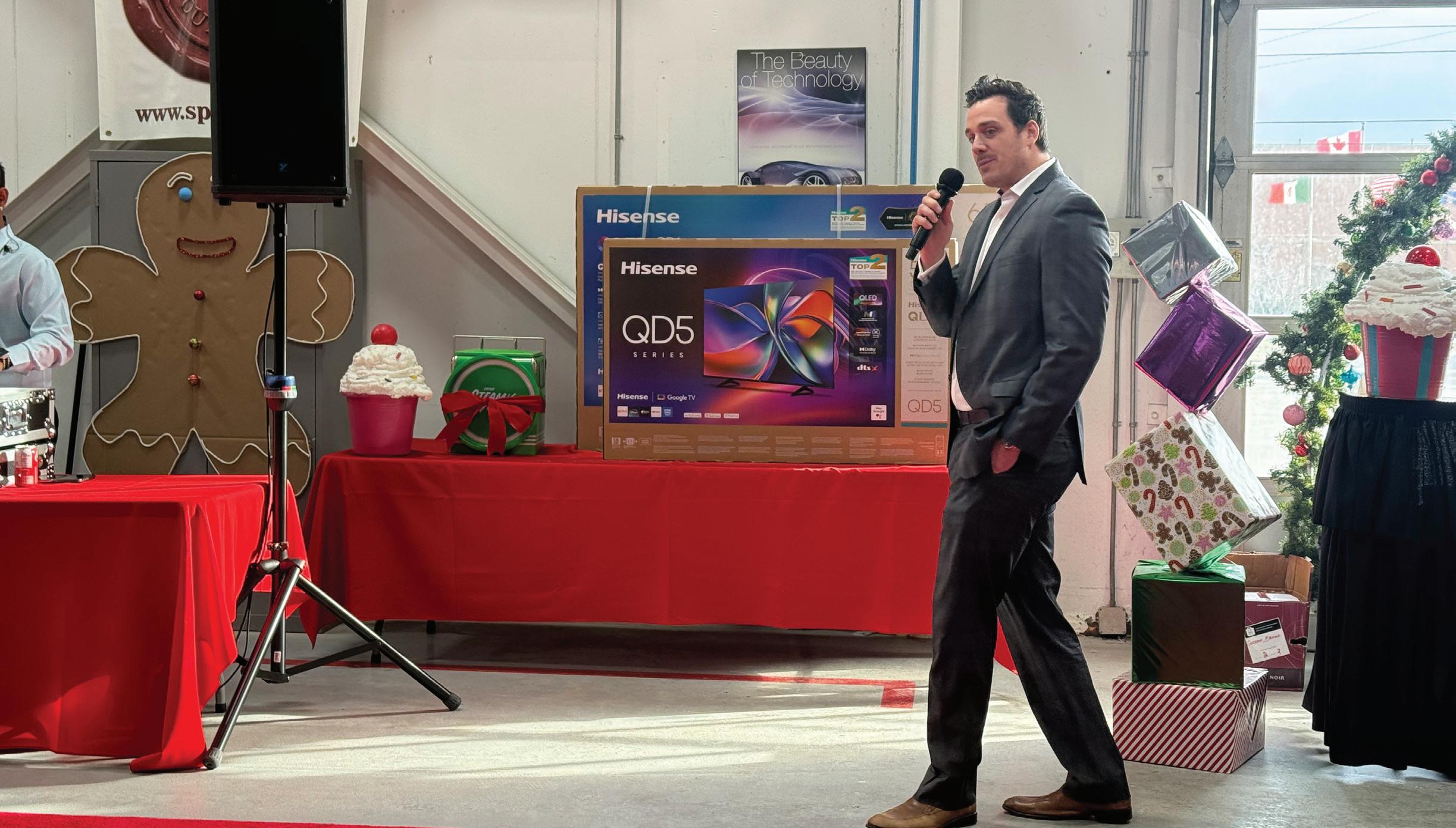
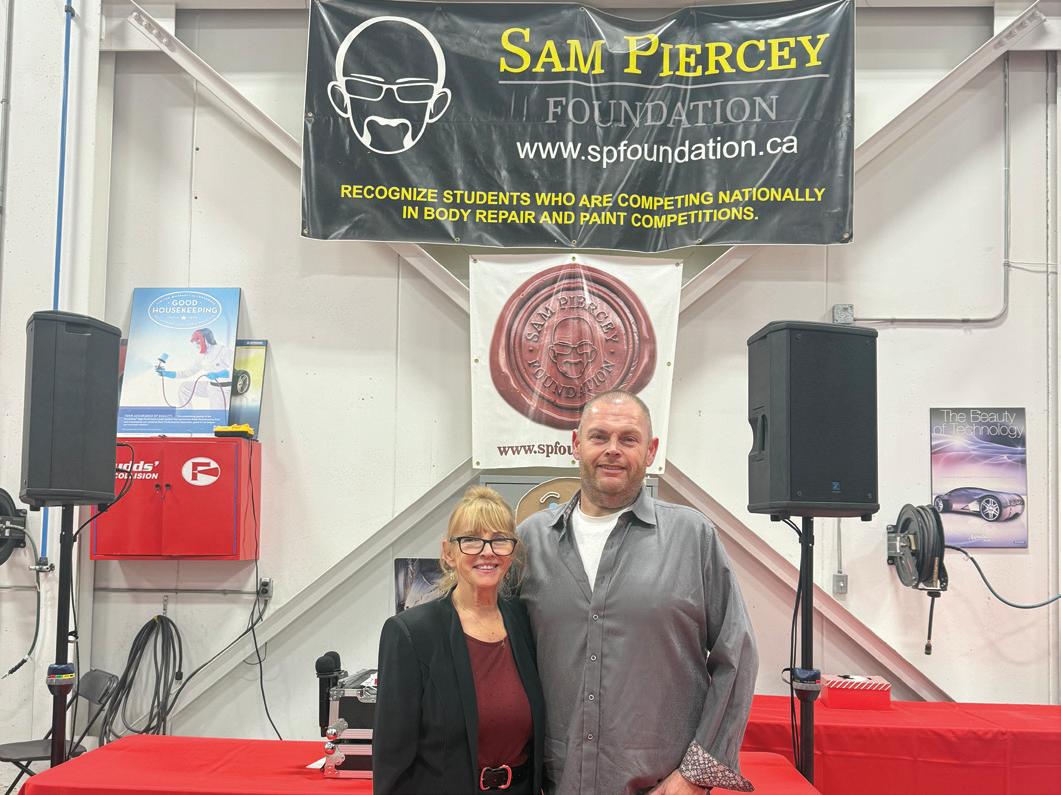
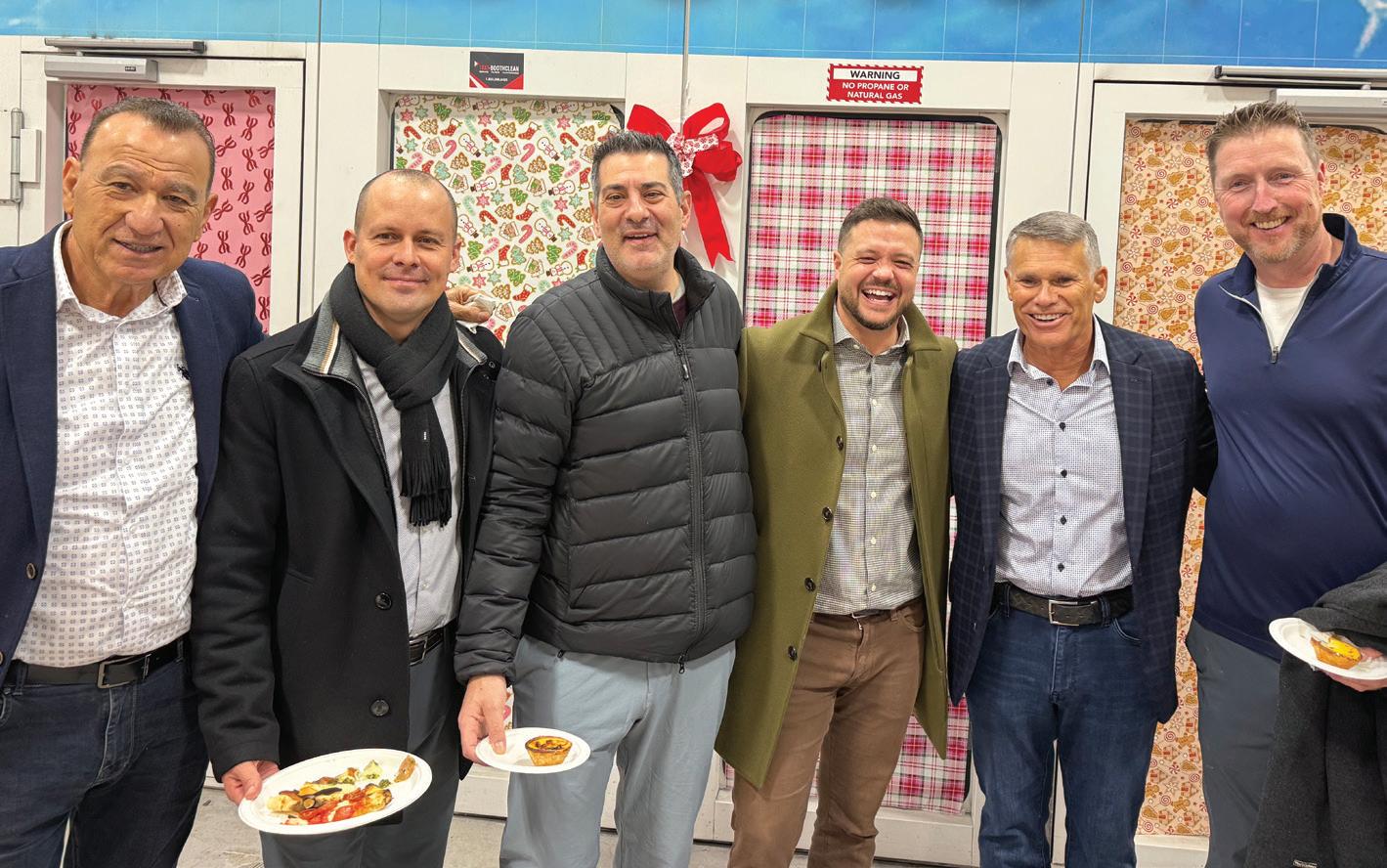
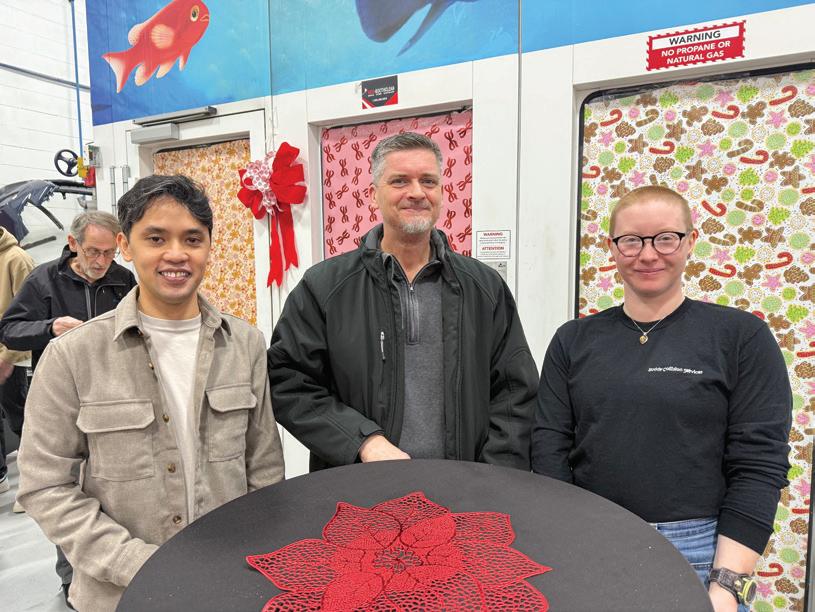
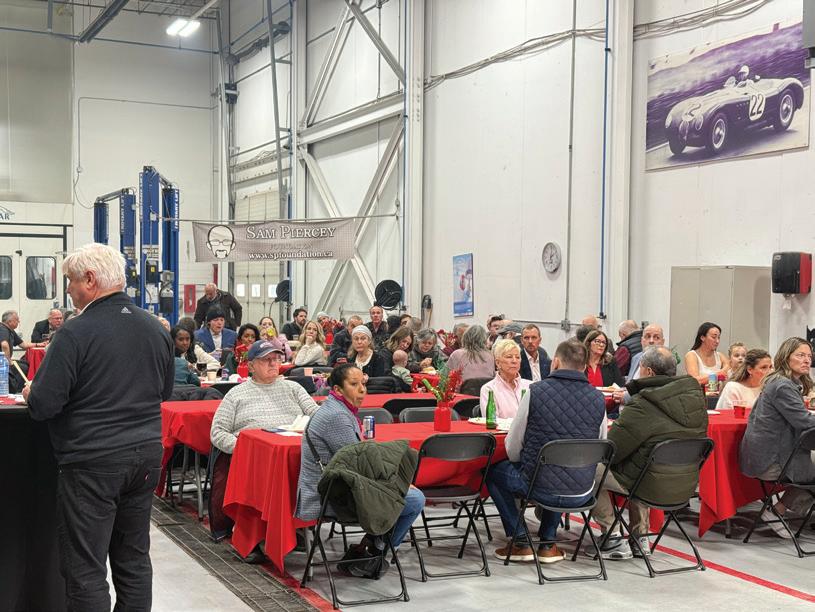
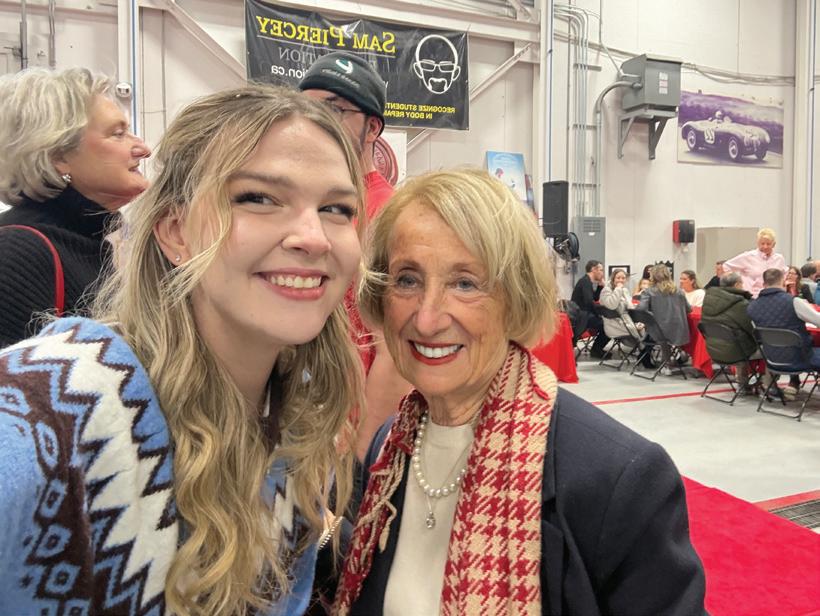
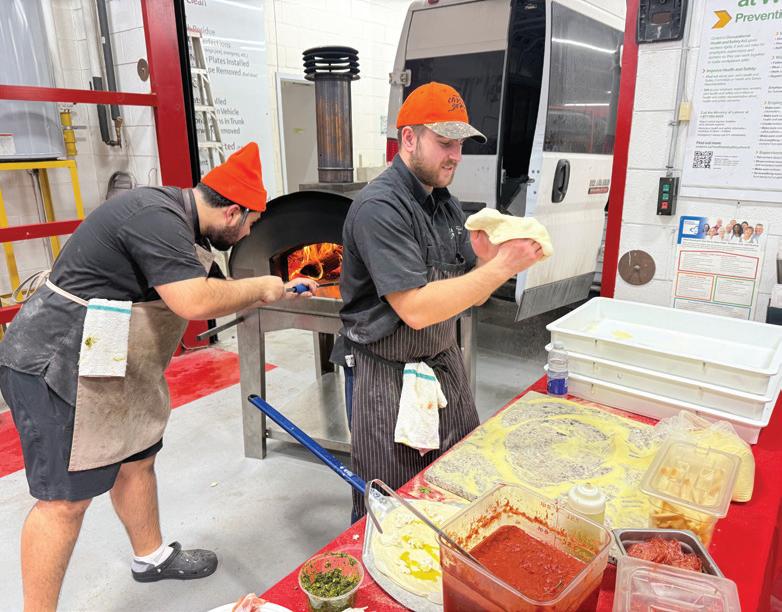
udds’ Collision Services welcomed the collision repair community to its annual holiday Pig Roast on December 19, 2025 continuing a long-running tradition that blends seasonal celebration with industry connection and charitable giving.
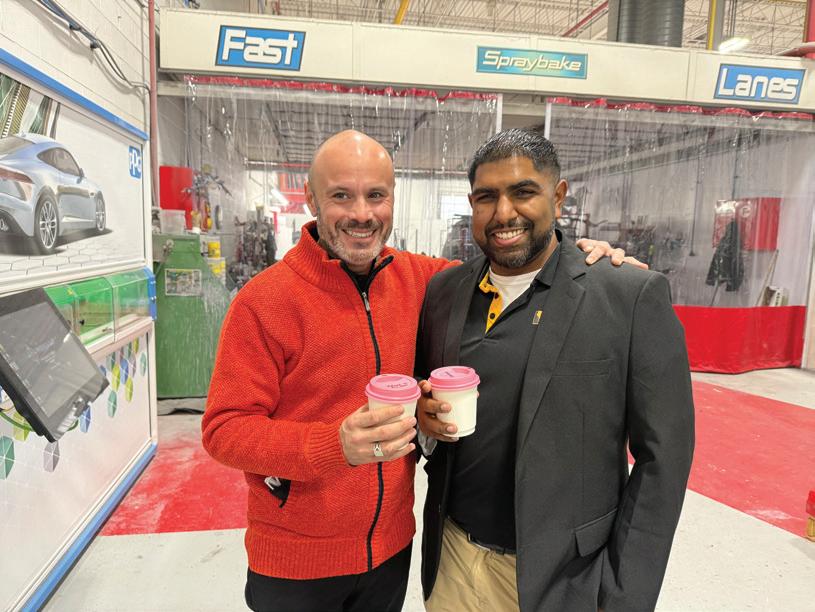
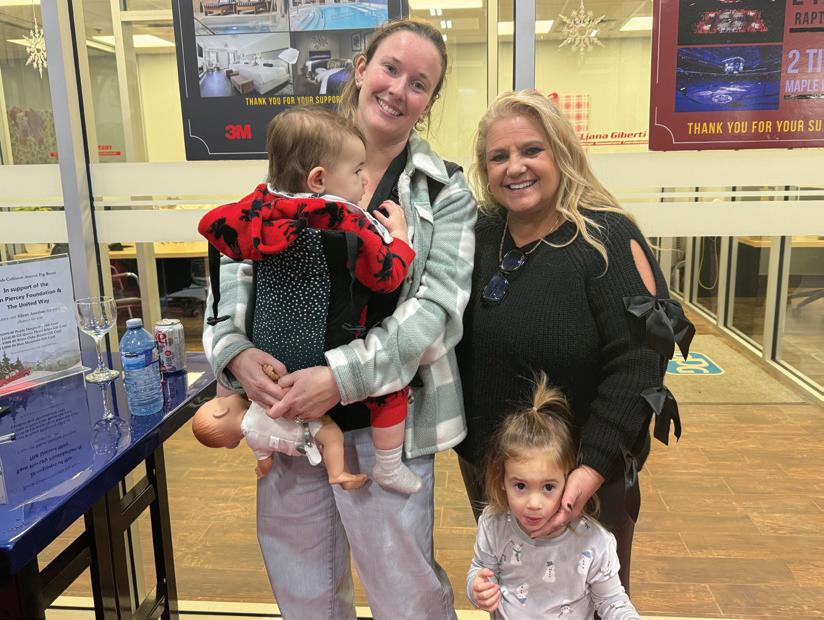
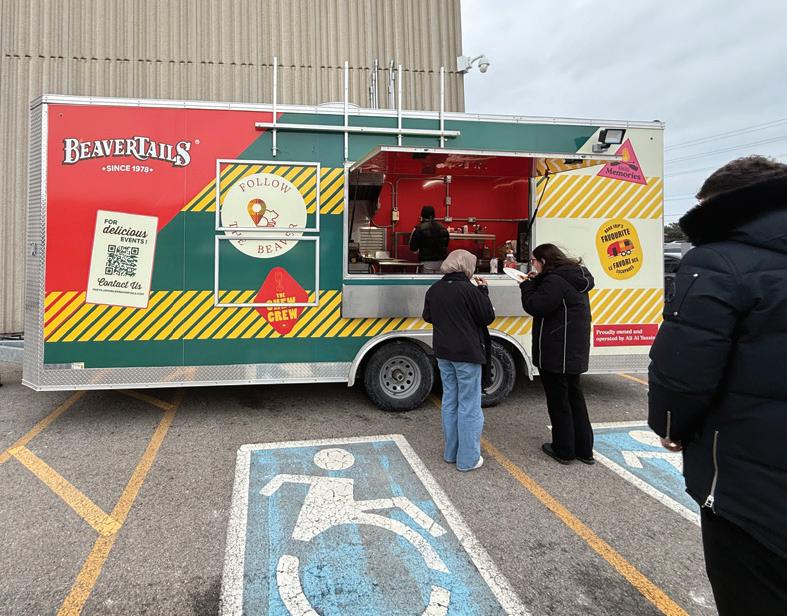
Held at Budds’ South Service Road facility in Oakville, the event brought together shop owners, technicians, suppliers and partners for an afternoon centred on food, conversation and community. Guests gathered around the signature slow-roasted pig and a spread of seasonal fare while reconnecting with colleagues ahead of the holidays.

“EVERYONE HAS A RESPONSIBILITY TO GIVE BACK TO THEIR COMMUNITY. SUPPLIERS, COMPETITORS, INSURERS AND EMPLOYEES OF PAST, PRESENT AND HOPEFULLY FUTURE ARE HERE."
— DARRYLL O’KEEFE
“It’s a Christmas celebration — but mostly it’s about Sam. Everyone who knew him knew he was special,” said Tom Langton, advisor at Consolidated Dealers. “He was feisty, kindhearted and forward thinking.”
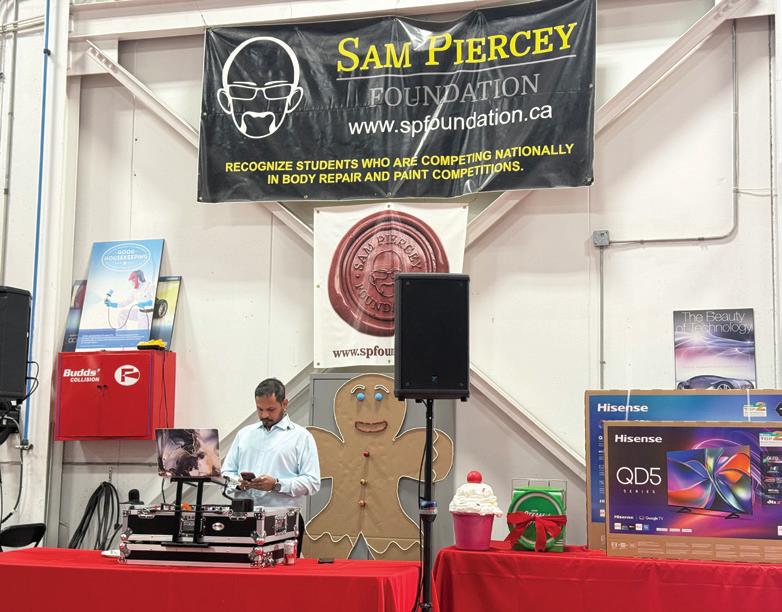
Proceeds from the pig roast support the Sam Piercey Foundation alongside United Way, continuing Budds’ commitment to giving back both within the collision repair sector and the broader community.
“Everyone has a responsibility to give back to their community. Suppliers, competitors, insurers and employees of past, present and hopefully future are
here,” said Darryll O’Keefe, vice-president of strategic business development at Fix Network. “Fix network has always been happy to support Budd’s initiative to support the legacy of Sam Piercey and the work he did for apprentices.”
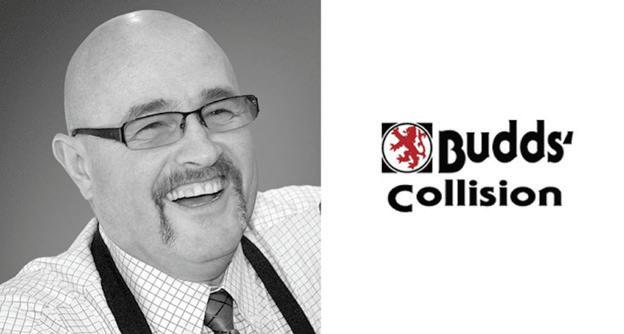
The Sam Piercey Foundation honours the legacy of Sam Piercey, a longtime industry advocate, former Budds’ Collision leader and former writer for Collision Repair magazine. Piercey was known for his passion for storytelling within the trade and for championing opportunities for young people entering the industry. Following his
passing, the foundation was established to carry that commitment forward by supporting apprentices and emerging talent pursuing careers in collision repair.
“This is our way of giving back to the industry. Sam was such a titan and we have to keep his legacy alive and remember him any way we can. It’s been 10 years since his passing, but he’ll never be forgotten,” said J.R Martino, general manager at Budd’s Collision.
Beyond the charitable focus, the event offered attendees time to network, share stories from the year and celebrate the resilience of an industry navigating ongoing change.
collisionrepairmag.com/15774601
BY JAY PERRY
Let’s face a reality in any workplace — conflict will happen. Differences of opinion, misunderstandings, miscommunications, personality, and resistance to change are a few of the issues we will face as we chart the pathway for our companies. If we do not address conflict, we will likely sink the ship. Of course it must be addressed in the proper manner.
A culture of respect is a necessity for working through differences of opinion. I once heard a funny little thing about opinions — that like bellybuttons, everyone has one. So let’s embrace the fact that not everyone is going to see things the same way we do. One of the most powerful things we can do is communicate our intention.
There is nothing you ask of your people that doesn’t have an intention behind it. Share that intention. When we share what we intend to have show up as a benefit of certain actions, we start to open minds to possibility and create engagement. Employee engagement
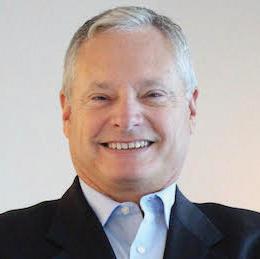
JAY PERRY
starts with the employer engaging with the employees not the other way around!

When you are clear on your intentions you now have a beacon that as distractions arise, you can steer toward. When you clearly articulate this intention with others and as engagement grows, you have created a beacon for others to move toward as well. This clarity helps eliminate misunderstandings.
hear another’s perspective.
We need social skills or what are referred to as ‘soft-skills’ in order to be effective in reaching people especially when tension is running high.
Personality differences are best addressed by developing ourselves through education in understanding those differences in people,
A CULTURE OF RESPECT IS A NECESSITY FOR WORKING THROUGH DIFFERENCES OF OPINION. ONE OF THE MOST POWERFUL THINGS WE CAN DO IS COMMUNICATE OUR INTENTION.
Self-awareness is also a key to being successful at solving conflict. Humans have very few ‘universal truths’ where something is true for all of us. The one we need most to be aware of is everyone want to be right. When we see this bias in ourselves (self-awareness) we can now take control of it, setting that
Jay Perry is the founder of Ally Business Coaching, a process improvement and leadership development firm, and co-author of the book Success Manifesto with Brian Tracy. Jay is also an education partner with California Coast University in Santa Ana, California. He can be reached at jayperryally@gmail.com.
For more columns by Jay Perry visit collisionrepairmag.com/15738685
learning flexibility in how we approach others and better listening skills and listening practices. These are the foundational points of our coursework with leaders. Over the past decade we have seen countless conflicts resolved through application of knowledge and techniques that have enhanced the culture of our client companies.
When we reach out to understand a broader perspective through listening and civil discussion, we enhance our appeal to others as well achieve practical resolution to many divisive issues. This is the hard work of leaders — to connect with others at a level where everyone is given opportunity to speak and each party feels heard by the other.
It takes practice and patience.
It’s never too late to make improvement so embrace the old axiom of ‘no time like the present’ and start moving down the pathway so you can be the one who’s driving!
ELEVATE YOUR EXPERTISE IN THE ELECTRIC VEHICLE INDUSTRY WITH
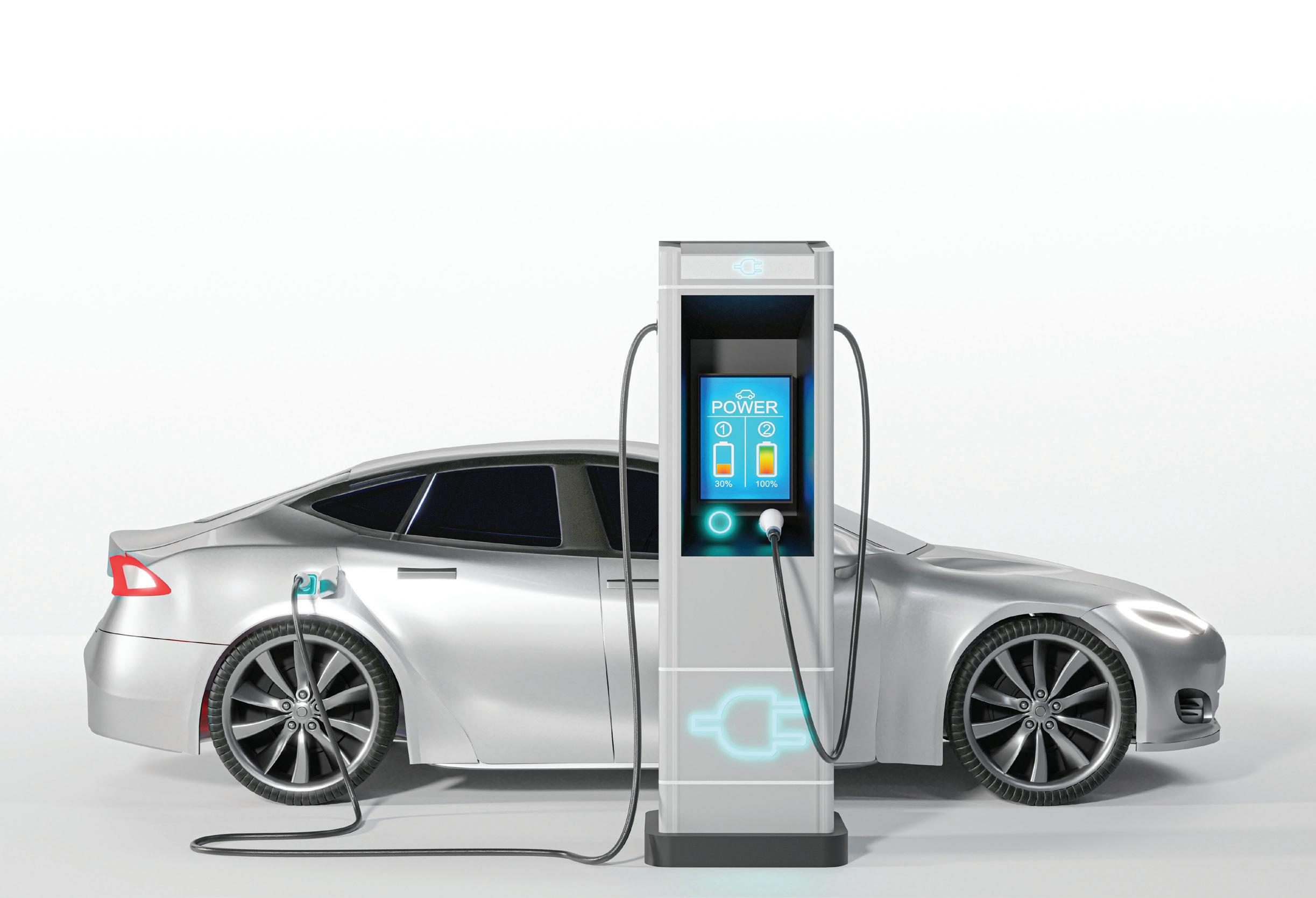
Our publications offer in-depth articles, expert interviews and the latest news on EV technology and repair practices. Whether you’re a seasoned technician or just starting out, our resources will keep you informed and ahead of the curve. Join a community of passionate professionals dedicated to excellence in EV maintenance. Subscribe now and power your knowledge!
For more information, please contact your Media Matters representative or visit collisionrepairmag.com
BY MIKE ANDERSON
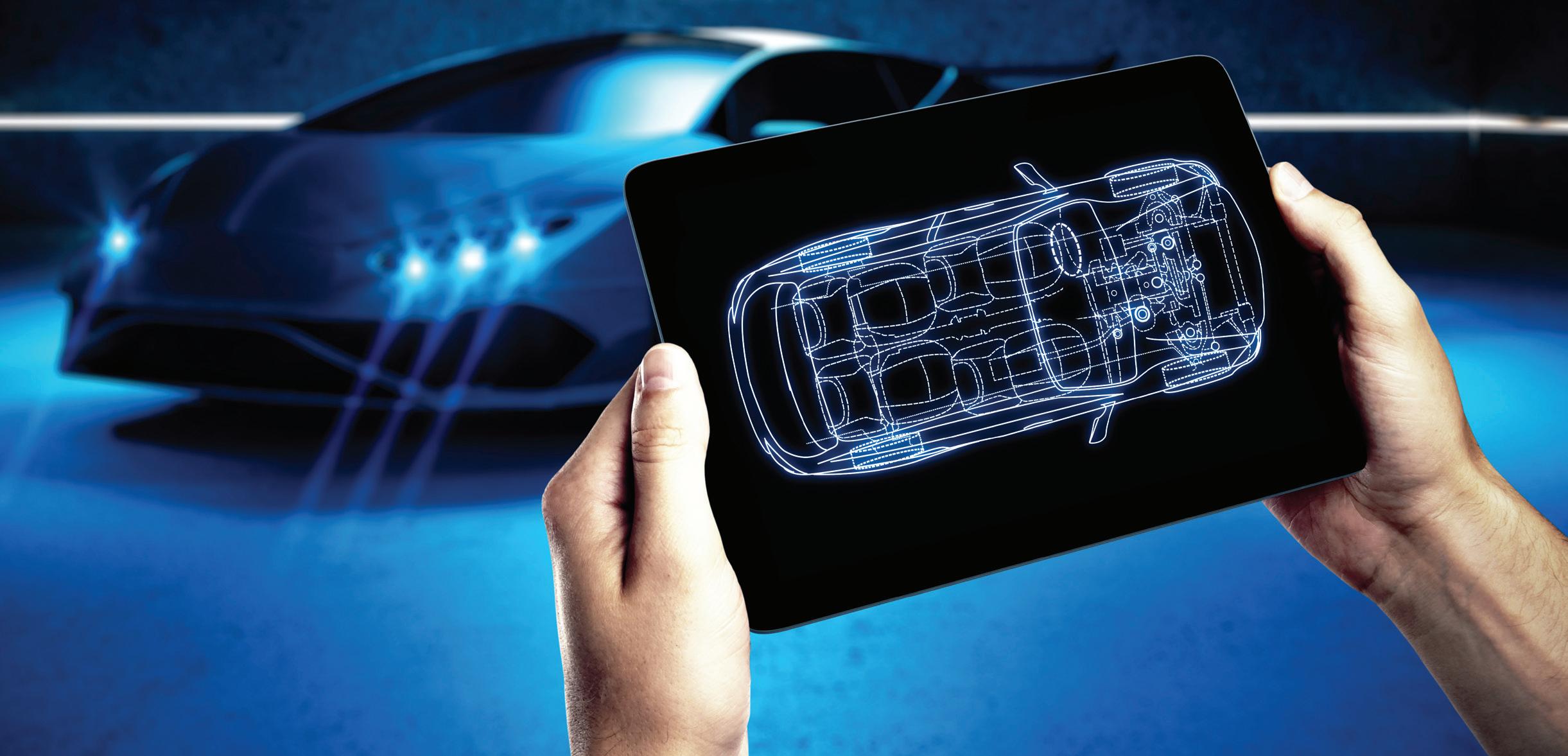
Advanced driver assistance systems gets a lot of attention, usually around calibrations, tooling and training. Those conversations matter, but I want to focus on something that is still widely misunderstood: the test drive. It is one of the most critical parts of the ADAS process — and one of the easiest places for a repair to fall short without anyone realizing it.
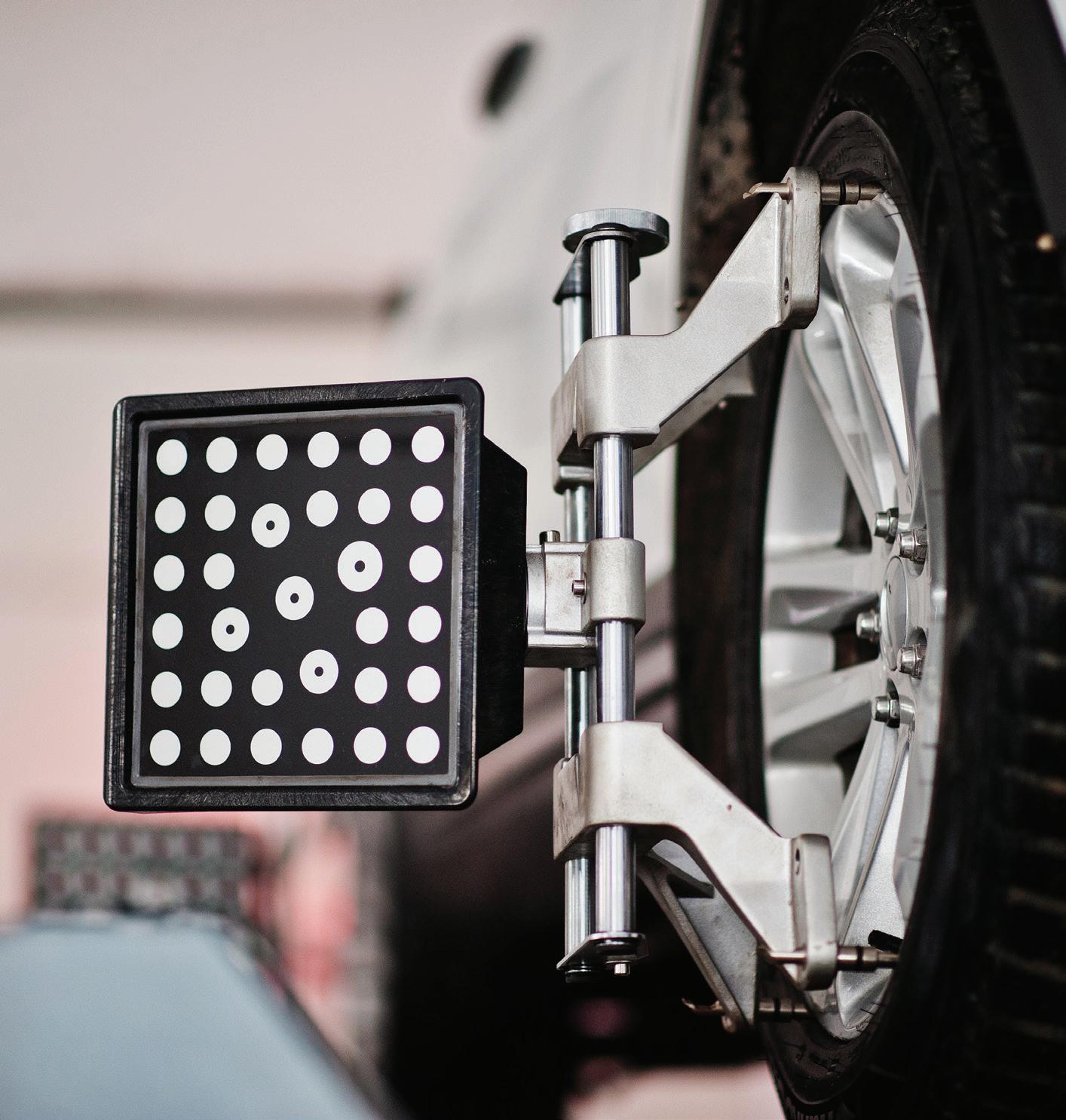
When you go into an OEM’s electronic service manual — Toyota TIS, Nissan TechInfo, Volkswagen erWin — you will see terms like “action test drive” or “test drive scan.” These steps are not optional. They exist so the vehicle can achieve what OEMs call the set conditions. Set conditions are the exact parameters under which an ADAS component activates and verifies its operation.
Every system has its own requirements. A blind spot monitor may only activate above a certain speed. A windshieldmounted compass may require three figure eight movements below a set speed after a windshield replacement. A backup camera or rear parking sensor may only perform its selfcheck in reverse under specific conditions. If those conditions are not met, the calibration may not complete — or worse, it may appear to complete even though the system never actually verified itself.
A proper test drive means thinking deliberately about speed, direction, pattern and time. Do I need to drive above or below a certain speed? Do I need to drive forward or in reverse? Do I need to drive in a straight
THE IDEA THAT A TEST DRIVE IS SIMPLY CHECKING WHETHER THE STEERING WHEEL IS CENTRED OR THE VEHICLE PULLS NO LONGER REFLECTS REALITY. TODAY’S TEST DRIVES ARE PART OF THE CALIBRATION PROCESS ITSELF.
line, a circle or a figure eight? Do I need to maintain that condition for seconds or for minutes?
Environmental factors matter as well. Some systems need to see signage. Some cannot be verified near overpasses or large powerlines. GM systems like Super Cruise only function on mapped divided highways. I have also seen EV procedures stating that if the battery charge is above a set level before refinishing, the technician must drive the vehicle with accessories on until the charge drops. These requirements are written into OEM documentation — they are not suggestions.
Because the conditions vary, the time required varies. I cannot tell you what to charge for a test drive because of antitrust rules, but I can tell you this: it is not a onetenth operation. A straight-line drive of 15 feet after a battery disconnect may take 10 minutes. A drive that requires highway speeds, specific road types or multiple patterns can take far longer — especially if those roads are not close to your shop. Location, road access and time of day all affect what is required. This is real labour that has to be planned and accounted for.
The idea that a test drive is simply checking whether the steering wheel is centred or the vehicle pulls no longer reflects reality. Today’s test drives are part of the calibration process itself. They are how the vehicle confirms that each system has had the opportunity to operate under the conditions the OEM requires. If that step is skipped or rushed, the repair is incomplete and the consumer is put at risk.
Going forward, I want this space to address the issues you care about. In my Ask Mike work in the United States, the best topics come directly from technicians, managers and owners. We can talk about average

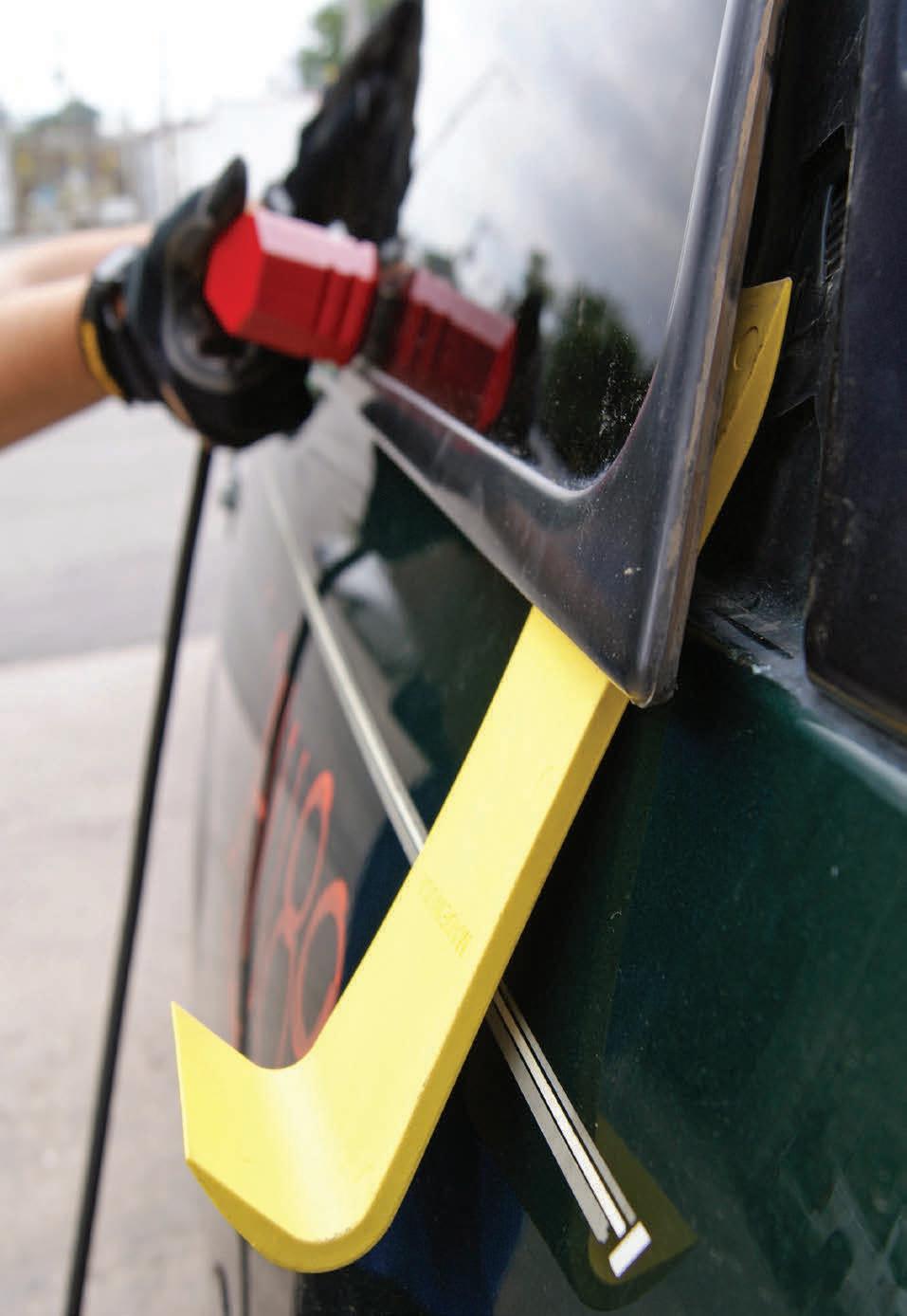
Remove auto glass in minutes with the Inductor® Glass Blaster. This tool allows you to work from outside the vehicle with no need to remove interior trim. Release urethane in hard-to-reach areas where other glass tools can’t go, with no damage to the encapsulate or frit.


sales per collision tech. We can talk about accident trends — in the United States more than half of all accidents now happen after traditional business hours, which makes digital accessibility critical. We can talk about AI estimating, documentation or customer communication. There is no shortage of topics that matter.
For now, the takeaway is simple. The test drive is not the last quick step before delivery. It is a required part of a proper repair, and it has to be performed exactly as the OEM spells it out. The customer may never see that work, but they are relying on it. That responsibility has never been greater.
A leading figure in North American collision repair sector, Mike Anderson is the founder and president of Collision Advice.
This year, he’s writing a series of columns for Collision Repair answering questions from the nation’s collision community. Readers can submit questions for Mike by emailing News@collisionrepairmag.com.


BY STEFANO LIESSI
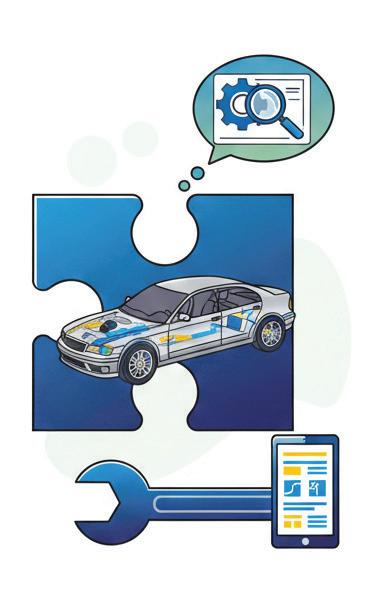
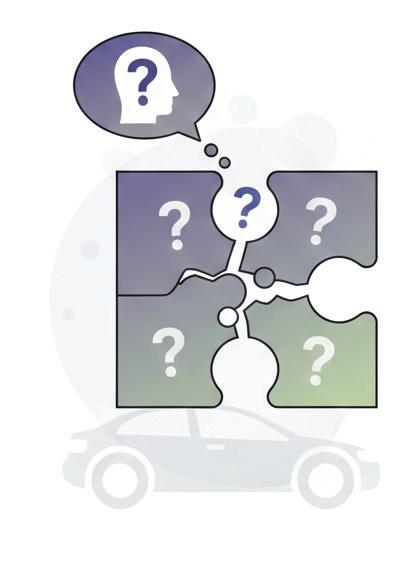
n the collision repair industry, there has been some confusion and misinterpretations on whose role is what, and without clarity, we are all swimming in mud. Let’s break the components down to a simple understanding. To begin with, we have the original equipment manufacturer (OEM). This group designs and manufactures vehicles. They spend a great deal of time and money researching and developing ways to make vehicles economical yet safe under the guidelines presented by government legislation. Just the research at the beginning, before a prototype even sees an assembly line, is monumental. For example, the E63/64, or BMW 645i, was first shown to the public at the 2003 Frankfurt Auto Show. BMW invested millions in the design of this vehicle before it ever took on a physical form. The point here is that the OEM does not spend money on frivolity during production. If it is on the vehicle, it serves a purpose.
This is where our procedures begin to set a precedent for repair work. Original equipment manufacturers do not repair the vehicles; they design them, sometimes with repair in mind. The repairer is the collision repair facility and the technicians who physically repair the vehicle. With education (licence) focused on the repair process and practical wisdom (also known as phronesis), these individuals repair vehicles. In some cases, the technician may be versed in all aspects, including frame or structural alignment, outer panel repair, and refinishing.
Some technicians specialize in one area, such as refinishing. Another tech may even avoid
prep and apply coatings only. The skill set of these individuals may even be used in the front office for repair planning and administration. These technicians need the cognitive ability to comprehend the procedures outlined by the engineers at the OEM level. Those millions of dollars BMW spent, a lot of that goes into engineering, which in turn is used to create procedures for repair.
So far, we have an OEM that designs, engineers and builds vehicles, but does not repair them. We have technicians who repair vehicles but do not design or engineer them. Both are educated (licences and degrees) and
An example: Edna is 58 years old and drives to bingo twice a week and sometimes to the mall. Her premiums will be lower than Bob’s, who has a propensity to speed and drives a lot in the downtown core for multiple reasons, placing him at greater risk of a collision. The business model is a gamble: The idea is that neither one will have a collision, and before they ever do, the premiums are invested for a return, ergo, how they make a profit.
Many of the skilled staff in an insurance office hold a certified insurance personnel (CIP) designation, which is challenging to achieve. With this, you have the skill set to adjust claims,
ORIGINAL EQUIPMENT MANUFACTURERS DO NOT REPAIR THE VEHICLES. THEY DESIGN THEM, SOMETIMES WITH REPAIR IN MIND.
proficient in their field of expertise, and each is aware of the other’s challenges but is not skilled in those challenges. Yet both are expected to provide a finished product of like kind and quality at the end of their tasks.
Insurers serve a critical role in the process; they mitigate risk by providing coverage (insurance). The insurer looks at data and assesses the probability of an event that would cause damage and necessitate repair.
You are sitting in the insurance provider’s office, and they ask a series of questions to compile a profile and assess whether you pose a risk of collision. From here, actuaries/underwriters will assign a premium that you pay.
investigate claims, and possibly pursue actuarial roles. If there is a claim, then their wager is called, and they must pay up. Adjusting the loss means finding a way to reduce the payout. This is when discussions arise about parts and service choices.
Still with me? So, OEM designs and manufactures vehicles but does not repair them. Technicians repair vehicles but do not engineer them, and insurers insure against collision damage but do not repair, design, or engineer vehicles. We have now established the playing field.
Sometimes the lines blur among these three groups, as even a little perceived knowledge can become a dangerous weapon. Is collision repair
an absolute science? No, not even close. The variables are most times insurmountable. The argument of used parts or aftermarket parts? What operations are required to complete the repair? Can I do it this way or that way? Who says what and why?
All of this is the blurred part of communicating in our industry, so let’s clarify some things here. All the parties are looking to make a profit, and that is a fair expectation. Having a proper understanding of each contributor’s role and limitations is key to good communication. Will there be grey areas? Absolutely. Can these areas be managed? Absolutely, with substantiated knowledge, phronesis and facts.

For example, if the procedures specify something, then it must be performed, and the operation must be documented and compensated. If expertise indicates there is a better way and said expertise is supported by documentation, then it needs to be performed and compensated. The biggest challenge in communicating is the misuse of perception. Perception is the means of recognition and interpretation of sensory information, generally driven by attitude, motive and interest (gain) — what we think about something.
Inference is an idea or conclusion that is drawn from evidence and logical reasoning, or what we already know. Regardless of whether you are an insurer, a shop, or a technician, when
evidence supporting an operation is presented to you, you need to accept it and move on. Don’t waste time expressing what you think about something that has no merit. No one cares, especially the courts.
In my opinion — and you are entitled to my opinion — obtaining proper supporting documentation for your inference of a grey area has more merit than relying on a perception from a lesser-known source. This works for everyone involved. If the procedures or your agreement say one thing and there is nothing else to support otherwise, then the conversation is over and it’s time to move on — simple, straightforward communication, communication we can care about.
Stefano Liessi is the Training and Curriculum coordinator for Color Compass Corporation. He is also a Red Seal technician and refinisher. Stefano enhances his 40 years of experience with 15 years of I-CAR instruction and a post-secondary degree. He also trains Skills Alberta students and has brought home 11 medals for the province, and taught high school students in the auto shop for six years. He can be reached at sliessi@colorcompass.com.
BY RANYER FIRMINO
For a long time, marketing a bodyshop was fairly straightforward. You showed up on Google, you had some reviews, maybe you ran ads and the phone rang. Most shop owners never needed to understand how it worked. It just did.
That is no longer the case.
Today, customers are making decisions differently and the biggest reason is AI. Not AI as a buzzword, but AI as something that now sits between the customer and your business. Whether shop owners realize it or not, AI is already influencing who gets recommended, who gets called and who gets ignored.
This is not about trends or future predictions. This is about what is happening right now and why many shops that did everything “right” a few years ago are starting to feel confused about where their leads went.
After an accident, people are stressed and overwhelmed. They want answers quickly.
In the past, that meant searching for something simple like “bodyshop near me” and clicking through a few websites. Today, people ask much more specific questions. They want to know which shop is certified by their vehicle’s OEM, which one handles insurance disputes well, which one is honest about pricing and which one can get the car back quickly.
Instead of clicking 10 links, they expect AI to explain their options and point them in the right direction. That single change reshapes the entire marketing funnel.
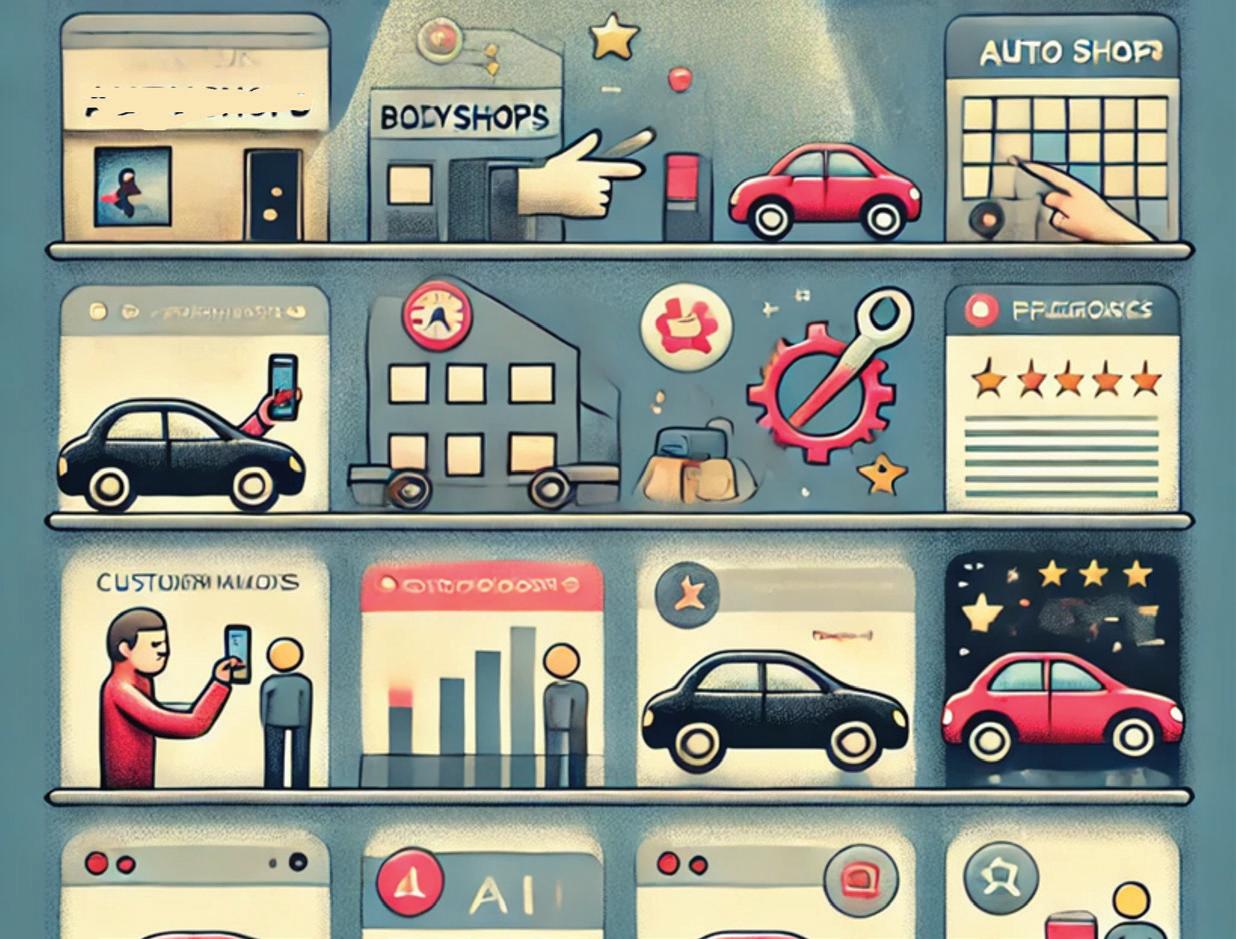

AI does not simply list businesses the way Google used to. It evaluates them.
It pulls information from reviews, Google Business Profiles, websites, photos and thirdparty sources, then summarizes everything into a recommendation. In many cases, the customer makes a decision before ever visiting a website.
SEO did not stop working, but it stopped being enough on its own. Ranking well for a keyword does not guarantee visibility the way it used to, especially when AI answers the question directly on the search page. Many searches now end without a click at all.
That does not mean the customer disappeared. It means the decision happened earlier, with less effort.
What matters now is not just whether a shop shows up, but whether AI understands what that shop actually does and trusts it enough to recommend it.
Reviews illustrate the shift clearly. AI reads them for meaning, looking for patterns around communication, honesty, repair quality, turnaround time, insurance handling or vehicle type.
A short review that says “great shop” carries little weight. A review that explains what was repaired, how long it took and how the customer was treated carries real weight.
Photos play a bigger role than many shop owners realize. AI does not just display them. It analyzes them.
Real photos of repairs, equipment and the actual workspace send stronger trust signals than stock images or outdated shots.
The Google Business Profile has become a primary source AI uses to understand a business. Incomplete or inactive profiles reduce confidence. When AI is unsure, it moves on.
Websites still matter, but their role has changed.
They are no longer the main discovery tool. They are validation tools. When someone clicks through, they are often already interested. They want confirmation. They want to see certifications, experience, process and professionalism.
If the site is slow, confusing or vague, trust drops quickly. Clear language matters more than clever wording. AI favours sites that explain things plainly and consistently.
“AI IS ALREADY INFLUENCING WHO GETS RECOMMENDED, WHO GETS CALLED AND WHO GETS IGNORED.”
One of the biggest shifts shop owners feel but do not always connect to AI is lead behaviour.
Leads coming in today are often more qualified than before. The customer already understands more. They already compared options. But they also expect speed.
AI answers instantly and that sets the expectation. Shops that take hours or days to respond lose those leads, even if their work is excellent.
Speed to lead has become one of the most important competitive advantages and it has nothing to do with ad spend.
Another shift happening quietly is the return of outbound marketing, but in a very different form.
This is not about blasting ads or cold calling. It is about targeted outreach that highlights real strengths like OEM certifications, advanced training, EV repair, ADAS calibration or insurance expertise.
AI helps identify who should hear that message, but the message still needs to be real and specific. This is where many shops struggle, not because the tools do not exist, but because the strategy and execution take time and focus.
At its core, AI is changing marketing from promotion to proof.
It rewards businesses that are easy to understand and easy to trust. Shops that clearly show what they do, who they help and why customers trust them are being amplified.
Shops that rely on vague messaging or outdated tactics are slowly fading, even if their repair quality is high.
This does not mean the opportunity is gone. In fact, the opposite is true.
The gap between shops that adapt and shops that do not is getting wider. The challenge is that adapting now requires a deeper understanding of how all these pieces connect and most shop owners simply do not have the time to manage that on top of running a business.
“AI DID NOT MAKE MARKETING HARDER. IT MADE WEAK FOUNDATIONS VISIBLE.”

BEST PRACTICES: ACTIONS SHOP OWNERS CAN TAKE TO GET AI TO FAVOUR THEIR BUSINESS
• Keep Google Business Profiles complete, accurate and updated regularly
• Encourage detailed customer reviews that explain the repair, communication and timeline
• Upload real, recent photos of repairs, equipment and the actual facility
• Clearly list certifications, OEM approvals and repair specialties
• Use plain, consistent language across your website and profiles
• Respond quickly to calls, emails and online inquiries
• Keep hours, services and contact details consistent across platforms
• Show evidence of active operations, not stock images or generic claims
AI did not make marketing harder. It made weak foundations visible.
The shops that focus on clarity, consistency, trust and fast response are winning. The ones that chase tactics without fixing the fundamentals are frustrated.
The rules changed. The work changed. And the shops that recognize that early will stand out more than ever.
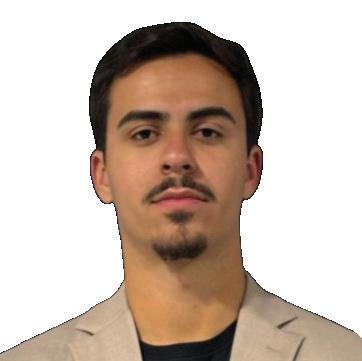
“A REVIEW THAT EXPLAINS WHAT WAS REPAIRED, HOW LONG IT TOOK AND HOW THE CUSTOMER WAS TREATED CARRIES REAL WEIGHT.”
Ranyer Firmino works with bodyshops and collision centres across the country, helping owners adapt their marketing to an AI-driven world. His focus is on building clear, practical systems that improve visibility, increase lead quality and eliminate wasted marketing spend as customer behaviour continues to change.
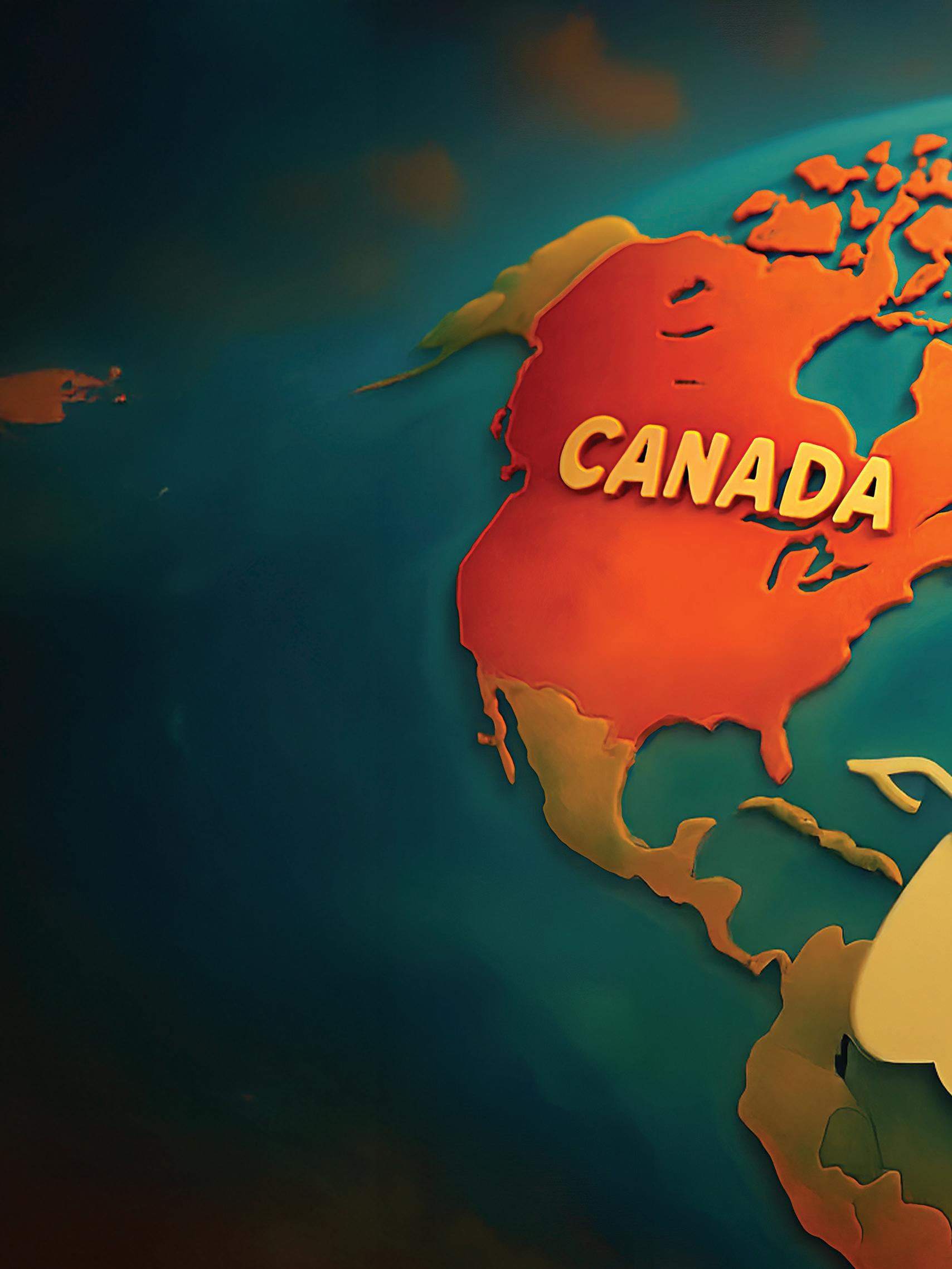
Collision repair industry members across Canada are responding to news that the federal government is eliminating the 100% tariff on Chinese-manufactured electric vehicles.
“It is what it is, you know?” Sylvain Audy of Audy Auto Body in Victoria, B.C. told Collision Repair , adding that the policy change is unlikely to materially affect his operation. “EVs will be cheaper, but I don’t think I see this having too big an impact on my business.”
Under the trade agreement announced this week, Canada will allow up to 49,000 Chinesemade EVs a year to enter the country at the standard 6.1 percent tariff rate, replacing the 100 percent duty imposed last year.
Federal officials say the cap represents less than three percent of annual new-vehicle sales and amounts to a return to pre-friction trade levels.
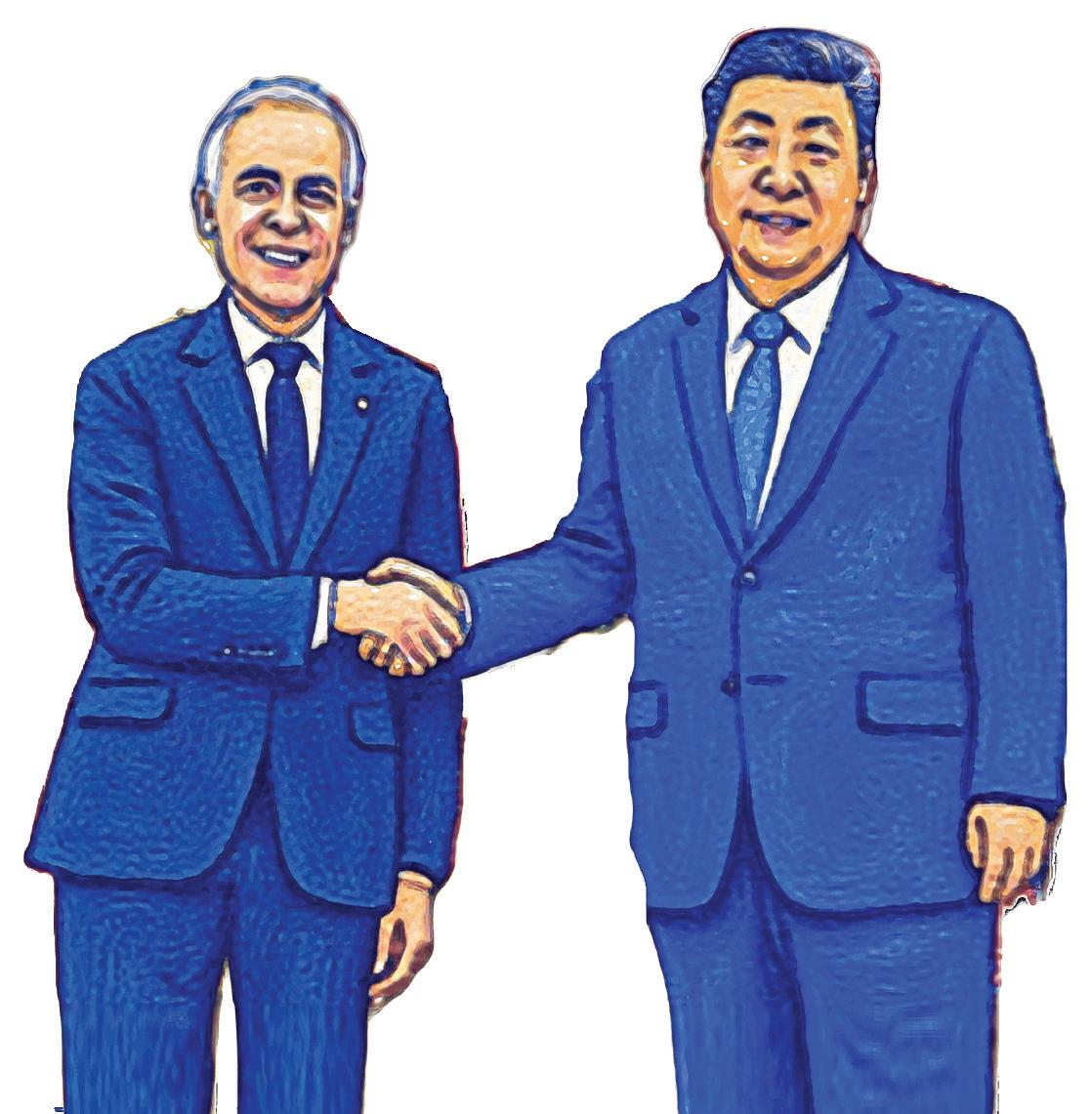
Prime Minister Mark Carney has framed the decision as a pragmatic reset rather than a shift in industrial policy. Speaking to reporters during a press scrum, Carney said the agreement represents “a return to levels prior to recent trade frictions, but under an agreement that promises much more for Canadians.”
In a formal statement, he added that Canada is “forging a new strategic partnership that builds on the best of our past, reflects the world as it is today, and benefits the people of both our nations,” arguing Canada must engage globally “as the world is, not as we wish it to be.”
Ottawa says half of these vehicles will be sold for less than $35,000, a move that is already drawing concern from several auto industry trade groups.
The Automotive Parts Manufacturers’ Association has warned that opening the door to Chinese EVs risks exposing Canada’s auto sector to heavily subsidized competition. APMA president Flavio Volpe has said there is “no fair trade with China’s
“I THINK IT’S GOING TO BE THE FRANCHISES... THAT ARE GOING TO DO WELL. THEY’LL MAKE DEALS WITH THE CHINESE OEMS TO FIX ALL THEIR CARS.”
— RICH RODRIGUES
“WE BARELY HAVE THE INFRASTRUCTURE FOR EVS OUT RIGHT NOW. I DON’T SEE THAT CHANGING QUICKLY.”
— ERIN COLE

auto sector” without strong safeguards and has cautioned governments against policy moves that could undermine billions of dollars in recent investment in Canadian EV and battery supply chains.
The Canadian Vehicle Manufacturers’ Association has echoed those concerns, repeatedly stressing the importance of maintaining alignment with the United States and protecting domestic manufacturing.
The association has warned that easing barriers on Chinese EVs could threaten Canadian jobs and complicate North American trade relationships at a time when the auto industry is already navigating supplychain and tariff volatility.
Chinese automakers already sell some of the lowest-priced EVs in Europe, offering a glimpse of what could arrive in Canada. Entry-level models such as the Leapmotor T03 sell for about $26,000, small Chinese city EVs have appeared at roughly $18,700 and compact hatchbacks like the BYD Dolphin Surf land in the $33,000 to $36,000 range.
Those prices undercut many EVs currently sold in Canada, where sticker prices often start above $45,000 and quickly rise into the $60,000 to $80,000 range.
Some independent shop owners expressed concerns that any upsides of the deal will be for large, networked repair organizations. Rich Rodrigues, owner of Dupont Auto
Collision Ltd. in Toronto, said scale and OEM relationships will matter. “I think it’s going to be the franchises... that are going to do well,” Rodrigues said. “They’ll make deals with the Chinese OEMs to fix all their cars.”
In Eastern Canada, several shop owners expressed skepticism that lower prices alone will drive adoption. Erin Cole of Brian Mackie Auto Repair LTD — which does not repair EVs — questioned whether affordability will overcome practical barriers. “I can’t see our clientele going out and buying EVs just because they’re going to be cheaper,” Cole said. “We barely have the infrastructure for EVs out right now. I don’t see that changing quickly.”
MBY MACKENZIE GRANT
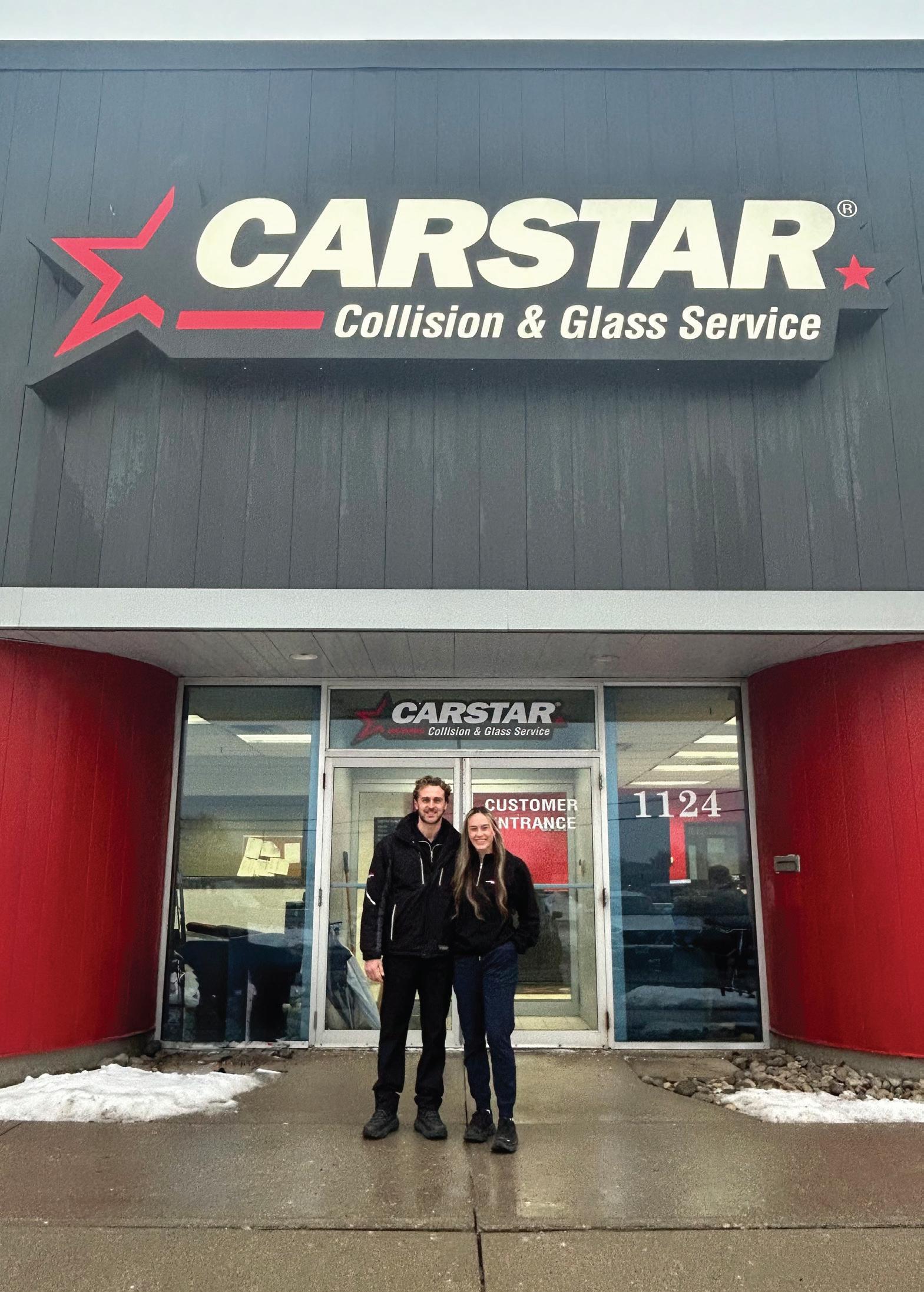
ercanti Automotive Group has acquired CARSTAR Hamilton Rymal and Uniglass Hamilton Rymal, adding a collision repair and automotive glass operation to its Ontario portfolio.
The transaction returns the Hamilton Rymal location to Mercanti family ownership and marks the company’s first entry into automotive glass through the Uniglass brand. Together, the acquisitions represent the next phase of growth for the family-run organization, expanding both its service offerings and its presence in the Hamilton and Niagara regions.
The shop was built in the late 1980s by Remo Mercanti and business partners as a CARSTAR flagship. It followed earlier family involvement in the collision repair industry through CARSTAR Hamilton Gage, which was established in the 1950s.
“Our grandfather, alongside his partners, started this legacy when he opened our CARSTAR Hamilton Gage store in the 1950s. Later, our father and his partners carried that legacy forward when they opened CARSTAR Hamilton Rymal in the 1980s,” Adriano Mercanti said. “Today, we’re proud to announce the passing of these long standing Hamilton businesses to a third generation — my sister Alexis and me.”
While the Hamilton Rymal location had operated outside direct family ownership in recent years, Mercanti Automotive Group has now brought the business back under the Mercanti name. For Adriano, Remo and Alexis, the reacquisition is rooted in both family history and firsthand experience.
“This acquisition means everything to us. We grew up in this shop, working our first jobs, talking shop every night at the dinner table, and witnessing the greatness it once
achieved,” Adriano Mercanti said. “Now, we’re proud to bring it back and take it to new heights.”
The reacquisition follows recent expansion efforts by Mercanti Automotive Group. In 2023, the company repurchased CARSTAR Hamilton Gage and added CARSTAR Niagara Falls. Over the past two years, the group has focused on investing in certifications, standardizing processes and developing teams across its locations.
With Alexis Mercanti joining the family business in September 2025, leadership capacity expanded further, creating the conditions to pursue additional growth.
“Bringing together the experience, leadership, and shared values of all three of us gave us the confidence to take on additional growth,” Mercanti said.
Maintaining the shop’s established culture remains a priority as the group prepares for the demands of modern vehicle repair. The team plans to continue emphasizing customer service and repair quality while investing in equipment, training and certifications tied to advanced vehicle technology.
“Exceptional customer service and high-quality repairs have always been
our foundation, and they will remain top priorities across all of our shops,” Mercanti said. “Customers can continue to expect a welcoming environment, honesty, and integrity in every repair, while employees
new chapter,” Mercanti said. “Together, these acquisitions mark the start of our growth plan.”
Looking ahead, Mercanti Automotive Group views the reacquisition as both a
“THIS ACQUISITION MEANS EVERYTHING TO US. WE GREW UP IN THIS SHOP, WORKING OUR FIRST JOBS, TALKING
can expect a supportive team culture and the opportunity to grow their skills.”
The addition of Uniglass Hamilton Rymal marks a strategic expansion beyond collision repair alone, positioning the company to offer complementary services under the Mercanti Automotive Group banner.
“Our first venture into owning a glass company with Uniglass Rymal is an exciting
return to familiar ground and a platform for long-term expansion.
“Our goal is clear: to lead through innovation, excellence, and strategic growth, building a future where the Mercanti name represents the very best in automotive repair and glass services.”



MPI’S WINDSHIELD REPAIR FIRST POLICY CAUSING ISSUES FOR MANITOBA
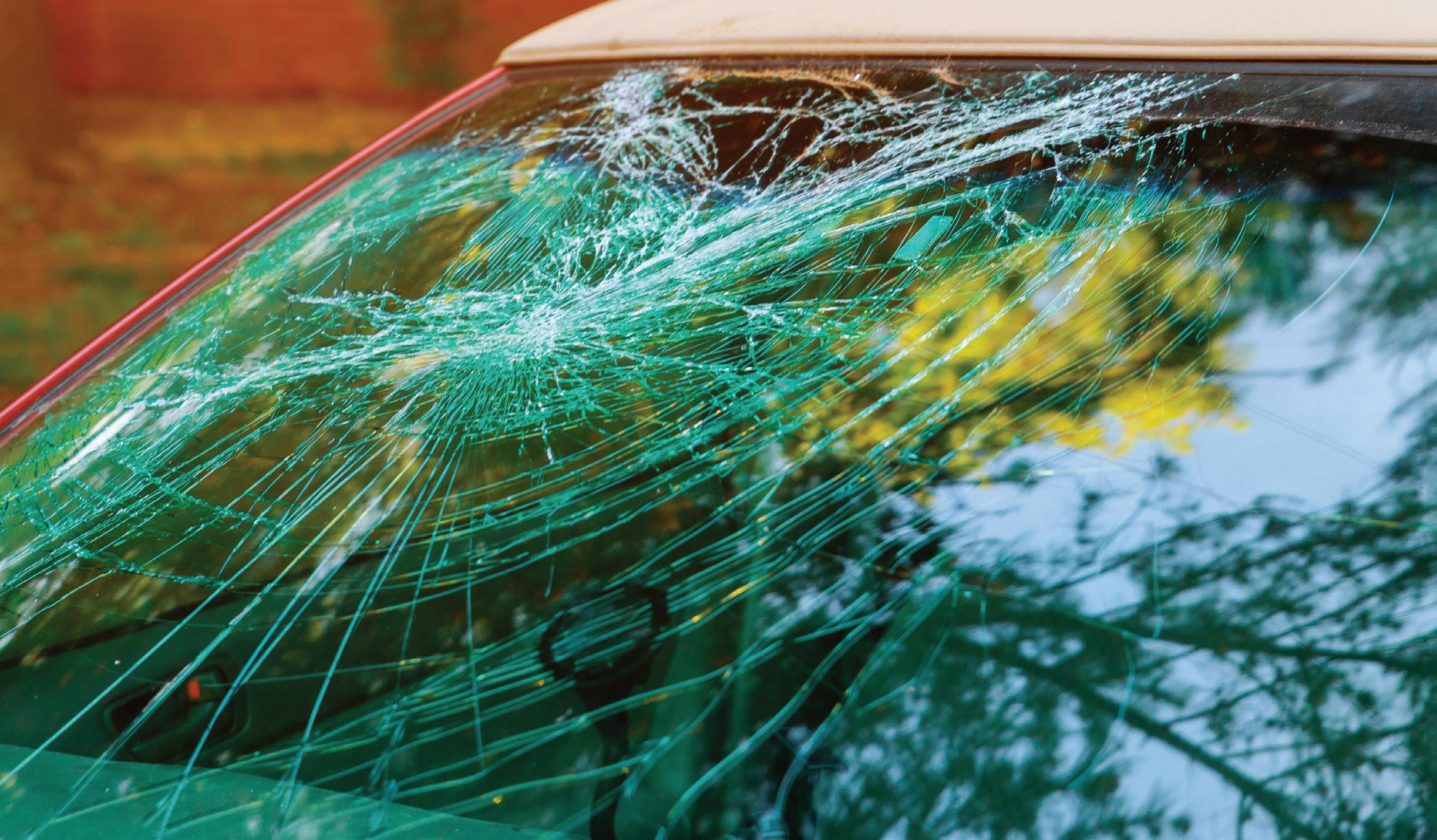
BY GIDEON SCANLON
MPI’s Repair First policy, which requires repair before replacement for certain auto glass damage, is drawing mixed reactions from Manitoba repairers.
Rolled out by Manitoba Public Insurance in 2025, the policy requires windshield cracks measuring less than two inches to be repaired rather than replaced. All glass claims begin as repair-only, with shops required to document damage and obtain MPI approval before proceeding with replacement.
MPI says the policy is intended to reduce unnecessary replacements while maintaining safety and controlling costs. The Crown insurer has said windshield repairs that meet established criteria do not compromise structural integrity, even if cosmetic marks remain visible. Replacement is approved when damage exceeds repair limits or when a repair attempt fails.
Some glass repairers say the transition has been manageable. Jason Hofer, owner of Exact Auto Glass in Winnipeg, said the policy added documentation requirements but has not significantly affected business.
“It’s a bit more work upfront as far as documenting damages for preapproval, but it is so seamless that it hasn’t affected business significantly. It just took a few days to get familiar with the new process,” Hofer said.
“IT’S A BIT MORE WORK UPFRONT AS FAR AS DOCUMENTING DAMAGES FOR PRE-APPROVAL, BUT IT IS SO SEAMLESS THAT IT HASN’T AFFECTED BUSINESS SIGNIFICANTLY. IT JUST TOOK A FEW DAYS TO GET FAMILIAR WITH THE NEW PROCESS.”
— JASON HOFER
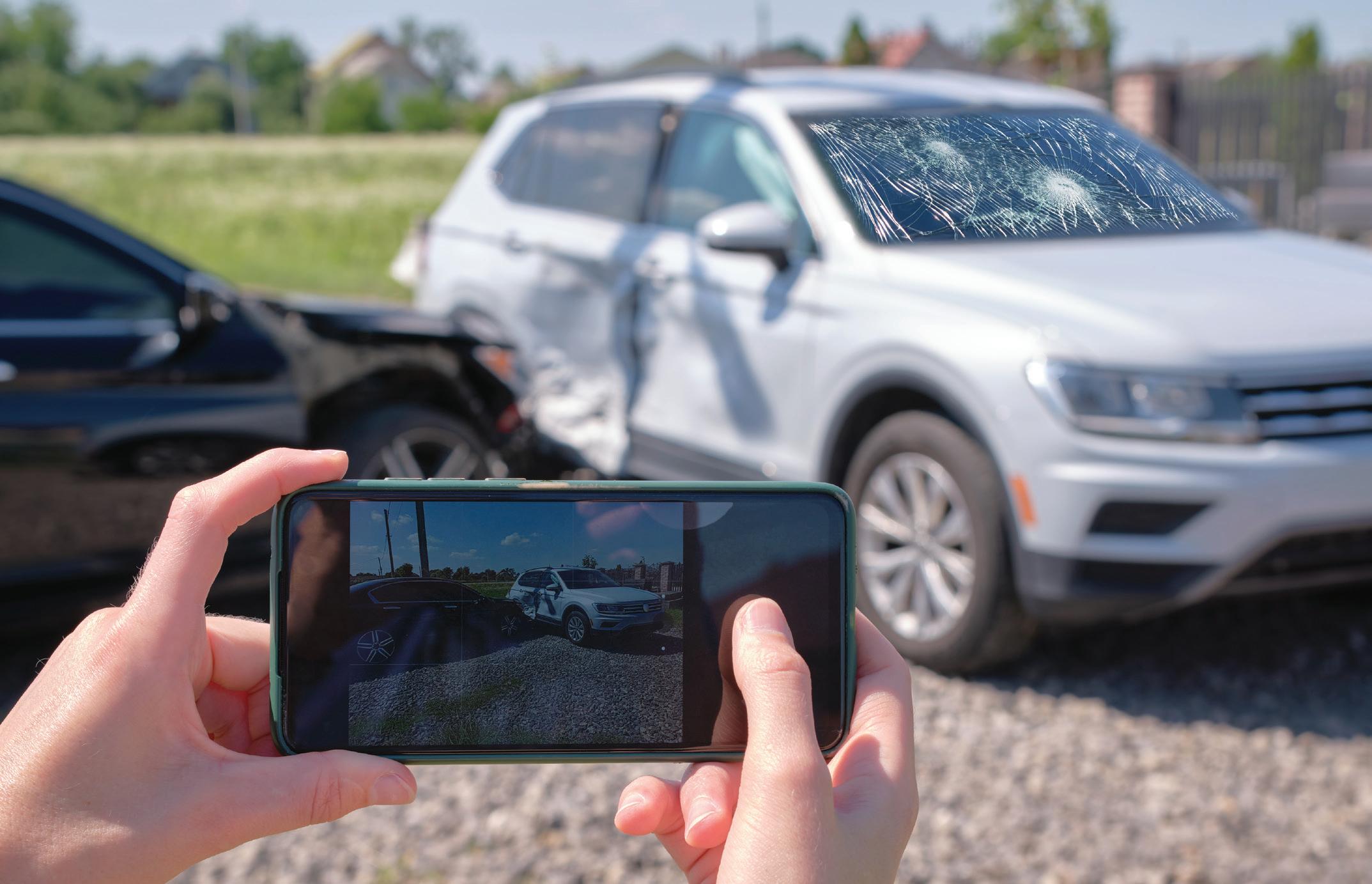
“AS A RESULT OF THE POLICY, WE’RE SPENDING MORE TIME WAITING FOR THEIR APPROVAL.... IT ISN’T A PERFECT SYSTEM AND SOMETIMES [THE DAMAGE] IT ISN’T VISIBLE, SO THEY ASK US TO SEND A NEW PICTURE.”
— GEORGINA CORTEZ
Other shops say the approval process has introduced delays. Georgina Cortez, office administrator for Forman Collision & Auto Body Centre in Brandon, said her shop is spending more time waiting for insurer authorization.
“As a result of the policy, we’re spending more time waiting for their approval,” Cortez said.
She said shops must photograph cracks using a circular measuring device intended to show whether damage exceeds the replacement threshold.
“It isn’t a perfect system. Sometimes [the damage] it isn’t visible, so they ask us to send a new picture,” Cortez said.
Cortez said customer frustration has been limited so far, but staff now spend more time explaining delays.
“We haven’t had any angry customers so far, but we do need to explain that they’ll need to wait a while,” she said.
Georgina Cortez, office administrator for Forman Collision & Auto Body Centre in Brandon, says the policy has increased approval wait times and customer explanations.
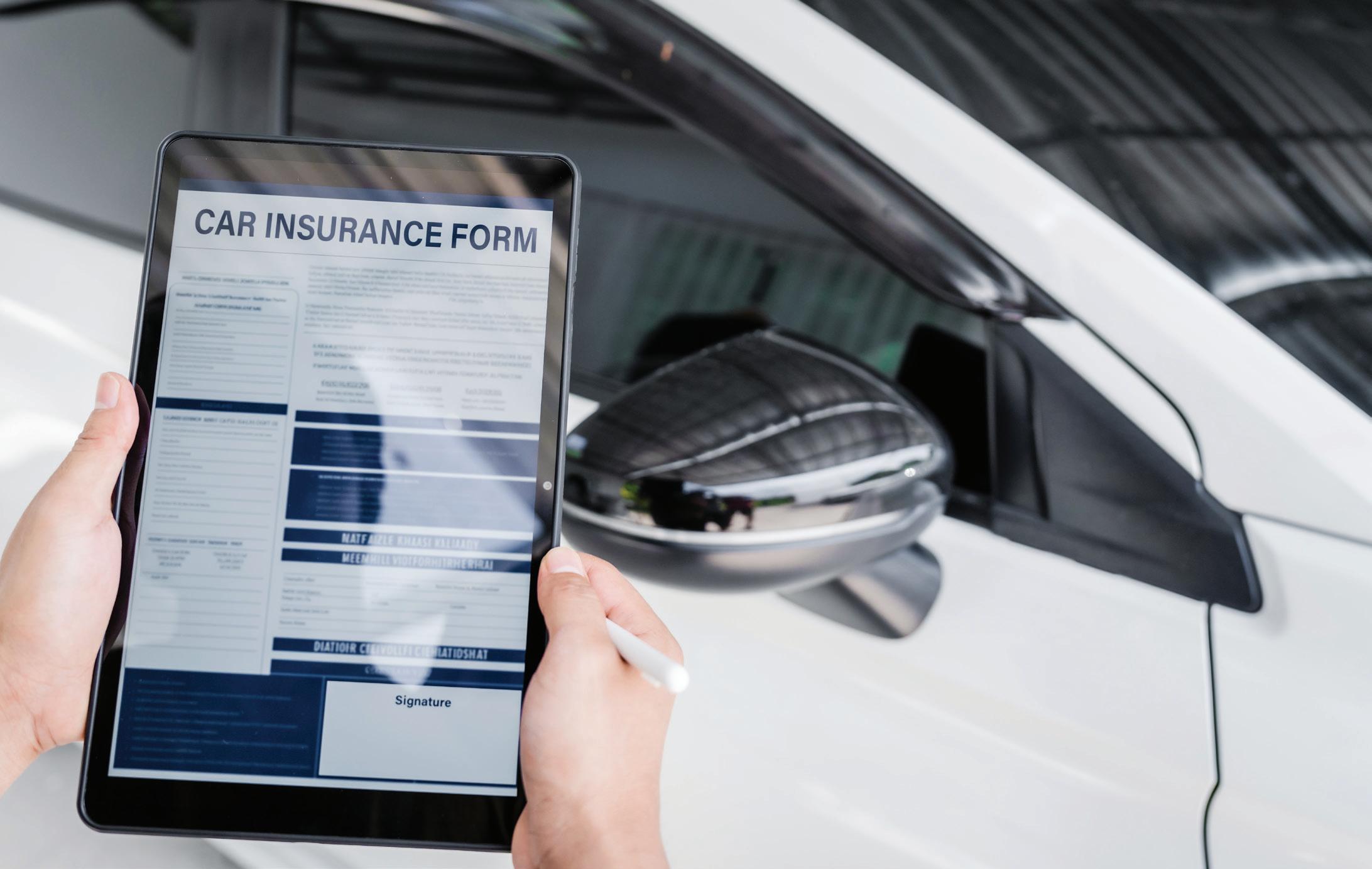
Rural repairers say the process can be more disruptive. Connor Jonasson, owner of Collision Corrections in Teulon, said the added steps create delays without added compensation.
“I don’t understand why they need us to take the pictures. If they want us to take extra steps, we should be paid,” Jonasson said.
He said pre-approval requirements can be especially challenging for customers who travel long distances.
“When a customer drives 90 minutes to see us, we often just take the risk and move on the replacement rather than waiting for a response, but that’s a roll of the dice,” he said.
Jonasson also criticized the crack-measurement process, saying shops are often forced to improvise.
“The evaluator tool is a three-inch circle we’re supposed to use to show the size of a crack. That doesn’t always work, so we’ll use a marker and circle the crack,” he said. “About 20 percent of the time, they’ll still demand more photos.”
“IF THEY WANT US TO TAKE EXTRA STEPS, WE SHOULD BE PAID. ABOUT 20 PERCENT OF THE TIME THEY’LL STILL DEMAND MORE PHOTOS, AND IT’S A WASTE OF TIME THAT CAUSES PROBLEMS FOR OUR CUSTOMERS.”
— CONNOR JONASSON
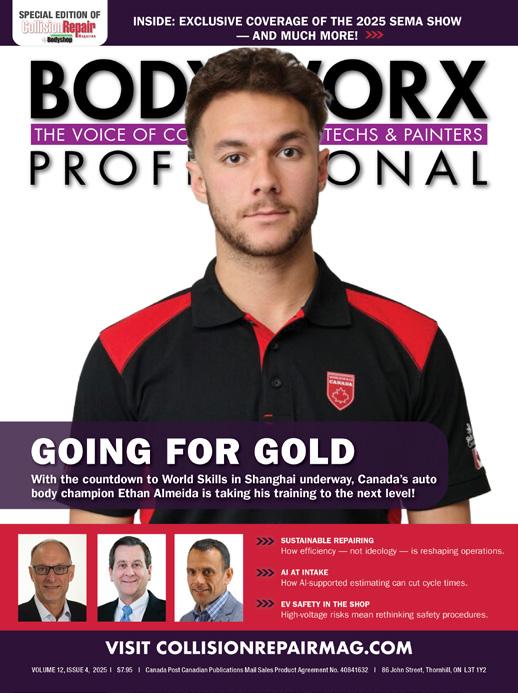
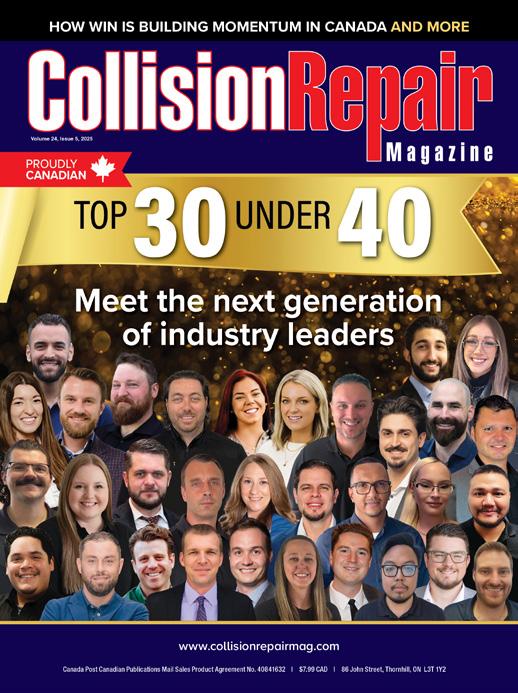


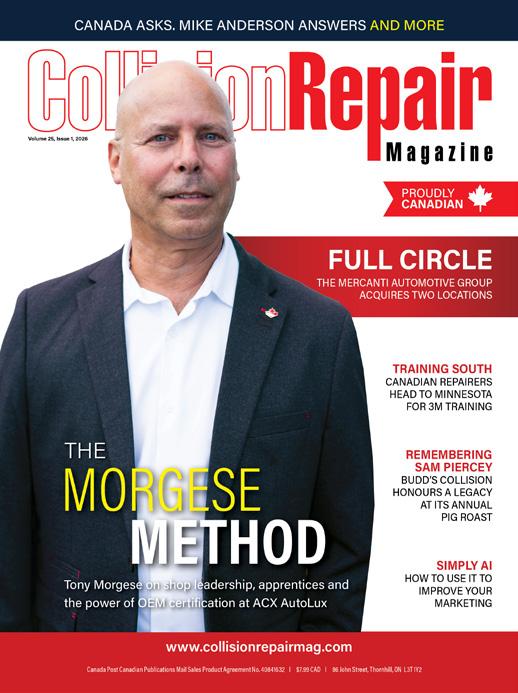










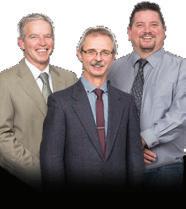





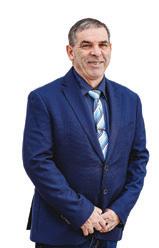
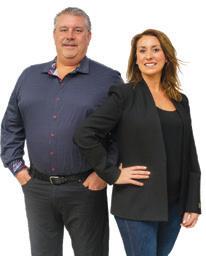
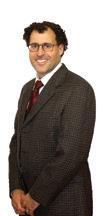








Partner with us to unlock the full potential of your advertising campaign and position your brand for success in the competitive marketplace. Join us in shaping the conversation and leave a lasting impression on our readership. Contact us at Media Matters today to explore the endless possibilities of advertising in our magazines.




BY GIDEON SCANLON
The past five years have transformed the industry, though not always for the better
Afew months ago, I returned to Collision Repair after a five-year absence. I expected to find the industry moving in the same direction it had been when I left. How wrong I was.
It did not take long for me to recognize the scale of the change. When I departed, it was at the height of the Coronavirus pandemic. At the time, the industry’s most pressing conversations revolved around survival and preparation. Shops sorted out work-from-home policies where possible, braced for the widespread arrival of electric vehicles and debated the long-term implications of consolidation that, even then, showed no signs of slowing.
Some of those conversations aged exactly as expected. Consolidation did not slow. It accelerated. Over the past half decade, countless well-known independent locations joined MSOs and franchise networks. During
In general, these trends look a lot like this shift was simply the result of an industry making progress. Not all the changes it has seen over the past half-decade, however, seem so beneficial.
The most dramatic — and disturbing — one relates to the customer experience. Even in 2021, it was difficult to find a top-tier collision repair centre that did not highlight friendly, personable service in its marketing. By the time I returned, the emphasis had shifted away from face-to-face customer care and toward convenience. Some shops adopted custom apps that provided immediate, real-time updates. Others used AI customer service tools to offer similar services.
Proponents of this approach argue times have changed. They say the pandemic proved people did not want to spend any more minutes than is absolutely
IF I RETURNED TO THE MAGAZINE AFTER ANOTHER FIVE-YEAR BREAK, I HOPE THIS MOVE AWAY FROM THE FACE-TO-FACE APPROACH WILL HAVE SUBSIDED. I TAKE SOME COMFORT FROM THE FACT THAT, IN PARTS OF THE COUNTRY, THE PUSHBACK HAD ALREADY BEGUN.
my first tenure as the magazine’s editor, many owners told me they would never surrender control. When I came back, it was clear consolidators had fine-tuned their approach.
What I did not anticipate was how thoroughly the industry conversation pivoted toward the challenges created by new technologies, particularly AI in management software and increasingly sensitive advanced driver assistance systems. AI and ADAS were discussed in the 2010s, but they were not the dominant topics of conversation.
I should have seen this coming. I was hardly the only person taken aback by the speed of the AI revolution, but the ADAS tea leaves should have been clearer. At the beginning of 2021, about 50% of new vehicles featured some form of ADAS. By the time I returned, that figure had climbed above 90%. The complexity increased and the tolerance for misalignment shrank to the point that a 0.5° error could cause a system to detect a person 20 metres away as being about 17 centimetres from their real position.
As a result, shop owners no longer debated whether post-repair calibrations were necessary on newer vehicles. They debated whether bringing calibration in-house was more practical than subletting it to third-party providers. A consensus seemed to be forming around the in-house side of the argument. By 2025, about 57% of calibrations were performed in-house, up from about 12% in 2021.
necessary at a bodyshop. Convenience, they add, is now king. I would argue that was utter nonsense. The only reason people did not want to go anywhere five years ago was that public spaces were dangerous. Humans have never paid much attention to what is convenient when it is not what is familiar.
If you drink coffee or tea, you probably agree. Starbucks launched its order-from-your-phone app in 2009. At the time, some predicted it would replace the personable — even lightly flirtatious — barista. It did not. Last year, less than a third of Starbucks’ sales were made through the app. It turned out most of us still preferred to trade a few friendly words with the effortlessly cool twenty-something steaming our milk lattes.
Should I return to the magazine after another five-year break, I hope this move away from the faceto-face approach will have subsided. I take some comfort from the fact that, in parts of the country, the pushback had already begun. During a call with a repair technician operating out of a smaller facility in the Maritimes, I asked whether the shop used any AI tools to handle customer service challenges. He said no, pointing out the business operated in a small municipality where everyone knows everyone.
“We’re a part of the community,” he said. “I’m not sure it would be wise for us to limit our face-to-face interactions. Our customers would think we were upset with them.”
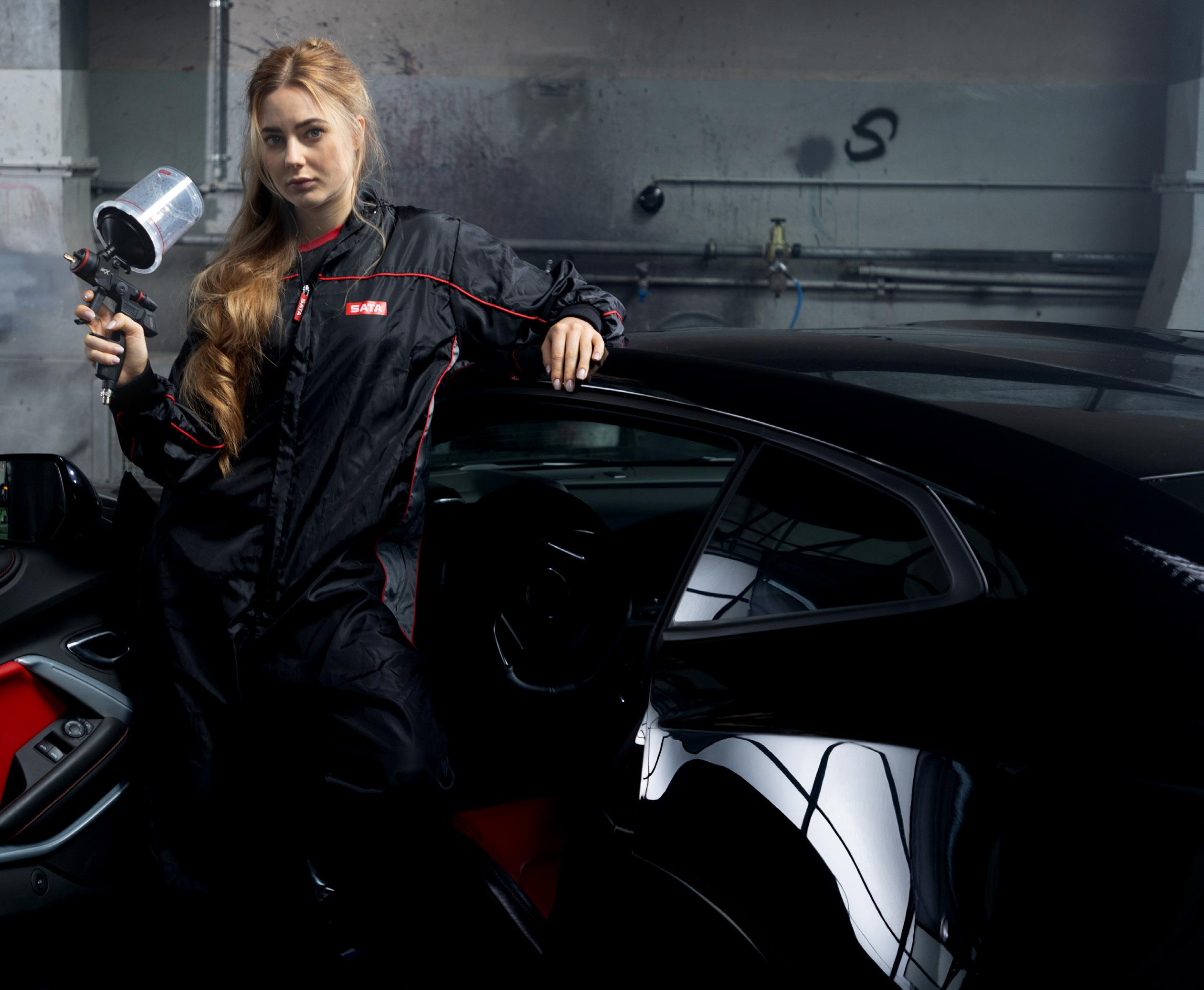
Clear coat can be applied – or perfected. The jet X completely redefines surface quality in clear coat application. And it does so with a controlled, safe and direct painting feel. It has never been so easy to achieve such good results.
Clear coat can be applied – or perfected. The jet X completely redefines surface quality in clear coat application. And it does so with a controlled, safe and direct painting feel. It has never been so easy to achieve such good results.
jet X. Works for you
jet X. Works for you
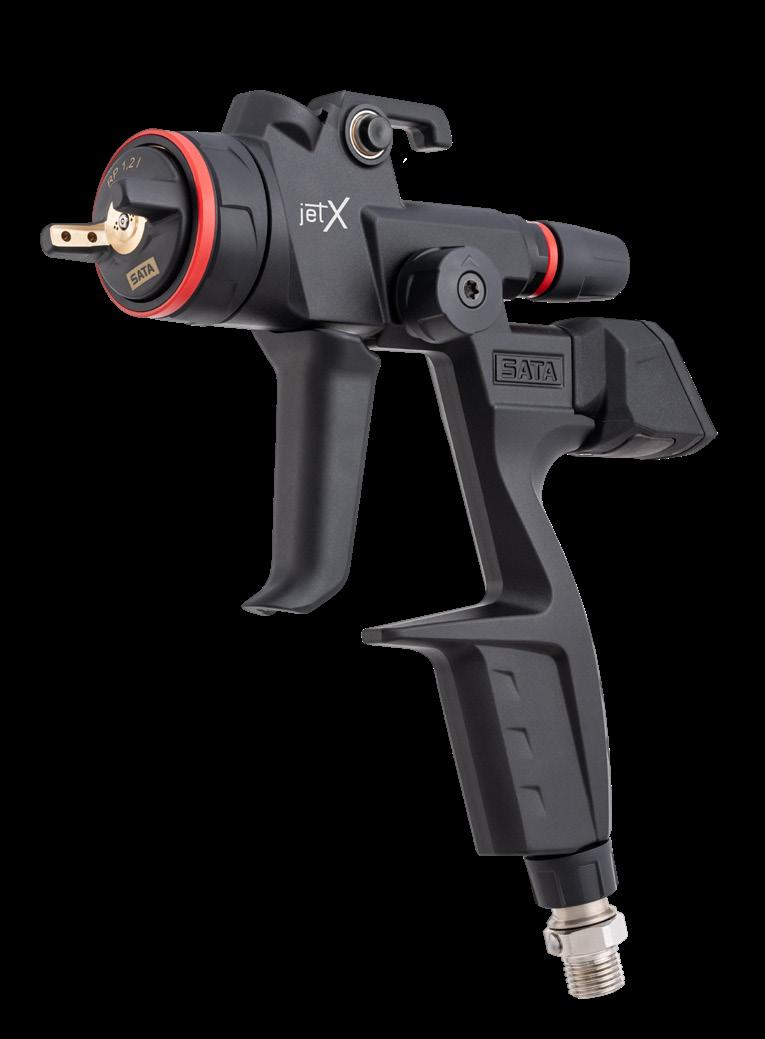


www.sata.com/jetX
www.sata.com/jetX