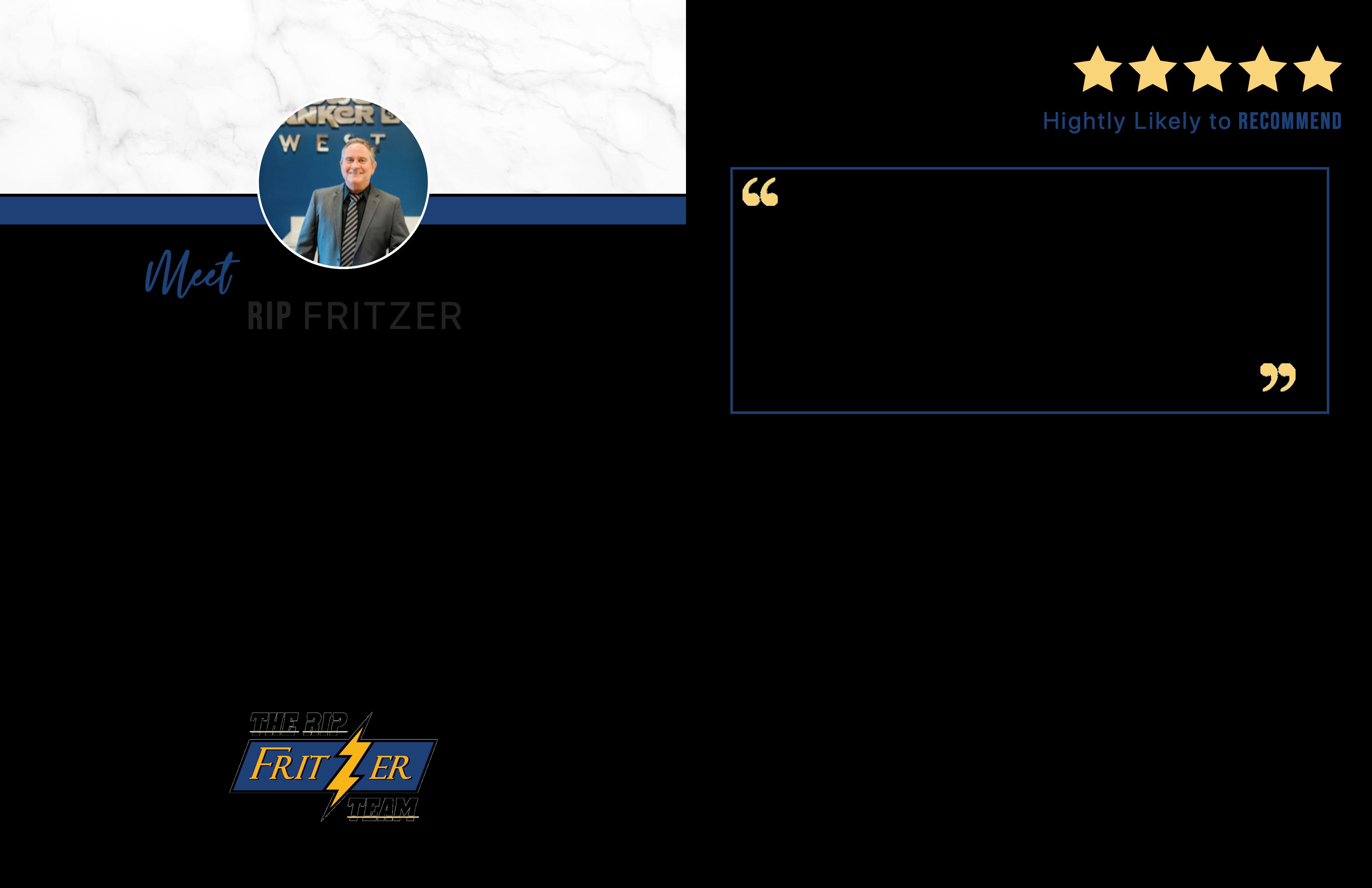
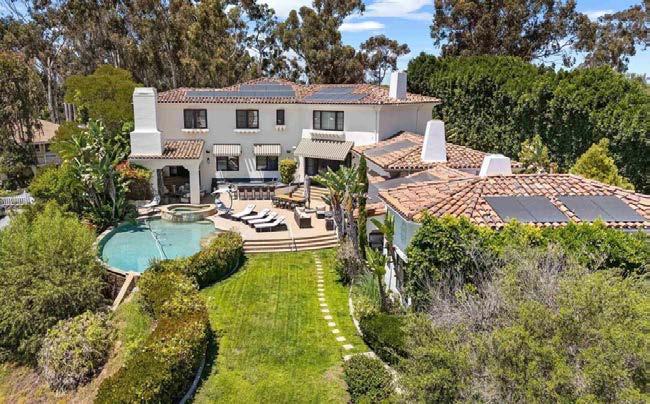
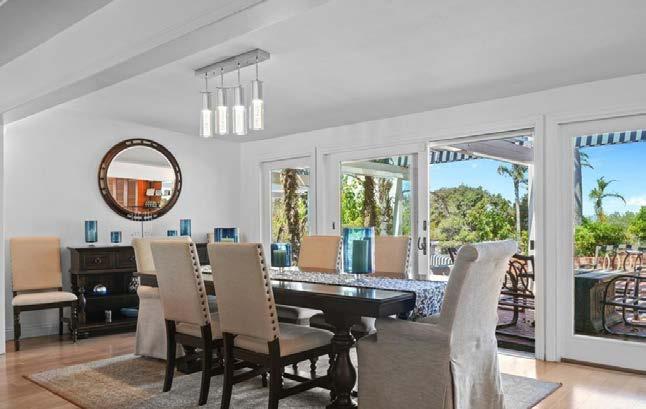
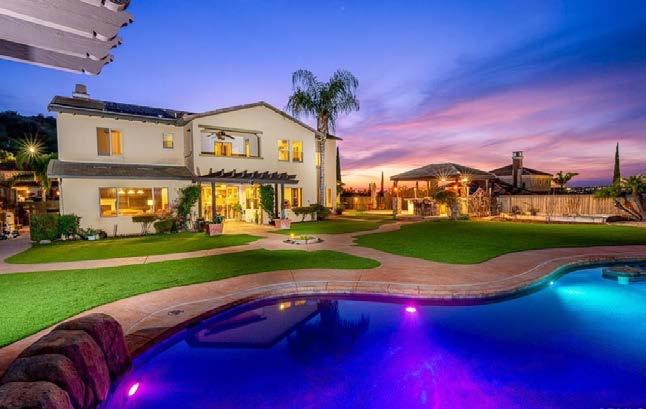
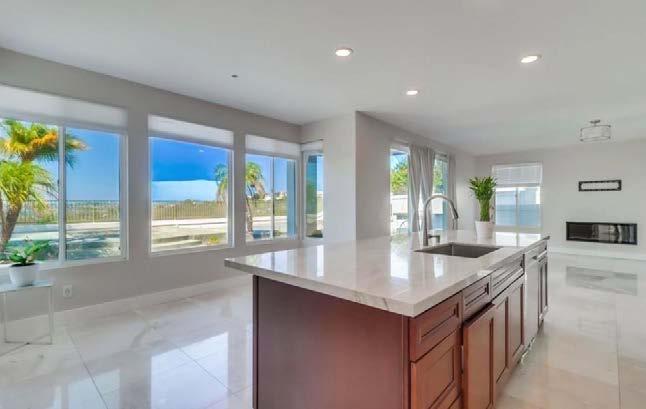
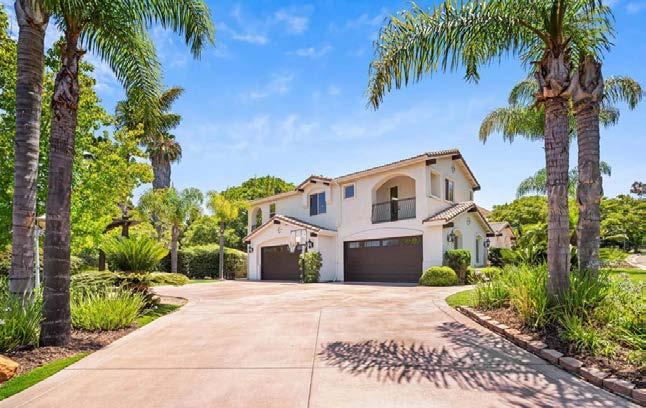
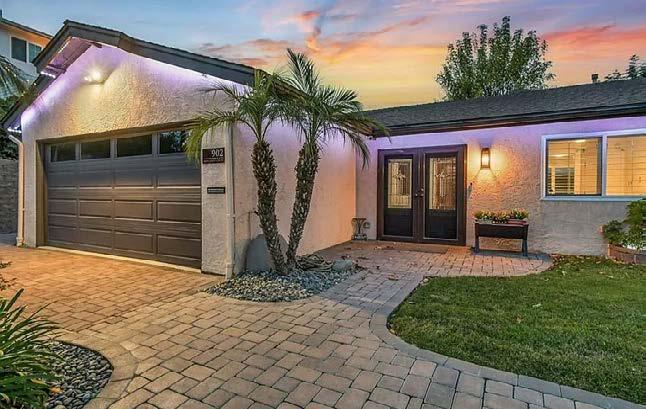
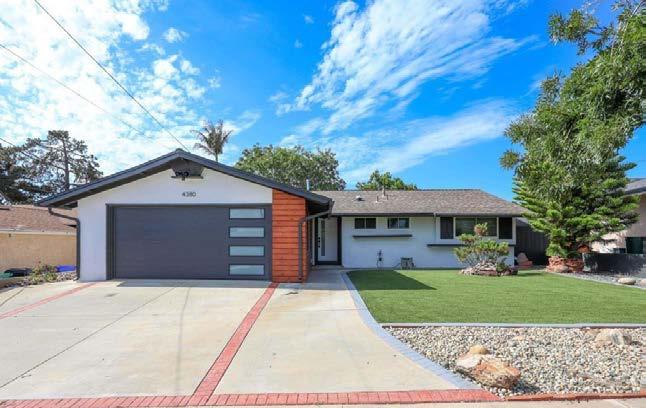
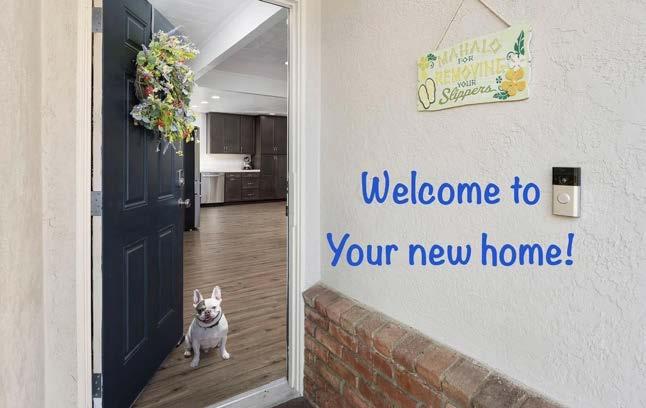
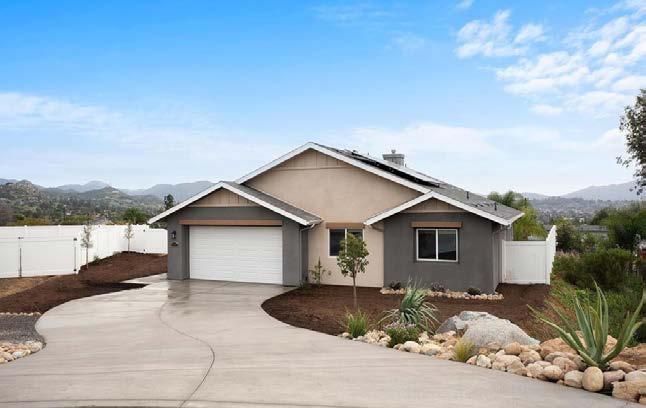
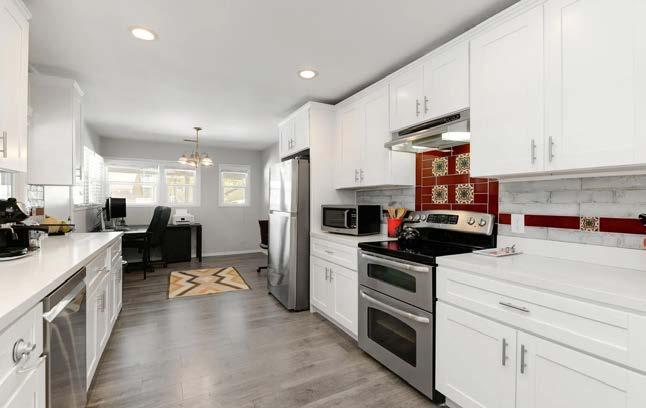
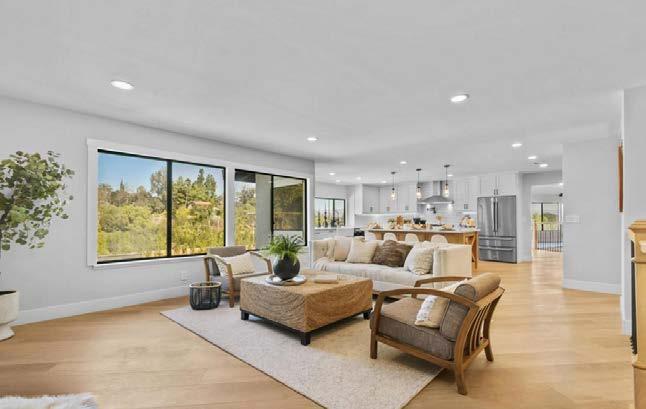
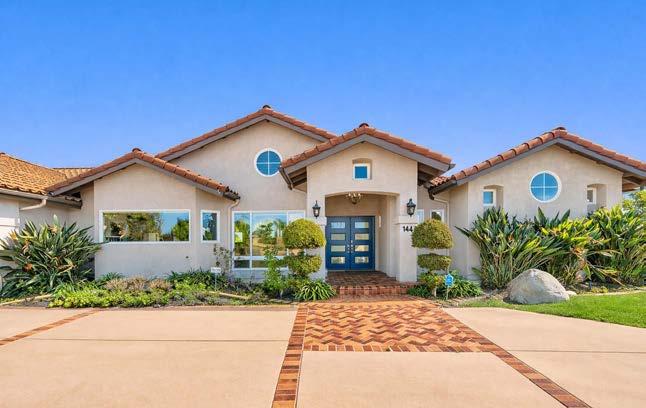
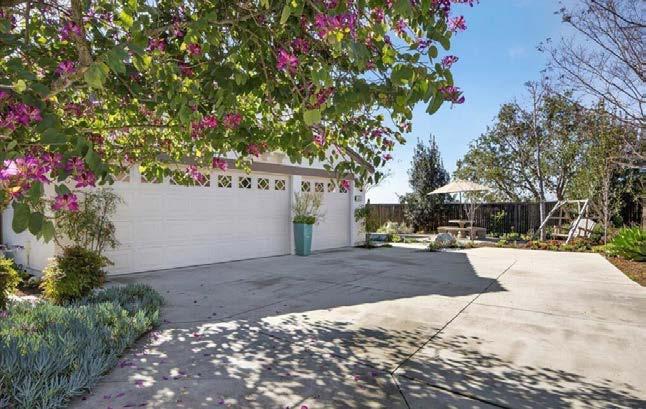
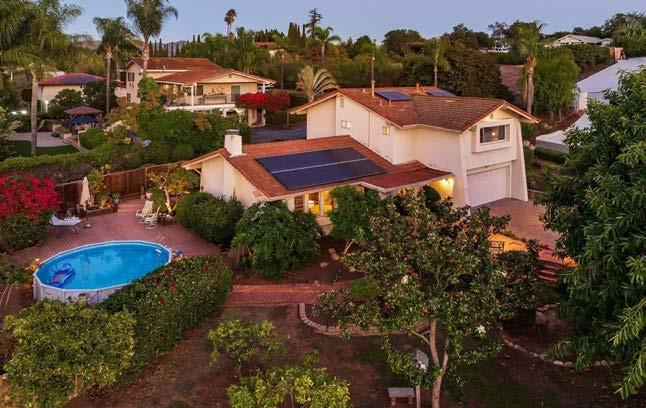
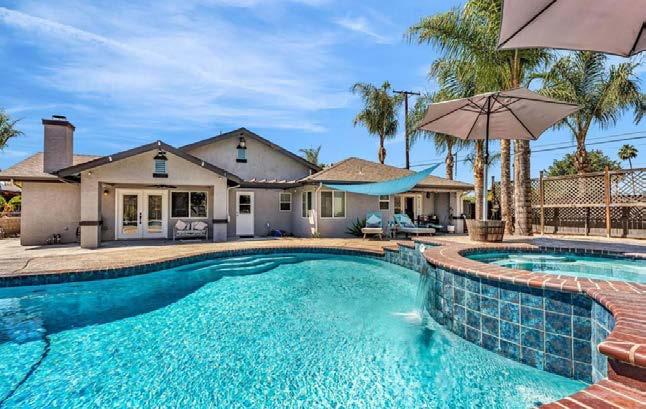
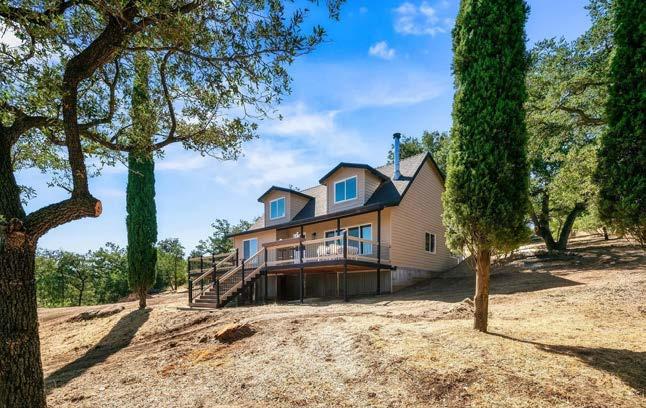
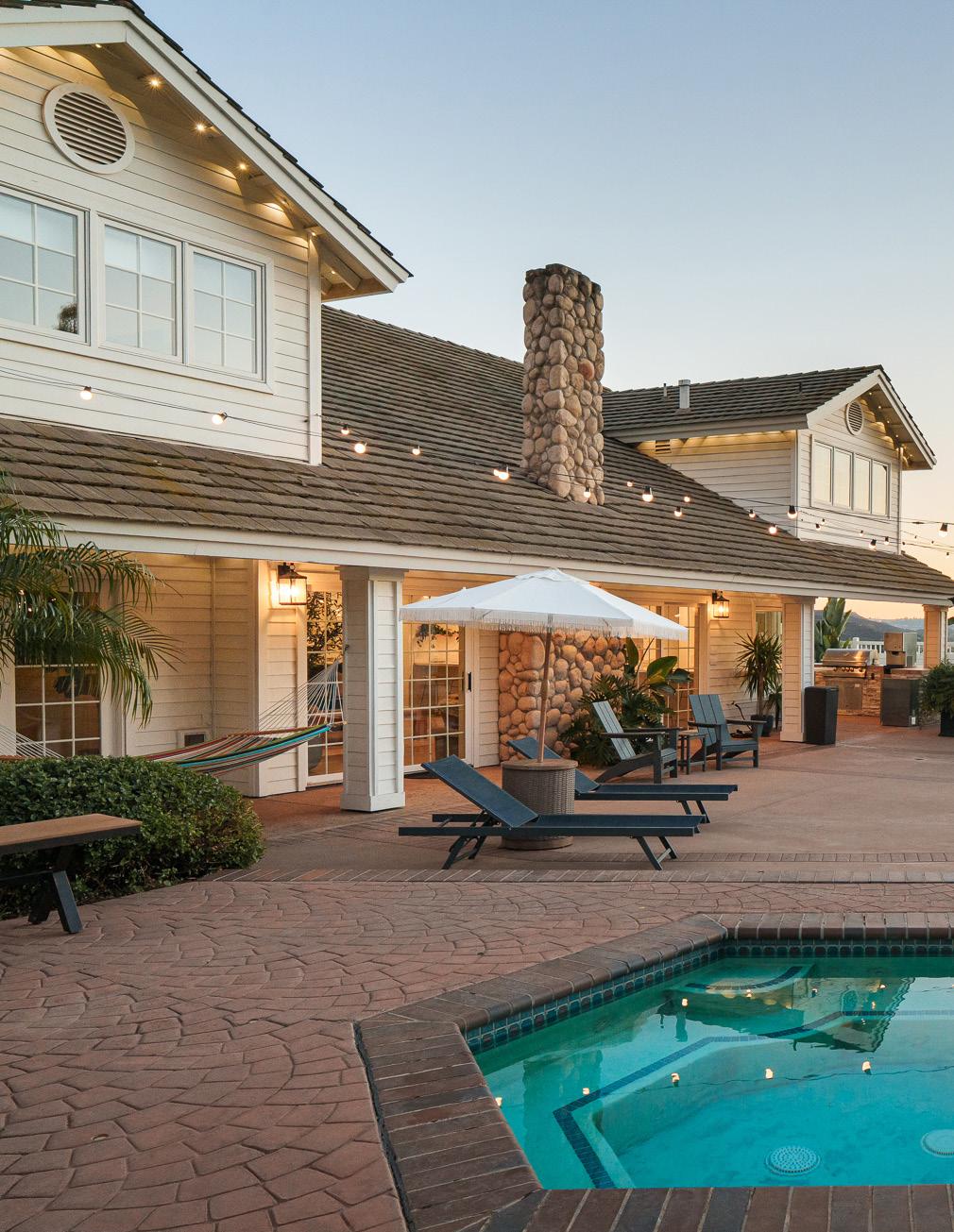
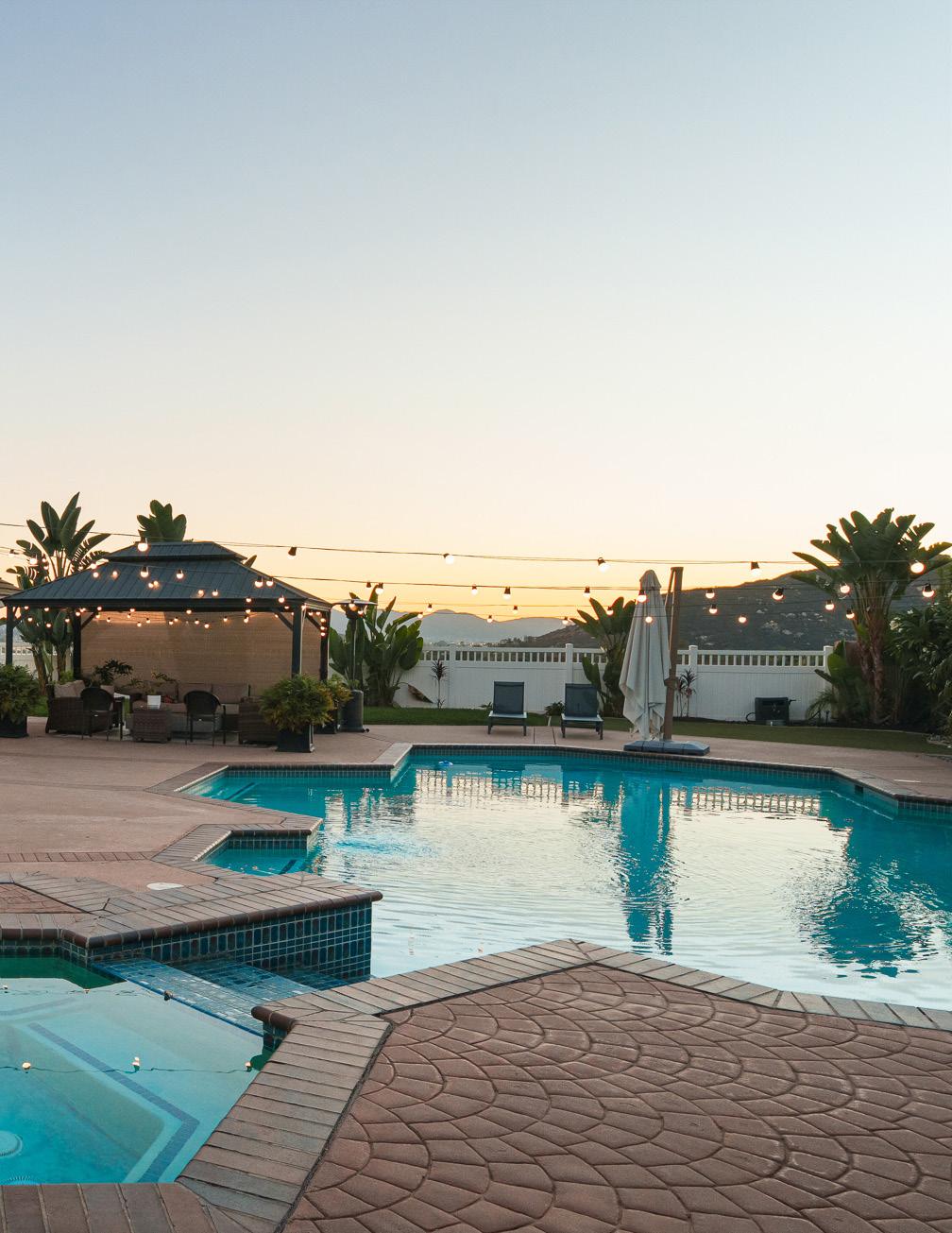
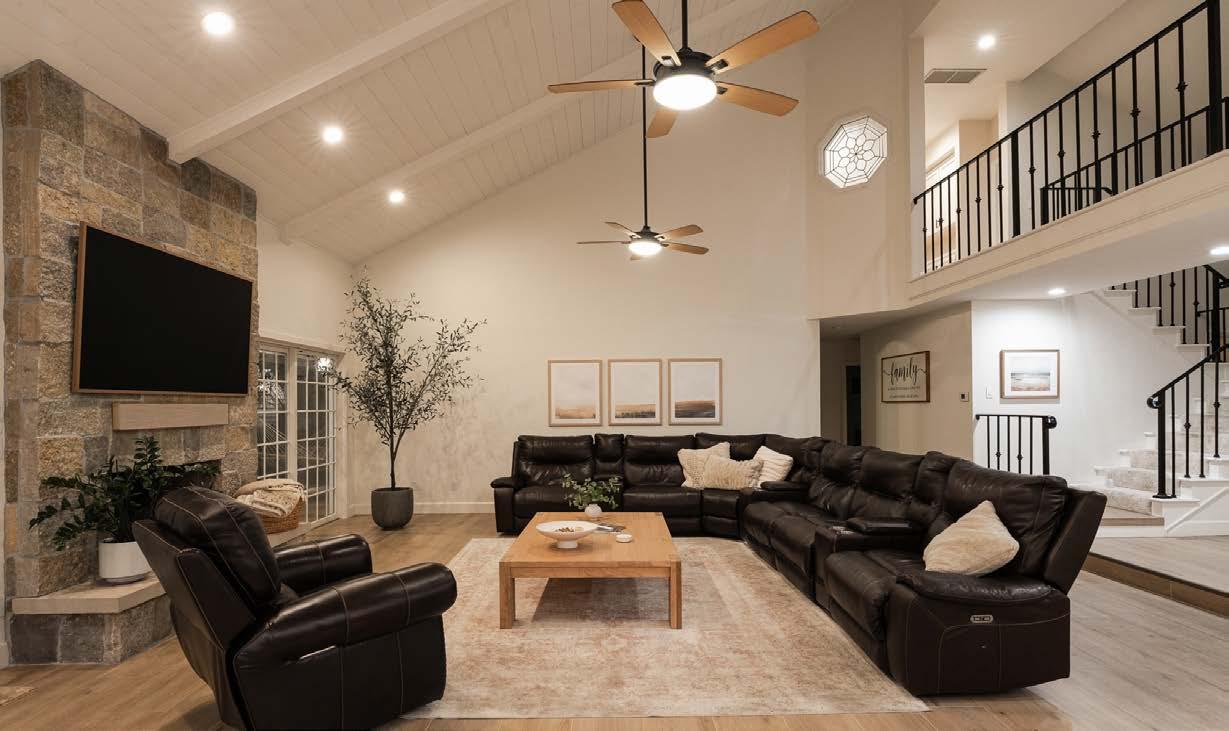
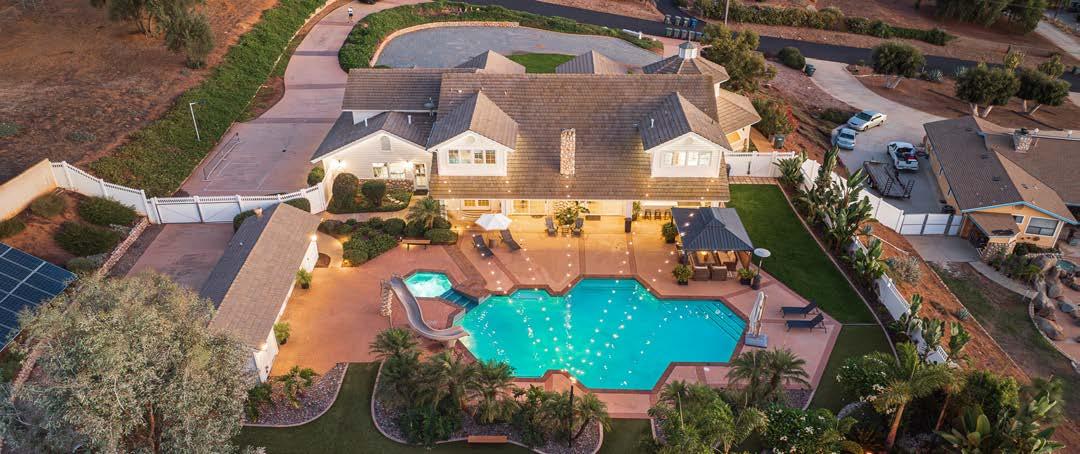
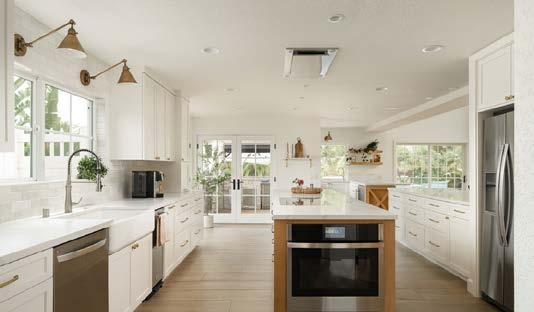
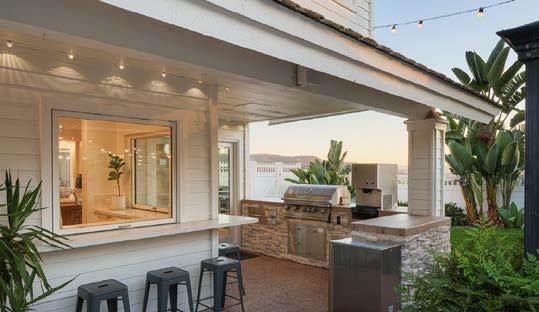
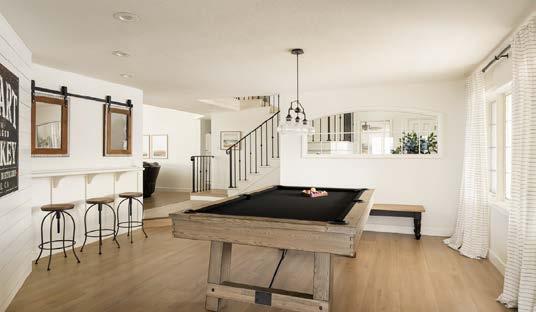
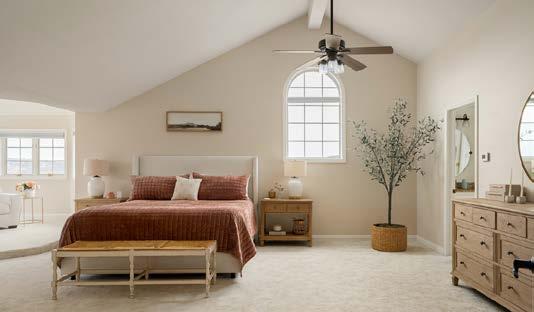
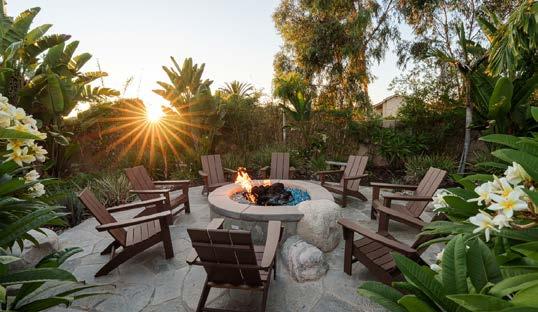
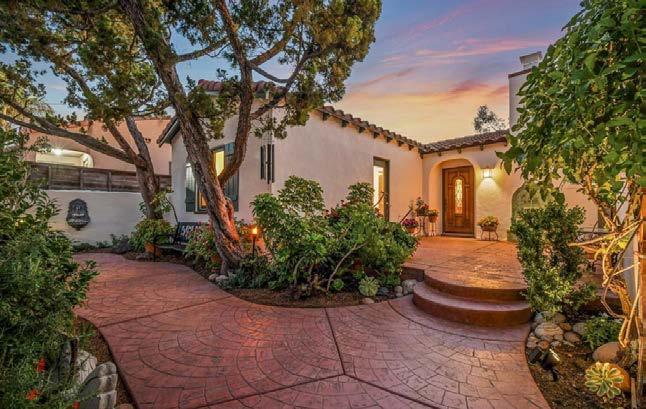
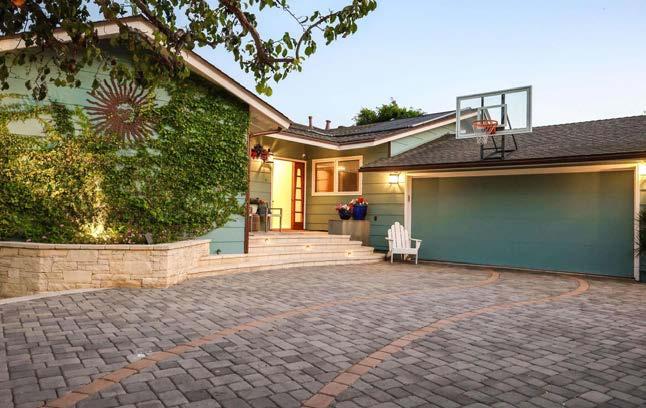
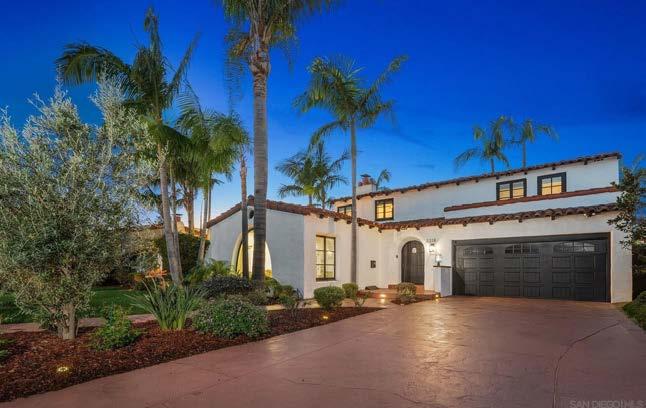
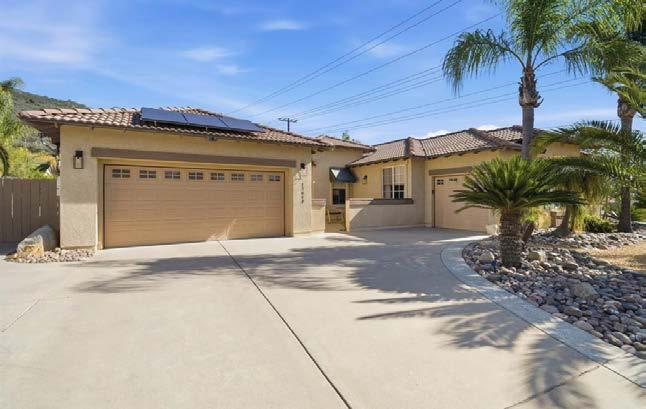
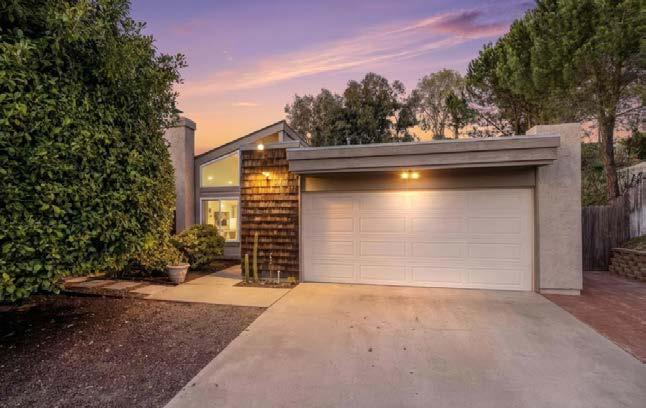
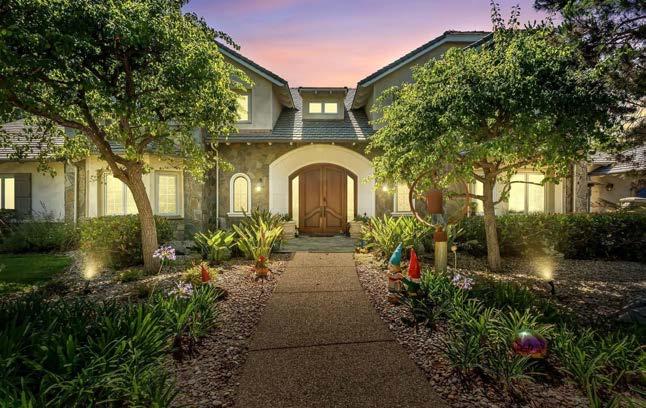
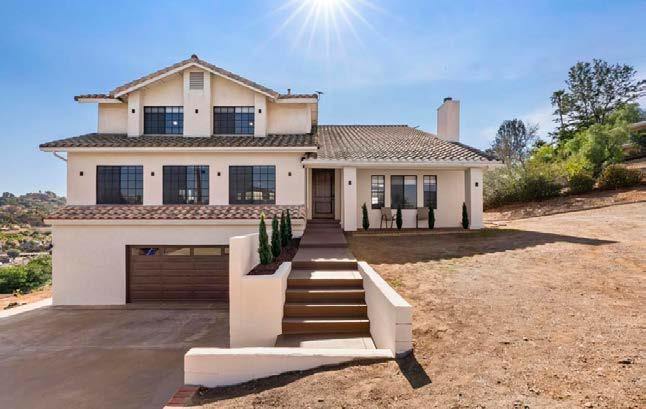
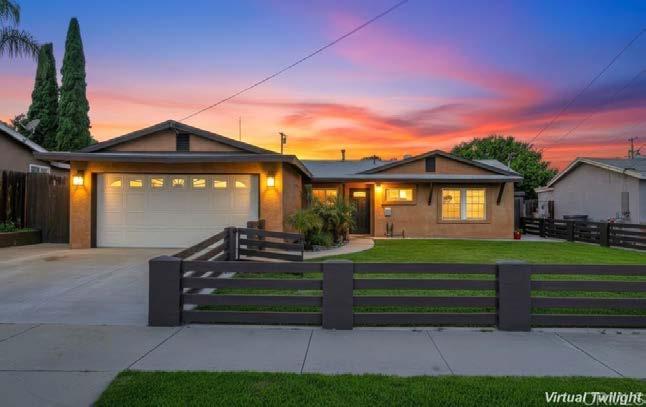
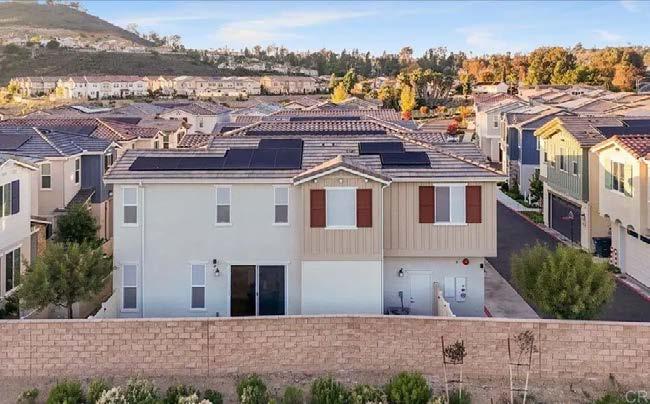
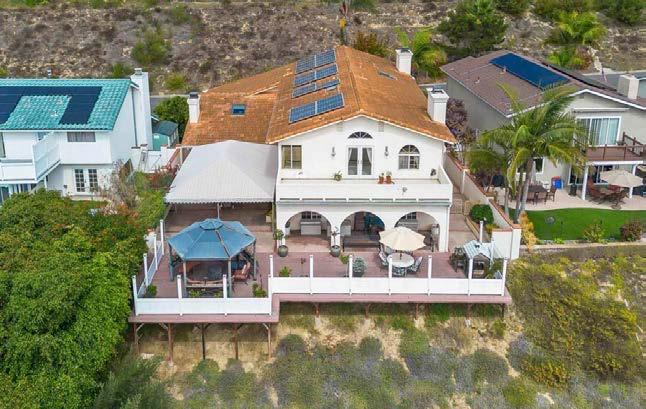
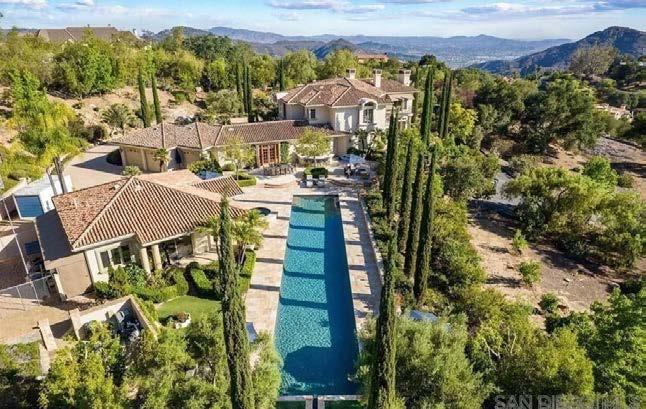
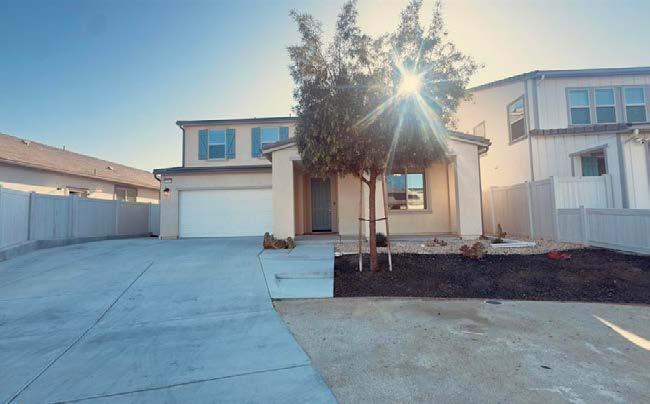
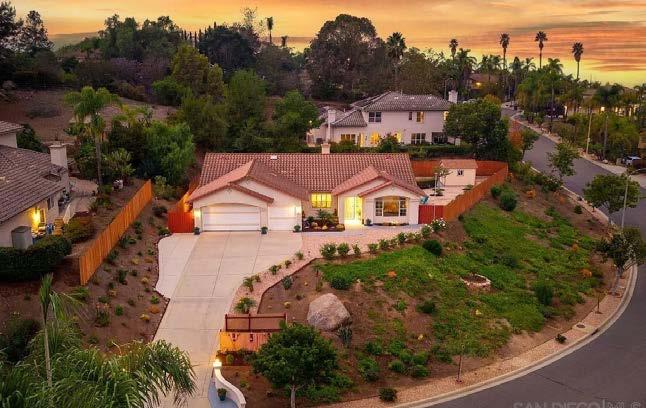
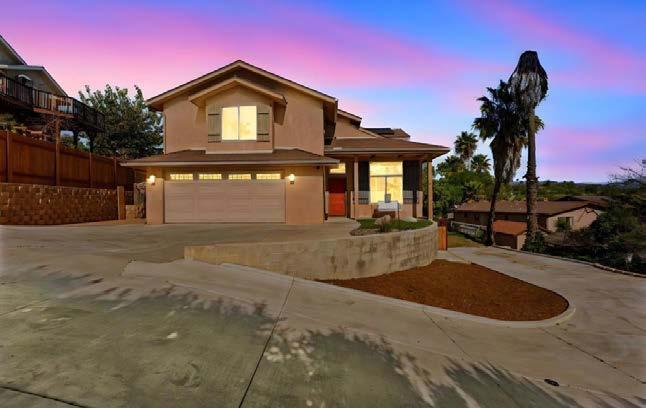
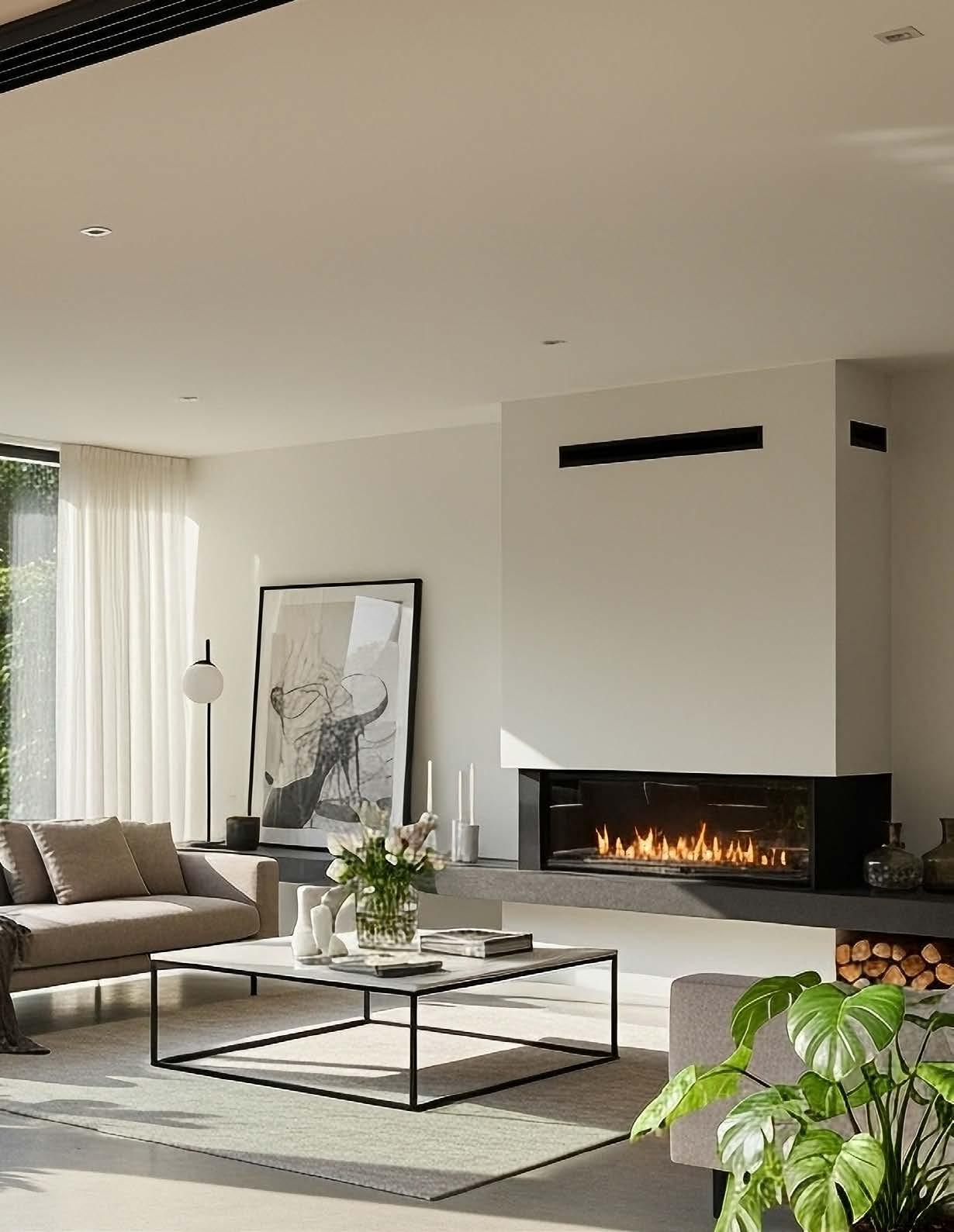
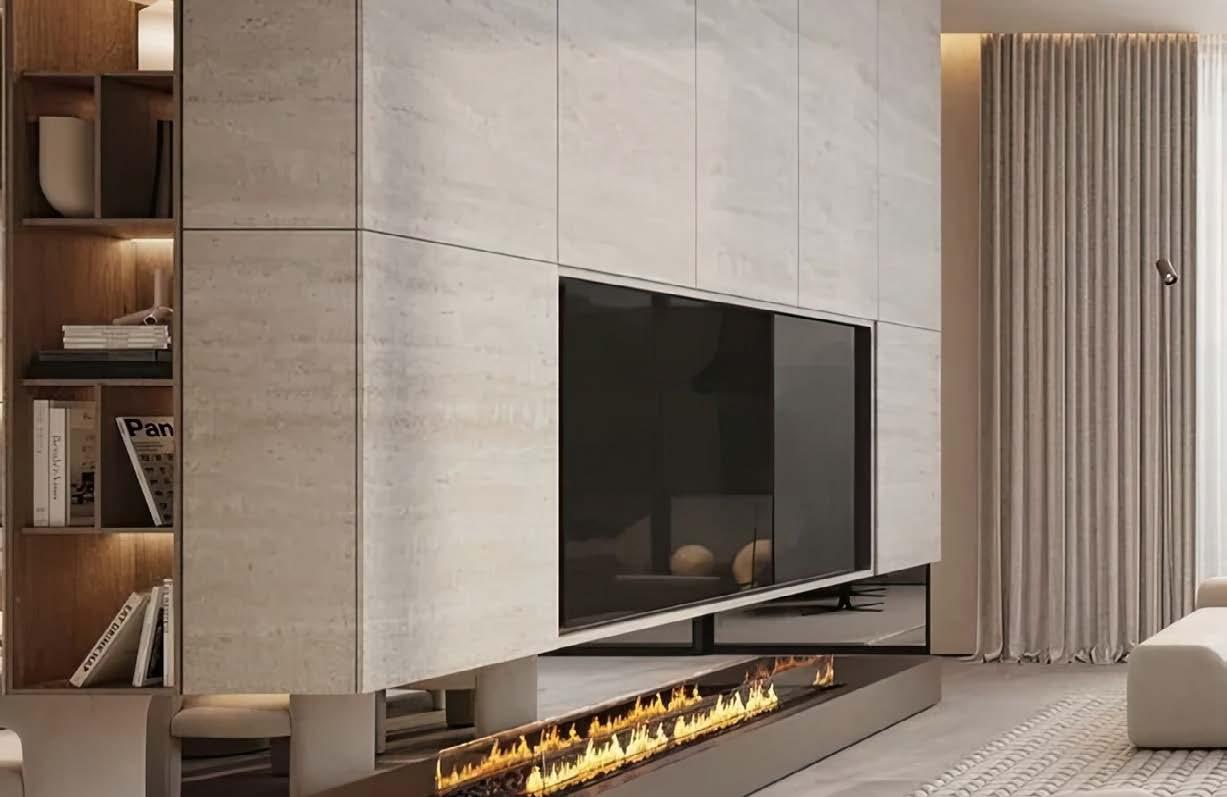
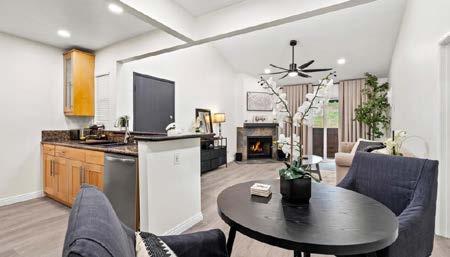
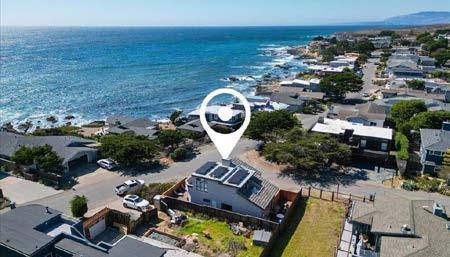
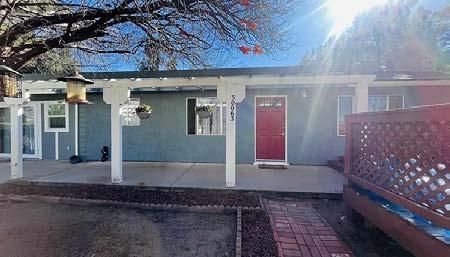
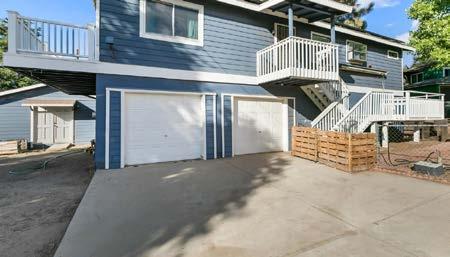
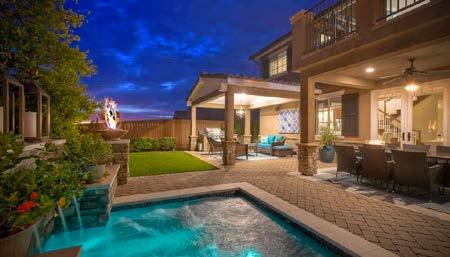
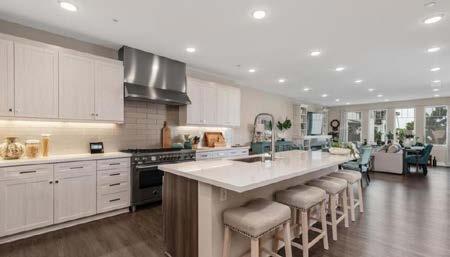
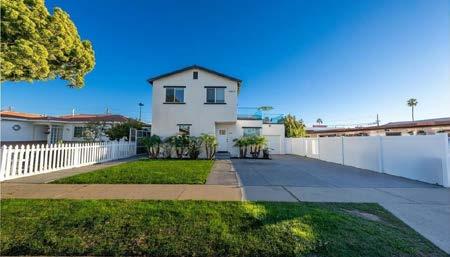
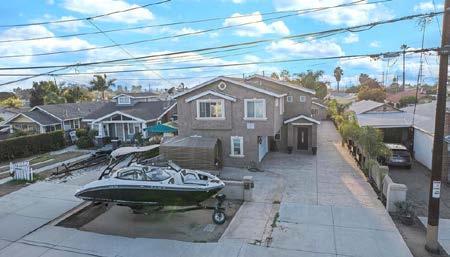
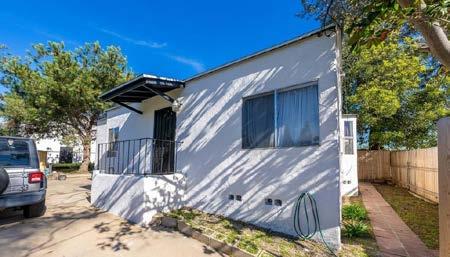
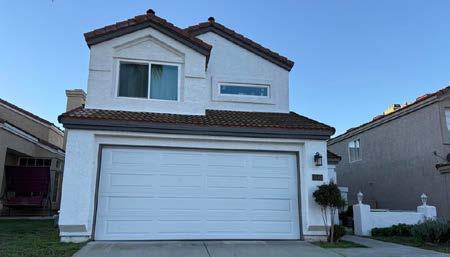
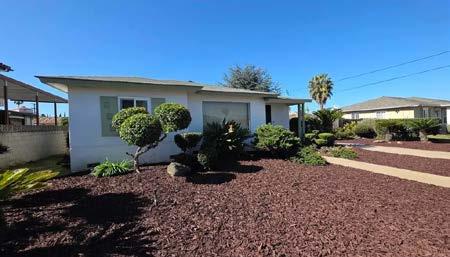
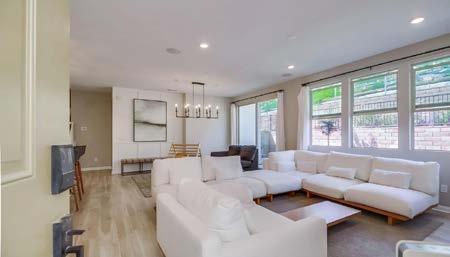
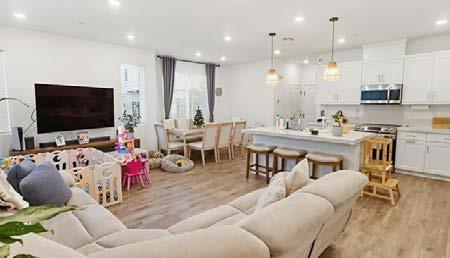
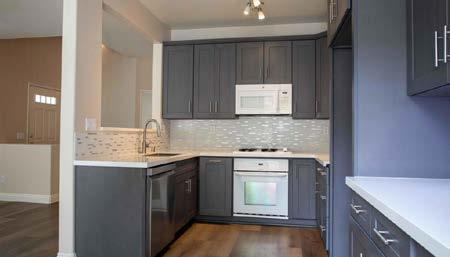
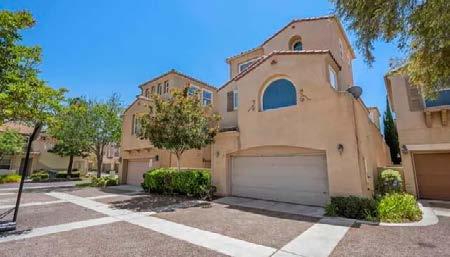
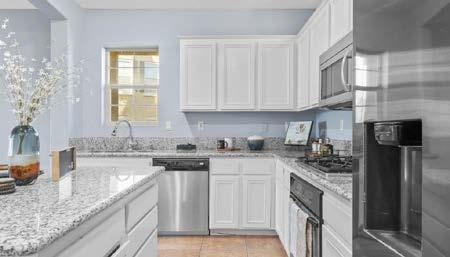
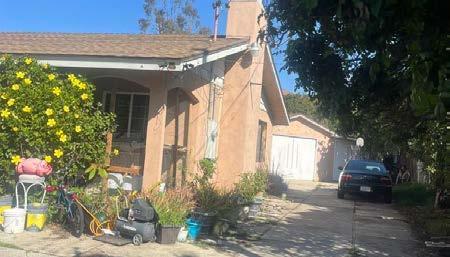
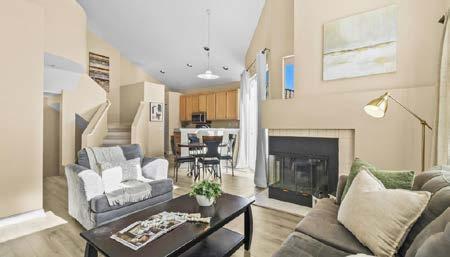
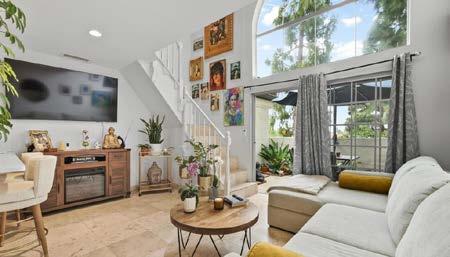
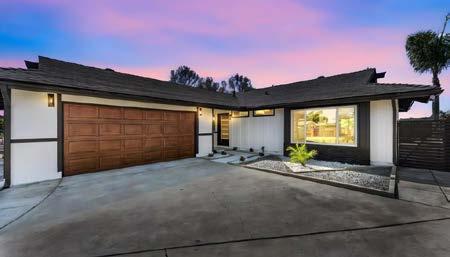
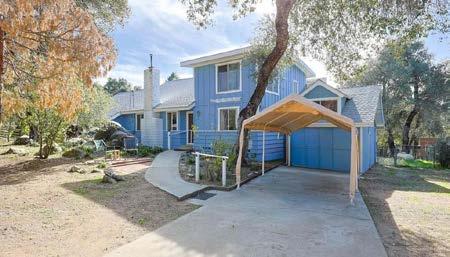
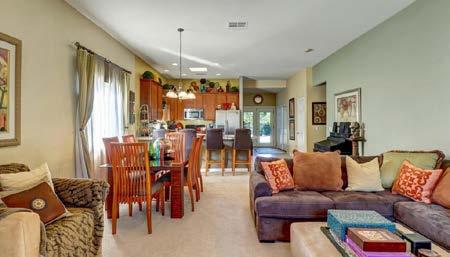
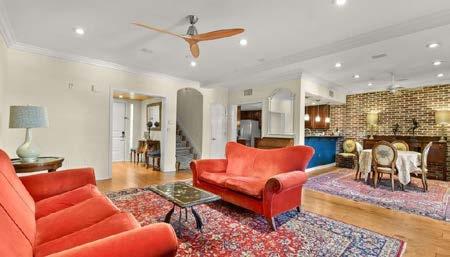
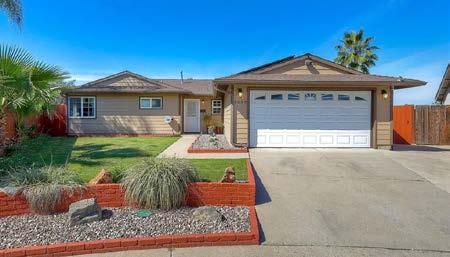
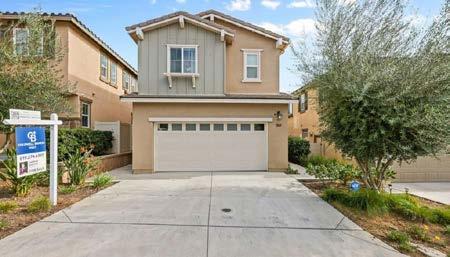
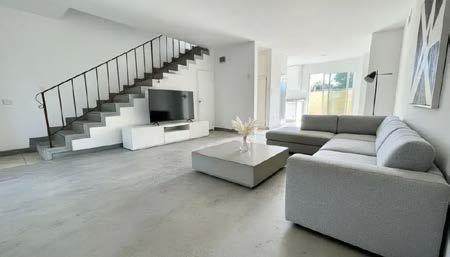
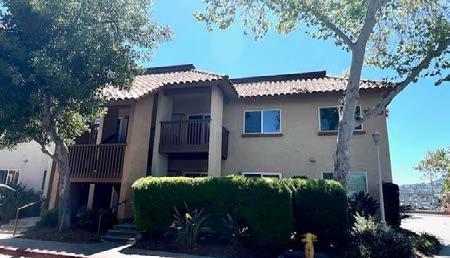
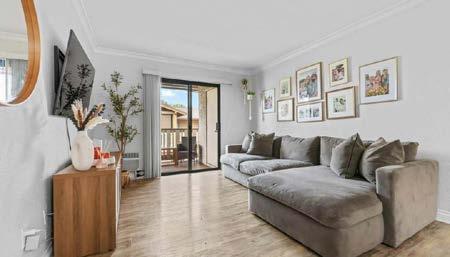
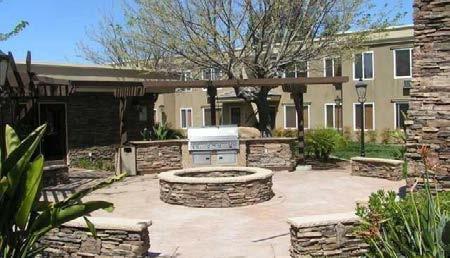
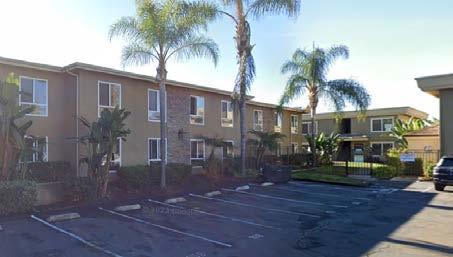
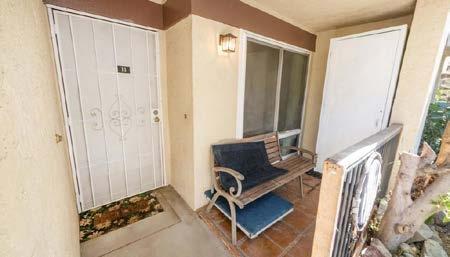
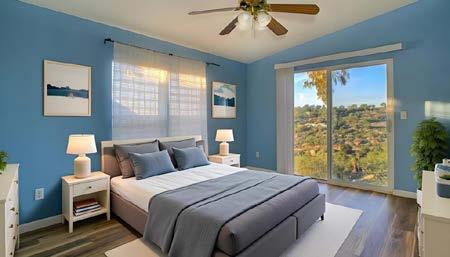
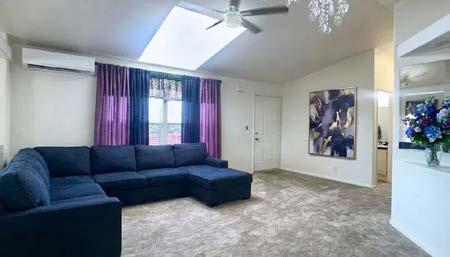
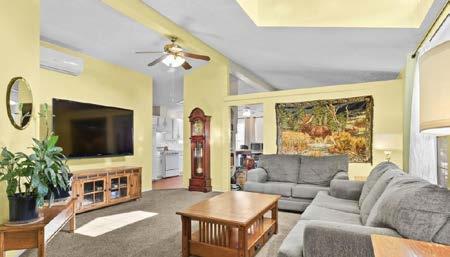
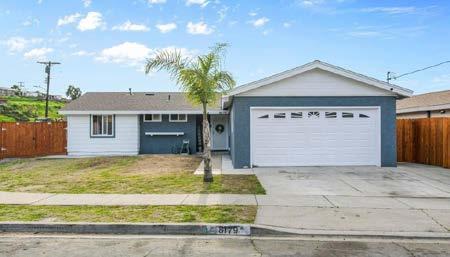
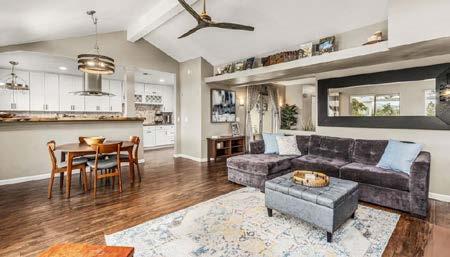
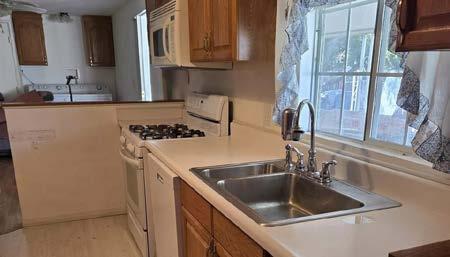
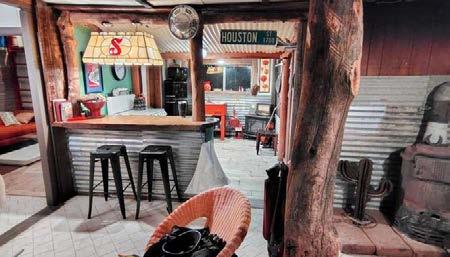
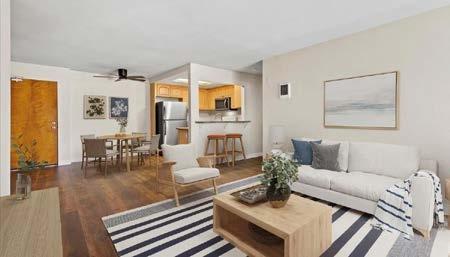
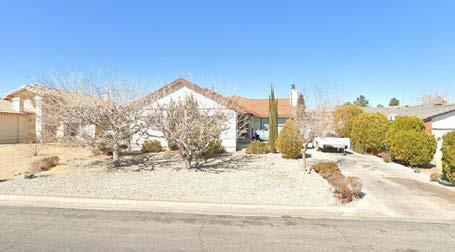
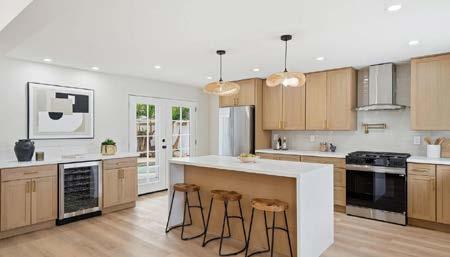
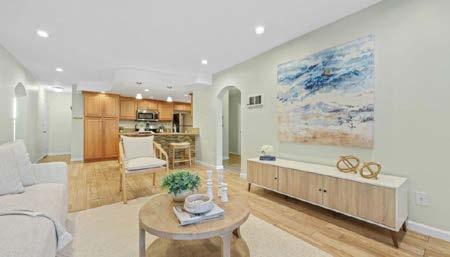
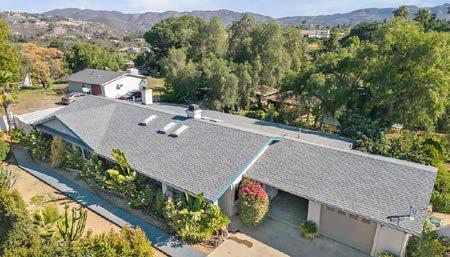
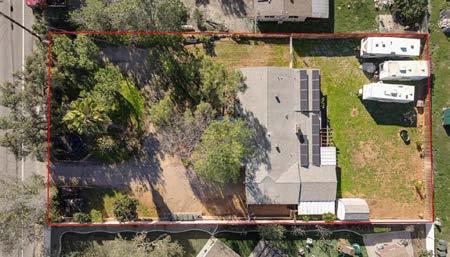
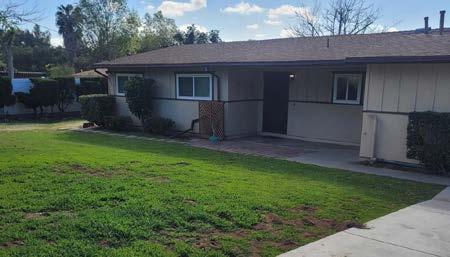
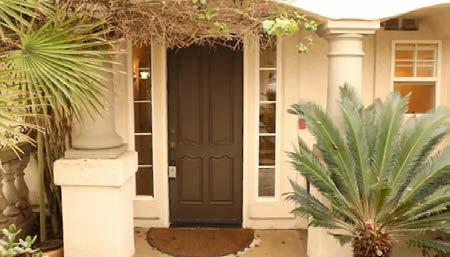
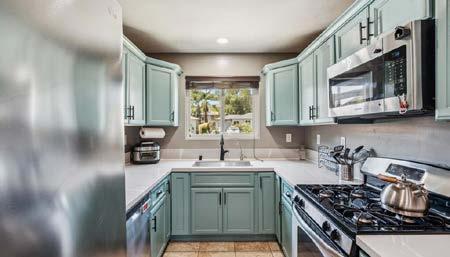
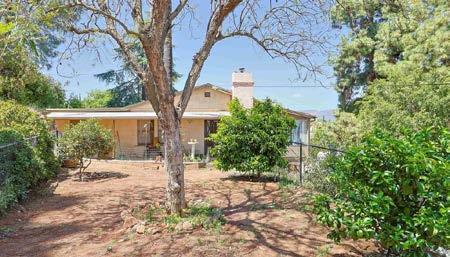
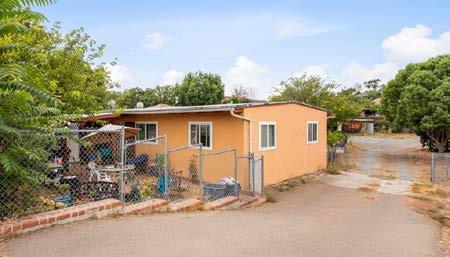
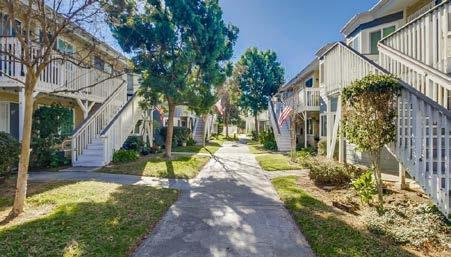
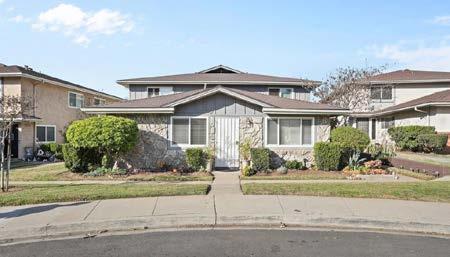
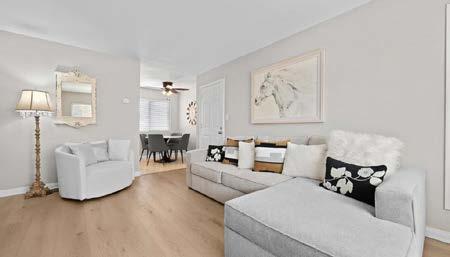
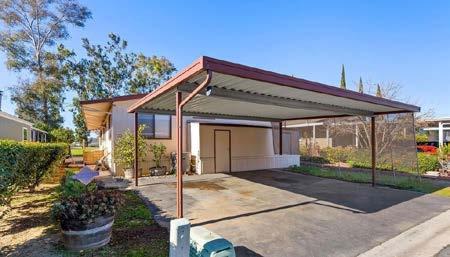
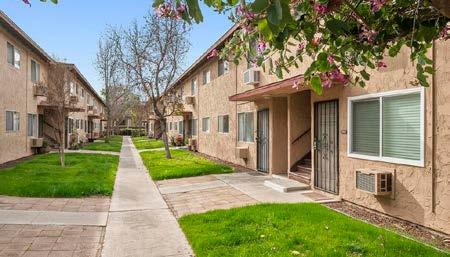
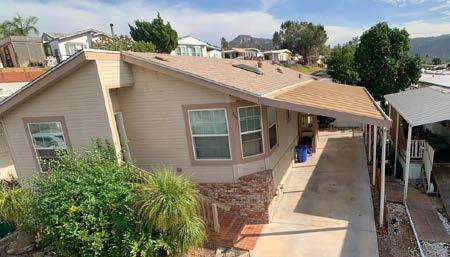
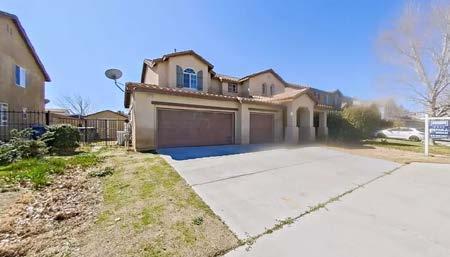
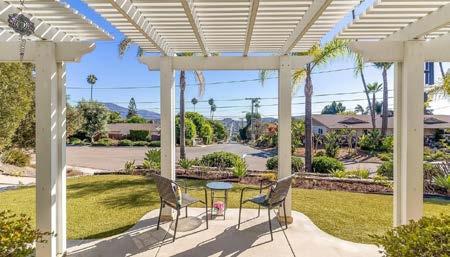
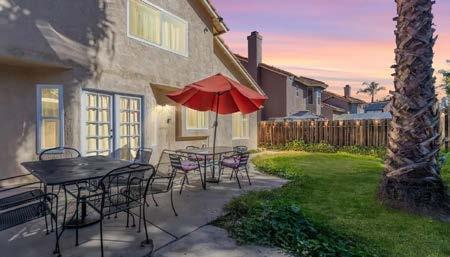
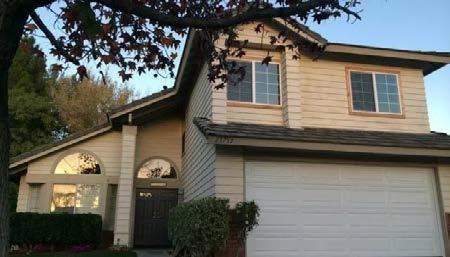
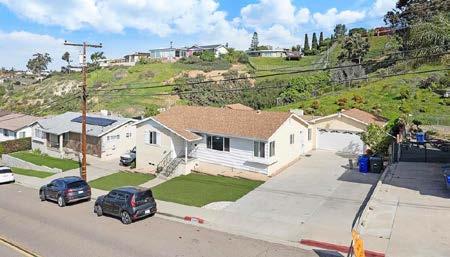
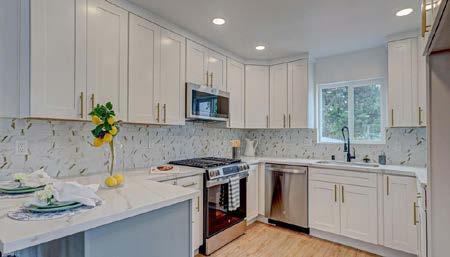
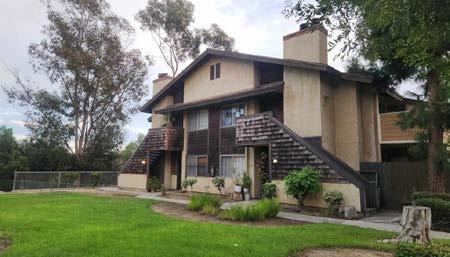
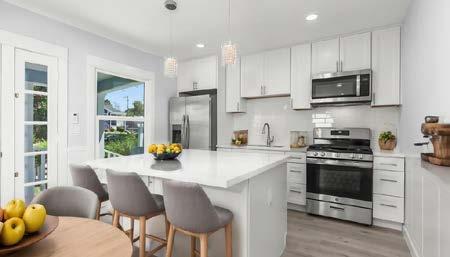
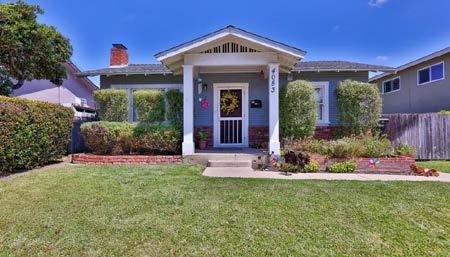
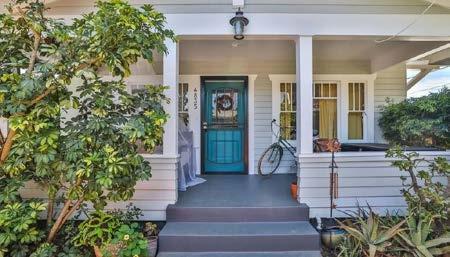
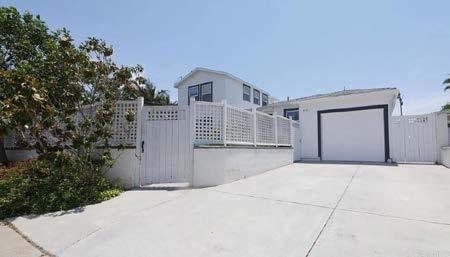
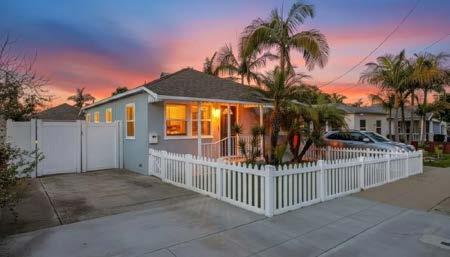
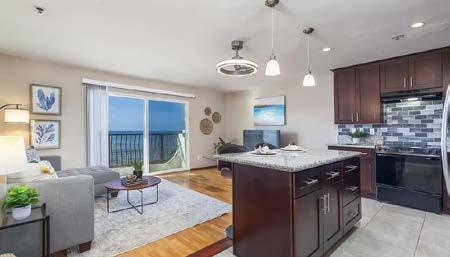
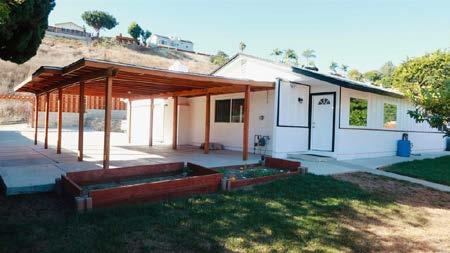
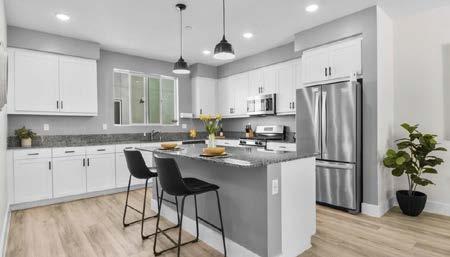
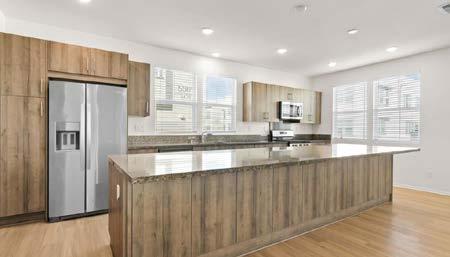
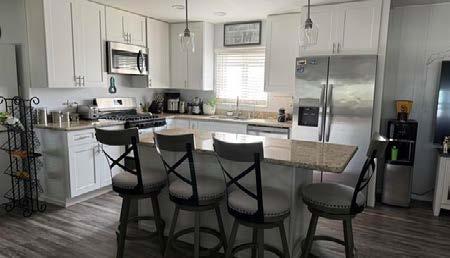
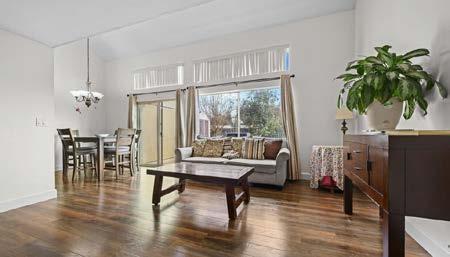
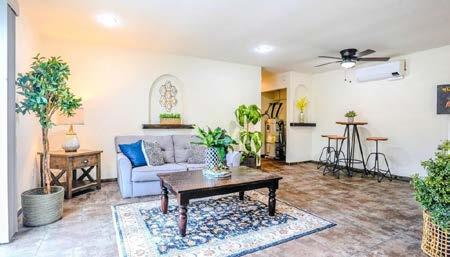
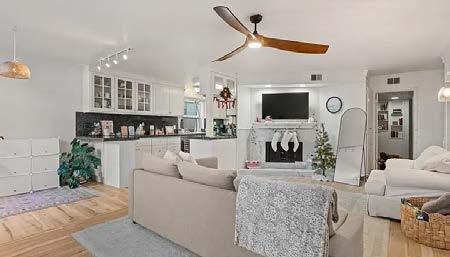
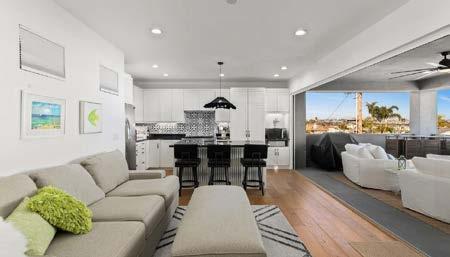
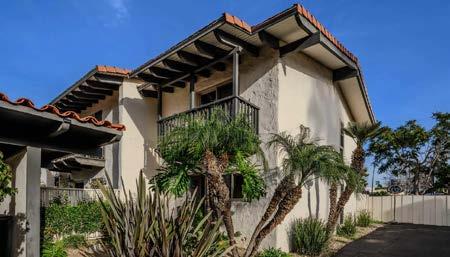
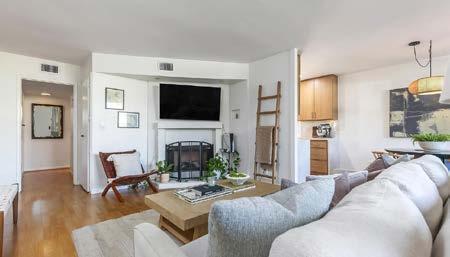
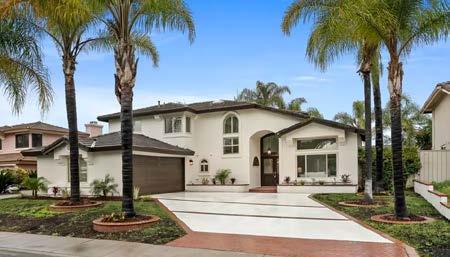
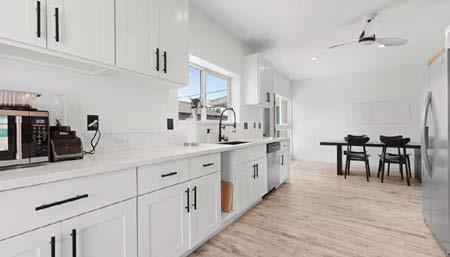
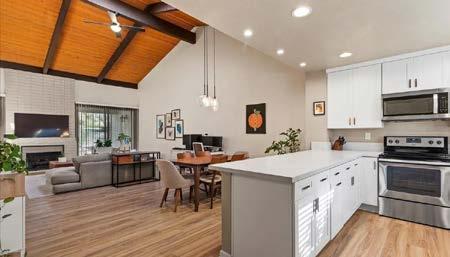
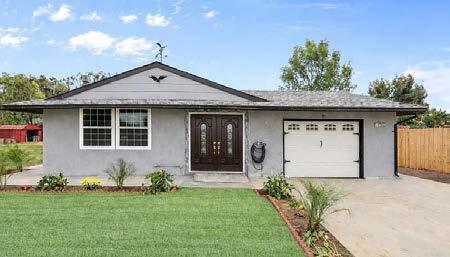
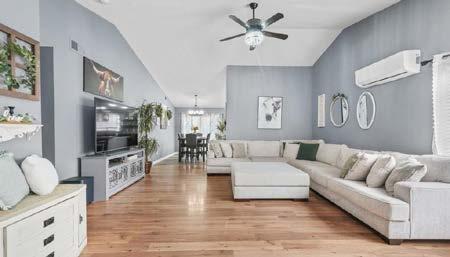
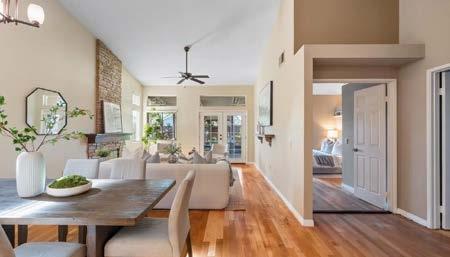
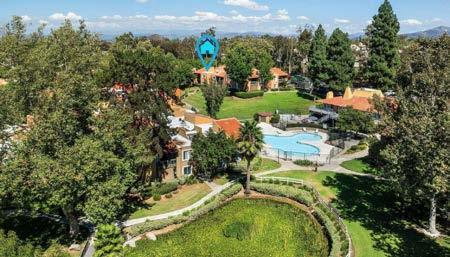
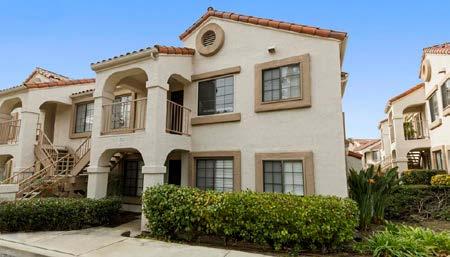
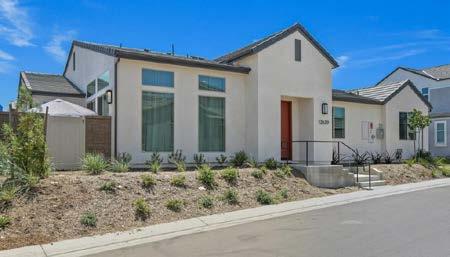
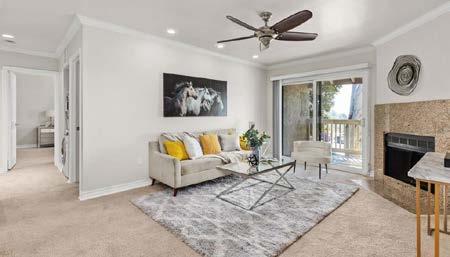
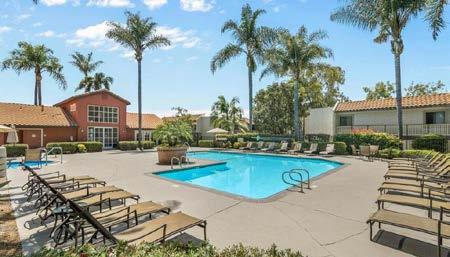
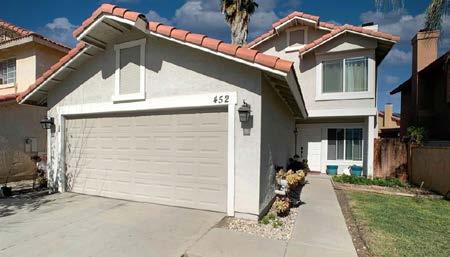
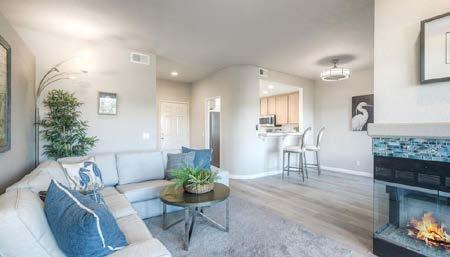
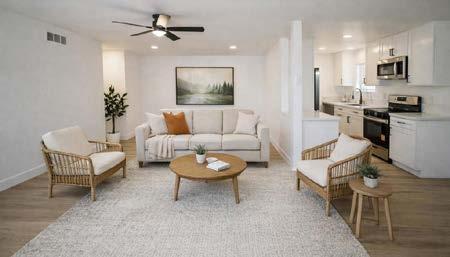
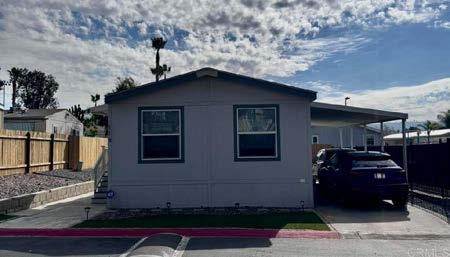
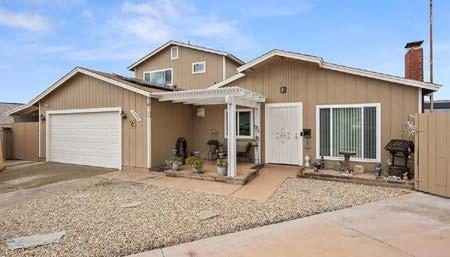
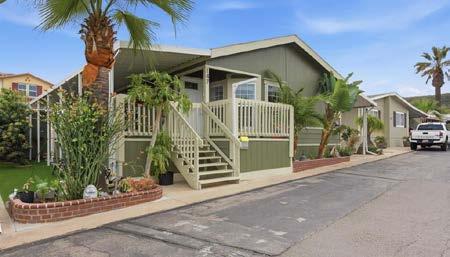
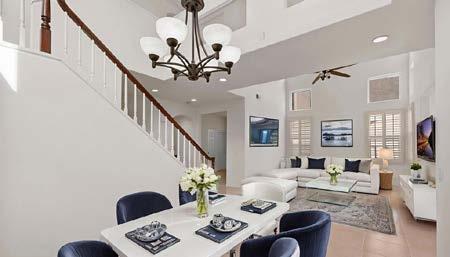
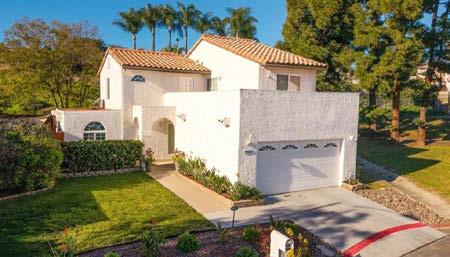
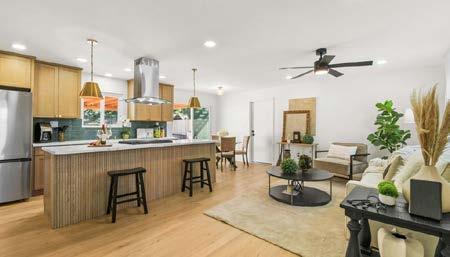
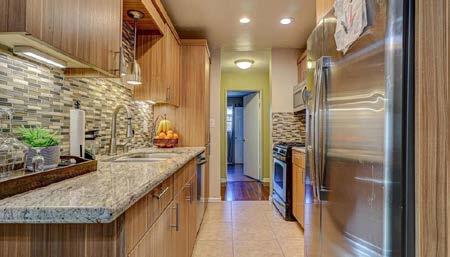
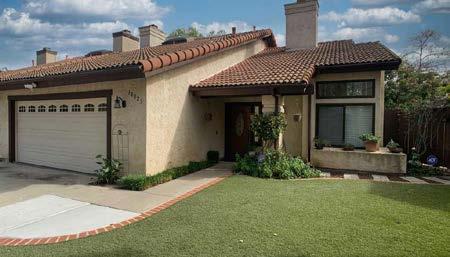
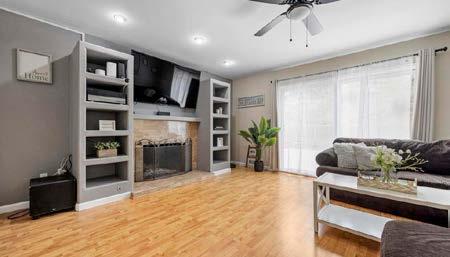
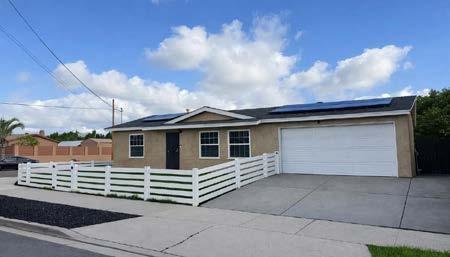
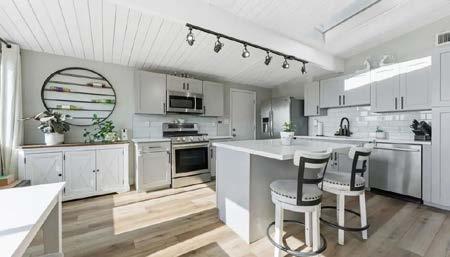
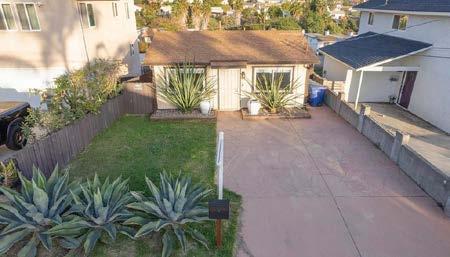
A rare offering of custom farmhouse-modern luxury on over an acre at the base of Eucalyptus Hills in Lakeside. This 4,650 sq ft estate blends architectural charm with elevated design, creating a truly one-of-a-kind living experience. The covered wrap-around front porch provides a welcoming feel to the home. As you walk past the entry you will find the high ceiling great room featuring a stunning stone fireplace and open-concept living. The remodeled chef’s kitchen showcases a large center island, breakfast bar, modern finishes, expansive cabinetry, and a generous pantry—ideal for both everyday living and entertaining. Designed for seamless indoor-outdoor enjoyment, the entertainer’s bar opens through pass-through windows to the backyard, connecting to the outdoor BBQ, warming station, counter seating, fire-pit and resort-style pool area. The
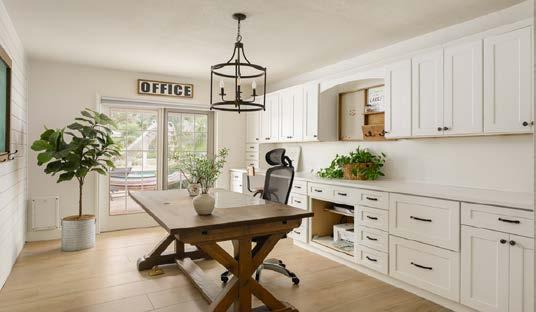
sparkling pool includes an attached spa, waterslide, and a dedicated pool bathroom, creating a private backyard retreat with peaceful views and exceptional privacy. The luxurious primary suite features a spacious sitting area, spa-inspired bathroom with walk-in shower, soaking tub, dual vanities, and generous storage. One bedroom is conveniently located downstairs, along with a private office featuring charming built-in cabinetry. Upstairs, there are two additional bedrooms, plus an oversized bonus room currently serves as a bedroom, offering flexible living options. Additional highlights include a three-car garage with epoxy flooring and builtin cabinetry, plus gated concrete RV and recreational vehicle parking. This extraordinary property offers paid for solar, space, sophistication, and resort-style amenities rarely found in Lakeside.
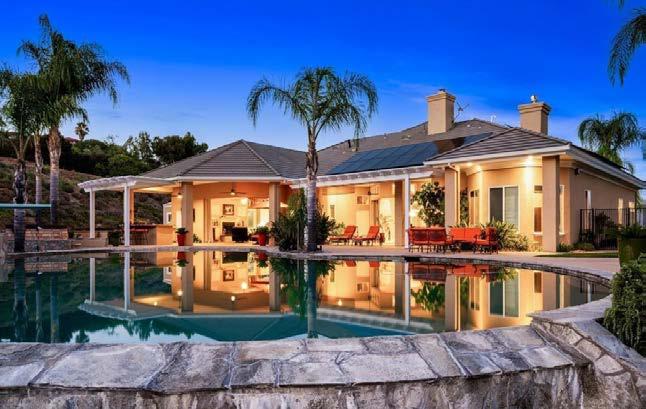
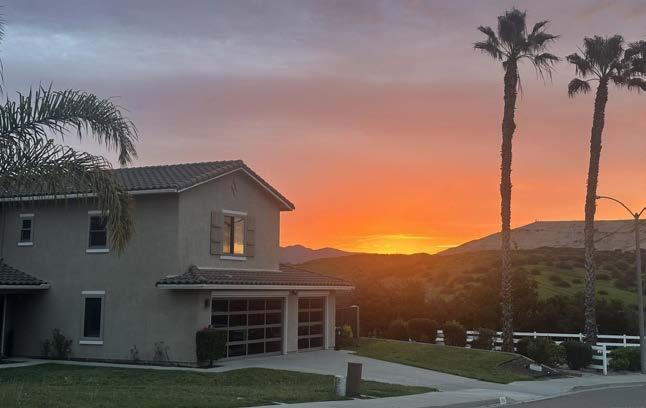
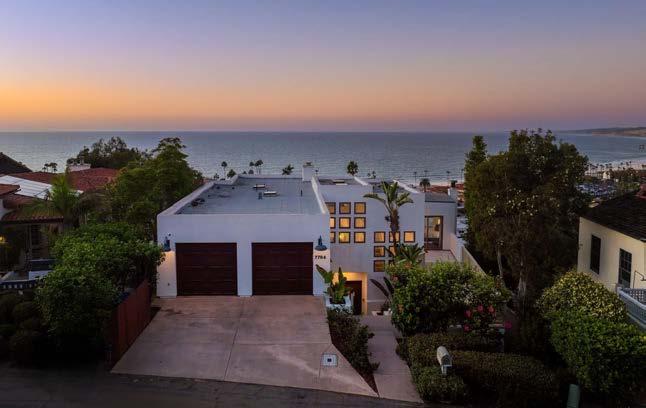
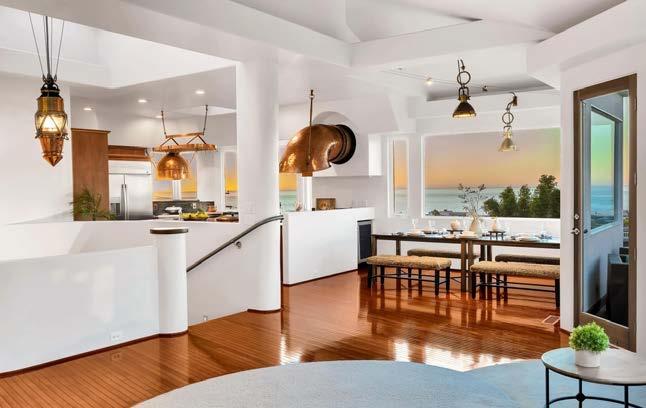
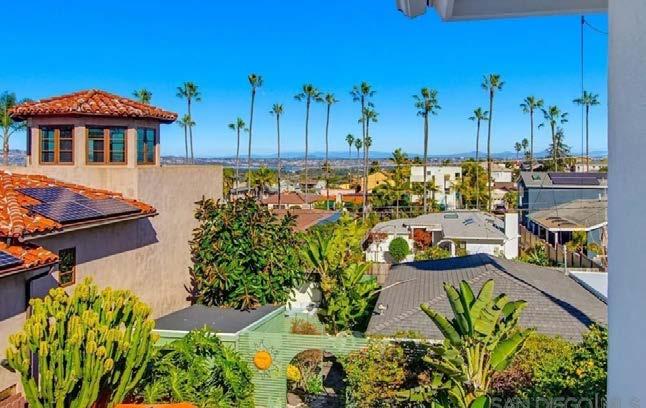
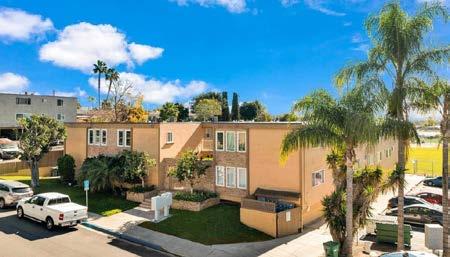
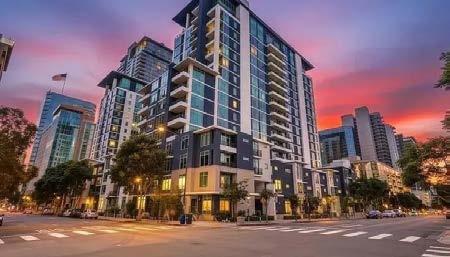
LA JOLLA
7784 LOOKOUT DRIVE
5 BR | 5.5 BA | 3,597 ESF
$4,985,000
MLS# 250043848
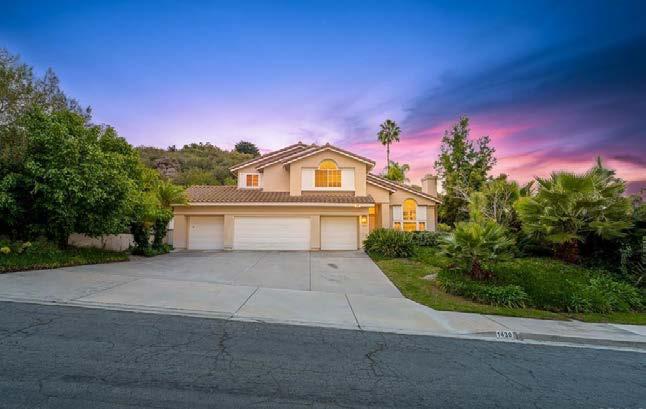
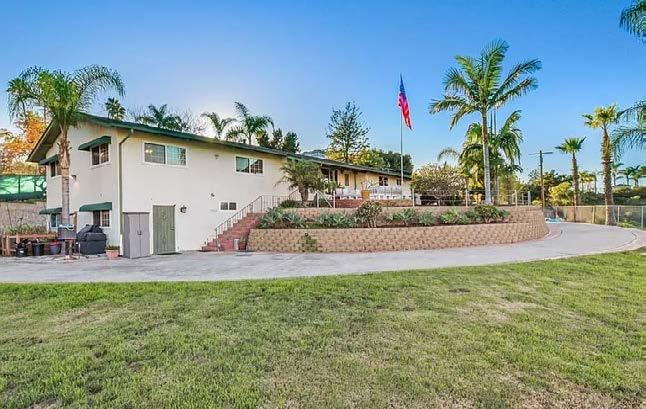
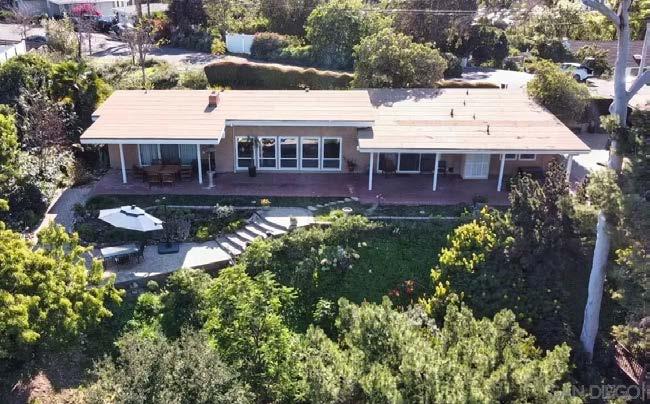
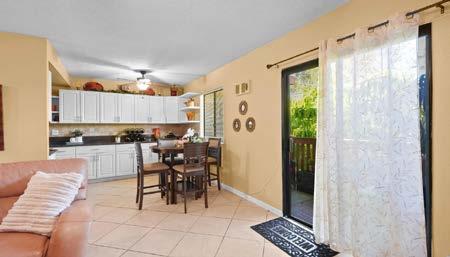
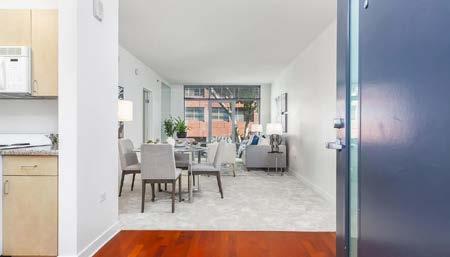
LA MESA
9218 BRIERCREST DRIVE
3 BR | 2 BA | 1,966 ESF
$1,199,000
MLS# 260002840
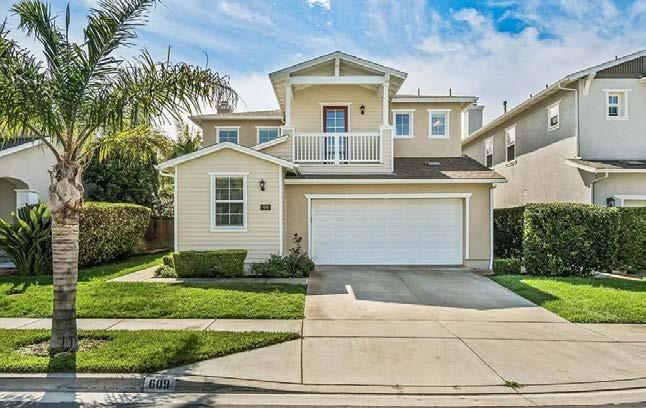
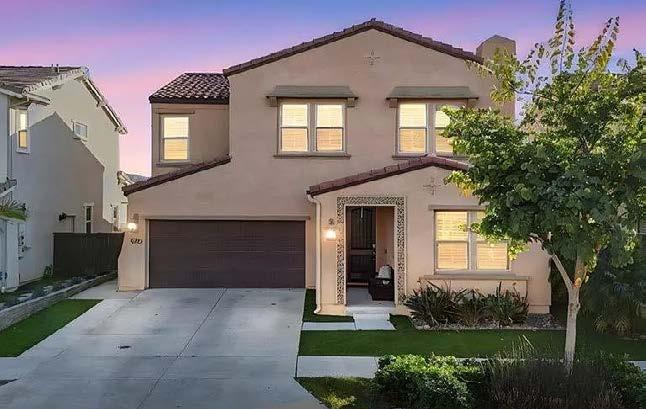
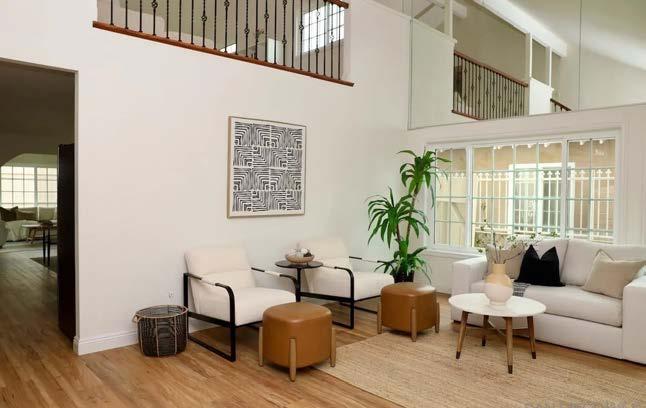
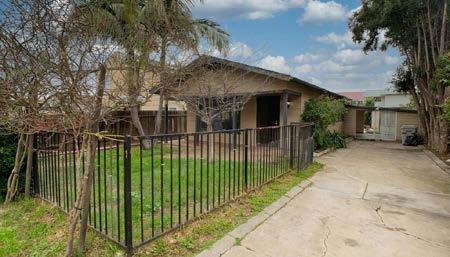
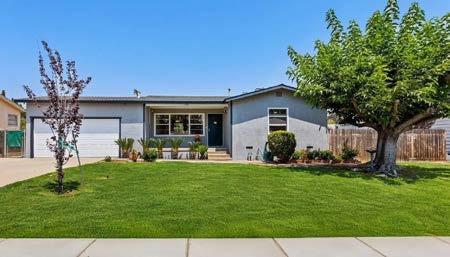
MIRA MESA
8907 TAURUS PLACE
5 BR | 3 BA | 2,521 ESF
$1,335,000
MLS# 260001693
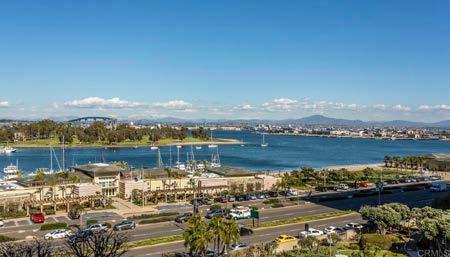
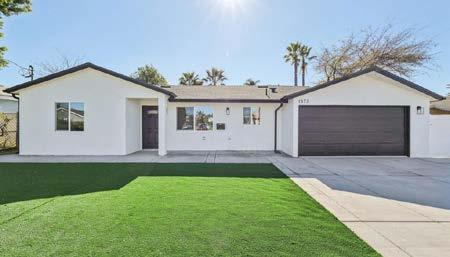
NORMAL HEIGHTS
5036 LITCHFIELD ROAD
3 BR | 2 BA | 1,908 ESF
$1,750,000
MLS# PTP2508148
OCEAN BEACH
4527 NARRAGANSETT AVENUE
5 BR | 4.5 BA | 3,600 ESF
$4,500,000
MLS# 250043069
OCEAN BEACH
4460 NIAGARA AVENUE
4 BR | 4 BA | 2,806 ESF
$2,795,000
MLS# 260002828
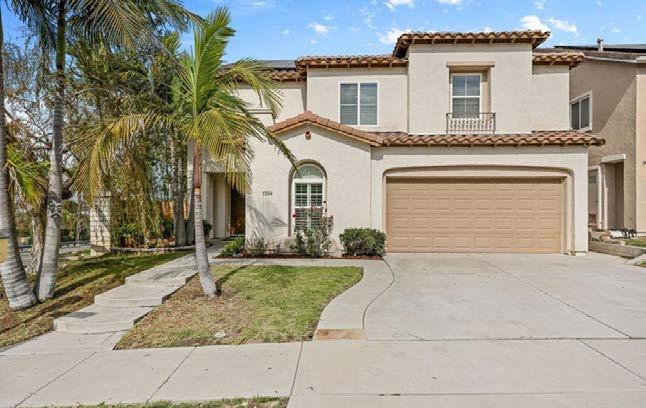
OTAY MESA
5204 TOPSAIL DRIVE
5 BR | 3 BA | 2,541 ESF
$1,150,000
MLS# PTP2601014
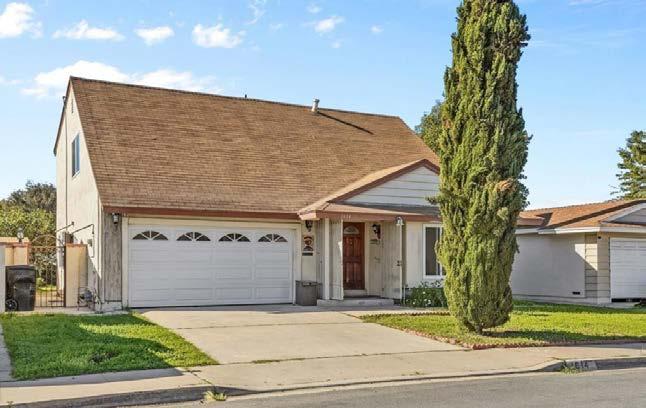
OTAY MESA
1614 AREQUIPA STREET
5 BR | 3.5 BA | 2,299 ESF
$925,000
MLS# PTP2600502
OTAY MESA
4205 RENE DRIVE
4 BR | 3 BA | 1,555 ESF
$850,000
MLS# PTP2600362
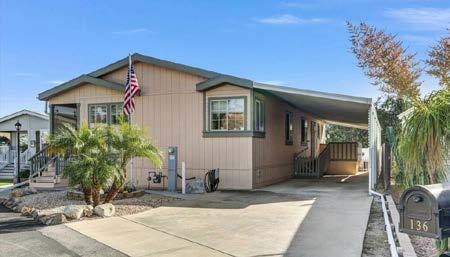
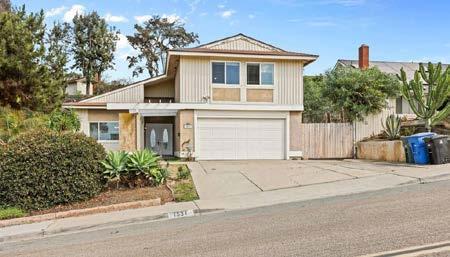
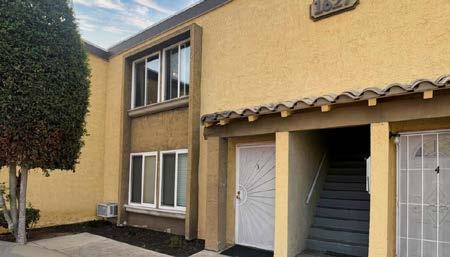
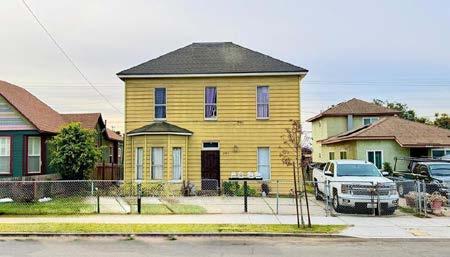
1024 RANSOM STREET
4 BR | 2 BA | 1,250 ESF
$789,000
MLS# PTP2600793
PACIFIC BEACH
2526 ASTER STREET
4 BR | 2 BA | 1,656 ESF
$2,149,999
MLS# 250045138
28743 LEBANON ROAD
3 BR | 2.5 BA | 2,891 ESF
$1,100,000
MLS# PTP2506014
OTAY MESA
PINE VALLEY
POINT LOMA
885 ROSECRANS STREET
6 BR | 4 FULL & 2 HALF BA | 4,061 ESF
$3,495,000 MLS# 250037348
POINT LOMA
2318 PLUM STREET
4 BR | 4.5 BA | 2,626 ESF
$2,595,000 MLS# 260003525
RAMONA
17043 HARVEST POINT WAY
4 BR | 2 BA | 2,455 ESF
$1,024,900 MLS# PTP2600676
RANCHO BERNARDO
18027 COTORRO ROAD
3 BR | 2 BA | 1,703 ESF
$1,349,000
MLS# PTP2600450
RANCHO SANTA FE
14786 RANCHO SANTA FE FARMS ROAD
5 BR | 5 FULL & 2 HALF BA | 7,938 ESF
$5,150,000 - $5,725,000
MLS# 250034047
SAN MARCOS
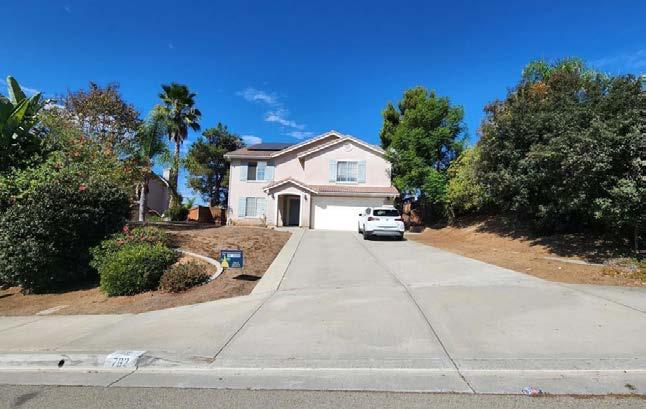
762 HILLSBORO WAY
5 BR | 4 BA | 3,522 ESF
$1,299,000
MLS# NDP2510310
SPRING VALLEY
9309 HILLSIDE DRIVE
6 BR | 5 BA | 4,413 ESF
$1,470,000
MLS# PTP2507621
SPRING VALLEY
8838 INNSDALE AVENUE
4 BR | 2 BA | 1,440 ESF
$849,000
MLS# PTP2600731
SPRING VALLEY
2608 NANZA STREET
3 BR | 2.5 BA | 1,741 ESF
$840,000
MLS# PTP2508966
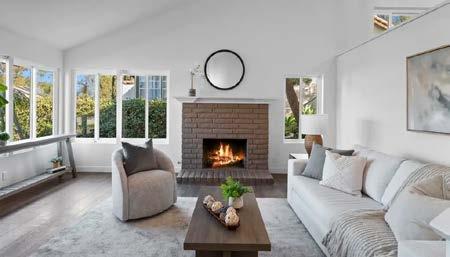
UNIVERSITY CITY
2731 SCHENLEY TERRACE
6 BR | 4 BA | 4,347 ESF
$2,500,000
MLS# PTP2601099
VALLEY CENTER
14440 RIDGE RANCH ROAD
4 BR + 1 OPTIONAL | 5.5 BA | 5,839 ESF
$2,985,000
MLS# 2600546
VALLEY CENTER
27960 MOOSA CREEK WAY
5 BR | 3.5 BA | 3,043 ESF
$997,000 - $1,100,000
MLS# PTP2600958
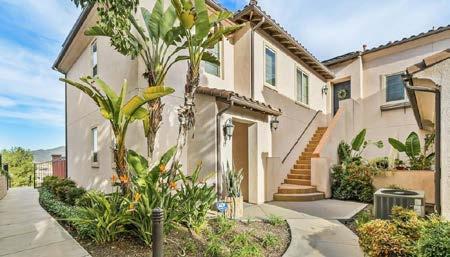
VISTA
1935 CRESTHAVEN DRIVE
4 BR | 3 BA | 2,373 ESF
$1,242,000 MLS# 250046345
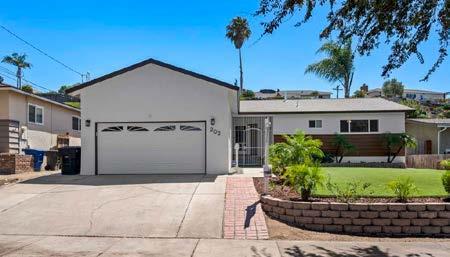
209 JOURNEYS END
4 BR | 2.5 BA | 2,202 ESF
$1,000,000
MLS# PTP2600730
Resiliency Is the New Definition of Luxury
IN
a volatile world, affluent buyers are no longer chasing the dream of the trendiest locations or the fastest appreciation. Instead, they are rewarding the places and properties that hold their value over time.
Resiliency, in today’s luxury context, means the ability of a local market and a property to preserve value through volatility, maintain liquidity across cycles, and continue attracting qualified demand even as broader economic dynamics shift. It means you’re seeing conditions like stability in pricing, consistency in buyer interest, and durability in long-term performance.
Five trends help explain why resiliency rose to the top of our analysis this year.
Luxury sales and prices are outperforming the broader market
Despite higher borrowing costs, geopolitical risk, and economic uncertainty, the luxury segment has remained remarkably stable.
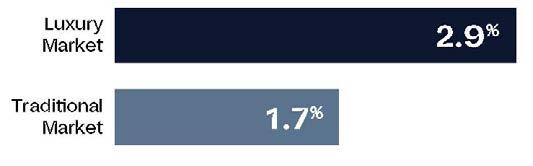
In 2025, U.S. luxury home sales grew 2.9% — nearly double the pace of the traditional housing market at 1.7%, per NAR. Prices haven’t dropped dramatically either, and in fact, have risen approximately 3% year-over-year for singlefamily homes and 4% for attached properties. As I noted in the report’s foreword, “The luxury real estate market has not mirrored the broader housing market, where affordability pressures and higher borrowing costs have kept activity constrained.”
What’s most remarkable about this new chapter for luxury real estate—from our point of view— is that it is not behaving the way it has in past downturns. Market fundamentals remain strong, and we expect that stability to carry forward through the coming year.
Real estate wealth continues to rise even through volatility
Annual transactions gave us an immediate picture of resilience, which is certainly important. But we also examined the market through a longer historical lens with Altrata’s help.
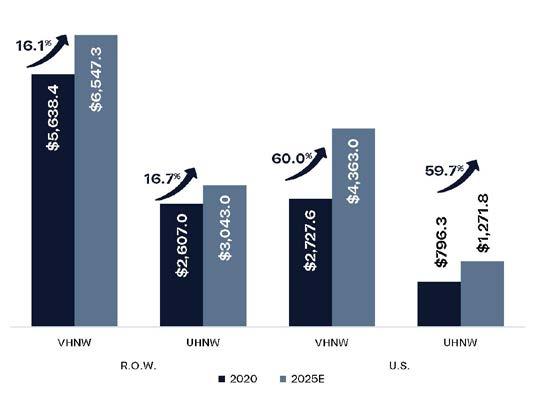
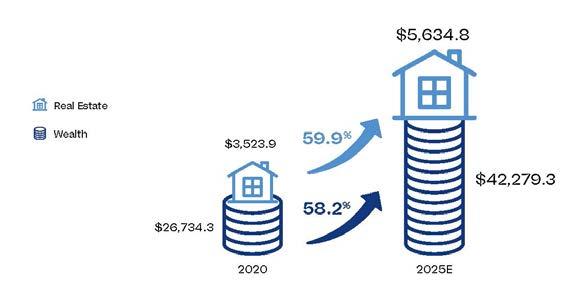
Since 2020, the absolute dollar value invested globally in real estate has risen nearly 30%, even through one of the most volatile macroeconomic periods in recent memory. Total property holdings also reached record highs: VHNW real estate wealth rose from $5.64 trillion in 2020 to $6.55 trillion in 2025, and UHNW assets climbed from $2.61 trillion to $3.04 trillion. In other words, while portfolio shares fluctuate with financial markets, the underlying value of property continues to grow, underscoring real estate’s enduring role in long-term wealth preservation.
As Maeen Shaban, Director of Research and Analytics at Altrata, explained in the report: “For ultra-high-networth individuals and family offices, property ownership provides stability, diversification, and a hedge against inflation. It also offers strategic advantages, whether it’s tax planning, residency, or intergenerational wealth preservation.”
Affluent buyers are adopting a legacy mindset
Perhaps the most important shift underway is psychological.
Luxury real estate is increasingly being viewed less as a speculative asset and more as a cornerstone of identity, stability, and long-term wealth preservation. In other words, high-net-worth buyers are thinking
in decades, not cycles. This “legacy mindset” contributing to a rise in “nest investing” — i.e. favoring assets that protect capital, preserve value, and anchor generational wealth.
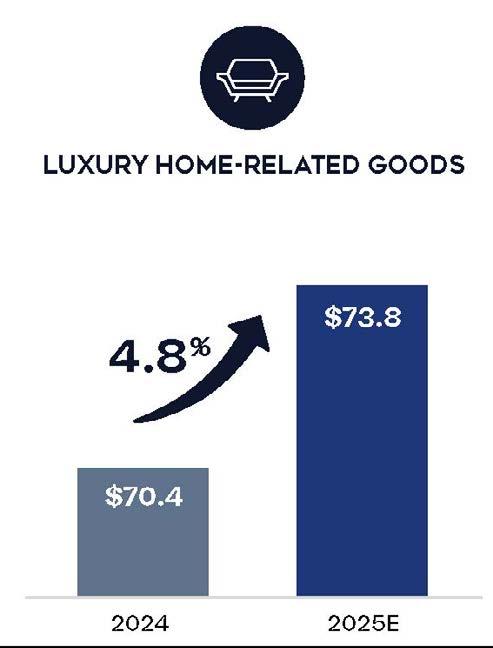
Altrata data suggests that high-net-worth consumers are directing a growing share of discretionary dollars toward the home. Home-related expenditures spanning design, furnishings, technology, and domestic help — are projected to rise 4.8% globally and 6.0% annually in the U.S. among individuals with more than $5 million in net worth. Among U.S. UHNW households, spending on home luxuries now exceeds spending on personal goods by 18.5%.
While growth in home-related spending may not yet outpace personal luxury goods, the shift is notable. It could signal a reordering of priorities—away from visible consumption and toward hybrid assets that
is favoring anchor consumers dollars — and globally with UHNW exceeds yet notable. from that
help them build long-term wealth and day-to-day enjoyment. Recounting what Colleen Baum, Senior Partner at McKinsey & Company, told us for the report: “What’s remained durable for this consumer is spending on experiences, particularly travel and dining, which continue to be resilient categories. The second priority is home. Data consistently shows spending on the home as one of the most stable categories.”
Watch this trend gain traction as historic wealth transfer between generations in the coming decade takes root. Per Altrata’s 2024 Family Wealth Transfer Report, roughly 1.2 million individuals with a net worth of $5 million or more were projected to collectively pass down nearly $31 trillion over the next decade. By 2025, Altrata revised that estimate upward to $38.3 trillion expected to change hands globally within the same timeframe.
Watch this trend gain traction as historic wealth transfer between generations in the coming decade takes root. Per Altrata’s 2024 Family Wealth Transfer Report, roughly 1.2 million individuals with a net worth of $5 million or more were projected to collectively pass down nearly $31 trillion over the next decade. By 2025, Altrata revised that estimate upward to $38.3 trillion expected to change hands globally within the same timeframe.
In the U.S., wealth growth and housing investment remain tightly linked
“Even in periods of economic turbulence, real estate continues to serve as a stabilizing force in wealth portfolios,” Shaban told us for The Report. “Price appreciation, strong demand, and growing direct investment by private investors have supported steady nominal growth since 2020.”
Nowhere is that stabilizing role more evident than in the United States.
Since 2020, affluent households with more than $5
million in net worth have seen total wealth rise 58.2% — almost perfectly matched by a 59.9% increase in real estate investment. The parallel growth underscores how closely housing remains tied to wealth creation at the highest levels.
Globally, the picture looks a bit different. While worldwide wealth rose 30.7% over the same period, real estate investment increased only 16.3%, highlighting the uniquely central role housing continues to play in American wealth formation. For U.S. high-net-worth investors, real estate is not simply a lifestyle asset. It remains a primary engine of wealth creation, preservation, and long-term financial stability.
New resilience markets are emerging
Legacy wealth havens like New York and London will never lose their luster. However, affluent buyers are broadening their lens as geographic mobility increases and capital becomes more fluid. As a result, a new class of destinations is exhibiting many of the same resilience traits once limited to the New Yorks and Londons: global recognition, diversified buyer demand, innovation-driven economies, supply-constrained properties, and long ownership cycles that support pricing and limit turnover.
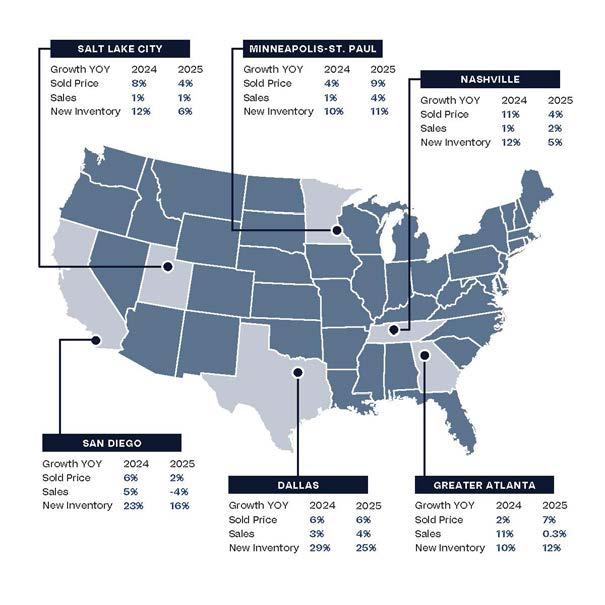
Between 2020 and 2025, we found six U.S. markets — Minneapolis–St. Paul, Greater Atlanta, Dallas–Fort Worth, Nashville, Salt Lake City, and San Diego — that showed consistent strength across price growth, sales activity, and inventory confidence. Five-year median price appreciation spanned from the mid-40% range to more than 90% in these cities, while sales momentum remained positive even as national trends softened. These markets attract highly diversified buyer pools and high concentrations of cash buyers, reducing sensitivity to interest rates and volatility.
Beyond the U.S., the U.S., UAE, Italy, Switzerland, and Saudi Arabia rank among the top destinations for migrating millionaires, according to Henley & Partners. Meanwhile, countries such as the U.K. are experiencing increased wealth outflows.
Evolving priorities suggest that the next generation of wealth haven markets will be evaluated through a much broader, more multidimensional lens.
A New Definition of Luxury
Nearly 80% of surveyed Coldwell Banker Global Luxury Property Specialists now describe their markets as “resilient” — a sign not only of confidence in the underlying strength of their local markets, but of the growing importance their clients place on investing in communities and homes that preserve value, support quality of life, and endure across cycles.
Home Updates When You Sell That Actually Pay You Back
Source: Keeping Current Matters
Planning to sell this spring? While you may be tempted to hold off until the first blooms or the spring showers hit, that’s actually waiting too long to get started by today’s standards.
Buyers have more options than they did a few years ago. So, it’s worth it to tackle
Which Projects Tend to Pay Off?
repairs now and make sure your house is set up to stand out. Because you don’t want to be caught scrambling right before the spring rush. Or, running out of time to do the work your house really needs.
The key is focusing on updates that actually matter. And that’s exactly where return-oninvestment (ROI) data comes in handy.
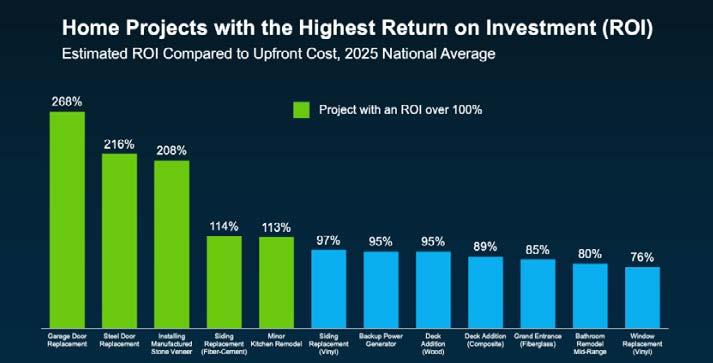
Every year, Zonda looks at which home improvements deliver the most bang for the buck when you go to sell the home. And the results can be a little surprising. The green in the chart below shows the updates where sellers have the biggest potential to add value based on that research:
While there’s a wide range of projects represented in this data, the cool part is, some of the top winners aren’t big to-do’s. They’re just swapping out doors.
Small Updates, Big Visual Impact
This goes to show little projects can have a big impact. So, you don’t have to spend a fortune. And you don’t need to tackle everything on this list. But in today’s market, doing nothing can work against you.
Now that buyers have more homes to choose from, a lot of them are going to opt for what’s move-in ready.
The best advice? Focus on what your house needs, whether it’s listed here or not – like the repairs you’ve been putting off. A front door or shutters in need of a little TLC. Piles of leaves in the yard. Scuffed up paint where your kids play inside. Those details matter too.
Mallory Slesser, Interior designer and Home Stager, explains it to the National Association of Realtors (NAR) this way:
“If you’re looking for affordable updates that pack a punch, dollar for dollar, I would say painting; changing out light fixtures; changing out hardware; maybe new draperies or window treatments. Those are all cost-effective ways to make a big statement. It really changes the space.”
These seemingly small things help buyers focus on the home itself – not the work they think they’ll have to do after moving in. And that’s paying off for other sellers. Buyers are often willing to spend more on homes that feel well cared for, updated, and move-in ready.
This Chart Is a Starting Point, Not a Strategy
Here’s the important thing to remember. National data like this is a guideline. Buyer preferences are going to vary by location, price point, and even neighborhood. That means a project that boosts value in one area might be unnecessary (or even overkill) in yours.
That’s why the first step should always be to talk with a local real estate professional before you start.
Bottom line
If you’re looking to sell this spring, you still have time to make updates that help your home stand out – without taking on a full renovation. If you’re not sure where to start, let’s talk through what makes sense for your house.
An experienced agent can help you answer questions like:
• Which updates do buyers in your market expect?
• What can you skip without hurting your sale?
• Where will a small investment make the biggest difference?
• Is it better to update, or sell as-is?
That guidance helps you avoid over-improving and underpreparing.Buyers are often willing to spend more on homes that feel well cared for, updated, and move-in ready.
A quick conversation can help you prioritize the updates that’ll pack the biggest punch. What’s one upgrade you’ve been thinking about – and wondering if it’s worth it?
The information contained, and the opinions expressed, in this article are not intended to be construed as investment advice. Keeping Current Matters, Inc. does not guarantee or warrant the accuracy or completeness of the information or opinions contained herein. Nothing herein should be construed as investment advice. You should always conduct your own research and due diligence and obtain professional advice before making any investment decision. Keeping Current Matters, Inc. will not be liable for any loss or damage caused by your reliance on the information or opinions contained herein.