Содержание
СЕКЦИЯ
НИКОЛАЕВИЧ
ЦИФРОВАЯ ТРАНСФОРМАЦИЯ
DUDAITI GEORGII
КИБЕРБЕЗОПАСНОСТЬ
004.75
Project Manager (major projects)
BPC Banking Technologies
Grepan Vadim master’sdegree,ProjectManager(majorprojects) BPC Banking Technologies
INNOVATIVE METHODS FOR ENSURING PRIVACY AND SECURITY IN MESSENGERS USING BLOCKCHAIN TECHNOLOGY
Abstract: This article analyzes the use of blockchain technologies in messengers as an innovative method for enhancing the privacy and security of communications. It highlights the role of data decentralization in eliminating threats and enhancing confidentiality through message encryption. The impact of these technologies on transforming messengers from simple communication tools into multifunctional platforms that provide a high level of security and transparency in financial transactions is also studied.
Keywords: Blockchain technology, messengers, privacy, security, data decentralization, encryption, financial transactions.
централизованнохранитсянасерверах,чтосоздаетуязвимостипередатакамии угрозы несанкционированногодоступа
конфиденциальности,
экономики.Этитехнологии позволяютнетолько обеспечитьбезопасныйобмен сообщениями,
проведениетранзакцийиуправлениефинансовымипотоками.
интеграциисБТииспользуемымпротоколам: ● мессенджеры
сообщений–распределяютсячерезБТ;
● P2P (peer-to-peer – равный
коммуникационные сообщения
(например,финансовые)черезБТ
высокийуровеньбезопасностиизащитыданных(табл. 1).
Таблица1.СравнениеБМитрадиционныхмессенджеров [8, 9]
Характеристика Блокчейн-мессенджеры
Безопасность Высокийуровеньзащиты данныхзасчет
децентрализациии криптографии
Конфиденциальность Полнаяанонимностьи шифрованиекаждого сообщения
Управлениеданными
Скоростьтранзакций
Масштабируемость
Сквозноешифрование
Контрольданныхс помощьюприватныхключей
Зависитотпротокола блокчейна,можетбыть ниже,чемутрадиционных методов
Можетстрадатьиз-за
ограниченийпропускной способностиблокчейна
Обычноприменяетсядля обеспечениямаксимальной безопасностисообщений
Открытыйисходныйкод Частоимеютоткрытый исходныйкод,чтопозволяет пользователямпроверять безопасность
Среднийуровень,зависитот мербезопасности
централизованныхсерверов.
Ограниченная;данныемогут бытьдоступныпровайдеру
Данныеуправляютсяи хранятсяпоставщикомуслуг
Обычновысокая,благодаря оптимизированной
обработкенасерверах
Высокая,благодаря использованиюмощных центральныхсерверов
Можетприменяться,но зависитотконкретного сервиса
Режеимеютоткрытый исходныйкод;пользователи должныдоверять провайдеру
использованыразличныемоделиконсенсуса,например,ProofofWorkилиProof ofStake,которыепомогаютподдерживатьцелостностьсети.
Таблица2.ВызовыирешенияпривнедренииБТвмессенджеры [12]
Вызов
Совместимость
Производительность
Пользовательский опыт
Безопасность
Описание проблемы Решение
Трудности интеграции блокчейна с существующими ИТ-системами
Задержки в обработке транзакций из-за времени достиженияконсенсуса
Сложностьвуправлении ключамиивзаимодействиис блокчейном
Риски,связанныес уязвимостямисмарт-контрактов иуправлениемключами
Разработка адаптеров и мостов длясовместимостисистем
Оптимизация протоколов консенсуса и использование частныхблокчейнов
Разработкаупрощенных интерфейсовиавтоматическое управлениеключами
Проведениекомплексных аудитовивнедрение многоуровневыхмеханизмов безопасности
удобным,ноибезопасным.
1. Blockchain Statistics of 2024 (Market Size & Users) / Demandsage URL: https://www.demandsage.com/blockchain-statistics/ (дата
: 29.04.2024)
2. Number of Bitcoin block explorer Blockchain.com wallet users worldwide from November 2011 to November 17, 2022 / Statista URL: https://www.statista.com/statistics/647374/worldwide-blockchain-wallet-users/(
: 29.04.2024)
3. Яковишин
// International Journal of Humanities and Natural Sciences. 2024. Vol. 1-2(88).
4. Blockchain Messaging Apps Market Outlook / Future Market Insights
URL: https://www.futuremarketinsights.com/reports/blockchain-messaging-appsmarket (датаобращения: 30.04.2024)
5. Onyx by J.P. Morgan / J.P. Morgan // URL: https://www.jpmorgan.com/onyx/about (датаобращения: 30.04.2024)
6. Circle Delivers USDC Interoperability Across Ecosystems with Mainnet
Launch of Cross-Chain Transfer Protocol // Circle URL: https://investor.circle.com/corporate-news/news-details/2023/Circle-Delivers-USDCInteroperability-Across-Ecosystems-with-Mainnet-Launch-of-Cross-Chain-TransferProtocol/default.aspx (датаобращения: 30.04.2024)
7. Privacy and decentralization at the core of Status / Status // URL: https://investor.circle.com/corporate-news/news-details/2023/Circle-Delivers-USDCInteroperability-Across-Ecosystems-with-Mainnet-Launch-of-Cross-Chain-TransferProtocol/default.aspx (датаобращения: 01.05.2024)
8. Можаровский Е.А. Технологии
9.
10.
. 2024. №3/2024.
картах, телемедицине
внимание уделяется вопросам кибербезопасности
Делается вывод о необходимости разработки четкой стратегии для успешной реализациицифровойтрансформации. Ключевые слова: Цифровая трансформация, медицинские предприятия, электронные медицинские карты, телемедицина, искусственный интеллект, кибербезопасность.
Vasilieva Marina master’sdegree, Saint Petersburg State University Russian Federation, Saint Petersburg
METHODS OF OPTIMIZING MARKETING STRATEGY IN THE PHARMACEUTICAL SECTOR
Abstract: The article analyzes the methods of digital transformation in healthcare enterprises, focusing on electronic medical records, telemedicine, and artificial intelligence. The advantages and challenges of implementing these technologies are discussed, including cost reduction, improved diagnostic accuracy, and enhanced quality of medical services. The study shows that most healthcare organizations have already initiated the digitization process or plan to do so in the coming years. Special attention is given to cybersecurity and staff training. The conclusion emphasizes the need for a clear strategy for the successful implementation of digital transformation.
Keywords: Digital transformation, healthcare enterprises, electronic medical records, telemedicine, artificial intelligence, cybersecurity.
кибербезопасности[1].
медицинских
дальнейшегоразвития.
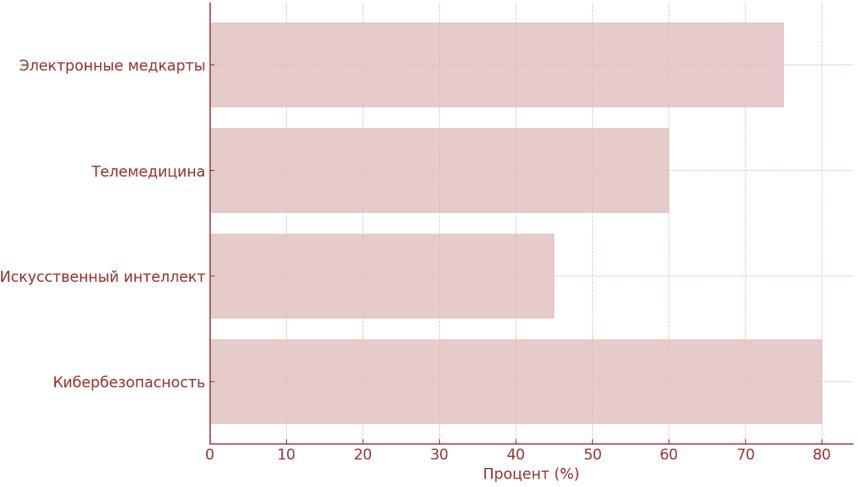
. 1).
Таблица1.Влияниецифровыхтехнологийнаэффективностьмедицинских
недвижимостьюиповышениюудовлетворенностиклиентов.
Рисунок1.Процентмедицинскихучреждений,внедряющихцифровые
1.
практика.2021.№25(2).С.128-142.
2. Галимова М.П. Готовность
Наука,образование,экономика.Серия:Экономика.2019.№1.С.27-37.
3. Влияние цифровизации бизнеса
ВестникАлтайскойакадемииэкономикииправа.2023.№2(10).С.128-137.
4.
5.
технологий//Вестникнауки.2024.№4(73).Т.1.С.62–76. ISSN 2712-8849
6.
UDK 656.614.3
Korostin Oleksandr individual researcher, master’sdegree
INNOVATIONS IN THE AUTOMATION OF ELECTRONIC MESSAGE
PROCESSING FOR MARITIME SHIPPING
Abstract: The article investigates innovations in the automation of electronic message processing in the MTSh sector. It analyzes problems of information overload and errors in manual data processing. The potential of applying artificial intelligence (AI) to improve communication efficiency is examined. It highlights that AI technologies, such as natural language processing and machine learning, enhance the accuracy and speed of data processing. Ethical aspects and challenges of AI implementation in the maritime sector are also considered.
Keywords: Automation, electronic messages, maritime shipping, artificial intelligence, natural language processing, machine learning, innovations.
INTRODUCTION
The maritime shipping (MTSh) industry, a vital component of global trade, depends extensively on effective and reliable communication. Email remains a principal method for coordinating operations, managing logistics, and ensuring compliance with international regulations. The growing volume and complexity of email traffic present substantial challenges to traditional processing methods. Problems such as information overload, response delays, and human errors not only reduce operational efficiency but also affect decision-making processes. These difficulties necessitate the exploration of advanced technologies, particularly Artificial Intelligence (AI), to enhance and streamline communication within the maritime sector.
The primary aim of this study is to explore the theoretical foundations of AIdriven automation in email processing for MTSh. The potential benefits, challenges, and ethical considerations related to AI implementation are examined.
MAIN PART
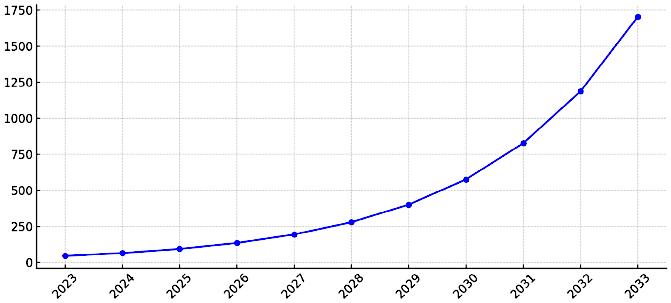
Maritime transport continues to navigate the post-COVID-19 landscape, grappling with the aftermath of global supply chain disruptions from 2021-2022, a downturn in the container shipping market, and shifts in trade and shipping patterns. The industry faces numerous challenges, including heightened trade policy tensions and geopolitical frictions, while adapting to changes in globalization patterns. Additionally, the maritime sector must transition towards more sustainable practices, reduce carbon emissions, and embrace digital technologies. The industry's ability to balance these interconnected factors will determine how effectively it can adapt to the evolving operational and regulatory environment while meeting global trade demands. Despite these challenges, the sector remains resilient, with moderate growth expected through 2024-2028. According to UNCTAD forecasts, maritime trade volumes grew by 2.4% in 2023 following a contraction of 0.4% in 2022. The growth rates of freight volume in ton-miles exceed the corresponding indicator in tonnes in 2022 and 2023, and in the forecasts for 2024 (fig. 1).
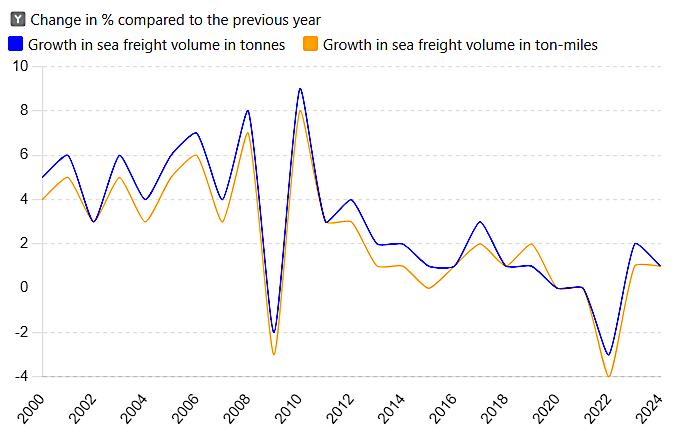
Figure 1. Seaborne trade growth, tons and ton-miles [1]
Adopting advanced technologies, promoting sustainable practices, and increasing efficiency through digitalization will help the industry sustain resilience and competitiveness in a changing global environment.
ELECTRONIC MESSAGING IN MARITIME TRANSPORT
Electronic messaging plays a critical role in the maritime transport sector, facilitating communication between various stakeholders including shipping
companies, port authorities, logistics providers, and regulatory bodies. The effective use of electronic messaging technologies is essential for ensuring the smooth operation of maritime logistics, compliance with international regulations, and timely information exchange. Several key technologies are utilized in electronic messaging within maritime transport, each serving specific purposes:
•Traditional email systems are widely used for general communication, sharing documents, and coordinating logistics. They provide a straightforward and reliable method for exchanging information across various platforms and geographic locations.
•Electronic Data Interchange (EDI) is a standardized method for exchanging business documents between organizations electronically. In maritime transport, EDI facilitates the automated transfer of shipping manifests, bills of lading, customs documents, and other critical data, reducing the need for manual data entry and minimizing errors.
•Maritime Single Window (MSW) systems streamline the submission of regulatory information by allowing maritime stakeholders to submit all necessary documentation through a single electronic platform [2]. This reduces the administrative burden on shipping companies and enhances compliance with international regulations.
Despite the advancements in electronic messaging technologies, the maritime transport sector faces several challenges that hinder the efficient and effective use of these systems (table 1).
Table 1. Challenges in electronic messaging within maritime transport [3,4]
Problem Description Impact
Informationoverload The high volume of emails and messages can overwhelm users, making it difficult to identify and prioritizecriticalinformation.
Datainconsistency
Inconsistent data formats and standards across different systems and stakeholders lead to discrepancies and miscommunication.
Delays in decision-making, increased risk of missing important messages, and reducedproductivity.
Increased errors, duplication of efforts, and difficulties in integrating information from multiplesources.
Cybersecurityrisks Electronic messaging systems are vulnerable to cyber threats such as Potential data breaches, financiallosses,anddamageto
phishing, malware, and unauthorized access. reputation.
Regulatorycompliance Ensuring compliance with varying international regulations and requirements can be complex and time-consuming.
Lackofintegration
Many electronic messaging systems operate in silos, with limited integration between different platformsandtechnologies.
Administrative burden, risk of non-compliance penalties, and delaysinoperations.
Inefficiencies in data sharing, redundant processes, and challenges in achieving endto-endvisibility.
Manualprocessing A significant amount of electronic messaging still involves manual processingandintervention. Increased labor costs, higher risk of human error, and slowerprocessingtimes.
From the author's perspective, the maritime transport sector's dependence on electronic messaging presents several significant challenges that affect operational efficiency and decision-making. Mistakes arising from information overload, inconsistent data, and manual processing are particularly harmful, as they can result in delays, higher labor costs, and the potential for miscommunication. By integrating AI-driven solutions, the maritime transport sector can greatly enhance its responsiveness, precision, and capacity to adjust to the evolving demands of global trade, thus preserving its resilience and competitiveness in a dynamic operational environment.
THEORETICAL FOUNDATIONS OF AI-ENHANCED EMAIL
AUTOMATION IN MTSH
AI encompasses a wide range of technologies that enable machines to perform tasks that typically require human intelligence. In the context of email automation, several key AI concepts are particularly relevant, including natural language processing (NLP), machine learning (ML), and automated classification systems [5]. These technologies are foundational in developing systems capable of understanding, processing, and managing email communications efficiently.
Natural Language Processing (NLP) is a branch of AI focused on the interaction between computers and human language. NLP enables machines to comprehend, interpret, and generate human language in a valuable way. In email automation, NLP algorithms can analyze the content of emails to extract meaningful
information, classify messages, and generate appropriate responses. Techniques such as sentiment analysis, named entity recognition, and topic modeling are commonly used in NLP to enhance email processing. For instance, sentiment analysis can determine the tone of an email, which is crucial in prioritizing customer service responses, while named entity recognition helps identify key information such as dates, names, and locations.
Another component, ML involves the development of algorithms that allow computers to learn from and make decisions based on data. In email automation, ML models can be trained to recognize patterns and trends within large datasets of email communications. This capability is essential for tasks such as spam detection, predictive text input, and personalized email sorting. Supervised learning, where models are trained on labeled data, and unsupervised learning, which involves finding hidden patterns in unlabeled data, are both widely applied in email automation [6]. Reinforcement learning, another ML approach, can be utilized to optimize email response strategies based on feedback and interaction outcomes.
Automated classification systems in AI are essential for organizing and managing email traffic. These systems utilize NLP and ML techniques to sort emails into predefined categories such as spam, important, promotions, and social updates. The classification relies on the analysis of content, context, and metadata. By automating this process, the need for manual sorting is significantly reduced, which enhances efficiency and minimizes the risk of human error [7]. Advanced algorithms, including deep learning neural networks, achieve high accuracy in email categorization due to their capability to handle large datasets and identify complex patterns.
AI-driven automation in email processing can incorporate additional features such as language translation, summarization, and scheduling. Language translation algorithms enable the automatic translation of emails written in different languages, facilitating seamless communication in multinational maritime operations. Summarization techniques condense lengthy emails into brief summaries, allowing users to quickly grasp the essential information without reading the entire content.
Scheduling algorithms can automate the process of arranging meetings and appointments based on email interactions, streamlining operational logistics.
The integration of NLP, ML, and automated classification systems within AI frameworks offers significant potential to enhance email automation in MTSh. These technologies not only improve the efficiency and accuracy of email processing but also support better decision-making and communication strategies.
Integrating AI into maritime email processing involves several strategic steps and a consideration of both technical and operational challenges. The initial step in this integration process is a comprehensive assessment of the existing email processing system to identify key areas where AI can add value. This involves analyzing the volume and type of emails handled, the common issues encountered, and the specific needs of the organization. Following this assessment, the next step is selecting appropriate AI technologies, such as natural NLP and ML models, tailored to the unique requirements of maritime email communication.
The implementation strategy should include the development of a robust data infrastructure capable of handling large volumes of email data efficiently. This infrastructure must support the training and deployment of AI models, ensuring that they can process and analyze email content accurately and in real-time. Additionally, integrating AI into existing email systems requires the development of custom algorithms to automate tasks such as email categorization, sentiment analysis, and predictive analytics. Training these algorithms involves using historical email data to teach the AI systems to recognize patterns and make informed decisions. In Table 2, the technical and operational challenges of implementing AI in maritime email processing are outlined and their impacts on the industry.
Table 2. Technical and operational challenges of implementing AI in maritime Email processing [8]
Challenges Description Impact
Dataprivacyandsecurity
Resistancetochange
Ensuring compliance with international data protection regulations to prevent breaches andmaintaintrust.
Overcoming organizational inertia and employee apprehension
Potential data breaches, financiallosses,anddamageto reputation.
Reduced adoption rates, potential conflicts, and slower
towards new technologies disruptingestablishedworkflows. integrationofAIsystems.
Maintenanceandupdates Continuous monitoring and updating of AI systems to ensure they adapt to evolving email patternsandbusinessneeds.
Integrationcomplexity
Costofimplementation
Ethicalconsiderations
Integrating AI seamlessly with existing email systems and other ITinfrastructure.
High costs associated with deploying and maintaining AI technologies, particularly for smallermaritimecompanies.
Addressing ethical issues such as bias in AI algorithms, transparency in AI decisionmaking,andaccountability.
Increased operational costs and the need for dedicated AI specialistsandITsupport.
Technical difficulties, potential downtime during integration, and increased complexityofITmanagement.
Financial strain on smaller companies, slower adoption rates, and potential exclusion fromthebenefitsofAI.
Potential for biased decisions, lack of transparency, and challenges in ensuring ethical compliance.
Despite these challenges, the implementation of AI in automating email processing for maritime transport holds significant potential. Future prospects for AI in this area are particularly promising, especially regarding systems designed to recognize the content of emails related to freight offers or newly available positions on cargo ships. Currently, this market operates through manual processing, with operators handling hundreds of emails daily. This approach is time-consuming and prone to human error, making it ideal for AI-driven automation.
AI technologies such as NLP and ML can be employed to automatically identify and extract key details from emails, such as cargo type, volume, destination, and shipping dates. This information can then be integrated into a centralized database and displayed on a user-friendlyinterfaceonthecompany’swebsite.
The automation of email processing will streamline communication workflows, allowing operators to quickly access and respond to relevant shipping opportunities. AI-driven email processing can provide valuable insights and analytics, helping companies optimize their operations and better understand market trends. In the long term, the adoption of AI for email processing in maritime transport will lead to more dynamic and responsive logistics operations. Companies will be able to allocate resources more effectively, reduce operational costs, and improve service quality.
CONCLUSION
The integration of AI into the automation of email processing in maritime transport holds tremendous potential. Despite the technical, operational, and ethical challenges, AI technologies like NLP and ML offer promising solutions to improve efficiency, accuracy, and decision-making. These advancements can significantly reduce manual processing, enhance the ability to handle large volumes of emails, and improve communication workflows. As AI continues to evolve, its applications in maritime email processing will become more sophisticated, enabling the industry to better adapt to the demands of global trade. This transformation is crucial for maintaining competitiveness and ensuring that maritime transport remains efficient and reliable in an increasingly complex and dynamic environment.
REFERENCES
1. Review of maritime transport / UNCTAD // URL: https://unctad.org/system/files/official-document/rmt2023_en.pdf (date of application: 15.05.2024)
2. Paladin Z., Sorovic M., Bauk S., Knoors F., Stephens J., Kapidani N., Luksic Z., Mujalovic R. Maritime transport and logistics digital solutions optimization using advanced data sharing platforms: epicenter projects'case // 37th Bled eConference Resilience Through Digital Innovation: Enabling the Twin Transition. 2024. С. 403.
3. Gujrat R., Hatipoğlu C., Uygun H. Information sharing model and electronic data exchange in supply chain management // Revolutionizing the AIDigital Landscape. Productivity Press. 2024.С.204-221.
4. Grepan V. Theoretical and practical foundations of smart contract validation//Innovacionnayanauka.2024.№3-2/2024. P. 24-28.
5. Neumann T. Development of ICT networks in maritime transport applications // Advances in Maritime Technology and Engineering. CRC Press, 2024. С. 61-69.
6. Pacini F., Marroccella D., Lagudi A., Drago M. F., Buffone F., De Rango F., Bruno F. Innovative Solutions for Maritime Infrastructures Monitoring and
Protection // Intelligent Secure Trustable Things. – Cham: Springer Nature Switzerland, 2024. С. 395-417.
7. Bukhtueva I. Enhancing Customer Experience with AI-Powered Personalization Techniques // Innovacionnaya nauka. 2024. №4-1. P. 114-119.
8. Heikkilä M., Himmanen H., Soininen O., Sonninen S., Heikkilä J.
Navigating the future: developing smart fairways for enhanced maritime safety and efficiency // Journal of Marine Science and Engineering. 2024. Vol.12.№ 2. С. 324.
UDK 621.56
Konstantinov Dmitrii graduate student, Saint Petersburg ElectrotechnicalUniversity«LETI» Russian Federation, St. Petersburg
Kolganov Dmitry bachelor’sdegree, Bauman Moscow State Technical University Russian Federation, Moscow
ADAPTATION REFRIGERATION SYSTEMS TO EXTREME
TEMPERATURE CONDITIONS DUE TO CLIMATE CHANGE:
CHALLENGES AND SOLUTIONS
Abstract: This research paper explores the specific challenges that refrigeration systems face when operating under extreme high and low temperature conditions, such as increased energy consumption, reduced efficiency, and mechanical stress. It examines the latest technological advancements and innovative solutions designed to enhance the performance and resilience of refrigeration systems. Key strategies discussed include the use of advanced refrigerants, adaptive control algorithms, phase change materials for thermal storage, and the development of robust heat exchangers. Keywords: Refrigeration, cooling systems, heat stress, climate change, air conditioning, phase change materials (PCMs), machine learning.
INTRODUCTION
The adaptation of refrigeration systems (RS) to extreme temperature conditions presents a significant challenge and an essential area of research in the field of thermal engineering. As global temperatures continue to rise and climate patterns become more unpredictable, the demand for robust and efficient refrigeration solutions capable of operating in both high and low extreme temperatures is increasing [1]. Such systems are important not only for preserving food and medical supplies but also for ensuring the proper functioning of industrial processes and maintaining comfort in residential and commercial environments. These systems, traditionally designed for moderate climate conditions, face numerous challenges when exposed to extreme temperatures. High ambient temperatures can lead to increased load on RS, resulting in higher energy consumption, reduced efficiency, and potential system failures. Extremely low
temperatures can cause issues such as refrigerant condensation, reduced heat transfer efficiency, and mechanical stresses on system components.
This paper aims to provide a general overview of the current challenges faced by RS in extreme temperature conditions and to explore the latest technological advancements and solutions designed to address these issues.
MAIN PART. APPLICATION OF STATE-OF-THE-ART MATERIALS AND TECHNOLOGIES IN REFRIGERATION SYSTEMS
With global temperatures on the rise and the phenomenon of climate change becoming more prevalent, there is a corresponding rise in the demand for refrigeration and air conditioning systems. This consequently results in an increase in energy consumption. It presents a challenge in terms of the availability of resources and also contributes to the emission of greenhouse gases. Another complex problem for industrial refrigeration in extreme climates is the evolving regulatory environment. As awareness of the environmental impact of traditional refrigerants increases, governments and regulatory bodies are implementing stricter regulations with the aim of reducing their use. The new rules are expected to prevent 105 million tonnes of CO2e from getting emitted from refrigerants by 2047 [2].
The industrial refrigeration sector is confronted with a significant challenge in adapting to changing temperature patterns. The occurrence of extreme weather phenomena, such as more frequent and prolonged heat waves, presents a challenge to the ability of these systems to maintain optimal conditions. These difficulties necessitate the development of innovative solutions and technologies to enhance the resilience and performance of RS.
Utilizing advanced refrigerants with superior thermodynamic properties can significantly enhance the performance of RS in extreme environments. They are designed to maintain efficiency and reduce energy consumption even at high ambient temperatures. Over the last decades, RS have employed conventional refrigerants, including chlorofluorocarbons (CFCs) and hydrochlorofluorocarbons (HCFCs), which have been linked to ozone depletion potential (ODP) and high global warming potential (GWP). The presence of chlorine and fluorine atoms in the emitted
halocarbon refrigerant from RS has been shown to impact the ozone layer and cause climate degradation. One of the most harmful refrigerants is hydrofluorocarbons (HFCs) that has a very high impact on ODP. The recently established regulations set forth in the Kigali Amendment to the Montreal Protocol stipulate that the global utilization of these substances will be reduced by approximately 85% over the next 30 years [2]. The full implementation of HFC production and consumption phasedowns is projected to prevent an estimated 0.5 degrees Celsius of atmospheric warming by 2100.
Some hydrogen-based refrigerants such as hydrocarbon (HC) are attracting increasing interest from the refrigeration sector because of their lower refrigerant charge and better miscibility with oil. Hydrofluoroolefins (HFOs) is an environmentally friendly refrigerant that offers low GWP and improved performance metrics such as high heat efficiency, making it suitable for extreme conditions.
One of the promising carbon-based refrigerants is carbon dioxide (CO2). It is natural fluid with a high volumetric refrigerating capacity of 22.545 kJ/m3 at 0 °C, that from 3 to 10 times higher than fluorine- and other carbon-based refrigerants [3]. Its operating costs can be much lower in the long term, however its CO2 requires highly complex and costly systems due to the high pressure at which it operates.
Recent studies [4] show that the rate of heat transfer within the system can be enhanced by the addition of nanoparticles. In refrigerant-based systems, nanoparticles are simply added to the refrigerant. One of the most intriguing applications of nanofluids is in the field of renewable and energy and thermal engineering. Nanofluids exhibit a number of exceptional properties, including thermal properties and stability. They also can decrease the friction coefficient and wear rate and enhance the compatibility between refrigerants and lubricants.
Incorporating phase change materials (PCMs) into RS provides an effective method for thermal energy storage and management. PCMs can absorb and release large amounts of latent heat during phase transitions, thereby stabilizing temperatures within the system. This capability is particularly useful for buffering against
temperature spikes or drops, enhancing the overall stability and efficiency of the refrigeration process.
PCMs are classified into three main groups according to their chemical composition: organic, inorganic and eutectics. It is evident that each group does not possess all the advantages that are required of a single system. It is necessary to select a suitable material that is compatible with the advantages and disadvantages of each group and material (table 1).
Table 1.Advantage and disadvantages of different PCMs in refrigeration systems [5]
Eutectic material
Example Inorganic-organic, Inorganic-inorganic, organic-organic.
Advantages Widerangeofphase changetemperature; Goodchemicaland thermalstability; Highheatcapacity; Noorlittle supercooling.
Disadvantages Leakageduringthe phasetransition Lowthermal conductivity.
Organic material
Paraffin,fattyacid,alcohol, ester,polyethyleneglycol.
Non-corrosive; Goodchemicalandthermal stability; Nosupercooling; Highheatoffusion; Lowvaporpressure; Nontoxic.
Lowthermalconductivity; Lowphasechangeenthalpy; Highchangesinvolumes duringthephasetransition.
Inorganic material
Salthydrate,metallic
Nonflammable; Inexpensive; Highheatoffusion; Goodthermal conductivity
Corrosion; Phasedecomposition; Highsupercooling effect; Lossofhydrate throughouttheprocess; Insufficientthermal stability; Weightproblem.
The thermal and chemical stability of PCM during continuous melting and freezing is a prerequisite for its use as TES in refrigerators and freezers. Therefore, it is of critical importance to ensure that the PCM does not undergo any changes in its thermal properties or chemical structure over time. This is because any degradation will result in an increase in the PCM enthalpy of fusion, which will consequently affect the phase change temperature. Water and eutectic PCM solutions are the most commonly used in domestic RS. It should be noted that a range of additional materials are also employed in practice of RSs: NaCl/SAP/diatomite/H2O, MgSO4/H2O, Na2SO4/H2O.
In conventional air conditioning systems, the chilled water temperature is typically around 7 °C. Consequently, materials that melt between 5 °C and 12 °C are employed to store the cold generated by air conditioning in order to maintain the room temperature. The PCM should exhibit a high level of fusion heat, which allows for a higher amount of cold storage density than sensible heat storage. The following PCMs are usually used: CaCl2 +H2O, Na2SO4, H2O, NaCl, NH4Cl, Na2B4O7.10H2O, NH4Br, C14H30 (n-Tetradecane), C15H32 (n-Pentadecane).
In a study conducted by a researcher Rakkappan et al. [6], a composite PCM with expanded graphite (CPCM) was prepared for use in an air-conditioning cold storage system. The thermal conductivity, specific heat, thermal cycling stability, and charging and discharging characteristics of the CPCM were investigated. The results of the CPCM experiments demonstrate high efficiency (84.99%), good thermal conductivity (16.33 times higher), high charging rate (5.51 times higher), high discharging rate (5.97 times higher), and good chemical compatibility with PCM. The application of CPCM enhances the energy storage characteristics, raises the freezing temperature, and eliminates the need for supercharging.
Designing robust heat exchangers capable of operating efficiently in extreme temperatures is significant. Innovations in apparatus materials and geometries can improve heat transfer rates and durability. Microchannel heat exchangers offer enhanced thermal performance and compactness, making them ideal for use in environments with extreme temperature variations. It has the advantages of simple structure, flexible layout, strong adaptability, good sealing, and multi-fluid heat transfer ability. It was shown that this type of technology has a large surface area to volume ratio, a large heat exchange area effectively utilized, and high heat transfer efficiency [7].
Integrating energy recovery systems can enhance the overall efficiency of RS. Techniques such as heat recovery ventilation and regenerative heat exchangers can capture waste heat generated by the system and reuse it for preheating or other processes. This not only improves energy efficiency but also reduces the overall environmental impact.
Applying enhanced insulation materials and techniques can help maintain the desired internal temperatures of RS, even when external temperatures are extreme. Vacuum insulated panels (VIPs) and aerogels provide superior thermal resistance, reducing the thermal load on the system and improving energy efficiency. The energy consumption is influenced by two key factors: the coverage area and the location of the VIPs. Solid panels of VIPs are fixed against the outer wall before being integrated into the desired position. This process reduces heat transfer without reducing internal volume. Chinese scientist Zhao [8] established that VIPs reduce the steady-state energy consumption of the refrigerator by 12.4% and accelerate compartment cooling by 27.8% due to better thermal insulation. By employing these methods, it is possible to develop RS that are more resilient and capable of maintaining optimal performance under extreme temperature conditions.
IMPLEMENTING SMART MONITORING AND MACHINE LEARNING TECHNIQUES
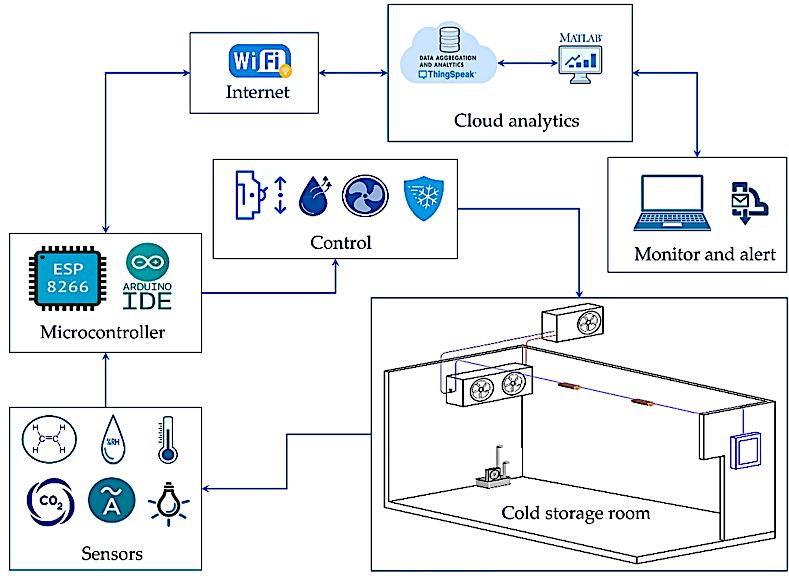
Integrating smart diagnostic systems enables continuous tracking of RS performance. IoT sensors and cloud-based analytics platforms can provide real-time insights into system health, detect anomalies, and predict potential failures. This proactive approach allows for timely maintenance and adjustments, reducing downtime and improving reliability [9]. The sensors periodically collect the data, which are uploaded by the considered microcontrollers through Wi-Fi for control, monitoring, and alert purposes (fig. 1).
Figure 1. The system model of the IoT-based control [10]
The temperature sensor is responsible for monitoring the temperature of the main enclosure and the freezer it serves. It is employed to regulate the refrigerator's operation based on the prevailing room temperature. In the event of a refrigerant leak or an increase in external temperature, sensors allow the RS to be adjusted to effectively cool the compartments. IoT is positioned to assume a pivotal role in the dissemination of alerts in the event of an emergency, particularly in the pharmaceutical market of the USA, where it can improve the monitoring of drug storage conditions [11].
Implementing adaptive control algorithms allows RS to dynamically adjust their operating parameters in response to changing environmental conditions. These algorithms use real-time data to optimize the performance of compressors, fans, and other components, ensuring maximum efficiency and reliability. Machine learning techniques, such as model predictive control and reinforcement learning, can be employed to predict system behavior and preemptively adjust settings to mitigate the impact of temperature fluctuations. The implementation of a simple linear temperature prediction model in air conditioners can reduce cooling costs by a third through fan control, as well as increase the thermal efficiency of the system.
A substantial quantity of data is subjected to analysis through the application of artificial intelligence and bid data algorithms. This represents a pressing and invaluable source of information for decision-making based on precise data. The system enables the prediction of potential failures in industrial RS in extreme climates, thereby facilitating preventive maintenance and increased operational efficiency. Recent research contributes to the ongoing development of sustainable and high-performance refrigeration solutions, ensuring the preservation of food, medical supplies, and industrial processes even in the face of climate challenges [12].
CONCLUSION
Refrigeration systems face various challenges, including increased energy consumption, reduced efficiency, and mechanical stress, all of which can compromise performance and reliability. The use of advanced refrigerants with superior thermodynamic properties, the implementation of adaptive control algorithms, and
the incorporation of PCMs for thermal storage show significant promise. The development of robust heat exchangers, enhanced insulation techniques, smart monitoring and diagnostic systems, and energy recovery systems are substantial for improving the resilience and efficiency of RS in extreme environments.
REFERENCES
1. Perkins-Kirkpatrick S.E., Lewis S.C. Increasing trends in regional heatwaves. Nat Commun. 2020. Vol.11.№3357.
2. Environmental Protection Agency (EPA). Recent International Developments under the Montreal Protocol. URL: https://www.epa.gov/ozone-layerprotection/recent-international-developments-under-montreal-protocol (date of application: 01.05.2024).
3. Saeed M. Z., Contiero L., Blust S., Allouche Y., Hafner A., Eikevik T. M. Ultra-Low-Temperature Refrigeration Systems: A Review and Performance Comparison of Refrigerants and Configurations // Energies. 2023. Vol.16.№7274.
4. Said Z., Rahman S., Sohail M., Bahman A., Alim M., Shaik S., Radwan A., El-Sharkawy I. Nano-refrigerants and Nano-lubricants in Refrigeration: Synthesis, Mechanisms, Applications, and Challenges // Applied Thermal Engineering. 2023. Vol.233.№121211.
5. Pahamli Y., Valipour M. S. Application of phase change materials in refrigerator and freezer appliances: A comprehensive review. Journal of Heat and Mass Transfer Research. 2021. Vol. 8(1). P. 87-104.
6. Rakkappan S. R., Sivan S., Ahmed S. N., Naarendharan M., Sudhir P. S. Preparation, characterisation and energy storage performance study on 1-DecanolExpanded graphite composite PCM for air-conditioning cold storage system // International Journal of Refrigeration. 2021. Vol. 123. P. 91-101.
7. Zeng L., Liu X., Zhang Q., Yi J., Liu X., Su H. Research on Heat Transfer Performance of Micro-Channel Backplane Heat Pipe Air Conditioning System in Data Center // Appl. Sci. 2020. Vol.10.№583.
8. Zhao R., Qiao L., Gao Z., Huang D. Effect of Vacuum Insulation Panels on Energy Consumption and Thermal Load Transfer between Compartments in a Three-Temperature Frost-Free Refrigerator // Energies. 2020. Vol.13.№1559.
9. Ogarkov A. Enhancing commercial effectiveness in pharmaceuticals: a case study on the implementation of successful sales and marketing strategies // Issues of management and economics: current state of current problems: collection. Art. based on materials from the LXXX International Scientific and Practical Conference «Issues of Management and Economics: Current State of Current Problems». No. 2(71). M., Ed. «Internauka», 2024.
10. Mohammed M., Riad K., Alqahtani N. Design of a Smart IoT-Based Control System for Remotely Managing Cold Storage Facilities // Sensors (Basel). 2022. Vol.22(13).№4680.
11. Ogarkov A. ANALYSIS OF THE PHARMACEUTICAL MARKET IN THE USA FOR THE IMPLEMENTATION OF NEW PRODUCTS // Vestnik nauki 2024. №3(72). Vol. 2.С.19-25. ISSN 2712-8849
12. Khosla R., Miranda N. D., Trotter P. A., Mazzone A., Renaldi R., McElroy C., Cohen F., Jani A., Perera-Salazar R., McCulloch M. Cooling for sustainable development // Nat Sustain. 2021. Vol. 4. P. 201-208.
стандартов ESG
модернизации оборудования. На примере успешной реализации ESG ведущими энергетическими компаниями США делается
комплексногоподходадлядостиженияцелейустойчивогоразвития.
Ключевые слова: ESG, секториальные стандарты ESG, энергетика США, устойчивоеразвитие,декарбонизация,возобновляемыеисточникиэнергии.
Uliankina Inna
bachelor’sdegree, Moscow State Institute of International Relations Russian Federation, Moscow
CASE STUDY ON THE ADAPTATION OF SECTORAL ESG STANDARDS IN THE U.S. ENERGY INDUSTRY
Abstract: The article examines the process of adapting sectoral ESG standards in the U.S. energy industry. It studies the internal and external factors influencing the integration of ESG principles and analyzes the impact of government programs and private initiatives. The main drivers and barriers to implementing ESG standards are identified, such as high financial costs, diverse regulatory requirements, and the need for equipment modernization. Using the successful implementation of ESG by leading U.S. energy companies as an example, the article concludes on the importance of a comprehensive approach to achieving sustainable development goals.
Keywords: ESG, sectoral ESG standards, U.S. energy industry, sustainable development, decarbonization, renewable energy sources.
Global Reporting Initiative (GRI)
энергетическомсектореСША.
Таблица1.ДрайверыибарьерывнедренияESG
Регуляторное
давление
Инвестиционная привлекательность
Принятие Парижского соглашения (2015 г.), регулярных поправок к Закону о чистой энергии (Clean Energy Act), направленных на достижениецелейУР.
Учет ESG-факторов
В штатах США существуют разные требования и нормы в отношении стандартов ESG, что объясняется собственными законодательными и регуляторными органами, местными условиями и приоритетами.
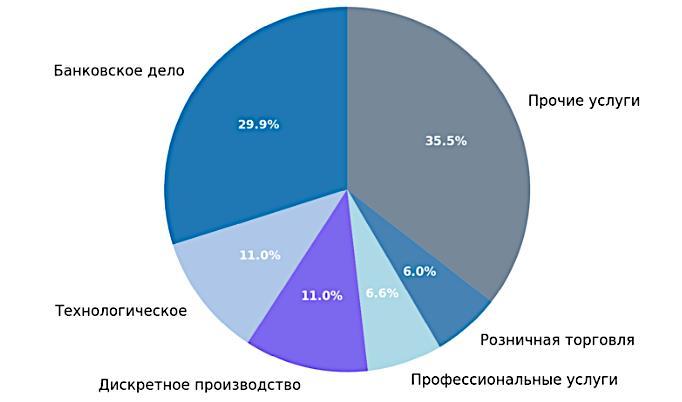
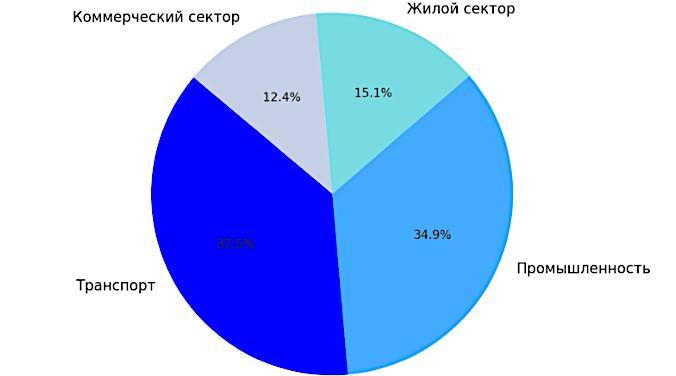
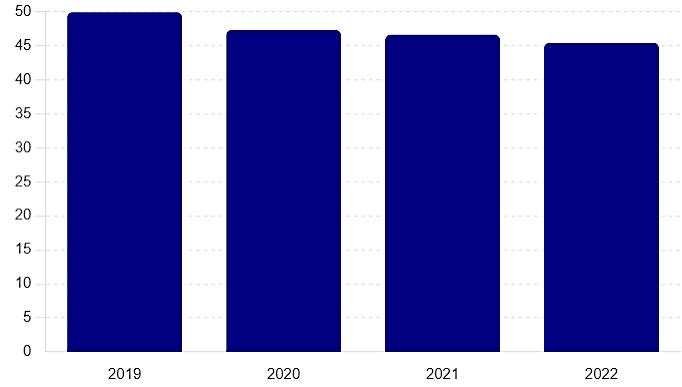
Рисунок2.Выбросы
1. U.S. energy consumption by source and sector, 2023 / U.S. Energy Information Administration // URL: https://www.eia.gov/totalenergy/data/monthly/pdf/flow/total_energy_2023.pdf (дата обращения: 23.04.2024).
2. UNITED STATES ENERGY & EMPLOYMENT REPORT 2023 / U.S. Energy Information Administration // URL: https://www.energy.gov/sites/default/files/202306/2023%20USEER%20EXEC%20SUMM-v2.pdf (датаобращения: 26.04.2024).
3. Константинов Д.С. Системы управления и мониторинга
оптимизацииэнергопотреблениявхолодильнойтехнике//Вестникнауки. 2024. №2(71). Т. 4. С.303–310.
4. Грошева Н. Б., Левицкий
экологической ответственности бизнеса в
условиях //Бизнесобразованиевэкономикезнаний.2024.№. 1.С.27.
5. Абдуллина Л.Р., Подольский
2020.С.80–82.
6. 2023 Sustainability Report / NextEra // URL: https://www.investor.nexteraenergy.com/sustainability/sustainability-resources (дата обращения: 2.05.2024).
7. Thewissen J. et al. The ESG Framework and the Energy Industry: Demand and Supply, Market Policies, and Value Creation // The ESG Framework and the Energy Industry: Demand and Supply, Market Policies and Value Creation. –Cham: Springer International Publishing. 2024. P. 1-5.
8. Duke Energy 2023 Impact Report / Duke // URL: https://news.dukeenergy.com/releases/duke-energys-annual-impact-report-shares-progress-toward-acleaner-tomorrow-that-includes-affordability-and-reliability (дата обращения: 7.05.2024).
9. ExxonMobil Sustainability Report 2023 / ExxonMobil // URL: https://chatgpt.com/g/g-0sG75xjP6-scientific-articles-rsci/c/d77e6fae-459b-45dda73c-e3d4d7cda4af (датаобращения: 7.05.2024).
10. Chevron Corporate Sustainability Report 2023 / Chevron // URL: https://www.chevron.com/newsroom/media/publications/corporate-sustainabilityreport (датаобращения: 7.05.2024).