Property
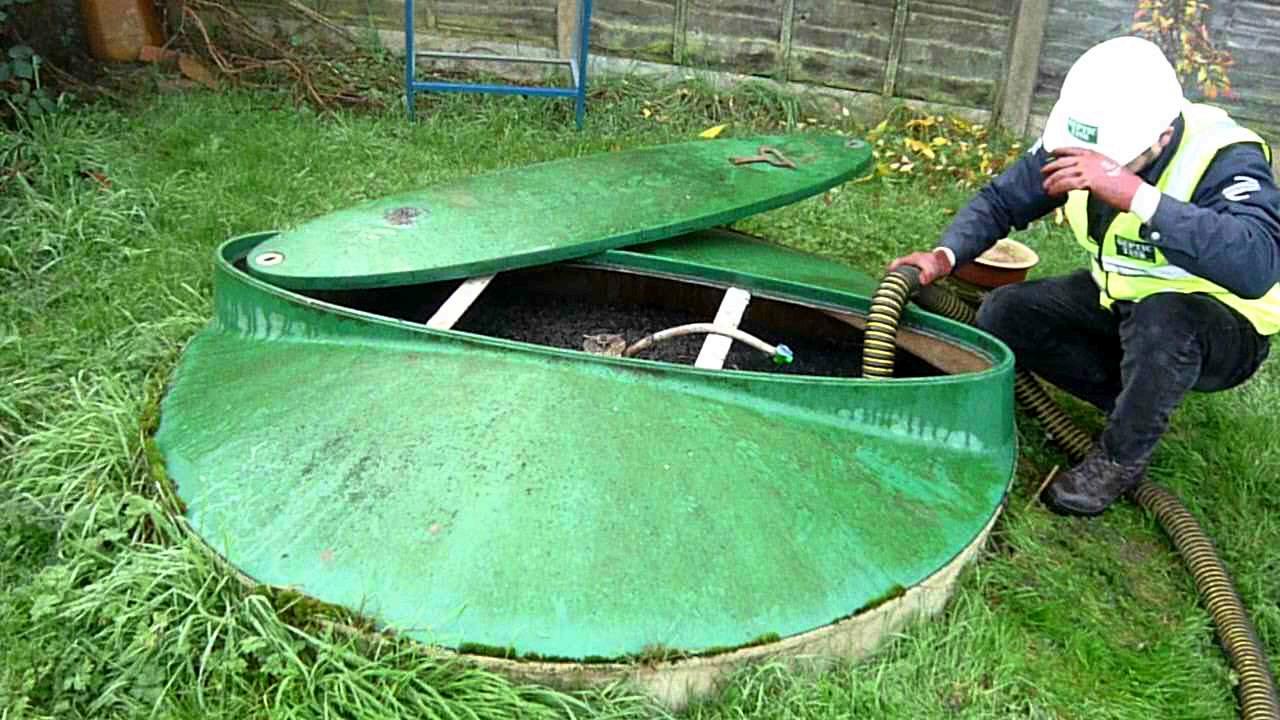
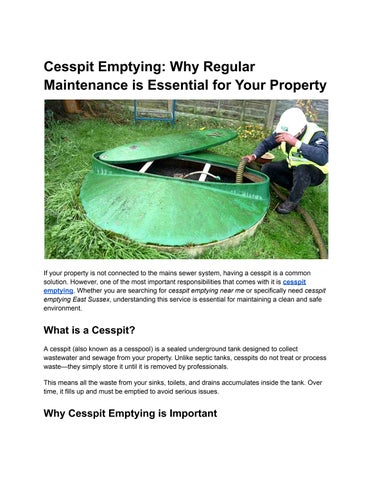
If your property is not connected to the mains sewer system, having a cesspit is a common solution However, one of the most important responsibilities that comes with it is cesspit emptying. Whether you are searching for cesspit emptying near me or specifically need cesspit emptying East Sussex, understanding this service is essential for maintaining a clean and safe environment
What is a Cesspit?
A cesspit (also known as a cesspool) is a sealed underground tank designed to collect wastewater and sewage from your property Unlike septic tanks, cesspits do not treat or process waste they simply store it until it is removed by professionals.
This means all the waste from your sinks, toilets, and drains accumulates inside the tank Over time, it fills up and must be emptied to avoid serious issues.
Why Cesspit Emptying is Important
Regular cesspit emptying is not just a maintenance task it is essential for your health, property, and the environment.
1. Prevents Overflow and Damage
When a cesspit becomes full, it can overflow, leading to unpleasant smells and potential contamination Overflow can also damage your drainage system and surrounding land
2. Avoids Health Hazards
Stored sewage contains harmful bacteria and gases If not properly managed, it can pose serious health risks to your household
3. Protects the Environment
An overflowing cesspit can leak into nearby soil and water sources, causing pollution and environmental damage.
4. Legal Compliance
In many areas, failing to maintain your cesspit properly can result in penalties or fines. Regular servicing ensures you stay compliant with regulations.
How Often Should You Empty a Cesspit?
The frequency of empty cesspit services depends on several factors, including:
● Size of the tank
● Number of occupants in the property
● Daily water usage
On average, cesspits may need emptying every 6–12 months, but some require more frequent servicing—even every few months in high-usage households.
Because cesspits do not have an outlet or treatment system, they fill up faster than septic tanks and require more regular attention.
Signs Your Cesspit Needs Emptying
Knowing when to call professionals for cesspit emptying near me can save you from costly repairs. Here are common warning signs:
● Slow draining sinks or toilets
● Unpleasant odors around your property
● Pooling water or wet patches near the tank
● Unusual lush grass growth near the cesspit area
● Gurgling sounds in pipes
If you notice any of these signs, it’s time to schedule an immediate service.
The Cesspit Emptying Process
Professional cesspit emptying is carried out by licensed waste contractors using specialized equipment. Here’s how it typically works:
1 Inspection: The technician checks the tank level and condition
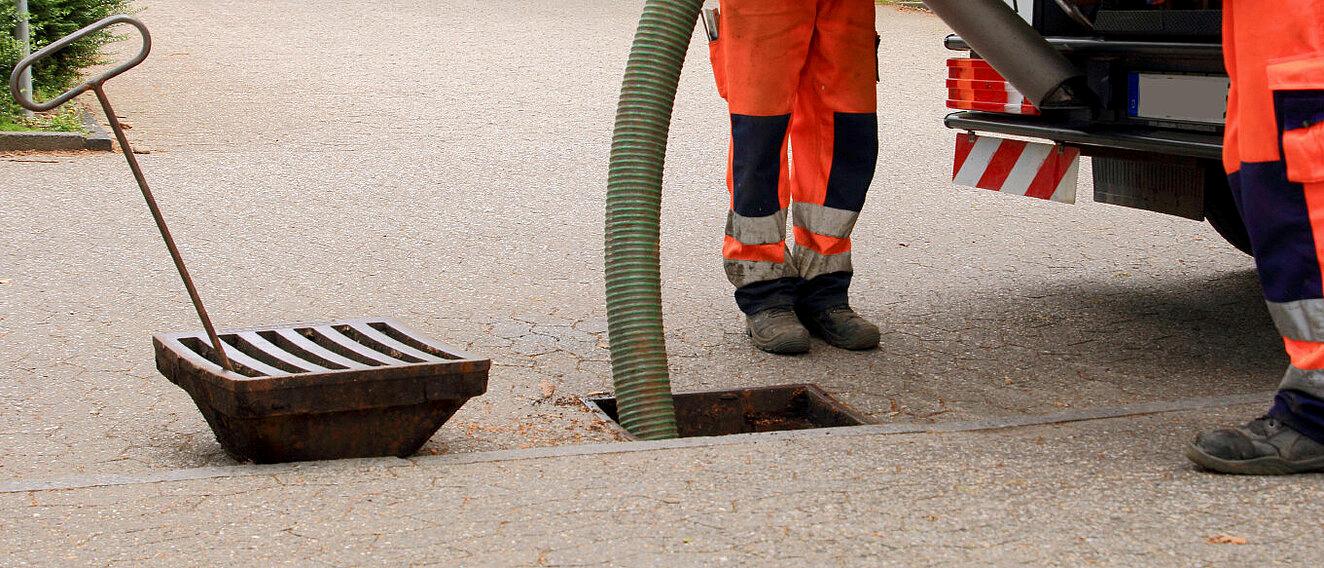
2. Pumping: A vacuum tanker is used to remove all waste from the cesspit.
3 Transportation: The waste is safely transported to a licensed treatment facility
4 Cleaning (Optional): In some cases, the tank is cleaned to improve efficiency
It is important to never attempt to empty a cesspit yourself, as it involves hazardous gases and requires professional handling
Choosing the Right Cesspit Emptying Service
If you are looking for cesspit emptying East Sussex or nearby areas, consider the following when choosing a service provider:
● Experience and licensing
● Emergency service availability
● Transparent pricing
● Positive customer reviews
● Proper waste disposal practices
Hiring a reliable company ensures the job is done safely and efficiently.
Benefits of Professional Cesspit Emptying
● Maintains hygiene and cleanliness
● Extends the lifespan of your drainage system
● Prevents costly repairs and emergencies
● Ensures compliance with environmental laws
● Provides peace of mind
Regular servicing is an investment in your property’s long-term health
Conclusion
Cesspits are a practical solution for properties without access to mains drainage, but they require consistent maintenance Scheduling regular cesspit emptying not only prevents unpleasant issues but also protects your health, property, and the environment
Whether you need to empty cesspit urgently or are searching for cesspit emptying near me, working with a professional service provider ensures your system remains efficient and trouble-free.
FAQs About Cesspit Emptying
1. What is cesspit emptying?
Cesspit emptying is the process of removing stored sewage and wastewater from a sealed underground tank using professional equipment.
2. How often should a cesspit be emptied?
Most cesspits need emptying every 6–12 months, but frequency depends on usage and tank size.
3. Can I empty a cesspit myself?
No, cesspit emptying should only be done by licensed professionals due to health risks and legal requirements
4. What happens if I don’t empty my cesspit?
Failure to empty your cesspit can lead to overflow, foul odors, environmental damage, and potential fines.
5. How much does cesspit emptying cost?
Costs vary based on location, tank size, and frequency, but regular maintenance is far cheaper than emergency repairs