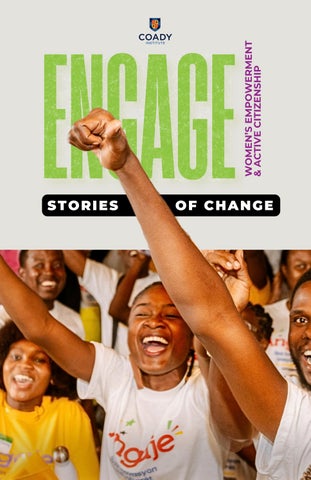



Engage: Women’s Empowerment and Active Citizenship is a 6.5 year initiative co-designed by Coady Institute in Canada and five partner organizations in India, Ethiopia, Tanzania, Bangladesh, and Haiti. Coady is a convenor and is bringing these partners together in ways that they can share their expertise, learn from each other, and collectively explore new approaches and tools.
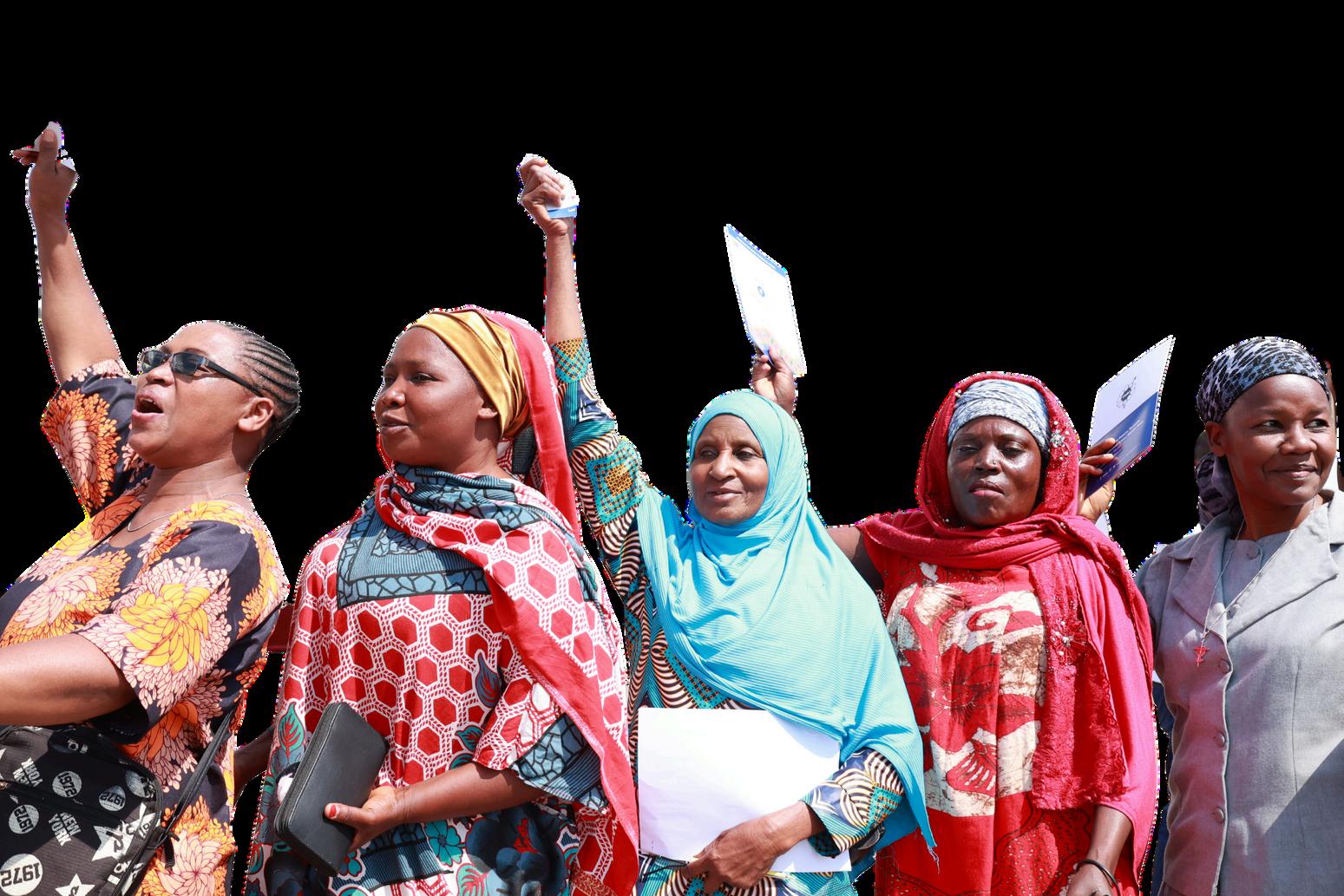
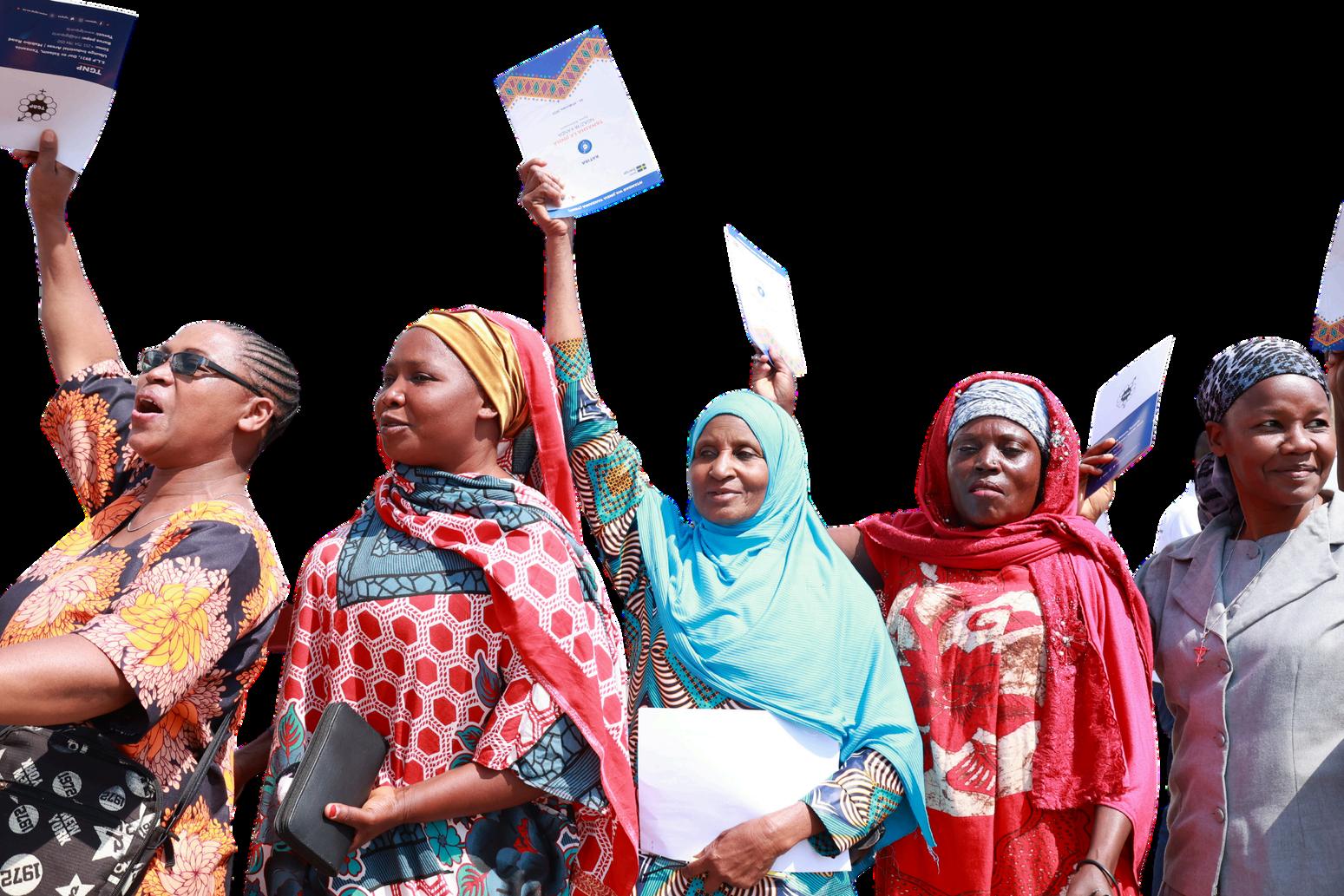
The project works primarily to support the leadership capacity of informal sector women in addressing key issues they are facing. This includes the future of work faced by women; engaging women in community governance; women’s leadership and feminist approaches young women as entrepreneurs and agents of community change; and asset-based approaches to reducing urban and rural poverty through economic development.

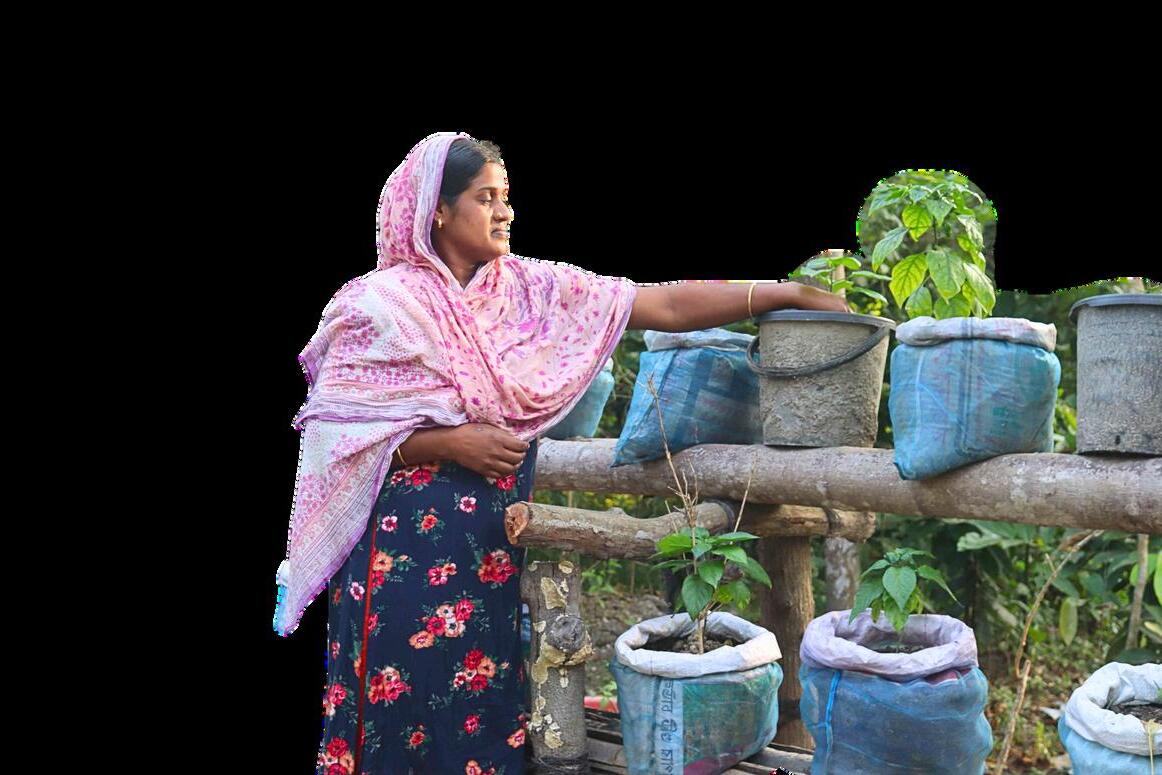
“ After receiving training, I cleaned my homestead land – it was previously barren – and started cultivating vegetables and implementing climate adaptive technologies, like hanging gardens, and started earning from that. I sold vegetables and earned 3000 taka selling chili and brinjal. I am very happy that I am now able to cover the education expenses for my kids. ”
- CCDB Participant
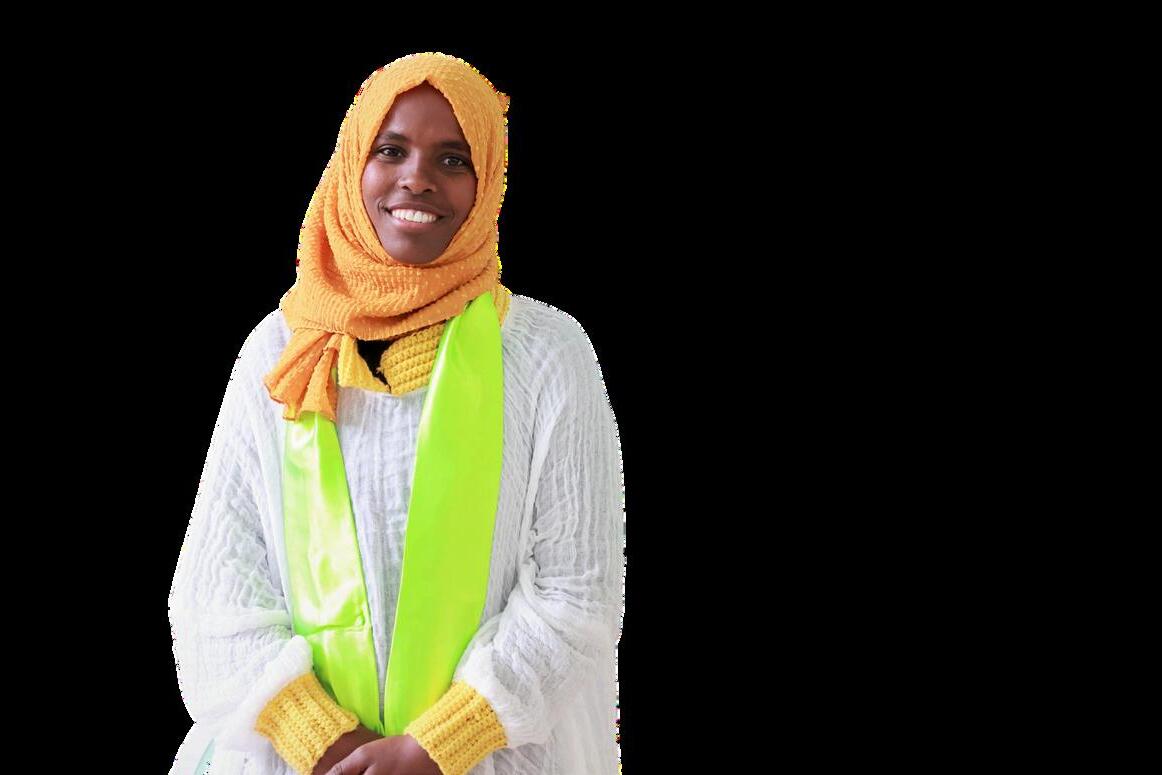
" I faced many challenges in my community while living alone without a husband, and I often felt ashamed of my situation. However, thanks to Engage and WISE, I now take pride in my independence and ability to support myself. I have learned to embrace my self-sufficiency, and I recognize the importance of asserting my rights. "
- WISE Participant

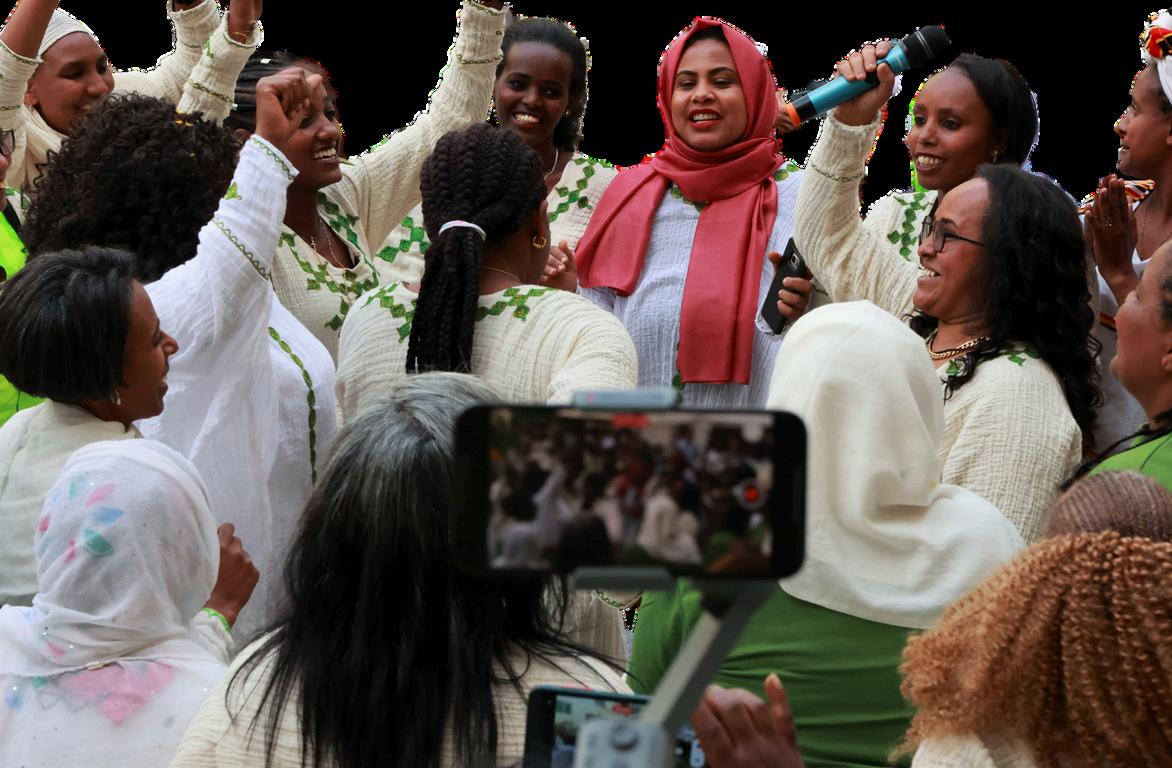
" I am the leader of two Ider for the women's group, and for the men's group I serve as the secretary. As a leader, my decisions are highly regarded and accepted by the members. I have been invited to different meetings on politica economic issues in woredas and sub-cit was also invited by th mayor of Addis Abab meeting representin women’s committee
- WISE Participant (not pictured)
tTheschoolswithinKilolelididn’thaveprivate toiletorchangingroomsforgirlsforalong ime. TheKnowledgeCenter(created throughEngage)initiatedacampaignin sthecommunitythatsawthethreenearby choolsconstructroomsforgirlstohelp them, especiallyduringthemenstrualperiod.Thisensuresthegirls'needsaremet, that atheyarecomfortablewhileattendingschool, ndreducesabsencesfromschoolprograms.
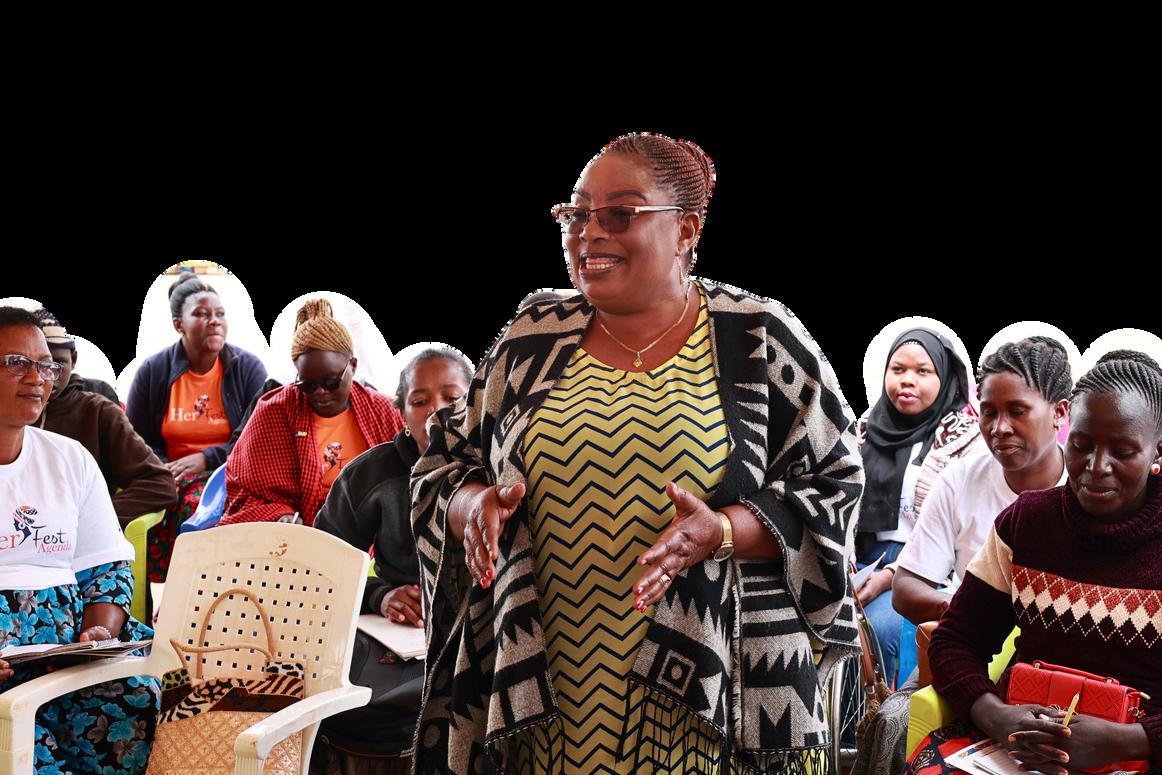
me to on. munity special ge ought not portant.
I have seen the women from the Knowledge Centre providing gender knowledge during the school parents meeting, village meetings, and other public forums. The community accepts them because when they say ‘we are doing this’ , they are really doing it. ”
Kiloleli Primary School Headteacher
“ When I joined SEWA, access to drinking water was a big challenge faced by members in our district. Women had to walk several kilometers to fetch drinking water. Therefore, with SEWA’s support, I underwent training in handpump repair and became a handpump repair technician. I also trained 250 more sisters like me … and we formed a handpump repair cooperative and even got a contract from local government to repair over 400 handpumps in my district. ”
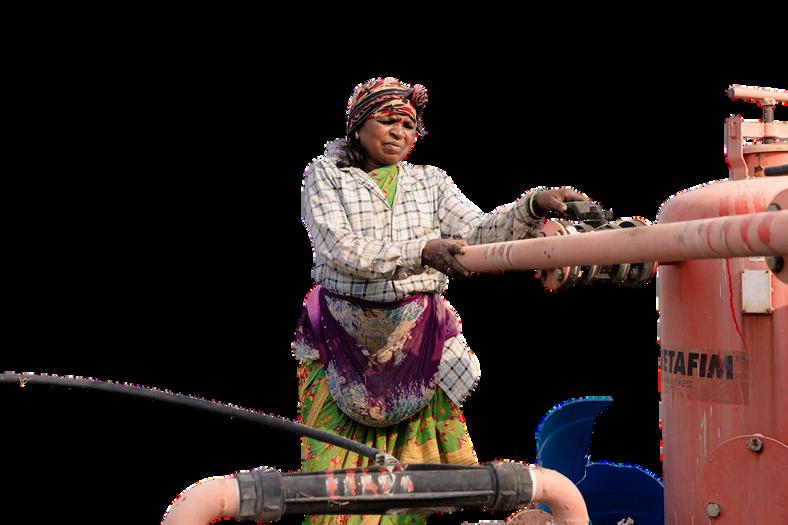
- SEWA Participant
“ Living in a country like Haiti, with economic challenges, is really tough. Being a woman here adds another level of difficulty. We come up with innovative ways to tackle big social problems that we are facing. Seeing the young women of Engage overcome obstacles really drives my passion for advocating for women’s rights and working for a better future for the next generation. ”
- Assuntha Fleurant, CLE Staff

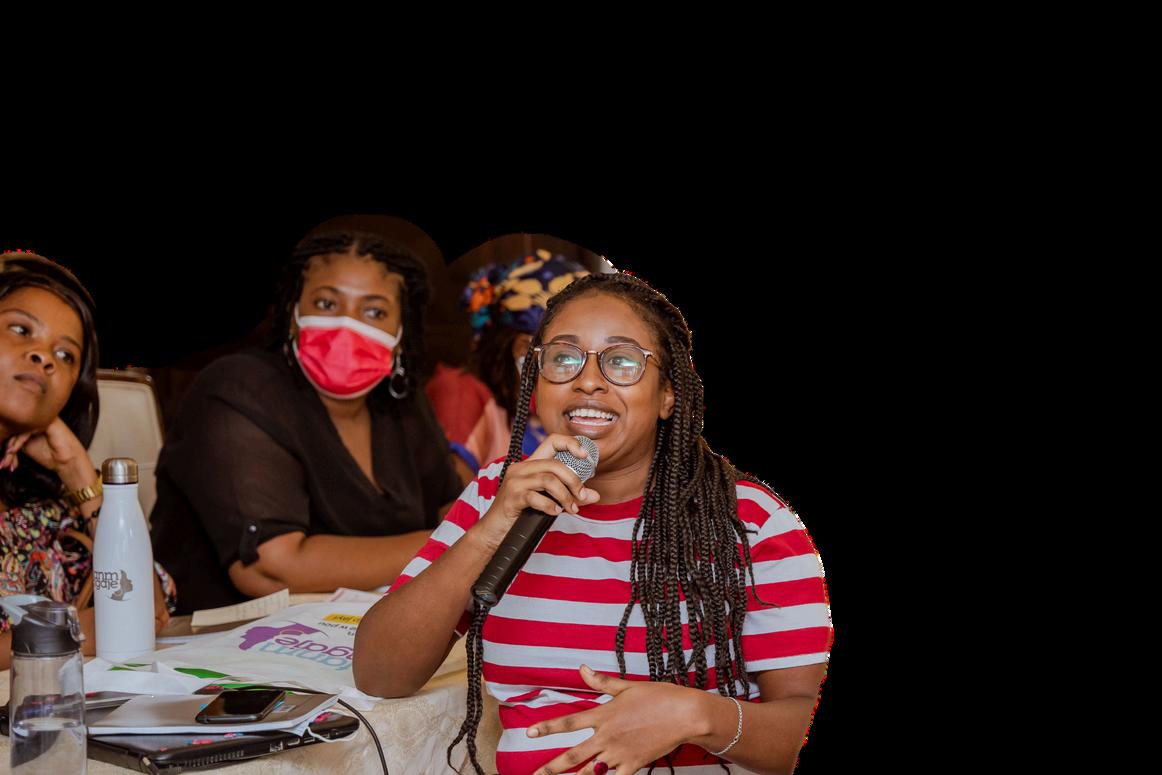
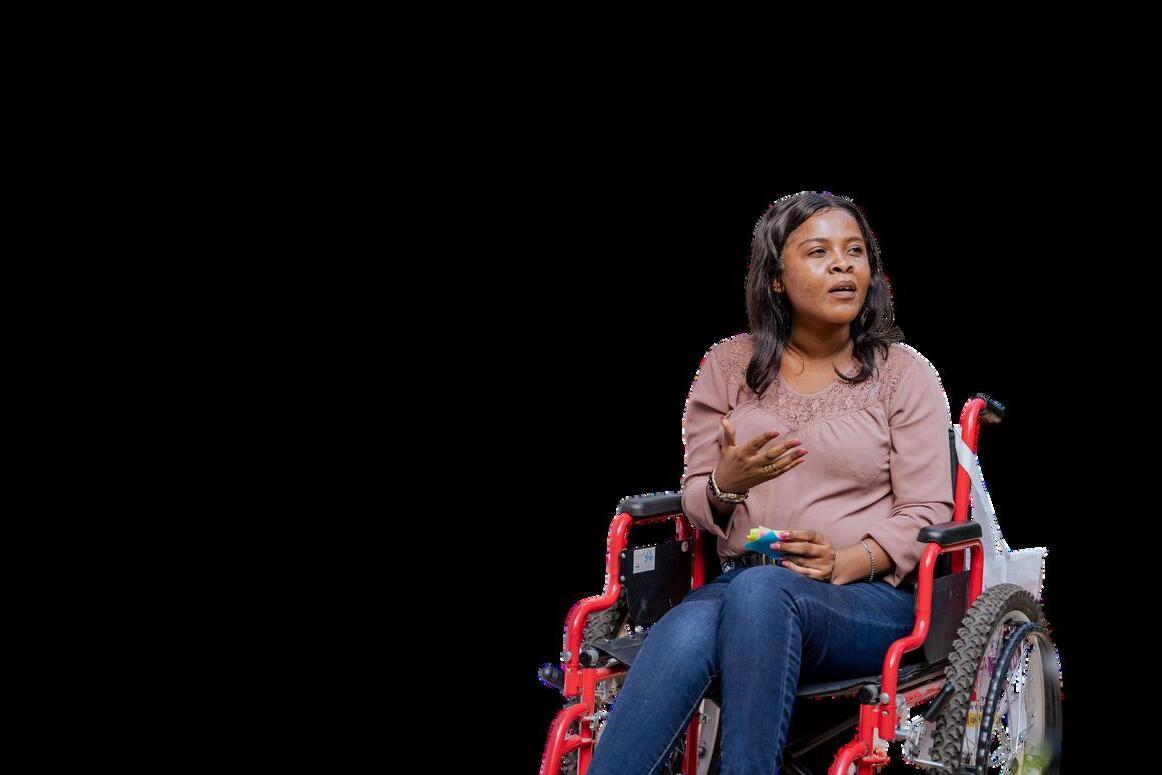
ts started a th rights nar by CLE. he sector re and her own. She her his type of
Another participant, who lost the use of her lower limbs in a traffic accident at a young age, is now responsible for the national coordination of the women of the Third Voice Movement, a political party. Despite her handicap, she remains highly involved in the social and political life of her country.
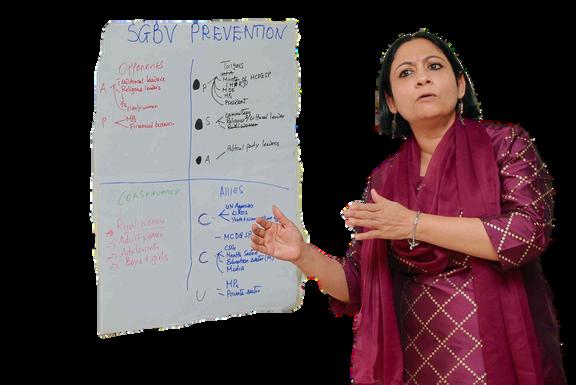
was changed by participating in educational programs at the Coady Institute. I carried this newfound perspective into my work with TGNP. We re-examined lobbying tactics to address the systemic causes of gender inequality. Stronger grassroots involvement resulted from this change, allowing rural women to spearhead advocacy campaigns and it influenced regional policies like the adoption of gender-sensitive budgeting.
Developing collective leadership improved cooperation and mentoring, while regional solidarity initiatives raised our profile in climate change and economic justice movements. This shift was made possible in large part by the Coady Institute, which offered the frameworks, information, and resources needed. My analysis and approach to addressing the systemic causes of gender inequality were significantly influenced by the Institute's emphasis on intersectionality, participatory leadership, and systems thinking. ”
- Coady Participant / TGNP Staff