This September, I had the privilege of hosting two community-wide listening sessions. Those conversations were candid, energizing, and full of insight. What I heard most clearly were two cross-cutting themes: access and information. Residents and organizations alike told us they often don’t know what resources exist, how to qualify, or how to find them — and that nonprofit organizations need more support to build capacity, strengthen infrastructure, and connect with one another.
Your voices reminded me of a simple truth: In moments of great change, our responsibility is to walk together — to look behind, beside, and ahead to make sure no one is left out. Your voice matters. What you shared is shaping how we move forward as a community foundation. That is the commitment guiding us as we lean even further into the work you’ve asked of us.
We heard you. Here are three examples of how we’re responding:
PRIORITY FOCUS AREAS IN COMMUNITY GRANTS
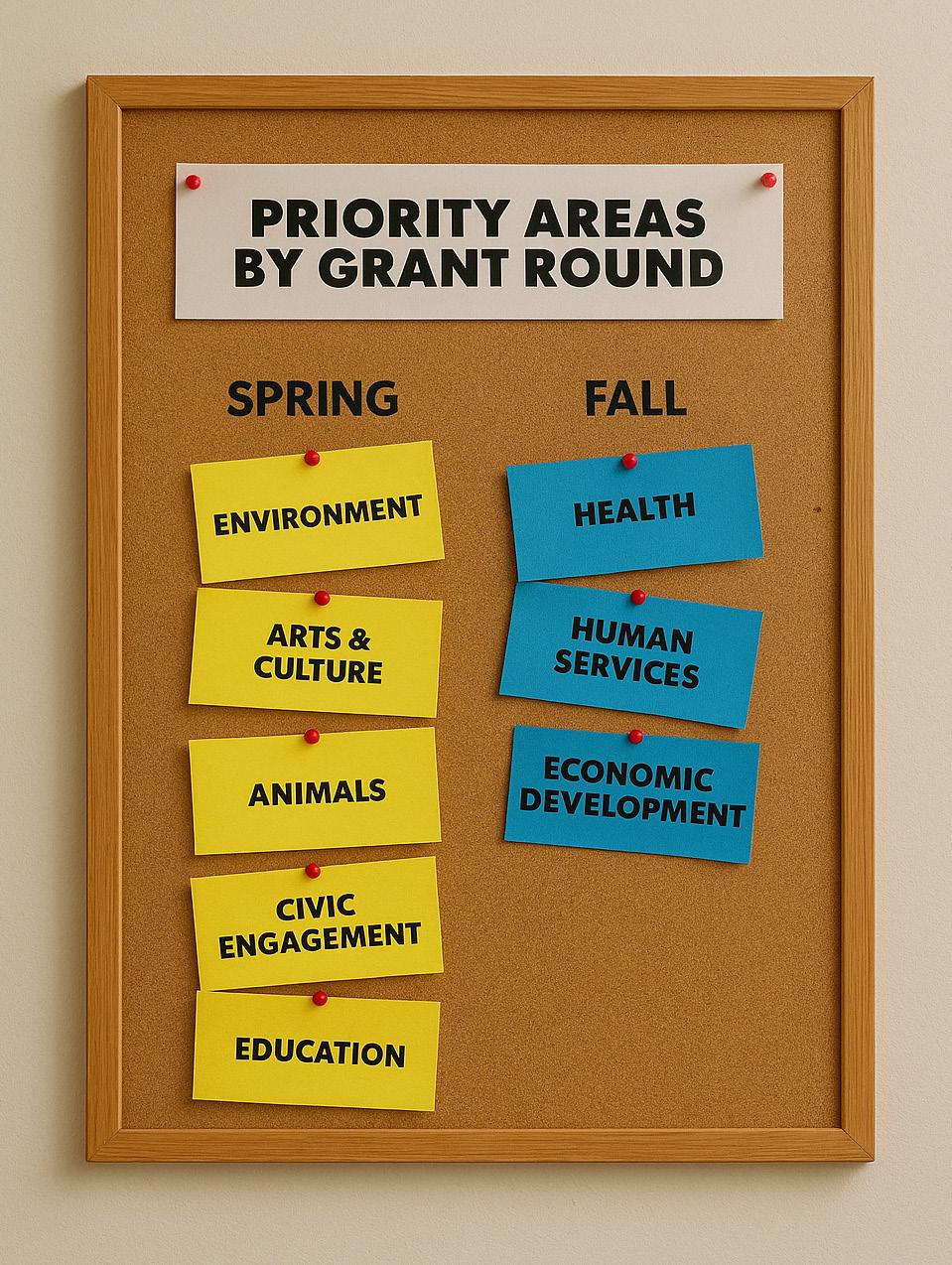
Beginning in 2026, each Community Grant round will feature priority focus areas. This refinement will help nonprofits plan more effectively, reduce competition across very different fields, and give applicants a clearer sense of where their proposals fit.
STRATEGIC PARTNERSHIP FUND EXPANSION
We recently increased the dollars available in our Strategic Partnership Fund, which helps nonprofits explore shared services or formal partnerships such as mergers. As economic uncertainty grows, we will lean more heavily on this fund to strengthen organizational resilience and sustainability.
EXPANDING INTO CORTLAND COUNTY
Thanks to a generous $12 million estate gift from Nick and Agnes Renzi, our Community Grants program will now expand into Cortland County. This transformational investment will generate $600,000 annually to support local nonprofits — bringing new resources and new opportunities for collaboration to the community the Renzis loved.
These are just a few examples of how we are acting on what we heard, while continuing the long-term work of convening, capacity-building, and storytelling. Our team is also building a nonprofit resource library, expanding training opportunities, and deepening partnerships with donors who want their giving to meet the moment.
Thank you for showing up, sharing your hopes and challenges, and holding us accountable to be a partner in progress. Your voice matters — and it continues to shape our collective future. Together, we are ensuring that Central New York remains a place where every resident, organization, and neighborhood has the opportunity to thrive.
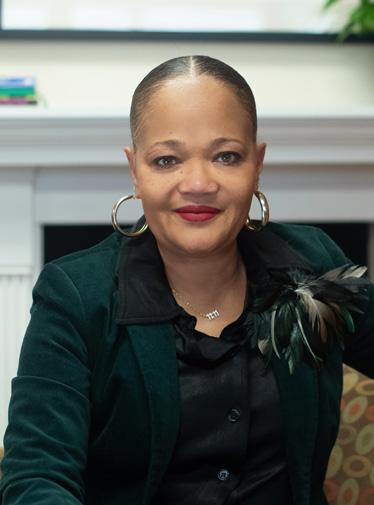
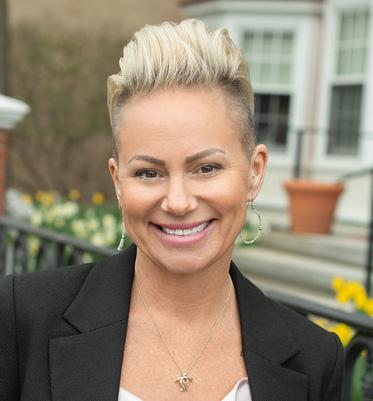
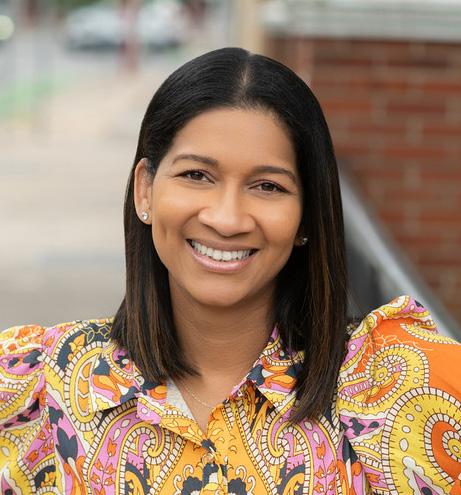
MELANIE LITTLEJOHN President and CEO
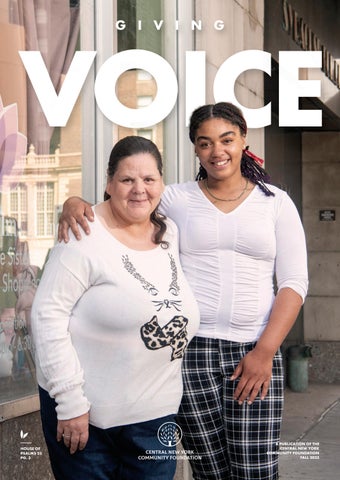
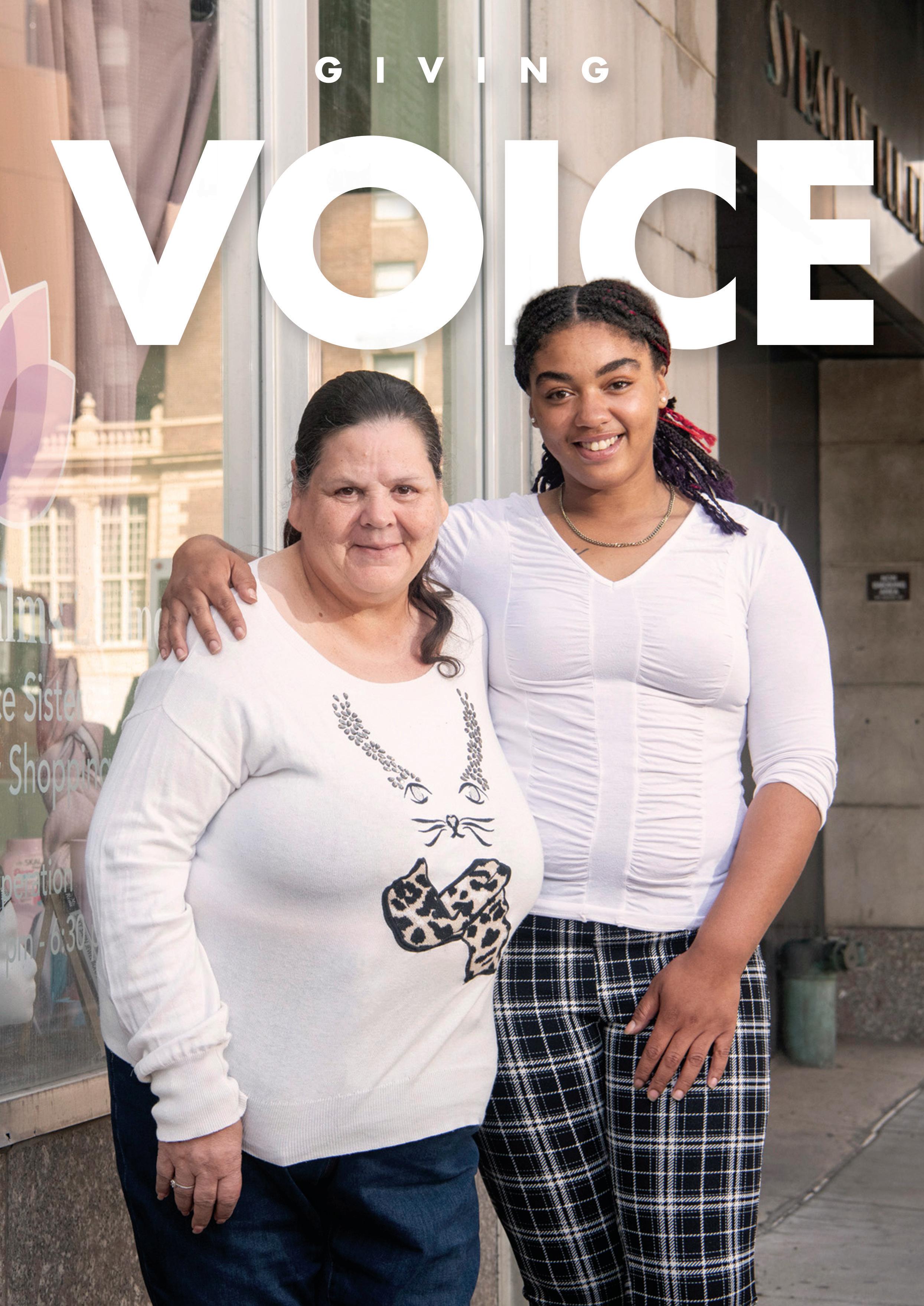
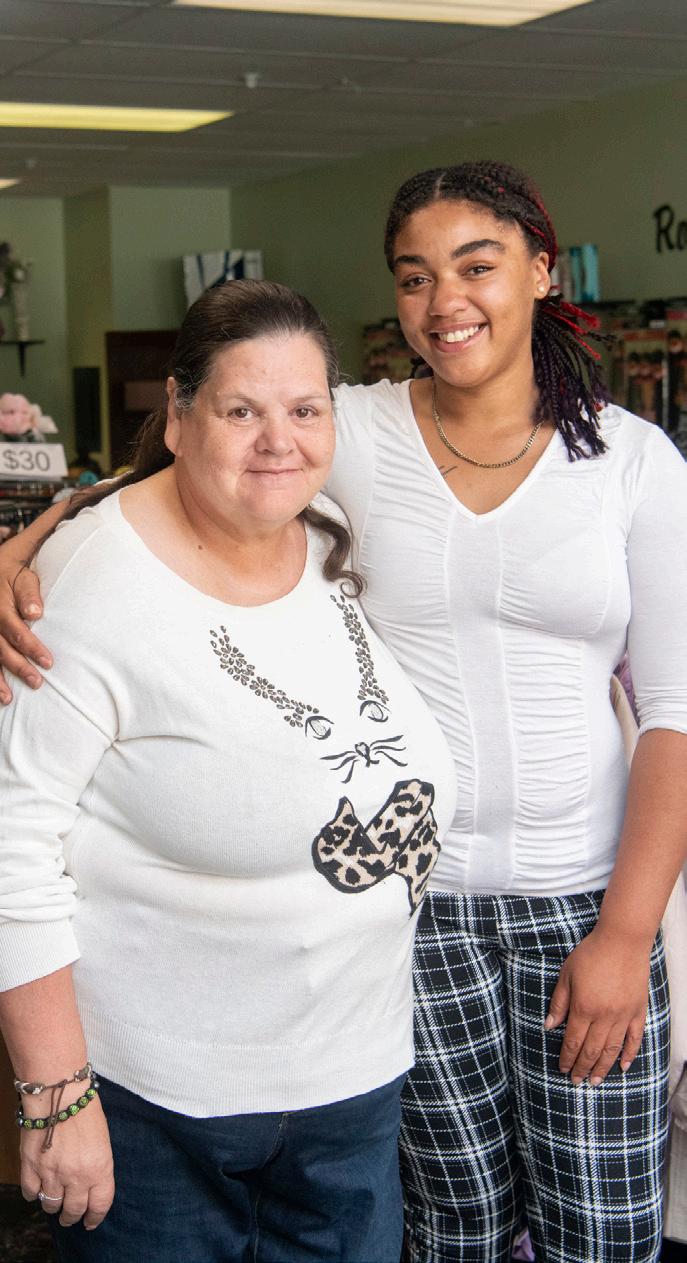
Cover: Lorrie Lowery (left) and Shamirra Hordge stand in front of House of Psalms’ Second Chance Sisters storefront on Harrison Street.
Photo Credit: Ben Cleeton
Grantee Story: Restoreforlife Page 11
GIVING MATTERS
KEEPING UP WITH THE TIMES
Rethinking Your Giving Strategy Amid Inflation and Change
PRIORITIZE MISSION ALIGNMENT
When resources are tight, focus your giving on organizations whose missions resonate most deeply with your values. Instead of spreading donations thinly across many causes, consider concentrating your support to a small number of nonprofits or Community Foundation funds that align most closely with what matters to you and give year after year. This not only amplifies your impact but also helps organizations strategize more effectively with predictable funding.
STAY ENGAGED AND INFORMED
Connect with the organizations you support. Attend events, volunteer your time, read newsletters and follow them on social media. Keep atop of community needs using resources like CNYVitals.org. Understanding evolving needs and challenges can help you tailor your contributions more effectively and deepen your sense of purpose in giving.
As inflation continues to stretch budgets and elevate the cost of living, donors may find themselves re-evaluating how, and how much, they can give to the causes they care about. At the same time, nonprofits are feeling the effects of changing economic conditions and ambiguity around federal funding, so they will need to rely on individual donors more than ever. If generosity is core to your values but fiscal uncertainty is prompting you to assess your charitable giving, here are some strategies to consider:
SHIFT TO RECURRING GIVING
Take advantage of monthly or quarterly donation options via electronic fund transfer (EFT) or credit card. It’s an easy way to make philanthropy part of your budget and it provides nonprofits with a reliable revenue stream. If you have a donor-advised fund (DAF) at the Community Foundation, you can set up recurring grants as well.
MAXIMIZE TAX BENEFITS
Smart tax planning can help offset the cost of giving. Explore options like DAFs, gifts of appreciated stock or qualified charitable distributions (QCDs) from retirement accounts. These vehicles can offer tax advantages while supporting your philanthropic goals.
REASSESS PERIODICALLY
Economic conditions change and so should your giving strategy. Make it a habit to review your charitable contributions every few years. Reflect on which organizations made the most meaningful use of your support and whether your financial situation calls for adjustments. Include charitable giving in conversations with your tax advisor or financial planner. This proactive approach ensures your philanthropy remains both sustainable and effective.
The Community Foundation is here to connect you with resources so you can give confidently and effectively. Contact us to learn more:
DONORSUPPORT@CNYCF.ORG OR 315.422.9538
HOW ECONOMIC CONDITIONS ARE AFFECTING THE SOCIAL SECTOR
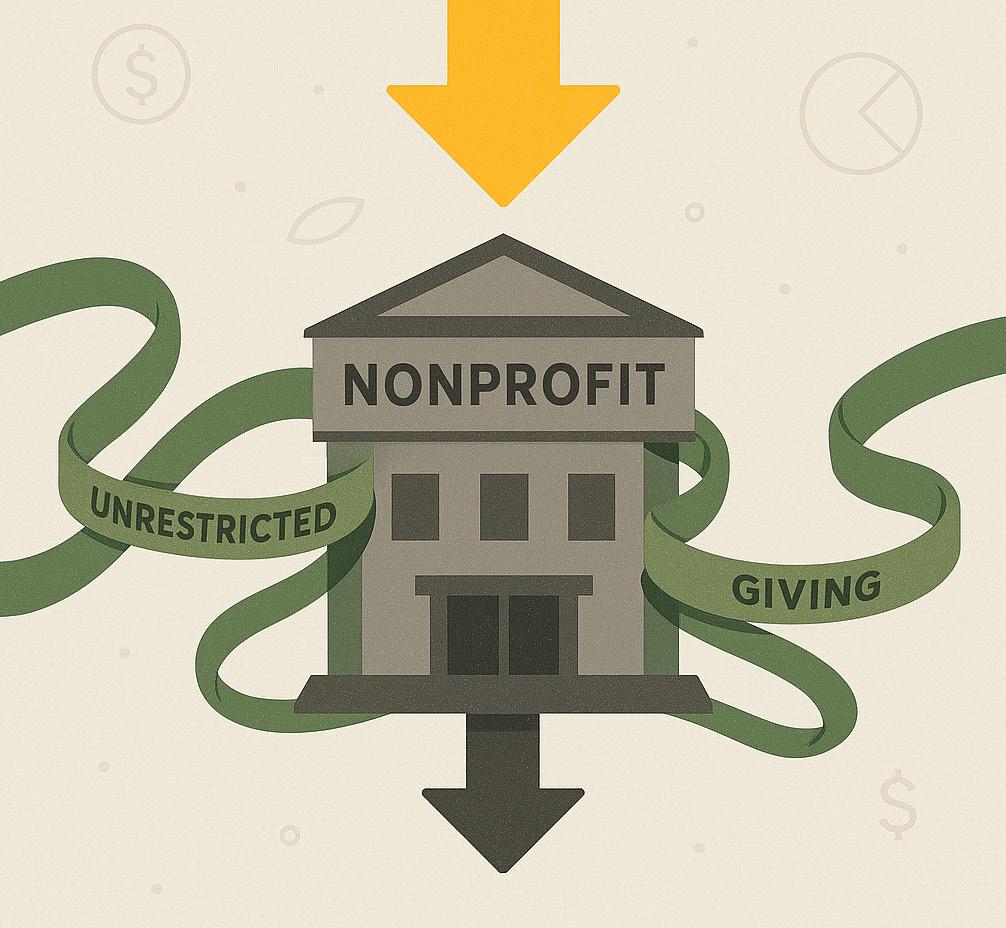
Inflation is hitting nonprofit organizations with a double punch: rising costs and shrinking revenue. Unlike for-profit businesses, nonprofits can’t simply raise prices to offset expenses. They rely on donations, grants and contracts that often remain fixed even as their operating costs climb. According to the Nonprofit Finance Fund’s 2025 national survey, 84% of nonprofits with government funding expect cuts, and 36% ended 2024 with an operating deficit — the highest in a decade (Nonprofit Finance Fund, 2025 https://nff.org/learn/survey). Though some donors prefer not to support overhead costs or operating expenses, and instead gravitate toward programmatic giving, this is a critical time to lean in and support nonprofit infrastructure with unrestricted donations.
HOUSE OF PSALMS 23
Finding Strength and Building Futures with Second Chance Sisters
Pictured: Lorrie Lowery
Photo Credit: Ben Cleeton
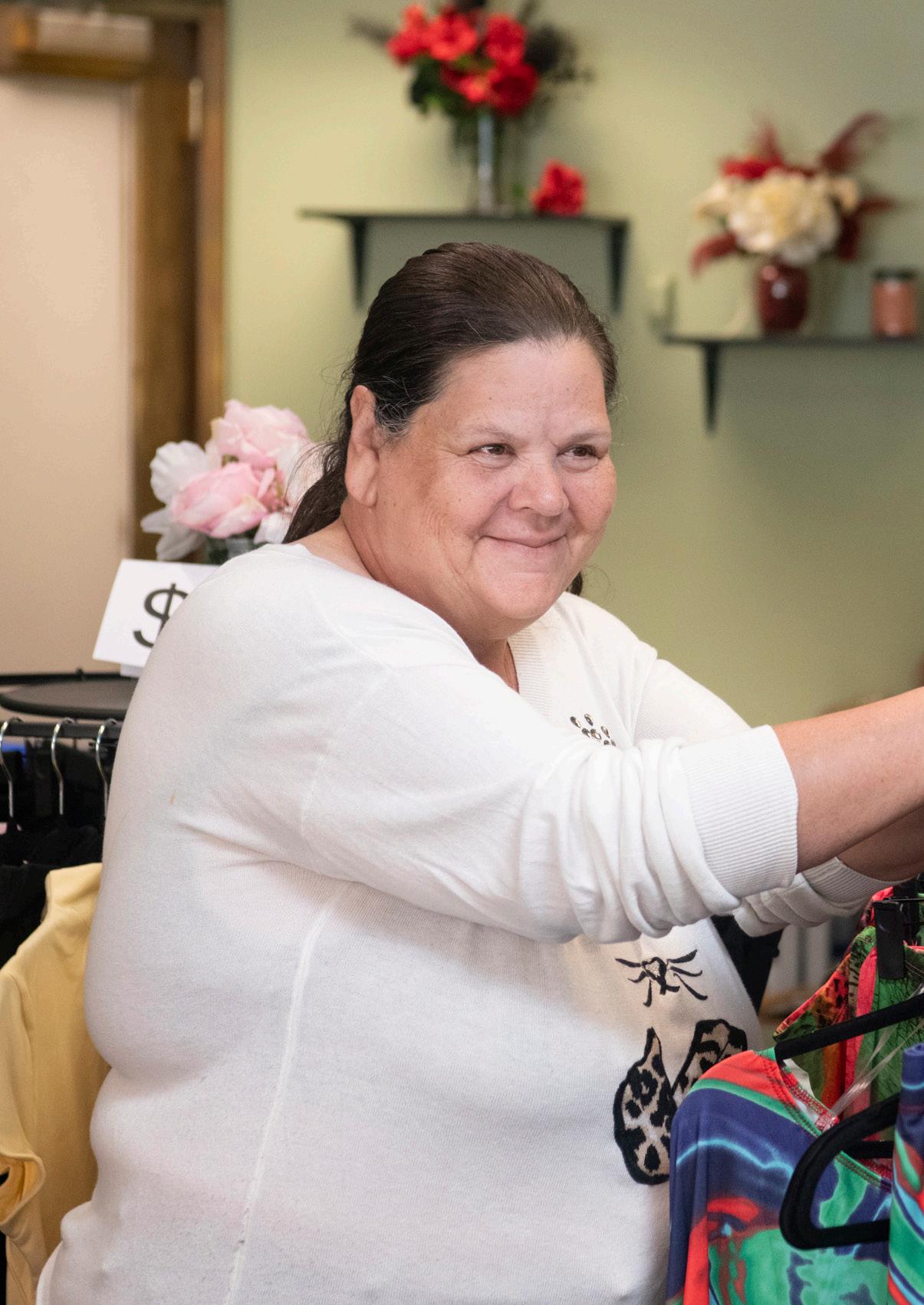
When Lorrie Lowery first walked into House of Psalms 23, she admits she was scared. “But when you walk in, you feel the love. I learned how to get my voice back, how to treat people and respect myself. Now I can hold my head up and not be ashamed of what I’ve been through.”
Lowery came to House of Psalms 23 determined to rebuild her life — and found the tools, community and confidence to do so. Having endured abuse, grief and years of instability, she began in the organization’s Women Empowerment Movement, a series of workshops that focus on courage, confidence, career readiness, connection and communication. Through journaling, group dialogue and skill-building exercises, women rediscover their strengths and build supportive networks before moving into workforce training.
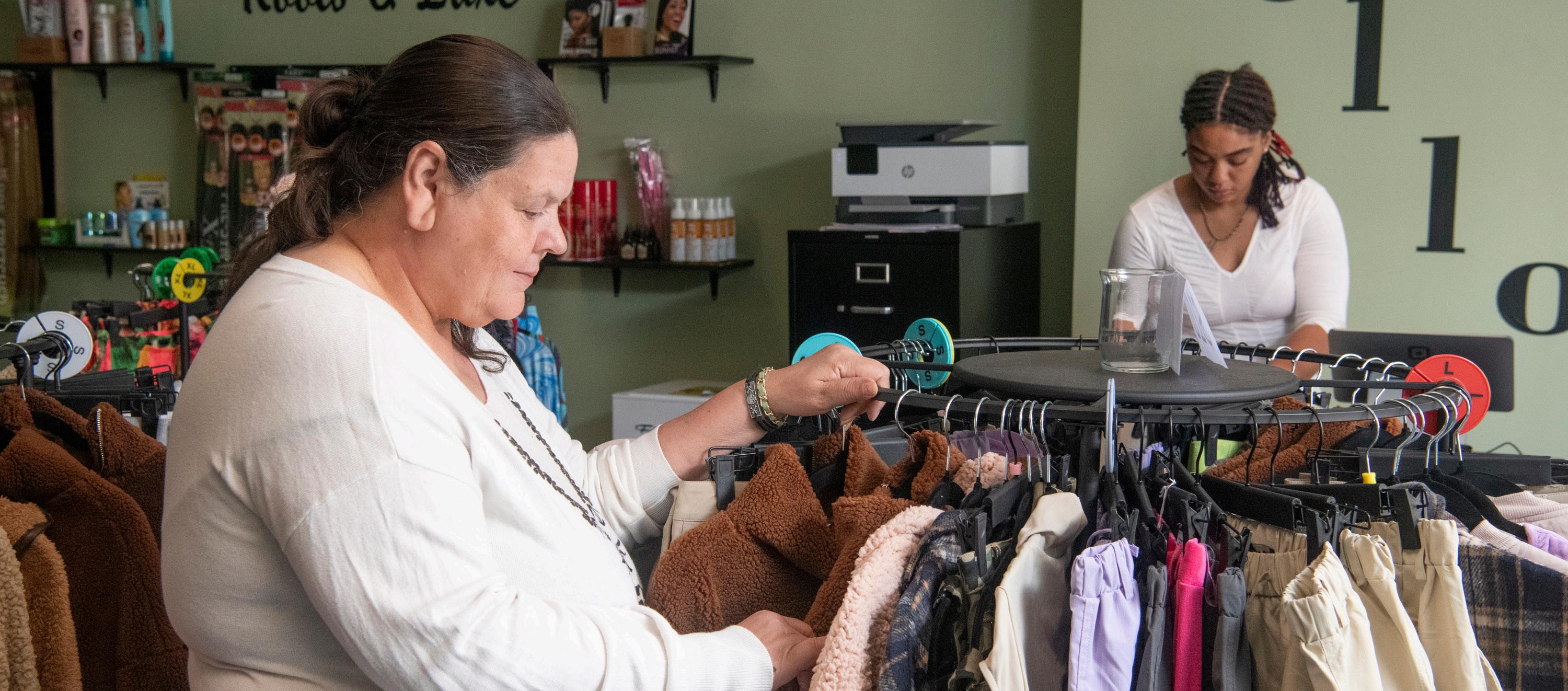
From there, she advanced to Second Chance Sisters, where participants commit to 200 hours of hands-on workforce development. Women gain experience in the organization’s storefront, where they run day-to-day operations and create products such as body scrubs, oils and handmade goods to sell to the community. The program pairs this practical training with financial literacy, mentorship and counseling support.
Ashlee Haste, House of Psalms 23’s executive director, says watching that transformation is powerful. “When a woman sees someone buy a product she made with her own hands, you can see her light up,” she said. “It’s not just about income — it’s about realizing she has something of value to offer the world, and that changes everything.”
Now 63, Lowery not only continues to grow but also mentors others. “This program helps you find yourself again,” she said. “We want women to know that they are not alone. We are here for them.”
For Shamirra Hordge, 23, the journey began inside the Onondaga County Justice Center. While incarcerated, she connected with Haste and began classes focused on crisis intervention and anger management. She remembers the words that shifted her perspective: “You can persevere. What do you want for your future?”
“When I came home, the first place I came was House of Psalms 23,” said Hordge. “They weren’t expecting me, but they welcomed me in with clothes, toiletries and food. From
that day, I’ve gotten all the help I needed — day care, transportation, therapy, case management. It’s not just resources here, it’s a family.”
After graduating from Women Empowerment Movement, Hordge joined Second Chance Sisters. Today, she is raising her four children in a safe and stable home, working part time and preparing to begin college classes. She dreams of launching her own business and podcast. “The biggest thing I’ve gained is structure,” she said. “I came in not knowing what to do, but House of Psalms 23 put me on the right path. I’m ready to start businesses, I’m ready to grow — and I know they’re right next to me the whole way.”
We provided House of Psalms 23 with a Community Grant to expand Second Chance Sisters. Together with Women Empowerment Movement, it forms a two-step pathway that helps women impacted by incarceration, abuse and poverty overcome systemic barriers such as limited job opportunities, discrimination and lack of support networks.
Haste says the work is about more than employment — it’s about dignity. “The populations we work with are too often forgotten,” she said. “Everyone deserves a second chance. What makes the difference is having someone believe in you. Here, women find a circle, a community and a sisterhood that tells them they are not alone.”
For Hordge, that sense of belonging is what keeps her coming back. “My favorite thing is just being here,” she said. “When I sit in this room, I feel at peace. The weight I carry just lifts off me. It feels like home.”
Lowery and Hordge’s stories show both the resilience of women reclaiming their futures and the power of what’s possible when opportunity and compassion meet.
TURNING CLEAN WATER ACCESS INTO A REALITY FOR SYRACUSE STUDENTS
DONOR STORY
Linda and Ray Straub
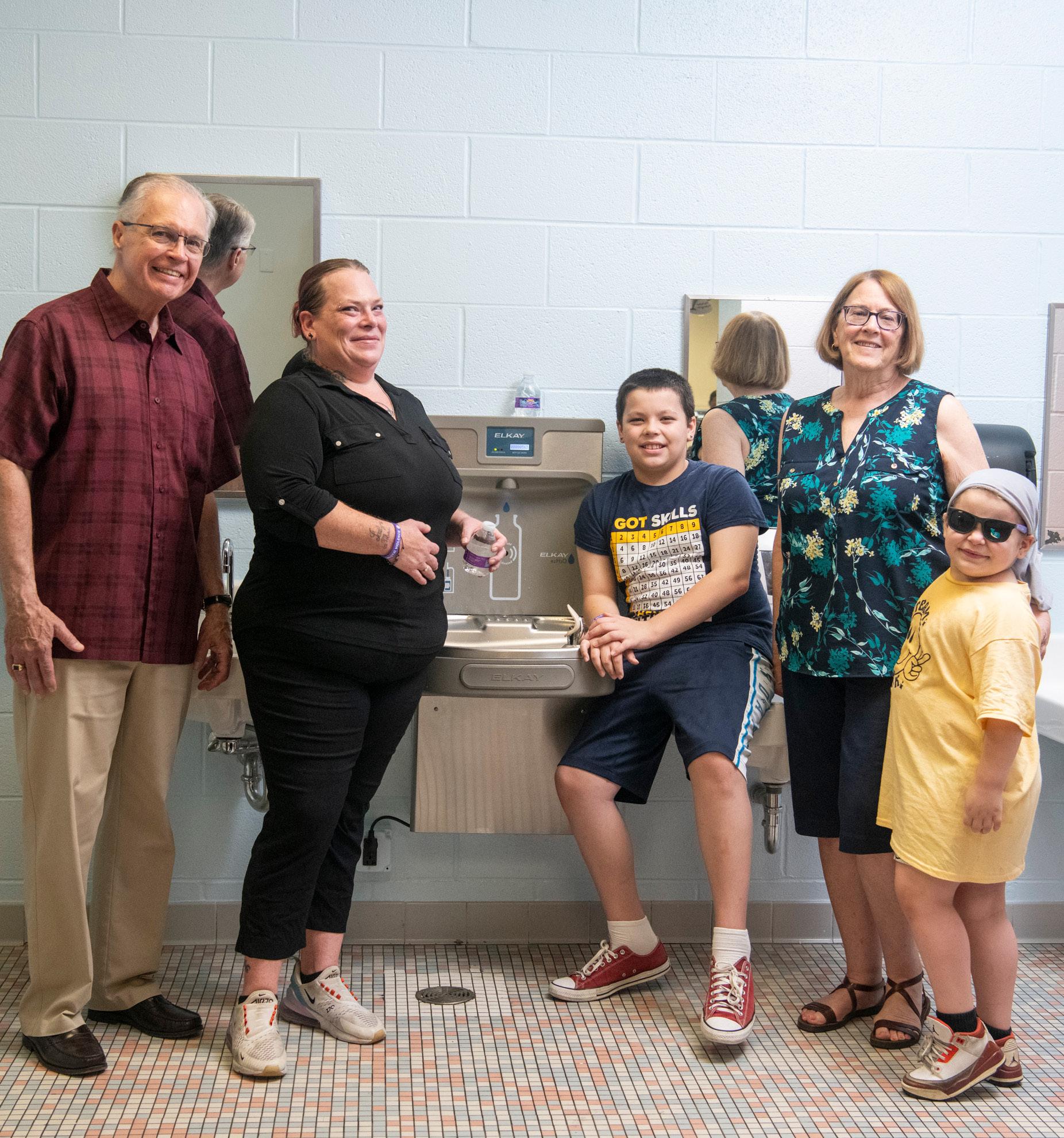
Pictured: Ray Straub (left) and Linda Straub (fourth from left) stand with April Garcia and her two children in front of a new fountain at Delaware Primary School.
Photo Credit: Ben Cleeton
For Linda and Ray Straub, the health and safety of children is personal. With two young grandchildren in elementary school, they can easily picture the laughter and energy of a busy day — and just as easily imagine how fragile that joy would be if the water those children drank wasn’t safe.
That concern became heightened when the couple read a newspaper article about the high rates of childhood lead poisoning in Syracuse. The piece described the long-term effects of lead exposure and the reality that, for many families, the danger exists in places children should feel safest.
“Learning about children in the city of Syracuse suffering from lead exposure — something completely outside of their control — made us think about our own family,” Linda said. “If our grandchildren have safe drinking water and safe homes, then we believe all children should.”
The Straubs reached out to us to explore where their support could make the greatest impact. Together, we identified a project that would protect children directly where they spend much of their day: at school.
The couple made a gift which was combined with support from our LeadSafeCNYFund. The resulting funding enabled the replacement of drinking fountains in Syracuse
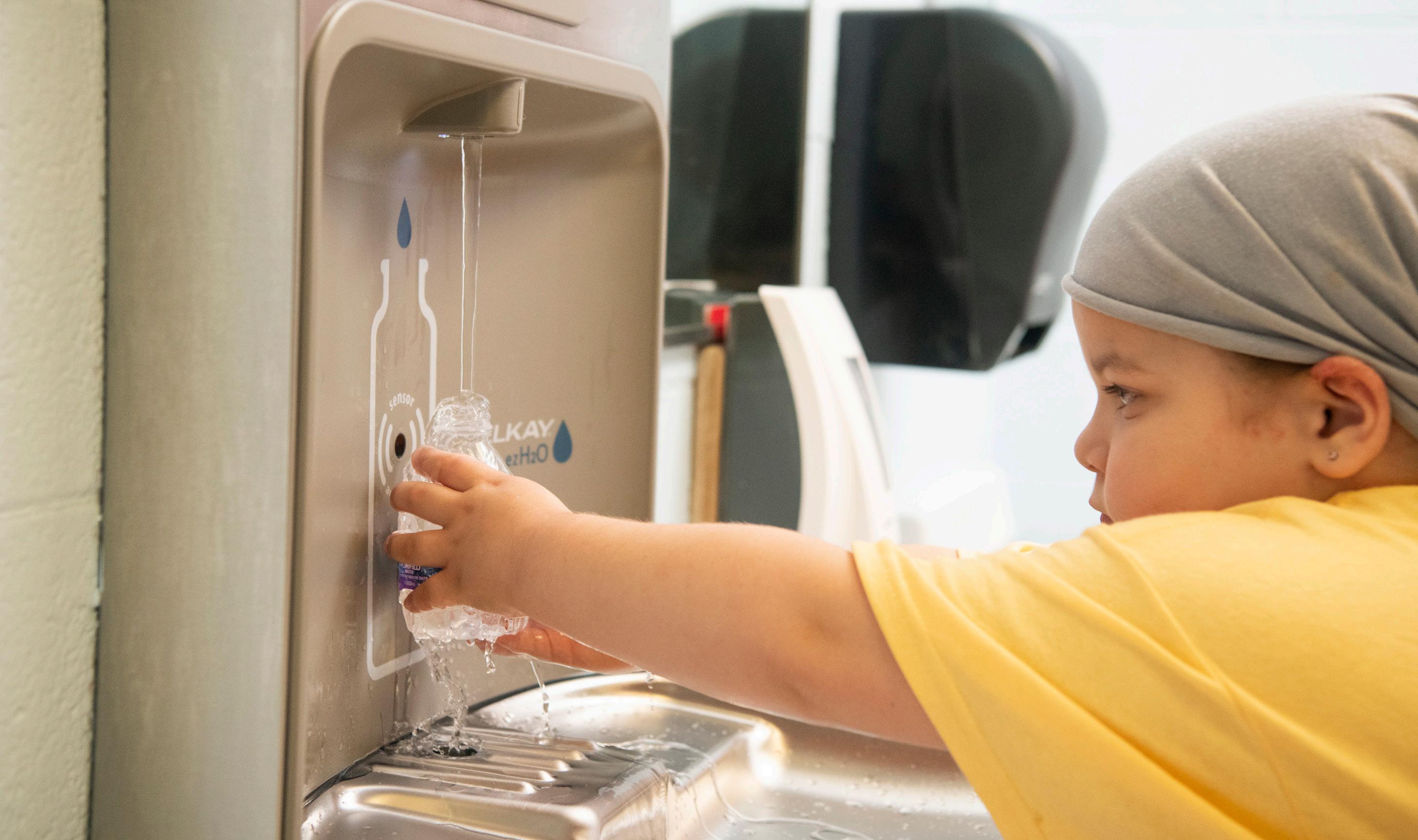
City School District buildings with new refillable stations that filter out contaminants such as lead, PFAS and microplastics.
The new fountains are more than just a source of safe water — they’re a visible reminder to students, teachers and staff that their health matters. The refillable design encourages students to bring reusable bottles, helping them stay hydrated and instilling habits that support both personal health and environmental responsibility.
When the Straubs visited Delaware Primary School to see the new fountains, they met April Garcia, a Syracuse mother of four. Her eldest son, who lives with autism, developed lead poisoning from exposure in a former rental home on the Southside of Syracuse. Together, those diagnoses have deeply influenced much of her life’s work. Today she chairs the LeadSafeCNY Coalition Family Voices Advisory Council, serves on multiple advocacy boards and works as a family resource specialist, helping other parents navigate complex systems and access support.
In Syracuse, decades of aging infrastructure and disinvestment have left both homes and schools vulnerable to lead exposure. Families often face barriers to addressing these risks because remediation is costly, enforcement is limited and resources are not always accessible. April’s experience shows how these systemic challenges affect real families — and why prevention efforts matter so deeply.
“It’s hard to explain how it feels to learn that your home — the place where your children are supposed to be safest — is harming them,” April said. “But when the community comes together to invest in prevention, it changes lives.”
For Linda and Ray, moments like this confirm the importance of acting when the opportunity arises. “Lead poisoning is a tragedy, and it’s something that can be prevented,” Ray said. “If we can do something like this to help children stay healthy, we’re happy to do it. When everyone can be as healthy as possible, the whole community can succeed and prosper.”
Seeing the fountains in action has given April hope for her children and others like them.
“Now when my kids are outside our home, I know they will still be safe,” said April. “People like the Straubs are making that possible.”
While the Straubs’ designated fund at the Community Foundation provides annual support to 11 local organizations, this particular project resonated with them because it reflected their deep belief in building a strong foundation for children to thrive.
By joining their generosity with our LeadSafeCNY initiative, the Straubs helped make clean, safe drinking water a reality for thousands of Syracuse students — an investment that will ripple through families, schools and the community for generations to come.
COMMUNITY IMPACT
In June, our board of directors approved $1,342,262 in grants to 36 nonprofit organizations through our Community Grantmaking program. EDUCATION ENVIRONMENT & ANIMALS
HUMAN SERVICES ARTS, CULTURE & HUMANITIES $16,400
HEALTHCARE PUBLIC AND SOCIETAL BENEFIT
BLACK ARTIST COLLECTIVE CNY
Launch About Ya Art Business
EVERSON MUSEUM OF ART
Purchase new equipment for its summer ceramic arts camp
ELMCREST CHILDREN’S CENTER
Implement a career development program for employees
$38,164
LYDIA’S LULLABY DAY CARE CENTER
EXALT
Expand its courtinvolved youth development and advocacy program
MARY NELSON YOUTH DAY FOUNDATION
Purchase laptops and equipment
SMITHFIELD COMMUNITY ASSOCIATION
Repair and renovate spaces at the Gerrit Smith Estate National Historic Landmark
$50,000
JOWONIO SCHOOL
Make mobility access improvements to its inclusive playground
SYRACUSE SHAKESPEARE IN THE PARK
Purchase outdoor stage equipment
CAZENOVIA PRESERVATION FOUNDATION
Purchase and preserve 375 acres of land
HOUSING VISIONS UNLIMITED
Purchase exercise equipment for its wellness center
CHARLES N. GORDON WILDLIFE REHABILITATION CENTER
Construct a selfcontained area for assessing wildlife
MADISON COUNTY RURAL HEALTH COUNCIL
Support its doula program
MCMAHON RYAN CHILD ADVOCACY CENTER
Expand child abuse prevention outreach education and awareness
KOOL KIDZ FOUNDATION
Provide virtual literacy tutoring opportunities for children
SYRACUSE CITY VOLLEYBALL CLUB
Support its 2025-26 club volleyball season
DUCKS UNLIMITED LIME HOLLOW NATURE CENTER
Restore 90 acres of wetlands in Owasco, NY
LITERACYCNY
Launch a mobile digital literacy instruction program
ST. JOSEPH’S HOSPITAL HEALTH CENTER
Purchase six cardiovascular point-ofcare devices
AURORA OF CNY
Replace its roof to prevent water damage
Expand the Social Work and Support Services Program
Hire a land steward to facilitate community programming
VERNON-VERONASHERRILL CENTRAL SCHOOL DISTRICT
Create calming corners in its kindergarten classrooms
DAVID’S REFUGE
Host the 2025 Caregiver Summit and Wellness Retreat
HOUSING & HOMELESS COALITION OF SYRACUSE AND ONONDAGA COUNTY
Strengthen its housing and community engagement initiatives
Support the Suicide Prevention Coalition of Madison County
Purchase 10 laptops for workforce and reentry programs
TUG HILL TOMORROW LAND TRUST
Create a public conservation area on 40 acres of land
BRIDGES | MADISON COUNTY COUNCIL ON ALCOHOLISM AND SUBSTANCE ABUSE CENTER FOR COMMUNITY ALTERNATIVES CHADWICK RESIDENCE
Support the HEAL Together program
SLEEP IN HEAVENLY PEACE WESTCOTT COMMUNITY CENTER YOUR NUHORIZONS A TINY HOME FOR GOOD
Purchase materials to build 1,300 beds for children
Replace its roof to help reduce damage and energy costs $30,000 $16,610 $28,080 $50,000 $50,000 $5,000 $50,000 $15,000 $30,000 $30,000 $28,700 $20,000 $25,410
VILLAGE OF CAMILLUS
Install a wider sidewalk in Munro Park
ECONOMIC DEVELOPMENT
Renovate the restrooms in its annex building
CHEF ANN FOUNDATION HOPEPRINT
Expand the Healthy School Food Pathway Program
Purchase a van to transport goods to individuals and families
Establish the Westpond Microneighborhood Project Launch On Track, a program for emerging film professionals
FILM CENTER, INC. | CNY FILM PROFESSIONALS
THESE GRANTS WERE MADE POSSIBLE THROUGH THE SUPPORT OF THE FOLLOWING FUNDS
5forCNY Fund
Richard & Marilyn Alberding Charitable Fund
Dianne Apter Fund
Shirley M. Aubrey Fund
Ellen T. & David R. Bacon Fund
Charlotte & Donald Ball Fund
Harry & Helen Barnes Jewell Fund
William D. Barnet Memorial Scholarship Fund
Elizabeth A. Bathke Fund for Madison County
Peter & Barbara Baum Fund
Benji Fund
Besse Family Fund
Bilford Family Fund
Borer Family Fund for Education
Charles F. Brannock Fund
Shirley M. Brennan Fund
William L. Broad Fund
Bucci-Deserio Family Foundation
Kenneth P. & Charlotte C. Buckley Fund
Cabasino Fund
Patricia M. & Vincent H. Callahan Fund
Carriage House Foundation Fund
Philip R. & Elizabeth Chase Fund
Clarke Family Fund
Laurie J. & Dr. William R. Clark, Jr. Community Fund
James & Eileen Clinton Community Fund
Cohen Fund for Early Childhood Development & Literacy
Solly & Belle Cohen Fund
William & Sylvia Cohen Community Fund
Ruth J. & Robert J. Colvin Fund
Community Council on Careers Fund
CNYCF Community Fund
Community Literacy Fund
Community Public Art Fund
The Coon Fund
Mary Frances Costello Fund
DeBenedictis Community Fund
J. Henry & Martha E. DeBoer Fund
Alfred & Grace DiBella Fund
John S. & Julia G. Dietz Fund
Olga Dietz Turner Fund
Divot’s Fund
DMC Memorial Fund
Mary Louise Dunn Fund #2
M. Harold Dwyer & Frances M. Dwyer Fund
Margaret J. Early Fund
Education Endowment Fund
Harold & Marian Edwards and O. M. Edwards
Company Fund
Steven A. Endieveri Memorial Fund
Paul M. Engle Community Fund
Environmental Fund
Carlton R. Estey Fund
Future Fund of Central New York
John M. & Mary L. Gallinger Fund
Joseph C. Georg Fund
Minnie O. Goodman Fund
Viola M. Hall Fund
Frances E. & John S. Hancock Fund
Carroll A. Hennessy Fund
Anthony A. & Susan Henninger Memorial Fund
Hills Family Fund
Laurence A. Hoefler Community Fund
Holstein Family Fund for Citizen Engagement
I. A. Hotze Fund
Ursula T. Hubby Fund
John H. & Mary P. Hughes Fund
Iaconis, Iaconis & Baum Fund
Jelly Bean Angel Fund for Innovation
Leo & Natalie Jivoff Fund
Kay/Sneider Literacy Fund
Martha A. & Eugene F. Keppler Fund
Marjorie D. Kienzle Fund
David Kilpatrick Memorial Fund
Faith T. Knapp Memorial Fund
Frances C. & Albert C. Knight Charitable Fund
George & Luella Krahl Fund
Ruth E. Krull Fund
Alicia A. & George W. Lee Fund
Leonard Family Endowment
Martha, Gracia & Robert Leopold Fund
Lewis-Trinity Fund
LFM Fund
John Linderoth Fund
MacAllister Fund
Maier Family Community Fund
L.C. Maier Community Fund
Candace & John Marsellus Community Fund
Gay D. Marsellus Fund
John F. Marsellus Fund
The Martha Fund
Flora Mather Hosmer Fund
Helen Hancock McClintock Fund
Lucy McLean Community Fund
Anne L. Messenger Community Fund
James & Aileen Miller Charitable Fund
Pauline M. Monz Fund
H. Gillis & Letty M. Murray Fund
Donald C. & Marion F. Newton Fund
Peggy Ogden Community Fund
Dorothy M. Olds Fund
Onondaga Citizens League-Syracuse 20/20 Fund
Pages’ Potluck Fund
To learn more about these funds and many others that make our grantmaking possible, visit:
Carol W. & Emiel D. Palmer Fund
P-D Family Fund
John R. Pelkey Community Fund
Theodore & Marjorie B. Pierson Fund
Robert & Anne Pietrafesa Fund
Robert A. & Winifred S. Pond Family Fund
Maggie & Roger Reid Fund
Brian Cole Retan Memorial Fund
Dorothy Retan Irish Fund
James A. & McDowell Smith Reynolds Fund
Lettie H. Rohrig Fund for Music
Lawrence E. Root Fund
Lynne Ross Scheer Fund
Tiny Rubenstein Animal Welfare Fund
Rosalind & Seymour Rudolph Fund
Elizabeth Salisbury Brooks Fund
Robert & Dorothy Salisbury Fund
Durston Sanford & Doris Sanford Fund
Ralph Myron Sayer & Sophrona Davis Sayer
Endowment Fund
Helene C. Schroeder Fund
Daniel & Jeanne Schwartz Fund
Frederick B. & Laura B. Scott Fund
Dorothy R. Shoudy Memorial Hearing Impaired Fund
Shuart Family Fund
Adelaide Louise Silvia Community Fund
Virginia C. Simons & Dr. C. Adele Brown Fund
Frances Singer Hennessy Fund
Winifred & DeVillo Sloan, Jr. Family Fund
The Lee & Alice Smith Fund
Spanfelner Fund
Allen Speiser Memorial Vocational Rehabilitation
CNYCF.ORG/FUNDS Fund
Staff Advancement Endowment Fund
Syracuse Dispensary Fund
Syracuse SIDS Prevention Fund
Walter A. Thayer Fund
Frances M. Thompson Fund
Dr. Robert J. Vitkus Fund
Donald & Hilda Watrous Fund
Virginia Wendel Fund
Carolyn V. West Fund
Westminster Presbyterian Northside Concerns Fund
Jerome M. & Dorothy A. Wilson Family Fund
John Winter Family Fund
Dorothy C. Witherill Fund
The Witherill Fund
Forrest H. Witmeyer Fund
Arthur W. & Mabel P. Wrieden Memorial Fund
Peter Zerebny Community Fund
Peter Zerebny Fund for Animal Care
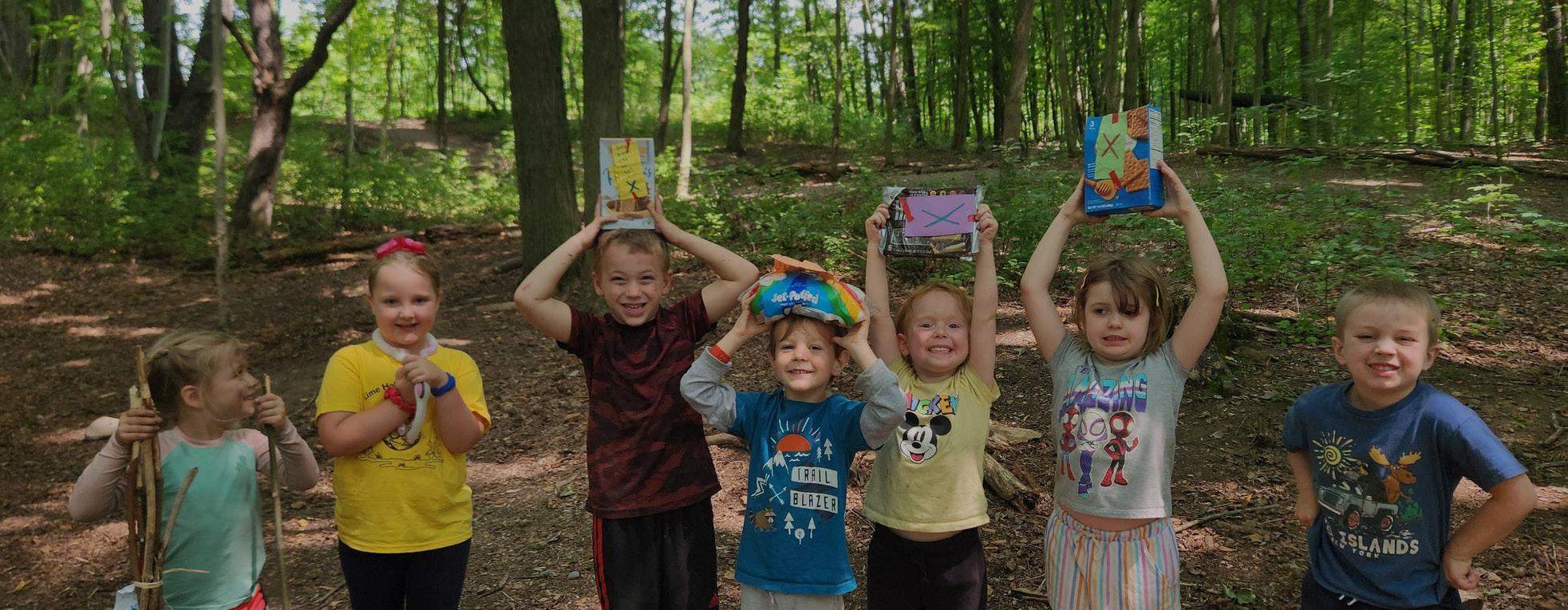
Pictured: Lime Hollow Nature Center, a Community Grant recipient
NEW PRIORITY AREAS IN COMMUNITY GRANT ROUNDS:
Enhancing Transparency and Impact
Nonprofits across Central New York are doing incredible work — launching creative programs, improving facilities, and building stronger organizations to serve our communities. As more and more groups bring forward innovative ideas, the number of applications to our Community Grant program has grown dramatically. This surge reflects your dedication and vision, but it also means the competition for funding is stronger than ever.
We’ve heard from you that you want greater clarity on how to position your proposal
Why We’re Making This Change
We know your time is valuable, and applying for funding takes significant effort. In recent years, the number of proposals submitted to our Community Grant program has more than doubled — from about 25–30 applications per round to 70–80 today. With funding in each program area tied to 77 separate donorrestricted Field-of-Interest Funds, we can only award a limited number of grants in each cycle. That means we’re often forced to turn away strong proposals simply because funds aren’t available in that area at that time.
for the best chance of success. That’s why starting in 2026, we’re introducing priority focus areas to make it clearer where funding is most available in each cycle. This will help you better align your proposal with current opportunities and give your application the strongest possible chance for success.
It’s important to note that this is not a new pool of funding or additional dollars. The overall amount of money available for Community Grants remains similar to before — this change is simply about making the process clearer and more applicant-friendly.
Spring Round (February 26, 2026 Deadline):
Arts & culture, environment, animals, civic engagement, education projects
Fall Round (August 29, 2026 Deadline): Health, human services, economic development projects
Q: CAN I STILL APPLY IN EITHER GRANT ROUND?
By setting priority areas for each grant round, you’ll have clearer guidance on when funding in your area of work is most likely to be available. This allows you to time your application strategically and avoid spending effort on rounds where funding for your type of work may be limited.
We’ve also heard your feedback that it can be frustrating when proposals in completely different fields — like a youth literacy program and a senior center renovation — are weighed against each other. Priority areas will allow
A: Yes, you can apply in either round. However, each round will prioritize certain focus areas. This change is designed to help you plan ahead, tailor your application, and apply in the round that best fits your project. Please note: the overall dollars available for Community Grants are not increasing — this is not a new funding opportunity.
Q: WHAT WILL BE THE PRIORITY AREAS FOR EACH ROUND?
A: The spring round will prioritize arts & culture, environment, animals, civic engagement and education. The fall round will prioritize health, human services, and economic development.
us to review “like with like,” resulting in a more straightforward evaluation process and helping us make more consistent funding decisions.
Now, with priority areas assigned to each round, we can deploy those dollars in one grant round instead of splitting them over two, which increases transparency and ensures funding flows more quickly to applicants.
Q: WILL THE TYPES OF PROJECTS YOU FUND CHANGE?
A: No. We will continue to fund programmatic, capital, and organizational development projects. This process change only affects how funding priorities are organized each round.
Q: WHAT IF I AM UNCLEAR TO WHICH ROUND I SHOULD APPLY?
A: We require all applicants to speak with staff before submitting. We also encourage conversations throughout the year to help you determine which round offers the best fit and timing for your proposal.
01
PAPER RELEASED: UNPACKING THE LEADLITERACY CONNECTION
Colby Cyrus, CAPM, senior program manager, and Frank Ridzi, Ph.D., vice president of community investment, explored the connection between childhood lead exposure and third-grade English Language Arts proficiency in Syracuse in our newest issue paper. The findings show a strong correlation between elevated blood lead levels in early childhood and lower reading and writing scores later on. The paper also introduces a new early warning system designed to identify children most at risk before exposure occurs.
Read the full issue paper here:
CNYCF.ORG/PAPERS
VOICES RISING DOCUMENTARY FEATURED IN NATIONAL FILM SERIES
$490,000 IMPACT INVESTING DEAL FOR WCNY TRAINING PROGRAM 02
In August, our local impact investing program closed on a $490,000 deal for WCNY’s Entertainment Academy — a 28-week workforce development training program — until funding from a state grant contract is fulfilled. This project is receiving funding from a certificate of deposit (CD) the Community Foundation established in partnership with Pathfinder Bank.
This summer, we launched Marsellus M.A.D.E. to Lead — a six-month organizational leadership program for mid-level and senior nonprofit managers who exemplify Mission-driven, Achievement, Dedication and Elevation. Designed as a cohort experience, the program brings together professionals from across nonprofit sectors for a meaningful learning journey. The first cohort began in September and is working to unlock leadership potential, strengthen organizational capacity, build peer networks and create space to explore and address daily challenges.
Our short documentary, “Voices Rising: Syracuse’s Fight Against Lead Poisoning”, was featured in Reel Change: A TFN Virtual Film Series, presented by The Funders Network (TFN). The national series highlights documentaries that explore the challenges communities face and the local leaders driving meaningful, equitable change. Produced by Black Cub Productions and funded by the Community Foundation, the film documents Syracuse’s first participatory budgeting project, held in support of our LeadSafeCNY initiative.
We produced a series of public service announcements (PSAs) to raise awareness about the dangers of childhood lead poisoning and how it can be prevented. The PSAs were released during Lead Poisoning Prevention Week, held Oct. 20–26.
Connect to resources that will help keep you and your family safe here:
LEADSAFECNY.ORG
HEALING THROUGH THE ARTS
Creativity, Connection and Hope for Kinship Families
When 15-year-old Dominic Tyler Jr-Pizarro first picked up a paintbrush at Restoreforlife’s Healing Through the Arts: Creating Connections through Healthy Communications program, he wasn’t sure what to expect. A few weeks later, he had a self-portrait he was proud of — and a new perspective on himself and others.
“I’ve learned to take in my surroundings and really listen,” Dominic said. “Sometimes kids get ignored or talked over, but now I make sure to stop and hear what someone else has to say — in school, sports and life.”
Restoreforlife, founded by Evette Williams, empowers families through kinship care, selfsufficiency programs and community support. Kinship care — when relatives or close family friends raise children — keeps young people connected to their roots and out of foster care. Yet these families often receive fewer resources and less formal support than foster families. When creative opportunities are scarce, youth can miss out on the healing, confidence and connection that come from artistic expression.
A $12,500 grant from our Black Equity & Excellence Fund allowed Restoreforlife to sustain and expand Healing Through the
Arts: Creating Connections through Healthy Communications, which offers weekly workshops in creative arts, experiences and other art forms. Each workshop begins and ends with a healing circle — a supportive space where participants share their stories and reflections, process emotions and build community. This practice reinforces the program’s focus on healing through culturally rooted creative practices, ensuring that art is not only an activity but also a pathway to growth and connection.
“It’s not about having art experience — it’s about showing up as you are and letting your imagination lead the way,” Williams said.
For Dominic’s mother, Jerryka Pizarro-Lopez, the program has been transformative. “This is one of the few programs that offers something beyond sports,” she said. “We can talk about the art Dominic is making and how it connects to life. Art is peaceful; it’s another positive outlet.”
Family members are welcome to join in, creating a shared experience that Jerryka describes as relaxing and joyful. “I’m not an artist, but the things I’ve made here make me feel good,” she said. “It reminds me of how much I loved art in school. Now I get to be
involved again — and I get to see my child having fun and learning.”
Dominic says the program has helped him become more open-minded and patient while developing communication skills. He’s learned to follow careful steps in creating portraits, shape clay into useable dinnerware and meet people from all walks of life. “I’ve met new people, tried new things and thought in new ways,” he said. “The skills I’m learning here can help me with my goals of playing in the NBA and becoming an architect.”
The sense of connection Dominic and Jerryka describe is echoed across the program. “We create more than art,” Williams said. “We create memories, build trust and nurture family relationships in ways that words can barely capture.”
Williams hopes to continue building on the program’s early success, noting that with additional support that spirit of healing, creativity and connection will continue to reach families across Syracuse — giving young people like Dominic the tools to express themselves, build community and dream boldly for the future.
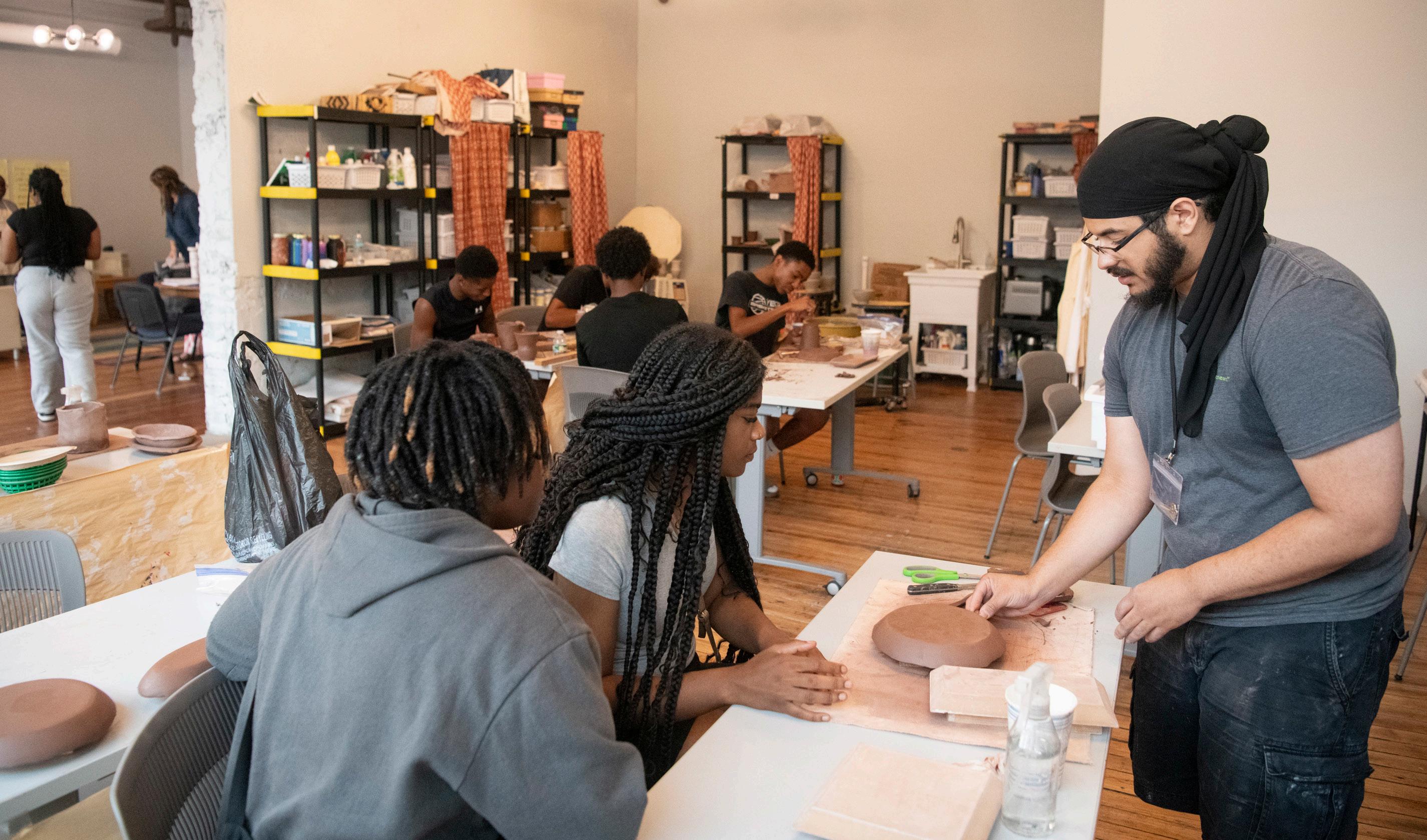
Pictured: Ceramist Brandan Meyer leads a Clay Experience: Healing Through the Arts session.
Photo Credit: Ben Cleeton
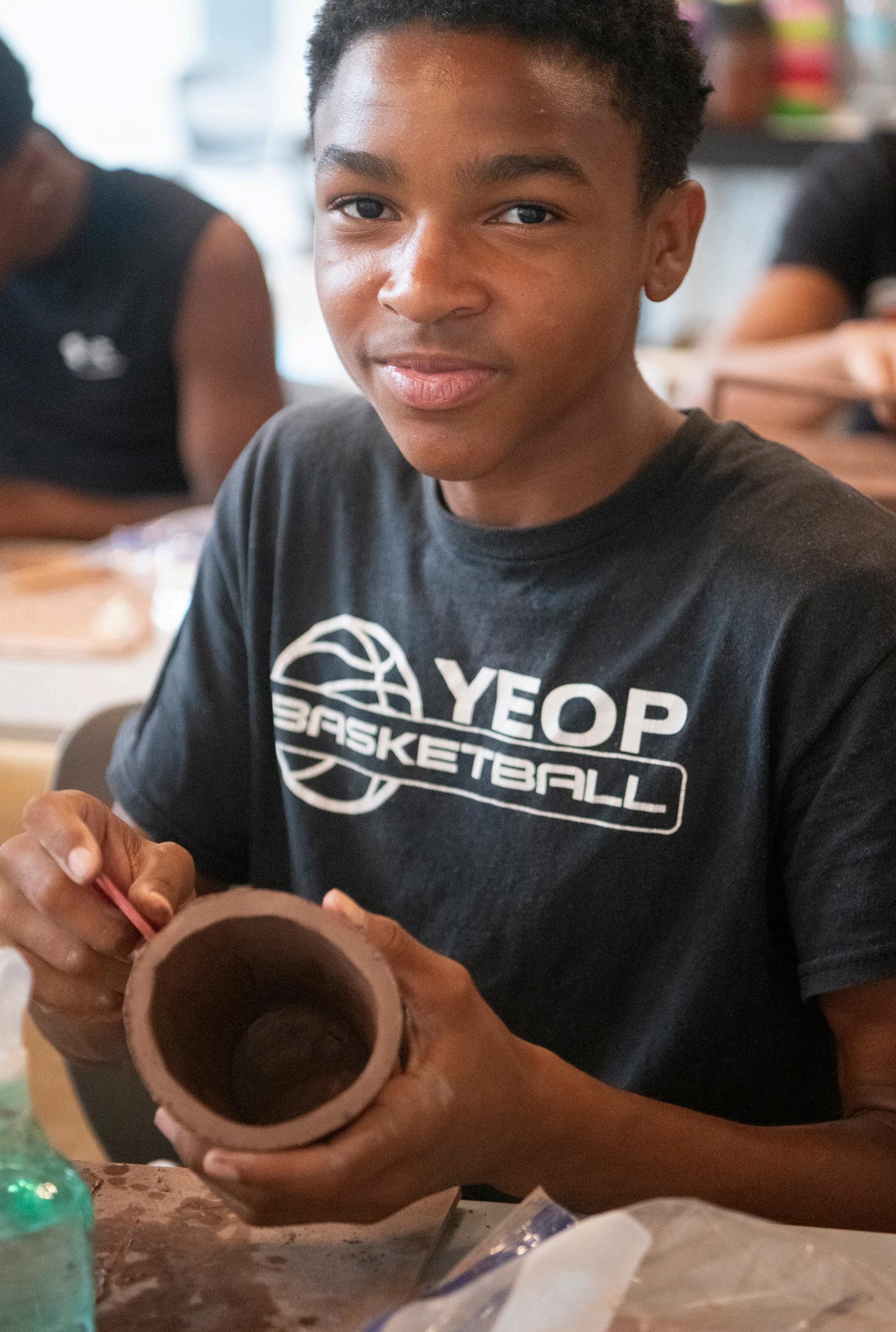
Pictured: Dominic Tyler Jr-Pizarro
Photo Credit: Ben Cleeton
SARAH EDLUND Office Manager
Sarah Edlund has been hired as office manager. In her role she is responsible for overseeing the day-to-day operations of the CNY Philanthropy Center, providing administrative support to staff and serving as a first point of contact for visitors and callers.
RECENT OUTINGS
NIKKI POLES Executive Assistant
Nikki Poles has been hired as executive assistant. In her role she is responsible for providing administrative support to the president & CEO, board of directors and leadership team.
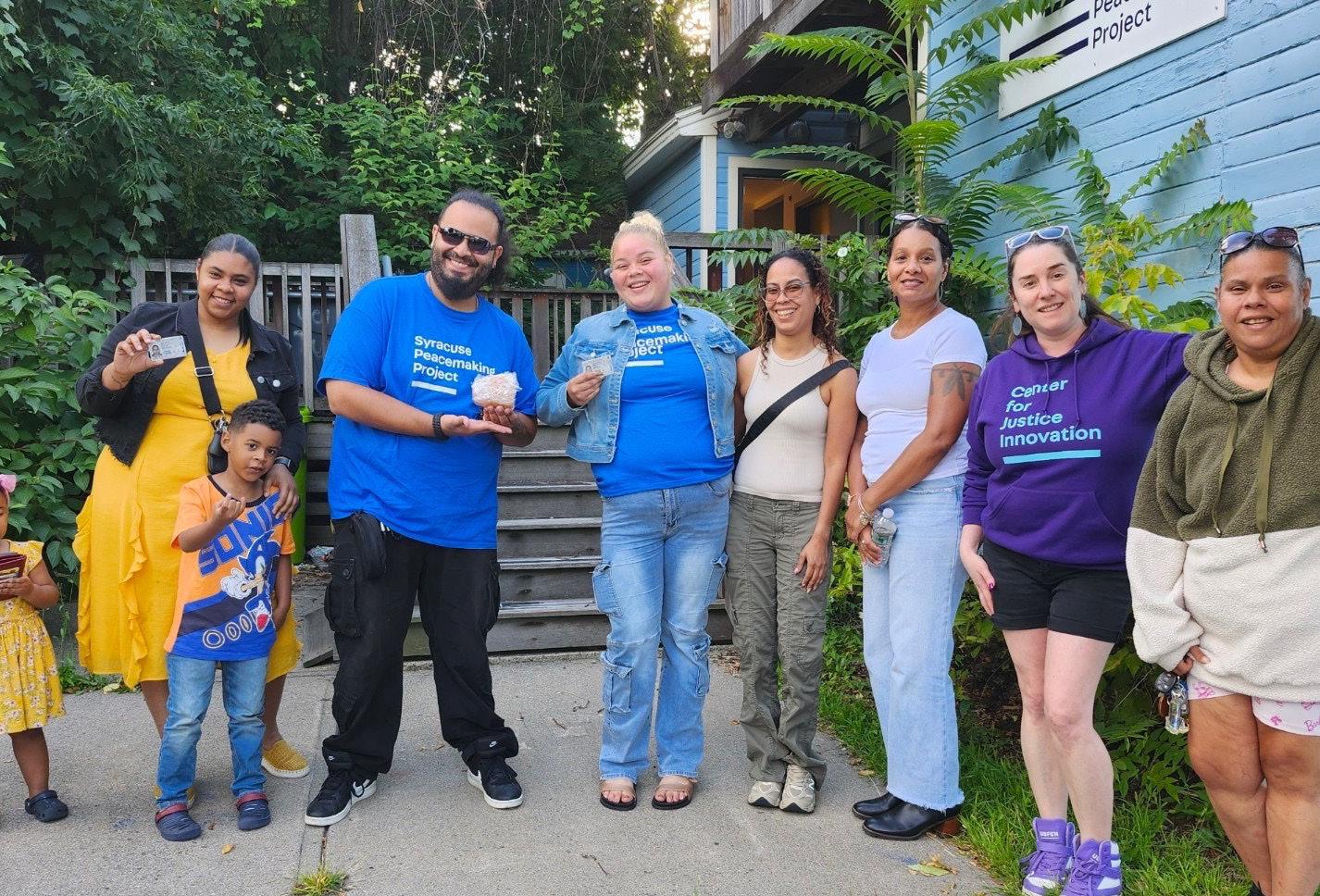
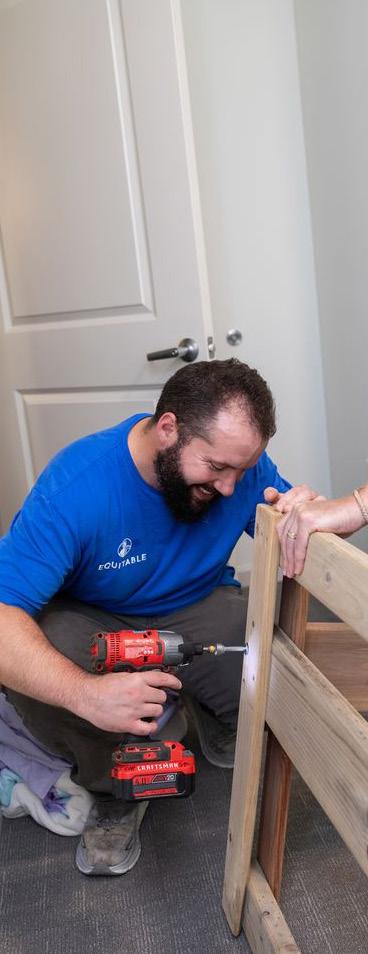
Celebrating newly licensed drivers through Driving for Equity, a program supported by our Participatory Grantmaking initiative
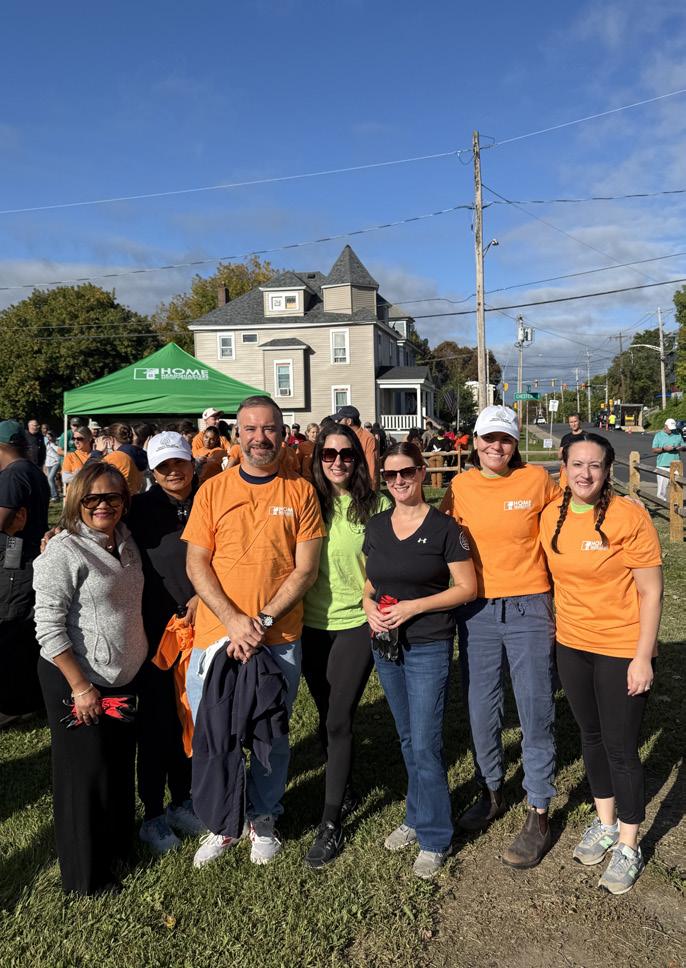
Home HeadQuarters’ 17th Annual Neighborhood Block Blitz
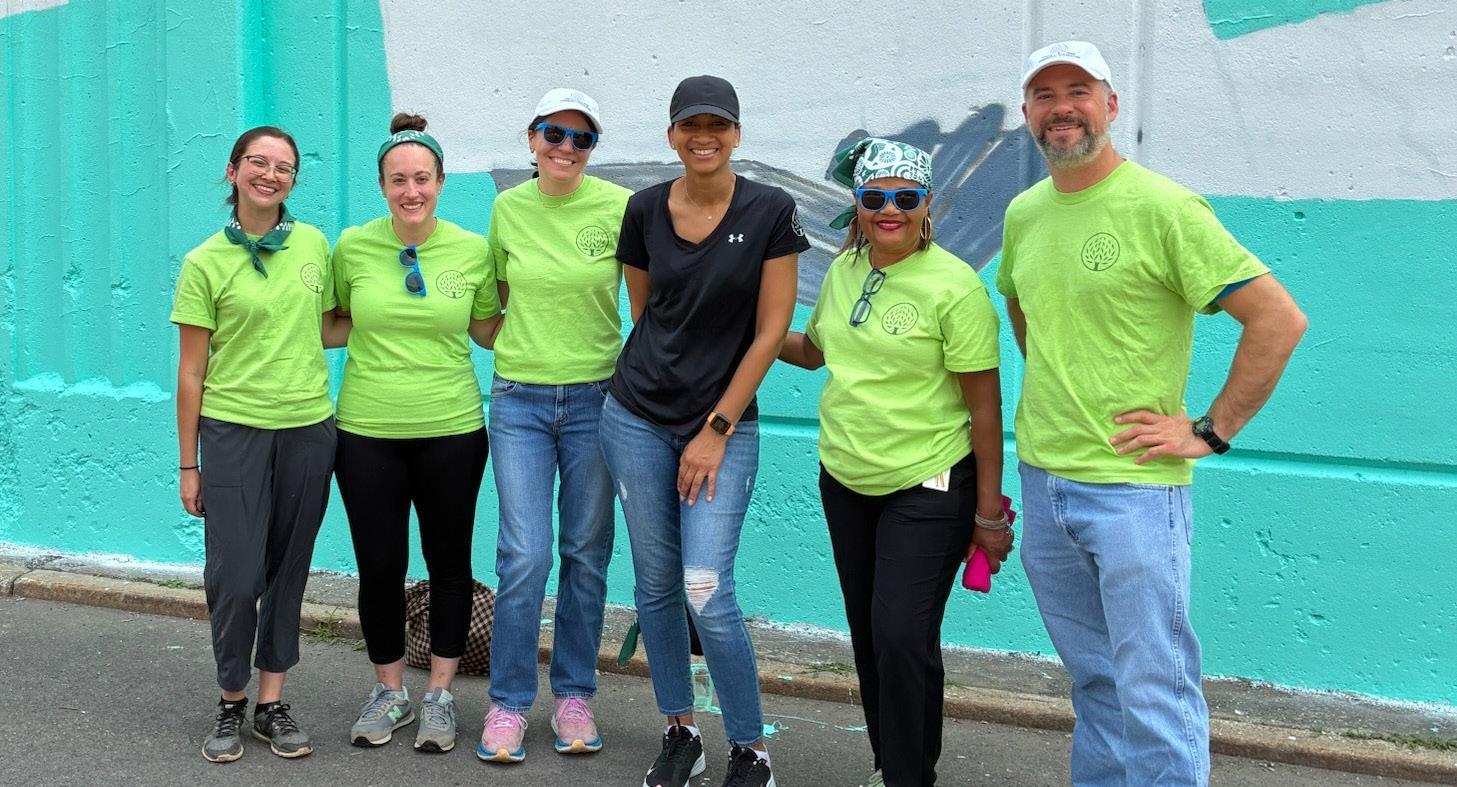
Painting a 428-foot mural for the 2025 United Way Day of Caring
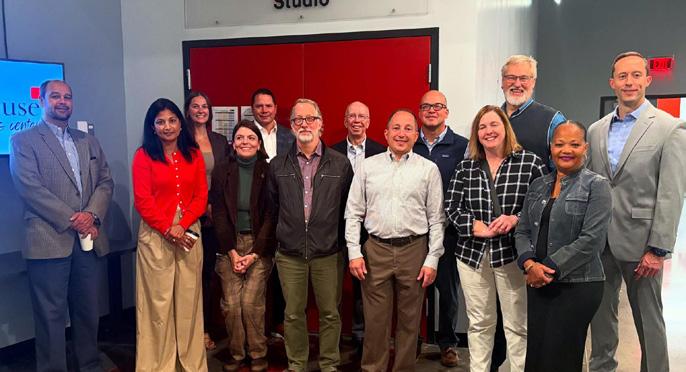
Our Professional Advisor Council meeting at RedHouse Arts Center
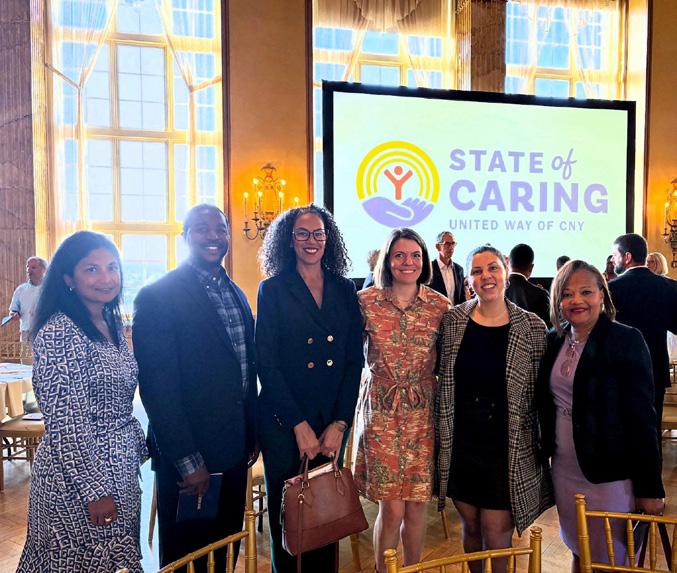
United Way of CNY State of Caring Breakfast
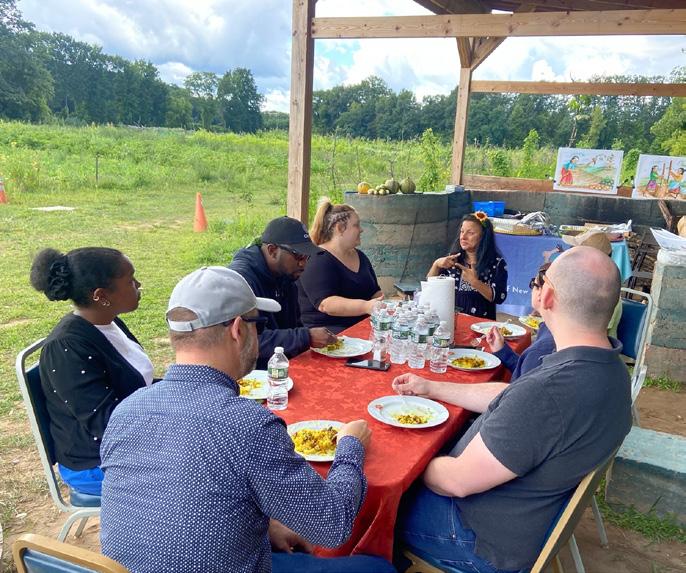
Community Investment Team visit to Deaf New American’s Asha Laaya (Farm of Hope)
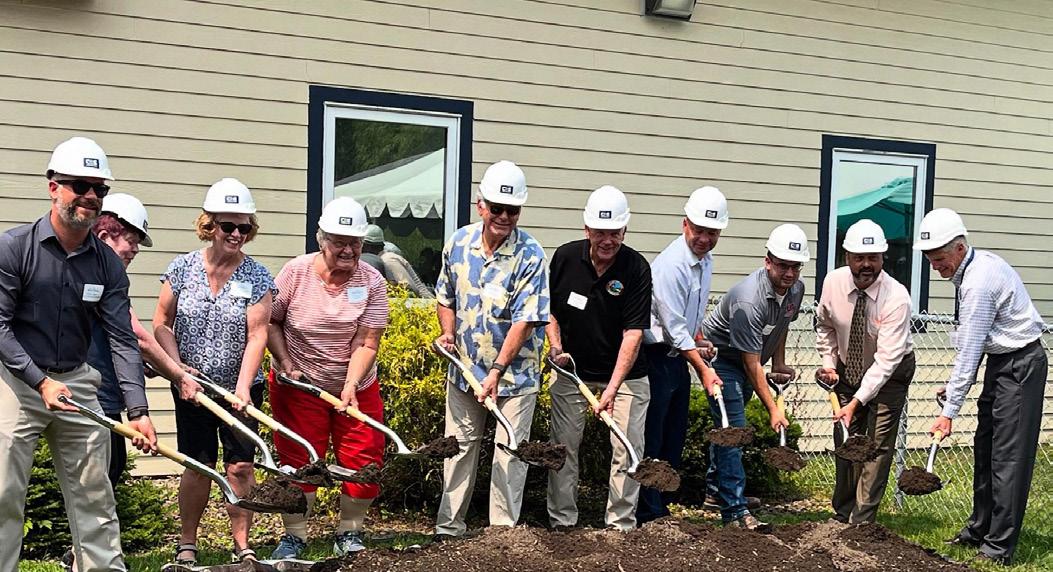
Groundbreaking of North Area Meals on Wheels’ building expansion
UPCOMING GRANT DEADLINES
GRANT DEADLINES
OPEN: DEC 18, 2025/ CLOSE: FEB 27, 2026
Community Grants
Priority Areas: Arts/Culture/Humanities, Environment, Animals, Civic Engagement and Education
OPEN: FEB 16, 2026 / CLOSE: APR 17, 2026
Cayuga Community Fund
OPEN: MAR 14, 2026 / CLOSE: MAY 16, 2026
Greater Pulaski Community Endowment Fund
OPEN: APR 20, 2026 / CLOSE: JUNE 18, 2026
Women’s Fund of Central New York
OPEN: MAY 4, 2026 / CLOSE: AUG 14, 2026
The Leadership Classroom (TLC)
OPEN: MAY 18, 2026 / CLOSE: JUL 17, 2026
Oswego County Community Foundation
OPEN: JUNE 2, 2026 / CLOSE: JULY 14, 2026
Marsellus M.A.D.E. to Lead
OPEN: NOV 30, 2026: / CLOSE: JAN 29, 2027
Black Equity & Excellence Fund
For more information, please visit: CNYCF.ORG/DEADLINES
Pictured: Sleep in Heavenly Peace, a Community Grant recipient
CNY PHILANTHROPY CENTER
431 EAST FAYETTE STREET SUITE 100 SYRACUSE, NEW YORK 13202
315.422.9538
If you do not wish to continue receiving our mailings, please email us at: info@cnycf.org.
PRESIDENT & CEO
MELANIE LITTLEJOHN, MBA
NIKKI POLES
Executive Assistant
COMMUNICATIONS
KATRINA M. CROCKER
Vice President of Communications
JULIET R. MALOFF
Director of Communications
CORY C. SCHAD
Digital Communications Officer
COMMUNITY INVESTMENT
FRANK M. RIDZI, PHD
Vice President of Community Investment
DARRELL D. BUCKINGHAM
Senior Program Officer
COLBY CYRUS, CAPM
Senior Program Manager
ISABEL FOSS
Program Associate
ELISIA GONZÁLEZ Grants Manager
DANIELLE M. JOHNSON
Senior Director of Grants & Programs
QIANA WILLIAMS
Senior Program Officer
DEVELOPMENT
THOMAS M. GRIFFITH, AEP®, CAP®, CHFC® Vice President of Development
ELIZABETH GAGNÉ
Philanthropic Services Officer
TORI HART
Philanthropic Services Officer
JAN L. LANE, CAP®
Senior Philanthropic Advisor
MONICA M. MERANTE, CAP®
Senior Director of Philanthropic Services
PRAGYA S. MURPHY, CAP®, MBA
Director of Development & Impact Investment
FINANCE & ADMINISTRATION
KIMBERLY P. SADOWSKI, CPA Vice President & Chief Financial Officer
GERIANNE P. CORRADINO, SHRM-CP Human Resources & Operations Officer
SARAH EDLUND Office Manager
DANA C. FIEL
Finance Manager
JENNY E. GREEN
Director of Information Systems
LIZ HARTMAN, CPA
Senior Director of Finance
DANA E. LYONS-CANTY Special Projects Officer
YEISHA NÚÑEZ-DENSON Accountant
SCHOLARSHIPS AND STUDENT SUCCESS
AHMEED H. TURNER
Vice President of Scholarships & Student Success; Executive Director of Say Yes Syracuse