CARNEGIE MELLON ENGINEERING
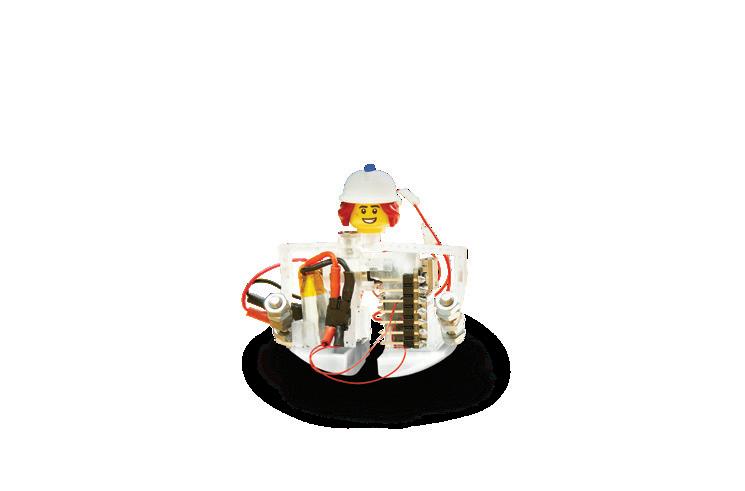

Introducing the world’s smallest powerautonomous bipedal robot, at only 3.6 cm tall. It is also the fastest biped, in terms of leg lengths per second!
Small, centimeter-scale robots have the potential to excel at traversing tight spaces found in industrial facilities, natural cavities, and disaster debris, allowing for inspection and exploration tasks typically inaccessible to robots with larger footprints.
The robot has rounded feet, with a single motor at the hip. It can passively stand without any actuation and is capable of moving over rough terrain and turning, skipping, and ascending small-scale steps.
From the labs of Aaron Johnson and Sarah Bergbreiter, their research has inspired autonomous walking robots with noteworthy efficiency and simplicity.
The robot shown on the front cover is actual size.
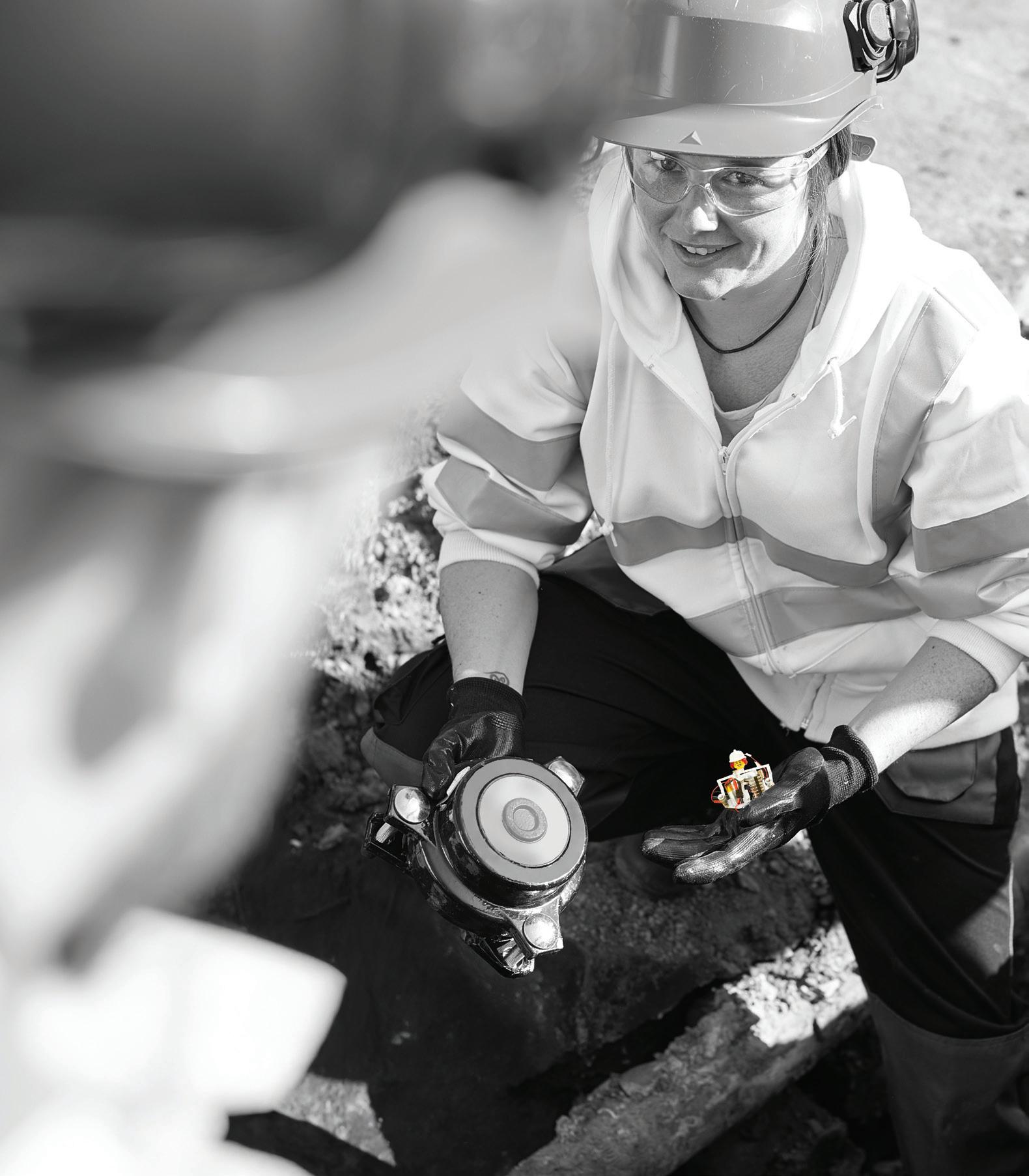

Sherry Stokes (DC ’07)
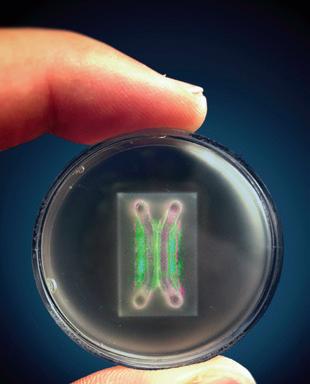

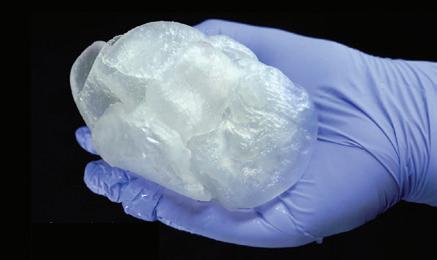
Collagen is well-known as an important component of our skin, but its impact is much greater, as it is the most abundant protein in the body, providing structure and support to nearly all tissues and organs. Using their novel Freeform Reversible Embedding of Suspended Hydrogels (FRESH) 3D bioprinting technique, which allows for the printing of soft living cells and tissues, the Feinberg lab has built a first-of-its-kind microphysiologic system, or tissue model, entirely out of collagen. This advancement expands the capabilities of how researchers can study disease and build tissues for therapy, such as Type 1 diabetes.
Traditionally, tiny models of human tissue that mimic human physiology, known as microfluidics, organ-on-chip, or microphysiologic systems, have been made using synthetic materials such as silicone rubber or plastics, because that was the only way researchers could build these devices. Because these materials aren’t native to the body, they cannot fully recreate the normal biology, limiting their use and application.

View our video: FRESH bioprinting
“By implementing a single-step bioprinting fabrication process, we manufactured collagen-based perfusable CHIPS in a wide range of designs that exceed the resolution and printed fidelity of any other known bioprinting approach to date. Further, when combined with multi-material 3D bioprinting of ECM proteins, growth factors, and cell-laden bioinks and integration into a custom bioreactor platform, we were able to create a centimeter-scale pancreatic-like tissue construct capable of producing glucose-stimulated insulin release exceeding current organoid based approaches.”
This technology is currently being commercialized by FluidForm Bio, a Carnegie Mellon University spinout company where co-author Dr. Andrew Hudson and his team have already demonstrated in an animal model that they can cure Type 1 diabetes in-vivo. FluidForm Bio plans to start clinical trials in human patients in the next few years.
“It is paramount for everyone to understand the importance of team-based science in developing these technologies and the value that varied expertise, ranging from biology to materials science,
“GOING FORWARD, THE QUESTION IS NOT, CAN WE BUILD IT? IT’S MORE OF, WHAT DO WE BUILD?”
- ADAM FEINBERG -
“Now, we can build microfluidic systems in the Petri dish entirely out of collagen, cells, and other proteins, with unprecedented structural resolution and fidelity,” explained Adam Feinberg, a professor of biomedical engineering and materials science and engineering. “Most importantly, these models are fully biologic, which means cells function better. This advance in FRESH bioprinting builds off of the research we published in Science in 2019, by improving the resolution and quality to create little fluidic channels that are like blood vessels down to about 100-micron diameter. Just as a frame of reference, the human hair is roughly 100 microns in diameter, so we’re able to engineer very tiny features that are almost capillary scale. By recreating this complex architecture, it allows us to build tissues that mimic different organ and disease types.”
In new research published in Science Advances, the group demonstrates the use of this FRESH bioprinting advancement, building more complex vascularized tissues out of fully biologic materials, to create a pancreatic-like tissue that could potentially be used in the future to treat Type 1 diabetes.
“There were several key technical developments to the FRESH printing technology that enabled this work,” explained Daniel Shiwarski, assistant professor of bioengineering at the University of Pittsburgh and prior postdoctoral fellow in the Feinberg lab.
brings both to the project, and our impact on society,” elaborated Feinberg.
“Going forward, the question is not, can we build it? It’s more of, what do we build? The work we’re doing today is taking this advanced fabrication capability and combining it with computational modeling and machine learning, so that we can hopefully better understand what we need to print. Ultimately, we want the tissue to better mimic the disease of interest or ultimately, have the right function, so when we implant it in the body as a therapy, it’ll do exactly what we want.”
Feinberg and his collaborators are committed to releasing open-source designs and other technologies that allow for broad adoption within the research community. “What we’re hoping is that very quickly, almost immediately, other labs in the world will be able to adopt and use this capability to expand it to other disease and tissue areas,” Feinberg said. “We see this as a base platform for building more complex and vascularized tissue systems, which has broad applications.”
Published in Science Advances, the paper was co-authored by Feinberg’s current and former Postdoctoral Fellows and Ph.D. students, Daniel Shiwarski, Andrew Hudson, Joshua Tashman, Ezgi Bakirci, Samuel Moss, and Brian D. Coffin. This ongoing research is supported in part by the National Institutes of Health.

The AI revolution has ushered in an era of exponential power and energy consumption. According to the U.S. Department of Energy, energy consumed by AI data centers could triple by 2028. Today, up to 40% of data center power use comes from cooling high-power chips—an astounding amount equivalent to the state of California’s entire electricity consumption.
To combat this, Sheng Shen, professor of mechanical engineering at Carnegie Mellon University, has developed an innovative thermal interface material that outperforms existing solutions. His design, published in Nature Communications, achieves ultra-low thermal resistance while increasing cooling efficiency via improved heat dissipation.
“The material is like a bridge between the nano- and macroscopic worlds,” explained Zexiao Wang, Ph.D. candidate in Shen’s lab. “Because the nanoscale material can be created using macroscale approaches, we can see with our own eyes the impact of the material on the world.”
Not only is Shen’s thermal interface material the best performing on the market, it is also highly reliable. The team tested the material at extreme temperature ranges from -55 to 125 degree Celsius for more than 1,000 cycles, and the material showed no performance degradation.
EXISTING STATEOF-THE-ART SOLUTIONS.
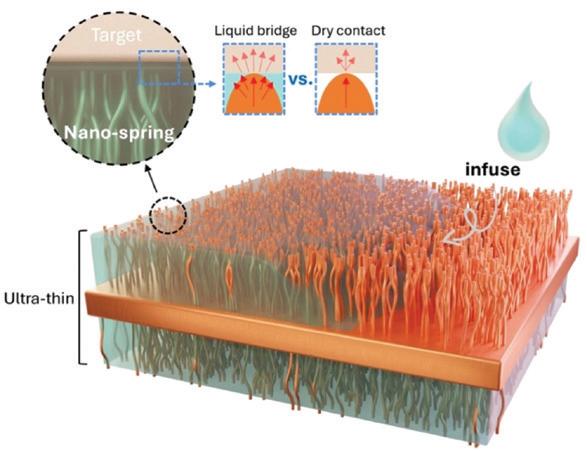
Novel thermal interface material designed by Sheng Shen. Sheng Shen and Rui Cheng are making this technology commercially available via their startup company, NovoLINC, Inc.
“This material solves a lot of existing challenges, and is ready to be used today,” said Shen. “While an immediate need is focused on cooling data centers, the application for this innovation is extensive. It can break through in industries that have been stuck using outdated thermal interface materials. It can be used for pre-packaging, reworked when using non-adhesives, and enables thermal bonding of two substrates at room temperature.”
“Oftentimes work at the nanoscale is foundational for a device that we might not see for decades,” said Qixian Wang, Ph.D. candidate. “It’s been exciting to see the real-world impact our material can have today because it is so easy to use.”
“Our material will have great benefits to the field of AI computing,” said Rui Cheng, postdoc and innovation commercialization fellow of CMU and the lead author of the paper published in Nature Communications. “Beyond reducing energy consumption, we can make AI development more affordable, more renewable, and more reliable.”
This research was supported by the National Science Foundation and Advanced Research Projects Agency-Energy. Collaborators included Tianyi Chen and Ana V. Garcia-Caraveo from Oregon State University, and Navid Kazem and Loren Russell from Arieca, Inc.

Space is a highly volatile environment. Factors like radiation, extreme temperatures, and debris make outer space a challenging environment to operate technology. In particular, radiation can have devastating effects on computer chips.
Space radiation, from solar flares or galactic cosmic rays, alter the electrical properties on an integrated circuit. The parts of a computer chip most vulnerable to radiation effects are the data storage elements, like flip-flops (FF) commonly used in digital logic. While radiation-hardened (rad-hard) electronics already exist to withstand harsh radiation environments, Carnegie Mellon researchers have fabricated more compact radhard chips that achieve equivalent or better radiation tolerance than conventional radiation-tolerant designs.
The team won a Best Paper Award for their paper, “A Soft Error Tolerant Flip Flop for eFPGA Configuration Hardening in 22nm FinFET Process,” at the Design, Automation and Test in Europe Conference held in Lyon France. The work is a collaboration with Sandia National Labs on radiation tolerant microelectronics for space and aerospace applications.
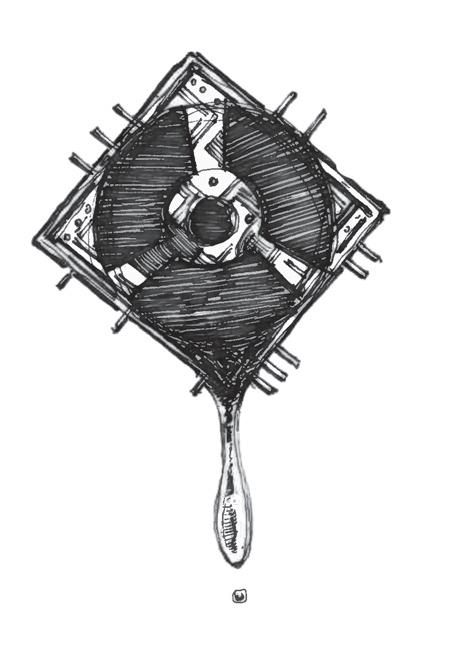
“As FFs are one of the most common elements on a chip, reducing the area of the FF has a significant reduction of the overall chip area,” explains Ken Mai, principal systems scientist in the electrical and computer engineering department and author on the paper. “Lower area leads to lower manufacturing costs, higher performance, and better energy efficiency, which is particularly important for space applications.”
Novel chip design has same or better tolerance of radiation than conventional designs, and it is more compact, which is important for space applications.
Most chips in space use FF designs that occupy more area on the chip than the one that the team designed. The crux of the invention is that the team achieved the same or better tolerance of radiation than the conventional FF designs, but in a smaller area.
“While the specific components, or transistors, used are not specific to Carnegie Mellon, but the way they are arranged is our own invention,” explains Mai.
Traditional robust FF designs use triple modular redundancy to ensure error free operation. This updated design re-uses some of the components of a single basic FF to achieve the same level of radiation tolerance without the high area overhead of using three copies of the FF.
Currently, the team is designing full system-on-a-chip prototypes and plan to test and deploy on a CubeSat (a miniature satellite) in 2026 in collaboration with Brandon Lucia and Zac Machester’s Spacecraft Design-Build-Fly Lab course.
Paper authors include Prashanth Mohan, Siddharth Das, Oguz Aatli, Josh Joffrion (Sandia) and Ken Mai.
Hydrogen is the most abundant element in the universe and sometimes hailed as “the fuel of the future” for its impressive efficiency as a green energy carrier. Over the last two decades, Shawn Litster, professor of mechanical engineering, has worked to advance the critical energy technologies required to electrify heavy-duty transportation using hydrogen fuel cells.



Q: A:
WHY IS HYDROGEN REFERRED TO AS “THE FUEL OF THE FUTURE?”
When hydrogen is referred to as a fuel, it’s most often in reference to hydrogen fuel cells. Hydrogen fuel cells are a promising power source because they are much more efficient than traditional combustion engines. Unlike combustion engines that burn fuel to generate energy, fuel cells turn hydrogen into electricity via an electrochemical reaction, so the fuel goes directly to electricity. The only emission from a fuel cell is pure, drinkable, water.

Q: A:
WHAT IS THE ADVANTAGE OF USING A HYDROGEN FUEL CELL INSTEAD OF A BATTERY?
A battery and a fuel cell have very similar structures — both have two electrodes with an electrolyte in the middle, but in a battery there are particles that are responsible for both energy storage and energy conversion. To make a battery power something longer we have to increase the weight of the whole battery system. This is problematic when it comes to electrifying vehicles, especially heavy-duty trucks, because increasing the weight of the battery takes away from the payload a truck can carry. In a fuel cell, we decouple energy storage and energy conversion. A fuel cell handles the energy conversion — the acceleration capabilities of the vehicle, and a separate, lightweight fuel tank stores the lightweight fuel. We can even adjust the size of the tank depending on the range requirements of the vehicle without the full weight penalty that batteries present.
HOW DO WE GET HYDROGEN?
We would like to decarbonize the hydrogen production process that currently relies on fossil fuels by using something called electrolysis. Electrolysis uses electricity to split water directly into hydrogen and oxygen, consequently reducing carbon emissions. Electrolysis further enables us to convert renewable electricity into a versatile fuel and industrial feedstock.
HYDROGEN TO TRULY FUEL THE FUTURE?
Heavy-duty trucking companies are looking at the total cost of ownership for a fuel cell vehicle, this includes the upfront and lifetime costs. For widespread hydrogen fuel cell adoption, we need to reduce what it costs to make fuel cells and make them more durable. Q: A:
Q: A:
HOW IS YOUR LAB ADDRESSING THESE CHALLENGES?
The materials used in fuel cells and electrolyzers are expensive and scarce. My lab is focused on translating developments in materials including catalysts and polymers for high-performance fuel cells and electrolyzers. Our goal is to develop materials that enable scalable and affordable hydrogen fuel cells.

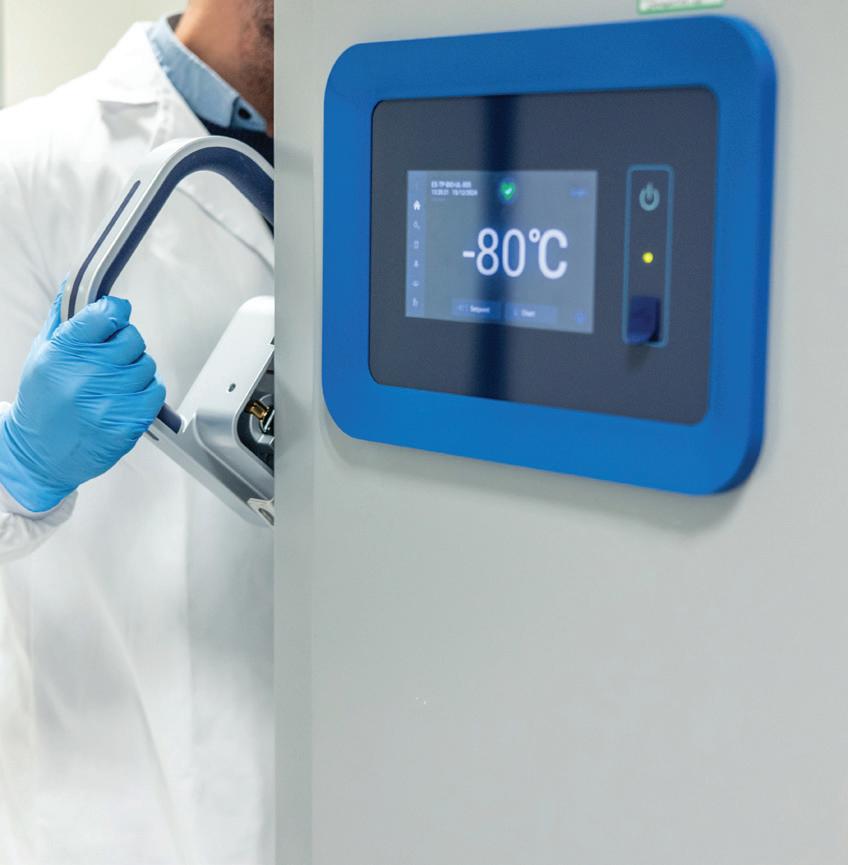
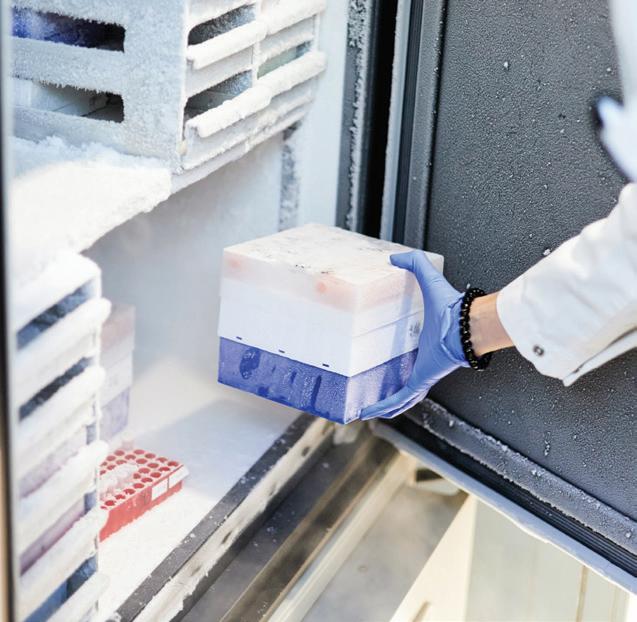
The ability to replace organs on demand could potentially impact health care on par with curing cancer. Building on 30 years of research experience in the field of cryopreservation, Yoed Rabin aims to preserve the liver, one of the most complex and in-demand organs. He anticipates that his methods may make their way into clinical practice within the next five to ten years.
Seventeen people die each day waiting for an organ transplant in the United States. Only 10% of the worldwide need for organ transplantation is estimated to be met. It has been suggested that the ability to replace organs on demand could impact health care on par with curing cancer. Developing efficient ways to preserve organs is essential to help bridge the gap.
Yoed Rabin has been studying cryopreservation and developing enabling technologies for three decades. His latest project, funded by the National Institute of Diabetes and Digestive and Kidney Diseases (National Institutes of Health), will seek to preserve the liver, one of the most complex and in-demand organs, in cryogenic temperatures.
“If ice crystals form in an organ during preservation, cells are destroyed,” explained Rabin, a professor of mechanical engineering. “One way to create more favorable conditions for cryopreservation is to elevate the pressure surrounding the organ.”
A promising method to elevate the pressure relies on constraining the natural tendency of water to expand upon freezing when placed in an extremely rigid container, and the application is known as isochoric cryopreservation. Unfortunately, the hazardous effects of crystallization must take place somewhere in the container for isochoric cryopreservation to work. Rabin is aiming at advancing this approach to the next level by eliminating the need, and even the possibility, for ice to form in the cryopreservation container.
“I’ve devoted my research career to developing tools and enabling technologies that I believe will bear fruits in my lifetime,” said Rabin. “I sense that we are only five to 10 years away from seeing this method in clinical practice.”
The $1.3 million dollar grant builds on Rabin’s legacy in the field.
“My research continues to be an extension of itself,” he said. “Oftentimes projects don’t start and end in isolation from the broader effort, and I am thankful that my work sees a consistent line of progress over such an extended period of time.”
The project is conducted in collaboration with Charles Lee at the University of North Carolina Charlotte, a well-established leader in the field, with decades of experience in liver research. Lee will test the new cryopreservation technology on animal models. The advisory panel to this project includes transplant surgeons and experts in the field from Harvard Medical College, Mayo Clinic, and the University of Minnesota.
Extending liver preservation time beyond the current 16 to 24 hours will greatly solve many of the logistical issues of donor livers. This will allow greater usage of donor livers because a broader base of recipients located at greater distance away from the donor will become possible. The team’s isolated liver perfusion and transplant models should quickly assess proof of concept and feasibility of this new technology.
Rabin collaborates with advisors and colleagues scattered across the United States including transplant surgeons, physiology experts, cryobiologists, and his own former students who now work in industry. He is a senior member of the Engineering Research Center for Advanced Technologies for the Preservation of Biological Systems (ATP-Bio), an NSF center that aims to “stop biological time” and extend the ability to bank and transport cells, tissue, organs, and more.
“The idea behind working in such a supportive and diverse environment is that we can accelerate progress by working as closely as possible to the end user, which in this case is clinical use.”
Preeclampsia, intrauterine fetal growth restriction, and other “great obstetrical syndromes” have been linked to disordered placenta development, so understanding the structure and function of this vital organ is critical to detecting pregnancy disorders.
Hemodynamic digital twins are virtual representations of the way blood flows through the body. They have already been proposed to predict cardiovascular disease risk, but collecting measurements of pregnant uteri to inform digital twin models of pregnancy is limited due to safety concerns.


By computationally replicating realistic placenta blood flow, Noelia Grande Gutiérrez of Carnegie Mellon University’s Department of Mechanical Engineering is addressing this lack of data.
A breakthrough in the field, her lab has developed a computational model of the basic functional unit of the human placenta: the placentone.
The team’s research uncovered the anatomical parameters required to ensure a pragmatic, physiological simulation of a healthy pregnancy.
“The effect of a placenta’s anatomic structures on hemodynamics had not been systematically assessed until now,” said Grande Gutiérrez.
“Our computational model has
enabled us to define physiological parameters for vein location and diameter, cavity diameter and lengths, and spiral artery remodeling length. These guarantee that our models are physiological even though they are not patient-specific.”
This is the first step toward placenta digital twins.
Armita Najmi, Ph.D. candidate in Grande Gutiérrez’s lab and lead author of the paper said, “Our computational study provides practical insight into what a healthy and efficient placentone should look like, and this understanding is necessary for improving our ability to predict and identify pregnancy disorders.”
Moving forward, the team will
study the effects of blood flow on the microstructure of the placentone during the second trimester of pregnancy.
“Partial spiral artery remodeling observed in some complicated pregnancies directly affects the hemodynamics inside the placenta,” said Najmi. “We are trying to figure out how this partial spiral artery remodeling affects the development of the placental villi and its structure in complicated pregnancies.”
“There’s so much still to do in this space,” said Grande Gutiérrez, “But computational modeling allows us to advance research and design medicinal therapies with a very personalized approach.”
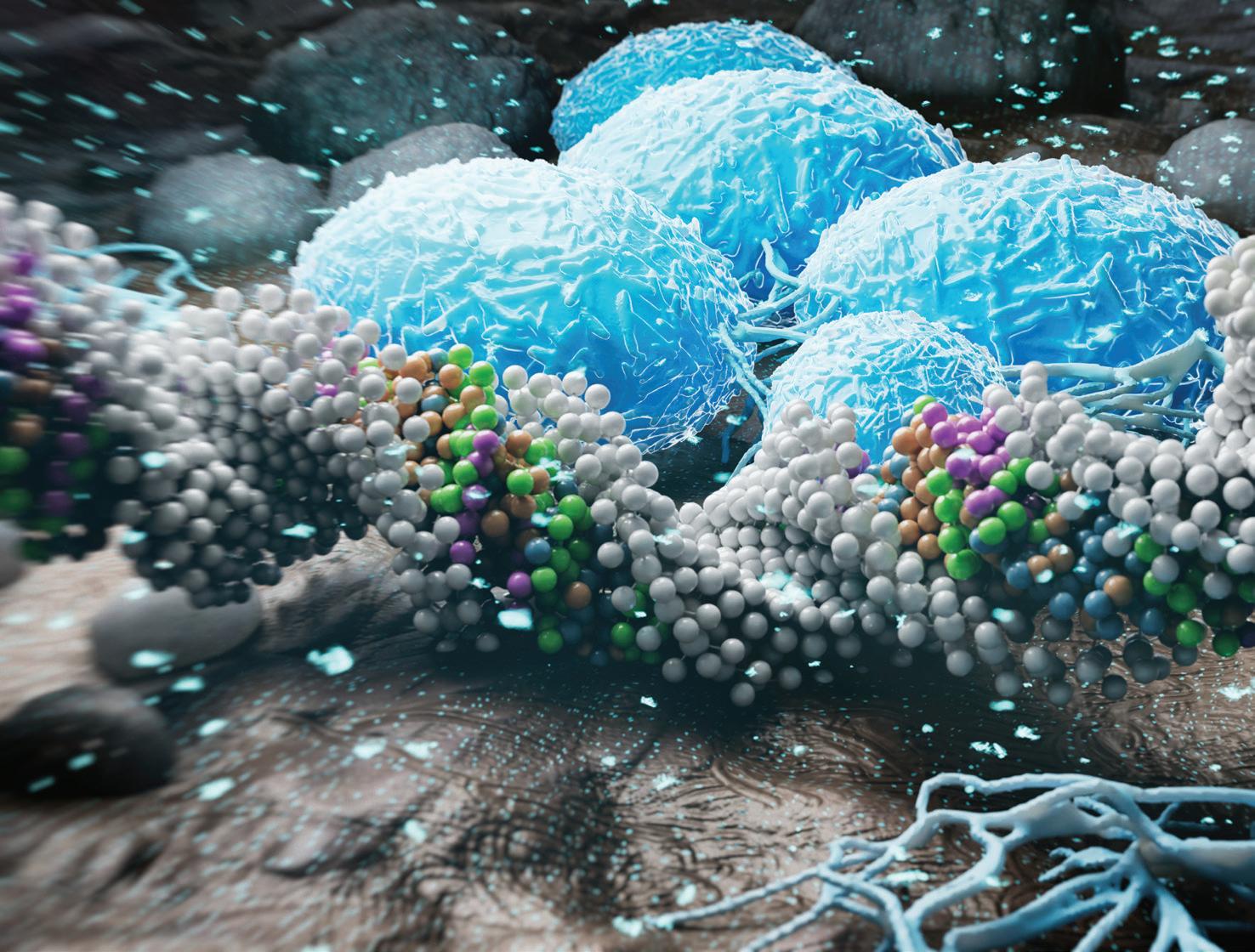
As viral vaccines are increasingly used to meet global health needs, the pharmaceutical industry is manufacturing larger amounts of virus to make them. A new method of virus detection from researchers at Carnegie Mellon University is poised to improve quality control in vaccine manufacturing by rapidly quantifying viral genomes in samples taken directly from bioreactors.
Research from Jim Schneider’s lab has uncovered a new mechanism of electrophoresis that attaches a very short piece of double-stranded DNA, which they call a nanosnag, to a viral genome. “The nanosnag slows down the genome as it moves through a gel-like matrix in the presence of electric fields. This abrupt slow-down concentrates the genomes in a sharp band that confirms that the
viral genome is intact and tells us how much of it is there,” explains Schneider, a professor of chemical engineering. Despite the slow-down provided by the nanosnag, the 10-minute runs are very fast compared to gel electrophoresis, polymerase chain reaction (PCR), or other methods used to assay DNA. This is because Schneider’s method uses surfactants rather than polymers as a gel-like matrix.
Polymers like those used in gel electrophoresis have long-lived crosslinks that the DNA has to move around. That creates a sieving process that separates DNA based on length. Schneider has spent many years developing electrophoresis methods for separating DNA. The crosslinks in the surfactant systems that Schneider uses don’t live as long, so while they are effective they allow long DNA or RNA to pass quickly.
In his earlier work with short DNA targets, Schneider developed micelle-tagging electrophoresis (MTE). Here, the surfactant assembles into a micelle and attaches to the DNA of interest, providing enough drag to separate the target DNA from others in the mixture.
For longer DNA, like a viral genome, more drag is required. Instead, the researchers found ways to marry the sieving method with MTE. “You still have the mechanism of drag-tagging, and you now also have a mechanism of sieving,” says Schneider. His lab has been working to understand how those mechanisms interact.
Their new nanosnag method does two things. It changes the mobility of the viral genome to put it in a place where it’s clearly separated from the other nontagged material. It also has a concentrating effect.
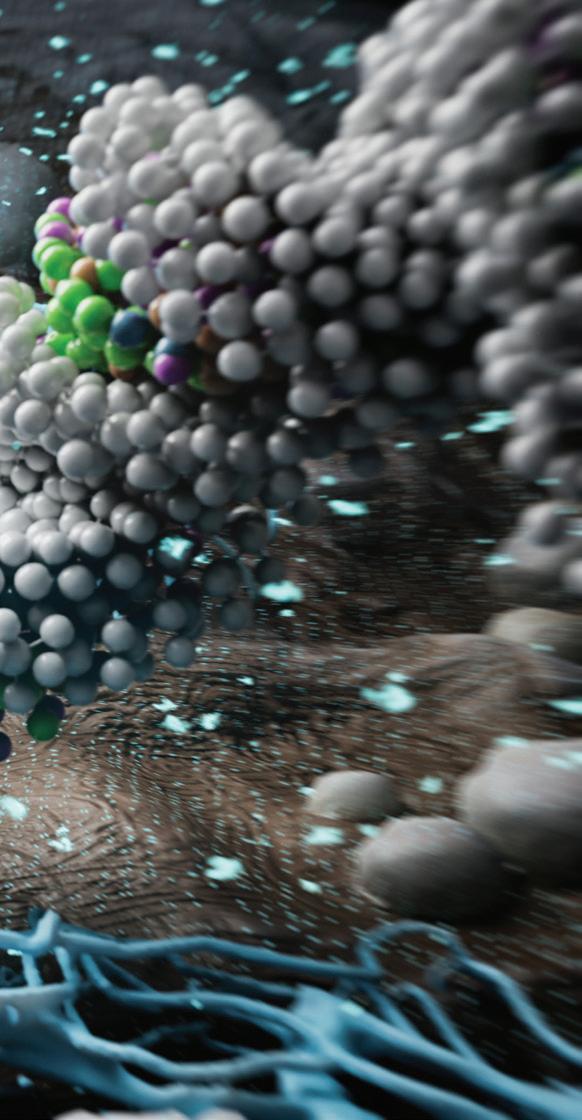
The rapid deceleration of the genome when it starts to interact with micelles causes a concentration like that seen anytime something moving very quickly is forced to slow down. Picture the traffic congestion caused by a lane closure on a highway.
“What’s surprising is that the addition of a tiny, 30-base fragment of double-stranded DNA has such a huge effect on the migration of a 5,000-base viral genome,” says Schneider. “We initially attached the fragment as a way to attach fluorophores to the genome and did not expect any impact on the electrophoretic mobility. But when you dig into the polymer physics, you see why it happens. The short, double-stranded fragment is much stiffer than the genome, and its attachment forces the genome to take a longer, more winding path through the matrix.”
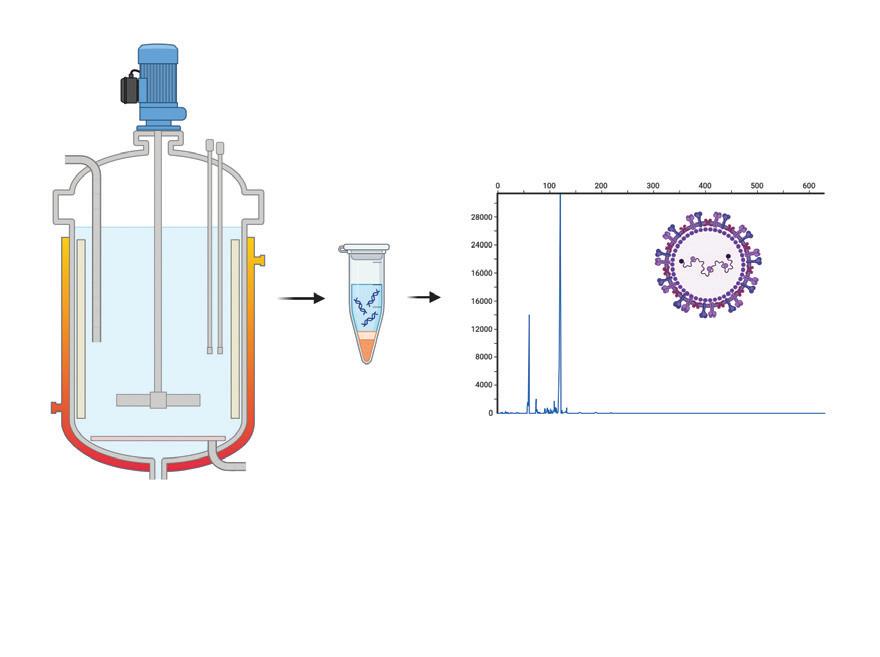
Jim Schneider’s method of electrophoresis can be used to detect viral genomes manufactured in bioreactors. It is faster and more precise than current methods for measuring how much virus is produced.
The tagging technique also enables researchers to detect only the viral genome, because the nanosnag fragment binds specific sequences. “If those sequences don’t exist on a DNA or RNA fragment in a sample, the nanosnag will not attach, and none of this slow-down or sharpening occurs,” he says. “So, we can confidently discriminate the viral genome from other nucleic acids that might be in the sample.”
The new method could be used, for example, to count the number of viruses inside a bioreactor that makes them. Viral bioreactors don’t produce a steady amount of virus, due to the way viruses are produced throughout the cell cycle. Current methods for measuring how much virus is in a batch are slow and imprecise. Schneider’s nanosnag method, published in Biomacromolecules, provides the biomanufacturing industry with a direct way to quantitate virus, and it’s fast.
Schneider is engaged with pharmaceutical companies to bring the technology to manufacturing lines. One challenge is that bioreactor samples have a lot of cell debris, viral capsids, and other proteins that typically interfere with viral detection methods. The surfactants used as gel-like matrices can help sequester these compounds into micelles so that the electrophoresis is not affected. Determining just how much material the surfactants can handle is an active area of investigation in the Schneider’s lab. Schneider’s electrophoresis methods offer a unique advantage for translation to industry because pharmaceutical labs already have standard commercial platforms to do electrophoresis. “If they follow our methods, they don’t need to buy new equipment and can enjoy the speed and accuracy benefits right away,” he says.
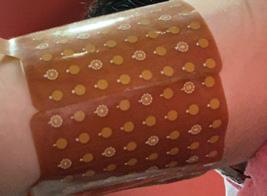
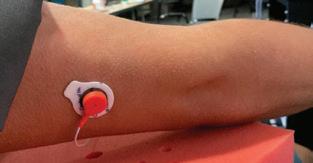
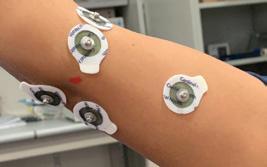
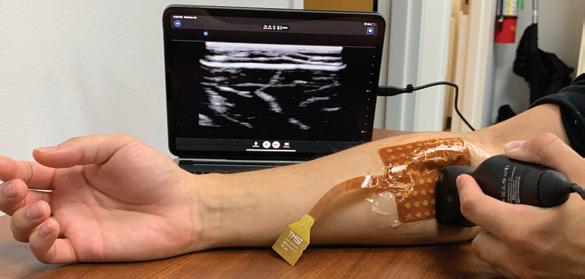
Researchers from Carnegie Mellon University have developed a cutting-edge method to identify muscle activity in densely packed regions like the forearm. Using high-density surface electromyography (HD-sEMG) sensors alongside other techniques such as peripheral nerve stimulation, spatial filtering, and ultrasound imaging, this approach offers more accurate identification of muscle activity. The findings could lead to better treatments for neurological injuries and advancements in prosthetic limb control.
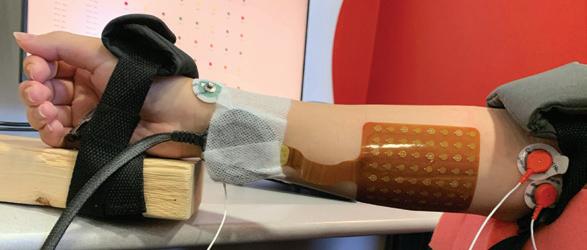
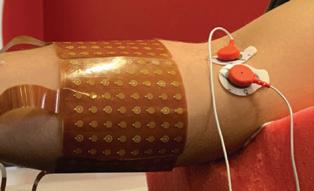
By electrically stimulating specific nerves, researchers can selectively activate muscles, providing a controlled way to study muscle activity. The HD-sEMG system used in this study features a 64-channel grid that is adhesively applied to the skin to capture electrical signals, known as M-waves, produced by active muscle contractions. The sensors provide high-resolution measurements of muscle activity, allowing researchers to apply advanced spatial filters to minimize electrical interference from neighboring muscles, known as crosstalk, and to isolate M-waves from target muscles. Applying these filters to HD-sEMG nearly eliminated crosstalk at distances of 2.55 cm or more. Reducing crosstalk allows for clearer separation of hotspots on heat maps, making it easier for
MUSCLE BORDERS
The HD-sEMG system used in this study features a 64-channel grid that is adhesively applied to the skin to capture electrical signals, known as M-waves, produced by active muscle contractions.
researchers to distinguish muscle activity and use ultrasound imaging to verify the location and identity of the underlying muscles.
Accurately identifying the strength and location of muscle activity with minimal distortion is critical for studying motor function, especially for diagnosing problems caused by stroke, spinal cord injury, and other neurological disorders. The techniques developed in this research have the potential to improve neurological treatments, such as physical rehabilitation, as well as improve the control of prosthetic limbs.
“We are currently applying this method to clinical populations, including stroke patients with hemiplegia and amputees with phantom limb pain,” explained Ernesto Bedoy, a postdoctoral researcher at CMU who led this study. “We’re using this approach to better understand muscle activity patterns in these populations and develop personalized treatment strategies that maximize recovery.”
This research was published in the Journal of Neurophysiology. The researchers include Bedoy; Douglas Weber, a professor of mechanical engineering and member of the Neuroscience Institute; and Efrain Guirola Diaz, Ashley Dalrymple, Isaiah Levy, Thomas Hyatt, Darcy Griffin, and George Wittenberg.
“DeepFocus,”
a new method of minimally invasive brain stimulation could treat conditions like depression, PTSD, and addiction.
Researchers from Carnegie Mellon University and Allegheny Health Network have developed a new method for deep brain stimulation.
The technique, called “DeepFocus,” uses transcranial electrical stimulation (TES) on the scalp and transnasal electrical stimulation (TnES) to achieve accurate electrical stimulation in the brain.
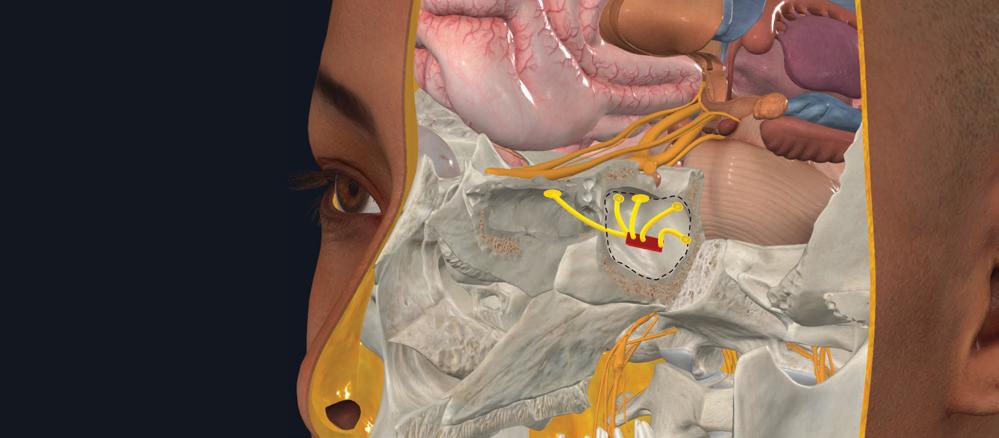
DeepFocus uses close proximity and highly conductive pathways offered by thin bones between the nasal cavity and brain to create larger and more accurate electric fields in deep brain regions than traditional scalp electrode configurations.
“By going through the nose, we can place electrodes as close to the brain as possible without opening the skull,” explained Mats Forssell, a CMU electrical and computer engineering research scientist and a lead author on the study. “We gain access to structures on the bottom of the brain which are hard to reach in other ways. That’s what makes this technique so powerful.”
DeepFocus could enable more efficient and lower-risk targeting of deep brain structures to treat multiple neural conditions, including depression, PTSD, OCD, addiction, and substance abuse disorder. By targeting the brain’s “reward circuit” (the orbitofrontal cortex, Brodmann area 25, amygdala, etc.) and managing environmental and time of day factors, DeepFocus could disrupt the brain’s associations with cravings.
DeepFocus could provide both short- and longterm treatments. Chronic treatments that require persistent stimulation could be delivered through an implant, while acute applications could be delivered in short sessions with endoscopic insertion and removal of the device.
“The approach affords access to parts of the brain that have been traditionally surgically challenging,” said Boyle Cheng, a professor of neurosurgery at Allegheny Health Network’s (AHN) Neuroscience Institute. “The potential for better treatments with fewer complications in patients with
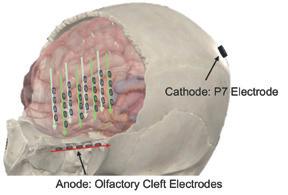
DeepFocus places electrodes in nasal cavities as well as under the scalp and jointly optimizes injected currents to cause deep stimulation with no shallow stimulation.
various neurological disorders is highly motivating.”
There is precedent for treating neurological conditions with implanted electrodes in the deep brain, but it requires a surgical procedure to implant the system that is highly invasive and carries risk of intracranial hemorrhage and infection. This method also isn’t steerable, which means the stimulation target cannot be changed once the electrodes are implanted inside the brain.
“Early results of invasive deep brain stimulation (DBS) in treating neuropsychiatric conditions have been very promising,” said Pulkit Grover, the senior author of this study and a professor of electrical and computer engineering, biomedical engineering, and CMU’s Neuroscience Institute. “But the sophisticated surgery required for invasive DBS technology makes it unlikely to be widely adopted. Also, the invasive approach offers limited flexibility to clinicians after electrodes have been placed.”
Noninvasive techniques such as transcranial magnetic stimulation (TMS), transcranial focused ultrasound stimulation (tFUS), and TES have lower risk and are steerable, but they aren’t as effective as implanted electrodes. TMS and TES can also cause high scalp pain because of intense electric currents. DeepFocus offers a minimally invasive solution that is more accurate, less painful, and steerable.
Alexander Whiting, a neurosurgeon and the director of epilepsy surgery for AHN’s Neuroscience Institute, said, “This new tool could be a game changer, offering the ability to treat deep areas of
the brain in mental health disorders like depression, OCD, and addiction in a minimally invasive way that does not involve traditional incisions, or permanent placement of implanted hardware.”
Alongside DeepFocus, researchers developed DeepROAST, a simulation and optimization platform used to carefully calibrate the injected currents in this new technique. DeepROAST simulates the effect of complex skull-base bones’ geometries on the electric fields generated by DeepFocus using realistic head models. It optimizes the placement of electrodes on the scalp and in the nose and helps electrical current injection patterns to be more accurate and efficient.
“With the DeepROAST platform, we can simulate how the electric field travels inside the brain,” said Yuxin Guo, a CMU Ph.D. student. “DeepROAST automates and optimizes the placement of electrodes on the scalp and transnasally so that deep brain regions can be targeted with better efficiency and focality. This allows stimulation of targets that were previously difficult to access.”
Grover added, “The U.S. is facing a severe mental health crisis, with PTSD, depression, and substance use disorders. While surgically implanted deep-brain stimulation has shown promise, it lacks widespread acceptance and the necessary FDA approvals for these conditions. Our minimally invasive, lowrisk approach, which can be implemented in an outpatient setting, presents a scalable and widely applicable solution.”
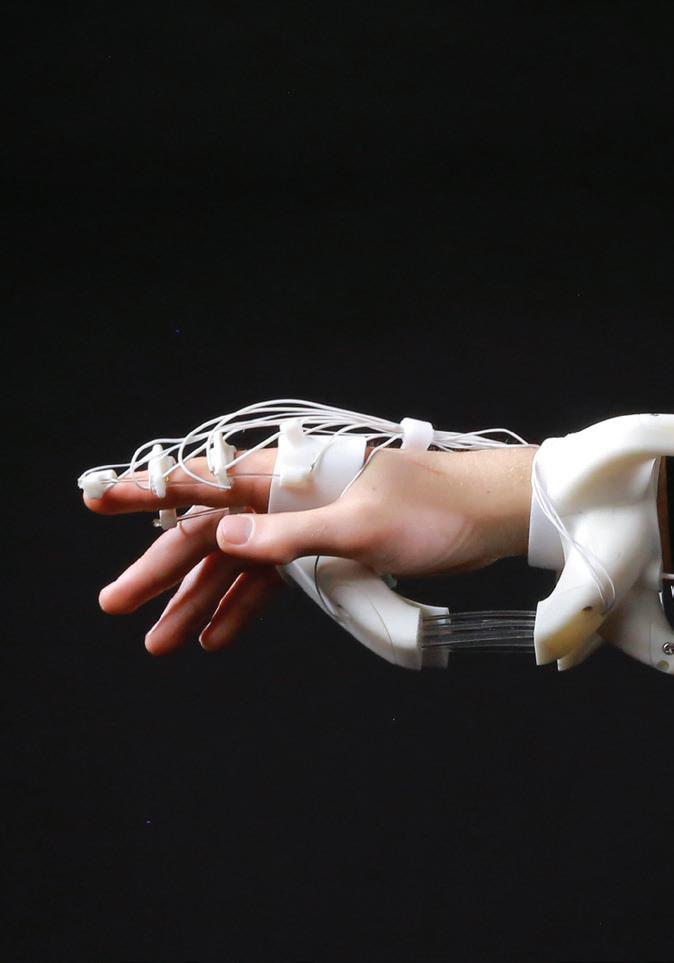
It’s easy to take joint mobility for granted because, without thinking, we are able to turn the pages of a book or bend to stretch out a sore muscle. Designers don’t have the same luxury. When building a joint, be that for a robot or wrist brace, designers seek customizability across all degrees of freedom but are often restricted by their versatility to adapt to different use contexts.
Researchers at Carnegie Mellon University have developed an algorithm to design metastructures that are reconfigurable across six degrees of freedom and allow for stiffness tunability. The algorithm can interpret the kinematic motions that are needed for multiple configurations of a device and assist designers in creating such reconfigurability. This advancement gives designers more control over the functionality of joints for various applications.
The team demonstrated the structure’s versatile capabilities via multiple wearable devices tailored for unique movement functions, body areas, and uses.
“In the case of carpal tunnel syndrome, a typical wrist brace prevents patients from exercising their joints at all times to avoid injury and promote healing. But oftentimes during rehab, patients still need to momentarily move their joints to carry out chores that were typically effortless to do. Because
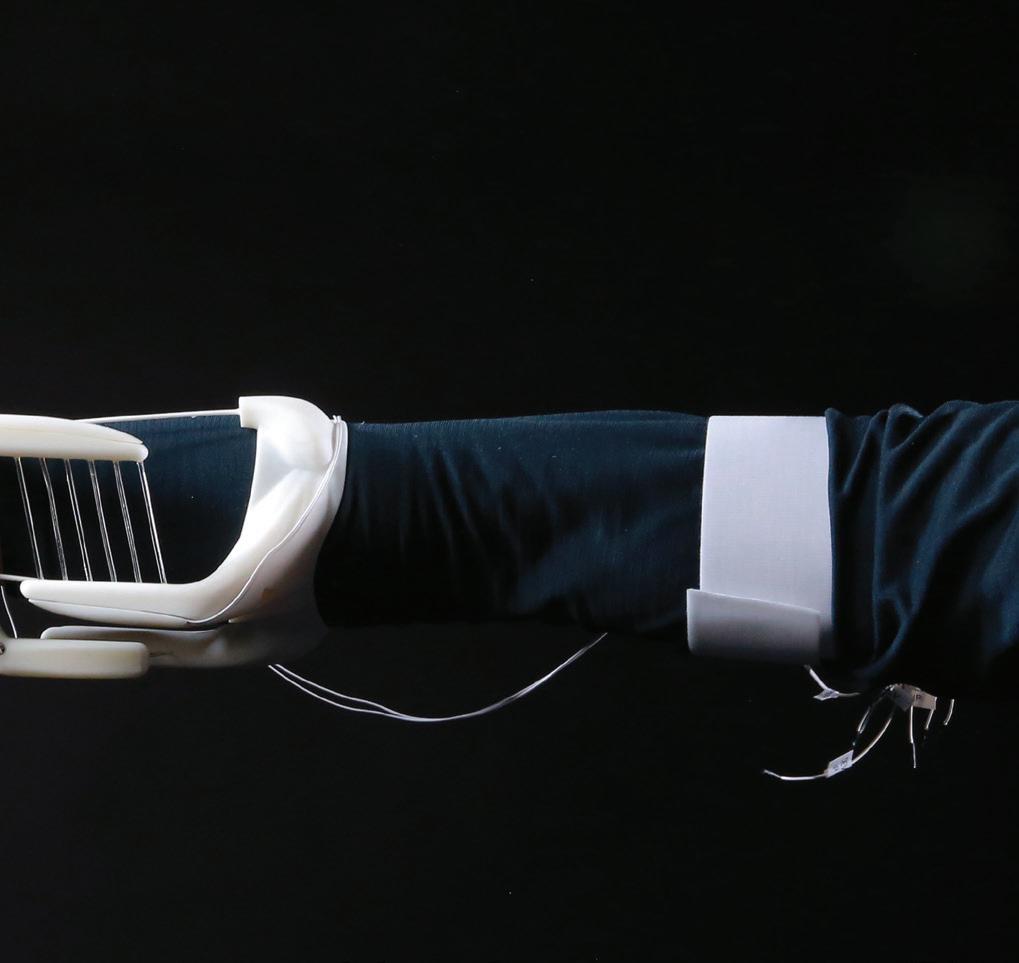
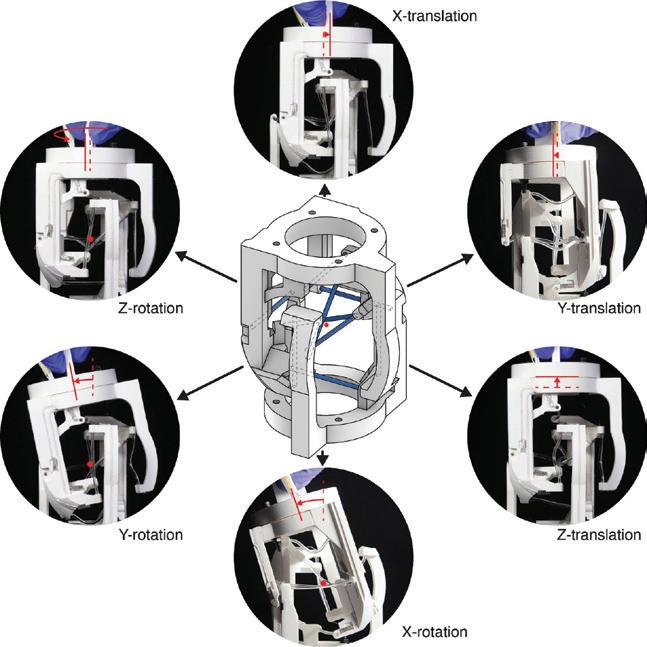
our structures can reconfigure to selectively lock and unlock motions, it can restrict motions to fulfill the function of a brace for the majority of the time but selectively allow the patient to move their joint in intended ways for short periods of time. This allows patients to engage in daily activities without having to frequently take on or off the brace,” said Humphrey Yang, mechanical engineering postdoctoral researcher.
Resistive heating wires added to the 3D-printed metastructure enable the structures to reconfigure their motional degrees of freedom during use. In the future, the team believes they will have the necessary technology to additively manufacture the entire device as one piece. This would reduce production costs and allow for affordable devices with enhanced functionality.
“This is a gateway project for exciting applications,” said Dinesh K. Patel, research scientist. “Our algorithm is material agnostic, so in the future, we could look to create devices with soft, flexible materials for more comfortable wear.”
Roboticists could benefit from the structure’s ability to reconfigure joint mobility because a robot designed for multiple purposes could need varying mobilities. The ability to design joints with programmable and arbitrary reconfigurability could be a “holy grail” in creating versatile robots. For instance, as part of a home helper robot, a joint could enable a few rotational degrees of freedom to mimic a human limb. The robot could then interact with objects with human-hand capabilities. However, when interacting with soft objects or in water, the joint could reconfigure to provide more degrees of freedom as well as lower its stiffness, allowing the limb to functionally morph into a tentacle for better grasping and swimming.
Additionally, the device’s ability to reconfigure and provide various stiffnesses enables it to mimic the sensation of touching materials ranging from soft gel to metal surfaces. This could advance augmented reality for rehab and medical training.
“In this field, there hadn’t been a generalizable method to design reconfigurable, compliant kinematic structures. It was important to us to democratize them and expand their versatility for wider application,” said Yang.
“It shows how mechanisms can further augment material intelligence to achieve our ultimate vision of physically embodied intelligent matter and machines,” said Lining Yao, one of the principal investigators supervising the project.

New technology from Reeja Jayan in the Department of Mechanical Engineering extends battery life cycle by 10x, reduces charging time, and improves operating safety.
Microscopic yet mighty, the particles within lithium-ion batteries that contain critical minerals determine how much energy batteries can store, how fast they charge, and for how many years they can power your device. Over time chemical reactions crack the surface of these particles. Those cracks interfere with current flow, leaving us with a dead battery and critical minerals buried alive.
To build a domestic, circular supply chain for batteries, Reeja Jayan in Carnegie Mellon University’s Department of Mechanical Engineering has developed a low-cost, activated nano polymer layer that extends battery life cycle by 10x, reduces charging time, and improves operating safety.
“Instead of mining entire ecosystems out of existence to collect very limited minerals, we need to focus on innovations that lead to cost-effective, scalable solutions that prolong battery life and reduce waste,” said Jayan.
For the last 10 years, Jayan’s team has fine-tuned a method to maximize battery capacity without reducing the battery life. Using chemical vapor deposition, a materials processing technique widely used in semiconductor manufacturing, the team can encapsulate the battery’s critical mineral particles with a conducting polymer material that “seals” cracks and maintains current flow. The material must be applied while the battery is being manufactured.
“We’ve reimagined a decades-old process to precision engineer coatings that protect and extend the life of critical battery materials,” said Jayan. “We see this as a foundational step towards building a domestic and circular battery economy—where performance and sustainability go hand in hand.”
Beyond protecting the minerals inside, the activated polymer layer also acts as an alarm within the battery that can trigger a change in

chemical behavior to prevent fire. We can think of this response as similar to the way a phone shuts itself off to prevent overheating.
Jayan is working to make this technology commercially available through her company SeaLion Energy which received funding from the U.S. Department of Energy Advanced Research Projects-Energy (ARPA-E) as part of a national effort to extend battery life and facilitate repair and reuse to reduce waste for broad potential applications—from electric vehicles and grid storage to data centers and specialty electronics.
The team is also exploring ways to adapt the technology for use in other fields. So far, they have seen success in sensors and air quality monitors.
“Breakthroughs of this nature are made possible by the uniquely collaborative environment at Carnegie Mellon,” she said. “The success of this project reflects the integration of expertise across chemical, mechanical, and materials engineering.”


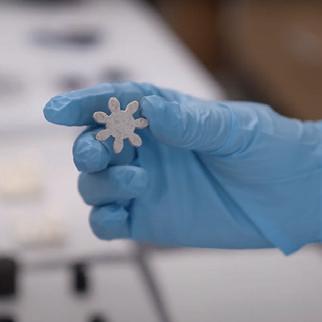
Microwave synthesis produces MXene 25x faster than traditional methods while using 75% less energy.
MXenes are a lightweight two-dimensional material capable of protecting everything from spacecrafts, mechanical components, and maybe even people, from harmful radiation. Because traditional synthesis requires multi-step processes that can take up to 40 hours, MXene is difficult to produce.
By introducing a rapid single-step microwave synthesis method, Reeja Jayan has reduced MXene production time to ninety minutes and cut energy consumption by 75%.
“Our work has implications for the global production of chemicals because almost a third of greenhouse gas emissions come from chemical manufacturing and production,” said Jayan, a professor of mechanical engineering at Carnegie Mellon University.
The research, published in Materials Science in Semiconductor Processing, also demonstrates a unique ability to customize MXene’s composition to change the type of radiation that the material can protect against. To date, the team has tested their material across the X-band—radio frequencies ranging from 8.0-12.0 GHZ—but to protect against electronic materials in outer space, more testing against cosmic radiation is needed.
“We assumed that because we sped up the process, we would lose some of the shielding performance in return,” said Jayan. “We were pleasantly surprised that, although there are subtle structural differences, we didn’t see any shielding efficiency tradeoff at the lab scale.”
Moving forward, Jayan will test her synthesis process at a larger scale. In partnership with an aerospace materials manufacturer, her team will integrate MXene into test panels for radiation testing.
“We’ve developed a low carbon process that significantly saves energy. If it can be scaled up now, more than ever before, we stand to create a critically needed and substantial environmental impact.”
New 3D printing technique fabricates highly complex and controllable ceramic nanostructures that could be the key to emerging engineering systems.
The same material you drink your morning coffee from could transform the way scientists detect disease, purify water, and insulate space shuttles, thanks to an entirely new approach to ceramic manufacturing.
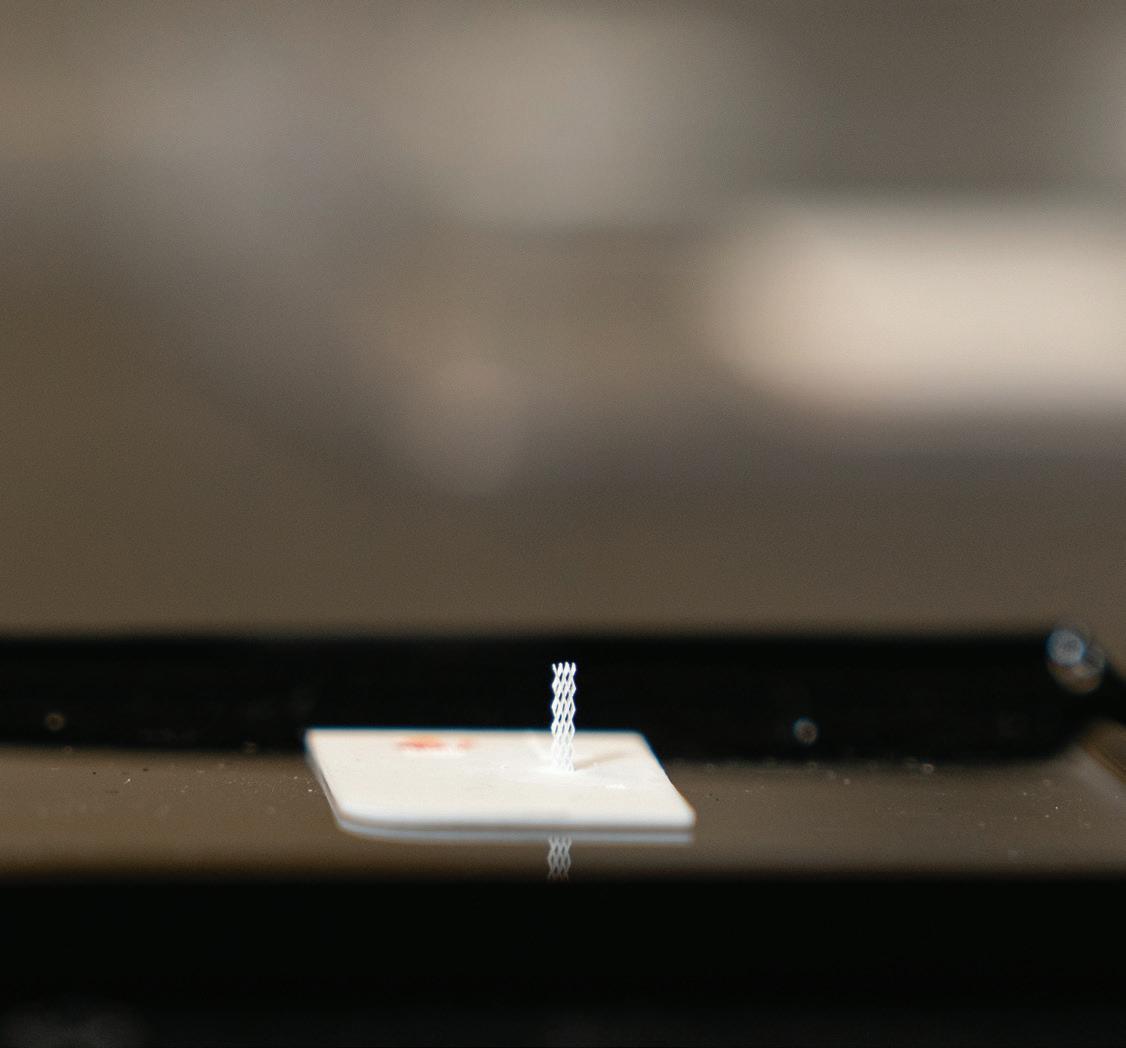
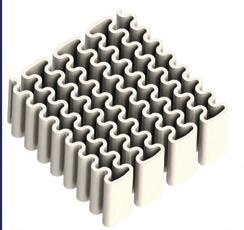
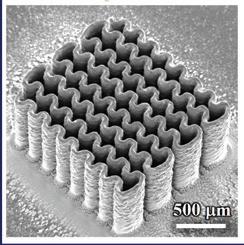
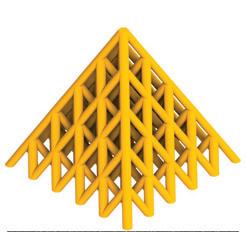
Published in Advanced Science, 3D-AJP is an aerosol jet 3D nanoprinting technique that allows for the fabrication of highly complex ceramic structures that at just 10 micrometers (a fraction of the width of human hair) are barely visible to the naked eye. These 3D structures are made up of microscale features including pillars, spirals, and lattices that allow for controlled porosity, ultimately enabling advances in ceramic applications.
“It would be impossible to machine ceramic structures as small and as precise as these using traditional manufacturing methods.
They would shatter,” explained Rahul Panat, professor of mechanical engineering at Carnegie Mellon University and the lead author of the study.
Ceramics are believed to be the key to emerging engineering systems because of their wear resistance, thermal stability, thermal insulation, high stiffness, and biocompatibility. While existing 3D printing techniques have opened doors for ceramics fabrication, oftentimes severe shrinkage and/or defects are observed during post-printing processing due to the removal of additives from the ink that were needed to support the material during printing. With shrinkage ranging from 15-43%, it is challenging for fabricators to set printing parameters that would output the ideal part.
3D-AJP does not rely on additives in the ink and therefore sees only a 2-6% shrinkage rate, so manufacturers can feel confident
BARELY VISIBLE TO THE NAKED EYE, THIS HIGHLY COMPLEX CERAMIC STRUCTURE WOULD BE IMPOSSIBLE TO FABRICATE USING TRADITIONAL MANUFACTURING TECHNIQUES, BUT IT COULD BE THE KEY TO TOMORROW’S HIGH PERFORMANCE ENGINEERING SYSTEMS.
that the structure they want is the structure they’ll print. To ensure this, the team performed a detailed manufacturability study to identify the CAD programs needed to produce the final shape.
Additionally, the team, including postdoc Chunshan Hu, demonstrated 3D-AJP’s unique ability to print two ceramic materials in one single structure which allows for advanced applications.
“Using these structures, we can detect breast cancer markers, sepsis, and other biomolecules from a blood sample in just 20 seconds,” said Panat.
This application, which is an extension of past research wherein he developed a metal biosensor to detect Covid-19 in just ten seconds, is advantageous because compared to metal, ceramic sensors can be manufactured nearly five times faster. Panat also cites the benefit of this technology in water purification and thermal insulation.
“In the presence of UV light and zinc oxide, chemicals can be degraded, so by creating a 3D structure with a higher surface area, we can increase the speed and the effectiveness of water purification by four times,” he said. “Additionally, our ability to control the porosity of these structures, allows us to control and tailor thermal conductivity of structures such as the insulators used in space shuttles.”

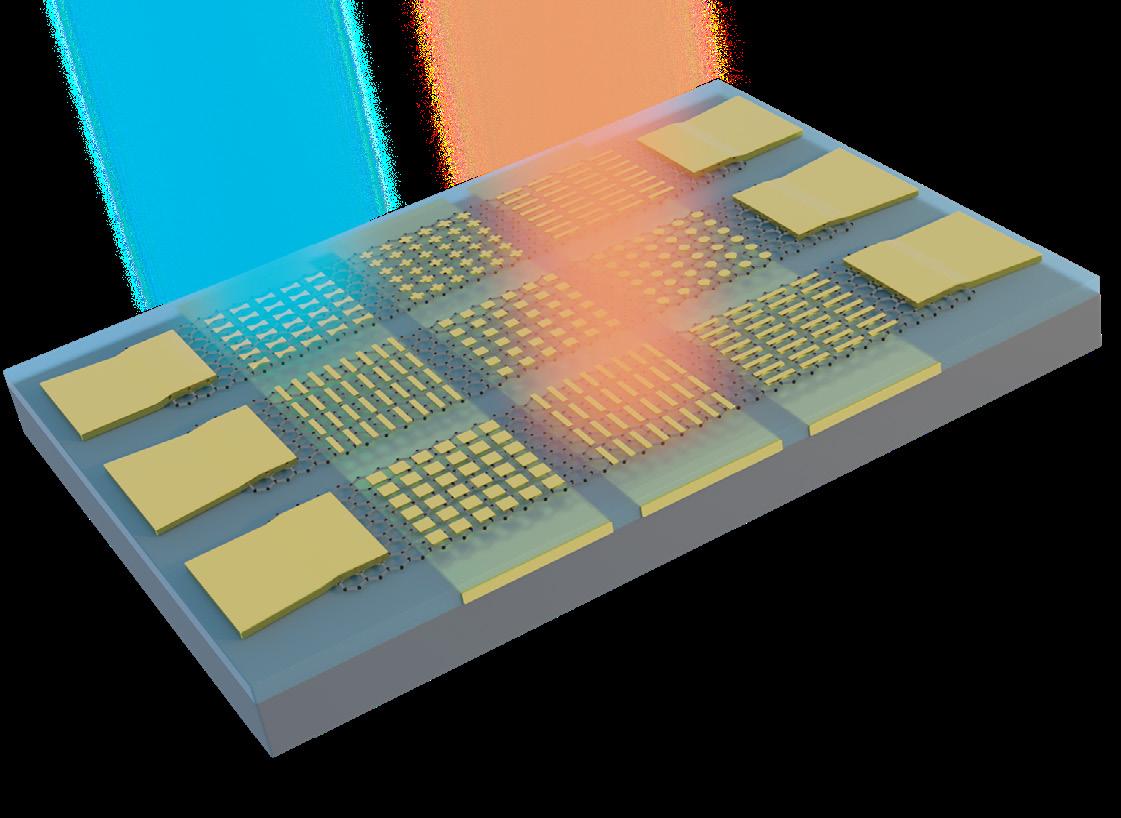
Full control over mid-infrared wavelengths enables advancements in applications ranging from chip security to personalized health monitoring.
Without the ability to control infrared light waves, autonomous vehicles wouldn’t be able to quickly map their environment and keep “eyes” on the cars and pedestrians around them; augmented reality couldn’t display realistic 3D displays; doctors would lose an important tool for early cancer detection. Dynamic light control allows for upgrades to many existing systems, but complexities associated with fabricating programmable thermal devices hinder availability.
A new active metasurface, the electrical-programmable graphene field effect transistor (Gr-FET), from the labs of Sheng Shen and Xu Zhang in Carnegie Mellon Univer-
A new active metasurface, the electrical-programmable graphene field effect transistor (Gr-FET) enables the control of mid-infrared wavelengths.
sity’s College of Engineering, enables the control of mid-infrared states across a wide range of wavelengths, directions, and polarizations. This enhanced control enables advancements in applications ranging from infrared camouflage to personalized health monitoring.
“For the first time, our active metasurface devices exhibited the monolithic integration of the rapidly modulated temperature, addressable pixelated imaging, and resonant infrared spectrum.” said Xiu Liu, postdoctoral associate in mechanical engineering and lead author of the paper published in Nature Communications. “This breakthrough will be of great interest to a wide range of infrared photonics, materials science, biophysics, and thermal engineering audiences.”
The two-dimensional device is made up of gold array pixels that either directly interface with a single graphene layer or are separated by an insulation layer.
“It has low crosstalk, meaning the signals transmitted from one channel do not interfere with another,” said Zexiao Wang, Ph.D. candidate in mechanical engineering. “This breakthrough allows for scalable 2D electrical writing for densely packed, independently addressable pixels.”
Tianyi Huang, also a Ph.D. candidate in mechanical engineering, led the development of a specially designed circuit that powers the device. This allows the device to operate on its own or integrate into existing products.
“This device is scalable. It could be used on a chip to prevent side channel attacks by camouflaging existing thermal emissions with misleading, programmed emissions. On the other side it could be worn in a garment to detect breast cancer cells,” explained mechanical engineering Ph.D. candidate Yibai Zhong.
Side channel attacks are a way to exploit sensitive information, like encryption keys, by analyzing subtle temperature variations caused by computing device operations. By monitoring temperature fluctuations with a thermal imaging camera, an attacker can potentially piece together information. Shen’s device could act as an added level of security by camouflaging thermal emissions.
“We aren’t too far off from seeing this technology integrated into our lives,” said Shen. “We could be using it in the next five to 10 years.”
Tellurium is the 52nd element on the periodic table. It is a conductive metalloid, and it acts like a p-type material. 2D tellurium offers outstanding electrical performance.
Carnegie Mellon University researchers have devised a method to create large amounts of a material required to make two-dimensional (2D) semiconductors with record high performance. Their paper, published in ACS Applied Materials & Interfaces, could lead to more efficient and tunable photodetectors, paving the way for the next generation of light-sensing and multifunctional optoelectronic devices.
“Semiconductors are the key enabling technology for today’s electronics, from laptops to smartphones to AI applications,” said Xu Zhang, assistant professor of electrical and computer engineering. “They control the flow of electricity, acting as a bridge between conductors [which allow electricity to flow freely] and insulators [which block it].”
Zhang’s research group wanted to develop a photodetector that is capable of detecting light and could be used in a variety of applications. To create the device, the group needed to use materials that were an atom’s-width thick, or as close to 2D as is possible.
Today’s semiconductor industry relies heavily on CMOS (complementary metal-oxide-semiconductor) technology, which uses two types of semiconductor materials to enable energy-efficient electronic circuits, called p-type (“positive-type”) and n-type (“negative type”) materials.
“Making a good p-type semiconductor is not only important for photodetector work, but also fundamentally important for almost all electronics,” Zhang said.
While there are many kinds of 2D n-type materials available, 2D p-type materials are rarer—until now. CMU researchers seek a powerful new p-type semiconductor material, which could solve a critical bottleneck in the field of ultra-thin electronics.
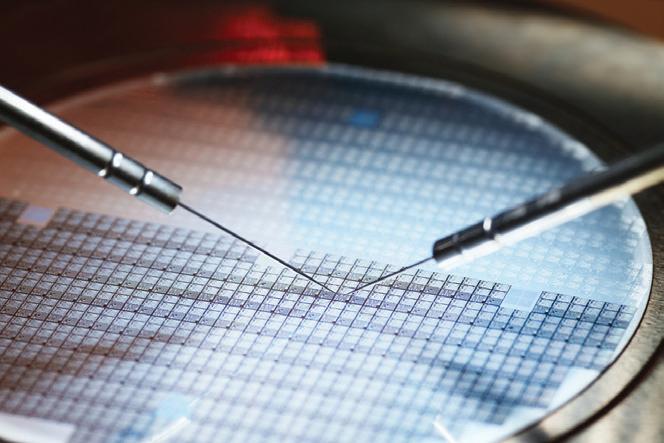
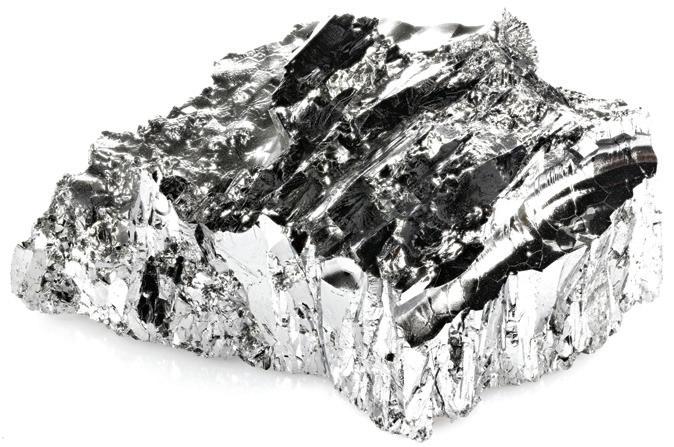
Luckily, they did know of a fitting material: tellurium. Tellurium is the 52nd element on the periodic table, located in group 16, a few periods (rows) below oxygen. It is a conductive metalloid, but most importantly, it acts like a p-type material. Even better, of the materials they tested, 2D tellurium had the highest mobility, or fastest conducting speed, at 1450 cm2/Vs, meaning that devices built with it can act extremely quick. It also is much more stable in the air than the leading alternative, black phosphorus, so it does not easily degrade and stays fast and efficient for longer.
“This physical vapor deposition growth tellurium greatly enriches the 2D semiconductor material family,” said Tianyi Huang, graduate student in mechanical engineering and first author of the paper. “Its p-type property and outstanding electrical performance make it a strong candidate in various potential applications such as high-speed CMOS circuits, high-frequency RF [radio frequency] circuits, photodetectors, energy harvesting, and so on.”
Besides the ultra-light weight of the device, the tellurium-enabled photodetector is highly tunable, allowing its parameters to be changed so it can be used in a variety of applications, a property that is not true of other photodetectors. The researchers intend to expand this work to find its limits and best applications.
This interdisciplinary work was done through close collaboration with Sheng Shen, professor of mechanical engineering, and his group.
“With its unique properties, 2D p-type tellurium holds great promise for applications in photodetection and electronics. We are excited to further explore its potential in the near future,” Shen said.
As researchers continue to push the boundaries of 2D materials, this discovery marks a significant step toward a future where atom-thick electronics redefine speed, efficiency, and versatility.
“IMPROVING FLOOD PREDICTION MODELS WILL HELP COMMUNITIES DEVELOP EFFECTIVE EARLY WARNING SYSTEMS AND ADAPTATION STRATEGIES.”
- DAVID ROUNCEASSISTANT PROFESSOR, CIVIL AND ENVIRONMENTAL ENGINEERING
Outburst floods are nothing new to glaciologists. For years, researchers have known the potential hazard that forms when glacier movements create icedammed basins, trap meltwater, and pool into large reservoirs. Recently, however, glacier outbursts have become more devastating to their surrounding communities, releasing increasing water levels year after year. In 2024, a flood in Juneau, Alaska broke records for the second year in a row, displacing residents, eroding landscapes, and destroying homes.
To learn more about these phenomena, the National Science Foundation is funding a team of researchers to focus on better understanding and estimating an annual outburst flood that affects Juneau as well as develop large-scale flood hazard models to improve glacial flood forecasts and identify
future outburst hazards across northwest North America. Using field and remote sensing data, the study will produce physically based models of glacier evolution and outburst floods to identify and quantify how flood hazards will continue to change.
“Understanding glacier retreat and its effects on outburst floods is critical for mitigation and adaptation,” said David Rounce, assistant professor of civil and environmental engineering and co-principal investigator on the project. “Improving our flood prediction models will help communities develop effective early warning systems and adaptation strategies.”
The study centers on the Juneau-based Áak’w T’áak Glacier (Mendenhall Glacier), which regularly produces outburst floods that have been monitored since 2011, including the 2024 disaster. While the team will conduct its fieldwork there, they will use models to investigate changes in hazards for all of Alaska
and western Canada. Alaska’s diverse landscapes and climates reward researchers with data that is widely applicable, including to regions like High Mountain Asia, where they experience similar glacier flood threats. Subsequently, researchers are optimistic that the knowledge gained could be useful for better understanding changes in hazards globally.
“As glaciers continue to change, understanding and predicting their impact on communities becomes more crucial,” explained Rounce. “Our goal is to enhance current flood forecasting models, helping communities better prepare for and respond to the growing threat of glacier outburst floods.”
This five-year project is led by the University of Alaska Southeast and conducted in collaboration with the State of Alaska Department of Geological & Geophysical Surveys.

Mendenhall Glacier retreat comparison from 1893 to 2018
Source: NOAA climate.gov



Researchers at Carnegie Mellon University are improving weather forecasting models so that they better represent air pollution, aerosols, and their effects on fog. Fog reduces visibility, with implications for safety and the economy, especially associated with air and sea transportation.
Most weather forecasting models do not accurately represent the fog lifecycle: when it starts, how thick it is, and when it dissipates. Hamish Gordon is addressing these shortcomings in the existing models by improving the representation of droplet number concentration and size. These fog properties are strongly impacted by air pollution. In polluted environments, more and smaller droplets restrict visibility more than fewer and larger droplets.
Working with the UK Met Office Unified Model as the baseline, Gordon and CMU collaborators are adding new code to better represent air pollution particles, or aerosols, and fog.
Researchers at India’s National Centre for Medium Range Weather Forecasting (NCMRWF) and the UK Met Office used that work as the basis for a new weather forecasting system published in the Bulletin of the American Meteorological Society. They show the integration of an aerosol air pollution forecasting system with other systems to provide real-time forecasts of visibility and PM 2.5 for Delhi and the neighboring regions.
A reliable air quality and visibility forecast can impact public health and minimize economic losses. The weather forecasting system in Delhi shows how Gordon’s model can be applied to provide operational products for industrial partners, like airports. In Delhi, air pollution is high and has a large effect on visibility. “The idea is to forecast low visibility events. This will allow airports to anticipate disruptions, flight delays, and potentially make preparations for such situations,” says Gordon, associate professor of chemical engineering.
“THE IDEA IS TO FORECAST LOW VISIBILITY EVENTS. THIS WILL ALLOW AIRPORTS TO ANTICIPATE DISRUPTIONS, FLIGHT DELAYS, AND POTENTIALLY MAKE PREPARATIONS.”
- HAMISH GORDONASSOCIATE PROFESSOR, CHEMICAL ENGINEERING
Since introducing the forecasting system in 2021 in the Quarterly Journal of the Royal Meteorological Society, Gordon and his collaborators have significantly improved it. In order to represent visibility, the model has to represent air quality, at least in a simple way. The baseline Unified Model represents atmospheric particles at 100-kilometer grid resolution. Gordon adapted this modeling system for use at higher resolution.
He and his collaborators were the first to use the modeling system to represent differences in air pollution across cities and across cloudy environments, at grid resolutions of 500 meters and 330 meters. The ability to represent gradients of air pollution at these fine scales enables the model to represent large cloud systems.
The researchers at NCMRWF also integrated the air pollution system with the latest and best land surface modeling environment. The land surface model is well-adapted for urban environments because it represents street canyons. Its integration means that the weather forecasting system can better forecast air quality in Delhi, and this development could be beneficial elsewhere, including the United States.
Delhi has unique conditions that make it particularly challenging to predict visibility. High levels of particulate matter air pollution are often accompanied by episodes of dense fog. Seasonal agricultural fires are one contributor. In the fall, farmers in the regions surrounding Delhi burn the stubble in their fields.
Earth System models don’t typically represent day-to-day variability in agricultural burning, and they also don’t represent it at high grid resolution.
The NCMRWF model represents fires on a daily timescale and uses them in visibility forecasts. Local irrigation activities also need to be treated in detail in the weather forecasting system because they affect relative humidity, which in turn affects fog.
The CMU researchers also use case studies from other parts of the world to realistically simulate fog droplet concentrations in a weather forecasting model. They test different processes for aerosol activation, the process by which air pollution particles become fog droplets.
Without accurate representation of aerosols, weather prediction models cannot accurately predict
DM-Chem (330m)
24 Hr Fcst Valid on 2025-02-11 00:00:00Z
Visibility
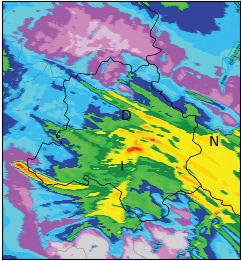
D=New Delhi I=IGI Airport N=NCMRWF
Visibility in the region around Delhi, India on February 11, 2025, as predicted by the weather forecasting system developed by India’s National Centre for Medium Range Weather Forecasting, Hamish Gordon, and the UK Met Office. Source: India’s National Centre for Medium Range Weather Forecasting
clouds or fog. Aerosol particles can range in size from approximately 20 nanometers to a few microns. Most field campaigns do not measure the entire range; however, in another study, Gordon’s team uses observational data from the ParisFog field campaign, which measured the entire aerosol size range for two weeks, along with other aerosol properties. The research is a collaboration with the UK Met Office, Oak Ridge National Laboratory, and the National Centre for Meteorological Research in France.
Gordon and Pratapaditya Ghosh set up simulations over Paris and evaluated the Unified Model against the ParisFog dataset. By making physics-based changes in how droplets form in the model, they got much better agreement with the observations. Their methods for simulating fog droplet number concentration can improve fog forecasts without increasing computational costs.
“Our model is able to simulate fog at the correct location, with broad characteristics, in
good agreement with observations,” says Ghosh, a Ph.D. student in the Department of Civil and Environmental Engineering.
Existing models are designed to calculate cloud droplet number concentrations. The mechanism by which fog forms, however, differs slightly from the mechanism by which clouds form. Most atmospheric models do not account for this difference.
When Gordon and Ghosh added the fog formation mechanism, radiative cooling, into the Unified Model, its performance improved. Their research suggests that both the fog formation mechanism and the cloud formation mechanism are important in atmospheric models. Gordon and Ghosh call for more evaluation in different locations and with different types of fog. More accurate models can help minimize health and economic losses while advancing the understanding of atmospheric processes underlying air pollutionweather interactions.
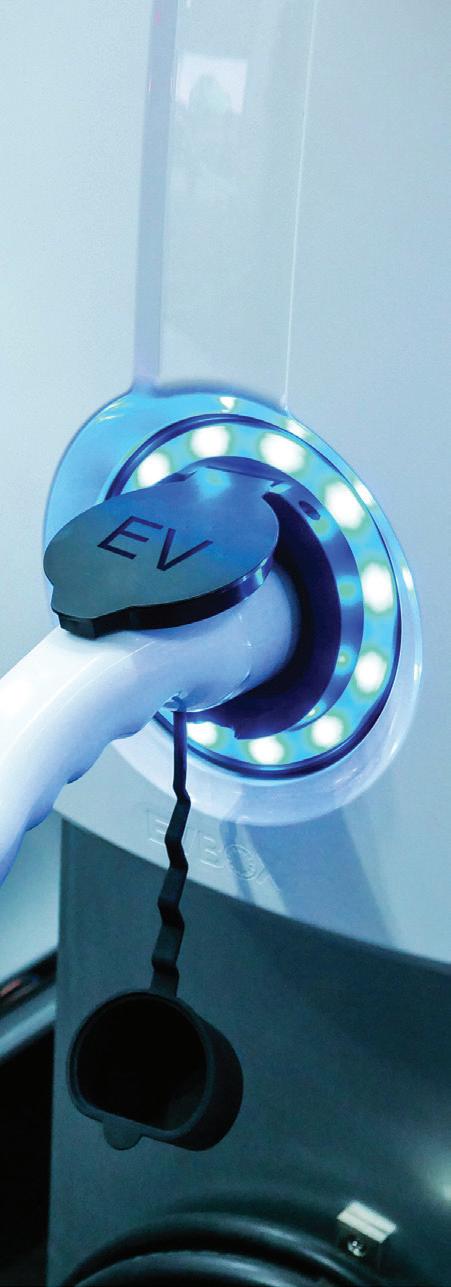
After measuring the gaps in EV charging coverage across the country, researchers find significant work lies ahead in deploying charging infrastructure, especially among rural areas.
Although electric vehicles (EVs) present a considerable opportunity to lower our greenhouse gas emissions, EVs currently only account for 1% of vehicles on the road in the U.S. One reason consumers have reported hesitation in purchasing EVs is “charging anxiety,” or concerns about losing power without access to a nearby, quick, and reliable charging station.
To instill confidence in buyers and encourage EV adoption, the federal Bipartisan Infrastructure Law and National Electric Vehicle Infrastructure (NEVI) program is helping to deploy fast chargers along select main highway routes called alternative fuel corridors, or AFCs. Despite this investment, large gaps stretch between charging stations in many parts of the country, disproportionately affecting rural counties and inhibiting long distance travel.
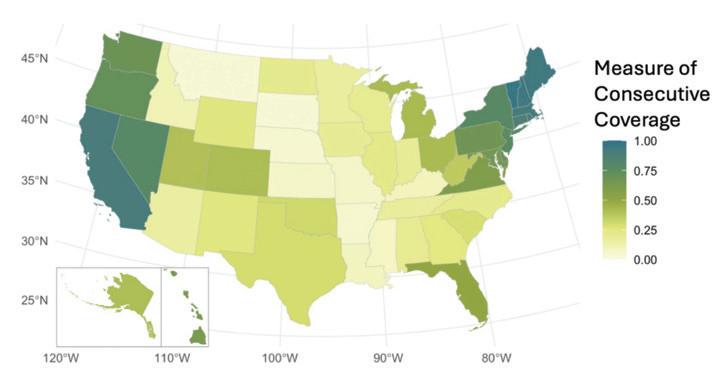
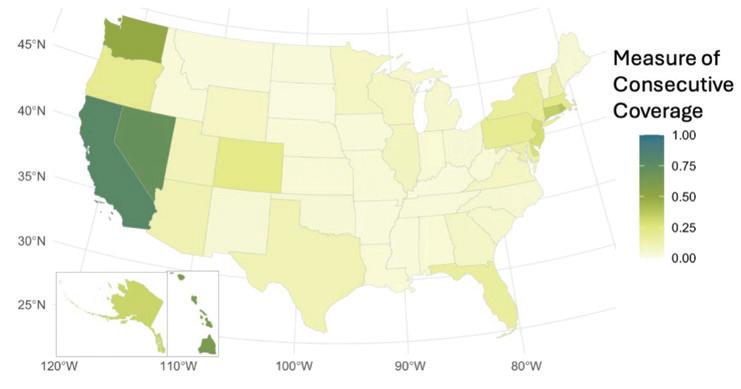
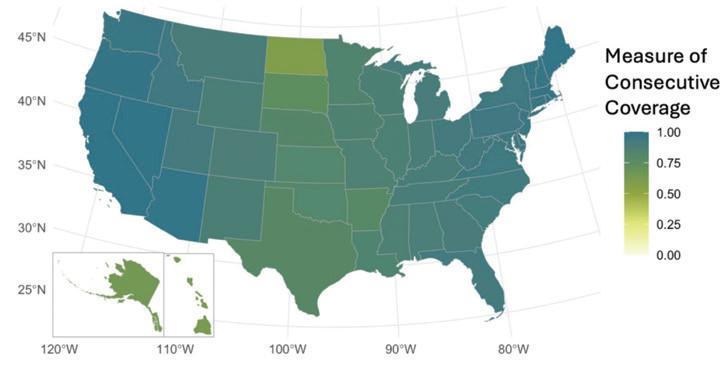
Seeking to better understand the current and future state of EV charging coverage in the U.S., researchers from Carnegie Mellon University’s Department of Civil and Environmental Engineering are assessing consecutive charging coverage on all National Highway System roads. In research published in Nature Communications, the team evaluates individual states and counties by the percentage of roads, weighted by traffic, that are without 50-mileor-more-long gaps between charging stations within 500 miles of any given county.
“There is a chicken and egg problem with EVs and charging infrastructure. Charging stations need EVs to be profitable, but consumers hesitate to purchase EVs due to a perceived lack of chargers,” said Corey Harper, assistant professor of civil and environmental engineering. “Using our metric, we found that many states have a long way to go before we
achieve the consecutive coverage that would ease the minds of potential buyers.”
The team discovered that states such as California, Nevada, and those in New England generally have adequate charging coverage when looking at stations with slower charging speeds and fewer chargers per station. But, when implementing NEVI-compliance standards, which mandate at least four fast chargers per station, the effective coverage area shrinks. Consequently, while drivers in these states can find a charger every 50 miles, they may face wait times and queues due to lower power ratings and fewer chargers available at each station.
Even with NEVI’s plan to install fast charging stations along AFCs, while the northeast, California, Nevada, and Arizona would achieve continuous charging coverage, more rural states such as North and South Dakota, Arkansas, and Texas could not provide the same level of assurance for EV drivers. NEVI would need to deploy charging stations on 1,900 road segments to meet the plan’s goals, and this number rises to 4,500 segments to extend fast consecutive charging coverage to all highways, including those rural states.
To expedite this process, EV manufacturer Tesla has made arrangements to open some of their Supercharger network and share their connector design with select car manufacturers. However, the full potential of this collaboration remains untapped. Making the Tesla charging network universally accessible could have a huge impact on the cost and labor in realizing NEVI’s vision.
“By adding magic docks to Tesla Superchargers or open sourcing their connector design, we could achieve fast consecutive charging coverage with 500 fewer new stations,” said Harper. “We estimate that this could save between $166 and $332 million in NEVI programming costs.”
The team believes their findings can help policymakers and consumers navigate the realities of EV charging access. Looking forward, they hope to extend their research to medium and heavy-duty electric trucks, for which charging access lags significantly behind that of everyday cars.
“Ultimately, we hope to inform policy development at both the federal and state levels and show that while most of the country will have sufficient coverage once AFCs reach NEVI-compliant status, additional work needs to be done to ensure charging access in rural areas,” Harper explained.
“One of the largest values of this study is understanding the true range limitations for the national build out of EV infrastructure,” said Destenie Nock, assistant professor of civil and environmental engineering. “Often we talk about the distance capabilities of gas compared to electric cars. Now, we have a forward-looking method for estimating the range limitations."


I’M WORKING ON METHODS THAT WILL NOT COMPROMISE THE SECURITY OR PRIVACY
- SARAH SCHEFFLER ASSISTANT PROFESSOR OF ENGINEERING AND PUBLIC POLICY AND SOFTWARE AND SOCIETAL SYSTEMS
You may not be aware that while completing routine tasks online such as text messaging with friends, sharing a link with a colleague in a Zoom meeting chat, or accessing a website with an “HTTPS” protocol, you may be taking advantage of a cryptographic security method called end-to-end encryption, or E2EE.
E2EE ensures data is encrypted on a sender's device and remains encrypted until it reaches the intended recipient. This means that no third party—including service providers, hackers, or even government agencies—can access the data while it is being transmitted.
“The privacy and security that are facilitated through cryptography are all about keys,” explains Sarah Scheffler, assistant professor of Engineering and Public Policy and Software and Societal Systems. “Only parties that have a key can complete a certain function or task.
“What makes end-to-end encryption special and separates it from other types of communication we do online, is that the ends of the communication, which means you and the person or people you're talking to, have the keys. But the server that is facilitating that communication does not have the keys. That makes it both more secure and more private.”
E2EE benefits privacy and security amongst users, but it also complicates platforms’ ability to moderate user content. Policymakers are concerned that encryption will make it impossible to detect, flag, and remove especially harmful content such as child sexual abuse material (CSAM), violent imagery, terrorist or extremist content, and misinformation.
To help navigate this trade-off, Scheffler is currently conducting research focused on understanding the landscape of child safety

reports, identifying oversight challenges in moderation of violent extremism, building technologically verifiable transparency reports and cryptographic methods to verify the accuracy of content scanning, and exploring alternative content moderation methods for E2EE that are still private and secure.
“Our current approach to scanning for CSAM on unencrypted platforms is match-list based. The National Center for Missing & Exploited Children has a big list of all the CSAM that's ever been reported to them, social media companies report new CSAM to them, and that list is used to detect other CSAM content on their platforms,” explains Scheffler. “A similar approach is taken for terrorist content, with a list maintained by the Global Internet Forum to Counter Terrorism.
“AI definitely changes the picture both for the content sent and the ways to detect it. I’m working on methods that will not compromise the security or privacy of E2EE while being realistic about the scanning capabilities of modern technology.”
While Scheffler’s research focuses on technological solutions to improve content moderation both in E2EE and otherwise, she also emphasizes the need for clear public policy to prevent the slippery slope of content scanning. She suggests that not all scanning needs to cause a “report” to leave a device, and that policymakers should limit content scanning to specific purposes, such as child safety and counterterrorism.
“E2EE isn’t going away anytime soon, and content moderation isn’t going away anytime soon, either,” Scheffler said. “A lot of my work is trying to figure out, ‘given the technology we have now, and that we’ll have soon, how can we reconcile all the different goals we have?’”
The adoption of decarbonized production methods in heavy manufacturing industries is widely considered a key step toward global climate change mitigation. For communities where these industries have a strong presence, the workforce implications of decarbonization can feel just as significant, and more immediate.
Researchers in Carnegie Mellon University’s College of Engineering have developed a generalizable approach for analyzing the impact of such decarbonization scenarios on a region’s workforce.
“Our research approach aims to reduce uncertainty and help stakeholders plan for a technology transition rather
than being blindsided by impacts that they may not have anticipated or projected,” said Valerie Karplus, professor of engineering and public policy (EPP) and associate director of the Scott Institute for Energy Innovation.
In a study published in PNAS, the researchers used their multi-step methodology to simulate the impact of such a transition on the existing steel industry workforce in Southwestern Pennsylvania. They looked at the workforce impact of transitioning from integrated steelmaking, a greenhouse gas (GHG) emissions-intensive process, to electric arc furnace (EAF) production, with or without a direct-reduced iron plant to supplement steel scrap as an iron input on the same site.

Replacing integrated steel plants with EAFs is possible today for a growing range of steel products. EAF steelmaking in the United States is already more common than the integrated route, which is one reason why steel produced in the United States has a lower GHG footprint on average than its global counterparts. Iron and steelmaking account for 2% of GHG emissions in the United States, and around 7% of global GHG emissions.
Still, such transitions have historically led to major workforce disruptions in local economies. The approach the CMU team developed can help communities to navigate these transitions by providing a common fact base for stakeholders to work from and plan for coming change, potentially avoiding or addressing its most negative effects.
“Often there are frictions to advancing decarbonization efforts because of uncertainty in job outcomes,” said Jillian Miles, a Ph.D. student in EPP and lead author on the paper. “This research can help quantify and clarify those effects.”
The team’s analysis suggests that the current integrated steelmaking workforce has the skills, knowledge, and abilities to fill more than 95% of the jobs required by an EAF facility. However, the number of jobs at such a plant is only 25% of what an integrated plant requires. Further, while some types of workers would have high chances of success in the broader labor market, some groups—such as production workers—may be unlikely to find positions that match their skills, knowledge, and abilities while maintaining their approximate salaries and geographic location.
These findings may sound alarming on their own, but the methodology the engineers developed can empower lawmakers, workforce boards, and other relevant entities to create proactive plans based on realistic outcomes.
“The case is one of a specific steel plant in Southwestern Pennsylvania, but the big picture is, industrial decarbonization and other industry transformations will affect the composition of labor in U.S. manufacturing and work environments,” said Christophe Combemale, assistant research professor in EPP and co-lead of the Workforce Supply Chains Initiative at the Block Center for Technology and Society.
“This is a repeated problem that looks a little different each time, and what we have built is the capacity to attack these kinds of problems rapidly,” he added. “We can identify which occupations and groups will be the most vulnerable and get ahead of these impacts, ideally before they are felt.”
Additionally, the team has applied the methodology to examine readiness of regions in the United States to host battery manufacturing plants and has also started working with areas that historically relied heavily on coal mining to explore how the approach can inform future workforce strategy, Miles noted.
Chris Pistorius, associate department head and POSCO professor in the Department of Materials Science and Engineering, also contributed to this research.

Researchers have developed an approach for analyzing the impact of decarbonization in heavy manufacturing industries on a region’s workforce.







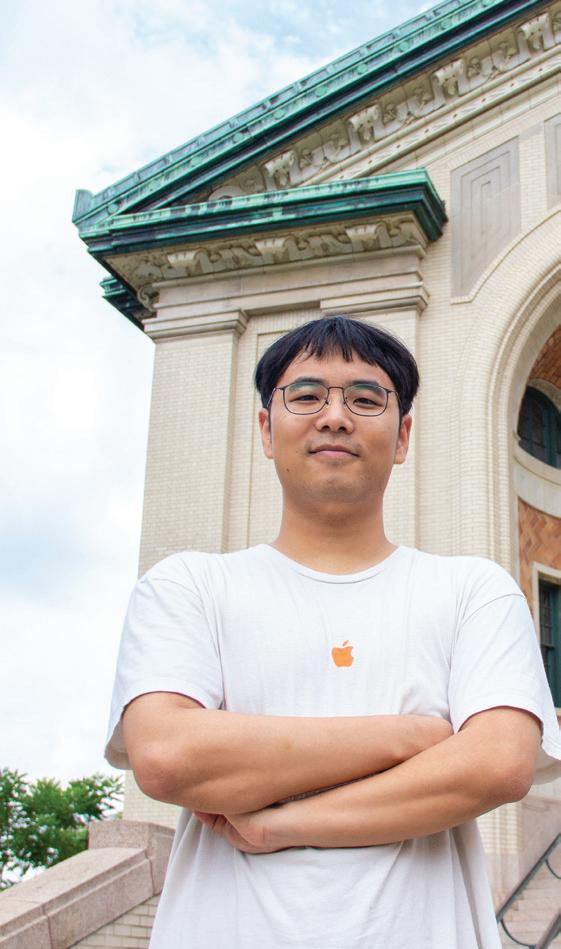
Wei Li has developed graph and large language model based approaches for a novel computer chip design to support AI and other applications, making technology more efficient.
Computer chips are the foundation of technology. From smart phones to computers to GPUs, one of the driving forces behind our technical lives can be drilled down to the power of a computer chip. Engineers are constantly seeking ways to make computer chips faster, with more processing cores, and lower power consumption to keep up with consumer demands.
Wei Li, a Ph.D. candidate in the electrical and computer engineering department at Carnegie Mellon University, is developing a novel graph and large language model (LLM) based approach to optimize the chip design process to make artificial intelligence (AI) applications more efficient.
Every action on a digital device, from launching an app to playing a game, is translated into machine instructions for the graphics processing unit (GPU) or processor to execute. These instructions consist of sequences of binary digits (1s and 0s). A simple task might require thousands of instructions, while a complex operation, like gaming, can execute billions of them in seconds.
Fundamental hardware components that process these instructions include logic gates. A logic gate is a microscopic circuit that performs a basic logical function. For example, a common type known as an ‘AND’ gate will only output a '1' when all of its inputs are '1'; otherwise, its output is '0'.
“The millions of logic gates on a single chip are interconnected in a vast network that closely resembles a complex graph structure,” explains Li.
This representation is key to modern innovation.
“By viewing the chip's design as a graph, we can apply artificial intelligence and LLMs to analyze and improve it,” explains Li. “My career goal is to develop and revolutionize the next generation of design and test flow methods, ultimately driving better performing computer chips.”
Li’s novel graph-supported LLM for EDA tasks is just one of many innovative projects that he is working on. Due to his forward thinking and passion for inventing new processes for technology design, his co-advisors, Shawn Blanton, the Joseph F. and Nancy Keithley Professor of Electrical and Computer Engineering, and José M. F. Moura, the Philip L. and Marsha Dowd University Professor of Electrical and Computer Engineering, refer to him as “New Way.”
“I continue to be in awe of Wei Li’s research ideas and execution,” says Blanton. “He is constantly finding new ways to solve challenging problems. That mindset is crucial in today’s ever changing technology world. We are fortunate to have Wei in the Carnegie Mellon Engineering family.”
Li tributes his research ethos to his numerous internships at prestigious companies, as well as the opportunity to study under multiple distinguished professors at different universities.
“You can say my new ways are really coming from those experiences,” says Li.
The recipient of many prestigious fellowships and awards, Li was a highly sought-after Ph.D. candidate. He ultimately enrolled at Carnegie Mellon University because of the varied domains offered by the Department of Electrical and Computer Engineering.
“My advisors grant me the opportunity to learn

To hear more from Li about his research, watch the video


from both ends of the computer chip spectrum,” says Li. “Professor Blanton focuses on the physical aspect of computer chips, while Professor Moura is an expert in signal graph processing. It’s a unique offering to be advised by skilled professors in both domains, which positively impacts my research findings.”
Drawing from both hardware and algorithmic perspectives, Li is developing chip designs that could help deliver more powerful and reliable electronics for everyone.
“Since joining CMU and Professor Blanton's and my research group, Wei has had an immediate and significant impact,” says Moura. “Most recently, he has advanced the field of Electronic Design Automation by developing a novel framework that integrates a graph-based approach with LLMs. His innovative work has captured the attention and support from several leading electronic manufacturers.”
When asked about his future, Li looks forward to continuing his cutting edge research as a university professor.
“In research, you are really doing something that may have never been done before,” Li says. “I really enjoy the sense that you are doing something brand new that will contribute to society.”
Apple PhD fellowship in Integrated Systems
Apple, 2024
Qualcomm Innovation Fellowship
Qualcomm, 2024
Apple PhD fellowship in Integrated Systems
Apple, 2022

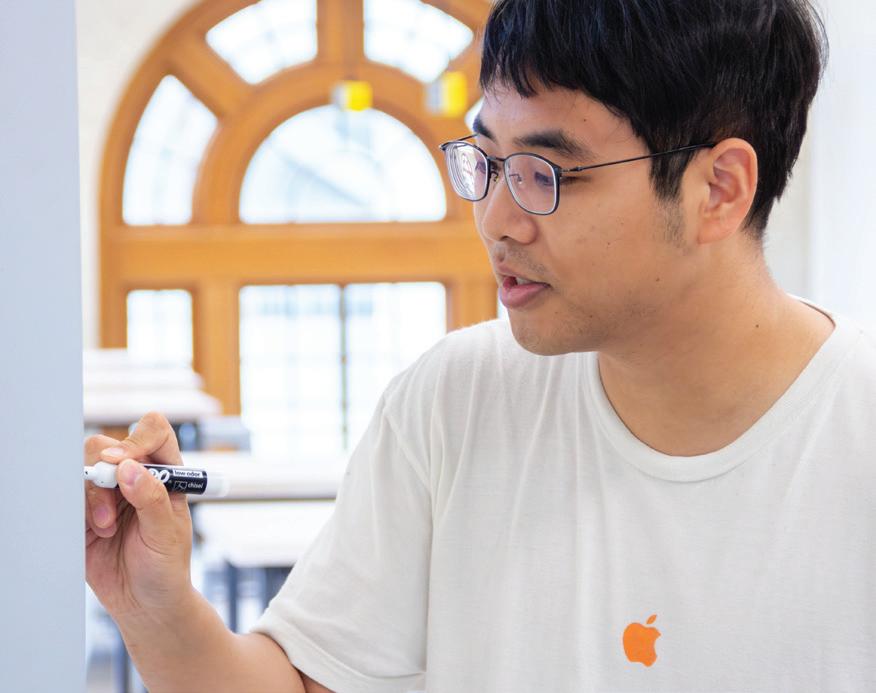

Superhydrophobic materials are found in many forms in nature, from scales on shark skin that reduce drag to lotus leaves whose surface enables water to roll off and remove dirt particles in the process. The way in which water interacts with these surfaces in nature is inspiring the work of a team of researchers from Carnegie Mellon University.
A study published in Advanced Materials Technologies illustrates a new method for creating superhydrophobic surfaces using an aerosol jet printer and polymer solutions. The findings illustrate a tech-
nique through which polymer microgel particles are deposited onto a substrate in a specific pattern. This new method is unique in that it offers precise control over the shape and location of the structures, while requiring no post processing.
“The polymer we used is slightly hydrophobic and is widely utilized in wearables due to its durability and flexibility,” said Mohammad Islam, a professor of materials science and engineering who contributed to the research. “The superhydrophobicity of the surface can be attributed to its unique surface characteristics.”
Aerosol jet printing is an advanced additive manufacturing technique used to create precise components and structures by converting a liquid ink containing functional materials (i.e. metals, polymers, or ceramics) into a fine mist of tiny droplets that are carried by a gas to form an aerosol. A focused stream of aerosol is then deposited onto a substrate through a nozzle where the ink droplets exit and adhere to the substrate.
This process allows for high precision and versatility while using a variety of material types. In this study, three different solvents with varying vapor pressures were used. During the droplets’ transition from the printer nozzle to the substrate, the droplets transformed into microgel particles that created a rough, superhydrophobic surface.
“Usually aerosol jet printing results in droplets coalescing on the surface and then drying to form a thin film,” said co-author Gary Fedder, a professor of electrical and computer engineering and director of the Manufacturing Futures Institute. “However, we found that jetting with a solvent having a high vapor pressure resulted in deposition of gelled spheres when they hit the surface, sort of like micro-sized hail. The gelated spheres form the micron-sized surface texture while the printing enables fine patterning.”
Existing methods of achieving superhydrophobicity face challenges in regard to manipulating materials properties, as well as complexity and time investment. This method provides a less time-consuming, more controllable way to create superhydrophobic surfaces by manipulating the solvent evaporation rate and polymer gelation process during deposition.
As superhydrophobic materials offer numerous benefits across various industries, this discovery has potential for a wide range of applications. The materials could be effective in separating oil from water, which is useful in environmental cleanup and industrial processes. Retardation of droplet evaporation could result in improved efficiency in cooling systems and improvements in water conservation. Droplet manipulation could also improve energy efficiency by enhancing heat transfer in cooling systems.
Additional contributors to this research include Ke Zhong (CMU Materials Science and Engineering), Jace Rozsa (CMU Electrical and Computer Engineering), Dinesh K. Patel (CMU Mechanical Engineering), and Lining Yao (University of California, Berkeley, Mechanical Engineering).

team featuring CyLab researchers was honored with the Test of Time Award at the 2025 Symposium on Usable Security and Privacy (USEC 2025).
Held in San Diego on February 24, USEC 2025 served as an international forum for research and discussion in the area of human factors in security and privacy.
The research team, featuring Patrick Gage Kelley (Ph.D.’12), CyLab alumnus; Lorrie Cranor, CyLab director; and Norman Sadeh, co-director of Carnegie Mellon University’s Privacy Engineering Program, received the Test of Time Award for its landmark 2012 paper “A Conundrum of Permissions: Installing Applications on an Android Smartphone.”
The USEC Test of Time Award recognizes papers published at least 10 years prior that have had a lasting impact on the field of usable security and privacy. Kelley, who served as lead writer on the paper, accepted the award at USEC 2025 on behalf of his colleagues, and presented the keynote address at the symposium, where he discussed the evolution of privacy labels and their ongoing impact on transparency.
“It’s a great feeling to know that this work that we started when I was a Ph.D. student has actually lasted,” said Kelley. “It has been around, and it has led to ongoing privacy research, which is a reflection of evolving social and societal norms.”
The research, which was conducted when iPhones and app stores were still nascent technologies, focused on understanding people's
privacy preferences and the effectiveness of privacy settings, particularly in the context of location sharing and social media. The research team wanted to better understand the discrepancy between user awareness and the actual permissions that users granted to apps when they downloaded them from app stores in the early days of smartphones.
“At the time, there was no way of controlling the permissions granted to an app once you had downloaded it,” said Sadeh. “And many people did not realize what they were granting when they were downloading apps.”
“A Conundrum of Permissions” and other papers on mobile app privacy written by these co-authors more than a decade ago have had a wide-ranging impact on industry practices, including the adoption of privacy labels by iOS and Android. These studies also led to the implementation of a permission dashboard on smartphones, and the introduction of increasingly expressive privacy controls and of nudges to prompt users to review their settings—features that are now ubiquitous in the contemporary mobile device ecosystem.
More recently, Cranor and Sadeh have conducted research with their students and colleagues examining the usability of mobile app privacy labels that are now in the app stores.
“Our research has uncovered a wide range of usability problems and has resulted in proposals for new label designs and tools to make it easier for mobile app developers to create accurate labels,” said Cranor. “We’re hoping that lessons from our studies will also make their way into industry practice.”
Kelley, who now works as a security, privacy, and anti-abuse researcher at Google, says that the implementation of app labels has led to new research on transparency, accuracy, and user understanding of privacy labels.
“A lot of the work I’m currently doing focuses on individuals with increased digital risk profiles, such as people who work on political campaigns in the United States, and YouTube creators,” said Kelley. “Another thing I have been thinking about a lot are AI systems and their privacy implications. Are we making these AI systems safe enough, and how do we even know what constitutes ‘safe enough’ in this space?”


was founded by Mechanical Engineering Professor Reeja Jayan. The company's patented technology improves the operating safety of lithiumion batteries under higher voltages and temperatures, extends battery life cycle by 10x, and reduces battery charging time. The company was selected to receive $1.6 million from the U.S. Department of Energy ARPA-E. Jayan’s work is transforming battery performance at the molecular level.
is bringing augmented reality into the operating room by way of a hardware attachment that integrates smart headlights, virtual magnification loupes, and a fluorescence guided surgery microscope into existing AR headsets. Eliminating the need for equipment changes, this all-in-one technology enhances surgeons’ visualization, mobility, and their access to patient data resulting in more accurate, more efficient surgeries. Tanvi Mittal (MechE ‘25) helped the company to build its functional prototype and now acts as Chief Operating Officer.

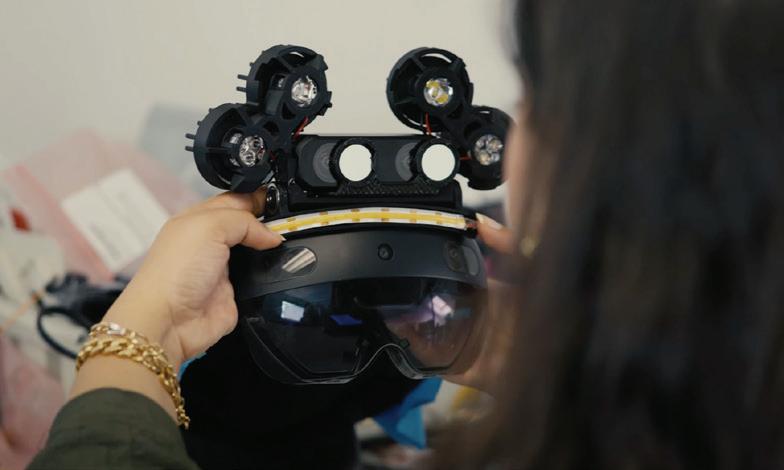
is building infrastructure for deploying, managing, and scaling AI agents in production, just like Vercel does for front-end applications. The platform provides tools for configuring, testing, and integrating agents with external data sources, making it easy to go from prototype to production-ready workflows. Founded by Pratik Satija (E ‘25), the company won first place in CMU’s McGinnis Venture Competition and has received additional funding by Afore Capital.


The College of Engineering is proud to recognize its latest recipients of the National Science Foundation's Faculty Early Career Development (CAREER) awards. Supporting faculty who are fresh in their careers, these grants support their burgeoning research and help them serve as academic role models, all with a goal of building a firm foundation for a lifetime of leadership.
Marc Dandin, assistant professor of electrical and computer engineering, received a CAREER Award for his research that resides at the intersection of microsystems engineering, integrated circuit design, and biomedicine. His work focuses on establishing new paradigms in technology integration for interfacing electronics with biological systems. His objectives are two-fold: first, he seeks to learn from biology to design more efficient and smarter artificial sensing and actuation systems, and second, he aims to develop translational bioengineering approaches for enabling novel diagnostics methods and therapies that address unmet needs in medicine.
For this specific NSF CAREER Award, Dandin introduces a novel paradigm for imaging near the quantum limit. Solid-state single-photon detectors are a class of light sensors that are designed to detect and process light at single photon resolution. These sensors enable a wide variety of modern technologies
like quantum computing and integrated biosensor platforms for biomedical analysis.
One novel technology trend is to integrate single-photon sensors with microelectronic chips. This integration provides on-board signal processing in addition to ready interfacing with other systems. While there has been much progress in the development of integrated single-photon sensors, there remain quite a few scientific and technological barriers to their widespread adoption. For example, the tradeoffs between noise, temperature, resolution, and photodetection efficiency remain unfavorable for many applications. The proposed research takes a layered approach toward solving some of these outstanding issues, in addition to uncovering new applications in which integrated single photon sensors can provide added benefit or entirely new capabilities.

Hamish Gordon, assistant professor of chemical engineering, conducts atmospheric science research that explores the impact of air pollution and particulate matter on clouds and climate. By developing weather prediction and climate models, Gordon and his team are able to simulate areas of interest to study atmospheric properties.
With this award, Gordon will examine the role of organic molecules emitted by trees in the formation of atmospheric particles, or aerosols. Currently, aerosol formation and growth is not well characterized by the majority of Earth system models, but Gordon is hoping to change that.
When cloud droplets take shape in the atmosphere, they form around a particle. The more polluted a cloud, the more droplets it contains. While clouds with more particles typically have a cooling effect because of their reflective properties, certain particles, like black carbon aerosols, can absorb sun-

light, causing the clouds to heat up and potentially evaporate. This leads to a warming effect, limiting the amount of sunlight reflected back into space. Updated new particle formation mechanisms will help improve existing models and better predict the droplet concentration, or number of droplets in a fixed volume in clouds. Gordon’s models will look at pre-industrial cloud droplet concentrations by simulating Earth’s atmosphere in 1850. He aims to better understand how to improve the understanding of how these concentrations have changed between pre-industrial times and the present day. “This NSF funding will hopefully enable my group to understand better than ever before how atmospheric particle concentrations over land could have changed since pre-industrial times,” Gordon said. “This is important because these particles affect how much of the Sun’s radiation the Earth reflects back to space.”
Sneha Prabha Narra, assistant professor of mechanical engineering, studies additive manufacturing— or, as it is more commonly known, 3D printing—with applications in aerospace, automobile and energy industries. She and her lab, Engineering Materials for Transformative Technologies (EMIT), work on understanding and controlling the process-structure-property relationships in metal additive manufacturing to create adaptable, high-quality parts with improved performance and consistency.
This award supports the EMIT Lab’s efforts to design novel processing pathways to prescribe desired thermal history in the part and tailor properties during powder bed fusion additive manufacturing. Specifically, they will look to understand the effects of power field control on porosity and microstructure, including solidification and solid-state transformations, and evaluate the effectiveness of

power field control in decoupling thermal history from part geometry.
Throughout the manufacturing process, if temperature does not change at appropriate times and in appropriate amounts, the material’s microstructure and properties can be affected. The current inability to track and control this impedes additive manufacturing’s wider adoption into industrial applications.
“I’m grateful for this NSF CAREER support, which will help us tackle a critical challenge in additive manufacturing to achieve consistent part quality irrespective of geometry. This can ultimately benefit qualification and certification of additively manufactured parts for end-use applications,” said Narra.
Energy sustainability is a pressing global challenge that requires materials that are capable of efficiently converting and storing energy.
Using quantum mechanical models and machine learning methods has accelerated the discovery of materials that can be formulated before they are synthesized for use in technology applications.
Ismaila Dabo is developing predictive computational capabilities to identify materials for use in efficient energy systems with a focus on hydrogen generation and utilization. His research efforts have been recognized with a Presidential Early Career Award for Scientists and Engineers (PECASE), the highest honor bestowed by the U.S. government on outstanding scientists and engineers early in their careers.
“Receiving this award is an immense honor. Materials modeling is instrumental in making strides toward reliable energy access on the African continent and across the world,” said Dabo, a professor of materials science.
Dabo joined the Department of Materials Science and Engineering faculty in fall 2024, teaching at Carnegie Mellon University Africa followed by a semester in Pittsburgh. Maintaining close contact with program partners in Kigali, his research connections in both locations stand to make an immense impact on capacity building and inspire future generations of engineers to pursue work in this discipline.
“Developing sustainable energy is a challenge, particularly in Africa where supply is an issue,” said Dabo. “By creating models to expedite the implementation of new materials, we aim to improve access, reduce carbon emissions, and improve mineral extraction processes.”
In addition to the PECASE award, Dabo has garnered numerous recognitions for his teaching and research, including the Wilson Teaching Excellence Award, Montgomery-Mitchell Teaching Innovation Award, Corning Chair in Materials Science and Engineering, and a National Science Foundation CAREER Award.
Located in the capital city of Luanda, Agostinho Neto University is Angola’s oldest and largest public higher education institution.

AS A NETWORK, WE ARE
FOCUSED
ON PAN-AFRICAN DIGITAL GROWTH, WHICH MEANS THAT IT IS CRUCIAL THAT WE COLLABORATE ACROSS DIFFERENT LANGUAGES AND CULTURES ON THE CONTINENT."
- CONRAD TUCKER
DIRECTOR OF CMU-AFRICA AND ASSOCIATE DEAN FOR INTERNATIONAL AFFAIRS-AFRICA

Learn more about the Afretec Network’s member institutions

The Portuguese-speaking country of Angola has a young population and a strong demand for engineering, IT, and technology-driven programs. The university has already begun to collaborate with the Afretec Network and will join partner universities in engaging with stakeholders across the continent to work toward the shared mission of the digital transformation of Africa.

Mechanical engineering faculty Jon Cagan, biomedical engineering’s (BME) Keith Cook and Rosalyn Abbott, and Adam Feinberg, materials science and engineering and BME, led sessions at SXSW 2025 on March 6 and 7. Cagan’s session, called “Empowering learners to collaborate with AI,” aimed to prepare students to use forthcoming AI technology in the classroom. Cook, Abbott, and Feinberg’s panel, called “Bioengineering approaches to solve the U.S. organ shortage,” highlighted an ongoing partnership between Carnegie Mellon University and Mayo Clinic that researches ways to repair dysfunctional organs or create new ones from scratch.

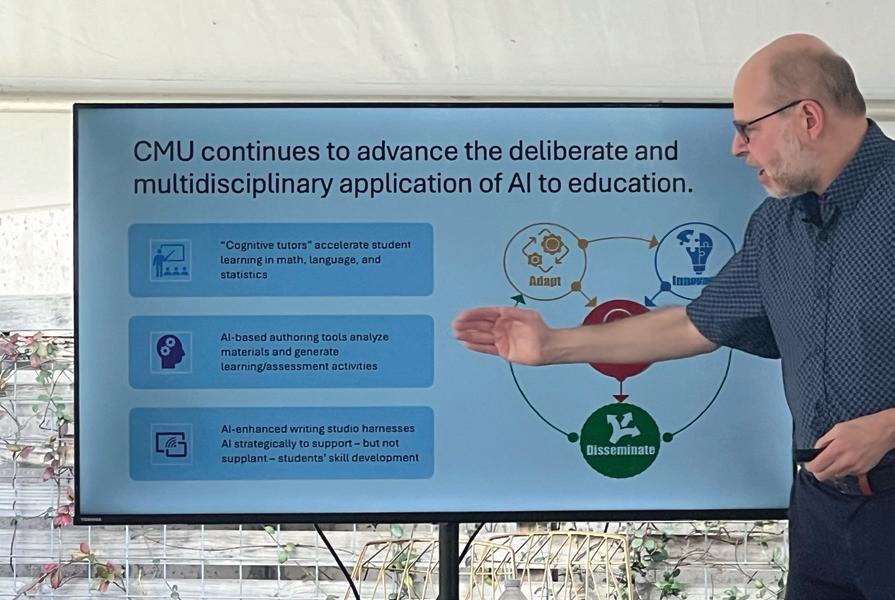

On a crisp fall morning, students file into Posner Hall for their Signals and Systems class taught by Professor Vijayakumar Bhagavatula. The course is a requirement for higher level courses in the fields of signal processing, communications, and control, and Professor Bhagavatula is delighted to teach this cornerstone class.
Bhagavatula began his career at Carnegie Mellon University in 1980 as a research associate in the Department of Electrical and Computer Engineering. Since becoming a professor, Bhagavatula has led more than a dozen core courses for students seeking a degree in electrical and computer engineering. Often a staple in an engineering student’s course load, Bhagavatula’s courses are known to be packed full of learning as well as joy.
“I have been teaching for 43 years and I continue to love teaching,” says Bhagavatula. “It brings me joy when I am able to explain complicated concepts to students and when they ask me follow-up questions. I also find that my own understanding of subject matter becomes stronger as I figure out how to present it to students.”
Outside the classroom, Bhagavatula’s research focuses on computer vision and machine learning. A well-respected researcher in the field, Bhagavatula has been the keynote speaker at over 100 conferences spanning the globe. His publications include the book Correlation Pattern Recognition, 22 book chapters, more than 410 conference papers, and 210 journal papers. He is also the co-inventor of 12 patents. In recognition of his research contributions, he has been elected to the rank of Fellow in six professional societies (IEEE, Optica, SPIE, IAPR, AAAS and NAI).
Bhagavatula received B.Tech. and M. Tech. degrees in electrical engineering from the Indian Institute of Technology, Kanpur in 1975 and 1977, and a Ph.D. in electrical engineering from Carnegie Mellon University in 1980.
Currently, Bhagavatula is serving as interim dean for the College of Engineering.

On November 13-14, 2024, the Scott Institute for Energy Innovation and the Center for Iron and Steelmaking Research (CISR) co-hosted the second Accelerating Green Steel Workshop, an annual gathering of leading experts on iron and steelmaking decarbonization from across the globe.
Iron and steelmaking accounts for roughly 8% of global final energy demand and 7% of energy-related CO2 emissions (including process emissions), according to the International Energy Agency. Demand for steel is projected to grow to meet the needs of de-
In an annual gathering at CMU, global decarbonization leaders worked toward decarbonizing steel production while meeting increasing world-wide demand.
veloping countries and build clean energy infrastructure to achieve mid-century climate goals. According to the IEA Steel Breakthrough Agenda Report, the iron and steel sector globally is not on track to meet mid-century net zero goals, with CO2 emissions in recent years remaining roughly flat. Even with large subsidies, some net-zero aligned projects are facing delays, while high-emitting steel production is expected to expand by 90 million tons through 2030.
To tackle the challenge of decarbonizing processes while meeting demand worldwide in the coming decades, the workshop brought together representatives from over 17 organizations representing more
than a quarter of global iron and steel production and cutting-edge technology innovators to discuss research, development, and demonstration priorities and greenhouse gas (GHG) emissions accounting principles to support deep decarbonization. Gathering so many representatives from a global industry is a rare opportunity to take stock of where the industry is in alignment, while also highlighting any divergences on how to accelerate decarbonization.
“The group was strongly committed to finding ways to make decarbonization work, while tackling the challenges head on,” said Valerie Karplus, associate director of the Scott Institute. “One of the greatest hurdles is the large capital outlays required, especially against a backdrop of growing policy uncertainty in some markets.”
Conference co-chairs Karplus and Chris Pistorius, CISR’s co-director, hosted sessions that probed specific aspects of the production process that could contribute to a reduced carbon footprint.
Based on the published conference memos, a key topic was setting a standard for GHG emissions reporting. A majority of respondents agreed that cokemaking emissions and ore mining processing emissions should be required reporting, although they were split on whether there should be separate reporting standards for ironmaking and steelmaking.
Another important takeaway was that companies could maintain their own definitions of “green” steel while reaching broader consensus on emissions reporting conventions, such as accounting boundaries, that could apply across the industry.
The official Workshop Proceedings, which is produced by Carnegie Mellon and not attributed to any single company, provides actionable steps in support of modernization and decarbonization of iron and steelmaking along the dimensions of emissions reporting, research and development, and consumer transparency needs.
“Our next step as a group will be to develop a stronger shared understanding of the ways organizations can decarbonize cost effectively and to examine what combination of public policies, business strategies, and market conditions will help to unlock those opportunities,” said Karplus.
Pittsburgh is often referred to as the “steel city” in recognition of Andrew Carnegie’s industrial empire that launched the city as a hub for iron foundries and steel mills. With the city’s connections to these industries, it is only fitting that Carnegie Mellon University has been home to the Center for Iron and Steelmaking Research (CISR) for the past 40 years. As the methods of production of iron and steel have evolved over the years, so too have the research efforts of the center.
The CISR was established in 1985 as an Industry/University Cooperative Research Center (I/UCRC) with support from 11 companies, the National Science Foundation (NSF), and the university. The late professor Richard Fruehan led the center when it launched its initial research endeavors.
“At the time that I came to Carnegie Mellon, the large steel companies like U.S. Steel and Bethlehem Steel were downsizing their research laboratories, doing away with basic academic research,” said Fruehan in 2017. “So I came up with the concept of having them join a center in which they would give financial resources to [us] and we would do long-term research and share the results with them.”
HONORING THE PAST. FORGING THE FUTURE.
The Center for Iron and Steelmaking Research (CISR) has made significant contributions to the iron and steel industries through collaborative efforts between corporate partners and CMU faculty and students.
The partnerships between member companies and CMU students and faculty have proved mutually beneficial since the center’s inception. Member organizations can suggest projects, and then faculty work with the member to develop the scope and coordinate work with students who in turn share their research findings.
Alan Cramb joined the CMU faculty in 1986 and played a key role in the center's research. Along with Fruehan and Professor Hani Henein, Cramb worked extensively on securing funding for projects of interest identified by industry members. The initial scope of research covered three major areas: the production of iron and steel, computer modeling of production processes, and steel refining and solidification. Since its founding, the center has focused on the value of long-term research projects.
“One of the first rallying calls of research was that nothing should be short term,” said Cramb. “The understanding was that research could become very company specific, and not every company has the same short-term goals. We tried to work only on projects that could span five to 10 years and would provide the greatest value for members.”
In its early years, the center focused on new processes, for example, a direct steel making technique that focused on smelting and the development of new casting processes, such as strip casting, which produces thin sheets of steel by pouring molten steel between two counter-rotating rolls.
Sridhar Seetharaman, who has made research contributions in many areas of process metallurgy, arrived at CMU in 1999, and became co-director of the center in 2007. While there were steel companies still based in Pennsylvania at that time, the international presence in the industry was growing. Seetharaman noted that the prestige of the university coupled with the opportunities for industrial application made the program stand out.
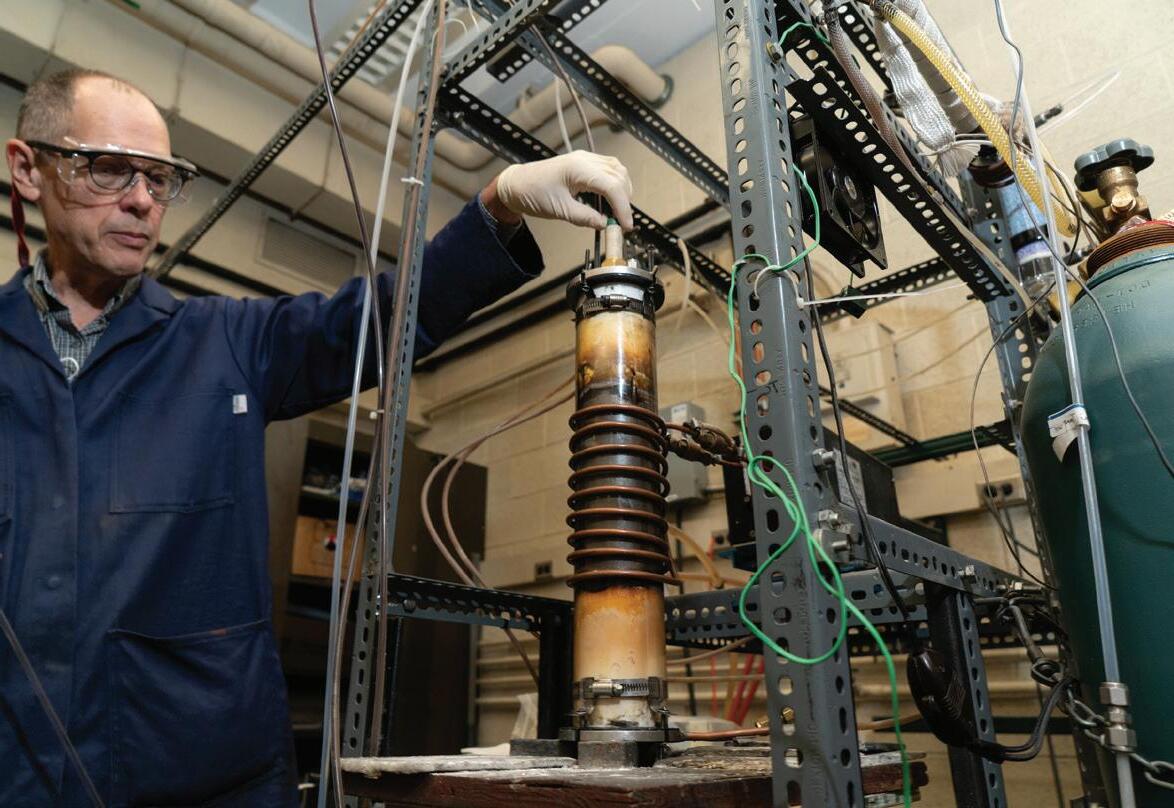
“The knowledge and technical expertise gained through involvement with the center is unique in that those involved can truly understand industry needs,” he said.
As the center has progressed, there have been both changes and constants. The CISR has gained international attention throughout its tenure, supporting as many as 25 steel companies at its peak membership. While the overall number of member organizations has decreased—largely in part to company mergers and acquisitions—the impact of the research remains significant.
The center received its initial funding from the NSF, but for the past 25 years, the CISR has been self-sufficient, with most of its support coming from partners. During the past 15 years, the CISR has also received funding from the Association for Iron & Steel Technology, the American Iron & Steel Institute, the Department of Energy, and grants from NSF.
Current Co-Director Chris Pistorius credits the center with attracting him to pursue a career at Carnegie Mellon. He became aware of the CISR when Fruehan would travel to South Africa to work and teach in the 1990s. After spending time at CMU for a sabbatical in 1998, Pistorius maintained contact with Freuhan and was hired as a faculty member in 2008.
Pistorius says that while tools for measurement and analysis have evolved, many project themes have remained the same. For example, the center has always been interested in more sustainable ironmaking, but the emphasis on hydrogen, natural gas and CO2 intensity has a stronger emphasis in recent years.
The future of the CISR program is strong, as it has solidified its reputation within the steel industry worldwide. From the inception of the program, students have played an active role. As they have worked with industry partners, they are now leading the way in both corporate and academic settings. Professor Bryan
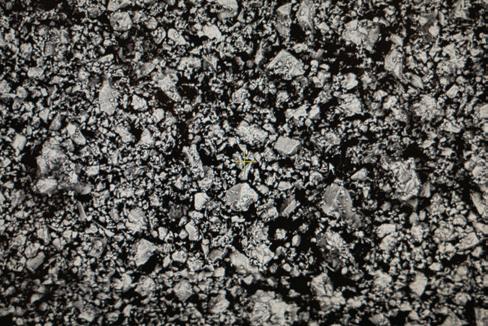
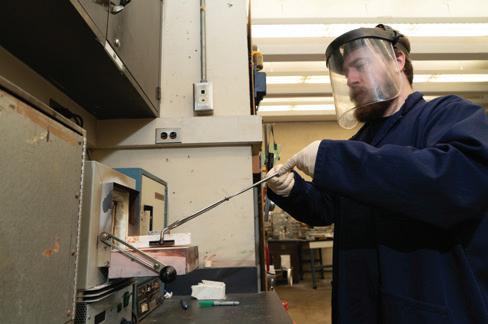
Webler, an alumnus of the program, co-directs the center alongside Pistorius.
“Working with the center has been rewarding in many ways, and none more so than working with students as they make scientific discoveries and become independent researchers. The education that the CISR offers is special,” said Webler.
Pistorius noted that alumni of the center have gone on to become some of the most ardent members of the advisory board, as they are most familiar with its research capabilities.
“Joining the CISR allowed me to build many industry contacts, which evolved into lasting friendships and opened up career opportunities,” said alumnus Scott Story, MS’95, Ph.D.’97, who credits the center for his joining U.S. Steel 27 years ago. “The CISR, through its focus on studying steelmaking and casting process fundamentals, has made significant contributions to improving productivity, efficiency, and quality of these processes,” he notes.
When he retired in 2017, Fruehan noted that he considered the CISR his most long-lasting contribution to Carnegie Mellon and the steel industry, a viewpoint shared by many involved with the center.
“The CISR put Carnegie Mellon on the map as the number one steel making research university in the world,” said Cramb.
“The center has very deep links with the steel industry through what Dr. Fruehan built up, running well-designed, insightful research projects that are useful to industry and having graduates from the center who can enter industry,” said Pistorius.
“As Fruehan taught me, if you have command over the fundamentals, you can solve many problems in the steelmaking and casting process, and for me and many others who have graduated, that has proven to be true,” said Story.
With record-breaking triumph, Carnegie Mellon’s hacking team wins DEF CON

From a field of 2,300 teams
CMU’s Plaid Parliament of Pwning (PPP) is the winningest team in DEF CON competition history.
Carnegie Mellon’s ninth Energy Week focused on AI, a theme that is evolving in real time. AI presents unique opportunities and challenges—it’s a promising and powerful tool with endless sustainability applications that also consumes eye-watering amounts of energy to power its data centers.
The event, held by the Scott Institute for Energy Innovation, engaged figures from academia, industry, and government, hosted opportunities for entrepreneurs and student researchers, and prompted all participants to take stock of where we are and theorize what’s next at the intersection of two crucial topics.
Energy Week 2025 officially kicked off on March 25, with Investor Day, which explored the role of industry innovators and investors in merging AI and sustainability.
The opening keynote was from Lisa Hansmann of Foundry Logic, who also participated in the Investor Forum Panel Discussion alongside professionals from Innovation Works, Helios Climate Ventures, and Operator Collective.
A highlight of the day was a glimpse of the future of clean energy technologies at the Energy and Cleantech Startup Pitch Showcase. Thanks to participation from 20 startups, including Sabana, J.P. Robotics, and SeaLion Energy, the competition was a strong showing of CMU’s entrepreneurial side. Company founders got valuable face time with
THE SCOTT INSTITUTE IS ACCELERATING TECHNOLOGY, POLICY, AND ENTREPRENEURSHIP IN CLEAN ENERGY AND CLIMATE RESILIENCE.
Partnerships are integral to our mission, and if your company or organization would like to learn more about our work, please contact Daniel Tkacik, Executive Director, at dtkacik@andrew.cmu.edu.
investors capable of meeting their funding needs to take their innovations—ranging from improving battery life to automating disassembly to AI-driven data management—to the next level, with greater potential for public impact.
AI & Energy was the focal point of Energy Week’s second day. A topic with local and global dimensions, many of the most pressing questions about AI’s energy demands, the future of the energy workforce, and the frontiers of AI in promoting energy and climate solutions were contemplated during a series of panel discussions.
Bolstering the day were keynote presentations from high-caliber professionals who provided insight into the tech industry’s approach to leveraging AI for sustainable purposes. Google’s Lucia Tian, head of clean energy and decarbonization technologies, started off the day’s agenda. Other speakers included Marianne Walck, director of the National Energy Technology Laboratory, and Sara Innamorato, Allegheny County Executive. The day concluded with a fireside chat between Vibhu Kaushik, global head of energy at Amazon Web Services, and the Scott Institute’s Director Costa Samaras.
Students were center stage on the third and final day of Energy Week 2025. Representing the minds who will form the future of the energy industry, the Student Energy Research Poster Competition formed a gallery of innovation. First place went to Corinne Smith-Lewis, a Ph.D. candidate in mechanical engineering, for a presentation on applying an operando voltage sensor for a gas recombination catalyst. First runner-up was Judy Park, a Ph.D. student in engineering and public policy, for the poster “Mortality and Distributional Effects of Air Pollution from Integrated Steelmaking in the United States.” Receiving third place was electrical and computer engineering Ph.D. student Aayushya Agarwal’s “ML-Physics Synergy for Robust Strategies Against Weather and Load Fluctuations.” Mechanical engineering Ph.D. student Jessy Ha’s project on proton exchange membrane water electrolyzers earned a nod for most innovative research idea.
Energy Week concluded with the Careers in Energy Networking Reception, with participation from Duquesne Light Company, National Renewable Energy Laboratory, and Trane Technologies, among others.
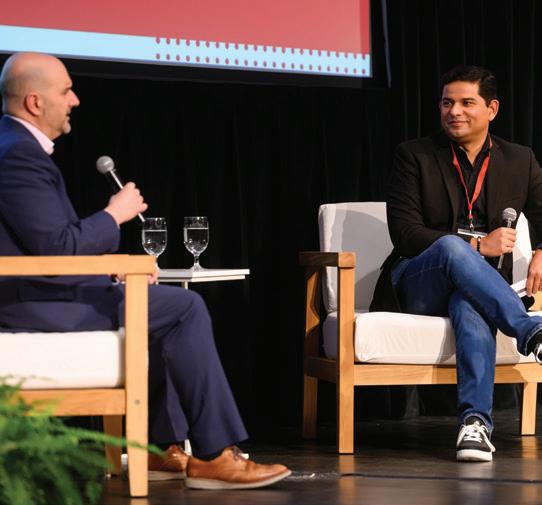
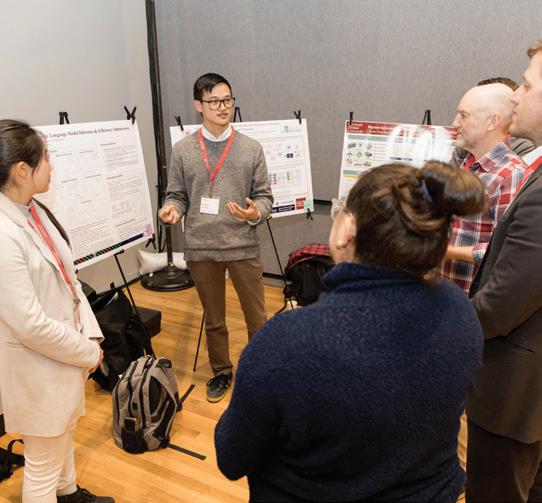
The Fifth Year Scholars Program at Carnegie Mellon University is highly selective. Only a handful of exceptional students receiving their undergraduate degree are selected to become Fifth Year Scholars. Those who are selected are welcomed back to campus for an additional year with free tuition and a $7,000 fellowship
D’Arms applied to the Fifth Year Scholars Program in her junior year and was selected well before her graduation date. She had time to carefully plan out what her Scholar project would entail.
As an environmental engineer, D’Arms is passionate about sustainability. With the knowledge that the fashion industry is the second largest polluter in the world (just behind oil and gas pollution), she
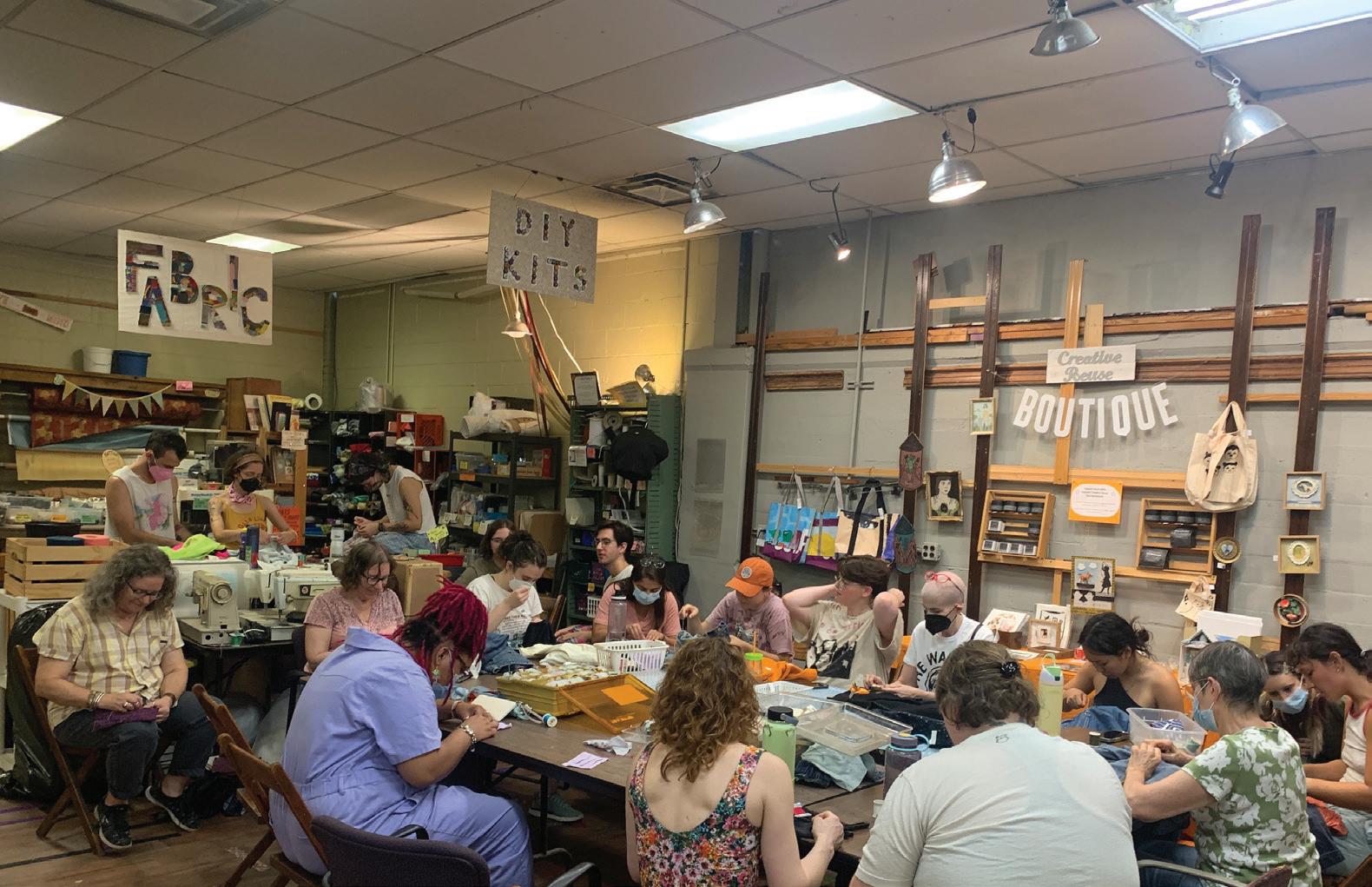
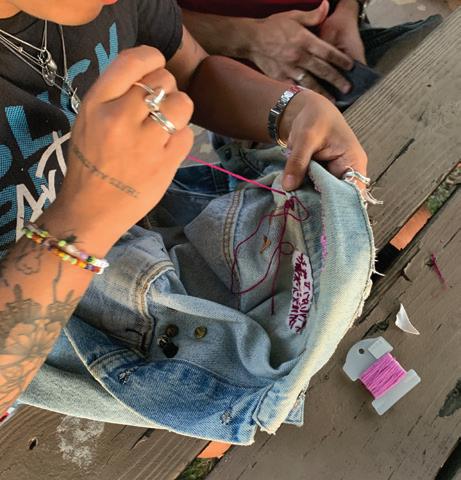
Part of keeping her pollution footprint small is knowing how to mend her clothing so that objects that require minor repairs are not simply cast aside into a landfill.
“Clothing is viewed as disposable, because it’s so cheap. And it’s so poorly made that it falls apart after a few wears,” explains D’Arms. She said that people can fight back on consumption by buying second-hand clothing at thrift stores and vintage shops. But D’Arms knows that thrifting offers limited sizes and styles. “It’s difficult to find stuff that fits you really well… so you need this set of [mending] skills as well.”
With this in mind, D’Arms decided to share her mending knowledge with her community at CMU. She started as a sophomore, bringing mending programming and drop-in hours to Tech Spark, the largest campus maker space, which includes a sewing area. The mending workshops were popular, so D’Arms decided to expand them outside of Tech Spark. She started by doing a few mending workshops at more centrally located buildings on campus, such as the Cohon University Center.
She also hosted workshops in the basement of Hunt Library where the IDeATe (Integrative Design, Arts, and Technology) Collaborative Making Facility is located. As part of her studies, D’Arms took one of IDeATe’s courses from the Soft Technologies track, focusing on the manufacturing of textiles. D’Arms learned about various processes such as weaving, spinning thread, and dyeing. While she thought the course was fascinating, she believed someone looking for quick mending instructions could benefit from
a course focused solely on the practice of mending. So she developed curriculum and taught a StuCo (student-taught course) that students could take for course credit while learning mending techniques.
“My class is focused on sewing techniques that are required for maintenance,” she explains. “There are four different stitches that you can use to fix different kinds of rips, on different kinds of cloth.”
D’Arms expanded into offering workshops with business partners in the Pittsburgh area such as the Pittsburgh Center for Creative Reuse, the Carnegie Libraries of Pittsburgh, the Big Idea Bookstore, restaurants and coffee shops, and Pittsburgh Public Parks during nice weather.
With the end of the 2025 academic year, D’Arms moved from Pittsburgh to Minneapolis, where she is starting new workshops. On Instagram @mendwithkat, she says, "I have missed teaching people to mend and I’m so excited to be back at it."
Do you want to be an entrepreneur?
That’s the question that Mark DeSantis asks students in the beginning of the Tech Startup: Market Discovery & Building Your Own Company class that he has been teaching in the College of Engineering for more than 10 years.
When he poses the same question at the end of the semester, a few students’ answers change from yes to no. Despite the promise of what DeSantis jokingly calls “foosball and Ferraris forever,” some students discover that the demands of entrepreneurial success are more than they anticipated.
But that’s the point of the class—to expose students to what the process of starting a successful tech company really involves. And although a few may turn away, many move ahead—more than one in four go on to start their own company or work for a startup according to DeSantis, who says the class is designed to prepare students for the specific demands of tech entrepreneurship.
Akpene Diata Hoggar earned her master’s degree in information technology in 2024 from Carnegie Mellon University Africa, where DeSantis teaches the class remotely during the spring semester. She was excited about the course because she had already started other businesses.
In particular, she appreciated one of the core concepts of the class: inviting potential customers to influence the development of the enterprise. The students, who work in small groups to come up with a business creation idea, are required to conduct 50 in-person customer interviews to help them identify the problems their product or service should solve.
THE
Mobile robots was one answer he was looking for. He said their application also had the potential to help the growing number of mobile robots find their way in complex environments.
DeSantis agreed that developing such an app would be a hard problem, but he also said, “When a problem seems too hard and you can’t even imagine a solution, that means it’s an even better opportunity!”
At the end of the semester, the team had developed Mapping the World. Feedback from customer interviews helped them to expand the potential use cases to include visitors in hospitals, shopping malls, and resorts, as well as first responders who needed to find their way to the point of need. The students were also able to differentiate their product from similar applications by incorporating features such as path sharing, real-time updates on human traffic conditions, and geo-targeted ads and promotions.
Partnerships are integral to our mission, and if your company or organization would like to learn more about our work, please contact Daniel Tkacik, Executive Director, at dtkacik@andrew.cmu.edu.
Hoggar said the class helped her and her classmates shape their approach to developing their company, Remotide, a platform dedicated to connecting African professionals with permanent remote international job opportunities.
DeSantis calls upon his own experience as an entrepreneur to guide the students throughout the semester-long process of fine-tuning their business idea. In addition to having worked in both industry and government, he has founded multiple businesses, several of which have been acquired by larger companies. Most recently, his startup Bloomfield, a venture-backed ag-tech company that helps specialty growers in the U.S., Europe, and South America, was acquired by Kubota Tractor company.
When one of the groups in last fall’s class, held in Pittsburgh, introduced their idea for a wayfinding app that would help people navigate the interiors of large campus buildings, DeSantis pushed the group to think about who else has the problem of finding their way through large facilities.
“This is a viable tech play with a real tech solution,” DeSantis told the group, adding that Carnegie Mellon was the ideal place to find the people who could develop it.
Many such words of encouragement often come with an equal dose of reality from DeSantis. He told the students that innovation is jarring and disorienting to many. He warned them that the status quo will fight them, few will embrace their ideas, and many will reject their proposals.
But he doesn’t expect the students to rely on only his point of view or experiences. He invites venture capitalists and successful entrepreneurs into the class.
Dawn Myers, who is a guest lecturer in fundraising and entrepreneurship at Carnegie Mellon talked to the students about her entrepreneurial challenges founding her company, Richualist, which sells The Mint, a thermal hair infuser that distributes heated gels and conditioners in coffee pod-like cartridges to detangle curly hair.
During the seven years it took to get the product to market, Myers found that many would-be funders and company executives didn’t know how much time Black women had to spend on their hair, which meant they couldn’t see the potential that her product had to help them style their natural curls.
Myers persevered through rejection, setbacks, and a bout of cancer before finally bringing her product to market. Earlier this year she received funding from Shark Tank investors Mark Cuban and Emma Grede. The pair offered her $150,000 in exchange for 15% equity in her company.
DeSantis tells the class, “If you succeed, woo wee, the world calls you a genius. But you do it because nothing is more satisfying than realizing that your idea worked and the long, impossible journey was worth it.”
His enthusiasm makes it easy for the students to believe they can do it. More importantly, the lessons give them a set of skills to succeed.

DOES THIS DEMONSTRATOR SLIDE RULE LOOK FAMILIAR TO YOU?
We’d like to learn if it was used in classes at Carnegie Mellon. If you have any insight about its history, please email Sherry Stokes at stokes@cmu.edu.
Walk into Deanna Matthews’ office, and you can’t miss the seven-foot-long, wooden slide rule hanging above her sofa. With far more panache than a framed print, the artifact harkens back to a time when engineers used these mechanical analog computers, which look like tricked-out rulers, to tease out calculations that sent humans to the moon.
Matthews, teaching professor and associate department head for undergraduate affairs in the Department of Engineering and Public Policy, explains that she got the coveted object from Engineering’s Emeritus Professor Paul Fischbeck, when he was cleaning out his office. “He is a collector of CMU things and is also a person who would see the value in holding on to this,” says Matthews.
While the sentimental value exceeds its value on eBay, the giant object served an important purpose in its day. Matthews believes that it was used in lectures as a visual aid to teach mathematical concepts, and engineering students could follow along, using their own slide rules. Students typically carried 10-inch-scale slide rules in belt holsters while a 5-inch-scale ruler was pocket perfect.
Before the advent of the handheld calculator, engineering students used slide rules throughout their education and careers. “My dad was an engineer, and I have his slide rule,” says Matthews.
As innovation marched on, the calculator took hold and the slide rule grew largely obsolete, and not everyone was cheering. Matthews says that some professors were concerned that students would lose their intuition about math concepts and the ability to do quick, in-their-head estimations in powers of 10.
Time proved that the calculator did not addle students’ brains, which is good because engineers still depend to some extent on their ability to estimate.
“In my Intro to Engineering and Public Policy course we talk about estimation and making the math easy. We do things that make students think in powers of 10. Sometimes we don’t need a precise number, an estimate will work; but
then, there are times when we need precision, and calculators can do that.”
Today, except for niche uses, slide rules are antiquated. However, there is something ingenious about the construction of these devices that operate on the principles of algorithms, which are the backbone of AI. The slide rule indirectly supported the rise of AI by broadening the use of early computing (albeit analog) and spurring the creation of digital calculators. The progression of tools, among other factors, injected confidence into an emerging culture that ardently pursued advanced computational thinking that ultimately led to the modern computer. Matthews’ slide rule highlights a particular point in the evolution of engineering education, and this inspired her and Conrad Zapanta, associate dean for undergraduate studies in the College of Engineering and teaching professor in biomedical engineering, to show students how slide rules work.
During Carnegie Mellon’s Engineering Week 2025, the bigger-than-life slide rule was carried to Tech Spark in ANSYS Hall where it was laid flat over two tables so that Matthews and Zapanta could give students a hands-on demonstration. They also brought typical-sized slide rules that students could tinker with.
“The students were intrigued. Some of them had never heard of a slide rule,” says Zapanta. To give students context, he asked them to, “think about the logarithmic tables they used in high school. We explained that the slide rule is a physical version of how those work.”
After students performed a few basic calculations on the devices, the instructors overheard comments like, “I am happy I have my calculator.”
Ironically, the handheld calculator is heading in the same direction as the slide rule. “A lot of students don’t use stand-alone calculators. They tend to use their computers, tablets, or phones,” says Zapanta.
As our technology advances, so does the engineer’s toolbox. The sun has set on the slide rule, and eventually the handheld calculator will join it. Yet these tools and their impact is worthy of appreciation. They tell a celebratory story about how engineers apply mathematical constructs to improve our world.

Pickleball courts are popping up all over the country. For the last four years, pickleball has been the fastest growing sport in America, drawing more than 48 million players in 2023. As the sport has expanded, so too has the design of its equipment.
In 2024, the USA Pickleball Equipment & Evaluation Committee and its third-party accredited independent lab tested 1,713 paddles and balls and approved 1,225 paddles and 81 balls and registered 476 new manufacturers and brands.
A group of Carnegie Mellon University materials science and engineering (MSE) undergraduate students have gotten into the game, by working with Paddle Tap Pickleball on their capstone project, “3D Printing the Pickleball Paddles of the Future.” The group investigated whether pickleball paddles pro-

duced by 3D printing could be as good as, or better, than those produced using existing techniques, such as thermoforming.
Mable Dong was drawn to this project because of her personal interest in pickleball and because she could observe the project’s full cycle.
“Coming from a product management background, I value being able to follow a project from ideation to launch or, in this case, from ideation to validation,” Dong said.
Starting in the 2024 fall semester, the team had to determine how to navigate various challenges. The constraints of 3D printing affected their design approach, as they initially wanted to create a complex 3D metamaterial structure but quickly realized that the fine overhangs they had envisioned were impossible to print using a Fused Deposition Modeling printer.
pickleball paddles produced by 3D printing could be as good as, or better, than those produced using existing techniques.
“Instead of seeing this as a limitation, we took it as an opportunity to explore alternative designs,” noted Jessica Shi. “We turned to nature for inspiration, studying bio-inspired structures like honeycombs and bamboo cross-sections—structures that are naturally stable, lightweight, and tolerant to defects.”
The group tested mechanical properties of the paddles, such as fatigue, impact toughness, and elasticity, and examined the microstructure of the 3D printed materials. To test their design, the team had to understand industry standards.
“Some of the required testing equipment is custom-made, which is difficult to replicate,” said Phylicia Ma. “We did our best to replicate the testing processes, sometimes comparing our results to those of Paddle Tap Pickleball’s paddle to assess whether our paddles met industry standards.”
Throughout the year, the group enhanced their design in order to produce a final product to show their sponsor at the end of the project.
“We applied concepts from our Structures of Materials course, particularly principles of crystal structures and atomic packing, to refine our infill designs,” said Shi. This approach solved our manufacturing challenges and deepened our appreciation for how efficiently nature engineers materials.”
The group is hopeful that this proof-of-concept project influences pickleball paddle manufacturers to adopt 3D printing technology into their processes, fueling both sustainability and innovation for the next generation of paddles.
“Using this process, each paddle only requires the exact amount of material needed for printing, elim-
inating the issue of plastic waste that is common in other manufacturing methods,” said Allison Silva. Silva noted that the use of Computer-Aided Design (CAD) has potential to create complex architectures that better increase power, deflection, and spin.
Students in the course had the opportunity to provide an update to sponsors at the end of the fall semester, and this particular group also showcased their work at the TechSpark Engineering Exposition, where they were recognized with Covestro’s Most Innovative award for being creative and novel in approach or execution.
In addition to problem solving as a team, the students developed skills above and beyond materials science as they explored design constraints and developed proficiency with drafting and analysis software.

“Although we are still material scientists at our core, this project allowed us to take a more holistic approach, which has deepened our understanding of the design process,” said Julea Farchione. “This experience will enhance our ability to communicate effectively with engineers and future colleagues.”
Paddle Tap Pickleball co-founder Alan Laymon advised the group throughout the project and believes that the end results have potential to lead to industry innovation.
“The pickleball industry is moving very quickly and working with the CMU students provided amazing feedback on how the structural design of a paddle can be improved,” said Laymon.
"EACH PADDLE ONLY REQUIRES THE EXACT AMOUNT OF MATERIAL NEEDED FOR PRINTING, ELIMINATING THE ISSUE OF PLASTIC WASTE THAT IS COMMON IN OTHER MANUFACTURING METHODS."
- ALLISON SILVASTUDENT, MATERIALS SCIENCE AND ENGINEERING

Now in its second year, the College of Engineering Alumni Awards program celebrates the significant impact our alumni continue to have on our institution and the world through their extraordinary accomplishments, leadership, creativity, entrepreneurship, service, and advocacy. The connection and pride our alumni feel for this university and our college is rooted in their personal stories and the impact Carnegie Mellon engineers have in society.
At the Alumni Awards ceremony during Spring Carnival 2025, we were honored to recognize these ten distinguished College of Engineering alumni who reflect a wide range of service and leadership and who have taken diverse paths to their accomplishments.
Harvey Borovetz (BME 1973, 1976)
Distinguished Professor of Bioengineering, University of Pittsburgh Swanson School of Engineering
For his visionary and widely recognized contributions in the area of artificial organs.
Muge Erdirik Dogan (CHEME 2007)
EVP and Chief Technology Officer, Nike Inc.
For her remarkable leadership in technology innovation and enterprise technology strategy.
Barry Johnson (MSE 1973, 1983)
Former Dean, Villanova University College of Engineering
For his leadership in engineering, both in industry and academia, and in recognition of his significant career accolades.
Matthew Rogers (ECE 2004, 2005)
Founder and CEO, Mill
For his creation of and contributions to commercial products that have transformed how we function and interact as a society.
Michael Bruce (INI 1995)
Chairman and CEO, Sirius Talent Group
For his steadfast commitment to the College of Engineering community through service, mentorship, and engagement.
Barbara Buck (CHEME 1973)
Founder, Buck Sentinel Rock Consulting LLC
For her lifelong commitment to motivating and mentoring CMU’s young women engineering students.
Rao Desineni (ECE 2001, 2006)
Senior Director for Fab Automation, Manufacturing Analytics, and Big Data, Intel
For co-creating the “Advanced Analytics for the Semiconductor Industry” project-based course and his efforts to position the College of Engineering as a significant contributor and thought leader with respect to the CHIPS and Science Act.
Thomas Healy (MECHE/EPP 2014, TRUSTEE)
Founder and CEO, Hyliion
For his leadership in providing innovative generator technology to produce clean, efficient, and affordable electricity as well as an outstanding track record as an entrepreneur.
Cristiana Lara (CHEME 2019)
Senior Research Scientist, Amazon
For her continuous dedication to excellence in research and groundbreaking work in decision and data sciences.
Eyre Hernandez (INI 2014)
Staff Security Engineer and Tech Lead Manager, Google
For her commitment and dedication to our students—especially young women—by serving as a role model and actively supporting fellow alumni and current students.

Scan the code to read the recipients’ full bios and award citations, as well as award category descriptions.

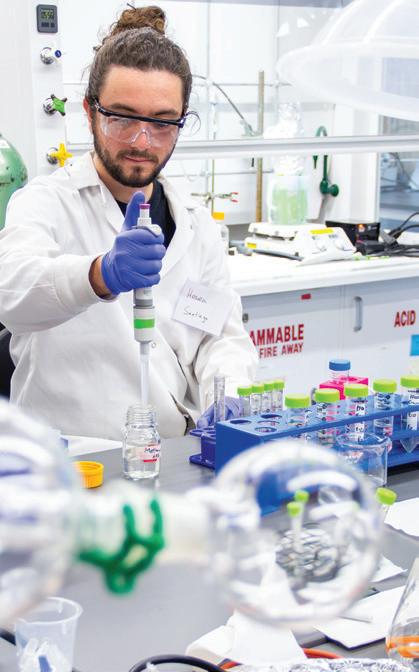
Please contact Gena Henry, associate dean for advancement, at ghenry@cmu.edu, or by phone at 412.268.5342 to learn more about giving options to support Ph.D. research at the College of Engineering. By supporting
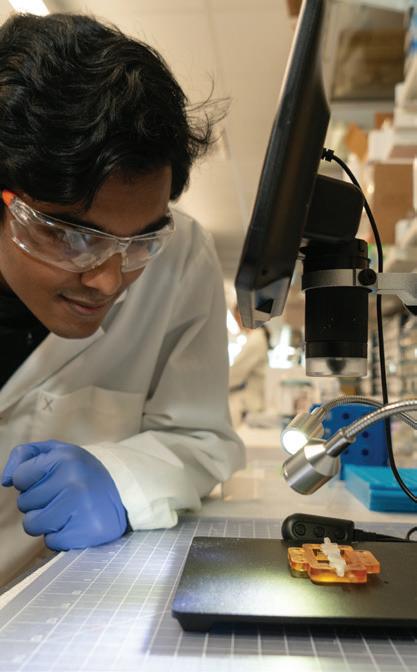
Ph.D. students make our research possible at Carnegie Mellon. The knowledge they create and the science they advance help fuel innovations that shape our lives. Whether they stay in academia, move into industry, or launch their own startups, our Ph.D.s make the world better when they can pursue their dreams.
As an engineering community, it has never been more important to show our Ph.D.s we believe in them and recognize their essential role in making CMU a world-class institution.
If you can think of a corporation with substantial data organization needs, chances are they use an Oracle product for at least some of their enterprise software. It’s also likely that some component of that database technology was created or improved by Kishy Kumar, director of engineering at Oracle, or members of his team.
Since graduating from Carnegie Mellon with a master’s degree in electrical and computer engineering in 2013, Kumar has taken unmet database needs faced by Oracle customers and transformed them into technically streamlined, profitable services and features.
When Oracle, the world’s largest database management company, transitioned to the cloud in 2016, Kumar developed infrastructures to ensure their database was the best running on the cloud. He pioneered the Resource Management of flash devices and their caching to make the cloud’s usage of flash resources more efficient.
“Thanks to my patent on flash devices resource management, Oracle now gets a higher cost efficiency. It increases business on the cloud, and much
of the cost savings and better performance gets passed on to our customers,” says Kumar.
After tackling several projects to improve Oracle’s database, Kumar was invited to join the transactions team, where he continued to innovate. At the request of a large bank in India, he led the engineering of Priority Transactions, which prevents surges of small dollar-value charges and purchases from blocking the processing of much larger transactions.
Innovations like these prompted Kumar’s rise from an engineer to a principal engineer at Oracle. His transition from a manager to a director was aided by his solution for a major problem faced by developers: that relational databases like Oracle store data in rows, columns, and tables, while data in applications takes the forms of classes and objects. It’s tricky to transition between these structures without encountering scalability and performance problems for large scale enterprise applications.
That’s where JSON Relational Duality comes in. What started as a research problem for the database team ended up becoming a major feature offered by Oracle and the subject of a paper published in SIGMOD, one of the world’s leading data conferences.
As an engineer, Kishy Kumar operates on a philosophy of moving fast and not backing away from challenges.
“We came up with this technology that allows applications to just treat data as business objects and send those objects as JSON documents right to the database. The database then figures out the best way to store the data— the relational format,” Kumar says. “The engineers in my team are innovating in this space.”
Another project Kumar is now leading will allow Oracle’s users to look back in time. His team is building flashback technologies that can track changes to data over time, which is helpful for banks and insurance companies, that may need this type of information for auditing.

The team is looking to the future, too—they’re developing features at the intersection of AI and data, like advanced data-centric application development and search functionality.
“Whatever gaps we have in the Oracle database, we’ll be able to overcome by making a headwind into AI,” says Kumar. “Right now, users spend a ton of time building search infrastructures. But they won’t have to spend that much time, because we’ll take care of them in the database.”
As an engineer, Kumar operates on a philosophy of moving fast and not backing away from challenges. He tells his team, “Think about what you’re building, think about what you can deliver today.”
To Carnegie Mellon students, he advises, “Go for something you think is hard. Everybody can solve simple problems, so you want to differentiate yourself. If you don’t do hard things early, then as you progress in your career, you don’t get many opportunities to do hard things.”
Today Kumar remains active with the alumni association and regularly attends West Coast events hosted by the Tech and Entrepreneurship Club. As a mentor, he speaks to students as well as the Carnegie Mellon database group about his work at Oracle. He has even served as a judge for TartanHacks.
“I spent a year and a half in Pittsburgh that I cannot forget,” he says, “and the good part about Carnegie Mellon is that it keeps in touch with its alumni.”

From a young age, Rigved Sardey, E’23 had an inclination that he wanted to study science. Competing in a science olympiad as a middle school student in India sparked his interest, and as he excelled in chemistry in high school, he came to realize that studying materials science would align with his strengths.
After completing his undergraduate degree and working as a materials engineer in an automotive company in India, Sardey became further interested in data science and analytics as they pertain to materials engineering. At the time, additive manufacturing research was flourishing, especially in regard to the study of porosity.

The timing was right for him to pursue a master’s degree at Carnegie Mellon, particularly as the university had recently undertaken a project through the National Aeronautics and Space Administration’s (NASA) University Leadership Initiative led by Materials Science and Engineering Professor Anthony Rollett. As part of the Transformative Aeronautics Concepts Program, Carnegie Mellon had been tapped to lead a research team dedicated to examining new ways to build and power aircraft of the future.
During his time as a student in the master’s program, Sardey had the opportunity to shift his focus from research to the workplace through completing an internship with Nucor.
“The impact that I could have made directly at Nucor was very attractive to me at the time,” he said, “I was able to see results of my work immediately and make big contributions to advance the organization, as opposed to a more research-focused internship where it may take years to see outcomes.”
This experience coupled with the opportunity to revolutionize the production of steel using analytics and machine learning drew Sardey to pursue a fulltime role with Nucor after completing his master’s degree. He recently started a newly created role of Digital Solutions Engineer at the company. In this role, he will help Nucor to explore how new technologies could improve the safety, productivity and quality of the steelmaking industry.
“I think we are at a crucial point in the industry where these technologies are starting to come into play, and industry leaders are seeing the kind of potential that they can have on the business,” noted Sardey.
Sardey says that working on the Quality Made Project alongside Rollett allowed him to hone skills that would serve him in his career, as he learned to manage multiple projects simultaneously. Additionally, the coursework he pursued has set him on a path to succeed in his new role.
“A lot of what I know about machine learning is a result of the courses I took at CMU,” he said.

in the security space: as the number of applications and websites has grown, so has the need to keep them secure.
AI startup is developing a virtual application that will help security teams spot code vulnerabilities and address security needs at scale.
The work of a security engineer is never done. Currently, there aren’t enough people to fill those roles needed to keep applications safe. With the high demand of security engineers, the issue becomes, how can a small team meet its security demands at scale? Information Networking Institute (INI) alumni Adam Cecchetti and Austin Fath are working towards a solution. After a successful round of funding resulting in $5.7 million, their startup is set to help ease the stress of security teams everywhere.
Staris is an Artificial Intelligence (AI) startup that is developing a virtual application that helps teams spot code vulnerabilities. Using Large Language Models (LLMs), Staris helps identify bugs and can search through backlogs to find issues at a pace that small teams can’t match. “I have never met a security
team that did not need additional people,” said Cecchetti. “AI enables us to take a step forward; a lot of the work that we’ve wanted to do, we can do now.”
Fath and Cecchetti met while studying at the INI in the M.S. in Information Networking (MSIN) program, graduating in 2005 and 2004 respectfully. For Fath, the interdisciplinary nature of the INI was the most impactful. “We ended up starting a company because we had entrepreneur classes,” said Fath.
It was the mixture of theoretical and practical experience that Cecchetti recalls leaving its mark. “You rarely get these two aspects combined,” said Cecchetti. “We were building central processing units (CPUs) and embedded operating systems. At the INI, you’re going to learn it, and you’re going to build it, too. That was transformational.”
The pair pulled from their experience at the INI and their careers to address a fundamental issue
“You pick up your phone and look at those 30 icons, and some part of your life is flowing through the internet because of those applications,” said Cecchetti. “Every single one of those applications is coded differently. They’re supported by hundreds, if not thousands, of applications on the backend. All to make them work and do their thing.”
That requires a lot of people to keep those applications and sites safe, and Cecchetti and Fath believe that Staris can help.
“We envision a future—in the next five years— where AI is going to be writing the vast majority of new code,” said Cecchetti. “That’s awesome! We have the Star Trek computer. Ask it for pictures of cats, it gives you pictures of cats. Ask it for code, and it gives you code, but this exacerbates the problem. All that new code is going to ride on the capital ‘I’ internet, and we need a way to keep it up, secure it just as fast as you can build it and then maintain it. So, we’re creating immune systems for applications.”
“Security is the intersection between the theoretical—of code and systems—and how they should run in the analog real world,” said Fath. “But you’re seeing bugs pop up. Whether it’s processors or people cutting cables, there’s so much that goes into security that you can never cover. And these will all continue to be issues.”
The new funding Staris has raised will allow Cecchetti and Fath to expand by hiring the team they need to grow. And for those interested in taking the first steps into entrepreneurship, they shared some advice.
“Building something is always the best way to learn and trying to get something real and tangible is by far the best way to gain experience,” said Fath. “The best time to do it is when you’re young and at college, where you could meet other people and build up your network.”
“Don’t get discouraged,” said Cecchetti. “You’re going to hear a thousand ‘no’s’. It’s part of finding your product’s fit. One of the most tangible qualities an entrepreneur can have is resilience.”
Where some might see a chemical engineering degree, Justin Weinberg (‘17) sees a license to problem-solve. “I’ve had to solve a lot of different problems in growing a startup,” he says. Weinberg’s company, Aktiv Learning, brought interactive STEM education to mobile devices.
His experience as a Ph.D. student has proven very applicable to being a startup CEO. “In both roles, you’re basically working on a huge, unbounded problem that no one has attempted to solve before,” says Weinberg. “You often think of a Ph.D. as highly specialized training in a research topic, but for me, it’s been useful in many more ways than that.”
Weinberg chose the chemical engineering Ph.D. program at Carnegie Mellon to position himself for an advanced career in the biotech industry. During his studies, however, his other interests were slowly converging on entrepreneurship.
From a young age, Weinberg has been passionate about using technology to learn. He fell in love with math and science early in his education, then started noticing that many of his classmates weren’t feeling the same passion. Seeing his high school friends struggle to master the subjects, Weinberg started tutoring them. He opened a small tutoring business to help more students in his hometown of New York City.
As he continued tutoring through college, Weinberg looked for new ways to advertise. To show potential customers his tutoring style, he recorded himself guiding a student through a chemistry problem. When he showed the video to a few students, the response was overwhelming: they wanted more videos. “I thought to myself, ‘If I make more of these, what would I do with them? Would I sell them somehow? Would I put them on YouTube?’” recalls Weinberg.
It was 2010. YouTube was still fairly new, and video lessons were not widely used for educational purposes. Weinberg stayed focused on using technology to support learning. He noticed the exploding popularity of smartphones and decided to build an app where he could host video lessons. He recruited Igor Belyayev, an undergraduate classmate, to help build it.
More than 500,000 students downloaded their chemistry tutoring app, based on word of mouth alone. From that response, Weinberg understood that students liked using their phones as a tool.
“YOU OFTEN THINK OF A PH.D. AS HIGHLY SPECIALIZED TRAINING IN A RESEARCH TOPIC, BUT FOR ME, IT’S BEEN USEFUL IN MANY MORE WAYS THAN THAT.”
- JUSTIN WEINBERG (E ‘17) -
“That sparked an obsession for me: how do I make this better? The answer to that didn’t come until a few years later,” he recalls.
While a Ph.D. student, Weinberg became familiar with the active learning method. “It’s absolutely critical for students in STEM fields to learn by doing,” he says. “By going through the productive struggle and making mistakes, you come to really understand what you’re working on.”
Weinberg and Belyayev built a platform to guide chemistry students to draw Lewis structures, write chemical equations, and perform dimensional analysis on their phones. In 2016, they founded Aktiv Learning, while Weinberg was still a student.
With Aktiv’s initial chemistry product, their platform was implemented by more than 700 colleges and universities across North America. Weinberg remembers making sales calls from Doherty Hall, in between writing his dissertation. His National Science Foundation Graduate Research Fellowship allowed him to officially devote part of his time to advancing STEM education.
In 2022, Aktiv Learning was acquired by Top Hat. As vice president of product for Top Hat, Weinberg worked on the integration of the two companies.
Recently, Weinberg has stepped back from Top Hat and is now mentoring first-time founders while pursuing ideas for new ventures. “I realized in my heart that I’m an entrepreneur,” he says, “and that’s where I intend to focus going forward.”
Source: Justin


On a sunny spring day, students in Mechanics II: 3D Design gave demonstrations of their final class projects. They were tasked with designing hiking chairs that accounted for safety, cost, and even the terrain of specific national parks.