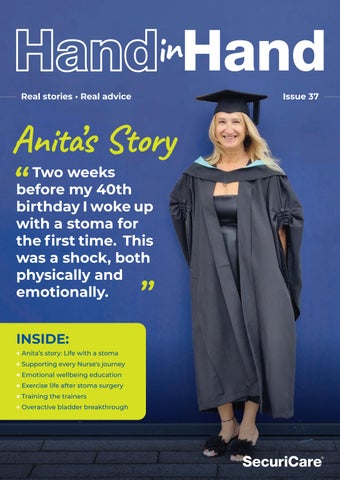
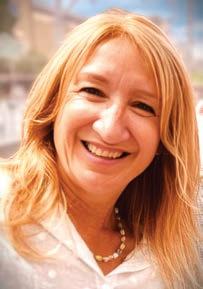
Two weeks before my 40th birthday I woke up with a stoma for the first time. This was a shock, both physically and emotionally.
INSIDE:
→ Anita’s story: Life with a stoma
→ Supporting every Nurse's journey
→ Emotional wellbeing education
→ Exercise life after stoma surgery
→ Training the trainers
→ Overactive bladder breakthrough
Dear Reader,
Avery warm welcome to the 37th edition of Hand in Hand!
As we move further into 2026, it feels like the perfect moment to reflect on the positive momentum that’s already building this year.
One of the things I appreciate most about this time of year is the sense of fresh energy it brings. It gives us a chance to refocus, reconnect, and look ahead to the opportunities in front of us. For me, staying active through cycling, running and swimming is a big part of that reset. It is something that helps me clear my mind and approach each new challenge with renewed enthusiasm.
This year also marks a personal milestone, as I celebrate 18 years with CliniMed. Since joining in 2008, I’ve had the privilege of watching both CliniMed and SecuriCare evolve, innovate, and grow. What has never changed is the passion and care
that underpin everything we do. Behind every service and every interaction is a commitment to improving lives, and that’s something we can all be incredibly proud of.
In this edition, you’ll discover inspiring patient stories, updates from our nursing teams, and insights into the work happening across CliniMed and SecuriCare. It is always a pleasure to see how much care and dedication goes into every part of what we do.
I would like to thank everyone who plays a part in this journey; whether you’re a colleague, a patient, or a partner, your contribution helps us make a real impact every day. I hope you enjoy reading this issue as much as we’ve enjoyed putting it together.
Here’s to a successful and inspiring year ahead! Thank you!
Martin Critchfield FINANCE DIRECTOR
Contents...
A journey of Challenge, Change, & Renewal
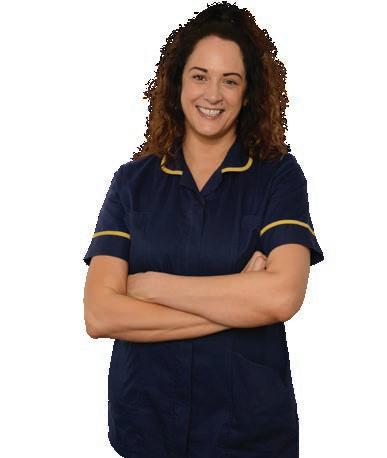
When I look back at life before my stoma surgery, I see a long trail of pain, uncertainty, and exhaustion. Diagnosed at 18 with Crohn’s and later in life Ulcerative Colitis too, years have been spent battling bowel disease, trying to hold myself together. Living with an invisible illness meant constantly explaining myself, masking symptoms, and pushing through days that felt impossible. By the time surgery became the only path left, I was frightened, overwhelmed, and grieving the life I thought I had lost.
A new reality
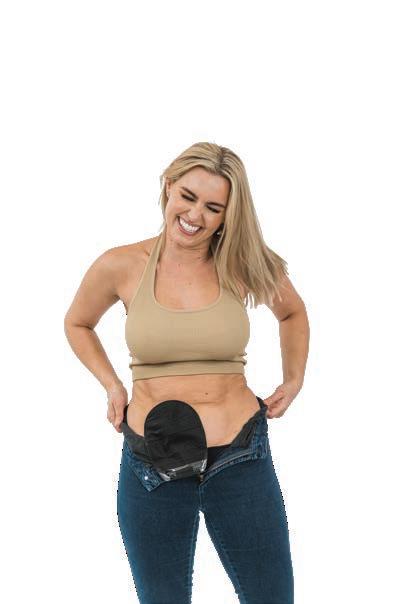
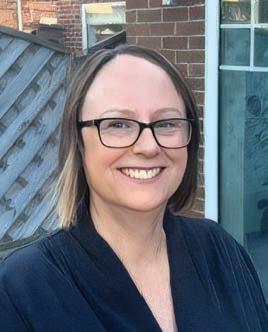
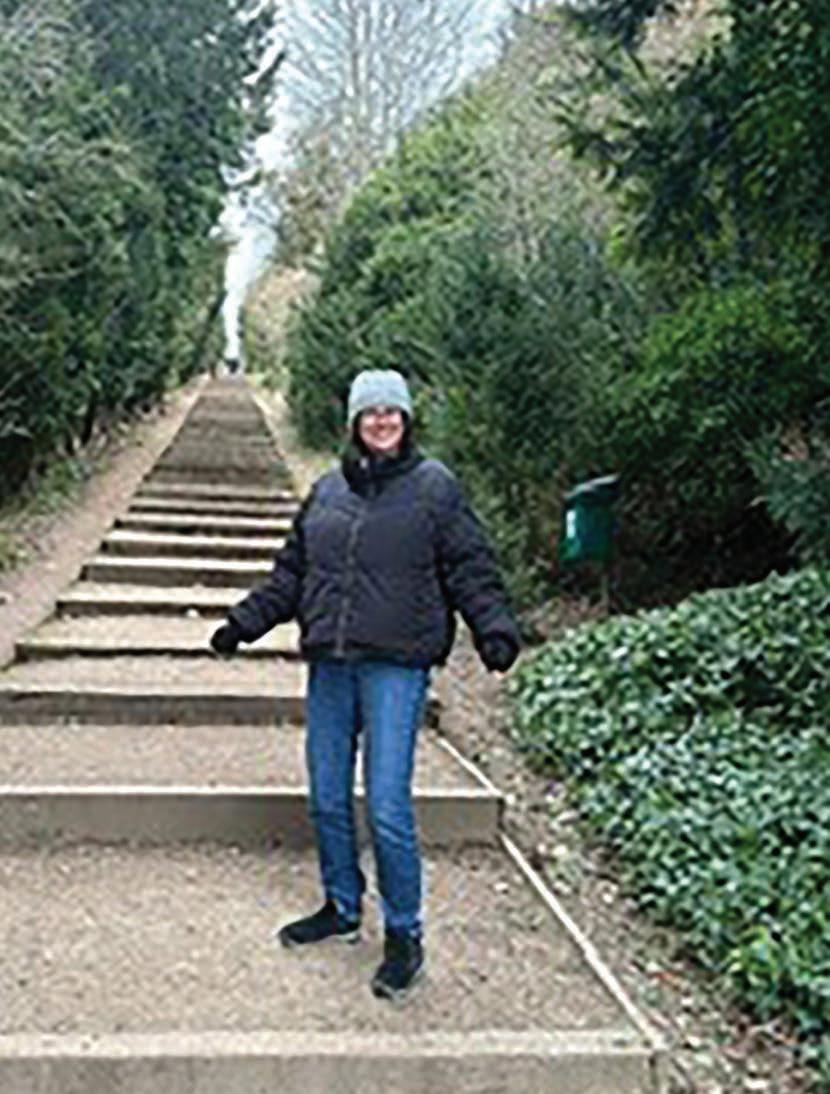
Two weeks before my 40th birthday I woke up with a stoma for the first time. This was a shock, both physically and emotionally. Nothing prepares you for the moment your body feels unfamiliar, altered, or unsteady. I struggled with the practical realities, leaks, skin issues, learning the routine, and trying to rebuild my confidence. But the emotional landscape was, in many ways, even harder to navigate.
Thanks to CliniMed and my surgeon
This is where my experiences with CliniMed/SecuriCare made an enormous difference. Their team listened, supported, and treated me with genuine compassion at a time when I felt most vulnerable. Their products gave me stability when I felt anything but stable, and their kindness and patience when my anxiety was at its highest helped restore a sense of dignity just when I needed it most.
Not long after surgery, they organised a stoma-friendly fashion show, inviting people like me to take part. Stepping onto that catwalk feeling seen, supported, and celebrated was completely outside my comfort zone, yet it became a turning point. It rebuilt my confidence in ways I never expected and allowed me to see myself not as someone defined by illness, but as someone strong, vibrant, and still wholly me.
That day will stay with me for the rest of my life. I will never forget seeing Mr Andrew Huang, my surgeon, in the audience, smiling, encouraging, and sharing that moment with me and the other models. His care, his reassurance, and his skilled hands that performed my life-saving surgery are gifts I could never repay.
“So, to Andrew, and to everyone at CliniMed: a heartfelt thank you!”
Finding strength in the rebuilding Recovery wasn’t linear. There were days I felt hopeful and strong, and others when everything felt too much. But gradually, I found my footing again. I learned what worked for my body, created routines that felt safe and soothing, and allowed myself the space to heal both emotionally and physically.
Slowly, my stoma shifted from feeling like a loss to representing everything it had given back to me – my freedom, my health, and a new life.
Where I am today
Today, life with a stoma feels more manageable, and empowering. I can enjoy daily routines, make plans, and participate in life again.
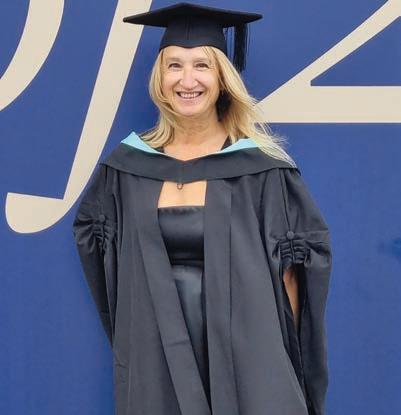
Significantly, my journey also shaped my professional path in ways I never expected. I trained as an Integrative Counsellor, specialising in supporting people living with chronic illness, invisible disabilities, life-changing surgery, and IBD. As part of my BA (Hons) Counselling Studies, I wrote my thesis titled “My Bag For Life”, an exploration of the emotional and psychological journey of living with a stoma. Writing it was deeply personal, affirming and cathartic, reinforcing my commitment to supporting others navigating similar experiences.
You can learn more about the specialist support I offer at: www.crossyourmind.uk
“My Bag For Life”
Final reflection
Living with a stoma transformed my life in ways I never anticipated. It challenged me, strengthened me, and eventually brought me to a place of acceptance, renewed confidence and a new purpose!
If you’re at the beginning of your own journey, please know this: you’re allowed to feel scared, uncertain, or overwhelmed. Take things slowly. Be gentle with yourself. You are not alone, and life after surgery can be meaningful, joyful, and entirely your own again.
There’s always hope. ■
every Nurse's journey
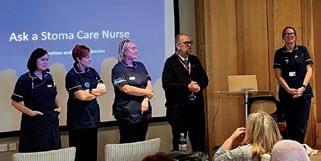
Every year, the Association of Stoma Care Nurses UK (ASCN UK) brings together hundreds of Stoma Care Nurses from across the country to share knowledge, celebrate best practice, and continue improving care for people living with a stoma. As a registered charity, ASCN is dedicated to advancing specialist expertise, developing evidence-based initiatives, and empowering nurses in their vital roles.
Last year’s conference, held in Wales, welcomed nearly 400 nurses making it one of the most vibrant and well attended events yet. With a packed programme of presentations, posters, and educational sessions, it was an incredible opportunity to connect with the stoma care community and celebrate the fantastic work happening across the UK.
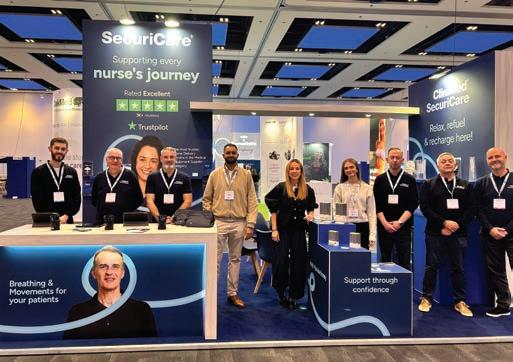
CliniMed and SecuriCare at ASCN UK 2025
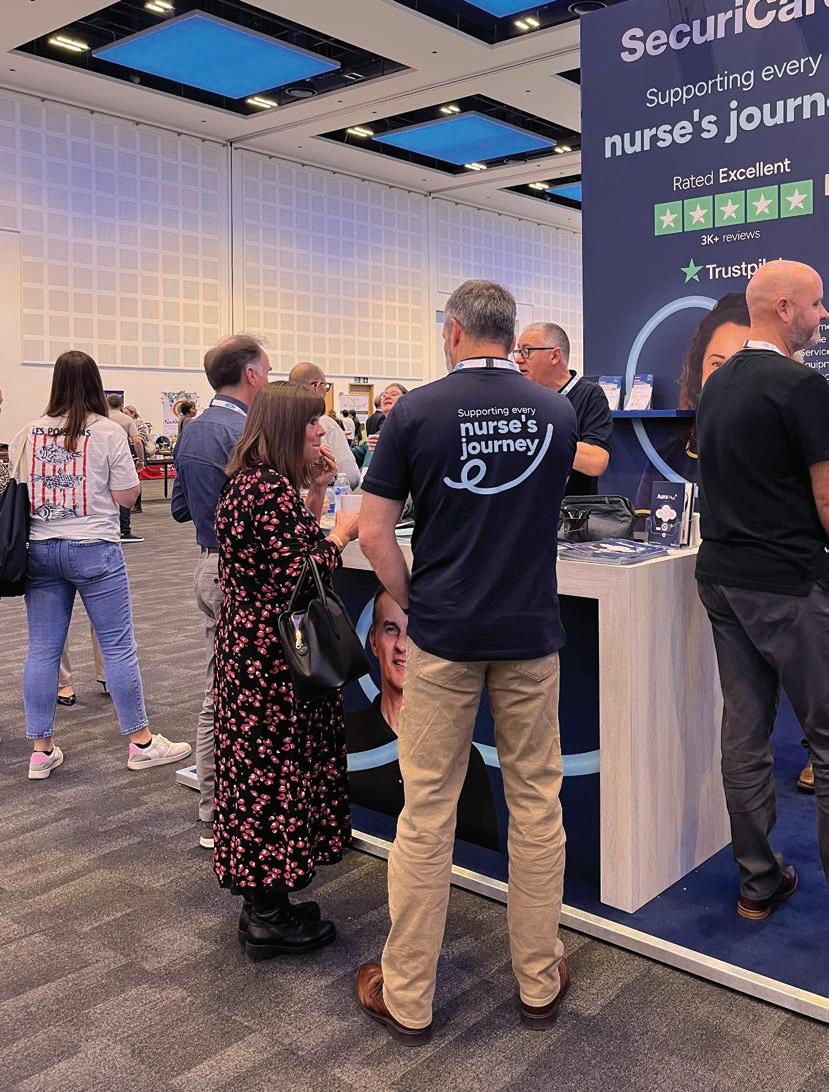
CliniMed and SecuriCare were delighted to attend once again. Over the three days, our teams connected with nurses, answered questions, and shared how we continue to support healthcare professionals and people living with a stoma.
A Journey of Support
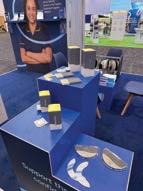
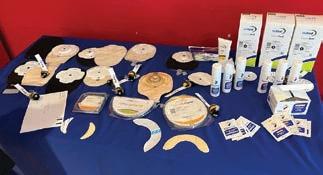
Our exhibition stand was created around one central theme: Supporting Every Nurse’s Journey.
Nurses explored a range of support tools, resources and services including:
→ SecuriCare home delivery service trusted, reliable, and shaped around the needs of both nurses and patients
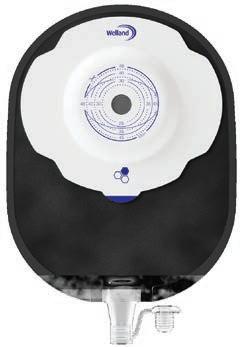
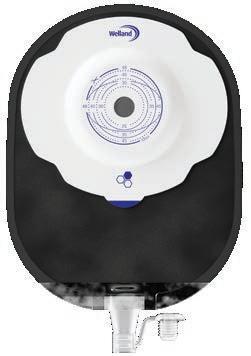
→ CliniMed and Welland Medical product ranges including Aura Plus and our enhanced range of stoma accessories
→ Educational resources designed to help nurses feel confident in practice and provide helpful guidance for people living with a stoma
Nurses had the chance to speak with our team, request samples, and learn more about how we help clinical teams deliver the best possible care.
Celebrating an exciting announcement
One of the highlights of the event was the announcement that Kevin Hayles, Stoma Care Nurse and Clinical Services Manager at SecuriCare, has been elected Vice Chair of ASCN UK.
Key conference highlights
The conference programme was packed with inspiring and thought provoking sessions. Here are just a few standouts:
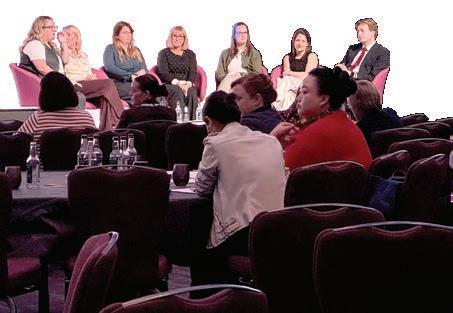
A conversation with Matt Forde
Comedian Matt Forde shared his personal story of living with a stoma in an open, relaxed discussion with his Stoma Care Nurse. From choosing the right bag to navigating daily life and the importance of personalised care, his honesty and humour struck a chord with many in the room.
This exciting appointment recognises Kevin’s tremendous dedication to advancing stoma care and supporting the nursing community. In his new role, Kevin will help guide national conversations around best practice, professional development, and the future of stoma care nursing.
Exercise and Physical Activity After Stoma Surgery (EXPASS)
After three years of development, the EXPASS Best Practice Recommendations were officially launched. These guidelines address some of the most common questions asked by patients and nurses, including:
→ Safe types of exercise
→ When someone can begin activity after surgery
→ How to reduce the risk of a hernia
→ Whether anything is off limits
→ How to guide safe recovery
Practical advice on exercise
Stephanie Loader and Emma Hartshorne delivered an insightful session on applying exercise programmes in real life settings. They also highlighted how the Breathing and Movements programme has already made a measurable difference to patient outcomes showing just how powerful education and teamwork can be.
Read more about EXPASS and Breathing and Movements on Page 12.
Continued Page 8 →→→
Other hot topics
This year’s conference also featured sessions exploring a wide range of important subjects, including the gut microbiome and medication impact, developments in parastomal hernia clinics, and mental health support for young people. Each session offered fresh insights and practical guidance that nurses can take back to their teams and use in everyday care.
Looking ahead
ASCN UK continues to be a place where passion, learning, and community come together. We were proud to stand alongside so many dedicated professionals and to be part of the conversations shaping the future of stoma care.
At SecuriCare and CliniMed, supporting nurses sits at the heart of everything we do, and events like this remind us why that commitment matters so deeply. We look forward to seeing everyone again this September, and to continuing our journey together in supporting stoma care across the UK. ■
Supporting Emotional Wellbeing
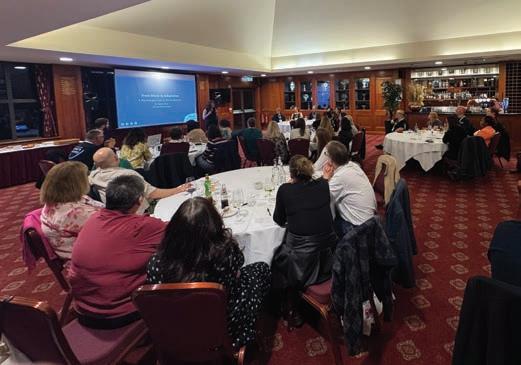
A Stoma Care Nurse Educational Evening
An evening of learning and support
During the ASCN UK conference, CliniMed welcomed Stoma Care Nurses to a special educational evening focused on emotional wellbeing. The session was led by expert speaker Dr Zainab Noor, Clinical Psychologist, who has over 20 years of experience supporting people as they adjust to life after surgery and long term illness.
Dr Noor shared that emotional changes following stoma surgery are completely normal and form an important part of adapting to a new way of life. Her work centres on helping people feel more confident, better supported, and reassured as they navigate this journey.
From shock to adaptation understanding the emotional journey
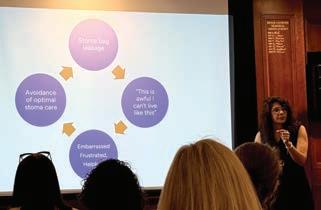
Dr Noor’s session, “From Shock to Adaptation,” explored the range of feelings people may experience after stoma surgery. These feelings might include relief, worry, frustration, or a mixture of all three. She reminded the audience that this is not a sign of weakness but a natural response to change.
She also introduced the idea of a Spectrum of Distress, which describes how emotions can move from feeling calm and steady to feeling unsettled or overwhelmed. These emotional shifts are common and temporary, and with the right support, most people regain their balance and confidence.
Why these feelings happen?
Adjusting to life with a stoma can bring practical challenges, and at times feelings such as embarrassment or frustration. Dr Noor reassured nurses that these emotions are completely normal and do not mean someone is coping badly. In fact, recognising them is often the first step toward feeling better.
She explained that small everyday moments, such as experiencing a leak or a change in routine, can feel stressful at first. However, with time, support, and the right practical advice, these moments become easier to manage.
Helpful strategies for nurses (and you!)
The session also included simple and effective techniques that nurses can share with patients, and that anyone can try for themselves:
→ Take a moment to breathe slowly when things feel overwhelming
→ Talk openly about how you feel – your nurse is there to listen
→ Reduce stress triggers by planning ahead for changes in routine
These small steps can make a meaningful difference in helping you feel calmer, more in control, and better prepared.
Introducing the Emotional Wellbeing Guide
The evening concluded with the launch of the Emotional Wellbeing Guide for People Living with a Stoma, written by SecuriCare’s Stoma Care Nurse and Patient & Clinical Services Director, Caroline Rudoni, in collaboration with Dr Zainab Noor.
This guide explains the common feelings people may experience after stoma surgery and offers practical advice to support emotional adjustment. It is designed to reassure you that these feelings are normal and manageable, and to help build confidence as you adapt to life with a stoma.
You can read more about the guide and where to download it on Page 10 ■
Download your FREE guides
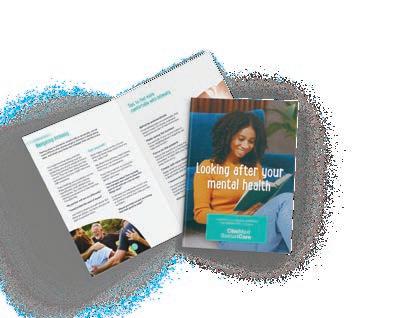
Emotional Wellbeing Guide
Adjusting to life with a stoma can bring emotional ups and downs, and many people find this part of the journey more challenging than expected. These feelings are completely normal. The guide explores simple and practical tools to support your emotional health while living with a stoma:
→ Cope with emotional changes
→ Build confidence
→ Take positive steps toward improving your wellbeing
Written by experts with years of experience supporting people living with a stoma, this guide is designed to reassure, encourage, and empower you.
Meet the authors:
→ Caroline Rudoni – Stoma Care Nurse and Patient & Clinical Services Director at SecuriCare, with extensive experience in hospital and community settings. Caroline has published clinical papers, led education programmes, and developed counselling services for people living with a stoma.
→ Dr Zainab Noor – Clinical Psychologist specialising in the emotional impact of surgery and chronic illness, particularly adjustment to life with a stoma.
Download your guide today: clinimed.info/emotional-wellbeing-hih26
Emotional & Sexual Wellbeing Guides
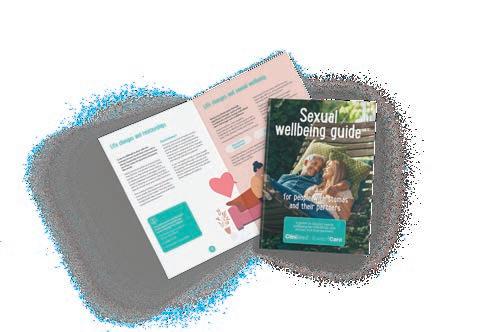
Sexual Wellbeing Guide
Intimacy and relationships can feel different after stoma surgery, but with the right support, confidence is possible. Our Sexual Wellbeing Guide is designed to help individuals and couples navigate intimacy after stoma surgery. The guide offers practical advice on:
→ Communication and confidence
→ Contraception and safety
→ Common concerns about sex with a stoma bag
Written by stoma care experts with decades of experience, this guide provides clear, sensitive information to help you and your partner feel informed, supported, and more at ease.
Meet the authors:
→ Kevin Hayles – Clinical Services Manager with over 20 years’ experience in stoma care, specialising in sexual health for people living with a stoma.
→ Pamela White – Experienced Clinician and Head of Clinical Governance & Regulatory Affairs, bringing extensive expertise in both clinical governance and stoma care.
Download your free guide today: clinimed.info/sexual-wellbeing-hih26
Why Choose SecuriCare?
With SecuriCare by your side, you can live confidently, independently and fully. Our free home delivery service is only part of what we offer. We’re here to support you every step of your journey.
Free, discreet home delivery for all major stoma and continence brands.
Reliable deliveries with real-time tracking giving you peace of mind every time.
Extra support from specialist nurses when you need it.
A dedicated and caring UK-based team who knows you and your needs.
Exercise after stoma surgery? What You Need to Know
Understanding EXPASS. The Exercise and Physical Activity After Stoma Surgery project, also known as EXPASS, has published the first-ever best practice recommendations for exercise and physical activity before and after stoma surgery. These recommendations were developed by an expert panel to help healthcare professionals feel confident when supporting patients to stay active throughout their recovery.
The message is simple and reassuring: exercise is safe, important, and essential for both short term recovery and long term health.
Why does this matter for you?
Many people worry that exercise after stoma surgery might be risky, but this is a myth. Staying active can offer real benefits, including:
→ Helping you recover faster
→ Improving strength and confidence
→ Reducing the risk of complications such as hernias
→ Boosting your overall health and quality of life
Low levels of physical activity are common among people living with a stoma, and this can affect recovery and emotional wellbeing. The EXPASS recommendations aim to change that by encouraging safe, positive, and supported movement.
What do the recommendations say?
The EXPASS guidance is built around four simple principles:
Exercise is safe and essential Movement should be part of your recovery journey, not something to avoid.
Start small and build gradually
Gentle breathing and core exercises are a great first step, with strength and stability increasing over time.
Follow a personalised approach
Everyone recovers differently. Your plan should fit your health, surgery type, and personal goals.
A positive mindset matters
Focus on what you can do, not what you can’t.
The World Health Organization recommends 150 minutes of moderate activity per week, along with two sessions of muscle strengthening exercises. These guidelines apply to everyone, including people living with a stoma.
Start small Build Strength Enjoy life
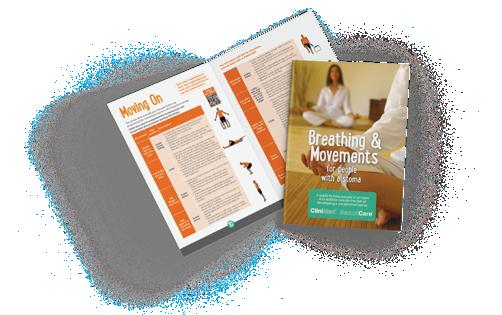
Where Breathing and Movements fits in
The Breathing and Movements programme closely aligns with best practice, as outlined in the EXPASS recommendations.
This free programme includes:
→ Four easy to follow phases
→ A focus on breathing, core connection, strength, and stability
→ Movements that may help reduce the risk of parastomal hernia
→ Adaptable exercises suitable for all ages and abilities
You can download the Breathing and Movements eBook and begin at a pace that feels right for you. Visit: posture exercises
→ Listen to your body and progress at your own pace
→ Ask your Stoma Care Nurse for advice if you are unsure
→ Remember every bit of movement counts ■
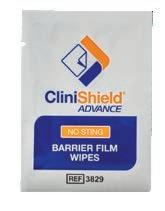
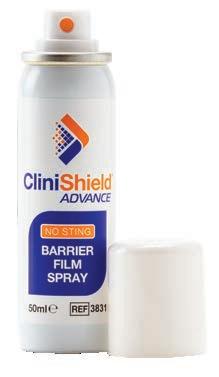
Available in individual wipes and a spray.
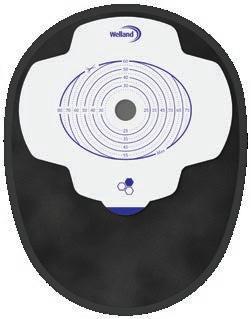
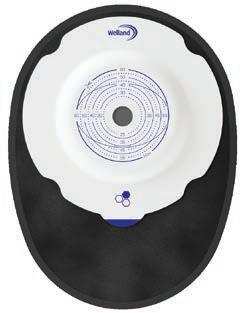
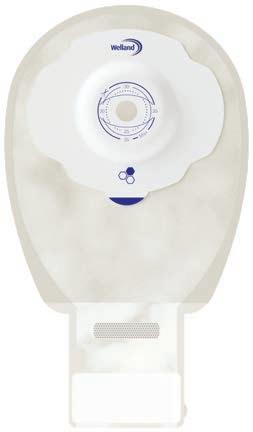
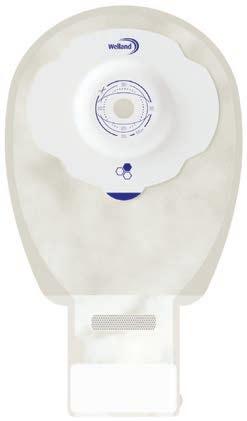
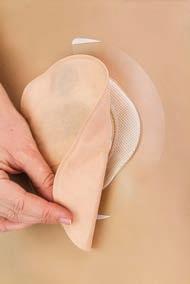
Purposefully designed plus-shaped flange for a personalised and secure fit.
Plus-shaped soft convexity applies gentle pressure to reduce the risk of leaks
Skin-friendly flange contains medical grade Manuka honey
Skin-friendly Manuka honey infused hydrocolloid accredited by Skin Health Alliance, demonstrating the highest standards of skin safety.
Stylish pouches available in a choice of
or discreet as you prefer.
CliniShield Advance forms a thin, waterproof, transparent barrier when applied to intact skin around the stoma. This barrier acts as a protective shield, guarding the skin from potential irritation caused by stoma output. It dries rapidly on the skin forming a breathable film, preserving skin integrity.
the skin around my stoma is itchy after a leak - but not after using CliniShield Advance.”
Loughborough
Caring
A Guide to the
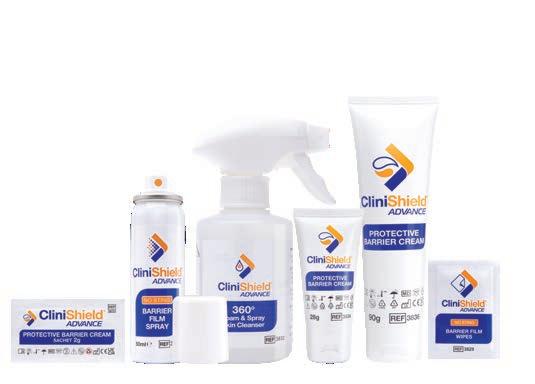
CliniShield Advance Range
When you are managing a stoma or dealing with incontinence, your skin is often on the “front line.” Constant exposure to moisture, adhesives, and bodily fluids can lead to redness, soreness, and irritation. This isn’t just uncomfortable; it can affect how well your appliances stick and impact your overall quality of life.
The CliniShield Advance range was developed to function as a “second skin,” providing a barrier that keeps your natural skin healthy, dry, and protected.
A complete solution for skin health
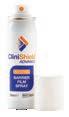
For years, patients have relied on the CliniShield Advance Barrier Film to guard their skin against adhesives and output.
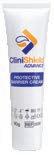
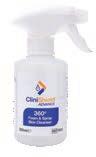
We are pleased to announce that the range is now complete. CliniMed has introduced two essential new formulations: the CliniShield Advance Protective Barrier Cream, indicated for both continence and stoma care, and the CliniShield Advance 360º Foam & Spray Skin Cleanser, specifically formulated for continence care.
By adding these new options to the original Barrier Film, the CliniShield Advance range now offers a total solution for cleansing, moisturising, and protecting your skin, no matter your specific care needs.
Understanding the challenge:
What is MASD?
You may hear healthcare professionals use the term MASD, which stands for Moisture-Associated Skin Damage. Essentially, this is inflammation or skin “breakdown” caused by being wet for too long. It is often caused by:
→ Incontinence: Damage caused by urine or stool.
→ Skin Folds: Irritation caused by sweat and friction where skin touches skin.
→ Stomas: Redness or sores around a stoma site due to leaks.
→ Wounds: Excess fluid from a wound that keeps the surrounding skin too wet. The CliniShield Advance range is designed to prevent these issues by creating a breathable, artificial shield over your skin, replacing the natural oils and barriers that may have been stripped away.
The foundation: CliniShield Advance Barrier Film
Specifically designed for those with a stoma, the CliniShield Advance Barrier Film is your first line of defence. It creates a clear, thin layer on the skin around your stoma (peristomal skin) using userfriendly wipes or sprays.
→ Breathable protection: It keeps irritants out but let’s your skin “breathe,” which is vital for healing.
→ Maintains secure adhesion: Because the film dries completely clear and non-greasy, it does not affect the adhesive on your ostomy pouch, ensuring the bag sticks securely to your skin while keeping it protected.
→ Durable & waterresistant: It provides an invisible shield that doesn’t wash away easily, ensuring lasting comfort.
CliniShield Advance Protective Barrier Cream
The new CliniShield Advance Protective Barrier Cream offers a more hydrating solution for those managing incontinence or general skin dryness. It is designed for your convenience and comes in a 2g sachet, a 28g and a 90g tube.
→ 24-Hour shield: One application can protect the skin for up to a full day, resisting wash-off even during routine cleaning.
→ Won’t block pads: Many creams “clog” incontinence pads, causing liquid to run off them. This cream is specially formulated, so it does not interfere with the absorbency of your pads.
→ Gentle and safe: It is non-sting, non-greasy, and free from alcohol, fragrances, parabens, and phthalates. It is safe for use on both intact and slightly injured skin to protect and prevent skin breakdown.
Cleaning delicate skin shouldn’t involve harsh scrubbing. This new norinse cleanser makes hygiene simple and painless while effectively removing dried-on bodily fluids.
→ Spray at any angle: The “360-degree” technology means you can hold the bottle upside down – perfect for reaching difficult areas or for those with limited mobility.
→ Cleans and moisturises: It effectively breaks down waste while restoring hydration to the skin at the same time.
→ Reduces friction: Because it is a non-rinse formula, you don’t need to rub the skin, which significantly reduces the risk of friction damage.
→ Skin-friendly: It is pH balanced and delivered via a non-drip dispenser for a consistent, messfree application.
Why Choose the Full CliniShield Advance Range?
Healthy skin is the foundation of comfort and confidence. When your skin is protected, your appliances fit better, discomfort is reduced, and everyday life feels easier. With the new barrier cream and skin cleanser, the CliniShield Advance range now offers a
cost- effective solution for both stoma and continence care. Its concentrated formulas mean you use less while still benefiting from strong protection. By helping prevent skin damage early, the range keeps skin healthy, cared for, and gently supported. ■
Empowering knowledge carers through
Inside our “Train the Trainer” session
At SecuriCare, we know that caring for people with a stoma requires confidence, skill and compassion. Every day, carers play a vital role in supporting individuals to live comfortably and independently. But with increasing demand for training and limited resources, how do we ensure carers have the knowledge they need?
The answer lies in our “Train the Trainer” programme: a practical, hands-on initiative designed to equip senior care staff with the skills to cascade stoma care training within their own organisations. This approach not only saves time but strengthens the quality and consistency of care across the community.
Why Train the Trainer?
Traditionally, our nurses have delivered training directly to care agencies and care homes, but with growing demand and limited resources, this approach has become increasingly challenging. As Sarah Brown, one of our Clinical Support Worker, explained:
“Care agencies often call us for refresher training whenever they have new staff or annually. It’s physically impossible for us to keep up with that demand. Train the Trainer allows us to equip senior carers with the knowledge and confidence to train their teams internally.”
This model not only saves time but ensures carers remain up to date, reducing delays in patient discharge and improving continuity of care.
“ It’s about empowering carers, and giving them confidence to look after their patients.”
Who attended?
Our pilot sessions focused on care agencies in High Wycombe and surrounding areas, with senior carers and care managers attending to gain the skills needed to cascade training internally. The response was encouraging: 23 people booked across two sessions, with 18 attending on the day.
We also welcomed a small number of school staff who support children with stomas, reflecting the growing need for awareness in educational settings.
What did we cover?
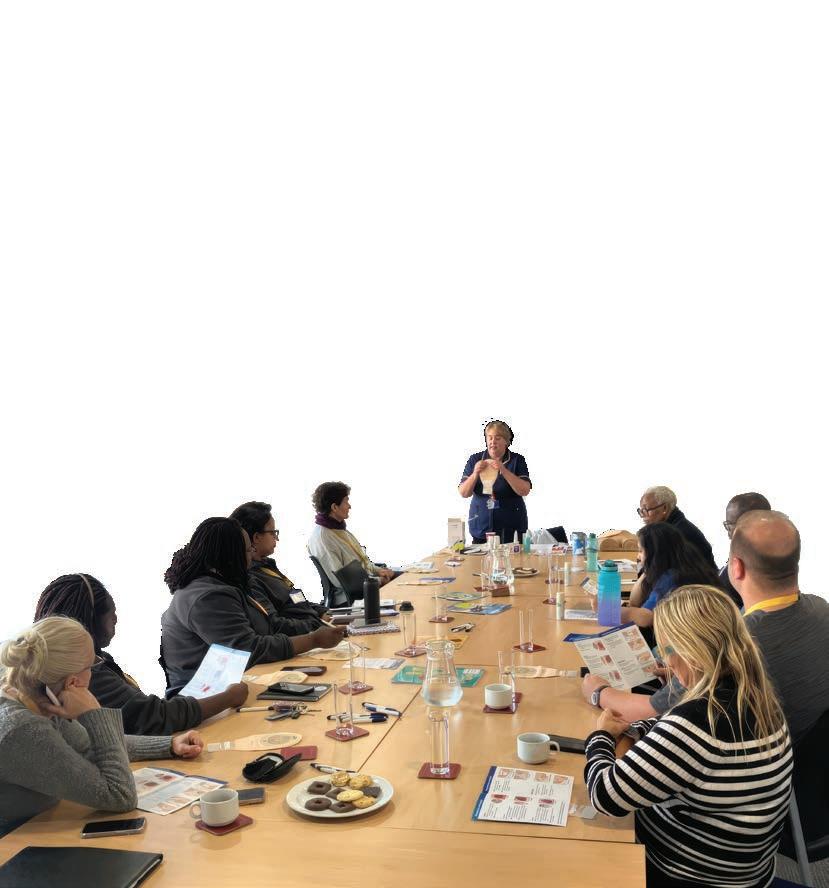
The day began with introductions and an overview of stoma types and associated products (colostomy, ileostomy and urostomy) and what good stoma care looks like. From there, the training moved into a practical workshop, where attendees learned:
→ How to measure and cut pouches accurately.
→ Best practices for applying and emptying stoma bags.
→ Tips for reducing mess and maintaining hygiene.
→ Recognising skin issues and knowing when to escalate concerns.
Feedback and takeaways
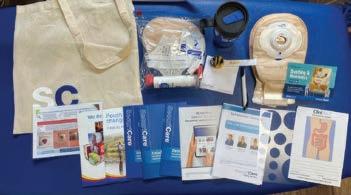
The feedback was overwhelmingly positive. Many attendees said they felt “confident and no longer scared to care for stoma patients” – a testament to the value of this initiative. Each participant left with a training pack and a tote bag filled with sample pouches and practical resources to support their own training sessions.
“Confident and no longer scared to care for stoma patients"
Looking ahead
Given the success of these sessions, we plan to run more in 2026, expanding to additional care agencies and care homes. We are also exploring combined continence and stoma care training to meet wider needs. ■
Sarah Spotlight on Welch
Putting patients first.
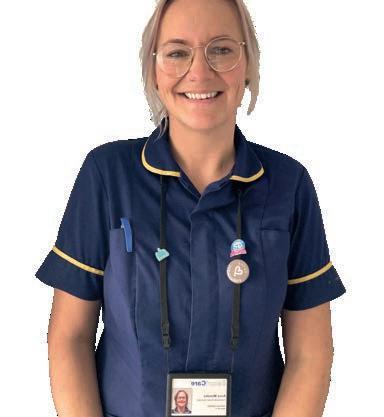
At the heart of SecuriCare’s patient experience is a team dedicated to listening, reassuring, and supporting patients when they need it most. Leading that team is Sarah Welch, our compassionate and committed Head of Patient Services. From championing our new CheckIn service, to guiding the voices our patients hear on the other end of the phone, Sarah plays a vital role in shaping the care we deliver every single day. We sat down with her to learn more about her journey, the passion behind her work, and the meaningful moments that inspire her and her team to go above and beyond.
Can you tell us a bit about your journey to SecuriCare? What brought you into the world of patient services?
My journey into patient services really began 21 years ago, when I realised that customer service was where my passion truly lay. I started my career in financial services, where clear communication, trust and empathy are essential, and I knew early on that I wanted to stay in a people focused role. Over time, I began looking for something that felt more personally rewarding, work where I could make a meaningful difference to people during vulnerable moments. I had seen firsthand how powerful a reassuring voice or a calm explanation can be, and when the opportunity to join SecuriCare came along, it felt like the perfect fit, an organisation that genuinely puts patients first and values compassion just as much as clinical excellence.
What does a typical day look like for you as Head of Patient Services?
No two days are ever quite the same, which is something I love about the role. My day usually involves checking in with the team, reviewing patient feedback, supporting service improvements, and working closely with other departments to ensure our patients receive the best possible experience. I also make time to listen in on calls and speak directly with team members. Staying connected to both our patients and our people is incredibly important to me.
CheckIn has been a big project for the team. What inspired its creation?
CheckIn is a free service created to offer extra support to newly discharged patients referred to the SecuriCare Home Delivery Service. It was developed with a simple goal in mind: to help patients feel confident and cared for as they move from hospital to home. We recognised that this transition can be an anxious time, and that patients often need reassurance and guidance beyond their hospital stay. The idea behind CheckIn was to make sure patients continue to feel supported, listened to, and cared for during their recovery, offering a friendly voice and helpful advice at a time when it can make a real difference.
In your experience, what kinds of support do patients look for most when they call us?
More than anything, patients want reassurance. They want to feel heard, understood and confident that their concerns matter. Sometimes they’re looking for clear information, other times it’s emotional support or simply a friendly, calm voice at the end of the phone. Our role is to meet them where they are and respond with empathy and understanding.
What do you think is the most important part of leading a patient facing team?
For me, it is about leading by example. If you want your team to show kindness, patience and professionalism, you have to demonstrate those qualities yourself. Creating a supportive environment where team members feel valued and confident directly impacts the experience our patients receive. When the team feels cared for, that care naturally extends to our patients.
What has been one of your proudest moments at SecuriCare?
One of my proudest moments has been watching the Patient Services team grow, not just in size, but in confidence and capability. Receiving heartfelt feedback from patients who felt genuinely supported during a difficult time is incredibly rewarding. It is those moments that remind me exactly why we do what we do.
Do you have a favourite motto, quote, or mindset that guides you?
I often remind myself that “small moments make a big difference.” A kind word, a few extra minutes of listening, or a thoughtful follow-up can completely change someone’s experience.
Outside of work, what helps you unwind after a busy day?
Spending time with family and friends always helps me reset. I also enjoy getting out for a walk or curling up with a good book, anything that helps me switch off and recharge.
What does your perfect weekend look like?
A perfect weekend would be a mix of relaxation and quality time, perhaps a long walk, a nice meal out and some time at home doing very little at all. For me, it is all about balance.
If you could have dinner with any celebrity, who would you choose, and what’s the first thing you’d ask them?
I would probably choose someone known for their compassion and resilience, perhaps someone like David Attenborough. I’d love to ask him what continues to inspire him after such an incredible career dedicated to educating and caring for the world around us. ■
*Intermittent self-catheterisation I
Ease insertion, improve comfort.
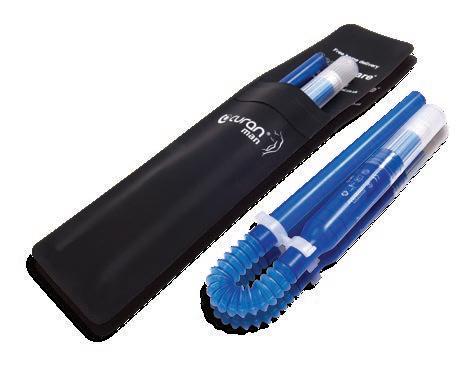
Introducing Curan Man, the hassle-free gel ISC catheter, that’s always ready when you need to self-catheterise. Featuring an easy to use twist-and-grip lid, Curan Man is a great choice for individuals with limited dexterity. Whether you’re on the go or at home, Curan Man seamlessly fits into your lifestyle, offering confidence and convenience.
• Designed for your comfort & peace of mind.
• Environmentally Friendly Packaging.
• 100% recyclable boxes and reduced plastic use.
Malcolm Corbett Curan Man
Curan Man ISC
Handy Curan Man carrier
from Overactive Bladder (OAB)
Understanding OAB and how Tensi+ is helping patients regain confidence and control
Overactive bladder affects more than five million adults in the UK and can significantly disrupt daily life. Common symptoms include a sudden, difficultto-control urge to pass urine, going to the toilet much more often than usual, and waking several times at night. For many people, these symptoms lead to tiredness, worry about leaving the house, reduced social activities, and a loss of independence.
Although OAB is common, many people hesitate to seek help, either because they feel embarrassed or because they assume their symptoms are an unavoidable part of ageing. In reality, a wide range of treatments exist, and many people find relief once they’re supported to explore the options.
The bladder muscles squeeze to push out urine before being full.
Current options for managing OAB
Lifestyle changes are often the first step. This may include reducing caffeine, alcohol and fizzy drinks, completing a bladder diary, doing pelvic floor exercises, and practising bladder retraining. These approaches are safe and simple, and can help many people, although they may not be enough for those with more severe symptoms.
If symptoms persist, healthcare professionals may recommend medications, such as anticholinergics or beta-3 agonists. These can calm an overactive bladder muscle, but not everyone can tolerate them. Anticholinergics, for example, may cause dry mouth, constipation, or blurred vision. Beta-3 agonists are often easier to tolerate but may affect blood pressure, meaning they aren’t appropriate for everyone. When medications aren’t effective or suitable, clinicians may suggest other treatments that are more invasive.
→ Percutaneous posterior tibial nerve stimulation (P-PTNS) delivers electrical impulses via a very fine needle near the ankle. It can be effective, but involves weekly hospital visits for 12 weeks, followed by regular follow-up appointments for maintenance sessions if the patient responds positively.
→ Botulinum toxin (Botox) injections the bladder can reduce urgency and frequency but may temporarily cause difficulty emptying the bladder.
Breaking Free... A New Option:
Tensi+
→ Sacral nerve stimulation (SNS) involves implanting a device under the skin to stimulate the nerves controlling the bladder. While helpful for some, it is a more invasive procedure.
Many people find themselves caught between treatments that are difficult to
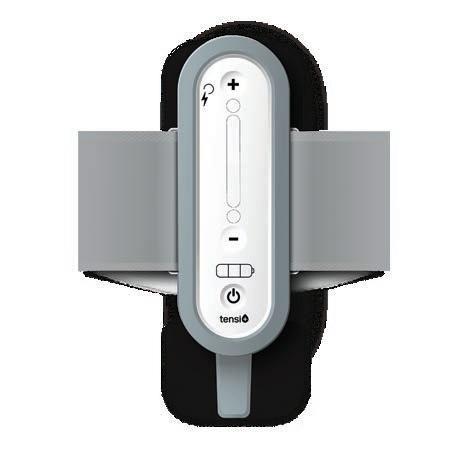
Tensi+ is a non-invasive, at-home device designed specifically for the management of overactive bladder symptoms. It works by delivering gentle electrical pulses to the tibial nerve near the ankle. This may help rebalance communication between the bladder and brain, reducing urgency and frequency.
While the technology behind Tensi+ is similar in principle to traditional P-PTNS, it avoids needles and clinic visits and instead, has two small skin electrodes designed to optimise tibial nerve stimulation. These are positioned just behind and below the ankle bone (medial malleolus) and are secured in place with a strap. A simple 20-minute session is done daily for 12 weeks for the initial treatment phase, followed by maintenance sessions to keep symptoms at bay.
For many people, Tensi+ offers a middle ground, more convenient than clinic-based treatments and without the side effects associated with long-term medication.
Could Tensi+ help you?
Everyone’s experience of OAB is different, and treatments should always be tailored to individual needs. But for people who find lifestyle changes, medication or clinic-based therapies difficult or ineffective, Tensi+ offers a convenient, non-invasive alternative.
Tensi+ is CE-marked, MHRA-registered and clinically tested for OAB. Unlike general TENS pain-relief machines, Tensi+ has fixed, optimised settings and a specific electrode layout to ensure correct nerve stimulation every time.
If you are struggling with OAB symptoms, speak with your healthcare professional about whether Tensi+ may be suitable for you.
To learn more, visit: clinimed.info/tensi-hih26 Scan:
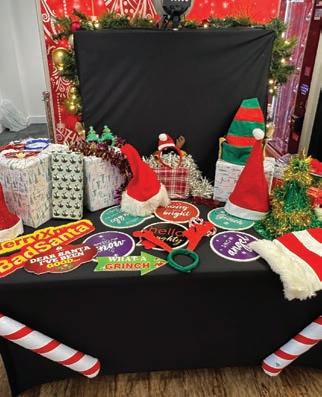
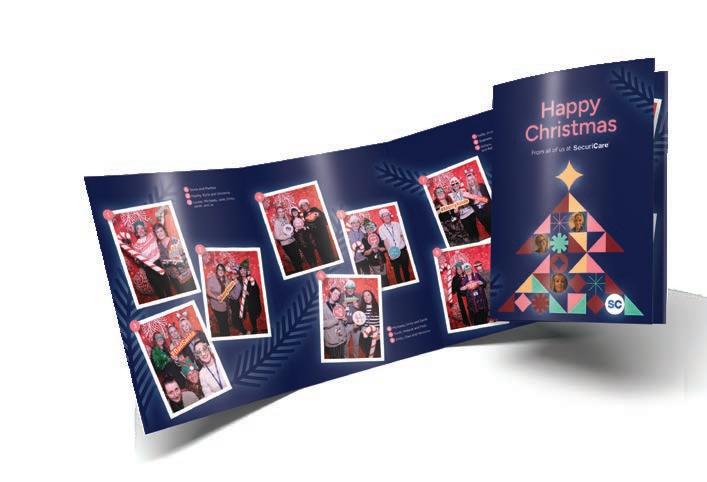
This past Christmas, SecuriCare brought back a festive favourite: the Magic Mirror Photobooth! After its huge success in previous years, it has become a much loved tradition that our teams look forward to, and last year’s celebration was no exception. What made this tradition so special was its purpose. Every day, our patients hear the warm, reassuring voices of our support teams, but many never get the chance to see the friendly faces behind those conversations. By featuring staff photos on our SecuriCare Patient Christmas Card, we helped bridge that gap by creating a more personal, human connection between our teams and the people we care for. It is a small but meaningful way to help patients feel closer to the individuals supporting them throughout their journey.
On the day of the photoshoot, our staff room was transformed into a festive mini studio. The Magic Mirror Photobooth took centre stage, complete with Christmas props galore: Santa hats, tinsel, oversized glasses, and plenty of sparkle. Colleagues from across the business popped in throughout the day to strike a pose, share a laugh, and embrace the joyful spirit of the season. The atmosphere was buzzing, full of camaraderie and the unique sense of togetherness that defines SecuriCare.
Beyond the smiles and props, the photobooth captured the heart of SecuriCare: teamwork, care, and dedication. These photos reminded everyone that even small moments of creativity and
Inside our SecuriCare
Patient Meetings
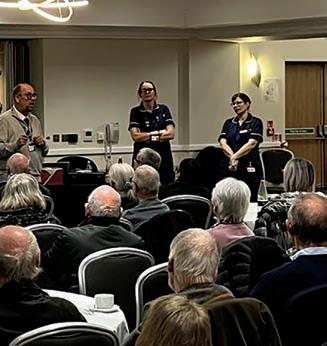
At SecuriCare Medical, we believe that supporting our customers goes far beyond supplying stoma and continence products. It’s about creating a sense of community, offering guidance, and helping individuals feel confident in their day-to-day lives. That’s why we host patient meetings throughout the year, bringing people together to share experiences, learn, and connect.
Recently, we held a number of SecuriCare Patient Meetings led by our dedicated Product Specialists and Stoma Care Nurses. From the moment attendees walked through the door, the focus was on making them feel welcome and valued. These meetings are designed to remind attendees that SecuriCare is more than a delivery service, we’re a team committed to supporting every aspect of life with a stoma.
Building Connections
A focus on Diet and Nutrition
The main theme of these sessions was diet and nutrition, a topic that often causes uncertainty for stoma patients. Many attendees admitted they had been avoiding certain foods out of fear. Our nurses reassured everyone that no food or drink is completely off-limits; it’s all about moderation and trying things in small amounts. By understanding how to manage their diet, patients felt empowered to enjoy meals they once thought were off the table, improving both confidence and quality of life.
Ask the Nurse: Open Q&A
One of the most popular parts of the meeting was the “Ask the Nurse” session. Patients had the chance to ask questions about everything from nutrition and travel tips to stoma accessories. This open discussion not only provided expert advice but also encouraged patients to share their own experiences and recommendations, fostering a sense of community and mutual support.
Product demos and resources
To round off the day, attendees explored product demonstrations and received helpful guides covering topics such as hydration, emotional wellbeing, and lifestyle tips. These resources are designed to make life easier and more comfortable for our patients, and it was fantastic to see how much they were appreciated.
Why these meetings matter
These sessions are about more than information; they’re about connection. Patients leave feeling more confident, supported, and reassured that they are not alone. For us at SecuriCare, these meetings strengthen relationships and build trust, the foundation of everything we do.
We’re proud to see the strong bonds between our nurses and patients, and the welcoming environment that makes these meetings so special. By listening, learning, and sharing, we continue to grow together as a community.
Puzzles
Crossword Sudoku
Across
7 Provided with protective covering (8)
8 Speck (4)
9 Gather (5)
10 Boat race (7)
12 Type of variable electrical control (6)
13 Embarrass (5)
15 Stimulus (3)
16 Expiry (5)
18 Yield post (6)
20 Wool fat (7)
23 Crowbar (5)
25 Hardens (4)
26 Pertaining to a school (8) Down
1 Quivered (8)
2 Israeli intelligence agency (6)
3 Illustrative craft (3)
4 Verge (4)
5 Largest desert (6)
6 Wood (4)
11 Mischievous (4)
13 Relating to aircraft (4)
14 Sanitary (8)
17 Excite (6)
19 Scandinavian kingdom (6)
21 Second son of Adam and Eve (4)
22 Formerly Mesopotamia (4)
24 Grass (3)
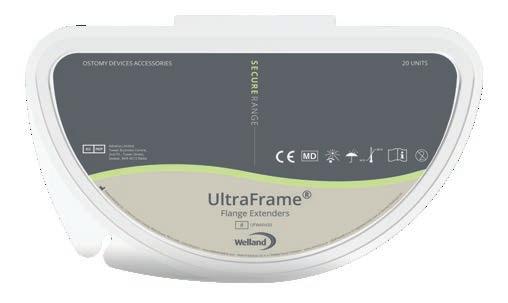
UltraFrame®
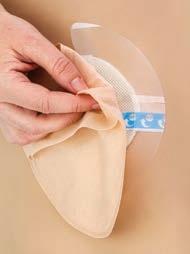
UltraFrame keeps your flange firmly in place, so you can focus on your workout, not on leaks.
From swimming laps to postworkout showers, UltraFrame’s waterproof design maintains its shape even when in contact with water.
Transparent and lightweight, UltraFrame stays hidden under clothing and lets you check your skin without removing the extender.
St ma Support Groups
near you!
Ayrshire & Arran Stoma Support Group
First Saturday of every other month (October, December, February…) 2pm – 4pm.
Ferguson Day Unit, Biggart Hospital, Biggart Road, Prestwick KA9 2HQ.
Contact Jim
T: 01292 220945
M: 07729 771350
E: jimkraz@virginmedia.com
Or contact Hugh Strathearn
T: 07837 464 376
Berwick upon Tweed, Northumberland
Meets every 3rd Thursday of each month at 10am – 12noon
The William Elder Building, 56-58 Castlegate , Berwick, TD15 1JT.
All welcome from both sides of the border as are partners.
Contact Bobbie
T: 07714 479320
Bishop Auckland Stoma Care Group
Every other Thursday at 1pm. St Mary’s Church, Vart Road, Woodhouse Close Estate, Bishop, Auckland DL14 6PQ.
Contact Mrs Maureen Davison
T: 01388 818267
E: rdavison816@gmail.com
Carlisle
Bimonthly, starting February 2026. Every 1st Tuesday of the month.
11am – 12noon
Harraby Community Centre, Edgehill Road, Carlisle CA1 3SN
Contact stoma nurses
T: 01228 814179
Castle Point Stoma Support Group
We meet on the first Tuesday of each month between 10am – 12noon
St George’s Church Hall, Rushbottom Lane, Benfleet, Essex SS7 4DN. Contact Sue T: 07802 773458
E: castlepointstoma@AOL.com
Chichester Stoma Care Support Group
Meets every second Monday of each month 10:30– 12:00.
The Kings Church Chesham, Trinity Christian Community Centre, Red Lion Street, Chesham HP5 1EZ.
Contact Carla Wright M: 07846 354918
E: carlawright0502@gmail.com
Calling all support groups!
Ostomates and continence patients often call our Careline asking for advice and support. So, whether you’re a stoma or continence support group, we’d love to share your details.
If you’d like to share the details of a group to include in future editions of Hand in Hand please email info@ securicaremedical.co.uk.
Colostomy UK
www.colostomyuk.org 0800 328 4257
Urostomy Association www.urostomyassociation.org 01223 910 854
Ileostomy & Internal Pouch Association
www.the-ia.org.uk
0800 018 4724 Bladder & Bowel
0800 031 5406
Bladder & Bowel UK (PromoCon) 0161 607 8219
Ostomy Support Helpline 0800 328 4257 Multiple Sclerosis Society 0808 800 8000 Spinal Injuries Association 0800 980 0501 Bladder Health UK 0121 702 0820