portfolio.
Clifford Tan Eng Kiat

Clifford Tan Eng Kiat
This portfolio summarizes my level design work from this semester, showcasing my design philosophies, methodologies, and challenges.

My philosophy focuses on creating immersive player experiences through meticulously crafted environments, dynamic interactions, and intuitive navigation. I integrate narrative elements to enhance the story and ensure levels reflect the game’s themes, balancing challenge and accessibility to cater to various skill levels and play styles. Consistency in visual and thematic style is essential, achieved through cohesive color schemes, architectural details, and environmental storytelling.

My design process starts with thorough research and planning to understand the game’s theme, mechanics, and target audience. I employ an iterative design approach, creating early prototypes, seeking feedback from professors, and conducting frequent playtesting sessions to gather valuable insights. Incorporating player feedback and usability testing throughout development ensures the final design resonates with the target audience, providing an engaging gameplay experience.


Some concerns I face include ensuring intuitive player guidance to avoid frustration and the challenge of making significant changes once a theme is set, requiring meticulous upfront planning. Additionally, designing levels that accommodate diverse player skills and preferences, including accessibility needs and different play styles, adds complexity. Balancing these diverse requirements while maintaining a cohesive and engaging experience is a significant challenge.
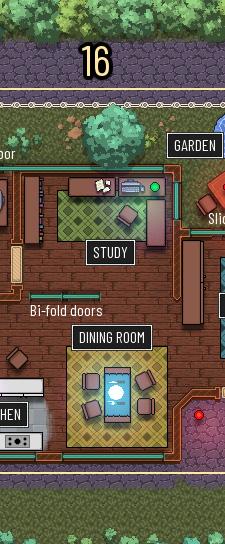
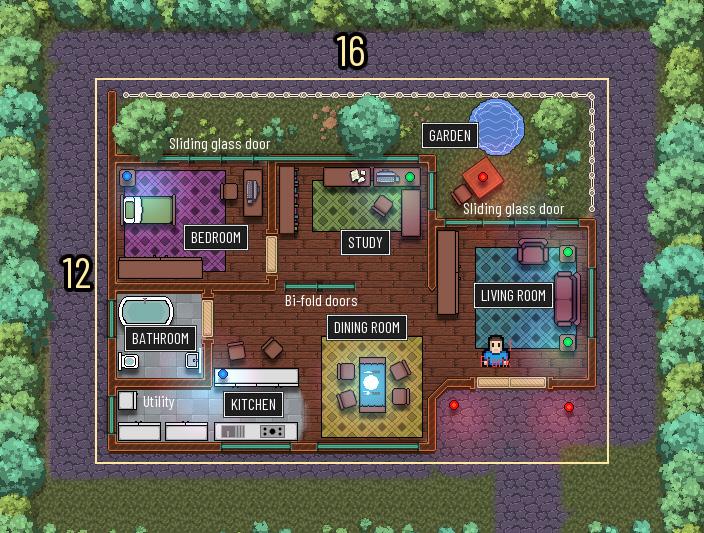
I was tasked with designing an isolation residence for a work-from-home young adult with a two-week deadline. The home needed areas for sleeping, cooking, eating, sanitation, working, and other essential functions on a 12m x 16m plot.
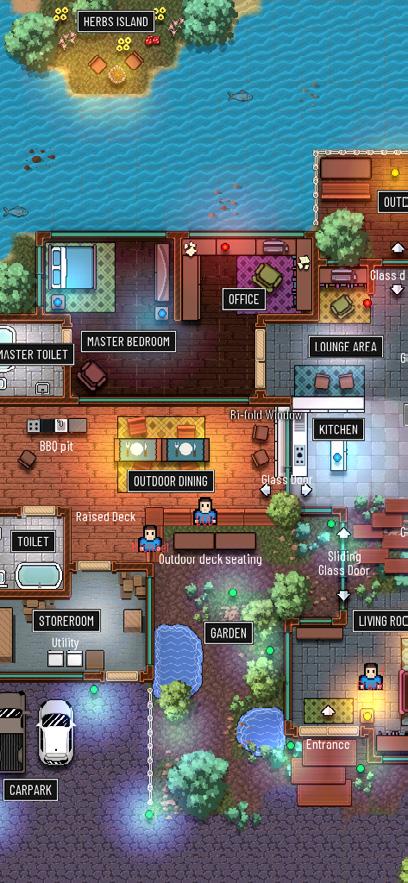
For this project, I envisioned the character as a Landscape Architect working from home. I began by researching effective movement flow and window placement to ensure a logical, comfortable layout with optimal natural light and views. Understanding the needs of a Landscape
Architect, I designed the house with a garden accessible from both the bedroom and living room, integrating indoor and outdoor spaces. To accommodate remote work, I created multiple workspaces with varying levels of privacy. For instance, the study area overlooks the garden, providing a tranquil and inspiring view that enhances productivity. Windows are strategically placed to ensure good views and natural light in all workspaces, promoting a pleasant and efficient working environment.

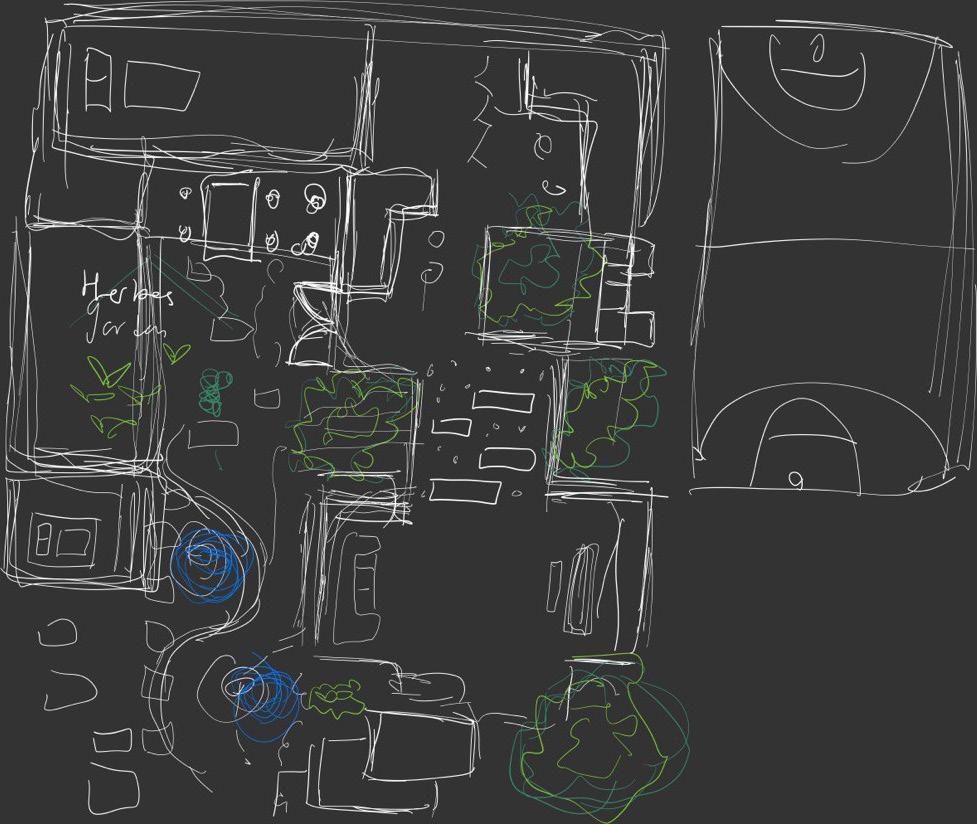
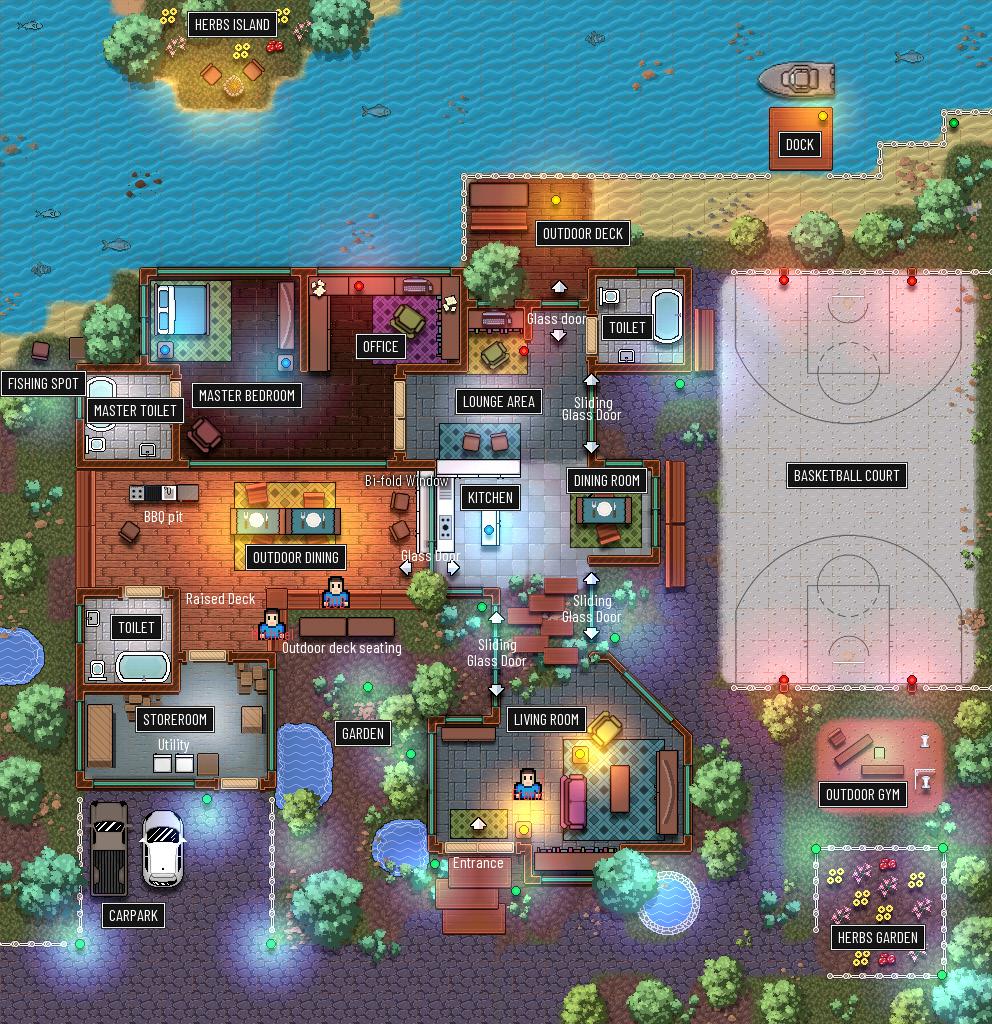
In the next project, we were tasked with creating a 20m x 20m house on a total area of 1000m², including the surrounding environment. Continuing with the occupation of a Landscape Architect, I researched integrating greenery throughout the house. Given the larger scope, I started with sketches to envision the layout. In the final design, I ensured that each space within the house connected to the outdoors through windows, and incorporated greenery to “cut through” the house between the living and kitchen areas. To add character, I included a basketball court and a herb island accessible by boat for harvesting.
This project reinforced the importance of thorough research. It highlighted the need for careful upfront planning and user-focused design to create functional and engaging environments.
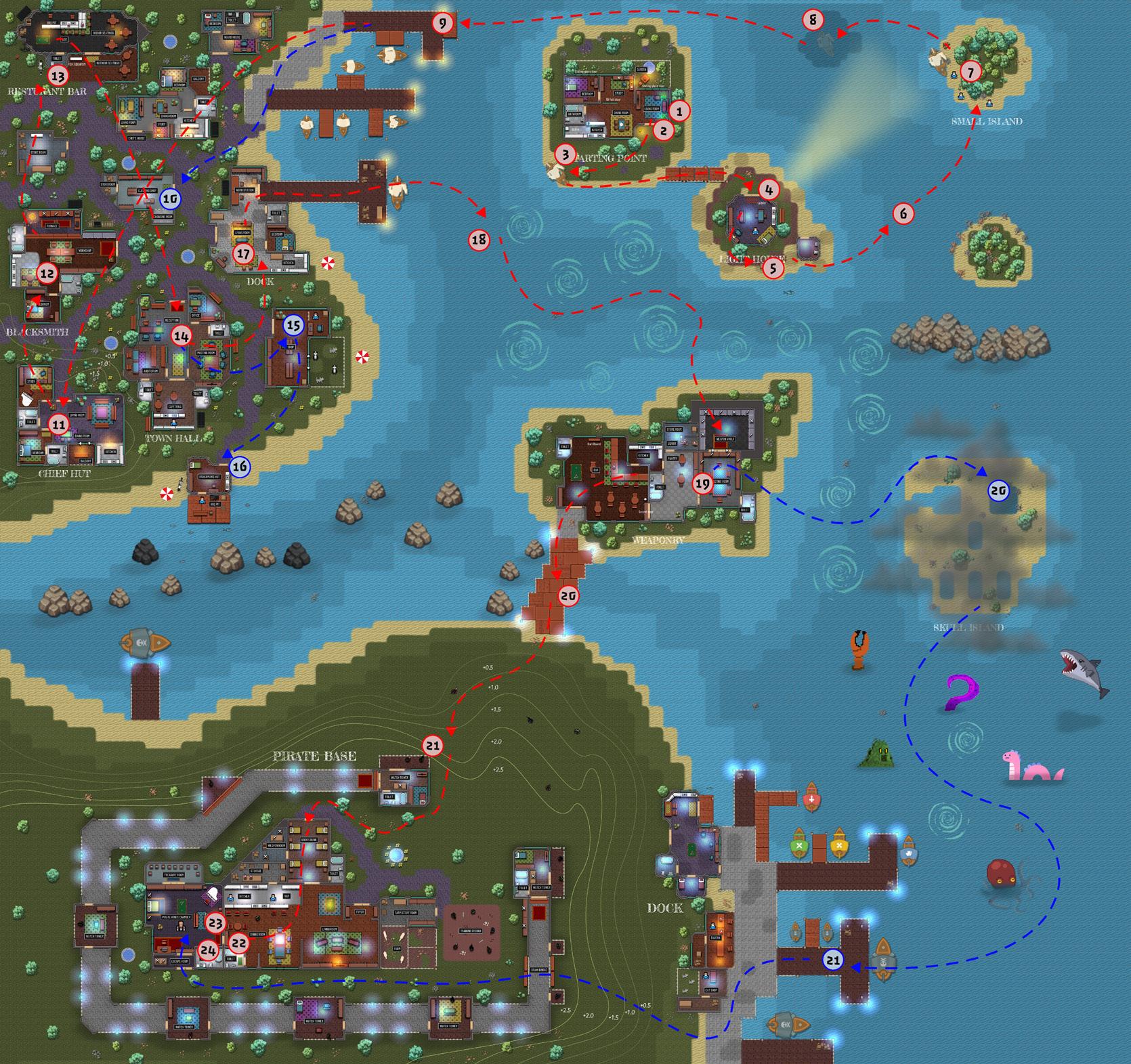
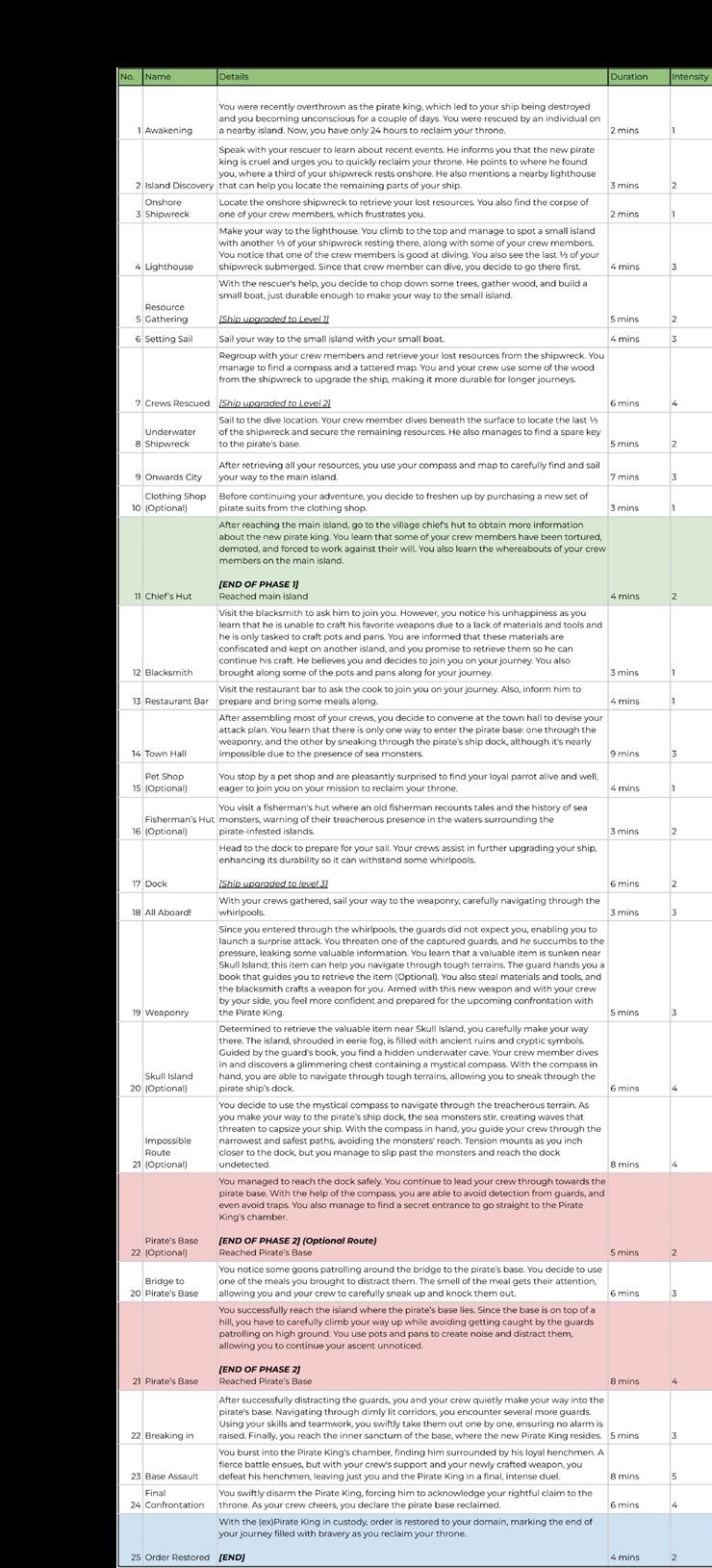
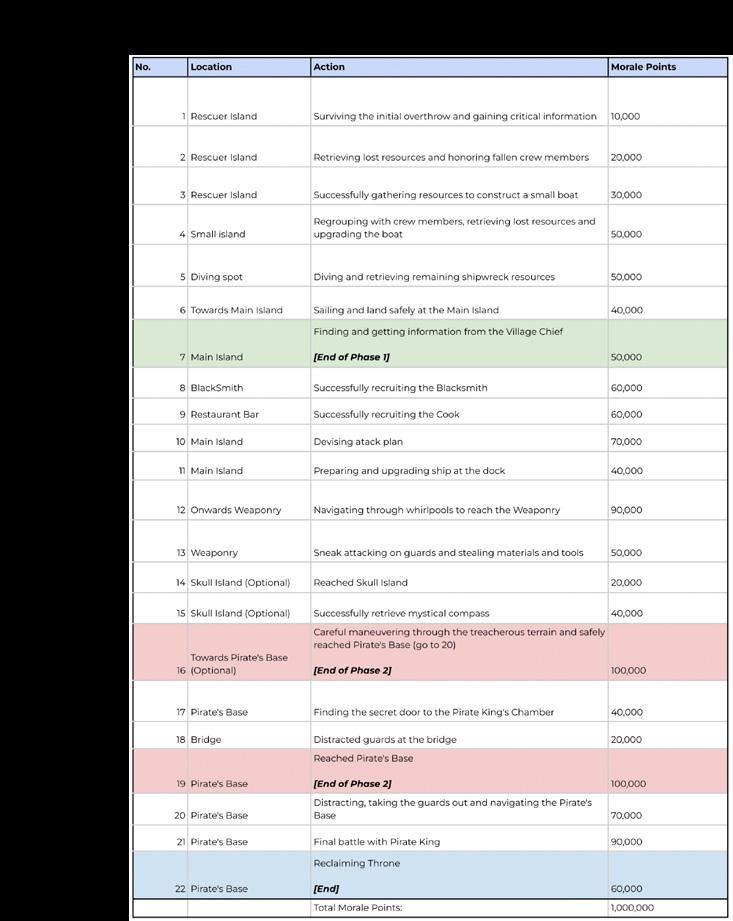
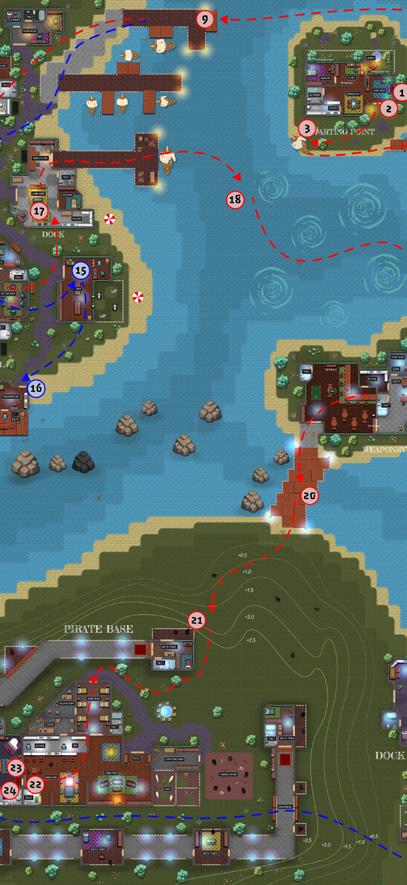
For this project, we designed a 150x150m map, setting the story, creating a detailed level design, developing the game space program, drafting the quest experience, and ensuring resource units could be gathered through key interactions.
After being overthrown as Pirate King, your ship is destroyed and you wake up rescued by an islander. With only 24 hours to reclaim your throne from a tyrannical new Pirate King, you must gather your scattered crew and retrieve lost resources. Set in a pirate-infested archipelago, the main objective is to restore order by reclaiming your throne, with key tasks including gathering resources and infiltrating the pirate base.
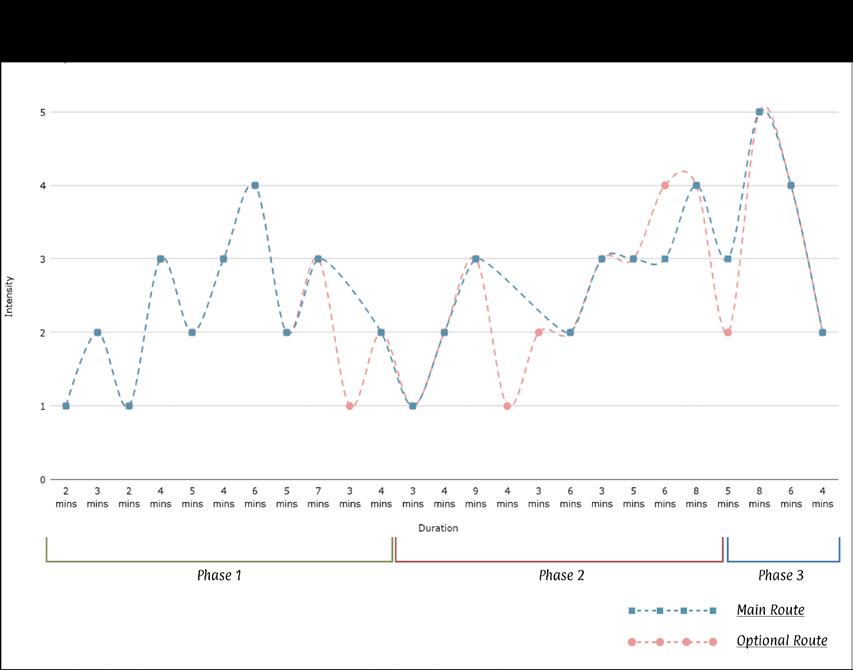
I designed the sub-objectives to naturally progress towards the main goal, ensuring the first sub-objective, gathering lost resources and reaching the main city, is only complete upon arrival, making it more engaging. To build momentum, I integrated key interaction events that align with the theme, starting with a strong hook and maintaining engagement through peaks and valleys, concluding satisfyingly.
Optional routes offer extra content and choices. The experience draft includes blockages, guidance, and varied content for a well-rounded design. I themed the islands and ocean with creative touches like a ship-like restaurant and a skulllike town hall. The traversal experience provides player agency while maintaining controlled limits, using blockages and resources like hazards, lighting, and height differences to ensure diverse exploration options.
This project taught me the importance of drafting intensity curves to manage engagement and difficulty effectively. It also emphasized the value of incorporating narrative elements into level design to create a more immersive experience. Additionally, I learned the necessity of careful upfront planning, user-focused design, and creative problem-solving to develop functional and engaging environments.
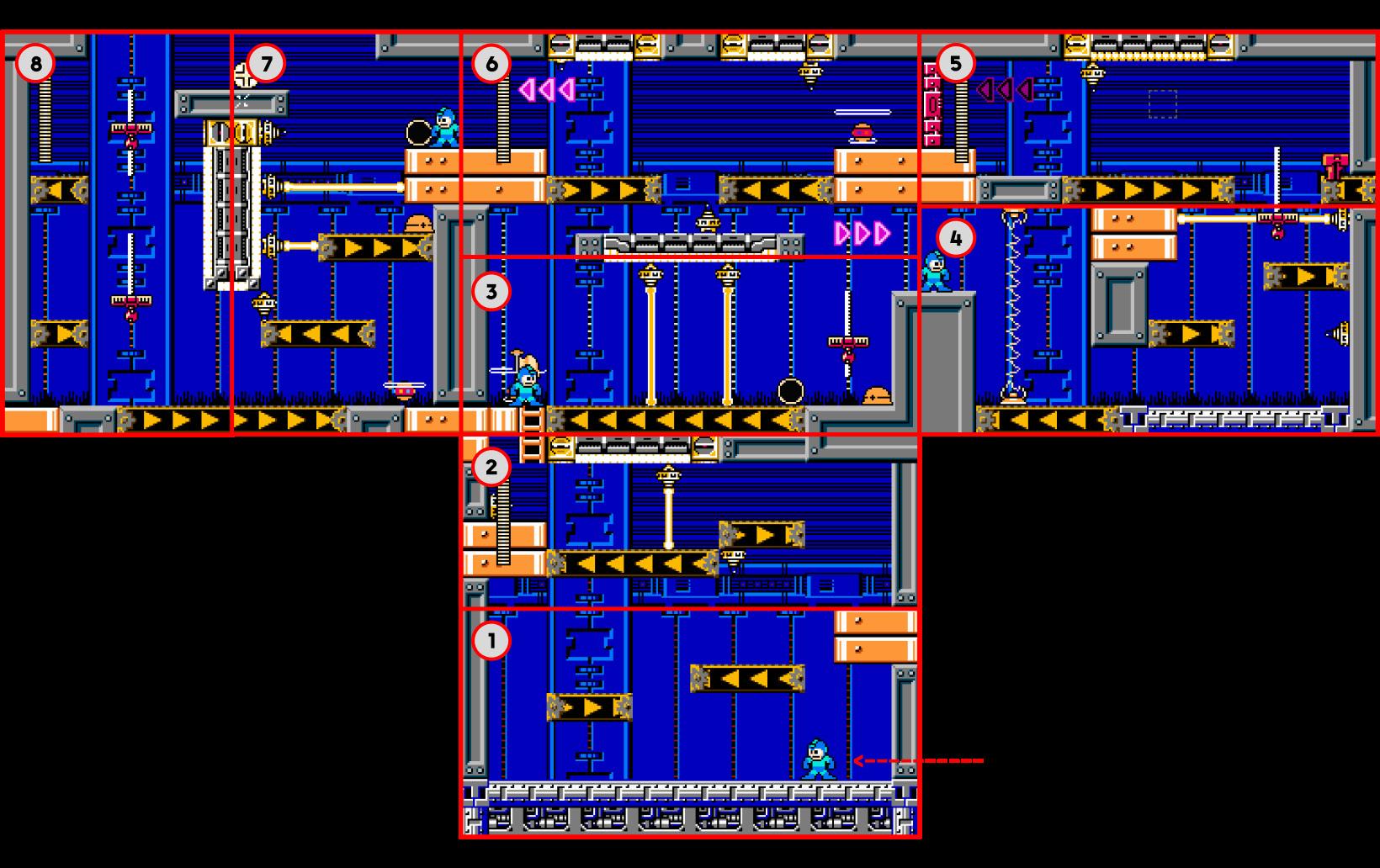
Click me to watch the gameplay video!
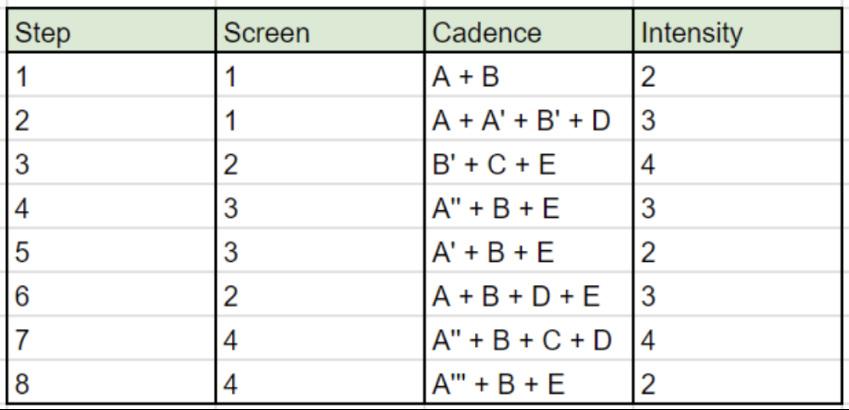
A - Platforming with momentum
B - Timing based challenge
C - Enemy projectile
D - Rushing (conveyor moving in your favor)
E - Slowing (conveyor moving against your favor)
For this project, we were tasked to use Mega Man Maker to design a platforming level, starting with a single-screen level and expanding to a four-screen level. Initially, I struggled with creating a cohesive level, particularly with the concept of “mechanics.” My initial attempts were inconsistent and featured a mix of mechanics, which detracted from the level’s overall experience.
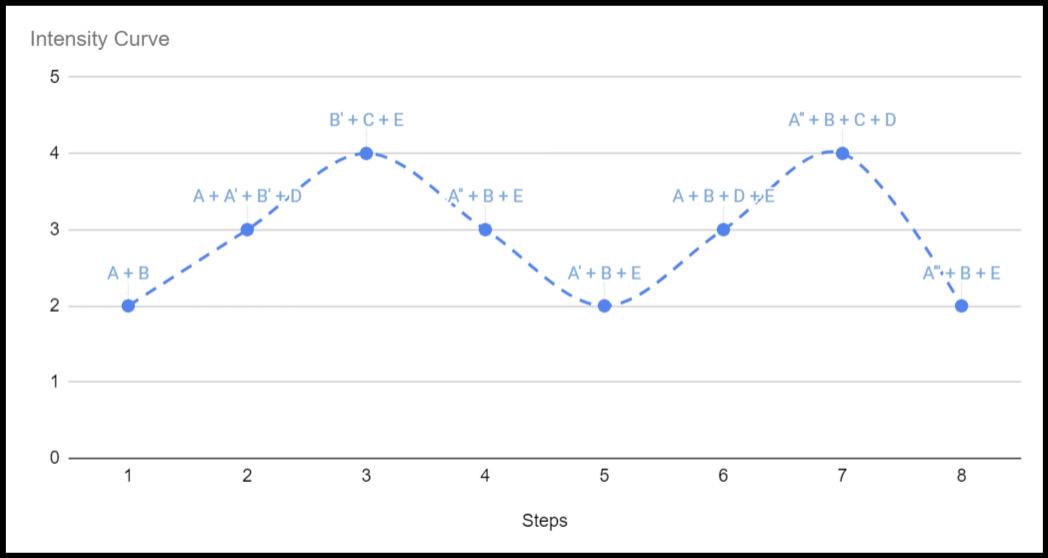
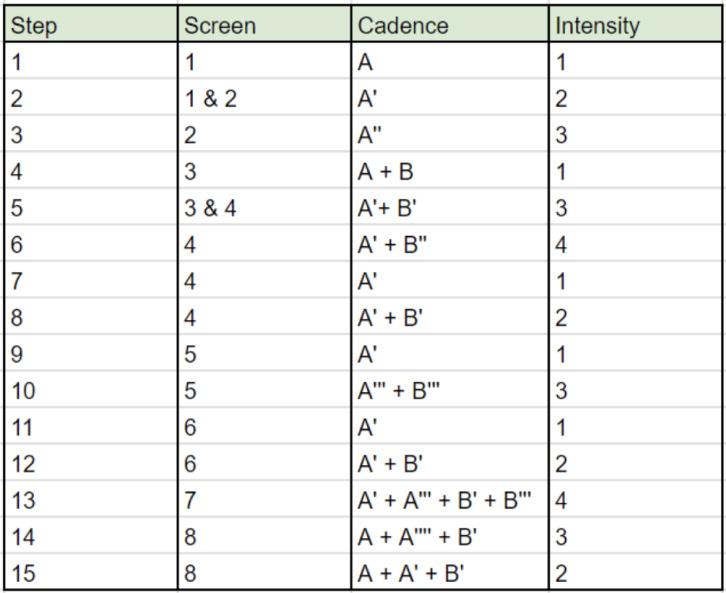
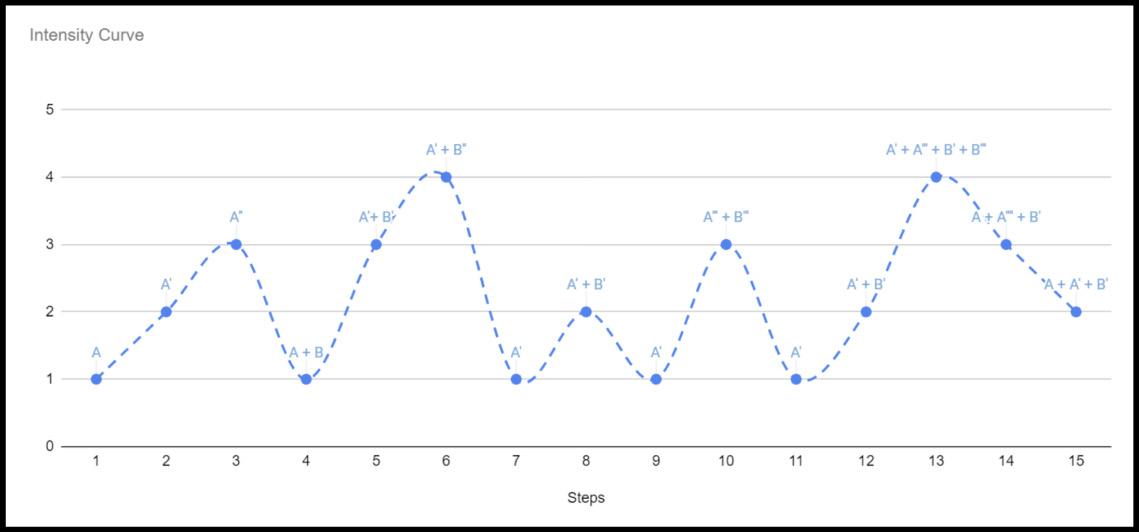
To address this, I consulted with my professor and watched instructional videos to better understand level design principles. I heed his advice and drafted a table to outline cadences and intensity curves, which helped in assessing the difficulty of my level. After completing the level, I added a cyclical structure by placing an enemy near the start and another near the end, creating a sense of completion and enhancing the overall experience.
From this project, I learned the critical importance of maintaining consistent mechanics to ensure a smooth level flow and how integrating twists and complementary elements can enhance the overall experience. I also discovered the value of drafting cadences and intensity curves to fine-tune the game’s difficulty. Additionally, incorporating a cyclical structure proved effective in creating a sense of closure and satisfaction, highlighting the need for levels to have a clear progression and resolution.
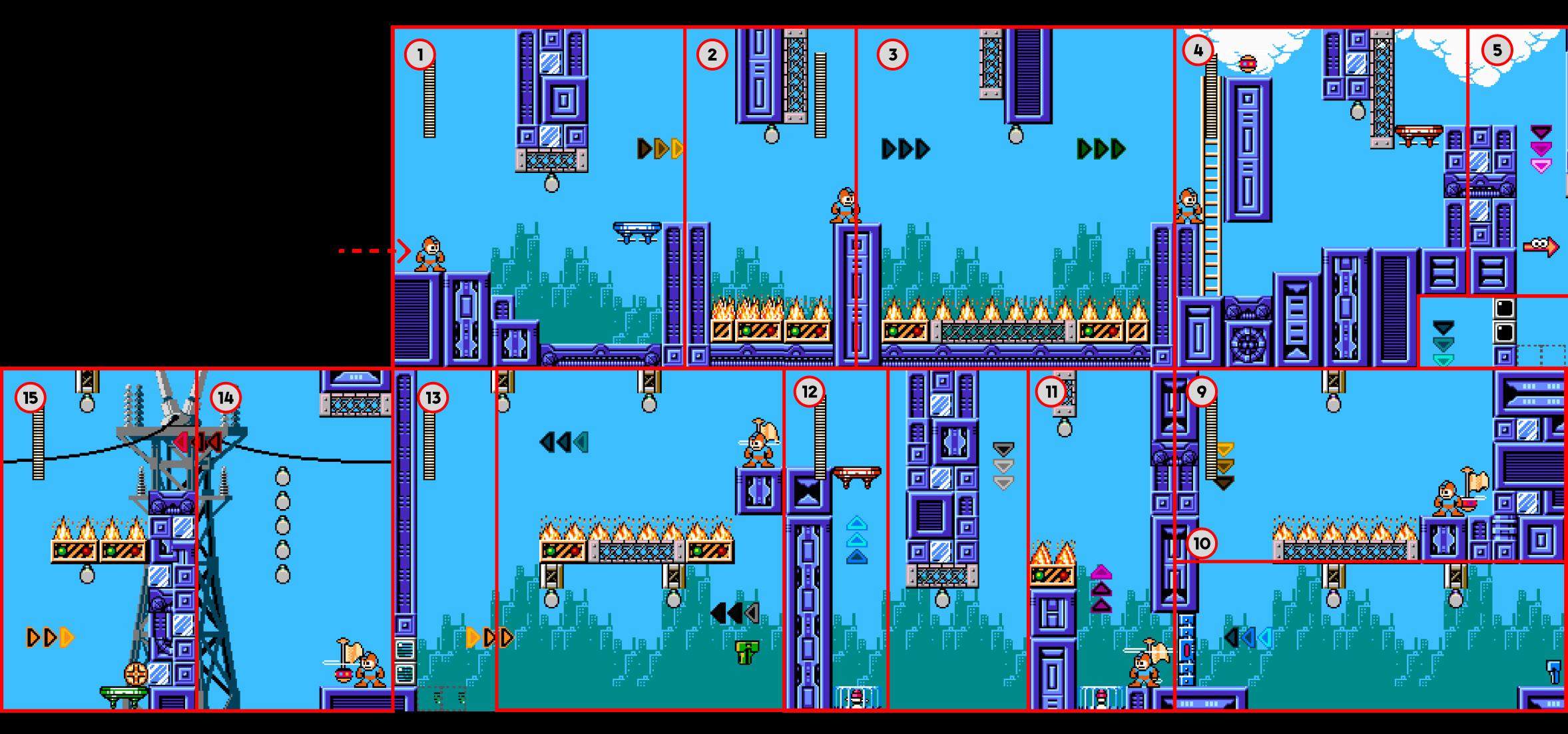
Click me to watch the gameplay video!
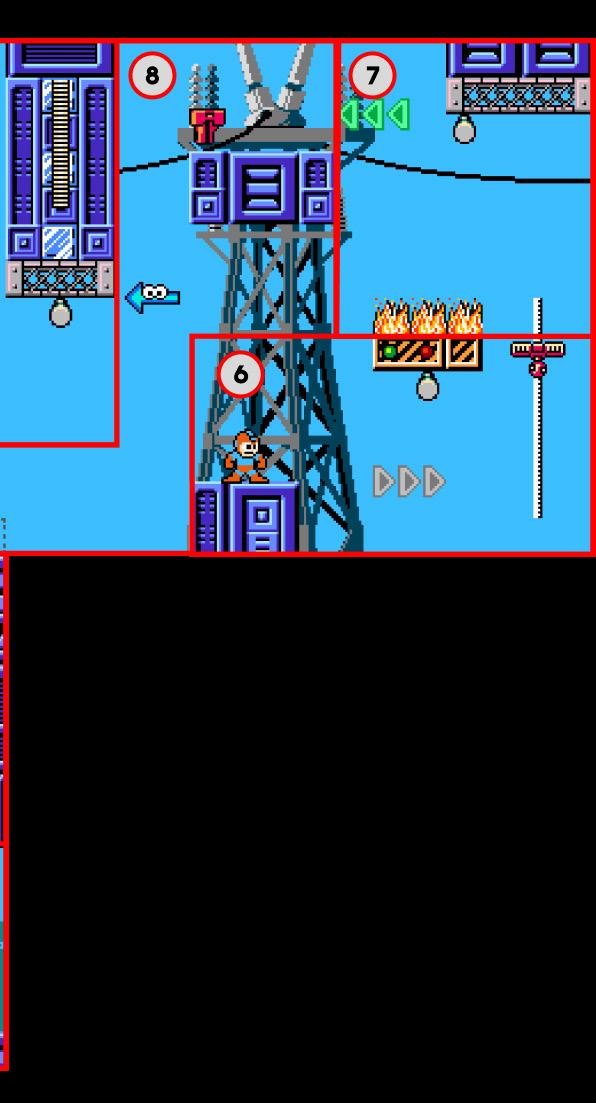
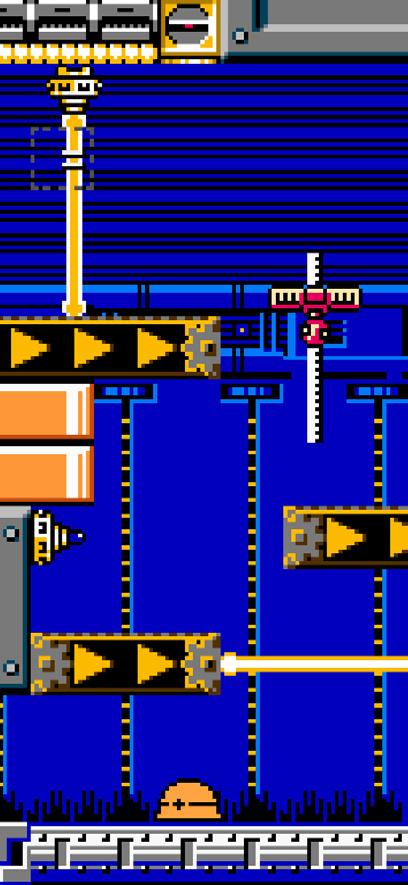
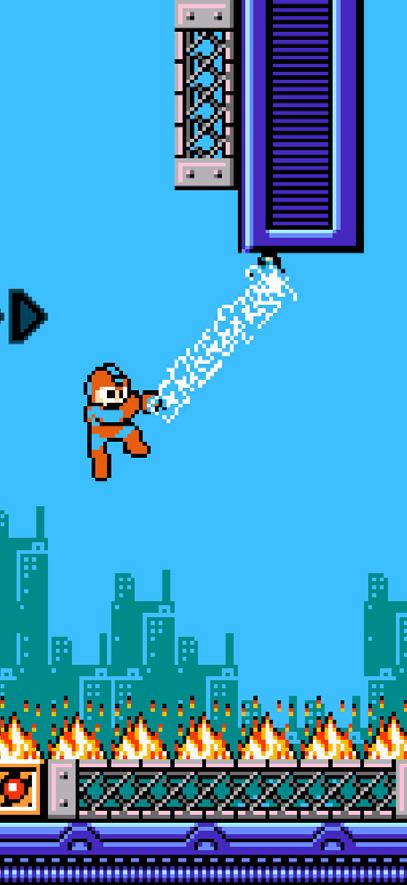
For this project, I designed an easy level with a clear theme and navigation flow, creating a visually appealing side-scroll space that looks complete and professional. The level spans a minimum of 8 screens, ending with the collection of an energy element.
I introduced the main mechanic in a safe environment, gradually increasing the difficulty to engage players without causing frustration. Players learn the mechanic in a low-risk setting, then face increased danger, followed by a slight escalation in difficulty. The mechanic evolves by leveraging the momentum of the falling player, and new elements are introduced to keep the cadence fresh and engaging.
The set dressing was carefully crafted to maintain a cohesive visual theme. Since the main mechanic resembles Spider-Man swinging, I set the dressing to resemble an urban city in a burning building with skyscrapers in the background. This theme was consistently maintained throughout the level, with some background variations that still matched the overall theme.
This project taught me how to balance difficulty progression and thematic consistency. I learned to design engaging levels by incrementally increasing challenge and using set dressing effectively to enhance the player experience.
cliffordtanek@gmail.com
cliffordtan.weebly.com