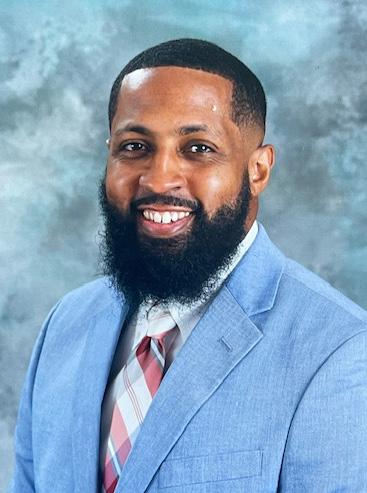
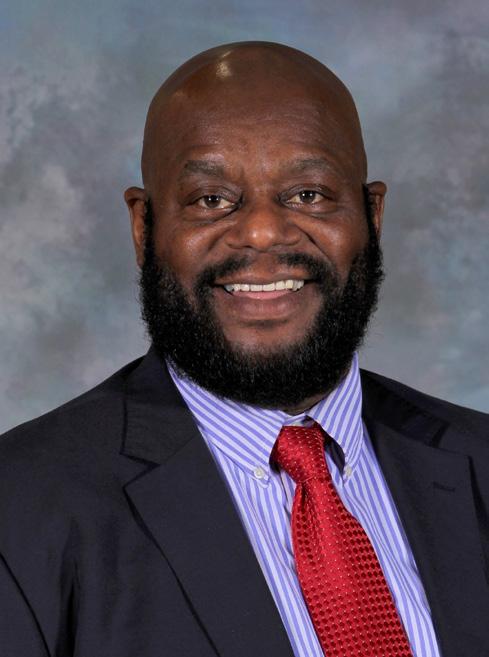
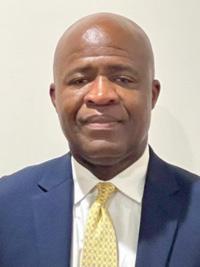
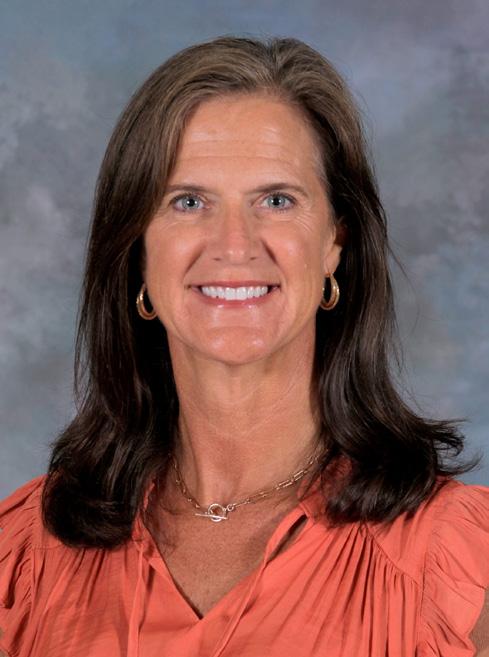
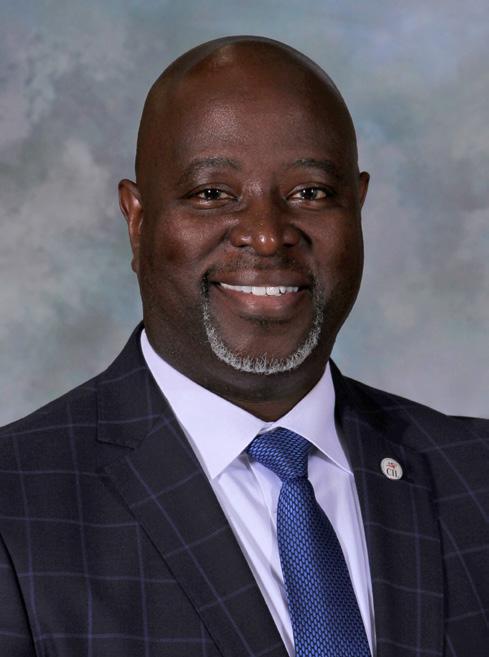
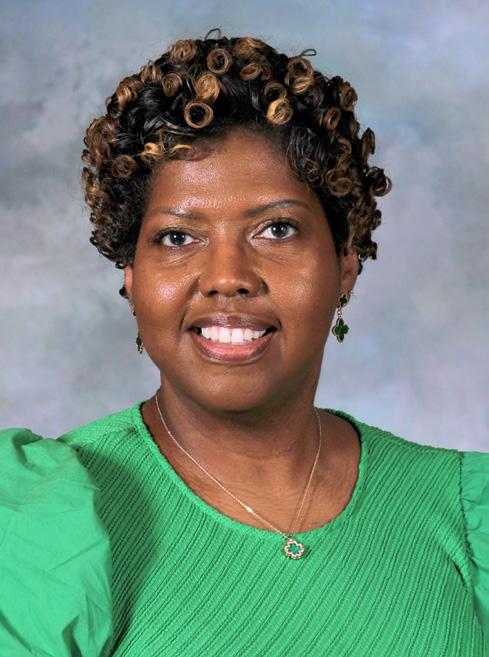
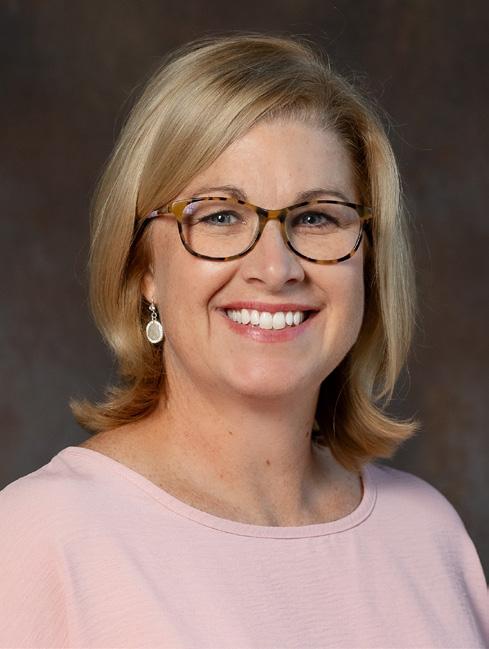
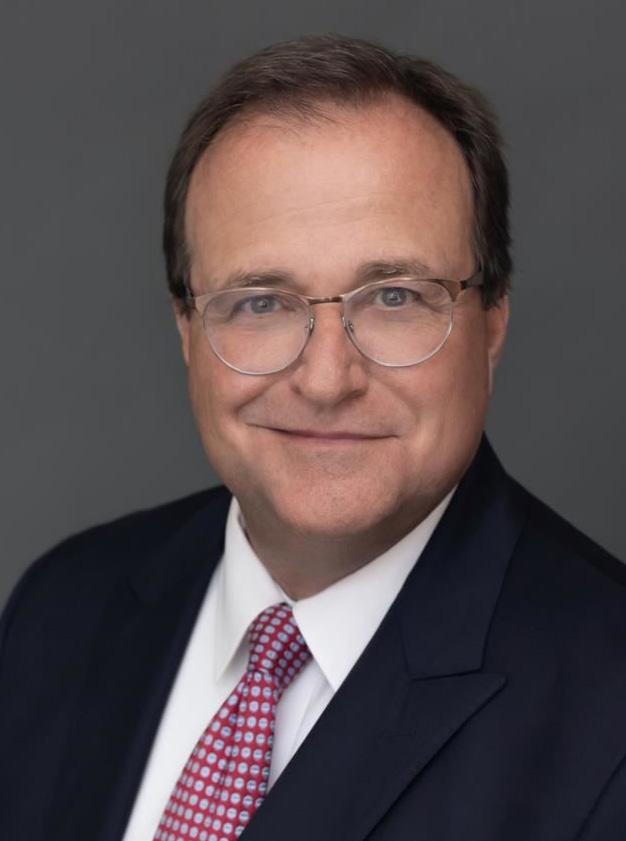
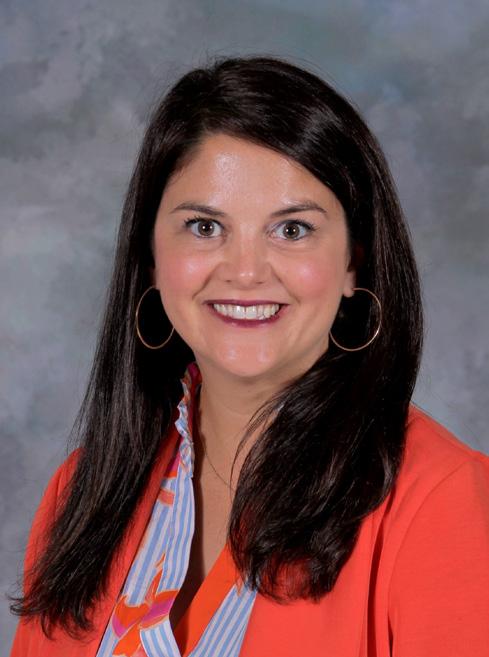
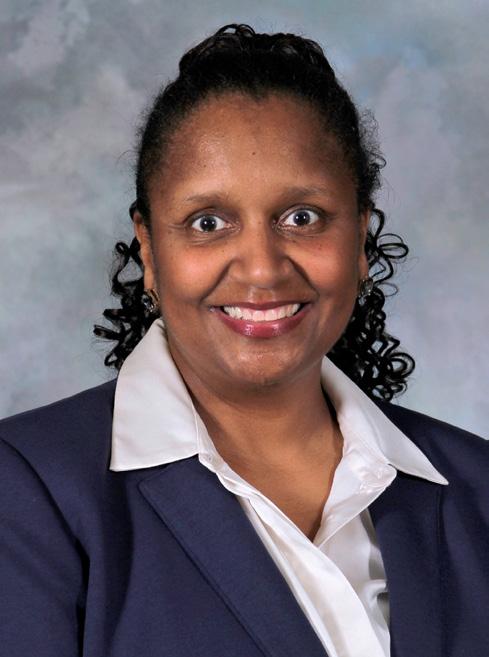
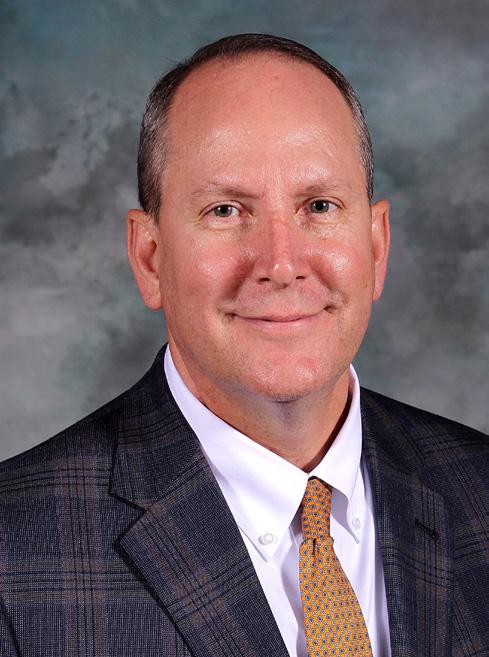
Practical tips for the holiday season. LEADING WITH GRATITUDE
Alabama educators explore education Down Under. EDUCATOR EXCHANGE
Alabama’s bold goals and rising rankings. ALABAMA ACHIEVES
work influences the students in your classroom and down the halls. It ripples out to their parents, caregivers and siblings. Your contributions to your school and district benefit your colleagues and community.
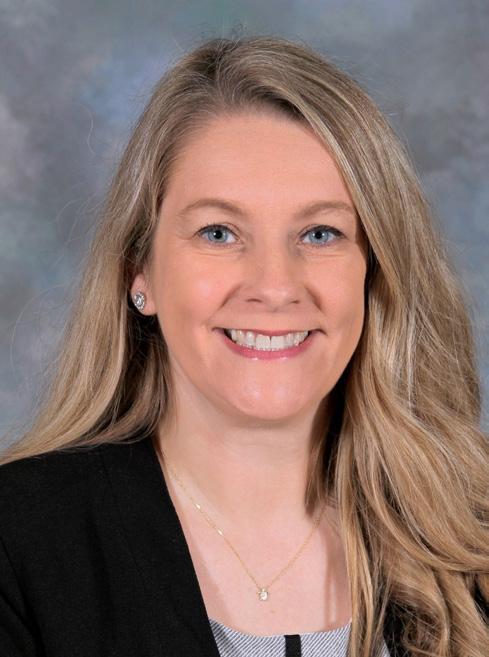
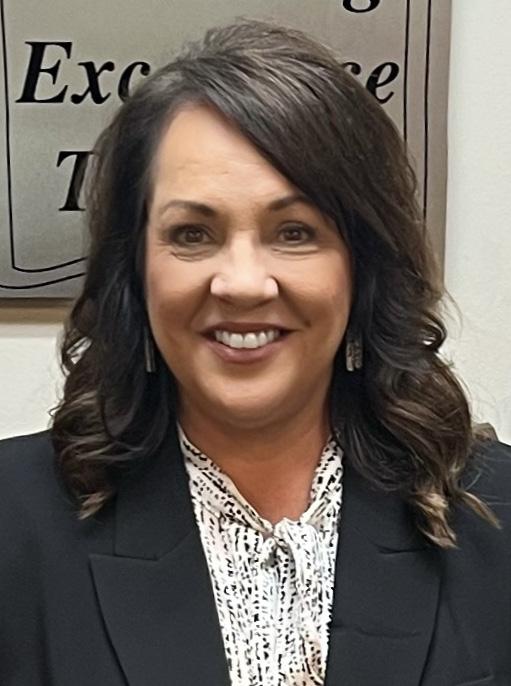
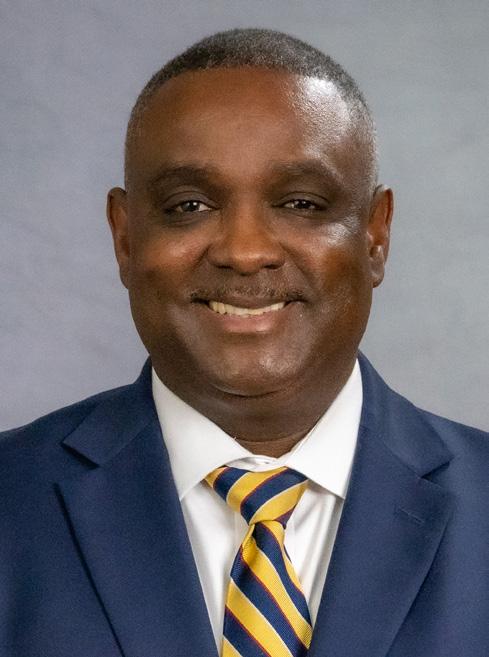
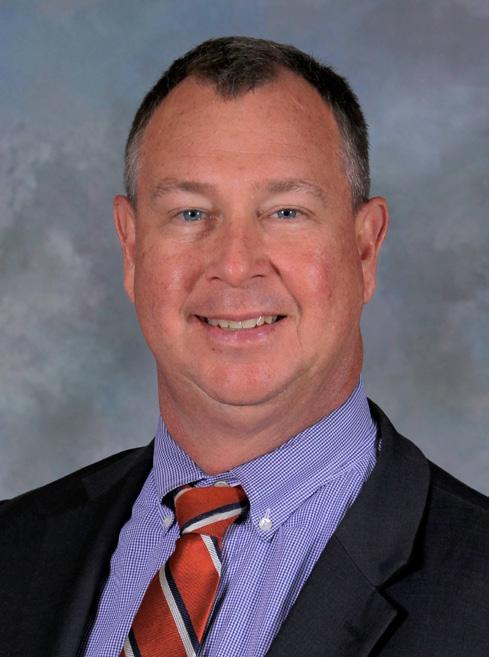
2025-2026 CLAS Board of Directors
CLAS Officers
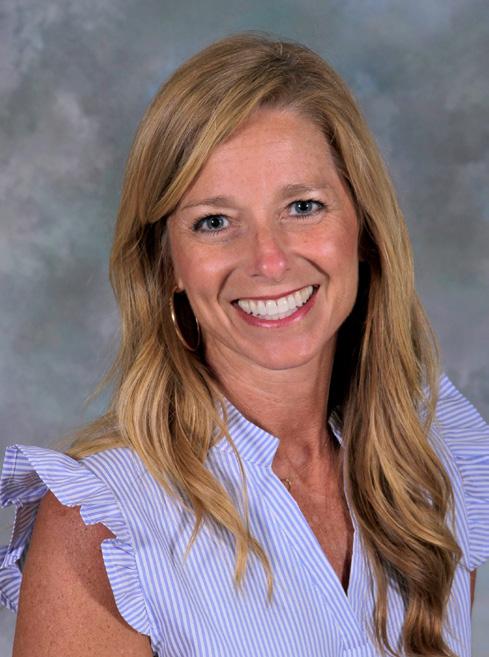
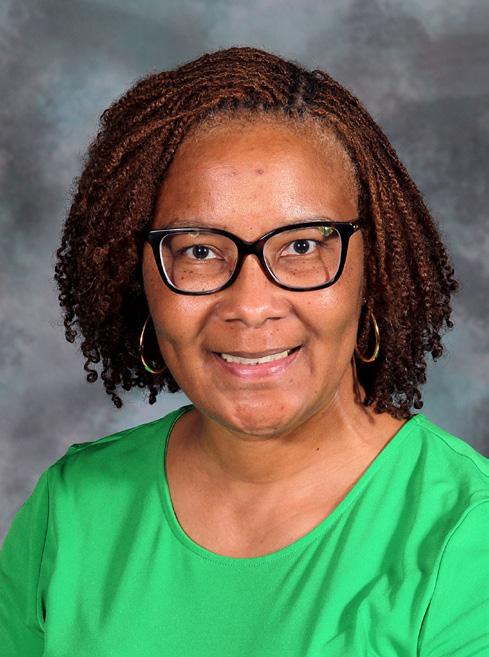
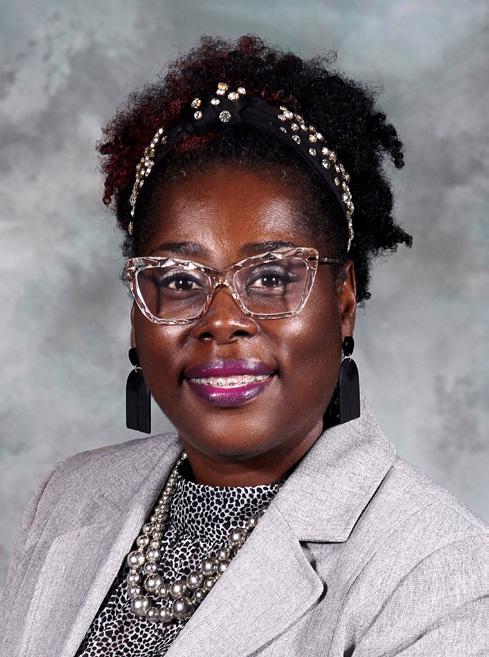
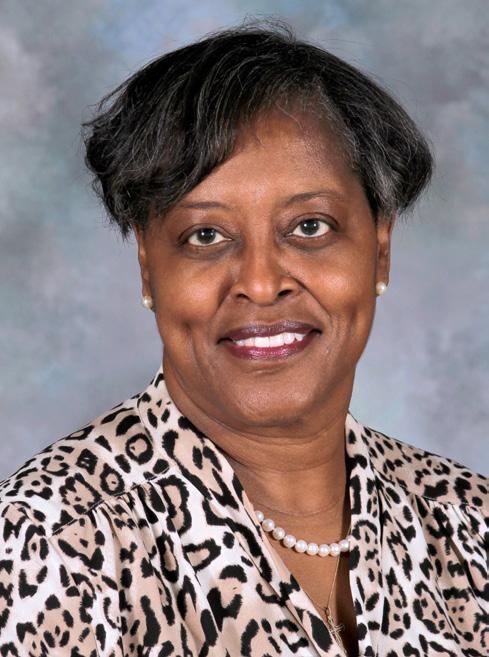
President Regina Thompson Fairfield City Schools
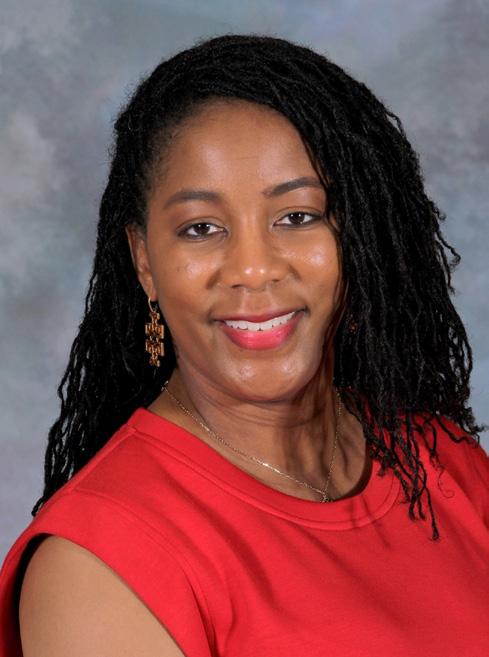
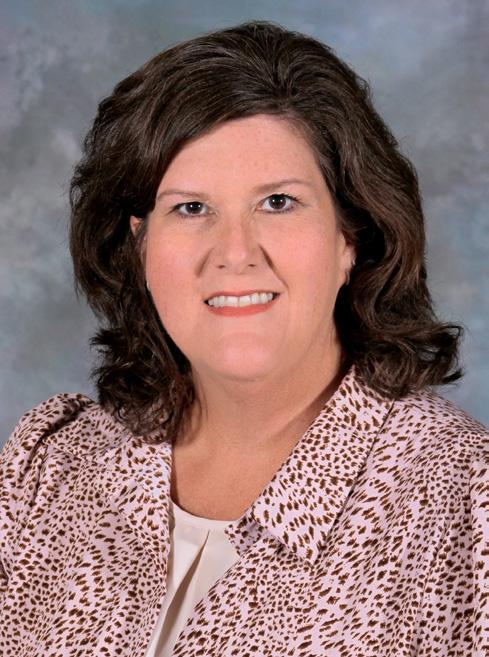
President-Elect Annie Spike Marshall County Schools
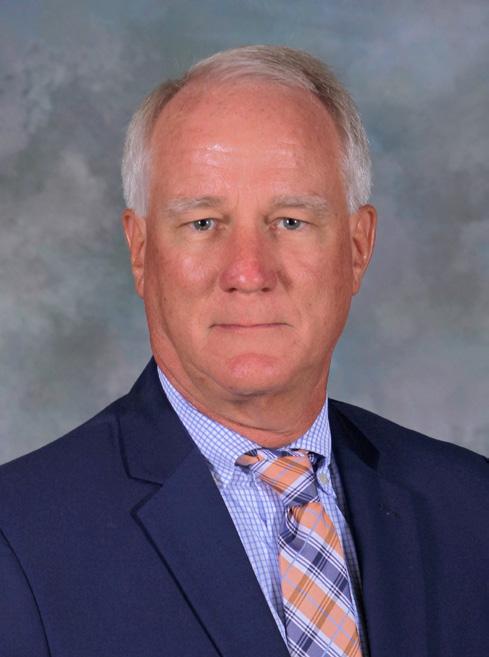
Past President Michelle Washington Lee County Schools
Alabama Association of Secondary School Principals (AASSP)
Cedric Brown .......................................... Southside High School
Carrie Busby Mountain Brook High School
Jeff Cole Winston County High School
David Diaz Mary G. Montgomery High School
Kelli Fischer Opelika High School
Antjuan Marsh Autauga County Schools
Willie Moore ................................................. Athens High School
Bennie Shellhouse Goshen High School
Seth Taylor Oxford High School
Alabama Association of Elementary School Administrators (AAESA)
Dana Bottoms W J Carroll Intermediate School
Veronica Coleman Chastang-Fournier K-8 School
Jenny Davis Fairhope West Elementary School
Charles Gardner ........................ Hokes Bluff Elementary School
Laura Herron Daphne Elementary School
Eric Kirkman Kilby Laboratory School
Karissa Lang Crestline Elementary School
Tisha Lewis Sweetwater High School
Jami Rainey Northridge Middle School
Sheneta Smith .................................... Howell-Graves Preschool
Alabama Association of Middle School Principals (AAMSP)
Tamala Maddox i3 Academy - High School
Caroline Obert Huntsville City Schools
Ross Reed Auburn Junior High School
Keith York Opelika City Schools
Alabama Council of Administrators of Special Education (ALA-CASE)
Charla DeLeo ....................................... St. Clair County Schools
Christy Jackson .................................... Fort Payne City Schools
La’Keisha Newsome Henry County Schools
Bruce Prescott Tuscaloosa City Schools
Alabama Child Nutrition Directors (ACND)
Melinda Bonner Hoover City Schools
Alabama Leaders Advocating for English Learners (ALA-EL)
Stefanie Underwood .................................. Decatur City Schools
Alabama Alliance of Black School Educators (AL-ABSE)
Christopher Blair Retired
Alabama Association of 504 Coordinators (ALA504)
Annie Spike Marshall County Schools
Richard Templeton.......................... Muscle Shoals City Schools
Alabama Association for Supervision and Curriculum Development (AASCD)
Lisa Adair. Butler County Schools
Lisa Beckham Samford University
Ashley Catrett Crenshaw County Schools
Patrick Chappell. Retired
Perry Dillard Dale County Schools
Carlos Nelson ........................................... Sheffield City Schools
Evelyn Nettles-Hines .......................... Birmingham City Schools
Tiffany Yelder Opelika City Schools
Alabama Association for Prevention, Attendance and Support Services (AAPASS)
Michael Alford Hoover City Schools
Floyd Collins Pelham City Schools
Jasmine Green Huntsville City Schools
Gary Noles.............................................. Blount County Schools
Alabama Association of Career/ Technical Administrators (ACTA)
Deana Goodwine Sylacauga City Schools
Chris McCullar Walker County Center of Technology
School Superintendents of Alabama (SSA)
Becky Birdsong Geneva County Schools
Walter Gonsoulin Jefferson County Schools
Ed Nichols Madison City Schools
Timothy Thurman......................................... Linden City Schools
Cindy Wigley........................................ Marshall County Schools
Alabama Association of School Personnel Administrators (AASPA)
Resia Brooks Shelby County Schools
Allison Mays Tuscaloosa County Schools
Affiliate Presidents
Willie Moore AASSP President
Sheneta Smith AAESA President
April McCutcheon AAMSP President
Bruce Prescott ........................................... ALA-CASE President
Tricia Neura ...................................................... ACND President
Jason Barnett ALA-EL President
Justin Hefner AASCD President
Jasmine Green AAPASS President
Jeremy Knox ACTA President
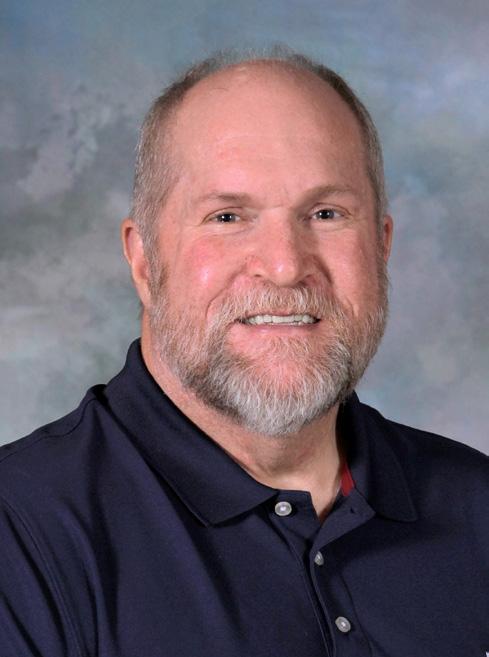
Mike Daria SSA President
Phil Hazelrig .................................................... AASPA President
Kelly McCollough ............................................ ALA504 President
Christopher Blair AL-ABSE President
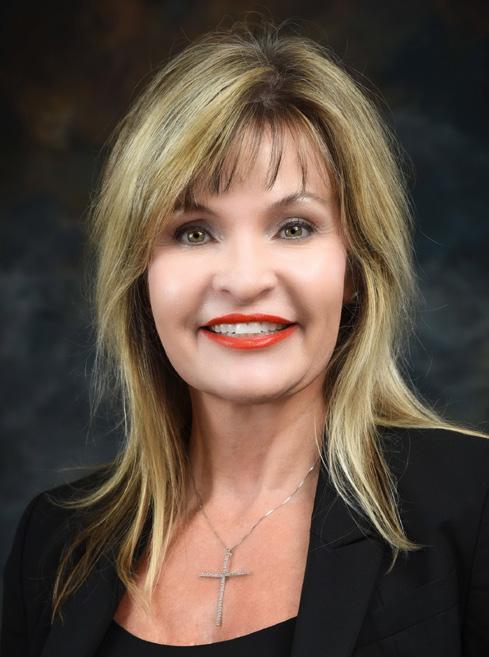
Purpose in the Season
Dr. Farrell Seymore
CLAS Executive Director
I’ve always loved this frantic time between Thanksgiving and Christmas. The blissful stress of holding the line between the two holidays while balancing Christmas parties, that last field trip of the semester, all while trying to get that “perfect gift” for someone can add a nervous dynamic to the daily job.
These weeks naturally invite gratitude for our students, our teachers and staff, as well as the moments that make our work purposeful. Yet this time also reminds us that leadership requires preparation, especially as we approach the upcoming Alabama legislative session.
In schools across our state, you are all finishing the semester with intentionality, ensuring that students are supported and teachers are encouraged. The heart
DIRECTOR’S
view
of our profession is on full display during this season: service, connection, and a commitment to growth. But leadership also extends beyond the walls of our schools.
The Alabama Legislature will convene on January 13, 2026, just after the semester begins. The policies shaped in the coming legislative session will influence everything from staffing to student services, from school safety to professional development. Your voice will matter.
Advocacy may feel like one more task in an already full season, but it is also one of the most important. Your direct voice gives lawmakers insight they can’t get anywhere else. Your stories and data help shape decisions that ultimately
impact the students and educators we serve.
To support you in the weeks ahead, here are a few practical tips for legislative advocacy:
Build relationships before you need them.
Reach out to your legislators now, introduce yourself, and offer to serve as a resource. Strong relationships lead to strong conversations.
Share stories that illustrate impact.
Lawmakers remember narratives—student successes, teacher challenges, and real examples of how policy affects daily life in schools.
Be concise and clear.
Identify your key points and communicate them plainly. Legislators juggle many priorities; clarity helps your message stand out.
Stay
informed and connected.
Whitney Miller-Nichols, our director of governmental relations, does an outstanding job of communicating before, during, and after the legislative session. I encourage you to stay connected to her updates to be informed of the latest happenings. And keep the CLAS Legislative Advocacy Days in mind. We would love to host you on those dates.
As 2025 draws to a close, I am deeply thankful for your leadership—in your schools, in your communities, and soon, in Montgomery.
From all of us at CLAS, may this Christmas season bring rest, joy, and renewed purpose. We look forward to walking alongside you in the year ahead.
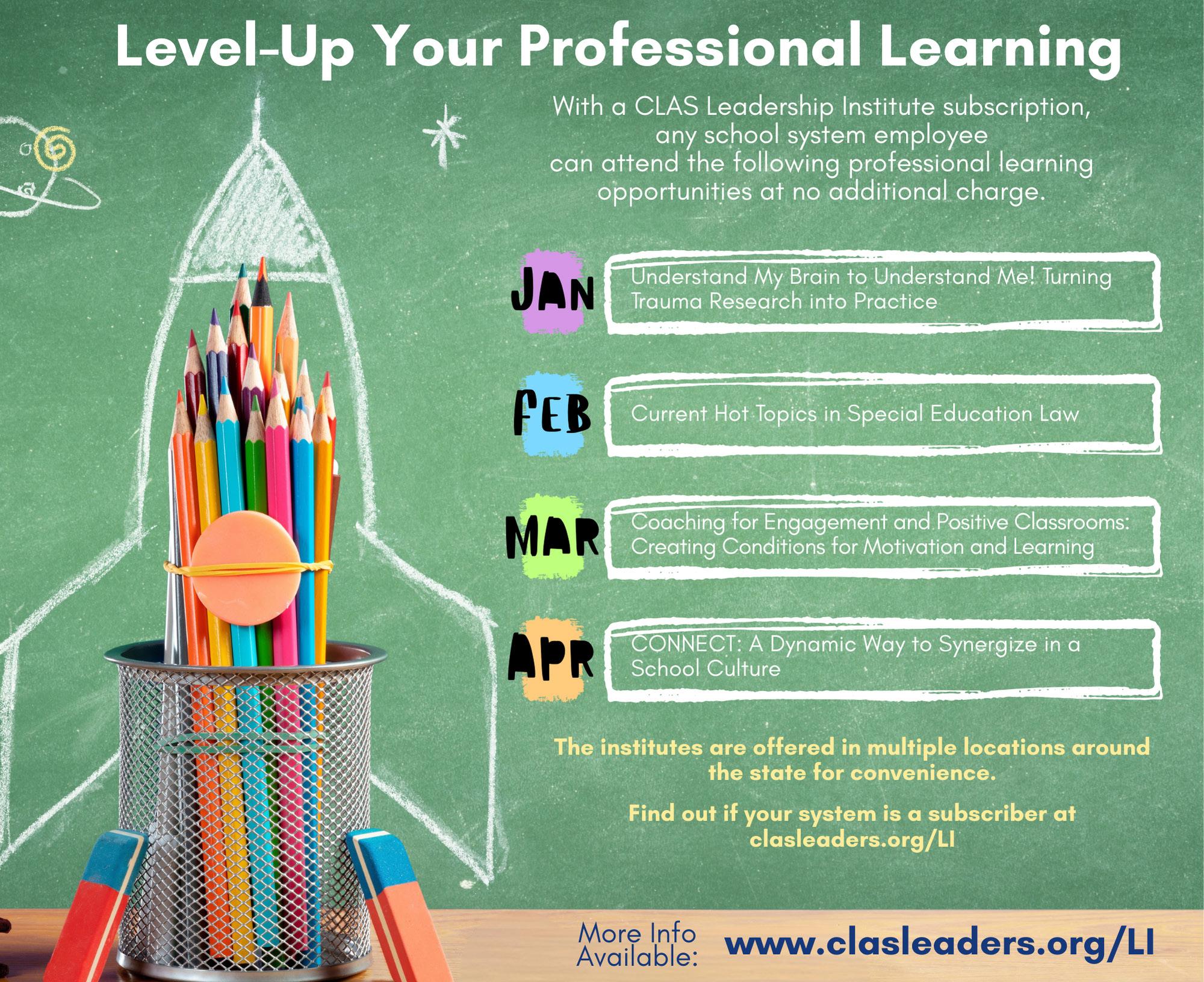
January 2026
March 2026
February
Leadership Institute: CONNECT: A Dynamic Way to Synergize in a School Culture Florence, AL
Leadership Institute: CONNECT: A Dynamic Way to Synergize in a School Culture Prattville, AL
Leadership Institute: CONNECT: A Dynamic Way to Synergize in a School Culture Daphne, AL
Spring Conference Orange Beach, AL
Lunch & Learn: People-ing Is Hard: A Survival Guide for Educational Leaders Webinar
07
08
09
15
AAMSP Virtual Professional Learning Series 4 of 4 Virtual Meeting APR 21
EVERY CHILD. EVERY CHANCE. EVERY DAY.
Dr. Eric Mackey
Alabama State Superintendent of Education
As educators in Alabama, it is likely that you have heard the motto… Every Child, Every Chance, Every Day. When I came onboard as State Superintendent, I brought this motto with me as I had been using it as a personal mantra for years prior. I believe it epitomizes my personal belief in our calling as educators—that we have a moral and ethical obligation to create opportunities for all children every day we show up to work. I wanted to be intentional about making every opportunity count for every student in Alabama. Over the past several years, it has morphed into a collective mission statement and a pledge for our entire department to support learning for every child in every circumstance and zip code every day.
As I travel the state, I meet teachers, administrators, parents, elected officials, and students who all embody the same sentiment. The level of dedication that I see from so many of you lets me know I am not alone in my belief that public education in Alabama is on the move and breaking away from old and inaccurate stereotypes about Alabama’s educational achievement. For us to continue with the upward momentum that we have seen over the past several years, we will need the best qualified and most motivated teachers and education administrators available in our classrooms and leading our schools. It is important that we RECRUIT and RETAIN the best of the best.
That said, you may have already noticed a fresh look at the Alabama State Department of Education. A new logo and branding have been established to complement the renewed commitment with locating, attracting, and keeping the best educators available for our schools.
This rebranding is intentional. It is our signal to the world, and to ourselves, that Alabama is serious about teaching, learning and leading. It says to prospective educators: Come here. Bring your passion. Be part of something transformative. Now more than ever is the time to take advantage of this momentum.
For principals in your schools, this brand matters. It sets an aspirational tone and communicates that we are leading with purpose. Of course, my affinity for Alabama is biased. I love this state, and I love the people who are making education work in this state. So… don’t take my word for it. Look around… the entire nation is noticing.
Fox News, The New York Times, CNN, the Associated Press, The Wall Street Journal, and many others have all reported on Alabama’s educational momentum. They have covered our rise in reading scores, highlighted our turnaround efforts, and pointed to Alabama as an example of what can happen when policy, leadership and classroom practice align. That kind of attention doesn’t just boost our pride; it strengthens our ability to recruit teachers from across the state and country who want to be part of a winning team.
You can call it a fresh beginning or simply the next chapter, but Alabama is rising. These are just a few of the actual headlines written about education in Alabama:
How a rural Alabama school system outdid the country with gains in math — Associated Press (Sept. 19, 2023)
How Alabama Is Leading the Way in Teaching Data Literacy in Grades 6–12 — The 74 (Sept. 16, 2025)
Kids’ reading scores have soared in Deep South states that emphasized phonics (highlights Alabama’s large rise among low-income 4th graders) — Associated Press (May 17, 2023)
How Alabama Is Leading the Way in Solving the Math Crisis — The 74 (Mar. 2, 2023)
How Alabama Students Soared in National Education Rankings with Record-breaking Gains. — The Times of India (Feb. 4, 2025)
According to the National Assessment of Educational Progress (NAEP), the “Nation’s Report Card,” Alabama’s gains in 4th-grade math are historic. Our students increased their scale score more than any other state between the 2019 and 2024 assessments, and we climbed from 52nd in 2019 to 32nd in 2024 in 4th-grade math. In 4th-grade reading, we moved from 49th in 2019 to 34th in 2024… and we are among the very few states to surpass our pre-COVID levels in that subject.
Under the leadership of the Alabama State Board of Education, and with the support of Governor Kay Ivey and the Alabama Legislature, we are channeling the full force of our state’s educational vocation: to ensure every student in Alabama has the chance to reach their fullest potential. Be it college, the military, the workforce, entrepreneurial pursuits, or one of many other options, we must make sure our students are fully prepared for what meets them after they walk across the stage or field on graduation day. Graduating is good, but only when it is paired with preparation and opportunity.
As your State Superintendent, I am writing not simply to report on the state’s progress, but to extend an invitation to principals and educators across the state to join in this vital work of recruiting, retaining and inspiring the very best teacher-leaders, support staff and instructional teams this state can produce. Our students deserve the best of the best in our classrooms.
Let each of us use this moment of momentum to speak well of our state and the hard work being done to better the future for our children. If anyone says Alabama is “50th in Education,” kindly take the opportunity to educate that person that Alabama is on the rise and has been doing so for the past several years. Speak positively about your school and school system, school leaders, and educational outcomes. Of course, our story isn’t all celebration. There are many areas in which we much improve! Our 8th-grade scores remain far too low; reading
Continued on Page 37
Drone Education
Preparing the Next Generation of Industry-Ready Drone Pilots
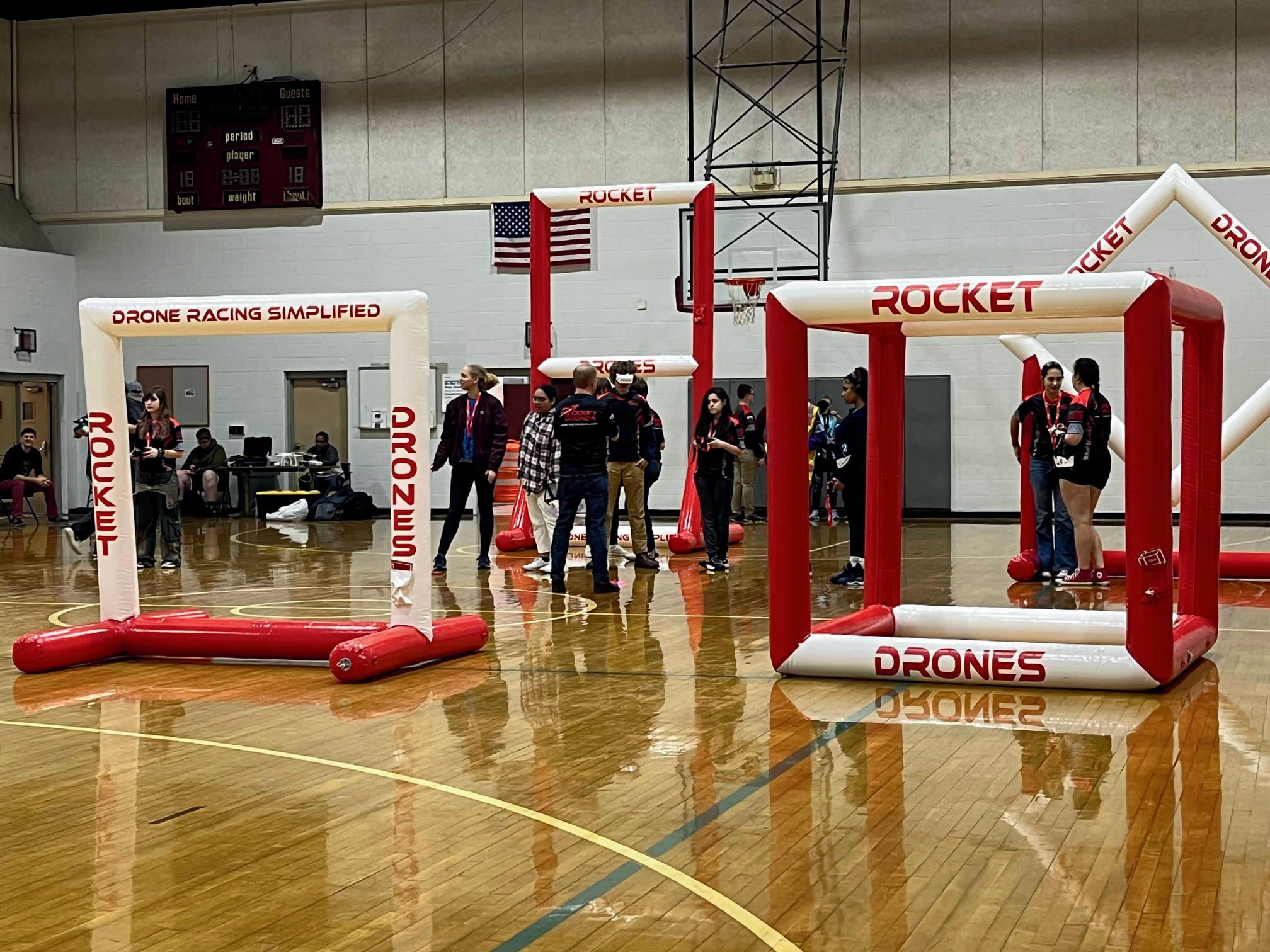
PowerUpEDU has partnered with Rocket Drones in offering a full, gamified educational experience that equips students with the technical knowledge, critical thinking, and hands-on expertise needed to succeed in fields like agriculture, construction, public safety, and aerospace. Rocket Drones is your launchpad to the future of drone education.
DID YOU KNOW?
Rocket Drones is partnered with the US Space Force!
Microsoft Copilot Academy Be Ready For Artificial Intelligence in K12
Call on Shoney for a Free Consultation, to
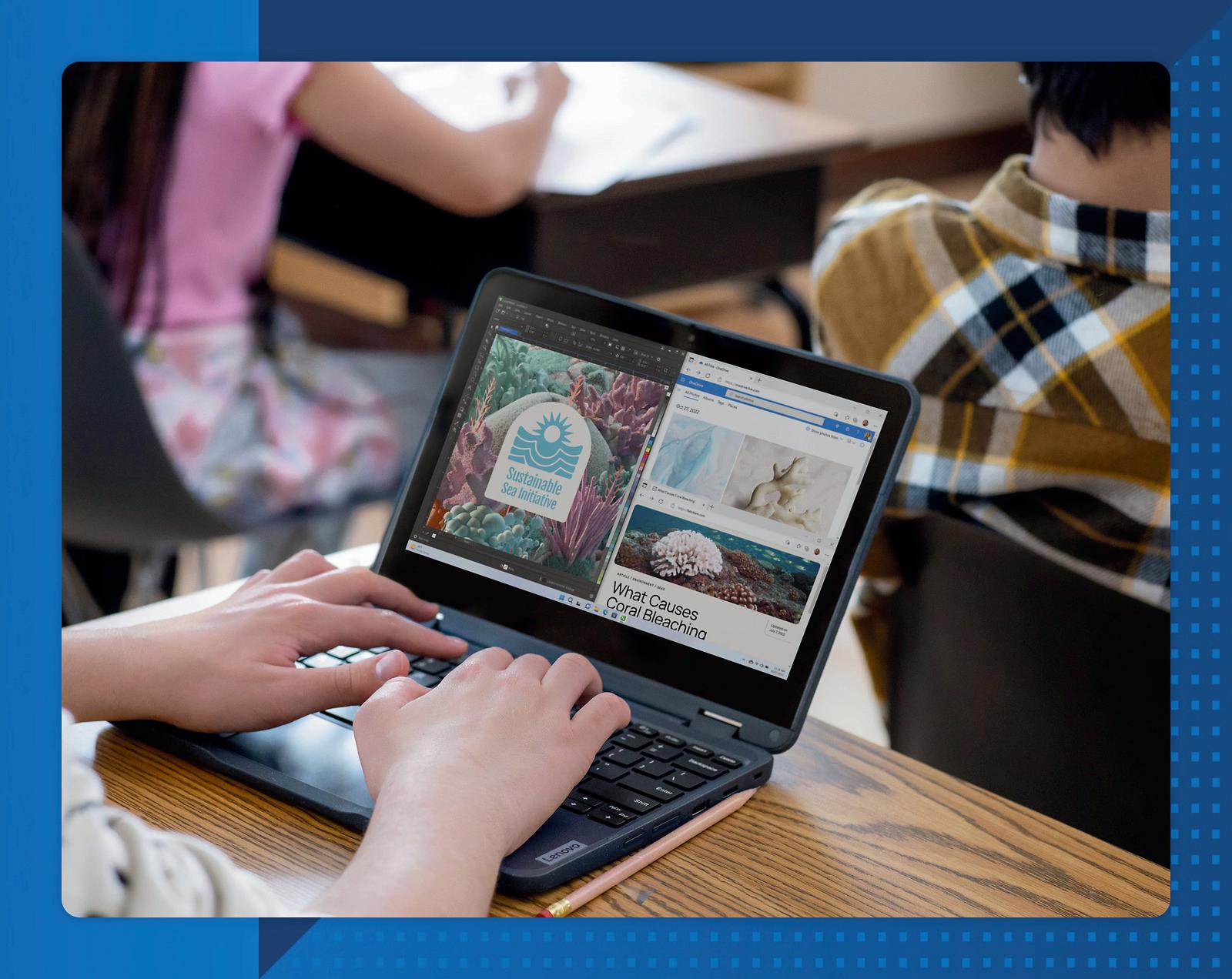
PowerUpEDU’s Microsoft Copilot Academy empowers educators and leaders at all levels to leverage the transformative potential of AI in an educationally sound and strategically focused manner. Our tailored learning progressions ensure a smooth and successful integration of AI, while focused on safety, ethics, and student success.
NEED HELP WRITING YOUR AI POLICY? Take
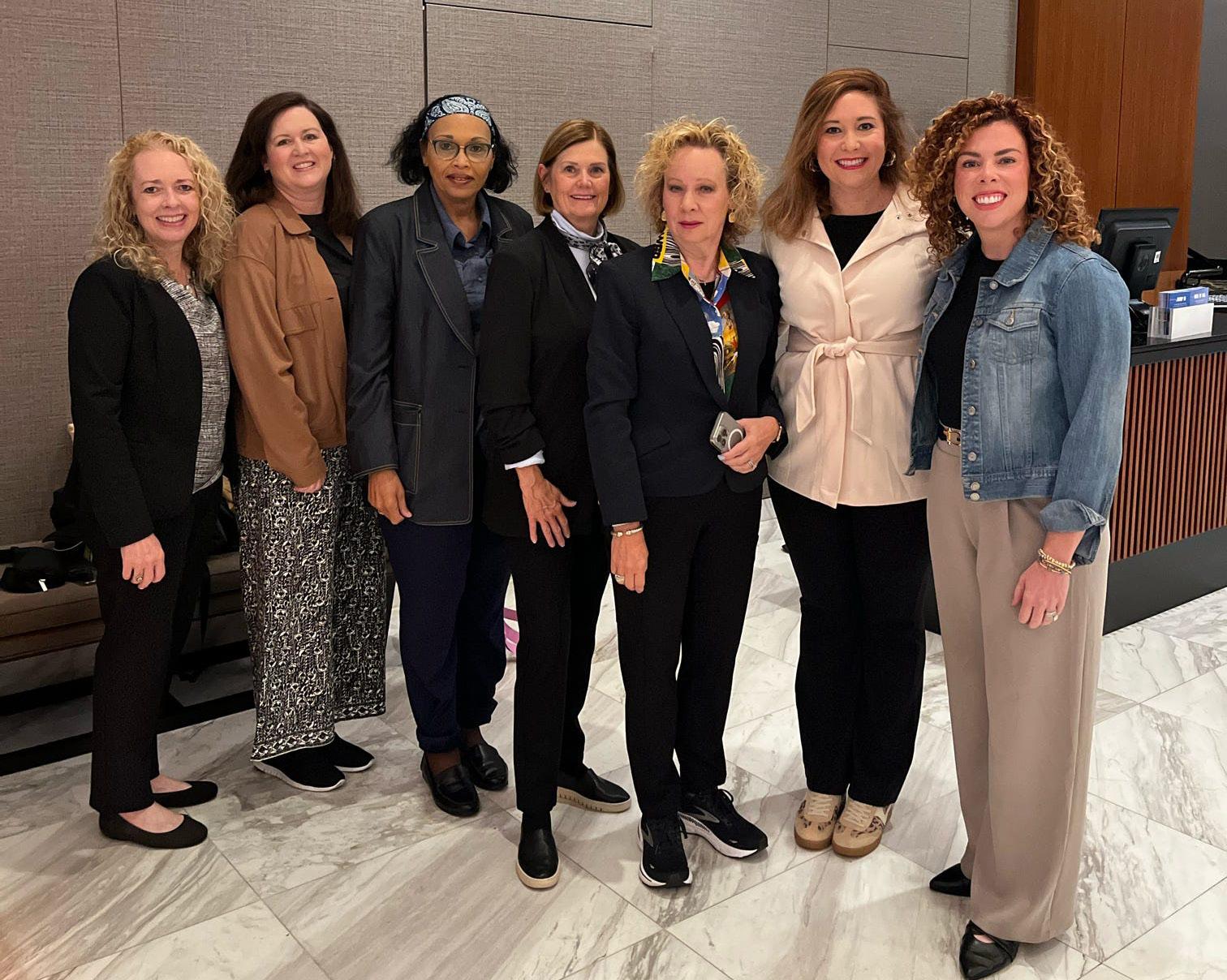
Drs. Brenda Mendiola, Jane Cobia, Ellen Reames, Kara Chism, and Yvette Bynum
From the Blue Mountains to Sydney Harbour, to Phillip Island and Melbourne, five university professors from Alabama (Drs. Jane Cobia and Kara Chism, Samford University; Dr. Ellen Reames, Auburn University; and Drs. Yvette Bynum and Brenda Mendiola, University of Alabama) along with three Alabama educators (Dr. Deana Goodwine, Leslie Sedberry, and Angela Scarborough) embarked on an immersive study of Australian culture, environment, and education—from preschool through university.
The journey began at the New South Wales (NSW) Department of Education in Parramatta, where participants received an in-depth orientation to the Australian education system. The session opened with an Acknowledgment of Country, a customary practice across Australian schools and institutions that honors the traditional custodians of the land—a powerful reminder of the country’s deep respect for Indigenous heritage.
Continued on Page 15
Education in Australia
From the Blue Mountains of Melbourne: Alabama Educators Explore Australian Schools
Deana Goodwine, Kara Chism, Yvette Bynum, Brenda Mendiola, Jane Cobia, Leslie Sedberry, and Angeila Scarborough
Celebrating Excellence In Education
Honoring Alabama’s School Secretaries
Alabama Secretary of the Year
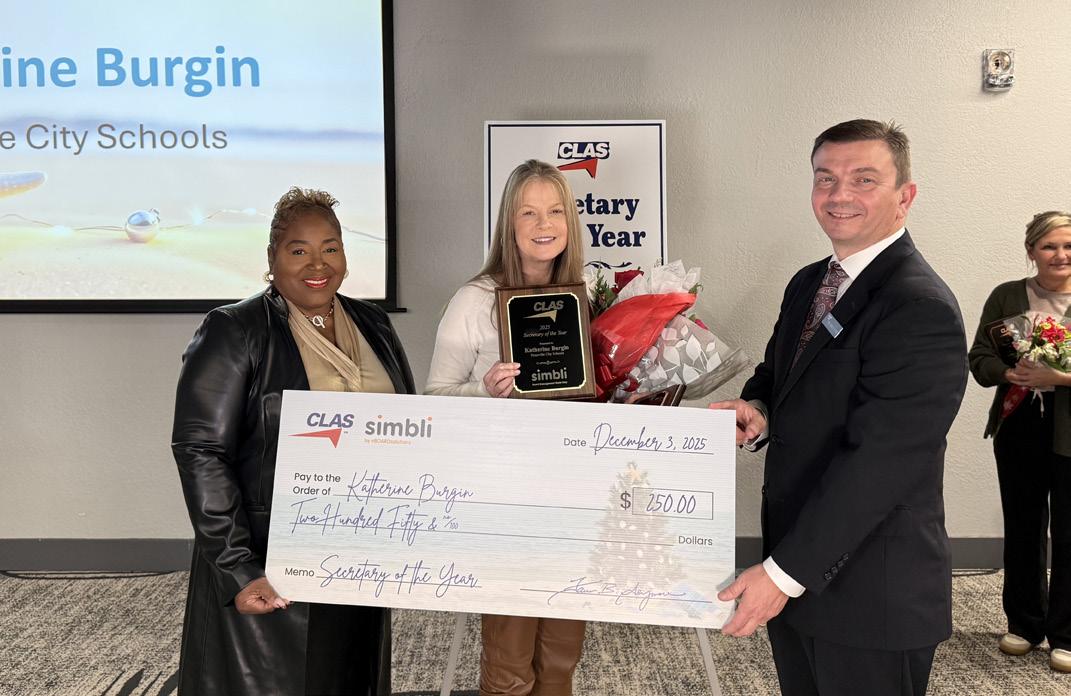
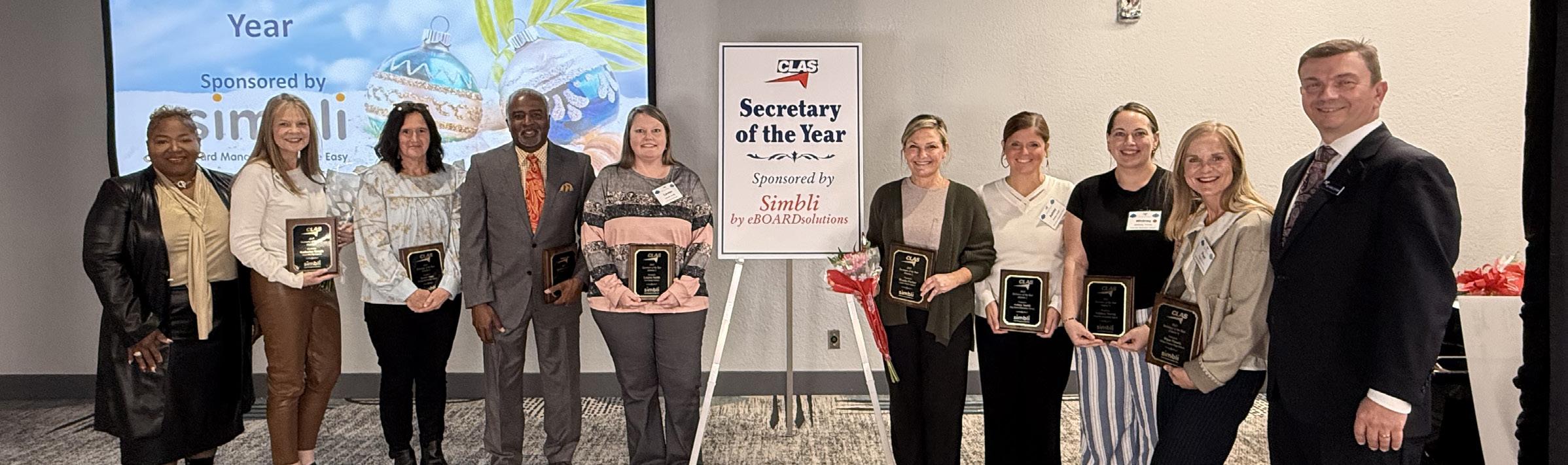
The Council for Leaders in Alabama Schools (CLAS) is proud to announce Kathy Burgin, secretary in the Teaching and Learning Department of Trussville City Schools, was named the 2025-2026 CLAS Secretary of the Year. This recognition highlights the essential role school secretaries play in ensuring the success of their schools. Secretaries like Mrs. Burgin are vital to school operations, managing responsibilities such as student records, financial tasks, and daily logistics while fostering a supportive and welcoming environment for students, staff, and families.
Each year, one secretary or administrative assistant is selected as the Secretary of the Year from a group of outstanding nominees representing Alabama’s State Board of Education districts. This year’s district finalists include:
District 1
District 2
District 3
District 4
District 5
District 6
District 7
District 8
Ashley Smith Pine Grove Elementary Baldwin County
Lauren Smith Lee County
Brooke Parker
Tracie Sims
Staci Rowell
Whitney Torres
Calera Middle Shelby County
Arcadia Elementary Tuscaloosa City
Loveless Academic Magnet Program Montgomery County
Odenville Elementary St. Clair County
Katherine “Kathy” Burgin Trussville City Schools
Piper Moore
James Clemens High School Madison City
The CLAS Secretary of the Year award is sponsored by Simbli by eBOARDsolutions.
Education in Australia Continued
Understanding the Australian System
Key insights from the NSW Department visit highlighted striking contrasts between Australian and U.S. education structures:
● Leadership and Governance: Australian schools operate within networks led by executive directors rather than district superintendents. Local school boards do not exist, and leadership roles are more distributed—allowing principals to focus less on administrative burdens and more on instructional leadership.
● Curriculum and Assessment: A national Australian Curriculum guides instruction across all schools, including homeschools. Standardized assessments determine college entrance opportunities.
● Funding and Equity: Unlike in the U.S., there is no local property-based funding. Resources are allocated based on enrollment, with equity loadings for students with disabilities, Aboriginal backgrounds, or English language needs. Interestingly, independent and Catholic schools currently receive 106% of the funding level of public schools, though a 10-year plan aims to balance all systems at 100%.
This funding tension—particularly between public and private sectors—mirrors ongoing
debates in Alabama and across the United States about school vouchers and private funding. Australia’s experience offers an early view of the potential consequences of shifting resources away from public schools, such as enrollment declines and widening equity gaps.
School Visits: Learning Across Contexts
Following the orientation, the professors were paired and assigned to schools aligned with their professional interests. Visits included inner-city schools such as Backwaddle Bay High and Mosman High, rural schools including Prairievale Public and Bonnyrigg High, and career and technical campuses like the Polytechnic Institute – Australia Nirimba College and the Seven Hills Vocational Innovation Center.
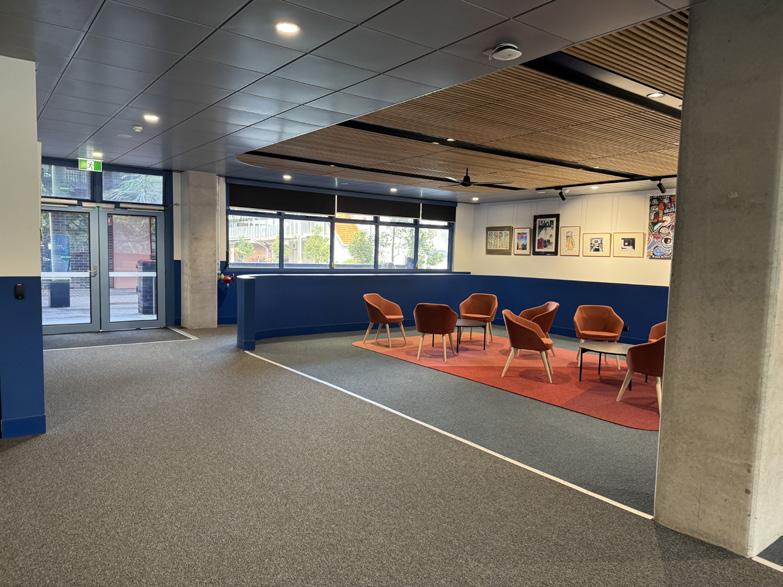
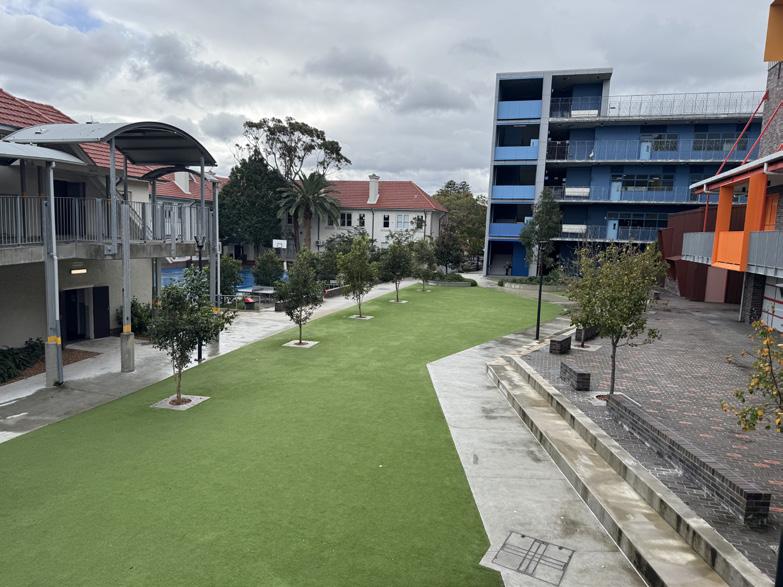
The inner-city Sydney schools were especially interesting. Environmental design was integral to learning—open-air corridors replaced traditional hallways, ocean views framed classrooms, and physical education classes included “surfing.” Safety concerns, while present, did not dominate the school culture as they often do in the U.S.; school shootings are virtually nonexistent. Some campuses were unfenced, and students enjoyed significant autonomy.
Continued on Page 30
Mosman High School
Drama in Teacher Assignments
A teacher who taught theatre arts and drama in a Nevada high school gave her students a long-term assignment in which each student was instructed to write a monologue. The teacher edited each monologue and placed a printing of them in a stack. Then each student was required to take one of the monologues from the stack, memorize the monologue, and perform it later in front of classmates. Each student was permitted to discard the first monologue they picked up and pick up another one, but that option was available only once.
A student did not like the first monologue she picked up, so she replaced it in the stack and picked up another. The monologue she obtained in the second draw contained sexually explicit language and depicted a girl coming out as a lesbian to her boyfriend. The student may not have understood the meaning of some of the language and she did not want to deliver the monologue. Because the teacher had edited the monologues and the student had already discarded one monologue, the student believed she had no choice but to comply. About a month later, the student’s mother discovered the monologue and went to the school to discuss the assignment with an assistant principal, but no intercession appeared to arise at that time. For several weeks, the mother spoke with several administrators, some of whom agreed that the assignment was inappropriate, but nothing seemed to be happening, except discussions about the mother’s request that she be present with any meetings that included her daughter.
The mother took her objections to a school board meeting and during the publiccomment section of the agenda, she was stopped from reading the monologue out loud, with school officials citing the policy against the use of profanity in a school board meeting. The next day the student told her mother she was pulled out of class by an administrator who took the student to the drama teacher and left her with the drama teacher. The teacher told the student she was sorry that the student thought the assignment was inappropriate, but the teacher did not apologize for making the assignment and did not withdraw the requirement. The student began to cry, the teacher reached out for the student, and the teacher allegedly grabbed and held the student.
The mother sued the teacher, the school board, and school administrators involved in the issue, alleging: 1) that the school board violated the mother ’s free speech rights by stopping her presentation to the school board; 2) that the student’s free speech rights were violated by not sidelining the monologue assignment, which compelled a
Continued on Page 21
LEGAL forum
Dr. Amy Dagley Associate Professor, University of Alabama at Birmingham and Dr. Dave Dagley
Professor Emeritus, University of
Alabama
The FOCUS Act (“Freeing our Classrooms of Unnecessary Screens for Safety”) limits student usage, operation, or possession of wireless communication devices in public K-12 schools in Alabama during the instructional day beginning with the 2025-26 school year. School boards had to adopt a wireless communication device policy and an internet safety policy (or update existing policies to comply with the new requirements) no later than July 1, 2025.
The device ban in the FOCUS Act applies to cell phones, tablets, smart watches, AirPods, and other portable electronic devices capable of voice, messaging, or other data communication with another electronic device. When on school grounds during the instructional day, students’ personal phones or other wireless communication devices must be turned off and stored off their person, such as in a locker, car, or similar storage location. Notwithstanding the overall provisions of the FOCUS Act, all Alabama students may have a wireless communication device at school if (1) it is for “educational or learning purposes” and under the supervision of local board of education personnel or (2) there is an emergency that threatens life or safety. With respect to students with disabilities specifically, the FOCUS Act contains an additional exception for use, operation, or possession of a wireless communication device pursuant to a student’s Individualized Education Program (“IEP”), Individualized Accommodation Plan1, Section 504 Plan, or Individualized Health Plan (“IHP”). In most instances, such an exception would
1 This article assumes that an “Individual Accommodation Plan,” as used in the FOCUS Act, is the same as a Section
Strict Rules, Few Exceptions:
What Educators Need to Know about Exceptions to the FOCUS Act for Students with Disabilities
Leslie A. Allen, Esq., and Julie J. Weatherly, Esq. Resolutions in Special Education, Inc.
be subsumed within the broader exception for all students when a device is for “educational or learning purposes.” Still, there may be some circumstances where a team may need to consider an additional basis for a particular student with a disability or health condition to be exempt from a district’s wireless communication device policy. Unfortunately, the Act provides no guidance for teams considering whether to include an exception in an IEP, “Individualized Accommodation Plan,” Section 504 Plan, or IHP.
In our view, teams must be cautious in writing exceptions to the FOCUS Act into an IEP, Section 504 Plan, or IHP. In that regard, when considering whether to permit an exception for certain students with disabilities, teams must be careful to understand and identify clearly in the IEP, Section 504 Plan, or IHP precisely the supplementary aid/service, assistive technology, or accommodation necessary for the student to receive a free appropriate public education (“FAPE”). For example, if a student with a disability requires access to an application providing speech-to-text or text-to-speech in order to receive FAPE under either IDEA or Section 504, that supplementary aid/service or accommodation can be provided without the need to consider permitting the student to use a personal wireless communication device. Restricting students’ use of personal wireless communication devices, especially smart phones, is really the main purpose of the FOCUS Act. If a student requires an application like speechto-text or text-to-speech in connection with FAPE, access to that application needs to be included in the student’s IEP or Section 504 Plan, and it is the district’s responsibility to provide the supplementary aids/services and accommodations that the student needs.
One would expect that there should be very limited, infrequent circumstances where a particular student needs his/her personal wireless communication device in order to receive FAPE under the applicable standard in IDEA or Section 504, and teams must be careful not to write into IEPs and Section 504 Plans that a student requires use of a cell phone (or other wireless communication device) as a supplementary aid/service or accommodation unless that is what the individual student actually requires in order to receive FAPE. The wording used in IEPs and
Section 504 Plans should be narrow and limited to allow for a specific exception to the district’s policy restricting use of wireless communication devices for a student to use his/her personal device based on his/her disability-related needs. Otherwise, when the day comes that a parent does not want to pay for another iPhone that her child loses or breaks, the district will be obligated to provide the iPhone that was written into the IEP or Section 504 Plan. That will (and should) rarely be the intent of the team and certainly was not the intent of the FOCUS Act.
In applying the appropriate legal standard to a request for a student’s use of a personal device at school, teams should make decisions on a caseby-case basis considering the individual, disabilityrelated needs of the student. In making these decisions, teams should consider all available information, including the student’s classroom performance (not only academics but also social/ emotional and communication), teacher input and behavioral observations, and reports or recommendations from outside providers provided to the school district, and input from the parents and, when appropriate, the student. Under IDEA, the ultimate question is whether the use, operation, or possession of the personal wireless communication device is needed for the child to make progress appropriate in light of his/her circumstances. Under Section 504, the question is whether personal device use, operation, or possession is needed for the student to have equal access to the educational environment or participate equally in school activities.
While it is certainly possible that a student with a disability could need full-time, part-time, or specifically allotted access to a personal device covered by the Focus Act, it will rarely be the case that the student requires use of that device as part of an IEP or Section 504 Plan (or even IHP) to meet the applicable legal standard of IDEA or Section 504. In cases where parents request that a student’s IEP, Section 504 Plan, or IHP permit the use of a personal cell phone or other wireless communication device, teams should consider whether there are alternative ways to achieve the same objective or provide the same feature or function without the need for use of a personal wireless communication
Continued on Page 36
Legal Forum Continued
particular viewpoint through the assignment; and 3) that school actors committed tort claims, including negligence, negligent supervision, and assault and battery upon the student. The court case described in this commentary is Evans v. Hawes, 718 F.Supp.3d 1351, 435 Educ. L. Rep. [219-245] (D.Nev. 2024).
At this stage of the litigation, the parent presented her claims and the school defendants answered the claims by entering a motion to ask the court to dismiss the complaints. This procedural step occurs at the very beginning of the litigation, so the allegations have not been factually proven. But under procedural rules a motion to dismiss must be granted if the plaintiff fails to plead allegations that state a possible claim for relief. On the other hand, if a claim is facially plausible and the complaint alleges facts that allow the court to draw a reasonable inference that the defendant is liable for the alleged misconduct, then the motion to dismiss is denied and the claim moves to the next step in the process, perhaps to trial.
The court dismissed the claim that the mother’s free speech rights were violated when she was stopped from reading the monologue at a school board meeting, because the board’s actions at the meeting followed the board’s policy against profane speech in its meetings. The court dismissed all but one of the tort claims, because the elements of proof for negligence and for infliction of emotional distress could likely not be shown. However, the claim against the teacher for assault and battery was preserved for trial, because the facts supporting an assault or battery claim were not yet proven.
The court granted the teacher qualified immunity for the federal free speech claim under Section 1983, because the right of the student to be free from being compelled to speak a view that is not her own has not yet been clearly established. (Note: A Section 1983 claim comes from 42 U.S.C. § 1983 of the Civil Rights Act of 1871, which allows damages when a state actor violates a person’s clearly established civil right.) The federal-level free speech claim was dismissed. However, the student’s free speech claim under the state constitution was not dismissed and continued to the next stage of litigation.
The most important part of this case, from the perspective of lessons for school leaders, is how the court dealt with the claim that the student was compelled to speak under the state constitution. The court used the legal rule from the free speech case Hazelwood School District v. Kuhlmeier, 484 U.S. 260 (1988) to determine that the parent alleged facts supporting a denial of the school district’s motion to dismiss. The legal rule from Hazelwood can be stated as this: the school district has the right to control student speech when the speech
is reasonably perceived in the community as having the imprimatur (stamp of approval) of the school board and the speech is reasonably related to a legitimate pedagogical concern. Most court cases involving complaints about what is being taught or how it is being taught are examined in terms of the Hazelwood rule. The usual fact pattern in these cases is that a teacher is redirected by a higher authority (principal, superintendent, school board) and the teacher sues the higher authority for violating the teacher’s right to free speech. In this fact pattern, higher authority always wins. This case is markedly different, because it is not apparent that any higher authority redirected the teacher to change the assignment. At this stage, the Hazelwood rule applies to suggest that lack of redirection of the teacher implies that the school board supported the teacher’s assignment.
The authors of this commentary have discussed this scenario primarily because it is different than the usual Hazelwood-type school materials case. Based upon the allegations in the complaint, each school administrator consulted on the matter seemed to think the teacher should offer a replacement assignment. Why did no one seem to step up to intercede, to redirect the teacher or perhaps to negotiate an alternative with the teacher and parent? Because public schools are currently getting more complaints about classroom materials from parents and parental rights groups, some of whom have no connection to the school district, did that trend inform the view that school administrators should lean toward supporting the teacher’s decisions? Did the school district have a policy that supported teacher’s day-to-day decisions on materials used in the classroom without administrative guidance? What was the experience level of the teacher? Was she a beginning teacher, borrowing an assignment she enjoyed when she was a college student, without considering the developmental level of the student, who perhaps did not understand the language written in the monologue? Or was she an experienced teacher, willing and able to weather the turbulence? And finally, what was the pedagogical concern in the assignment? Presenting materials that expand the world view of students? Protecting teachers from interference from outside the school? Helping teachers grow in their repertoire? We suggest school leaders imagine themselves in this scenario and consider the questions and answers they would bring to the situation.
The parties settled this case and the district court issued an order to dismiss this case with the parties to each bear its own fees and costs. No. 2:22-cv-02171-JAD-DJA (D.Nev. Dec. 2, 2024).
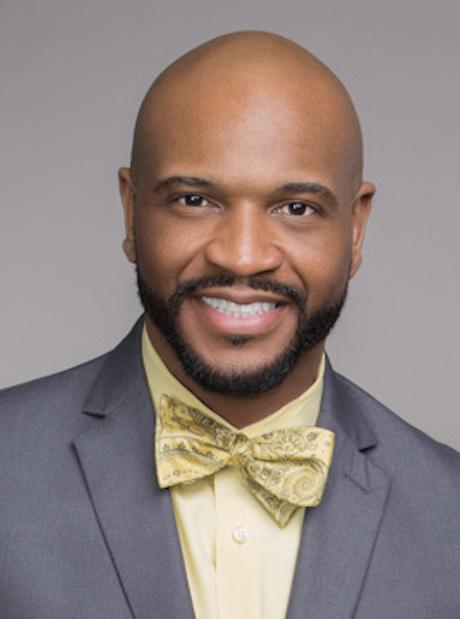
Whitney Miller-Nichols
CLAS Director of Governmental Relations
Advocacy
UPDATE
CLAS and the Education Trust Fund Budget
The primary focus of CLAS’s state advocacy is the Education Trust Fund (ETF) budget, as it determines the state funding each school system and school receives. As school leaders know, a budget is more than just numbers, it’s a policy statement that reflects the priorities of those in charge. CLAS’s advocacy efforts during the legislative session are guided by the legislative priorities approved by the CLAS Board at its winter meeting. Throughout the legislative session, the CLAS advocacy team works to ensure that our association’s priorities are represented. Your active participation during the legislative session strengthens and builds upon the groundwork laid by the CLAS advocacy team throughout the year.
The Budget Process
The state budget season officially began when ALSDE staff presented the agency’s draft FY2027 Education Trust Fund (ETF) Budget Appropriation Request to the State Board of Education during the board’s August retreat in Montevallo. Following feedback from the board, ALSDE staff revised the proposed budgets and presented the updates at the September SBOE work session, before the board approved the revised ETF appropriations request at its October meeting (linked below). State agencies are required to submit their budgets to the Executive Budget Office by November 1 each year. You can view the full ALSDE FY2027 budget request here.
Next, the Executive Budget Office will develop the Governor’s proposed budgets for the ETF and the General Fund, fine-tuning the requests to align with the Governor’s priorities for the upcoming fiscal year.
Many of these priorities will be highlighted in the Governor’s annual State of the State address, which will be delivered to a joint session of the Legislature on Tuesday, January 13, 2026. The Governor has three days to submit both budgets to the Legislature once they convene, meaning the budgets will be available by Friday, January 16. CLAS will provide a detailed analysis of the Governor’s address and proposed ETF budget in that week’s standalone Advocacy Update.
The Legislature holds joint budget hearings at which agency heads explain their budget requests. Each year, the two chambers alternate which originates each budget. In 2026, the ETF budget will begin in Chairman Danny Garrett’s House Ways and Means Education Committee, while the General Fund will start in Chairman Greg Albritton’s Senate Finance and Taxation General Fund Committee.
At the tail-end of the 2025 legislative session, House ETF chair Rep. Danny Garrett and Senate ETF chair Sen. Arthur Orr modified the CHOOSE Act via HB52 (Act 2025-402) to require the State Revenue Commissioner to take $100M “off the top” of the ETF and deposit into the CHOOSE Fund. State Superintendent of Education Dr. Eric Mackey praised the move over the summer, sharing with the board that this methodology means the required $100M annual appropriation will not count against the K-12 split in the ETF.
Education Trust Fund Forecast
The Education Trust Fund closed out FY2025 with $10.9B in total receipts, able to meet all FY2025 financial obligations and putting the ETF in a good position for FY2026, which began October 1. Per the Rolling Reserve Act, most of the $1.6B ending balance will be transferred through the “cascade” of funds in the ETF (more details below). House Ways and Means Education Chair Rep. Danny Garrett said in early October that the Legislature will continue its conservative budgeting practices for FY2027 to ensure support for new expenditures.
Senate Finance and Taxation Education Chair Sen. Arthur Orr pointed out that there are some significant challenges facing the ETF in FY2027: $122M less
in sales tax revenue thanks to the grocery tax reduction, and PEEHIP’s $380M shortfall due to federal healthcare changes. Orr also mentioned that a teacher raise would cost about $90M and a retiree bonus would cost about $50M.
ALSDE FY2027 Budget Requests
ALSDE’s FY2027 ETF budget request includes:
$52M for the Struggling Readers Beyond Grade 3 program. This program was funded as a pilot in the FY2025 Supplemental Appropriation, but the State Board of Education hopes to have it funded in the regular budget.
$52.9M in a School Safety line item
$12M for Paid Parental Leave
$19M for the final phase of math coaches as required by the Numeracy Act
ALSDE’s FY2027 request is a $386.7M increase over FY2026 appropriations. That is a hairsbreadth short of the $387.5M the Legislative Fiscal Office estimates will be available for all K-12 funding, which covers more than just K-12 public schools. The SBOE pushed for the department’s request to include the full $52M it would cost to implement the Struggling Readers Beyond Grade 3 as a permanent program.
ETF Cascade
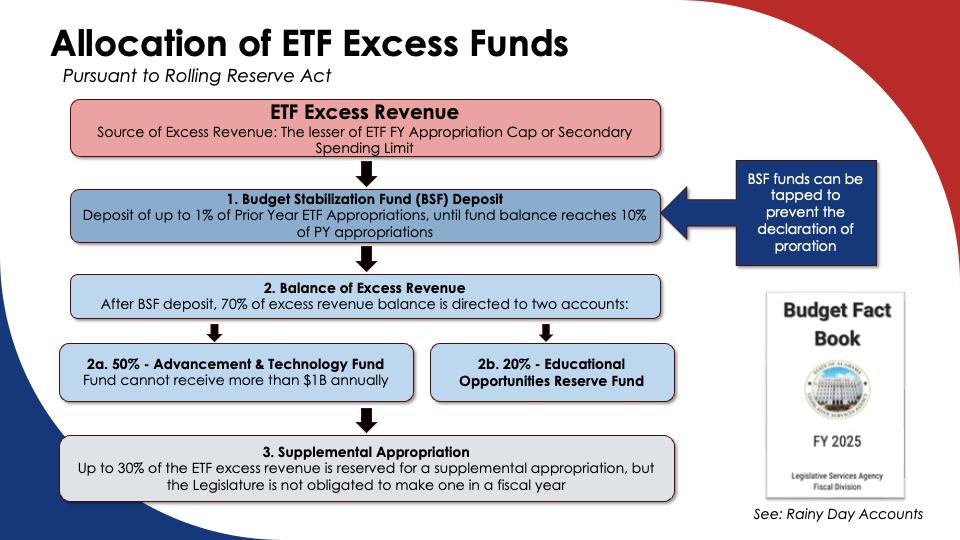
The Rolling Reserve Act directs how any excess revenue deposited into the ETF must be allocated.
In the last issue of the CLAS School Leader, we examined whether you could work for your board of education and also for a vendor or contractor of your board of education. The Ethics Commission said you can, within limits1
The Alabama Ethics Commission recently issued an opinion reminding public employees that they must wait two years after leaving or retiring from their public employment position before doing business with their former employer. However, the opinion appears to allow other employees of the prior public employee’s current company to work with the prior public employee’s previous employer.
Alabama Code Section 36-25-13(g) says, in pertinent part:
“No former public official or public employee may, within two years after termination of office or employment, … aid, counsel, advise, consult, or assist in representing any other person, in connection with any … matter … in which the former public official or public employee participated personally and substantially as a public official or employee or which was within or under the public official or public employee’s official responsibility as an official or employee.”
Accordingly, a government employee upon retirement or leaving government employment, who participated in a contract negotiation or approval, may not solicit, negotiate, or enter into a contract with their former public employer until two years after that person left their public position.
1
In Advisory Opinion 2024-02, a former vice-president of facilities management for Auburn University sought, prior to his retirement, instruction as to whether he could create his own consulting firm that would advise clients on the expertise he had developed while employed at Auburn University. The Ethics Commission noted that, upon retirement, the former vice-president could not solicit
or accept employment with any company that had contracts with Auburn University if he participated in the review or approval of that contract, until two years after he left his public position or last participated in reviewing or approving that contract.
This Advisory Opinion left open the possibility that a contractor for Auburn University could engage the former vice-president’s new company as long as certain protocols were followed.
The Ethics Commission said that, as long as the retiree did not use his public position to obtain work when retired, the restriction would not prohibit other employees of the retiree’s firm from representing any clients of the consulting firm, even before Auburn University.
Again, the Ethics Commission was very clear - - the retiree must not have used his position at Auburn University to create the opportunity to provide these services in his retirement. Of course, the retiree must not have solicited or received anything, including opportunities to work, for the purpose of corruptly influencing his official action while he was a public employee. The opposite is also true – the former vice-president (and his company) must do nothing to corruptly influence official action by any government with whom he interacts. Also, the retiree cannot use any confidential information obtained while a public employee, either, in working or obtaining work in his retirement.
Thus, on retirement, perhaps you must wait two years to directly deal with your former board of education. Yet, others in your company can represent clients before your former board of education, even if it is a company that you created, but you must keep yourself separate from that activity.
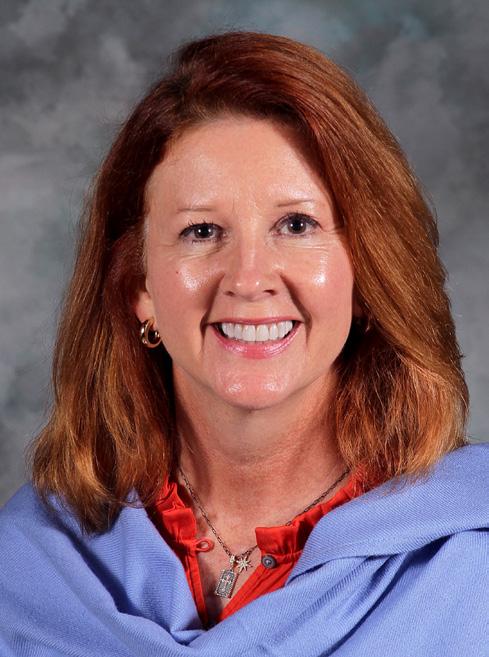
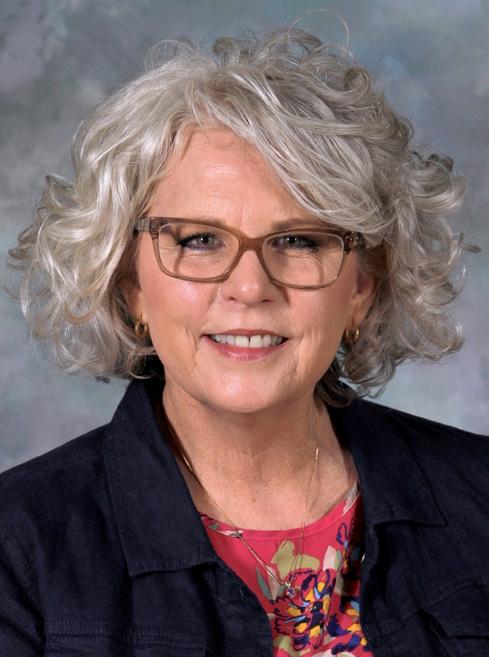
Dr. Demica Sanders
CLAS Director
of
Professional Learning
As a child, I remember Thanksgiving at my grandmother’s house; surrounded by loved ones and a table full of food. But we couldn’t touch a plate until two things happened: we prayed, and we each said what we were thankful for.
That tradition stuck with me. As I got older, I carried it into my own home. Gratitude matters, especially as the holiday season begins. For school leaders, this is the time to pause, reflect, and recognize the people who make our schools run every single day. Educators and support staff show up with heart, skill, and resilience. A little intentional appreciation reminds them that their work isn’t just seen, it matters.
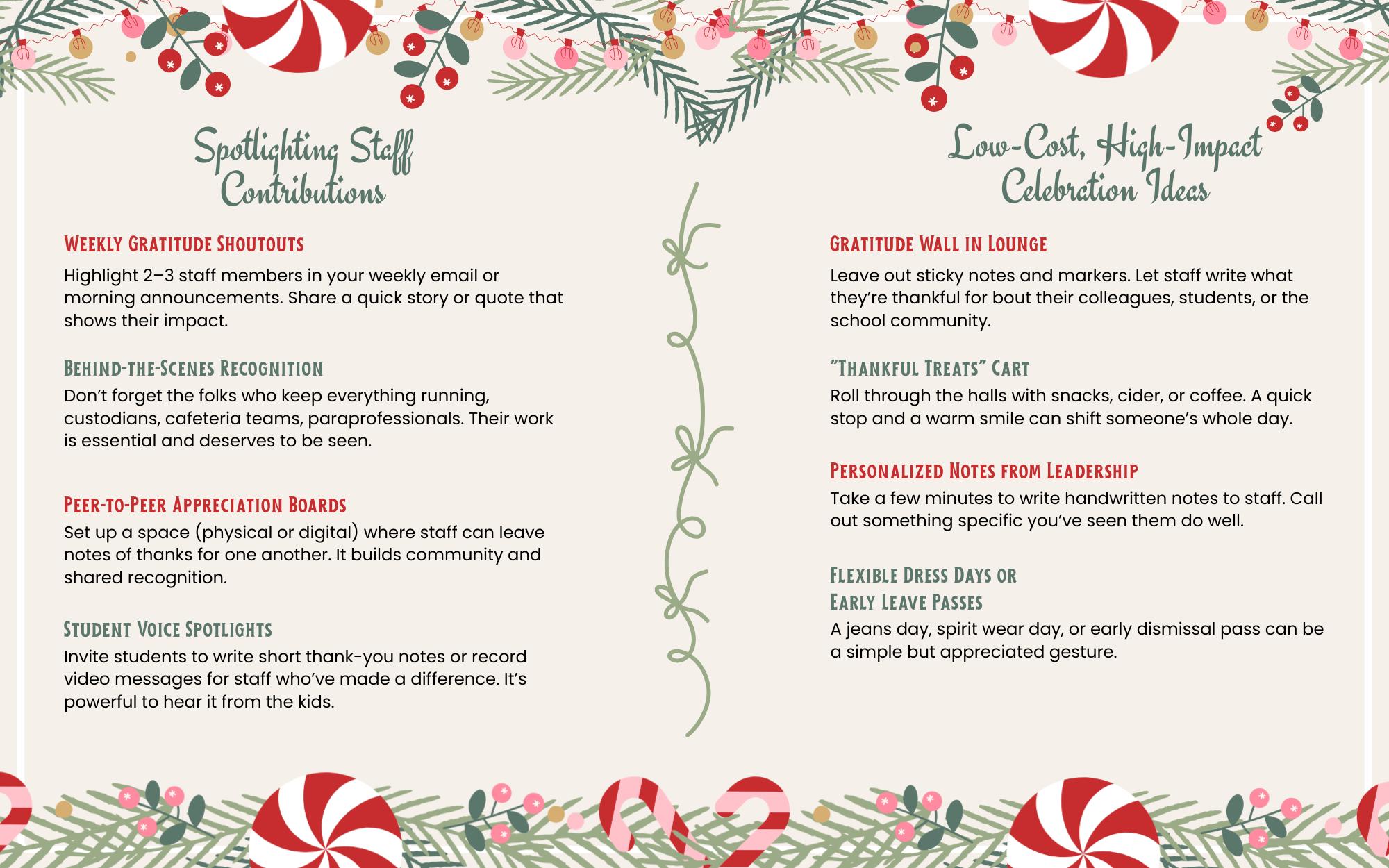
You might be thinking, “Alright Dr. Sanders, but how do we recognize our staff in a way that actually feels authentic?” I’m glad you asked. Here are a few practical, low-lift strategies that go a long way, and they mean something.
Professional Learning Update
Gratitude in Action: Leading with Heart this Holiday Season
Gratitude isn’t just a seasonal thing; it’s a leadership mindset. When we model appreciation, we set the tone for the culture we want to build. Whether it’s a spotlight, a small gift, or a heartfelt thank-you, your recognition reminds staff they’re not just doing a job, they’re making a difference.
Let’s make sure every educator and support staff member heads into the break knowing they’re appreciated, not just for what they do, but for who they are. As the holiday season begins, I encourage you to take a moment to pause and reflect on the great things happening in your school. Spend time with your loved ones, recharge, and return in January ready to finish strong.
CLAS is grateful for each of you for all that you for students in Alabama schools. If there’s ever anything we can do to support you, please don’t hesitate to contact us.
Advocacy Update Continued
Budget Stabilization Fund: $110M expected deposit, bringing the balance close to $950M. Budget chairs would like this balance at $1B. This fund may be used to counteract potential budget shortfalls without the Governor declaring proration.
Advancement & Technology (A&T) Fund: $750M expected deposit, for a $1.5B total balance. By law, this fund receives 50% of ETF excess revenue after the BSF deposit.
Educational Opportunities Reserve Fund (EORF): $390M expected deposit, bringing the balance to $1B. This fund was the source of deposits for the RAISE Program Fund and the CHOOSE Act Fund in the 2025 session.
Possible Supplemental Appropriation: $400M
The Legislature is not obligated to make an appropriation from any of these funds in any given year.
Budget and Advocacy
I encourage you to review the SBOE’s FY2027 ETF budget request and let your school or system’s legislators know which line items are of particular importance for the students you serve. Use this tool to find their contact information.
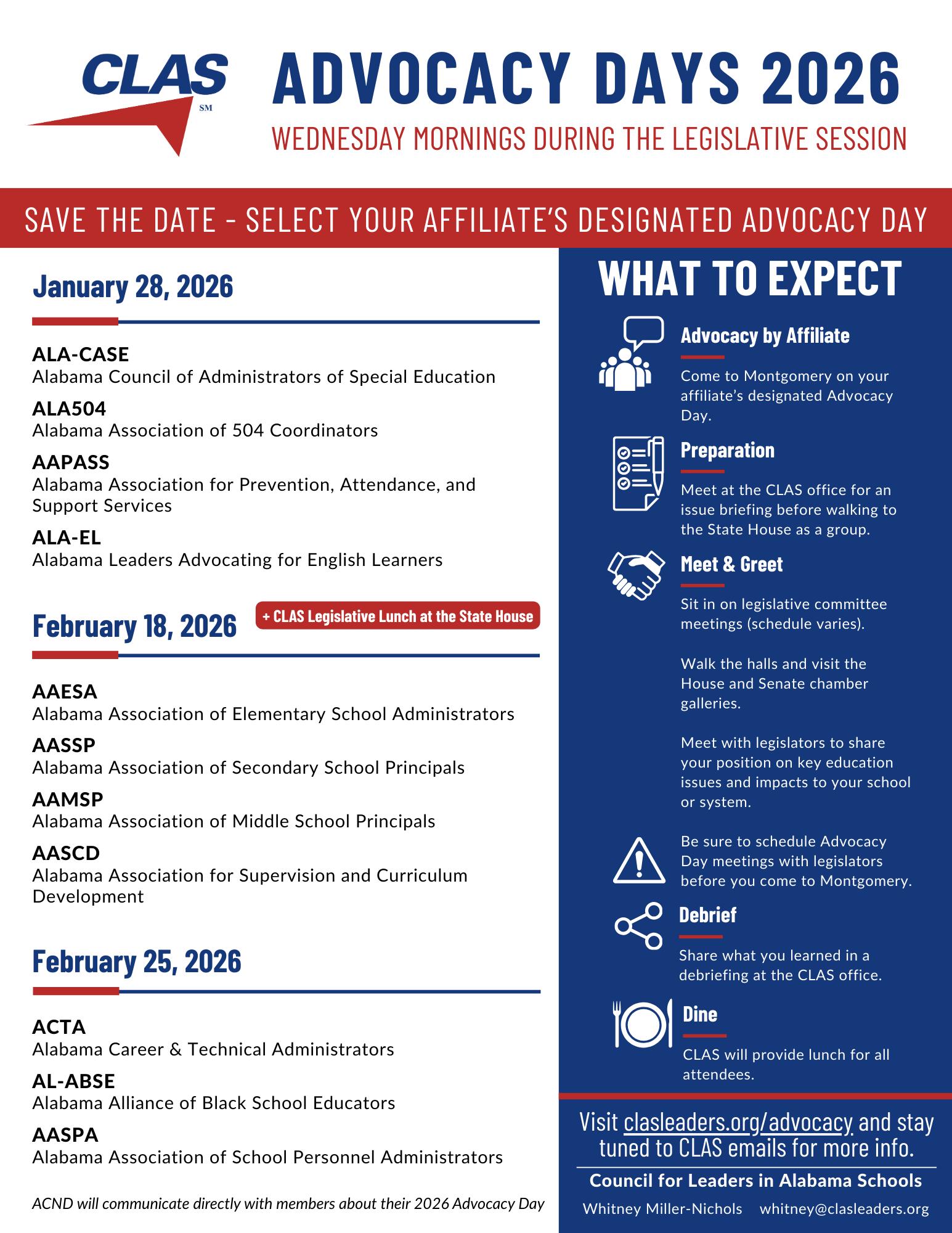
We have scheduled Advocacy Days for each affiliate to engage with legislators here in Montgomery. Check out the flyer on page 20 to see which date your affiliate is scheduled to be here and mark it on your calendar. Your presence in the State House will make a powerful impression on your legislators.
As always, feel free to reach out if you have questions.
Education in Australia Continued
Freedom, Creativity, and Real-World Learning
Student independence was a defining feature of Australian schools. There were no banned books, no school lunch programs, and no school buses—students commuted via ferry, metro, train, or on foot. Many schools include on-site cafés and allow students to leave campus for lunch.
Equally striking was the emphasis on creativity and the arts. Art students prepared for a trip to Paris, middle schoolers performed Romeo and Juliet, and campuses featured expansive art studios with kilns and galleries.
A highlight of the study was the visit to a Big Picture Learning Australia (BPLA) campus—a model rooted in personalized, passion-driven learning. Students design individual learning plans, engage in internships, and receive mentorship from educators and professionals. One aspiring veterinarian combined animal science with entrepreneurship, crafting and selling jewelry made from shed snakeskin. Others explored neuroscience, sustainable hemp, and public policy.
Originating in Providence, Rhode Island, in 1995, Big Picture Learning places students at the center of their education, emphasizing relevance, relationships, and real-world application. Graduates earn the International Big Picture Learning Credential, demonstrating mastery through authentic experiences rather than standardized tests.
Leadership Lessons from Melbourne
On the fifth day, the group flew to Melbourne for a leadership seminar at the University of Melbourne. A
feature was a session led by Dr. Pasi Sahlberg, Finnish education expert and author, who discussed global trends in school leadership. Dr. Sahlberg noted that despite rising education investments worldwide, student learning outcomes in Western nations have remained stagnant (OECD, 2018). While funding and data use have grown, measures of equity, engagement, and well-being have declined—a sobering reminder that innovation, not just investment, is needed.
Dr. Donnie Adams followed with a dynamic session on Innovations in Teaching, guiding the group through AIgenerated leadership simulations, offering a glimpse into the evolving intersection of technology and educational leadership.
Beyond the Classroom
Cultural experiences rounded out the study, from the Art Gallery of New South Wales and Bondi Beach to the Blue Mountains, Sydney’s Vivid Light Festival, and Paddy’s Market. In Melbourne, highlights included an Aussie Rules football game, a tour of the Koala Refuge, and the unforgettable Penguin Parade at Phillip Island.
A Journey of Perspective
This immersion offered the Alabama educators more than a glimpse into another nation’s school system—it provided a perspective on how educational values shape practice. Australia’s commitment to equity, creativity, and student autonomy challenges U.S. educators to reflect on what truly matters in preparing students for the world beyond school.
Our Team Is Growing
Welcome
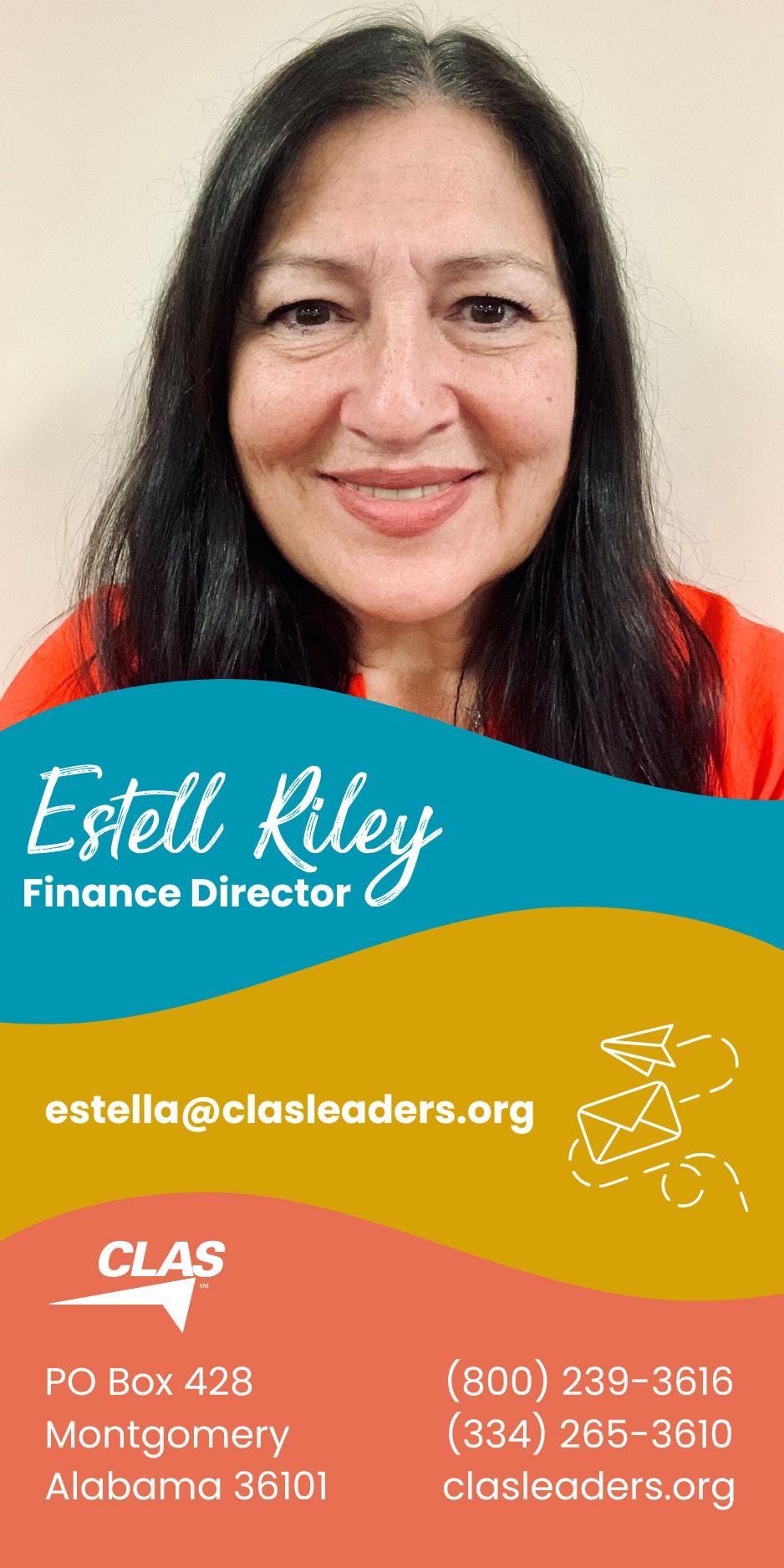
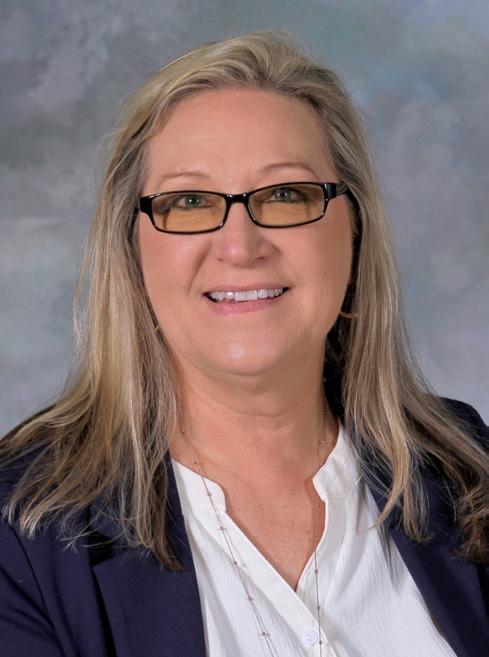
Estella “Estell” Riley to the CLAS Team!
We are thrilled to welcome Estella “Estell” Riley as the new Finance Director at CLAS. With more than 30 years of experience in accounting—spanning both corporate settings and public accounting firms—Estell brings a deep well of financial expertise, professionalism, and a problem-solving mindset that will strengthen our organization from the inside out.
As CLAS continues to grow to better serve our members and affiliate organizations, the addition of Estell to our team represents a significant step forward. Her commitment to excellence and enthusiasm for taking on new challenges make her a valuable asset as we work to support Alabama’s school leaders with increased capacity and care.
Originally from the Montgomery/Prattville area—where she and her husband Marcus have lived for decades—Estell is proud to call central Alabama home. The Rileys have been married for 42 years and are the proud parents of two daughters and grandparents to four amazing grandchildren.
Please join us in giving Estell a warm CLAS welcome. Feel free to reach out using the contact information provided on this page.
2025-2026 CLAS Board of Directors
Alabama Association of Secondary School Principals (AASSP)
Cedric Brown Southside High School
Carrie Busby Mountain Brook High School
Jeff Cole Winston County High School
David Diaz Mary G. Montgomery High School
Kelli Fischer Opelika High School
Seth Taylor Oxford High School
Antjuan Marsh Autauga County Schools
Willie Moore Athens High School
Bennie Shellhouse Goshen High School
Regina Thompson
Michelle Washington CLAS
Annie Spike
Alabama Association of Elementary School Administrators (AAESA)
Alabama Association of Middle School Principals (AAMSP)
School Superintendents of
(SSA)
Alabama
Dana Bottoms
W J Carroll Intermediate School
Veronica Coleman Chastang-Fournier K-8 School
Eric Kirkman Kilby Laboratory School
Karissa Lang Crestline Elementary School
Jenny Davis Fairhope West Elementary School
Tisha Lewis Sweetwater High School
Charles Gardner Hokes Bluff Elementary School
Jami Rainey Northridge Middle School
Laura Herron Daphne Elementary School
Sheneta Smith Howell-Graves Preschool
Tamala Maddox
i3 Academy - High School
Caroline Obert Huntsville City Schools
Ross Reid Auburn Junior High School
Keith York Opelika City Schools
Becky Birdsong Geneva County Schools
Walter Gonsoulin Jefferson County Schools
Ed Nichols Madison City Schools
Timothy Thurman Linden City Schools
Cindy Wigley Marshall County Schools
Alabama Association for Supervision & Curriculum Development
Alabama Association for Prevention, Attendance & Support Services (AAPASS)
Charla DeLeo St. Clair County Schools
Christy Jackson Fort Payne City Schools
La’Keisha Newsome Henry County Schools
Bruce Prescott Tuscaloosa City Schools
Lisa Adair Butler County Schools
Lisa Beckham Samford University
Ashley Catrett Crenshaw County Schools
Patrick Chappell Retired
Perry Dillard Dale County Schools
Carlos Nelson Sheffield City Schools
Evelyn Nettles-Hines Birmingham City Schools
Tiffany Yelder Opelika City Schools
Michael Alford Hoover City Schools
Floyd Collins Pelham City Schools
Jasmine Green Huntsville City Schools
Gary Noles Blount County Schools
Alabama Association of Career/Technical Administrators (ACTA) Directors
Alabama Association of School Personnel Administrators (AASPA) Directors
Alabama Association of 504 Coordinators (ALA504) Directors
Alabama Child Nutrition Directors (ACND) Alabama
Christopher Blair Retired
Stefanie Underwood Decatur City Schools
Resia Brooks Shelby County Schools
Allison Mays Tuscaloosa County Schools
Melinda Bonner Hoover City Schools
Deana Goodwine Sylacauga City Schools
Chris McCullar Walker County Center of Technology
Annie Spike Marshall County Schools
Richard Templeton Muscle Shoals City Schools
Special Education Update Continued
device. For example, can the school provide a device to serve the same purpose? In most circumstances where a student requires access to a feature or application on a wireless communication device as part of his/her IEP or Section 504 Plan, the district can and should provide the device if necessary for FAPE.
Moreover, in the rare case where a team allows an exception to the district’s wireless communication device policy that will permit possession, operation, or use of a student’s personal device based upon a disability, the team should narrow the accommodation as much as possible to minimize conflict with the underlying purpose of the FOCUS Act – improving student learning outcomes and the mental health of school-age children. Some examples of limitations for use of a personal device, when permitted as an exception to a district’s policy ban, include:
Imposing time restrictions or designating particular areas for device use; Requiring the personal device to have unnecessary apps locked down and inaccessible;
Storing the device with the classroom teacher, where it can be made available to the student with a disability only in the specific circumstances permitted.
In short, allowing an accommodation to the district’s wireless communication policy for an individual student with a disability should rarely if ever mean unrestricted, unfettered access to a student’s
personal cell phone or other wireless communication device at school. Ultimately, the IEP or Section 504 team will decide the supplementary aids and services or accommodations needed and whether an accommodation to the district’s policy should be permitted. The key points for school staff and teams to remember are:
Avoid preconceived conclusions and do not simply dismiss a parent’s request for an accommodation that would allow for an exception to the district’s policy that applies to all students, as a student’s individual needs, at least in theory, could require making an exception to the policy;
Follow the process for consideration by the IEP or Section 504 team as outlined above for supplementary aids and services, assistive technology, accommodations, and IHPs; Consider how to achieve the requested objective or to provide a needed feature or application in a way that does not require use of a student’s personal device; and In the event that a team decides to make an exception to the district’s device ban to permit an individual student’s use of a personal cell phone or other wireless communication device for disability-related reasons, be careful that the related service, supplementary aid/service, or accommodation is written in a way that does not obligate the district to provide a device that the district is not prepared to provide.
ALSDE Update Continued
growth is stalled in places; and the road ahead demands more than modest gains. In my opinion, middle school years require renewed focus. The new brand is not meant to mask those realities, rather it is meant to propel us past them.
Keep in mind, our problems are not unique to Alabama. The national backdrop is sobering. While many states continue to experience declines in reading and other areas, Alabama stands out for stabilizing early-grade outcomes and reversing negative trends. We celebrate our successes, but we also roll up our sleeves and work even harder on the areas in need of improvement.
Recruiting and retaining the best teachers isn’t about catchy marketing alone… but it helps. Teachers want to be part of a team that has energy, vision and credibility. They want to work where the leadership says clearly: we value you, we invest in you, we believe you can make a difference. The new branding underscores exactly that. It declares: Alabama values educators. Alabama values their craft. Alabama values excellence… Alabama ACHIEVES!
In reading and mathematics, especially in the early grades, we have intentionally expanded instructional support, deployed reading and math coaches, strengthened teacher training in evidence-based practices, and directed resources to high-impact zones. Analysts attribute Alabama’s recent gains in large part to those concentrated efforts. Computer science and STEM opportunities are likewise on the rise, recognizing that the future of Alabama runs through technical innovation and workforce development as much as any traditional education.
In other words: we’re not just cheering improvement; we’re engineering it. If we are going to keep climbing, we must keep recruiting smart, committed, evidence-driven educators who believe in children and believe in Alabama. And perhaps more importantly, we must keep retaining the amazing teachers we already have by giving them support, professional growth, and recognition that says you made the right choice when you came to Alabama.
Stay. Thrive. It’s not enough to hire a great teacher. We must create an environment where that teacher can excel, lead, and grow.
Alabama has a story to tell. We’ve long been known for our college sports and the social struggles we have endured over the years. In that spirit, the recent academic gains give us reason to stand tall… not boastfully, but respectfully, as a place of progress, planning, and potential. It is also worth celebrating that Alabama has produced a National Superintendent of the Year, proving that our leadership is recognized not only at home but on the national stage. That honor underscores the quality of our school leaders and the impact they are making on children’s lives.
Each time we speak positively about our schools, each time we highlight a teacher success story, each time a principal celebrates a milestone, we invest in our reputation. And when we talk recognition into existence, when we say, “Alabama leads,” “Alabama builds,” “Alabama cares” we send a message to educators across the country that this is a place worth coming, staying and serving.
The education story in Alabama says: “We’re proud,” yes… “But we’re not done.” Our progress is significant, and our path forward is clear.
The brand Alabama Achieves isn’t simply a moniker, it is a living commitment in every school, in every professional development session, in every instructional moment. When we launch this brand alongside our evidence of improvement; our climbing rankings, our policy reforms, our strategic focus, it shows that we are serious about education in Alabama.
Let us own the narrative: Alabama is an education state. Our children deserve it. Our communities demand it. Our future depends on it. As you go to your school, as you gather your leadership team or meet with your instructional coaches, I am challenging each of you, hold high the promise: Every Child. Every Chance. Every Day.
A+ Best Practices Center
The A+ Best Practices Center (ABPC), in partnership with the Alabama State Department of Education, facilitates high-quality, collaborative professional learning for Alabama educators.
Dr. Stoney Beavers (205) 908-0059 dakota@aplusala.org aplusala.org/best-practices-center/
Accelerate Learning
At Accelerate Learning our award-winning interactive STEM programs are designed to engage students’ natural inquisitiveness, turning questions into exploration and exploration into understanding.
ACCESS Virtual Learning is an education initiative of ALSDE that provides opportunities and options for Alabama public school students in AP, core and elective courses.
The American Village serves the nation as an educational institution whose mission is to strengthen and renew the foundations of American liberty and constitutional self-government.
Bailey Education Group is committed to partnering with all schools and districts to improve the lives of all children through customized PD and teacher coaching.
Bill Hopkins (281) 235-8246 info@baileyarch.com http://baileyeducationgroup.com/
Bchex, a BIB Company
Faster Screening. Safer Workplaces. Stronger Teams. Our platform simplifies the entire volunteer background screening process, making it seamless and stress-free for you and your volunteers.
Michael Kinard (980) 622-7901 mkinard@bib.com https://www.bib.com/
Bill Miller Photographers
Family owned and operated since 1955, we specialize in school and senior portraits while helping schools fundraise and support their communities.
Abby Miller Mattox (256) 892-3150 hello@billmillerphotographers.com www.billmillerphotographers.com
A pioneer in K–12 education since 2000, Amplify is leading the way in next-generation curriculum and formative assessment.
Pre-school to high school photography service. Yearbooks, PowerSchool data provider sports banners, cap and gown vendor, custom printing services.
Ricky White (205) 714-3000
blackandwhitephoto.inc@gmail.com mybwpdc.com
Blue Ribbon Schools of Excellence
BRSE is a one-of-a-kind assessment that provides actionable insights that can be used for school improvement. It is a comprehensive approach to helping schools grow.
CREATED BY TEACHERS FOR TEACHERS A-STATE ONLINE. A-State, ranked among the best by U.S. News, offers flexible, accelerated online programs for educators with multiple starts.
April Stansberry (256) 339-2153 april@blueribbonschools.com https://blueribbonschools.com
Capturing Kids’ Hearts
Capturing Kids’ Hearts® empowers educators through training, coaching, and a character-focused curriculum to enhance social-emotional wellbeing, build relationships, foster campus culture, and strengthen student connectedness.
Cognia is a non-profit, non-governmental organization that equips primary and secondary schools throughout the United States and internationally in the journey of continuous improvement.
Jeff Langham (334) 312-2432 jeff.langham@cognia.org www.cognia.org
Columbia Southern University
Columbia Southern University offers 100% online associate, bachelors, masters and doctoral degrees in fields such as, education, nursing, business administration, and many more!
Ernie Smith (251) 923-4055 ernie.smith@columbiasouthern.edu www.columbiasouthern.edu
Curriculum Associates
Curriculum Associates research-based products including i-Ready® and Ready®, provide teachers & administrators with flexible resources that deliver meaningful assessments and data-driven, differentiated instruction for children.
DataComm Networks Inc. (MSP) provides IT and security solutions in Alabama, specializing in managed services like network design, security monitoring, firewall management, and helpdesk support.
Edmentum creates learning technology solutions designed to support educators and supplement existing curriculum with one goal in mind: positive student outcomes in K-12.
Dee Dee Jones (256) 221-0807 deedee.jones@edmentum.com www.edmentum.com
Gibbs Smith Education
We are an independent, employee-owned publisher committed to making an ethical difference in the world of public education.
Jeff Whorley (801) 927-2172 jeff.whorley@gibbs-smith.com gibbssmitheducation.com
Hammill Recreation
Provider of playground equipment, First Class Pre-K equipment, shade, swings, surfacing, and site furnishings since 1981. Our playground equipment is proudly manufactured in Alabama!
For over 50 years, thousands of schools and districts across the country have relied on our high-quality, hands-on materials to expand their core curriculum.
Horace Mann offers auto, home, life, and voluntary insurance as well as retirement strategies and financial wellness education for educators and their families.
Imagine Learning provides digital-first, personalized educational solutions for K–12, offering programs in literacy, math, language, and social studies to enhance student success.
Take teaching and learning to the next level with Canvas, the #1 educational software, and the foundation of the Instructure Learning Platform. Christopher Downs (781) 831-4816 cdowns@instructure.com instructure.com
iteach
iteach is an alternative teacher certification program that provides a flexible, affordable pathway for individuals to earn teaching credentials and enter the classroom quickly.
SchoolsPLP offers over 2000 PreK - 12 aligned online courses. The course offerings include core, electives, credit recovery and CTE pathways.
Education
Eric Moon (770) 789-1941 eric@jnreducation.com SchoolsPLP.com
Jumpstart Test Prep
Empowering teachers and students of all ability levels to gain the MOST improvement in the LEAST amount of review time on high-stakes Alabama assessments.
George Kushner (251) 604-4208 gkushner@jumpstarttestprep.com www.jumpstarttestprep.com
Just Right Reader
Accelerate reading achievement with 750+ decodables mapped to a rigorous phonics progressions in English and Spanish.
Matt Smith (770) 402-2423 matt.smith@justrightreader.com https://justrightreader.com/
K12 Skills Arcade
K12 Skills Arcade is a game-based learning platform for Pre-K–12, offering adaptive, standards-aligned practice in math, reading, and science with real-time progress tracking.
We do onsite engraving on sterling silver jewelry.
Karen Maury (205) 790-8349 kayrena16@gmail.com
Kid Account, LLC
Integrated daily school safety solution including dismissal/carline management, visitor/staff/student/ volunteer management, emergency management, hallpass management, and event day management. Kim Robertson (800) 578-1448 krobertson@kidaccount.com https://kidaccount.com/
Kids First Education
Kids First Education is an educational solution provider with a dedicated Alabama team partnering with districts through collaboration, creation, and commitment to putting Kids First!
Lathan McKee Architects is a full‐service design firm offering a comprehensive range of services with experience including projects of varying size, style, complexity, and scope.
Barry Davis (205) 988-9112 bdavis@lathanassociates.com www.lathanassociates.com
Playworld Preferred, Inc.
We have a range of solutions to meet your needs - from site furnishings to shade structures and everything in between.
PowerSchool is a leading provider of cloud-based software for K-12 education in North America. Learn more at www.powerschool.com.
Publishers’ Warehouse
Publishers’ Warehouse is Alabama’s one-stop shop for instructional materials. Our partnership with schools & the ALSDE allows us to provide textbooks with ZERO shipping charges!
Patrick Chappell (205) 516-5821 pchappell@ebsco.com publisherswarehouse.com
Reach University
Reach is the nation’s only non-profit accredited university fully dedicated to championing the Apprenticeship Degree an affordable path for working adults to gain a degree.
Real Deal Gaming provides the ultimate entertainment experience. We offer exciting ways to reward students for good behaviour, testing well on ACAP and much more.
Legacy of Hope saves lives through organ/tissue donation, honors the legacy and generosity of donors, and supports donor families in their time of need
LaToya Bishop (205) 731-9200
LaToyaRBishop@legacyofhope.org legacyofhope.org
Learning Blade - Powered by eDynamic Learning
Learning Blade is a free STEM and career awareness platform that helps students explore real-world careers and build academic skills through interactive, standardsaligned online missions.
Scott Mains (205) 937-2841 scott@learningblade.com www.LearningBlade.com/AL
LEGO Education
As the builders of tomorrow, students hold the future in their hands. We believe that every student deserves access to quality, hands-on learning experiences!
PowerUpEDU, a technology solutions provider for Alabama classrooms, creates transformational learning environments that engage students and empower teachers, bridging the gap between teaching and technology.
Presence is a leading provider of teletherapy. We innovate how clinicians address student special education and mental health needs through an elevated approach to teletherapy.
The ColorPro poster makers allow you to create your own full-color posters and banners. Also, create your own custom award plaques, cutouts, decals and more!
Really Good Stuff offers educational products and resources for teachers, focusing on classroom supplies, learning tools, and creative solutions to enhance engagement and learning outcomes.
Kristen McGaw (979) 402-2373 kmcgaw@discountschoolsupply.com www.reallygoodstuff.com
Renaissance
Renaissance is a global leader in assessment, reading, math, and early literacy solutions for pre-K–12 schools and districts.
Lori Boyd (334) 649-3345 leigh.twigg@renaissance.com https://www.renaissance.com/
Rhodes Branding
A mission-led strategic branding and marketing agency exclusively serving K-12 education, Rhodes Branding empowers schools with innovative strategies to flourish in a dynamic, competitive environment.
Ripple Effects is an evidenced-based suite of digital programs, for students in Pre-K through grade 12, offering personalized skill building on behavioral and social challenges.
We offer strengths-based assessments that unlock the potential in all learners. Our industry leading resources transform results into strategies for success.
Kevin Burke (440) 773-8252 kevin.burke@riversideinsights.com riversideinsights.com
Samford University School of Education
Samford University School of Education Graduate Programs.
SchoolAI empowers educators to personalize learning with engaging, accessible experiences. We save time, transform challenges into opportunities, and help every student thrive.
Matt Argubright (913) 710-8762 matt@schoolai.com www.schoolai.com
Scholastic Education
Scholastic is the largest publisher and distributor of children’s books, a leading provider of core literacy curriculum and professional development services and children’s media.
Lee Getzinger (205) 209-2406 lberlin@scholastic.com www.scholastic.com
Smart Solutions Group
Through a variety of curricula options, Smart Solutions Group’s products and services are designed to prepare students for academic, college, career, and lifelong success.
SmartLabs turnkey, career-centered STEM programs equip today’s students for tomorrow’s challenges. Every PBL environment integrates STEM applications across industry pathways to create real career connections.
A professional development company dedicated to supporting educators in their efforts to improve student learning. Known for its focus on collaborative professional learning communities (PLCs).
Leading provider of school day portraits, senior portraits, sports portraits, special events portraits, and yearbooks. We believe honest value never fails.
Studies Weekly is a standards-based core curriculum for K-8, founded on deep learning strategies in Social Studies, Science, and Health & Wellness.
Josh Hadden (866) 311-8734
marketing@studiesweekly.com StudiesWeekly.com
Technical Training Aids
Educational solutions company for over 65+ years offering simulators, hands-on skill sets, totally autonomous programs, machining, 3D printing scanning, pre-engineering, STEM, elearning, and many more.
Bobby Conrad (205) 936-1485
bobby@ttaweb.com www.ttaweb.com
Terrell Enterprises, Inc.
We offer high-quality products such as Sico, Artcobell, Fomcore, and COE Distributing; as well as services such as space planning, design, delivery, installation, and repair.
Hope Leadership Academy is a three-year program that enables educators to create strategies that develop a school culture of character development.
Liz Huntley (205) 901-6323
info@hopeinstitute.org
https://www.hopeinstitute.org/
The Kirkland Group
The Kirkland Group provides job-embedded teacher coaching and professional development services to K-12 schools specializing in ELA, math, science, and history.
Chan Cleveland (601) 206-5505
info@kirklandgroup.org www.kirklandgroup.org
The University of Alabama
M.A. in Educational Leadership (online); EdS in Educational Leadership (online); Ed.D. in Educational Leadership (online); Ph.D. in Educational Leadership; Ph.D. in Educational Leadership (online).
Benjamin White (205) 348-6997 bkwhite2@ua.edu https://education.ua.edu/
The University of Alabama Online
The University of Alabama Online offers over 30 topranked graduate education degrees with affordable tuition so you can earn your degree around your schedule.
Peer Helpers PLUS, an evidence-based K-12th grade prevention and support program, equips students to navigate a wide range of emotional, societal, and behavioral challenges.
Using TouchNumerals and TouchPoints with TouchMath’s explicit and systematic math instruction allows students to see, touch, say, and hear math in a whole new way.
David Constantine (251) 545-9903 dconstantine@touchmath.com www.touchmath.com
Transfr, Inc
Transfr builds classroom-to-career pathways for millions of workers who are the future of every industry via immersive technologies and in partnership with schools, businesses, & governments.
TURNERBATSON is a thriving architectural & interior design firm located in Birmingham, Alabama. The firm has a 101-year history and a diverse client base. Melissa Anderson (205) 403-6201 manderson@turnerbatson.com turnerbatson.com
University of West Alabama Online
Advance your career with an online degree from UWA. Flexible, affordable programs and extra savings with the Teacher Connect Scholarship help you achieve your goals.
Jessica Hughes (205) 533-0131
jhughes@uwa.edu online.uwa.edu
Varsity Brands/BSN Sports&Varsity Spirit
Solution provider through Sport and Spirit to elevate student experience and define your culture!
Verkada
Verkada offers security cameras, access control, environmental sensors, alarms, visitor management, and intercoms on one cloud-based platform. Over 28,000 companies and organizations worldwide use Verkada.
Austin Baker (704) 962-7524
austin.baker@verkada.com verkada.com
Virco Manufacturing
Virco is celebrating their 75th year as America’s largest manufacturer of classroom, library, and cafeteria furniture for schools.
For an appointment, call 205-721-0514.
John Havicus (205) 721-0514
johnhavicus@virco.com www.virco.com
ULMonroe Online
University of Louisiana Monroe’s Online Doctoral and Master’s programs for educators. With affordable pricing, no GRE options and even a no-dissertation option! Talons Out!
Brandi Paine (225) 218-7390 brandi.paine@risepoint.com online.ulm.edu/brandi
Andrew Bush (601) 540-3926
abush@varsity.com www.varsitybrands.com
Ward Scott Morris Architecture
Ward Scott Morris Architecture has 40 years of experience designing the future of K-12 today. Creating partnerships that focus on our clients needs.
Carol Coleman (205) 577-7027
carol@wardscottmorris.com www.wardscottmorris.com
Zaner-Bloser
Zaner-Bloser develops curriculum resources to teach foundational literacy and math skills to grades PreK–6 students. Our resources help teachers inspire more “aha” moments.