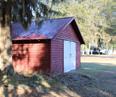
Updating Archives and Graphics for the Penn Center - Spring 2024
Collaborative Work as a Class under Dr. Danielle Willkens
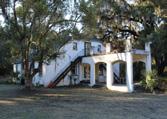
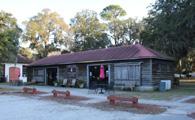
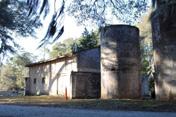
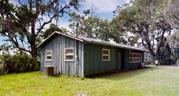
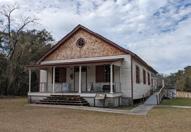
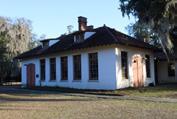
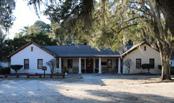
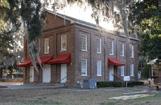
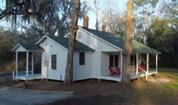
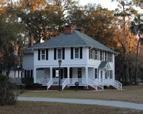
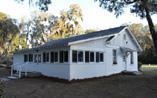
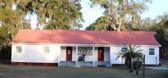
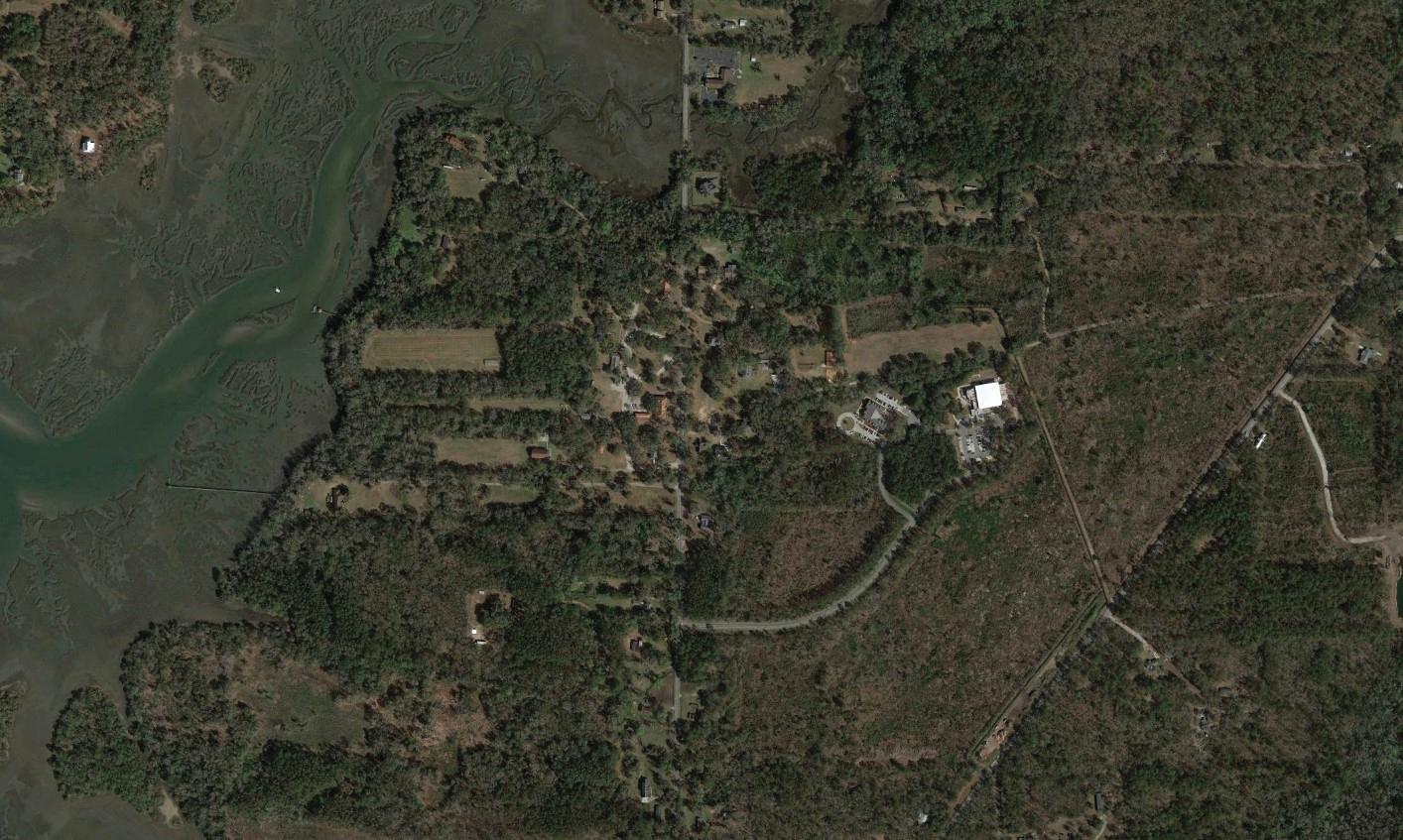
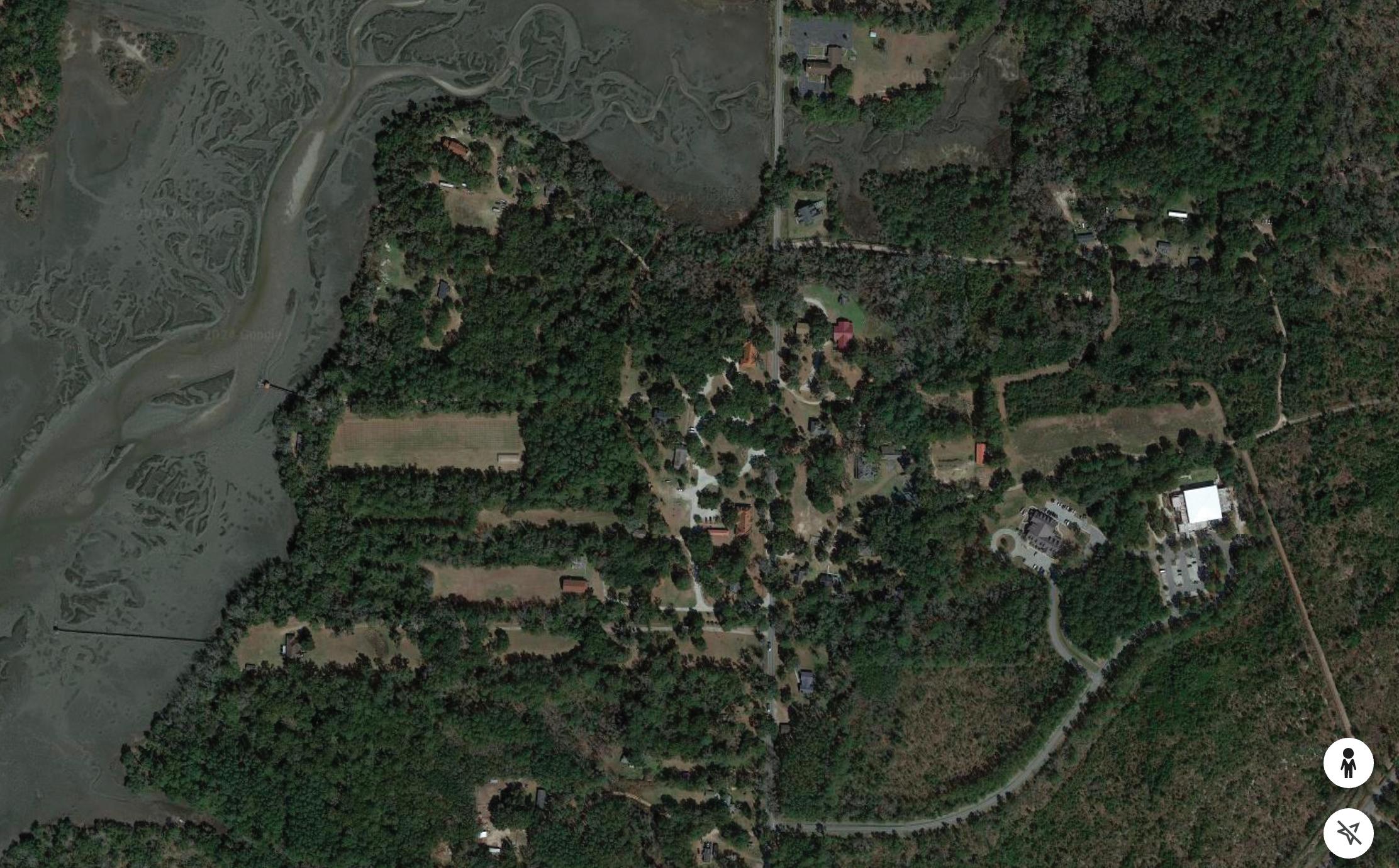
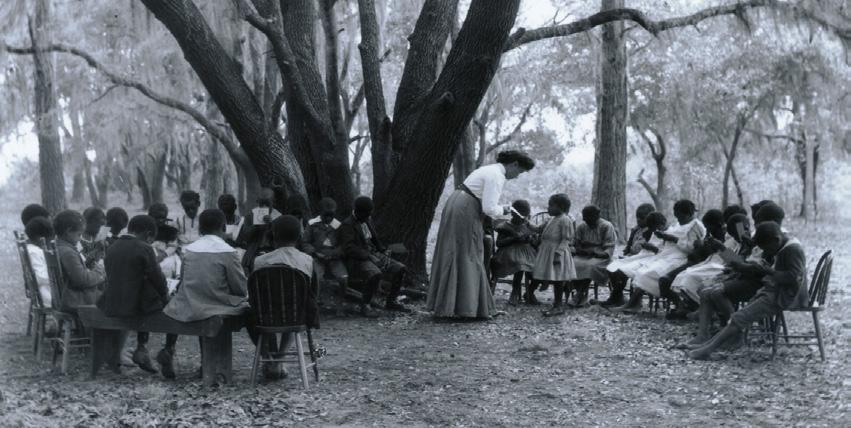
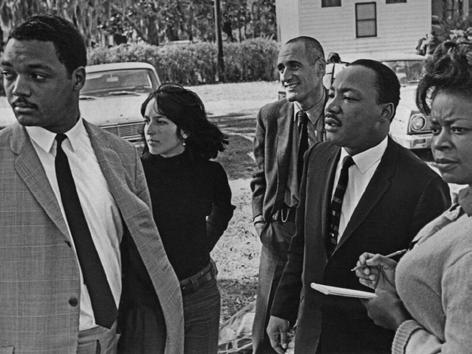
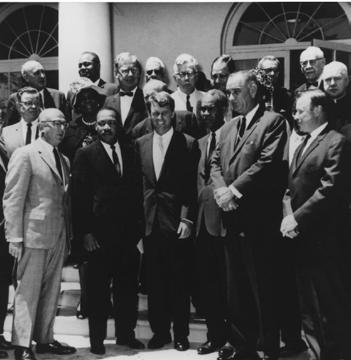
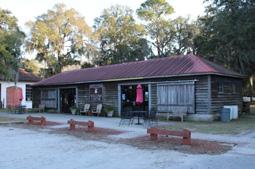
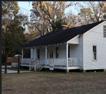
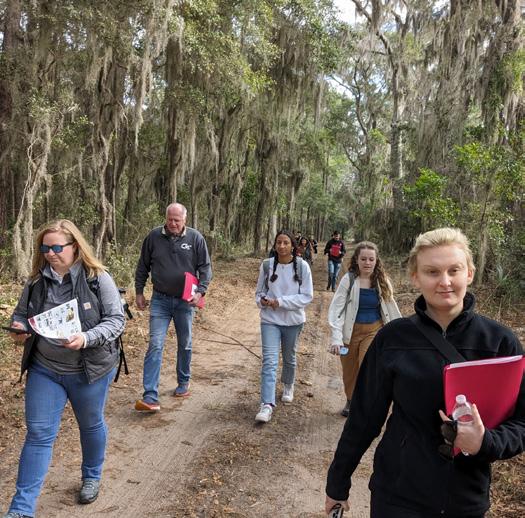
On Saint Helena Island, the Penn Center is the site of the Penn School, one of the first academic schools in the South to provide a formal education for formerly enslaved West Africans. In 1862, the Penn School was established by abolitionist missionaries from Pennsylvania and remained an educational institution until 1948, when the state took over public education. The Penn Center continued with an educational mission and became a cultural center and conference meeting space. The center played an important role in the Civil Rights movement as one of few interracial meeting spaces in the region and hosted Martin Luther King Jr. and the Southern Christian Leadership Conference for retreats in the 1960s. Today, it is a historic and cultural institution illustrating the site’s complex history interwoven with the current day Gullah culture.
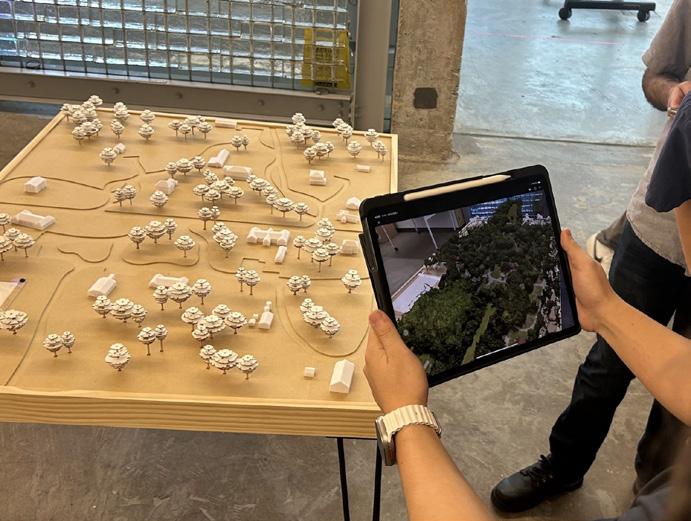
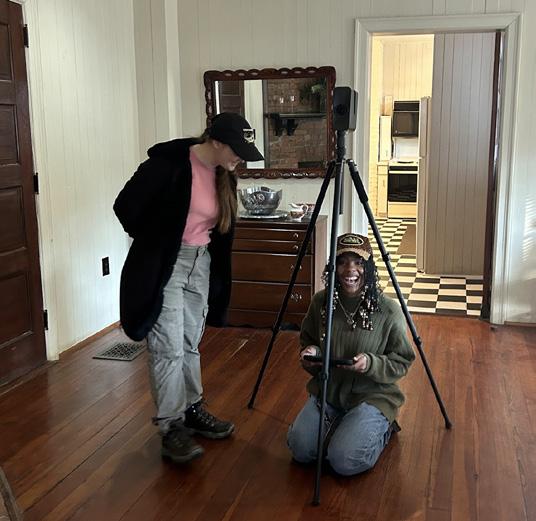
Under Willkens’s class on “Race, Space, and Architecture in the United States”, students worked with photogrammetry, LiDAR scanning, and Matterport scanning. Students collaborated to provide the center with updated digital resources and public interpretation materials to better illustrate their mission, including updated GIS information, an updated website user interface, more user-friendly maps and walking tour brochures, recorded oral histories of Penn School graduates and other significant figures to the site, and a physical campus model to be used in the center’s visitor center and for organization fundraising and planning purposes.
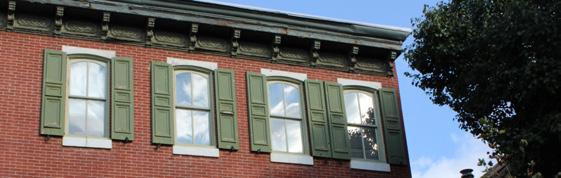
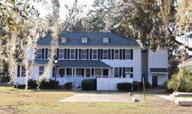
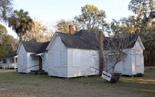
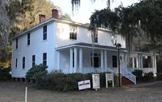
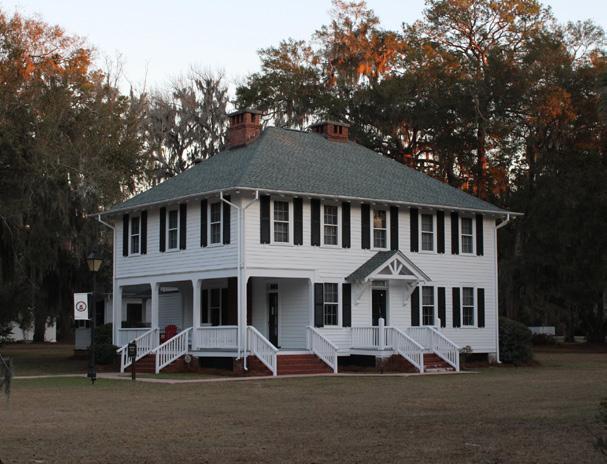
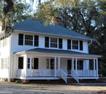
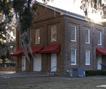
Hampton House in 2024
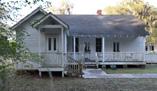
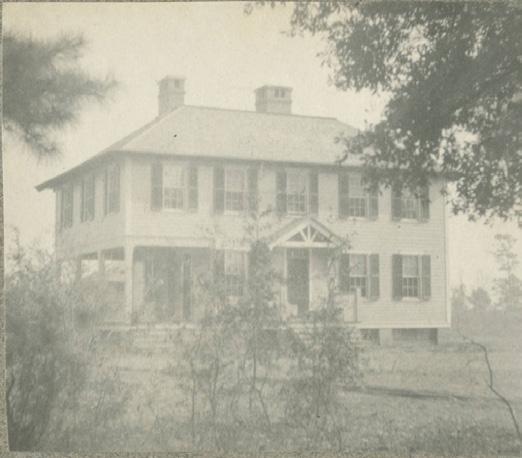
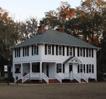
Benezet House in 2024
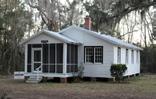
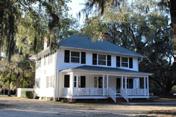
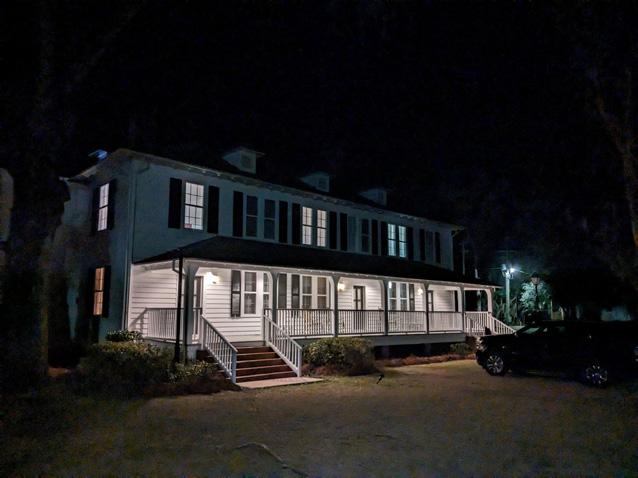
Benezet after completion in 1906
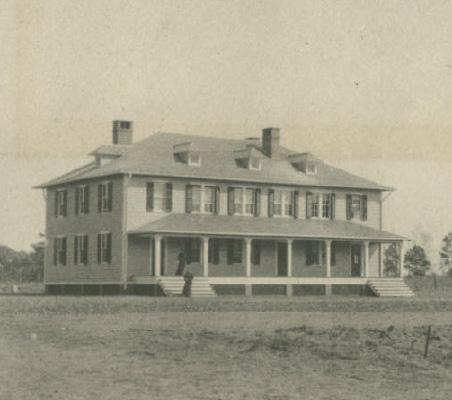
Hampton after completion in 1905
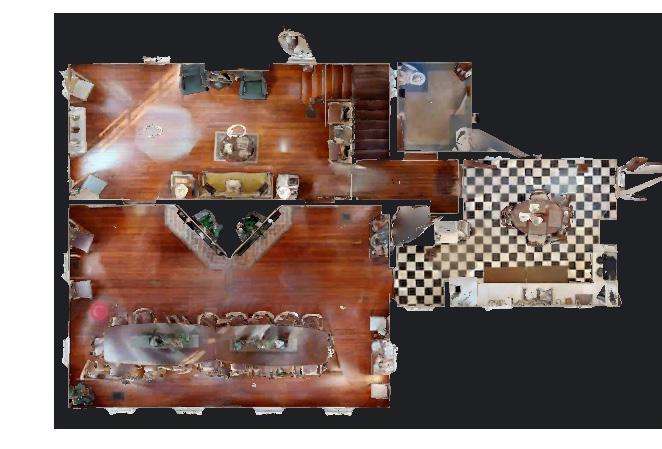
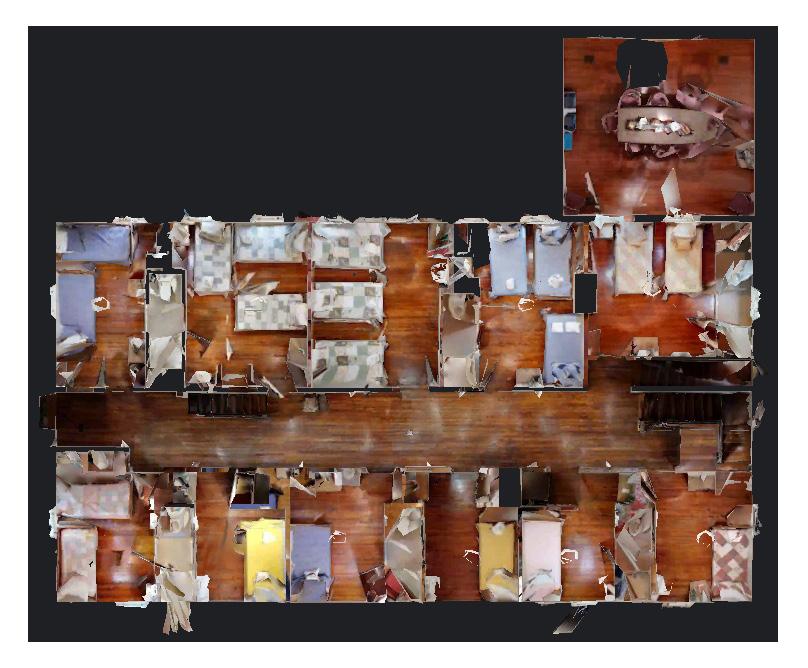
Hampton House Matterport Scan
Benezet Matterport Scan
Updated Walking Tour Brochure Interior
Updated Walking Tour Map
South Downtown Adaptive Reuse - Fall 2023 BASS CORNER
Collaborative Work with Ella Petry
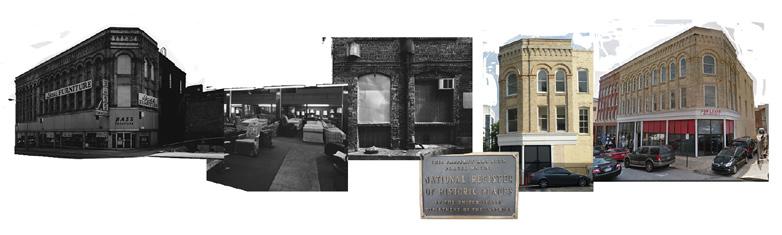
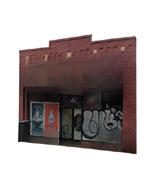
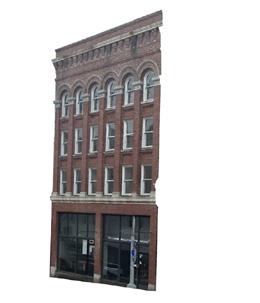
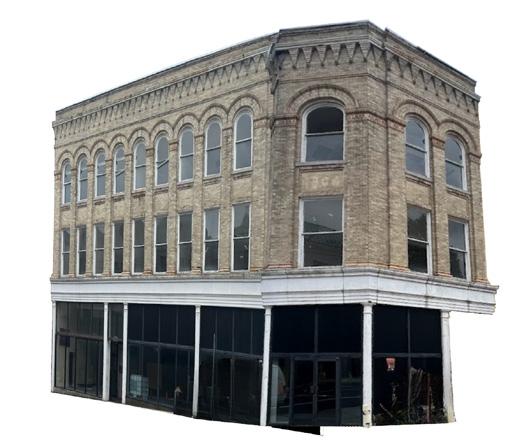
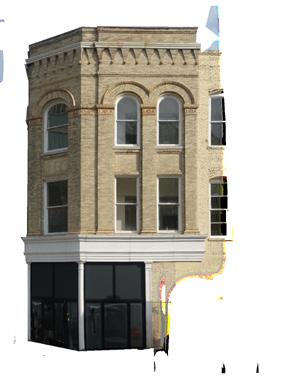
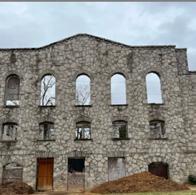
Built in 1854, the Bass Furniture Building has undergone many changes over the last one hundred and seventy years. It became registered as a National Historic Place in the late 1970s and now sits vacant at the corner of Mitchell and Peachtree Streets in South Downtown Atlanta. Working within the guidelines of what the National Park Service defines as “rehabilitation” in the grander scheme of preservation, Bass Corner brings new life to the corner of a neighborhood at Atlanta’s heart. Making use of two abandoned buildings next door, Bass Corner incorporates a produce-focused small scale grocery store, lunch counter, community center with gym equipment and study space, used bookstore, and affordable housing to help shift our built environment towards one promoting walkability and community.
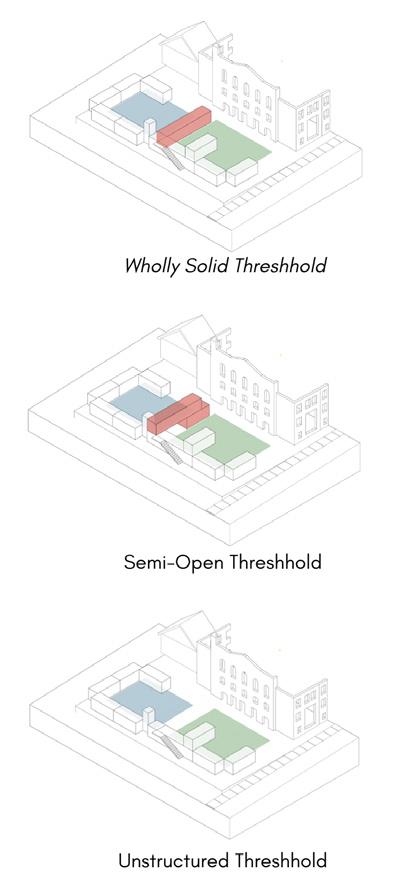
Corner Space Approaches
Studio Area of Development
Application of Old and New
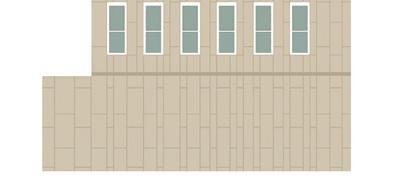
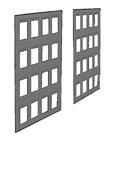
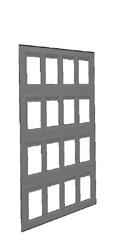
Paneling Grid
from
Bass Building Massing
Apartment Lobby and Lunch Counter
Apartment Communal Space
Used Bookstore
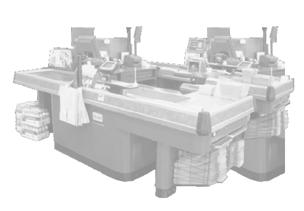
Produce-based Grocery Store
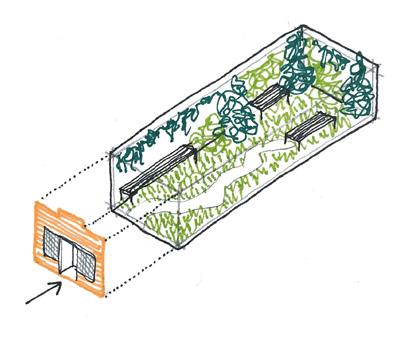
Pocket Park
Community Center Upstairs
THE STITCH
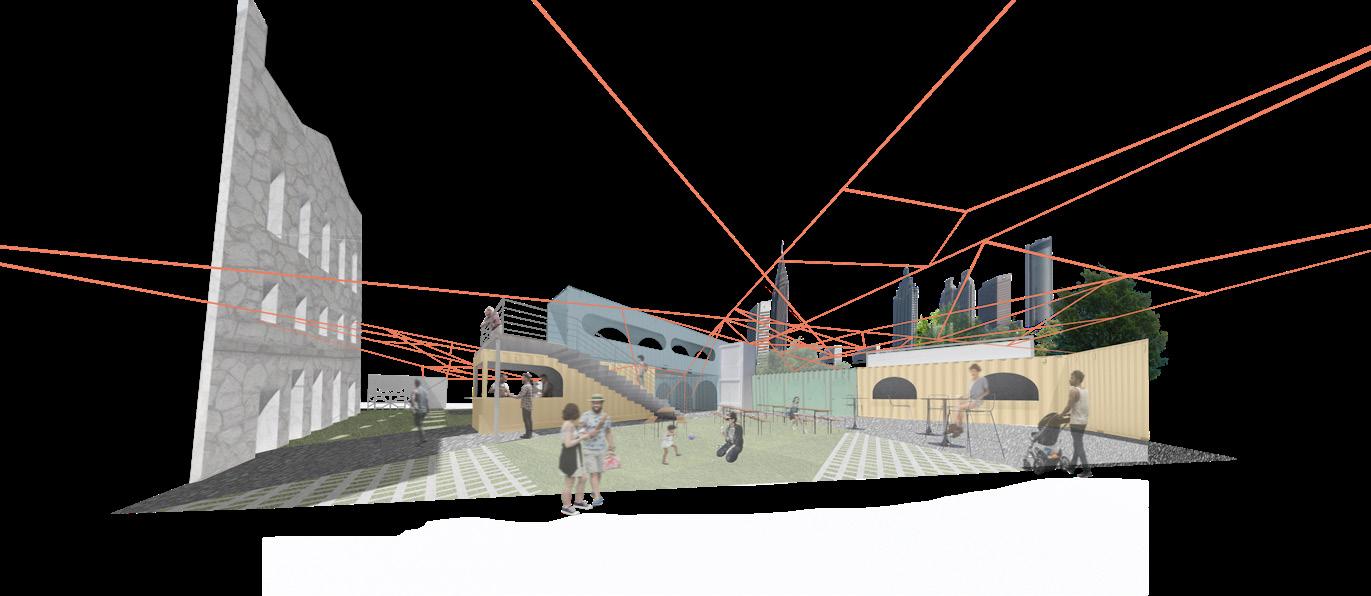
Design Finalist for Shipping Container Development
Collaborative Work with Ryan Stoddard, Rohini Rewatkar, and Gray Walters
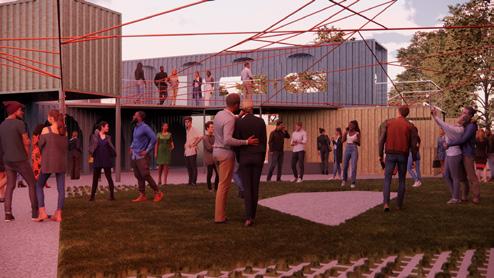
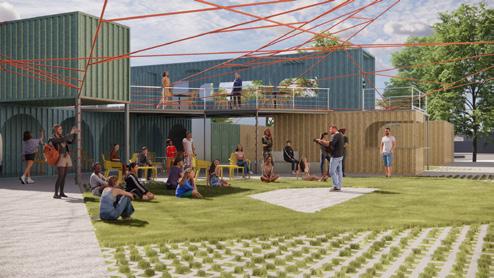
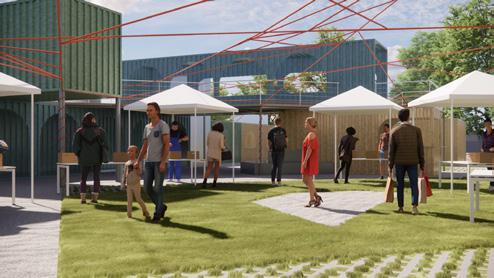
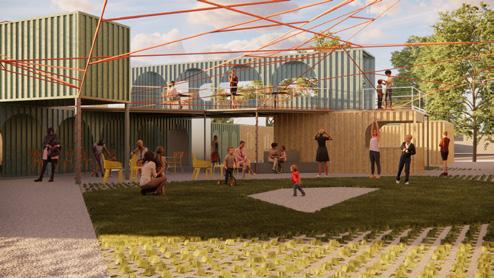
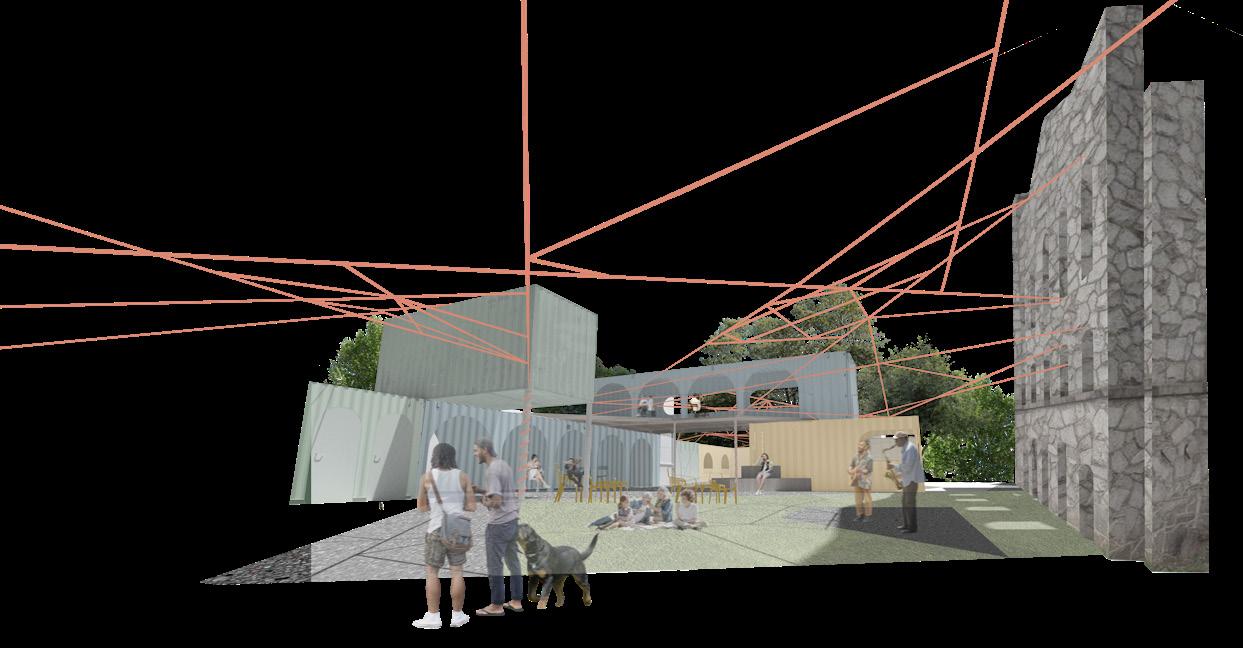
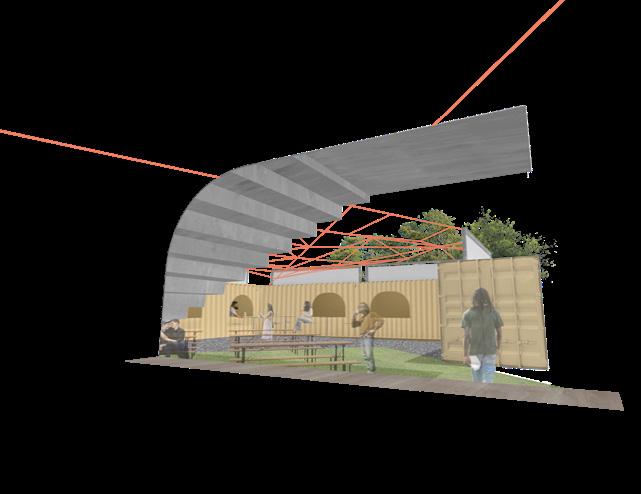
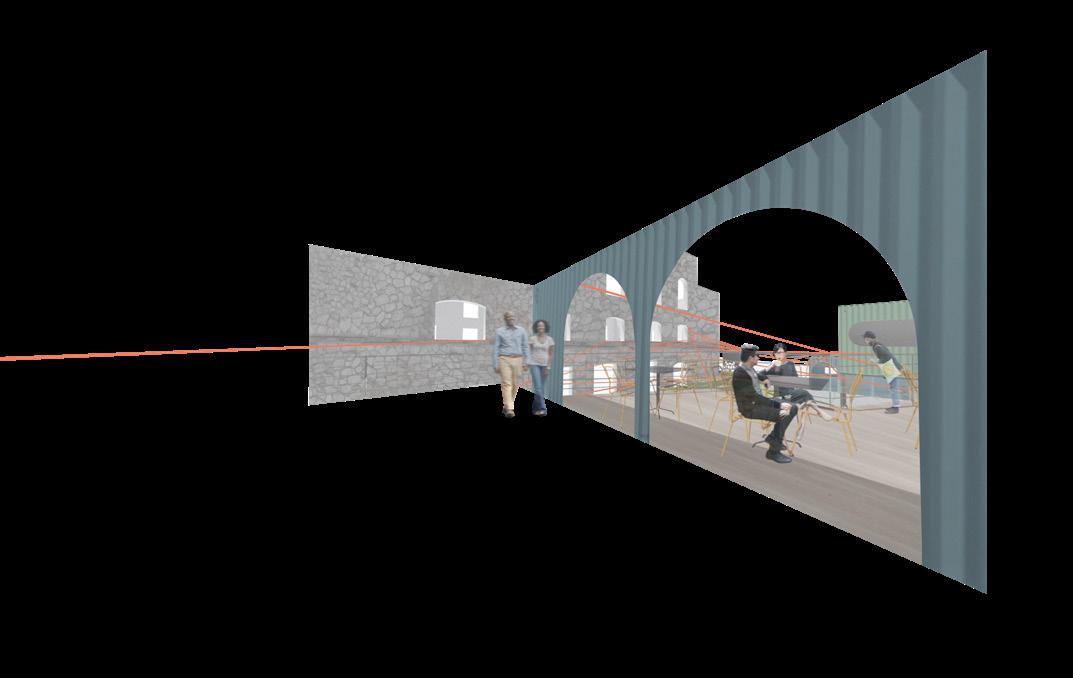
In Atlanta’s English Avenue neighborhood, St. Mark AME sits at the intersection of the area’s rich history and its tight knit community. From its origins as the Western Heights Baptist Church, to its reconstruction as a prosperous African-American congregation, and to its eventual deterioration; its history reveals the story of the people and forces that have defined and transformed English Avenue. Sitting adjacent to this historic edifice and the key intersection of James P. Brawley Drive and Cameron M. Alexander Boulevard, The Stitch provides an opportunity to develop a model of neighborhood investment and growth that prioritizes contextually-grounded placemaking. The project aims to create both a sociocultural space to host community events and a site to empower local business vendors to get their start.
Programming
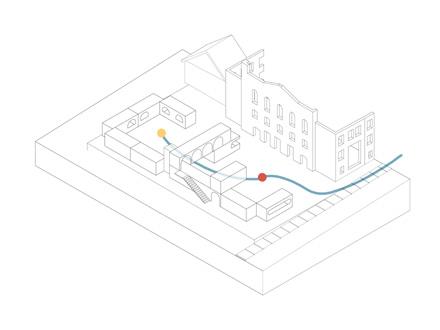
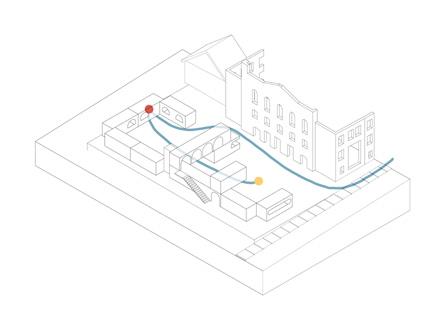
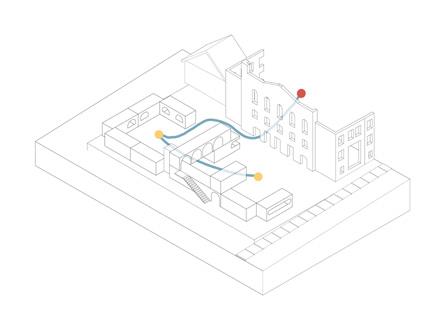
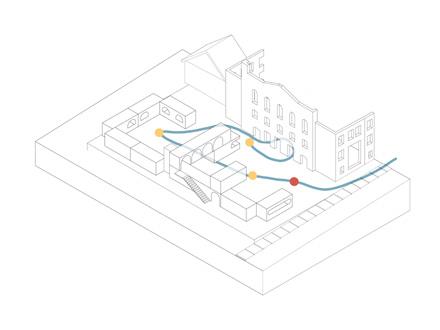
Paths of Approach and Discovery
Quilt making, a storied form of textile art, serves as inspiration for our ceiling condition. Known not only as a down to earth and accessible form of expression, but recognized for its ability to pass stories and histories between generations, quilting served as a metaphor towards design in as rich a community as English Avenue. Using a grid of intersecting lines reminiscent of quiltwork, the site is divided and defined through a ceiling and ground condition reminiscent of a quilt-like material patchwork. This flexible system places the visitor withing the ‘quilt’ across the site, accommodating for a variety of programmatic and shading needs while retaining the characteristic significance and welcoming feel of patchwork.
Stitch Development
Geometric Language
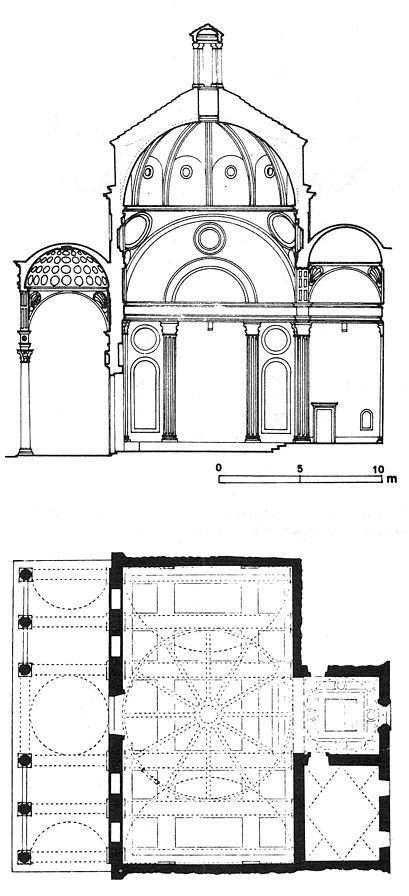
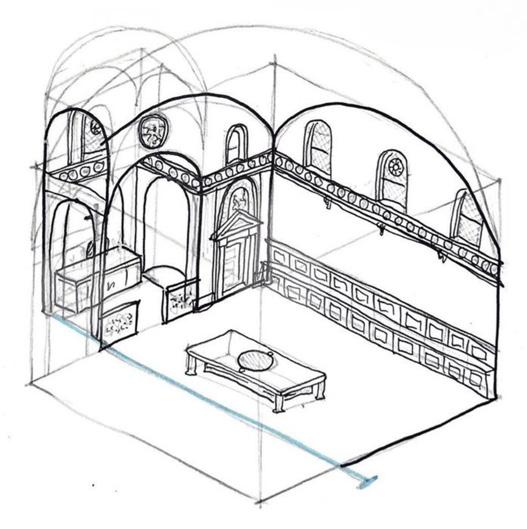
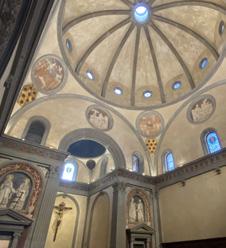
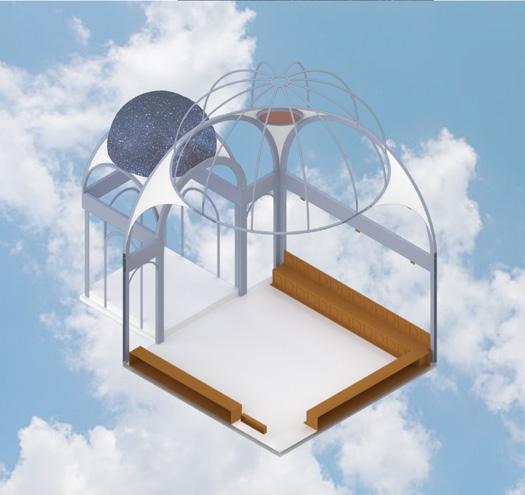
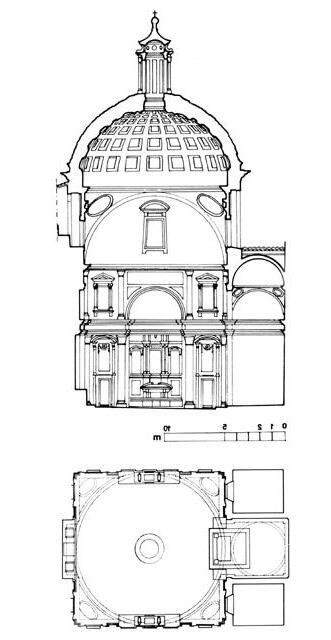
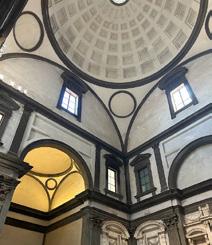
Analysis - Fall 2023 OLD SACRISTY OF SAN LORENZO
Historic and
Geometric
In a class focused on understanding the greater relationship of design principles interrelated between art, architecture, and film, students analyzed historic precedents from geometric, historic, and symbolic standpoints as examples of ways to think more critically about the artistic world we inhabit and interact with day to day.
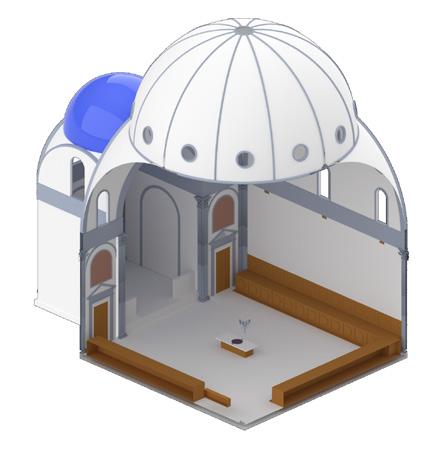
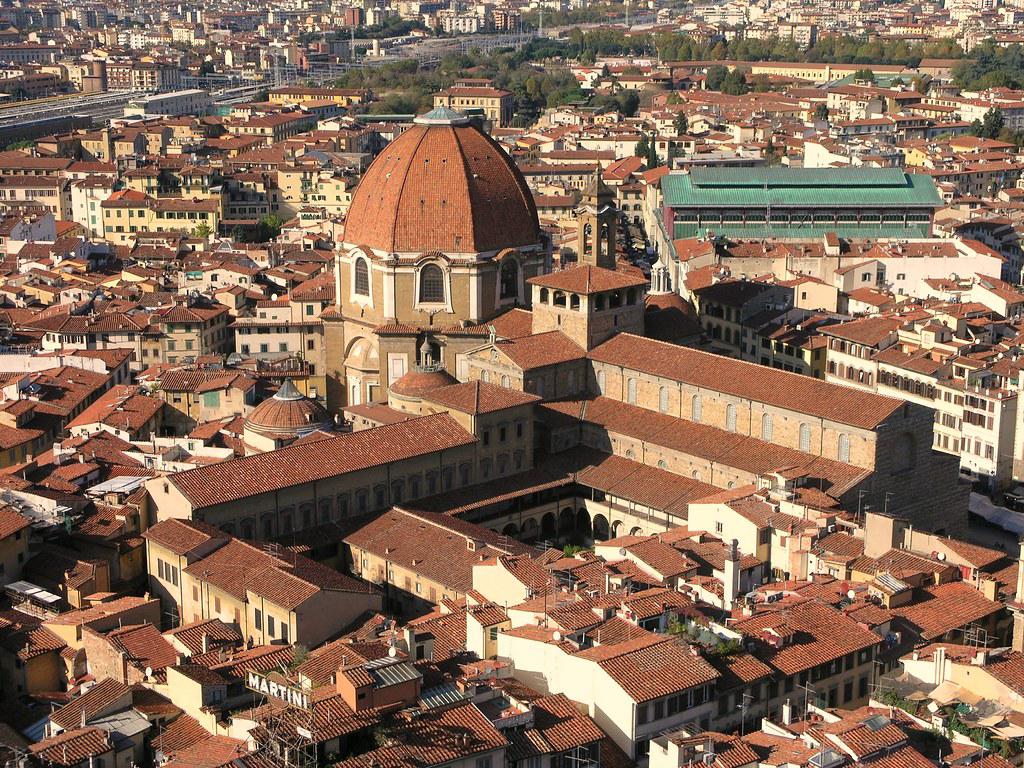
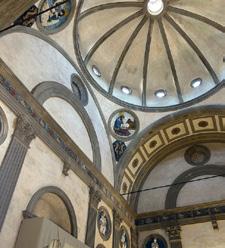
In its role in architectural history, Italian politics, and religious symbolism, Brunelleschi’s Old Sacristy of San Lorenzo provides one with a fascinating example to compare to other works, including its similarities and differences with Brunelleschi’s later Pazzi Chapel, and Michelangelo’s New Sacristy within the same basilica a century later.
Laurentian Library
Old Sacristy Main Basilica
New Sacristy
Old Sacristy increasing in formal complexity
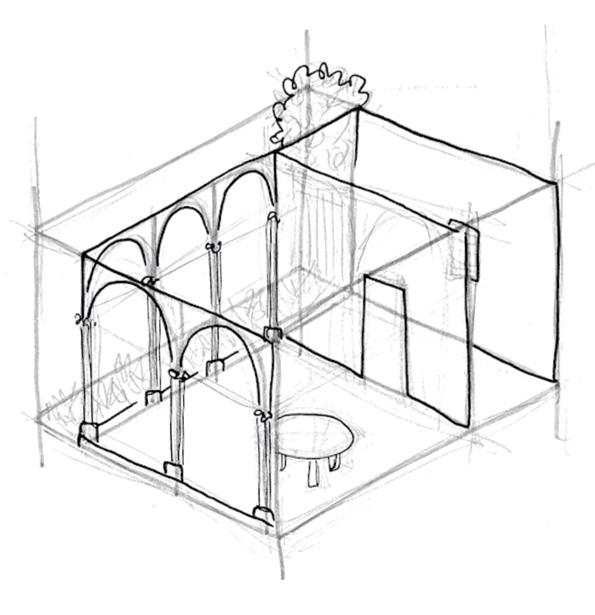
impression as an open-air pavilion study in axonometric section
Pazzi Chapel
Old Sacristy
New Sacristy
Climate Analysis of Historic House - Fall 2022 RICH CABINS
NM, USA - 36.422N 105.29W
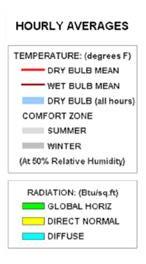
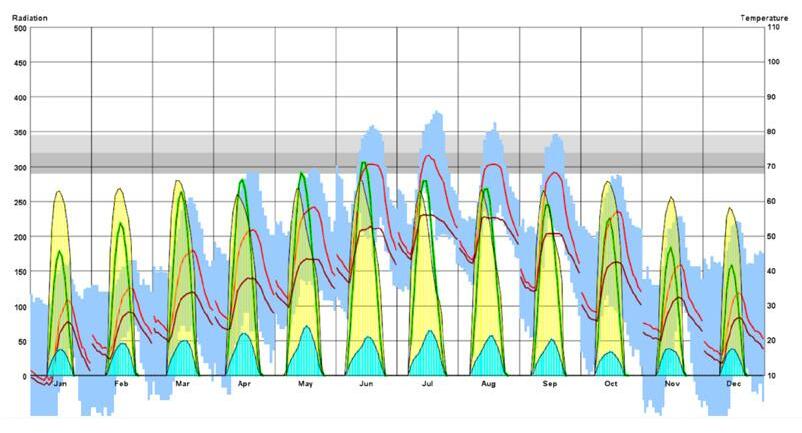
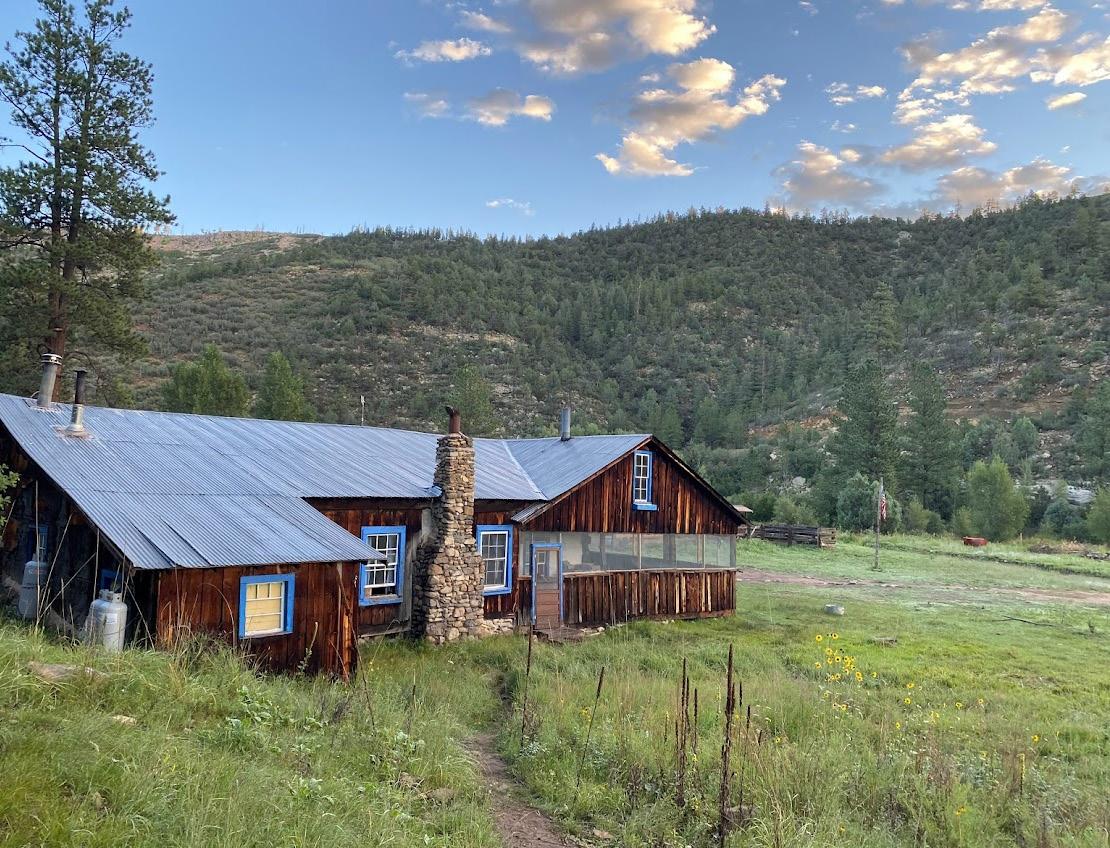
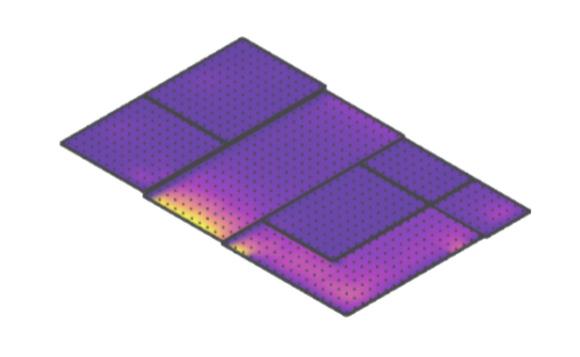
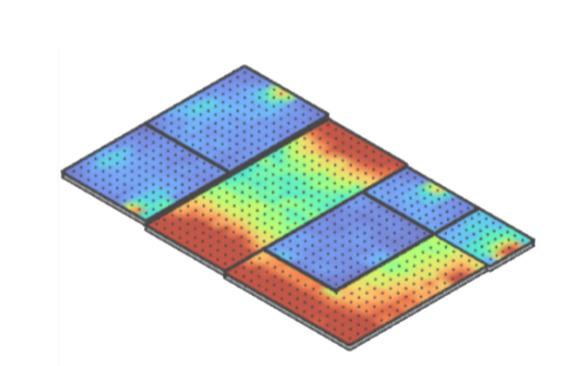
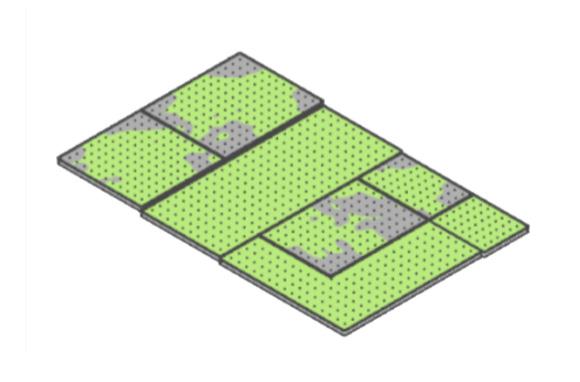
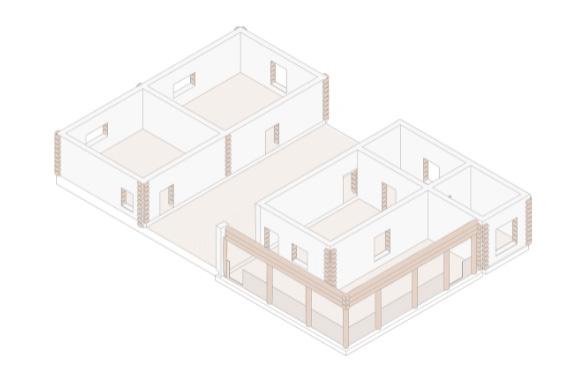
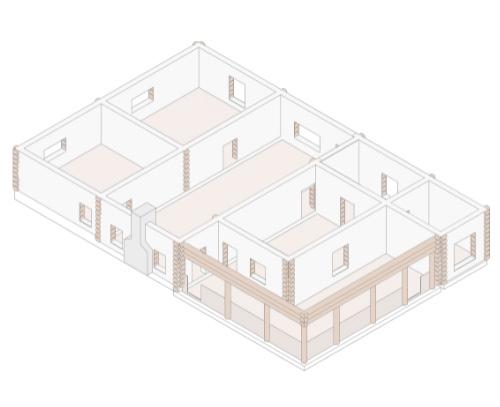
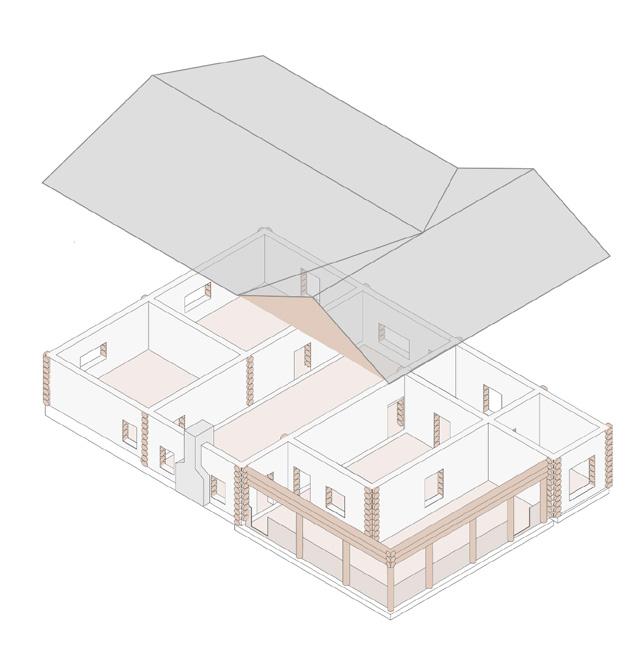
During the summer of 2022, I worked at Rich Cabins - a living history backcountry camp operating under Philmont Scout Ranch in northern New Mexico. My 5 coworkers and I lived, ran cabin tours, and mimicked life on the homestead in this historic cabin: home to the Rich family 130 years ago when they immigrated from Austria to make a living out west. Although it’s undergone some changes throughout the years, for the most part the cabin remains as the Riches knew it with logs hewn and notched and covered with plaster.
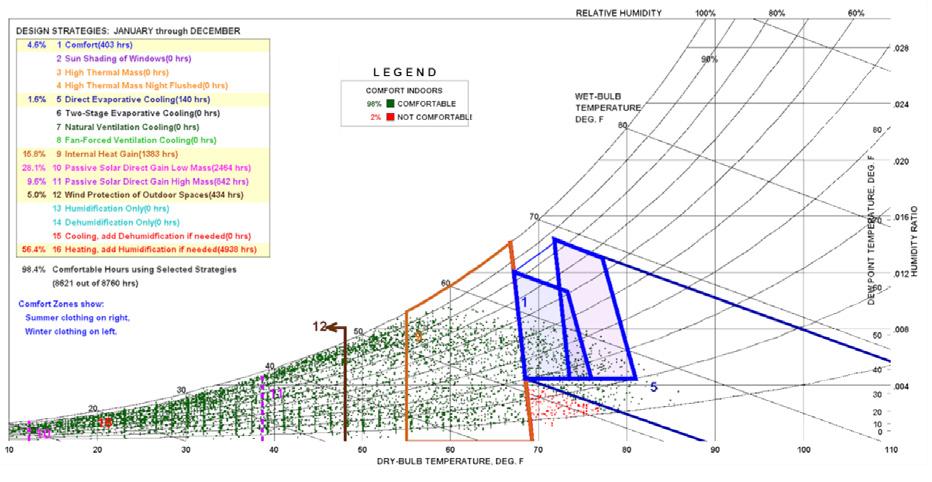
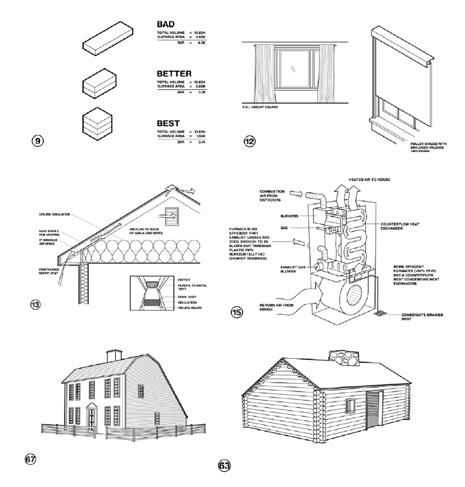
Within the greater goals of environmental system implementation, I am particularly interested in what we can learn from historic and indigenous architecture. Structures not unlike Rich Cabins used strategies in daylighting, heating and cooling, and overall sustainable construction because in a time without electricity, design elements rather than mechanical intervention were their only option.
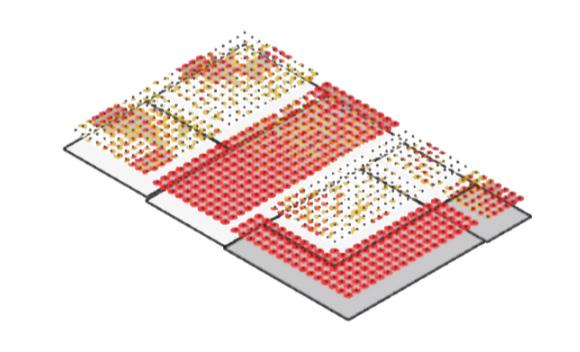
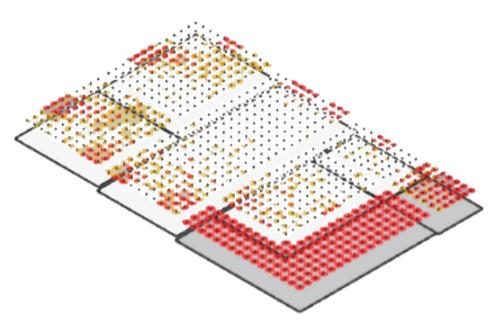
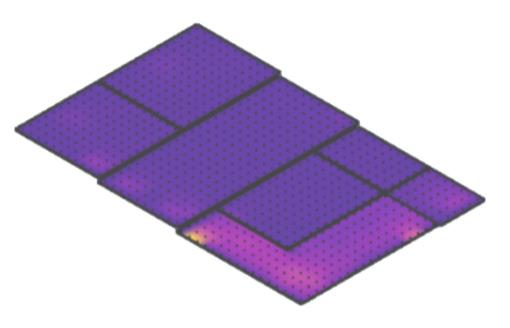
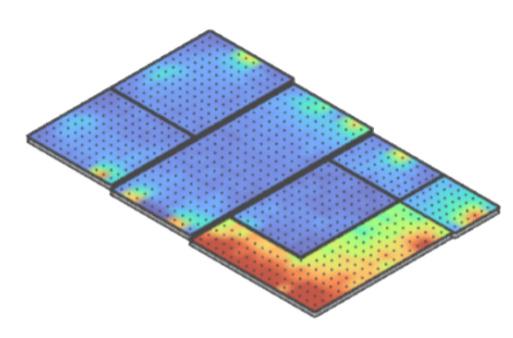
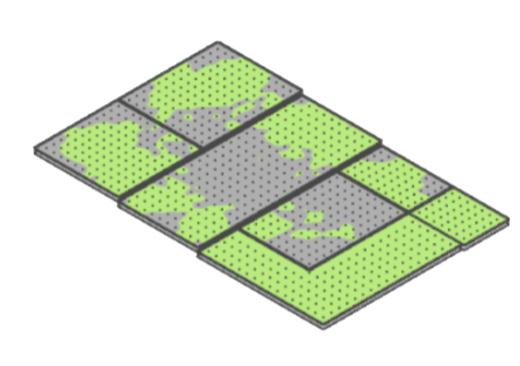
Both when the cabin used a breezeway and after the dining room was closed in have their merits and their pitfalls as energy efficient designs. The breezeway remains much better lit: significant at a time when people didn’t have electricity and still now while we aim for reduced electricity usage and decarbonization. However, it lacks a lot of the insulation and wind protection the additional construction of the north and south dining room walls provide. In addition, the glare is much worse than the latter renovation. Many of the issues brought to light by this analysis, though, might ultimately be resolved by relatively cheap means with what we know and have access to today.
Enclosed Dining Room
Breezeway
Proposed Retrofit
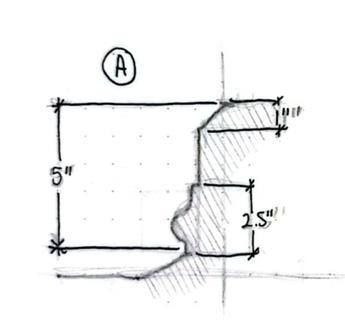
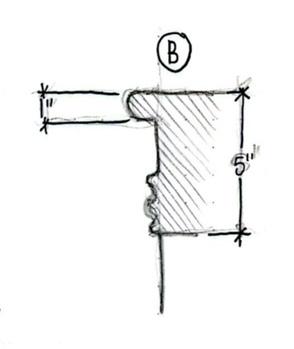
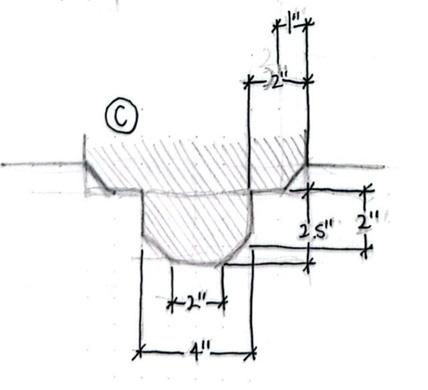
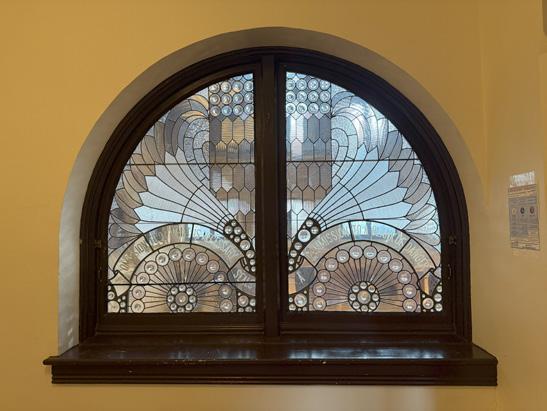
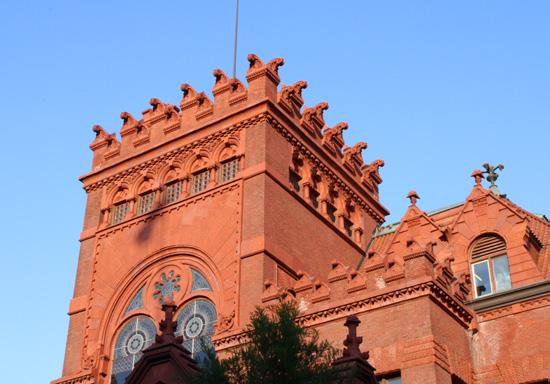
FISHER FINE ARTS LIBRARY
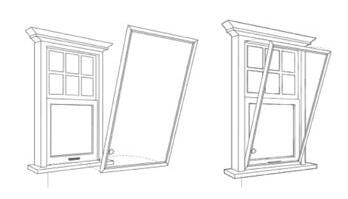
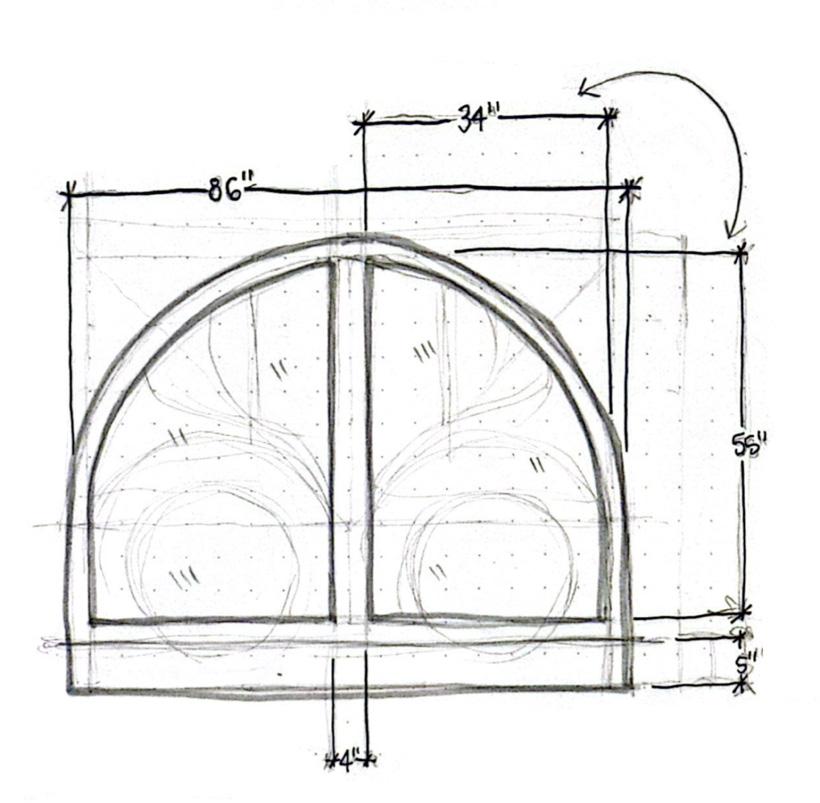
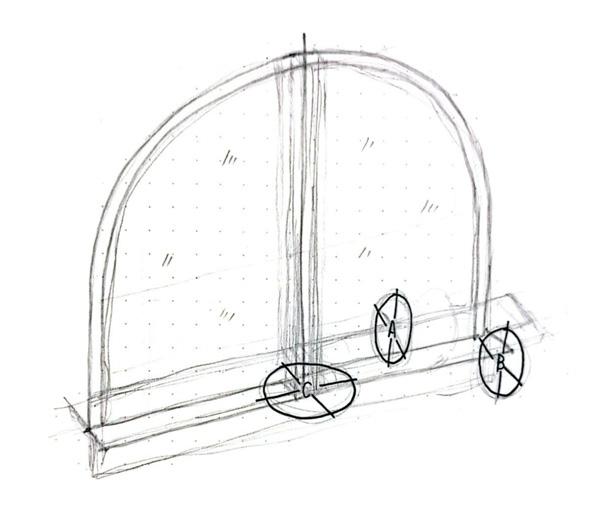
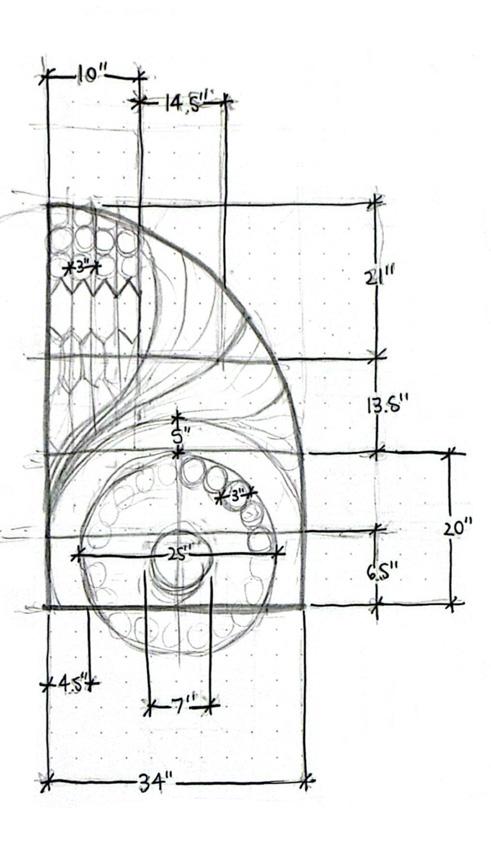
Window Field Documentation - Spring 2025
Line Drawing
Measured
Fisher Fine Arts Library by Frank Furness
SKETCHES AND STUDIES FROM ABROAD
Six Weeks in Greece and Italy - Summer 2023
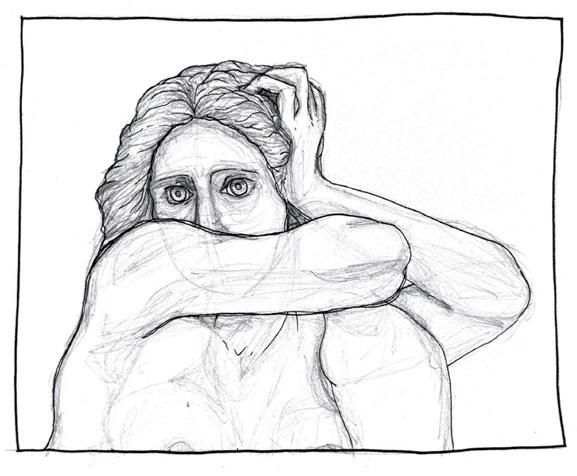
“Eve After The Fall”
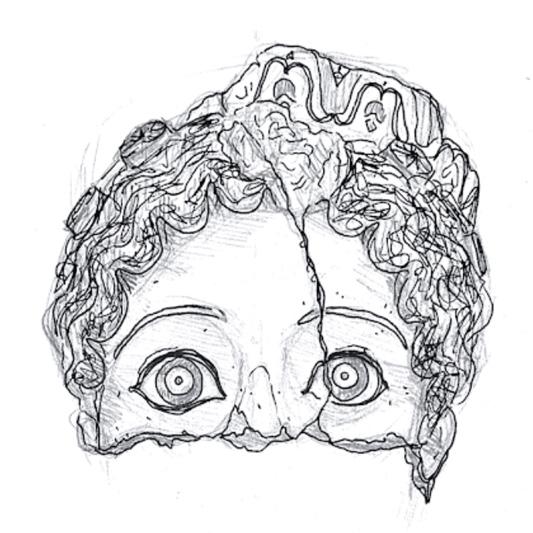
Head of Nike Acrotera
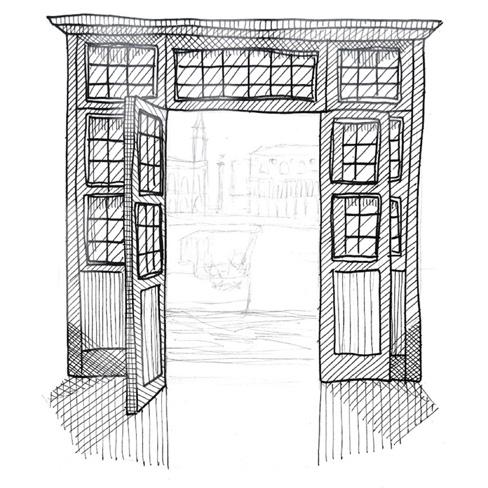
view of Venice from doorway inside San Giorgio Maggiore
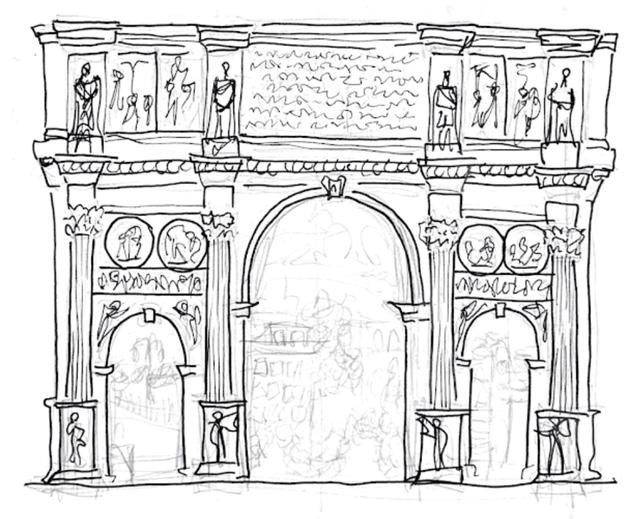
Arch of Constantine
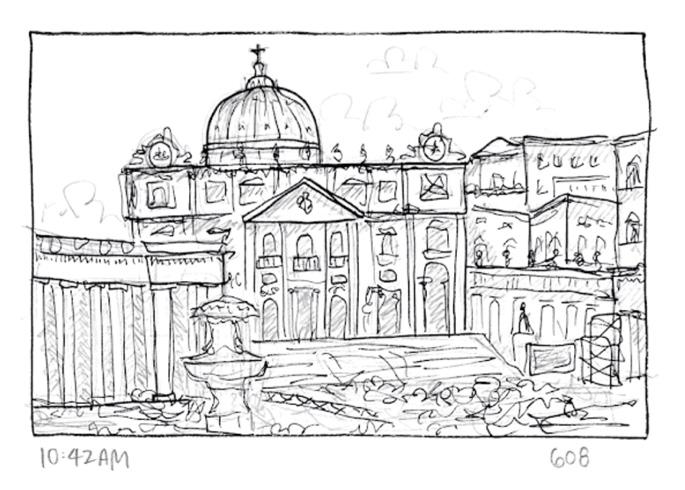
morning at The Vatican
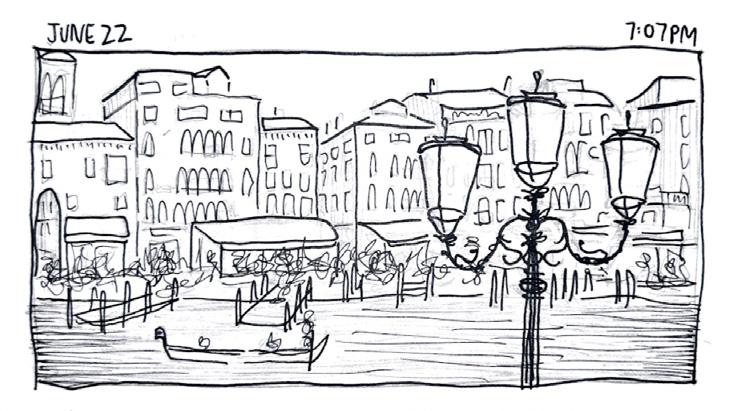
people watching aside the Rialto Bridge, Venice
spatial understanding of Fra Angelico’s “The Annunciation”
wall elevation study at Villa La Rotonda
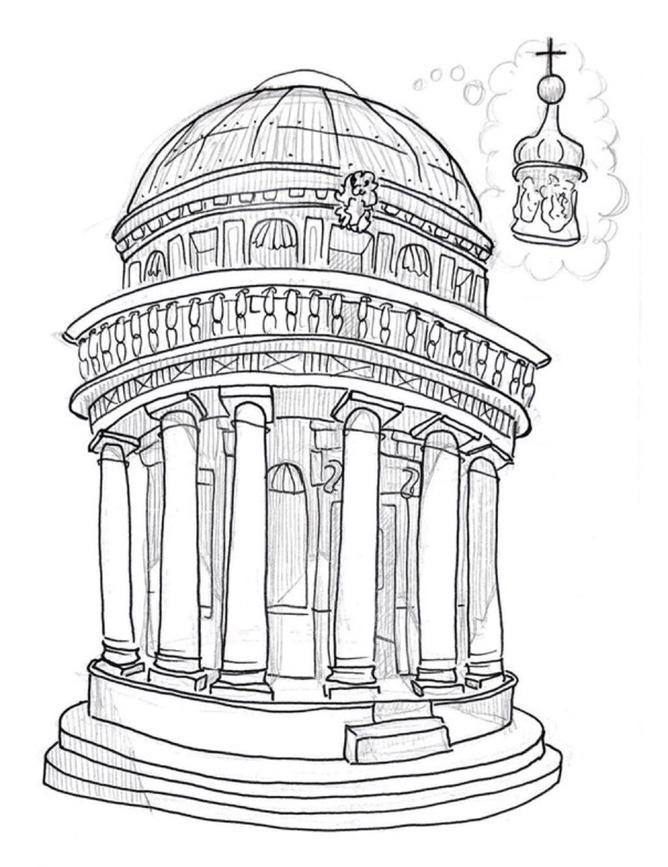
Il Tempietto (and not enough room on the page)
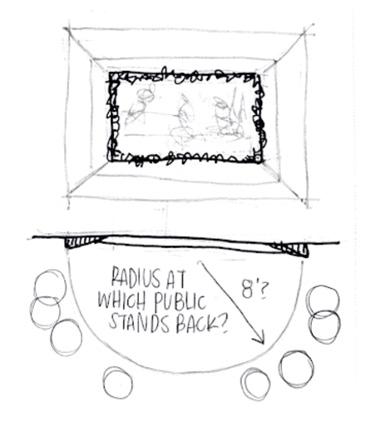
notes on preservation and heritage interpretation in exhibits and museums abroad
perspective study of Botticelli’s “The Annunciation of San Martino alla Scalla”
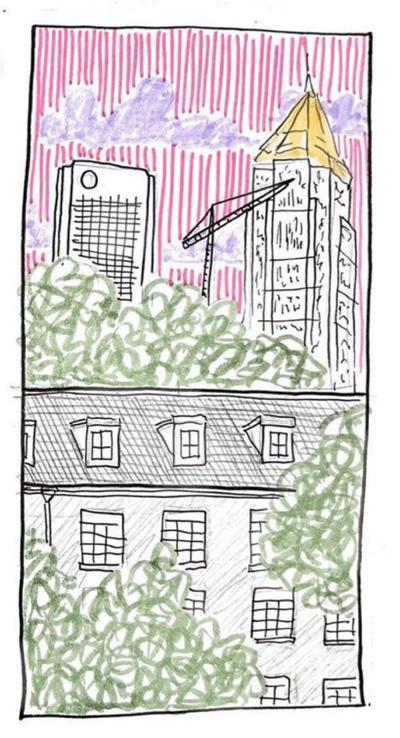
view from my freshman dorm room
Howard Finster’s Paradise Garden
Jackson Hole, Wyoming
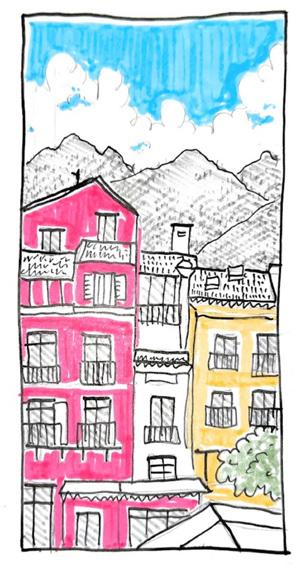
view from a balcony in Sorrento, Italy
daylight and shadow study
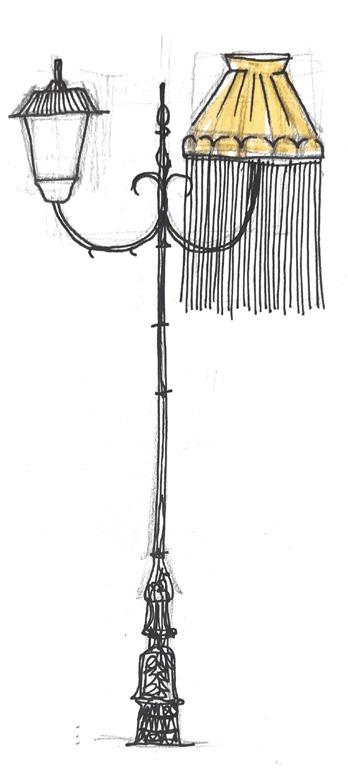
street lamp in Athens, Greece
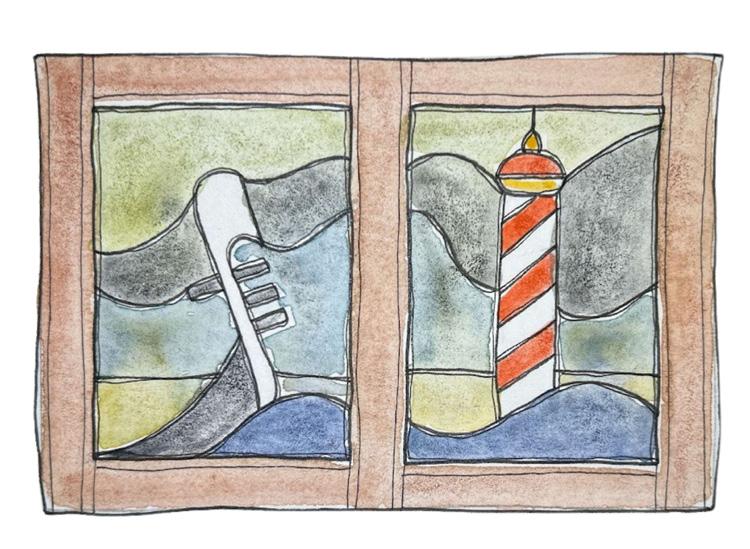
stained glass by a bridge in Venice landforms of Moab, Utah