



































JUNE
JUNE
JUNE
JUNE
Experience

Experience






2026



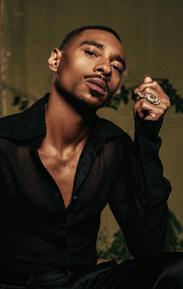













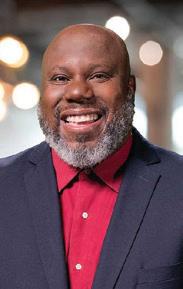
































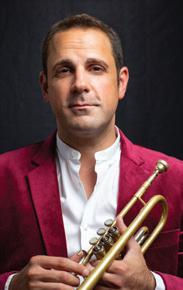

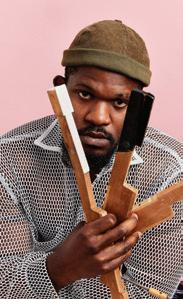


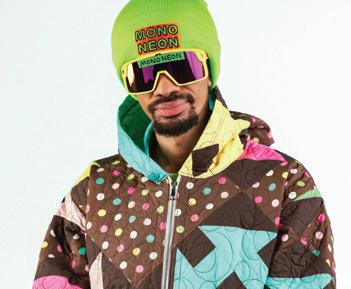


Dominick Farinacci & Jon Thomas
Foundation
Sheila E.
Dominick Farinacci & Jon Thomas Spyro Gyra
Ron Carter’s Foursight Quartet
Ohio Players
Hersch









JUNE
JUNE
JUNE
JUNE
Experience
Experience
2026

























6 Editor’s Note
Rebecca Meiser on sports identity and showing up
8 Chai Life
18 interesting things to do this spring in Greater Cleveland
14 More Than the Game
Meet the athletes and advocates turning sports into something bigger
16 Full Circle on the Mound
From Beachwood to the big leagues, Brad Goldberg is helping shape the Cleveland Guardians — and representing something bigger on the world stage
20 The Long Game
Ben Simon’s dual path from player development to player representation
22 Driving Change
How Jami Morris Turned Golf Into a Force for Good
26 Where Sport Meets Style
With Tassley, Kimberley Milstein is designing elevated activewear that moves seamlessly from the court to everyday life
30 Back in the Game
A New Playbook for Athlete Health
34 At the Table
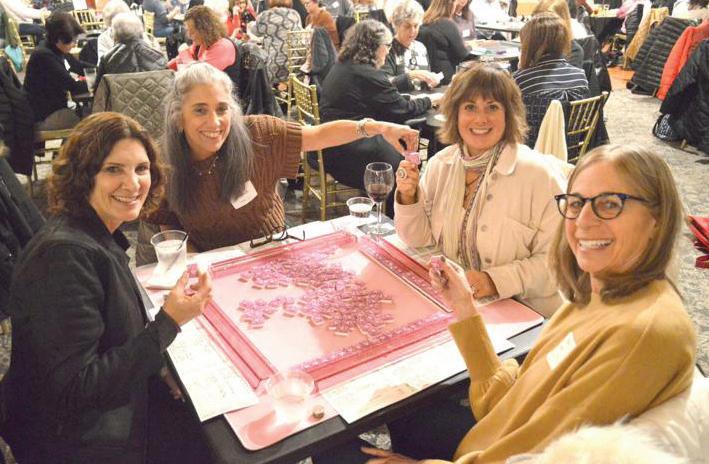
Why mahjong is quietly becoming the game everyone wants to play again
52 What’s in Your Closet?
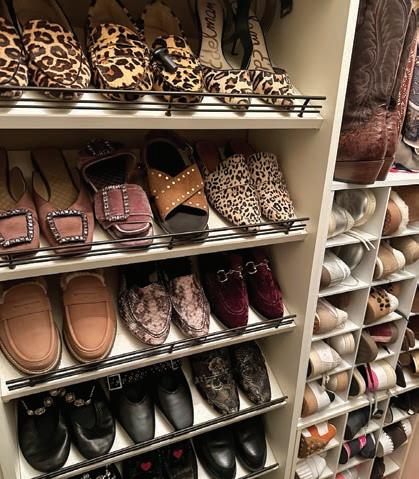
Tina Figurella, Clothing and Shoes Buyer, Knuth’s
54 The Moment That Changed Fashion Week
Ahead of her induction into Kent State University School of Fashion Hall of Fame on May 2, Fern Mallis re ects on the chaos behind early runway shows and the turning point that led to modern New York Fashion Week.
56 What to Keep, What to Let Go This Spring
How to Reset Your Closet and Give Pieces a Second Life
58 Nightjar jazzes up Eton Chagrin Boulevard
A new cocktail destination brings craft and late night energy to the scene
60 The New Face of Con dence
Male cosmetic procedures are on the rise — and for some men, like Adam Kaufman, there’s no reason to keep it quiet
62 Pursuits
Time well spent at Pinecrest
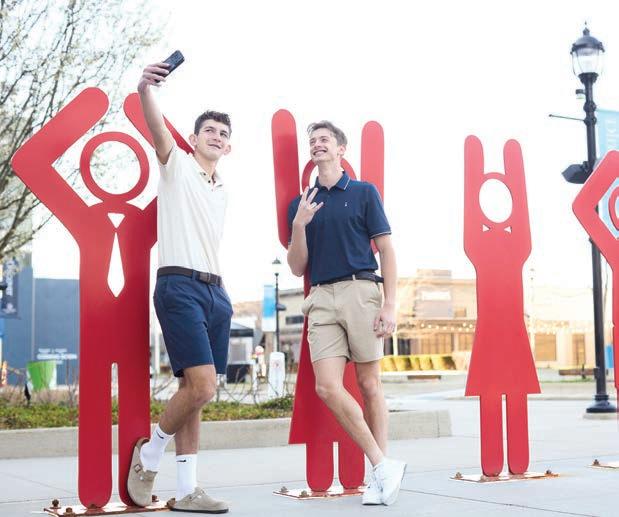
Where the energy of competition meets the polish of a championship wardrobe













There’s a moment in every game, before the rst pitch, before the whistle, when everything is a possibility.
We kept coming back to that feeling as we built this issue.
Our spring editorial package, More Than a Game, looks at what it means to show up as an athlete, a coach, a builder, a supporter, and how those roles ripple far beyond the eld.
At the center are the people driving that momentum.
You’ll meet Brad Goldberg, (if you don’t know of him already) whose path from Beachwood to the Cleveland Guardians and onto the world stage with Team Israel re ects both elite performance and deep-rooted identity. You’ll step inside the world of Ben Simon, whose career bridges player development and player representation, building a pipeline that supports athletes from their earliest training through the professional ranks.
On the cover
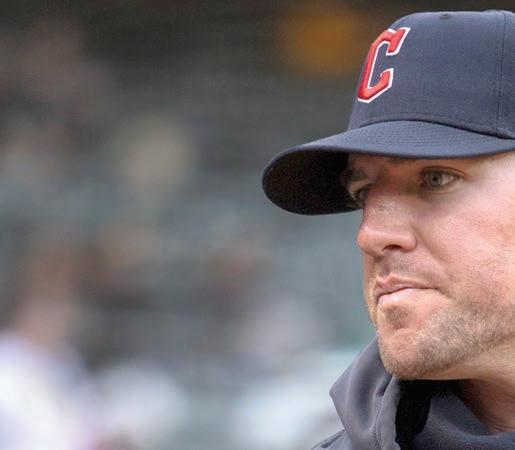
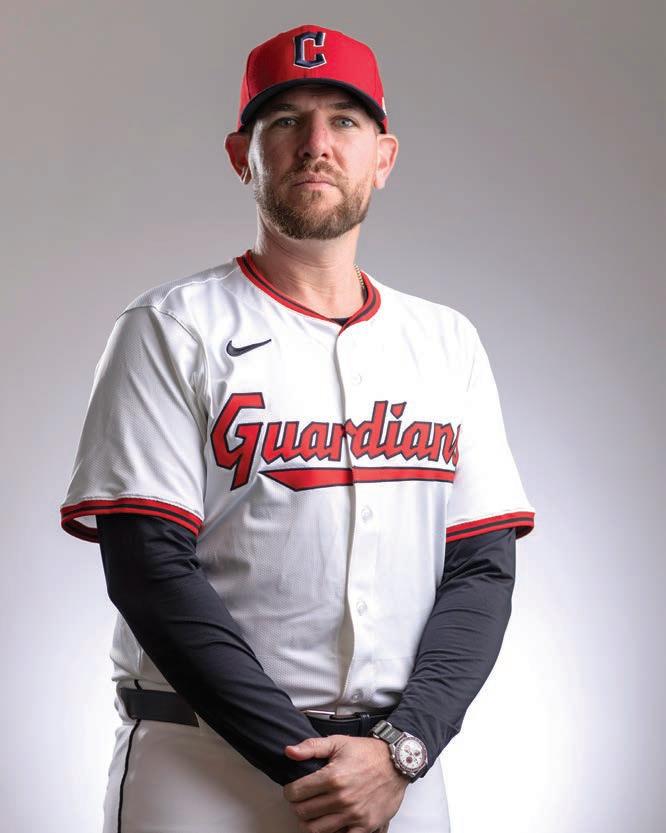
Cleveland Guardians assistant pitching coach Brad Goldberg helps shape one of baseball’s best bullpens. This year, he took that work to the global stage –coaching Team Israel in the World Baseball Classic. Page 16.
Cover photo courtesy of Russell Lee / Cleveland Guardians
And in Jami Morris’s story, you’ll see how sports can shape not just a career, but a mission, turning personal experience into impact through philanthropy.
We also look at the systems that make all of it possible, the physicians and specialists working behind the scenes to keep athletes healthy, competing, and returning stronger. It’s a reminder that no one succeeds alone. Every athlete is part of something larger.
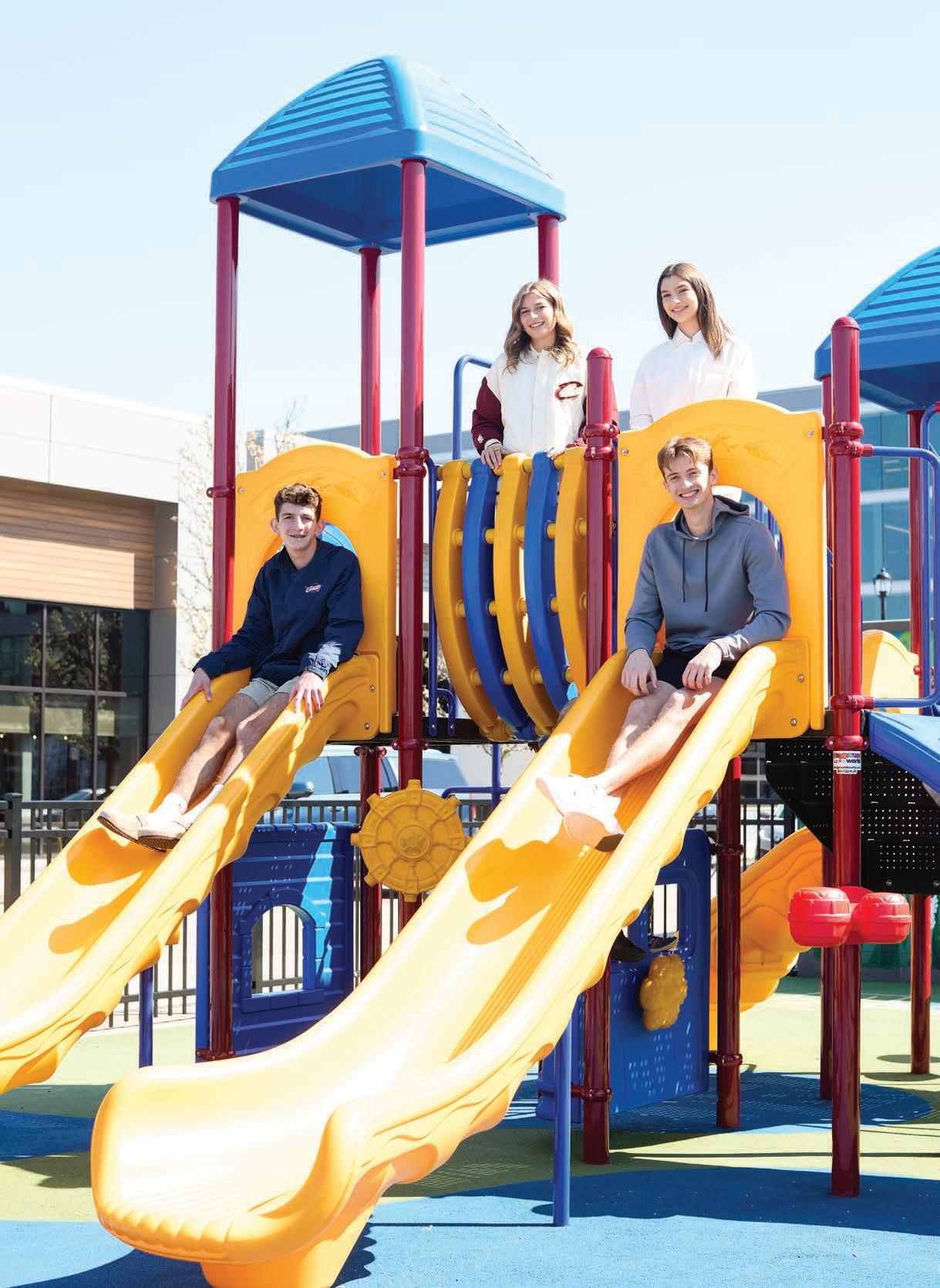
That idea of connection, between performance and identity, discipline and self-expression, carries into our fashion pages as well. Our spring shoot features Jewish high school athletes from across Northeast Ohio, captured both in their uniforms and beyond them. What they brought to the camera wasn’t just style, it was presence. Con dence shaped by hours of practice, teamwork, and showing up again and again.
And in a lighter but no less communal way, our look at the resurgence of mahjong explores how competition, ritual, and
connection continue to evolve. Like sports, it’s about strategy, rhythm, and the people gathered around the table.
Across these stories, one thing becomes clear. This isn’t just about athletics.
It’s about community. Infrastructure. Identity. And the many ways people contribute to something bigger than themselves.
Most of all, it’s about the next generation, already in motion.
As I watched our young athletes move through the photoshoot at Pinecrest in Orange, adjusting a sleeve, lacing up sneakers, stepping into frame, I couldn’t help but think they’re already in the game.
And they’re just getting started.
Publisher & CEO
Kevin S. Adelstein
Vice President of Sales Adam Mandell
Editor Rebecca Meiser
editor@jstylemagazine.com
Creative Director
Stephen Valentine
Editor Bob Jacob
CFO
Tracy Singer
Digital Marketing Manager Courtney Byrnes
Events Manager
Gina Lloyd
Events Coordinator
Sam Spiegle
Editorial
Casey Couch, Adriana Gasiewski, Jimmy Oswald, Martha Sorohan
Columbus Bureau Chief Becky Raspe
Operations Manager Abby Royer
Custom Publishing Manager Paul Bram
Sales & Marketing Manager Andy Isaacs
Marilyn Evans, Adam Jacob, Nell V. Kirman,

















“The Outsiders,” the 2024 Tony Award winner for best musical, will run through May 17 at Connor Palace as part of the KeyBank Broadway Series at Playhouse Square. Adapted from S.E. Hinton’s novel and Francis Ford Coppola’s film, the production brings the classic coming-of-age story to the stage. playhousesquare.org
The Cleveland Jewish News, sister publication to Jstyle, will host Mahj and More May 7 at StoneWater Golf Club in Highland Heights. The event will feature Mahjong, bridge, canasta and other games, with sessions from 11 a.m. to 2 p.m. and 4:30 to 8:30 p.m. Tickets include a meal, dessert and prize opportunities. cjn.org/mahjong
“Icons in Ink: The Jewish Comics Experience” will be on view May 7 through Aug. 23 at the Maltz Museum in Beachwood. The traveling exhibition explores Jewish culture and history through graphic storytelling and is presented in partnership with the Center for Jewish History. maltzmuseum.org

4 5 5 6
3
Cedar Point will open its 157th season May 9 in Sandusky. The park will feature returning attractions, including Top Thrill 2, Steel Vengeance and Millennium Force, along with new and classic experiences. Hours and ticket prices vary. sixflags.com/cedarpoint
The Blossom Music Center’s 2026 season will open May 15 with Kid Cudi’s “The Rebel Ragers Tour 2026.” The concert begins at 6:30 p.m. in Cuyahoga Falls. The artist will donate $1 from each ticket sold to the Big Bro Foundation. blossommusic.com
Cleveland Guardians host Reds in intrastate
The Cleveland Guardians will host the Cincinnati Reds for a three-game series May 15–17 at Progressive Field in downtown Cleveland. The weekend will include celebrations of the team’s 2016 American League championship season, along with fan giveaways. mlb.com/guardians
















Presented by B’nai Jeshurun Congregation in Pepper Pike, Tikkun Leil Shavuot is a meaningful tradition of all-night learning held on the first night of Shavuot, honoring the moment the Torah was given at Mount Sinai. Free and open to the community, the community-wide Tikkun Leil Shavuot 5786 will be held starting the night of Thursday, May 21 through the morning of Friday, May 22. While most sessions will be in person at the synagogue, select sessions will also be streamed. bnaijeshurun.org
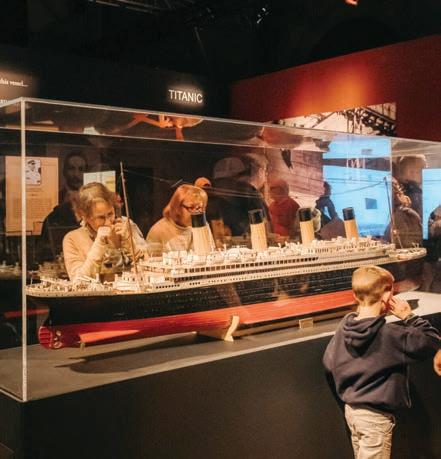
The Great Lakes Science Center will debut two Titanic-themed virtual reality experiences beginning May 21 in conjunction with “Titanic: The Artifact Exhibition.” The experiences will allow visitors to explore the ship and hear stories from passengers and crew. Advance tickets are available.
greatscience.com
Bruce Springsteen and the E Street Band will perform at 7:30 p.m. May 22 at Rocket Arena in downtown Cleveland as part of “The Land of Hope and Dreams” American tour. The 20-date tour began March 31 in Minneapolis and will conclude May 27 in Washington, D.C. rocketarena.com/events
“One Hungry Jew” food blogger turned global podcaster phenom Rayna Greenberg, co-host of “Girls Gotta Eat” podcast, will perform a solo show at 7 p.m. May 27 at Hilarities 4th Street Theatre in Cleveland. With over 150 million downloads and more than 200 soldout live shows around the globe, the show has become a leading voice in relationship culture and the comedy space. The show is for audiences 21 and older. hilarities.com
The North Union Farmers Market will return to Legacy Village in Lyndhurst from June 5 through Oct. 8. The outdoor market will be open Sundays from 9 a.m. to noon and will feature local produce, meats, dairy products, baked goods, flowers and more. northunionfarmersmarket.org/legacy-village
“The Great Gatsby,” the Tony Award-winning musical based on F. Scott Fitzgerald’s novel, will run June 9–28 at Connor Palace at Playhouse Square, closing the 2025–26 KeyBank Broadway Series. The production brings the Roaring Twenties to life through a story of love, wealth and tragedy. playhousesquare.org












Brazil and Egypt will face o in an international men’s soccer friendly match at 6 p.m. June 6 at Huntington Bank Field in downtown Cleveland. The match is part of the “Road to 26” series leading up to the 2026 FIFA World Cup. Tickets are on sale.
huntingtonbankfield.com
Pride in the CLE will take place from 11 a.m. to 6 p.m. June 6 in downtown Cleveland. Hosted by the LGBT Community Center of Greater Cleveland, the event will include a march, live entertainment, speakers and vendors. More than 40,000 people attended in 2025. lgbtcleveland.org/pride
Funny Bus Cleveland has opened its 2026 season of 90-minute comedy bus tours featuring local comedians. The tour combines sightseeing with live entertainment and has received recognition in the Cleveland Comedy Awards. Tickets are available online.
funnybus.net/cleveland
Cleveland Orchestra presents ‘America at 250’
The Cleveland Orchestra will present “America at 250,” a concert celebrating the nation’s 250th anniversary, at 7 p.m. July 3 at Blossom Music Center in Cuyahoga Falls. The program will highlight American music and composers, including Aaron Copland’s “Lincoln Portrait” and George Gershwin’s “An American in Paris,” along with songs and spirituals from other prominent American composers. Fireworks will follow the performance, weather permitting. clevelandorchestra.com/events
art exhibition continues in
“Contemporary Visions of Israel” will remain on view through Aug. 3 at the Roe Green Gallery in the Jewish Federation of Cleveland’s Mandel Building in Beachwood. The exhibition features works from local collections highlighting modern Israeli art, including responses to the surprise terrorist attacks on Israel by Hamas Oct. 7, 2023, and themes tied to the land of Israel.
jewishcleveland.org/involved/arts
The 47th Annual Tri-C JazzFest Cleveland returns June 25–27, 2026, at Playhouse Square. Experience the energy up close on JazzFest’s indoor and outdoor stages, where music and storytelling take center stage. This year’s lineup features a mix of headliners and emerging artists who celebrate jazz’s traditions while pushing the genre forward. Performances will blend styles and influences, o ering audiences a dynamic and engaging concert experience. Sheila E., widely known as the “Queen of Percussion,” will perform at 8 p.m. on opening night at the KeyBank State Theatre.
tri-c.edu/jazzfest


Arhaus Furniture
AVRS Design Center
Barre3
Black Box Fix
The Capital Grille
The Cheesecake Factory
Chico’s
Chipotle Mexican Grill
Crate & Barrel
Deka Lash
Dick’s Sporting Goods
Drybar
Ethan Allen
EVOO
Flow Yoga
Giant Eagle
Hyatt Place Hotel
J. Crew Factory
Jos. A. Bank Clothiers
LA Fitness
Ladies & Gentlemen
Salon & Spa
Lee Hayden Gallery





Lilly Pulitzer
L.L. Bean
Locally Spruced
LOFT
Lovesac
The Melting Pot

Marlisa Dunn Gallery
Milan Laser Hair Removal
Moxie*
Nordstrom Rack
Pearle Vision
Saatva
Saffron Patch
Shinto Japanese Steakhouse & Sushi Bar*
Sola Salon Studios
Soma
Starbucks
Sweet & Sassy
Talbots
Tempur-Pedic
White House / Black Market
Zebrano Furniture*
*coming soon





















































































































































Sports have a way of asking more of us than we expect — more grit, more resilience, more willingness to get back up. For some in this package, that weight is personal, shaped by faith, family and what it means to compete with a community behind you. For others, the game becomes something bigger entirely: a career, a cause, a calling. Here, throughout the pages that follow, we explore what it looks like when people in and around our community play — and what they carry with them long after the game is over.




















We now have an estimate text feature. You may text a picture of the piece of furniture you would like a quote on. Please text to
Please include your name and we will be happy to get back to you.


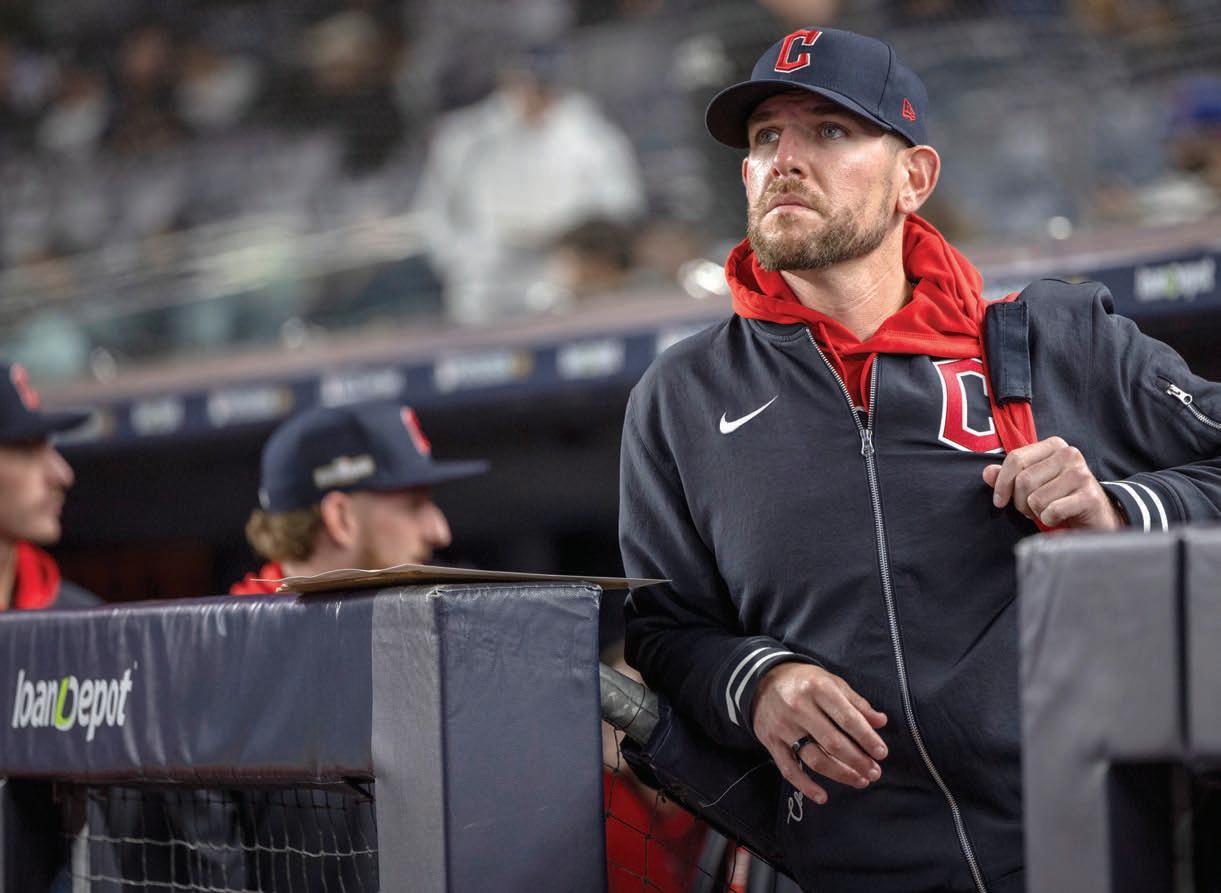
From Beachwood to the big leagues, Brad Goldberg is helping shape the Cleveland Guardians — and representing something bigger on the world stage.
BY REBECCA MEISER
Brad Goldberg is used to working behind the scenes — shaping pitchers, studying data and helping build one of baseball’s most e ective bullpens.
But this year, the Beachwood native stepped onto an international stage, serving as pitching coach for Team Israel in the 2026 World Baseball Classic while continuing his role as assistant pitching coach for the Cleveland Guardians.
For Goldberg, the experience wasn’t just about competition. It was about identity, responsibility and representing something bigger than the game.
From his early days growing up in Beachwood (class of 2008) to playing ball and coaching at The Ohio State University
to the major leagues, and now the global stage, Goldberg’s path has been shaped by curiosity, connection and a deep commitment to the craft of pitching.
What does an assistant pitching coach actually do day to day that fans might not realize?
It’s a mix of staying calibrated with each of our guys, how ready they are, working on their delivery, and preparing for opponents. We’ll do scouting reports and collaborate with di erent domains.
You wear a lot of di erent hats, but mainly you’re supporting our pitching coach, Carl Willis -whatever he needs that day or that week. It can range from mechanics to game planning to making sure everything is set up for our sta to succeed.
When did you realize coaching might be your long-term path?
I started giving lessons as soon as I got drafted, mostly just to make ends meet. But then I started getting messages from parents saying their kid made varsity, or earned a scholarship. That was extremely rewarding.
Around the same time, the data revolution in baseball was really taking o , and I got curious. I started reading and trying to connect what I felt as a player with actual data and evidence. That really pulled me in.
I’m still in that mindset now, always trying to learn, adapt and nd ways to help players get better.
I was a sociology major at Ohio State, and while I don’t use it in a technical sense, it helps with understanding
people — when to push, when to intervene and when to give guys space. That’s a big part of coaching.
That mindset has carried into what’s been a big year for you — you just returned from serving as pitching coach for Team Israel at the World Baseball Classic. How did that opportunity come together?
I played for them in 2017 in the WBC. This year, Alon Leichman was supposed to be the pitching coach. But he got a job with the Colorado Rockies as their head pitching coach, and they didn’t want him leaving spring training for two weeks while trying to get a new system in place.
He called and said, ‘I think you’d be great for this.’ I said, ‘I’m interested,’ and then talked with Cleveland — the front o ce, our manager and pitching coach — and they were supportive. It was pretty quick.
Israel isn’t a traditional baseball powerhouse, but the team continues to compete at a high level. What’s behind that?
I think the team is galvanized by trying to make sure people realize that Jews are very resilient, and that we’re working to uplift and build baseball in Israel.
The players do a wonderful job representing that and making sure we’re seen in a positive light. We’re building something in Israel and for Jews all over the world — that we’re competitive, good teammates, and that the game is growing.
How di erent is it preparing for the World Baseball Classic versus a full MLB season?
Very di erent. You have limited time to build relationships with the players, and a lot of them are still ramping up for their regular season. The timing of the WBC — in February and March — isn’t always ideal for guys to be competing at that level.
At the same time, you’re there to win, that’s the priority. It becomes a balance of putting players in the best position to succeed while also not putting them in harm’s way. It was de nitely eye-opening as a coach.
You’re constantly communicating with their organizations and agents, managing pitch counts, limiting innings — just being smart about their long-term careers. It’s a mix of letting them compete and show
what they can do, while also protecting them.
Your win over Nicaragua secured automatic quali cation for the next World Baseball Classic. How signi cant is that for the program?
That’s a huge goal every WBC, and we were very excited to secure that. But going forward, we’re trying to set our standards higher and move on.
I was lucky enough to be part of the team that advanced in 2017, but staying quali ed does a lot for the (Israel) federation in terms of exposure. The goal now is to keep raising the bar and actually do some damage in the tournament.
You’ve been part of Team Israel as
both a player and a coach. How has that experience evolved since 2017?
They’ve both been really positive.
I was almost reticent to play in 2017 at rst, but my family convinced me to do it. My grandfather wasn’t in great health, and it was a huge deal to him. It ended up being a great decision. I met so many great people and realized very quickly this wasn’t about myself.
That really hit me after pitching a few times, when people would just say, ‘Thank you,’ versus ‘good job’ or ‘you’ll get them next time.’ There’s a real appreciation.
That’s a huge reason I wanted to come back in a coaching role. If I’m able to help

guys get better and be a resource for Jews and players, I want to be there.
Baseball in Israel isn’t the biggest sport, even though it’s growing. There’s a small group of Jewish players who are able to play — and then choose to play — so it’s a big deal. The more winning, exposure and positivity around Israel baseball, the better.
Can you walk me through a moment during this year’s Classic that really stuck with you?
The biggest moment was probably during the Nicaragua game. It was a 1–0 game, they had the bases loaded with one out, a really dangerous spot, and we turned a double play to get out of it.
It was really loud, a great atmosphere, and a huge play. You could see how red up everyone was. It was a big momentum swing that led to a shutout win and gave us con dence going forward.
Did you face any negativity being there representing Israel?
None. MLB and the WBC did an elite job with security.
Was there a moment during the Classic where representing Israel — and your Jewish identity — really hit you personally?
Every time the (Israeli national) anthem “Hatikvah” came on — it’s a beautiful song. Seeing the stadium quiet and the respect in that setting, those are the moments where you realize this is di erent than a typical game.
Seeing the fans — and feeling the weight of it — was really special.
You also gain a greater appreciation for what people are going through. We were briefed a few times on what was happening in Israel, and while you see it on the news, hearing it from people with family there, wives, children, is pretty jarring.
It made me appreciate the people I’ve met and their stories, and just how real it is. My role is to be supportive to those around me.
Do you have a strong Jewish identity?
I was bar mitzvahed, and I’m proud to be Jewish, but I’m not the greatest practitioner.
Let me guess. Was the theme of your Bar Mitzvah: baseball?
It sure was.
If you could go back and talk to your 13-year-old self in Beachwood, what would you tell him?
I’d say, keep being competitive. Maybe take school a little more seriously. But most importantly, keep pursuing what you love.
I actually went back and nished my degree at Ohio State after I got drafted, and I appreciated it so much more the second time around. You realize your education actually means something — it’s not just a means to get drafted. Education will never go out of style. No one can take that away from you — and that’s something I’m really proud of. sj



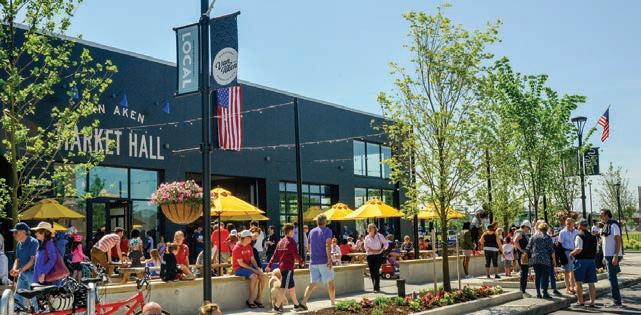
FROM HAPPY HOUR TO LATENIGHT DINNERS, VAN AKEN HAS YOUR TABLE READY.



Spring is best enjoyed with a good meal and somewhere to linger. Pull up a chair. Van Aken’s patios are open, the seasonal menus are on, and the flavors you’ve been craving are waiting.


DISCOVER MORE AT

BY JIMMY OSWALD

Ben Simon’s day begins at 8 a.m. in Orlando, watching a player from New Jersey take the diamond. After the game, he drives six hours to Atlanta to see one of his pitchers perform, then wakes up the next morning for a nearly seven-hour drive back to Florida in Lakeland to watch two pros throw at 11 a.m. — then heads an hour north to catch a high school game at 1:45 p.m.
“And that’s normal,” Simon says. “Eight to 10 hours is a normal day.”
Simon, a graduate of Orange High School who lives in Moreland Hills, is a Major League Baseball Players Associationcerti ed agent and the founder of two baseball enterprises: Simon Sports, the agency he’s run since 2017, and Prospect Performance Academy, a development facility at 9061 State Route 14 in

Streetsboro that works with players from middle school through the college level.
The combination is unusual. Most people in baseball pick a lane. Simon built a career out of straddling both.
“What I like is being a voice and an advocate for players that have never had one,” he says. “I like helping players in ways they can’t help themselves.”
Simon, 31, grew up in Boston as a Red Sox fan before moving to Cleveland, where he played for Orange High School (class of 2013) and later pitched at Case Western Reserve University. He stopped after his sophomore year — not because he lost interest in baseball, but because he found something he was better at.
“I looked in the mirror and said I have to stop doing something I’m not all that good at and start doing something people have told me I have a chance to be pretty good at,” he says.
He had already been training pitchers since he was 19. When he told college coaches he was thinking about representation, they encouraged him — what he was doing with players wasn’t so di erent from what agents do. He founded Simon Sports at 22, and the pitchers he’d trained early on helped him sign players a young agent wouldn’t typically land.
Simon said Prospect Performance Academy has had more than 15 players drafted into Major League Baseball since 2019. He declined to name speci c clients, but according to Cleveland.com, that group includes AJ Blubaugh, a PPA alum drafted by the Houston Astros in the seventh round in 2022, who has appeared in 11 major league games, going 3-1 with a 1.69 ERA out of the bullpen and is on the active roster for 2026, and JB Middleton, a second-round pick by the Colorado Rockies in 2025. Eleven of Simon Sports’
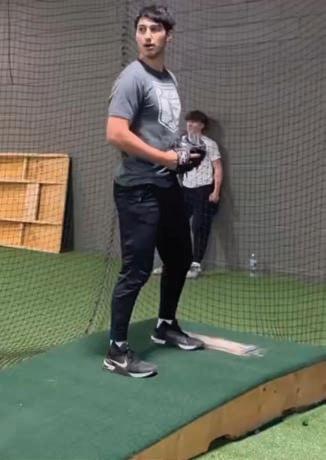
clients are ranked among the top 30 prospects in their respective organizations.
Simon traces much of that success to a simple philosophy about margins.
“The di erence between elite and average in this game is so small,” he says. “If you take a pitcher throwing strikes 60% of the time and get him to throw one more strike out of 25 pitches, he probably becomes an average to above-average major leaguer. If you can help a guy get a little better, it pays o in a massive dividend.”
That same directness shapes how PPA operates. Simon says he tells every player who walks in — whether a 13-year-old or a big leaguer — that he’ll train them and talk to them the same way.
“I have the same standard for every player in the building,” he says. “The cool thing is there are kids who showed up here as average high school players and are now the major league prospects they used to look up to.” sj

















BY VALERI FURST
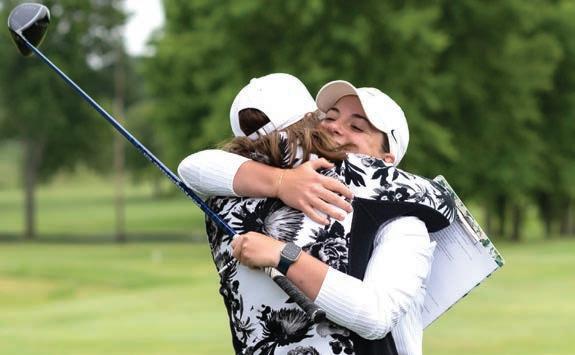
At 23, Jami Morris has already built something most people spend a lifetime chasing: impact.
A standout golfer from Chagrin Falls who won two OHSAA Division II state championships as a student at Laurel School before going on to play for Penn State, Morris has turned her love of the game into Hit Fore Hope, a nonpro t that has raised hundreds of thousands of dollars for cancer research and patient support.
But golf wasn’t always the plan. Morris tried the sport at eight, but it didn’t stick. She was far more interested in basketball and baseball, even playing on boys’ teams because she was so good. Then, at a Cleveland Indians (now Guardians) game, her older sister was hit by a foul ball. Although she wasn’t seriously injured, Morris stepped away from baseball and focused on basketball — a path that proved short-lived.
“I loved basketball, but in seventh grade, I was ve foot two inches tall. There was no real future, so I started playing golf as well,” Morris says.
She practiced daily — outside or in her basement — competed year-round and helped lead Laurel to the Ohio High School Athletic Association state tournament each season. Individually, she won state titles as both a sophomore and a senior.
The goal was always to earn a scholarship. Recruited by more than 20 programs, Morris chose Penn State for its Division I golf program and strong business curriculum, majoring in corporate innovation and entrepreneurship.
But it was something happening o the course that would ultimately shape her path.
Her mother, Dana, was diagnosed with breast cancer in 2012 and underwent chemotherapy, surgery, and radiation before receiving a clean bill of health in 2013. Four years later, she faced a new diagnosis: lymphoma. Initially, her doctors advised that treatment wasn’t yet necessary. But just weeks before the world shut down in 2020 due to the COVID-19 pandemic, a scan revealed the cancer had advanced. Chemotherapy followed, which wasn’t fully e ective, so Dana started immunotherapy to prepare her body for a stem cell transplant. She underwent the transplant and later completed additional rounds of immunotherapy.
At the time, hospital restrictions meant Morris couldn’t always be there for her mother.
“Our world was already turning upside down because of COVID,” she says. “It was, as I like to call it, a double bogey.”
Dana spent about 30 days in the hospital, much of it without family by her side. Morris helped where she could, driving her to treatments when possible and staying close in the ways she








could, but some of the hardest moments were the ones she had to endure from a distance.
“It was tough,” Morris says. “But it brought our family even closer together.”
Dana is now in remission.
During that time, faith and community took on new signi cance. Morris found herself wrestling with hard questions — why her mother, someone so full of goodness, had to face cancer not once but twice. The answers didn’t come easily. What stayed with her instead was something else: the way people showed up.
“The support, kindness, and sense of community we felt made a lasting impression on me,” she says.
That experience changed how she thought about her future. She had long wanted to combine sports with something meaningful; now, the reason was clear. The question became how to make it real.
The answer began to take shape in 2018, when Morris quali ed for the Drive, Chip and Putt National Finals at Augusta National Golf Club, a junior golf competition held before the Masters at Augusta National Golf Course. Watching the structure and energy of the event, she saw an opportunity: What if she could create something similar, but for a cause?
During her sophomore year at Penn State, she launched Hit Fore Hope. In addition to ra e baskets, the event’s main attraction is a skills competition in which each participant takes three drives, three chips and three putts. Scores are totaled, and the top performers in each division — advanced, intermediate and beginner, separated by gender — win.
“I wanted to do something di erent than a traditional golf outing,” she says. “I started reaching out to Beechmont Country Club, making calls, sending emails and posting on
social media to build a community of people who had been impacted by cancer — which is pretty much everyone.”
The rst event, held July 10, 2022, exceeded her expectations. Morris’ goal was to raise $10,000 -$12,000. Instead, the event brought in more than $74,000.
Momentum followed. Morris has since hosted three additional events and, in 2025, added a pickleball tournament, tapping into the sport’s growing popularity. In total, Hit Fore Hope has raised close to half a million dollars.
Proceeds support University Hospitals Seidman Cancer Center, funding research as well as practical needs like transportation, meals and care packages for patients undergoing stem cell transplants.
Morris sees a clear connection between the organization she’s built and the values she was raised with. Growing up Jewish, she absorbed an ethic of showing up for others and being part of something larger than yourself — what’s sometimes called tikkun olam, the idea of repairing the world. Hit Fore Hope, she says, is her way of living that out.
“It’s not just about raising money,” she says. “It’s about creating a sense of comfort, strength, and connection during a time that can feel incredibly isolating.”
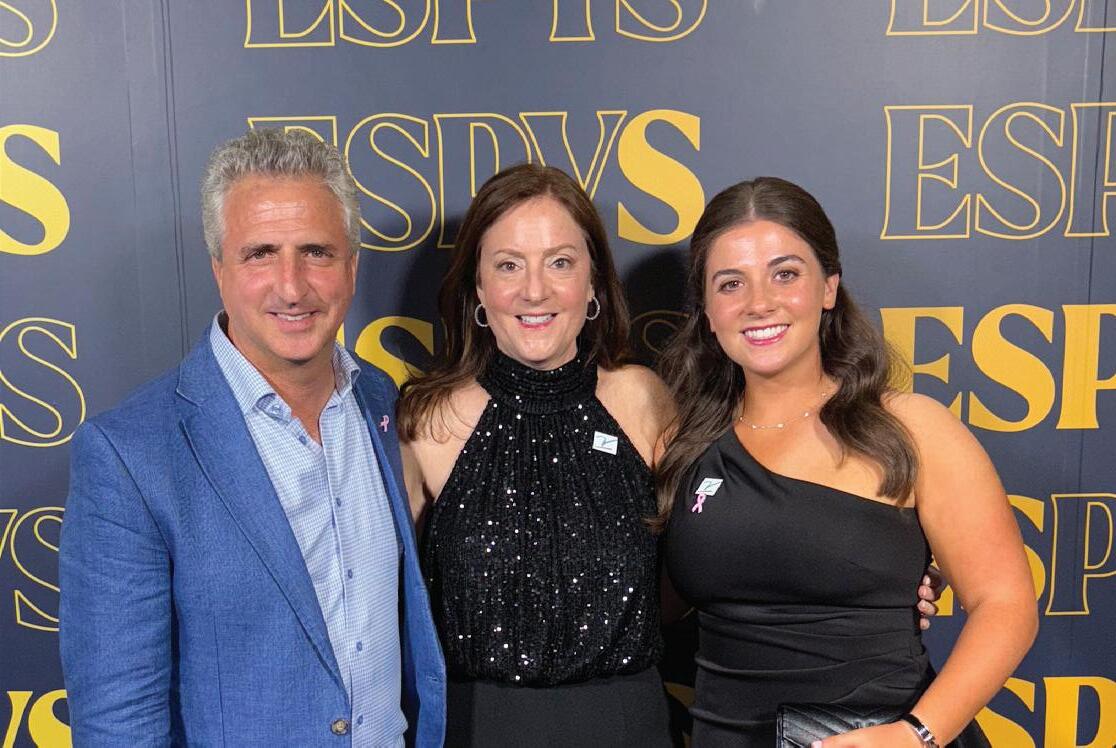
Her impact has not gone unnoticed. In 2025, during her senior year at Penn State, Morris was named one of 60 student-athletes nationwide recognized by Allstate Insurance and the National Association of Collegiate Directors of Athletics for community service — an honor that brought her to Los Angeles for the ESPN ESPY Awards.
She almost didn’t go.
“It was just a week before our event, so I was a little worried about the timing—but my mom told me there was no way I could miss the ESPYS. She was right—it ended up being
one of the most special days.”
At the ESPYs, she found herself in a room full of athletes using their platforms for something bigger than the game.
“Being surrounded by so many inspiring athletes and individuals who are using their platforms for good was incredibly powerful,” she says. “What stood out most in those interactions was how genuine they all were.”
She met gures like Peloton’s Robin Arzón, former Ohio State (and current Pittsburgh Steeler) quarterback Will Howard and ESPN sportscaster Kirk Herbstreit — but more than the names, it was the shared sense of purpose that stayed with her.
“It reinforced the idea that when we come together, we can make a di erence.”
Now a Penn State graduate, Morris is focused on growing Hit Fore Hope beyond Northeast Ohio, with plans to expand into markets like New Jersey, Florida and California, where she has personal connections.
As for golf, she hasn’t ruled anything out — but for now, her priorities are clear.
“I would rather do something that makes the world a better place and has a stronger impact overall,” she says. “Maybe one day I’ll come back to it more seriously. But right now, this is what matters.”
The 2026 Hit Fore Hope event will be held from 9 a.m. to 2 p.m on July 20, 2026, at Beechmont Country Club. For more information or to register, visit hitforehope.org. sj Scan to read more about
HARTWELL TRAIL, NOVELTY•$749,000
920 CHESTNUT RUN, GATES MILLS•$1,825,000
300 WOODRIDGE LANE, MORELAND HILLS•$1,799,000
312 WOODRIDGE LANE, MORELAND HILLS•$1,678,000
looking for the most charming traditional a southern flair sited on the most spectacular parcel offering total privacy, then you have dream home!
16970 AUBURN ROAD, CHAGRIN FALLS•$1,895,000
14355 HARTWELL TRAIL, NOVELTY•$749,000
|10 BATH | An absolutely extraordinary property in the most
location, this one of a kind modern
most charming and luxurious country estate nestled in the heart Chagrin Valley providing the perfect setup for the horse enthusiast wants a state of the art equestrian facility coupled with a truly exquisite one of a kind kitchen has a center-island, professional range, countertops, and opens into a separate hearth room/family room.
If you are looking for the most charming traditional home with a southern flair sited on the most spectacular 4+ acre parcel offering total privacy, then you have found your dream home!
was custom designed and
Custom designed and built with exceptional quality and attention to detail, this brick and stone French Country Manor home is sited on a gorgeous 2.5 acre lot. Upon entering the front door, one will immediately notice the beautiful finishes including hardwood and stone floors, intricate crown molding, and furniture quality built-ins throughout.
This is the most charming and luxurious country estate nestled in the heart of the Chagrin Valley providing the perfect setup for the horse enthusiast who wants a state of the art equestrian facility coupled with a truly exquisite home! The one of a kind kitchen has a center-island, professional range, granite countertops, and opens into a separate hearth room/family room.
with
of everything! Sited on 6+ magnificently landscaped acres offering total privacy serenity, this expansive 10,000+ square foot home is truly one of the most exceptional residences in Northeast Ohio!
Classic and elegant, this French inspired Normandy is prominently located in a desired location in the Village of Bratenahl. It features beautiful architectural detailing including intricate plaster moldings, hardwood floors, and leaded windows. Ideally located and a short walk to the sought after Shoreby Club, this is a truly special property.
920 CHESTNUT RUN, GATES MILLS•$1,825,000
|10 BATH | An absolutely extraordinary property in the most coveted Moreland location, this one of a kind modern jewel was custom designed and built with the of everything! Sited on 6+ magnificently landscaped acres offering total privacy serenity, this expansive 10,000+ square foot home is truly one of the most exceptional residences in Northeast Ohio!
2
One of the last remaining single family lots in Moreland Commons! This home being constructed is the sought after “Lenox” model with a first floor owner’s suite and two bedrooms suites on the second floor each with private bathrooms!
300 WOODRIDGE LANE, MORELAND HILLS•$1,799,000
312 WOODRIDGE LANE, MORELAND HILLS•$1,678,000
Custom designed and built with exceptional quality and attention to detail, this brick and stone French Country Manor home is sited on a gorgeous 2.5 acre lot. Upon entering the front door, one will immediately notice the beautiful finishes including hardwood and stone floors, intricate crown molding, and furniture quality built-ins throughout.
5 BED |10 BATH | An absolutely extraordinary property in the most coveted Moreland Hills location, this one of a kind modern jewel was custom designed and built with the finest of everything! Sited on 6+ magnificently landscaped acres offering total privacy and serenity, this expansive 10,000+ square foot home is truly one of the most exceptional residences in Northeast Ohio!
5 BED |10 BATH | An absolutely extraordinary property in the most coveted Moreland Hills location, this one of a kind modern jewel was custom designed and built with the finest of everything! Sited on 6+ magnificently landscaped acres offering total privacy and serenity, this expansive 10,000+ square foot home is truly one of the most exceptional residences in Northeast Ohio!
Classic and elegant, this French inspired Normandy is prominently located in a desired location in the Village of Bratenahl. It features beautiful architectural detailing including intricate plaster moldings, hardwood floors, and leaded windows. Ideally located and a short walk to the sought after Shoreby Club, this is a truly special property.

This nearly new manor home was custom designed and built in sought after Moreland Commons. With over 4500 square feet of living space and an additional 1600+ finished square feet in the lower level, this is the perfect family home. A wide open floor plan features 10’ ceilings, 8’ doors, hardwood floors, and a luxurious first floor owner’s suite.

2
40 EASTON LANE, MORELAND HILLS•$1,495,000
OVAL, ORANGE
EASTON LANE, MORELAND HILLS•$1,495,000 Remarkable modern design by Tony Crisafi (California architect) with a Frank Wright influence. Sited on a gorgeous, wooded lot with a beautiful meandering creek, this home is designed for entertaining! The first-floor suite has dual bathrooms, a walk-in closet, and glorious views. This an elevator, indoor lap pool, wrap around decks, steam room, and system!
2 BATH | This home has so much to offer... spacious open floor plan with ceilings throughout, fireplace, private den, owners suite with huge walk-in and bath with dual vanity and separate tub and shower, another nice size bedroom, bay window, skylights, security system, sprinkler system, oversized 2 car attached garage and 1st floor utility.
Remarkable modern design by Tony Crisafi (California architect) with a Frank LLoyd Wright influence. Sited on a gorgeous, wooded lot with a beautiful meandering creek, this home is designed for entertaining! The first-floor owner’s suite has dual bathrooms, a walk-in closet, and glorious views. This home has an elevator, indoor lap pool, wrap around decks, steam room, and lighting system!
and 1st floor utility.


One of the last remaining single family lots in Moreland Commons! This home being constructed is the sought after “Lenox” model with a first floor owner’s suite and two bedrooms suites on the second floor each with private bathrooms!
5 BED | 10 BATH | Located on a private cul de sac lane, this expansive modern home is sited

This nearly new manor home was custom designed and built in sought after Moreland Commons. With over 4500 square feet of living space and an additional 1600+ finished square feet in the lower level, this is the perfect family home. A wide open floor plan features 10’ ceilings, 8’ doors, hardwood floors, and a luxurious first floor owner’s suite.
250 EAGLE POINT DRIVE, LYNDHURST•$869,000


$285,000 3 BED | 4 BATH | Ideally located in Beacon Place, this one owner custom designed home is a gem! The dramatic two story foyer opens into a wonderful great room which features a handsome marble fireplace, doors to the patio, an elevated ceiling, and a


Over


Custom designed and built, this one owner home in sought after Acacia Estates is truly outstanding! This gorgeous home has every imaginable luxury and upgrade including an amazing home automation system. From the moment you enter through the front door you will notice the incredible quality finishes and outstanding floor plan. There is a first floor owner’s suite, laundry room


With Tassley, Kimberley Milstein is designing elevated activewear that moves seamlessly from the court to everyday life.
BY CASEY COUCH
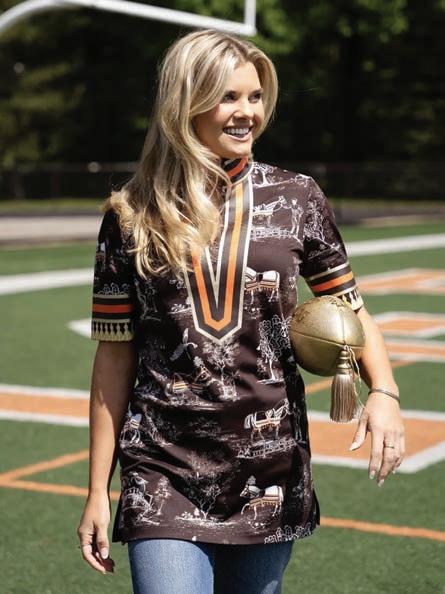
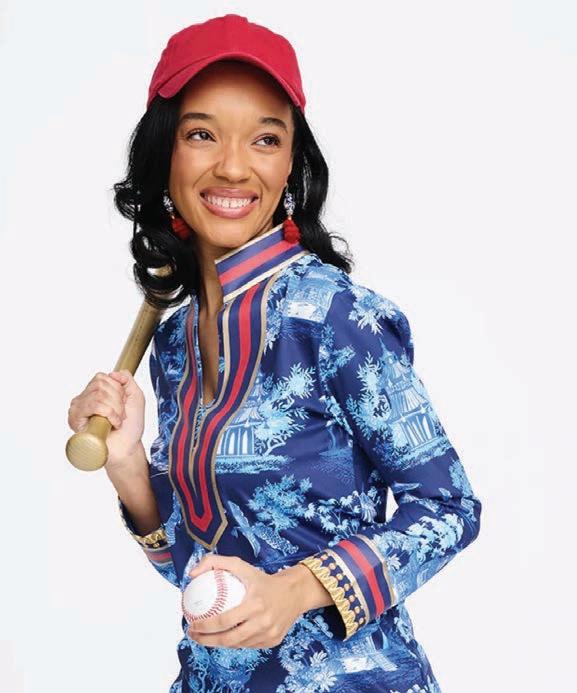
From the golf course, to the stands of a baseball eld, or to the con nes of a country club, the boundaries between sport, style and high fashion have o cially blurred and Tassley’s SportsReign, ChinoiseReign and EquestReign Collection lines are at the center of it.
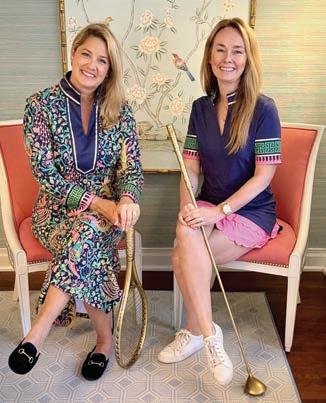
In April 2025, Novelty, OH resident Kimberley Milstein, alongside her longtime creative partner Jennifer Adams, co-founded the brand Tassley, putting a decorative spin on America’s newest fashion trend – activewear – and making the case that comfort, performance and couture can coexist. Combining the comfort of activewear with the elegant symbol of a golden tassel, the brand brings a fresh perspective to their clothing that transfers seamlessly from “sport to resort” with fabric that moves and breathes with the body’s active, everyday lifestyle.
In a one-on-one interview with JStyle, Milstein shares the evolution of Tassley, the meaning behind its signature tassel
motif and how the brand brings a fashion sensibility to sport.
How did you get started in fashion and design?
I began modeling at around 19 years old, and I was a liated with several agencies – one in Cleveland, Pittsburgh, Chicago and Los Angeles. I did lifestyle, commercial type of work and was in locations like Seventeen, Brides Magazine, Modern Bride, department stores like Kau man’s and Dillard’s, and runway shows for Saks Fifth Avenue and Nordstrom. I also appeared in catalogs, commercials, infomercials and an HBO lm with Rob Lowe.
At the same time, I attended Ursuline College and studied merchandising and design. That’s when I began sewing belts and designing a line of clutches. I partnered with a Chicago manufacturer -his name was Seymour Ferdman- and he generously took me under his wing and he guided me through the early stages of manufacturing.
Tell me the story behind launching Tassley.
Launching Tassley has been a long creative journey. Early on, I moved from belts and bags into accessories and tech accessories, as well as home goods using a dye sublimation process (a method of printing designs directly onto products using heat). I spent long days heat pressing and infusing designs on products, and that venture led us on an appearance on Good Morning America.
During the dye sublimation, we opened a marketplace called The Republic of Artists in Warrensville Heights, and we created a design bar there where we produced customized dye supplementation items. We were trying
to master on-demand items – making the products there as fast as we could.
After that, I found out I was going to be a mother and I stepped away from dye sublimation because of the fumes from the machine and I focused more on family. My longtime creative partner, Jennifer Adams, and I continued designing together.
Jennifer was reincarnating velvet coats with these beautiful trims, and we spent a lot of time visiting design centers and admiring their fabrics. We loved the fabrics so much that we began designing couture-like, one-of-a-kind coats and we exhibited at shows like the One Of A Kind Show in Chicago and the MacKenzieChilds Show in New York.
When Covid (-19 pandemic) arrived, our lifestyle shifted, and we found ourselves wanting clothing that felt soft, exible and easy for everyday life – especially with children – but that was still beautiful.
We couldn’t nd activewear that carried the elegance and artistry of the fabrics that we loved, so we decided to create our own, and that eventually became Tassley.



















Your brand is inspired by the symbol of the tassel. How did that idea emerge as the foundation of your brand?
Tassels have fascinated us for years because of their symbolism across cultures. They represent protection, luck, honor, status and celebration.
In our couture coats, we often used fringe and tassels as embellishments, and when designing our performance garments, we realized that traditional trims wouldn’t work. We needed something washable and functional, so we began printing the tassels instead of attaching them, giving the garment the visual richness of decorative trims while remaining completely wearable and washable.
The tassel then became the foundation of our brand identity. We loved the symbolism so much that we created the name Tassley – a word we hope one day might appear in the dictionary as something inspired by the timeless symbol of the tassel.
What were the challenges in building your brand?
The biggest challenge was how long it took to perfect the garments. What we thought would take months ended up taking nearly two years. We worked with a fashion development company in
New York and an overseas factory, and the process involved endless sampling, pattern adjustments and fabric testing. We were determined to achieve very speci c goals, like collars that stand beautifully, fabrics that are incredibly soft and durable, and garments that maintain their structure after washing.
Where did the inspiration behind the Sport and Resort line come from?
Our lifestyle naturally led us there. Jennifer is a golfer and I play tennis. We both love travel and resort destinations, so we wanted clothing that felt appropriate at a country club, a tennis court, a golf resort or a sporting event. That crossover between sport and resort and lifestyle fashion felt like a natural direction for our brand.
How can fashion contribute to athletic con dence and selfexpression?
When someone feels good in what they’re wearing, it changes how they carry themselves. Athletic clothing today is worn everywhere, from the court, to lunch, to travel, and we believe activewear can be both functional and expressive – allowing people to show personality and style while still feeling comfortable and con dent. Our goal with Tassley is to bring a sense of beauty and individuality into sport clothing.
Tell me about the idea to create designs inspired by sports.
We love the spirit of sports and the sense of community they create. Many of our designs incorporate classic American colors, which we feel makes them suitable for baseball games, football games or other sporting events. We also wanted to pay tribute to my late brother, who was an equestrian, so we created tunics that were inspired by equestrian colors and tradition and that transfer beautifully from equestrian settings to football stadiums.
What is a favorite piece of yours in the sport and resort line and why?
One of my favorite pieces is the white sports tunic with red and blue stripes and gold accents. It’s clean, classic and very all-American. I’m especially excited to wear it during the Summer Olympics because it captures that feeling of American sport and timeless style.
Where can our readers nd your products?
Tassley.com and @tassley on Instagram. Come follow us! We love to create videos, artwork and our own collages. sj








bold, dramatic silhouettes and timeless elegance
bold, dramatic silhouettes and timeless elegance
bold, dramatic silhouettes and timeless elegance

Eton Chagrin Boulevard 28601 Chagrin Blvd. 216-464-0800
lisamoranltd.com
Eton Chagrin Boulevard 28601 Chagrin Blvd. 216-464-0800
Eton Chagrin Boulevard 28601 Chagrin Blvd. 216-464-0800
lisamoranltd.com
lisamoranltd.com





BY SHANNON MORTLAND
At 17, a local high school basketball player had already torn his ACL once. When it happened again, his future in the sport was suddenly in doubt.
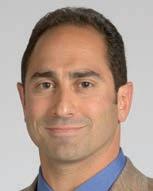

Dr. Paul Saluan had a plan.
The orthopedic surgeon realigned the boy’s bone and adjusted the slope of his tibia to reduce the risk of another tear. Today, the athlete is back on the court.
Stories like this are at the heart of a growing sports medicine ecosystem in Northeast Ohio — one that is shifting its focus from reacting to injury to keeping athletes healthy in the rst place.
Saluan, who directs strategic initiatives and clinical development for the Cleveland Clinic’s Global Peak Performance Center, sees athletes in the o ce and in surgery every week. Though trained in pediatrics, about 75% of his patients are athletes up to age 25.
The Clinic’s Peak Performance Center — a 210,000-square-foot facility opening in summer 2027 — will serve as a training home for the Cleveland Cavaliers while also welcoming community members and athletes from around the world, with space for clinical visits and diagnostics.
“The more relevant data that you have in a system, the more actionable insights you’ll be able to develop for these athletes,” Saluan tells JStyle.
But doctors are seeing a troubling trend: the injuries that once showed up in college athletes are now appearing in middle schoolers.
“Kids are focusing on a sport earlier,” says Dr. James Voos, chair of orthopedic and sports medicine at University Hospitals and
head team physician for the Cleveland Browns and Cleveland Ballet. Many young athletes now play one sport year-round, chasing college scholarships — and paying a physical price.
“If you’re using one body part 365 days a year, that body part is going to get more beat up,” Saluan says. Overuse accounts for roughly half of all sports injuries.
The most common injuries today include ACL tears, elbow ligament tears, tendonitis and in ammation. ACL tears are four times more common in females than males — a re ection, Saluan says, of how dramatically female participation in sports has grown.
Both Cleveland Clinic and University Hospitals have expanded care well beyond their walls. Through partnerships with 80 local schools, UH trainers and physicians are now present at youth sporting events throughout the region.
“Someone may tear their ACL during a game … and your physician is right there with you with their feet in the grass,” Voos tells JStyle. Within minutes, the team can evaluate the injury, communicate with parents and begin a care plan — eliminating dangerous delays in treatment.
One area both institutions say has been long overlooked: women’s sports medicine. Only about 5% of research dollars have historically been spent on female athletes — a gure Saluan calls “unacceptable.” Both the Clinic and UH are now building programs speci cally designed to address that gap.
Prevention, doctors say, starts with education. Young athletes are being introduced to age-appropriate exercise, and parents are being reminded that a 12-year-old should not be training like a 16-year-old.
Even as the pressure around elite competition and scholarships intensi es, Voos keeps returning to a simple idea. “Overall, sports is a very positive thing,” Voos says. “We try to remind people that sports is fun.”
For the basketball player who tore his ACL twice before nishing high school, that reminder came in the form of a surgeon with a plan — and a path back to the court. sj




Step up to the plate this season with Spartan StormShield, your premier choice for roofing, siding, and home exterior protection. Elevate your home to all-star status and experience the peace of mind that comes from working with the local pros who truly understand your needs. Don't just play the game; win it with Spartan StormShield.
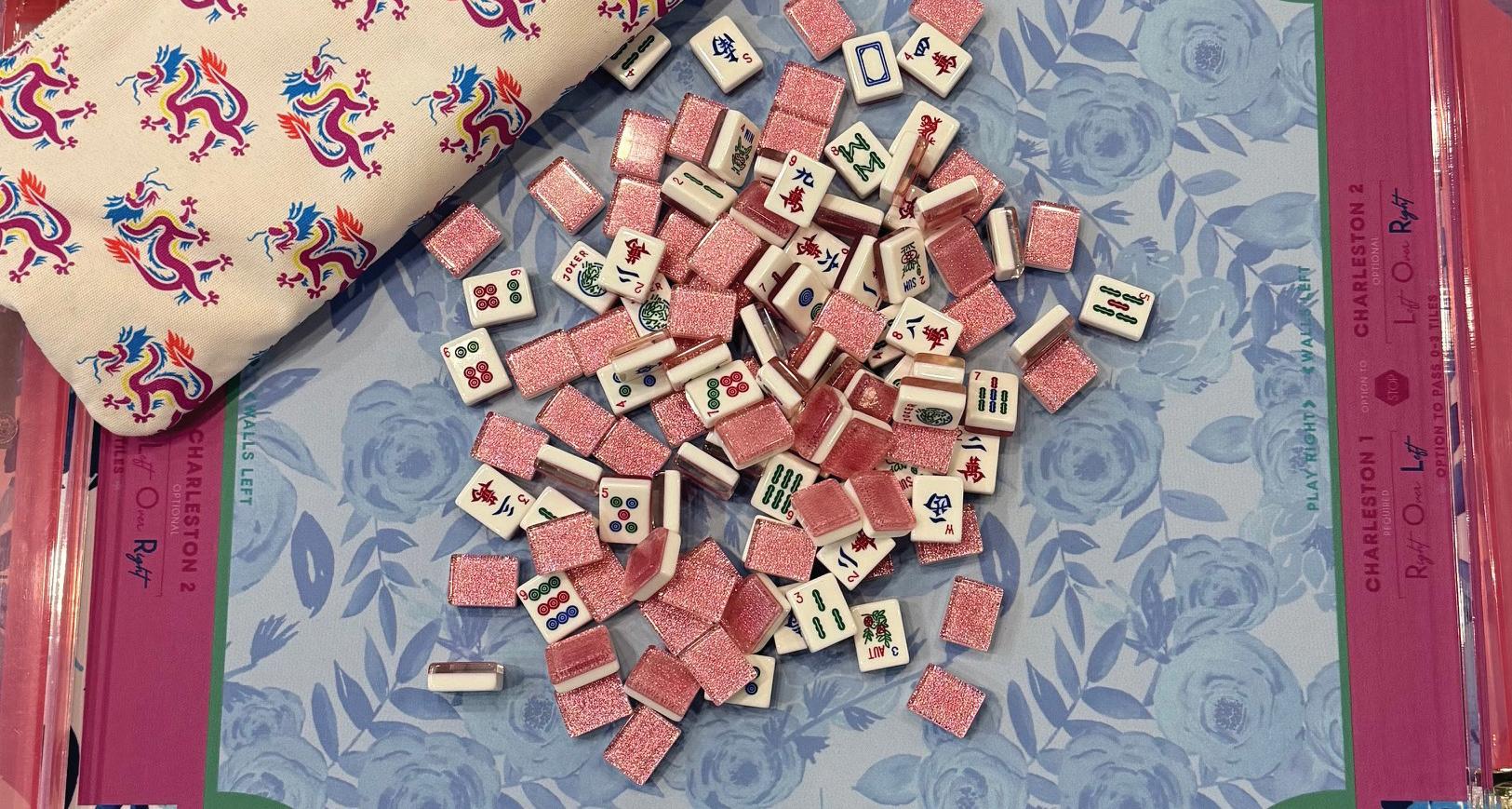

Why mahjong is quietly becoming the game everyone wants to play again.
BY REBECCA MEISER
Sarah Emerman didn’t grow up playing mahjong — not exactly. But the 43-year-old Shaker Heights resident grew up around it.
“My mom plays. My great-grandmother played,” she says.
It was always there, somewhere in the background — a game she associated with older generations, something steady and social, but not quite hers.
So when her sister-in-law, Julie Gurney, suggested learning a couple of years ago, it felt less like picking up something new and more like stepping into something familiar.
She and Julie, along with some other friends, learned together, gathered around a table while Julie’s mother-in-law, Enid Gurney, a longtime player, walked them through it, correcting, explaining and repeating.
“She would just sort of tell us everything we were doing right and everything we were doing wrong,” Emerman says, laughing. At rst, it felt impossible.
“I remember thinking, how am I ever going to keep all this straight?”
The tiles blurred together. The rules piled up. The rhythm didn’t quite stick — until, suddenly, it did.
What Emerman stumbled into is now happening everywhere.
Mahjong, the centuries-old Chinese tile game that later became a cornerstone of Jewish social life in the United States, is having a moment again.
At its simplest, four players sit around a table, building hands from a shared set of tiles marked with symbols — bamboo, circles and characters — drawing and discarding until someone completes a winning combination.
It is often compared to rummy, but it’s more layered: part strategy, part memory, part instinct. Once it clicks, people tend to come back to it again and again.
That pull is part of what’s driving the resurgence, but it’s not the whole story.
After years of screens, isolation and over-scheduled lives, people are gravitating toward anything that brings them back into shared space, around a table, in real time.
It’s part of a broader return to analog life: things you can touch, share and experience together. Mahjong ts naturally into that.
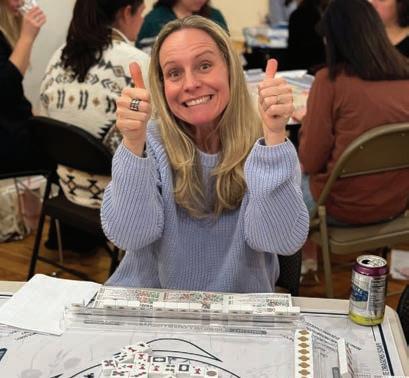
“It’s almost a level up from grabbing co ee or lunch with friends,” Emerman says, adding: “I like to play at least once a week. I hate it when it’s less.”
For many players, that consistency quickly grows into something bigger.
“I’m in several text threads,” says Abby Botnick, a 46-year-old Shaker Heights attorney, describing a steady stream of messages organizing games, lling tables and pulling people in.
“The group chat keeps growing,” she says. “You keep adding people, and then you have to reintroduce who we are.”
There’s almost always a game happening somewhere.
And when people do get together, it doesn’t feel like anything else.
“You’re not doing that at a bar,” she


























says — the yelling, the teasing, the mock accusations when someone breaks a rule.
“It’s just a di erent vibe.”
It’s social but focused, competitive, but forgiving.
“I feel like I’m doing something good for my brain while also socializing,” Botnick says.
The game itself isn’t new, but the way people are nding their way to it is.
Mahjong arrived in the United States in the 1920s and quickly became embedded in Jewish social life, particularly among women who gathered weekly to play. The National Mah Jongg League, founded in 1937, helped standardize the American version still widely used today.
For generations, it was passed down informally, learned by watching, sitting in and eventually taking a seat at the table.
“It almost feels like a cultural connection,” Emerman says.
What’s di erent now is how far that circle has expanded.
Celebrities like Julia Roberts and Meghan Markle have embraced the game. Blake Lively has even been known to travel with her mahjong set. Closer to home, it’s showing up across Cleveland (Even at the Cleveland Jewish News, sister publication to
Jstyle. Check out our Mahj and More event on Thursday, May 7th at StoneWater Golf Club at cjn.org/mahjong).
“There’s all these pockets of people around Cleveland that are playing,” Emerman says.
High school friends. Book clubs. Neighborhood groups.
Even, occasionally, spouses.
“I won’t teach my husband,” Emerman says, laughing. “Then he’d want to come and there would be no one to watch the kids.”
Some things, it seems, are better kept to the group.
For Amy Myers, that growing interest became something she couldn’t ignore.
She rst learned to play in 2007, as a young mom looking for a reason to get out of the house.
“It was my excuse to get out every week,” she says. “It was a way to just kind of reconnect with my girlfriends.”
Years later, after buying a bag for her tiles, she started noticing something familiar — but slightly di erent — taking shape again on social media.
“This is what people are doing,” she says. “We’re having lunches again. We’re having game nights again. And the tiles are really pretty.”
Around the same time, she was
entering a new phase of life, becoming an empty nester and starting to think about what came next.
“I love being with people,” she says. “I thought, I could totally do this.”
She started small, going house to house, teaching whoever could gather. Almost immediately, the game began to outgrow those living rooms.
“It’s not something you can just learn once,” she says. “You have to keep playing to feel comfortable.”
Her students felt it too.
“They say, ‘I love this so much, but now what? Where do we play?’”
Some groups couldn’t coordinate schedules; others simply didn’t have enough players.
“I just saw this huge demand,” she says. “People want to keep going.”
Eventually, the momentum made the decision for her.
“I took a leap,” she says. “It’s like mahjong. If you don’t go for the line, you’re never going to win it.”
In January, she opened The Mahjong Maison at Eton Chagrin Boulevard, a 1,300-square-foot studio built entirely around the game.
Now, instead of squeezing into living rooms, players have a place of their own.
Lessons, leagues and open play ll the schedule, and on some nights, dozens of people cycle through.
“We’re all looking for somewhere to go,” Myers says. “And we want it to feel good when we get there.”
Nationally, the trend is catching up to what players are already experiencing.
Yelp named mahjong one of the top trends of 2026, citing a 4,467% jump in searches for clubs and an 819% increase in lessons.
New sets, new spaces and a new wave of players.
But at its core, the appeal hasn’t changed.
It’s still four people around a table — a game that rewards time and attention, and gives people a reason to gather and come back.
“We used to go out and do cool stu ,” Emerman says, laughing. “Now we just sit and play.”
And lately, that feels like enough. sj
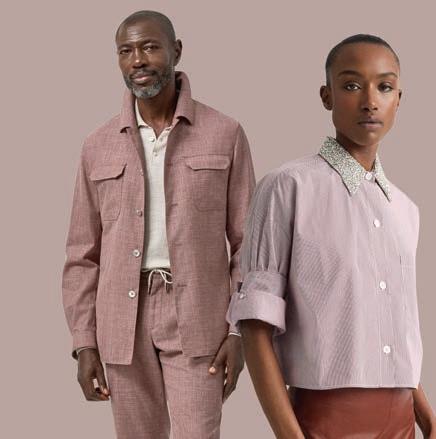




















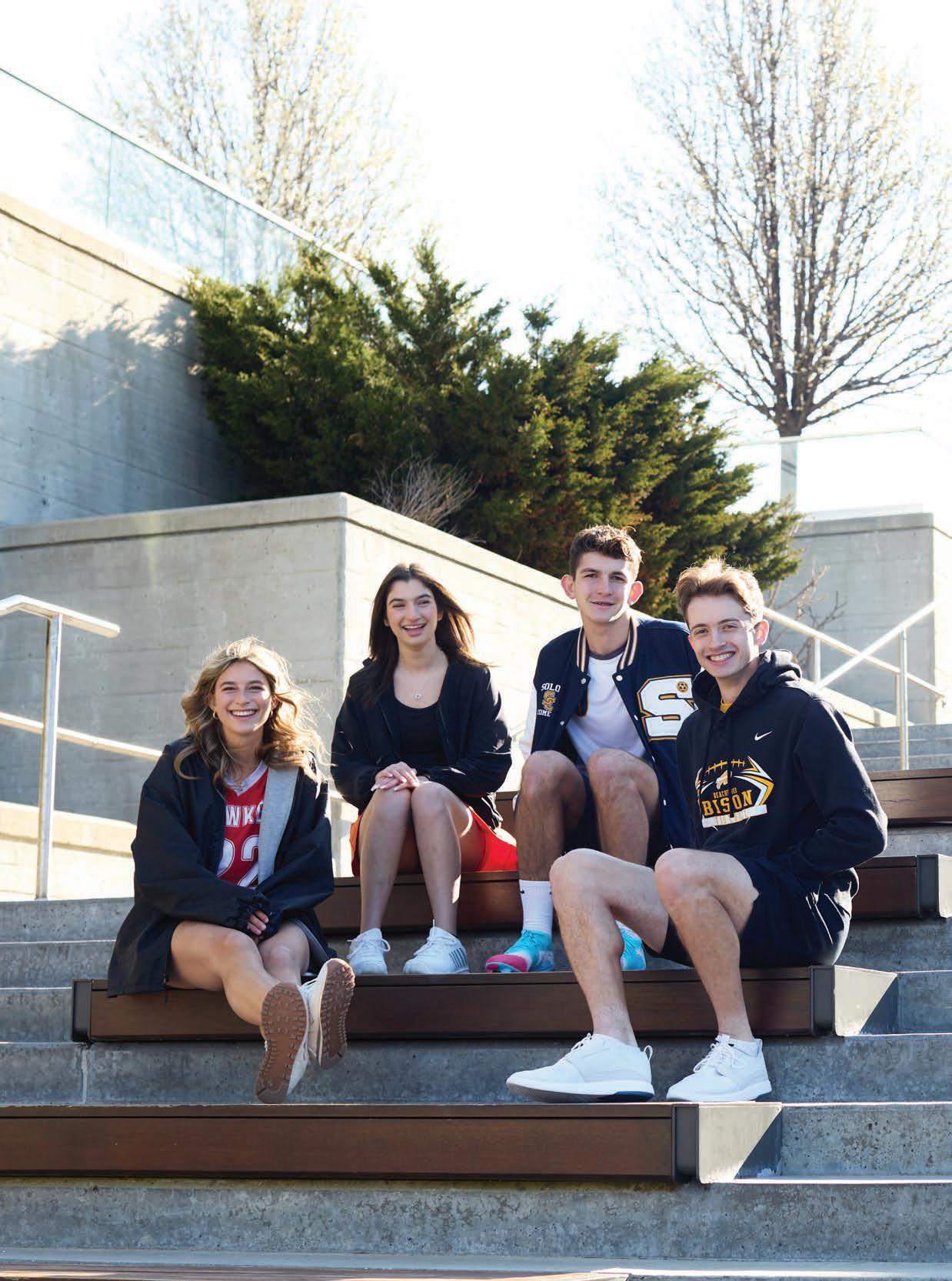

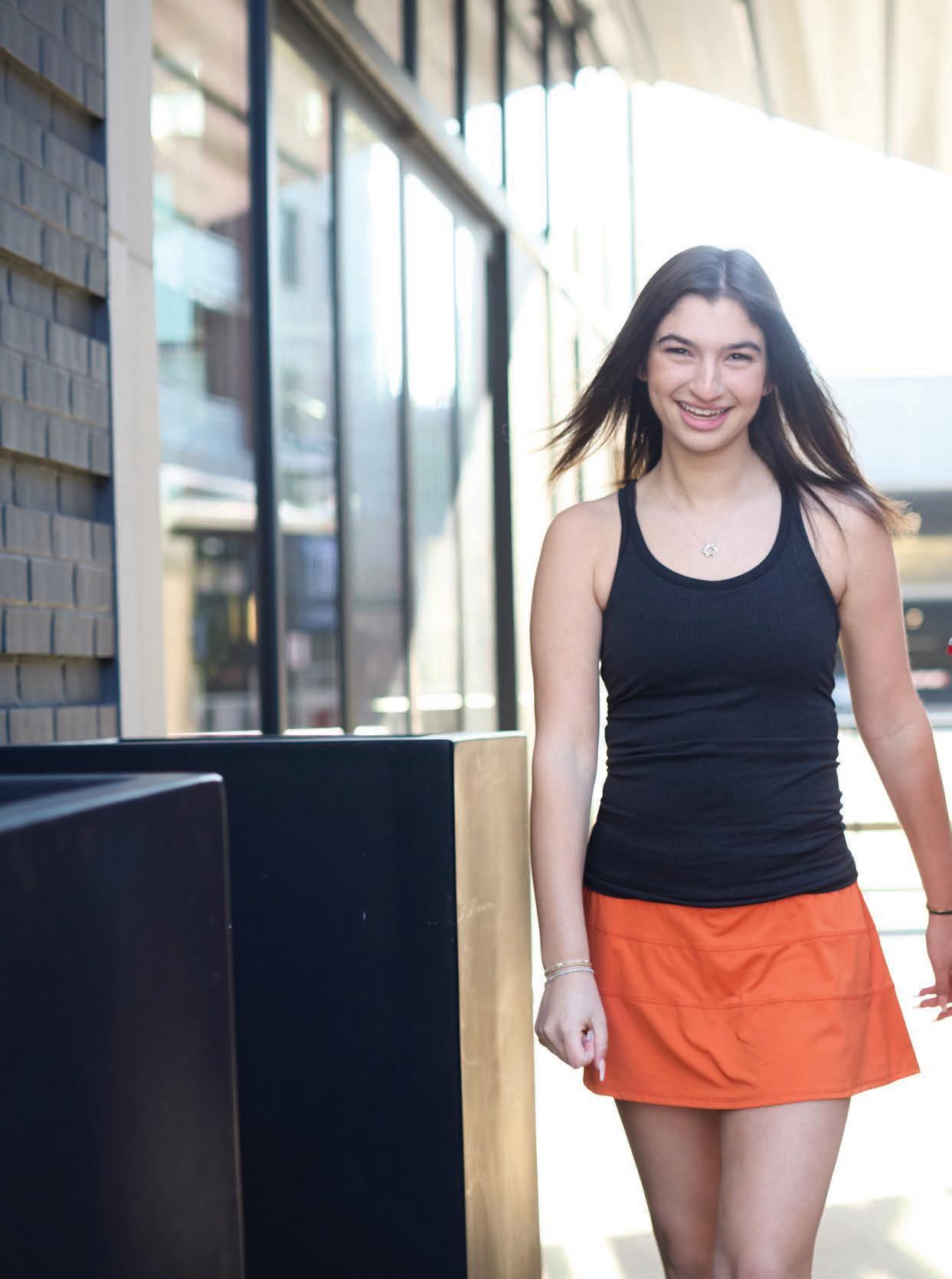
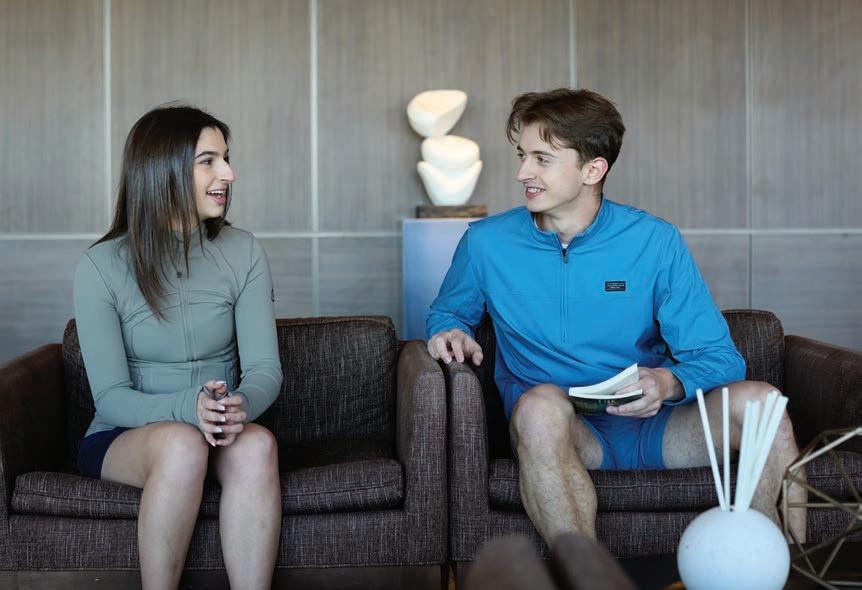
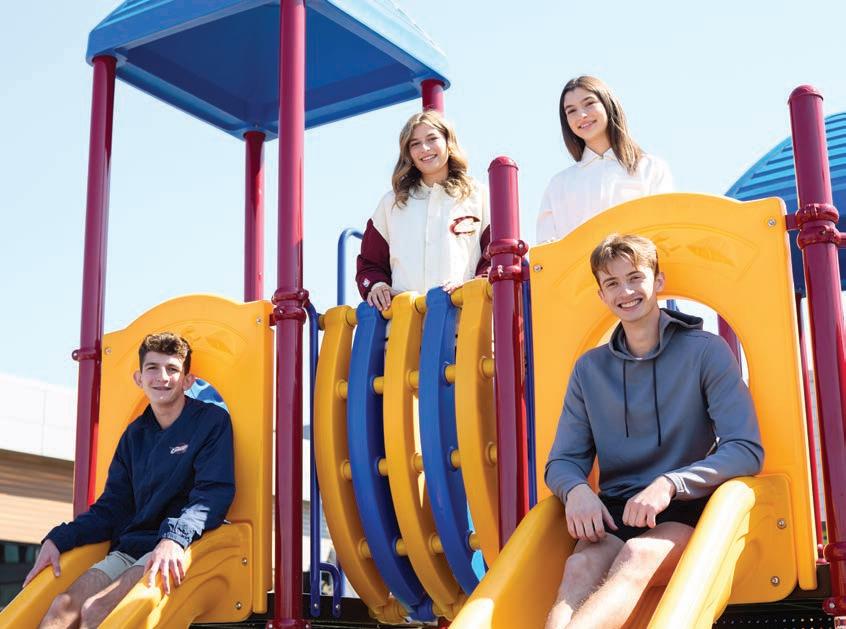
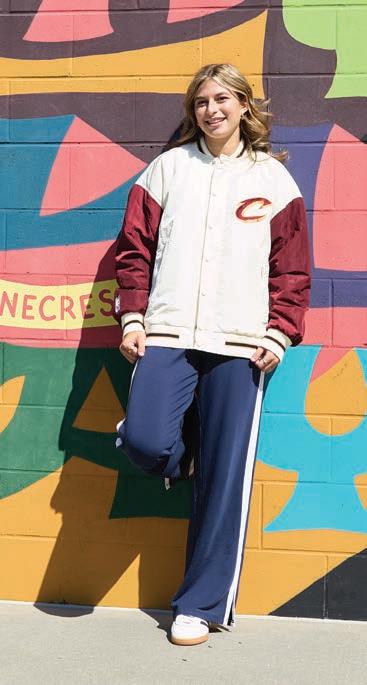
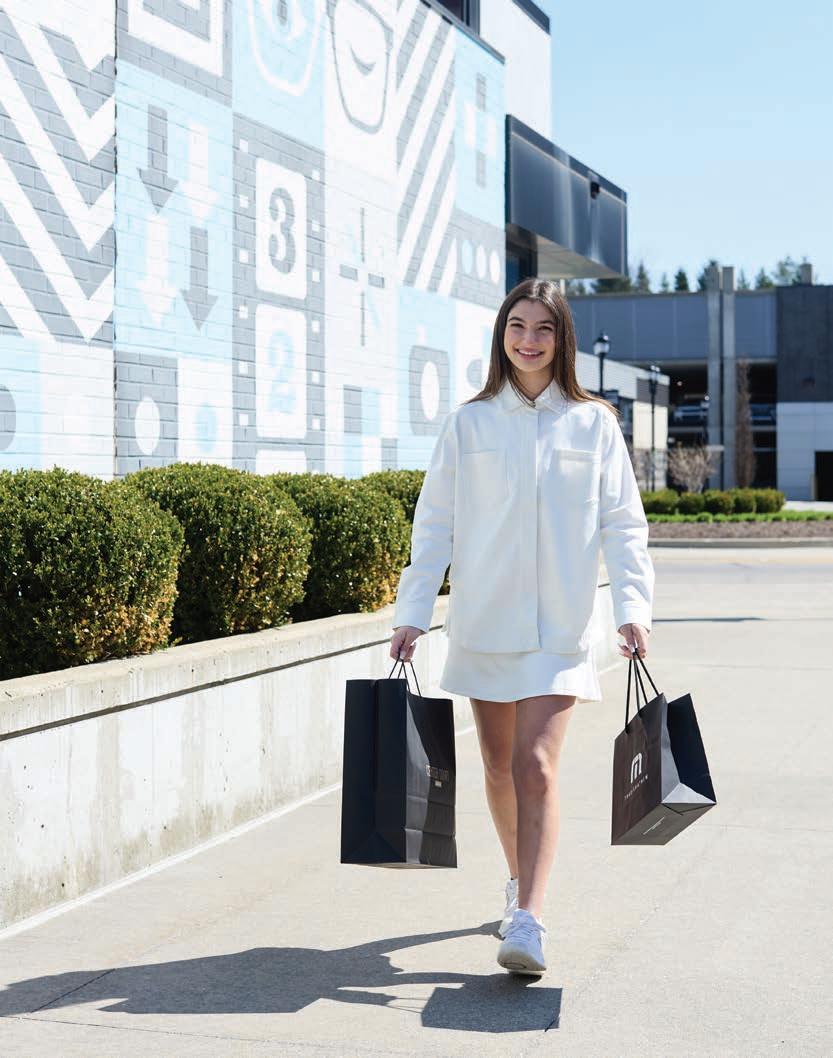
Where the energy of competition meets the polish of a championship wardrobe — Pinecrest in Orange Village set the stage for Jstyle’s sports-themed issue in style. With its sleek open-air setting as our backdrop, we invited some of Northeast Ohio’s most talented local high school athletes to show us what it looks like when athletic drive meets fashion-forward thinking. From the track to the turf, these young competitors brought the same intensity to our photoshoot that they bring to every game. This issue, Jstyle celebrates the athletes in our own backyard — proof that great style and a winning spirit go hand in hand.















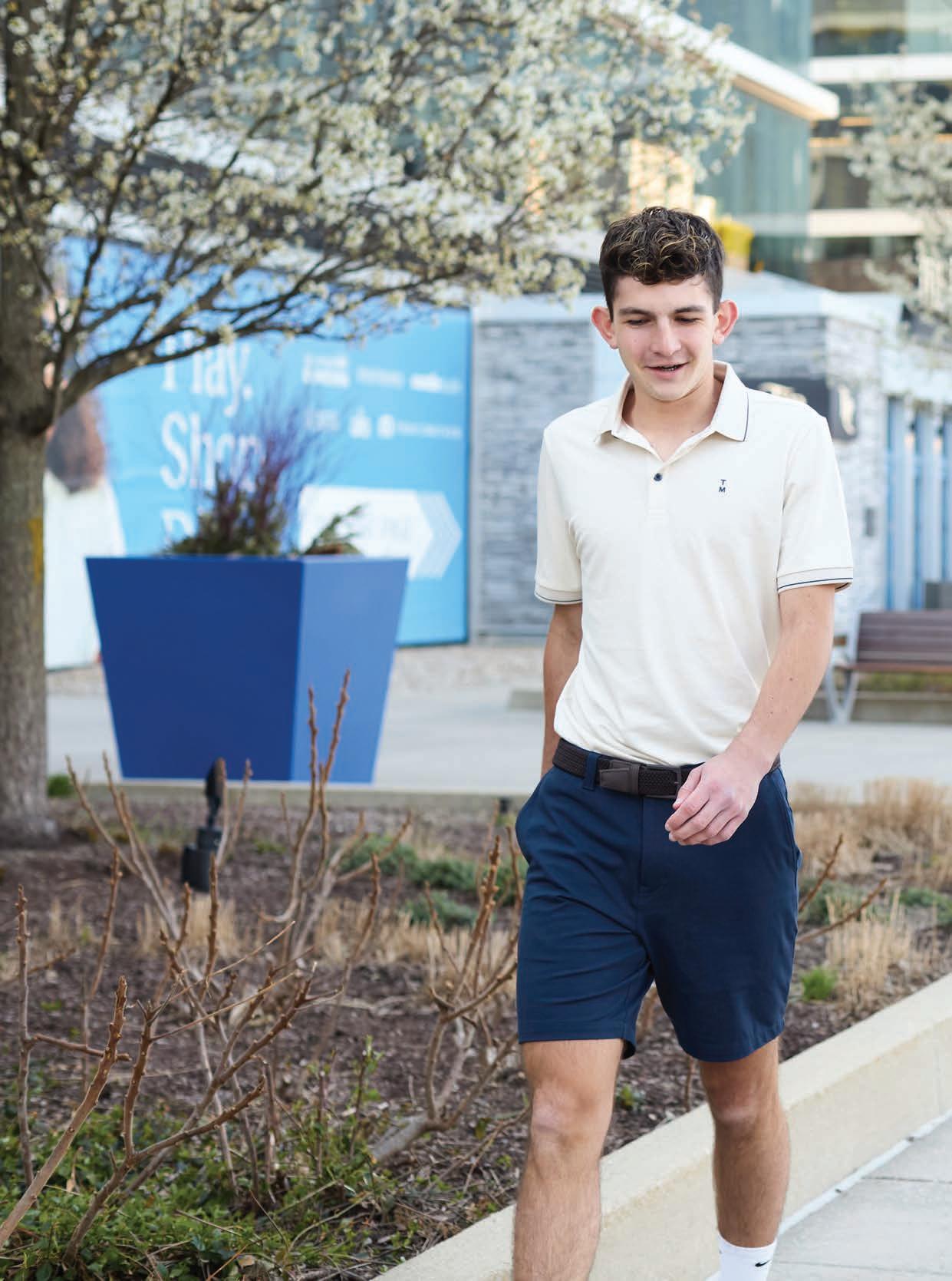
Age: 16
School: Solon High School
Grade: 10
Sport: Soccer
What do you love most about your sport?
The passion within the game that unites people and cultures around the world.
Favorite athlete to watch: MJF (AEW pro wrestler)
Best advice from a coach or teammate: Get 0.1% better every day.
Plans after high school: To become a WWE commentator
Music or silence before a game: Music
Hype song right now: “Freed From Desire” by Gala
Fun fact:
Aiden and his dad, Adam, started collecting wrestling cards during the COVID-19 pandemic, which led them to launch a podcast, called Kayfabe and Cardboard, about wrestling cards — combining his passion for wrestling with an early interest in writing.
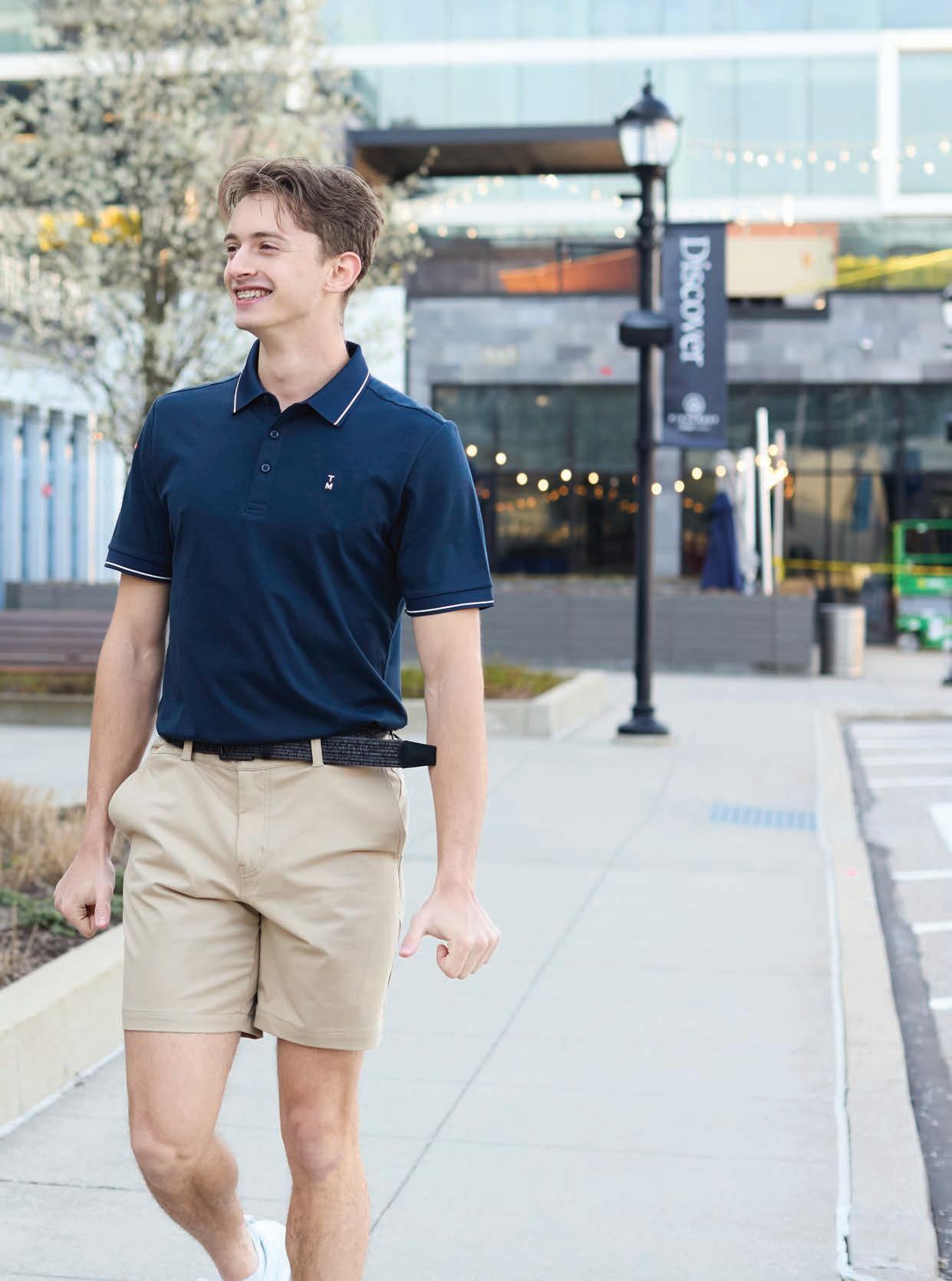
Age: 17
School: Beachwood High School
Grade: Senior
Sports: Football and Track
What do you love most about your sports?
I love the life lessons sports have taught me — grit, perseverance and time management.
Favorite athlete to watch: Trey Smack III and, formerly, Tim Tebow
Best advice from a coach or teammate: The day before my first state meet as a senior, less than a year after starting track, my coach told me: I have one chance — there is no tomorrow, no other opportunity — so go and leave everything on the track.
Favorite Jewish holiday or tradition: Passover
Plans after high school: Attending the University of South Florida and planning to walk on for football as a sophomore
Music or silence before a game: Music
Hype song right now: “Just Believe” by Bailey Zimmerman and Brandon Lake
Age: 17
School: Orange High School
Grade: 11
Sport: Tennis
What do you love most about your sport?
I love my teammates, and I love the bonding.
Favorite athlete to watch: Jannik Sinner
Best advice from a coach or teammate: My coach has always taught me to never give up, even when things get hard.
Favorite Jewish holiday or tradition: Chanukah — because of the presents
Plans after high school: I want to go to the College of Charleston and study business.
Music or silence before a game: Music
Hype song right now: “FWYT” by YoungBoy
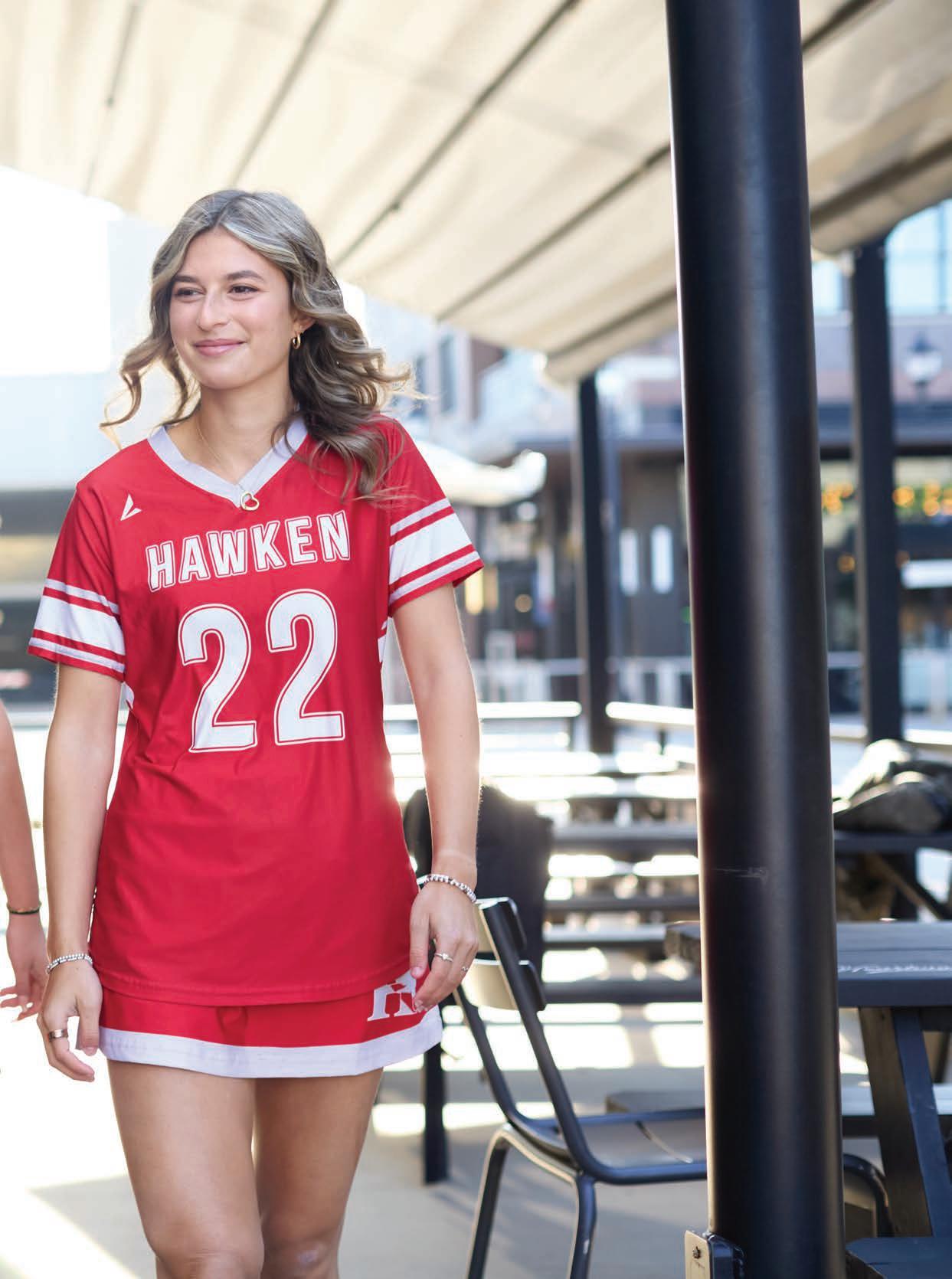
Age: 18
School: Hawken School
Grade: Senior
Sports: Soccer and Lacrosse
What do you love most about your sports?
I love how many friends I’ve made through sports and the collaboration skills I’ve learned.
Favorite athlete to watch: Caitlin Clark
Best advice from a coach or teammate: Always leave your heart on the field and take every opportunity to improve — you miss 100% of the shots you don’t take.
Favorite Jewish holiday or tradition: Passover
Plans after high school: I want to become a physical therapist or a doctor in the sports field.
Music or silence before a game: Music — it gets me hyped for the game
Hype song right now: “Starships” by Nicki Minaj
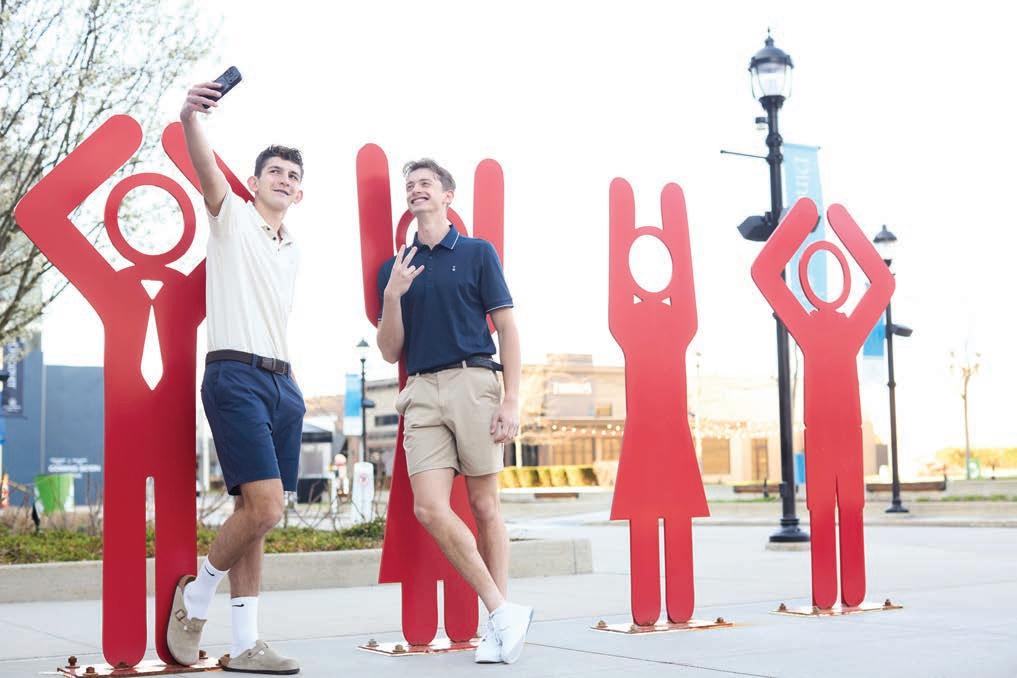
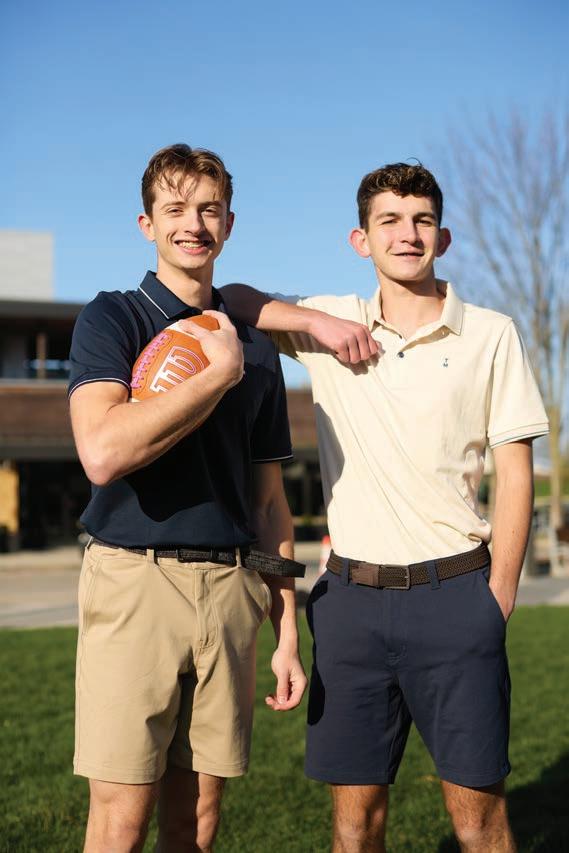

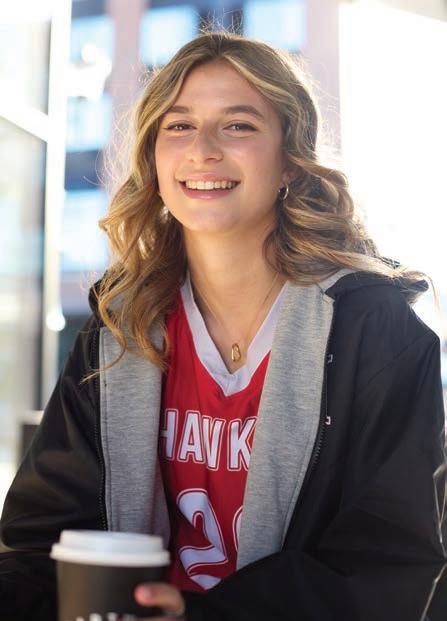
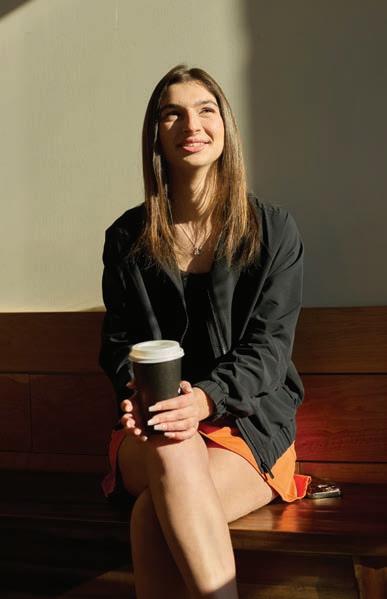
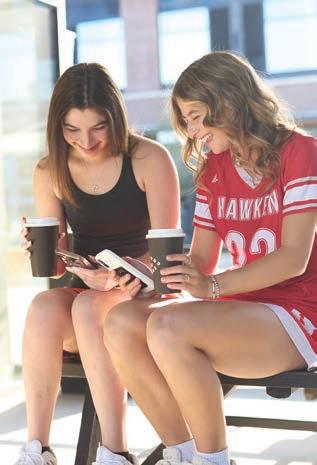
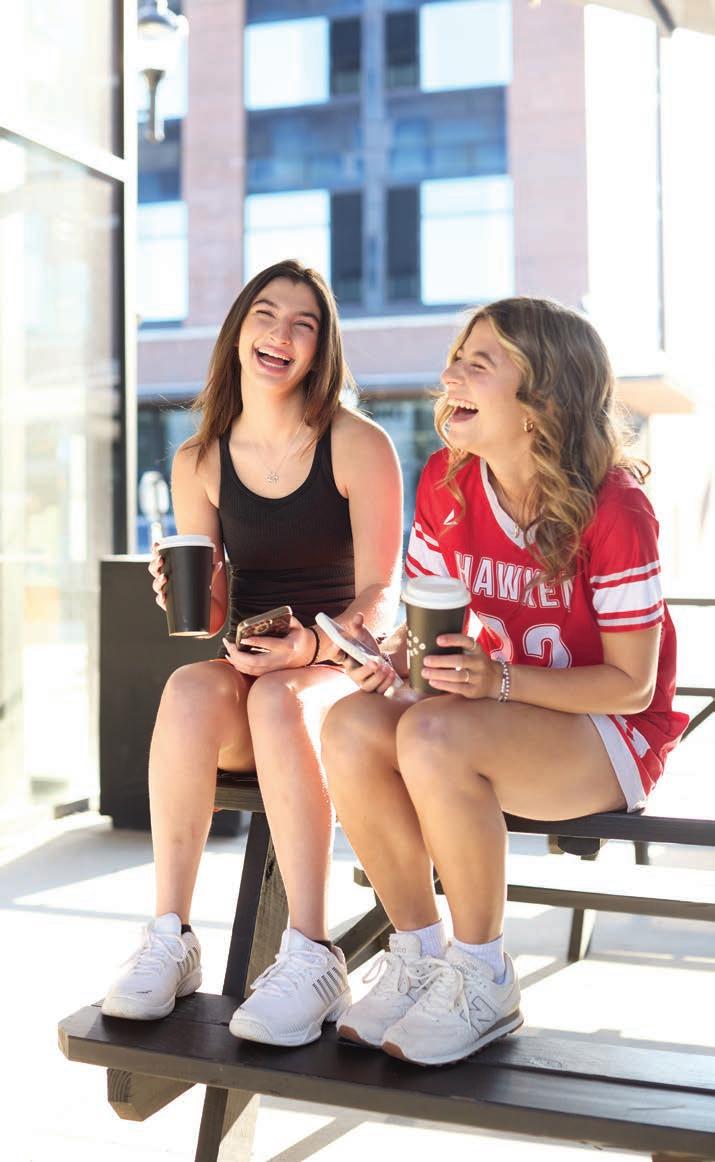

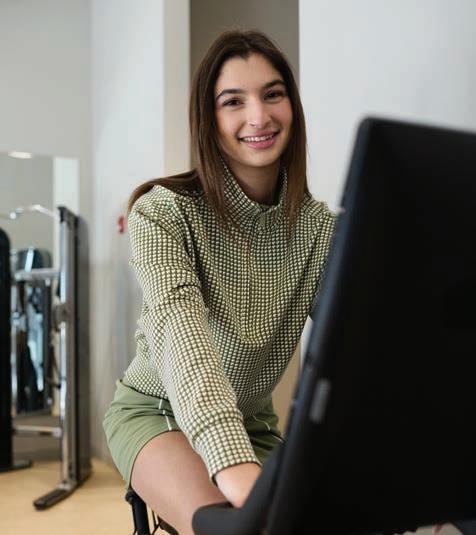
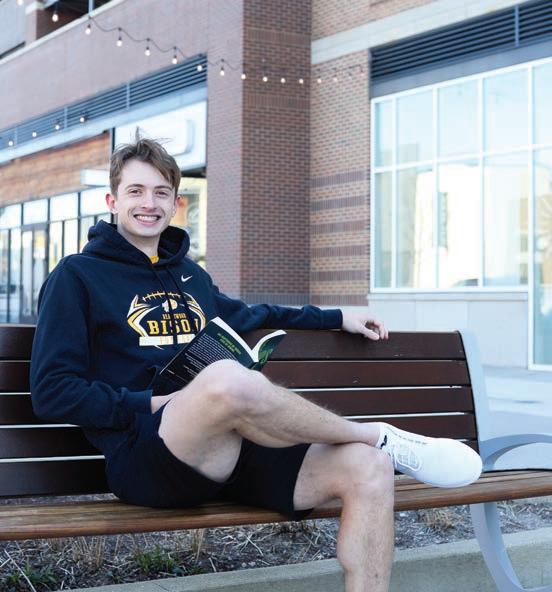
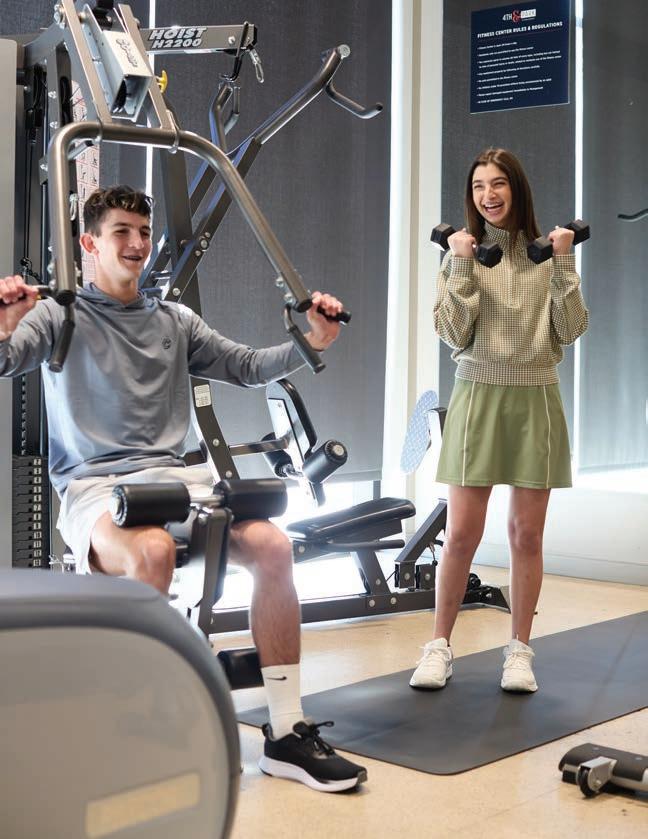

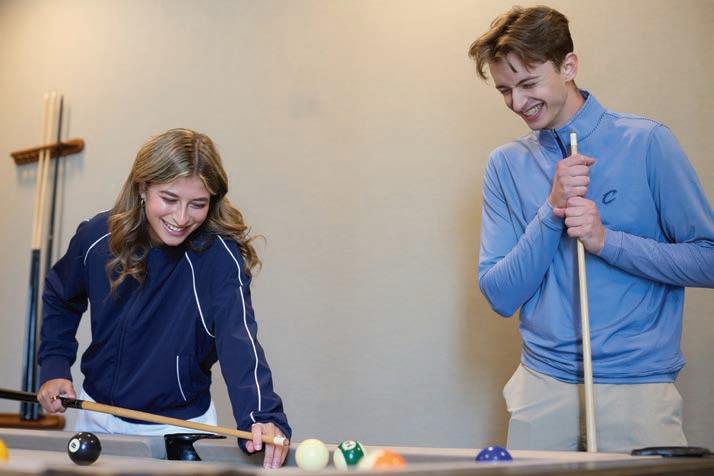
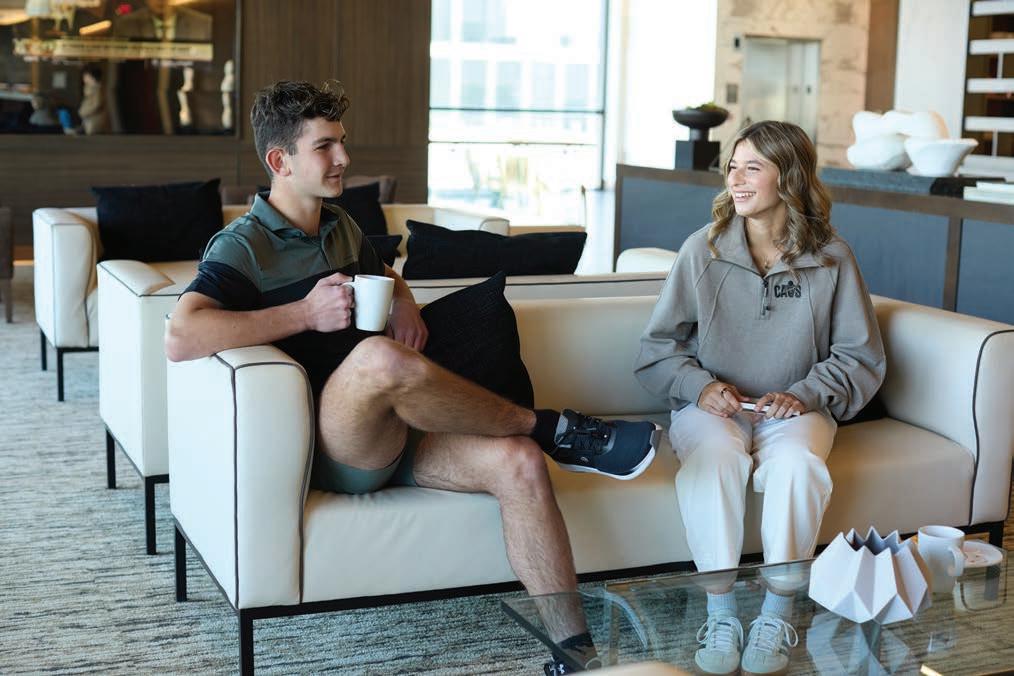
Above: Aiden wears Heater Pro Color Block Polo in dark olive, Tech Knit Short 9In in dark olive and The NuAge shoe in black all from TravisMathew. Mackenzie wears Everyday Ankle Pant in white from TravisMathew and lululemon Scuba Cropped 1/2 zip funnel neck wa e in gray from Center Court. Spezial sneakers by Adidas her own. Left: Mackenzie wears Breezeblend Challenger Short in white and Opening Shot Bomber in navy blazer from TravisMathew. Sneakers by New Balance her own. Tristan wears Peter Millar perth Cavs sugar stripe quarter zip in blue from Center Court, Wanderlust Short 9In in copen blue and The Modern One Shoe in heather white both from TravisMathew.
A-Line
Sneakers by
Tristan wears Wanderlust Quarter Zip








Aiden wears Beck 2.0 Short 10In in heather khaki from TravisMathew and lululemon Cavs Coaches Jacket Navy from Center Court. Socks by Nike and shoes by Birkenstocks (seen on Page 62) are his own.
Tristan wears Fibercloud Hoodie in heather grey, Fibercloud Short 8In in black and The Modern One Shoe in heather white (seen on Page 62) all from TravisMathew.
Mackenzie wears Cloud Terry Varsity Pant in navy blazer from TravisMathew and Terez Cavs Bomber Jacket in Cream from Center Court. Spezial sneakers by Adidas are her own.
Sophie wears Skyloft Soft A-Line Skort in Snow White and Everyday Button Down in white both from TravisMathew. Sneakers by KSwiss are her own.
































Tina Figurella







What’s the most recent piece of clothing you bought — and what made you fall in love with it?
Honestly, I see so many fun styles as a clothing and shoe buyer, so it takes a lot for something to really stand out. But I recently bought a structured blazer that has a denim insert. I love it because it makes getting dressed so easy. I don’t have to put a lot of thought into it, and I still feel really pulled together.
What’s your favorite piece in your closet right now?
Right now, my favorite piece is a pair of wide-leg jeans. I love that they’re on trend but still comfortable, and they style e ortlessly with everything from sneakers to Mary Janes.
Is there something in your closet you’ll never part with? What’s the story behind it?
I would never part with my mother’s Louis Vuitton Alma handbag. I was with her when she bought it over 30 years ago, so it holds a really special memory for me. Since she’s passed, it means even more. Whenever I carry it, especially when I’m shopping, it makes me feel like she’s shopping with me.



& Shoes Buyer, Knuth’s













I usually reach for a blazer with either jeans or trousers— it’s an easy, go-to combination that instantly makes me feel pulled together without a lot of e ort.




What’s your everyday go-to look when you want to feel put together quickly?
What’s the most unexpected or unusual item in your closet?
The most unexpected piece in my closet is a sari I bought on a trip to India. It’s not something I wear often, but I love it for the beautiful fabric and the memory it holds.
Is there a piece you wear when you really want to make a statement?
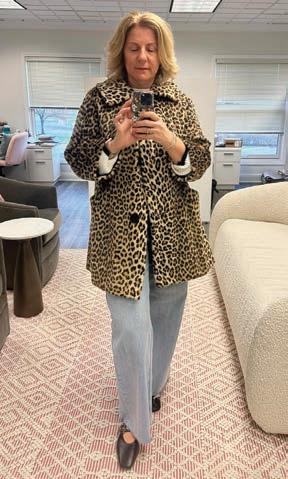
Probably a vintage leopard-print faux fur coat from (the former) Higbee’s department store that my mother found while vintage shopping. I love that something so old still feels so relevant—it’s one of those pieces that never really goes out of style but de nitely stands out when worn.
If you had to describe your personal style in three words, what would they be?
E ortless, modern, timeless — I love classic pieces with a modern, trendy twist.
- Rebecca Meiser








Ahead of her induction into Kent State University School of Fashion Hall of Fame on May 2, Fern Mallis reflects on the chaos behind early runway shows and the turning point that led to modern New York Fashion Week.
BY REBECCA MEISER
Before New York Fashion Week became what it is today — centralized, structured and global — it was something else entirely: disjointed, scattered and at times even unsafe.
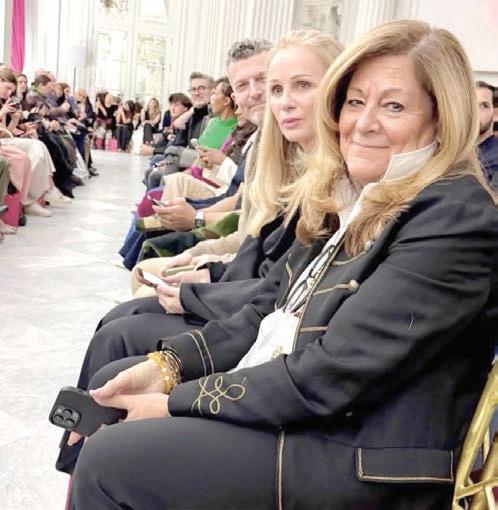
Fern Mallis, known as the Godmother of Fashion Week, can still point to the moment that made that clear. In the early 1990s, just before stepping into her role at the Council of Fashion Designers of America (CFDA), the industry’s leading trade organization, she had been hired to help organize programming, events and communications for its growing membership of American designers.
Then came a Michael Kors show in a Chelsea loft.
The music was loud enough to shake the room. Then the ceiling started to crack.
“Plaster started to come down onto the runway — onto Cindy and Linda and Naomi — and they just kind of brushed it o their shoulders and kept walking.”
In the front row, editors weren’t watching the clothes.
“They wrote that ‘We live for fashion. We don’t want to die for it.’ I don’t know if anyone remembered what Michael showed. People were looking for where the exits were.”
She hadn’t even o cially started the job.
“I said, ‘I think my job description just changed.’”
Instead of simply supporting designers, Mallis saw something bigger: a need to bring order, safety and structure to an industry that had none — a shift that would ultimately lead to the creation of modern New York Fashion Week.
What kind of kid were you growing up? What drew you in before fashion was even part of the picture?
I was a good girl. I grew up in Brooklyn, before it became artisanal. I was a middle child and had a bunch of friends on my street.
I went to work with my dad all the time, on days o from school or holidays. He worked in the garment center, and his two

brothers did as well. We would go and meet him, and I’d go to lunch with him and his buyers, the fashion directors of the stores he worked with.
What did fashion mean to you then?
I don’t know that it meant anything speci c. I just always liked it. I loved dressing up.
My mother had great clothes, really interesting clothes. I could kick myself that we don’t still have them. Beautiful pleated pants and jackets, very Katharine Hepburn–ish.
She had a skirt with a shawl that had all these bold patterns of color. I can still picture it perfectly.
And because of my dad, I had a million scarves growing up. I always knew how to tie them and make things out of them. One uncle was in sportswear, so I got clothes from him. Another was in textiles, so I got fabric and would make pillows or cover things.
So my fashion sense was really just growing up around that.
How did Judaism show up in your life growing up?
We weren’t a very religious family. My mother was Sephardic, my father Ashkenazi, and we identi ed more with my mother’s side. It was more interesting, and the food was better.
We didn’t have bat mitzvahs. There were no boys, and my father didn’t feel the need to join a synagogue.
But there was a synagogue right behind our house, across the backyards. For a period in my early teens, I really wanted to go to Friday night services. My parents weren’t quite sure what to do with me, but I loved it.
Life goes on, you get busy, but I’ve always proudly identi ed as Jewish.
You didn’t start out as a designer. When did you realize your role was more about organizing and connecting?
“One thing that comes up again and again is how many people cite their grandmother as their biggest influence. At first I thought it was a coincidence, but it became a pattern.”
My career started at Mademoiselle magazine. I was a guest editor and stayed for six years. Then I became fashion director at Gimbels East and eventually opened my own public relations rm.
I started with fashion clients, and then it segued into interior design and architecture, which I’ve always loved. I never understood how someone could live in a horrible space and dress beautifully, or vice versa. To me, it’s all connected.
At the International Design Center in Long Island City, my job was to bring together architects, designers and manufacturers. I just did what needed to be done. It was common sense — the kinds of events and activities that would generate interest and bring people together.
I loved all of it.
That’s what led me to the CFDA, the Council of Fashion Designers of America, where I would go on to help organize what became New York Fashion Week. I thought, if I can organize architects, who have very big egos tied to their buildings, I can deal with fashion designers.
Before New York Fashion Week became what it is today, what did you see that wasn’t working?
If there were 50 shows, there were 50 locations. Nobody talked to each other.
And if you didn’t know and weren’t invited, you really didn’t know it was Fashion Week. You might think there was a sample sale on Seventh Avenue because there was a line outside.
That Michael Kors show was right before I moved into the o ce, and I thought this is something the CFDA should address. These designers were all CFDA members.
That became the mission: to organize, centralize and modernize the runway shows.
Being inducted into Kent State’s Fashion Hall of Fame, what does that recognition mean to you now?
It’s really lovely when people call or email and say, we want to honor you. When they tell you your name came up and it was unanimous, it feels wonderful.
I’m not as much in the thick of things as I once was. I’m not out there every day making things happen in the same way.
I still get emails and DMs — designers saying, I’ve got this collection, can I have some of your time. I just can’t respond to all of them.
But sometimes interesting things come your way. There was a woman who came to my o ce who is starting an e-commerce business working with clothing for people with disabilities — making buttonholes bigger, elastic waists, things that are easier to manage. It was lovely hearing what she was doing. I gave her some contacts and emails that I don’t generally give out.
And I spend time mentoring Max Alexander (the 10-year-old designer who made history in March 2026 as the youngest to show a collection at Paris Fashion Week). His mom just sent me a picture of him at the Seder table. I love doing that.
For students graduating now, what matters most — and what do people get wrong?
Sometimes people think they’re ready to start their own business. Slow down. That’s when you have to earn your stripes.
You have to knock on a lot of doors and send a lot of emails.
If you want to be a designer, work in retail. Be in a store. Watch how it works. At the end of the day, you want someone to walk in, take out their credit card and buy something you made.
And travel. See the world. Absorb what’s going on. Go to museums, go to the theater. Not through your phone, in real life. Taste the food, smell the air. Those things stay with you.
You’ve worked with so many iconic gures. Do you see any common traits among those who succeed?
One thing that comes up again and again is how many people cite their grandmother as their biggest in uence. At rst I thought it was a coincidence, but it became a pattern.
So many designers were raised by their grandmothers or inspired by them. It’s remarkable how often it comes up.
What was your grandmother like?
Not one of those. My father’s mother was an older Romanian woman, and she didn’t have much in uence on my life.
I do wish I had some of her recipes.
How has the industry changed the most?
The internet and the iPhone changed everything. People don’t even sit at a fashion show without holding up their phones. They’re watching it through a screen.
E-commerce has completely changed how people shop. You can have a business now without ever being in a store.
And now AI is beginning to change things as well.
With everyone having a platform, what makes a brand stand out?
Authenticity. Originality. Creativity. The same things that have always mattered — they just matter more now.
When you think about your career, what do you hope people say about you?
That I was nice.
One word to describe fashion right now: Complicated
Most underrated job:
The factories, the people making things
A trend you wish would disappear:
Naked dressing. Chi on over a bodysuit is not a dress
A designer who always gets it right: Michael Kors
Your go-to out t:
A Lafayette 148 sweater set
Best career advice: Hang in there
SCAN TO READ MORE ABOUT KENT STATE UNIVERSITY FASHION HALL OF FAME INDUCTEE FERN MALLIS.






















BY ADRIANA GASIEWSKI



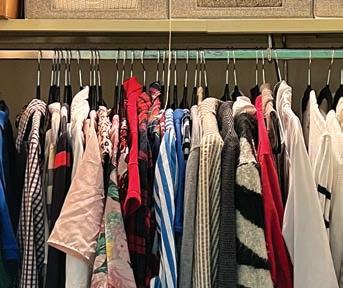
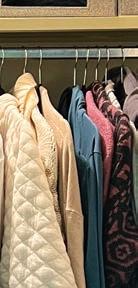
The rst warm day of the season has a way of revealing everything you’ve been ignoring — bulky sweaters still packed into drawers, coats crowding the closet, layers that no longer match the moment.
For many, that shift sparks the urge to reset.
Jaclyn Musselman, owner of Organize by Dreams, a Northeast Ohio–based organization and decluttering service, said the transition out of winter naturally pushes people to take a fresh look at their space.
“We’ve been in our homes for a long time, we’ve had a chance to look around at our surroundings, we’re kind of ready to bust out of the house, get outside — so it’s just a natural season of growth and change,” she said.
Kelly Markowitz, warehouse chair of the National Council of Jewish Women/ Cleveland, sees that momentum build every year.
“We see this seasonal shift rsthand in the warehouse,” she said. “Spring is one of our busiest donation periods, as people begin clearing closets and homes.”
Before diving in, Musselman said the key is reframing decluttering as an ongoing habit, not a once-a-year overhaul.
“I think it’s really about developing that mindset of letting things go when you no longer need them — realizing it’s not just a once-a-year or once-everyve-years process,” she said.
The easiest way to start? Keep it small.
Rather than tackling an entire home at once, Musselman recommends beginning with a contained space — a






linen closet, a bathroom cabinet, a single drawer — and building from there. The same approach applies to wardrobes.
Markowitz agrees, noting that early progress creates momentum.
“You can start with the space that frustrates you most because that instant improvement builds momentum to move on to the next room or closet,” she said.
When it comes to closets, there’s more than one way to begin.
Musselman recommends taking everything out to get a full visual.
“Look at everything so you can make better decisions,” she said.
Markowitz prefers a lighter touch.
“Think of it as a ‘swap and edit,’ not a full overhaul,” she said. “You don’t need to empty your entire closet. Just pull out heavy winter items like bulky sweaters and coats, while leaving your basics in place.”
From there, decision-making becomes more straightforward — especially when grounded in real use, not hypotheticals.
Think about, “did I wear those pants from last season more than once? Do I feel con dent and comfortable in this blouse?” Markowitz said. “It’s simple: If an item isn’t actively in rotation right now, it’s unlikely that it ever will be.”
Still unsure about certain pieces? Musselman suggests creating a temporary “maybe” section, but not letting it linger inde nitely.
“If it’s not an immediate yes and it’s maybe, then hang on to it for now and re-evaluate in a few months,” she said. “You want to keep the process moving so you don’t get stuck.”
Both Musselman and Markowitz recommend sorting items into three categories: keep, maybe and donate.
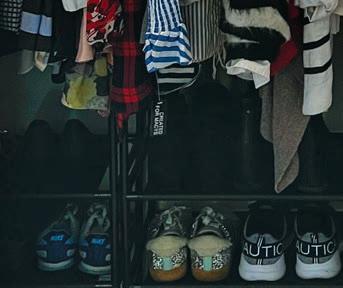
For a simple way to track what you actually wear, Musselman suggests hanging clothes backward on the rack and turning them around after each use, a visual cue that quickly reveals what’s truly in rotation.
As the seasons shift, organizing by clothing type — tank tops, short sleeves, three-quarter sleeves and long sleeves — can also make getting dressed easier.
“If you have things really categorized, then it’s easier to shift things around and move what you’re wearing now to the front,” Musselman said. “Some people can move items to another space, but it depends on how much room you have.”
And as those decisions add up, so do the opportunities to give items a second life.
“It’s a great time to donate anything you didn’t wear this season because chances are, someone else will love it and your donation will support the community,” Markowitz said.
Both recommend keeping a donation bin in an accessible place year-round — a small habit that makes letting go easier over time.
“When it gets full, that’s when you take it to the donation center and keep going,” Musselman said. “It’s always that mindset: I can let go of something at any time.”
At NCJW/CLE, Markowitz said those steady contributions have a visible impact.
“Donating isn’t just about clearing space. It’s about putting well-loved items back into the community where they can support programs improving the lives of women, children and families,” she said. sj
“It’s a great time to donate anything you didn’t wear this season because chances are, someone else will love it and your donation will support the community,”
Kelly Markowitz
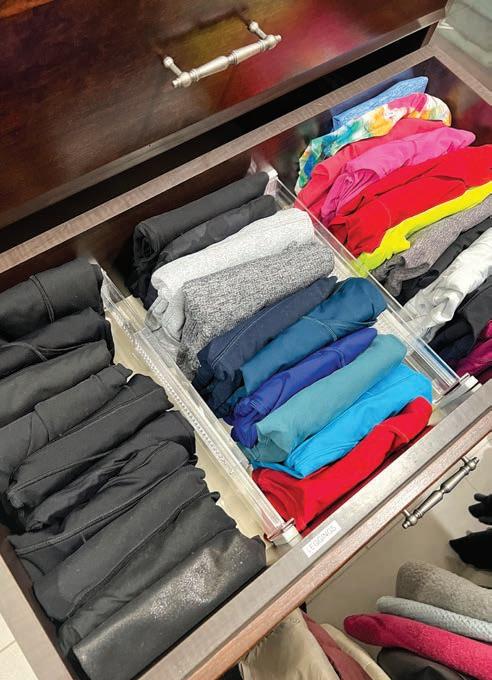
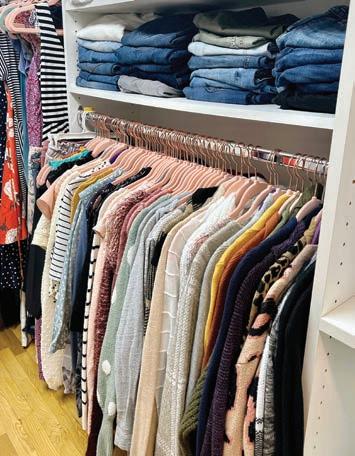

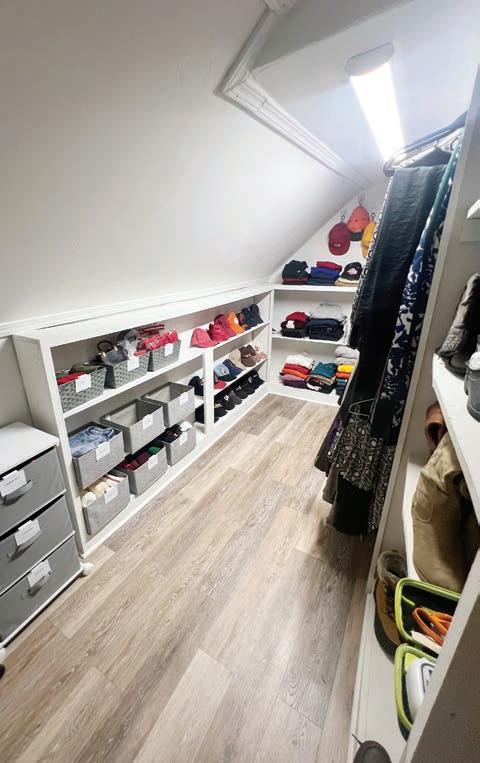

BY ADRIANA GASIEWSKI
Noticing the lack of higher end cocktail bars in the east suburbs, Sam Friedman, owner of Nightjar Jazz Bar, decided to open Nightjar on Feb. 13 in Eton Chagrin Boulevard at 28867 Chagrin Blvd, Woodmere.
“Live music is also something we are seriously lacking in our neighborhood, and so to hear live music, you have to get yourself at least downtown or West Side,” Friedman says. “And so, the nice thing is now here, we have live jazz happening every
Friday and Saturday.”
Viewing it important to keep “our money in our local economy,” Friedman prefers to welcome local artists and spirits to the emerald-covered jazz bar.
“We have amazingly good distilleries here in Northeast Ohio, so I think you’ll come in here, and for a small bar, you’ll see a higher percentage of local bottles than anywhere else,” he says.
Nightjar’s cocktails are also named after businesses on
Chagrin Boulevard to further create an East Side connection.
To make drinks like the Davis Bakery, vodka with grapefruit liqueur, grapefruit juice and a bitter grapefruit soda, and the Corky and Lenny, the jazz bar’s take on a horchata, Nightjar uses local vodka, Voudoux Vodka in Medina and Seven Brothers Distilling Company in Harpers eld Township, respectively.
“We have amazing distilleries all around Northeast Ohio. There’s over 20 distilleries in Northeast Ohio — I don’t think people know that,” he says.
The Corky and Lenny also uses bourbon cream from Middle West Spirits in Columbus, causing it to taste like a vanilla milkshake as Friedman put it.
“It’s too delicious is the answer,” he says. “It’s not my type of drink at all, and I could drink 50 of them.”
Another popular drink at Nighjar is its Cousin’s Cigars sazerac, a New Orleans cocktail made with rye whiskey, Peychaud’s bitters, sugar and an absinthe rinse.
Nightjar also has a small food menu consisting of its CLE Reuben skewers and khachapuri, a cheese bread from the country of Georgia. The bar will also debut a tinned sh menu.
“You’re getting a tin of sh of your choice with all kinds of really great accompaniments: pickles and onions and cheese and crackers,” Friedman says. “And so, it’s our version of charcuterie, in a way.”
The bar also has dessert menu, including kosher friendly desserts in collaboration with Fiamma by Mendel.
In addition to its drinks and food o erings, the jazz bar welcomes musicians every Friday and Saturday, spinning classic records from its DJ station on other nights.
A few of the artists that have visited include drummer Tony Kazel and his band Oregon Space Trail of Jazz who play electric music.
“The next night, Saturday, for example, we have a trio of guys who are de nitely all over 60 and play very acoustic,” Friedman says. “And so, we really have di erent types of jazz happening here.”
With temperatures warming up, he is looking forward to having Nightjar’s patio open more often for its Wednesday Cigar Patio, which includes bourbon and cigar specials, in collaboration with Cousin’s Cigars and mahjong on Tuesdays.
“We’re happy to open the space to people who want to come and do things like book club or supper club or play mahjong or all types of things,” Friedman says. “We want this to be a real comfortable third space for people to come enjoy, ‘cause we provided a great atmosphere.”
Nightjar is open Tuesday to Saturday from 4 p.m. On Friday and Saturday, the bar is open until 1 a.m., an additional two hours compared to its weekday nights. sj
Publisher’s Note: An earlier version of this feature rst appeared in the Cleveland Jewish News and cjn.org.
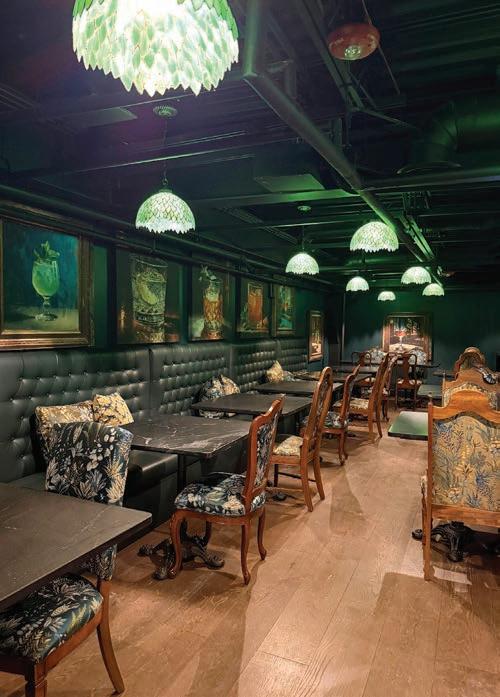
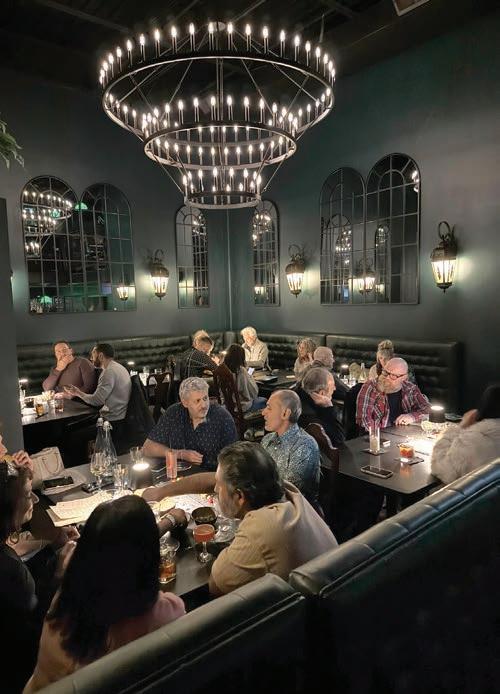

Adam Kaufman, a Cleveland-based Realtor, and Dr. Diana Ponsky, a facial plastic surgeon based in Beachwood, are now working together to destigmatize the idea of men getting cosmetic procedures performed on them.




Male cosmetic procedures are on the rise — and for some men, like Adam Kaufman, there’s no reason to keep it quiet.
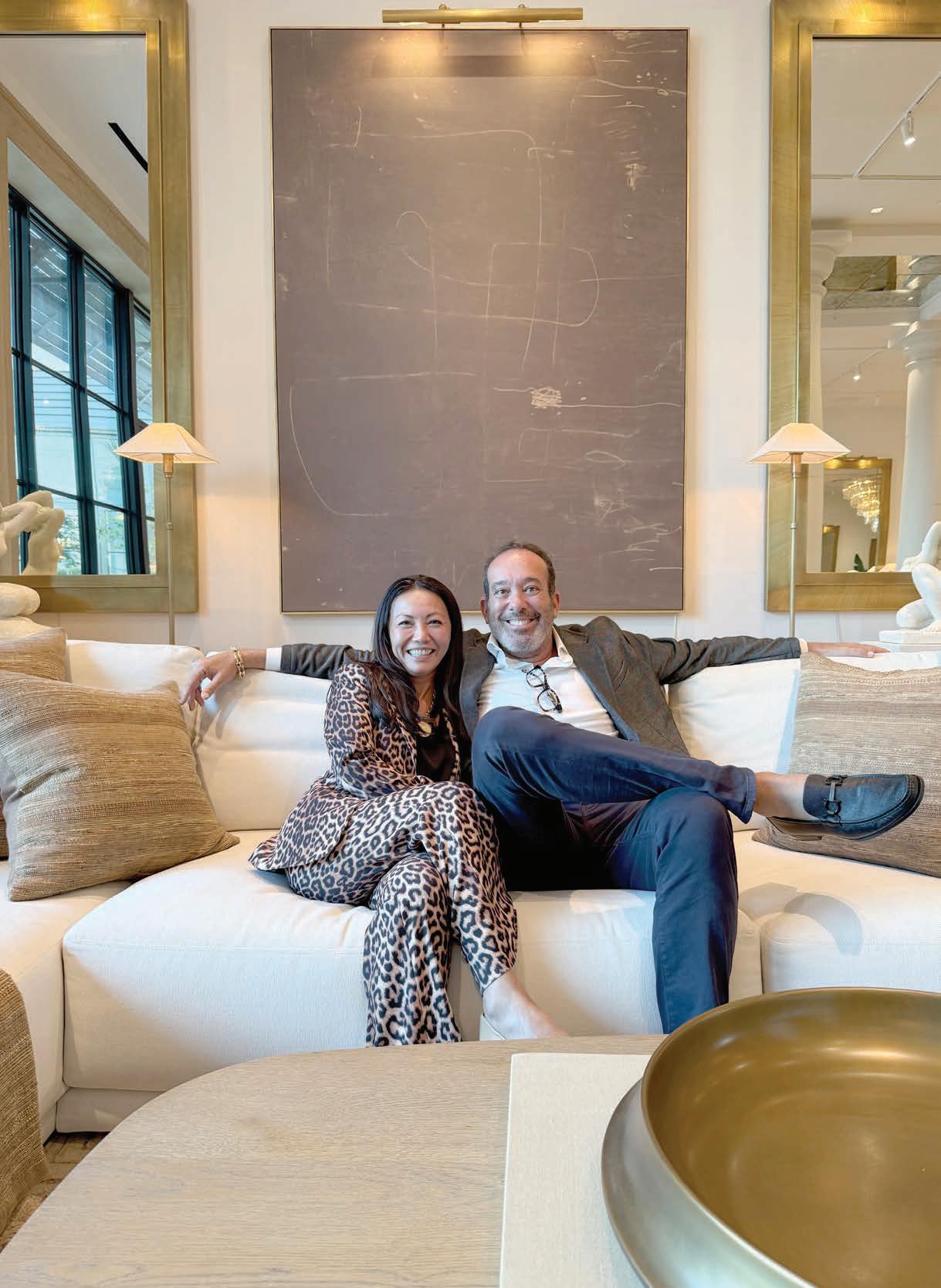
BY JIMMY OSWALD

The way Adam Kaufman sees it, you only get one life — and it’s important to seize each day.
Part of that, he said, means feeling good about yourself. And for the Pepper Pike-based Realtor with Howard Hanna Real Estate Services, that also means looking the way he wants to look.
“I’m in the public eye and I grew up in a family where everyone always looked really young, way younger than their years,” says Kaufman, a Shaker Heights resident and congregant of Park Synagogue in Pepper Pike. “I just thought, ‘Hey, I want to look good and young. I don’t want to look old.’ If I didn’t like the way my neck looked, I was going to do something about it.”

In 2024, 1.6 million cosmetic procedures were performed on men, a 4% increase from 2022, according to the American Society of Plastic Surgeons. The number of men undergoing cosmetic procedures continues to rise, up 28% since 2000, according to a 2019 ASPS study.
Dr. Diana Ponsky of Ponsky Facial Plastic Surgery in Beachwood says that while stigma still exists, attitudes are shifting, much like the growing attention men have paid to grooming and personal style over the past two decades.


“It’s a gradual process,” she says. “Men don’t want to be perceived as vain, and they have always exercised to improve their bodies rather than having a procedure done. But now you’ll hear men say, ‘I had a nose job because I couldn’t breathe,’ or talk about having bags removed under their eyes because they look tired but still want to compete in the


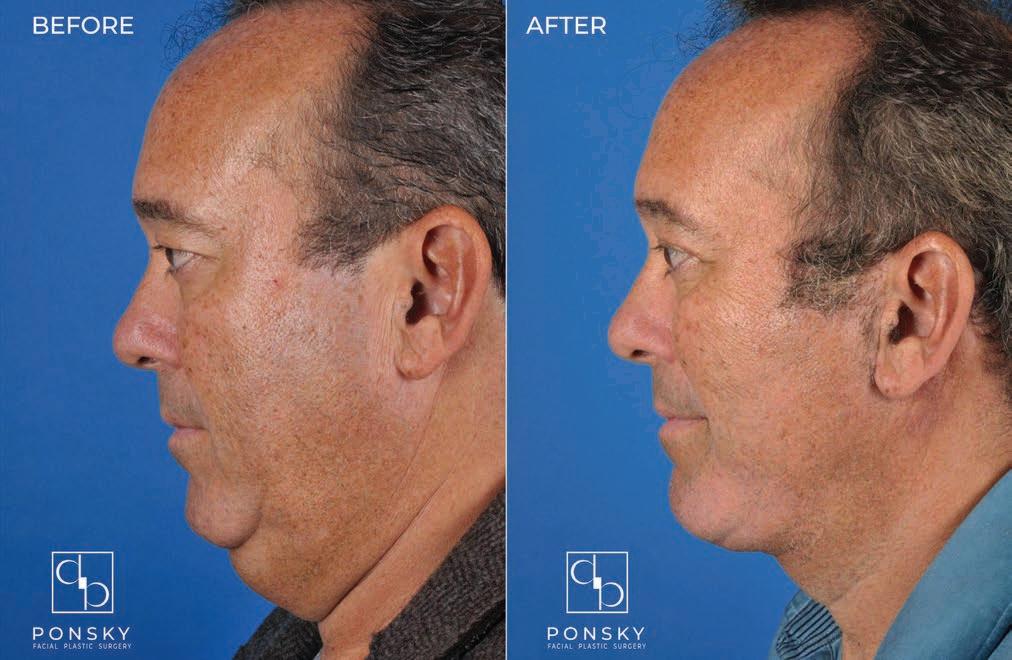
professional world. More are admitting to that, but there’s still some reluctance.”
Kaufman isn’t among those reluctant to talk about it.
“Men are much more quiet about it,” he says. “I know a lot of men who have plastic surgery or go to a dermatologist for Botox. But I’m not someone who shies away from things like that. It’s not that big of a deal to me.”
Kaufman rst underwent a cosmetic procedure about 15 years ago to remove the bags under his eyes, a change he says that improved his appearance.
More recently, as he approached 55, he noticed changes in his neck and decided to act. A recommendation led him to Ponsky.
“I went and saw her, liked her and signed up,” Kaufman says. “To me, it was not that big of a deal. She had a demeanor I loved, and she checked on me every day for two weeks after the procedure.”
Ponsky, who trained in head and neck surgery at Georgetown University and completed a fellowship at Case Western Reserve University Medical Center, became a solo practitioner in 2020.
“What I love about having my own practice is that it allows me to spend more time with patients,” she says. “I like to understand their motivations and their lives, to some degree. The cosmetic world is unique because I can see people’s con dence improve afterward. And usually, they’re already con dent — that’s what allows them to come in and say, ‘I want to change this.’”
For Kaufman, the idea of surgery wasn’t intimidating especially after undergoing open-heart surgery in 2020 following a congenital heart defect diagnosis.
“The idea of having surgery did not faze me one bit,” he says. “Compared to what I had been through, this felt minor.”
He says his recovery was relatively easy - some discomfort for about a day, followed by a return to work within three days.
Ponsky says generational di erences also play a role. Baby boomers are more likely to keep procedures private, while Gen X and millennial patients tend to be more open.
“Kris Jenner changed everything when she admitted she had her third facelift,” she says. “Now it’s almost a badge of honor. People walk around with their nasal casts. We’re in an era of transparency — especially on social media — where people talk openly about why they chose to have surgery. The stigma still exists with men, but it’s evolving.”
She adds that for anyone considering a procedure, careful research is key.
“Make sure your surgeon has several years of experience and hospital privileges,” she says. “Hospitals verify credentials and outcomes. Your primary care doctor can also guide you. At the end of the day, do your homework.”
For Kaufman, the decision ultimately comes down to something simple.
“Why not try to look your best?” he says. “Have realistic expectations, nd a doctor you trust and just do it. A lot of people talk about it but don’t follow through. I said I was going to do it — and I did.” sj
Between boutiques, cafés and everyday essentials, Pinecrest, the mixed-use district in Orange Village, o ers more than just a place to go — it’s a place to spend time, slow down and, every now and then, rediscover a little play.