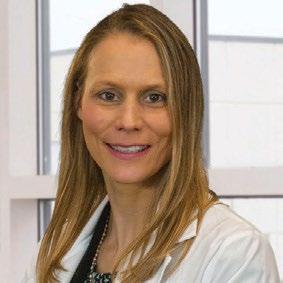
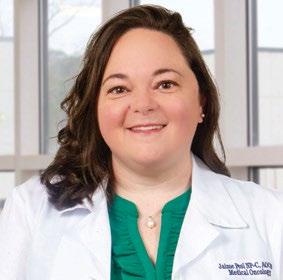
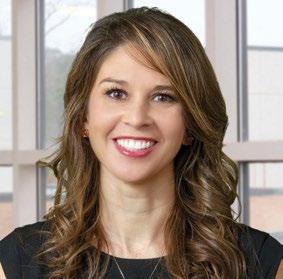
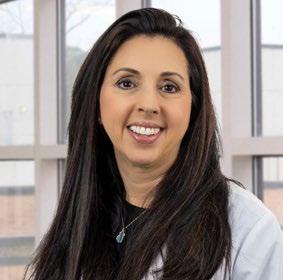
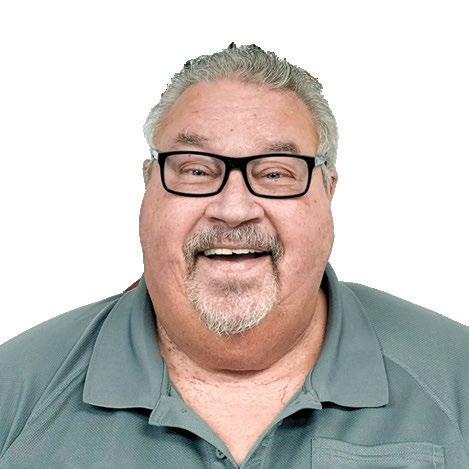
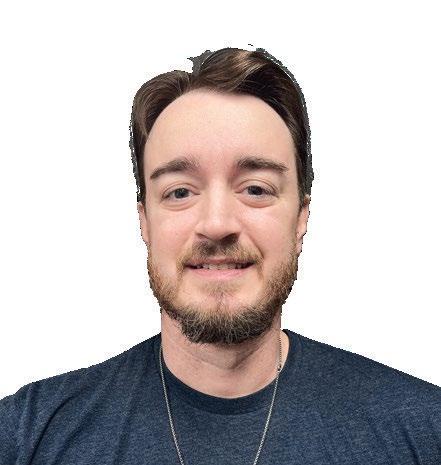
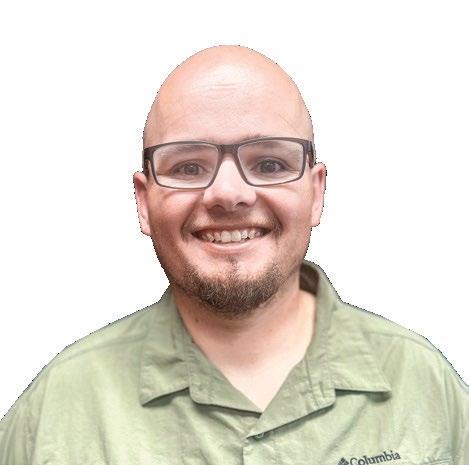
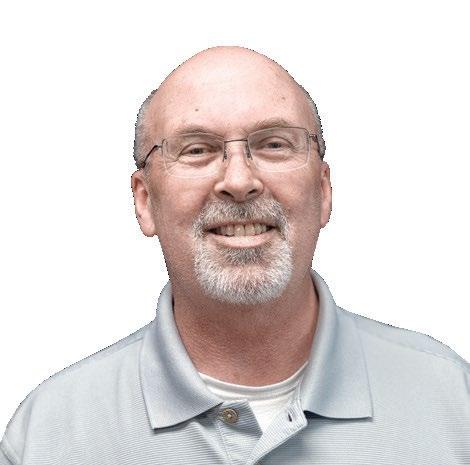
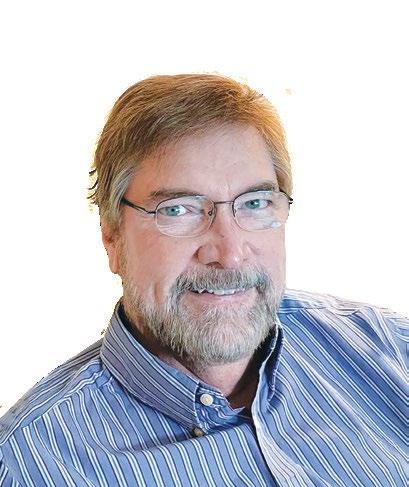
Every day, women are told their leg pain, swelling, or pelvic pressure is “normal.” At the Vascular Institute of Chattanooga, we know better. Many of these symptoms trace back to undiagnosed vascular conditions such as:
May-Thurner Syndrome (iliac vein compression)
Pelvic Congestion Syndrome
Chronic Venous Insufficiency (CVI)
POTS and Dysautonomia with venous involvement
From fatigue and leg heaviness to swelling and pelvic pain, vascular conditions in women often go undiagnosed or misattributed to other causes. At VIC, we look deeper — providing real answers and life-changing relief. Our accredited vascular and vein centers are dedicated to helping women take control of their health, prevent longterm complications, and regain their quality of life.
We are the Region’s Leader in Women’s Vascular Care offering multiple convenient locations across the region. Appointments within one week | Self-referrals welcome! Learn more: vascularinstituteofchattanooga.com
EXCLUSIVELY AT
“The longer I live, the more beautiful life becomes.”
- Frank Lloyd Wright
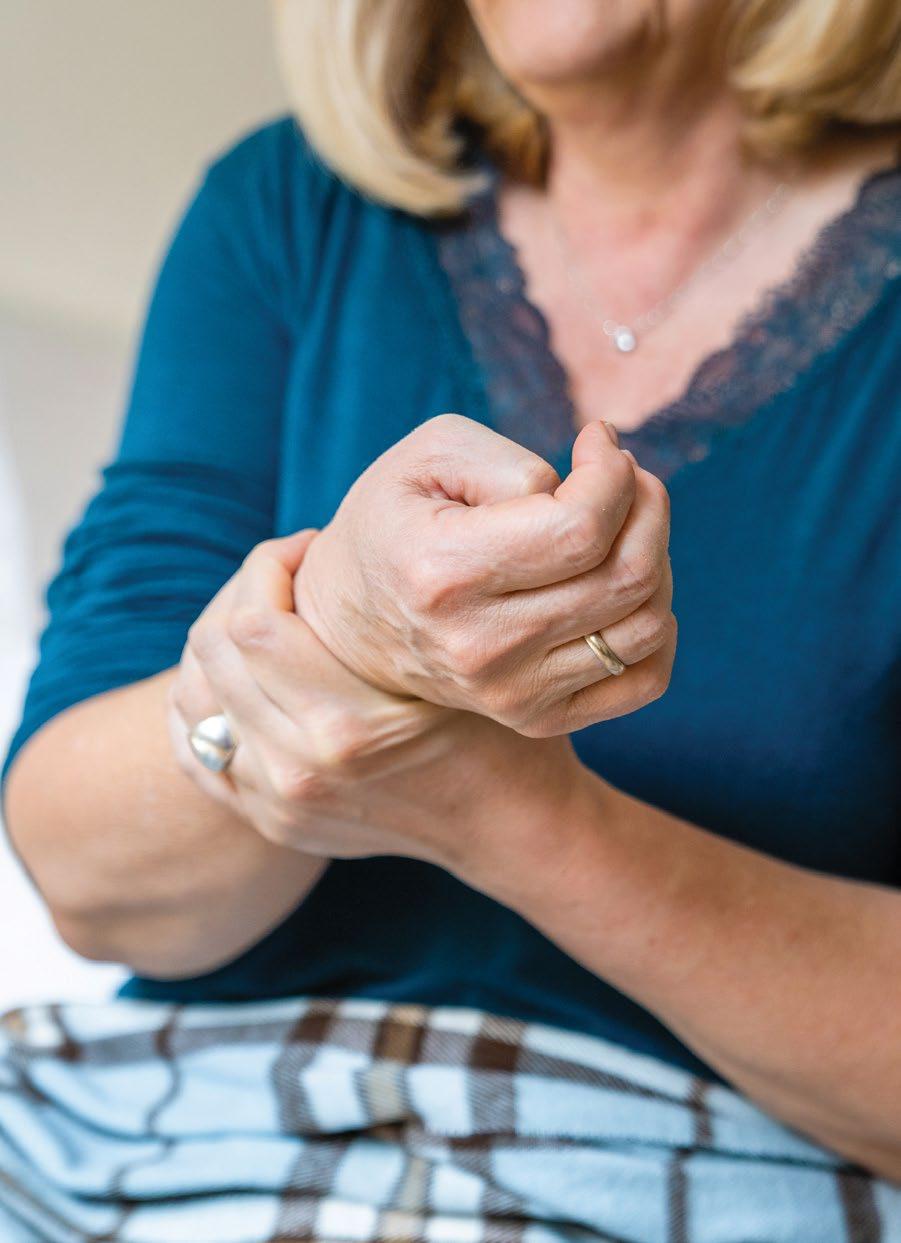
My grandmother, Grammy, who turns 94 this month, reminds me weekly that growing old is a blessing. Each year turned is another year of a well-lived life. Every wrinkle reflects years of smiles, and each arthritic hand, the days of hard work and years spent raising children. To know Grammy is to understand what it means to age gracefully in mind, body, and spirit.
This Annual Aging Well Issue is dedicated to that very idea. Here, we’ve gathered regional professionals to share meaningful insights on caring for yourself and your loved ones well into your golden years.
Our features begin with “What Is Osteoporosis?”, which shines a light on this bone-weakening disease and its signs, symptoms, and treatments. In “Caring for Aging Skin,” three physicians offer their top tips for maintaining healthy skin as you grow older, and in “Love and Burnout,” we explore the often-overlooked importance of supporting caregivers.
Also included are two special sections highlighting the exceptional care provided by local experts. In “Meet Our Caregivers,” we introduce four professionals who devote their lives to serving others,
Cailey Mullinix Easterly CO-PUBLISHER
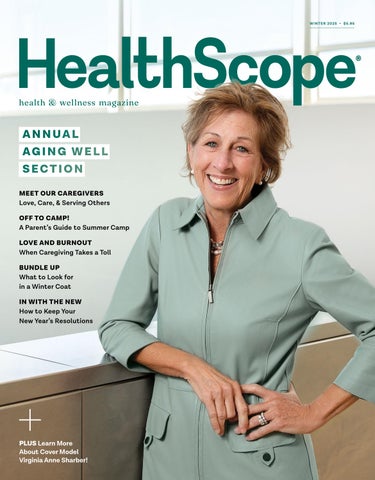
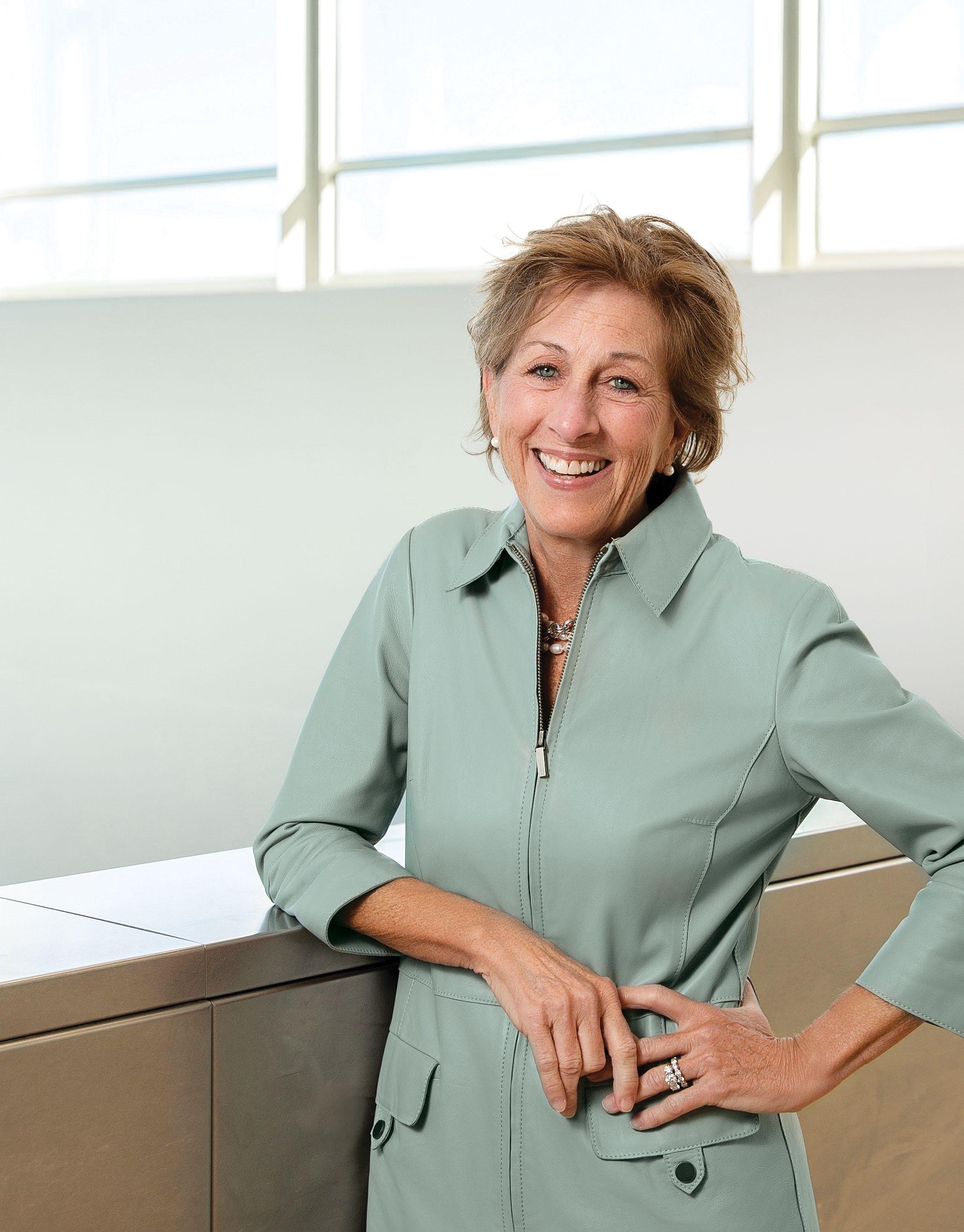
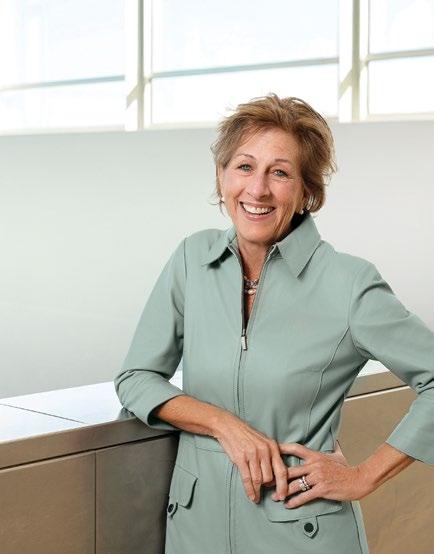
while our annual “Aging Well” section features six articles designed to help you live your later years with purpose. Because health is holistic, this issue rounds out with articles touching on everything from career and finance to relationships, home and interiors, healthy recipes, and so much more. Plus, don’t miss the interview with our cover model Virginia Anne Sharber, who shares how she balances leadership, work, and personal well-being – while still carving out time for the things she loves most.
Finally, our annual “Off to Camp!” guide returns with tips for preparing your little one for camp this summer, along with four local camp options your young explorer will love.
Cheers to aging well! Cheers to a life well-lived and counting each year as the blessing it is.
Happy reading,
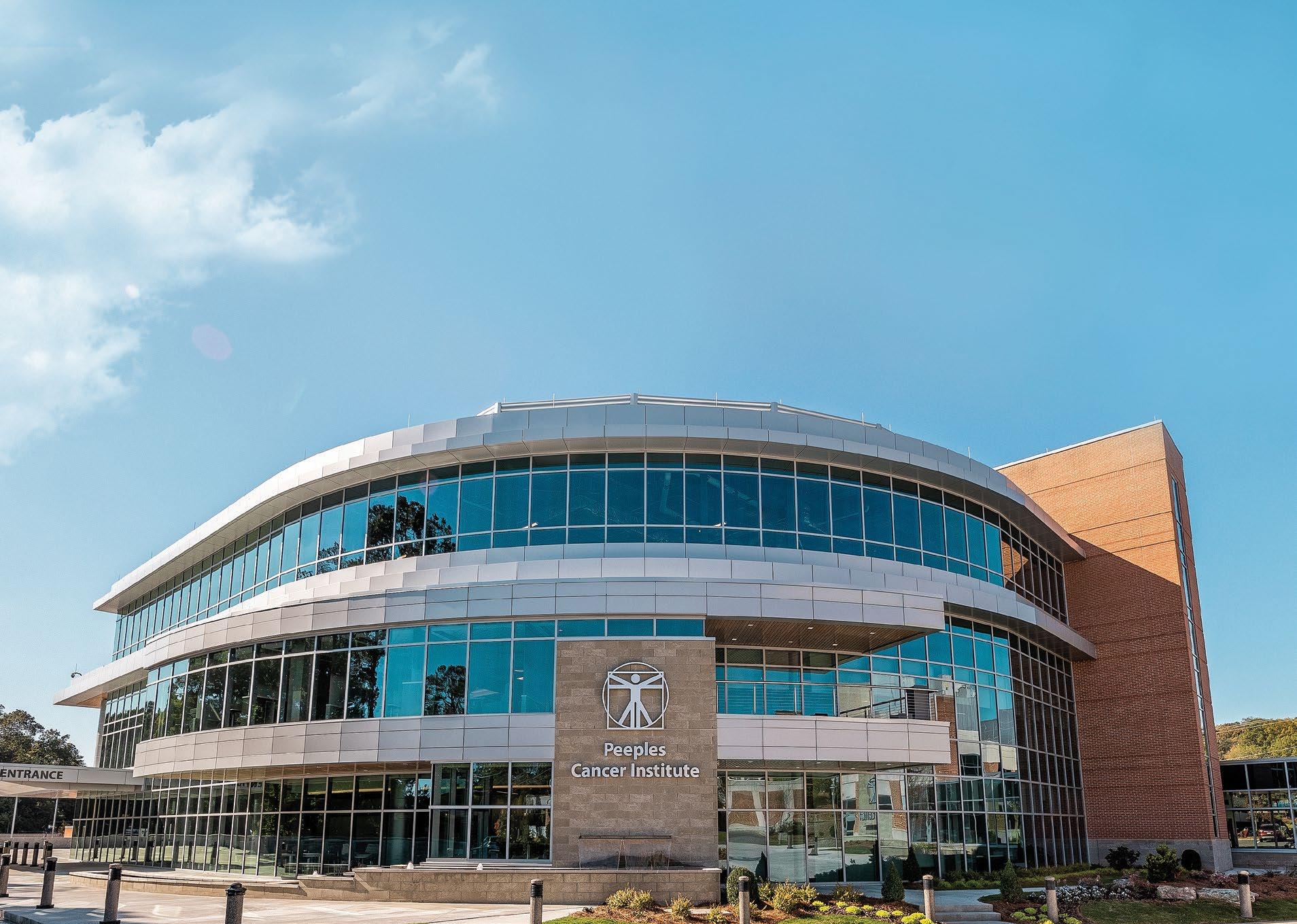
AT THE FOREFRONT OF CANCER CARE
Lisa Duhaime, MD Board-Certified Medical Oncologist
Eric R. Manahan, MD, MBA, FACS Board-Certified General Surgeon, PCI Breast Program Co-Director, President-elect American Society of Breast Surgery
Peeples Cancer Institute integrates innovative, precision-medicine therapies with robust patient support—from genetic-based treatment to counseling and navigation—ensuring care as unique as every individual we serve.
• Breakthrough care built around your biology and specific tumor characteristics
• Theranostics, advanced diagnostic imaging, and genetic testing
• Comprehensive support services that go beyond treatment
• National Phase III Clinical Trials with NCI-designated Winship Cancer Institute of Emory University
• The only ACR-Accredited Radiation Oncology Facility within 50 miles of Chattanooga
1215 Memorial Driv e Dalton, Georgia
844-PCI-HOPE
VitruvianHealth.com/cancer
We’ve assembled a team of well-established and highly experienced financial professionals. It has given us the ability to address every aspect of our clients’ financial needs. And by limiting the number of clients we serve, it allows us to offer an uncommon level of service and maintain our unwavering focus on helping to create quality financial solutions.
This is what we bring to the table – and what will ultimately bring you to us. If you are an individual seeking seasoned financial guidance and the comfort of working with an experienced group of advisors who call Chattanooga home, we welcome the opportunity to sit down together. Main Office: 1200 Premier Drive, Suite 100 • Chattanooga, TN 37421 Downtown Office, by appointment only: Warehouse Row • 1110 Market Street, Suite 210 • Chattanooga, TN 37402 www.RoundTableAdvisors.com • 877-770-0009 • 423-510-8889
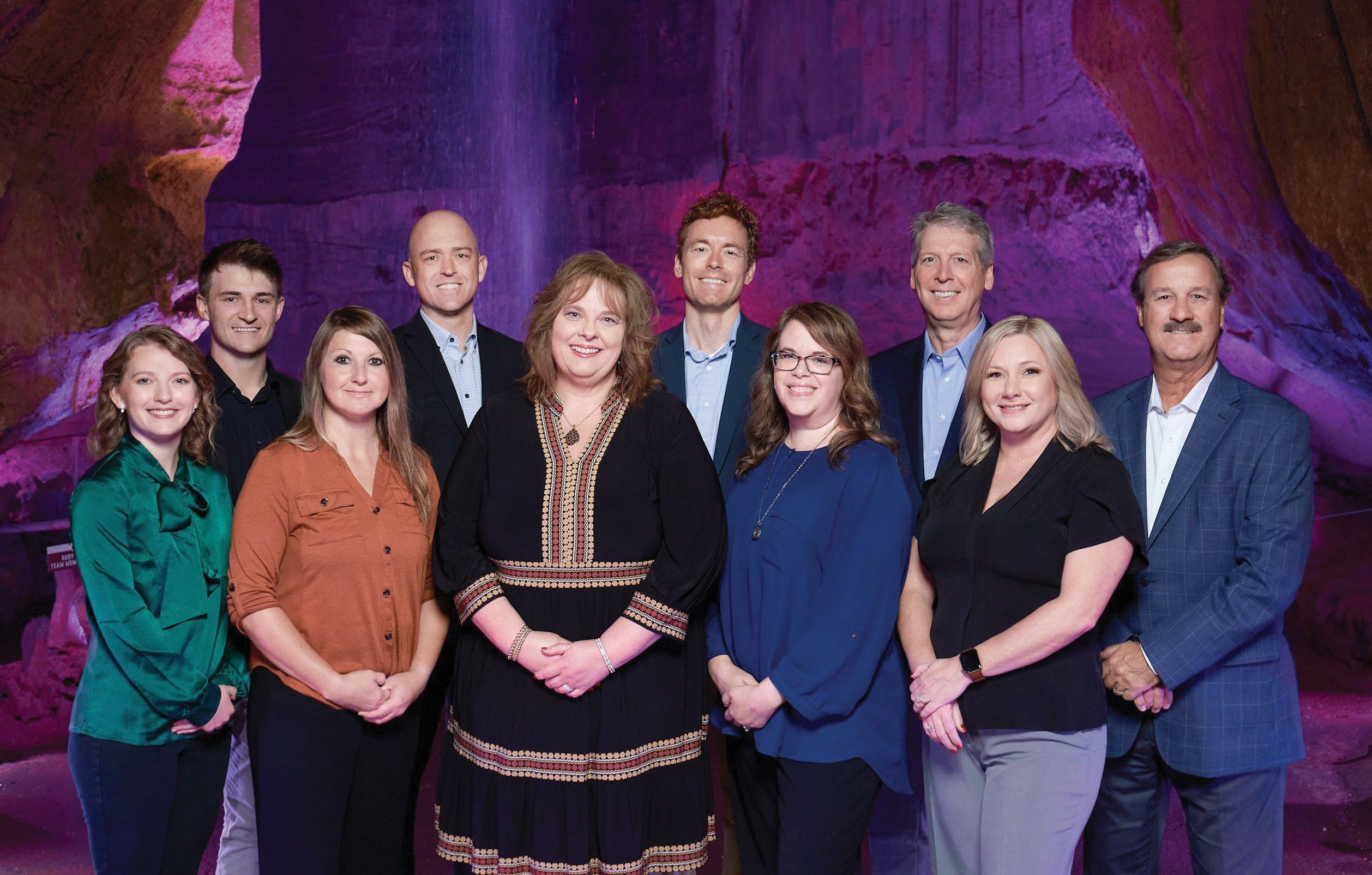
Photographed at Ruby Falls
Publisher George Mullinix
Co-Publisher Cailey Mullinix Easterly
Sales & Business
Development Amanda Worley
Sales & New Business
Development
Design Lead,
Sr. Graphic Designer
Meredith McNeeley
Lauren Robinson
Sr. Graphic Designer Tamara Slocum
Managing Editor
Rachel Studebaker
Editor Kristen Dee
Editors/Digital
Content Specialists
Abby Callahan Lindsey Clute Ali Lemmons
Digital Marketing Manager Houston McLain
Graphic Design Intern Priya Patel
Marketing, Events, & Operations Laci Lanier Jackson
Photographers
Hacker Medias
Rich Smith
Subscribe to CityScope® or HealthScope® magazines:
Call 423.266.3440 or visit cityscopemag.com or health scopemag.com and click “Subscribe.” A one-year subscription for CityScope® or HealthScope® magazine costs $18.
To receive advertising information, change your mailing address, or share your views on editorial: Call 423.266.3440 or visit cityscopemag.com or healthscopemag.com and click “Contact.”
Meet Virginia Anne Sharber and learn how she invests in her well-being while pursuing a passion for making a difference on page 76.
Photo by Hacker Medias
CityScope® and HealthScope® magazines and Choose Chattanooga® – Chattanooga Resource & Relocation Guide® (the magazines) are published by CMC Media & Marketing Group, LLC, a Chattanooga, Tennessee company. Reproduction in whole or in part without written permission is strictly prohibited. Views expressed herein are those of the authors or those interviewed and not necessarily those of the publisher, editors, or advertisers. The publisher, editors, and advertisers disclaim any responsibility or liability for such material. All content associated with and included in advertisements (ads, advertorial, and special promotional sections) placed in the magazines are the responsibility of the respective advertiser. CMC Media & Marketing Group, LLC, cannot and does not assume responsibility for any material contained within or associated with any advertisement.
CityScope® magazine
Copyright, CMC Media & Marketing Group, LLC, 1993 CityScope® magazine is a registered trademark owned by CMC Media & Marketing Group, LLC
HealthScope® magazine
Copyright, CMC Media & Marketing Group, LLC, 1989
HealthScope® magazine is a registered trademark owned by CMC Media & Marketing Group, LLC
Choose Chattanooga® and Chattanooga Resource & Relocation Guide® are registered trademarks owned by CMC Media & Marketing Group, LLC Choose Chatt™ and Chatt Choices™ are trademarks claimed by CMC Media & Marketing Group, LLC
CityScope® magazine Southern Gentleman® is a registered trademark owned by CMC Media & Marketing Group, LLC
Tis the Season of Care
At Cempa, we believe in providing high-quality, affordable care to everyone in our community. Whether you are seeking routine checkups, managing chronic conditions, or simply need a trusted medical provider that understands you, our dedicated team of healthcare providers are here to support you every step of the way
health in a minute
QMy mom recently caught herself before she fell, but it really scared her. Would it make sense for her to come in for an evaluation even though she hasn’t had a serious fall yet?
A. Yes! Many patients who participate in physical therapy for balance training have not had a serious fall but many close calls. Our balance relies on vision, sensation, and the vestibular system consisting of two small organs in the inner ear. When a problem arises in this system, people may feel unsteady, dizzy, or like they are on a rocking boat. These symptoms can be hard to describe, but they are very common. Through comprehensive evaluation, physical therapists are able to assess balance from a holistic standpoint, review how medications may affect stability, evaluate vestibular function, and help determine fall risk. From there, an individualized education and exercise program is developed. Siskin Hospital and Siskin Outpatient Therapy combine advanced technology with expert care to keep balance patients feeling safe and confident. Kyle Binkley, PT, DPT
Q. My husband recently started a new medication for blood pressure. How often should he have his labs checked to make sure everything’s staying balanced, and what are some signs that the medication might need to be adjusted?
A. It’s important to be sure your husband’s new blood pressure medicine is working safely. Most people need their first lab check within a few weeks to one to three months after starting, then every six to 12 months if results stay normal. Watch for signs the dose may need adjusting, including dizziness, swelling in feet or hands, fatigue, muscle cramps, changes in urination, unexplained weight changes, or a persistent cough (with some medicines). Encourage him to record home blood pressure readings and share them at his next visit. If symptoms appear or readings stay too high or too low, he should contact his healthcare provider before making any changes. Chris Snyder, PA-C, MMSc
Q. By the end of the day, my legs feel heavy and ache, especially behind the knees. Is that likely just from standing all day, or could it be something more serious?
A. Leg heaviness and aching, especially behind the knees, are common complaints – often from standing for long periods. When you stand all day, blood can pool in your leg veins due to gravity, causing fatigue and discomfort. However, if this happens frequently, it could indicate an underlying issue such as chronic venous insufficiency or central venous obstruction, which, if left untreated, can lead to the development of varicose veins, permanent leg swelling, chronic leg wounds, and even increase your risk for developing venous clots. If you notice any of these symptoms, I recommend elevating your legs when resting, wearing compression stockings, staying active, and maintaining a healthy weight. If the symptoms persist or worsen, a simple ultrasound can help determine if your veins are healthy or if further treatment is needed.
Francis Cuozzo, MD, FACS, RVT
Q. I’ve been told I might eventually need joint replacement surgery, but I’d like to delay it if possible. What kinds of nonsurgical treatments could help manage pain and maintain function for now?
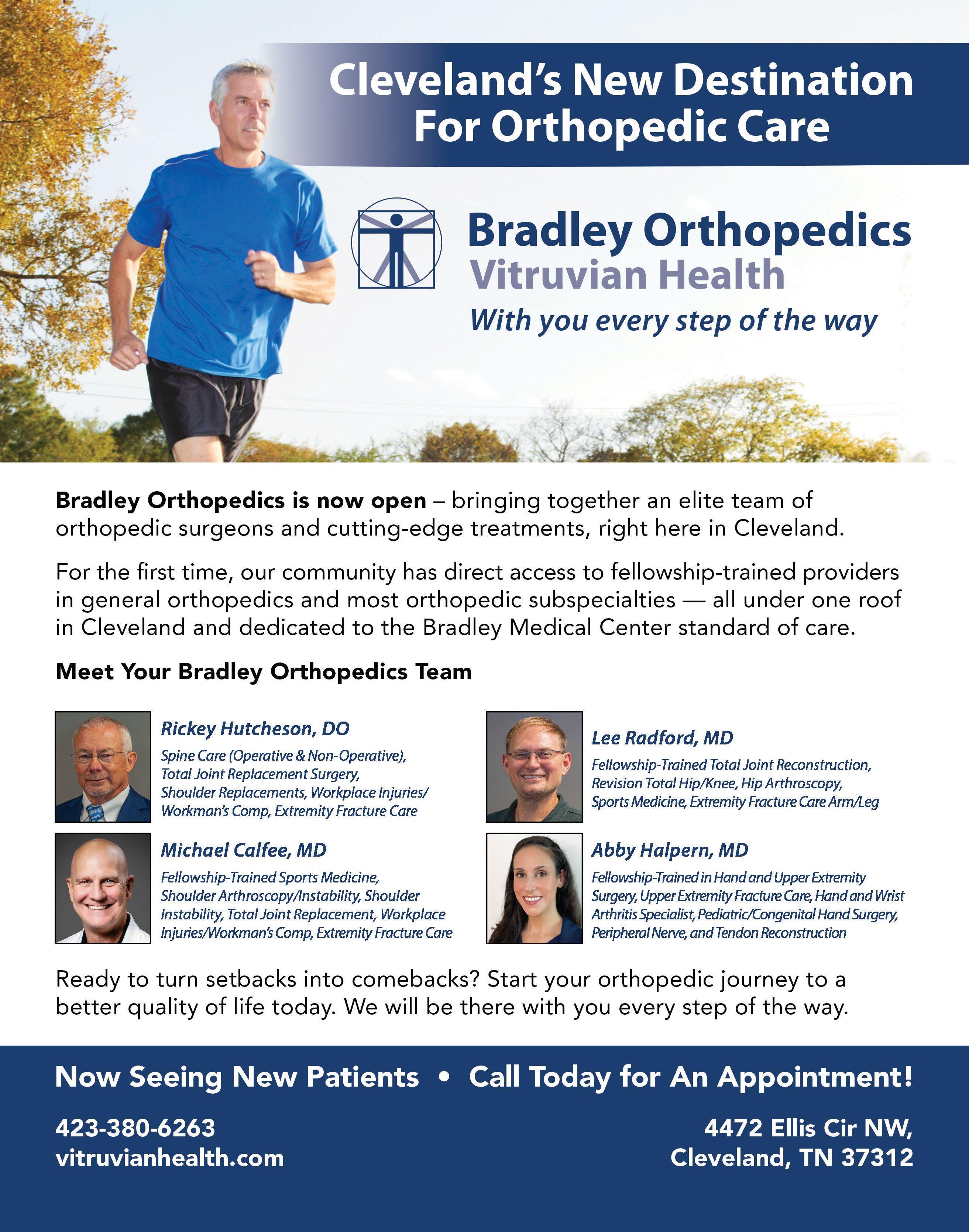
A. Arthritis can be pretty painful as it creates inflammation inside a joint. I always tell my patients that they will know when the time is right for a joint replacement. Until then, we have a good number of things to try to slow down inflammation. Topical rubs and creams, especially Voltaren, are a good start. If that doesn’t work, using ibuprofen or Aleve by mouth as a nonsteroidal medication for inflammation is helpful (watch the stomach and kidneys). If those still aren’t enough, then my protocol is to try a cortisone injection to decrease inflammation, followed by a set of gel injections (typically approved for knees) called hyaluronic acid to try to lubricate the arthritis and prevent it from coming back, which can be repeated every six months. Lee Radford, MD
Director of Outpatient Therapy, Siskin Hospital for Physical Rehabilitation siskinrehab.org
Q. I have recently been diagnosed with type 2 diabetes and my A1C is higher than I’d like. How can I figure out the best plan to lower it and reduce my risk for longterm complications?
A. A diagnosis of type 2 diabetes can feel overwhelming, but there are clear steps to lower your A1C and protect long-term health. Start with a personalized plan focused on nutrition, medication, and physical activity. Meet with your doctor or a diabetes educator to tailor your diet, emphasizing a Mediterraneanstyle approach with low-glycemic carbohydrates in moderation. Next, discuss medication options that balance efficacy, side effects, cost, and added benefits. Many modern therapies not only lower A1C but also reduce risks of heart, kidney, and liver disease while supporting weight loss. Finally, aim for at least 75 minutes of moderate-intensity exercise weekly to improve insulin sensitivity. At River City Endocrine, I individualize treatment plans to help patients reach their goals sustainably. Kathryn Dinh, MD
RVT Vascular Surgeon, Vascular Institute of Chattanooga vascularinstituteofchattanooga.com
Radford, MD Orthopedic Surgeon, Bradley Orthopedics, Vitruvian Health vitruvianhealth.com
Kathryn Dinh, MD Endocrinologist, River City Endocrine rivercityendocrine.com
Kyle Binkley, PT, DPT
Chris Snyder, PA-C, MMSc Physician Assistant, Cempa Community Care cempa.org
Francis Cuozzo, MD, FACS,
Lee
staff spotlight
CHI MEMORIAL MEDICAL GROUP
Gracie Murray, DO
CHI Memorial is pleased to welcome Dr. Gracie Murray to CHI Memorial Family Practice Associates - Ringgold. Dr. Murray earned her medical degree from Edward Via College of Osteopathic Medicine in Auburn, Alabama. She completed a residency in family medicine at Atrium Health Floyd Medical Center in Rome, Georgia, and is a native of Ringgold.
CHI MEMORIAL MEDICAL GROUP
Benjamin Meis, DO
Dr. Benjamin Meis has joined CHI Memorial Family Practice Associates - Harrison. Dr. Meis earned his medical degree from Edward Via College of Osteopathic Medicine in Auburn, Alabama, and completed a residency in family medicine at the University of Tennessee Health Science Center in Memphis. Dr. Meis is board-certified by the American Academy of Family Physicians and a member of the Uniformed Service Academy of Family Physicians.
CENTER FOR SPORTS MEDICINE & ORTHOPAEDICS
Ronald Mitchell, MD, MBA
Dr. Ronald Mitchell has joined Center for Sports Medicine & Orthopaedics as a board-certified orthopedic surgeon. A graduate of Tulane University School of Medicine, Dr. Mitchell completed his residency at Houston Methodist Hospital before serving as a staff surgeon and department head in the United States Navy. He completed a fellowship in hand and upper extremity surgery at the Florida Orthopaedic Institute.
MORNING POINTE SENIOR LIVING
Greg A. Vital
The Tennessee Board of Regents recently awarded Greg A. Vital, co-founder of Morning Pointe Senior Living and Tennessee State Representative, with the 2025 Chancellor’s Award for Excellence in Philanthropy for his “outstanding generosity and lifelong commitment to education and conservation.” The award recognizes individuals and organizations that have generously dedicated resources, finances, and personal time to advancing Tennessee’s higher education system.
VITRUVIAN HEALTH
Nighat Purnima Kabir, MD
Dr. Nighat Purnima Kabir recently joined Hamilton Diabetes and Endocrinology Center as an endocrinologist. A native of Toronto, Canada, Kabir completed a residency in internal medicine at Vitruvian Health’s Hamilton Medical Center and a fellowship in endocrinology, diabetes, and metabolism at the University of Alabama at Birmingham.
HEALTH
VITRUVIAN
Alejandra
Staubs, DO
Dr. Alejandra Staubs recently joined Hamilton Health - Catoosa, part of Vitruvian Health. Dr. Staubs completed her medical degree at the New York Institute of Technology College of Osteopathic Medicine in Old Westbury, New York, and her family medicine residency at Suburban Community Hospital in Norristown, Pennsylvania. She is board-certified by the American Osteopathic Association in family practice.
GALEN MEDICAL GROUP
R. Gregory Walters, DPM
Galen Medical Group is excited to welcome Dr. R. Gregory Walters, who leads Galen Podiatry, its newest specialty practice. Dr. Walters is a board-certified podiatrist with extensive experience in diagnosing and treating conditions of the foot and ankle. Dr. Walters earned his medical degree from Temple University in Philadelphia and completed his surgical training at St. Mary’s Hospital and Broad West Surgical Center in Merrillville, Indiana.
MORNING POINTE SENIOR LIVING
Samantha Parker
Samantha Parker, community relations director at Morning Pointe of Hixson, received the 2025 Assisted Care Living Facility Service Award from the Tennessee Health Care Association/Tennessee Center for Assisted Living (TNCAL). This award recognizes an employee of a TNCAL member assisted living facility for “providing outstanding service to both residents and the facility.”
health & wellness calendar
January
31
Pink! Gala
The Pink! Gala is the CHI Memorial Foundation’s signature black-tie event. This year, Marc & Dr. Rachel Labovitz and Danny & Jennifer Waxenberg will co-chair the event with the theme of “Pink Royale” at the Chattanooga Convention Center. All Pink! proceeds stay within the community to help local breast cancer patients receive advanced, top-quality care at CHI Memorial MaryEllen Locher Breast Center. supportmemorial foundation.org/news# upcoming-events
February
6 Dinner of Distinction
Erlanger’s 22nd Annual Dinner of Distinction will take place on Friday, February 6 at the Westin Hotel Ballroom. This cherished event honors individuals who have shown an enduring commitment to enhancing the health and well-being of our community. Honorees are selected for their exceptional
character, compassion, and dedication to Erlanger’s mission: Compassionately caring for all. Honorees recognized this year include Dr. John Boldt, Dr. Chris Poole, Dr. Marvin Hall, and Community Honoree, Julie Taylor. erlanger.org/about-us/ erlanger-events/dinner-ofdistinction
6 National Wear Red Day
Celebrate National Wear Red Day on February 6, 2026, by joining the American Heart Association team in wearing red to raise awareness for women’s heart health. Start your day at the Heart House Open House with light refreshments and photo opportunities, and explore ways to get involved in building a hearthealthy Chattanooga. heart.org/tennessee
14 Cupid’s Chase 5K
Calling all runners, walkers, and rollers (baby strollers and wheelchairs included) for the 18th annual Cupid’s Chase 5K! Start time is 10 a.m. at the Marsh Pavilion – 2983 Amnicola Highway.
Presented by Community Options, all proceeds from the event will support housing and employment for people with disabilities. runsignup.com/ cupidschase5kchattanooga
21 Bubbles of Fun Run, 5K + 10K
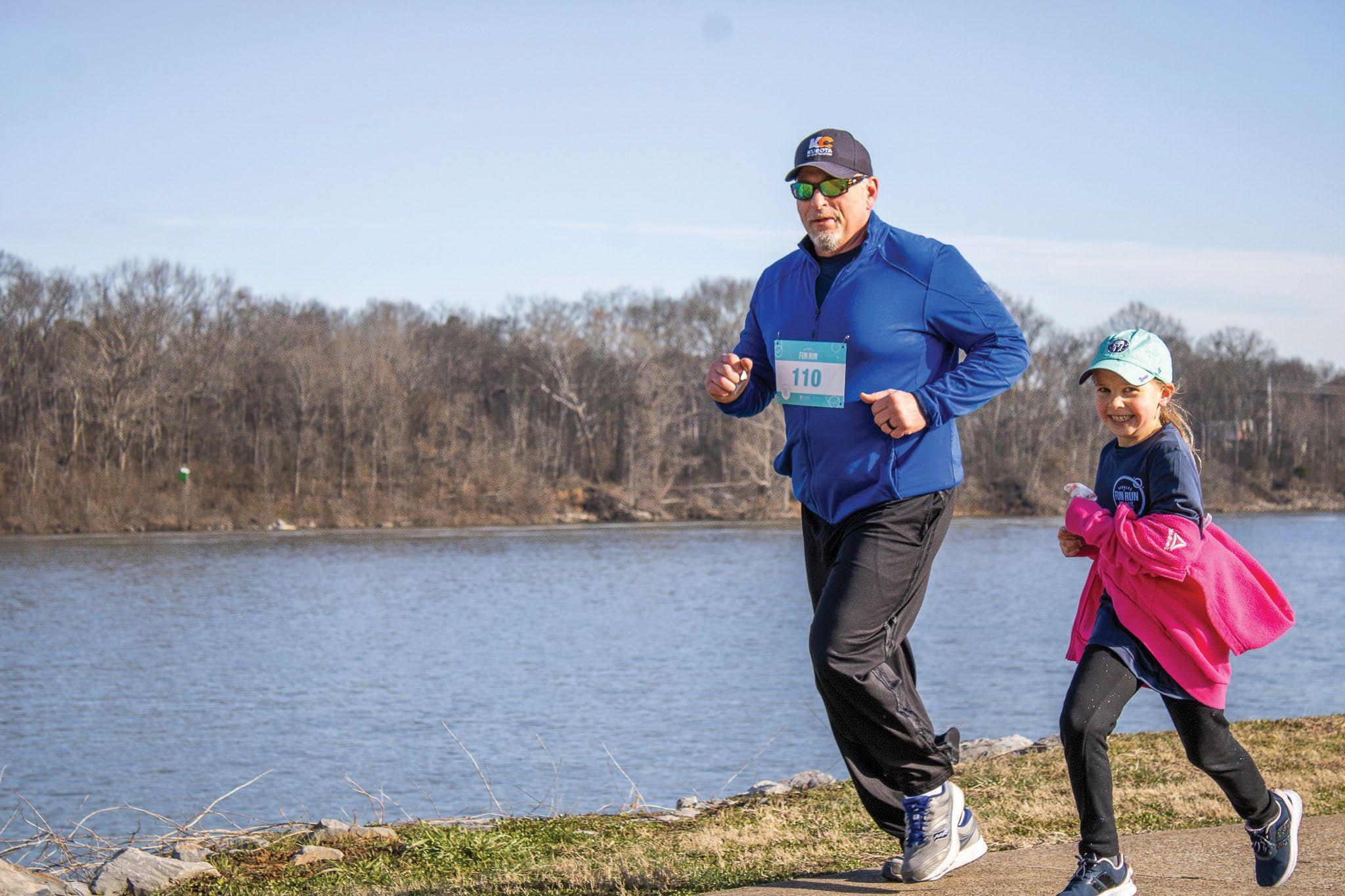
Join the Austin Hatcher Foundation for a morning of movement and purpose! Choose from a timed 5K or 10K or enjoy the 1-mile Fun Run, perfect for families and walkers. Your registration supports comprehensive therapies for families impacted by childhood cancer. hatcherfoundation.org/run
28 Chattanooga Heart Ball
Attendees are invited to join an elegant evening at The Chattanoogan Hotel at 6 p.m. – featuring a social reception, silent and live auctions, dinner, an inspiring program, and live entertainment with dancing. Proceeds support the American Heart Association’s life-saving research and local impact in Chattanooga. heart.org/chattheartball
March
27-29
Erlanger Chatta-
nooga Marathon Weekend
Get ready, get set for the 2026 Erlanger Chattanooga Marathon Weekend! Registered participants can choose between a full marathon, half marathon, 5K, team relay, or the kids’ fun run. Race courses will wind through Chattanooga’s riverfront, historic neighborhoods, and rolling hills. With energetic spectators, live music along the route, and an exciting finish at the First Horizon Pavilion, this event will be an unforgettable experience of fun, fitness, and community. chattanooga marathon.com
28 Rump Run
Benefiting the Greater Chattanooga Colon Cancer Foundation, the 16th annual Rump Run locally supports the fight against colon cancer.
The timed 5K and 1-mile fun walk are located at Enterprise South Nature Park. Beginning at 8 a.m., enjoy a free 3D photo booth, Kids’ Zone, and survivor VIP tent. The 5K begins at 9 a.m., followed by an awards ceremony at 10 a.m. Custom medals and T-shirts are available first come, first serve. rumprun.com
April
18 Believe Bash
Save the date for Erlanger’s signature gala, Believe Bash! This year’s theme, “Back to the Future: Building on Erlanger’s Past for a Better Tomorrow,” celebrates nextgeneration technology used to treat children and adults every day at Erlanger and its commitment to continue
leading advanced treatments for our region. A fun, futuristic, upscale atmosphere with interactive experiences will showcase Erlanger’s cuttingedge robotics, AI, and techenabled solutions. Expect plenty of lights and action as guests blast into the future of Erlanger. erlangerbelieve bash.org
29
For the Good Volunteers in Medicine Chattanooga’s For the Good benefit aims to uplift those in need with generosity and compassion! Hosted at the Chattanooga Marriott Downtown, the luncheon and FRIENDraising festivities will begin at 11:30 a.m. All proceeds will support VIM’s mission to provide primary medical care to the uninsured, at no cost ever to the patient. vim-chatt.org/for-the-good
Get Your Tickets Now!
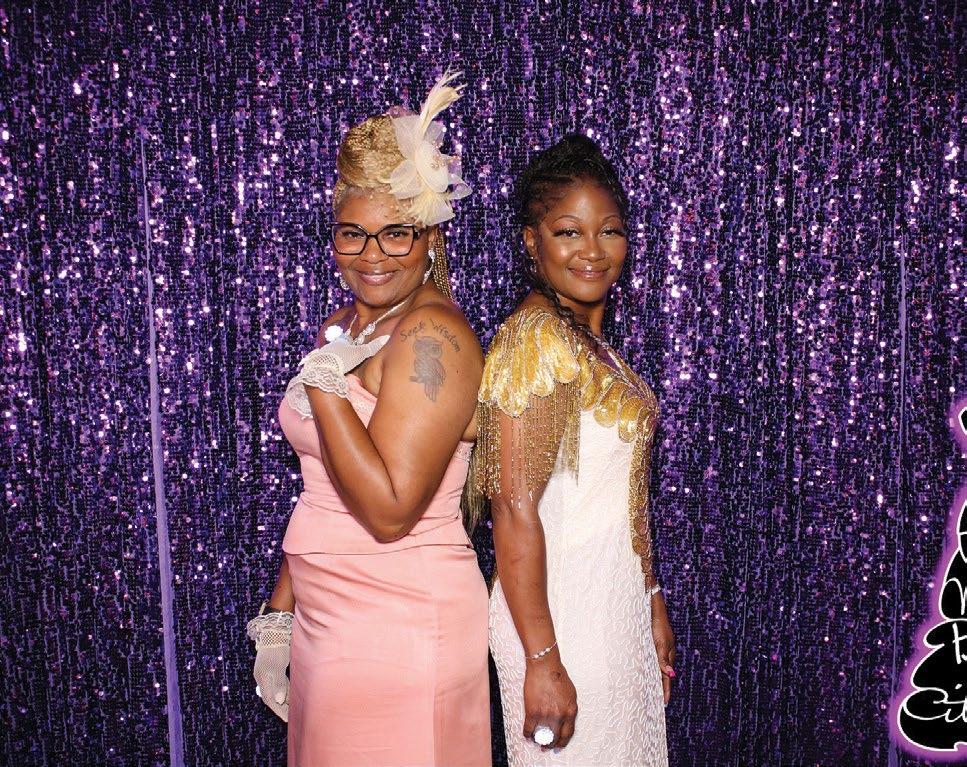
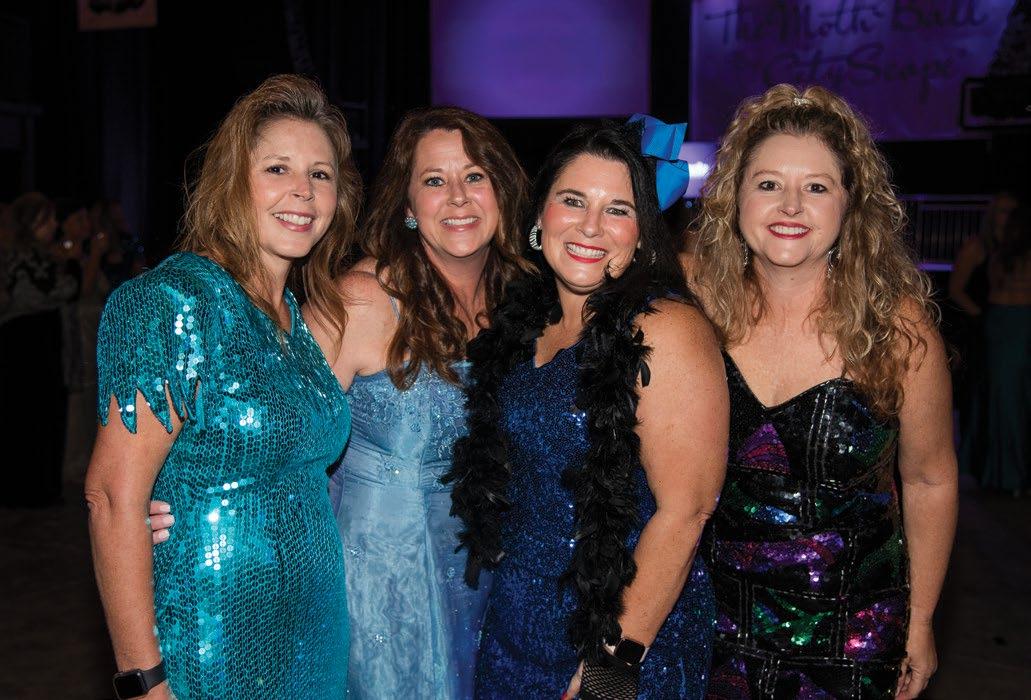
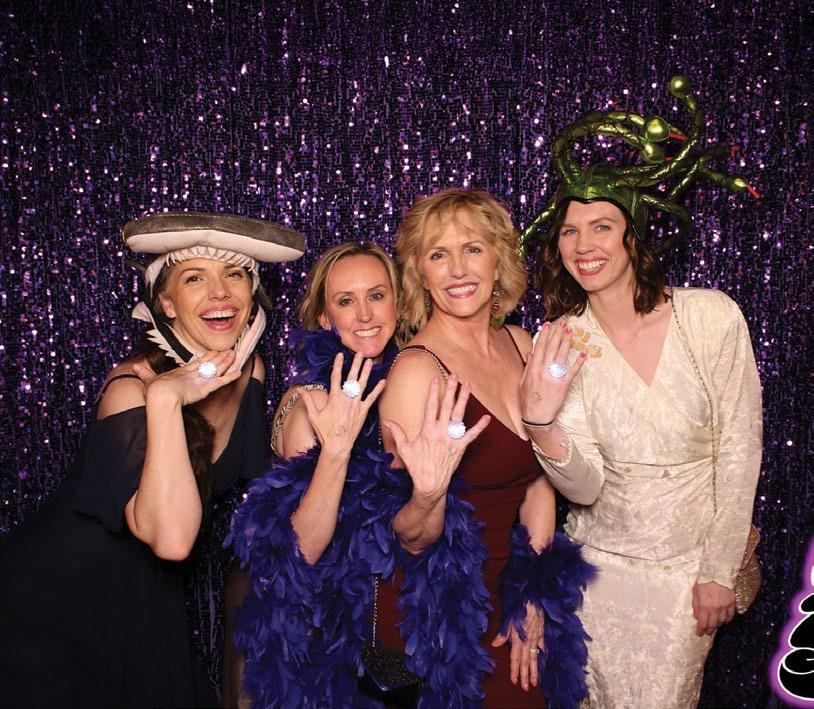
The Moth Ball® by CityScope® on April 23, 2026
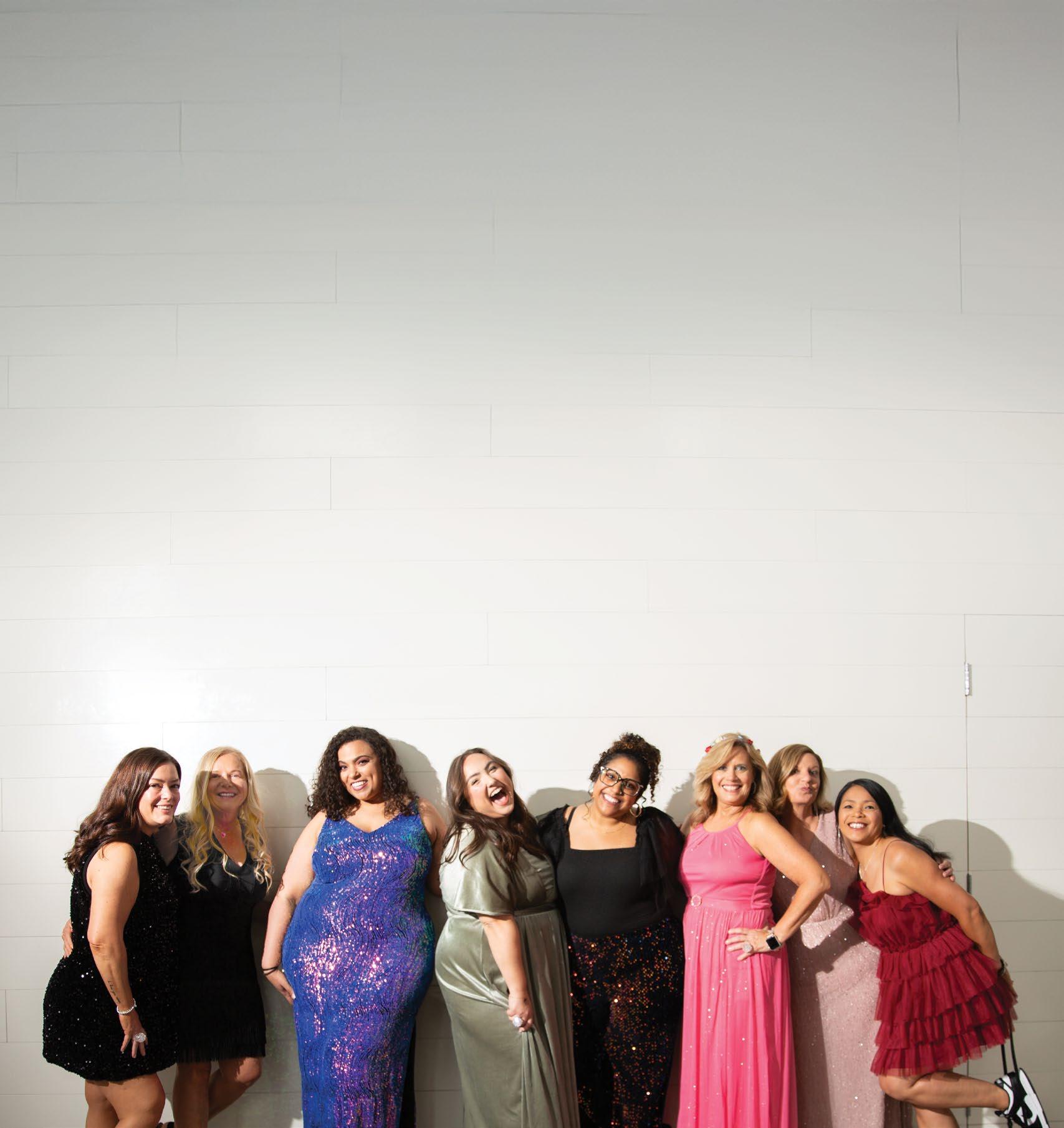
Chattanooga’s ultimate girls’ night out is returning April 23! Pull out your prom, bridesmaid, or any old dress taking up residence in your closet, and join The Moth Ball® by CityScope® for an incredible evening of food, fun, and fashions from the past. This event is for women, about women, to benefit women, and this year proceeds will benefit Downside Up. themothball.org
numbers to know
With 7 grams of protein per ounce, turkey is an excellent source of lean protein. According to the American Heart Association, turkey is also rich in B-complex vitamins, like niacin, B6, and B12; choline, an essential nutrient for your brain and nervous system health; and important minerals, such as magnesium and phosphorus, which keep your bones and muscles strong.
beating the winter blues
Often triggered by the change of seasons, seasonal affective disorder (SAD) may cause feelings of sadness, lack of energy, and a loss of interest in activities. However, according to the Cleveland Clinic, these symptoms can be managed with lifestyle changes. Getting 30 minutes of exercise at least three times a week, staying involved with your social circle, and eating healthy foods with essential vitamins and minerals can help manage symptoms and prevent them from coming back.
Stretch for Success
Stretching is a crucial component of any fitness routine to prevent injury and improve physical performance. According to Harvard Heath, for optimal results, you should perform each stretching exercise for a total of 60 seconds, holding each stretch for 15 seconds and completing it four times.
protein/oz.
Hug It Out
According to the Cleveland Clinic, a five- to 10-second hug boosts the level of oxytocin, a feel-good hormone, in your brain. Often referred to as the “love hormone,” oxytocin helps you feel more bonded to those around you and can help reduce stress –especially in women.
For those recovering from a stroke, injury or illness, regaining your best quality of life begins with your ability to choose. Choose Encompass Health for exceptional results. Regaining your quality of life begins when you CHOOSE exceptional results in rehabilitation.
encompasshealth.com/chattanoogarehab
Community
LOVE,CARE, & S ERVINGOTHERS
Meet Our Caregivers
There is a lot to know about the loving and caring medical therapists, technicians, nurses, and other professional caregivers who have dedicated much of their lives to serving others.
What follows are local professionals who are providing the utmost in quality care.
PATIENTCENTERED CARE
After graduating from PA school in 2023, Maggie Sohmer began her dermatology practice in Nashville before relocating to Chattanooga this summer. Now, Sohmer offers compassionate care to patients at Erlanger Dermatology. “In healthcare, we often feel so rushed, both as a provider and patient,” shares Sohmer. “I try to make an effort to slow down and spend quality time with my patients.” From diagnosing skin conditions to performing medical and cosmetic procedures, Sohmer takes a patient-centered approach that prioritizes trust and connection. “I love that this specialty allows for longevity and relationship building with patients,” Sohmer finishes.
MAGGIE SOHMER, PA
ERLANGER DERMATOLOGY
1
Can you tell me a little bit about your profession? What does your day-to-day look like?
I work in outpatient dermatology, so my day-to-day is both routine and varied. I see patients of all ages and enjoy the variety of skin conditions that allows me to treat. I perform skin checks to look for concerning lesions, help treat rashes and acne, and manage inflammatory and autoimmune conditions.
2
3
What would you consider to be your main strengths?
I consider myself to be a great listener, and I think that is one of my main strengths both at work and outside of work. I am also a classic Enneagram 9 – a peacekeeper! I think this is an important factor for being successful in a team environment.
What’s the key to making a great first impression?
Good eye contact, a strong handshake, and showing a genuine interest in the other person. I have the opportunity (and the challenge!) of making numerous first impressions with my new patients throughout my workday, so I value making a good impression and building rapport.
4
I love that dermatology is collaborative and that I get to work alongside other APPs and doctors in my clinical setting.”
5
What is your best advice for patients?
SPF is your best friend! Prioritize adding SPF into your morning routine. As we head into this colder weather, it is important to add a good moisturizer to help protect the skin barrier from excess moisture loss.
What influenced you to pursue your career?
I heard about the PA profession when I was in high school, and at that point I knew I was interested in medicine. It sounded like the ideal profession – being able to practice medicine without having to invest eight to 10 years in training.
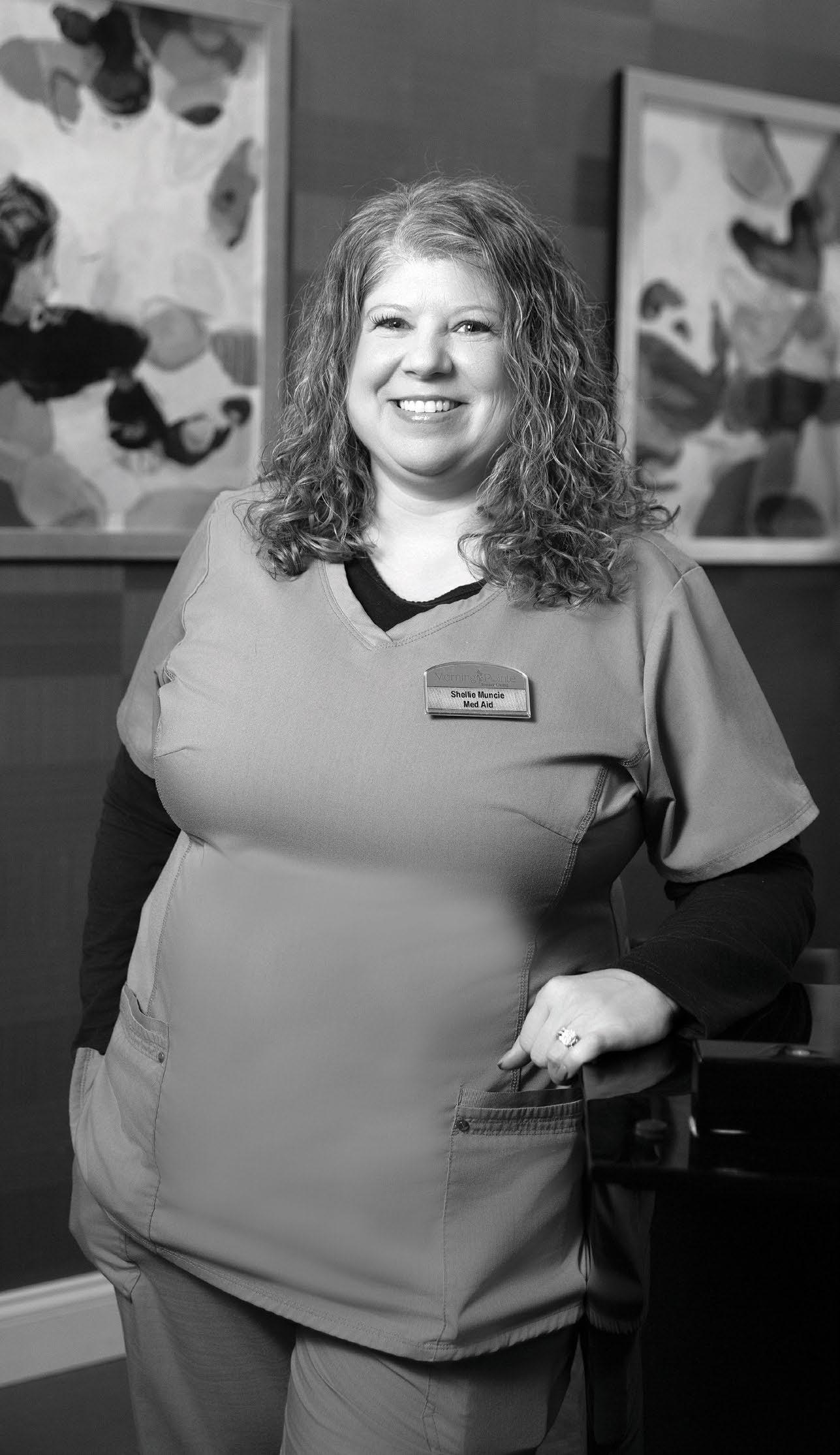
CALLED TO CARE
Shellie Muncie always felt called to caregiving, first starting her career working with individuals with special needs before earning her CNA. “I fell in love with serving the geriatric community, especially those in memory care,” shares Muncie. She finds purpose in offering comfort, stability, and dignity to residents facing the challenges of cognitive decline. Muncie advises her residents: “At times, this disease can be overwhelming and confusing, but you are never alone, and we are all here to walk alongside you in this part of your life.”
1
SHELLIE MUNCIE, CNA, CMA
THE LANTERN AT MORNING POINTE ALZHEIMER’S CENTER OF EXCELLENCE, CHATTANOOGA
I love my residents. They make my day. Being able to spend time with them and be involved in their care is very rewarding.”
2
Can you tell me a little bit about your profession?
What does your day-to-day look like?
Making sure residents are given their scheduled medications in a timely manner and that resident assistants are helping residents with their activities and daily living.
What is one of your happiest professional moments?
When a resident with dementia thanks me for being a help to them and can remember how well I treat them even though, at times, they can’t always remember my name.
3
4
What’s the key to making a great first impression?
Always wear a smile, be polite, and treat others the way you would want to be treated.
What is your philosophy when it comes to the care for your residents?
To care for residents in my care as if they were family.
5
Is there anything else you would like to add?
Being a medication aid is a very rewarding career path. It has helped me to realize I would like to go farther into the nursing career. I am currently working on my LPN.
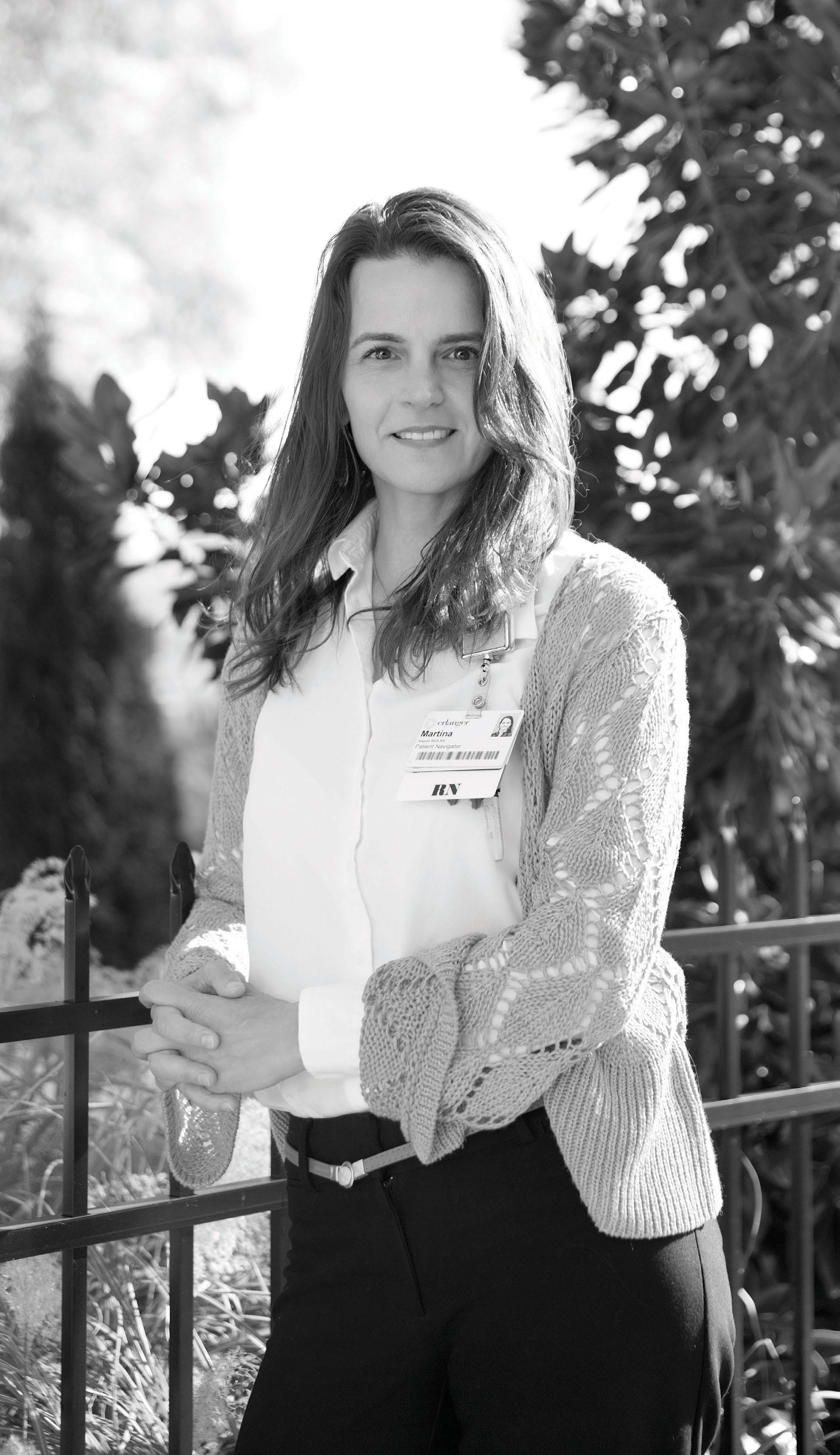
MISSION IN MEDICINE
1
While originally drawn to nursing as a way to make a handson impact in Third World countries, Martina Majure has spent the last two years serving the patients at Erlanger Neurology. “I have realized that every encounter with a patient – no matter the location – can turn into a mission,” shares Majure. Specializing in dementia care has become her most recent passion, and Majure approaches each patient with compassion and understanding. “Everybody shoulders unseen burdens. Therefore, always be kind and non-judgmental,” finishes Majure. “That is how I would want to be treated if I were the patient.”
2
MARTINA MAJURE, RN, BSN
ERLANGER NEUROLOGY
I love to step into the gap with caregivers, walk alongside them, educate them about dementia, find solutions to problems, and ultimately make their walk just a little more bearable.”
3
Can you tell me a little bit about your profession? What does your day-to-day look like?
My day is dynamic every day. Most days, I spend a lot of time on the phone with caregivers of people who have dementia, listening and educating. I also spend a significant amount of time managing clinic-related patient issues. Some days I meet patients in their homes, some days in the office. I also connect with several local community resources to support our dementia patients.
What would you consider to be your main strengths?
Communication paired with emotional intelligence. I am told I have a superpower of explaining difficult things in ways that people understand. I also think my patients feel like they can trust me regarding their struggles and questions.
What’s the key to making a great first impression?
Working with a population that experiences memory loss, it is not unusual to meet patients for the first time more than once. I do, however, focus less on a good first impression than on being authentic and a kind and open listener with every encounter.
4
5
What is one of your happiest professional moments?
Advocating – and then fighting – for the patient’s goals, whether that’s living at all costs or allowing to end suffering. These changes can be volatile. While other people may be afraid of these dynamic transitions, I welcome them. Life is constantly changing; in healthcare, we recognize it with more clarity and finality.
What is your best advice for patients?
Stay physically and socially active, sleep and eat well, take your medications, and get regular checkups.
PROVIDING SPIRITUAL CARE
As the first-ever full-time chaplain at Erlanger Palliative Care, Reverend Bobby Fleck provides spiritual and emotional support for those who need it most. “I am open to being with people in whatever expression they find themselves, from laughing to crying and from singing to silence,” shares Reverend Fleck. After feeling God calling him to spiritual care in August of 2021, Reverend Fleck never looked back. “I knew when I started as an intern that being a hospital chaplain was exactly what God wanted me to do,” says Reverend Fleck.
1
BOBBY FLECK, MDIV ERLANGER PALLIATIVE CARE
If you can find the intersection between what you are good at doing, what wakes you up in the morning, what the world needs most, and what you are called to do, you will never work a day in your life.”
2
Can you tell me a little bit about your profession?
What does your day-to-day look like?
As a chaplain for Palliative Care, I offer spiritual and emotional support for patients (and their families) who are diagnosed with a serious illness. As I provide care, my hope is to understand and meet the emotional and spiritual needs of others, which means I may listen, talk, pray, sing, read, hold a hand, sit quietly, or hold space for someone privately.
What would you consider to be your main strengths?
As an extrovert, probably my greatest strength is my initiative to make a connection with others in a way that establishes trust and mutuality.
3
4
What is your best advice for patients?
The best advice I can offer for patients is to be present and experience the feelings of the moment. Be curious about your feelings and feel your feelings. Ask yourself: What am I feeling? What are my feelings telling me?
What’s the key to making a great first impression?
Smile with your whole face and make eye contact with kind eyes.
5 Do you believe in miracles? Why or why not?
I have seen miracles and received miracles, so I can testify to the reality of miracles; it is more than just belief for me. I have triplets, 12-year-old girls, who daily remind me of the existence of miracles. I know miraculous things can and do happen every day, and I often get to share in those miracles with others.
Master’s of Divinity: Emory University –Atlanta, GA
Certifications:
Clinical Pastoral Education Residency Graduate, Association of Clinical Pastoral Education, Inc.
Ordained Minister, International Ministerial Fellowship
Integrated Behavioral Health, Kennesaw State University
Trust-Based Relational Intervention Practitioner, Texas Christian University
Recognitions:
First-Ever Full-Time Chaplain, Erlanger Palliative Care
Board Chair, Catoosa County Division of Family and Children Services
Specialties: Chaplaincy
Spiritual Care and Counseling
Bereavement and Grief Counseling
Crisis Debriefing
erlanger.org/ palliative
APRIL 23, 2026
CHATTANOOGA’S
AN EVENT FOR WOMEN, ABOUT WOMEN, TO BENEFIT
WOMEN
Dust off that old wedding dress, prom dress, bridesmaid dress, or any dress that’s been taking up residence in your closet and join us in making a positive impact on the lives of women in our community.
BRODY JEWELERS • SAINT SALON • THE EDWIN HOTEL
PINNACLE FINANCIAL PARTNERS • MEDICAREMISTY
SOUTHERN INSURANCE ASSOCIATES • THE PELVIC METHOD ELEVATE BEHAVIOR SERVICES
OFFICIAL WINE SPONSOR: ATHENS DISTRIBUTING
026 BE N EFICI S
What is Osteoporosis?
By Ali Lemmons
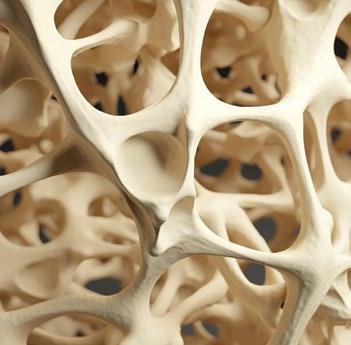
Osteoporosis is a disease that causes bones to become weak, brittle, and less dense than they should be, making them more susceptible to breaks and fractures after a fall or other mild stressors. While bones naturally lose density as you age, osteoporosis occurs when the creation of new bone can’t keep up with the loss of old bone. This condition most commonly affects the hips, wrists, and spine.
According to the Cleveland Clinic, more than 50 million people are living with osteoporosis in the United States. While this condition affects individuals of all races, white and Asian women are at a higher risk, especially older women who are past menopause.
What Causes Osteoporosis?
Bones are made of living tissue that is constantly being broken down and replaced. When you’re young, new bone is created
faster than it breaks down, meaning your bone mass increases. In your early 20s, this process finally begins to slow, with most individuals reaching their peak bone mass by age 30; then, as people continue to age, bone mass slowly begins to be lost faster than it is created.
While this is a natural sign of aging, those with osteoporosis lose bone mass at an even greater rate. The higher your peak bone mass, the less likely you are to develop this condition.
Several factors can increase your likelihood of developing osteoporosis. Those at a genetically higher risk of developing the condition include:
• Individuals over 50
• Women, particularly those postmenopausal
• Those of white or Asian descent
• People with a family history of osteoporosis
• People with thin or smaller frames
Certain lifestyle habits can also increase your risk. Living a sedentary lifestyle, drinking more than two alcoholic beverages per day, not getting enough calcium or vitamin D, and using tobacco products can all contribute to developing this condition.
Most often, osteoporosis is diagnosed as part of a routine screening with a DEXA (dual X-ray absorptiometry) scan. A baseline screening is recommended for women over the age of 65 and for women between 50 to 64 who have higher risk factors. Your healthcare provider may recommend regular screenings depending on your health and history.
Diagnosis & Testing
A DEXA scan is a short procedure, typically lasting between 15 to 20 minutes. After the image is taken, your healthcare provider will assess your results:
• T-Score: This score compares your bone density to the optimal peak density for those of your sex.
• Z-Score: This score compares your bone density to the bone densities for those of your sex, age, and ethnicity.
While both scores can help your healthcare provider predict the odds of a future fracture and keep track of improving or worsening conditions, the T-score is used to diagnose the condition. According to John Hopkins Medicine, a score between:
• +1 to -1 indicates normal bone density
• -1 to -2.5 indicates low bone mass
• More than -2.5 indicates osteoporosis
Faith Rose, PT, DPT
Geriatric Physical Therapy Resident, Siskin Hospital for Physical Rehabilitation
While osteoporosis cannot be cured, the condition can be slowed and its effects can be managed. Based on your DEXA scan and fracture risk, your healthcare provider may recommend a combination of:
Lifestyle Changes: Regular exercise, specifically running and resistance training, can help reduce bone breakdown as you age. Healthcare providers recommend exercising two to three times per week at a manageable resistance level and supervised by a physical therapist, if needed. Cutting out smoking and drinking alcohol and prioritizing 15 to 30 minutes of sunshine per day can also help maintain good bone health.
Supplements: Getting plenty of vitamin D, K, and calcium from your food sources or from over-the-counter or prescription supplements can help manage osteoporosis. Specifically, vitamins D3 and K2 help your body better absorb calcium into your bones. Your healthcare provider can help you determine what vitamins you need, the correct dosage, and how often to take them.
Medication: For those at a higher risk of fractures, medication may be necessary to treat osteoporosis. The most commonly prescribed medication are bisphosphonates, which slow the breaking down of bone in the body. Other medication options may include hormonerelated therapy with estrogen and testosterone injections.
Regarding prevention, many of the same healthy habits used to manage osteoporosis can also help keep the condition at bay. Staying active, maintaining a balanced diet rich in bone-supporting nutrients, and avoiding smoking and excessive alcohol use all play an important role in protecting bone health as you age. While osteoporosis requires lifelong attention, proactive care and early intervention can make a significant difference. With the right guidance and support, you can continue living a strong, active, and healthy life.
Financial Planning at Edward Jones
Personalized Planning to Meet Your Needs
The financial planning services include greater personalization in both advice and deliverables, additional analysis on topical area such as estates and tax strategies and a commitment to a fiduciary, comprehensive level of service, beginning with an initial plan and regular review/update of the aspects within your plan.
Contact an Edward Jones Financial Advisor Near You
Downtown
Becki T Anderson, CFP®, CEPA®, CRPS™
423-541-0303
David J Oesch, CFP® 423-267-8433
Hixson
Derrick C Anderson, CFP®, AAMS™
423-843-4994
Heather W Edmondson, CFP®, AAMS™ 423-843-5034
Ian M Early, CFP®, AAMS™ 423-875-0508
Marty Cabe, CFP®, AAMS™ 423-842-3071
Cari E Weaver 423-843-4994
Soddy-Daisy
Lee H Prichard, CFP®, AAMS™ 423-332-3006
Red Bank
Gretchen Wynn 423-954-7751
Joshua D Schweiger, ABFP™, AAMS™, CRPC™ 423-954-7751
North Georgia
Jonathan G VanderHart 706-858-9676
Paras Sharma, CEPA®, AAMS™ 706-229-8791
Rob Looney, CFP®, AAMS™ 706-375-4727
Ty M Willeford, AAMS™ 706-638-6673
Keith Ware 706-657-2477
Athens
Joseph Ladner, CFP®, ChFC®, CEPA®, SE-AWMA™ 423-746-5975
East Brainerd
Beth Lofgren, CFP®, CEPA®, RICP® 423-499-4144
Stan Russell, CFP®, AAMS™ 423-894-0058
Adam Cline, AAMS™ 423-541-0012
John Attardo 423-899-0792
Geo Mejia, AAMS™ 423-305-0268
David Keith, AAMS™ 423-892-1449
Ooltewah
Corey Madding, CFP®, AAMS™ 423-238-0184
John Nething II, CEPA®, AAMS™ 423-910-1982
Jay Sparks, AAMS™ 423-910-4009
Cleveland
Ron Markel
423-473-2215
Bradley A Hudson, CFP®, AAMS™ 423-476-3320
Ben Payne 423-339-2885
Kelly L Browand, CFP®, AAMS™ 423-476-3320
Bobby Ludwig, AAMS™ 423-473-2215
David B Browand 423-641-4755
Shannon B Ritzhaupt 423-476-0162
Chris Robinson 423-476-4325
Vonore
Tolita Freeman, AAMS™ 423-376-1778
Here, we speak with local experts who share their insights on maintaining lifelong bone health.
How does exercise help improve bone density or reduce fracture risk?
Loading your spine with weight, a term called “axial loading,” causes bone to become more dense, which in turn, will make your bones more resilient to stress, resulting in decreased risk of fracture or broken bones if a fall or adverse event occurred. Resistance exercise, or weight lifting, is an important component of health, not only to reduce effects of age-related muscle loss, but also to make your bones stronger! A common term physical therapists use is “form follows function,” meaning that whatever load the bone has to support influences how strong and dense it becomes. Balance work is an important component of weekly exercise as well, due to increased risk of falls as we age. Tai Chi classes are a great way to get started, as well as a way to reduce the impact of daily stressors. Faith Rose, PT, DPT
Can you discuss any new or emerging therapies for osteoporosis?
The traditional approach is bisphosphonates or Prolia, which are medications that reduce bone loss. Medications to build bone were reserved for people with severe osteoporosis. Newer therapies don’t just slow bone breakdown; they also build new bone. Evenity is a newer medication that both increases bone formation and decreases bone resorption. Tymlos, similar to Forteo, is a synthetic version of parathyroid hormone that stimulates bone growth. These are good options for women who haven’t responded well to bisphosphonates or Prolia or who have more severe osteoporosis. Patricia McLelland, MD, FACOG
Why are older women particularly at risk for osteoporosis?
Older women are especially at risk for osteoporosis primarily because of the rapid drop in estrogen that occurs after menopause for women not on hormone therapy. Estrogen helps protect bone density by inhibiting bone resorption and maintaining bone formation, so estrogen’s decline accelerates bone loss. Women also tend to have smaller, lighter bones than men, meaning they reach the threshold for fragility sooner. Longer life expectancy exposes them to more years of bone loss, compounding risk. These factors together significantly heighten susceptibility to fractures. Women have about 80% of fragility fractures. Women who suffer a fracture are at risk for never regaining their prior health. Jeanie Dassow, MD
Caring for Aging Skin
By Kristen Dee
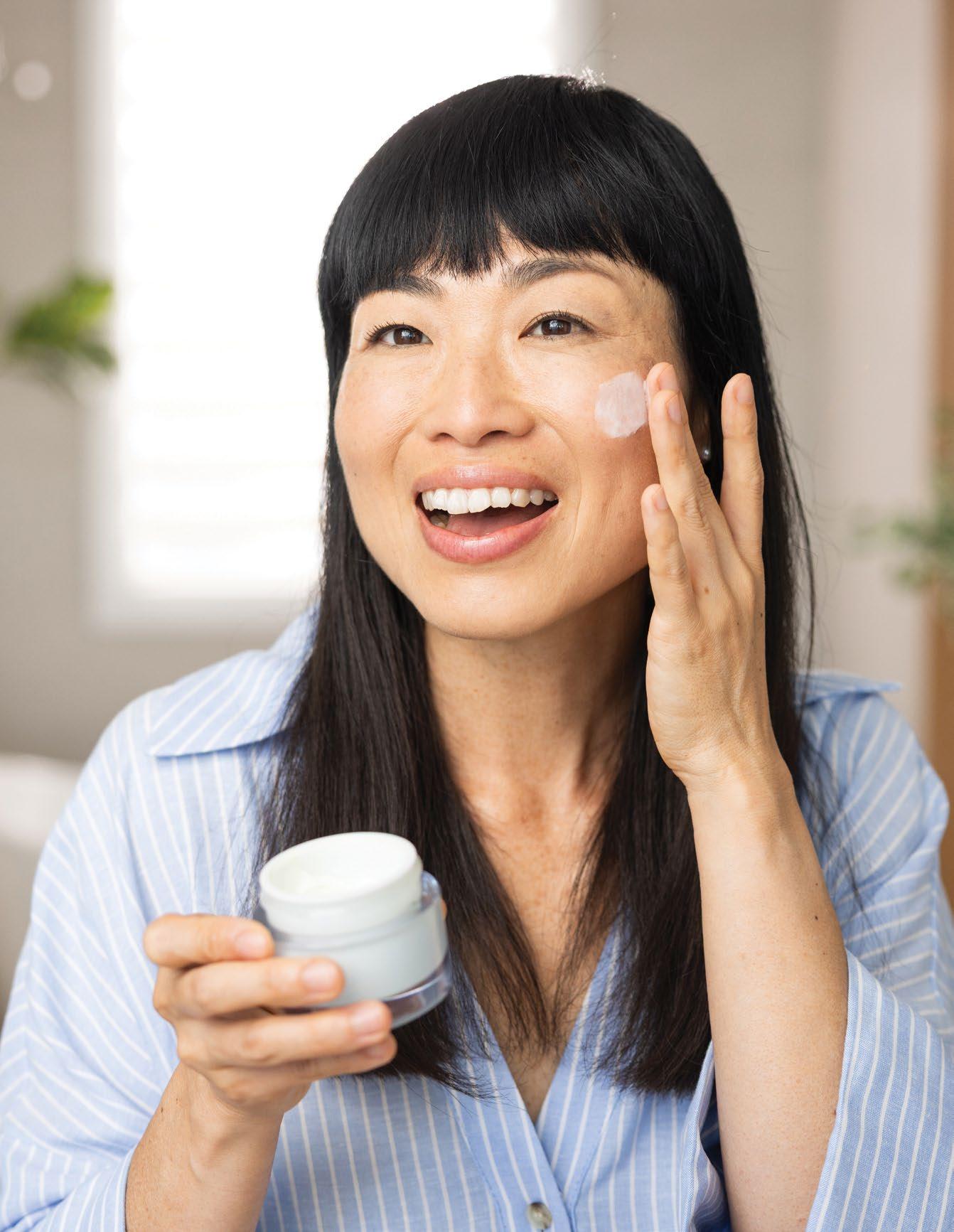
Aging skin can cause wrinkles, dry skin, dark spots, and more. Read on to learn how to prevent signs of aging and tackle common skin issues with expert advice from local providers.
Causes and Signs of Aging Skin
As we age, our skin ages with us. Over time, the skin loses elasticity and collagen, causing wrinkles. In addition to wrinkles, aging skin may have discoloration or sun spots and become dryer as it loses the ability to produce sebum, the naturally occurring oil on the skin. The natural aging process, known as intrinsic aging, as well as damage from the sun and lifestyle factors, known as extrinsic aging, are the two main causes of aging skin. Exposure to sunlight and pollution, as well as smoking, alcohol consumption, stress, and diet can accelerate this process and can cause wrinkles to develop earlier. An estimated 90% of signs of aging come from unprotected exposure to the sun.
How to Prevent Signs of Aging Skin
One of the key steps to preventing aging skin and wrinkles is wearing sun protection and avoiding exposure to the sun. The American Academy of Dermatology Association recommends wearing a broad spectrum (UVA and UVB protection) sunscreen with at least 30 SPF daily. Use at least a teaspoon, and reapply every two hours. To protect your lips, use a lip balm with an SPF of 30 or higher. In addition, avoid tanning beds and limit overall sun exposure as much as possible. These measures not only help prevent aging skin, but also decrease the risk of skin cancer.
Lifestyle choices can also help prevent signs of aging on the skin. The American Society for Dermatologic Surgery recommends eating a balanced diet and drinking plenty of water, getting enough sleep, exercising regularly, avoiding stress, and limiting alcohol consumption and smoking. They also recommend doing a regular skincare routine that includes vitamin C, which fights free radicals – unstable molecules that can harm health – and brightens skin.
Skin-Loving Foods
Water-rich foods like cucumber, watermelon, and strawberries
Foods high in antioxidants such as berries, leafy greens, and nuts
Healthy fats such as salmon, flax seeds, and walnuts
Vitamin-rich foods like sweet potatoes, bell peppers, broccoli, citrus fruits, and carrots
Skin Treatments and Cosmetic Procedures
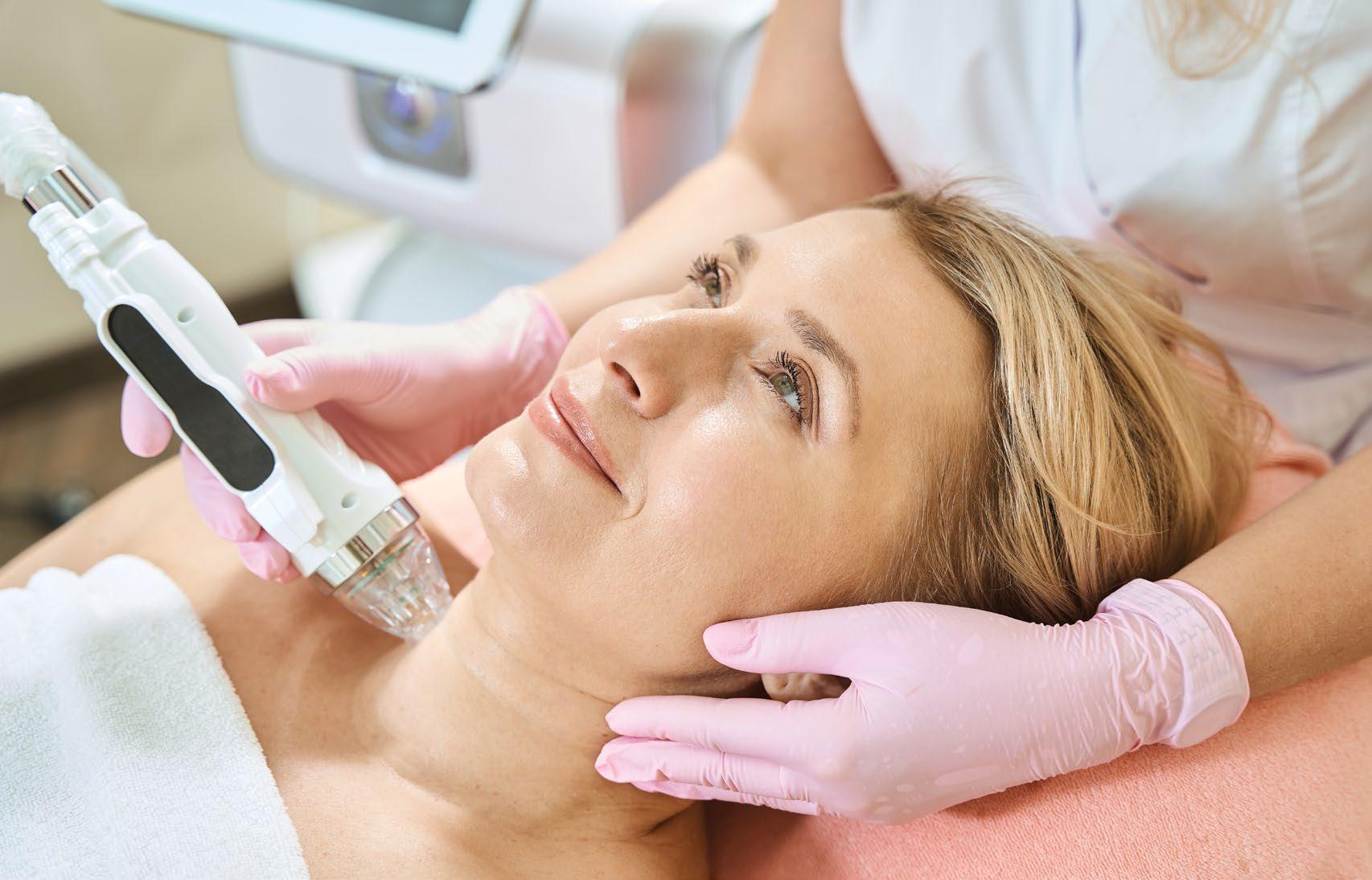
While skincare routines and avoiding sun exposure can help reduce signs of aging skin, skin treatments and cosmetic procedures are another option. Skin-resurfacing treatments such as laser skin resurfacing, chemical peels, and microdermabrasion can help improve skin’s tone, texture, and appearance. In addition, injectables like fillers and BOTOX® and skin tightening treatments can reduce wrinkles, enhance facial features, and restore lost volume. These nonsurgical options have little to no downtime and are typically completed in 90 minutes or less. Depending on your skin goals, facial cosmetic surgery can provide more immediate, permanent, and dramatic results. According to the American Board of Cosmetic Surgery, you may be better suited for cosmetic surgery if you have
significant sagging skin, prefer to only undergo a procedure once, desire a more permanent solution, or would like to reshape a facial feature.
Along with cosmetic signs of aging skin, you may also experience new skin spots like moles or non-healing sores, which could be signs of skin cancer. Be sure to discuss any skin concerns with your doctor or dermatologist. An annual skin cancer screening can identify skin cancer in its early stages, when it is most treatable.
Confidence is Key
Whether you’re diving into a multistep skincare routine or considering a cosmetic procedure, everyone deserves to feel confident and comfortable in their skin. Making necessary lifestyle changes, in addition to consulting with a dermatologist for any skin concerns and a licensed aesthetician for any cosmetic concerns, can help you determine the right approach for your skin.
Ask the Experts
Q. What are some of your top tips for caring for aging skin?
A. The number one rule I tell all my patients is simple: wear sunscreen every single day. It’s the easiest and most powerful tool we have to slow down signs of aging. Use a broad spectrum formula with SPF 30 or higher, even on cloudy days. Next, build your skincare routine around clinically proven active ingredients. Retinoids help improve skin texture, minimize fine lines, and boost collagen. Antioxidants like vitamin C protect against environmental damage and brighten the skin. Keep your skincare gentle and hydrating, as skin becomes drier and more delicate with age. Look for products that contain hyaluronic acid and ceramides, and avoid harsh scrubs or overexfoliation, which can lead to irritation. Lifestyle also plays a role – prioritize sleep, a balanced diet, and avoid smoking. Finally, check in with your dermatologist. We can help fine-tune your products and recommend in-office treatments to keep your skin looking its best.
Q. How effective are products marketed as anti-aging? What is the science behind them?
A. “Anti-aging” products are ubiquitous across social media and conventional advertising. Remember –no topical product can stop aging! Most work by improving texture, hydration, and pigment irregularities rather than reversing changes like volume loss or skin laxity. These products can be effective at improving skin health and appearance, but results really depend on the active ingredients and consistent use. Ingredients backed by science include retinoids (vitamin A derivatives), which increase cell turnover and stimulate collagen production; antioxidants like vitamin C, which brighten skin and neutralize damaging free radicals; and peptides, which help boost and support collagen and elastin (the key components of youthful, radiant skin). Moisturizers with hyaluronic acid can also temporarily plump the skin, reducing the appearance of fine lines.
Stewart Little, MD, DoubleBoard-Certified Facial Plastic and Reconstructive Surgeon Skin Cancer & Cosmetic Dermatology Center
What changes in my skin could be a sign of something serious?
A. Any new or changing spot deserves attention. Warning signs include moles that change in size, shape, or color; lesions that itch, bleed, or don’t heal; and growths with irregular borders or multiple shades. Non-healing sores, rapidly growing bumps, or scaly patches that persist for weeks may indicate skin cancer. Pay particular attention to spots that stand out as the “ugly duckling” compared to others on your body. Also, sudden rashes, bruising, or yellowing skin can sometimes signal internal or systemic conditions. When in doubt, schedule a skin exam –early detection makes nearly all skin cancers highly treatable.
Jonathan Miller, MD, FAAD, FACMS, BoardCertified Dermatologist and Mohs Surgeon Uderm - Dermatology & Mohs Surgery
Childhood cancer a ects families right here in our community. The Austin Hatcher Foundation o ers free therapy and support to local kids and families facing the unimaginable — every day of the year.
Love and Burnout
When Caregiving Takes a Toll
By Abby Callahan
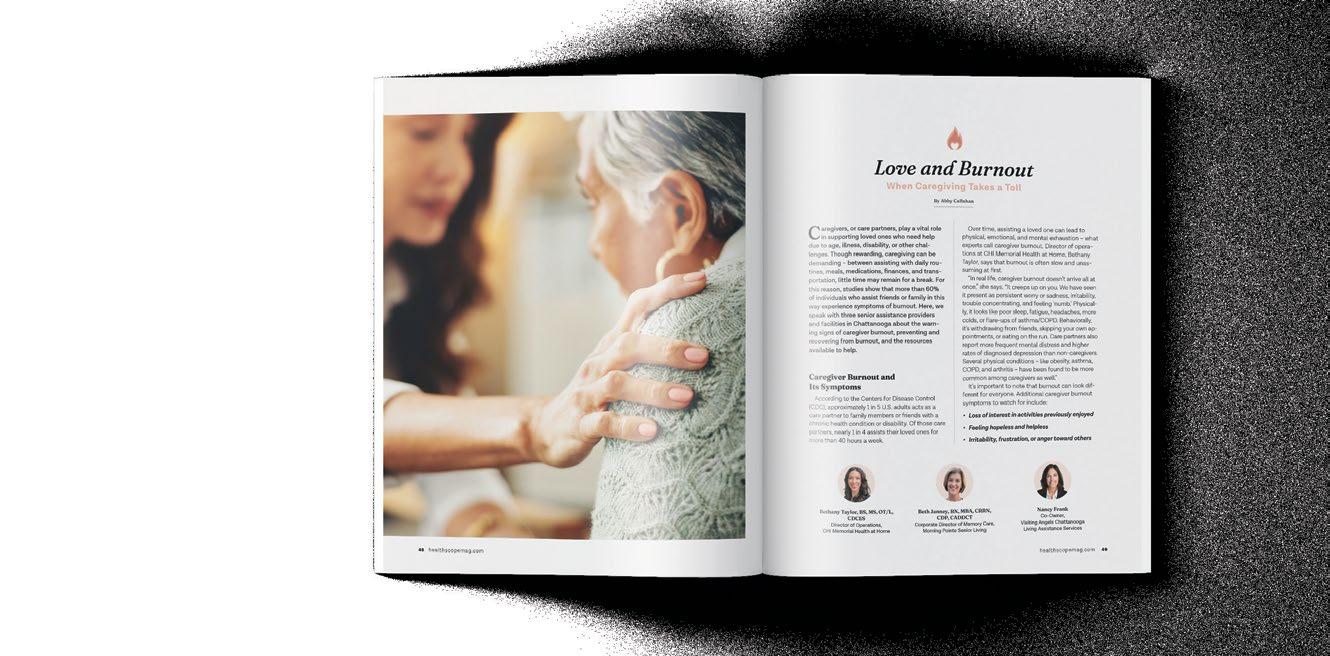
Caregivers, or care partners, play a vital role in supporting loved ones who need help due to age, illness, disability, or other challenges. Though rewarding, caregiving can be demanding – between assisting with daily routines, meals, medications, finances, and transportation, little time may remain for a break. For this reason, studies show that more than 60% of individuals who assist friends or family in this way experience symptoms of burnout. Here, we speak with three senior assistance providers and facilities in Chattanooga about the warning signs of caregiver burnout, preventing and recovering from burnout, and the resources available to help.
Caregiver Burnout and Its Symptoms
According to the Centers for Disease Control (CDC), approximately 1 in 5 U.S. adults acts as a care partner to family members or friends with a chronic health condition or disability. Of those care partners, nearly 1 in 4 assists their loved ones for more than 40 hours a week.
Taylor, BS, MS, OT/L, CDCES Director of Operations, CHI Memorial Health at Home
Over time, assisting a loved one can lead to physical, emotional, and mental exhaustion – what experts call caregiver burnout. Director of operations at CHI Memorial Health at Home, Bethany Taylor, says that burnout is often slow and unassuming at first.
“In real life, caregiver burnout doesn’t arrive all at once,” she says. “It creeps up on you. We have seen it present as persistent worry or sadness, irritability, trouble concentrating, and feeling ‘numb.’ Physically, it looks like poor sleep, fatigue, headaches, more colds, or flare-ups of asthma/COPD. Behaviorally, it’s withdrawing from friends, skipping your own appointments, or eating on the run. Care partners also report more frequent mental distress and higher rates of diagnosed depression than non-caregivers. Several physical conditions – like obesity, asthma, COPD, and arthritis – have been found to be more common among caregivers as well.”
It’s important to note that burnout can look different for everyone. Additional caregiver burnout symptoms to watch for include:
• Loss of interest in activities previously enjoyed
• Feeling hopeless and helpless
• Irritability, frustration, or anger toward others
Janney, RN, MBA, CRRN, CDP, CADDCT
Corporate Director of Memory Care, Morning Pointe Senior Living
Nancy Frank Co-Owner, Visiting Angels Chattanooga Living Assistance Services
Bethany
Beth
The Impacts
Over long durations, caregiving can increase the risk of burnout and other health issues. Time constraints often cause care partners to delay check-ups, treatment, or care for their own mental health. Ultimately, this impacts their overall health and reduces the quality of life for them and their loved ones.
Beth Janney, corporate director of memory care at Morning Pointe Senior Living, says setting realistic care partner standards helps to protect your mental and physical health, especially in challenging care environments.
“When unpredictable challenges occur, it’s unrealistic to think that the care partner is going to react perfectly and make perfect decisions,” she explains. “Realize that negative reactions from the person you are caring for may stem from their frustration, anger, and disappointment in their own condition; and, even though they express these negative emotions to you, it may not truly be because of you and your care. Give yourself grace. Recognize that you are doing the best you can within the circumstances that you have been given.”
Compassion Fatigue
In addition to burnout, Janney adds that care partners can also experience compassion fatigue.
“Compassion fatigue occurs when the care partner becomes overwhelmed by the suffering of the person they care for and by the all-consuming responsibility of providing care – whether it’s hands-on, personal care or managing care from a distance – and it can come on more quickly than burnout,” she says. “The emotional symptoms of compassion fatigue include reduced feelings of sympathy or empathy for the person being cared for and feeling guilty about those feelings; dreading taking care of someone and feeling guilty about it; feeling disconnected; and a reduced sense of accomplishment or meaning in providing care.”
If you begin to feel resentment towards the person you’re caring for, experts recommend that you reach out for help immediately.
Preventing and Recovering From Burnout
According to Nancy Frank, co-owner of Visiting Angels Chattanooga, a senior living assistance service, care partners can only care for others effectively by prioritizing their own mental, emotional, and physical wellbeing. “I’ve heard so many family members say, ‘I should be able to do this myself,’” Frank explains. “They feel guilty for feeling exhausted or overwhelmed. But we remind them that on every airline flight we are told that in case of an emergency, we should put on our own oxygen mask before helping others with theirs. You have to take care of yourself in order to care for your loved one.”
To avoid caregiver burnout and ensure a supportive environment for both care partners and their loved ones, experts recommend these proactive self-care tips:
• Schedule personal time: Recharge with short walks, reading, or hobbies.
• Celebrate small wins: Acknowledge daily achievements for motivation.
• Delegate and accept help: Let others assist with care and tasks.
• Seek emotional support: Speak with friends, family, or a counselor.
• Exercise and rest: Stay active and get six to eight hours of sleep.
• Stay organized: Use reminders, calendars, and prescription logs.
• Practice stress relief: Try deep breathing, meditation/prayer, or journaling.
• Inform your doctor: Tell them you’re a caregiver for added support.
• Explore respite options: Look into senior daycares or local care services.
For care partners currently experiencing burnout, it’s vital to be honest about your condition, as well as immediately take time off to recharge. When doing so, Frank says not to feel guilty.
“Setting boundaries can feel like a betrayal of your caregiving role, but boundaries are a natural and healthy part of life,” she says. “Just like in a regular job, we don’t feel guilty on our days off and we shouldn’t feel guilty for needing help and time off when caring for loved ones. It’s not selfish – it’s actually responsible. Recharging ultimately creates better care.”
Resources for Caregivers
Being a care partner can feel lonely at times, but many programs seek to offer support and respite. By prioritizing self-care and using these resources, caregiving can become less stressful and more meaningful. “At the end of the day, the purpose of a caregiver is to simply ‘be present’ when you can and aim to offer love (not just ‘care’),” Taylor finishes. “The biggest things to remember are that your health is also part of the care plan and you are not alone.”
In-Home and Assisted Care Options
• Home Health Care (Medicare-Covered):
Traditional Medicare plans may cover home health services through providers like CHI Memorial Health at Home, offering skilled nursing, physical/occupational/speech therapy, social work visits, and phone support.
• Private Home Care Services:
Home care services like Visiting Angels can provide care on an as-needed or 24/7 basis, including personal care, light housekeeping, meal preparation, medication reminders, transportation, and companionship.
• Assisted Living and Memory Care: Assisted living and memory care communities such as Morning Pointe Senior Living can provide compassionate, residential care. Morning Pointe’s nonprofit foundation also hosts regular caregiver support events.
Andrew Whitten Winner 2025 Leaders of Impact Chattanooga
As Chattanooga’s Leaders of Impact winner, I’ve seen firsthand how powerful it is when passionate people come together to fight heart disease and stroke. That ’ s why I’m inviting you to join our next campaigns - Woman of Impact and Teen of Impact.
These initiatives unite women and teens who are ready to make a difference by raising awareness, funding lifesaving research, and inspiring healthier communities When you join, you become part of a movement that empowers leaders, strengthens families, and builds a future free from heart disease and stroke.
AndewIf you ’ re ready to join the movement for longer, healthier lives email chattanooga@hear t .org to learn more about joining Circle of Red, Women of Impact or Teen of Impact .
Cardiovascular disease is the No 1 killer of women Yet only about half of women are aware that it is their leading cause of death. Awareness alone isn’t enough, action saves lives.
When women unite, we create unstoppable momentum for research, education, and lifesaving programs. Wear red. Speak up. Share your story. Donate. Advocate. Every step you take helps protect the hearts of women everywhere.
Circle of Red is a powerful network of women committed to making a lasting impact on heart health in our community We invite you to join us
Lisa & Amy
Lisa Blevins and Amy Gavlenski 2025/2026 Circle of Red Chairs
Physicians Support Public Health Through Purpose-Filled Programs
The Medical Society was founded in 1883 to promote sound medical practice and improve community health. In 1986, the Medical Foundation was created to expand that mission and provide a platform for physicians’ charitable endeavors. Today, these organizations, and their 1,300 member physicians, work to improve community health through programs that promote collaboration, provide access to care, encourage students to consider healthcare careers, and support physicians experiencing stress and burnout.
Future Docs
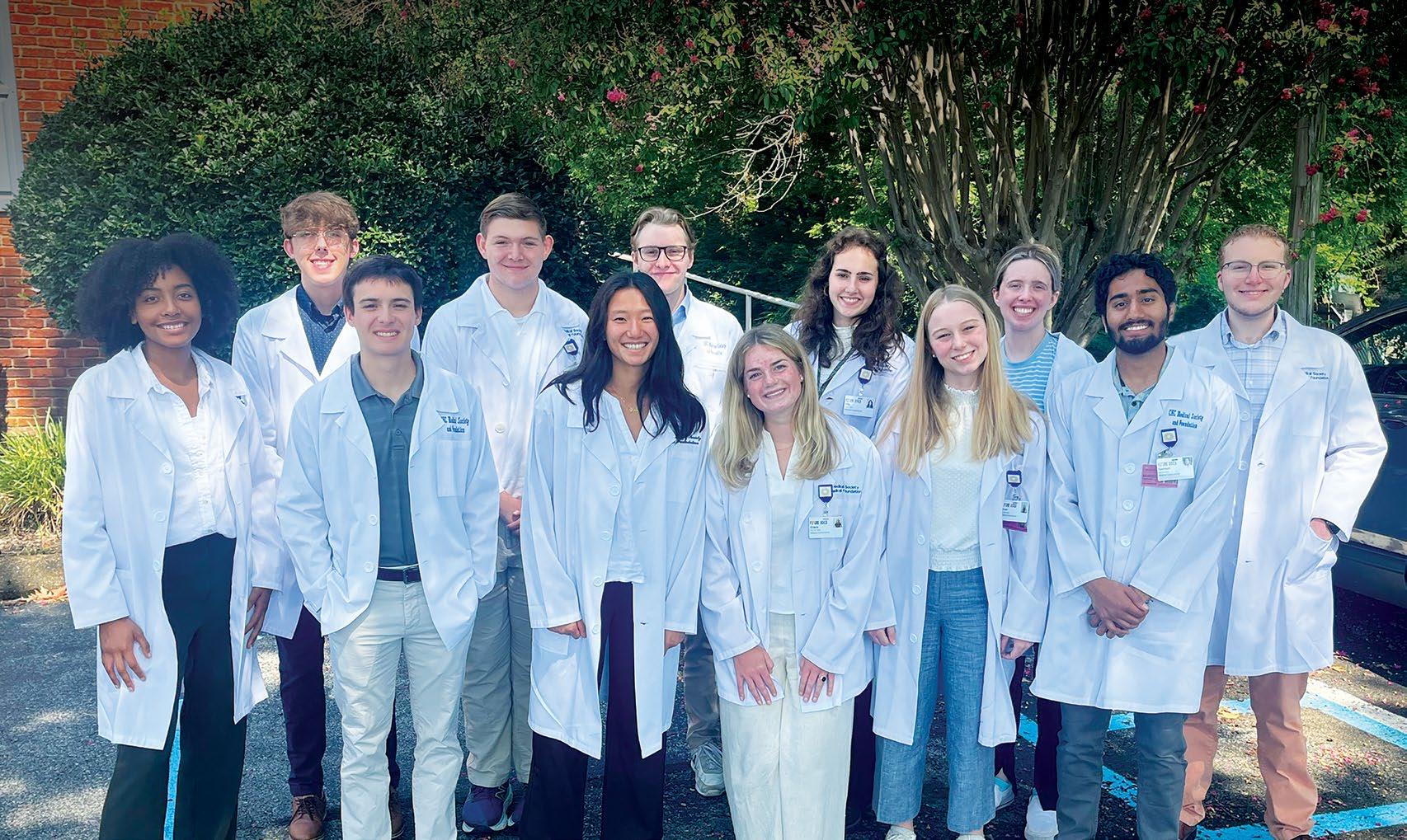
Founded in 2006 by Dr. Mark Brzezienski during his term as president of the ChattanoogaHamilton County Medical Society, the Future Docs program provides students with a realistic, behind-the-scenes look at careers in medicine. The program was designed to inspire the next generation of healthcare professionals by giving them hands-on exposure to the daily work of physicians and healthcare teams. Beginning in 2026, the Society is combining its high school and college components into a single, two-week summer program, offering a more comprehensive experience for students exploring medical careers.
“The Future Docs program embodies the mission of the
Medical Society: to promote ‘the continual improvement of community health,’” says Dr. Richard Moody, current chair of the Society’s education committee. “We want to encourage young people of all backgrounds in our area to make informed decisions about their future and eventually return to practice here – so our community benefits. By connecting with youth seeking to learn about medical careers we can give them a vision of their future in the field.”
Each summer, students have the opportunity to shadow physicians across a variety of specialties, attend lectures, and participate in discussions with local healthcare leaders, gaining insight into the challenges and rewards of practicing medicine today.
“We are actively working on ways to give students a better picture of what the actual practice of medicine looks and feels like. Some of those ways are offering shadowing opportunities, presentations on various medical subjects, and most importantly, sparking connections with community physicians, residents, and medical students,” shares Dr. Moody.
Since its founding, the program has engaged more than 550 students from approximately 70 different schools and universities, many of whom have gone on to attend medical school and establish careers in the health professions, continuing the program’s legacy of fostering the physicians of tomorrow.
“Future Docs was my first opportunity to see what physicians do on a day-to-day basis. The surgeries I observed were fascinating, but what stands out in my mind was the kindness, care, and empathy the physicians showed their patients. Now, as a resident physician specializing in pediatrics, my relationships with my patients and their families are what sustain me through difficult days.”
- Cassandra McCarley Inglish, MD
“The Future Docs program has allowed me to explore a wide range of specialties and understand the inner workings of a hospital, all while fostering a sense of curiosity and excitement. I now feel more prepared for medical school, and I am eager to pursue a career in the field!”
- River Ervin
2025 Future Docs Class
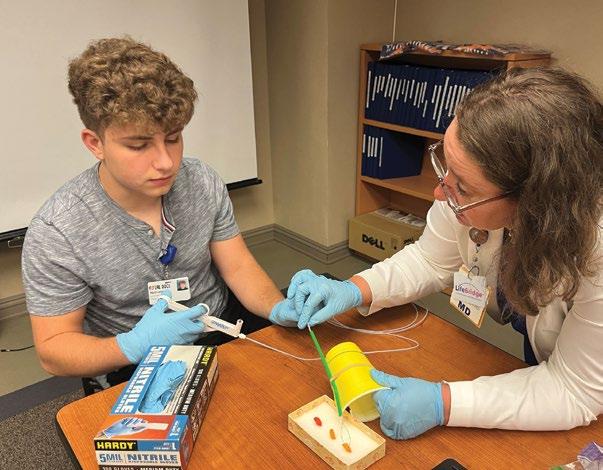
Dr. Shauna Lorenzo-Rivero shows a student how to use a snare to remove polyp-sized items.
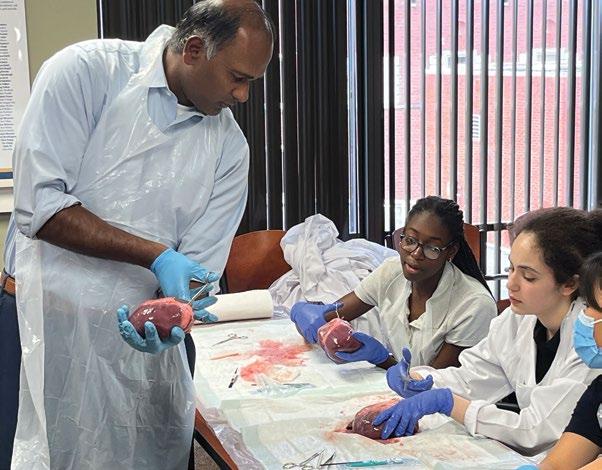
Dr. Harish Manyam leads students through a pig heart dissection.
By The Numbers
$241M
in donated healthcare services coordinated since 2004
Project Access: Turning Hope Into Health
1,175
volunteer physicians providing care
4
hospital partnerships: CHI Memorial, Erlanger, Parkridge, and Bradley Medical Center
38
community clinics referring patients
27,600+
individuals in Southeast Tennessee have received care or have been directed to services
5,514 500 32
individuals assisted in 2024-2025 patients on average enrolled each month counties served, including 23 in Tennessee
For people in Southeast Tennessee who fall ill, have no access to health insurance, and no place to turn for treatment, Project Access can provide a second chance at life. Project Access serves low-income, uninsured adults who do not qualify for private health insurance or government-funded programs such as TennCare or Medicare and have no other means to access specialty care. For many, it is the only path to receive life-saving surgeries, diagnostic testing, and time-sensitive medical care. The program ensures that medical conditions are addressed before they become emergencies – improving health outcomes while reducing strain on hospital emergency departments.
Since its inception in 2004, Project Access has coordinated more than $241 million in donated healthcare to uninsured residents across Southeast Tennessee. The program connects individuals in need with a network of volunteer physicians, hospital systems, and community clinics that refer patients for donated, coordinated medical care.
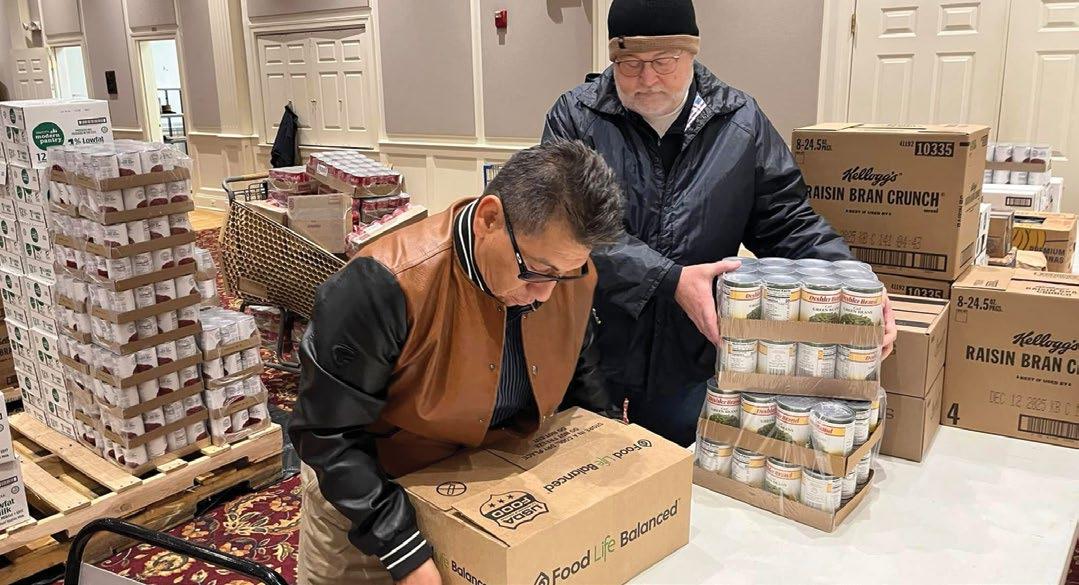
Recognizing that many patients face challenges beyond medical care, Project Access launched an emergency food box initiative in May 2025 in partnership with the Chattanooga Area Food Bank. More than 41% of patients reported experiencing food insecurity, and between May and October 2025, the program distributed 187 boxes, serving 370 adults and 181 children.
“No one should have to choose between food and medicine,” according to Rae Young Bond, Society and Foundation CEO.
The LifeBridge Physician Wellness Program was established in 2018 by the Medical Foundation of Chattanooga to provide confidential, accessible mental health and wellness support for physicians, residents, and medical students in the Chattanooga area. Program participants can receive up to six free and confidential counseling sessions with licensed counselors who specialize in working with healthcare professionals. Since its launch, LifeBridge has provided hundreds of counseling sessions and become a trusted resource for local physicians seeking balance, resilience, and renewed purpose in their profession.
SCAN
ANNUAL SPE C IAL SECTION
Aging Well
As you grow into your golden years, it’s important to stay on top of your health. Being informed and paying attention to your wellbeing can ease the aging process and prevent unnecessary worry. Here, we highlight common health concerns for aging adults and hear from experts about preventative measures and treatment options that will help you enjoy this season of life to the fullest.
By Rachel Studebaker
Vascular Health and Aging
Vascular disease is a preventable condition that can impact memory, mobility, and more in aging adults.
Understanding Vascular Health and Aging
Healthy circulation is key to aging well, as every organ in the body depends on consistent blood flow to function properly. As the body ages, arteries naturally stiffen and lose flexibility. Over time, fatty deposits known as plaque can build up along the arterial walls, narrowing the pathways in a process called atherosclerosis. When blood flow becomes restricted, it can impact: Memory. Reduced circulation to the brain can lead to cognitive decline, dizziness, or vascular dementia.
Mobility. When blood flow to the legs is limited, walking, climbing stairs, or standing for long periods can become painful.
Stroke risk. When arteries supplying the brain become narrowed or blocked, the risk of stroke rises sharply.
Peripheral Artery Disease
Many assume that slower movement, occasional forgetfulness, and fatigue are simply part of aging.
However, these changes may be signs of vascular disease.
Peripheral artery disease (PAD) is a condition that affects more than 8 million Americans and increases with age. Left untreated, PAD can progress to critical limb ischemia, a serious stage that can lead to amputation. Symptoms of PAD include:
• Cold feet or toes that don’t warm easily
• Leg cramps or heaviness when walking
• Wounds that heal slowly or not at all
• Memory changes or recurring dizziness
Outlook
Thankfully, vascular disease is both preventable and treatable with proper lifestyle habits, early screening, and timely intervention. Noninvasive ultrasound screenings can detect narrowing or blockages before they become serious, allowing for proactive management
through medical therapy, minimally invasive stenting, or surgical correction to restore blood flow.
An Expert Weighs In
“Vascular issues significantly impact the aging population by reducing blood flow to vital organs, leading to conditions like stroke, heart disease, and peripheral artery disease. These problems impair mobility, cognition, and overall quality of life, increasing healthcare needs and dependency, while emphasizing the importance of early prevention and vascular health management.”
Vascular Surgeon, Vascular Institute of Chattanooga
William B. Harris, DO, FACS, RPVI
As we age, good circulation becomes the key to maintaining memory, mobility, and overall wellness. When arteries narrow or blood flow slows, it can lead to leg pain, fatigue, or even cognitive decline — often mistaken for “just getting older.”
At the Vascular Institute of Chattanooga, our boardcertified vascular specialists use advanced ultrasound imaging and minimally invasive techniques to restore blood flow, relieve symptoms, and help patients continue living life fully.
Detect circulation issues early and take control of your health. Early detection saves limbs - and lives. Schedule your vascular screening today!
An Expert Weighs In
“Expressing gratitude isn’t just a kind gesture – it’s a meaningful way for patients to support their own healing journey. Whether it’s through a heartfelt note, a volunteer effort, or a charitable gift, these small acts can lead to surprising boosts in emotional and physical well-being.”
Sierra Armbrust, DO Family Medicine Physician, Erlanger Primary Care –Volkswagen Drive
The Health Benefits of Gratitude
Regularly practicing gratitude can yield a number of health benefits.
Understanding Gratitude
Gratitude is the state of being thankful for the good in one’s life and can be a powerful practice for health and wellness. Research shows that expressing gratitude releases dopamine and serotonin in the brain, chemicals that contribute to feelings of happiness, and is associated with positive effects in both mental and physical health.
Health Benefits of Gratitude
There are many health benefits of gratitude, which include:
Relieved stress and anxiety. Gratitude can help lower your heart rate and regulate breathing, which calms the nervous system during times of stress. It also combats anxiety by keeping thoughts focused on the present and its positive aspects.
Reduced symptoms of depression. A grateful mindset is linked to higher satisfaction with life and promotes optimistic thinking about one’s future, which may reduce symptoms of depression.
Better sleep. Lower levels of stress and anxiety can make it easier to fall asleep and stay asleep at night. Focusing on grateful thoughts at bedtime can help relax the mind and promote better sleep.
Improved heart health. According to the American Heart Association, daily practice of gratitude can lower blood pressure and reduce the risk of heart disease.
How to Practice Gratitude
To reap the benefits of gratitude, it’s important to make it a regular practice that will, in time, become habit. Here are some ways to incorporate gratitude into your daily routine:
• Set aside time to write down what you are thankful for in a gratitude journal.
• Redirect negative thoughts by identifying a positive aspect of your situation that you are grateful for.
• When you find yourself feeling grateful for a person in your life, send them a text or write a thank-you note.
An Expert Weighs In
“In a time when consumers are inundated with skincare marketing, it’s essential to distinguish what is evidence-based from what is not. Not all over-the-counter products are right for every individual. The best approach is to discuss your specific concerns with a board-certified dermatologist, who can help tailor a regimen that’s truly right for you.”
Victoria Collier, MD Dermatologist, Galen Dermatology North
Anti-Aging Skincare
Over-the-counter products can help protect and improve the appearance of aging skin.
Understanding Skin Health and Aging
Signs of aging skin – including fine lines and wrinkles; sagging skin; and dark spots – are caused by both the natural aging process and environmental factors. As you age, your skin naturally becomes thinner and more fragile. Your body also begins to produce less elastin and collagen – proteins that help keep skin firm, elastic, and hydrated.
Sun damage, also known as photoaging, is the leading cause of aging skin. Exposure to ultraviolet (UV) rays from the sun damages elastin, and over time, cause premature signs of aging.
Anti-Aging Skincare Ingredients
Certain over-the-counter (OTC) products and supplements can benefit aging skin. These include: Niacinamide. A form of vitamin B3, niacinamide can be topically applied to help reduce inflammation; smooth wrinkles; treat pigmentation; improve skin hydration; and protect against sun damage.
Polypodium supplements are derived from the tropical fern polypodium leucotomos and have antioxidant properties that studies suggest may protect against sun damage and treat inflammation.
Hydrolyzed collagen, or collagen peptide, supplements are taken to replenish collagen levels and combat signs of aging. Increased collagen production is shown to improve skin elasticity and hydration.
Topical antioxidants protect the skin against harmful toxins and prevent premature aging. Vitamin C serums are recommended for evening up skin texture and tone; reducing redness; and improving wrinkles and dark spots.
Retinol is an OTC form of a retinoid – a derivative of vitamin A – and works by increasing skin cell and collagen production. This process reduces the appearance of wrinkles and dark spots and improves skin elasticity.
Outlook
In addition to taking supplements, it’s important to practice daily skincare, including face washing and applying SPF. A dermatologist can provide guidance on creating an anti-aging skincare routine and help determine which ingredients are right for you.
An Expert Weighs In
“As a hand and upper extremity surgeon, my goal is to help people return to the activities they need, want, and love to do –whether that’s work, hobbies, or everyday tasks. Our hands and arms are vital to how we move through life, connect with others, and express ourselves. I find it deeply rewarding to help restore that function and improve my patients’ quality of life.”
Ronald Mitchell, MD, MBA Hand & Upper Extremity Specialist, Center for Sports Medicine & Orthopaedics
Comprehensive Hand Care
A wide range of hand-related issues can be treated by orthopedic specialists.
Understanding Hand Health
Hand problems – from traumatic injuries to chronic conditions – can make even the simplest daily tasks difficult. Signs of pinched nerves, strained tendons, or swelling in the hands can include:
• Tingling, numbness, or weakness in the hand or thumb
• Lack of movement in the hand, wrist, or fingers
• Increased hand, finger, or wrist pain
• Difficulty grasping objects or opening bottles and jars
Common Conditions
Carpal tunnel syndrome involves compression of the median nerve within the carpal tunnel at the level of the wrist, which may result in pain, numbness, tingling, or even weakness in the hand.
Trigger finger is an inflammatory condition resulting in the flexor tendon of a finger or thumb becoming stuck under a tight pulley, which results in catching, popping, or locking when attempting to bend or straighten the finger.
Thumb arthritis is caused by the deterioration of the cartilage at the base of the thumb, causing pain, decreased grip strength, difficulty opening jars or bottles, and reduced range of motion.
Dupuytren’s contracture is a condition where one or more fingers bend toward the palm of a person’s hand and cannot straighten completely.
Treatment and Outlook
Thankfully, these conditions can be treated effectively by orthopedic hand specialists, with many treatment options available to relieve pain and restore movement. Nonsurgical options include antiinflammatory medications, hand therapy, steroid injections, and the use of a brace or splint. Should nonsurgical treatment prove ineffective, surgery may be recommended. With a personalized treatment plan, patients can enjoy restored, pain-free hand function and resume daily activities with ease.
An Expert Weighs In
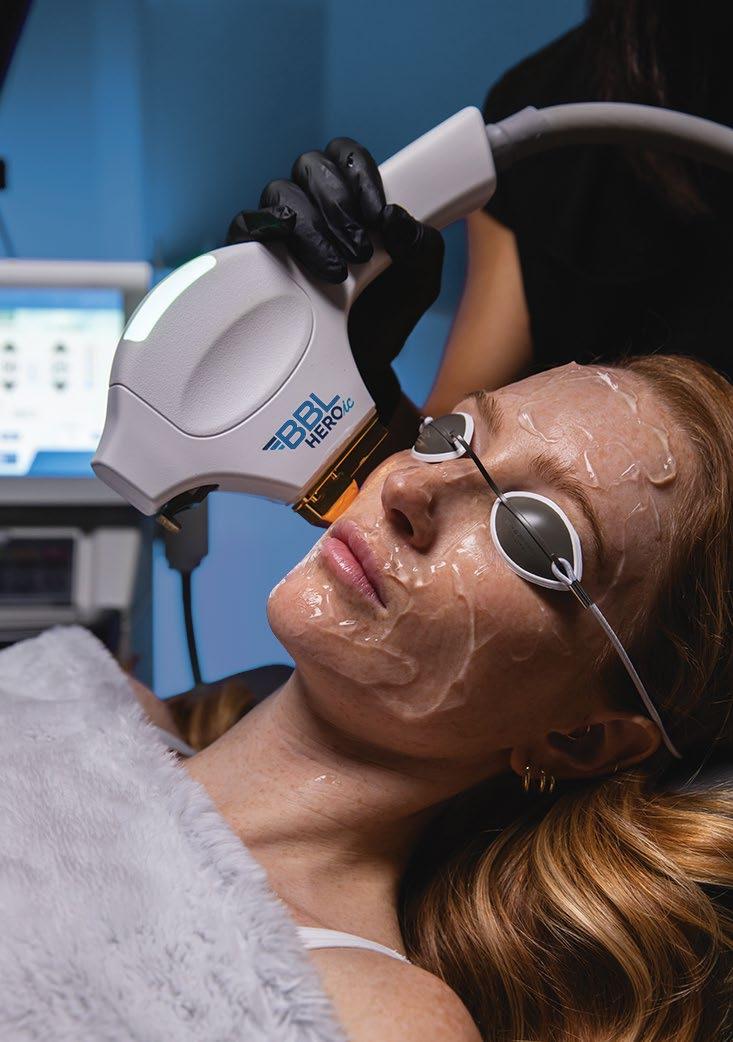
“A landmark Stanford study showed that BroadBand Light therapy can actually shift gene expression in aged skin to resemble younger skin, creating true cellular rejuvenation. BBL HEROic builds on that science with faster delivery, higher energy, and unmatched consistency. It not only improves fine lines, firmness, and clarity – it also effectively treats rosacea, acne, pigmentation, vascular redness, and sun damage, making it one of the most versatile and powerful anti-aging treatments available today.”
Cora LeSar, LE, LEI
Aesthetician & Laser Specialist, Alchemy MedSpa + Wellness Center
BroadBand Light Therapy
This advanced technology can address a wide variety of skin concerns.
Understanding BroadBand Light Therapy
BroadBand Light (BBL) is a photorejuvenation treatment for the face and body that uses light to stimulate collagen production and treat a variety of skin concerns. This noninvasive technology can effectively treat signs of aging, acne, pigmentation, redness, and more. Additional uses include hair removal and treatment of certain vascular concerns.
New Advancements
Developed by Sciton, the BBL HEROic is the latest, innovative iteration of the BBL HERO (High Energy Rapid Output) system. The world’s first smart pulsedlight device, the BBL HEROic incorporates intelligent control and skin positioning system technology with integrated motion-tracking to administer precise and accurate targeted light therapy. Its automated pulse delivery system can provide fast and uniform treatments on both flat and curved surfaces, with adjustable wavelength filters and spot size adaptors accommodating a range of treatments.
Treatment Options
Thanks to its versatility, the BBL HEROic can deliver many treatments. These include:
Forever Clear BBL treats acne and prevents new breakouts using a combination of blue light, to target acne-causing bacteria; yellow light, to reduce inflammation and redness; and infrared light, to promote natural healing and reduce scarring.
Forever Young BBL is a facial treatment that addresses signs of aging – including sun damage, fine lines and wrinkles, rosacea, and spider veins – leaving skin with a visibly smoother, tighter texture and more even skin tone.
Both treatments take approximately 30 minutes, with noticeable results and refreshed skin in just a few days.
An Expert Weighs In
“NAD+’s beneficial impact on metabolism and DNA repair makes it my ‘go to’ when recommending therapies for mitochondrial health and aging. Put in simpler terms, NAD+ supplementation may lead to more energy, less brain fog, enhanced mood, and enhanced metabolism. Sign me up, right?! The clinical pharmacists at Designer Drugs Labs are happy to discuss this therapy with you and/or your provider; give us a call or stop by.”
This supplement is being researched for its anti-aging benefits.
Understanding NAD+
NAD+ stands for nicotinamide adenine dinucleotide, which is a naturally occurring compound found in the body’s cells. This coenzyme is essential for supporting many cellular processes in the body, including regulating metabolism – the body’s ability to convert food into energy – as well as cellular repair and immune responses.
These processes are vital for healthy functioning, however NAD+ levels gradually decrease with age, which has been associated with faster cellular aging, metabolic disease, and cognitive decline. As a result, supplementing NAD+ has emerged as a potential treatment for age-related conditions.
Potential Benefits
NAD+ supplements are formulated to replenish naturally declining levels, with most options consisting of precursors that are then converted to NAD+ in the body. Research is exploring how these supplements can potentially prevent, delay, and even reverse agerelated health conditions. Studies have shown that NAD+ supplementation may provide several health benefits including:
• Improving cognitive function
• Supporting metabolic and cardiovascular health
• Providing anti-aging benefits for skin
• Aiding muscle function and strength
• Having an anti-inflammatory effect
• Enhancing energy production
• Boosting cellular repair
NAD+ supplements are most commonly administered as injections, but are also available as pills, powders, and drops.
Outlook
Supplementation of any kind works best alongside healthy habits including getting enough sleep; eating nutritious meals; regularly exercising; and managing stress. Because studies are still ongoing for NAD+, speak with your doctor to determine if this supplement is right for you.
Virginia Anne Sharber
Photo by Hacker Medias / Shot on Location at the Hunter Museum of American Art
A native Chattanoogan, Virginia Anne Sharber is well connected to the community. After practicing law locally for 25 years, Sharber stepped into the role of executive director at the Hunter Museum of American Art in 2015 and has been leading there since. Here, Sharber shares her passion for making a difference, no matter her role, and the ways she invests in her well-being along the way.
What is your approach to wellness? How has that changed over time?
I grew up dancing (classical ballet, tap, and modern) and even was part of a Broadway revue troupe in college. As a young lawyer, I stayed active keeping up with three energetic children, each involved in a number of different ventures, and for many years, I took Zumba and step classes at the Downtown YMCA. During COVID, my husband Hugh and I started walking, originally just to get out of the house, but now it’s an activity we have continued and cherish. We have found that not only are we getting great exercise with the hilly terrain, but we learn so much about the various neighborhoods we explore and trails we hike. Perhaps most importantly, we have the opportunity to catch up with each other with uninterrupted talk time. I highly recommend long walks for emotional, as well as physical, health!
What are your favorite ways to practice self-care?
As someone who is very busy and for whom there is never enough time in the day, self-care for me means finding the time to do things I really enjoy. I’ve already
mentioned how much I value the long walks I take. I also enjoy reading, working in my vegetable garden, attending theater, ballet, and Broadway shows (whether in New York or here in Chattanooga!), and cooking, especially for my son and his family who live here in Chattanooga (so I get to spend lots of time with my grandchildren)!
What are some of your current goals, and what are you doing to work toward them?
Aside from spending time with my family, most of my current goals are focused on the Hunter Museum. I have been so honored to be at the helm of the Hunter for the past 10 years and to see how the museum serves the community. Not only is the Hunter a beautiful location for special occasions and a venue with artwork that is provocative and engaging, it is an educational tool for community students and life-long learners and a safe space for the discussion of sometimes difficult but important issues. Making sure that the entire community is aware of and feels comfortable taking advantage of all that the Hunter has to offer is a goal we are constantly pursuing.
When it comes to health and wellness, is there anyone you admire or look up to?
My father, Bob Summitt, who lived an incredibly full and very active life of 94 years. My dad was raised on a working farm in Monroe County, TN. While growing up, I heard lots of stories about his childhood feeding the chickens and milking the cows before dawn. Even as a busy young attorney, and then 30 years on the bench as a civil circuit court judge, Dad remained very active physically, mowing and raking his hilly front yard and expansive back yard, plowing and cultivating a large vegetable garden, working out at the YMCA every day, and climbing onto the roof of his house to brush off the autumn leaves and winter snow (while in his 90s)! He minded his mental health as well. In addition to actively serving on numerous community boards, he kept learning. He and a group of friends signed up every semester to audit classes at UTC to continue learning. Dad fought and survived three different cancer scares. My three siblings and I are convinced that Dad’s commitment to health and wellness, and perhaps his incredible tenacity (bordering on stubbornness!), played a huge role in his longevity.
What do you find the most rewarding?
My parents instilled in me a desire to make a difference. I learned from them that once I committed to something, it was critical that I always showed up, that I carefully considered how I was uniquely positioned to contribute, and that I then did my best to impact that situation. Whether it was as an attorney offering a solution to someone needing advice, as a volunteer with several of the many nonprofit organizations doing great things in our community, or now as the executive director of the Hunter where the talented team at the museum is conducting so many impactful programs, I have tried diligently to make a difference, and it has been very rewarding to feel that my efforts have had a positive impact.
Readying for Retirment
Top 10 Recommendations for Retirement Planning
By Abby Callahan
The thought of planning for retirement can be exciting and a little scary, the main question being, “How much money do I need to retire?” To ensure you’re properly prepared when the time comes, here is what financial experts recommend when planning for retirement.
• Start Saving Now – It’s never too early, and small amounts add up over time. Create a savings plan and stick to it.
• Estimate Retirement Savings – Aim to replace 70-90% of your pre-retirement income so you can maintain your lifestyle.
• Invest in Your 401(k) – Contribute regularly. Employers often match anywhere from 25-100% of employee contributions, and tax benefits make 401(k)s a smart move.
• Understand Pension Plans – If offered, review your benefits and know what happens if you change jobs.
• Learn Investment Basics – Inflation and the different types of investments can affect your savings. Learn your options and ask questions.
• Ask for a Retirement Plan – If none exist, suggest one. There are options that can benefit both you and your employer.
• Open an Individual Retirement Account (IRA) – You can contribute up to $6,500 annually (more if you’re 50+). They also provide tax advantages.
• Avoid Early Withdrawals – You’ll lose money on interest and face penalties. When you change jobs, roll the funds over into an IRA to avoid taxes being taken out.
• Learn About Social Security – It may replace up to 40% of income, but your benefits depend on earnings and retirement age. Relying solely on Social Security for retirement is not recommended.
• Stay Curious – Keep asking questions. Staying informed helps you to make better financial decisions.
The Three R’s of Retirement
Resiliency
The ability to stay calm and adaptable when money gets tight – always pushing forward with a positive mindset.
Resourcefulness
Using creativity and smart thinking to make the most of what you have and stretch every dollar, save every dime.
Renaissance Spirit
A love of learning that fuels your financial growth –staying curious, always improving your money skills.
The 3% Retirement Rule: Experts recommend withdrawing 3% of your 401(k) during your first year of retirement. The lower your withdrawal rate, the more your retirement corpus can grow at a potentially faster rate – creating a safety net when unexpected expenses or market downturns happen.
In With the New
How to Keep Your New Year’s Resolutions
The start of the new year offers the opportunity to turn over a new leaf, whether you’re looking to start something new or leave bad habits in the past. While New Year’s resolutions are notoriously slippery, there are proven ways to help your resolutions stick around for the long haul. Whether you’re looking to up your fitness game or improve your mental health, here are some tips to create healthy, attainable goals to start the year off strong.
By Ali Lemmons
Setting Resolutions That Stick
When making resolutions, people tend to set the bar too high – this leads to goals that are difficult to sustain and often get abandoned within a month or two. When setting your New Year’s resolutions, try using the SMART goals framework:
Specific: The most effective goals are specific. Ask yourself what needs to be accomplished, what steps need to be taken, and why you want to achieve your resolution.
Measurable: Metrics make a resolution more tangible and provide a way to measure your progress. You can measure pounds lost, miles run, or time spent.
Achievable: An effective goal must be attainable. Your New Year’s resolutions should be enough of a stretch to make you feel challenged while also being achievable with your current resources.
Relevant: A relevant resolution aligns with your long-term intentions. If your overarching ambition is to be healthier, creating a goal to cut down on junk food can directly contribute to this achievement.
Time-Bound: A time-constrained goal builds a sense of urgency and offers motivation to achieve your resolution. Give yourself a deadline or a timeline for measuring your progress.
Maintaining Your New Year’s Resolutions
Once you’ve set a demanding yet attainable resolution, the real challenge is maintaining it. As you work towards your objective:
Identify Accountability
Partners: Whether it’s a friend or family member, invite your support system to participate in the resolution alongside you or to check in on your results and cheer you towards the finish line.
Give Yourself Time: Rome wasn’t built in a day. Research has shown that it can take an average of 66 days to form a new habit, so be patient with yourself and your progress. Push through any setbacks and keep working toward your goal.
Remember: the key to lasting change isn’t perfection but rather persistence. By setting thoughtful goals, inviting others into your journey, and giving yourself grace, you can turn your resolutions into healthy, lifelong habits. Happy New Year!
MENTAL HEALTH
Bundle Up
What to Look for in
a Winter Coat
When winter weather arrives, it’s important to be prepared with a coat that’s up to the task. Here, we share advice on what to look for when choosing a winter coat and showcase stylish selections from local boutiques for the whole family.
By Rachel Studebaker
Type
When it comes to winter coats, there are four main types to choose from:
• Wool. A sophisticated choice that is well suited to professional settings and special events, with a luxurious, tailored look and natural fibers that lock in warmth.
• Puffer. A popular pick with a lightweight profile and levels of insulation that make it great for casual, everyday wear from running errands to going for a walk.
• Parka. A hooded, long coat with insulation equipped to handle hours in the extreme cold.
• Shell. A thin, lightweight option best suited for outdoor activities, combined with proper layers. Shells are primarily worn for protection from wind and water, rather than warmth.
Fit
A well-fitting winter coat will ensure you stay both comfortable and warm. To find the perfect fit, try:
• Putting the coat on over a thick sweater or hoodie to make sure there’s room for layering. The coat should be able to button or zip fully closed, and there should room through the shoulders and arms to comfortably move.
• Raising your arms above your head to make sure the coat’s hem doesn’t rise above your waistband.
• Lifting your arms up straight in front of you and checking the length of the sleeves. The cuffs should hit right at the base of your hands.
Length
Most coats are either short – hitting at the hips – or long – going down to the knees. Shorter coats offer less coverage, but give you more room to move, making them a great option for outdoor activities. Longer coats are bulkier and can restrict movement, but make up for it with the extra protection, keeping you warm during long stretches outside.
Material
It’s worth investing in a high-quality coat made with durable materials that will keep you warm and last for years to come. If you’ll be spending a lot of time outdoors, you may also want to look for a coat with waterproof and windproof capabilities. Many coats are made with water-resistant fabrics, but only certain coats are fully waterproof, so be sure to check product descriptions.
Style
Last but not least, look for a coat that reflects your personal style. Consider what color will pair best with the rest of your wardrobe and if you want any fashionable or functional features such as pockets, a hood, fur trim, or drawstrings. Once you’ve found the coat for you, you’ll be ready to take on winter with both warmth and style!
FOR DAD Barbour Bedale Essential Quilted Jacket Sage
“The Bedale Waxed Jacket has long been a part of Barbour’s heritage. This year they have updated the waxed jacket into a quilted style, and it is great for our mild winters here in the South. The Bedale Quilted Jacket has elevated the timeless Barbour classic.”
–
Anita Headrick, Hanover Blue
FOR MOM Lill Coat
“Wearing a colorful fur coat over a monochromatic outfit instantly elevates your look, adding a bold pop of personality without overwhelming your style. The single-tone base creates a sleek backdrop that lets the vibrant coat take center stage, striking the perfect balance between chic and playful.”
– Silvina Peralta-Ramos, Antibes
FOR CHILDREN Widgeon Fleece Coat
“We love the Widgeon Fleece Coat – it’s one of our tried-and-true favorites for keeping little ones cozy and comfortable all season long. Parents love it because it’s easy, cute, and holds up well. We carry several great color options, and sizes run from infant through toddler, so you’re sure to find the perfect fit for your little one.”
– Kelly Paschall & Bonnie Moses, The Sandbox Children’s Boutique
Handle the Heat
Protecting Your Hair from Damage
While applying heat protectant before styling your hair can often feel like an extra step that is tempting to skip, it’s crucial for protecting your hair from heat damage, which can leave hair dry and dull and cause breakage. Read on for tips on how to protect your strands and prevent damage using heat protectant.
By Kristen Dee
How Do Heat Protectants Work?
Heat protectants work by protecting the cuticle of the hair and creating a barrier against damage caused by blow dryers, flat irons, curling irons and other hot tools. Heat protectant products come in various different formats, including creams, sprays, oils, and serums, and are applied prior to using heat on the hair.
Which Product Is Right for Me?
With a variety of heat protectant products on the market, there are many options to choose from. Each formula will be slightly different and cater to different hair types, such as wavy hair, or hair concerns like frizz. There are also variations in whether the product should be used on dry or wet hair, as well as products meant specifically for color-treated hair. It’s helpful to read the product description and instructions and pick a protectant that best fits your hair type and styling routine.
Another important factor to consider is the amount of heat protection the product provides – try to use a product that guards against up to
450° to ensure maximum protection. Aim for even coverage of your hair to optimize effectiveness. You can section your hair while applying the protectant, and run a comb through your hair after applying to help distribute the product.
How Can I Prevent More Damage?
While heat protectants work to prevent and reduce damage, any heat exposure can compromise hair. The American Academy of Dermatology (AAD) recommends using low or medium heat, using heat tools sparingly, and only having the heat tool on the hair for a second or two. If you think you may have heatdamaged hair, it’s not too late to start repairing your hair and protecting it from further damage. Hair masks and leave-in conditioners, especially ones that focus on bonding, which will strengthen hair, are a great option to repair damage and get silky strands. It’s also important to get your hair trimmed regularly, which will remove any split ends from the bottom and minimize future damage.
Heat Protectant How-To
• Choose a product meant for your hair type and styling routine
• Make sure it protects up to 450°
• Distribute product evenly through hair before styling
• Keep hot tools on low or medium heat
‘Tis
the Season for
Fire Safety
By Lindsey Clute
If you’ve watched the holiday classic “National Lampoon’s Christmas Vacation,” you probably have a good idea of how holiday cheer can turn into chaos when flames get out of control. Unfortunately, the events that take place at the Griswolds’ home are not all that far-fetched. In fact, nearly 47,000 fires occur during the holiday season each year. Fire safety during the holidays is not only practical, it’s a simple way to protect your home and loved ones from potential catastrophe.
This time of year comes with its share of fire hazards. Read on to learn the most common culprits and essential safety tips to stay fire-free this winter!
Cooking Catastrophe
Cooking is the leading cause of home fires year-round, with Thanksgiving topping the list as the peak day for cooking-related incidents, followed by Christmas Day and Christmas Eve. With all the extra cooking and baking this season, a few safety precautions can go a long way (and might just save your turkey, too).
• When cooking or baking, never leave the kitchen unattended.
• Countertops can get cluttered during holiday preparation. Make sure to keep anything flammable away from the stovetop at all times.
• Set timers to prevent food from burning or catching fire.
Tree Turmoil
Although all Christmas trees need proper care, real trees present the greatest fire hazard, as a dry tree can ignite within seconds. Proper maintenance is critical to reducing this risk.
• Water live Christmas trees daily and keep their stands filled with water at all times.
• At the end of the season (or when the tree becomes dry), immediately discard it.
• Keep trees (both real and artificial) at least three feet away from sources of heat.
Candle Chaos
These popular ambience boosters are responsible for almost half of all home decoration fires in December. As tempting as it is to keep your home filled with cinnamon- and pine-scented candles, consider these precautions to keep the mood safe as well as festive.
• If possible, use battery-operated candles to maintain ambience without the fire risk.
• Keep candles at least 12 inches away from anything flammable.
• Ensure candles are in a stable spot where they won’t be easily knocked over, and always blow them out when you leave the room.
Electrical Emergency
Homes are filled with lights and electric décor galore at Christmas time, but as the number of decorations increases, so does the risk. Almost one-third of home Christmas tree fires are caused by electrical problems, so it’s important to use good judgement.
• Inspect holiday lights. Do not use anything that is old, frayed, or in bad condition.
• Always unplug all lights (and other electric decorations) before leaving the house or going to bed.
• Don’t let your pets chew on Christmas lights or cords.
Fireplace Fiasco
“The stockings were hung by the chimney with care” are words of wisdom to live by this season. A cozy fire may set the perfect holiday mood, but it can also pose serious risks if not handled carefully.
• Perform regular cleanings and schedule annual inspections to remove hazardous buildup.
• Use a fire screen to prevent embers and logs from escaping.
• Always ensure the flames and embers are fully extinguished before going to bed.
Did you know?
Having a functional smoke alarm reduces the chance of a fire fatality by almost 50%.
THE HEALING POWER OF
Forgiveness
By Abby Callahan
As the saying goes, “forgiveness is for you, not for them.” Though choosing to forgive isn’t always easy, research shows that this statement is actually true – the act of forgiving can have powerful, positive health benefits. Here, we take a look at the importance of forgiveness and share advice on how to move forward into better health.
From Grudges to Good Health
It’s little surprise that forgiveness and mental health go hand-in-hand. However, research shows that forgiveness – and a lack of forgiveness – also impact the body. According to experts, chronic anger caused by unforgiveness can trigger the body’s fight-or-flight mode, negatively impacting heart rate, blood pressure, and immune system response. Meanwhile, forgiveness yields many health benefits and may even promote longevity. These include:
• Lowered blood pressure
• Healthier heart rate
• Improved sleep
• Enhanced immune function
• Healthier relationships and conflict resolution
• Reduced stress
• Lessened symptoms of depression and anxiety
• Better anger-management skills
• Increased self-esteem
• Improved psychological well-being
Forgiveness in the Brain
Research shows that forgiveness activates three different systems of neural pathways and structures in the brain that are involved in:
1. Empathy and perspective taking
2. Coping or reinterpreting information about ourselves, others, and the world
3. Making decisions about others and figuring out how choices match our core values
Each time you choose to forgive, these systems activate and work together to help you release negative emotions toward another person, allowing for empathy and a more benevolent mindset. And like any skill, forgiveness can be practiced and improved over time.
How to Let Go
Sometimes forgiving someone can feel unjust. But according to experts, forgiving someone doesn’t mean that you forget or excuse their harmful behaviors or actions, nor does it necessarily mean that reconciliation is the ultimate goal. Rather, forgiveness is defined as the act of intentionally
deciding to release resentment and anger toward another person. This process involves working towards lessening the pain or control that others’ actions have had over you, which can lead to empathy and understanding.
At times, this can feel difficult. Fortunately, there are many helpful prompts to help you in the process:
• Contemplate how forgiveness can benefit your life
• Pinpoint what needs healing and whom to forgive
• Acknowledge your feelings and how the hurt has shaped your actions
• Release the power the person or situation holds over you
• Recall moments when you were forgiven
• Practice empathy by seeing things from their perspective
Allowing yourself time and grace is key to healing. For those struggling to forgive, seeing a counselor or joining a support group can help with processing experiences and emotions.
THE FOUR R’S OF SELF-FORGIVENESS
Self-forgiveness is just as important for your health as forgiving others. Studies show that those who practice self-forgiveness have better emotional and mental well-being, more positive attitudes, healthier relationships, and are more successful, productive, focused, and concentrated in all aspects of their lives. To successfully practice self-forgiveness, there are four steps, or “R’s,” to keep in mind:
RESPONSIBILITY
Own your actions and release the blame for others’ actions
REMORSE
Acknowledge the hurt caused, accept mistakes, and express your feelings with honesty
RESTORATION
Apologize, repair the damage, and commit to breaking harmful patterns
RENEWAL
Show yourself compassion, learn from the past, and move forward with wisdom
Choose from a timed 5K, 10K, or one-mile Fun Run supporting life-changing therapies for families facing pediatric cancer.
Saturday, February 21, 2026
Tennessee RiverPark
Hubert Fry Center, Shelter #4
Prices increase January 1. hatcherfoundation.org/run
ANNUAL SPE C IAL SECTION
Off to Camp!
Camp provides children with the opportunity to have new experiences, get active, make new friends, and learn in a low-pressure environment. Here, we highlight some of the benefits of sending your child to camp, how to determine camp readiness, plus a few products to consider when packing.
By Kristen Dee
Exploring the Benefits of Camp
While sending your camper away for the first time may cause some anxiety, there are many benefits to going to camp. Research has found that parents and guardians often report positive changes in campers after returning home. Read on to learn some of the key benefits of camp for children.
According to the American Camp Association, campers will likely experience some or all of the following benefits after a trip to camp:
Social Skill Development
Campers gain leadership experience, practice their communication skills, and participate in group tasks while encouraging others.
Self-Respect and Character Building
Campers are required to be responsible for themselves, their belongings, and their behaviors. They learn beneficial lessons of resourcefulness and resilience when faced with challenges.
Community Living/Service Skills
Campers learn valuable lessons about caring and fairness in group settings, and how to trust others and gain trustworthiness.
In addition to these key benefits, campers often experience five areas of positive growth:
• Attitudes toward physical activity
• Emotional intelligence
• Social integration and citizenship
• Personal development and self-confidence
• Environmental awareness
These skills are associated with wellbeing and are critical in all stages of life, helping kids navigate school, the workplace, relationships, and even their mental health, in the future. Camps are a great opportunity to learn in a low-pressure environment, build and maintain supportive relationships, and foster social skills like problem-solving, empathy, and resilience.
Baylor Summer Camps
Families have enjoyed Baylor Summer Camps for decades! Baylor’s 690-acre campus and facilities allow for a wide array of activities to match individual skills and interests, and Baylor faculty, coaches, and counselors have expertise in working with children in a safe and nurturing environment. From Baylor’s familyfavorite Raider Days to sports and enrichment camps, boys and girls ages 5-16 are sure to find a program they love while making new friends along the way. Camp Walkabout allows kids ages 8-16 to take advantage of Chattanooga’s outdoor opportunities, including paddle boarding, hiking, rock climbing, and more.
Sending your child to camp for their first time can be nerve-racking. The following questions from the American Camp Association can help you determine your child’s camp readiness.
What is your child's age?
Children under age 7 may not adjust as easily to being away from home overnight. Consider the day camp experience to prepare them for future overnight camp.
How did your child become interested in camp? Does your child talk about camp and camp activities on a sustained basis? How much persuasion is necessary from you?
What does your child expect to do at camp?
Learning about the camp experience ahead of time allows you to create positive expectations.
Has your child had positive overnight experiences away from home, such as while visiting relatives or friends? Were these separations easy or difficult?
Are you able to share consistent and positive messages about camp? Your confidence in a positive experience will be contagious.
Exploring these questions can give you a better idea of if your child is camp ready. If you are still on the fence, consider reaching out to the camp you are considering sending them to. You could ask the camp what kinds of activities they do, how they handle various situations that may arise, what kind of training the counselors receive, and if you and your child could do a site visit.
Local Summer Camp Profile
Boyd-Buchanan Summer Camps
Boyd-Buchanan summer camps provide campers with opportunities to explore, experience, and grow as they develop new interests, improve skills, and foster friendships. With a 65-acre campus and facilities, including a 2-acre lake, a myriad of camp activities are available to campers from pre-K through eighth grade. Choose from special interest or athletic camps led by BBS coaches, teachers, and staff, or attend Camp Buccaneer: A day camp packed with games, arts and crafts, swimming, and weekly themed activities.
Register now while space is available: bbschool.org/about/summer summercamp@bbschool.org 423.622.6177
Boyd-Buchanan Summer Camps let kids say YES to exciting athletic, academic, STEM, and arts adventures! Choose from specialty camps or Camp Buccaneer—a day camp packed with games, crafts, swimming, and weekly themed activities. Customizable schedules for ages 3 & up! Register today: www.bbschool.org/about/summer
Perfect Provisions
Whether your child is a camp regular or going for the first time, these useful products will help them have a great time.
NAME-DROPPER Stamper
Belongings at camp can easily get lost or mixed in with other children’s belongings. Label your camper’s clothes and other items quickly and easily with the customizable NAME-DROPPER permanent ink stamper, which is designed to leave a bold imprint that lasts over a year’s worth of washes.
REI Kindercone 25 Sleeping Bag
If your camper needs a sleeping bag, look no further than REI’s popular Kindercone model. The bag’s built-in length adjuster allows for custom length, which adds thermal efficiency and room for the bag to grow as your child does. It also comes with an attached stuff sack and recycled, water-repellent polyester shell, making it a great option for overnight camp.
Camping Journal for Kids
Your camper can document their favorite camp activities and memories in this special journal. Meant for children ages 8-12, the journal also includes facts and information that may come in handy as they camp, and it encourages them to reflect on their experiences.
Yeti Rambler
Described as “indestructible” by one reviewer, this water bottle is an excellent choice for camp. The leakproof stainless-steel bottle keeps water cold or hot and is dishwasher safe. Let your camper pick out their favorite color, and add customization with their name or initials.
Gaiatop Portable Fan
This battery-powered, portable fan has three speeds and can be placed almost anywhere thanks to its flexible tripod legs. Clipping it onto the camper’s tent or bedding will help keep them cool and deter bugs.
Local Summer Camp
Silverdale Summer Camps
At Silverdale Summer Camps, your child isn’t just signing up for another summer activity. They’re stepping into an unforgettable experience designed to spark passion, build confidence, and deepen faith. From preschool through 12th grade, campers discover new interests, develop meaningful skills, and grow in a safe, Christ-centered environment that’s crafted just for them. Our dedicated staff brings energy, expertise, and heart to every moment, creating camp experiences that are fun-filled and eternally impactful. Whether your child loves athletics, thrives in academics, or wants to try a specialty camp that ignites their creativity, there’s a perfect fit for each child at Silverdale. Kids can explore brand-new hobbies and strengthen existing talents while making memories that will last well beyond summer. Come and be a part of something extraordinary: a summer of growth, joy, friendship, and faith. This Christmas, give the gift of adventure by purchasing a Silverdale Summer Camps gift card.
Register now while space is available: silverdaleba.org/summer
423.394.3888
Packing for Camp
Staying organized before and during camp can help you and your camper feel more prepared. Below are a few packing tips to prep and prepare!
CONSULT THE LIST. Most camps will provide a list of required and suggested items. Use this as a starting point, and add to it as you think through what your camper may need. Check items off the list as they get packed.
START EARLY. There’s nothing more stressful than realizing you forgot to buy an item at the store on the night before dropping off your camper. Getting a head start gives you extra time to ensure you have all the necessities and order any items you prefer to get online.
CONSIDER THE SPACE. Often, campers stay in a small, shared space. Storage solutions like plastic, waterproof tubs that fit under the bed or hanging shoe racks help combat limited space while keeping things organized.
PACK A LAUNDRY BAG. Providing your camper with a laundry bag will help them keep their dirty clothes separated from their clean clothes. Bags with waterproof lining are a great option, especially for wet clothing.
MAKE IT PERSONAL. Comfort items can help with homesickness, such as a favorite stuffed animal or a journal to write down thoughts and feelings.
LABEL ITEMS. Don’t forget to label your camper’s items with a stamper or permanent marker.
St. Andrew’s-Sewanee School Summer Camps
St. Andrew’s-Sewanee School’s 550-acre campus atop the beautiful Cumberland Plateau is perfect for summer camps. With two campus lakes, a well-maintained trail system, and plenty of wide-open spaces, St. Andrew’s-Sewanee offers multiple camp experiences. In May and June, your 1st-5th graders can enjoy several day camps, and in July, “It’s Better Than Camp!” welcomes ages 11-15 for one- or two-week-long overnight experiences. No matter which you choose, your child is sure to experience a unique summer camp adventure.
Register now while space is available: sasweb.org/summer sassummer@sasweb.org 931.463.2119
Healthy Holidays
Practicing Healthy Eating Habits During the Holidays
The holidays are a festive time of year filled with friends and family – and plenty of food. Spreads of decadent dishes and desserts are often commonplace during holiday gatherings, making it easy to set aside health goals until the New Year. However, it’s more than possible to have both! Here, we share tips and tricks on how to enjoy the season – and its sweet and savory treats – while also practicing healthy eating habits.
By Rachel Studebaker
Balance is Key
Healthy eating, no matter the time of year, is all about balance – not forgoing your favorite foods. Overeating can make you feel tired and sluggish and cause discomfort including bloating, heartburn, nausea, and stomach pain. It can also harm heart health and lead to weight gain if it becomes a regular habit. On the other hand, withholding entirely can do more harm than good. Associating certain foods with feelings of guilt can lead to stress, anxiety, and promote an unhealthy relationship with food. To avoid these extremes, it’s key to take a balanced approach to eating during the holidays.
Plan Ahead
Start the day off strong with a healthy breakfast, and if you don’t want to arrive to the event famished, consider eating a pre-party snack to curb hunger. Choose options that pack in nutrition, such as:
• Apple slices with peanut butter
• Turkey and cheese on whole-grain crackers
• Fresh veggies and hummus
By planning ahead, you can set yourself up for success and make sure you’re fueling your body with the proper amount of protein, fiber, and vitamins in case less nutritious options are on offer.
Practice Portion Control
Holiday treats don’t have to entirely replace a balanced diet but can instead be incorporated into one. To prevent overeating, start with small portions for your first serving and use a smaller plate, if one’s available. For a balanced meal, be sure to make room for plenty of fruits and vegetables alongside whole grains and lean protein.
Be Mindful With Beverages
While ‘tis the season for eggnog, mulled wine, and more, these beverages can be high in calories and sugar content. If you’re looking to maintain health goals, opt for small glasses of any must-have options and then reach for water the rest of the night, which can help you feel fuller without the added calories; support digestion; and ensure you stay hydrated.
Take Your Time
Because it can take up to 30 minutes for your brain to communicate to your body that it’s full, it’s important to take your time when eating. Eat slowly, and take a 10-minute break after finishing your first helping. Then you can decide whether you’re still hungry enough to get seconds. Remember, it’s important to eat until you’re satisfied, but not stuffed.
Focus on Your Favorites
Holiday spreads often have a large number of options, but don’t feel the need to eat everything on offer. Instead, select your favorite foods, especially those that are only served up during the holiday season. If you want to try a new dish or dessert, start with a small portion or bite-sized sample.
Make Time for Movement
Fitting fitness in between the festivities can also support your health during the holidays. For example, going on a walk after eating can aid digestion, help regulate blood sugar levels, boost mood, and improve energy levels. Plus, you can invite your family or friends along for added quality time. After all, the more the merrier!
Remember What Matters Most
While food is certainly a cherished part of many holiday traditions, make sure to focus on what truly matters – meaningful time spent with family and friends.
HEALTHY RECIPES
HEARTY
Holiday Lineup
It’s the most wonderful time of the year! Let the (seemingly) never-ending stream of holiday feasts commence. Merry meals shared with family and friends often hold the dearest memories, but the post-turkey-andpie slump can put a pause on the festivities. If you’re on the hunt for new holiday dishes to try or are simply looking for a healthier, nourishing option at the dinner table, add these recipes into the mix this season!
Photography by Rich Smith
“This dish is a celebration of harvest harmony – roasted sweet potatoes are kissed with cranberry glaze, tossed with Brussels sprouts, and sprinkled with feta for a bright, healthy holiday bite.”
– Executive Chef Amanda Clayton
• 4 cups sweet potatoes, diced and peeled
• 2 cups Brussels sprouts, halved and trimmed
• 2 Tbsp. olive oil
• Salt and pepper, to taste
• ½ cup cranberries (fresh or frozen)
• 3 Tbsp. honey
• 1 Tbsp. balsamic glaze
• ¼ cup feta cheese crumbles
Preheat oven to 350°. In a large mixing bowl, combine sweet potatoes and Brussels with olive oil, salt, and pepper. Place on a lined sheet tray and bake for 25-30 minutes until tender. In a small sauce pot, combine cranberries, honey, and balsamic glaze and cook on medium heat for 5-8 minutes. Remove once it begins to thicken and cranberries split. Toss the sweet potatoes and Brussels in the warm cranberry mixture. Place in a serving dish and top with feta crumbles.
Whitebird’s Cranberry-Glazed Sweet Potatoes With Brussels and Feta SERVES 4-6
“I’m a physician who partners with patients to address health and vitality from the roots, empowering them with nutrition that fights disease rather than feeds it. This recipe is a beauti ful way to enjoy an undeniably delicious, holiday-warming meal AND fight disease with fiber and nutrient-rich power!”
– Dr. Suzannah Bozzone
Dr. Suzannah Bozzone’s
Mushroom and Miso Bourguignon
With White Bean Mash SERVES 4
• 5½ cups mushrooms (baby bellas work well)
• Olive oil, for drizzling
• Salt and pepper, to taste
• 2 small or medium shallots, peeled and quartered
• 2 carrots, chopped into 1-inch pieces
• 3 cloves garlic, peeled and finely chopped
• 1 cup red wine (or a veganfriendly red wine)
• 1½ cups vegetable stock
• 1½ Tbsp. tomato paste
• 1½ Tbsp. red miso paste
• 3 sprigs fresh thyme
• 3 bay leaves
• 1 tsp. maple syrup (optional)
• 1 handful chopped parsley
For the white bean mash:
• 3 (15 oz.) cans cooked white beans (e.g. cannellini, navy, or butter)
• 1 lemon, juiced
• 4 Tbsp. nutritional yeast
• Salt and pepper, to taste
• 4-5 Tbsp. water
Preheat the oven to 425°. Brush dirt off the mushrooms and trim any large stalks. Add them to a large roasting tray. Drizzle with olive oil and season with pinches of salt and pepper. Roast for 25 minutes or until tender. Set aside. Drizzle olive oil into a casserole pot on medium heat. Add shallots and chopped carrots and cook for 7-8 minutes or until brown around the edges. Next, add garlic and cook for 2 minutes. Pour in the wine and cook for 3-4 minutes or until reduced by half, then add stock, tomato paste, miso, thyme, and bay leaves. Stir well and gently boil for 15-25 minutes or until sauce has thickened and reduced to a quarter of its volume and the veggies are tender.
Meanwhile, add the beans to a large high-powered blender, followed by the lemon juice, nutritional yeast, and pinches of salt and pepper. Add 4-5 tablespoons of water and blend into a silky-smooth mash, adding more water as you go until it reaches the desired creamy consistency. Scoop out the bean mash into a saucepan and heat thoroughly on low-medium heat.
When the sauce is ready, remove the bay leaves and thyme and drop in the roasted mushrooms, along with any juices from the tray, and give it a good stir. Stir in the maple syrup for a touch of sweetness, if desired. Season to taste with salt and pepper. To serve, add the white bean mash to bowls, then top with the mushroom bourguignon and chopped parsley. Serve with a side of green salad, fresh herbs, and vinaigrette dressing, or add your favorite seeded crusty bread.
Curried Pork Tenderloin
With Cranberry Chutney
SERVES 4
A delicious twist on a classic holiday meal, this aromatic entrée combines curry-seasoned pork tenderloin with sweet and tart chutney – a delightful addition to any seasonal celebration.
Preheat the oven to 425°. Line a small rimmed baking sheet with aluminum foil. Set aside. Sprinkle the pork on both sides with the curry powder. Using your fingertips, gently rub the curry powder into the pork. In a large nonstick skillet, heat the oil over medium-high heat, swirling to coat the bottom. Cook the pork for 5-6 minutes, or until browned, turning once halfway through. Transfer to the baking sheet. Roast for 20-25 minutes, or until the pork registers 150° on an instant-read thermometer, or is slightly pink in the very center. Transfer the pork to a cutting board. Let stand, loosely covered, for about 10 minutes. The pork will continue to cook during the standing time, reaching about 160°. Slice the pork. Meanwhile, in a small bowl, stir together the chutney ingredients. Set aside until serving time. Serve with the pork.
Nutritional Information
Calories 250 | Total Fat 5g | Sodium 76mg | Total Carbohydrate 27g | Dietary Fiber 2g | Sugars 17g | Protein 24g
Source: American Heart Association
Rebecca Keach’s
Fall Prevention Exercises
“Our balance system is complex and relies on multiple systems that work together. The exercises below target the primary muscles and movement patterns to assist in decreasing falls. Complete these exercises with a sturdy surface and/ or a spotter nearby for safety. Kitchen countertops or the back of a sofa work well for support.”
Rebecca Keach, PT, Encompass Health Rehabilitation Hospital of Chattanooga
Photography by Rich Smith
Heel Raises
Begin with your feet flat on the ground and slowly raise your heels, then lower with control. Focus on lifting your body up and down rather than forward and back. This exercise improves the strength of large and small muscle groups of the foot and ankle, which we rely on as our first line of defense to maintain balance when standing still and when moving. Complete three sets of 10 heel raises.
Sidestepping
Keep your body and feet facing forward and sidestep in both directions. This targets the side muscles of the hip, improves stability when standing on one leg, and helps to strengthen stepping strategies when balance is challenged or lost. Complete three sets of 10 side steps.
Horizontal Head Turns
Stand with your back facing a corner for safety. Keep your arms at your side or across your chest. Start with your eyes open and turn your head side to side. For increased challenge, repeat with your eyes closed. This challenges your vestibular and visual system, increasing reliance on your sensory input through your feet and ankles.
Backward Walking
Clear a large space and walk backward at a moderate pace. You may need a spotter nearby. Walking backward improves overall coordination and functionally activates the muscles in the back part of the leg.
Sit to Stand
Begin in a seated position, raise your body to standing, then slowly lower to sitting. Try to control your descent and sit softly. When beginning, you may need to use your hands. As you progress, work toward not using hands to improve strength, coordination, and balance. Complete three sets of five to 10 reps.