




















CIS is an independently owned business providing professional security solutions across the UK and Ireland.
Founded in 1969 by two former Police Officers, CIS Security Limited operated as a Commercial Investigation Specialist, advising clients on matters relating to best security practices, loss prevention and investigation services.
CIS Security is now a pioneering professional security solutions company with a strong management structure and a trusted reputation amongst discerning customers.






We have grown through referrals, recommendations, and service solutions that truly impress our customers and colleagues.



“We are small enough to be personable but large enough to invest in our colleagues, customers and communities.”

































Entrenching ESG within the markets that CIS operates in is a top priority to address some of society’s greatest challenges. To build upon sustainable achievements and mitigate ESG issues, it is vital to have strong partnerships within the industries we operate in and embed strong alignment towards robust ESG directional approaches.
Throughout FY 2025, CIS continued to make significant progress in embedding ESG while continuing to strengthen approaches such as Equality, Diversity, and Inclusion & Belonging (EDI & B).
EDI activities are driven within CIS’ Citizenship Forum while our ESG committee focuses on the companies approach towards sustainability and alignment with our clients and suppliers. Our ESG strategy and initiatives focus on five agendas of the corporation:
1 Working with like-minded customers and service partners.
2 Ensuring our business remains resilient to supporting our path to net zero.
3 Influencing our supply chain, customer and other partners by leading best in class initiatives and following those within our business that set these standards.
4 Identifying opportunities and innovative solutions.
5 Implementing a 360 approach to ESG monitoring and reporting for continuous improvement.
Our ESG vision embeds our robust commitment to each of the ESG pillars, our alignment towards the 17 Sustainable Development Goals (SDGs), influences our key areas of operation and our ESG core objectives.
CIS’ ESG strategy is guided by international regulatory frameworks such as SASB for data collection and the 17 SDGs for ESG initiatives. This approach provides an overarching framework for our strategy which steers our activity within our operations which is detailed across each of the ESG themes:
Ensuring our industry and society continue to step towards a sustainable and low carbon future.
Ensuring every individual can see a place for themselves in our market and our society and ensuring all parts of society benefit in the wealth and growth of our industry.
Ensuring robust processes and accountability to drive action on these important issues.
This framework gives us focus and allows us to provide an update of how CIS has progressed against its previous year targets; the challenges we have faced; and the opportunities we see for 2026 and the years ahead. For each of the areas above, all our teams across the corporation commit and progress our ambitions along with our dedicated ESG Manager, Jordy Mukudi, and our ESG Analyst Emerence Sepulchre, bringing the activity together and ensuring we continue to stay focussed on this strategy and give each area the specialist knowledge it requires





Good governance is critical and fundamentally important at CIS, and we work to ensure that we are ahead of the curve in relation to best practice. We have a commitment to maintain a high standard of ethical procedures, while reporting with transparency and accuracy enabling our alignment with regulatory obligations.
Our governance structures, policies and procedures fulfil employee, client, and community needs; encourage a culture of accountability and ethical conduct across our business; and support our commitment to address global challenges through our core business.












In ensuring our governance keeps pace with the fast-moving nature of ESG, we have developed a ESG committee to assist our ESG Manager with our ESG directional approaches. The ESG committee meets quarterly to ensure we keep aligned across all of our ESG strategy.
The ESG Committee is chaired by our ESG Manager, Jordy Mukudi. The remaining members are largely drawn from the ESG champions who are based on client sites, our Managing Director, Finance Controller, Risk Advisor and SHEQ Manager.



RISK ADVISOR JON FELIX
CEO NEILL CATTON
DIRECTOR OF RISK AND INTELLIGENCE RAY MARSKELL

ESG MANAGER JORDY MUKUDI
SHEQ MANAGER STUART BATEMAN

ESG ANALYST EMERENCE SEPULCHRE
ESG COMMITTEE

OPERATIONS ACCOUNT MANAGEMENT ALL COLLEAGUES ALL DEPARTMENTS




AND

CIS staff have access to HSF assist, Margaret confidential helpline, and Cycle to Work schemes.




•Partnership with EY foundation
•Volunteering for CV completion and interview techniques




•Flexible working patterns to attract women into the industry
•The Launch of our Citizenship Forum, a group comprised of EDI representatives

AFFORDABLE AND CLEAN

Our HQ uses 100% sourced renewable energy.


GOOD JOBS AND ECONOMIC



•Frontline physical security
•Local recruitment assessment days


•London Living Wage Foundation
•Jigsaw Charitable presentation to promote the social, economic and political inclusion of all, irrespective of age, sex, disability, race, ethnicity, origin, religion or economic or other status





SUSTAINABLE CITIES AND COMMUNITIES


f Partnership with Employer Supported Policing (ESP) Scheme – Joined the scheme in October 2022
CLIENT AND STAFF BDO TRAINING, STATS:
•206 individuals trained on Behavioural Detection throughout FY25
•204 individuals trained on Hostile Perspective throughout FY25
•9 Safety Seminars delivered throughout FY25




RESPONSIBLE ESG due diligence procedure to increase sustainable procurement practices


CLIMATE ACTION
NEAR-TERM:
f 58% reduction in scope 1 & 2 emissions by 2034
f 35% reduction in Scope 3 emissions by 2034
f Sourcing 100% renewable energy by 2030
LONG-TERM:
f 90% reduction in scope 1, 2 & 3 emissions by 2050


Obtained 2024 OSPA’s sustainability category Award.

Obtained ISO 30415.
3 screening exercise.
Security committed to set near and long-term company wide emission reductions in line with science-based net-zero with the SBTi.

Obtained EcoVadis Bronze badge for ESG assessment


Science Based Targets validated by SBTi’s

ESG Analyst joined ESG department










Our ESG function continued to strengthen its strategic contribution during FY2025, ensuring the organisation remains aligned with the rapidly evolving regulatory landscape and emerging best practice across the security sector. Guided by recognised sustainability frameworks, our team advanced the implementation of targeted initiatives to reduce greenhouse gas emissions and reinforce the governance structures required for a credible transition towards Net Zero. These actions have established a robust foundation for future compliance with enhanced disclosure expectations and for the long term transformation of our operating model. As we progress, we remain focused on embedding sustainability across our value chain and enhancing the resilience, trust, and assurance we deliver to our diverse portfolio of customers.
















“Our priority is to deliver a transition that is both orderly and urgent one that enables our customers to decarbonise with confidence while recognising the accelerating risks posed by climate change. We are committed to ensuring that our organisation advances with a credible, well governed, and forward looking transition plan that meets the expectations of regulators, stakeholders, and the communities we serve.”



Jordy Mukudi ESG Manager



In relation to the risks associated to climate change, CIS looks at our business’s impact on climate change and the impact of climate change for our business. This double materiality perspective (business impact on environments and environments impact on business) ensure we capture the wider risks associated to climate change as a whole.
As a business CIS is exposed to various climate risks as we operate across numerous industries including carbonintensive sectors.
As a result of CIS having clients in such carbon-intensive sectors, there is a focus of our business to understand and align where feasible to some of our clients ESG directional approaches such as ESG ratings metrics platforms, building and organisational accreditations and certifications.
The Leadership in Energy and Environmental Design (LEED) certification is known as the most popular green building certification system in the world, with the ratings system being based on the environmental impact of a building. The certification allows building to obtain four distinct certifications such as Certified, Silver, Gold, and Platinum.
The WELL certification focusses on how the building effects the health and wellness of the people who occupy, live and work within the building. The certification is managed by the international WELL building institute (IWBI), whose mission is to improve the built environment commercial and residential properties. To obtain the certification, seven categories must be met in an evidence-based way such as: Air; Water; Nourishment; Light; Fitness; Comfort; and Mind.
The BREEAM Technical Standards are a suite of schemes which enables the consistent and comparable assessment and verification across built environmental lifecycles. The suite of schemes provides standard frameworks that span across supporting planners, local authorities, developers and investors, to integrate and assess sustainable designs of community and regeneration projects, This creates a positive environmental and social impact on buildings while others focus on enabling occupiers, owners, managers, and property investors, to establish and drive sustainable advances in the operational performance of their assets. This leads to benchmarking, assurance and validation of operational asset data, and sustainability rating schemes to improve design, construction and maintenance of infrastructure assets.
GRESB is known as an investor-led mission-driven organisation which provides transparency in relation to ESG data which is widely used for global financial markets. ESG performances are based on funds through validating scores, ESG benchmarking and ESG regulatory reporting.
EcoVadis is a ESG ratings metrics platform examines ESG score through the performance of a companies across several themes, considering emissions, labour & human rights, ethics and sustainability procurement.


The ISO 14001:2015 indicates the requirements for an environmental management system that an organisation can use to enhance and achieve its environmental performances and values for a company and interested parties. Since obtaining this certification in 2017, CIS has obtained high standard in environmental procedures with no related non-conformances during semiannual audits.
The ISO 50001 management system model is based on continual quality and environmental energy improvements and is also used for other well-known recognised standards such as ISO 9001 or ISO 14001.
As a result, addressing and mitigating risks is essential, while taking into account our procedures to protect and strengthen our business and integrating our clients in becoming part of the solution in order to transition to a low carbon economy.
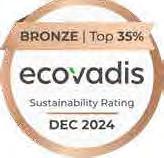
Regular reporting in relation to our progress and approach to climate risks is essential to CIS and we believe prioritising this is key. Through this transparency we share our approaches which is an important contribution to our industry and our clients. CIS has disclosed climate related metrics through ESG ratings platforms such as EcoVadis, where we have derived a score of 60/100, representing 50% increase compared to our 2023 EcoVadis ratings score, and received a bronze badge for our ESG credentials, ranking CIS as the top 35% of rated companies who have conducted an assessment with EcoVadis.
CIS has disclosed climate related metrics through ESG ratings platforms such as EcoVadis, where we have derived an Environmental score of 70/100 for our environmental policies, initiatives, and procedures, representing a 17% increase compared to our 2023 Environmental ratings score. Our commitment towards the climate continues to grow, which is evidenced by our strategic ESG directional approach, our alignment to international frameworks and our evaluation of our various ESG related policies.
In addition to establishing ESG related policies and practices, we also align with external standards to strengthen our processes, reporting and engagement. We have supported the recommendations of the streamlined energy carbon reporting (SECR) and Energy savings opportunity scheme (ESOS). Our objective is to understand the potential financial risks from climate change to CIS, our clients, and communities; how CIS and our clients may be contributing to climate change; and how we can help our clients transition to a low-carbon economy.
We have validated science based targets through the Science Based Targets initiative (SBTi), supported by a comprehensive Carbon Reduction Plan aligned with the Crown Commercial Service’s Procurement Policy Note (PPN) 06/21. In accordance with statutory reporting obligations, we disclose our Scope 1 and Scope 2 emissions through our annual Streamlined Energy and Carbon Reporting (SECR) submission, which forms part of our Financial Strategic Report. To enhance transparency and meet the expectations of stakeholders and emerging regulatory standards, we also publish our full greenhouse gas inventory, including Scope 3 emissions, within our annual ESG Report. This dual reporting approach ensures both regulatory compliance and broader accountability across our value chain.

At CIS we understand that reporting on a company’s climate transition is fundamentally important, thus preparing our climate disclosures to align with Science Based Targets initiative (SBTi) requirements, we follow SBTi guidance to disclose target status, validation references, and the methodology used to set and track targets.
We apply the GHG Protocol Corporate Standard and the Corporate Value Chain (Scope 3) Standard for inventory boundaries and category level methods, and we report Scope 2 on a market based approach where relevant to target alignment, while also disclosing location based figures for transparency. In FY 2025, we had our Science Based Targets (Baseline year FY2024), validated by the SBTi’s Baseline year FY2024 was validated by SBTi (Near term criteria v5.2 & Net Zero criteria v1.2), outlining a clear pathway towards transitioning to Net-Zero.

Scope 3 target (tCO₂e) Scope 3 actual (tCO₂e)
Long-term: 90% reduction in scope 1, 2 & 3 emissions by 2050 Our GHG emissions for FY 25 are illustrated below:
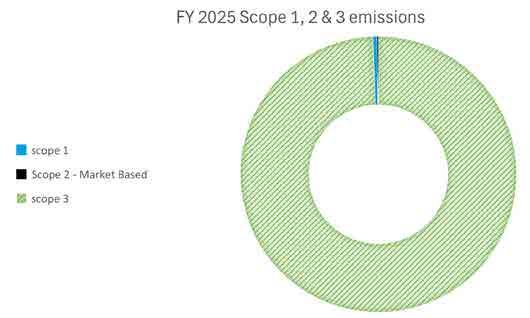

The annual review of greenhouse gas (GHG) emissions indicates that (FY 2024) baseline emissions were 6,179 tCO₂e (market based), compared to 6,485 tCO₂e (market based) for FY 2025. This represents an overall year-on-year increase of approximately 4.95%, suggesting that CIS’s annual business inventory remains relatively consistent despite some fluctuations across scopes and categories.
As of FY2025, Scope 1 emissions were 31.24 tCO₂e ( a reduction of 27.7% vs baseline) and Scope 2 (market based) emissions were 11.12 tCO₂e (a reduction of 50% vs baseline). Combined Scope 1+2 (market based) emissions were 42.40 tCO₂e, a 35% reduction vs baseline and 61% progress toward the 2034 near term target (58% reduction). Scope 3 (total, including FLAG) emissions were 6,442.8 tCO₂e, a 5% increase vs baseline and no progress toward the 2034 Scope 3 target (35% reduction). FLAG related emissions increased to 612.8 tCO₂e and are disclosed separately due to their materiality.



f Scope 1 emissions decreased by 28%, marking a significant improvement.
f Scope 2 (market-based) emissions saw a 50% reduction, dropping from 22 tCO₂e to 11 tCO₂e.
f Scope 3, Category 1 achieved a notable 8% reduction year-on-year,
f Scope 3 Category 6 achieved a notable 13% reduction year-on-year,
f However, despite these reductions, overall emissions remain stable, which is understandable given increases in other areas.
CIS’ values are embedded to building an inclusive and high performing culture across the company whilst supporting the industry and the societies that we operate within. Our colleagues drive our progress through our services across our diversified portfolio of clients, we have the ability to attract and retain a highly qualified and motivated workforce, which is fundamentally important to our business. We work every day to foster a culture of excellence for our people by investing in the growth and well-being of our colleagues, as well as embracing Equity, diversity, & inclusion (EDI) in all aspects of our business. We want CIS to be a place people feel welcome and want to work.
We continue to adapt our culture that ensure that we stay ahead of the curve. We are now at the stage of building upon our culture principles and ensuring an inclusive approach for all diverse groups based on our data, insights, and engagement forums as we have begun to grow substantially over the last few years. Our colleagues, service partners and customers have aided to create the collective identity, pride and culture of equality diversity, inclusion and belonging. Our recent ISO 30415 certification highlights CIS’ robust HR Management and the importance of diversity and inclusion in the workplace. To add, CIS is proud to be the first security company in the world to obtain this accreditation.





At CIS we continually strive to ensure CIS remains a great place to work enabling staff to reflect and develop personally and professionally. We continue to do what’s right by our colleagues, customers, and shareholders. We have a track record ensuring that we are ahead of the curve and setting robust practices that support our entire workforce, enable economic progress while driving CIS at the forefront as a leading independent grown security business. Our people strategy is focused on three key priorities to help us advance the competitive strength of our workforce:
f Continuous innovation in recruiting, development, compensation, promotion, and engagement of colleagues.
CIS’ Recruitment function continues to deliver a series of highly effective and strategically targeted assessment days, including programmes focused on local talent, youth engagement, and female only recruitment initiatives. These assessment activities are delivered both at site level and across the wider organisation, consistently generating strong employability outcomes and supporting a more diverse and representative workforce. Our Recruitment and Operations teams play a central role in designing and facilitating these initiatives, ensuring they are aligned with organisational capability needs and contribute to the long term development of a resilient, skilled, and inclusive talent pipeline.
f Actively seeking out and listening to diverse perspectives at all levels of the organisation
CIS are committed to providing our employees with the guidance and support required to fulfil their roles, developmental goals and ensure we’re best placed to achieve our aims as a Company and community. We have a robust meaningful performance conversation bi-annual, for all our employees, giving them a chance to discuss performance and development objectives.
f Optimising transparency to promote accountability, credibility, and effectiveness in achieving our goals
To ensure that our sustainability performance is independently verifiable, transparently communicated, and aligned with relevant ESG regulatory frameworks, we publish annual disclosures detailing our progress against each of our ESG pillars. Recognising that high quality, decision useful data is fundamental to credible sustainability reporting, the company has embedded a structured ESG data collection methodology that aligns with the Sustainability Accounting Standards Board (SASB) standards for the professional services sector. This approach enhances the reliability, comparability, and governance of our ESG metrics, supporting both regulatory compliance and the broader integrity of our sustainability strategy.
Our priorities are reflected in the culture and inclusivity of our business, and in the impact and outcomes that our people generate.

1. Improve awareness of diversity and inclusion issues in the workplace
2. Promote diversity and inclusion in the workplace
3. Ensure learning environments and opportunities are inclusive for everyone to best achieve their potential
4. Recruiting and managing based on competence and performance regardless of age, ethnicity, gender or cultural background
5. Fostering a culture of Equality, Diversity & Inclusivity
6. Providing training and career development opportunities which is inclusive and based on merit


7. Build an inclusive community, creating a safe and open environment for everyone to talk, share ideas and have a sense of belonging
8. Promote inclusive behaviour
9. CIS Citizenship Forum, creating an inclusive environment for all staff to be part of business developments. Focusing on EDI strategies, culture & healthy working environment practices



In 2019, we adapted and evolved how we work at CIS to enable our colleagues to better integrate work and life, while delivering the benefits of being together in person. We have shifted our approach on working patterns for our head office-based staff, where we have integrated a flexible, hybrid working model. With our vision set by our managing director Neill Catton of being a peoples led business

Inclusions to our staff benefit collection includes:
f HSF Health Cash Plan
f HSF Assist Colleague Programme
f Baby Box
f Cycle Scheme
f Early Pay
f Tastecard & Coffee club
f Colleague of the Month
f Recruitment Bonus
f Birthday Milestone Gift
f Wedding Bonus
f Retirement Bonus
f Blow Your Own Trumpet
approaches:
f CIS is currently working on a new interactive budget calculator in order to assist employees with their month-to-month budgeting.
f Free employee benefits platform which consolidates all CIS staff benefits into one platform.

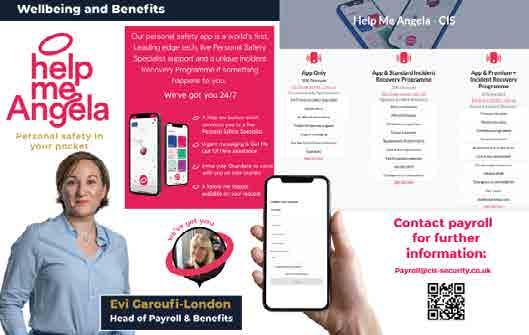


Mental Health and Wellbeing continues to be an essential part of creating a fulfilling workplace for our employees. CIS understands the importance of adjusting to new ways of working and providing ongoing mental Health support. CIS has a Mental Health & Wellbeing strategy group who provides ongoing Mental Health support. Within “The Hub” we have designed various internal and external support leaflets to assist individuals with mental health issues and general advice on healthy living. Additional external helplines have also been shared should individuals feel they need for extra professional support.

nationalities represented across CIS

33% female representation on company’s board/ senior leadership level
30+ Religion types represented across CIS





In 2025, CIS Security delivered a comprehensive programme of employability initiatives designed to widen access to the security sector, support underrepresented groups, and strengthen community partnerships. Through targeted recruitment activity, collaborative programmes, and inclusive hiring practices, we created meaningful pathways into employment and demonstrated our commitment to social mobility and responsible business.
We partnered with West One Shopping Centre and the Metropolitan Police to host a Security Awareness Day, engaging the public and promoting careers within the security sector. Our Senior Talent Resourcing Specialist provided on site employability guidance and showcased vacancies across CIS, reinforcing our commitment to accessible recruitment.

CIS continued to strengthen relationships with key employability partners:
f Launch Group: Collaboration with Ealing Broadway Shopping Centre resulted in 12 individuals securing employment with CIS.
f Growing Talent (PwC): CIS colleagues supported two sessions for Universal Credit claimants, offering industry insight and speed interviews.

f Growing Talent (PwC): CIS colleagues supported two sessions for Universal Credit claimants, offering industry insight and speed interviews.
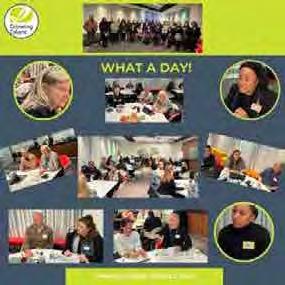


f Employment4All: A new partnership established to support individuals from disadvantaged backgrounds back into work.

f Beyond Food Foundation: Our team delivered mock interviews and employability workshops to individuals rebuilding their lives.
CIS continued to prioritise diversity and inclusion through targeted initiatives:
f Female Assessment Days:
Two dedicated sessions resulted in 19 job offers.

f Inspiring Female Recruitment (International Women’s Day
Two further sessions led to 9 job offers across FOH Elect, London Bridge City, and Operational Response teams.




f Female Recruitment Campaign
A social media and internal communications campaign highlighted female leadership and encouraged women to consider careers in security.
f Lewisham 50+ Job Fair:
In partnership with the DWP, we promoted opportunities to older jobseekers, supporting local employability in the borough where our head office is based.

f ASB Security Ltd: CIS became the first security partner to support ASB Security following their first DWP contract win. An assessment day for 36 SIA licensed candidates resulted in over half progressing to job offers or second interviews.

f Langley Park School for Girls: Our participation in their careers fair generated strong interest in apprenticeships and work experience.
f Brookfield Properties Employability Programme: CIS supported a two week programme including CV development, interview skills, and a four day work placement. 12 participants expressed interest in completing their placement with CIS.

CIS delivered a series of high impact assessment days across the year:
f Operational Response Assessment Day: Resulted in 18 job offers, including 3 female candidates, with further events planned in partnership with Ingeus and ASB Security Synergy.
f 22 Bishopsgate Recruitment Day: With 32 attendees, the event led to 20 job offers (12 for the site and 8 elsewhere), receiving excellent feedback for its rapid turnaround and candidate quality.

f Ingeus Assessment Day: 31 candidates attended, with 10 job offers made, supporting individuals overcoming barriers to employment.
f DWP Employability Disability Event: Four attendees expressed strong interest in CIS roles, with one progressing to interview.

f DWP Camden & Capital City College: 26 candidates were invited to further interviews, including 6 women, with exceptional feedback and plans to formalise a partnership.

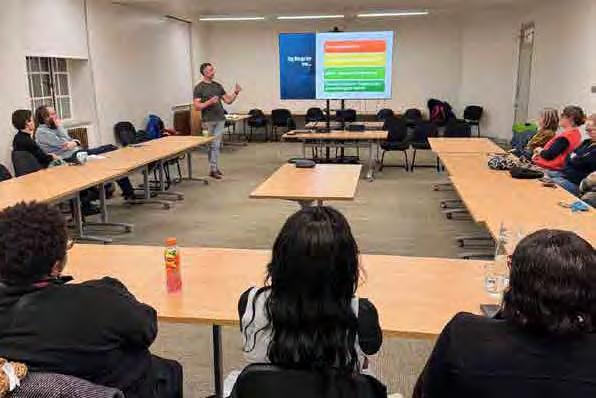
f Minster Building Recruitment Fair: In partnership with Circle Collective, CIS supported young people not in education, employment, or training by providing career insights and site tours.



CIS continued to invest in future talent and inclusive hiring:
f 11 security apprentices were actively employed during the financial year.
f 115 job offers were made through social value recruitment partners, including Ingeus, Maximus, Job Centres, Skills for Security, local councils, and Reed. These partnerships support individuals facing barriers such as disability, health conditions, criminal records, gender based inequality, and long term unemployment.
CIS recognises that learning and development is the process of acquiring and developing knowledge, skills, capabilities, behaviours and attitudes through learning or developmental experiences for all employees and customers. It ensures that the employees and customers obtain knowledgeable, skilled, engaged and committed workforce. Below highlights some of the robust colleague development programmes CIS has to offer.
The leadership programme is a year-long award-winning programme. Candidates who intend on joining the programme have to complete an application and assessment process and if accepted will embark on a multiphase learning programme with multiple topics (such as High performing leaders, TED talk, Crime prevention, CPTED), home based learning, guest speakers, mentoring and tutorials, and self-reflection. In 2024, 10 candidates participated within the programme.
The senior leadership forum is a forum which consists of ‘Tier One’ and ‘Tier Two’ participants. The forum has formal and informal meetings, cluster groups that instigate training events, added confidence that allows people to step outside their comfort zones, simplistic communication processes that have resulted in support being offered, invitations extended and the sharing of information, expertise and intelligence.
3-stage Programme with excess of 100 participants. The students study a variety of theoretical and security-based behaviours and competencies, participate in knowledge checks and complete self-reflection. The top-three students are offered the ‘Golden Ticket’ which enables access directly onto the Leadership Programme.
Run by our qualified trainer Paula, the aim of this course is to provide learners with a great understanding and improved customer service skills above those obtained from candidates completing the Highfield Level 2 customer service (RQF) course. This will then become a stepping stone for learners to be able to attend a World Host course in the future.
The qualification has been written to give learners the knowledge and understanding of effective customer service in a variety of work environments.
Topics covered include:
f The principles of customer service
f How needs and expectations are formed
f Interpersonal skills
f Appropriate behaviour
f Responding to problems and complaints.
The 5* Customer Service is a bespoke, in-house training which relates customer service back to security, addresses equality, diversity and inclusion and provides the team with 3 easy steps to follow when interacting with people and providing customer service.
Each of these 3 steps are then broken down into what type of things they need to consider within each step, what skills they may need in each of those steps and how they can go about building those skills. These include things like creating a great first impression, choosing the correct attitude, communication, empathy, last impressions and more. The team are then given scenarios to preform to give them an opportunity to practice the new skills and give feedback to one another.
In addition to this, there is a verbal quiz as well as questions and observations made throughout the training to ensure they are learning.

In relation to First Aid and Pre-hospital training, CIS’ development with QualSafe as a new awarding body has ensured robust training delivery to our various colleagues such as the 5-day First Response Emergency Care (FREC 3) courses, which has been a great addition as our colleagues have been able to take rapid action in documented lifesaving incidents as a result of this level of training being provided to our teams.
Run by our Security specialist Simon Riley, whose delivery course is renowned across various industries, public and private sectors. Ensures delegates are equip with the knowledge and skills necessary to effectively deploy behaviour detection techniques to detect, deter, delay or detain persons engaged in the commission, preparation or instigation of acts of criminal activity.
EdApp
Our e-learning fundamental learning platform EdApp, is available to all our colleagues and complements our various face-to-face learning. We have a total of 14 Courses that are live in EdApp and 3 remaining courses currently with EdApp developers to be converted and added towards of extensive list of training courses available to our colleagues.





CIS has recently launched bespoke command and control training for our colleagues and selected clients where feasible that may have to assume command during an incident, from a water leak to a multi-agency response. The course will build on the skills, procedures and principles to ensure everyone in an incident at strategic, tactical and operational command, performs responsibly and efficiently.
Command and control is the authority and capability of an organisation to direct the actions of its personnel and the use of its equipment. The principles of command and control are scalable. They can be used to resolve incidents ranging in size and scope, from a local issue to a major incident. An incident may be part of a wider multi-agency response and have far-reaching consequences, in which case blue light and other emergency responders will follow the Joint Emergency Service Interoperability Principles (JESIP). It is essential that the language of command and control is clearly understood when responding to an incident, particularly where the response involves partner agencies.
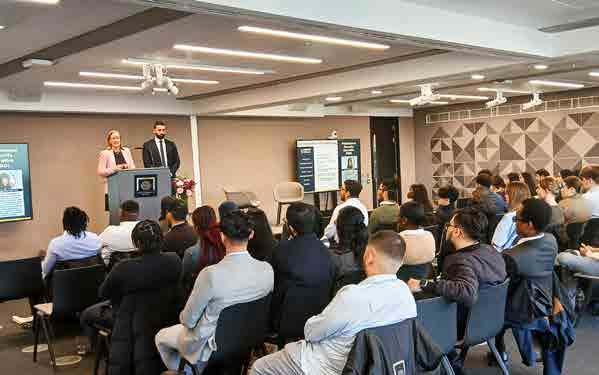


Command during an incident is a complex amalgam of critical thinking and decision-making skills. The command-and-control programme will reflect this complexity ensuring decision makers have the knowledge and skills required to prepare for the role. Good command and control structures will assist decision makers to make the most of what they have in terms of people, information, material, and most important the time available.
The aim of this programme is to provide learners with the theoretical and practical skills that are required when conducting a strategic and or tactical decision-making role within an incident. The learning will include an overview of the command-and-control concept, the application of decision-making tools, underpinning legislation and policy, communication, and the importance of audit trails.
Understanding command and control principles and the effective application will ensure a standard and consistent approach when responding to incidents. More significantly it will provide decision makers a better understanding of the importance of collaborating with other partners including emergency responders. Following the principles and ensuring interoperability during major, complex incidents including or fast-moving scenarios will enhance the opportunity to protect and save as many lives as possible.
ESG factors have gained significant importance in recent years as a critical component of enterprise risk strategy. Integrating ESG considerations into our risk management ensures an awareness to identify and mitigate potential risks and enhance long-term sustainability. We have incorporated ESG into enterprise risk strategies as follows:
Our approach to ESG recognises the environmental impact of our business activities and aims to mitigate risks associated with climate change, pollution, resource scarcity, and regulatory compliance. E.g., Working with uniform and energy suppliers. We are taking steps to ensure this impact is reduced as far as possible, 100% sourced renewable energy for Head Office operations and recycled uniform provisions and advising our suppliers on their policy and strategies. Identifying these impacts allows us to manage the potential impact of environmental factors on our operations, supply chain, and reputation. Our strategies incorporating our risk to not only set best practice but also to work with those that strive to be best in class in their own methods to measure and reduce environmental footprint.



We provide services to people, commercial and residential properties. We pride ourselves on being the best at supplying quality personnel, and therefore how we support our workforce both in work and local areas.
Our approach is to ensure we keep social factors related to human rights, labour practices, community relations, diversity and inclusion, and customer satisfaction as a primary goal in our enterprise risk strategy. To enable this ethos, it involves understanding the social impact of CIS’s activities and our supply chain, including potential risks related to labour, community presence, potential negative public perception, and stakeholder engagement. Assessing and addressing these social risks ensures we build on our reputation, demonstrate quality resilience, trust, and confidence with our stakeholders, and attract and retain talent and core business remains with us as trusted partners.
We are very aware of the rules, practices, and processes through which we are measured and compared. Striving to attain the highest scores through best practice with our annual audits. Our governance risks encompass issues such as board effectiveness, ethics, corruption, and compliance. Incorporating governance risk into our enterprise risk, evaluating the effectiveness of governance structures, ensuring transparency and accountability, and adhering to regulatory requirements and industry best practices are fundamental practices to guide how we do business.

Key functions to achieve the above include:
f Integrating ESG considerations into the organisation’s risk appetite and risk assessment frameworks.
f Establishing ESG metrics and targets to measure performance and progress.
f Engaging with stakeholders to understand their ESG concerns and expectations.
f Ensuring clear accountability for ESG performance at all levels of the organization.
f Reporting and disclosing ESG information to investors, regulators, and other stakeholders.


We recognise that every service provider within our value chain plays a critical role in supporting our decarbonisation pathway. Given that the majority of our contracts require continuous 24/7/365 physical security provision, our operational presence offers a unique opportunity to contribute meaningfully to our customers’ sustainability objectives and environmental performance. By integrating environmental stewardship into frontline security operations, we help reduce resource consumption, strengthen biodiversity outcomes, and support compliance with emerging ESG regulatory expectations.


Outlined below are examples of the environmental actions undertaken by our Security Teams, which collectively help minimise the environmental footprint of the portfolios we manage:
• Energy efficiency oversight - identifying electrical equipment, lighting, and other energy consuming assets left operating in unoccupied areas during patrols, and reporting these to customers to reduce avoidable energy use.
• Biodiversity and greenery monitoring - observing and reporting damage to landscaped or natural areas to support biodiversity preservation and the protection of habitats within customer premises.
• Waste management support - assisting in monitoring waste disposal practices to ensure occupiers segregate waste correctly and comply with site specific recycling and waste reduction requirements.
• Water-efficiency collaboration - supporting engineering teams during shared patrols by conducting flushing checks and monitoring water usage across systems such as sprinklers, washrooms, and other water-dependent infrastructure.
• Leak and drainage monitoring - identifying leaks in external water features and ensuring drainage systems remain unobstructed to prevent flooding events that would require additional resources and environmental remediation.
Through these integrated operational practices, our security teams contribute to reducing environmental impacts, strengthening resilience across customer estates, and supporting broader compliance with sustainability-related regulatory obligations.
Moreover, as a company we understand that making changes in how we operate plays an important sustainability action to achieve a wider goal. For this reason, we have trailed recycled uniforms for our security professionals on customer portfolios and have also distributed thermal water bottles across key customer portfolios to reduce the plastic usage within the premises we operate in.
We understand more needs to be done in achieving joint goals, which is why our emission reduction initiatives have played a significant role in reducing our customers scope 3 emissions. CIS has ensured that our service providers are also aligned with our goals through out enhanced due diligence processes.
We understand that organisations are increasingly required to demonstrate credible, evidence based ESG performance, yet many face challenges in navigating complex accreditation frameworks, regulatory expectations, and stakeholder scrutiny.
Our ESG Advisory Services provide specialist, non competitive support designed to complement, rather than replace, internal sustainability functions. Launched to assist our customers or suppliers if needed on academically grounded, operationally practical guidance that strengthens organisational resilience, enhances reporting integrity, and accelerates progress toward recognised ESG standards.
Our subject matter experts work collaboratively with customers to assess building credentials, refine governance structures, elevate reporting quality, and build internal capability through targeted training, ensuring organisations can meet evolving expectations with confidence and credibility.

Our Specialist ESG Services Include:
• Green Building Accreditation Review - Assessing building credentials to determine eligibility and readiness for recognised green building certifications, ensuring alignment with relevant environmental performance standards.
• ESG Tender Procurement Advisory - Supporting the development, review, and refinement of ESG related tender questions and responses, enabling organisations to demonstrate robust sustainability commitments in competitive procurement environments.
• Award Winning ESG Submission Development - Crafting compelling, evidence based ESG award submissions that articulate impact, innovation, and measurable outcomes.
• ESG Policy Review and Enhancement - Conducting comprehensive evaluations of existing ESG policies, frameworks, and documentation, followed by clear, actionable recommendations to strengthen governance and compliance.
• ESG Strategy Development - Drafting tailored ESG strategies that integrate organisational priorities, stakeholder expectations, and recognised best practice to drive long term sustainability performance.
• ESG Reporting Services - Producing high quality ESG reports that align with leading disclosure frameworks, enhance transparency, and communicate progress to stakeholders with clarity and credibility.
• Specialist ESG Training Programmes - Delivering tailored training on waste and recycling, biodiversity, and ESG fundamentals to build internal capability and embed sustainable practices across operational teams.

At CIS we believe respecting human rights regardless of where we operate is key and we are fully committed in relation to this. We frequently engage with a variety of key stakeholders, such as clients, service partners and suppliers, and employees as well as experts in relation to this field and civil society organisations to support our efforts in line with the Human Rights Act - UK law passed in 1998 initiated to treat everyone equally, with fairness, dignity, and respect.



Our employees are regularly trained on such matters through our mandatory training on our e-learning app and in person during our induction sessions. We also ensure all service partners and suppliers adhere to our modern slavery and human trafficking policy and procedures who also go through strict screening compliance procedures as part of our vetting process.

CIS has employees who are represented by unions and works councils in a number of countries where we operate. We engage directly with our employees and through these associations to discuss issues such as health and safety, remuneration, work hours, training, career development, work time flexibility and equal opportunity. Information related to freedom of association is communicated to employees through various mediums, including employee handbooks, our intranet and employee emails.
All CIS employees are free to join trade unions and we are open to engaging directly with our employees and through these associations to discuss issues such as health and safety, compensation, training, working hours and flexibility, training, equal opportunities and development.
Our focus for 2026 is to:
f Continue to identify new ways to strengthen our procurement processes
f Streamline our robust screening process through software platforms
f Safeguard whistle- Developing protection regimes to ensure that classified and otherwise confidential information is handled properly.

CIS has a great focus on our supply chain and service partners. The ESG department leads our efforts in ensuring that our decisions support our sourcing priorities:
f Expand and support diverse, gender representation with our suppliers and service partners
f Encourage service partner and supplier ESG related initiatives
f Positively and negatively screen our service partners and suppliers on best practice through our robust ESG due diligence process.
Throughout our previous financial years, we held service partner and supplier conferences to deliver our message on our approach towards gaining partnerships which embeds a diverse and a mix of gender representation throughout the companies we work with.




As we have multiple clients throughout the regions we operate within, we tend to work with multiple service partners and suppliers and where feasible we work with local suppliers and service partners to deliver a robust service. We also encourage correlation on ESG related initiatives with our suppliers and service partners which ranges from ESG awareness training, local community engagement and charitable initiatives which align with our charity partner London’s Air Ambulance.
To ensure a sustainable supply chain, our robust ESG due diligence process where we positively and negatively screen our suppliers and service partners on best practice.




There are 3 main stages within the procedure:
1.Send our ESG due diligence questionnaire to service partners and supplierswith questions based on the company’s procedures and documents in relation to each of the ESG pillars.
2. ESG department conducts a site visit to ensure the processes and documents within the questionnaire align, while speaking to relevant staff members to gain further understanding.
3.A summary of the visit will be documented which will form part of the internal scoring metrics along with the questionnaire.




During FY2025, CIS responded decisively to the Science Based Targets initiative (SBTi) Net Zero Standard’s urgent call for accelerated corporate climate action by securing formal validation of our near term and long term science based targets. This validation confirms that our organisation’s decarbonisation trajectory is aligned with the SBTi’s stringent criteria for company wide emissions reductions consistent with a Net Zero future.
In the same reporting year, we strengthened our external ESG credentials by achieving a Bronze sustainability rating, positioning CIS within the top 35% of assessed organisations. This independent recognition reflects the maturity of our ESG governance structures, the robustness of our disclosures, and the progress we continue to make across our environmental, social, and governance pillars.
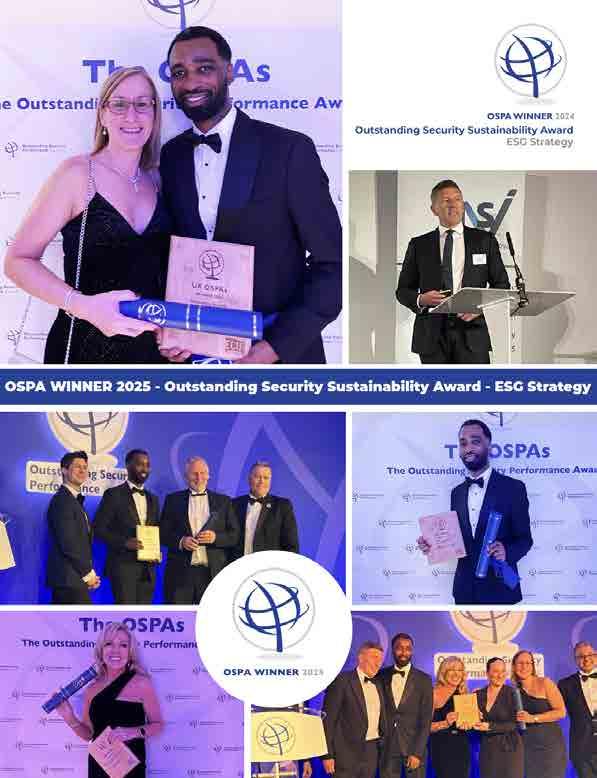
A further highlight of FY2025 was our success at the UK Outstanding Security Performance Awards (OSPAs), where we secured the Sustainability Award for the second consecutive year. In addition, the company was shortlisted as a finalist in both the Global and Ireland OSPAs sustainability categories, underscoring our leadership within the security sector and the credibility of our sustainability strategy.
Looking ahead to 2026, we will broaden our ambition by pursuing ESG related awards beyond the security industry. This strategic shift reflects our commitment to demonstrating that our sustainability approach is not only sector leading but also competitive and resilient when benchmarked against wider cross industry ESG standards.