Editor’s Note

Heather Gosling Editor-in-Chief
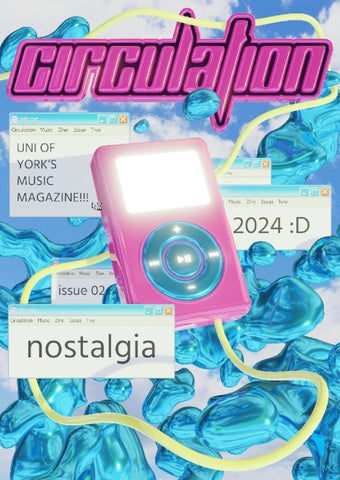
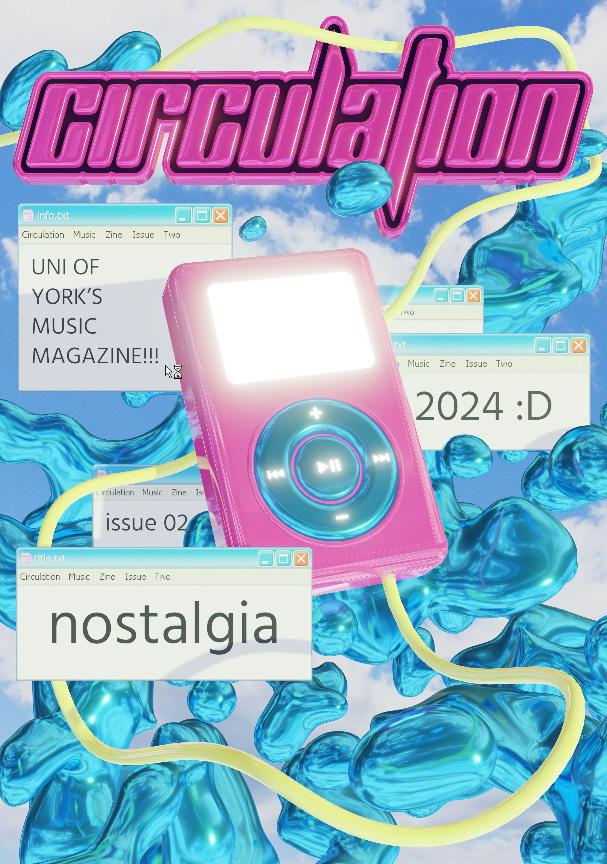
Welcome to Circulation! We are back with Issue Two, which is bigger and better than ever before! Circulation has come a long way since our first issue. We had a great time at the York Student Media awards and won Highly Commended for Best Branding and Design! The theme of this issue is nostalgia and how it appears in music throughout all the decades. On page 1 Ruby Thorpe takes us through songs that remind them of past summers. Grace Clift disusses how artists such as Lana Del Rey tap into faux nostalgia. Mia Bladon investigates the nostalgic queer resonances on dancefloors such as Studio 54 (see our photography page to be taken back in time to this New York nightclub). We also have some gig reviews of Noah Kahan and Taylor Swift concerts as well as a review of Blink-182’s comeback single. Matthew Ennis explores the ‘Murder On the Dancefloor’ effect. Matthew Appleton from Catch! and Tom Foreman from the Upstarts reflect on the process of recording their new music. We also have a Circulation One’s to watch page for emerging artists. We hope you enjoy our magazine! Welcome to the inner circle.
To get involved, check out our Instagram: @circulationzine, or send us an email if you have an idea for an article: circulationmagazine@yorksu.org. Happy reading!,
What songs make you feel nostalgic?
Good time - Carly Rae Jepsen and Owl City
Lady (hear me tonight) - Modijo
Alberto Balsam - Aphex Twin
About you now - SugaBabes
Best Song Ever - One Direction
Replay - Lyaz
Northern Downpour - Panic at the Disco
Birdhouse in your soul - They Might be Giants
Ceilings - Lizzy McAlpine
Can’t Take My Eyes Off You - Frankie Vallie

Credits
Heather Gosling Editor-in-Chief
Amber Loveridge Deputy Editor
Matthew Ennis Designer (inner pages)
Joshua Brown Designer (front cover)
Eden Hartley Secretary
William Brooks Treasurer India Rawlinson Press and Publicity
Matilda Harrod Events organiser

CONTENTS Soundtrack Ideas Reviews In Depth:
BY RUBY THORPE

The Soundtrack of Summer Nostalgia
Ruby Thorpe describes the songs that remind them of past summers and the nostalgic feeling of music
BY RUBY THORPE

I think one of my most treasured memories from my childhood occurs during summer, and the experiences I have with my family. We went on many road trips around the UK and Ireland, and our summer’s had a soundtrack of radio hits before bluetooth and only a few CDs found in the glove compartment. Music was a constant in my family, whether we were cooking, eating dinner, in the car, or just needed a dance. Therefore, here are my top 5 songs that send me back to my teenage summers and childhood memories, something I should have treasured more at the time but look back at with such fondness.
‘Monkey Man’- Amy Winehouse
Back to Black by Amy Winehouse is probably the most played album of my childhood, something many people can probably relate to. This track was one of my grandparents’ favourites and soundtracks out of my most treasured memories: dancing around the kitchen with my grandma and sister. Something about this song just makes you want to dance, which Amy Winehouse accomplishes with many of her tracks, but the distant memories of a discordant ‘aye-aye-aye’ brings ‘Monkey Man’ to the top of my list.
‘River’- Joni Mitchell
I have very vivid memories of falling asleep on late night drives to the album Blue by Joni Mitchell. ‘River’ just reminds me of drawing little pictures in the condensation on the windows and the hum of the engine after a long day. It was also one of the songs my mum sang to me as a baby, but has stayed with me ever since. I think the lyrics and haunting but beautiful voice of Mitchell allows me to look forward, guided by her wisdom, but also sends me back to ponder on my teenage years.
Image: Pixabay
‘Polly Put the Kettle On’- Kitty, Daisy and Lewis

One of the more niche tracks on this list, but this swinging blues and R&B, inspired trio are a summer essential. The multi-instrumentalists display an amazing array of tallent between them with timeless voices that send you back to the 60s, despite their self-titled album being released in 2008. Tracks like these are brilliant for BBQ weather as a child, where you’re already sticky from melted ice lollies, and ready to put too much ketchup on your hot dog.
‘Diamonds on the Soles of Her Shoes’- Paul Simon
This song was usually complemented with a complete listen through of Graceland, one album my family comes back to every year. This song reminds me of refusing to put on suncream and getting too embarrassed from your parents’ dance moves, while they are childhood necessities they seemed mortifying at the time. My 8-year-old sister took a particular liking to this song, I do not know why, but I do think her biggest wish was to have ‘Diamonds on the Soles of Her Shoes’. As a consequence, we were all quoting this track for many years to come.
‘Shotgun’- George Ezra
Although maybe the worst pick on this list, no Summer playlist from the late 2010s is complete without ‘Shotgun’ by George Ezra. Even if we cannot listen to it now without cringing, there is always a brilliant flashback to beach days and good weather. Thankfully I managed to relive this last Summer at Latitude Festival where I got to see this song played with 40,000 other people, an immaculate British summertime experience.
Some songs over the past 19 years have just stuck with me. I find myself knowing all the lyrics to albums I have only consciously heard a couple times, just because it was an anthem for my parents while I was growing up. One of the reasons I love music so much is because like a familiar smell, music has the power to tap into the near forgotten memories. It also spikes the imagination; I find myself looking forward to the future when certain songs play, thinking about my future family, parties with my friends in my first apartment and travelling around the world. Somehow, it sends me back to events that have not already happened.
Faux Nostalgia, and Why We Love It
Grace Clift discusses how ‘faux nostalgia’ has taken over the music industry
BY GRACE CLIFT
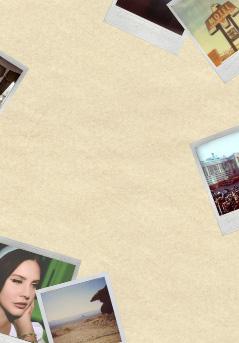
The music industry has always loved nostalgia; inspiration from older classics is essential to creating a hit within the current day. Recently, though, there has been a shift towards something more intense than simply inspiration – the manufacturing of what I’m calling ‘faux nostalgia’. Faux nostalgia is the intentional actions of music artists and teams to produce a sense of nostalgia for a time that never really existed, or a time that their audience never experienced. Artists like Lana Del Rey are experts at this tactic, and it’s not a negative one. What does it say, though, about how and why we’re listening to music like this? My intrigue with faux nostalgia emerged when reading Emily Bootle’s debut essay collection, This Is Not Who I Am: Our Authenticity Obsession. In it, Bootle discusses the ways in which artists can forgo authenticity through personas, or carefully curated aesthetics. Calling it ‘post-authentic metafiction’, Bootle focuses on the way that Lana Del Rey captures ‘elusive emotions such as nostalgia and longing using what feel like highly specific image references’ – particularly classic American imagery. She is an artist deeply connected with the idea of“old America”, a patriotic and glorified historical image of America. Her song ‘National Anthem’ is perhaps the clearest example, alluding to the love affair between President John F. Kennedy and Marylin Monroe.
While Bootle focuses on how this sense of nostalgia links to authenticity, I wondered at the relative youth of Lana Del Rey’s original fanbase, and how music so entangled with nostalgia appealed to such an audience. This longing for a time never experience is called anemoia, and Joshua Foust notes the disconnect between what people long for and reality: “The elderly people now who pine for the 50s aren’t exactly remembering how tumultuous that period of American history was — and neither are the people now pining for the early 90s.” Del Rey is not the only artist using this effect; beabadoobee’s 90s crashy rock, paired with 90s and y2k fashion, creates an imaginary space that seems unique to beabadoobee’s existence. The experience of listening to her music is not just emulative of the 90s, but transportive to an original beabadoobee universe.
By creating an idealised version of the era the artist is emulating, we can escape to a different reality; one that seems more pristine and distanced from our own. In politics, we can see this in Trump’s campaign to ‘Make America Great Again’, and the Brexit Leave campaign’s phrasing of ‘taking back control’. If we’re dissatisfied with the present, it’s easy to see the past as a time where things were simpler, regardless of the more complex truth. A teenager interviewed for MEL about listening to songs from before their time said, “I guess it makes me think that there was a better time, or a time when people in this country felt better.” Foust calls this a ‘head-in-the-sand reaction to uncontrollable forces acting far away’,so it’s clear that this approach to music can harbour some harmful consequences, like political ignorance. However, music that creates a faux nostalgia can also be a brilliant mental health tactic.
In an era where transgender and abortion rights are at threat and safety is not guaranteed, the grainy, soft grunge world of beauty that Lana Del Rey creates is a refuge where we can refuel. It’s bizarre that the eras we tend to escape to through music are the very eras that these injustices were rampant. Through modern versions of older music, we gain some sense of control over the music of the era. Without safe spaces to sink into, we cannot maintain the energy needed to protest in our real world. The reason that faux nostalgia is becoming more popular in the music industry is because audiences are requiring more time-out from an increasingly hectic world. The appeal of a false era is only getting stronger. Next time you turn towards the aestheticised world of another artist, consider what’s turning you towards it before you sink in.
Stepping through the doors of the 1970s’ most beloved nightclub, Studio 54, I am consumed by crowds of camp fashion, extravagance, and glamour. Submerged in a sea-change of queer celebration, clubgoers joyously match the rhythms of bass grooves and quirky synthesisers, their psychedelic bell-bottom trousers brushing against the neon dancefloors. Overhead, a coruscating centrepiece of sparkling mirrors cast waltzing constellations of light across the club, caressing the skin of the bodies that ebb and flow within the crowds below. Glistening cocktail glasses brimming with creamy fruit concoctions embellish the bar as Diana Ross’s beloved chorus, “I’m coming out; I want the world to know; got to let it show,” rings out across the room..
Ross’s ‘loud and proud’ earworm echoes in my headphones, as if reverberating from a faraway place. I gaze around at my surroundings, as if suddenly awoken from a dream, and notice my mobile phone beside me, displaying the black and white cover of Ross’s album on its screen. I might have been listening to the slick grooves of disco-era anthems in the twenty-first century, but a wave of nostalgia for a time that I had never lived in had emerged from somewhere in the music, swept me up, and transported me to the faraway kaleidoscopic colours and camp of the 1970s and 80s.
As a young queer woman, it’s not surprising that disco music resonates with me. There’s something so bold, and bright, and proud, burning (like The Trammps’s ‘Disco Inferno’) from within the sensual basslines of Nile Rodgers, and the unashamed lyrics of Sylvester, CHIC, and the Bee Gees. It’s no coincidence that queer icon Sylvester’s trademark tune, ‘You Make Me Feel (Mighty Real)’, proves a crowd-pleaser at the local Pride parade every year.
5
Meanwhile, the Bee Gees’ funky disco anthem ‘You Should Be Dancing’, featured in the iconic 70s film ‘Saturday Night Fever’, entices clubgoers to the dancefloor with its hook that convinces listeners of an inner, irresistible compulsion to ‘let loose’ and dance the night away beneath the revolving glitterball. In their upbeat, groovy track ‘Everybody Dance’, CHIC’s repetition of imperatives throughout the chorus encourages crowds to “clap [their] hands, clap [their] hands”. To me, there’s something inherently bold, proud and queer about being the first on the dancefloor, or being the first to unashamedly obey CHIC’s command to clap in time to the music. There’s something about these choruses that transport me to the queer celebrations of Studio 54.
The transgressive lyrical content of 1970s-80s disco songs reaffirms the status of Studio 54 and similar nightclubs as vibrant sites of queer solace and community in a largely homophobic society. In spite of the Village People’s brass-laden singalong ‘YMCA’ instructing listeners to “put [their] pride on the shelf”, the neon discos of the 70s and 80s wholeheartedly embraced Pride in a different sense, the LGBTQIA+ sense, whisking it off of “the shelf” and vibrantly encouraging clubgoers to take to the dancefloor with it. Somewhere deep within the nostalgic mist of childhood memories, I recall hearing ‘YMCA’ for the first time as a very young child, perhaps three or four years old, climbing on the chair next to the hi-fi system and playing with the CDs in my grandparents’ living room.
The triumphant hit, with its universally-beloved dance moves, unsurprisingly became a staple at school and summer holiday discos throughout the years. However, a distinctive dreamlike nostalgia for something I never experienced, something preceding these memories from early childhood, comes to life, somewhere from within the nostalgic mist, as it thickens. Somewhere in these memories are dreamlike visions of faraway dancefloors, distant glitter balls, and Diana Ross’s ‘loud and proud’ chorus resonating from the depths of nostalgic mist; perhaps not from an otherworldly speaker system, but from somewhere in my heart. Music transcends generations, and my lifelong relationship with disco music demonstrates its ability to take you by the hand and lead you into nostalgic wonderlands you dream of exploring.
BY MIA BLADON
“Stepping through the doors of the 1970s’ most beloved nightclub, Studio 54, I am consumed by crowds of camp fashion, extravagance, and glamour.”

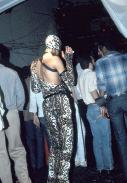
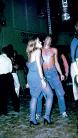
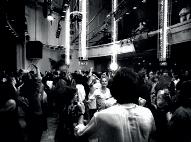
Images: Flickr Manel Armengol

Taylor Swift Eras Tour review
BY CARA DOHERTY
Taylor Swift has long traded in nostalgia, with The Eras Tour its most recent manifestation. The concept of ‘eras’ themselves, the idea that one can comprise and memorialise their life and life’s work - for an artist as self-referential as Swift, often one and the same - into a series of snapshot aesthetics is a concept that has animated fans and ticket sales alike. In practice, The Eras Tour is a masterclass in memory writing and rewriting - it is no surprise that fans old and new have fought their way to packed stadiums to reflect on what it means to listen to Taylor Swift.
Opening the 3 hour and 15 minute musical marathon are pastel-pop hits from 2019’s Lover, a pre-pandemic (and Travis Kelce) heart-shaped time capsule for many. Swift has a controlled but dynamic energy, easily breezing through choreography and costume changes. I was worried that the interludes between each act might stagnate the concert, but these brief pauses were always visually interesting whether that be through projection, choreography or even physical comedy. To reflect on each of the 45 songs would be impossible and unnecessary - crucially, the standard of performance only seemed to raise throughout the course of the night, with the setting sun expanding the visual potential of the concert with light shows and pyrotechnics. For me, the highlight of the evening was 1989 - after the intensity of folklore / evermore, I needed to Shake It Off.
The places in which this tour and the eras concept itself really shines is in the scope it allows Swift to reach, as for every country-twanged ballad there is a mega-platinum pop single. It’s a concert that stresses the success of the artist’s range, of how she has changed with time and its trends. Meanwhile, the distinction of each act, highlighted with considered nods to past costumes, aesthetics and music videos create little moments of reflection on past and present. New memories are layered onto your experiences with her music, prompting responses of “I’ll never listen to this one the same again” following familiar favourites. With Swift, nostalgia works in real time.
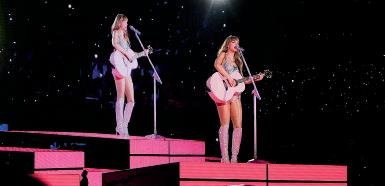
Image: Paolo Villanueva

Noah Kahan at the O2 Arena
BY EDEN HARTLEY
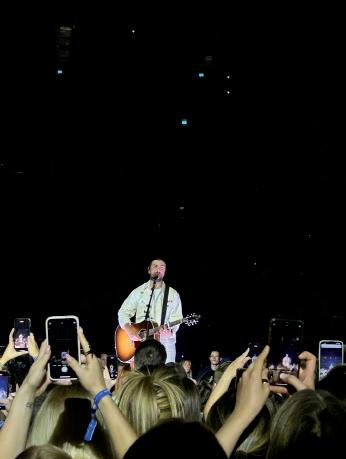
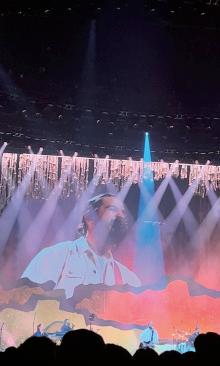
Noah Kahan’s 2023 folk album ‘Stick Season (We’ll All Be Here Forever) that skyrocketed the talented musician into stardom, sent him and his band on a world tour, now arriving in the UK and Europe for the summer. Playing for two sold out shows at the o2 Arena was as surreal for Noah as it was for his fans, as he mentioned during his performance that the last time he sang for London it was to a show of 100 people! The joy of performing to 20,000 fans that sang along to every song was evident on Noah’s face as he danced and played with his band on stage throughout the evening.
The concert began with a supporting act from Maisie Peters, a London-born singer-songwriter who along with her own tours has recently supported Coldplay and even played at Taylor Swift’s ‘Eras Tour’. Her emotional lyricism and story-telling captivated the audience and excited them for what was to come.
Despite having been on tour for almost two years, Noah’s two-hour long presence on stage, including an encore, was incredible. Noah was clearly feeling nostalgic that night, as he played songs not just from his most recent album, but also 2019 hit ‘False Confidence’ and ending the entire set list on his first ever single from 2017, ‘Young Blood’, as a way to thank the fans that had been there from the beginning. The musician demonstrated his sincere connection to his fans by inviting someone from the crowd to come on stage and play ‘Maine’ alongside him, as well as by playing two songs including ‘Growing Sideways’ as an acoustic set on a second secret stage in the centre of the floor section, as he said he had always wanted to be as close to his fans as possible. Noah Kahan’s concert was a cathartic night to remember - the appearance of the singer in an all-white outfit, ‘like Jesus’ he joked, snow and autumnal leaves falling from the ceiling onto fans and the stage, signings of denim jackets and zoloft prescription boxes, and a magical array of banjo, guitar, and violin-filled music with powerful lyrics screamed by fans and Noah Kahan himself.

Whatever Happened to Blink-182 since the 90s?
BY LAUREN WILSON
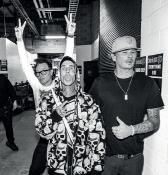
The brand new Blink-182 single ‘No Fun’ sees Tom DeLonge asking “whatever happened to us since the 90s?” A lot has certainly happened to the band since their formation in 1992. In 2022, Delonge returned to Blink after a seven year absence. ONE MORE TIME…, produced by the band’s own Travis Barker shortly after, was the first album with this line-up since their 2011 Neighbourhoods. It signalled the triumphant return of the pop-punk pioneers with unfaltering energy, while being a testament to their friendship. After Mark Hoppus’ recent battle with cancer, the band were not afraid to get sentimental and move beyond any animosity. The result was an album at times cringeworthy in its humour, at others deeply introspective. It was simultaneously an amalgamation of Blink’s entire discography and a record of their evolution.
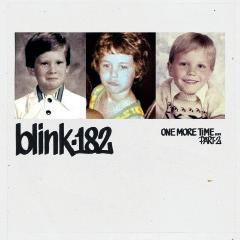
Almost a year on, the trio have just released two new singles from their upcoming release. The deluxe ONE MORE TIME…PART-2 is due to release September 6th, and will feature eight new songs. The 2023 album’s elliptical title is now resolved, speaking to Blink’s longevity as a band who have come full circle in the last thirty years. The artwork is slightly different from that of its predecessor; the band members are replaced with pictures of them as children, suggesting strong themes of nostalgia. The first of the singles, ‘All In My Head,” confirms this. The guitar work at once captures the quintessential Blink sound, while evidently being inspired by DeLonge’s side project Angels & Airwaves. My favourite of the two, DeLonge and Hoppus’ shared vocals and lyrical immaturity is just like old times. ‘No Fun’ keeps the nostalgia going with its indulgently angsty and wistful lyrics. Describing being stuck outside of a house party, the singer could be a misunderstood teen rather than a middle aged father. DeLonge reminisces about “touring in a band when [he] was eighteen,” while being slightly contemptuous that “there’s no fun anymore.” The song is certainly for old fans though, with a riff that sounds lifted straight from ‘Enema of the State’ or ‘Take Off Your Pants’ and ‘Jacket’.
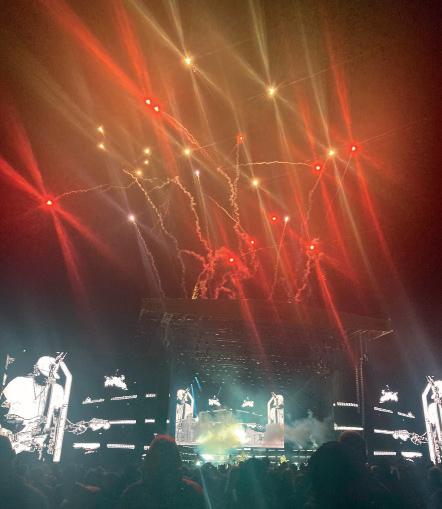
Amidst these releases, Blink were one of the headliners for Leeds Festival 2024. The festival was full of people just there for Blink, including myself. Their set was something I’ve anticipated for a long time; the firework displays, bad dance moves and phenomenal setlist were everything I imagined. They opened with ‘Feeling This,’ followed by a string of classics, new material and unexpected oldies such as ‘Not Now’ and ‘Man Overboard.’ Even more unexpected was a mashup of songs by Hoppus’ and DeLonge’s respective bands outside of Blink: ‘When Your Heart Stops Beating’ by +44 and ‘There Is’ by Box Car Racer. The band kept up the same childish banter between songs, but inevitably there were some more sobering moments. The two frontmen reflected on their journey as a band, looking genuinely grateful to be here now. They also played the brand new and unheard ballad ‘Can’t Go Back,’ proving that they can be serious sometimes. The set’s encore consisted of ‘ONE MORE TIME,’ accompanied by a montage of the band when they were young. A song that lyrically deals with the devastating events inspiring their reunion, it was an emotional moment for the band and their fans alike, and a perfect finale. A year ago, ‘ONE MORE TIME…’ paved the way for a future for Blink-182. The album’s alchemy of old and fresh sounds persists now as the band embrace nostalgia yet grown stronger musically. Through the years they have experimented with different sounds and lineups, matured in some ways but in others are still in their pop-punk heyday. From being an unsigned 90’s band playing in DeLonge’s garage to headlining Leeds festival, the ‘Mark, Tom and Travis Show’ is truly back.
Circulation’s Ones to Watch
BY HEATHER GOSLING
Chloe Slater: ‘You Can’t Put a Price on Fun’
20-year-old Manchester born Chloe Slater has recently burst onto the music scene with her debut EP ‘‘You Can’t Put a Price on Fun’, which was released in May this year. The EP explores the anger and disoscoiation that young people feel towards modern society. The opening track on the EP is ‘24 Hours’, a song inspired by Love Islander Molly-Mae Hague who claimed that “we all have the same 24 hours”. The song describes the pressures of growing up in the digital age of influencers. It’s first verse: “It’s not clear if I am ripening or rotting” has exploded on Tik Tok, showing that maybe the algorithm is actually good for something. A stand out track on the EP is ‘Death Trap’, a song that reflects on everything that university students complain about and witness: shitty landlords, class disparities, and the cost of living crisis (sound familiar?). ‘Nothing Shines on this Island’ showcases Slater’s direct and unapologetic lyrics: ‘You don’t need doctors that are government assisted/ I’d never catch you in a jumper off of vinted’. The satirical and politically infused lyricism continues in ‘Price of Fun’, an anthem that has a screamable chorus. The EP closes with ‘Thomas Street’, a track inspired by Chanel fashion show that took place on Thomas Street in Manchester, only a week after a homeless person had died there. Slater’s politically charged EP showcases her strength as a musician, and it will be exciting to see where she goes next.
Good Neighbours: new single ‘Bloom’ and upcoming debut EP
East London duo Good Neighbours are building up anticipation for theirself titled debut EP which is set to be released in October with their latest indie-pop single ‘Bloom’. The band’s cover of Sabrina Carpenter’s ‘Espresso’ for Triple J’s Like a Version gained the band a significant amount of followers. Their EP will include ‘Home’, a song that went viral on TikTok, and brings a hit of warm nostalgia in its chorus: “Darling won’t you take me home. Hooo-ooome.” The band’s other two upbeat singles ‘Keep it Up’ and ‘Daisies’ will also appear on the EP along with the yet to be released ‘Weekend Boy’. Listening to Good Neighbours feels like being transported to an early 2000s scene with Passion Pit and MGMT, with the band’s infectious melodies providing the perfect summer soundtrack. Good Neighbours have played at several festival this summer including All Points East, and they will undoubtably find their home in the indie music scene.



In Depth: The Murder on the Dancefloor Effect
BY MATTHEW ENNIS

In recent years, modern hits have started to become increasingly less, well, modern. Current charts are often filled with songs from years if not decades ago as the hits of today are more and more frequently the hits of yesterday enjoying a second moment in the spotlight. This is largely thanks to the rise of streaming - which has made almost the entire history of recorded music accessible for free - as well as the app TikTok, which is centred around repurposing existing sounds to make new trends. This means that, nowadays, hits can emerge from anywhere and this often entails the resurgence of old songs achieving mainstream popularity all over again.
The causes of these two-time hits are wildly varying. Often, films and TV shows featuring older songs cause a spike in people revisiting them on streaming services and popularising them on TikTok. This was the case for Kate Bush’s ‘Running Up That Hill (A Deal With God)’ in 2022, which reached number 1 in the UK charts 37 years after release due to Stranger Things as well as Sophie Ellis-Bextor’s ‘Murder On The Dancefloor’ and Natasha Bedingfield’s ‘Unwritten’ which both become massive 2024 hits following their use in the films Saltburn and Anyone But You respectively. Other examples can be much harder to trace though : Taylor Swift’s ‘Cruel Summer’ reached number 1 in 2023 - 4 years after release - due to general online excitement around her career which happened to centre on the song and songs like Fleetwood Mac’s ‘Dreams’ in 2020 and The Weeknd’s ‘Die For You’ in 2023 became hits as the result of a more vague resurgence on TikTok. Rather bizarrely, Lady Gaga’s 2010 song ‘Bloody Mary’ became a hit in 2023 after a 30 second sped-up audio of the song was used in a fan-made edit of the Netflix show Wednesday. Clearly the factors that elevate a song to popularity are more arbitrary than ever and artists and record labels have far less agency in directing attention to their new singles via radio play or music videos when any song from decades ago can gain much greater traction online.This aligns within the general public’s wider listening habits.
MRC data revealed that of all music streamed in 2022, only 5% of this was from the 200 most popular new tracks at any time (a number which is likely even lower now) with old songs making up 70% of the US music market in that year. This suggests that the vast majority of music consumed in our daily lives are old songs that we are either familiar with or discovering for the first time while exploring familiar artists’ extensive back catalogues. This is how Rihanna is currently able to have the 7th highest monthly listeners in the world on Spotify despite having not released an album or major single since 2016. Combined with the inordinate use of sampling in modern songs - with many borrowing entire chorus melodies from existing hitsthis paints a picture of a very backwards-looking musical landscape.
In many ways, this increasingly nostalgic approach is not necessarily a bad thing. This trend gives truly brilliant songs a second lease of life and the chance to be appreciated all over again by new generations who can forge their own connections with them. While I wasn’t alive for the initial release of ‘Murder On The Dancefloor’, the song already sounds intensely nostalgic to me now, reminding me of a joyful period at the beginning of the year spent reuniting with all my university friends again after my first extended time away for Christmas while hearing the song playing constantly at pres and clubs. While I enjoyed the song prior to its mainstream resurgence, it’s now become one of those songs that instantly transports you back to a moment in your life whenever you listen to it, similarly to ‘Running Up That Hill’ with summer 2022.

Also, outside of songs which were already hits, the ability of songs to gain traction organically years after release gives songs by emerging artists that didn’t initially make an impact a second chance, with Djo’s ‘End Of Beginning’ and Noah Kahan’s ‘Stick Season’ both being released in 2022 yet finding mainstream success in 2024. Similarly, exceptional lesser-known tracks by mainstream artists are able to find new success and connect with audiences, with Taylor Swift deep-cuts ‘Enchanted’ and ‘Don’t Blame Me’ both becoming essential parts of ‘The Eras Tour’ and Adele’s ‘Love In The Dark’ becoming a setlist staple after gaining micro-hit status on TikTok.
However, it can also be said that streaming and the mass availability of old catalogues has made audiences more hesitant to discover new music and generate memorable hits that will define the sound of the 2020’s. While streaming allows us to explore a wider variety of artists as we curate our own unique taste profile, with so much content available, we often find ourselves returning over and over again to songs, albums and artists we are familiar with within our personal roster. This makes it harder for society to generate new smash hits that gain universal notoriety. While there used to be dozens of songs a year that absolutely everyone could sing along to, now it’s hard to name even a few (perhaps ‘Espresso’ but even that is very gen z centric). In an immensely saturated and personally selected streaming climate, it’s almost impossible for new hits to transcend niche audiences. Even music that does achieve this on some level is much more associated with a wider pop cultural moment like ‘Brat summer’, the rise of Chappell Roan or last years ‘Barbie’ soundtrack rather than individual songs exploding. This may be why so many of the hits that are able to gain mainstream appeal are previous songs as in such a saturated market songs that people already know to some degree are able to gain attention more easily.
This is a trend that we see in all aspects of media. Take the film landscape - equally over-saturated by streaming - where almost every box office hit of the past few years is a sequel or based off an existing brand like Barbie and Super Mario Bros with these accounting for 9 out of the 10 highest grossing films of the decade so far (even the singular exception, Oppenheimer, was propelled by the existing fame of director Christopher Nolan and the ‘Barbenheimer’ association). Are we repeatedly returning to hits of the past solely because these songs deserve attention again or because their familiarity makes them one of the only ways of truly saturating mainstream culture in an increasingly niche world?
We very rarely see these resurfaced hits resulting in a greater audience for the future releases of the artists that made them nor do they seem to instruct the direction of new music that reaches mainstream status. While it seems that an ABBA or old Katy Perry song goes viral every 5 minutes on TikTok this hasn’t necessarily led to new hits embodying this all-out exuberant style of pop outside of Chappell Roan. It feels as though the familiarity of these songs is actively restricting us from creating new hits with many artists expressing frustration on social media that, despite trying to promote exciting new music, their releases are overshadowed by perious hits regaining popularity over and over again.
Perhaps pop music is just experiencing a particularly nostalgic moment or maybe we really are looking towards a future dominated by familiar hits ; either way, new and innovative music will find a way to persist regardless. While a trip down memory lane may be rewarding sometimes, we shouldn’t give up on the chance to make memories with some new songs that we will one day be able to revisit in the same way.
Gents and Ginger release debut studio album Githerments in Groove
BY HEATHER GOSLING
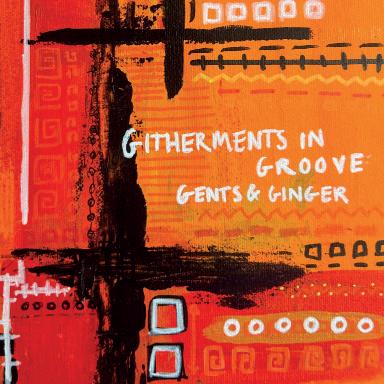
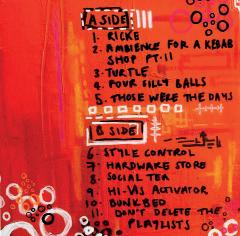
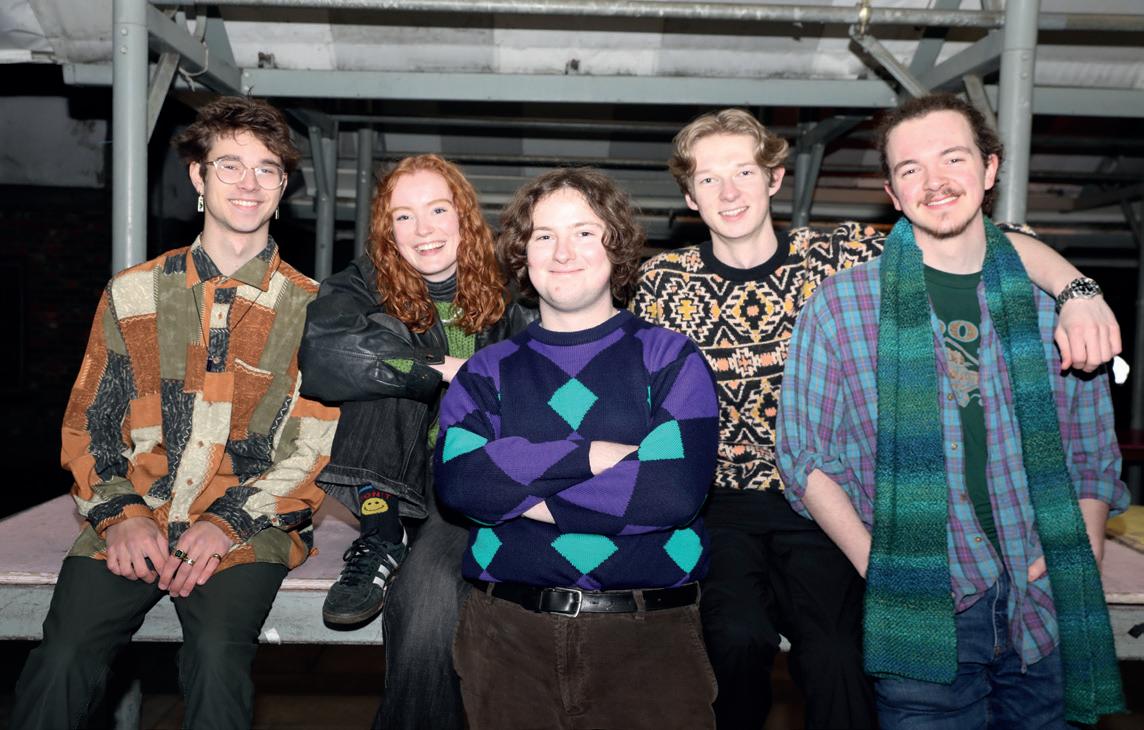
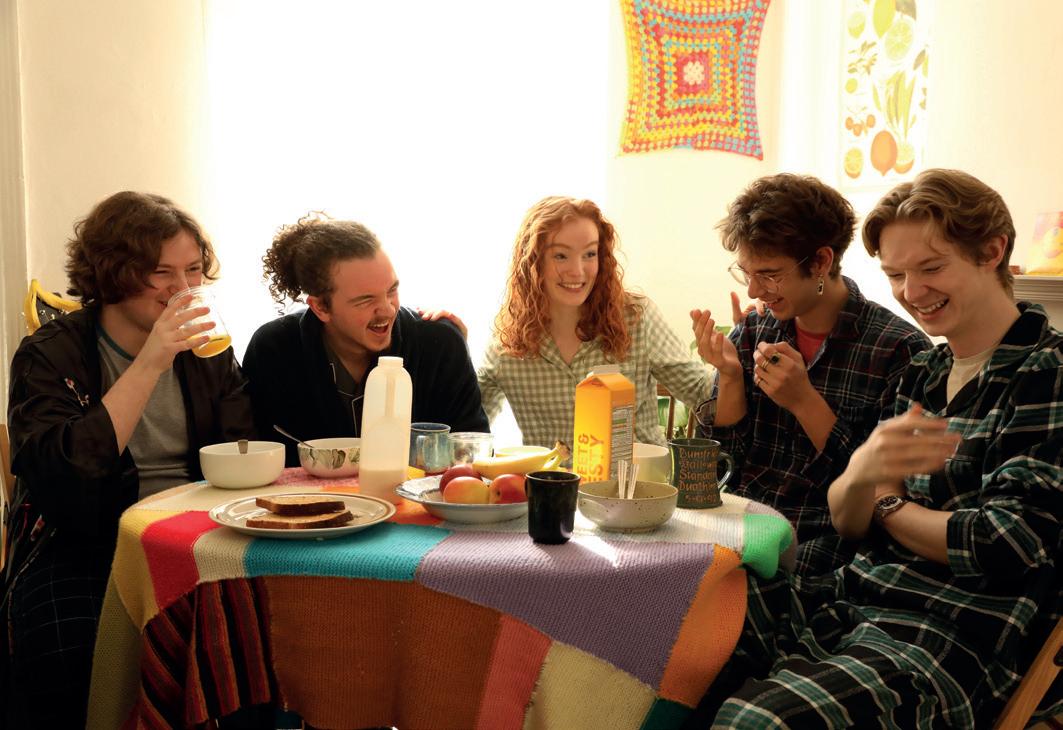
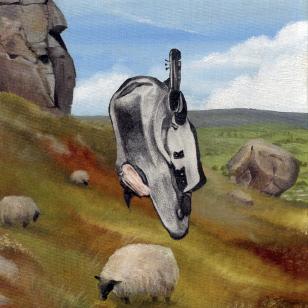
Gents and Ginger met through BandSoc in their first year of university, and since then the band have gone from strenth to strength. Describing themselves as a “funky five-piece family feast”, the band consists of Adam Priestley on bass, Riko Puusepp on guitar, Mia Duncan on drums/vocals, Eli Davis on keysand Tom Cox on guitar/vocals. Gents and Ginger released their debut studio album Githerments In Groove on the 7th of September. Their musical influences are varied and include funk and rock as well as blues and soul. There are a range of genres at play in Githerments in Groove, which makes for a unique listening experience. The band played their sold out headline tour ‘Those Were the Days’ in Spring, captivating local York audiences and those across the country. The tour was named after the album’s lead single, ‘Those Were the Days’, which is a reflection on cherished memories that the band share. To accompany its release, the band have also released a music video that perfectly captures the track’s nostalgic essence. The opening track of the album is ‘Ricke’, which energetically opens the album and perfectly encapsulates the band’s sound. Also on the album are ‘Ambience For A Kebab Shop PT 2’, ‘Social Tea’ and ‘Hardware Store’, which were all previously released as singles. ‘Hardware Store’ notably for its use of talk box that adds modified spoken sound to the instruments. A standout track on the album is ‘Don’t Delete The Playlists’, a heartfelt track that closes the album and is full of Tom’s guitar solos and Mia’s soulful lyrics. The album art was designed by Annie Taylor (see more of her work at @annietaylor.art). Stream Githerments and Groove by scanning the Spotify code below.


English Teacher win Mercury Prize for debut album
BY HEATHER GOSLING
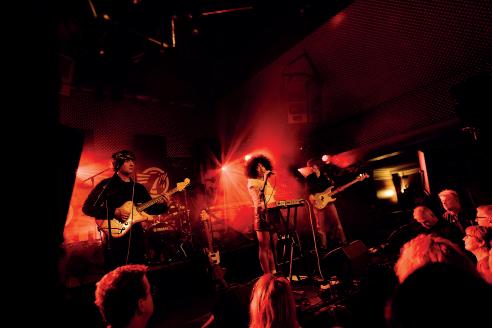
Leeds-based band English Teacher recently released their debut album ‘This Could Be Texas’, for which they won the Mercury Prize this year. The Mercury Prize is awarded to the best album from the UK or Ireland and comes with a cash prize of £25,000. The prize has a reputation of giving a platform to emerging artists and highlighting exisiting talent. The other acts shortlisted for the Mercury Prize included Nia Archives and Corrine Bailey-Rae. They are the first act from outside of London to win since Young Fathers in 2024. When the band got on stage to receive their award, they were lost for words. “We didn’t really plan this far,” lead singer Fontaine joked. “What do we do now?” Fontaine went on to thank local Leeds venues Hyde Park Bookclub and Brudenell Social Club: “There’s real support for musicians in Leeds at the moment,” she said. “Venues are willing to take on new artists and I think that’s integral to the health of the scene.” This feels particularly pertinent given that many small venues around the UK have closed down due to financial difficulties and the impact of COVID and the cost of living crisis. English Teacher’s guitarist Lewis Whiting was asked about Mercury Prize’s nine-year streak of awarding the prize to Londoner’s, and he replied: “It’s kind of ridiculous. There’s so much going on outside London. Plenty of places in the north have thriving scenes and produce amazing bands. It’s crazy it’s been going on for so long.”
The judges praised ‘This Could Be Texas’ for its “winning lyrical mix of surrealism and social observation”. They added that “‘This Could Be Texas reveals new depths on every listen: the mark of a future classic.” The album is inspired by Fontaine’s upbringing in East Lancashire and the social deprivation and racism she experienced in the area, whilst also diving into themes of identity, love and loss. English Teacher are often categroised as post-punk, but their music contains so much more than this as Fontaine’s use of sprechsang (spoken word lyrics), rhythmic guitar riffs, and electronic sound means that the band refuses to be pigeon holed into one genre. English Teacher’s Mercury Prize win shows that the band are certainly one to watch.
The full shortlist for the 2024 Mercury Prize included:
Barry Can’t Swim – When Will We Land?’ BERWYN – Who Am I
Beth Gibbons – Lives Outgrown Cat Burns – early twenties
Charli XCX – Brat CMAT – Crazymad, for Me
Corinne Bailey Rae – Black Rainbows corto.alto – Bad with Names
English Teacher – This Could Be Texas Ghetts – On Purpose, With Purpose
Nia Archives – Silence Is Loud The Last Dinner Party – Prelude to Ecstasy
Image: Stef van Oosterhaut

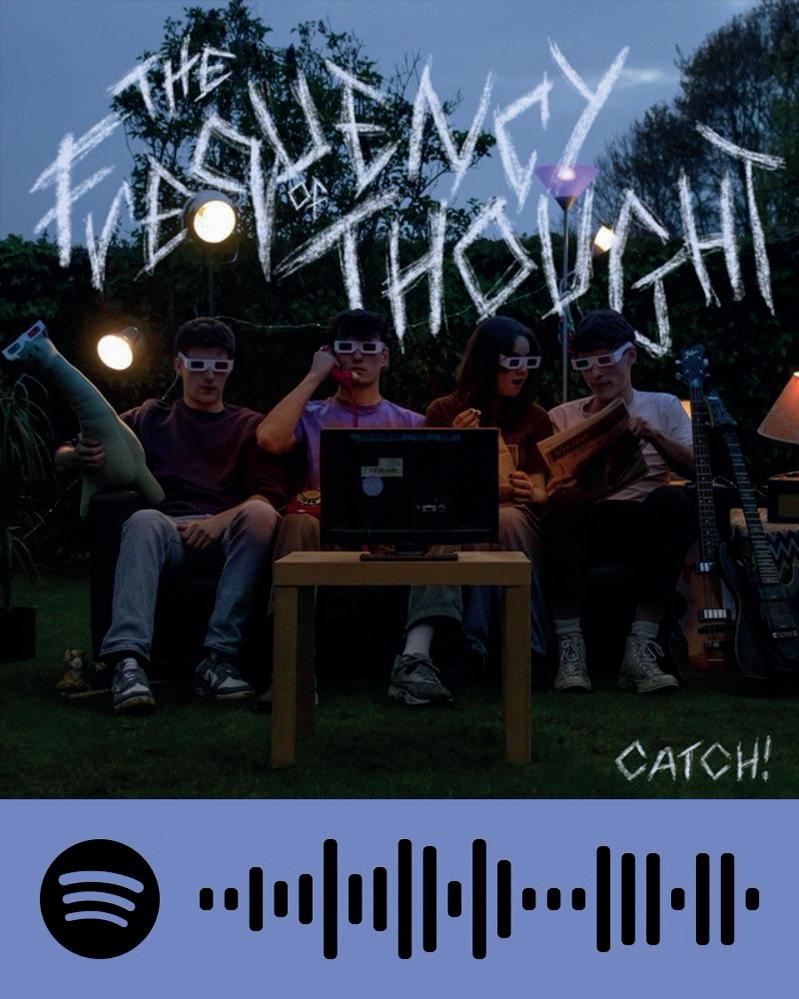
Catch! reflect on their debut EP ‘The Frequency of Thought’ by Matthew Appleton
BY MATTY APPLETON
The best way to describe the recording of our debut EP was a complete labour of love. It was after a long rehearsal on a rainy Thursday night in mid-February in which the idea of ‘The Frequency of Thought’ was formulated over a number of drinks in the Charles. At this point, our only complete song was ‘Pillowcase’, meaning the target to write, record and release an EP was overly ambitious, and perhaps rather naïve to the amount of effort needed. What followed however was months of hard work, late nights, long rehearsals and a good measure of neglect for our respective courses. The EP itself opens with ‘Get a Grip’, a song discernible immediately by its chanting chorus and lyrics reflective of life at University.
Immediately following ‘Get a Grip’ is ‘Chalk and Cheese’, which continues the fastpaced, guitar drivenstart to the EP. Finally slowing things down is ‘Pillowcase’, where lyrics and melodies take precedence over the guitar driven, distorted sound of the first two songs, with ‘The Start of a Bad Joke’, the song which first inspired those talks of an EP in rainy February, closing the EP.
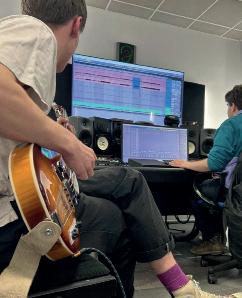
Retrospectively, the EP brought us all incredibly close as both friends and bandmates over the month of recording and writing, with rehearsals often taking place five to six times a week to record the final songs. Late night recording session in the Physics building fuelled solely on Party Rings and cheap Nisa Beers became commonplace for several weeks in May. Our desire to release music, to create something seemingly ‘D.I.Y’, materialized into something we are all incredibly proud of, reflecting not only some of our favourite moments together as a band, but of our time at University. Special thanks to J.W Blake for all his efforts in recording, mixing and mastering the EP. Stream ‘Frequency of Thought’ by scanning the Spotify code.
Upstarts on their latest single ‘Stage Direction’
BY TOM FOREMAN
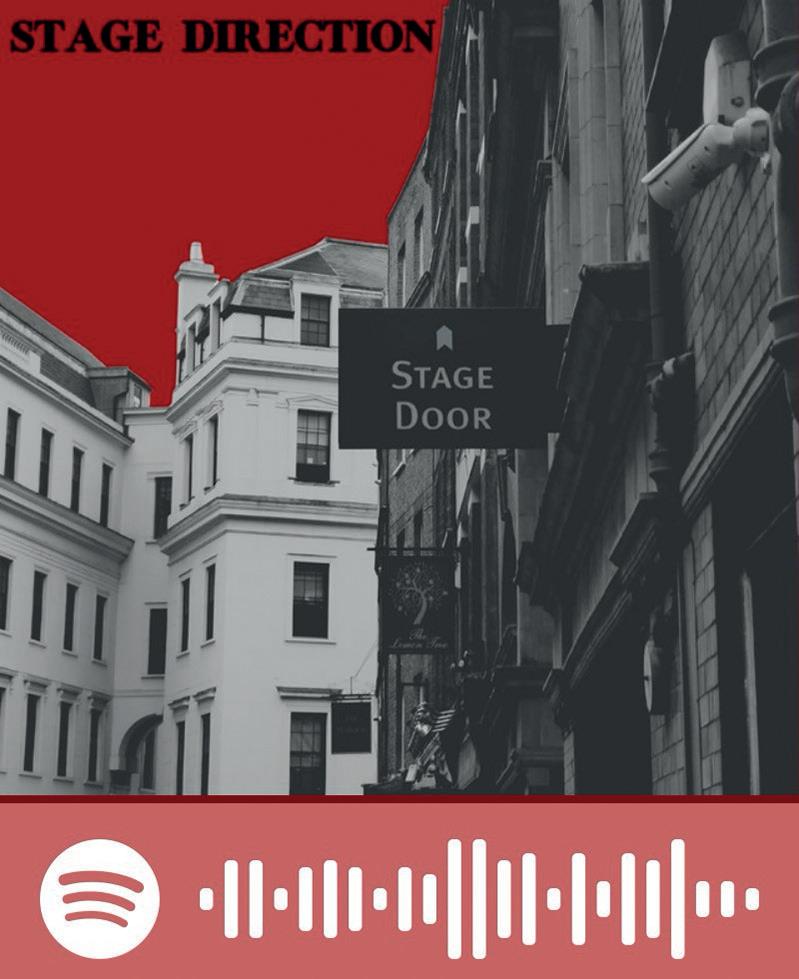
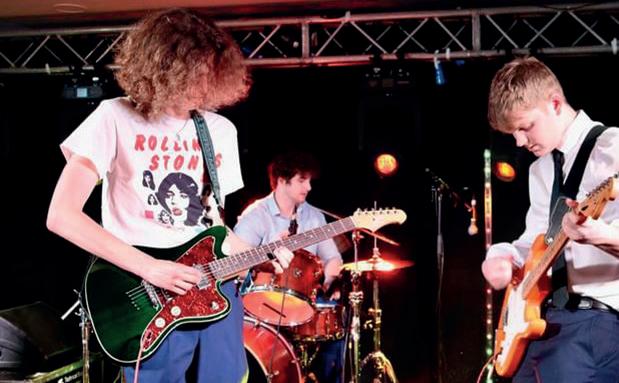
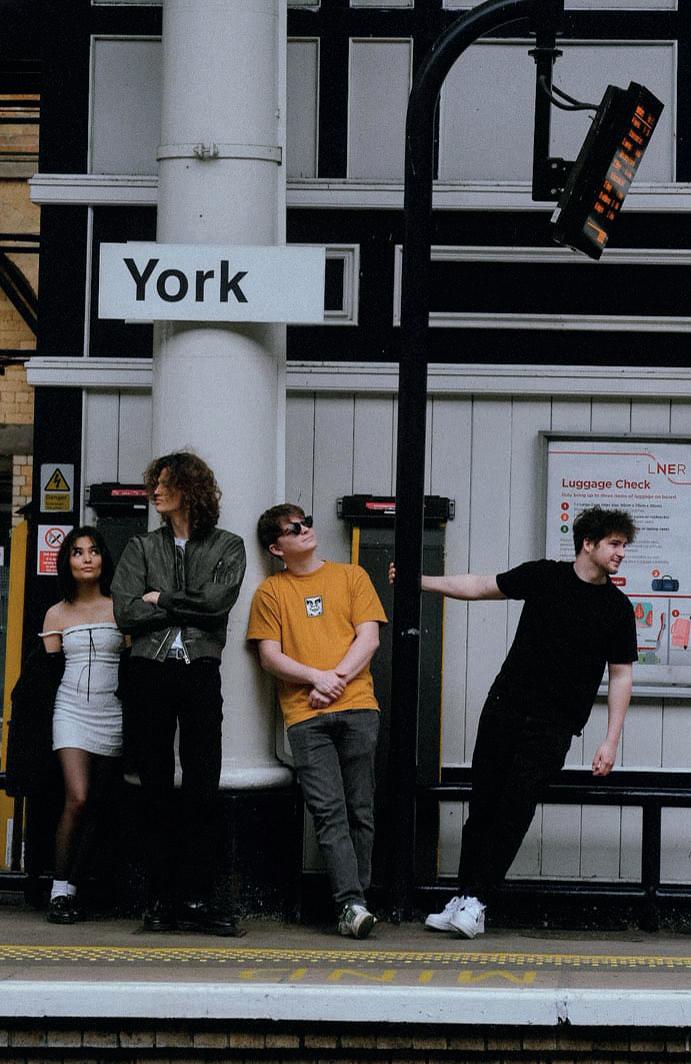
I think we were all a little surprised that our debut single, ‘When I Saw You’, received as much love as it did. We weren’t really on anyone’s radar prior to releasing the song - We hadn’t played a proper gig at that point. It was a good feeling in a way – there were no expectations of us. On the other hand, I think we were worried that no one would listen. Before releasing WISY, we’d been told by another musician that we’d got the structure of the song wrong, technically speaking, so our hopes weren’t high. Now, looking back on WISY, nearly half a year after its release, we’re really pleased with how it’s performed. We’re hugely grateful to everyone who streamed it and came to sing it with us at our gigs.
We do however feel we played it a little safe with WISY. That’s where our new single, ‘Stage Direction’ comes in. Taking risks was our central motivation when writing this song. As a result, I think we’ve pushed our sound forward. Lyrically, ‘Stage Direction’ is far more abstract: being told from the perspective of a tongue-tied actor, this song is a big step away from the early Beatles-esque romance heard in WISY. With its funky, disco inspired bassline and haunting crescendo finale, ‘Stage Direction’ is our most ambitious release yet.
Have a listen to ‘Stage Direction’ by scanning the Spotify code below!

Nostalgic music quiz!


1. What is the title of Sufjan Stevens’ song that is named after a notorious American serial killer and appears on his album Illinois?
2. In the 2007 film Juno, which song by The Mouldy Peaches became emblematic of the film’s indie folk soundtrack?
3. In which 2001 film did the Song ‘All Star’ by Smash Mouth gain iconic status?
4. What 2013 song by Daft Punk, featuring Pharrell Williams, samples the nostalgic funk and disco sound of the 70s, and was a massive mainstream hit?
5. What 2011 track by Gotye, featuring Kimbra, became a global hit with its unique sound and was one of the most memorable songs of the 2010s?
6. What 2005 single by MGMT recently appeared in the film Saltburn and became a major hit of the late 2000s?
7. What 2008 album by Taylor Swift, known for its crossover appeal between country and pop, solidified her status as a major force in mainstream music?
8. Which music video by Rihanna, recognised for its iconic visuals, includes scenes of the singer performing under pouring rain?
9. What Gorillaz song, named after a famous film actor known for his role in westerns, became a major hit from their 2001 debut album and features a blend of alternative rock and hip-hop?
10. Which 2007 song by Kanye West, featuring a predominant sample by Daft Punk’s ‘Harder, Better, Faster, Stronger,’
Crossword

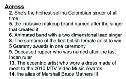
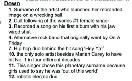
Wordsearch


Amy Winehouse
Catch
Diana Ross
Fontaines D.C
George Ezra
Noah Kahan
One Direction
Taylor Swift
The K’s
The Royston Club
The Sugababes
Upstarts
Eminem
Kanye
Radiohead
Outkast
Beyoncé
Mars
There are plenty of music events happening in York and beyond. Read on for the list...
what’s on?
Saturday 5th October Neighbourhood festival Manchester- Various venues
Sunday 6th October Plantfood The Crescent
Tuesday 8th October The Subways The Crescent
Monday 14th October King No-one Fulford Arms
Tuesday 15th October The Blazers - Little Sister - Upstarts Fulford Arms
Wednesday 16th October Shambolics Fulford Arms
Pom Poko The Crescent
Saturday 19th October Fugazi The Vaults
Tuesday 22nd October The Covasettes Fulford Arms
Thursday 31st October Pretenders York Barbican
Tom Robinson Band The Crescent
Saturday 2nd October Opus Kink, Honey Glaze, The Ugly Belgrave music hall, Leeds
Monday 4th November Rosali Fulford Arms
Saturday 9th November Artemas O2 Ritz, Manchester
Saturday 16th November Live at Leeds in the City festival Various venues
Tuesday 26th November Wild Rivers PROJECT HOUSE, Leeds
Tuesday 3rd December Fontaines D.C Leeds First Direct arena
Thursday 5th December Fuzzfest 3 Feat Yutaniii - Atkrtv - Cherry Fuzz Club Fulford Arms
Pip Blom The Crescent