

CIRCA inspiring local living





Welcome to our Spring + Summer issue of CIRCA Magazine … and to the beginning of our 25th year!
Reaching this point is something I don’t take lightly. For a quarter century, CIRCA has proudly shared the stories, people, businesses, and places that shape life in our communities. This area has grown tremendously over the years, but the pride our readers take in where they live, and the support you show for local businesses and neighbors, has remained constant.
To our longtime readers, thank you for continuing to welcome CIRCA into your homes. And to those picking up the magazine for the first time, I’m glad you’re here!
One of the things that has always guided this magazine is the rhythm of the seasons. Much of what we cover – food, homes, gardens, travel, style, health, community events, and more – naturally follows the way life changes throughout the year. As we enter our 25th year, we’ve made a few thoughtful updates to better reflect that rhythm. With this edition, we are combining our spring and summer coverage into one extended issue that will remain current from April through August, allowing the stories and ideas inside to carry naturally across the full warm weather season – from the first days of spring through the height of summer. After this transition issue, CIRCA will continue forward with clearly defined seasonal editions – Fall, Winter, Spring, and Summer – each designed to reflect the experiences and lifestyle moments that shape those times of year.
You may also notice a slight design refresh throughout the magazine as part of this transition. Along with that, we’ve introduced new taglines that better reflect who we are today. For many years, our tagline was “Life in Wake Today.” As our readership and reach have expanded, we felt it was time for language that reflects the broader communities we serve. Our new taglines, “Inspiring Local Living” and “The Lifestyle Magazine Rooted in Our Community,” capture the heart of what CIRCA has always aimed to do. Today, our distribution reaches readers across Wake Forest, North Raleigh, Rolesville, Youngsville, and Franklinton, and it’s important that our brand reflects that.
Speaking of community, I want to offer a sincere thank you to the many local businesses that support CIRCA. Their partnership not only helps make this magazine possible, it also connects them directly with you, our readers. One of the things I’ve always appreciated about this magazine is the way it introduces readers to businesses they may not yet know, while giving local entrepreneurs a platform to share what they do with the people who live right here around them. When you support the businesses you see among these pages, you’re helping strengthen the same communities that make this magazine worth producing in the first place.
Inside this issue, you’ll find stories that reflect the brightness of the months ahead, a theme echoed in our citrus-inspired cover. From spring concerts and summer celebrations to ideas for food, home, gardens, travel, and personal well-being, these pages capture the flavors, colors, and experiences of the season. We explore vintage décor finding new life outdoors, Spanish tapas, sourdough baking, a classic Southern lemon chess pie, wine travel, and the growing world of ninja warrior training, along with emerging local musicians, a coastal getaway to Southport, the early history of downtown Wake Forest, and more.
Thank you for being part of the CIRCA community and for helping this magazine share the stories of the places we all call home. I look forward to continuing to bring you the stories, ideas, and local connections you’ve come to expect from us each season!




Kent Lower, Publisher
SPRING + SUMMER 2026
PUBLISHER & EDITOR
Kent Lower
CONTRIBUTING WRITERS
Mike
Justin
Sarah
Vanessa
Jeff (JD)
Pam
Melinda
Miriam Grueneich
Sabrina
Suzanne Lucey
CONTACT
BallPointe
919.453.2555
919.453.2555

CIRCA Magazine is published quarterly by BallPointe Publishing & Design, LLC. All rights reserved. No part of this publication may be reproduced or transmitted in any form without the written permission of the publisher. Every effort has been made to ensure the accuracy of the information contained herein; however, BallPointe Publishing & Design, LLC assumes no responsibility for errors or omissions. The publisher does not endorse and is not responsible for claims made in advertisements appearing in this publication.

TThe Town of Wake Forest is excited to offer a full lineup of events over the spring and summer months that are guaranteed to put a smile on your face. From Friday Night on White and Six Sundays in Spring to Family Movie Nights at Joyner Park and our Independence Day Celebration, there’s no shortage of family-friendly activities coming your way!
FRIDAY NIGHT ON WHITE
Get ready to party as Friday Night on White (FNOW) returns to S. White Street in downtown Wake Forest on April 10 with Bounce! Party Band. Our 2026 series continues May 8 with Sleeping Booty Band, June 12 with Night Years, July 10 with Love Tribe, August 14 with The Amazing Lounge Lizards, and September 11 with Liquid Pleasure.
Our FNOW concerts get underway at 6:00 PM and conclude at 9:00 PM. While you’re enjoying the music, take time to explore our sponsor exhibits and show some love to our local shops. You can also enjoy delicious food at downtown’s outstanding variety of dining establishments or from several food trucks that will be on site. For more information, visit wakeforestnc.gov and search “Friday Night on White.”
STEM SATURDAY
Elementary, middle, and high school students and their parents are invited to Wake Forest’s STEM Saturday on Saturday, April 11. Presented by the Wake Forest Wireless Research Center, this free family event is scheduled from 10:00 AM – 2:00 PM at Joyner Park Community Center, located at 701 Harris Road. Designed to expose students to a variety of science, technology, engineering, and math career options, STEM Saturday will feature STEMrelated exhibits, demonstrations, and hands-on learning activities. For more information, visit wakeforestnc.gov and search “STEM.”
SIX SUNDAYS IN SPRING
Join us at Joyner Park for an unforgettable concert series filled with music, fun, and laughter during this year’s Six Sundays in Spring. Perfect for music lovers of all kinds, these free outdoor concerts are scheduled from 5:30 PM – 7:30 PM on consecutive
SPRING SOUNDS + SUMMER CELEBRATIONS
A FULL CALENDAR OF MUSIC, FUN, AND HOMETOWN TRADITIONS
Sundays from April 26 to May 31. For complete details, including this year’s band lineup, visit wakeforestnc.gov and search for “Six Sundays.”
FAMILY MOVIE NIGHTS AT JOYNER PARK
The Parks, Recreation & Cultural Resources (PRCR) Department is delighted to host Family Movie Nights at Joyner Park on the following Saturdays: May 16 (Shrek), June 13 (Zootopia 2), July 18 (Mufasa – The Lion King), and August 1 (The Super Mario Galaxy Movie). Showtime is approximately 8:30 PM and admission is free. Family Movie Nights will also include movierelated pre-show activities beginning at 7:30 PM and onsite food vendors selling snacks and beverages. For more information, visit wakeforestnc.gov and search “Family Movie Nights.”
NATIONAL TRAILS DAY
The PRCR Advisory Board will host National Trails Day on Saturday, June 6, at Joyner Park. Presented by Skylift Garage Doors, this family-friendly event will include a timed 5K/3K walk/run race for children and adults. Check-in on the day of the event starts at 7:00 AM, and the race begins at 8:00 AM. Funds raised through entry fees will be used to support the maintenance of current greenways and the development of new ones throughout Wake Forest. Registration is required. For more information, visit wakeforestnc.gov and search “Trails Day.”
RENAISSANCE CENTRE’S “SUMMER AT THE CENTRE” PERFORMANCE SERIES
The Wake Forest Renaissance Centre (405 S. Brooks Street) is pleased to announce the return of the “Summer at the Centre” Performance Series. Tickets are expected to sell out fast, so don’t miss your opportunity to join us for some of the hottest shows around.
On Wednesday, June 3, at 7:30 PM, we welcome iconic beach music favorite, The Embers, featuring Craig Woolard. Next up, join us as we celebrate the USA’s 250th birthday with America’s Sweethearts on Wednesday, July 1, at 7:30 PM. Our “Summer at the Centre” series concludes on Saturday, August 22, with mystery
BY TOWN OF WAKE FOREST
and intrigue as we present “Interactive Mystery Theater: Kill the Music.” Due to the popularity of the Murder Mystery performances, these shows are scheduled at 11:00 AM and 8:00 PM.
Tickets for the “Summer at the Centre” Performance Series will be available online and at the Box Office beginning Wednesday, April 22, at 10:00 AM. For more performance details, visit wakeforestrencen.org and search “Summer at the Centre.”
INDEPENDENCE DAY CELEBRATION
Presented by Capital Chevrolet, Wake Forest’s annual Independence Day Celebration serves up two days-worth of free fun and excitement for the entire family. The festivities get underway Friday, July 3, inside Husky Stadium on the campus of Heritage High School (1150 Forestville Road), with a free Fireworks Spectacular. Gates open at 5:30 PM and the Swingin’ Medallions will take the stage at 6:00 PM. An incredible fireworks show will follow around 9:30 PM.
The excitement and festivities continue Saturday, July 4, with the annual Children’s Parade along N. Main Street and Art & More in the Park at Holding Park, located at 133 W. Owen Avenue. For complete details, visit wakeforestnc.gov and search “Independence Day.”
STAY CONNECTED!
Always be the first to know about Town of Wake Forest announcements, programs, and special events by signing up for E-Notifier, downloading the Town app, visiting the Wake Forest website, and/or following the Town on social media @TownofWakeForest. For complete details, visit wakeforestnc.gov and search “Communications.”
Anna Bolton is the marketing and business relations manager for the Town of Wake Forest. To learn more about Town events, sponsorship opportunities, and how you can be involved, contact Anna at 919-435-9422 or abolton@wakeforestnc.gov.
GET IN GOOD WITH AN EXPERT
Because





TURN UP THE
Heat

BY STACEY MORITZ
As warm weather settles in, the grill naturally finds its way back into the weekly dinner routine. Burgers, steak, and chicken are probably already on rotation, and there’s nothing wrong with the classics. But if you’re ready to move beyond the usual sides, it’s time to turn up the heat. Your grill can do far more than just handle the main course. With a little intention and the right ingredients, those accompaniments can bring just as much flavor – and maybe even steal the show.
WWhether you prefer charcoal, gas, pellet grills, or the new darling of the backyard – the flat top – the same idea holds true ... the grill isn’t just for the main protein. A little heat and a bit of creativity can transform simple ingredients into memorable sides that round out the entire meal.
POTATOES, DONE RIGHT
Potatoes pair naturally with grilled meats, and with a little attention, they can easily be transformed into something just as delicious over the flame. My personal favorites are Yukon gold or red potatoes. Toss them a little with olive oil, salt, and pepper and you’re off to the races.
Sear them in a grill pan, roast them in heavy-duty foil over indirect heat, or crisp them up on the flat top. Once they’re golden and tender, finish with chopped rosemary and a little blue cheese. Candied walnuts are a delicious bonus. For something a little unexpected, toss them with balsamic dressing for a flavor-packed potato salad. And if you want crispy edges and creamy centers, try smashing them slightly before grilling. That little extra step makes a big difference.
FROM GARDEN TO GRILL
Your favorite garden vegetables are transformed by heat and fire. If you can grow it, you can grill it. Zucchini and yellow squash are especially good alongside grilled onions and peppers. Thread them onto skewers for easy kabobs, cook them in a grill pan, lay them straight on a flat top, or wrap them in foil with a drizzle of olive oil, garlic, and salt and let them cook gently over indirect heat.




The result is simple and deeply flavorful. Serve them as they are, or take it one step further by adding fresh cherry tomatoes and toasted croutons for a warm, grilled take on panzanella. A drizzle of balsamic dressing is the perfect finishing touch, bringing brightness and balance to the smoky vegetables.
CORN, A SUMMER STAPLE
And then there’s corn – a true summer staple that never disappoints. It’s a family favorite at our house and always earns a spot on the grill. After shucking, rub each ear with softened butter and season to your liking. I love a simple mix of salt, pepper, and garlic, and tajín is a wonderful addition if you want something a little different. Wrap each cob individually in foil, place on the grill over medium heat, and turn about every five minutes for roughly 20 minutes. Keep the corn wrapped until you’re ready to serve. Before serving, sprinkle with chopped cilantro and cotija cheese if desired. Simple, satisfying, and exactly what summer grilling should be.
SWEET HEAT
Don’t forget that fruit loves the grill too. Peaches are especially beautiful once they start showing up at the market. Slice them in half, brush lightly with oil, and place cut-side down over medium heat. In just a few minutes, the natural sugars caramelize and the edges soften. Serve grilled peaches alongside burrata and prosciutto for a sweet and savory side. Slice them into salads with arugula and toasted pecans. Or top with a scoop of vanilla ice cream for an effortless dessert that feels just a little special. Pineapple and even strawberries can handle a quick kiss of heat as well. A drizzle of honey and fresh mint takes them over the top.
YES, EVEN THE GREENS
Lastly, don’t forget the greens. If you haven’t tried grilled lettuce, it’s a game changer for salad lovers. Baby heads of romaine are perfect – just the right size to serve two people. Cut them in half lengthwise and
have your toppings ready before they hit the grill so you can assemble everything while they’re still warm. Lightly brush the grill with olive oil, then place the romaine cutside down over medium heat for about 30 to 45 seconds. You’re looking for a hint of smoky flavor while keeping that crisp bite.
Go classic with blue cheese, tomato, and bacon, or top with blistered cherry tomatoes, shaved parmesan, and a drizzle of balsamic dressing. It’s a simple twist on a salad side, and one your guests will definitely remember.
Now that the weather is warm and the grill is calling, however you fire it up –weeknight dinners, neighborhood gatherings, or slow Sunday cookouts – let your sides shine just as brightly as the main dish. When the grill is hot and the table is full, a little creativity goes a long way. So turn up the heat ... and let it sizzle.
__________________________________
Stacey Moritz is the owner of The Lemon Tree, located at 415 Brooks Street C in Downtown Wake Forest. The cafe is open Tuesday - Saturday, 10:00 AM - 7:00 PM, and Friday and Saturday, 10:00 AM - 3:00 PM. Visit thelemontreewf.com.

BY MARISSA SHATTUCK

AAnd with that shift comes the familiar question – what do I wear to feel like myself in all of it? Not overdone, and not underdressed. Just effortless, polished, and at ease. This season, style feels less performative and more intentional. The most compelling wardrobes aren’t built around trends; they’re curated with restraint. Soft neutrals are leading the way – think warm ivory, sand, muted sage, pale blue, and delicate blush. These tones don’t compete for attention; they reflect it. In natural light, they feel luminous. In the heat of summer, they feel breathable and considered.
Fabric matters more than ever. Linen that holds its shape. Silk that moves without clinging. Cotton blends that feel tailored rather than casual. There’s a quiet luxury in choosing pieces that drape beautifully and age well. A structured midi dress in a refined neutral can carry you from a spring luncheon to an evening reception with nothing more than a change of shoe and jewelry.
Silhouettes are subtly shifting, too. After seasons of oversized everything, we’re seeing a return to shape that is not restrictive, but intentional. Defined waists, thoughtful tailoring, square necklines, and softly pleated skirts bring balance and confidence. The difference is in the fit. When something skims the body just right, it doesn’t demand attention, it earns it.
THE ART OF EFFORTLESS DRESSING
AN INTENTIONAL APPROACH TO SPRING AND SUMMER STYLE
There’s something about the shift from spring into summer that invites a reset. The light changes. Evenings stretch a little longer. Calendars quietly fill with weddings, garden parties, coastal weekends, and those last-minute dinner invitations that turn into the best nights of the season. The layers we needed just weeks ago feel unnecessary. The air feels lighter. And so should we.
Accessories this season are understated but decisive. Sculptural gold earrings, a woven leather bag, a barely-there sandal. Instead of layering multiple statements, choose one element that feels elevated and let it anchor the look. The effect is effortless, but never accidental.
Perhaps the most defining element of spring and summer style right now is versatility. The modern woman moves fluidly between roles – hosting, working, traveling, celebrating. The pieces that endure are the ones that adapt. A silk skirt styled with a fine knit for daytime can transition seamlessly with a camisole and heels by evening. A tailored blazer thrown over a simple dress transforms it instantly.
Luxury today isn’t about excess. It’s about discernment. It’s choosing fewer pieces, but choosing them well. It’s understanding that confidence comes not from wearing something new, but from wearing something that feels entirely aligned with who you are. The right pieces have a way of becoming the ones you reach for again and again.
As the season unfolds, let your wardrobe feel as effortless as the longer days ahead ... refined, intentional, and quietly unforgettable.
Marissa Shattuck is the owner of West & Main Boutique, inside The Stables Marketplace, at 11 S. Main Street in Downtown Franklinton. She may be reached at 732-570-9245, or follow @westandmainnc.




BY MIRIAM GRUENEICH
AAs the weather warms up, many of us feel the urge to refresh our homes – open the windows, lighten the rooms, and make everything feel a little happier. The good news? You probably already own most of what you need. Some of the prettiest spring and summer decorating comes not from buying more, but from seeing familiar items in new ways.
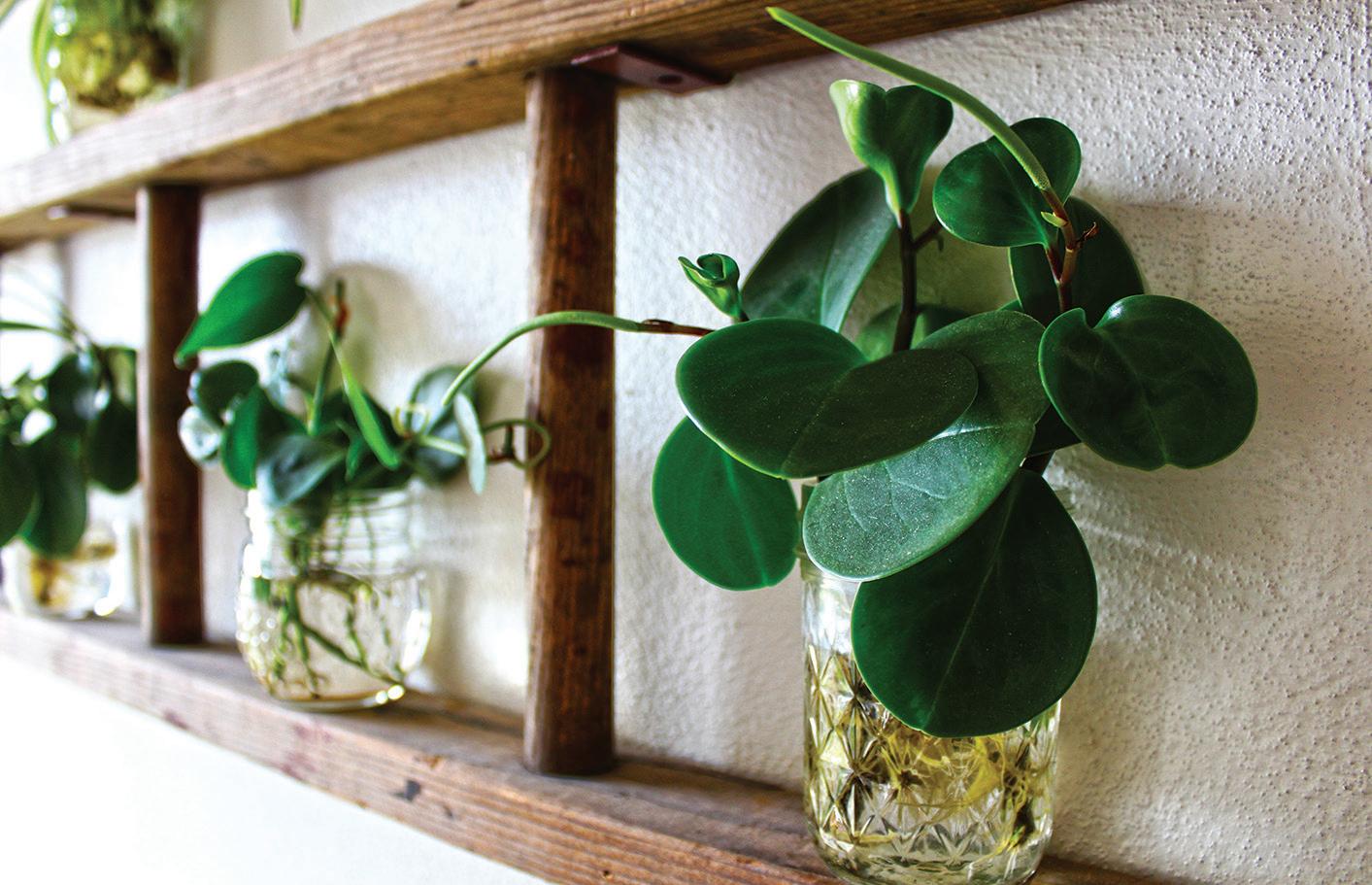
1. TURN GLASS JARS INTO INSTANT SUNSHINE. You probably already have a collection of empty jars from pasta sauce, pickles, or jam. Instead of tossing them, give them a quick soak and peel off the labels. Now you have one of the most versatile décor pieces imaginable. Fill them with fresh-cut herbs like mint or basil, wildflowers from the yard, or lemon slices and water for a bright windowsill accent. Add sand and tea lights for evening glow. Tie a strip of linen or ribbon around the neck in spring, or drop in fairy lights for summer evenings on the porch. Clustering three different heights instantly creates a styled vignette.
2. LET BASKETS STEP OUT OF STORAGE. Baskets often get hidden in closets, but they can be stars of seasonal décor. Their natural texture instantly softens a room and feels especially right in warmer months. Use them as planters by placing a potted plant inside, arrange them on the wall in a gallery pattern, fill one with fruit on the kitchen counter, or use one to hold rolled hand towels in a guest bathroom. Mixing woven tones like seagrass, rattan, and wicker creates an organic, collected look that feels relaxed and summery.
3. TEACUPS & MUGS TURNED MINI GARDENS. Chipped teacups or mismatched mugs shouldn’t be discarded. They make charming micro-planters perfect for spring styling. Fill them with succulents, small blooms, moss and stones, or faux stems if sunlight is limited. Line them along a windowsill, group them on a tray, or scatter them through a shelf display. This works beautifully in kitchens, bedrooms, and even bathrooms.
4. BOOKS AS DECORATIVE ARCHITECTURE. Books aren’t only for reading – they are also fantastic design tools. Instead of lining them upright, stack them horizontally to create levels and interest.
REIMAGINING THE EVERYDAY
STYLE YOUR SPACE FOR THE SEASON WITH WHAT’S ON HAND
Neutral-colored books make perfect risers for candles or plants. Wrap old books in kraft paper for a uniform look, or use garden and botanical titles to bring in seasonal color. Place a small object or vase on top to add height variation and make shelves feel thoughtfully styled.
5. KITCHEN PIECES BEYOND THE COUNTER. Many kitchen tools have shapes and finishes that work beautifully as décor. Wooden cutting boards leaned against backsplash walls, colanders filled with fruit, rolling pins gathered in crocks or pitchers, and mixing bowls used as tabletop centerpieces all add warmth. Wood, enamel, and stoneware materials bring a farmhouse-fresh feel that fits perfectly with spring and summer.

6. FABRIC SCRAPS BECOME SOFT ACCENTS. You don’t need sewing expertise to use fabric creatively. Lightweight textiles feel refreshing in warm months and help rooms feel seasonal. Fold scarves into table runners, wrap vases as soft coverings, tie cloth napkins around plant pots, or hang lightweight fabric from a simple dowel as wall art. Florals, ticking stripes, and faded prints create an effortless cottage atmosphere.
7. BRING THE OUTDOORS IN. Nature offers some of the best décor – and it’s free. Place branches in tall pitchers, display driftwood on shelves, gather stones in bowls, or clip fresh stems from shrubs. In spring, use budding branches; in summer, switch to leafy greens or flowering stems. Rotating natural elements keeps your home evolving with the season.
8. STYLE WITH A TRAY. Any tray – a serving tray, baking sheet, or even a shallow box lid – becomes a portable vignette. Layer something tall, something medium, and something small. A plant or candle, a stack of books or a bowl, and a few small accents like shells or beads instantly feel intentional when grouped together. A tray visually organizes items so they look styled rather than cluttered.
Refreshing your home for spring and summer doesn’t require a shopping spree. The charm comes from reimagining what you already own. When everyday objects are used in unexpected ways, your home feels curated, relaxed, and truly personal –a space that reflects creativity rather than trends. Sometimes all it takes is a small shift – clear a surface, open the windows, and see what you already have with fresh eyes. Often, the difference between ordinary and inspired is simply intention.
. Miriam Grueneich is the owner of archer + pratt, which offers locally handmade goods and is located at 18 N. Main Street in Franklinton. She may be reached at 919-728-8424 or visit shoparcherpratt.com.



ABY JONI FALVEY
ORANGE YOU GLAD IT’S Cocktail Se ason?
It’s here! That favorite time of year when the colors seem brighter, the air is warm, and nothing pairs better with the sunshine than a delicious cocktail in your hand. I can see it now – beads of condensation running down an ice-filled glass, a juicy, sun-kissed orange perched perfectly on the rim. Why an orange, you ask? Because citrus is the heartbeat of so many classic cocktails, and orange in particular brings both brightness and depth. It’s also the signature flavor behind one of the most widely used and recognizable liqueurs of all time.
A liqueur is a sweetened alcoholic beverage made by combining distilled spirits such as vodka, rum, or brandy with fruits, herbs, spices, or other botanicals. Unlike straight spirits, liqueurs are designed to add both sweetness and depth, often serving as the flavor bridge that ties a cocktail together. Orange liqueur, in particular, is a staple of any well-stocked bar and appears in dozens of classic cocktails. Its origins trace back to the Caribbean, where Spanish settlers introduced the sweet Valencia orange to the island of Curaçao. The climate, however, produced bitter oranges that were largely inedible. Rather than waste them, producers began drying the peels and infusing them into spirits, creating a distinctive liqueur with a bright, sweet orange flavor that remains a bar essential today.
Originally, curaçao was made using brandy as its base. Today, many inexpensive versions are produced with simple neutral spirits, such as vodka. One of the most famous brands inspired by this tradition is the French Grand Marnier, which uses Cognac as its spirit base for a richer, more complex flavor. There is also blue curaçao –traditional orange curaçao dyed a vibrant blue to add fun color to cocktails without altering the taste.
Triple Sec is a drier version of orange liqueur, claiming to have been invented by Cointreau in 1849, as it states on the bottle. In French, the word “sec” means “dry,” as triple sec is meant to be less sweet than curaçao. Like curaçao, most triple sec is now made with neutral spirits, but Cointreau, specifically, uses a spirit derived from sugar beets, giving it a crisp, clean finish.
Over time, the market for orange liqueurs has expanded significantly, with various brands offering unique flavors and formulations, contributing to the ongoing popularity of these spirits in cocktails and culinary applications.
The history of orange liqueur reflects a blend of cultural influences and evolving production techniques, making it a staple for both craft cocktail artists and home bartenders alike. A symbol of the timeless appeal of well-balanced flavors, it remains a cornerstone of modern cocktail culture.
So whether you’re making a classic Sidecar, a margarita, a pitcher of sangria, or experimenting with a unique concoction of your own, when you’re searching for that key ingredient, consider adding orange liqueur to capture the bright, citrus-forward taste of spring and summer in your glass. A splash can elevate the familiar and transform the simple into something memorable. Cheers!
Joni Falvey is the owner of Broadsides & Brews, “Wake Forest’s living room,” offering books and gifts in a piano/cocktail lounge, located at 223 S. White Street in Downtown Wake Forest. Visit broadsidesandbrews.com and follow @broadsidesandbrews.

Your children. Your family. Your health. Your well-being. Your transitions. Your place. From pregnancy and childbirth to everything and anything female, the care is as comprehensive as it is compassionate. Embracing you and your entire family with outpatient and inpatient surgery, specialty and subspecialty care, 24/7 emergency care, imaging, rehab and more. After all, when it comes to your health and the health of your family, you’re the decision maker. And the decision is clearly WakeMed North Hospital.
WakeMed North Hospital
GARDENING
FROM SEED TRAYS TO SUMMER SANDWICHES

BY PAM EAGLES
GGrowing season has arrived. And if you’re anything like me, you’ve been waiting for it. Just a couple of weeks ago, I went into the greenhouse and got to work. I planned my garden all winter, ordered seeds, and picked up locally as I readied for warm weather. There is something hopeful about those first trays lined up and ready to grow.
Even without a greenhouse, you can start your garden with seeds. I use 36-plant trays and a seed-starting mix of peat moss, perlite, vermiculite, and a little sand. You can also purchase seed-starting soil at your local garden center. It’s lighter in weight, seeds emerge better, and it doesn’t hold excess water, which helps prevent damping off. Damping off shows up when leaves yellow and the plantlet bends, becomes mushy, and essentially dies from too much moisture. Nobody wants that after all that anticipation.
Remember, seeds need warmth. My greenhouse temperatures take care of that, but in a basement or garage, you’ll need a heating source not unlike a heating pad to encourage germination. Adequate lighting is just as important – plant lights can help if natural sunlight is limited.
It may sound like a lot of work, but the satisfaction of planting a seed and later eating a vegetable or enjoying a bouquet you’ve nurtured yourself is hard to beat. If seed starting isn’t your preference, give it a few weeks and buy ready-to-plant selections at local garden centers and farmers’ markets. Also keep an eye out for local school FFA plant sales. These sales are reasonably priced, suited for our area, and support local programs – a win all around.
Gang, we are moving right through the growing season. Here in Wake and Franklin Counties, we are Zone 8, with an average last frost date in early April. That doesn’t mean a surprise cold snap won’t pop up, so be prepared to cover new plants if unexpected cold weather settles in. Just when you think you’re in the clear, Mother Nature likes to remind us who’s in charge.
Guru
I keep larger nursery pots and white garden cloth on hand. Garden cloth extends both spring and fall growing seasons and is reusable. Avoid plastic for sudden cold snaps – while it protects, it heats quickly as the sun rises and can damage, or even kill, young plants. Garden cloth shields plants without trapping heat, so you can enjoy that last sip of morning coffee without worrying they’re frying.
You’ve started your plants from seed, and before long, they’ll be ready to move outside. Is your garden prepared? Weed-free, soil turned, and clean? If not, take care of that first.

Henbit, chickweed, wild geranium, and purple dead nettle were rampant beginning in February and are likely still trying to sneak back in. I find pulling to be the best way to remove weeds while protecting emerging perennials. You can use herbicides, but most of our gardens are small enough to enjoy the therapy of hand eradication. Sometimes that quiet time in the garden is exactly what we need.
If you started your own plants, be sure to harden them off. These baby plants are tender and need gradual exposure to sun, wind, and rain. Place them in a shaded, protected area for a few days, then slowly introduce more sunlight over about a week. This prevents shock when they move into a full-sun garden.
When planting tomatoes – and really any edible – dig a hole about twice as wide and roughly half as deep as the plant is tall. Add about a quarter cup of 10-10-10 fertilizer in the bottom, mix in a little soil, then set the plant, water it in, and backfill. Leave a slight sunken area to allow rain to collect and soak in as the season progresses.
Within a week, tomatoes should green up and begin growing. From time to time, feed by adding fertilizer to that watering basin and hill soil up around the base as the plant grows taller to stabilize it. I like to do this before a good rain. Once the plant reaches about 18 inches, stake or cage it, depending on the variety. The taller it grows, the more support it will need. By
early summer, yellow blossoms should appear – and before long, you’ll be watching for that first sandwich-size tomato. There is nothing quite like it.
Water and feeding are important for both the show and the harvest, whether you’re growing edibles or ornamentals.
If you’re planting for summer salads, wait for consistent warmth before introducing cucumbers and peppers. These plants prefer heat before they really take off. Even with a later start, cucumbers often produce before tomatoes. The same goes for squash and zucchini. Keep them watered and fed for steady production.
Plant lettuce early and enjoy it while temperatures are moderate. As the weather warms, lettuce will bolt and begin to fade. You can let it go to seed, compost it, or extend the season with shade cloth. And of course, there’s always the local farmers’ market.
No matter your gardening vision – tomatoes or marigolds, roses or radishes – get out there, give it a try, learn something along the way, and enjoy the process. I’ll look for you at the local garden centers.
Pam Eagles lives in Rolesville where she gardens with two dogs and a cat. She is a founding member of the Rolesville Garden Club and serves as a Wake County Master Gardener.


BY TOM PIPER
FINANCIAL FOCUS
UNLOCK THE FULL POTENTIAL
OF YOUR 401(k)
MMost people know they should contribute to their 401(k). Fewer know if they’re truly maximizing it. Your 401(k) isn’t just another paycheck deduction – it’s one of the most powerful long-term wealth-building tools available. The key is using it strategically, not passively. Here are five smart ways to make the most of your plan.
1. EARN YOUR EMPLOYER’S MATCH. It’s a good idea to contribute as much as you can afford to your 401(k) plan. (In 2026, you can put in up to $24,500, or $32,500 if you’re 50 or older. If your plan allows, there’s also a “super catch-up” contribution of $11,250 for people aged 60 to 63, for a total contribution limit of
$35,750.) At least put in enough to earn a matching contribution if one is offered. Otherwise, you’re shortchanging yourself. For example – your employer matches 50% of your contribution up to $5,000. If you put in $8,000, your employer’s 50% match is $4,000, and you’re leaving $1,000 “on the table.”
2. GIVE YOUR PLAN A RAISE. When your income increases, consider increasing contributions to your 401(k). When you get a bonus or a tax refund, you could use some or all of that to boost your retirement savings.
3. EVALUATE THE ROTH OPTION. When you invest in a traditional 401(k), you contribute pre-tax dollars, lowering your taxable income that year. Your earnings grow tax-deferred and are taxed when you withdraw. If your employer offers a Roth 401(k), you contribute after-tax dollars, so your taxable income doesn’t drop that year. However, withdrawals in retirement, contributions and earnings alike, are generally tax-free. (Employer matching contributions and related earnings remain taxable.) If you expect a higher tax bracket in retirement or want to diversify tax treatment for flexibility in retirement, consider the Roth option. In 2026, the Roth option must be used for catch-up contributions if you earn more than $150,000 and are 50 or older. Consult your tax advisor before deciding.
4. BUILD AN APPROPRIATE INVESTMENT MIX. You may have multiple investment options in your 401(k). The driving principle early on is growth so your plan can fund a long retirement. But growth-oriented investments are naturally riskier than fixed-income vehicles. When starting your career, you may prefer a portfolio weighted toward aggressive growth, as you have years to recover from downturns. Nearing retirement, though, consider shifting to a more conservative mix. A financial advisor can help you choose an appropriate mix at different stages, based on your risk tolerance, time horizon, and goals.
5. KEEP YOUR PLAN INTACT. At times, you may feel a financial pinch that leads you to consider taking out loans or early withdrawals from your 401(k). However, this can cause you to incur taxes and penalties and will likely slow the growth needed to help reach your retirement savings goals. Taking steps to prepare for unexpected expenses, such as building an emergency fund containing three to six months’ worth of living expenses, can help you avoid dipping into your 401(k). You may also be able to find other ways to access cash.
Tom Piper is a financial advisor with Edward Jones, located at 3319 Heritage Trade Drive, Suite 103 in Wake Forest. He may be reached at 919-261-6851 or tom.piper@edwardjones.com.
This article was written by Edward Jones, Member SIPC. For more information, visit edwardjones.com/us-en/financial-advisor/tom-piper.


BY dr. MACY LEWIS

If your eyes feel gritty, tired, watery, or irritated, you’re not alone. Dry eye symptoms are some of the most common concerns brought up during eye exams, especially this time of year. Dry eye disease is complex, but one of the biggest contributing factors, and one that’s often within our control, is our environment. During the warmer months, there are several environmental triggers that can make symptoms worse. Understanding how the environment affects your eyes can help you make small changes that improve comfort and protect your eye health over time.
DDry eye happens when your eyes either don’t make enough tears or when tears evaporate too quickly. The tear film has several layers that help keep vision clear, provide moisture, and protect against irritants. When that balance is disrupted, you might notice burning, stinging, blurry vision, extra tearing, light sensitivity, or a gritty feeling. Environmental factors often worsen symptoms by destabilizing this delicate tear film.
AIRFLOW
Moving air is a common, but often overlooked, trigger. Air conditioning, heating vents, ceiling fans, and car vents can all cause tears to evaporate more quickly, especially when they blow directly on your face. As we shift between winter heat and summer air conditioning, our eyes experience this drying effect year-round. To reduce irritation, direct vents away from your face, lower fan speeds when possible, and wear sunglasses outdoors on windy days. This is especially important for contact lens wearers, since dry air can make lenses uncomfortable and reduce how long they can be worn comfortably.
SCREEN TIME
Digital device use is another major contributor. Many of us spend hours on computers, phones, or watching TV for both work and
IT ’S NOT JUST ALLERGIES
ENVIRONMENTAL TRIGGERS BEHIND DRY EYE
relaxation. When focusing on screens, we tend to blink less – and often incompletely – which means the eyes don’t get the moisture they need. Over time, this can leave them feeling dry and irritated. Taking regular breaks, remembering to blink fully, and positioning screens slightly below eye level can help. The 20-20-20 rule (every 20 minutes, look 20 feet away for 20 seconds) is a simple way to build that habit.
HUMIDITY AND SEASONAL CHANGES
Changes in humidity and seasonal routines also affect eye comfort. Indoor heating during colder months lowers humidity, while spring and summer often bring more air conditioning, dust, and increased allergens. Opening windows, spending more time outdoors, or even transitioning wardrobes and bedding can stir up pollen and debris. Using a humidifier at night, staying well hydrated, managing allergies, and limiting exposure during high pollen times can all help keep symptoms under control.
AIR QUALITY
Air quality is another factor that can irritate sensitive eyes. Smoke (including cigarette smoke), pollen, yard debris, cleaning sprays, and other airborne pollutants can cause discomfort, even with short-term exposure. When possible, try to avoid these irritants and wear protective glasses during yard work to prevent ocular injuries and corneal abrasions.
THE MOST IMPORTANT STEP
The simplest step to protecting your eyes this season? Schedule an eye exam. A routine visit can identify dryness, irritation, or early signs of other conditions. Your doctor can recommend personalized treatment options based on your specific needs. From artificial tears and small lifestyle adjustments to more advanced therapies, there are many ways to manage dry eye and keep your eyes comfortable throughout the warmer months.
_____________________________________________________
Macy Lewis, OD is with McPherson Family Eye Care, located at 3150 Rogers Road, Suite 100 in Wake Forest. She may be reached at 919-263-9163. Visit mcphersonfamilyeyecare.com for more information.


BY SABRINA KEY
SOURDOUGH Rediscovered
In 2020, sourdough seemed to take over every corner of the Internet. We were all stuck at home and needed something to occupy the extra time. For many, the sourdough experiment faded once normal life returned. I, on the other hand, fundamentally changed my entire life to embrace sourdough and bring it into the daily rhythms of my home. Maybe that sounds a little dramatic ... but truly, sourdough changed my life. What began as a pandemic trend became, for me, a rediscovery of something much older – and much deeper. So does it really live up to the hype? Let’s do a quick deep dive and find out.
WWe used to embrace slow food, spending time in the kitchen making meals from scratch, taking care to prepare food that was nourishing and nutrient dense. Sometime in the early 20th century, we were convinced that this was not time well spent. We were enticed by the promise of quick and easy, and as a result, we largely lost the skills of making bread the “old-fashioned” way. Today, almost everything about American culture revolves around speed and convenience. We can get any food we want, regardless of season, any time of day or night. We can feed our entire family in 10 minutes without even getting out of our cars.
In my opinion, this has cost us dearly. The resurgence of slow food is a much larger conversation; but when I think about slow food, sourdough is always at the top of the list. Feeding the starter, waiting for it to rise, mixing, stretching and folding, bulk fermenting, shaping, cold fermenting, and baking – it all takes time. But the end result is pure magic.
Long before commercial yeast existed, people relied on wild fermentation to leaven their bread. What makes sourdough special
is its slow fermentation process, which naturally transforms the grain and creates bread that is easier to digest, more nutritious, and full of flavor. Sourdough is made using a starter that contains wild yeast and beneficial bacteria. These microorganisms work together to break down carbohydrates, partially digest gluten, and create organic acids. Unlike conventional bread, which is often rushed through fermentation in just a few hours, sourdough typically ferments anywhere from eight to 48 hours. This slow process gives enzymes time to break down starches and proteins while reducing compounds like phytic acid that can block mineral absorption.

One of the biggest reasons people love sourdough is how much easier it is to digest. The long fermentation process begins breaking down gluten and starches before the bread is even baked, making it gentler on the gut. While sourdough is not gluten-free, many people with mild gluten sensitivities find they tolerate it better than standard bread. Fermentation also improves nutrient absorption by reducing phytic acid, allowing minerals like iron, magnesium, zinc, and calcium to be more easily absorbed. In other words, sourdough doesn’t just contain nutrients, it helps your body actually use them.
Another benefit is better blood sugar balance. The acids produced during fermentation slow the breakdown of carbohydrates, helping prevent sharp blood sugar spikes and crashes. This leads to steadier energy levels and longer-lasting fullness, making sourdough a smarter choice for metabolic health. And beyond the health perks, sourdough simply tastes better. The long fermentation creates a rich, slightly tangy flavor, a soft and chewy crumb, and a beautifully crisp crust. Those same natural acids also help preserve the bread, giving it a longer shelf life without the need for artificial preservatives. If you really want to nerd out, spend time researching the specific bacteria and enzymes involved, and you’ll quickly agree that there is real magic happening in that simple loaf.
But something magical also happens to you when you embrace the sourdough life. There is something deeply healing about slowing down and taking your time with the dough. It provides your family with healthy, nourishing food, but it also offers something just as valuable – peace. Embracing the slowness of sourdough brings us back to a more intentional way of living. It invites us to step out of hustle culture and into rhythms that nourish both body and soul. Caring for a starter, tending dough, and waiting for fermentation creates moments of stillness in otherwise busy days. It reconnects us to our food, our hands, and the simple joy of creating something from scratch. In that slowness, we often find clarity, grounding, and renewed purpose.
I know it may sound dramatic, but it’s true. I see these same transformations happening in the students to whom I teach the art of sourdough. So yes, sourdough is absolutely worth the hype ... and so much more. What began as a viral moment in time has become, for many of us, sourdough rediscovered – a revival of something we didn’t realize we were missing.
Sabrina Key is the heart behind The Unexpected Gardener and the founder of the Wake Forest Local Food Collaborative and the 501(c)(3) non-profit Restoration Farm. A former city girl turned modern-day homesteader, she now teaches sourdough and gardening classes, helping families reconnect with their food and embrace a slower, more intentional way of living. Sabrina lives in Wake Forest with her husband, four children, and is the proud grandmother of a very loved grandson. Find her at unexpectedgardener.com, restorationfarmnc.com, and on Instagram and Facebook @unexpected_gardener and @restorationfarmnc.
RUSTIC SOURDOUGH BREAD
– 700 grams warm filtered water
– 100-150 grams bubbly sourdough starter – 1100 grams unbleached organic all-purpose flour – 20 grams salt
Feed your starter 4-6 hours before mixing your dough.
Using a kitchen scale, pour water into a large bowl. Add the sourdough starter, gently mixing to combine. Add flour, then salt. Mix well to combine until no flour remains.
Let it sit for 1 hour to allow the dough to become fully saturated.
Follow the following schedule for stretch and folds (gently stretching the dough on all sides, and folding it over): 3 rounds every 30 minutes, then 3 rounds every 15 minutes. I rotate my bowl ¼ turn so I stretch all sides each time. This develops the gluten.
Allow the dough to bulk ferment on the counter. The dough should rise about 30-50% and appear slightly domed. You may see bubbles on the surface, and it should feel airy and no longer stick heavily to your fingers when touched. This takes anywhere from 8-16 hours, depending on the temperature in your home (cooler homes = longer fermentation; warmer homes = faster fermentation). Consider leaving the dough overnight and shaping in the morning.
Once fully proofed, you can shape and cold ferment in the refrigerator or shape and bake. Cold fermentation develops the flavor and also makes it easier to digest.
Approximately 30 minutes before the dough is done fermenting, preheat the oven to 450 degrees with a covered Dutch oven inside.
Turn the dough on a clean counter. Using a scraper, divide the dough in half. (Lightly wet your hands and scraper to prevent sticking.)
Gently stretch each portion into a rectangle. Fold in the sides, then roll into a tight ball. Pull the dough gently toward you to create surface tension and form a smooth, tight loaf. Repeat with the second half.
Carefully place the dough into the preheated Dutch oven. Cover and bake for approximately 30 minutes. Remove the lid and bake an additional 10-15 minutes until golden and crisp.
Cool completely before slicing.

BY BRAD WALKER
OOn Saturday, June 6, downtown Wake Forest will awaken with a roar. By 8:00 AM, the streets will begin filling with polished chrome, low rumbles of V8 engines, and the unmistakable scent of charcoal drifting through the Carolina air. The 4th Annual Cars & Carnivores Street Festival, presented by the Rotary Club of Wake Forest, has quickly become one of the town’s defining summer traditions.
On the surface, Cars & Carnivores looks like horsepower and hardwood smoke. Engines rumble. Steaks sizzle. Trophies get handed out. Downtown fills with energy for a full summer Saturday. The festival is built around two headline attractions – a car show that spans generations of automotive excellence and a sanctioned steak cook-off competition that turns open flame into serious sport.
The car show transforms downtown into an open-air gallery of engineering and craftsmanship. More than 100 vehicles line the closed streets, ranging from pre-1960 classics to modern performance machines and meticulously restored trucks. Custom muscle cars gleam under the sun while late-model exotics sit low and confident on the pavement. Owners stand proudly beside their vehicles, swapping stories about rebuilds, rare parts, and the patience required to bring metal back to life. It feels like a fusion of museum, design exhibition, and community block party. Families wander at their own pace, children point toward dream cars, and longtime enthusiasts debate paint codes and engine swaps like scholars discussing literature.
A few steps away, the attention shifts from engines to embers. The steak cook-off competition draws more than 40 contestants from across the United States, each arriving with professionalgrade grills, coolers packed with prime ribeyes, and a sharp focus that makes it clear this is no casual backyard cookout. Competitors are vying for thousands of dollars in prize money, and that kind of incentive sharpens technique. Timing, temperature control, seasoning balance, and presentation all matter. Ribeyes hit hot grates with precision. Smoke rises steadily above the rooftops. Judges evaluate tenderness, flavor, doneness, and appearance with exacting standards. What looks simple from a distance reveals itself as a disciplined craft up close.
CHROME AND FIRE
AND THE SECOND CHANCES BEHIND THEM
As the day unfolds, downtown becomes a sensory experience. Closed streets allow families to stroll safely between rows of polished steel and tents of rising smoke. Food trucks serve everything from comfort classics to festival favorites. Music fills the spaces between revving engines and applause from the steak awards stage. The festival feels massive in scale, yet unmistakably neighborly. Business owners chat with car collectors. Friends argue over whose grilling technique deserved first place. Visitors who planned to “just stop by for a few minutes” find themselves lingering far longer.
Admission is free. Parking is free. The energy is not.
But when the streets reopen and the grills cool down, something far more powerful is happening quietly behind the scenes.

Every dollar raised through the Cars & Carnivores Street Festival is directed toward a mission led by the Rotary Club of Wake Forest –paying off past-due medical debt for local cancer patients. Not research funding. Not administrative overhead. Real bills. Real families. Real balances that have been sitting unpaid while someone was focused on surviving. Through a partnership with WakeMed, the Rotary Club receives qualifying past-due accounts tied to cancer treatment. No patient names are ever shared publicly, and no private data is revealed. The club reviews balances and account numbers, then votes to eliminate them. Once approved, Rotary funds are sent directly to the hospital to satisfy those debts.
The result is life-changing. A family already carrying the emotional weight of diagnosis and treatment receives notice that their outstanding balance has been paid in full. No collection calls. No lingering statements. No financial shadow hanging over recovery.
Since launching the initiative, Cars & Carnivores has helped more than 75 individuals and families and raised nearly $95,000 over the past three years. After festival expenses are covered, the remaining proceeds go directly toward eliminating medical debt. It is a model built on transparency, partnership, and measurable local impact. This success is not just a testament to the Rotary Club’s dedication; it is a reflection of Wake Forest’s compassion. Every sponsor, from local businesses to regional corporations, is directly signing off on a family’s debt. Every registration, every vendor purchase, every steak plate consumed becomes a vote for financial relief. The organizers intentionally structured Cars & Carnivores to be a seamless funnel of fun-to-fundraising, ensuring that all participants, whether they realize it or not, become essential partners in the mission.
The restored dignity for recipients may be the most critical outcome. Cancer treatment is an exhausting journey that forces patients and caregivers to focus solely on survival. For that hard-won recovery to then be shadowed by years of debt is an injustice. By stepping in to clear these accounts, the Rotary Club provides a final, necessary form of closure. It affirms to neighbors that their health and peace of mind are valued more than an outstanding invoice.
What makes this effort uniquely powerful is its focus. The funds stay here. The relief happens here. The people helped are neighbors in Wake Forest and the surrounding community. It is targeted compassion backed by structure and accountability.
For one Saturday each June, chrome and fire take center stage, reminding everyone that community can be loud, flavorful, and unforgettable. And quietly, yet meaningfully, transformative. For more information about the Cars & Carnivores Street Festival, visit wakeforestrotary.org/cc/, and to learn more about the Rotary Club of Wake Forest, visit wakeforestrotary.org.




PERI & PAUSE: REDEFINING WOMEN'S HEALTH
PERI & PAUSE: REDEFINING WOMEN'S HEALTH
PERI & PAUSE: REDEFINING WOMEN'S HEALTH
PERI & PAUSE: REDEFINING WOMEN'S HEALTH
PERI & PAUSE: REDEFINING WOMEN'S HEALTH
PERI & PAUSE: REDEFINING WOMEN'S HEALTH


THE JOY OF GOING GREEN
A BEGINNER’S GUIDE TO PLANT CARE
TThere’s something magical about bringing home your first plant. One minute your space feels ordinary, and the next it feels alive. Leaves catch the light, vines stretch playfully toward a window, and suddenly, you’re not just decorating, you’re nurturing something. If you’re new to plant parenthood, take a deep breath. You don’t need a greenhouse, a color-coded watering schedule, or a botanical background to succeed. You simply need the right starter plants and a little understanding of what makes them happy. The good news? Some plants practically want you to win.
One of the most beloved beginner plants is the pothos. If houseplants had a popularity contest, this trailing plant would take the crown. With its heart-shaped leaves and cascading vines, pothos instantly makes a room feel lush and vibrant. It thrives in medium to bright indirect light but is famously adaptable, tolerating lower light conditions without complaint. When it comes to watering, I personally like to wait until the leaves start to droop to ensure I don’t overwater it. It is extremely forgiving if you occasionally forget, and as a bonus, it grows quickly. This always helps give new plant parents that satisfying confidence boost. As an added bonus, trim the vines to encourage fuller growth, and you can even propagate cuttings in water to grow your collection for free! Who doesn’t love free plants? A fun fact about pothos is if you add a pothos cutting to another plant’s propagation jar, it helps encourage root growth. We love a helping hand.
If your space doesn’t get much sunlight, the ZZ plant might become your new best friend (people who work in cubicles, I am looking at you). With its sleek, glossy leaves and modern silhouette, it looks polished and sculptural while being wonderfully low-maintenance. The ZZ plant tolerates low to bright indirect light and is exceptionally drought-resistant. In fact, overwatering is the only real threat. It prefers to dry out completely between waterings, which often means watering just every two to three weeks. If you tend to forget about your plants from time to time, this one will quietly forgive you. I like to compare ZZ plants to camels, as they have what are called a “Rhizome” or “Tubers” (which look like a potato in my opinion), but this oddly shaped structure holds water and nutrients allowing the plant to tolerate drought.

BY SARAH CALVELLI-LEWIS
For a bold, architectural statement, consider the snake plant. Its upright, sword-like leaves bring instant style to any corner of your home. Snake plants are famously resilient and can thrive in almost any light condition, from low light to bright indirect sun. They require infrequent watering, typically every two to four weeks, and even less during the winter months. The key is to ensure the pot has proper drainage, as soggy roots are not their preference. With minimal effort, this plant delivers maximum impact.
If you’re ready for something slightly more delicate, yet still beginner-friendly, explore the charm of the hoya. Often called wax plants, hoyas have thick, glossy leaves and trailing vines that can feel almost whimsical. Given bright, indirect light and time to mature, some varieties produce clusters of star-shaped blooms that look almost too perfect to be real. Hoyas prefer their soil to dry out between waterings and actually enjoy being slightly root-bound, so there’s no rush to repot them. They teach patience and reward consistent care with stunning growth. Hoyas look intimidating but have become one of my favorites to recommend to new plant parents.
No matter which you choose, three simple principles will guide your success. Light matters more than most beginners realize, and bright, indirect light is ideal for many starter plants. Overwatering is far more common than underwatering, so always check the soil before reaching for the watering can. Finally, proper drainage is essential. Roots need oxygen just as much as they need moisture.
Caring for plants has a way of slowing life down in the best possible way. You begin to notice small changes like a new leaf unfurling, a vine stretching a little farther, and a richer shade of green –gentle reminders that growth happens quietly and steadily. Start with one plant. Learn its rhythm and watch how it responds to your care. Before long, you may find yourself rearranging furniture to make room for “just one more.” And that’s when you know that you’ve officially become a plant person.
Sarah Calvelli-Lewis is the owner of The Plant Bean, located right in the heart of Downtown Wake Forest, at 149 S. White Street. If you are wanting to start your very own “at home jungle,” stop by The Planted Bean … Sarah can’t wait to meet you!

BY JUSTIN BEE
IT STARTS WITH THE GRAIN Durum Wheat vs. Fortified Flour
AAs the days grow longer and farmers’ markets start filling up with herbs, peas, asparagus, and early tomatoes, lighter pasta dishes naturally return to the table. Warm weather calls for simple preparations – olive oil, lemon zest, fresh greens – and when the ingredients are this good, the quality of the pasta matters more than you might think. Yet standing in the pasta aisle can feel confusing. Some boxes say “enriched” or “fortified,” while others highlight durum wheat or semolina, and the difference isn’t just marketing. Choosing the right pasta can support steadier energy, easier digestion, and meals that satisfy without feeling heavy.
Durum wheat (Triticum durum) is the firm, golden grain behind classic Italian pasta. Milled into coarse semolina, it’s naturally higher in protein (about 12–15%), giving pasta that perfect al dente bite and naturally occurring nutrients like B vitamins, selenium, magnesium, and lutein. Its dense structure helps pasta digest more gradually, supporting steadier energy.
Common pasta, on the other hand, is usually made from softer wheat that’s heavily refined. During processing, the most nutritious parts of the grain (the bran and germ) are removed, leaving mostly starch behind. To make up for some of what’s lost, manufacturers “enrich” the flour by adding back certain vitamins and minerals like iron and B vitamins. While this helps replace a few nutrients, it doesn’t fully restore what was originally there. Much of the fiber, antioxidants, and naturally occurring minerals are still missing.
Here’s why fortified, enriched wheat falls short for many people:
– RAPID BLOOD SUGAR SPIKES AND METABOLIC STRAIN: Without fiber or the natural structure of whole grains, refined enriched flour digests quickly, causing sharper rises in blood glucose and insulin. Over time, frequent spikes contribute to risks like insulin resistance, type 2 diabetes, weight gain, and energy crashes, contrasting with durum’s slower release.
– LOWER OVERALL NUTRIENT QUALITY: The refining process removes up to 75% of the grain’s original vitamins, minerals, and phytochemicals. Synthetic additions (such as folic acid or iron) help to some degree, but they’re not as holistic or wellabsorbed as natural forms in unrefined grains. Some forms of added iron may even promote oxidative stress in excess, and over-fortification in multiple foods raises other concerns.
– GUT HEALTH AND DIGESTION SHORTFALLS: Low fiber means less support for beneficial gut bacteria, slower transit, and

potential for poorer satiety, unlike durum semolina, which offers more natural fiber and a structure that aids steady digestion.
– PROCESSING CONCERNS: Enriched flours often involve bleaching or other treatments, and the end product is ultraprocessed, sometimes paired with high sodium, fats, or sugars in baked goods. Fortification doesn’t make the base food “healthy,” it just patches a stripped-down ingredient.
Durum semolina pasta, on the other hand, shines as a more natural choice – better texture, richer flavor, and inherent benefits without heavy reliance on synthetics. It’s the foundation of traditional dried pasta and the reason true Italian pasta maintains its signature bite. Many premium brands use it exclusively.
A standout example of doing pasta “the right way” comes from Pastificio Agricolo Mancini in Italy’s Le Marche region. This family-run farm grows its own durum wheat in the fields surrounding their facility in Monte San Pietrangeli, literally building the pasta factory in the middle of the wheat. They harvest annually, creating a truly seasonal product that reflects each year’s growing conditions, much like wine from a single vineyard.
Mancini uses only their estate-grown durum wheat (varieties like Maestà, Nazareno, Nonno Mariano, and Farrah), milled fresh into semolina multiple times a week to preserve its vitality and character. The pasta is extruded through traditional brass dies for a rough, sauce-clinging texture, rather than smooth Teflon, and then slowdried at low temperatures to preserve the grain’s natural flavor, nutrients, and structure – no preservatives, no pesticides, no blending from distant sources. The result? Exceptional al dente chew, nutty depth, and pasta that changes subtly year to year, celebrating terroir and tradition. It’s a reminder that when durum wheat is handled with care, from field to fork, the quality speaks for itself.
And that’s why grain choice matters most this time of year. When your sauce is simply olive oil and herbs, or fresh peas and lemon, or just-ripened tomatoes with basil, there’s nowhere for inferior pasta to hide. A high-quality durum semolina becomes the backbone of the dish, supporting light seasonal ingredients, rather than overpowering them.
When the weather warms up, opt for 100% durum semolina pasta. Try a simple tagliatelle dish – cook until just al dente, then toss with olive oil or butter, fresh local herbs (parsley, chives, or basil from your garden or market), lemon zest, blanched peas or asparagus, and a hefty sprinkle of Parmesan. The firm bite clings to the light sauce, delivering flavor without blood sugar roller coasters. Pair with grilled protein and a crisp white wine for effortless entertaining.
As summer produce comes into full swing, the same pasta pairs beautifully with ripe tomatoes, burrata, grilled zucchini, or even a simple garlic and olive oil preparation that lets seasonal ingredients shine.
In the end, pasta can be a wholesome staple when the grain is right. Choosing durum wheat over fortified refined options supports steadier energy, better nutrient absorption, enjoyment of seasonal ingredients, and an authentic culinary experience.
In a season defined by freshness, simplicity, and outdoor gatherings, quality ingredients matter. Start with the grain, and everything built on top of it gets better. When the foundation is thoughtfully chosen, the entire dish reflects it – simple, satisfying, and full of flavor.
__________________________________
Justin Bee is the co-owner of Franko’s Italian Steakhouse and Atlantic Prime Coastal Kitchen, both located on S. Main Street in Downtown Franklinton, and Franko’s Prime, now open in Raleigh’s Lafayette Village. New concept Trattoria Franko will open in Rolesville’s Cobblestone Village in spring 2026. For more information, visit frankoshospitality.com.




BY KENT LOWER
VINTAGE THAT LIVES OUTDOORS
HOW OLD PIECES FIND NEW LIFE ON PORCHES, PATIOS, AND IN THE GARDEN
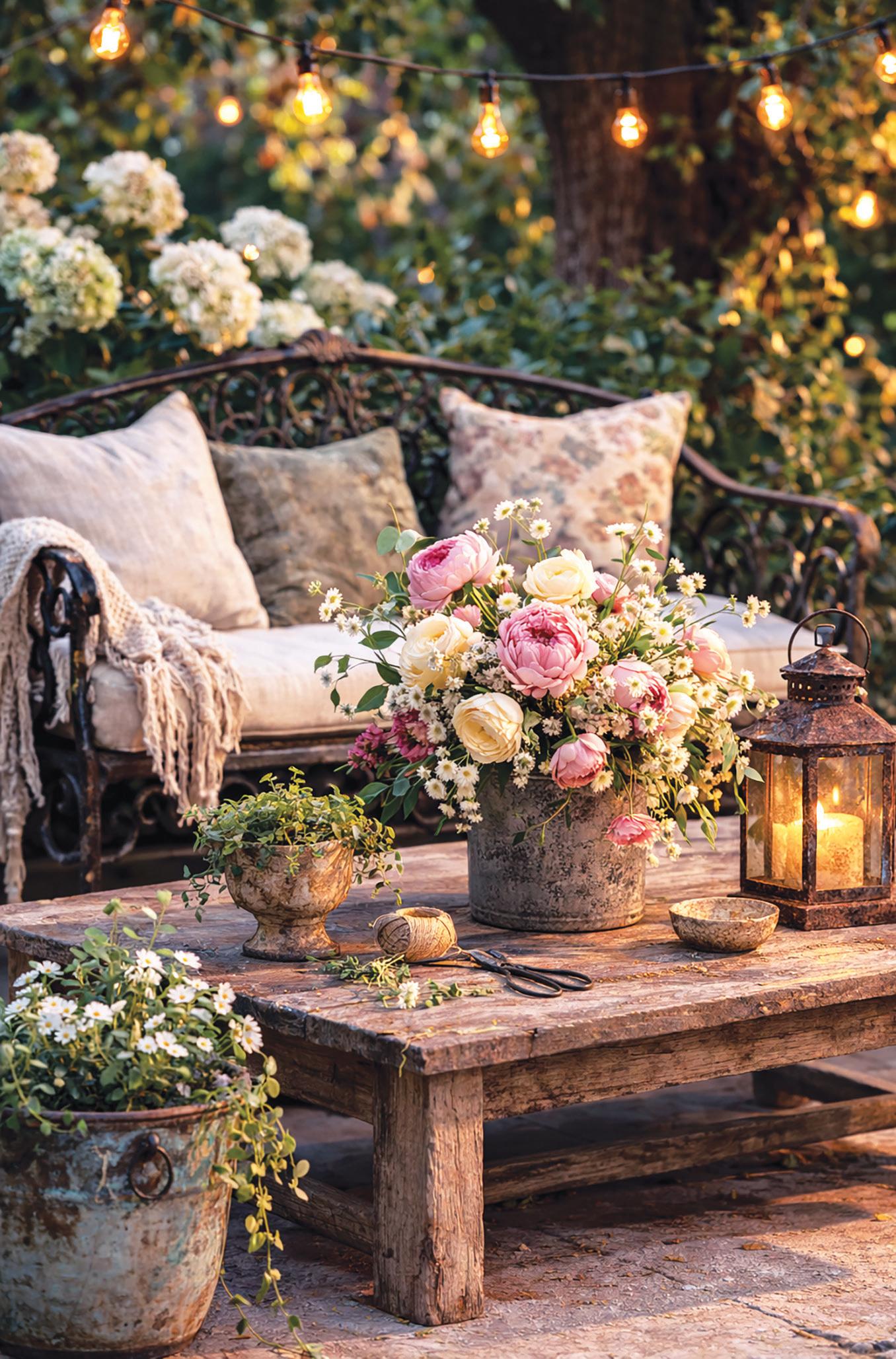
MMention vintage décor, and most people picture it indoors –china cabinets, sideboards, framed art, or heirloom furniture carefully placed inside. But many of the most interesting vintage pieces were never meant to stay there. They were built for porches, courtyards, gardens, and long afternoons spent outdoors. As porches reopen and gardens begin to fill in, these pieces truly shine. Iron furniture, weathered benches, garden tables, planters, lanterns, and salvaged architectural elements often feel more at home outside than newer pieces designed to look perfect out of the box.
“When I look at a piece and think, ‘Yes, this belongs outside,’ I’m looking at functionality,” says Jenny Sellars, owner of SuzAnna’s Antiques in Rolesville. “Can it be used in more than one way? Can things hang from it? Can vines twine up it? Will it hold up for a season or two outside?” That test – use, not display – is often the difference.
BUILT TO WITHSTAND REAL LIFE
Much of what we call vintage was built to last. “Vintage items were made to be used, not displayed, so they are much hardier than items we have for décor today,” Sellars says. “Metal, in particular, always holds up beautifully. You may need to sand and repaint or seal something to prevent more rust, but the patinas of certain pieces are what hold the charm. Repainting metal pieces is a great way to make something look new and fresh in a space.”
Exposure becomes part of the design. “Rusty, crusty pieces are the most fun,” she says. “Copper gets a great green hue when left outside – think Lady Liberty! But it really depends on your preferences for a look.”
That wear – the chipped paint, the rusted edges, the softened wood – isn’t damage. It’s character. As she says, “We are all ‘chipped and flawed.’ Celebrate each dent as a chapter in a story of how that piece was loved.”

WHAT ACTUALLY WORKS OUTSIDE
Not every vintage piece belongs outdoors, but many materials, such as wrought iron, galvanized metal, stone, teak, and well-aged hardwoods weather naturally and hold their structure. At the same time, Sellars believes creativity often matters more than rules. “Anything goes! You are only limited by your imagination.”
That imagination shows up in repurposing. “You might not need a twin-size bed, but a twin-size vintage headboard repurposed into a bench for an entryway is a fantastic use for a family piece that would otherwise be in the attic. A dresser that’s too small for clothes might be perfect for storing games or blankets in a living room corner.”
“Outside pieces are even better. I have broken pots and make them look intentionally broken so the flowers ‘spill’ out of the broken area. The chipped dishes you just can’t get rid of make beautiful garden edging. Metal pulleys or old harnesses make wonderful, whimsical hangers for porch plants. Chairs with the springs exposed can hold bulbs and blooms tucked into a corner of the yard. Mirrors hung on trees or fences to reflect the garden are fun, unusual outdoor elements. Chandeliers in the garden with solar lights are one of my favorites.”
CONTINUED



OPENING SUMMER
WHERE BEAUTY TAKES ROOT
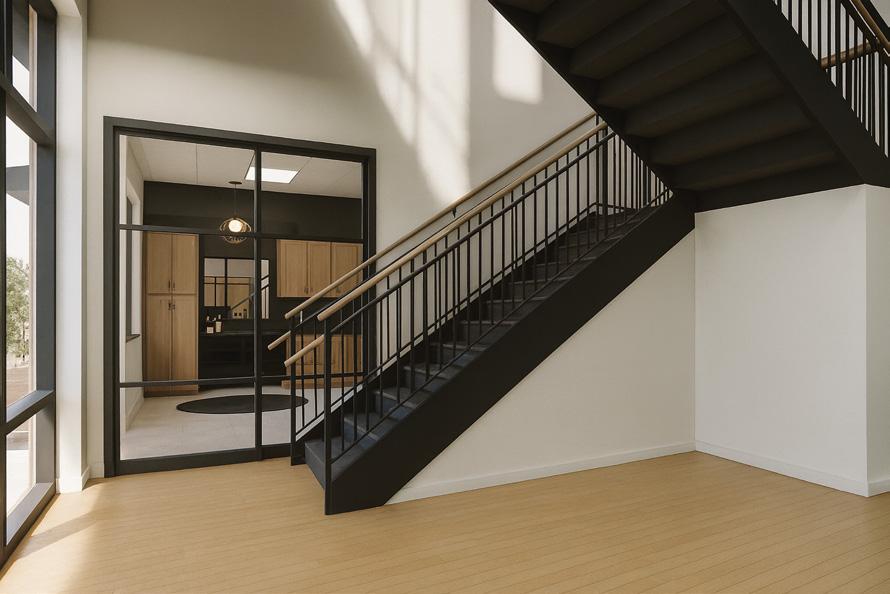
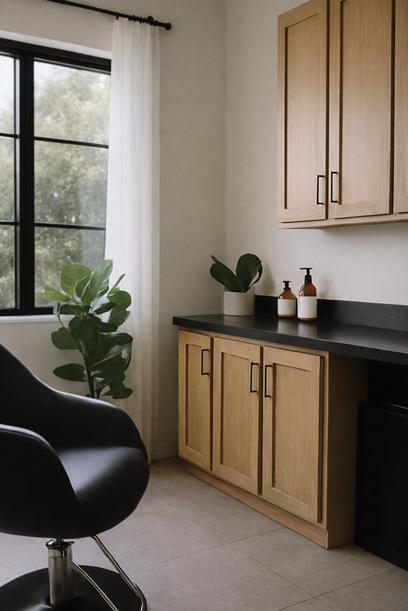
Featuring 9 individual studio spaces, welcoming up to 13 locally owned beauty professionals - your new destination for all things beauty in downtown Rolesville.
Hair • Skin • Nails • Lashes • Brows Spray Tans • Barbering • plus more
Grand Opening & Rental Opportunities Soon Follow us on Instgram & Facebook
S
Rolesville NC 27571 INTRODUCING A NEW CURATED COLLECTION OF PRIVATE SALON STUDIOS

When pieces are given that kind of second life, something unexpected often happens – people fall in love with a piece even more once it’s outside.
If something is fragile, she offers guidance without discouragement. “I will recommend a covered porch or another piece if something is too fragile. But if a customer has their heart set on something, I will help them figure out a way to use it.”
PATINA IS THE POINT
Using vintage outdoors often requires a mental shift – stop fixing it. Rust doesn’t need to be removed. Peeling paint doesn’t need to be repainted. Faded finishes don’t need to be refreshed.
Patina allows vintage to blend effortlessly into outdoor spaces. A weathered bench under a tree feels intentional. A rusted planter filled with herbs feels grounded. A chipped iron table on a porch feels lived-in, not styled.
Over time, Sellars has seen that wear deepens meaning rather than diminishes it. “It’s not necessarily how wear and age add value, but rather how connections create value,” she says.
MIXING OLD WITH NEW
Vintage works best when paired with newer elements. “Newer outdoor furniture is very polished and pretty, but if you add an old planter on top of the table or vintage pillows to the sofa, it keeps it from looking cookie-cutter. It creates it to be personalized.”
A vintage bench with modern cushions. A salvaged table with simple chairs. A rusty typewriter planted with moss and succulents. Teacups full of baby daffodils. “You are really only limited by your imagination – or by our imagination. Let your local shop
know you are looking for the unusual, and we are more than happy to help!”
DESIGNED FOR USE, NOT DISPLAY
What makes vintage outdoors especially appealing in the warmer months is how naturally it supports everyday life. These pieces aren’t precious; they invite use. A bench gets sat on. A table gets scratched. A planter gets replanted. “If you love it, it will work,” Sellars says.
That ease aligns perfectly with warm-weather living, when morning coffee moves to the porch and evenings stretch a little longer outside.
Her own outdoor space reflects that same spirit of enjoyment over preservation. “My favorite outdoor items have all been gifts,” she adds – unexpected pieces that spark conversation and joy. “One is a dinosaur made from rebar – he is my rebar raptor! Another favorite is my flying pig propane tank!”
A DIFFERENT WAY TO THINK ABOUT VINTAGE
Using vintage outdoors shifts the conversation away from nostalgia and toward living. It’s not about recreating a period; it’s about choosing pieces that already know how to exist in the elements and trusting them to keep telling their story. And as Sellars puts it, “The sky’s the limit!”
As outdoor spaces take on more importance in how we live this time of year, vintage offers something rare – character that improves with time and pieces that truly belong in the open air.

Special thanks to Jenny Sellars, owner of SuzAnna’s Antiques, located at 103 S. Main Street, in Rolesville.


heat and
THE HIDDEN HEALTH RISKS OF HIGH TEMPS AND DEHYDRATION
WWhen temperatures climb into the 90s and humidity rises above 50%, heat becomes more than uncomfortable – it can be dangerous. In fact, extreme heat causes more deaths each year than any other weather-related event. When heat and humidity combine, the air can feel even hotter, and the body’s ability to cool itself becomes compromised. Under these conditions, your heart and other systems start working harder, which can put significant strain on your body, even during low activity. Understanding how heat can affect your health, and why hydration is critical, can help you stay safe during the hottest months of the year.
HOW HEAT STRESSES THE BODY
Your body relies on sweating to regulate temperature, and as you sweat, you lose fluids – often faster than you realize. Along with water loss, your body also loses essential minerals such as potassium, sodium, and chloride, also known as electrolytes, which are crucial for maintaining fluid balance, supporting muscle movement, and regulating heart function.
Speaking of your heart, heat is forcing it to work harder. As fluid loss reduces blood volume, the heart compensates by pumping faster, often causing a rapid heart rate and a drop in blood pressure. At the same time, high humidity impedes sweat evaporation, making it harder for the body to release heat. As your body temperature climbs, so does your risk of heat-related illnesses.
In the short term, heat exposure can lead to heat cramps and heat exhaustion, both of which can develop quickly and worsen without prompt intervention. Symptoms can include muscle cramps, dizziness, nausea, weakness, headaches, and heavy sweating. If heat exhaustion is not addressed, it can progress to heat stroke, a medical emergency in which the body can no longer regulate its temperature. Heat stroke can lead to organ damage, seizures, coma, and even death.
Over time, repeated or prolonged dehydration can contribute to kidney stones, urinary tract infections, persistent headaches, and chronic fatigue. In individuals with arthritis or other joint conditions, fluid loss can reduce synovial fluid (the natural lubricant in joints), potentially worsening stiffness and pain.
Hydration
BY DR. ALKA SACHDEVA
WHY HYDRATION MATTERS MORE THAN YOU THINK
Hydration is more than quenching thirst. Water is essential to nearly every function in the body. Because the human body is composed of 40-70% water, depending on age and fitness level, even small fluid losses can have noticeable effects. By the time you feel “thirsty,” there is a good chance dehydration has already begun. Early warning signs include dry mouth, dark-colored urine, decreased urination, fatigue, headaches, and dizziness. Severe dehydration can cause an accelerated heartbeat, confusion, fainting, or difficulty breathing. If you or someone you know experiences these symptoms, get immediate medical attention.
SO, HOW MUCH WATER DO YOU NEED?
Unfortunately, there is no one-size-fits-all answer. But there are

general guidelines that can help keep you hydrated:
– Aim for 8-10 cups (64-80 ounces) of water daily in normal conditions.
– In extreme heat or during outdoor activity, add 2-4 cups of water per hour.
– When sweating heavily, include electrolyte-rich beverages like low-sugar sport drinks or coconut water to replace lost minerals.
Additionally, another good indicator is your bathroom habits. If you are not using the restroom every two to three hours or if your urine is dark yellow, you likely need more fluids.
TIPS FOR STAYING HYDRATED
Start by paying attention to the weather forecast so you can prepare for the day ahead. If high heat and humidity are expected:
– Start hydrating early and drink consistently throughout the day.
– Drink water 30 minutes before physical activity, and continue at regular intervals.
– Eat water-rich foods like watermelon, cucumbers, and berries.
– Limit caffeine and alcohol intake, which can increase fluid loss.
– Schedule outdoor activities for early morning or evening hours.
– Take frequent water breaks, and set reminders.
– Monitor urine color as an easy hydration check.
Even if you plan to stay indoors, you need to take these precautions, as well as lowering window coverings and turning off unused electrical devices that generate heat. Almost half of heatrelated deaths occur in the home, so keeping your interior as cool as possible is critical. But most importantly, listen to your body. If you feel dizzy or unwell, remove yourself from the heat immediately, sip water slowly, and apply cool compresses to the head, neck, and chest. If your symptoms don’t improve quickly or worsen, seek emergency care.
This information is intended for informational purposes only and is not intended to be a substitute for professional medical guidance, diagnosis, or treatment. No physician-patient relationship is created by this or its use.
Preventive care starts with education and early intervention. At Millennium Physician Group, they help patients understand their health risks and support their long-term wellness. Their focus is on whole-person care that supports your health through every season of life. Millennium Physician Group is now accepting new patients in Raleigh, and is located at 11009 Ingleside Place, Suite 201, Raleigh. For more information, call 919-8444344 or visit MillenniumPhysician.com.










BY SUZANNE LUCEY
Spring and summer are perfect seasons for rediscovering the pleasure of reading – whether it’s a quiet morning on the porch, a long afternoon at the beach, or a few peaceful minutes before bed. Beyond simple enjoyment, reading offers real benefits. Studies show it strengthens brain health, sharpens memory, and can reduce stress levels by as much as 70% in just 10 minutes.
BBooks also allow us to step into someone else’s perspective. I may never be a Frenchman, but through reading I can begin to understand how someone else sees the world. Stories build empathy, expand knowledge, and even help us live longer. Reading also brings people together – book clubs, shared recommendations, and conversations about favorite stories create connections that feel genuine and lasting. With spring and early summer bringing a fresh wave of new releases, here are a few wonderful titles worth adding to your reading list this season.
CHILDREN
Sit with a little one on your lap and enjoy some of these wonderful picture books for ages 0-100. Many readers still search for that favorite childhood story they loved years ago. My husband’s is The Monster at the End of This Book, which still makes readers laugh today. Sharing stories like these with the next generation is one of the great joys of reading.
You Stole My Name: Foods – A Rhyming Book of Foods & Animals That Sound Alike by Dennis
McGregor
This hilarious book will have parents laughing and kids thinking. Why are pigs in a blanket called that? What about butterfly pasta, bear claws, or turtle brownies? Through playful rhymes and vibrant illustrations, animals are paired with the foods that share their names. Clever, silly, and surprisingly educational, it’s a delightful read-aloud for curious kids and their families.
The Dream Keeper by Anna Walker
This gorgeous picture book that fosters imagination and play is
GOOD READS
reminiscent of Where the Wild Things Are. It tells the story of a young girl who finds solace in her toys until a mysterious turtle appears and her dreams begin to blend with reality. It’s a beautiful story about courage, comfort, and the power of imagination at bedtime.
The One and Only Family by Katherine Applegate Katherine Applegate returns to the world of The One and Only Ivan for one final adventure. Now living at a wildlife sanctuary with friends Ruby and Bob, Ivan adjusts to a new role as father to a pair of twins. As he navigates the challenges and joys of parenthood, he reflects on his own childhood and what it truly means to do the right thing. Written for readers ages 8-12 but perfect as a family read-aloud, it’s a heartfelt conclusion to a beloved series and also makes a thoughtful Father’s Day gift.

Dawn on the Coast: A Graphic
Novel – The Baby-Sitters Club #19
Adapted by Arley Nopra
In this graphic novel adaptation originally written by Ann M. Martin, Dawn travels to California to visit her dad and brother and quickly falls back in love with the sunshine, beaches, and time with her best friend Sunny, who has even started her own babysitting club. But the longer she stays, the more she wonders if she might want to remain in California for good. Kids love these graphic novels, and many adults enjoy rediscovering stories they first read decades ago.
YOUNG ADULT
Change of Plans by Sarah Dessen
North Carolina’s own Sarah Dessen returns with a heartfelt YA romance perfect for summer reading. Finley has always felt most comfortable following someone else’s lead – especially her charismatic boyfriend, Colin. But when a last-minute trip with her mother takes her to a long-forgotten family vacation house, everything begins to change. Surrounded by new relatives, unexpected friendships, and a charming guitarist named Ben, Finley begins to question the path she thought was already mapped out.
ADULT
Score by Kennedy Ryan
Did you know an internationally bestselling author calls Wake Forest home? Kennedy Ryan lives right here in our community, yet her books reach readers around the world. In Score, she delivers a powerful second-chance romance between an awardwinning screenwriter and a world-class musician who reunite to work on a film about the Harlem Renaissance more than a decade after their devastating breakup.
James Wilson and the Forgotten Fight for a People’s Constitution by Jesse Wegman
As a young lawyer, James Wilson made a powerful case for American independence in an essay that helped inspire the famous words, “We hold these truths to
be self-evident.” He wrote the first draft of the Constitution and later served as one of the first Supreme Court justices, championing the idea that political power comes from the people. Brilliant but controversial, his life ended in scandal and financial ruin, dying in the back room of a North Carolina tavern while hiding from creditors. His story reads almost like a novel.
London Falling: A Mysterious Death in a Gilded City and a Family’s Search for Truth by Patrick
Radden Keefe
In this gripping investigation, a young man plunges to his death from a balcony into the Thames. As his grieving parents search for answers, they uncover the secret life he had created, including a fictional identity as the son of a Russian oligarch, and a much larger story beneath the surface.
Black Freedom: A Visual History of Juneteenth and Emancipation Days by Blair L. M. Kelley
Black history is American history. This powerful visual history explores Juneteenth and other Emancipation Day traditions while honoring the people and events that shaped the long struggle for freedom and equality. Both educational and moving, it reminds readers that the story of democracy continues to evolve.
The Shippers by Katherine Center
Katherine Center delivers a funny, feelgood summer romance set on a destination wedding cruise. JoJo Burton arrives determined to finally solve her love life, but things get complicated when her childhood best friend – and former heartbreak –shows up unexpectedly as a fellow guest. As the pair team up for a little matchmaking adventure, old feelings resurface in charming ways. Center’s stories offer humor, warmth, and the kind of happy ending that feels comforting when you need it most.
Suzanne Lucey and her husband Dave own Page 158 Books, located at 415 S. Brooks Street in Wake Forest. She may be reached at 919-435-1843 or visit page158books.com.


BY CHRIS BRODY
REGULAR OR PERFECT ? The Manhattan Debate
After years behind the bar, I have learned that some debates never really end. Bourbon or rye. Cherry or twist. Shaken or stirred. However, few spark as much passion as the Manhattan – specifically, whether it is better made the classic way or ordered Perfect. On paper, the Manhattan is simple: whiskey, vermouth, bitters. Yet it is one of the most revealing cocktails you can order, telling a bartender what kind of drinker you are – and often telling you a little something about yourself too.
THE CASE FOR THE CLASSIC
A traditional Manhattan is made with rye or bourbon, sweet vermouth, and aromatic bitters. It is rich, bold, and direct. Sweet vermouth brings layers of caramel, herbs, and spice, rounding out the whiskey without muting its character.
This is the version many swear by, and for good reason. When made well, a classic Manhattan is balanced without being shy. It has structure and weight, the kind of cocktail that asks you to slow down and pay attention.
Historically, this is the Manhattan that put the drink on the map. It is the one that built its reputation in hotel bars and dimly lit lounges, long before cocktail menus became novels. For some, changing that recipe feels like tampering with something sacred.
And honestly, I get it. There’s a confidence in ordering a classic Manhattan that says, “I know what I like.”
ENTER THE PERFECT MANHATTAN
Then there is the Perfect Manhattan, a variation that swaps the single pour of sweet vermouth for an even split of sweet and dry. The name doesn’t mean it’s better. It simply refers to the equal parts vermouth. Still, the word “perfect” tends to raise expectations.
What this version offers is refinement. The dry vermouth lightens the drink, adding crispness and herbal notes that temper the richness of the sweet vermouth. The result is elegant and composed, often appealing to guests who find a classic Manhattan just a bit too heavy.
While I personally prefer the balance of a traditional Manhattan, I often recommend a Perfect one to someone who loves whiskey, but wants a little more lift. It is especially popular earlier in the evening, or during warmer months, when a softer balance feels right.
THERE IS NO WRONG ANSWER
The truth is, this debate is not about right or wrong. It is about context. A cold winter night practically begs for the warmth of a classic Manhattan, while a warm spring or summer evening might call for the lighter profile of a Perfect.
The whiskey matters too. A spicy rye can stand proudly alongside sweet vermouth, while a softer bourbon sometimes benefits from the structure that dry vermouth provides. These small choices, half an ounce here or a different bottle there, change everything. That is the beauty of cocktails. They strike a balance between structure and self-expression.
Ultimately, whether you are firmly on the side of the classic or prefer your Manhattan Perfect, the best version is the one made with intention, stirred with care, and served exactly the way you like it. After all, behind the bar, perfection isn’t a recipe. It’s a conversation.
Chris Brody is the owner of Shaken & Stirred, opening late spring. Shaken & Stirred is a cozy, craft-cocktail lounge located at 102 E. Green Street, in the heart of Downtown Franklinton.




Second Fridays April-Sept
6-9 pm
APRIL
MAY
JUNE
JULY
AUG
SEPT


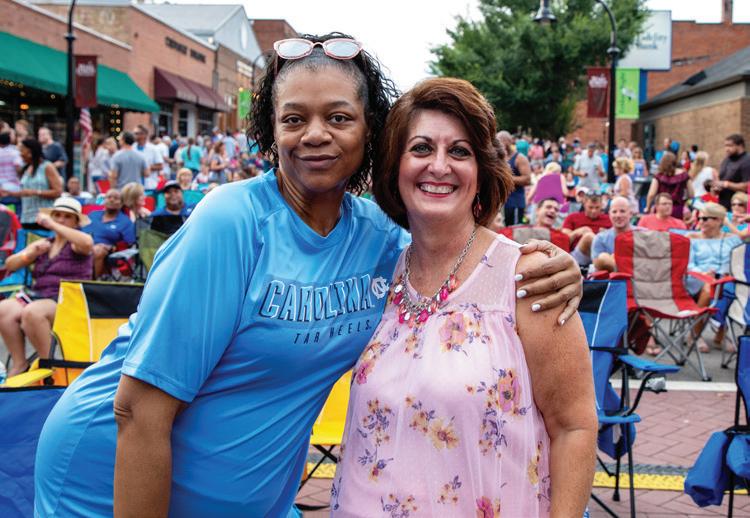

























BY TODD NELSON
SIMPLE STEPS TO REFRESH YOUR HOME FOR THE SEASON AHEAD
a warm weatherReset
AAs the weather warms and days grow longer, it’s a natural time to reset your home. Open windows, brighter light, and shifting routines make this season ideal for tackling deep-cleaning projects often postponed during colder months. Some tasks, especially those requiring professional services, are best planned ahead, while others can be spread out over the warm-weather months, making it less of a weekend overhaul and more of a manageable system.
CLOSETS, DRAWERS, BASEMENT, ATTIC, AND GARAGE STORAGE AREAS:
This is a logical place to begin and one that can be tackled regardless of the weather. Purging and organizing early helps clear the way for more labor-intensive cleaning later. To streamline the process, gather sturdy containers for donations and discards ahead of time, along with a list of local organizations that accept donations.

CURTAINS, DRAPES, AND BLINDS: Some curtains can be machinewashed at home, while others require professional dry cleaning. For washable fabrics, choose a detergent formulated for delicates or color protection. Blinds and shades benefit from seasonal attention. Many can be wiped down in place, while occasionally taking them down for a gentle rinse outdoors can refresh them before rehanging.
CARPETS AND RUGS: Carpets and area rugs should be deep cleaned every 12 to 18 months. Steam or dry-machine cleaning can be handled by professionals or with rented equipment; but either way, booking early helps avoid scheduling delays.
MATTRESSES: Flip, rotate, and vacuum mattresses using an upholstery attachment (do this at least twice a year). When weather allows, moving mattresses outdoors for a few hours of fresh air and sunshine can help reduce dust mites and refresh the fabric.
HEAVY BED LINENS: Wool blankets typically require professional dry cleaning, but most other blankets, quilts, and comforters can be washed at home. Down and other heavy comforters need frontloading machines and extra-large dryers to ensure proper cleaning and drying. Avoid fabric softeners with down and add dryer balls to restore loft and fluff.
PILLOWS: Bed pillows should be washed at least once every six months. Lightly soiled pillows can be cleaned with regular detergent, while heavier soils may benefit from a booster such as OxiClean or Borax. Never use bleach or fabric softeners, which can damage the filling. Dryer balls help maintain shape and fullness.
FURNITURE UPHOLSTERY:
Regular vacuuming helps preserve upholstered furniture, but deep cleaning once a year is recommended. Always check the manufacturer’s label beneath the cushions for cleaning guidance. Steam cleaning works well for fabrics that tolerate moisture, while dry methods such as baking soda followed by vacuuming are better for delicate materials.
BATHROOMS: Beyond routine cleaning, address areas often overlooked – slow drains, exhaust fans, mildewed shower curtains or
liners, and soap scum on shower doors and tile. Tackling these now helps keep bathrooms fresher as humidity rises.
WINDOWS AND SCREENS: Cleaning windows and screens can be timeconsuming, but it’s rewarding once everything outside is in bloom. With the right tools (a low-sudsing soap, soft sponge, squeegee, lint-free cloths, and a vacuum or hose for screens), you can achieve streak-free results with less effort.
AIR DUCTS, VENTS, CHIMNEYS, AND FLUES: After months of heavy use, this is an ideal time to have them professionally cleaned and inspected so they’re safe and ready when cooler weather returns.
WALLS: Walls collect dust and residue over time. Remove a picture or wall hanging and compare the exposed area to the surrounding surface; if there’s a noticeable difference, it’s time to clean. Wash from top to bottom with a pH-balanced cleaner and absorbent cloths.
FLOORS: Floors take the brunt of winter debris and early-season mud, making this a good time for a deep clean. Save this job for last, after walls and other surfaces are finished. Depending on flooring type, this may include stripping, waxing, or resealing for protection.
Todd Nelson is the owner of MaidPro of the Triangle.Visit maidpro.com/ raleigh-north or call 919-871-9996.





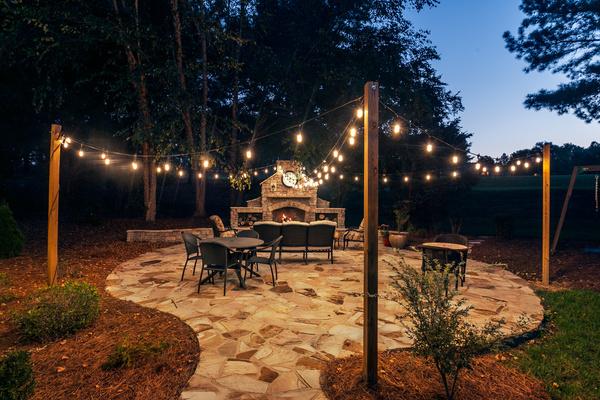





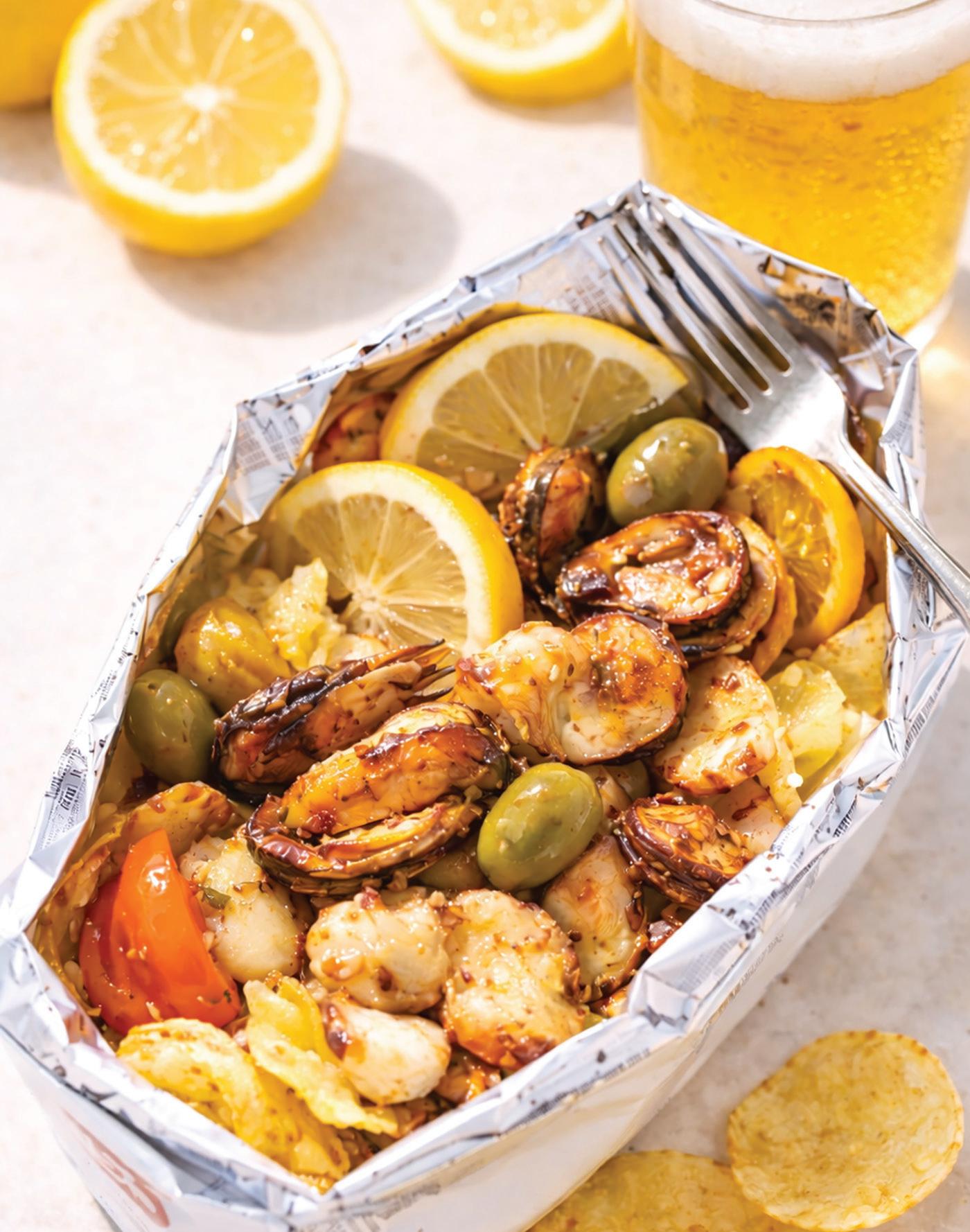
BY ADRIANA PINTO-LISTA
UNEXPECTED TAPAS
SPANISH FLAVORS, SERVED STRAIGHT FROM THE BAG
Picture this – a bag of chips sliced open, piled high with toppings, eaten straight from the package with a fork, or even by hand. Casual, a little messy, and completely satisfying. Now imagine that same idea layered with classic Spanish ingredients. In Spain, it’s common to pair chips with a tin of conservas (beautifully preserved seafood) or a plate of jamón and other Spanish charcuterie. Salty and crisp meet rich and flavorful in a combination that feels intuitive, and when brought together, it becomes surprisingly fun and shareable. The kind of effortless snack or light dinner that feels perfectly made for late-afternoon sunshine or an easy early evening when the air is warm and the drinks are cold.
SStart with a sturdy potato chip, one that is substantial enough to hold toppings without losing its crunch. Spanish varieties, like those from the Torres brand, are perfect for this. Open the bag lengthwise, fold the sides outward, and let it become your serving vessel.
CHOOSE YOUR PATH
With your chips ready and your ingredients gathered, the only decision left is which direction to take. Do you lean into the briny richness of Spanish seafood, or the savory depth of cured meats and aged cheeses? Both are rooted in tradition. Both are made for sharing.
– SEAFOOD STYLE: Layer your favorite conserva (such as mussels in escabeche, oil-packed anchovies, or tender octopus slices) over the chips. Add cheese if you’d like, along with olives, pickles, or guindillas for brightness. Finish with a splash of good olive oil and a squeeze of lemon (optional).
– CHARCUTERIE STYLE: Layer thin folds of jamón ibérico or slices of chorizo over the chips, letting them drape naturally. Tuck in shards of Manchego or Mahón; scatter olives, pickles, or guindillas for contrast; and finish with a drizzle of olive oil to bring everything together.
KEEP IT SIMPLE, YET FUN
Pick one protein (seafood or charcuterie), one cheese, a few briny or pickled accents, and a little olive oil ... that’s it. Stick to three or four ingredients so each flavor stands out while still playing well together. Add freshly ground pepper or a sprinkle of spices if you like. Easy, customizable, and delicious.
Visually, it’s simple and beautiful. Glossy seafood against golden chips. Deep red chorizo beside pale, aged cheese. A sheen of olive oil catching the light. And the textures? Crunchy chips meet silky toppings in every bite. For those used to elaborate grazing boards, this feels refreshingly relaxed – perfect for a spring picnic, a summery beach day, or any outdoor gathering where conversation matters more than presentation.
The beauty of these Spanish classics is that they aren’t reserved for special occasions. Even something as simple as a bag of chips can become an everyday, playful snack that is meant to be shared.
It’s not about reinvention. It’s about tapas – fun, unfussy, and unmistakably Spanish. So open the bag, pick your ingredients, and dig in.
Adriana Pinto-Lista is the owner of Canaria Boutique, a family-run boutique in The Cotton Company, located in downtown Wake Forest, celebrating Spanish artisan foods and traditions.


BY MIKE ALLEN
IIn today’s digital age, music is more accessible than ever. Roughly 50,000 new songs are uploaded to streaming platforms every day, and more than 253 million tracks now sit across audio services worldwide. With more than 11 million active artists globally, standing out requires more than uploading a track. It requires connection, persistence, and a community willing to show up. While streaming opens global doors, live performance and direct audience relationships are still what build real momentum – and here in the Triangle, that momentum is building.
On any given weekend across the region, live music spills out of listening rooms, breweries, festivals, and tucked-away venues. Something special is happening in our local arts scene ... young musicians building audiences the old-fashioned way – one show, one song, one connection at a time.
Wake Forest-area singer-songwriter Grace Lucia is part of that growing wave of talent.
Grace, who attended the UNC School of the Arts in WinstonSalem, knew from kindergarten what she wanted to be. “Everybody said they wanted to be an astronaut or doctor, and I wanted to be a singer. I really wanted to be a singer.”
She fed her passion through her dad’s CD collection of Pink Floyd, Led Zeppelin, the Replacements, Pearl Jam, and X, along with the Laurel Canyon sound of Joni Mitchell and Linda Ronstadt, and she honed her art under Matt Brechbiel at Bella Music in Wake Forest, where she now teaches voice and guitar. Despite heart surgery and other health challenges, she estimates she played 112 gigs in 2025 and 150 the year before. She has been performing since age 12, gigging professionally since 15, and playing ticketed shows since 18. She is also taking Berklee School of Music online courses to learn the business, marketing, and management side of music.
Grace plays many solo gigs but also builds bands with a rotating cast of talented young local musicians. “Being in a band is like being in a relationship. And having a family. It’s emotional to make music with people ... it’s an emotional connection when you have people playing your music.”
TH E SOUND OF A NEW G ENERATION
THE NEXT WAVE OF LOCAL MUSICIANS
The hard work is paying off. Grace is booking venues like the Cat’s Cradle, the Wake Forest Listening Room, the Flat Iron, the Pinhook, and other Triangle stages. She loves the artistic community here and the proximity to Raleigh, Durham, and Chapel Hill.
So what fuels her success? “I try to just be nice to everyone, unless someone gives me a reason not to. I really try to create connections with people and other bands instead of keeping to myself.”
One of those connections is with the Wake Forest-area indie rock band Flatrock, made up of members Aslan Joyner, Dan Saffold, Jack Chapman, and Dylan Kendrick. Alongside original music, they cover everything from the Grateful Dead and Hendrix to the Foo Fighters and John Mayer.

Three members have known each other since high school, which adds to their chemistry. “It didn’t start off as a big dream,” says Saffold. “But it was more like, ‘Oh, this actually works. We’ve got something here.’” The band members also perform with Grace at times.
Each brings a strong musical background. Chapman began playing at eight and wrote his first song at 11. “I was like, ‘This is fun,’” he says. Joyner grew up listening to Dave Matthews, Bob Dylan, Johnny Cash, and Jeff Buckley, along with Miles Davis and John Coltrane. Saffold studied jazz bass in Durham, and Kendrick was immersed in studio production growing up in Virginia.
Like many young bands, they are learning the realities of booking shows and presenting themselves professionally. “You just gotta be persistent,” says Joyner. “It’s been really helpful that we started thinking of the band as a business, even though we’re artists.”
Saffold adds, “You have to know how to format your email, put together a great EPK (Electronic Press Kit), be clear in the language you use, and be personable.”
Flatrock is currently recording its first record at Kendrick’s uncle’s studio in Virginia Beach. They’ve landed gigs at Slim’s, Schoolkids Records, and the Cat’s Cradle and played the main stage at Wake Forest’s Meet in the Street in 2025.
But whether in the studio or on stage, the heart of it remains the same. “You kind of settle in and it’s almost spiritual … like an awakening. Time disappears and you’re just there, playing music that flows out of you,” says Chapman.
What drives these young artists is a true love for music and the excitement of where it might lead. As Grace says, “I definitely see myself performing until I drop dead. Until I’m 100 years old. That’s my plan. As my cousin told me, ‘Don’t worry about the money. Just follow your heart and the money will come.’”
In a music world flooded with millions of songs and thousands of new artists every day, standing out can feel daunting. But artists like Grace Lucia and bands like Flatrock prove that persistence, authenticity, and community still matter. And here in the Triangle, where neighbors turn into audiences and local stages become launching pads, that kind of passion has room to grow.
Mike Allen is an advertising creative director/copywriter and founder and manager of The Wake Forest Listening Room, 415 Brooks Street, located next door to Page 158 Books in downtown Wake Forest. He can be reached at wflisteningroom17@gmail.com. Learn more and see the upcoming schedule at wakeforestlisteningroom.com or via Facebook and Instagram.
courtesy of Grace Lucia and Flatrock.

Photo

Most of us have heard of hypertension, also known as high blood pressure. While nearly half of U.S. adults have high blood pressure, there’s another, lesser-known type of hypertension called pulmonary hypertension (PH). Pulmonary hypertension refers to high blood pressure in the lungs, and it can’t be detected with regular blood pressure screening. We spoke with physicians from WakeMed Heart & Vascular and WakeMed Pulmonology to learn more about this disease, who’s at risk, and the new and innovative treatments offered to patients.
PULMONARY HYPERTENSION, EXPLAINED
Pulmonary hypertension is a form of lung disease where the blood vessels in the lungs are affected by high blood pressure. This increased pressure causes those vessels to become stiff, damaged, or narrow, which means the right side of the heart has to work harder to pump blood through. This is why many patients with PH also suffer from right-side heart failure – a condition that develops over time due to the stress on the heart muscle. Common risk factors include having a connective tissue disorder, congenital heart disease, being overweight, having congestive heart failure, COPD or pulmonary fibrosis, sleep apnea, and/or blood clots. However, it can also develop without these risk factors. Pulmonary hypertension is a chronic, progressive disease that can affect patients of all ages.
SIGNS AND SYMPTOMS
The most common symptom is shortness of breath, but others include fatigue; dizziness or fainting spells; chest pressure or pain; fast pulse or pounding heartbeat; swelling in the ankles, legs, and belly area; or blue/gray skin color due to low oxygen levels. Because symptoms often develop slowly over time, you may not notice them for months, or even years. That’s why it’s important to pay attention to even small changes in how you’re feeling and to talk to your doctor as soon as you notice them.
“Pulmonary hypertension is often overlooked and underdiagnosed,” says Daniel Fox, MD, a pulmonologist and critical care physician at WakeMed. “It’s a very complex condition that can take years to
LET ’S TALK PULMONARY HYPERTENSION
accurately diagnose and treat. Patients are often sent from specialist to specialist to get a wide range of diagnostic tests; all the while, their disease and symptoms are progressing, which can lead to a poor quality of life and frequent hospitalization.”
Early diagnosis can help patients get the treatments they need to lower the pressures in their lungs, improve heart function, and alleviate symptoms. If left untreated, pulmonary hypertension can lead to heart failure, arrhythmias such as atrial fibrillation, blood clots, and pregnancy complications. Diagnosis starts with blood tests and imaging of the heart and can require additional testing, including right-side heart catheterization. The good news is that while the condition often can’t be cured, treatment options have come a long way in recent years, thanks to a better understanding of how to approach it.

TREATMENT FOR PULMONARY HYPERTENSION
It’s important to receive treatment from a doctor who specializes in pulmonary hypertension to ensure that you are getting the most up-to-date treatment options. While diseases of the heart and lungs go hand in hand, in most cases, patients are treated by one or more specialists with infrequent collaboration or communication. A more coordinated approach to caring for patients with PH can help bridge the gap between early recognition and effective treatment. “Pulmonary hypertension is a condition that falls at the intersection of cardiology and pulmonology, and it only makes sense that the most effective care requires a collaborative approach,” explains pulmonary vascular expert Kishan Parikh, MD, WakeMed Heart & Vascular – Advanced Heart Failure. “We have the right people and tools to make a real difference in the lives of patients with pulmonary hypertension and previously unexplained shortness of breath.”
The WakeMed Heart Failure and Pulmonary Hypertension program is one of a kind in Wake County. Patients who previously had to travel to see specialists with expertise in managing this complex condition can now get the care they need closer to home.
WakeMed Pulmonology offers traditional pulmonology medicine services as well as pulmonary hypertension care and state-of-the-art interventional pulmonary procedures with offices in Raleigh, Cary, and Brier Creek.




A production of
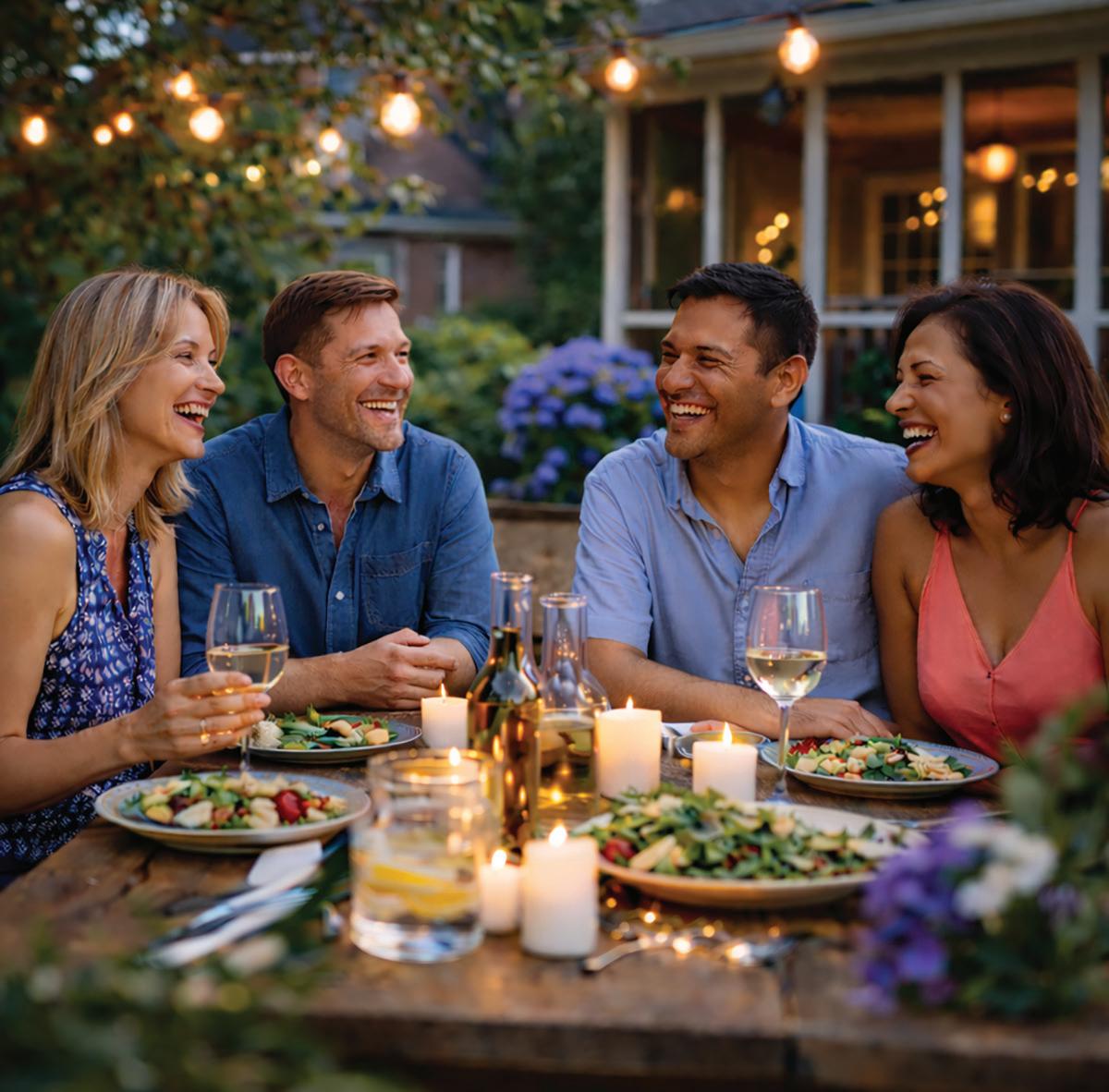
BY THOMAS WALTERS
THE THINGS WE DO MORE ... And Think About Less
HOW WARM WEATHER HABITS QUIETLY CHANGE RISK ... AND WHY YOUR COVERAGE SHOULD KEEP PACE
WWarm weather changes how we live, often without us realizing it. Doors stay open longer, schedules loosen, and more people come and go. Certain things like boats, golf carts, outdoor spaces, and recreational vehicles shift from occasional use to part of everyday life.
These changes are part of what makes the season enjoyable. But they also affect exposure in ways many people don’t think about until something goes wrong. Insurance policies are typically written around everyday routines, not seasonal shifts. And while spring and summer habits may feel temporary, coverage doesn’t distinguish between “just for the season” and permanent patterns. That’s why warm-weather living deserves a closer look.
BACK IN ROTATION
As temperatures rise, boats, jet skis, e-bikes, and golf carts move out of storage and into regular use. What’s easy to overlook isn’t the equipment itself, it’s how its use changes. Who’s driving it? Who’s riding along? Is it being loaned to a friend for the afternoon? Is it being used in different locations than usual?
It’s common to treat recreational vehicles casually. Lending a golf cart to a neighbor’s teenager or letting a visiting family member take the boat out can feel no different than lending a lawn chair. But liability typically follows ownership. If someone is injured while operating equipment registered in your name, the financial responsibility can extend further than many people expect.
Ensuring these assets are properly insured, and that coverage reflects how often and by whom they’re being used, is a step many homeowners skip simply because the shift feels seasonal.
WHEN OUTDOORS GETS BUSY
In warm weather, outdoor areas effectively become extensions of the home. Patios, decks, outdoor kitchens, pools, fire pits, and driveways see far more activity than they do during cooler months. Graduation parties. Cookouts. Neighborhood gatherings. Kids running between houses. Extra cars parked along the street. But with increased activity comes increased exposure. Slips on wet decking. Burns near a fire pit. Injuries on a trampoline. Accidental property damage during a gathering. None of these scenarios are unusual; they’re simply part of how people use their space during the season.
What often goes unreviewed is whether liability limits reflect that reality. Outdoor features and seasonal additions, even portable

ones, can meaningfully increase exposure. Many homeowners install a pool, add a trampoline, or upgrade a backyard space without revisiting their coverage. The structure of the home may not have changed, but the way it’s being used has.
SAME CARS, NEW PATTERNS
Vehicles also tend to work harder in warm weather. Road trips become more common. Multiple drivers may share the same vehicle. Visiting family members borrow cars. College students return home and drive more frequently. Teen drivers log more miles. Even though the car hasn’t changed, how it’s being used often has. eUsage, listed drivers, and driving frequency all factor into whether coverage remains appropriate. Temporary shifts like a young adult home for the summer can still matter if an accident occurs.
Auto insurance generally follows the vehicle, not the driver, but policies assume accurate driver information and declared use. When life shifts and insurance stays static, gaps can quietly form.
TEMPORARY CHANGES STILL MATTER
One of the most common misconceptions is that short-term or seasonal changes don’t affect insurance. In reality, coverage is based on declared risk at the time a policy is written or updated. If lifestyle patterns shift, even temporarily, the policy doesn’t automatically adjust.
Borrowed vehicles, short-term equipment use, increased guests, recreational activity, shared transportation – these are normal, healthy parts of spring and summer living, but they can alter liability exposure in meaningful ways.
Most coverage gaps aren’t the result of negligence. They happen because life changes gradually, and insurance paperwork doesn’t.
ENJOY THE SEASON, COVERED
Warm weather encourages ease, connection, and movement. It opens homes and brings people together. It invites travel, recreation, and spontaneity. The goal isn’t to approach the season cautiously; it’s to approach it informed. Insurance isn’t designed to restrict how you live; it’s meant to respond when life doesn’t go according to plan.
When seasonal habits shift, coverage should reflect those changes.
A brief review before peak season begins helps ensure protection aligns with reality, not just routine. When coverage keeps pace with how life actually looks during the season, the spring and summer seasons remain what they should be – relaxed, active, and enjoyed.
Thomas Walters is the owner of Walters Insurance Agency, located at 3207 Rogers Road, Suite 100 in Wake Forest. Call 919-554-0267 or email twalters@allstate.com for help with all your insurance needs.


BY RHONDA BENVIE PLUMMER
PERSONAL SPACES
REFRESH YOUR HOME WITH COLOR, TEXTURE, AND STYLE
AAs the seasons shift and windows begin to open again, many of us feel the urge to rethink the spaces around us. Increasingly, those refreshed spaces are becoming more personal than ever – warm, grounded environments that still leave room for bold expression and individual style. After years dominated by cool grays and minimalist restraint, designers and homeowners alike are embracing richer color, natural materials, and comforting silhouettes that make homes feel both inviting and modern. Here’s how to bring that energy into your own space.
COLOR TAKES CENTER STAGE: Color is taking center stage as homes move beyond neutral minimalism toward palettes that feel more vibrant and expressive. Warm neutrals and earth colors are setting the tone with cozy shades like warm khaki, soft ochre, camel, and creamy beige. These hues offer warmer, more inviting alternatives
to the cool grays that once dominated, creating a grounded backdrop that feels comfortable without being dull. For those ready to go bolder, jewel tones are having a moment, with deep blues, rich greens like jade, and saturated plum showing up as accent walls or statement furniture pieces. Even playful pops of color are appearing in accessories, art, and decorative accents, where wasabi (a lively yellow-green) and persimmon (a bright reddish-orange) add an instant lift and a touch of energetic color. Dusty pinks and soft, sky-inspired blues continue to soften bedrooms and living spaces, offering calm yet fresh tones that bring balance to bolder palettes. The beauty of these color trends is their flexibility – you can mix and match, balancing earthy backdrops with playful accent areas, or go bold with saturated color blocking in lively combinations.
EMBRACE NATURAL TEXTURES
AND MATERIALS: Home interiors are increasingly leaning into materials with warmth and character. Instead of sterile finishes, many spaces are incorporating surfaces that feel textured and lived-in. Rustic woods, travertine, and veined stone bring natural depth and grounding to living spaces. Natural fibers like jute, linen, hemp, and cotton add tactile comfort and work beautifully in lighter, warm-weather rugs, throw pillows, or breezy curtains. Warm metal accents also play a role, with brass, copper, and patina-finished metals elevating lighting, hardware, and decorative details, reflecting a broader desire for sustainability while helping homes feel more connected to nature and craftsmanship.

FURNITURE WITH SOUL – CURVES AND COMFORT: Stark, linear silhouettes are giving way to furniture with softer, more inviting shapes. Rounded, organic forms and statement pieces encourage spaces that feel comfortable and invite you to linger. Curved sofas and chairs are leading the way, with soft silhouettes that enhance both comfort and flow within a room. Multifunctional pieces are also becoming increasingly useful as living spaces evolve – modular sofas, extendable tables, and convertible storage help make everyday life easier without sacrificing style. Vintage-inspired touches are returning as well, with mid-century and art deco influences reappearing in fresh, modern ways that lend personality and a sense of nostalgia, helping create rooms that feel both refined and welcoming – perfect for spring gatherings with friends or simply enjoying relaxed summer evenings at home.
IT’S ALL IN THE DETAILS: Patterns are making a comeback – not just as statement wallpapers, but also woven into textiles, backsplashes, and floors, adding visual intrigue and personality that turn everyday spaces into curated, memorable environments. Checkerboard and geometric patterns are returning with modern twists, and when done in subtle tones, they add interest without overwhelming a space. Floral and botanical prints are also appearing in wallpapers and fabrics, especially in spring, helping bring the outdoors in. Textured walls are gaining attention as well, with plaster, wallpaper, and architectural details adding depth and dimension beyond what paint alone can provide.
DESIGNING WITH MOOD IN MIND: Perhaps the most important shift in today’s design is emotional. Interiors are no longer driven solely by aesthetics; they are shaped by how we want to feel. Calming corners are becoming a priority, with spaces devoted to meditation, reading nooks, or tranquil bedrooms that encourage rest and quiet moments. As spring blooms and summer heats up, homes are also embracing a stronger indoor-outdoor connection. Large glass doors opening to patios or outdoor living areas help blur the line between inside and out, creating spaces that feel open, bright, and connected to nature. Artful lighting also plays an important role, with sculptural pendants and layered lighting schemes adding both warmth and visual interest.
The goal is simple – a home that feels curated, restorative, and distinctly yours, where comfort and style coexist effortlessly. With the right balance of color, texture, and personality, even the smallest updates can transform how a space feels.
Rhonda Benvie Plummer is the owner of Help Me Rhonda Interiors, a full-service interior design firm offering everything you need to create a beautiful and functional home, from furnishings and décor to complete design solutions. Visit helpmerhondainteriors.com or call 919-2639054. Rhonda is also a regular guest on WPTF’s “Making Your Home Great” radio show one Saturday each month, when listeners can call in with their design questions.

BY JEFF ( JD ) DONAHOE
IIt’s always fun to hear people talk about planning a “wine trip.”
The idea of a vacation spent touring wineries, sampling wines, and eating well every day sounds like something straight out of the old television show Lifestyles of the Rich and Famous. Wine trips are a unique experience, but they can also feel daunting to plan. Where should we visit? What type of accommodations should we arrange? Which wineries should we see? When is the best time of year to go?
Most people planning their first wine trip hit the easy button and go with friends who have already planned a few wine trips themselves. There’s nothing wrong with that (it’s what I did on my first wine trip), but my goal here is to share a few insights to help ease the apprehension for those ready to plan their own. Let’s start with the first question – where should you go?

A TASTE OF WINE COUNTRY
PLANNING YOUR NEXT WINE TRIP
CHOOSING YOUR DESTINATION
With so many wine destinations around the world, how does one choose? Fortunately, there are excellent options right here in the United States. The most famous is Northern California’s Napa Valley, but neighboring regions like Sonoma Valley and Paso Robles offer equally memorable experiences. In fact, California produces more than 80% of all wine in the United States.
If you’re new to wine travel, Napa Valley offers wineries producing a wide range of styles, ensuring something for every palate. More seasoned wine lovers may gravitate toward regions known for specific varietals – Pinot Noir enthusiasts, for example, often visit Sonoma Valley or Oregon’s Willamette Valley. For those seeking less tourist-heavy areas, Washington’s Columbia Valley, California’s Paso Robles, or the Santa Lucia American Viticultural Area (AVA) offer excellent alternatives.
You also don’t have to travel across the country to enjoy a great wine experience. North Carolina has developed a thriving wine scene of its own. Regions like the Yadkin Valley and Swan Creek AVAs, along with vineyards throughout the Blue Ridge foothills and mountain regions, offer scenic drives, relaxed tasting rooms, and beautiful countryside views. Smaller wineries are scattered across the state, making it easy to plan a quick weekend escape close to home.
CHOOSING YOUR ACCOMMODATIONS
Where you stay can shape the feel of your wine trip. While hotels work perfectly well, other options can create a more immersive wine-country experience. From Airbnbs shared with friends or family to boutique hotels with their own dining and tasting experiences, there are plenty of ways to enjoy wine country culture. In Napa, for example, The Cottages of Napa Valley on the famous St. Helena Highway offers small cottages that provide guests with their own tiny house. Wherever you stay, I recommend choosing a location with outdoor seating and a firepit, creating a natural gathering place each evening to relax and enjoy wine under the stars.
CHOOSING WHEN TO VISIT
One of the most common questions I hear is, “What time of year is best to plan a wine trip?” The answer usually comes down to
vineyard activity and seasonal weather patterns, which influence how busy a region will feel. If Napa Valley is your destination and you want beautiful scenery and comfortable weather, spring is an incredible time to visit. Bud break will be underway and vineyards will be full of fresh green growth. If you want to experience the excitement of harvest and the events that accompany it, September and October are peak months. Here closer to home, spring and summer are also wonderful times to explore local wineries. Vineyards are lush and green, and many tasting rooms host outdoor events, live music, and patio tastings.
ENJOY THE EXPERIENCE
At the end of the day, a wine trip is about more than tasting wine. It’s about exploring beautiful landscapes, enjoying great meals, and spending time with friends and family. Whether your first trip takes you to Napa Valley, Oregon’s Willamette Valley, or a vineyard tucked into North Carolina’s countryside, the idea is the same –slow down, enjoy the experience, and discover something new along the way. And who knows ... you might even start planning the next trip before this one is over.
Jeff (JD) Donahoe and Thomas Walters are co-owners of The Sip Cellar (thesipcellar.com), your very own wine concierge service right here in Wake Forest. JD is also in the midst of completing his Certified Sommelier certification with the Court of Master Sommeliers.



HOW SIMPLE SEASONAL ACTIVITIES SUPPORT YOUR HEALTH
EVERYDAYMovement
When we think about exercise, we often picture something structured – a yoga class, a run through the neighborhood, time at the gym, or another intentional workout. These are all valuable ways to stay active and build strength, flexibility, and endurance. But during the warmer months, many of the activities that fill our days provide meaningful movement even if we don’t think of them as exercise. This type of activity is often called NEAT, or non-exercise activity thermogenesis, a term used to describe the energy our bodies expend through everyday movement – walking, gardening, carrying groceries, climbing stairs, doing yard work, or simply spending more time on our feet throughout the day. While these activities may seem small on their own, together they can add up to a meaningful contribution to overall health.
RResearch on daily movement continues to highlight an important point – the body benefits from regular activity spread throughout the day. Long periods of sitting can slow circulation and metabolism, while frequent light movement helps keep the body engaged and energized. In many ways, consistent daily movement may be just as important as a single concentrated workout.
Spring and summer naturally encourage this kind of activity. Longer daylight hours make it easier to spend time outdoors, and everyday routines often shift beyond the walls of the house. Neighborhood sidewalks fill with evening walkers, gardens require planting and watering, and parks, patios, and backyards become extensions of everyday life. These seasonal habits quietly increase movement in ways that often go unnoticed.
Gardening is one activity that surprises many people when viewed through a fitness lens. Digging, planting, carrying watering cans, and pulling weeds engage multiple muscle groups while
also improving balance and flexibility. Even moderate yard work can elevate the heart rate and provide the kind of steady movement that supports overall fitness.
Water activities also become more common during the warmer months. Swimming, paddleboarding, kayaking, or simply moving through the water at a pool provides natural resistance while reducing impact on joints. This combination of resistance and buoyancy is one reason aquatic exercise is often recommended for people of all ages.
Even small routines can make a difference. Taking a short walk
after dinner, for example, supports digestion and helps regulate blood sugar levels after meals. At the same time, these walks often provide something less measurable but equally valuable –an opportunity to relax, connect with family members, and enjoy the longer evenings that come with the season.
What makes everyday movement particularly valuable is that it rarely feels like exercise. Instead of being scheduled or measured, it becomes part of the rhythm of daily life. Structured workouts such as yoga, strength training, cycling, and fitness classes remain essential for building strength, flexibility, and endurance, but those benefits are complemented by the smaller movements that happen naturally throughout the day.
The warmer months simply make those movements easier. Porches lead to sidewalks, gardens lead to yards, and longer evenings invite one more walk around the block. The result is a season where movement often happens almost without thinking about it.
And while these moments may not always register as a traditional workout, they still contribute to something important – a body that moves more, sits less, and stays engaged with the world around it. Sometimes the exercise that benefits us most is the kind we barely notice at all.


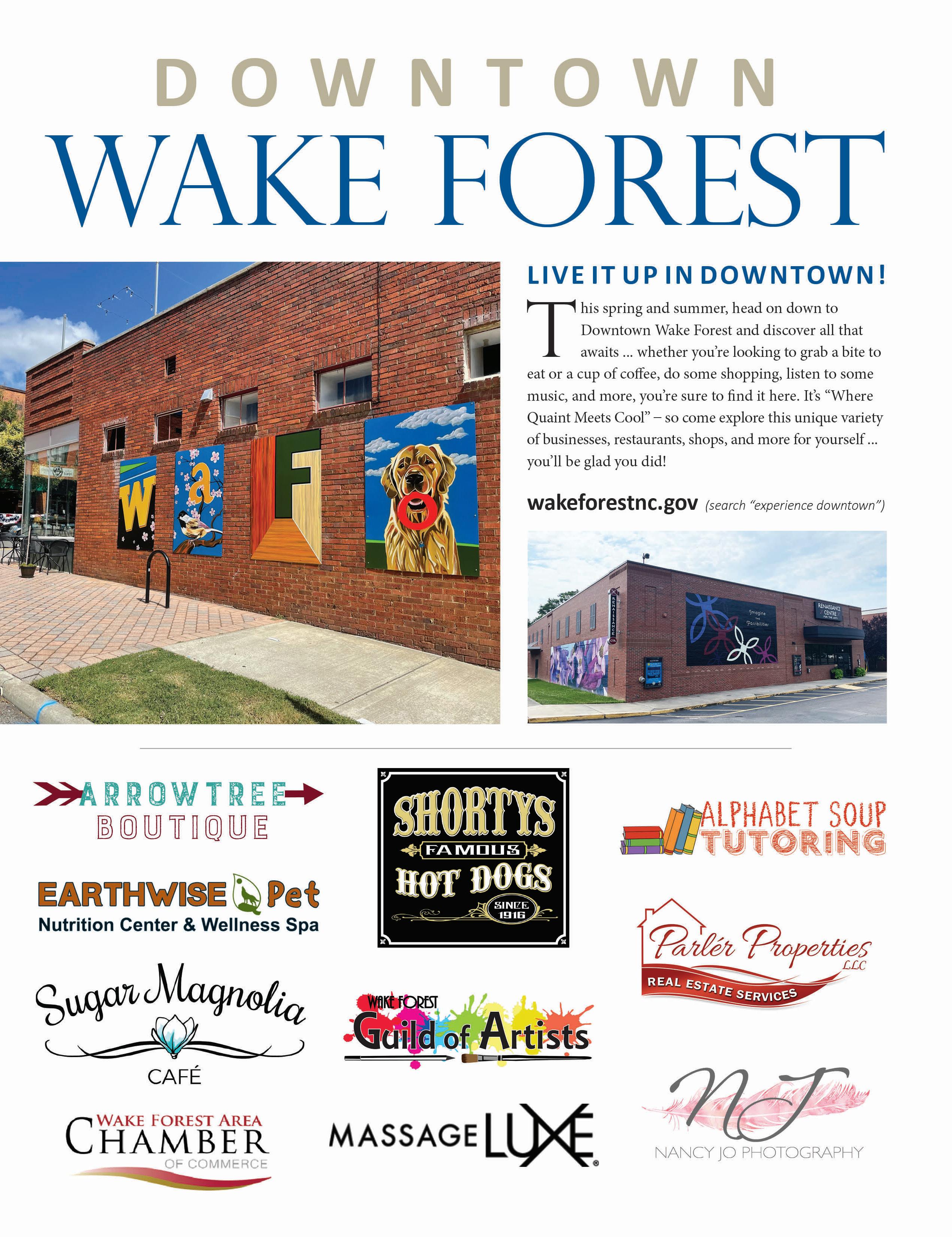

driveable Destination
BY KENT LOWER
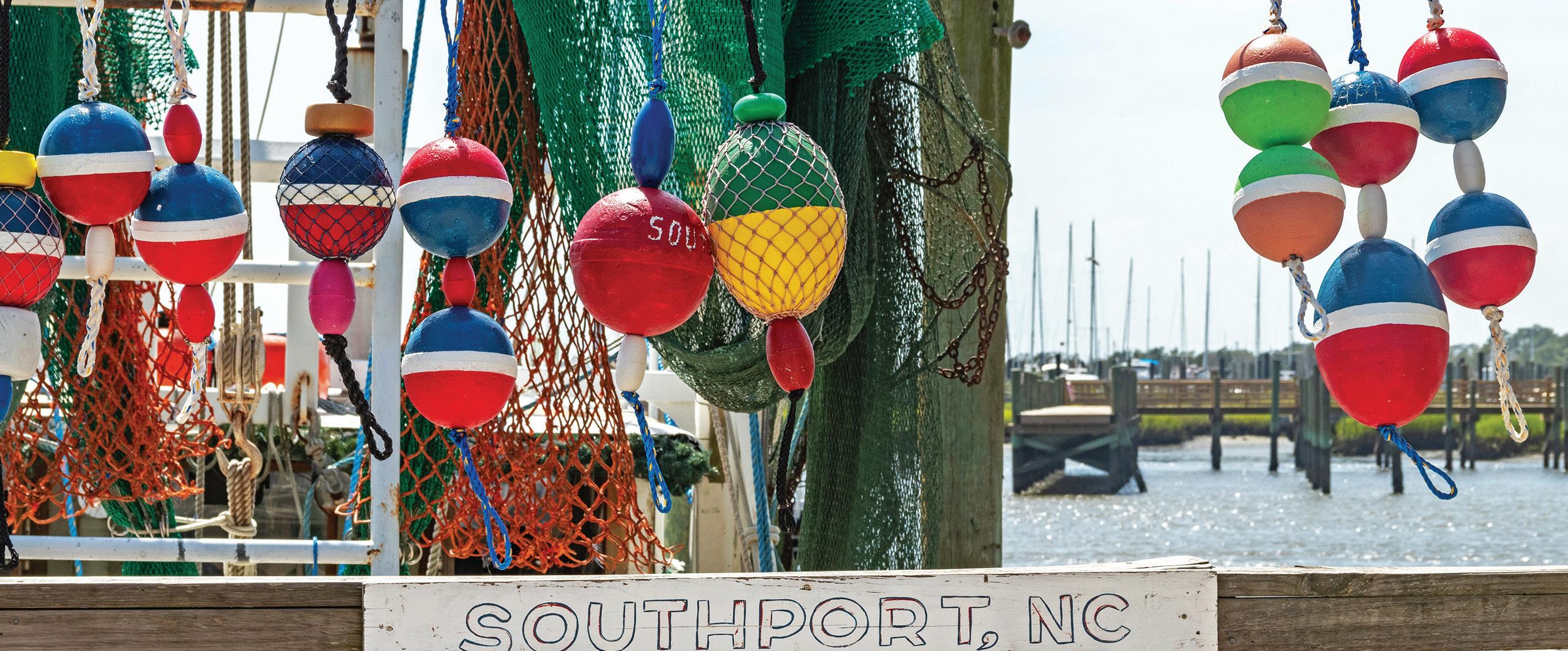
... WHERE THE RIVER MEETS THE SEA
Some places feel designed for slowing down. Southport is one of them. Perched at the mouth of the Cape Fear River in southeastern North Carolina, this small coastal town –just about 3.1 square miles – sits where river traffic, ocean currents, and centuries of maritime history converge. Water surrounds it in nearly every direction, barrier islands stretch offshore, sailboats drift past wide river views, and Spanish moss hangs from old live oaks that shade historic homes and quiet streets.
IIt’s no surprise the town has drawn national recognition. Southport has been named one of the “Best Coastal Small Towns” by USA Today and earned distinction as one of “America’s Happiest Seaside Towns” by Coastal Living. With its preserved historic district, active harbor, and relaxed coastal character, the accolades feel less like promotion and more like confirmation.
It’s the kind of escape that falls squarely into “leave after work on Friday, be back by Sunday evening” territory. No flights, no complicated planning, no packing like you’re moving. Yet there’s more than enough here to justify a longer stay, whether that’s spring break, a summer family trip, or a week built around beach days and ferry rides.
A LOCATION THAT SHAPED ITS IDENTITY
Southport’s distinctive culture is inseparable from its geography. The town extends toward the edge of the mainland, bordered by small islands and larger barrier beach communities. Just miles
from where the Cape Fear River empties into the Atlantic, it has long been a vital maritime stop.
Explorers arrived here as early as the 1500s. By the mid-1700s, Fort Johnston was built to defend the region from privateers and pirates. Incorporated as Smithville in 1792 and renamed Southport in 1887 to reflect its ambitions as a port city, the town grew around trade, fishing, and navigation.
Though its year-round population remains modest, its waterfront legacy is significant. Several marinas line the waterfront and nearby Intracoastal Waterway, and commercial fishermen, recreational boaters, and vessels navigating the Waterway still use Southport as a stopping point.
You feel that working-water energy immediately. This isn’t a recreated coastal village. It’s a town that has always faced the river.
HISTORY THAT LIVES IN THE PRESENT
Southport’s maritime past is on full display throughout downtown. Fort Johnston now houses the Fort Johnston-Southport Museum & Visitors’ Center, offering an overview of the town’s military and coastal heritage. From there, a self-guided walk leads past the Old Brunswick County Jail, City Hall, the Old Smithville Burial Ground, and homes that date back generations.
The North Carolina Maritime Museum at Southport dives deeper into the region’s story, tracing coastal life from early Indigenous mariners to Civil War naval strategy, World War-era activity, and the modern fishing industry. It’s a reminder that this stretch of coastline has long played a significant role in both state and national history.
That history isn’t confined to exhibits. One of the most enduring pieces of Southport’s maritime story involves the Cape Fear River Pilots, and you can still see them in action today. Their work stretches back to the town’s earliest days. For generations, specially trained pilots have boarded ves sels offshore, guiding commercial ships through the shifting shoals near Frying Pan Tower and the narrow channels at the mouth of the Cape Fear River. Their role demands precise knowledge of tides, cur rents, and navigation, along with the skill to maneuver massive vessels safely between the Atlantic Ocean and the Port of Wilmington. Visitors lingering along the water front can often spot pilot boats heading out to meet incoming cargo ships – a quiet but powerful reminder that this is not simply a historic harbor, but a working one.
Beyond the harbor, history settles into the streets. Ancient live oaks, some centuries old, frame sidewalks and porches. Architecture reflects both Southern and maritime influences. Think wide verandas, simple lines, and elevated homes built to face wind and water.
A TOWN HOLLYWOOD KEEPS RETURNING TO
Southport’s setting has made it a favorite of filmmakers for decades. Dozens of movies and television productions have used the town’s waterfront and residential streets as natural backdrops.
Films such as Safe Haven, A Walk to Remember, Summer Catch, Nights in Rodanthe, and I Know What You Did Last Summer were shot here, along with television series including Dawson’s Creek, Under The Dome, and more recently, The Summer I Turned Pretty. The town’s ability to feel both timeless and approachable makes it ideal for stories centered on romance, nostalgia, and coastal living.
Walking through downtown often feels familiar, even if it’s your first visit.
CONTINUED



DOWNTOWN AND THE WATERFRONT
The heart of Southport revolves around the Yacht Basin and Waterfront Park. Visitors gather along the town pier to watch ships pass along the Cape Fear River. From here, you can see cargo vessels heading toward the Atlantic, shrimp boats returning to dock, and sailboats navigating the Intracoastal Waterway.
Downtown is compact and entirely walkable. Antique stores display rare Southern finds. Coastal art galleries showcase local artists. Gift shops and boutiques line the streets. Seasonal events bring additional energy – summer farmers’ markets, fishing tournaments, gardening festivals, and one of North Carolina’s oldest and largest Fourth of July celebrations, drawing tens of thousands for its maritime parade and fireworks over the river.
DINING AND DOCKSIDE EVENINGS
Food and drink are central to the Southport experience. More than 40 restaurants, cafés, bars, and tasting rooms operate in and around town, offering everything from casual seafood shacks to refined riverfront dining. Fresh shrimp, oysters, and classic coastal fare dominate menus, but there’s range well beyond that.
Waterfront staples like Fishy Fishy Café and Provision Company draw steady crowds for their relaxed marina views and open-air seating. American Fish Company offers dockside drinks with

front-row water views and frequent live music, while The Frying Pan pairs coastal comfort food with sweeping river scenery. At Oliver’s on the Cape Fear, Southern cuisine meets an impressive wine and spirits program, served in a setting that spans riverfront windows, a covered patio, and an open-air terrace.
Downtown, wine bars, taprooms, and tasting rooms, including Silver Coast Winery’s tasting room, create easy transitions from dinner to evening. Many spots offer outdoor seating, which means sunset often becomes part of the reservation.
And these are just a sampling. Part of Southport’s appeal is wandering until something feels right, whether that’s a waterfront table, a porch seat, or a casual stop for a drink as boats drift past.
WHERE TO STAY
Visitors can choose from historic bed-and-breakfast inns within the downtown district, charming vacation rental homes, or national hotel brands on the outskirts of town. Staying in Southport means walking to coffee, dinner, and the waterfront without moving your car, which is a luxury in many coastal destinations.
BEYOND SOUTHPORT
While Southport easily fills a weekend, its location makes it ideal for a longer itinerary. The Southport-Fort Fisher Ferry offers a

scenic crossing of the Cape Fear River. From there, Fort Fisher provides beach access and historic Civil War landmarks (please note the aquarium is currently closed for renovation). Bald Head Island lies just offshore, reachable by ferry and known for its quiet beaches and maritime forests.
Oak Island and Caswell Beach are minutes away by car, offering more than 60 public beach access points, fishing piers, bike and kayak rentals, and the Oak Island Lighthouse, which visitors can climb for panoramic views.
Wilmington and nearby beaches like Wrightsville, Carolina, and Kure are also within easy driving distance, making Southport a strategic home base for exploring a broader stretch of coastline without relocating accommodations.
A PLACE TO CATCH YOUR BREATH
Southport has often been described as one of the most authentic coastal communities along North Carolina’s shoreline. That authenticity comes from its balance of working waterfront and historic preservation, tourism and year-round life, celebration and stillness. With front porches, dockside seating, shaded sidewalks, and miles of water in every direction, it offers something increasingly rare ... space to slow down without feeling removed from activity.
Whether you’re boarding the ferry, touring maritime landmarks, browsing antique shops, watching a cargo ship ease toward the ocean, or simply sitting beneath a live oak tree, Southport delivers a true change of rhythm. And sometimes, that’s exactly what a driveable destination should do.

Special thanks to Megan Missey, communications manager, Brunswick County Tourism Development Authority, for additional background and insight. For more information about Southport and North Carolina’s Brunswick Islands, visit ncbrunswick.com.
Photo courtesy of Brunswick County Tourism Development Authority.


BY KENT LOWER
COOKED IN TRADITION
LEMON CHESS PIE ... A BRIGHT SOUTHERN CLASSIC
CChess pie is one of those classic Southern desserts that appears in many forms but always begins the same way – with a handful of simple ingredients and a recipe passed down over time. Built from pantry staples like eggs, sugar, butter, and often a bit of cornmeal, it bakes into a smooth, custard-like filling with a lightly crisp top. The flavors may vary, but the comforting simplicity remains the same.
Its origins are a bit of Southern culinary folklore. Some say the name came from pies stored in old pie “chests,” while others believe it evolved from cooks describing the dessert simply as “jes’ pie.” Whatever the true story, it has remained a staple in Southern kitchens for generations.
In our family, we’ve enjoyed several versions over the years. My mom is known for her buttermilk and chocolate chess pies, which often make an appearance at holidays and family gatherings. But when the seasons begin to shift and warmer weather arrives, the one that always comes to mind for me is lemon, a pie her mother, my grandmother, Two Mom, spoiled us with. Her lemon chess pie seemed to appear naturally as meals became lighter and desserts called for something bright. The citrus flavor cuts through the richness of the custard filling – a bit of sunshine in each slice and exactly the kind of dessert that feels right for the season. Made from simple ingredients already in the kitchen, it comes together quickly, poured into a pie crust and baked until the center sets and the top turns lightly golden –nothing fancy, and that’s part of the charm.
Because the ingredients are so basic, it’s the kind of dessert that can easily be thrown together for a last-minute spring gathering, a backyard cookout, or a casual summer supper with friends. After cooling on the counter, it slices into smooth, bright wedges that balance sweet and citrus in every bite.
While the classic version is hard to improve upon, a few small variations can add a seasonal twist. Try Meyer lemons for a softer citrus flavor, or scatter fresh blueberries in the filling before baking for a pop of color and sweetness. The filling also works beautifully as lemon chess pie bars. Simply pour the mixture into a shortbread crust in a square pan, bake as directed, then cool and cut into small squares. They’re easy to serve and perfect for sharing at any warm-weather get-together.
Lemon chess pie pairs beautifully with simple accompaniments like vanilla ice cream or a light dusting of powdered sugar. For a subtle twist, touches like toasted coconut, lavender, or fresh berries and mint can add a seasonal note while still honoring the pie’s tradition.
When lemons are in season, chess pie brings a little sunshine, and a little tradition, back to the table.
LEMON CHESS PIE
Combine:
– 2 cups sugar
– 1 tablespoon flour
– 1 tablespoon cornmeal
Toss slightly with a fork.
Add:
– 4 unbeaten eggs
– 1/4 cup butter
– 1/4 cup milk
– 2 teaspoons lemon rind
– 1/4 cup lemon juice
Beat until well blended.
Pour into unbaked pie shell.
Bake at 350 degrees for 45 minutes, or until firm.
Allow to cool completely before slicing so the custard filling sets properly.
Refrigerate up to 4 days.
Freeze up to 2 months; thaw overnight in the fridge.


Consumer demand for cannabis beverages is growing as Americans drink less alcohol. According to a July Gallup survey, the percentage of U.S. adults who say they consume alcohol fell to 54%, the lowest level since 1939, when the polling organization first started tracking people's drinking behavior. More Americans also believe even moderate alcohol consumption is unhealthy, the poll found.
Replace Alcohol with THC?
Stress and Pain
Choose from over 60 different THC Seltzers, Teas, Cocktails, Spirits, Gummies & More



BY KEN auer
THE RISE OF NINJA WARRIOR TRAINING
FROM TV SHOW TO REAL-LIFE SPORT
TThe reality TV show American Ninja Warrior has certainly influenced what you might see today at trampoline parks, CrossFit gyms, playgrounds, and a variety of endurance events for all ages that incorporate obstacle-based challenges. Dedicated “ninja gyms” kick it up a notch, offering a wide range of fun, encouraging, functional athletic training accessible to everyone from beginners to professional competitors.
What many people don’t realize is that Wake County has become a growing hub for some of the best ninja warrior-style obstacle course racing (OCR) gyms in the country. And one reason for this growth is fairly unique to our area. Because Wake County operates both year-round and traditional school calendars, trackout programs and summer camps allow local gyms to operate throughout the day. That daytime activity helps support the cost
of specialized equipment and ongoing technical innovation. This in turn attracts top-tier coaches who can devote significant time to developing more advanced training environments. Over the years, people from across the country, and even Canada, have relocated here to be part of this community.
How did we reach that point? The first Spartan Race in the United States is often credited to an event held in Vermont in 2010. From there, many variations of OCR followed. As the sport evolved, some participants from American Ninja Warrior began building training facilities to prepare for increasingly difficult challenges. In North Carolina, early examples included gyms created by athletes like Mike Cook in Rocky Mount and Chad Hohn in Thomasville.
By 2014, roughly two dozen gyms across the country had joined two emerging competitive leagues that hosted show-style adult competitions. More gyms began opening, and the kids who had grown up watching the show soon wanted the opportunity to train, so they too could chase their dreams of hitting that famous buzzer. By 2016, the number of children involved in the sport began to exceed the number of adults. Ninja warrior training had effectively become a sport someone could grow up doing ... if they were fortunate enough to live near one of these facilities.
In 2017, Warrior Tech OCR opened in Morrisville, making it the first such gym in Wake County. Like many others in the area, my son Josh got his first taste of the sport there at age 11. Highly motivated, he quickly immersed himself in training. Within a year, he reached the semifinals of American Ninja Warrior Junior in his age group, earned top-10 finishes in two of the largest national leagues, and won first place in the Athlete Warrior Games.
Through extensive travel and involvement with the broader ninja warrior community, our family realized there was a major gap in southern Wake County. That realization eventually led us to open Rock Solid Warrior in Fuquay-Varina, creating another place for athletes of all ages to train and compete.
As interest in the sport continued to grow, these two gyms prompted others in the Carolinas to form the Ninja Carolina League (NCL) in 2020. Today, NCL has arguably become one of the most successful regional ninja warrior leagues in the country. Since then, Wake County alone has seen several additional gyms open.
NCL includes beginner, advanced, and pro-level divisions so that 9-year-olds who have been training for four months don’t have to compete with 9-year-olds who have been training for four years. Across these gyms, the shared philosophy is simple – meet individuals where they are, regardless of age or athletic ability, and support them as they progress as far as they choose to go.
Though the Hollywood show, with increasingly difficult participation access, may or may not continue, the sport itself, across a variety of event types, has certainly developed a life of its own. It is thriving and open to everyone. It builds character and promotes functional fitness, whether experienced through day camps, open gyms, or competitive environments. Unlike many sports that focus on “beating the enemy,” this one focuses on individuals overcoming obstacles, with competitors cheering each other on.
When parents walk into one of the facilities with their children, they often say, “Wow, I wish there was something like this when I was a kid.” And the truth is, anyone can start training at almost any age. Some athletes may eventually dream of competing in major events like the Ninja Sport Championship or the OCR World Cup. Looking even further ahead, obstacle course racing will debut as a 100-meter OCR event at the 2028 Olympic Games, with potential plans for additional events in the future.
For many kids, though, the goal is simpler. They just want to have fun. Day camps, birthday parties, and open gym sessions allow them to run, climb, swing, and test themselves in ways that build both confidence and resilience. They’ll go home tired, having accomplished something they didn’t know they could do. And they get to do it all in a safe, padded environment where climbing the walls is not only allowed –it’s encouraged.
Ken Auer became involved in the sport of ninja warrior training when his sons first discovered it and quickly developed a passion for the challenge. Since then, the Auer family has been deeply involved in the growth of the ninja warrior community throughout North Carolina. Ken is the CEO of Rock Solid Warrior, a ninja warrior and obstacle training facility serving athletes of all ages, with locations in Fuquay-Varina, Apex, and opening soon in Rolesville. He is also the creator of Ninja Master, a competition scoring software used in ninja warrior events. For more information, visit rocksolidwarriors.com and follow on Instagram and Facebook @rocksolidwarrior.







THE RALEIGH ROSE GARDEN

SLOCAL gem
Some of the Triangle’s most charming places aren’t the largest or most famous – they’re the quiet corners locals discover and return to again and again. Tucked behind the historic Raleigh Little Theatre campus, the Raleigh Rose Garden is one of those places. Just minutes from downtown, this peaceful hillside garden feels like a hidden retreat where visitors can slow down, wander the pathways, and quite literally stop to smell the roses.
Dedicated in 1951 as the finishing touch to the Works Progress Administration-era theatre grounds, the Raleigh Rose Garden has grown into one of Raleigh’s most beloved public green spaces.

Today, it remains one of only three accredited rose gardens in North Carolina and is carefully maintained by the City of Raleigh Parks, Recreation and Cultural Resources Department, along with a dedicated group of volunteers who help tend the beds throughout the year.
The garden features 60 rose beds planted with an impressive variety of blooms, including hybrid teas, floribundas, grandifloras, miniatures, and antique roses. Surrounding the beds is an arboretum of evergreen and deciduous trees that adds shade and seasonal beauty, creating a landscape that’s enjoyable throughout the year. The terraced beds follow the natural slope of the hillside, with pathways that allow visitors to move easily between sections and see the different varieties up close. Small identification markers are placed throughout to help visitors recognize many of the rose varieties, offering an opportunity to learn more about what’s in bloom.
From late spring through the height of summer, the garden is especially rewarding to visit. The roses are typically in bloom between Mother’s Day and the first hard freeze of fall, filling the beds with vibrant color and fragrance. During peak bloom, it’s easy to see why the garden has become a favorite setting for engagement photos, prom pictures, quiet picnics, and relaxed afternoon strolls.
Located at 301 Pogue Street, the Raleigh Rose Garden is open daily from dawn to dusk, and admission is free. Parking is limited near the entrance, with additional spaces available along Pogue Street. Visitors are simply asked to enjoy the roses without picking them so everyone can share in their beauty.
In a region full of beautiful places, the Raleigh Rose Garden stands out as one of those timeless local gems that rewards visitors year after year. With its historic setting, vibrant blooms, and peaceful atmosphere, it remains one of the Triangle’s most charming outdoor spaces – especially magical when the roses are in full bloom.





























BY VANESSA DAVIS
A glossy coat and healthy skin don’t happen by accident. They begin in the bowl. What dogs eat directly affects how their coat looks, feels, and functions. Shine, softness, texture, and even shedding patterns often reveal what’s happening
beneath the surface. Because skin and hair are living, constantly renewing tissues, they depend on steady, high-quality nutrition to grow, repair, and protect themselves. When a diet is balanced and digestible, the results are visible. When something is missing, the coat is often the first place it shows.
AA dog’s coat is more than a cosmetic feature. It’s a reflection of internal wellness. Hair follicles require constant nourishment, and the skin is one of the body’s most metabolically active organs. Because the body prioritizes vital organs first, the coat is often the earliest indicator of nutritional imbalance. Dry, flaky skin, dull or brittle hair, excessive shedding, and slow coat regrowth are all common signs that a dog’s diet may be missing key nutrients. A healthy coat, on the other hand, signals that the dog is receiving what it needs for optimal cellular function.
Protein plays the most essential role in coat health because hair is made almost entirely of keratin, a protein. Without high quality, easily digestible protein, the body cannot produce strong, healthy hair. Protein supports hair growth and repair, strengthens the hair shaft, and maintains the skin’s protective barrier. Diets low in protein or containing poor quality protein often lead to thin coats, excessive shedding, and slow regrowth after grooming.
Essential fatty acids, especially Omega-3 and Omega-6, are another cornerstone of coat health. These fats must come from the diet because dogs cannot produce them on their own. Omega-6 fatty acids help maintain skin hydration and softness, while Omega-3 fatty acids reduce inflammation and soothe irritated skin. When these fats are balanced, the coat becomes noticeably shinier and the skin more supple. Dogs lacking these nutrients often develop dry, itchy skin and a dull coat.
IT BEGINS IN THE BOWL
FUELING A HEALTHIER COAT FOR YOUR FOUR-LEGGED FRIEND
Vitamins and minerals, though needed in small amounts, have a big impact on coat quality. Vitamin A supports skin cell turnover, Vitamin E protects skin cells from damage, and biotin is essential for strong hair growth. Minerals like zinc and copper help prevent hair loss, support healing, and maintain coat pigmentation. Even a mild deficiency in any of these micronutrients can lead to visible coat problems, including dryness, dullness, or thinning hair.
Digestibility matters just as much as ingredient quality. Even the best nutrients are useless if the dog cannot absorb them. Highly digestible diets (those made with whole proteins, quality fats, and properly cooked carbohydrates) ensure nutrients reach the skin and coat efficiently. When nutrients are easily absorbed, the body can prioritize healthy hair growth and skin repair. Dogs on digestible diets often show improvements in coat quality within just a few weeks.
Hydration is another unsung hero of coat health. Water keeps the skin elastic and the coat soft. Dehydration can lead to flakiness, brittle hair, and increased shedding. Moisture-rich foods or encouraging more water intake can make a noticeable difference in overall coat condition.
Groomers often notice nutritional imbalances before anyone else because they work hands-on with the coat and skin every day. A dog with a balanced diet brushes out more easily, has fewer tangles, produces less dander, and tolerates grooming more comfortably. A well-nourished coat isn’t just beautiful and softer – it’s easier to maintain and is healthier for the dog.
Good nutrition doesn’t just create a shiny coat; it supports the entire body. But because the coat is so visible, it becomes the most obvious proof that a dog is thriving. When pet owners invest in high-quality nutrition, they’re not just improving appearance, they’re supporting long-term health, comfort, and well-being.
Vanessa Davis is the founder and CEO of Dirty Dogs Spa, with locations in Wake Forest (929 Heritage Lake Road, Ste. 500), Raleigh (Stonehenge Market, 7490 Creedmoor Road), and Wendell (1932 Wendell Falls Parkway). For more information, visit dirtydogsspa.com.


BY melinda engelhart
THE SCENT OF SHARED SPACES .. .
Hospitality
Beyond the Visual
THE QUIET ROLE FRAGRANCE PLAYS IN CREATING A WELCOMING HOME
WWe spend weeks picking the perfect porch paint, fluffing the throw pillows, and ensuring the hydrangeas are just right for the season. But there is a secret “connective tissue” that greets your neighbors before they even take a seat – the scent of your home. As we transition into the warmer months – the season of open windows and unlocked doors – we have a unique opportunity to use fragrance not just as a luxury, but as a tool for hospitality.
There is a reason why a zesty lemon verbena or a sprig of crushed mint feels like a breath of fresh air in spring. Beyond just smelling “clean,” citrus and herbal scents are scientifically proven to lower cortisol levels and reduce stress. When a neighbor walks through your door and encounters these bright, botanical notes, their shoulders instinctively drop. You’ve communicated, without saying a word, that this is a place of refreshment. In summer, the notes shift slightly – think sun-warmed orange peel, fresh-cut basil, or even a hint of coconut layered subtly beneath citrus.
FINDING YOUR SIGNATURE ATMOSPHERE
Designing a signature space means considering how your home feels the moment someone steps inside. For inspiration, here are a few scent profiles that help shape the mood during the warmer months.
– TO CONNECT: Look for the crispness of white tea paired with the nostalgia of sun-drenched berries. It’s an approachable, lingering fragrance that says the porch swing is ready and there is no rush to leave.
– TO GROUND: Lean into heritage notes like cured tobacco and aged cedar. Softened with a touch of vanilla, these earthy scents provide an immediate sense of belonging – the olfactory equivalent of a heavy linen quilt.
– TO RESTORE: Invite the outside in with the mineral notes of sea salt and wild sage. These airy, botanical profiles create a calm backdrop, helping a busy home feel more relaxed and grounded.
SEASONAL TIPS FOR THE HOSPITABLE HOME
Bringing your signature scent to life doesn’t require a full overhaul –just thoughtful placement and quiet consistency.
– THE ENTRYWAY FOCUS: Place your primary seasonal scent near the door. The first 10 seconds a guest spends in your home are the most powerful for sensory memory. A diffuser tucked onto a console, a candle lit just before company arrives, or even a small bowl of citrus peels or fresh herbs can gently anchor that first impression. It doesn’t need to be bold, just present.
– OPEN THE WINDOWS: Let the “real” season in. In spring, layer a botanical candle with a natural breeze for a scent that feels alive and ever-changing. In summer, when doors stay open longer and porch traffic moves in and out, balance that freshness

with something slightly warmer indoors – perhaps a hint of cedar, basil, or soft vanilla – so the home feels welcoming rather than overwhelmed.
– CONSISTENCY IS KEY: Find a signature vibe and allow it to carry gently from room to room. You may lighten citrus in early spring and deepen it with woods or warmer notes as summer evenings stretch longer, but keeping a recognizable thread creates familiarity – and familiarity breeds comfort. Over time, that scent becomes part of your home’s story.
A GIFT OF BELONGING
Ultimately, hospitality is more than a clean house or a perfectly set table – it’s about opening our lives to one another. When we take the time to curate the scents and textures of our homes, we aren’t just decorating a room, we are creating a space that invites people to relax and stay awhile.
In a world that often feels hurried and disconnected, a thoughtfully prepared home is a living reminder that there is still a place where you can be known, where you can breathe deeply, and where the air itself tells you that you are always, truly welcome.
Melinda Engelhart is the owner of The Stables Marketplace, located at 11 S. Main Street in Downtown Franklinton, as well as sister brands Shiplap + Sage and Sacred Honor, located within The Stables.


BY DR. EDMOND SUH

A SMILE THAT FITS YOUR LIFE
your smileyour wa y
When people think about enhancing their smile, they often picture a single solution – whitening, veneers, or “fixing everything at once.” In reality, smile enhancement today is far more nuanced. Advances in dental techniques and materials now allow for a range of options that can be tailored not only to how someone looks, but to how they live. But the best results don’t come from a one-size-fits-all approach. They come from choosing the right combination of options based on daily habits, long-term goals, and how subtle or noticeable a patient wants the change to be. There is no single right way to enhance a smile. The goal is to find the approach that fits your life.
STARTING
WITH THE
SIMPLEST CHANGES:
For many, smile enhancement begins with conservative updates that improve appearance without altering the natural look of their teeth. Professional whitening is often a starting point, particularly for teeth that have darkened over time due to coffee, wine, or normal aging. When done correctly, whitening can brighten a smile while still looking natural.
Small refinements can also make a meaningful difference. Correcting minor chips, smoothing worn edges, or correcting subtle surface irregularities can improve balance and consistency. These changes may be modest, but they often help a smile appear healthier and more even in everyday interactions.
WHEN SHAPE AND PROPORTION MATTER:
Sometimes the concern isn’t brightness, but proportion. Teeth that are uneven, worn down, or slightly misaligned can affect how a smile looks and feels. In these cases, reshaping or bonding may be an effective option, allowing for careful adjustments without significant intervention.
For those seeking more noticeable changes, veneers can be a powerful tool when used selectively. Modern veneers are designed to enhance, not replace, a natural smile. The emphasis is on preserving individuality while improving shape, spacing, or proportion in a way that feels intentional and restrained. When planned carefully, veneers should complement facial features, rather than draw attention to themselves.
ALIGNMENT AS PART OF THE PLAN:
Alignment plays an important role in both appearance and long-term comfort. Clear aligner therapy offers a discreet way to gently reposition teeth and is often incorporated into broader smile enhancement plans. For some, alignment alone provides enough improvement that additional cosmetic treatment isn’t necessary. For others, it creates a better foundation for whitening, bonding, or restorative work. What’s important is that alignment isn’t viewed as an isolated solution, but as part of the overall picture. A well-aligned smile often feels more comfortable, functions better, and allows other enhancements to look more natural and balanced.
ENHANCEMENTS THAT WORK IN REAL LIFE:
An essential part of smile design is understanding how a patient lives day to day. Someone who speaks frequently for work may prioritize comfort and clarity. Someone who travels often or spends time outdoors may think differently about durability and maintenance. Some patients want
changes that no one will notice, while others are ready for a visible refresh. These preferences help guide which enhancement options make sense, and which ones don’t. A smile should feel easy to live with, not something that requires explanation or constant attention. The best enhancements support confidence quietly, without becoming a focal point.
DESIGNED TO LAST, NOT JUST IMPRESS:
Modern smile enhancement is about longevity as much as appearance. The most successful plans consider how a smile will look and function years from now, not just immediately after treatment. That means choosing materials, shapes, and solutions that age well and continue to feel appropriate over time.
Thoughtful planning also helps avoid overcorrection. Enhancements designed to blend naturally into a patient’s features tend to remain satisfying long after trends shift.
THE RIGHT COMBO MAKES THE DIFFERENCE:
Enhancing a smile isn’t about choosing the “best” procedure – it’s about choosing the right combination for the individual. Whether that includes whitening, reshaping, alignment, veneers, or a mix of subtle improvements, the strongest outcomes are guided by personalization rather than comparison. An informed conversation with your dentist can help identify which options make the most sense for you, your goals, lifestyle, and long-term dental health. Ultimately, a smile that fits your life doesn’t stand out because it’s perfect. It stands out because it feels natural, comfortable, and entirely your own.
Dr. Edmond Suh, DDS is with Supremia Dentistry, located at 1704 S. Main Street in Wake Forest. Dr. Suh, a leading TMJ expert, is an international lecturer on contemporary dental techniques, as well as extremely conservative techniques for veneers, and has been performing such cases since 1999. At Supremia Dentistry, expect something different. Visit supremiadentistry.com to learn more or call 919-556-6220.



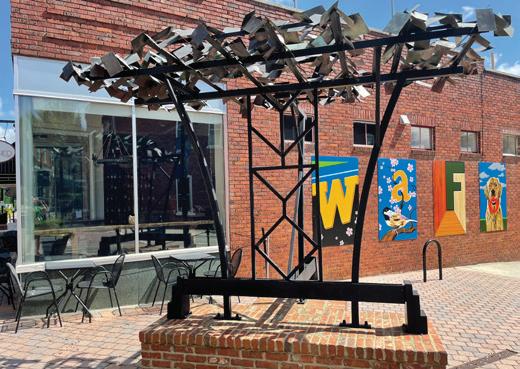



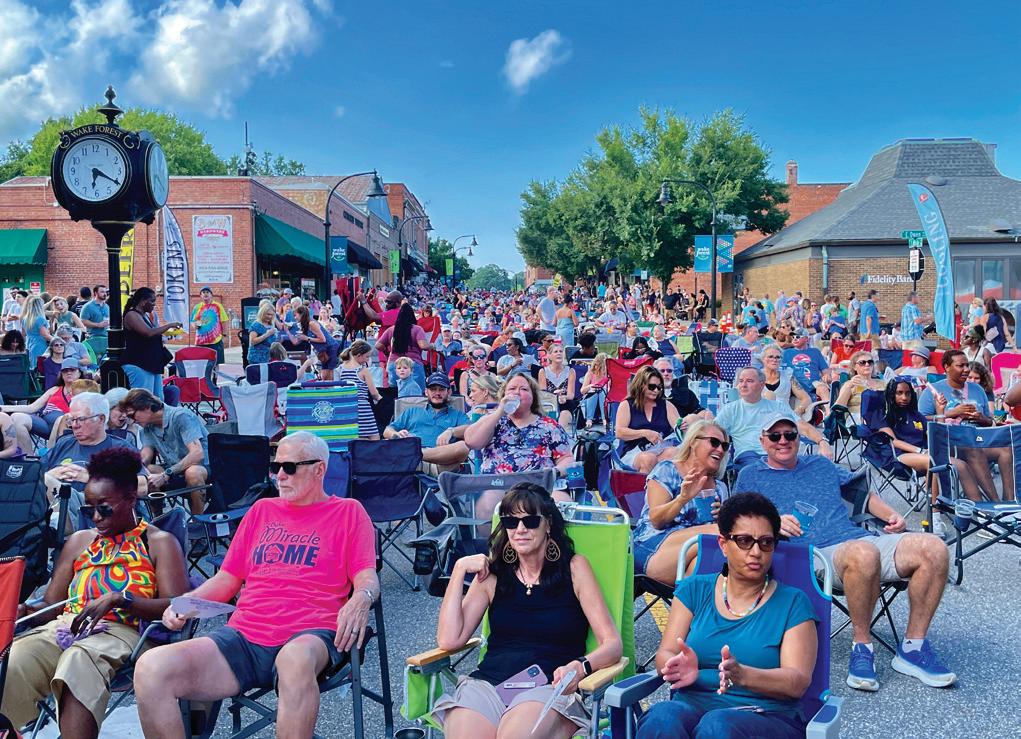
#where quaint meets cool


PEONIES
to Dahlias
THE STANDOUT BLOOMS THAT CARRY SPRING INTO SUMMER
Spring and summer bring no shortage of flowers. Garden centers, farmers’ markets, and neighborhood yards quickly fill with color and texture. While there are countless options, a handful of blooms consistently rise to the top each year –not because they’re trendy, but because they perform. These are the flowers that carry the season, holding up in Southern heat, moving easily from garden to vase, and brightening both indoor and outdoor spaces without demanding constant attention.
PEONIES: THE SPRING HEADLINER
Peonies are the unmistakable marker of late spring. Their bloom window is short, often just a few weeks in May, but their impact is outsized. Full, layered heads in shades of blush, coral, white, and deep pink feel almost architectural. One or two stems in a heavy glass or ceramic vase can anchor a kitchen island or dining table without additional filler. Their scale allows for simplicity. In the garden, peonies offer structure even after flowering with dense green foliage that keeps beds from looking sparse once the petals fall. Because their season is brief, they feel intentional ... a reminder to use them while they’re available.
RANUNCULUS AND GARDEN ROSES: THE TRANSITION BLOOMS
Ranunculus and garden roses help bridge the early and mid-spring garden. Ranunculus bring tightly layered petals and strong stems, making them excellent cut flowers that last well in water. Garden roses, which are softer and more fragrant than standard hybrid tea varieties, offer looser shapes and muted tones that blend easily into mixed arrangements. These blooms thrive in transitional arrangements – paired with greenery on a bedside table, grouped loosely in a pitcher on a breakfast nook shelf, or gathered for outdoor
entertaining. They’re flexible and structured enough to stand alone, yet subtle enough to mix.
HYDRANGEAS: THE WORKHORSE BLOOM
Hydrangeas earn their place every year because they solve problems. Need scale? One hydrangea arrangement can anchor a dining table, entry console, or large kitchen island. Need color in a shaded garden bed? They provide volume where many sun-loving blooms won’t. CONTINUED


In our region, mophead and panicle varieties perform particularly well, offering colors that range from blues and pinks to creamy whites and soft greens as the season progresses. Once cut, they transition seamlessly indoors, especially in larger rooms that benefit from their fullness. Few flowers offer that kind of versatility.
LILIES: HEIGHT AND DEFINITION
Lilies introduce contrast. Their upright stems and defined petals break up the roundness of hydrangeas and roses. Used sparingly, they add height and structure to arrangements that might otherwise feel heavy. Indoors, lilies work best in rooms that can accommodate their scale, like entryways, dining spaces, or sideboards where vertical lines are welcome. Outdoors, they bring rhythm to garden beds without overwhelming neighboring plants.
SNAPDRAGONS AND LARKSPUR: VERTICAL MOVEMENT
Where many summer flowers favor rounded forms, snapdragons and larkspur introduce vertical movement. Their tall stems guide the eye upward and provide balance when paired with fuller blooms like peonies or hydrangeas. Snapdragons offer dense clusters of blossoms in shades of pink, peach, white, and burgundy, while larkspur feels lighter and more delicate, bringing airy spires of lavender, blue, and pale pink. In garden beds, their height adds dimension among lower-growing plants, while in arrangements they help create natural structure.

ZINNIAS AND COSMOS: SUMMER’S RELIABLE FINISHERS
By mid- to late summer, when heat begins to dull more delicate blooms, zinnias and cosmos take over. Both thrive in full sun and continue producing well into the hottest months. Zinnias deliver saturated color with their coral, magenta, orange, and deep red hues, with sturdy stems that hold up in vases. Cosmos, lighter and airier, add movement and softness with their feathery foliage and delicate petals. Both are particularly useful in outdoor entertaining spaces. A handful of cut stems in small bud vases across a patio table can instantly refresh an evening gathering.
CONEFLOWERS AND BLACK-EYED SUSANS: NATIVE SUMMER COLOR
As summer heat intensifies, native perennials begin to take center stage. Coneflowers and black-eyed Susans thrive in full sun and tolerate the region’s warm temperatures with ease. Their daisy-like forms bring a relaxed, meadow-like feeling
to arrangements. Indoors, a small bundle of coneflowers in a ceramic pitcher can feel effortless and natural. In the garden, they attract pollinators and provide reliable color through much of the summer season.
DAHLIAS: LATE-SEASON IMPACT
Dahlias arrive later in summer and into early fall, but they bring a sense of drama just as other blooms begin to tire. From dinner-plate varieties to smaller pompon shapes, their structure feels intentional and almost sculptural. They work best when allowed space. A single dahlia in a simple vessel can be more effective than an overfilled arrangement. In the garden, their saturated tones carry beds into the closing stretch of the season.
BRINGING FLOWERS INTO EVERYDAY SPACES
Flowers don’t require elaborate styling to be effective. A single stem on a bathroom counter, a small cluster on an outdoor bistro table, or a few blooms beside the kitchen sink can be enough. Choosing what’s naturally in season means stronger stems, longer vase life, and arrangements that feel relaxed rather than overly arranged.
From peonies to dahlias, these are the flowers that carry the season. They move easily between garden beds and kitchen tables, outdoor gatherings and everyday corners of the home. As gardens fill in and warmer days settle in, small details begin to stand out – fresh blooms on the table, sunlight through an open window, evenings that linger a little longer outdoors. Often, a few flowers gathered from the garden are all it takes to mark the moment and enjoy the season while it’s here.
And with that, spring gives way to summer – an invitation to step outside, take in the color around us, and see what’s blooming. The months ahead will bring fuller gardens, longer evenings outdoors, and flowers that naturally find their way from garden beds to kitchen tables.


Our Heritage
THE EARLY YEARS OF DOWNTOWN WAKE FOREST
BY CAROLYN RICE
IIn 1852, Wake Forest College trustees petitioned the Raleigh and Gaston Railroad to establish a depot at the school. The closest station was a mile south in Forestville, forcing students and faculty to walk a mile to collect mail. At the time, the Wake Forest post office only received mail twice a week, while Forestville received daily mail through the depot. The railroad rejected the school’s first request. Finally, in 1872, the railroad closed the Forestville station and opened a passenger depot at Wake Forest. When the train station relocated, Wake Forest became the area’s economic center.
Wake Forest College graduates began establishing businesses along the railroad, helping establish the community’s first commercial district. John Benjamin Powers and T. E. Holding partnered with T. H. Edwards to form Edwards, Holding & Co., a drug store, in 1888. Soon after, the business partners split. Edwards sold his shares in the company, and Powers opened his own drug store, relocating closer to the railroad tracks. T. E. Holding rebranded his drug store to Holding & Co. Holding’s store offered a variety of products, including drugs, toiletries, and textbooks. T. E. Holding’s business helped him earn recognition as a progressive citizen and exemplary pharmacist.
expanded their business and announced plans to build a large brick store to replace their wooden structure. This two-story brick building is where Domino’s Pizza is located today.
In 1897, Purefoy and Reid sold their business to William Dickson, Fredrick Dickson, and their brother-in-law, Nathaniel Dunn, who operated Dunn & Dickson Bros. The success of Dunn and Dickson Bros. paralleled the growth of Wake Forest, which had 257 students at that time. Dunn, a Wake Forest College graduate, and the Dickson Brothers were described as individuals of integrity and strong business sense. Committed to staying current with trends and offering an impressive variety of products from both foreign and domestic manufacturers. Dunn & Dickson Bros. stood out among the other general stores in town due to their extensive inventory, competitive prices, and prompt service. By January 1900, the partnership of Dunn & Dickson Bros. dissolved when Dunn retired, and the business became Dickson Bros.

Another Wake Forest College graduate, William Jonathan Wingate, founded W. J. Wingate & Co. in 1884. Wingate was known as a great sportsman. At his general merchandise store, he offered sporting goods, guns, and ammunition, in addition to groceries and dry goods. Wingate carried high-quality bicycle brands such as Columbia, Rambler, and Crawford. The store also featured a repair department for fixing bicycles. During the summer months, the store also served ice cream, soda water, and ice, thanks to an attached ice house. Wingate built a large and profitable business that attracted patrons from beyond the Wake Forest area. Unfortunately, in 1896, a devastating fire destroyed three stores in downtown, including the wooden structure of W. J. Wingate & Co.
Another general merchandise store in downtown Wake Forest, Purefoy & Reid, served as a one-stop shop for groceries, hardware, dry goods, and farming supplies. Frederick Purefoy and Reid
Development around the Wake Forest railroad station transformed a small college community into a thriving business district. The relocation of the railroad depot anchored economic growth along White Street and transformed a small college community. Wake Forest College graduates supported downtown growth, building businesses that served both college students and the surrounding communities.
To learn more about downtown Wake Forest history, visit Wake Forest Historical Museum to view Strolling White Street: A Photographic History of Downtown. This collection of photographs showcases the evolution of transportation, architecture, and commerce in downtown Wake Forest over the past 100 years. They reveal how events such as the Great Depression, World War II, and the departure of Wake Forest College in 1956 shaped this landscape. Each photograph holds a story waiting to be uncovered. To learn more, visit wakeforestmuseum.org.
Rice is manager of operations and external relations
Carolyn
of the Wake Forest Historical Museum, located at 414 N. Main Street.