
Cold plunge tanks: Considerations for environmental public health
Introduction
Cold water immersion is a practice that dates back centuries and is associated with numerous health claims.1-3 In recent years, immersion in frigid lakes, oceans, or an ice bath in a tub has been rising in popularity as celebrities and social media tout the physical and mental health benefits of this wellness trend.4,5 Many athletes and sports teams have also adopted cold water immersion as an injury prevention and muscle recovery therapy.1-3 Cold water immersion is sometimes alternated with hot water immersion therapy, each bout lasting 1-10 minutes, depending on the therapy prescribed.6,7 Although scientific evidence on these health benefits is still emerging, proponents claim that cold water immersion improves metabolic and mental health, boosts the immune system, speeds up post-exercise recovery, and alleviates chronic inflammation.1,2,5 Consequently, environmental public health professionals (EPHPs) have seen increasing numbers of personal service establishments (PSEs) offering cold plunge services in their jurisdictions.
For the purposes of this paper, the terms “cold plunge tanks/tubs” and “ice baths” are considered equivalent. The primary health concerns associated with cold plunge tanks are the potential infection risk from the shared use of the vessels, the effect of the cold temperature on disinfectant efficacy, and improper cleaning and disinfection practices for these vessels.8 Another health risk is the potentially dangerous physiological response from cold water exposure on the body and organs. Injury from physical hazards in the cold plunge environment such as slips, falls, and entrapment is also possible. Children and seniors may be more susceptible to the physiological and physical hazards of cold plunge tanks.
In Canada, cold plunge tanks with recirculating filtration and treatment systems typically must comply with regulations governing swimming pools. However, cold plunge tanks differ from swimming pools and thus operators have difficulty complying with certain aspects of swimming pool regulations. Stand-alone cold plunge tanks that do not have recirculating filtration or automatic disinfection systems are not covered by swimming pool regulations, creating a regulatory gap. Stand-alone cold plunges are typically found in PSEs such as spas and wellness centers. However, in provinces where personal service settings are regulated and inspected, existing regulations and guidelines do not provide specific requirements or guidance for the safe and hygienic operations of cold plunge tanks.

Continued on page 3 ...
As summer winds down and we look ahead to fall, I want to take a moment to reflect on where we are as a Branch and share some exciting updates.
First and foremost, 2025 marks the centenary of the BC/YT Branch of CIPHI. This is a remarkable milestone that speaks to the enduring strength and impact of our profession in British Columbia and Yukon. For (over) 100 years, Environmental Public Health Professionals have been at the forefront of protecting communities, responding to emerging threats, and shaping healthier futures. We want to celebrate this legacy with our members, and we’d love to hear your ideas on how we can mark this occasion meaningfully. Whether it’s a commemorative event or booth at the National AEC, a storytelling project, or something entirely different, please reach out and share your thoughts.
Looking ahead, we’re in the final stages of planning for the 2025 CIPHI National Annual Education Conference in Kelowna this September. We have a wonderful slate of speakers (with the draft program available at www.ciphi.ca), and we’re thrilled to have outstanding keynotes each day of the conference. These include strong BC representation, with Qwustenuxun (a Coast Salish chef and cultural educator) sharing powerful insights on food sovereignty and Indigenous knowledge systems; and Dr. Sarah Henderson (scientific director at BCCDC) speaking to the evolving landscape of environmental public health and air quality.

To help make the conference more accessible to BC/YT Branch members, we’ve launched a bursary program to support members in attending the conference. We know that professional development is critical, especially in our profession, and the BC/YT Branch is committed to helping our members stay connected and informed.
We also want to acknowledge the challenging financial climate that many of you are navigating in your workplaces. The uncertainty and stress of health authority reviews, budget constraints, and financial instability are deeply felt across our profession. Please know that the CIPHI BC Branch Executive is advocating at all levels about the importance of our profession and recognition of the work that you do to prevent illness and keep people healthy.
As always, thank you for your dedication to public health and your commitment to the communities you serve. We look forward to seeing many of you in Kelowna at the AEC, and we encourage you to stay engaged, share your ideas, and reach out if you need support.
Keep up to date on the latest news at the BC Branch website:
www.ciphi.bc.ca
The page also contains information on membership, conferences, career opportunities, documents, and much more. Check it out regularly.
Did you know the BC Branch is on Facebook and Instagram? Click on the icon to find the BC Branch on Facebook and Like them .


on the icon and the BC Branch on In-
Cold Plunge Tanks—continued from p1
As more people take interest in cold plunge practices, more businesses offering these types of services will likely emerge due to market demands, but there is limited public health guidance for this novel apparatus. The purpose of this paper is to present the potential health risks associated with cold plunge tanks and how these risks may be mitigated. This is a first step toward increasing awareness around the environmental public health risks that these vessels may pose, and to developing guidelines that would protect the health of users.
Methodology
Literature search
A literature search was conducted in EBSCOhost databases (includes Medline, CINAHL, Academic Search Complete, ERIC, etc.), Google Scholar, and Google. Peer-reviewed and grey English-language literature from 2014 to 2024 were collected, although older literature was also included if relevant. Additional references were added via forward and backward chaining of those search results and supplemental searches, as necessary. Each study was assessed by a single reviewer and the results were synthesized narratively. The synthesis was subjected to internal and external review. Google was also used to identify additional relevant grey and industry literature. EPHPs on national and provincial personal service settings working groups in Canada were consulted on this project. Complete search terms are listed in Appendix A.
Results
Existing guidance on cold plunge tanks
Current guidance related to cold plunge tanks/basins/pools are generally aligned with those for hot spas/whirlpools. No guidance was found pertaining to disinfection and water chemistry, cleaning and draining practices, or number of concurrent users specific to cold plunge tanks. The MAHC defines spas as a structure intended for both warm or cold water, and discusses the physiological hazards associated with cold water exposure.9 The MAHC also requires the turnover rate of cold plunge pools to be one hour or less.9 The New Public Pool Plan Approval Requirements from California provides some general guidance on certain aspects of cold plunge environments and spells out additional requirements for cold plunge tanks in spas10:
• The maximum size is 49 square feet and the maximum depth is 4 feet.
• The cold plunge must be built in conjunction with a hot spa.
• The cold plunge must have a refrigeration system or other means to cool the water.
• Recirculation system requirements must comply with hot spa standards.
• A ladder and grab rail may be used in lieu of stairs.
• Benches may be omitted.
In the absence of additional guidance, existing US and Canadian hydrotherapy tanks and whirlpool spas guidelines may be consulted for similarities. The US CDC Guidelines for Environmental Infection Control in Health-Care Facilities defines hydrotherapy tanks as closed-cycle water systems with hydro jets but no filtration or automatic disinfection systems, with water temperatures ranging from 10°C-40°C.11 The guidelines require hydrotherapy tanks to be drained, cleaned, and disinfected between each user. Additionally, an EPA-registered disinfectant product or sodium hypochlorite must be added to the water, with a 15-ppm chlorine residual in small hydrotherapy tanks or 2-5 ppm chlorine residual in whirlpools.12 The higher chlorine residual is to account for accelerated disinfectant dissipation and reaction with organic compounds due to the higher temperature, as well as the reduction in chlorine effectiveness from water aeration with hydro jets.
Newfoundland’s Environmental Health Guidelines for Hydrotherapy Pools is another guideline for which similarities to cold plunge tanks may be extrapolated.13 In the context of these guidelines, hydrotherapy pools are required to have a recirculation and continuous disinfection system. These guidelines do not cover hydrotherapy tanks, spas, and whirlpools that are drained and disinfected after each use.
Cold Plunge Tanks—continued
Guidance on residual disinfectant requirements for swimming pools and hot tubs may also be consulted when developing guidelines for cold plunge tank. A table summarizing the residual disinfectant requirements for recreational water in different provinces can be found in Appendix B. Additional disinfection and cleaning instructions may be available from cold plunge tank manufacturers. However, many of them are for personal and residential use only. For commercial use, the safety and suitability of each cold plunge tank equipment and set-up need to be assessed on an individual basis.
Although the Model Aquatic Health Code includes a section on disinfection protocols in floatation tanks, the highly saturated saline water in floatation tanks differs drastically from the water in cold plunge tanks; as such, the disinfectant requirements would not apply to cold plunge tanks.9 Therefore floatation tank guidelines were not considered for the purposes of this paper.
Outbreaks associated with cold plunge tubs and shared ice baths
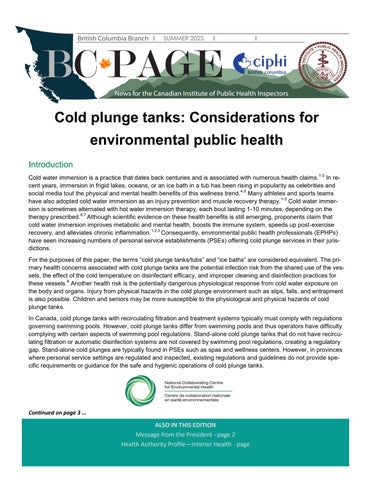
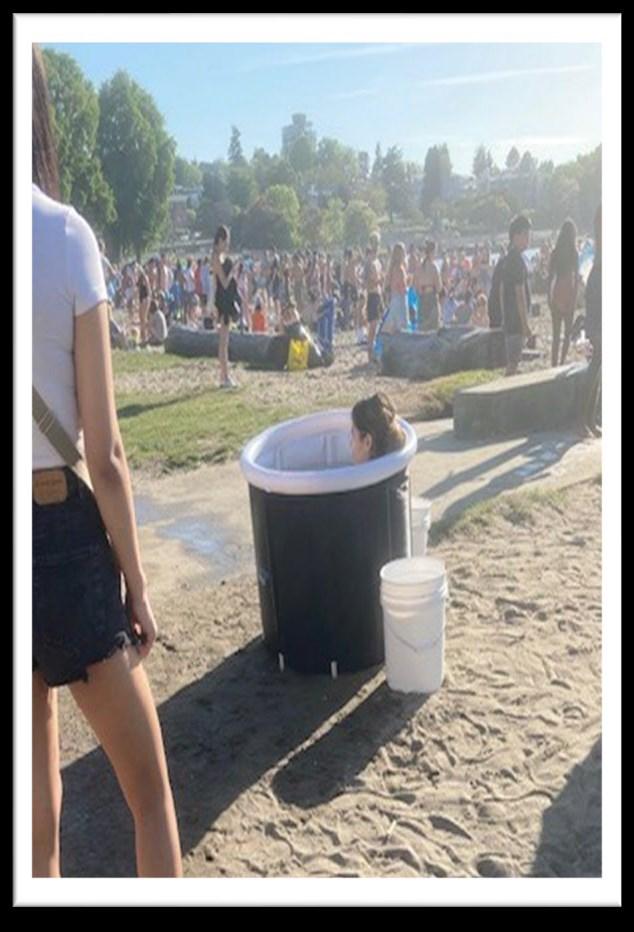
Stand alone tanks found in local communities (personal photos)
A review of the literature did not reveal any outbreaks associated with cold plunge tubs in personal service establishments, but outbreaks in other settings have occurred. Among athletes, hot/cold water immersion is a popular form of therapy, which may take place in shared whirlpools or ice baths. Athletes are prone to injuries and are therefore at risk for skin and soft tissue infection if proper hygiene practices are not followed in shared spaces. A survey of distance runners revealed that 12% of respondents experienced fecal incontinence while running.14 If appropriate hygiene practices are not followed, fecal matter could potentially contaminate shared ice baths. Outbreaks of Staphylococcus aureus, herpes simplex virus type 1 (HSV-1), Streptococcus pyogenes, and some types of fungi have been documented in athletes, and the practice of sharing a whirlpool, clothing, or towels were identified as potential routes of transmission.15 Poor hygiene practices in the shared facilities of an Australian professional football team, including a shared ice bath, were identified as potential risk factors in a methicillin-resistant Staphylococcus aureus (MRSA) outbreak among the players.16 Another investigation by Public Health England found that several practices, including sharing towels, razors, and ice baths, may have contributed to an MSSA outbreak in a rugby team.17
Standard cold plunge tank design and use
Cold immersion can take place in different vessels, such as a tank that is hard plumbed with a recirculating filtration and automatic disinfection system, similar to traditional swimming pools, or a stand-alone tank without filtration or disinfection systems, made with a variety of materials such as stainless steel, plastic, vinyl, fiberglass, or even specially treated wood (figures 1 and 2).8,18,19 The tanks are either pre-assembled or require some assembly upon delivery, or may be inflatable or portable. Some premium cold plunge tanks are equipped with a chiller for cold water only, or a heat pump that provides both heating and cooling, as well as 20-micron filtration and ozone and/or UV disinfection systems.18,19 Commercial cold plunge tanks with larger capacity, larger filters with a hair catcher, and increased pump speed for quicker chilling are also available from some manufacturers.20 These larger tanks enable simultaneous use by multiple individuals.
In order to prevent formation of biofilms in the filtration and plumbing systems as well as the vessel itself, existing commercial cold plunge tanks with UV or ozone disinfection require the use of an additional residual disinfectant.21,22 While some models recommend the use of a hydrogen peroxide product, the 2023 Model Aquatic Health Code (MAHC), which provides public health guidance for pools, hot tubs and splash pads, prohibits the use of UV/hydrogen peroxide combination systems in aquatic facilities, because neither UV nor hydrogen peroxide provide continuous disinfection in the form of a residual.9 Therefore only chlorine or bromine should be used in conjunction with UV or ozone. In addition to regular cleaning, the presence of residual disinfectants in the water also helps minimize biofilm
Cold Plunge Tanks—continued from p4
formation in the filtration system as long as the water is flowing constantly as required by one of the commercial cold plunge tank manufacturers.22
The temperature of the water used in cold plunge tanks differs depending on personal preferences. Cold plunge facilities operate at a range of temperatures, varying from 2°C to 10°C.23 A systematic review on the effect of water temperature and duration on muscle soreness and recovery found that immersing in water between 10° to 15°C demonstrated the best results.24 Temperatures between 9° to 15 °C appear to be typical experimental temperatures for preventing and treating muscle soreness in another systematic review.25 Water temperatures between 5 to 10°C are categorized as “severe cold” and may trigger the “cold shock response”, which will be briefly discussed in a subsequent section. The duration of cold water immersion varies among individuals, although systematic reviews on the benefits of cold water immersion on muscle recovery found that between 11 and 15 minutes produced the best results.24,25
Health risks associated with cold plunge tanks
Microbiological hazards
The main microbiological hazard found in recreational water such as swimming pools and cold plunge tanks is from shedding of fecal and non-fecal organic matter from bathers through accidental release of fecal material, shedding of skin, and open cutaneous infections among other sources.26 Pathogens that can be found in recreational water include Escherichia coli, Salmonella typhi, Salmonella paratyphi, Shigella dysenteriae, norovirus, Pseudomonas aeruginosa, and Vibrio cholerae 26-28 Other pathogens include Cryptosporidium spp., Microsporidia spp., as well as Legionella 26 Some protozoan pathogens such as Cryptosporidium spp. and Giardia can be removed with water filtration systems with a pore size of 1 micron or less.29 However, given that existing cold plunge tank filtration systems are typically 20 microns in pore size, they are not adequate to remove these protozoa. Pseudomonas aeruginosa may also present a particular challenge for cold plunge tanks as it forms biofilms, which protect not only P. aeruginosa from disinfection but may also harbour other pathogens.28 It is commonly assumed that at low temperatures, such as the water temperature found in cold plunge tanks, pathogen growth is inhibited. A study on temperature effects on survival and growth of E. coli 0157:H7 and Salmonella Typhimurium found that both pathogens were able to survive at 4°C; however growth was inhibited.30
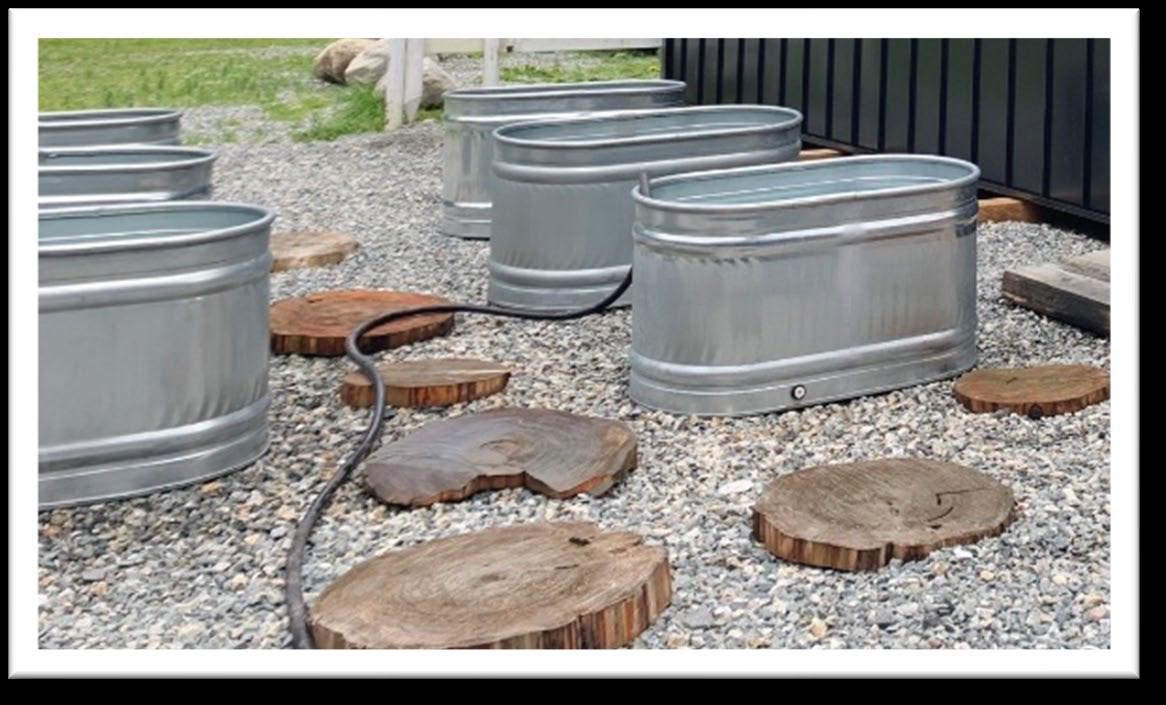
Only one study on microbiological hazards in cold plunge tanks was found.31 The authors collected water samples from fixed cold plunge tanks hard-plumbed into recirculating filtration and disinfection systems, and mobile inflatable tubs that do not have filtration or automatic disinfection systems, but do have a chlorine disinfectant that is manually added to the water. The fixed tanks were used solely for cold plunges, while the mobile inflatable tubs were used for both hot and cold water immersion and bathers were able to freely rotate between them (see figures 3 and 4).
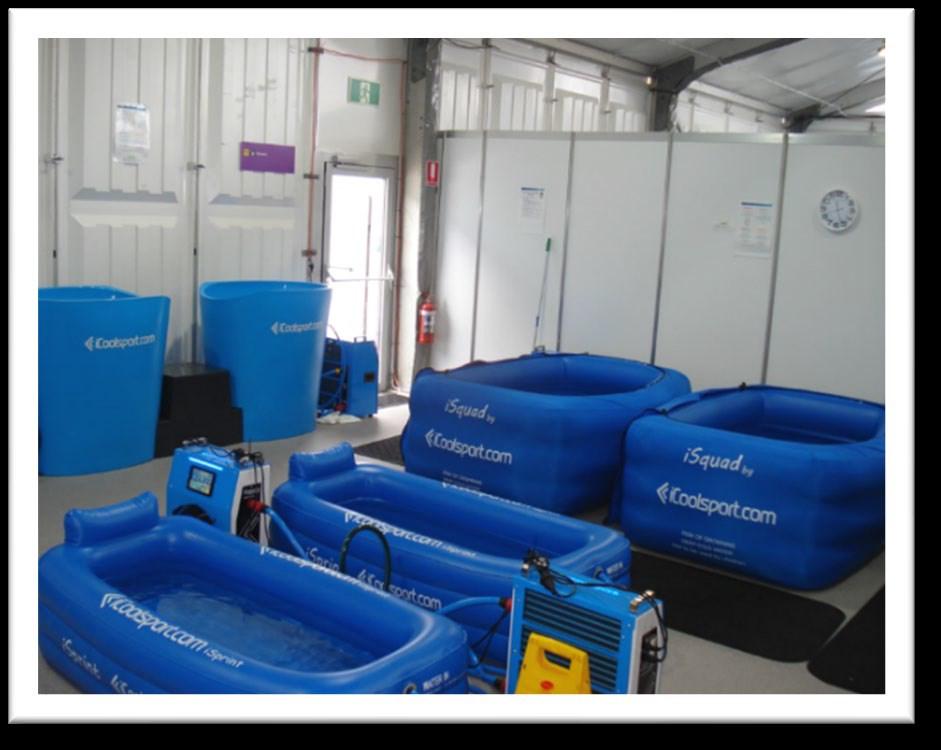
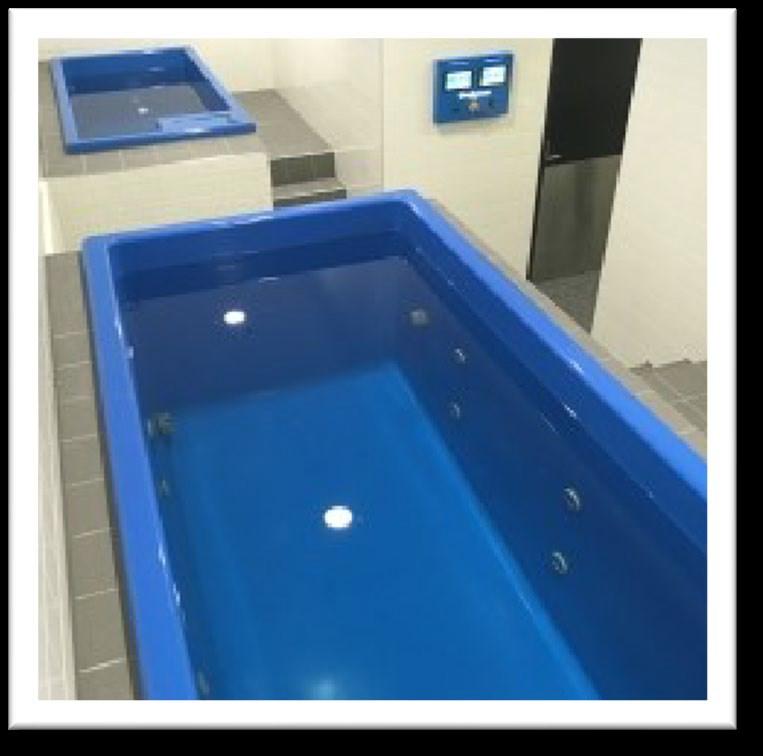
Figures 3 and 4: Mobile inflatable tubs and fixed tanks (excerpted from the study) 31
Regional Health Authority Profile - Interior Health
The Interior Health (IH) region covers over 215,000 square kilometers that encompass 59 Municipalities, 54 First Nations Communities, and 14 Chartered Metis communities. The Environmental Health & Licensing Program regulates a total of 13,525 facilities (7240 food, 1200 pools, 970 PSEs, 2000 Water Systems, 850 Tobacco & Vape, 1030 Child Care, 226 Residential Care, and 20 Industrial Camps). The 175-program staff work out of 12 offices located across the region. The head office is located in Kelowna and there are sub offices in Williams Lake, 100 Mile House, Kamloops, Salmon Arm, Vernon, Penticton, Osoyoos, Trail, Nelson, Cranbrook and Invermere.

In IH, the Environmental Public Health & Licensing (EPH&L) program is located within the Population Health portfolio. Population Health currently has 2 Deputy Chief Medical Health Officers and a vacant Chief MHO position. Deputy CMHO Dr. Silvina Mema oversees the geographic MHOs and Deputy CMHO Dr. Sue Pollock leads the three operational program Directors. Roger Parsonage – Population & Public Health, Julian Mallinson - Population Health Strategy & Public Health Policy and Courtney Zimmerman – EPH&L.
EPH&L includes programs focused on Environmental Health (food safety, recreational water, personal services, such as tattooing, piercing and tanning and facility based outbreak response and management), Environmental Assessment (e.g. engineering services, subdivision approvals, environmental management assessments & reviews, pandemic response, wildfires, floods and emergency preparedness), Drinking Water Systems and Community Care Facility Licensing (Child Care and Residential Care Regulation licensed facilities).
The program Director, Courtney Zimmerman, has spent her 20-year career with IH and started in IH as a practicum student in 2005. She has held a variety of positions over the years; from frontline EHO to land use focused, CD Specialist, Team Leader, Manager, Director and now Corporate Director.

Courtney believes in the value of Environmental Health and Health Protection and in the critical role that MHOs, EHOs, LOs and Public Health Engineers play in protecting public health. Her goal is to have all of the officers use multiple evidence-based approaches to achieve regulatory compliance and support healthy communities. Approaches include inspection and monitoring, capacity building through education, coaching, facilitation, and statutory enforcement. IH officers work in partnership with operators and First Nations Communities whenever possible, to embed approaches in systems and structures that ensure improvements are sustained. Utilizing a whole population approach, there is a strong focus on vulnerable and at-risk individuals, neighbourhoods, communities and populations.
Regional Health Authority Profile - Interior Health

Drinking Water:
EPH MHO:
Dr. Delli Pizzi joined the IH MHO team in February 2024 as a locum and more recently became a permanent MHO in September 2024. Dr. Delli Pizzi moved to Interior Health from northern Canada where he completed a year-long contract as an MHO with Yukon Territory. Prior to this, he completed three years of public health physician work in the Northwest Territories.
In his short time with IH, Dr. Delli Pizzi has demonstrated his commitment towards community work by taking the lead on initiatives aimed at improving equity for individuals living in rural and remote communities. Based in Kamloops, in the traditional, ancestral, and unceded territory of the Secwépemc Nation, Dr. Delli Pizzi is building meaningful relationships with partners to help advance many of the determinants of health
Interior Health’s Drinking Water Systems Program is led by Ivor Norlin and consists of 12 dedicated EHOs providing focused service to governments and other organizations providing tap water to the public. Ivor has been with IH for 20 years and is the resident “science nerd” that refuses to give up his microscope and can always be relied upon for sound technical guidance. He has won numerous awards over the years for his innovative ideas, commitment to the betterment of Drinking Water Systems in BC and dedication to the field of Environmental Health.
With core competencies in risk management and the progressive application of public health law, the Drinking Water Team works in one of the largest jurisdictions in Canada with nearly 2,000 permitted water supply systems. Their overarching purpose and goal is to minimize incidences of waterborne illness and achieve safe, clean and reliable tap water for everyone. Legislatively, they are responsible for issuing permits to water supply systems, investigating threats to water supplies, and responding to emergencies in coordination with other professionals, including regional Environmental Health Engineers, Medical Health Officers, and Support Services staff. To learn more about our program and the communities and operators we serve, please take a minute and visit drinkingwaterforeveryone.ca!!
Environmental Health:


The Environmental Health program at Interior Health is led by Juliana Gola. Juliana has worked in Environmental Public Health for over 15 years, beginning as a field EHO, before moving into a specialist role in drinking water and then into the Team Leader position in the Kootenay region and now in a manager position. Juliana has always been drawn to the practical, people-centered side of public health, and is currently building on that perspective by completing a Master of Public Health in Social Policy at the University of Victoria. One of the things that Juliana brings to her programs is her belief that Environmental Health makes a difference ” it’s rewarding to help protect the health of the communities where we live and work”.
The Environmental Health team includes 4 regional Team Leaders, 3 Environmental Health Specialists, and 41 Environmental Health Officers working out of 10 offices across Interior Health. IH serves both rural and urban communities, which means no shortage of variety from drinking water and sewage systems to food safety, personal services, special events, and emergency response. The work is dynamic and can be unpredictable, requiring adaptability, critical thinking, and strong collaboration. Our EHOs enjoy a high level of autonomy, opportunities for remote work, and a strong sense of teamwork. They’re out in the field every day problemsolving, building relationships, educating the public, and taking action to keep people and communities safe and healthy.
Regional Health Authority Profile - Interior Health
Community Care Facility Licensing:
The IH Community Care Facility Licensing (CCFL) program is led by Nicole Byrne. Nicole has 25 years of Licensing experience and worked in the childcare industry prior to becoming a Licensing Officer. Nicole is a committed life-long learner and is currently the President of the Community Care Facilities Licensing Officers of BC.
The IH CCFL team is comprised of 29 CCFLOs, 5 Program Support staff, 1 Practice Consultant, and a leadership team of 5. These incredibly dedicated and committed individuals work together to ensure that operators of community care facilities uphold a standard of healthy, safe, and dignified care of vulnerable children, youth, adults, and seniors in care. They apply the Community Care and Assisted Living Act, Child Care Licensing Regulation, Residential Care Regulations, the Director of Licensing Standards of Practice, and the Bill of Rights in their daily work while adhering to Administrative Law principles. Their vital work makes them integral members of a collaborative health-care team that protects and promotes the health of vulnerable populations.

Information & Program Support Services (IPSS):

The IH IPSS team currently consists of 22 dedicated staff, organized into four teams: West, Central, East, and Information. Kyle Wilson leads this small but mighty team and has shown his strong leadership skills since joining IH in 2019. IPSS has a hand in nearly every aspect of EPH programs; from supporting clients with initial applications and entering water sample data, to closing facilities and leading major database cleanup projects. When IPSS is shortstaffed, the entire program feels the effects.


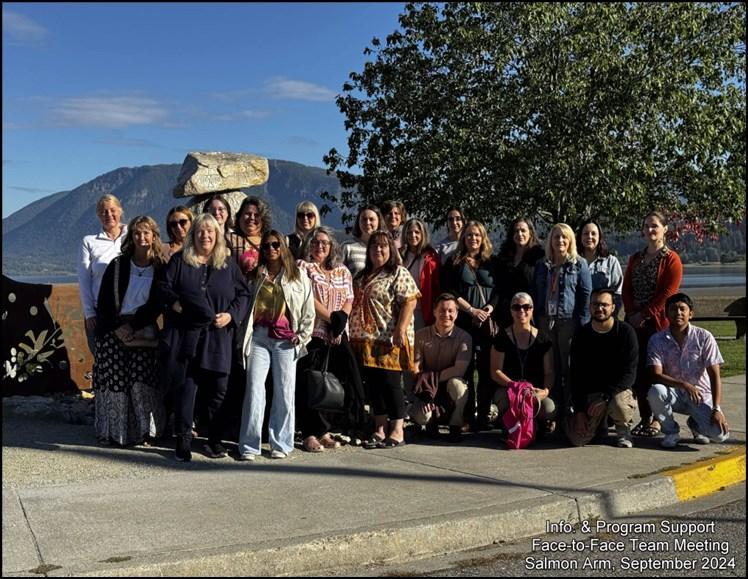
IPSS is always seeking ways to leverage new technologies to benefit the program. So far in 2025, the team has transitioned a major annual mailout process from physical mail to a more efficient batch email format and has started developing data dashboards to support workload planning and data cleanup efforts.
IH IPSS Team, September 2024
IH Community Care Facilities Licensing team, May 2024
Regional Health Authority Profile - Interior Health
Environmental Assessment & Engineering:
The Environmental Assessment (EA) Team is unique to Interior Health. The team protects public health through the support of investigations, management and communication of potential and existing health hazards as defined under the Public Health Act, Drinking Water Protection Act and related regulations. The team’s work is highly varied and can include land use requests, referrals on industrial projects, inter-agency engagement for contamination management, spills response, animal contact exposures and coordinating emergency response for EPH&L.
This unique team is led by Christina Yamada who is a Professional Engineer and has worked in IH for almost 20 years. Christina’s training may be in engineering, but she has become an expert in emergency response and disaster recovery. Christina’s EA team currently consists of 1 Team Leader, 4 Specialist Environmental Health Officers and 1 Environmental Health Officer. Based on their frequent experience with emergency response, this team refines their resources and training on an annual basis. Their guidelines and training material have been shared with other Health Authorities.

The Public Health Engineering Team includes 2 Public Health Engineers and 2 Specialist Environmental Health Officers. Legislatively, they are responsible for issuing construction permits for drinking water systems and swimming pools. In practice, this can mean working with professional engineers, equipment suppliers, owners/operators, Environmental Health Officers and Medical Health Officers. When proposed solutions have included innovative approaches, team members have balanced protecting public health with understanding the latest in technological advancement and operating limitations.
Christina also leads IH’s Tobacco and Vapour Products Enforcement Team that ensures retailer compliance with provincial legislation for the sale of tobacco and vapour products. While their focus is reducing sales to minors, Enforcement Officers use a combination of education, monitoring and progressive compliance to achieve this. Minor Test Shoppers join Enforcement Officers for some of this work. Team members also work with IH’s Legal Substances Team to share resources and respond to complaints.
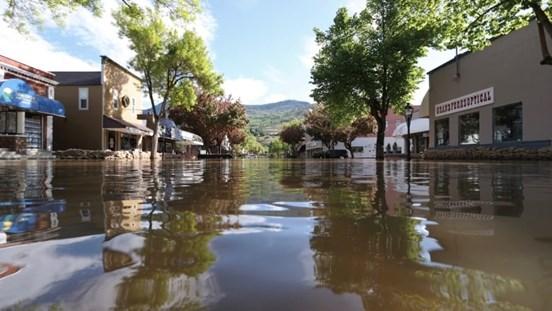
Grand Forks 2018 flood. Source, Rafferty Baker / CBC
Cold Plunge Tanks—continued
These mobile tubs were drained and cleaned only once a day, and the tubs remain inflated during cleaning to enable better access to the creases. Although bathers were encouraged to shower prior to using the tubs, this practice was not enforced or monitored. No information on number of bathers in the mobile tubs was available, although it was indicated that there was constant high bather load in all of the mobile tubs. All but one of eight water samples (87%) from the fixed tanks was found to be negative for Escherichia coli and coliforms, Pseudomonas aeruginosa, and Staphylococcal aureus. However, 64% of water samples from the mobile inflatable tubs were positive for one or more of E. coli and coliforms, P. aeruginosa, and S. aureus, even though residual chlorine levels in the water ranged from 0.05 to 4.01 mg/L. It is worth noting that the authors did not specify whether there was a difference in pathogen levels in water samples from hot mobile baths versus cold mobile baths; warm environments are more conducive to bacterial growth, and disinfectants dissipate faster in warmer water.
Physiological hazards
Sudden cold water exposure can lead to several physiological reactions, some of which can be fatal. Cold water exposure triggers the “cold shock response,” which causes an increase in breathing, heart rate, and blood pressure, and places stress on the heart, which can lead to non-fatal or fatal arrhythmias.1,32,33
People with underlying heart conditions or those who take medications for cardiac conditions may react more adversely to cold water immersion.32 Additional adverse reactions include hyperventilation leading to blood acidosis, temporary peripheral paralysis and muscle failure, loss of consciousness, or even nerve damage if exposed to very cold water or prolonged exposure to cold water.1,24,34,35 Immersion in cold water lowers core body temperature and increases arterial blood pressure, which may hypothetically trigger a stroke.36,37 Children differ from adults physiologically and physically and may be more susceptible to adverse physiological reactions. Although there is some evidence that children’s thermo-regulatory response is as effective as those of adults and that they exhibit a smaller cold shock response compared to adults, they should still be closely monitored if partaking in cold plunge activities.38
Cases of adverse reactions to cold water immersion have been documented. A 50-year-old experienced triathlete developed swimming-induced pulmonary edema within 10 minutes of starting the swimming portion of a triathlon, and required medical intervention.39 A 73-year-old man developed symptoms of a stroke after immersing in a cold lake which was around 6°C, and a 48-year-old man also experienced symptoms of a stroke after bathing with cold water that was stored in a tank after a steep fall in local temperature from 26°C to 14°C.37
Physical hazards
Similar to a swimming pool environment, certain cold plunge tank design, construction, and operation aspects may pose physical hazards to users. Firstly, there is a potential of slips and falls while entering and exiting the cold plunge tank, the risk of which may be exacerbated due to cold-induced muscle failure and loss of coordination. Some cold plunge facilities are outdoors and therefore ice formation on decks, walkways, floors, or steps could pose a fall hazard.40 Additionally, there is a potential for suction or entrapment hazard for cold plunge tanks with a recirculation system, similar to traditional swimming pools.40 The US Consumer Product Safety Commission recorded 11 incidents of circulation entrapments in a pool, spa, or whirlpool bathtub in 2014-2018.41 All victims were younger than 15 years of age. Six victims experienced hair entrapment, four victims experienced limb entrapment, and one victim experienced body entrapment. For stand-alone cold plunge tanks without recirculation systems, the tanks are usually unoccupied when the water is drained, which minimizes the risk. Nevertheless, the accidental release of the water drain should be prevented, and children should be monitored when using cold plunge tanks or pools. Some anti-suction/entrapment devices for spas required or recommended in Canada include drain outlet covers and vacuum relief mechanism in the suction system.42,43
Continued on page 11 ….
Cold Plunge Tanks—continued
Disinfection methods and temperature effects on disinfectant efficacy
Limited literature on disinfection methods or disinfectant efficacy in cold water in cold plunge tank environments was found. The only study that we identified found that there was a strong correlation between low residual chlorine levels and presence of waterborne pathogens, independent of cleaning practices.31 Recreational waters such as swimming pools and hot tubs are typically disinfected with chlorine or bromine disinfectants that are approved by Health Canada. These products are registered under the Pest Control Products Act and have a Pest Control Product number on the label.44 Ozone or ultraviolet light (UV) must be used in combination with a bromine or chlorine disinfectant. This is because ozone and UV do not provide any residual disinfection in the water, and the effectiveness of UV disinfection is affected by the turbidity of the water.40,45 For most waterborne pathogens except adenoviruses and protozoa, a UV dose of 40 mJcm−2 is able to achieve at least a 4-log inactivation.45 Additionally, because ozone is a respiratory irritant, swimming pools that use ozone as an oxidizer must be de-gassed, or use a reactor to destroy the ozone; therefore, ozone does not provide any residual disinfection.46 The use of ozone or UV as a pre-treatment step can reduce the amount of chlorine needed to maintain the required minimum residual chlorine, as well as reduce the formation of chlorine disinfection by-products, thereby reducing bathers’ exposure to these irritants.40,46,47 Although hydrogen peroxide is permitted in some jurisdictions in conjunction with UV in settings such as floatation tanks, the MAHC prohibits its use in aquatic facilities because hydrogen peroxide is an oxidizer of organic matter and does not provide a residual for continual disinfection.9,48 Hydrogen peroxide is also not a permitted disinfectant product for recreational waters in Canada.46
Protozoan pathogens such as Cryptosporidium spp. and Giardia are resistant to low-concentration chlorine and bromine disinfectants, but both are susceptible to UV light.49,50 Cryptosporidium spp. is also susceptible to high concentrations of hydrogen peroxide and ozone, although humans should not be exposed to such high concentrations.50 Furthermore, various UV light wavelengths exhibit different disinfection effects; UVA (315–400 nm) has greater penetrating ability and thus is most effective in destroying microbial membranes, while UVC (200–280 nm) has better sterilization effects through absorbance of microbial DNA and protein.51 Therefore the combination of UVA-UVC irradiation provides synergistic effects and is an ideal way to reduce biofilm-producing pathogens.51 Past studies have found 254 nm to be effective in drinking water disinfection.52 Another study found that a UV wavelength of 265 nm was most effective against chlorine-resistant bacteria.53 However, it is important to note that for smaller treatment systems, typically only low-pressure UV systems can be used. These low-pressure systems are capable of emitting a wavelength of 254 nm.
54
The water temperature in cold plunge tanks is typically around 10-15°C or even lower, which is considerably lower than that in swimming pools at above 21°C. The literature on the effects of low temperature on recreational water disinfection is minimal; however, it is well known that chlorine disinfection occurs more slowly, and residual chlorine dissipates more slowly at low temperatures.55,56,57 Thus, at lower temperatures, higher disinfectant residual or longer contact time is required for effective disinfection.58 For example, to achieve a 3-log inactivation of Giardia cysts with residual chlorine at 2.0 mg/L of neutral pH (7), a contact time of 124 minutes would be required at 10°C, compared to 62 minutes at 20°C.59 Therefore, pathogens shed by one user may have an increased likelihood of persisting in the water in cold plunge tanks if disinfectant residual is too low or not enough contact time is achieved. There is limited literature on the effects of temperature on bromine disinfectants.
Mitigating health risks associated with cold plunge tanks
The rising popularity of cold water immersion and the dearth of research and evidence on how to reduce microbiological health risks to bathers pose challenges for EPHPs. Based on existing evidence, a recirculating filtration and automatic disinfection system is necessary to reduce the pathogen load introduced by users in cold plunge tanks that are not drained and disinfected between users. Given that chlorine disinfection efficacy is reduced at lower temperatures and that waterborne pathogens may be able to persist in cold water, it would be prudent to require a higher disinfectant residual or a secondary treatment system such as UV or ozone in recirculating cold plunge tanks. Appropriate cleaning schedules should also be established to maintain water quality in accordance to existing swimming pool and spa requirements.
Continued on page 12 ...
Cold Plunge Tanks—continued from p11
In the absence of a recirculating system, similar to hydrotherapy tanks, stand-alone cold plunge tanks should be drained, cleaned, and disinfected between each client. A registered disinfectant product should be manually added to the water, and the water should be tested regularly to ensure that the residual disinfectant is adequate to minimize the microbiological hazards in the tank. Since these stand-alone tanks do not have the ability to provide secondary treatment with UV or ozone, it would be necessary to require a higher disinfectant residual in line with hot tub and hydrotherapy tank guidelines. Mobile inflatable plunge tubs, such as those used in the cold plunge tub study discussed earlier, may have creases or crevices that hinder effective cleaning and disinfection and therefore should not be used. Further research is necessary to determine the optimal residual disinfectant concentrations, disinfection practices, and other operational requirements in the low water temperatures in both recirculating and stand-alone cold plunge tanks.
In addition, bathers should be required to shower prior to entering the water, and people with open sores or injuries should be prevented from using the cold plunge. Emergency response protocols for medical emergencies as well as guidelines to prevent suction or entrapment hazards and slips and falls should be established.
Manufacturers of cold plunge tanks should seek to obtain NSF approval for the apparatus design and construction as well as the water treatment and circulation systems; no information on NSF approval for existing commercial cold plunge tanks was found.
Summary
The increasing popularity of cold plunging due therapeutic claims means that EPHPs will continue to encounter them in regulated facilities. Significant knowledge gaps in optimal disinfection practices and disinfectant use in cold plunge tanks remain, as the efficacy of disinfectants can be affected by the lower temperature of the water. Only two waterborne pathogen outbreaks in which shared ice baths was a potential risk factor were found in the literature. The single study that was found on microbiological hazards in fixed cold plunge pools and portable cold plunge tanks highlights the importance of appropriate disinfectant use to reduce the presence of pathogens in the water. Draining and disinfecting the tank between users as well as the addition of a residual disinfectant is another measure to minimize pathogen levels in the water. Future studies should focus on the efficacy of different types of recreational pool disinfectants in low water temperatures, whether alone or in conjunction with UV or ozone. Furthermore, best practices in filtration, cleaning, and equipment maintenance should also be explored and examined. Due to the novelty of these vessels, collaboration between public health agencies, industry, and researchers would be necessary to develop appropriate knowledge and guidance to reduce potential hazards and protect the health of those who partake in this practice.
Acknowledgements
The author would like to acknowledge the valuable feedback of those involved in the review of this document, including: Juliette O’Keeffe, NCCEH; Michele Wiens, NCCEH; Lydia Ma, NCCEH; Angela Eykelbosh, Island Health; David Ryding, Public Health Ontario; Raymond Gullekson, Public Health Ontario; Sarah Richmond, Public Health Ontario; Kelly Briscoe, Public Health Ontario; John Minnery, Public Health Ontario; James M. Johnson, Public Health Ontario.
References
1. Tipton MJ, Collier N, Massey H, Corbett J, Harper M. Cold water immersion: kill or cure? Exper Physiol. 2017;102(11):1335-55. Available from: https://physoc.onlinelibrary.wiley.com/doi/abs/10.1113/EP086283.
2. Espeland D, de Weerd L, Mercer JB. Health effects of voluntary exposure to cold water – a continuing subject of debate. Int J Circum Health. 2022;81(1):2111789. Available from: https://doi.org/10.1080/22423982.2022.2111789
3. Knechtle B, Waśkiewicz Z, Sousa CV, Hill L, Nikolaidis PT. Cold water swimming-benefits and risks: a narrative review. Int J Environ Res Public Health. 2020 Dec 2;17(23). Available from: https://doi.org/10.3390%2Fijerph17238984
4. Prendergast C. Cold Plunges: Health benefits, risks and more. Forbes Health; 2024 [cited 2024 Feb 26]; Available from: https://www.forbes.com/ health/wellness/cold-plunge-what-to-know/
5. Stone W. Ready to cold plunge? We dive into the science to see if it's worth it. National Public Radio; 2023 Oct 8 [cited 2024 Feb 1]; Available from: https://www.npr.org/sections/health-shots/2023/10/08/1204411415/cold-plunge-health-benefits-how-to
6. Lateef F. Post exercise ice water immersion: Is it a form of active recovery? J Emerg Trauma Shock. 2010 Jul;3(3):302. Available from: https:// doi.org/10.4103%2F0974-2700.66570
7. Shadgan B, Pakravan AH, Hoens A, Reid WD. Contrast baths, intramuscular hemodynamics, and oxygenation as monitored by near-infrared spectroscopy. J Athl Train. 2018 Aug;53(8):782-7. Available from: https://doi.org/10.4085/1062-6050-127-17
Cold Plunge Tanks—continued
8. Mundy L. Microbiological risks of ice baths and hot/cold immersion therapy used for post-exercise recovery. Queensland: Gold Coast Public Health Unit; 2018. Available from: https://www.ehaqld.org.au/documents/item/1076
9. US Centers for Disease Control and Prevention. Model Aquatic Health Code. Atlanta, GA: CDC. 2023. Available from: https://www.cdc.gov/mahc/ editions/current.html
10. Country of Los Angeles Public Health. New public pool plan approval requirements. Los Angeles, CA: Country of Los Angeles Public Health. 2020. Available from: http://publichealth.lacounty.gov/eh/docs/permit/public-pool-plan-approval-requirements.pdf
11. US Centers for Disease Control and Prevention. Guidelines for environmental infection control in health-care facilities. Atlanta, GA: CDC. 2019. Available from: https://www.cdc.gov/infectioncontrol/guidelines/environmental/index.html
12. US Centers for Disease Control and Prevention. Water use in hydrotherapy tanks. Atlanta, GA: CDC. 2021 [updated 2022 Jan 04]; Available from: https://www.cdc.gov/healthywater/other/medical/hydrotherapy.html
13. Government of Newfoundland and Labrador. Public Pool Standards and Guidelines. St John, NL: Government of Newfoundland and Labrador. 2019. Available from: https://www.gov.nl.ca/hcs/files/Environmental-Health-Guidelines-Public-Pool-Manual.pdf
14. Sullivan SN, Wong C. Runners' diarrhea. Different patterns and associated factors. J Clin Gastroenterol. 1992 Mar;14(2):101-4. Available from: https://doi.org/10.1097/00004836-199203000-00005
15. Rihn JA, Michaels MG, Harner CD. Community-acquired methicillin-resistant staphylococcus aureus:an emerging problem in the athletic population. Amer J Sports Med. 2005;33(12):1924-9. Available from: https://journals.sagepub.com/doi/abs/10.1177/0363546505283273
16. Shaban RZ, Li C, O’Sullivan MVN, Kok J, Dempsey K, Ramsperger M, et al. Outbreak of community-acquired Staphylococcus aureus skin infections in an Australian professional football team. J Sci Med Sport. 2021;24(6):520-5. Available from: https://www.sciencedirect.com/science/article/ pii/S144024402030815X
17. Public Health England. Rugby players: do you really want to share your mate’s towel? London, UK: Public Health England. 2014. Available from: Rugby players: do you really want to share your mate’s towel? - GOV.UK (www.gov.uk)
18. Nastasi P. The 12 best cold plunge tubs of 2024. Sports Illustrated; 2024 [updated 2024]; Available from: https://www.si.com/showcase/fitness/ best-cold-plunge-tub
19. Lanning A. 11 Best cold plunge tubs of 2024. @barbendnews; 2024; Available from: https://barbend.com/best-cold-plunges/
20. The plunge. maintaining your water quality (The Plunge). Plunge Support. 2024; Available from: https://help.plunge.com/hc/en-us/ articles/17642684886548-Maintaining-Your-Water-Quality-The-Plunge
21. Inergize Health. FAQs - Do I need to change the water? Inergize Health. 2024; Available from: https://inergizehealth.com/pages/faqs
22. The Plunge. Commercial cold plunge manual (The Plunge). Plunge Support. 2023. Available from: https://help.plunge.com/hc/en-us/ articles/17642516893972-The-Plunge-Manuals
23. Smith B. The growing cult of cold plunge has its fans by the emotions. Toronto, ON: Toronto Star. 2024 [updated 2024 Jan 13]; Available from: https://www.thestar.com/life/the-growing-cult-of-cold-plunge-has-its-fans-by-the-emotions/article_b4204d0c-ae6a-11ee-a150-bb4cbb17e62e.html
24. Machado AF, Ferreira PH, Micheletti JK, de Almeida AC, Lemes ÍR, Vanderlei FM, et al. Can water temperature and immersion time influence the effect of cold water immersion on muscle soreness? A systematic review and meta-analysis. Sports Med. 2016;46(4):503-14. Available from: https://doi.org/10.1007/s40279-015-0431-7
25. Bleakley C, McDonough S, Gardner E, Baxter GD, Hopkins JT, Davison GW. Cold-water immersion (cryotherapy) for preventing and treating muscle soreness after exercise. Cochrane Database Syst Rev. 2012 Feb 15(2):Cd008262. Available from: https:// doi.org/10.1002/14651858.cd008262.pub2
26. Hassanein F, Masoud IM, Fekry MM, Abdel-Latif MS, Abdel-Salam H, Salem M, et al. Environmental health aspects and microbial infections of the recreational water. BMC Public Health. 2023;23(1):302. Available from: https://doi.org/10.1186/s12889-023-15183-z
27. US Centers for Disease Control and Prevention. Swimming-related Illnesses. Atlanta, GA: CDC. 2022 [updated 2022 Jul 8]; Available from: https://www.cdc.gov/healthywater/swimming/swimmers/rwi.html
28. Guida M, Di Onofrio V, Gallè F, Gesuele R, Valeriani F, Liguori R, et al. Pseudomonas aeruginosa in swimming pool water: evidences and perspectives for a new control strategy. Int J Environ Res Public Health. 2016 Sep 15;13(9). Available from: https://doi.org/10.3390%2Fijerph13090919.
29. Centers for Disease Control and Prevention. Parasites - Cryptosporidium - A Guide to Water Filters. 2021 [updated 2021 Nov 24]; Available from: https://www.cdc.gov/parasites/crypto/gen_info/filters.html
30. Van Der Linden I, Cottyn B, Uyttendaele M, Berkvens N, Vlaemynck G, Heyndrickx M, et al. Enteric pathogen survival varies substantially in irrigation water from Belgian lettuce producers. Int J Environ Res Public Health. 2014;11(10):10105-24. Available from: https://doi.org/10.3390/ ijerph111010105
31. Mundy L. Microbiological risks of ice baths and hot/cold immersion therapy used for post-exercise recovery. Queensland: Queensland Government, Gold Coast Public Health Unit. 2018. Available from: https://www.ehaqld.org.au/documents/item/1076
Cold Plunge Tanks—continued
References,
continued
32. Williamson L. You're not a polar bear: the plunge into cold water comes with risks. Amer Heart Assoc; 2022; Available from: https:// www.heart.org/en/news/2022/12/09/youre-not-a-polar-bear-the-plunge-into-cold-water-comes-with-risks
33. Farstad DJ, Dunn JA. Cold water immersion syndrome and whitewater recreation fatalities. Wilderness Environ Med. 2019;30(3):321-7. Available from: https://doi.org/10.1016/j.wem.2019.03.005
34. Heil K, Thomas R, Robertson G, Porter A, Milner R, Wood A. Freezing and non-freezing cold weather injuries: a systematic review. Br Med Bull. 2016 Mar;117(1):79-93. Available from: https://doi.org/10.1093/bmb/ldw001
35. Stocks JM, Taylor NAS, Tipton MJ, Greenleaf JE. Human physiological responses to cold exposure. Aviation Space Environ Med. 2004;75 (5):444-57. Available from: https://www.ingentaconnect.com/content/asma/asem/2004/00000075/00000005/art00011
36. Muller MD, Kim C-H, Seo Y, Ryan EJ, Glickman EL. Hemodynamic and thermoregulatory responses to lower body water immersion. Aviation Space Environ Med. 2012;83(10):935-41. Available from: https://doi.org/10.3357/ASEM.3311.2012
37. Benedict PS, Pandian JD. Stroke after cold bath. CHRISMED J Health Res. 2014;1(4):283-5. Available from: https://journals.lww.com/chri/ fulltext/2014/01040/stroke_after_cold_bath.16.aspx
38. Bird F, House J, Tipton MJ. The physiological response on immersion in cold water and the cooling rates on swimming in a group of children aged 10 – 11 years. Int J Aquatic Res Educ. 2015;9(2):7. Available from: https://scholarworks.bgsu.edu/ijare/vol9/iss2/7
39. Barouch LA. Swimming-induced pulmonary edema. JACC: Case Rep. 2022;4(17):1094-7. Available from: https://www.jacc.org/doi/abs/10.1016/ j.jaccas.2022.05.019
40. British Columbia Ministry of Health. BC guidelines for pool operations. Victoria, BC: Government of BC. 2021. Available from: https:// www2.gov.bc.ca/assets/gov/environment/air-land-water/water/documents/pool_operations_guidelines_oct_2021_v3_interim.pdf
41. US. Consumer Product Safety Commission. 2014–2018 Reported circulation/suction entrapment incidents associated with pools, spas, and whirlpool bathtubs. Bethesda, MD: U. S. Consumer Product Safety Commission. 2019. Available from: https://www.cpsc.gov/s3fspublic/2019_Circulation_Entrapment.pdf
42. Government of Ontario. R.R.O. 1990, Reg. 565: Public pools. (2023). Available from: https://www.ontario.ca/laws/regulation/900565
43. Pool & Hot Tub Council of Canada. Recommended guidelines: suction entrapment avoidance provisions. Mississauga, ON: Pool & Hot Tub Council of Canada. 2009; Available from: https://www.poolcouncil.ca/wp-content/uploads/2021/11/Suction-Entrapment-Avoidance-Provisions-G0109.pdf
44. Health Canada. Swimming pool and spa chemicals. Ottawa, ON: Government of Canada. 2021; Available from: https://www.canada.ca/en/health -canada/services/home-garden-safety/swimming-pool-spa-cleaning.html
45. Gao Y, Sun Z, Guo Y, Qiang Z, Ben W. Virus inactivation by sequential ultraviolet-chlorine disinfection: Synergistic effect and mechanism. Chemosphere. 2023;314. Available from: https://doi.org/10.1016/j.chemosphere.2022.137632
46. Eykelbosh A, Beaudet S. Float tanks: considerations for environmental public health. Vancouver, BC: National Collaborating Centre for Environmental Health; 2016. Available from: https://ncceh.ca/resources/evidence-reviews/float-tanks-considerations-environmental-public-health
47. Chowdhury S, Alhooshani K, Karanfil T. Disinfection byproducts in swimming pool: occurrences, implications and future needs. Water Res. 2014;53:68-109. Available from: https://www.sciencedirect.com/science/article/pii/S004313541400044X
48. Ontario Ministry of Health. Recommendations for floatation tanks. Toronto, ON: Government of Ontario. 2019. Available from: https:// files.ontario.ca/moh-ophs-ref-recommendations-for-floatation-tanks-2019-en.pdf
49. Public Health Agency of Canada. Pathogen safety data sheets: infectious substances – giardia lamblia. Ottawa, ON: Government of Canada. 2012 [updated 2012 Apr 30]; Available from: https://www.canada.ca/en/public-health/services/laboratory-biosafety-biosecurity/pathogen-safety-datasheets-risk-assessment/giardia-lamblia.html
50. Public Health Agency of Canada. Pathogen safety data sheets: infectious substances – cryptosporidium parvum. Ottawa, ON: Government of Canada. 2014. Available from: https://www.canada.ca/en/public-health/services/laboratory-biosafety-biosecurity/pathogen-safety-data-sheets-riskassessment/cryptosporidium-parvum-pathogen-safety-data-sheet.html
51. Luo X, Zhang B, Lu Y, Mei Y, Shen L. Advances in application of ultraviolet irradiation for biofilm control in water and wastewater infrastructure. J Hazard Mat. 2022;421. Available from: https://zbp.xmu.edu.cn/images/literature/2021-SL-JHM.pdf
52. Severin BF, Suidan MT, Engelbrecht RS. Effect of temperature on ultraviolet light disinfection. Environ Sci Technol. 1983 Dec;17(12):717-21. Available from: https://doi.org/10.1021/es00118a006.
53. Jing Z, Lu Z, Santoro D, Zhao Z, Huang Y, Ke Y, et al. Which UV wavelength is the most effective for chlorine-resistant bacteria in terms of the impact of activity, cell membrane and DNA? Chem Eng J. 2022 Nov;447:137584. Available from: https://www.sciencedirect.com/science/article/pii/ S1385894722030716.
54. Luo X, Zhang B, Lu Y, Mei Y, Shen L. Advances in application of ultraviolet irradiation for biofilm control in water and wastewater infrastructure. J Hazad Mat. 2022 Jan;421:126682. Available from: https://www.sciencedirect.com/science/article/pii/S0304389421016472
Cold Plunge Tanks—continued
References,
continued
55. Cooke R. Chlorination efficiency. Big Stone Gap, VA: Mountain Empire Community College. n.d. Available from: https://water.mecc.edu/ concepts/chlorefficiency.html
56. García-Ávila F, Sánchez-Alvarracín C, Cadme-Galabay M, Conchado-Martínez J, García-Mera G, Zhindón-Arévalo C. Relationship between chlorine decay and temperature in the drinking water. MethodsX. 2020 Jan;7:101002. Available from: https://www.sciencedirect.com/science/article/ pii/S2215016120302223.
57. Monteiro L, Figueiredo D, Covas D, Menaia J. Integrating water temperature in chlorine decay modelling: a case study. Urb Water J. 2017 Nov;14(10):1097-101. Available from: https://doi.org/10.1080/1573062X.2017.1363249
58. Washington State Department of Health. Reminder to surface water systems: adjust operations for cold weather. Tumwater, WA: Washington State Department of Health. 2020. Available from: https://doh.wa.gov/sites/default/files/legacy/Documents/Pubs//331-649.pdf
59. US Environmental Protection Agency. Disinfection profiling and benchmarking: technical guidance manual. Washington, DC: EPA. 2020. Available from: https://www.epa.gov/system/files/documents/2022-02/disprof_bench_3rules_final_508.pdf
60. Government of British Columbia. Pool regulation B.C. Reg. 296/2010. (2023). Available from: https://www.bclaws.gov.bc.ca/civix/document/id/ complete/statreg/296_2010#section10.
61. Government of Saskatchewan. Swimming pool regulations, 1999, P-37.1 Reg 7. (2012). Available from: https://publications.saskatchewan.ca/#/ products/1362
62. Government of Yukon. Public pool regulations O.I.C. 1989/130. (2020). Available from: https://laws.yukon.ca/cms/images/LEGISLATION/ SUBORDINATE/1989/1989-0130/1989-0130.pdf
63. Government of Nunavut. Public pool regulations. (2017). Available from: https://www.nunavutlegislation.ca/en/consolidated-law/public-poolregulations-consolidation
64. Government of Northwest Territories. Public pool regulations R.R.N.W.T. 1990,c.P-21. (2009). Available from: https://www.justice.gov.nt.ca/en/ files/legislation/public-health/public-health.r4.pdf
65. Government of Newfoundland and Labrador. Public pool standards and guidelines. (2023). Available from: https://www.gov.nl.ca/hcs/files/ Environmental-Health-Guidelines-Public-Pool-Manual.pdf
66. Government of Alberta. Pool standards. (2018). Available from: https://open.alberta.ca/dataset/6bc9b110-3b67-4d2e-b797-ab9ee003e7a4/ resource/37c20024-52c5-44f0-9faa-c8360c10b17f/download/standards-pools-2018.pdf
67. Government of Prince Edward Island. Swimming pool and waterslide regulations. (2014). Available from: https://www.princeedwardisland.ca/en/ legislation/public-health-act/swimming-pool-and-waterslide-regulations
68. Government of Quebec. Regulation respecting water quality in swimming pools and other artificial pools. (2022). Available from: https:// www.legisquebec.gouv.qc.ca/en/document/cr/q-2,%20r.%2039
69. Government of Manitoba. Swimming pools and other water recreational facilities regulation, M.R. 132/97. (2015). Available from: https:// web2.gov.mb.ca/laws/regs/current/132-97.php?lang=en#8
70. Government of Nova Scotia. Nova Scotia operational guidelines for aquatic facilities. (2014). Available from: https://novascotia.ca/nse/ environmental-health/docs/Nova-Scotia-Operational-Aquatic-Guidelines.pdf
This article was reprinted from the National Collaborating Centre for Environmental Health, and a copy can be found online here: https://ncceh.ca/sites/default/files/2024-04/Cold%20plunge% 20tanks%20final%20EN.pdf
Chen, T. Cold plunge tanks: Considerations for environmental public health. Vancouver, BC: National Collaborating Centre for Environmental Health. 2024 April.
CIPHI BC in the past

Frank Hartigan, BC Branch President, left, with National President Larry Lychowyd center, and Morven
Larry was the President of the Ontario Branch for several years in the 1960s and then National President starting in 1972 for a two year term. He was a very progressive leader and welcomed input from members across Canada. Unfortunately, Larry recently passed away at the age of 89 and Frank and Morven had left us some time ago.
YOU KNOW WHAT REALLY GRINDS MY GEARS. . .

“You know what really grinds my gears? When an operator says ‘it’s been like that for years’, as if time makes mold a seasoning”
Please submit your “heard it a thousand time before one-liners” that you hear in the field over and over and your EPHP pet peeves to bcpageeditor@ciphi.bc.ca. Let’s all share in the hilariously annoying joys of our environmental public health experiences.
Ewan, Chair of the National Committee for Professional Development, right.
Photo submitted by John Gibb. Content provided by Branch Historian Tim Roark.
CIPHI National AEC 2025 Update
We’re only a month away (or less then a month away by the time you’re reading this), and planning is well underway for the 2025 CIPHI National AEC in beautiful Kelowna, British Columbia. Thank you to all of the BC/YT Branch members (and non-member CIPHI supporters) who have stepped forward to provide abstracts, volunteer their time on the planning committee, and plan to be in attendance to help out on the days of the event.
We recognize that there isn’t as much available funding for travel in this current economic environment, and so the CIPHI BC/YT Branch Executive developed a policy to support members in traveling to and attending the AEC, to ensure we have good representation at our centenary conference. The BC/YT Branch would like to thank Past-President Valerie Jackson and the CIPHI Saskatchewan Branch for their leadership in drafting the form and content of the policy.
We have been frequently updating the CIPHI National AEC web page (www.ciphi.ca/ conference/2025-annual-education-conference/) to ensure participants have the most up to date information about what to expect. We are very excited with our line-up of keynote speakers for this year’s AEC, which includes both local and international expertise, across the spectrum of research, practice, and Indigenous ways of knowing. In addition to these great keynotes, we have a full roster of dozens of presentations on all environmental public health topic areas, including a workshop on how environmental public health professionals can integrate climate change considerations into their practice.
The Planning Committee is also hard at work developing entertainment and social outings for those hours after the conference, which will also be announced on the AEC web page when they’re confirmed. Given the beautiful scenery and climate of this year’s location, we know members will have a great time.

If you are interested in volunteering at the AEC this year and haven’t yet put your name forward, there’s still time! We’re always looking for in-person volunteers to moderate sessions, to work the registration desk, and to make sure the event is the best that it can be. Email president@ciphi.bc.ca or aecinfo@ciphi.ca if you’d like to be a part of the event.
We’re looking forward to seeing you all in Kelowna, and joining together to celebrate 100 years of environmental public health protection in BC!
Kelowna, BC. Photo courtesy of City of Kelowna
NEHA AEC—Phoenix, Arizona
Since 2022, CIPHI and NEHA have had a reciprocal agreement for complimentary attendance for Officers at each organization’s Annual Education Conference. These agreements are in recognition of the shared work that is boundary-agnostic, the commitment to working together to advance recognition of the field of environmental public health sciences, and shared membership within the International Federation of Environmental Health’s Americas Regional Group. As CIPHI National PastPresident and IFEH Americas Regional Group Chair, I had the privilege of attending the NEHA AEC in Phoenix, Arizona this July, furthering our international collaborative efforts and learning from industry leaders and peers from around the world, with representatives from Australia, Jamaica, and New Zealand environmental health associations also participating.

Thousands of environmental public health professionals (including public health inspectors, environmental health officers, academics, researchers, and nurses) heard dozens of presentations across three jam-packed days of conference. Keynote speakers included Cesar Pina, Senior VP and Chief Supply Chain Officer for McDonald’s North America who spoke about the importance of transparency, responsiveness, and trust in managing large-scale foodborne illness outbreaks, using the example of the 2024 E. coli outbreak linked to slivered onions on McDonald’s Quarter Pounder hamburgers.

In addition to the strong program of educational and professional development opportunities, we also utilized this in-person time to hold an Americas Regional Group meeting, bringing together representatives of CIPHI, NEHA, the Jamaican Association of Public Health Inspectors (JAPHI), and the Haitian Institute of Health and Environment (HIHE) to discuss a two-year strategic plan to work collaboratively to advance environmental public health across the Americas Region. The group left with a commitment to work in partnership; to share resources across organizations in English, French, and Spanish; and to leave no nation or organization behind in our advancement of environmental public health. The group is also planning to host the third One Health Conference in Jamaica, a premiere international gathering of environmental public health experts working to advance partnerships and collaboration in One Health program delivery.
In these times of international friction and changing relationships, it is important to recognize that environmental public health challenges don’t recognize borders, and that environmental public health professionals in all countries are committed to reducing risks and protecting public health. By working together to advance opportunities for collaboration, we can ensure a safer and healthier future for all.
Submitted by Casey Neathway, CPHI(C)

CIPHI BC/YT President, CIPHI National Past-President, IFEH Americas Regional Chair
BC Branch Executive 2025-2026
President Casey Neathway president@ciphi.bc.ca
President-Elect
Past President
Treasurer
Executive Secretary
BC Page Editor
BC Branch Historian
BOC Exam Coordinator
BOC BC Branch Rep
BOC National Chair
COPE BC Branch Rep
COPE National Chair
CIPHI National President
BC Branch Webmaster
Valerie Jackson
President-elect@ciphi.bc.ca
Past-president@ciphi.bc.ca
John Pickles treasurer@ciphi.bc.ca
Celine Hsin celine@ciphi.bc.ca
Councilors
Jessica Ip jessica@ciphi.bc.ca
Jackie Chiu Jackie.chiu@vch.ca
Tegbir Gill Tegbir@ciphi.bc.ca
Timothy Millard Timothy@ciphi.bc.ca
Nicole Pogoda Nicole@ciphi.bc.ca
Kuljeet Chattha Kuljeet@ciphi.bc.ca
Christian Valeroso Christian@ciphi.bc.ca
Phoebe Chan phoebe@ciphi.bc.ca
Janessa Min Janessa@ciphi.bc.ca
Qiqi Ren Qiqi@ciphi.bc.ca
Branch Appointees
Gethsemane Luttrell bcpageeditor@ciphi.bc.ca
Tim Roark tdroark@shaw.ca
Simon Jiang Simon.jiang@islandhealth.ca
Angela Whalen
Angela.whalen@vch.ca
Gary Tam chair@boc.ciphi.ca
Craig Nowakowski
Craig.nowakowski@islandhealth.ca
Karen Hann chair@cope.ciphi.ca
Natalie Lowdon president@ciphi.ca
Elden Chan
BC Branch Address
c/o Casey Neathway
1200-601 West Broadway Vancouver, BC V5Z 4C2
FAX: 604-736-8651 info@ciphi.bc.ca www.ciphi.bc.ca
EldenLChan@gmail.com
Editorial Team
Editor
Gethsemane Luttrell (Island Health)
200 - 1100 Island Highway
Campbell River, BC bcpageeditor@ciphi.bc.ca
Associate Editor
Casey Neathway (FNHA)
105A - 3535 Old Okanagan Highway West Kelowna, BC
President-elect@ciphi.bc.ca
Associate Editor
Tim Roark 3301-164A Street
Surrey, BC V3Z 0G5 tdroark@shaw.ca
Past Editor
Stacey Sowa (Island Health) 3rd Floor - 6475 Metral Drive Nanaimo, BC
Stacey.sowa@islandhealth.ca
Editorial Policy
The objective of this newsletter is to keep the members of the BC Branch and other colleagues informed of the local and national events that are of interest and importance to them.
The views, comments, or positions of the BC Page are those of the Editorial Team or the author and do not necessarily reflect those of either the BC Branch or the Canadian Institute of Public Health Inspectors.
The Editorial Team reserves the right to edit material submitted, solicited or unsolicited, for brevity, clarity, and grammatical accuracy.
Advertising Policy
The BC Branch will accept advertising relating to health & environmental issues, products, and services. Advertisements that the editorial team concludes are contrary to good public health practice or environmental protection goals, or those deemed offensive or not in good taste, will not be accepted.
Advertising Rates
FULL PAGE…………..…..$75 per issue
HALF PAGE……..……….$50 per issue
QUARTER PAGE……….$30 per issue
BUSINESS CARD……….$20 per issue
There is a 25% discount for a commitment of at least six consecutive issues. Changes can be made in the ad format or content during this period. Ads should be camera-ready; any extra costs necessary to prepare the ad material may be charged to the advertiser.