
Hotel May 2026

Page 1


Image courtesy of Mandarin Oriental Mayfair, London

MAY 2026

As we step into May, the rhythm of hospitality continues to evolve at a remarkable pace. What once felt like a predictable industry has become a dynamic, ever-shifting landscape shaped by new expectations, emerging technologies and, above all, a more diverse and discerning guest than ever before.

In this issue of Hotel Magazine, we turn our attention to one of the most important questions facing hoteliers today: how do you create a truly exceptional guest experience in a world where no two guests are the same? In our lead feature, which explores ‘How Hotels Are Designing for Everyone – and No One,’ we discover how operators are balancing personalisation with consistency, and why designing for flexibility may be the ultimate luxury in 2026. Complementing this, our Essential 5 offers practical insight into reinventing the check-in experience - those first, defining moments that set the tone for an entire stay.

Our Events section shines a light on a vital revenue driver that is being reimagined in exciting ways. In ‘Designing Event Spaces That Work Harder,’ we look at how hotels are transforming traditional venues into multi-functional environments that generate value throughout the day - from coworking hubs to wellness studios. We also showcase The Grove Hotel’s impressive events offering, demonstrating how thoughtful design and adaptability can unlock new opportunities.

This issue also takes you further afield, as we bring you exclusive coverage from my recent Beachcomber press trip. Across a four-page feature, we delve into the growing importance of restorative travel, exploring how hotels are responding to guests’ desire for meaningful, rejuvenating experiences. We’re also delighted to present a full-page leadership interview with Anushka Rassool, Executive Assistant Manager at Royal Palm Beachcomber Luxury, who shares her perspective on leadership, service excellence and the future of luxury hospitality.

Closer to home, our regular features continue to spotlight the people and places shaping the industry. We check in to our Hotel of the Month, Kimpton Fitzroy London, sit down with Ian Taylor, Founder of Kaleidoscope Hotels, for our In the Hot Seat interview, and explore two standout London venues - Broadwick Soho and Hilton London Bankside, the latter celebrating its exciting expansion.

Of course, no issue would be complete without recognising excellence across our sector. We are proud to dedicate space this month to our Hotel Magazine Award winners - an inspiring group of individuals and businesses who exemplify innovation, resilience and outstanding service.

As always, this issue is a celebration of an industry that refuses to stand still.

JADE EVANS, EDITOR

EDITOR-IN-CHIEF

Jade Evans jevans@thehotelmagazine.co.uk

HEAD OF BUSINESS DEVELOPMENT

Jazmine Davis jazmine@thehotelmagazine.co.uk Tel: 01795 509 105

ACCOUNT MANAGER

Harrison Hume hh@cimltd.co.uk Tel: 01795 509 105

MARKETING MANAGER

Lucas Payne lucas@cimltd.co.uk

ADMINISTRATION MANAGER

Natalie Woollin admin@cimltd.co.uk

DESIGN AND PRODUCTION

Grant Waters grant@cimltd.co.uk

James Taylor james@cimltd.co.uk

HEAD OF DIGITAL

Xhulio Bishtaja digital@cimltd.co.uk

SOCIAL MEDIA MANAGER

Lily Lawson socials@cimltd.co.uk

12 INDUSTRY NEWS

Wondering what’s currently happening within the hotel sector? We reveal all as we share insights into some of the latest news.

27 GUEST EXPERIENCE

With such a varied type of traveller now amongst us, we speak to industry experts as we look at what makes the perfect guest experience in 2026.

60 IN THE HOT SEAT

Taking to the famed Hot Seat this May is Ian Taylor, Founder of the Kaleidoscope Collection, a group of luxury hotels in England.

62 HOTEL OF THE MONTH

Kimpton Fitzroy London features as our Hotel of the Month this May as we reveal the key elements that make the venue stand out in the competitive capital.

81 EVENTS

Looking into how hotels can design event spaces that work harder, we share case study examples of venues that have implemented spots that generate revenue all day - not just during conferences.

98 UKHOSPITALITY

As a fantastic source of expert guidance and insight, we are delighted to share another guest column by UKHospitality’s Kate Nicholls.

CREDIT FACILITIES MANAGER

Gwen Lee

creditcontrol@cimltd.co.uk

Tel: 01795 509 103

DIRECTOR

Declan Wale

declan@thehotelmagazine.co.uk

Tel: 01795 509 112

Tom Woollin tom@cimltd.co.uk

MANAGING DIRECTOR

John Denning

THE GUEST EXPERIENCE CURATORS

Introducing La Bottega Collective

A multidisciplinary collective of excellences: La Bottega, Vanity Group, Palatino, Beltrami, White Privé, and Colosseo.

With over four decades of integrated expertise across beauty, textiles, OS&E and design-driven consulting, La Bottega Collective partners with the world’s most discerning hospitality clients, from

hoteliers to developers and designers, to transform the guest journey into memorable experiences.

Because excellence is never an accident.

Carden Park Unveils Four Ultra-Luxury Suites

Cheshire’s award-winning luxury hotel, Carden Park, has unveiled four exceptional new luxury suites, available to book immediately. The resort’s most exclusive accommodation to date, each suite offers expansive open-plan living, separate sleeping areas, dedicated dressing spaces and large, elegant en-suite bathrooms to create a truly indulgent retreat.

Designed by Palm Interiors, the suites reflect a refined evolution in the hotel’s aesthetic. Natural materials and layered textures are combined to create a warm, harmonious retreat, with views across the Cheshire countryside and rolling Welsh hills.

Each suite is equipped with high-end technology alongside a luxury bathroom with bath and shower, statement fireplace and a dedicated dressing area.

The unveiling of these suites marks the final phase of the hotel’s £6.5 million investment across the main hotel. Earlier this year, refurbished standard rooms were introduced with updated interiors, Nespresso coffee machines and Chromecast-enabled entertainment systems.

Director and General Manager Hamish Ferguson said:

“These new luxury suites truly mark the next step in Carden Park’s evolution. As an independent hotel, Carden Park’s recent investments demonstrate our commitment to guest excellence and reimagining the potential of the country hotel.”

Lamington Group secures £46 Million Forward Funding for room2 Leeds with Helios Real Estate & Marrico LLP

B-Corp hospitality brand Lamington Group, owner and operator of the room2 hometel brand, alongside joint venture developers Helios Real Estate and Marrico LLP, has secured one of the first forward-funded deals since Covid, for a new room2 in Leeds.

With a £46 million agreement with Aberdeen Investments, room2 Leeds will be delivered on the former Leeds International Swimming Pool site, forming the third phase of the Lisbon Street redevelopment in the West End of Leeds city centre. The deal follows the signing of an Agreement for Lease, confirming room2 hometels as operator.

With funding in place and the operator secured, the 200-room scheme is on track to open its doors to the public in Spring 2028. Designed by DLA Architecture, construction will start in May 2026 and will be led by Caddick Construction.

The 17-storey development will include a mix of studios and one- and two-bedroom suites as part of the hometel concept: apartment-style hotel rooms that offer the comfort and flexibility of home with the quality and service of a traditional hotel. The building will be fully electric, powered by renewable energy and offer carbon-neutral stays for guests. Circular design initiatives, alongside a focus on local sourcing and partnerships with regional makers and suppliers, will create a strong connection to the character and culture of Leeds.

“This has been a collaborative approach with Aberdeen, room2 and Caddick Construction together with the wider design team and we are proud of what we have achieved in bringing everyone together to enable us to start on site. We

look forward to delivering another hotel in Leeds following the completion of the Hyatt last year,” said Scott Barnes of Marrico LLP.

This latest acquisition is an integral venture in Lamington Group’s ambitious 2,000-key expansion and future growth strategy. As one of the most dynamic hotel developers in the UK, Lamington Group is actively seeking additional investors to collaborate on this significant expansion phase.

Sustainability isn’t an add-on, it’s built in. As a B Corp™ certified business, we’re committed to responsible sourcing, low-impact manufacturing and verified standards of social and environmental

HOTEL MAGAZINE AWARDS

Hotel Magazine is proud to present the winners of the 2026 Hotel Magazine Awards, celebrating excellence, innovation and leadership across the UK hotel and hospitality industry. From standout venues and forward-thinking concepts to meaningful contributions in sustainability, inclusivity and technology, this year’s awards recognise those setting new benchmarks and shaping the future of the sector.

Marketing Innovation Award

Cave Hotel & Golf Resort

Best Spa & Wellness Venue

Herb House Spa at Lime Wood

Environment Award

The Lovat Hotel

Hotel Bar of the Year

Flute, Broadwick Soho

Hotel Restaurant of the Year

Restaurant Interlude, Leonardslee House

Equity, Diversity & Inclusion Award

Leonardo Hotels UK & Ireland

Unsung Hero Award

Melissa Brette, Park Hyatt

London River Thames Technology Award

Barons Eden

Hotel of the Year

Royal Lancaster London

Hotelier of the Year

Anne Golden MI FIH, Pan

Pacific London

COMPANY PROFILE

As an official partner of the 2026 Hotel Magazine Awards, Mews showcases its vision for the future of hospitality, with insights from Julie Rothehuser, Regional Marketing Manager, on how technology is transforming the guest experience.

Mews is the operating system for hospitality, built to power a new era of fully connected, fully automated hotels where technology quietly runs the back end so humans can focus on unforgettable guest experiences. By unifying workflows across revenue, operations and the guest journey, Mews helps teams automate the mundane and reimagine what a stay can be from booking to check-out.

Founded in 2012 in Prague, what began inside a single hotel has grown into a global platform spanning PMS, POS, RMS, Housekeeping and Payments, helping hoteliers move from traditional property management to true profit management. Today, Mews powers more than 15,000 customers across 85 countries, from independent boutiques to global groups, all operating on a highly connected hospitality cloud with an extensive ecosystem of integrations and AI-supported capabilities.

Mews’ vision is to become the category’s definitive hospitality operating system: a platform where every data point and every operational task fuels predictive intelligence, dynamic pricing, automated staffing insights

and effortlessly personalized guest journeys. Recent expansion across revenue management, POS, events, housekeeping and broader operations strengthens this platform approach, connecting once-fragmented tools into a single, intelligent layer that orchestrates the entire hotel in real time.

This leadership is reflected in consistent industry recognition. Mews has been named Best PMS in 2024, 2025 and 2026, Best POS in 2026, and has been listed among the Best Places to Work in Hotel Tech for six consecutive years by Hotel Tech Report. Backed by $710 million from leading global investors, Mews continues to invest heavily in AI, automation and an open ecosystem that lets hoteliers run their businesses their way, without compromise.

As guest expectations rise, labor markets tighten and portfolios grow more complex, Mews is building toward a future where hotel operations are shockingly smooth: deeply automated, data-driven and profitable, yet unmistakably human in every moment that matters.

mews.com

COMPANY PROFILE

We’re delighted to welcome Sipsmith as the official gin cocktail sponsor of the 2026 Hotel Magazine Awards, bringing their award-winning spirits to elevate this year’s celebration.

It all began in 2009, in a tiny workshop in London. Three friends, Fairfax, Sam and Jared, had an unwavering belief in things well made – the way they used to be, the way they should be. So, they set up London’s first traditional copper distillery since 1820, with a mission to bring London Dry Gin of truly uncompromising quality and character, back to the city where it first earned its name.

Our founders faced a rather unexpected obstacle at the start of their venture – and it arrived in the form of a historic, British law. An excise act still in effect from 1823 made it impossible for distillers to obtain a licence for a still under 1,800 litres, and their shiny new still was only 300 litres. Yet, with persistent passion, unwavering vision (and some Dutch Courage, no doubt), their petition led to the law being changed in 2008. The gin-aissance was born. Every bottle of Sipsmith is hand crafted in genuinely small batches. Every drop of every batch is lovingly laboured over by hand, by our dedicated Distillers. No regimented timings, no automatic cuts, just a craftsman’s flair and a passion for gin well made. The result? A range of hand-crafted gins, full of character and bursting with flavour.

Join us at the wonderful world of Sipsmith at our Distillery in Chiswick, London. You’ll be greeted with a ginny tipple in hand, be taken through the chequered history of gin and learn how Sipsmith came to be. Our three copper ladies, Prudence, Verity and Constance will then take centre stage, and you will learn how our awardwinning spirits are carefully hand-crafted. Naturally, there will be a tutored gin tasting too. Our Distillery doors are open and we’re waiting to raise a glass with you!

sipsmith.com

“Every bottle of Sipsmith is hand crafted in genuinely small batches.”

COMPANY PROFILE

We’re proud to welcome Park Cognac as the official cocktail sponsor of the 2026 Hotel Magazine Awards, bringing exceptional craftsmanship and refined taste to this year’s celebration. We caught up with Naj Qureshi, Director at Lux Calibrate, to find out more about the brand’s roots.

In 1880, Gaston Tessendier, was a dedicated mathematics teacher, but he also nurtured the family vineyards “Domaine Du Buisson”, beautifully situated in the heart of the prestigious Les Borderies area in the Cognac region. While tending to the vines demanded both time and devotion, it was a true labour of love for Gaston.

His son Claude embraced the legacy, eager to refine the art of distillation with his technical expertise. He immersed himself in the methods and instruments of distillation and aging, before sharing his invaluable knowledge and fervour with his own son.

Today, the fourth generation of this passionate family, carry forward the legacy, the appreciation for exquisite eaux-de-vie, and the mastery that has been handed down through the years.

With a visionary spirit, Dominique Park, hailing from Scotland, became enchanted by the Cognac region and dreamed of crafting a unique cognac that would carry his name. He encountered Jérôme Tessendier, and, united in purpose, they established the Park Cognac collection. Made exclusively from Ugni Blanc grapes which flourish in abundance in the Les Borderies region are matured in French Oak Barrels mainly from the Limousin Forest. Through meticulous care of vines, grapes are gathered at the dawn of autumn, radiant in the sunlight and brimming with their natural acidity. The Parl Cognac range delves into the rich diversity of origins- Diversité des crus, including Grande Champagne, Petite Champagne, and Fins Bois with up to 50 years of aging and the varying amounts

of lime in the soils bestow the cognacs with distinct organoleptic and flavour profiles.

park-cognac.com

“With a visionary spirit, Dominique Park, hailing from Scotland, became enchanted by the Cognac region.”

COMPANY PROFILE

As a proud official partner of the 2026 Hotel Magazine Awards, PPL PRS are joining us in celebrating innovation across the hospitality industry. To mark the occasion, we spoke with Toni Hendry, Marketing & Content Executive, to find out why this collaboration is important to the brand.

Please tell our readers about PPL PRS & the importance of your work in the industry

If you use, play or perform music in your hotel, the chances are you need a music licence, and through TheMusicLicence from PPL PRS, you can legally play commercially available music in your hotel. From background melodies in the lobby to live performances in the bar, music has the ability to enhance your business.

We understand that in the hotel industry, atmosphere is important. Music is more than just background noise; it is a powerful tool that can be used to define a guest’s first impression of your hotels. Whether it’s creating a tranquil spa environment, a vibrant cocktail lounge, or a “home away from home” feel in your rooms, music could help define your brand and make it the ultimate stay for your guests! Here at PPL PRS, we ensure that when hoteliers use music to enhance guest experience and staff morale, the songwriters, composers, and performers who make that music possible are paid fairly, allowing them to continue creating the music we know and love. By obtaining a music licence, you are actively helping support the music industry.

How key is it for PPL PRS to be involved with industry events?

Here at PPL PRS, we’re grateful to be involved in essential industry events like the Hotel Magazine Awards, where incredible hotelier businesses join together to celebrate the accomplishments of hard-working employees and successful brands. We understand the ever-evolving changes and innovations within the hotel sector, and PPL PRS continue to back the industry by supporting our customers and exploring how music help can drive revenue, define your brand and enhance the business. We believe that having a strong partnership between PPL PRS and hospitality sectors in the UK is essential, and being part of this incredible event allows us to celebrate the excellence within your industry while ensuring that the soundtrack to your success remains seamless and sustainable.

pplprs.co.uk

Easy to use

Effortless Operation. It Pays Off.

Experience superior performance from day one with the Benchmark range of commercial washers and dryers – Engineered for maximum efficiency and unmatched quality. Designed with you in mind for effortless operation with impressive OneFingerTouch door technology and a wide variety of programmes for every use – all whilst delivering significant energy and cost savings. It Pays Off. Learn more about the Benchmark models at www.miele.co.uk/pro/benchmark

SMARTER COVER

How risk, resilience, and insurance strategy shape the modern hotel business.

Risk now sits at the heart of hotel strategy, driven by climate extremes, market volatility, cyber threats and tighter regulation. With disruption now constant and resilience expectations rising, hotels must protect more assets and demonstrate greater accountability under tighter margins. James Longley, Sales Director at Howden, the global insurance group, explores what this evolving risk landscape means in practice for hoteliers.

How has the risk profile of hotels evolved in recent years, and which emerging risks should hoteliers be prioritising at board level today?

One area that continues to present significant challenge is underinsurance. Hotels are complex, high-value assets, and rising reinstatement costs mean many properties are insured for less than their true value. This leaves owners exposed to financial shortfalls after a loss, while others may be overinsured and paying unnecessarily high premiums. This imbalance creates inefficiency in an already marginpressured sector.

Business interruption (BI) exposure has also grown. Recovery often extends well beyond traditional 12-month indemnity periods due to heritage considerations, ownership structures, reinstatement complexity, and brand reputation issues. If a hotel relies on celebrity, influencers or strong online engagement, they can be vulnerable to even short-term closures as it could impact reputational damage.

Operational risks like escape of water have intensified. With dense plumbing networks and refurbishment programmes, water damage is now one of the sector’s most costly claim types, often reaching seven-figure sums. Hotels investing in early-warning technology are seeing improved outcomes.

Climate-related exposures are rising too, with extreme weather and future flood risk increasing insurers’ expectations around resilience planning.

Meanwhile, cyber risk continues to escalate. Greater digital dependency and widespread IoT adoption create vulnerabilities, making cyber resilience a core operational priority rather than a purely IT issue.

How can hoteliers ensure they are securing the right cover without compromising protection or value?

Hotels that consistently secure favourable insurance

terms typically demonstrate clear control over the factors within their influence. At the centre of this is ensuring that property valuations are accurate, current, and professionally supported. In a climate where construction costs, materials pricing, and labour availability fluctuate rapidly, accurate reinstatement values form the foundation of insurability. The same applies to business interruption cover, where indemnity periods must realistically reflect today’s lengthening recovery trajectories.

Insurers increasingly reward transparency and robust risk management. Programmes that perform best are those supported with clear evidence of preventative measures across key exposures – such as fire protection, waterdamage mitigation, cyber security, flood resilience, and strong governance. Demonstrating these controls not only influences premiums but also broadens the scope of available cover and provides reassurance that the hotel fully understands its operational vulnerabilities.

Yet the most significant differentiator lies in the quality of the submission narrative. A generic, template-style proposal no longer satisfies underwriter requirements. Today’s insurers look for detailed, site-specific insights, including comprehensive documentation, maintenance and testing schedules, justifications for BI assumptions, and evidence of investment in resilience-enhancing initiatives. A strong, data-driven story can transform the underwriting

conversation, shifting the hotel from a perceived exposure to a strategically managed risk.

Hotels that focus on creating clear, credible, and compelling submissions not only secure more competitive pricing, but also build trust-based relationships with underwriters – relationships that lead to long-term stability and mutually-aligned objectives.

What role does risk management beyond insurance play in protecting profitability and asset value in the hospitality sector?

Key to risk management is the accuracy of valuations and business interruption modelling. Failure to update these areas can leave hotels dangerously exposed to underinsurance penalties, particularly as reinstatement timelines and costs continue to increase. A misalignment between expected recovery duration and actual repair time can have severe financial consequences, turning an insurable event into a long-term commercial setback.

Preventative investment has become an essential element of asset protection. Whether modernising cyber infrastructure, installing leak detection systems, strengthening flood resilience, or enhancing building integrity checks, the cost of preparation is almost always lower than the cost of recovery. Hotels that delay planned upgrades or defer essential maintenance often face extended closures, higher claim severity, and reputational damage that can take years to unwind.

The regulatory environment further amplifies the need

for strategic risk oversight. Martyn’s Law represents one of the most significant recent changes to public safety legislation, placing new responsibilities on hospitality venues of all sizes. These include formal risk assessments, documented procedures, staff awareness, and proportionate protective measures depending on venue capacity. Non-compliance carries consequences that extend across regulatory, legal, financial, and reputational domains.

How should hotel owners and operators think about resilience and business interruption in an era of extreme weather events and operational volatility?

Resilience today requires realism and readiness. Disruptions rarely follow predictable patterns, and modern recovery times often exceed historical norms. Many complex hotel operations struggle to return to pre-loss trading conditions within a traditional 12-month BI period, reinforcing the need for longer, more realistic indemnity durations.

Flood resilience is now a priority. With extreme weather becoming more common, hotels must understand their

exposure and adopt structural, operational, or procedural protections. Tangible resilient investment will not only reduce vulnerability but also strengthen the hotel’s position in insurance discussions.

Operational volatility demands robust scenario testing. Strikes, supply issues, equipment failures and outages can all disrupt operations in ways standard procedures may not anticipate. Structured simulations will help identify weaknesses, streamline processes and improve response capability.

Cyber threats must also be embedded into resilience planning. As digital dependency grows, continuity plans should include offline contingencies, tested recovery protocols and clear responsibilities.

A mature Business Continuity Plan (BCP) underpins resilience. A strong BCP supports decision-making during crises, maintains guest confidence and accelerates the path back to full trading. Hotels that invest early demonstrate organisational maturity that directly influences insurance availability and affordability.

What advice would you give to hotel groups navigating growth, refurbishment, or brand transition from an insurance and risk management perspective?

Periods of transformation – whether driven by expansion, refurbishment, rebranding, or repositioning – bring a distinct set of risks that must be managed proactively. Changes to building layout, contractor presence, temporary safety system adjustments, and modified

occupancy patterns all influence the risk profile.

Refurbishment projects frequently introduce issues when insurers are not informed early enough. Contractor activity, hot works, and temporary fire protection arrangements mean exposure levels shift significantly during construction phases. Failure to notify insurers can jeopardise cover precisely when it’s most needed.

Business interruption risk also evolves during redevelopment. Phased openings, partial trading, and temporary closures each affect revenue flow and guest behaviour. If these structural changes are not reflected in the BI modelling, hotels may unknowingly leave themselves exposed to gaps that emerge only during a loss.

Hotels that involve risk engineers and insurance advisors early in the planning cycle consistently achieve better outcomes. This early engagement supports safer architectural choices, clearer documentation, improved site controls during construction, and smoother insurer approval. Proactive planning transforms risk management into an enabler of successful project delivery rather than a late-stage compliance hurdle.

Continue the conversation

If you’d like to explore how risk resilience and insurance strategy can support your hotel’s long-term performance, speak with James Longley: james.longley@howdeninsurance.co.uk 07790 826 236

Or request a callback via the QR code

UK MINERAL WATER

SERVED WITH PURPOSE

Belu glass bottles are filled and bottled in the UK and come in both 330ml and 750ml formats, designed to deliver great‑tasting mineral water with purpose. By choosing Belu, you’re elevating your drinks offer while supporting a social enterprise that since 2011, has given over £6.1m to WaterAid, helping bring clean water, decent toilets and good hygiene to communities around the world.

GUEST EXPERIENCE

REINVENTING CHECK IN

Five ways to re-think the first in-person moment for a true five-star hotel experience.

1

DESIGN A SEAMLESS ARRIVAL JOURNEY, NOT JUST A CHECK-IN

The guest experience begins before they reach the front desk. From curb side greeting to lobby flow, every touchpoint should feel intuitive and effortless. Concierge staff, and receptionists must operate as a synchronised unit, eliminating friction and redundancy. Rather than directing guests through a process, guide them through a curated arrival journey that feels natural and unforced.

2

REPLACE TRANSACTIONS WITH RECOGNITION

Five-star service is rooted in making guests feel known. Move beyond scripted greetings and transactional check-ins by leveraging guest data thoughtfully. A simple acknowledgment - whether it’s recognising a returning guest, noting a special occasion, or recalling a preference - can transform a routine interaction into a personal connection. The goal is to shift from “checking in a reservation” to “welcoming a person.”

3

EMPOWER STAFF TO CREATE MICRO-MOMENTS OF DELIGHT

Luxury is often expressed in small, unexpected gestures. Empower frontline teams to go off-script when appropriate: offering a refreshing towel on arrival, adjusting the check-in setting for a tired traveller, or engaging in authentic conversation. These micro-moments do not require significant investment but deliver disproportionate emotional impact. Training should focus not only on standards but on judgment and empathy.

4

REIMAGINE THE PHYSICAL SPACE FOR COMFORT AND FLOW

Traditional front desks can create barriers - both physical and psychological. Consider alternative layouts such as lounge-style check-ins, seated welcome areas, or mobile hosts equipped with tablets. The environment should communicate calm, exclusivity, and comfort. Lighting, scent, sound, and spatial design all contribute to the sensory experience, reinforcing the hotel’s brand from the very first step inside.

5

BALANCE EFFICIENCY WITH THEATRE

Speed matters, especially for modern travellers, but efficiency should not come at the expense of experience. The most memorable arrivals balance swift service with a sense of occasion. This might include a signature welcome ritual, a brief introduction to the property’s story, or a visually engaging lobby moment. Think of arrival as both a service interaction and a performance - subtle, refined, and intentional. Ultimately, rethinking arrival is about shifting perspective: from process to experience, from efficiency to connection, and from service delivery to memory creation.

THE POWER OF SCENT

What do guests remember most about a hotel? It isn’t what you think… EcoScent reveal all.

Before a guest notices the design, they notice the feeling. And increasingly, that feeling is scent.

In 2026, the definition of a perfect hotel stay has moved well beyond thread count and check-in efficiency. Today’s traveller is seeking something more immersive, more emotive, and ultimately more memorable. Guests are no longer satisfied with simply staying somewhere; they expect an experience that lingers long after departure.

From the moment a guest steps into a lobby, before they register the marble floors or curated lighting, their perception is already being shaped. Scent is processed

faster than any other sense, giving it a powerful advantage in forming first impressions. This invisible layer of hospitality is rapidly becoming one of the most influential differentiators within the hotel industry, particularly across luxury and boutique spaces.

Companies such as EcoScent, a scent marketing specialist working with hotels to create bespoke fragrance experiences, have seen this shift accelerate as hospitality becomes increasingly experience-led.

The Rise of Signature Scenting

As competition intensifies at the premium end of the

market, hotels are recognising that visual identity alone is no longer enough. In 2026, a signature scent is becoming as integral to brand identity as a logo or interior design scheme.

This shift is grounded in behavioural science. Studies suggest that scent memory can be recalled with around 65% accuracy after a year, compared to just 50% for visual cues after only three months.

In an era where guest reviews and repeat bookings carry significant weight, these figures are difficult to ignore.

According to EcoScent, hotels are increasingly treating scent as a core part of brand identity, something guests recognise and return to.

For luxury travellers, familiarity is as important as indulgence. Scent becomes the invisible thread connecting multiple locations, reinforcing consistency and recognition from the moment guests arrive.

Scent as a Driver of Experience and Revenue

Beyond ambience, scent is proving to have measurable commercial value. Ambient fragrance has been shown to increase customer satisfaction scores and boost brand recognition.

There are also clear revenue implications. Across the hospitality sector, case studies show increased dwell time, higher guest spend, and improved loyalty when scent strategies are implemented effectively. In one example, a luxury hotel spa reported a 20% increase in revenue after introducing a signature scent.

EcoScent notes that this impact is often driven by subtle behavioural shifts, guests staying longer, feeling more relaxed, and forming stronger emotional connections with a space.

Scent works on a subconscious level, influencing mood and reducing stress without requiring active attention. In an industry increasingly shaped by experienceled travel, this emotional layer is invaluable.

The impact on guest perception is clear:

• 91% of hotel guests say a pleasant scent positively influences their experience

• 69% report an improved perception of the brand

• 67% feel more relaxed and comfortable in scented environments

Transforming Spaces: From Memorable to Unforgettable

For many hotels, the challenge is no longer delivering a good experience but avoiding a forgettable one.

One mid-sized hotel, despite strong design and service, found feedback repeatedly describing the atmosphere as “pleasant but indistinct”. The space lacked a defining sensory cue.

After introducing a bespoke signature scent in collaboration with EcoScent, the shift was immediate. A blend of warm woods, soft florals and subtle citrus notes added depth and emotional warmth.

Within months, the hotel reported:

• Improved guest satisfaction scores

• More vivid mentions of atmosphere in online reviews

• A clear uplift in repeat bookings

The scent became part of the hotel’s identity, not an addition, but a signature.

In another case, a large urban hotel worked with EcoScent to implement zoned scenting. Energising notes enhanced arrival areas, softer accords calmed transitional spaces, and richer fragrances elevated wellness zones.

The result was a more intuitive, immersive environment that guided guests through the space without the need for explanation. As EcoScent highlights, this approach, treating scent as part of a wider sensory narrative, is becoming standard among leading hotel groups.

Why Scent Strategy Now Matters More Than Ever

As scent becomes central to modern hospitality, the expertise behind it is increasingly important. Effective scenting requires precision, consistency, and alignment with brand identity.

Providers such as EcoScent focus on controlled diffusion, ensuring consistent coverage across complex spaces while maintaining a subtle, refined presence. There is also growing emphasis on sustainability, with high-quality fragrance oils designed to meet modern environmental expectations.

According to EcoScent, the most effective strategies are bespoke, tailored to reflect a hotel’s positioning and the emotional response it aims to create.

The Future of the Perfect Stay

The perfect hotel stay is no longer defined by a single feature but by how seamlessly every element works together. Guests are seeking immersion, an experience that engages all the senses and leaves a lasting impression.

Scent is no longer an afterthought. It is a strategic tool, a branding asset, and increasingly, an expectation.

As more hotels adopt signature scenting, it will move from a competitive advantage to an industry standard. The question is no longer whether to invest, but how to do so effectively.

For hotels aiming to stand out in an increasingly saturated market, the answer may lie in something guests cannot see but are unlikely to forget.

ecoscent.co.uk

GREAT COFFEE, A KETTLE AWAY

It’s the second most expected in-room amenity in UK hotels. But does your coffee match the quality of your guest experience?

Every stay has moments guests remember long after checkout. And coffee, more often than you might expect, is one of them. With 79% of guests expecting tea and coffee facilities as standard, rising to 85% in premium or luxury properties¹, it’s one of the most visited touchpoints of any stay. The opportunity to give guests a genuine upgrade is right there.

Right now, only 25% of adults rate in-room hotel coffee

as good quality². That’s a significant gap, but it’s also a significant opportunity. And the solution is simpler than you might think.

Taylors Coffee Bags, the UK’s No.1 Coffee Bags brand³, are the straightforward solution for hotels looking to close that gap. Each Taylors Coffee bag is packed with 100% speciality-grade Arabica beans, sourced with care, blended with expertise and roasted to ensure optimal flavour in every cup. Guests brew them in minutes with nothing more

than a kettle, mug, spoon and a dream of decent coffee. No machines, no training, no fuss. Just delicious coffee, made in 5 simple steps.

1. Drop your bag in a mug

2. Fill your mug with boiled water

3. Swirl the bag around

4. Give it four minutes to brew

5. Take out the bag and enjoy

Where it really counts

With half of UK adults having stayed in a hotel in the past year⁴, every coffee moment is an opportunity to make the right impression. Here are the three that matter most.

In-room

The in-room coffee experience can set the tone for a stay. Taylors Rich Italian Coffee Bags offer something guests will actually look forward to: a full-bodied, aromatic cup brewed in minutes from 100% speciality-grade Arabica. It’s an easy switch that can make a real difference to how a stay is remembered and whether guests choose to return.

Breakfast

Breakfast is where coffee expectations tend to be at their highest. Offering Taylors of Harrogate Coffee Bags over instant is a simple swap and the sort of thing guests appreciate and remember when deciding to book their next stay.

Conferences and events

For busy conference environments, Taylors Coffee Bags remove the complexity without removing the quality. Quick to prepare, easy to serve, and no equipment required. Just great coffee, ready when it’s needed, without any of the usual faff. The kind of coffee that leaves a good impression, even when everything else is running at full speed. For event organisers, it’s one less thing to think about, and for guests, it’s one more reason to think positively about the venue.

Two blends. Every guest covered.

Taylors of Harrogate’s Rich Italian blend is full-bodied, big on flavour, aromatic and the kind of coffee that makes

the first cup of the morning feel like an occasion. Taylors Decaffé delivers the same smooth, rounded quality without the caffeine. Between both blends, every guest occasion and preference is covered. Both are individually wrapped so every cup is fresh and delicious.

The ultimate compliment

Northcote Hotel has been serving Taylors Coffee Bags in-room for some time now, and it’s made a genuine impression. Managing Director Craig Bancroft puts it simply: “I buy them at home now because of Northcote. It’s got so much more quality and depth than instant coffee — the taste is smooth, rich and round.”

When one of the UK’s top hoteliers starts buying it at home, you know it’s doing something right.

The case for upgrading

The cost question is a fair one. Coffee Bags sit at a higher price point than instant sachets, but the quality tells its own story. Arabica beans sourced with care, roasted with expertise, and crafted to deliver the best possible flavour in every cup. With 87% of hotel guests willing to pay more for premium options during their stay¹, the appetite is clearly there. There’s no equipment to invest in, no training required, and nothing to maintain. Just Taylors Coffee Bags to replenish. Getting it right is one of the most straightforward ways to strengthen guest satisfaction, reviews and return visits all at once.

Make the switch today

Experience the difference for yourself. Scan to request your free samples of Taylors Rich Italian and Taylors Decaffé and discover why hotels across the UK are choosing to make the upgrade.

Scan to request samples

¹ SiteMinder’s Changing Traveller Report, 2025

² taylorsoutofhome.co.uk/sectors/hotels

³ IRI Sales Value, 2025

⁴ Mintel UK Hotel Market Research, 2024

THE NEW GUEST MIX

Today’s hotel guest defies definition. From autonomy to authenticity, privacy to personalisation, the modern traveller expects it all - often at once. As the guest mix becomes increasingly fluid, hotels must rethink not just who they serve, but how they design experiences that flex, adapt and resonate on an individual level.

The idea of a “typical hotel guest” no longer exists. In 2026, lobbies welcome a fluid mix of digital nomads and luxury traditionalists, solo wellness seekers and multigenerational families, business travellers extending into leisure, and guests who expect both hyper-personalisation and complete anonymity - sometimes within the same stay. This evolving guest landscape is forcing hotels to rethink everything they once considered standard. From room

design and service models to technology, food, and even silence itself, the modern guest experience is no longer about catering to a single model, but about creating spaces flexible enough to feel tailored to everyone, while defined by no one.

In this feature, we explore how hotels are navigating “The New Guest Mix,” and what it really takes to deliver a seamless, meaningful experience in an era where expectations are as diverse as the guests themselves.

At The Welbeck Hotel, Simon Hall, General Manager, said, “Guests remember how we make them feel.

“We help create experiences that extend beyond the hotel, adding value to the guests’ stay and ensuring they discover all that our city has to offer.” Simon believes that service should be personal and specific to each guest and hotel staff should know their guests intimately in order to ensure the service is tailored to meet their needs – as “not all guests are alike”, he added. Today, travel is more about purpose, Simon recognises that guests will stay somewhere where they feel a shared purpose, and he believes that is what makes them choose to come back.

In terms of crafting a memorable guest experience, Gianluca Giglio, CEO, NATIVO HOTELS™, believes that the most common mistake in hospitality is to start with the guest and stop there. At NATIVO HOTELS™, every project begins with two prior questions: ‘what does this place demand? And who must inhabit it? He said, “We shape the habitat and we select the cast before we ever think about the guest journey. At Borgo Antichi Orti of Assisi, a medieval hamlet in Umbria under our management, that discipline changed everything.”

Gianluca sees that it goes far beyond amenities. Recognising the guest is not buying a stay, they are entering a world, he explained, “Every encounter, from the silence of the courtyard to the first exchange with the team, must be irreducibly of that place. Not Italian in a generic sense. Umbrian. Franciscan in its quietness. Specificity is the luxury.”

Nowadays, the perfect guest experience is no longer defined by flawless service alone, but by how deeply a

guest feels understood and valued. Alain Kopf, General Manager, Royal Savoy Hotel & Spa, agrees that today’s travellers seek authenticity, emotional connection, and a sense of individuality rather than standardised luxury.

At the Royal Savoy, they focus on anticipating needs before they are expressed, creating moments that feel both effortless and personal. Alan said, “This comes from genuine human interactions - remembering preferences, engaging naturally, and adapting to each guest’s story.

Going the extra mile is not about grand gestures, but about consistency in care, attention to detail, and emotional intelligence. When a guest leaves feeling recognised rather than simply served, we know we have created something truly meaningful.”

In 2026, the perfect guest experience is defined by individuality, authenticity, and a sense of place. Sascha Spiegel, General Manager, Hotel Schweizerhof Bern & Spa, explained how he is seeing a growing number of independent travellers who no longer simply want to visit a destination, but truly experience it, at their own pace and in their own way. In this context, Bern offers remarkable potential as an international hub: from here, guests can effortlessly explore some of Switzerland’s most iconic landscapes, from alpine peaks to lakes and cultural highlights.

At the same time, expectations around luxury are evolving. Sascha said, “Today’s discerning travellers seek more than visibility - they seek privacy, calm, and meaningful experiences. Quiet sophistication has become the new luxury. This is where Bern excels, particularly as a destination for boutique-style travel, where authenticity

and understated elegance take centre stage.”

Experiences such as excursions to the Emmental, Gruyères, or Lake Murten resonate strongly with today’s guests, as does the increasing importance of wellness and sport within the luxury segment.

“Our ambition is to position the hotel as a destination in its own right - where urban relaxation, culture, outstanding gastronomy, and a refined lifestyle come together seamlessly. At the same time, we remain deeply committed to our loyal returning guests, ensuring that innovation and continuity go hand in hand,” Sascha finished.

Oliver Liguori, EAM i/c of Rooms and Guest Services at Bürgenstock Resort Lake Lucerne, sees that whilst AI and new technologies continue to shape the industry, it is the human touch that guests remember most, with service that feels intuitive, personal and genuinely delivered from the heart. At Bürgenstock Resort Lake Lucerne, even the arrival forms a memorable part of the experience, as guests glide across the lake by hybrid catamaran, greeted by the resort perched 500 metres above the water. Oliver explained, “Throughout the stay, a strong sense of regional identity is woven into every touchpoint, from local products to local stories and a connection to the surrounding community and its history – crucial elements to stand out in today’s luxury travel landscape.” He believes while attention to detail remains essential, it is the ability to build relationships and create memorable moments that truly sets a stay apart.

Demand is high in the luxury hospitality sector, yet guest expectations have never been higher. Today, hotels must balance these expectations with operational efficiency,

offering services that are simple yet very thoughtful.

Looking ahead, Alessia Meli, COO, The Ginobbi Group (Palazzo Ripetta), believes that emotional engagement and empowered employees will be the ultimate differentiators. She said, “Guests increasingly value authentic connections and personalised care, while teams that feel supported and empowered can consistently deliver experiences that reflect the hotel’s unique character and resonate deeply with each guest.”

Jackie Brown, Regional Director North & West Europe, Wyndham Hotels & Resorts, revealed, “At Wyndham Hotels & Resorts, we find that today’s travellers can have varied expectations, with some wanting deeply personalised, immersive experiences, while others prefer simplicity, privacy and minimal interaction. We find that the key to designing an experience that feels tailored to everyone is offering choice and building flexibility into the guest journey so guests can decide how much they want to engage.”

Wyndham Hotels & Resorts has over 8,300 hotels across approximately 100 countries on six continents, providing guests with a varied portfolio that makes travel possible for all.

The team at Wyndham pride themselves on creating optional layers of local, authentic experiences that guests can explore if they choose, without making them feel mandatory or intrusive. For example, the Riserva Wine Spa at Ramada by Wyndham Oradea in Romania incorporates local grape and vine extracts in its treatments, appealing to guests who want a unique sense of place. At Ramada by Wyndham Tbilisi Old City, guests who seek authenticity

can enjoy traditional cuisine, wine and local beers at the Fragment Dining Club, complete with live music and a vibrant social atmosphere.

Jackie said, “By designing experiences with multiple entry points, each one optional, flexible and sensitive to personal preference, we ensure that those looking for personalisation feel catered to, while privacy minded guests never feel overwhelmed or alienated. It’s about offering meaningful choice at every step, so every traveller can shape the stay that feels right for them.”

With today’s travellers ranging from digital nomads to multigenerational families and wellness seekers, we asked Cristina Salmerón Urbano, CMO, FERGUS Group how they design a guest experience that feels personal to everyone without becoming generic. At tent, they aim to be a brand targeting a clearly defined behavioural audience.

Cristina said, “We’ve identified a growing segment of travellers who want to experience the destination with freedom, while valuing a hotel that delivers comfort, design, technology and the right facilities for their stay. Rather than offering pre-packaged experiences, we create a model that supports this mindset, giving guests the flexibility to shape their own trip without compromising on quality or convenience.”

This philosophy is brought to life through the brand’s B&UB (Bed & Unlimited Brunch) concept, which offers a high-quality, extended brunch from 8:00 to 13:30, allowing guests to dine on their own schedule and explore the rest of the day at their own pace. The model is further enhanced by digitalised services -including digital checkin and mobile keys - alongside self-service elements that

reduce friction and create a more autonomous guest experience.

“We focus on delivering those services that make guests feel at ease - as they would in a holiday home - with a strong emphasis on comfort, design and freedom, while leaving the rest open. The same guest might be working remotely in the morning, exploring the destination during the day, and socialising in the evening. Rather than creating different experiences for different profiles, we create a single environment that adapts seamlessly to each moment,” added Cristina.

For FERGUS Group, personalisation isn’t about adding more services - it’s about giving guests the autonomy to create their own holiday experience, whether that means spending the day at the beach, driving through the destination, trying a Michelin-starred restaurant, or simply ordering a pizza through our tentlivery. “That’s what makes every stay feel truly personal, without ever becoming generic,” added Cristina.

Turning our attention to what the ‘perfect guest experience’ looks like in practice, Cristina believes that the perfect guest experience is one that truly understands the guest’s needs and then exceeds their expectations. “In our case, that translates into an experience that feels effortless and intuitive, where everything works without unnecessary complexity, and guests have the freedom to shape their stay on their own terms.”

Lena Mueller, Quality and Experience General Manager, O&L Leisure, understands that designing for today’s traveller is not about trying to be everything to everyone. “It is about being deeply intentional in what you offer and

The New A Line’s intuitive touchscreen simplifies operation and maintenance – making it easier for staff to work efficiently, and for guests to enjoy great coffee with ease. It’s all about the moment

creating an experience that is strong enough in identity to feel personal to many, without becoming diluted.”

At O&L Leisure, they do not begin with segments or labels, instead with intent. Whether a guest arrives as a digital nomad, a multigenerational family, or a wellness seeker, the underlying expectation remains consistent. Lena said, “Guests are looking for ease, authenticity, and a meaningful connection to place. Understanding this allows us to move beyond surface-level personalisation and focus on what truly matters.”

The brand places significant emphasis on understanding the purpose behind each stay, long before arrival. Not just who the guest is, but why they are travelling. “This insight shapes how we prepare, how we welcome, and how we anticipate needs throughout the journey. It allows us to create experiences that feel considered and relevant, rather than generic or overly prescribed,” added Lena.

At the same time, O&L Leisure anchor everything in a strong and consistent core. “Our sense of place, our storytelling, and our service philosophy remain constant across all touchpoints. This creates clarity and cohesion.” Within that framework, the team allow for flexibility, giving guests the ability to shape their own pace, preferences, and level of engagement.

Lena explained how the Golden Ambassadors are at the heart of this approach. They are not there to execute a checklist, but to interpret and respond. Through observation, listening, and genuine human connection, they bring a level of intuition that no system can replicate.

“We are also intentional in how much we offer. Personalisation does not come from abundance, but from

clarity. By curating a thoughtful range of experiences rather than overwhelming guests with choice, we create space for discovery, for connection, and for a more meaningful engagement with the destination,” said Lena.

Ultimately, Lena sees that what defines a truly personal experience is not the number of tailored touches, but how it feels. It should be intuitive, seamless, and deeply considered. When done well, it does not feel like something designed around the guest, but something that simply fits.

Previously, booking and check in followed a rigid, one size fits all model where guests queued at reception, completed registration cards, and waited to receive a key before accessing their room. Now, the process is far more flexible. Guests can complete check in remotely before they arrive, giving the hotel everything it needs in advance and removing the stress of long lines for guests. Remote check in shortens the arrival process and significantly reduces queues at peak times, freeing up front desk staff to focus on delivering personal interaction to those guests who actively prefer it. The key is offering choice that aligns with different guest preferences.

Stuart Derricott, Sales Director, Zonal Hotel Solutions, said, “This flexibility is increasingly important, as research shows that 78% of guests are likely to seek local information and recommendations during their stay, while 68% find the idea of a mobile based solution highlighting what’s on in the hotel’s city appealing1. By streamlining arrival, teams have more time to deliver value adding conversations rather than transactional check ins.”

At the same time, Stuart recognises thar replacing reception desks entirely with kiosks isn’t the right answer.

“Technology should expand guest options, not eliminate them. Some guests may want a seamless, low contact experience on one stay and then a more sociable, staff led interaction on another. The goal is to provide multiple pathways so every guest can choose what feels right in the moment,” he said.

Stuart agrees with the fact that ‘the perfect guest experience’ is no longer defined by a single standard, instead he recognises that it’s defined by choice. Every guest has different expectations, comfort levels, and preferences, so the ideal experience is one that adapts to them rather than forcing them into a preset journey.

Today, perfection means giving guests control over how they want to interact. Some may prefer seamless digital touchpoints; others might want warm, personal engagement from staff. The key is providing the right mix of options so each person can shape their own stay.

Automated check out is a good example of why this flexibility matters. 63% of guests aged 18–34 say they prefer automated check out, compared to just 21% of those aged 55 and over1, highlighting how expectations can vary significantly between guest groups.

It also means delivering hospitality at the moment’s guests need it. Stuart added, “Automation plays an important role here by reducing or removing tasks that don’t need human involvement, giving staff more time to focus on meaningful, guest facing interactions. This shift allows hotels to blend efficiency with true hospitality, creating an experience that feels both personalised and effortless.”

At Zonal Hotel Solutions, they’ve enhanced the

booking journey to better support the diverse needs and expectations of guests. Stuart shared that one key improvement is the integration of restaurant reservations directly into the room booking process. Guests can now book a table for any night of their stay through a live connection that only displays real time availability. They can also browse menus in advance and note any dietary requirements or allergies as part of the same journey.

“For guests, this creates a much smoother experience, there’s no need to make separate room and dinner bookings or risk arriving to a fully booked restaurant. Everything is handled upfront, giving them confidence and convenience.

“For hotels, it drives operational benefits too. They receive more confirmed dining reservations, which allows for better forecasting, staffing, and overall planning around expected covers. It’s a small change with a significant impact on both guest satisfaction and operational efficiency,” Stuart finished.

There is no longer a single blueprint for the perfect guest experience, only a framework built on choice, clarity and connection. The hotels that succeed will be those that balance technology with human intuition, consistency with flexibility, and identity with adaptability. In an era defined by the “New Guest Mix,” true hospitality lies not in standardisation, but in creating spaces and moments that feel effortlessly personal, however each guest chooses to define it.

1. Zonal GO Technology 2025 – Hotels and Consumers: Guest expectations and how to meet them

MEANINGFUL MOMENTS

Why

hoteliers need curators, not suppliers: the power of cohesive in-room storytelling.

The most memorable hotel stays are defined by atmosphere, detail, and an immediate sense of connection from the moment a guest arrives. As hospitality has evolved, differentiation has gone beyond offering and is focused on orchestration of how every element within a space works together to create a cohesive experience.

This is where curation becomes critical. According to McKinsey & Company (2024), over 70% of guests report more positive experiences when hotels create personalised environments. This shift signals a fundamental change: hotels must move beyond procurement-led thinking and have a more considered, design-led approach when creating these unique touchpoints. In short, the future belongs to curators, not suppliers.

Palatino, a member of La Bottega Collective, enables this shift by specialising in luxury OS&E and accessory collections, partnering with design-led properties around the world. Palatino moves beyond standalone products towards a cohesive, design-led language that elevates the guest experience as a whole.

At The Burman Hotel in Estonia, Palatino played a pivotal role in bringing the property to life - contributing to its naming and visual identity, while also designing and producing bespoke OS&E such as notebooks, pens and umbrellas and developing the F&B concepts, ensuring a consistent identity throughout the property. Beltrami, the luxury textile maison within La Bottega Collective also partnered with The Burman for their designer linens and textiles. This end-to-end ecosystem supported The Burman being named the winner of the MICHELIN Inspectors’ 2025 Opening of the Year Award as well as holding two Michelin Keys for an ‘exceptional stay’.

These are the details that transform a stay into a five-star experience. Palatino approached this through a 360 design process, combining concept development with production. By bringing together designers and consultants, they create products that not only elevate brand identity but also form a carefully orchestrated environment where every detail feels intentional.

For luxury and lifestyle hotels, consistency is key - not

just within a single property, but across an entire portfolio. Guests expect a brand to feel familiar, yet distinctive, wherever they encounter it. Palatino’s recent collaboration with Fairmont demonstrates this approach through the creation of comprehensive OS&E brand guidelines, designed for implementation across the portfolio. The framework allows each hotel to reflect its location while staying true to Fairmont’s global identity through thoughtful design and a curated palette.

For example, mountain properties use warm, insulating slippers, while resorts opt for lighter, breathable materials like linen. Design details also vary, such as natural wooden umbrella handles in resort settings and leather handles in urban locations, to enhance a sense of place. Fairmont Hanoi is the first of the group to implement these guidelines resulting in a guest experience that feels both consistent and genuinely authentic, shaped through thoughtful details and considered design.

At the newly opened W Sardinia and W Riyadh, Palatino delivered a fully curated guest experience. The project spanned every touchpoint - from closet collections such as suit bags to in-room details like luggage tags and jewellery trays, as well as bespoke bathroom amenities and even W-branded accessories for their pet program. The result is a seamless journey through the room and

beyond, where every detail reinforces the hotel’s identity. Palatino’s distinction lies in its curatorial and narrative approach. Rather than simply designing products, they craft experiences that connect guests to place. Each collaboration begins with listening - understanding the emotion a hotel wants to create - and translating it into materials, and thoughtful detail.

Palatino helps hotels tell meaningful stories through thoughtfully designed objects - tactile, memorable, and enduring - that act as subtle yet powerful touchpoints within the guest experience. A pioneer in the industry, Palatino designs, produces, and curates collections, brand concepts, and guest rituals, guided by a philosophy that brings together artistry, sustainability, and storytelling.

La Bottega Collective curates meaningful moments through a considered portfolio - La Bottega and Vanity Group for beauty essentials, Palatino for OS&E accessories, and Beltrami and White Privé for linens and textiles. Together, offering partners a seamless ecosystem of brands, designed to create distinctive touchpoints that resonate with guests, positioning them as not just a supplier, but a storyteller.

Visit labottegacollective.com

CONSISTENCY IS KEY

From breakfast consistency to barista-quality foam at the touch of a button, Jon Hargreaves of Franke Coffee Systems UK&I explains how next-generation automation is elevating hotel coffee - delivering precision, flexibility and premium guest experiences without the need for specialist skills.

How is Franke redefining the role of automated coffee systems in delivering premium guest experiences?

Consumers are extremely savvy these days, particularly when it comes to their expectations. Having worked with hotel operators throughout my career, I’ve seen and heard about the following scenario play out plenty of times: guests have an impeccable stay, from the evening meals to the concierge and room service. During the final breakfast before checkout, however, the coffee served doesn’t meet the hotel’s usual standard. No matter the overall positive experience, this seemingly minor incident shapes guests’ lasting impression of the hotel – and in many cases, gets reflected in the site’s feedback score.

This inconsistency is what often drives hotels to automatic coffee machines as the solution. Coffee machine technology has come leaps and bounds over the years, with automation making it possible to create consistency and quality at the touch of a button.

In hotel environments, where you don’t necessarily have baristas – and therefore the skillset to ensure consistency – Franke’s automatic coffee machines really shine. The number and variety of drinks available to guests grows exponentially as soon as the equipment is installed, with each drink following an exact, pre-set recipe to guarantee taste and flavour as the coffee roaster intended. Combine this with other automated functions such as FoamMaster, our barista-grade foam technology, and hotels achieve the taste profile their guests expect – and remember.

How do the latest advancements in foam technology help operators achieve baristaquality beverages with minimal training or effort?

Milk quality plays a big part in distinguishing an average drink from an exceptional one – and not just from a

taste perspective, but visual appeal as well. Franke’s FoamMaster technology creates a foam texture that many hotel operators assume can only be achieved by baristas and manual milk-steaming techniques. Of course, our automatic equipment can’t quite compete against baristas when it comes to intricate latte art – but in terms of foam texture and quality, the results are on a whole different level compared to other automatic coffee machines on the market.

As for hotels that invest in barista skills and training, Franke coffee machines offer flexibility. Our equipment can be fitted with a steam wand to allow both automatic foam creation and manual milk steaming – ideal for latte art, alongside separating dairy and alternative milks to avoid cross-contamination.

Consistency is key in hospitality - can you explain how iQFlow technology ensures every cup meets the same high standard?

Consistently great-tasting coffee is only possible with consistent extraction.

Coffee beans naturally lose freshness over time – and as they become stale, they grind more coarsely. Most coffee machines compensate by automatically tightening the grinder, though this can lead to inconsistencies in extraction (and therefore the final product’s taste and flavour), alongside machine wear.

Franke takes a different approach with iQFlow, our patented coffee extraction technology designed to keep flavour profiles stable throughout the day. Instead of adjusting the grind, it controls the flow rate of water through the coffee puck. So, if a coffee is programmed to extract in 18 seconds, iQFlow keeps it within a one second window – no matter how fresh or oxidised the beans are. This means no taste or quality variances, just consistently great taste.

How does the intuitive touchscreen interface improve speed of service and ease of use in both staff-served and self-serve environments?

Franke’s automatic coffee machines thrive in all hotel environments, from staff-operated behind the bar to selfserve for guests at breakfast. The touchscreen operator panel, available in a range of sizes up to 12.1”, keeps things

simple through customisable menus, clear visuals, and minimal steps to create the perfect drink.

Drinks can be positioned strategically on the menu, with popular guest options on the top row or front page, followed by seasonal and specialty choices that aren’t ordered as frequently. The touchscreen can also play adverts during drink preparation, promoting the hotel brand’s message while reducing the perception of wait time.

As for machine maintenance, the touchscreen operator panel removes any guesswork. Visual alerts appear onscreen to keep staff in the loop, from refilling the bean hopper to emptying the grounds container.

In what ways does the system support evolving drink trends, such as plant-based options, syrups, and matcha, through its modular add-ons?

Consumer trends are always on the move, requiring hotel operators – and their equipment providers – to be flexible and adapt. It’s why Franke’s automatic coffee machines are modular by design, compatible with different add-on units to meet guest preferences.

Take plant-based milks, now firmly mainstream and an expectation among many hotel guests. Franke coffee machines are available with dual-milk fridges, instantly doubling the number of options from a single piece of equipment.

As for the growing demand for flavoured lattes, alongside matcha and chai? Our add-on range features flavour stations and extra powder units, making any type of drink possible – no matter how bespoke it might be.

The perfect automatic coffee machine awaits. Email Jonathan.Hargreaves@franke.com to learn more.

RAISING STANDARDS

Lifts as part of the guest experience (not just infrastructure) as told by the Pace Group – a group of companies, maintaining and servicing lifts from the Isle of Wight to Inverness.

In hospitality, guest experience is everything. It is shaped not only by the moments guests remember, but also by those they barely notice, where comfort, efficiency and reliability come together seamlessly. At the Pace Group, we believe lifts play a far more important role in this journey than they are often given credit for.

With a portfolio of over 20 specialist lift companies, we support some of the most iconic hotels across the United Kingdom from landmark destinations in London such as The Trafalgar St. James and the London Marriott Hotel, to boutique retreats and large-scale properties stretching from the Isle of Wight to Inverness. Across every one of these locations, the expectation is the same: a flawless guest experience, delivered consistently.

In premium hospitality environments, every detail is intentional. The lighting, the materials, the atmosphere, all are carefully curated to create a distinct identity. The lift is no longer just a piece of infrastructure hidden behind the scenes; it is part of that curated journey. Whether it’s the first ride up to a rooftop suite or a quiet return after a long day, the lift experience contributes to the overall impression a guest takes away.

However, the true mark of excellence in lift performance lies in what we call invisible luxury. The best lift is not the one that draws attention, it is the one that simply works, perfectly, every time. Guests may not consciously register a smooth ride, quick response time, or intuitive controls, but they will immediately notice when something falls short. A delay, a noise, or an interruption can break the flow of an otherwise exceptional stay.

This is why our role goes far beyond servicing and maintenance. While our 24-hour, 365-day nationwide support ensures reliability across every site we look after, we also work closely with hotel partners on modernisation, refurbishment, and new lift installations. From upgrading ageing systems to delivering fully bespoke lift designs, we help properties evolve alongside guest expectations. Innovation sits at the heart of everything we do. Today’s

lifts are smarter, more energy-efficient, and more refined than ever before. Advances in eco-efficient drive systems, intelligent controls, and sustainable materials allow hotels to reduce their environmental footprint without

compromising on performance. At the same time, design has become increasingly important, stylish interiors, bespoke finishes, and carefully considered lighting all contribute to a lift experience that aligns with a hotel’s brand identity.

Performance, too, continues to reach new heights. Faster, smoother, and more reliable systems ensure guests move effortlessly through a building, even during peak times. Whether it’s a high-rise city hotel or a heritage property undergoing sensitive refurbishment, our approach is always tailored, combining engineering expertise with an understanding of the unique demands of hospitality environments.

Our scale within the Pace Group allows us to deliver this end-to-end capability nationwide, blending local knowledge with the strength of a wider network. From

coastal hotels on the Isle of Wight to properties in the Scottish Highlands, we are committed to keeping people moving quietly, efficiently, and without disruption.

Ultimately, we see vertical transportation as more than just a necessity, it is an opportunity. An opportunity to enhance the guest journey, support operational excellence, and future-proof hotel infrastructure. Through innovation, design, and dedicated service, we quite literally help lift our clients’ businesses to the next level.

Because in hospitality, it’s often the things guests don’t notice that matter the most. And when lifts are working exactly as they should seamlessly, sustainably, and beautifully they become an essential part of what makes a stay truly exceptional.

thepacegroup.co.uk

SETTING A NEW BENCHMARK

Sanderson London Redefines Luxury Hospitality with ARgENTUM Silver Skincare Collection by ADA Cosmetics.

Sanderson London, the design icon of Fitzrovia celebrated for Philippe Starck’s visionary interiors and avant-garde spirit, has partnered with ARgENTUM and ADA Cosmetics to introduce an exceptional new in-room skincare experience. The collaboration brings ARgENTUM’s patented silver hydrosol technology into hospitality — engineered and sustainably realised by ADA Cosmetics.

For a hotel defined by fearless design - chrome, glass, mirrors and theatrical contrasts - every detail must express intention. From the Long Bar to the Mad Hatter’s Afternoon Tea, Sanderson curates immersive moments. Now, that philosophy extends into the guest bathroom: a silverinfused skincare ritual that merges science, storytelling and responsible innovation.

ARgENTUM was founded by Joy Isaacs, inspired by the restorative properties of silver and its historic association with purity and regeneration. In collaboration with a pioneering scientist, the brand developed a patented fusion of silver hydrosol and DNA HP, known for its antibacterial, anti-inflammatory and skin-regenerating qualities.

“ARgENTUM began as a vision of how silver could transform skincare,” said Joy Isaacs, Founder of ARgENTUM. “To see our formulations interpreted so beautifully in an iconic hotel like Sanderson is a powerful expression of what conscious luxury can look like.”

Translating this high-performance retail formulation into a refined hospitality solution required deep technical expertise. ADA Cosmetics - with more than 45 years of skincare competence and dispenser innovationengineered the collection specifically for hotel use, preserving product integrity while embedding measurable sustainability.

The ARgENTUM amenities at Sanderson are presented in ADA Cosmetics’ advanced refillable dispenser systems. Designed for hygiene, durability and circularity, the systems significantly reduce single-use plastic while maintaining a premium aesthetic aligned with the hotel’s design language. Produced using mono-material components and optimised refill technology, they support long-term waste reduction without compromising guest experience.

“In business, true partnerships are built on shared standards,” Isaacs added. “ADA Cosmetics combines technical precision with integrity and a deep understanding of luxury hospitality. That alignment was essential for us.”

Sustainability was a decisive factor in the collaboration. Sanderson is actively pursuing Green Key certification, reinforcing its commitment to responsible operations and reduced environmental impact.

“Sustainability is central to our strategy,” said José Piquer, Director of Rooms at Sanderson London. “Green Key reflects our responsibility as a hotel. With ADA Cosmetics’ refill solutions, we are able to offer guests a luxury experience that is visibly and meaningfully more sustainable. It is not about compromise — it is about evolution.”

By combining ARgENTUM’s silver-based skincare innovation with ADA Cosmetics’ expertise in sustainable dispenser technology, Sanderson demonstrates how design-led hospitality can move beyond aesthetics toward intelligent, future-ready solutions.

This collaboration signals a broader shift within luxury travel: performance-driven formulations, circular systems and iconic design are no longer separate ambitions — they are expected to coexist.

With this launch, ADA Cosmetics once again reinforces its role as a strategic partner to the world’s leading hotels.

ada-cosmetics.com

RESTORATIVE TRAVEL

After visiting Mauritius to experience what the Beachcomber portfolio has to offer, our Editor explores the ever-growing demand for ‘Restorative Travel’ and looks into it in practice as we share lessons from the brand’s impressive offering.

As we’re becoming increasingly aware, the modern traveller is no longer satisfied with escape alone. More often, guests are seeking experiences that restore rather than simply relax; journeys that reconnect them with

themselves, with others, and with the places they visit. This shift has given rise to what is now widely termed restorative travel - a holistic approach to hospitality that prioritises renewal, regeneration and meaningful impact.

For hoteliers, the concept presents both an opportunity

and a challenge. How do you operationalise something as intangible as “restoration”? How do you design it into the guest journey, embed it into teams, and communicate it without reducing it to a marketing cliché?

A recent visit to Mauritius offered a interesting case study. Across three distinct properties - Shandrani Beachcomber Resort & Spa, Dinarobin Beachcomber Golf Resort & Spa, and Royal Palm Beachcomber Luxury, the Beachcomber brand demonstrates how restorative travel can be translated into tangible, scalable practice.

What emerged from my recent epxerience is not a single formula, but a philosophy: one rooted in human connection, thoughtful design, and an understanding that today’s luxury is increasingly emotional rather than material.

Restorative travel begins long before a guest reaches the spa - at Beachcomber, it is embedded from the very first touchpoint.

At Royal Palm Beachcomber Luxury, the arrival experience sets the tone. Guests are not processed through a reception desk in the lobby; instead, check-in takes place in-suite. It is a small operational shift with significant emotional impact: removing friction, enhancing privacy, and immediately signalling that the stay will be personal rather than transactional.

This philosophy is perhaps best summarised by a comment from the property’s Commercial and Reservation Manager, Jenny Lupier, “Today, we are not selling a room, we are selling emotions.” This statement really captures the essence of restorative travel – I learned that the physical product becomes secondary to how a guest feels

throughout their stay.

Across the portfolio, the journey is carefully choreographed to alternate between stimulation and stillness. A morning water-ski session or guided paddleboard is followed by an afternoon spa treatment; a lively shared dinner is balanced with quiet, private space. This rhythm, evident throughout our itinerary, reflects an understanding that restoration is not achieved through inactivity alone, but through contrast.

At Shandrani, this is expressed through breadth of choice. The resort offers the widest range of water sports within the Beachcomber portfolio, all included, allowing guests to engage with the ocean as actively or passively as they wish, without force. At Dinarobin, the setting beneath Le Morne mountain introduces a slower, more contemplative pace, where space, nature and design encourage guests to “savour the present moment.”

The key takeaway for fellow hoteliers is clear: restorative travel is not about adding more wellness facilities, but about designing a cohesive journey where every element - arrival, activity, dining, and departure - contributes to a sense of renewal.

Across Beachcomber’s properties, the most striking commonality is the emphasis on human connection. Service is neither overly formal nor transactional; instead, it is intuitive, warm, and highly personalised – I learned that nothing feels too much to ask. It goes without saying that this requires a specific approach to staffing and training.

Rather than scripting interactions, teams are empowered

to build genuine relationships with guests. This is particularly evident at Royal Palm, where staff anticipate needs with a level of attentiveness that feels natural rather than rehearsed. The result is a service style that supports emotional wellbeing rather than interrupting it.

From an operational perspective, this suggests three critical pillars: technical skills can be taught; empathy cannot. Hiring individuals who naturally connect with others is fundamental to delivering restorative experiences. Secondly, while consistency remains important, rigid service protocols can undermine authenticity. Training should focus on reading guest cues, adapting tone, and creating moments that feel personal. Finally, physical design plays a crucial role. At Dinarobin, suites open directly onto gardens and the ocean, creating a seamless connection between indoor and outdoor environments. At Royal Palm, the layout prioritises privacy and tranquillity, ensuring that even at high occupancy, the experience feels calm and uncrowded.

One of the most common pitfalls in hospitality is the siloing of experiences. Wellness competes with dining; leisure competes with relaxation. At Beachcomber, the opposite approach is taken - integration rather than competition.

I experienced it for myself - spa treatments are not standalone indulgences but are woven throughout the stay, often following physical activity or a long-haul flight. Dining experiences are designed to be immersive and social, reinforcing connection rather than simply satisfying appetite.

At Shandrani, the Thai restaurant Teak Elephant, ranked number one among the brand’s 86 restaurants, exemplifies this integration. The experience is not just about cuisine, but about atmosphere, storytelling, and shared enjoyment as it begins with a separate walkway past a beautifully tranquil water feature. Similarly, at Dinarobin, the newlyopened Rangoli restaurant has been conceived around the idea of mindful dining, where balance, harmony and sensory engagement mirror the principles of restorative travel.

Leisure is also reframed. The inclusion of all water sports across the portfolio removes transactional barriers, encouraging guests to explore freely and engage more deeply with their surroundings. This accessibility transforms activities from optional extras into integral parts of the restorative journey.

For UK hoteliers, the lesson is not to replicate specific offerings, but to rethink how departments interact. When wellness, F&B, and leisure are aligned under a single philosophy, the guest experience becomes more cohesiveand more impactful.

A defining characteristic of restorative travel is its outward focus. It is not enough for the guest to feel renewed; the destination must benefit as well.

Beachcomber’s partnership with Beautiful Local Hands provides a real-life example. By supporting local artisans and retailing their products within hotel spaces, the brand creates a direct link between guest spending and community impact.

This approach aligns with a broader shift towards

regenerative tourism -moving beyond sustainability to actively improve local ecosystems and economies.

For operators, this represents both a responsibility and a differentiator as guests are increasingly conscious of the impact of their travel choices. Providing opportunities for meaningful engagement not only enhances the experience but also strengthens brand credibility.

While restorative travel is often framed in ethical or experiential terms, it also delivers clear commercial benefits. As luxury becomes more accessible, emotional resonance becomes a key factor. Properties that can deliver genuine restoration stand out in a sea of sameness and Royal Palm’s continued recognition by the Forbes Travel Guide, achieving a Five-Star Award for the third consecutive year, underscores this point. Excellence in service and experience translates directly into global recognition and brand equity.

One of the challenges of restorative travel is communicating it without resorting to vague or overused language.

At Beachcomber, rather than leading with the phrase “restorative travel,” the brand communicates through experiences, from in-room check-in to cultural excursions and integrated wellness.

For UK hotels, the key is authenticity. Restorative travel cannot be retrofitted through marketing alone; it must be embedded in the operation and then communicated through real, specific examples.

Restorative travel is not a trend; it is a response to changing guest expectations. For hoteliers willing to

Key Takeaways for Hoteliers:

While Mauritius offers a unique setting, many of the principles observed are transferable.

Reimagine arrival and departure

Small changes, such as personalised check-in or simplified processes, can significantly enhance the guest experience.

Break down departmental silos

Encourage collaboration between wellness, F&B, and leisure teams to create a more cohesive journey.

Invest in people, not just product

Training and culture are critical to delivering emotional value.

Create space for both activity and stillness

Balance is central to restoration. This can be achieved through programming as much as physical design.

Engage with local communities

Partnerships with local organisations can add depth to the guest experience while supporting the destination.

embrace it, the opportunity is significant - not only to enhance the guest experience, but to build more resilient, relevant, and responsible businesses.

BEYOND SERVICE

At one of Mauritius’s most iconic luxury resorts, Anushka Rassool shares how genuine hospitality, intuitive service, and a deep understanding of guest connection continue to define the Beachcomber experience, while evolving to meet the expectations of modern luxury travellers.

Beachcomber has a long-standing reputation in Mauritius - how would you define the core DNA of the brand, and how is that reflected day-to-day at Royal Palm?

Beachcomber’s DNA is rooted in consistent genuine hospitality and putting people first. With a long-standing presence in Mauritius, the brand has built its reputation on authenticity, warmth, and a true understanding of human connection.

At Royal Palm Beachcomber Luxury, this is reflected into an approach that is both intuitive and highly attentive. Every detail matters, from the way we welcome our guests to anticipating their every need throughout their stay before they even need to ask. It is not just about meeting standards but going beyond, it is about creating a sense of belonging. From the subtle touches in their room upon arrival, to the personalised experiences we craft, we aim to make every stay effortless, memorable, and uniquely theirs.

Royal Palm is known for its highly personalised service – how do you and your team ensure every guest experience feels both seamless and memorable?

At the heart of our approach is truly knowing our guests. We place a lot of importance on collecting and sharing guest preferences within the team, so every interaction feels natural but yet tailored. We focus on being present without being intrusive. A seamless experience comes from attention to detail and strong communication between departments, while memorable moments often come from small, thoughtful gestures and creating a mindful connection.

In a high-performing hotel, team cohesion is essential. How do you motivate and develop your staff to consistently deliver excellence? It begins with selecting passionate individuals aligned with Royal Palm’s values, supported by continuous training to build both skill and a sense of excellence. Team cohesion is driven by clear communication, mutual respect, and open feedback, ensuring everyone understands their role in delivering exceptional guest experiences. Strong leadership

from our General Manager sets the tone, while recognising individual and team achievements fosters a motivated, high-performing environment.

What shifts are you currently seeing in luxury travel, and how is Royal Palm Beachcomber adapting to meet these evolving guest expectations?

Guests today are looking for more than just comfort, they seek meaningful experiences, privacy and a genuine sense of connection. Increasingly, sustainability plays a key role, as guests are more conscious of their environmental impact and expect luxury to be delivered in a responsible and respectful way.

At Royal Palm, we respond by placing great importance on a tailored approach to each stay, with a strong focus on detail and consistency. At the same time, we are mindful of integrating more responsible practices into our operations, ensuring that sustainability is part of the experience without compromising on quality or refinement. We also continue to evolve subtly, introducing new experiences and touches of innovation while preserving the timeless identity and elegance of the property and promoting our Mauritian identity and knowhow.

Beachcomber is known for strong guest loyalty - what do you think keeps guests returning, and how do you nurture those long-term relationships?

Beachcomber is known for its enduring commitment to

hospitality, once a guest enters a Beachcomber property, they feel truly recognised and cared for, creating a sense of belonging that keeps them coming back. At Royal Palm, this is reflected in the fact that nearly 60% of our guests are repeat visitors over the last 40 years. What brings them back is the confidence they have in the team, we know and remember each guest preference and ensure each stay meets their expectations and even go beyond. Strong relationships are built through genuine connections, many guests return not only for the exceptional experience, but because they feel they have the genuine hospitality of our team, making each visit like coming to their Mauritian “Maison”.

What are your ambitions for the property and your own role within Beachcomber Hotels over the next few years?

Being in such a high end and reputed property we can only aim at continuity of service excellence. We strive to constantly elevate the standards of comfort, refinement, and efficiency. In my supporting role, we will be introducing initiatives that enhance both guest satisfaction and operational performance with the goal of ensuring that Royal Palm Beachcomber Luxury consistently delivers a one-of-a-kind Mauritian palace hospitality experience and strengthens Beachcomber Hotels’ reputation for excellence.

@royalpalmbeachcomber

In the Hot Seat

IAN TAYLOR

With a deliberately small portfolio and a philosophy rooted in individuality, Ian Taylor is redefining what “boutique” really means. From heritage-led design to people-first hospitality, he explains how Kaleidoscope Hotels is building characterful stays that genuinely break from the ordinary.

After years in the corporate hotel world, Ian Taylor felt something was missing. Alongside wife and co-founder Christa, he set out to create a different kind of hospitality brand, one that prioritised personality over polish and authenticity over uniformity. The result was Kaleidoscope Hotels, a collection that now includes Homewood Hotel & Spa, Bishopstrow Hotel & Spa, Dukes Bath and The Bird.

“Following a successful career in the corporate hotel world, Christa and I saw the opportunity to do things differently,” he said. “We founded Kaleidoscope Hotels with the view of creating spaces with real individual personalities that felt genuinely lived in.”

That sense of individuality, Ian explained, goes far deeper than interiors. “Beyond an eclectic and colourful design, our hotels… are wholly individual. This individuality goes beyond design. It’s embedded in how we run the business and how our teams show up every day.”

For Ian, people are the defining factor. “We actively encourage our people to bring their own personalities to work, because that’s what ultimately shapes the guest experience and makes each stay feel different,” he said, adding: “I’ve always been a people person so for me, a career in hospitality was a no brainer. Our team means everything to us as people are at the heart of true hospitality.”

That ethos feeds directly into Kaleidoscope’s positioning as offering “a break from the ordinary” - a phrase that could easily blur into industry cliché were it not backed by a clear philosophy. In a crowded boutique market, Ian is keen to distinguish substance from style.

“The phrase ‘boutique’ has certainly become widely used in our industry,” he reflected. “It’s amazing that more individual businesses have been able to shine under this umbrella but equally it can lose its meaning.”

For Kaleidoscope, personality isn’t something layered on at the end. “It can’t simply be added at the end of the design process. It has to start with the hotel and the people behind it,” he said. “Our process involved spending time understanding the character of the building, as well as the local culture and history surrounding each property and built the hotel experience around that.”

Authenticity, he argued, is what guests respond to most. “Ultimately, personality stems from authenticity. Guests feel the energy immediately. This is what we mean

by offering ‘a break from the ordinary’. Rather than just hopping on the ‘boutique’ trend, we create stays that are full of character and true to their heritage.”

That commitment to individuality is one reason Kaleidoscope has resisted rapid expansion. Instead, the group has adopted what Ian calls a “small but mighty” approach - one that prioritises depth over scale.

“We’ve always been deliberate about keeping our portfolio small, allowing us to protect what makes each hotel so special in line with our individual approach,” he explained. “Because we’re ‘small but mighty’, we can be more hands on and creative across all areas and focus on evolving the properties.”

That evolution includes significant investment.

“For example, we’re investing in a £2.5M luxury spa refurbishment at Bishopstrow which we’re excited to open this summer,” he added - evidence that growth, for Kaleidoscope, is as much about enhancement as expansion.

Working with heritage properties presents its own challenges, particularly when balancing preservation with modern expectations. It’s an area where Ian believes restraint is key.

“Working with heritage buildings is always a fine balance of respecting the historical integrity of the building while incorporating thoughtful, modern design in a natural way,” he said.

Across the portfolio, from city-centre Bath properties to countryside spa retreats, guest motivations may differ, but Ian insists there is a unifying thread.

“While each hotel has its own identity, they share a sense of personality and warmth,” he explained. “They’re further connected by how our teams bring them to life through a relaxed approach to hospitality.”

Looking ahead, growth remains a possibility - but only on Kaleidoscope’s terms.

“Growth is something we’re open to but only if it feels right,” Ian said. “Our priority is to continue deepening what we already have. If we ever did expand, any new addition would need to bring its own character to align with the bold Kaleidoscope Hotels aesthetic.”

In an industry often driven by scale and standardisation, Kaleidoscope Hotels is taking a different path - one where individuality isn’t just a design choice, but a defining principle.

INVESTED IN EXPERIENCE

Blending heritage grandeur with contemporary flair, our Hotel of the Month, Kimpton Fitzroy London offers a masterclass in how to reimagine a historic landmark for the modern luxury guestwithout losing its soul.

Occupying a full block on Bloomsbury’s Russell Square, Kimpton Fitzroy London stands as one of the capital’s most striking hospitality assets - a Grade II-listed building that has successfully transitioned from Victorian icon to modern lifestyle hotel. For operators across the UK, it provides a compelling blueprint for how to balance legacy, design innovation and guest-centric service in a competitive luxury market.

Originally completed in 1898 and reopened in 2018 following an £85 million refurbishment, the hotel has retained its architectural integrity while embracing a distinctly contemporary identity. The ornate terracotta façade, intricate carvings and grand public spaces remain central to the guest experience, but the repositioning lies in how these historic features are activated. Rather than treating heritage as static, Kimpton Fitzroy uses it as a storytelling tool, from the zodiac mosaic in the entrance to the whimsical “Lucky George” dragon sculpture, details are curated to create moments of discovery.

This approach extends into the 334 guestrooms, where traditional Victorian references are reinterpreted through a playful, modern lens. Each room is individually styled, avoiding the uniformity often associated with large-scale luxury properties. For hoteliers, this highlights a key shift: today’s guests value character and narrative over standardisation, even within high room-count hotels.

Food and beverage is another area where the property differentiates itself. With multiple venues under one roof, Kimpton Fitzroy has created distinct concepts that appeal to both guests and locals; a critical factor in driving footfall and relevance. Fitz’s cocktail bar, for instance, leans heavily into theatricality, with a UV-light menu adding an experiential twist. Meanwhile, the Galvin Bar & Grill delivers a more classic, revenue-driving dining offer, and Burr & Co. transitions seamlessly from daytime café to evening bar. The Palm Court, positioned as the hotel’s social heart, demonstrates the growing importance of flexible, all-day spaces that encourage dwell time.

For UK operators, diversification within F&B must

go beyond multiple outlets, it should deliver varied experiences that cater to different dayparts and audiences, while maintaining a coherent brand identity.

Meetings and events also play a significant role in the hotel’s commercial strategy. The restored ballroom, complete with original architectural detailing and a dedicated entrance, anchors the property’s events offering, while eight additional spaces provide flexibility for smaller gatherings. Crucially, the design and heritage of these spaces elevate them beyond functional venues, enabling premium pricing and positioning. In a market where experiential events are increasingly in demand, investing in distinctive, design-led spaces can yield strong returns.

Underpinning all of this is the Kimpton brand ethos, which emphasises “sincerely personal” service and thoughtful, guest-focused amenities. This is where the property moves beyond aesthetics. The atmosphere is intentionally relaxed rather than overly formal, aligning with evolving luxury expectations. For hoteliers, this reflects a broader industry shift: luxury is no longer defined solely by opulence, but by comfort, authenticity and emotional connection.

Location, of course, plays its part. With Russell Square station on the doorstep and key London attractions within walking distance, accessibility enhances both leisure and corporate appeal. However, the hotel’s success is not reliant on location alone, it is the layered experience within the building that drives repeat visitation and brand loyalty.

Kimpton Fitzroy London demonstrates how heritage properties can remain commercially relevant by embracing change without erasing the past. For UK hoteliers, it offers three key takeaways: treat history as an asset to be interpreted, not preserved in isolation; invest in experience-led F&B and events to broaden revenue streams; and prioritise personality in both design and service.

In an era where differentiation is everything, Kimpton Fitzroy proves that standing out sometimes means looking back - and reimagining what you find.

EMOTIONAL LUXURY

From its origins in the early 2000s to its position in 2026 as a trusted partner to some of Europe’s leading luxury hotels, Impact has carved out a distinctive niche in hospitality training. In this interview, founder John Baker reflects on how his early experiences on the front line shaped a people-first philosophy and why authentic, emotionally intelligent communication remains the defining factor in modern luxury service.

Before founding Impact London, you spent around a decade working in bar and restaurant management in cities such as London and Sydney. How has your own hands-on hospitality experience shaped the way you view the industry today?

My days working in the industry opened my eyes to the harsher side of hospitality; back when I was on the floor, it was a world of painfully long hours and very little

compassion when it came to the staff. I will readily admit I started as an ‘old-school’ manager: charm the guests but don’t worry too much about the team. I quickly realised this wasn’t the way forward; to get the best from people you need them to actually want to work for you, and this needed just as much empathy and positive engagement as I was showing to the guests. See everyone as an individual and treat all of your team well; then they will repay you with loyalty and a willingness to go above and beyond.

You have been delivering hospitality communication training since 2001. Can you take us back to the early days of Impact London and share the story behind how the brand first came to life?

In 1998 I was decided it was time for a change and started travelling the world teaching English. After a decade in hospitality management, I was a little burnt out and in need of a break; so, I packed a bag and headed first to Mexico, where I taught kids in remote Yucatan villages, then on to Barcelona, where it became Business English for bank executives.

After a few years it was time to head home, and it dawned on me I should combine the two parts of my mixed experience – London hospitality was a melting pot of nationalities, and it was clear there was an unmet need for English specifically designed for the luxury industry. A little self-promotion and I was fortunate enough to charm my way into a couple of the top hotels in Mayfair, and from there the progression was organic: everything we do today to train the teams in luxury communication stems from those early days; I had found my niche.

Your workshops are known for their relaxed, highly participative style rather than a rigid classroom format. Why was it important for you to create a training environment that feels engaging, practical, and even fun for hospitality teams?

I think it happened in a natural way; I’ve never been one for overly rigid or corporate style training – my English teaching taught me that people respond best to an energised, fun and relaxed environment, where they learn by doing, rather than being lectured by me.

I also believe the way we train people has a lot to do with personality; despite our extensive luxury client list, I keep the team small on purpose. It’s mostly Rachel and I running the sessions and we’re remarkably similar in our communication style and how we engage with the trainees. It just wouldn’t feel genuine to me to be extremely prescriptive and formal when it comes to our training –leave them feeling like they really enjoyed their session and they will naturally remember the training topics. We want the teams to communicate in a way that is genuine and engaging, adapting to every guest in an individual and memorable way, and our aim is to do exactly the same with our training.

Impact London works with some of the most recognisable names in luxury hospitality across London and Europe. How do you ensure that every session remains true to each hotel’s style?

Luxury can mean many things, and every brand and property have its own unique style - the key to our training is that we truly understand the difference in each brand’s persona and how they aim to be seen in the market. By blending our expertise in luxury hospitality with our marketing and PR experience, we can tailor every single communication workshop to go hand in hand with the property’s tone of voice.

Even within the same group, for example, Maybourne,

we work with their different types of ‘luxury’ (such as the Berkeley versus the Connaught) and we will always adapt the sessions to meet those discreet variations in brand identity and guest engagement styles. We understand the subtle differences and we flex our approach accordingly – this means every client gets the training that is bespoke to them, and it also makes our lives more interesting – it’s never the same session twice!

Communication and interpersonal skills are at the heart of your programmes. In today’s fast-evolving luxury hospitality landscape, why do you believe these human skills are more important than ever for hotel teams?

There are a couple of really important factors here; firstly, the aftermath of COVID lockdowns means many of the new junior team members joining the hotels nowadays haven’t really had the opportunity to fully develop those people skills in the crucial formative years in school. Our mission is to help them cultivate their ability to communicate confidently, and to empower their managers to understand that challenge while being able to train their own teams with genuine compassion.

In addition to this, exceptional practical luxury (the beautiful rooms, the incredible food etc) is almost a given now – guests at this level expect the absolute best. What makes a property truly stand out in today’s competitive market is those genuine and memorable human interactions with them team – this ‘emotional luxury’ is where our expertise lies, and we truly believe this is what makes the difference in modern hospitality. impactlondon.com

THE POWER OF PERSONALITY

As CEO of PoB Hotels, Kalindi Juneja is championing a collection of independently owned luxury properties at a time of profound change in hospitality. From shifting guest expectations and rising operational pressures to the growing dominance of global brands, she explains why authenticity, agility and collaboration have become the defining strengths of independent hotels, and how PoB is helping its members not only adapt, but thrive in a rapidly evolving luxury landscape.

You lead a distinguished collection of independent luxury properties across the UK. How would you describe your role as CEO of PoB Hotels today - and how has it evolved as the expectations of luxury travellers continue to shift?

My role as CEO of PoB Hotels has evolved considerably

over the past few years. At its heart, it remains about championing a remarkable collection of independently owned hotels and ensuring they thrive collectively while retaining their individuality. But the landscape in which we operate has become far more dynamic. Today, luxury travellers are looking for something deeper than simply beautiful accommodation. They are seeking meaningful

experiences, strong connections to place, thoughtful sustainability and genuine service. My role therefore increasingly sits at the intersection of brand stewardship, strategic direction and collaboration, ensuring we are constantly evolving the proposition for modern travellers, while protecting what makes independent hotels so special. It also means helping our members navigate change, whether that is in technology, distribution, sustainability or guest expectations. In many ways, the role has become as much about guiding collective progress (through initiatives like our whitepaper) as it is about representing the brand.

The current hotel landscape is marked by economic uncertainty, rising operating costs and changing guest behaviours. What do you see as the most pressing challenges facing independent hoteliers right now, and how is PoB Hotels supporting its members through them?

The challenges facing independent hoteliers today are significant. Rising operating costs, particularly around labour, energy and supply chains, are putting real pressure on margins. At the same time, guest booking behaviour has shifted dramatically, with much shorter booking windows and an increased expectation for flexibility and value. Independent hotels also have to compete in a marketplace increasingly dominated by global brands and large distribution platforms. That is where a consortium such as PoB Hotels can play an important role. Our focus is on supporting members through strong collective marketing, meaningful partnerships and shared insights. We invest heavily in brand storytelling, media relationships and digital marketing to drive demand directly to our hotels. At the same time, we facilitate collaboration and knowledge sharing between members, because one of the great strengths of our collection is the willingness of hoteliers to learn from one another.

Ultimately, our aim is to ensure that independent hotels remain commercially strong while continuing to deliver the exceptional experiences that guests expect.

With such a diverse and geographically spread portfolio, how do you balance maintaining a cohesive brand identity while preserving the individuality that defines each property?

That balance is central to the philosophy of PoB Hotels. Our brand is built on the idea that true luxury today is about character and individuality rather than uniformity. Each of our hotels has its own story, history and personality, from grand country houses and coastal retreats to city townhouses. Our role is not to standardise those experiences but to curate them under a shared set of values. We focus on a few core pillars that unite the collection: exceptional hospitality, strong sense of place, independent ownership and a commitment to quality. Within that framework, each hotel is free to express its own identity. In fact, it is this diversity that makes the collection compelling for travellers. Guests can move from one PoB hotel to another and enjoy a completely different experience each time, while still having confidence in the level of quality and service they will receive.

In a market increasingly influenced by global brands and consolidation, what do you believe is the enduring competitive advantage of independently owned luxury hotels - and how should hoteliers be leaning into that advantage?

The great strength of independently owned hotels is personality. Unlike large global brands, independent hotels have the freedom to reflect the character of their owners, the heritage of their buildings and the culture of their surroundings. That authenticity resonates strongly with modern luxury travellers, who increasingly seek experiences that feel personal, distinctive and rooted in place. Independent hotels can also be incredibly agile. They can innovate more quickly, respond to guest feedback in real time and create experiences that feel genuinely bespoke. My advice to hoteliers is to lean into those strengths rather than trying to replicate the model of larger chains. Celebrate your individuality, invest in storytelling and create experiences that guests simply cannot find anywhere else. When done well, that personality becomes a powerful competitive advantage.

On a personal level, what leadership lessons have shaped your approach to steering a large portfolio of properties, and what advice would you offer to hoteliers aspiring to lead collections or multi-property operations in today’s climate?

One of the most important lessons I have learned is the value of listening. When you work with a collection of independent hoteliers, each property has its own perspective, challenges and ambitions. Taking the time to understand those viewpoints is essential in building trust and alignment. Another lesson is the importance of clarity of purpose. A brand or collection must stand for something meaningful, otherwise it becomes very difficult to unite people behind a common vision. Finally, I believe strongly in collaboration. The hospitality industry is incredibly generous in its willingness to share knowledge and support one another, and that spirit of collaboration is one of the reasons PoB Hotels has remained so strong. For anyone aspiring to lead a collection, we must remain curious, adaptable and focused on the long term.

BUILDING ON BANKSIDE

As Hilton London Bankside unveils a 76-room extension, we spoke with General Manager, Raoul de Souza, to explore the leadership that outlines how design, wellness, and sustainability are reshaping the guest experience - while strengthening the property’s position as a major player in London’s meetings and events landscape.

Hilton London Bankside has long positioned itself as a design-led, culturally connected hotel - how does the new 76-room extension build on that identity and further reflect the creative energy of the Bankside neighbourhood?

The 76-room extension has been thoughtfully designed to build on our identity as a design-led, culturally connected

hotel, drawing strong inspiration from the vibrant creative community that defines Bankside. The interiors reflect the area’s industrial heritage alongside its contemporary artistic energy, incorporating bold design elements and carefully curated finishes. This ensures the extension feels like a natural evolution of the hotel, while continuing to celebrate the neighbourhood’s dynamic cultural landscape.

The expansion introduces 12 new room and suite categories, including wellnessfocused and family-friendly options - how do these additions respond to evolving guest expectations in both leisure and business travel?

Today’s travellers are seeking more personalised and flexible experiences, whether travelling for business or leisure. The introduction of 12 new room and suite categories allows us to better cater to these evolving expectations, from wellness-focused rooms that support health and wellbeing, to spacious family-friendly options designed for comfort and convenience. This variety enables us to offer tailored stays that meet the needs of modern guests, whether they are visiting for a short business trip, an extended stay, or a family getaway.

From Peloton-equipped rooms to suites with private wellness zones and skyline views, the new offering is notably experience-driven - how important is experiential design in differentiating the venue within London’s competitive meetings and events market? Experiential design is increasingly important in setting venues apart, particularly in a competitive market like London. Guests are no longer just looking for a place to stay or meet, they are seeking memorable, meaningful experiences. By integrating features such as Pelotonequipped rooms, private wellness zones, and striking skyline views, we are able to offer something truly distinctive. This enhances not only the guest stay, but also the overall event experience, helping organisers create more engaging and impactful programmes.

Sustainability continues to be a key focus for the property - how has the extension allowed you to push this agenda further, and what should event planners and guests understand about your environmental commitments?

Sustainability remains central to our operations, and the extension has provided an opportunity to further embed environmentally conscious practices throughout the property. From energy-efficient systems and responsible sourcing of materials to waste reduction initiatives, every aspect has been considered with sustainability in mind. Event planners and guests can be confident that we are committed to reducing our environmental impact while maintaining the highest standards of service and experience.

With increased capacity and enhanced accommodation, how does the expansion strengthen Hilton London Bankside’s appeal as a venue for large-scale events, conferences, and group stays in the capital?

The expansion significantly enhances our ability to host large-scale events, conferences, and group stays by increasing both our accommodation capacity and the diversity of our offering. With more rooms, including a wider range of categories, we can accommodate larger groups while providing a more tailored experience for delegates and organisers. This strengthens our position as a leading venue in London, offering the scale, flexibility, and quality required to deliver seamless and impactful events.

@hiltonbankside

A NEW ERA

Newly appointed General Manager, Guillaume Ranvier, outlines a disciplined vision for Hôtel Hermitage Monte-Carlo - one that balances meticulous restoration with modern luxury, redefines its “House of Connoisseurs” identity, and positions the Belle Époque landmark for a new generation of global tastemakers.

You take on this role as Hôtel Hermitage Monte-Carlo enters a new phase of transformation. What is your vision for balancing thoughtful renovation with preserving the hotel’s Belle Époque soul and status as a “House of Connoisseurs”?

Taking the helm of the Hôtel Hermitage Monte-Carlo at this moment of transformation is both a strategic and cultural responsibility. This property is not simply a luxury hotel; it is a Belle Époque landmark and a reference point for European grand hospitality. My vision is disciplined: restore, refine, and future-proof.

We will preserve the architectural DNA, the volumes, the light, the historic details, the iconic Eiffel-designed glass dome, while integrating contemporary comfort standards expected by today’s ultra-high, net-worth travelers. Renovation here is not about aesthetic disruption. It is about elevating the experience of our guests.

The “House of Connoisseurs” positioning remains

central. Our guests are highly knowledgeable; they value authenticity over ostentation. The transformation must therefore enhance subtlety, craftsmanship and discretionnot replace them.

Your career has spanned major renovations and repositioning projects, from Park Hyatt Paris-Vendôme to Hyatt Regency Nice Palais de la Méditerranée. Which past experience will most directly influence how you approach the upcoming new suites and the launch of Bar Gustave?

At Park Hyatt Paris–Vendôme, I learned that during renovation, commercial clarity is as important as design excellence. Every suite category must have a clear market purpose: the new suites will be residential in feel, generous in scale, and designed for extended stays and privacy, a key demand driver in Monaco.

At Hyatt Regency Nice Palais de la Méditerranée,

repositioning required us to activate F&B as a destination. That experience directly informs the launch of our brand new upcoming cocktail bar: Bar Gustave. Strong mixology identity and a defined narrative connected to Monaco’s heritage.

In both cases, the lesson is simple: renovation must translate into measurable repositioning, not cosmetic change.

Team culture and wellbeing are highlighted as central to your leadership style. How do you plan to engage and inspire the long-standing teams at Hôtel Hermitage Monte-Carlo while leading the property into its next chapter?

The Hôtel Hermitage Monte-Carlo benefits from extraordinary employee loyalty. Some team members have been here for decades. That continuity is a competitive advantage, but only if we invest in it.

My approach is structured around three pillars: transparency, skill elevation and wellbeing as performance strategy.

When teams understand the vision and see their role within it, engagement follows naturally.

The hotel has a strong gastronomic identity, with venues such as Pavyllon Monte-Carlo by Yannick Alléno and L’Abysse Monte-Carlo. How do you see gastronomy contributing to the hotel’s overall guest experience and international appeal under your leadership?

At Hotel Hermitage Monte-Carlo, gastronomy is a signature. With Pavyllon Monte-Carlo by Yannick Alléno and L’Abysse Monte-Carlo, the hotel already operates at a Michelin-recognized level, with a total of 3 Michelin stars.

Fine dining must permeate the entire guest journey: breakfast refinement, in-suite dining precision, event gastronomy, curated wine experiences, chef-led

storytelling. International visibility increasingly depends on culinary reputation. Global travelers often select destinations based on dining credentials.

By aligning culinary excellence with our residential luxury positioning, we reinforce the Hermitage as a destination in itself - not merely accommodation within Monaco.

As part of the Monte-Carlo Société des Bains de Mer resort, how will you ensure Hôtel Hermitage Monte-Carlo continues to stand apart while contributing to the broader “Grand Art de Vivre Monte-Carlo” vision championed by the Group?

Being part of Monte-Carlo Société des Bains de Mer is a strategic asset. The Group’s ecosystem - gaming, entertainment, gastronomy, retail - strengthens international appeal.

However, differentiation is essential. Within the portfolio, the Hotel Hermitage Monte-Carlo represents intimacy, discretion, and cultivated elegance. Where other properties express glamour and glitz, we embody serenity and refinement.

Our contribution to the “Grand Art de Vivre MonteCarlo” lies in contrast. We offer the quiet counterpart to Monaco’s vibrancy - a sanctuary with intellectual depth and historic gravitas.

In practical terms, this means: curated crossproperty experiences for guests, shared loyalty and data strategy across the resort, clear narrative positioning in international markets.

The Hôtel Hermitage Monte-Carlo will evolve - but it will remain what it has always been at its best: a discreet icon for those who know.

montecarlosbm.com

ON THE RISE

Canary Technologies reveals how Europe’s push toward mobile keys is driven less by convenience and more by operational pressure.

Your data shows that nearly 60% of travellers now prefer hotels with digital keys. How is that demand translating specifically in Europe, and are you seeing different adoption drivers compared to the U.S. or other markets?

We’re definitely seeing strong demand for digital keys in Europe, but the drivers look a bit different compared to the U.S. In the U.S., adoption has largely been driven by convenience and brand standardisation — especially among large hotel groups rolling out mobile-first guest journeys across large-scale portfolios.

In Europe, demand is more closely tied to operational challenges. Many hotels are dealing with tighter staffing and older infrastructure, so digital keys are part of a broader push to modernise operations and reduce front desk dependency.

There’s also a guest expectation component. European travelers are increasingly looking for seamless, app-free experiences where they can move through the stay without waiting in line or downloading anything new.

The end goal is similar across regions — everyone wants a faster, more seamless guest experience!

One of your recent articles highlights faster check-in and reduced front desk congestion as major benefits. In practice, how are European hotels balancing this shift toward frictionless arrival with maintaining a personalised guest experience?

We see digital-first arrivals as a way for European hotels to increase the service their front desk provides both at check-in and throughout the stay.

When you remove friction from routine arrival tasks like ID verification or payment, staff have more time to focus on meaningful guest moments. What’s interesting in Europe specifically is that many properties are leaning into this to elevate service, not save time.

For example, a luxury hotel we work with in the French Alps enhances their arrivals with a welcome drink and hot towel. Now that their guests don’t have to do paperwork at check-in, they’re able to sit down and actually talk with the staff about all the great things the resort has on offer. This is a great example of how frictionless, high-touch experiences can go hand in hand.

Digital keys are positioned as more secureencrypted, revocable, and less prone to loss than plastic cards. How are you addressing lingering concerns from hoteliers or guests who still see mobile access as a potential security risk?

We understand why some hoteliers and guests still see mobile access as a potential risk; hospitality security has to hold up operationally for guests and staff to feel confident in the technology.

That’s why we focus on three things: issuing access securely, protecting the credential, and giving hotels strong control once it’s issued. Mobile keys are encrypted and time-bound, and they’re designed to be revocable immediately — so if a phone is lost, a stay changes or there’s any concern, access can be turned off in real time. Importantly, mobile keys don’t eliminate choice, since hotels can still provide physical keycards as a fallback. The goal is to raise the security baseline while improving the guest experience, with clear controls and auditability that many hotels find stronger than traditional plastic cards, which are easily lost, shared, or duplicated without visibility.

Beyond convenience, your platform emphasises sustainability and operational efficiency. In Europe’s ESG-driven hotel landscape, how central are mobile keys becoming to broader digital transformation strategies?

From an ESG standpoint, reducing plastic keycard consumption is a clear win: it cuts waste and supports sustainability goals in a way guests can immediately understand. What’s making mobile keys increasingly popular is that sustainability and efficiency are aligned — in addition to lower waste, fewer cards means fewer replacements, less staff time spent reissuing keys and smoother arrivals during peak check-in periods. Once a hotel has a secure mobile access foundation, it becomes easier to unify the entire digital guest journey.

canarytechnologies.com

BLOCK OUT THE NOISE

Defining new standards in acoustic comfort for multi-occupancy buildings.

George Fischer is redefining standards in acoustic comfort with its innovative Silenta range of acoustic drainage pipes, engineered to significantly reduce noise while delivering outstanding reliability and performance.

Designed to create quieter, more comfortable buildings, the Silenta range which features the Silenta Premium and Silenta 3A drainage systems, delivers up to a 50 percent reduction in drainage noise. Suitable for installation both above and below ground, the Silenta high-performance acoustic drainage system provides a reliable solution for demanding multi-occupancy environments, such as hotels, high-rise apartments, hospitals, workplaces and care facilities.

Proven in projects across the globe to significantly enhance occupant wellbeing and comfort, Silenta is the preferred choice for specifiers seeking to exceed conventional building standards and deliver truly highquality, acoustically controlled spaces.

James Griffiths, Head of Projects UK & Ireland at GF, explained why acoustic drainage systems like the Silenta range are critical to maintaining a healthy, comfortable, high-performing building. “In multi-occupancy buildings, shared drainage systems are the norm. Because these systems are in near-constant use, large volumes of waste water move through the drainage system at any given time. As a result, this flow of water inevitably generates noise and vibrations throughout the building.

“An acoustic drainage system, such as the Silenta Premium range, can reduce the noise pollution produced by running water to a whisper.”

Silenta’s superior soundproof performance is achieved through its innovative three-layer construction. The inner layer delivers optimal flow performance while offering excellent chemical and hot water resistance, protecting it against corrosion and abrasion. The middle layer is engineered to absorb sound waves and prevent noise transmission, whilst the outer layer provides outstanding resistance to external heat and impacts.

Together, these layers create a sound insulated pipe that ensures reliable drainage performance, exceptional

structural durability and significantly reduced noise emissions.

James added: “You never think about drainage systems until you hear them. Occupants should never hear water movement from neighbouring hotel rooms or apartments. Silenta was specifically designed engineered to make that possible.”

From concept to construction

GF believes increasing acoustic comfort standards and providing better living standards should be a nonnegotiable criterion when designing multi occupancy buildings, as James continued: “Incorporating acoustic drainage into concepts and designs from the outset results in a more unified, fit-for-purpose piping system.”

Acoustic drainage can be integrated with cast drainage to provide a seamless drainage solution. Likewise, early project engagement allows key considerations - such as low-flow buildings, carbon usage, water consumption reduction and operational lifespan – to be addressed from the very beginning. Taking these factors into account at the earliest stage of development will help to mitigate potential issues later in the project lifecycle.

georgefischer.com/silenta

Flush ou t

th e nois e

Silenta

Transforming acoustic comfort through sound-insulated drainage systems.

• Superior acoustics: Advanced three-layer design minimises water flow noise at the source

• Durable construction: Reinforced PP material for long-term chemical and impact resistance

• Fast installation: Socket connections reduce labour time and ensure secure, leak-free joints

• Complete system: Full range of pipes, fittings and accessories from DN 32-200 mm

THE SOHO SPIRIT

At Broadwick Soho, Executive Director Joshua Gardner, has helped shape a hotel that feels less like a place to stay and more like an extension of its neighbourhood. Rooted in Soho’s rich cultural fabric yet driven by a personal vision, in this conversation, we explore what has positioned Broadwick Soho as one of London’s most distinctive and culturally attuned boutique hotels.

Broadwick Soho has quickly established itself as a distinctive voice in London’s hospitality scene - what was the original vision behind the venue, and how has that evolved since opening?

The original vision was to create a hotel that felt intrinsically tied to Soho - capturing its history, creativity, and spirit, while elevating it into something altogether more refined. It was conceived as a place with character and narrative, rather than a conventional luxury offering. At the same time, it was a deeply personal project. For our owner, Noel Hayden, Broadwick Soho represents a return to his roots, inspired by his childhood growing up in his

family’s hotel. That sense of warmth, theatre, and human connection became a guiding principle. Since opening, the hotel has evolved naturally into a social and cultural hub. What is most gratifying is seeing it embraced not only by international guests, but by the local community and becoming part of Soho’s ongoing story.

The property is known for its bold design and personality. How do you ensure that every space within the hotel delivers a cohesive yet memorable guest experience?

Martin Brudnizki approached the design as a composition, giving each space its own identity while maintaining

a coherent whole. Inspired by Soho’s glamour and layered history, the design blends influences from Jazz Age opulence to Italian travels, finished with English eccentricity. A rich mix of materials, colours, and textures creates spaces that feel expressive yet warm and residential. The aim was to evoke an eccentric, characterfilled townhouse - somewhere personal, layered, and instantly comfortable.

In a city as competitive as London, what sets Broadwick Soho apart from other luxury boutique hotels?

Its distinction lies in its individuality and independence. As a privately owned hotel, it maintains a clear vision and strong personality, closely tied to Soho’s diversity and creativity. More than that, it functions as a cultural hub, with live music, performances, and spontaneous moments bringing energy rarely found in luxury hospitality. This sense of theatre, influenced by Noel Hayden’s upbringing, creates an atmosphere where anything might happen. The result is a hotel that feels alive and deeply rooted in its surroundings.

Food, drink, and social spaces are central to the Broadwick Soho identity. How do you curate these experiences to appeal to both hotel guests and the local creative community?

From the outset, it was important that Broadwick Soho felt like a natural extension of Soho rather than something separate from it. The neighbourhood has always been about a mix of people, energy and ideas, and we’ve tried to reflect that across our spaces.

Each venue has its own personality, but they are all designed to feel social and fluid, allowing guests and locals to move between them depending on the mood. Food and drink are central, but what really defines the experience is the atmosphere - the music, the programming, and the people in the room. Curation goes beyond the culinary offering, with each element playing an equal role in shaping a space that feels lively yet comfortable.

We’ve always wanted it to feel open and inclusive, more like a members’ club without the barrier to entry. That mix of hotel guests and the local creative community is what

gives the spaces their character, in a way that reflects Soho itself.

The hospitality sector is constantly shifting in response to changing guest expectations. How do you stay ahead of trends while maintaining a strong and authentic brand identity?

Rather than following trends, our focus is on having a clear sense of who we are and staying true to the hotel’s story and core, making decisions from that place. We are fortunate to have a strong origin story, and we remain grounded in it.

As a hotel that operates as a cultural and social hub, there is an inherent need to remain culturally aware. It is not something we consciously chase, but something our guests expect of us. Our audience is deeply engaged with music, art, fashion, and nightlife, so there is a natural responsibility to stay relevant and responsive to what is happening both locally and internationally. That awareness informs everything from programming to partnerships and the overall energy of the spaces.

At the same time, we place a strong emphasis on delivering a highly attentive and personalised experience, with a focus on flexibility and creating moments that feel considered rather than formulaic. These elements are continuously refined across both service and programming. Authenticity remains the guiding principle, ensuring that any evolution feels natural and grounded, rather than reactive.

What innovations or developments can we expect as Broadwick Soho evolves?

Rather than following trends, the focus is on staying true to the hotel’s identity and origin story. As a cultural hub, there’s a natural responsibility to remain aware of developments in music, art, fashion, and nightlife. This informs programming, partnerships, and the overall energy. At the same time, emphasis is placed on personalised, attentive service and flexibility. Authenticity remains the guiding principle, ensuring evolution feels natural rather than reactive.

@broadwicksoho

ELEVATING HOSPITALITY EXCELLENCE

HUMAN ONE GLOBAL

EXCEPTIONAL TALENT, PERFECTLY PLACED GLOBAL TALENT ACQUISITION SOLUTIONS

CONNECTING GLOBAL TALENT WITH LONDON, THE MIDDLE EAST & BEYOND

+44 (0) 20 8129 5555

HELLO@HUMANONE.GLOBAL HUMANONE.GLOBAL

EVENTS

SPACES IN MOTION

With the help of industry experts, we look at how hotels can design event spaces that work harder in order to help generate revenue all day - not just during conferences.

In today’s hospitality landscape, event spaces are no longer defined by a single purpose or a fixed timetable. As hotels look to maximise both revenue and relevance, the traditional model, where ballrooms sit idle between conferences and meeting rooms wait for the next booking, is rapidly evolving. The new imperative is clear: design spaces that work harder. This shift is reshaping how hotels think about flexibility, functionality and guest experience. Ballrooms are being reimagined as daytime coworking hubs, offering natural light, strong connectivity, and a sense of energy beyond formal events. Meeting rooms are stepping into new roles as pop-up retail venues, creative studios, and intimate dining concepts. Even larger event spaces are finding second lives as wellness studios, hosting everything from

morning yoga sessions to immersive fitness experiences.

At the heart of this transformation is a more fluid understanding of space - one that prioritises adaptability without compromising on design. It’s about creating environments that can seamlessly transition throughout the day, appealing to different audiences while maintaining a cohesive identity.

In this feature, we explore how forward-thinking hotels are designing event spaces that do more than host occasions, they become dynamic, revenue-generating assets that engage guests from morning to night.

At Down Hall Hotel, Spa & Estate they’ve taken a deliberately flexible approach to event space design, ensuring each area can evolve throughout the day without feeling compromised for any single use. Linden Beattie,

General Manager, said, “Our spaces are designed with adaptability in mind; from divisible rooms, hidden bars and retractable AV to considered flow between indoor and outdoor areas. Lighting, furniture and styling can also shift seamlessly from a formal conference setting to a more relaxed, social environment.”

Equally important to Linden is the guest journey. Gone are the days where guests want to spend all day and evening in the same space. Guests want to experience the property as much as possible and breakout spaces, dining areas and outdoor space have become as important, if not more important than the meeting room itself. He said, “To ensure we keep up with our guest expectations, we have invested heavily in dedicated dining spaces for events as well as introducing dedicated outdoor space for events, a trim trail, padel tennis, tennis and outdoor dining options.”

Linden revealed that he’s seen a particularly strong demand for experiences that go beyond the traditional meeting format. “Our outdoor-led concepts have been especially successful, including our most recent addition, The Woodland Table, an immersive dining experience within the kitchen garden where guests can dine under the tree canopy and enjoy open-fire dishes crafted from hyperseasonal ingredients grown just steps away.

“Our street food offering brings a more informal, social dynamic to group dining. These formats encourage interaction and create a sense of occasion that delegates increasingly value.”

Wellness-led retreats, Linden recognises are another major growth area, with corporate groups incorporating activities such as yoga, breathwork, sound baths and

woodland walks into their programmes, reflecting a wider shift towards more holistic event design, where wellbeing, connection and creativity are as important as the business agenda itself.

With The Charles Gardens, the team at Down Hall have been very intentional in ensuring the space delivers year-round value beyond weddings. “While it will offer a beautiful setting for ceremonies, its design also allows it to function as a flexible outdoor venue for corporate events, product launches, receptions, wellness sessions and private dining experiences,” added Linden.

Ruud Belmans, Executive Creative Director and CoFounder of WeWantMore, an independent design studio specialising in brand and spatial design for hospitality and F&B concepts, believes that spaces become generic when they try to be everything at once - it’s more effective to define a clear identity and then build flexibility into how that identity is expressed.

“This often comes down to layers. A strong architectural backbone such as spatial flow, lighting logic and material palette should remain consistent. Modular furniture, adaptable lighting scenes and integrated storage allow the space to reconfigure without losing its character,” he said.

Ruud sees that circulation is “equally important”. If movement through the space is intuitive, it can accommodate very different formats without friction.

He explained, “In many projects, the opportunity lies in underused and transitional zones, which can act as buffers or extensions of the main space and support different uses throughout the day.”

Looking into what the most effective design strategies

are in order to ensure event spaces generate consistent revenue throughout the day, rather than relying on traditional peak uses like conferences and large events, Ruud sees that designing for consistent revenue starts with moving away from peak moments and thinking about how a space can stay active throughout the day. It should feel just as relevant at 10am as it does at 10pm, and somewhere people are naturally drawn to, not just during big events.

That means accommodating different scales of use, from a quick coffee or informal coworking to larger gatherings, often by activating quieter areas like window edges, transitional zones or bar-led seating.

Flexibility plays a big role here. Ruud said, “Lightweight, movable furniture allows the space to shift easily without losing comfort or atmosphere, and when circulation and service flow are well resolved, those changes feel effortless rather than disruptive.

“It also helps to have one strong “hero moment”. This could be a distinctive bar, a lighting feature, or a bold material gesture that anchors the space and gives people a reason to come in, stay longer, and come back.”

In the brand’s work for Novotel Brussels Off Grand Place, they worked with the client to reimagine the breakfast area to do much more than serve the morning rush. It now supports a high volume, family focused service during the day, then shifts into Zinnia, an evening event space that brings in additional revenue.

Ruud revealed that the key was building flexibility from the start. “Loose furniture can be easily rearranged, the buffet converts into a bar, and curtains slide across to hide the service areas and completely change the feel of

the room. Lighting and acoustics help carry that shift too, moving the space from bright and practical in the morning to softer and more social in the evening,” he added.

For We Are EDN at DoubleTree by Hilton Amsterdam Centraal Station, the ambition was to create a space that naturally evolves throughout the day rather than constantly resetting. Ruud said, “One of the most effective moves was integrating transformation into the design itself. Folding cabinet doors featuring a large mural of tulips and canal bridges can open or close depending on the moment. When closed, they act as a strong visual backdrop. When opened, they reveal the operational side of the space and support busier dining periods.

“What makes this work is how seamless it feels. There’s no obvious switch between functions; the space just adapts as the day unfolds. When a space is designed around how people actually want to use it, it not only performs better commercially, it becomes somewhere people choose to spend time in and come back to.”

At, Hart Shoreditch versatility is their signature, but always with intention. Their approach centres on flexibility without sacrificing identity, designing spaces that are both physically and atmospherically adaptable, evolving throughout the day while keeping the guest experience seamless.

Lina Zakzeckyte, General Manager, said, “With our shape-shifting event spaces and a brilliant team, we move effortlessly between conferences, coworking, and social moments. Our lobby bar, for example, flows from a light, co-working hub by day into a vibrant lounge by night, complete with DJs and a refined cocktail menu. Spaces like

the BYRD Lounge are designed to transform entirely, with flexible seating and immersive digital projection that take it from structured panel talks to high-energy networking or evening celebrations. With its own bar and a pan-Asian kitchen from UBA, it becomes a playground for trailblazers, storytellers, and curious minds alike. And when the pace softens, our spaces shift again, hosting wellness sessions in Mortise & Tenon, and creative workshops, keeping the energy dynamic and deeply connected to the local community.”

At Hassler Roma, their event spaces are not simply venues, but part of a living atmosphere - each with its own character, each shaped by the moment. Roberto Wirth, Executive President at Hassler Roma, said, “Our focus has never been on volume, but on creating experiences that feel considered, personal, and quietly exceptional.”

Perched at the top of the Spanish Steps, the hotel offers a range of settings that are inherently distinct: the light-filled Salone Medici and Sala Specchi overlooking the Palm Court Garden, or their terraces opening onto sweeping views of Rome. Each space suggests a different mood, a different rhythm.

“What defines our approach is how these spaces are interpreted,” said Roberto. The 7th Floor Terrace, for instance, can extend into the private terrace of the Penthouse Villa Medici Suite, forming an expansive and highly exclusive setting above the city. At the same time, Imàgo, their Michelin-starred restaurant, the Palm Court Garden, and even our suites lend themselves to a variety of refined, highly individual occasions.

As we’re seeing a shift toward multi-functional design,

Veruschka Wirth, CEO at Hassler Roma said, “Rather than transforming our spaces into something entirely new, we prefer to reveal different expressions of what is already there. Each space at the Hassler has a strong identity; our role is to interpret it in ways that feel natural, never forced.”

The 7th Floor Terrace is perhaps the venue’s clearest example. It has welcomed private yoga sessions at sunrise, Michelin-starred dinners under the evening sky, and even more unexpected moments - such as a bespoke pickleball court created during the Internazionali. Each experience is distinct, yet always aligned with the spirit of the hotel.

“It is less about reinvention, and more about allowing each space to express its full potential,” said Veruschka.

Lucas Johansson, CEO at Independent Hospitality Management, recognises that event spaces are increasingly being reimagined as dynamic, experience-led environments rather than purely functional venues. Today’s clients are moving away from rigid, formal meeting formats in favour of spaces that inspire connection, creativity and collaboration.

At Hôtel Métropole Geneva, this shift was approached through storytelling and spatial flexibility. Inspired by mid-20th century Swiss explorers such as Ella Maillart and Nicolas Bouvier, each salon is designed with a distinct identity, creating an emotional and memorable backdrop for events. This narrative-driven approach elevates the guest experience beyond simple room hire.

Lucas said, “Flexibility is central to revenue generation. Adaptable furniture, modular layouts and convertible elements allow spaces to seamlessly transition from meetings to social gatherings, extending their use

throughout the day and evening. At the same time, restoring architectural features and maximising natural daylight enhances the overall appeal, making the spaces desirable for a wider range of uses.”

He sees that sustainability is also a decisive factor. Clients increasingly prioritise venues with strong environmental credentials, and destinations like Geneva are leading the way with recognised certifications and initiatives. He added, “In parallel, the rise of “bleisure” and workations is driving demand for spaces that support both productivity and relaxation, further expanding revenue opportunities.”

From a design and operations perspective, looking at the biggest challenges in creating spaces that can seamlessly transition between uses throughout the day, Lucas believes that one of the primary challenges lies in achieving true flexibility without compromising on design integrity or operational efficiency.

“Furniture selection is critical,” he said. Pieces must be aesthetically refined yet lightweight, modular and easy for teams to handle. “Striking this balance often requires significant time and precision, as the furniture must support multiple configurations while remaining intuitive to move, store and reassemble.”

There is also the challenge of maintaining a cohesive identity. While spaces need to serve different purposes, Lucas said, “They must still feel consistent and curated, rather than fragmented or overly utilitarian.”

Louma Country Hotel has a fresh approach to guest experiences by moving beyond traditional corporate functions and reframing the entire estate as a flexible, immersive event environment. Rather than offering

conventional conference rooms or ballrooms, the hotel specialises in exclusive use stays that allow guests to utilise the full property for private celebrations, wellness retreats, family gatherings, and bespoke experiential itineraries.

Joe Gargaro, General Manager at Louma Country Hotel, said, “This whole estate model enables the creation of highly personalised events that engage every part of Louma’s surroundings, from its working farm and tranquil spa to its gardens, dining areas, and outdoor spaces. By freeing events from the constraints of fixed function rooms, Louma unlocks creative and adaptive uses of its natural assets.”

Although the property does not feature formal meeting rooms or ballrooms, each space has been intentionally designed to transition smoothly between uses. The hotel’s aesthetic, grounded in natural materials, soft textures, and a sense of calm, remains central, requiring careful planning to integrate event setups without compromising the guest experience.

Ultimately, the evolution of event spaces reflects a broader shift in hospitality: from static, single-purpose venues to adaptable, experience-led destinations. The most successful hotels are those that strike a careful balance between flexibility and identity, ensuring spaces can transform seamlessly without losing their character. By designing with intention, layering functionality into strong architectural foundations, and responding to changing guest expectations, these spaces become more than just venues – they become integral, living parts of the hotel experience, driving both engagement and long-term value.

FLEXIBLE BY DESIGN

Looking at an example in action, set within 300 acres of Hertfordshire countryside, we share how The Grove is redefining event spaces through its dynamic portfolio of event spaces that evolve with the needs of modern planners.

Naturally, in today’s fast-moving events landscape, adaptability is everything. From hybrid conferences and immersive brand activations to wellness-led retreats and large-scale celebrations, organisers are increasingly seeking venues that can flex, transform and innovate at pace. Just 18 miles from central London, The Grove has positioned itself firmly at the forefront of this shift; offering not only an abundance of event spaces, but a commitment to continually enhancing and reimagining them.

At its core, The Grove’s appeal lies in its scale and

versatility. Boasting 16 distinct event spaces spread across a historic mansion and contemporary extensions, the venue has been designed with flexibility in mind. Each space can be adapted to suit a wide spectrum of uses, from intimate board meetings to multi-day conferences and experiential takeovers. Crucially, this isn’t a static offering - The Grove actively evolves its spaces, ensuring they remain relevant to changing client demands and industry trends.

Take the Amber Suite, for example. Located on the ground floor with its own dedicated entrance, this expansive space can be divided into nine separate rooms, allowing planners to configure layouts that suit everything

from plenary sessions to breakout workshops. A private terrace and in-built bar further enhance its versatility, enabling seamless transitions between formal and informal moments. Similarly, the Ivory suite can be split into five rooms, making it ideal for events that require multiple concurrent sessions without compromising flow or cohesion.

This modular approach extends across the estate. Smaller meeting rooms, all flooded with natural daylight, are designed to encourage creativity and collaborationperfect for brainstorming sessions or as breakout areas within larger programmes. Meanwhile, the Cedar Suite offers integrated technology and direct access to outdoor space, reflecting the growing demand for events that blend indoor and outdoor environments.

Beyond the purpose-built facilities, The Grove’s Grade II-listed Mansion adds a layer of character and heritage that, once again, sets it apart. With its large windows and sweeping views across the golf course, it provides a unique backdrop for high-end meetings, private dinners and executive gatherings. The juxtaposition of historic architecture with modern infrastructure encapsulates the venue’s broader philosophy: honour tradition while embracing innovation.

That innovation is perhaps most evident in how The Grove utilises its outdoor spaces. The estate’s 300 acres are not simply scenic, they are fully integrated into the events offering. The Walled Garden, in particular, has become a focal point for creative activations. With its expansive lawn, kitchen garden and seasonal adaptability, it can host everything from summer parties and product launches to wellness sessions and team-building activities. This ability to extend events beyond four walls is increasingly valuable, especially as clients look to create more immersive and memorable experiences.

Importantly, The Grove doesn’t stand still. Continuous

investment ensures that its spaces and infrastructure keep pace with evolving expectations. From upgraded AV capabilities to enhanced digital tools such as 3D virtual tours, the venue is constantly refining how clients interact with and experience its offering. These virtual tours, for instance, allow planners to explore configurations remotely, an increasingly vital feature in a globalised events market.

The emphasis on flexibility also extends to programming. The Grove supports a wide range of bespoke experiences, from outdoor pursuits and creative workshops to curated dining and wellness activities. This holistic approach allows event organisers to build fully integrated programmes, rather than simply booking a room. Whether it’s incorporating a round on the championship golf course, a spa session at Sequoia, or an al fresco dinner in the gardens, every element can be tailored to complement the core event.

Accessibility further enhances the venue’s appeal. Just a short transfer from Watford Junction and within easy reach of major motorways, The Grove offers the convenience of a London-adjacent location while delivering the atmosphere of a countryside retreat. This balance is particularly attractive for corporate clients seeking to remove delegates from the distractions of the city without adding logistical complexity.

Ultimately, what sets The Grove apart is not just the number of spaces it offers, but the mindset behind them. Flexibility is embedded into every aspect of the design, from divisible suites and adaptable layouts to the seamless integration of indoor and outdoor environments.

As the events industry continues to evolve, venues that can adapt quickly and creatively will lead the way. At The Grove, flexibility isn’t an afterthought, it’s the foundation.

@thegrovehotel

FINDING PURPOSE

After two decades rising through the ranks of London’s luxury hotel scene, Kasia Adamek, Executive Housekeeper at The Hari Hotel, reflects on the people-first philosophy that shaped her leadership, the evolving role of technology in housekeeping, and why recognition and opportunity remain key to the future of the profession.

Could you share your journey to becoming Head of Housekeeping, and key experiences that shaped your leadership style?

Hospitality has always been in my blood. I grew up in Krynica Zdrój, a renowned spa town in southern Poland, where I spent my school holidays working across different businesses and discovered my passion for working with people and enhancing their experience.

After graduating in Hospitality and Tourism, I began as a receptionist in my hometown. In 2006, I moved to London planning to stay for a year, but its opportunities inspired me to build my career there.

I joined Hyatt Andaz Liverpool Street as a room attendant and spent nearly 14 years progressing through roles to become Assistant Executive Housekeeper. Managing a large team in a 250-room hotel shaped my leadership values - collaboration, empathy, and recognising individual strengths.

I later worked as Acting Executive Housekeeper at Shangri-La at The Shard before moving to The Hari Hotel, where I’ve been for the past four years. My growth has been driven by determination, ambition, and mentors who believed in me.

My leadership style is built on respect, listening, and teamwork. I believe that by supporting and trusting your team, you can achieve great things together and create exceptional guest experiences.

What are some lesser-known tips or efficiencies you’ve discovered that maintain high standards while keeping your team motivated?

I think the simplest, yet most important thing I’ve discovered, is keeping everyone in the loop at all times. Therefore, daily briefings are a small but vital part of our routine. They keep everyone informed, create focus, and a touch of humour helps maintain morale before the day begins.

Housekeeping rarely goes exactly as planned, so staying positive and focused is key. Little training sessions, spotchecking rooms, and giving honest feedback help improve standards and build a strong team. Nothing brings me more

joy than seeing team members grow and develop skills that benefit both their work and personal growth.

How has technology changed housekeeping in recent years? Are there any tools you now consider indispensable?

Technology has transformed housekeeping immensely. I still remember pages as one of the most used tools in communication, which lead to time-consuming and often wrong information. Communication has now become instantaneous through apps like WhatsApp, replacing the old pagers and saving precious time.

Digital platforms provide easier access to training, health and safety updates, and helpful tips, ensuring we stay informed and compliant.

Technology is not only about online tools, but also extends to products used. Eco-friendly chemicals and amenities help us provide high-quality service while supporting the environment.

What advice would you offer someone aspiring to a long-term career in hotel housekeeping or hospitality management?

Working in hospitality is a great life journey. If you are a people person and love to learn about yourself and othersthis is a perfect career for you. The journey is long, requires a lot of dedication and stamina but gives you endless possibilities to work in different departments within the hotel and opportunities to discover many great hotel brands worldwide.

My suggestion would be to have an overview of all departments as this will give you a big picture of the whole organisation and sometimes you might realise that the

department you work for is not your final destination.

With ongoing staffing challenges and shifting guest expectations, what strategies have you found effective in maintaining service quality and team morale?

You must be present and visible. The team need to feel that you are not just based in the office, but someone who is hands on, attends the morning briefings, and helps on the floor. Share your career growth with the team, and don’t gate keep your success! Make time for your staff by finding a few minutes to ask them how they are and how their day is going. You are only a good leader if you build a strong team – see potential in all of them and make them feel special, they are the people behind yours and the hotel’s success.

What would you like to see evolve in hotel housekeeping over the next 1–3 years?

Despite still seeing a fairly big interest of people working in hospitality, I wish to see more people choosing housekeeping as their career path, sadly it seems that housekeeping is not so popular compared to other departments.

I hope more people recognise housekeeping as a rewarding career path. It’s about more than just cleaning - it’s about learning life skills, building lifelong friendships, and contributing to unforgettable guest experiences.

Housekeepers are essential to the success of a hotel, and I want this vital work to be celebrated and recognised more widely. A heartfelt shout-out to housekeeping teams around the world. You make extraordinary things happen every day.

FROM AMENITY TO EXPECTATION

Once a differentiator, now a necessity - EV charging is rapidly becoming a baseline expectation for hotel guests. For hoteliers, the question is no longer whether to invest, but how quickly you can adapt.

There was a time when offering Wi-Fi was a mark of innovation in the hotel sector. Early adopters marketed connectivity as a premium perk; late adopters were eventually forced to catch up as guest expectations evolved. Today, few travellers would even consider booking a hotel without it.

Electric vehicle (EV) charging is following a strikingly similar trajectory. What began as a niche amenity, primarily for environmentally conscious guests or early EV adopters, is now moving decisively into the mainstream. As EV ownership accelerates across key markets, particularly in

Europe and the UK, hotels are facing a familiar inflection point: the transition from optional extra to operational necessity.

The growth of EV adoption is no longer speculative. Government mandates, urban emissions regulations, and the rapid expansion of charging networks are reshaping how people travel. Increasingly, guests are arriving not just with luggage, but with a requirement: the ability to charge their vehicle conveniently and reliably.

For many, this is not a “nice-to-have” - it’s a deciding factor when booking a place to stay. Just as slow or unreliable, Wi-Fi became a source of frustration in the past,

limited or inaccessible EV charging is quickly emerging as a friction point in the guest journey. A hotel that cannot support EV drivers risks being filtered out at the booking stage, particularly by business travellers and higher-value guests who are more likely to drive electric vehicles.

In its early phase, EV charging provided a competitive edge. Hotels that installed chargers could position themselves as forward-thinking, sustainable, and guestcentric. That advantage, however, is eroding.

As more properties install charging points, the presence of EV infrastructure is becoming a hygiene factor rather than a differentiator. The competitive battleground is shifting from whether charging is available to how well it is delivered.

This includes factors including number and availability of chargers, charging speed (standard vs fast charging), ease of use and payment and integration with the overall guest experience. In this context, a single slow charger in a car park is the equivalent of offering “free Wi-Fi in the lobby only” - technically compliant, but commercially inadequate.

Front-of-house teams must increasingly manage charger availability and guest expectations and engineering teams must understand load capacity, maintenance, and uptime. Revenue managers and commercial teams are beginning to explore pricing models, from complimentary charging to dynamic tariffs.

Critically, EV charging also intersects with energy management. As demand grows, so too does the pressure on a property’s electrical infrastructure and therefore, hotels that fail to plan for scalability may find themselves constrained just as demand peaks.

Forward-thinking operators are already exploring smart energy systems, load balancing, and even on-site renewable integration to future-proof their investments. There is also a brand dimension at play. As we know, sustainability is no longer a peripheral concern - it is central to how many guests choose where to stay. EV

charging is a highly visible, tangible expression of a hotel’s environmental commitment.

However, visibility cuts both ways - poorly implemented charging - broken units, unclear instructions, or insufficient capacity - can undermine brand perception just as quickly as a lack of provision. In contrast, a seamless charging experience can enhance guest satisfaction and reinforce brand values.

For luxury and lifestyle brands in particular, the opportunity lies in embedding EV charging into the wider guest experience: valet-managed charging, integrated billing, and thoughtful design that avoids the “afterthought” feel seen in some retrofitted properties.

The parallels with Wi-Fi are instructive - hotels that delayed investment in connectivity were eventually forced into reactive, often costly upgrades to meet baseline expectations. Those that anticipated demand and invested early not only avoided disruption but also strengthened their market position.

EV charging presents a similar scenario, but with higher stakes. Infrastructure upgrades are more complex, capitalintensive, and time-consuming than installing routers and access points.

Waiting until demand is overwhelming is likely to result in higher costs, operational disruption, and lost revenue opportunities.

As EV adoption continues to accelerate, the question for hoteliers is not if EV charging will become standard, but how quickly that standard will be enforced by the market.

Hotels that act now have the opportunity to shape their offering strategically - aligning infrastructure, operations, and brand positioning. Those that delay risk being defined by their absence in a rapidly evolving landscape.

In the same way that Wi-Fi quietly became indispensable, EV charging is on track to become an invisible, but essential, part of the guest experience.

MAKE THE MOST OF IT

With an overriding focus in this month’s column on MICE, Janel Clark, Head of Professional Development at HOSPA, shares detail on how to turn your hotel ‘spaces’ into strategy.

There is a distinct energy that returns to a hotel lobby when a large-scale event is in town. It’s the sound of purposeful conversation, the clatter of coffee cups and that familiar sea of lanyards. Across the UK, this ‘hum’ is growing significantly louder, with the MICE (Meetings, Incentives, Conferences, and Exhibitions) sector playing an increasingly important role in the hospitality makeup

thanks to a compelling resurgence.

According to the latest Global MICE Industry Outlook (2025–2030), the market is projected to reach a valuation of between USD 1.5 trillion and USD 2.4 trillion by 2030. Closer to home, British businesses are showing a renewed appetite for face-to-face connection. Despite the prevalence of digital meetings, industry insights indicate that roughly a third of UK organisations are increasing

their events budgets this year, recognising that in-person collaboration remains the gold standard for building company culture and closing deals.

Moving beyond the ‘perk’ mindset

This opportunity raises the question of how do we truly value our non-room assets? Meeting space has often been treated as a secondary thought. A ‘perk’, essentially, to secure a large room block or a space that sits dormant until a local enquiry happens to land in the inbox. Pursuing RevPAR excellence can often lead to a touch of ‘tunnel vision’, which sees us perfect our bedroom pricing while leaving the meeting and events (M&E) diary to reactive, and often ‘emotional’, pricing.

When we discount a boardroom simply to ‘get someone in’ or fail to forecast the total profitability of a space including catering and ancillary spend, we aren’t just losing a booking, we’re leaving significant revenue on the table. And in an era of rising operational costs and tighter margins, every square metre of a property must work for its living.

The rise of the commercial generalist

To truly capitalise on this trillion-dollar MICE boom, hospitality teams need to transition from ‘order-takers’ to strategic commercial drivers. This requires a shift in skill sets. We need professionals who can analyse diary demand with the same rigour we apply to our PMS data, identifying high-yield segments and avoiding the dilution of space during peak periods.

This need for specialised expertise is precisely why HOSPA Professional Development has introduced our new Revenue Management for Meeting Space programme.

We’ve recognised a gap in the market for a practical, ‘inhouse’ toolkit that empowers M&E Office Managers and General Managers to take control of their commercial destiny.

The five-week course, which is set to be delivered by expert tutor Alex Drinkwater, is designed to be a direct response to the complexities of the modern British market. It isn’t about abstract theory either, it’s about mastering diary management and implementing value-based pricing, while understanding the KPIs that actually contribute to total profitability. By the end of the programme, learners produce a tailored revenue plan they can apply directly to their own venue.

A collaborative future

The hospitality industry is at its best when it functions as an ecosystem. We are a sector built on shared knowledge and the common goal of excellence. By upskilling our teams to navigate the nuances of the business events market, we are both improving our individual balance sheets, while also elevating the reputation of the UK as a premier global destination for events.

The MICE opportunity is substantial, but it requires more than just opening the doors and hoping for the best. It requires strategy, confidence and a commitment to professional development. As we look ahead to the remainder of 2026, let’s ensure our meeting spaces are given the commercial respect they deserve.

Janel Clark is Head of Professional Development at HOSPA – the Hospitality Professionals Association. For more information on HOSPA and its offering, please visit www.hospa.org.

A TIMELY BOOST

Kate Nicholls, Chair at UKHospitality, shares details on how new government incentives, including a £3,000 Youth Jobs Grant and expanded foundation apprenticeships signal growing recognition of hospitality’s role in getting young people into work - while helping operators cut the cost of early-career recruitment.

There’s good news for hotel operators that hire 18 to 24-year-olds: you’ll be eligible to receive a £3,000 grant for some of the young people you employ.

The new Youth Jobs Grant will see hotels and other hospitality businesses paid £3,000 for each 18 to 24-year-old they recruit who is on benefits, and who has been seeking employment for more than six months.

The new scheme is modelled on proposals UKHospitality submitted to the Government, showing that government acknowledges that hospitality is the sector best placed to get people back to work.

Essentially the equivalent of an employer National Insurance Contribution (NIC) holiday for hotels employing young people, the Youth Jobs Grant will help to bring down the cost of hiring for hotel operators employing young people.

There’s further help, too, through Government-backed foundation apprenticeships, which have been extended to the hospitality and retail sectors. Introduced in April, they’ll see employers paid up to £2,000 in instalments, while those studying for apprenticeships are exempt from NICs – more help, then, for hotels in cutting the cost of hiring early career workers.

By extending foundation apprenticeships to hospitality, the Government is delivering on one of our UKHospitality’s key asks, while the Youth Jobs Grant is an excellent example of how close government liaison with business groups can produce practical, cost-saving measures and policies that work for employers.

As I write this, we’re awaiting further details on the specifics of the Youth Jobs Grant, but the Government hopes it will support up to 60,000 young people into employment.

What we do know is that an existing scheme – providing six months of subsidies for benefit claimants who’ve been seeking employment for 18 months – will be extended from this autumn to include people up to 24-years-old, rather than just those aged up to 21.

A hat-trick of positive changes, then, which I’m sure will be welcomed by hotel operators and the wider hospitality sector, and which will be important in helping drive down

the cost of hiring and training early career staff. While we know major cost challenges remain – which can only be fixed by reducing VAT, properly reforming business rates and fixing NICs – hopefully these financial incentives can reduce the cost of employment for businesses and help encourage hotels to take on more apprentices.

Give your guests an upgrade

Premium roast and ground coffee, brewed in a bag.

Try them today

Turn static files into dynamic content formats.
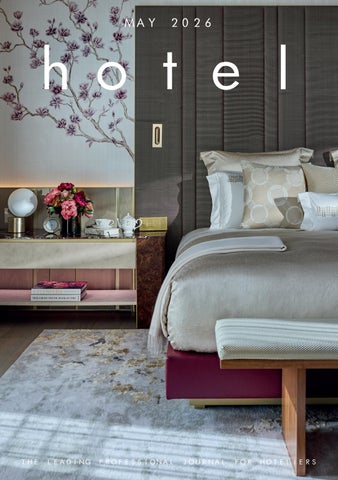
Create a flipbook
Hotel May 2026 by Cogent Multimedia Ltd - Issuu