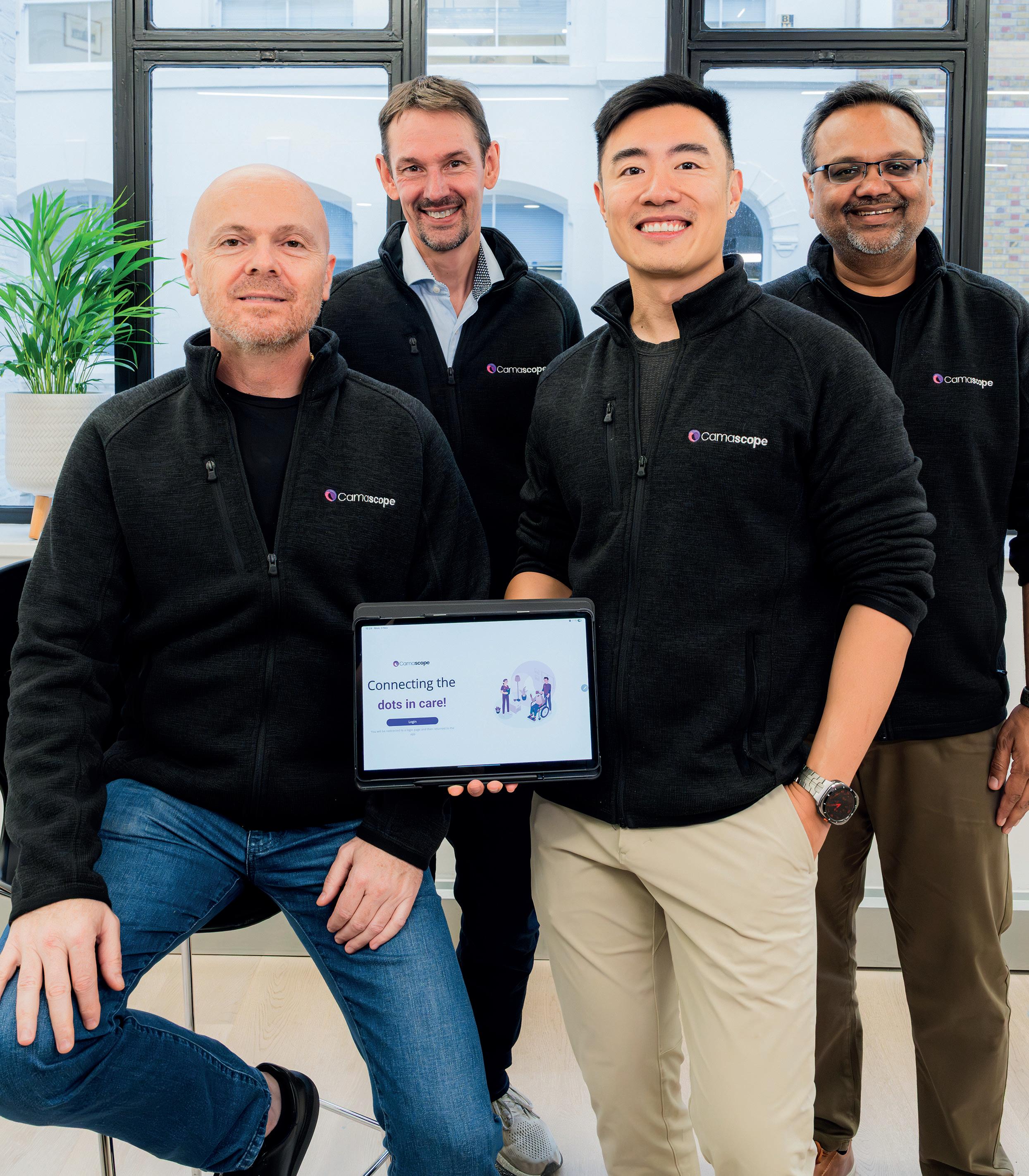



Camascope’s digital medication management ecosystem helps care teams deliver safer, more reliable care and spend more time with service users. It replaces paper-based processes, creating a digital trail that supports CQC compliance and reduces administrative burdens.
By connecting care services, pharmacies, and GPs, Camascope ensures the safe administration of over 20 million doses each month, giving teams clearer oversight and more efficient workflows.
Trusted by over 3,000 care providers across the UK, Camascope reduces medication errors, saves time, and helps every service user receive the care they deserve.




Chief Editor
Tani Johnson tj@carehomemagazine.co.uk
Publication Manager
James Davies james@carehomemagazine.co.uk
Tel: 01795 509 112
Credit Facilities Manager
Gwen Lee creditcontrol@cimltd.co.uk Tel: 01795 509 103
Design and Production
James Taylor james@cimltd.co.uk
Grant Waters grant@cimltd.co.uk
Marketing Manager
Lucas Payne lucas@cimltd.co.uk
Head of Digital
Xhulio Bishtaja press@carehomemagazine.co.uk
Social Media Manager
Lily Lawson press@carehomemagazine.co.uk
Director
Tom Woollin tom@cimltd.co.uk
Managing Director
John Denning
As 2025 comes to an end, it’s an ideal time to pause, reflect, and assess a year that brought both challenges and genuine advancements to the care sector. This December issue features two key themes that embody how we want to start the new year.

Our main focus, Hygiene and Housekeeping, extends beyond simple checklists. In a time when environmental responsibility is essential, we examine practical, sustainable cleaning that benefits residents, staff and the environment. From selecting verified, eco-friendly suppliers and lowimpact products to implementing greener protocols without compromising infection control, the article highlights providers helping care homes transition to sustainability. Alongside this, our 2025: A Year in Review offers a brief yet thorough overview of the sector’s trends. Expectations of families and residents, the implementation of artificial intelligence, staffing trends, and the growth of genuine person-centred cultures are key topics. The review also shares Health Connect’s milestones this year: breakthroughs, highlights, key lessons and unexpected moments from theyear.
As usual, you’ll find your favourite sections: an engaging Editors Day Out at Aston Manor in Aylesbury, and our Care Home of the Month celebrating excellent practice.
With Christmas near, December’s Activity of the Month features wreathmaking ideas from the talented team at Loveday: simple, adaptable, and sure to fill lounges with laughter and the aroma of fresh pine. In Dishing Up, we serve an elegant Salmon Wellington with Tarragon and Keta Cream, a festive centrepiece perfect for the cold Christmas period.
Looking ahead to 2026, I am truly excited about our feature topics and how the continuous developments and innovations available to care home managers can improve residents’ lives. I also want to wish all our readers and your residents a Merry Christmas and a Happy New Year!

Care Home Magazine tours Aston Manor, Harrington Care Homes’ premium new Aylesbury flagship, showcasing its elegant design, premium amenities and residentcentred vision.
Care homes are switching to certified, plant-based sustainable cleaning that matches traditional performance, protects residents, cuts waste and emissions, and attracts families.
Jess Morris from Loveday Esher shares why wreath-making and other seasonal crafts make the perfect nostalgic, accessible and mood-boosting Christmas activity for care home residents of all abilities.
Salmon Wellington with Tarragon and Keta Cream offers care home residents a delicious, bone-free, omega-3-rich showstopper that supports heart, brain and joint health while making mealtimes a luxurious, appetite-boosting highlight.
How luxury amenities, purpose-built design, integrated AI technology, innovative staffing solutions, and open-source policies fused hotel-style living with genuine person-centred care during a period of rapid market growth and consolidation.

12 14 26 36

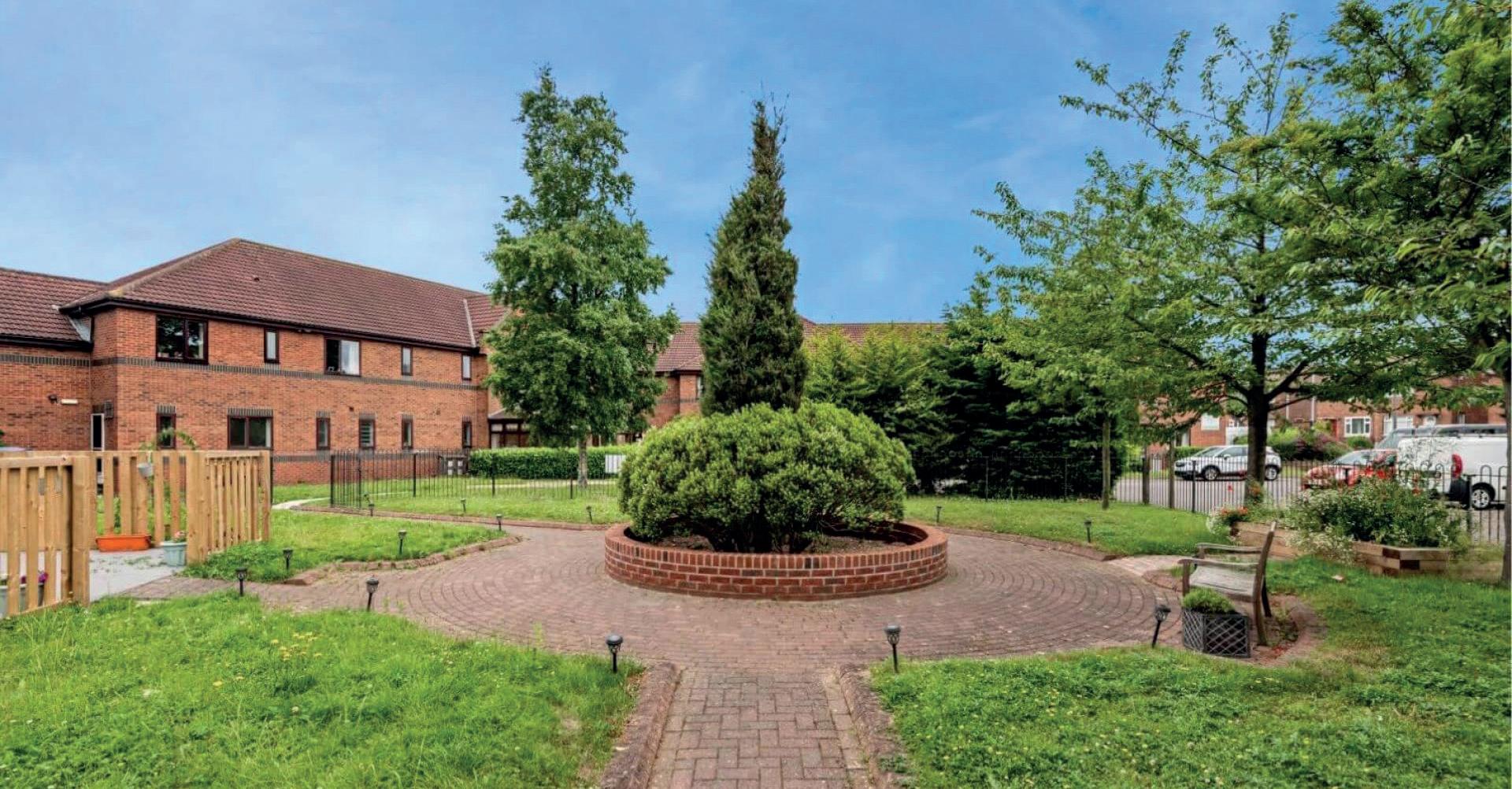
In October, Harrington Homes invited the team at Care Home Magazine to attend the opening of their first care home, Aston Manor, located on the outskirts of Aylesbury. The home was designed by Catalyst Interiors, who are specialists in healthcare interior design and fit-out. Read on to discover more about our day at Aston Manor, where we enjoyed a tour and learned more about the structure of the home’s day-to-day life.
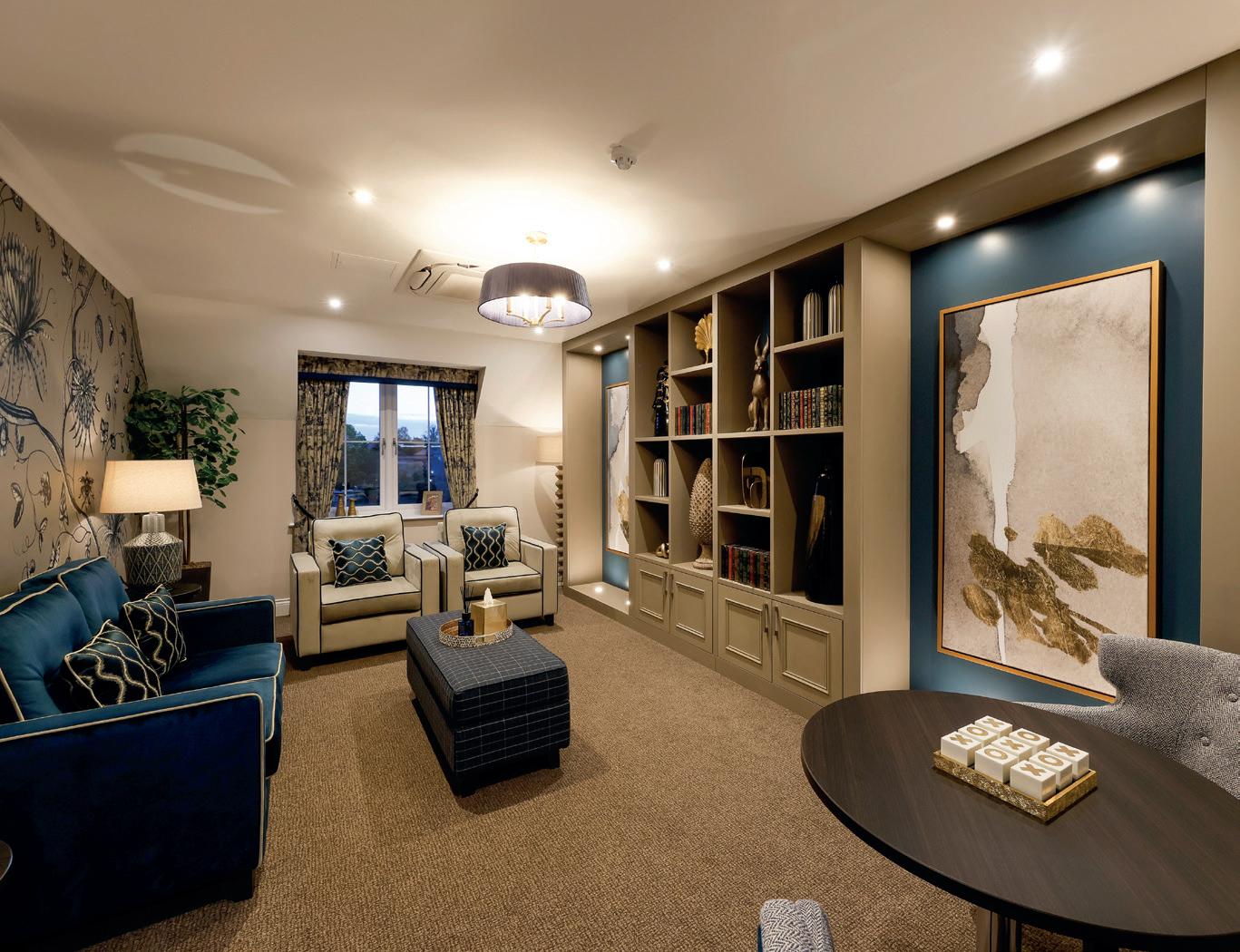
Walking into Aston Manor, we were welcomed into a stunning open-plan reception area by the friendly team. With chatter and the gentle melody of a talented harpist filling the space, we were immediately immersed in the premium care experience that Harrington Care Homes prides itself on. The entry space proves to be the heart of Aston Manor, with a beautiful open bar area flowing into some of Aston Manor’s top-class facilities: the Cinema, Piano Bar, Private Dining Room, and Hair & Beauty Salon. We were welcomed with a drink and given the opportunity to explore the luxurious space, which felt uplifting and full of life.
After a speech by Rishi Dhamecha, the Managing Director of both Harrington Homes and its sister company Only Care, we were invited to tour the home with Eleanor, the Welfare and Activities Coordinator at Aston Manor, who was very knowledgeable, and passionate about improving residents’ lives. There were so many outstanding aspects to the home that it would be impossible to list them all. However, I did notice a few features I especially appreciated as we toured the three-story house.
The Wellness Centre, which includes the Hydrotherapy Suite and Physiotherapy Suite, has been carefully designed to benefit
both residents and the broader community. It features a dedicated, secure external entrance, allowing access for external services, and it provides a vital hydrotherapy resource for the local area.
The Hallways were decorated with bespoke artwork, positioned at key points, such as the crossroads near the nurse station, to provide visual cues for navigation. It was particularly nice to note how the local area inspired this artwork, allowing residents to recognise specific pieces of art and associate them with places they had visited.
Overall, the design and décor of Aston Manor were breathtaking,
with elegant designs which didn’t detract from the homely feel of each room. Embedded within the interior design were practical features such as handrails, which blended into the wall panelling to provide functionality without making the space feel clinical.
It was particularly inspiring to speak with Rishi Dhamecha after our tour. He was beaming with pride as he saw his visions for Harrington Care Homes come to life. From our conversation, it appears that this is just the beginning, and I’m excited to see how they continue to grow and succeed in the care sector.


Cybersecurity may sound technical, but at its core, it is about protecting people: your residents, staff, and business. Care homes rely on digital systems every day, from electronic care records and rostering software to payroll and tech-enabled care. Yet many still believe myths that leave them open to risk. Michelle Corrigan, Chief Executive at Digital Care Hub, explores common misconceptions we hear, and what you can do about them.
“We’re too small to be a target.”
Many care providers assume that hackers only target large organisations. In reality, most cyberattacks are automated and target vulnerable systems. Smaller care homes often have weaker defences, which makes them more vulnerable. Every care home stores valuable information, including residents’ care plans and staff bank details, so you are not invisible. And of course, you may be collateral damage and affected by an attack on a partner or supplier’s system.
“Our suppliers handle security for us.”
If your care planning or rostering system is breached, you could still be responsible for how that data was managed or lost. Suppliers have duties, but so do you. Check contracts, ask how your providers protect and back up your data,

Michelle Corrigan, Chief Executive at Digital Care Hub

and ensure you understand what happens if their systems go down.
“Staff can use their own phones, that’s their problem.”
Personal devices make life easier, but they also increase risk if they are lost, stolen or shared. If staff use their own phones or tablets for work, it is essential to have a clear policy in place. Require passcodes, regular updates, and secure methods for sharing information. Without this, you may accidentally breach data protection laws.
“Antivirus
Good antivirus software helps, but it is not a silver bullet. Many attacks begin with a phishing email or a weak password. Combine technology with regular staff training, strong access controls and reliable data backups. Think of cyber security as a team effort, not just an IT task.
“We’ve never had a problem, so we must be safe.”
No visible breach does not mean
you are secure; it may just mean you have not noticed yet. Cyber risks evolve rapidly, so review your systems regularly and encourage staff to report any unusual activity. Prevention is always better than a cure.
Cybersecurity is part of good governance and quality care. It protects your ability to deliver services safely and maintain trust with the people you support.
The Digital Care Hub offers free support on cybersecurity, including guidance, e-learning, template policies, checklists, a national helpline, and support from 28 Better Security, Better Care local partners across England.
Visit digitalcarehub.co.uk or contact help@digitalcarehub.co.uk


Discover how My Lifetime Care is empowering families to access quality care without breaking the bank, driving higher occupancy rates in care homes across the country.
The cost of care is at the forefront of a family’s mind when their loved one needs more support than is available at home. Affording suitable care can often be costly for families, requiring assets to be sold in order to fund it, and leaving no inheritance behind for their loved ones. For care home managers, this financial barrier translates directly into delayed placements, empty beds, and unpredictable revenue.
Jeremy Nixey, the Founder and CEO of My Lifetime Care, identified this financial strain and devised CHIP (Care and Home Inheritance Plan) to aid families and care homes alike. On average, care for the rest of one’s life can amount to between £50,000 and £250,000. CHIP came to life after Jeremy contemplated how people entering care could utilise the equity in their homes to pay for their care, all while ensuring that the resident and their beneficiaries retain ownership of the property and are able to benefit from its capital appreciation.
Jeremy shaped the idea of a company 100% owned by a charity that is granted a lease on


a resident’s property. The lease obliges the company to pay all care costs not paid by the individual’s pension(s) and non means-tested state benefits. This legal agreement between the resident and the charity-owned company formed the foundation of the CHIP lease. The lease was launched in a pilot phase in 2023 and has since been rolled out nationwide due to its successful trial, boosting occupancy in care homes.
Anyone who owns their own home has first to spend all the equity from their home to pay any care home fees they cannot pay from their pensions, non means tested benefits and any other income they
may have. For many this means they have to sell their home to meet the shortfall. The CHIP saves them having to sell their home because it pays all the residual care costs they cannot. The company which provides the CHIP (My Lifetime Care) contracts to pay all the residual care costs that the owner cannot and pays for this by borrowing the cash needed to pay the shortfall from the equity in the owner’s home.
The company is then repaid over time from renting the owner’s home and applying the rent and growing value of the property to repay the money borrowed from the owner’s home. The owner’s beneficiaries can cancel the CHIP at any time by repaying any of the borrowed cost that has not, at that point,
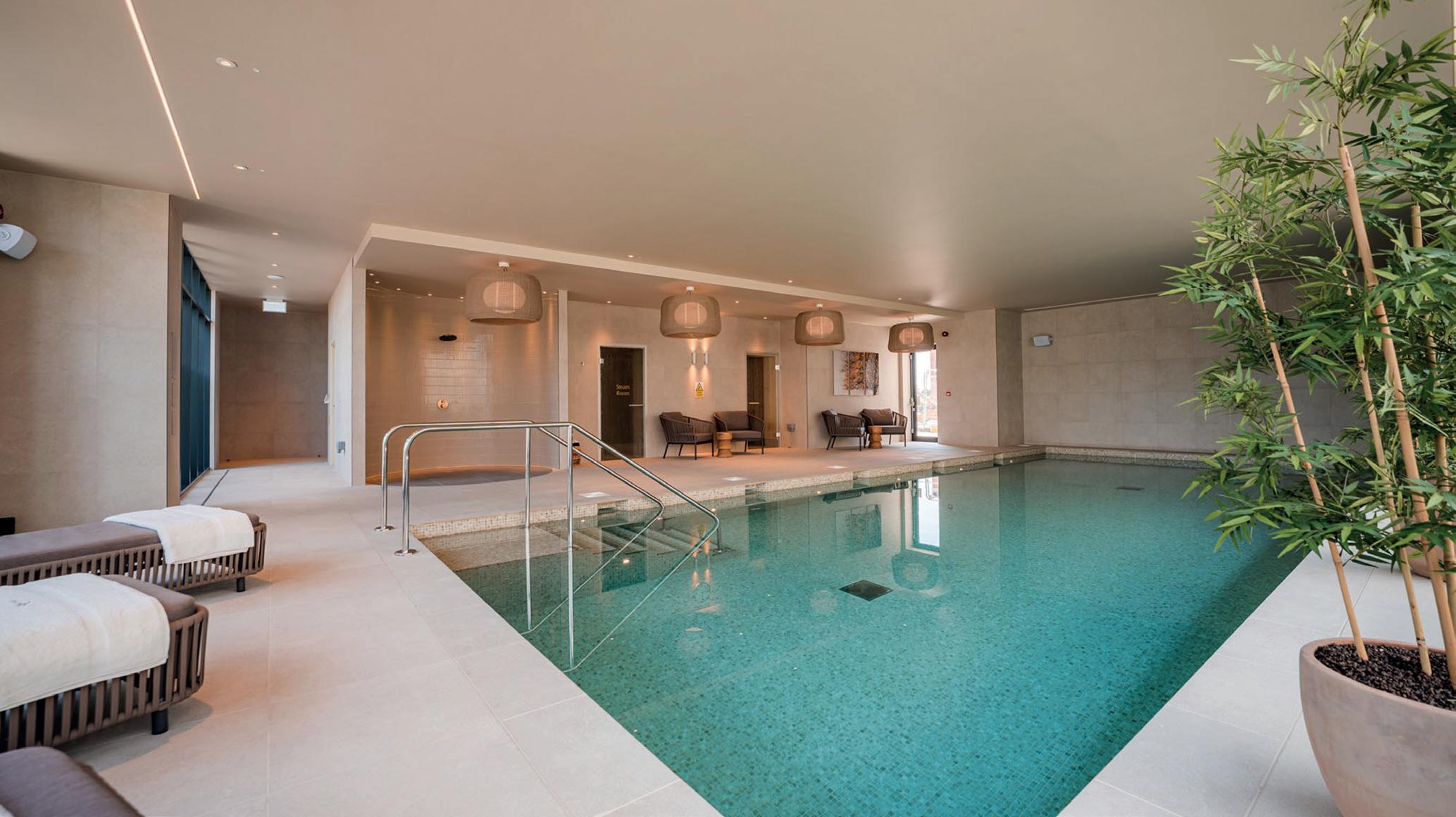
been repaid. Once cancelled, the property can be marketed – or the beneficiaries may prefer to retain it as their investment. The CHIP contract will pay out up to 75% of the value of the owner’s home and this, together with non means tested state benefits, pension income and rent from letting the property is normally enough to pay the costs of care for the rest of the person’s life. For further detail see the company’s website www. mylifetimecare.co.uk However if it is not enough the person can then apply to their Council to meet the shortfall.
My Lifetime Care borrows money from its own funders, like charities or mutual organisations, which charge My Lifetime Care interest. My Lifetime Care then rents out the property, and applies the rent to pay off both the interest and the loan My Lifetime Care took out to cover an individual’s care costs.
This loan is then repaid over time through property appreciation and rental income earned from leasing the property to a third party. The homeowner’s beneficiaries have the right to cancel the lease before all care costs have been repaid. To
take full ownership of the property, the beneficiaries must pay off any remaining care loan costs that haven’t been covered by rent payments. If the loan is already paid off, they can simply cancel the lease by using their right to do so. A property in a CHIP lease cannot be placed on the market until My Lifetime Care decides so, or is instructed to do so by the beneficiaries. Once on the market, the CHIP lease is over and will not affect the market value or future owners.
My Lifetime Care is a trading company 100% owned by a charity, safeguarding its value for the care community. It does not provide the funds used to deliver care; instead, it borrows the necessary funds for the resident’s care from other charities and mutual societies under standard commercial terms. The rent from the property is then used to pay off the loan, and the loan is used to cover the costs of care. CHIP offers two key protections to residents, which are enhanced when compared to alternatives. The first is that a solicitor must advise the client to use CHIP, as they have a legal obligation to identify and protect their clients’
best interests, assessing the client’s mental capacity to agree to a lease. Secondly, in the event that My Lifetime Care doesn’t fulfil its obligations under the CHIP lease, the lease is forfeited and the resident recovers the property free of all lease obligations.
If, for any reason, My Lifetime Care ceases to exist, clients of the company would be restored to their situation before CHIP, owning their property once more and free to take whatever actions they would’ve otherwise taken had they never signed up for CHIP. Note however that the property will still have a charge on it equal to the money paid out so far to pay for care and related costs.
My Lifetime Care only offers the CHIP lease due to their unwavering belief that it is an immeasurably better option than the alternative funding options on the market. My Lifetime Care, however, ensures that all customers are aware of state-funded benefits for which they may be eligible and will assist them in applying for these. CHIP is an invaluable asset to both homes and residents alike, making care accessible to all.

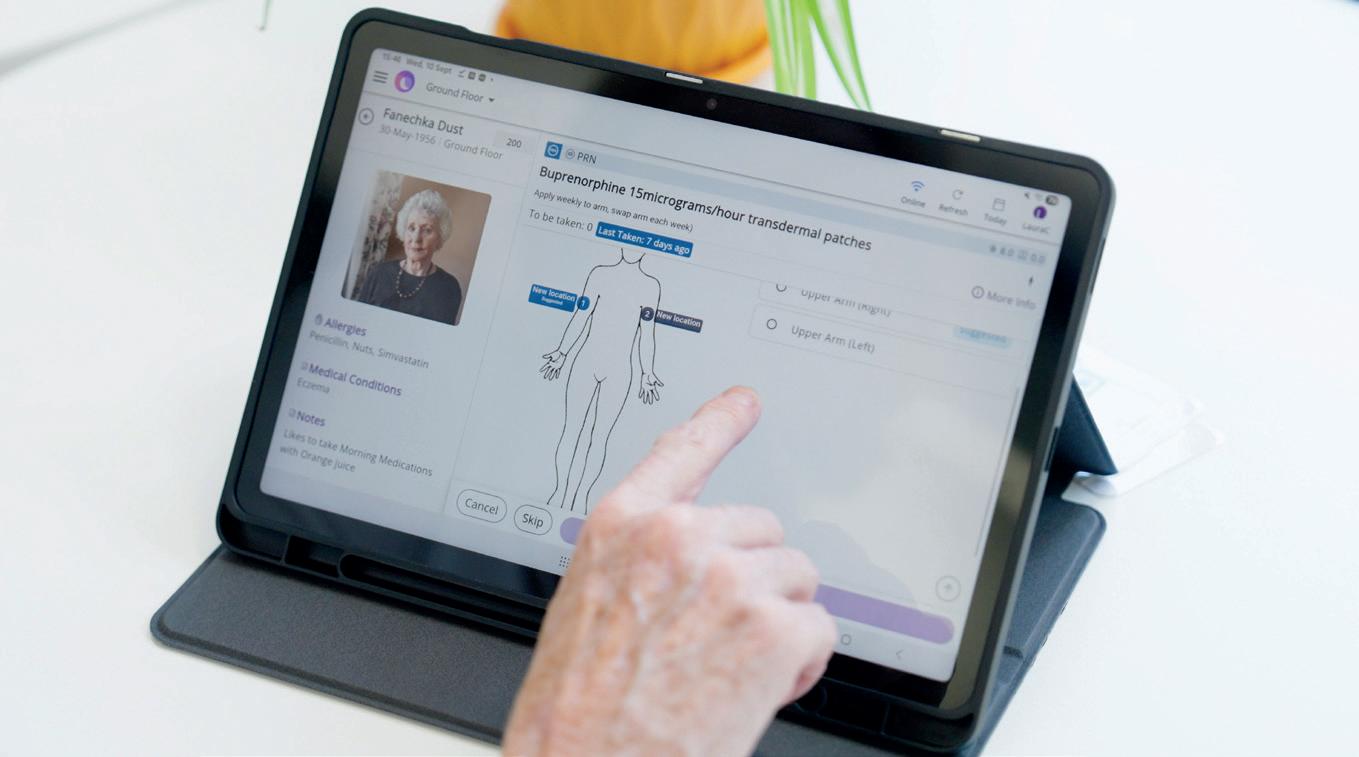
Camascope, a UK-based software company, is on a mission to make medication management safer, smarter, and simpler for care providers across the social care sector. Their digital medication management platform replaces paper MAR charts with a connected, cloud-based system that links care providers, pharmacies, and GPs.
Every month, Camascope helps care professionals safely administer over 20 million doses of medication to more than 85,000 service users across the UK. Their software is trusted by over 3,000 care providers and 4,000 partner pharmacies, including national groups such as Sanctuary, Anchor, Hamberley, and Shaw Healthcare, as well as a growing network of independent providers that want to modernise care processes without losing their personal touch.
Camascope’s technology directly improves service user safety by reducing the risk of medication errors – a leading cause of avoidable harm in care settings. Homes using the platform report 100% reduction in missed medications, 25% faster medication rounds, and significantly fewer delays or stock issues. Beyond
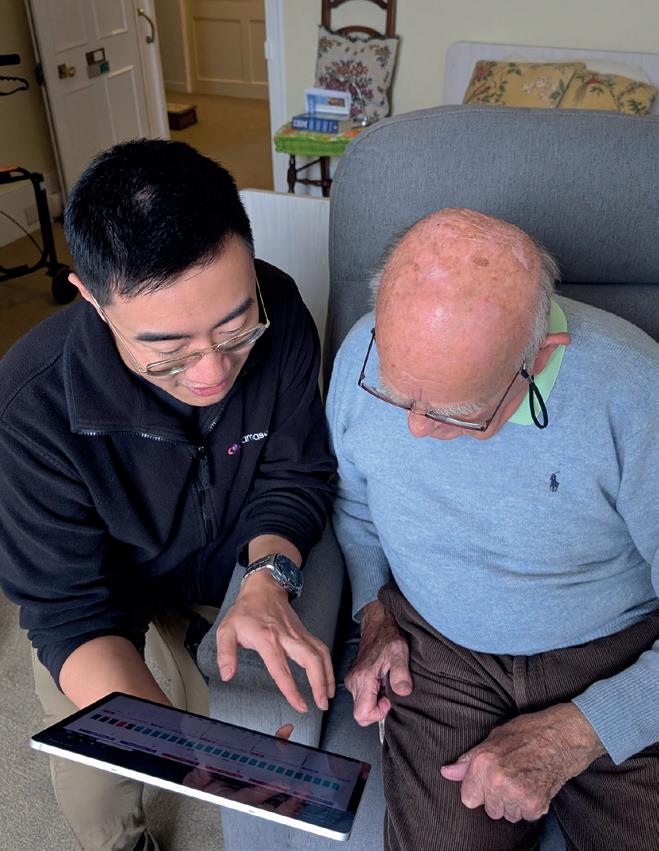
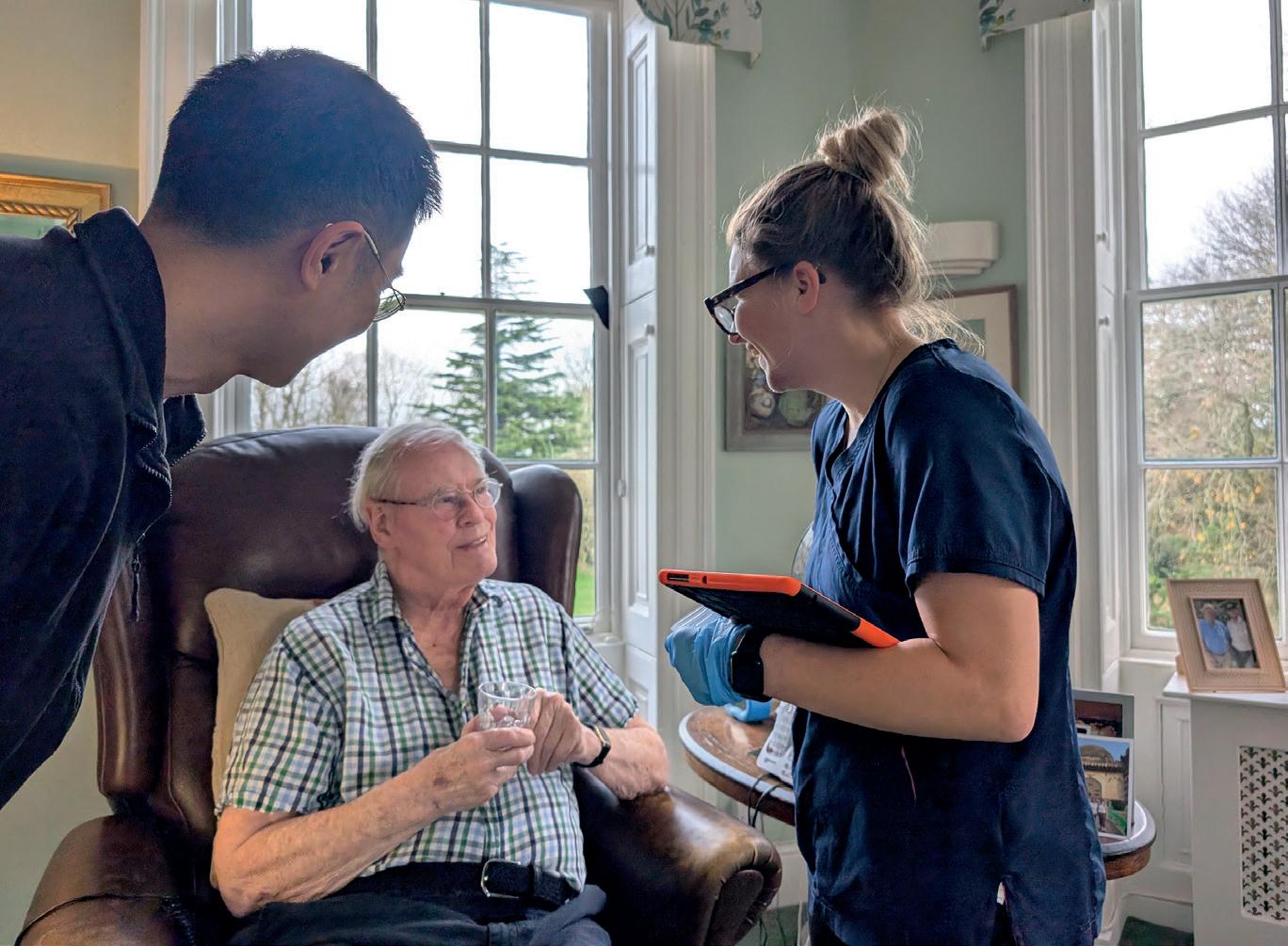
safety, the system frees up valuable time for staff. Teams describe spending less time on paperwork and more time engaging with service users, supporting emotional and complex needs.
The platform also provides managers with real-time dashboards and analytics, enabling them to identify potential risks –such as missed doses, clashes or shortages – before they escalate. This transparency shifts homes from being reactive to being proactive, improving both safety and overall care outcomes.
While Camascope is a technology company, their approach is fundamentally people-centred.
Their team includes former pharmacists and care professionals who have lived the challenges of frontline care and understand the realities of managing teams, medications rounds, and compliance.
This insight directly shapes how the company works with clients. When one customer faced a mission-critical challenge, Camascope’s Customer Success Manager travelled on-site and worked overnight alongside staff until the issue was resolved. CEO Kehan Zhou even spent a week living in a care home, working night shifts to better understand the pressures faced by care workers and managers.
This is what partnership means to Camascope - not simply
providing software but standing beside providers throughout their journey. Their customers describe them as responsive, adaptable, and deeply human - a reflection of their ethos of listening, evolving, and consistently investing in R&D to ensure their technology keeps pace with the sector’s needs.
Their commitment to innovation and collaboration has been widely recognised - winning the South West Care Awards’ “Care Software Provider of the Year 2025” and securing finalist nominations at the National Care Awards (Innovator of the Year), LaingBuisson Awards (Technology Support Provider of the Year), and the Economic Innovator of the Year Awards 2025 hosted by The Spectator.
Choosing the right digital medication management system is a significant decision. Camascope recommends focusing on several key areas:
• Integrations - The system should connect seamlessly with pharmacies, GPs, and existing care planning software, ensuring a unified workflow.
• Ease of Use - Medication rounds must be simple, intuitive, and consistent for all staff, regardless of digital confidence.
• Offline Functionality - Homes must be able to record every medication round even if Wi-Fi drops, ensuring continuity of care in every environment.
• Training & Support - Digital transformation succeeds when teams are properly supported, inperson when required both during rollout and long after.
• Compliance - Check that the supplier meets industry standards such as NHS DSPT, Cyber Essentials Plus and ISO 27001:2022, ensuring strong data protection and security.
Medication management sits at the heart of care delivery. The right digital platform should make daily operations easier, not more complicated, ultimately supporting safer and more efficient care.
One of the most persistent misconceptions is that digital medication systems are complex or intimidating. In reality, a welldesigned eMAR is simpler, clearer, and significantly safer than paper. While care staff may feel nervous at first, most homes report that after only a few days of use, teams often say they can’t imagine going back to paper MAR charts.
Camascope has intentionally designed its onboarding process to be calm, supportive, and straightforward. With short lead times, quick setup, and tailored training, the transition feels far less daunting than many providers expect. Their dedicated support team offers ongoing guidance and 24/7 assistance, ensuring staff feel confident and supported long after the initial rollout.
Another misconception is that digital systems are only suitable for large care groups. In practice, smaller independent providers often see the greatest benefits: improved compliance, clearer audit trails, easier stock management, reduced administrative burden, and better regulator preparedness. Camascope’s platform is scalable and adaptable, making it suitable for organisations of all sizes.
Camascope encourages providers to begin with small, achievable steps. Even modest changes can
greatly improve safety, efficiency, and staff confidence – especially when teams are involved early.
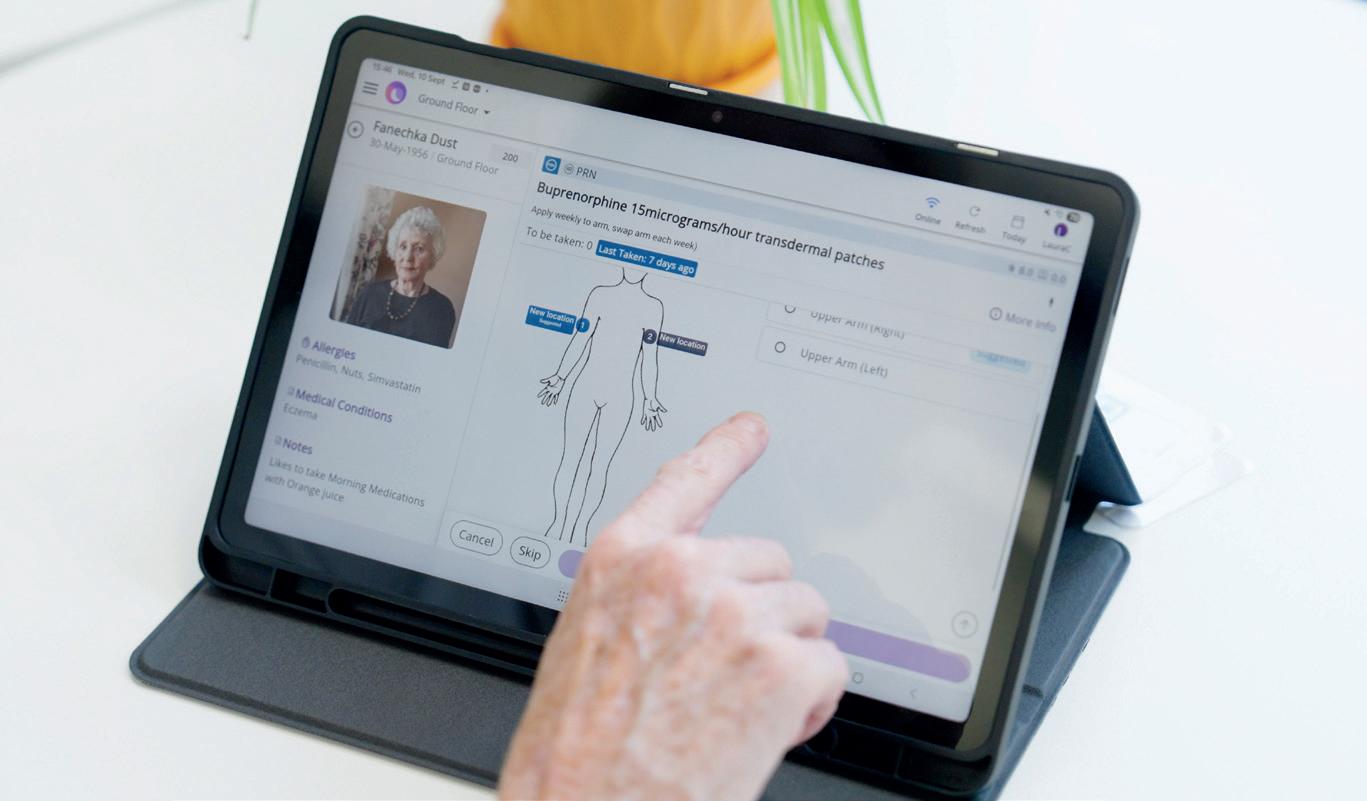
Understanding their challenges helps ensure you choose a system that genuinely supports their work, while appointing digital champions within the team can drive adoption, encourage learning, and build a positive culture around digital tools. Our new eMAR app, Camascope 2.0, is designed to make this transition easier than ever. It introduces a refreshed and intuitive interface, advanced body maps, medication-linked vitals, and robust offline functionality, ensuring care can continue even when connectivity drops. These enhancements give teams clearer insights, easier workflows, and greater reliability during busy medication rounds or periods of high demand.
Ultimately, digital medication management is not just about meeting compliance requirements. It represents an opportunity to reshape how care is deliveredmaking it safer, more transparent, and more person-centred. By starting small, celebrating early successes, and reviewing data regularly, providers can build confidence across their teams. With empathy, collaboration, and the right support, the transformation can be truly meaningful for both staff and service users.

Sponsored By
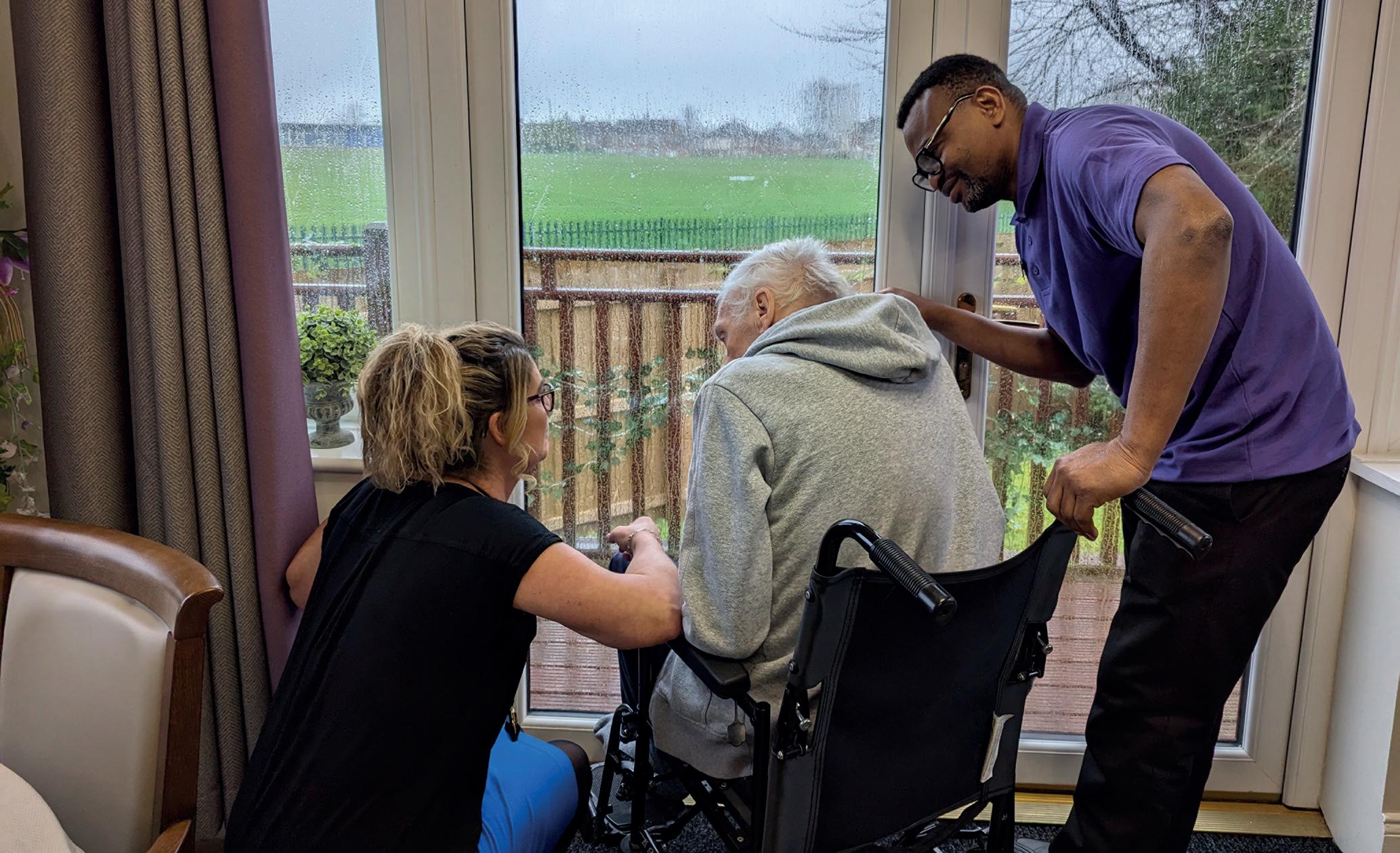
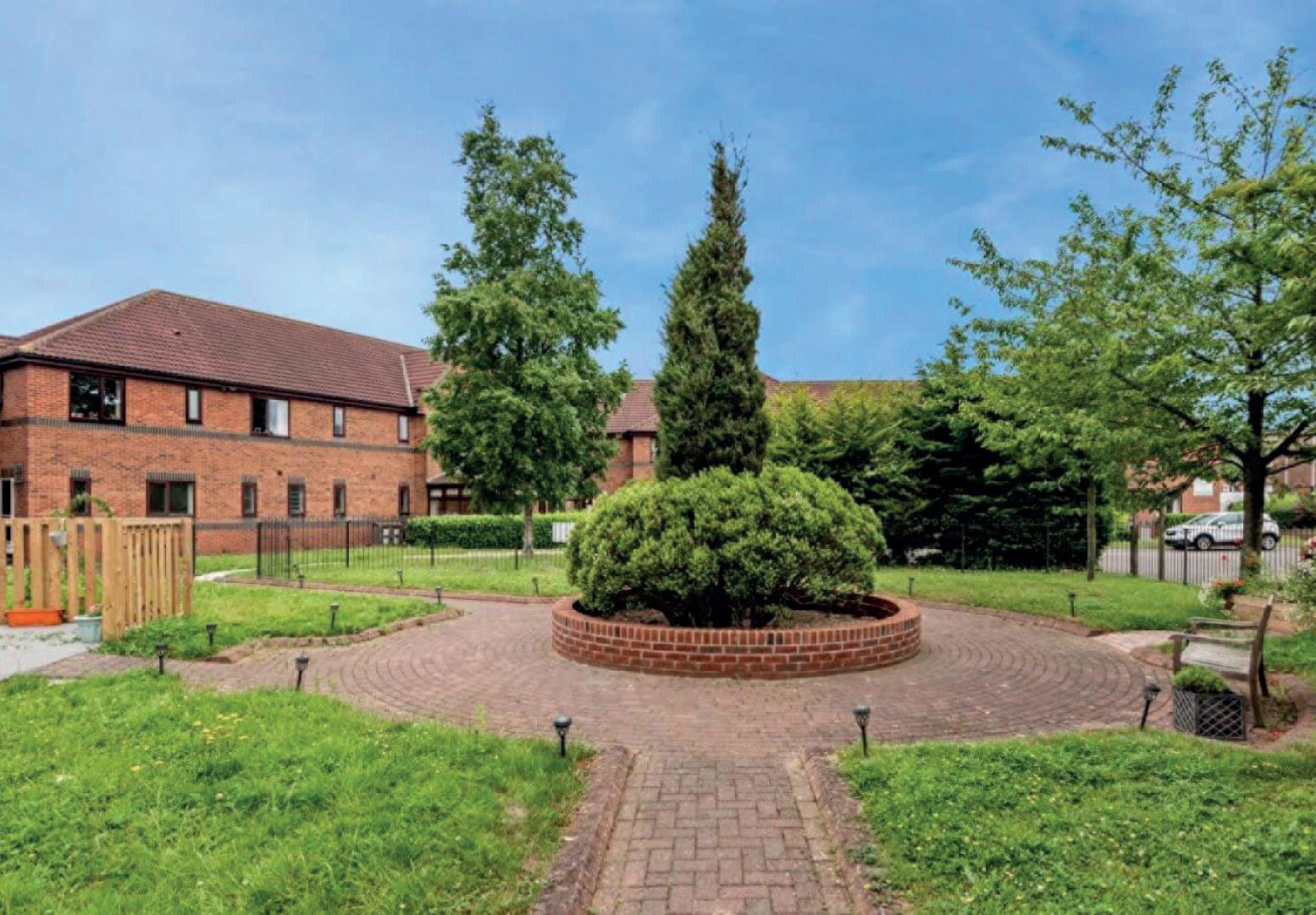
Situated in Farringdon, Sunderland, Archer’s Court Nursing Care Home is part of the Orchard Care Homes Group and features 38 modern bedrooms designed to ensure comfort, dignity, and a warm, welcoming atmosphere. Easily accessible to local shops and amenities, the home has undergone a significant transformation since first opening as a general nursing and residential facility.
In September 2022, Archer’s Court launched its first Reconnect Dementia Community, “created to promote genuine inclusion by supporting people living with dementia to remain independent, engaged and involved in meaningful daily activities.”
Following the success of this initiative and increasing local demand, a second Reconnect Community opened in December 2023, making Archer’s Court the
first home in the group to be entirely dedicated to this specialist model.
“Our Reconnect model of specialist care is unique to our region and to the wider sector,” explained Sharon EasterbrookSmith, the Home Manager.
“Our innovative approach puts people at the heart of their own care, promoting independence, meaningful activities, choice, and inclusion, supported by a highlyskilled team of colleagues who have received extensive training in dementia care.”
The homely settings: kitchens, communal living areas, DIY spaces, laundry rooms, gardens and workshop rooms, enable residents to continue using them as they would in their own homes. This therapeutic, person-centred approach aims to understand the reasons behind certain behaviours associated with dementia and
adapt support to help reduce distress.
Every resident receives “an individualised care plan tailored to their medical, physical and emotional needs and preferences.” Innovative technologies help the team “identify early signs of distress, allowing timely, compassionate intervention,” which has enabled many residents to settle quickly and thrive.
High standards are upheld through “enhanced dementia training for all colleagues and by ensuring higher staffing ratios.” The home’s Dementia Promise underpins everything, while “close collaboration with families and health professionals ensures consistency and a holistic experience – something that genuinely sets Archer’s Court apart within the region.”
A proactive partnership with a local GP surgery involves weekly
in-person visits, ward rounds, and multidisciplinary team (MDT) meetings. This approach guarantees continuity of care and ensures residents receive the quality service they deserve.
Archer’s Court recently collaborated with Northumbria University on the MEAD (Meaningful Engagement in Advanced Dementia) research project, trialling a prototype tablet designed “to record and assess short caregiver-resident interactions” and evaluate verbal and non-verbal signs of engagement. One inspiring example is a former marathon runner who, after losing confidence following her diagnosis, now “enjoys regular runs and even leads a weekly fitness class for residents and occasionally some of our colleagues too.” Sharon reflected: “Reconnecting her with something she loves has had a remarkable impact on her wellbeing, confidence and sense of purpose.”
Staff development is essential to the home’s success. “As a manager, I believe it is vital to support and cultivate our teams so they can deliver the highest standard of care each day,” Sharon stated. All Specialist Support Workers, nurses, and the management team complete a Level 3 qualification in dementia care, while ancillary colleagues achieve Level 2. “I take a proactive approach to colleague development, encouraging career
progression, providing access to training opportunities and nurturing my team. By helping colleagues achieve their personal and professional goals, we develop a motivated, skilled, and compassionate team – something that has a direct and meaningful impact on the quality of care we deliver.”
The Reconnect Communities are specifically designed for residents “who may require one-to-one care, have previously experienced placements that did not work out, or have faced distress or detention under the Mental Health Act.”
With higher colleague-to-resident ratios, the home can provide the personalised attention that allows even those with advanced
dementia “to enjoy as normal a life as possible.”
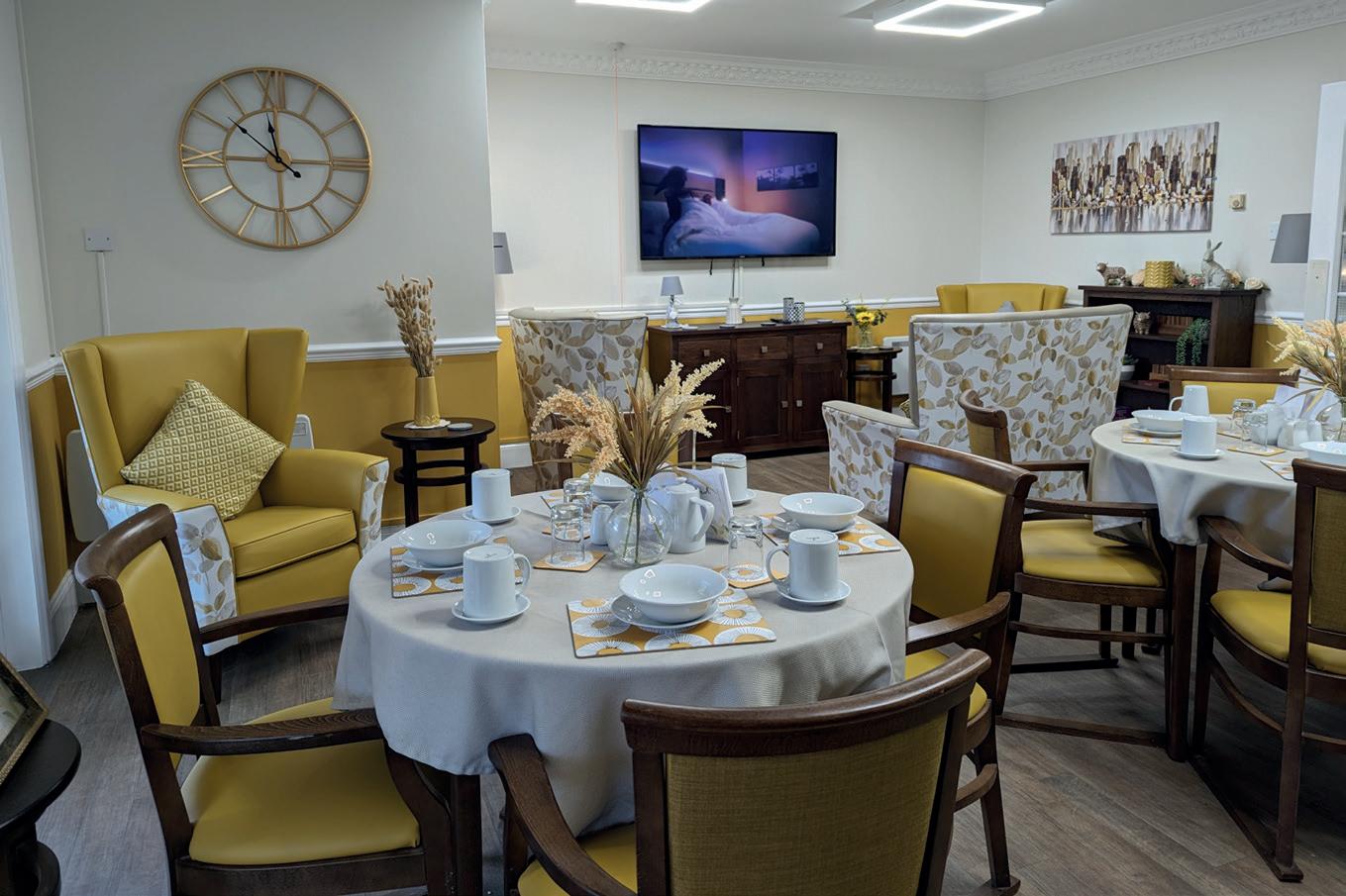
Daily life is rich and varied: “We offer a wide range of daily activities from gardening, household chores and cooking to crafts, community outings, visits to local parks, religious support and even trips to the pub.” Special events include live entertainment, parties and movie nights – all tailored to residents’ histories and preferences. “Our focus is on what residents can do, embracing positive risk-taking and encouraging them to stay active, engaged and connected.”
The manager, Sharon’s pride is evident: “What makes me most proud is the sense of compassion, connection, and engagement within the team. Seeing residents actively enjoy life, feel fulfilled, and be surrounded by love and care is incredibly heartwarming.”
Looking ahead, Sharon aims to further grow the Reconnect Communities, increasing chances for meaningful interactions and fostering new joyful memories for residents and their families.
For care home managers looking for a proven, innovative model that produces measurable results for those living with complex dementia, Archer’s Court demonstrates that specialist household communities – supported by exceptional training, technology, and clinical partnerships – can truly transform lives.


Our mission is simple: to empower care home owners, investors, and operators with the knowledge, resources, and support they need to thrive in this vital industry. Whether you’re a seasoned operator looking to expand your portfolio, a first-time buyer entering the market, or an owner considering your exit strategy, Montane Care is here to guide you every step of the way.
Explore Forest Care’s experience of using Robust Solutions across their care group.
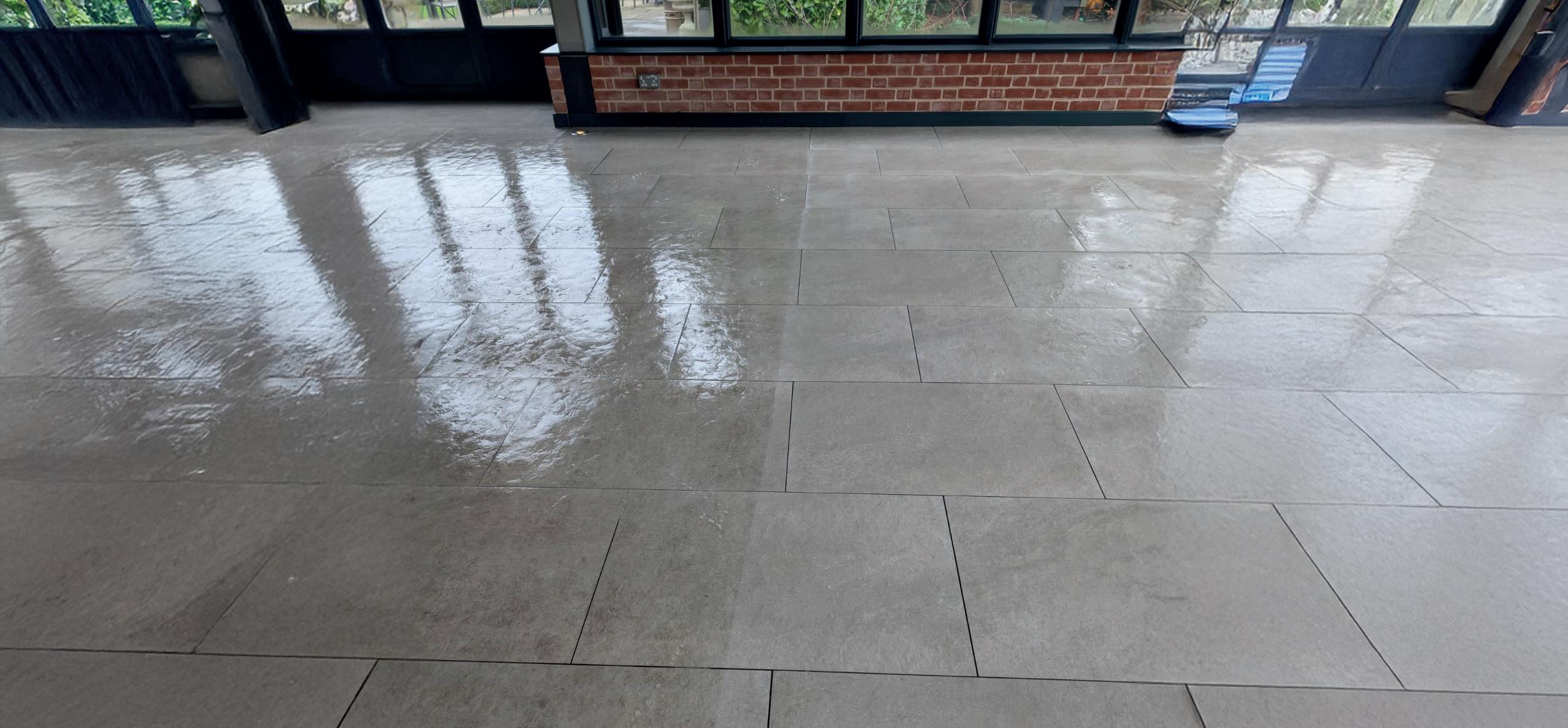
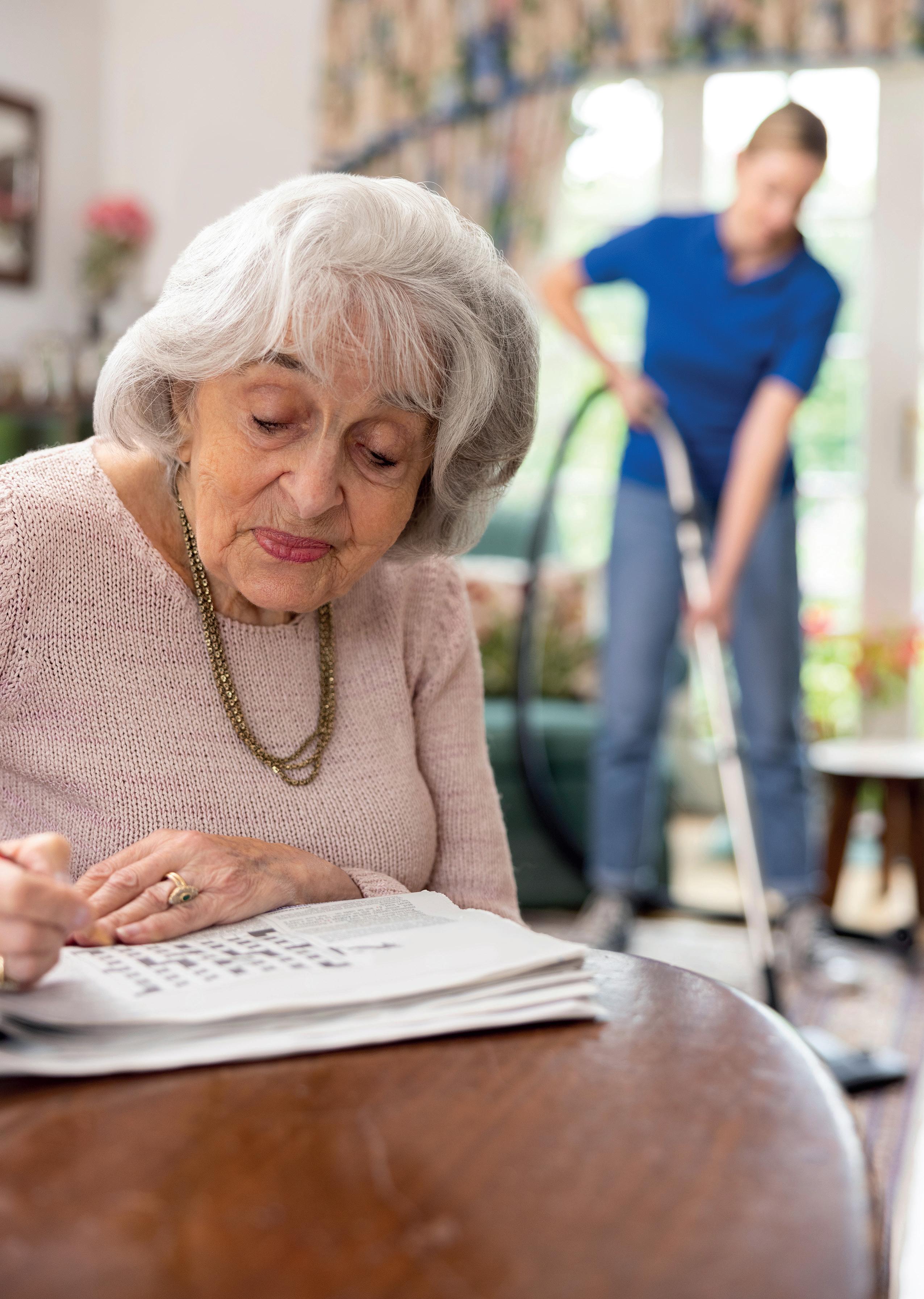
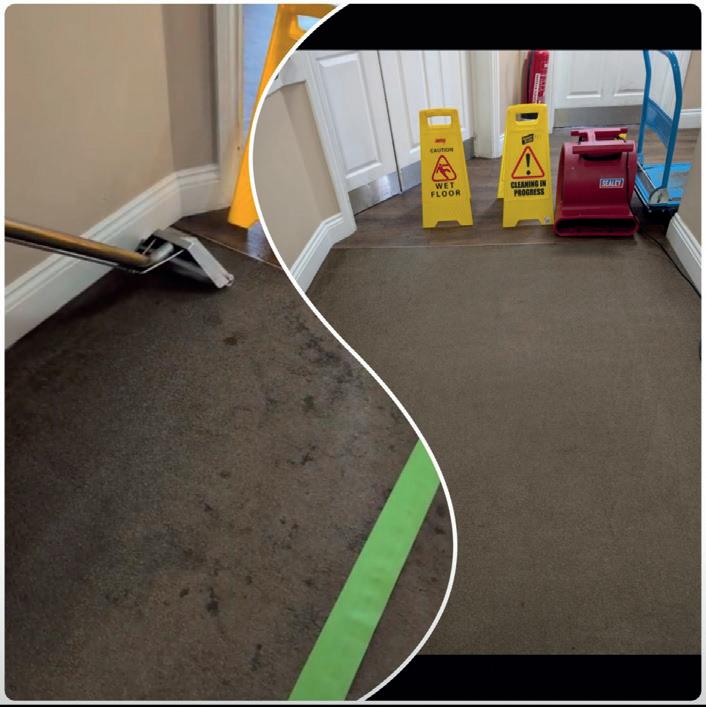
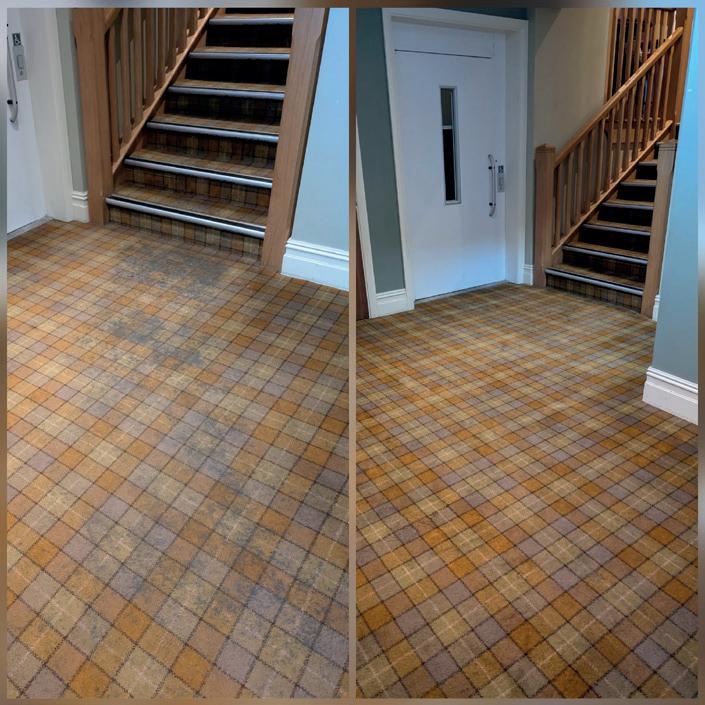
Robust Cleaning Solutions helps maintain a clean, safe, and welcoming environment in homes within the care sector, enhancing the wellbeing of residents and supporting Facility Managers across the country, such as Bruno at Forest Care, by providing carpet, hard floor, and upholstery cleaning. While browsing LinkedIn, Bruno came across Robust Cleaning Solution’s services. He was impressed by the high-quality results he observed and decided to trial their services on some

of the carpets at Forest Care’s locations to see if they could be implemented routinely across their homes. Rob provided a free trial cleaning, and since then, Robust Cleaning Solutions has become a regular supplier. Rob, the founder of Robust Cleaning Solutions, has spent over a decade managing hospitality and cleaning within care homes, which allows their services to be practical rather than theoretical, as they understand the realities of managing and cleaning care homes.
Bruno said, “Working with Rob
and Chris is straightforward. They’re always prompt to respond and very helpful with any queries I have. Robust Cleaning Solutions doesn’t try to oversell anything; instead, they provide clear and direct advice and are happy with whatever I choose to proceed with as the Facilities Manager. Each quote they provide is clearly itemised, so I can easily select what I want to book immediately and any areas I would prefer to postpone for a later time.”
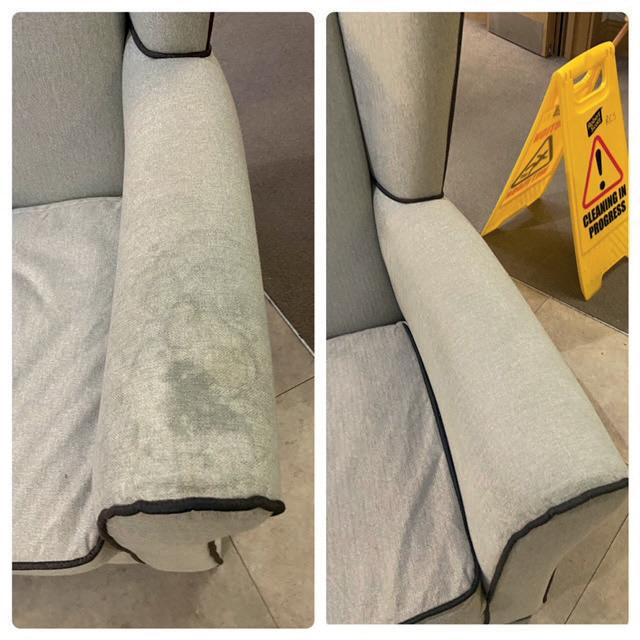
Forest Care had planned to replace several armchairs that were looking worn out, which would have
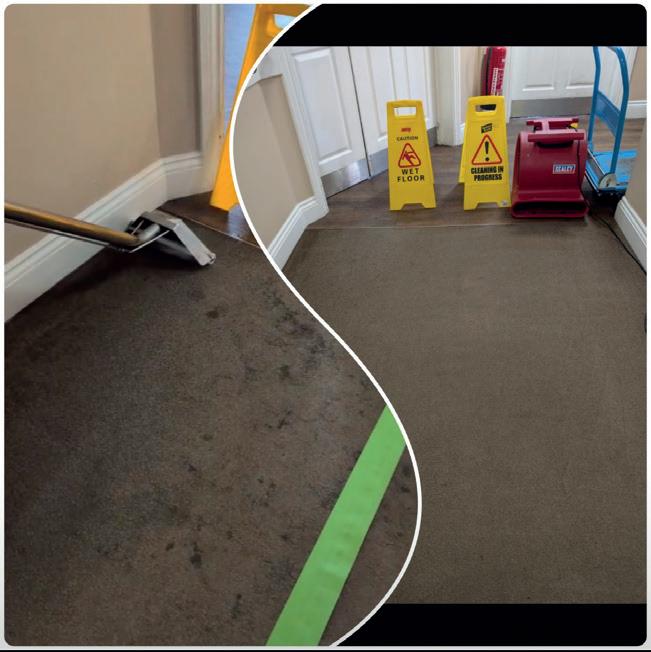
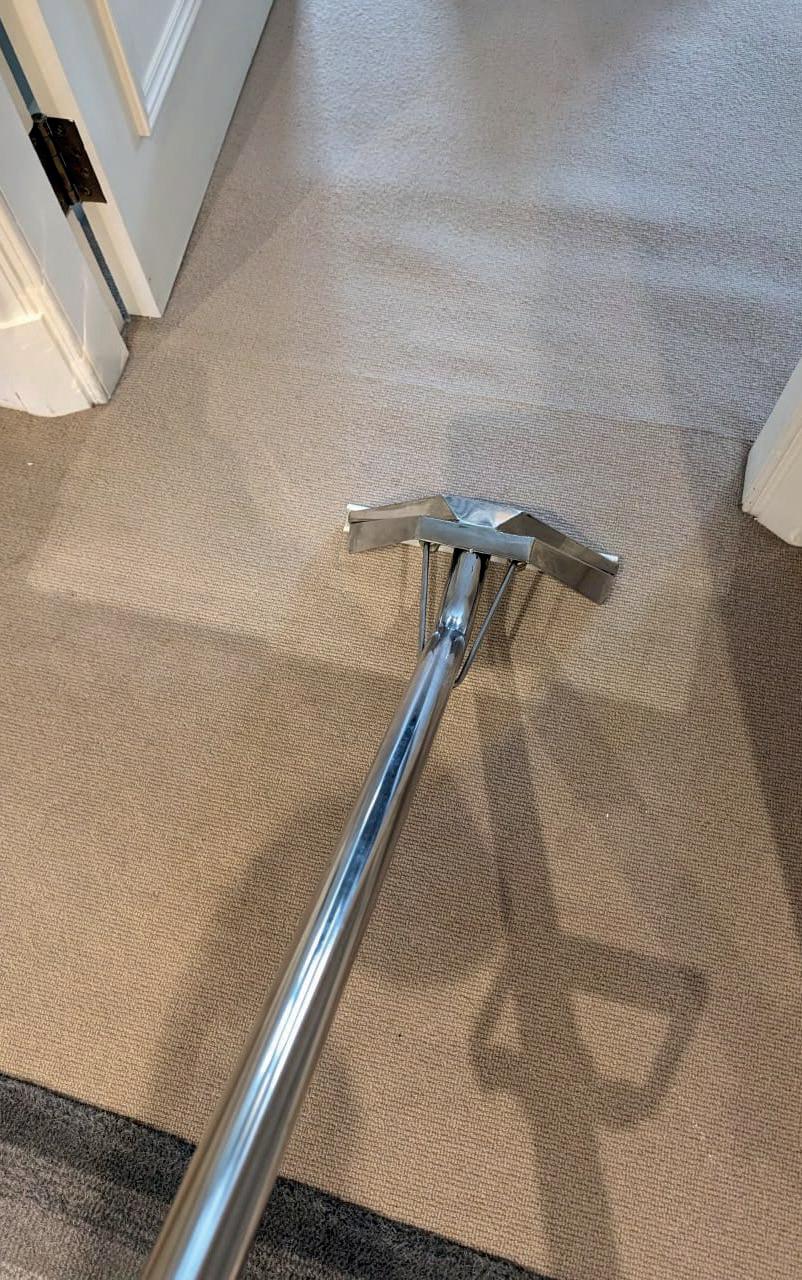
been expensive. However, after RCS cleaned them, they were able to restore them and retain their use. Additionally, deep cleaning their carpets helped prolong the lifespan, further saving a significant amount on replacement expenses, and allowing the money to be implemented elsewhere in the care group where needed. Robust Cleaning Solutions use professional-grade sustainable methods that minimise disruption to residents, with carpets being dry between 5 and 15 minutes. The ability to continue to use both the armchairs and carpet has enhanced Forest Cares’ sustainability efforts and reduced the Care Group’s waste.
“A benefit we have found after RCS visits our homes to clean the carpet and flooring, is that our
We offering deep extraction cleaning of - Carpets, Hard floorings and Upholstery Furniture.
Our cleans get deep into the fibres/ materials which prolongs the lifespan, plus could save you money in costly replacements.
After lots of demand, we now offering Additional Cleaning Services, which includes -
• Windows
• Gutters
• Roofs
• Buildings
• Chandeliers
• Drains & More!
Extend the life of your carpets, flooring, and furniture with regular deep extraction cleaning from RCS.
Our PPM plans keep your spaces looking fresh, protect your investment, and reduce the need
housekeeping team find it much easier and quicker to clean and keep on top of maintaining the cleanliness. “
Housekeepers are usually able to hoover and spot-clean stains on carpets, while hard floors only require daily mopping to stay clean. This saves time compared to scrubbing or using extensive cleaning equipment, which cannot achieve the same results as Robust
for costly replacements.
• Prolongs the life of carpets, floors & upholstery
• Maintains a clean, professional appearance year-round
• Exclusive discounted rates for PPM customers
2-5 Years agreement - prices locked for the duration of your contract.
Corridor Carpet Clean
= £1000
All Bedrooms Carpets/ Flooring cleaned once a year
= (70) £4200
payment = £350
per resident per day = £0.16
70 Armchairs cleaned Total = £2362.50
payment = £196.88
Cleaning Solutions. Cutting down the time spent on cleaning floors then allows housekeepers to dedicate more time to other areas of the home that might require more attention. Bruno said: “Rob and the team are lovely guys, but also do an impeccable job. They’re great value for money, plus they save us money in replacement costs and are really easy to work with.”

Recently, sustainability has become a vital focus in the care industry, shifting from a luxury to a necessity. As awareness grows about environmental responsibility and the health effects of harsh chemicals, care providers are re-examining their product choices. However, choosing the right supplier isn’t just about selecting products labelled as eco-friendly; it requires assessing their environmental impact and performance in practical use. Leading specialists in Sustainable Cleaning, Fairfield Care and Wightman & Parrish. generously shared their insights for this article.
It is increasingly important that care homes focus on selecting suppliers who are transparent about their ingredients, manufacturing processes, packaging, and certifications. Independent certifications can verify that their sustainability claims are credible and supported by evidence rather than just marketing. Logistics are also crucial; choosing suppliers that offer bulk deliveries, refill options, or concentrated products can help reduce waste and lower the carbon footprint. Care homes should evaluate all aspects of their purchases, including product origins, delivery methods, performance, and disposal once used; a good supplier will assist with this process and provide suitable options.
Additionally, care homes should choose suppliers who provide accessible, understandable evidence. When companies openly share data on environmental impact and hygiene effectiveness, it builds trust and shows responsibility. Clear, credible evidence from independent tests or certifications demonstrates accountability and a genuine commitment to protecting residents and the environment.
Sustainable cleaning products are generally plant-based or made from naturally derived ingredients, meaning they avoid many of the
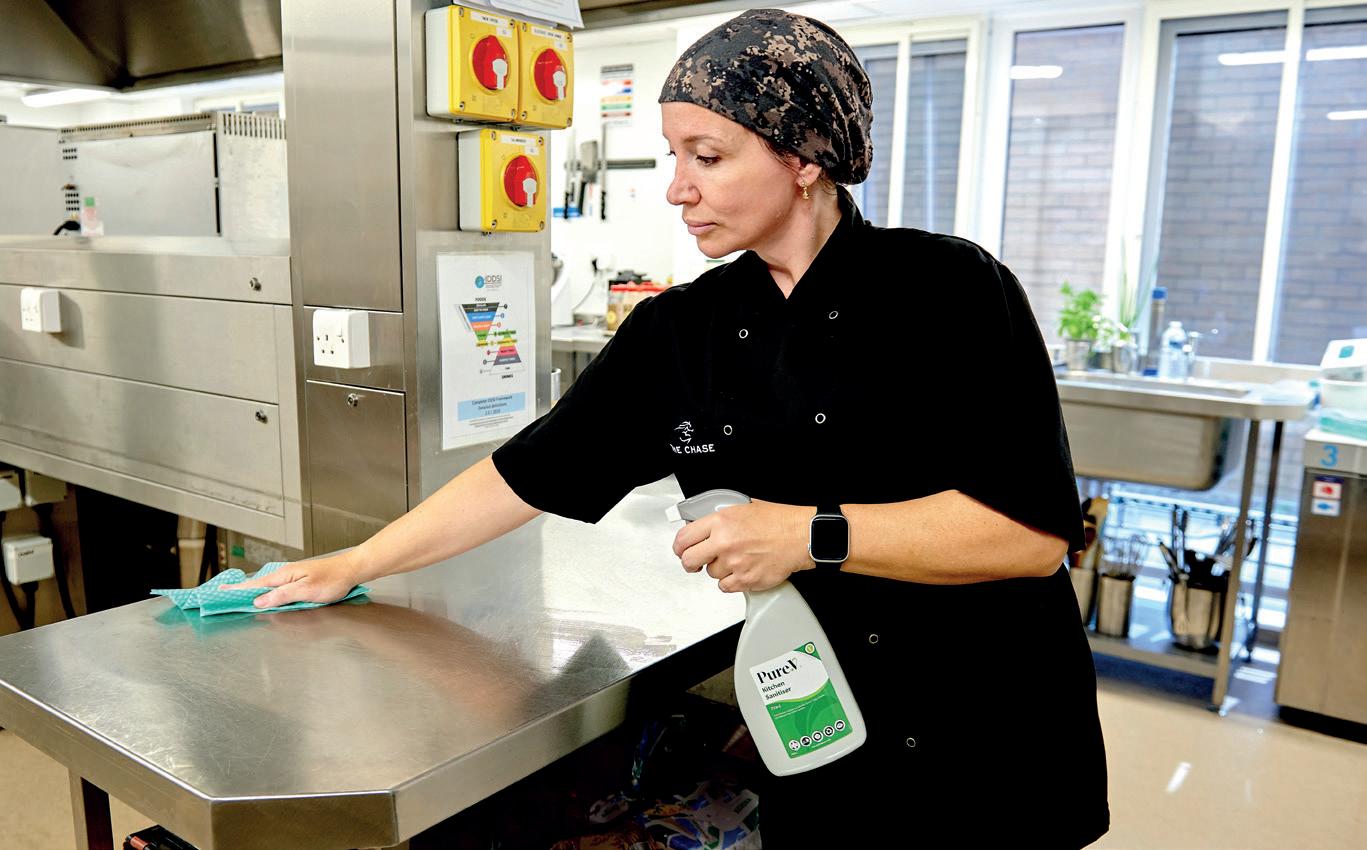
harsh chemicals found in traditional formulas. This is especially important in care environments, where residents may be more sensitive to irritants. By removing aggressive chemicals and replacing them with gentler, naturally sourced alternatives, these products can help protect skin, reduce respiratory irritation, and improve indoor air quality - creating a safer, more comfortable environment for residents and staff alike.
From an environmental perspective, sustainable products that harness plant-based ingredients from renewable sources significantly reduce carbon emissions, as they avoid oil and gas extraction that conventional cleaning products rely on. They also minimise water pollution by being 100% biodegradable and can decrease reliance on single-use plastics, especially when supplied
in packaging made from recycled materials and refillable containers. By switching to concentrated cleaning formulas, care homes can substantially cut transport emissions, storage requirements, and product waste, further supporting their ESG targets.
Prospective residents and their families are increasingly prioritising health, wellbeing, and social responsibility when selecting a care home. Demonstrating dedication to sustainable housekeeping can give homes a competitive advantage. This doesn’t have to be complicated: clear signage about refill stations, including information in welcome packs, or showcasing

sustainability initiatives in brochures and on your website can foster trust with prospective residents and their families. Hosting open days focused on housekeeping and hygiene standards can also reassure families that their loved ones are in a safe and environmentally conscious environment.
One common misconception is that
sustainable cleaning products are less effective. In fact, if produced and tested properly, sustainable cleaning products can match or surpass the performance standards of conventional cleaners. It is also often thought that sustainable cleaning is more costly. Although the upfront cost for new suppliers or dispensers may be greater, savings will come from concentrated formulas, reduced waste, and improved wellbeing for staff and residents.

Nonetheless, one of the most dangerous myths regarding sustainable cleaning products is the claim that “one product does all”. While this appears convenient for households, saving time and space, the truth is that convenience alone does not ensure cleanliness, and relying on a single product can significantly lower hygiene standards and jeopardise the health of residents and staff.
Greenwashing is when a company or product uses environmental language or imagery to present themselves as sustainable without making real, measurable reductions in their environmental impact. This is why independent certifications, transparent supply chains, and clear ingredient lists matter. Sustainability should be genuine, measurable, and transparent, and evidence should be readily available. If a supplier cannot clearly demonstrate to homes how their products perform environmentally and in terms of hygiene and safety, care providers should question the credibility of those claims and consider alternative suppliers who can prove their impact.
Paul Goodwin, Director of Client Experience & Commercial Strategy at EcoScent, explores how care homes can create a sense of comfort for residents through signature scents, improving wellbeing through a calming presence.
At EcoScent, our mission is simple: to create scents that bring comfort, calm and familiarity to every environment. We bespoke fragrance for businesses across many sectors, including care homes, where scent plays a vital role in wellbeing. In care settings, tailored fragrances help create uplifting, homely atmospheres that support residents’ comfort and enhance the overall experience for care staff and visitors alike.
What sets EcoScent apart is our deep understanding of the care home environment and the people who live and work in it. We create fragrances that are not only beautiful but also meaningful - crafted with consideration for emotional wellbeing, memory and comfort. Our team works hand in hand with care home operators to curate scent experiences that evoke familiarity, calm and positivity across every space, lounge, and private room.
EcoScent is proud to work alongside care homes to create environments where residents feel at ease, team supported, and families feel confident.
When selecting a scent for a care home, several factors should be considered. It’s not simply about a fragrance’s aroma, it’s about how it interacts with the space, residents’ sensitivities and the overall sensory experience. Our approach involves a consultation to ensure the chosen scent enhances wellbeing rather than overwhelming residents.
A common misconception we

often encounter is that scenting is merely decorative. In reality, when integrated thoughtfully, fragrance becomes an essential tool in care provisions. From boosting mood to supporting routines, a considered scent strategy can foster a sense of home and subtly enhance residents’ daily lives.
For care home operators looking to maximise the benefits of scent, my advice is simple: involve residents and team in the decisionmaking process, start small and choose fragrances with a clear purpose. Avoid overloading spaces with scent; less can often be more for sensory wellbeing. Regularly reviewing feedback ensures the environment continues to meet residents’ needs.
By embedding scent into daily housekeeping routines, homes can also see operational benefits. A consistently welcoming aroma
supports perceptions of cleanliness and care, enhancing both resident satisfaction and occupancy. When visitors experience a fresh, comforting environment, it reinforces confidence in the home’s standards, creating a subtle yet powerful impact on reputation and retention.

Paul Goodwin, Director of Client Experience & Commercial Strategy at EcoScent
ecoscent.co.uk



The care sector is rapidly changing, and so are the uniform options available. Grahame Gardner strongly believes that uniforms can be both practical and comfortable for staff in care homes and other sectors. Instead of reinforcing the stereotype that uniforms are uncomfortable and unhygienic, they have created a wide range of innovative products tailored to the needs of individual businesses while addressing these concerns.
For over a century, Leicesterbased Grahame Gardner has supplied healthcare professionals with uniforms designed to withstand the rigours of care work. Care home managers who partner with them find that choosing the right workwear, which is durable, comfortable, and thoughtfully designed, subtly boosts staff morale, simplifies infection control, raises professional standards, and often proves more cost-effective in the long run.
They are a trusted partner to many leading institutions and organisations, cultivating long-term relationships based on reliability, consistency, and exceptional service. With a deep understanding of the importance of trust and accountability in uniform supply, they collaborate closely with partners to ensure each garment aligns with their brand values and operational needs. Their core commitment is to provide workwear solutions that combine functionality with a professional look, helping teams feel confident and look their best while delivering excellent service and care.
Their progressive approach aligns with their heritage and experience, spanning sustainable fabric sourcing to innovative garment technology. Grahame Gardner provides bespoke made-to-order options, in-house embroidery, and customised online ordering portals designed to meet each client’s specific needs. What truly distinguishes Grahame Gardner is their personal service where
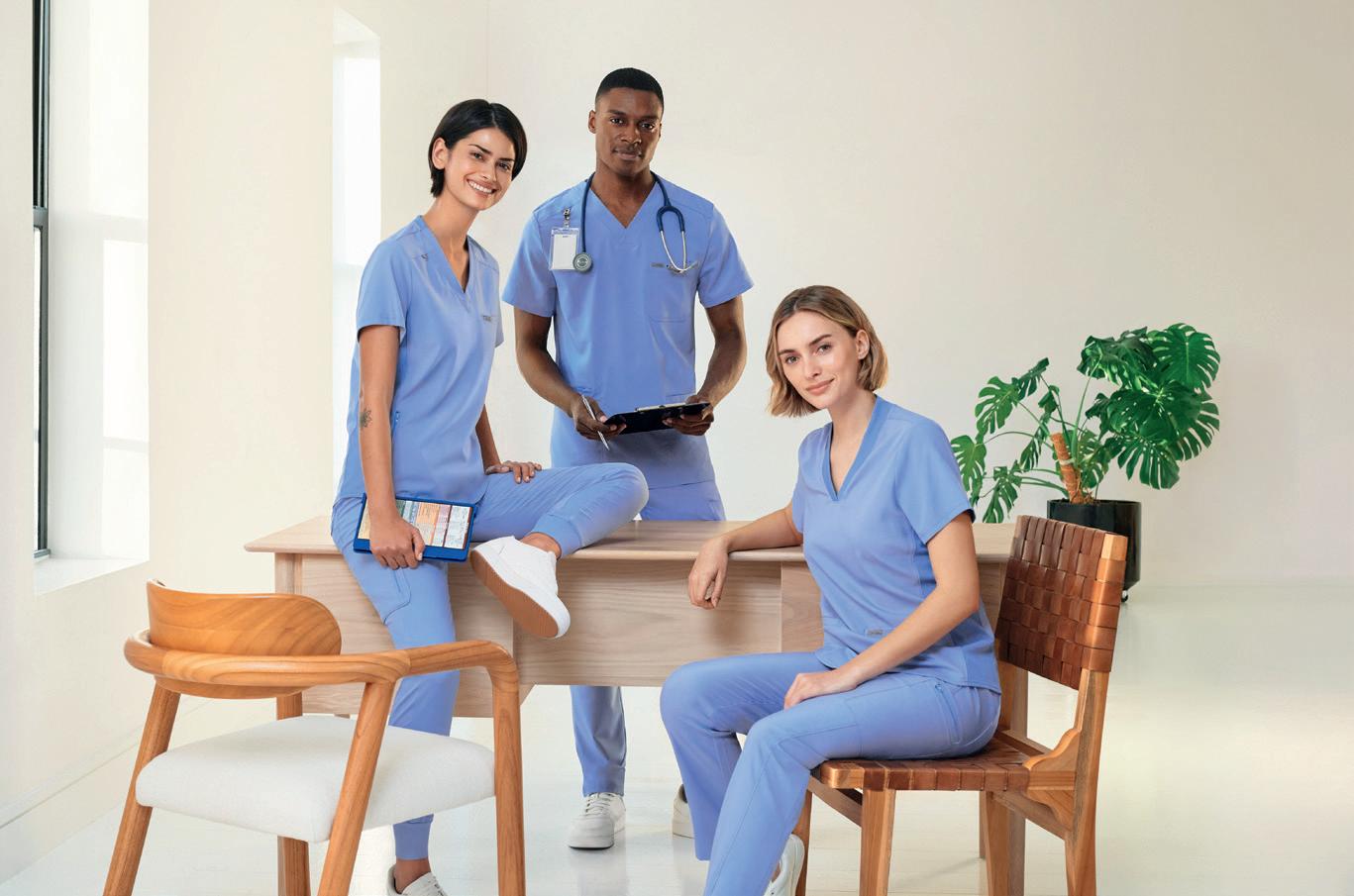
they take the time to understand each organisation to ensure that garments improve staff comfort, reinforce brand identity, and provide practicality in the workplace.
Care homes should prioritise comfort, fabric quality, and practicality. Breathable, durable, and easy-care fabrics are essential for busy care environments. Uniforms should support infection control and be inclusive in sizing. A well-chosen uniform not only looks professional but also supports staff wellbeing and safety. Comfortable and well-presented staff have a direct impact on residents’ wellbeing. By helping care teams feel confident and at ease in what they wear, Grahame Gardner contributes to creating a calmer, more reassuring environment for residents; mismatched uniforms can undermine professionalism,
standards and resident confidence. Grahame Gardner believes it is imperative to involve care teams in uniform decisions. When staff feel listened to, compliance with uniform policy improves dramatically, as does morale. Thinking beyond the initial cost and investing in higherquality, longer-lasting garments often reduces replacement rates and increases staff satisfaction.
Many of their garments are designed and curated specifically for the healthcare sector, utilising high-quality, durable fabrics that withstand frequent washing at recommended infection control temperatures. By providing staff with well-fitting, dedicated workwear that’s fit for purpose, care homes can significantly reduce the risk of cross-contamination, helping protect both staff and residents.
grahamegardner.co.uk








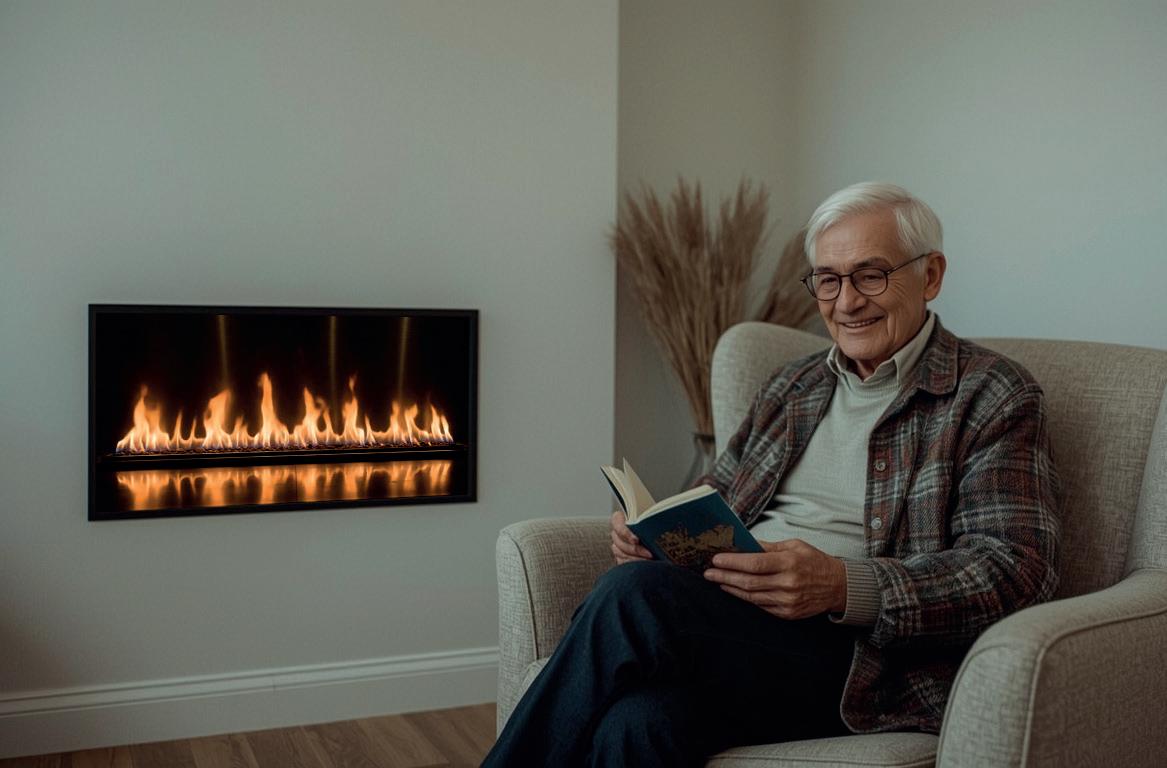
Create a stunning ambience for residents without additional heat using Atmosfires.
In temperature-controlled environments like care homes, managers face a common challenge: creating a warm, welcoming atmosphere without disrupting strict climate controls. The flicker of a flame is a powerful visual cue for comfort and calm, especially during darker, colder months. But traditional gas fires bring risks, maintenance burdens, and regulatory hurdles.
Mark Temple, Managing Director of Atmosfire, encountered those same problems at home. After a gas fire leak led to costly issues, he set out to design a better option. His solution was Atmosfire: a gasless ribbon fire that provides the ambience of real flames, with none of the hassle or heat.
Atmosfires use advanced LED technology to produce ultrarealistic flame visuals. They require no gas, no flue, no venting, and emit no heat. This makes them an ideal fit for resident rooms, where they can transform standard accommodation into spaces that feel personal, peaceful, and more like home.
Care home operators report that the presence of an Atmosfire helps soften the environment, particularly in dementia wards, where calming visual elements support wellbeing. Simple remote controls enable residents and staff to operate them easily. Importantly, the effect extends beyond comfort: showcasing an Atmosfire in each resident’s room can be a compelling sales point when families visit the home.
Installation is straightforward. Atmosfires only need a standard plug socket. No structural changes,

no risk, and minimal upkeep. With a sleek, glass-fronted design, cleaning is quick - just a wipe to remove dust or fingerprints. Their portability also means they can be moved with residents or reconfigured within the building. They’re also compatible with renewable energy, supporting sustainability goals.
Atmosfire offers a practical way to enhance care environments, supporting wellbeing, safety, and the bottom line. For homes looking to offer more than clinical comfort, this modern flame is a clear step forward.
atmosfire.co.uk

It is refreshing to introduce a really positive and feel good product to the market. We believe we have a big future in the Care Home Industry and are looking for partners to build a case study and record the benefits of our Atmosfires at work. A simple proposition.
Any advantage is a valuable advantage. New clients see a visually appealing yet 100% safe fire that provides a cosy, inviting and bright ambience that sets your facility apart at the crucial point of selecting a facility. It then makes it far more appealing for their family member to spend much of their time in front of a lovely flame fire they ordinarily wouldn’t have. Let’s face it - It’s a quality of life.
Installed in minutes, incredibly easy to operate and with a completely real flame look (unlike some gas effect fires) this is a high quality unit specifically designed for care & retirement homes and is built to a very high standard for commercial applications.
We would welcome your collaboration for mutual benefit.


Jess Morris, Lifestyle Partner at Loveday Esher, discusses how wreath-making can be an ideal nostalgic Christmas activity for residents this December.
Christmas is a season filled with nostalgia, evoking childhood memories, family gatherings, and the symbolic elements that define the holiday: Father Christmas, twinkling lights on the tree, piles of wrapped presents, pine cones scattered like treasures, and evergreen wreaths adorning doors along snowdusted streets. For many residents, these elements are more than just decorations; they serve as gateways to the past, evoking emotions and fostering a sense of continuity. In care homes, this nostalgic appeal can be implemented through thoughtful traditions and creative activities, transforming the festive period into a time of engagement.
At the heart of these celebrations are hands-on crafts that blend tradition with creativity. Christingle making, for instance, involves adorning oranges with candles, sweets and red ribbons. Salt dough ornaments offer another avenue for creativity: residents mix flour, salt and water into dough, shape it into stars, bells or angels, then bake and paint them. These can be hung on
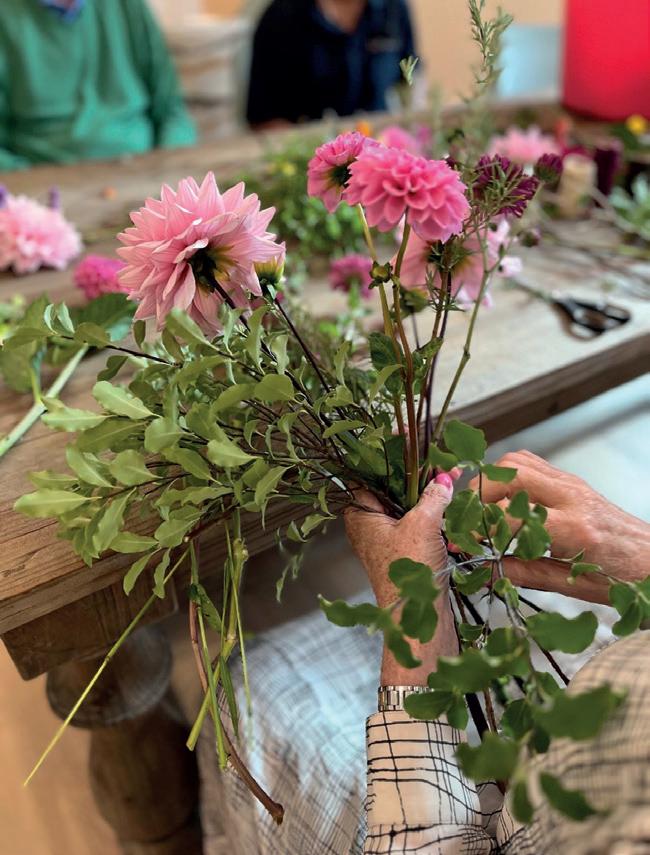

a communal tree, creating a shared display that develops with each contribution. Dried fruit garlands add a rustic charm to homes; by slicing oranges, apples and lemons, then threading them with cranberries and bay leaves, they fill the air with citrus scents and act as a suncatcher when hung in a sunny spot.
Wreath making is a wonderfully engaging sensory activity that
provides both physical and emotional benefits to residents. The process of arranging greenery, berries and ribbons provides gentle exercise for the hands and fingers, supporting dexterity and coordination in a relaxed and creative setting. Activities such as this encourage selfexpression, creativity and a sense of accomplishment. At the end of the session, it enables residents to
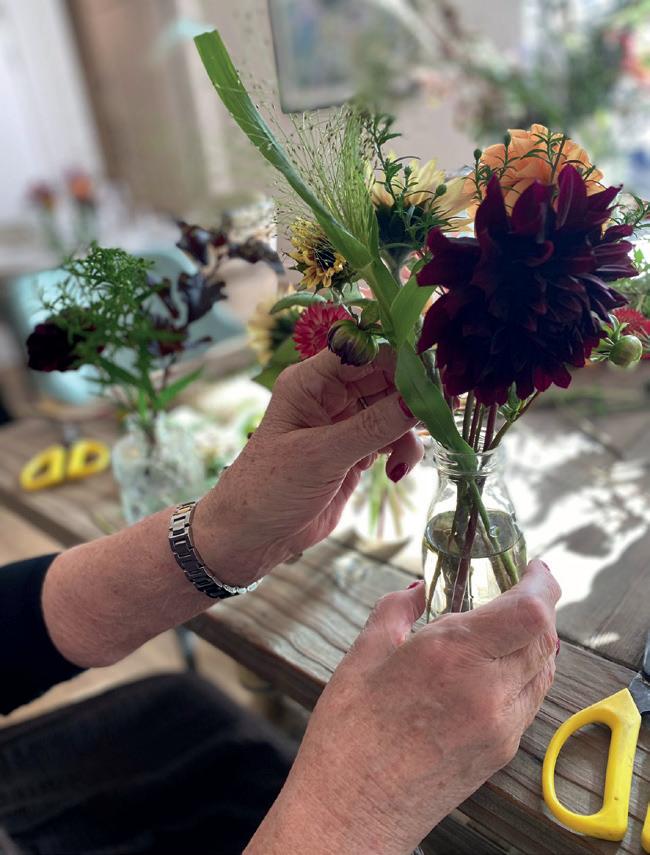
leave with something beautiful and handcrafted to display and enjoy.
Loveday Esher emphasises the importance of tailoring activities and workshops to suit individual abilities and needs. For residents with limited dexterity, it is suggested to pre-prepare materials such as smaller pieces of foliage or soft ties instead of sharp pins, ensuring safety and ease of use. Offer one-to-one support where needed, so every resident can take part, whether by selecting decorations, arranging foliage, or simply enjoying the sensory experience of the textures and winter scents. Wreath-making can easily be carried out from a chair, making it fully accessible for all levels of mobility.
Wreaths are made from a mix of natural and decorative materials, including foliage, dried orange slices, cinnamon sticks, ribbons and other seasonal embellishments. All materials should be carefully selected to be safe and easy to handle, with any sharp edges or complicated fastenings prepared in advance by the team. This ensures that everyone can participate comfortably, safely and confidently.
Creative sessions at Christmastime naturally inspire conversation and connection; residents often share memories of years past, exchange creative ideas and compliment one another’s designs. The atmosphere is warm and collaborative, making it a communal experience rather

than a solitary task. Laughter, encouragement and storytelling flow easily amongst residents, creating a genuine sense of togetherness and a festive spirit.
Jess Morris, Lifestyle Partner at Loveday Esher said, “We’ve been running a series of floral arranging workshops throughout the year, utilising seasonal, sustainable blooms freshly picked from Plantpassion, an artisanal flower farm run in the Surrey Hills. These sessions have been incredibly uplifting, helping members connect with nature, reminisce about gardening they may have done in the past and find joy in working with beautiful, fresh flowers. We’ve seen clear improvements in mood and engagement during and after sessions like these, with members often sharing how calm, happy and fulfilled they feel afterwards.
There are always special moments during our floral workshops. One member, who initially felt she “wasn’t creative,” was overjoyed with her finished arrangement and proudly displayed it in her room, saying how surprised she was at how much she’d enjoyed the process. Another member made a bouquet for his daughter - the joy on both their faces when he presented it to her was truly touching.
During one session, a gentleman who had said he “wasn’t interested in flower arranging” decided to give it a try, and soon became entirely absorbed, carefully selecting his
colours and stems. Afterwards, he smiled and said, “I didn’t think I’d enjoy that as much as I did. When’s the next one?” Moments like these capture the magic of creativity, connection and self-discovery that these sessions bring.”
Ultimately, festive crafts nurture residents’ physical and emotional wellbeing through accessible, creative engagement, while kindling joy, confidence and connection. By blending tradition with personal expression, they turn the holiday season into a source of renewed joy, shared warmth and lasting memories.
• Foam Wreath Base
• Foliage (fresh or fake)
- Fir
- Pine
- Cedar
- Laurel
- Rosemary
- Rose Hips
- Holly Leaves
- Hawthorn
- Moss- or Lichen-covered Branches
- Huckleberry
- Pine Cones
• Any additional desired decorations
• Pruners
• Thin Gardening wire
• String
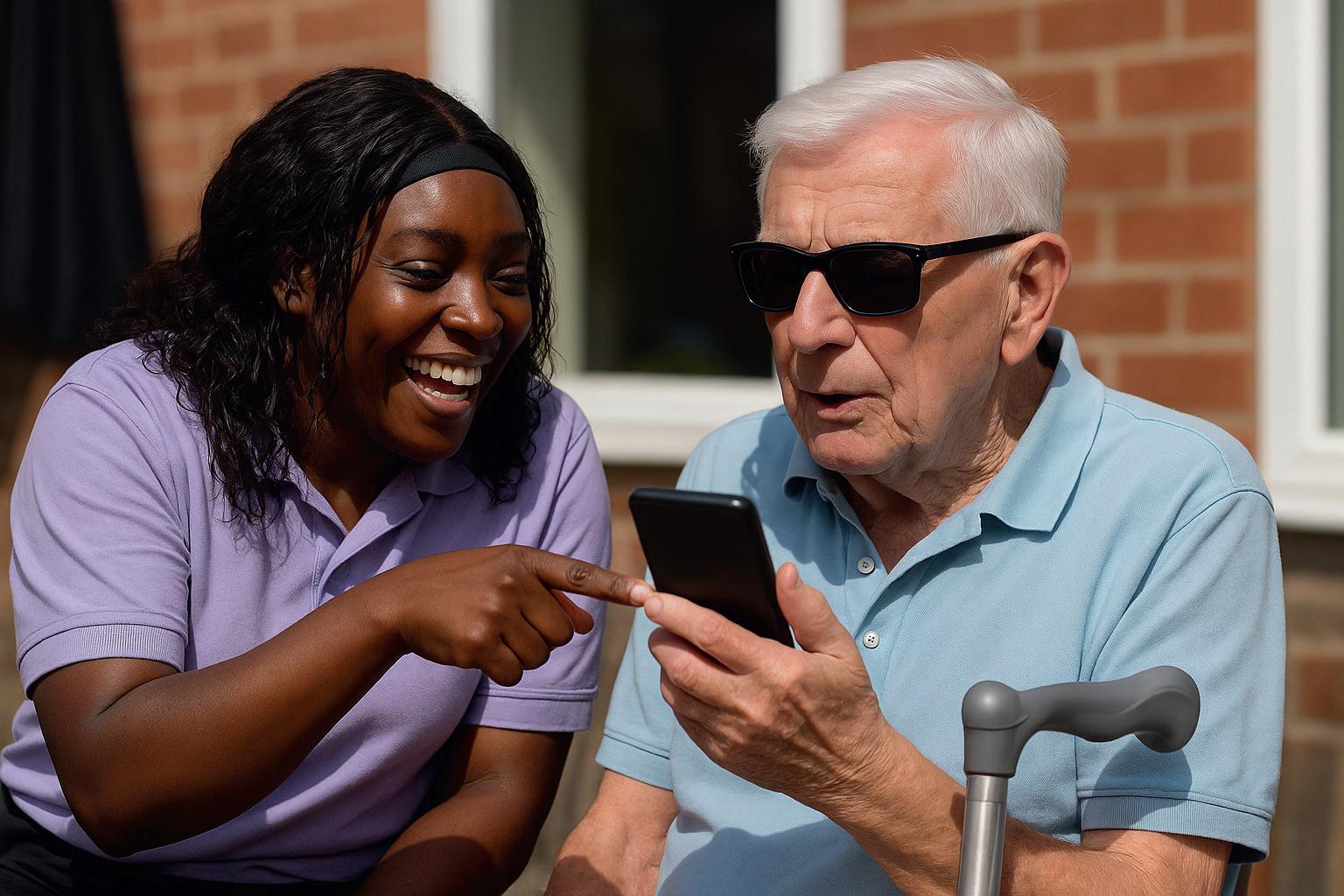
In a world that remains largely inaccessible for people who are blind or partially sighted, it is increasingly vital to find and adopt solutions like Be My Eyes to promote greater accessibility. Blind Ambition has been integrating Be My Eyes into their training programmes in homes across the country, continually advancing innovation, and improving residents’ lives.
Blind Ambition delivers bespoke Disability Awareness and Accessibility Training designed for care homes. Sessions are designed to help staff understand what it’s really like to live with sight loss: from navigating corridors and signage to maintaining independence and dignity in daily life.
The training is unique because it is fun, interactive, and memorable, which keeps staff engaged with the topic at hand. Accessibility is a serious subject, but that doesn’t mean learning about it has to be heavy. When people laugh, participate, and enjoy the experience, the lessons stay with them.
All sessions are led by trainers who have lived experience of sight loss, which gives participants genuine insight into the barriers residents face and the simple, effective ways staff can help overcome them. For care homes, the benefits of being confident with blind or partially sighted residents are monumental, as it boosts staff confidence, produces happier residents, and more engaged families.
“Be My Eyes is a remarkable app that connects blind and partially sighted users to a sighted trained

nurse or staff member who can describe what the camera sees in real time.” It can help someone read their post, check an expiry date, or see what’s on the television guide; simple, everyday tasks that can mean the world.
It’s important to note that nothing can replace the human aspect of care. Compassion, warmth, and understanding from care staff are still central to residents’ wellbeing. However, technologies such as Be My Eyes can serve as a helpful
supplement to this care. In aiding residents to handle small tasks themselves, the app restores confidence and dignity while freeing up staff’s time to focus on personal interactions. By My Eyes allows residents to feel empowered, and families are often reassured to see their loved ones living more independently.
Blind Ambition demonstrates how to set up and use Be My Eyes effectively, including its integration with Meta AI glasses for handsfree support. Knowing these tools exist is one thing; feeling confident in using them is another. It is increasingly vital to equip care staff with both the knowledge and practical skills to integrate assistive technology into daily routines.
Blind Ambition has received overwhelmingly positive feedback from residents about Be My Eyes. In one care home, a resident who had always depended on staff to read his letters started using Be My Eyes independently. He told Blind Ambition, “For the first time in years, I can open my own post again.” That simple moment restored his confidence and sense of control.
Care staff also report feeling more inspired and better prepared to support residents with technology. They witness firsthand how digital inclusion can enhance residents’


quality of life and improve care delivery.
Be My Eyes has truly transformed the lives of people with sight loss. It enables them to be independent by providing instant access to information without waiting for someone to read things for them. Call a staff member to check sellby dates on food, read labels on medication, verify recipe details, or

identify clothing colours for the day it just a tap away. The AI feature, which enables residents to take a picture for description, is incredible, offering detailed audio descriptions of what has been photographed. Being blind limits access to information, but Be My Eyes has played a crucial role in providing people who are blind or partially sighted the ability to see.

In a sector where time and reliability mean everything, efficient supply partnerships can make or break daily operations. Discover how ABM Angel Healthcare’s diversified approach is helping care homes across the country streamline procurement and stay one step ahead of demand.
Care home managers are juggling a plethora of responsibilities; each day, they’re tasked with navigating tight budgets, ensuring compliance with rigorous health and safety regulations, and sourcing the right supplies at the right time, from everyday consumables to specialist equipment. For many, the pressure is constant: last-minute deliveries, unpredictable stock shortages, and complex supplier relationships can all take a toll on day-to-day operations. Against this backdrop, we spoke with a facilities manager about their experience working with ABM Angel Healthcare, discovering how a trusted supply partner makes a real difference in simplifying procurement and supporting frontline care teams.
The facilities manager, who is based in Huddersfield, was first introduced to ABM Angel Healthcare over a decade ago, through a recommendation from another care provider. They were looking for a dependable supplier who could not only provide both high-quality medical equipment and care furniture but also manage LOLER inspections, servicing, and maintenance across their multiple homes. With several sites to manage, they needed a partner who could efficiently manage their wide range of needs while possessing a strong understanding of the care environment.
Having one company that can supply, service, and maintain all
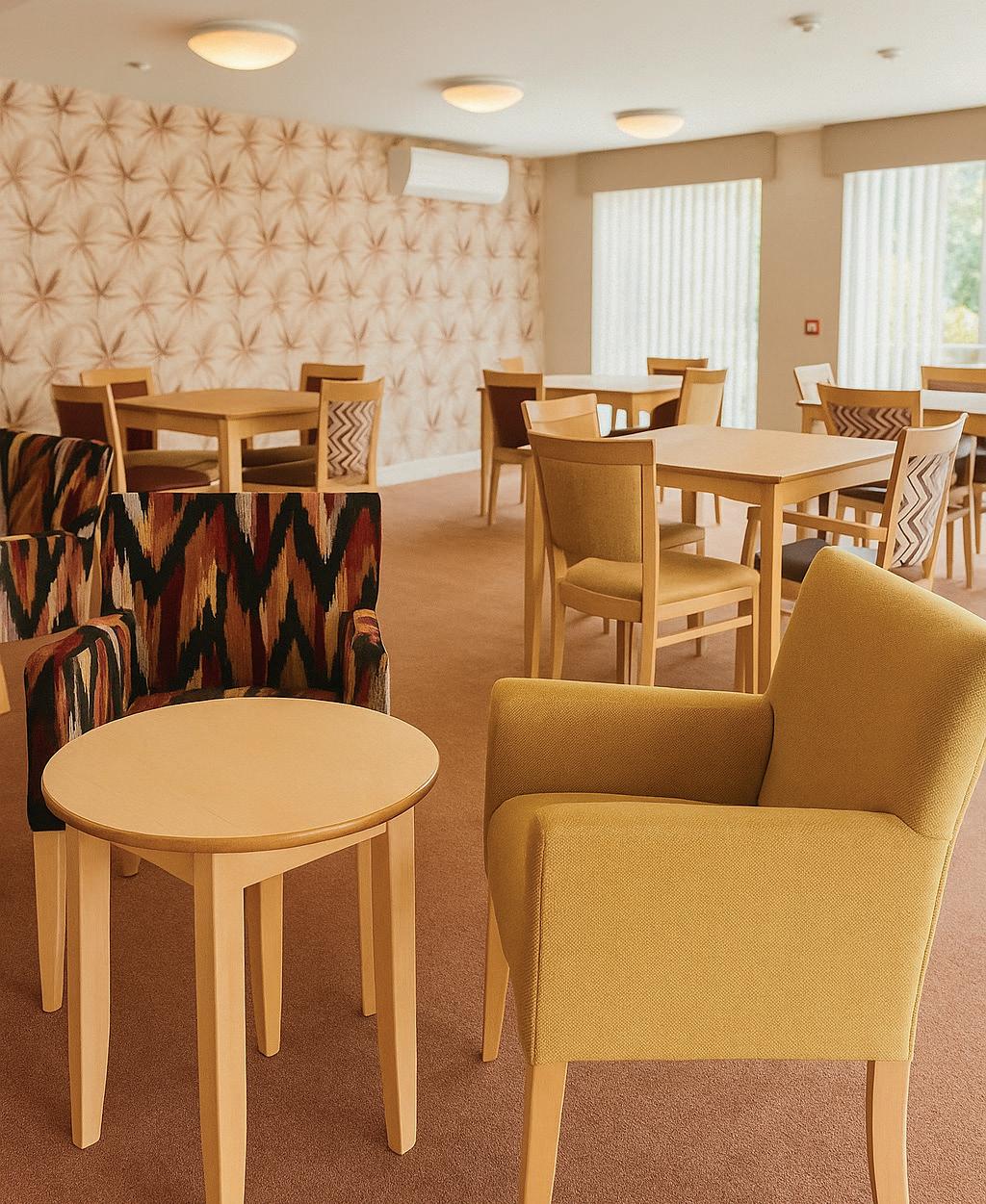
It’s a thoughtful and personal touch to the service they provide, and it shows that they care about getting it right, not just getting it done.
our essential equipment has made an enormous difference for this care group. Instead of juggling multiple suppliers for beds, hoists, and consumables, they now have a single point of contact who is familiar with the homes in their catalogue and understands compliance requirements.
The Facilities manager said, “Our experience has been excellent from the start. ABM Angel Healthcare provide a dedicated account manager who oversees everything for us, which means communication is straightforward and consistent. Whenever we need new furniture, the project lead visits our homes to discuss options with the managers. They bring fabric selections and design ideas, helping us choose what best suits our décor and the needs of our residents. It’s a thoughtful and personal touch to the service they provide, and it shows that they care about getting it right, not just getting it done. Using their services has simplified everything, from ordering and delivery to inspection scheduling and record-keeping, which saves
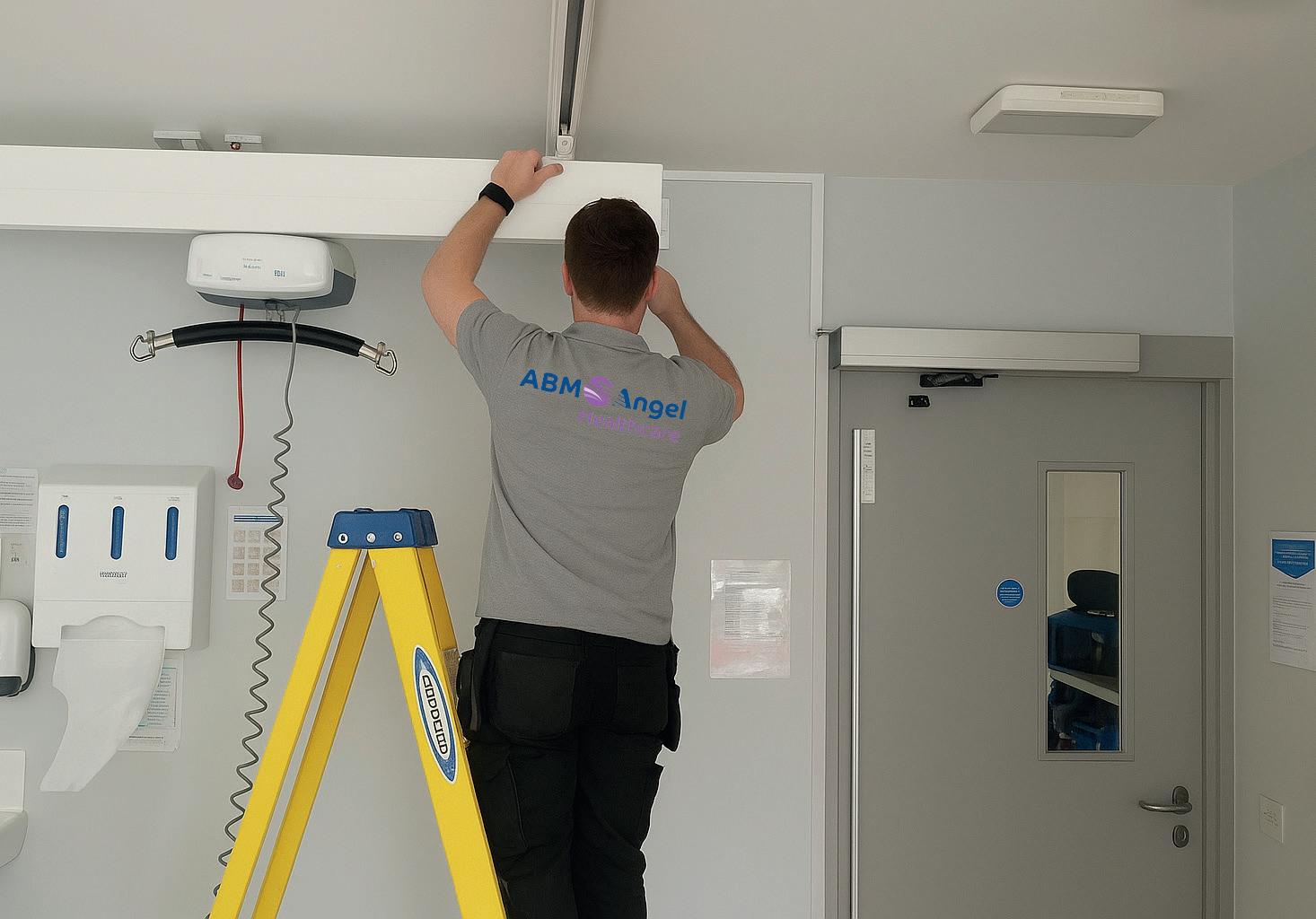
our team both time and stress. This level of consistency gives our staff real confidence in the safety and reliability of our equipment.”
The products supplied by ABM Angel Healthcare are of high quality and reliability, with the care group noticing a reduction in breakdowns and downtime. This allows them to provide more effective care to residents by spending less time
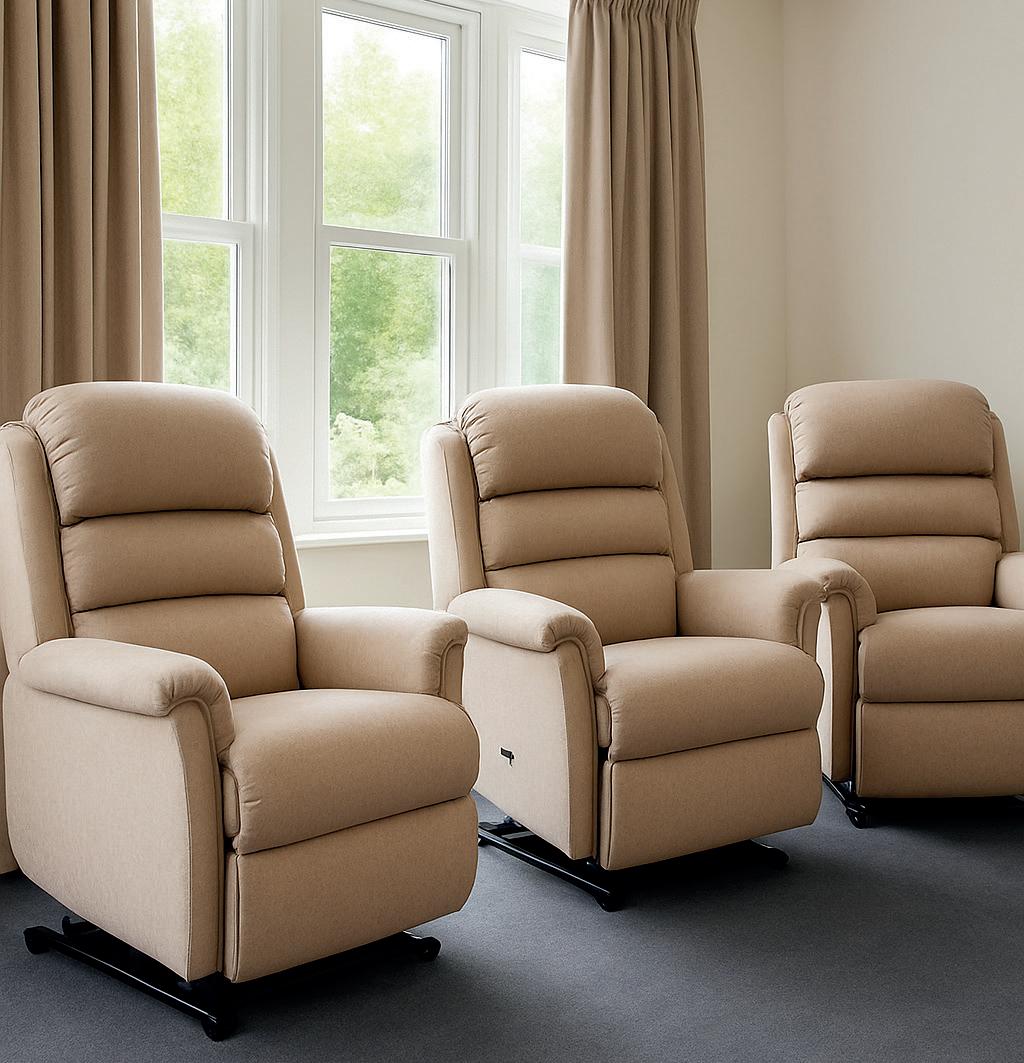
trying to work around broken products. The preventative maintenance programme has also reduced the number of last-minute callouts the care group has had to make, resulting in smoother compliance audits. The input from the project team has aided in creating environments that are both practical and welcoming for residents, staff and visitors.
The Facilities Manager said, “Having everything under one roof with ABM Angel Healthcare has made life a lot easier.
Communication is always clear, and I know exactly who to ring if there’s a problem. It’s saved us a fair bit of time and hassle, and things just get done without any fuss — which makes a big difference day to day.
Our care and maintenance teams have said how friendly and efficient the ABM Angel engineers are. They appreciate that the servicing visits are well-organised, and any issues are resolved quickly.
I would highly recommend ABM Angel Healthcare to any care provider looking for a dependable, professional partner. Their ability to handle everything from supply and installation to maintenance, projects, and compliance has been a real asset to our organisation. It’s rare to find a company that combines such strong expertise with genuine customer care.”
www.abm-angelhealthcare.co.uk
With mealtimes being the highlight of many residents’ days, we share another exciting recipe, this month provided by 555 Amanda – here’s how you can make Salmon Wellington with Tarragon and Keta Cream.

Dinner is a crucial meal in the daily routine of residents at care homes. This is due to the routine it provides, offering time for social interactions and an opportunity for nutritious, warm meals, which contribute to improved physical well-being and sleep routines. There is an opportunity for meals to be cost-effective whilst remaining exciting and flavourful for residents.
555 Amanda’s ASC-certified Salmon Roulade offers excellent flavour, a high-quality protein
source, and vital nutrients in a convenient, shelf-stable form; it is ideal for care home kitchens where space, time and budgets are limited, minimising waste while maintaining consistent quality. Great care has been taken to make it free from bones, requiring no preparation, and not needing refrigeration until opened, their products are perfect for residents, for whom fish bones can pose a real hazard, and chefs, who are managing multiple ingredients and best before dates.
Salmon is an excellent choice for care home residents, offering a perfect blend of taste and nutrition to support healthy ageing. Naturally rich in omega-3 fatty acids, salmon promotes heart health, enhances brain function, and helps maintain joint mobility, all key concerns for older adults. Its high-quality protein content is essential for preserving muscle strength and preventing loss of mobility, supporting independence and reducing fall risk.
Salmon also contains naturally occurring vitamin D, vital for bone

health and immune support, alongside B vitamins, which sustain energy levels and improve cognitive function. Being naturally low in saturated fat, salmon fits perfectly into heart-healthy, nutrient-dense menus without compromising flavour.
For residents with reduced appetites, salmon provides concentrated nourishment, even in smaller portions. When paired with vegetables, pulses or dairy, it creates balanced meals that boost immunity, aid digestion and enhance mental well-being. Above all, its delicious taste brings enjoyment and familiarity to mealtimes, often an overlooked aspect of care, but one that significantly improves the quality of life in residential settings.
Regular inclusion of salmon in care menus can help ensure that residents thrive both physically and emotionally.
Please contact Gavin for a sample: gavin.mclean@555amanda.co.uk www.555amanda.co.uk
Makes 10 portions (allergens: cereals, egg, fish and milk)
Ingredients
500g 555 Amanda Salmon Roulade
700g Saffron Risotto
• 250g Arborio Rice
• 0.05g Saffron powder
• 500ml fish stock
• 25g butter
250g Smoked Salmon (sliced)
500g Puff Pastry
200g Spinach Pancake
• 80g Spinach leaves
• 100g plain flour
• 100g egg/ 2 large eggs
• 100ml milk
• 8g salt
60g Tarragon and Keta Cream
• 500ml Fish Stock
• 500ml double cream
• 10g tarragon stalks
• 50g keta caviar
• 100ml white wine
• 100g shallots diced
• 10g tarragon leaves chopped
Saffron Rice Method:
• In a pan, melt the butter, then add the rice, cook for a few minutes, then add the saffron powder.
• Once the rice has cooked for a few minutes, add the fish stock and bring to a simmer, and cook for 10-12 minutes until the rice has softened and absorbed the liquid. Remove and chill.
Spinach Pancake Method:
• In a food processor, place all the ingredients together and blend to a smooth mix.
• Heat a pan with a small amount of oil and pour the mixture so that a flat layer is achieved. Cook on both sides for about 1 minute, then remove and let cool.
Keta and Tarragon Cream Method:
• In a pan, add the shallots and fish stock, then bring to a simmer with the tarragon stalks, and reduce by half.
• Now add the white wine and cream and again reduce by half.
• Once reduced and thickened slightly, remove tarragon stalks and add the keta and chopped tarragon leaves.
Wellington Method:
• Lay two long sheets of cling film onto a table overlapping side by side.
• Lay the pancakes so that a rectangle has been made to just over the length of the salmon sausage and broader than the sausage, to be able to wrap around completely.
• Lay over the smoked salmon slices in the same way and add a thin layer of risotto over the smoked salmon.
• Place the 555 Amanda Salmon Sausage in the middle of the rectangle and, using the cling film, roll up the sides to enclose the sausage and form a cylinder. Roll and tie the cling film, then allow it to set.
• Cut one of the puff sheets in half and use one half as the base and the other as the lid. Place the cylinder in the centre and then brush the beaten egg around the edge. Now place the second sheet on top and seal and crimp.
• With the extra puff pastry sheet, cut with a lattice cutter and stretch out to form a diamond pattern, lay over the top, and trim.
• Glaze again with egg, then bake for 40 minutes at 180°C until golden brown and cooked through.
• Cool slightly, then slice into even slices and place them onto a plate.
• Spoon over some of the Tarragon and Keta
We explore the important changes coming to Employment and HR laws and how to be proactive with Hannah Strawbridge from Han Law, part of Inspire Legal Group.
Can you provide a clear overview of Han Law and how it fits into the care sector?
I founded Han Law six years ago as a specialist in employment law and HR, and I later merged with Inspire Legal Group. As an employment solicitor with 25 years of experience, including a period as in-house counsel for one of the UK’s largest care home organisations a decade ago, I’ve always focused on the people side of law. We serve both businesses and individuals, but the care sector, spanning not-for-profits, charities, and corporates, forms a key client base of Han Law. Employment law is consistent across UK sectors, yet care homes face unique challenges, such as safeguarding intertwined with employer duties, high staff turnover, and regulatory pressures. These overlaps make it a busy area, and we’re passionate about helping care home managers navigate them while staying ahead of evolving laws.
What benefits can care home managers and operators expect from partnering with Han Law?
We’ve recently merged with Inspire Legal Group, expanding our scope beyond employment and HR to include commercial contracts, corporate law, and conveyancing; this allows us to support clients holistically. Our niche expertise ensures we provide specialist advice, from HR professionals and solicitors, for outsourced investigations, disciplinaries, or grievances, reducing internal burdens and sensitivities.

What
specificemployment law advice would you give care managers considering using your services?
With the law shifting to be increasingly employee-focused, it is important to reflect on policies before the 2024 Employee Rights Bill comes into effect. Salaries may be tight due to operational costs, but enhance overall packages: flexible shifts where possible, transparency, and open communication. Review HR policies and contracts; they’re often outdated. Train managers on changes, like the need for proactive prevention of workplace sexual harassment. Track data on absences, turnover, and patterns to spot issues early on. Proactive preparation will outperform reactive fixes in the new economy of employment law.
Which part of the upcoming Employment Rights Bill poses the biggest challenge for care homes?
The shift in unfair dismissal protections will be transformative,
likely spiking tribunal claims. It will demand flawless recruitment, rigorous probation processes, and strong performance management from the outset. No more leeway for early mismatches; everything must be documented and fair. This cultural push for accountability is positive for standards but risky if managers are unprepared, highlighting why policy reviews and training are urgent as implementation nears in early 2026.
Looking ahead, how do you see Han Law evolving, and whatopportunities exist for care home operators?
We’re geared for growth, leveraging our merged structure with ILG to support care homes’ needs. Managers can engage via our exclusive free diagnostic tool: a 10-minute questionnaire on workforce challenges, HR gaps, and employment risks. We will analyse it to highlight issues, suggest improvements, prevent risks, and boost retention. It’s available upon request, exclusively for Care Home Magazine readers. hanlawco.com


How Could Smarter Catering Support Your Catering Team and Boost your Bottom Line?

Catering Procurement Plus from White Oaks, empowers your in-house catering team to to deliver nutritious, homestyle meals while cutting costs and streamlining daily operations.
With Catering Procurement Plus, you get:
All-in-one digital platform
Specialist support from catering & operations specialists
Sustainable & highquality ingredients
Resident engagement support
Ready to elevate your food service? Book your free consultation today: 0121 457 5200
Procurement-driven cost savings
white-oaks.co.uk
whiteoaks@compass-group.co.uk
0121 457 5200
whiteoaks@compass-group.co.uk






A Year in Review
As the UK’s population ages, the demand for care homes keeps increasing. 2025 has been a year of notable change and advancement, pushing the sector forward and improving standards. As we get ready for the new year, care home managers and owners should take a moment to reflect. This year has brought subtle yet deep changes, beginning to redefine what “good care” truly means for future generations.
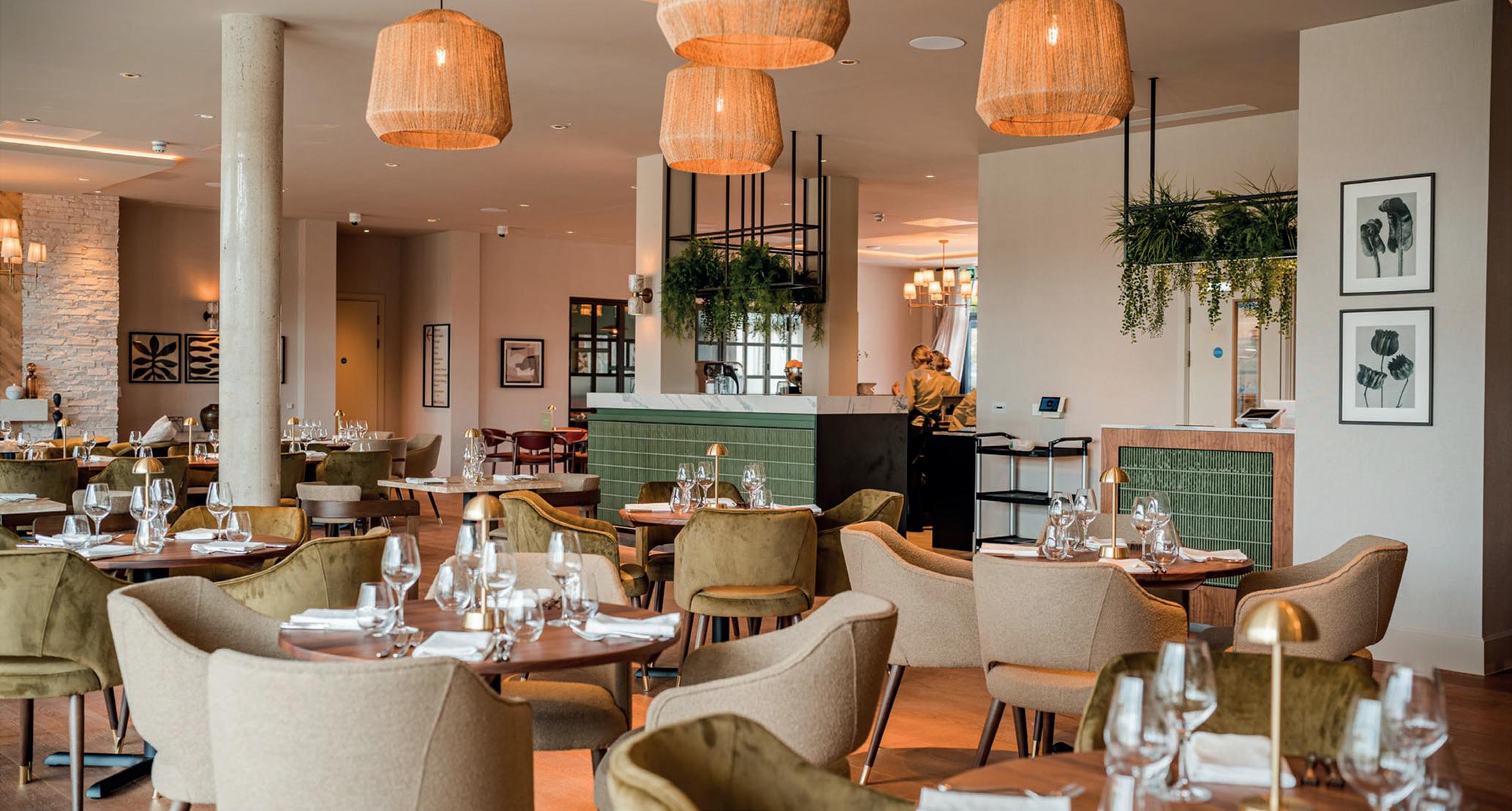
Residents and their families are now clearly expecting more than just safety and kindness; they also demand higher standards and better amenities. The rise of luxury care homes is gradually setting a new norm, indicating they may soon be the standard. Examples like Loveday in London, Hallmark across England and Wales, and many of Barchester’s newest residences demonstrate that clinical excellence can coexist with hotelstyle living, featuring amenities like in-house cinemas, hair salons, bistros, and sometimes swimming pools or spas. These features are no longer mere marketing tools, but are increasingly seen as essential attributes when choosing a home for loved ones.


The physical landscape of the sector is rapidly evolving. The era of grand old houses transformed into care homes is ending. Instead, new, purpose-built homes are emerging at an unprecedented rate; these are bright, spacious structures designed specifically around the needs of older adults and those with dementia. Entering one of these new facilities offers a noticeable difference: wide hallways, abundant natural light, and bedrooms that feel truly like bedrooms, not hospital bays. For managers, the benefits are both practical and aesthetic: improved flow reduces falls, en-suite wet rooms facilitate personal care while maintaining dignity, and innovative layouts enable staff to spend more quality time with residents and less time walking.
Technology Technology has stopped being
a novelty and started becoming integral to care home life. Simple AI tools now prompt staff when someone hasn’t drunk enough during the day, flag subtle changes in walking patterns before a fall, and transcribe family video calls so relatives abroad can read as well as hear their loved ones. None of this replaces people; it simply gives overstretched teams better information at the right moment so they can improve care standards.
The staffing situation, although still challenging, has shown genuine improvement. The Care Quality Commission noted that vacancy rates, while still higher than in other sectors, have decreased compared with last year. With the new employment bill coming into effect soon, this remains uncharted territory as we approach 2026. Hannah Strawbridge (page 40) has offered care home owners advice
on how to progress with this to be ahead of any potential changes.
Above all, 2025 was the year when person-centred care shifted from being just a phrase in a policy document to something inspectors, families and, most importantly, residents themselves expect to see in practice. Whether that means helping someone continue attending their local mosque or synagogue, creating a calm wing for neurodivergent younger adults, or simply ensuring a lifelong gardener still has soil under their fingernails, the best homes have demonstrated that it can be achieved. As we enter 2026, the question is no longer whether these changes are on their way because they are already here. The opportunity for every manager and owner is to decide which of this year’s advancements will help your home provide care that is not just good, but distinctly yours.
Health Connect Global, a tech company using AI to analyse and simplify the health and wellbeing data of patients, has offered expert insights into how they see the care sector evolving in 2026 along with their key highlights and contributions to the field.
In 2025, Health Connect Global marked the beginning of largescale collaboration focused on opening up access to quality care. The most revolutionary idea wasn’t a new product but a principle: “Free open-source policies.” For years, providers have independently rewritten identical policies. This year, we have been developing the world’s first Open-Source Policy System. Whereby you can access a library of hundreds of policies and procedures, validated and updated by a collaborative community of experts, for free. Stopping guesswork, and unlocking higher quality care across the country - with no cost. This represents not just innovation, but a true collaborative effort on an unprecedented scale in the sector.
We achieved two key breakthroughs. The first was launching Care Intelligence, an AIdriven platform designed for more intelligent care delivery. The second was the OpenDoc movement, where policy experts volunteered their time and expertise to create a shared foundation of knowledge in care. Seeing experienced
professionals generously contribute to a collective effort greater than any individual organisation has been inspiring.
The future isn’t about faster software, it is about giving carers the time to focus on what they do best, building and nurturing patient relationships that foster high-quality care. Failing to provide this undermines healthcare quality before it even has a chance to thrive.
This needs an overhaul of the UK’s outdated, inefficient, and disconnected systems, to increase collaboration in the sector and dismantle the silo mentality that has hindered progress. Health Connect Global, we continue to believe that data, policy and practice should finally communicate in the same language. What we’re moving away from are silos and secrecy.
The overwhelming desire for change in the sector has been remarkable. We anticipated curiosity. We were heartened to see experts collaborating, sharing their expertise, and giving up their time for the benefit of the care sector.
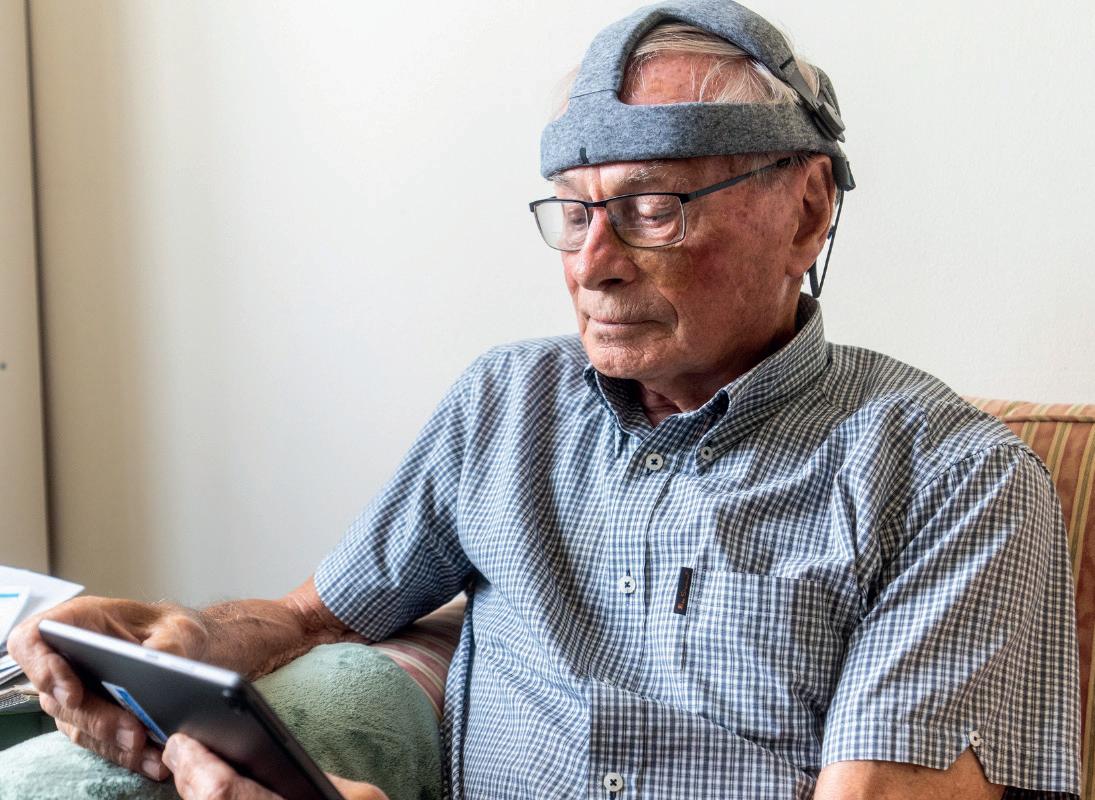
Interim CEO Liberty Harrison, at BRACE Dementia Research, celebrates game changing progress in Alzheimer’s early diagnosis and highlights BRACE’s pioneering Fastball test: a two-minute, at home EEG brain test that could transform lives.
What an exciting time to lead a dementia research charity. 2025 has brought great advancements in early diagnosis for Alzheimer’s and a world first with the development of a gene therapy
for Huntington’s disease; progress really is being made in the fight against dementia.
Breakthroughs in research can only happen with continuous investment. That’s why BRACE has been funding research into an early
Alzheimer’s diagnostic test called Fastball at the University of Bath for several years.
In September, research results showed that Fastball can reliably measure not just early-stage Alzheimer’s disease, but also
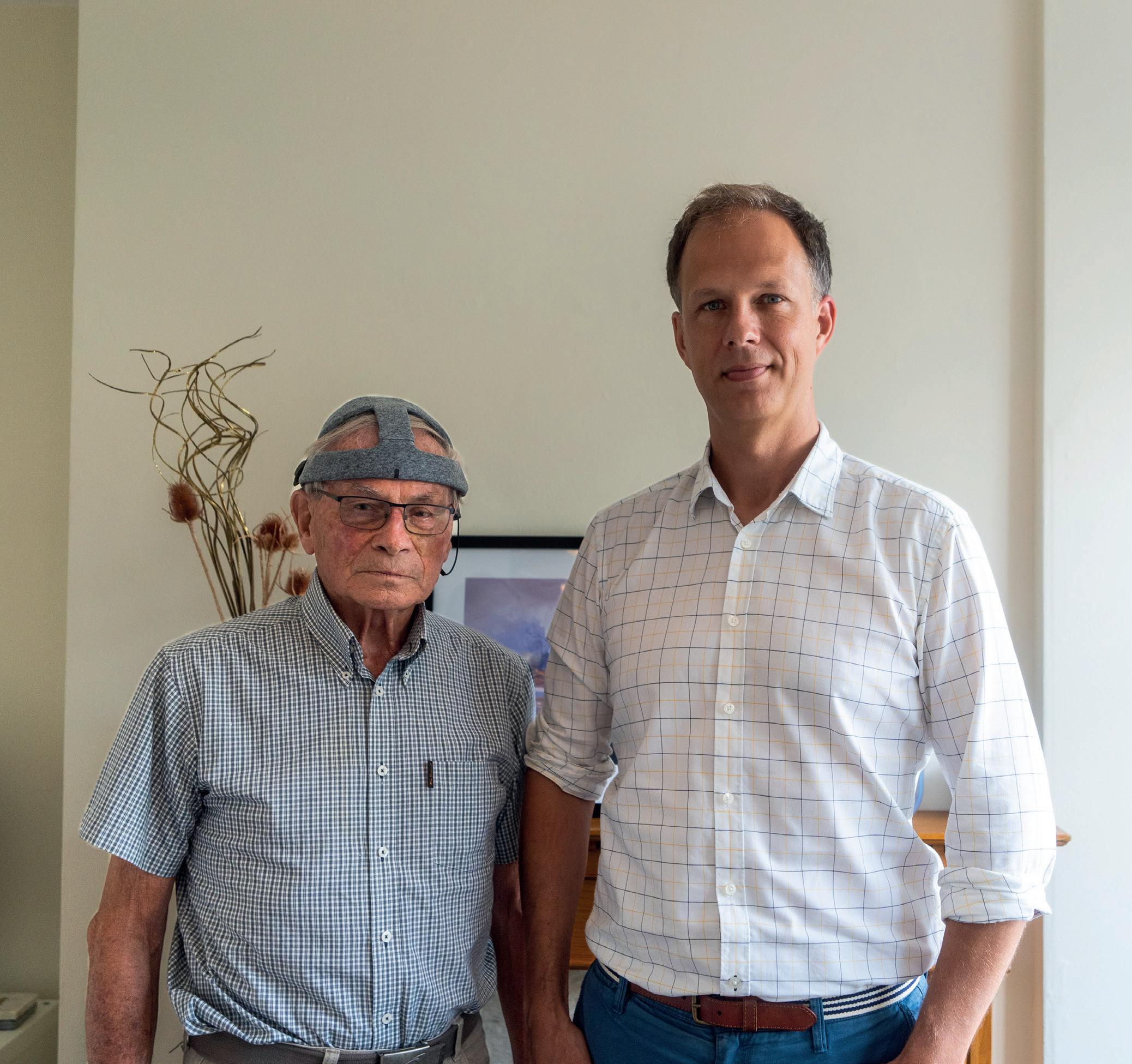
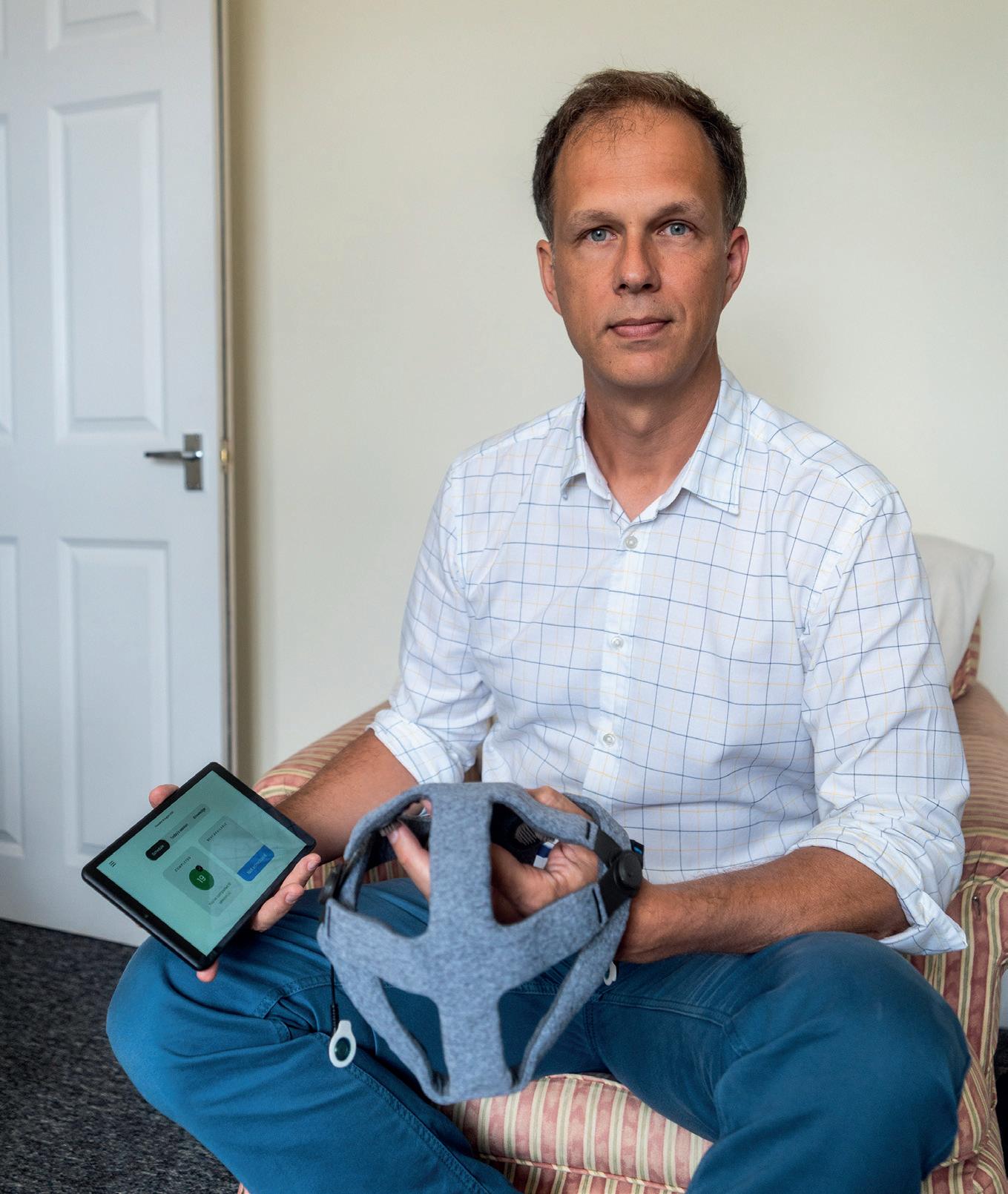
mild cognitive impairment (MCI), a condition that can lead to dementia. These results found that the test is also effective when used in a home setting. The test takes just two minutes to conduct and uses an EEG cap to measure brain waves whilst the participant watches a series of images.
An at-home Alzheimer’s test could transform dementia diagnosis. One in three people in England living with dementia do not currently have a diagnosis. Many people are diagnosed too late. Alzheimer’s disease, the most common type of dementia, begins 10–20 years before noticeable symptoms appear.
Delays in diagnosis prevent those living with dementia from accessing formal support, medication and now, new Alzheimer’s drugs, which must be given at the earliest stages to be effective. BRACE is funding research that can and will make a significant difference in the fight against dementia.
This year, the charity has supported 8 research projects looking into causes of dementia, early diagnosis and possible treatments. Additionally, BRACE has supported 10 PhD students, the South West Dementia Brain Bank - a resource for thousands of dementia research projects worldwide, and a dementia research nurse.
We feel incredibly proud of our impact on research. Looking ahead to 2026, we’re excited to see what breakthroughs and developments might come. However, like so many charities in the sector, we’ve seen
a marked decline in donations this year compared with previous years. None of our work would be possible without our fantastic supporters who generously help make research possible. I would like to say a special thank you to Signature Senior Lifestyle, who have been fundraising across all their homes to raise £25,000 in support of our dementia research nurse in 2025.
Thank you also to Oakland Care, who partnered with the charity for the launch of Kentish Kitchen at Hyllden Heights, the UK’s first dementia-friendly community restaurant. Finally, a big thank you to Capital One, whose UK office has taken on various challenges and fundraising initiatives this year, raising more than £40,000.
If your business or care home would like to get involved and support dementia research in 2026, please get in touch with me at liberty@alzheimers-brace.org
Care home owners and operators require reliable partners to guide them in making timely and informed decisions about acquiring care homes. With expertise and comprehensive sector insights, Montane Care reliably delivers outcomes, exemplified by assisting JAS Care Homes Ltd. in acquiring Sable Cottage Care Home.
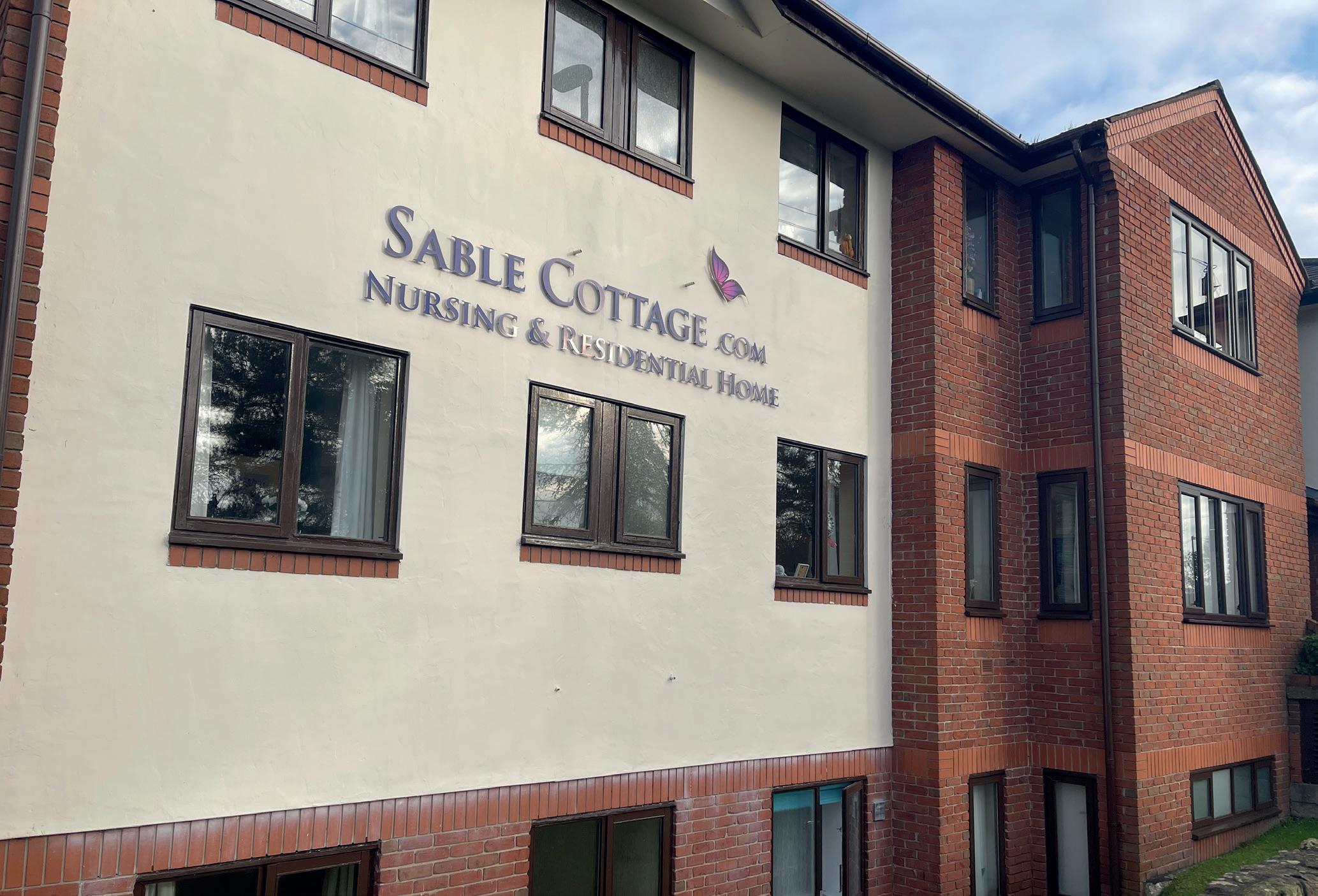
Mr Jothinath, Director of JAS Care Homes Ltd, engaged with Montane Care while seeking to acquire homes with untapped operational potential in North West England. Sable Cottage drew his attention because of its size, occupancy profile, and the chance to reposition the service. Montane Care, the selling agent for the home, quickly provided detailed insights into the home’s trading history, regulatory background, and local market, demonstrating a level of expertise that not all sector brokers consistently offer.
Montane Care’s expertise in the care sector reduced the typical back-and-forth that often prolongs transactions, such as home acquisitions. Their financial documentation was thorough, operational questions were answered quickly, and they understood what lenders and advisers needed to move forward with a care home purchase. Mr Jothinath found that this led to fewer delays, reduced duplication of effort for solicitors and accountants, and avoided last-minute surprises: saving time and professional fees. Additionally, Montane Care’s expert
knowledge enabled Mr Jothinath to implement operational changes earlier, rather than waiting until after the acquisition was complete.
Mr Jothinath said the most significant benefit of using Montane Care’s services was the quality and clarity of the information which was provided upfront. “As an operator, you want transparency around occupancy trends, staffing challenges, compliance, and CapEx exposure. Montane Care provided these insights early, which allowed us to undertake a more operator-focused assessment of the business and plan our first 90

days post-completion. This helped ensure continuity of care, preserved staff stability, and allowed us to implement improvements from day one.”
Overall, Mr Jothinath’s experience with Montane Care was highly positive. Their communication demonstrated a thorough understanding of how operators assess a business, considering not only headline figures but
also staffing arrangements, dependency mix, fee structures, local authority interactions, and the home’s operational story. Montane Care presented information systematically and was responsive when more details were required.
Mr Jothinath noted that, although representing the seller, Montane Care maintained a balanced approach that supported thorough due diligence without causing

unnecessary friction or delays.
The broader team at JAS Care Homes Ltd. noted that Montane Care demonstrated a strong understanding of the operational and regulatory aspects unique to this home. Their readiness enabled advisors to perform due diligence more swiftly than in similar transactions. Internally, the management team experienced a smoother transition, as many of the essential operational details had already been addressed during the process.
“I would recommend Montane Care, particularly to operators who value transparency and sector expertise. They understand what experienced providers look for in a home and ensure that the information reflects the realities of running a care service, not just the headline valuation. Their professional, informed approach helped facilitate a transaction that was fair, efficient, and grounded in the operational realities of the sector.”
montanecare.co.uk
Mariposa Care shares its experience on how personalised care plans can improve residents’ quality of life.
Imagine living in a care setting where routines are rigid and choices are limited with mealtimes, activities and even daily schedules following a one-sizefits-all pattern. For many people, this can feel restrictive, leaving them unable to truly live as themselves.
This type of care often overlooks the individual behind the condition, leaving people feeling frustrated when care routines fail to meet their needs. This is where personalised care plans can introduce minor daily adjustments that are capable of transforming an individual’s quality of life. These personalised care plans are not a luxury but an essential part of modern health and social care.
A personalised care plan is a codesigned plan that is centred on what matters to an individual as well as their medical needs. This means that instead of offering generic physiotherapy, they will receive personalised exercise routines specifically tailored to their own hobbies or lifestyle.
This requires a holistic approach that brings together medical, emotional, and social needs, and should be co-produced with the individual and their family members. It is something that can be flexible and should be regularly reviewed to ensure it continues to meet all the requirements. The NHS framework for personalised care emphasises the importance of shared decisionmaking, independence and patient choice.
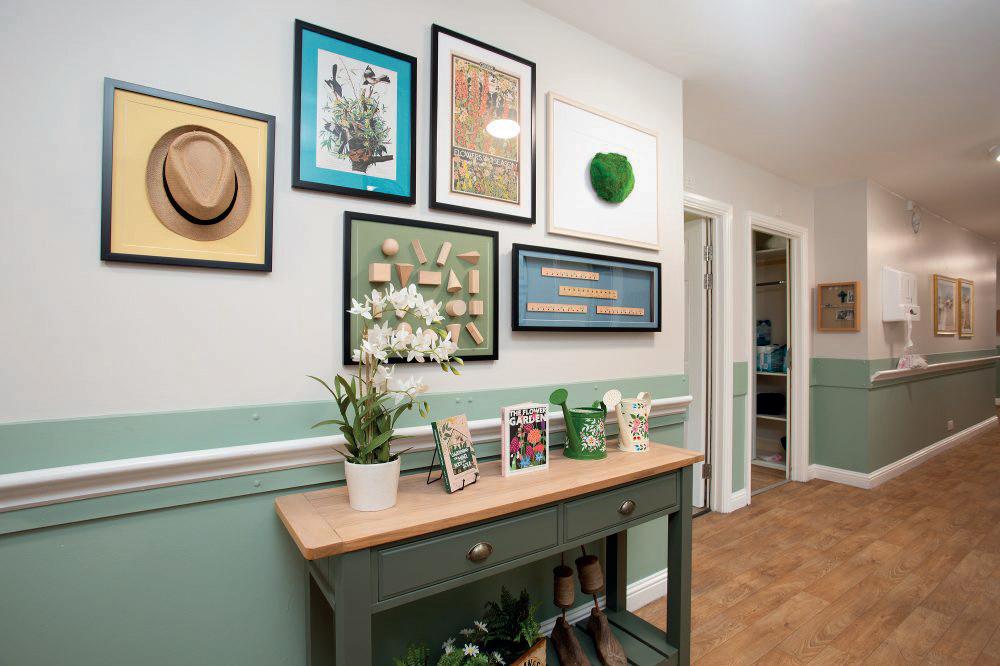
One of the most critical elements of a personalised care plan is the assessment of needs, goals and strengths. This should go far beyond any clinical diagnosis and should instead take a thorough look at the individual’s lifestyle, aspirations, and routines to identify what brings them joy and create a plan that they can truly benefit from. It should also include tailored support for treatments and activities. This should consist of medication, a balanced diet, regular exercise, and social activities or therapies that align with their interests.
There needs to be coordination across different services where health professionals, carers, community organisations and families can all be aligned. This type of collaboration means that everyone involved in the individual’s
wellbeing is working towards the same goals, reducing confusion and ensuring that the person at the centre of care receives consistent and reliable support.
Every personalised care plan should be reviewed and updated regularly. Flexible plans can be adapted as conditions progress or preferences change to make sure they are always offering as much as possible. Shared decisions are an essential aspect of personalised care plans. This should not involve autocratic decisions but instead reflect a true partnership among all health professionals, as well as the patient and their family.
One of the most significant benefits of a personalised care plan is the difference it can make to physical health. There are often improved outcomes and fewer emergencies
or hospital readmissions. This is because conditions can often be managed more effectively when a plan is designed to fit the patient’s daily routine. It also has a significant impact on emotional wellbeing as residents can enjoy dignity, independence and control over their own lives. They are more likely to feel listened to, which can reduce any sense of frustration or anxiety. It can also enhance social connections, as tailored activities help promote friendships, reduce feelings of isolation, and encourage community involvement.
Personalised care plans are a much more efficient way of working. They ensure that there is less stress for the families and provide smoother communication, fewer crises and reduced duplicated services. When plans like this have been truly personalised, it is much easier to improve the wellbeing and outcomes of a resident because it has been tailored to their own individual situation.
Personalised care plans are often used in the UK to support individuals with long-term conditions, such as diabetes and COPD. They are capable of tailoring diet and exercise plans, as well as monitoring routines and integrating
them into the patient’s lifestyle.
At Mariposa Care, for example, care plans are supported through the use of Digital Care Plans via Person-Centred Software, which enables staff to efficiently report, monitor, and update personalised plans in team time.
This digital approach is significant for dementia and elderly care, as it enhances communication between teams. For these patients, routine is essential, and it can be aligned with their individual habits to take into account their preferred wake times and favourite activities.
Cancer and palliative care patients also benefit from personalised care plans for symptom management alongside their emotional and family support. They are also used in social care and home support, as small, personalised touches, such as meal preferences or hobbies, can be integrated into their support and make a huge difference.
Personalised care plans still present their own challenges, with one of the biggest being staff training and resource limitations. However, with the correct levels of investment, personalised care can reap significant benefits.
There is a risk that plans can
become outdated if they are not regularly updated, so digital tools should be used to record, track, and share plans to ensure they remain flexible and are reviewed regularly.
In the current health and social care system, it can be challenging to co-ordinate care across multiple services, which means a cultural shift within the different organisations is needed in order to prioritise what matters most. Whilst some challenges do exist, it is clear that the long-term benefits of personalised care plans for individuals and services far outweigh the barriers.
Personalised care plans are not simply a buzzword; they are a tangible tool that can enhance the quality of life for patients by improving their health, supporting their dignity, and encouraging independence. They play a significant role in fostering a range of different relationships and are essential to modern healthcare rather than just being an added extra.
It is important that families, professionals and care seekers explore how personalised care can make a difference through the NHS framework, care providers or community services to help you or your loved one receive care and support that will benefit you the most.
Ashleigh Dueker, Programme Director of Care Intelligence at Person Centred Software, explores how the care industry is shifting towards a digitalised approach, and how this can be beneficial for homes across the country to improve residents’ care.
The adult social care sector is under more pressure than ever, yet it is also seeing some of the most promising technological change in years. Person Centred Software (PCS), the UK’s most widely used digital care management system, is at the centre of that shift.
The company now supports over 8,400 care providers and maintains the country’s largest structured social care dataset: currently 18.5 billion care observations. This scale is more than just an impressive figure; it enables PCS to go beyond individual homes and learn from patterns across the entire sector, shaping the future of care.
Many of the team at PCS have worked in care homes themselves, so the platform is built using their knowledge, with a clear understanding of day-to-day realities such as short staffing, tight inspection deadlines and the constant challenge of preventing incidents rather than simply recording them.
At its core is the Connected Care ecosystem, a set of integrated modules that cover care planning, medication management, rostering and, increasingly, care intelligence. Care homes can adopt one module or the full suite, as everything works through a single mobile device. Staff who are already using PCS report that is the apps are simple and straightforward to use.
The newest development is the
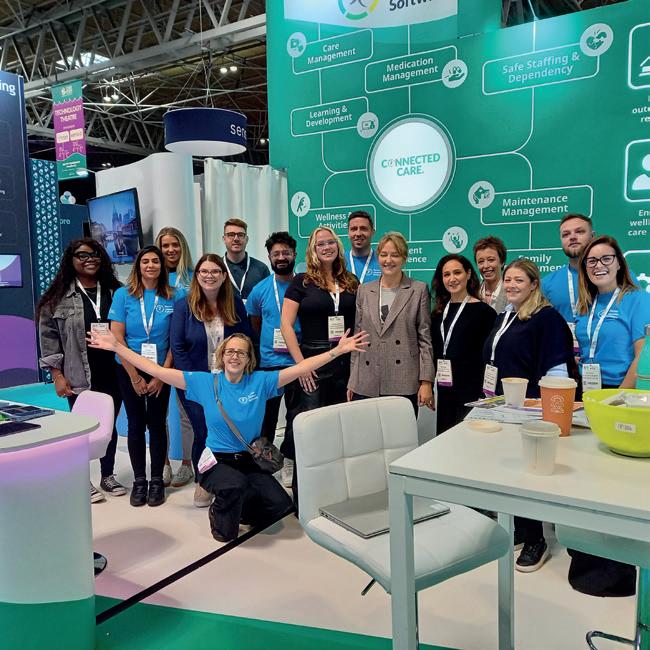
Care Intelligence module, known as IQ. Rather than leaving data sitting unused, IQ analyses it and highlights emerging risks or unusual patterns. One home, for example, noticed a pattern of falls every Wednesday. Further checks showed that slippers were washed on Tuesday evenings, resulting in them being less grippy the following day. This is an example of a small change that made a measurable difference once spotted in the data. Another service reported a significant reduction in falls after IQ helped them track the impact of switching to decaffeinated hot drinks. These are practical, homeled improvements, supported by data that would previously have been untracked and invisible.
IQ also allows anonymised benchmarking. Managers can see how their fall rates, fluid intake, sleep patterns or other key indicators compare with those of similar homes nationwide, helping them decide where to focus and what has worked elsewhere; allowing them to implement

changes which can improve the wellbeing of residents and reducing the strain on care staff.
As Programme Director, I can’t think of a more exciting industry to be in right now. Digital transformation is not just a buzzword in the care industry - it’s a shift towards a truly person-centred approach to care.
From 2026, the next stage of IQ will introduce predictive alerts – using the billions of care notes logged annually to flag potential issues before they occur.
For care home managers facing tighter regulations and rising costs, the shift matters: from collecting evidence to using it, from reacting to incidents to preventing them, and from working in isolation to learning from thousands of peers across the care sector. Person Centred Software’s direction is clear: keep building and innovating to provide homes with usable, sector-wide insights that directly support better care.



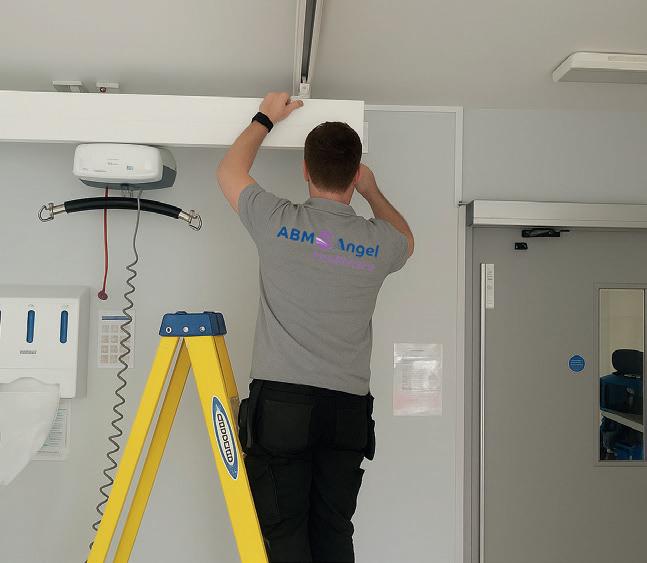

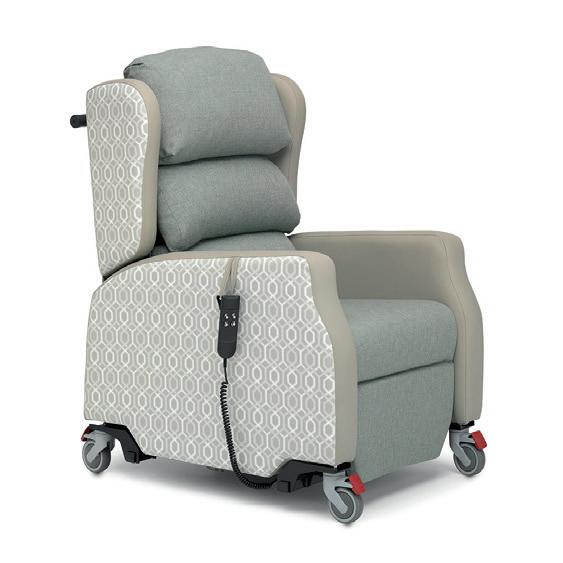
Care Solutions From dementia-friendly products to PPE, cleaning supplies, medical equipment, continence products, and housekeeping essentials - we provide everything you need to ensure quality care and a safe environment.
Equipment Solutions We supply profiling beds and mattresses, hoists, slings, and baths to meet a wide range of care requirements. Contact us to discuss tailored equipment options for your needs.
Furniture Solutions We supply and install a wide range of healthcare-grade furniture in various areas including bedrooms, lounge areas, dining areas, and offices. Please call us to discuss your furniture requirements.
Office Solutions Our comprehensive range includes inks and toners, paper products, filing accessories, and everyday stationery. Everything you need to keep your office running smoothly.
Workwear Solutions We provide uniforms, including tunics, scrubs, and chef wear. If you have specific needs in these areas, please contact us to explore our range and discuss your requirements.
Catering Solutions From tableware and kitchen appliances to cookware and refrigeration, we offer catering solutions for both residential and commercial settings.
Servicing Solutions Our expert team provides LOLER & PUWER compliance checks, call-outs and repairs, technical support, and access to a dedicated service portal.



Intracare
benjones@intracare.co https://intracare.co Intracare Ltd


Care Supply Store
01375 651 609
www.caresupplystore.co.uk

@caresupplystore
Care-SupplyStore-708536899310571 care-supply-store

JDE Professional UK
0808 100 1030
www.jacobsdouweegberts professional.co.uk
Facilities Management

Red Peak Compliance
0208 049 2309
comply@redpeakcompliance.com www.redpeakcompliance.com

allmanhall
01225 745520
hello@allmanhall.co.uk www.allmanhall.co.uk
allmanhall


Gillman’s
0800 014 1474
commercial@gillmans.co.uk www.gillmans-commercial.co.uk
@gillmans_appliances gillmansappliances gillmans-commercial-laundry
Girbau
01462 427780
sales.uk@girbau.com www.girbau.com Girbau girbau-uk
Miele
0330 160 6693
professional.sales@miele.co.uk www.miele.co.uk/pro/care miele-professional

EF-group
07484 521996
chriskirton@ef-group.co.uk ef-group.co.uk/healthcare ef-group-social
August International
01920 487700
audarhealth@augustint.com www.audarhealth.com/home/ carehome
@august_lab
AugustInternational august-international