Portfolio
Architecture I Urban Planning I Landscape I Computation CHU-FAN TZOU
Selected Works 2019-2024
Architecture I Urban Planning I Landscape I Computation CHU-FAN TZOU
Selected Works 2019-2024
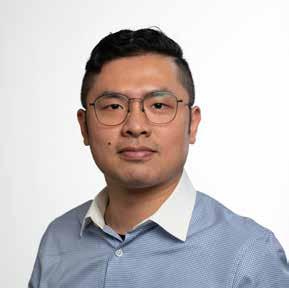
Illinois Institute of Technology
Chicago, United States
Master of Architecture 2022~2024
TAMKANG University
Taipei, TAIWAN
Bachelor of Architecture 2013~2018
Architectural Designer/ Project Management/ Event Director
06.2019~05.2022
‧Innovating housing projects with expert precision and orchestrating project management with unwavering precision.
‧Excelling in client relations and adeptly coordinating with constructors.
‧Optimizing project organization for streamlined government administrative procedures.
‧Overseeing and coordinating company's leisure events encompassing parties, meetings, and lectures.
Architectural Designer/ Site supervising
06.2019~05.2022
‧Mastering the intricacies of architectural design protocol.
‧Demonstrating exceptional expertise in handcrafted model fabrication.
‧Supervising construction sites with meticulous attention to detail.
Architectural Intern
07.2016~08.2016
‧Gaining profound insight into the core routines of architecture firm operations.
As a master of IIT, I have embarked on a journey to enhance my skills in digital software, exploring an exciting new dimension of design processes. This newfound perspective has allowed me to delve into the intricacies of design, particularly in the realm of housing, with a focus on accommodating diverse groups of residents through innovative organic shapes, as exemplified by Sage-sta Jefferson Park Mixed Senior High-rise project. Also the education spaces by the BUOYANCY Water Institute at Turning Basin in Chicago.
In the world of architecture, the landscape is an integral element. My undergraduate thesis instilled in me the belief that architecture must be intricately woven into its surrounding landscape. The thesis introduced the concept of "From Object to Field," wherein I conducted typological research to identify fundamental architectural types derived from a series of architectural structures. The goal was to pinpoint their common denominators in terms of functionality.
These fundamental architectural types would then serve as the cornerstone, shaping the evolution of subsequent designs, ultimately harmonizing with the natural landscape.
The genesis of this design philosophy can be traced back to my experiences working in Taipei City. During the Chenggong Market competition , I delved into the historical development of marketplaces, using this knowledge as a foundation for my design approach. Similarly, in the City, Mountain, and Life Housing Project in New Taipei City , I embraced the same ideology, assembling diverse architectural elements into a cohesive field of design.
I am thrilled to share my work with you, and I hope you find it inspiring!

3-Los Pinos Botanic Garden
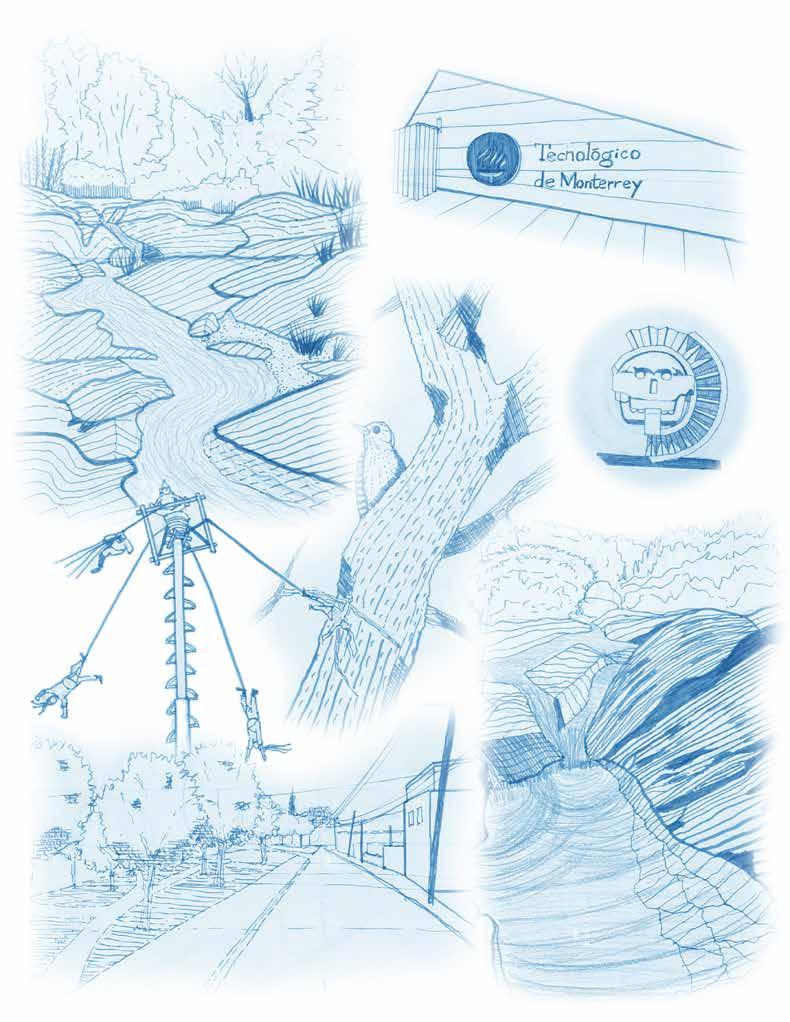
Arroyo Vivo- Living Creek Monterrey, Mexico Spring 2024 George Danforth Traveling Fellowship
Corridor
"A Street for Collective Caring" An Urban Investigation of 35th Street
5-UrbanArt x Food
Chenggong Market Renovation
6-Pallette Osaka REVIT Practice
7-About CHUFAN: Besides Architecture
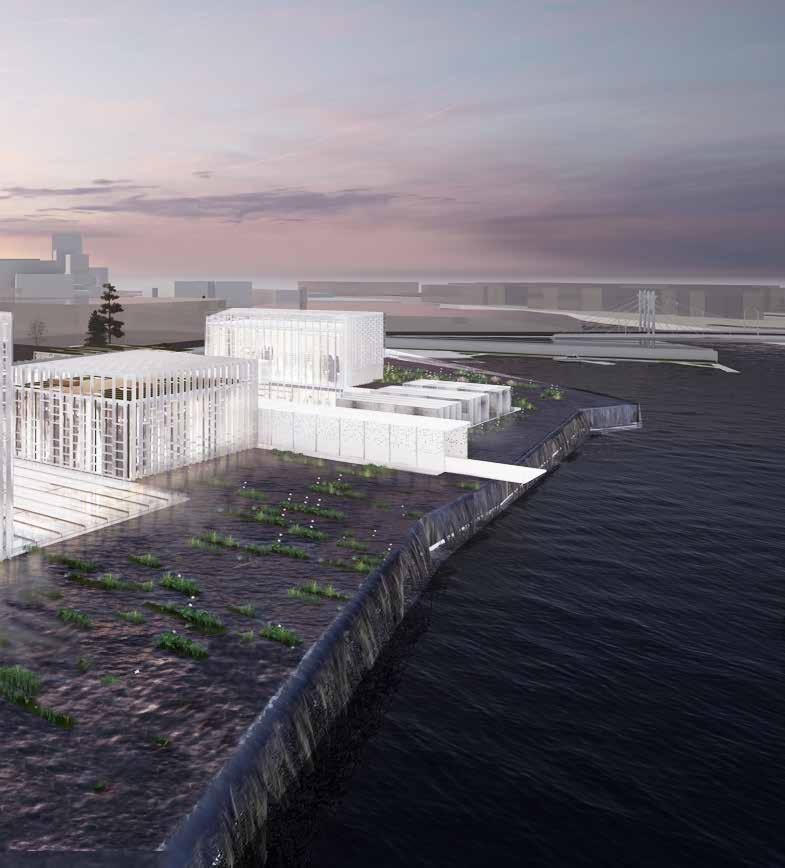
Year: 2023
Category: Water Institute, Education Spaces
Location: Turning Basin North Ave, Chicago
Software: AutoCad, Rhinocero, Lumion, Enscape
Instructor: Andrew Metter, David Brininstool
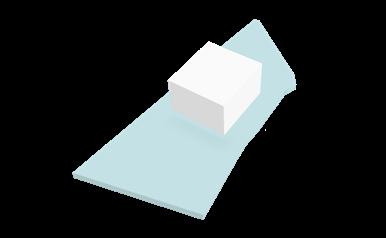
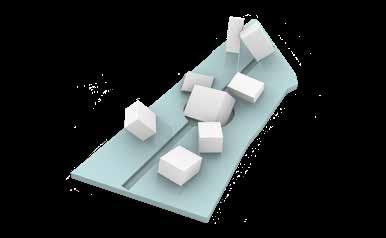
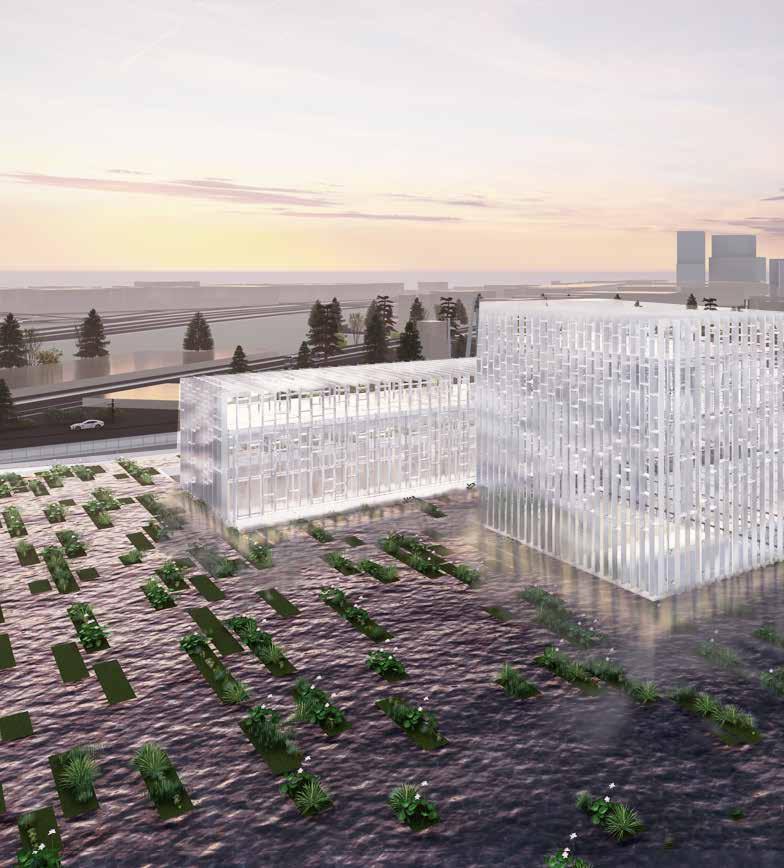
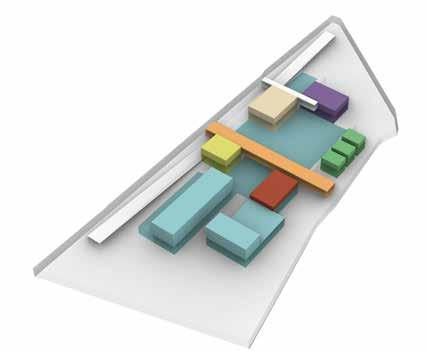
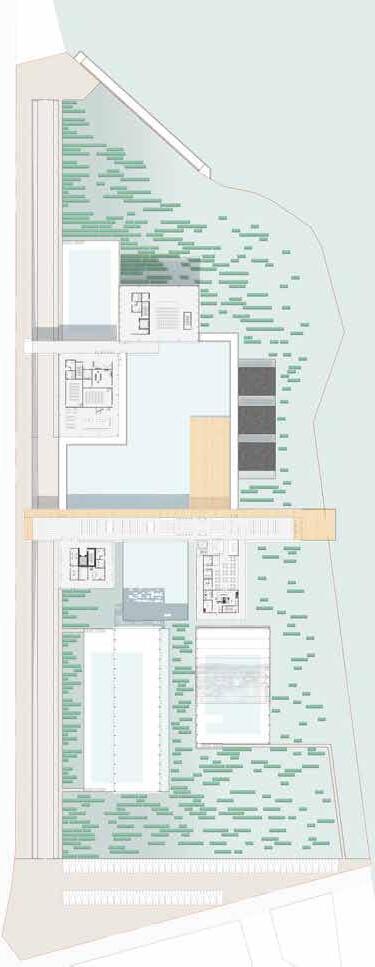
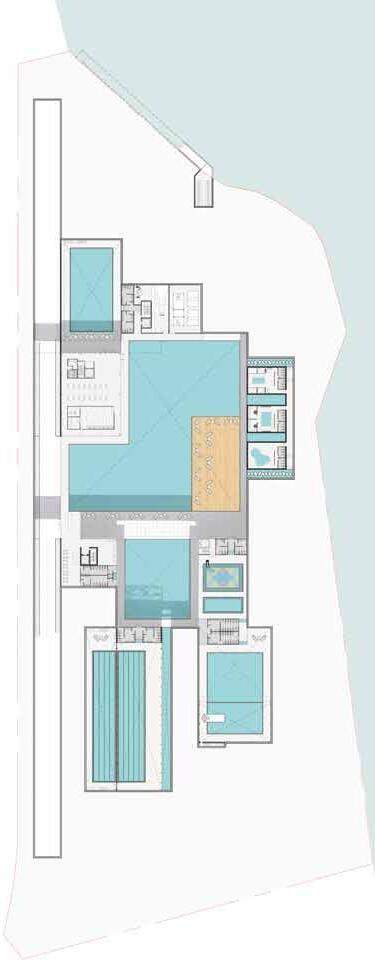
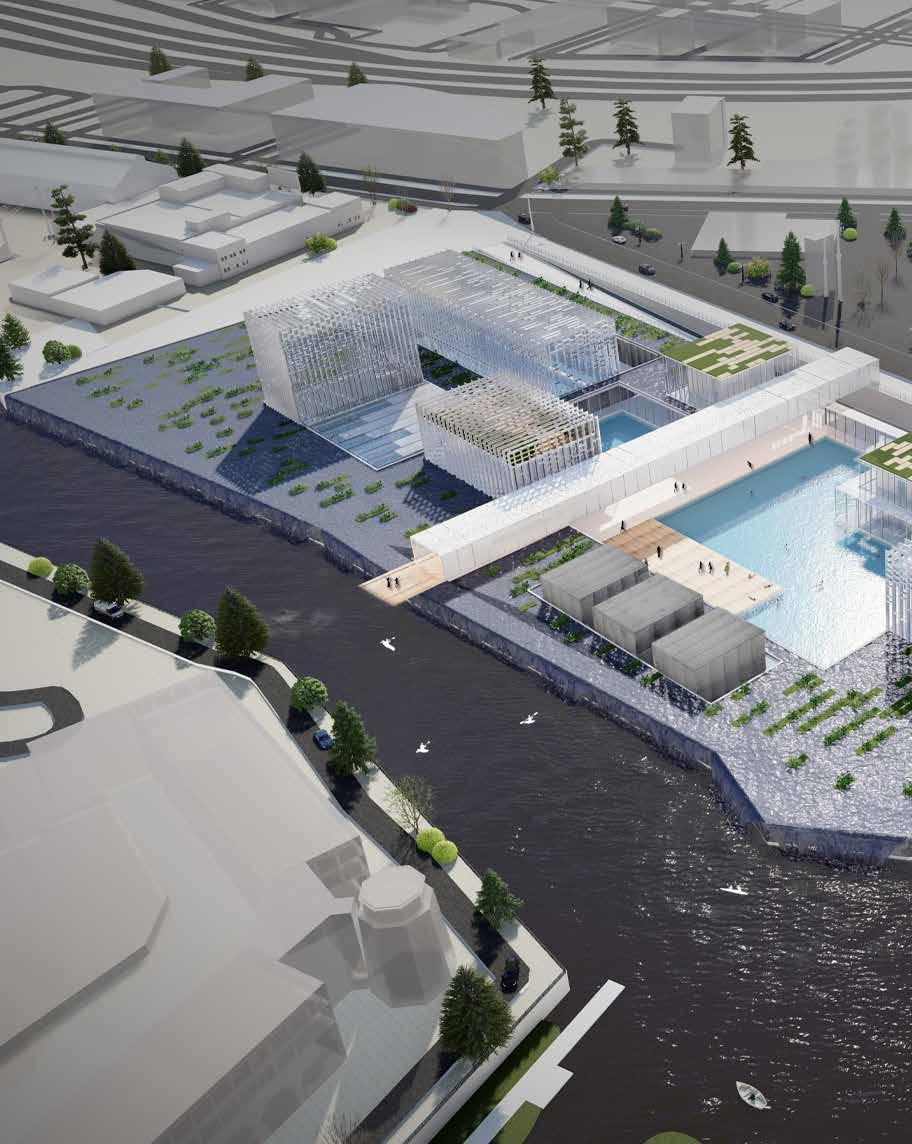
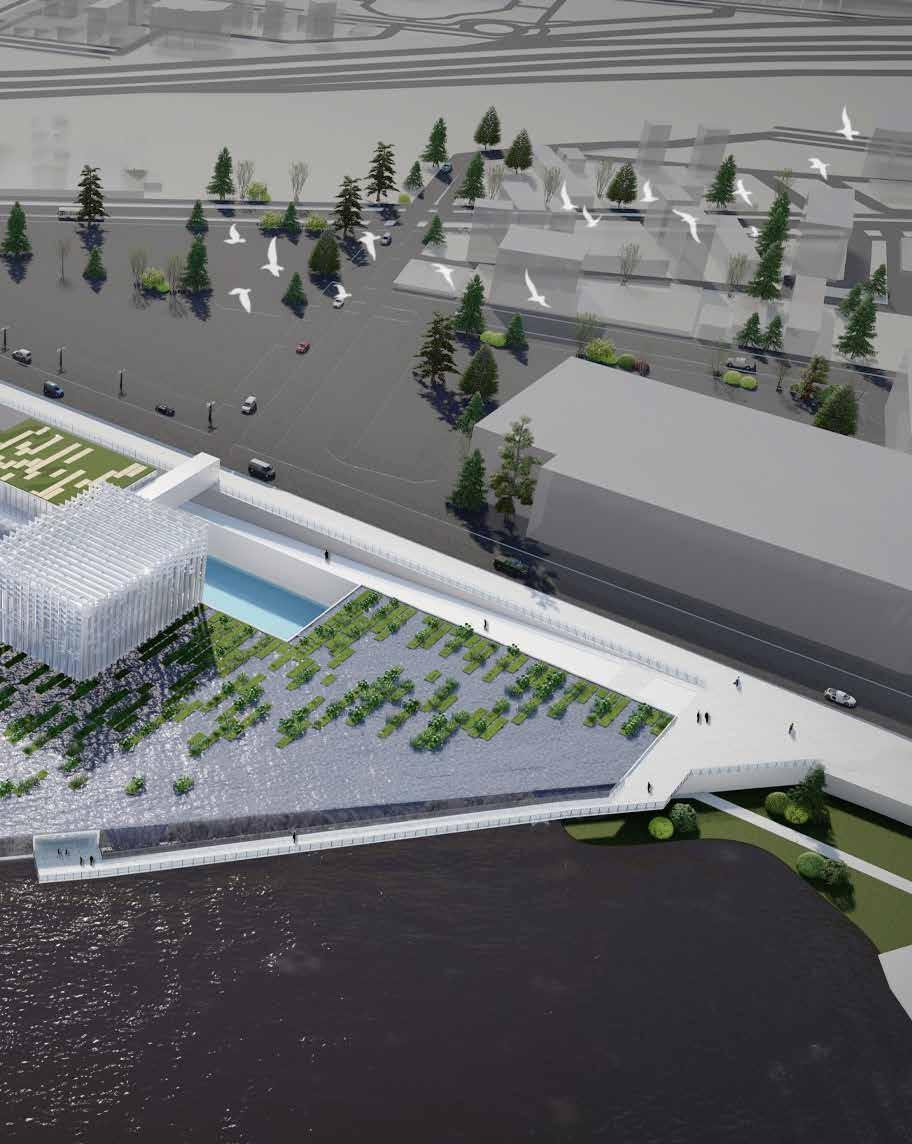
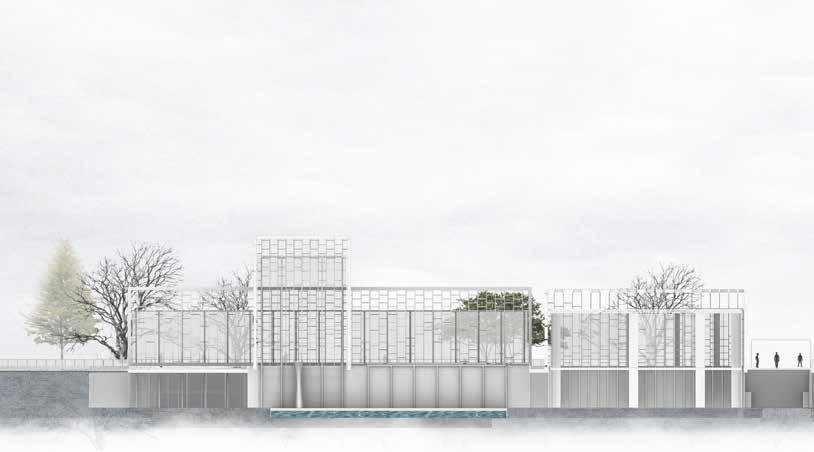
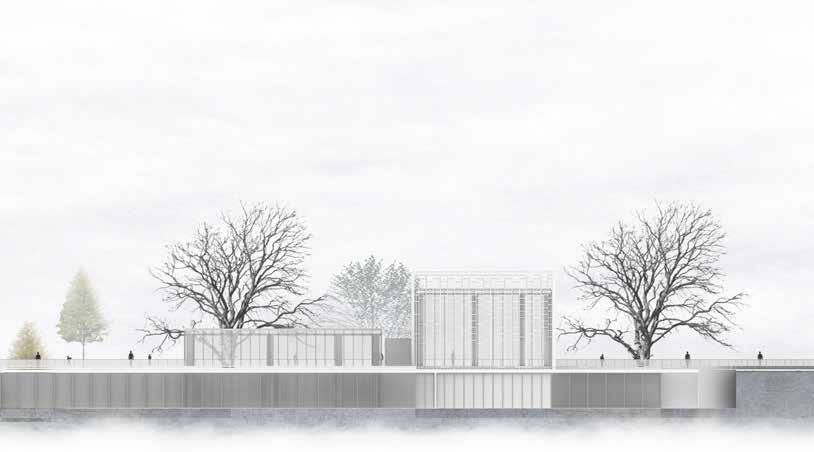
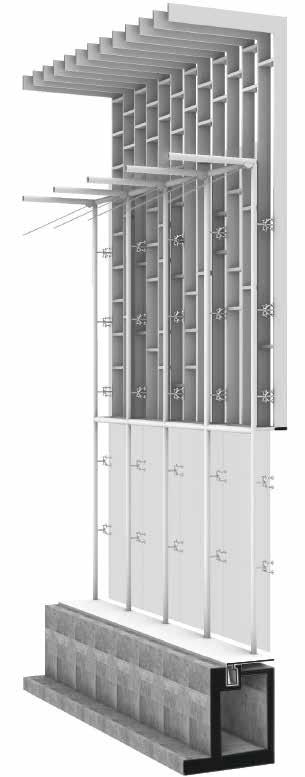
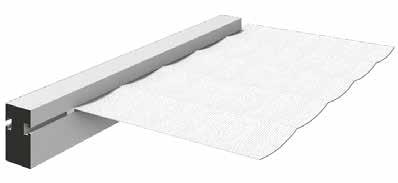
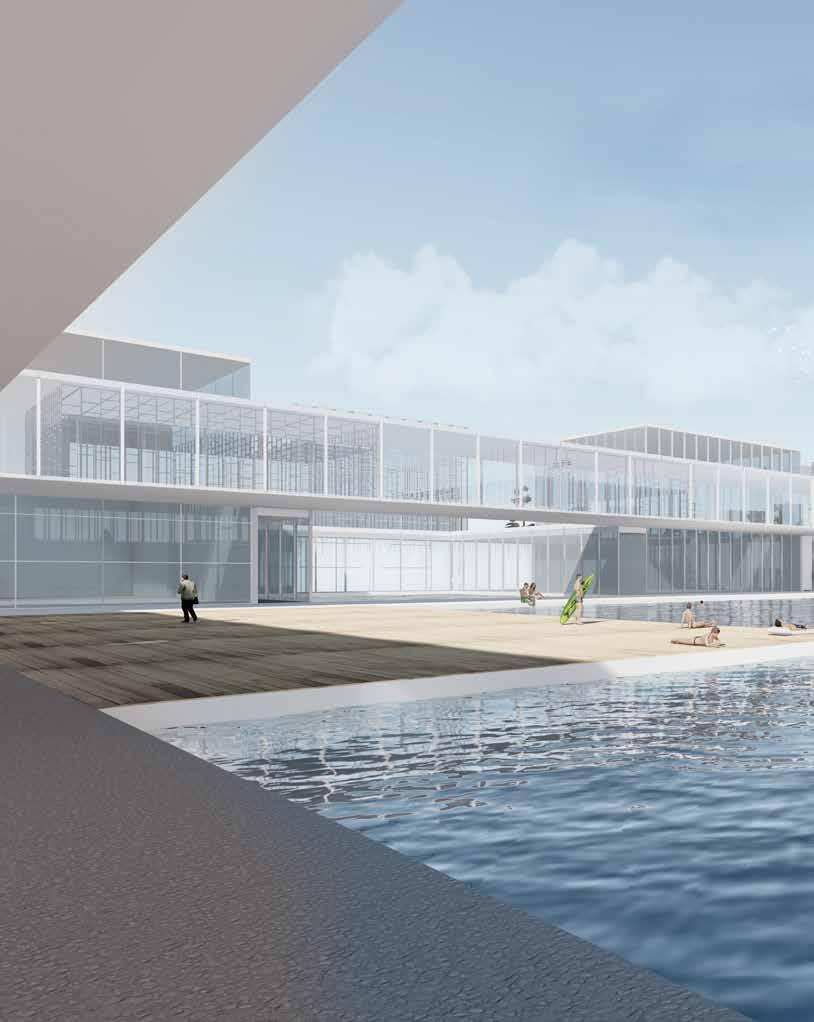
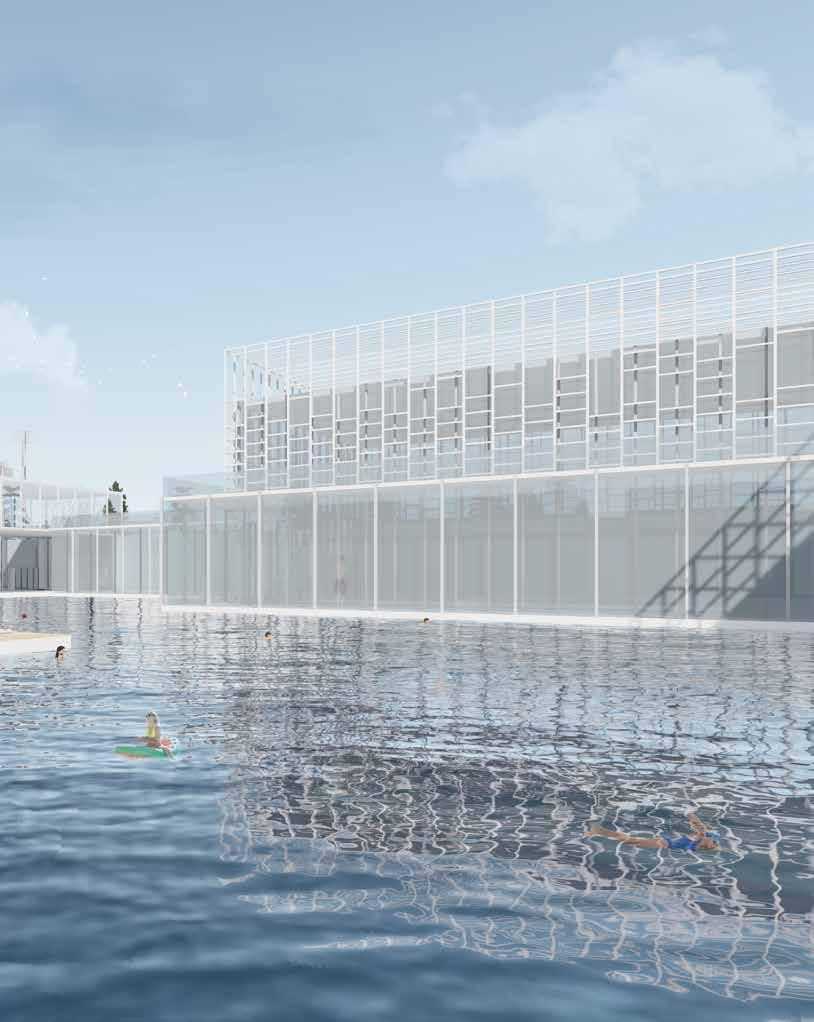
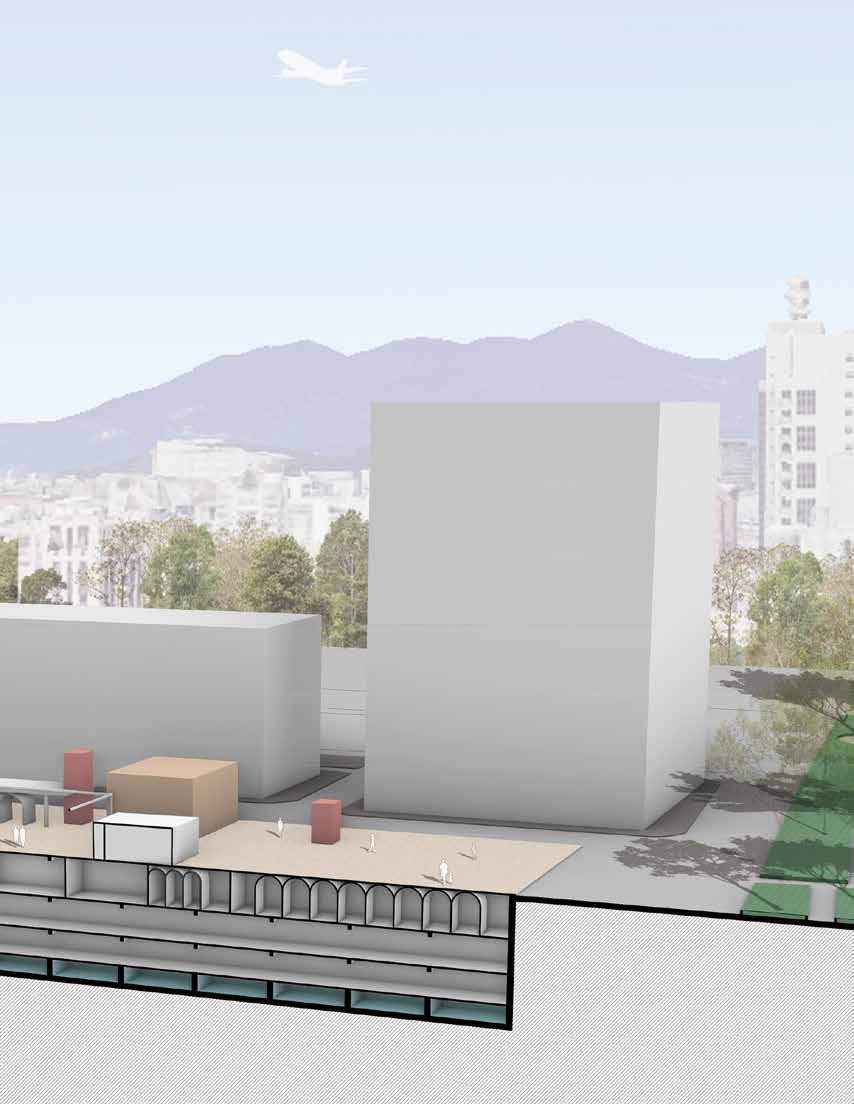
Buoyancy is based on the properties of water in its liquid state. This strategy is expressed by submerging and exposing the pavilions to create visually striking designs and to give varied experiences of the city and Chicago River.
The idea of buoyancy has also been applied to create private and meditative spaces that are carved out in the land.
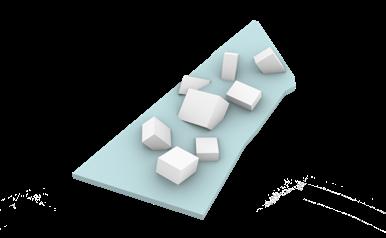
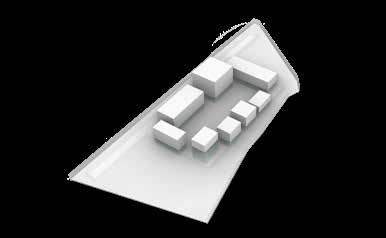
This creates secluded and tranquil spaces that offer a refuge from the hustle and bustle of the city.
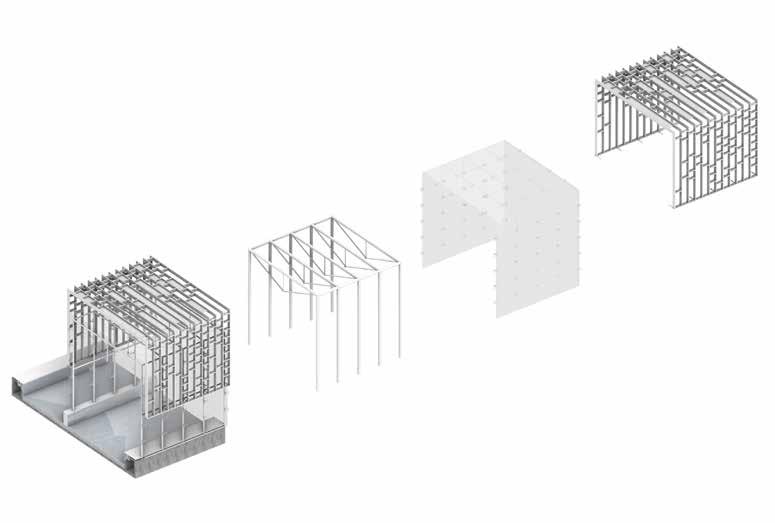
The programs are stratified into two layers- wet and dry. The water on grade level serves the purpose of conservation while the water below grade is for recreation.
Year: 2023
Category: Mix Elderly Housing
Location: Jefferson Park, Chicago
Software: AutoCad, Rhinocero, Lumion
Instructor: Catherine Baker
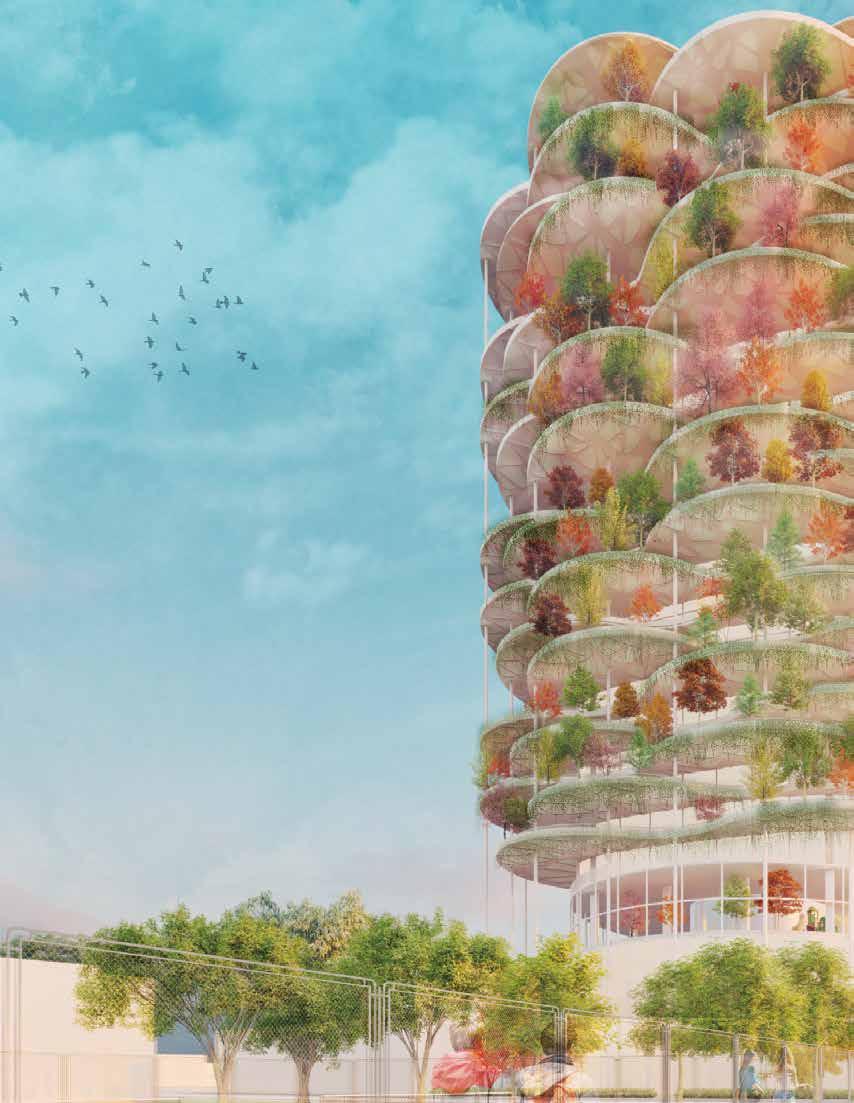
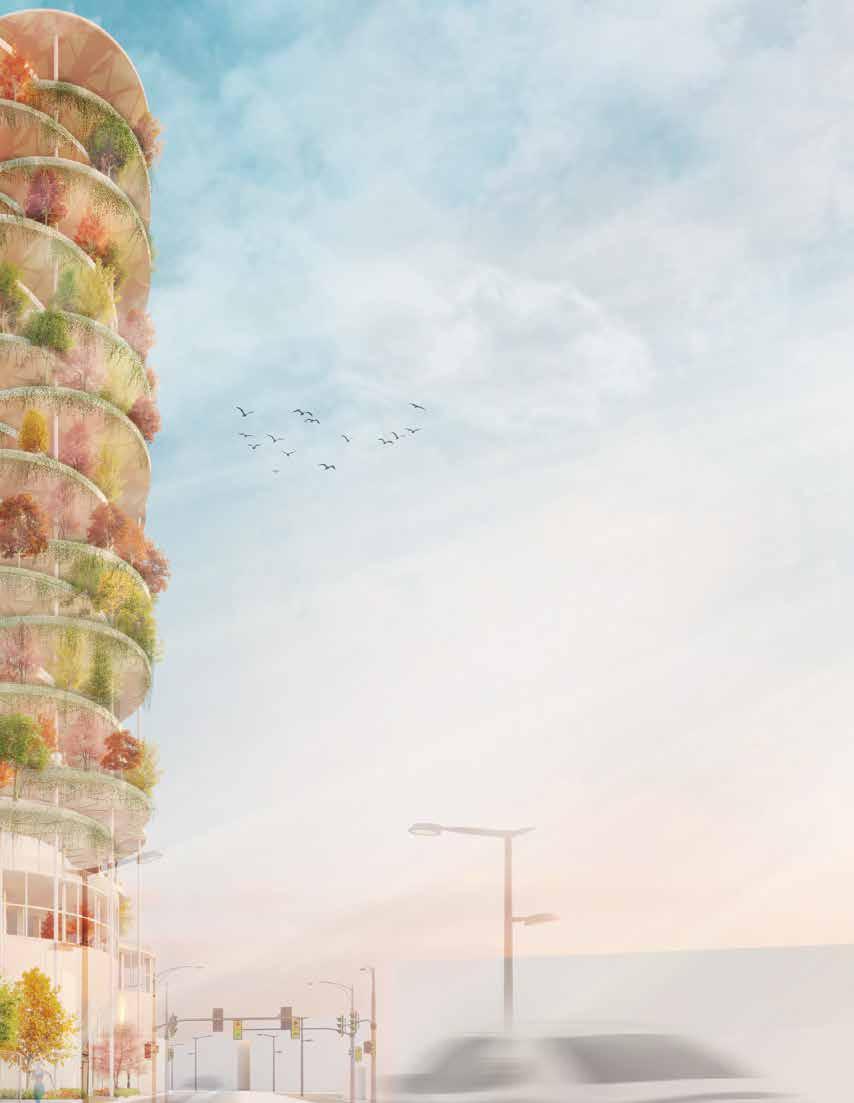
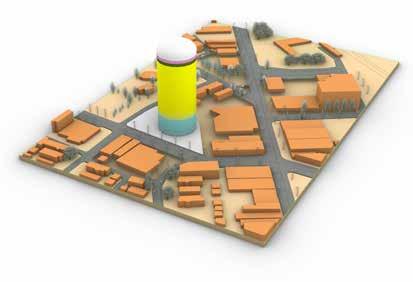
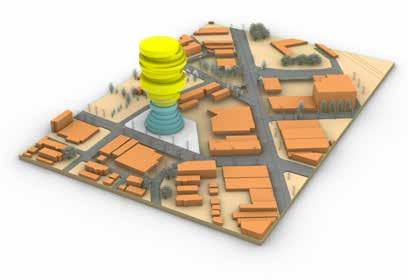
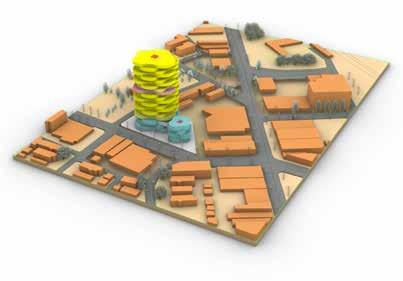
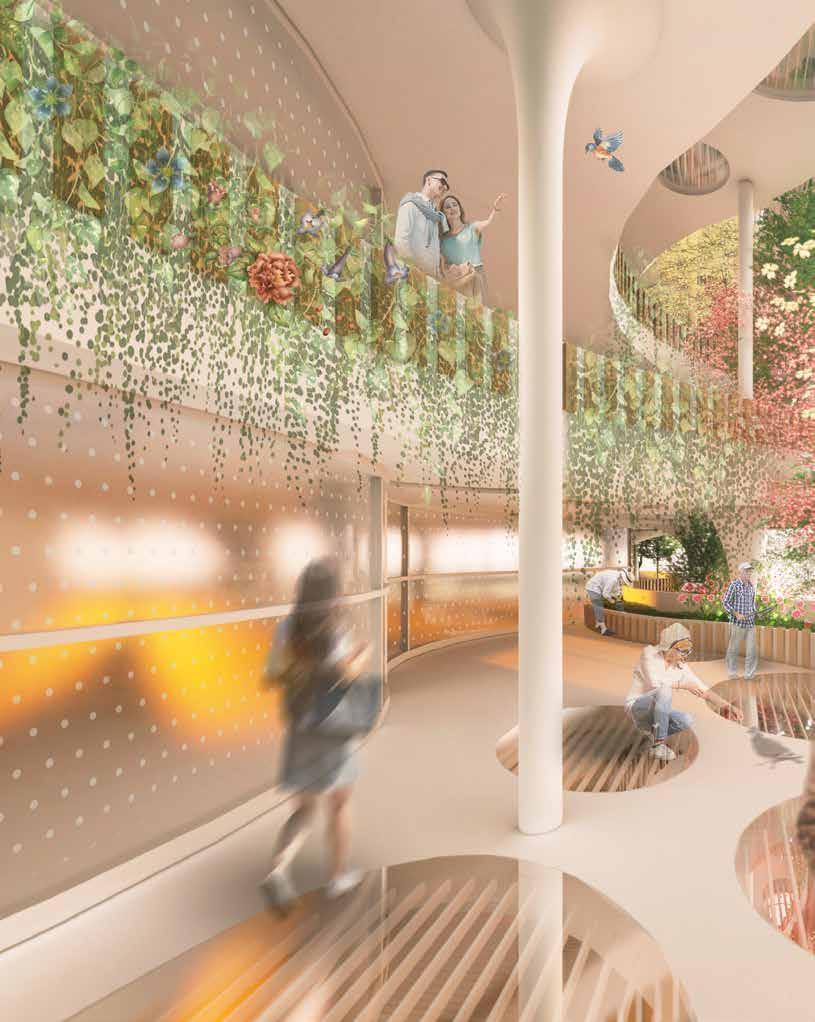
Sage -sta is a project focusing on the care of the elderly and communities where residents can find solace in the spaces provided amidst the greenery while performing various self–healing activities.
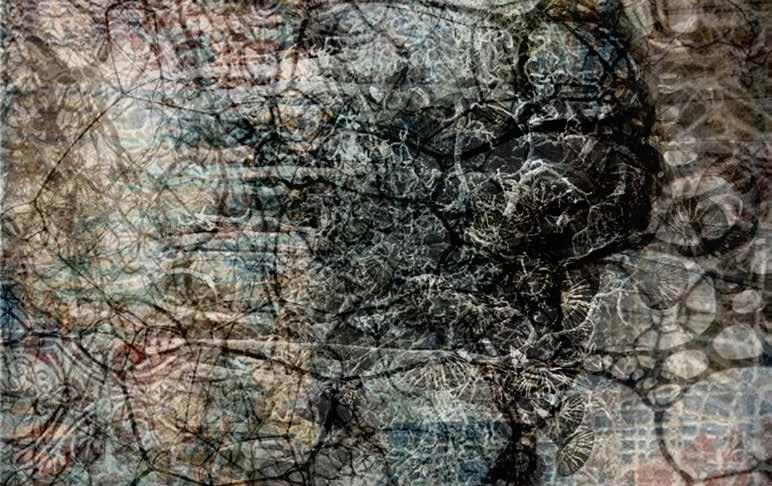
The keyword of the collage is "INTERWOVEN" that I tried to obtain the idea of spaces between solid structures. The spaces will create an oppoturnity to merge the seniors and young ages.
Situated near Jefferson Park, I need to eliminate the noise from transportation also air pollution of the surrounding and to decrease the feeling of gigantic volume of the community.
Therefore, the main objective is to create a project that filtered hazard pollutions, and decrese the concrete giant in Jefferson Park. The word “sage” has explanation that have been emphasized in the project as the
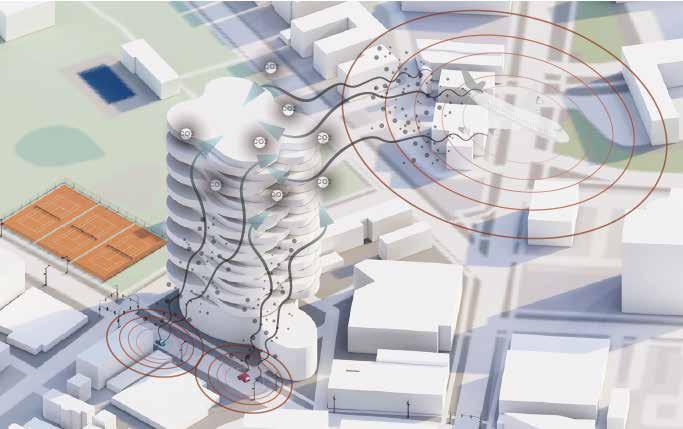
Existing Hazard: Noise and Air Pollution
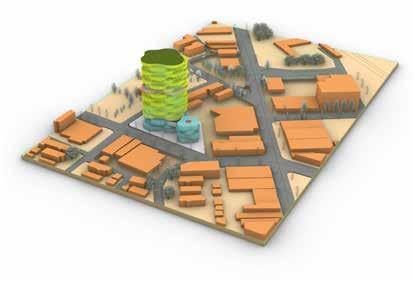
main concept. It’s a shade of green which was the initial strategy while designing to create a comfortable, healthy and engaging environment for the seniors. By installing greens on the facade occupants in the building will feel enjoyble and locals walking around will be pleasant about the greenary of the buiding.
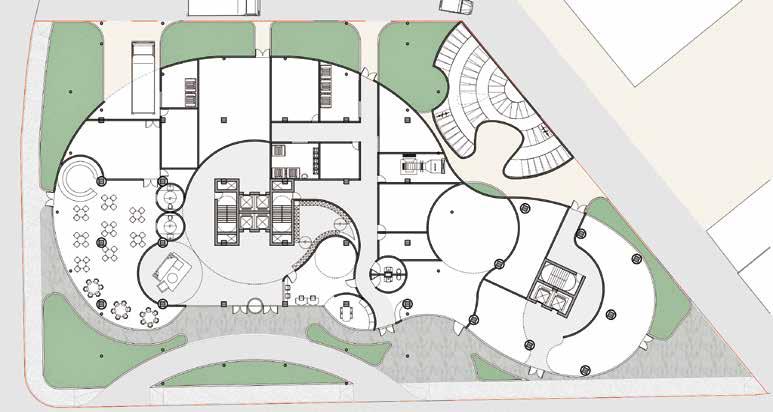
Sage also means someone who possesses wisdom, judgment, and experience while creating a peaceful environment around them.I believe in creating a variety of spaces that helps both residents and the communities to become more connected.
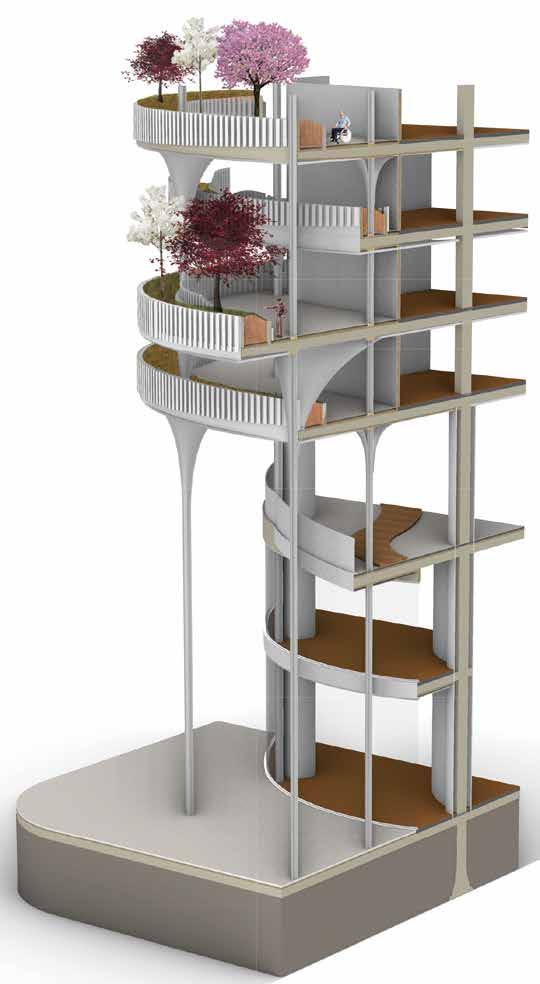
Designing a semi-outdoor public space on the 3rd floor that encourages residents and occupants working in offices walking during the winter and provides a dynamic environment with seasonal changes is a creative and thoughtful approach.
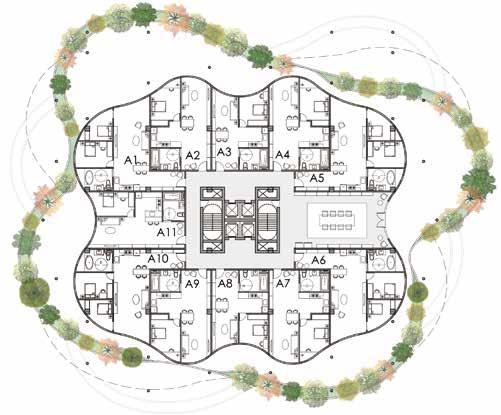
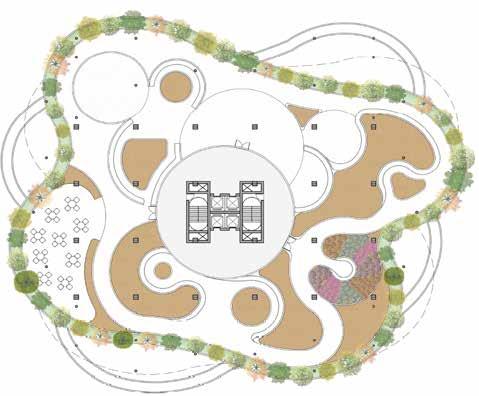
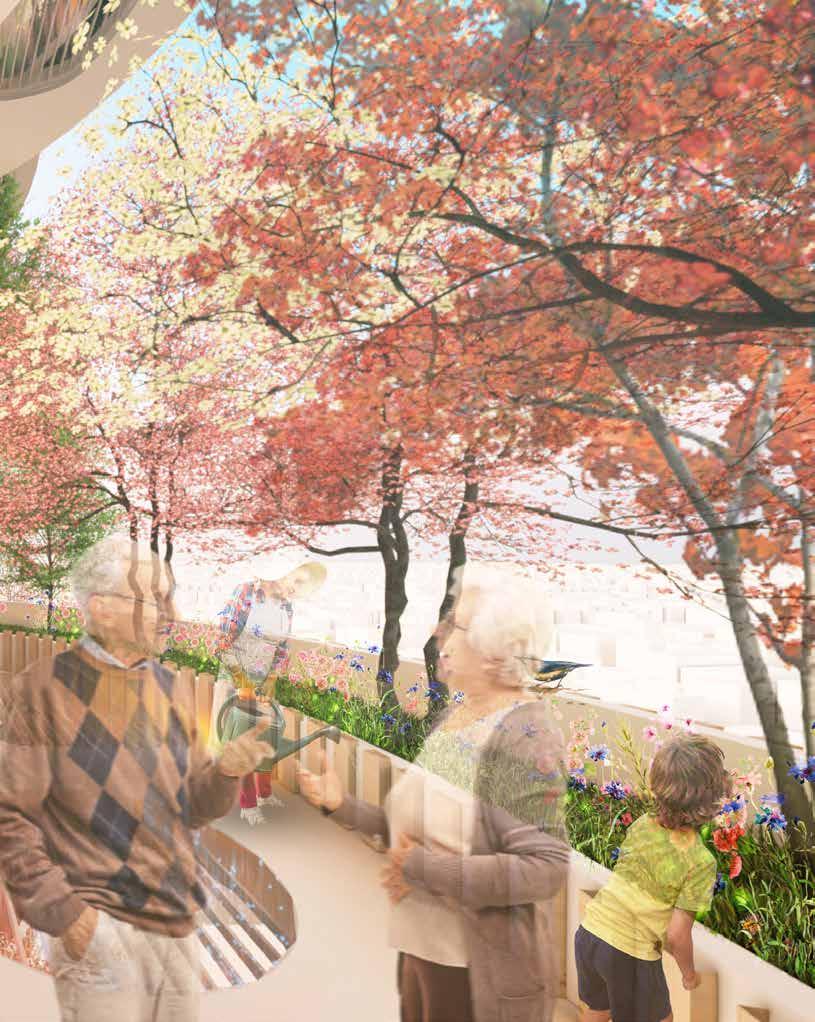
On residential floors, 10 units surrounded with center circulation and public spaces connected to the public balcony. The balcony is design for residents to interact and invite wild animals to come to Sagesta.
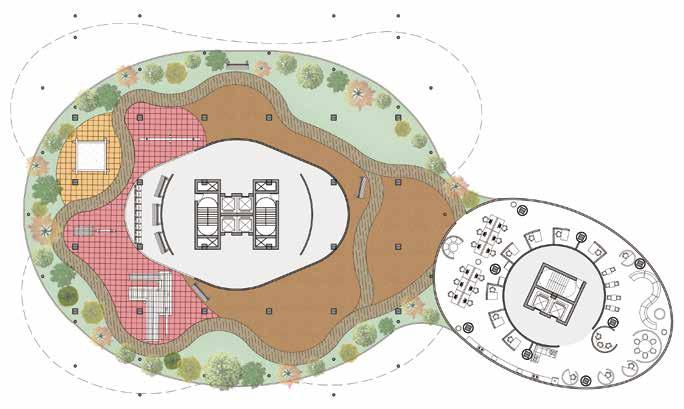
Roof plan is create to have outdoor dining area, the skating park and greenhouse with several flowers. This is the space emphasize "Sage" with vegetation and places for occupants to empower their physical and mental healthiness.
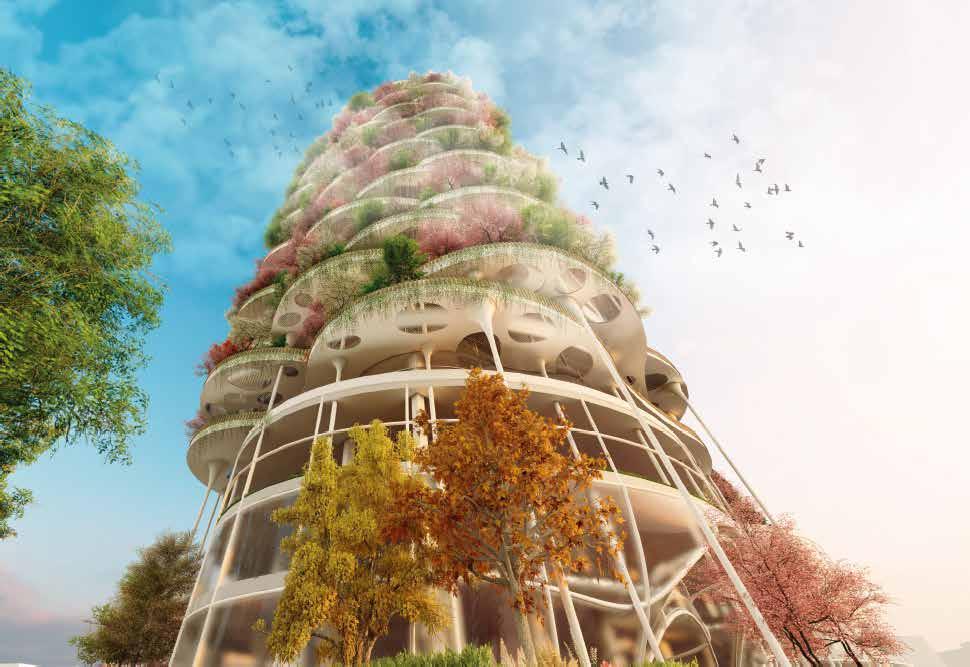
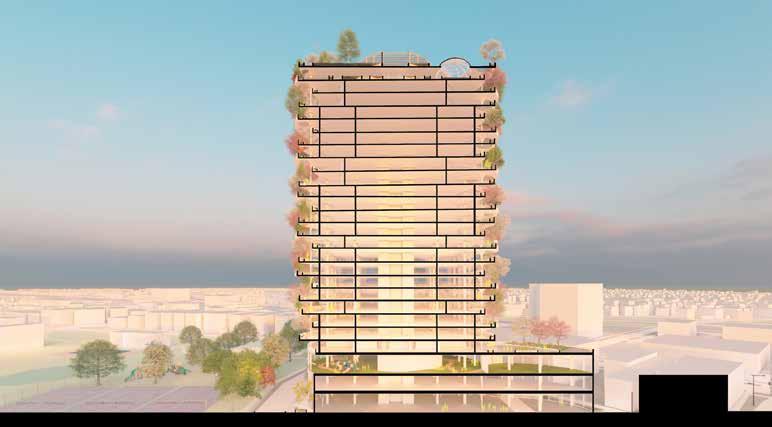
The objective of Sage-sta is to decrease the pressure for the surrounding area while the buiding is 300 feet tall.
The color code strategy of "Sage-sta" is creating white or light color to emphasize the green, gold, brown or pink of the vegetation. This strategy will sooth the vision for people who walking through Jefferson Park.
Winner of Spring 2024 George Danforth Traveling Fellowship
Year: 2024
Arboretum, Elevated Barrier-Free Access
Location: Altamina and Campana Neighborhood,
Category: Urban Development, Landscape Design Monterrey, Nuevo Leon, Mexico
Software: Rhinocero, Adobe Suites
Instructor: Maria Villalobos, Maurice Cox, Dirk Denison in collaboration with Justin Deroff, Alejandro Echeverri, Diana Rivera and Nelida Escobedo
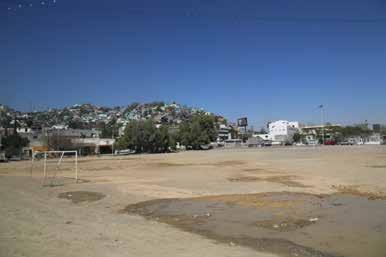
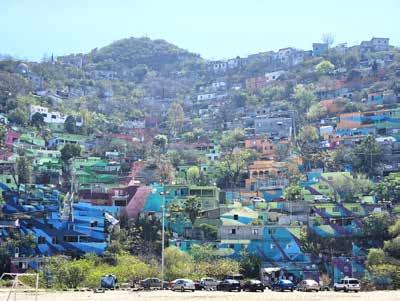
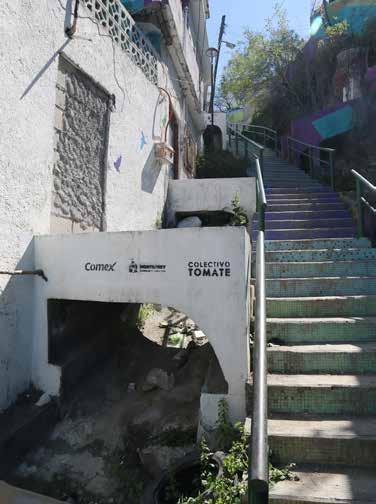
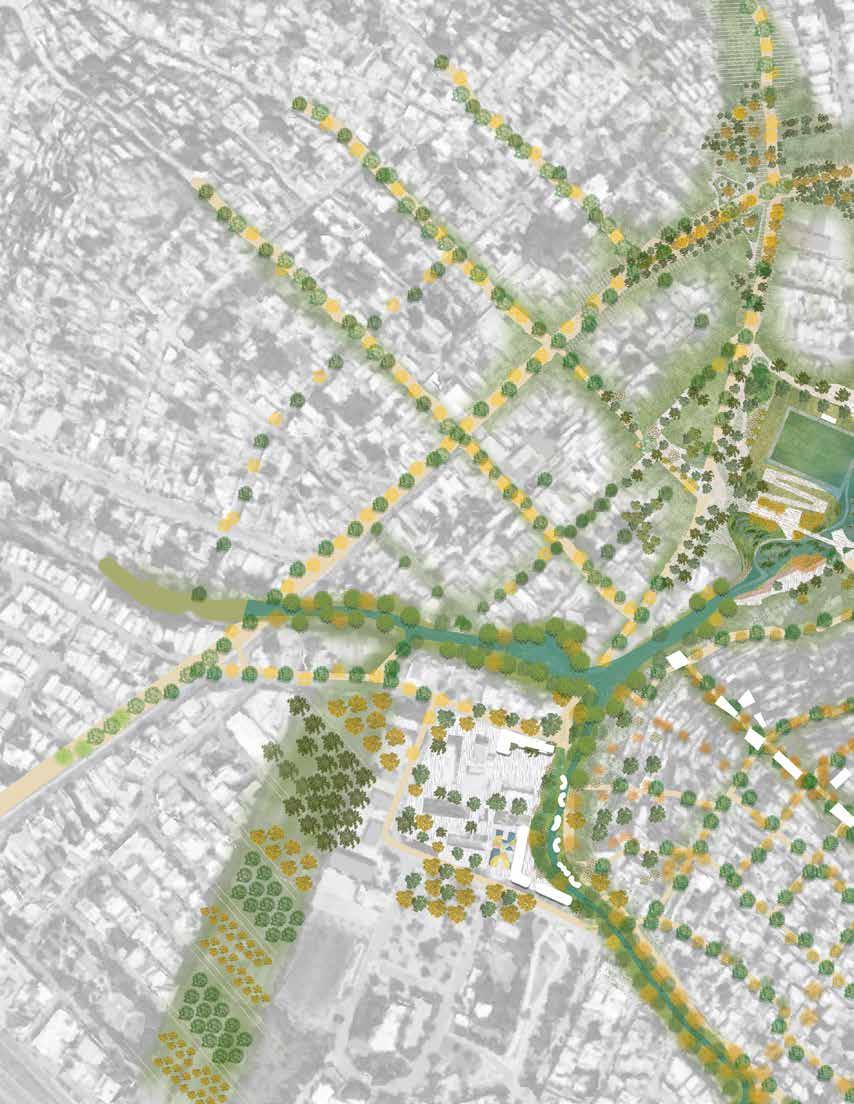
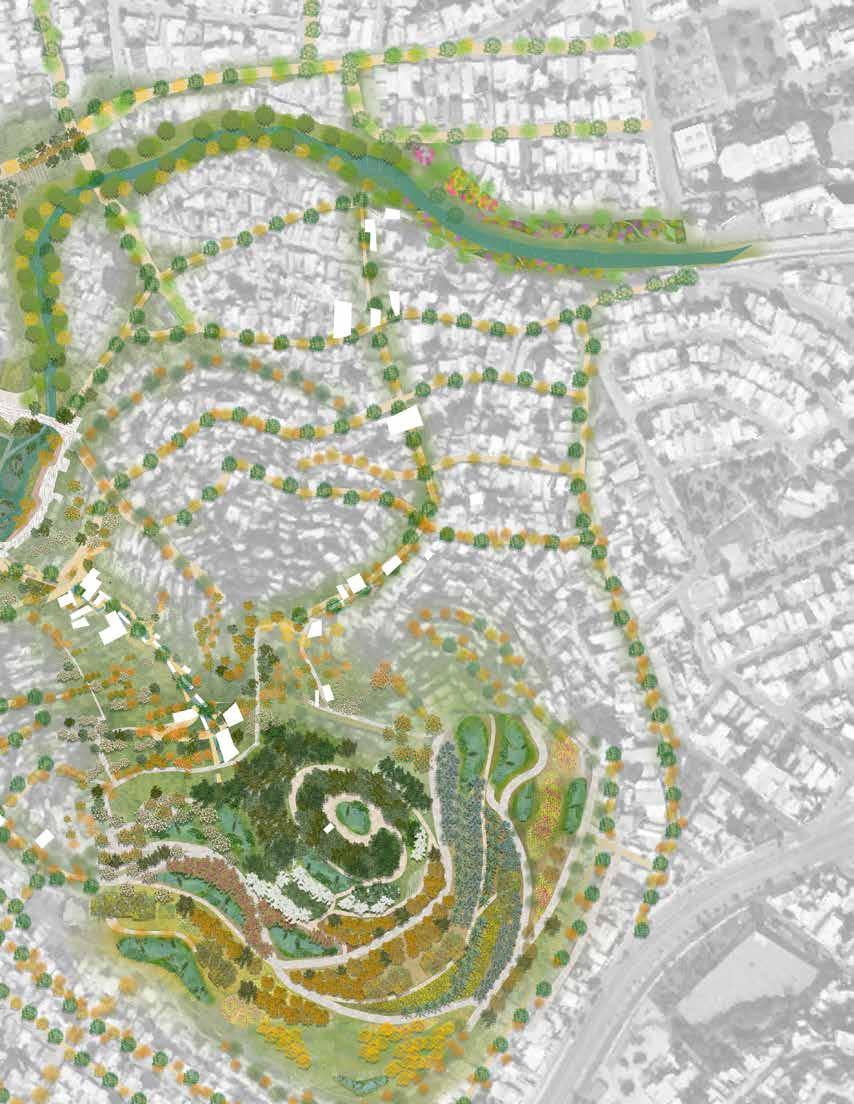
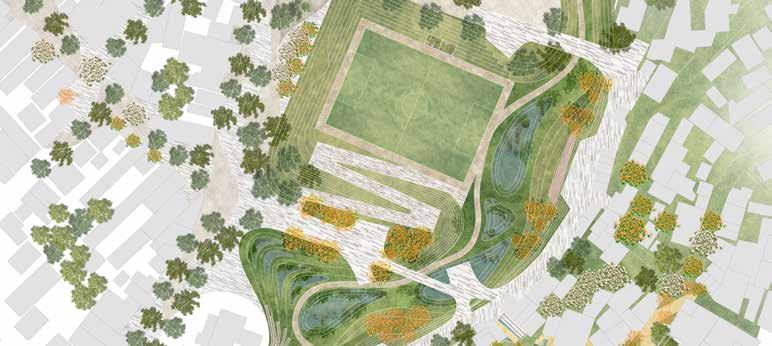
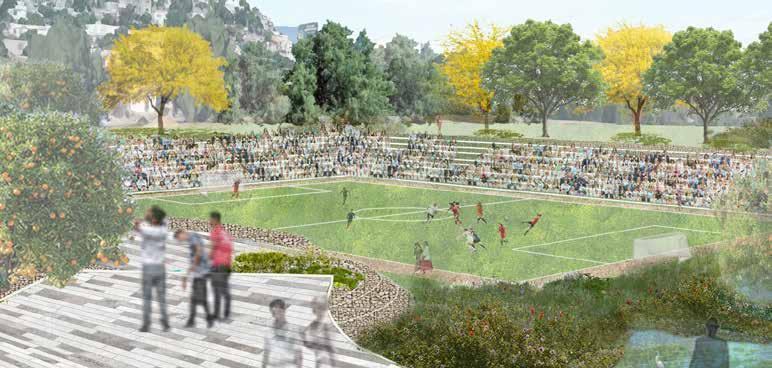
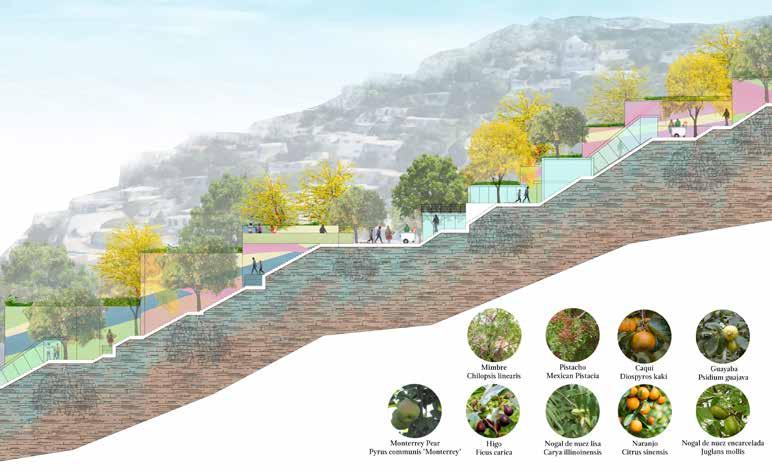
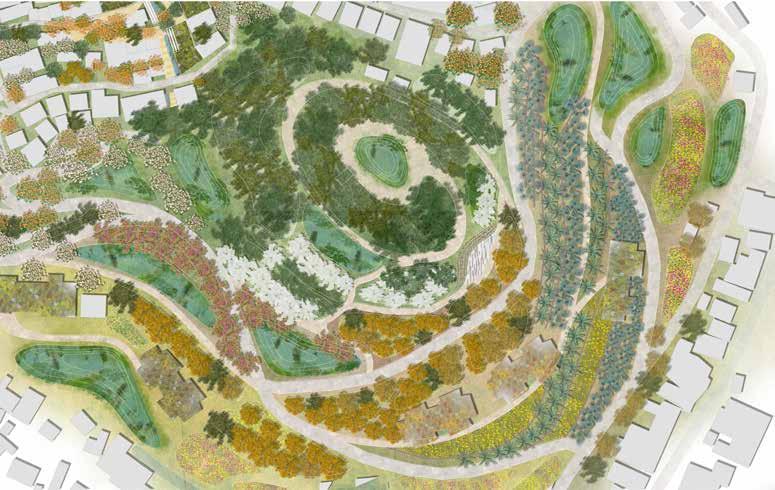
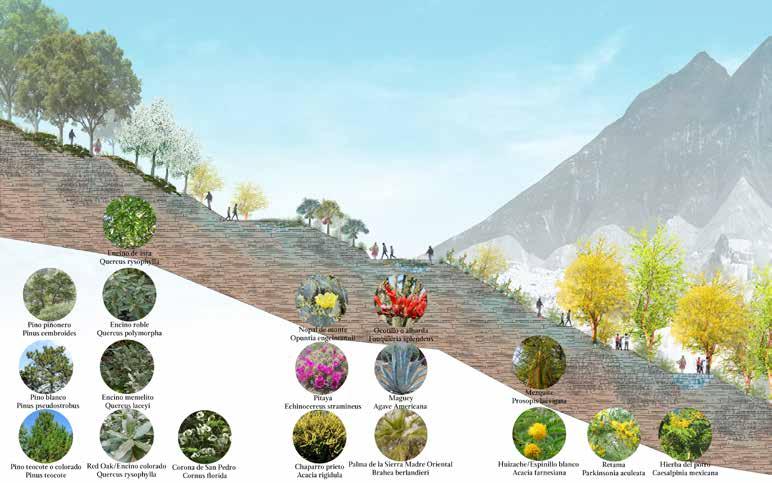
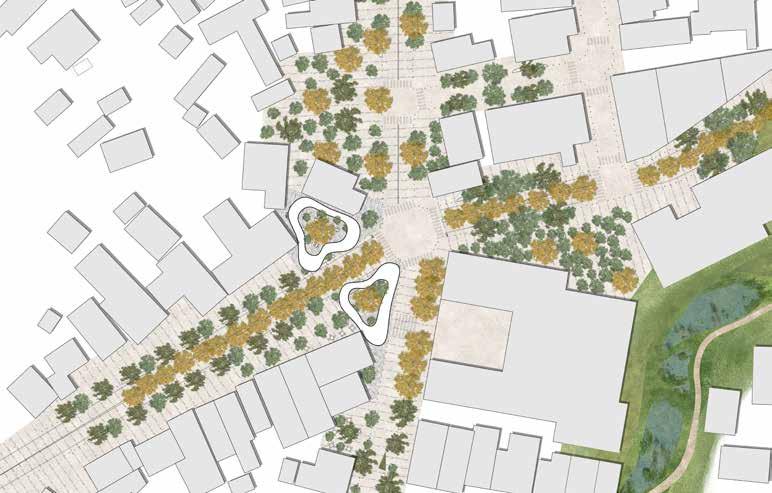
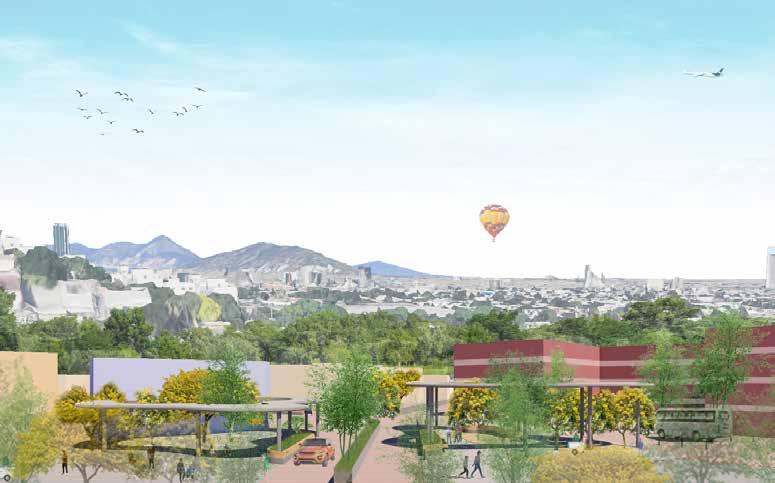
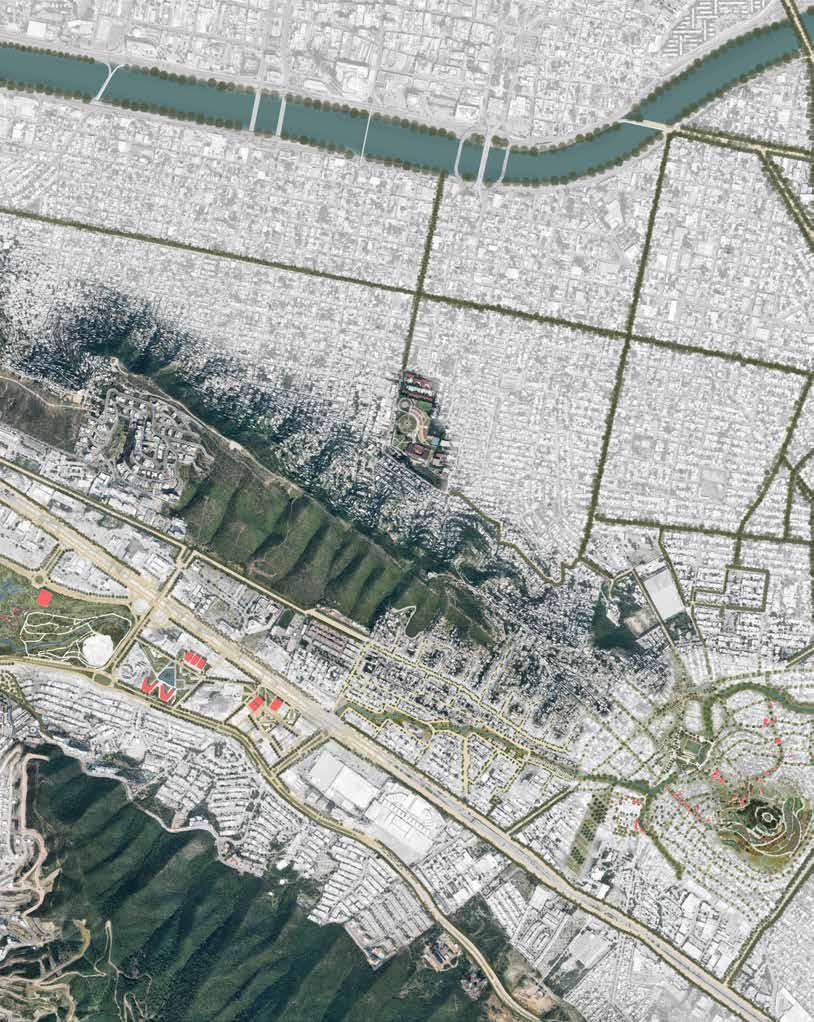
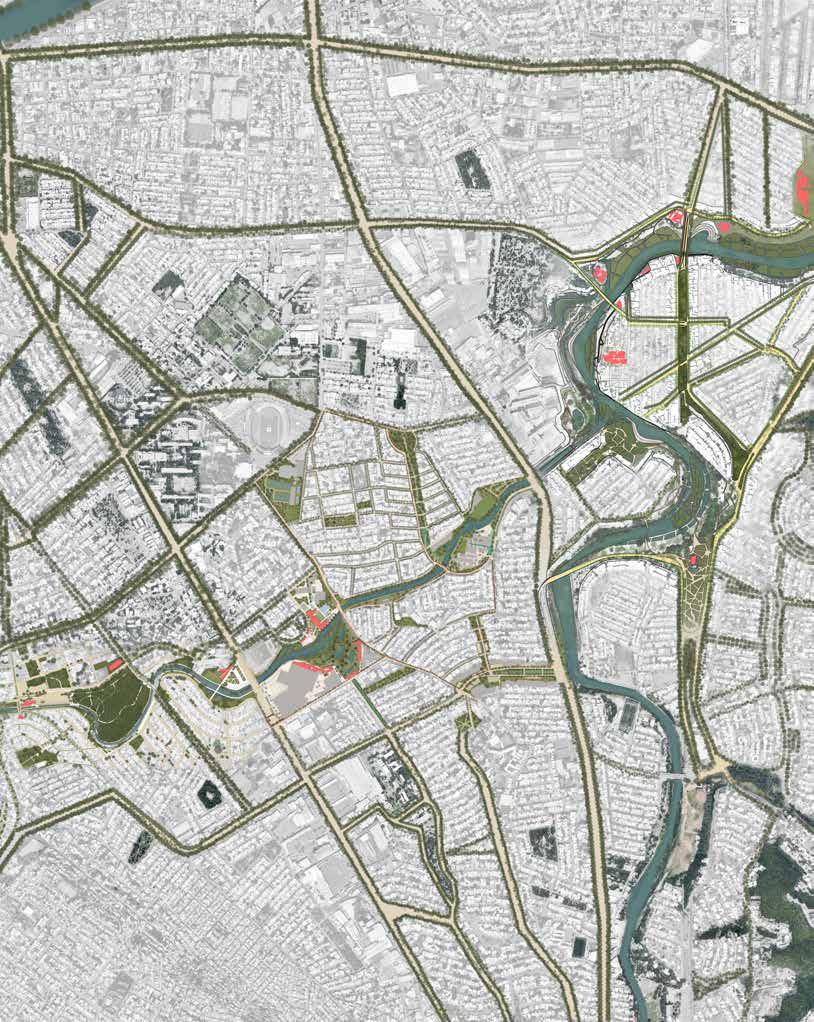
Pinos Botanic Garden is a comprehensive strategic framework aimed at enhancing the quality of life and a democratic landscape within underinvested neighborhoods in Monterrey, Nuevo León, Mexico. Our proposal advocates for justice in the low-income informal neighborhoods of
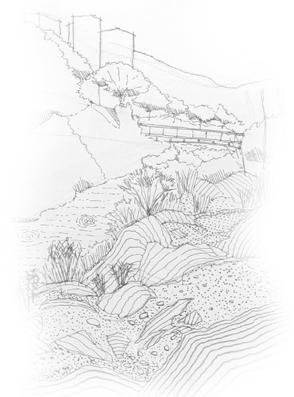
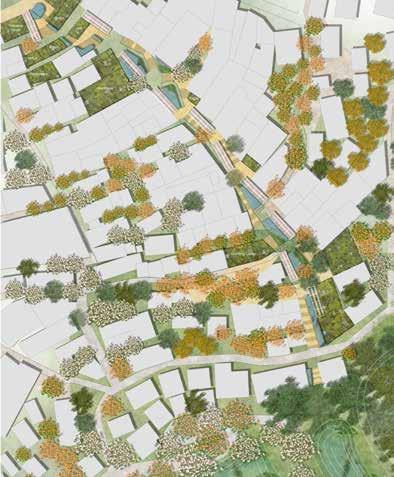
Cerro de la Campana and Altamira by working with the people that inhabit the neighborhoods and plant landscapes that can foster a thriving, selfsustainable, and integrated community. Our goal is to instill hope and add tangible value to the lives of the residents within these communities.
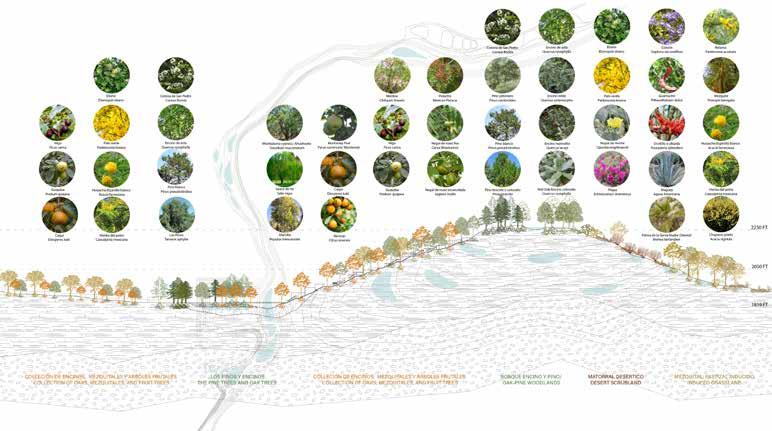
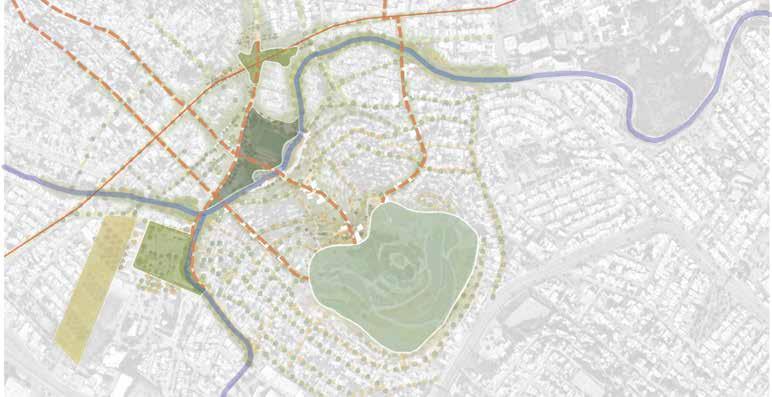
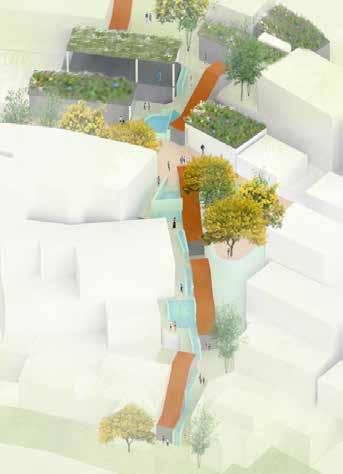
Our design reconnects the people of Cerro de la Campana and Altamira with nature by exposing individuals of their beautiful native plants and trees that can not only beautify their land but also help with the scarcity of water, capture and filter runoff water, and help reduce the dry heat of their hot summers, all while cleaning the polluted air caused by the industrial sites that surround them. Educating and collaborating with individuals of their local landscape ecosystems made up of oak and pine woodlands, mesquites woodland and desert scrubland will regenerate connections to nature, while restoring native ecosystems. It will bring back the native floral and fauna and create spaces where people can come together and feel a sense of community.
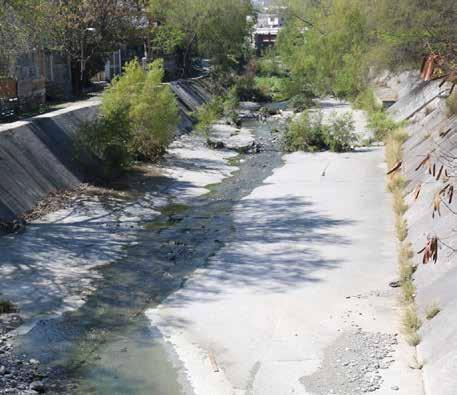
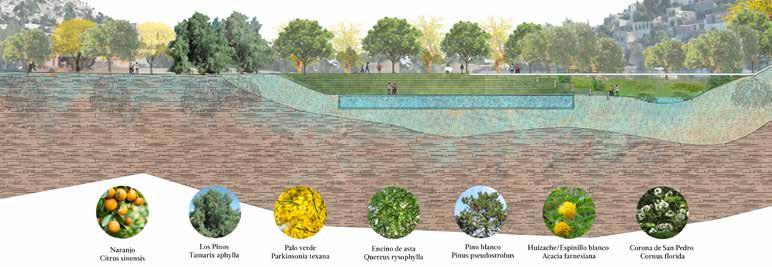
Depaving their concrete environment and human destroyed creek to allow space for native vegetation to flourish in their home courtyards, informal streets and spaces that need a touch of love is the solution to improve their land and create a self-sustaining economy through botanical gardens. This project proposal will be an example of rewilding the concrete urban environment and create a flourishing community that can combat climate change and create a sense of belonging, leadership, and cultivate a collective responsibility in stewarding our sick earth.
Year: 2023
Category: Urban Development, Community Center, Institute, Green Space
Location: 35th Street, Bronzeville, Chicago
Software: AutoCad, Sketchup, Rhinocero, Adobe Suite
Instructor: Dirk Denison, Justin DeGroff, Maria Villalobos

Expand educational accessibility + typology
Enhance the pedestrian experience
Create a system of care in
groundwater on-site
Observing Bridgeport and Bronzeville, there are differences: the education, open lots and population density, and healthcare services.The rich cross section of educational opportunities in Bronzeville through its high concentration of educational institutions, with a diverse offering from primary to collegiate, is foundational to the character of the community.
A more open and interconnected community can be fostered through spatial opportunities for hands-on, life skills, and community-building programs, and new student typologies. The abundance of open lots in the neighborhood provides an opportunity to expand the presence of landscape.
This porosity contributes to the proposed holistic education, in that gardens are conceived to complement adjacent educational programs. Contrasting to the many educational opportunities, the health services in the neighborhood are greatly lacking. In considering care for the Bronzeville residents, health clinics will be expanded along the street, utilizing existing gaps.
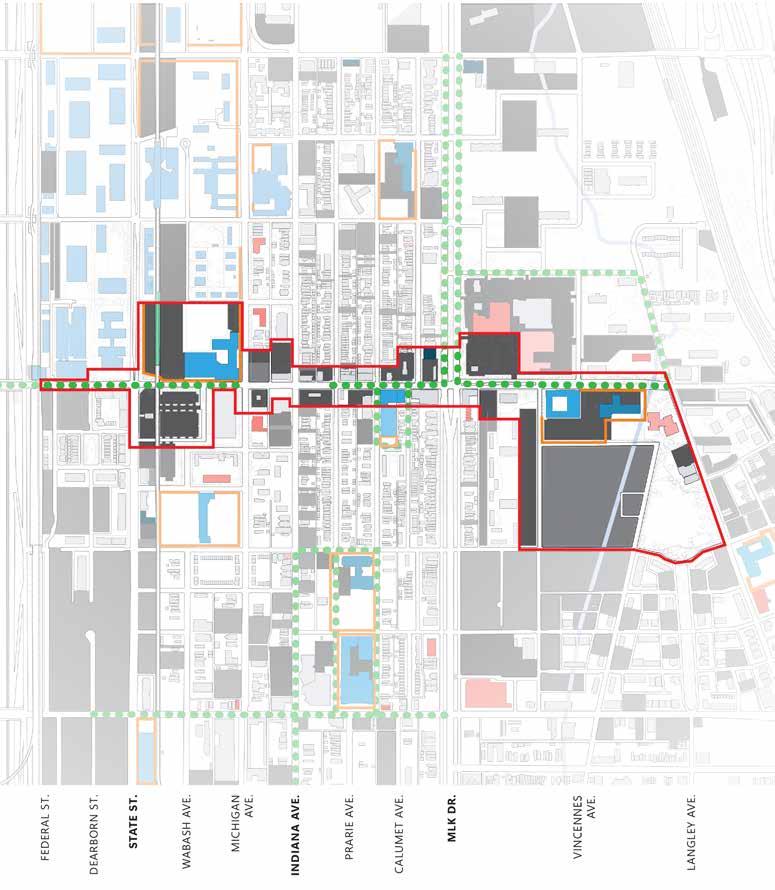
Based off the information mapped out in the neighborhood, I have selected these areas of focus to develop the Ecological Corridor and the more specific educational, health-care, and water management interventions.
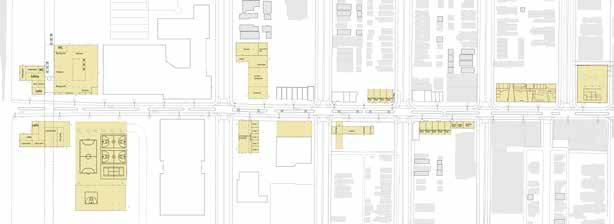
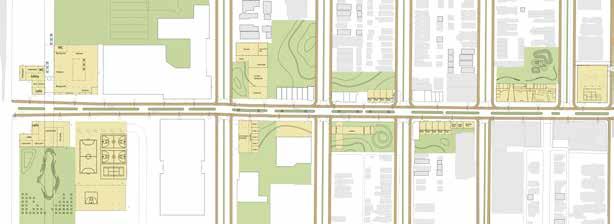
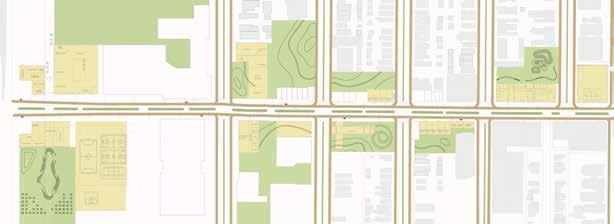
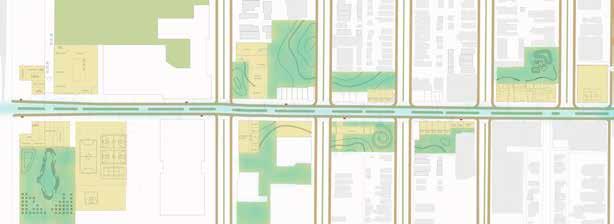
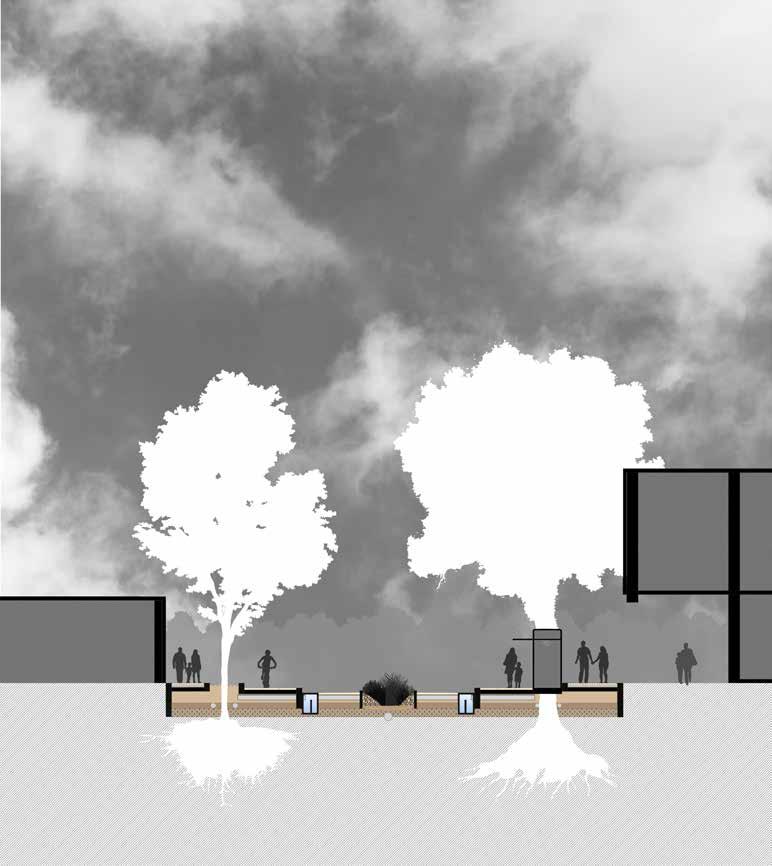
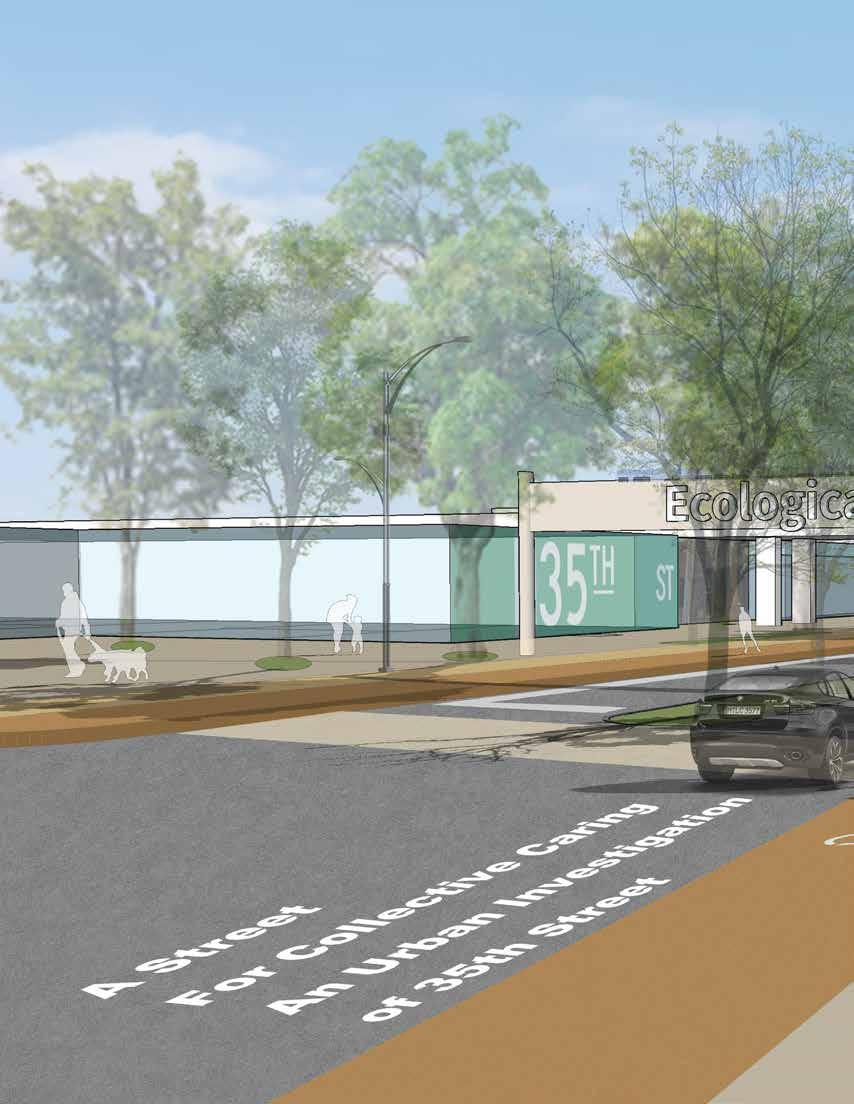
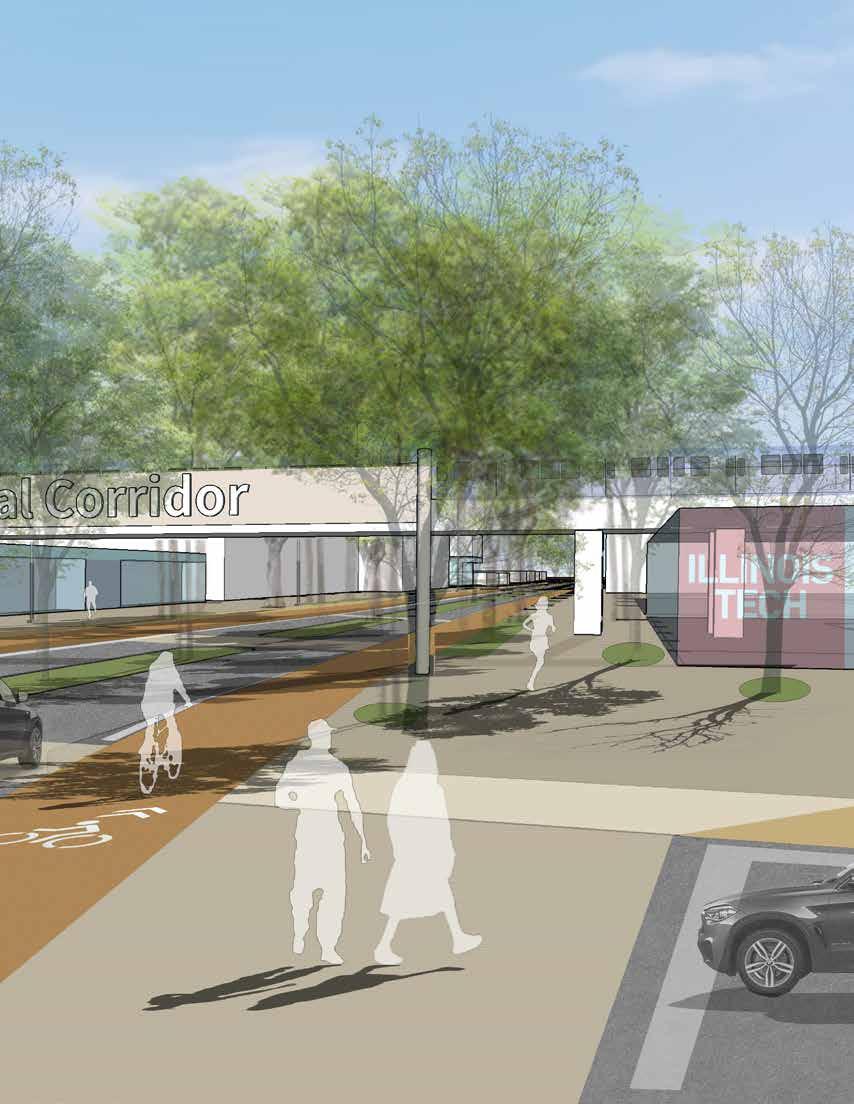
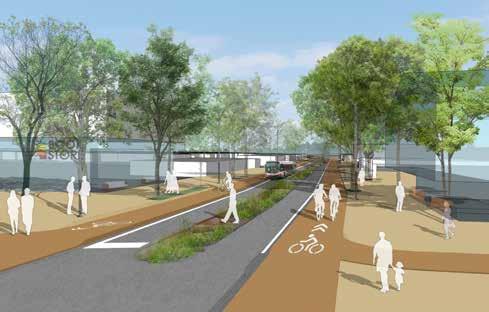
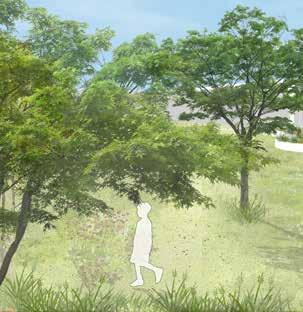
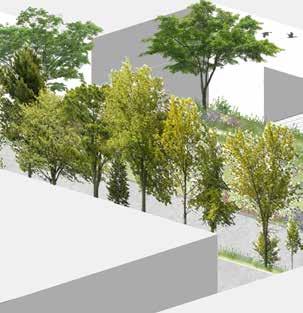
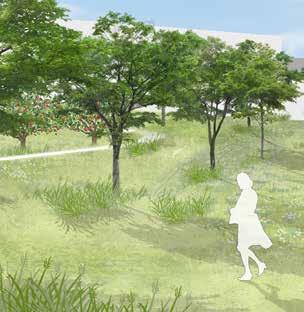
To enrich the feeling of prosperity on the street to welcome and grab the occupants, I developed new buildings on the edge of the street to make continuous façade for occupants for "Danish Moments". Situated along 35th Street and in conjunction with a different typology of accessible education sources, become the gardens and landscapes. Each of these gardens utilizes a specific program intended to support holistic education or the health services adjacent.
Another purpose of redevelopment on 35th Street is to provide an adequate water management system. Collecting rainwater on surface of sidewalk, pavement and cluster in median. The median through 35th Street holds a smaller series of wetlands, which drain into pipes, transporting the groundwater to the larger wetlands site off 35th Street and Cottage Grove. To sum up, this is the master plan of ecological corridor, from State St. To Martin Luther king drive. Providing users with various programs in accordance with the existing condition by extending and empowering the neighborhood.
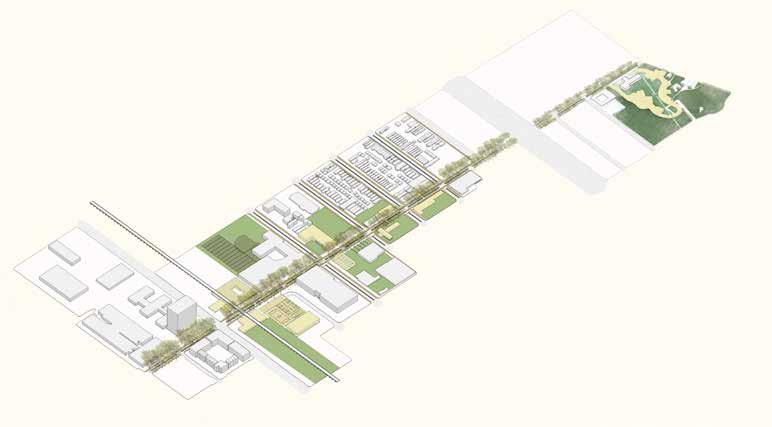
To zoom into smaller scale, this isometric shows the program that I have chosen on vacant areas to focus on food (cooking + growing), the arts, collaborative workspace, ecological and science education, and learning in water.
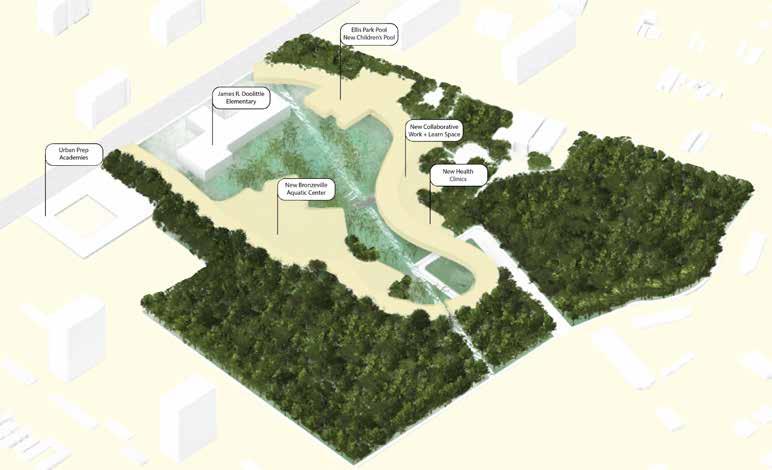
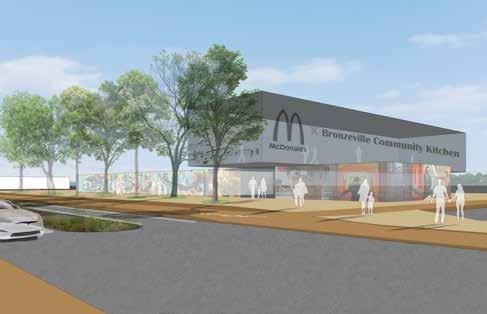
The sequence of the Ecological Corridor starts with 35th St. Gateway and IIT Seed lab on State Street, then CTA Food center, public safety sports then Stream Center and urban nursery. On the middle of 35th street is the community kitchen to cluster locals and visitors. And to the last area is the new Bronzeville Aquatic Center and health clinic.
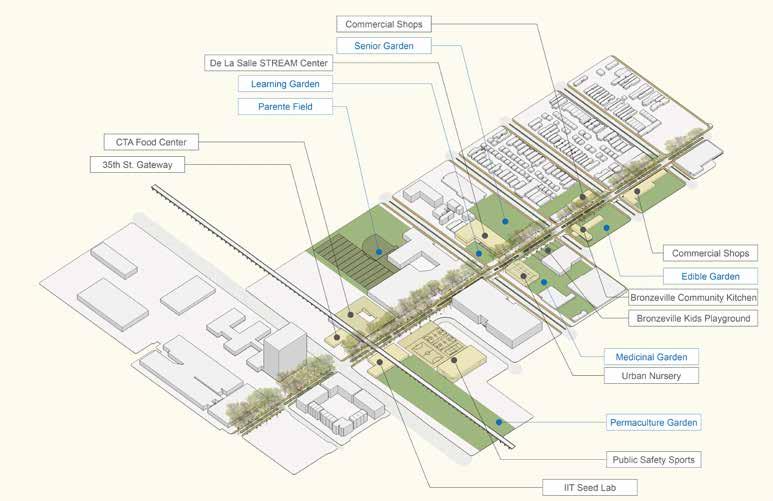
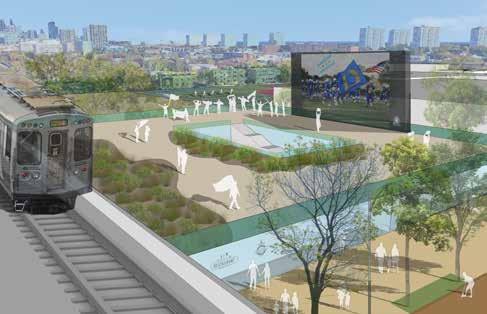
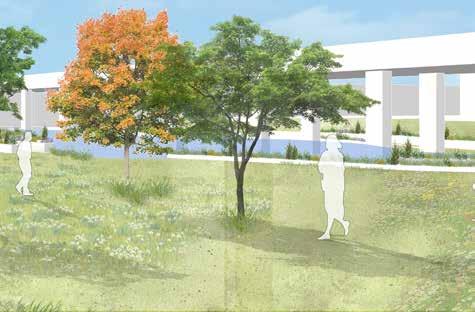
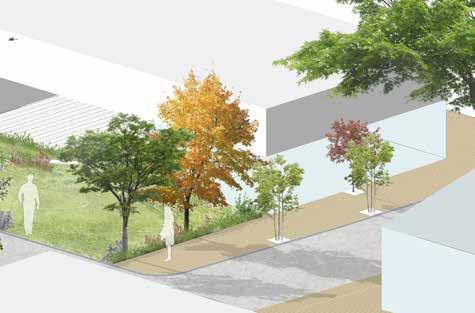
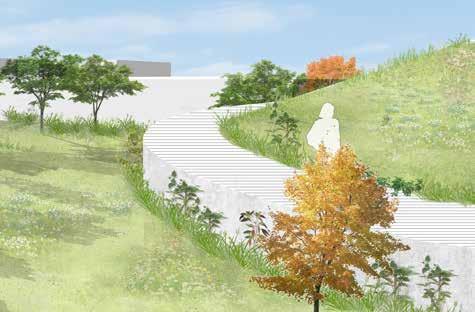
Connected to the CTA for people who commute will have a space for quick meal before their plan. Also, this space is for the Meteors parents in De LaSalle High School where we want to frame the moment of happiness and glory through sports. Across the street is the Permaculture garden for the research purpose of food science department in Illinois Institute of Technology.
The stream center is the science education and function as bridging high schoolers to college education which the school De La Salle create the program for the students.
Bronzeville Community Kitchen and Edible Garden is the knot on 35th street. This is a new idea combining the original restaurant with a new program for community kitchen.
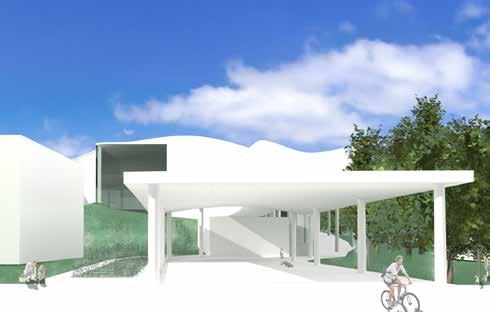
On this site, the primary focus was the landscape, with the architecture coming second.The undulating roofline provides a continuous circulation around the site, with both interior and exterior spaces.
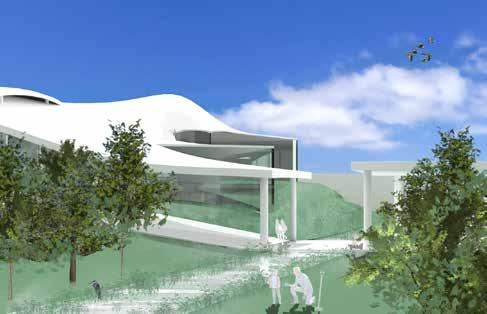
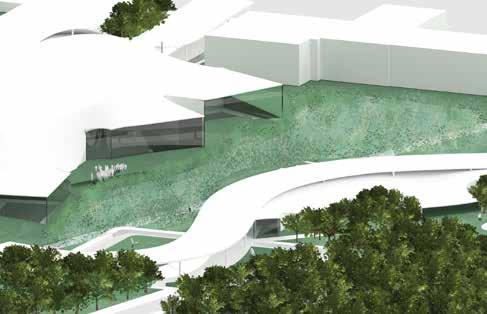
Once in the building, users are transported into different pools based off the sport. They are immersed in water, as there is a visual connection between the pools and the wetlands.
These wetlands will be a catalyst for new learning experiences, as well as the revitalization of animal populations.
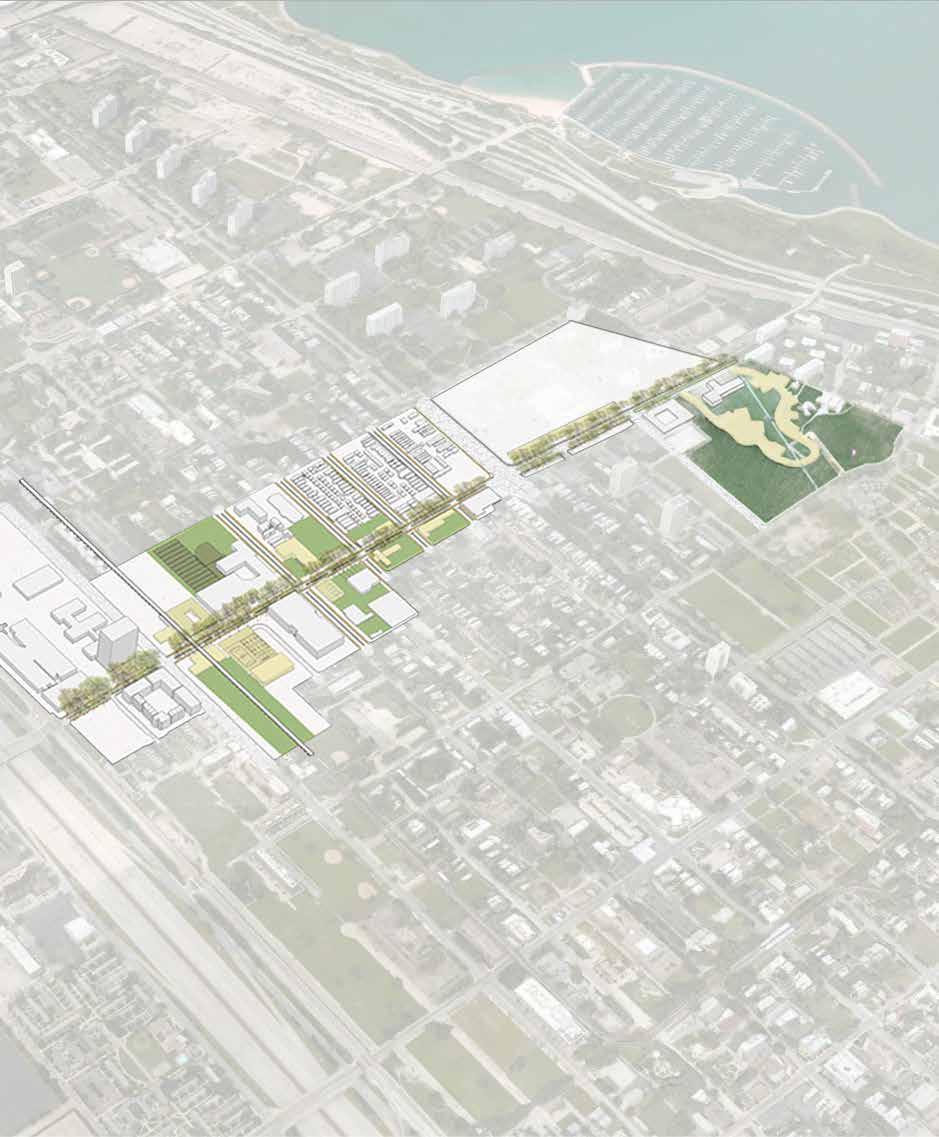
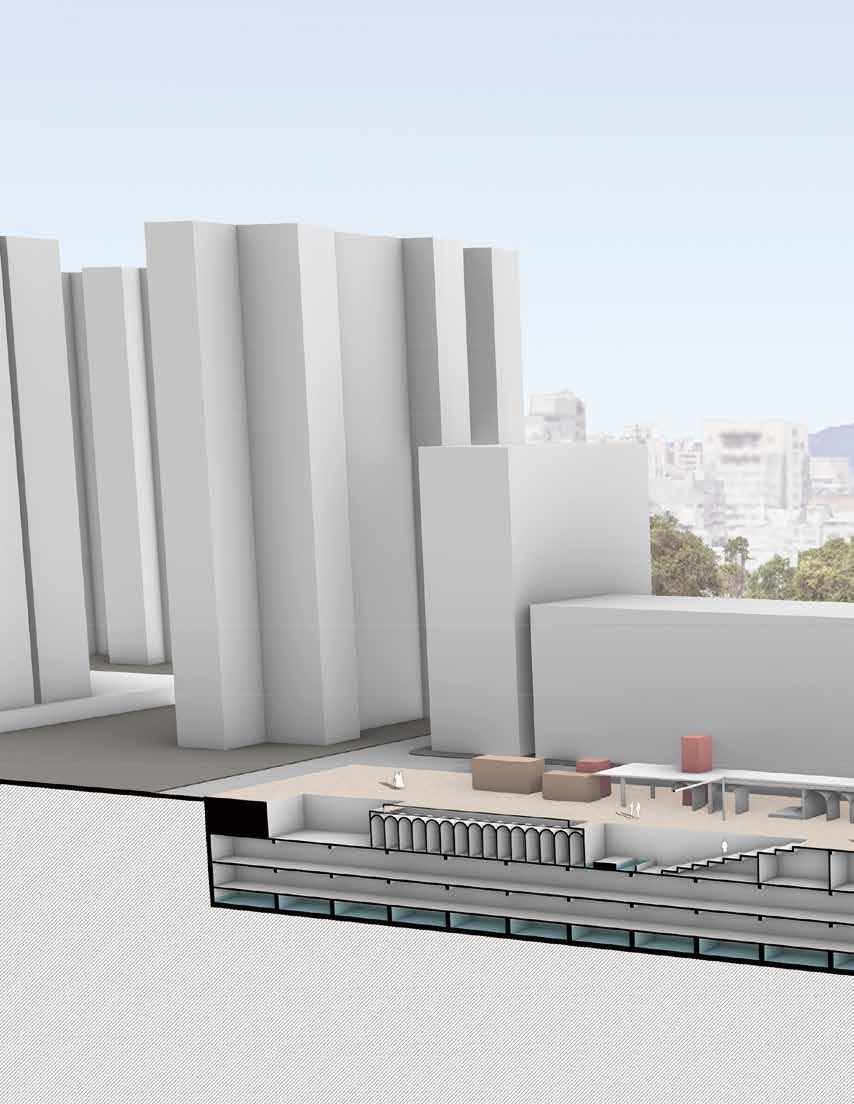
The Ecological Corridor redevelopment of 35th Street aims to provide: safer, comfortable, and enjoyable streets focused on pedestrian traffic; new accessible, engaging, and holistic education typologies; manage and filter groundwater; and create an overall system of care intent on serving Bronzeville residents.
Year: 2019
Category: Public Market
Location: Taipei City, TAIWAN
K.C.L ARCHITECTS, TAIPEI, TAIWAN
Role: Project Designer, Schematic Design
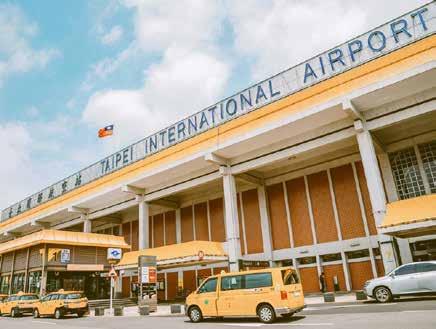
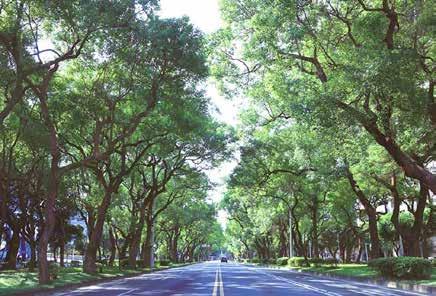
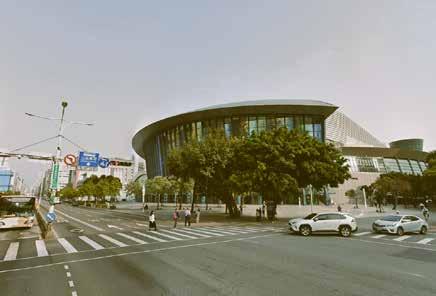
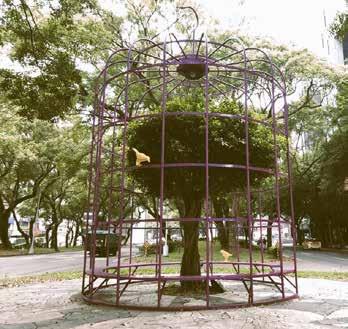
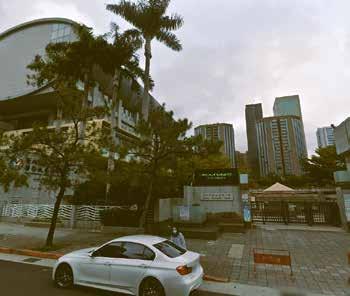
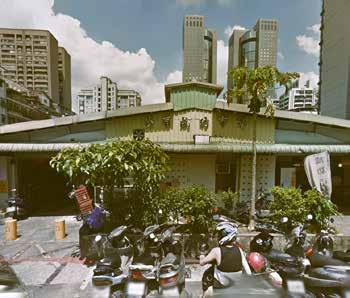
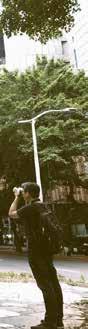
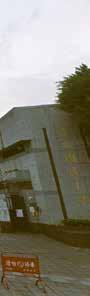
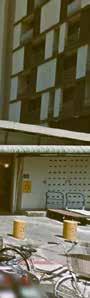
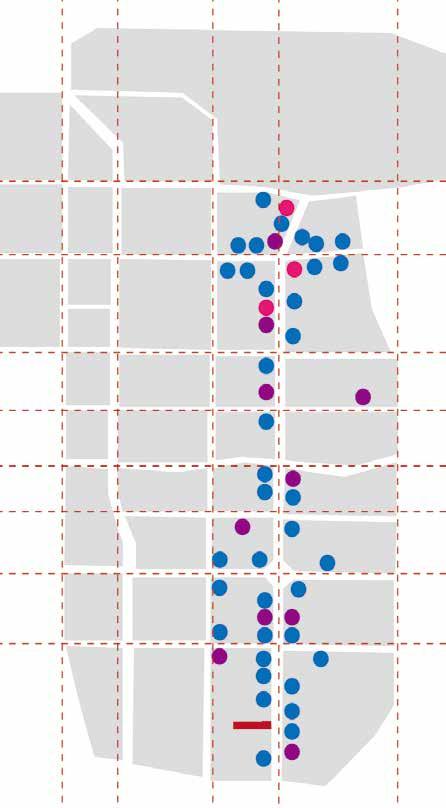
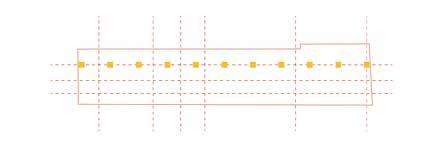
The Chenggong Market is an important linkage for Chenggong Public Housing to the urban texture, which Dunhua North Road is the first circulation in the city to be planed as the urban landscape and an axis for SongShan Airport. The axis was inserted with several functional architectures in surrounding area as schools, malls, hotels, embassies, Taipei Arena (Recreational spaces) and Hospitals.
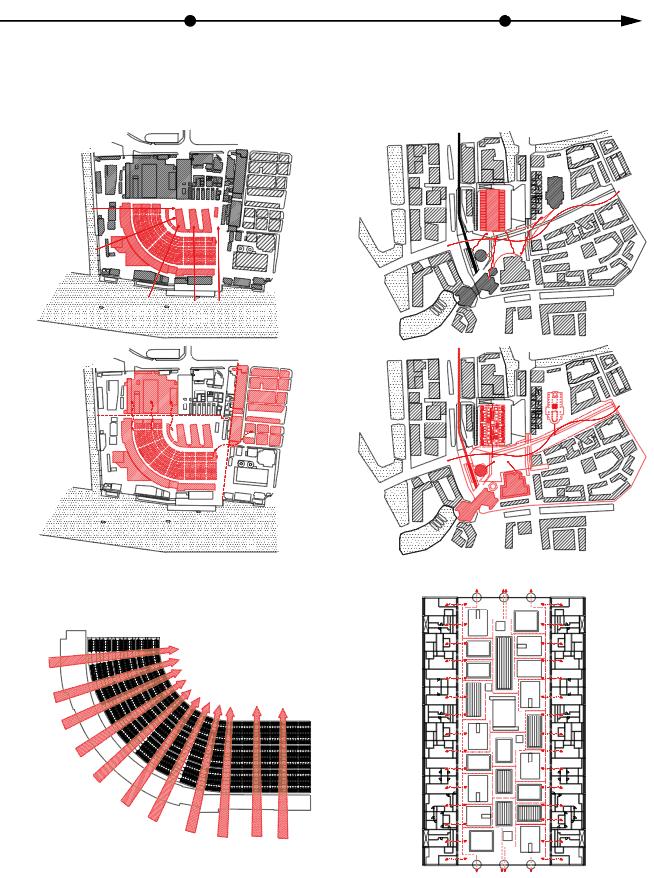
Consequently, I have established the goal that Chenggong Market should align with the urban context, specifically integrating into the checkered board grid system. By examining the surroundings, I identified a concentration of hotels, banks, and embassies. This led me to anticipate that the market's clientele would comprise individuals with varied work schedules. In essence, Chenggong Market is envisioned as a versatile space catering to diverse user groups.Therefore, the axis should extend to the community for the sequence of Chenggong Market. Making the axis outspread to an area of urban flow.
Next, I choose to study the typology of the marketplaces across various eras, extracting essential elements from the chronological depository I compiled. This repository traces the evolution of markets through different periods and political dimensions, mapping out the spatial progression influenced by power dynamics, landscape features, and transportation networks. These investigations aim to distill functional components, ultimately contributing to the identification of the market's "fundamental type."
Banks Hotels
Thresholds on the site
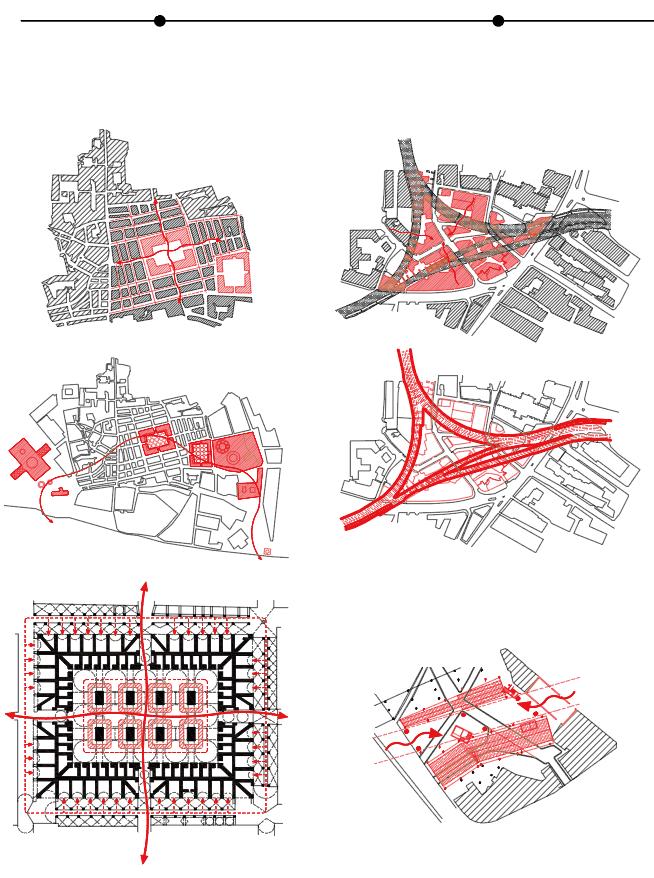
The social-capitalism defines the market into sufficient way for production line. From manufacturer-distributor-retailer-final customer.
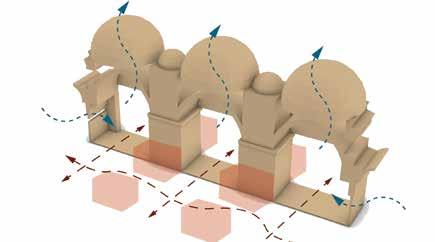
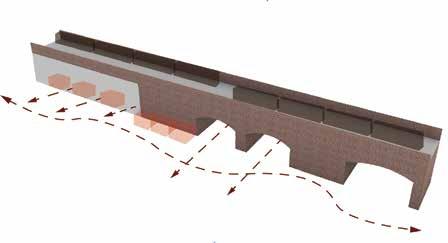
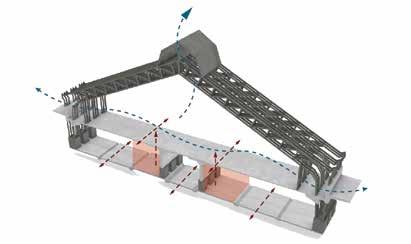
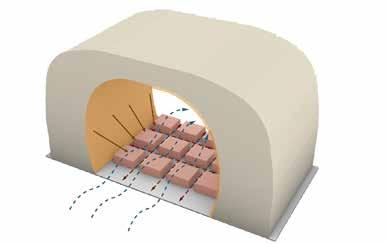
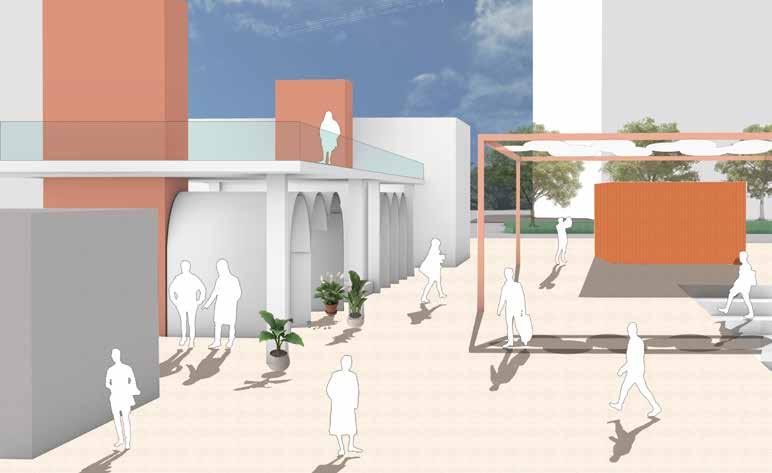
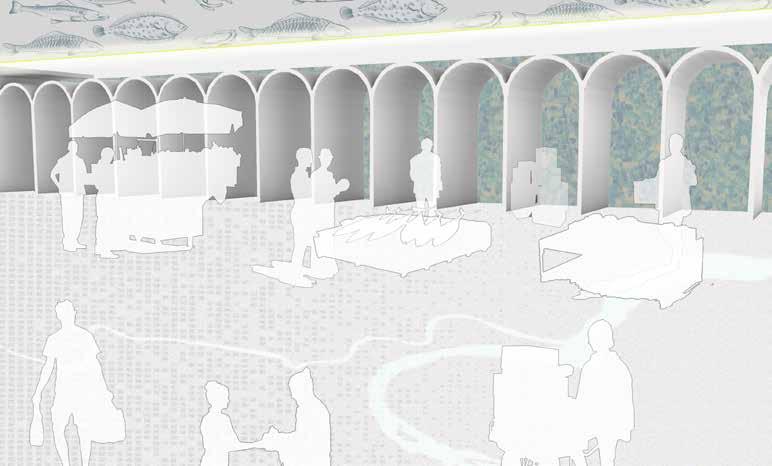
By extracting elements and spatial sequences from precedents in marketplaces, the space of shops and circulation constructs the context for the market. This interweaving is essential for both customers and vendors. Furthermore, wind ventilation plays a critical role in marketplaces by refreshing the air and enhancing air quality to prevent poor atmospheric conditions. As a result, this will be the strategy of objectives for UrbanArt x Food Chenggong Market Renovation.
The existing vendors layout is arranged in a lengthy linear circulation, leading to inefficiency for customers and insufficient space for extended stays. Customers are limited to a pick-andgo experience. However, I believe a marketplace should evolve into an urban space where patrons can linger, making it a part of their daily life. Incorporating an art gallery, akin to those enriching Dunhua North Road, would be integral to this refined layout for Chenggong market.
Shops / Vendors
Circulation
Wind Ventilation
Residential

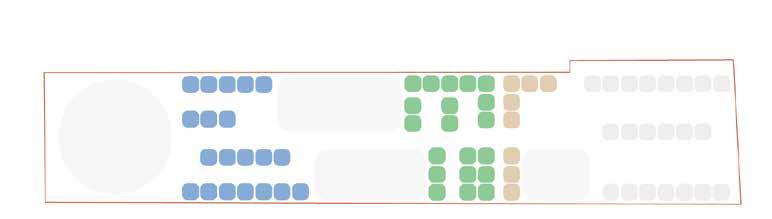
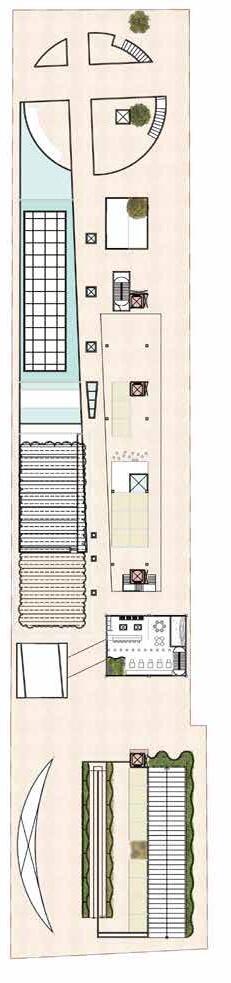
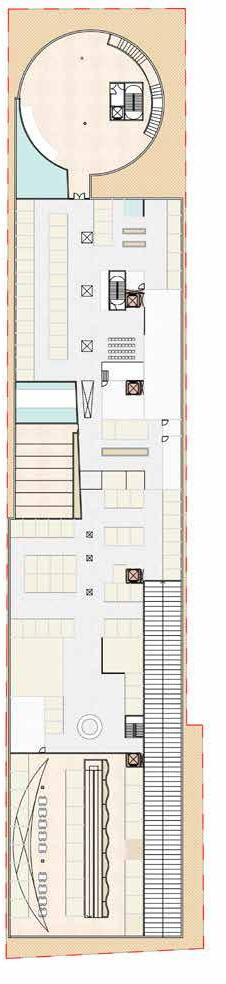
In summary, the Chenggong Market serves as a crucial link connecting Chenggong Public Housing to the urban fabric, aligning with the planned landscape of Dunhua North Road. This axis, hosting diverse functional structures, sets the stage for the market's integration into the urban context.
Envisioned as a versatile space within a checkered board grid system, the goal is to cater to a varied clientele, extending the axis into the community for a dynamic and inclusive environment. An exploration of marketplace typologies guides the identification of essential elements, shaping the refined layout based on the interplay of shops, circulation, and environmental considerations.
The strategy for the UrbanArt x Food Chenggong Market Renovation involves deviating from the existing linear circulation, redefining the market as an urban space that encourages longer stays and daily engagement. The incorporation of an art gallery, inspired by Dunhua North Road, enhances the overall experience, contributing to the market's vibrant identity and seamless integration of urban functionality with artistic expression.
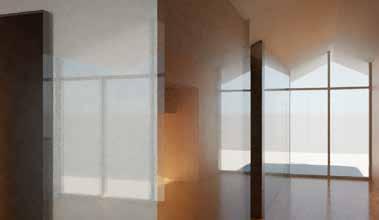
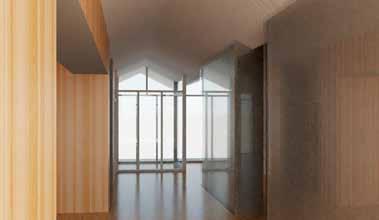
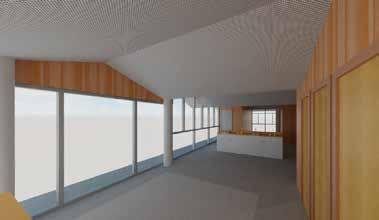
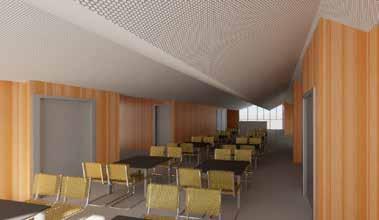
Year: 2023
Category: Community Center
Location: Osaka City, Japan
Software: Revit 2023
Instructor: John Manfredy
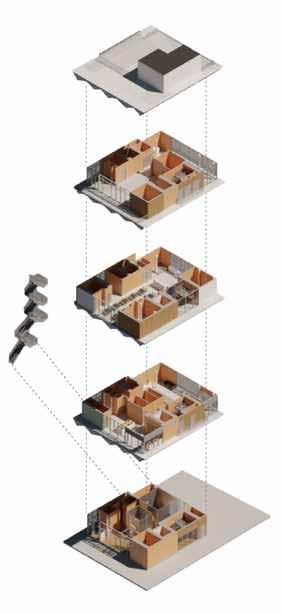
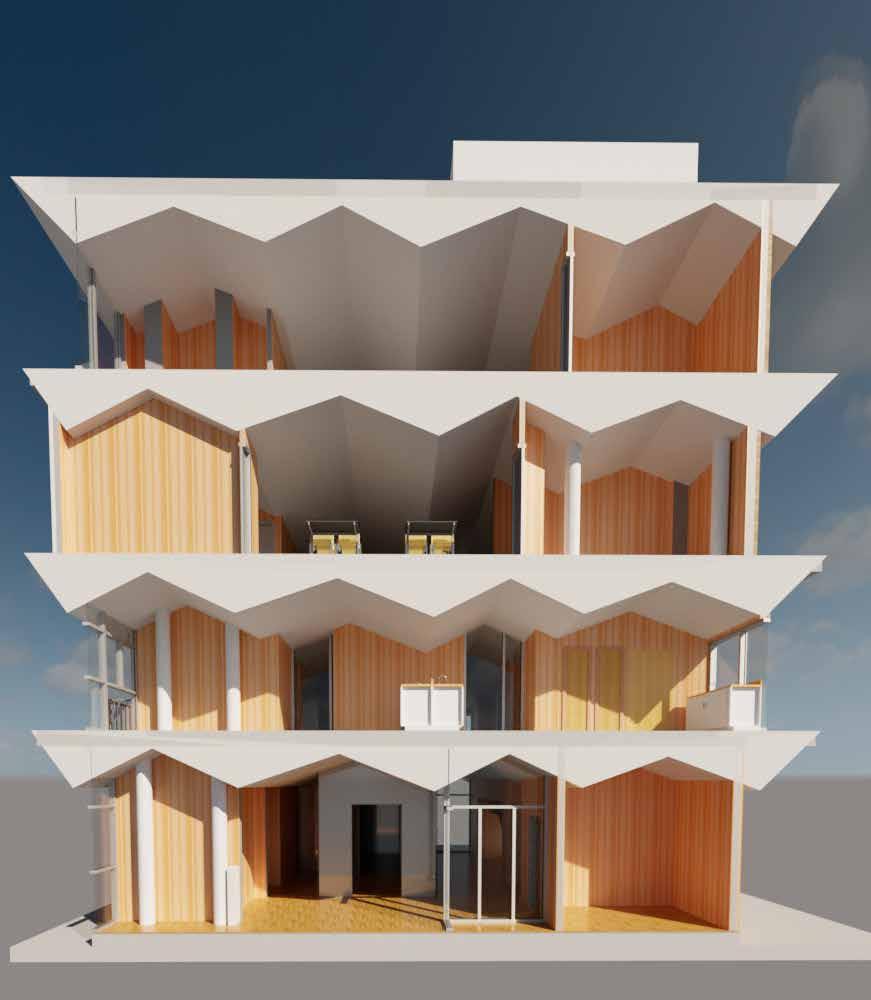
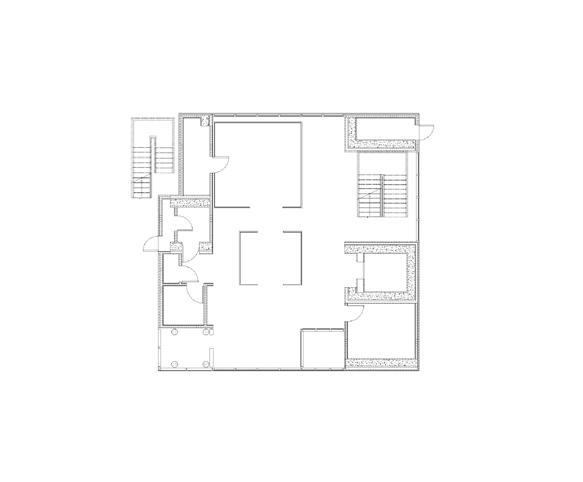
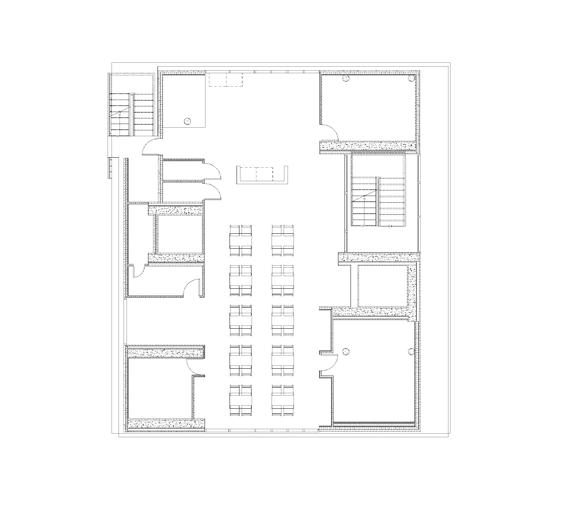
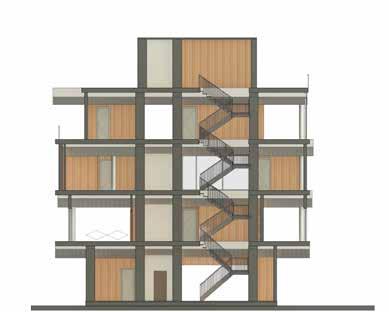
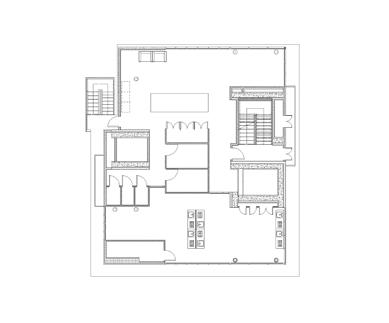
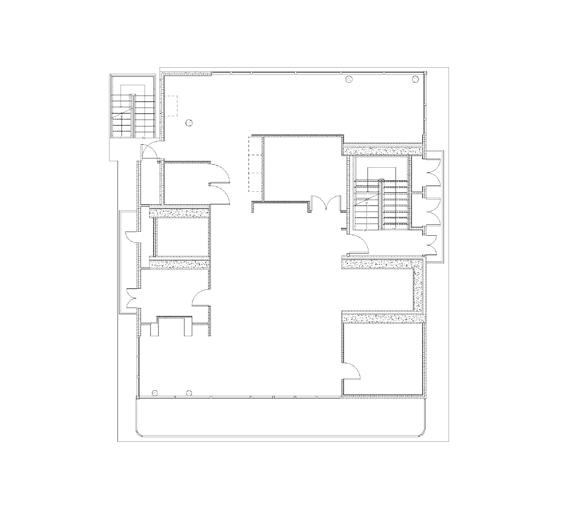
Section Perspective
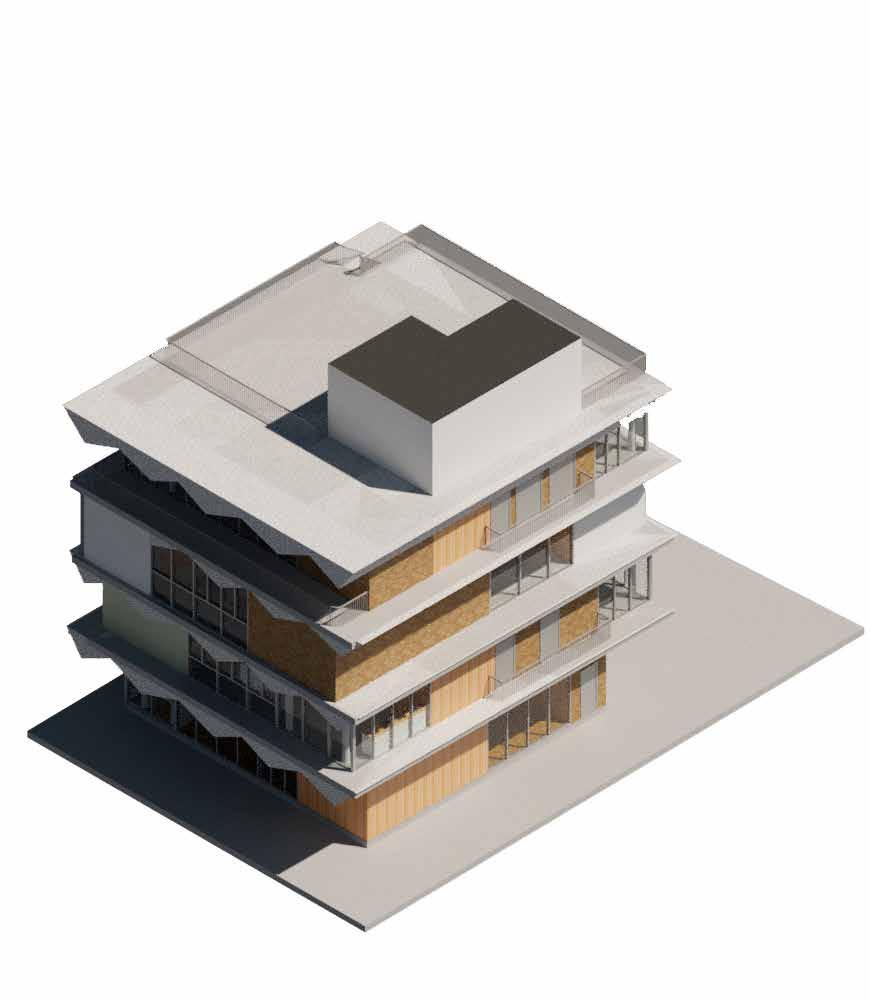
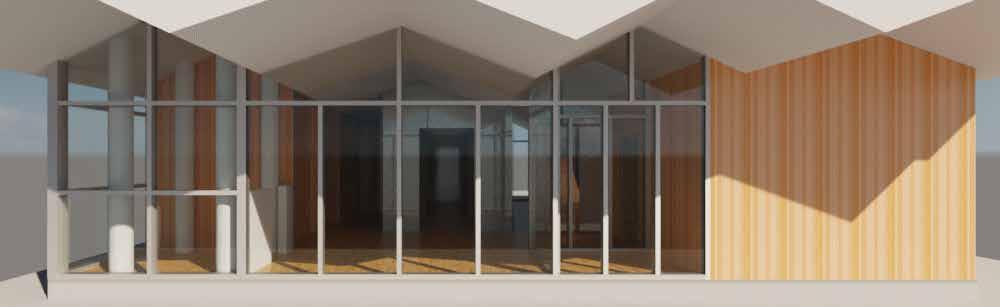
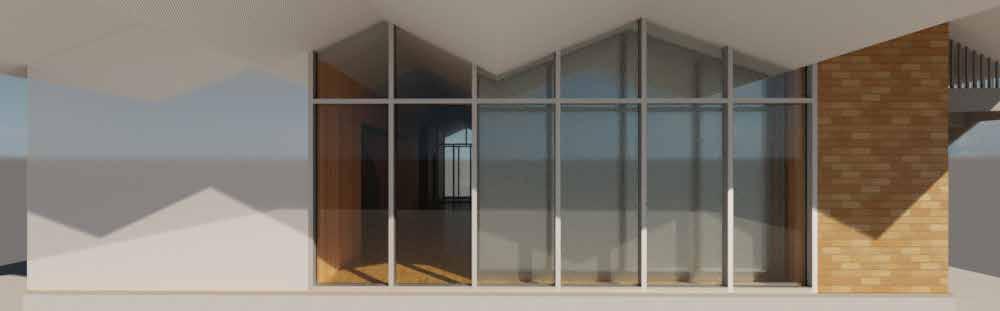
This lecture focuses on instructing the introduction of Revit software, with a particular emphasis on its application in the context of architectural design. In the final project, I have selected the Palette Osaka, a community center dedicated to providing specialized services for individuals with disabilities. This facility offers a conducive environment for productive activities, encompassing various artistic categories. Notably, occupants can engage in activities such as pottery, knitting, 3D printing, and the creation of food products.
Throughout the semester, I acquired a solid understanding of the fundamental functions and logic of Revit, laying a strong foundation for my future endeavors. This knowledge has equipped me to prospect deeper into the intricacies of the software as I embark on my professional journey within the architecture firm.

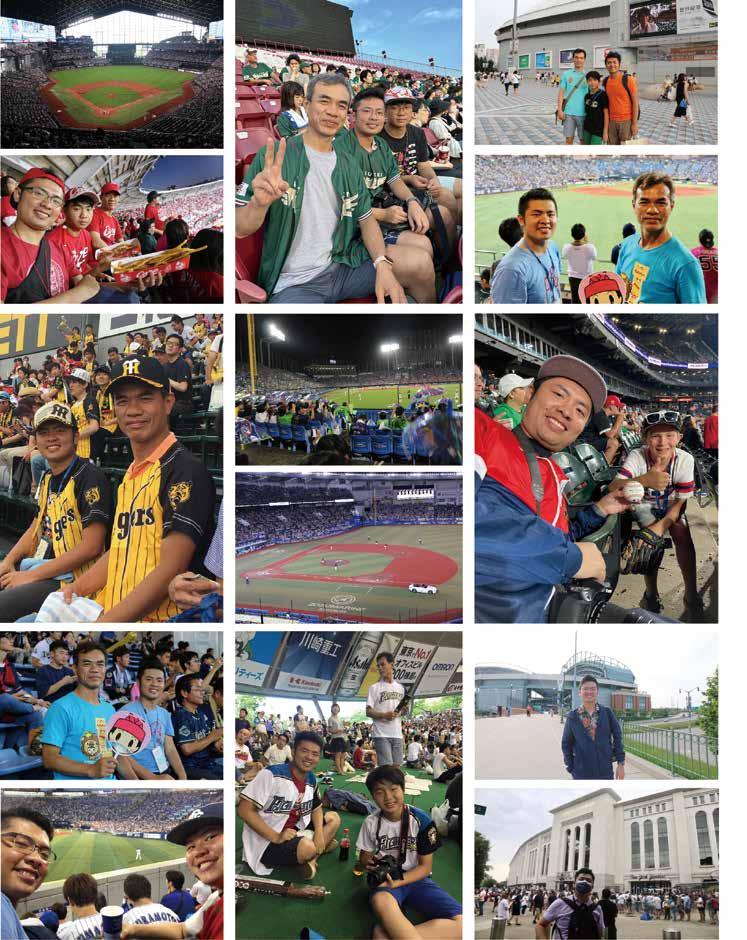
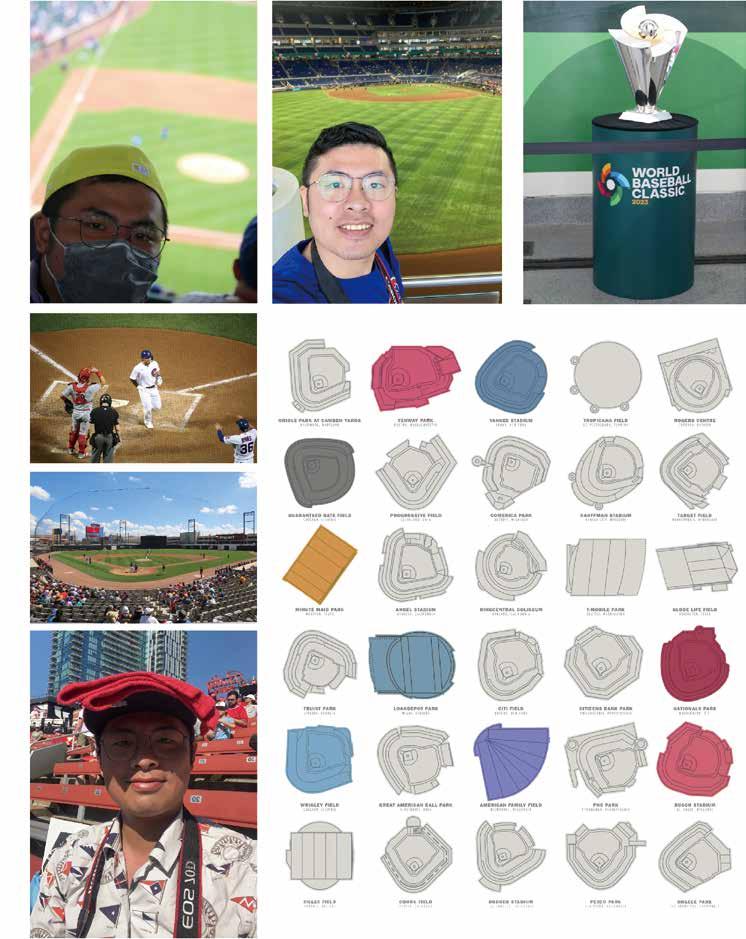
Baseball is not just a sport for me; it's an integral part of my life. It goes beyond the boundaries of a game, encapsulating my passion, dedication, and the countless childhood memories with my family and experiences that define my journey.
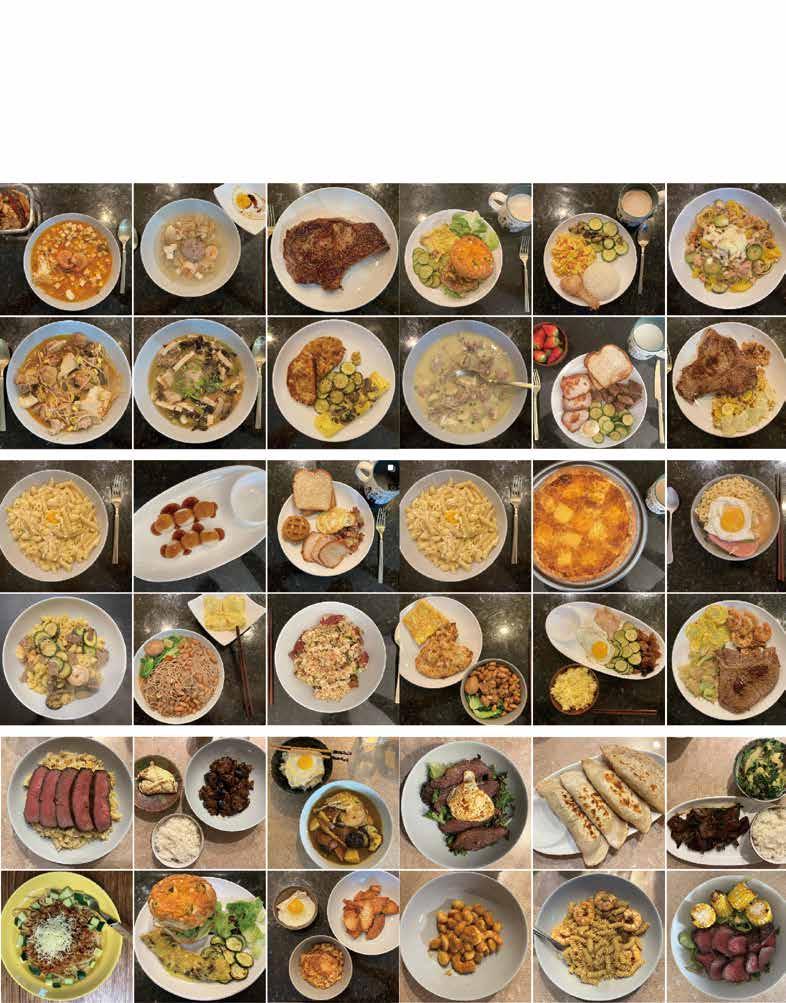
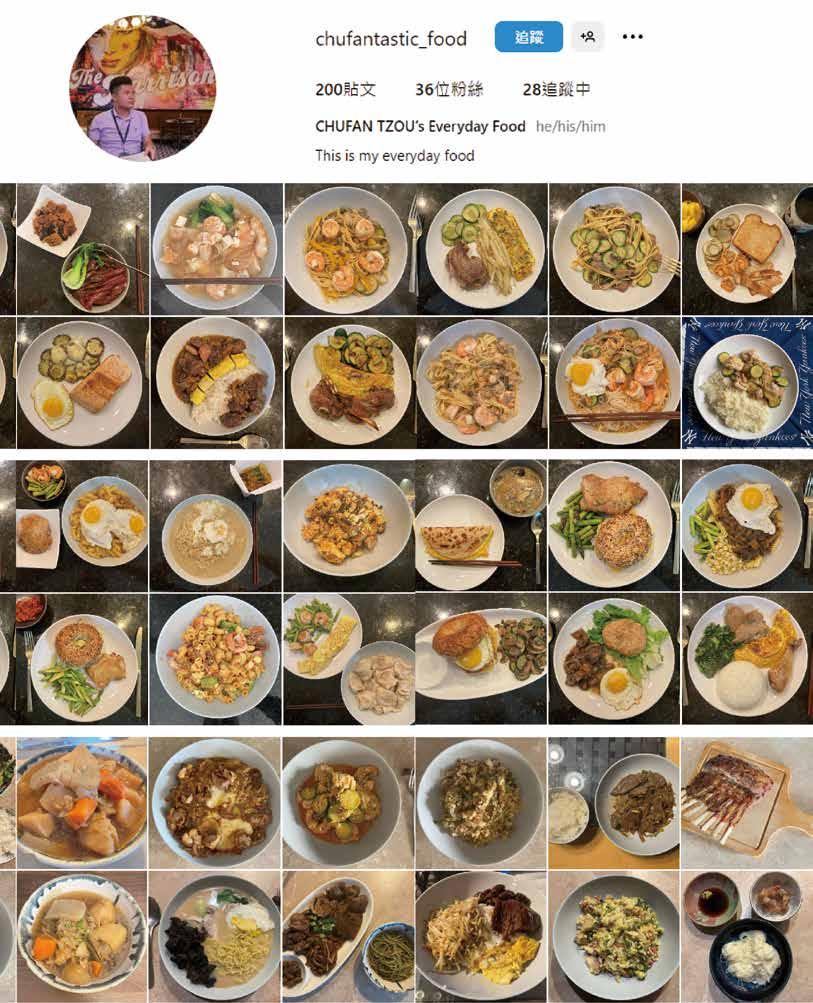
Cooking, for me, is a therapeutic and soul-nourishing experience. The act of creating a meal from scratch engages my senses, allowing me to immerse myself in the colors, aromas, and textures of ingredients. It serves as a form of relaxation, offering a meditative escape from the demands of daily life.
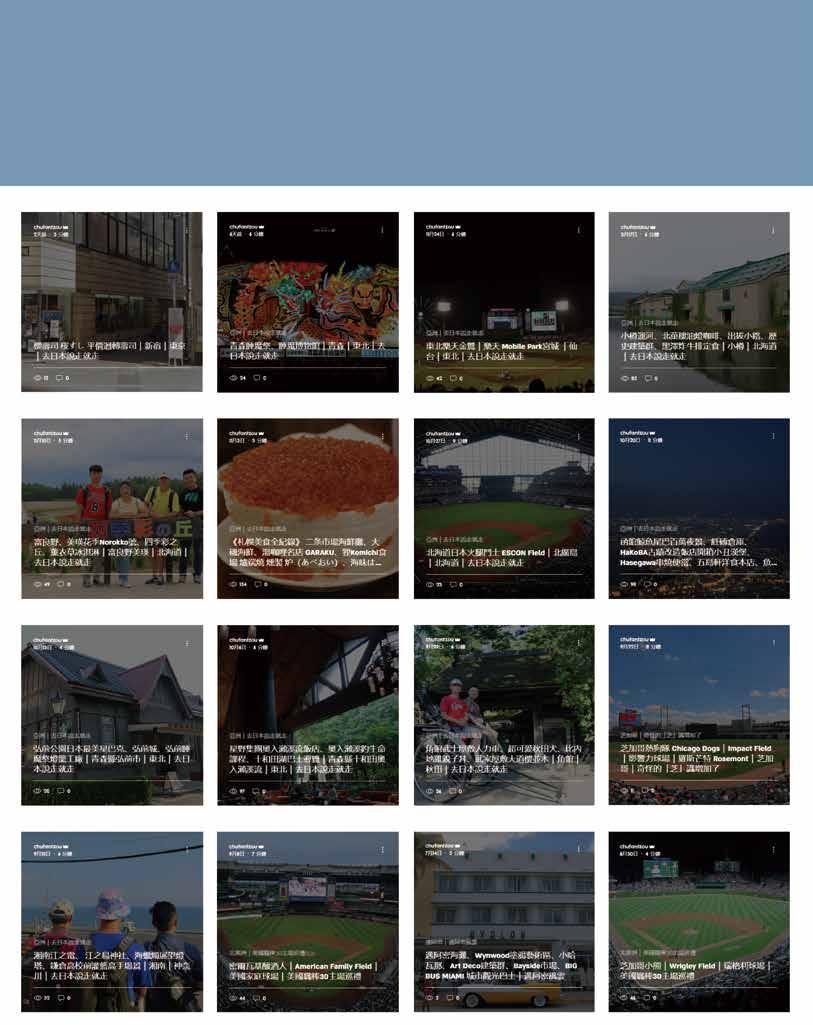
"Chufan Travel Fun" is my platform devoted to sharing captivating tales of diverse tourist destinations and special events worldwide. Through my passion for photography, I document the unique memories and stories of these places, offering me a fresh perspective on each destination and a deeper understanding of its context. This endeavor serves as an enriching exercise, sharpening my skills in analyzing and describing thecontexts of different places.