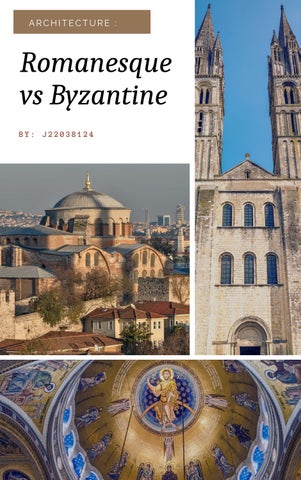
Romanesque vs Byzantine
ARCHITECTURE :
B Y : J 2 2 0 3 8 1 2 4
Contents :
Reading outcome pg 2
What is Romanesque architecture ? pg 3
What is Byzantine architecture ? pg 4
Characteristics of Romanesque architecture pg 5,6
Characteristics of Byzantine architecture pg 7,8
Differences between Romanesque and Byzantine architecture
pg 9,10
Reading outcome :
After finish reading this material, readers should be able to state the characteristics of Romanesque and Byzantine architecture, and the differences between them
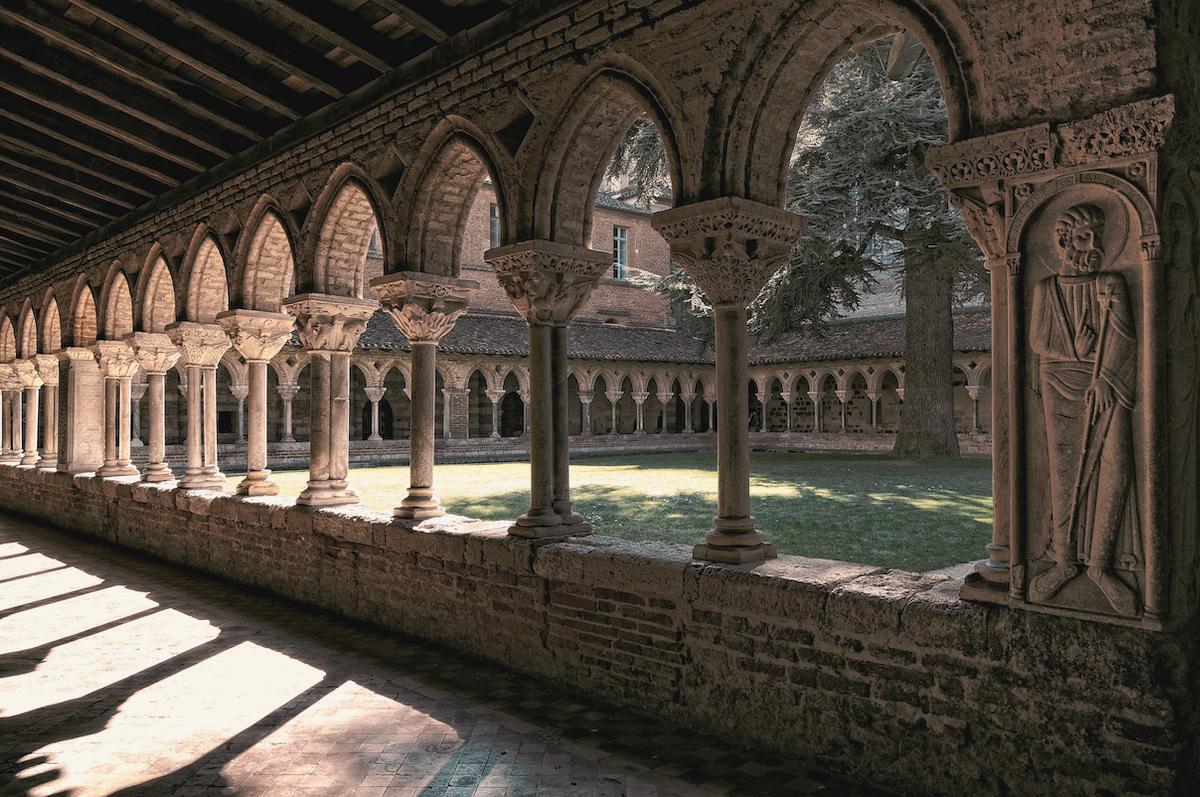
----------------------------------------------
pg 2 References pg 11
What is Romanesque architecture?
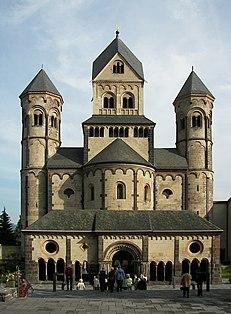
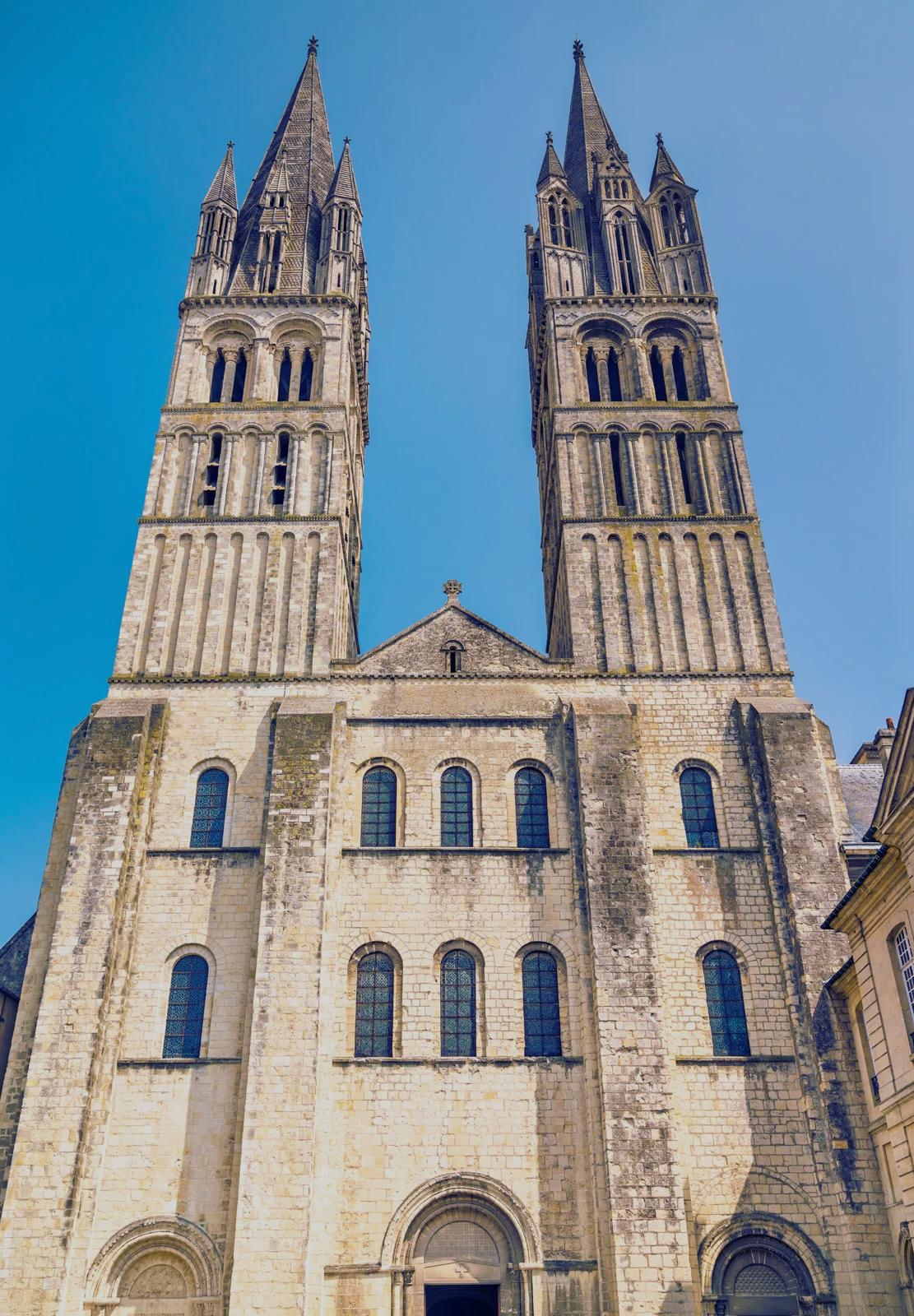
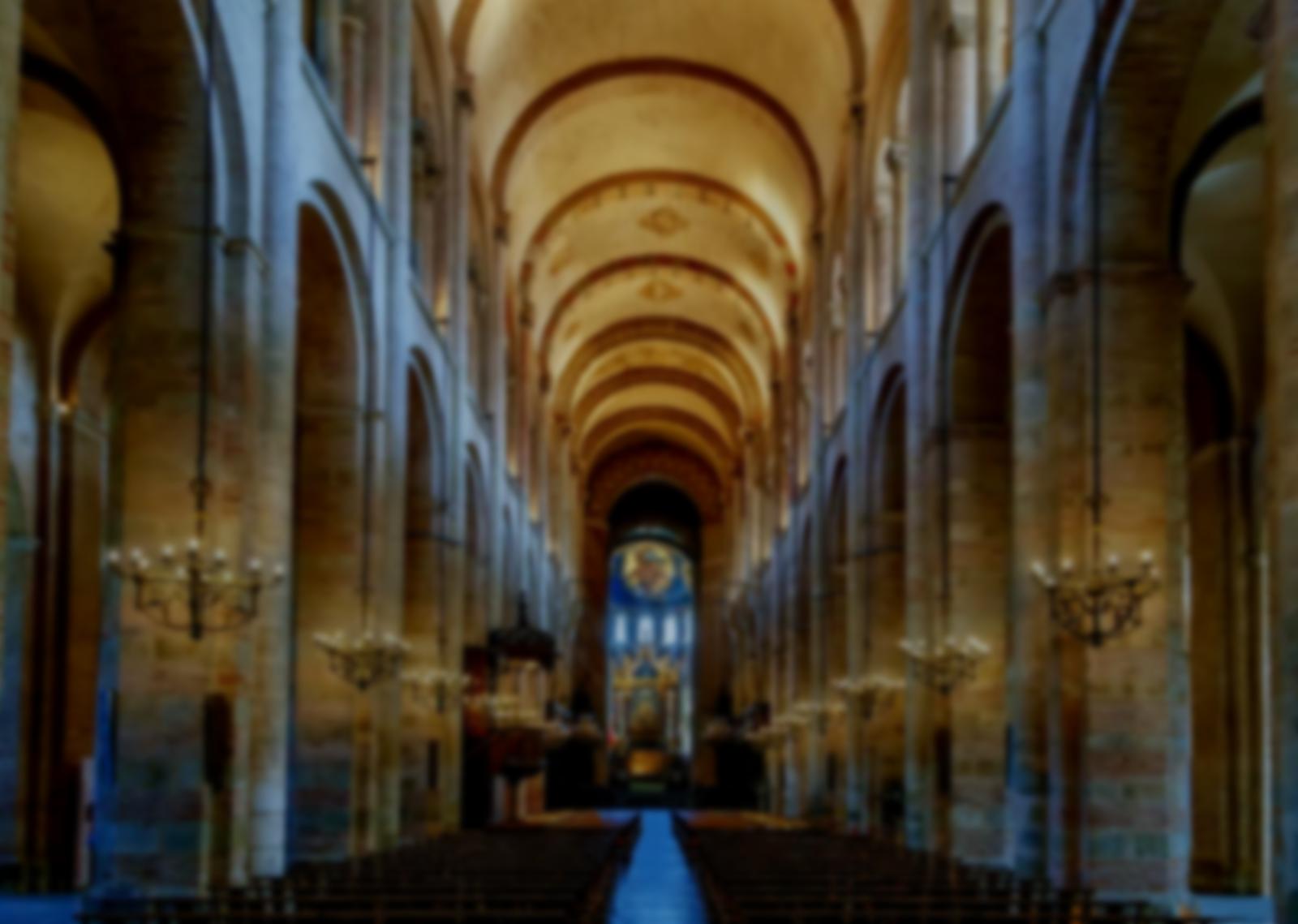
Romanesque architecture is an architectural style of medieval Europe characterized by semi circular arches.
There is no consensus for the beginning date of the Romanesque style, with proposals ranging from the 6th to the 11th century, this later date being the most commonly held. In the 12th century it developed into the Gothic style, marked by pointed arches.
Examples of Romanesque architecture can be found across the continent, making it the first pan European architectural style since Imperial Roman Architecture
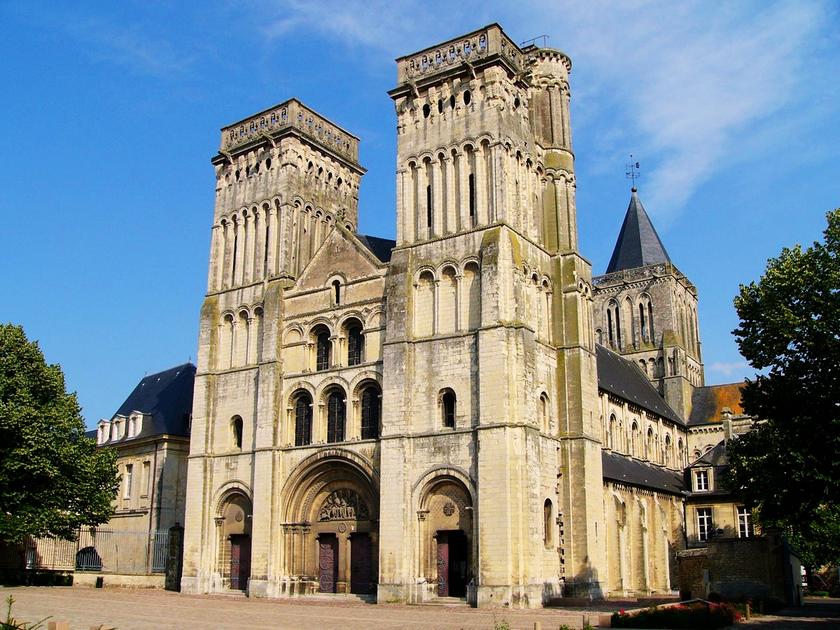
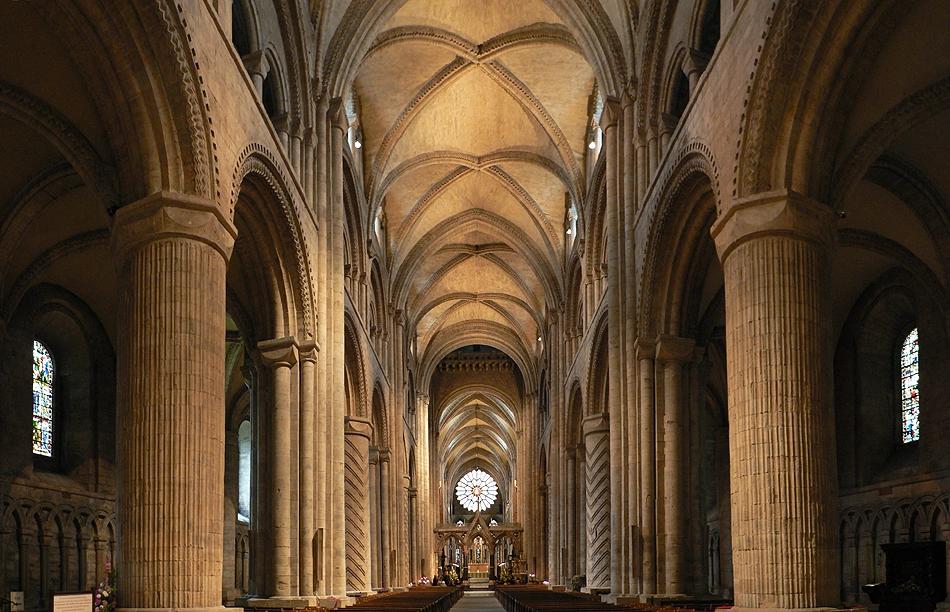
The Romanesque style in England and Sicily is traditionally referred to as Norman Architecture.
pg 3
What is Byzantine architecture?
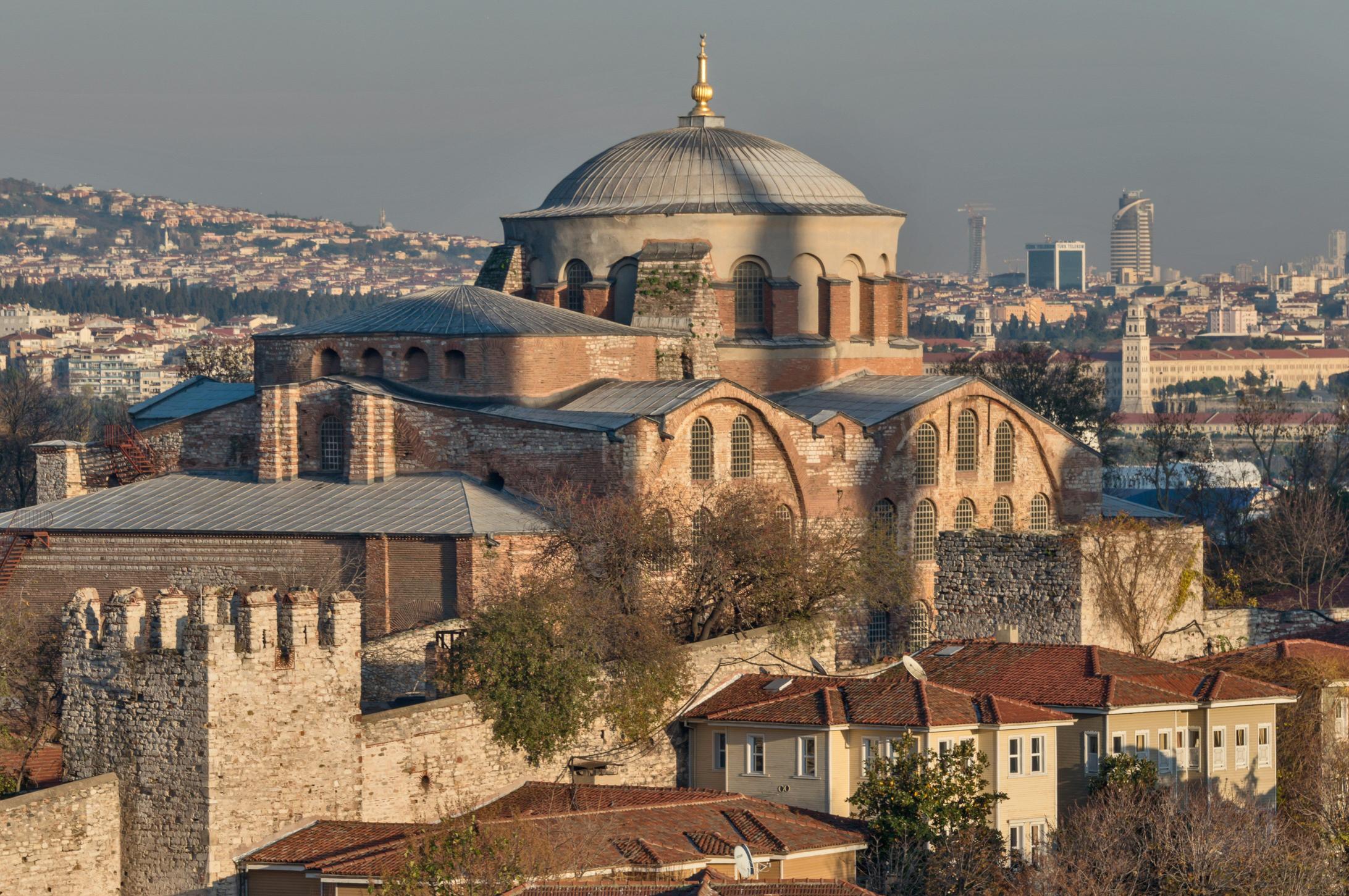
Byzantine architecture is the architecture of the Byzantine Empire, or Eastern Europe Empire.
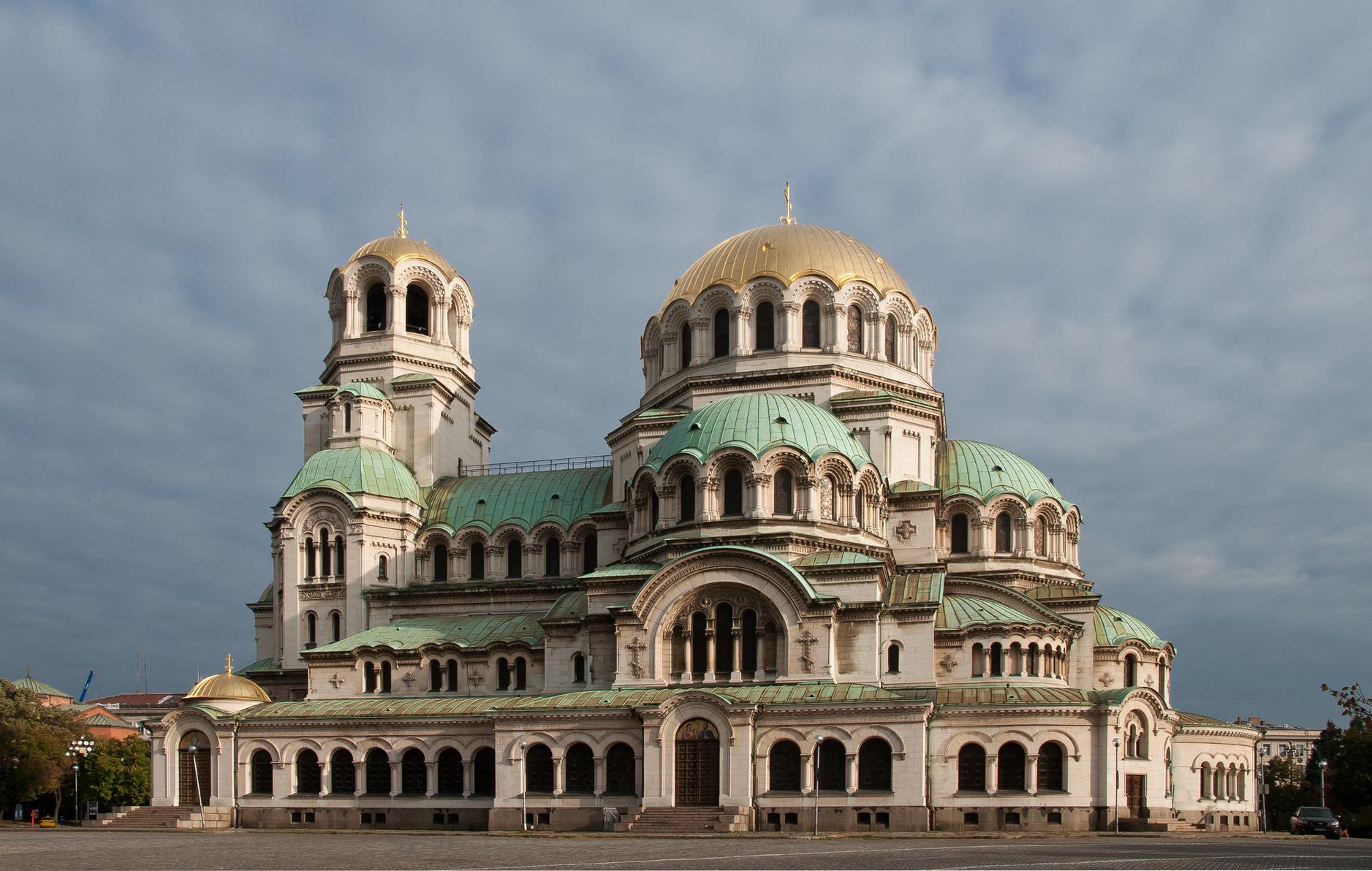
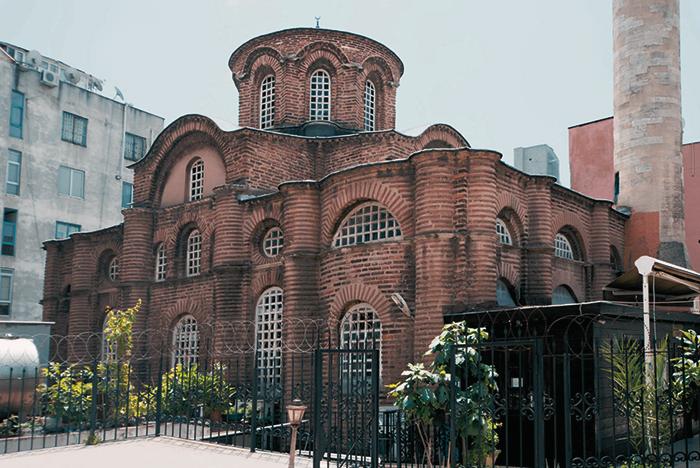
The Byzantine era is usually dated from 330AD, when Constantine the Great moved the Roman capital to Byzantium, which became Constantinople, until the fall of the Byzantine Empire in 1453. However, there was initially no hard line between the Byzantine and Roman empires, and early Byzantine architecture is stylistically and structurally indistinguishable from earlier Roman architecture. This terminology was introduced by modern historians to designate the medieval Roman Empire as it evolved as a distinct artistic and cultural entity centered on the new capital of Constantinople (modern-day Istanbul) rather than the city of Rome and its environs.
pg 4
Characteristics of Romanesque architecture
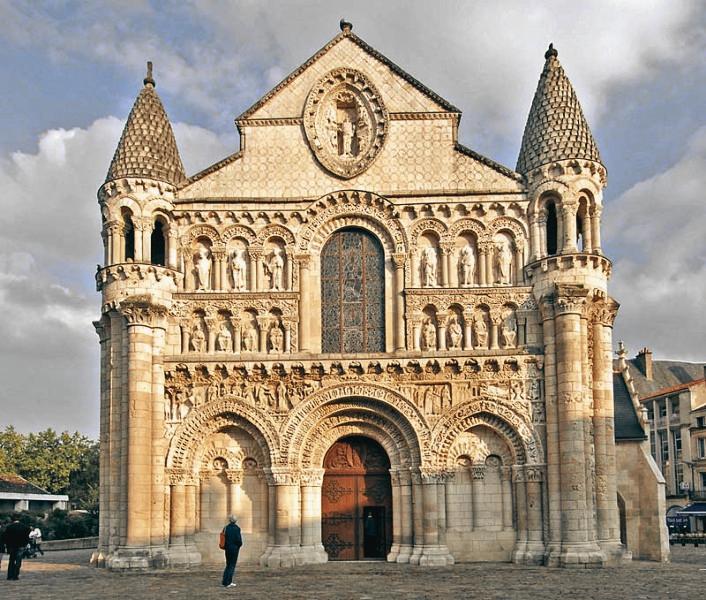
Imposingsize1.
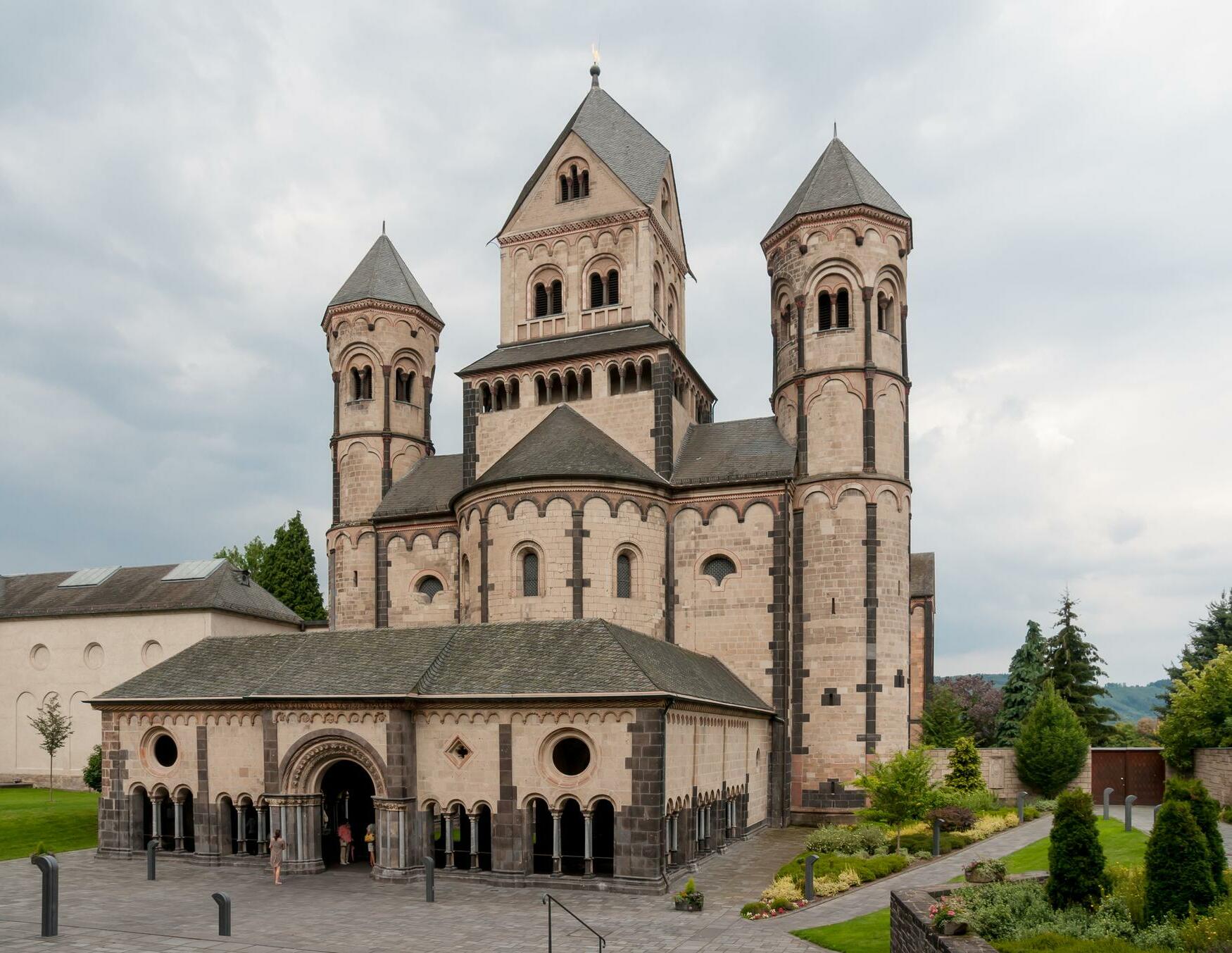
The massive buildings dictated by this architectural style are meant to intimidate and inspire. Towers with octagonal spires reach toward the heavens, and stone buttresses extend off the buildings to give their thick walls even more girth. All this immensity makes a study in contrast with the small, stained-glass windows depicting biblical scenes ranging from the birth of Christ to the last Judgement in the Romanesque art style
2.Cathedralfloorplans
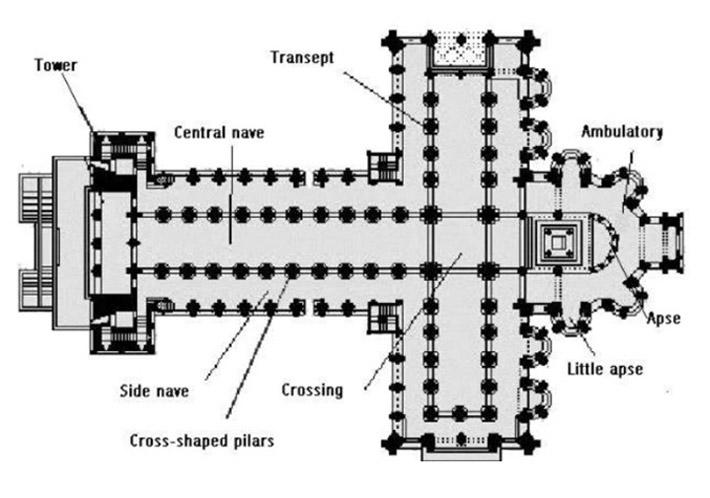
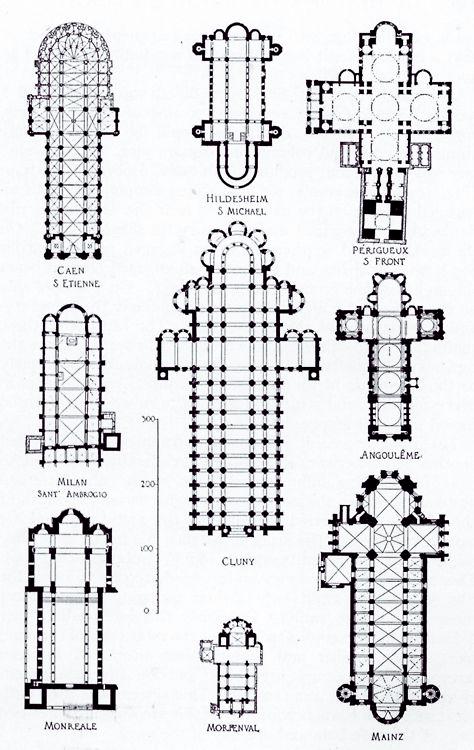
Most Romanesque cathedrals were drawn up according to floor plans in the cruciform shape of a Latin cross These schematics designated many stations with archaic names the apse (a dome or half dome at the front of the auditorium, usually featuring religious art), ambulatory (a walkway),
pg 5
tympanum (a semicircular area, usually enclosing a sculpture, located above a door or window), transept (a horizontal section of a cathedral that went across the ambulatory to form a cross), and more to fulfill specific purposes in medieval church services Romanesque sculptures depicting biblical scenes were sometimes etched into the walls to encourage a greater sense of reverence.
3.Round,vaultingarches
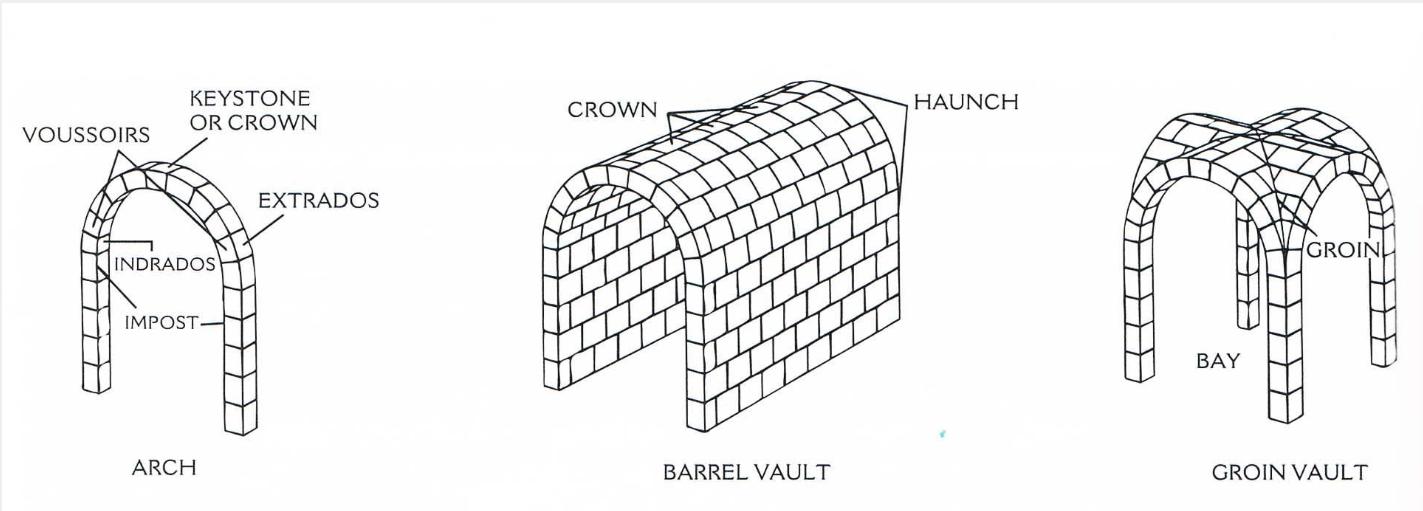
Perhaps one of the most notable points of departure between Romanesque and Gothic architecture involves the former’s rounded arches Long hallways of this architectural style are usually encased in semicircular barrel vaults a long series of arches placed next to each other. When barrel vaults are combined into a square formation, they’re known as groin vaults. Gothic architects departed from this Romanesque feature in their preference for pointed arches, sometimes referred to as ribbed vaults. In all cases, these arcading or successive arches were supported by columns that wouldn’t have felt too out of place in ancient Rome.
pg 6
Characteristics of Byzantine architecture
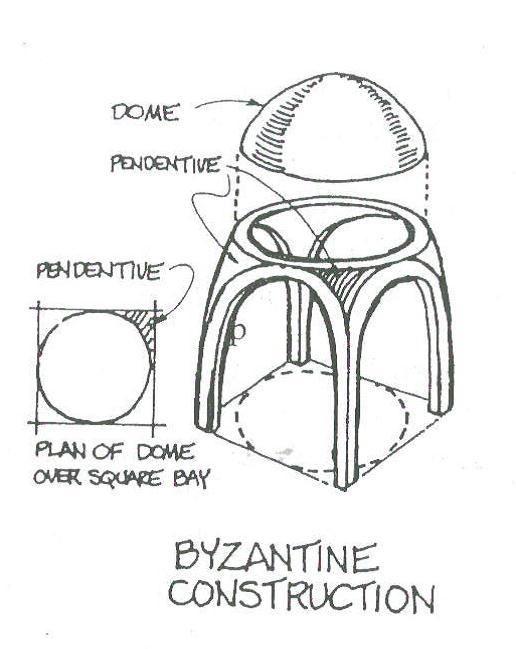
Domes1
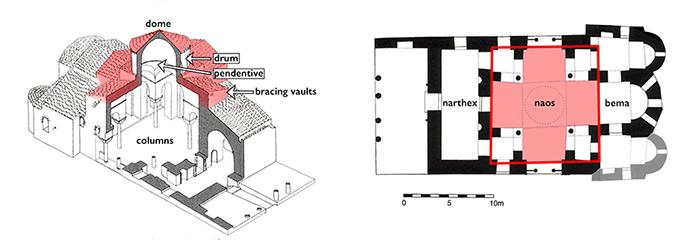
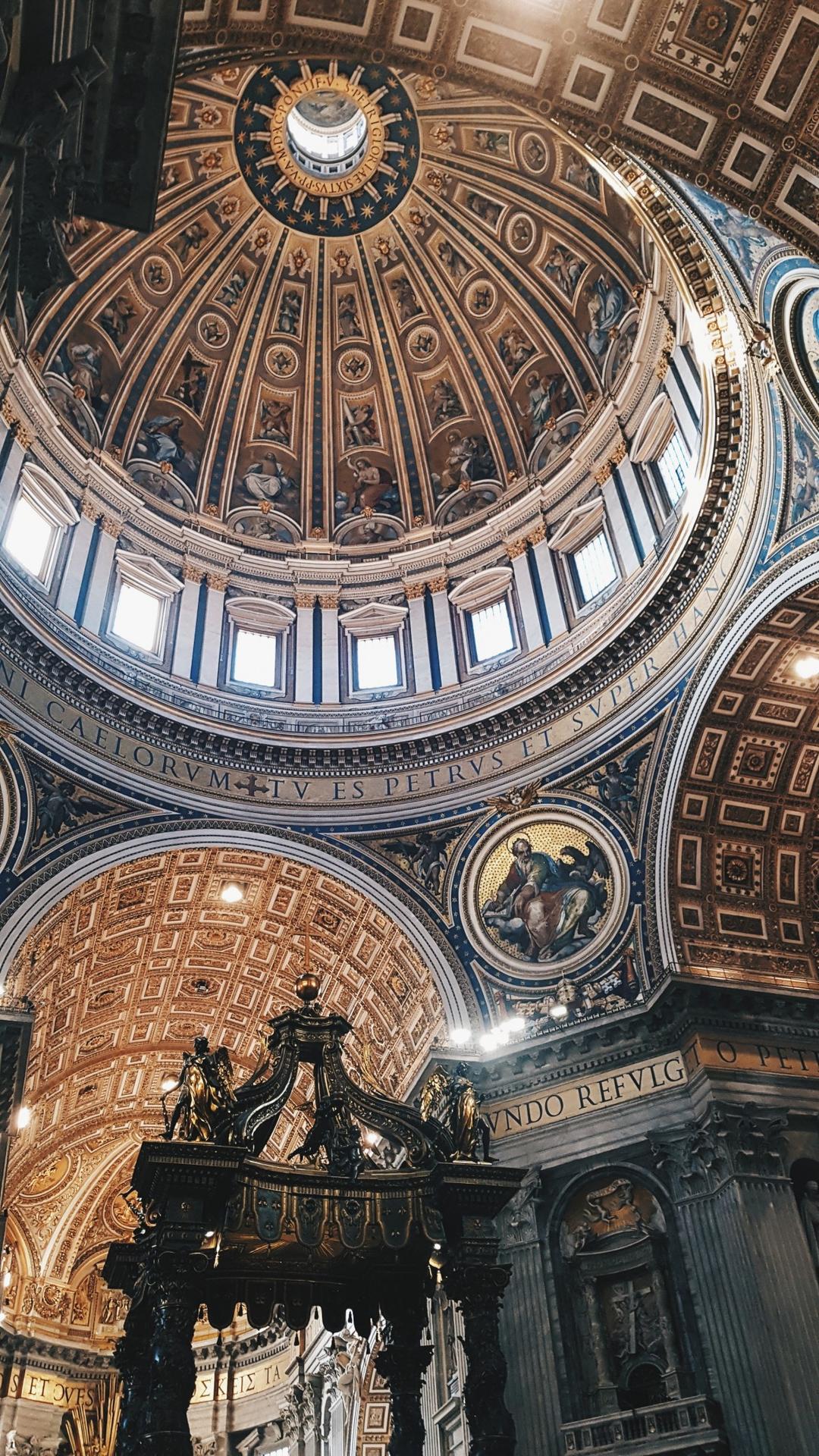
Most churches and buildings in the Byzantine style feature vaults, pendentives, and columns to hold up large domes at the center of their structure. These structures would interlock in an octagon figure to keep the domes sturdy and stable Half-domes known as apses would often sit just above the altar of churches, while the central dome of the structure would lift far overhead.
2.Greekcrossplanes
In keeping with their heritage in Orthodox Christianity, architects designed the floor plans for Byzantine churches in the shape of a cross. The narthex (or entrance) to the church began a long walkway forward over the cross-in-square plan, gradually giving way to an area near the pulpit that stretched out sideways. Many Latin churches followed a relatively similar approach.
3.Iconography
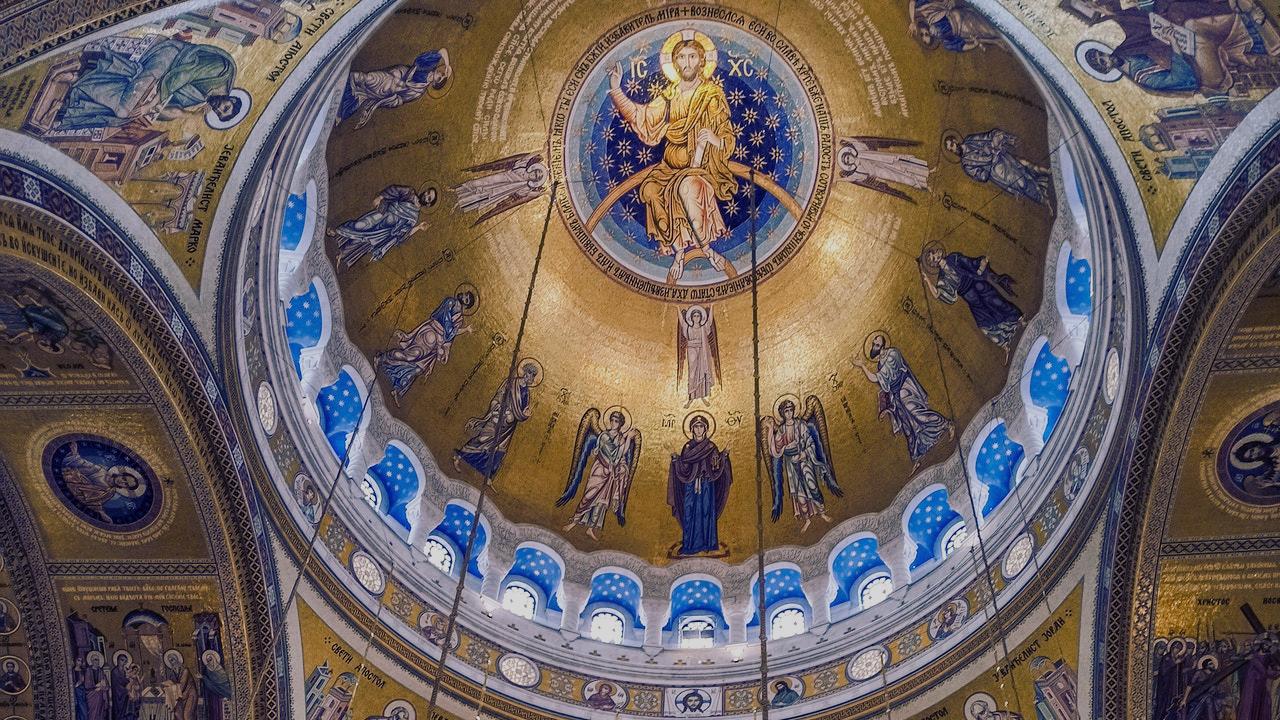
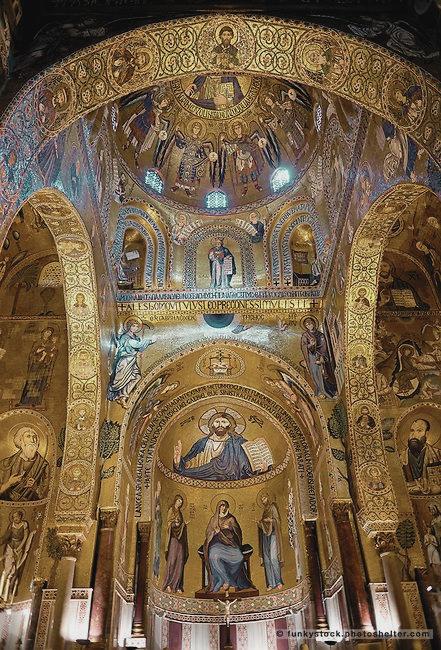
Early Christian art decorates much of Byzantine church architecture Frescoes line the walls, ivory carvings sit on shelves, and Byzantine mosaics adorn the entire interiors of these churches Byzantine artists had to remove their work on occasion due to the fluctuating rise of iconoclastic officials in the Eastern Orthodox Church’s ranks. Still, people prize and venerate their depictions of Christ, the Virgin Mary, and other Christian symbols to this day.
pg 7
DGreek cross plane
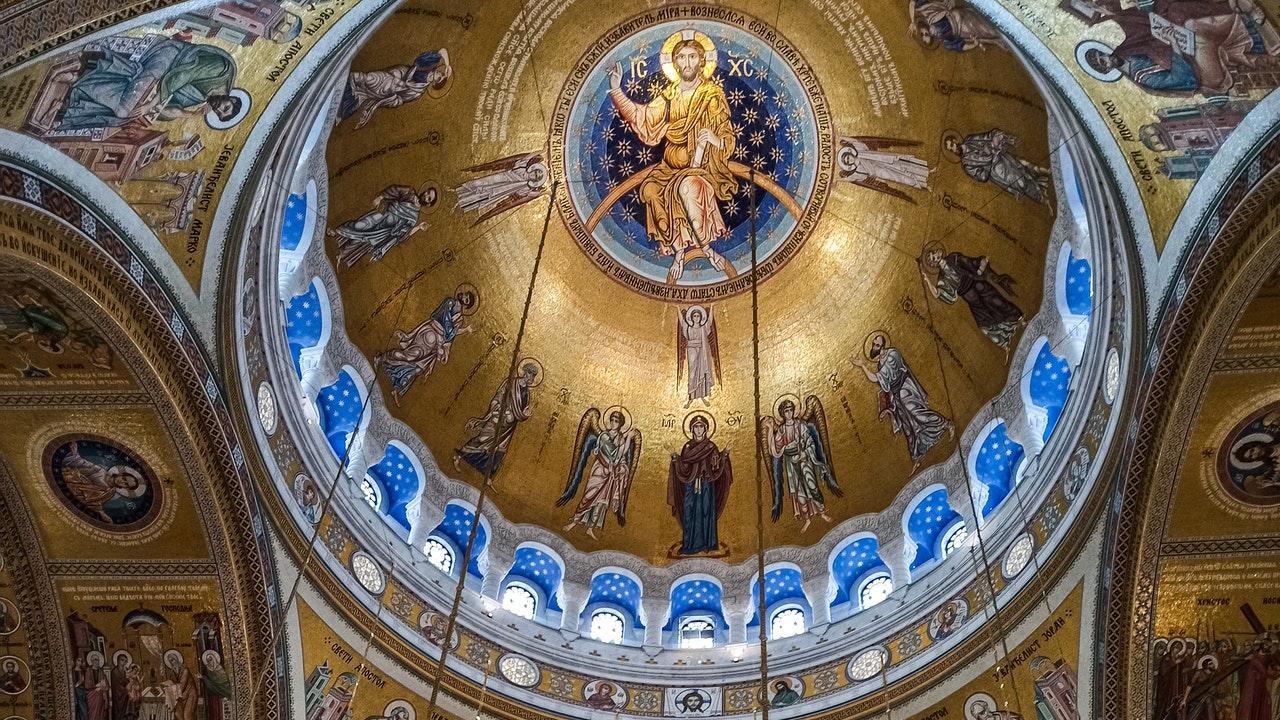
I c o n o g r a p h y
pg 8
Differences between Romanesque and Byzantine architecture
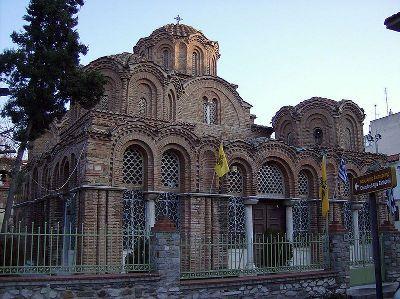
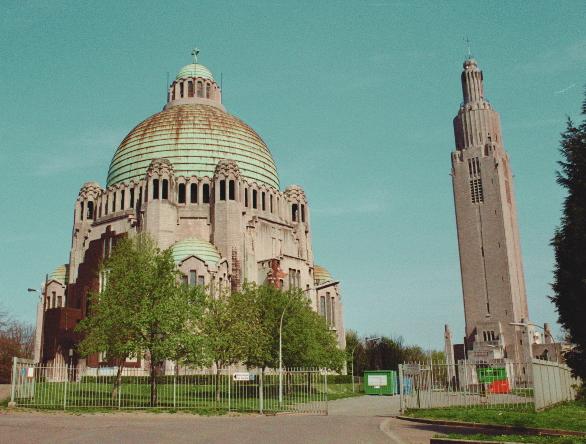
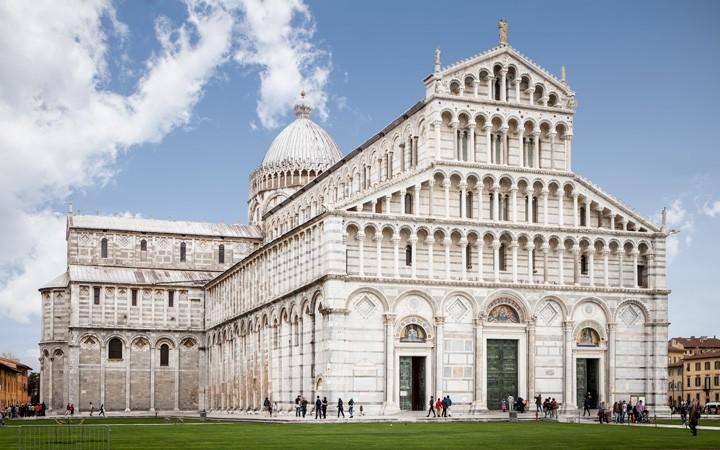
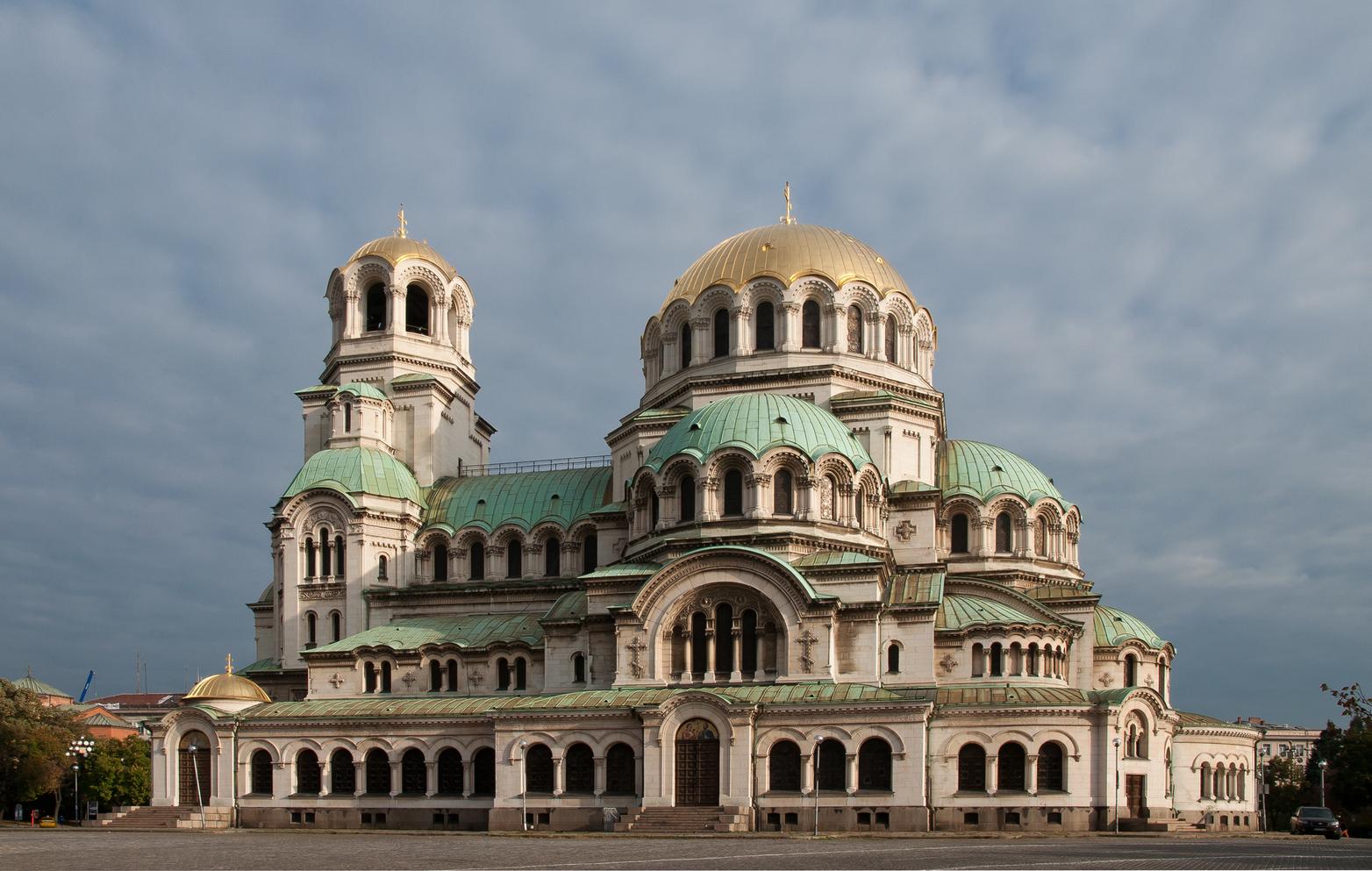
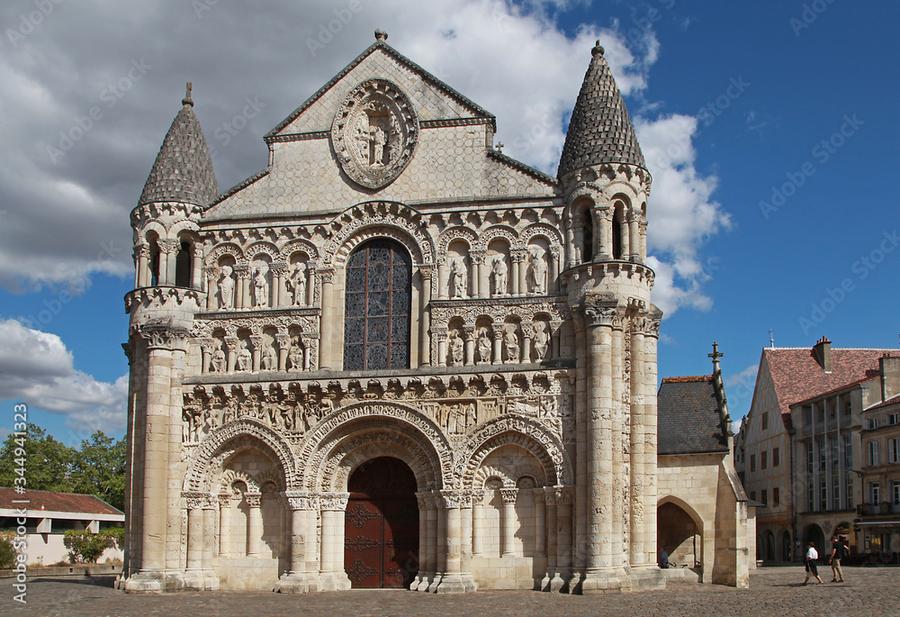
Romanesque design grew out of Byzantine design.
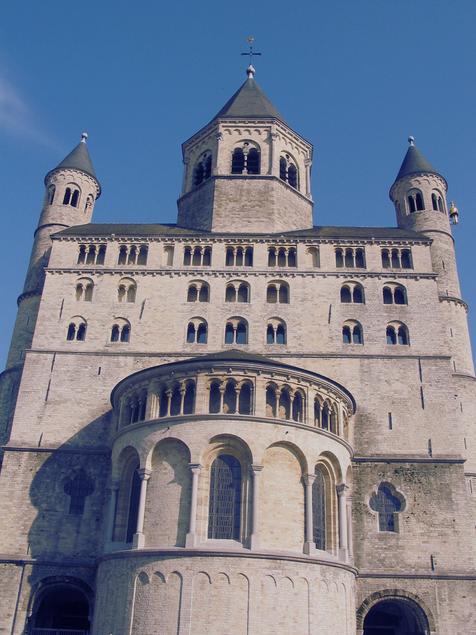
Romanesque churches were huge structures, larger and longer than Byzantine churches Instead of a massive dome as the central focus, they were often more horizontal with towers and arched forms.
pg 9
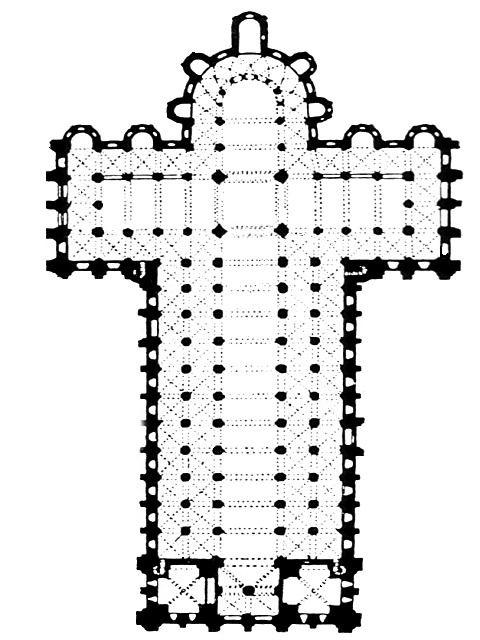
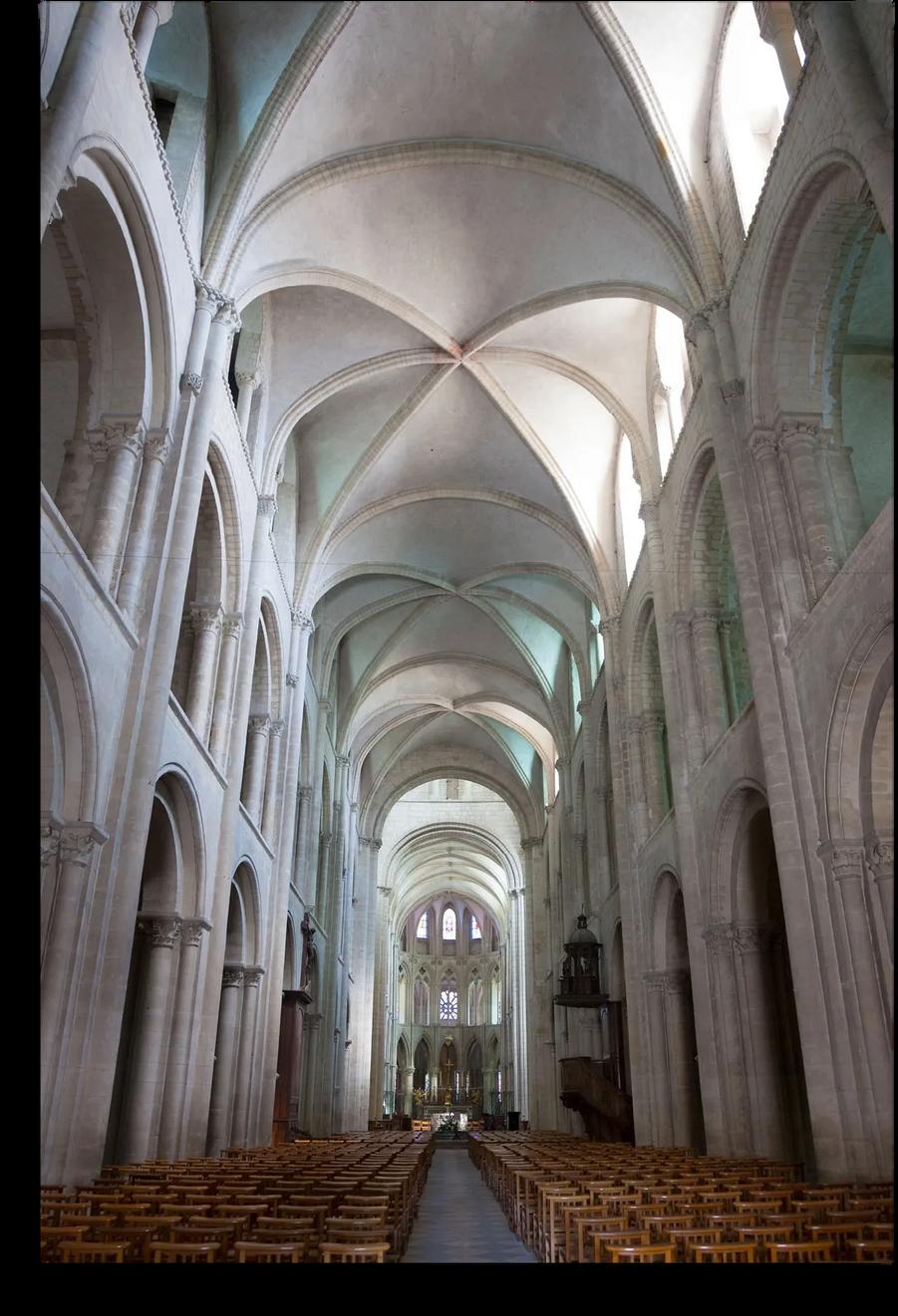
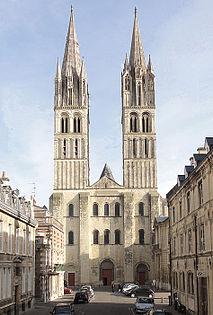
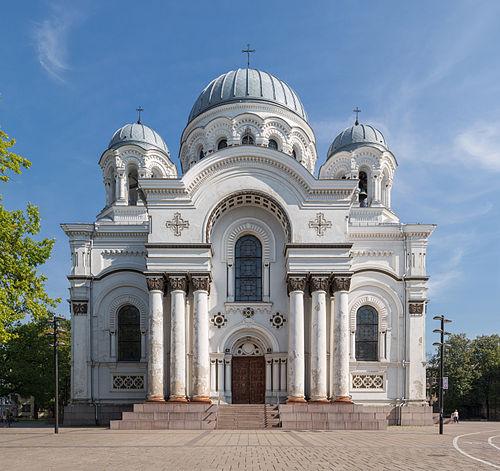

Romanesque churches were huge structures, larger and longer than Byzantine churches.
pg 10
References : BRITANNICA, THE EDITORS OF ENCYCLOPAEDIA. "BYZANTINE ARCHITECTURE". ENCYCLOPEDIA BRITANNICA, 4 FEB. 2020, FROM HTTPS://WWW.BRITANNICA.COM/ART/BYZANTINEARCHITECTURE. ACCESSED 19 OCTOBER 2022. MASTERCLASS. "ROMANESQUE ARCHITECTURE GUIDE: 6 EXAMPLES AND KEY CHARACTERISTICS". MASTERCLASS, 25 JUN. 2021, FROM HTTPS://WWW.MASTERCLASS.COM/ARTICLES/ ROMANESQUE-ARCHITECTURE-EXPLAINED BRITANNICA, THE EDITORS OF ENCYCLOPAEDIA. "ROMANESQUE ARCHITECTURE". ENCYCLOPEDIA BRITANNICA, 10 OCT. 2022, HTTPS://WWW.BRITANNICA.COM/ART/ROMANESQUEARCHITECTURE. ACCESSED 19 OCTOBER 2022. MASTERCLASS. "BYZANTINE ARCHITECTURE: 3 CHARACTERISTICS OF BYZANTINE STYLE". MASTERCLASS, 27 JAN. 2022, FROM HTTPS://WWW.MASTERCLASS.COM/ARTICLES/ BYZANTINE-ARCHITECTURE-GUIDE ANNA KIM. "WHAT IS THE DIFFERENCE BETWEEN BYZANTINE AND ROMANESQUE ARCHITECTURE?". THEBURNINGOFROME.COM, 1 MAR. 2020, FROM HTTPS://WWW.THEBURNINGOFROME.COM/ADVICES/ WHAT-IS-THE-DIFFERENCE-BETWEEN-BYZANTINE-ANDROMANESQUE-ARCHITECTURE/