CHLOE KAPLAN KRISTENSEN
ARCHITECTURE PORTFOLIO
17'-6"
RESUME
ROOTED ROW
INTERSECTIONAL LIVING
BREEZE BLOCKS
HIDE AND SEEK HOUSE
SERRA
THE SEAGRAM BUILDING
WHITE U HOUSE IN MOTION
GEOMETRIC CORAL PANO

RESUME
ROOTED ROW
INTERSECTIONAL LIVING
BREEZE BLOCKS
HIDE AND SEEK HOUSE
SERRA
THE SEAGRAM BUILDING
WHITE U HOUSE IN MOTION
GEOMETRIC CORAL PANO
kaplankr@usc.edu
T: 202-417-1021

Los Angeles, CA
USC School of Architecture
Master of Architecture (M.Arch +2), graduating Spring 2026
UCLA School of the Arts and Architecture
Double Major: BA Architectural Studies and BA World Arts & Cultures; Film, Television, and Digital Media minor.
Danish Institute for Study Abroad (DIS)
Architecture Foundations Studio
Los Angeles 2024 - present (GPA 3.95)
Los Angeles Class of 2023 (GPA 3.89)
Copenhagen Summer 2021 (GPA 4.0)
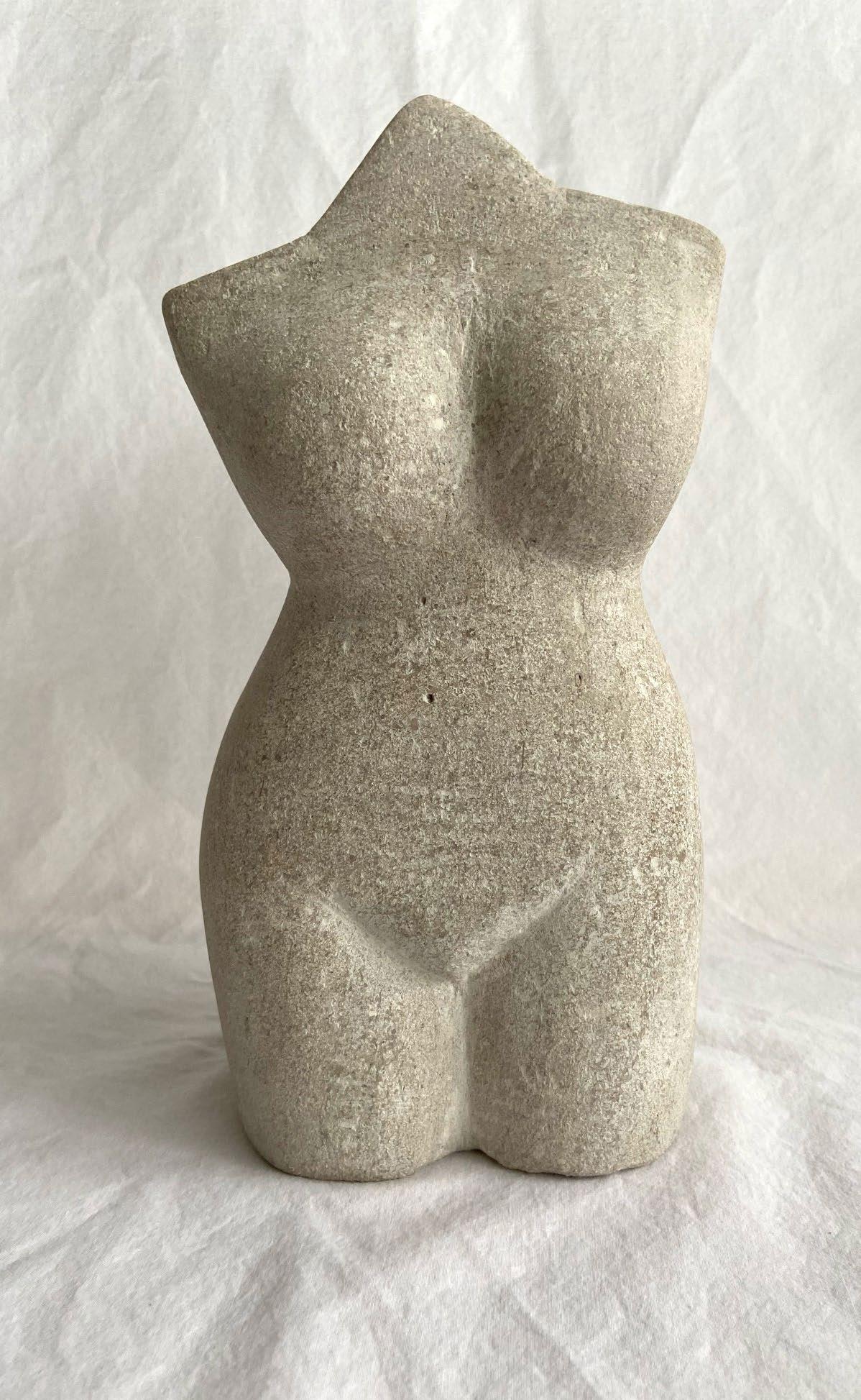
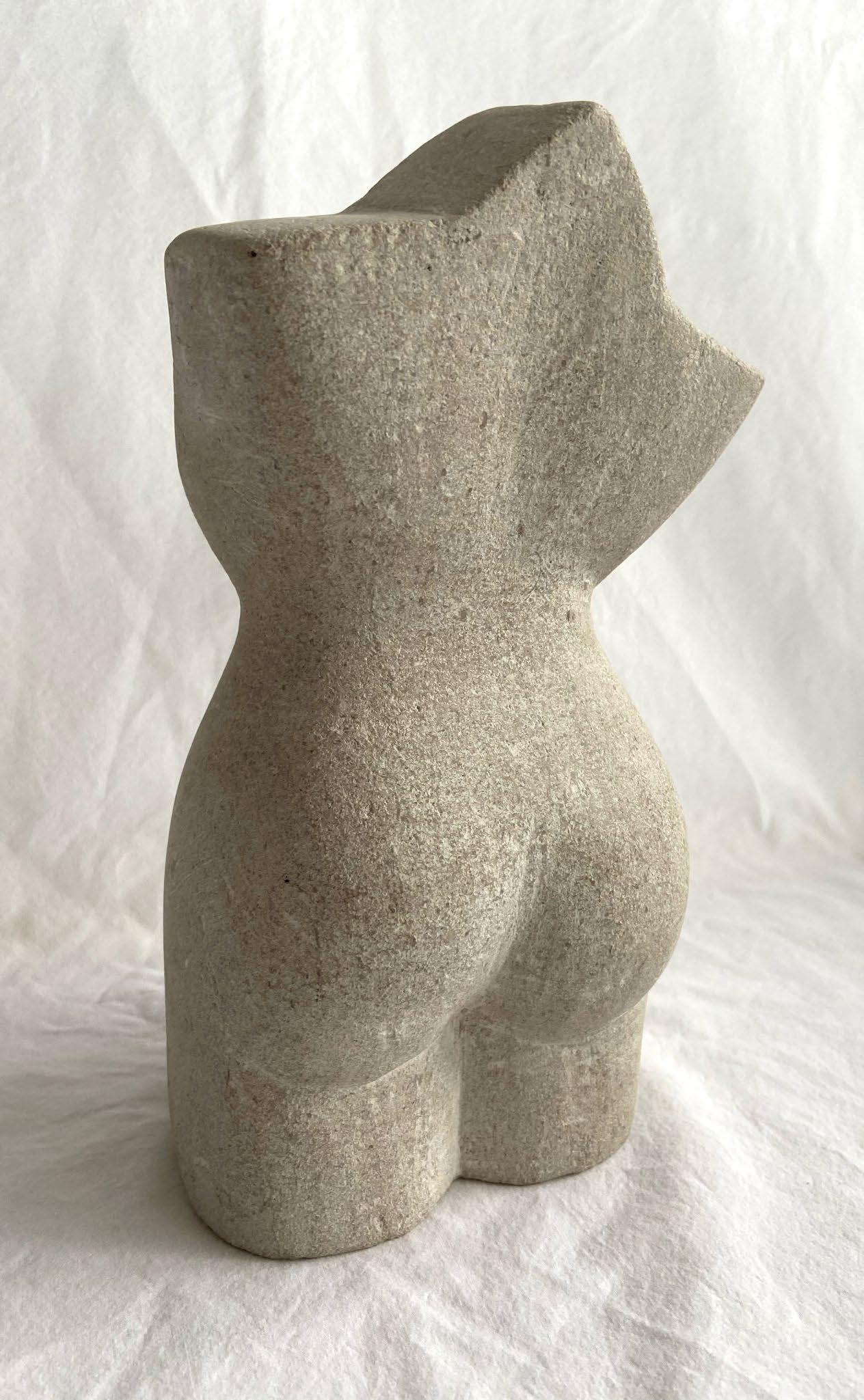
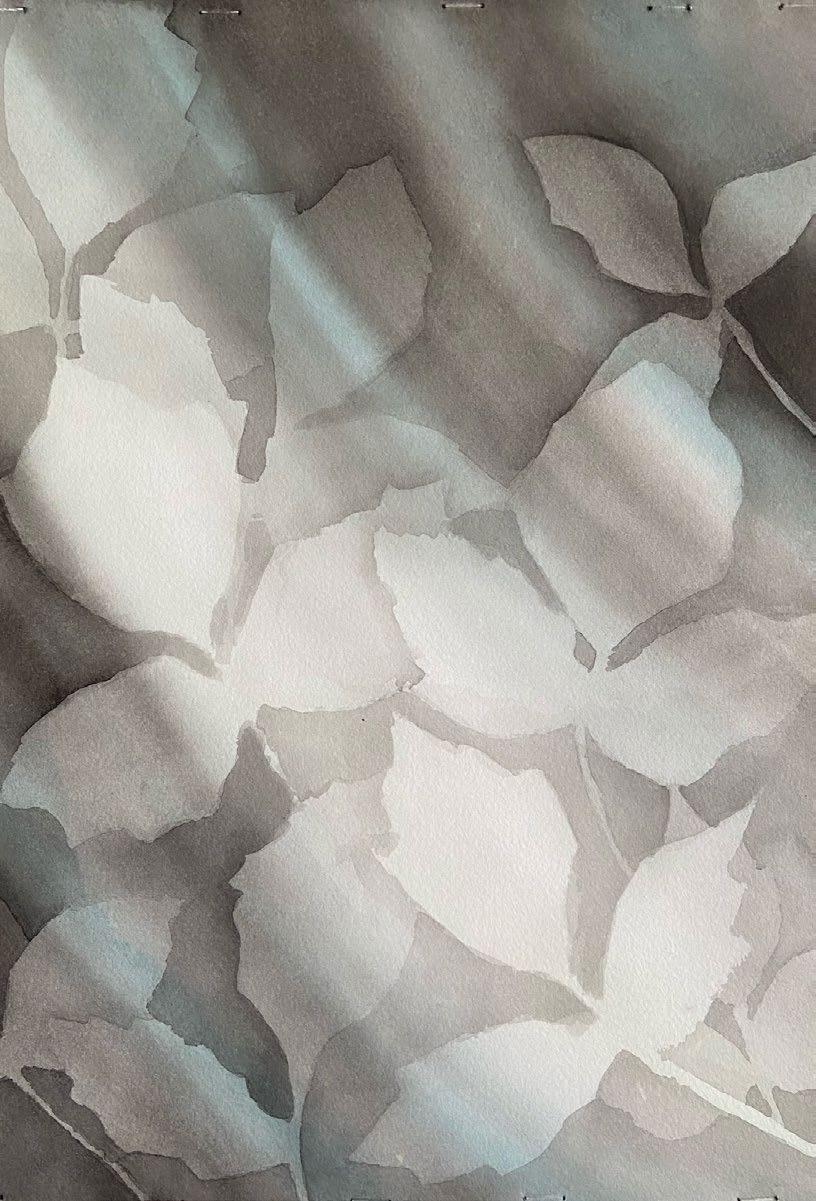
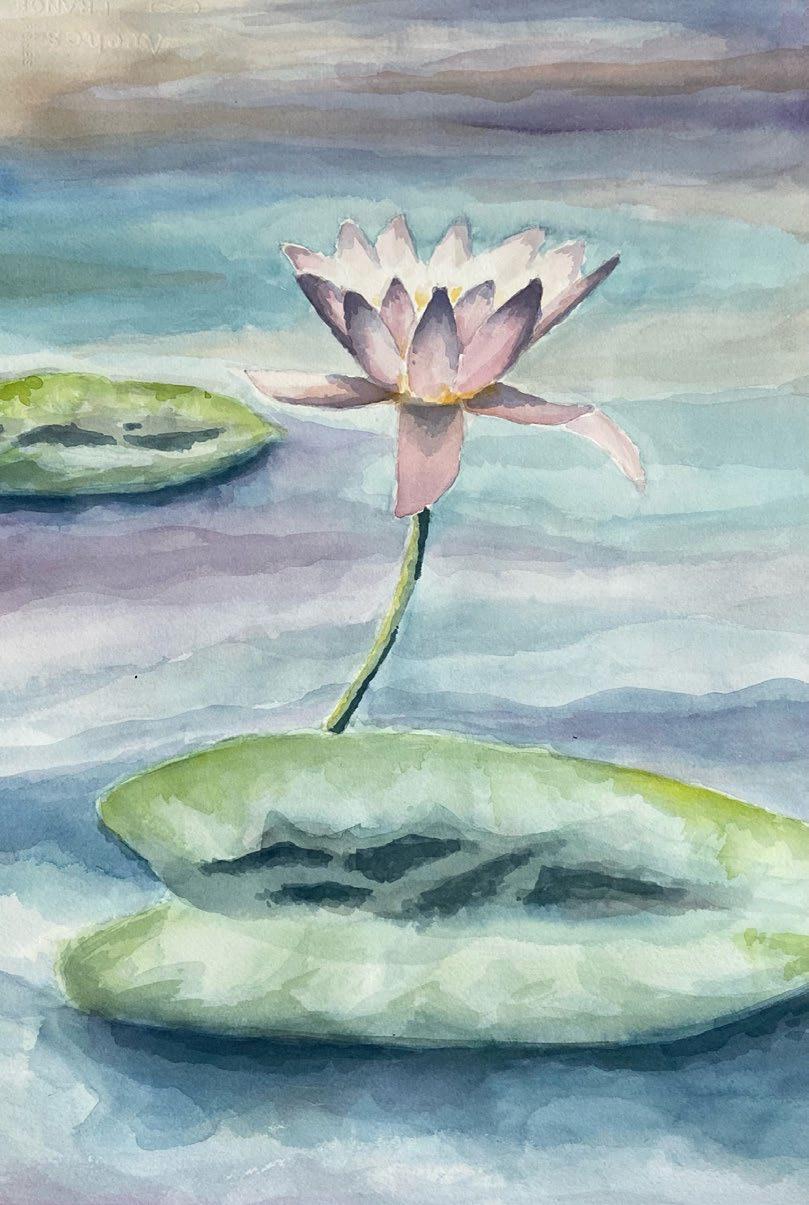
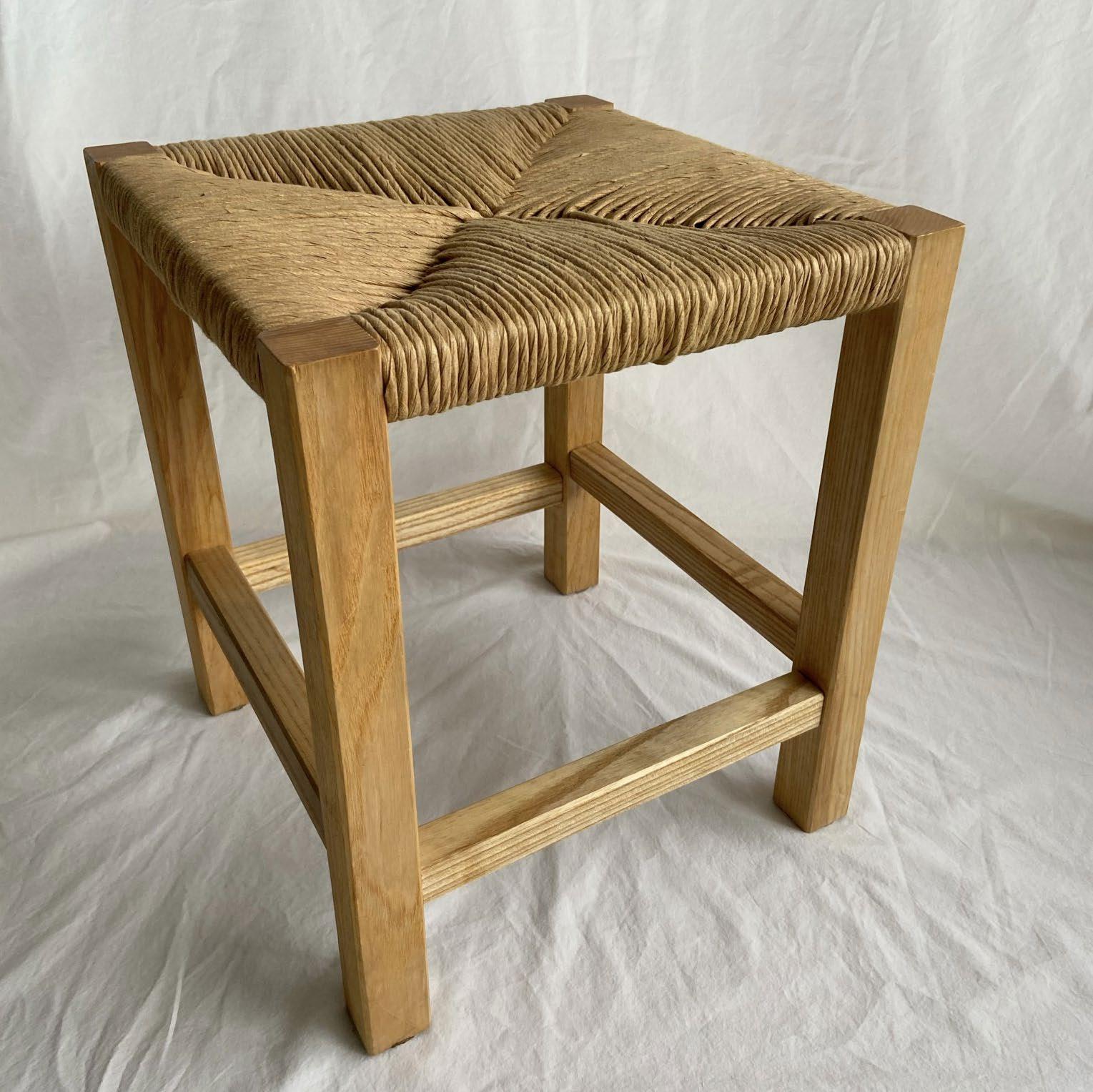
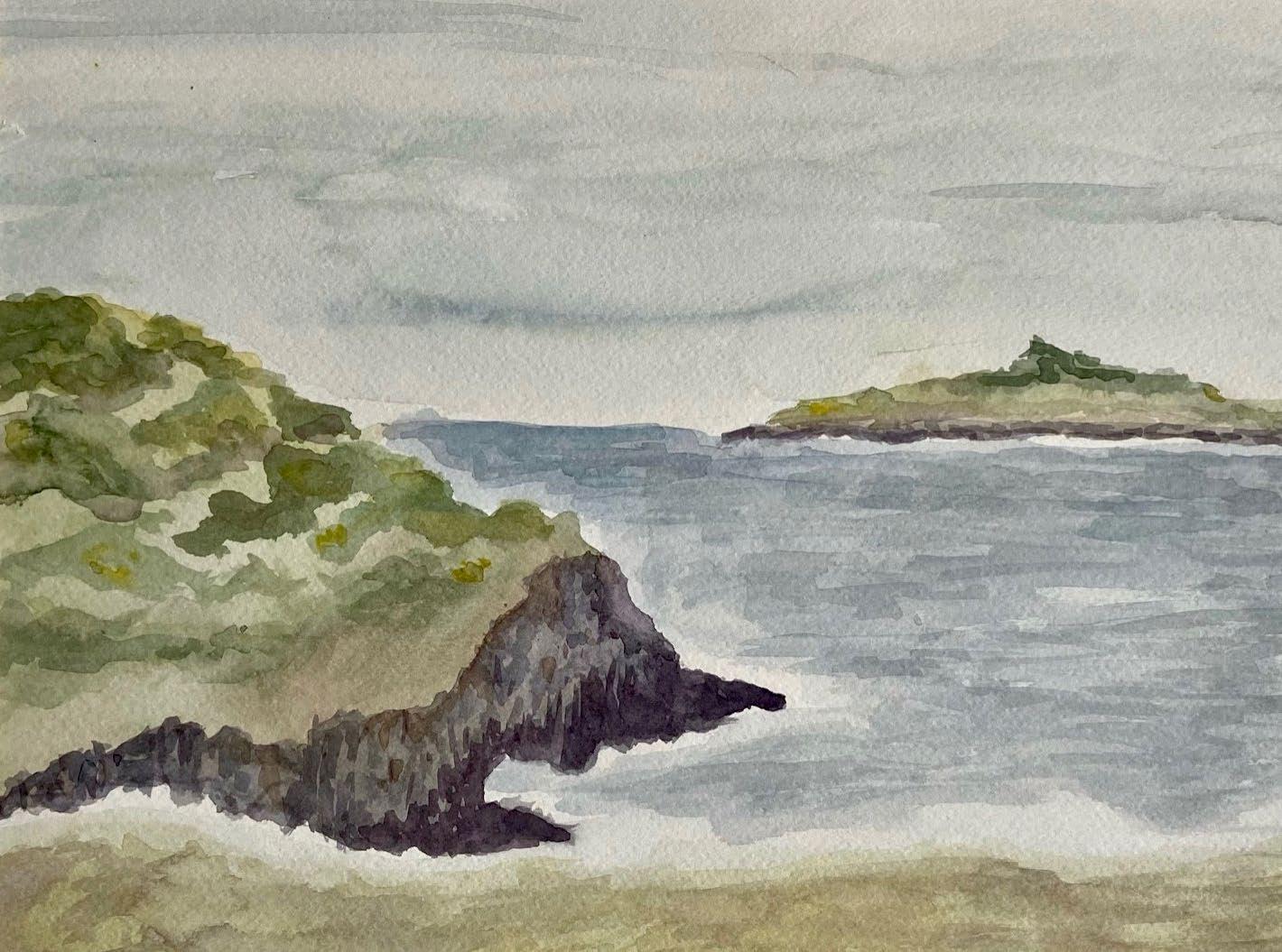
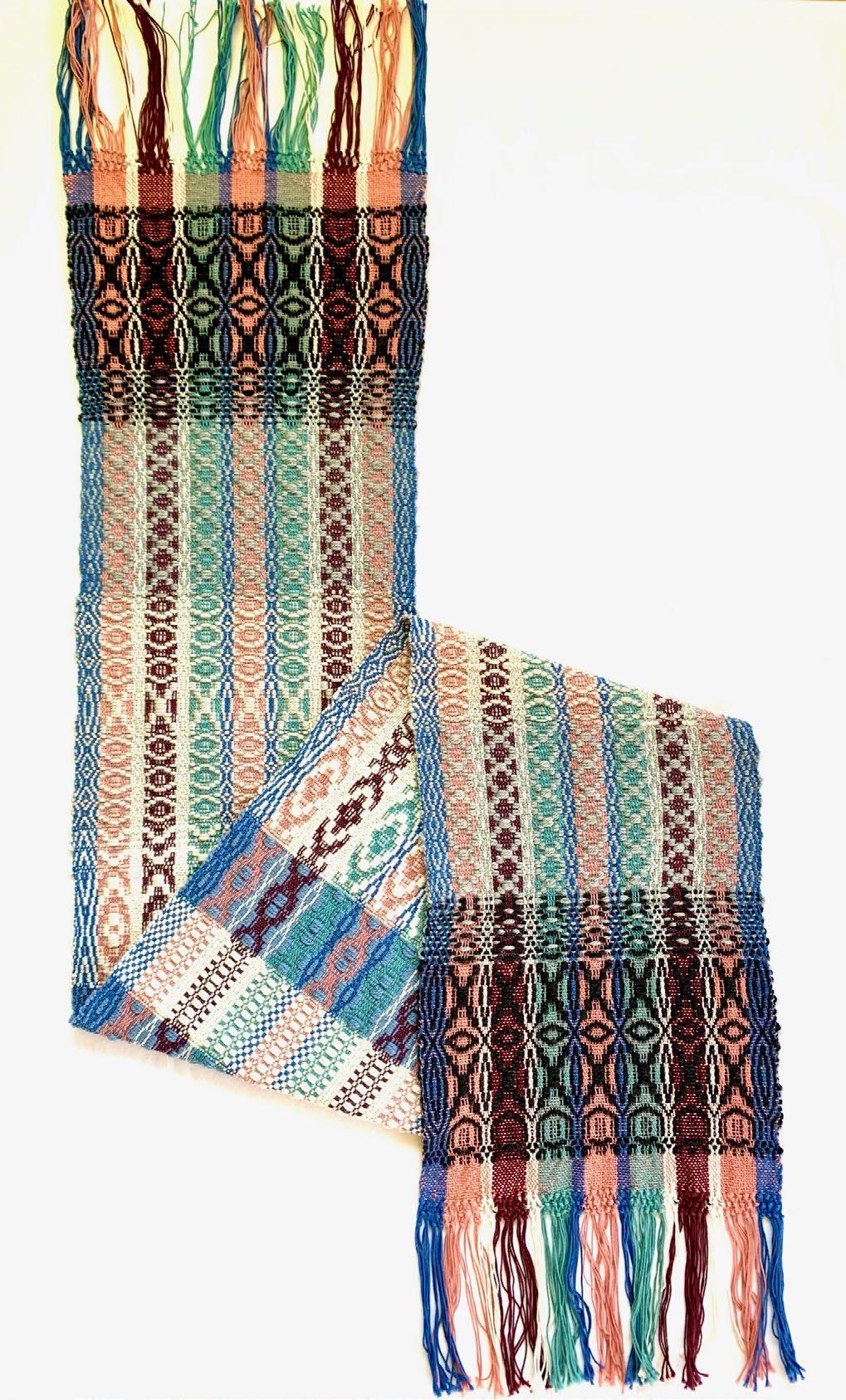
Design Software: Rhino, Grasshopper, Revit, ZBrush Rendering & Visualization: V-Ray, Adobe Suite (Indesign, Illustrator, Photoshop), Affinity Suite Fabrication & Modeling: 3D printing, Laser Cutting, Analog Art: painting (watercolor & oil), sculpture (clay & stone), bookmaking, coppersmithing, weaving, mosaics, printmaking
Architecture + Advocacy
As part of the design build team I worked to develop a project and bring it to life based on initial concepts from workshops with children at Inner City Arts.
USC NOMAS Design Competition
The 2025 competition will be a generational housing project in Kansas City.
USC AIAS IPAL Group
Student organization dedicated to taking the ARE licensure exams, we are starting with the PjM.
Perkins Eastman Architecture Firm
As a paid intern on the urban planning team in the Washington, DC, studio I participated in group meetings and site visits and contributed work for design projects and proposals.
Equinox
Working as a shop associate, I managed the store on my own, gaining organizational, marketing, problem solving, and customer service skills.
UCLA Arts Office of Enrollment Management
Paid position assisting in various outreach capacities related to recruitment and admission.
Readers are Leaders Program, United Voices of Literacy
Provided one-on-one coaching via Zoom for at-risk elementary school students in the Los Angeles area.
• USC School of Architecture Scholarship 2024–2025
• UCLA Dean’s Honors List, Winter Quarter 2020–2023
• Judith and Milton R. Stark Scholarship, 2022–2023
• UCLA SOAA Dean’s Scholarship, 2021–2022
Volunteer Sept. 2024 - present
Team Member Feb. 2025 - present Member Oct. 2024 - present Intern Summer 2022
Sales Associate Oct. 2023 - July 2024
Student Ambassafor Jan. - June 2022.
Volunteer Tutor Jan. - March 2021
• Teresa & Paul Spiegelman Family Foundation Centennial Scholarship, 2019–2023
• Alan M. Schwartz Arts Scholarship, 2020–2021
• Graduated UCLA with Latin Honors, Cum Laude
Instructor: Gesa Buttner Dias
USC Fall 2024 Studio
Group: Chloe Kristensen + Jasmin Cabuco
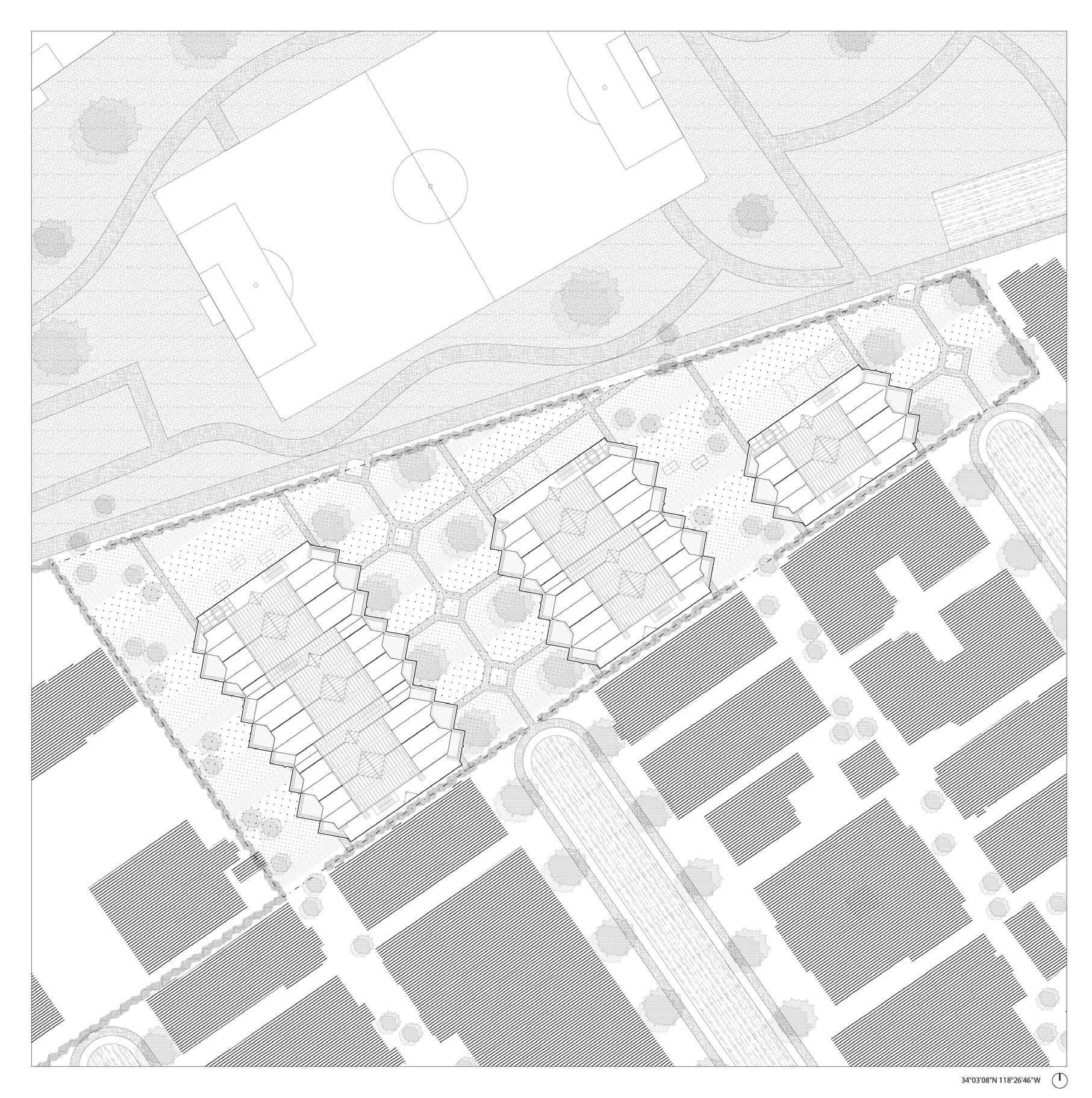
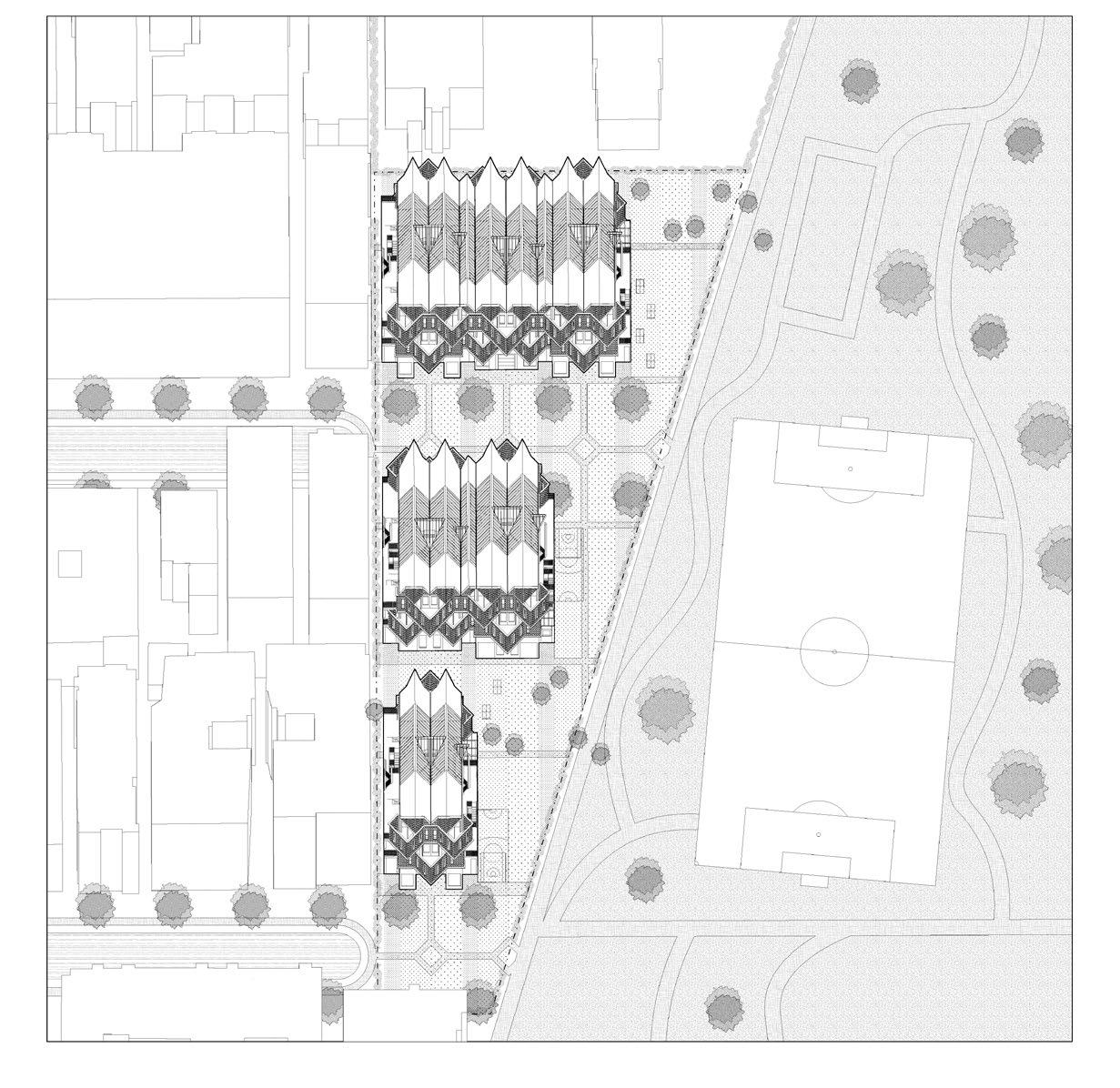
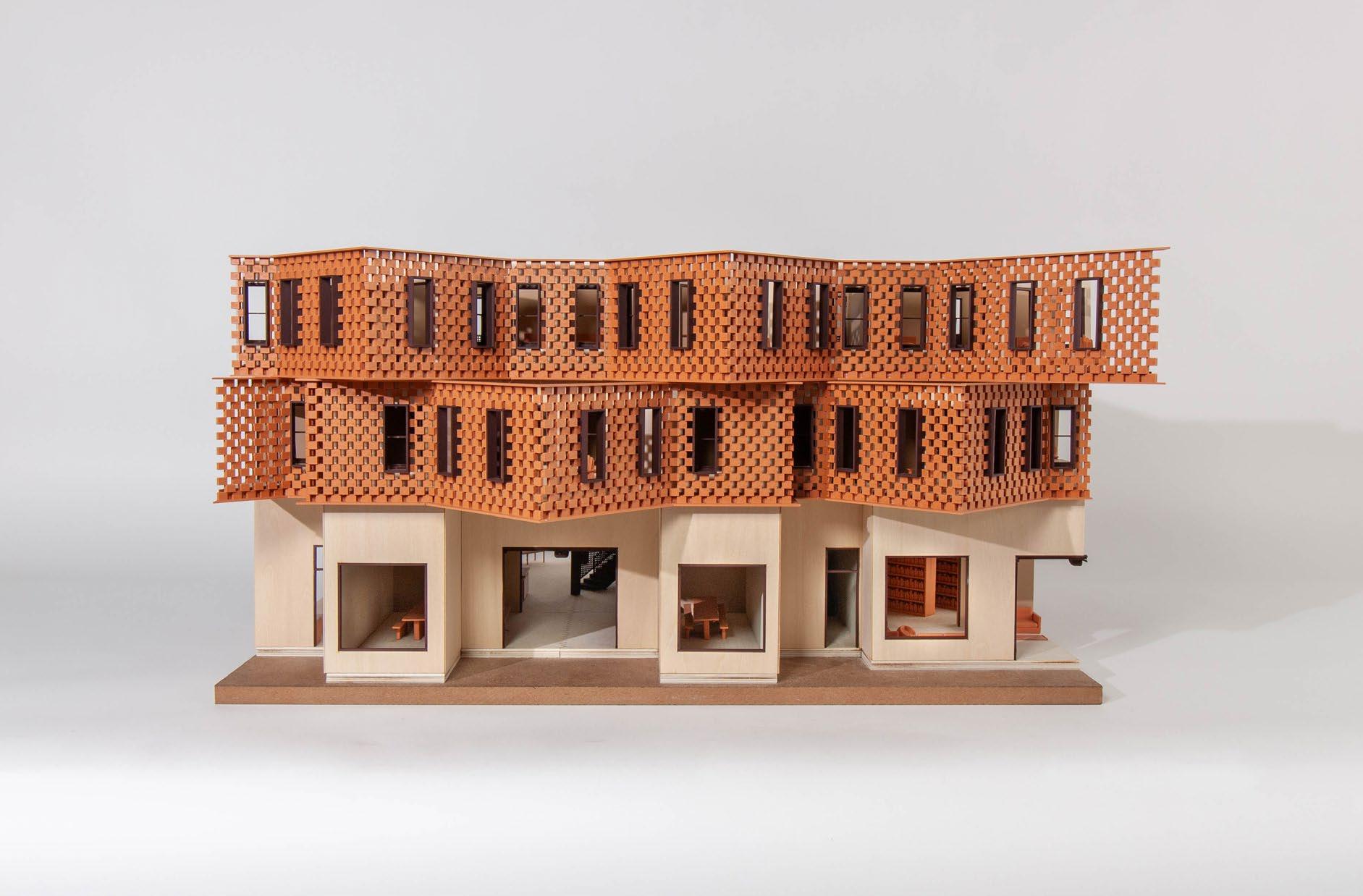
In the sprawling urban fabric of Los Angeles, a crucial housing typology has been missing—one that blends community, affordability, and public engagement in a way that fosters sustainable, connected living. Our co-housing project, through the careful aggregation of row houses, is here to fill that gap. This is more than just housing; it is a blueprint for creating a neighborhood that redefines urban living.
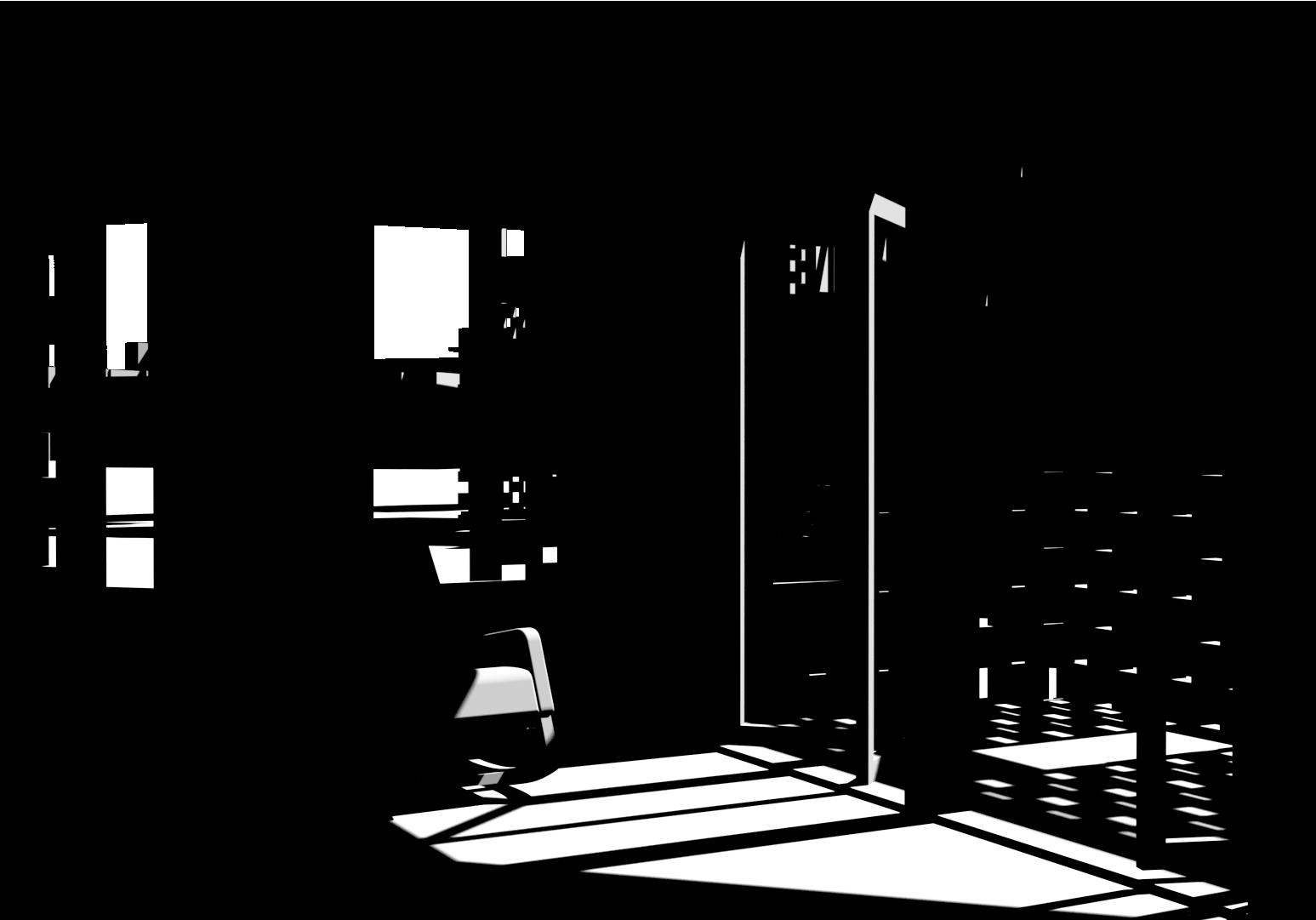
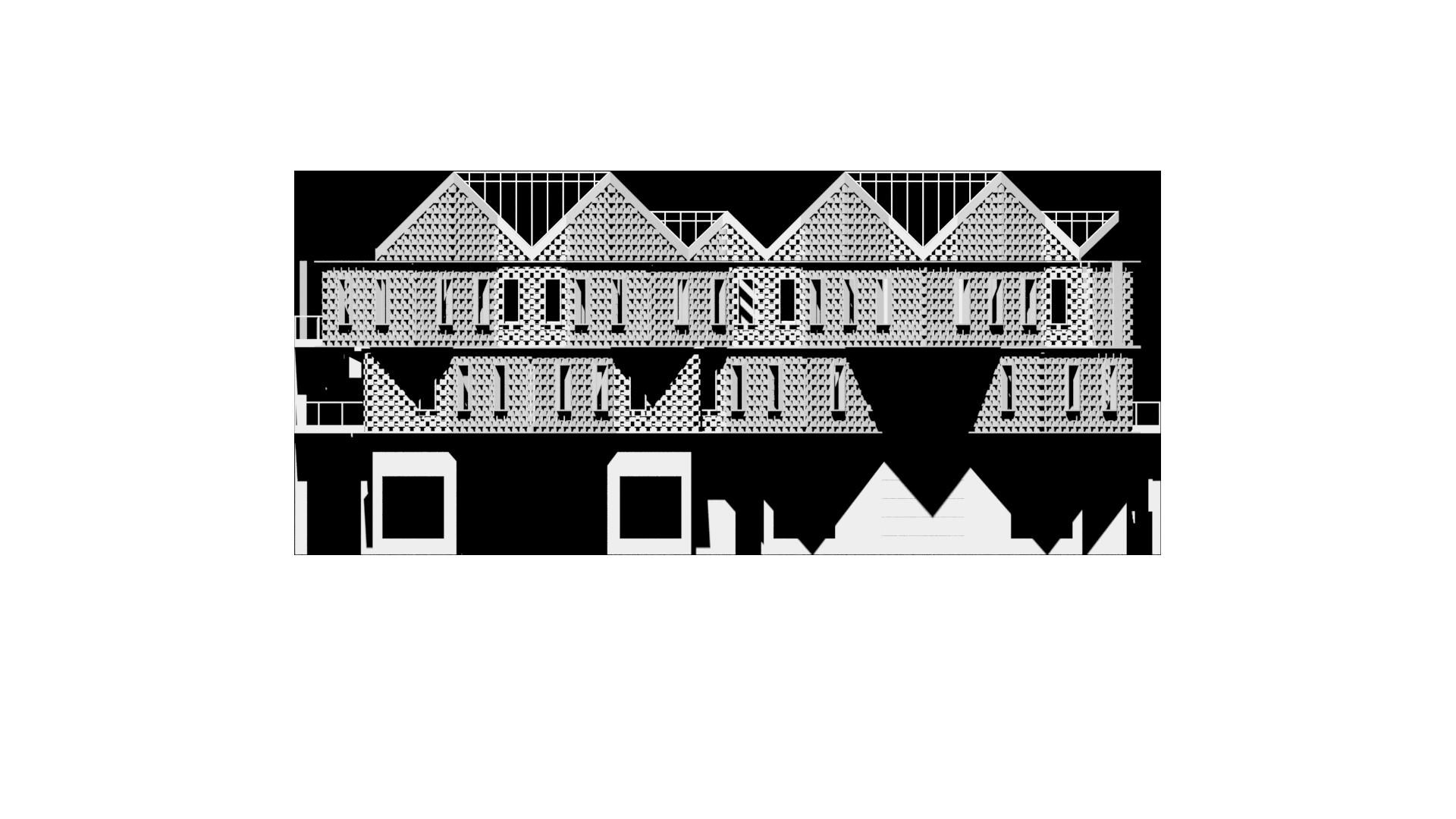
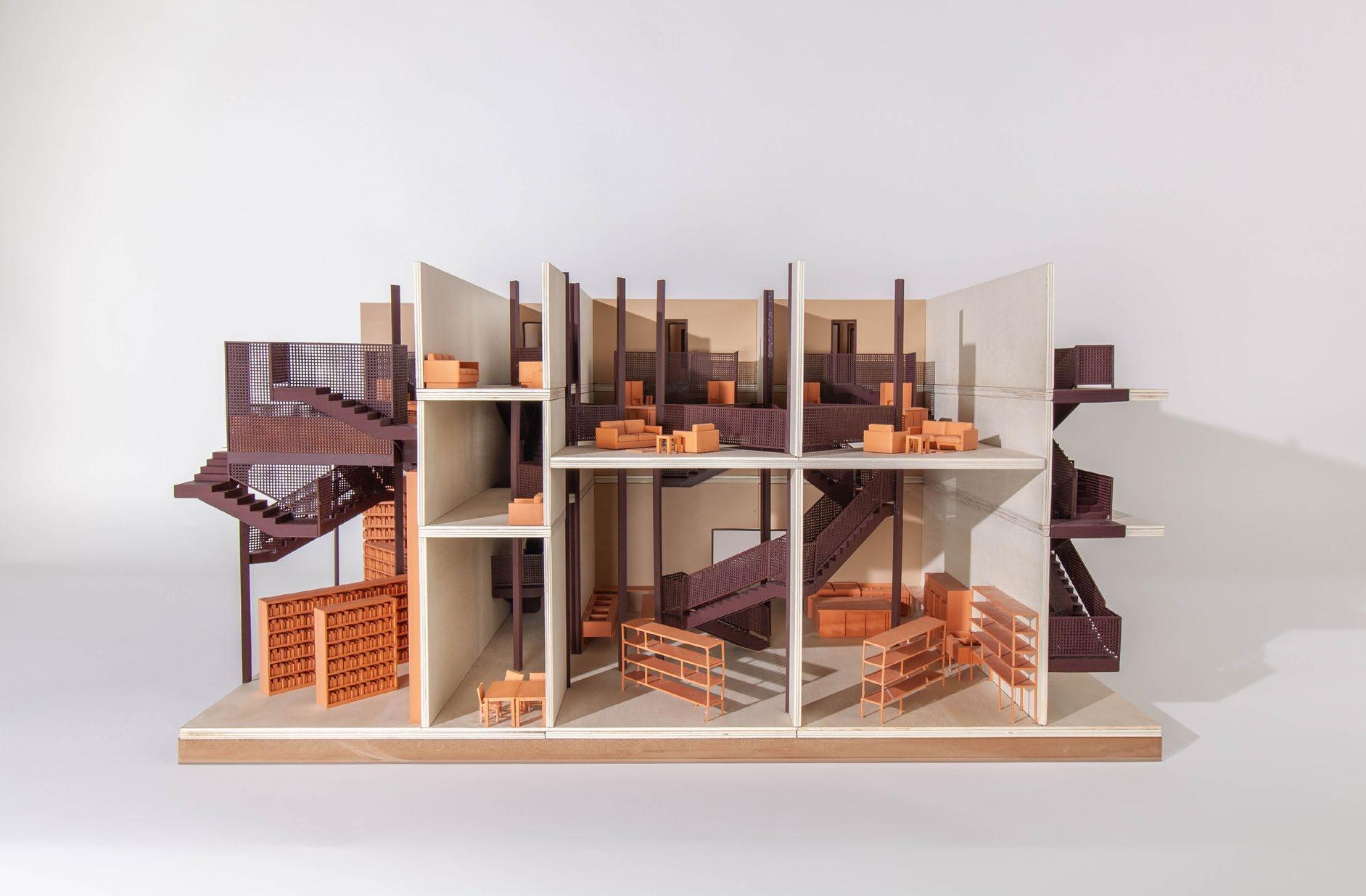
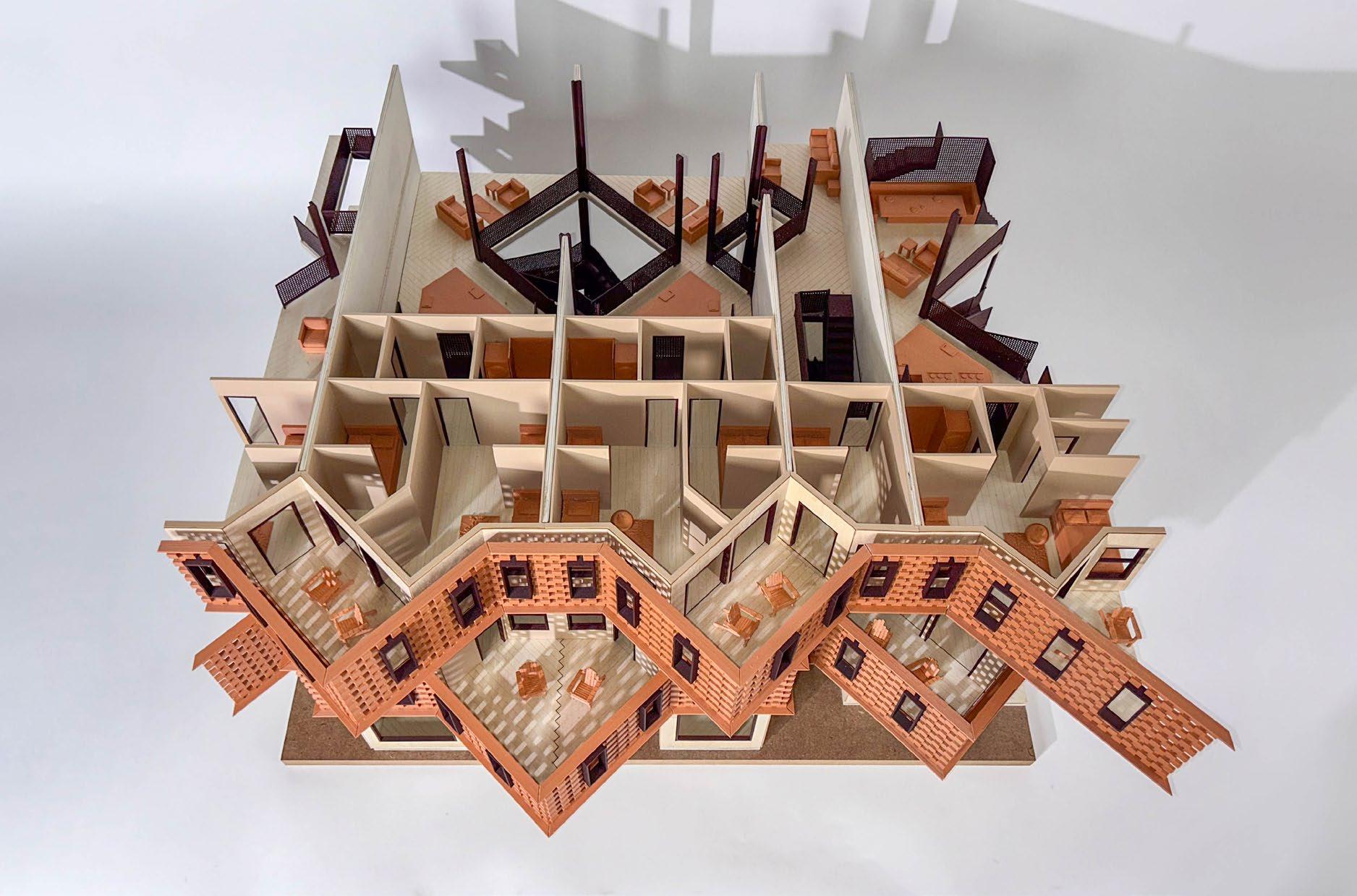
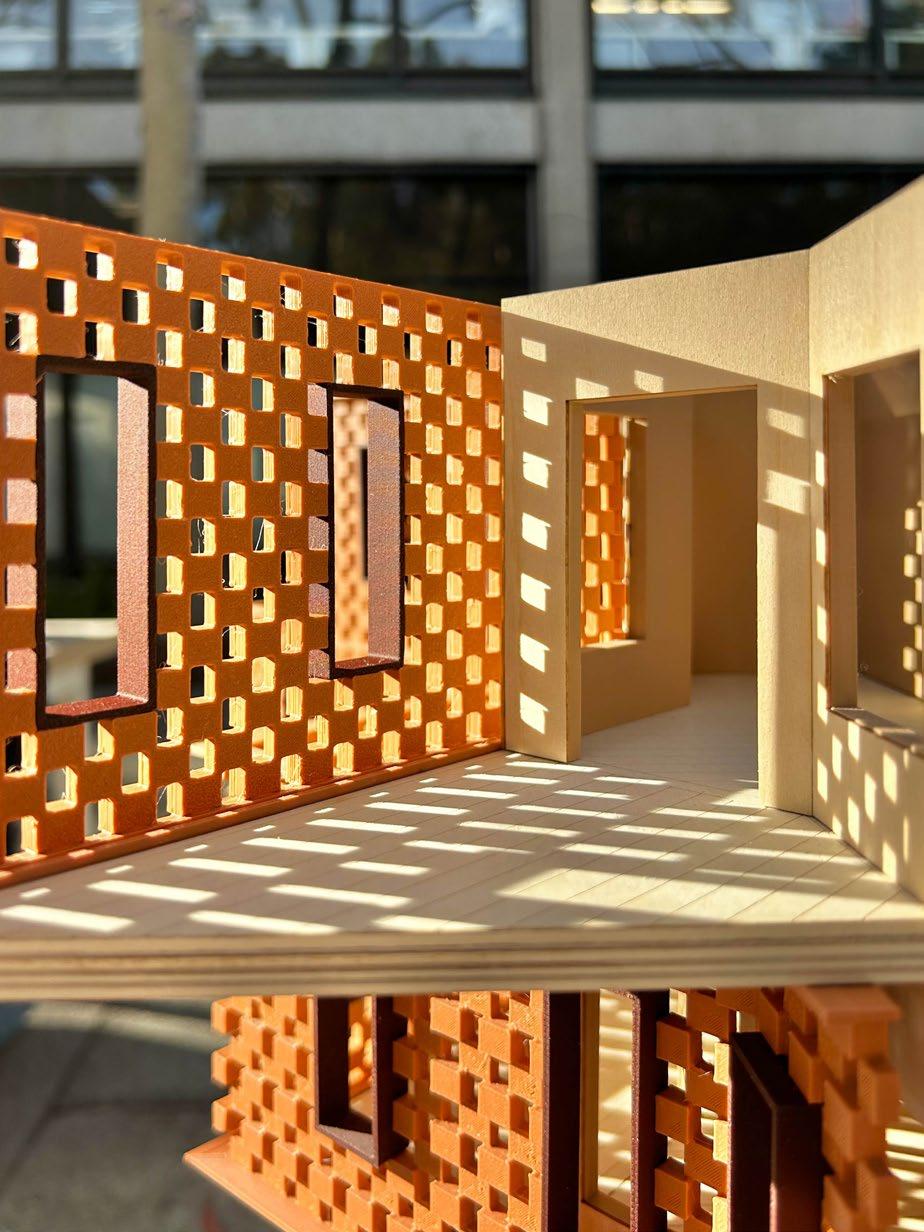
In the organization of this project, the co-housing and coliving units are situated on the front and back ends of the row houses and shared space happens on a split level in between. Lightwells occur between the walls of the row houses, breaking barriers and allowing light to pass through and circulation to happen within. Between sets of 20-foot row houses, a 10-foot infill unit exists, creating transient housing and opportunities to infill fun units programmed for the community.
Our design of the row house can be implemented at different scales and grow into the existing community and urban grid. One collection of the joined row house units can be planted as a "seed" and fit in the constraints of one residential lot. As more lots open up, or as neighbors want to convert their homes and buy into the collective, the block becomes transformed into a co-housing neighborhood. As the collective grows, more space opens up for additional programming for the community.
PERSPECTIVAL SECTION
Instructor: Claus Benjamin Freyinger
UCLA Spring 2023 Studio
Group: Chloe Kristensen + Kira Saaty
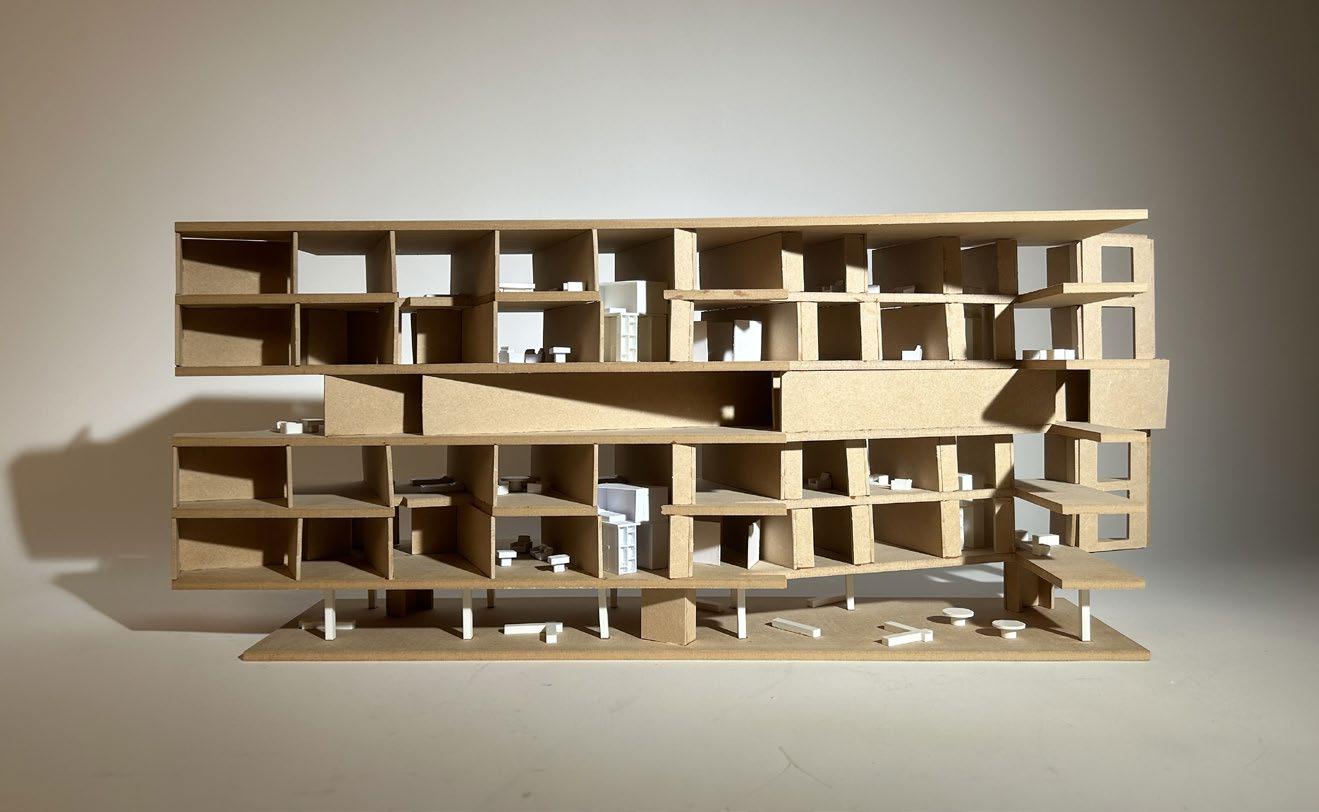
In superimposing Le Corbusier’s Unite d’Habitation communal housing project diagonally through an existing precedent building we sought to create a key of interlocking private and public spaces by retaining and reworking the sectional skip stop organization. Designed for art students, the building features interconnected bedrooms and communal kitchens, recreational facilities, studio spaces, and workshops, forming a series of co-living and work spaces. This creates a living room streetscape, intermixed with corridors that bring in light and poke holes to create signs of life.
The exposed corridor space, inspired by New York City fire escapes, not only allows residents to enjoy views of the community spaces but also encourages social interaction. The atrium running through the building prioritizes biophilic elements of design such as an abundance of greenery and natural light that outreaches to the rest of the building, creating a dynamic space that fosters creativity, community, and well-being.
The building’s program and design addresses the diverse needs of students, the adaptive re-use of the existing building, and what it means to live and learn in one place.
PLANS
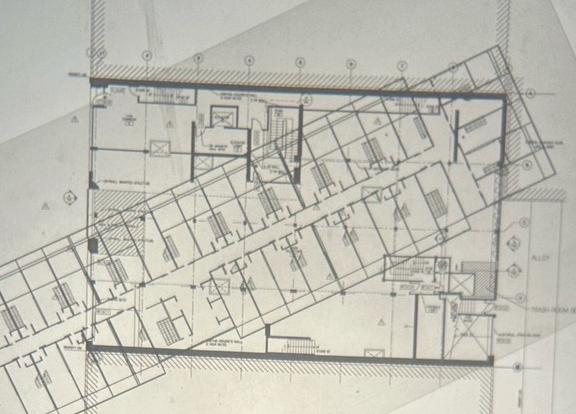
Above is the Unite d’Habitation projected diagonally through an existing precedent building. From this concept image we developed the plans, first adjusting the scale and eliminating unwanted elements, then adding programming.
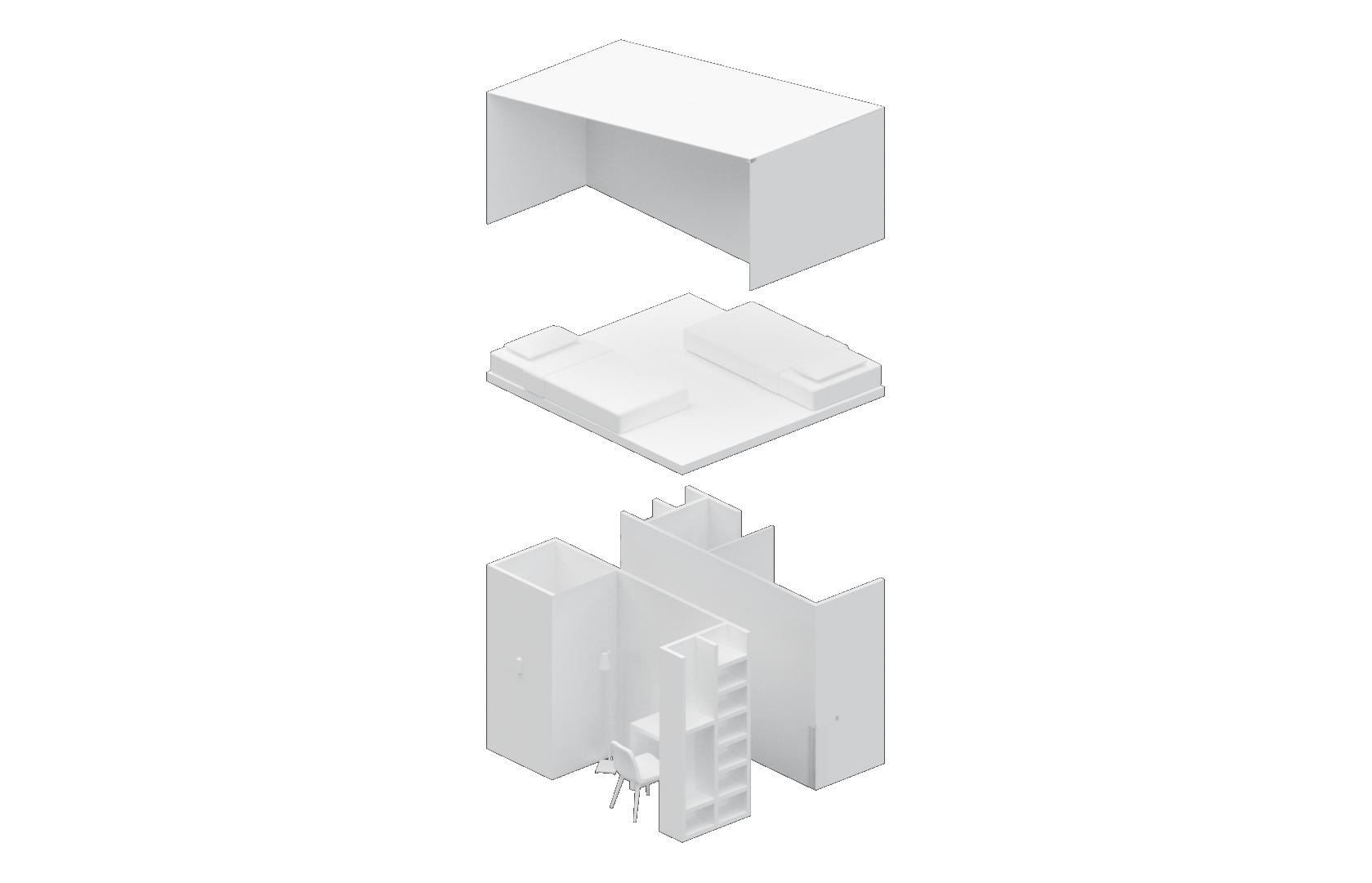
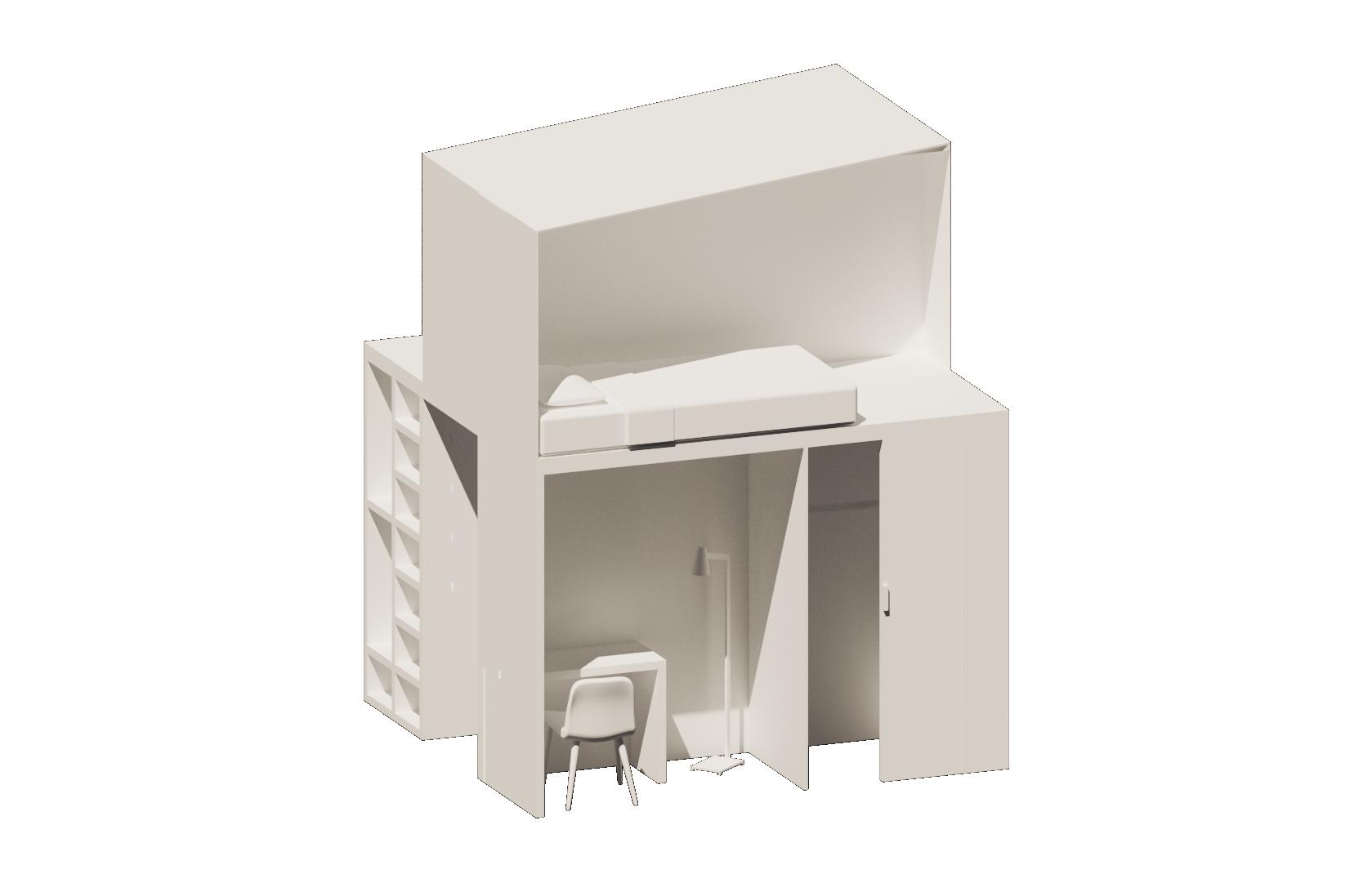
To the right is a multi-use piece of furniture I designed for the lofted bedrooms. The double bunk bed creates many spaces in one, a bed, desk, closet, and storage spaces. The two sides of the double bunk form a walkway in between giving access to spaces behind it, further breaking up the room into utilized areas.
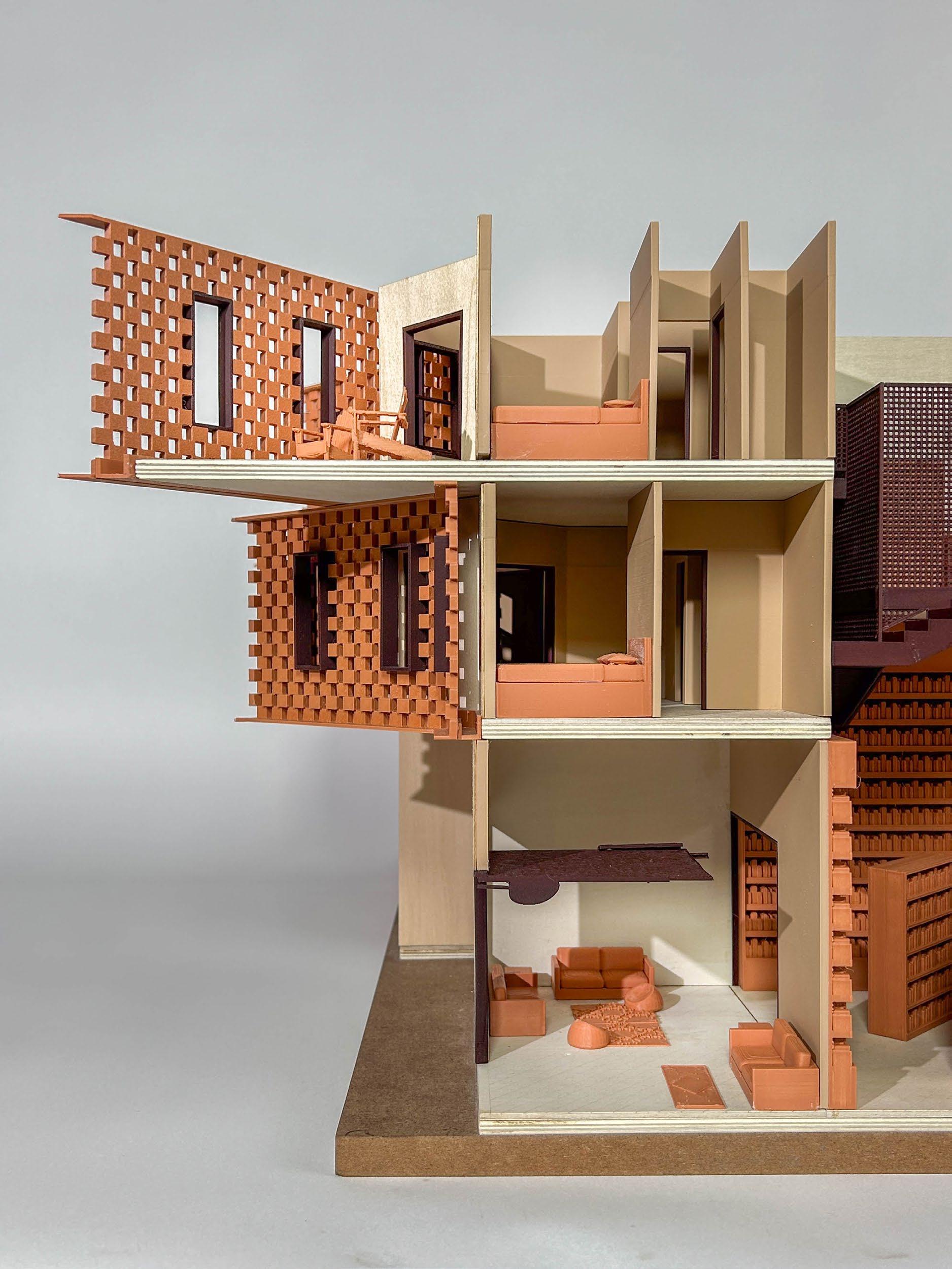
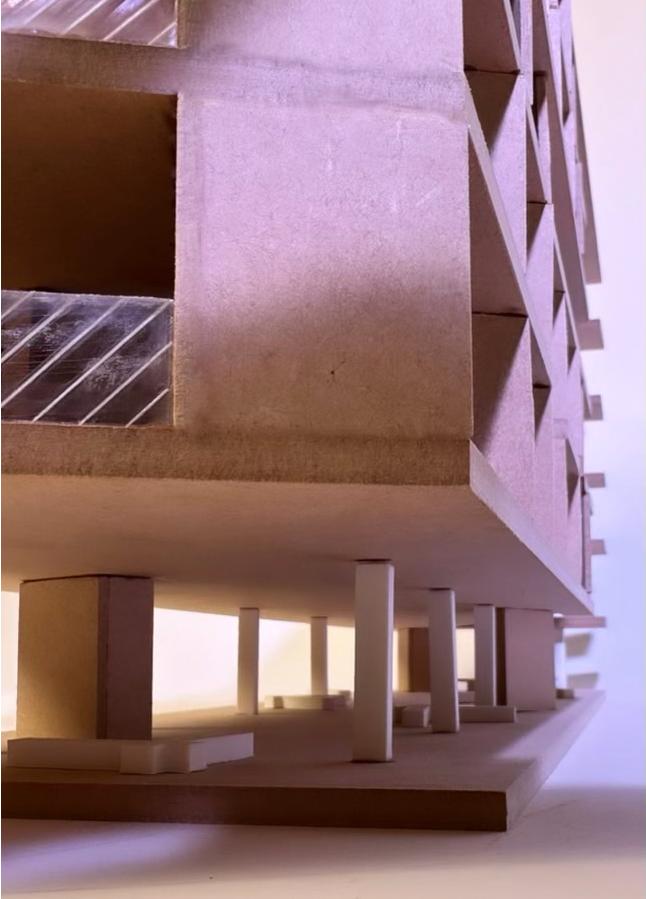
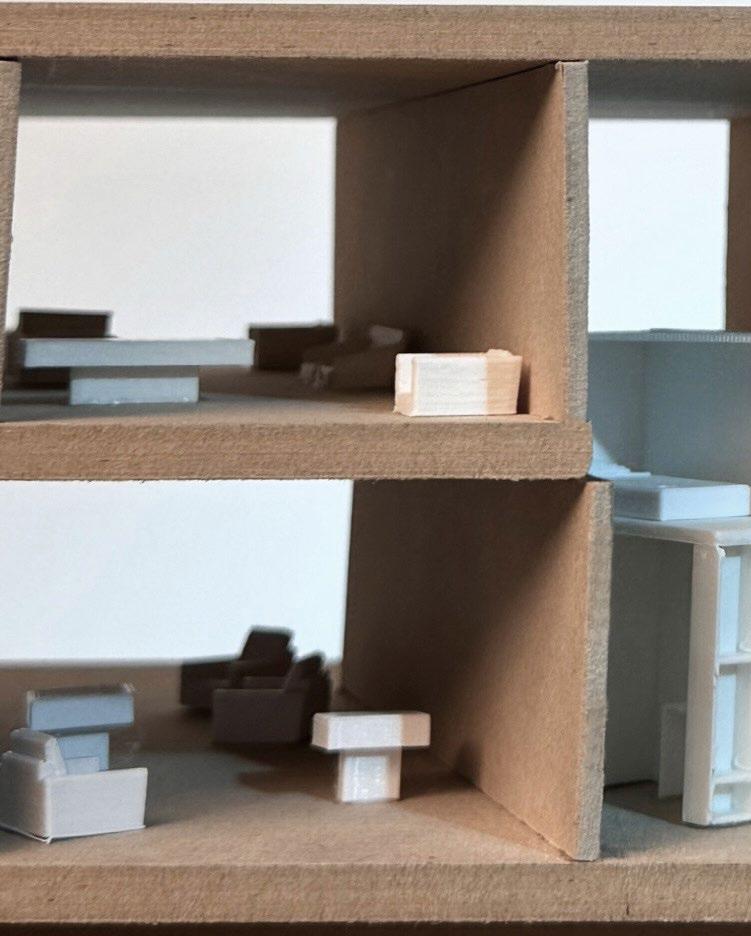
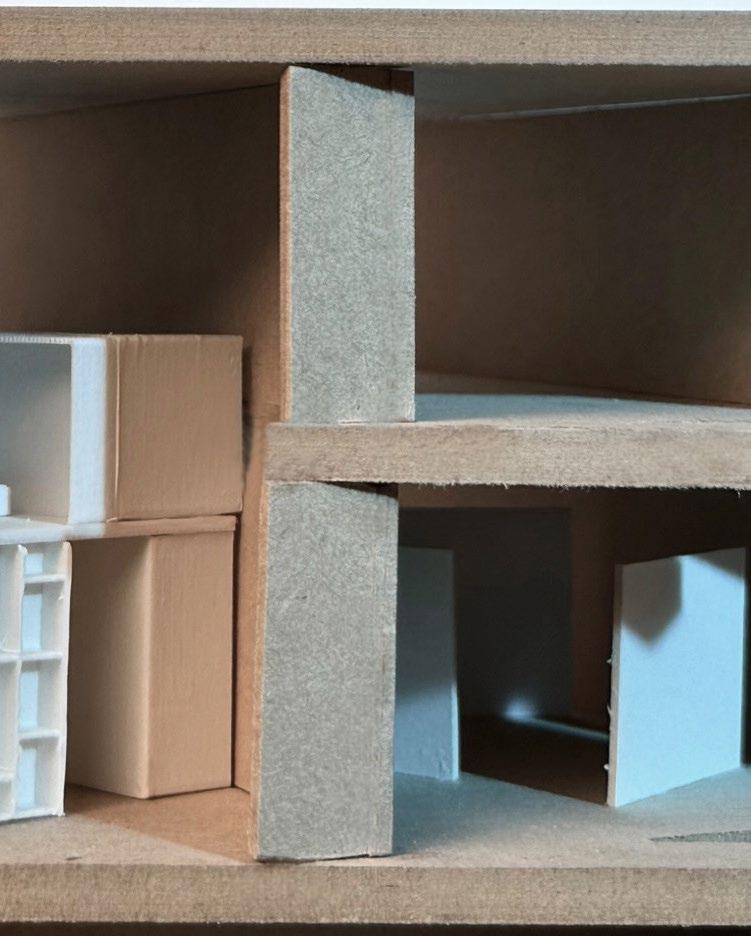
The model we created (28 x 7 x 12 in.) is a slice through the center of the building depicting its sectional qualities.
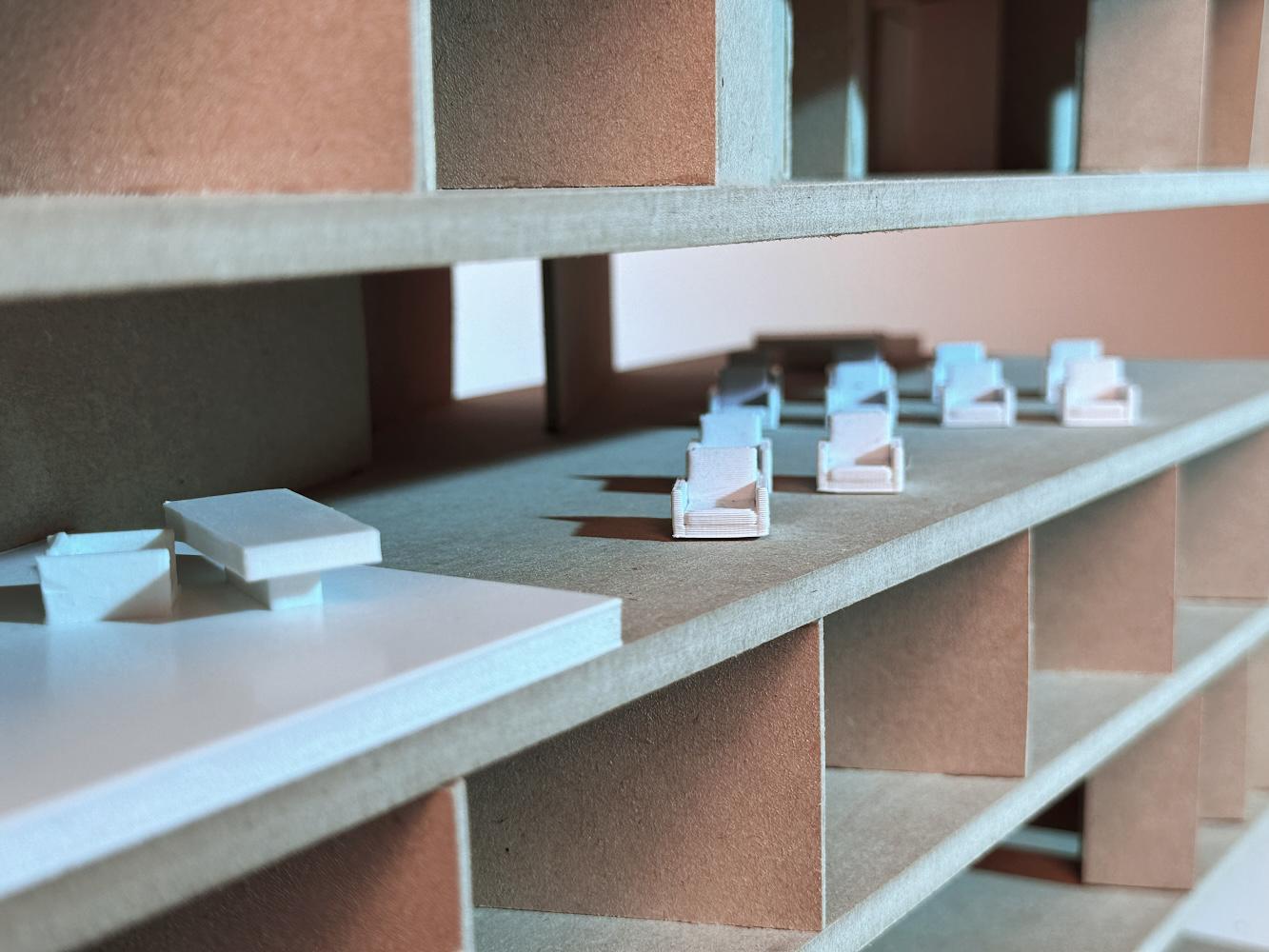
This plan depicts how public and private spaces are woven together; alleyways of art spaces sprawl between the contained bedrooms. On the level above, the private rooms expand, eliminating the hallway and creating loft space for sleeping.
My partner and I collaborated throughout the whole design process. The final drawings that I focused on were two plans (pictured above and on the previous page), and I designed and created diagrams for the bunk bed and took the lead on making the physical model.
Instructor: Mohamed Sharif
UCLA Winter 2023 Technology Seminar
Group: Chloe Kristensen + Rebecca Kneale
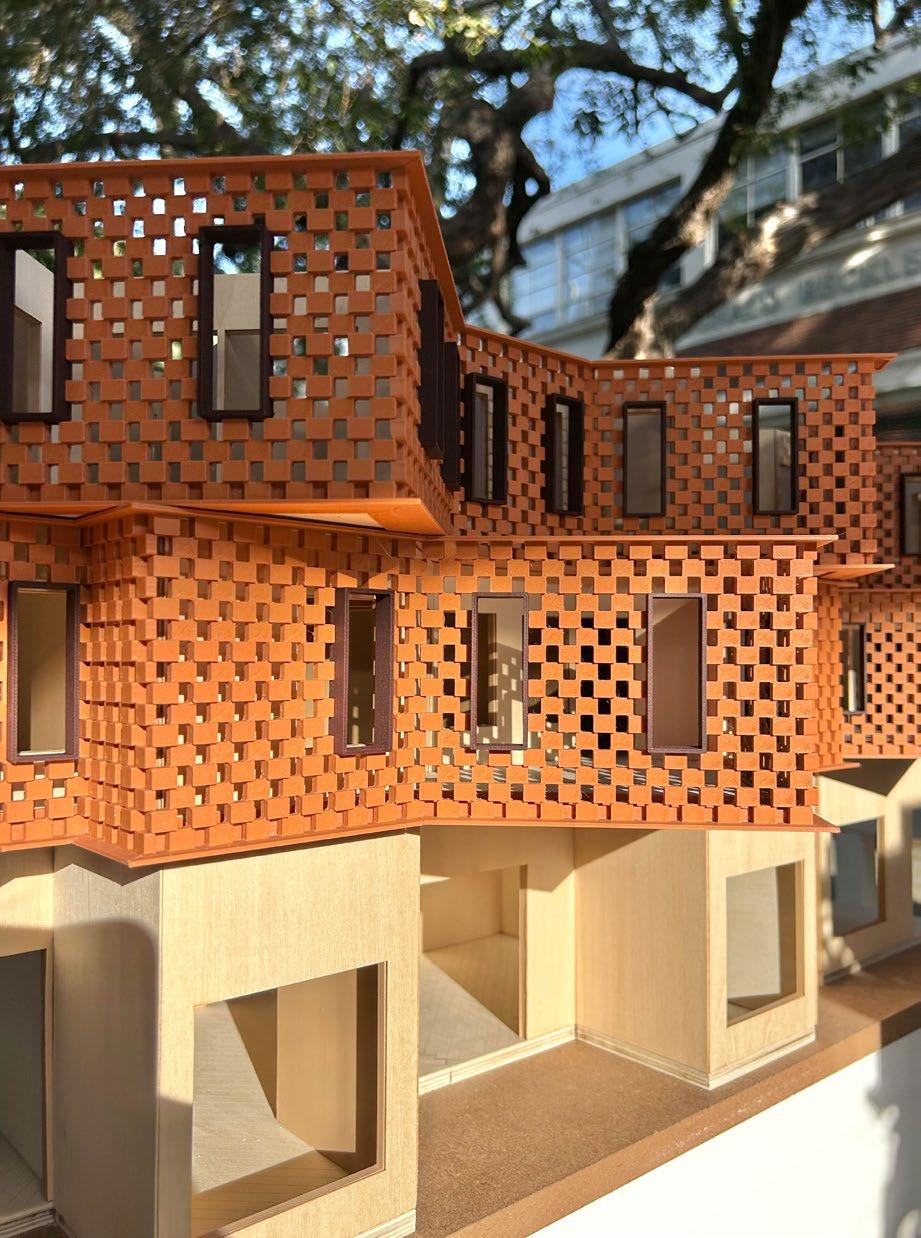
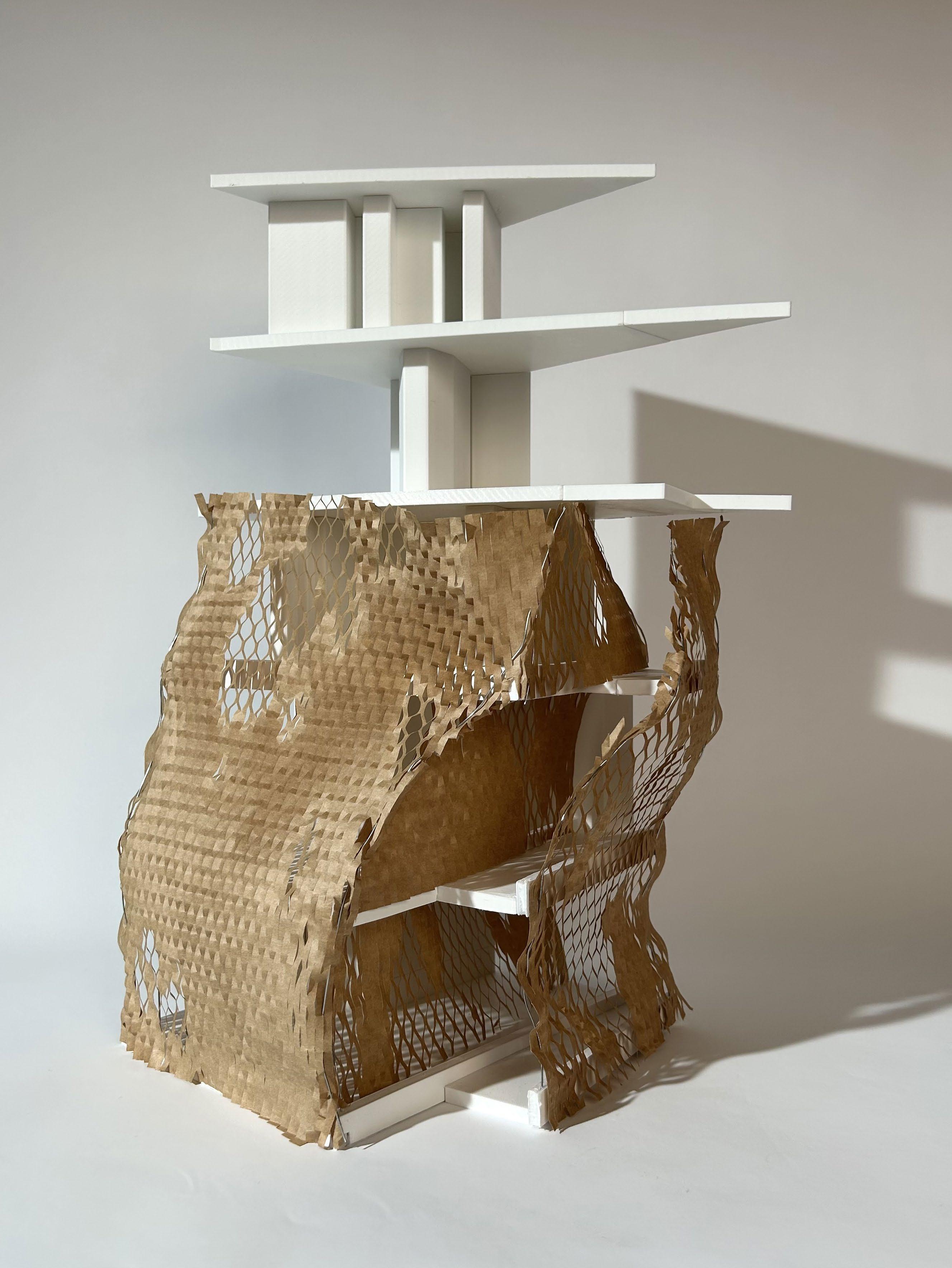
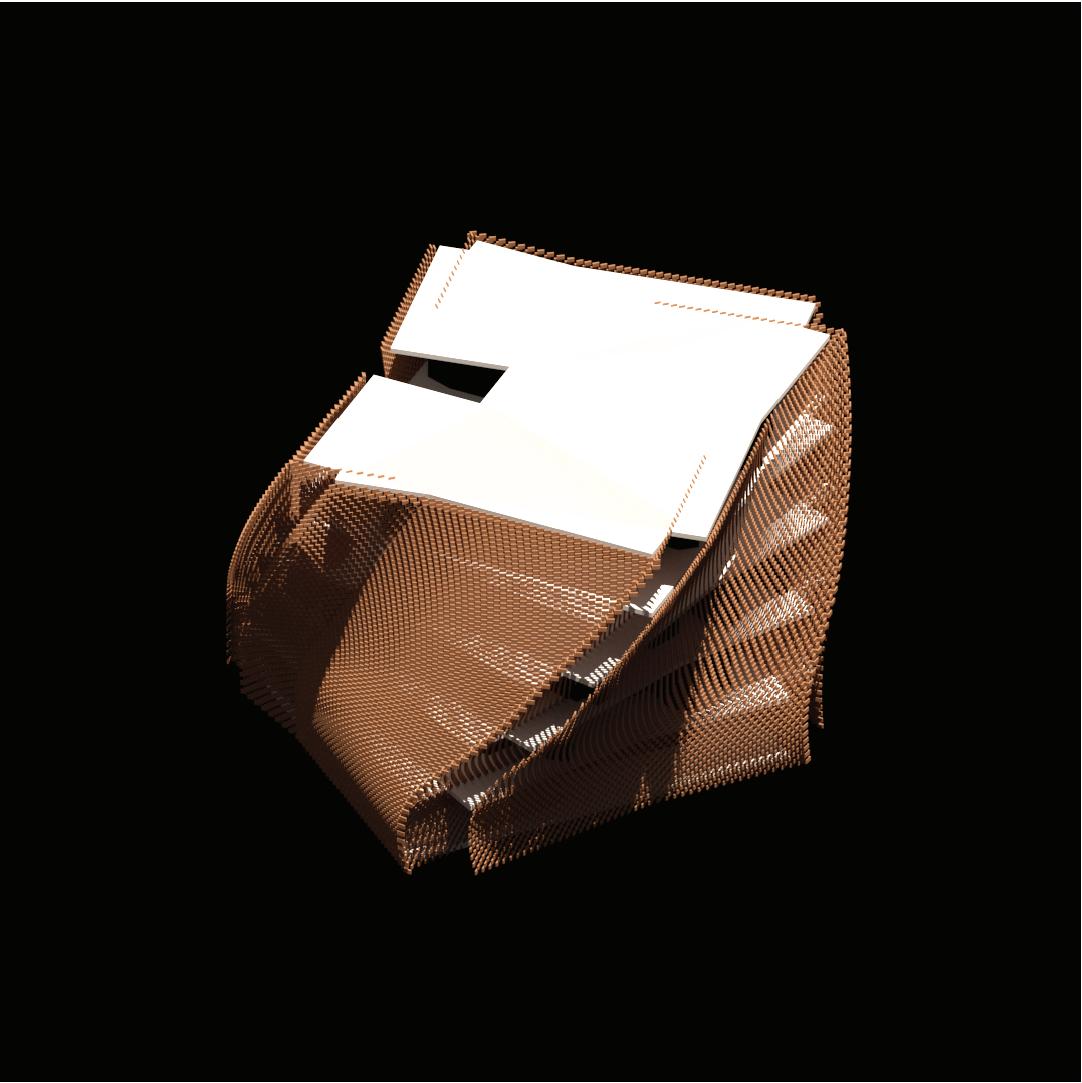
This project began with stacking medieval castle plans into five-story, freestanding urban residential tower blocks whose solar exposure demands the interplay of architectural elements with environmental concerns. To destabilize the simple stacked form and tackle the issue of the effects of climate and the sun on the building we rotated the plans on an axis to create a form that is self shading.
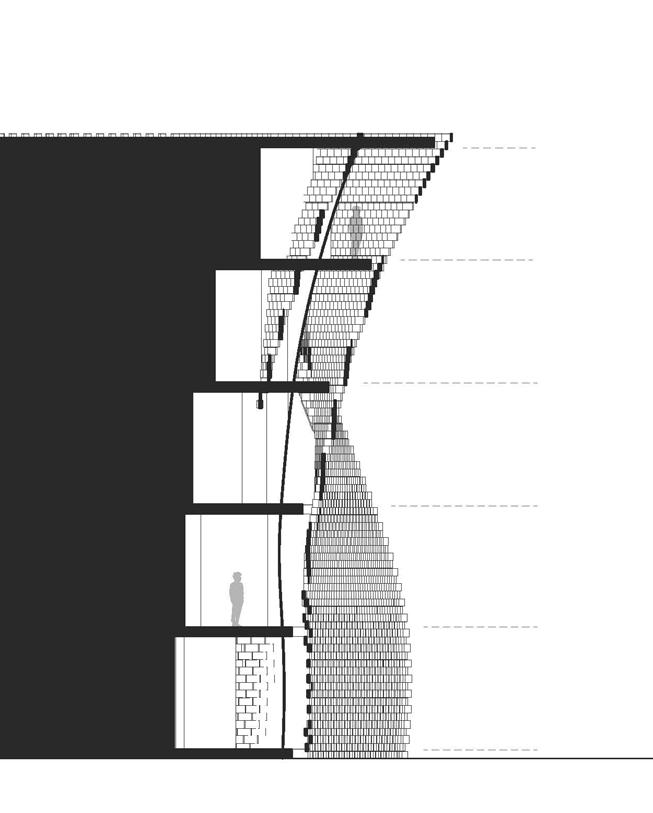
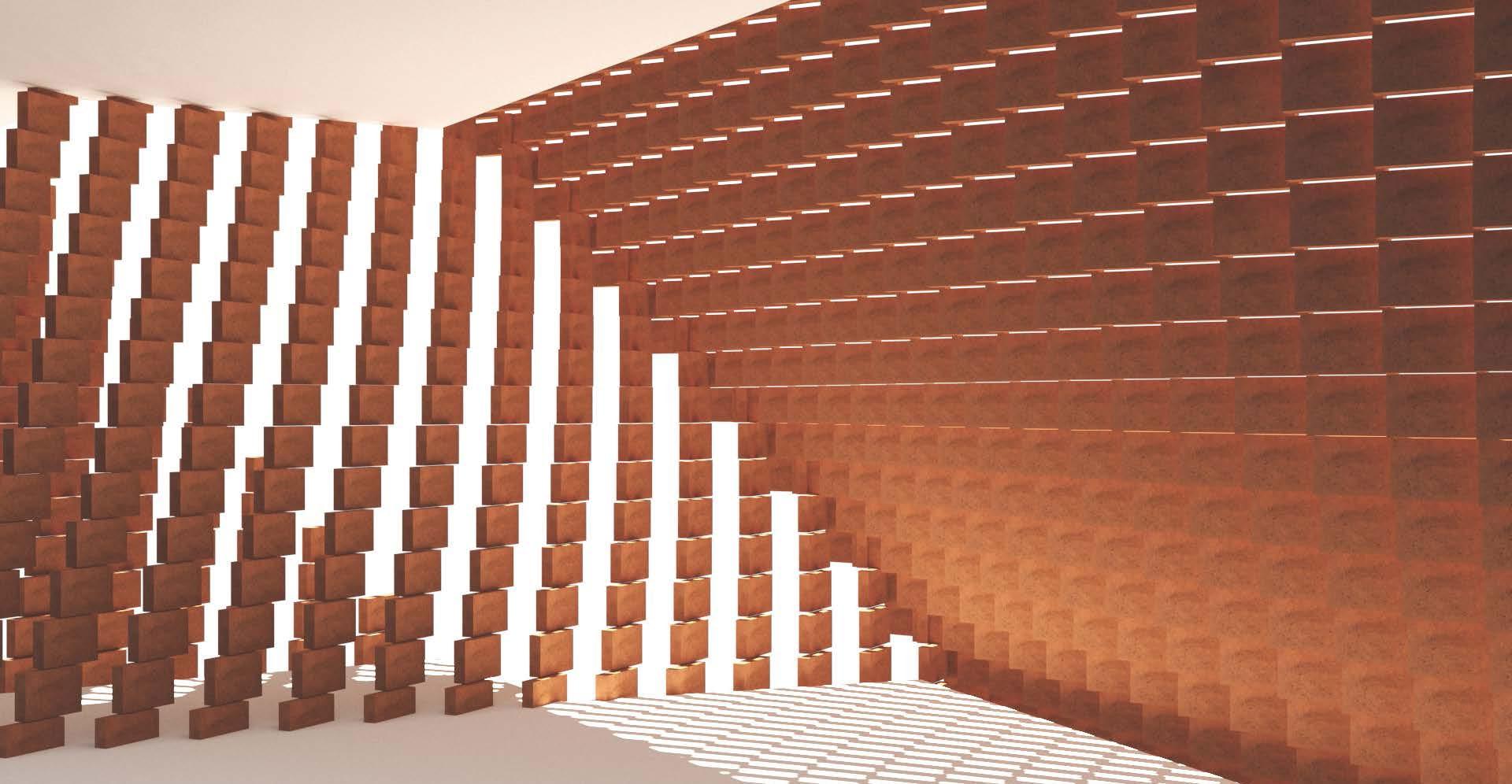
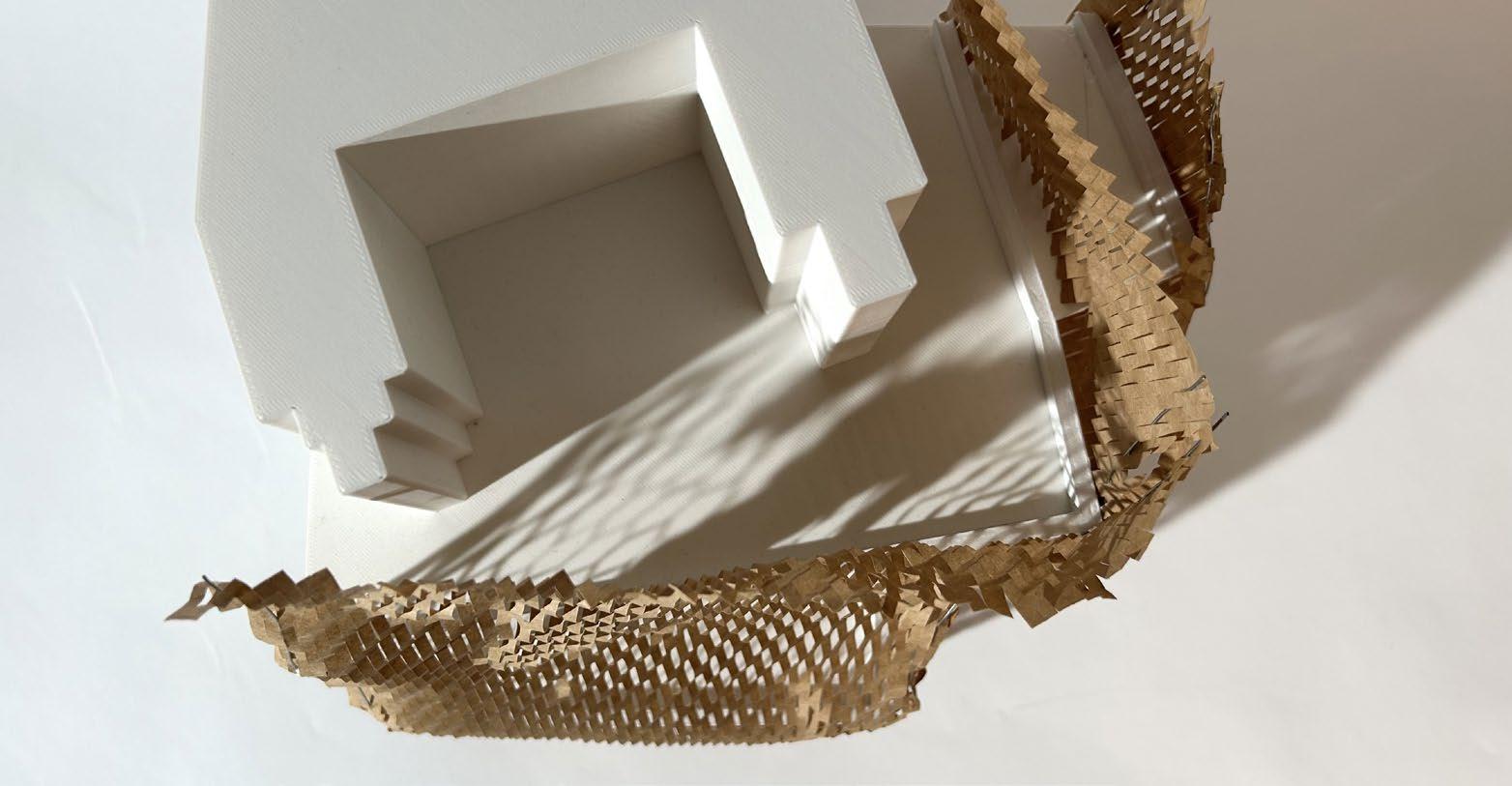
The facade is a static curtain wall made of terracotta tiles that each have their own rotation. This produces an effect of dappled sunlight that is in flux throughout the day. On the corners of the building one layer of the facade pulls in as a second layer wraps around the outside of the balcony to create a two-layered system. As the project progressed we introduced construction systems into the design that consisted of a panel system to attach the terracotta tiles.
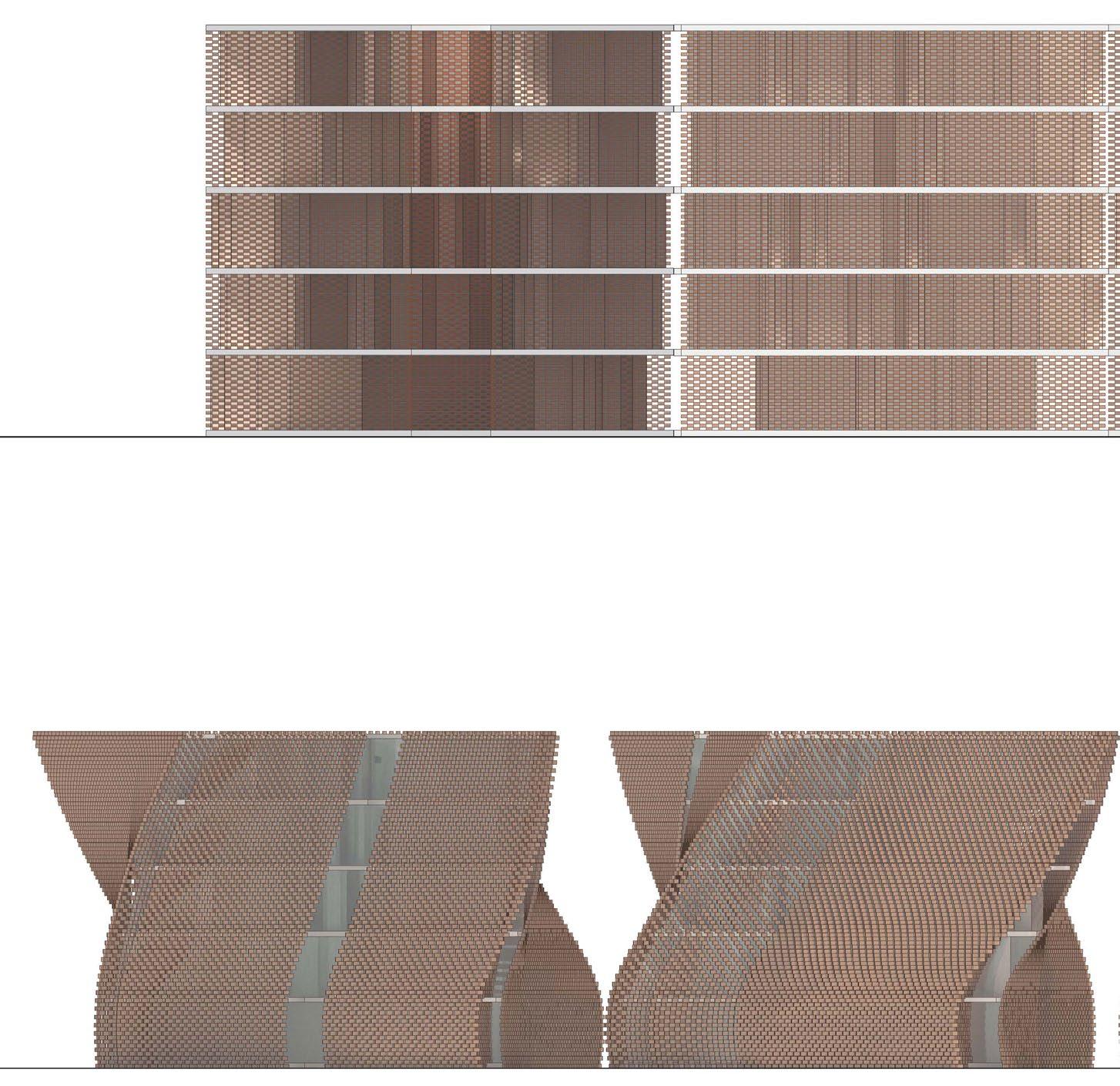
This unrolled elevation shows the deactivated versus the activated state of the structure, with the activated having a rotation in the massing as well as in the terracotta blocks of the curtain wall.
MASSING STRATEGY
SECTION
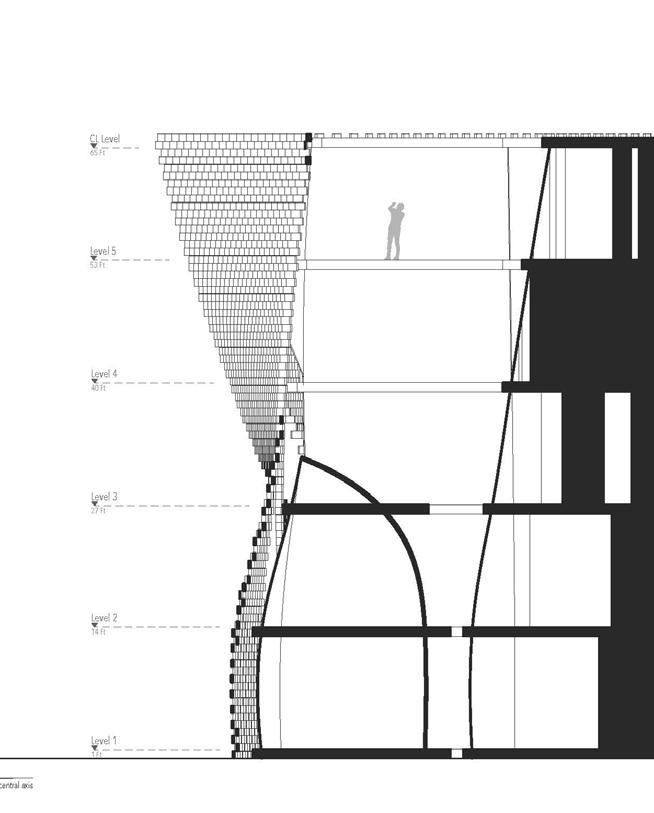
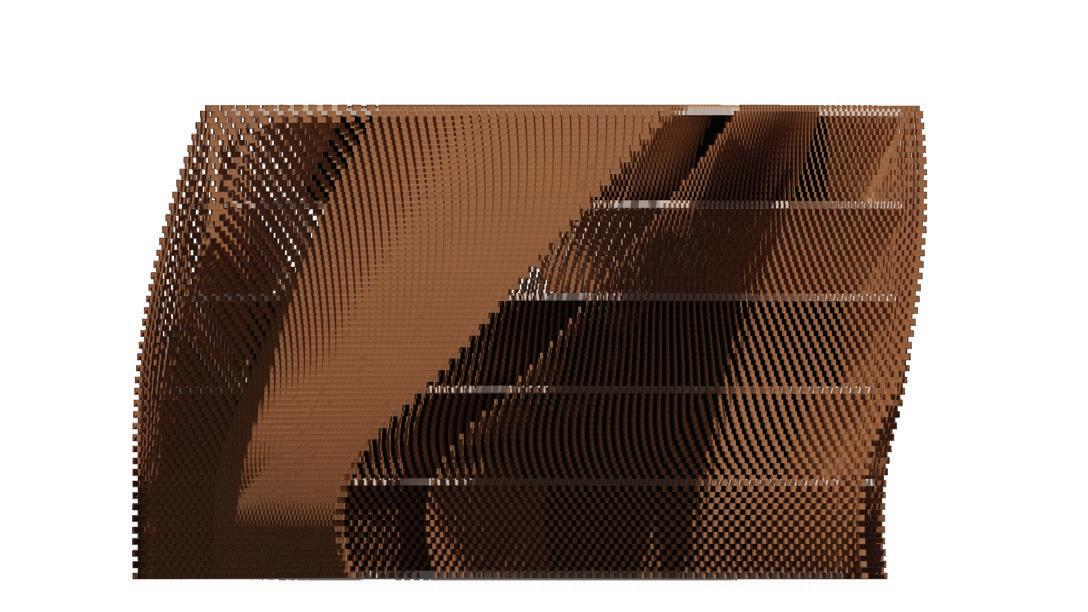
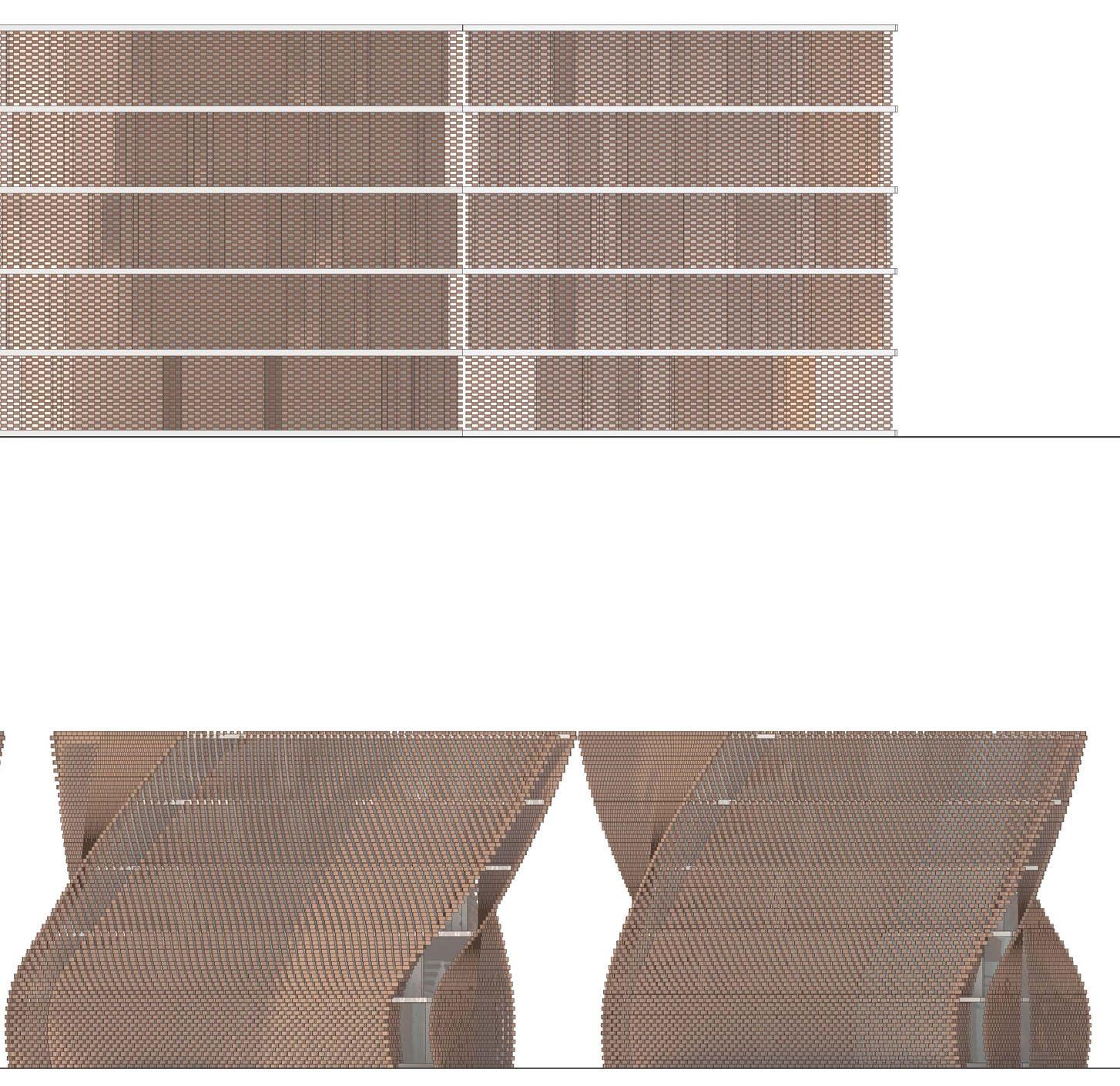
The unrolled elevation drawing was collaborative between my partner and I, my partner created the section drawing and bird’s eye rendering, and the rest of the drawings, images, and physical model shown were created by me.
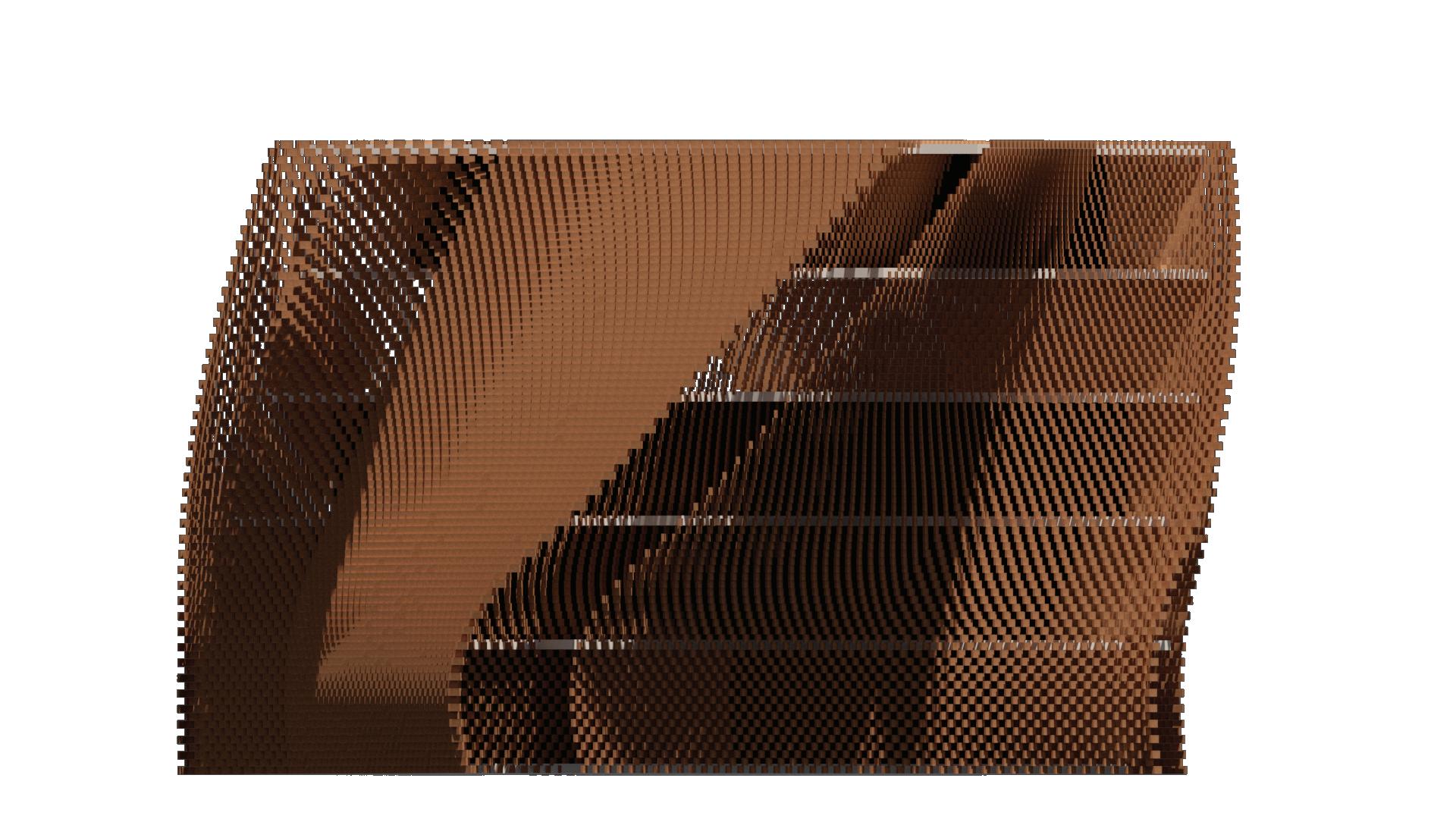
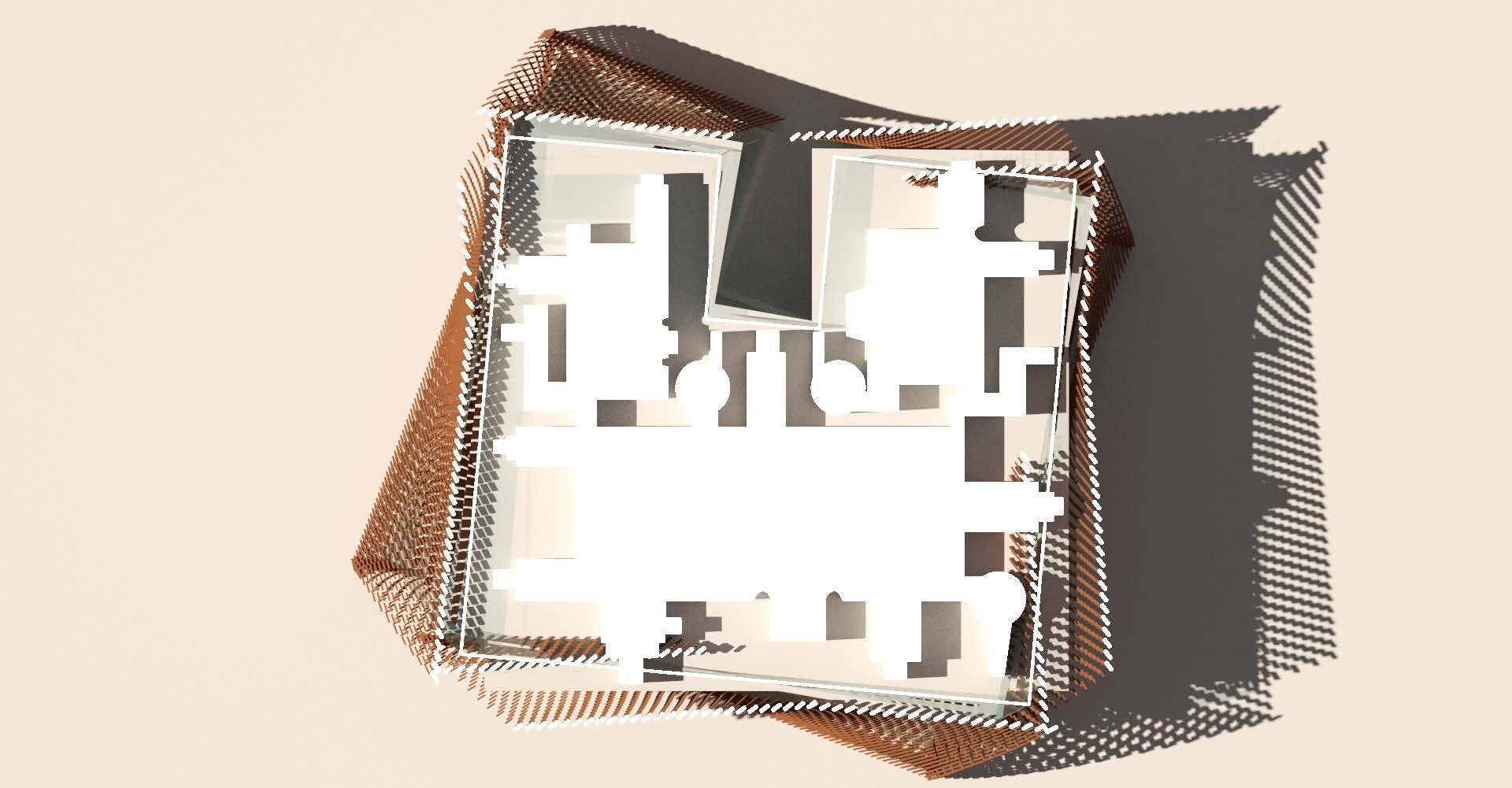
RENDERINGS (BIRD’S EYE + INTERIOR)
PHYSICAL MODEL PHOTO
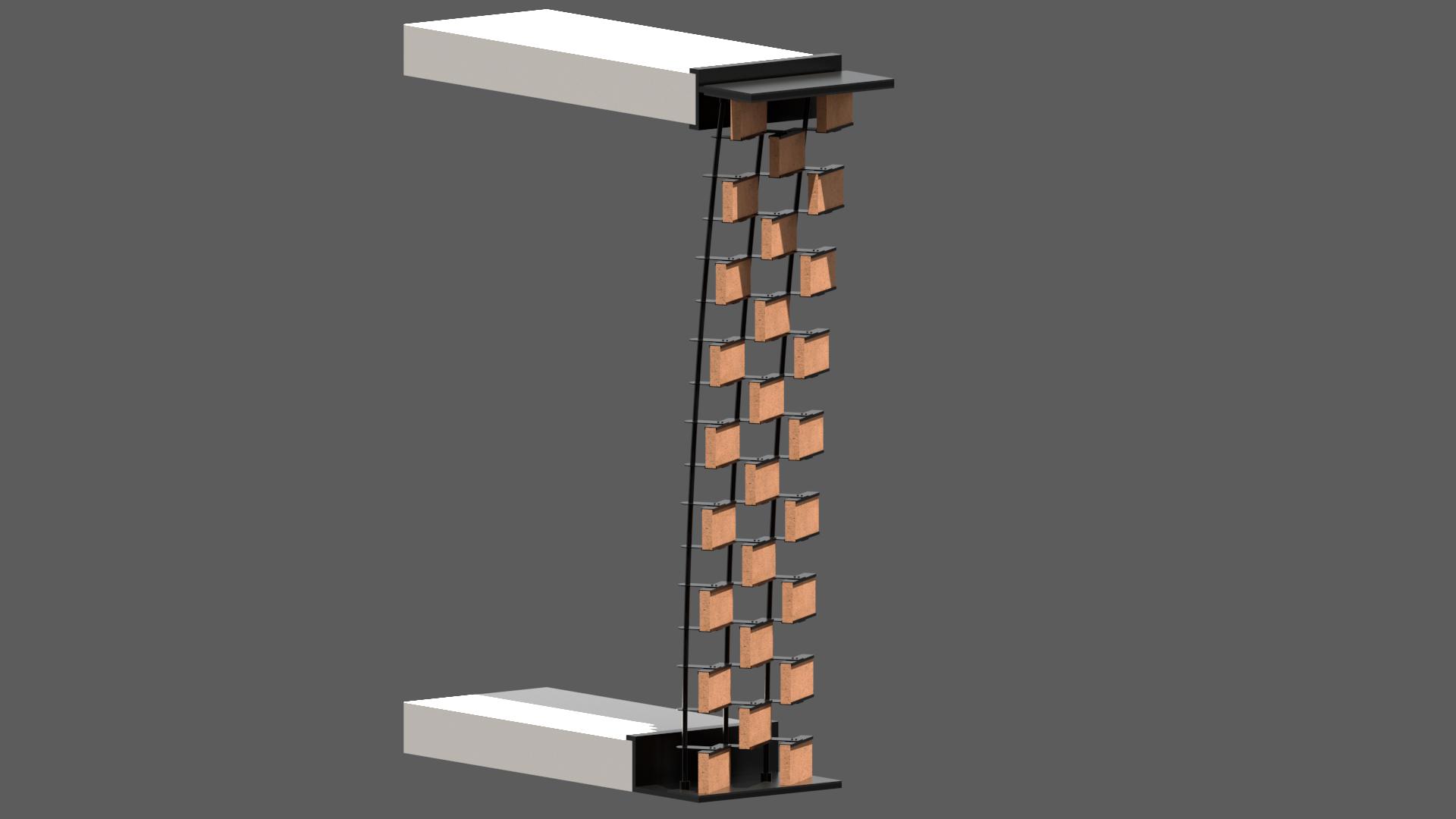
Once we created the concept for the facade, I then explored how the construction would work and the diagram above shows how the terracotta tiles attach together and to the building.
The images to the left showcase the shading effect of the terracotta curtain wall and the dappled sunlight let into the building.
Instructor: Katy Barkan UCLA Fall 2022 Studio “House in a House”
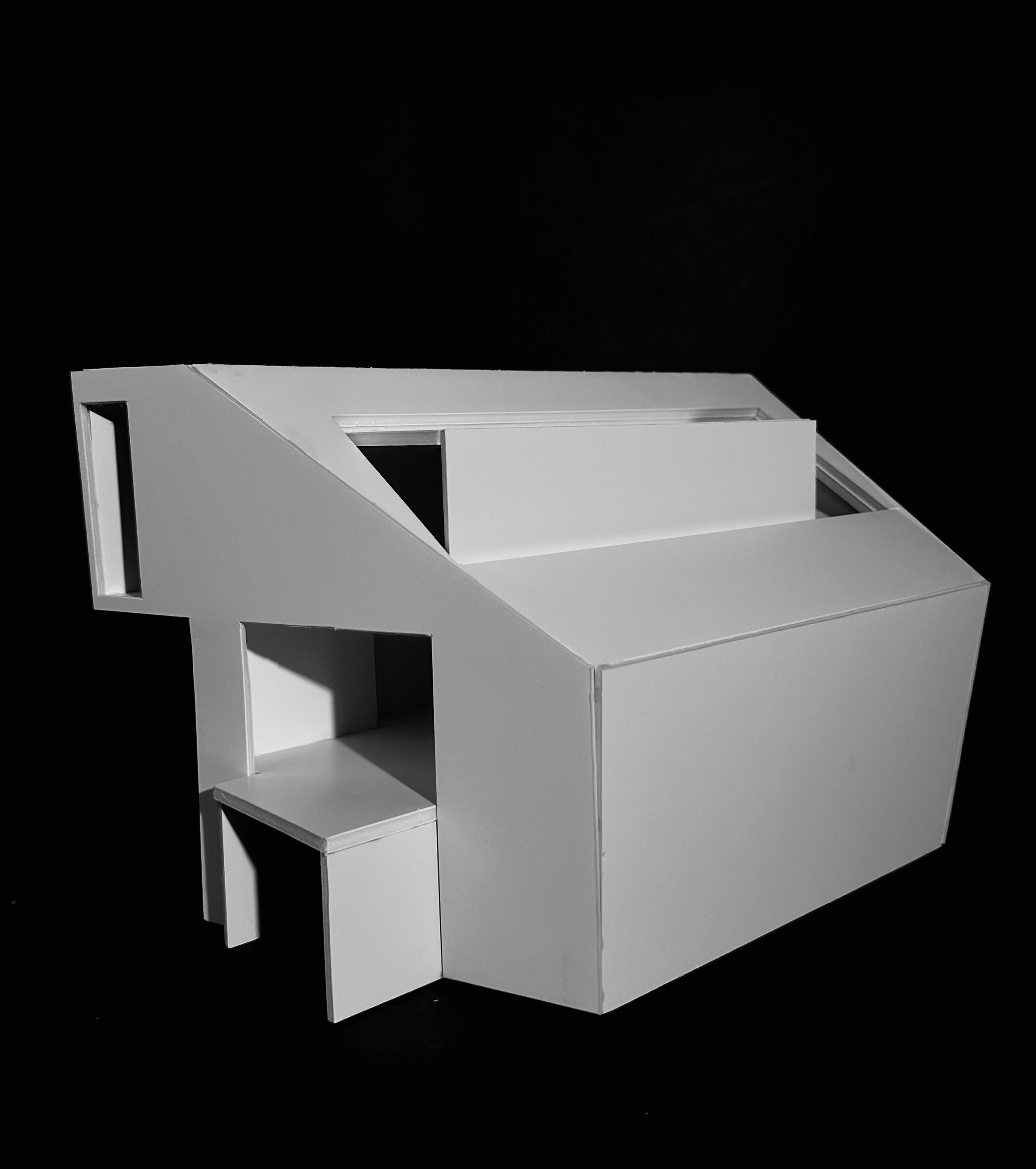
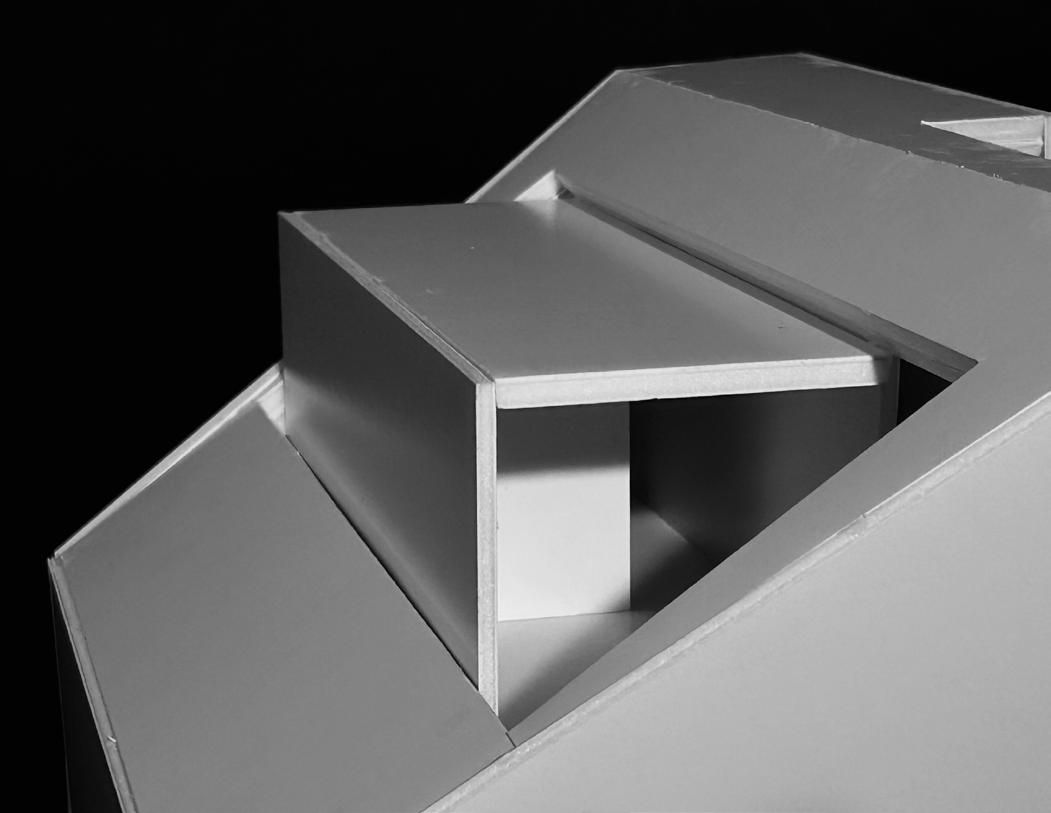
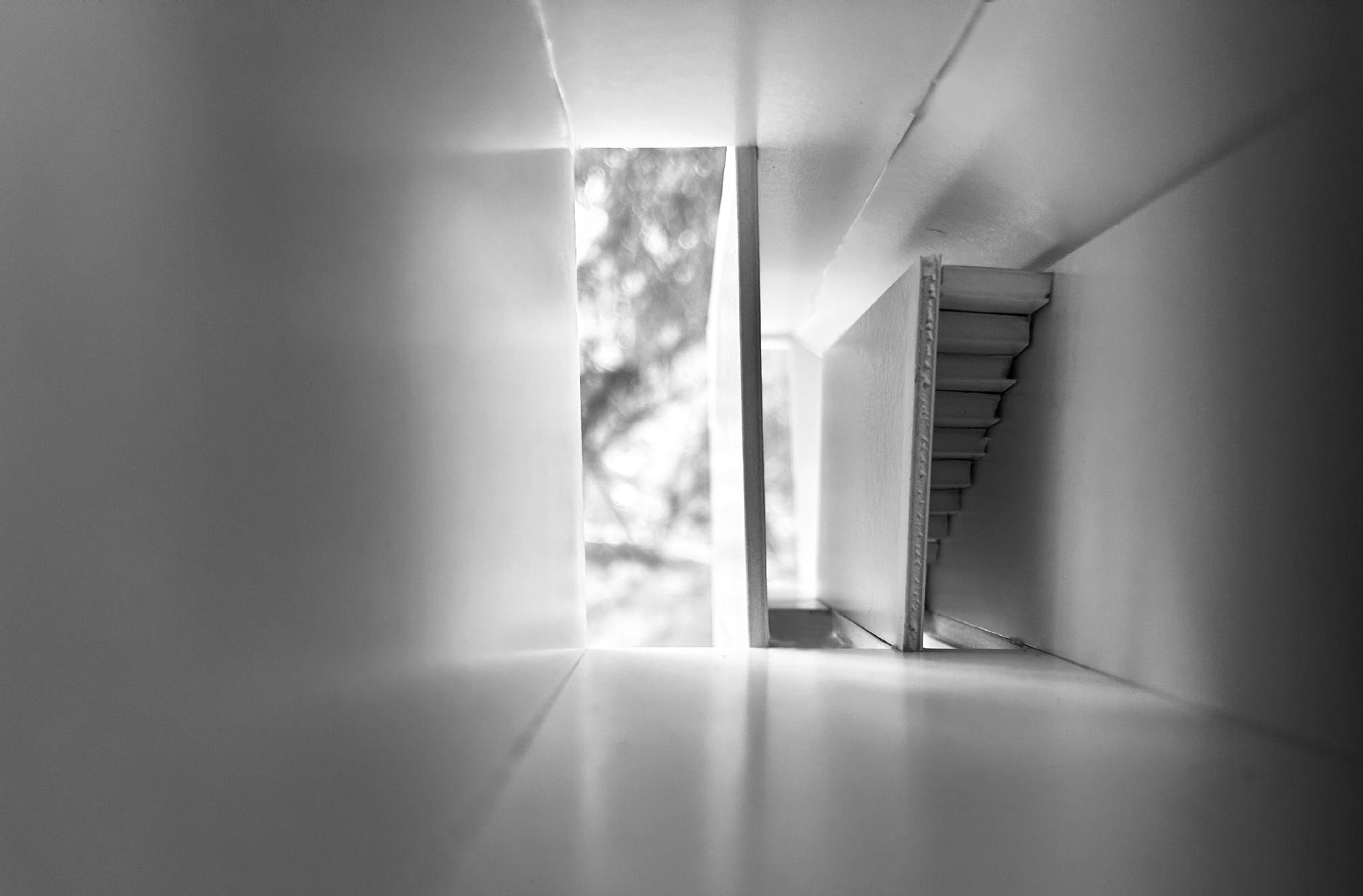
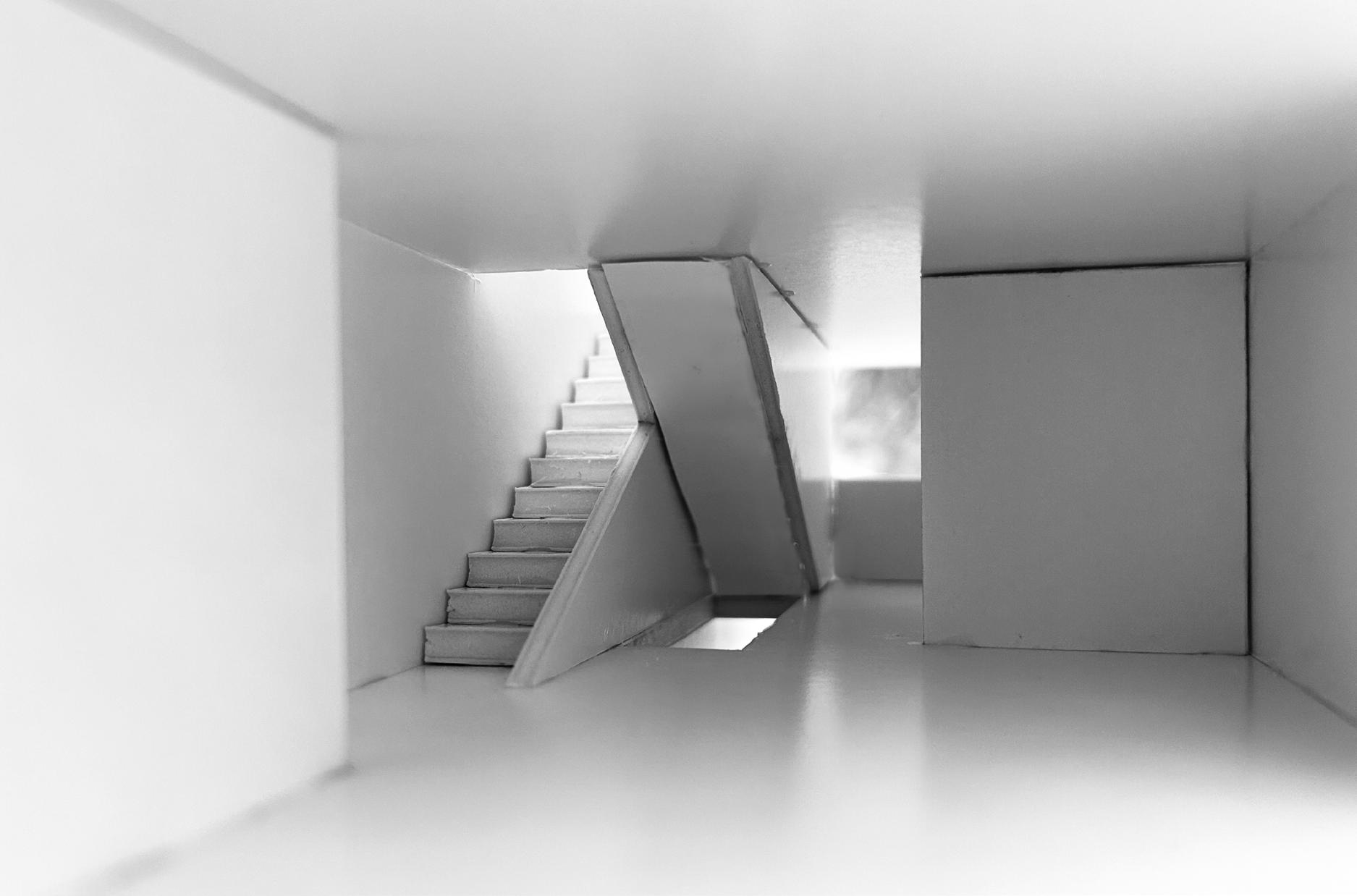
The focus of study for this project were the questions of boundaries, the relationship between live and work, and how two buildings could be imagined nested inside the other. My approach began with concealing the existing townhouse precedent by swallowing it by an addition, then through a series of leaning exterior walls creating moments where the existing house is revealed.
The theme of revealing and concealing continues with the programming inside the house with live and work playing a strategic game of hide and seek with each other. The work areas are at the perimeter while the living areas remain in the core. The outcome with the addition exposing the existing home, as well as live and work areas becoming revealed to one another within the house, is that the boundary between working and living starts to become blurred.
In the plan and section drawings black poche walls represent the existing walls of the townhouse and white poche walls represent ones added in the addition.
Instructor: Regina Teng
UCLA Winter 2022 Studio
Group: Chloe Kristensen + Skye Sun
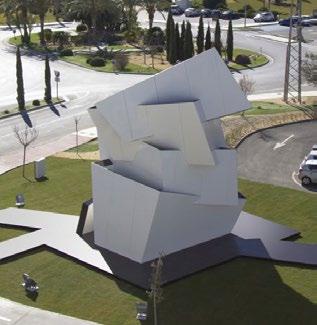
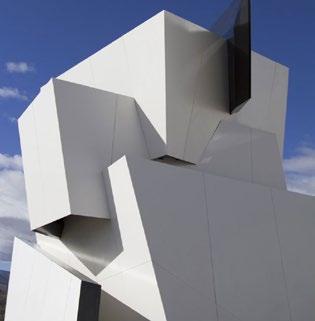
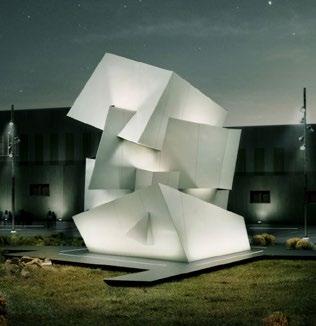
Our first focus for this project was the analysis of the “T.E.U.C.L.A.” by Richard Serra, located in the UCLA Franklin D. Murphy Sculpture Garden. This sculpture is part of Serra’s critically acclaimed “Torqued Ellipse” series, known for merging brute force with elusive space in walk-through environments of interlocking curves. This investigation formed the basis of our design for a new campus student arts center.
By constructing a series of three structures on the site, we were able to include multiple types of programming including a gallery space, lecture hall, and arts hub. We sought to produce similar qualities of space as the Serra sculpture does with our interest in interlocking and shifting curvatures and how it would feel to walk in the space between curves.
My analysis of the Serra sculpture started with observations visiting the scuplture including sketching and photographing it. Using that information I could then explore the shape and construction, with these drawings inspiring forms to transform into the student arts center.
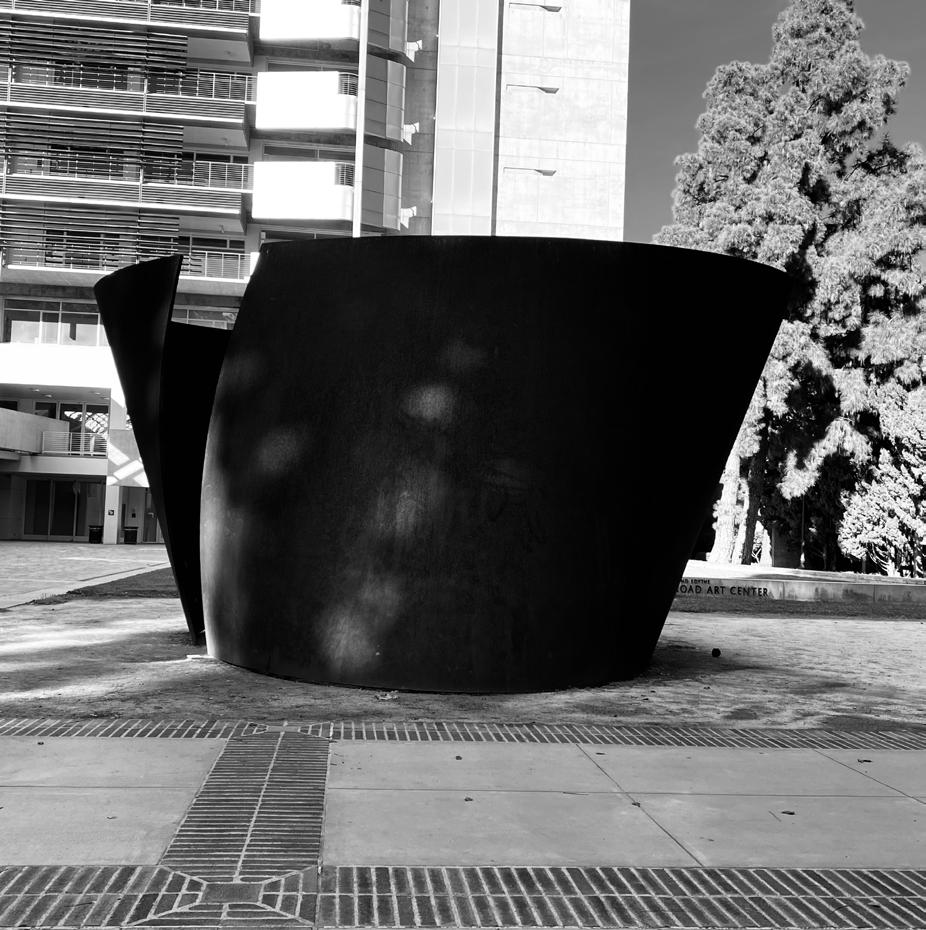
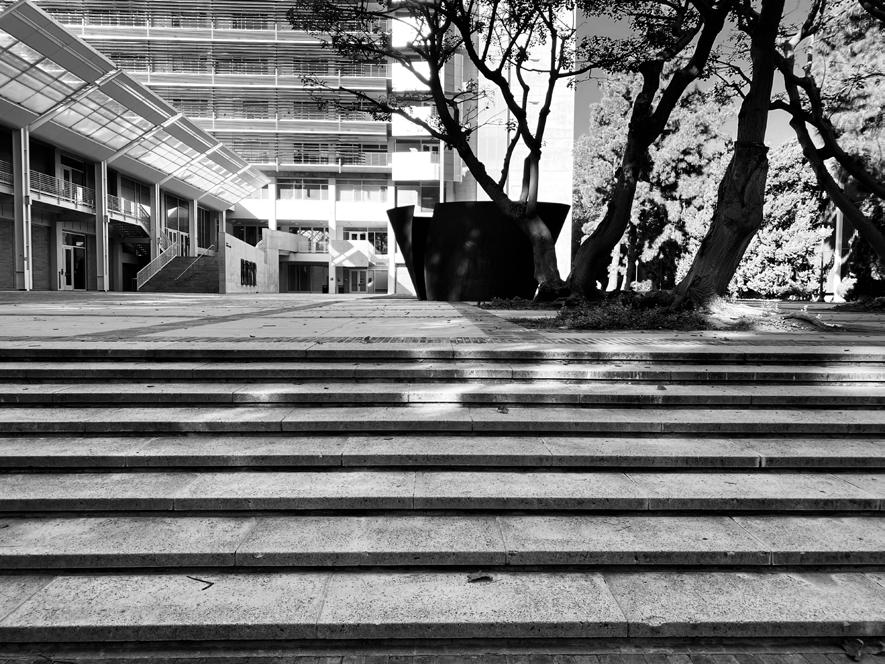
All the drawings and diagrams I’ve included are fully my own work, my partner worked on a separate set of drawings.
Instructor: Georgina Huljich
UCLA Spring 2022 Technology Seminar
“Of Corners and Chunks”
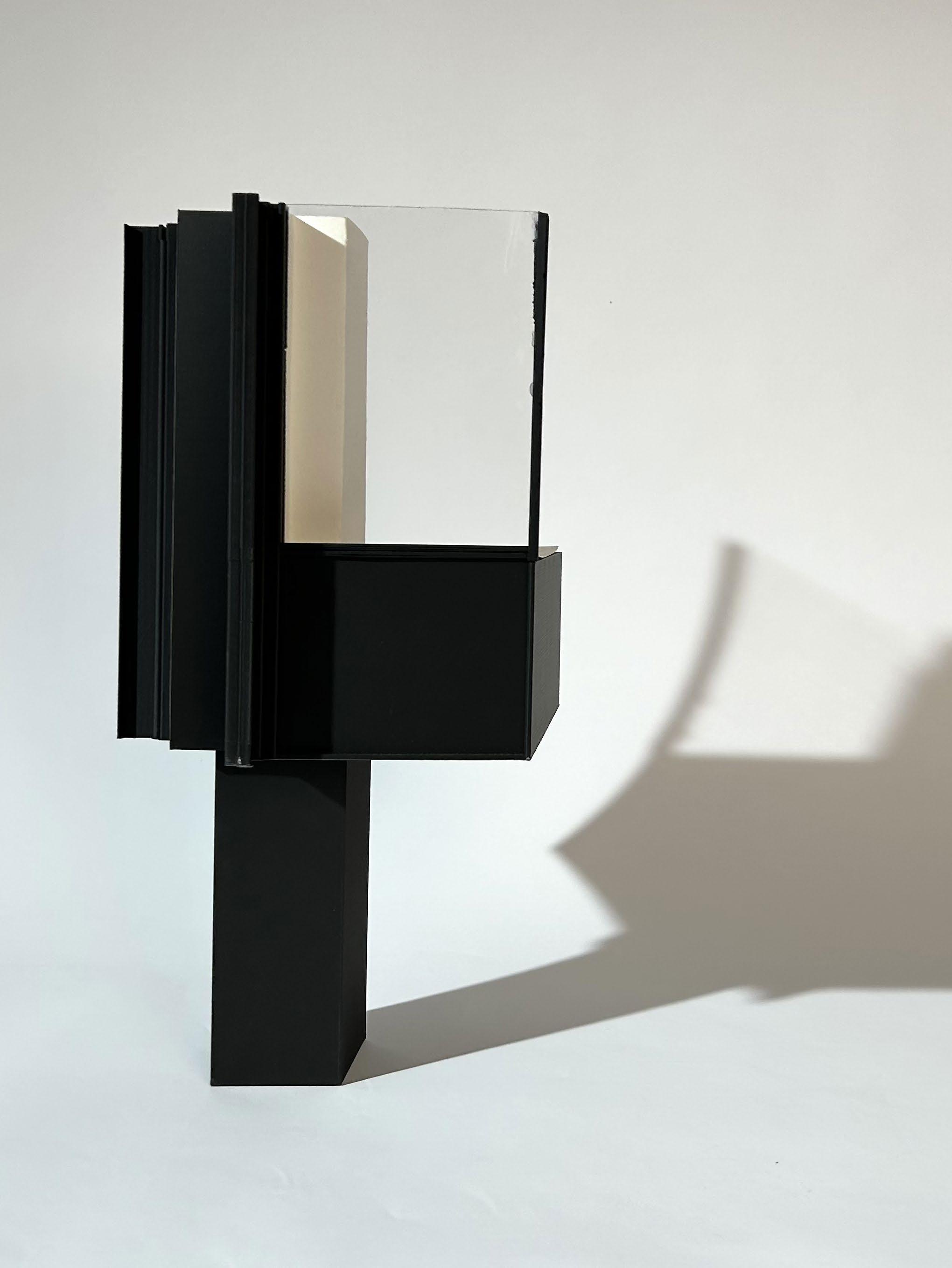
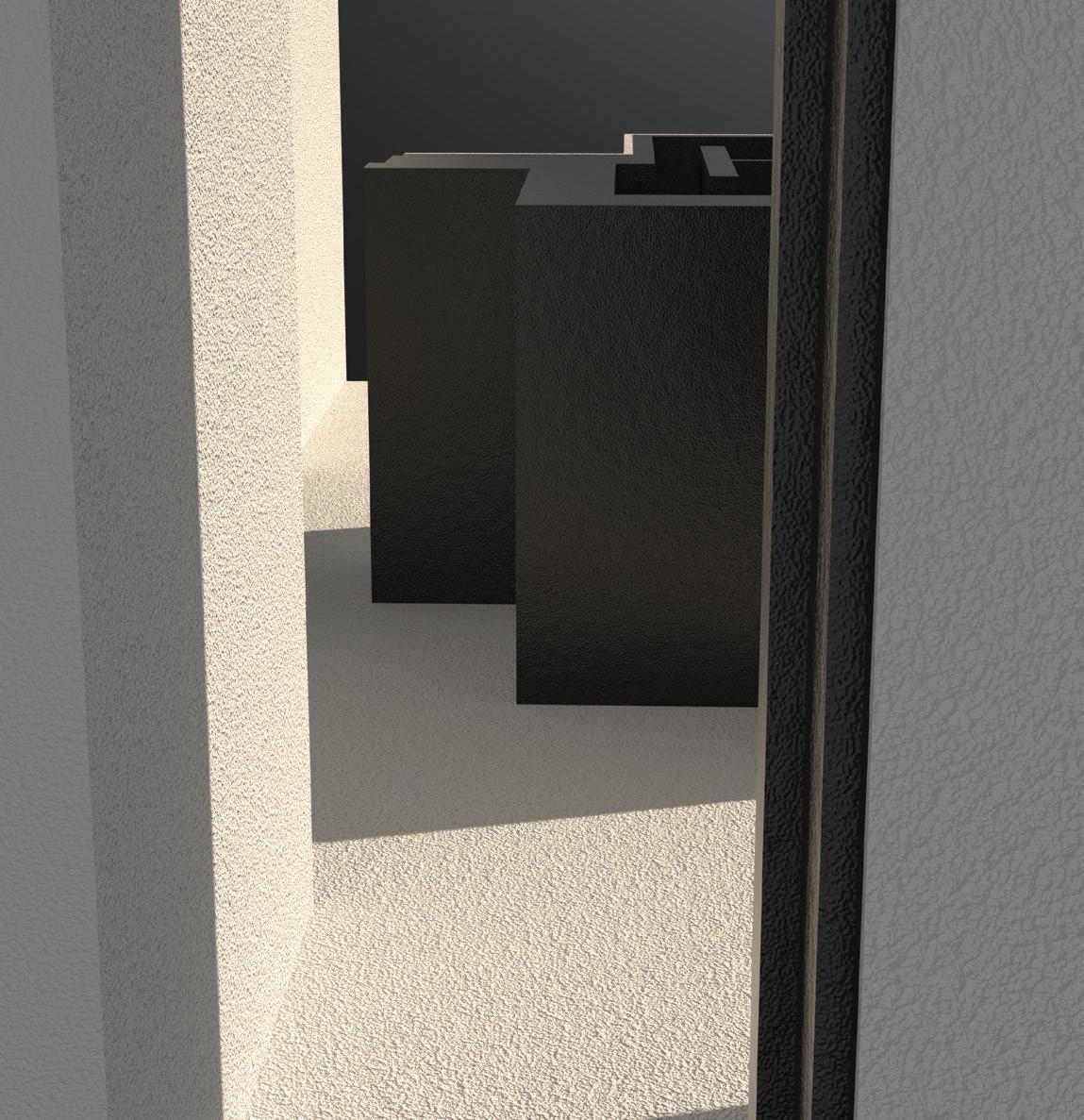
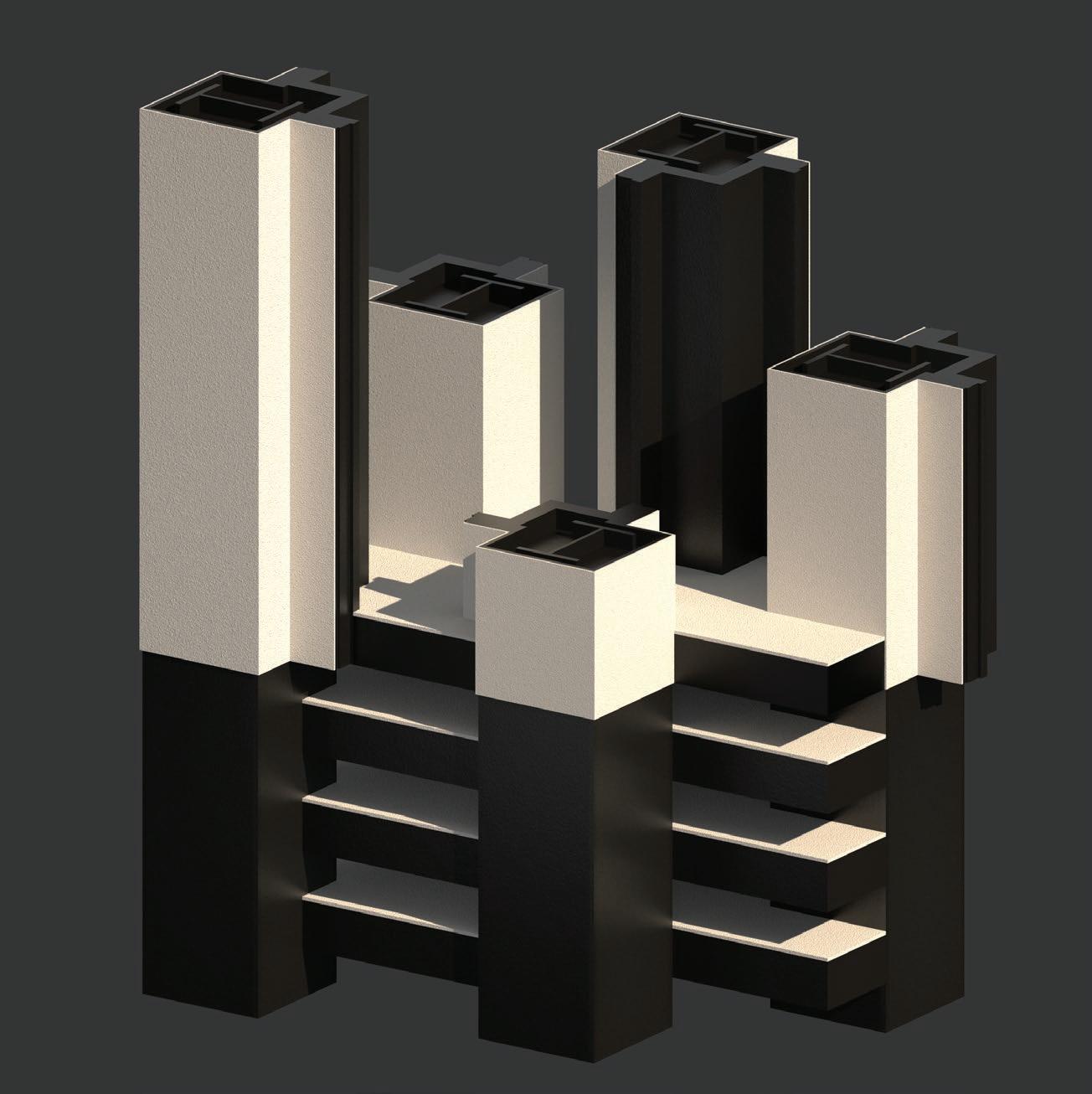
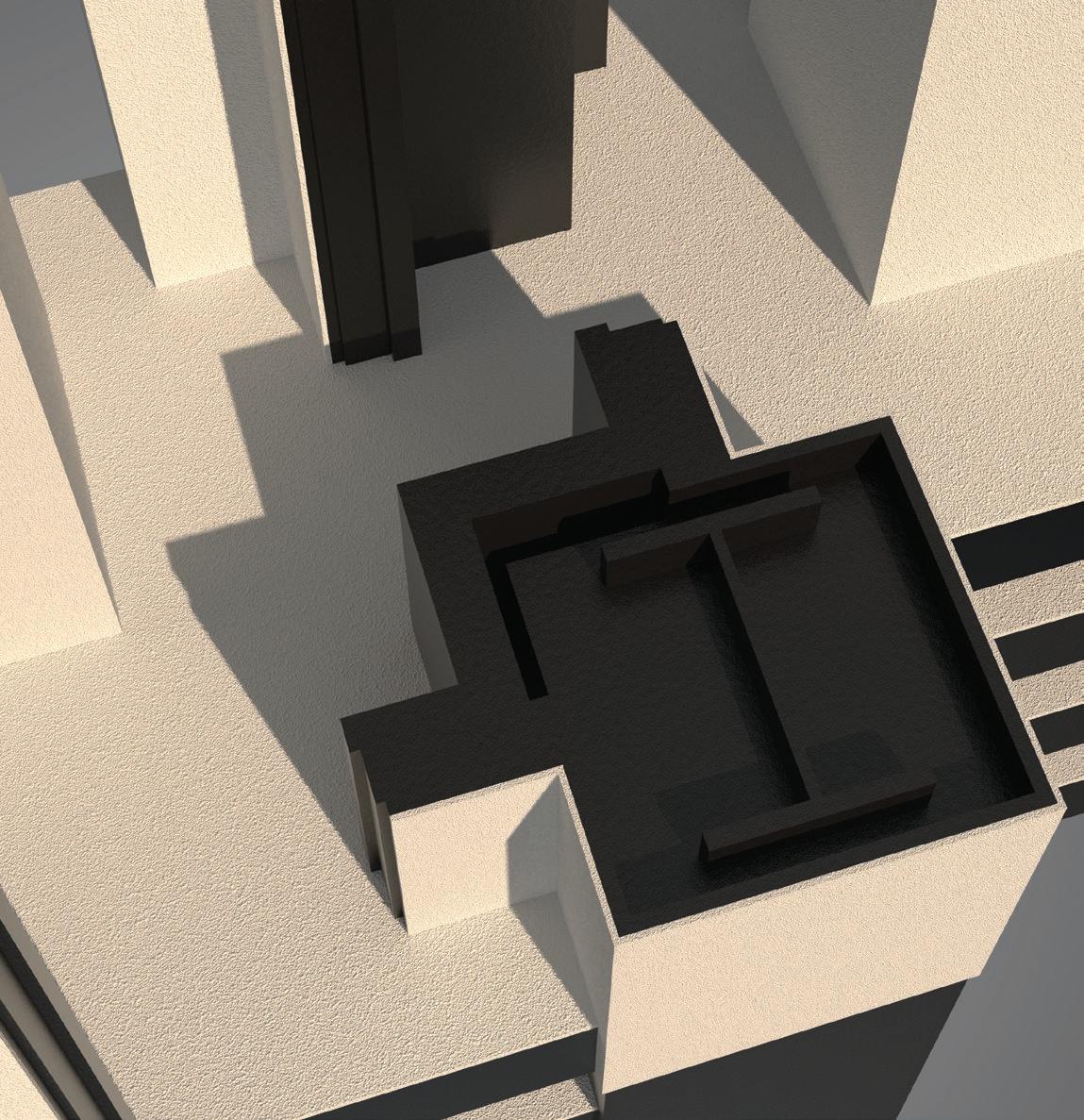
Starting with a comprehensive analysis of the technical and aesthetic characteristics of a “chunk” of the Seagram Building designed by Mies van der Rohe, I then put my small corner chunk through a series of transformations. I was inspired by some of Brian Eno’s “Oblique Strategies” as well as the International Style ideas Mies van der Rohe used in his design. Using Eno’s “reverse” strategy, I reversed the corner so the external nonstructural ornamented facade faces the interior and the structural part faces the exterior.
Then using “simple subtraction” from Eno’s list, I simplified the corner pillar and repeated this new corner, noticing how the form’s angular shape could be put together almost like a puzzle and then pulled apart. This became a visual representation of the strategy “repetition is a form of change.” Through these transformations my goal was to subtly expose the trick Mies van der Rohe played when designing the Seagram Building, what looks like structure on the facade is not, and I incorporated International Style ideas including repetition and minimalism.
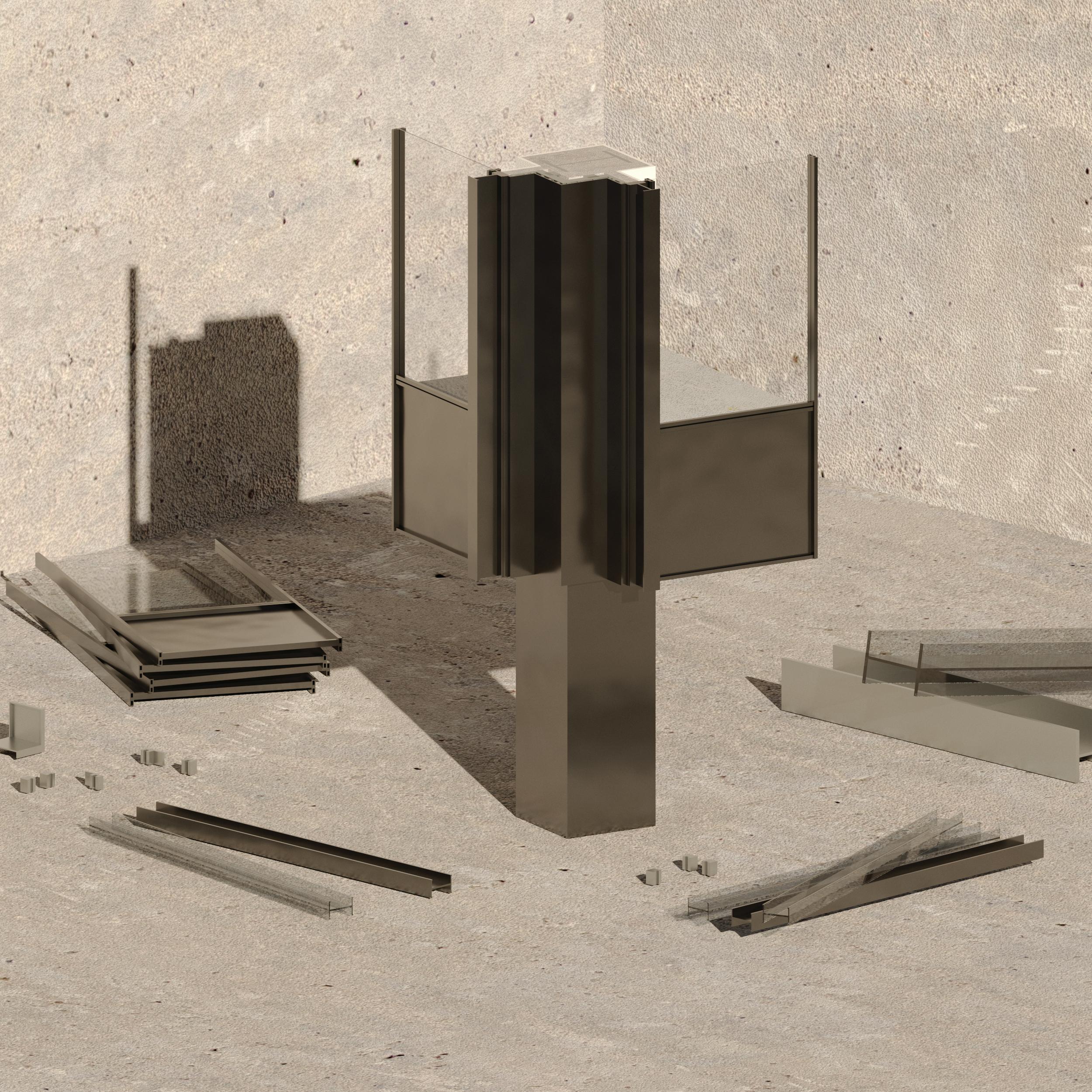
REVERSE
REVERSE
SIMPLIFY REPETITION
SIMPLIFY REPETITION REVERSE SIMPLIFY REPETITION
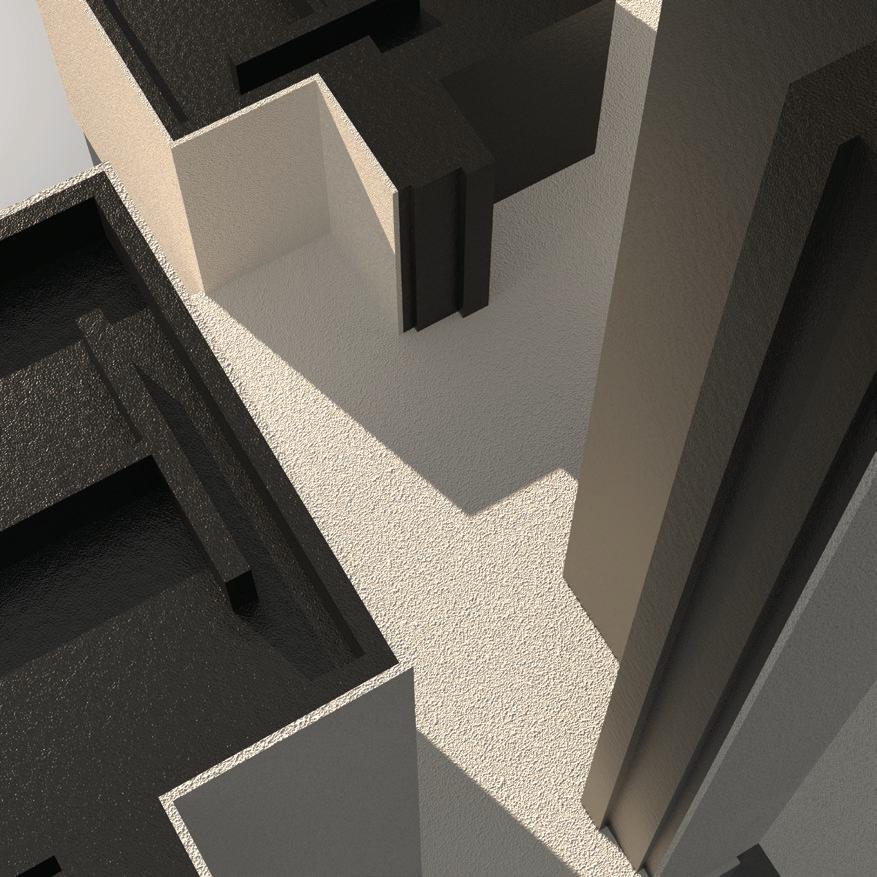
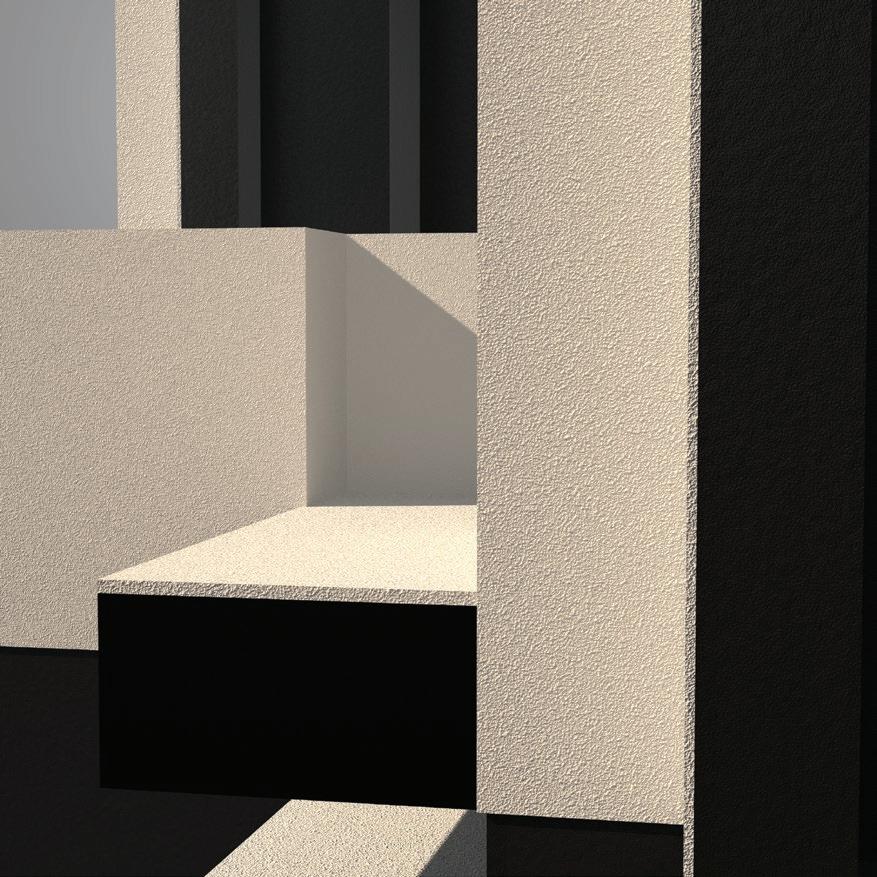
Taking “reverse, simplify, and repetition” from Brian Eno’s “Oblique Strategies” helped me work in plan to transform my chunk. Just like how the original chunk comes together like a puzzle, I thought of this transformation like putting together and then pulling apart a puzzle.
This project’s main goal was to integrate digital operational strategies into a design method. With the precedent of the White U House, designed by Toyo Ito in 1976 in Tokyo, Japan, I created my own grasshopper script that traced the plan of the house. Based on the form of the plan I came up with an animation concept that would put the house into motion. Elements of the house rotate in different directions around the central circle construction line. This animation was produced through the grasshopper script and then translated into a linework drawing with each frame of the animation becoming more transparent. Even though the drawing is solely linework it evokes this circular rotating motion of the animation transformation of the White U House.
Scan here to view the animation.

Instructor: Soomeen Hahm
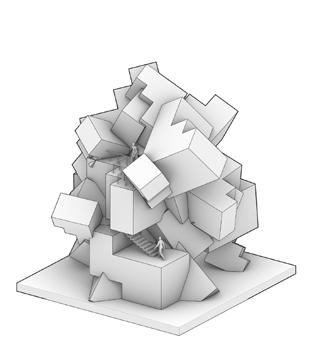
USC Fall 2024: Generative + Computational Geometry
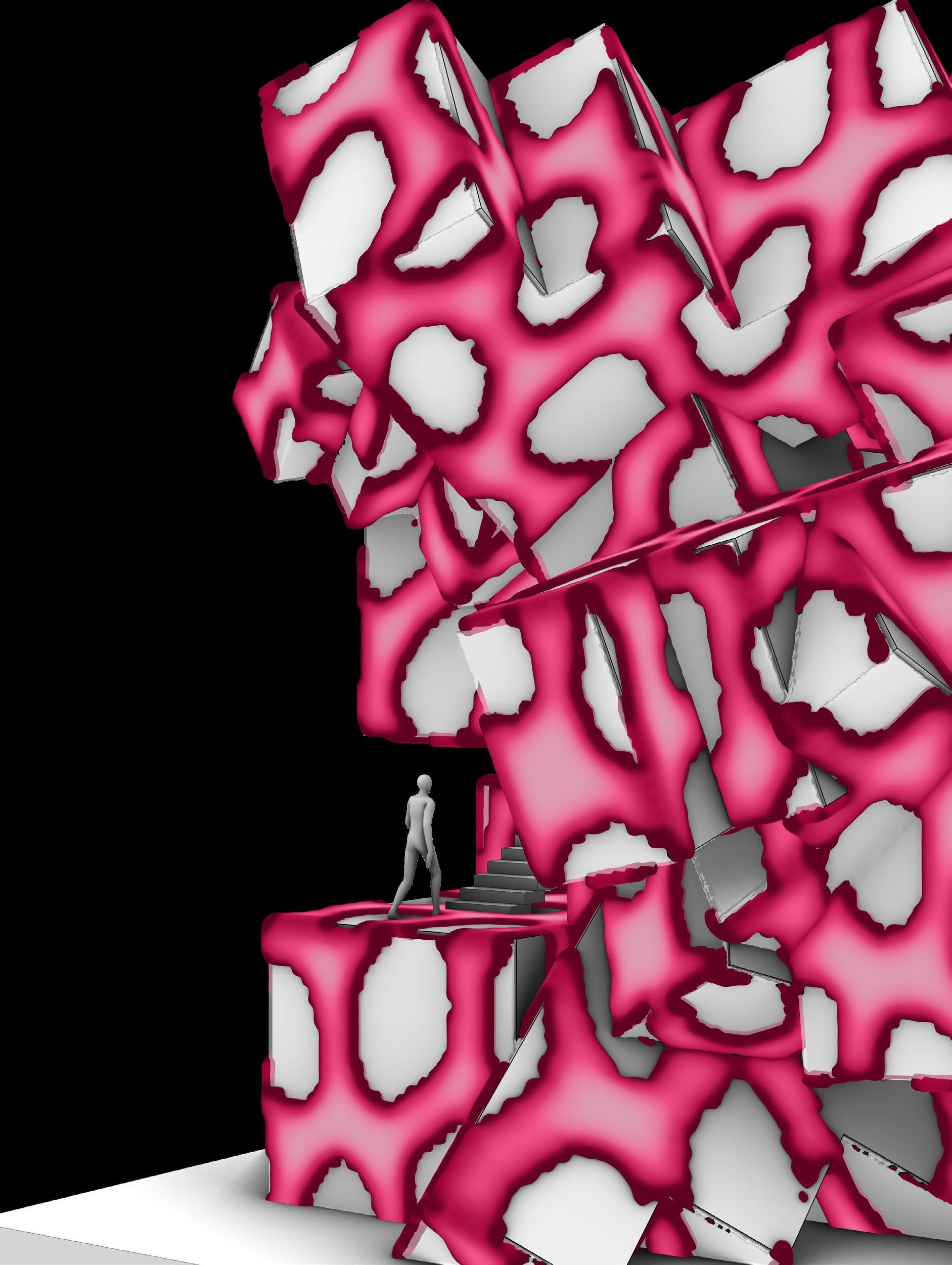
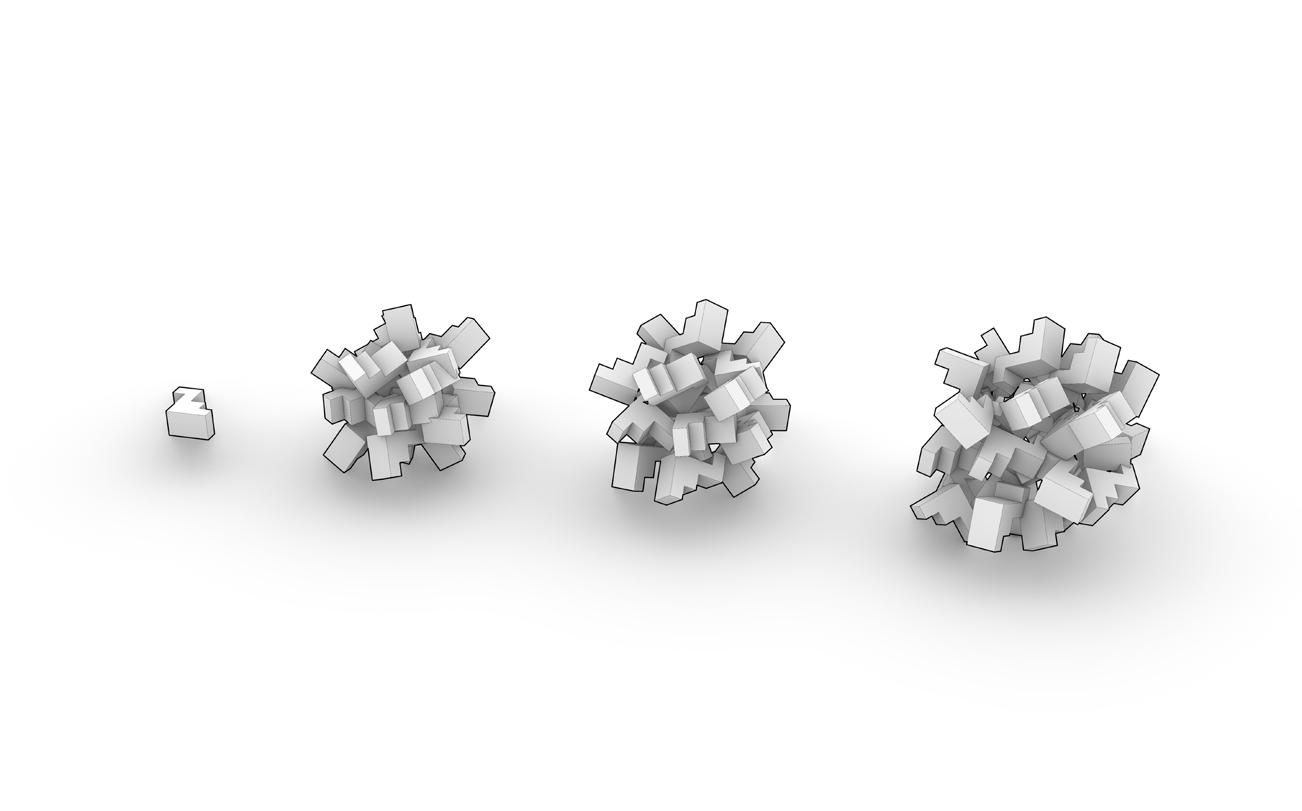
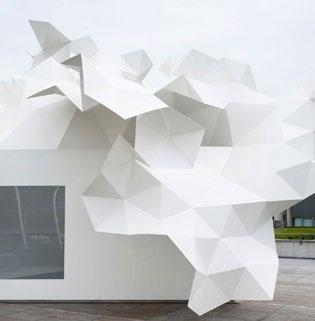
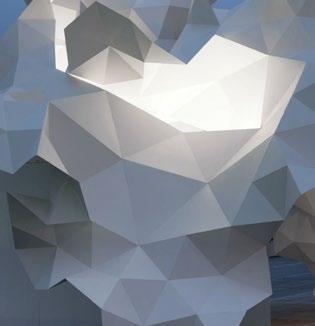
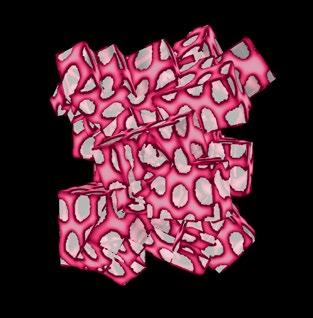
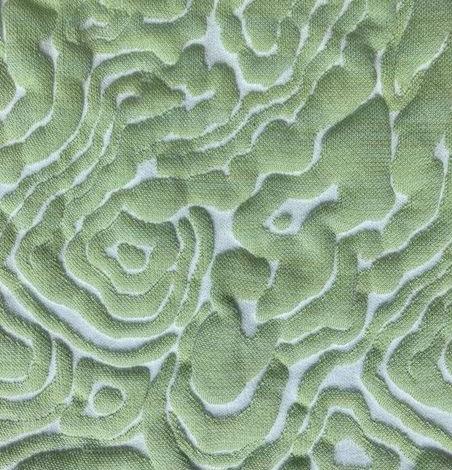
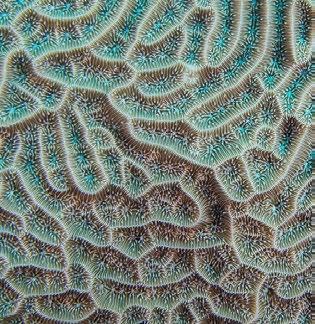
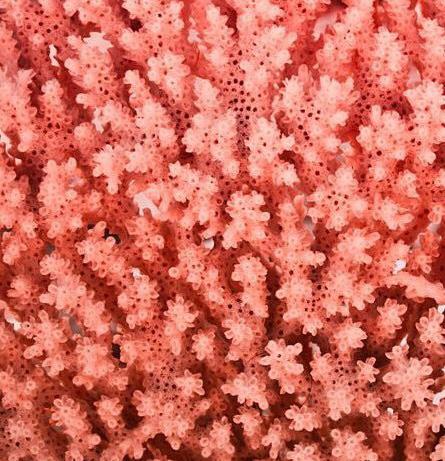
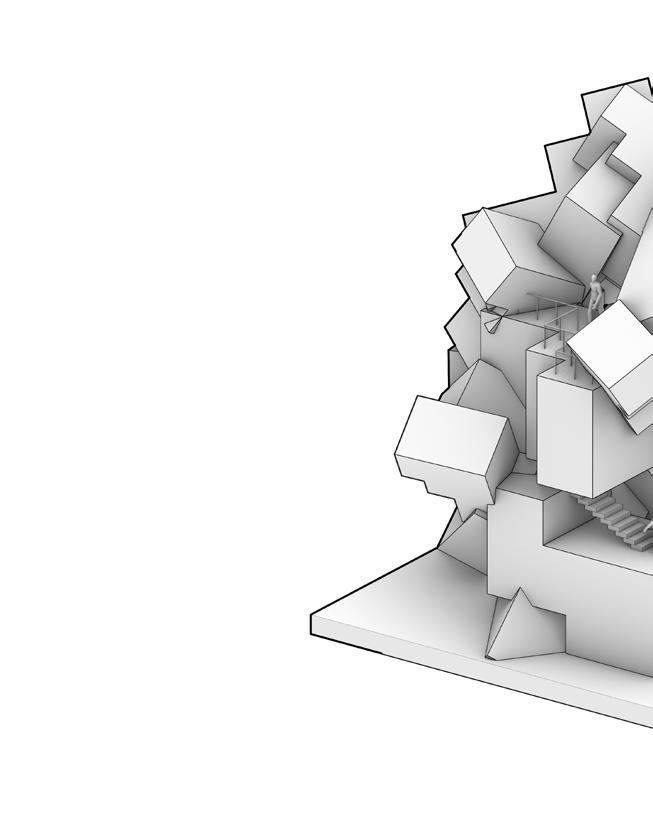
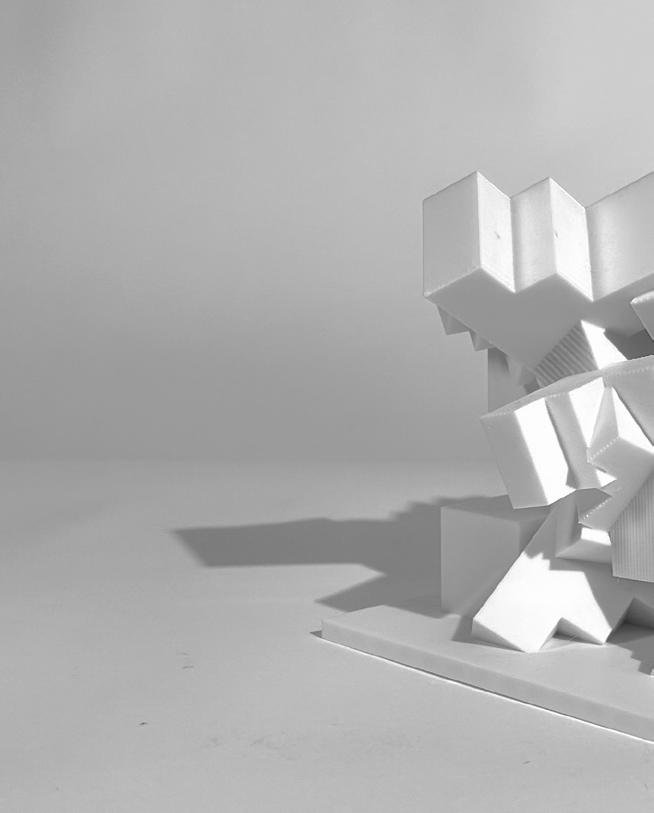
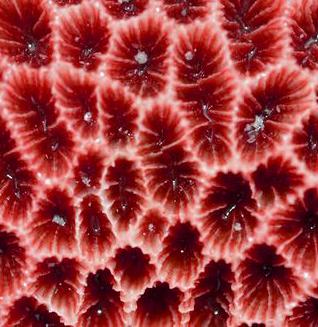
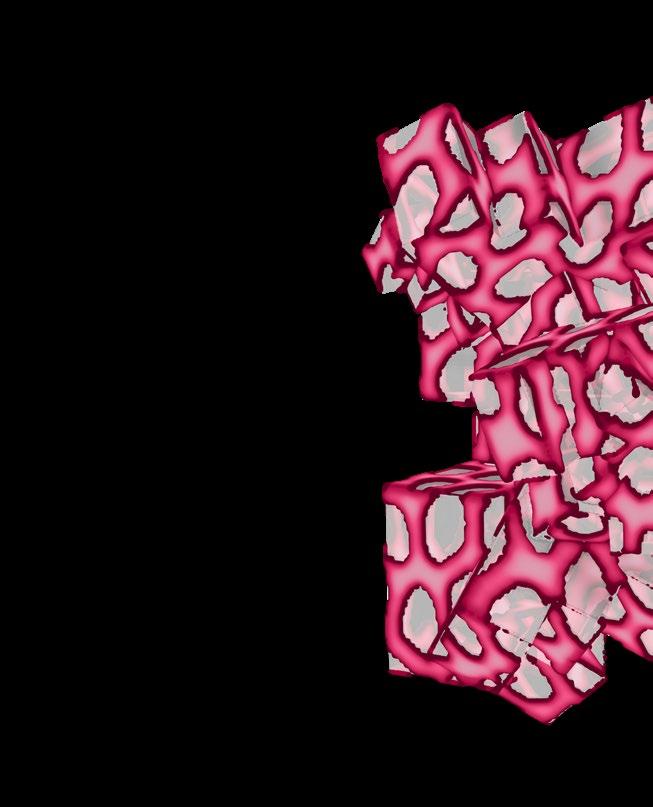
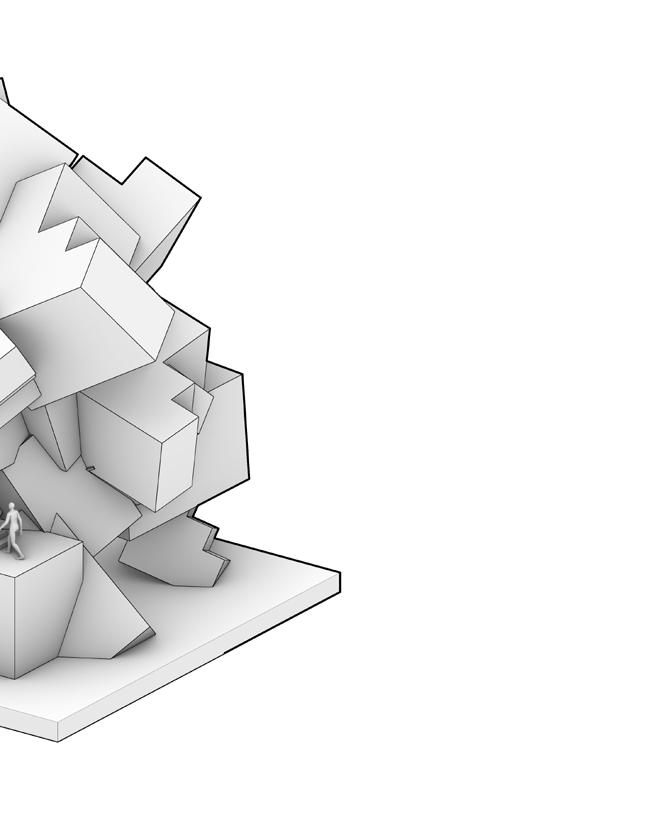
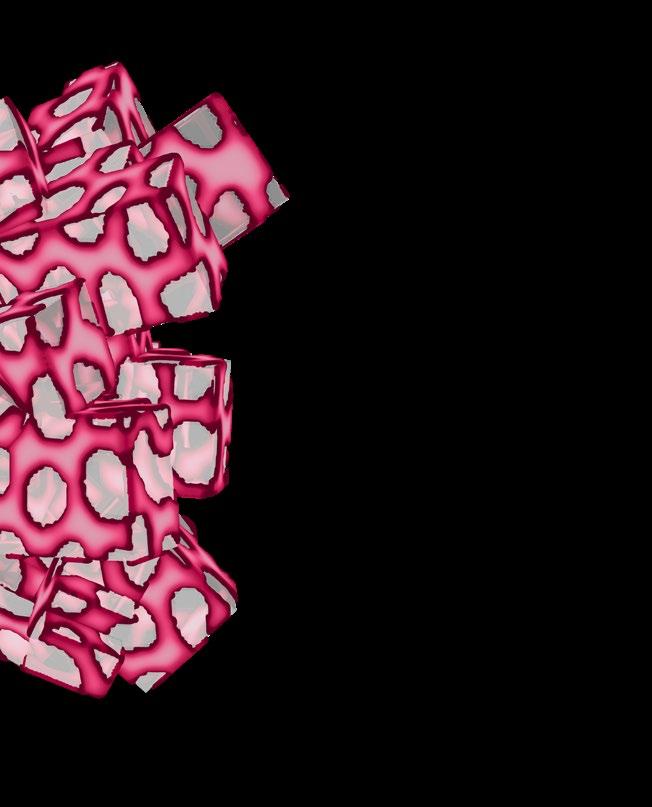
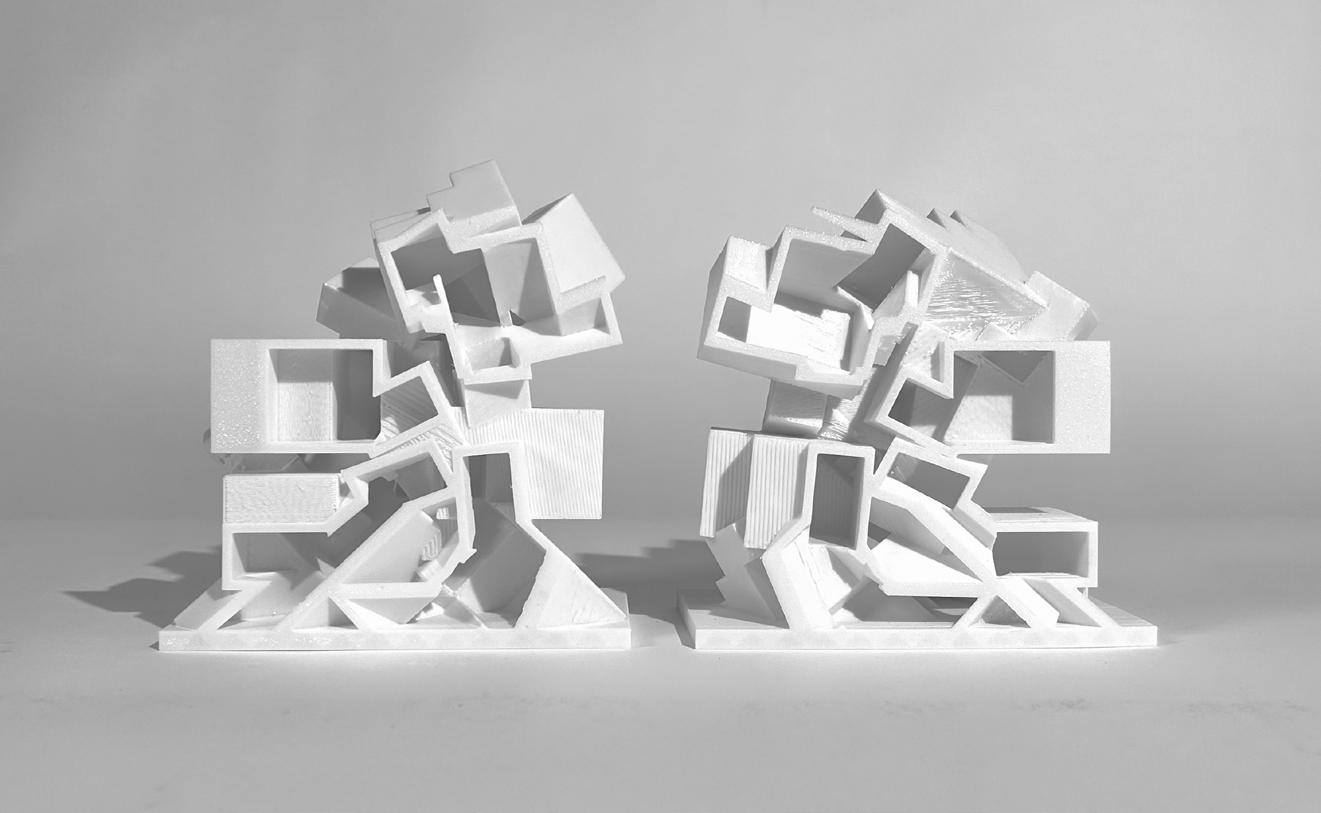
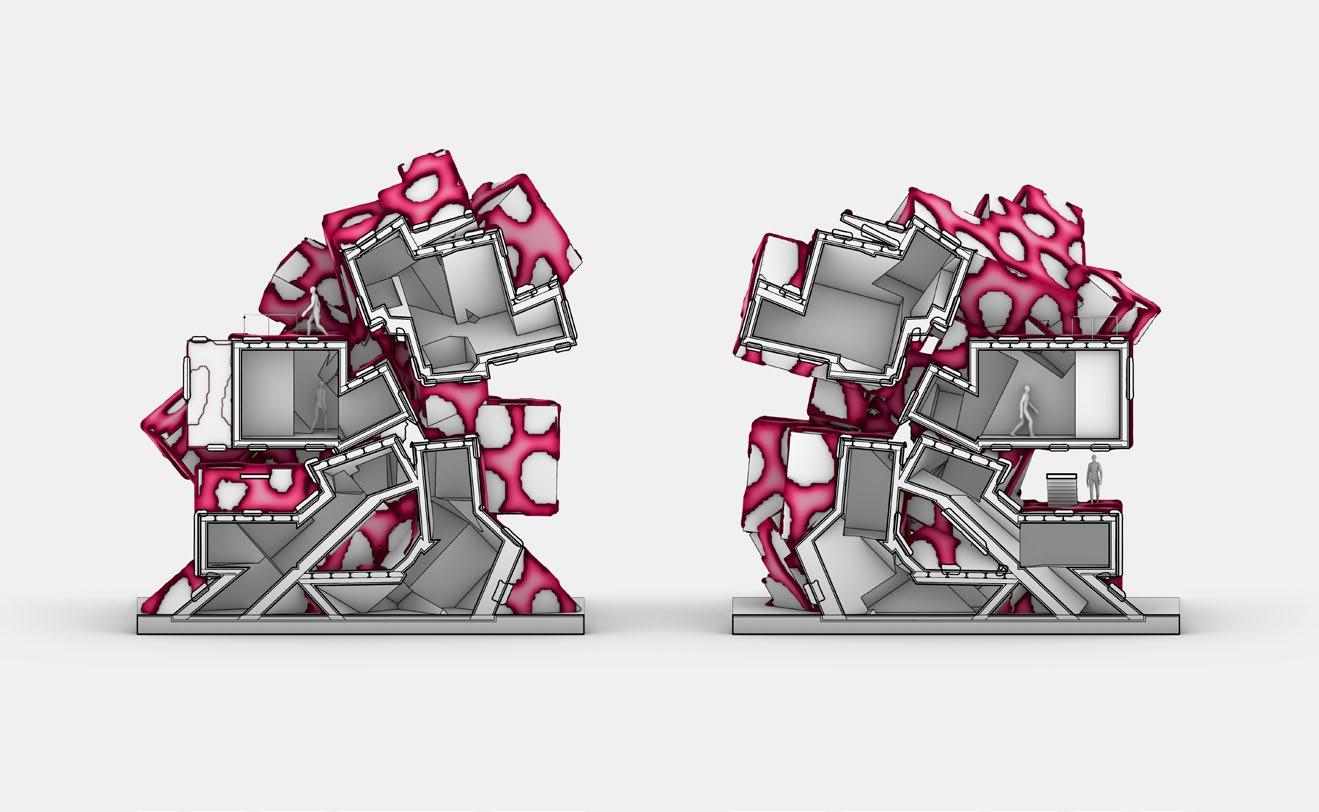
In this seminar I dove into the advanced realms of digital modeling and coding, using scripting to customize and extend conventional software tools for design objectives. Beginning with a small, simple geometric module, I put the geometry through a grasshopper script that arranged these small forms together into a compiled form. For this larger compilation chunk, I dove deeper through section, explored it in animations, and made a physical model. Using the color and texture of coral as inspiration, I created a facade for the chunk (modeled through ZBrush).
Lastly, I created a comprehensive animation for this geometric chunk exploration. Overall this project explores the power of code-generated geometries, pushing beyond traditional design boundaries to create a novel, complex form.
Scan here to view the animation.






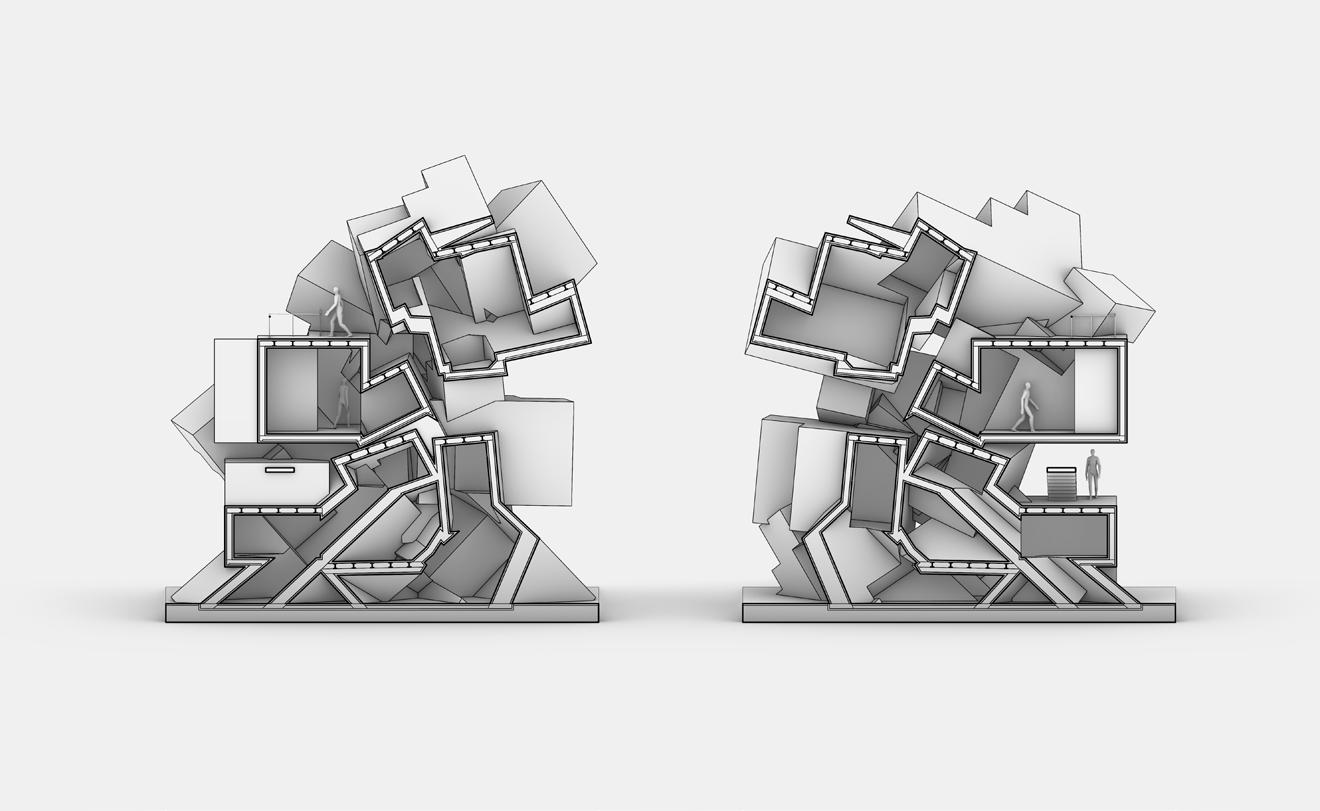
COMPLETE SECTION
Instructor: Søren Amsnæs
Danish Institute of Study Abroad Summer 2021 Studio
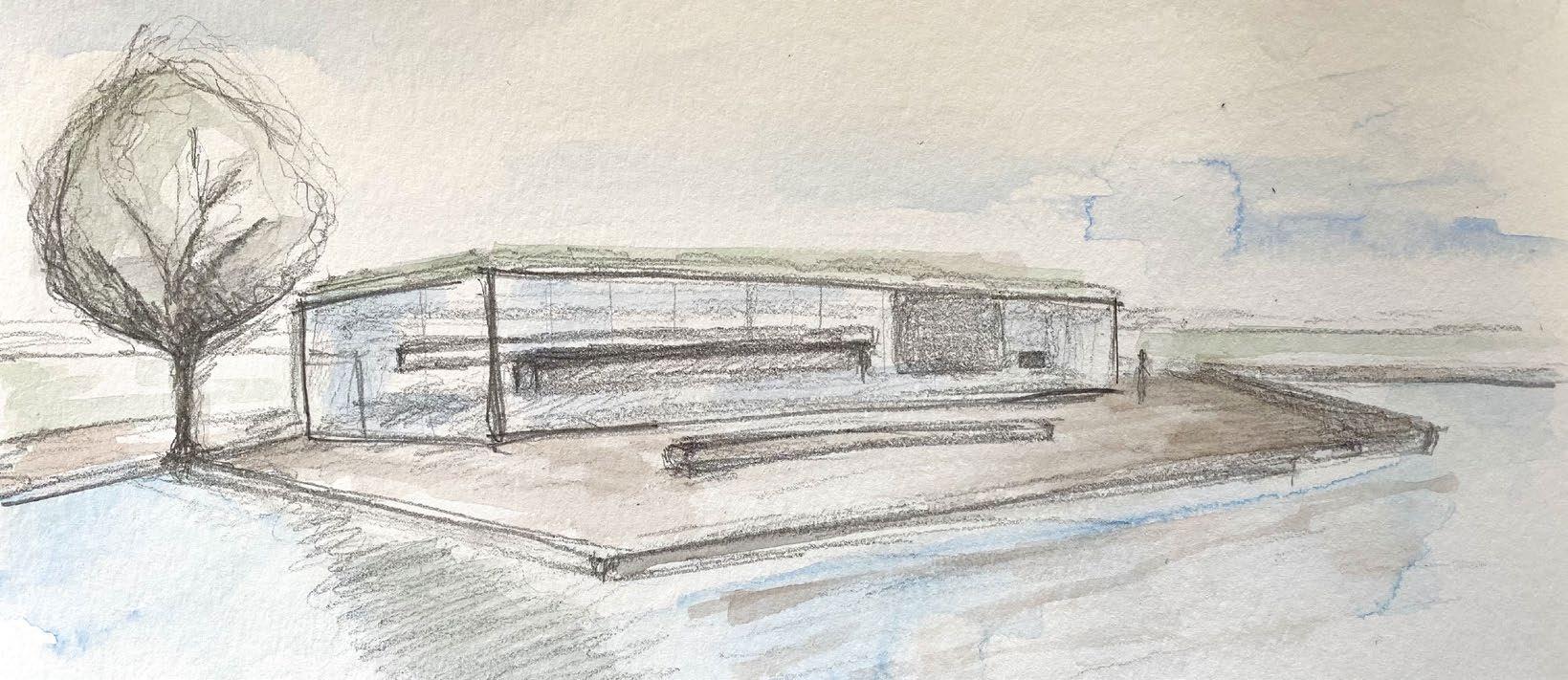
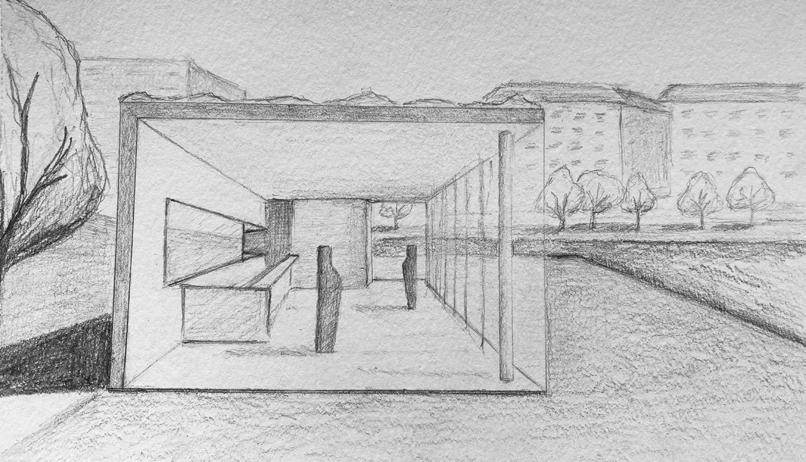
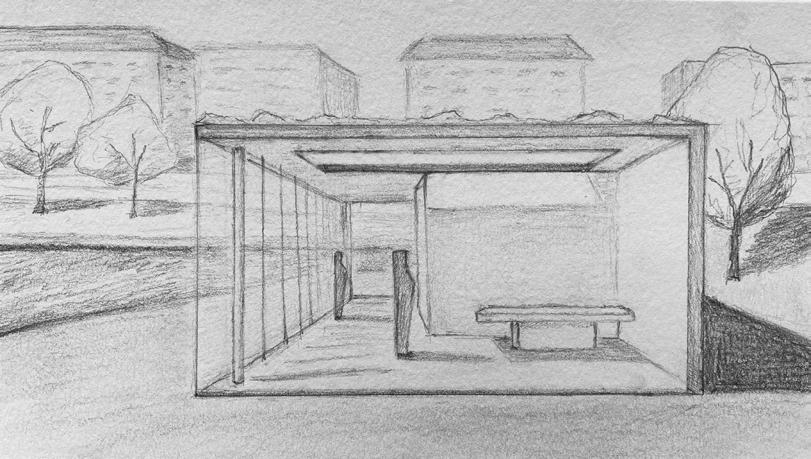
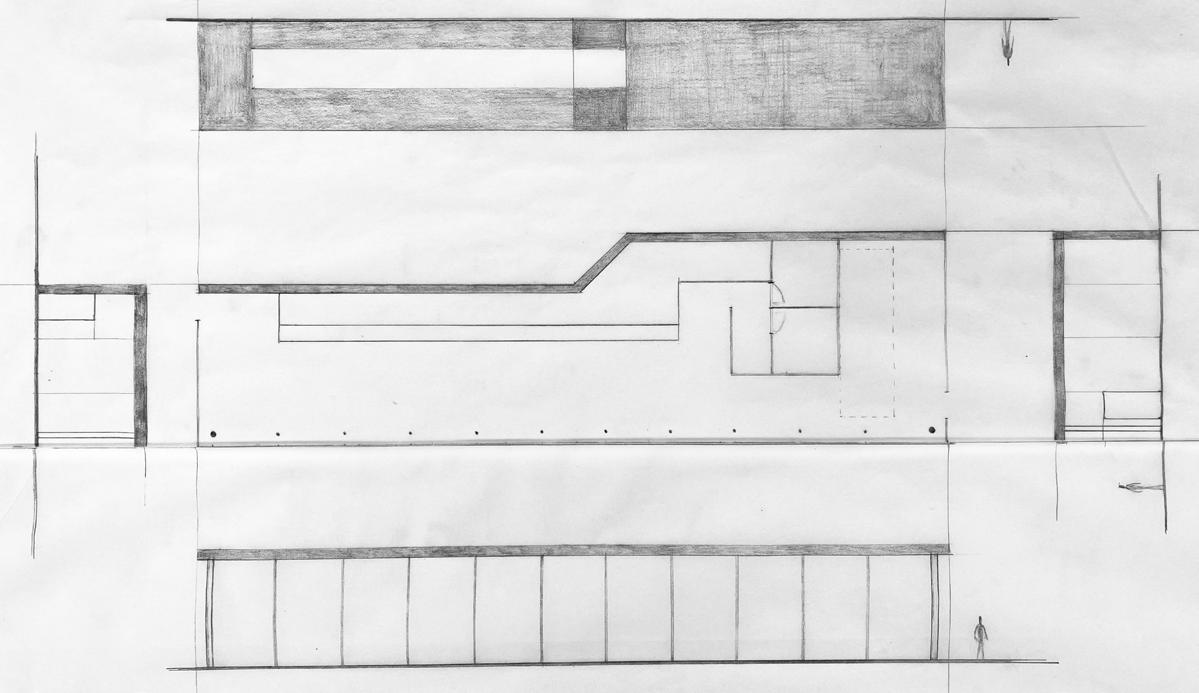
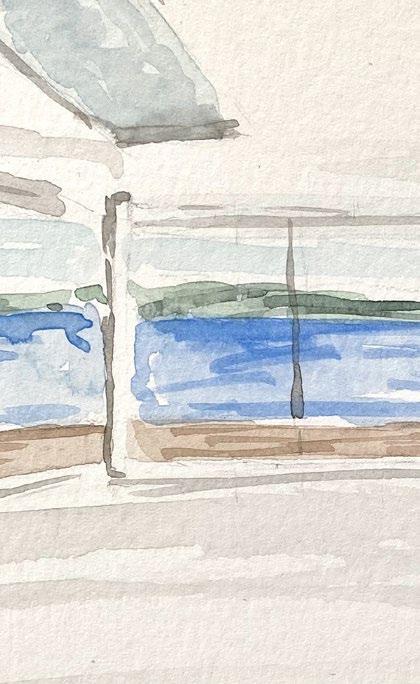
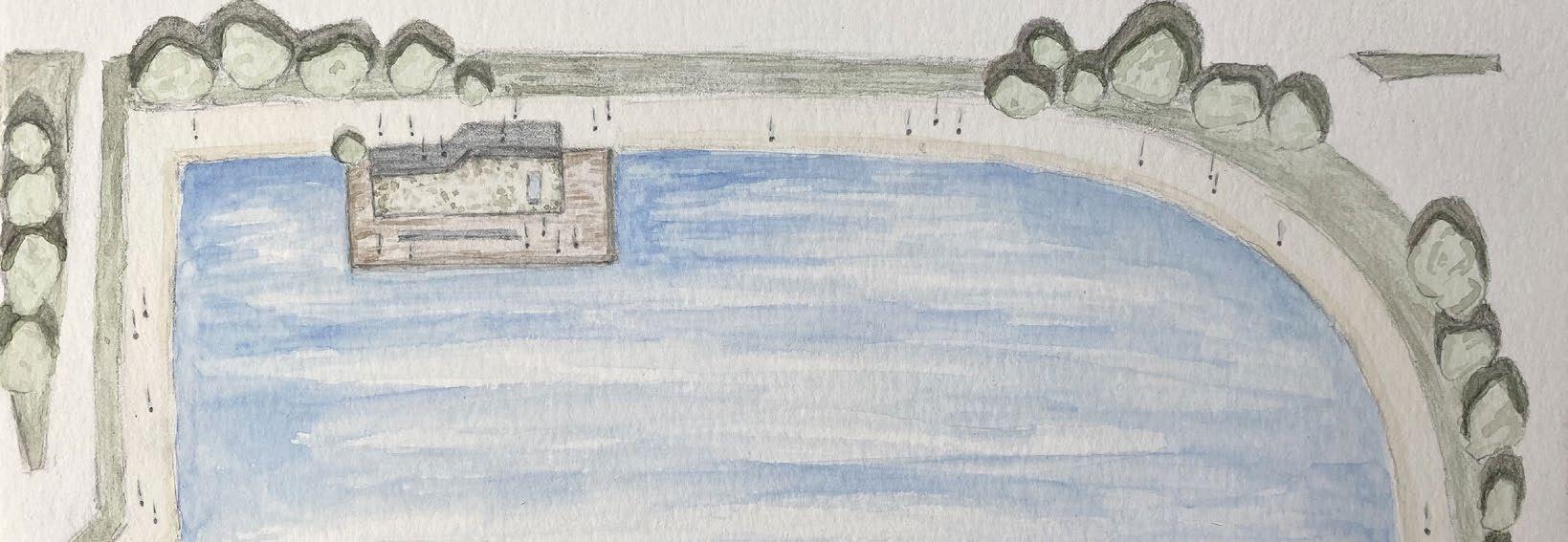
Given the site of one of the Inner Lakes in Copenhagen and the task of creating a cafe along the pedestrian and bike path, my design seeks to serve multiple functions: a quick coffee stand, a bright and airy cafe and lounge space, and a community gathering space along the water. Drawings and models I made for the project are done entirely by hand, and I explored using watercolor to help capture the atmosphere of the cafe.
Here is a poem that accompanies the project:
water subtly flows around the lake reflecting sunshine. a misty morning, bright day, or rainy afternoon, small pause in the chaotic routine. a brew cold or hot and always fresh. sip, swallow, a breath of clean air renews the world around a panoramic view.
Instructor: Stephen Schafer
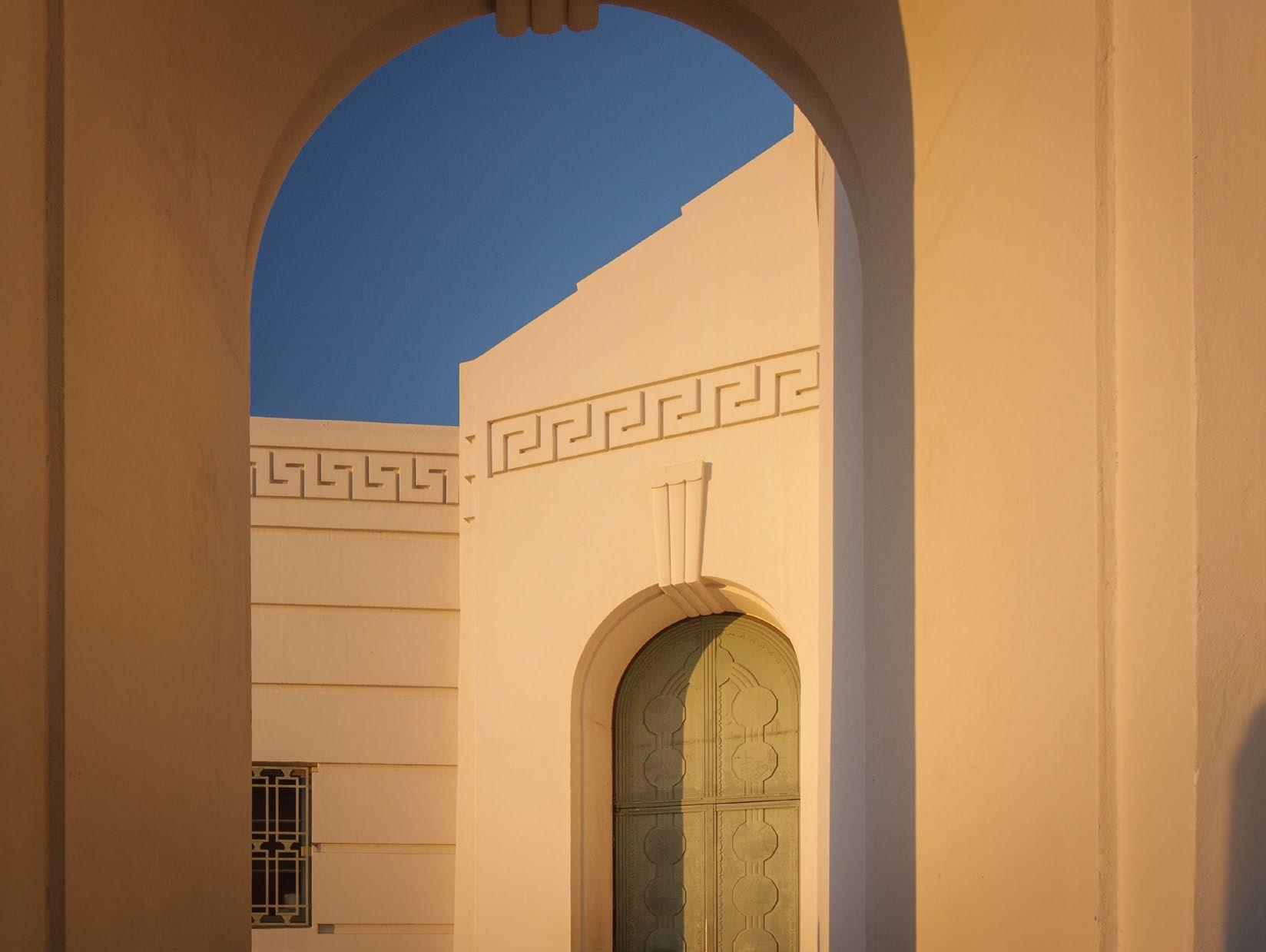
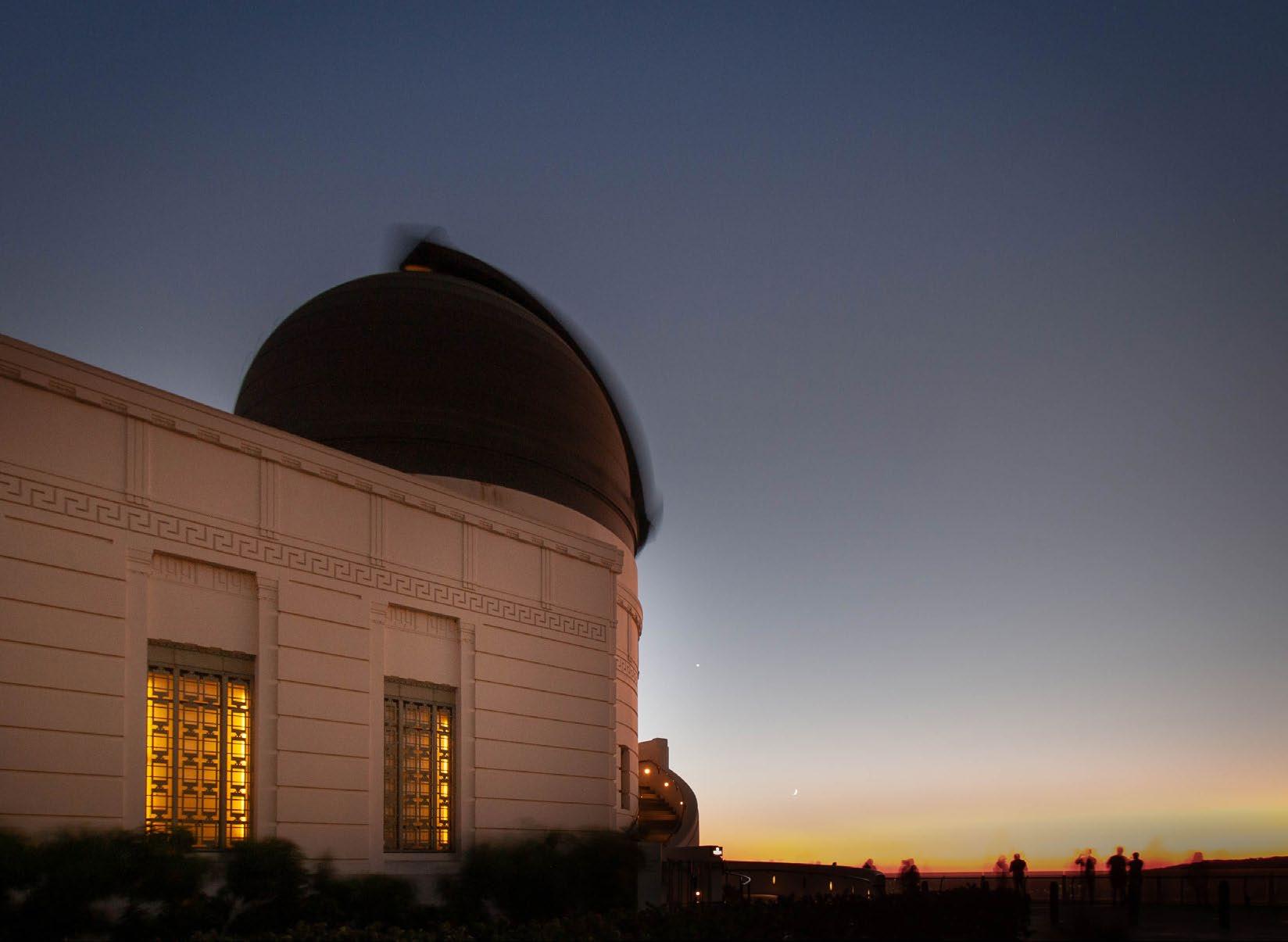
USC Fall 2024: Digital Architectural Photography
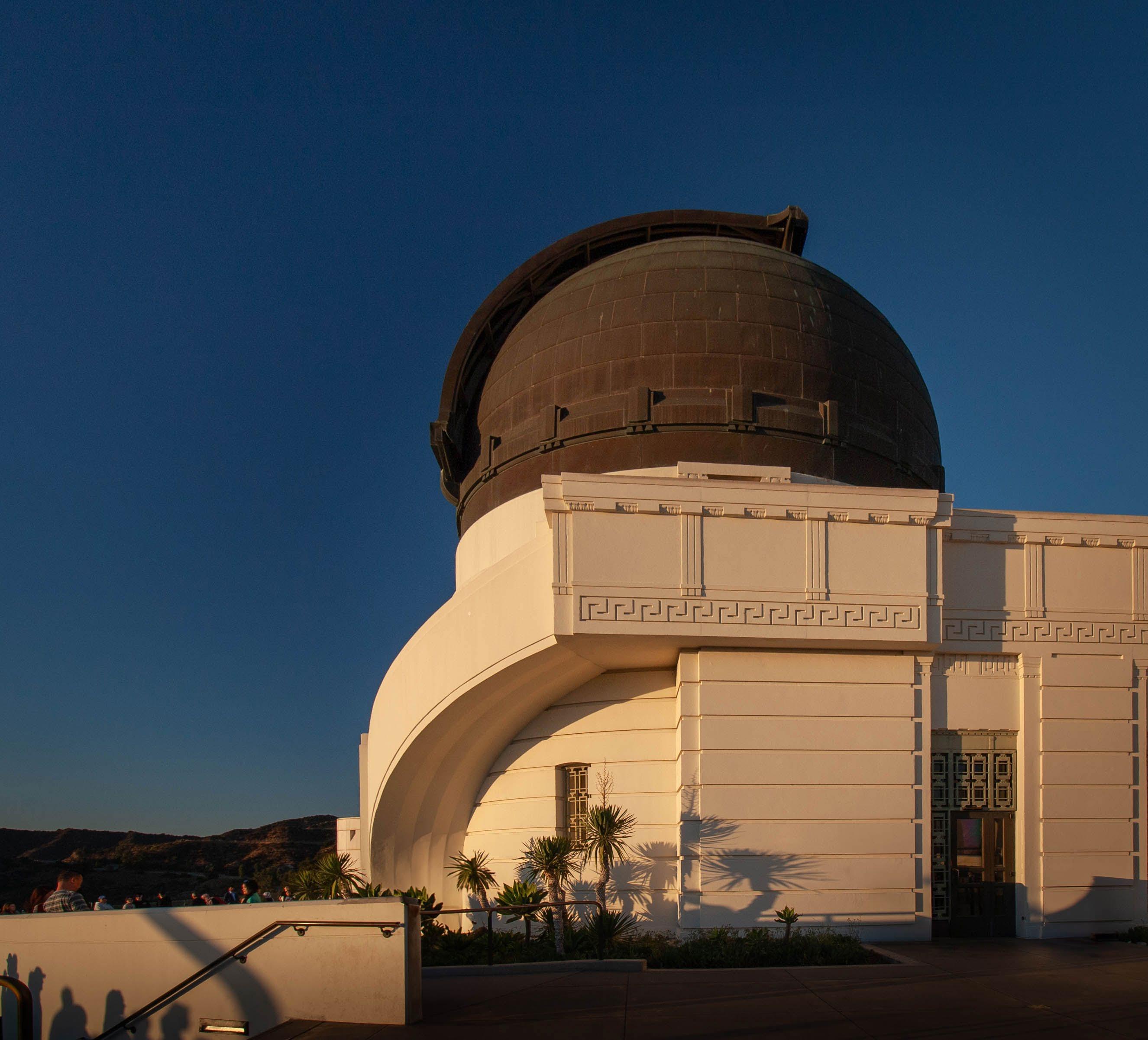
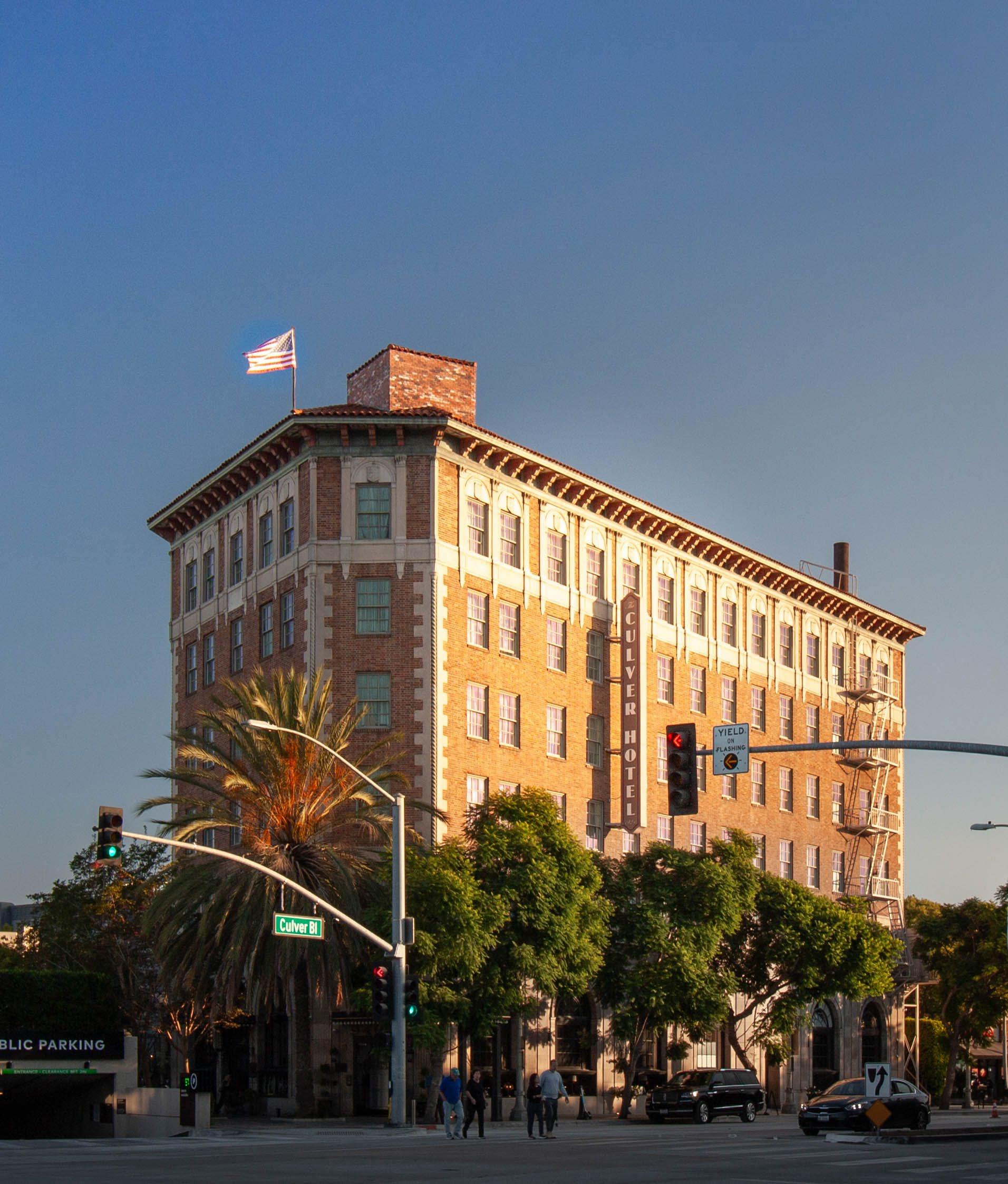
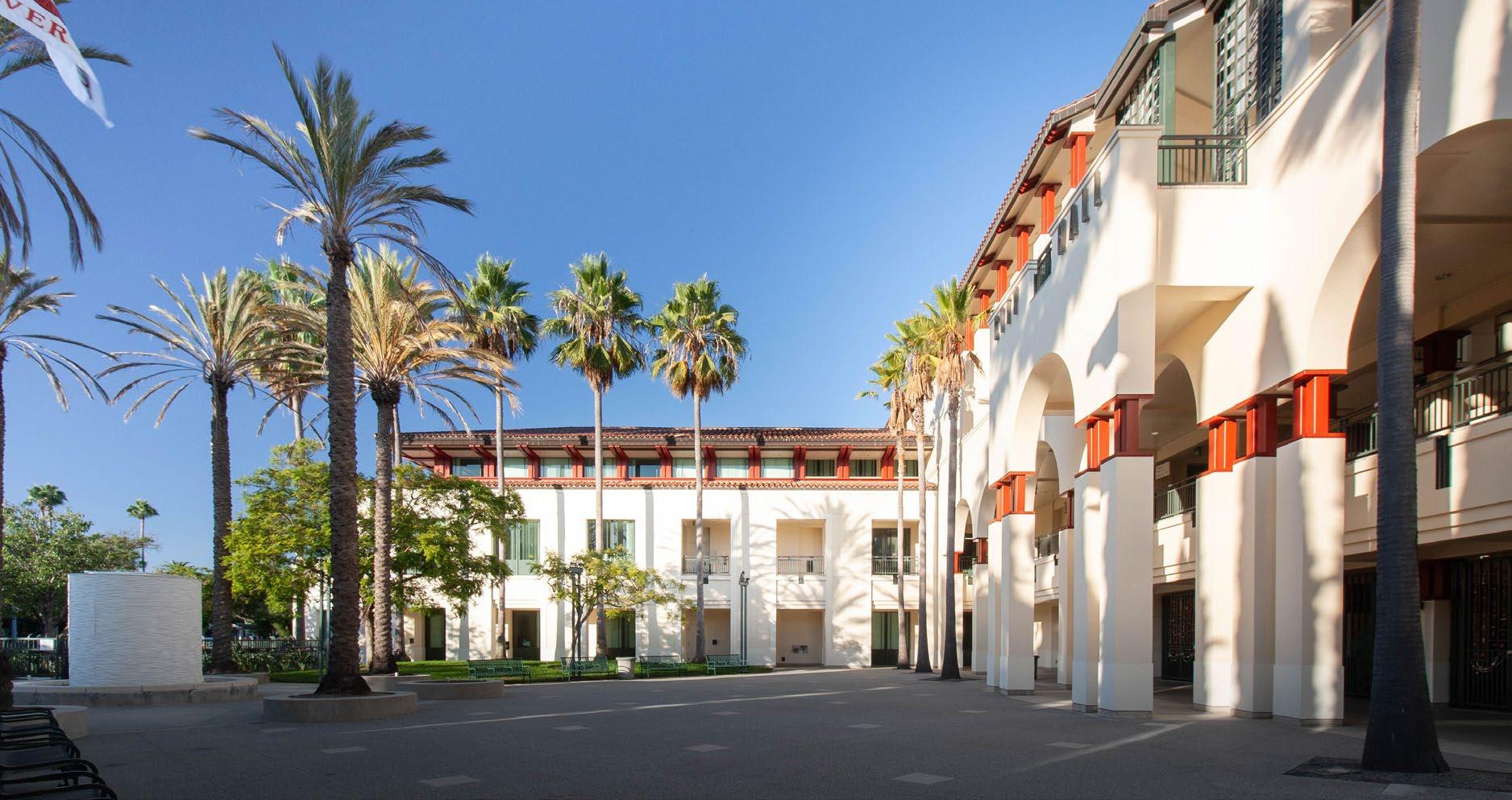
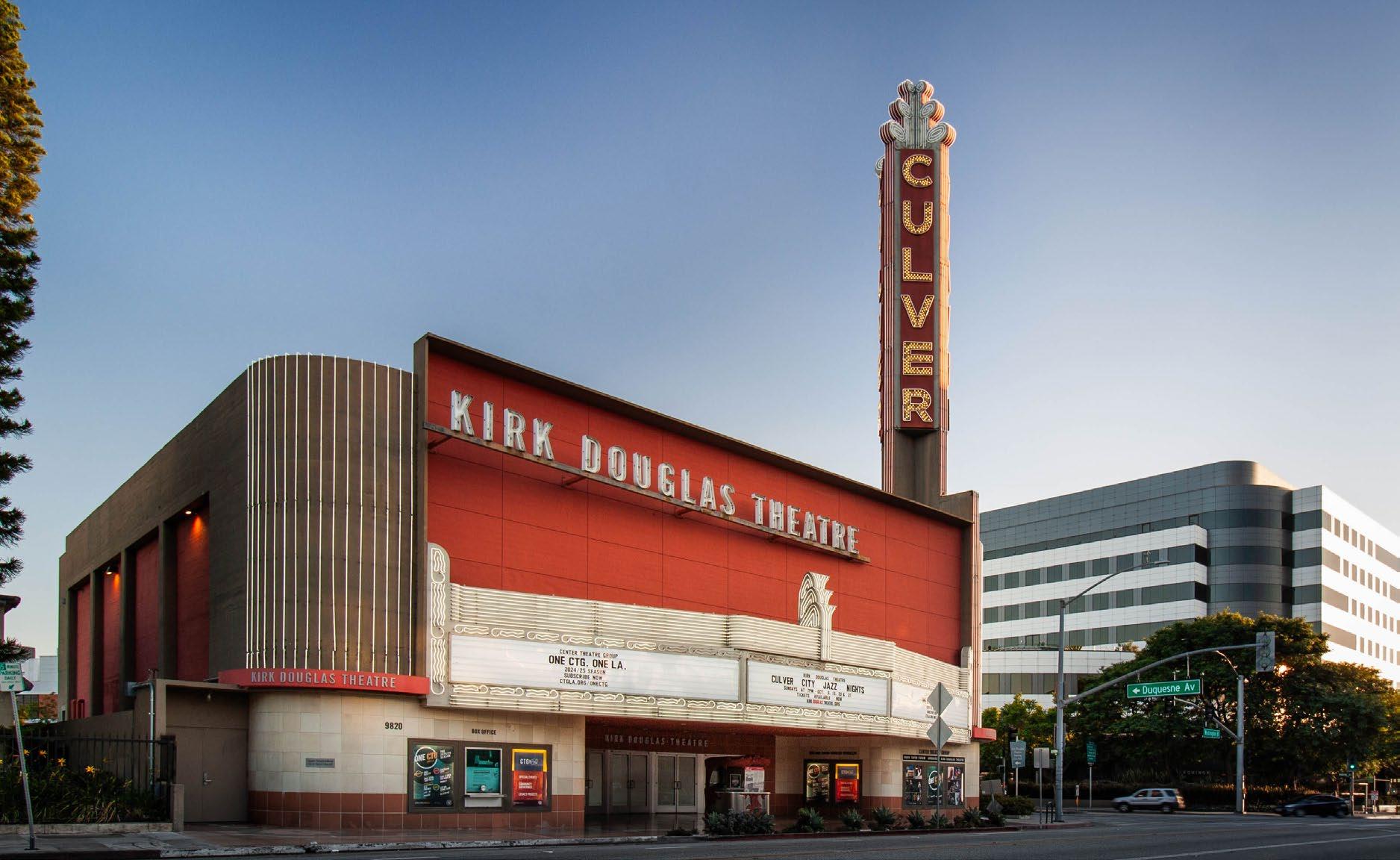
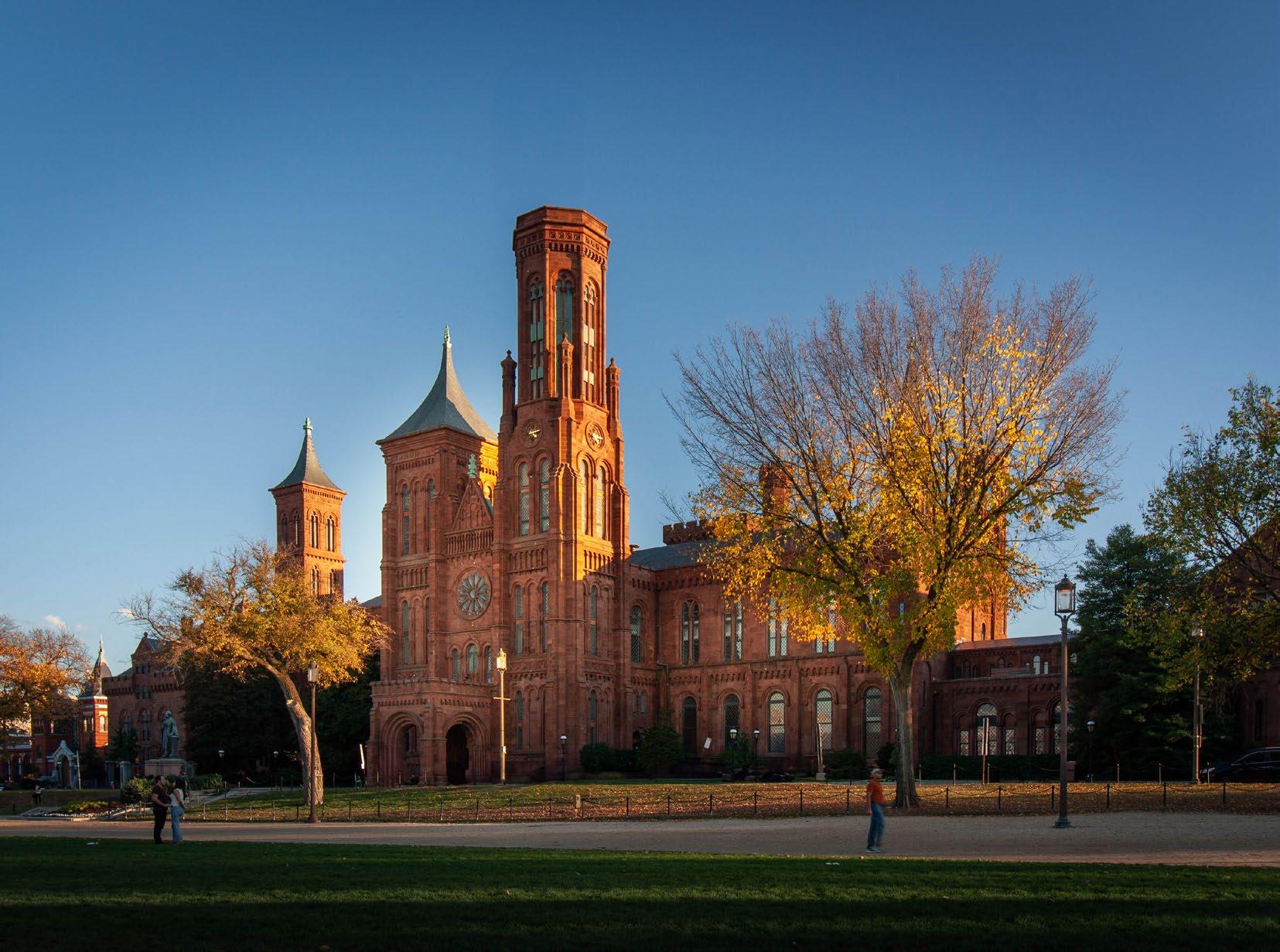
Exploring LA and beyond through a lens
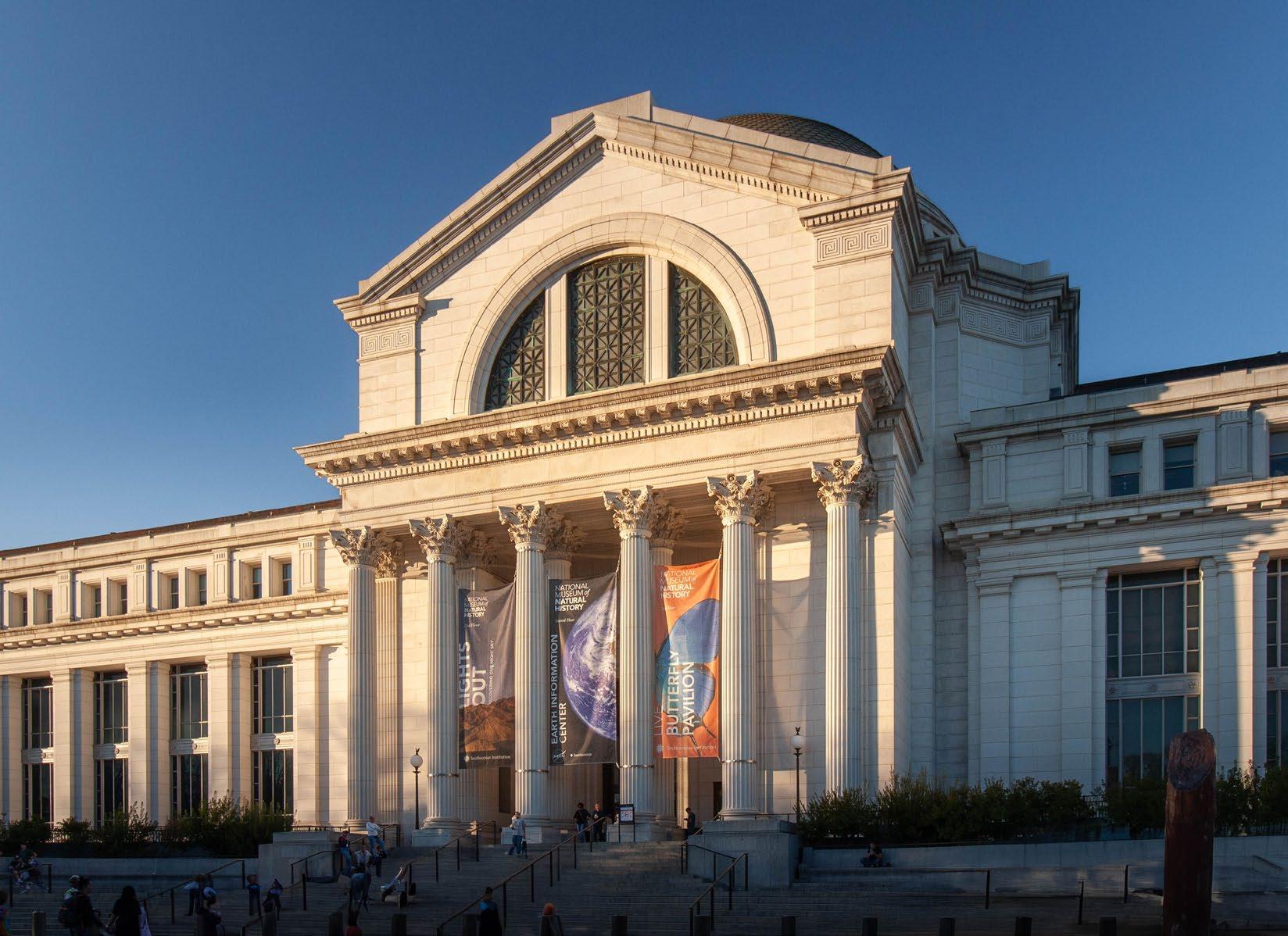
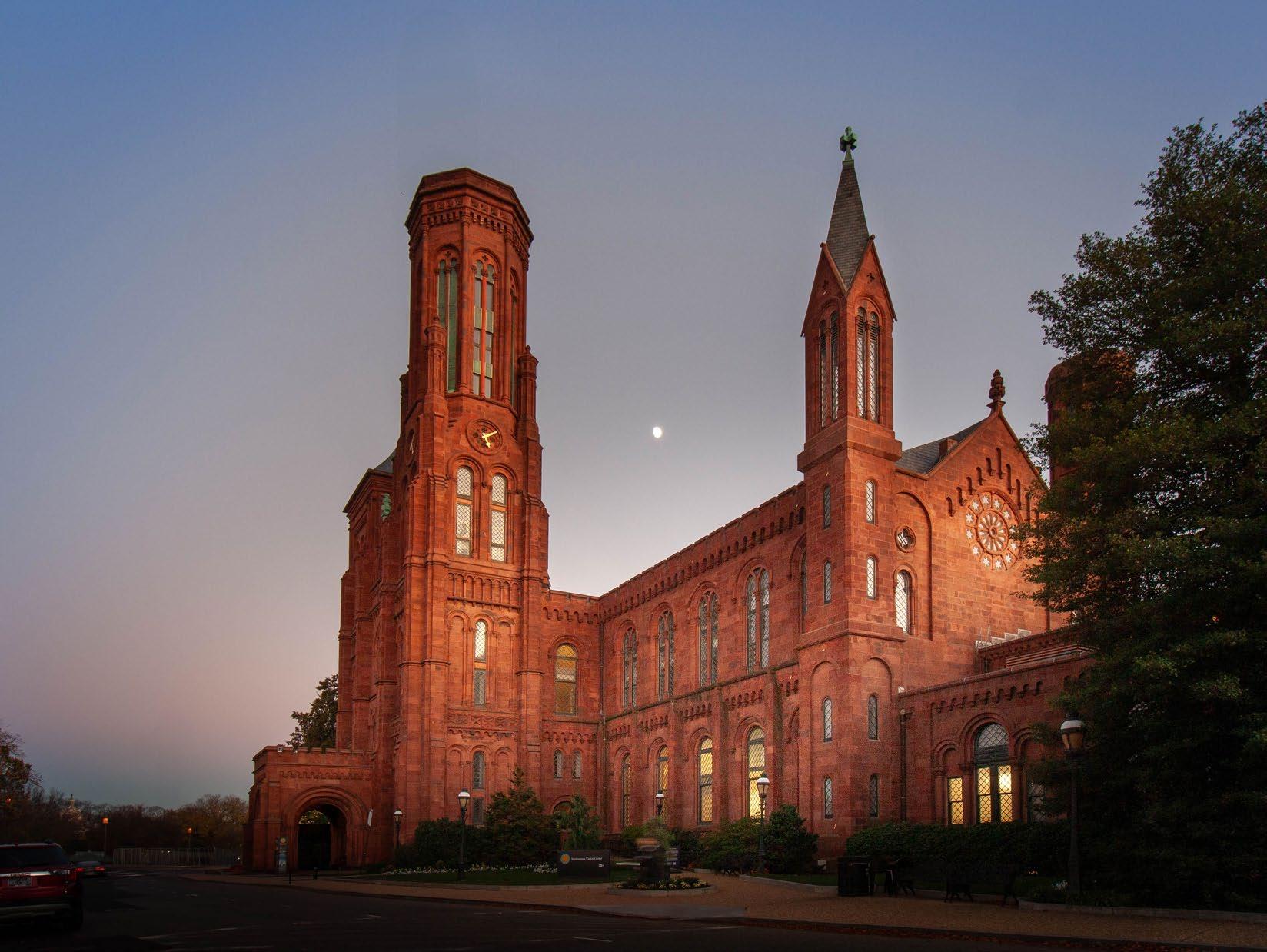
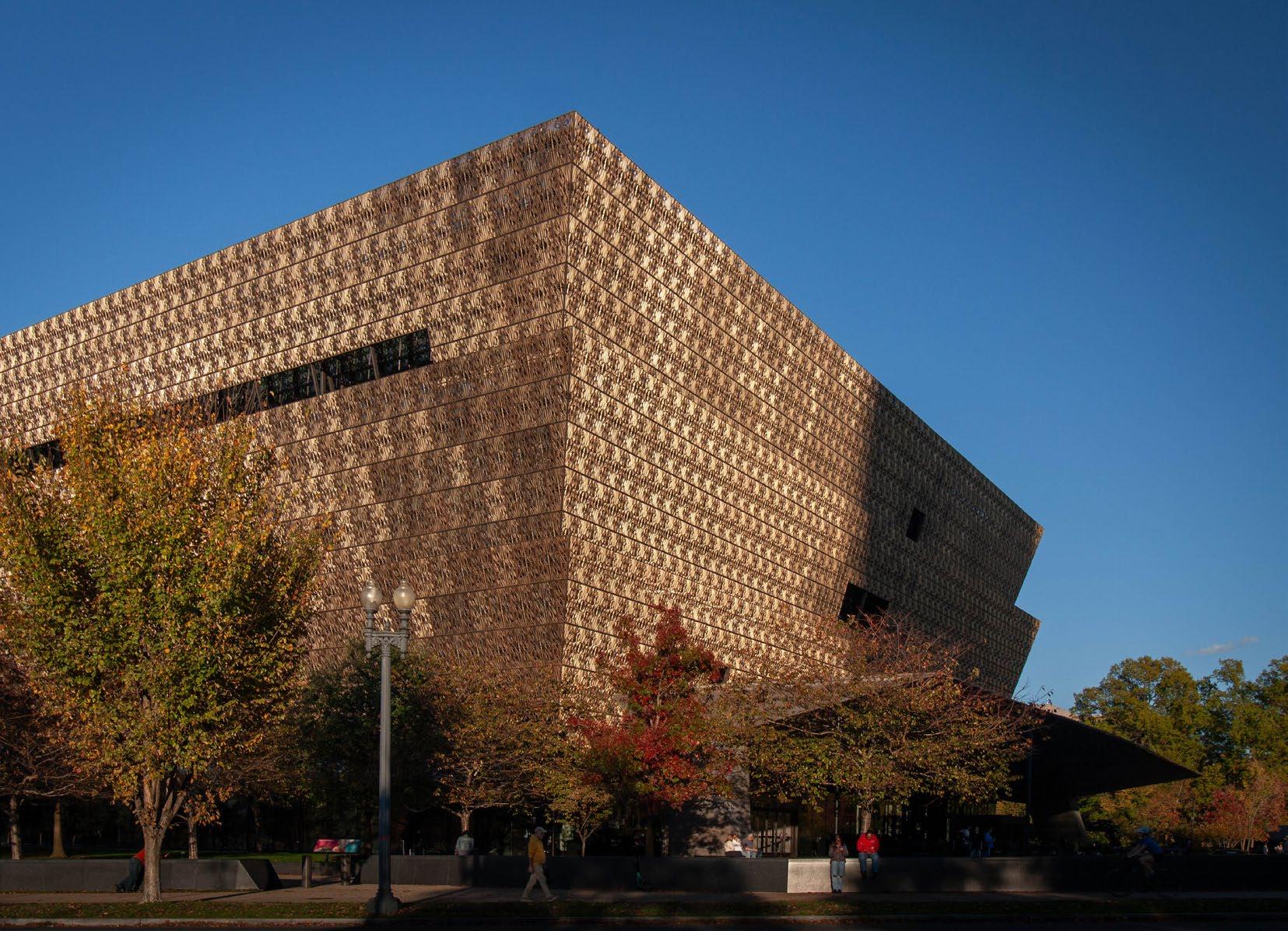
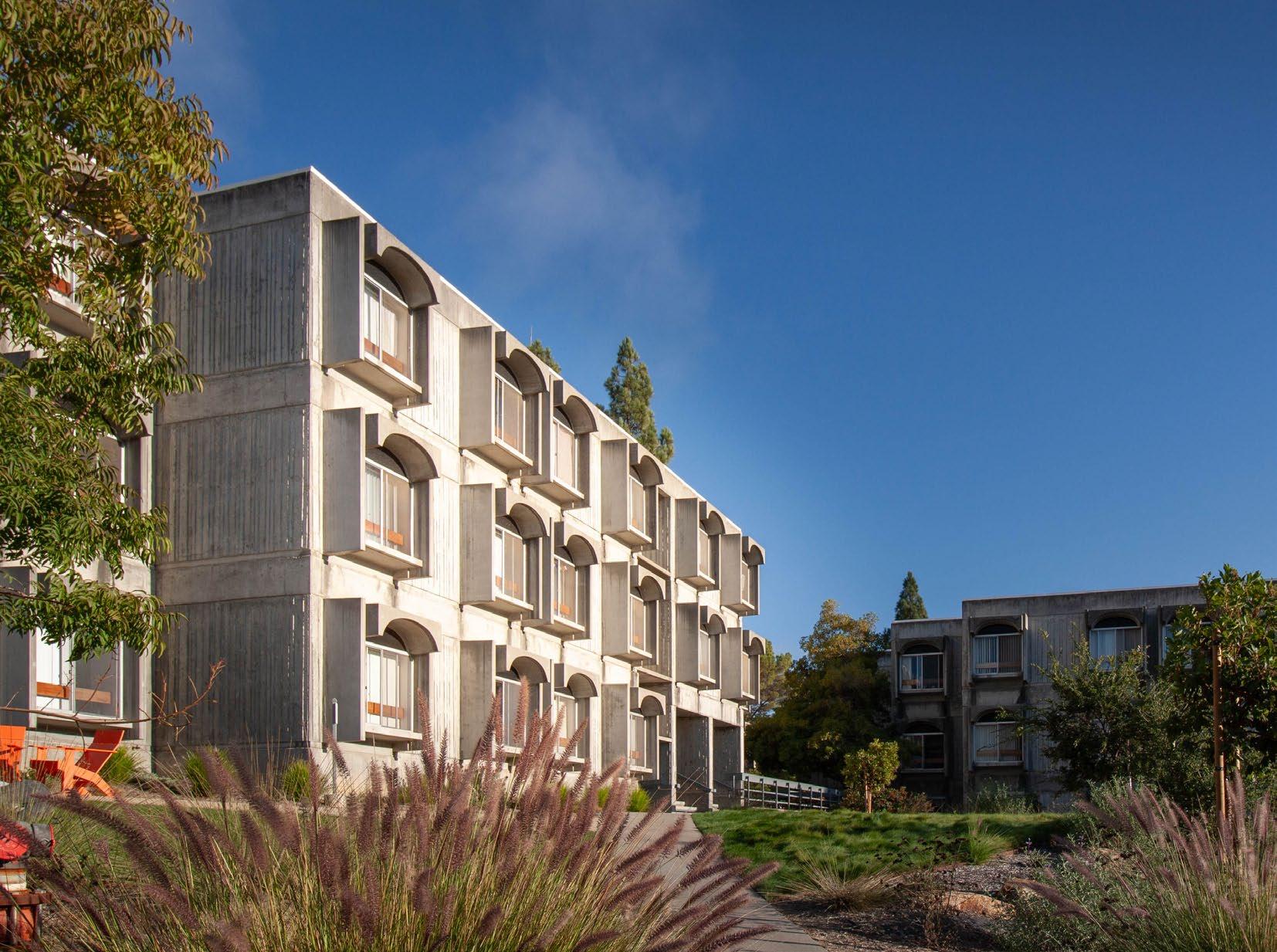
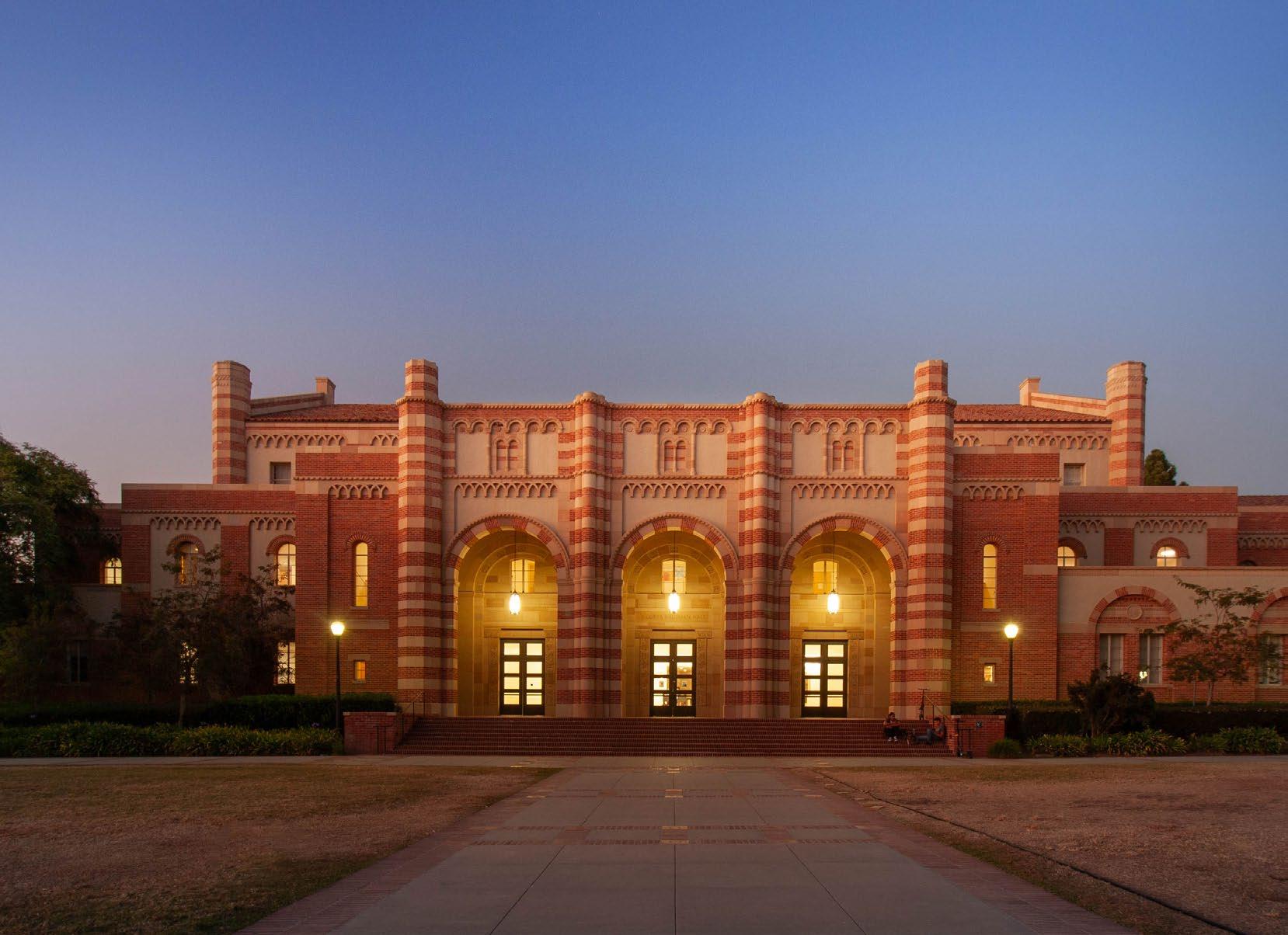
UCLA, Los Angeles
Various Instructors Washington Waldorf School Fall 2015 – Spring 2019